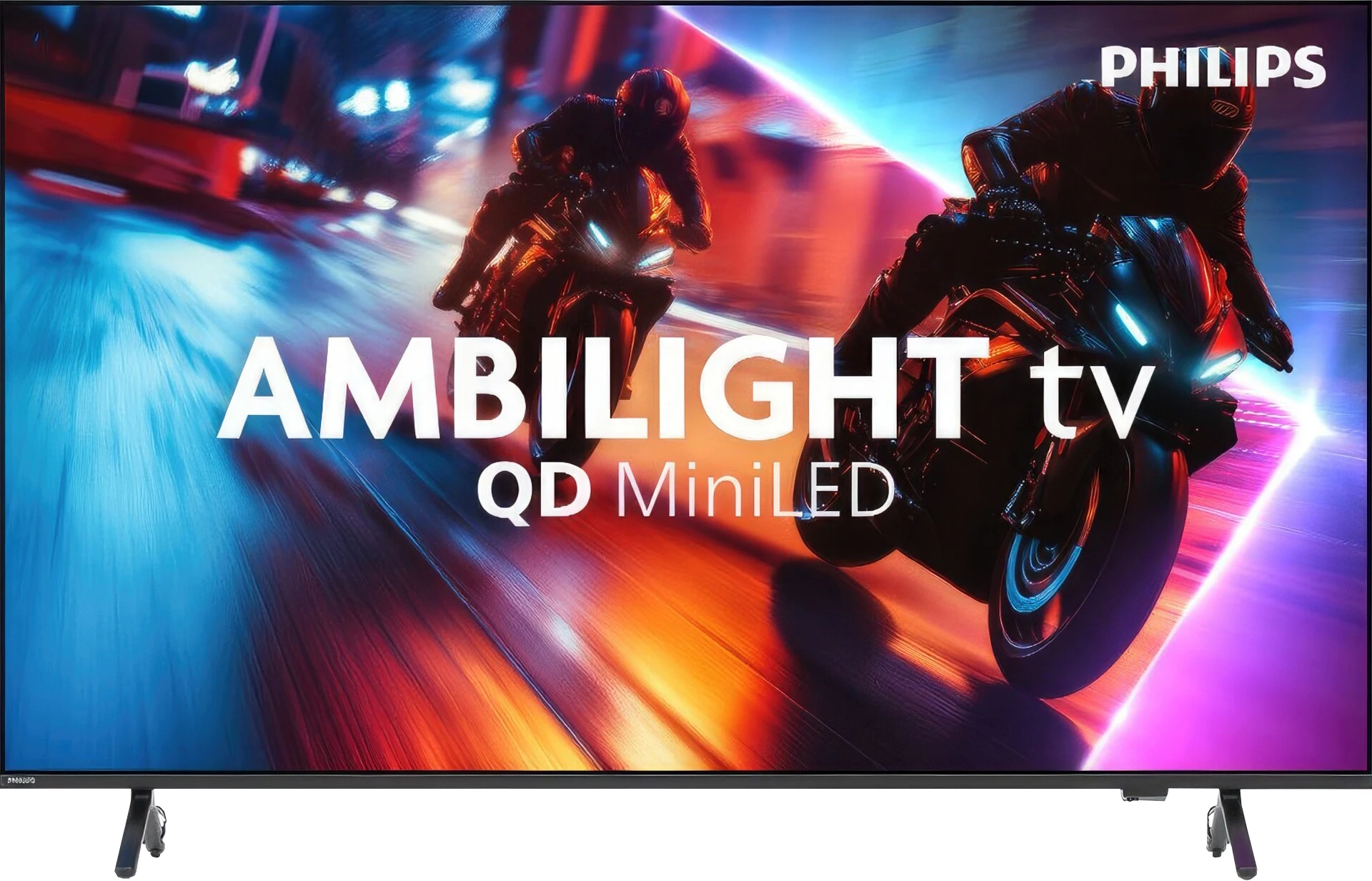
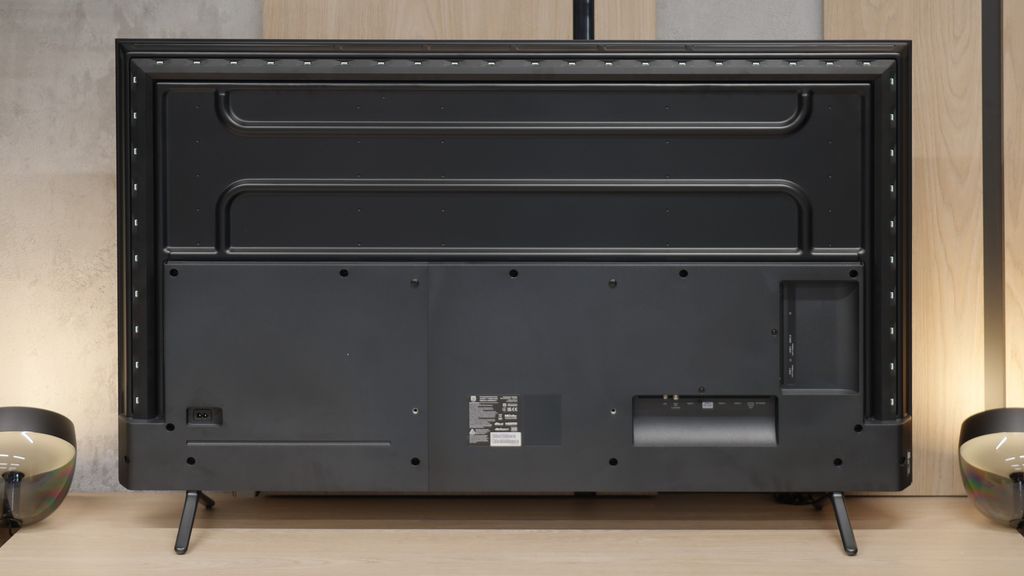
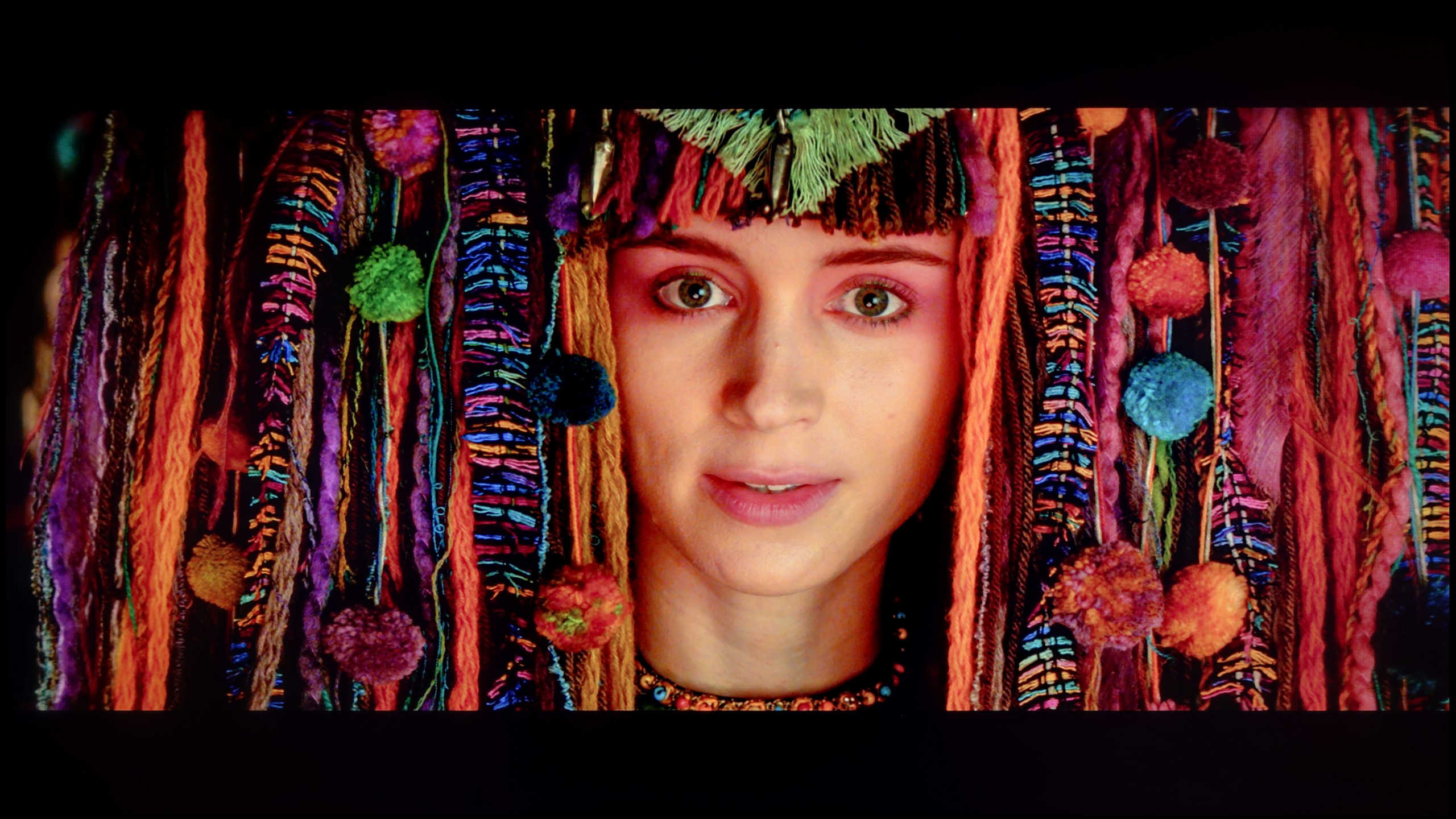
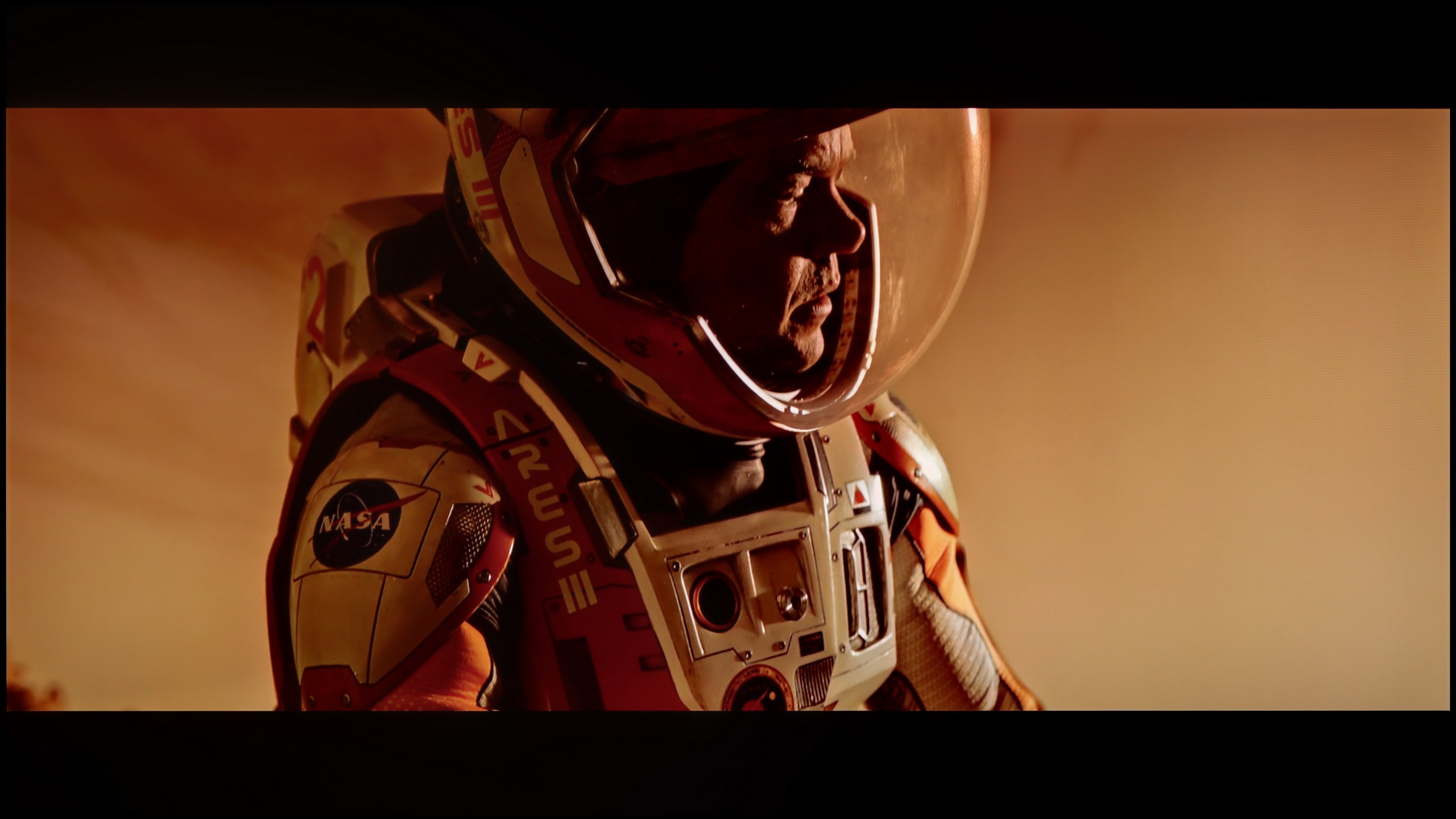
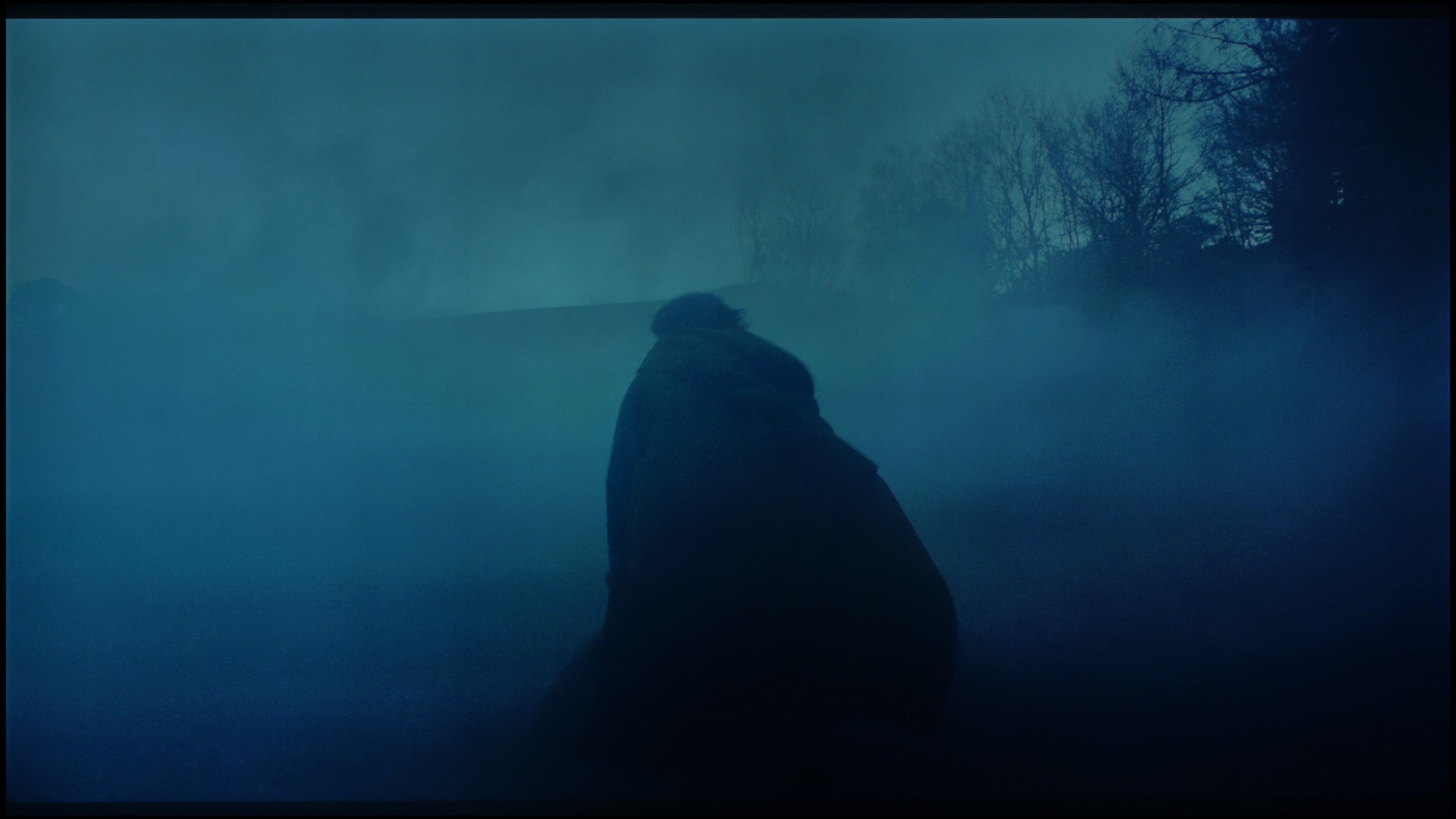
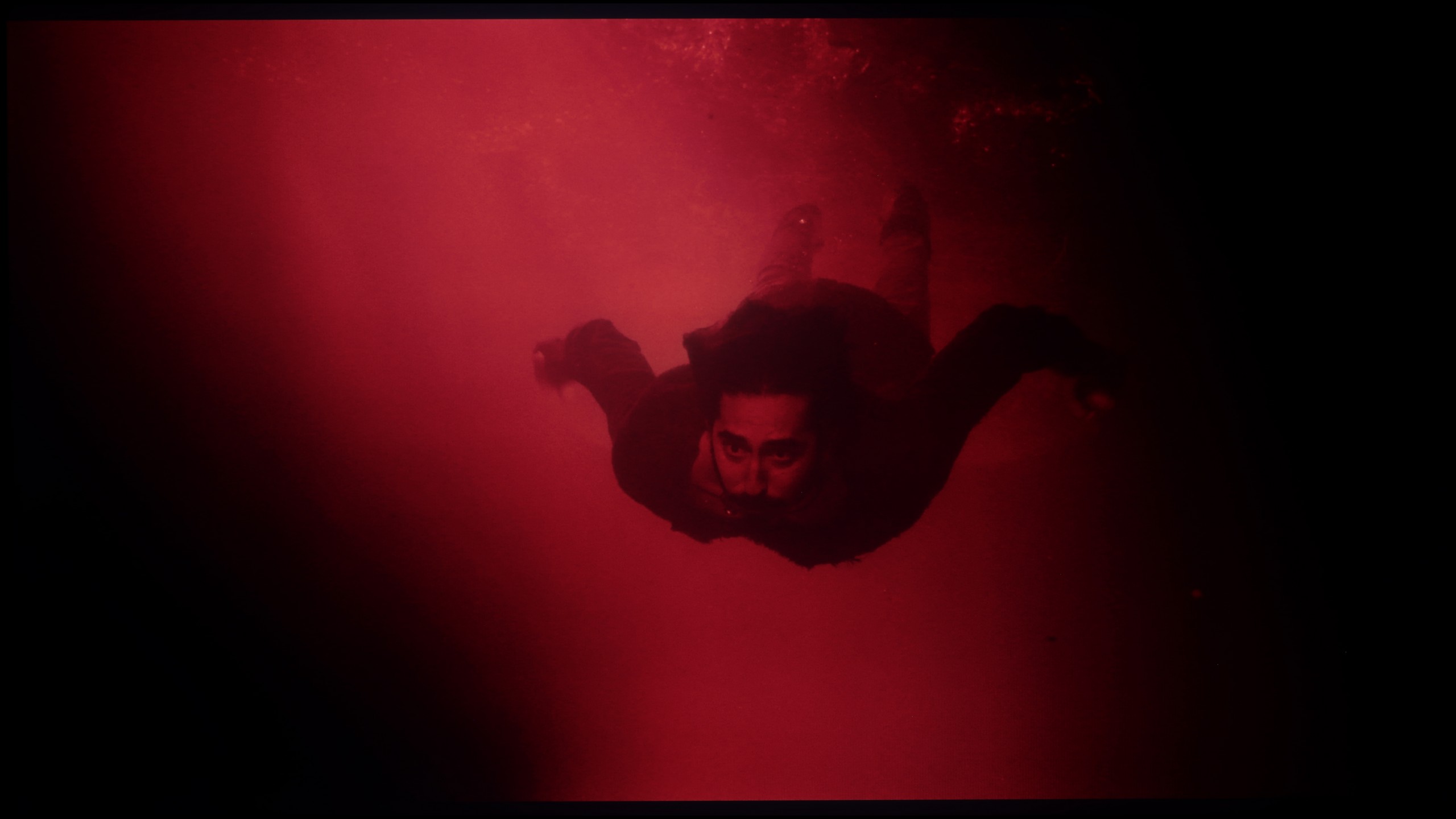
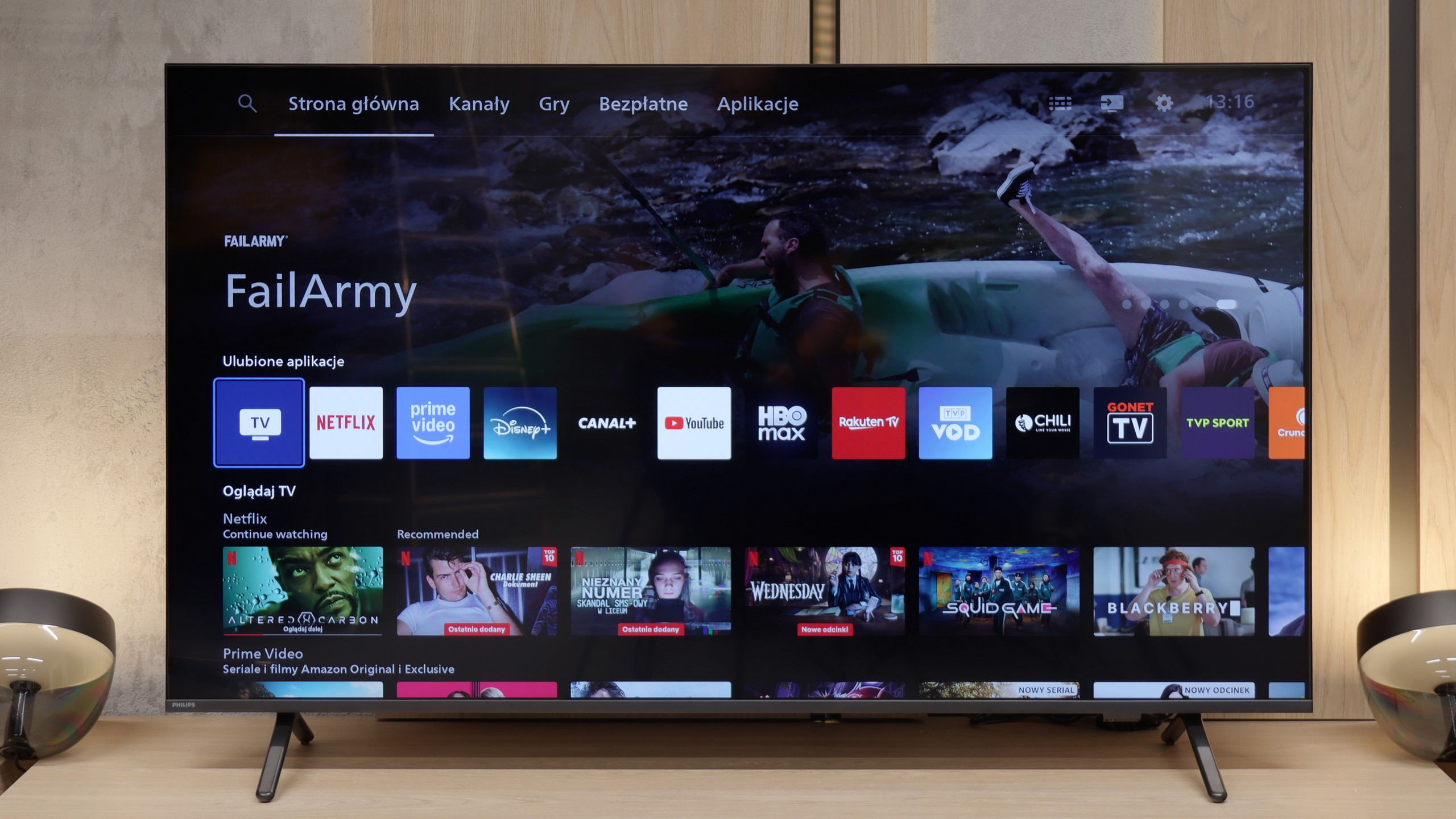
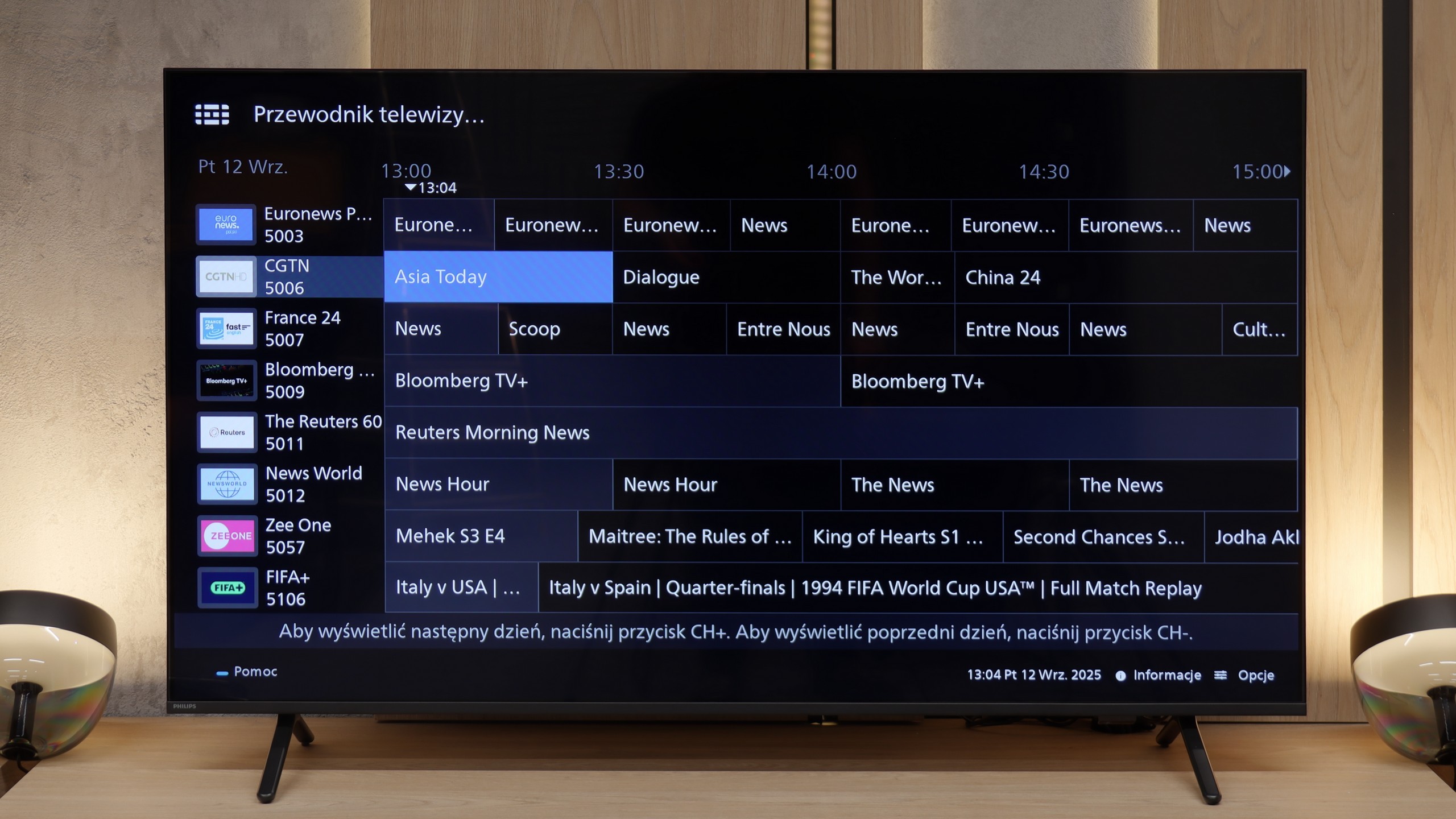
Before we dive into the software that controls the TV, it’s important to highlight one of the standout features of Philips OLED 809 is the multicoloured Ambilight. This unique system, positioned on the back of the device, adjusts its colours according to what's happening on the screen, enhancing immersion and overall viewing experience.
The Philips OLED 809 runs on the Google TV system, which is a significant advantage over some of the manufacturer's other models that use the proprietary TitanOS, a more closed system with fewer available apps. With Google TV, users can install virtually any application, from the store or via APK files directly from online repositories.
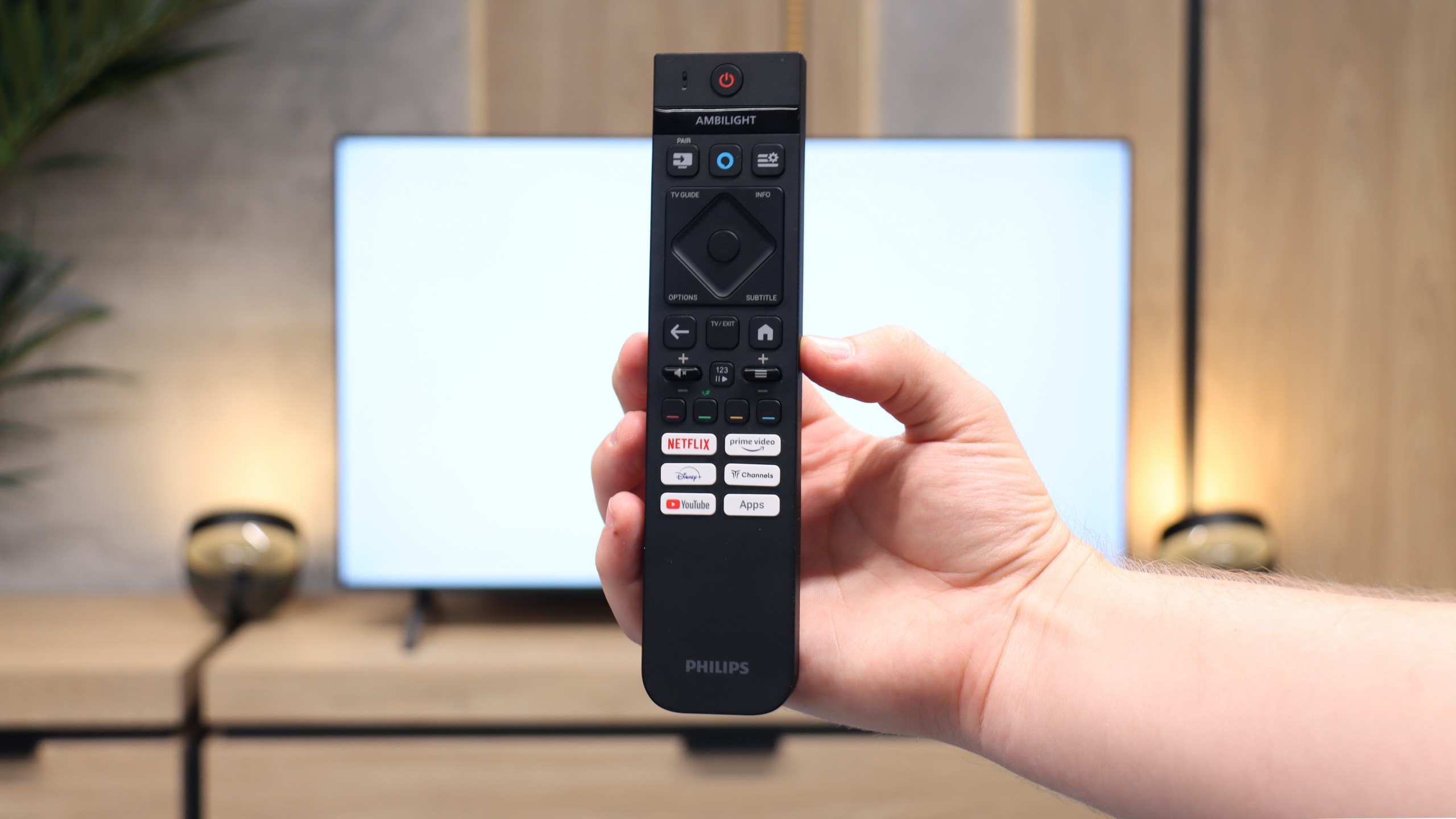
Additionally, Google TV offers convenient control options, such as easy integration with keyboards and touchpads for smoother typing and navigation. Voice commands can also be issued using the remote, with quick and accurate interpretation by the system.
In summary, Google TV is one of the most popular systems available today. Powered by a robust CPU, it operates smoothly and stably, without freezes or stutters. For those who want to make the most of their TV’s capabilities, Google TV offers the openness and versatility needed to enhance the overall experience.
Smart TV – Titan OS
Philips MLED920 uses the proprietary Titan OS, which is just beginning its journey in the TV market, and unfortunately, this is evident at every turn. On one hand, we have basic features – such as support for AirPlay or the ability to mirror the screen from a smartphone, but on the other hand, its limitations quickly become apparent. Screen mirroring works only with a phone, but not with a laptop. Voice search? Yes, but it is only supported by Amazon Alexa and in languages supported by this assistant. The system runs fairly quickly, but every now and then it can "fail" and gives the impression of something unfinished, still developing.
Classic TV Functions
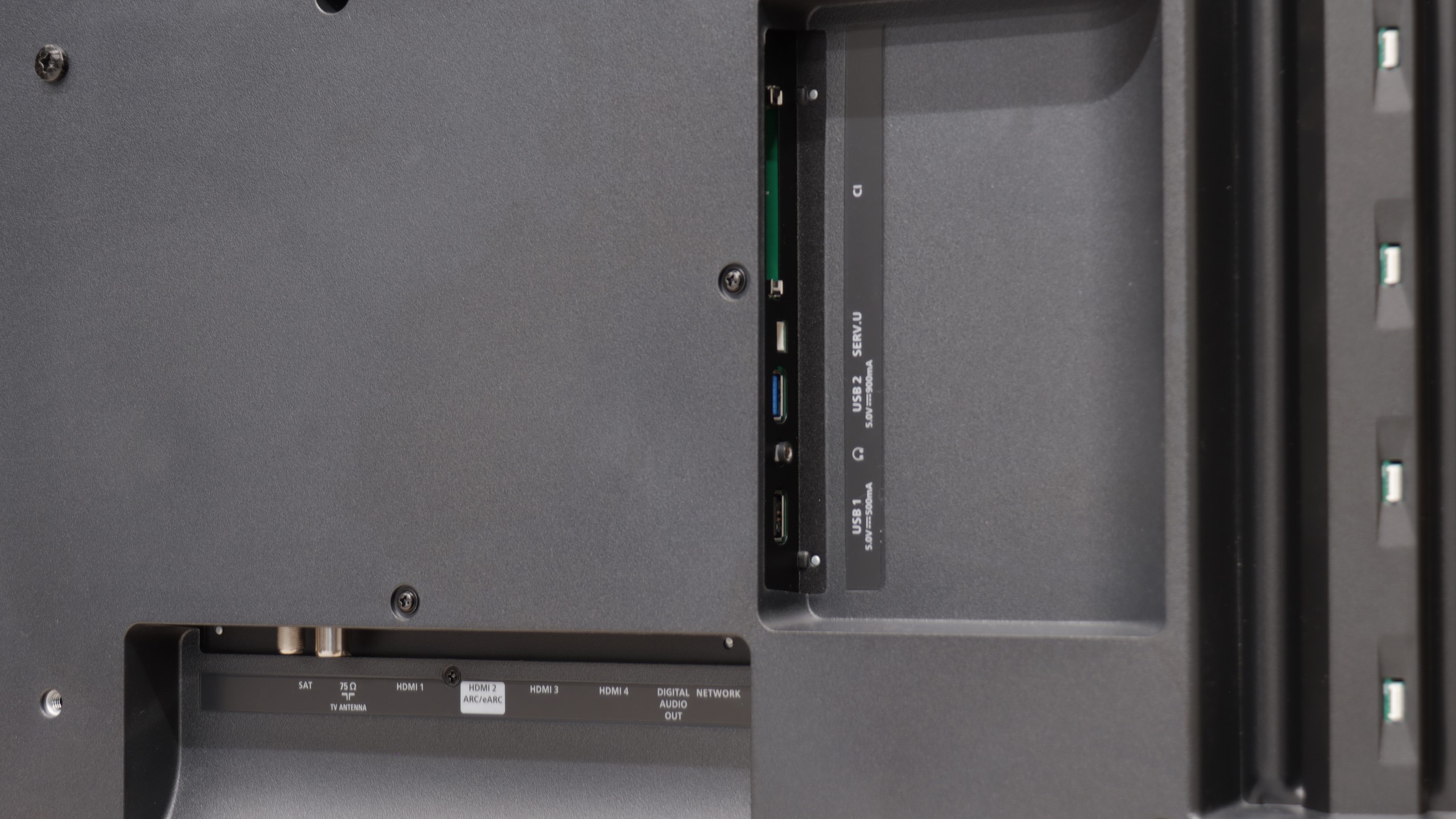
Titan OS does not pamper in terms of classic TV functions either. Besides the hybrid remote with a numeric keypad – which, although illuminated and cleverly designed in two modes, unfortunately works via infrared – we won't find anything that could truly distinguish the MLED920 from the competition. There is no USB recording or PiP function, and such solutions could be useful in this class. From unusual additions, we have an analog output in the form of a jack, which allows connecting headphones or older speakers. It’s a small nod to users who still use older equipment.
Ambilight TV
What definitely diverts attention from the shortcomings of Titan OS is the unique, three-sided Ambilight system. Here, Philips still plays in its own league and can amaze those who have not encountered this addition. The colorful lighting that responds to screen content gives screenings a unique atmosphere and is something that the competition does not offer in a similar form. It is Ambilight that is meant to ensure that other issues – both system and functional – take a back seat.
 Direct comparison