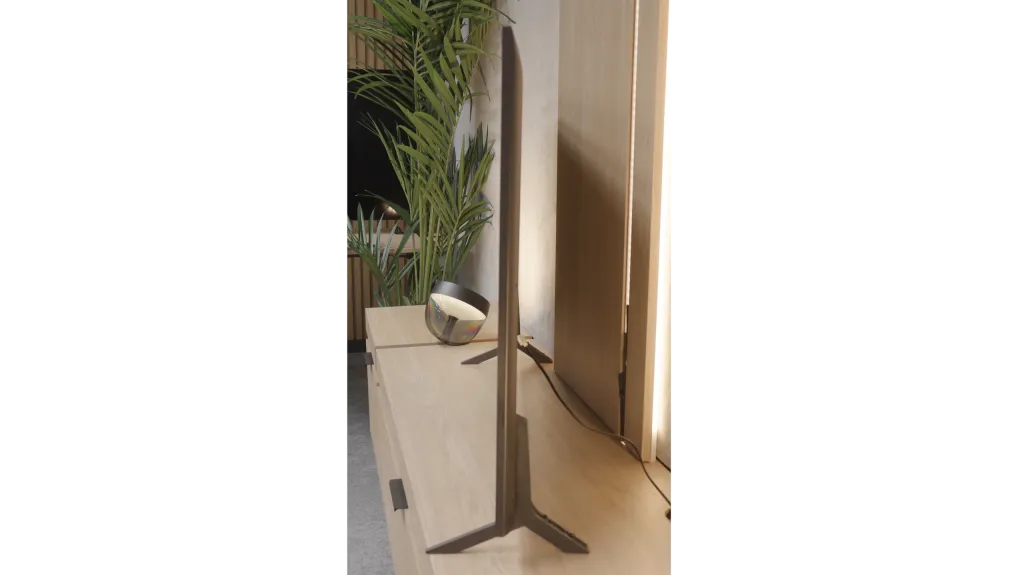
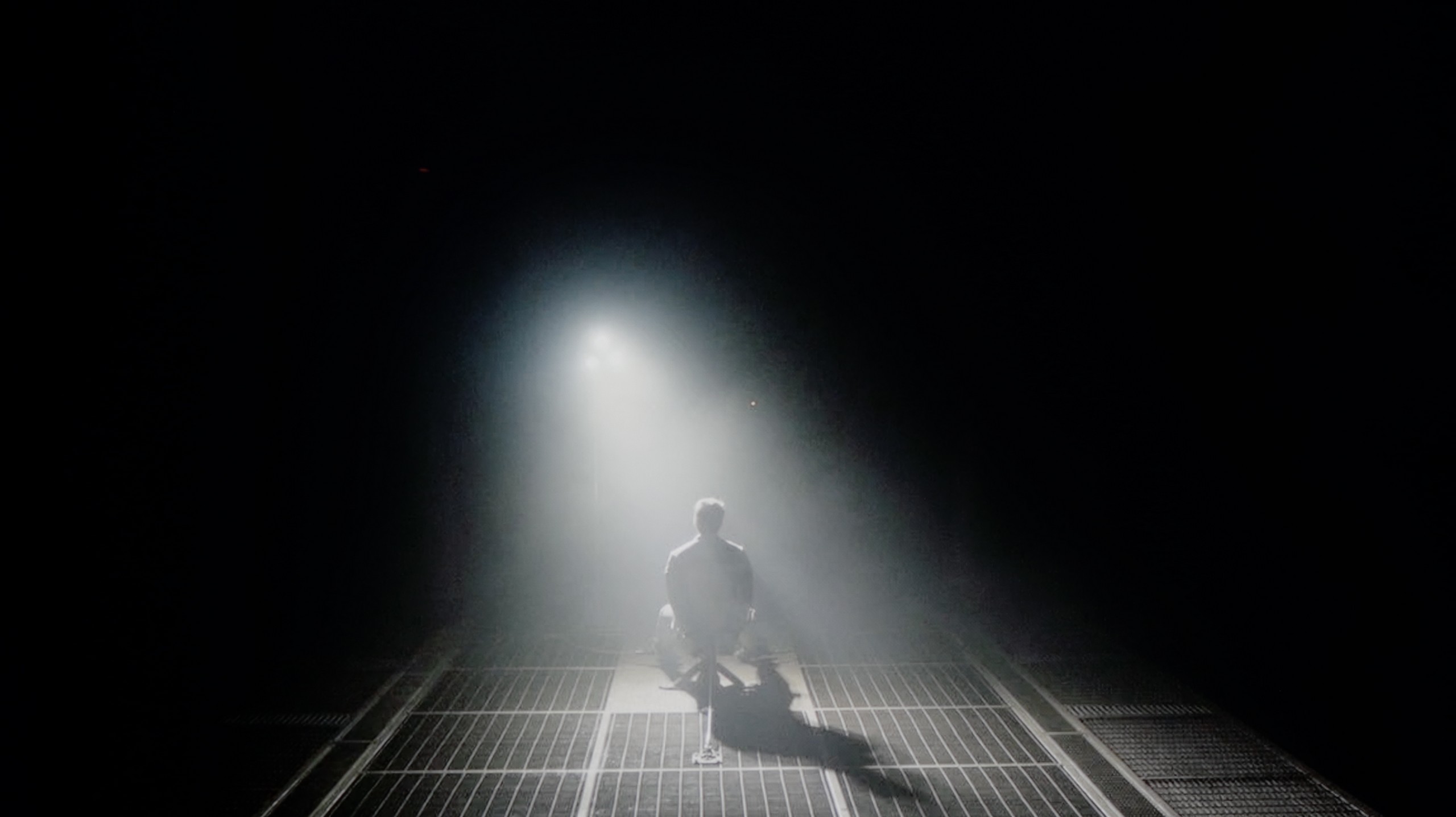
Before we dive into the software that controls the TV, it’s important to highlight one of the standout features of Philips OLED 809 is the multicoloured Ambilight. This unique system, positioned on the back of the device, adjusts its colours according to what's happening on the screen, enhancing immersion and overall viewing experience.
The Philips OLED 809 runs on the Google TV system, which is a significant advantage over some of the manufacturer's other models that use the proprietary TitanOS, a more closed system with fewer available apps. With Google TV, users can install virtually any application, from the store or via APK files directly from online repositories.
Additionally, Google TV offers convenient control options, such as easy integration with keyboards and touchpads for smoother typing and navigation. Voice commands can also be issued using the remote, with quick and accurate interpretation by the system.
In summary, Google TV is one of the most popular systems available today. Powered by a robust CPU, it operates smoothly and stably, without freezes or stutters. For those who want to make the most of their TV’s capabilities, Google TV offers the openness and versatility needed to enhance the overall experience.
Smart TV System and WebOS
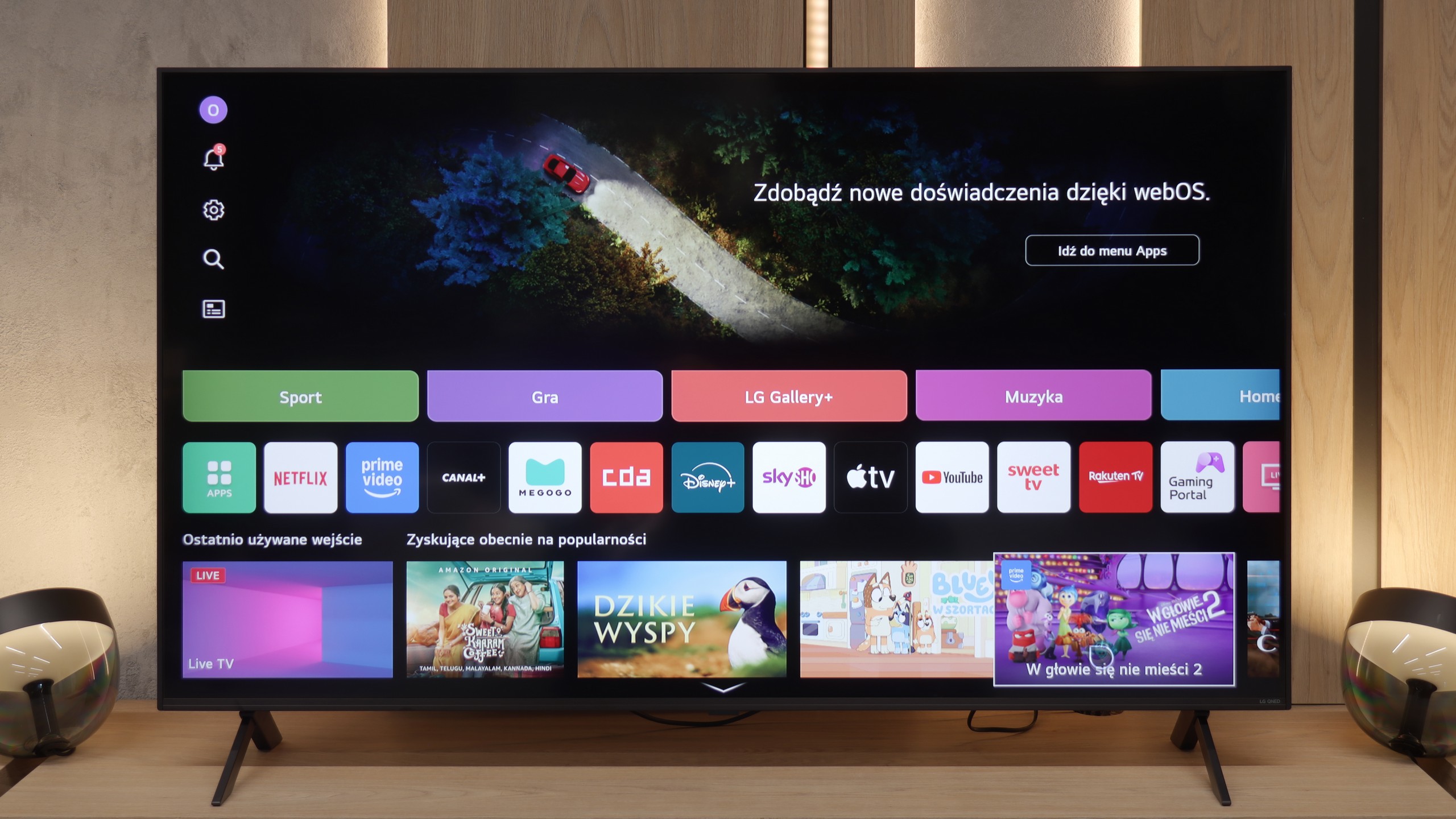
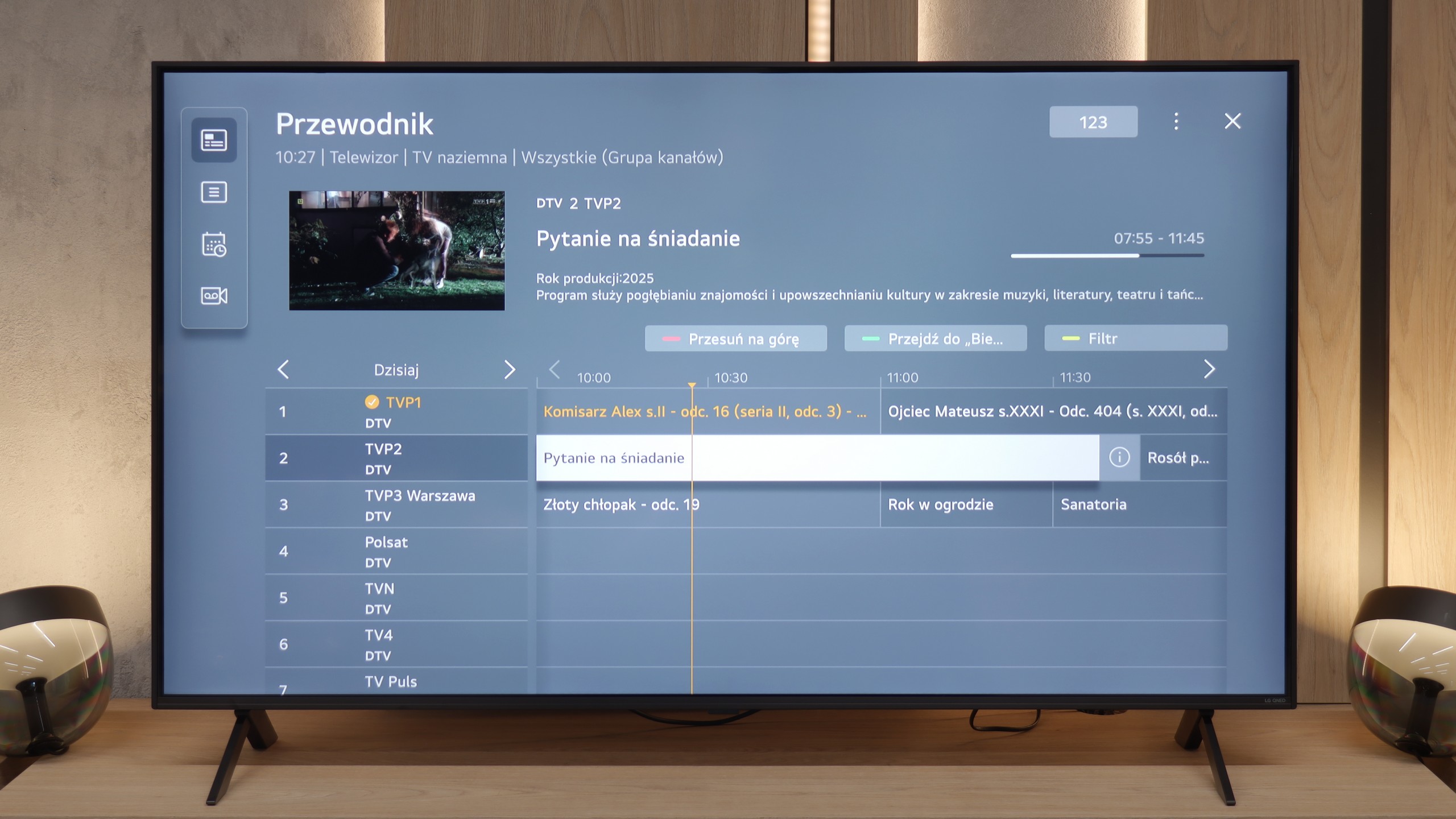
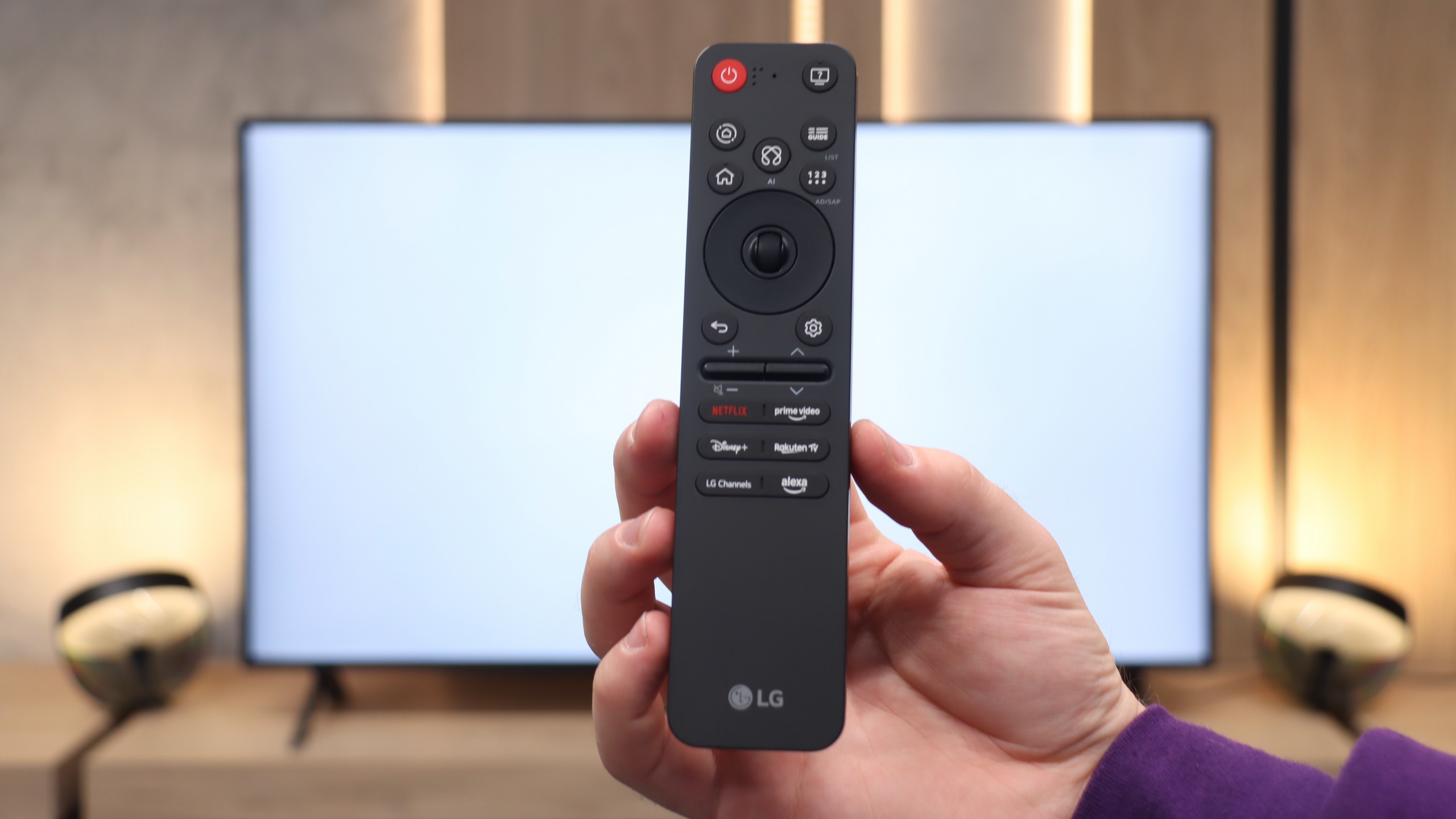
A huge plus of LG TVs – even those in the lower or mid-price range – is that the manufacturer does not treat them "less favorably" in terms of software. The QNED80A runs on the latest version of the WebOS system, which performed excellently during our tests. The interface operated smoothly, responded quickly to commands, and most importantly – was very intuitive. Much of this is thanks to the famous Magic Remote, which works like a computer mouse – we control the cursor on the screen with wrist movements. However, there’s an unexpected surprise here. In the 2025 model year, the controller underwent quite a drastic transformation. It has been minimized and slimmed down. Modern users will probably appreciate this change because the remote fits nicely in the hand and looks more "premium." However, traditionalists may feel disappointed – the miniaturization has come at a cost, including the removal of the classic numeric keypad, which may complicate quick channel selection.
Classic Features and Multimedia
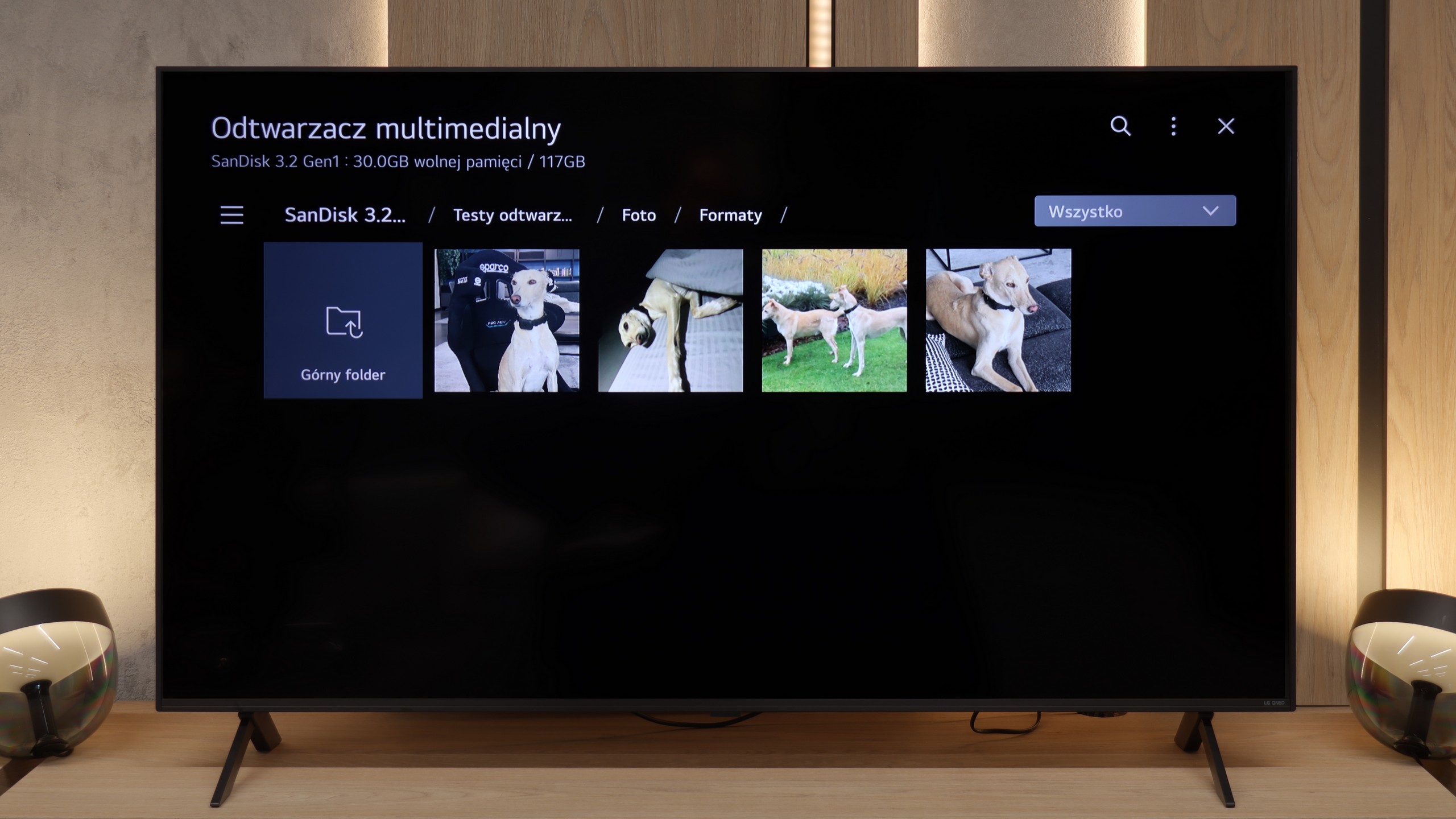
When it comes to so-called classic features, the QNED80A does not strive to be a revolutionary product. It is simply a solid piece of equipment that does what it was designed for. There are no hidden "gimmicks" here, but we also did not miss anything. The traditional Teletext works flawlessly, and the wireless connectivity modules (such as Bluetooth and Wi-Fi) are stable and quickly pair with external devices, e.g., headphones or a soundbar. In this regard, the TV simply does not throw obstacles in our way – it works as we expect, not standing out in any particular way from the competition, but also not giving any reasons to complain.
 Direct comparison