Before we dive into the software that controls the TV, it’s important to highlight one of the standout features of Philips OLED 809 is the multicoloured Ambilight. This unique system, positioned on the back of the device, adjusts its colours according to what's happening on the screen, enhancing immersion and overall viewing experience.
The Philips OLED 809 runs on the Google TV system, which is a significant advantage over some of the manufacturer's other models that use the proprietary TitanOS, a more closed system with fewer available apps. With Google TV, users can install virtually any application, from the store or via APK files directly from online repositories.
Additionally, Google TV offers convenient control options, such as easy integration with keyboards and touchpads for smoother typing and navigation. Voice commands can also be issued using the remote, with quick and accurate interpretation by the system.
In summary, Google TV is one of the most popular systems available today. Powered by a robust CPU, it operates smoothly and stably, without freezes or stutters. For those who want to make the most of their TV’s capabilities, Google TV offers the openness and versatility needed to enhance the overall experience.
Smart Features: WebOS
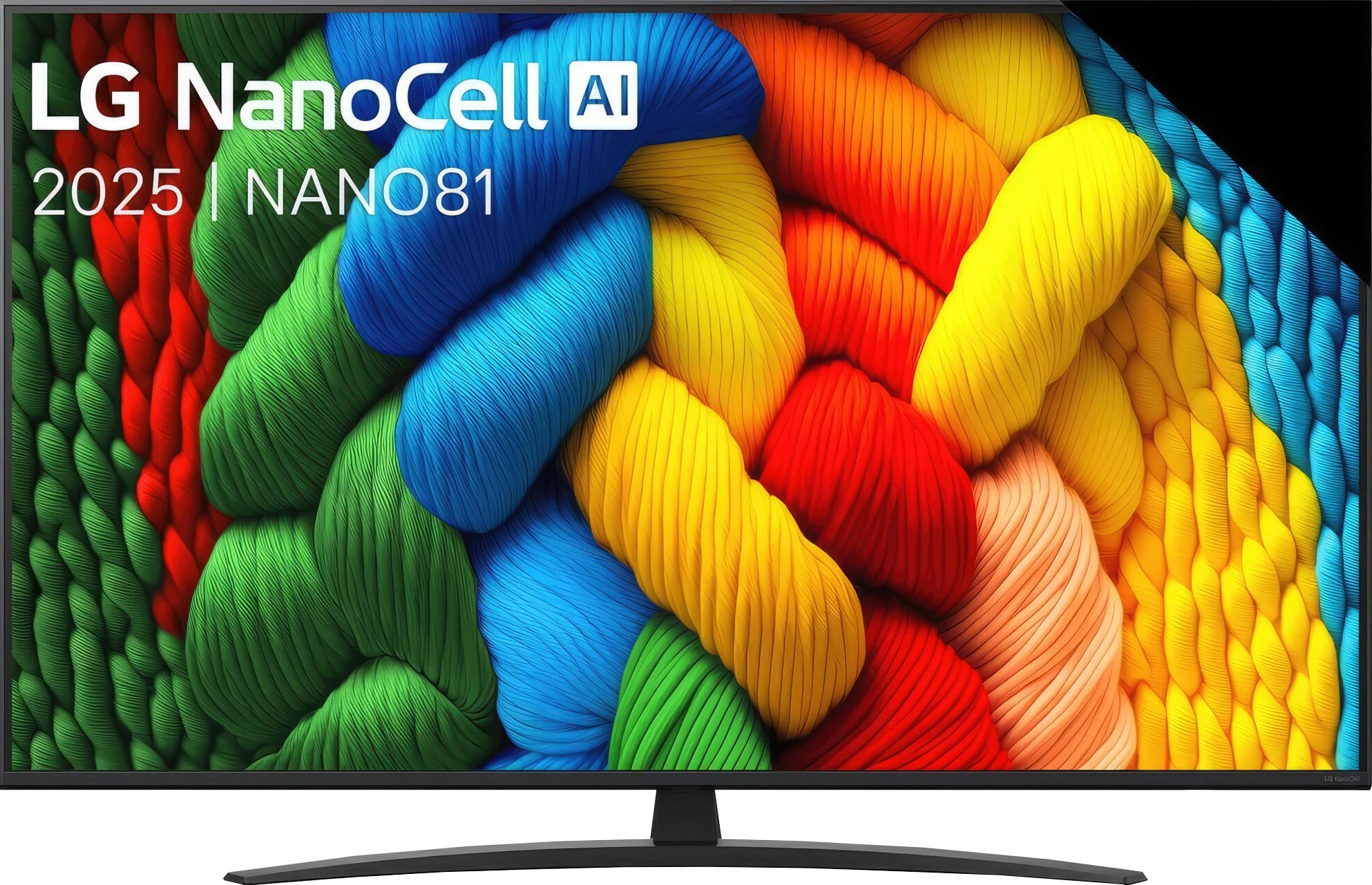
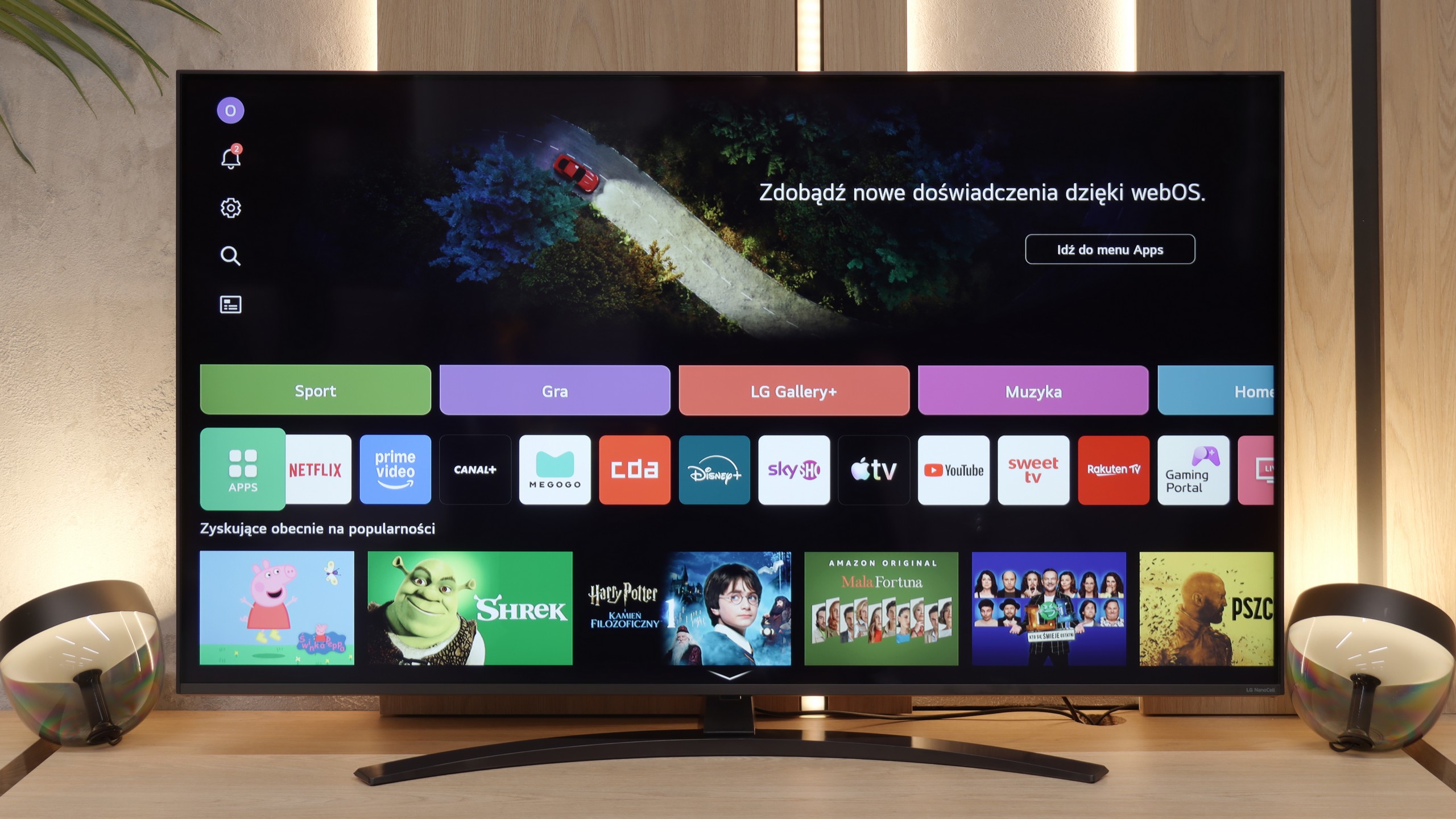
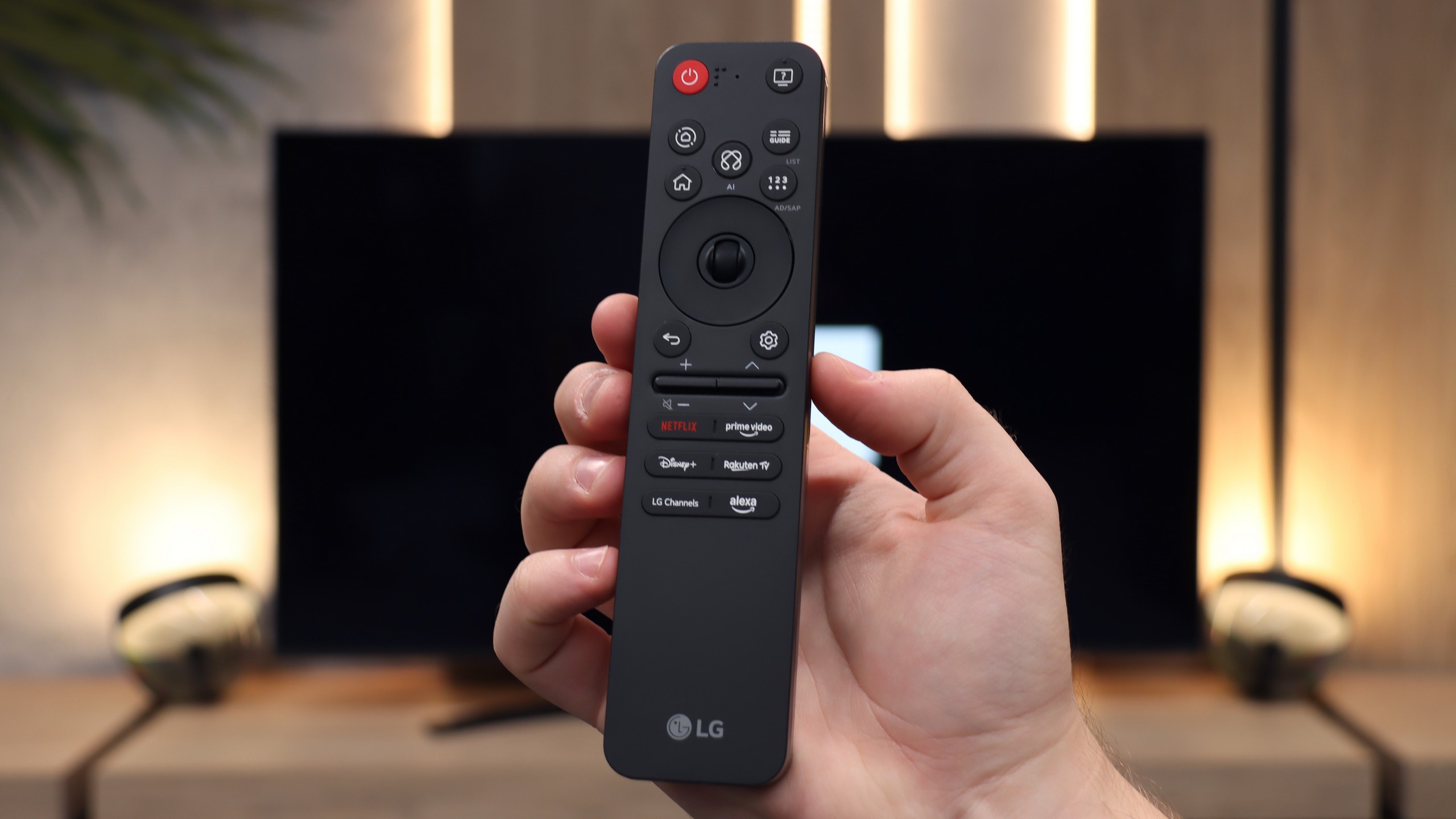
One of the biggest advantages of the NANO81A model is its “brain,” which is the operating system. LG has implemented a full-fledged WebOS version for 2025, which in terms of fluidity and user experience is on par with the more expensive models of this brand. Applications launch smoothly, and navigating the menu is a pure pleasure – there is no sign of irritating lags that often occur with budget competitors. All of this is thanks to the unique remote control with a pointer (cursor) function, which has undergone a visual makeover this year. The manufacturer has opted for minimalism – the new Magic remote is significantly smaller and more ergonomic than its predecessors. It sits perfectly in the hand, but this change has a downside as well. The physical number pad has completely disappeared from the casing. For younger users, accustomed to streaming and selecting tiles, this will not be a problem. However, older household members, who are used to entering channel numbers from memory, will have to change their long-standing habits.
Everyday Use
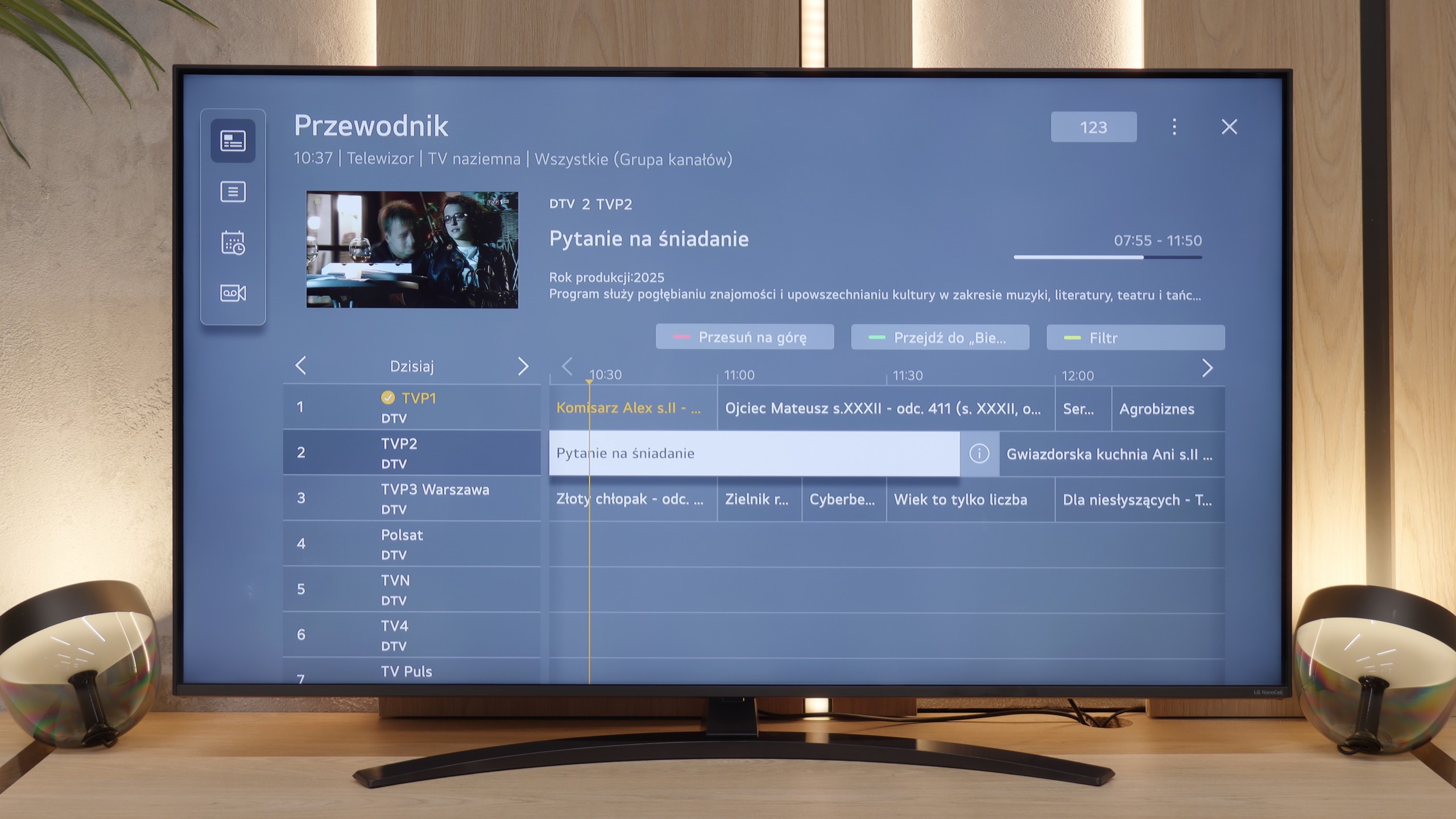
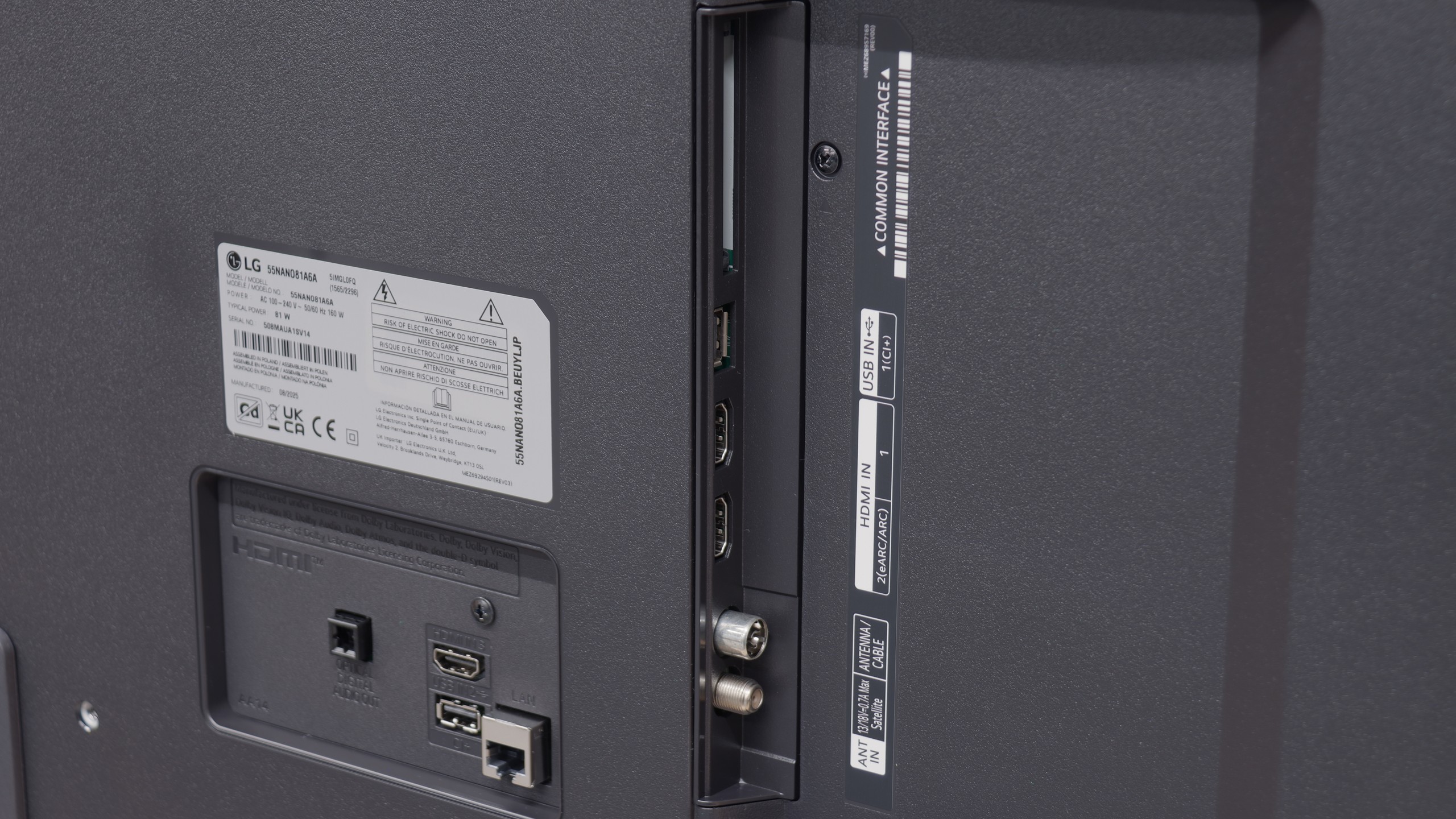
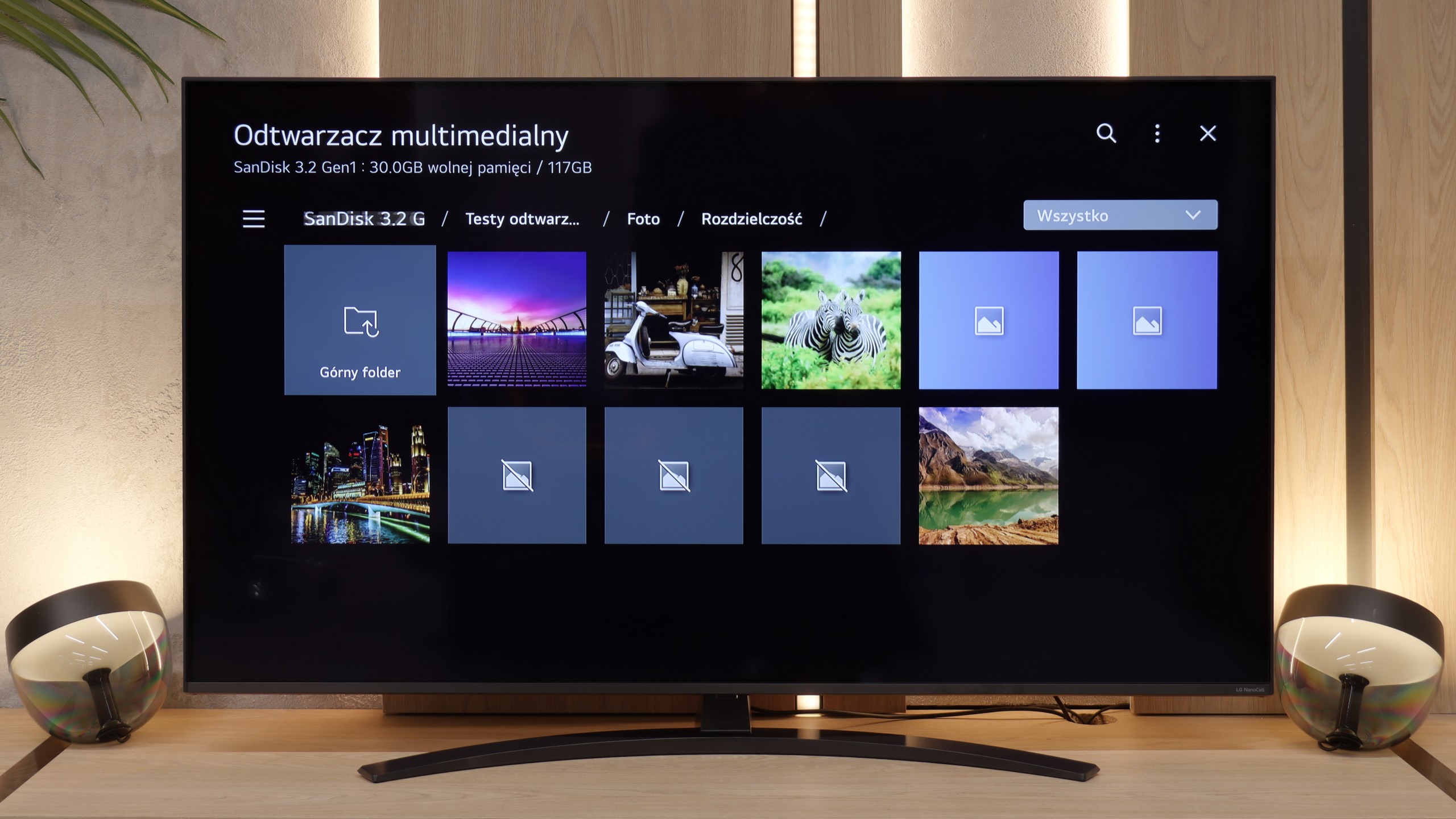
In terms of features we would call “classic,” the NANO81A relies on proven standards. It is not a multimedia powerhouse that will surprise you with exotic additions, but it performs flawlessly in everyday television tasks. The handling of traditional terrestrial or cable television, including the old good Teletext, is correct and intuitive. Wireless communication also deserves praise. The Bluetooth module works very reliably, allowing for quick and stable connections to game console controllers or wireless headphones and speakers. It’s simply a TV that “works” – it is stable, predictable, and does not create unnecessary complications in daily use.
 Direct comparison