The Philips OLED769 is the entry-level OLED television from the Chinese-Dutch manufacturer for 2024. Designed to impress during movie nights or dynamic content, the OLED technology ensures excellent contrast, while carefully adjusted picture settings deliver vibrant and natural colours. Motion fluidity is another highlight, with an efficient motion smoother for films and a 120Hz panel that guarantees clarity and fluidity for gamers and sports enthusiasts.
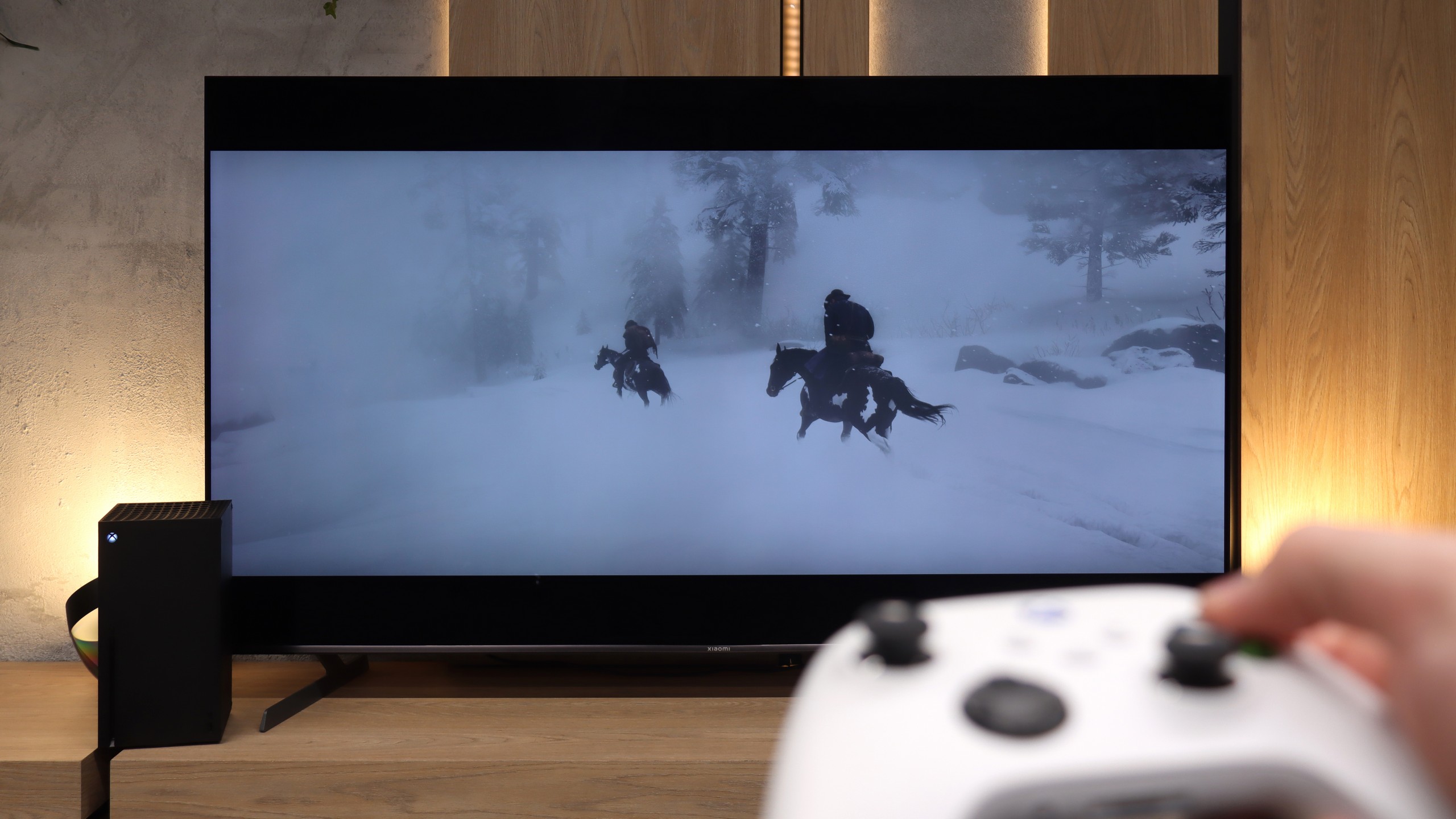
Gamers will particularly appreciate the OLED769, which includes 4 HDMI 2.1 ports supporting features such as VRR and ALLM. Combined with a very fast response time, the TV ensures smooth, realistic action with exceptional precision and responsiveness. Another standout feature is Philips' proprietary Ambilight lighting system, which enhances the viewing experience with immersive ambient lighting, beloved by many loyal fans.
On the downside, the operating system may disappoint those familiar with older Philips TVs. The TitanOS platform, replacing previous open systems, feels somewhat limited, offering fewer user features and a smaller selection of apps. However, for users who rely on only the most essential streaming platforms, TitanOS should suffice.
Overall, the Philips OLED769 is a reliable choice for those seeking modern features, strong picture quality, and an enjoyable gaming or movie-watching experience, all at an accessible level.
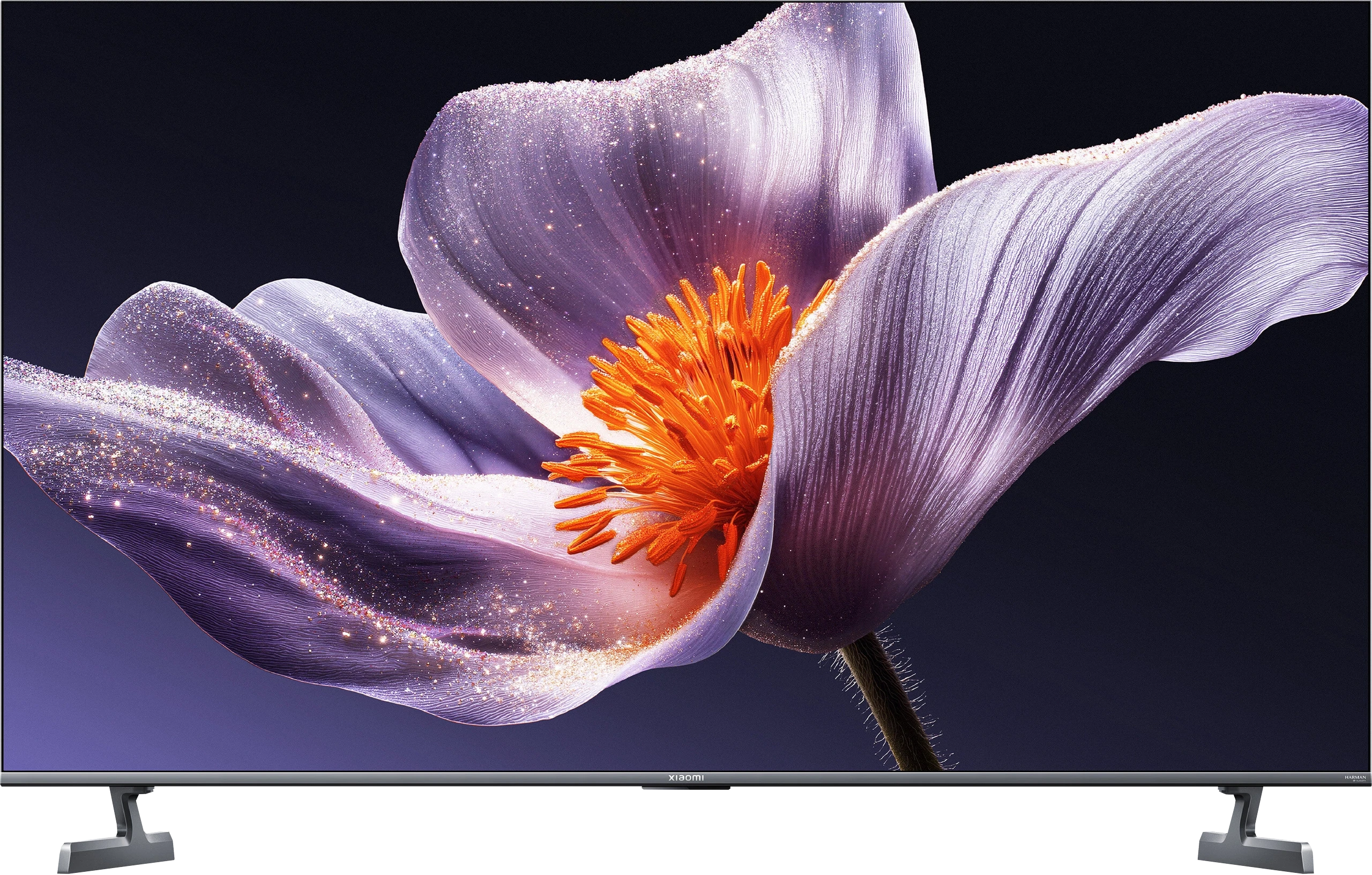
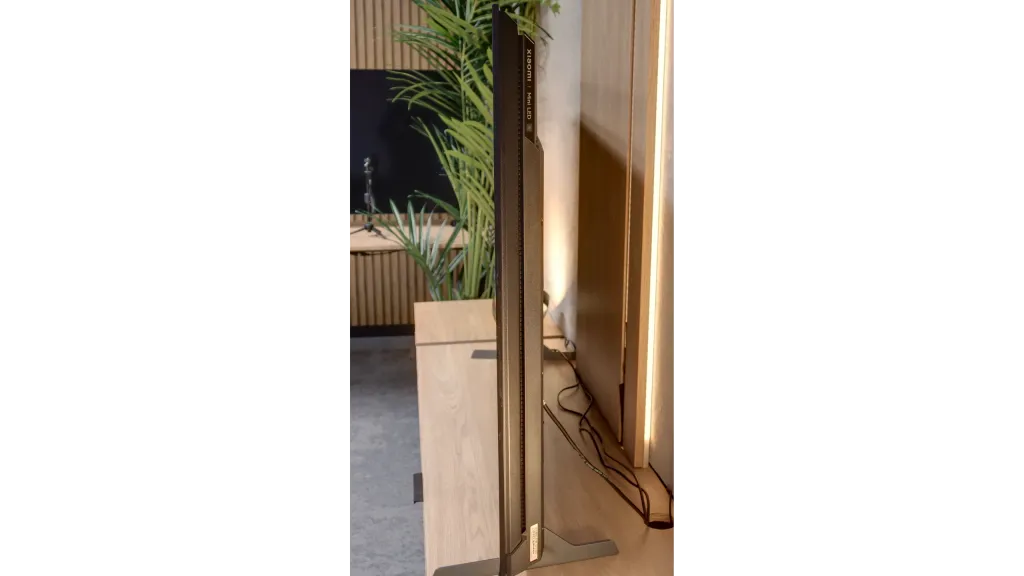
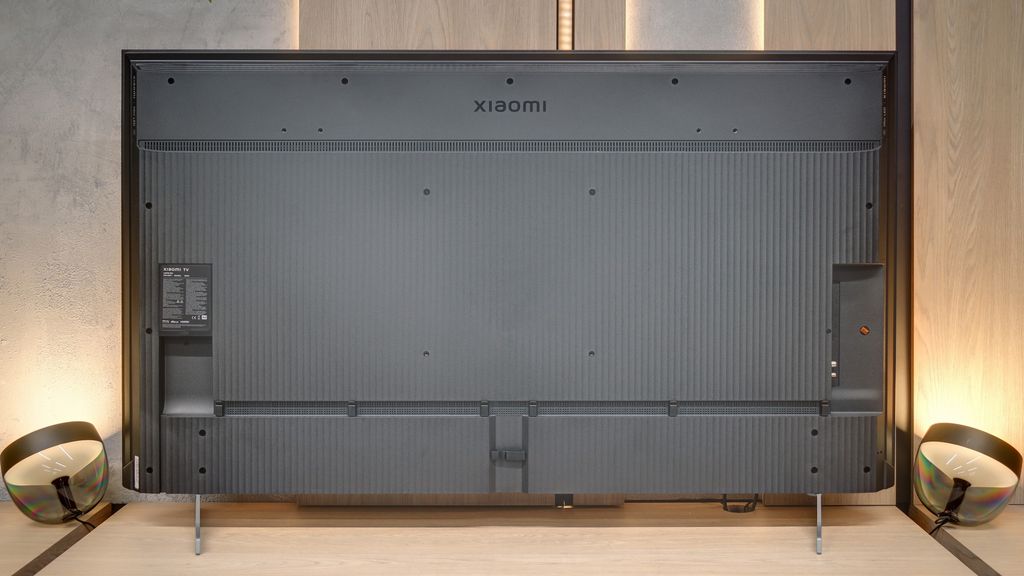
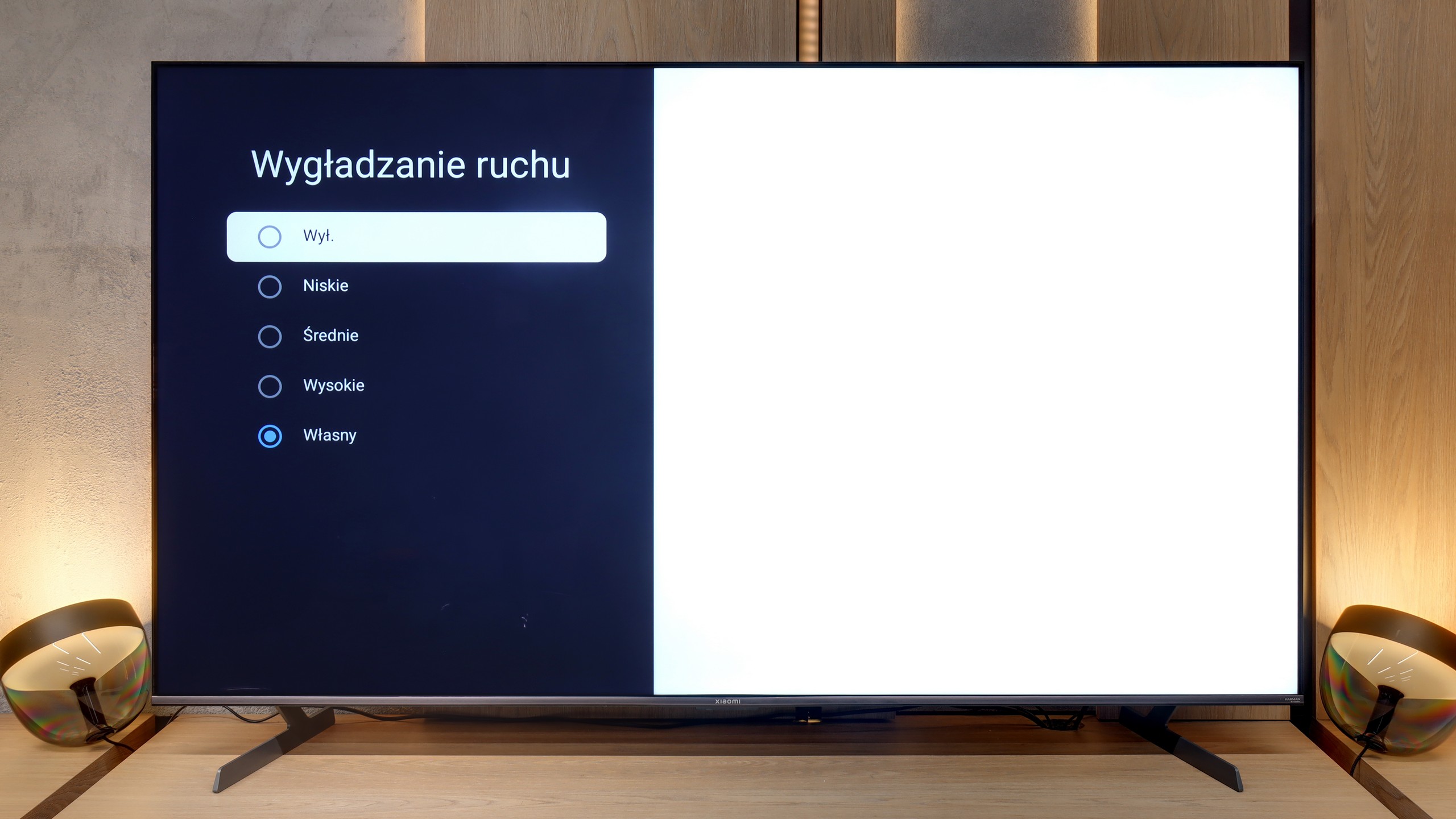
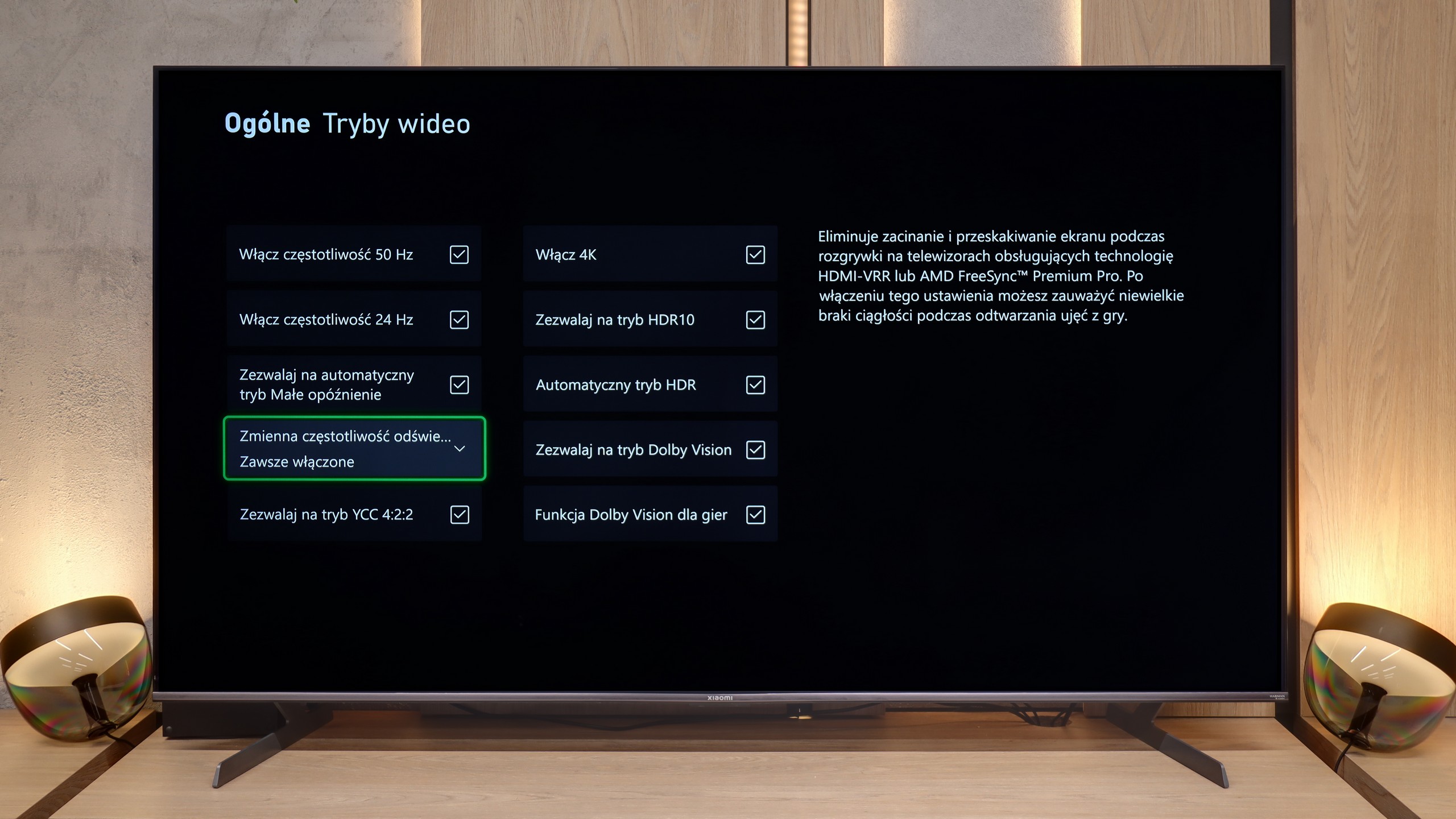
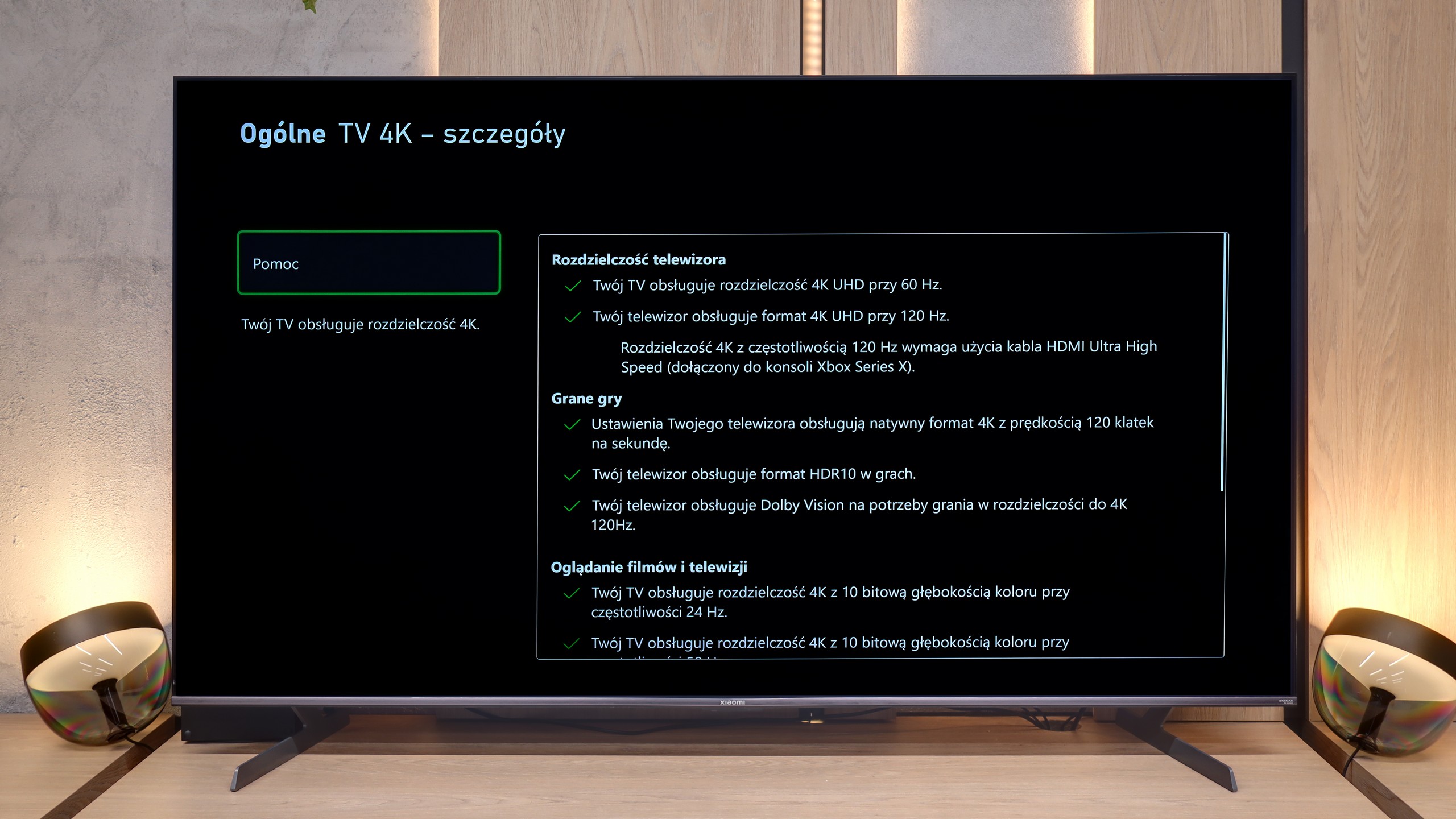
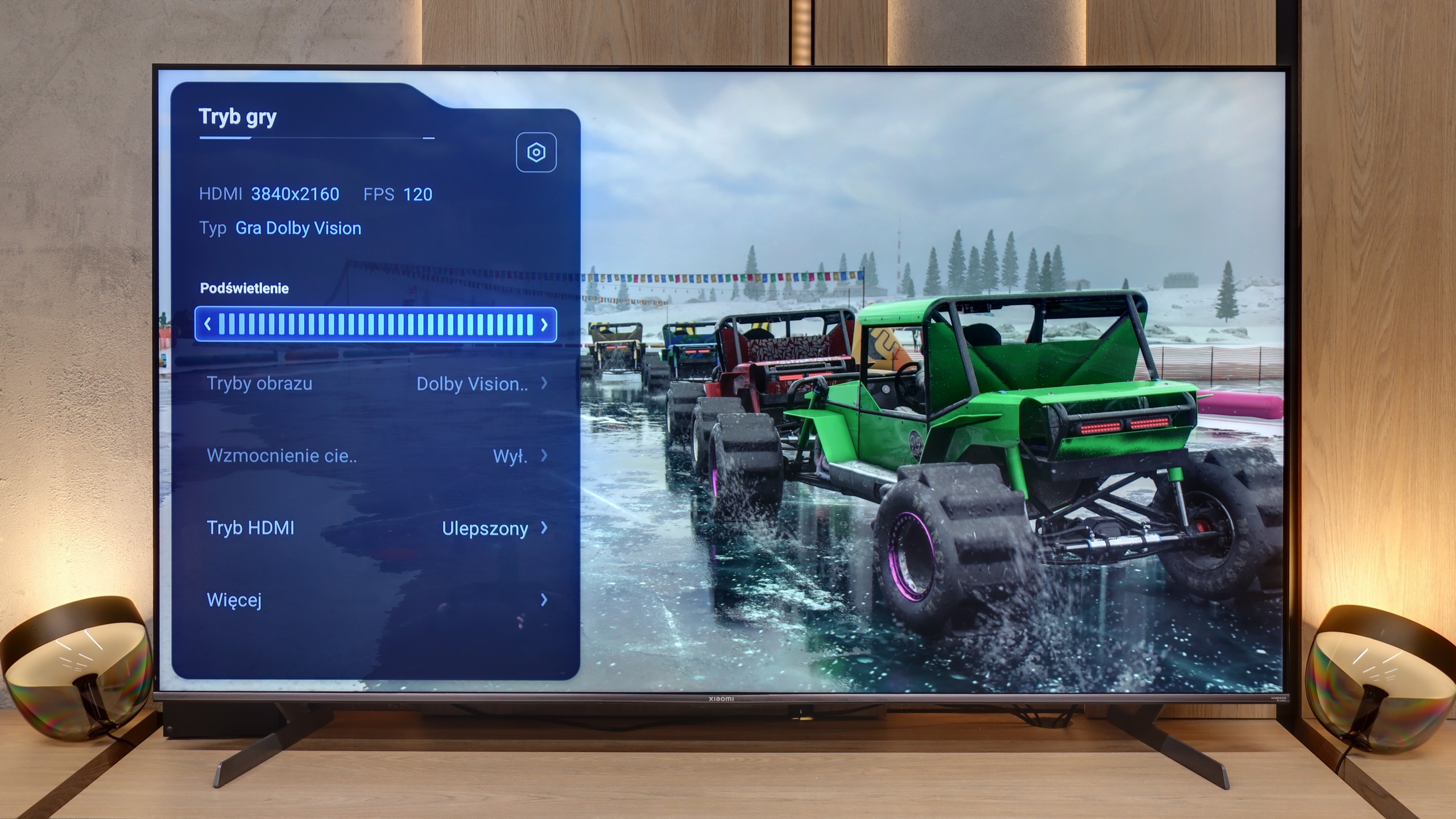
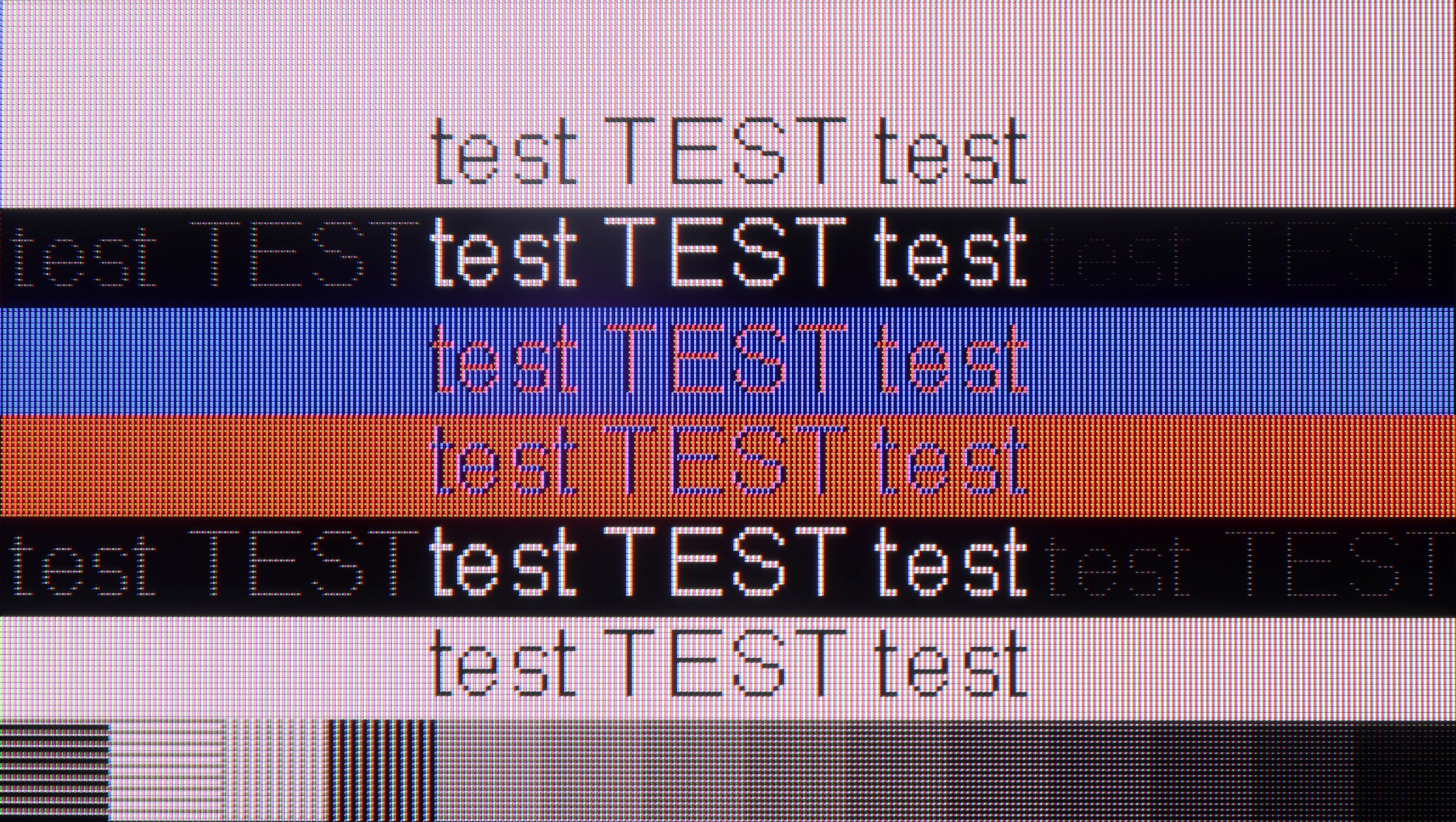
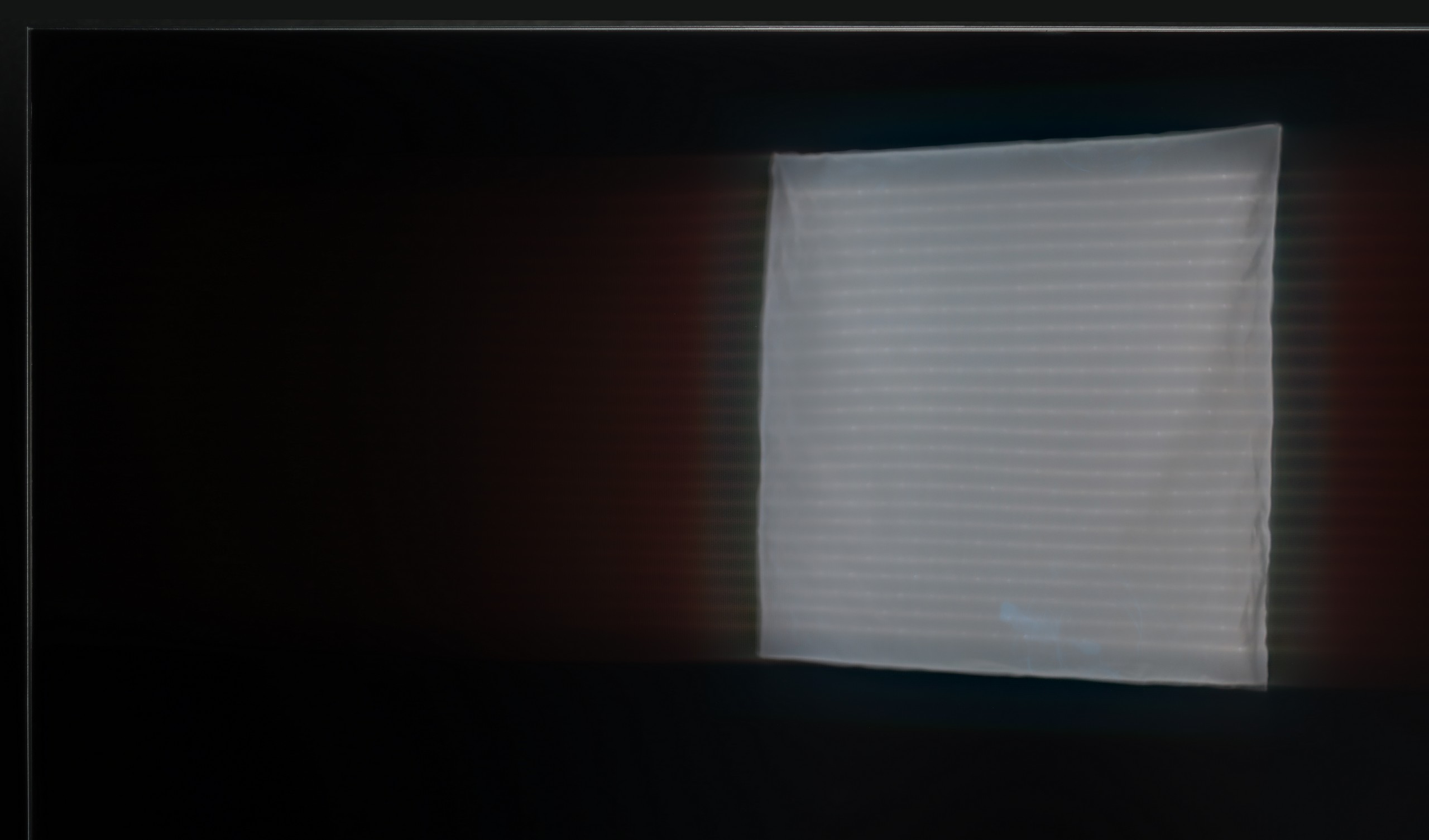
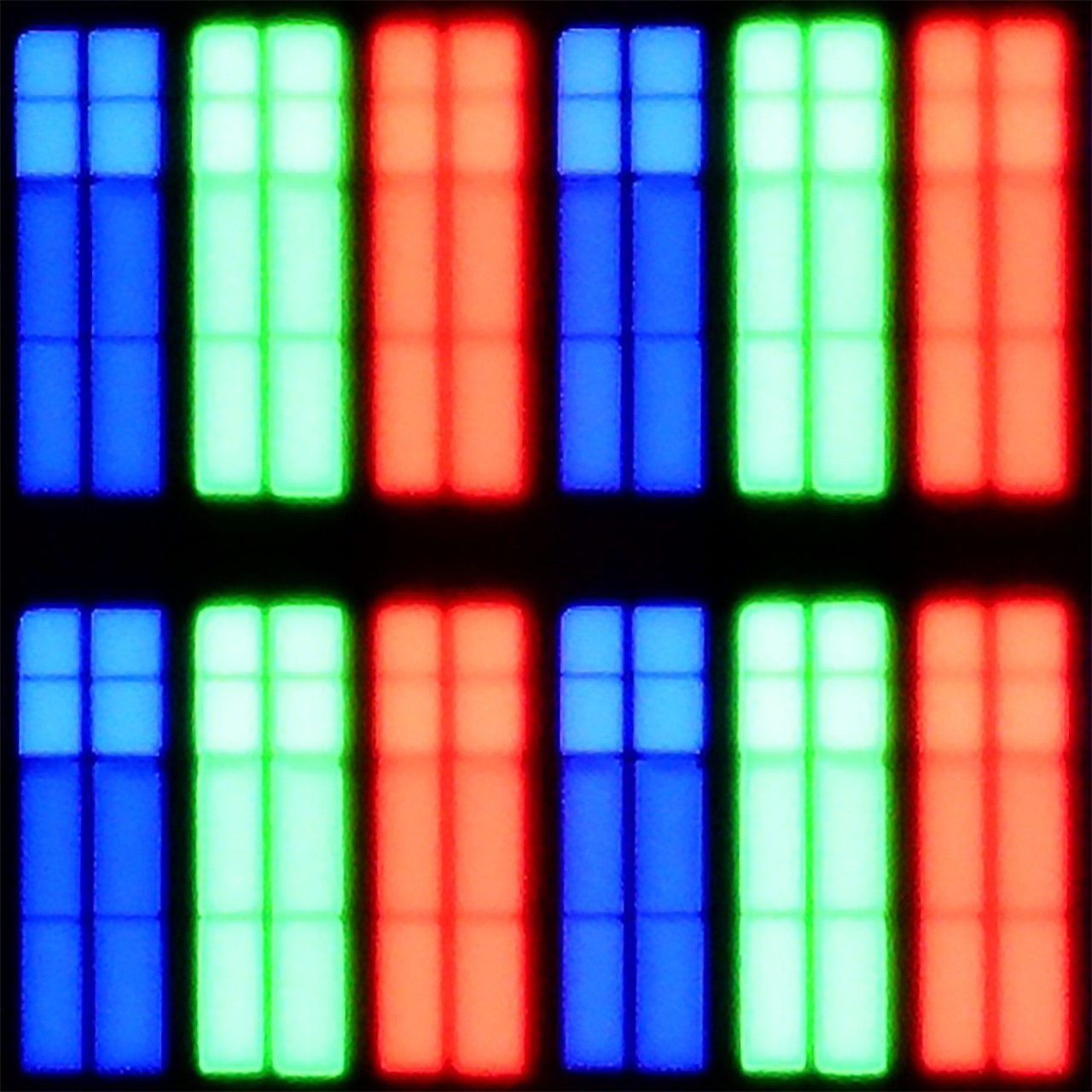
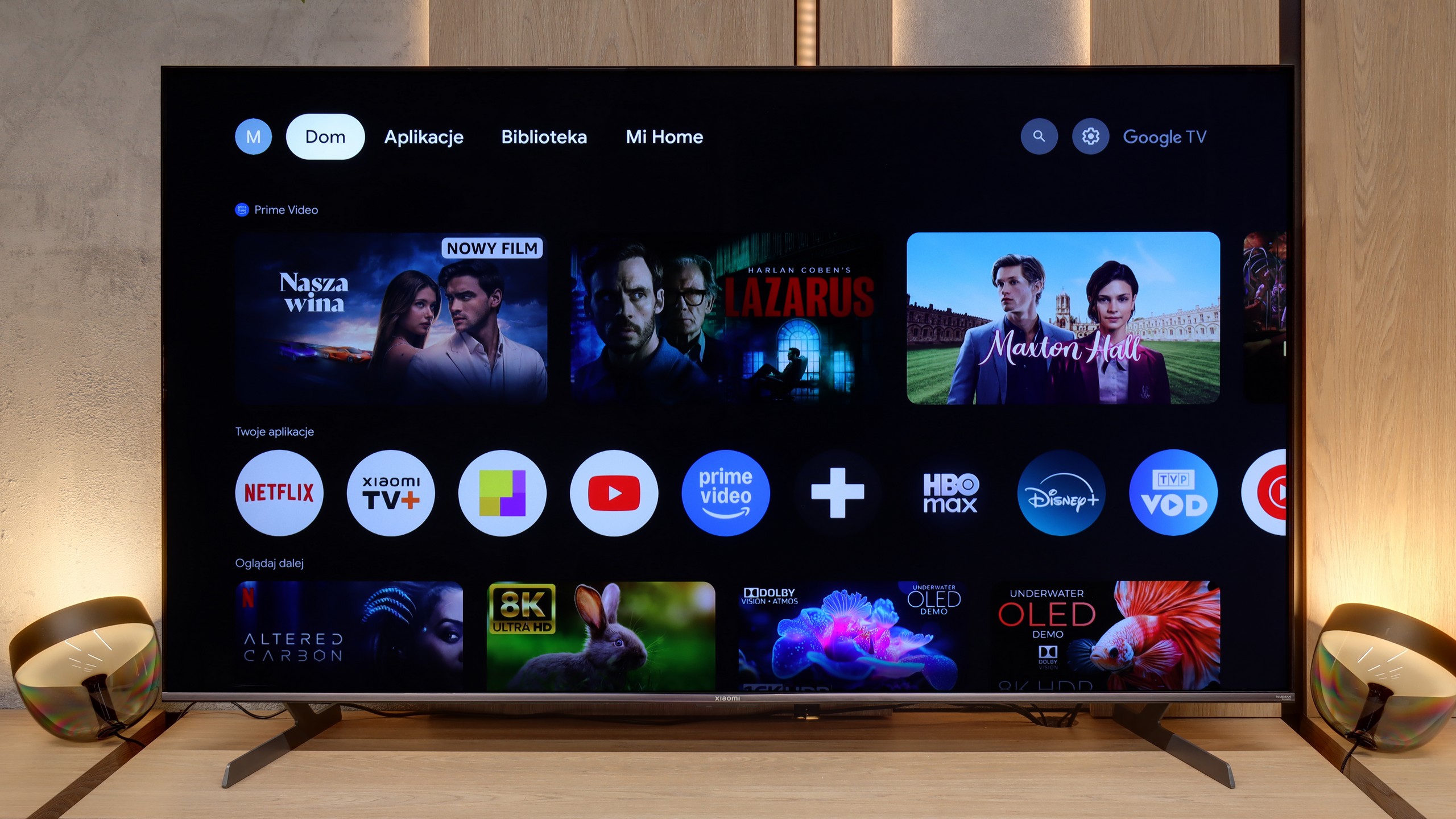
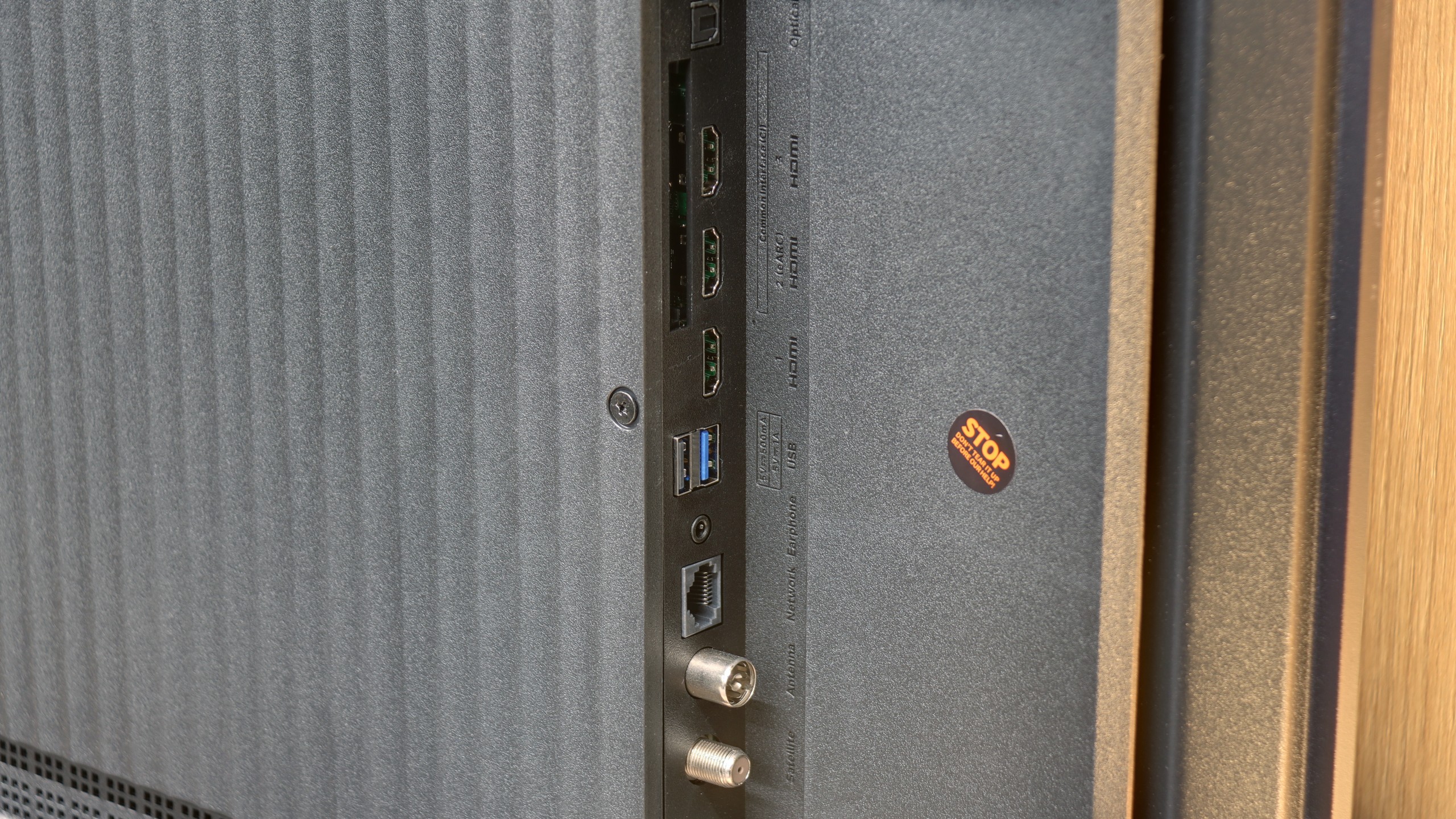
Is it worth buying the Xiaomi S Pro 2026? The answer to this question is quite complicated. Let's start with what's really great about this TV. First of all, the Xiaomi S Pro 2026 has an excellent price-to-performance ratio. We get a Mini LED panel with very high brightness, which handles well in a sunlit living room. Additionally, it has a fast 144 Hz (or even 288 Hz) display and a complete package for gamers: two HDMI 2.1 ports, support for VRR, and an impressively low input lag (under 10 ms). If we mainly watch "regular" content and play games, this is truly a fantastic screen. Even the built-in 30W speakers are surprisingly good and support Dolby Atmos. Unfortunately, there’s also a second, very problematic side to this model. In short: the software. We have the impression that Xiaomi has given us great "parts," but couldn't get them to work together correctly. The biggest problem is the HDR mode – the main reason one buys a TV today. For unknown reasons, the TV in HDR mode (HDR10, Dolby Vision) does not manage its dimming zones well. As a result, the black, which should be deep, becomes gray or bluish like in a regular LCD TV. There are also other software issues, such as the terrible implementation of HGiG or the fact that the Dolby Vision mode for gamers is useless due to enormous input lag (100 ms). Furthermore, the TV's capability for digital image processing is very poor. So how do we summarize this in terms of price? In its price class, the Xiaomi S Pro 2026 crushes the competition in terms of specifications. Other TVs for this money are usually simple LCD models without dimming, often only with a 60 Hz panel. The question then is: what is more important to you? If you are simply looking for a very bright and cheap TV for watching television during the day and gaming, and you are willing to calibrate it – you will be very satisfied with it. However, if you are looking for a TV to enjoy spectacular HDR in movies and games straight out of the box, you will be terribly disappointed with this model. In this case, in our opinion, it is better to pay a little more for a basic OLED TV or a more refined Mini-LED model from the competition.
 Direct comparison