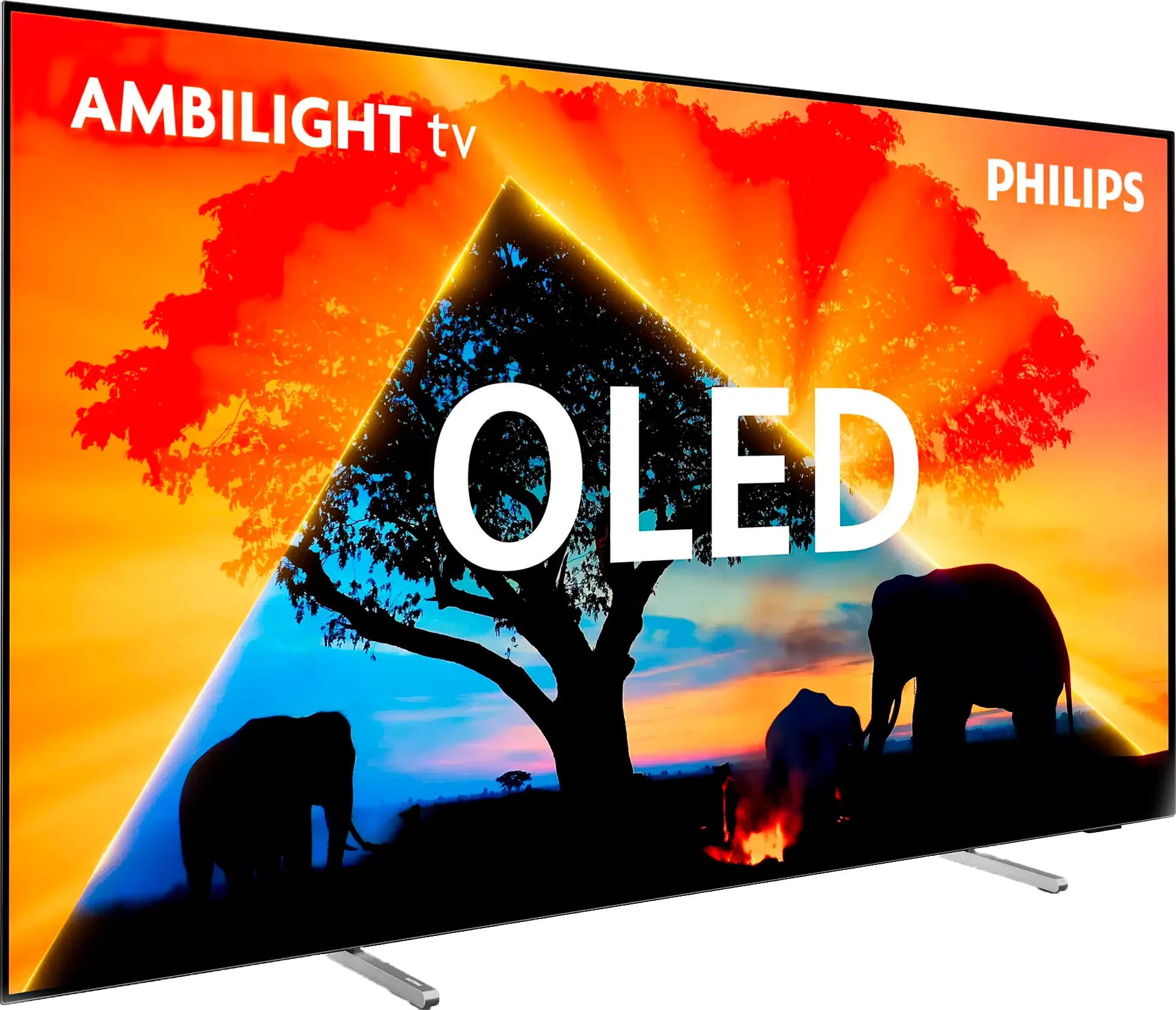
The Philips OLED769 is the entry-level OLED television from the Chinese-Dutch manufacturer for 2024. Designed to impress during movie nights or dynamic content, the OLED technology ensures excellent contrast, while carefully adjusted picture settings deliver vibrant and natural colours. Motion fluidity is another highlight, with an efficient motion smoother for films and a 120Hz panel that guarantees clarity and fluidity for gamers and sports enthusiasts.
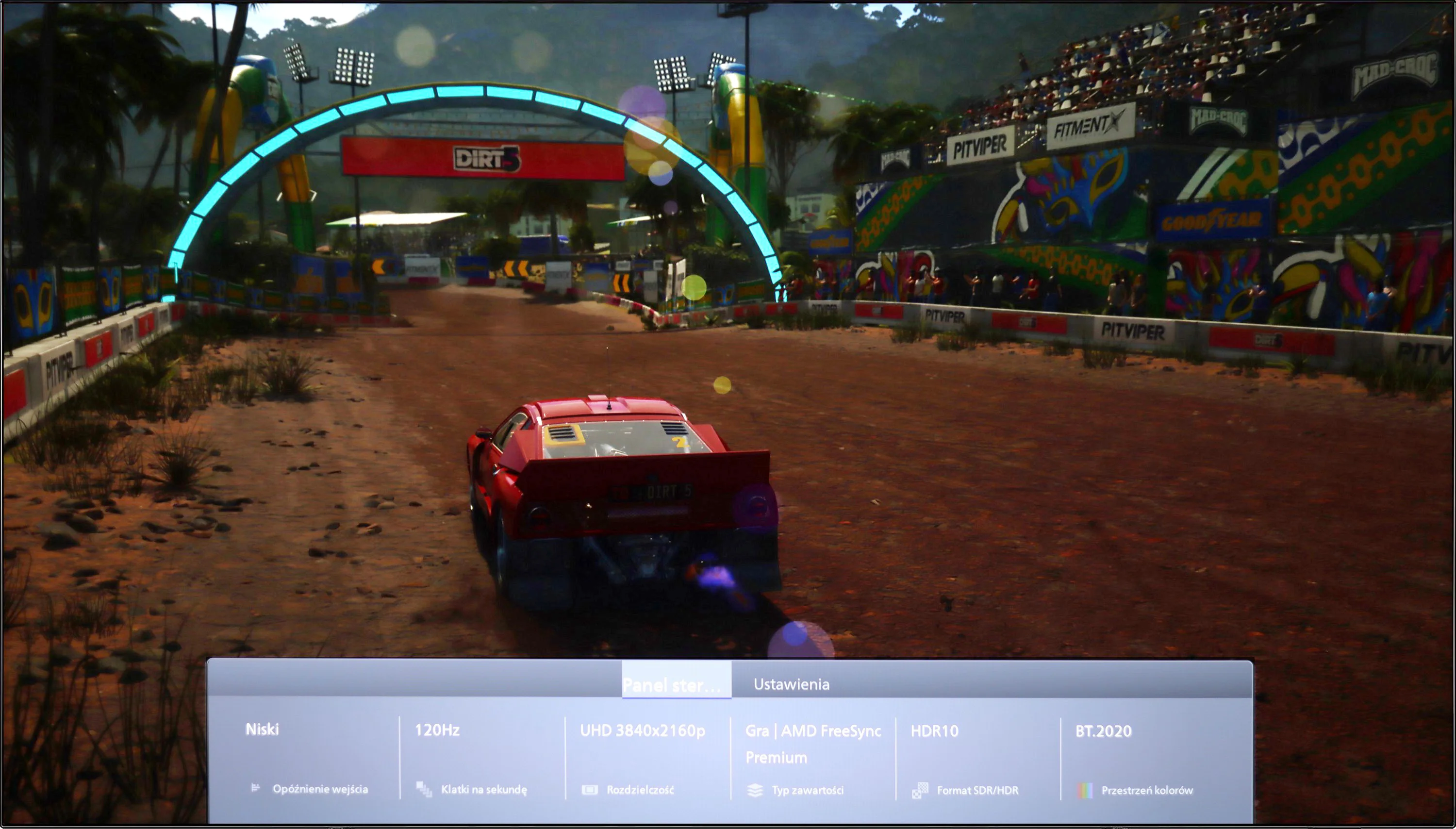
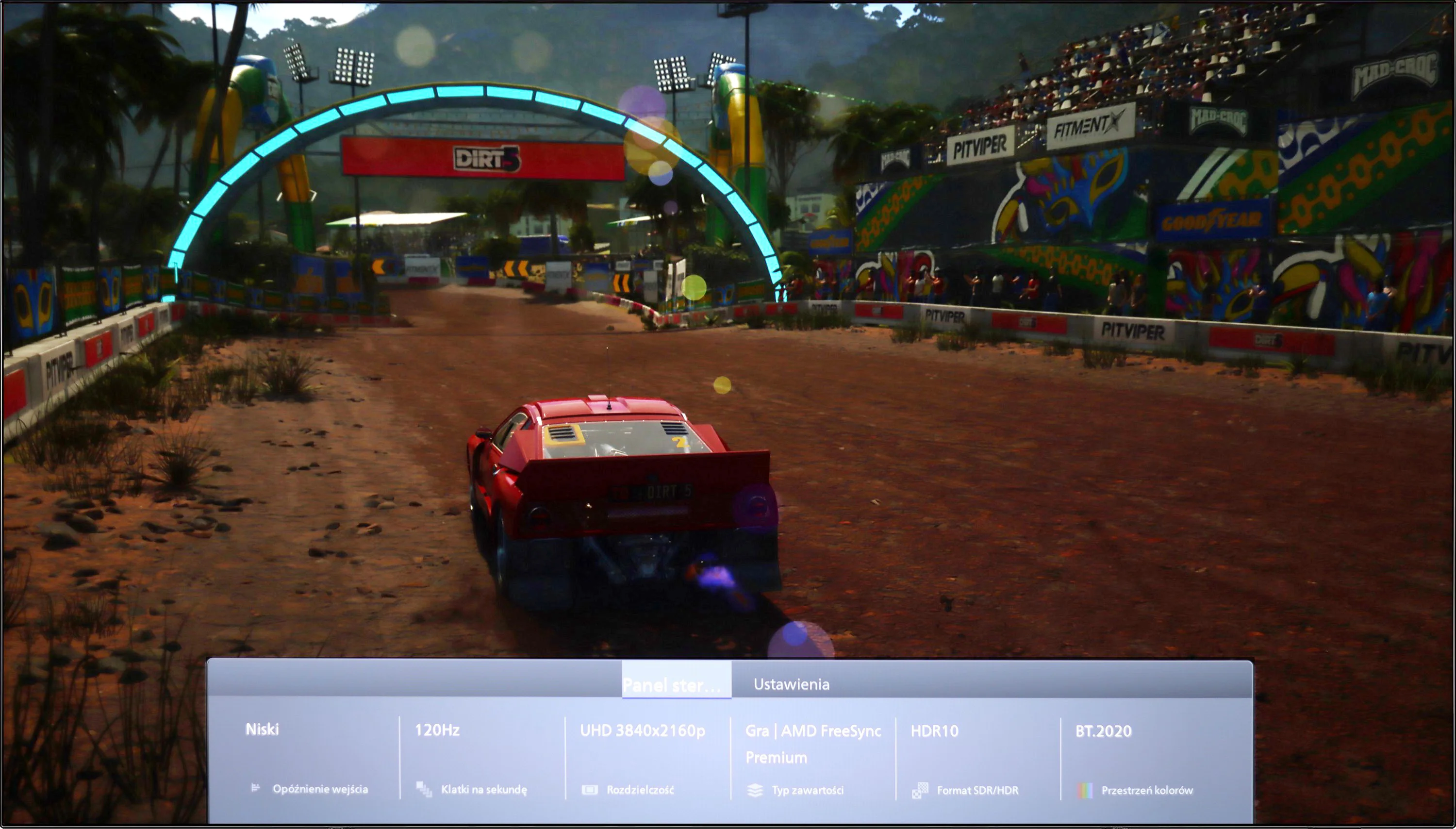
Gamers will particularly appreciate the OLED769, which includes 4 HDMI 2.1 ports supporting features such as VRR and ALLM. Combined with a very fast response time, the TV ensures smooth, realistic action with exceptional precision and responsiveness. Another standout feature is Philips' proprietary Ambilight lighting system, which enhances the viewing experience with immersive ambient lighting, beloved by many loyal fans.
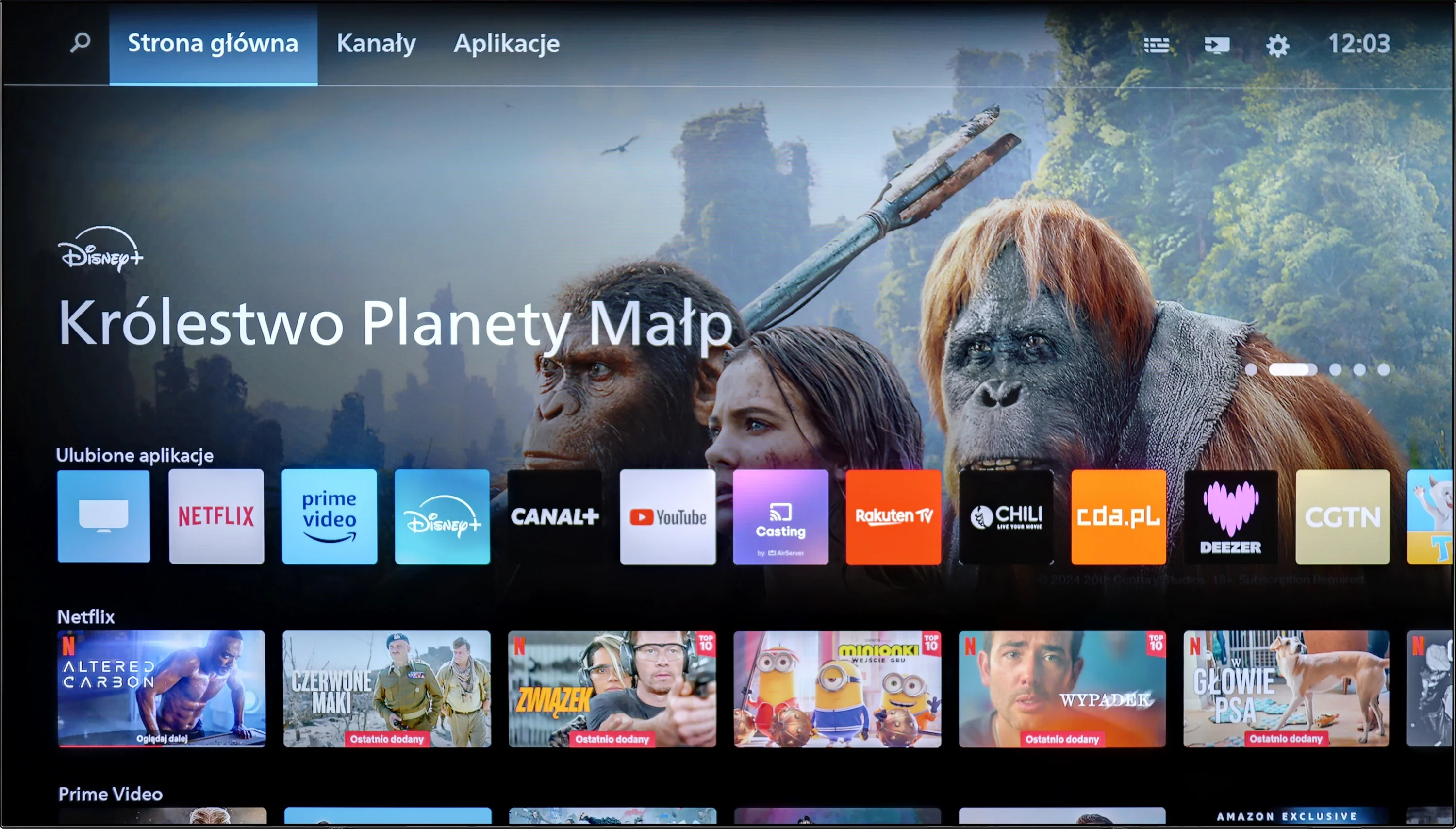
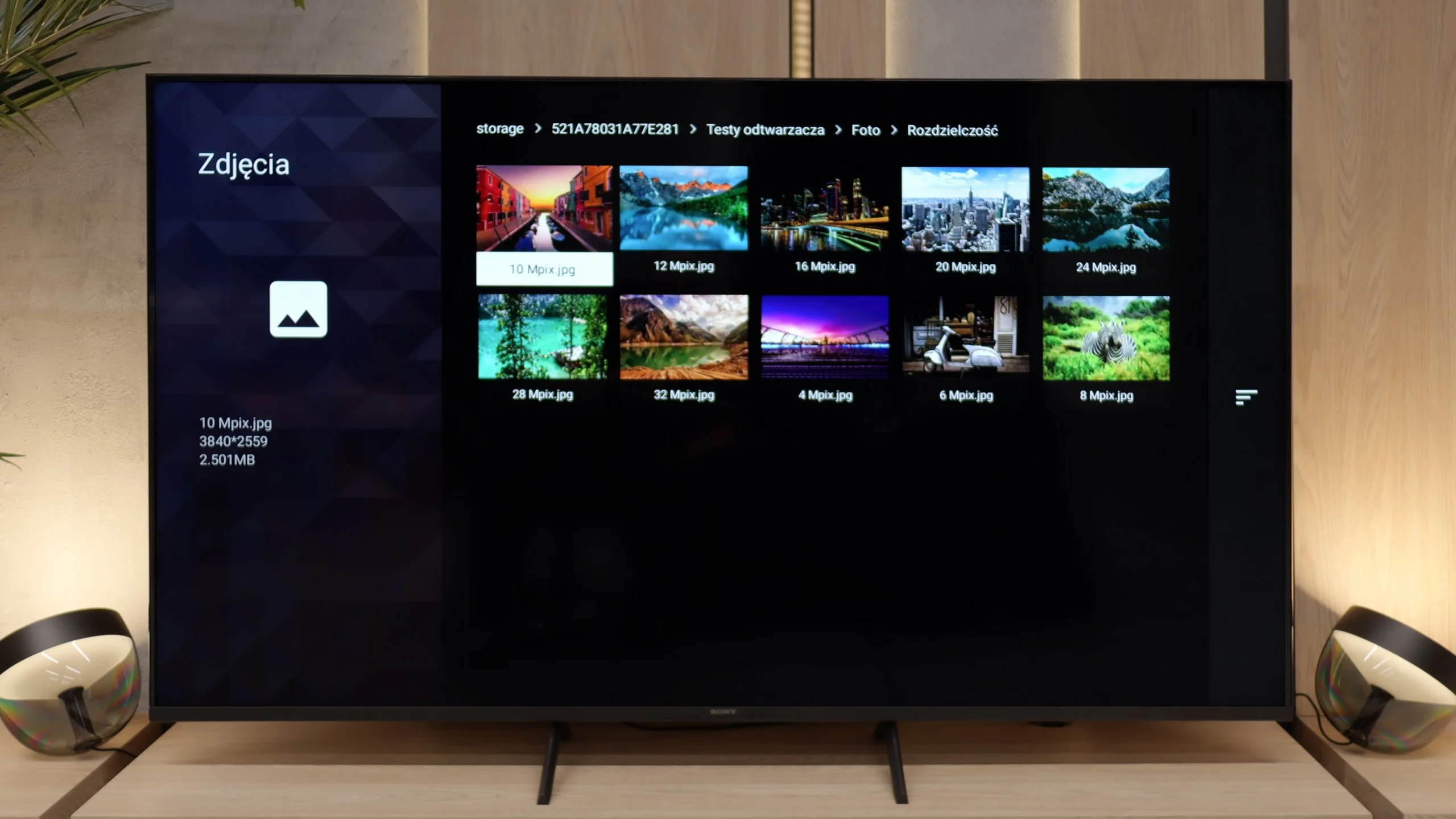
On the downside, the operating system may disappoint those familiar with older Philips TVs. The TitanOS platform, replacing previous open systems, feels somewhat limited, offering fewer user features and a smaller selection of apps. However, for users who rely on only the most essential streaming platforms, TitanOS should suffice.
Overall, the Philips OLED769 is a reliable choice for those seeking modern features, strong picture quality, and an enjoyable gaming or movie-watching experience, all at an accessible level.
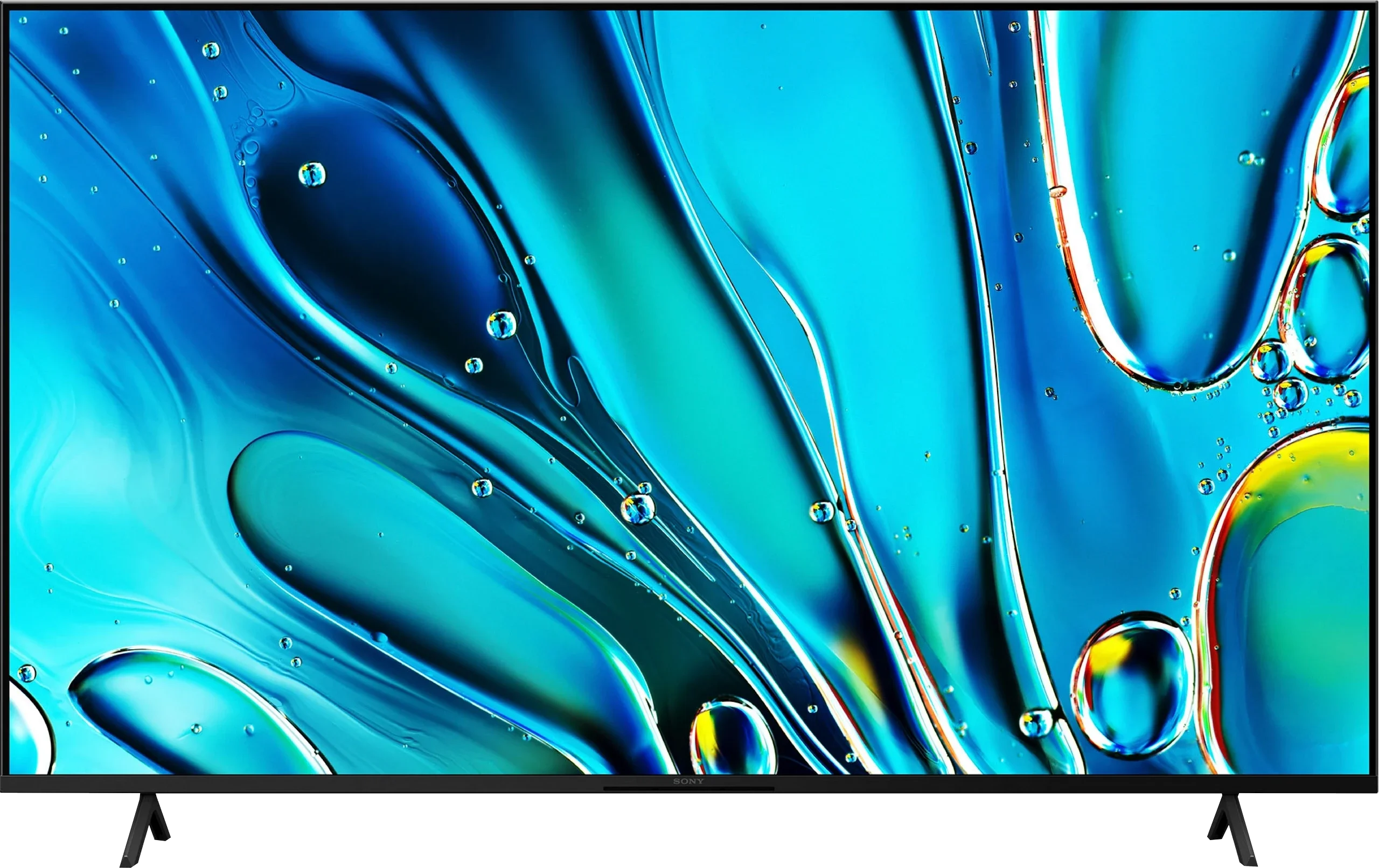
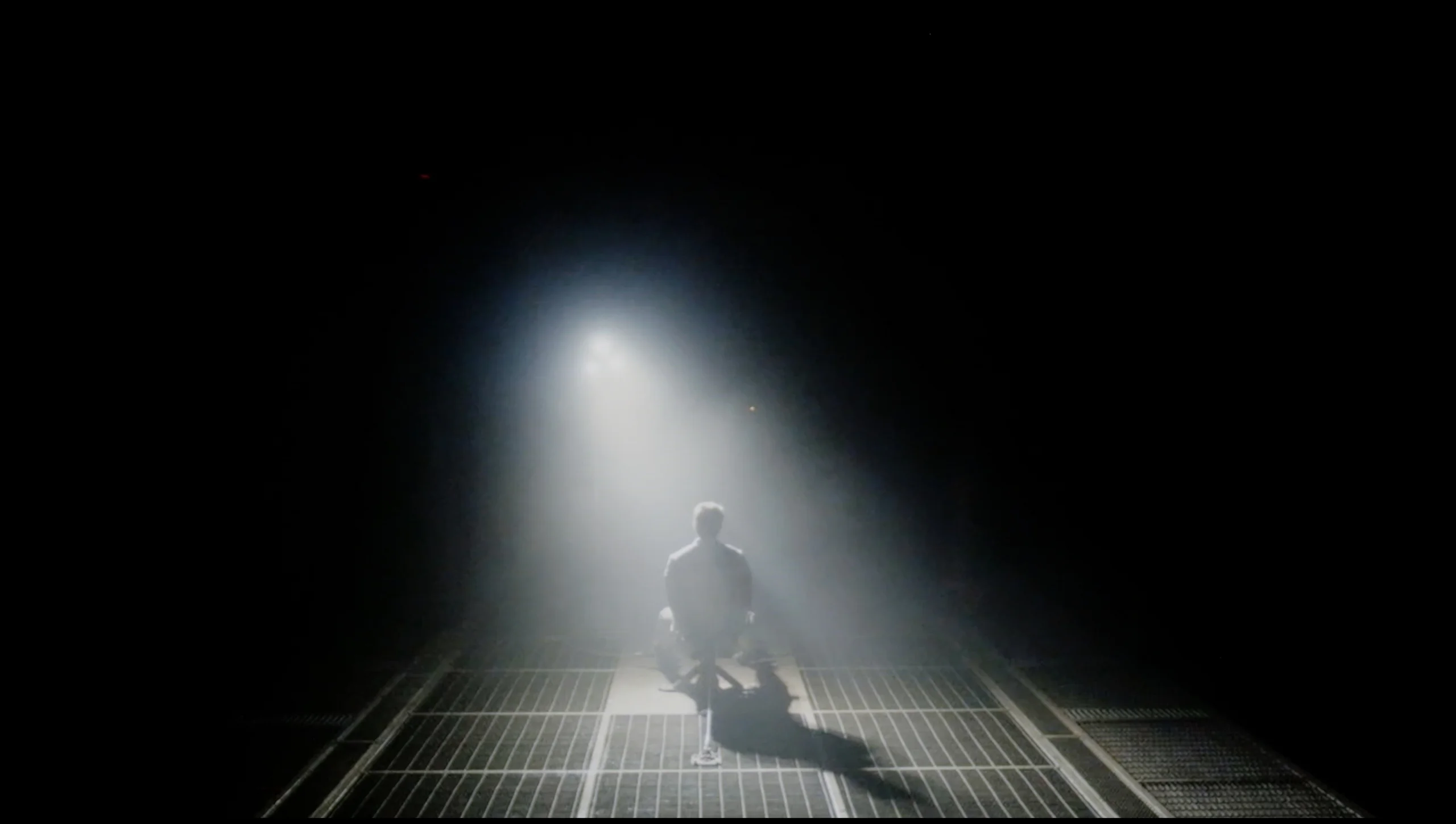
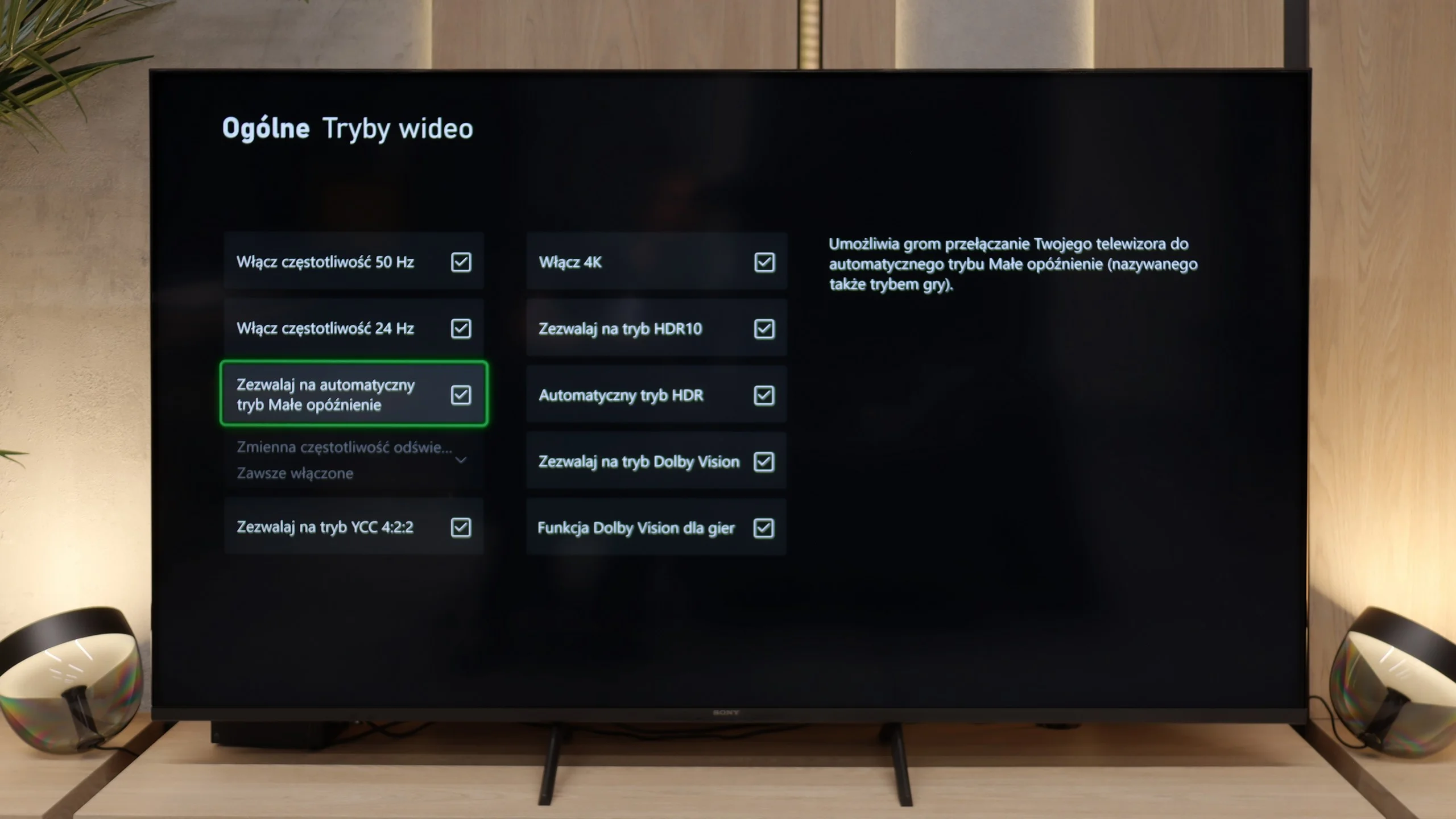
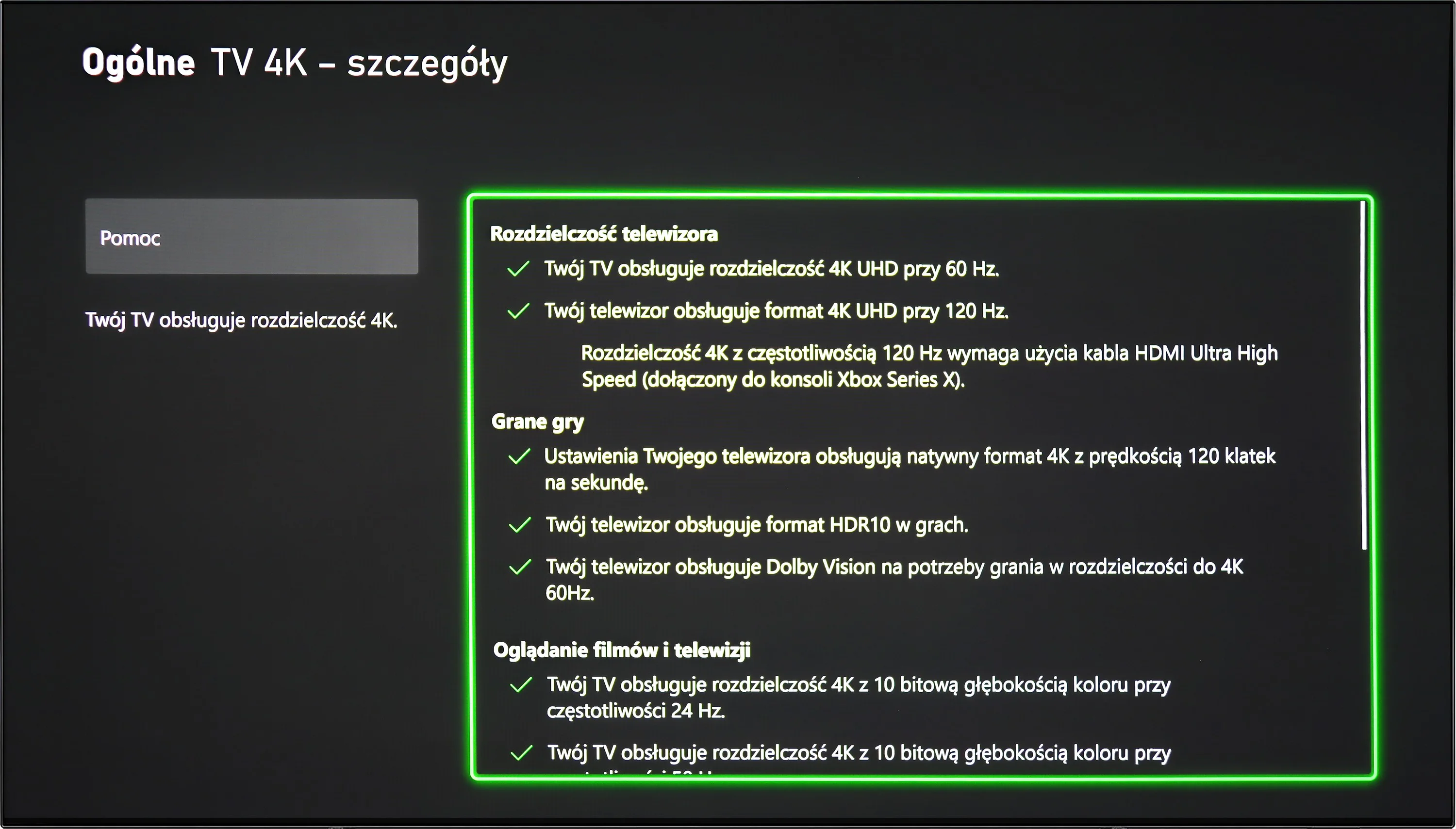
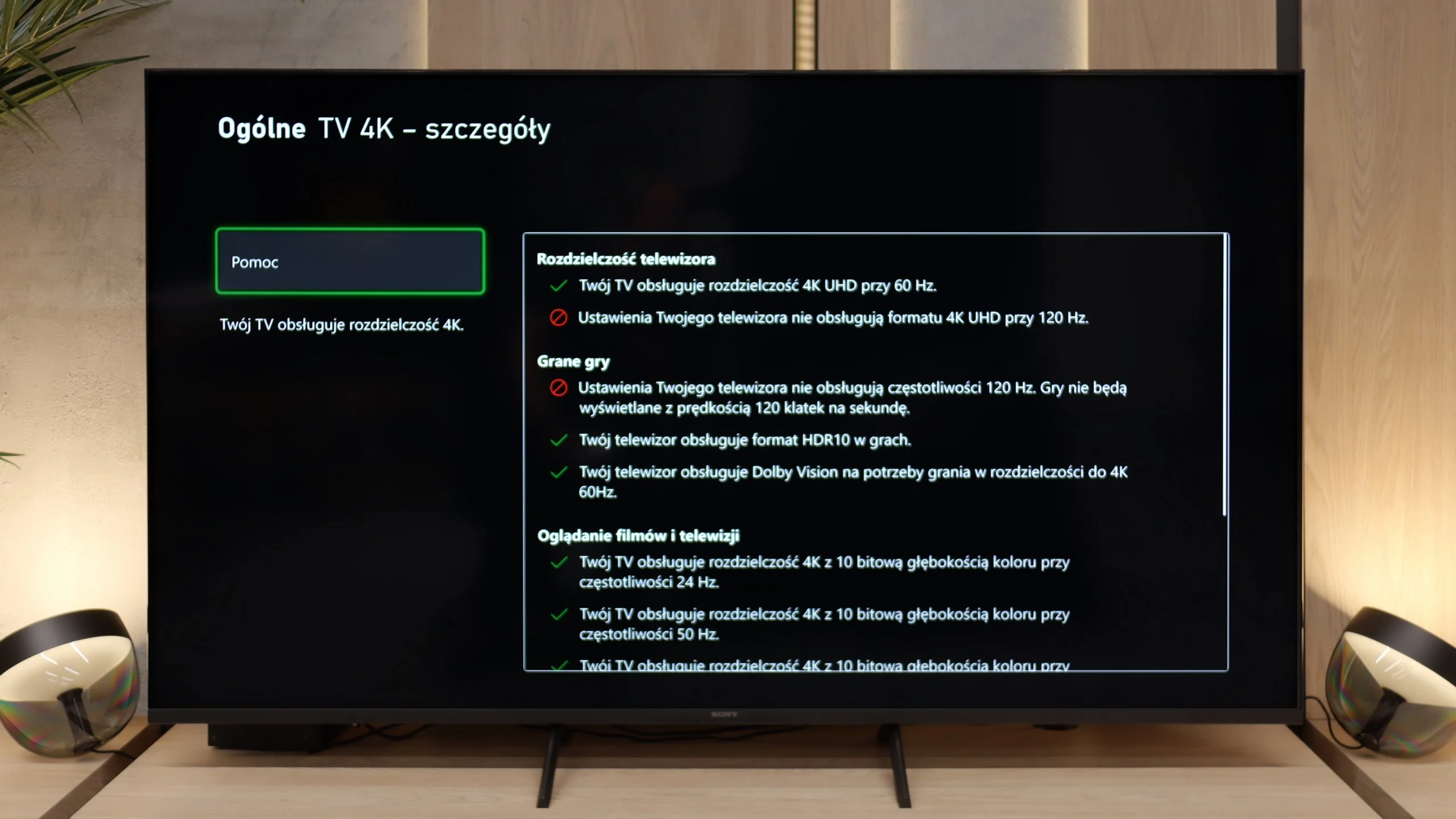
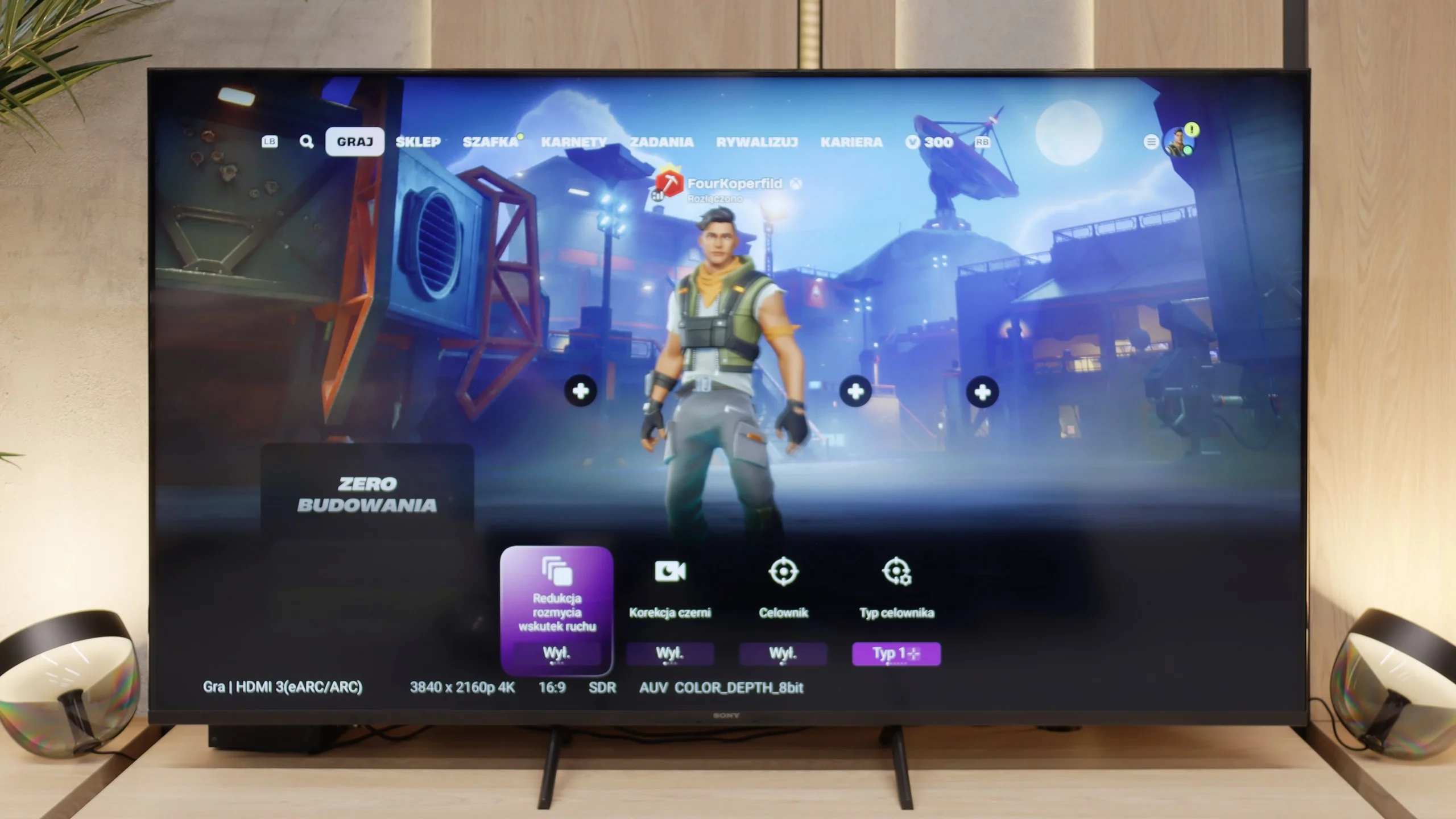
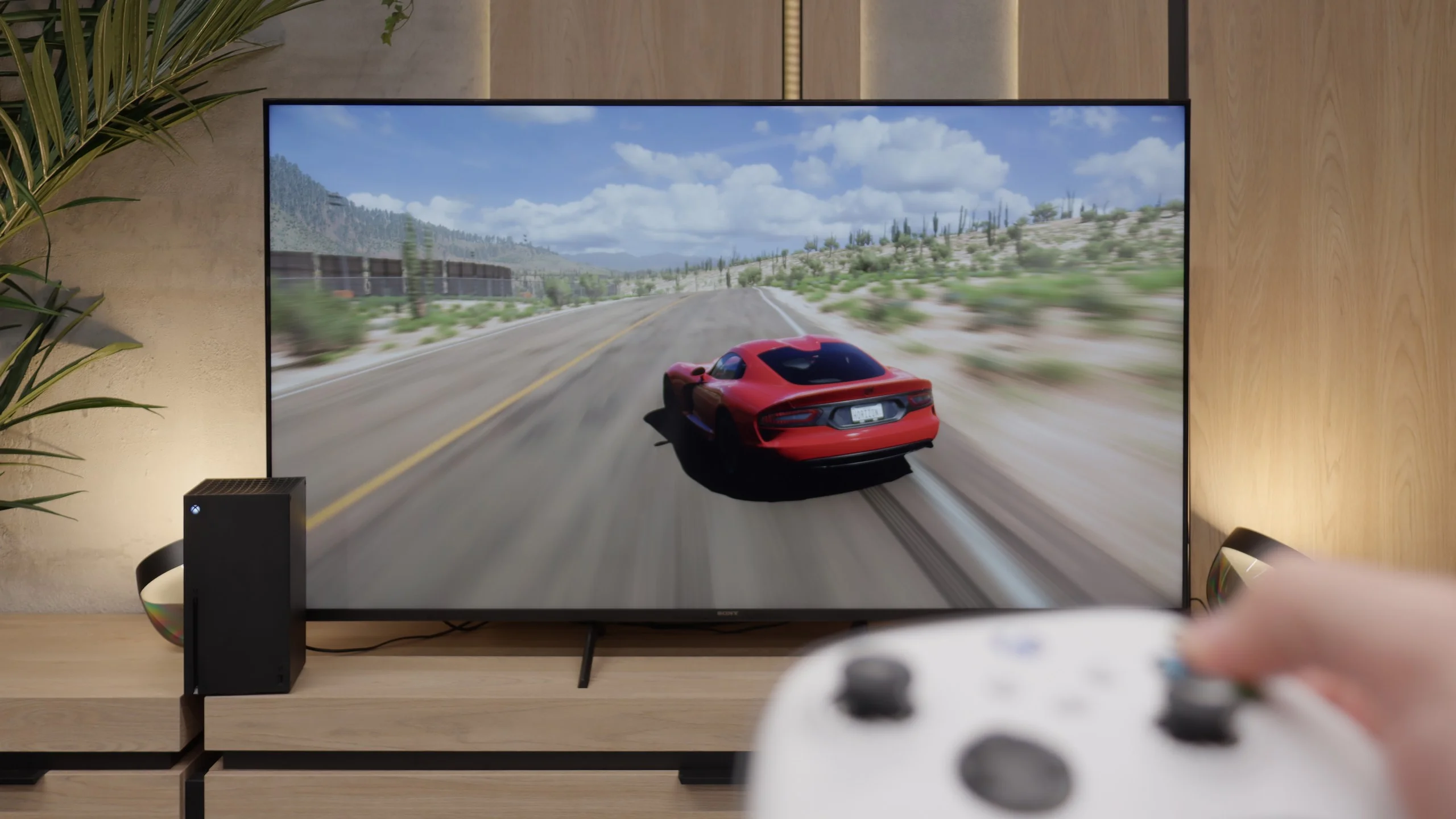
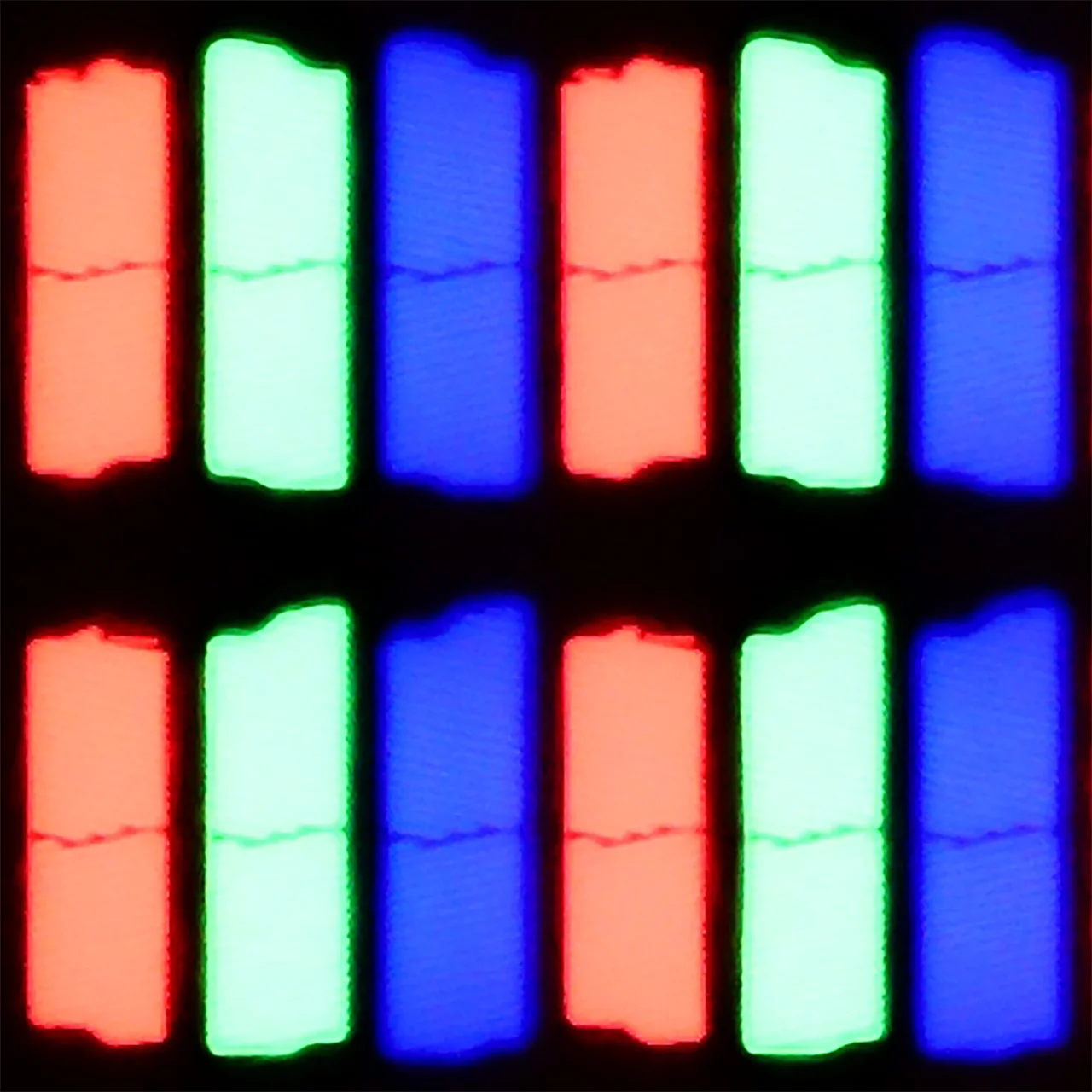
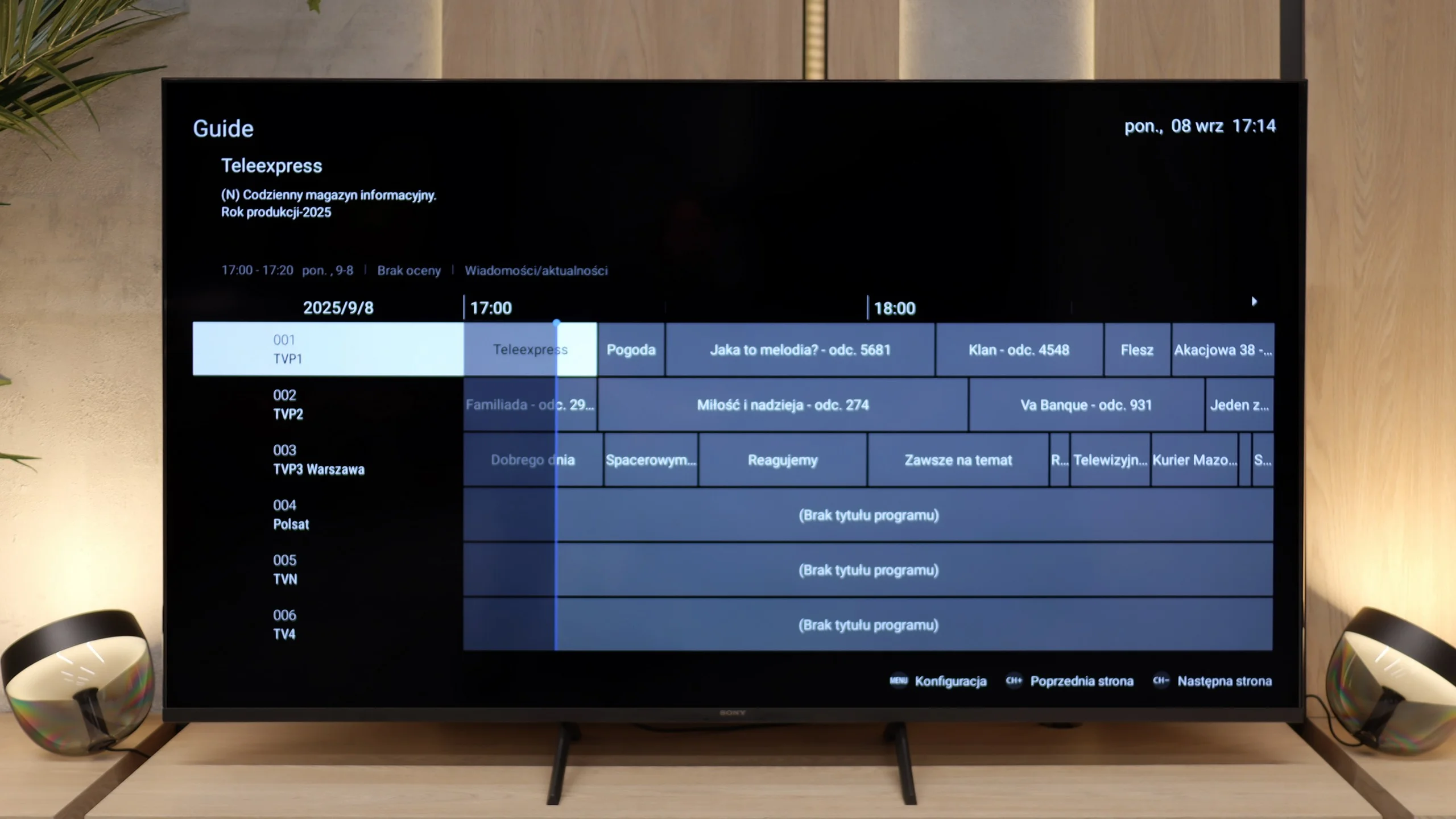
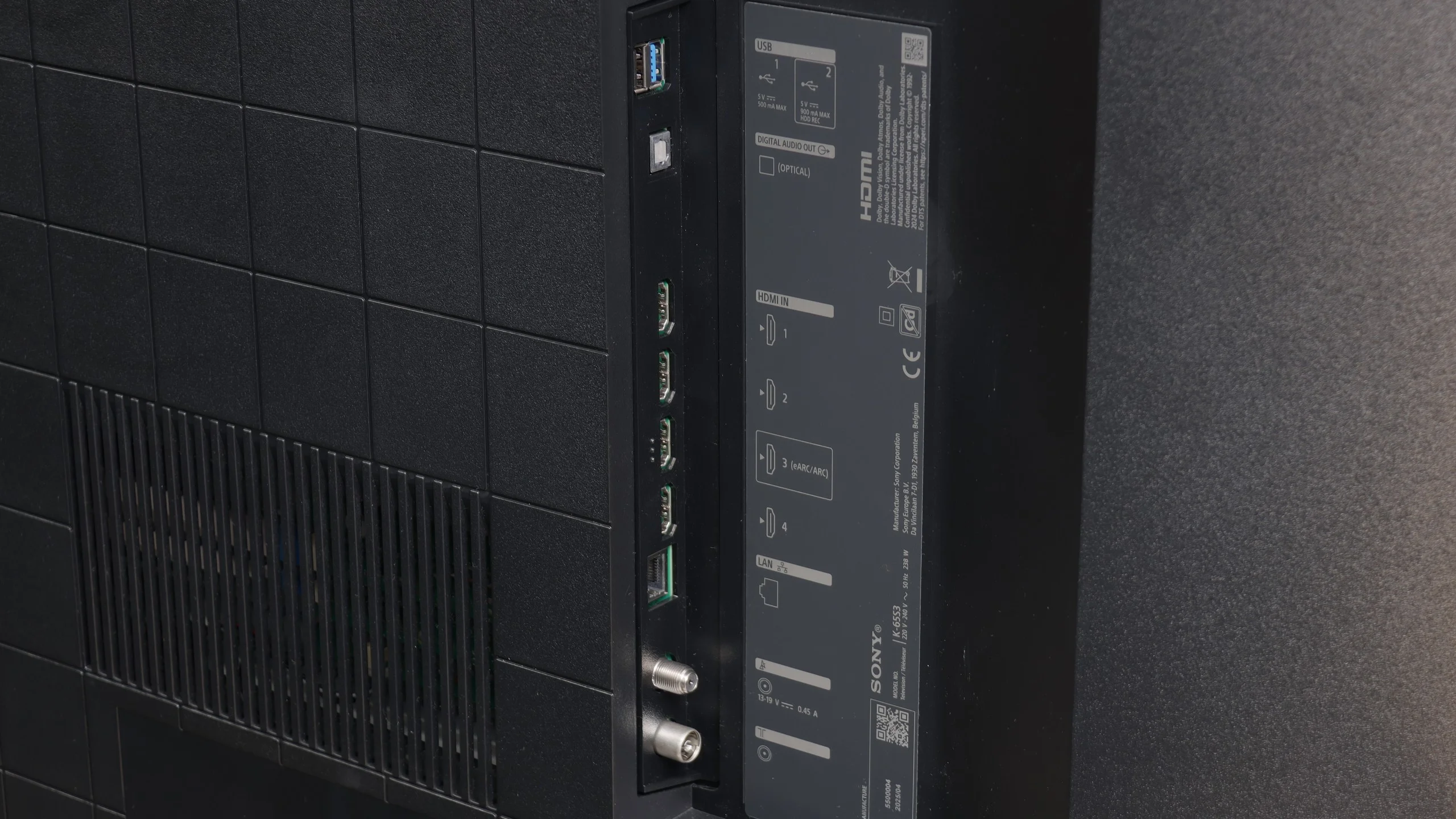
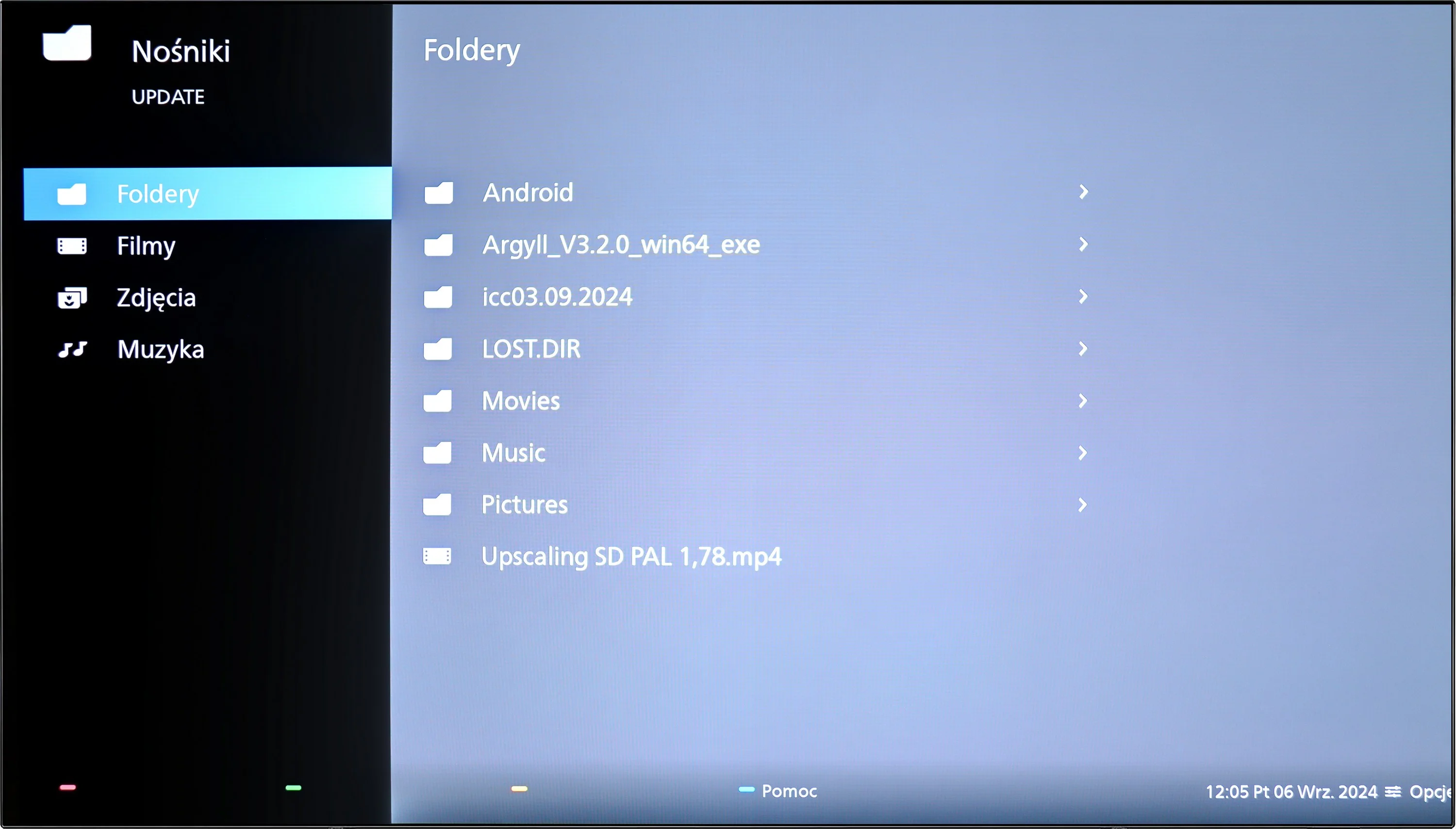
Sony Bravia 3 is a television that brings several important improvements over its predecessor, while still staying true to its core. The biggest change is the design – slim bezels and solid metal legs make it look modern and fit much better in a living room than the X75WL. Improved colors thanks to the PFS filter and really good upscaling are also a plus. It is in lower-quality content, especially in classic SDR, that the Bravia 3 can show its best side – colors look pleasant, the image is clean, and thanks to the IPS panel, the viewing angles are at a very good level. For a role as a "classic" television receiver, where viewing comfort from different places in the room and decent quality of everyday content matters, it is virtually perfect. A huge advantage is also the Google TV system. During our tests, there were instances where the interface did not always work as smoothly as we would have liked, and some functions could freeze. However, despite these imperfections, the presence of Google TV is a huge plus – access to thousands of applications and a full streaming library compensates for the minor shortcomings. Unfortunately, what was weak in the X75WL remains weak here too. The IPS panel has very low contrast and does not offer local dimming, making watching movies in a dark room quickly lose its appeal – the black resembles gray and effectively detracts from the enjoyment of viewing. Additionally, the option to record content to USB, which was available in the predecessor, has been removed. It’s hard not to notice this and not add it to the list of cons.
So who is the Bravia 3 for? Primarily for those who want to enter the world of Sony televisions in the most affordable variant and at the same time value the Google TV system. However, it is not the most attractive option in its class – the competition in this budget can offer models with Mini-LED backlighting, whose image performs significantly better in terms of contrast and HDR. Therefore, the Bravia 3 is worth keeping in mind, but mainly when there is a solid discount. At its regular price, it will be very difficult to stand out against its more competitive rivals.
 Direct comparison