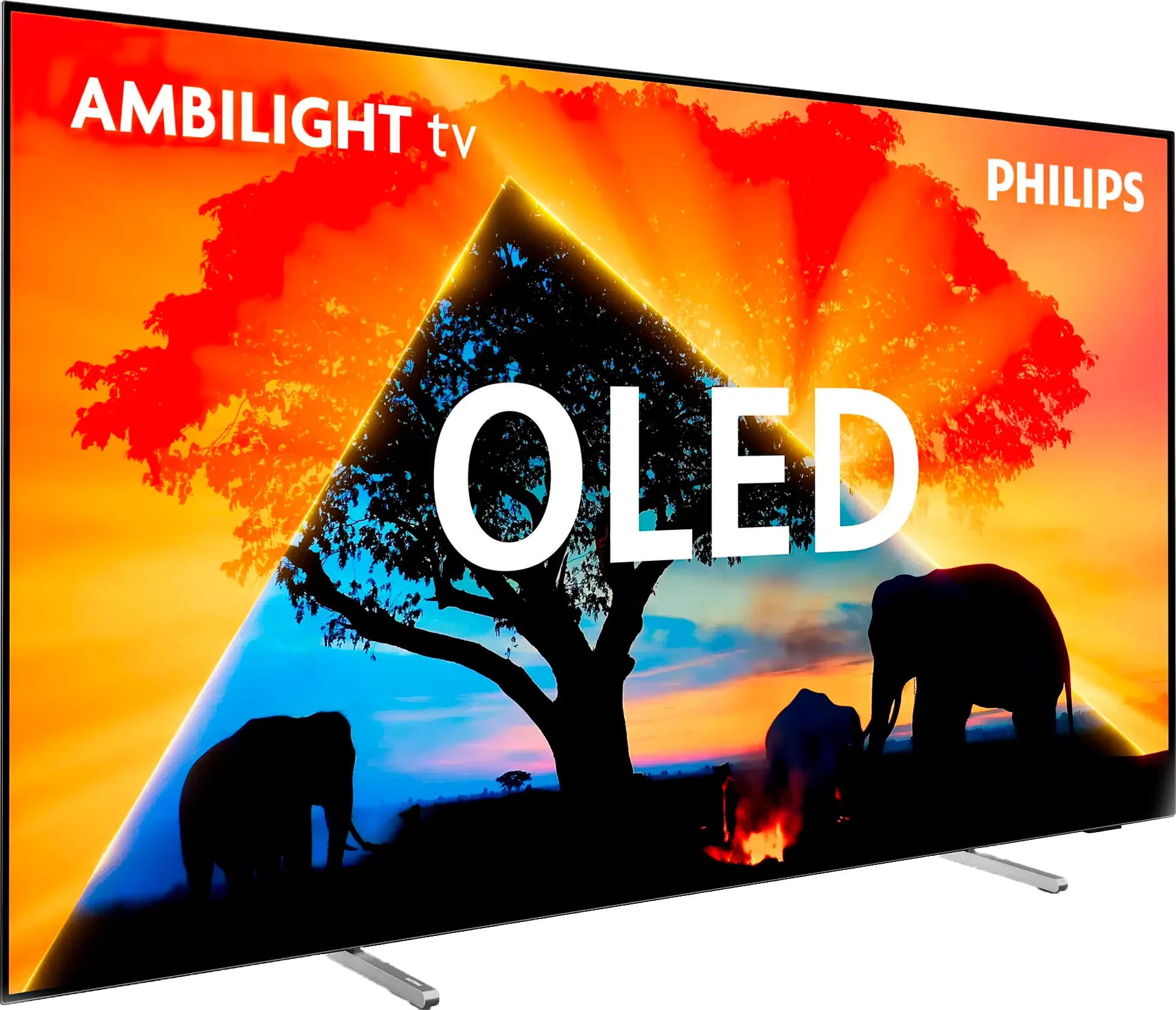
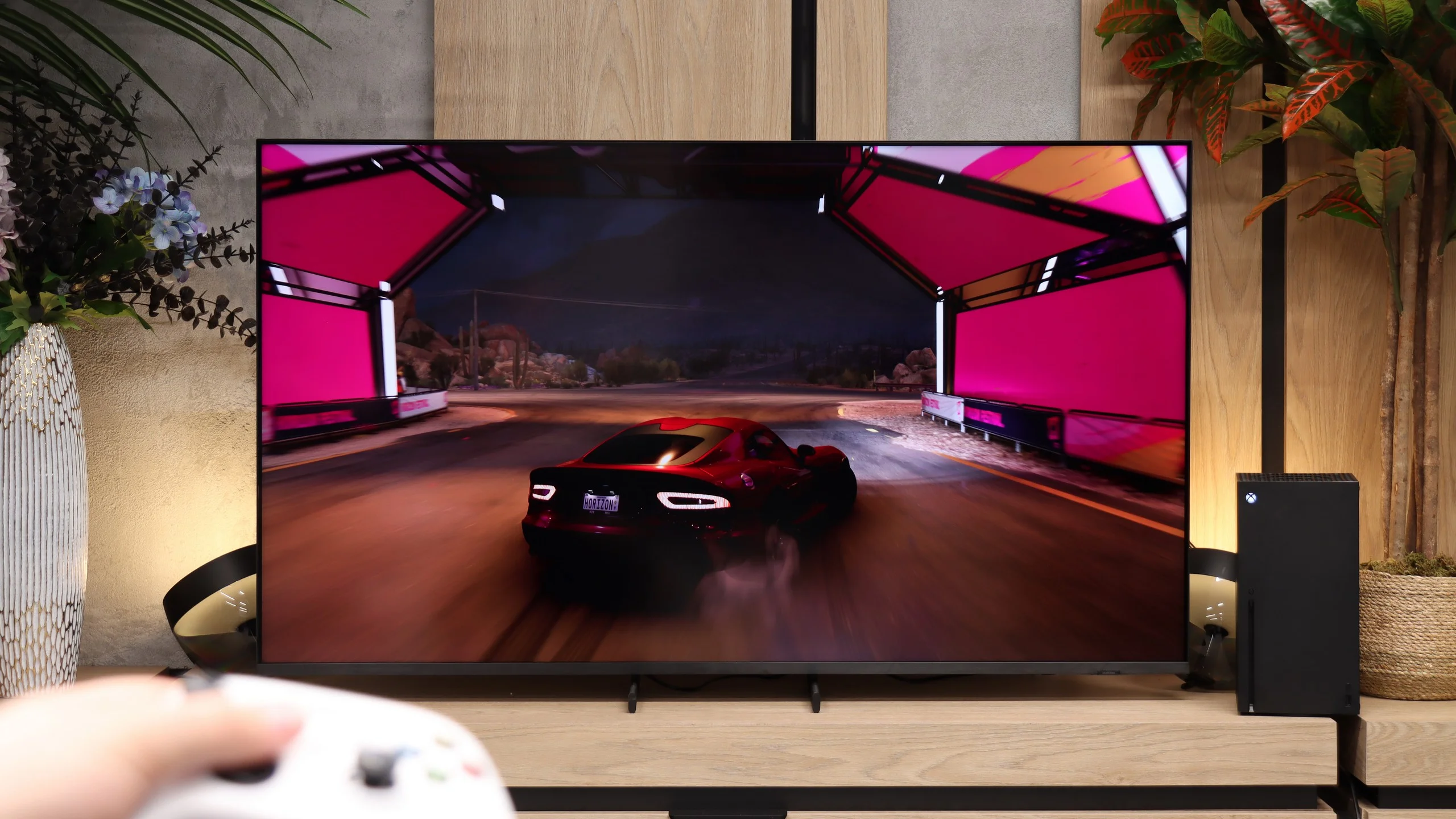
The Philips OLED769 is the entry-level OLED television from the Chinese-Dutch manufacturer for 2024. Designed to impress during movie nights or dynamic content, the OLED technology ensures excellent contrast, while carefully adjusted picture settings deliver vibrant and natural colours. Motion fluidity is another highlight, with an efficient motion smoother for films and a 120Hz panel that guarantees clarity and fluidity for gamers and sports enthusiasts.
Gamers will particularly appreciate the OLED769, which includes 4 HDMI 2.1 ports supporting features such as VRR and ALLM. Combined with a very fast response time, the TV ensures smooth, realistic action with exceptional precision and responsiveness. Another standout feature is Philips' proprietary Ambilight lighting system, which enhances the viewing experience with immersive ambient lighting, beloved by many loyal fans.
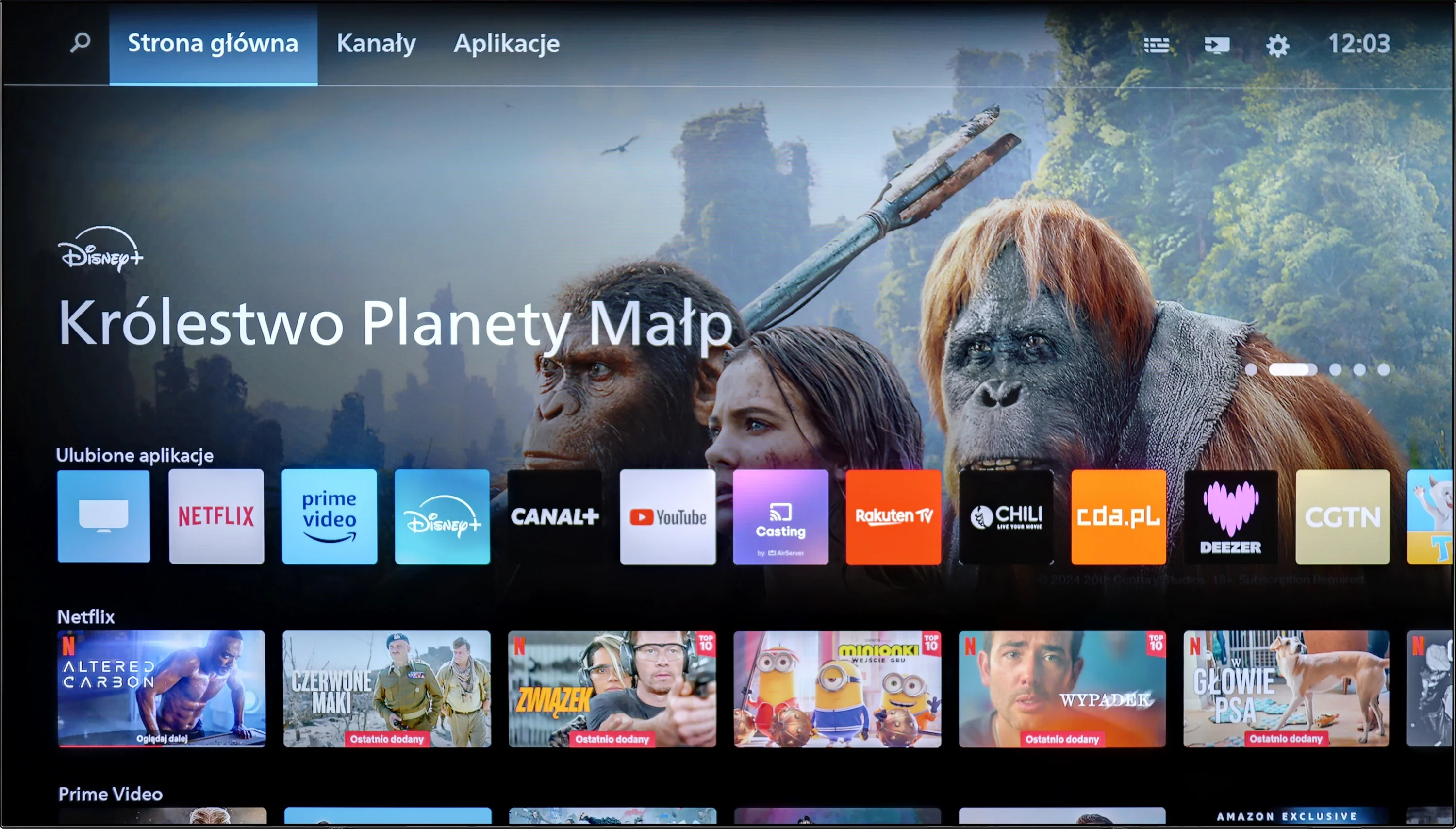
On the downside, the operating system may disappoint those familiar with older Philips TVs. The TitanOS platform, replacing previous open systems, feels somewhat limited, offering fewer user features and a smaller selection of apps. However, for users who rely on only the most essential streaming platforms, TitanOS should suffice.
Overall, the Philips OLED769 is a reliable choice for those seeking modern features, strong picture quality, and an enjoyable gaming or movie-watching experience, all at an accessible level.
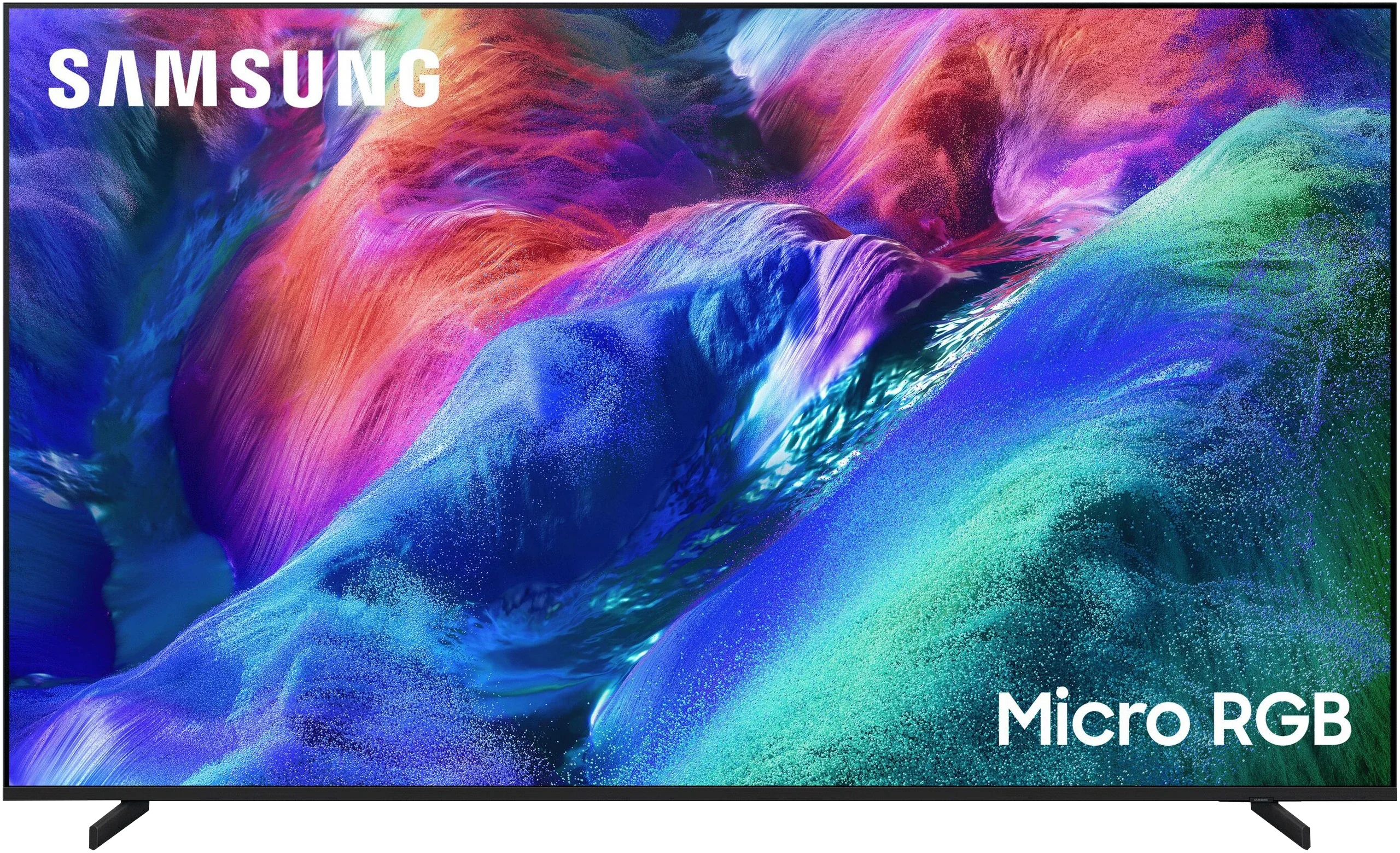
The Samsung R85H is above all a very versatile TV that works well in almost any situation. You can put it in a bright living room, hook up a console, watch a movie or series in the evening, and use regular broadcast TV every day, and each time you’ll get a good-quality picture. It may not make as strong an impression in the first minutes as Samsung’s best OLEDs, but it’s hard to point to a single feature that severely limits its use. That versatility is probably its biggest strength. Naturally, the R85H draws the most attention for its new "Micro RGB" backlight. From our tests we’d say it can indeed offer an advantage over classic Mini-LED, although not always in the areas the manufacturer emphasizes most. On test charts the color reproduction capabilities are impressive, but in real, more complex scenes the TV can’t always exploit the full potential of a three-color backlight. Its advantage is easiest to spot in simpler parts of the image, where intense reds, greens, or blues can look truly striking. Viewing angles are also a bit better, because colors viewed off-axis retain their saturation longer than on conventional LCD TVs. Micro RGB doesn’t, however, solve all the limits of RGB technology. With very saturated elements you can sometimes notice slight color bleeding into adjacent bright areas, and the relatively small number of local dimming zones means the backlight can’t always operate as precisely as its on-paper specs might suggest. The R85H shows that RGB really has potential and could be the next step in LCD development, but using colored LEDs alone doesn’t automatically translate into a huge jump in picture quality. For that reason we’d treat the R85H mainly as a somewhat better and more interesting alternative to the QN80H, not as a must-buy solely because it says Micro RGB. If the price gap between those models is reasonable, we’d choose the R85H. We wouldn’t pay a large premium just for the new backlight, since its everyday advantage isn’t always as big as marketing materials might imply. Regardless, the R85H is a successful all-purpose TV, and that’s probably the best way to look at it.
 Direct comparison