The Philips OLED769 is the entry-level OLED television from the Chinese-Dutch manufacturer for 2024. Designed to impress during movie nights or dynamic content, the OLED technology ensures excellent contrast, while carefully adjusted picture settings deliver vibrant and natural colours. Motion fluidity is another highlight, with an efficient motion smoother for films and a 120Hz panel that guarantees clarity and fluidity for gamers and sports enthusiasts.
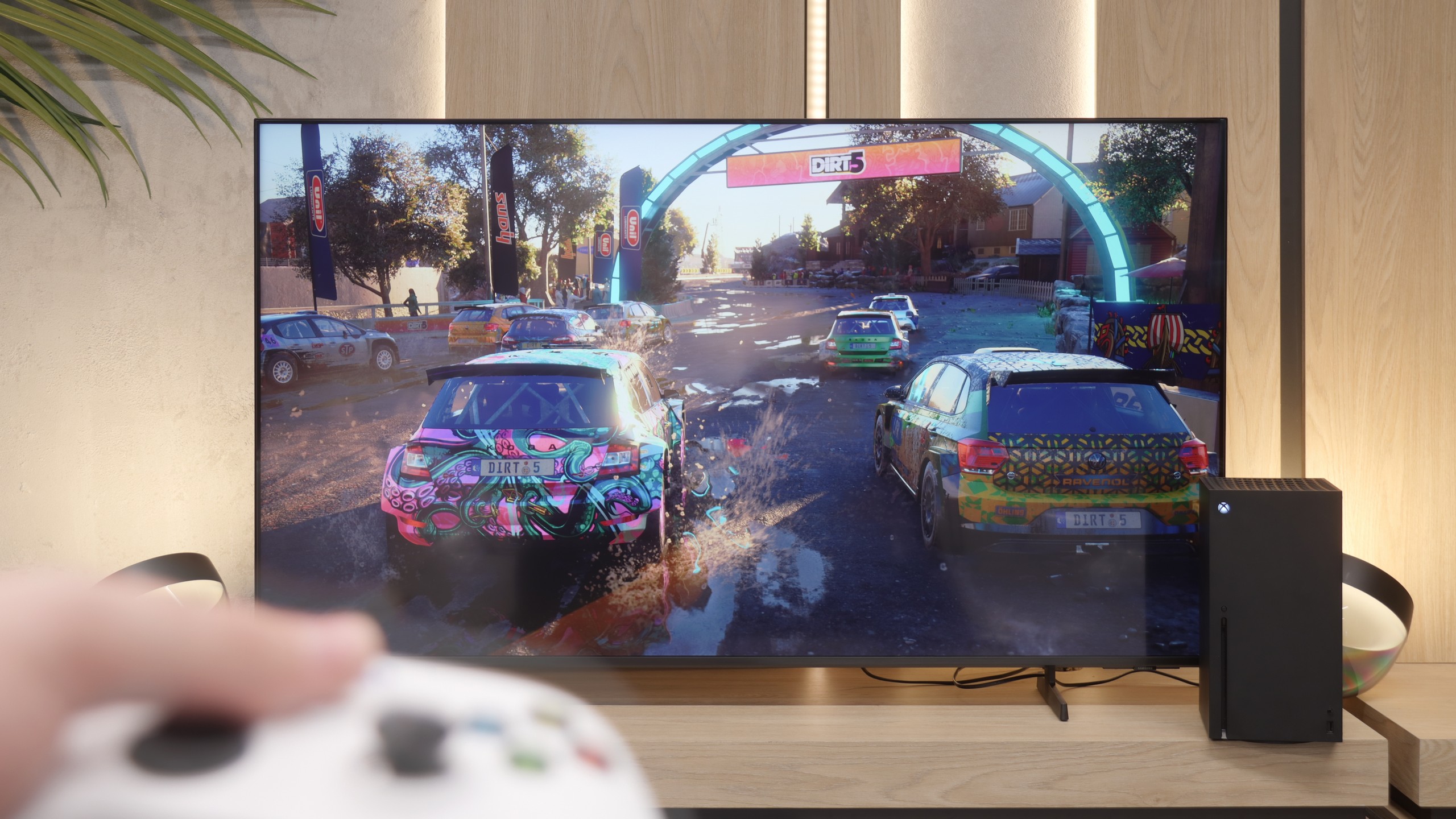
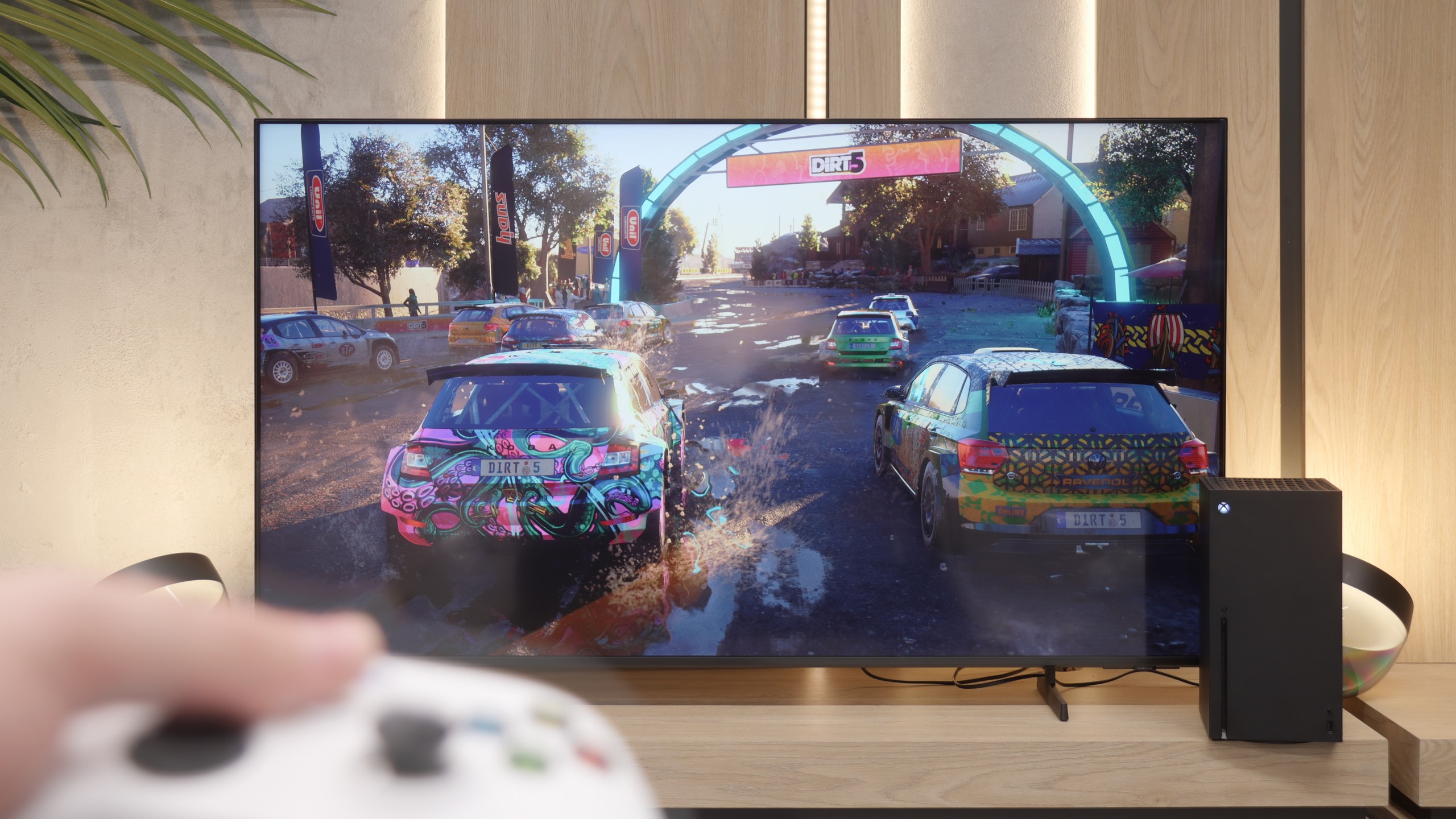
Gamers will particularly appreciate the OLED769, which includes 4 HDMI 2.1 ports supporting features such as VRR and ALLM. Combined with a very fast response time, the TV ensures smooth, realistic action with exceptional precision and responsiveness. Another standout feature is Philips' proprietary Ambilight lighting system, which enhances the viewing experience with immersive ambient lighting, beloved by many loyal fans.
On the downside, the operating system may disappoint those familiar with older Philips TVs. The TitanOS platform, replacing previous open systems, feels somewhat limited, offering fewer user features and a smaller selection of apps. However, for users who rely on only the most essential streaming platforms, TitanOS should suffice.
Overall, the Philips OLED769 is a reliable choice for those seeking modern features, strong picture quality, and an enjoyable gaming or movie-watching experience, all at an accessible level.
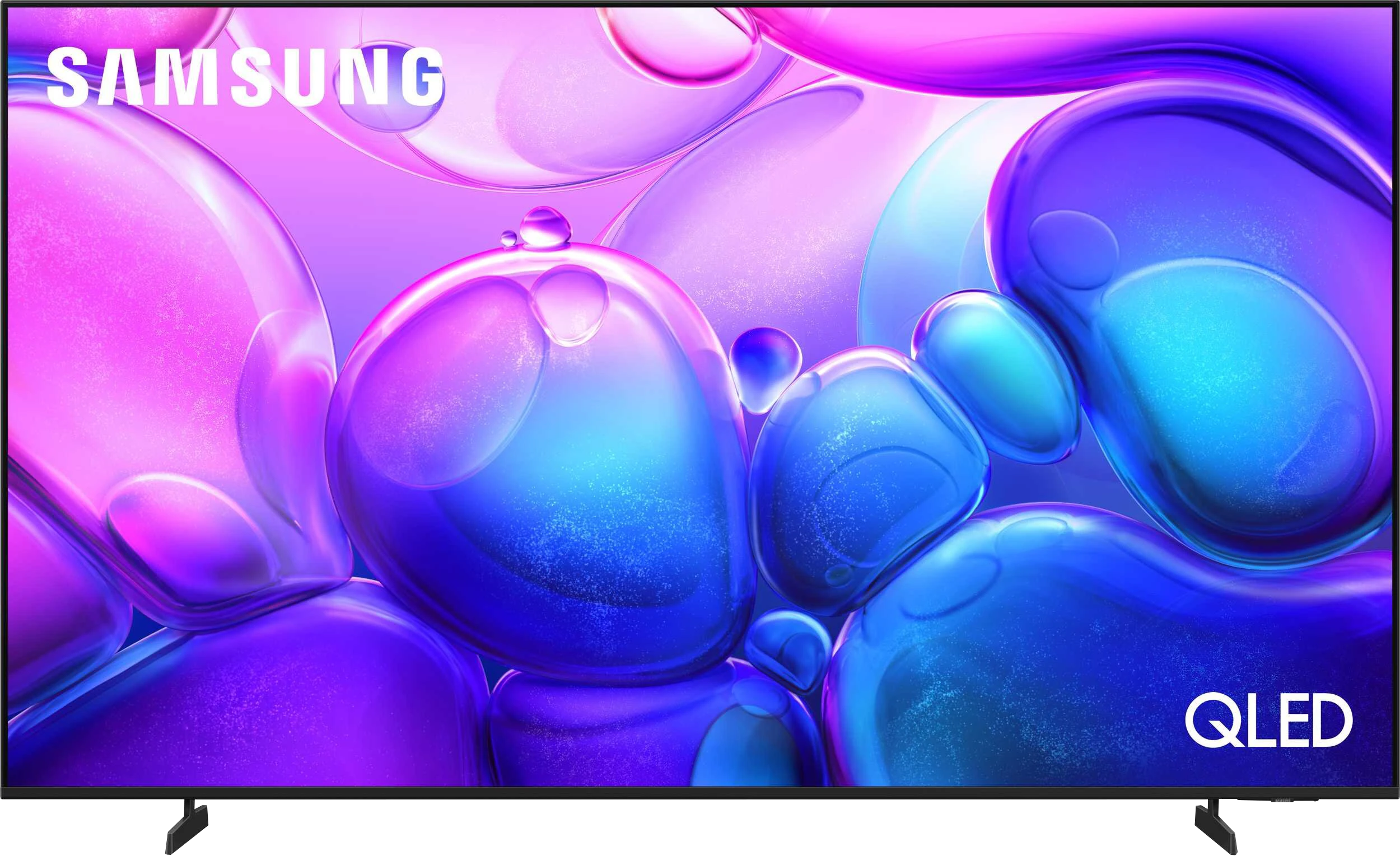
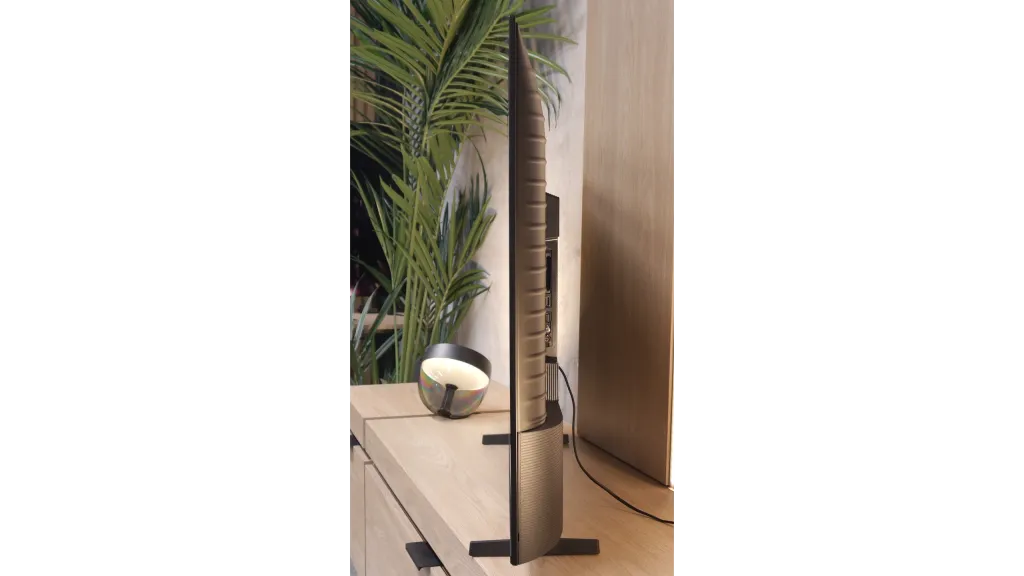
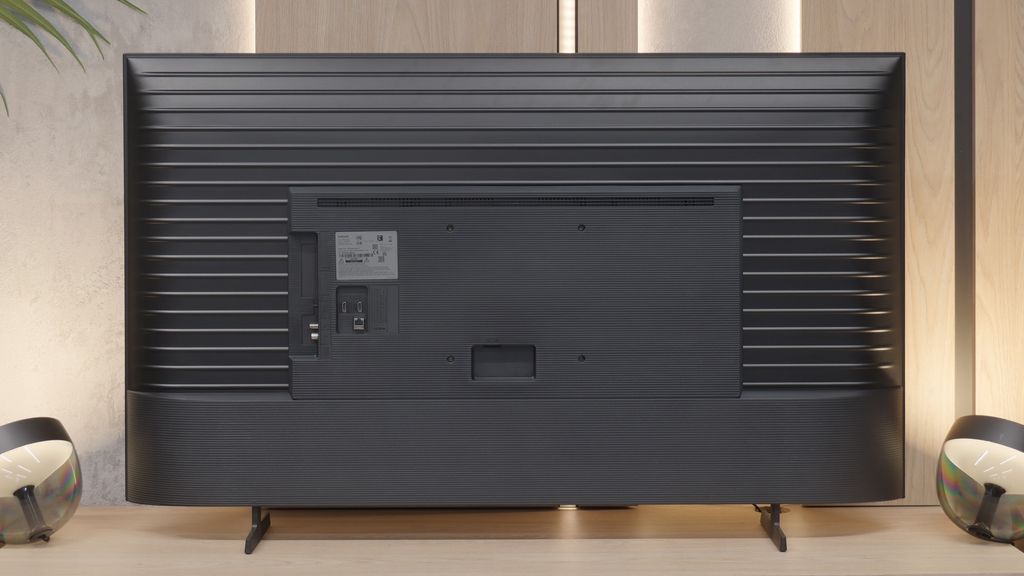
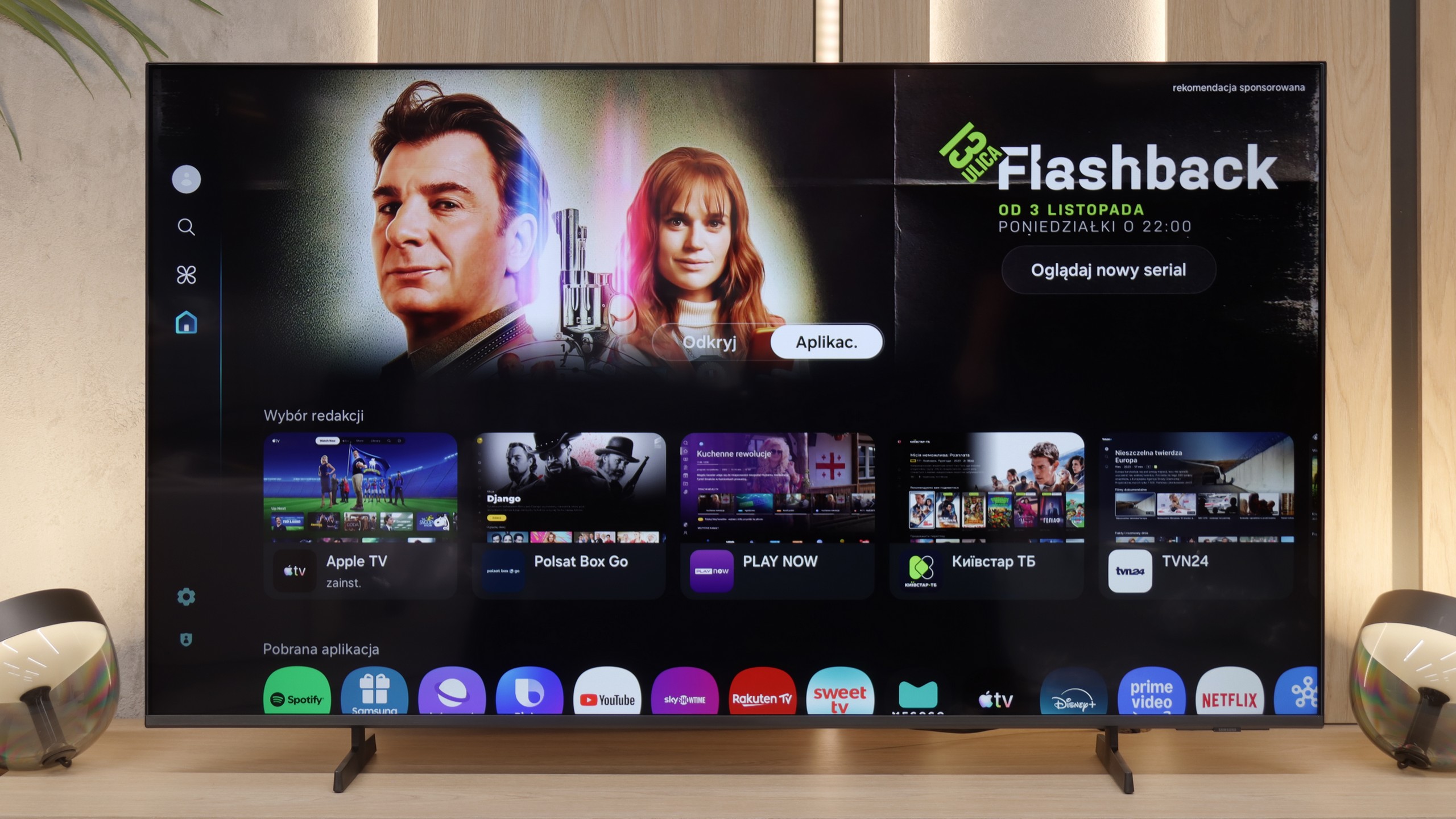
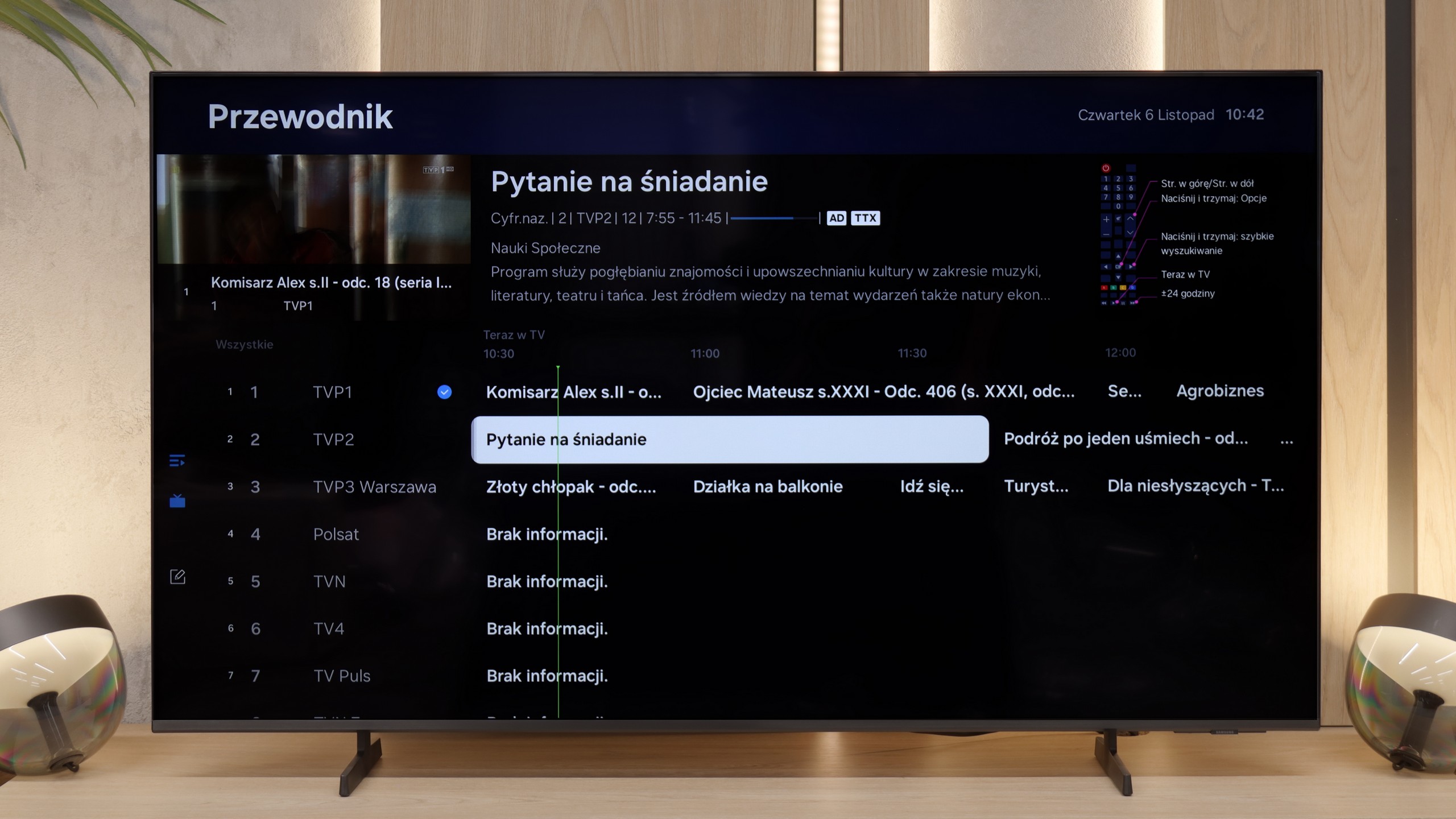
The Samsung Q6F is a television that is difficult to evaluate through the lens of typical QLED models. We must remember that we are dealing with a budget proposition aimed at a very specific audience. If you are looking for an inexpensive device with the logo of a well-known manufacturer that simply needs to work, display multimedia, and offer classic remote control operation with buttons – the Q6F might be an interesting option for you. It's a great choice for a senior or someone who needs a large screen "on the cheap" for daily television, where the IPS matrix and its good viewing angles really make a difference. However, we must be straightforward: the biggest drawback of this model is its very low brightness and poor black levels. These are two foundations on which image quality is built, and here they are simply very fragile. This is definitely not a television that we would recommend for watching HDR content – here, that format exists practically only in name. Although the Q6F has a QLED filter and belongs to the Quantum Dot family, utilizing the full potential of this technology is practically impossible, as the device is technically not suited for such content. We know that it tempts with its very low price and may appeal to many people with modest requirements. However, you should know that the label "QLED" suggesting a premium product is far from what Samsung has accustomed us to in recent years. It's a ticket to the world of Samsung, but in a very basic version.
 Direct comparison