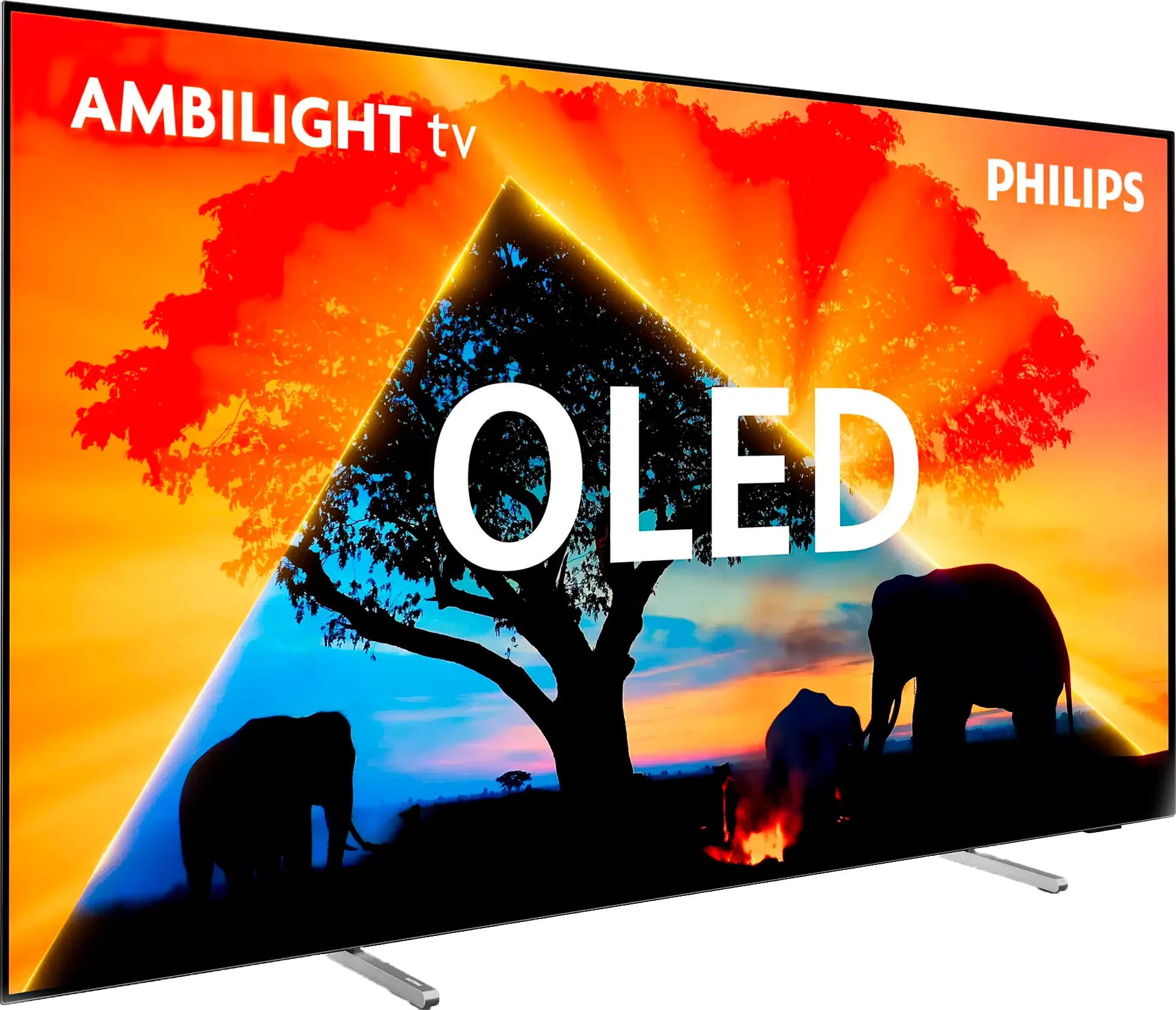
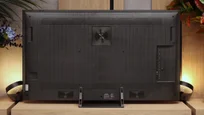
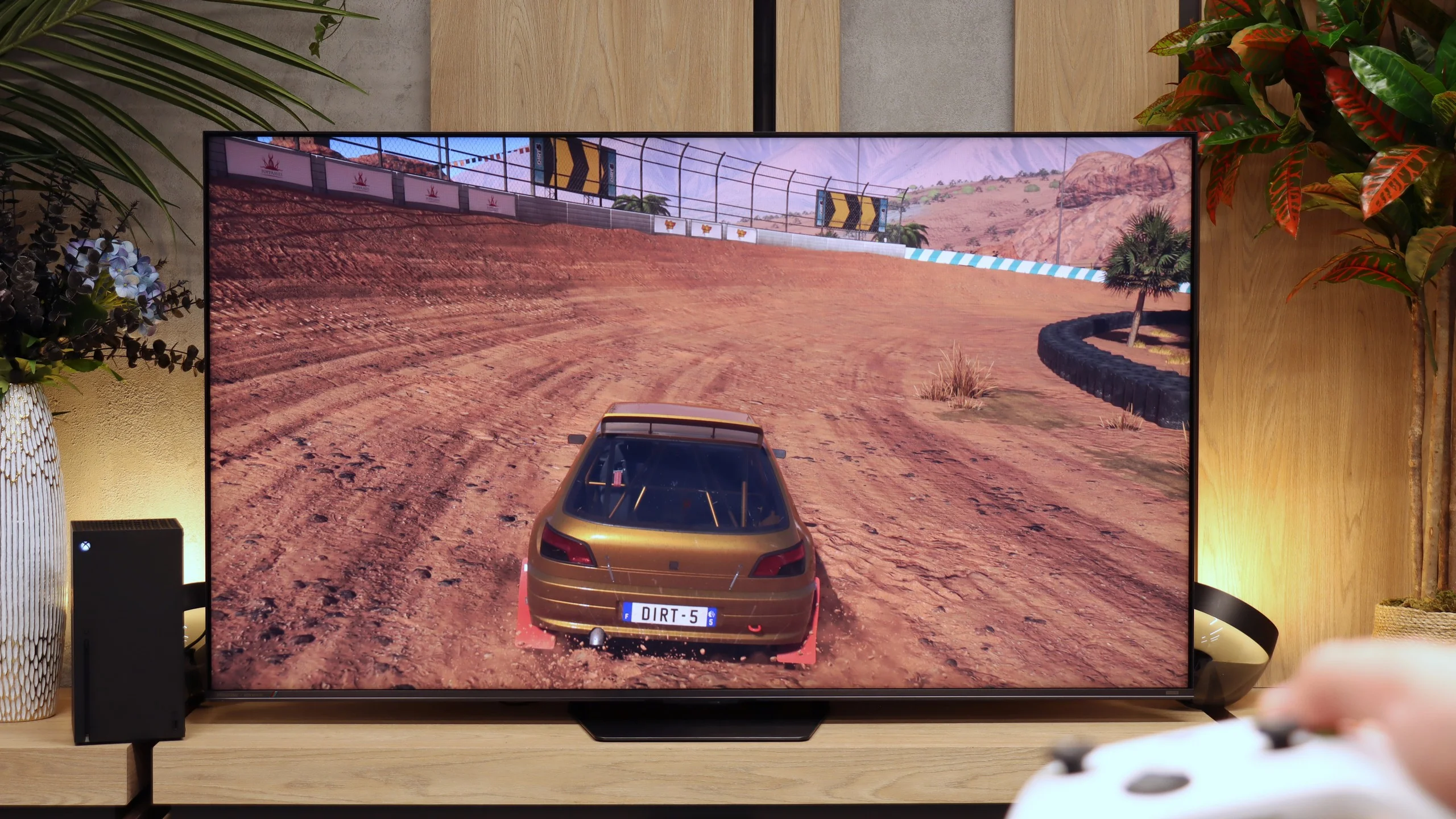
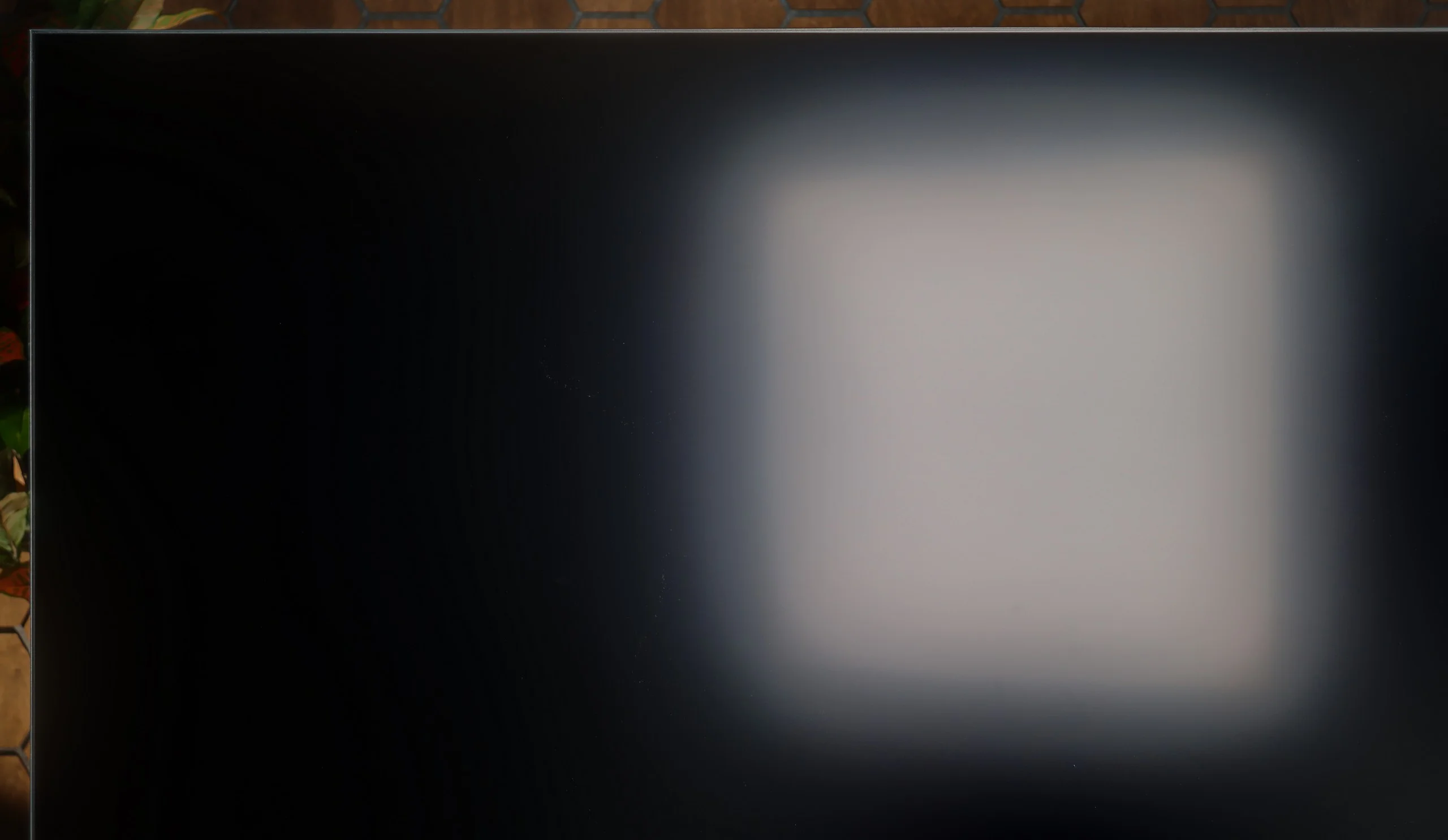
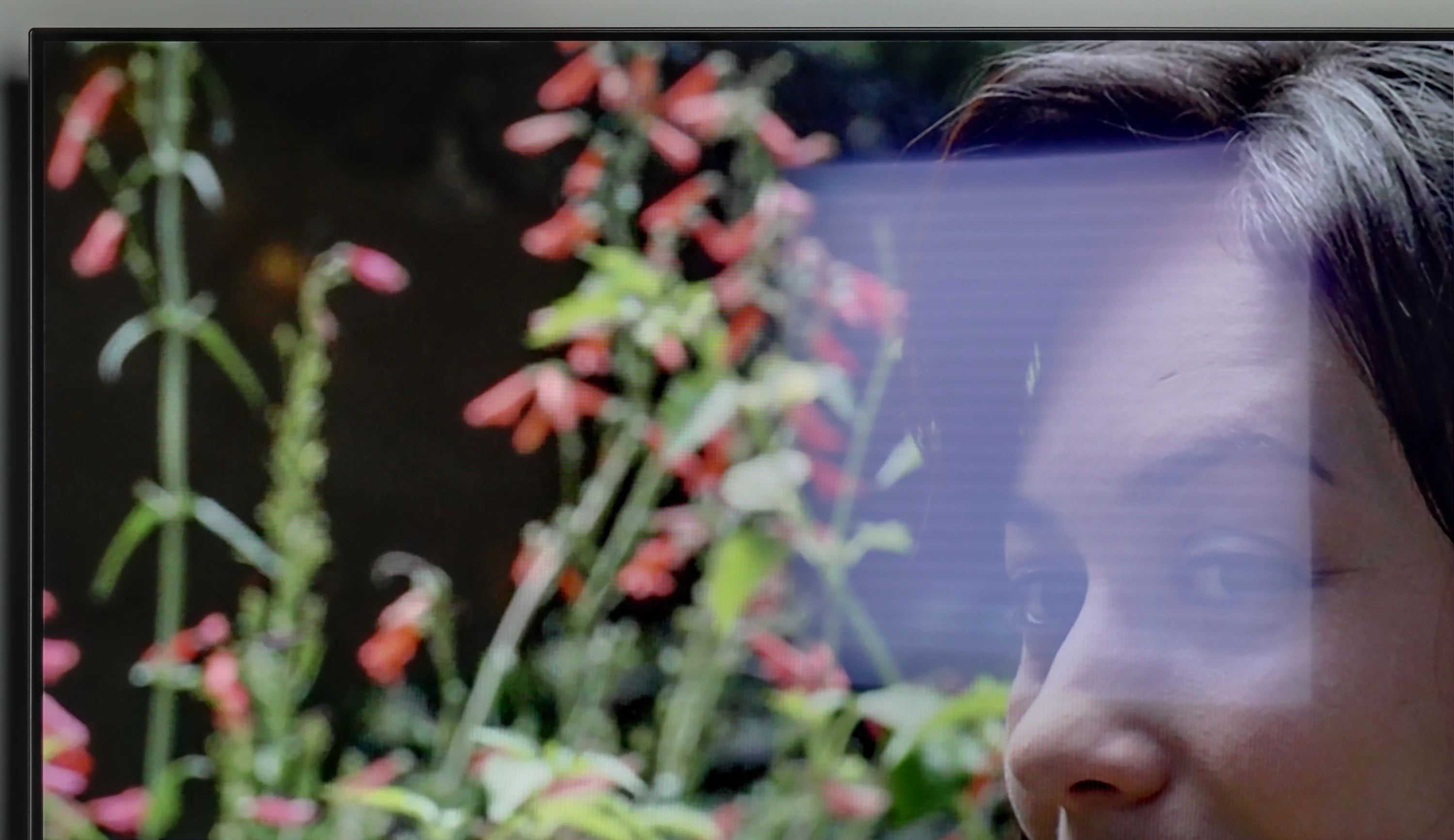
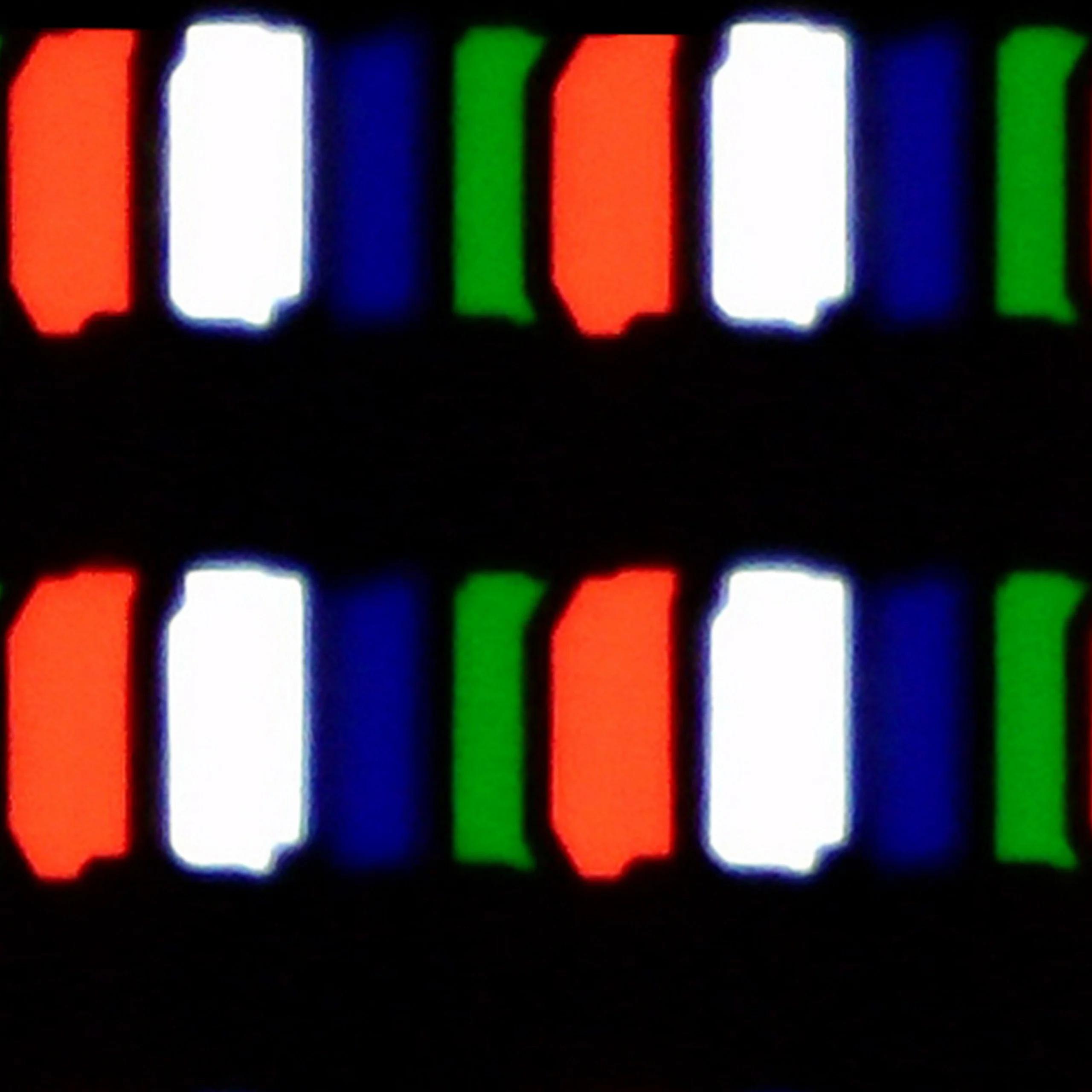
The Philips OLED769 is the entry-level OLED television from the Chinese-Dutch manufacturer for 2024. Designed to impress during movie nights or dynamic content, the OLED technology ensures excellent contrast, while carefully adjusted picture settings deliver vibrant and natural colours. Motion fluidity is another highlight, with an efficient motion smoother for films and a 120Hz panel that guarantees clarity and fluidity for gamers and sports enthusiasts.
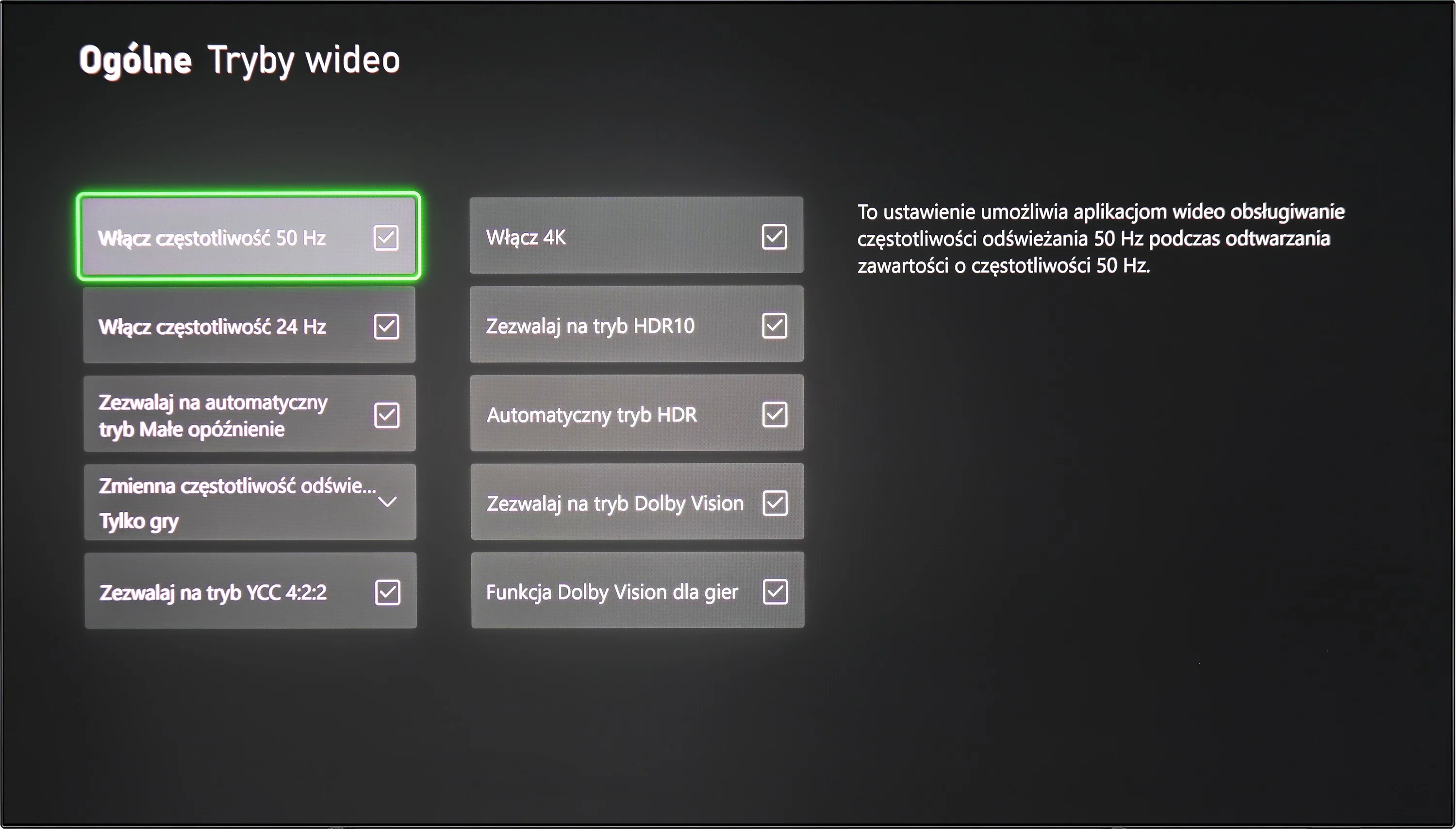
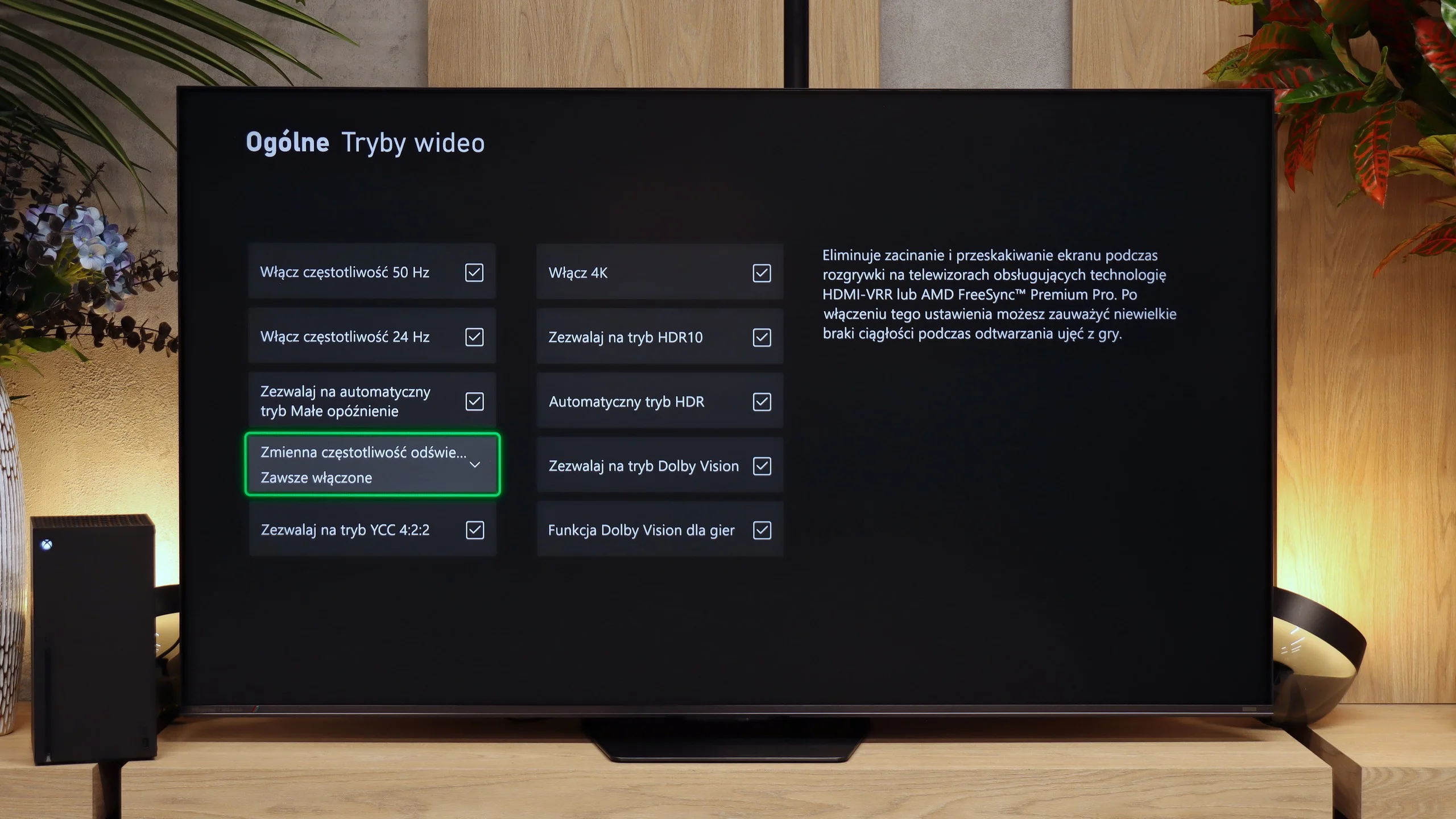
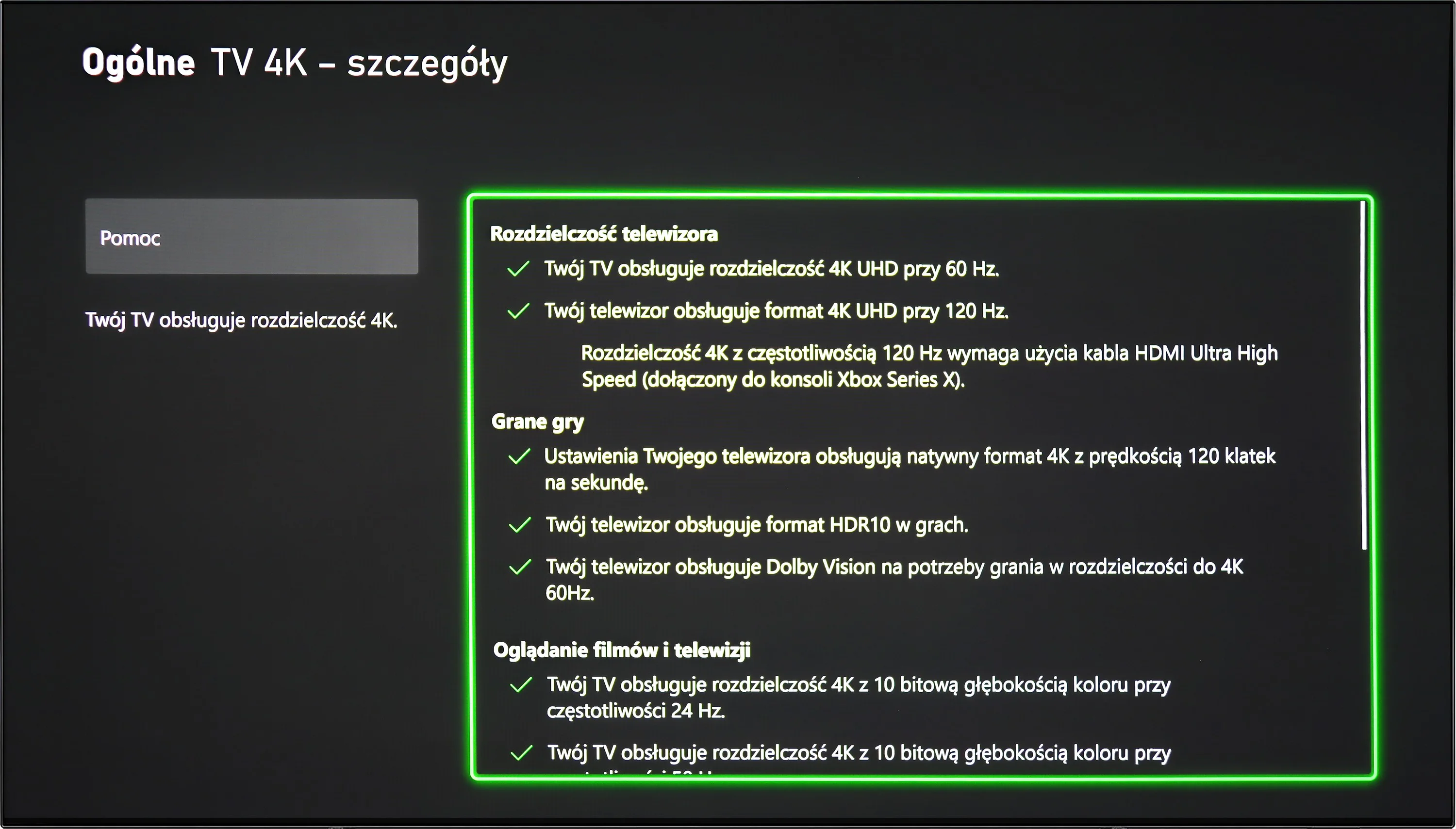
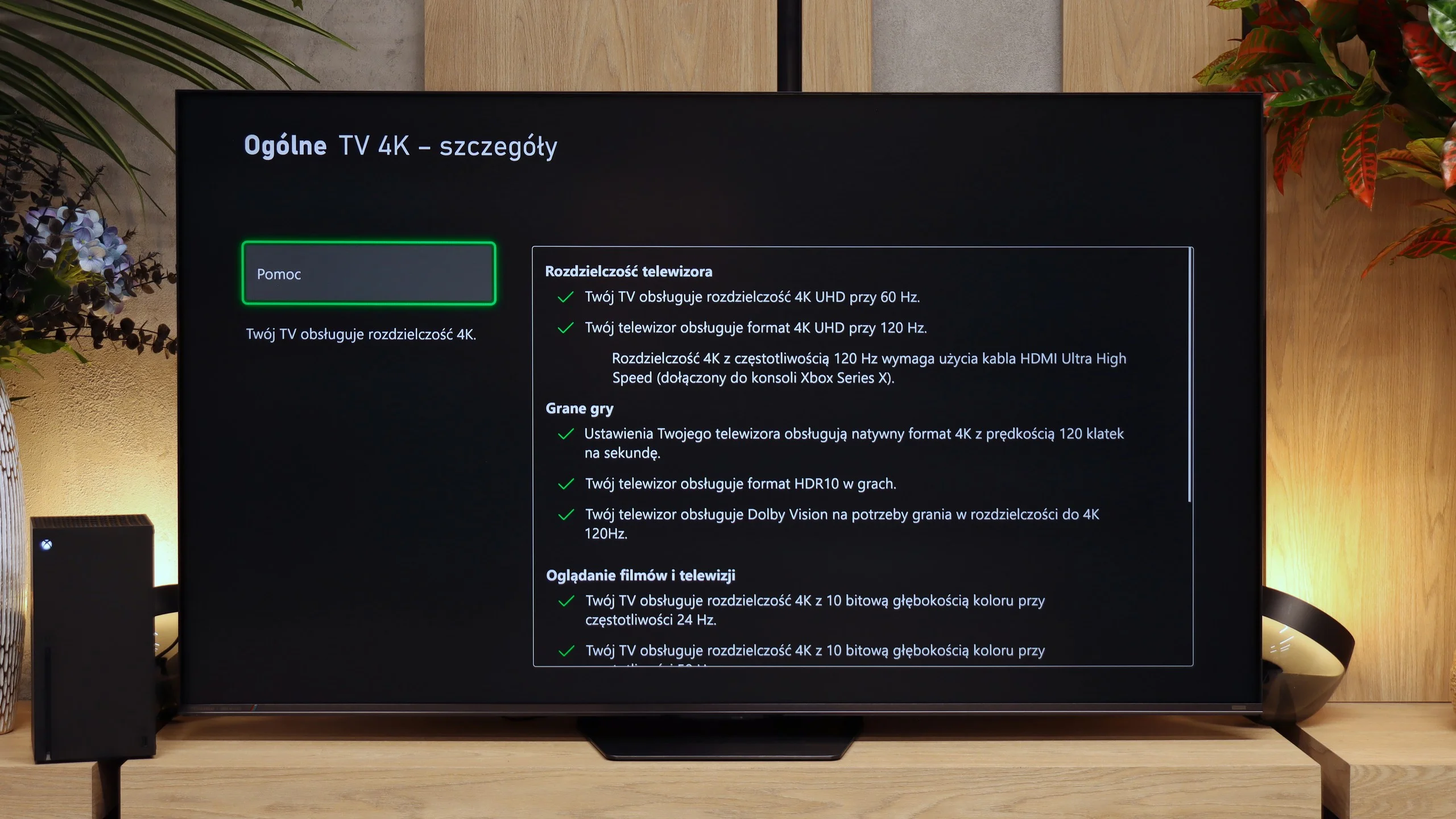
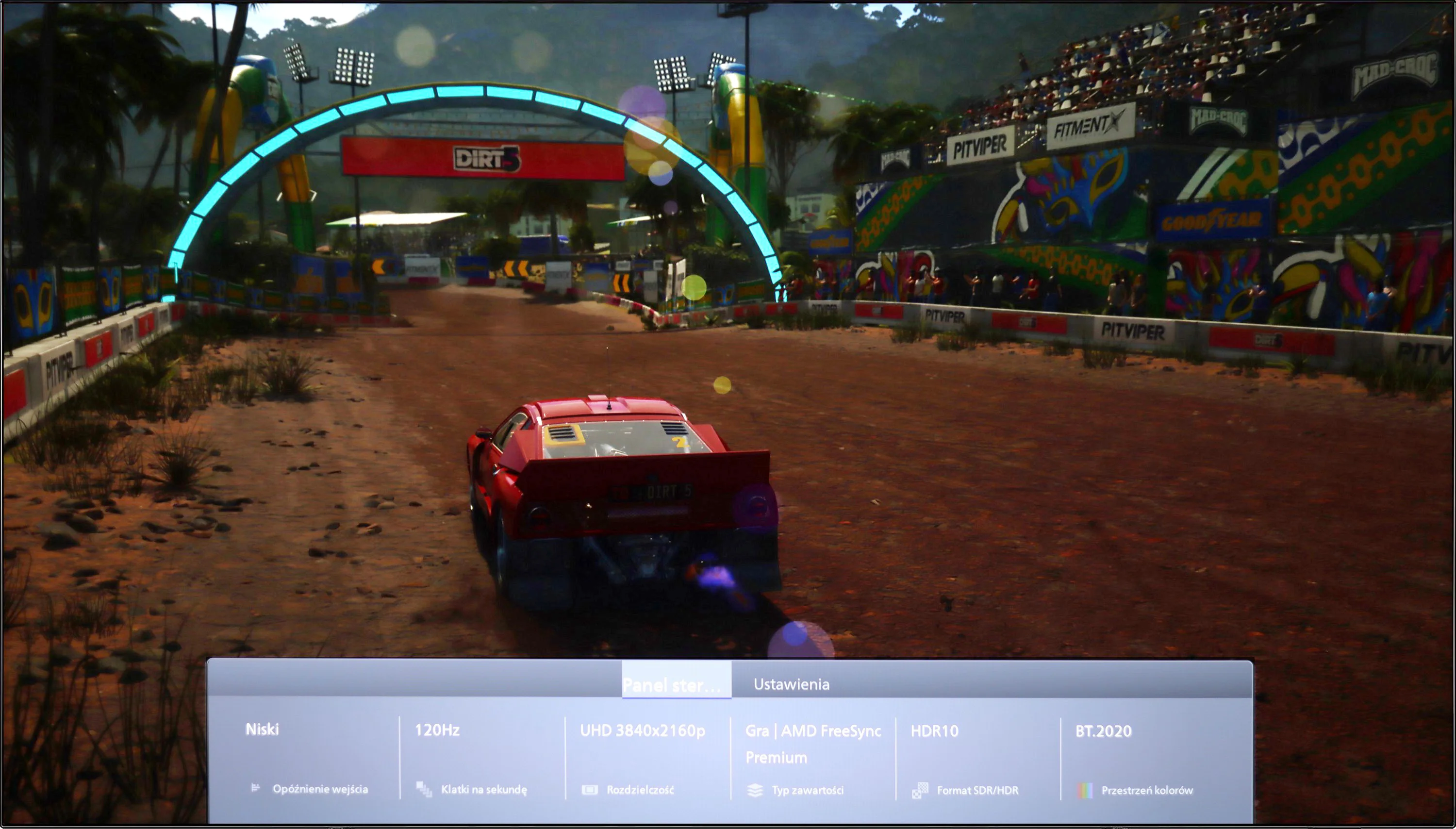
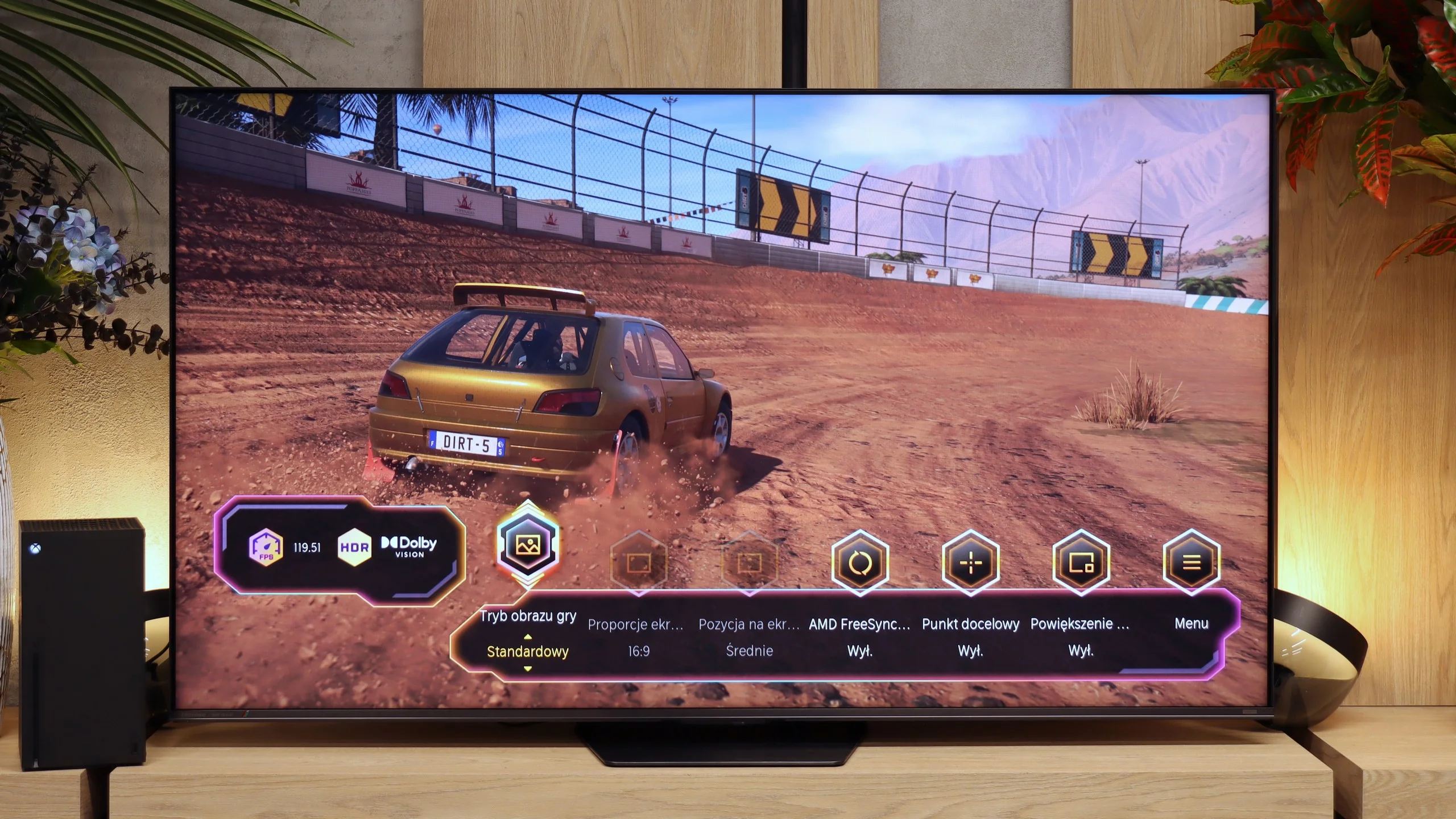
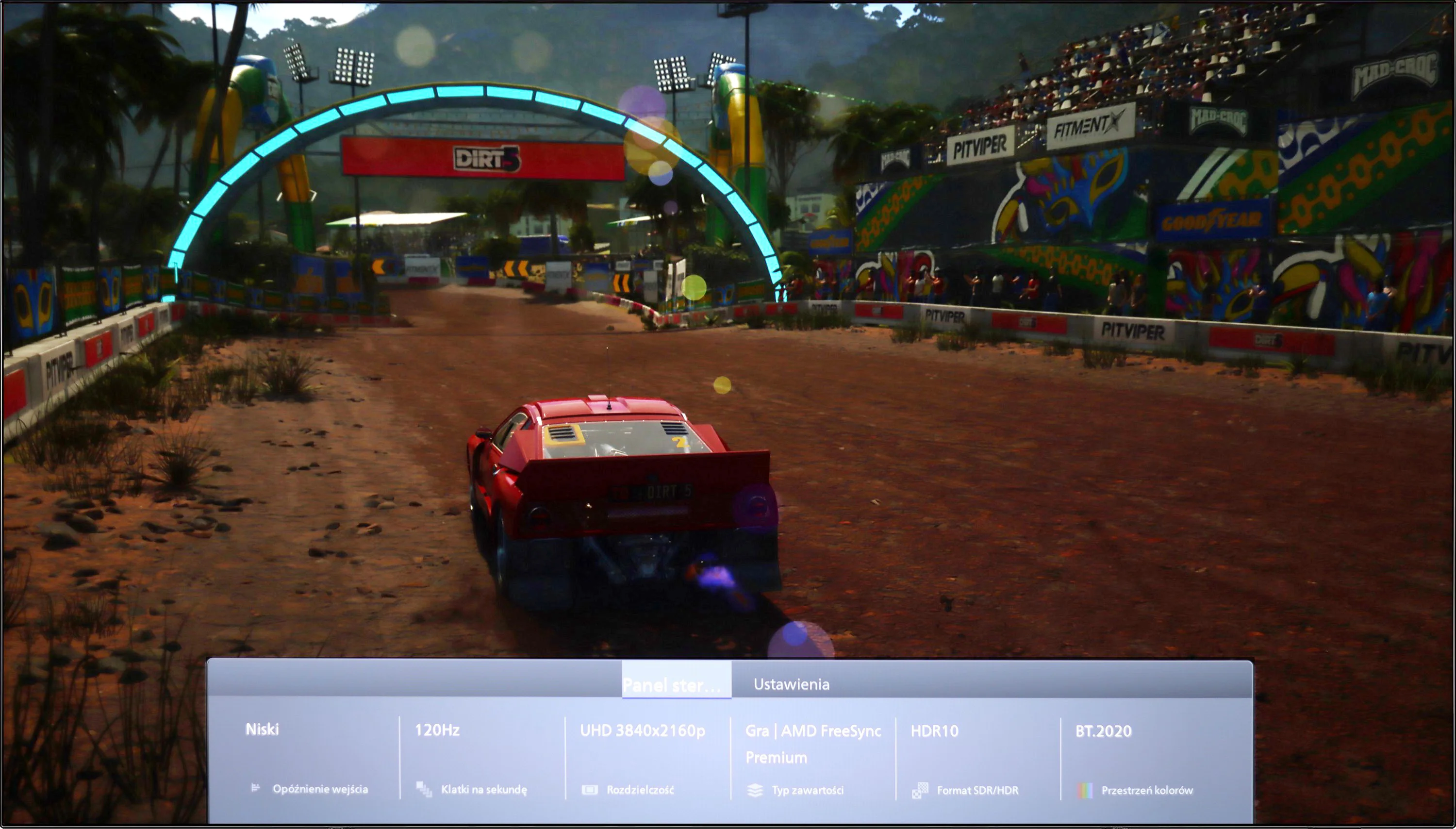
Gamers will particularly appreciate the OLED769, which includes 4 HDMI 2.1 ports supporting features such as VRR and ALLM. Combined with a very fast response time, the TV ensures smooth, realistic action with exceptional precision and responsiveness. Another standout feature is Philips' proprietary Ambilight lighting system, which enhances the viewing experience with immersive ambient lighting, beloved by many loyal fans.
On the downside, the operating system may disappoint those familiar with older Philips TVs. The TitanOS platform, replacing previous open systems, feels somewhat limited, offering fewer user features and a smaller selection of apps. However, for users who rely on only the most essential streaming platforms, TitanOS should suffice.
Overall, the Philips OLED769 is a reliable choice for those seeking modern features, strong picture quality, and an enjoyable gaming or movie-watching experience, all at an accessible level.
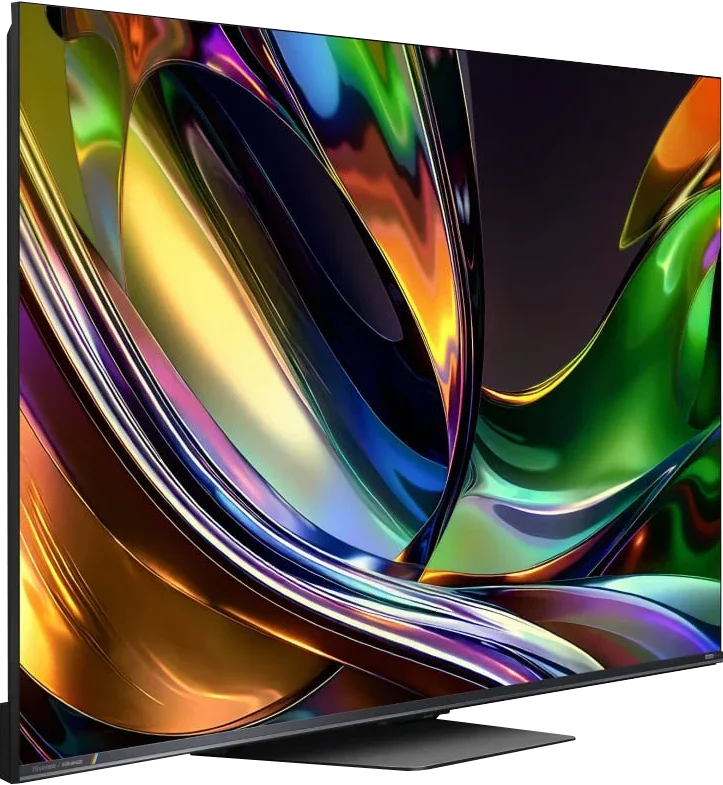
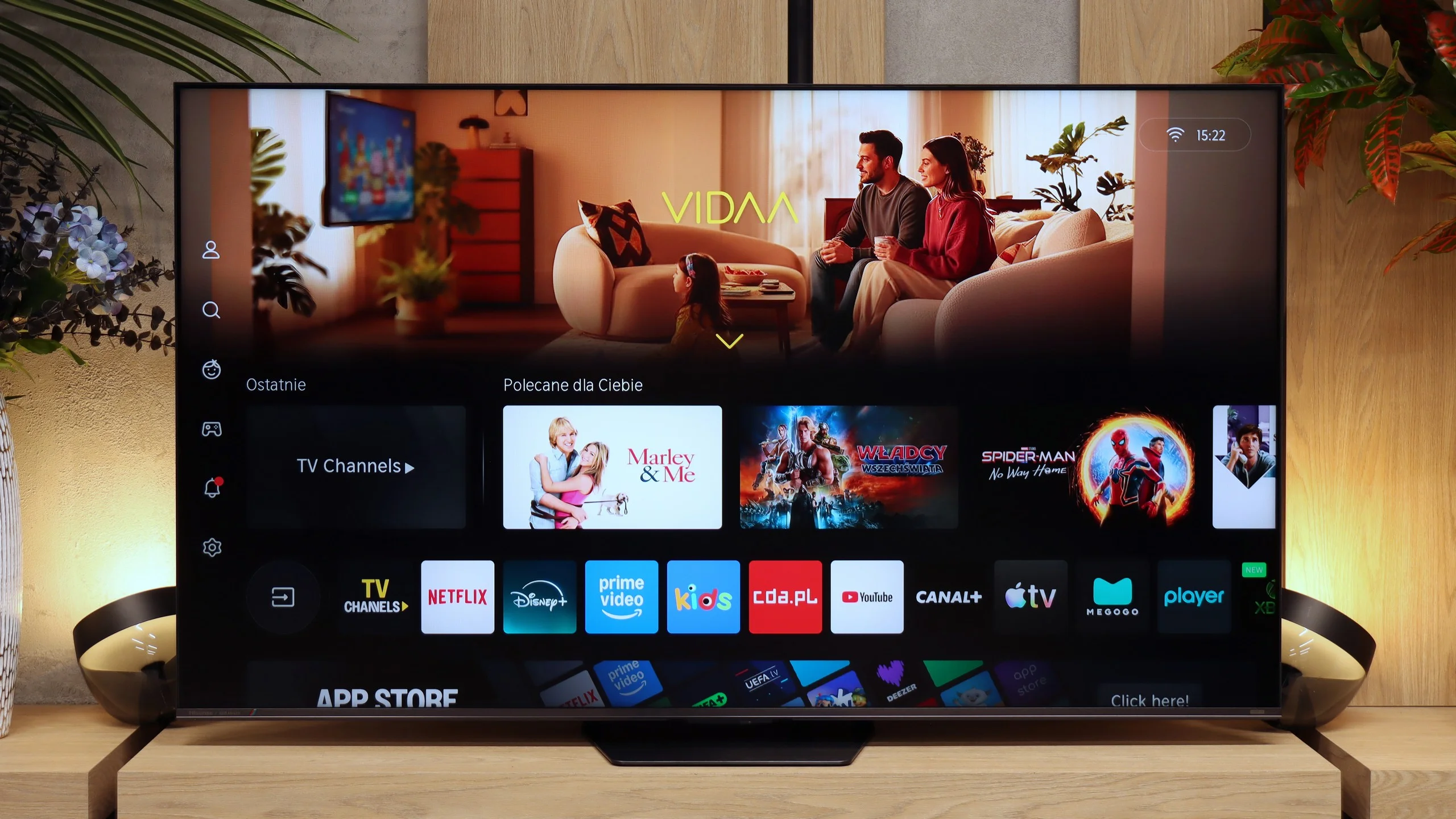
The Hisense UR8S is, above all, a very versatile high-end TV that performs well or very well in most use cases. It’s not a model aimed solely at movies, gaming, or watching in a bright living room. Its biggest advantage is that it can combine all those things in one chassis without any single, clearly weak point. In terms of picture, the UR8S has a lot to offer. Contrast is high, HDR can look very impressive, and the brightness level is more than enough for daytime viewing. Add very good image processing and smooth motion handling. RGB Mini-LED also gives it a very wide color gamut, and you can see that the technology has a lot of potential. However, it’s important to remember that it doesn’t completely change the character of an LCD TV. In more demanding scenes you can still see the limits of local dimming, and very high color saturation isn’t always maintained to the same degree as on simple test patterns. A major strength of the UR8S is, above all, its everyday usability. The TV works well for sports, is excellent for gaming, and its high brightness and matte screen coating make a big difference in a bright room. On top of that, the VIDAA system runs quickly, and Hisense hasn’t removed many features that remain useful for normal TV use. That’s why we see the UR8S best as a TV for people looking for one solid screen for everything. RGB Mini-LED is an interesting addition here and provides some real benefits, but it’s not the technology alone that makes this model perform well. Its strongest point is that it’s complete, well equipped, and very versatile.
 Direct comparison