 Direct comparison
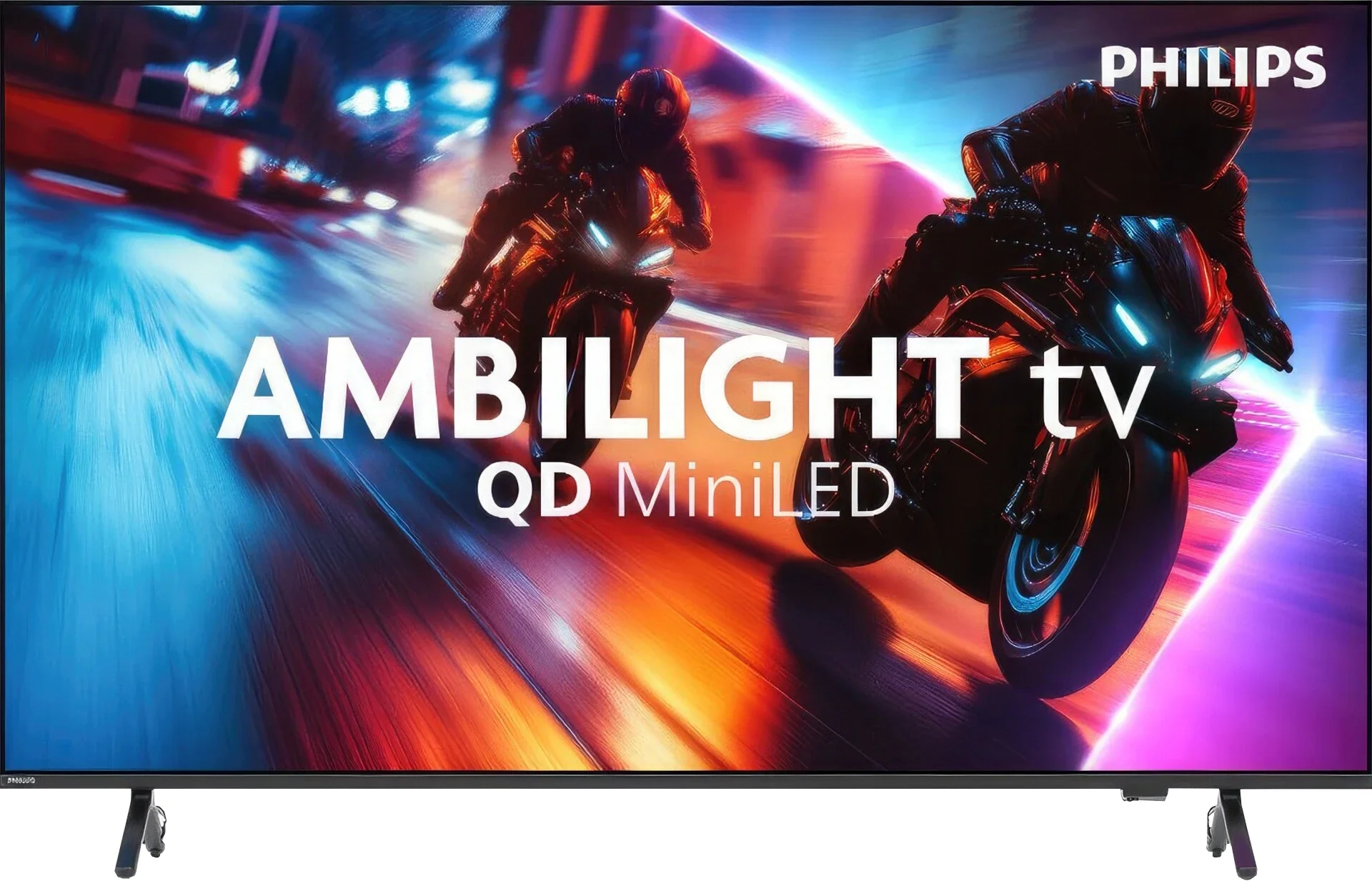
The Philips MLED920 is a natural continuation of last year's PML9000 model, but it's not a repeat performance. It's clear that the manufacturer has done its homework – first and foremost, the local dimming algorithms have been improved, which last year tended to significantly degrade the viewing experience. Now, the blacks and contrast look much better, and when combined with the Dolby Vision here, even HDR content looks really decent. The picture occasionally shines where it should, and it doesn’t strain the eyes in more challenging scenes. Undoubtedly, the biggest advantage of the MLED920 is its unique Ambilight system. The three-sided backlighting can give films and games a completely new atmosphere – the screen seems to extend beyond its borders, and the entire room becomes part of the viewing experience. This is something that will be appreciated not only by movie enthusiasts but also by gamers, who, in addition to the lights, get a whole set of features typical for modern gaming TVs: 144 Hz, VRR, ALLM, and Dolby Vision Gaming. In this regard, Philips has a lot to offer. However, there is a significant caveat – this brings us to the most difficult part of this verdict – it is still dual-purpose equipment. On one hand, we have strong picture quality and a unique Ambilight feature, while on the other, there are hardware limitations that are hard to ignore. Titan OS in its current form is a significant bottleneck, filled with bugs and shortcomings that make the television lag behind the competition. Additionally, the price is not low considering the offered capabilities. Therefore, it's hard to recommend it unequivocally to everyone. However, if you are looking for the brightest Philips screen at a reasonable price, with Ambilight, a full set of features for gamers, and basic applications – the MLED920 will be quite a good choice.
- Matching (Score) |
- Our verdict |
- TV appearance |
- Where to buy |
- Contrast and black detail |
- HDR effect quality |
- Factory color reproduction |
- Color reproduction after calibration |
- Smoothness of tonal transitions |
- Image scaling and smoothness of tonal transitions |
- Blur and motion smoothness |
- Console compatibility and gaming features |
- Input lag |
- Compatibility with PC |
- Viewing angles |
- Daytime performance |
- Panel details |
- TV features |
- Apps |
- Playing files from USB |
- Sound
MLED920 / MLED910

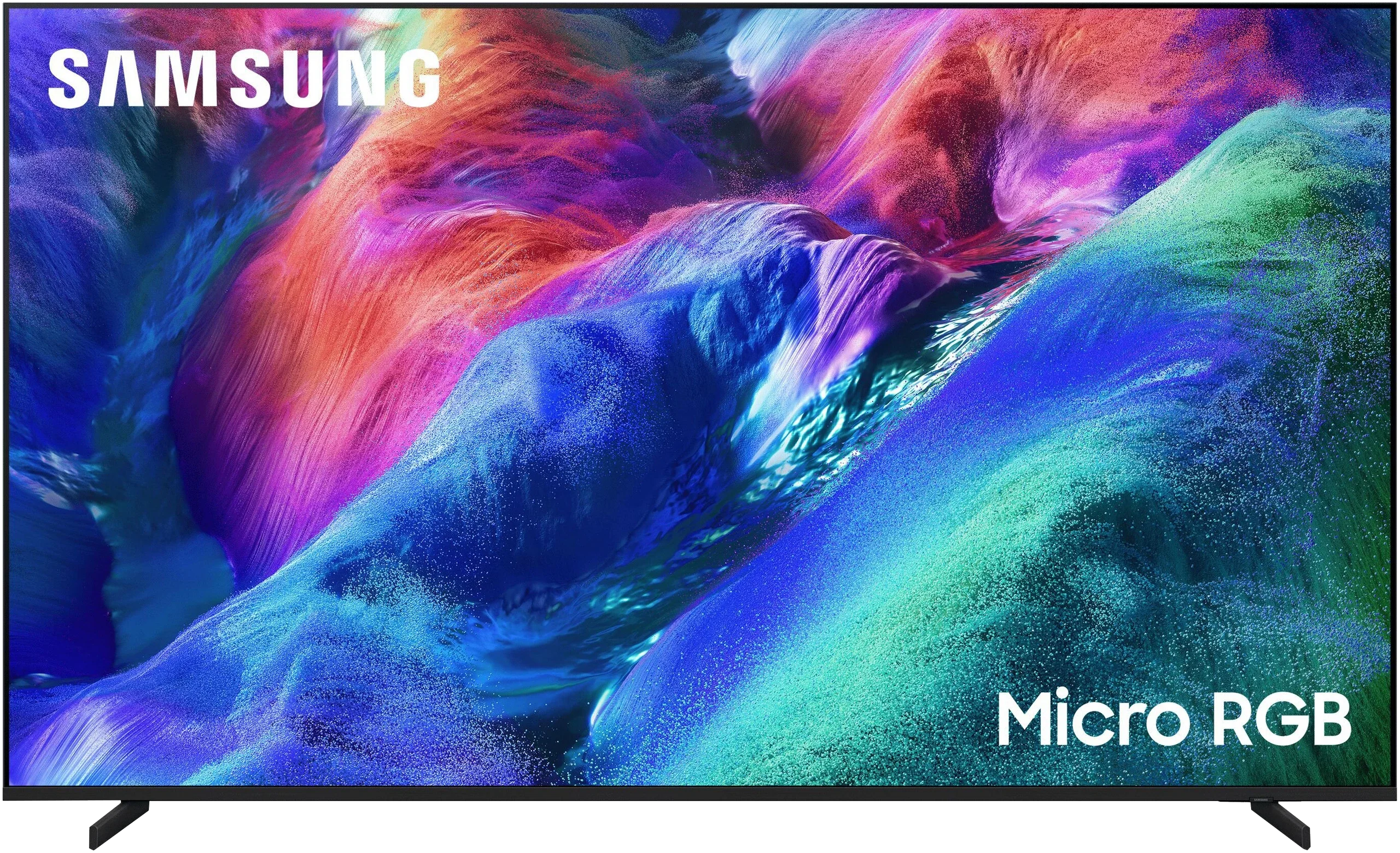
R85H / R86H / Micro RGB
Panel type: LCD VA
Resolution: 3840x2160
System: Titan OS
Model year: 2025
Complete the survey to find out the result
Panel type: LCD VA
Resolution: 3840x2160
System: Tizen
Model year: 2026
Complete the survey to find out the result
Overall rating
6.5
7.7
 Movies and series in UHD quality
6.4
7.3
 Classic TV, YouTube
6.8
7.6
 Sports broadcasts (TV and apps)
6.8
7.2
 Gaming on console
8.5
8.9
 TV as a computer monitor
4.0
8.0
 Watching in bright light
5.5
7.3
 Utility functions
5.5
7.3
 Apps
6.7
9.3
 Sound quality
6.2
7.1
Complete the survey to find out what fits your preferences
Advantages

Solid black and high contrast thanks to mini-LED backlighting
HDR brightness reaching 700–800 nits in real movie scenes
Support for multiple HDR formats including Dolby Vision and HDR10+
Ambilight – a feature that adds atmosphere, especially in the evening
Lots of supported audio formats: DTS:X, Dolby Atmos, Dolby True HD 7.1
144 Hz panel with support for VRR, ALLM, and Dolby Vision Gaming
Loud sound (up to 88 dB)
Illuminated remote
Good black levels and contrast, VA panel with local dimming
High HDR brightness, approx. 1,000 nits
Very wide color gamut and high color volume
Matte anti-reflective coating
Panel 144 Hz / 240 Hz (DLG)
4x HDMI 2.1
Extensive gaming features (ALLM, VRR, low input lag, G-Sync)
Fast and functional Tizen system (7 years of support)
Good viewing angles (for a VA panel)
Adjustable stand width and height
Disadvantages

Titan OS is quite underdeveloped – there are significant bugs and deficiencies in the applications
Few user features
Hybrid infrared remote control
Issues with the fluidity of tonal transitions in dark scenes
The TV is not suitable (aside from gaming) for collaboration with a PC – strong dithering and poor readability of fonts, especially colored ones and on dark backgrounds
Limited number of local dimming zones
RGB backlighting doesn't always deliver its full potential
Visible smearing on the VA panel
No Dolby Vision / DTS:X
Our verdict
The Samsung R85H is above all a very versatile TV that works well in almost any situation. You can put it in a bright living room, hook up a console, watch a movie or series in the evening, and use regular broadcast TV every day, and each time you’ll get a good-quality picture. It may not make as strong an impression in the first minutes as Samsung’s best OLEDs, but it’s hard to point to a single feature that severely limits its use. That versatility is probably its biggest strength. Naturally, the R85H draws the most attention for its new "Micro RGB" backlight. From our tests we’d say it can indeed offer an advantage over classic Mini-LED, although not always in the areas the manufacturer emphasizes most. On test charts the color reproduction capabilities are impressive, but in real, more complex scenes the TV can’t always exploit the full potential of a three-color backlight. Its advantage is easiest to spot in simpler parts of the image, where intense reds, greens, or blues can look truly striking. Viewing angles are also a bit better, because colors viewed off-axis retain their saturation longer than on conventional LCD TVs. Micro RGB doesn’t, however, solve all the limits of RGB technology. With very saturated elements you can sometimes notice slight color bleeding into adjacent bright areas, and the relatively small number of local dimming zones means the backlight can’t always operate as precisely as its on-paper specs might suggest. The R85H shows that RGB really has potential and could be the next step in LCD development, but using colored LEDs alone doesn’t automatically translate into a huge jump in picture quality. For that reason we’d treat the R85H mainly as a somewhat better and more interesting alternative to the QN80H, not as a must-buy solely because it says Micro RGB. If the price gap between those models is reasonable, we’d choose the R85H. We wouldn’t pay a large premium just for the new backlight, since its everyday advantage isn’t always as big as marketing materials might imply. Regardless, the R85H is a successful all-purpose TV, and that’s probably the best way to look at it.
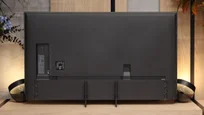
TV appearance

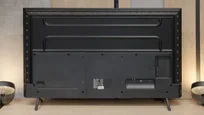
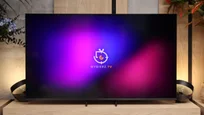
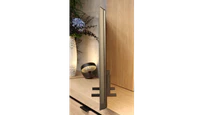
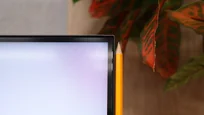

Contrast and black detail
7.9/10
7.9/10
Local dimming function: Yes, number of zones: 144 (12 x 12)
Local dimming function: Yes, number of zones: 150 (10 x 15)
Contrast:


Result
298,900:1

Result
38,500:1

Result
23,950:1

Result
16,850:1

Result
8,000:1
Result
182,800:1
Result
46,750:1
Result
22,450:1
Result
10,900:1
Result
9,050:1
Halo effect and black detail visibility:
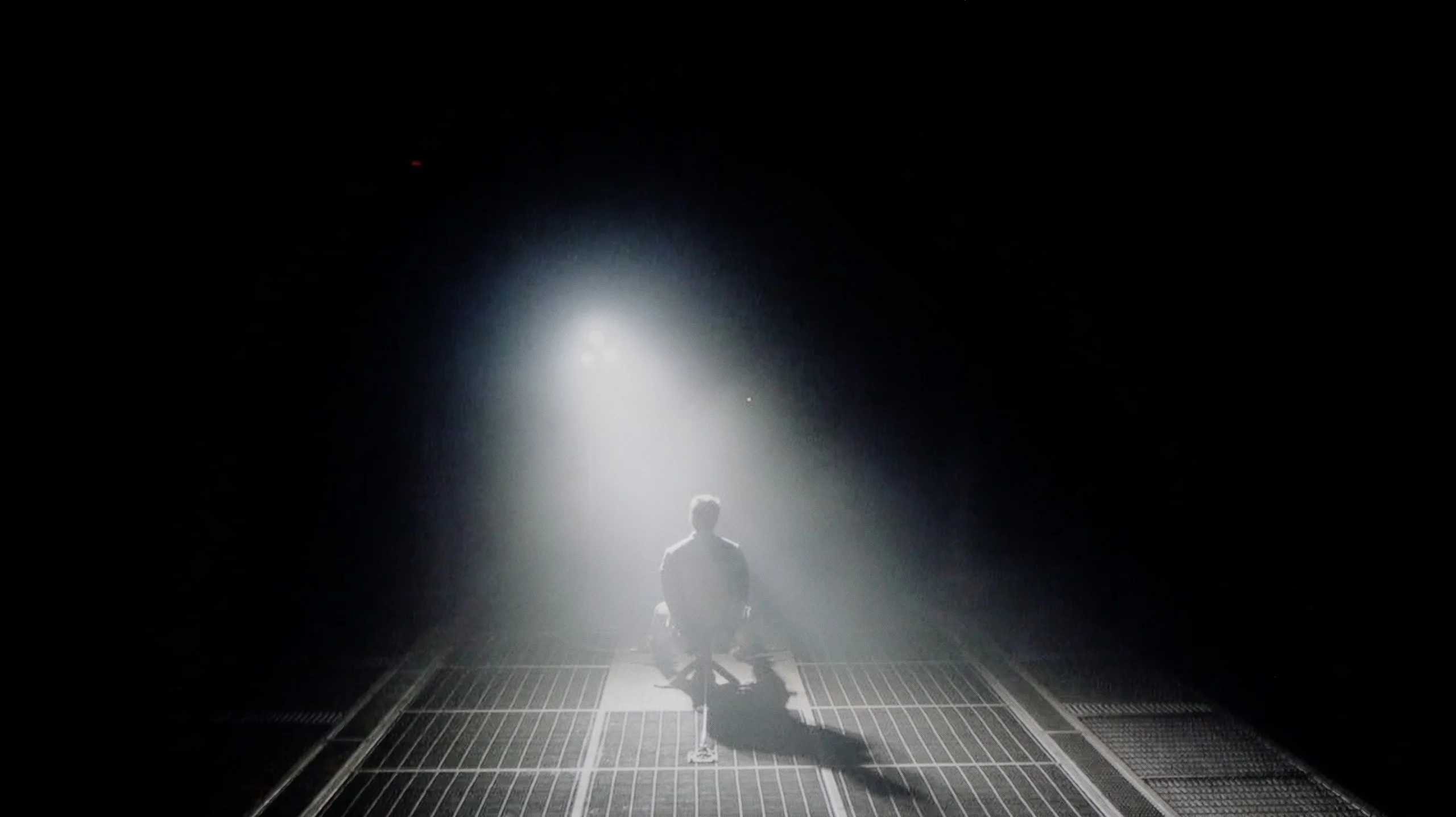
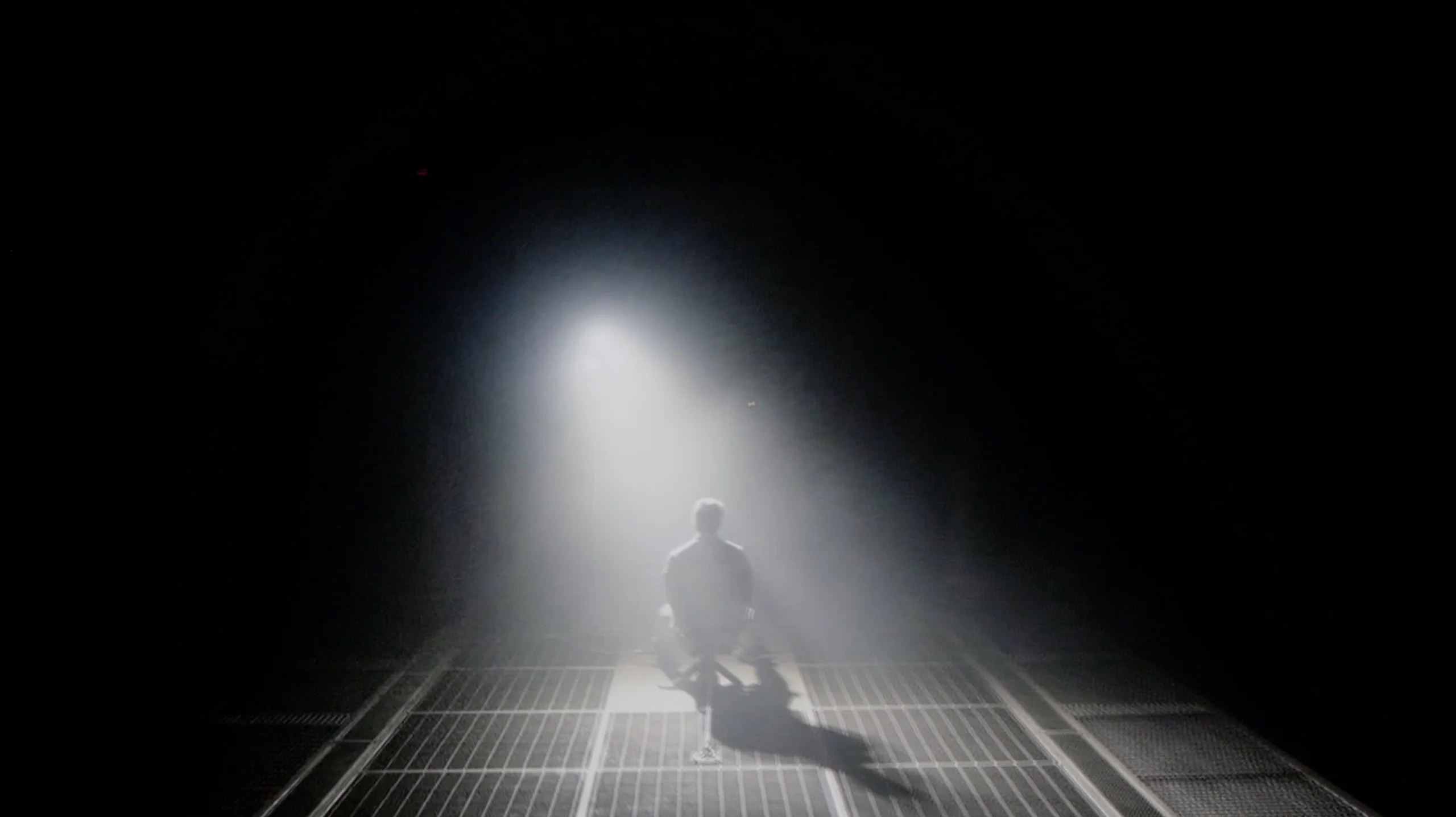
Check the visibility of bright lights on a dark background. Mini-LEDs often struggle with this. The photo does not compare black levels – that’s what the video below is for.
The video accurately shows differences in contrast and black levels between TVs, as well as potential issues: halo around bright objects or Mini-LED zone operation visible as brightness jumps.
The Philips MLED920 in the 55-inch version that we had the opportunity to test uses a high-contrast VA panel. The panel itself is one thing, but the true distinguishing feature of this model is the mini-LED backlighting. This largely determines how black levels and contrast appear – and it must be said that Philips has made a significant leap forward compared to the models from 2024, where the local dimming algorithms performed just mediocrely. In this new version, it's much better, and the contrast presented by the MLED920 can really pleasantly surprise. At times, it even resembles the level known from the best LCD TVs on the market – blacks can be deep, the image gains three-dimensionality, and viewing sessions in a dark room create a great impression. Of course, as is the case with any mini-LED TV, this is not an image entirely free from compromises. With a large amount of fine details on the screen, the local dimming algorithms can sometimes get confused – sometimes dimming details more than we would like, and at other times brightening the background, resulting in slight light blue halos around objects (the so-called halo effect). Despite these imperfections, we must emphasize that black levels and contrast are truly a strong point of the Philips MLED920 and definitely one of the reasons to consider it in the mid-range.
Samsung R85H uses a Micro RGB backlight with zoned local dimming and can perform really well in terms of black level. In the 55-inch unit we tested we counted about 150 zones, so it’s not at the level of the most advanced Mini-LEDs, where that number can reach the thousands. Despite this, in many scenes the local dimming algorithm handles things fairly effectively. With larger, clearly separated objects on a dark background the blacks are deep and the contrast can be very impressive. The halo is also reasonably well controlled, so during typical viewing the R85H can indeed show the benefits of local dimming. The limitations of the relatively small number of zones become apparent with more demanding content, especially when the screen contains many very small bright elements. A good example is scenes with starry skies. In such situations the TV can practically abandon local dimming, which raises the black level significantly and causes the image to lose a large part of its contrast. Interestingly, we noticed similar behavior even when there were far fewer bright points, so it seems to be more a matter of how the algorithm operates than solely the physical number of zones. Overall, the R85H’s blacks hold up well. It’s not on par with the most expensive Mini-LEDs that have thousands of independently controlled zones, and the difference is noticeable in difficult scenes. For most content, however, the local dimming does its job and delivers much better blacks.
HDR effect quality
5/10
5.6/10
Luminance measurements in HDR:

Result
722 nit

Result
177 nit

Result
775 nit

Result
131 nit

Result
677 nit
Result
860 nit
Result
214 nit
Result
758 nit
Result
235 nit
Result
912 nit
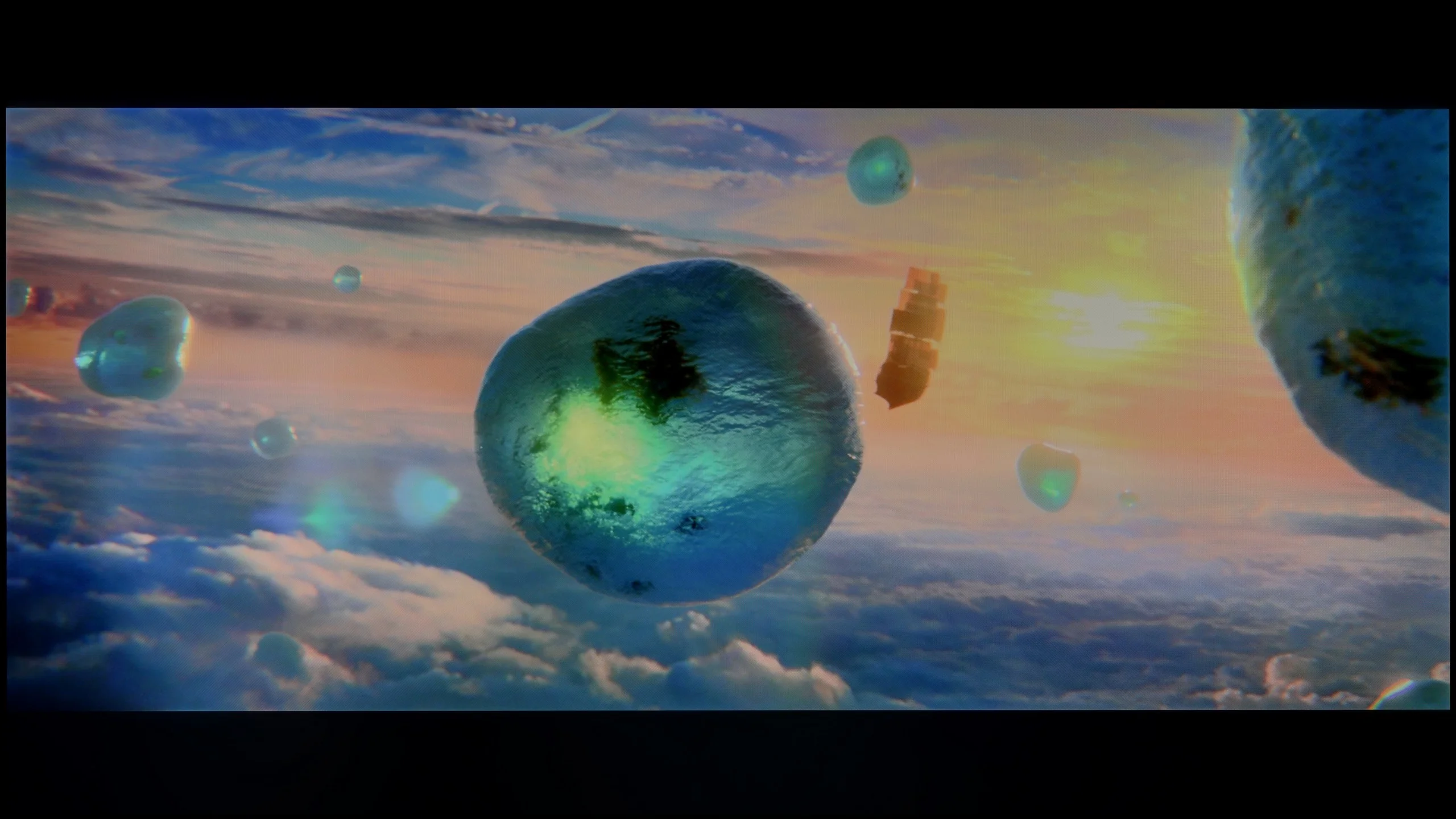
Scene from the movie “Pan” (about 2800 nits)

Scene from the movie “Billy Lynn” (about 1100 nits)
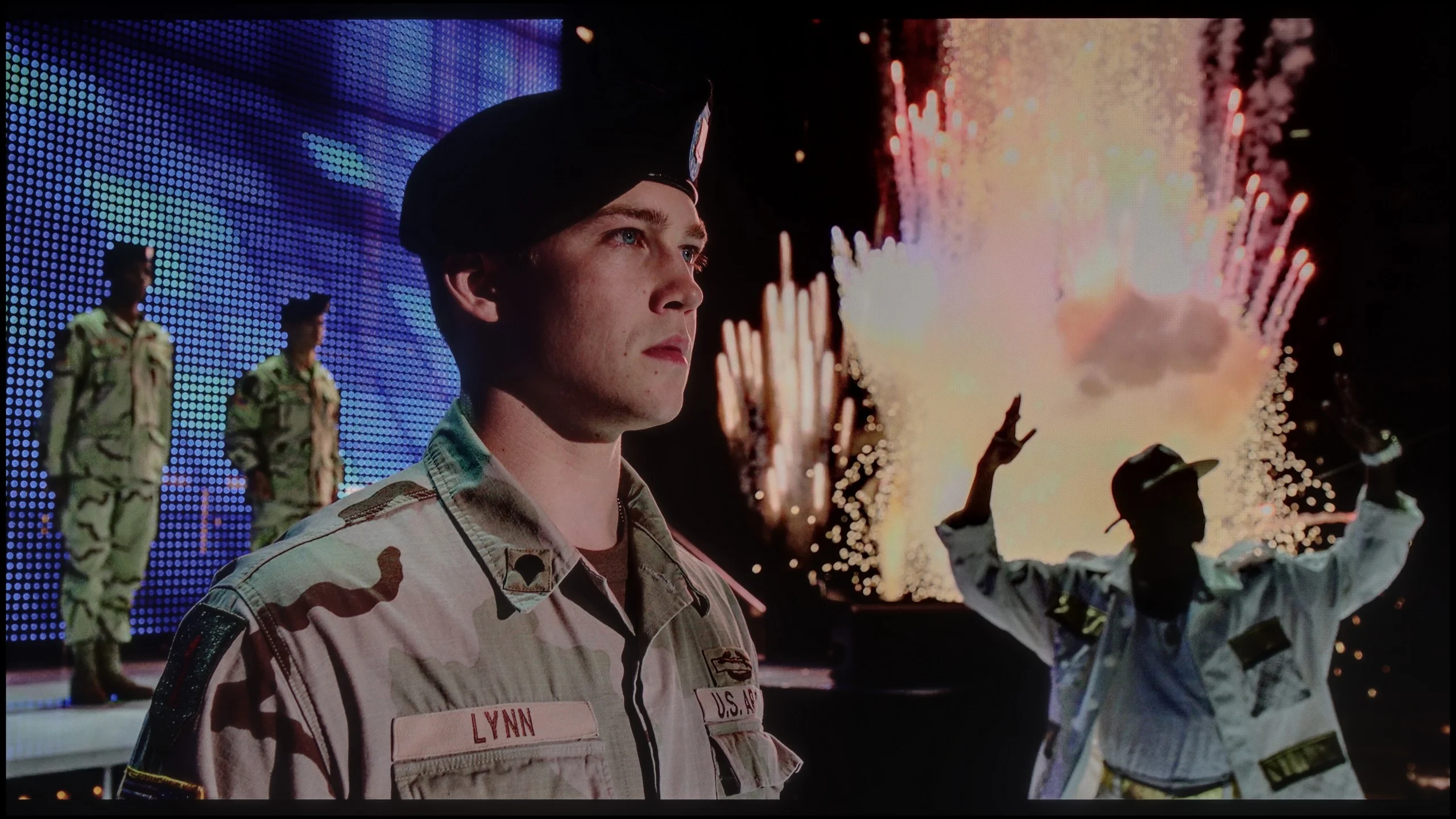
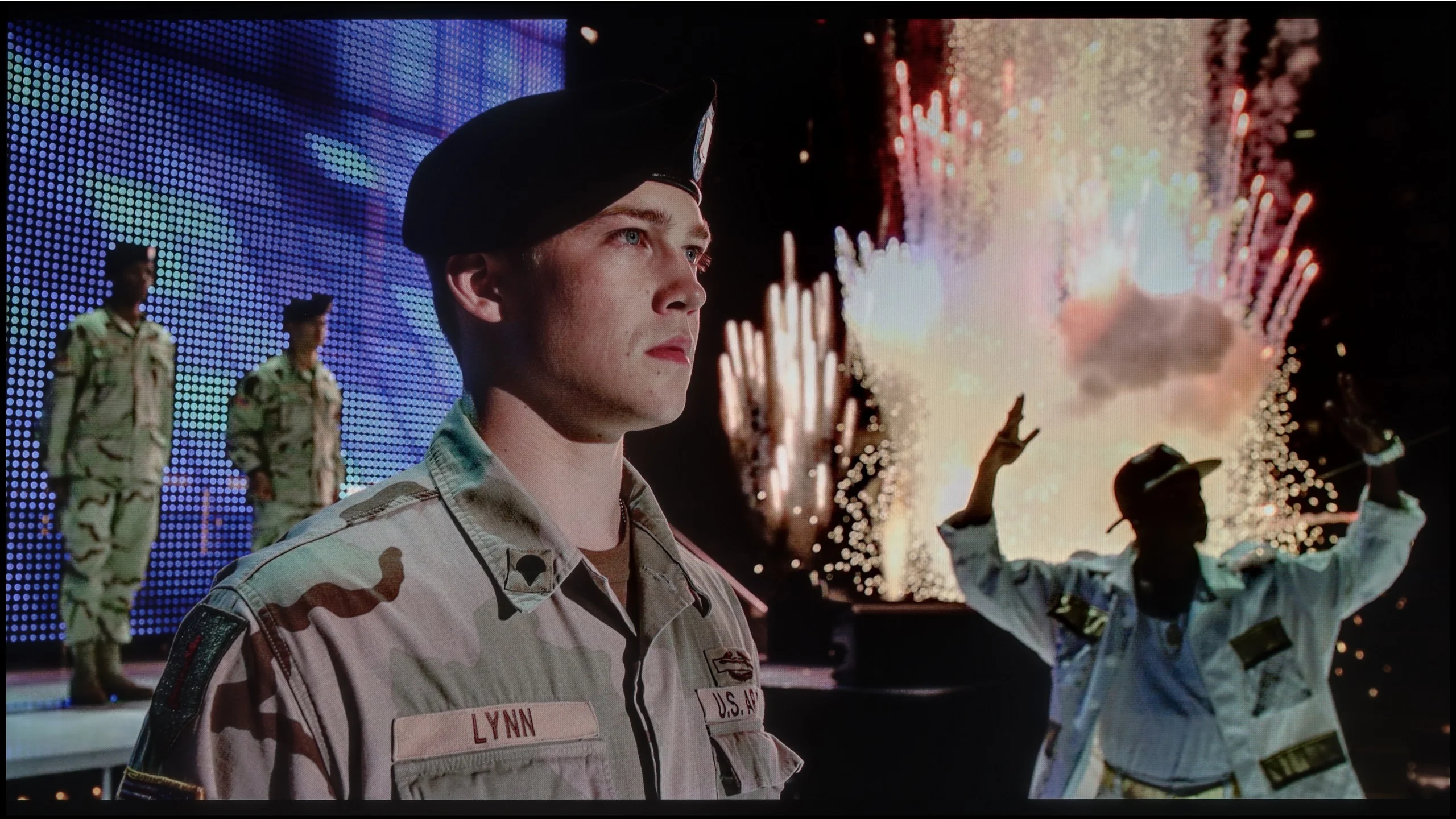
The photos show two HDR10 movies. 'Pan' is one of the brightest productions ever made, while 'Billy Lynn' (soldier) has brightness typical of streaming (Netflix, Prime, HBO MAX). Notice the intensity of effects and detail in whites.
Static HDR10


The photos present the visibility of white details in various HDR formats. They do not show brightness differences between TVs (these can be compared in the previous gallery).
Dynamic: Dolby Vision
Dynamic: HDR10+


The photos present the visibility of white details in various HDR formats. They do not show brightness differences between TVs (these can be compared in the previous gallery).
HDR luminance chart:
Samsung R85H / R86H
Philips MLED920 / MLED910
In our measurements, the Philips MLED920 achieved even around 900 nits in static tests, which is a really solid result for a mid-range TV. In practice, this translates to a lot of satisfaction during viewing sessions – in scenes rich in bright light, such as the first, third, or fifth test screens, the screen was able to generate about 700 nits, which is enough to feel the true "HDR effect." However, it cannot be denied that the limited number of backlighting zones and the compromises of mini-LED dimming algorithms in more demanding scenes reveal their nature. In sequences with small light sources – such as the moon or a scene from the movie Sicario 2 – the television clearly prioritizes maintaining deeper blacks at the expense of the brightness of those small elements. For most viewers, this is still a reasonable compromise, as the dark background tends to look much better, though one must be aware that the details themselves may not impress with intensity. There is also some disappointment regarding colors. Although the applied PFS filter (the equivalent of quantum dots known from QLEDs) does its job and colors appear quite vivid, the coverage of the DCI-P3 color space reaches "only" 90%. In everyday viewing, this will be sufficient, but in extremely colorful productions – such as the latest Disney animations – one can notice that some tones are not as vibrant as they could be in other constructions.
If it’s about brightness, the R85H performs really well. In most of our test scenes the TV reaches around 800 to 900 nits, and with larger bright elements it can break 1000 nits. These aren't, of course, levels on par with the most expensive Mini-LEDs, but they're more than enough for watching movies and TV series in HDR, and the effect can be quite noticeable. The problem shows up again in more demanding scenes where there's a small bright element on a very dark background. Here the TV can significantly reduce its brightness so it doesn't illuminate too much of the screen. In our measurements such small highlights dropped to around 200 to 250 nits, so you can see that a limited number of local dimming zones combined with the specific behavior of the algorithm has its consequences. Fortunately, it's not something that bothers you all the time. In typical mixed HDR scenes the R85H looks good and can deliver appropriate image dynamics. You just can't expect the same punch from very small points of light as you get with TVs that have many more zones or with OLEDs.
Factory color reproduction
5/10
5.4/10
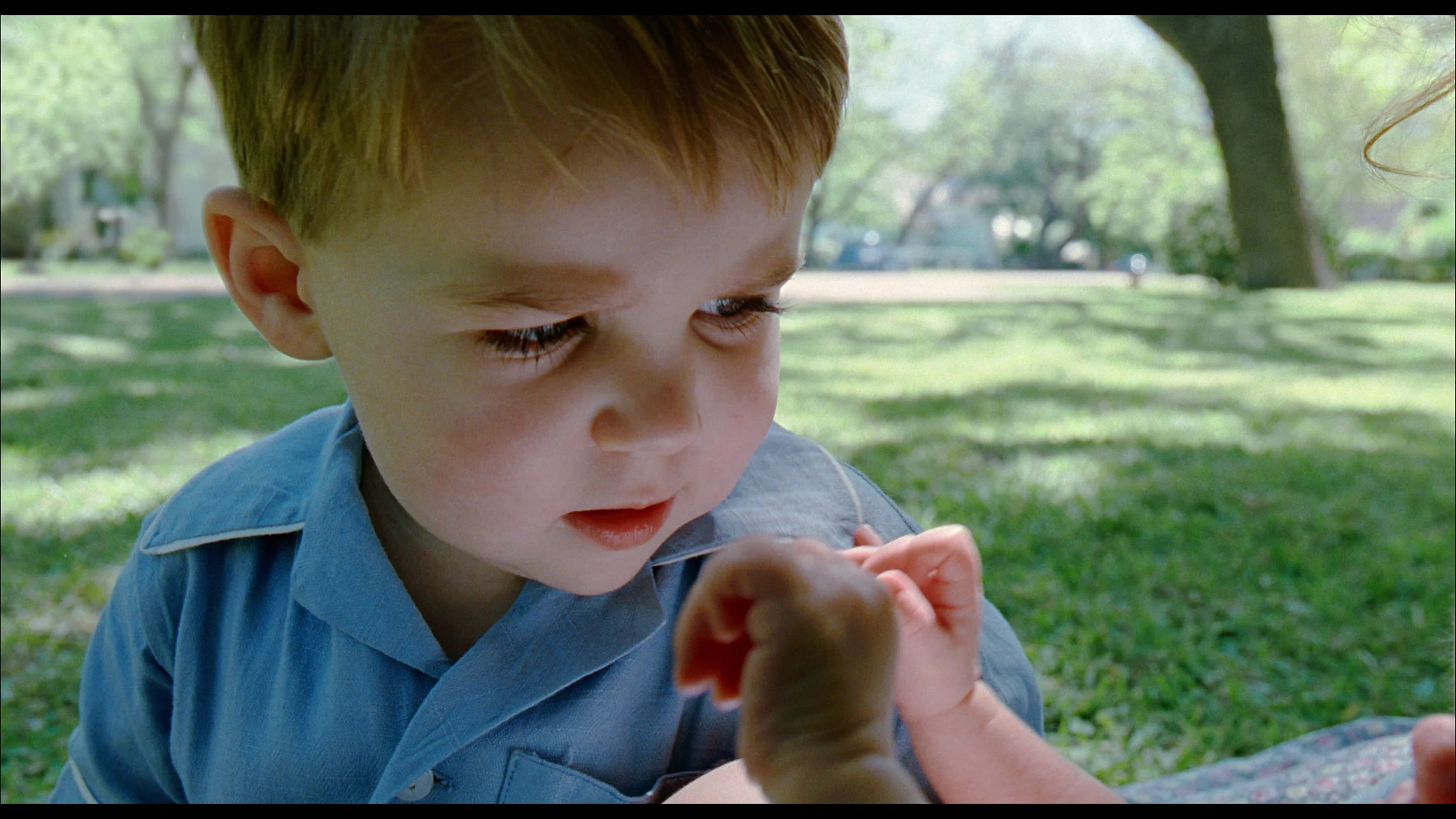
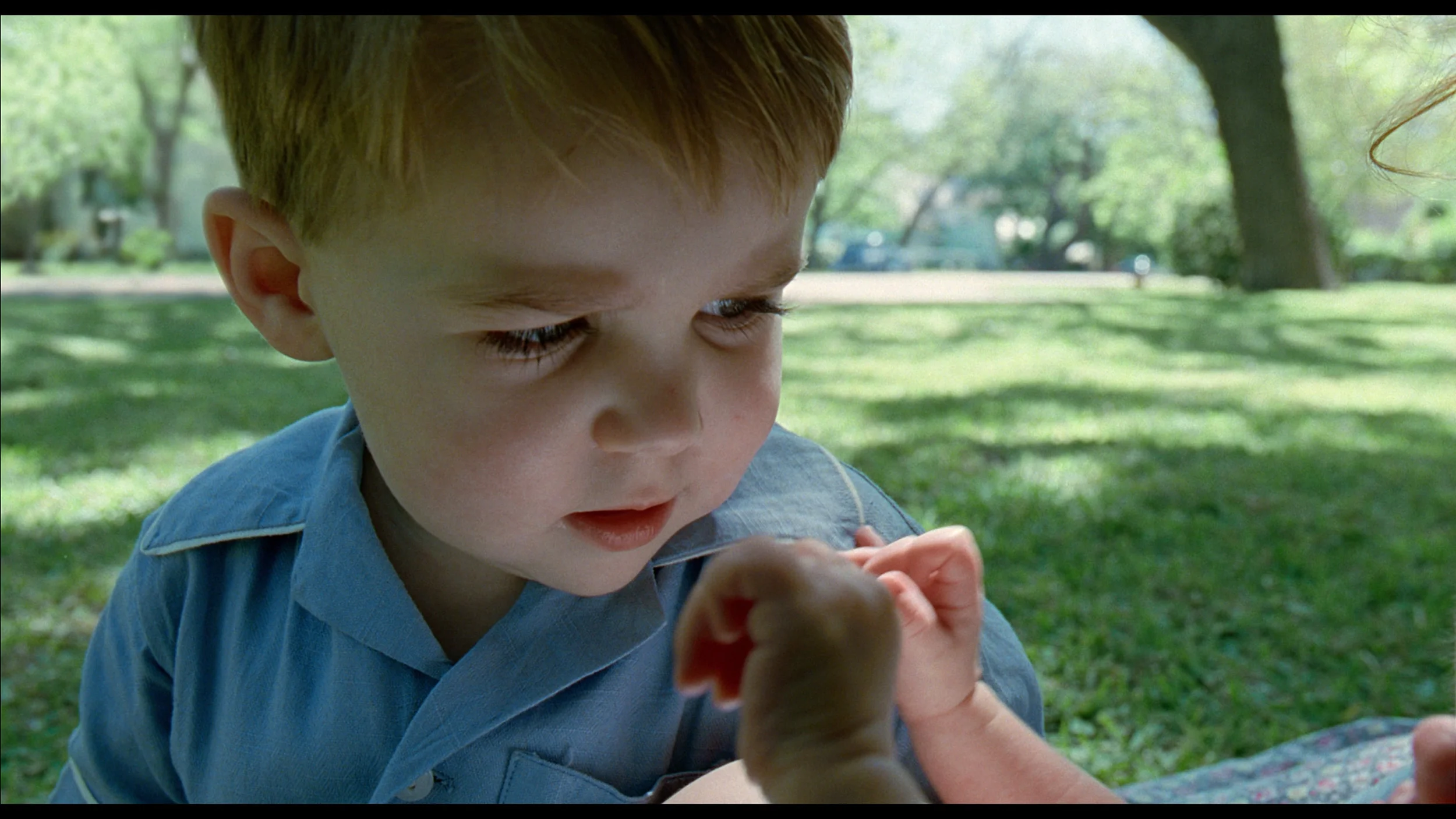
This gallery shows how colors change after professional TV calibration. If you notice the difference, we recommend ordering this service at SkalibrujTV.com.
Factory Mode
After calibration


This gallery shows how colors change after professional TV calibration. If you notice the difference, we recommend ordering this service at SkalibrujTV.com.
Factory Mode
After calibration
Like every Philips television we tested, we primarily evaluated the MLED920 in Filmmaker mode – this is supposed to be the "most honest" mode, designed for films and to faithfully convey the creators' intentions. Indeed, in terms of colorimetry, it performs the best among all the modes available on the television, but it is not without its flaws. The first thing that stands out is the white balance. The image has a slight tendency to take on purple-pink tones, which gives it a somewhat unnatural character. However, an even bigger problem turned out to be what we mentioned earlier – image clipping. Just look at the gamma or EOTF graphs to see that the line deviates significantly beyond the norm, falling below the value of 1.8. In practice, this means "clipping" the brightest whites, where the image becomes almost milky. Fortunately, most of these issues can be corrected – the MLED920 responds to calibration, and with a few adjustments, the image quality can be significantly improved.
In Filmmaker mode our R85H sample performed adequately in SDR, but a few things immediately showed up in the measurements. In the white balance, as brightness increased more red crept in while blue decreased. As a result, the brighter parts of the image had a slightly too warm tint. On top of that, gamma only held to the target value at the start. It then gradually fell, making most of the image a bit too bright. The combination of the two also affected colors — errors grew especially in the brighter, more saturated samples. It didn’t look bad, but for Filmmaker mode we expected a bit more accuracy. Interestingly, in HDR our unit handled things noticeably better. White balance was much more even and, for most of the range, the individual RGB components stayed close together. Only in the brightest areas did red begin to fall short, causing the white point to shift slightly. The EOTF curve looked very good, tracking the target luminance values across almost the entire range. That doesn’t mean HDR colors were perfect. The ColorChecker still shows some deviations, particularly in some of the more saturated hues, but the errors are clearly smaller than in SDR.
Color reproduction after calibration
7.5/10
8.6/10
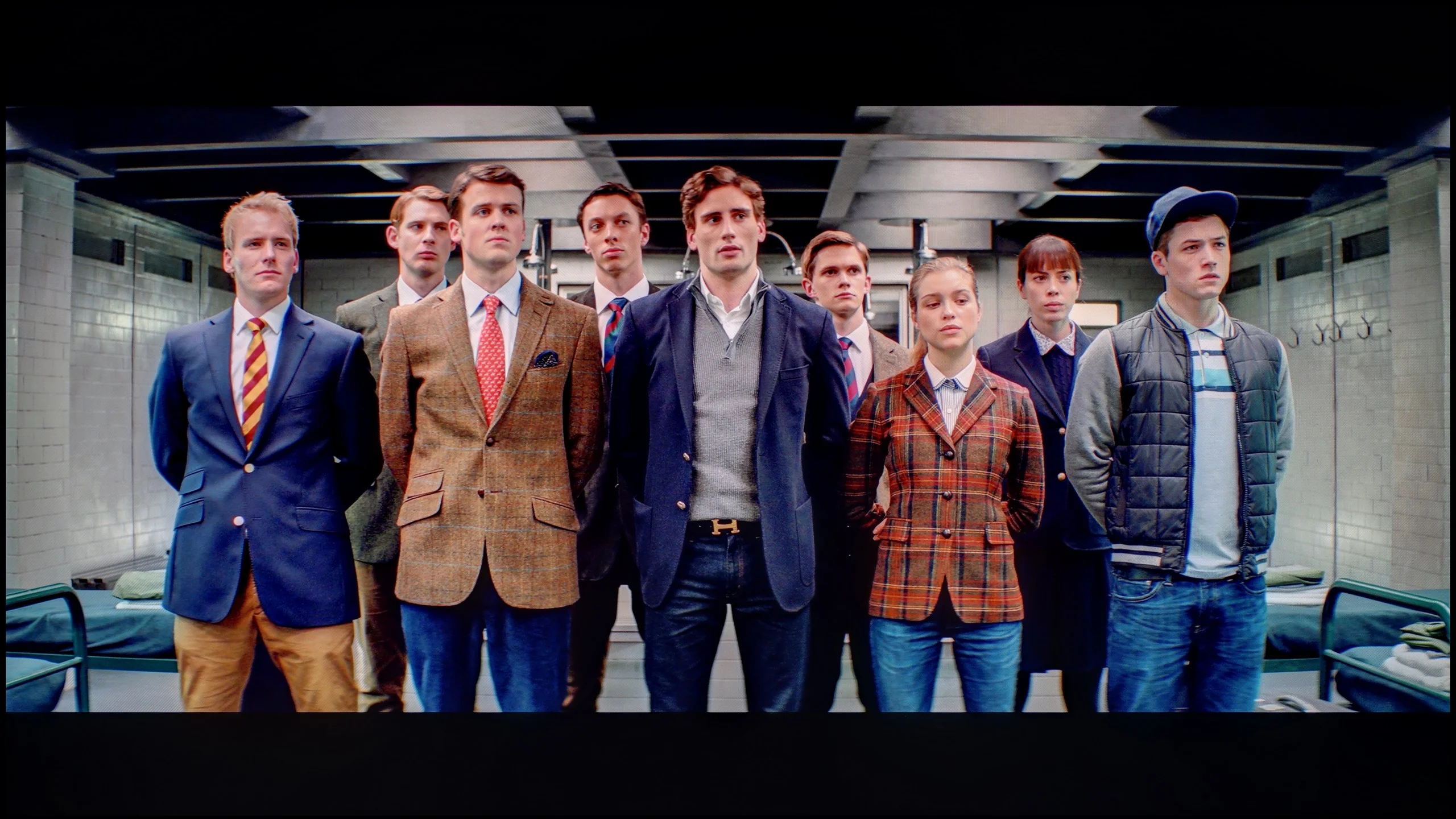
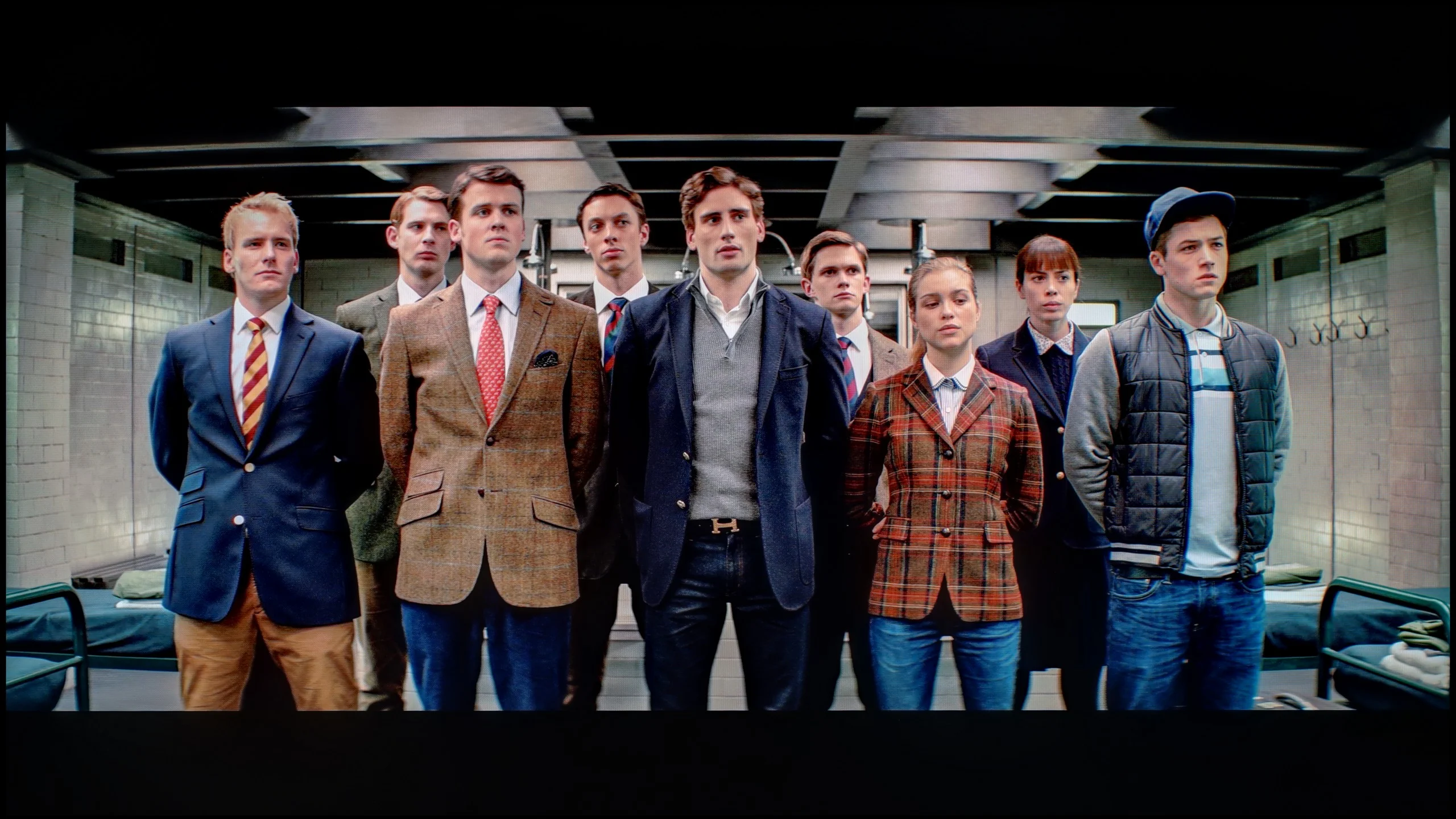
The photos show how movies look on the TV. Pay attention to black detail visibility, colors, and shadow tint.
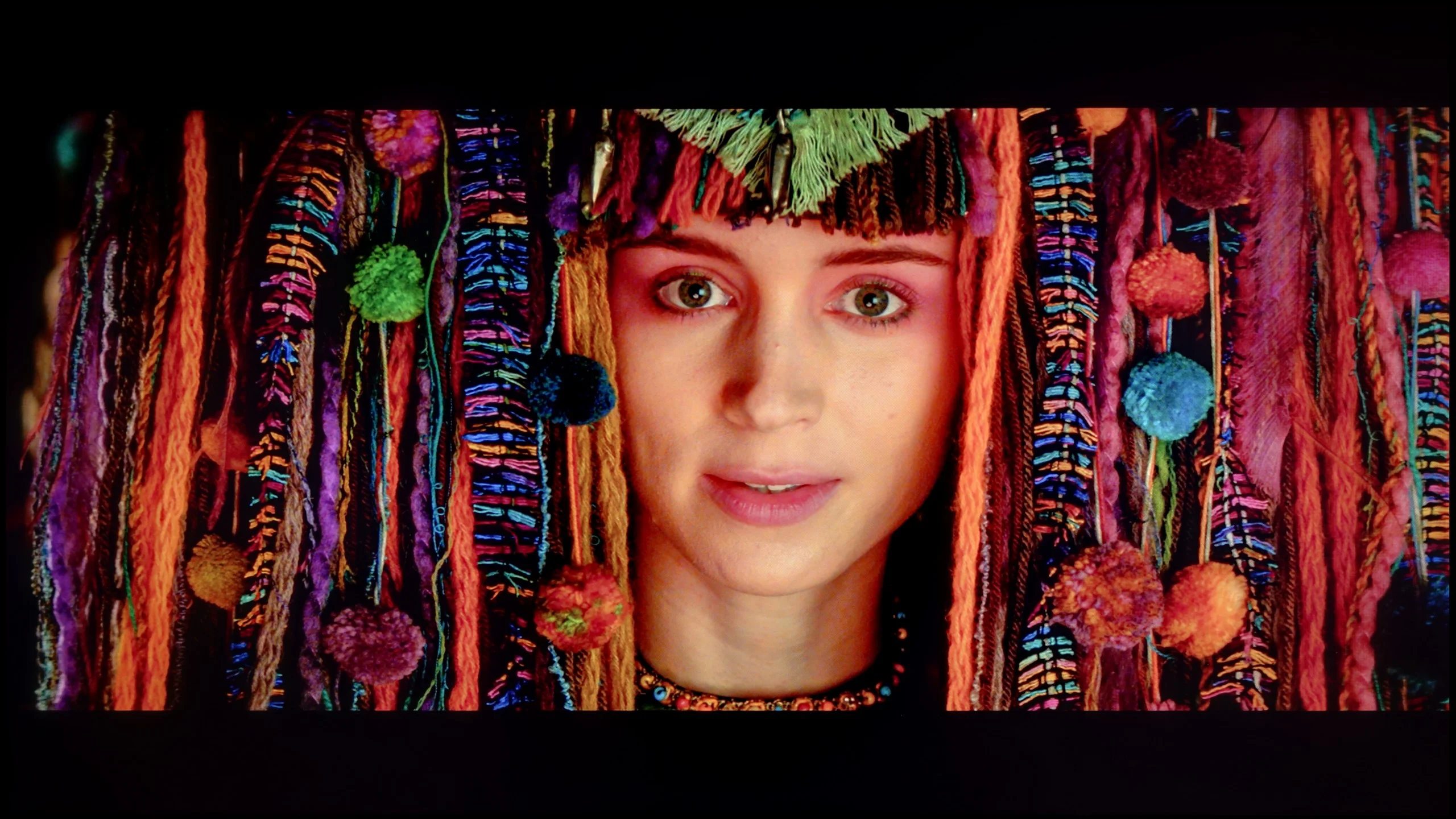

The photos show how movies look on the TV. Pay attention to black detail visibility, colors, and shadow tint.
After calibration, we managed to largely tame the white balance – to the extent that the average viewer will not be able to detect color inaccuracies. The characteristic pink-purple glow that previously disturbed the naturalness of the picture has also disappeared. The color palette has been organized, and the colors appear more consistent and neutral. The gamma in SDR content after calibration looks really good – there's no sign of the earlier “bleeding” effect in bright scenes. The picture has become more contrasted and devoid of the milkiness that previously spoiled the perception significantly. In the case of HDR content, the improvement is also noticeable, although it is still evident that the television is “doing its own thing.” The EOTF curve cannot be fully shaped, as Philips simply does not provide tools in its settings that allow for precise control over this parameter. In many films, the television simply still showcases the image “in its own way.” Despite these limitations, calibration has brought quite a lot of good – it has managed to minimize most of the color inaccuracies and significantly improve the overall balance of the picture. However, it must be remembered that certain barriers arise from the very hardware construction and they simply cannot be overcome.
After calibration the R85H shows it has impressive color reproduction capabilities. It performed best in SDR, where the white balance was brought almost perfectly into line and the gamma stays very close to the target across most of the range. That also translated into very low errors in the ColorChecker, so there's really little to fault here. HDR also shows a clear improvement, although some issues can't be corrected as well. At peak brightness the character of the backlight itself starts to show and the individual components of the white balance begin to diverge. The same goes for the most saturated colors, which don't always land exactly where they should. Despite these limitations, overall the image is significantly more accurate than on the factory settings, and the biggest difference is clearly in SDR. However, there's one thing calibration can't fix. With highly saturated elements, color can subtly bleed onto adjacent bright parts of the image. It's easiest to notice this on white, which can pick up a slight tint from a neighboring hue. It doesn't occur in every scene, but when the content is demanding the effect can be visible. This is more a characteristic of the way the RGB backlight works than an issue with picture settings.
Smoothness of tonal transitions
6.5/10
8.9/10
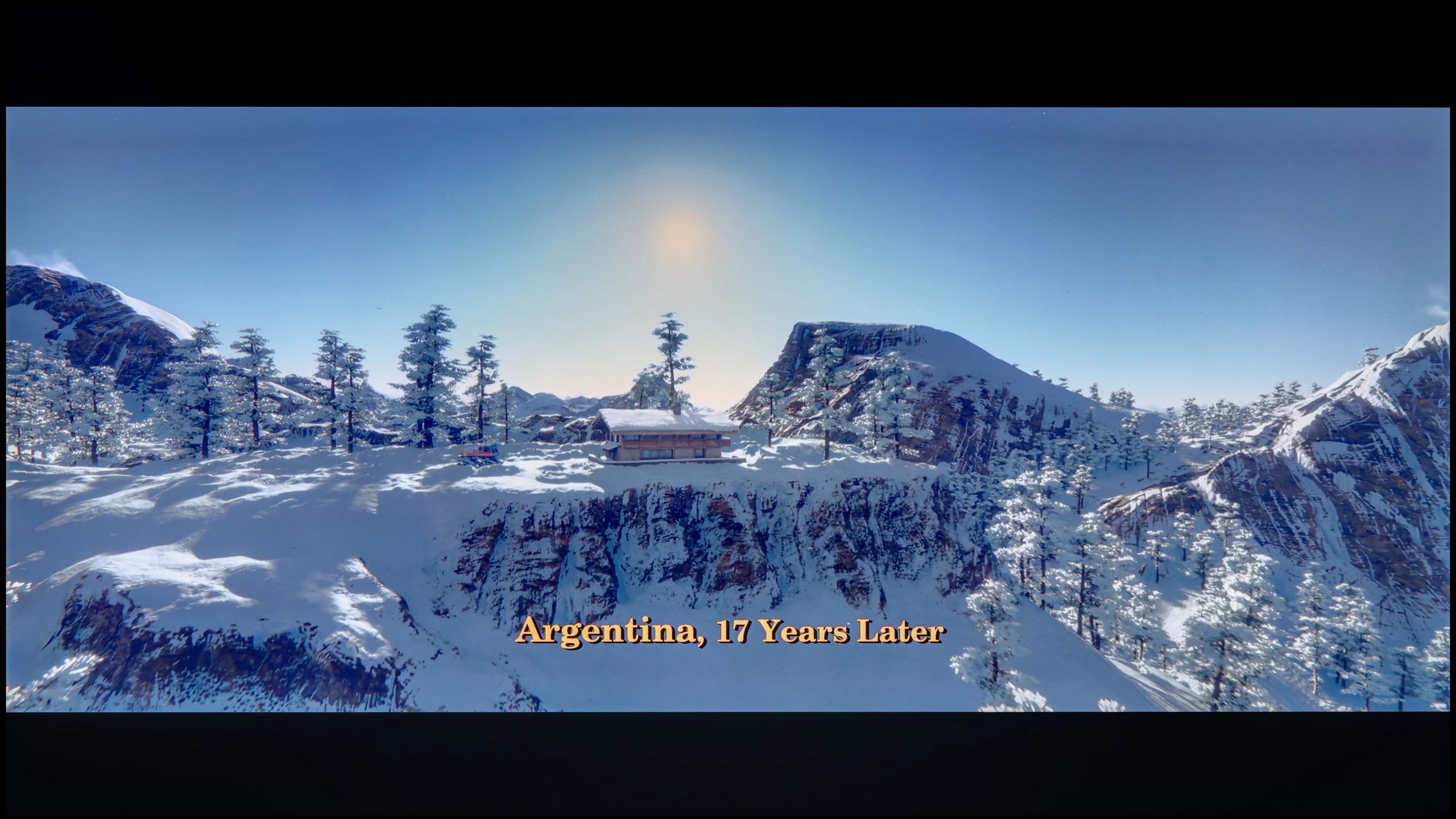
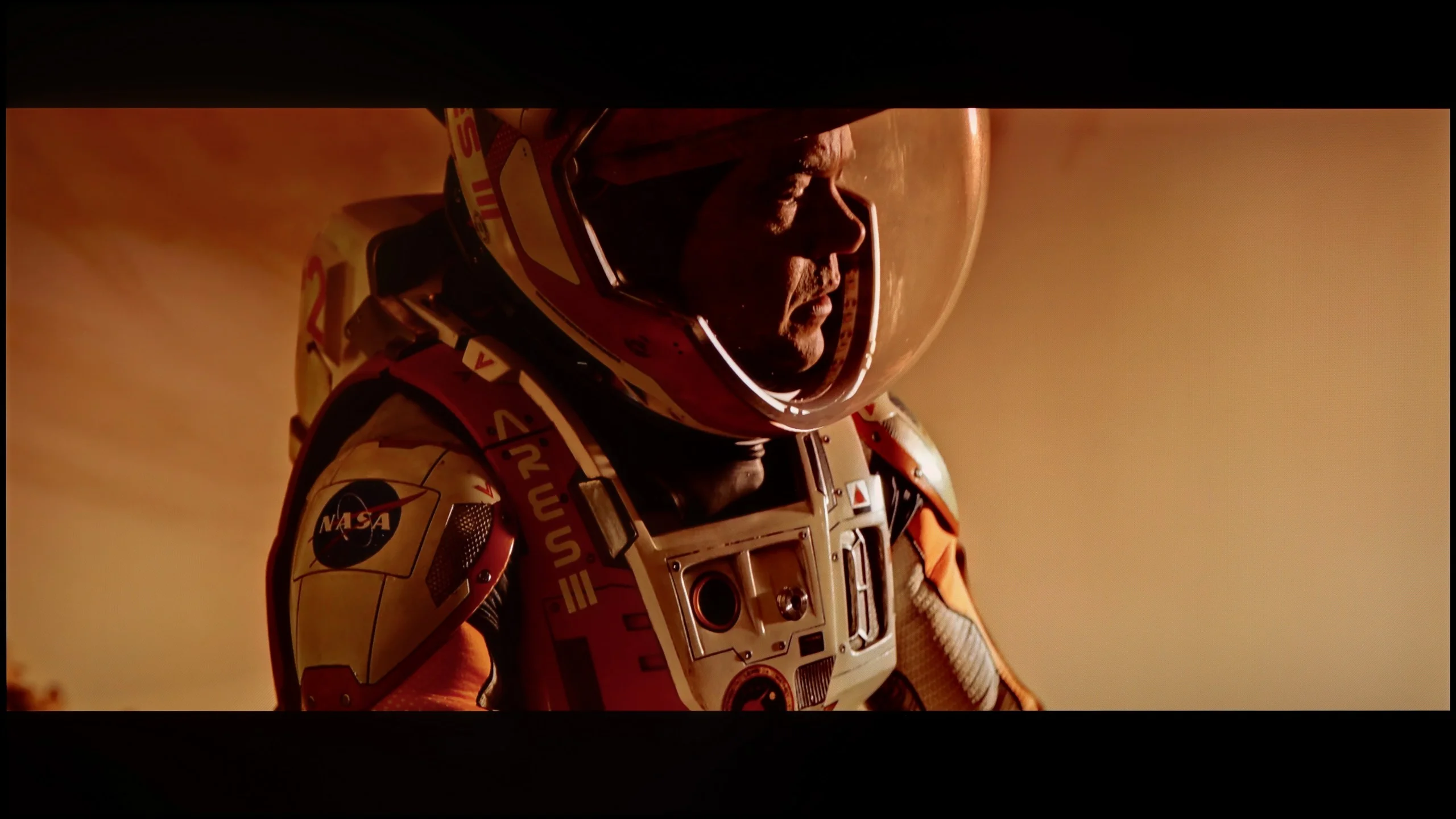
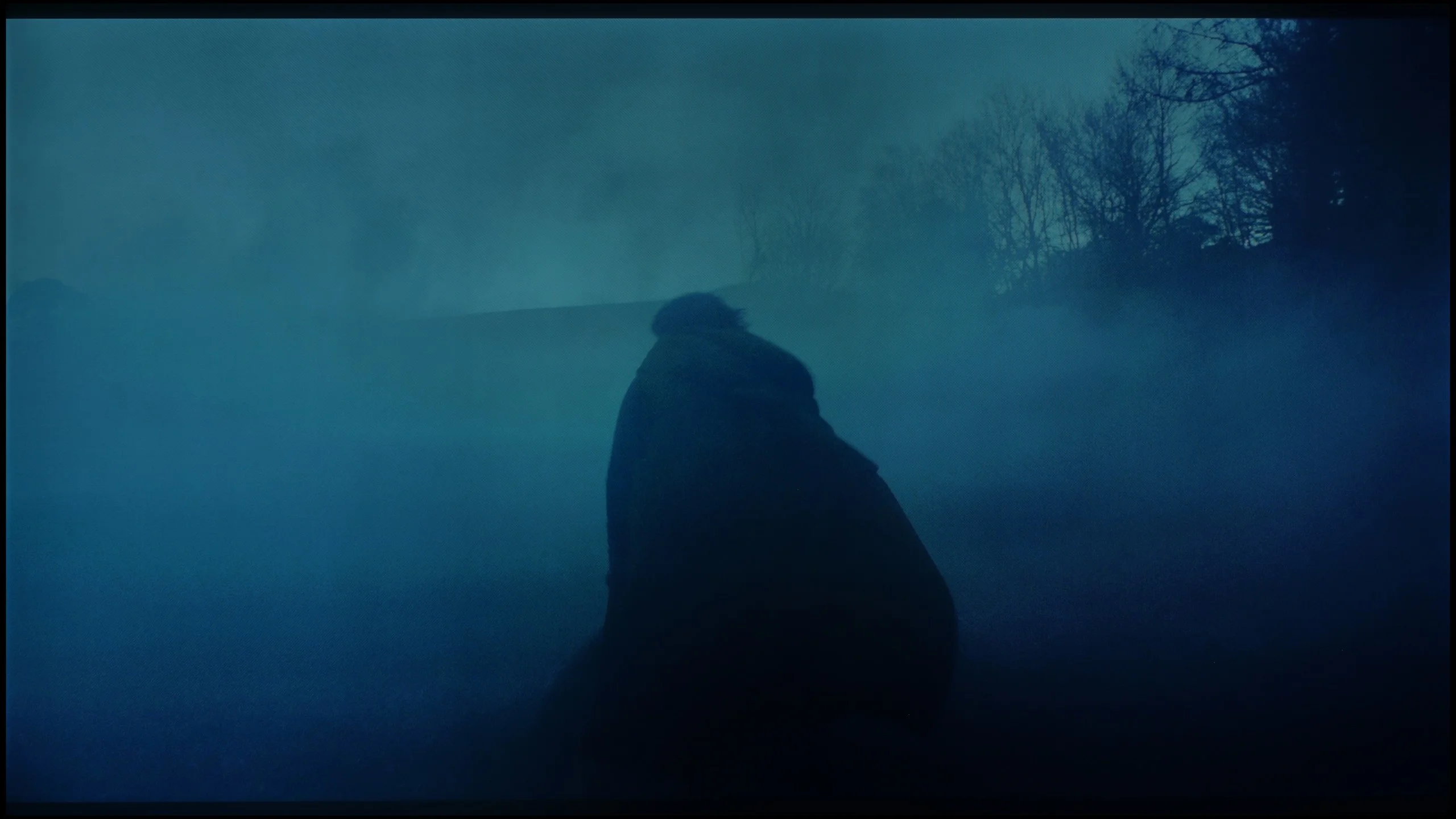
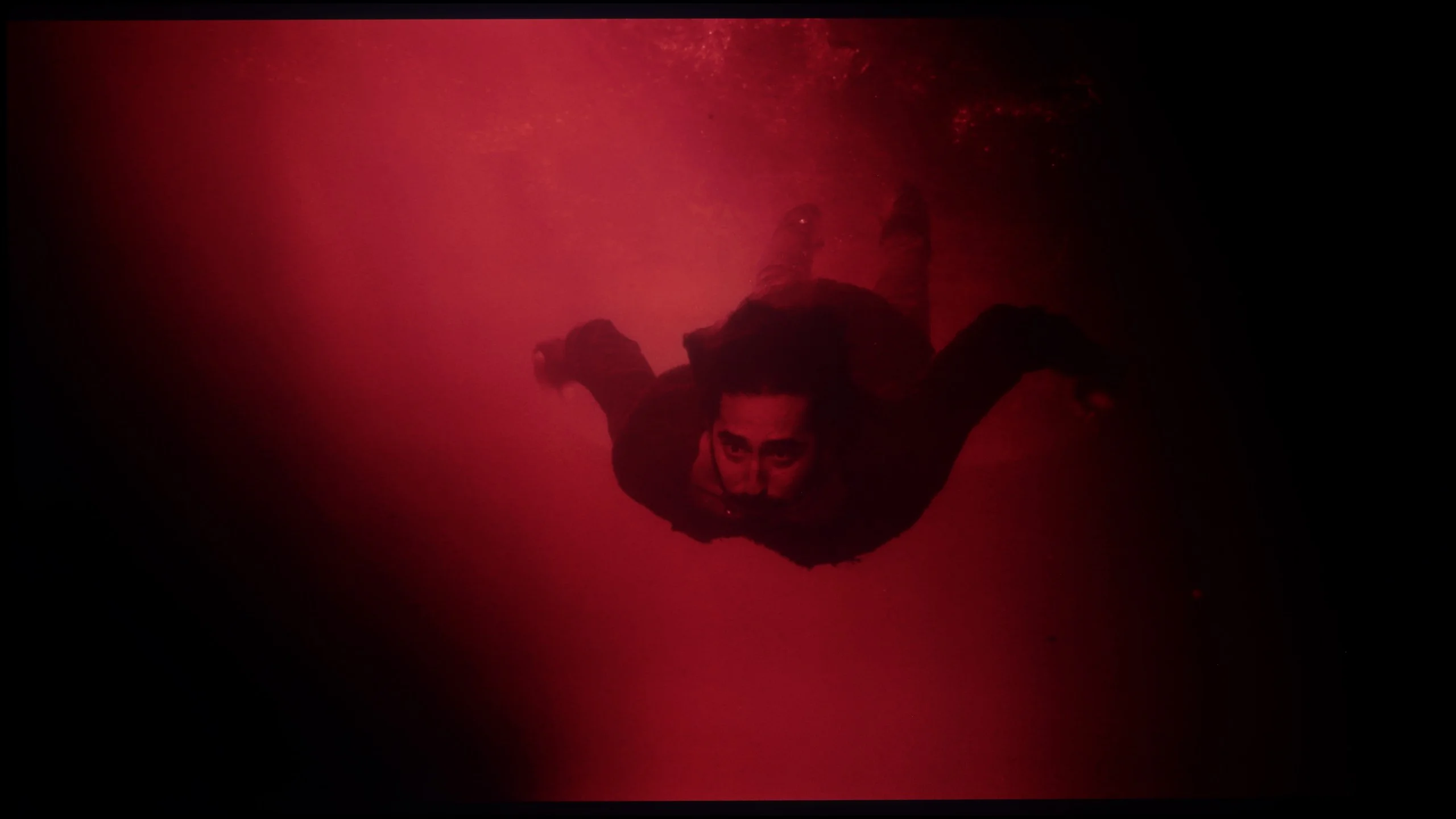
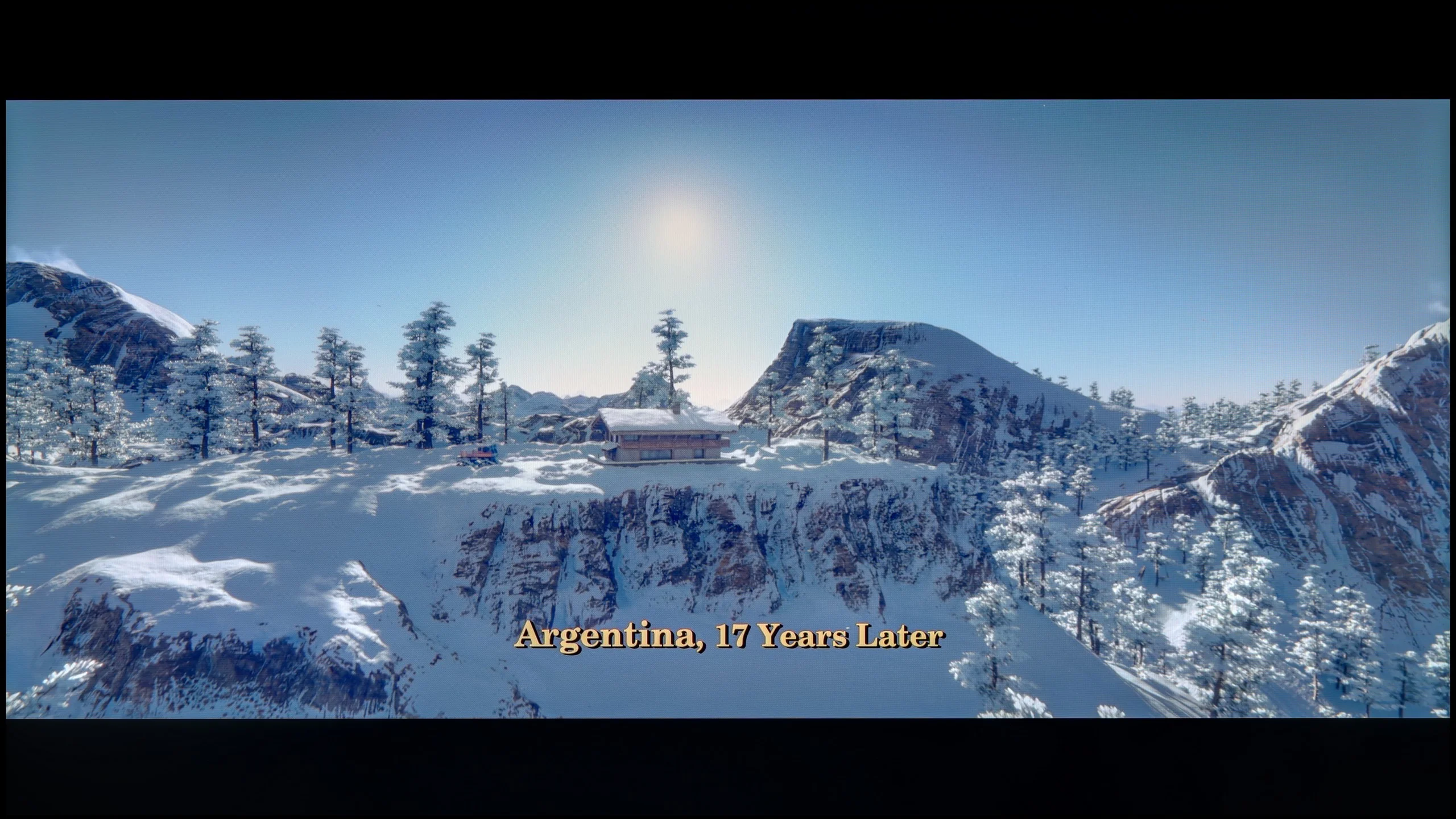
These are selected scenes that show smooth tonal transitions from one color to another. If you see distinct banding, it’s the TV panel’s fault.
These are selected scenes that show smooth tonal transitions from one color to another. If you see distinct banding, it’s the TV panel’s fault.
These are selected scenes that show smooth tonal transitions from one color to another. If you see distinct banding, it’s the TV panel’s fault.
These are selected scenes that show smooth tonal transitions from one color to another. If you see distinct banding, it’s the TV panel’s fault.
The fluidity of tonal transitions in the Philips MLED920 is not its strongest suit. In our tests, we quickly noticed that the television has noticeable problems in darker scenes – for example, segments from the movie The Green Knight or test grayscale palettes. There, you can see the characteristic banding of colors and too sharp transitions between shades, which can be quite noticeable in productions with a darker style. Fortunately, the situation looks better in brighter scenes – there the image appears smooth and free of major artifacts.
The Samsung R85H handles tonal transitions quite well, and during normal viewing it’s not something that particularly draws attention. On bright gradients the transitions are mostly even, and only on closer inspection can you notice slight steps between some brightness levels. They’re not strong, however, and generally do not noticeably affect the image. It looks very similar in darker areas. You can sometimes spot small steps between similar shades, but there’s no severe banding or obvious breaking up of gradients. Bright skies, fog, and darker shadows are all displayed smoothly and without major issues.
Image scaling and smoothness of tonal transitions
7/10
7.5/10


Smooth transition function
The match photo shows how the TV smooths weak tonal transitions in low-quality video.
Image scaling SD (576i)


The model photo shows how it handles upscaling of SD material.
The manufacturer equipped this model with several features that improve signal quality, and although we usually approach such "enhancers" with skepticism, they turn out to be really helpful here. The key option is called "distortion reduction" – it works best at a medium level because, on one hand, it effectively smooths out unwanted banding and color transitions, while on the other, it doesn't excessively cut details, which keeps the image looking natural.
The situation is a bit worse with upscaling. Lower quality materials – such as test videos with models – appeared soft and lacking in sharpness. Yes, this can be somewhat corrected with the sharpness slider in the menu, but the effect still remains far from what competitors in a similar price range offer. Philips therefore still needs to work on this aspect because, in light of the successful improvement of tonal transitions, the upscaling simply performs poorly.
In the R85H, image processing is handled by the Micro RGB AI Processor. The name is new, but in terms of upscaling lower-quality content, the TV’s behavior remains very similar to what Samsung has shown before. And that’s not a bad thing, since the company has handled this aspect quite well for years. Low-resolution material is displayed cleanly, edges don’t become overly soft, and the TV doesn’t try to artificially extract details at any cost. The result is simply balanced, and with regular TV or older recordings the R85H performs as you would expect from a Samsung at this level. The only minor drawback is overscan, which can’t be completely turned off at the lowest resolutions. A separate issue is the additional processing of weaker sources. The R85H can smooth posterization and tidy up heavily compressed footage a bit, but it’s worth stressing that it does so relatively aggressively. At stronger "noise reduction" settings it starts removing not only compression artifacts but also fine details and natural film grain. It’s best to use it only when the material actually needs it.
Blur and motion smoothness
7.7/10
7.4/10
Blur (native resolution, maximum refresh rate):





Blur (4K@144Hz):



Blur (1080p@240Hz):


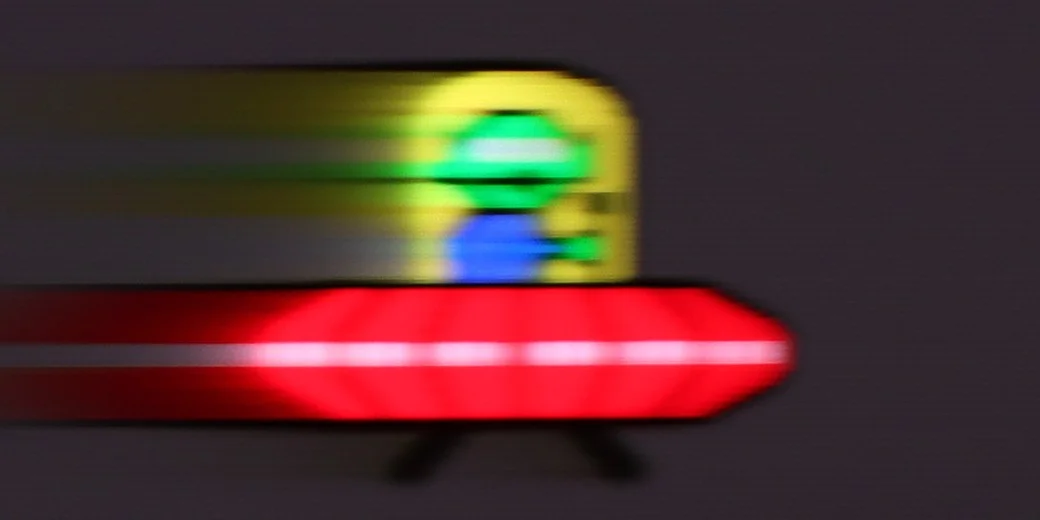
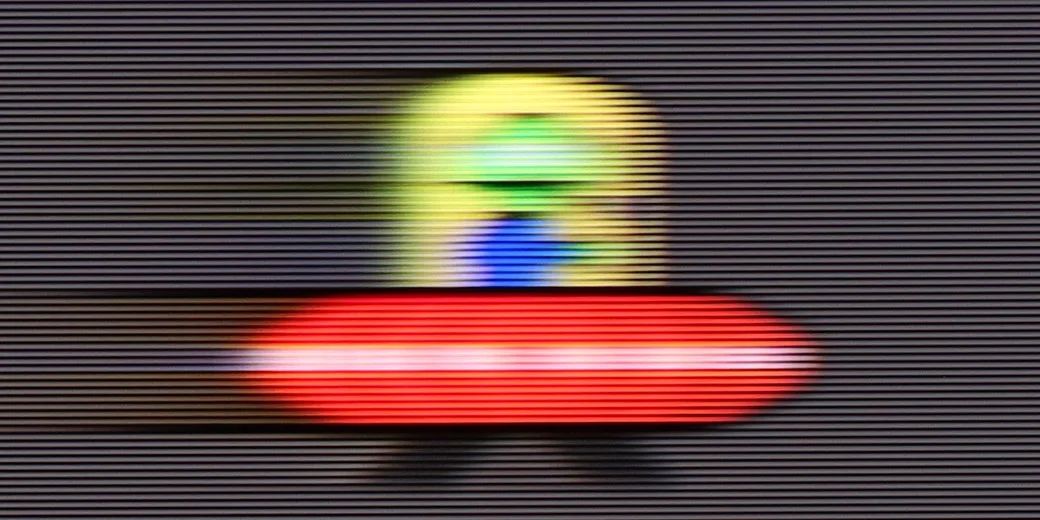
The Philips MLED920 features a 144 Hz panel, which immediately suggests that we shouldn’t complain about motion smoothness. And indeed – the motion blur is relatively low here for a VA panel, and although one might occasionally notice slight issues on darker backgrounds, they are not something that most people would notice during regular viewing.
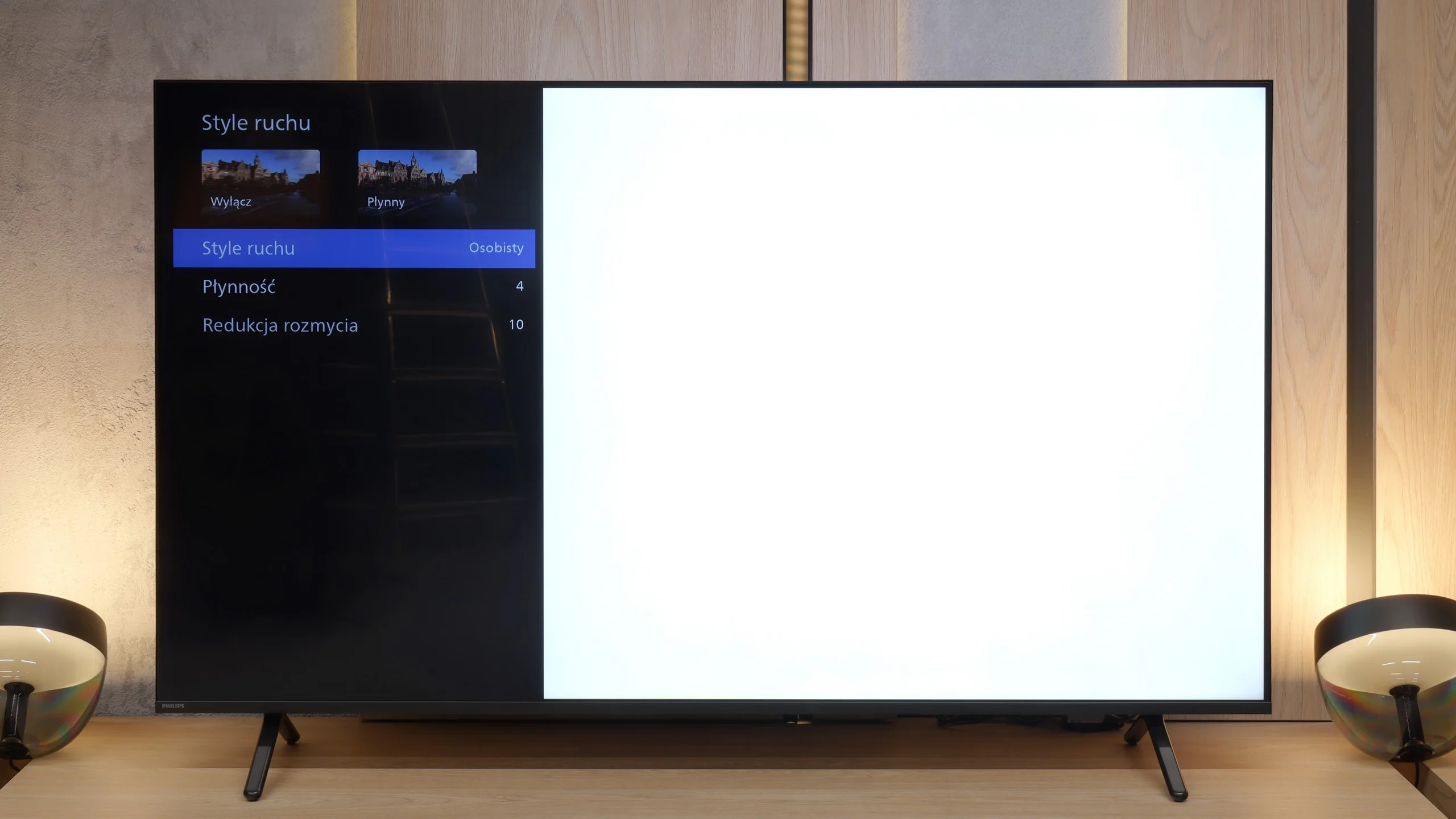
A major plus is the presence of a motion smoother called "Motion Style." It allows you to adjust the smoothness to your own preferences – if someone prefers a more “theatrical,” almost television-like image, they can increase the sliders, and if they want to preserve the natural “jitter” of a cinematic frame, they just need to set lower values. This way, everyone can find the perfect balance.
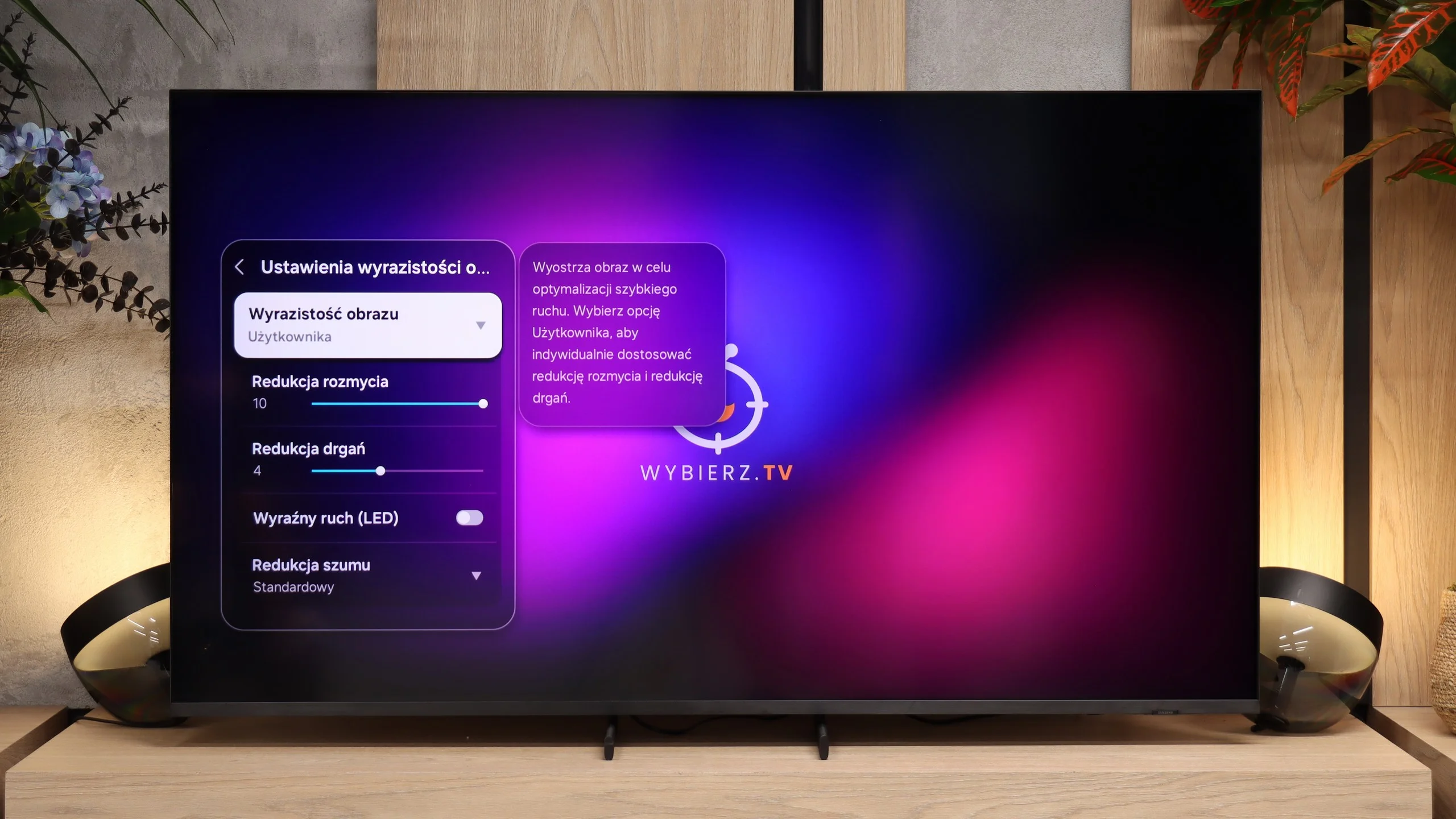
R85H has a 144 Hz panel, so motion is really smooth here. Just remember that the extra hertz above 120 will mainly be used when connected to a PC, so in this category we don't treat them as a particular advantage. For movies and TV, what's more important is that the panel is fast enough to provide access to an advanced motion-smoothing feature, "Motion Clarity", which lets us set motion from more film-like to very smooth. The panel's response time is a bit weaker. Because this is a VA panel, fast-moving objects can leave a slight trail. On bright backgrounds that's not very noticeable, but the darker the scene, the more visible the smearing becomes. That's a typical characteristic of this type of panel, and it's easiest to spot in dark scenes.
Console compatibility and gaming features
9.8/10
9.6/10
- ALLM
- VRR
- VRR range48 - 144Hz48 - 240Hz
- Dolby Vision Game Mode
- Correct implementation of HGIG
- 1080p@120Hz
- 1440p@120Hz
- 4K@120Hz
- Game bar
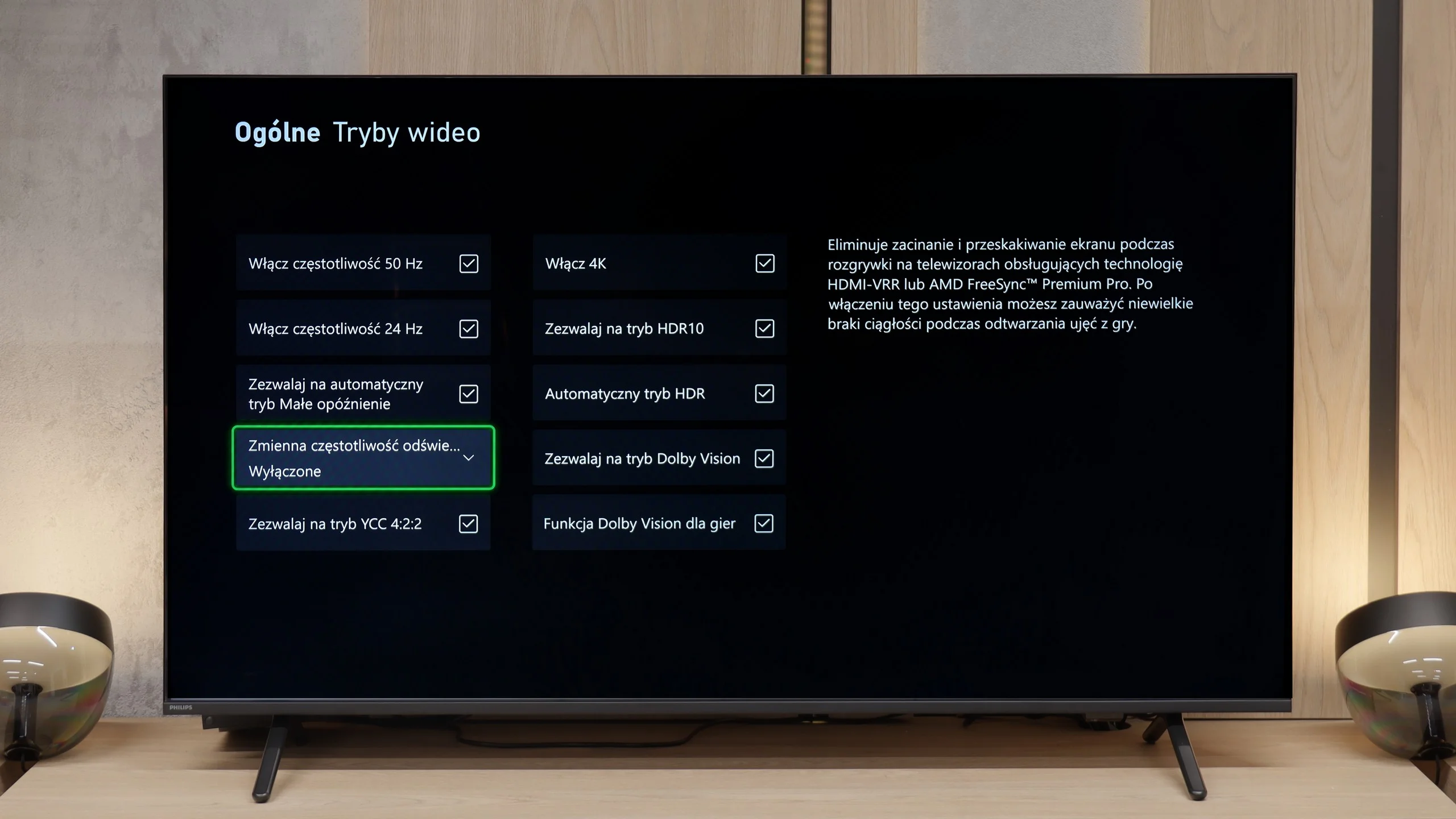
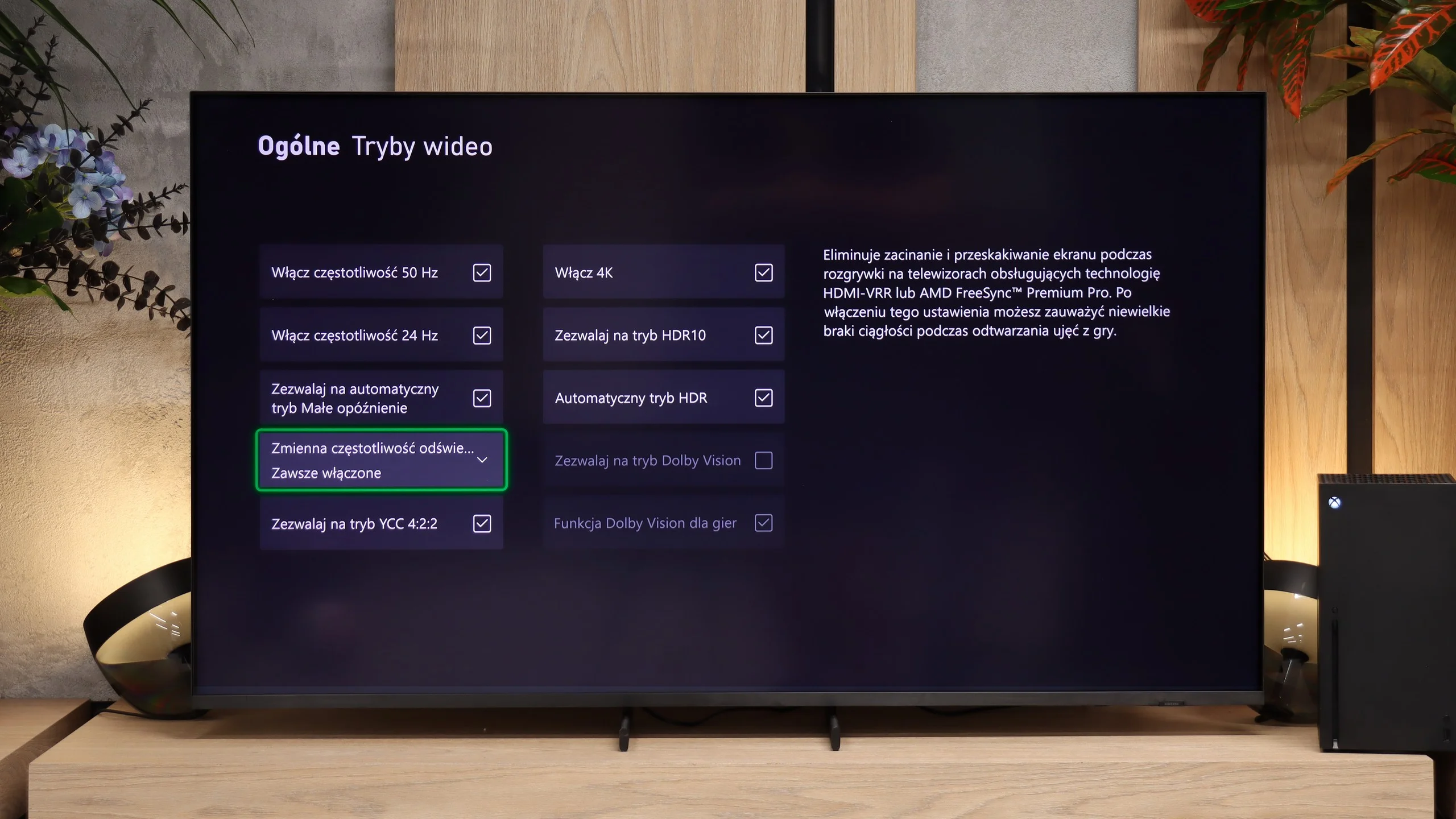
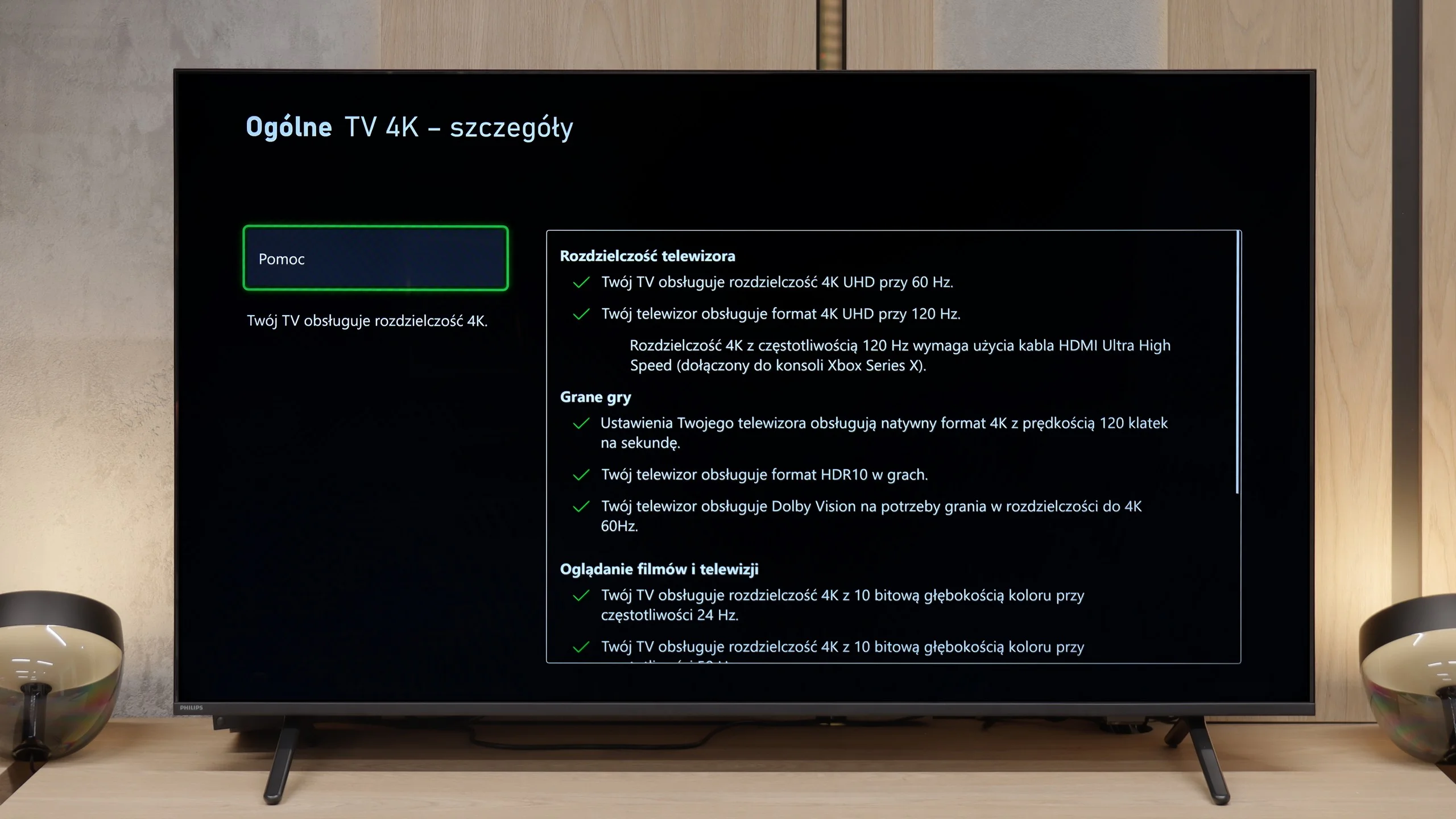
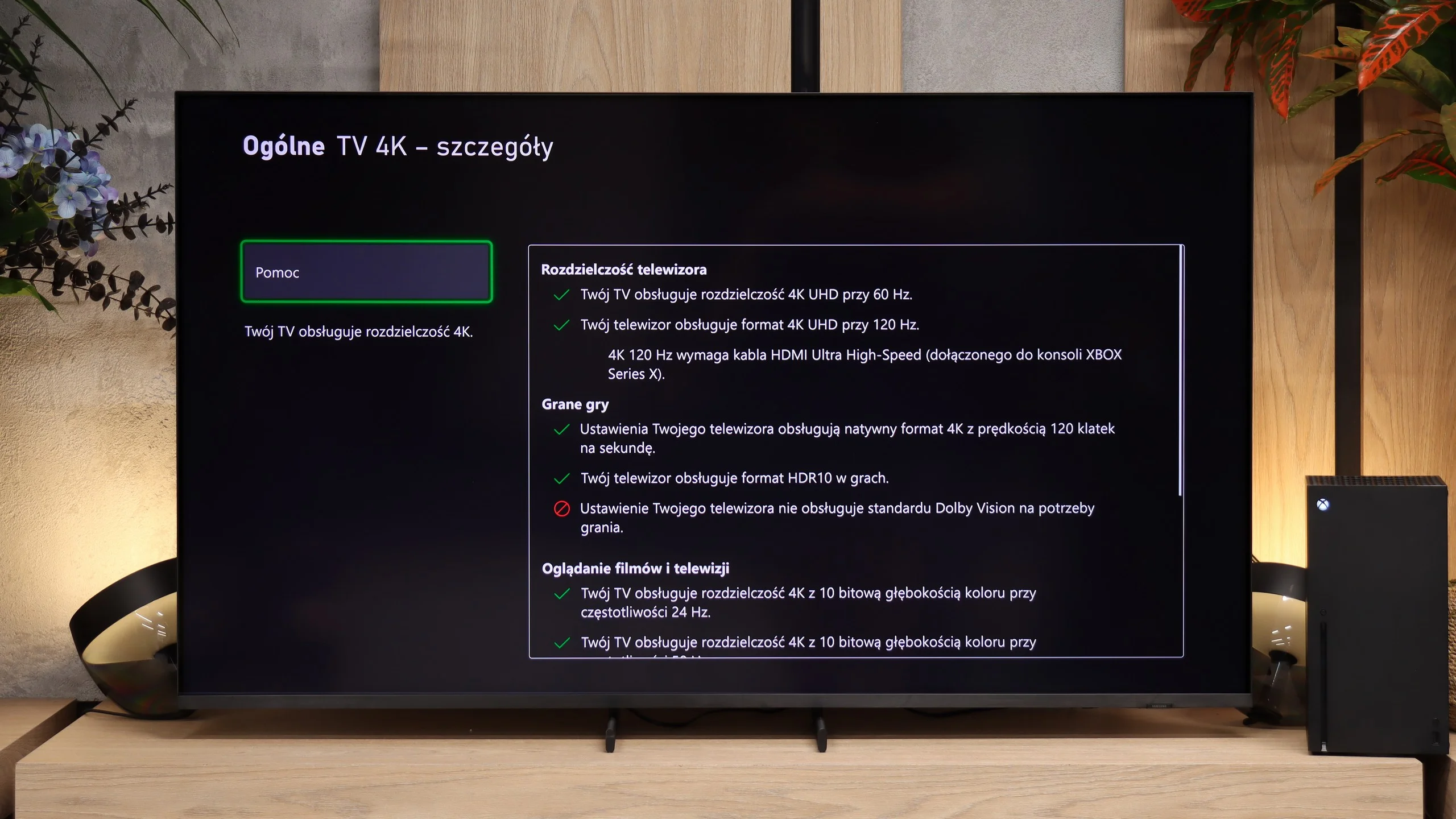
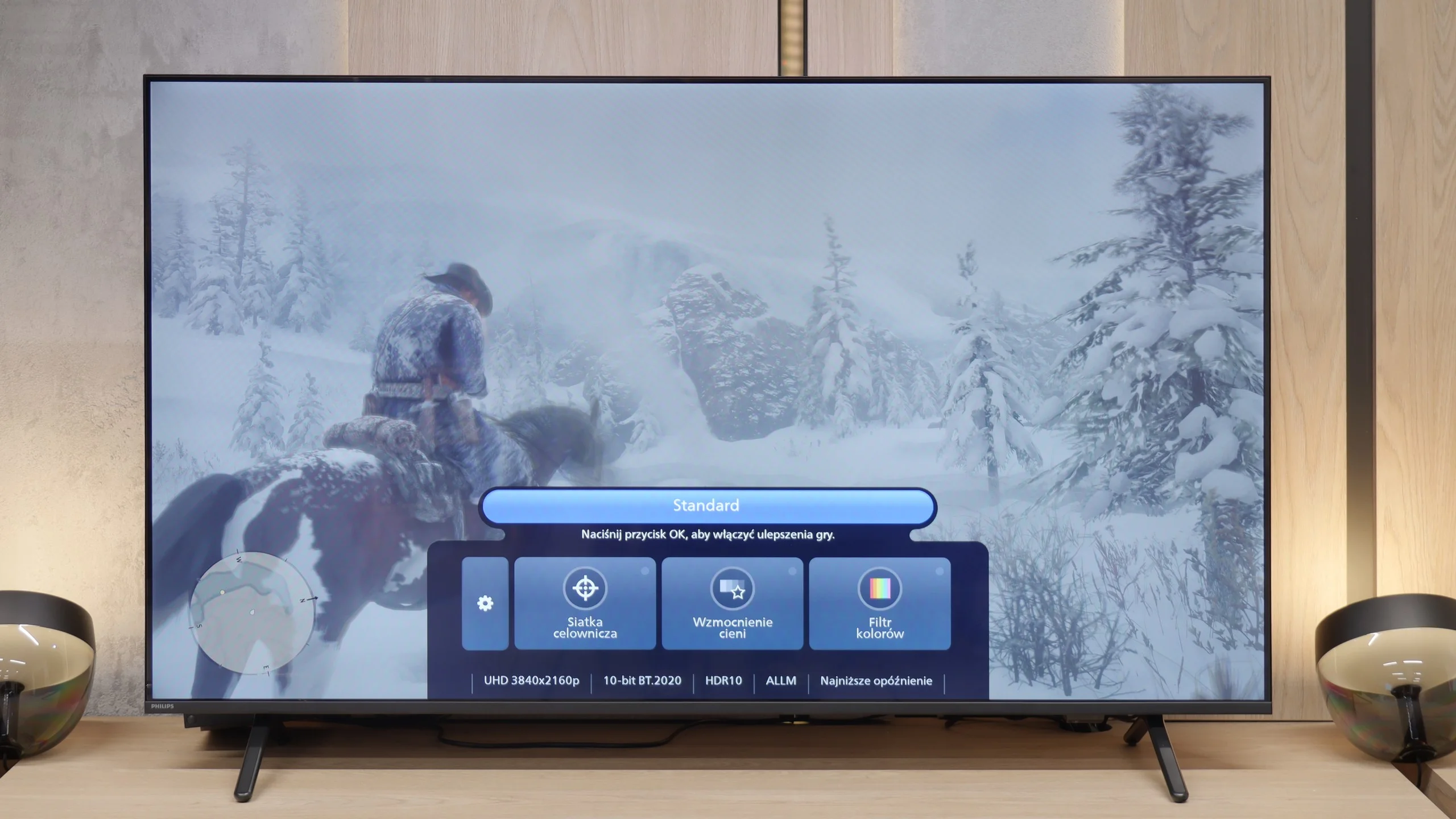
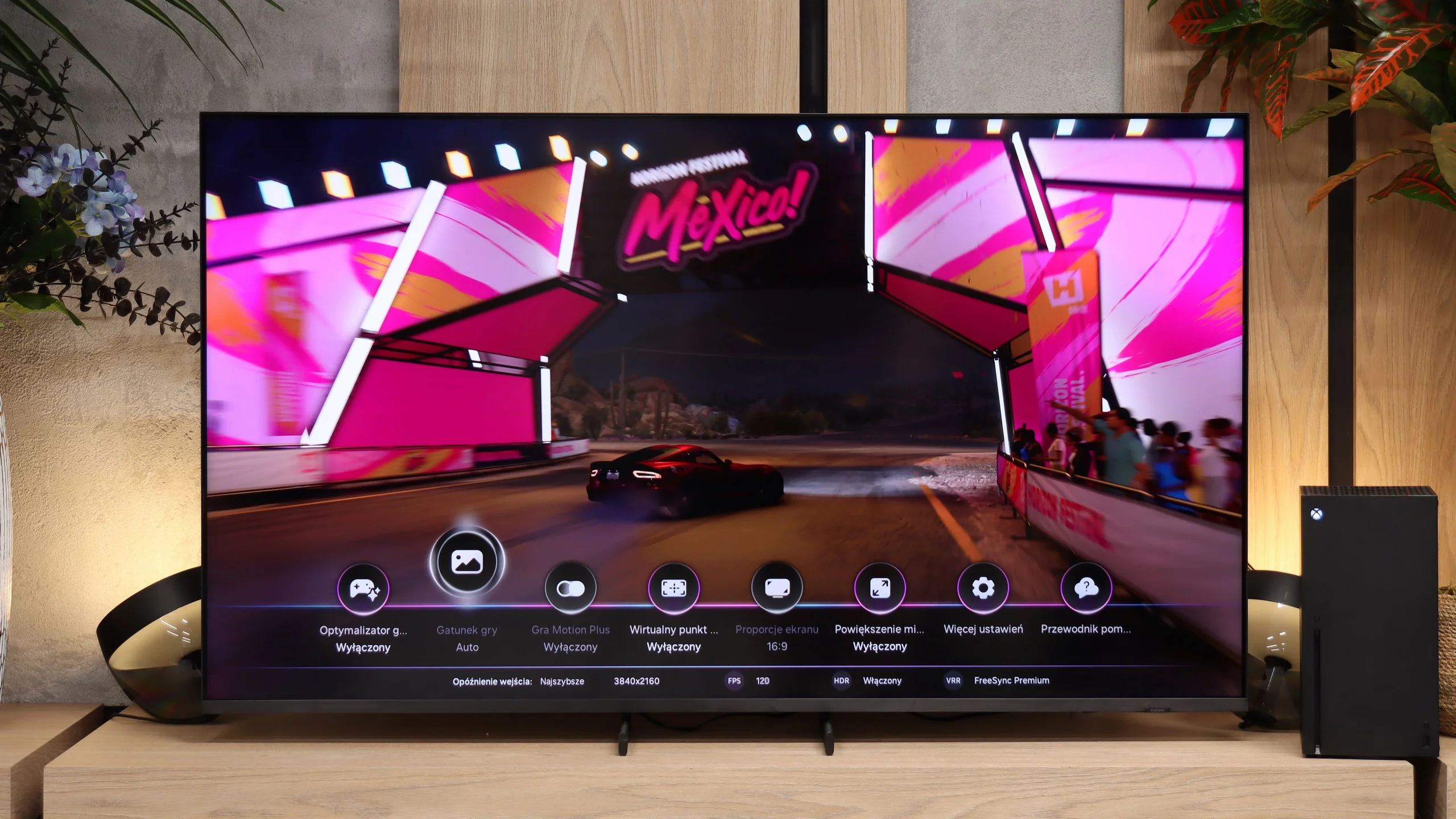
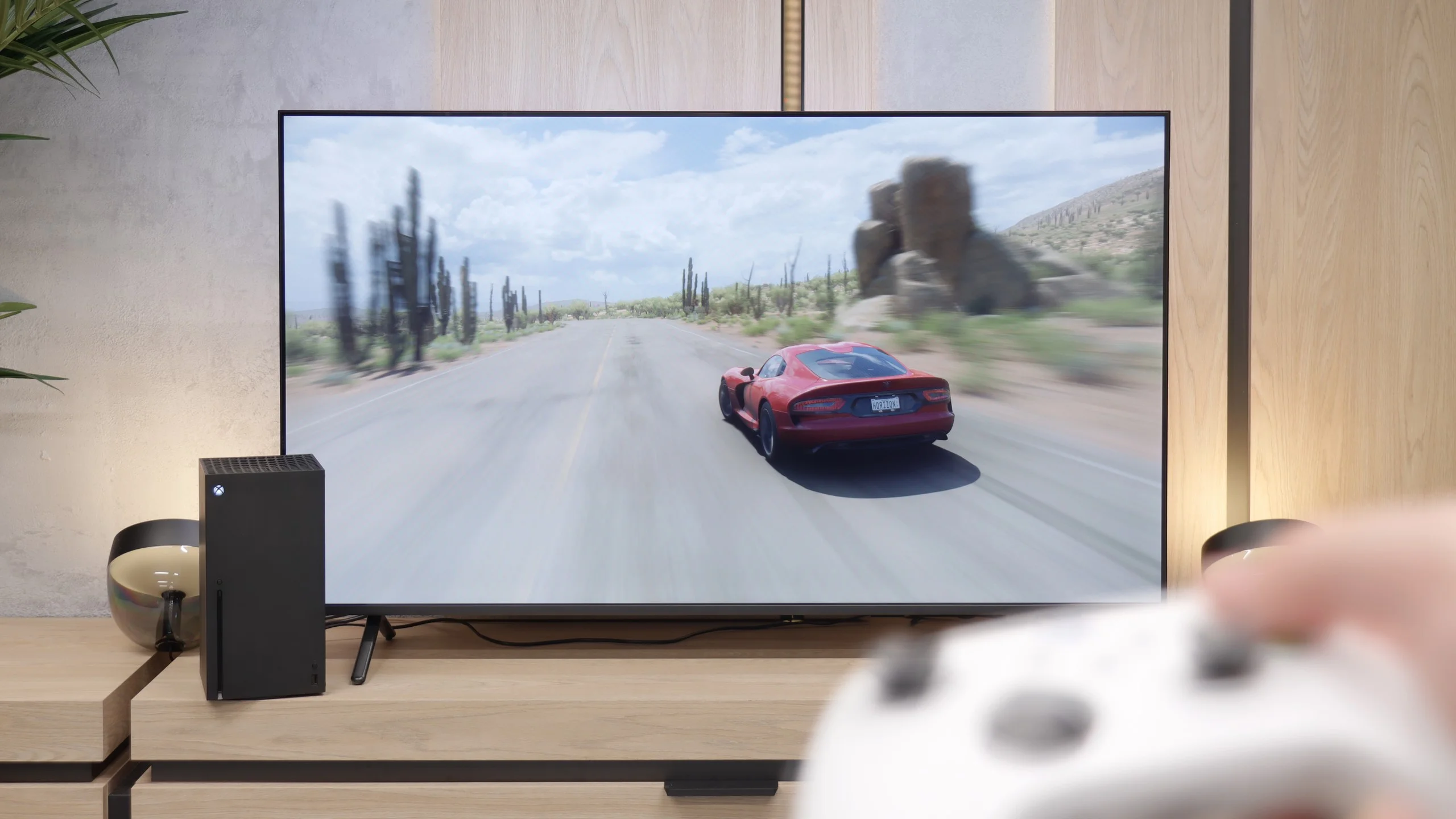
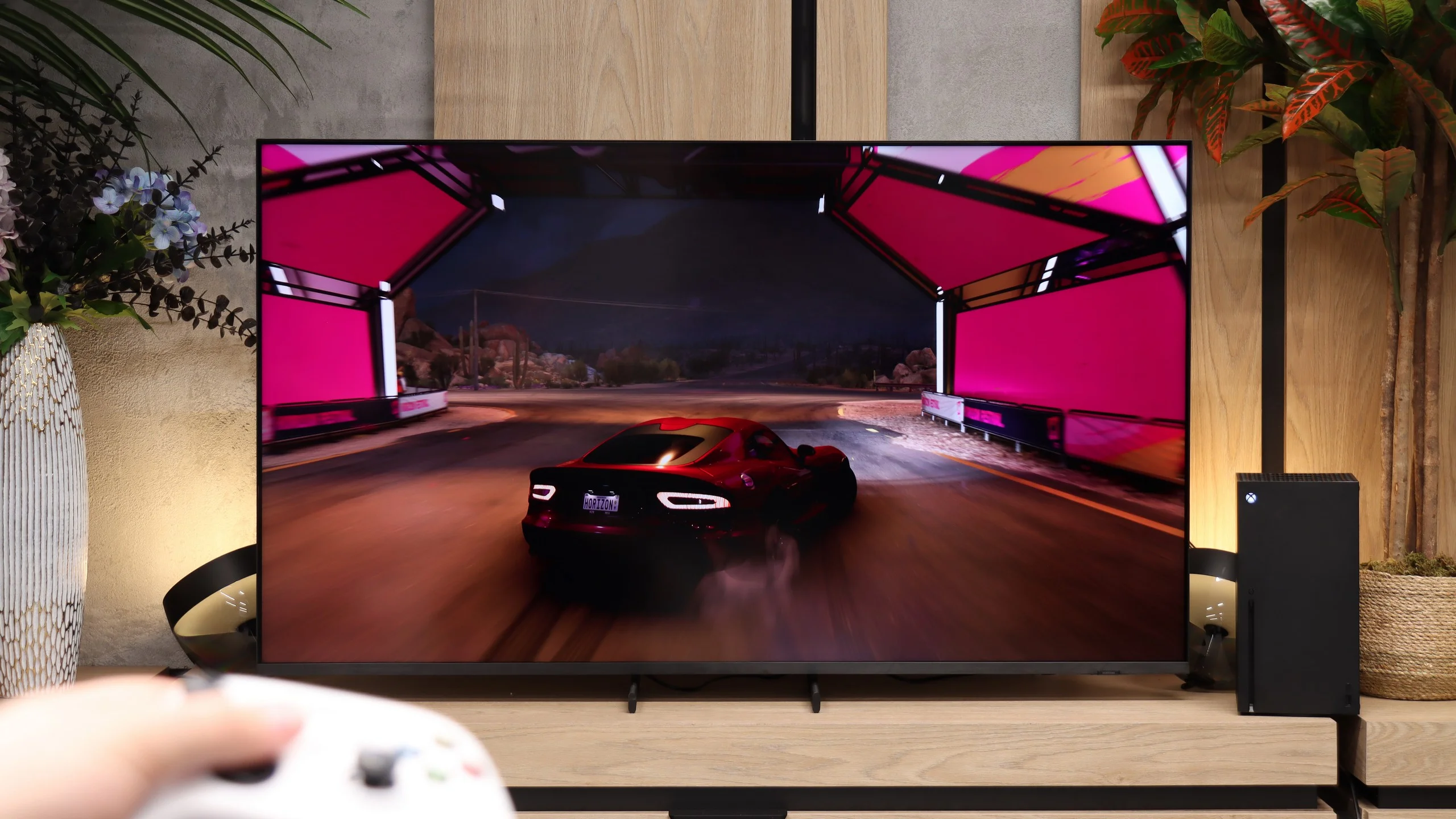
For gamers, the Philips MLED920 is truly a complete tool. The manufacturer has taken care of everything that today is considered standard in televisions designed for consoles and PCs. It features ALLM, so the console automatically switches the screen to game mode, it has VRR and 144 Hz refresh rate, which guarantees smooth gameplay even in fast titles. All key HDR formats are supported – including HGiG and Dolby Vision Gaming for Xbox – which means that regardless of what you are playing and on which console, the TV will be able to extract maximum potential from the image. In everyday gaming, the Game Bar also proves to be useful – a relatively simple implementation by Philips, but a functional panel where you can quickly check image parameters, turn on VRR, or adjust details without leaving the game. It may not be as advanced as the competition's offerings, but it performs its job flawlessly. And lastly, something that distinguishes Philips from its competitors – Ambilight. The three-sided LED backlighting can make a huge impression in games, especially in the evening. It also provides a way to slightly "expand" the screen and feel greater immersion. And since colorful LEDs have recently become almost a mandatory element of a gamer’s room, the MLED920 fits into this trend perfectly.
Samsung has been steadily expanding its gamer-focused features for several years, and the R85H really lacks nothing important in that area. The TV supports 4K at 120 Hz, VRR and ALLM, so you can easily take advantage of the capabilities of the PlayStation 5 or Xbox Series X. HGiG also works correctly, so with the right HDR settings on the console games retain proper brightness and you don't unnecessarily lose detail in the brightest parts of the image. The only major omission is Dolby Vision Gaming, which Samsung doesn't support on any of its TVs.
Game Bar is also very useful, a handy menu you can bring up without leaving the game. You can quickly check the frame rate, VRR operation, or change the most important picture-related settings. Samsung also adds a few less obvious features, such as the ability to change the aspect ratio or Game Motion Plus, which can further smooth games running at 30 or 60 fps. Of course, this comes at the cost of higher input lag (around 55 ms), but for slower-paced titles it may be an interesting option for some players.
Input lag
9.6/10
9.6/10
SDR
HDR
Dolby Vision
Input lag on the Philips MLED920 is really very good – in 120 Hz mode, we measured values below 10 ms, placing this model among the absolute leaders of LCD televisions in terms of responsiveness. Even at 60 Hz, a result of around 18 ms is fully acceptable and won’t hinder any type of gameplay. A certain exception is the Dolby Vision mode at 60 frames, where the lag can increase to even 35 ms. This result might be slightly noticeable for esports players, but we must honestly admit – for the majority of so-called “casual gamers,” it will be absolutely unnoticeable. Especially since we’re talking about values that still allow for comfortable gaming without major compromises.
Input lag on the R85H is low, though not record-breaking. At 120 Hz it's about 12–13 ms, and at 60 Hz about 17–18 ms. In practice this hardly matters. Input is responsive and you don't notice any delay during normal gaming.
Compatibility with PC
4/10
8/10
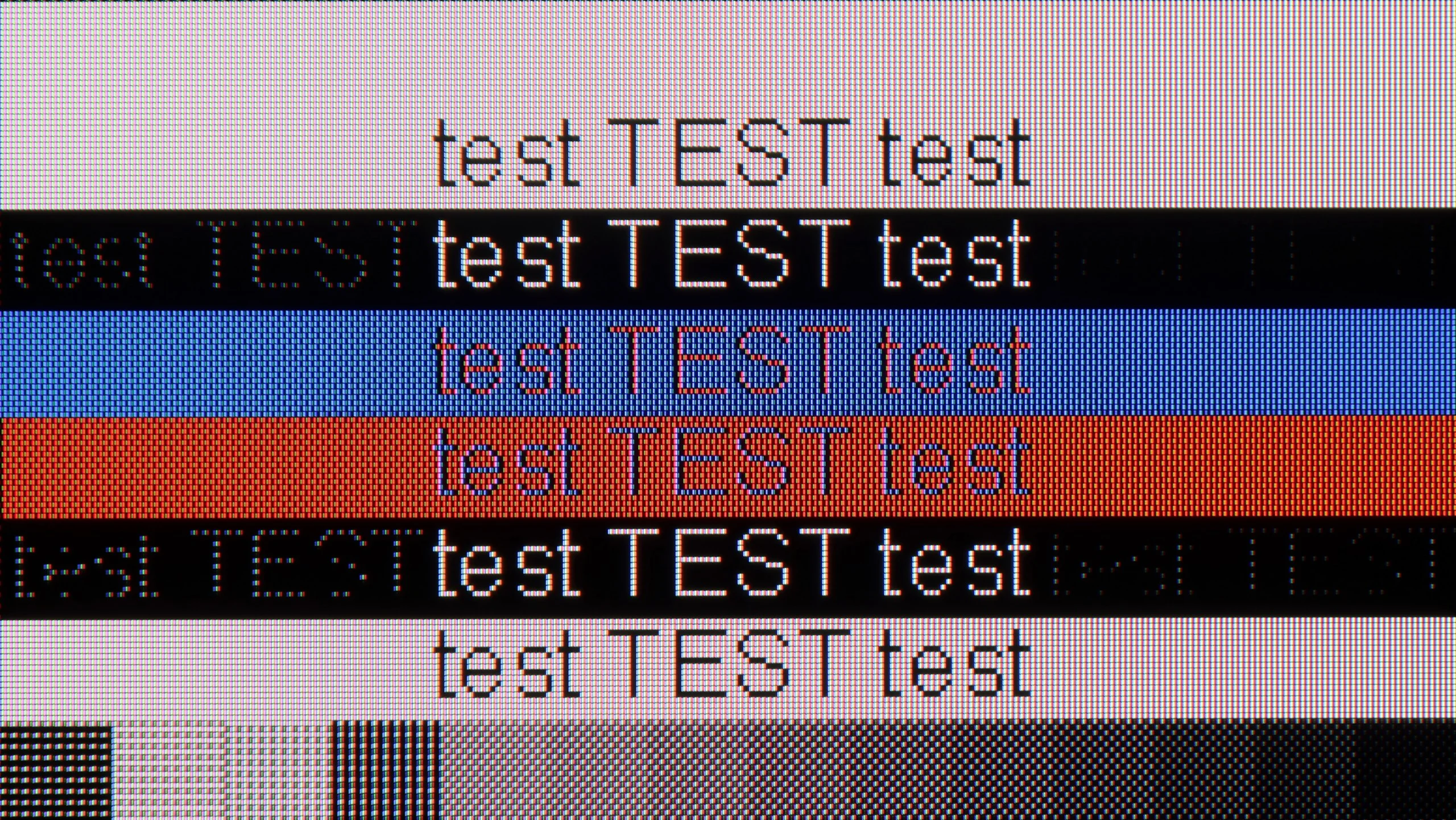
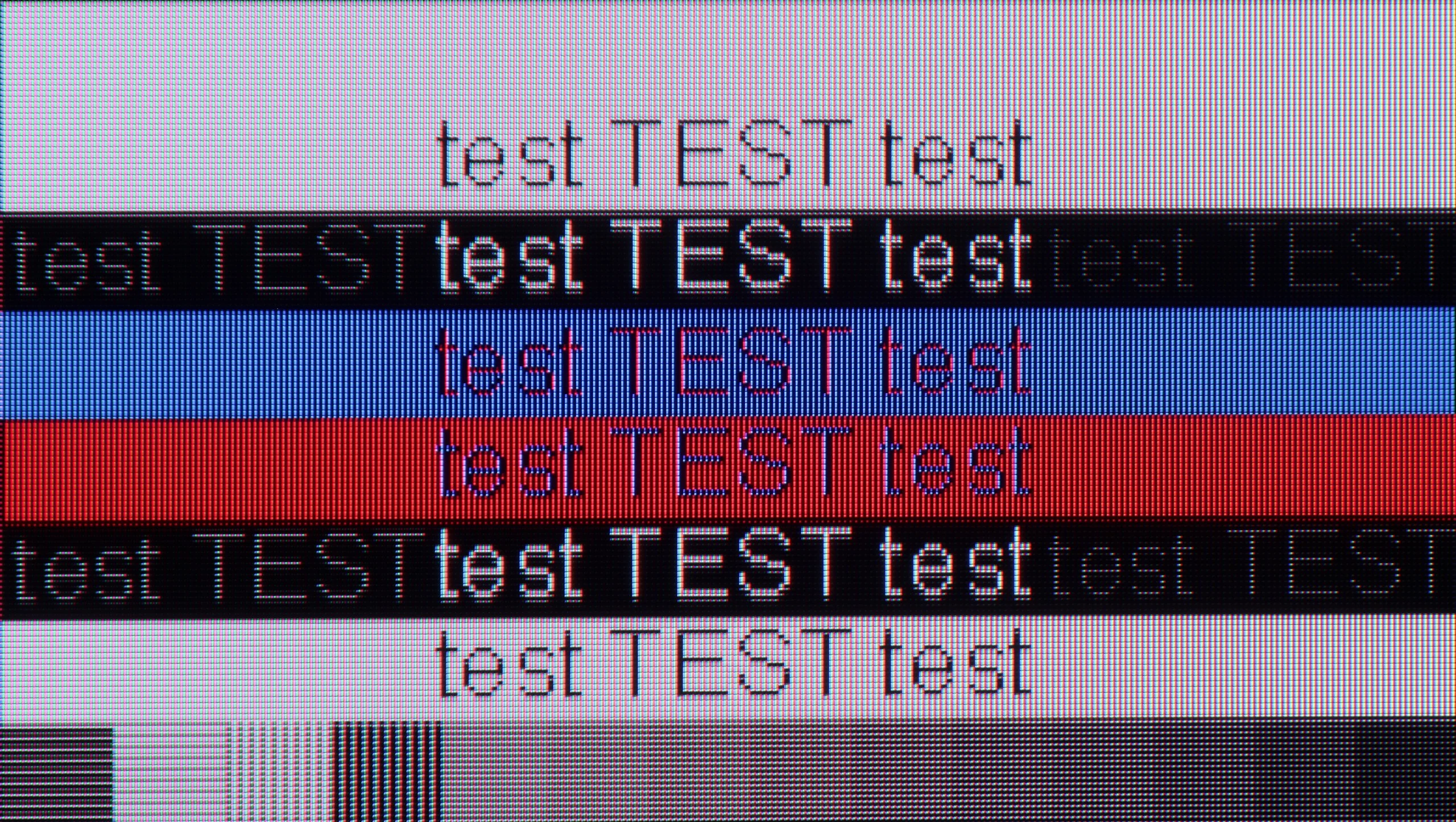
The photo shows the legibility of small fonts. Ideally, lines should be the same thickness on both light and dark text, with minimal pixel gaps.
When it comes to working with a PC, the Philips MLED920 evokes rather mixed feelings. On one hand, it looks impressive on paper – we have 144 Hz, support for G-Sync and FreeSync, so in terms of gaming on a PC, the television does not disappoint. Anyone looking for a large screen for computer gaming gets a solid package of features here. However, when we try to use it as a typical monitor for daily work, its limitations quickly become apparent. The fonts do not look their best – there is noticeable strong dithering, colorful letters can be jagged, and with very dark text, strange anomalies appear, as if the panel loses thin lines and has trouble accurately reproducing them. In short: Yes for PC gaming. For any work and reading text: a firm no.
R85H has a lot to offer when connected to a computer. In 4K you can use the full 144 Hz, and if you care mainly about getting the highest frame rate, dropping to Full HD lets the TV raise the refresh rate up to 240 Hz. It also supports G-Sync and FreeSync and has low input lag, so for gaming the R85H can easily double as a large monitor for gamers. Text readability is a bit weaker, though. The TV correctly supports 4:4:4 chroma, so theoretically you have everything needed for sharp font rendering. In practice, however, some fonts show small color artifacts, especially with dark text and high-contrast edges. This isn’t a problem that prevents normal work, but if you plan to sit close to the screen and use the R85H mainly as a monitor for text, it’s worth keeping in mind. It’s definitely better suited for PC gaming.
Viewing angles
3.2/10
4.8/10
The viewing angles on the MLED920 are classic for VA matrix technology – even a slight shift from the center causes the colors to begin to fade, the contrast weakens, and the overall picture becomes quite flat and unattractive. There are no miracles here. So if you’re watching movies with a larger group and everyone is sitting a bit off to the side, this will be slightly noticeable. On the other hand, you gain something for this: thanks to this matrix, the MLED920 can display a much deeper black than televisions with IPS panels.
Viewing angles on the R85H are decent, and that's about the best that can be said. It's still a VA panel, and this type of display isn't the best choice if you often watch the TV from a wide angle. As you move to the side, the image loses contrast and blacks start to look increasingly gray. However, the R85H does have an advantage over conventional VA TVs. Thanks to its three-color RGB backlight, off-axis colors don't lose saturation as quickly and the "washed-out" effect is somewhat less noticeable. That said, if you often watch the TV with a larger group and some viewers sit well off to the side, there are screens on the market that handle this situation much better.
Daytime performance
5.5/10
7.3/10
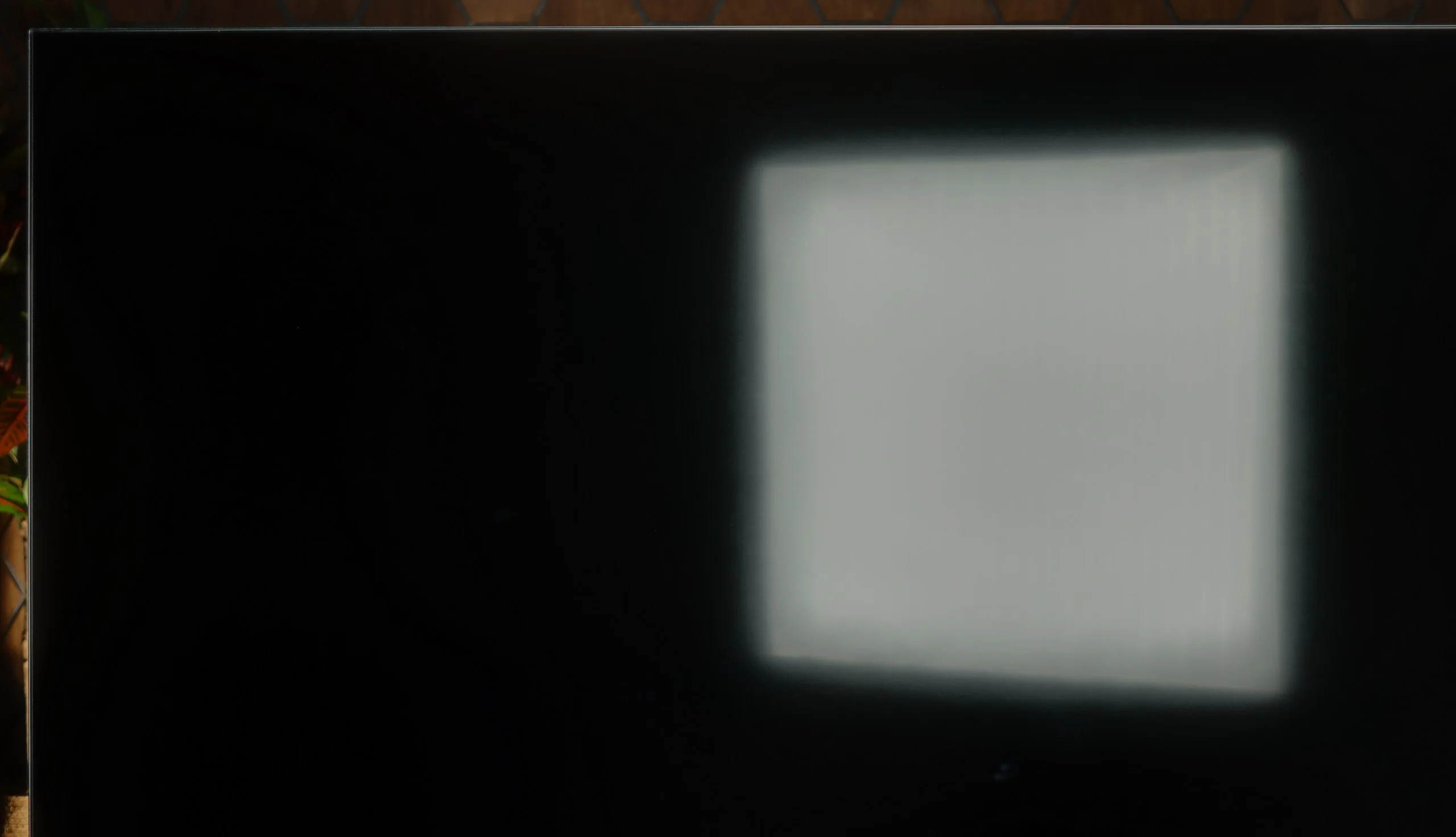
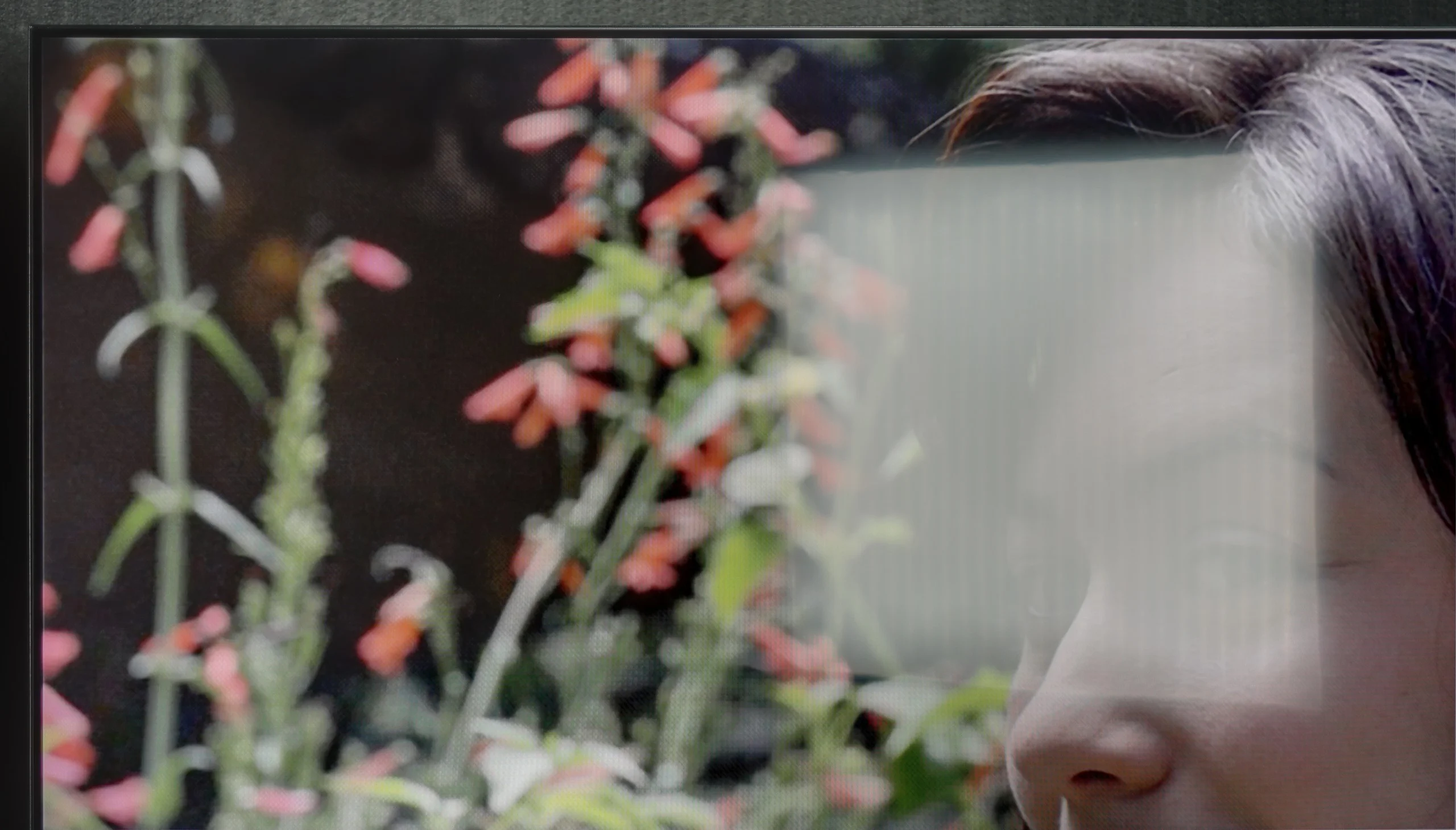
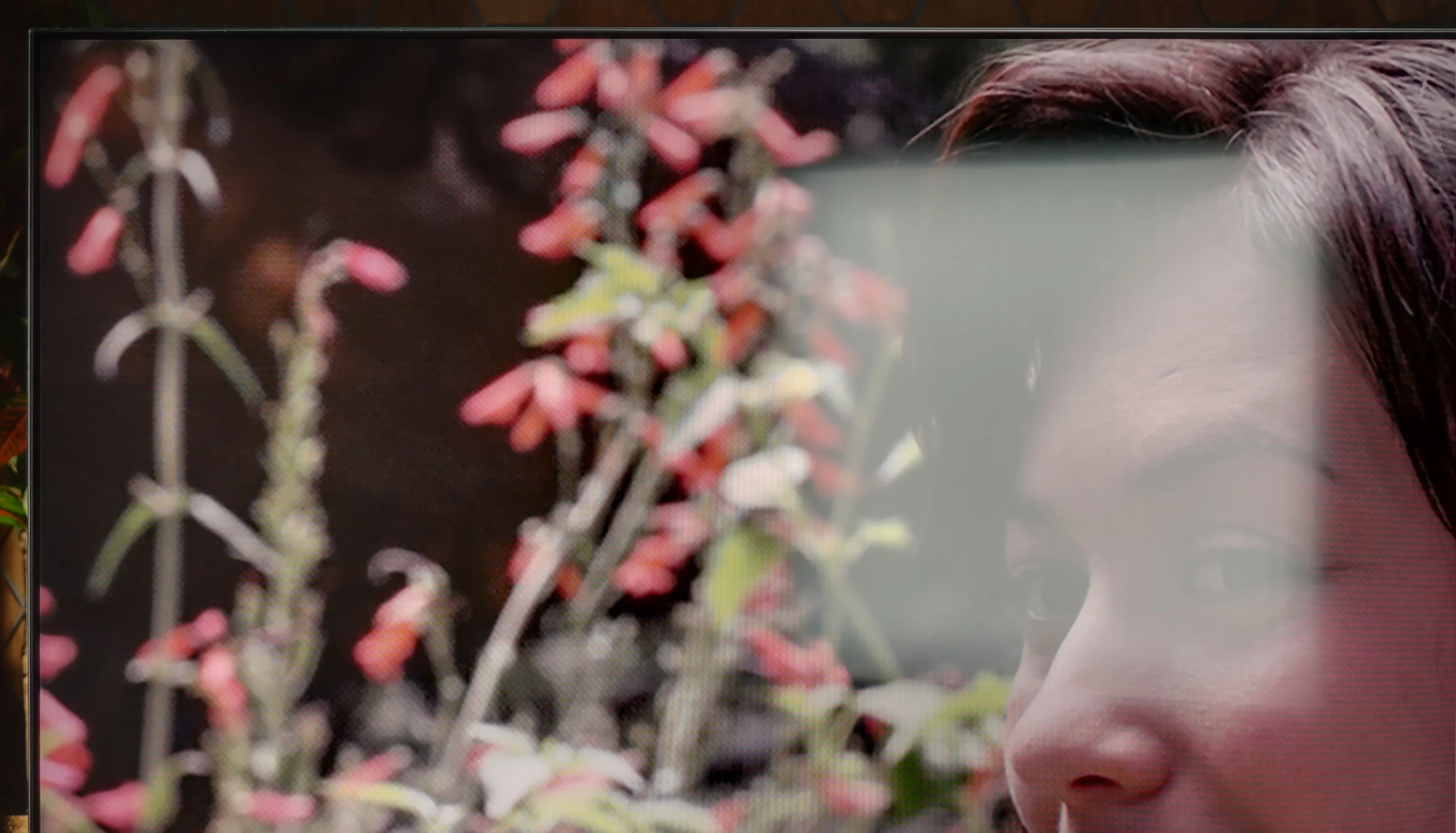
Panel brightness
Samsung R85H / R86H: 726 cd/m2
Philips MLED920 / MLED910: 421 cd/m2
The Philips MLED920 performs fairly well in everyday use. The satin coating on the panel effectively reduces reflections, and in most moderately sunny living rooms, it manages unwanted glare. However, it is important to remember that this is not a television that impresses with brightness – the average value in SDR hovers around 450 nits. In very bright rooms, especially with large south-facing windows, the screen may not always overcome intense daylight. In such situations, it's worth supporting it with at least light curtains so that viewing comfort doesn't suffer significantly.
In a bright room the R85H performs quite well, although a lot depends on the local dimming setting. For daytime viewing we recommend setting it to High, because the TV noticeably increases its brightness then. On large bright areas it reaches around 600 nits, and on smaller patches it can approach 1000 nits, so the picture remains easy to read even with stronger light in the living room. The satin coating handles reflections fairly well and in most cases does not turn the screen into a mirror, although strong light sources will of course still be visible.
Keep in mind, however, that the High setting means the local dimming algorithm works more aggressively. Therefore, for evening viewing we recommend switching it to Low. The TV doesn't get as bright then, but it preserves detail in the brightest parts of the image better, which after dark we consider far more important than maximum brightness. In practice the R85H will work well both during the day and in the evening, provided we adjust local dimming to the room's lighting conditions.
Local dimming | 5% | 10% | 20% | 30% | 40% | 50% | 60% | 70% | 80% | 90% | 100% |
|---|---|---|---|---|---|---|---|---|---|---|---|
Low | 445 | 485 | 517 | 532 | 537 | 542 | 551 | 556 | 556 | 573 | 556 |
Panel details
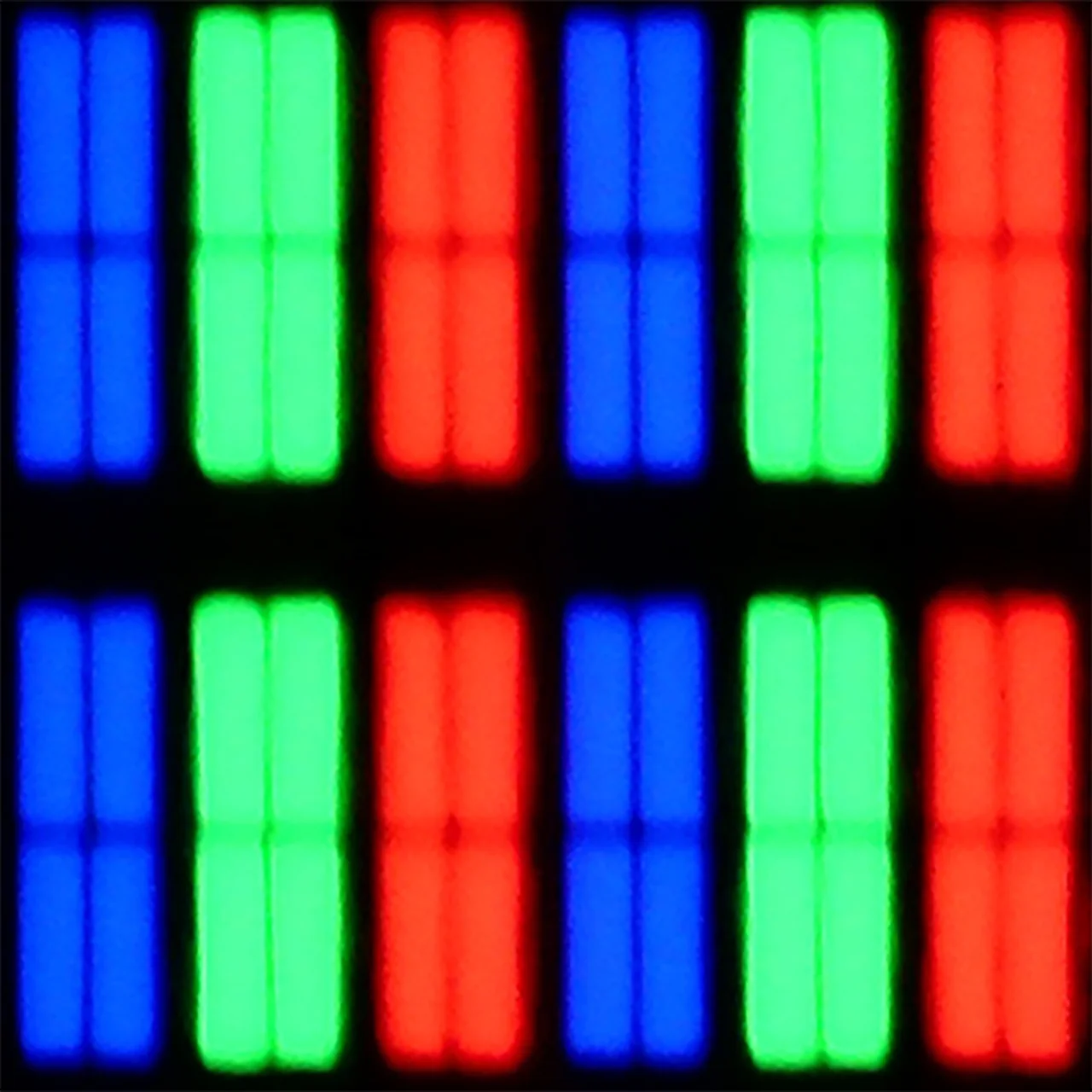
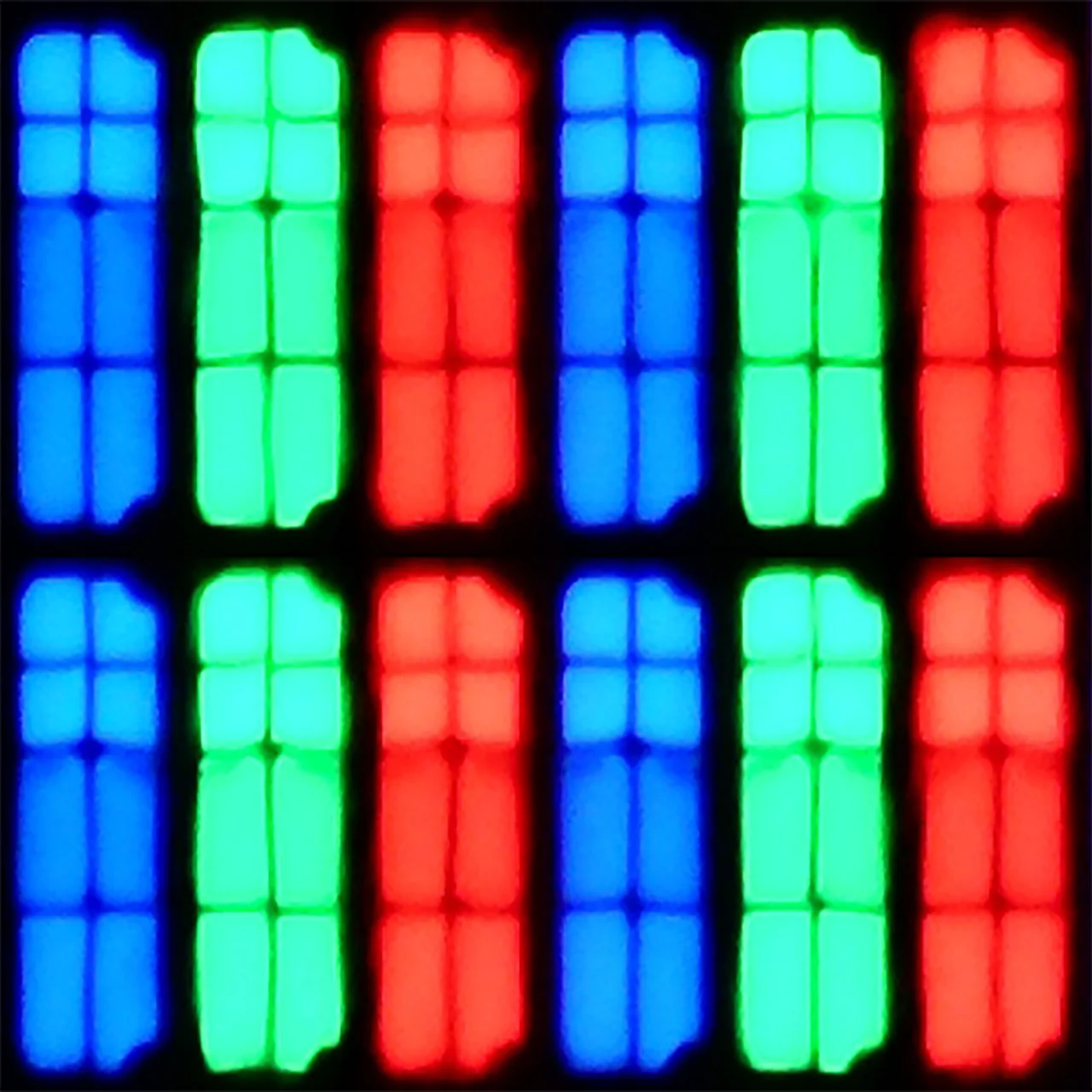
Subpixel Structure:
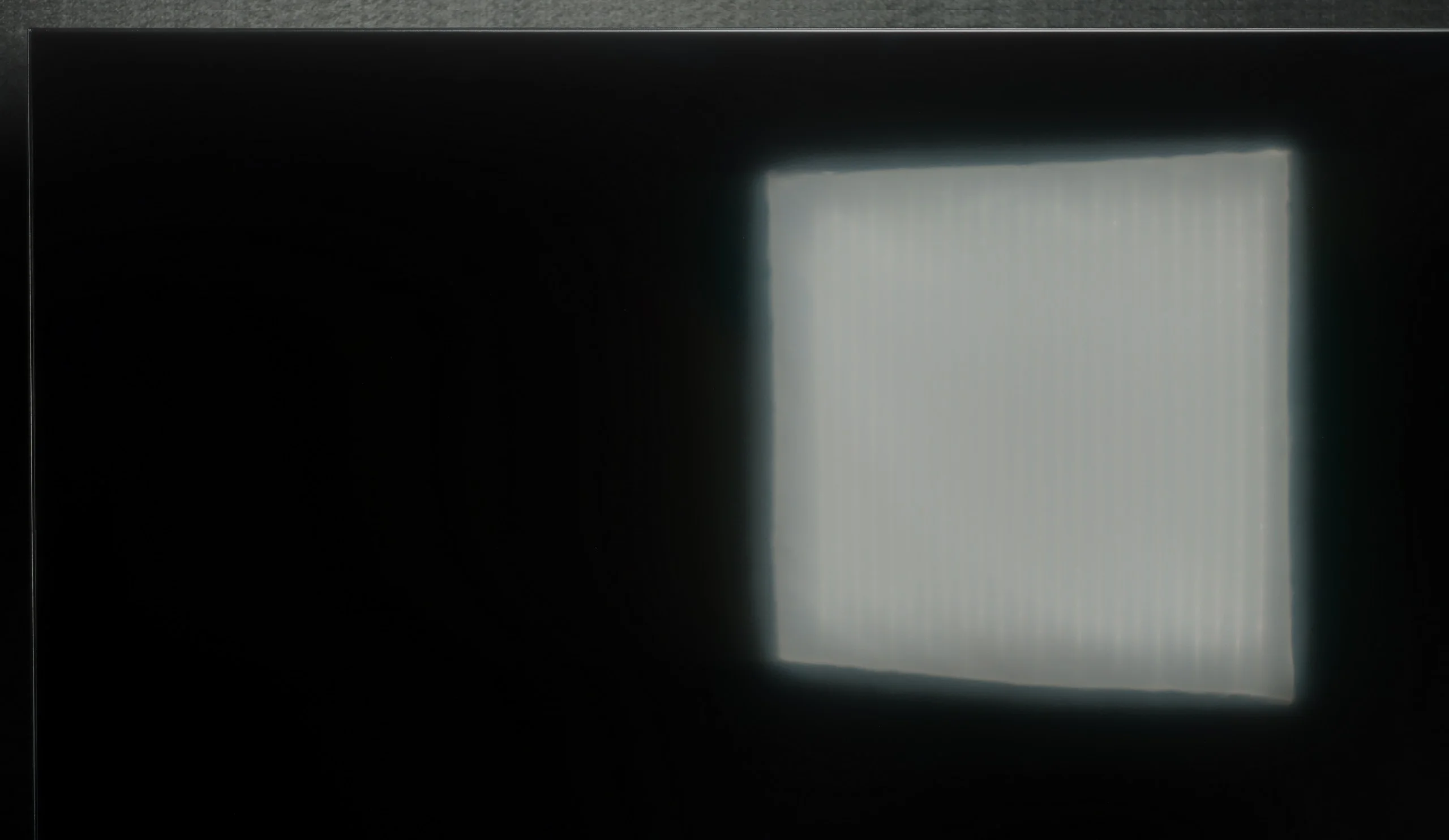
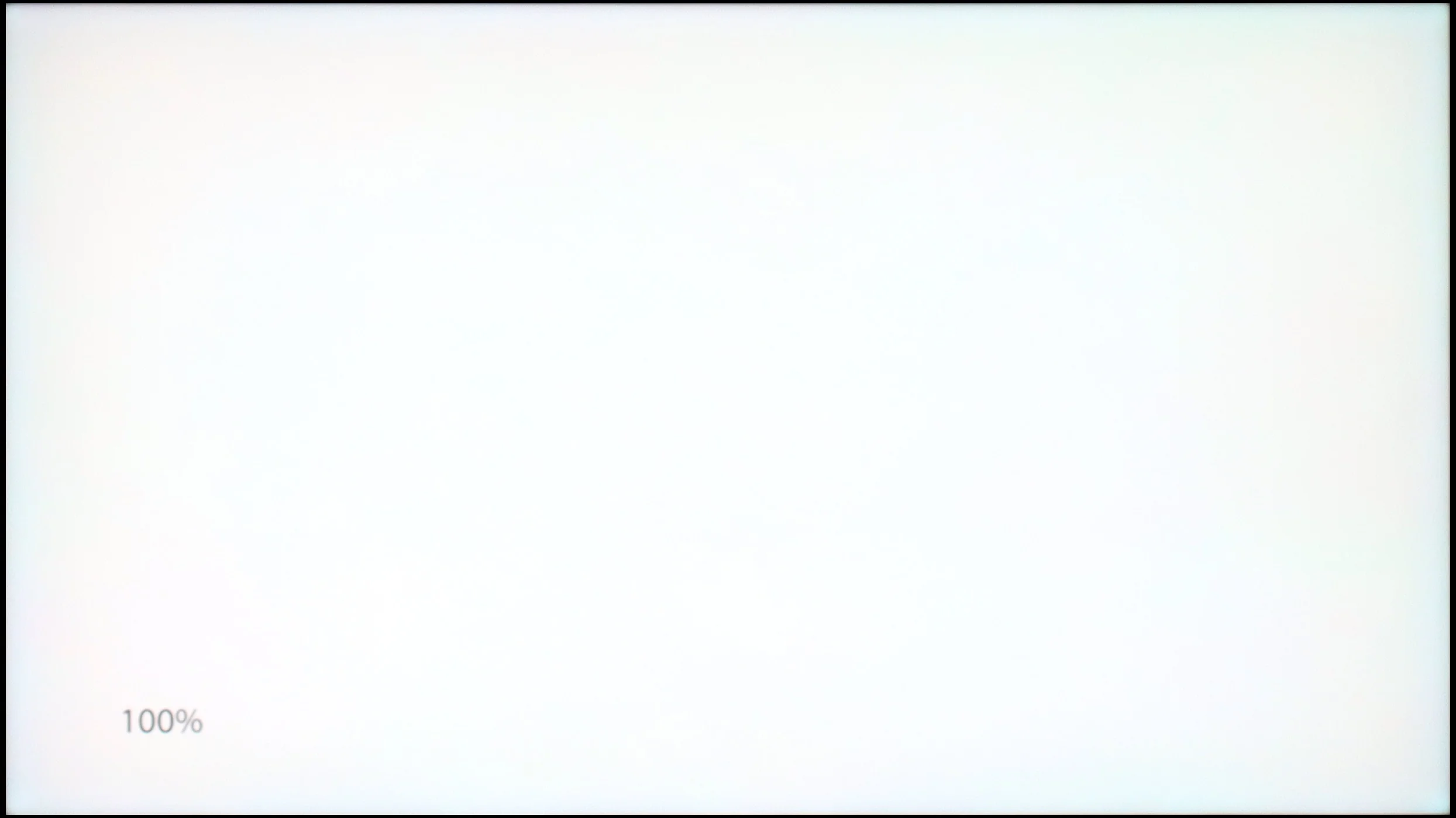
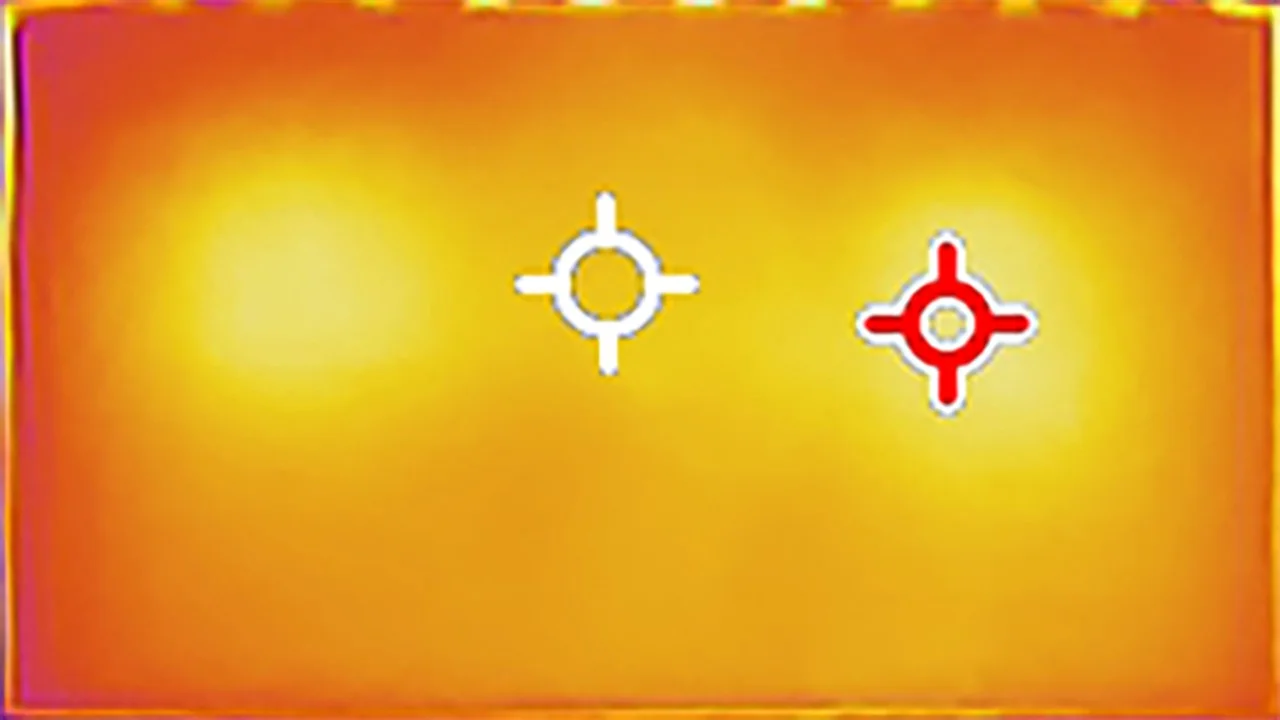
Panel uniformity and thermal imaging:
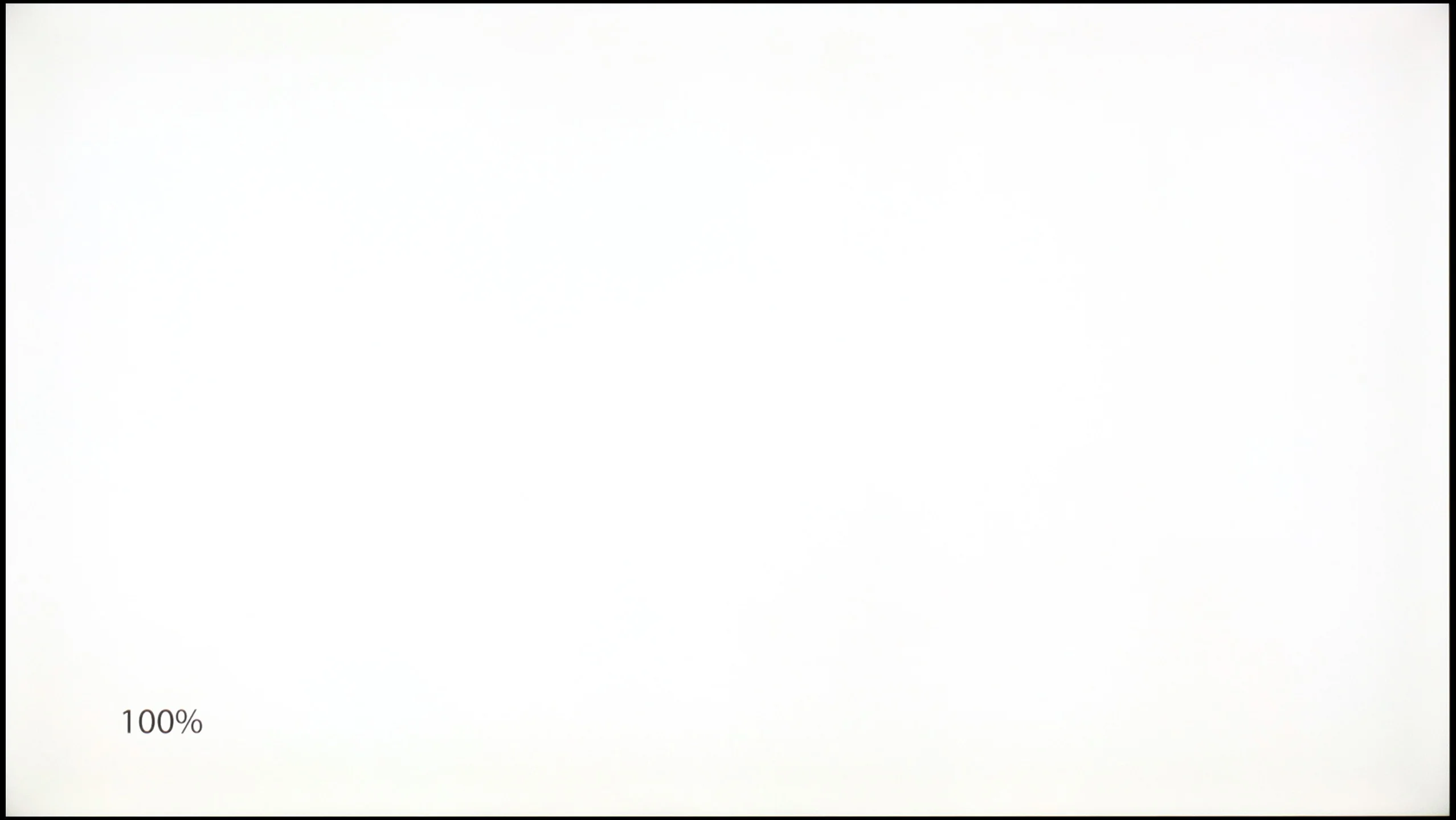

Philips MLED920 / MLED910
Samsung R85H / R86H
TV features
5.5/10
7.3/10
- SystemTitan OSTizen
- System performanceDecentVery good
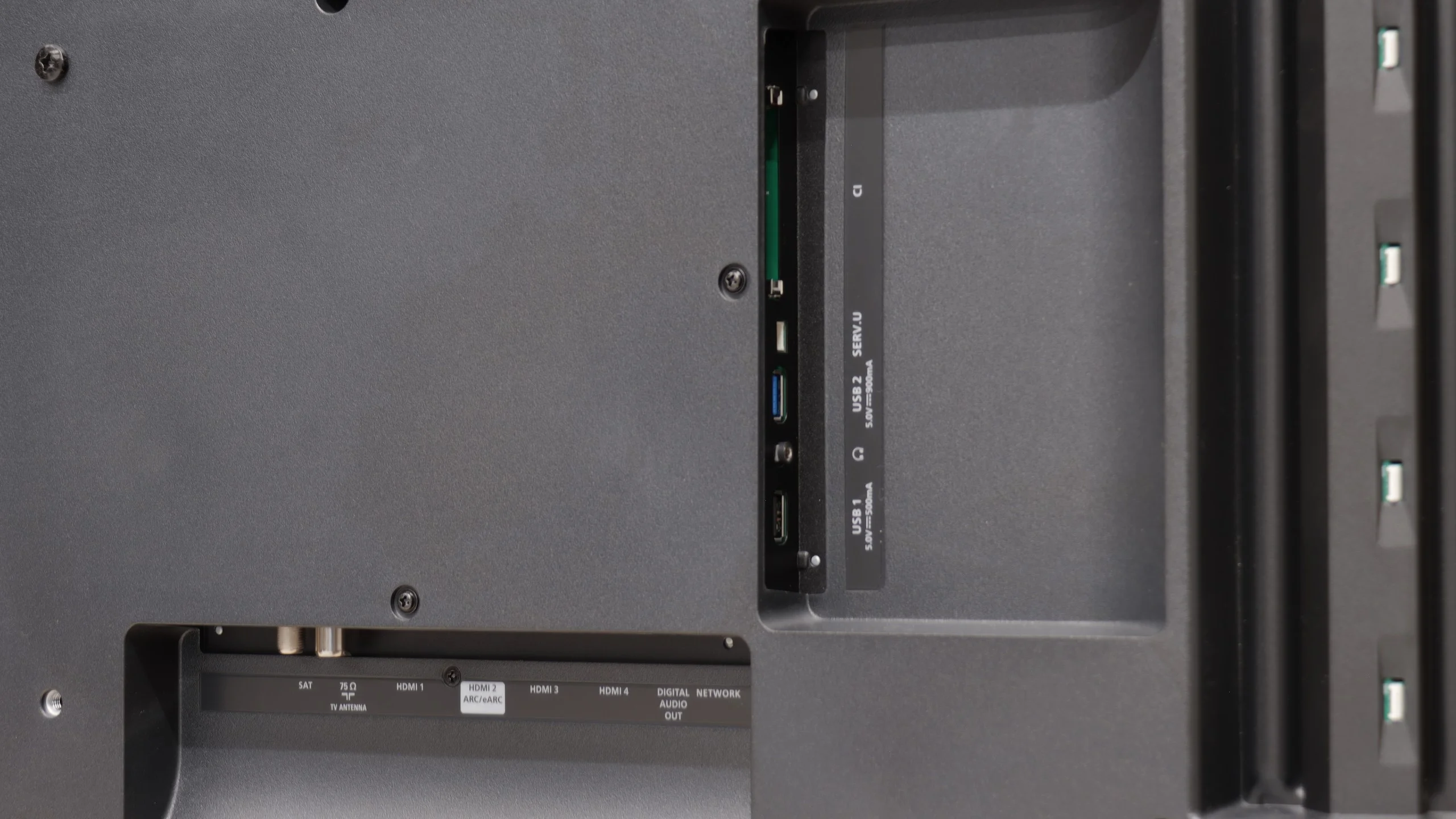
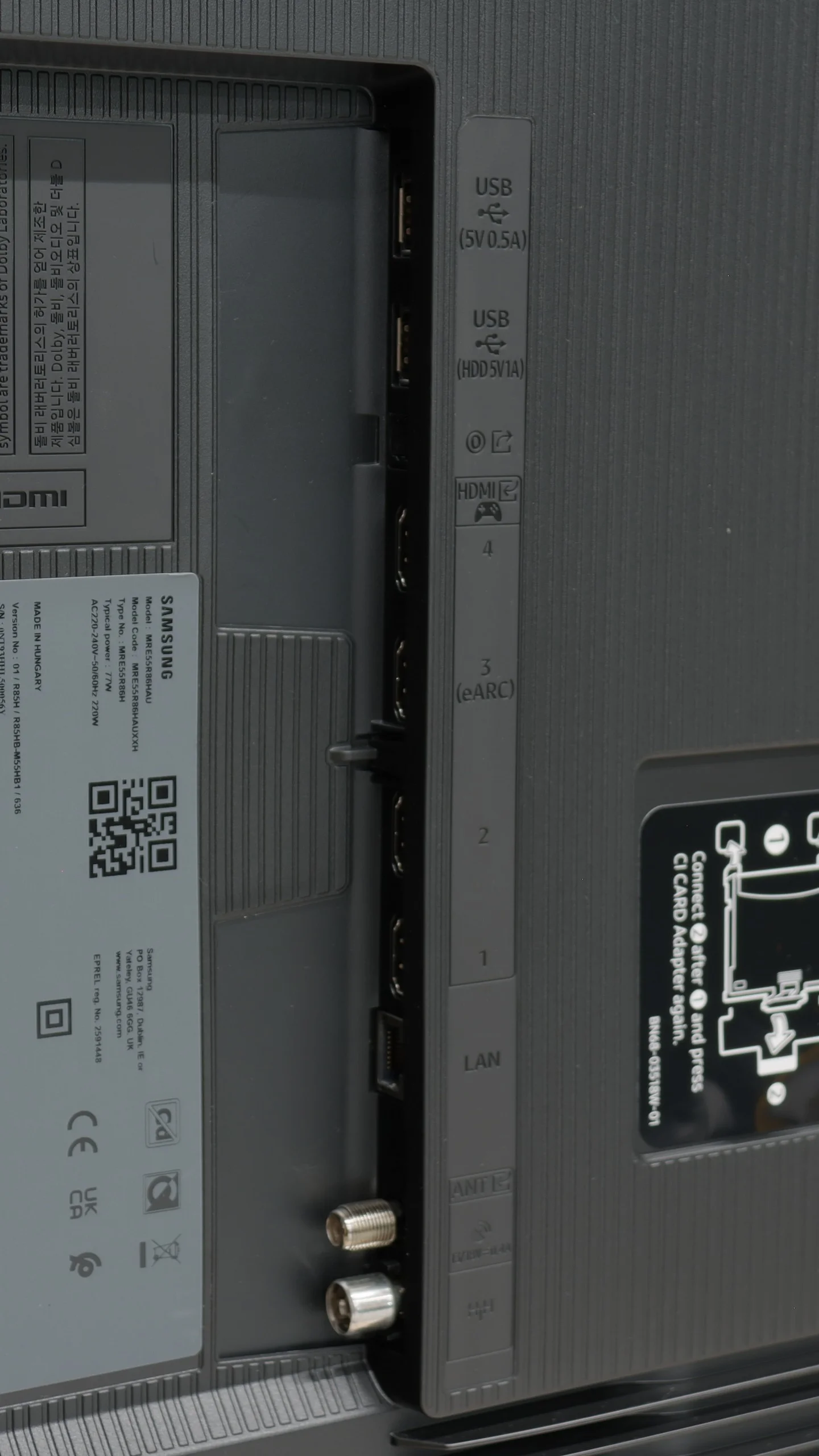
- HDMI inputs0 x HDMI 2.0, 4 x HDMI 2.1 48Gbps0 x HDMI 2.0, 4 x HDMI 2.1 48Gbps
- OutputsToslink (Optical audio), eARC (HDMI), ARC (HDMI), Mini-Jack (Headphones)Toslink (Optical audio), eARC (HDMI), ARC (HDMI)
- Network InterfacesWi-Fi 2.4GHz, Wi-Fi 5GHz, Ethernet (LAN) 100MbpsWi-Fi 2.4GHz, Wi-Fi 5GHz, Ethernet (LAN) 100Mbps
- TV receptionDVB-T, DVB-T2, DVB-S, DVB-S2, DVB-CDVB-T, DVB-T2, DVB-S, DVB-S2, DVB-C
Classic features:
- Recording to USB (terrestrial TV)
- Recording programming
- Picture in Picture (PiP)
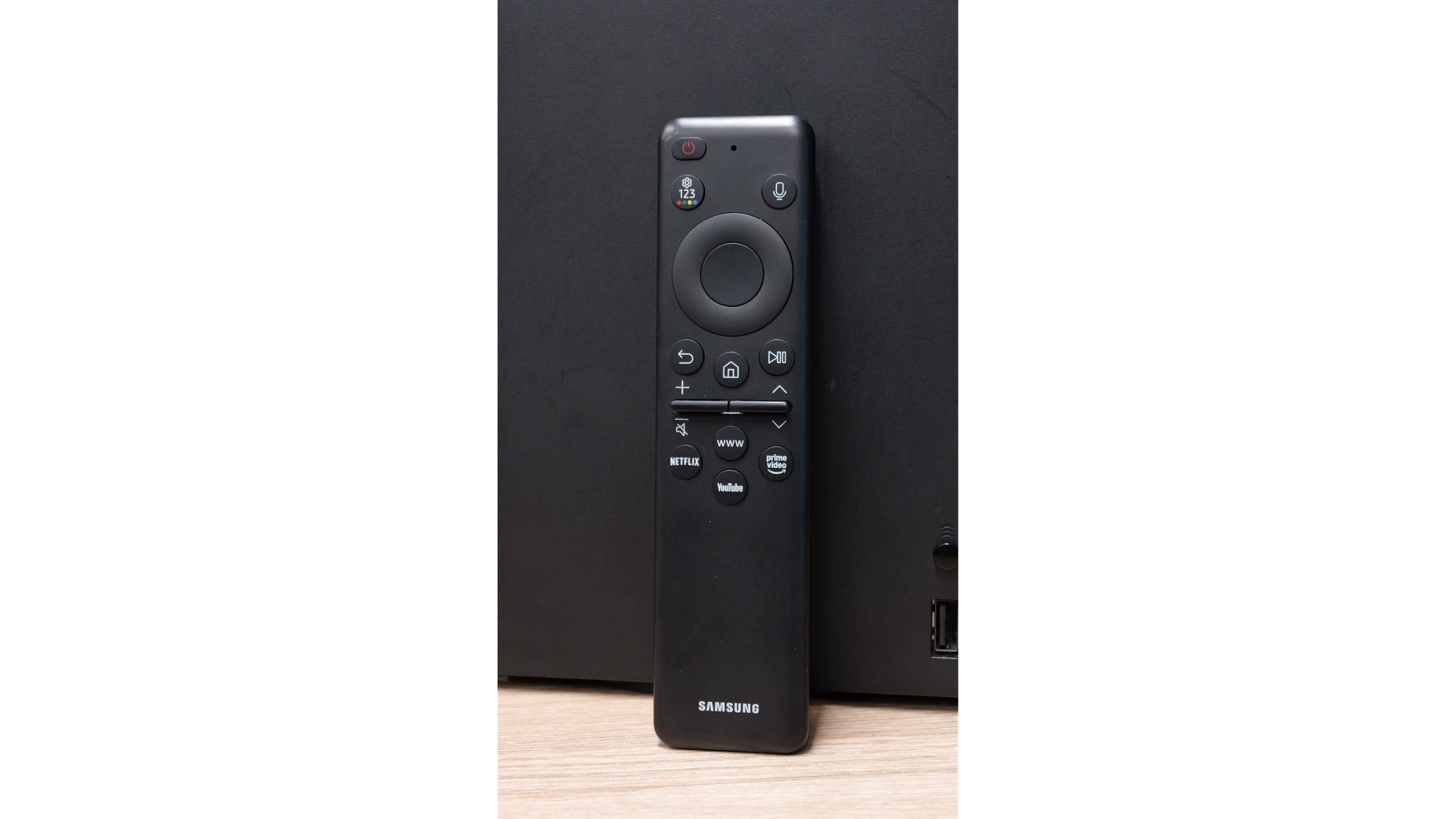
- RF remote control (no need to aim)
- Backlit remote control
- Teletext
- Audio only mode
- Bluetooth headphones support
- Simultaneous Bluetooth headphones & TV audio
Smart features:
- AirPlay
- Screen mirroring (Windows Miracast)
- Voice search
- Voice search in native language
- Ability to connect a keyboard and mouse
Sound connection options
- HDMI audioeARC (HDMI), ARC (HDMI)eARC (HDMI), ARC (HDMI)
- Other audio outputsToslink (Optical audio), Mini-Jack (Headphones)Toslink (Optical audio)
- Wireless audioBluetooth, DTS Play-FiBluetooth, DTS Play-Fi
Supported audio formats (external HDMI eARC audio):
- Dolby Digital Plus 7.1
- Dolby True HD 7.1
- Dolby Atmos in Dolby Digital Plus (JOC)
- Dolby Atmos in Dolby True HD
- DTS:X in DTS-HD MA
- DTS-HD Master Audio
Senior accessibility
- Numeric keyboard on TV
- Font size adjustment
- Audio description
Smart TV – Titan OS
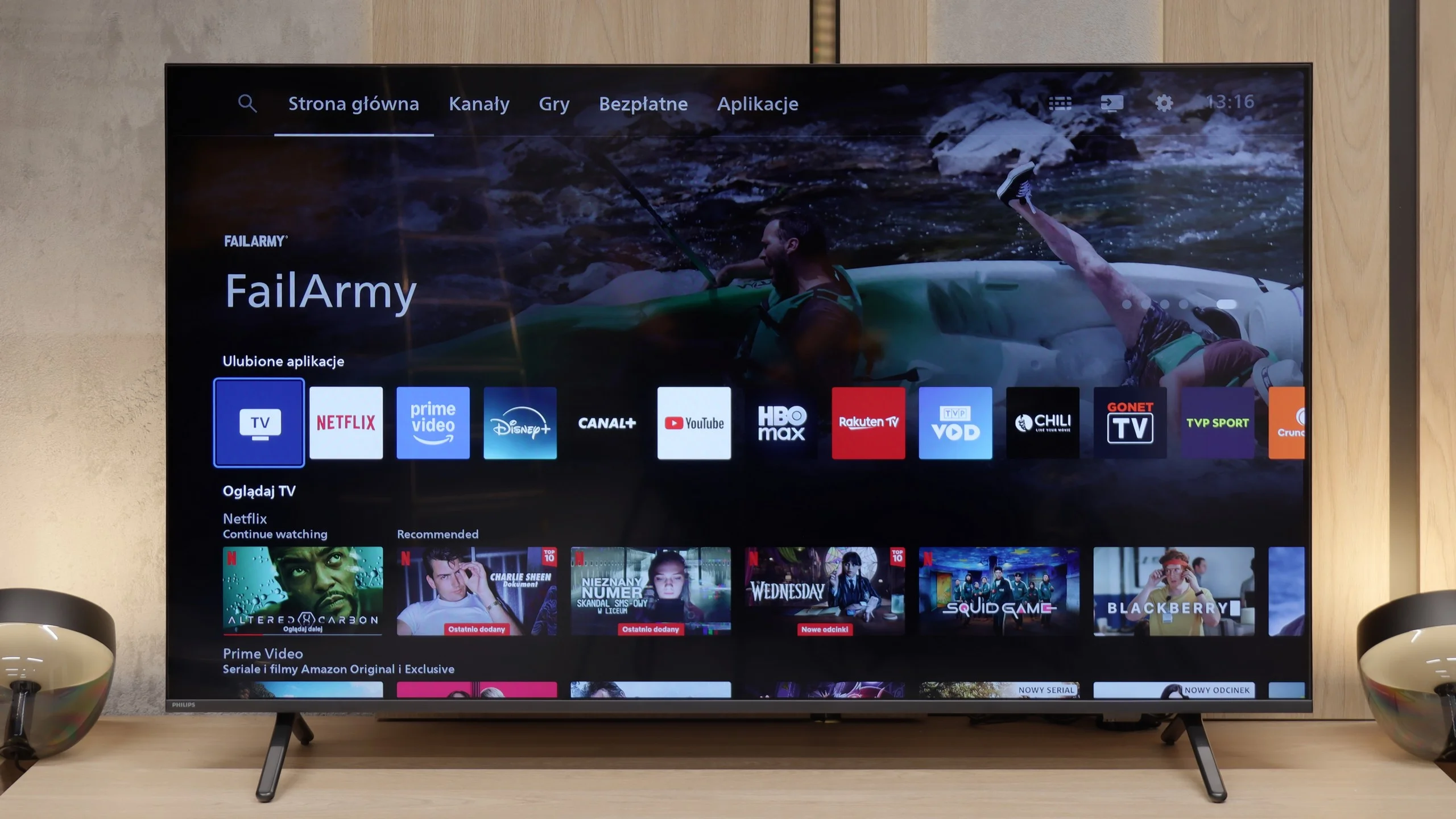
Philips MLED920 uses the proprietary Titan OS, which is just beginning its journey in the TV market, and unfortunately, this is evident at every turn. On one hand, we have basic features – such as support for AirPlay or the ability to mirror the screen from a smartphone, but on the other hand, its limitations quickly become apparent. Screen mirroring works only with a phone, but not with a laptop. Voice search? Yes, but it is only supported by Amazon Alexa and in languages supported by this assistant. The system runs fairly quickly, but every now and then it can "fail" and gives the impression of something unfinished, still developing.
Classic TV Functions
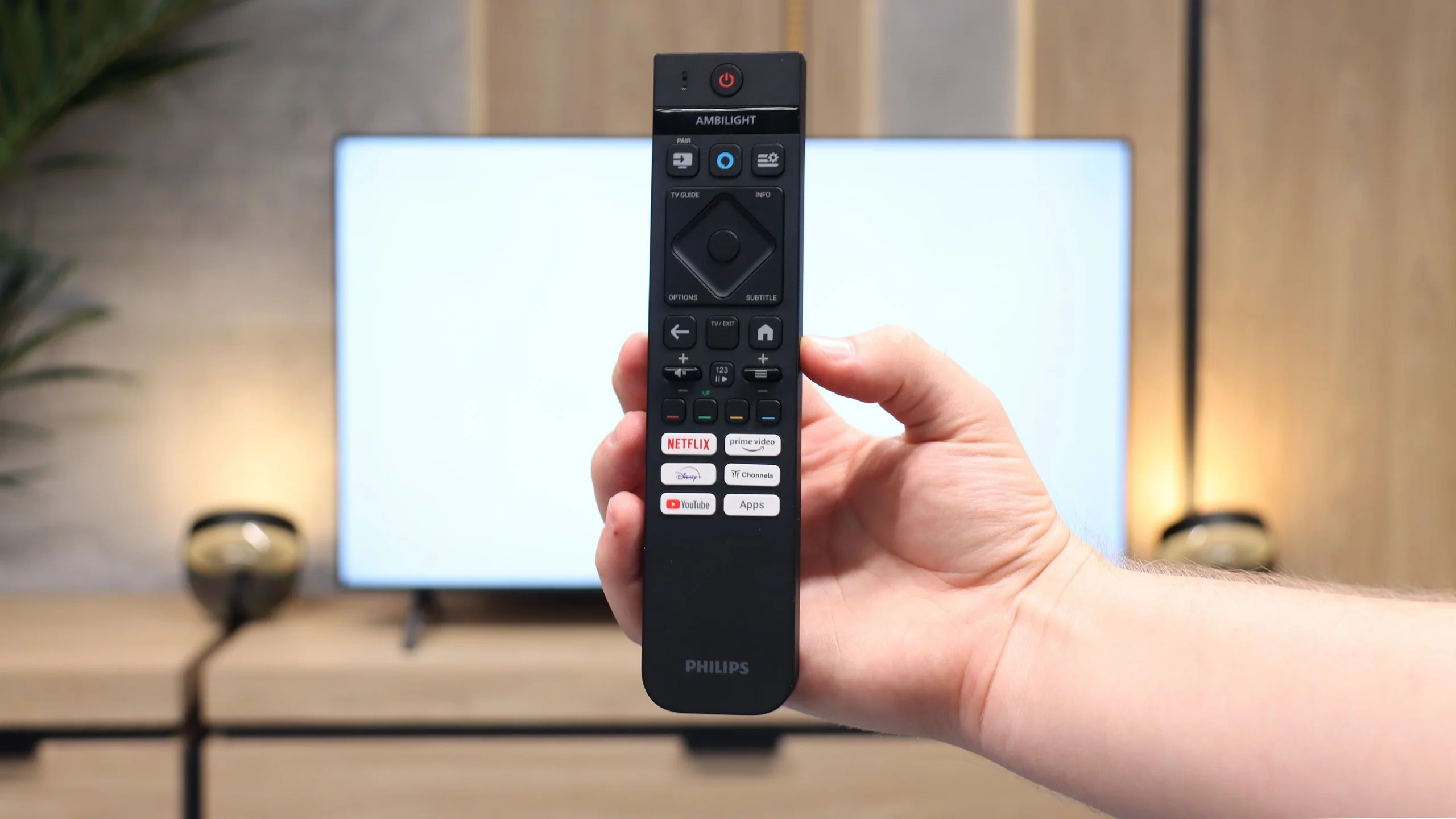
Titan OS does not pamper in terms of classic TV functions either. Besides the hybrid remote with a numeric keypad – which, although illuminated and cleverly designed in two modes, unfortunately works via infrared – we won't find anything that could truly distinguish the MLED920 from the competition. There is no USB recording or PiP function, and such solutions could be useful in this class. From unusual additions, we have an analog output in the form of a jack, which allows connecting headphones or older speakers. It’s a small nod to users who still use older equipment.
Ambilight TV
What definitely diverts attention from the shortcomings of Titan OS is the unique, three-sided Ambilight system. Here, Philips still plays in its own league and can amaze those who have not encountered this addition. The colorful lighting that responds to screen content gives screenings a unique atmosphere and is something that the competition does not offer in a similar form. It is Ambilight that is meant to ensure that other issues – both system and functional – take a back seat.
TV features
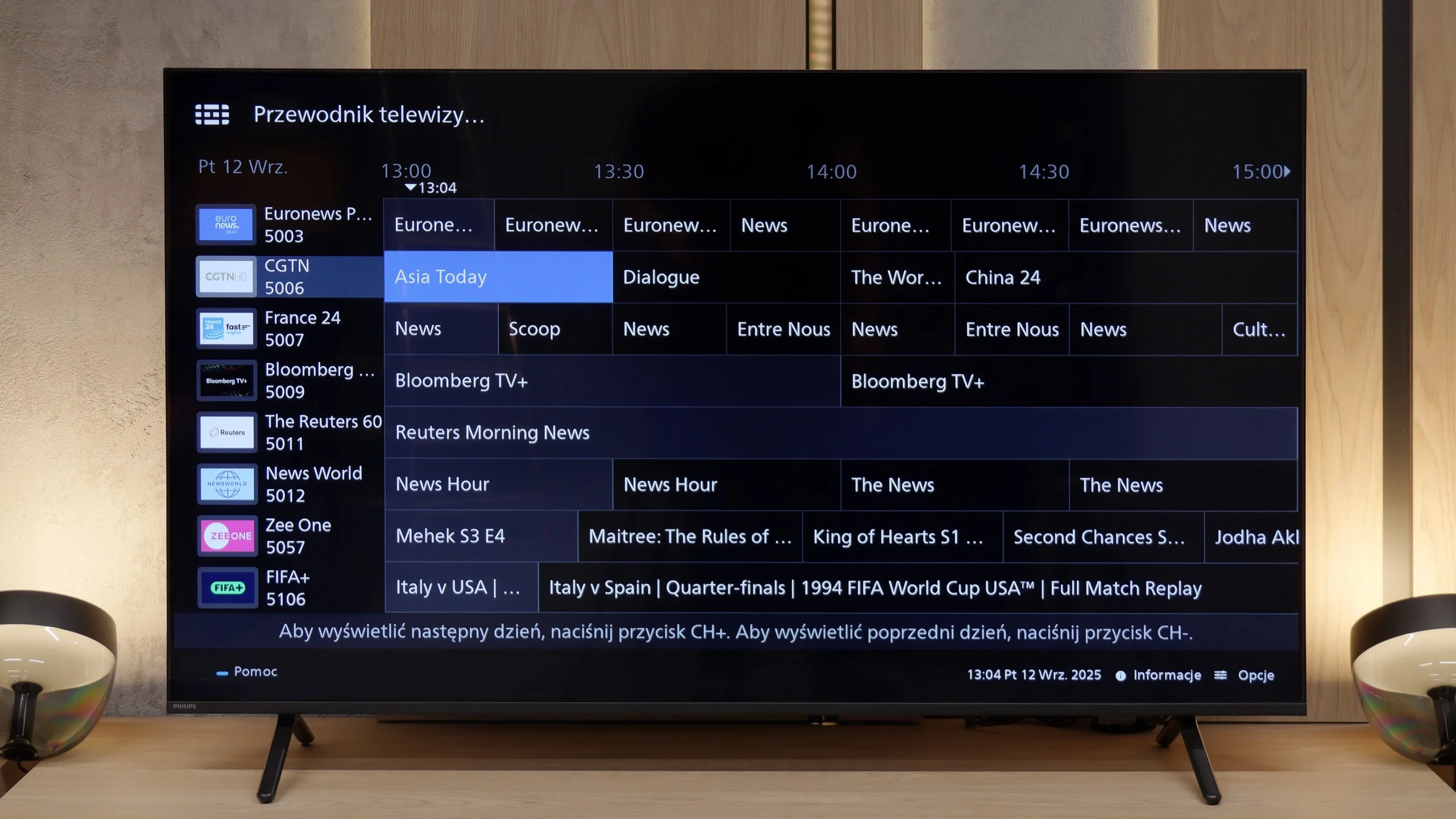
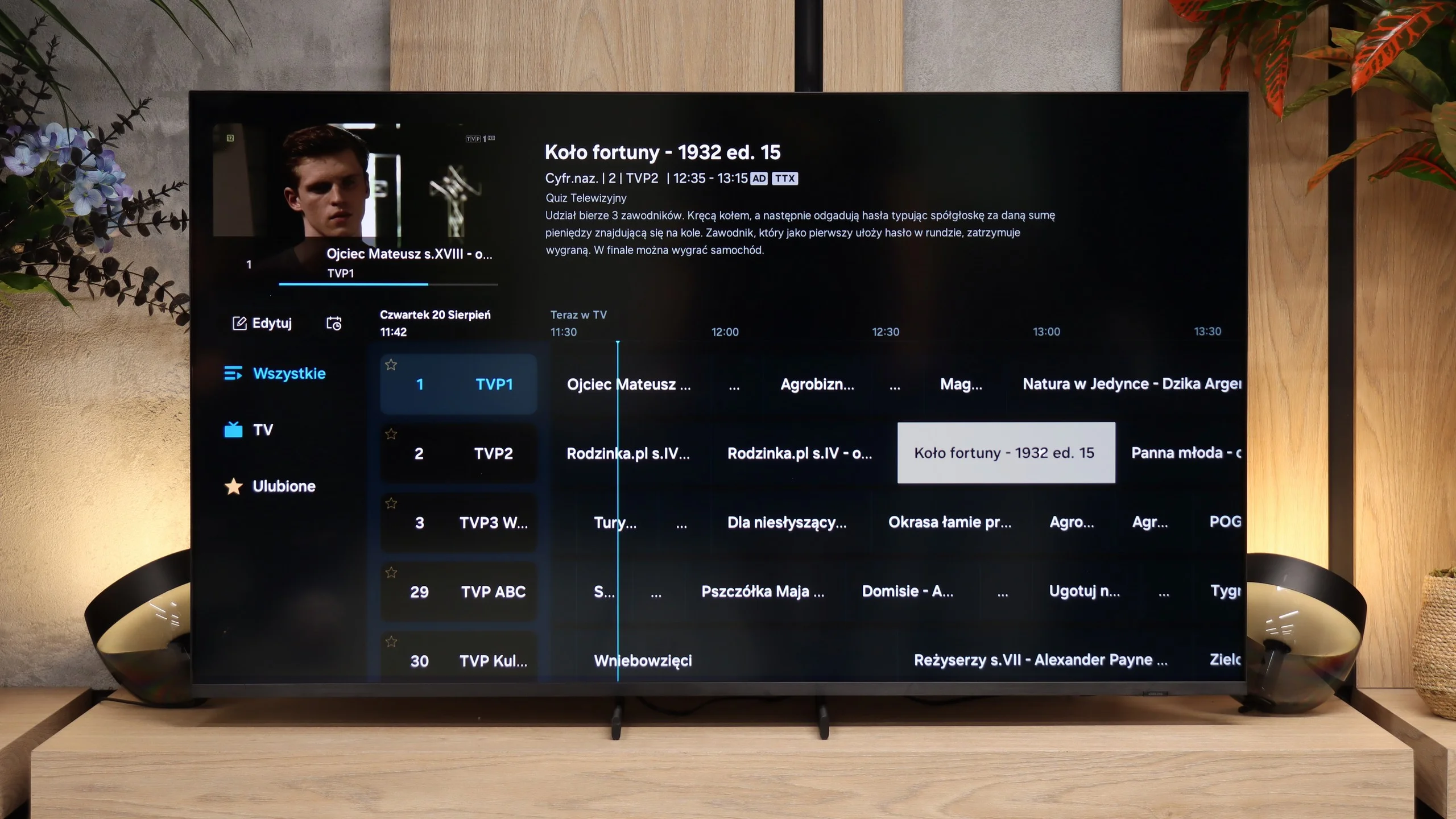
If the R85H is also to be used for watching traditional broadcast TV, Samsung offers pretty much everything you can expect from a modern model. Channel handling is convenient, the program guide is clear, and switching between channels doesn't take excessively long. There's also the standard set of tuners and support for CI+ modules. It's a shame, however, that Samsung has for some time now limited some of the more traditional features that once distinguished feature-rich TVs. It's clear that streaming and the whole Smart TV ecosystem have become much more important to the manufacturer. For example, you won't find the ability to record TV channels to USB storage or to split the screen using picture-in-picture (PiP).
Smart TV features
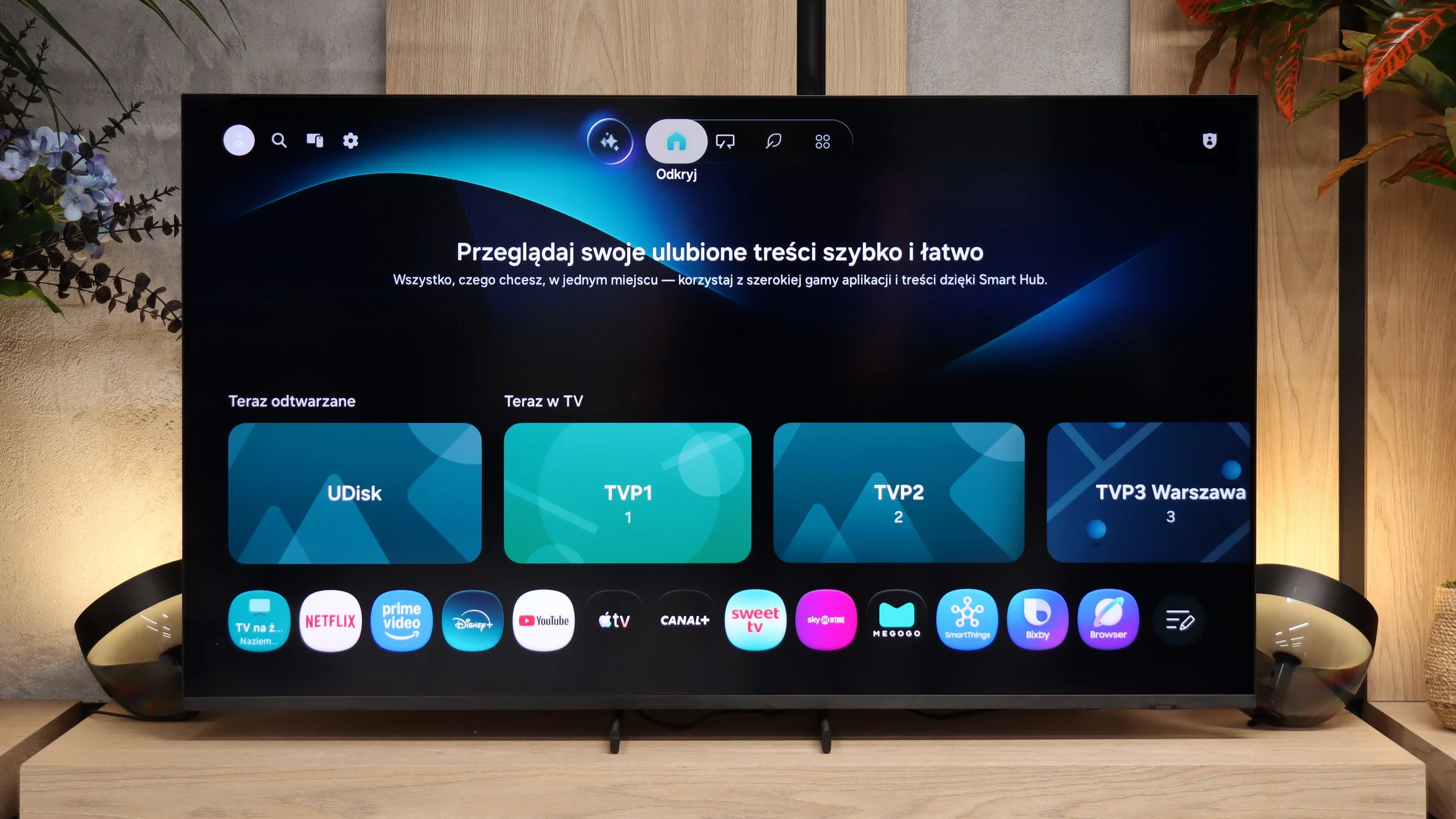
This part is handled by the well-known Tizen. The system runs smoothly and provides access to virtually all popular VOD apps, so Netflix, Disney+, Max, Prime Video, YouTube and other local services are available without much trouble. The interface itself is fairly extensive and takes a moment to get used to at first, but afterwards navigating it is very convenient. Samsung is also developing features that go beyond just watching movies and series. SmartThings lets you connect the R85H to smart home devices and control them directly from the screen. There's AirPlay, smartphone screen mirroring, and Multi View if you want to display two different sources side by side. So it's hard to fault the system in terms of capabilities.
Apps
6.7/10
9.3/10






















Playing files from USB
8.5/10
9.1/10
Supported photo formats:
Maximum photo resolution:
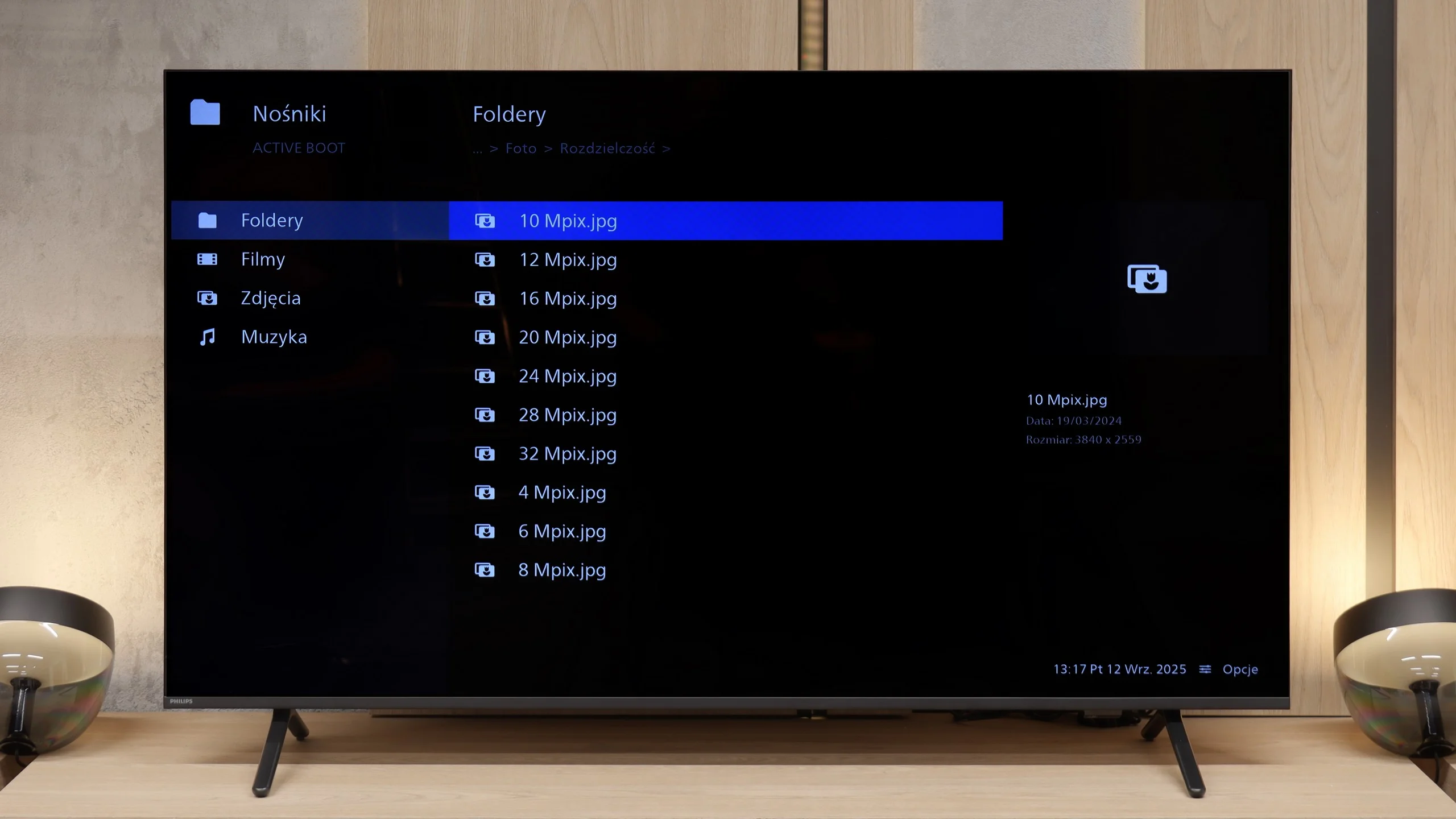
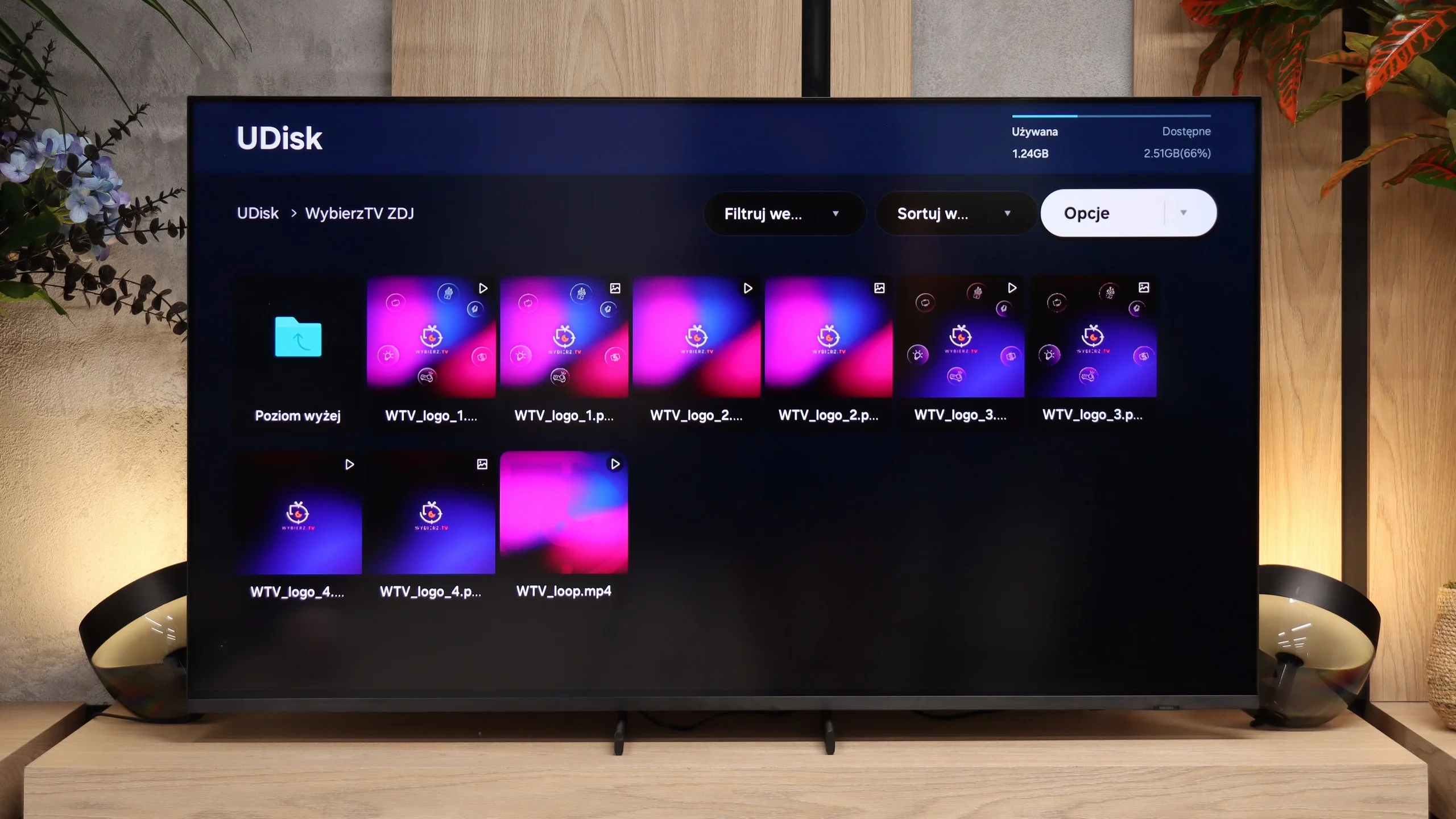
The built-in player in the Philips MLED920 works quite well and handles most popular audio and video files without major issues – exactly as you can see in our test table. There is no need to worry about typical movie or music formats. We can only nitpick about the somewhat selective support for photo formats and certain resolutions.
The built-in media player handles most popular video, audio, and photo formats. The menu runs smoothly, and thumbnails load without delays even in folders with hundreds of files. It can open JPEG, PNG, or BMP files in high resolution without any problems, though the list of supported formats has gaps. The biggest drawback is the lack of support for HEIC (iPhone photos) and for more niche formats like WebP, GIF, or TIFF. However, the player is perfectly adequate for a traditional vacation photo slideshow.
Sound
6.2/10
7.1/10
- Maximum volume88dB89dB
- Dolby Digital Plus 7.1
- Dolby True HD 7.1
- Dolby Atmos in Dolby Digital Plus (JOC)
- Dolby Atmos in Dolby True HD
- DTS:X in DTS-HD MA
- DTS-HD Master Audio
The sound in the Philips MLED920 is probably not going to be the element that impresses you the most. It sounds rather flat, lacking depth and clearer bass, which means that movies or concerts don’t have the extra layer of immersion that a better audio system can provide. However, it must be noted that the volume is really decent – the TV can reach up to 88 decibels. A big plus of the MLED920 is not so much the sound quality itself, but the support for audio formats. Philips has ensured compatibility with nearly all the major standards, including Dolby Atmos, DTS, and Dolby TrueHD 7.1. As a result, if someone decides to connect an external soundbar or receiver, they will encounter no limitations and will be able to enjoy the fullness of cinematic sound.
The audio section in the R85H mirrors the solutions from the QN80H. It uses the same 2.0 stereo setup delivering 30 W, which easily handles dialogue clarity in news programs and TV series, though for movie blockbusters it's definitely worth adding a soundbar. On board are Dolby Atmos support, Q-Symphony technology (for pairing with Samsung soundbars), and an "AI Soccer" mode. The latter lets you use sliders to boost or nearly completely remove the commentator's voice relative to the stadium cheering, and although the algorithm can falter at times, for fans it can be a great addition.
Sound Quality Test
Acoustic Measurements
88dBC (Max)
75dBC
89dBC (Max)
75dBC
Reader comments
Comments are provided by the external service Disqus (Zeta Global). Once loaded, Disqus may set cookies and process data about your activity.
We will remember your choice on this device. Provider's privacy policy