Panasonic W70A vs XIAOMI S Mini 2026 (55"-75") 60Hz

Direct comparison

S Mini 2026

Available screen sizes: 43”50”55”65”

Available screen sizes: 55”65”75”

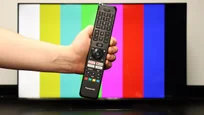
Review Panasonic W70A Main photo
Review XIAOMI S Mini 2026 (55"-75") 60Hz  Main photo

Panel type: LCD IPS

Resolution: 3840x2160

System: Google TV

Model year: 2024

Complete the survey to find out the result

Panel type: LCD VA

Resolution: 3840x2160

System: Google TV

Model year: 2026

Complete the survey to find out the result

Overall rating

5.6

6.2

  • Movies and series in UHD quality

    5.2

    6.2

  • Classic TV, YouTube

    5.2

    6.0

  • Sports broadcasts (TV and apps)

    5.3

    5.0

  • Gaming on console

    6.8

    6.9

  • TV as a computer monitor

    6.0

    5.6

  • Watching in bright light

    4.0

    6.3

  • Utility functions

    5.2

    6.7

  • Apps

    8.3

    9.6

  • Sound quality

    6.6

    5.0

Advantages

  • Wide viewing angles thanks to the IPS matrix

  • Efficient and intuitive Google TV system

  • Support for Dolby Vision

  • Suitable for occasional gaming - VRR, ALLM, low input lag of 12 ms

  • Readable fonts when working with PC thanks to chroma 4:4:4

  • Bluetooth and voice search on the remote

  • Decent sound quality for a TV in this class

  • Very good contrast: MiniLED + VA

  • High brightness

  • Wide color gamut

  • Low input lag

  • 120 Hz mode at 1080p/1440p

  • Google TV with a wide selection of apps

  • Good image quality after calibration

Disadvantages

No like
  • Poor black levels and low contrast - IPS matrix

  • Brightness at 270 cd/m² is too low for comfortable viewing in a bright room

  • Software errors (features are either poorly translated or located where they shouldn't be)*

  • No AirPlay support

  • No USB recording function and PIP mode

*This situation refers to the time of publication of this review, which is December 2024. We hope that Panasonic will manage to improve these significant shortcomings in future updates.

  • Only a 60 Hz panel

  • Poor viewing angles

  • Poor image processing

  • Visible posterization

  • Flat sound, little bass

Our verdict

The Panasonic W70A primarily draws attention with its extensive Google TV operating system, which gives us access to a myriad of popular applications (YouTube, Netflix, Disney+, HBO Max, etc.). When it comes to the picture, the IPS matrix offers wide viewing angles, so colors do not lose intensity even when you watch a movie slightly off to the side. Gamers won't be disappointed either; we have VRR and ALLM here, as well as low input lag (around 12 ms) – all of this translates to a pleasant experience for occasional gaming, despite the standard 60 Hz refresh rate.

However, it is worth remembering that this is rather a basic model and has its limitations. The contrast and black levels are simply poor, which is a typical phenomenon for IPS matrices, especially in dark rooms. Brightness at around 270 cd/m² is also insufficient in heavily sunlit rooms, so the picture may seem washed out then. Additionally, certain shortcomings in the software cannot be overlooked. Google TV is a great foundation, but some settings are scattered in surprising places, and the quality of translations leaves much to be desired.

One must consider that the competition is offering more and more in a similar (or only slightly higher) price range. Can the Panasonic W70A hold its ground in such an environment? On one hand, it tempts with a rich application base and decent support for gamers, but on the other hand, the market is flooded with more polished TVs equipped with better parameters. However, if wide viewing angles and straightforward access to Google TV services are priorities, we can give it a chance. Otherwise, it is worth exploring competitive models that often offer better black levels, higher brightness, and fewer annoying menu issues for a similar price.
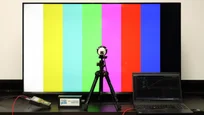
In the smaller sizes (55 to 75 inches) the Xiaomi S Mini 2026 leaves a really good impression, provided you judge it from the start based on what it costs. Mini LED technology here does exactly what we expect: it builds strong contrast and produces HDR brightness high enough that movie sessions gain a completely different dynamic than on conventional TVs in this price range. Add Google TV to that and you simply get an easy-to-use device for everyday entertainment. The catch is that the evaluation of this model depends heavily on how you plan to use it. The 55-, 65- and 75-inch versions use a 60 Hz panel, which automatically puts them in a completely different position than the larger variants. If you’re looking for a screen specifically for sports or want to squeeze the most out of a new console at 4K and 120 frames per second, this TV will simply fall short of expectations.

A separate issue is Xiaomi’s own policy, because the naming confusion can be seriously misleading. The 85- and 98-inch variants are actually completely different TVs in terms of construction and capabilities. Buyers are perfectly entitled to assume that by choosing a smaller size they’re only giving up inches and maybe the number of dimming zones, while in practice they get a device from a completely different technological tier. That said, looking at the 55 to 75-inch model itself: if your reference point is finding the best possible picture quality on a very tight budget, the S Mini 2026 can easily hold its own.

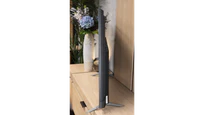
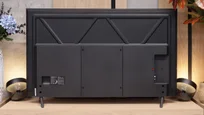
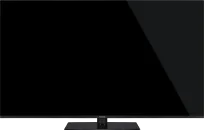
TV appearance

HDMI inputs
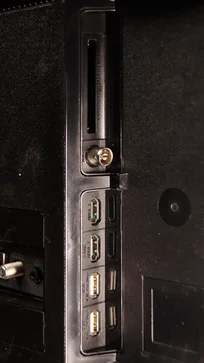
3 x HDMI 2.0, 0 x HDMI 2.1
Other inputs
Outputs
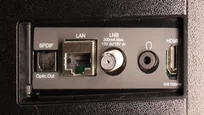
Toslink (Optical audio), eARC (HDMI), ARC (HDMI), Mini-Jack (Headphones)
Network Interfaces
Wi-Fi 2.4GHz, Wi-Fi 5GHz, Ethernet (LAN) 100Mbps
Build quality
Average
Average
Stand type
Central
Legs
Bezel color
Black
Graphite
Stand
Fixed
Fixed
Accessories
Stand
Stand

Contrast and black detail

2.5/10

7.8/10

Local dimming function: No

Local dimming function: Yes, number of zones: 308 (22 x 14)

Contrast:

Review Panasonic W70A Contrast and black detail

Result

1,100:1

Review Panasonic W70A Contrast and black detail

Result

1,250:1

Review Panasonic W70A Contrast and black detail

Result

1,300:1

Review Panasonic W70A Contrast and black detail

Result

1,250:1

Review Panasonic W70A Contrast and black detail

Result

1,050:1

Review XIAOMI S Mini 2026 (55"-75") 60Hz  Contrast and black detail

Result

458,550:1

Review XIAOMI S Mini 2026 (55"-75") 60Hz  Contrast and black detail

Result

27,450:1

Review XIAOMI S Mini 2026 (55"-75") 60Hz  Contrast and black detail

Result

25,200:1

Review XIAOMI S Mini 2026 (55"-75") 60Hz  Contrast and black detail

Result

10,950:1

Review XIAOMI S Mini 2026 (55"-75") 60Hz  Contrast and black detail

Result

6,650:1

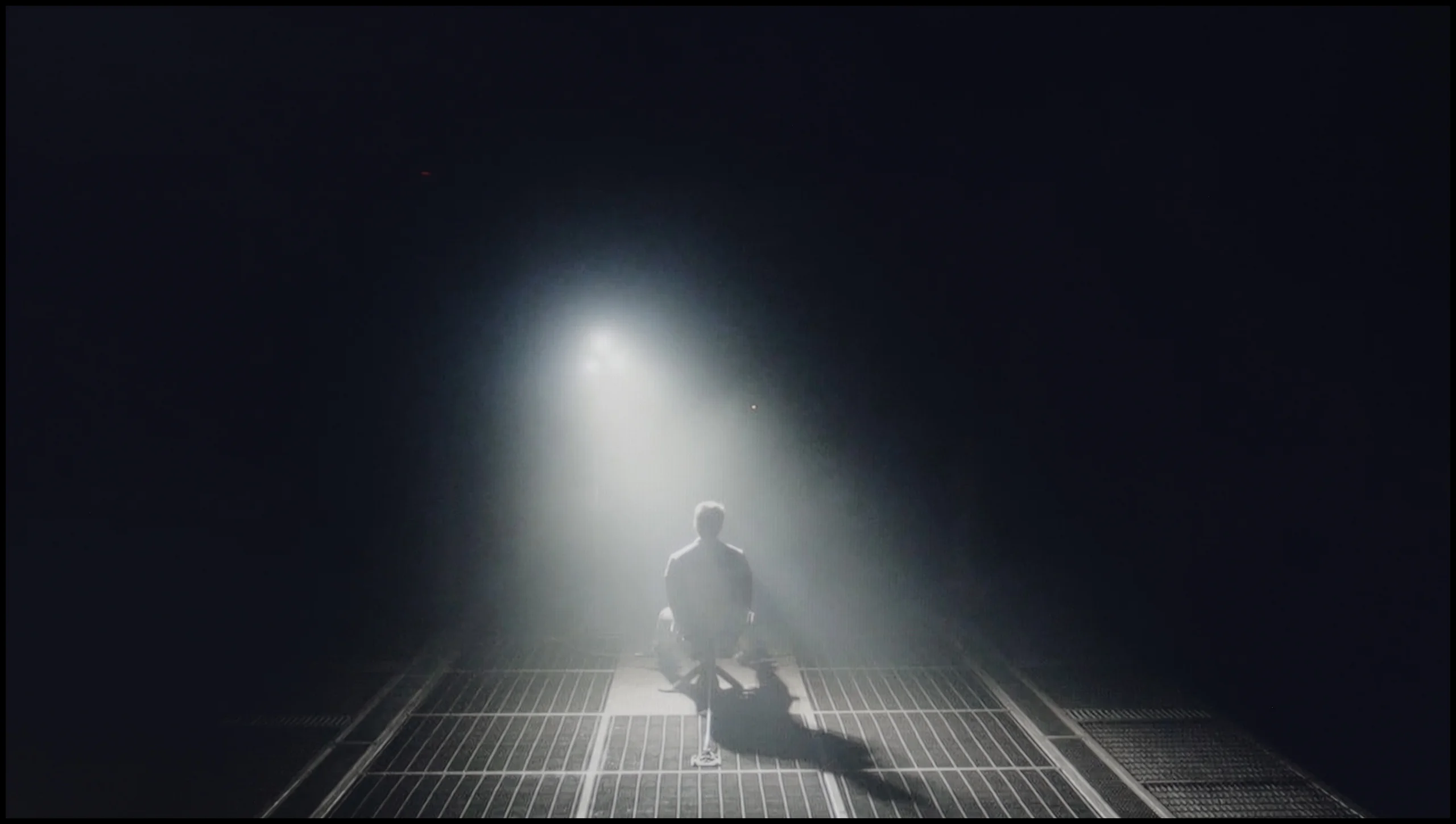
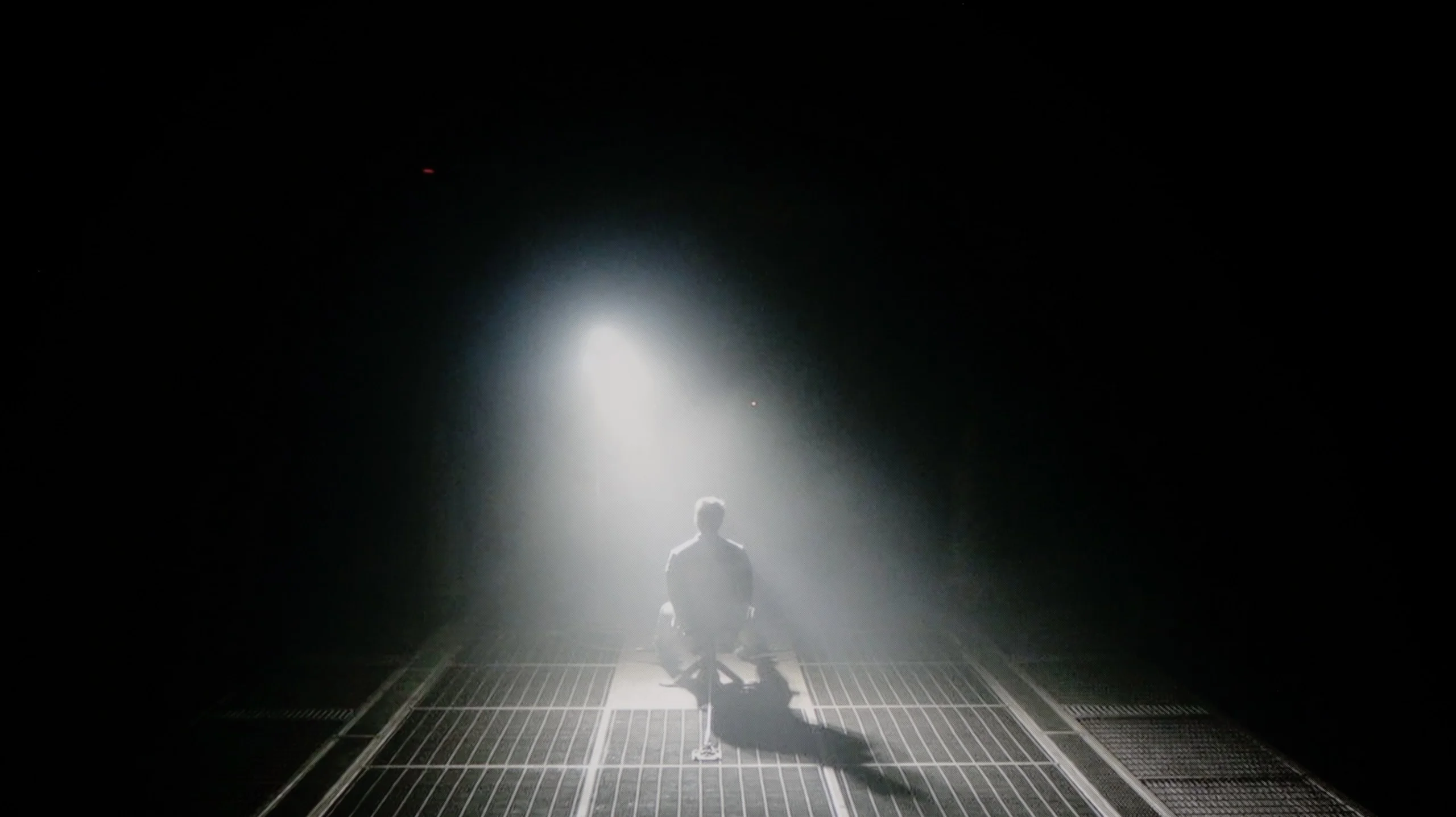
Halo effect and black detail visibility:

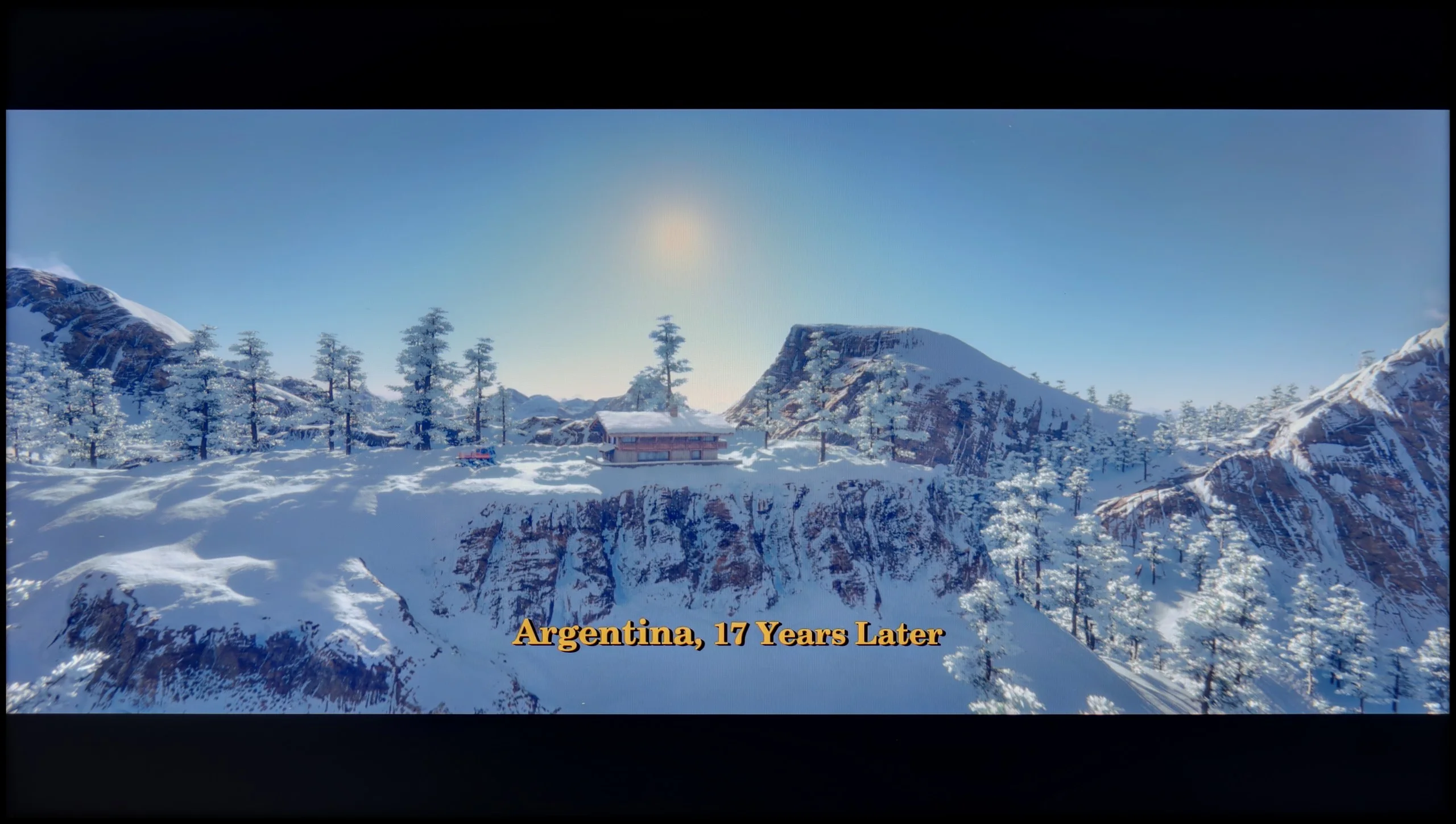
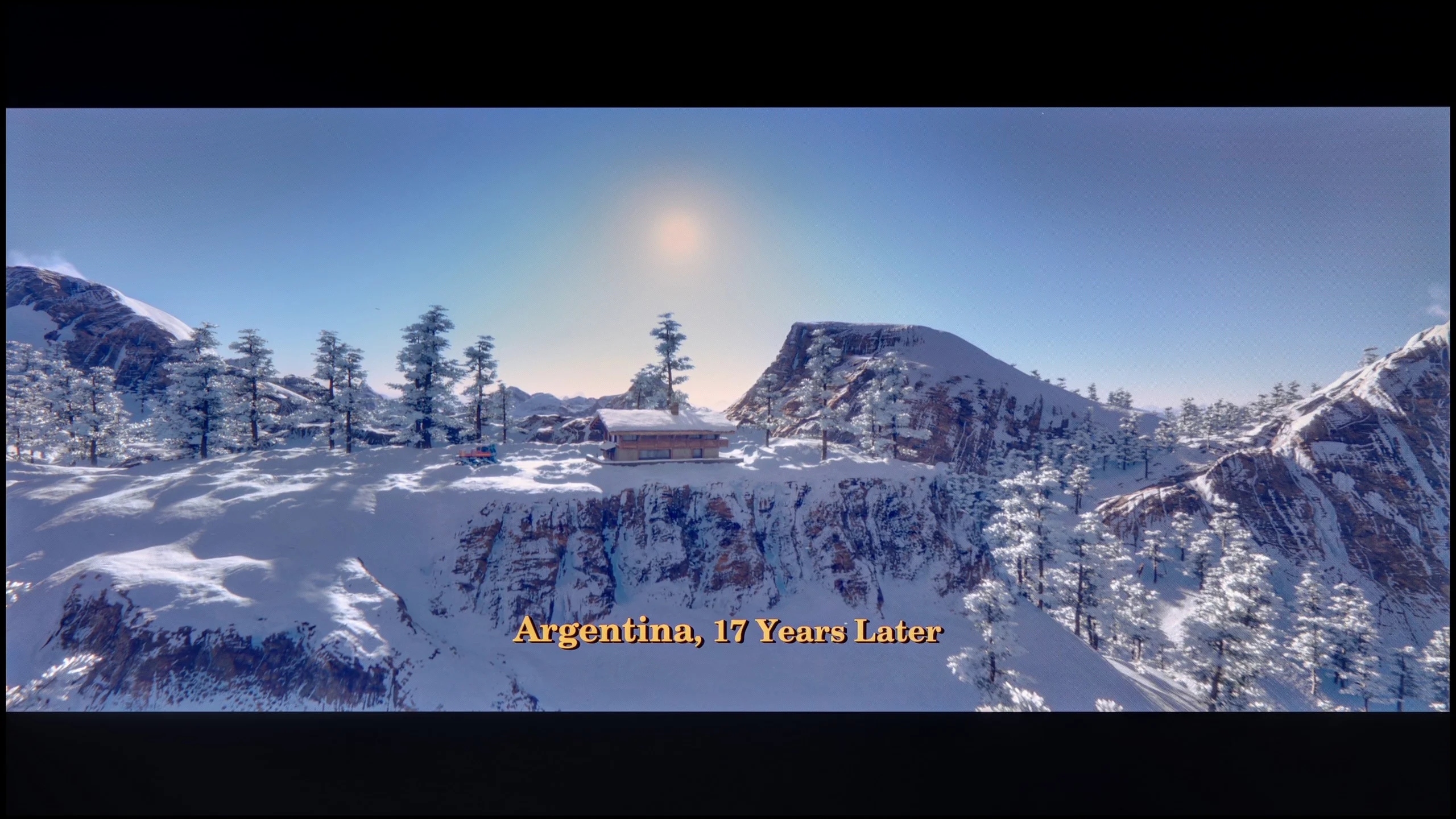
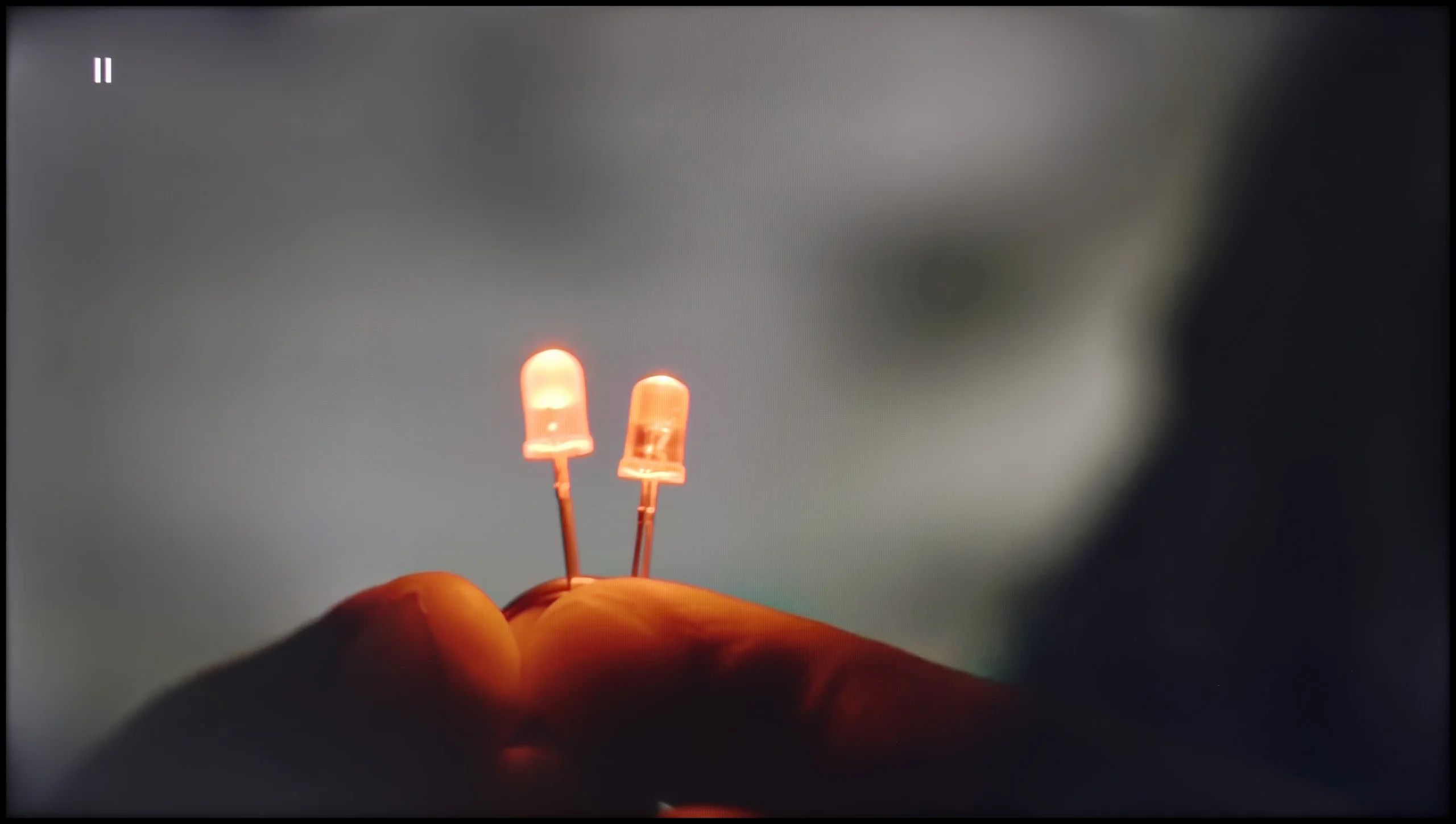
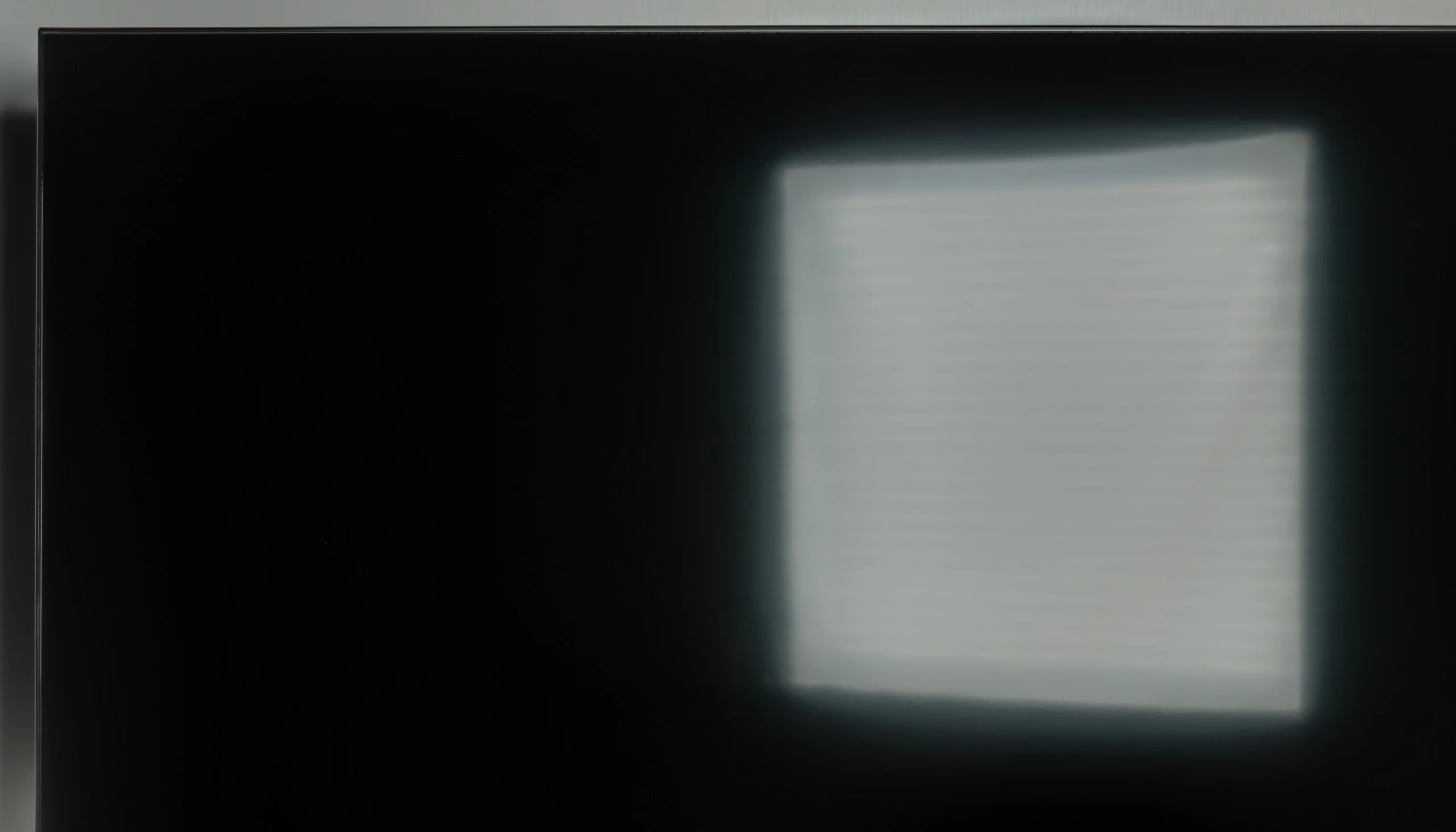
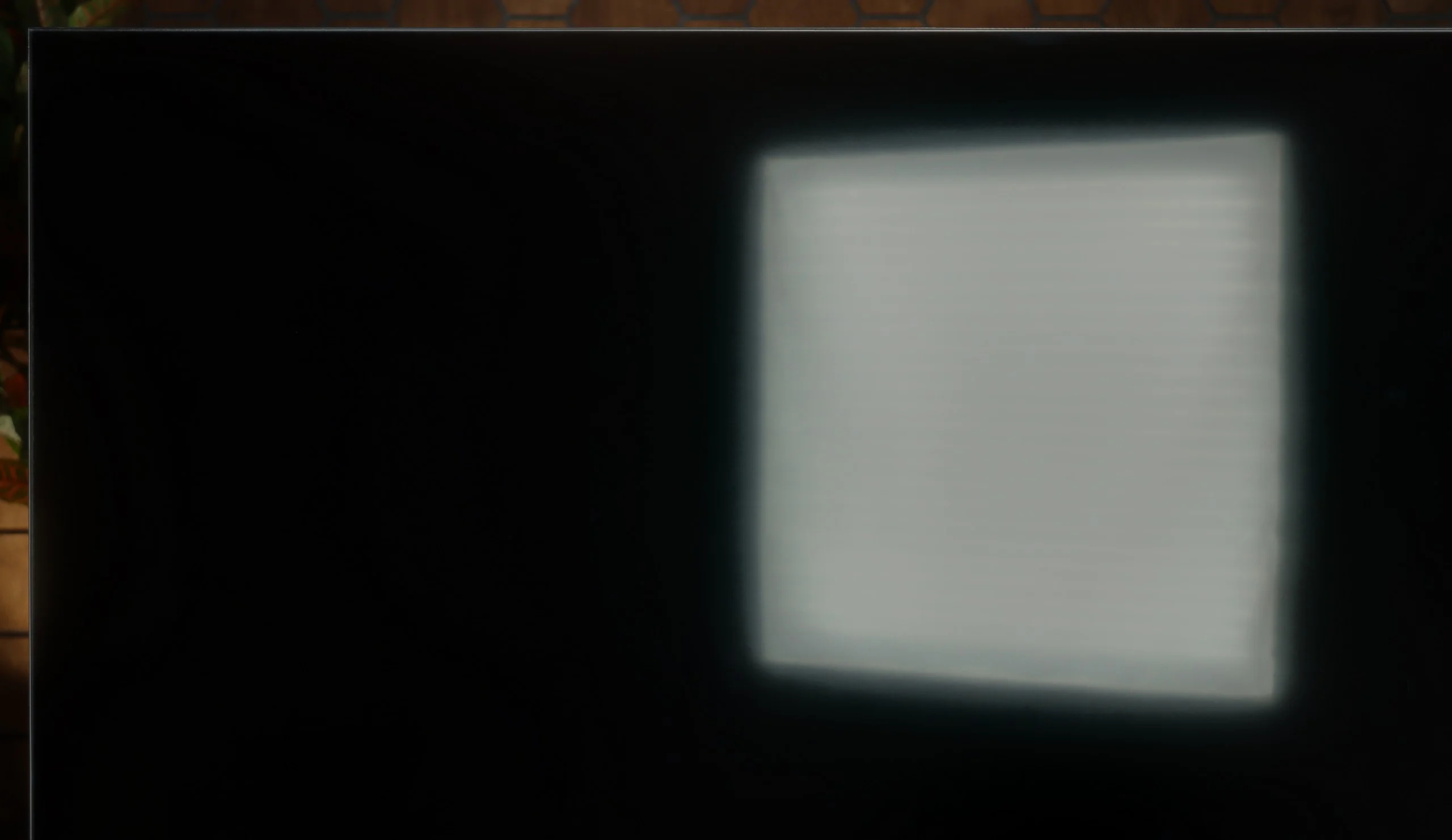
Check the visibility of bright lights on a dark background. Mini-LEDs often struggle with this. The photo does not compare black levels – that’s what the video below is for.

The video accurately shows differences in contrast and black levels between TVs, as well as potential issues: halo around bright objects or Mini-LED zone operation visible as brightness jumps.

The Panasonic W70A is equipped with an IPS panel, which unfortunately is not the best choice if we care about deep blacks and high contrast. Additionally, the lack of local dimming means that instead of pitch-black areas on the screen, we see rather silvery and navy patches. In our tests, this was particularly noticeable in demanding scenes with dark visuals. The contrast ratio, which hovers around 1000:1, is far from satisfactory – especially if we plan to watch in a dimly lit room in the evening. Scenes that should hypnotize with the depth of darkness instead look flat and lose their atmosphere.

In terms of contrast, the Xiaomi S Mini 2026 performs really well. The TV uses a VA panel and a Mini LED backlight with 308 local dimming zones in the 55-inch model. Although on paper the number of zones doesn't make as strong an impression as in pricier models, in practice the TV handles dark scenes very well. In shots where small bright objects appear on a black background, it can effectively dim the rest of the image. As a result, blacks are deep and contrast in many movies can resemble what we’re used to from OLED TVs. Of course, not every scene is equally easy for a local dimming system. When there are more bright elements or they’re located close to each other, you can notice a slight halo around them. That's a typical limitation of Mini LED TVs, and Xiaomi is no different from the competition here. What deserves praise, however, is the backlight control algorithm itself. Compared with the previous generation it works much more stably, so you won't see annoying flicker or sudden changes in brightness between consecutive shots.

HDR effect quality

4.5/10

5/10

Supported formats
HDR10, Dolby Vision, HLG
HDR10, HDR10+, HLG
Color gamut coverage
DCI P3: 78.0%, BT.2020: 57.0%
DCI P3: 93.3%, BT.2020: 72.0%

Luminance measurements in HDR:

Review Panasonic W70A Brightness measurement

Result

247 nit

Review Panasonic W70A Brightness measurement

Result

257 nit

Review Panasonic W70A Brightness measurement

Result

278 nit

Review Panasonic W70A Brightness measurement

Result

289 nit

Review Panasonic W70A Brightness measurement

Result

293 nit

Review XIAOMI S Mini 2026 (55"-75") 60Hz  Brightness measurement

Result

993 nit

Review XIAOMI S Mini 2026 (55"-75") 60Hz  Brightness measurement

Result

166 nit

Review XIAOMI S Mini 2026 (55"-75") 60Hz  Brightness measurement

Result

641 nit

Review XIAOMI S Mini 2026 (55"-75") 60Hz  Brightness measurement

Result

157 nit

Review XIAOMI S Mini 2026 (55"-75") 60Hz  Brightness measurement

Result

898 nit

Scene from the movie “Pan” (about 2800 nits)

Scene from the movie “Billy Lynn” (about 1100 nits)

The photos show two HDR10 movies. 'Pan' is one of the brightest productions ever made, while 'Billy Lynn' (soldier) has brightness typical of streaming (Netflix, Prime, HBO MAX). Notice the intensity of effects and detail in whites.

Static HDR10

The photos present the visibility of white details in various HDR formats. They do not show brightness differences between TVs (these can be compared in the previous gallery).

Dynamic: Dolby Vision

Dynamic: HDR10+

The photos present the visibility of white details in various HDR formats. They do not show brightness differences between TVs (these can be compared in the previous gallery).

HDR luminance chart:

XIAOMI S Mini 2026 (55"-75") 60Hz

Panasonic W70A

HDR on the Panasonic W70A unfortunately does not impress. Brightness at the level of 250–300 nits is simply too low to feel the true magic of cinematic effects in dynamic, bright scenes. Images that should "explode" with light appear rather flat, and fine details in bright areas often get lost in the average luminance of the panel. On the positive side, the HDR effect is at least stable. The TV does not suffer from excessive brightening nor does it lose details during sudden scene changes. Everything is predictable and calm, though unfortunately not very spectacular. Another issue is the color gamut coverage. The W70A is not equipped with an additional layer of quantum dots (often known as QLED), resulting in colors appearing rather mediocre. There is a lack of depth in reds, saturation in greens, and precision in rendering subtle shades.

When it comes to HDR, the capabilities of the Xiaomi S Mini 2026 are really good, especially given the segment this model belongs to. The set reaches roughly 1,000 nits of brightness without much trouble, allowing it to deliver a very pronounced HDR effect in bright scenes. Sun highlights, reflections, and brightly lit parts of the image can be very intense and at times almost blindingly bright. It’s a little different in dark scenes, though. Very small light sources surrounded by black are shown at significantly lower brightness, so they lack the point-like intensity seen in the best TVs. This is not unusual for a Mini LED. The local dimming algorithm limits the backlight to keep blacks as deep as possible, which in those scenes matters more than a few extra nits.

HDR Colors

Color reproduction also performs well. Xiaomi markets the S Mini 2026 as a QLED TV, although the solution used here is practically based on a PFS phosphor. What matters most is the result, and it’s quite good. Our measurements showed about 94% coverage of the DCI-P3 gamut, while in the much wider BT.2020 space it was around 74%. That means the TV can reproduce most of the colors used in HDR films with suitably high saturation. Its limitations are most visible only with very saturated shades of green, where the color range starts to fall short.

Factory color reproduction

3.9/10

5/10

This gallery shows how colors change after professional TV calibration. If you notice the difference, we recommend ordering this service at SkalibrujTV.com.

Factory Mode

After calibration

This gallery shows how colors change after professional TV calibration. If you notice the difference, we recommend ordering this service at SkalibrujTV.com.

Factory Mode

After calibration

The Panasonic W70A was tested in movie mode, which theoretically should guarantee the most natural image reproduction. Unfortunately, as is often the case with budget televisions, the reality proved far from ideal.

In HD (SDR) content, the white balance was severely disrupted by an excess of red and a noticeable drop in blue tones. The result? The image had a distinctly warm, even yellowish tint, which is clearly visible in the comparison photo. In the case of 4K HDR materials, the situation reversed. Here, the image became excessively cold and bluish, causing scenes to lose their naturalness and depth. The differences are visible even to the naked eye, especially in the bright parts of the image. The Colour Checker palette test confirmed our observations. Most color samples did not hit their intended points, "running away" towards warmer shades in SDR and cooler ones in HDR. As for brightness characteristics, both gamma and the EOTF curve showed significant problems. The image tended to excessively brighten certain areas, disrupting the balance and leading to a loss of details in darker and brighter regions.

In summary – the factory color reproduction settings in the Panasonic W70A leave much to be desired. The image is far from neutral, and the errors in white balance and gamma mean that a solid calibration is needed to extract the full potential from this television.

We tested the Xiaomi S Mini 2026 in 55–75-inch sizes in Film mode, which offered the most accurate colors compared with the other presets. That said, the picture wasn't perfectly set up out of the box. In our unit the white balance was clearly shifted toward warmer tones. There was too little blue and too much red, so whites and grays had a slightly warm tint. The TV also tended to brighten darker parts of the image too much. This came from the gamma, which instead of staying around 2.4 sometimes dropped to about 2.0. That made more shadow detail visible, but the picture lost some depth. The factory settings weren't bad, but they still needed tweaking to reproduce the image correctly.

Color reproduction after calibration

5.7/10

7.5/10

The photos show how movies look on the TV. Pay attention to black detail visibility, colors, and shadow tint.

The photos show how movies look on the TV. Pay attention to black detail visibility, colors, and shadow tint.

The Panasonic W70A, despite its limitations, gave us a lot of room to maneuver during calibration. Thanks to well-developed tools, we were able to achieve significantly better white balance in both HD (SDR) and 4K HDR content. The issues with excess red in SDR and overly cool images in HDR have disappeared. The gamma brightness characteristic has also improved, maintaining stability and avoiding excessive brightness or loss of detail in darker areas.

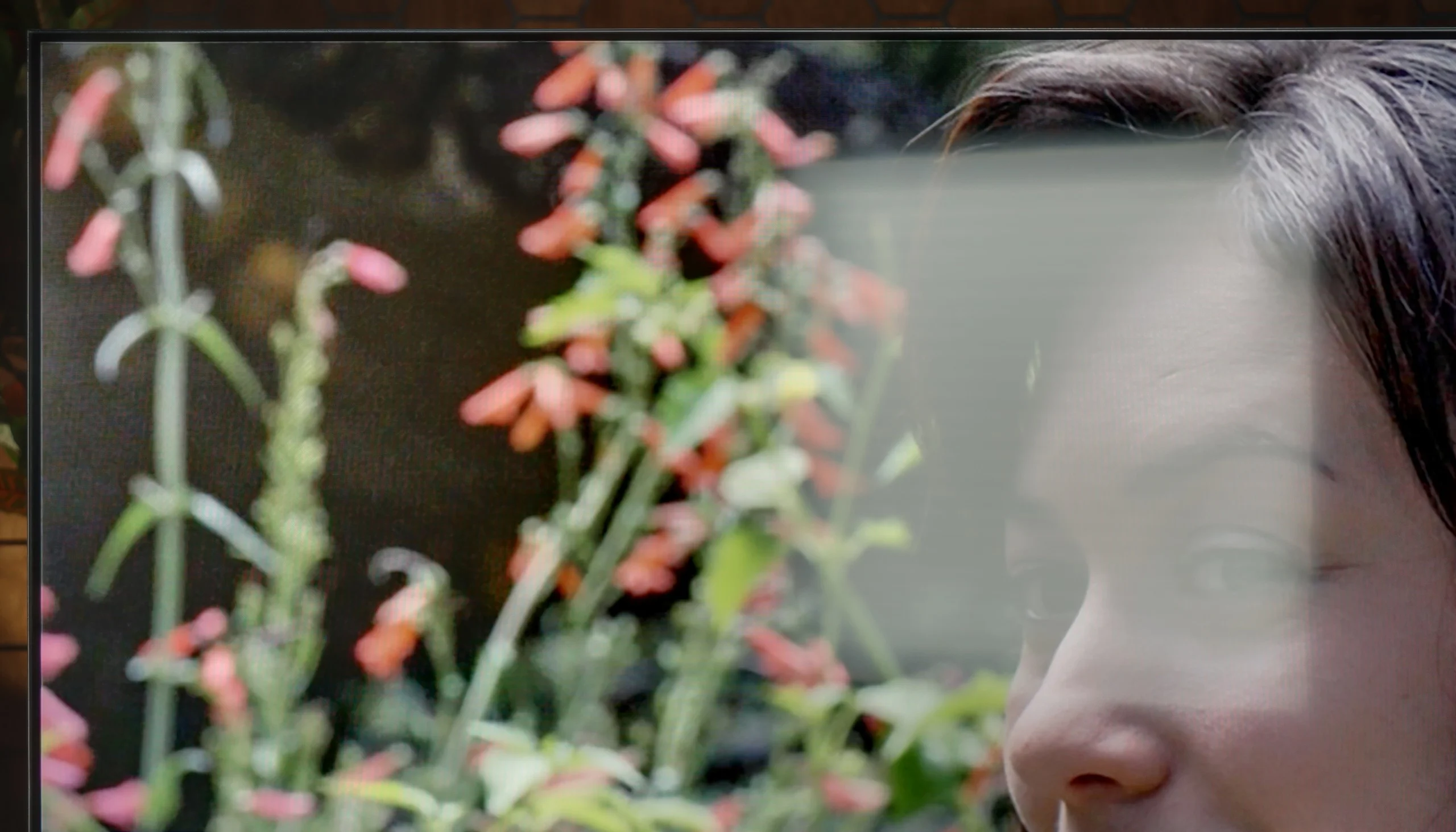
So where is the problem? Unfortunately, there are barriers that even professional calibration cannot overcome. Poor coverage of a wide color gamut means that the TV cannot fully reproduce colors in HDR materials. There is a lack of saturation, and subtle color transitions still appear somewhat "flattened." Another limitation is brightness management, which results from the use of an IPS panel. In the comparative photo featuring the actress's face in colorful clothing, it is clearly visible how some shades are noticeably muted, and colors lose their depth and brightness.

The calibration extracted everything it could from the W70A. The image is now much more natural, and the errors in the factory settings have been effectively corrected. Unfortunately, hardware limitations in the form of poor color gamut coverage and an average panel prevent us from achieving spectacular results, especially in HDR content.

Contrary to appearances, the Xiaomi S Mini 2026 responds quite well to calibration. After our adjustments we were able to noticeably improve the white balance, and the picture stopped leaning too warm. With SDR content the result is really good, the TV can display such images very accurately, and it's hard to find major faults in its color reproduction. We applied similar corrections in HDR as well, though not everything could be fixed. Colors look better than at factory settings, but the TV still tends to render the image slightly brighter than it should. You can see this in the EOTF curve, which sits above the reference value. In practice this means some HDR scenes are brighter than the creators intended. This is a quirk of this TV and we can't do anything about it.

Smoothness of tonal transitions

8.3/10

5.5/10

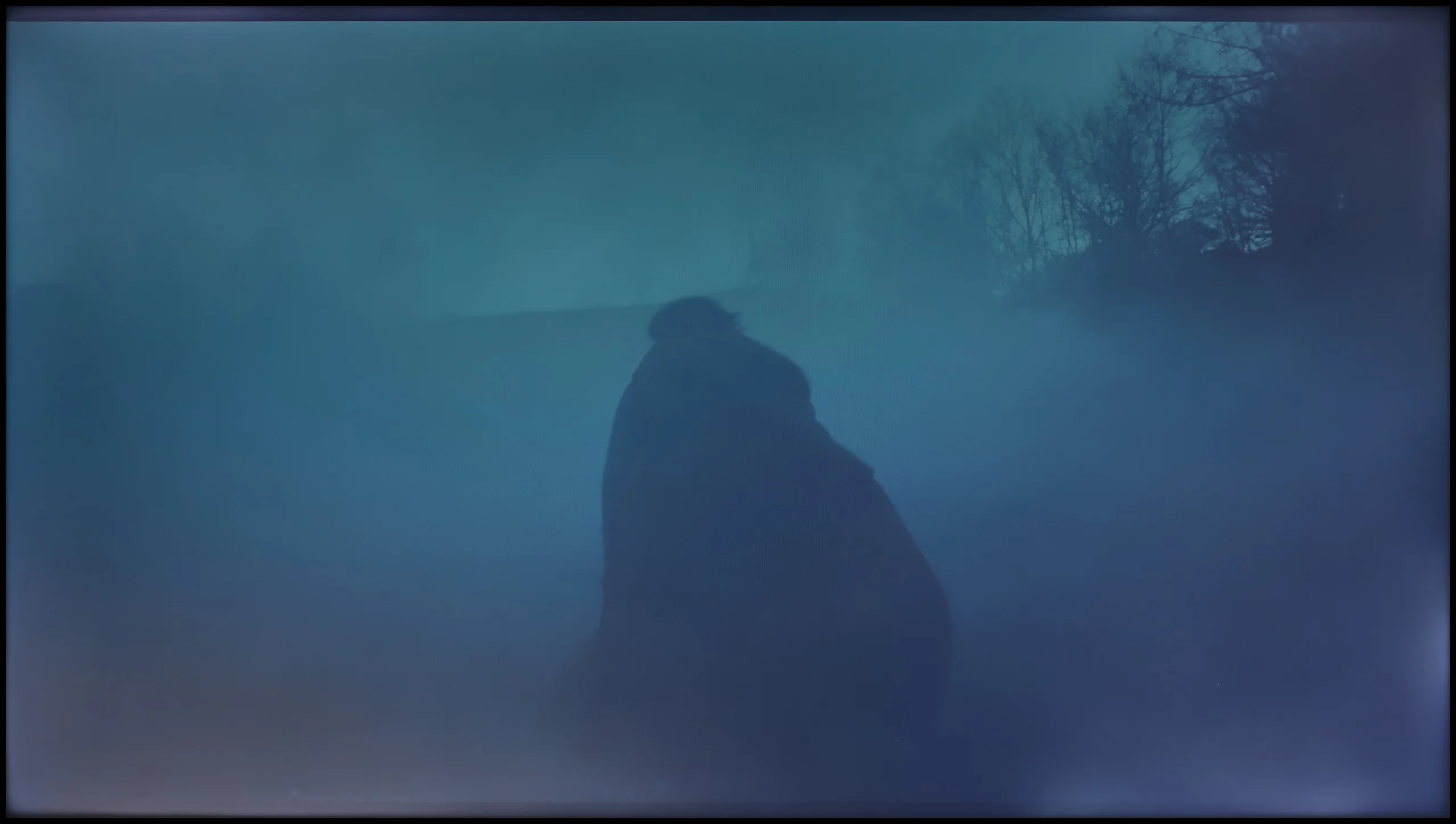
These are selected scenes that show smooth tonal transitions from one color to another. If you see distinct banding, it’s the TV panel’s fault.

These are selected scenes that show smooth tonal transitions from one color to another. If you see distinct banding, it’s the TV panel’s fault.

These are selected scenes that show smooth tonal transitions from one color to another. If you see distinct banding, it’s the TV panel’s fault.

These are selected scenes that show smooth tonal transitions from one color to another. If you see distinct banding, it’s the TV panel’s fault.

In terms of the smoothness of tonal transitions, the Panasonic W70A performs really well. The transitions between colors are smooth, without distinct and annoying "bands" or sudden jumps in hue. Even more demanding scenes, where subtle gradients dominate, look surprisingly good. Of course, a trained eye will notice some imperfections, especially in the brighter areas of the screen, where slight color blends can be observed. However, this is not something that significantly affects the perception of the image, and for most users, it will be practically unnoticeable.

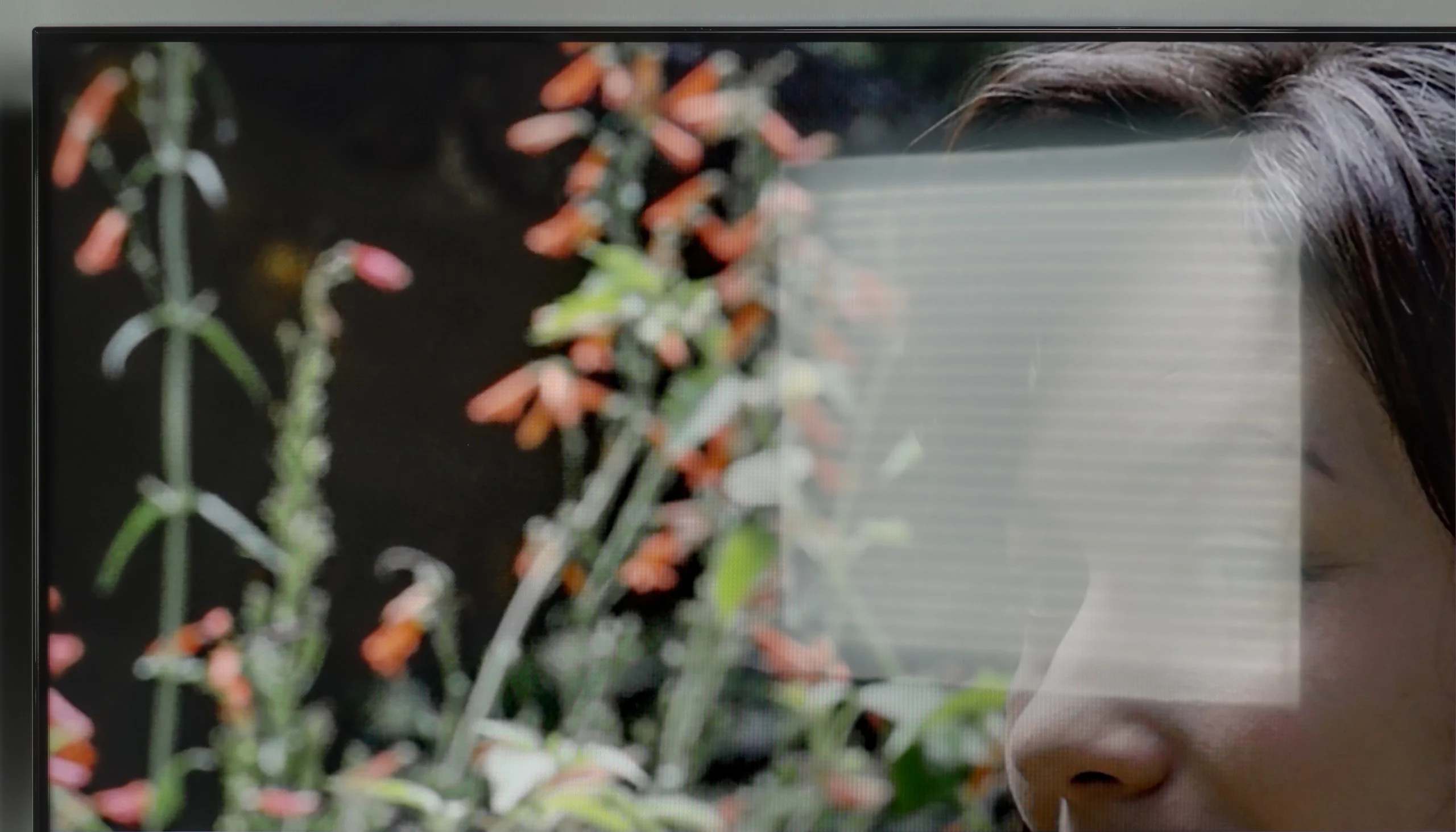
Unfortunately, what detracts from the overall effect is the unevenness of the backlighting of the panel, which is quite pronounced and can distract from the quality of the tonal transitions themselves. This is particularly noticeable on uniform backgrounds, where differences in brightness between individual areas of the screen become more apparent.

The smoothness of tonal transitions in the smaller variants of the Xiaomi S Mini 2026 is noticeably worse than in the larger versions. This is most apparent in dark scenes, where posterization often occurs, which is visible banding between similar shades. In some shots it can be quite distracting. Fortunately the problem mainly affects the darker parts of the image. In bright scenes color transitions are usually smooth and there is little to complain about here.

Image scaling and smoothness of tonal transitions

7.8/10

3/10

Image without overscan on the SD signal
No
No
Smooth transition function
OK
No

Smooth transition function

The match photo shows how the TV smooths weak tonal transitions in low-quality video.

Image scaling SD (576i)

The model photo shows how it handles upscaling of SD material.

We checked how the Panasonic W70A performs in improving content of lower quality than 4K, and it must be admitted that the television does quite well in this regard. The "Zeroing Counter" function is responsible for smoothing tonal transitions. The optimal setting turned out to be the Average option, which effectively smooths out color gradation issues while not ruining the film grain. This is the setting we recommend for most users, as it provides a balance between improving the fluidity of transitions and maintaining the naturalness of the image.

As for image scaling, the Panasonic W70A performed really well. The test pattern with the model was positively evaluated – details on her clothing were well reproduced, and the contours of her face retained sharpness. In the background, we noticed slight "jaggies" on thin branches, but these are details that only a very observant eye will catch. However, it is worth noting a certain flaw of this model – the television has a tendency to overscan, which means slight cropping of the image edges. This is not a very intense phenomenon and for most users it will be practically unnoticeable, but if we care about perfect framing, it is worth keeping this in mind.

Digital image processing in the Xiaomi S Mini 2026 is handled by the MT5896 processor. Unfortunately, in this respect the TV performs rather average. Low-resolution content is not upscaled very well, and its limitations become quickly apparent on a large screen. The image looks quite digital, and the TV can't extract many additional details from it. Additionally, you cannot disable overscan for low-resolution material. Things are even worse when it comes to smoothing posterization. On the smaller models there isn't even a dedicated feature to reduce the visible banding between similar shades. So if such imperfections are already present in the source material, Xiaomi effectively does not mask them.

Blur and motion smoothness

4.7/10

4.6/10

Maximum refresh rate of the panel
60Hz
60Hz
Film motion smoothing option
OK
OK
Blur reduction option
No
No
BFI function 60Hz
No
No
BFI function 120Hz
No
No
Brightness drop with BFI
-%
-%

Blur (native resolution, maximum refresh rate):

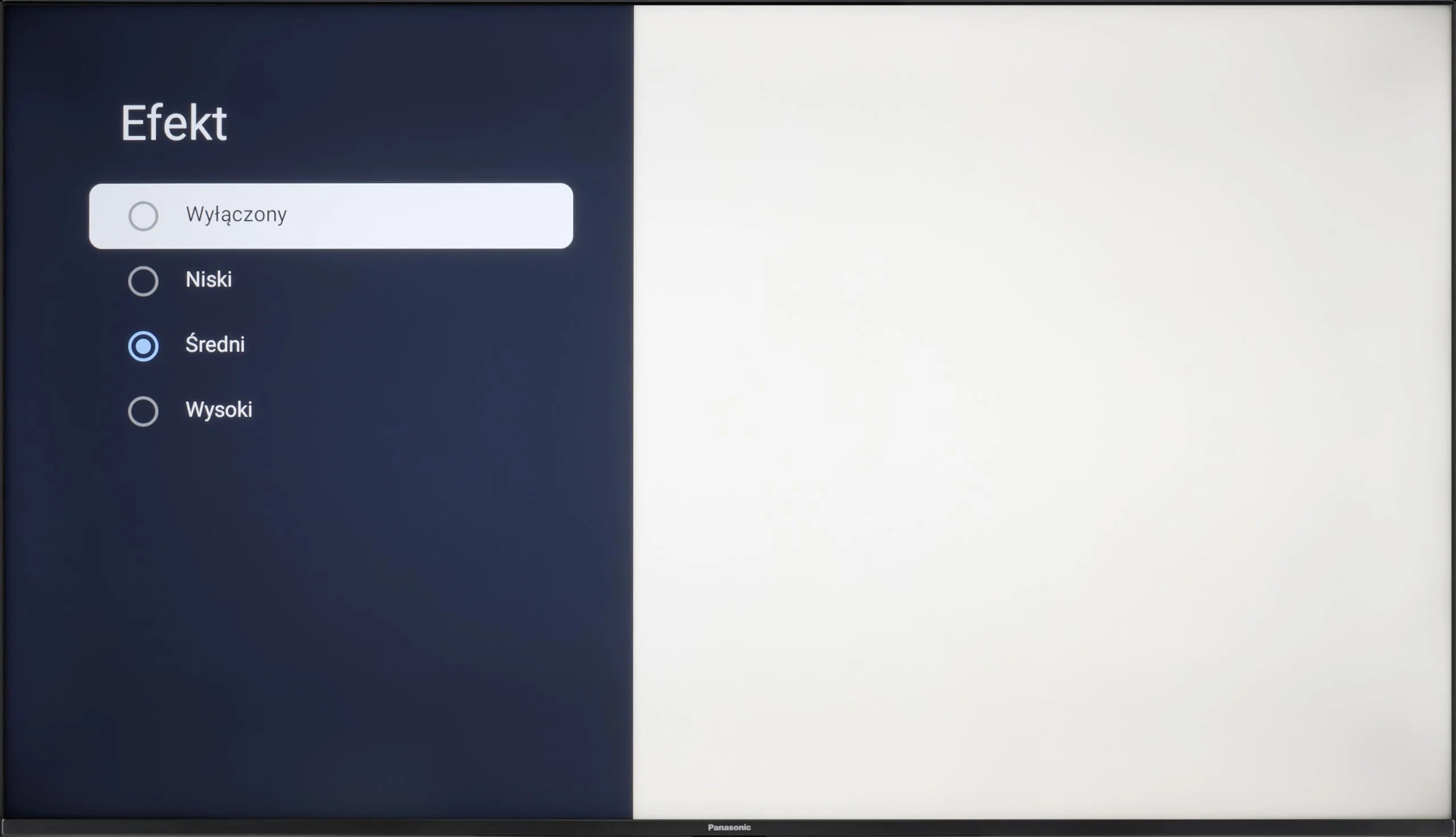
The Panasonic W70A is equipped with a 60 Hz panel, which immediately suggests that the television will perform best when watching movies, series, or everyday TV content. In more dynamic scenes, such as sports broadcasts or games, the panel's limitations become more noticeable. On the positive side, it is worth noting the presence of a motion smoother called "Effect," which offers three levels of adjustment - low, medium, and high.

Each of the settings allows you to adjust motion fluidity to your own preferences, minimizing motion blur and improving clarity in dynamic shots. In practice, the Medium setting seems to be the most versatile - it offers better fluidity without excessive "soap opera effect," which can look artificial in feature films. The High setting may work well for sports broadcasts, but in films, it can disrupt the natural character of movement.

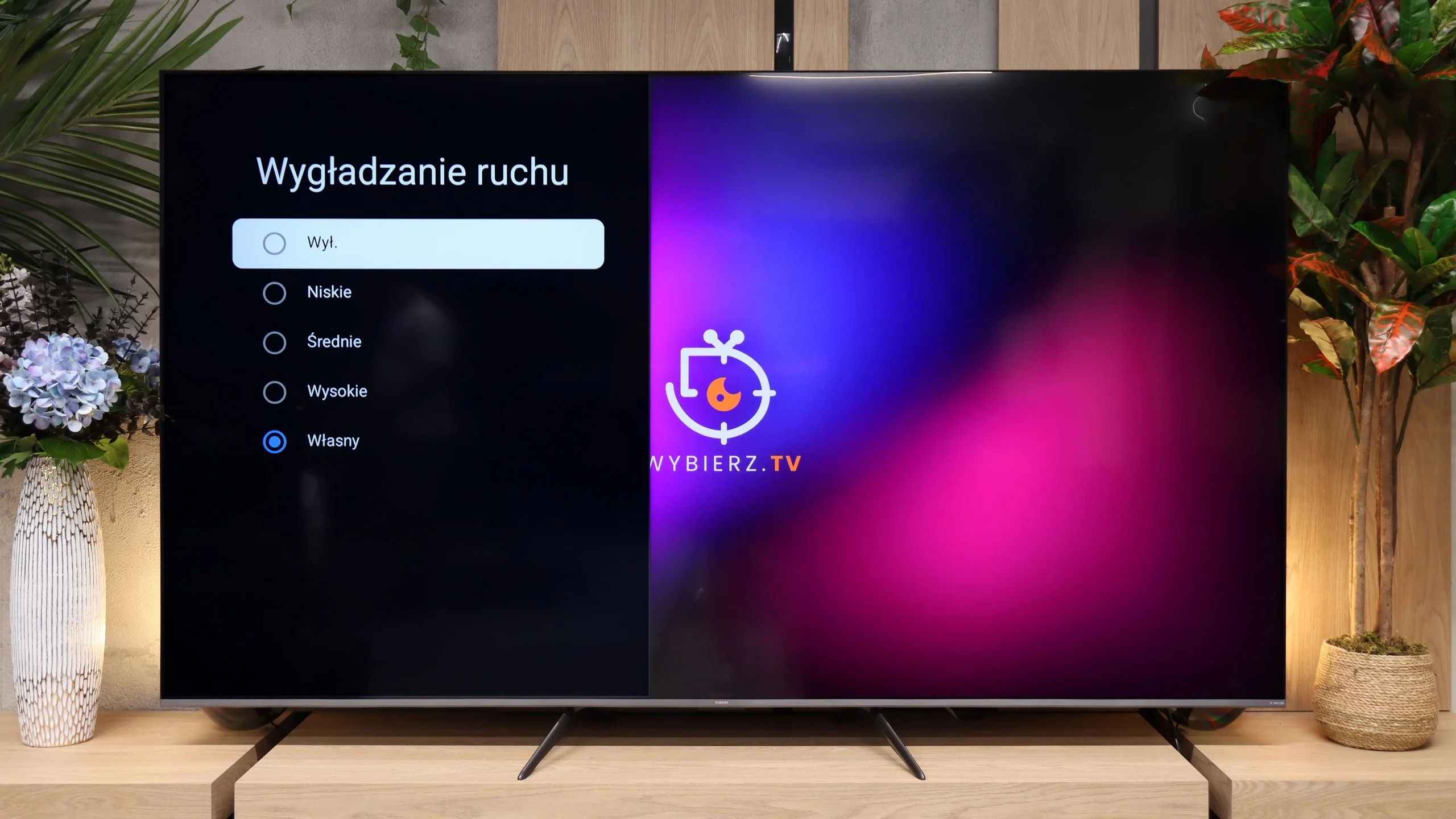
The smaller variants of the Xiaomi S Mini 2026 use a 60 Hz panel, and that's their biggest limitation when it comes to motion. For movies and TV series this isn't yet a major issue, because the TV has a classic motion smoothing for 24/30 fps content. So we can reduce the characteristic judder and adjust motion to our own preferences. Sports and other 50/60 Hz content fare worse, because there is no additional feature to improve smoothness. With that kind of material we are therefore limited by the panel itself.

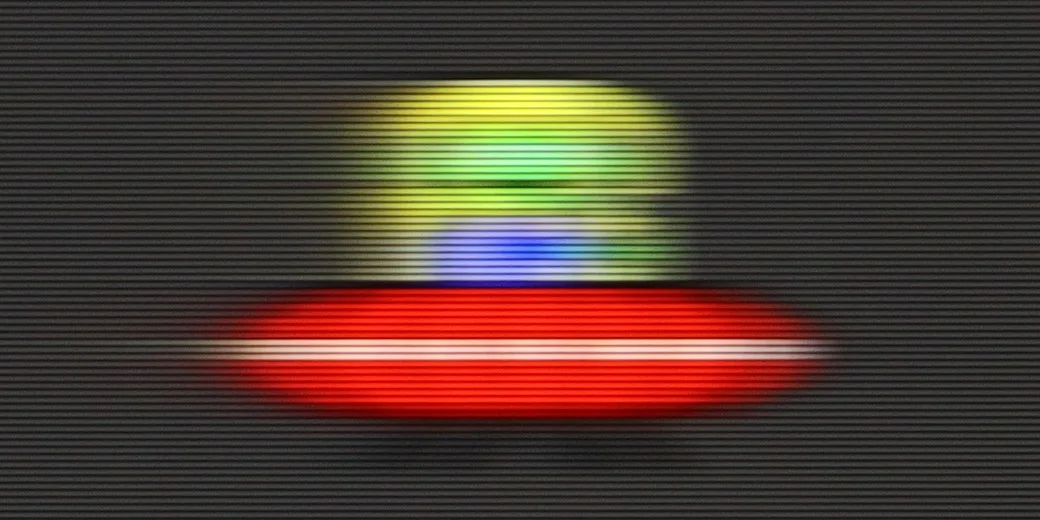
In terms of motion blur the TV performs quite typically for a VA panel. Most trailing is visible behind objects moving on a dark background, while in brighter scenes the effect is noticeably smaller. It's not at a level that completely ruins motion perception, but in dynamic scenes you can tell the panel isn't among the fastest.

Console compatibility and gaming features

6.2/10

4.6/10

  • ALLM
    Yes
    Yes
  • VRR
    Yes
    No
  • VRR range
    47 - 60Hz
    No
  • Dolby Vision Game Mode
    Yes
    No
  • Correct implementation of HGIG
    Yes
    No
  • 1080p@120Hz
    No
    Yes
  • 1440p@120Hz
    No
    Yes
  • 4K@120Hz
    No
    No
  • Game bar
    No
    Yes

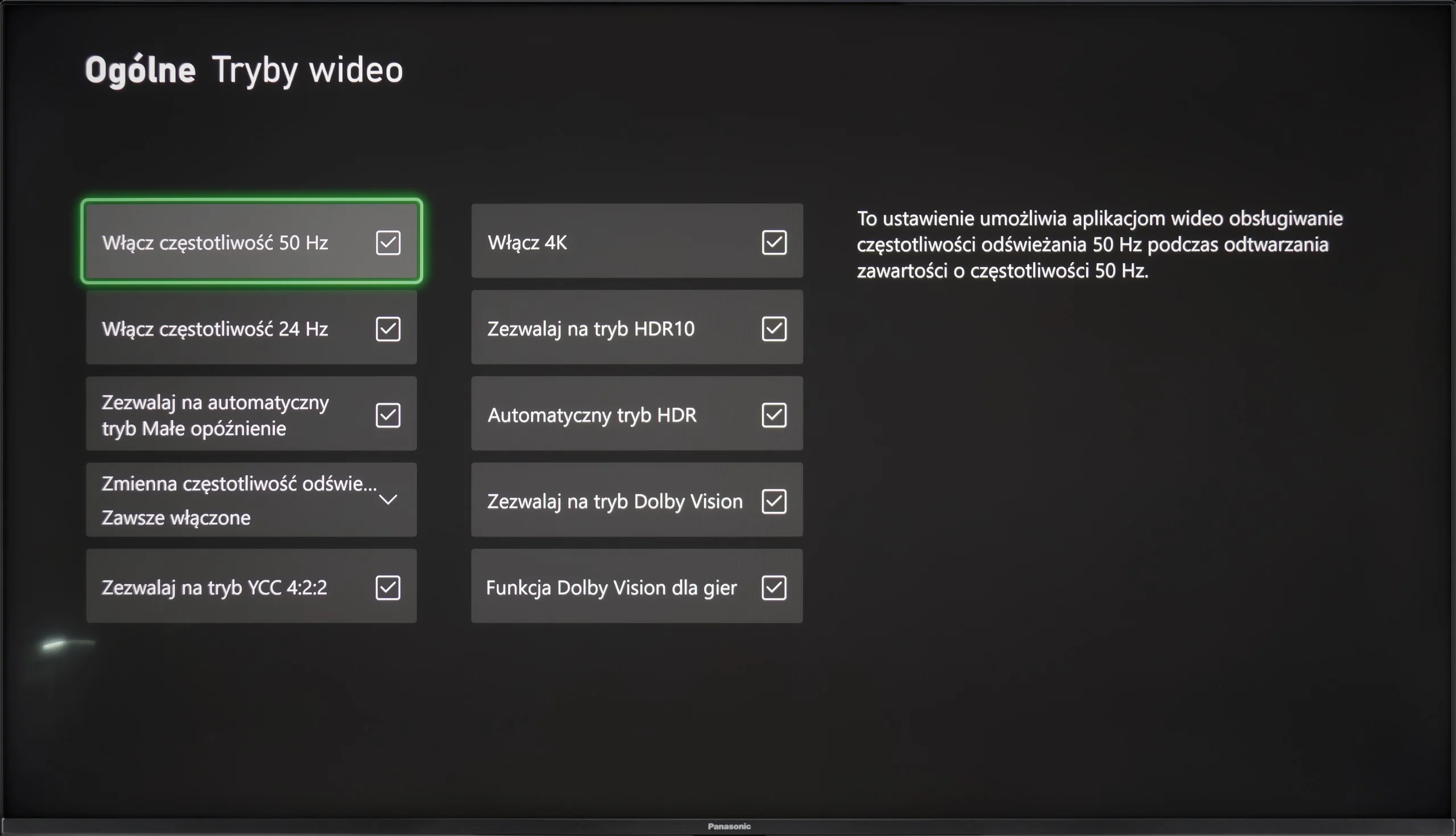
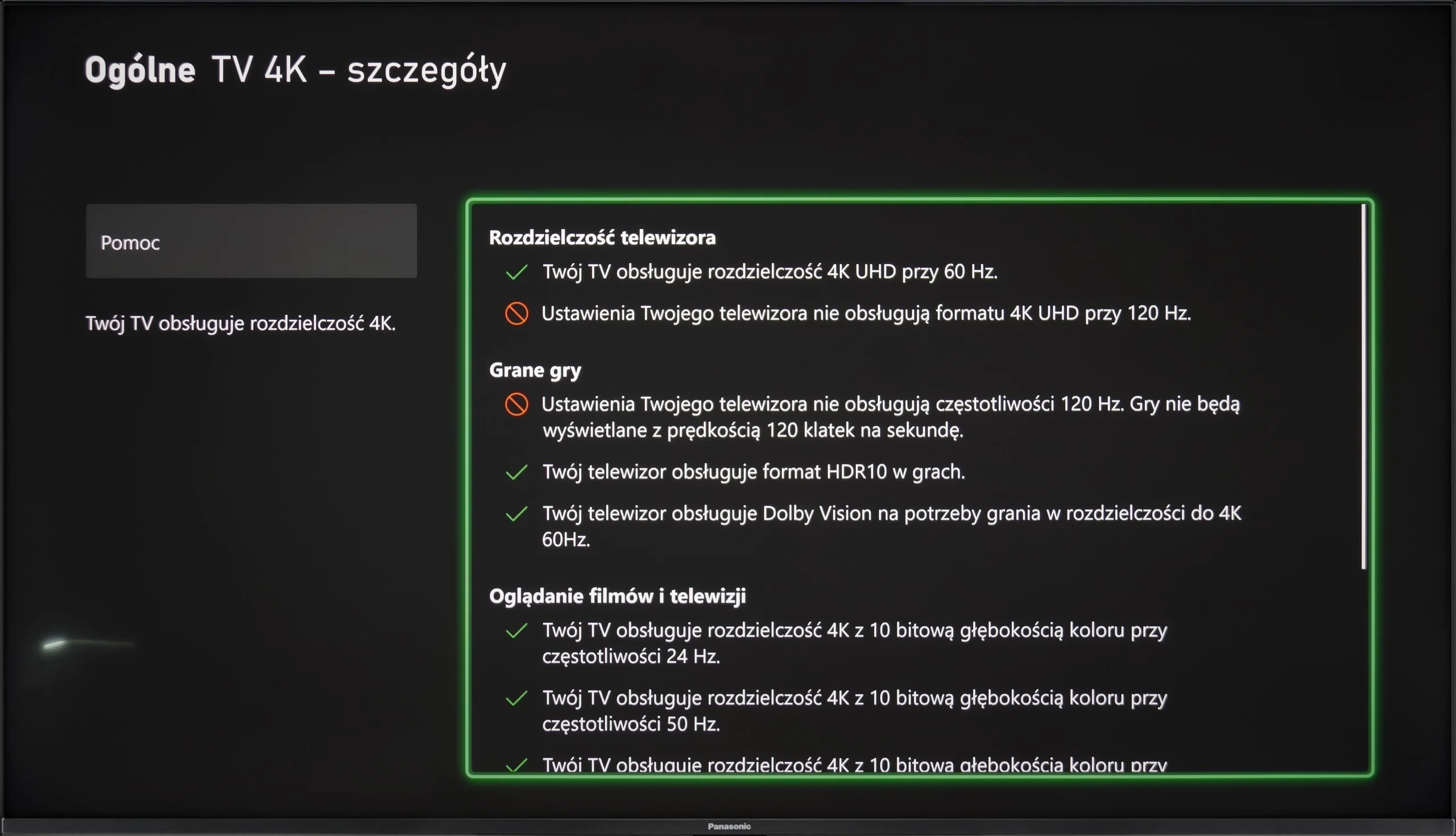
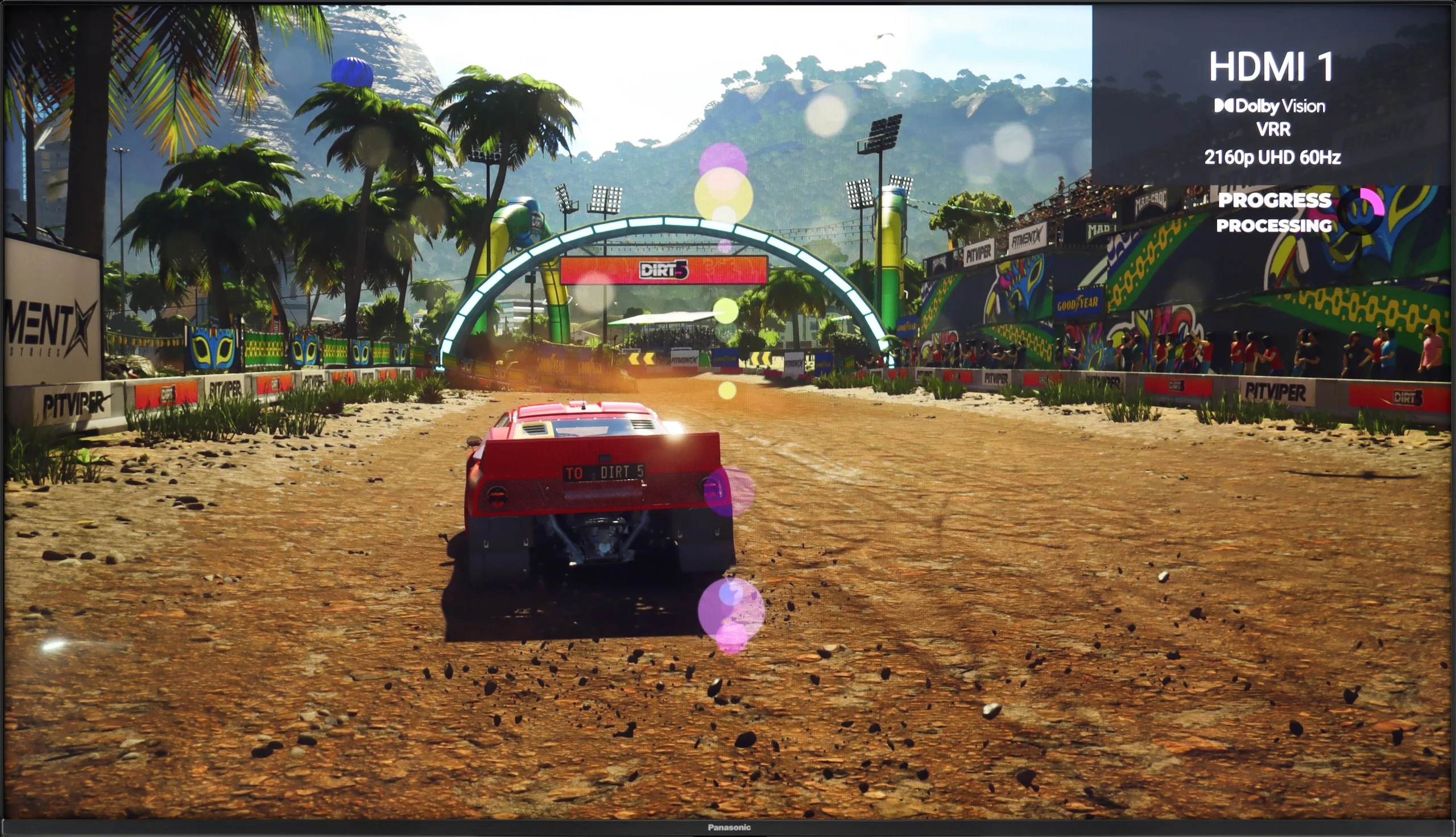
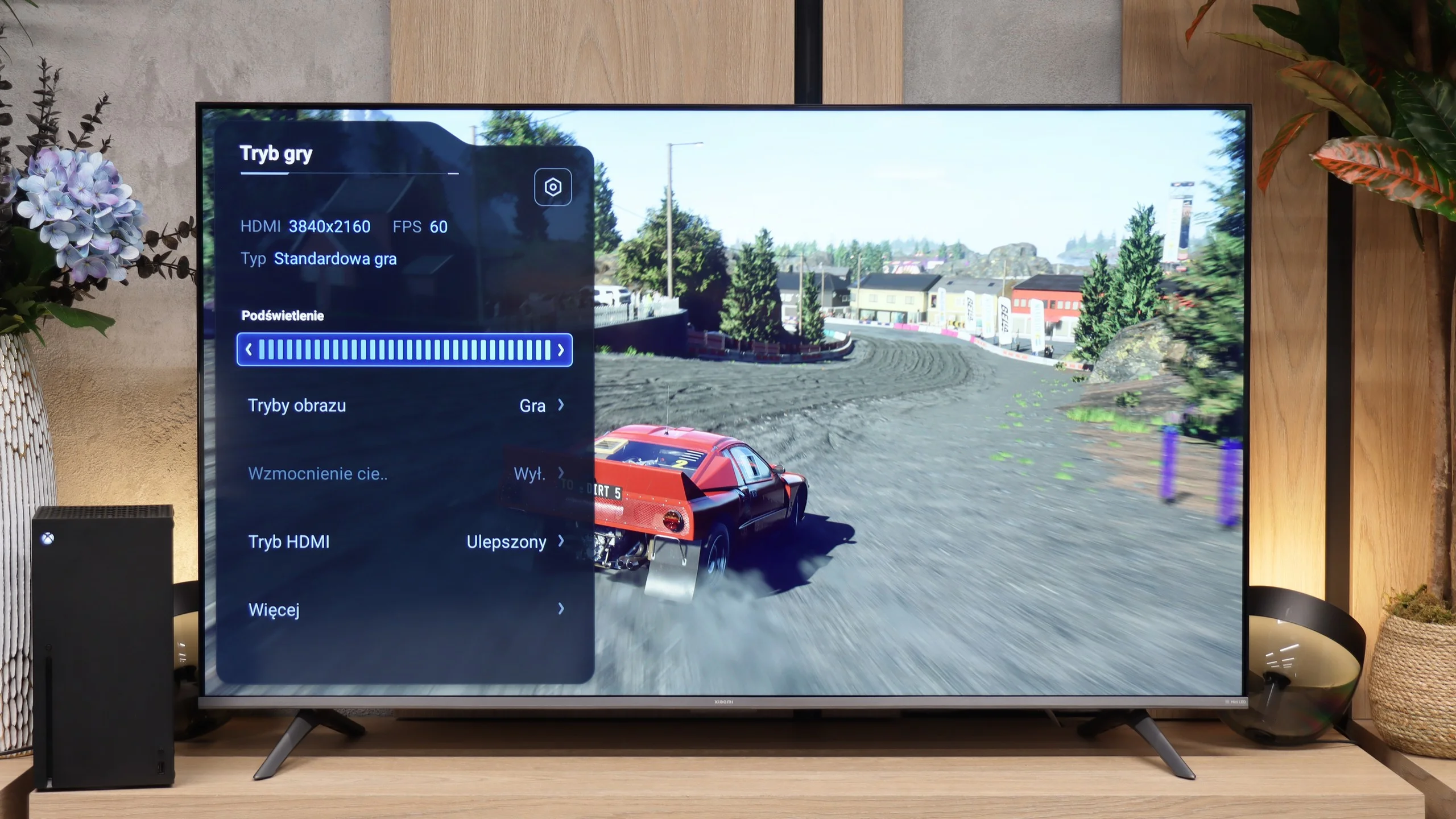
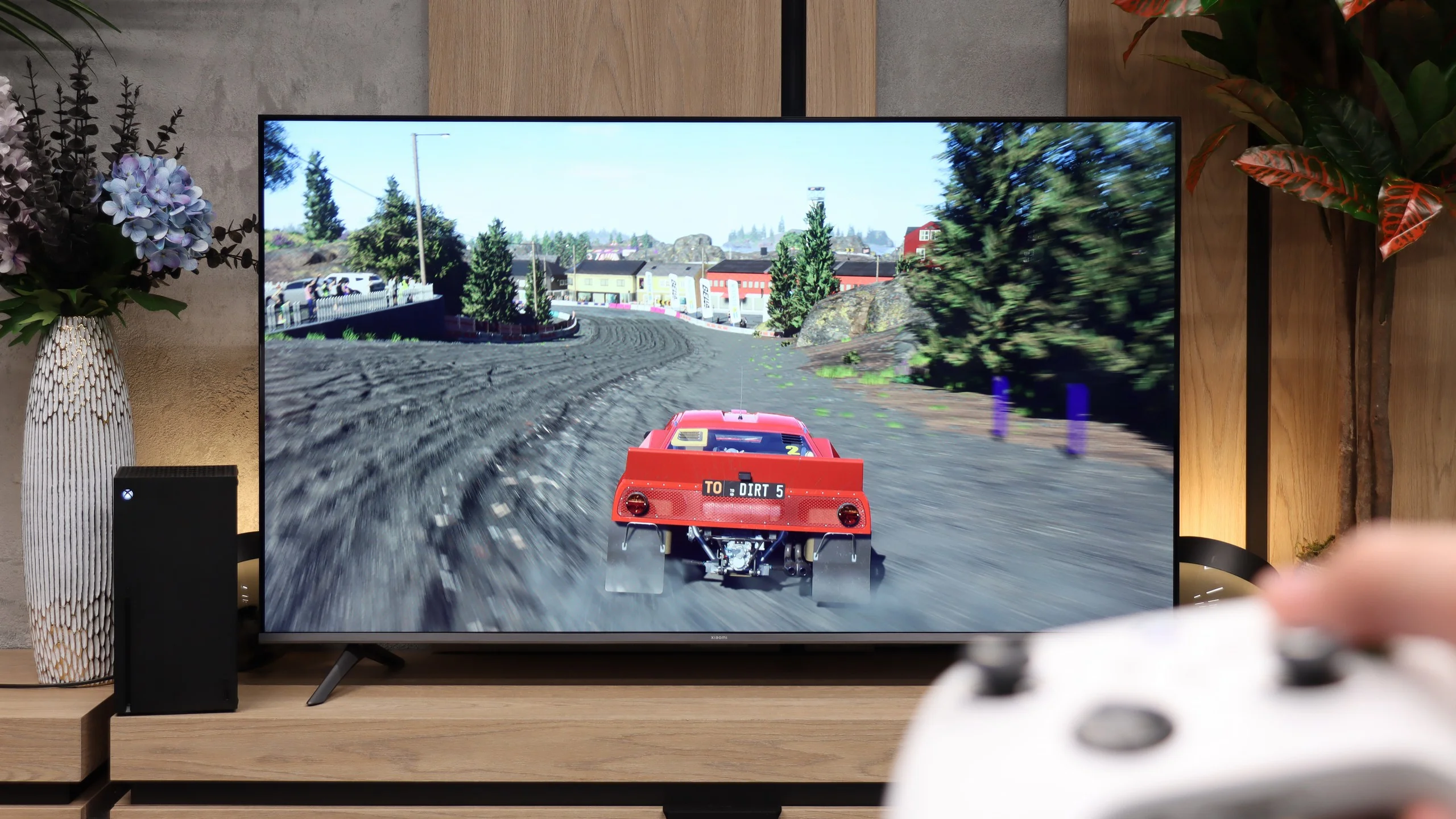
The Panasonic W70A is a television that will be more suitable for occasional gamers than for avid players. The 60 Hz panel does not allow for full utilization of the potential of new generation consoles, especially in dynamic titles. The lack of HDMI 2.1 somewhat limits its capabilities, but fortunately, we find features such as ALLM, which is automatic switching to game mode, and VRR, which helps minimize screen tearing. It's also worth noting the support for Dolby Vision in games and HGiG, which makes HDR more predictable and looks solid. It's just a pity that the Game Bar is missing. This feature is already standard in many televisions and provides quick access to the most important settings for gamers. The W70A holds up when it comes to gaming, but it has its limitations. It works well with calmer titles, while more demanding players may feel unsatisfied.

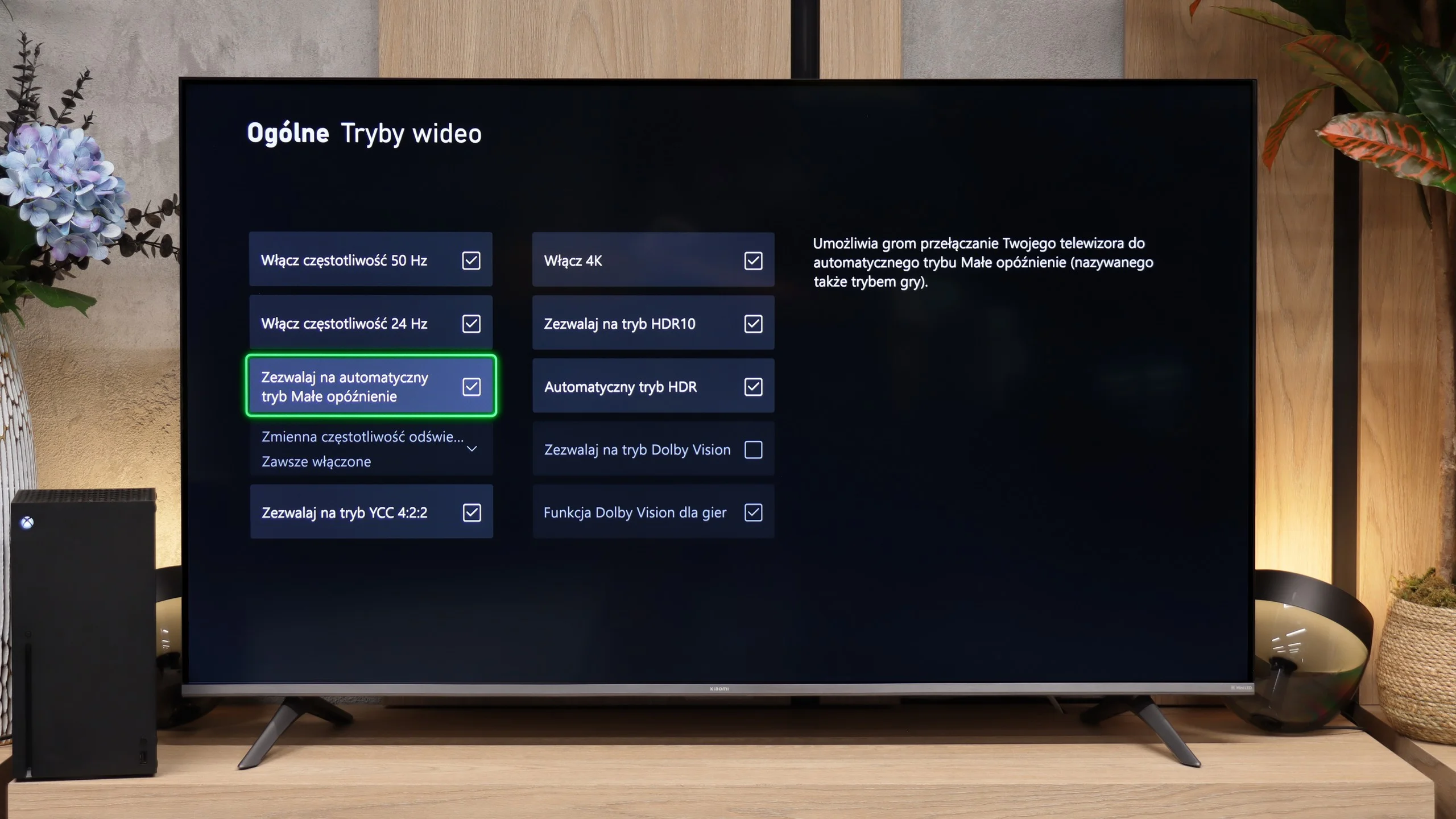
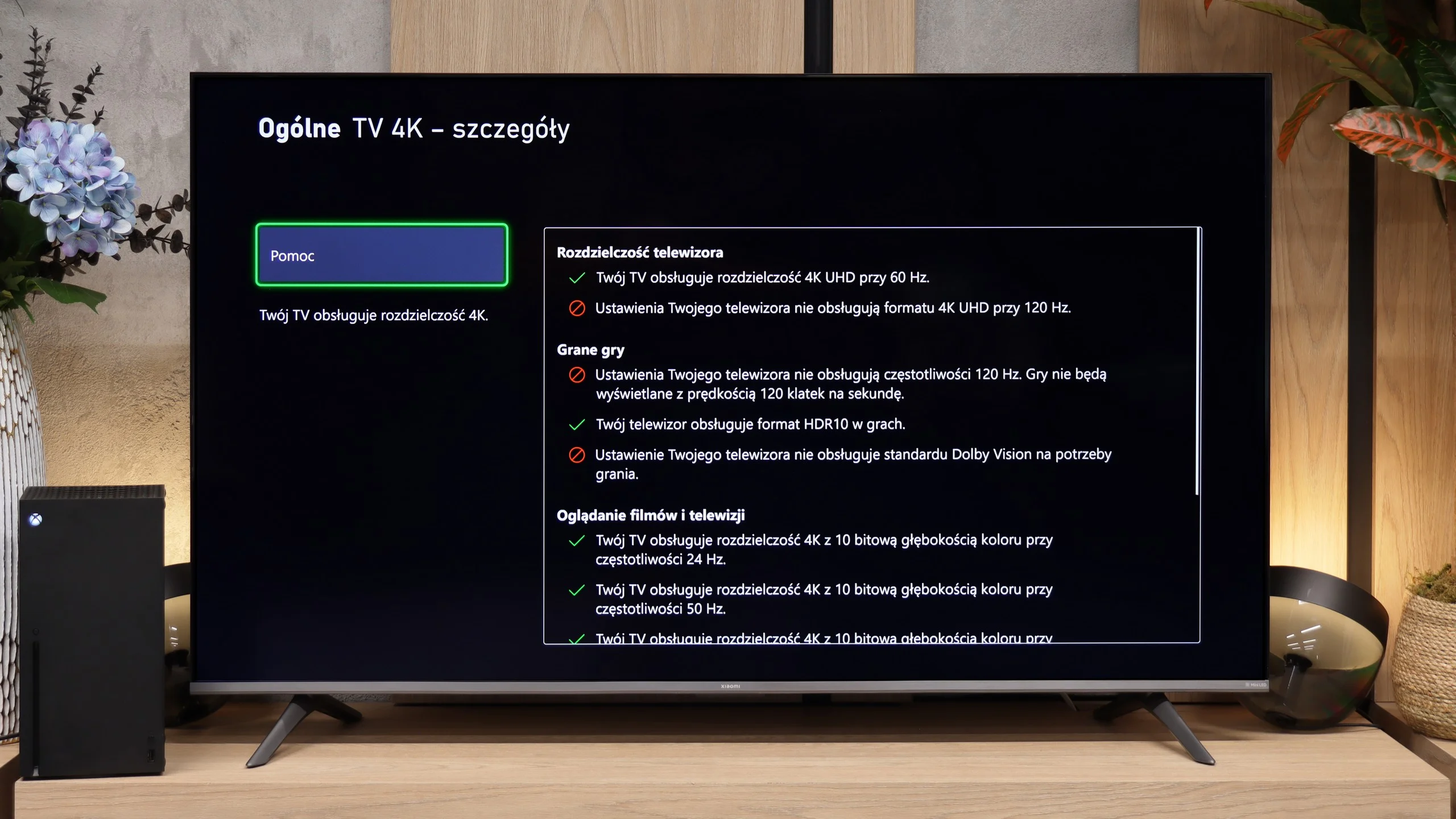
In larger sizes the Xiaomi S Mini 2026 becomes a far more interesting option for gamers. The panel natively runs at up to 144 Hz, so when connected to a PC we can take advantage of the high refresh rate even in 4K. At lower resolutions the TV can go even further and reach up to 288 Hz. There’s also ALLM, automatic switching to game mode, and a Game Bar with the key settings at hand. Of course, the TV is equipped with two full-bandwidth HDMI 2.1 ports. In terms of smoothness, the difference compared to the 55 to 75 inch versions is therefore substantial and especially noticeable when using a PC or console. Not everything works perfectly, though. As with the smaller variants, we have reservations about the HGiG implementation. The HDR setup screens on the PS5 and Xbox don’t exactly match the TV’s real capabilities, so if you configure the consoles according to those prompts the brightest parts of the image can be blown out and lose some detail.

Input lag

10/10

9.9/10

SDR

1080p60
12 ms
14 ms
1080p120
8 ms
2160p60
12 ms
14 ms
2160p120

HDR

2160p60
12 ms
14 ms
2160p120
4320p60

Dolby Vision

2160p60 DV
12 ms
2160p120 DV

In terms of signal delay, the Panasonic W70A performs really well. A result of 12 ms is a value that is practically below the threshold where noticeable delay can be discussed. Gaming on this TV is responsive, and character movements or reactions in games are immediate. Interestingly, even in Dolby Vision mode, which often tends to be problematic in terms of input lag, the TV performed very well. This is a pleasant surprise, as many manufacturers have issues with this, and HDR often increases the delay to a level that is noticeable during fast-paced games.

There's no major problem with latency here. About 10 ms at 120 Hz and 15 ms at 60 Hz are more than enough for console or PC gaming.

Compatibility with PC

6/10

5.6/10

Chroma 444 (max. resolution and refresh rate)
Yes
Yes
Font clarity
Very Good
Good
Readability of dark text and shapes
Very Good
Average
Input lag in PC mode (4K, max. refresh rate)
12ms
14ms
Matrix subpixel arrangement
RGB
BGR
Max refresh rate
60Hz
60Hz
G-Sync
No
No

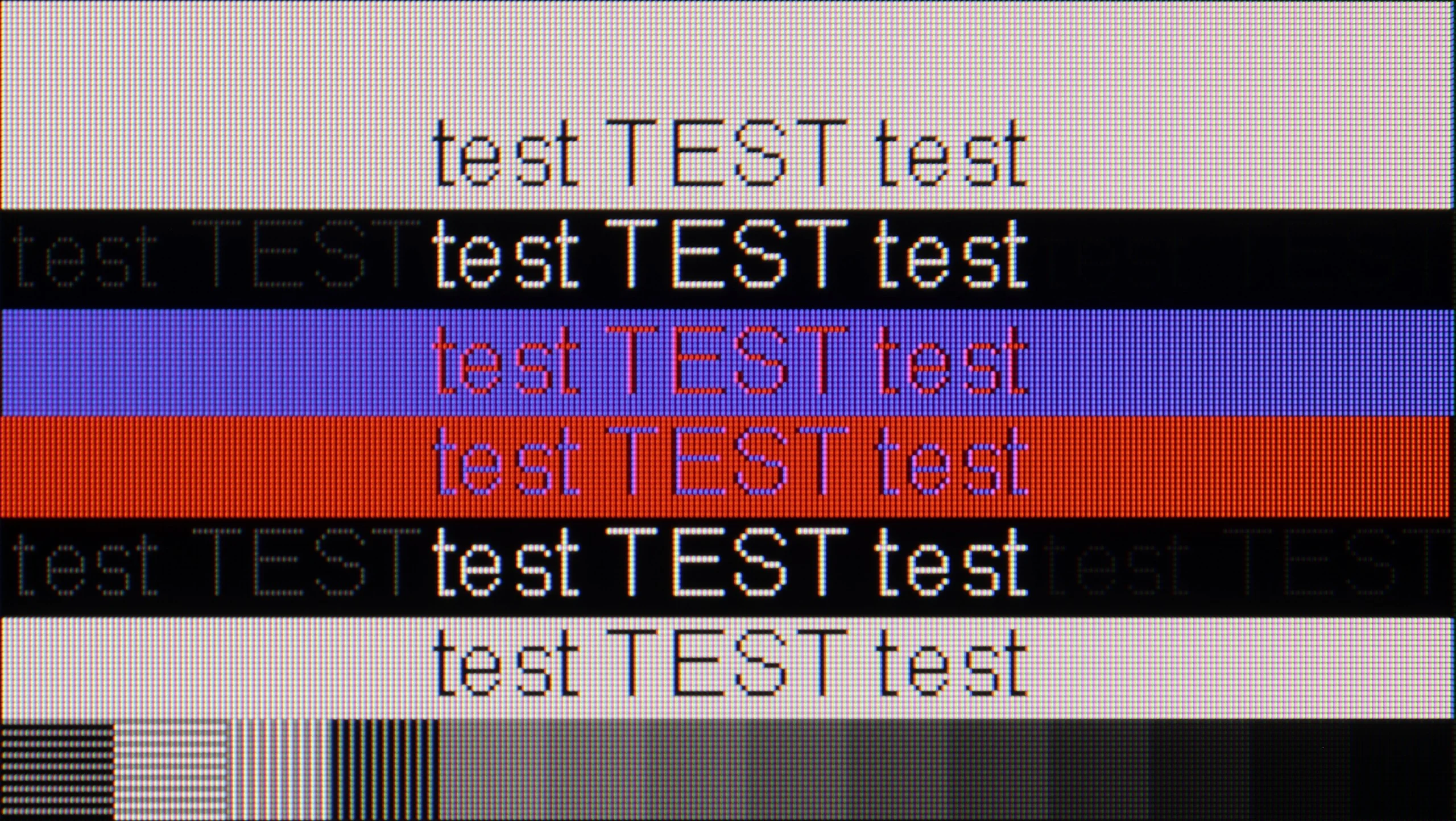
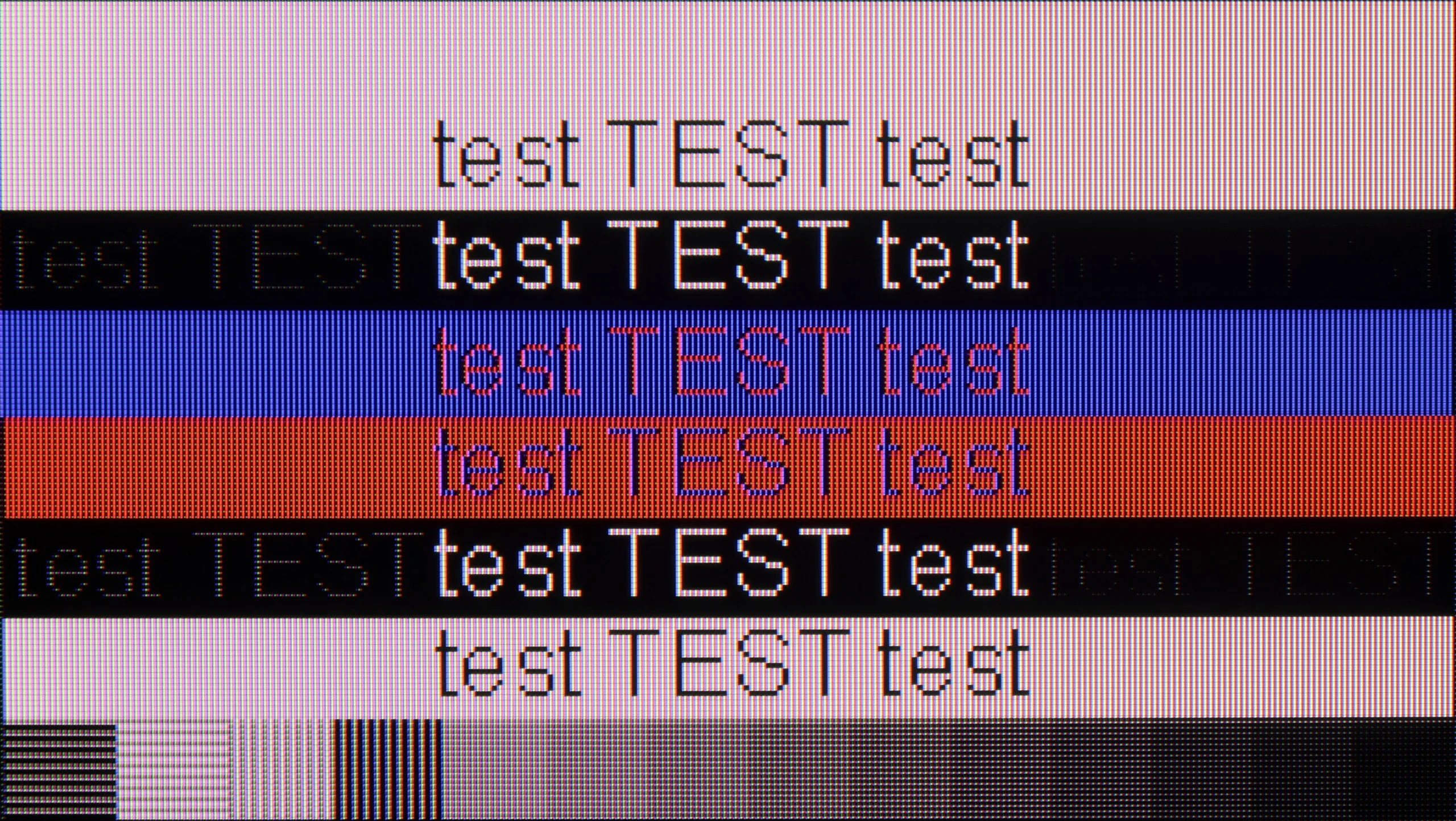
The photo shows the legibility of small fonts. Ideally, lines should be the same thickness on both light and dark text, with minimal pixel gaps.

The Panasonic W70A performs quite well as a work monitor. Thanks to the IPS panel and 4:4:4 chroma support, text is clear, sharp, and legible. Even small fonts look good, without blurring or ragged edges. For office work, web browsing, or document writing, this TV is really suitable.

Playing on PC is a slightly different story. The 60 Hz panel makes more dynamic titles not look as smooth as they could on a higher refresh rate screen. The lack of G-Sync or FreeSync support doesn't help either, so there may be issues with image tearing.

Computer use isn't the strong suit of the smaller variants of the Xiaomi S Mini 2026. The TV doesn't display chroma 4:4:4 correctly, so some small UI elements, icons, and colored text may look worse than they should. Plain black text on a light background is still fairly readable, but it's hard to consider this model a particularly good monitor for typical computer work. A plus is the ability to get a higher refresh rate by lowering the resolution. Instead of 4K at 60 Hz, you can switch to 1080p or 1440p and use 120 Hz, which for PC gaming can be far more useful than full resolution.

Viewing angles

6.2/10

3/10

Brightness drop at an angle of 45 degrees
69%
65%

For a television with an IPS panel, the viewing angles on the Panasonic W70A are really good. The image maintains decent quality even when we look at the screen from a greater angle. The colors do not significantly lose saturation, and the details remain well visible. Of course, everything comes at a price. In this case, it is the weaker blacks that become even more washed out when viewed at an angle. However, this is a standard compromise for IPS panels and it is hard to consider it a surprise.

The viewing angles on the smaller variants of the Xiaomi S Mini 2026 are unfortunately poor. This is a typical trait of VA panels, but here the effect is fairly pronounced. You only need to move slightly off-center for the picture to start noticeably fading and losing color saturation. Brightness itself doesn't drop as much, but colors very quickly look washed out. If multiple people will be watching the TV from wide angles, keep that in mind.

Daytime performance

4/10

6.3/10

Panel finish
Satin
Satin
Reflection suppression
Average
Decent
Black levels during daytime
Good
Good

Panel brightness

XIAOMI S Mini 2026 (55"-75") 60Hz : 569 cd/m2

Panasonic W70A: 272 cd/m2

The Panasonic W70A is equipped with a satin display, which average handles light reflection suppression. Glare is not excessively bothersome, but in bright rooms, especially under direct sunlight, it can be noticeable. The main issue, however, is the brightness level of 270 cd/m². It's simply too low to comfortably watch television in full sunlight. The image becomes washed out, and darker scenes lose detail and depth.

The smaller variants of the Xiaomi S Mini 2026 perform well for daytime viewing. In SDR the TV averages around 570 nits, so it has enough brightness that the picture doesn't look washed out even in a fairly brightly lit living room.

The screen coating is a weaker point. It's satin, but it doesn't suppress direct reflections particularly effectively. If there's a large window or a strong lamp opposite the TV, reflections will be clearly visible. Brightness helps mitigate this partly, but in terms of reflection suppression this isn't one of the model's strong suits.

Panel details

Backlight Type
White LED
Mini-LED PFS LED
Software version during testing
R3.1.1.0.0.V0.0.20.26
UKN1.240806.017.V816.0.25.10.15.2.URTMIXM
Image processor
m7632 2gb ram
mt5896 2GB

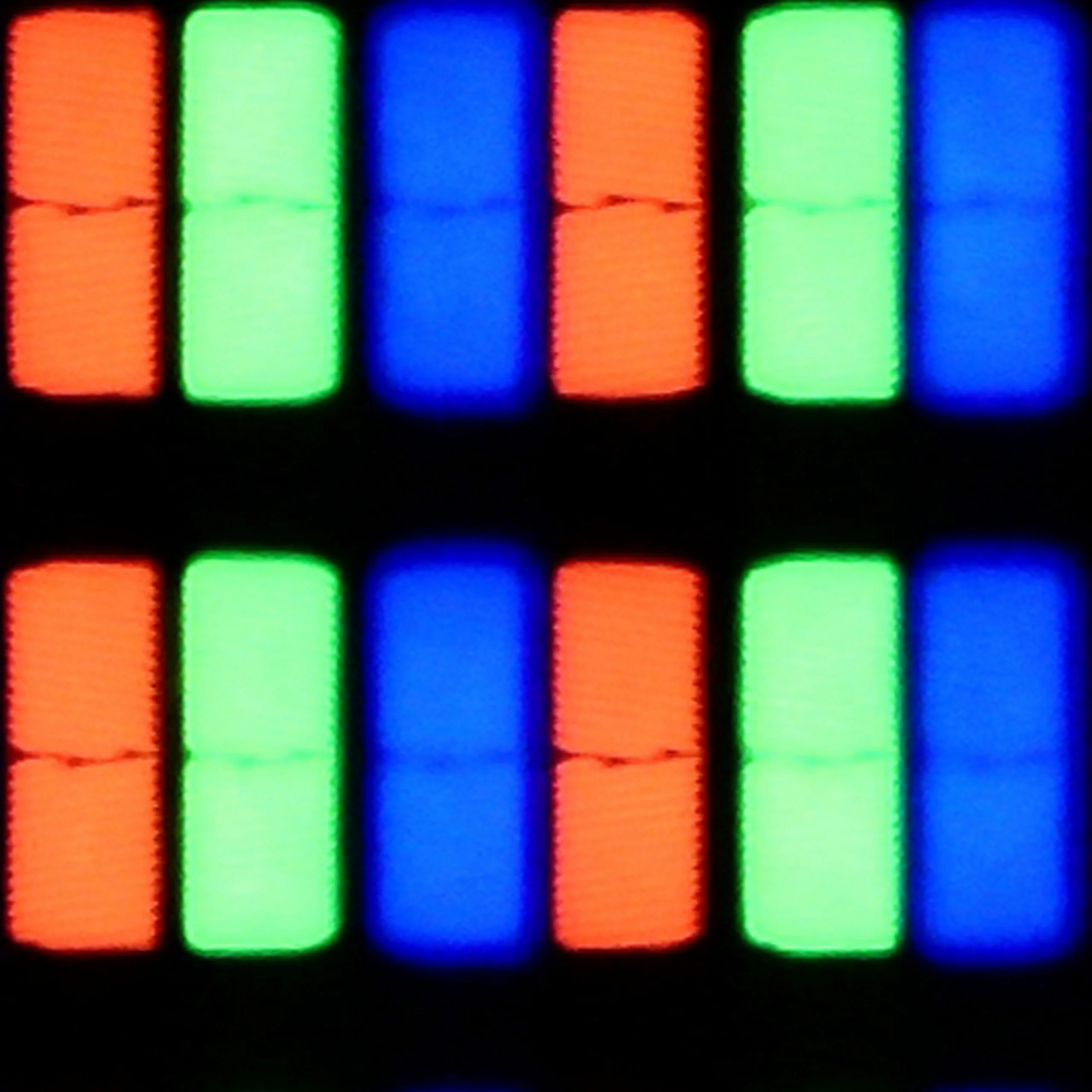
Subpixel Structure:

Panel uniformity and thermal imaging:

Review Panasonic W70A TV Panel details
Review XIAOMI S Mini 2026 (55"-75") 60Hz TV Panel details

Panasonic W70A

XIAOMI S Mini 2026 (55"-75") 60Hz

TV features

5.2/10

6.7/10

  • System
    Google TV
    Google TV
  • System performance
    Average
    Poor
  • HDMI inputs
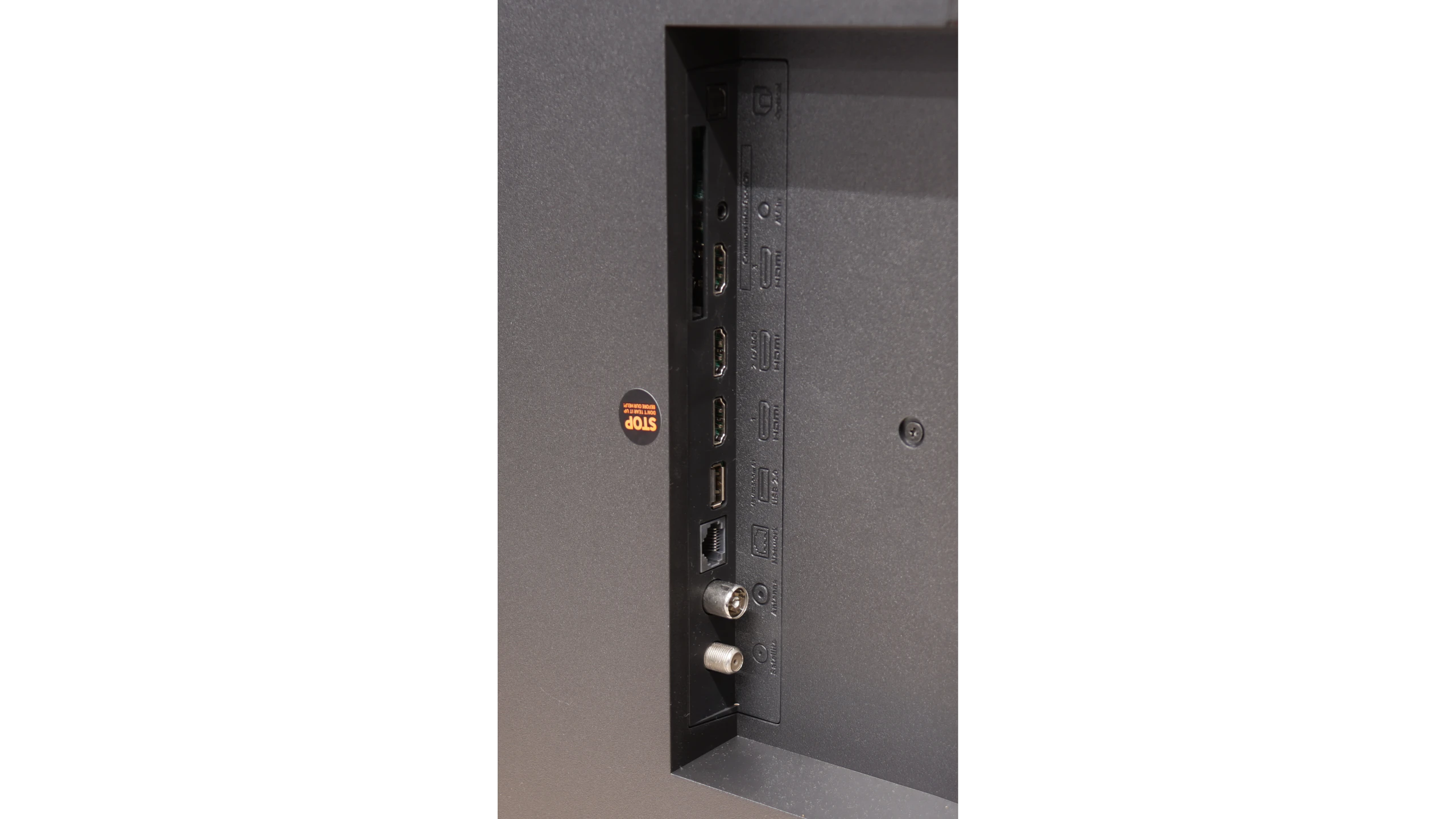
    3 x HDMI 2.0, 0 x HDMI 2.1
    3 x HDMI 2.0, 0 x HDMI 2.1
  • Outputs
    Toslink (Optical audio), eARC (HDMI), ARC (HDMI), Mini-Jack (Headphones)
    Toslink (Optical audio), eARC (HDMI), ARC (HDMI), Mini-Jack (Headphones)
  • Network Interfaces
    Wi-Fi 2.4GHz, Wi-Fi 5GHz, Ethernet (LAN) 100Mbps
    Wi-Fi 2.4GHz, Wi-Fi 5GHz, Ethernet (LAN) 100Mbps
  • TV reception
    DVB-T, DVB-T2, DVB-S, DVB-S2, DVB-C
    DVB-T, DVB-T2, DVB-S, DVB-S2, DVB-C

Classic features:

  • Recording to USB (terrestrial TV)
    No
    No
  • Recording programming
    No
    No
  • Picture in Picture (PiP)
    No
    No
  • RF remote control (no need to aim)
    Yes
    Yes
  • Backlit remote control
    No
    No
  • Teletext
    Yes
    Yes
  • Audio only mode
    Yes
    Yes
  • Bluetooth headphones support
    Yes
    Yes
  • Simultaneous Bluetooth headphones & TV audio
    No
    No

Smart features:

  • AirPlay
    No
    Yes
  • Screen mirroring (Windows Miracast)
    Yes
    Yes
  • Voice search
    Yes
    Yes
  • Voice search in native language
    Yes
    Yes
  • Ability to connect a keyboard and mouse
    Yes
    Yes
Review Panasonic W70A TV features
Review XIAOMI S Mini 2026 (55"-75") 60Hz  TV features

Sound connection options

  • HDMI audio
    eARC (HDMI), ARC (HDMI)
    eARC (HDMI), ARC (HDMI)
  • Other audio outputs
    Toslink (Optical audio), Mini-Jack (Headphones)
    Toslink (Optical audio), Mini-Jack (Headphones)
  • Wireless audio
    Bluetooth
    Bluetooth

Supported audio formats (external HDMI eARC audio):

  • Dolby Digital Plus 7.1
    Yes
    Yes
  • Dolby True HD 7.1
    No
    Yes
  • Dolby Atmos in Dolby Digital Plus (JOC)
    Yes
    Yes
  • Dolby Atmos in Dolby True HD
    No
    Yes
  • DTS:X in DTS-HD MA
    No
    Yes
  • DTS-HD Master Audio
    No
    Yes

Senior accessibility

  • Numeric keyboard on TV
    Yes
    Yes
  • Font size adjustment
    No
    Yes
  • Audio description
    No
    Yes

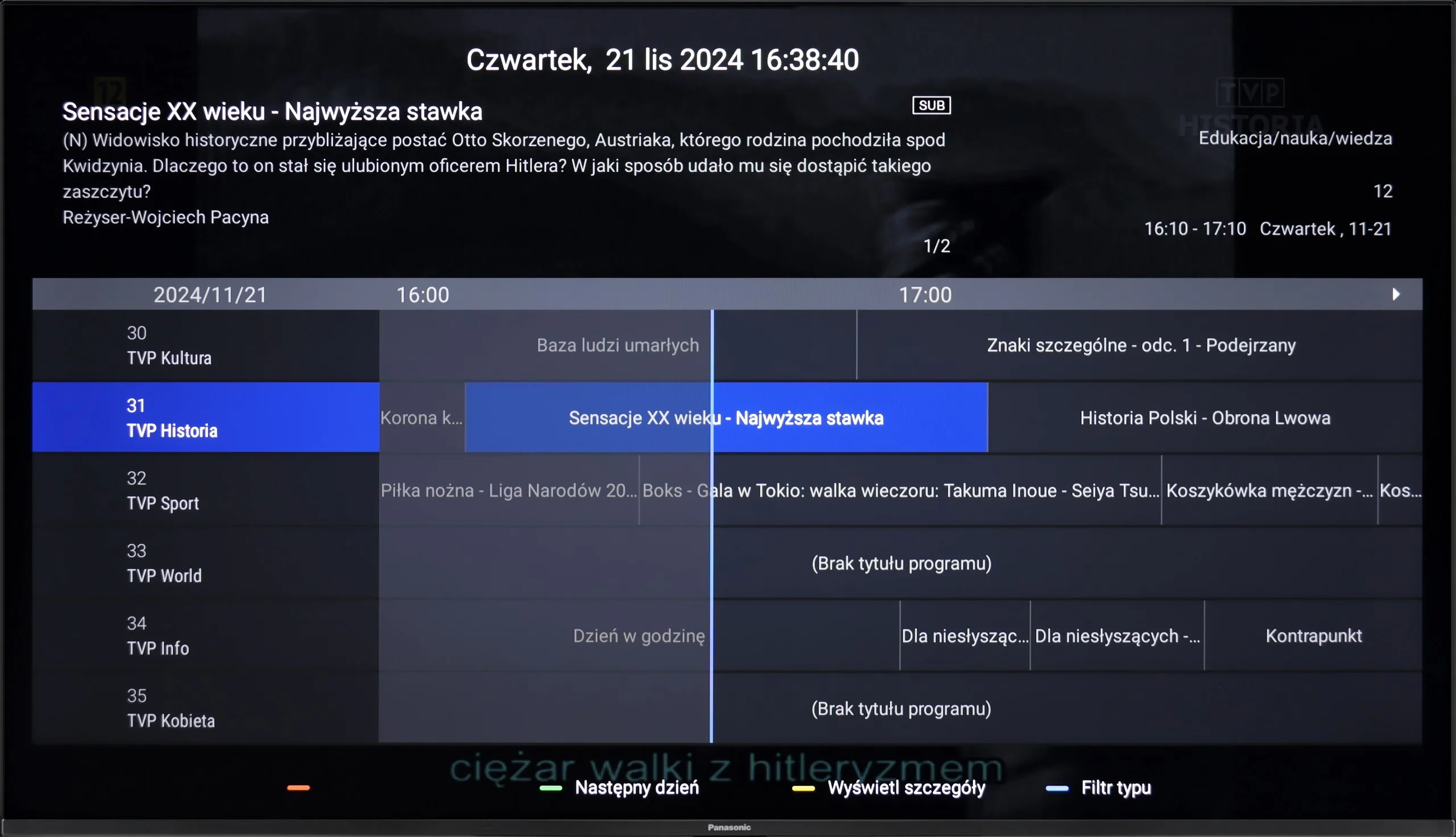
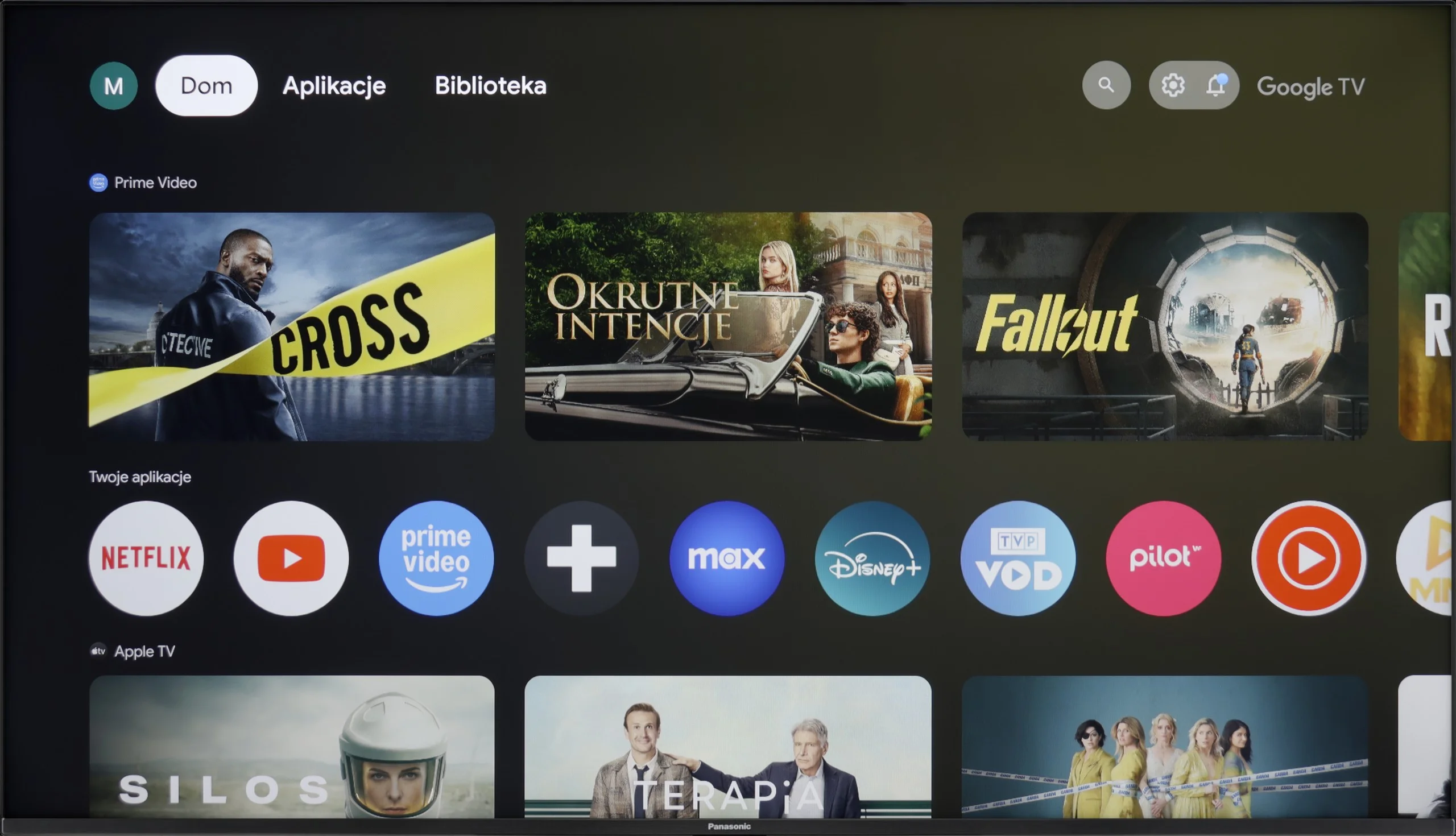
The Panasonic W70A runs on the Google TV system, and it must be admitted that this is one of its strong points. There are really many applications – all popular streaming services, YouTube, and even less known platforms. The system operates smoothly, and navigating through the menu is intuitive and trouble-free. The remote control has a built-in microphone, so you can use voice search in Polish. This is a significant convenience, especially when you need to find a movie or an app quickly. Additionally, there is Bluetooth, which allows you to connect headphones or other wireless devices. However, there are some shortcomings. There is no AirPlay, which may be an issue for users of Apple devices. There is also a lack of USB recording options and picture-in-picture (PIP) functionality.

The Panasonic W70A makes up for these shortcomings with the functionality of Google TV and simple operation. It has everything you need to use Smart TV, but if someone is counting on more elaborate options related to traditional television, they might feel some dissatisfaction.

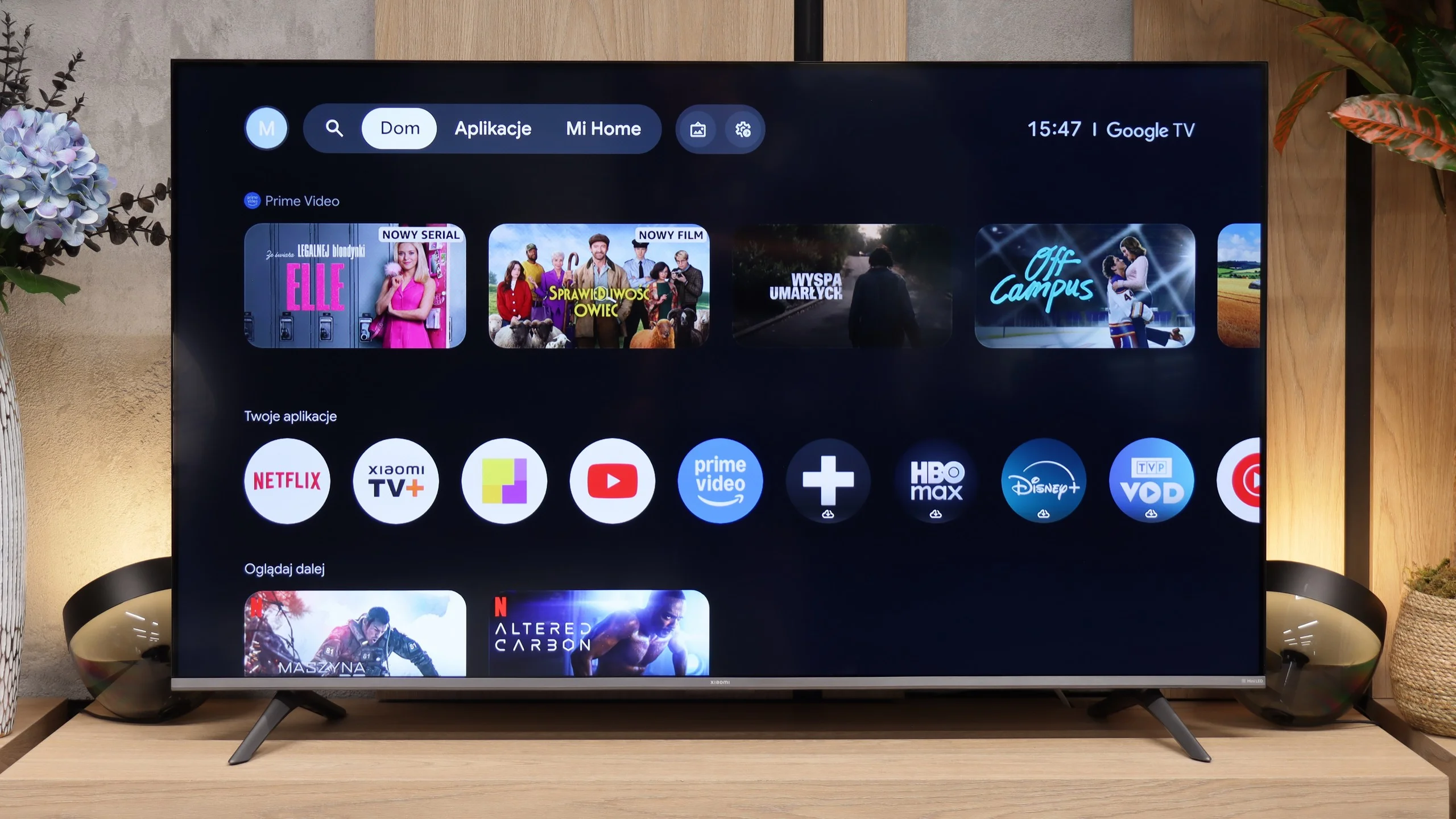
Google TV

The Xiaomi S Mini 2026 runs on Google TV, which remains one of the most feature-rich Smart TV platforms. You’ll find practically all the most popular apps here, such as Netflix, YouTube, Prime Video, Disney+, HBO Max and Canal+, and thanks to the Google Play Store you can install many other apps as well. It also supports Google Assistant, Chromecast and the ability to control the TV from your smartphone.

Unfortunately, on the smaller models the system doesn’t run as smoothly as we’d expect. Switching between apps or navigating the menu can take a moment, and the interface sometimes responds with a slight delay. It’s not at a level that makes the TV unusable, but compared with the competition it’s clear this isn’t the fastest version of Google TV on the market.

Classic features

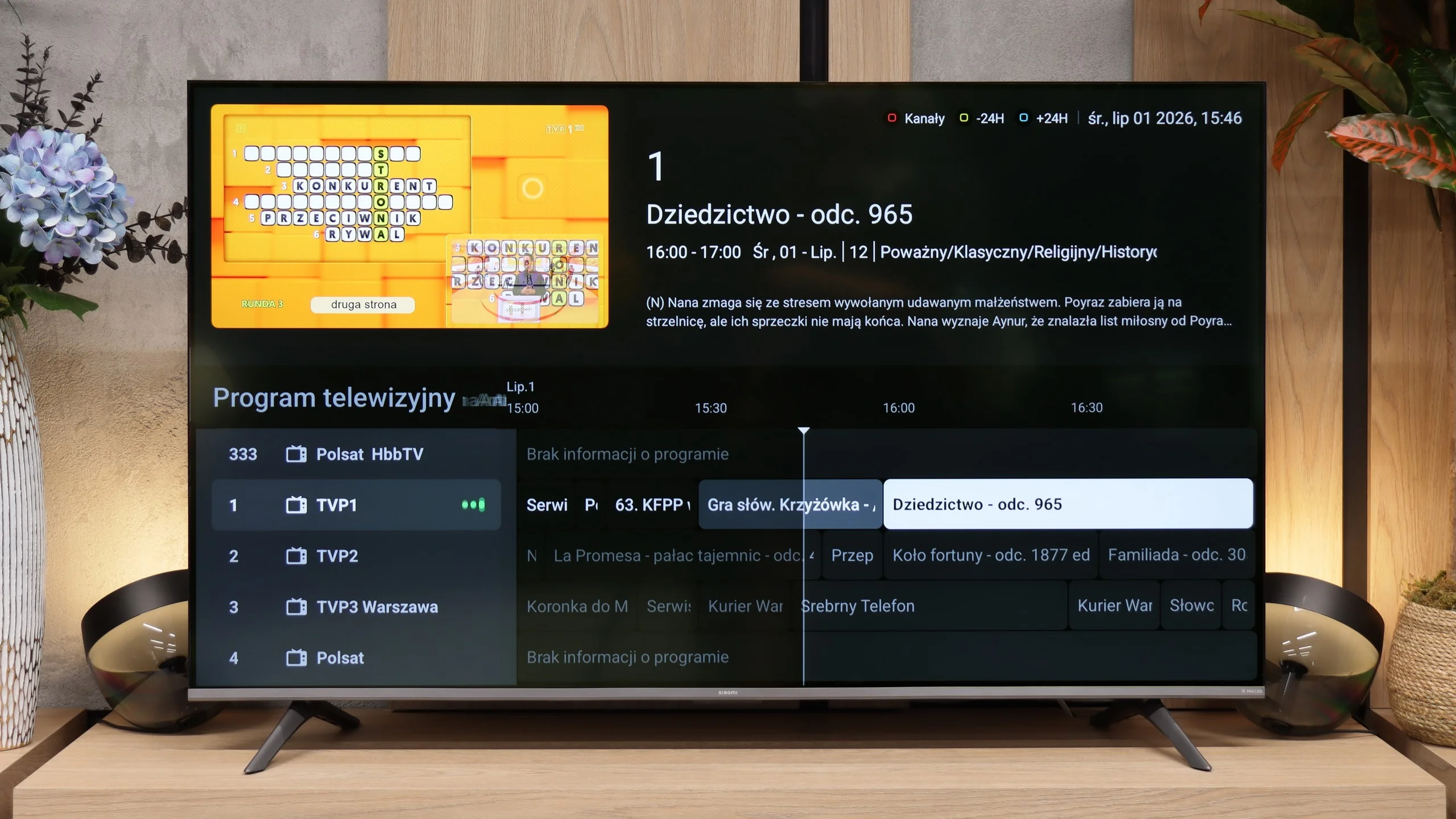
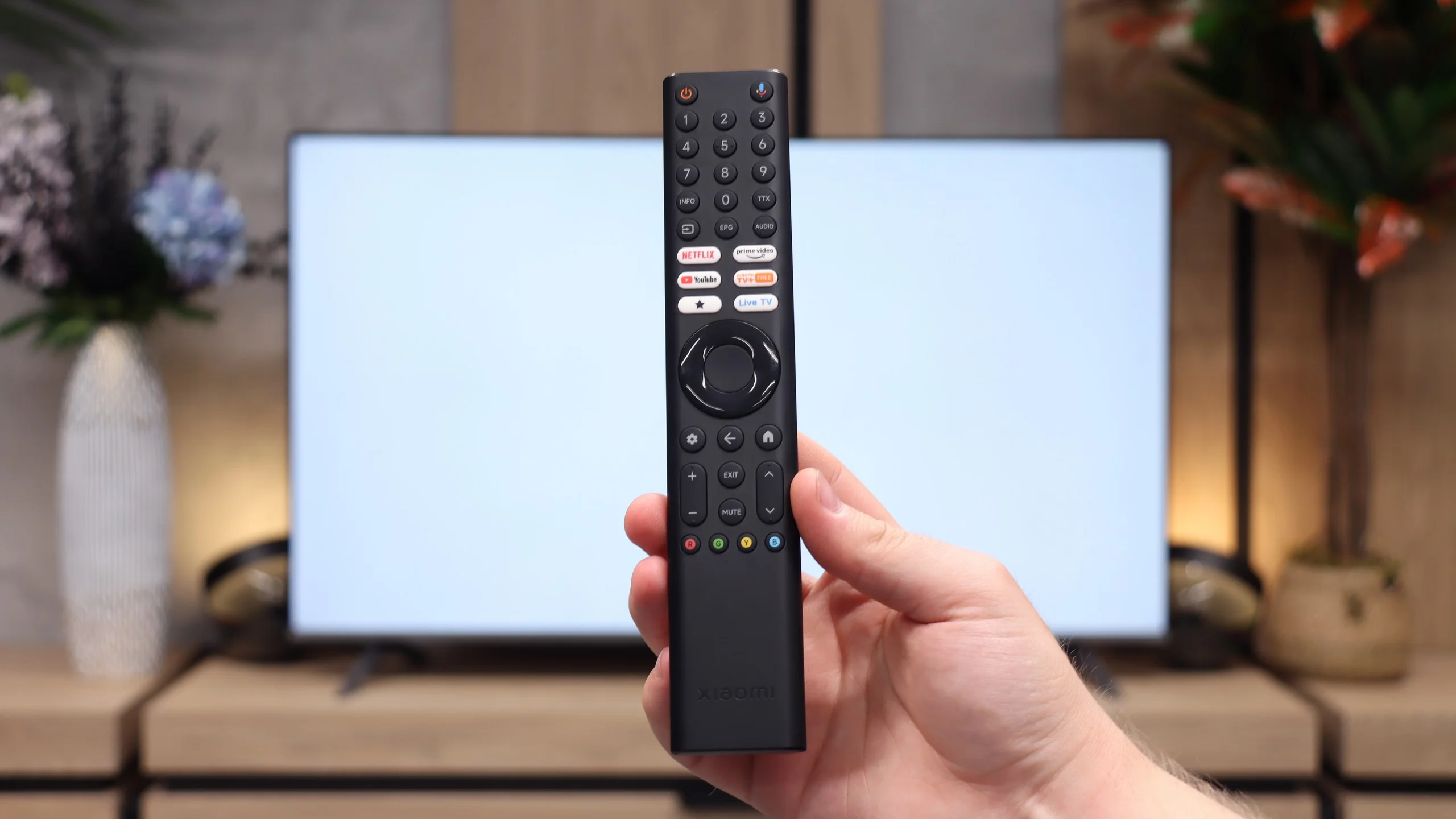
If you mainly use linear TV, Xiaomi doesn’t offer anything beyond what you’d expect from a modern TV. You get an electronic program guide (EPG) and teletext. The manufacturer also includes a remote with a traditional numeric keypad, which is becoming rarer these days but will still be a convenient solution for many people when changing channels.

Noteworthy is the presence of an analog 3.5 mm headphone jack. This is a feature that is disappearing from TVs year by year in favor of only digital audio outputs. Because of it, you can easily connect older wired headphones or speakers without needing additional adapters.

Apps

8.3/10

9.6/10

OK
Disney_Plus
OK
Amazon_Prime_Video
OK
Player_TVN
OK
Polsat_Box_Go
OK
Canal_Plus_Online
OK
TVP_VOD
OK
Apple_TV_Plus
OK
SkyShowtime
OK
Rakuten
OK
CDA_Premium_Browser
OK
Spotify
OK
Tidal
OK
Netflix
OK
YouTube
No
HBO_MAX
OK
Kodi
No
Apple_music
No
Eleven_sports
No
Xbox Game Pass
No
GeForce NOW
OK
Amazon Luna
No
Boosteroid
No
Steam Link
OK
Disney_Plus
OK
Amazon_Prime_Video
OK
Player_TVN
OK
Polsat_Box_Go
OK
Canal_Plus_Online
OK
TVP_VOD
OK
Apple_TV_Plus
OK
SkyShowtime
OK
Rakuten
OK
CDA_Premium_Browser
OK
Spotify
OK
Tidal
OK
Netflix
OK
YouTube
OK
HBO_MAX
OK
Kodi
No
Apple_music
OK
Eleven_sports
No
Xbox Game Pass
OK
GeForce NOW
No
Amazon Luna
OK
Boosteroid
OK
Steam Link

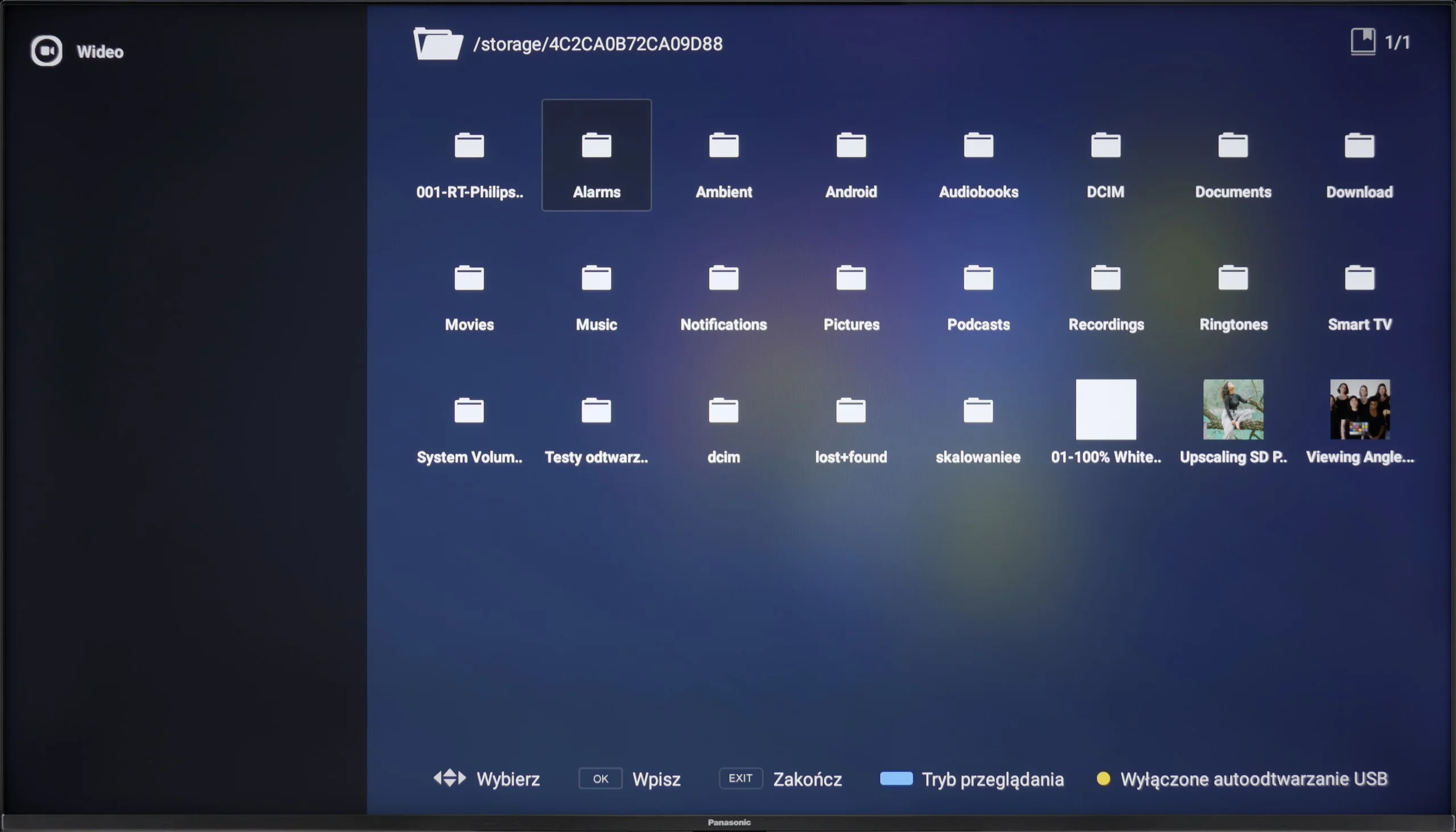
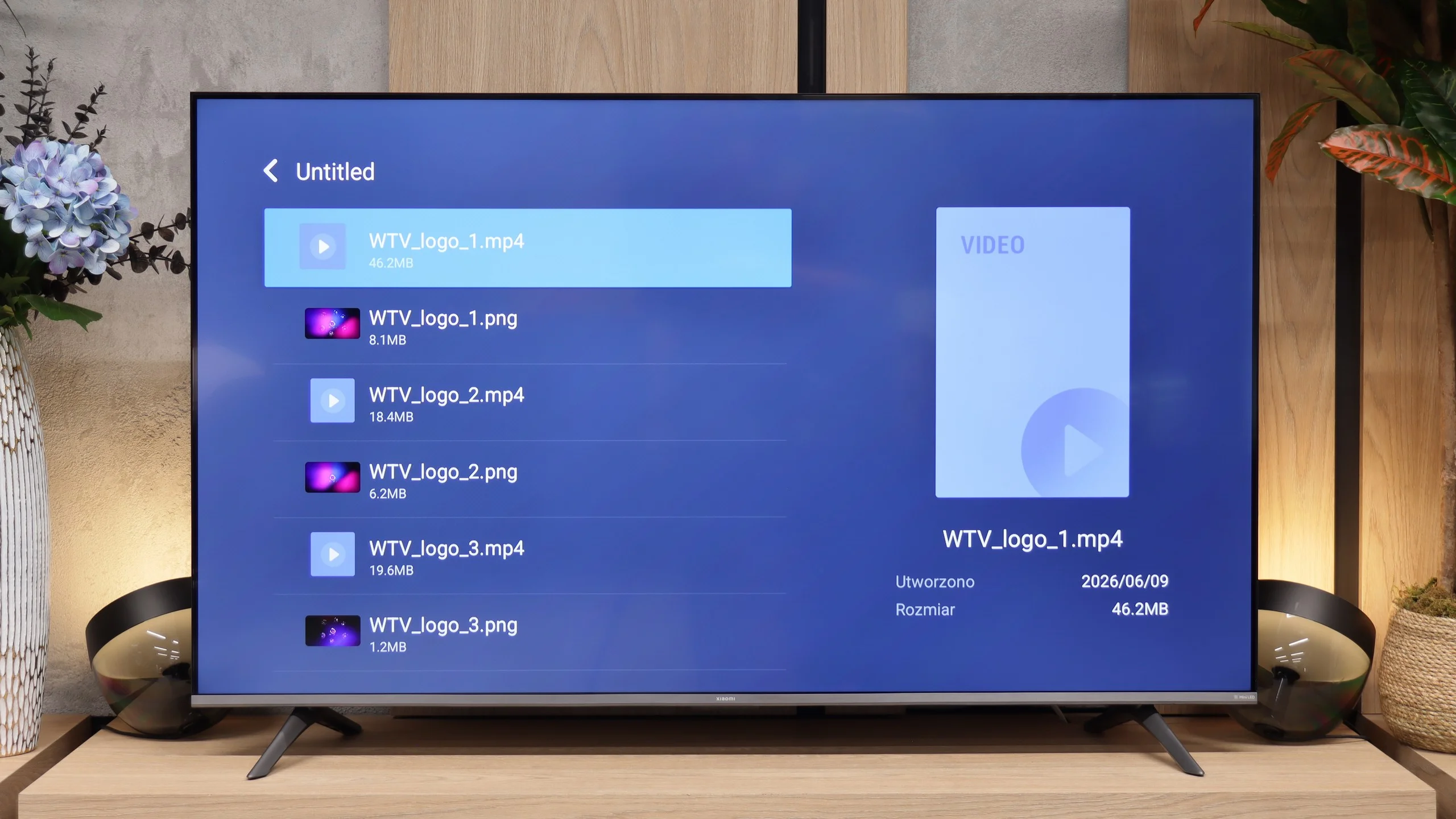
Playing files from USB

7.7/10

6.5/10

Supported photo formats:

JPEG
Yes
Yes
HEIC
Yes
No
PNG
Yes
Yes
GIF
Yes
Yes
WebP
Yes
No
TIFF
No
No
BMP
Yes
Yes
SVG
No
No

Maximum photo resolution:

4 Mpix
Yes
Yes
6 Mpix
Yes
Yes
8 Mpix
Yes
Yes
10 Mpix
Yes
Yes
12 Mpix
Yes
Yes
16 Mpix
Yes
Yes
20 Mpix
Yes
Yes
24 Mpix
Yes
Yes
28 Mpix
Yes
Yes
32 Mpix
Yes
Yes

The built-in media player in Panasonic W70A unfortunately has its limitations. Primarily, it does not support Polish subtitles, which can be a significant problem for many people. Additionally, there are difficulties with playing certain file formats, which sometimes results in an error message or a lack of sound.

Fortunately, thanks to the Google TV system, alternative media players can be easily installed that address these shortcomings. In the Google Play Store, we can find several reliable applications that support both Polish subtitles and less popular video formats.

The built-in USB media player performs quite well and plays most popular formats without any issues. However, if you come across a file it doesn't support, Google TV makes it easy to install another player, such as VLC. Our biggest reservation is the subtitles. The built-in app doesn't handle some characters outside the basic alphabet correctly, so you can run into problems with, for example, Polish letters. If you frequently watch movies from USB, it's better to use a third-party app.

Sound

6.6/10

5/10

  • Maximum volume
    -
    89dB
  • Dolby Digital Plus 7.1
    Yes
    Yes
  • Dolby True HD 7.1
    No
    Yes
  • Dolby Atmos in Dolby Digital Plus (JOC)
    Yes
    Yes
  • Dolby Atmos in Dolby True HD
    No
    Yes
  • DTS:X in DTS-HD MA
    No
    Yes
  • DTS-HD Master Audio
    No
    Yes

The sound on the Panasonic W70A is surprisingly decent for a TV in this class. It is quite well balanced, and the low tones are subtly perceptible, adding some depth when watching movies or listening to music. Dialogues are clear, and the overall sound quality is clean and pleasant. Of course, you shouldn't expect cinematic experiences or powerful bass – it's still a standard audio system in a television, and the physical limitations of its slim design play a role.

In terms of sound, the Xiaomi S Mini 2026 doesn't stand out. The speakers are fine for regular TV viewing, but with movies or concerts their limitations quickly become apparent. The biggest issue is the lack of bass, which makes the overall sound fairly flat. If you want better audio, it's worth considering getting a soundbar.

Sound Quality Test

No sound test video

Acoustic Measurements

No acoustic data

89dBC (Max)

75dBC

Reader comments

Comments are provided by the external service Disqus (Zeta Global). Once loaded, Disqus may set cookies and process data about your activity.

We will remember your choice on this device. Provider's privacy policy