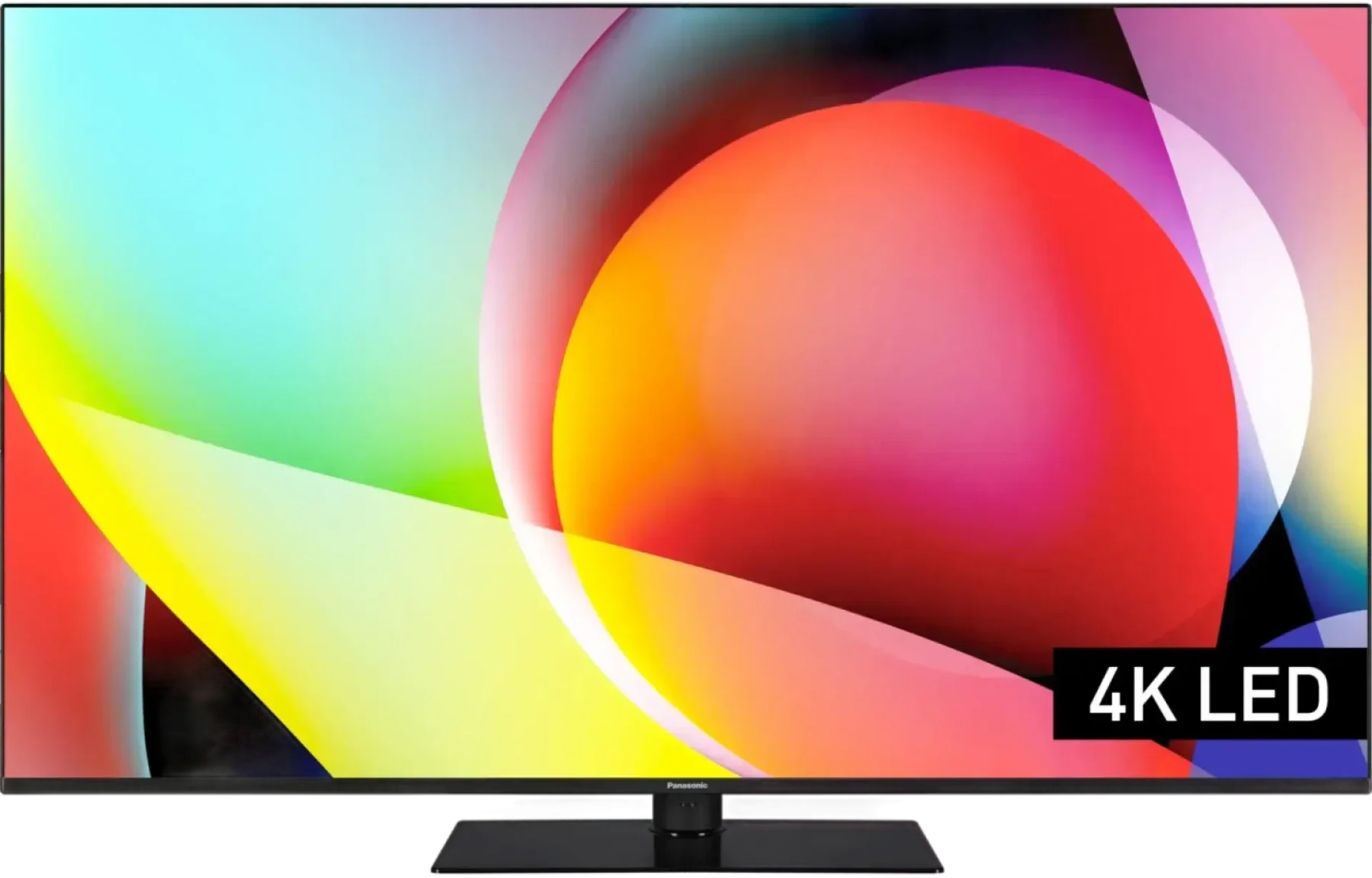
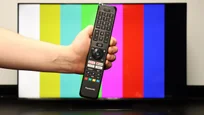
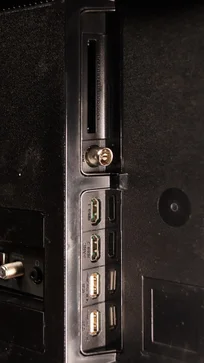
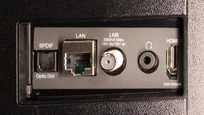
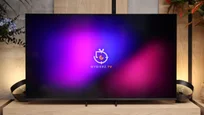
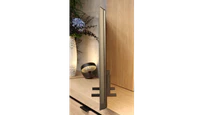
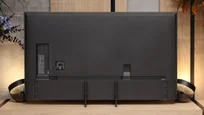
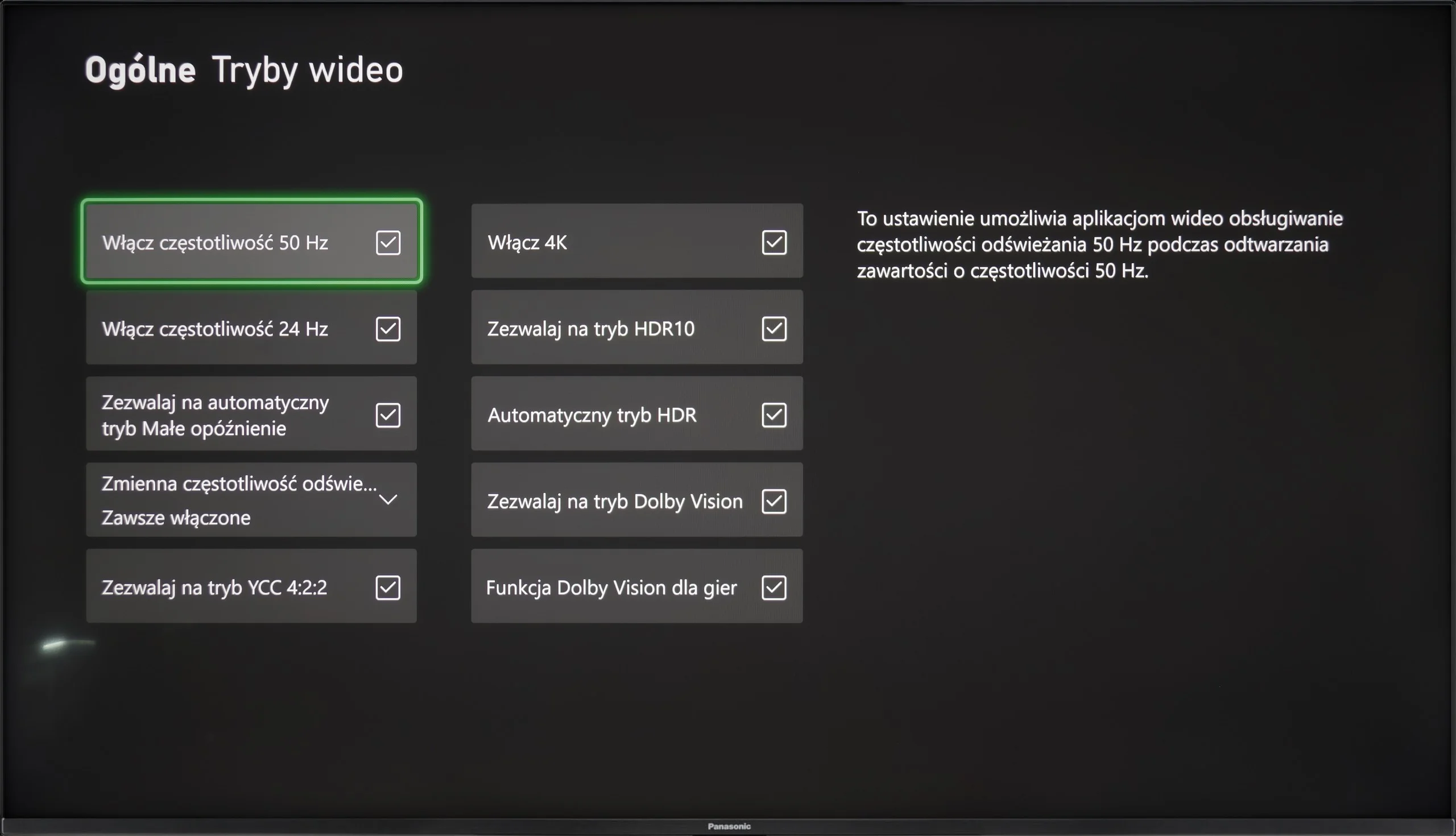
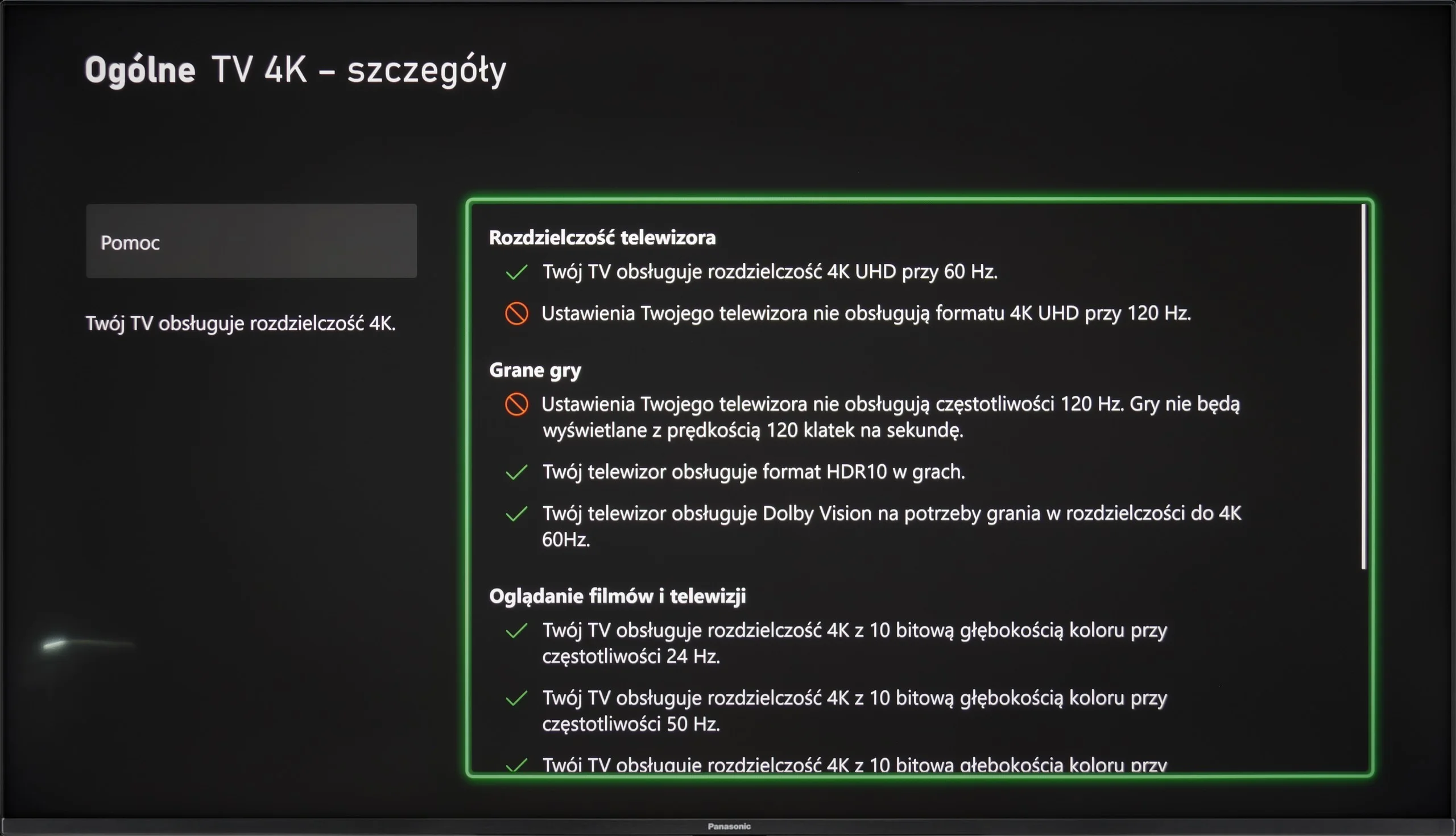
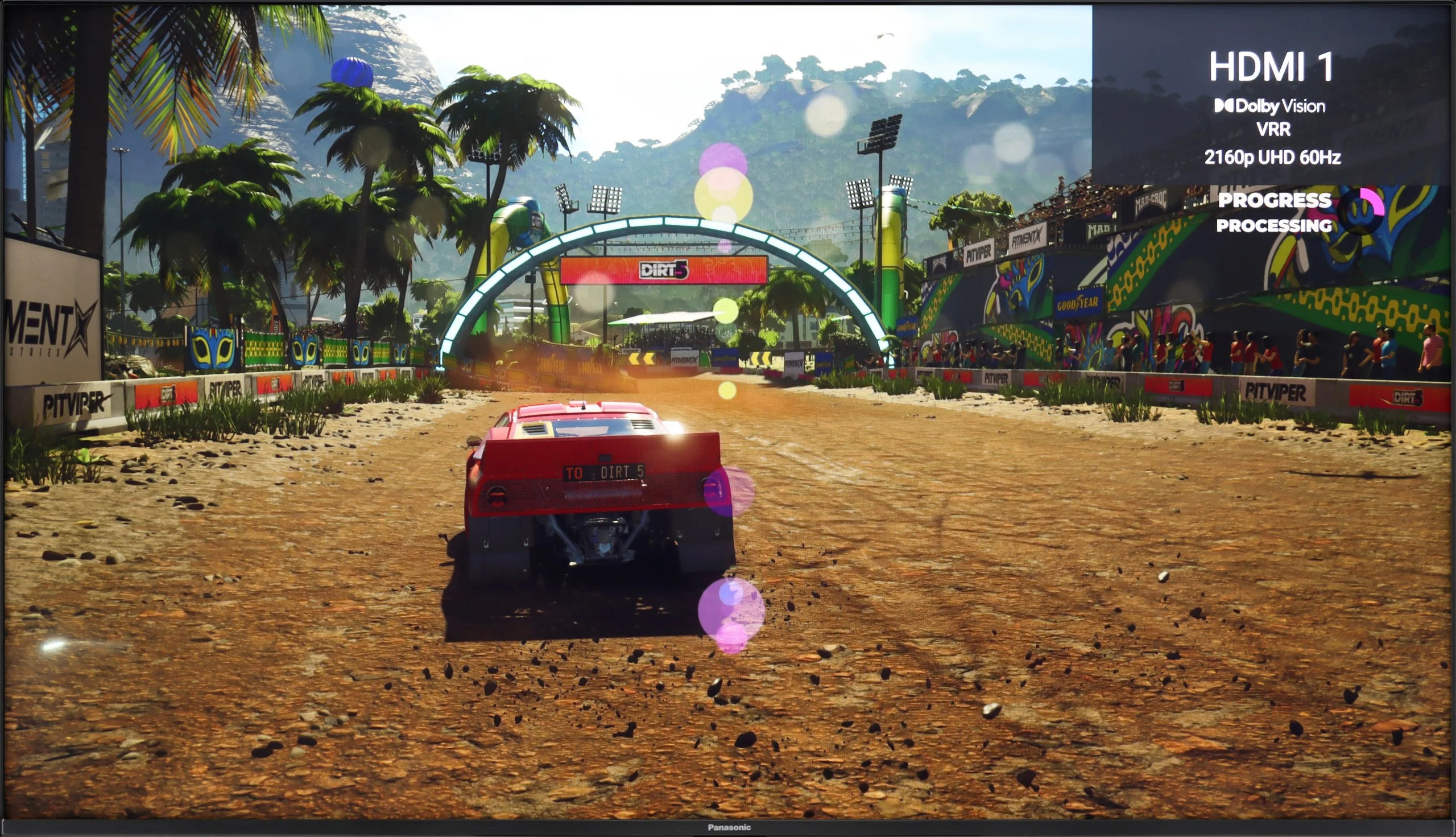
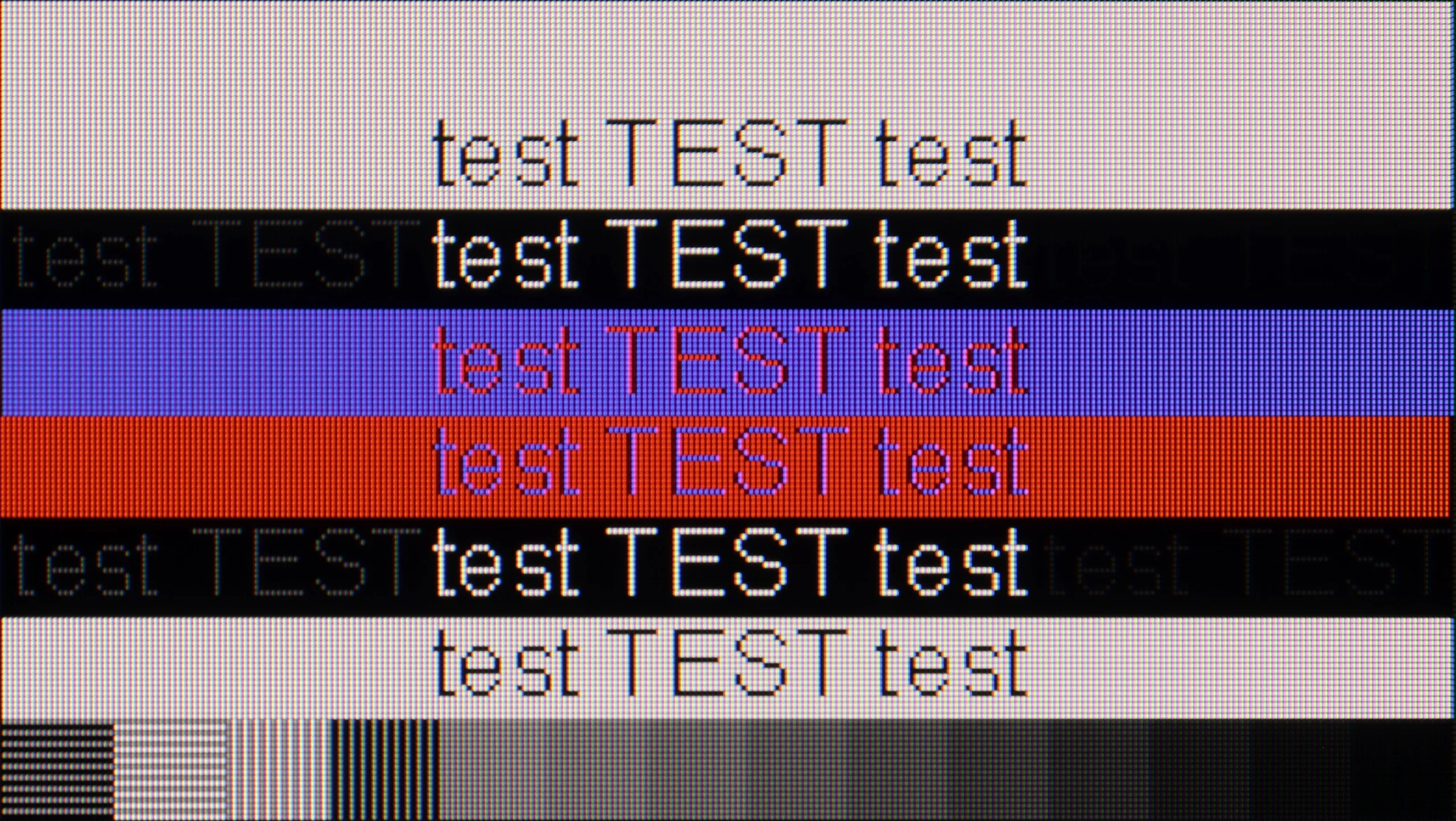
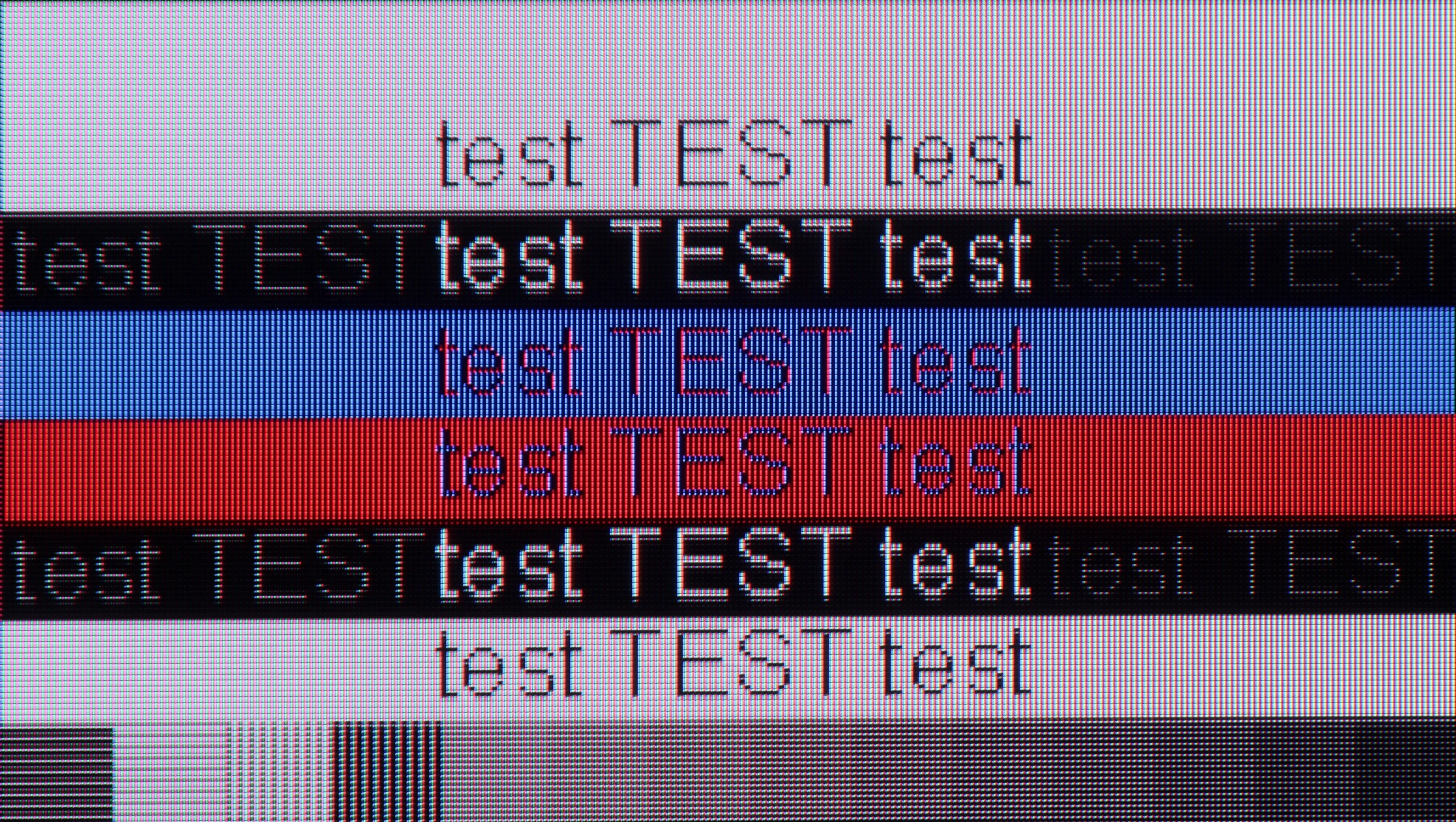
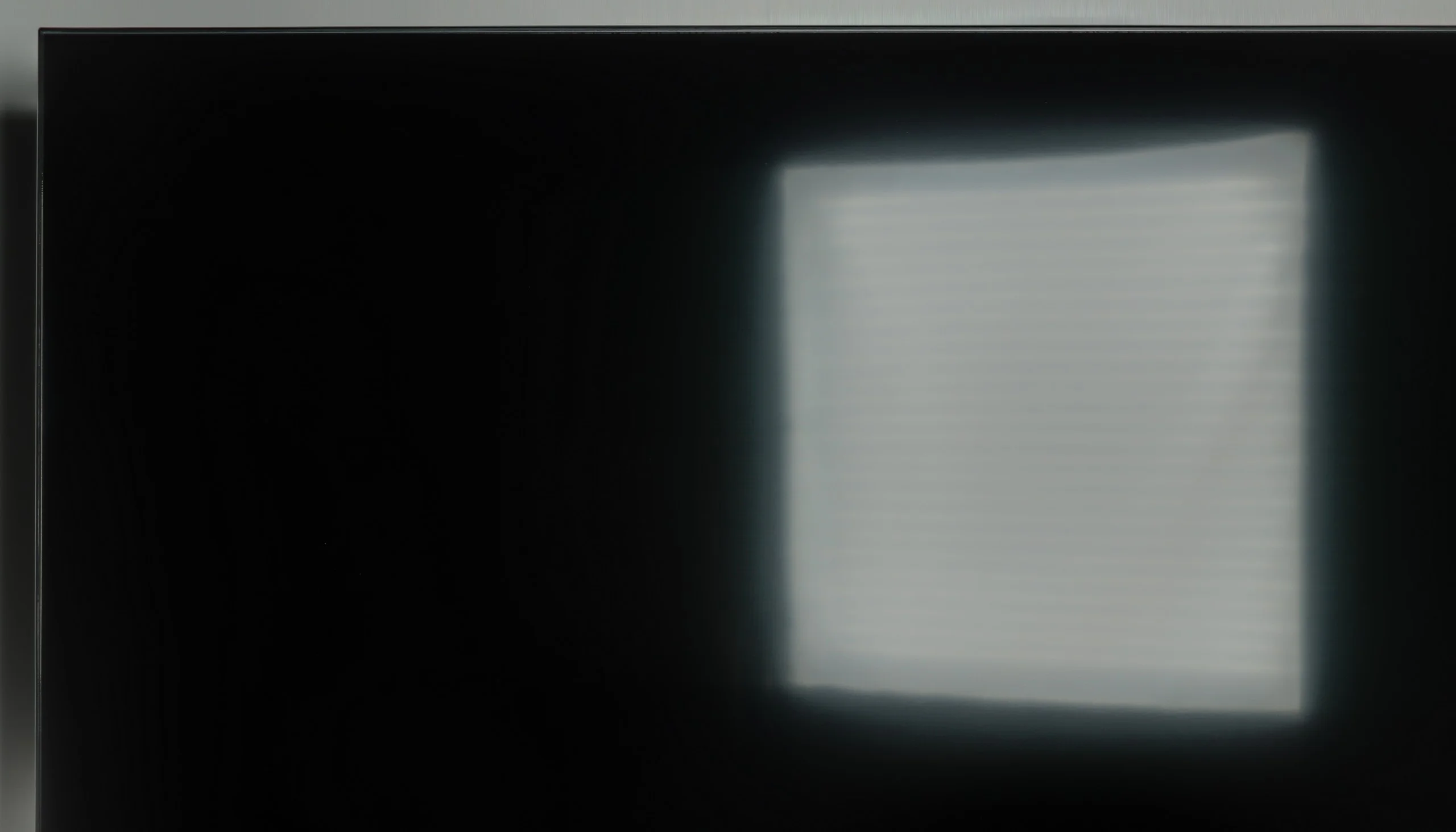
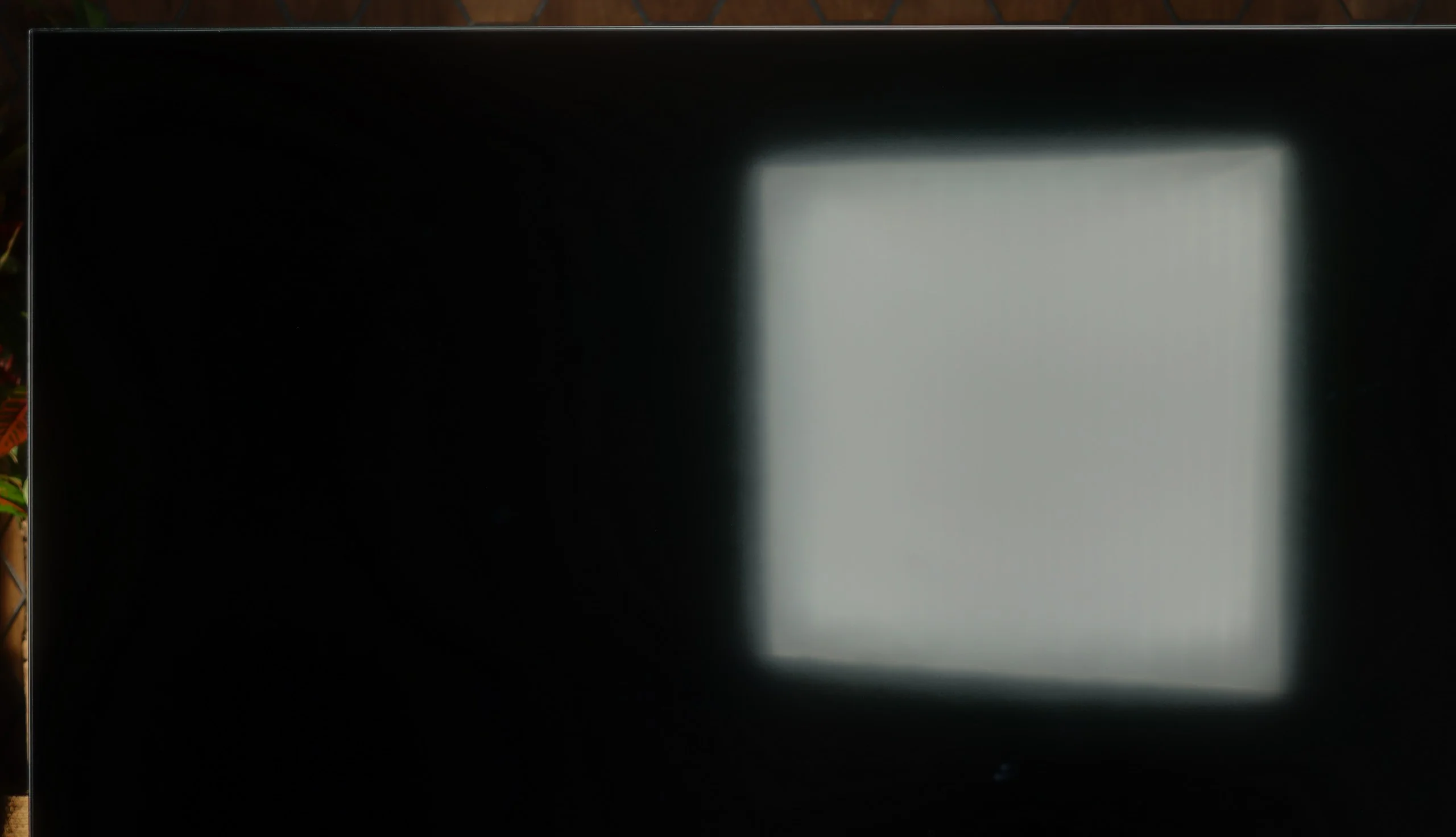
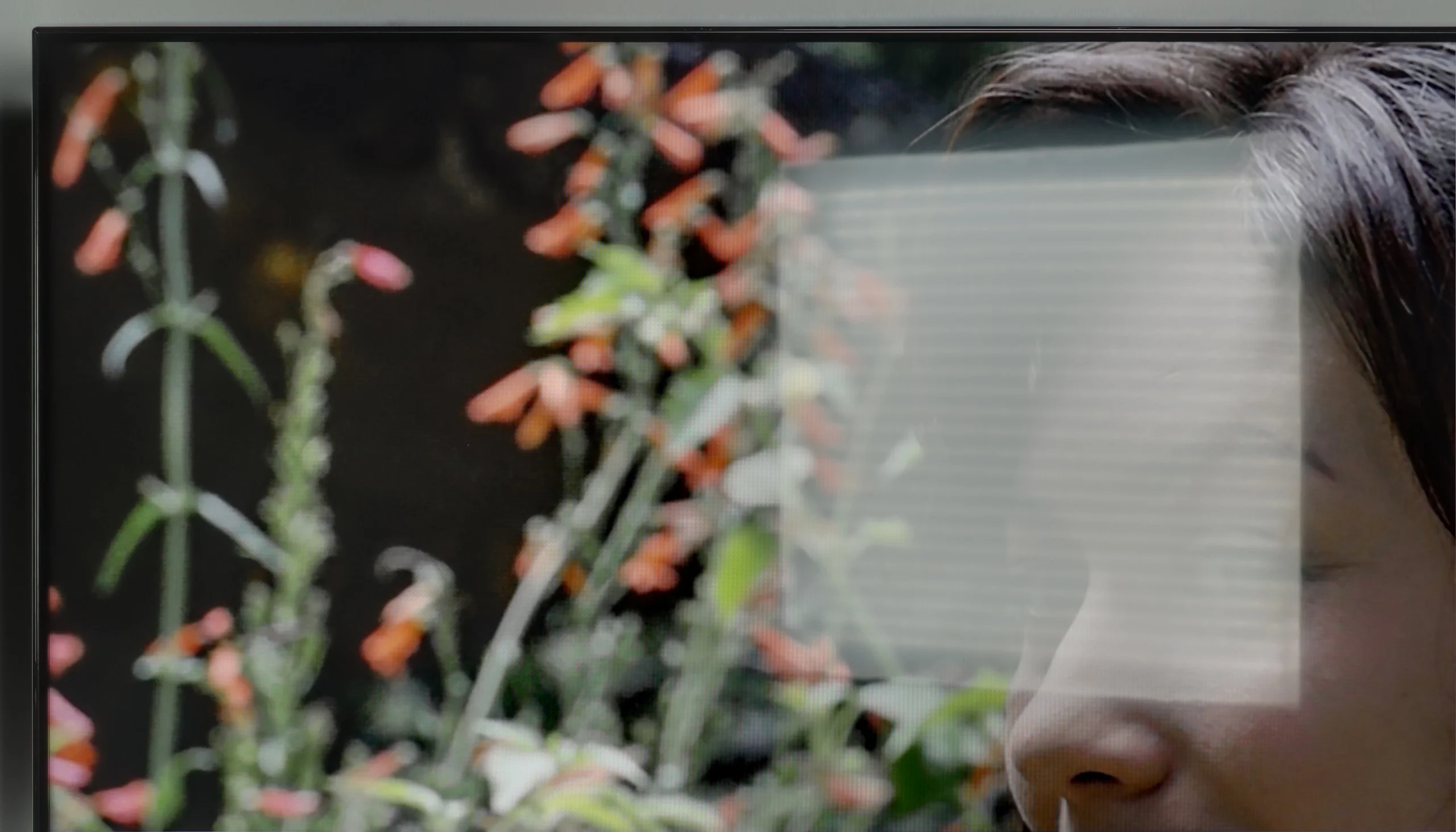
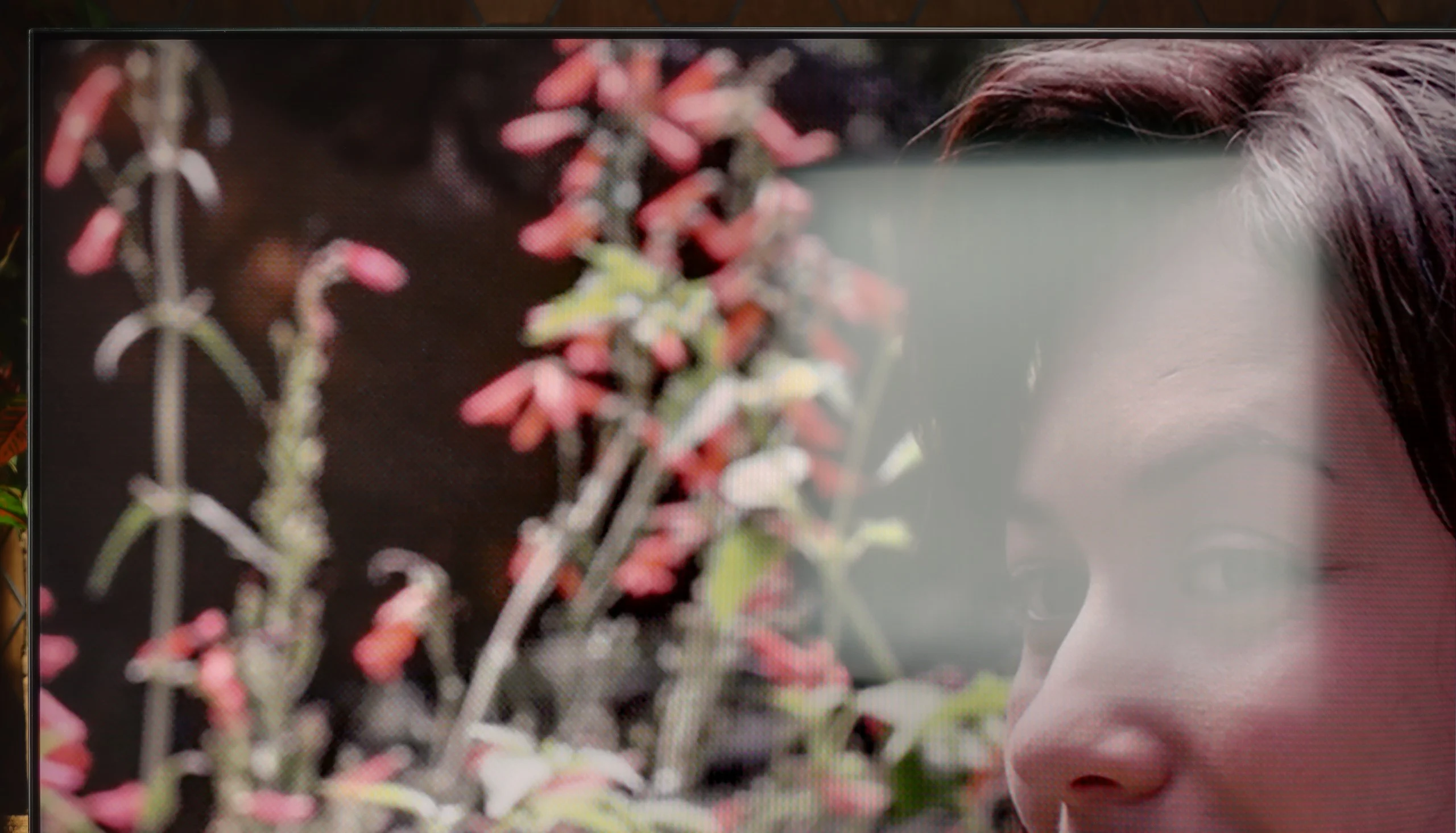
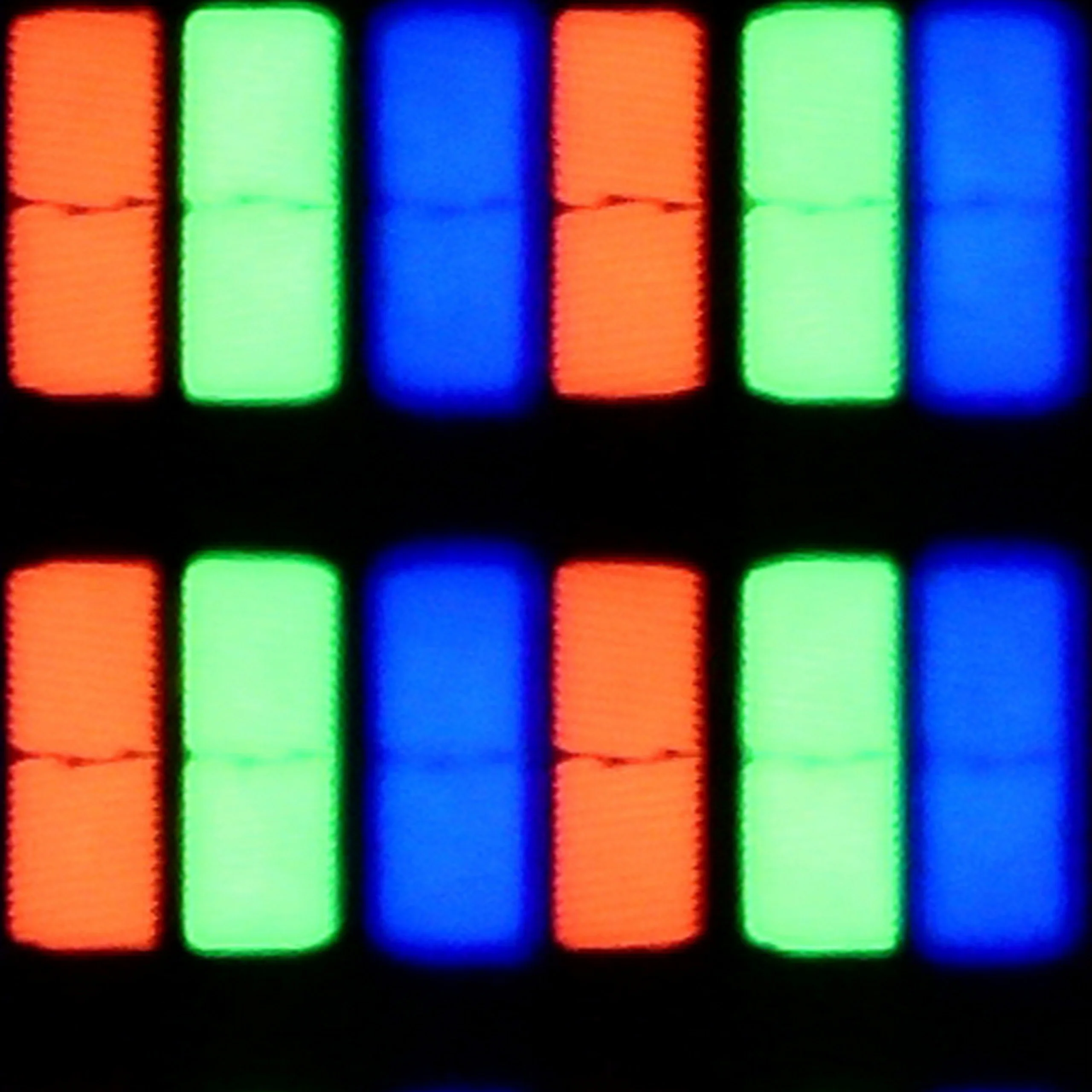
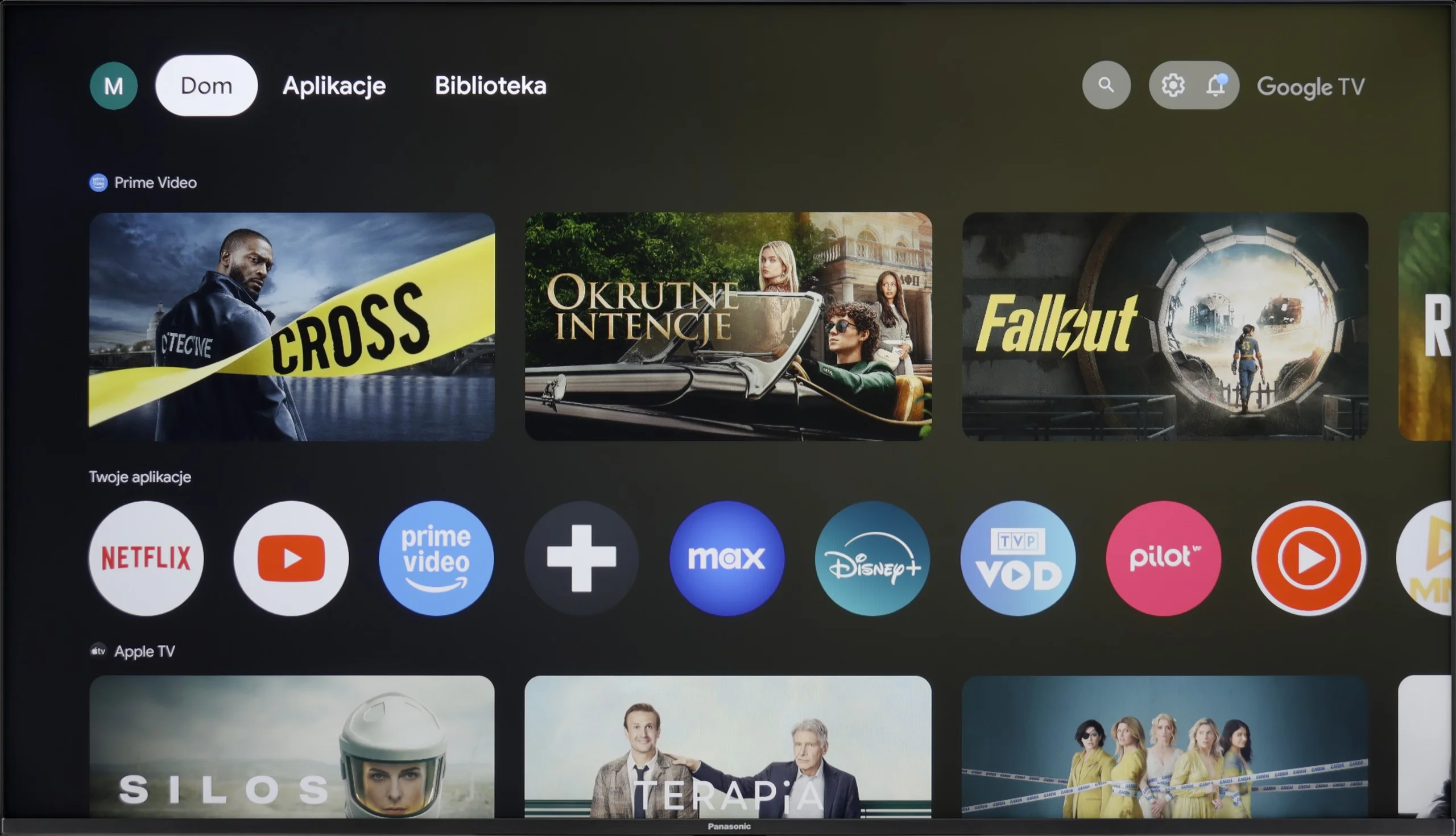
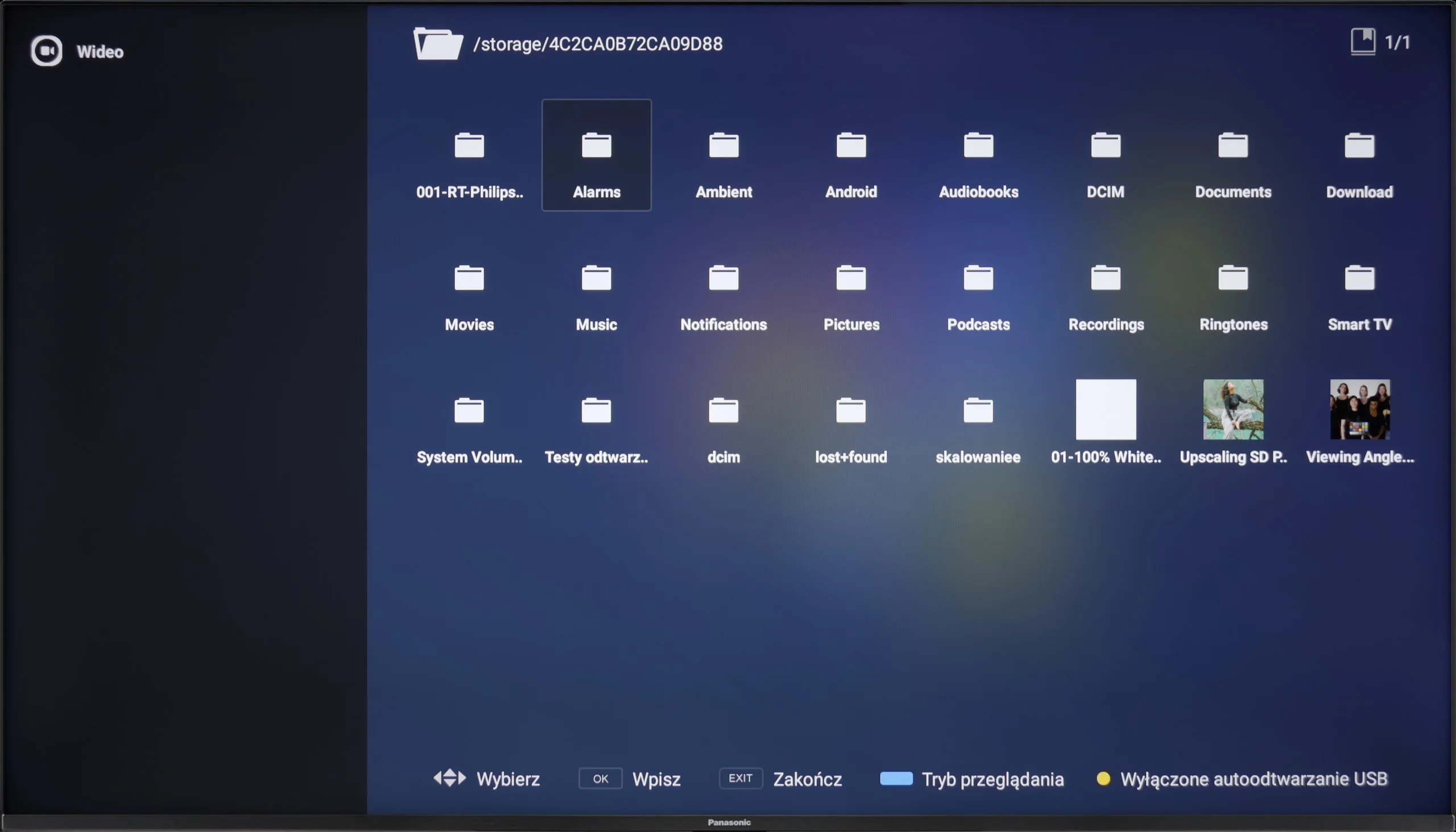
The Panasonic W70A primarily draws attention with its extensive Google TV operating system, which gives us access to a myriad of popular applications (YouTube, Netflix, Disney+, HBO Max, etc.). When it comes to the picture, the IPS matrix offers wide viewing angles, so colors do not lose intensity even when you watch a movie slightly off to the side. Gamers won't be disappointed either; we have VRR and ALLM here, as well as low input lag (around 12 ms) – all of this translates to a pleasant experience for occasional gaming, despite the standard 60 Hz refresh rate.
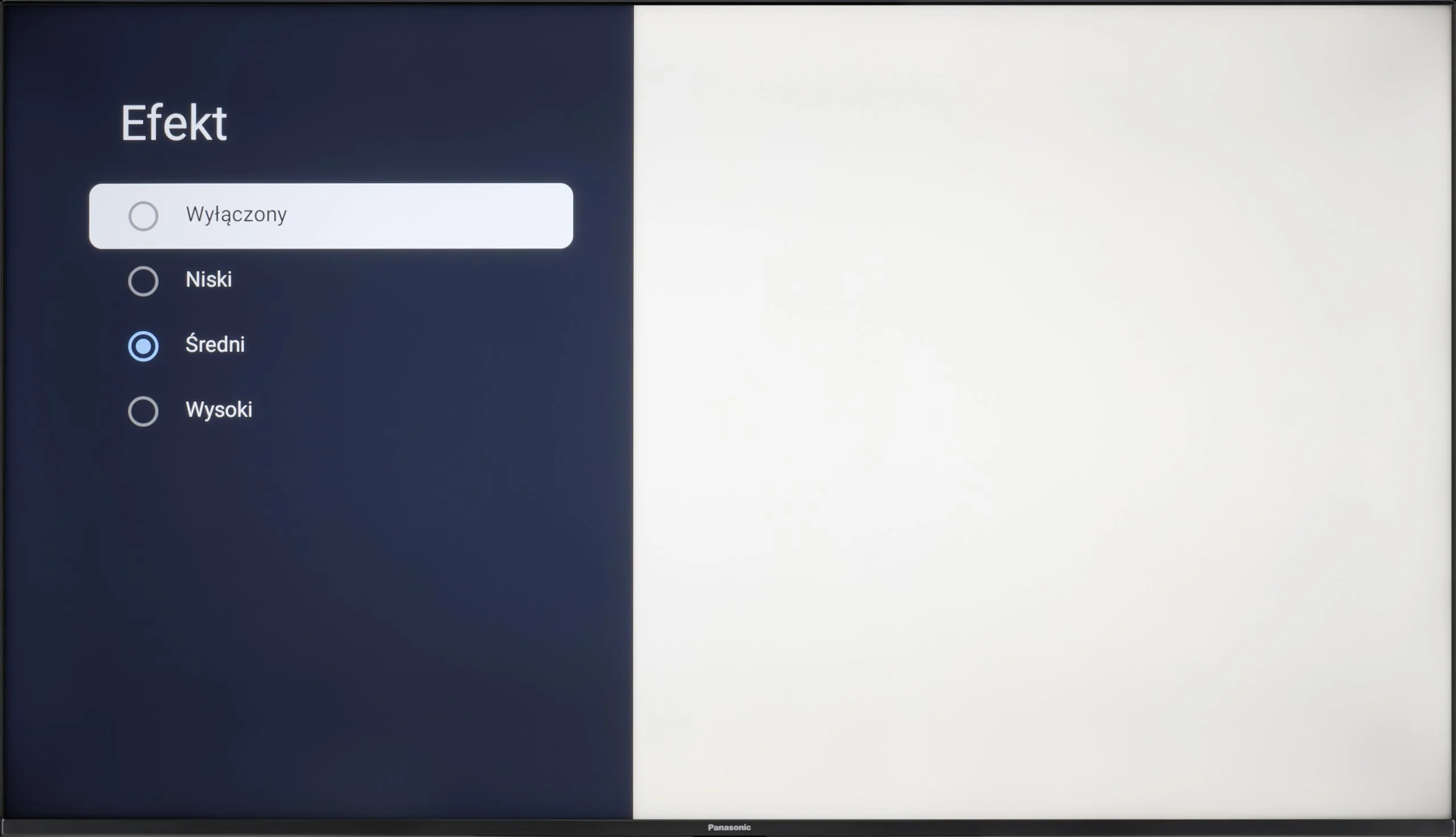
However, it is worth remembering that this is rather a basic model and has its limitations. The contrast and black levels are simply poor, which is a typical phenomenon for IPS matrices, especially in dark rooms. Brightness at around 270 cd/m² is also insufficient in heavily sunlit rooms, so the picture may seem washed out then. Additionally, certain shortcomings in the software cannot be overlooked. Google TV is a great foundation, but some settings are scattered in surprising places, and the quality of translations leaves much to be desired.
One must consider that the competition is offering more and more in a similar (or only slightly higher) price range. Can the Panasonic W70A hold its ground in such an environment? On one hand, it tempts with a rich application base and decent support for gamers, but on the other hand, the market is flooded with more polished TVs equipped with better parameters. However, if wide viewing angles and straightforward access to Google TV services are priorities, we can give it a chance. Otherwise, it is worth exploring competitive models that often offer better black levels, higher brightness, and fewer annoying menu issues for a similar price.
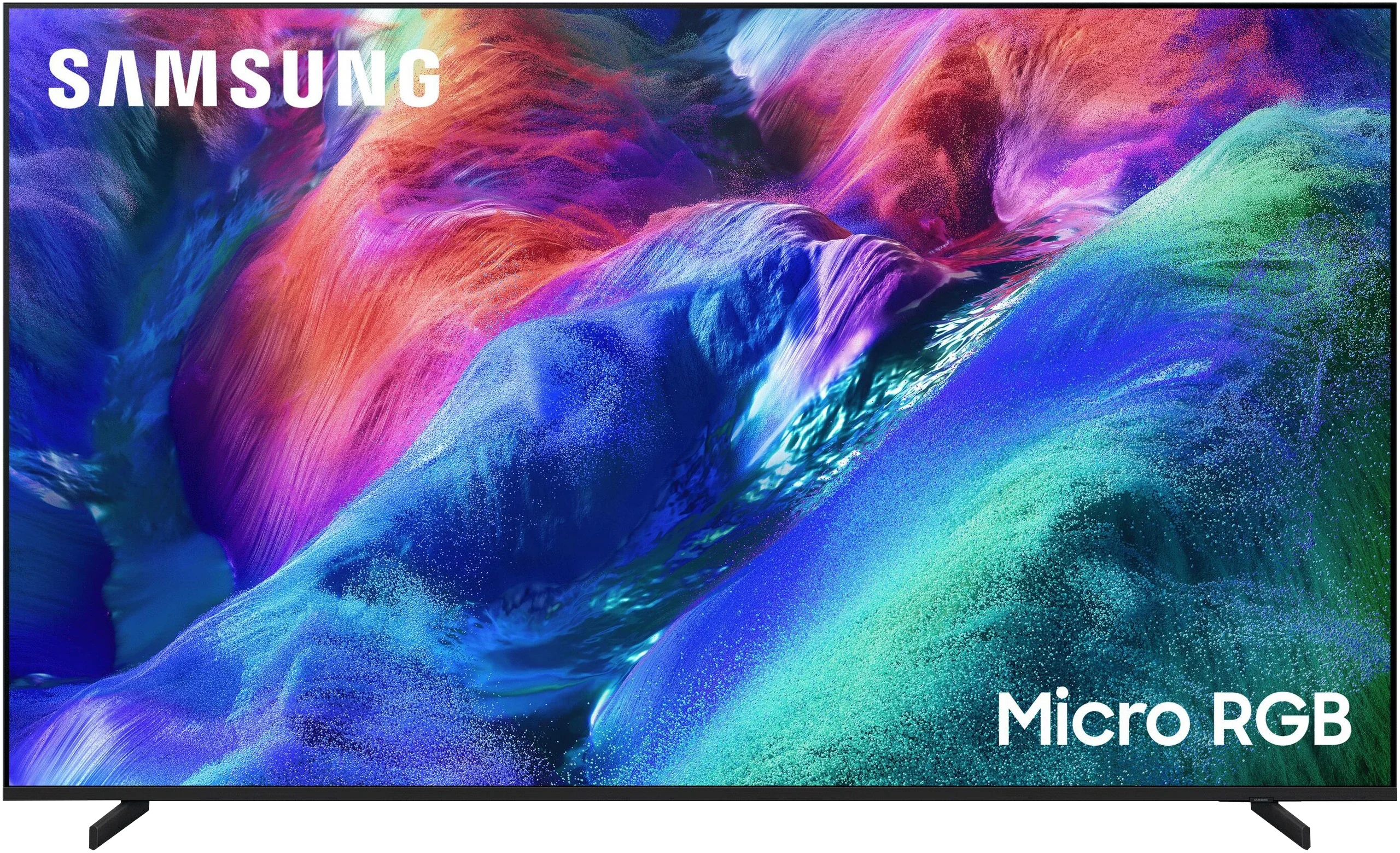
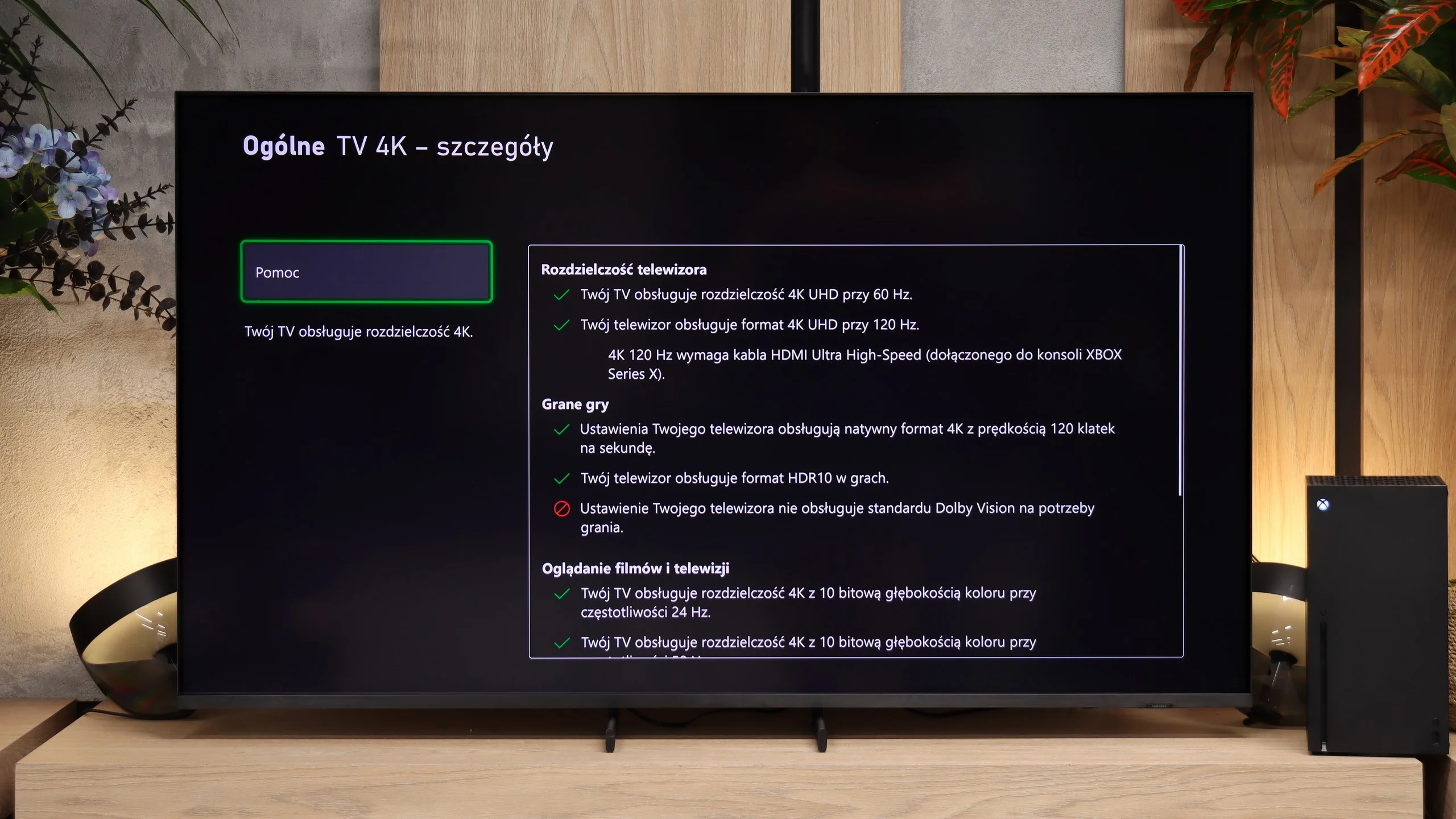
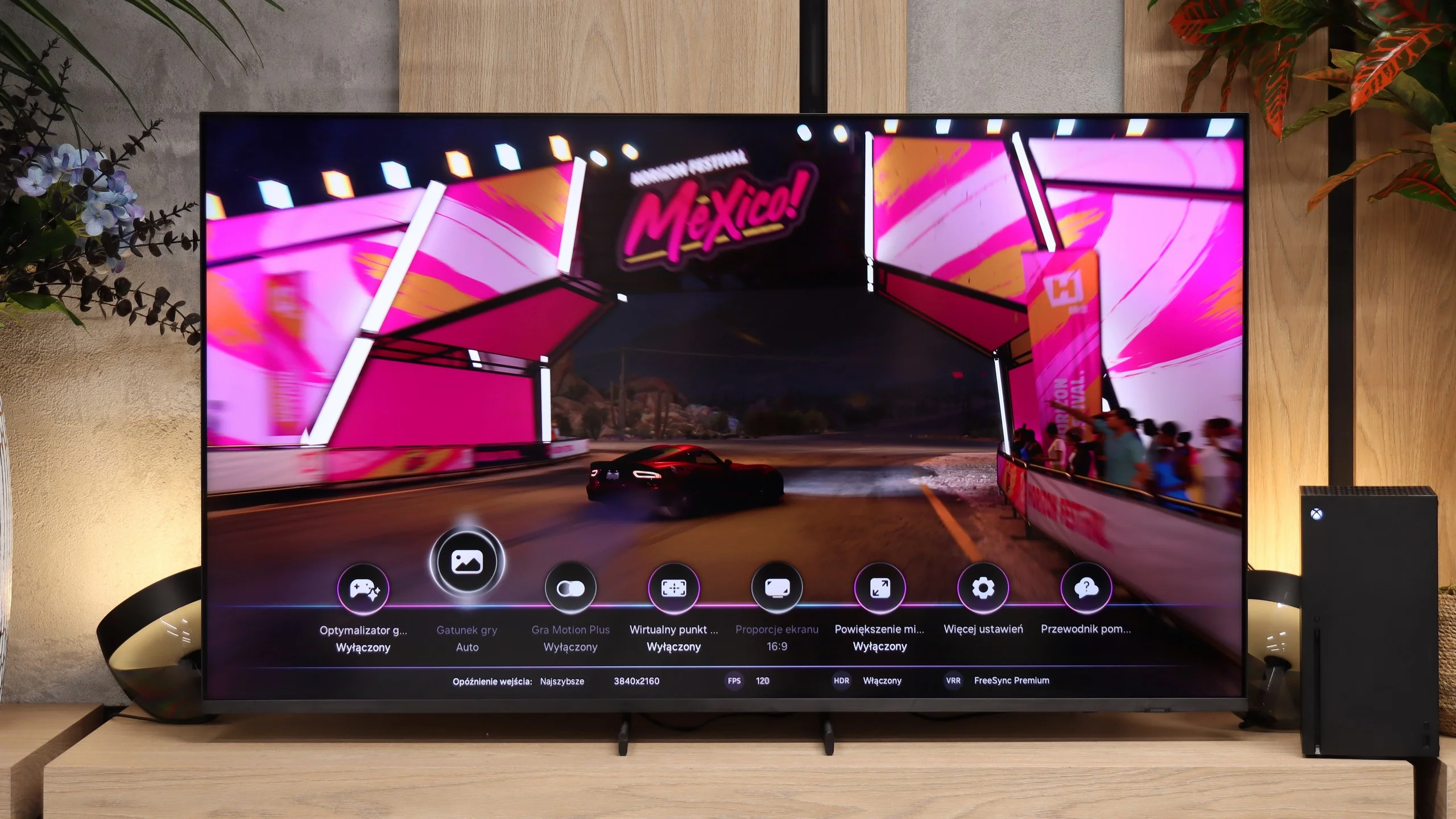
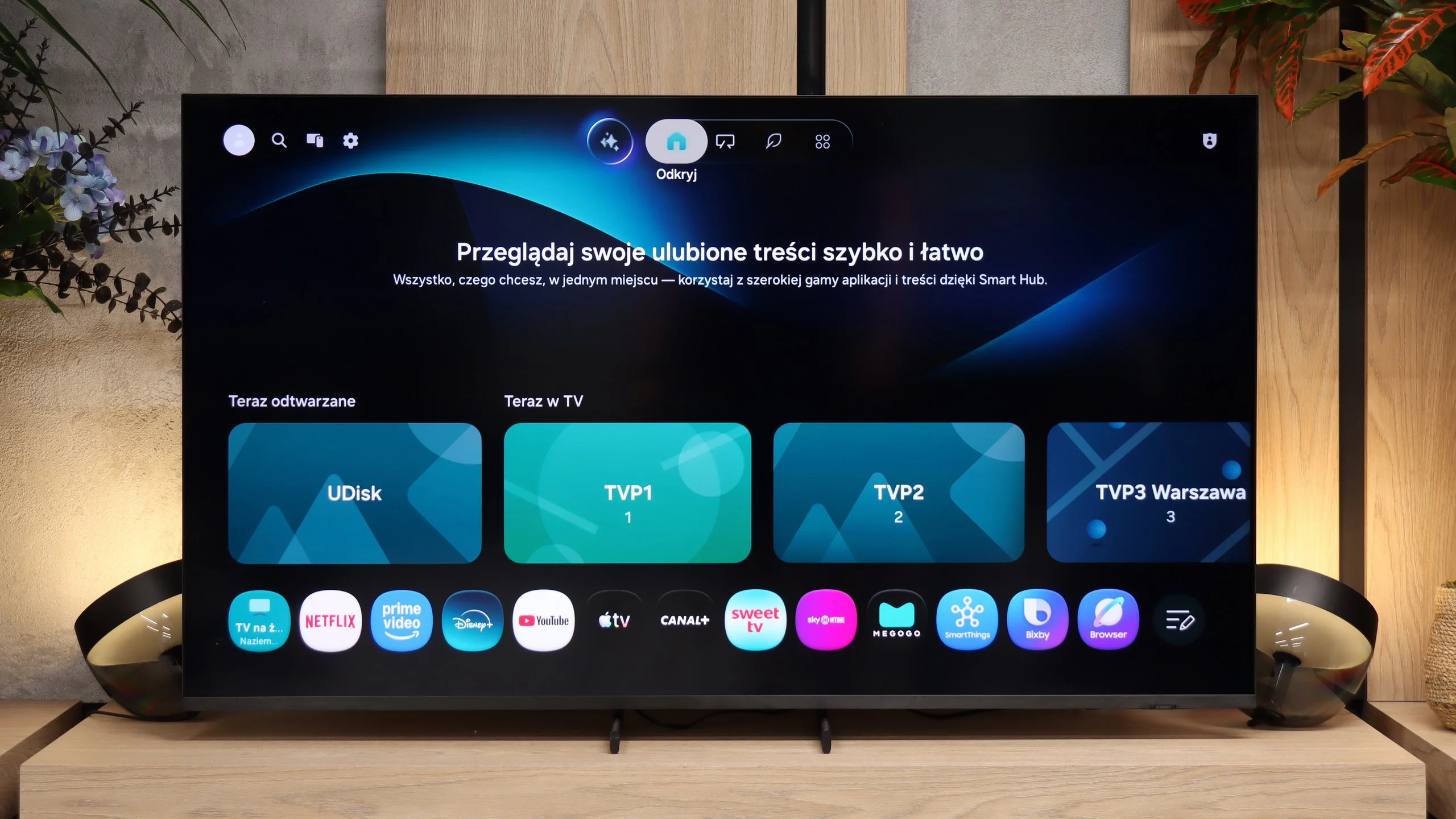
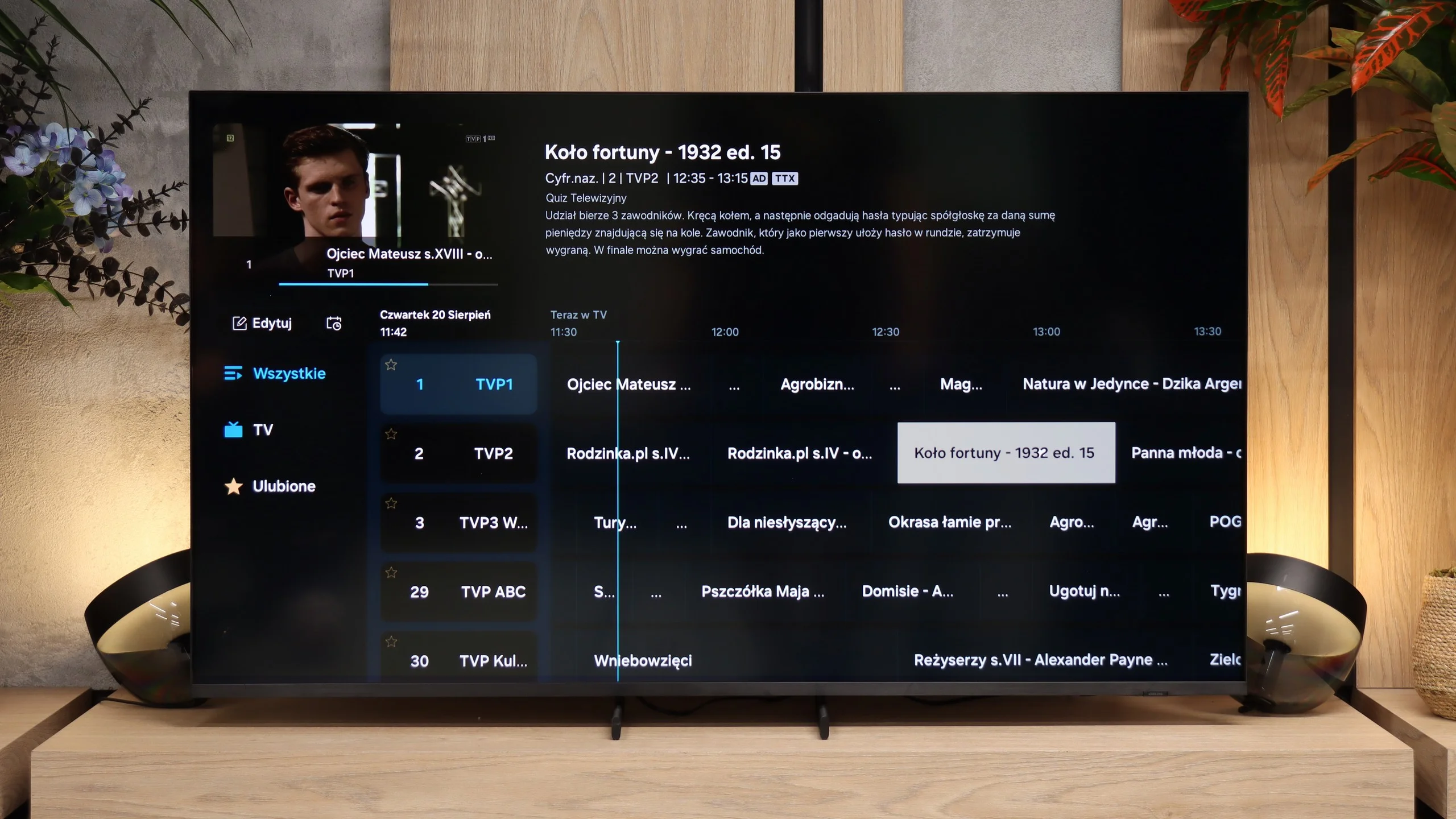
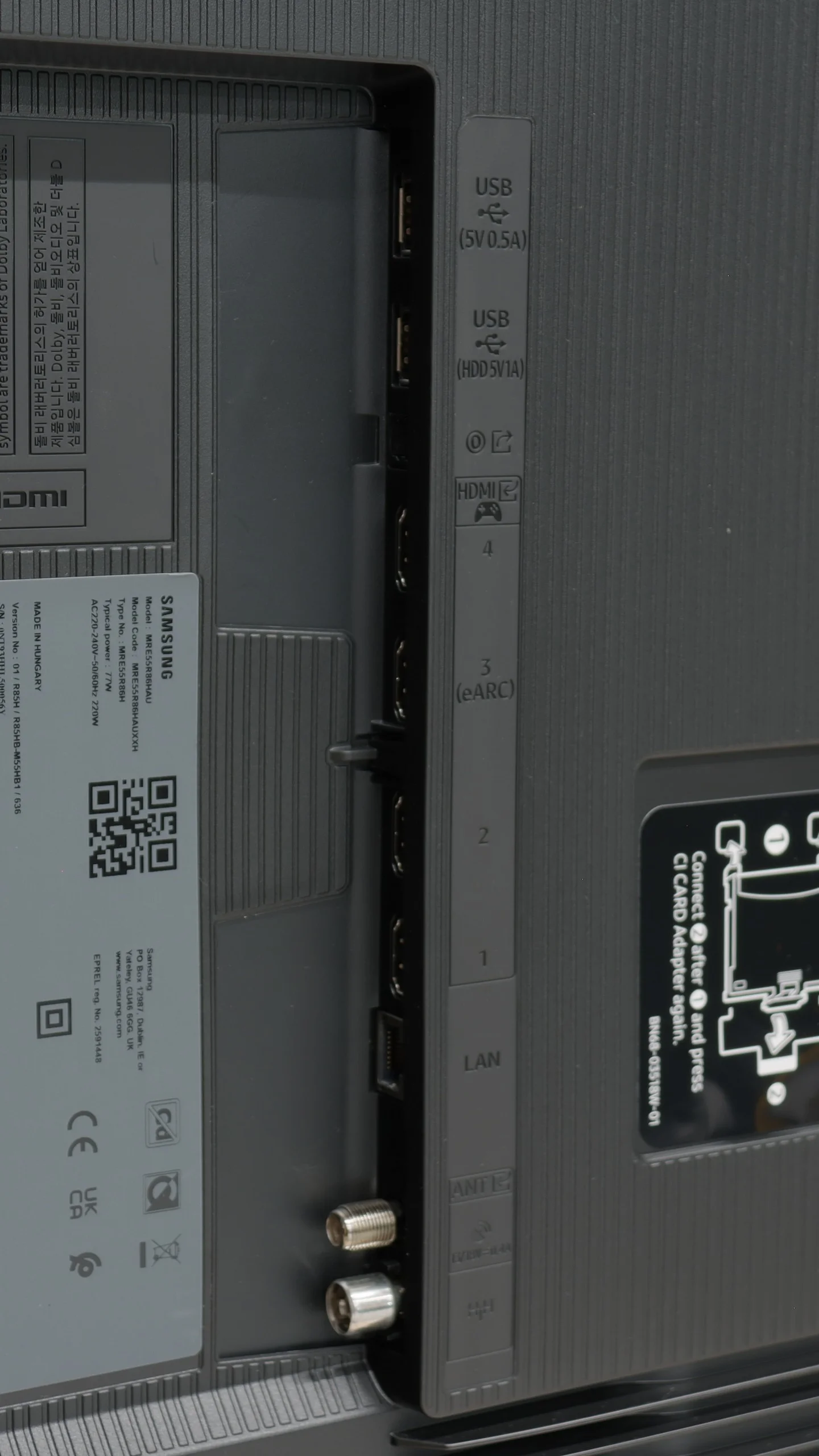
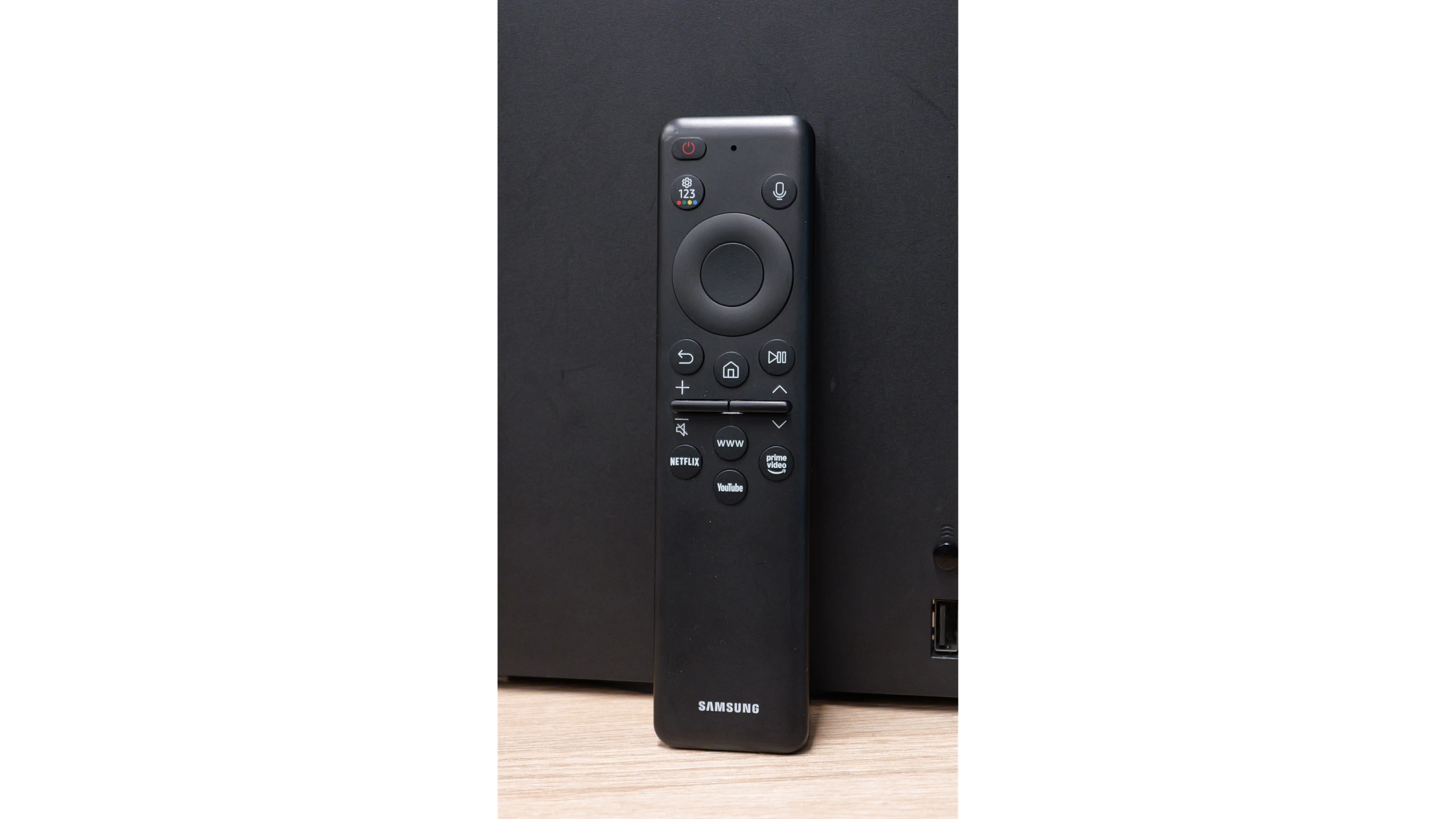
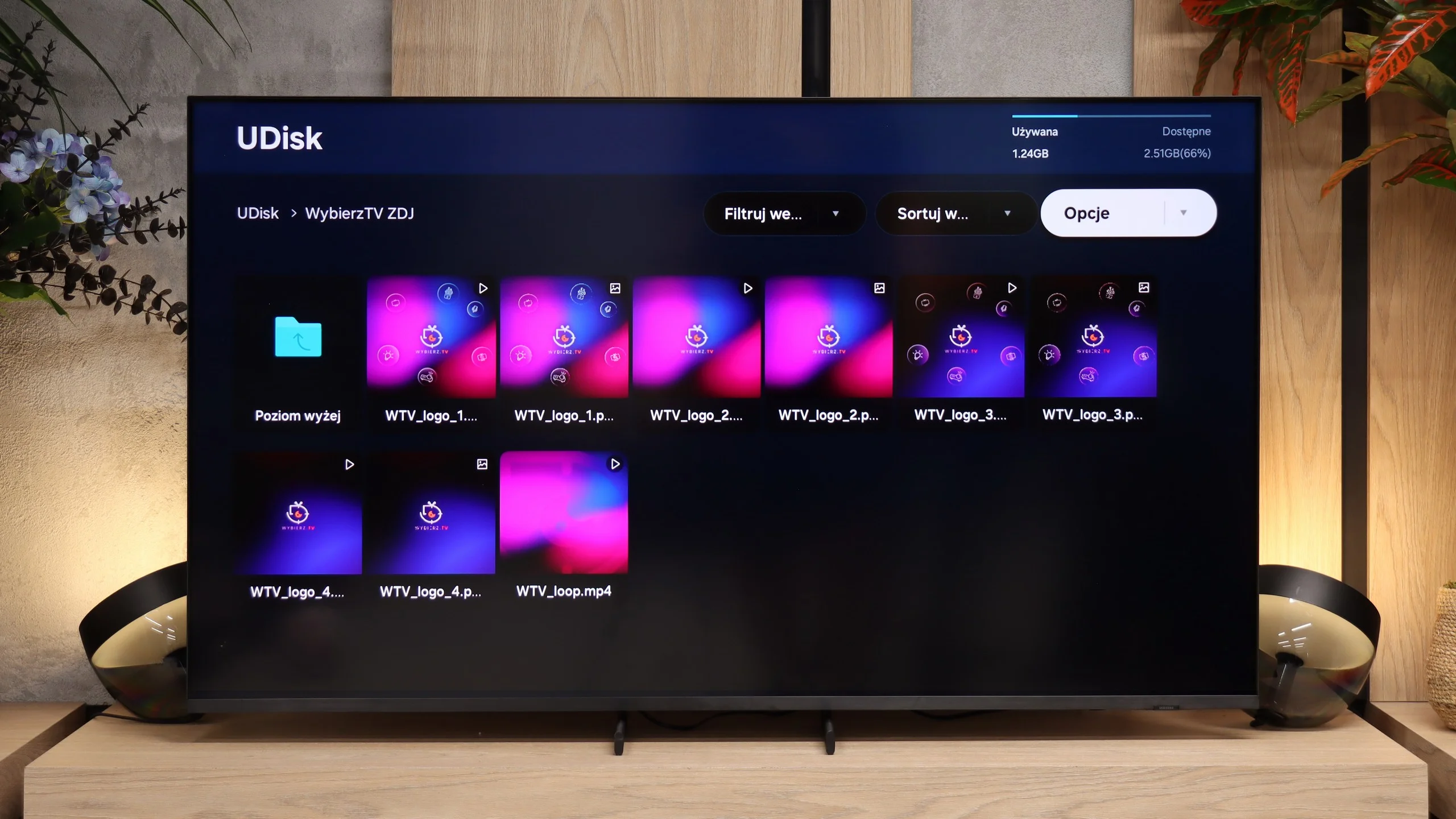
The Samsung R85H is above all a very versatile TV that works well in almost any situation. You can put it in a bright living room, hook up a console, watch a movie or series in the evening, and use regular broadcast TV every day, and each time you’ll get a good-quality picture. It may not make as strong an impression in the first minutes as Samsung’s best OLEDs, but it’s hard to point to a single feature that severely limits its use. That versatility is probably its biggest strength. Naturally, the R85H draws the most attention for its new "Micro RGB" backlight. From our tests we’d say it can indeed offer an advantage over classic Mini-LED, although not always in the areas the manufacturer emphasizes most. On test charts the color reproduction capabilities are impressive, but in real, more complex scenes the TV can’t always exploit the full potential of a three-color backlight. Its advantage is easiest to spot in simpler parts of the image, where intense reds, greens, or blues can look truly striking. Viewing angles are also a bit better, because colors viewed off-axis retain their saturation longer than on conventional LCD TVs. Micro RGB doesn’t, however, solve all the limits of RGB technology. With very saturated elements you can sometimes notice slight color bleeding into adjacent bright areas, and the relatively small number of local dimming zones means the backlight can’t always operate as precisely as its on-paper specs might suggest. The R85H shows that RGB really has potential and could be the next step in LCD development, but using colored LEDs alone doesn’t automatically translate into a huge jump in picture quality. For that reason we’d treat the R85H mainly as a somewhat better and more interesting alternative to the QN80H, not as a must-buy solely because it says Micro RGB. If the price gap between those models is reasonable, we’d choose the R85H. We wouldn’t pay a large premium just for the new backlight, since its everyday advantage isn’t always as big as marketing materials might imply. Regardless, the R85H is a successful all-purpose TV, and that’s probably the best way to look at it.
 Direct comparison