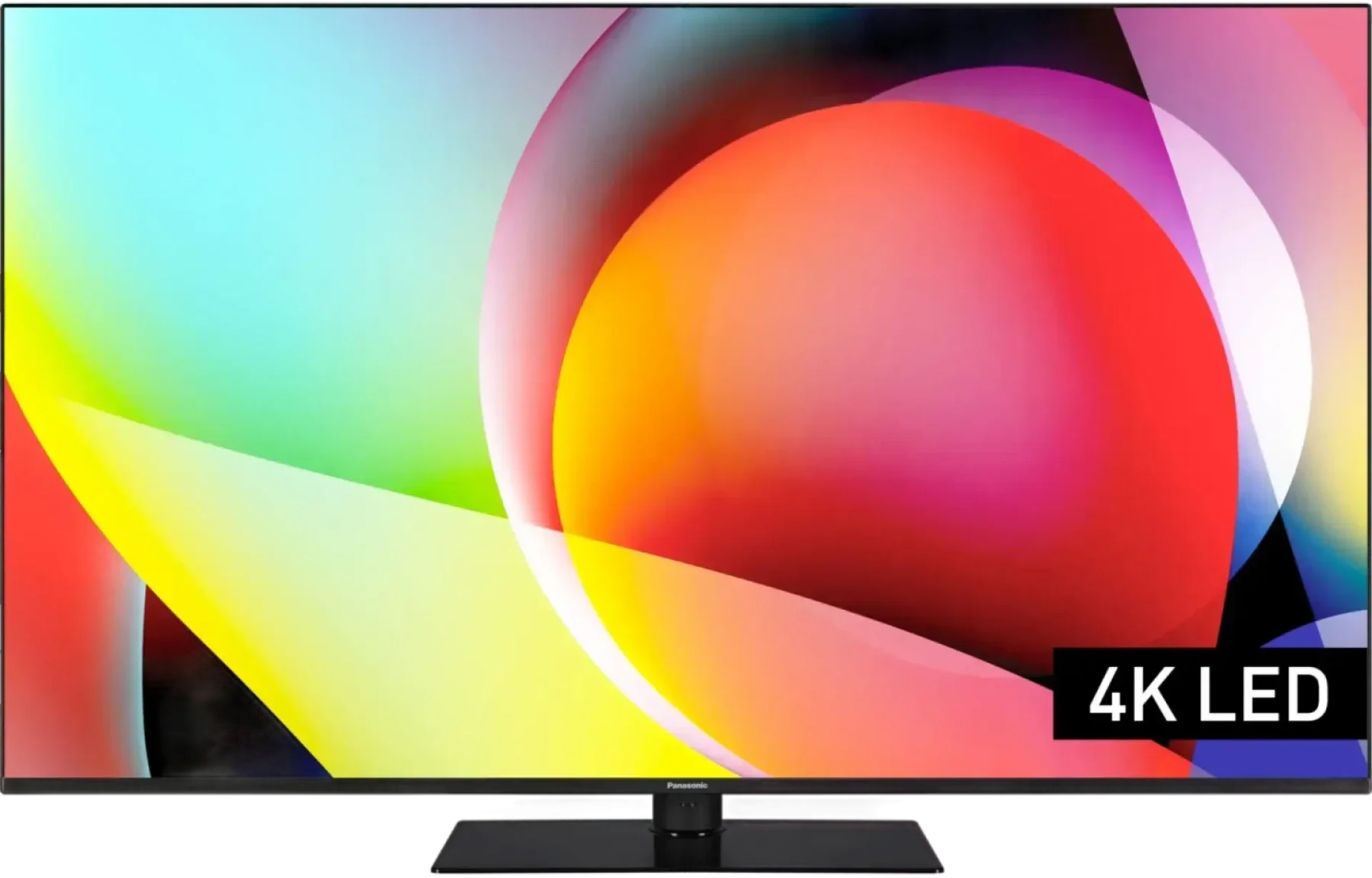
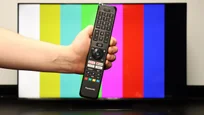
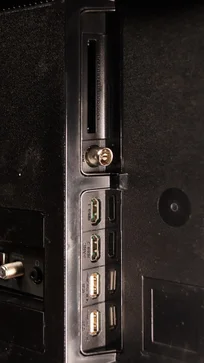
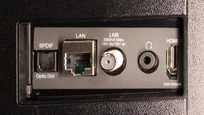
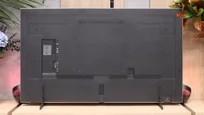
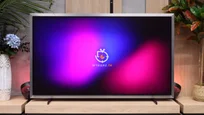
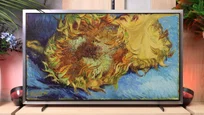
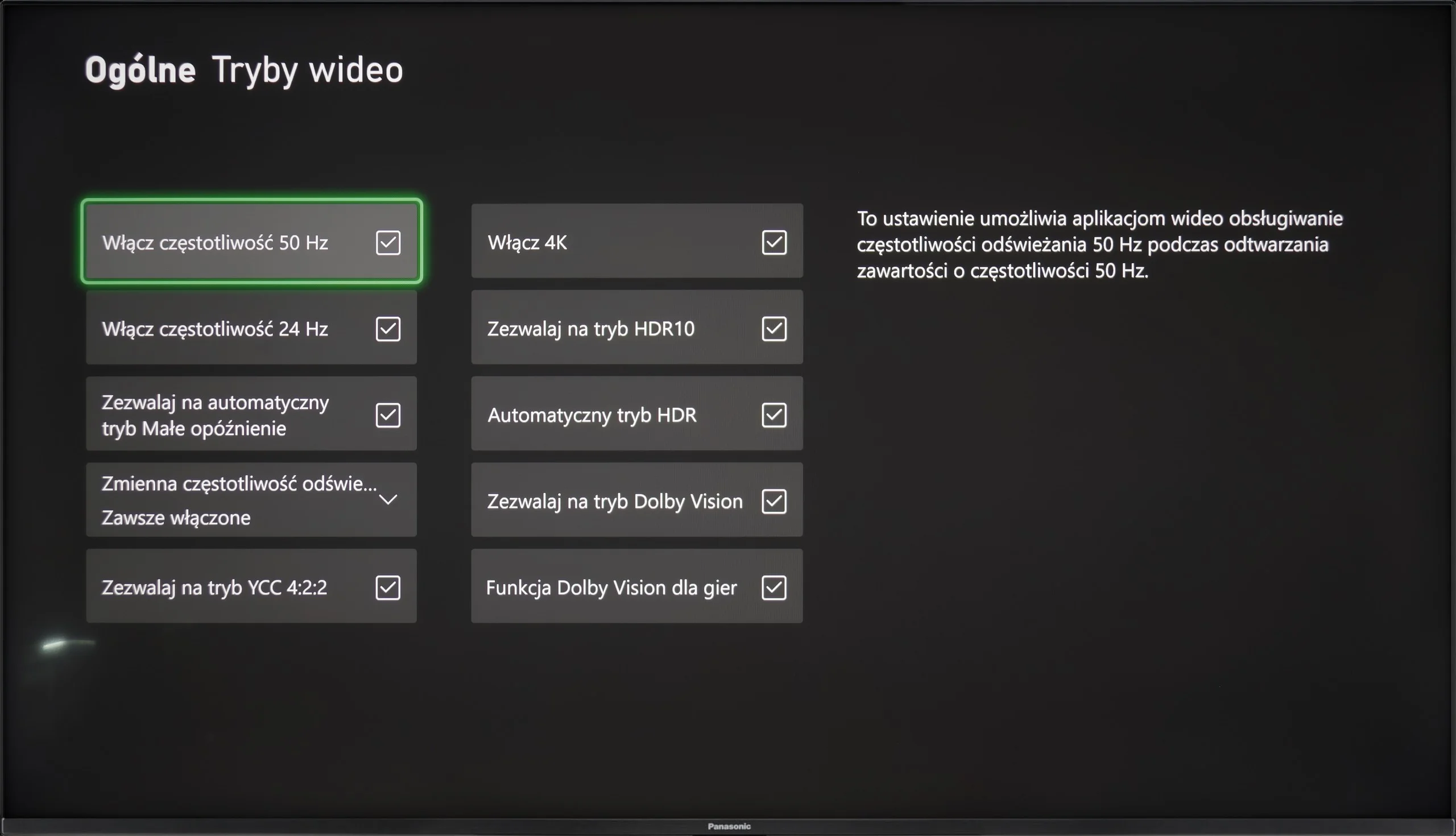
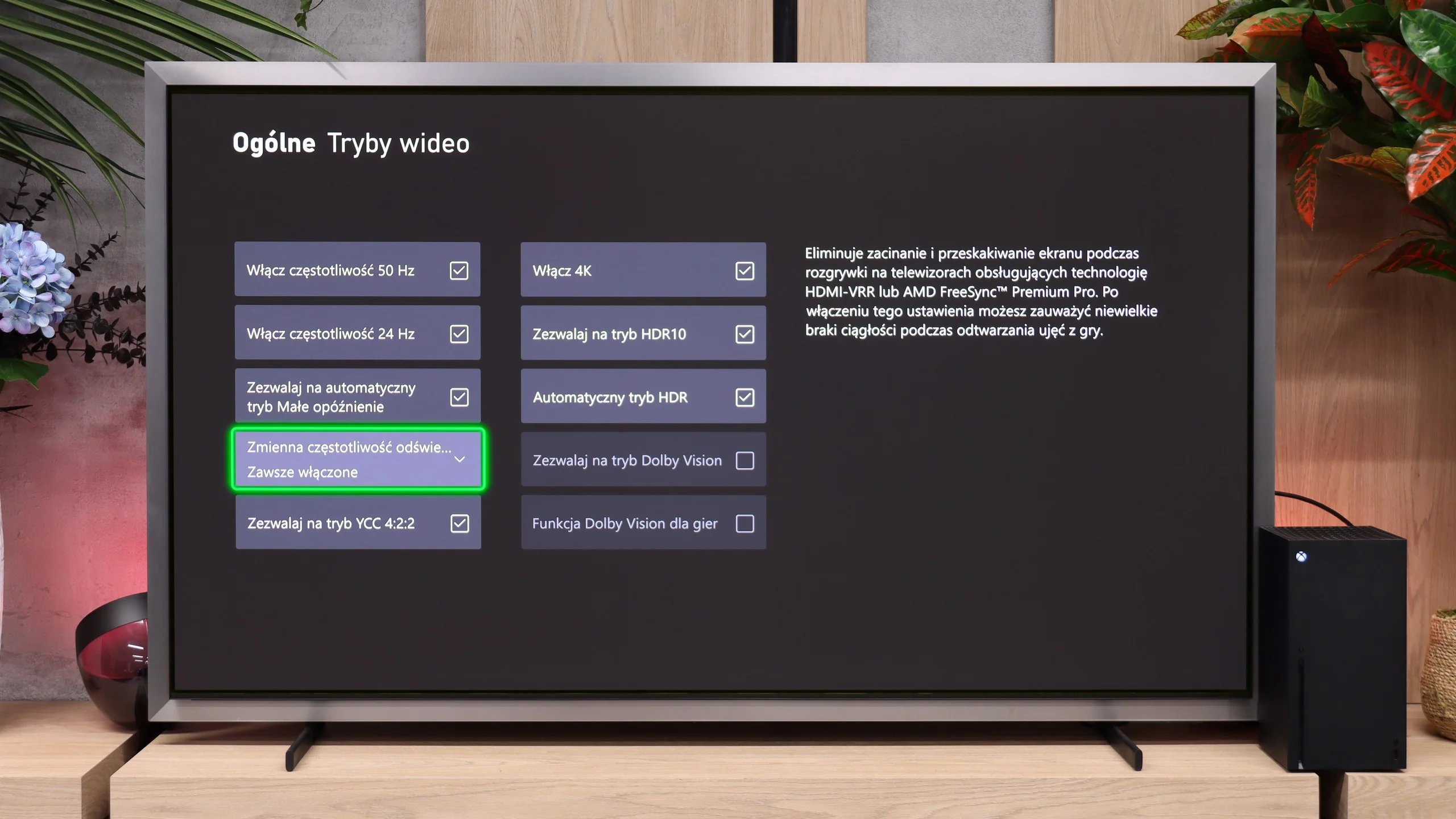
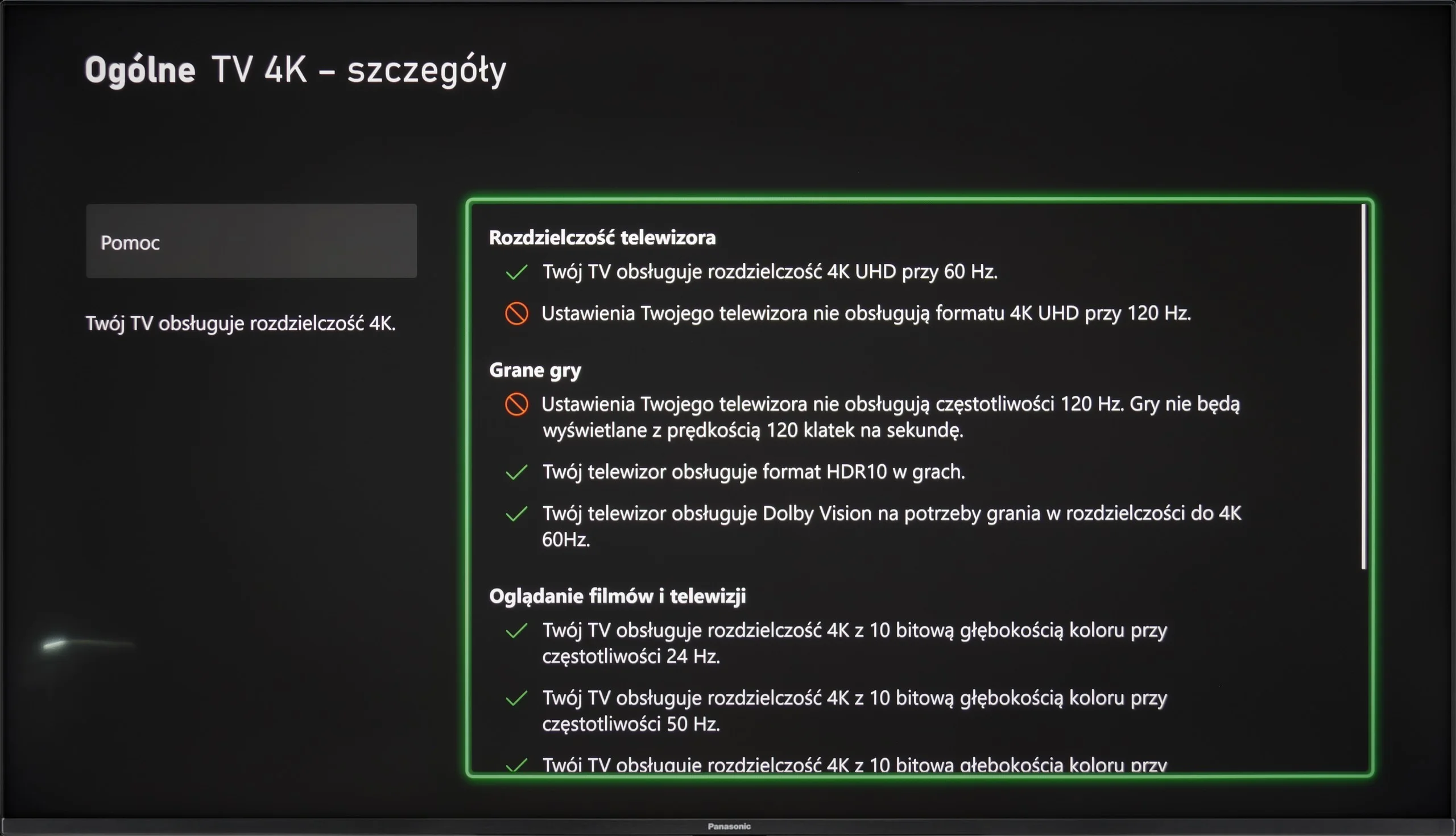
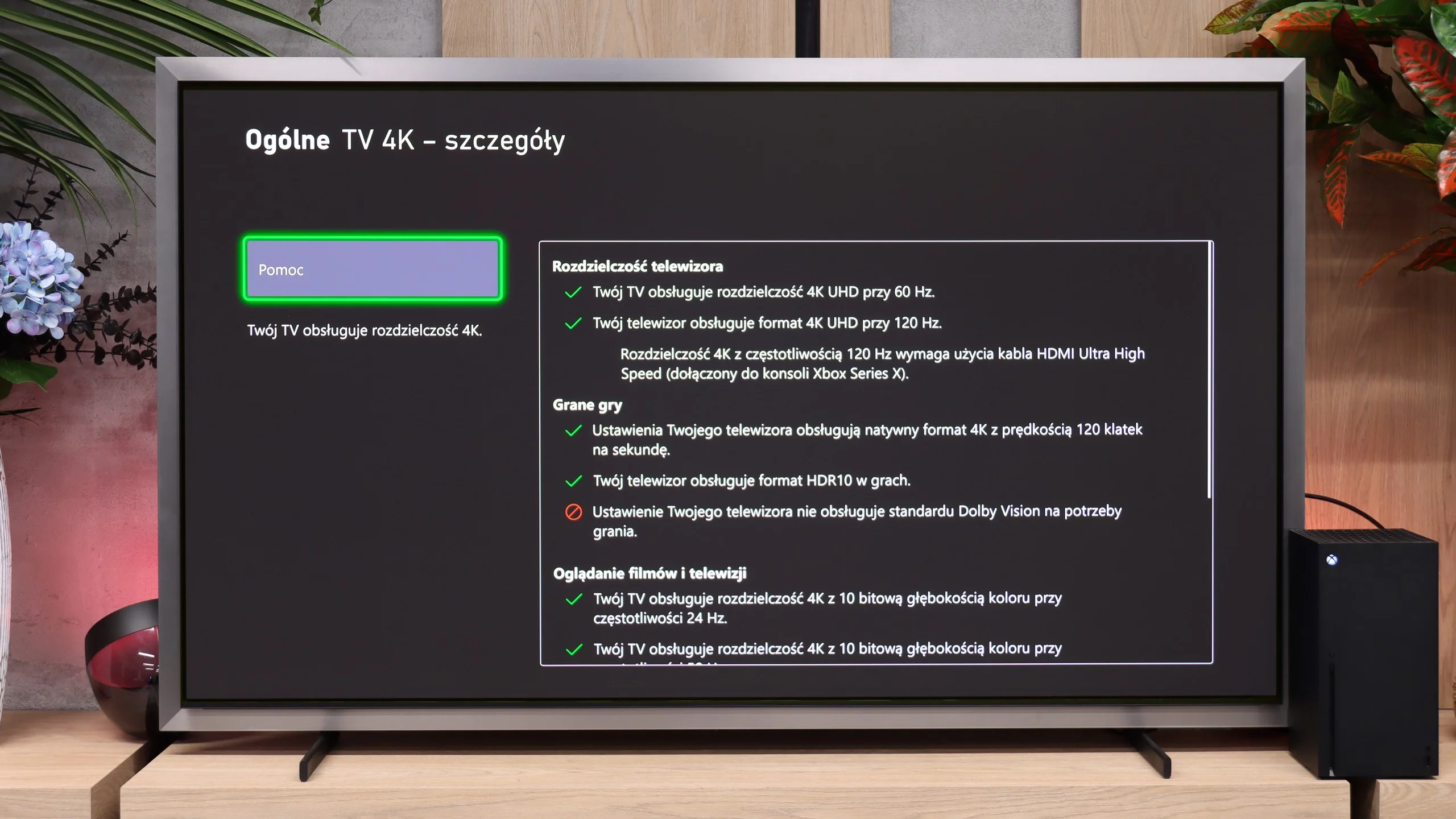
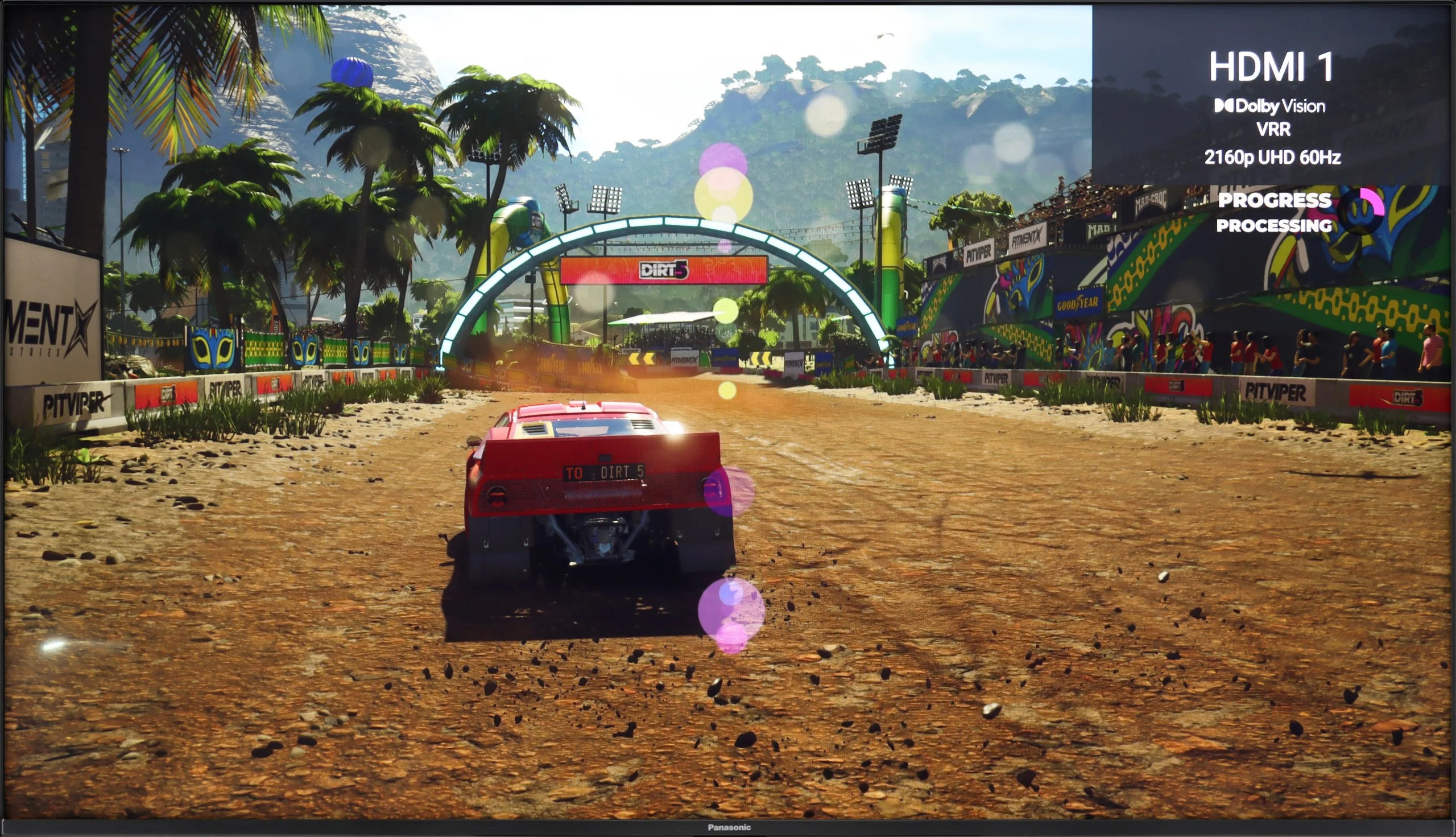
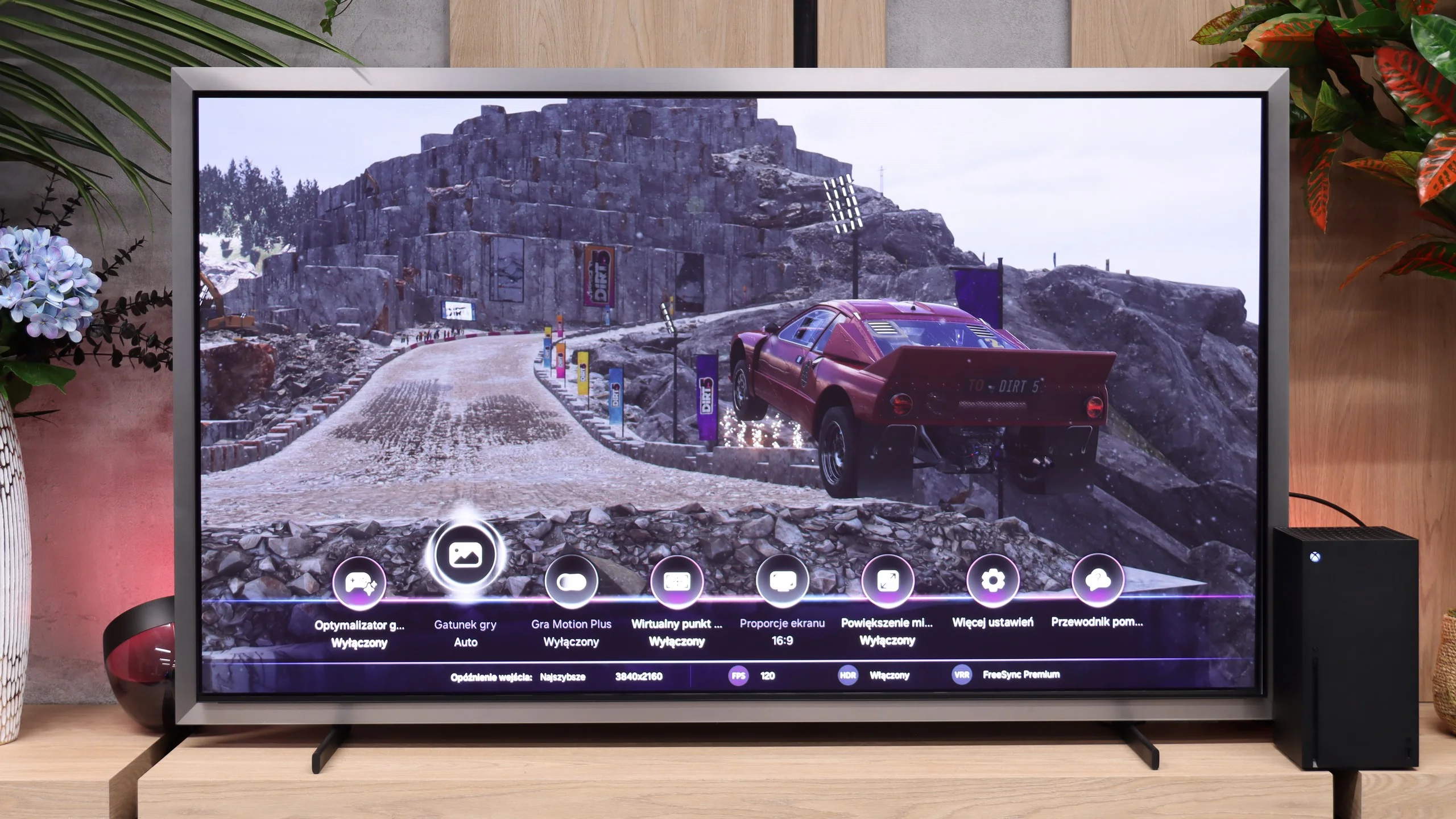
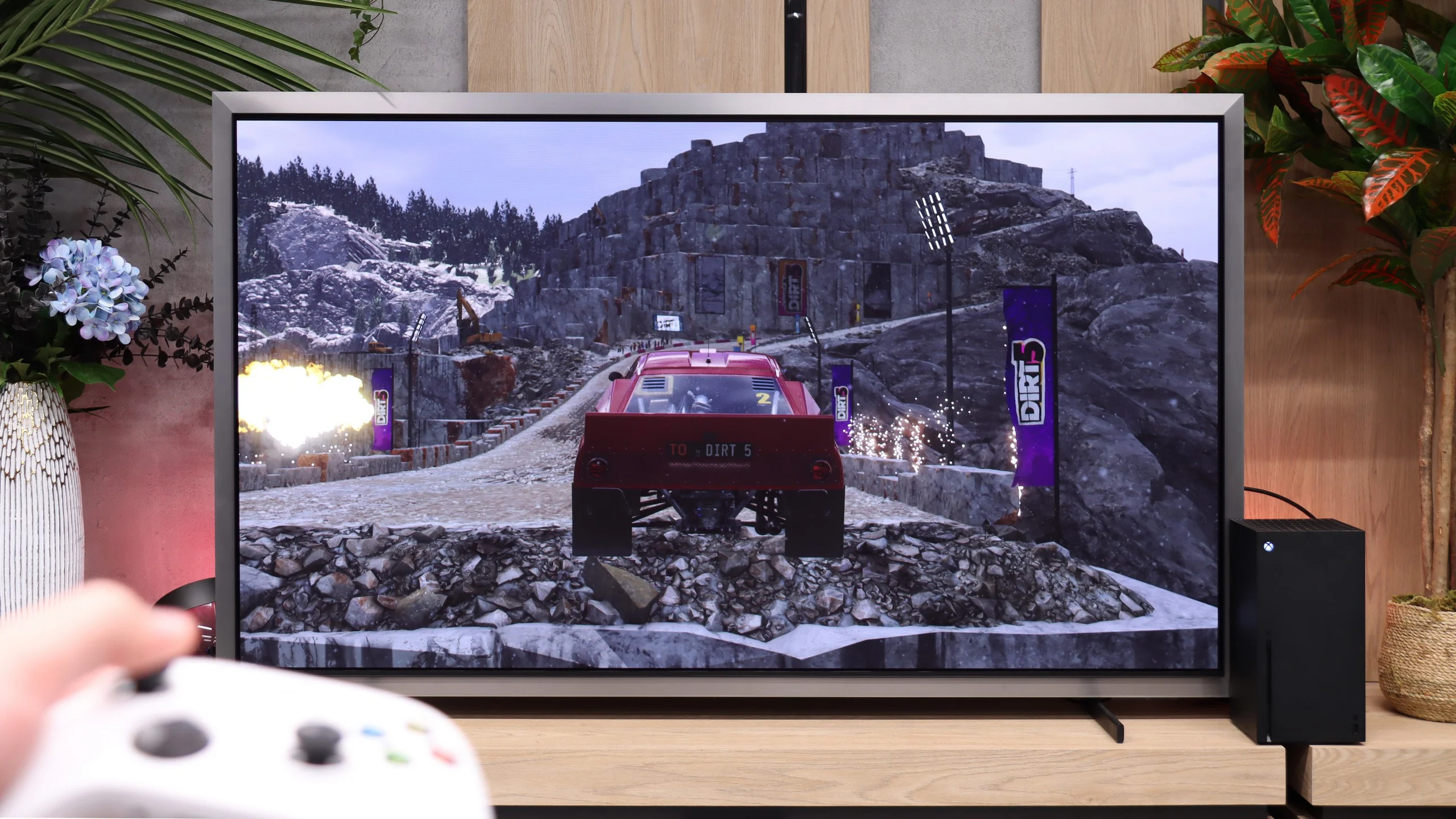
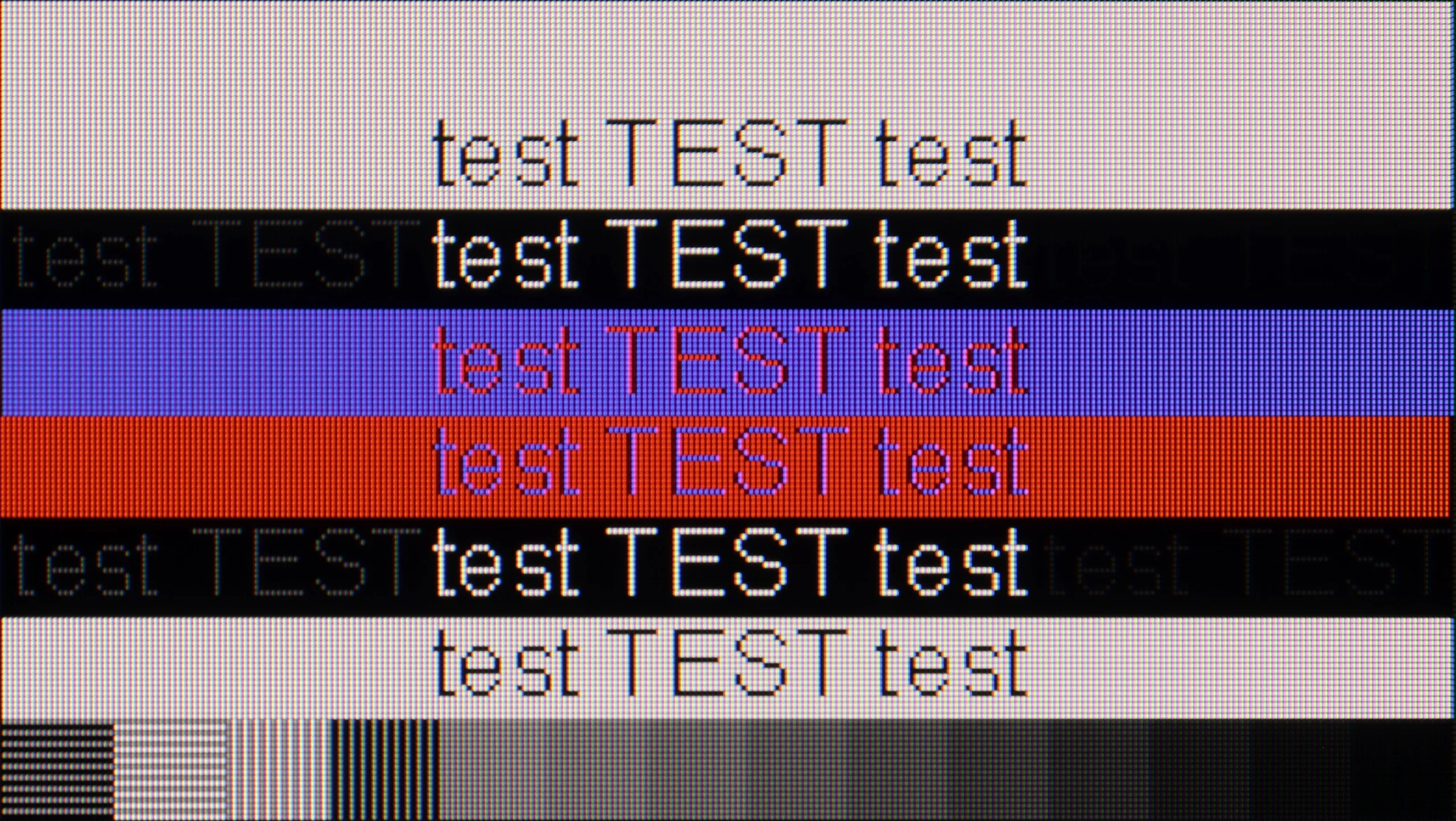
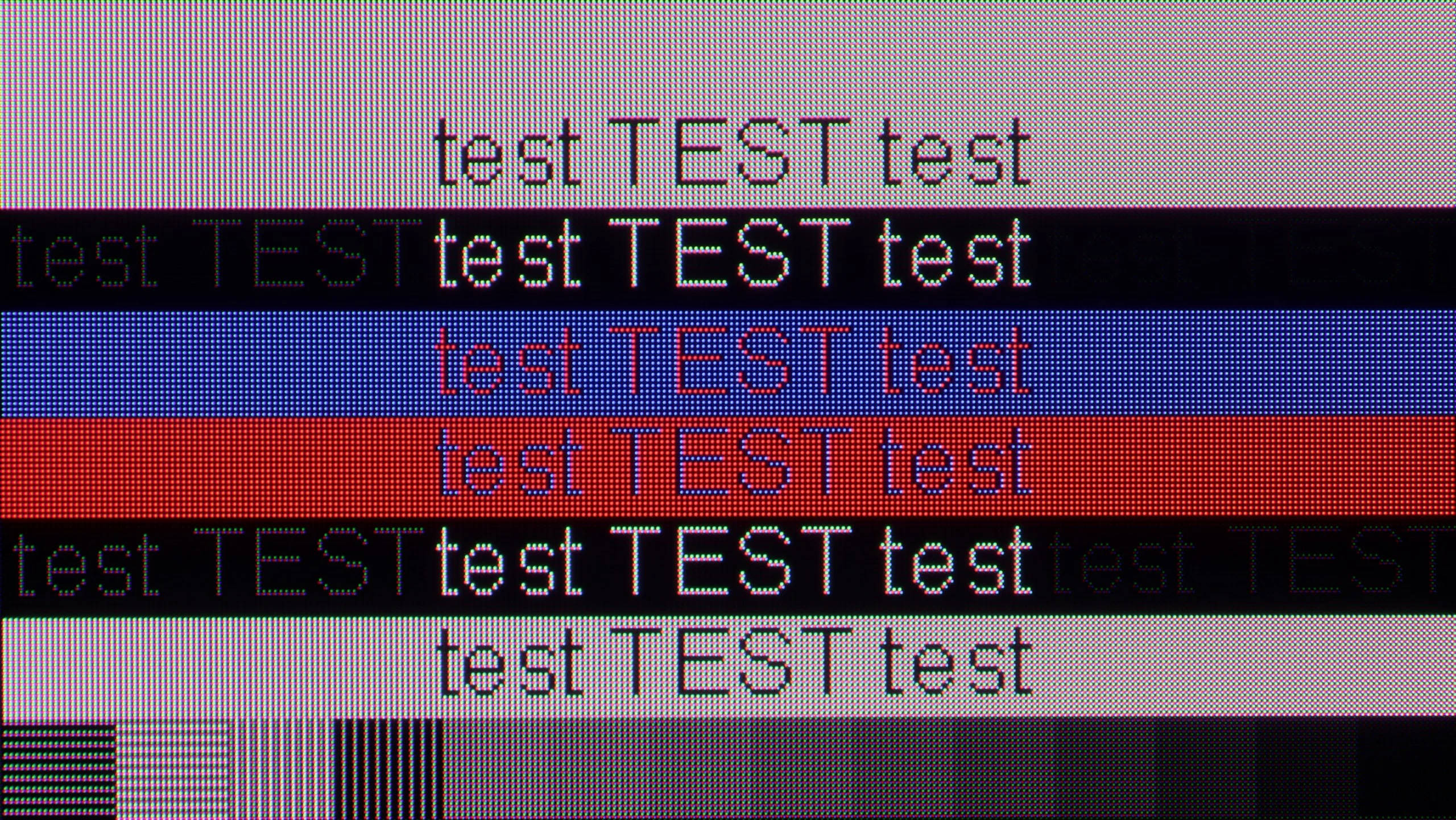
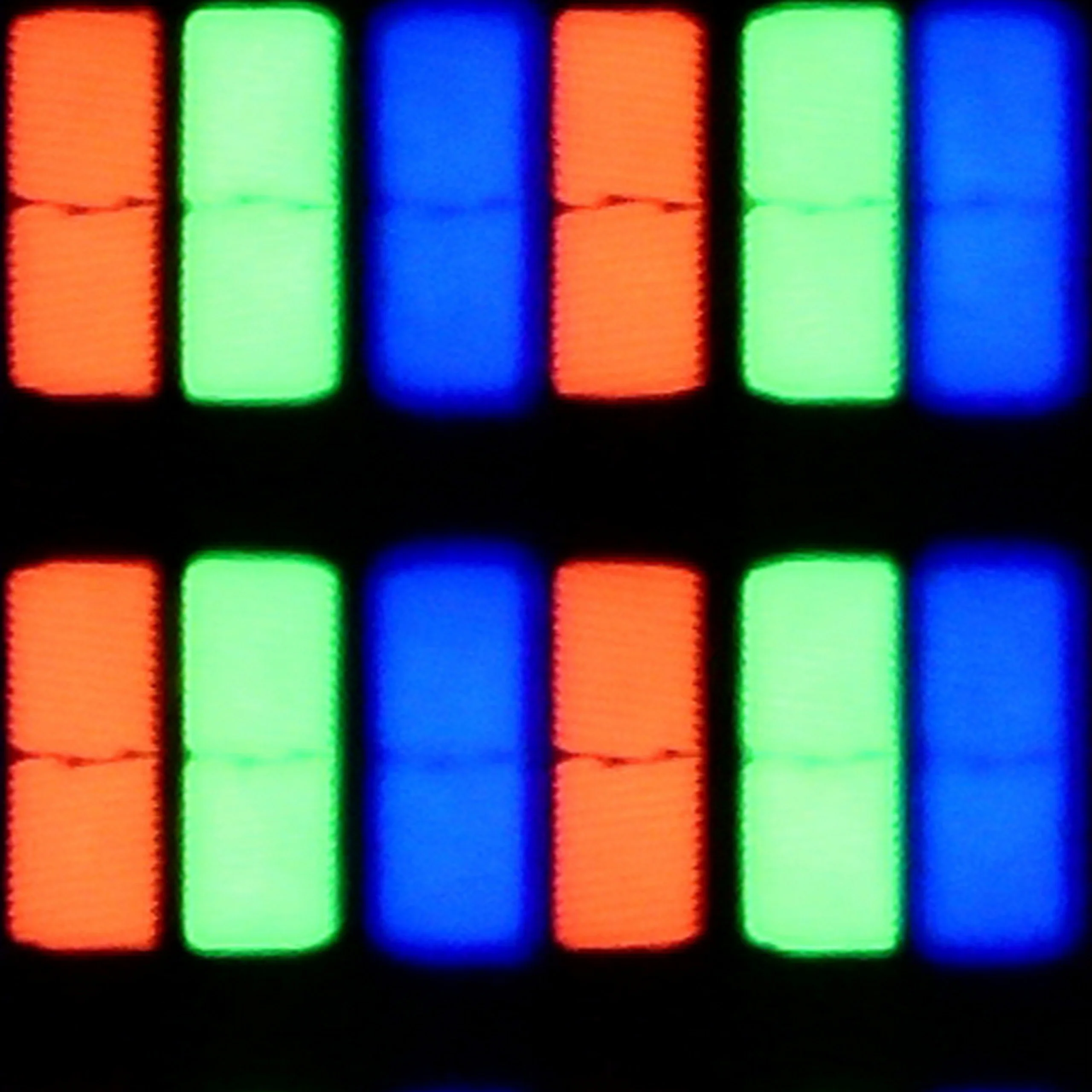
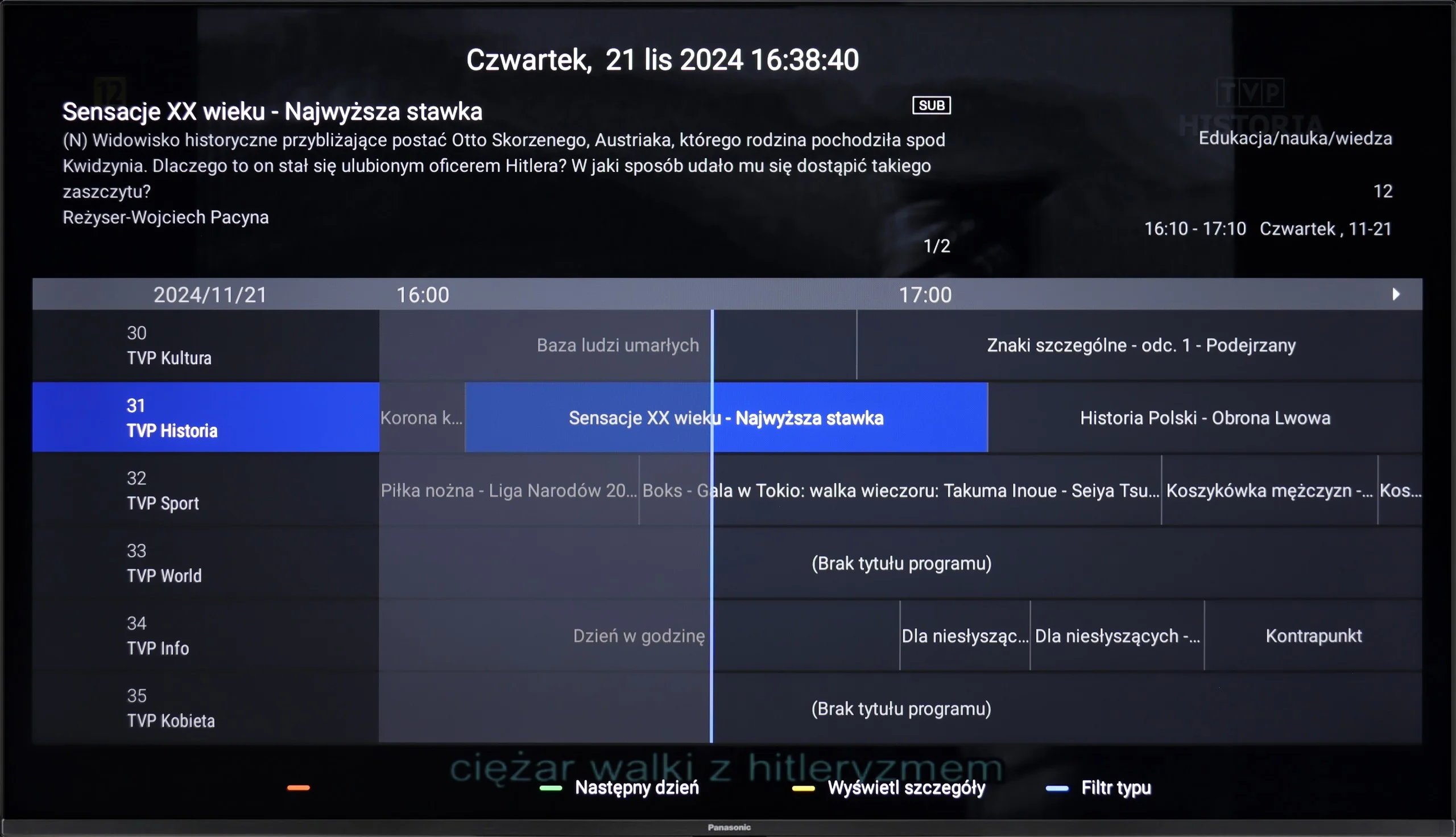
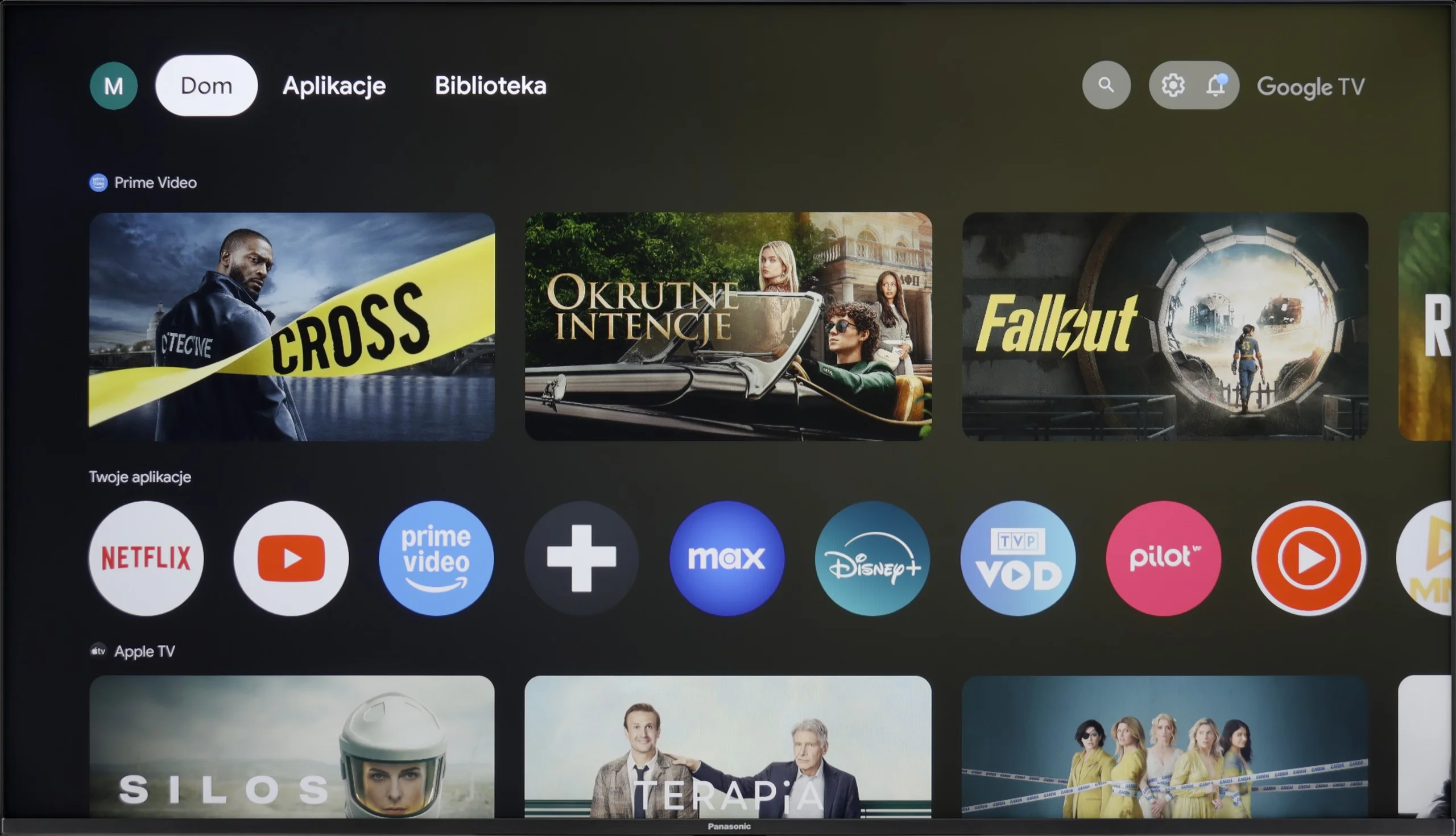
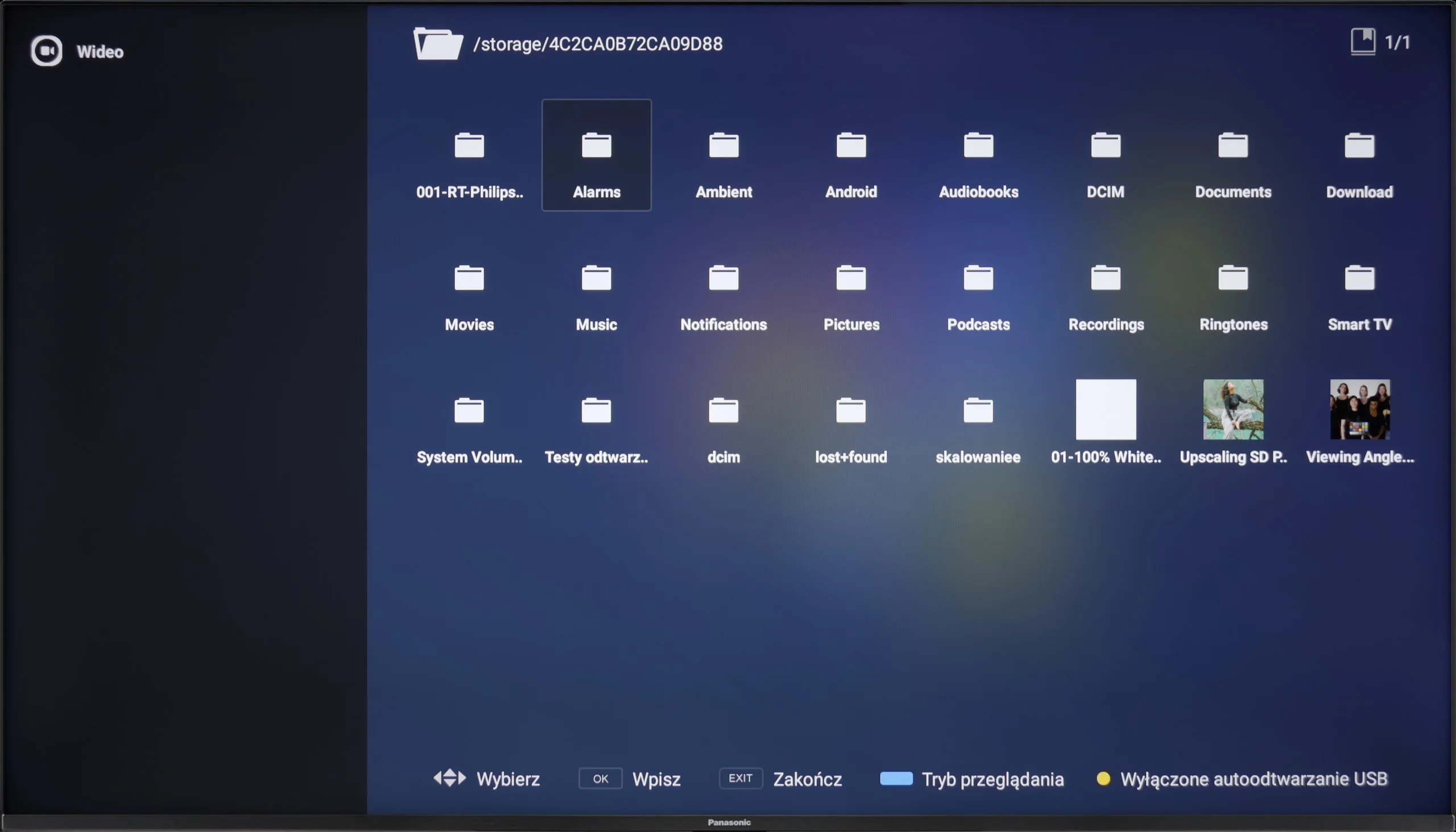
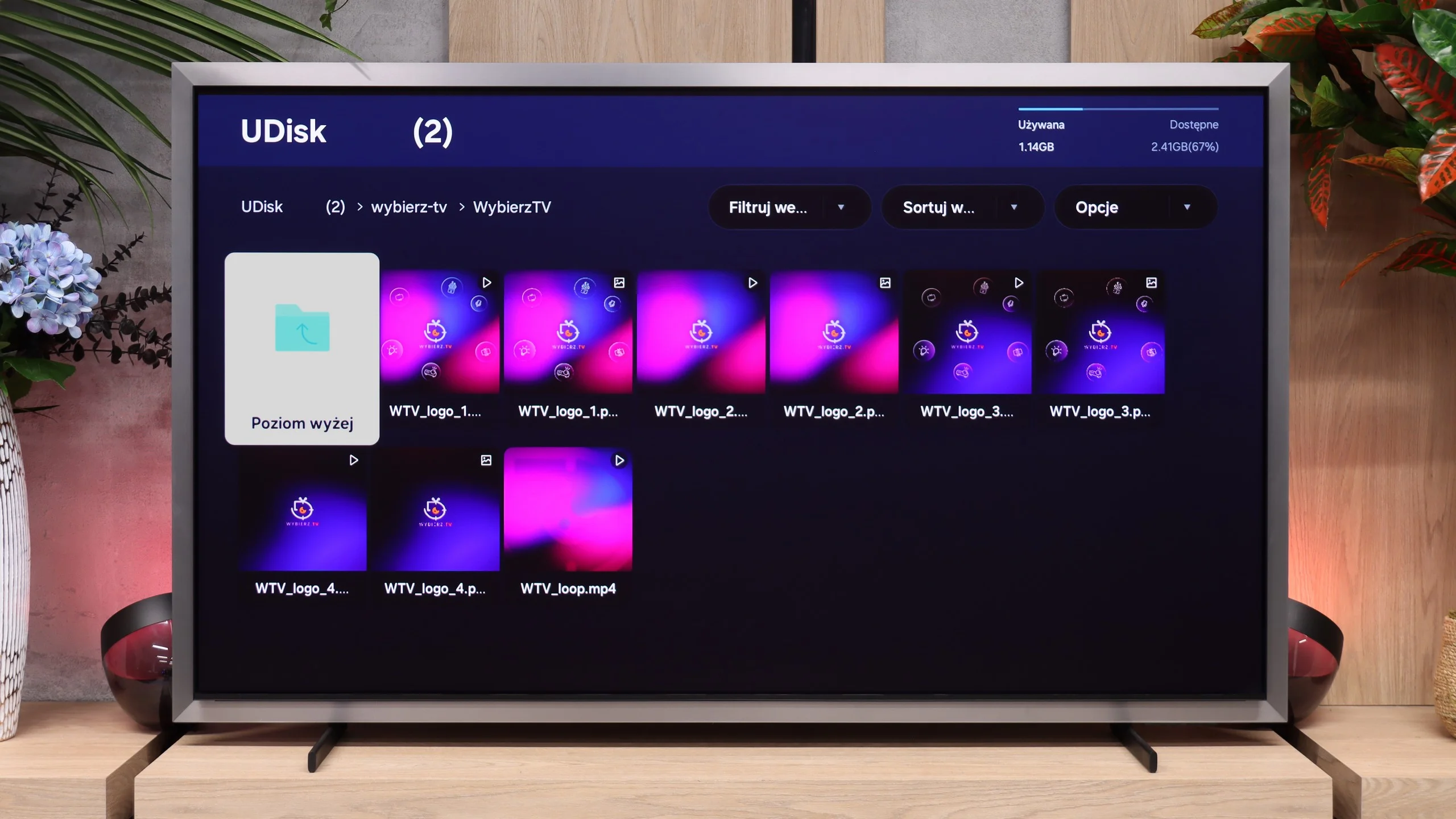
The Panasonic W70A primarily draws attention with its extensive Google TV operating system, which gives us access to a myriad of popular applications (YouTube, Netflix, Disney+, HBO Max, etc.). When it comes to the picture, the IPS matrix offers wide viewing angles, so colors do not lose intensity even when you watch a movie slightly off to the side. Gamers won't be disappointed either; we have VRR and ALLM here, as well as low input lag (around 12 ms) – all of this translates to a pleasant experience for occasional gaming, despite the standard 60 Hz refresh rate.
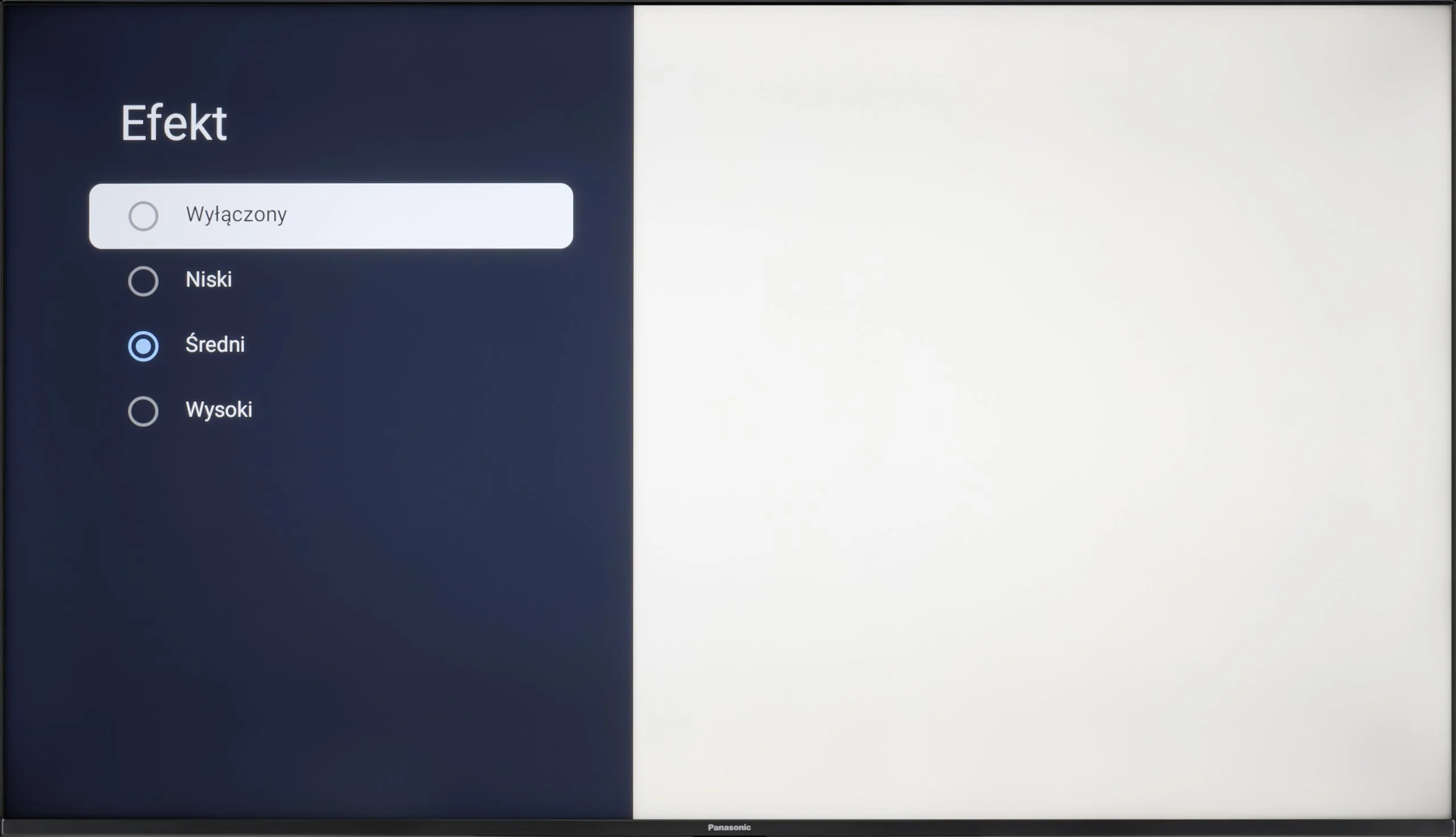
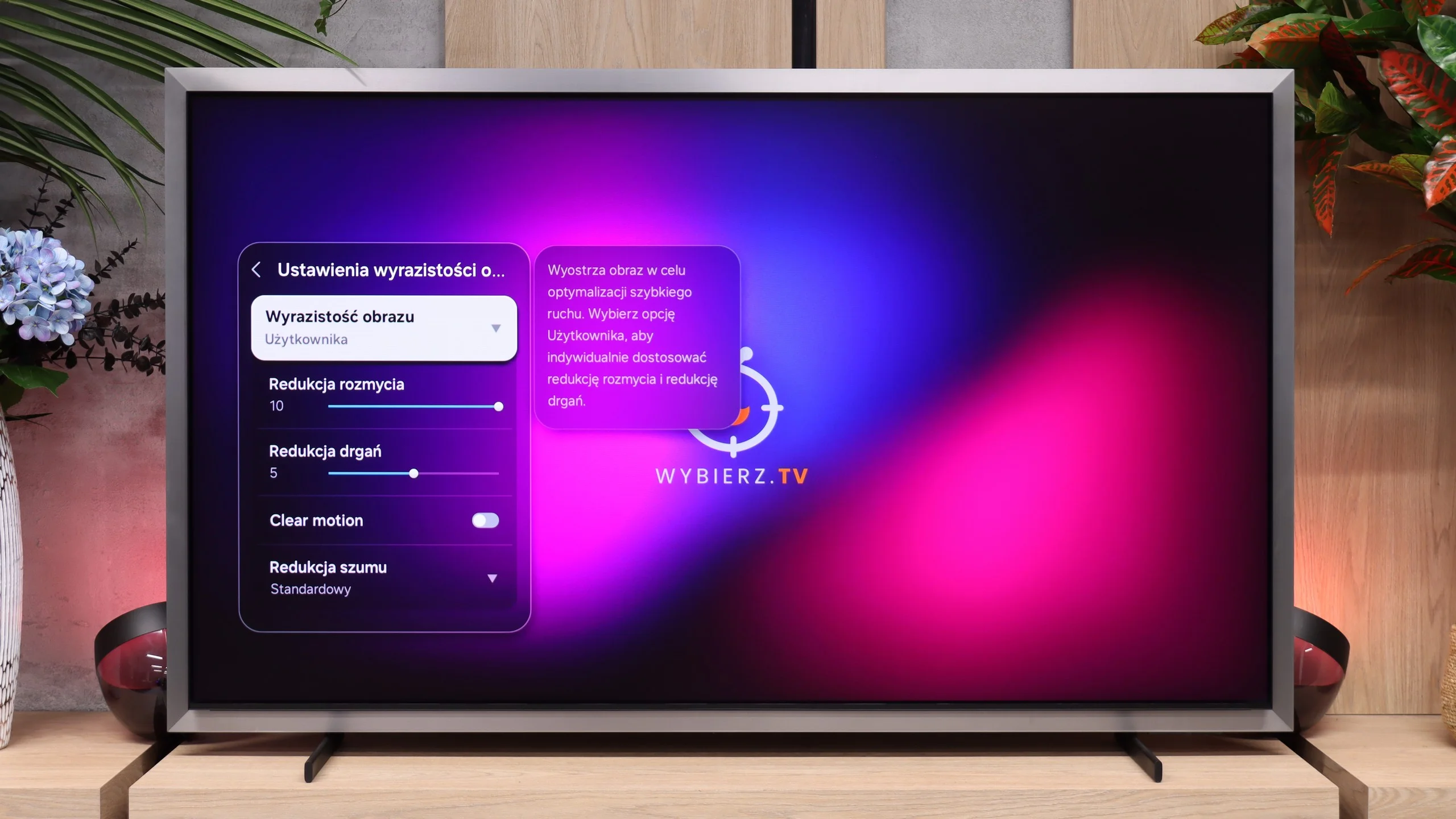
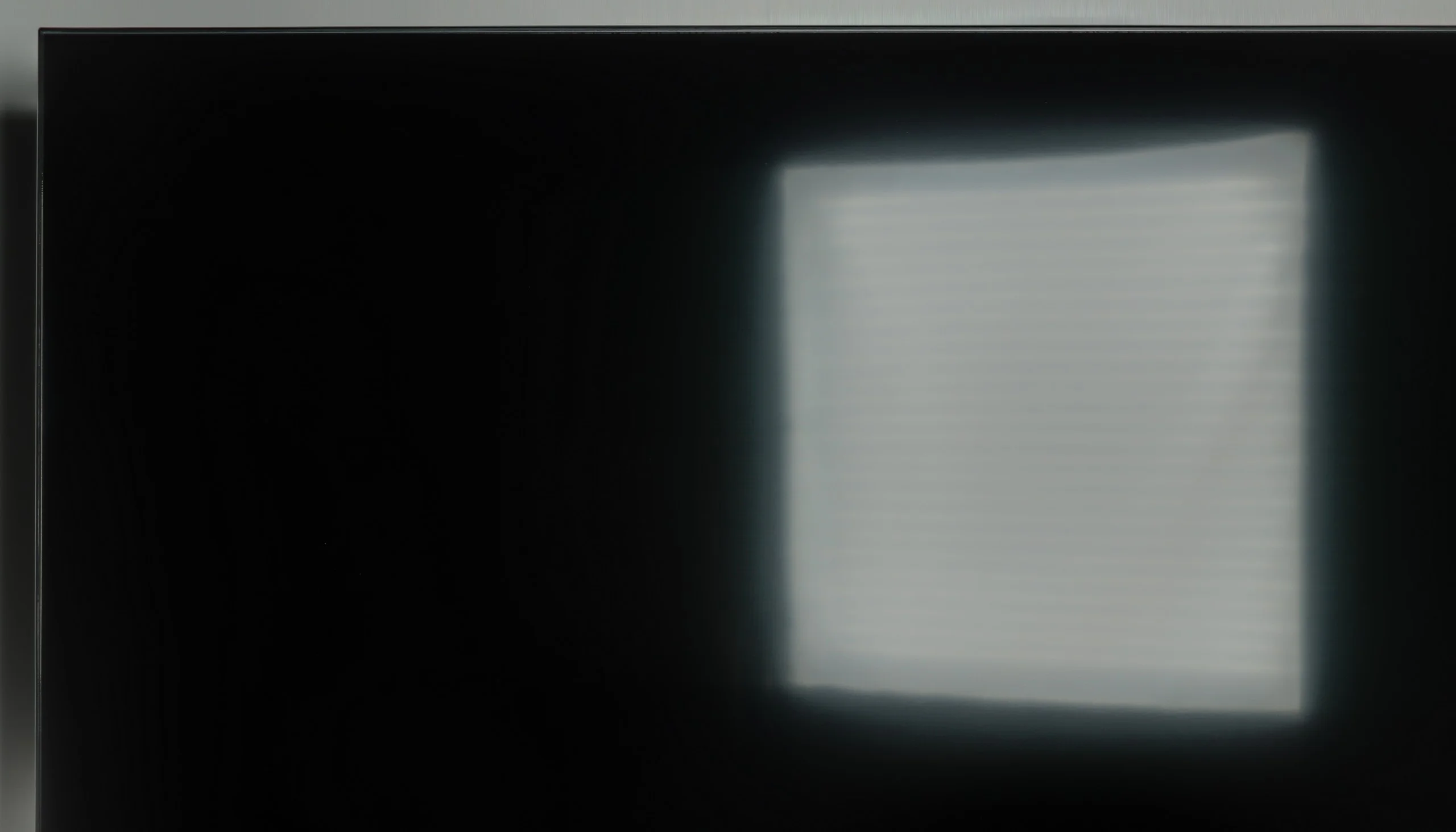
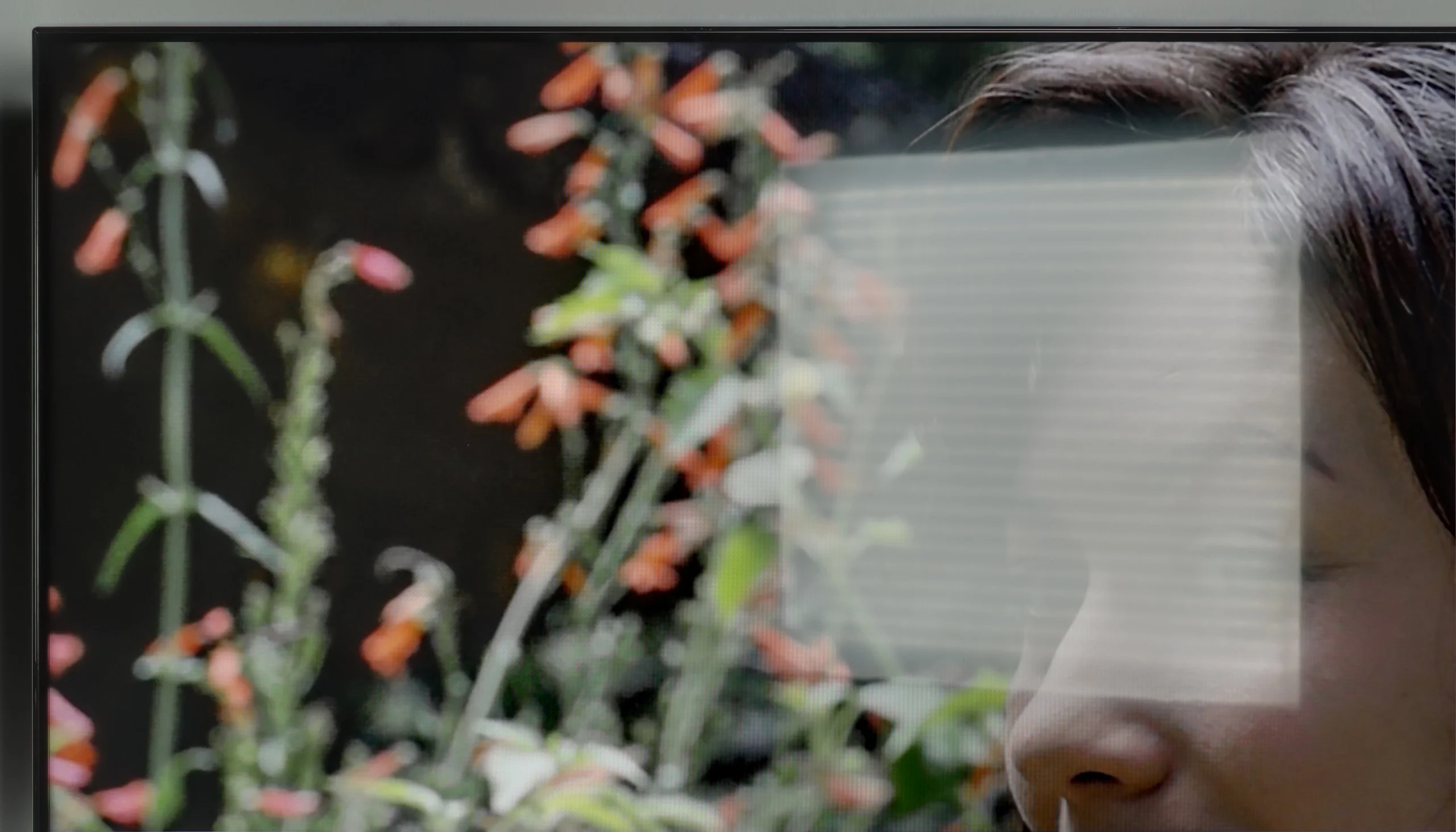
However, it is worth remembering that this is rather a basic model and has its limitations. The contrast and black levels are simply poor, which is a typical phenomenon for IPS matrices, especially in dark rooms. Brightness at around 270 cd/m² is also insufficient in heavily sunlit rooms, so the picture may seem washed out then. Additionally, certain shortcomings in the software cannot be overlooked. Google TV is a great foundation, but some settings are scattered in surprising places, and the quality of translations leaves much to be desired.
One must consider that the competition is offering more and more in a similar (or only slightly higher) price range. Can the Panasonic W70A hold its ground in such an environment? On one hand, it tempts with a rich application base and decent support for gamers, but on the other hand, the market is flooded with more polished TVs equipped with better parameters. However, if wide viewing angles and straightforward access to Google TV services are priorities, we can give it a chance. Otherwise, it is worth exploring competitive models that often offer better black levels, higher brightness, and fewer annoying menu issues for a similar price.
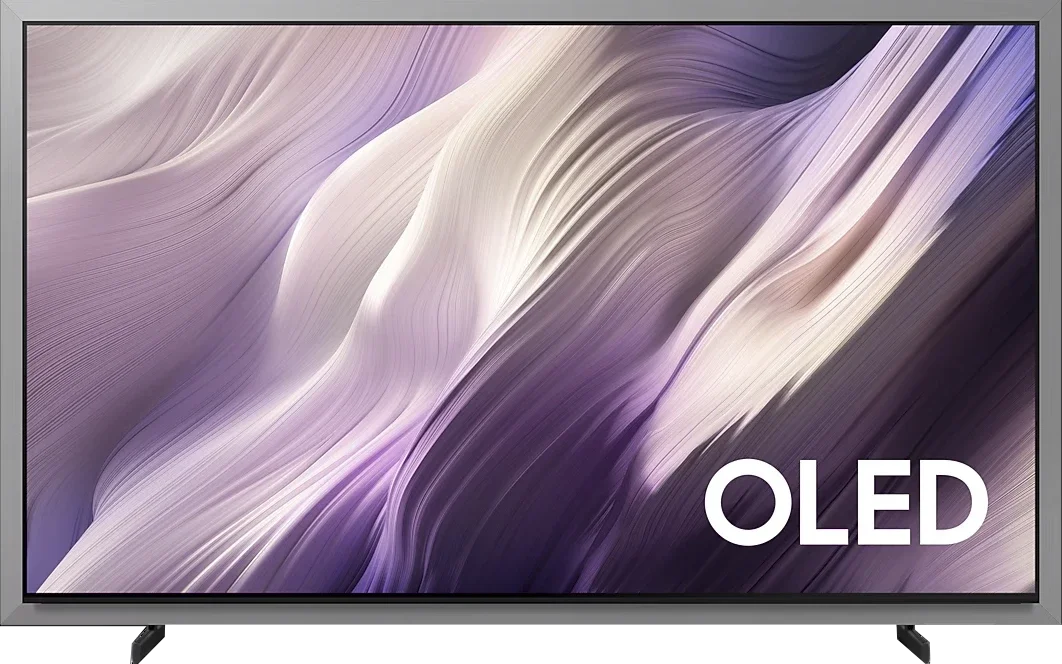
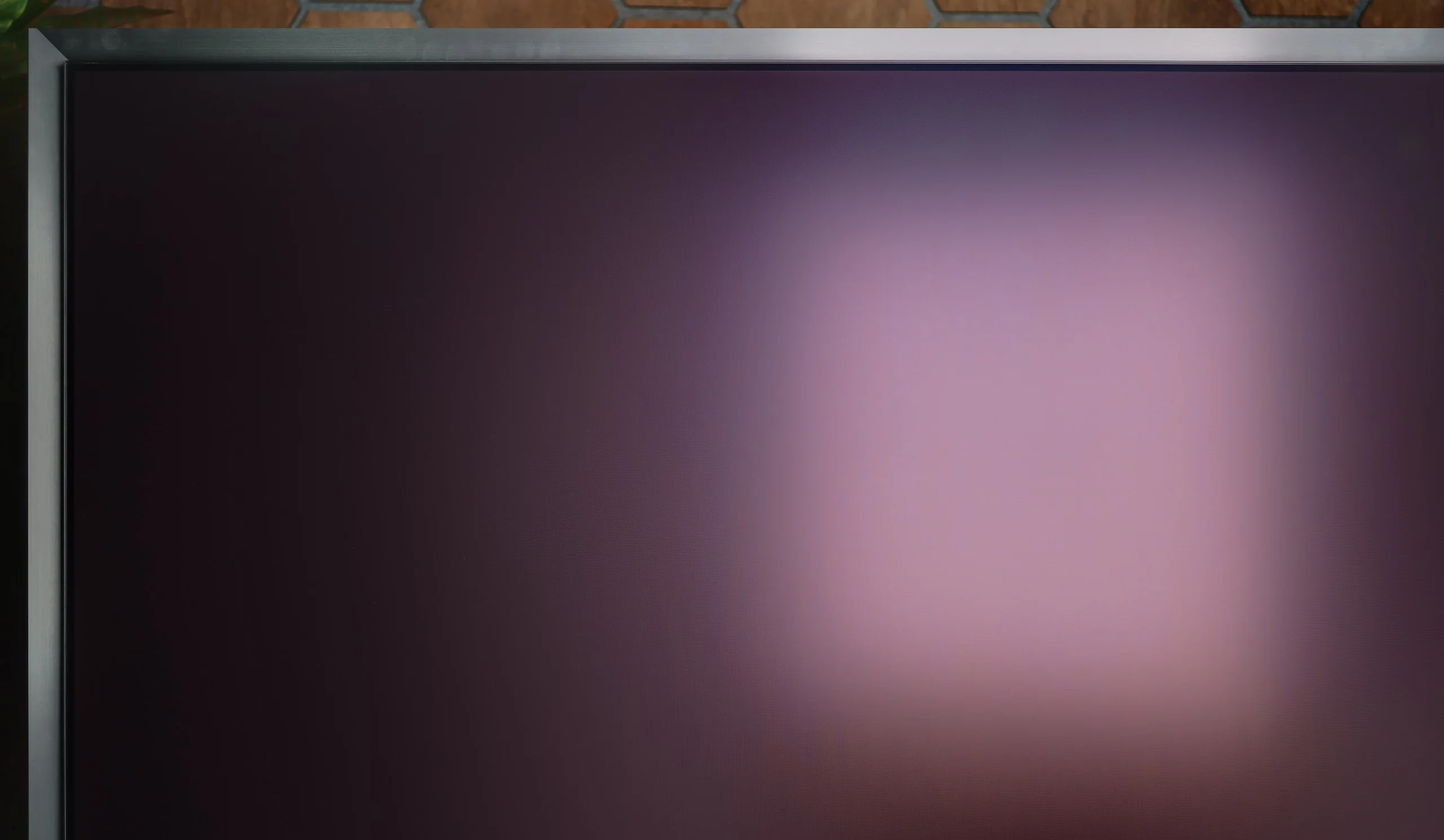
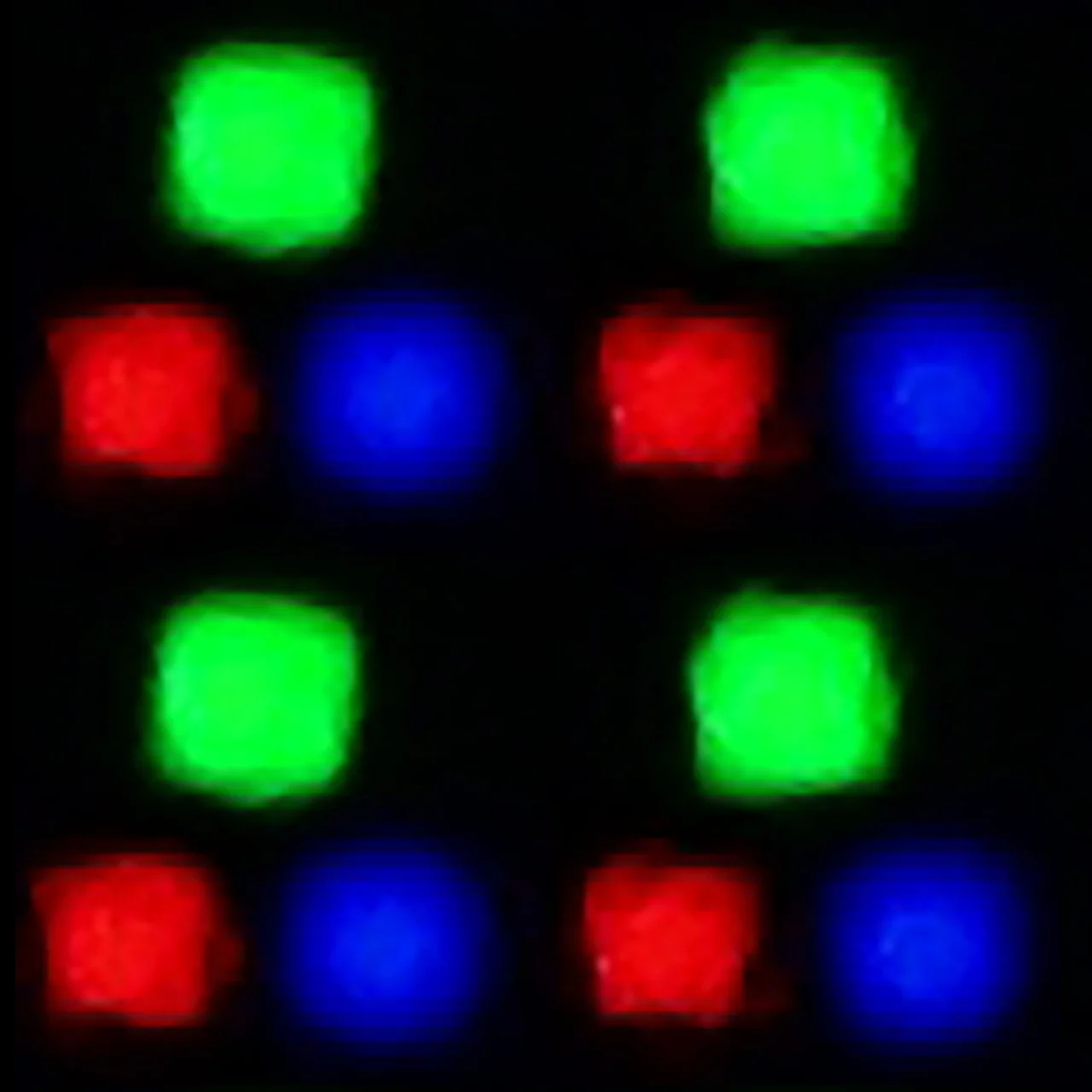
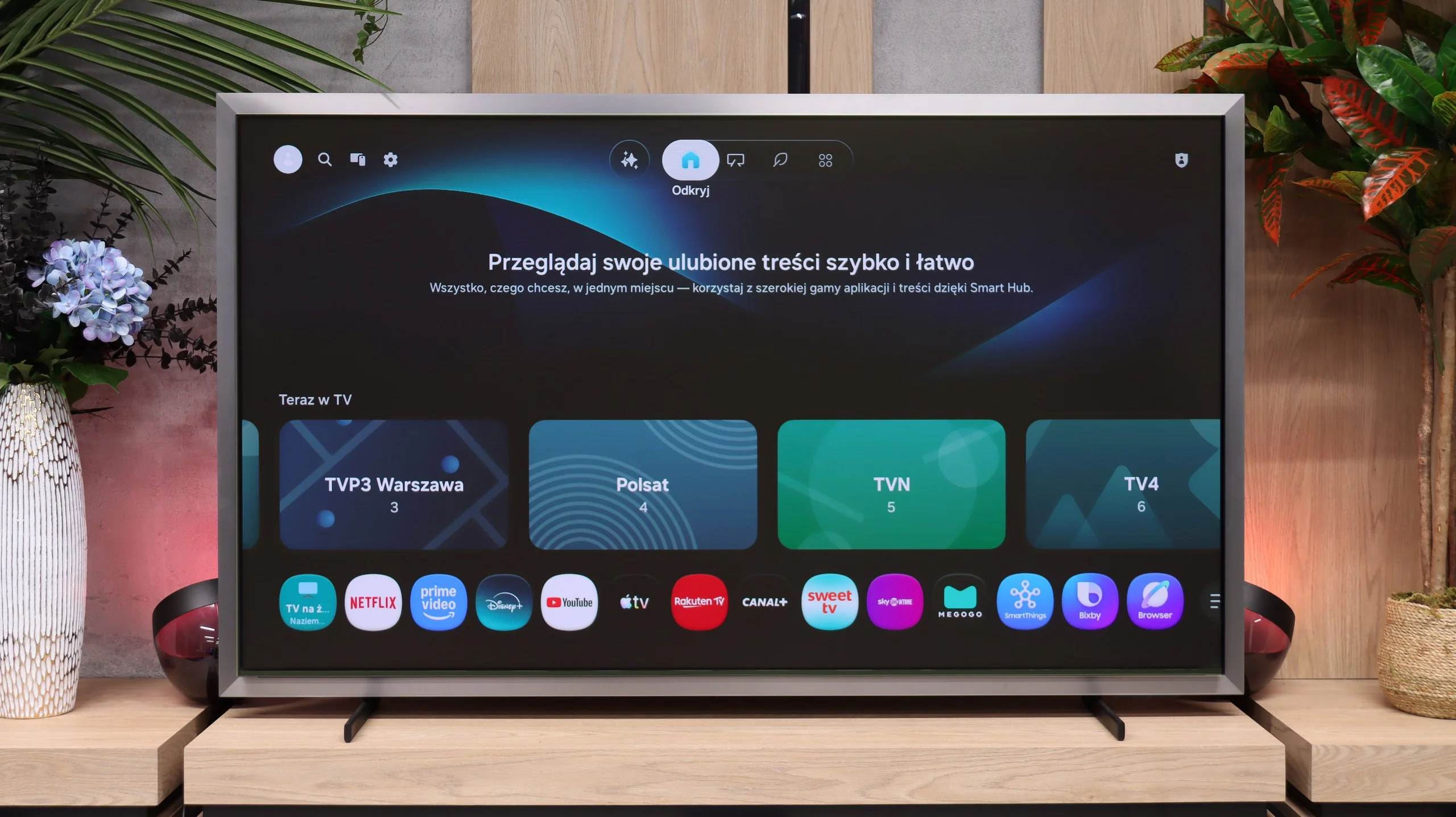
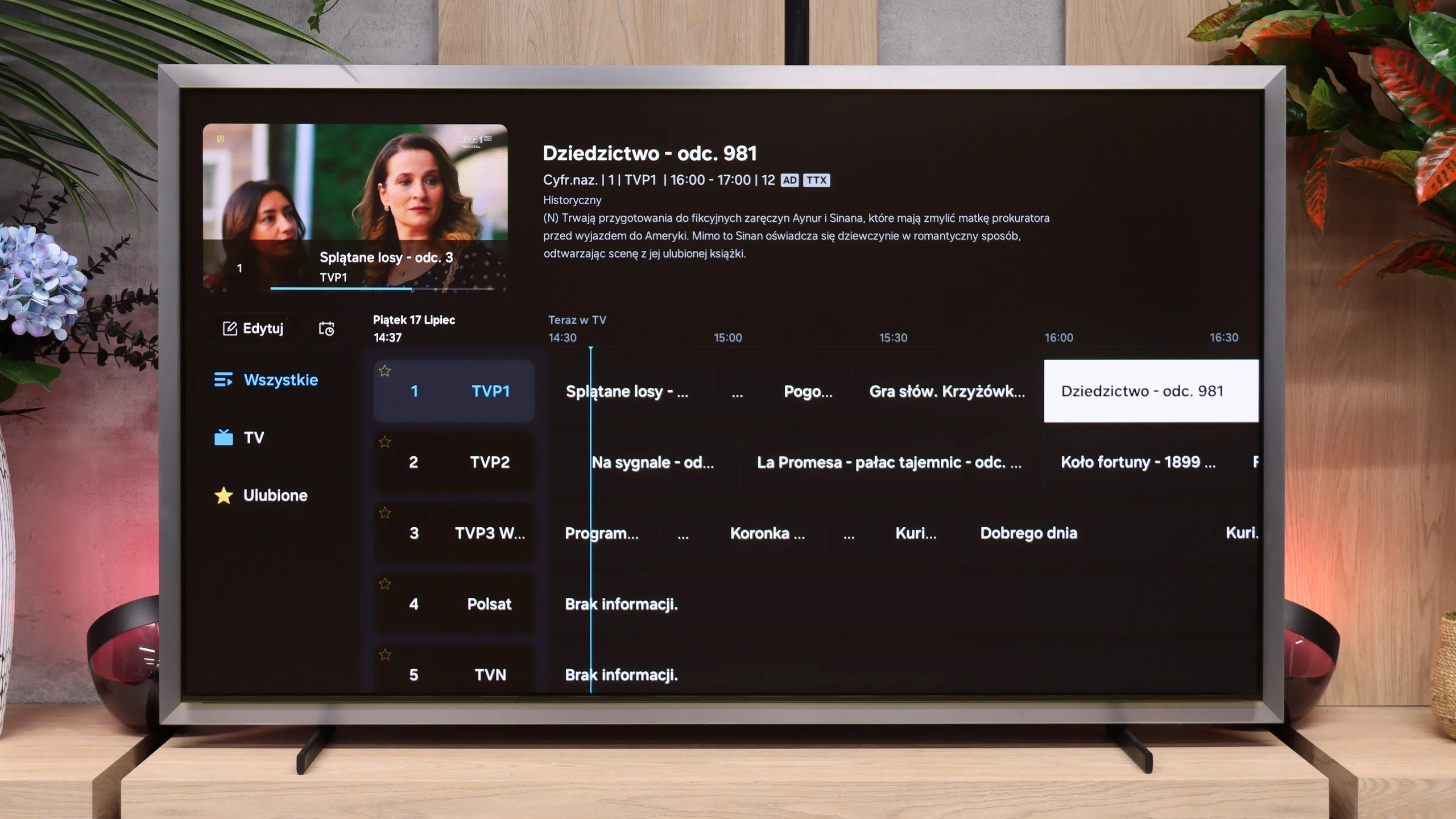
The Samsung S99H is probably the best OLED TV we’ve tested so far, and certainly the best Samsung OLED in years. In terms of picture quality it’s really hard to find a weak point. Black levels are perfect, as you’d expect from an OLED panel, and HDR performance impresses with brightness and color saturation. Using a QD-OLED panel delivers an image that in many scenes looks almost reference-grade. Practically every parameter related to display quality is excellent. It’s also hard to deny that the S99H is simply a pleasure to use day to day. Tizen runs quickly, has access to all the major apps, and is covered by seven years of update support. On top of that are brilliant gaming features, which translated into one of the highest scores in that category on our site. The S99H will therefore perform well in virtually any situation — whether we’re watching movies in the evening, watching regular TV in a bright living room, or spending several hours on a console.
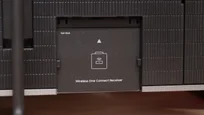
So is it a perfect TV? Not entirely. The most controversial aspect is, of course, the design. The unique look with a wide bezel means this TV will either be loved immediately or completely rejected, and that’s purely subjective. We can, however, assess the equipment, and in that respect Samsung left something to be desired. In a model designed primarily for wall mounting there’s no dedicated wall bracket, nor a One Connect module. Samsung does allow you to buy its wireless version, the Wireless One Connect, but for a product at this price point both items should, in our opinion, be included.
These aren’t, however, flaws that should rule out this model. The Samsung S99H stands above all on its picture, and it is simply phenomenal. If you like the way it looks and are after the best possible TV, it’s hard to find a better choice today. Right now the Samsung S99H is the frontrunner for best TV of 2026.
 Direct comparison