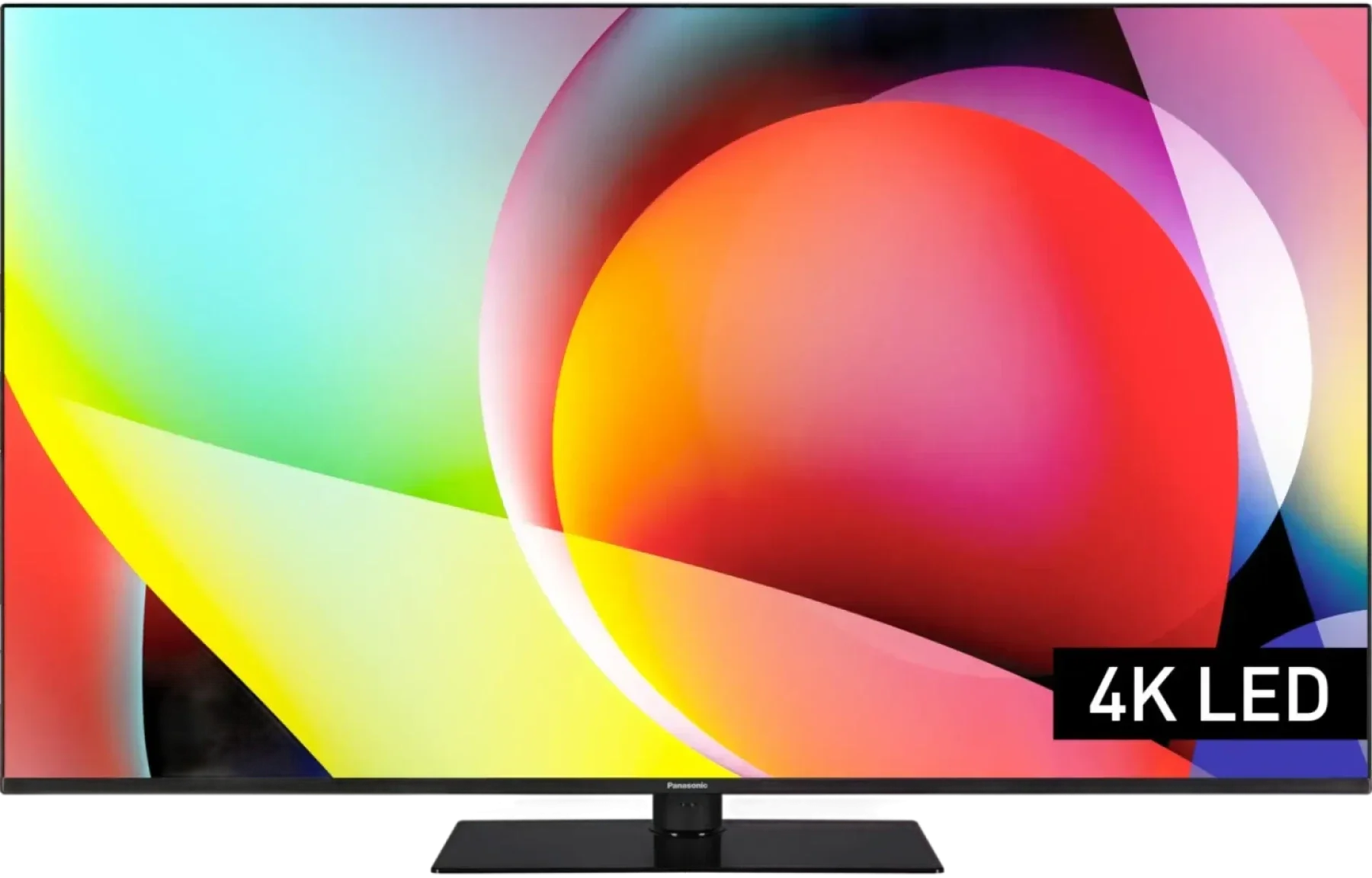
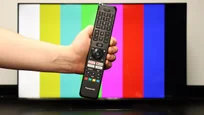
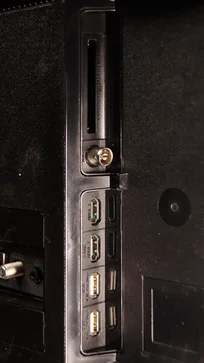
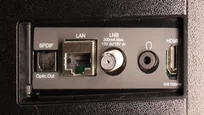
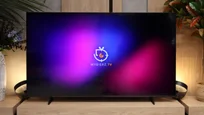
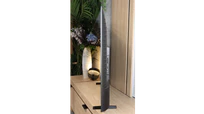
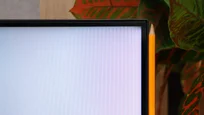
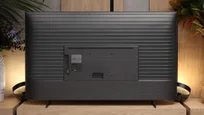
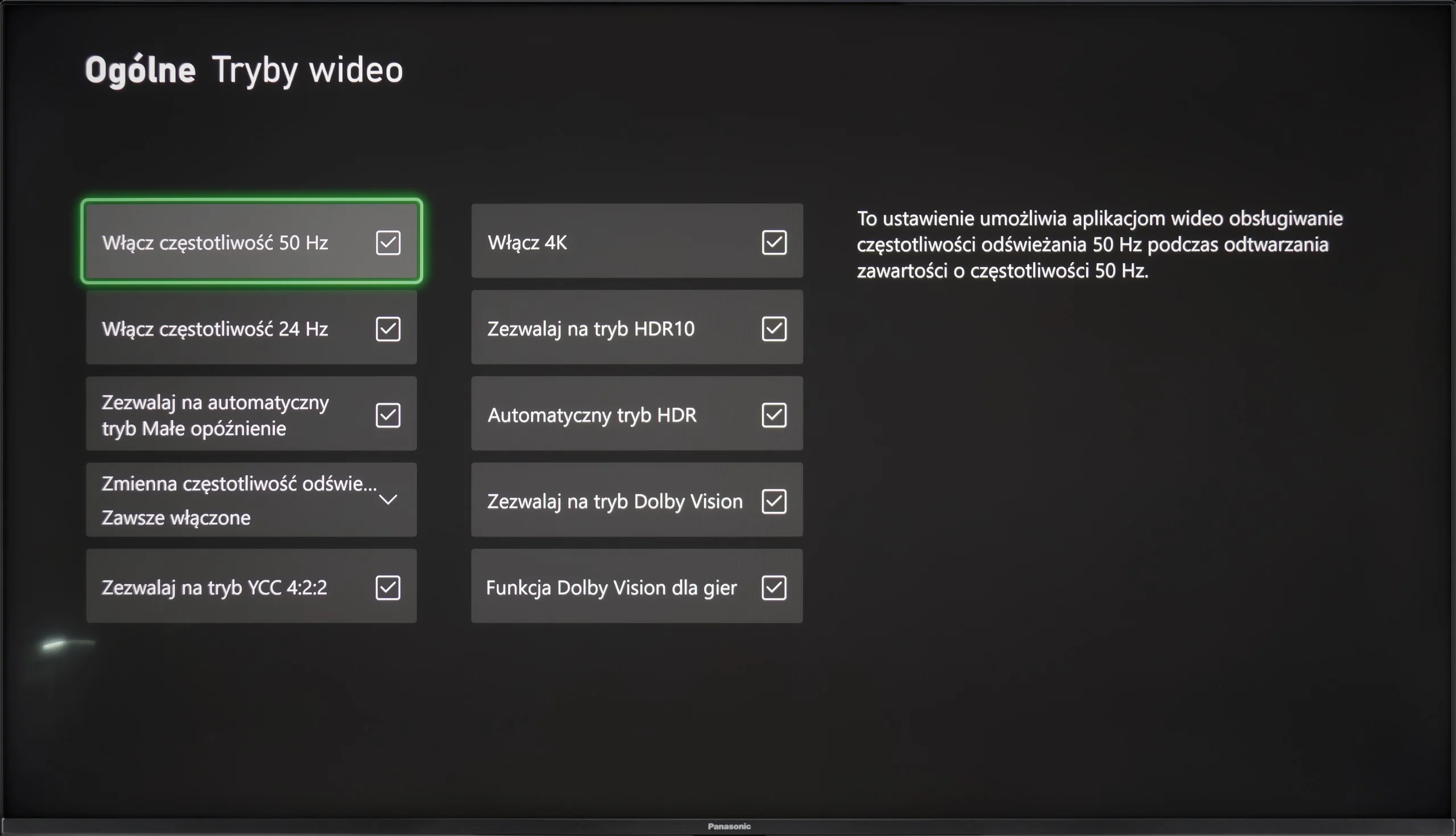
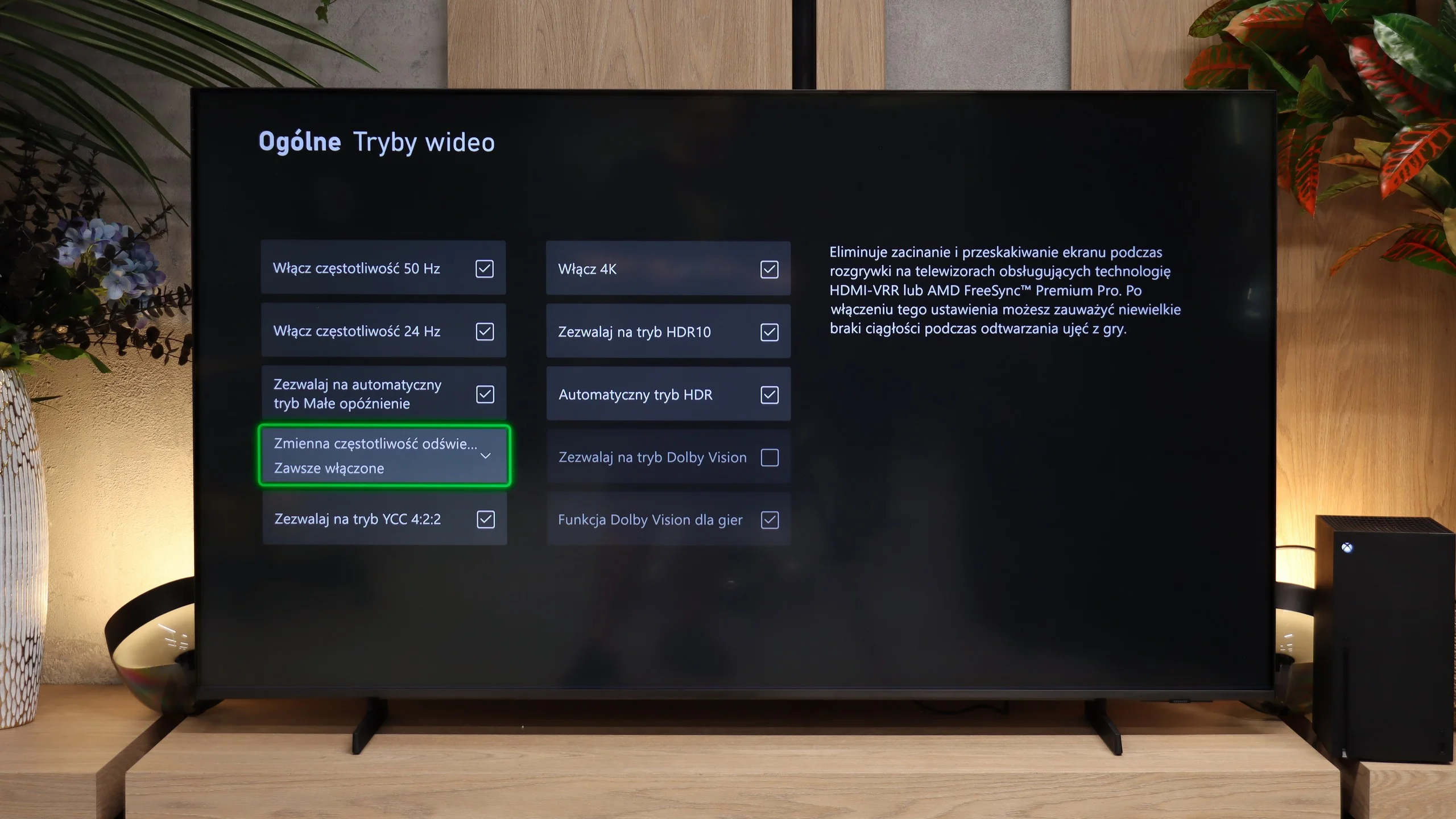
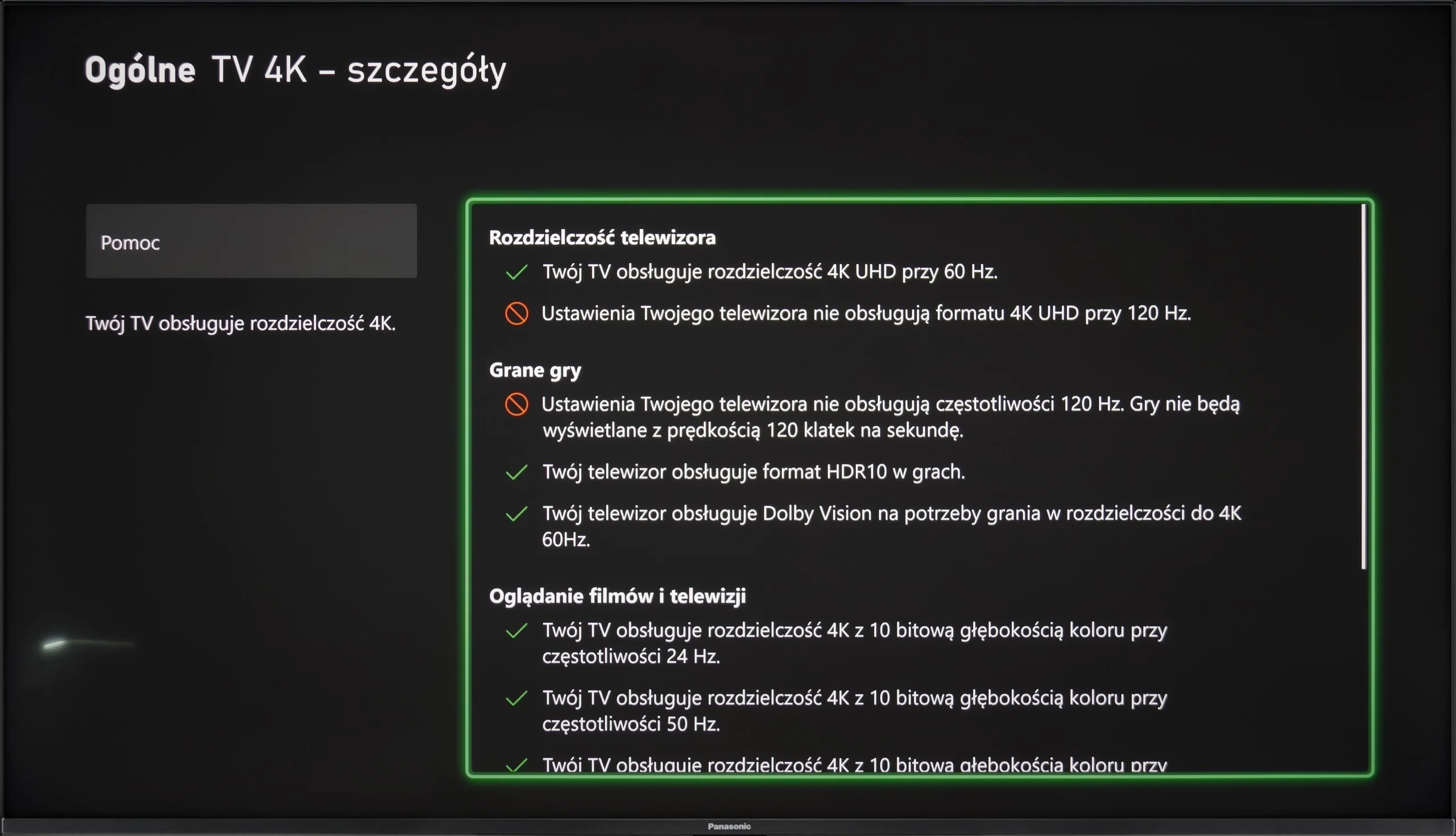
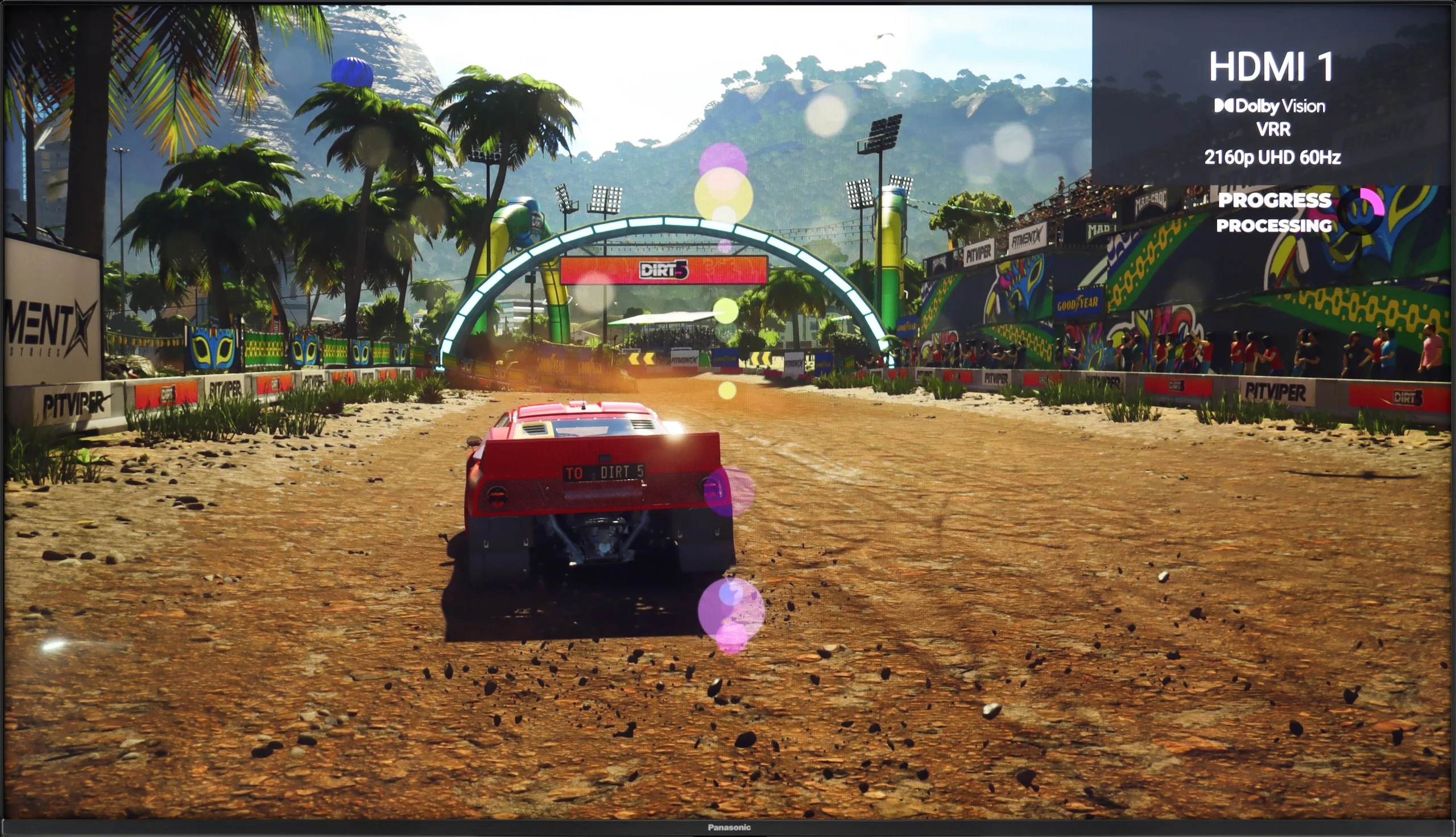
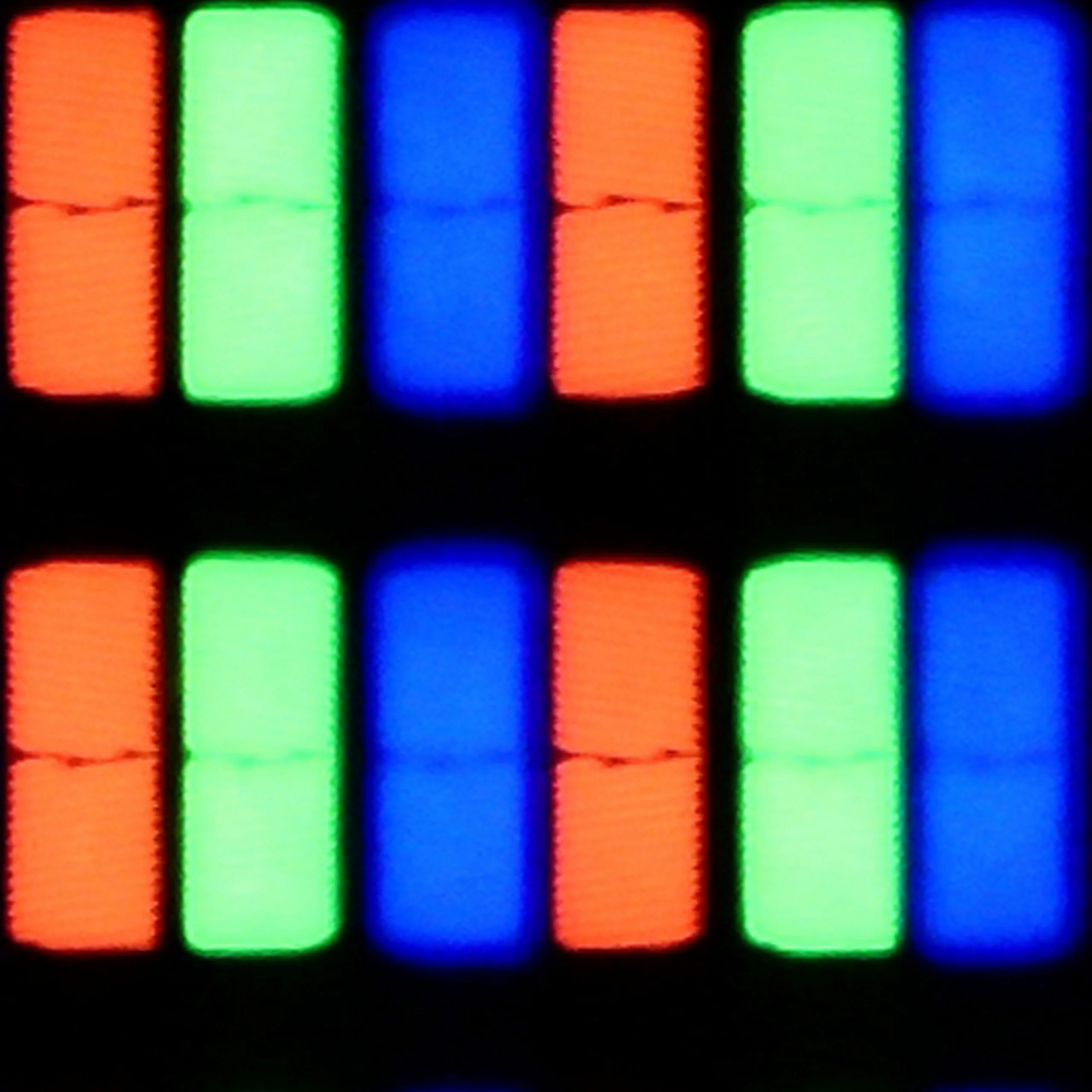
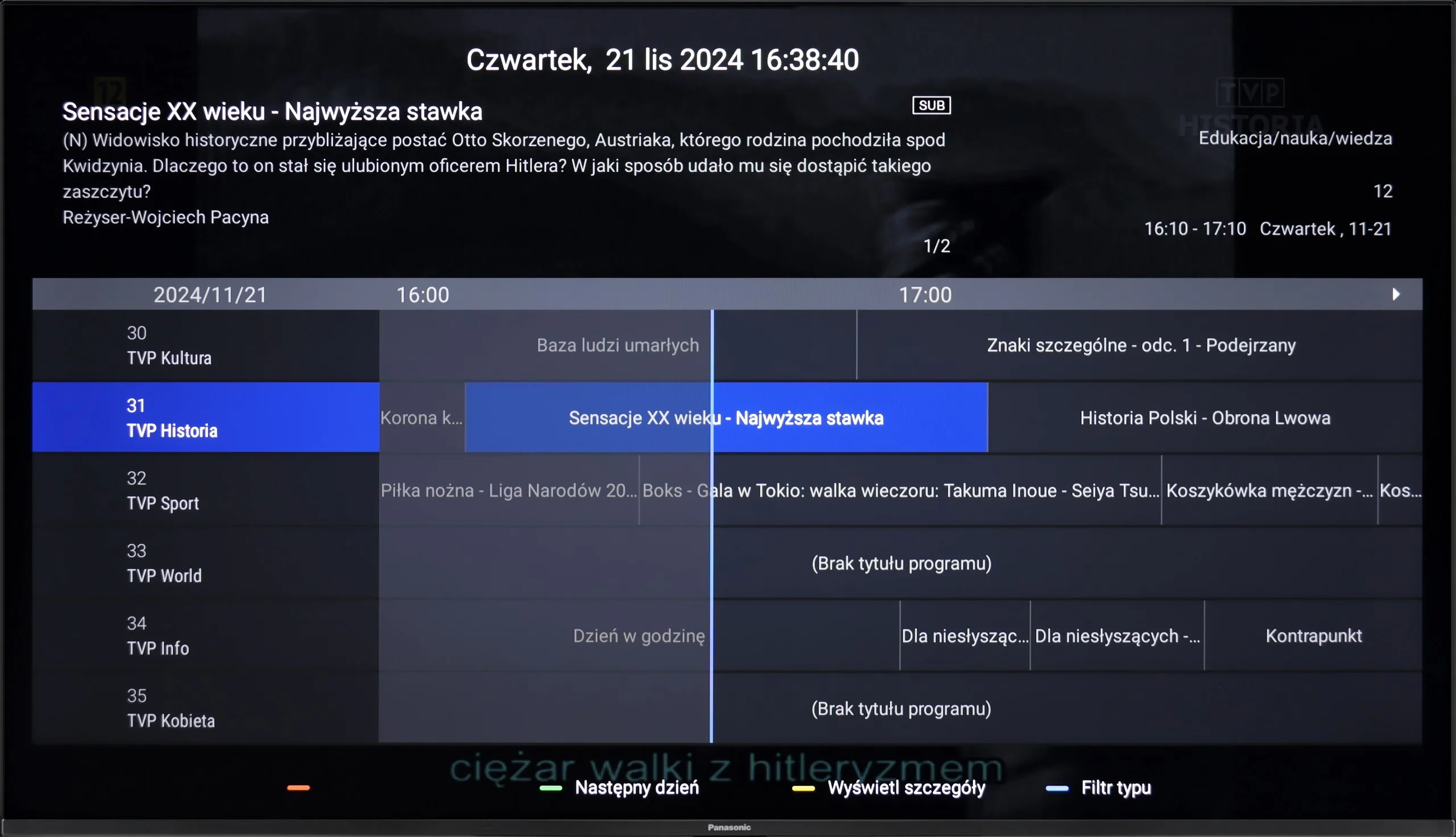
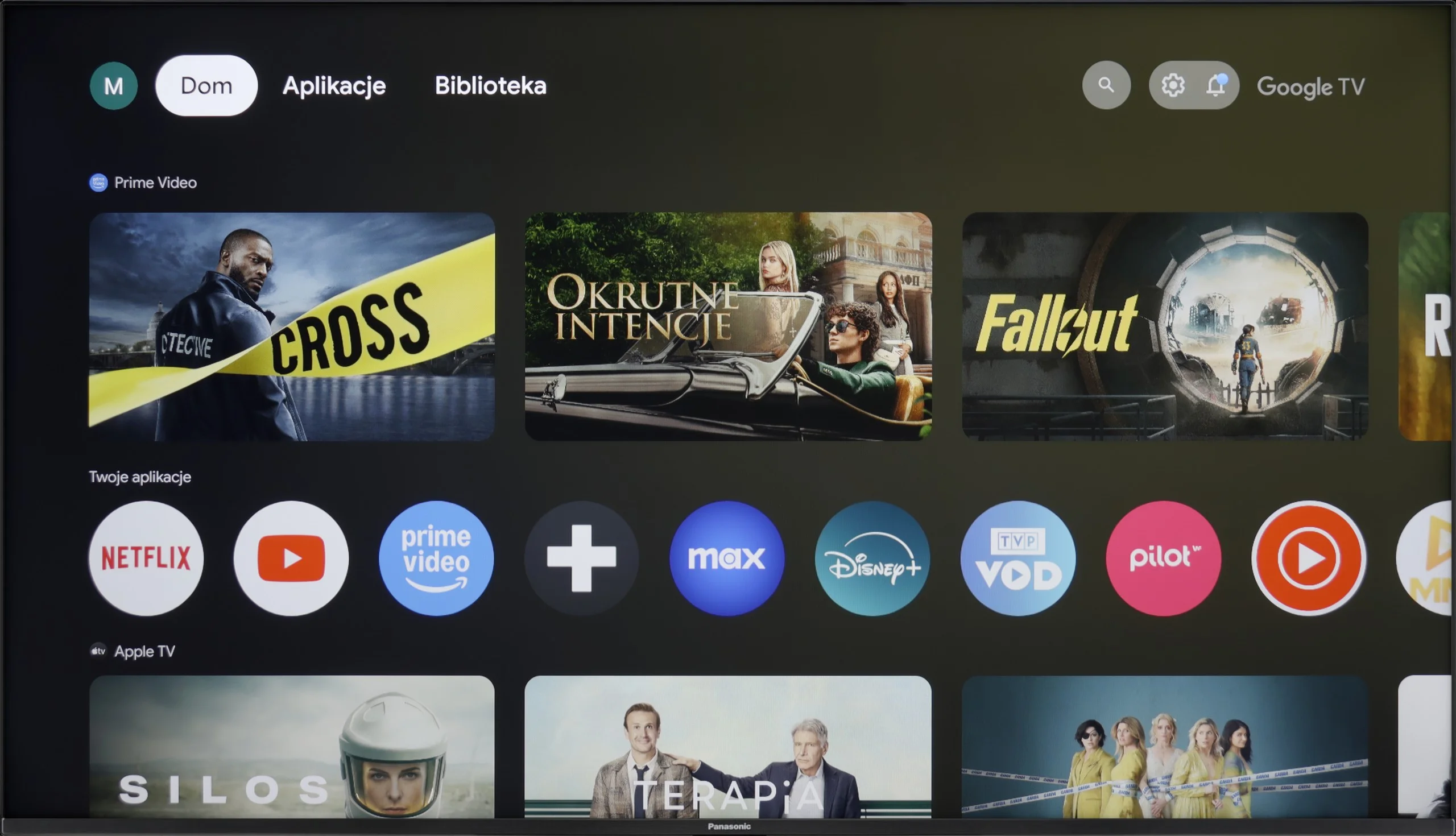
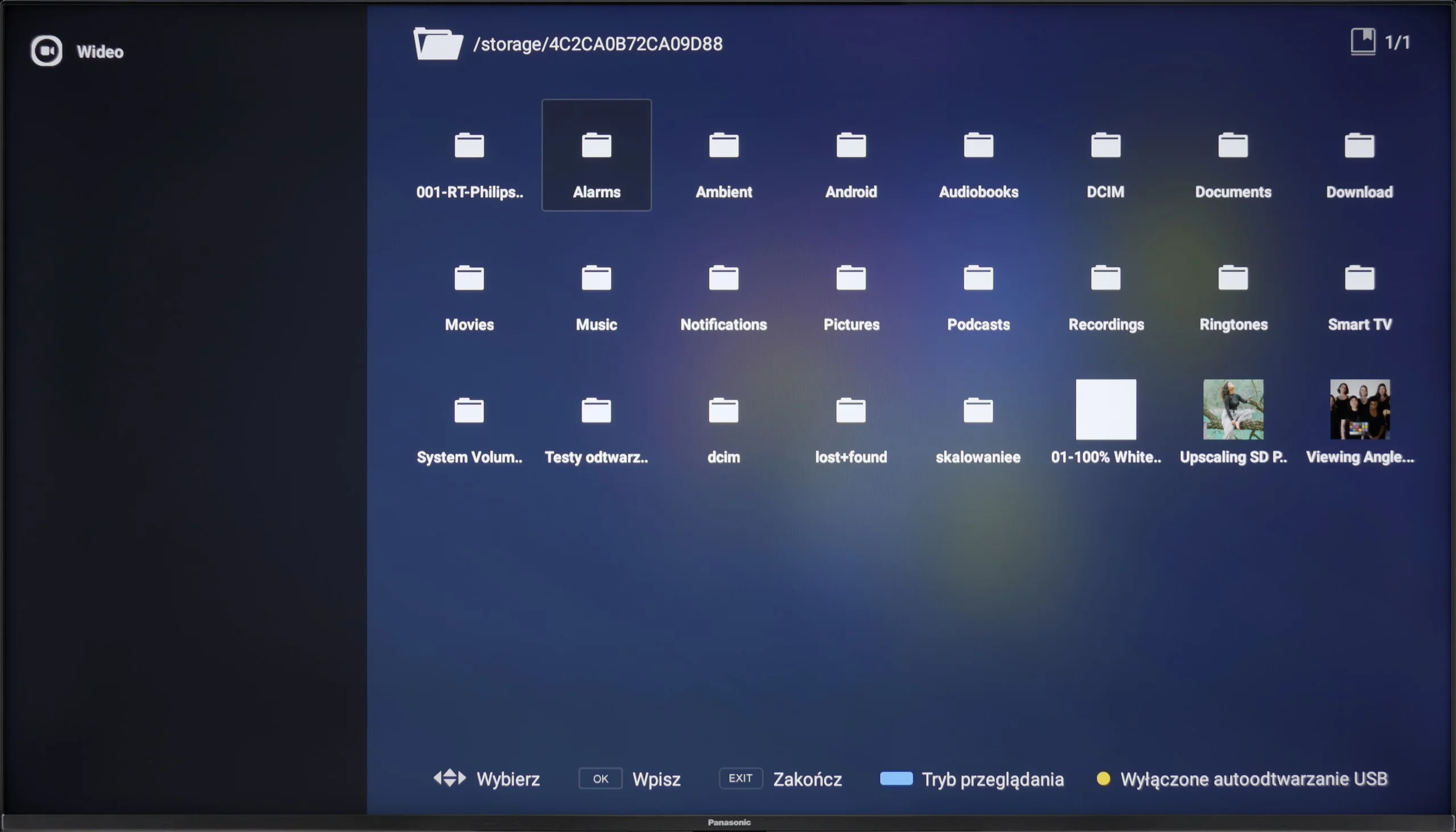
The Panasonic W70A primarily draws attention with its extensive Google TV operating system, which gives us access to a myriad of popular applications (YouTube, Netflix, Disney+, HBO Max, etc.). When it comes to the picture, the IPS matrix offers wide viewing angles, so colors do not lose intensity even when you watch a movie slightly off to the side. Gamers won't be disappointed either; we have VRR and ALLM here, as well as low input lag (around 12 ms) – all of this translates to a pleasant experience for occasional gaming, despite the standard 60 Hz refresh rate.
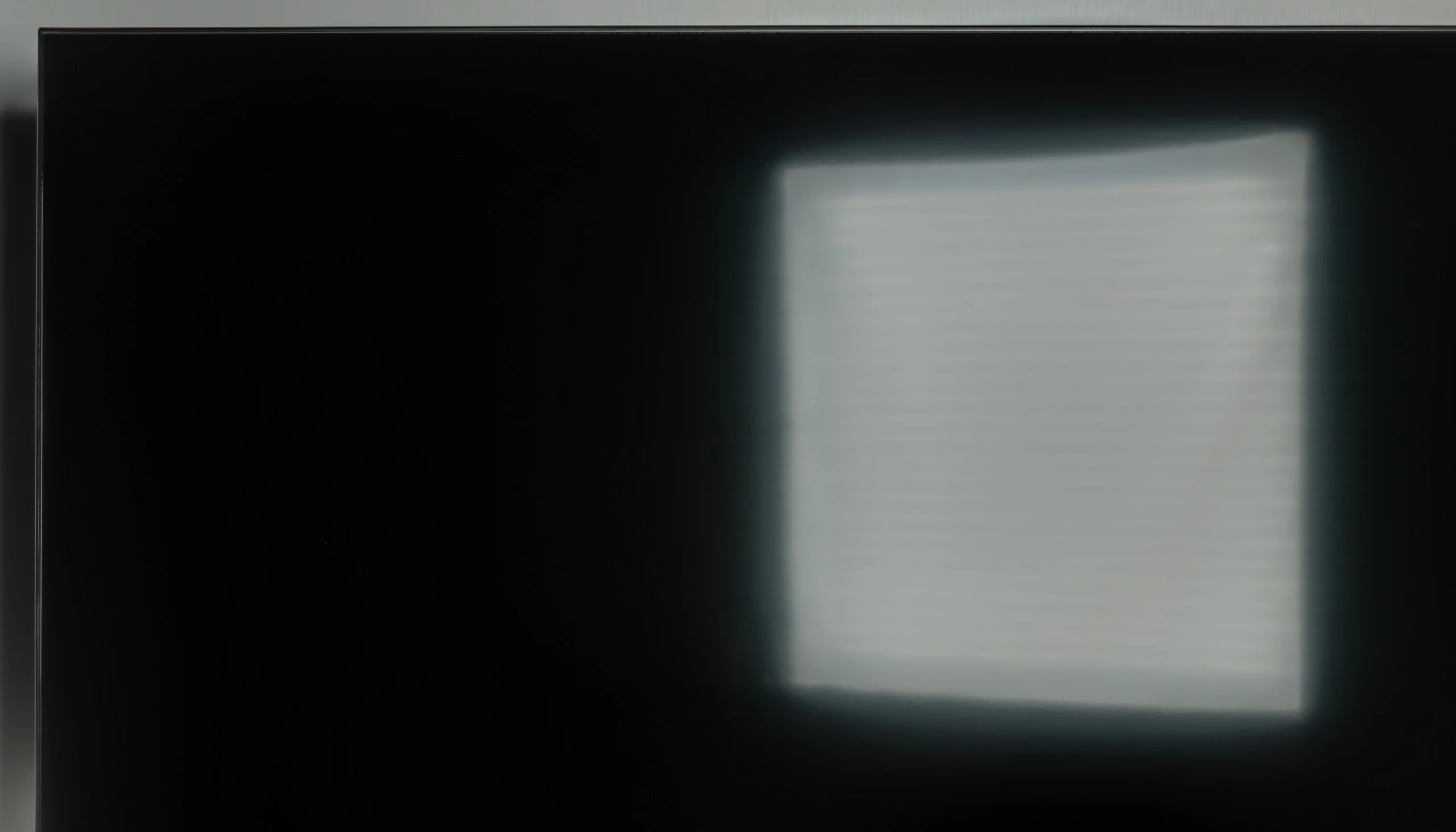
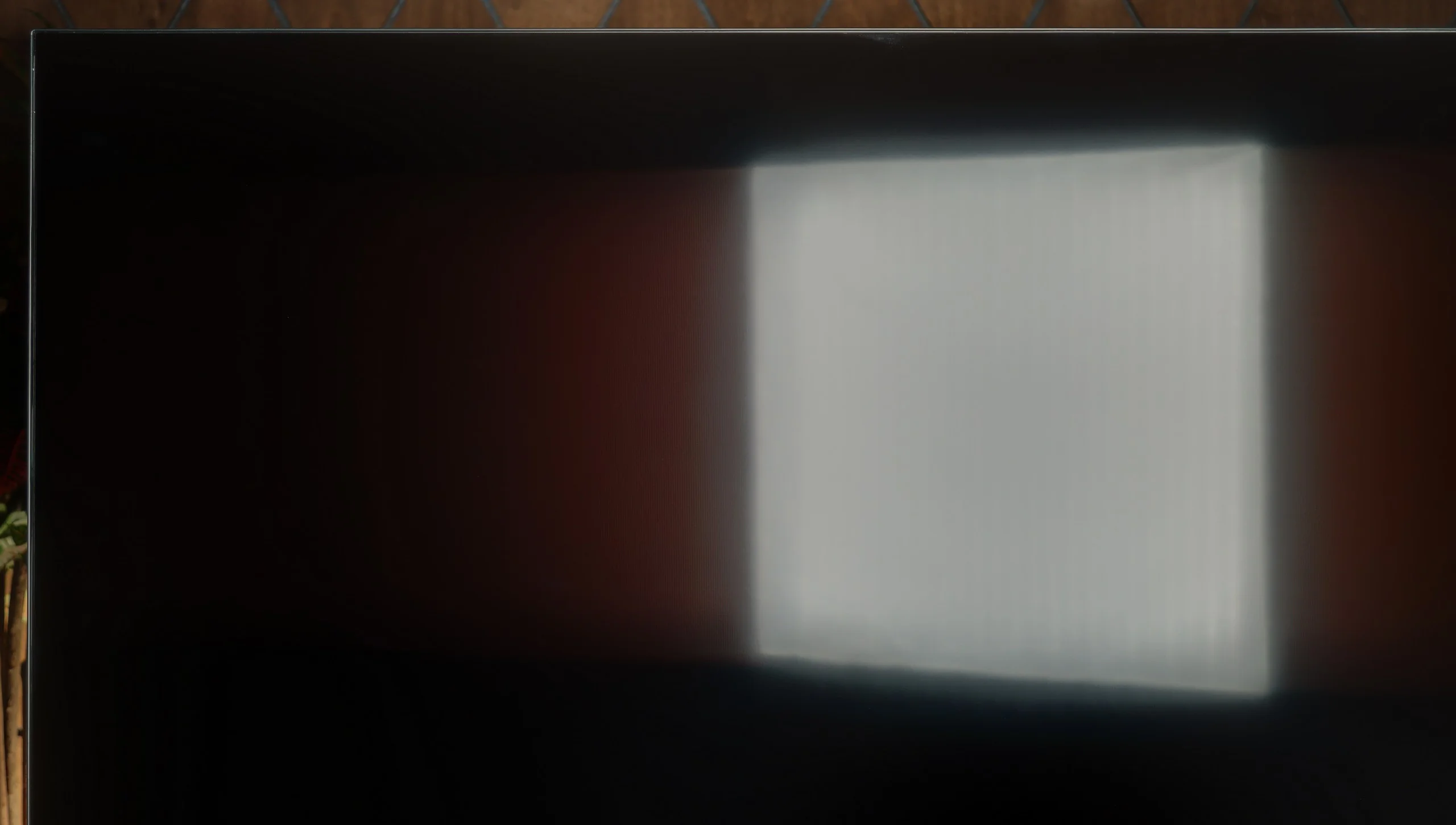
However, it is worth remembering that this is rather a basic model and has its limitations. The contrast and black levels are simply poor, which is a typical phenomenon for IPS matrices, especially in dark rooms. Brightness at around 270 cd/m² is also insufficient in heavily sunlit rooms, so the picture may seem washed out then. Additionally, certain shortcomings in the software cannot be overlooked. Google TV is a great foundation, but some settings are scattered in surprising places, and the quality of translations leaves much to be desired.
One must consider that the competition is offering more and more in a similar (or only slightly higher) price range. Can the Panasonic W70A hold its ground in such an environment? On one hand, it tempts with a rich application base and decent support for gamers, but on the other hand, the market is flooded with more polished TVs equipped with better parameters. However, if wide viewing angles and straightforward access to Google TV services are priorities, we can give it a chance. Otherwise, it is worth exploring competitive models that often offer better black levels, higher brightness, and fewer annoying menu issues for a similar price.
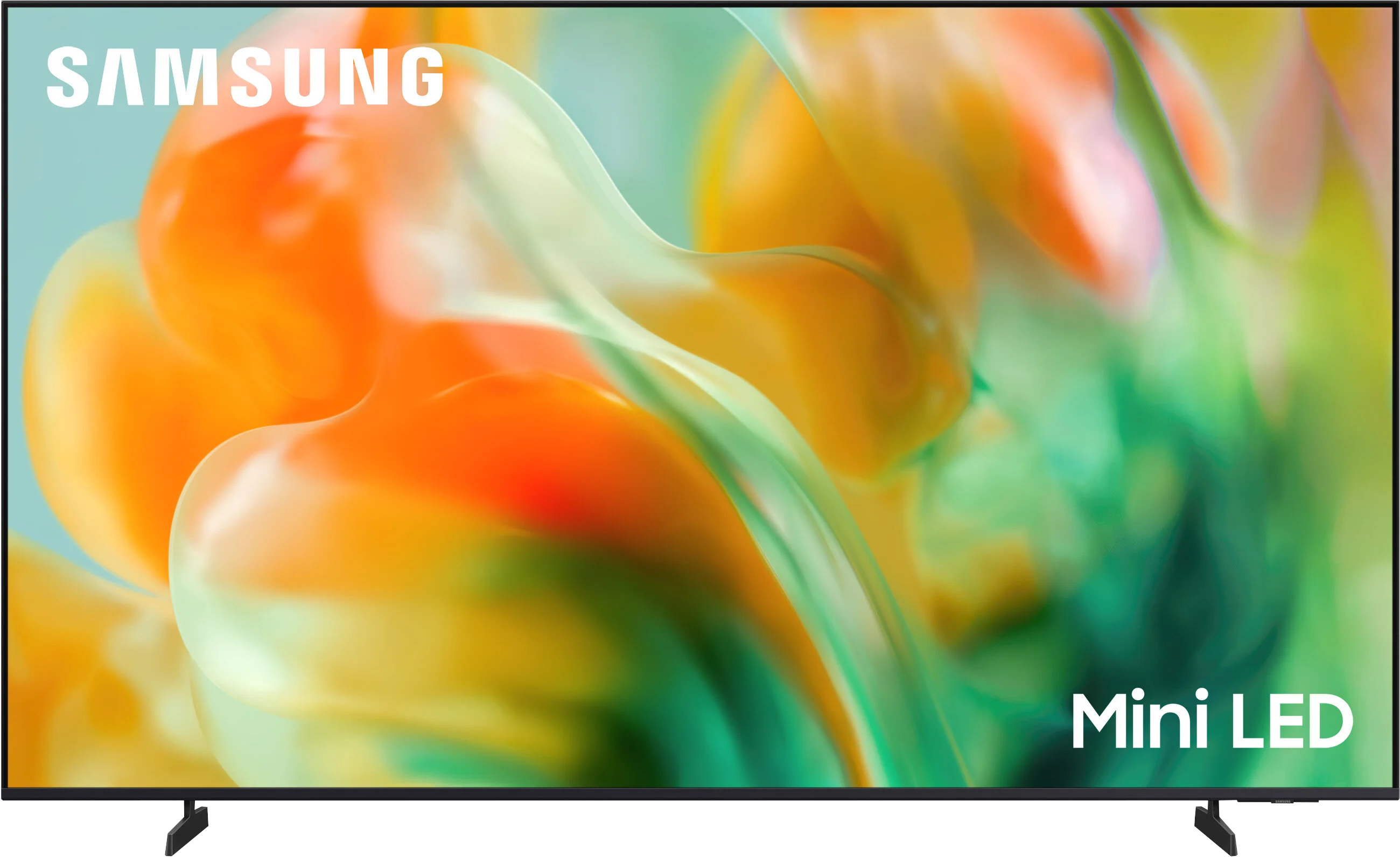
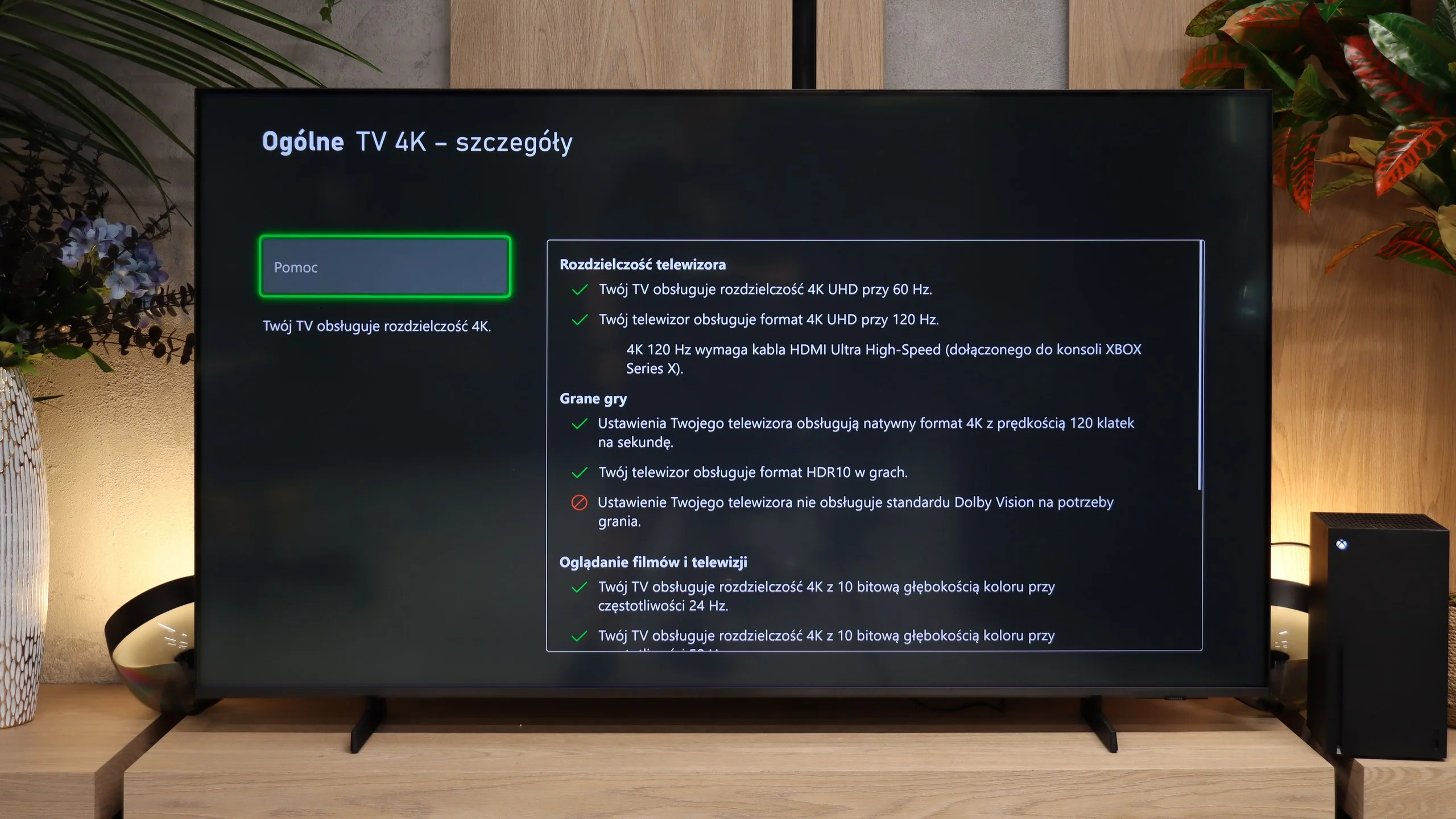
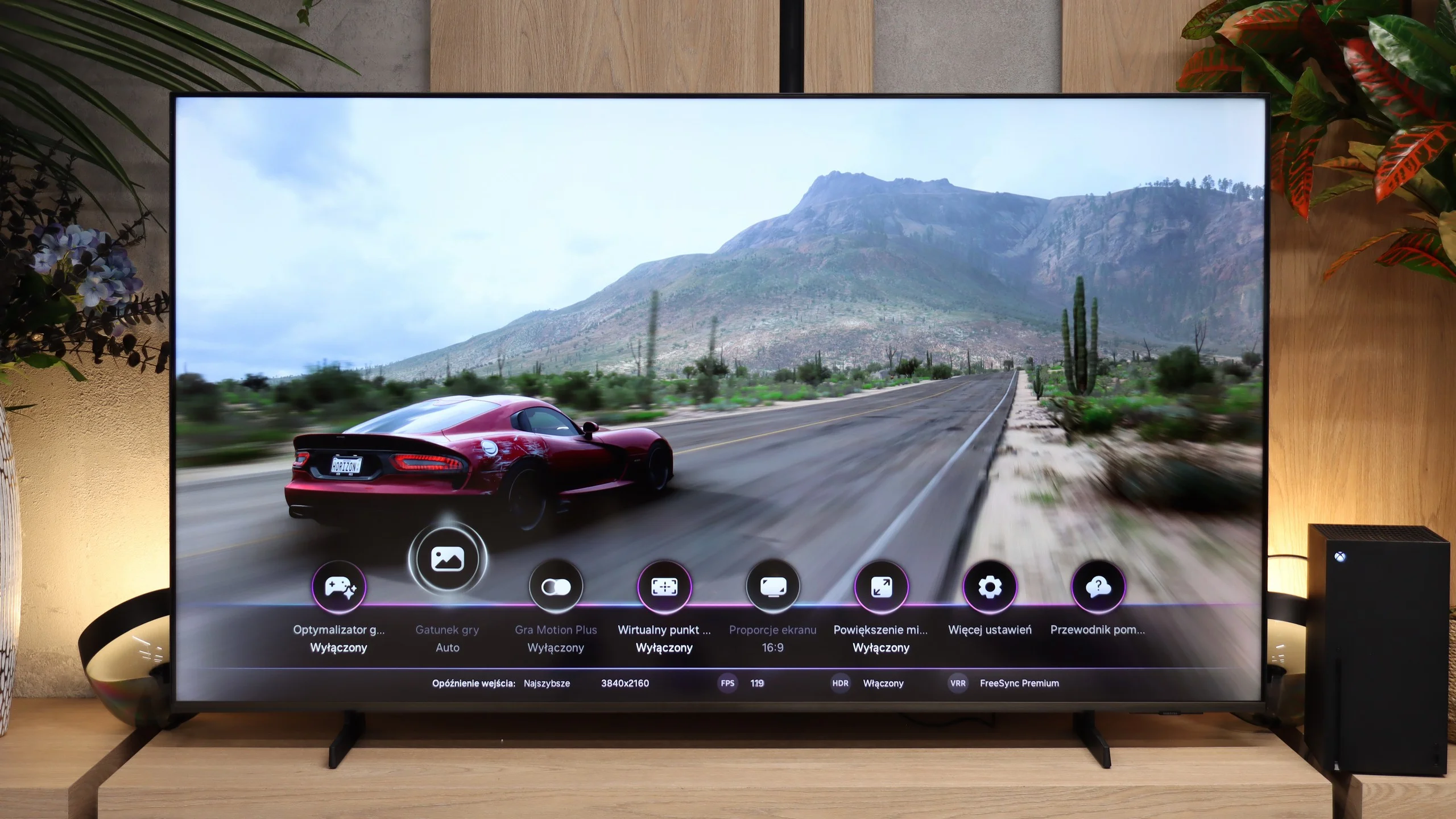
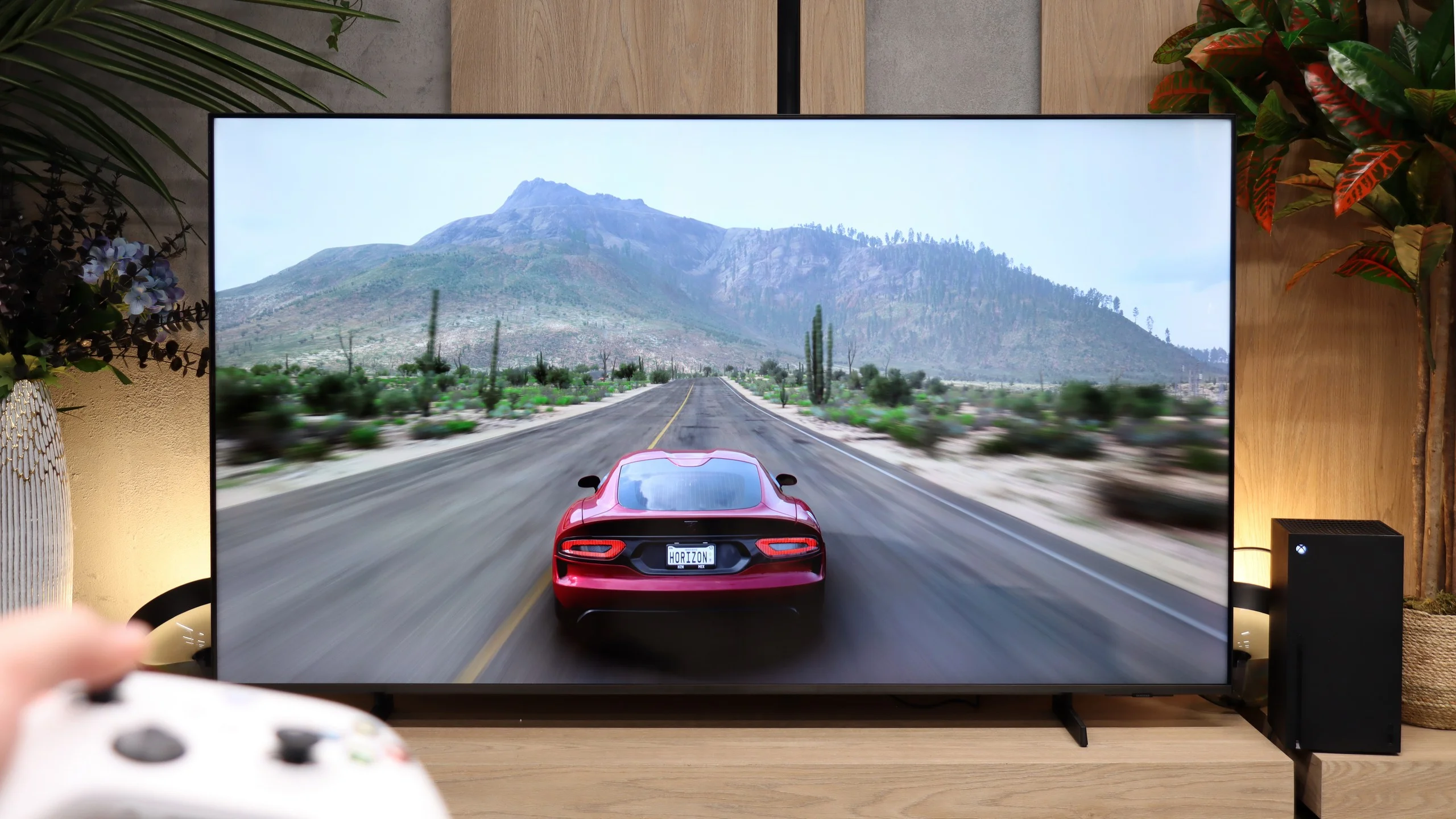
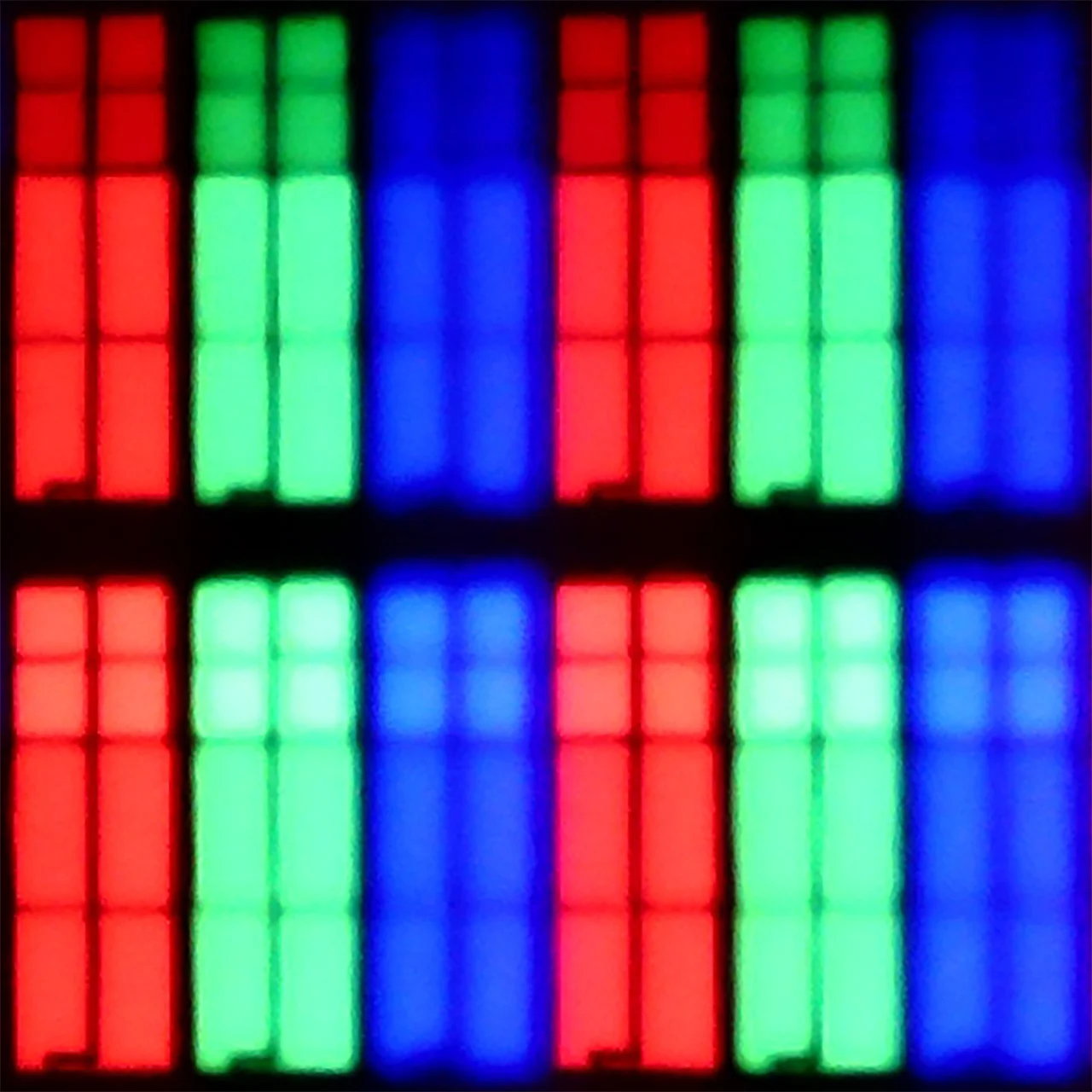
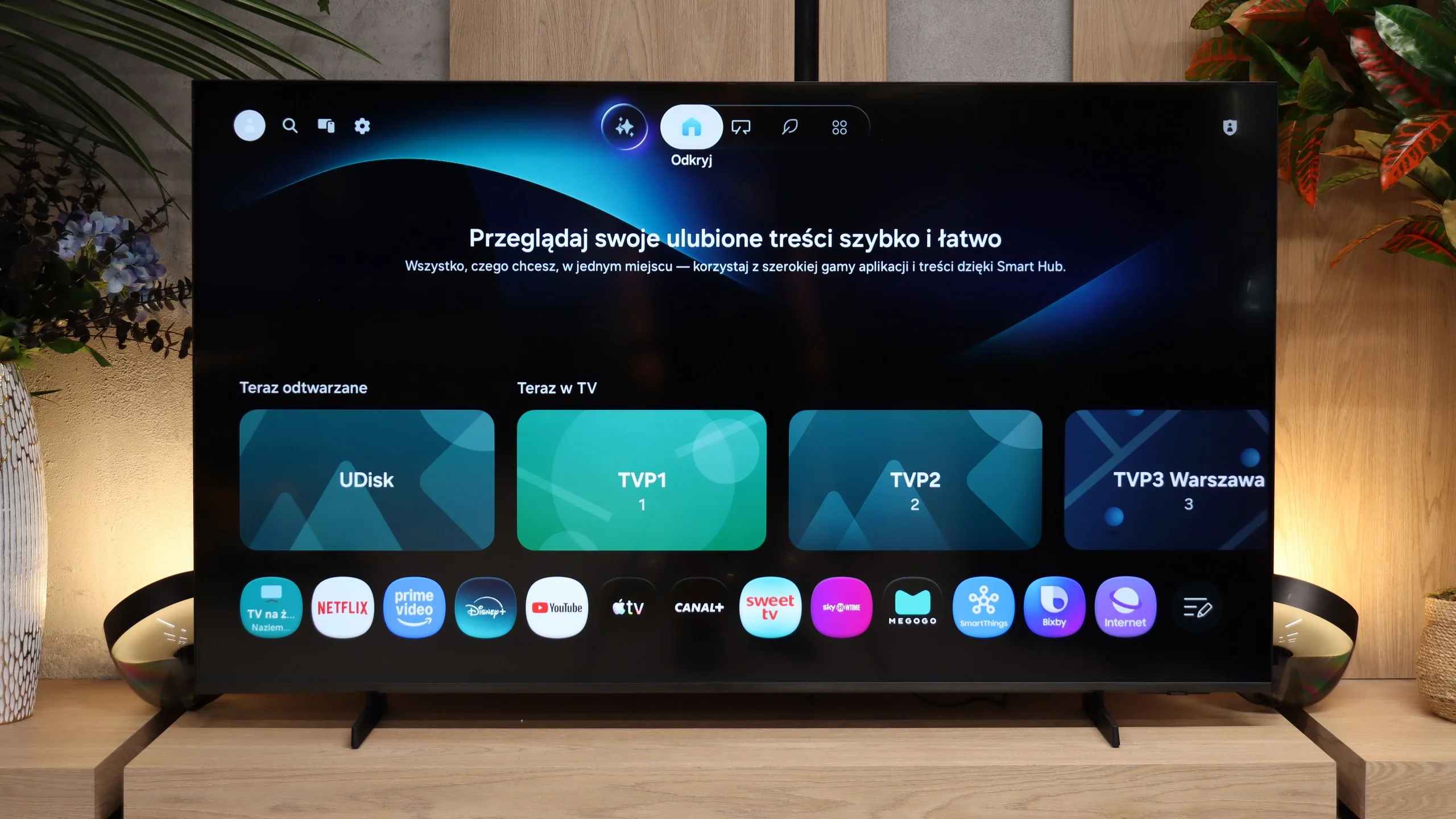
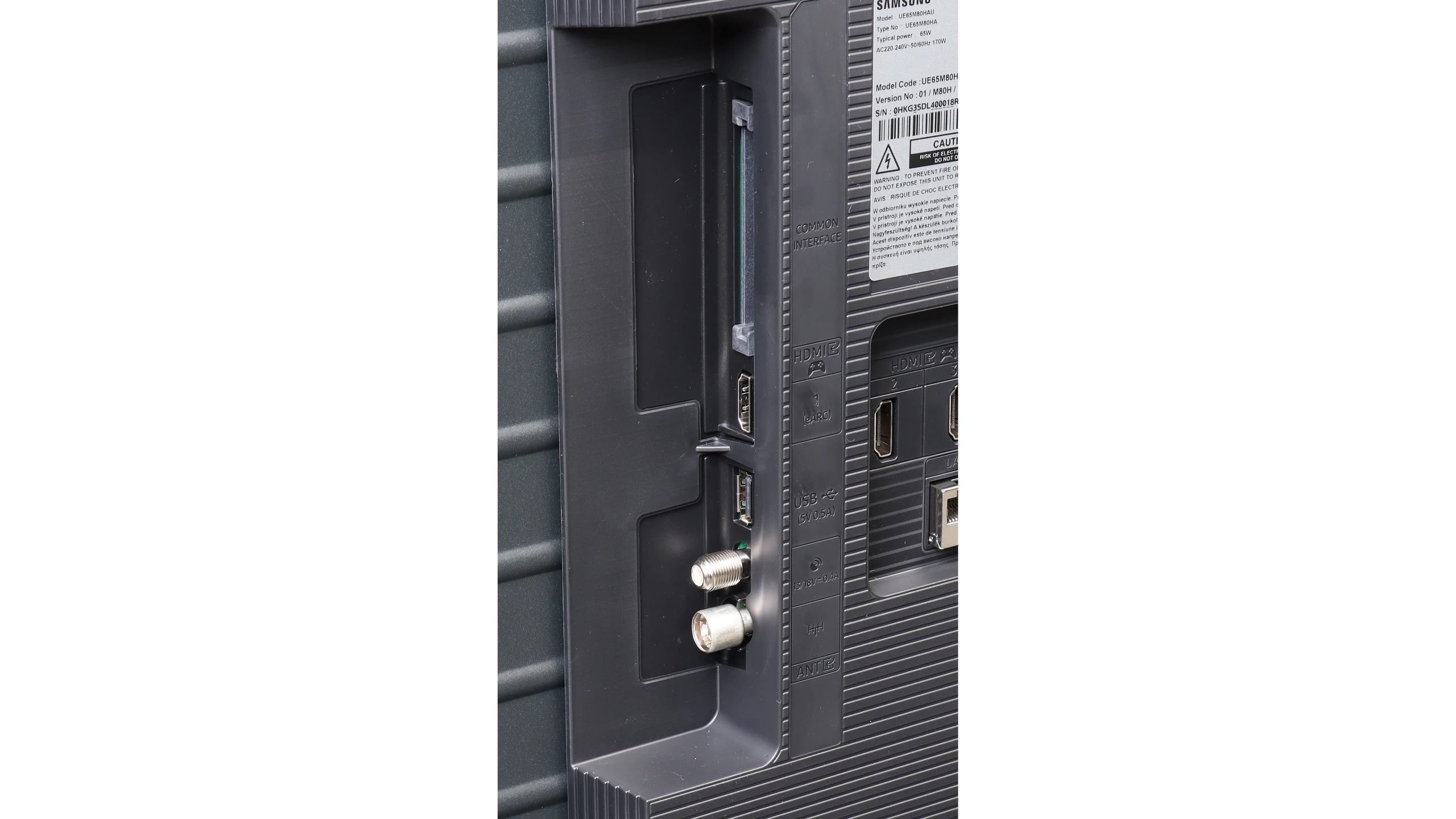
The M80H shows its strengths where motion matters most. A fast panel, a refresh rate of up to 144 Hz, and relatively low motion blur make sports and fast-paced games look really good. In this respect the TV can even beat some significantly more expensive Samsung LCD models. Gamers also get low input lag, three full-bandwidth HDMI 2.1 ports, and Game Motion Plus, which can improve the smoothness of games running at 30 or 60 frames. When connected to a PC you can also use a 240 Hz refresh rate, although only at Full HD resolution. A big plus for the M80H is the NQ4 AI Gen2 processor, which was until recently used in higher-tier Samsung series. It handles lower-resolution content well and can enhance the look of weaker sports broadcasts or heavily compressed footage. The extra image-enhancing features do produce a visible effect, although at higher settings they become too strong and start to interfere with the picture's natural look. Still, they are worth listing as an advantage, since in the cheapest TVs similar solutions often matter much less.
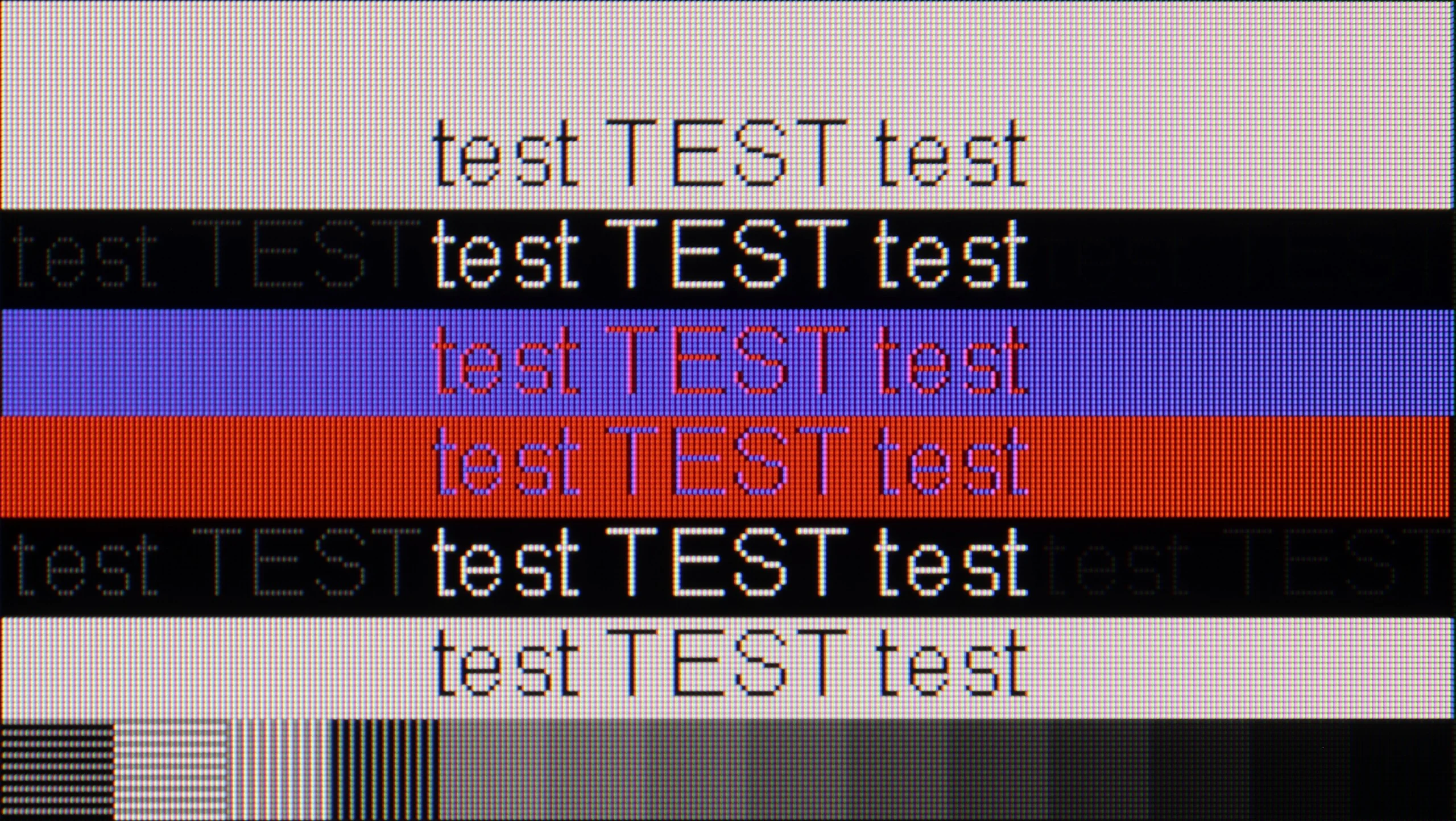
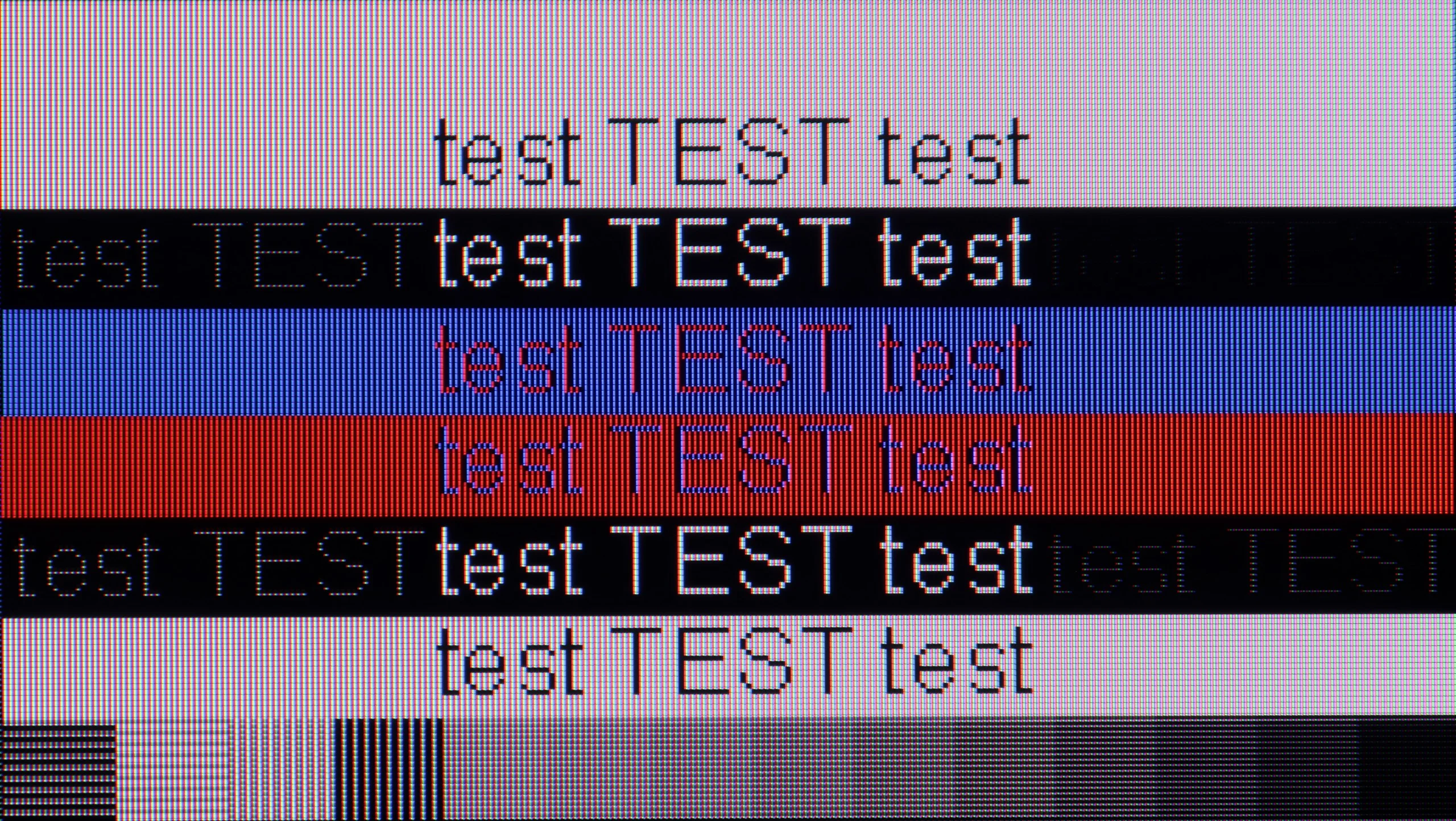
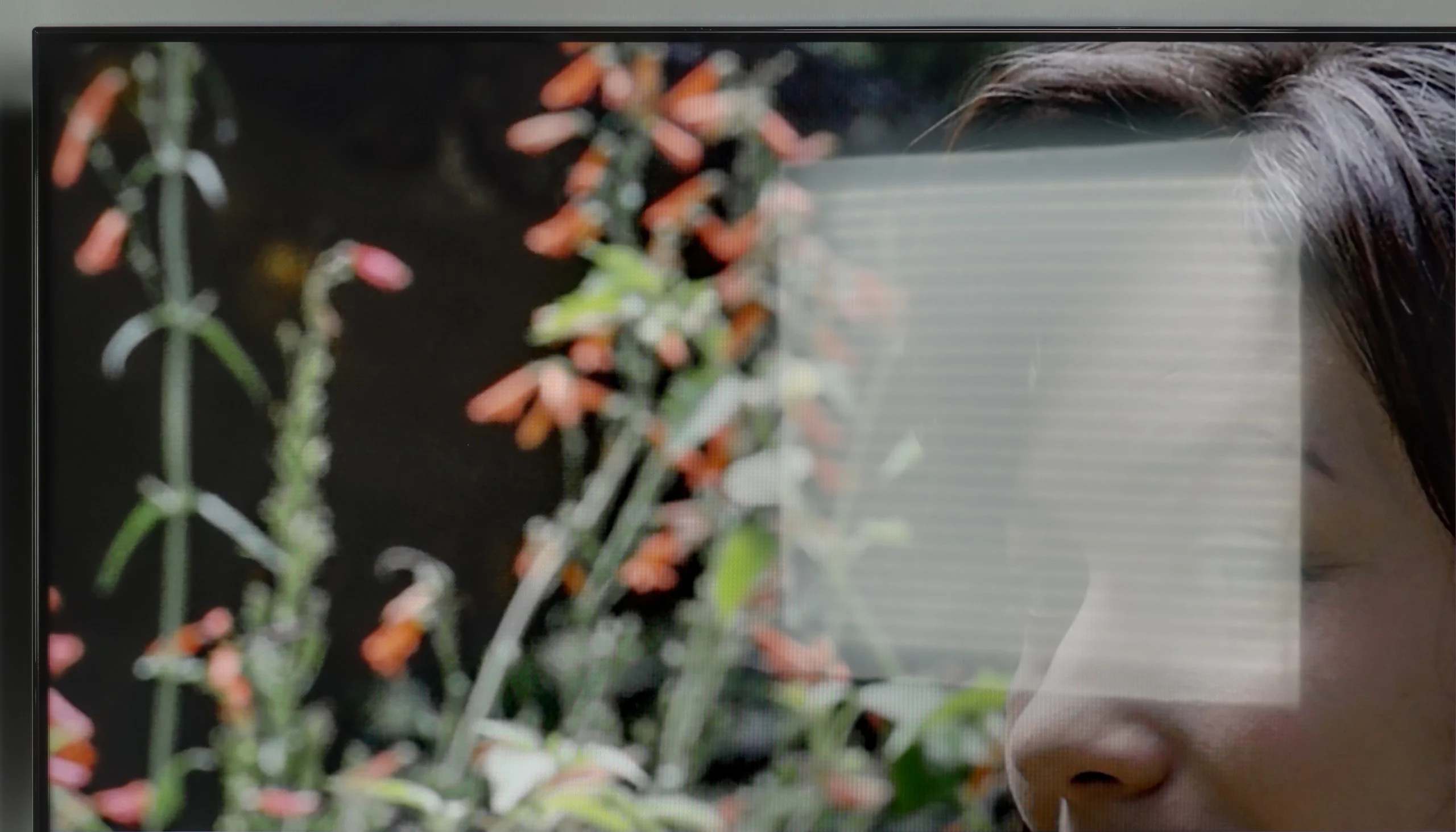
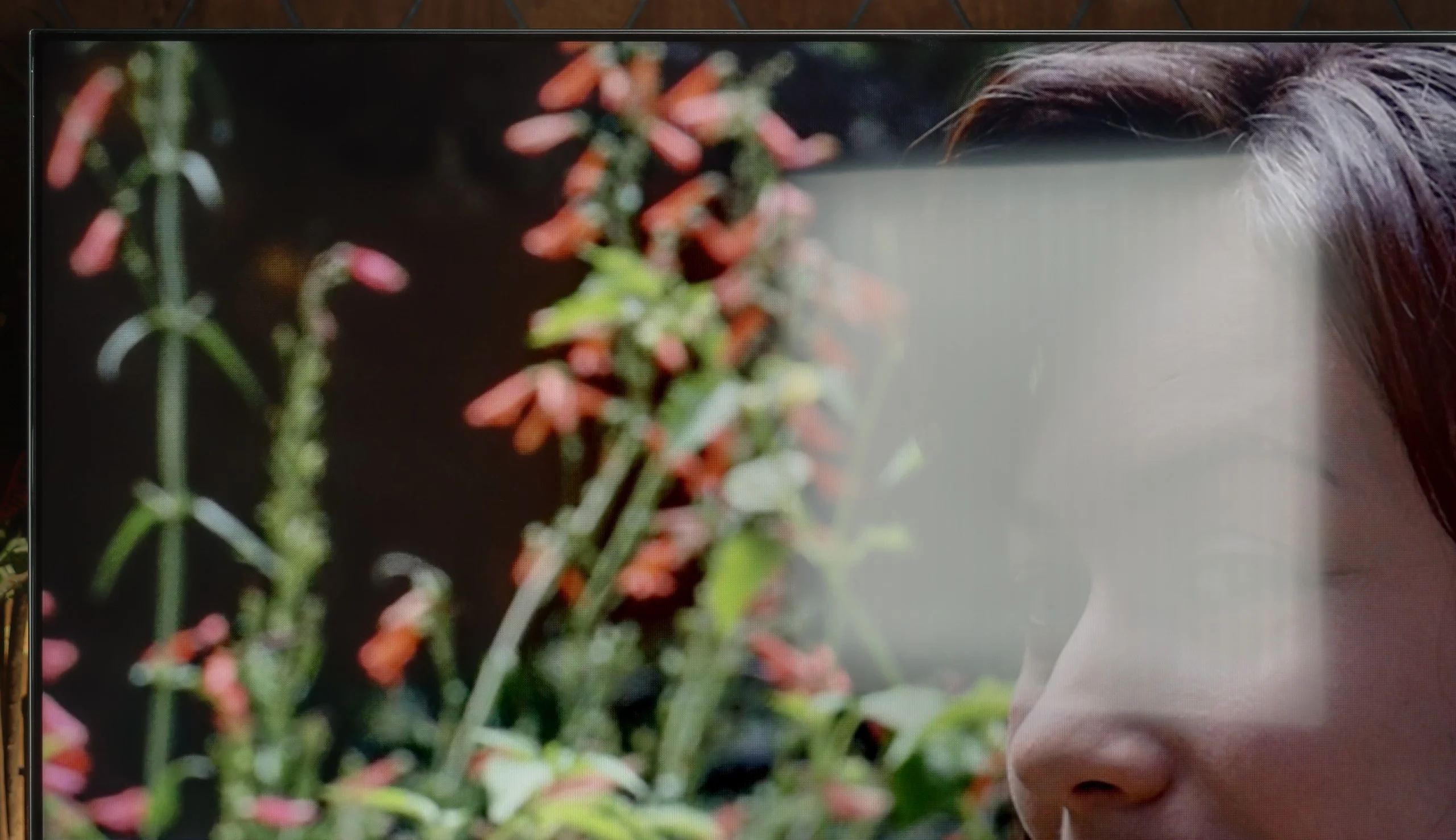
What raises the most concerns is the M80H being called a Mini-LED TV. It does not have local dimming, the feature that usually accounts for the biggest benefit of this technology. Brightness of around 350 nits also does not allow for particularly striking HDR. In terms of picture quality the M80H is therefore much closer to basic LCD TVs than to more advanced Neo QLED models like the QN80H. That does not mean movies look bad on it. The VA panel provides decent contrast, and the PFS filter delivers attractive, saturated colors. You should be aware, however, that the lack of local dimming clearly limits the TV's picture-quality capabilities. The M80H is therefore not a model that demonstrates the full potential of Mini-LED backlighting.
It will perform much better in the hands of a gamer or sports fan for whom panel speed, low input lag, and extensive gaming features are most important. If its price remains significantly lower than models equipped with local dimming, that compromise may be a sensible choice for that group of users.
 Direct comparison