LG UT8100 is a model that does not try to pretend to be more than it is. Simple, functional, and well-suited for everyday use. Its biggest advantage is the WebOS system – intuitive, fast, and rich in applications. With such a backend, using Netflix or YouTube is hassle-free, and navigating the menu takes just a moment. The Magic remote adds even more convenience, as it works somewhat like a mouse – just point at the screen and click what we want. Voice control in Polish? It works flawlessly, and we can confidently say it is the best when it comes to our native language. One of the more interesting features is the ability to record to USB. It's a minor detail, but it can come in handy if we don't always have time to watch a program live. Surprisingly, the TV also handles upscaling lower quality material quite well – standard TV channels look decent. It’s also suitable for gaming, though rather for those who are not avid gamers. Thanks to the low input lag and features like ALLM and HGiG, gaming is smooth, and the image is responsive enough. Sure, the 60 Hz panel does not allow for miracles, but it’s sufficient for occasional sessions. Of course, UT8100 is not for demanding movie buffs. The lack of Dolby Vision and HDR10+ means that HDR content does not look as good as it could. Brightness and contrast are rather average, which is particularly noticeable in the evenings, in dark scenes – blacks are not deep, causing details to easily get lost. LG UT8100 is a solid TV for those who are looking for simple equipment for everyday use. It has a comfortable system, a functional remote, and a few useful options, like USB recording. If we do not care about the highest image quality and are looking for something to watch TV, this model will perform quite well.
- Matching (Score) |
- Our verdict |
- TV appearance |
- Where to buy |
- Contrast and black detail |
- HDR effect quality |
- Factory color reproduction |
- Color reproduction after calibration |
- Smoothness of tonal transitions |
- Image scaling and smoothness of tonal transitions |
- Blur and motion smoothness |
- Console compatibility and gaming features |
- Input lag |
- Compatibility with PC |
- Viewing angles |
- Daytime performance |
- Panel details |
- TV features |
- Apps |
- Playing files from USB |
- Sound
LG UT8100 (IPS) vs XIAOMI S Mini 2026 (85"-98") 144Hz
 Direct comparison
S Mini 2026
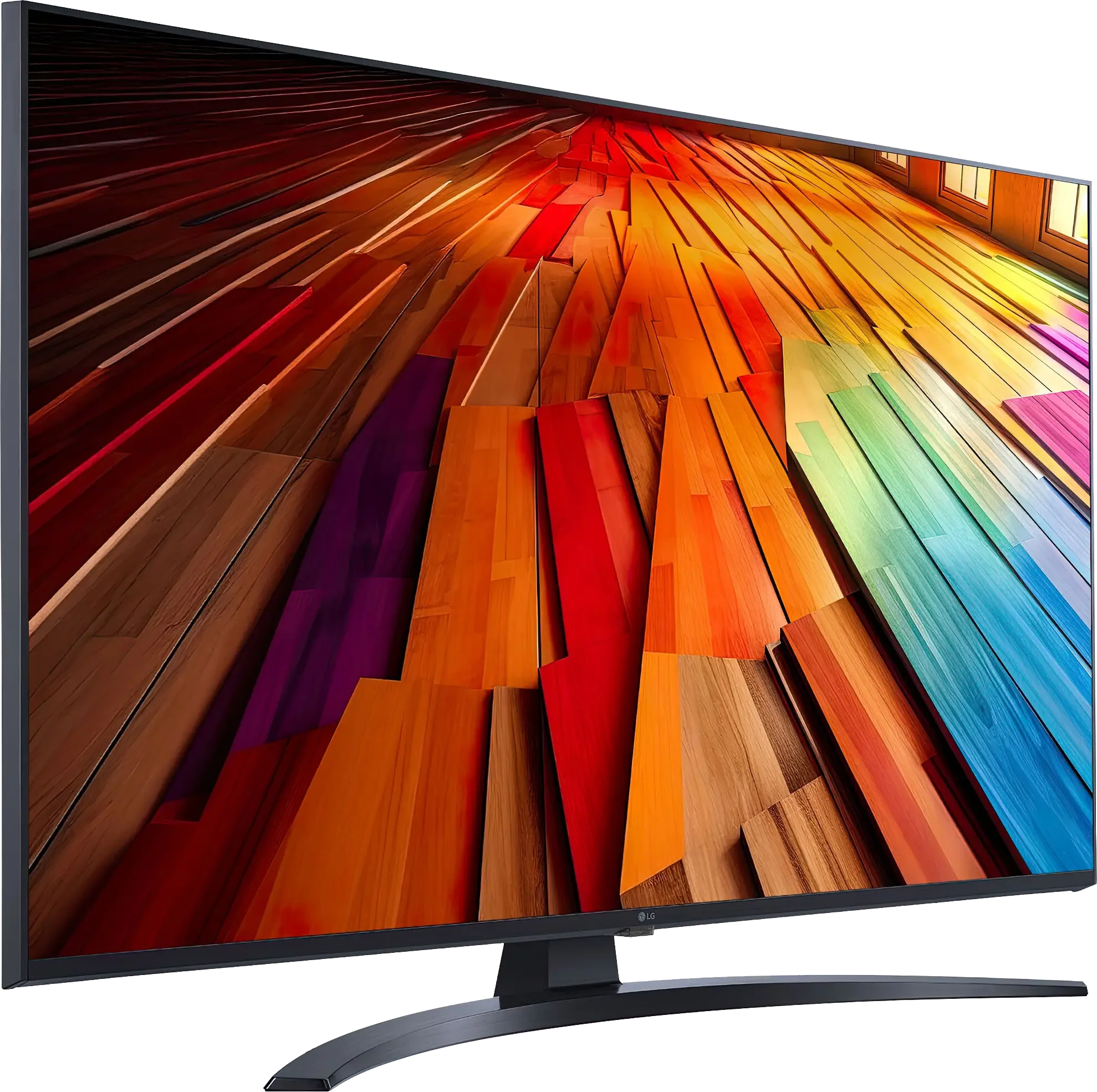
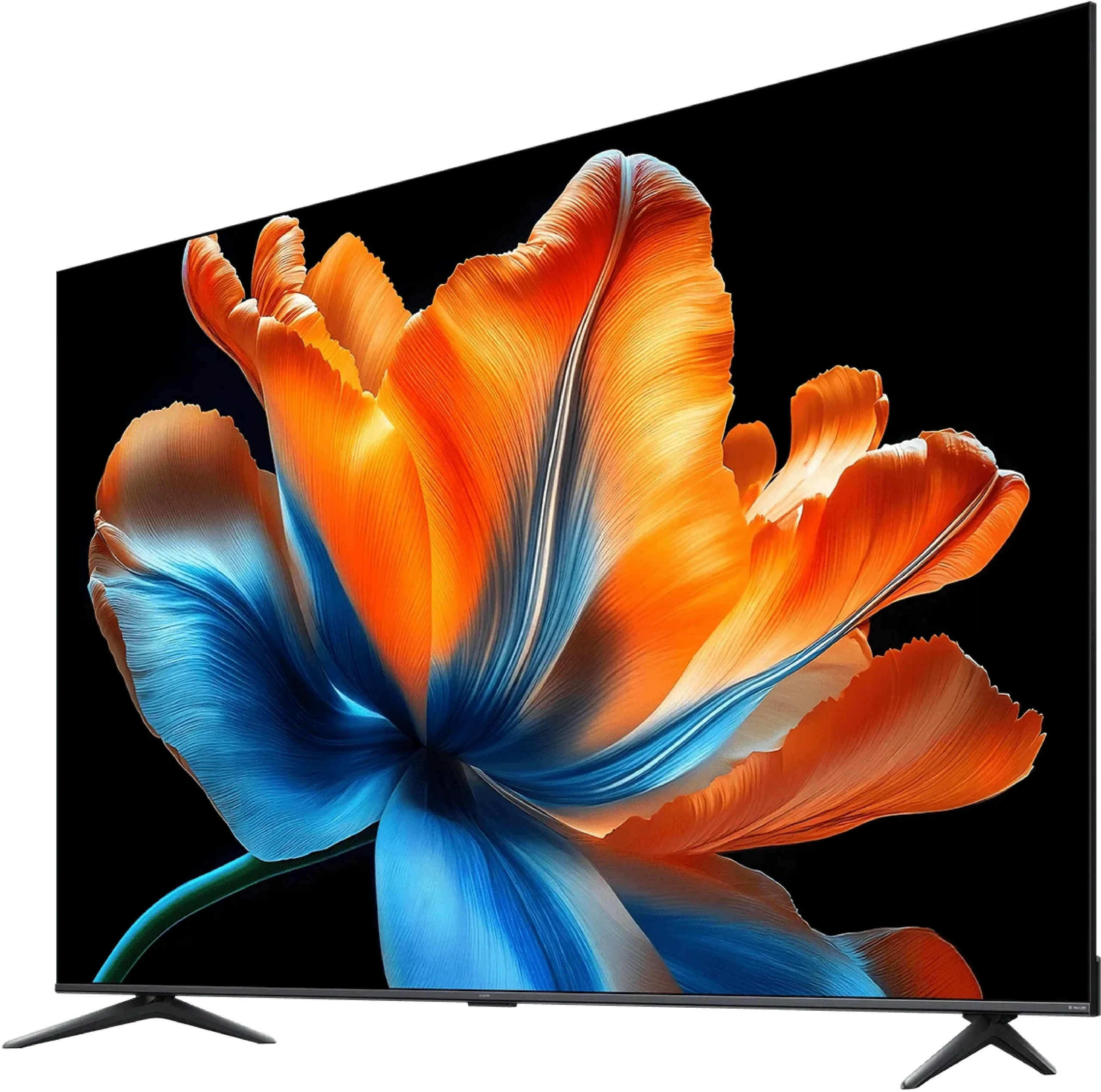
Panel type: LCD IPS
Resolution: 3840x2160
System: WebOS
Model year: 2024
Complete the survey to find out the result
Panel type: LCD VA
Resolution: 3840x2160
System: Google TV
Model year: 2026
Complete the survey to find out the result
Overall rating
6.0
7.1
 Movies and series in UHD quality
 5.4
7.1
 Classic TV, YouTube
 5.5
6.6
 Sports broadcasts (TV and apps)
 5.7
6.4
 Gaming on console
 6.5
8.3
 TV as a computer monitor
 6.0
7.0
 Watching in bright light
 4.6
7.5
 Utility functions
 7.7
7.0
 Apps
Apps 9.1
9.6
 Sound quality
 6.0
5.0
Complete the survey to find out what fits your preferences
Advantages

Good viewing angles
Intuitive WebOS system with wide access to applications
Magic remote
Suitable for casual gaming - low input lag, ALLM, HGiG
USB recording function from built-in tuners
Smooth image scaling - good reproduction of lower resolution materials
120/144 Hz panel
Very good contrast: Mini LED + VA
High brightness around 1,000 nits
Dolby Vision support
Advanced features for gamers
Low input lag
Google TV with a wide selection of apps
Disadvantages

Average brightness - 350 nits
Tragic contrast
No Dolby Vision
Poor image processing
Average glare reduction
Typical viewing angles for a VA panel
Flat sound, little bass
Our verdict
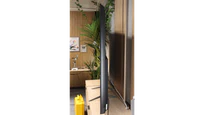
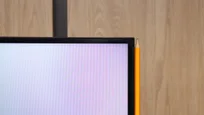
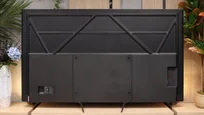
TV appearance
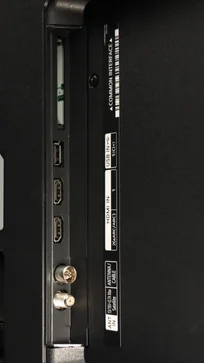
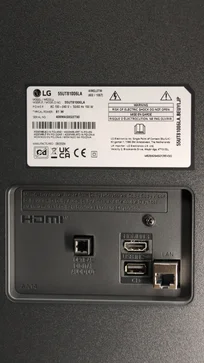
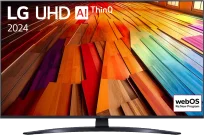
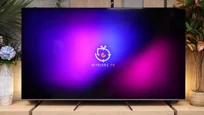

Contrast and black detail
1.9/10
8/10
Local dimming function: No
Local dimming function: Yes, number of zones: 640 (20 x 32)
Contrast:


Result
900:1

Result
900:1

Result
1,100:1

Result
1,050:1

Result
900:1
Result
427,700:1
Result
49,650:1
Result
29,350:1
Result
13,500:1
Result
8,400:1
Halo effect and black detail visibility:
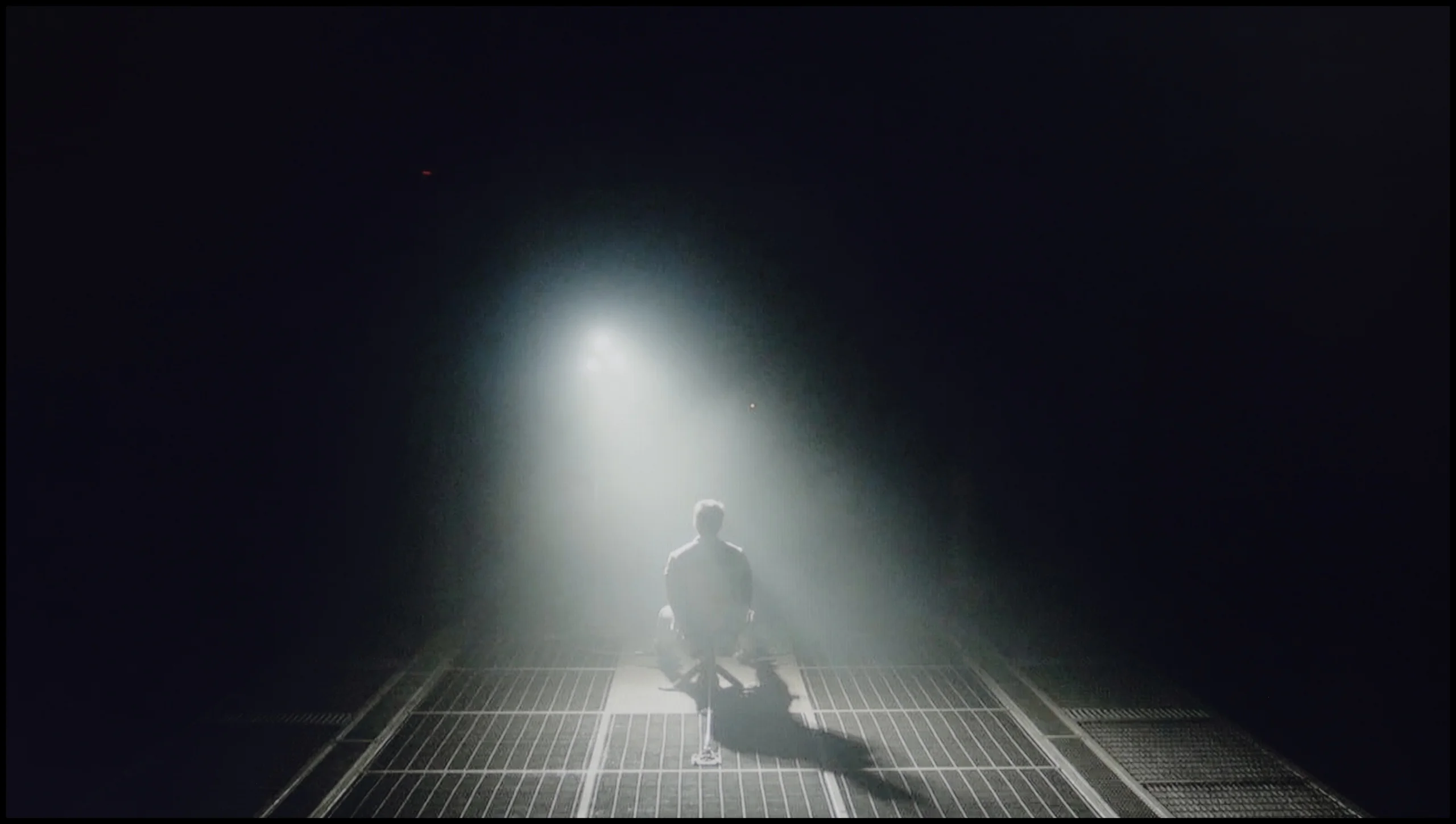
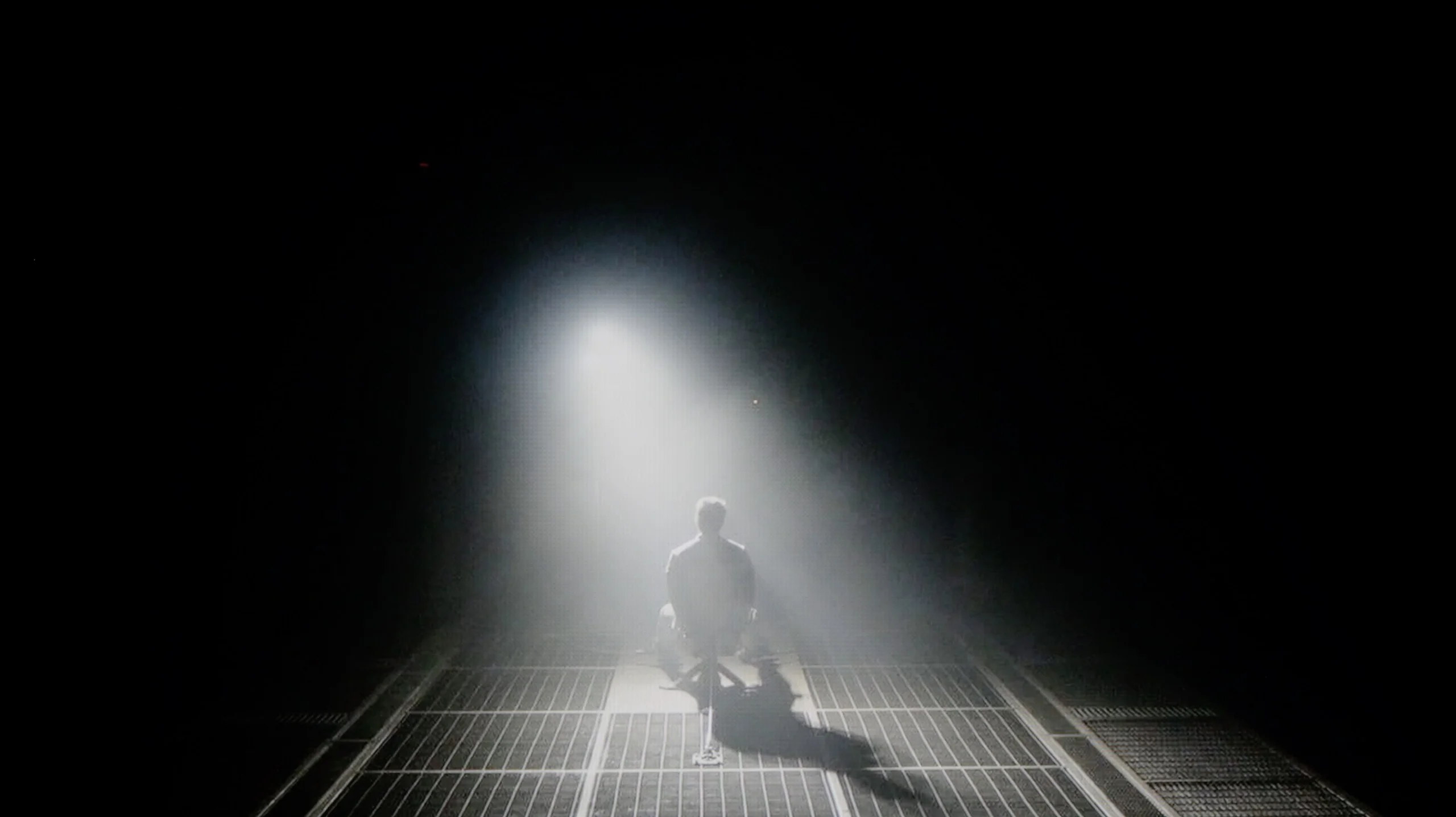
Check the visibility of bright lights on a dark background. Mini-LEDs often struggle with this. The photo does not compare black levels – that’s what the video below is for.
The video accurately shows differences in contrast and black levels between TVs, as well as potential issues: halo around bright objects or Mini-LED zone operation visible as brightness jumps.
The LG UT8100 television is equipped with an IPS panel, which unfortunately fails to provide satisfactory contrast and black levels. In the tested scenes, such as from the movie Sicario 2, the black resembles a silvery ash rather than deep tar. The lack of local dimming causes details in the dark areas of the image to merge, and the screen appears quite bland in poorly lit rooms. For users seeking deep blacks and vivid contrast, the IPS panel in this model will be disappointing. In this category, the television performs very poorly.
Larger screen sizes of the Xiaomi S Mini 2026 also use a VA panel and Mini LED backlight, but the manufacturer has applied many more local dimming zones here. In the 85-inch model we tested, we counted 640 of them, more than twice as many as in the 55-inch version. Even so, the differences in measurements proved surprisingly small. Contrast remains very high, and in many scenes awash with black the TV can achieve blacks that feel very close to OLED. The additional zones mainly help better control the backlight in more demanding shots, though they do not completely eliminate the typical limitations of this technology. In scenes with a large number of bright objects on a dark background you can still see a halo effect, but its level remains typical for Mini LED TVs. As with the smaller variants, Xiaomi has also improved the local dimming algorithm. The zones operate stably and do not cause visible flicker or the brightness "pumping" that could be encountered in last year’s model.
HDR effect quality
4/10
5.7/10
Luminance measurements in HDR:

Result
285 nit

Result
238 nit

Result
326 nit

Result
205 nit

Result
319 nit
Result
1079 nit
Result
224 nit
Result
710 nit
Result
244 nit
Result
900 nit
Scene from the movie “Pan” (about 2800 nits)


Scene from the movie “Billy Lynn” (about 1100 nits)


The photos show two HDR10 movies. 'Pan' is one of the brightest productions ever made, while 'Billy Lynn' (soldier) has brightness typical of streaming (Netflix, Prime, HBO MAX). Notice the intensity of effects and detail in whites.
Static HDR10


The photos present the visibility of white details in various HDR formats. They do not show brightness differences between TVs (these can be compared in the previous gallery).
HDR luminance chart:
XIAOMI S Mini 2026 (85"-98") 144Hz
LG UT8100 (IPS)
The LG UT8100 television unfortunately does not meet expectations in the HDR effect category. The peak brightness of only 300 nits on the luminance graph is significantly below the required value to fully enjoy HDR effects. In practice, the image resembles SDR quality more than true HDR, which is particularly evident in demanding high-contrast scenes. The coverage of the DCI-P3 color palette is only 82%, which further limits the ability to present vibrant and rich colors. Instead of impressive visual experiences, we get a muted and washed-out image. For those looking for a television to fully utilize HDR content, the LG UT8100 model proves to be highly disappointing.
The larger versions of the Xiaomi S Mini 2026 offer very similar HDR capabilities. Peak brightness reaches around 1,000 nits, which is a very solid result for a TV at this price point. This is most apparent in bright scenes, where large, heavily lit areas of the image can look really striking. The TV has enough brightness headroom that HDR isn't reduced to just a slightly brighter image. However, very small pinpoint highlights on an almost completely black background perform worse. In those situations the local dimming system significantly reduces their brightness to avoid illuminating adjacent image areas and to preserve deep blacks. As a result, small specular highlights or single lamps don't have the same intensity as in much more expensive designs. This is, however, typical behavior for Mini LED TVs and is hard to treat as something unique to Xiaomi.
HDR colors
Color performance is similarly comparable. Although the manufacturer uses the term QLED, the expanded color gamut here is achieved by a PFS phosphor. In our measurements the TV covered about 94% of the DCI-P3 color space and about 74% of the much more demanding BT.2020. In practice this yields well-saturated colors in most HDR material and it's hard to point to obvious shortcomings. Limitations appear mainly with the most saturated shades of green, which the TV can no longer reproduce in full.
Factory color reproduction
5.5/10
5.2/10


This gallery shows how colors change after professional TV calibration. If you notice the difference, we recommend ordering this service at SkalibrujTV.com.
Factory Mode
After calibration


This gallery shows how colors change after professional TV calibration. If you notice the difference, we recommend ordering this service at SkalibrujTV.com.
Factory Mode
After calibration
The Filmmaker Mode on LG UT8100, although theoretically the best for watching movies, has significant flaws. The biggest issue is white balance – drops in blue color cause noticeable yellowing of the image, visible in both HD and 4K content. These errors are confirmed by the measurement results in the Colour Checker test, which indicate significant deviations in color reproduction.
As for brightness characteristics, both HD and 4K content feature a high tonal boost. The gamma curve in both cases remains well below the reference value of 2.4, leading to excessive brightening of darker elements in the image. A similar problem is evident in the EOTF curve – in the case of 4K content, the TV struggles with proper brightness management, resulting in issues with screen brightness. This means that the factory settings of this model require significant adjustment to achieve better image quality.
In the larger versions of the Xiaomi S Mini 2026, Film mode performs best, although the factory settings here are not without flaws. In SDR the white balance was noticeably warm due to an excess of red. In HDR the situation was the opposite: there was too much blue and too little red, which made the image cooler. Additionally, both the gamma curve in SDR and the EOTF curve in HDR were slightly above the reference values. In practice this resulted in a slightly brighter image, especially in the midtones. It wasn't a major fault, but with more demanding content you could tell the image wasn't reproduced exactly as the creators intended.
Color reproduction after calibration
8/10
7.7/10


The photos show how movies look on the TV. Pay attention to black detail visibility, colors, and shadow tint.


The photos show how movies look on the TV. Pay attention to black detail visibility, colors, and shadow tint.
After calibrating the Filmmaker Mode, the gamma has been aligned to practically ideal, reference values, which significantly improved the overall tonal characteristics in HD content. 4K HDR content also looks better, although some issues are still visible at the end of the graph, where the curve deviates from the ideal. The EOTF curve performs worse, as the television struggles to maintain appropriate brightness values. As a result, the image in some scenes may be overly bright or slightly dimmed, which stems from the device's design. Nevertheless, the calibration has brought significant improvements, especially in the case of HD content, where tonal balance and color reproduction are now at a much higher level.
After calibration, we were mainly able to even out the white balance, so colors in both SDR and HDR look much more natural. We also improved the gamma curve, so SDR content is no longer unnecessarily bright and stays closer to reference values. The only significant remaining issue is in HDR. Xiaomi still controls brightness a bit too aggressively and renders some scenes brighter than it should. That is less noticeable on larger screen sizes than on the 55–75 inch models, but the EOTF curve still runs slightly above the reference. In practice, HDR is therefore slightly brightened, even though color reproduction after calibration already looks very good.
Smoothness of tonal transitions
9/10
9/10
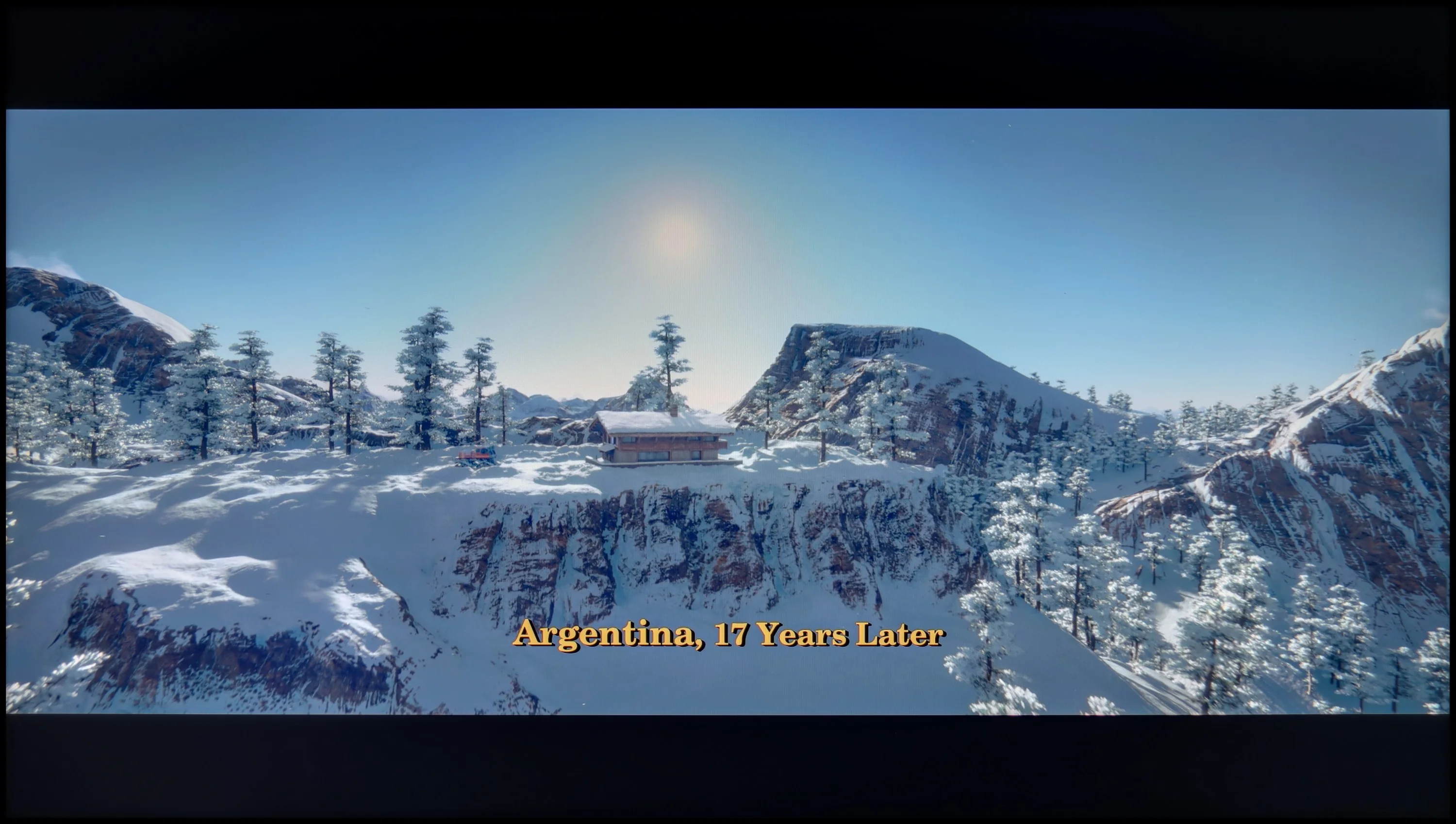




These are selected scenes that show smooth tonal transitions from one color to another. If you see distinct banding, it’s the TV panel’s fault.

These are selected scenes that show smooth tonal transitions from one color to another. If you see distinct banding, it’s the TV panel’s fault.
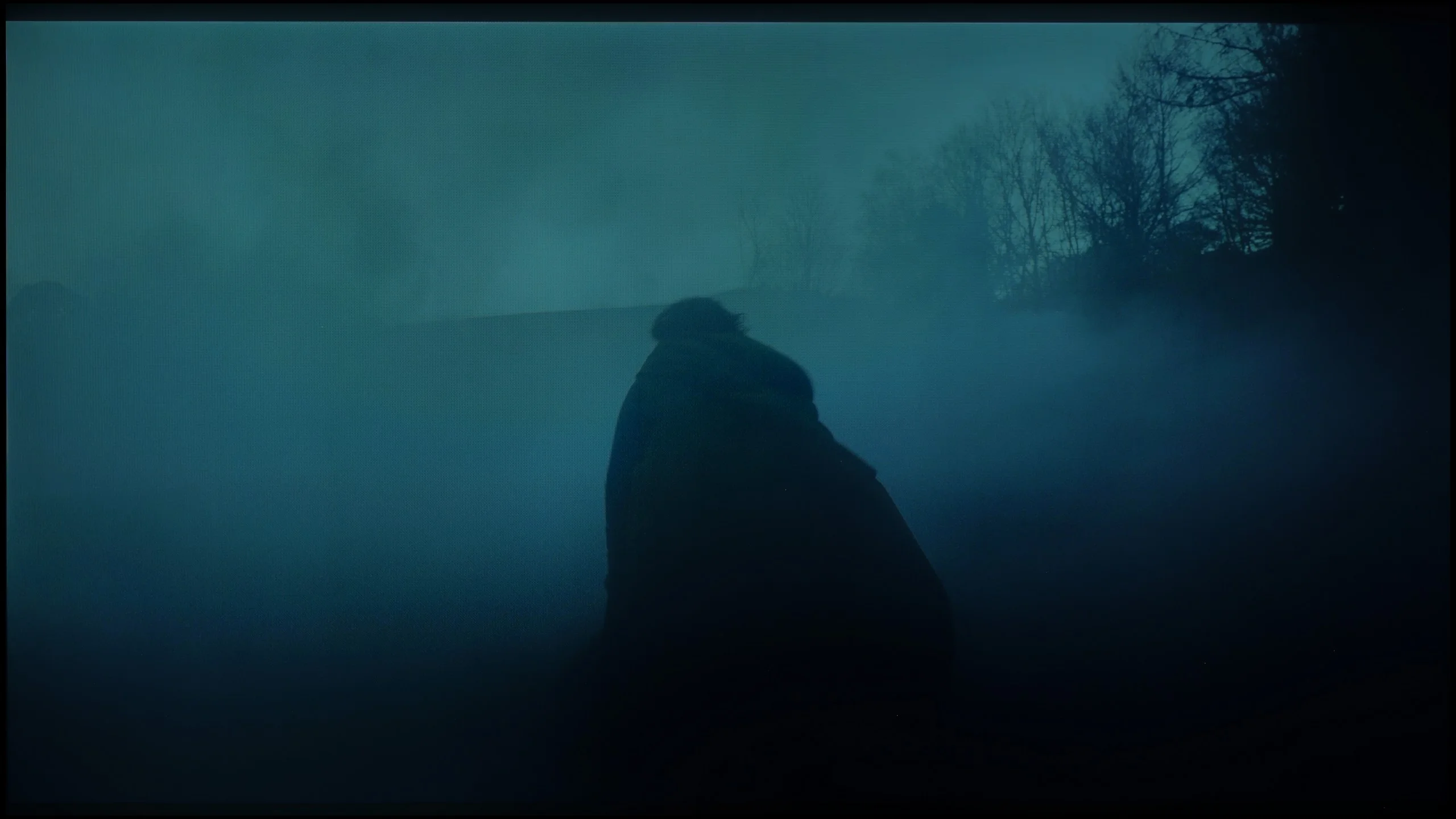
These are selected scenes that show smooth tonal transitions from one color to another. If you see distinct banding, it’s the TV panel’s fault.

These are selected scenes that show smooth tonal transitions from one color to another. If you see distinct banding, it’s the TV panel’s fault.
The fluidity of tonal transitions in LG UT8100 is at a very high level. The color gradation is almost perfect, and the transitions between shades are smooth and free of visible seams. This is definitely one of the strong points of this model. Unfortunately, the unevenness of the panel's backlighting draws attention, which can be noticeable in more homogeneous scenes, particularly in the darker areas of the image. Although the gradation itself is excellent, the unevenness of the matrix slightly detracts from the overall impression of quality.
The smoothness of tonal transitions in the larger Xiaomi S Mini 2026 variants is very good. In both bright and darker scenes the colors blend much more smoothly than in the smaller sizes. It's not perfect, and in the most challenging shots you can still see slight traces of posterization, but they occur far less often and are much less noticeable. That's a clear plus, especially since in the 55-75-inch models dark scenes could look noticeably worse in this regard.
Image scaling and smoothness of tonal transitions
7.3/10
3/10


Smooth transition function
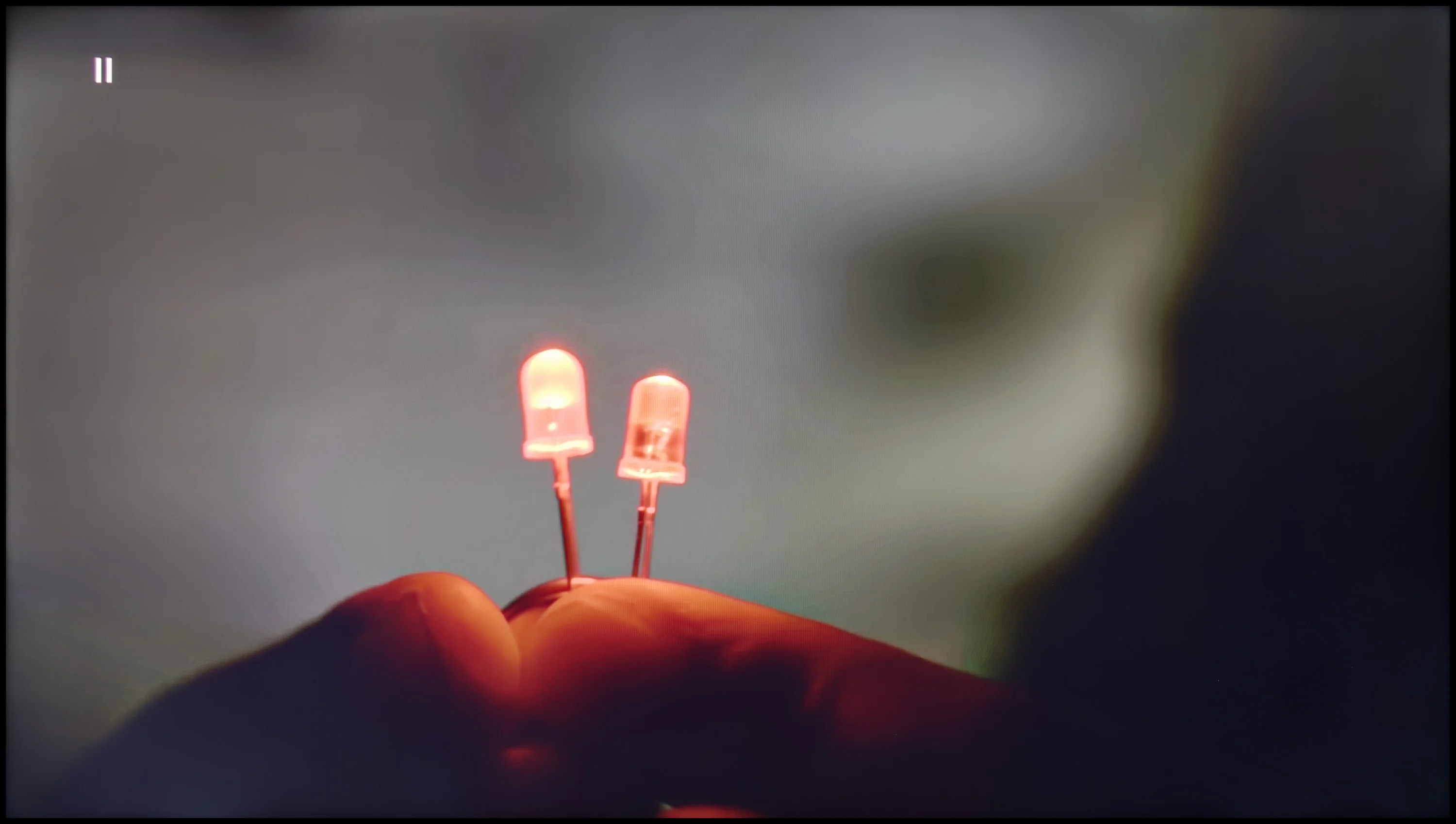
The match photo shows how the TV smooths weak tonal transitions in low-quality video.
Image scaling SD (576i)


The model photo shows how it handles upscaling of SD material.
The fluidity of tonal transitions is also correct, although the effect depends on the settings. The update improved the functionality of smooth gradation, smoothing transitions better than before, but introduced minor issues with loss of detail, e.g., on textures.
Image scaling on LG UT8100 performs very well. The image presents itself decently, without major issues with edge aliasing. Details are preserved at a satisfactory level, which makes lower-resolution materials look really solid on this TV. As a result, users can enjoy watching older content without obvious quality flaws.
Larger variants of the Xiaomi S Mini 2026 also use the MT5896 processor and perform similarly in terms of digital image processing. Upscaling is not a strong suit of this model. Low-resolution content is upscaled to 4K in a fairly basic way and it does not recover fine detail as well as more refined TVs. The 85- and 98-inch versions do include a feature intended to reduce posterization, but its effectiveness is very limited. With it turned on it's hard to notice any real improvement, so in scenes with visible color banding the TV still does little to address it.
Blur and motion smoothness
4.9/10
7.7/10
Blur (native resolution, maximum refresh rate):
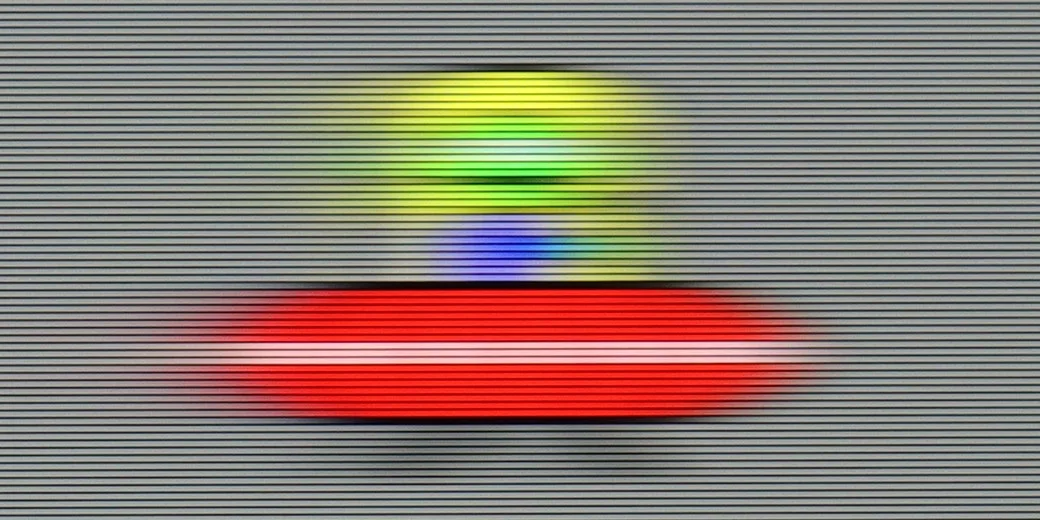




Blur ():
Blur (4K@288Hz):


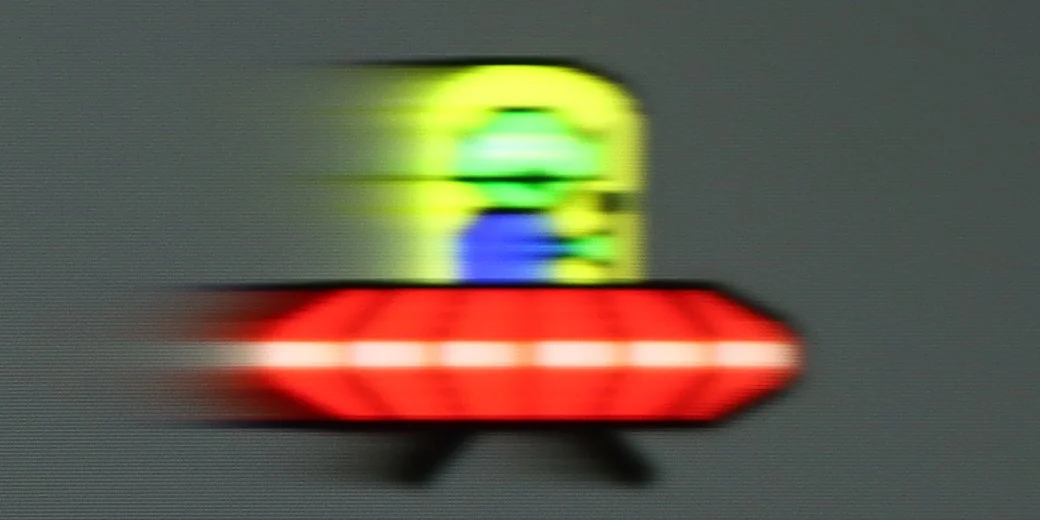
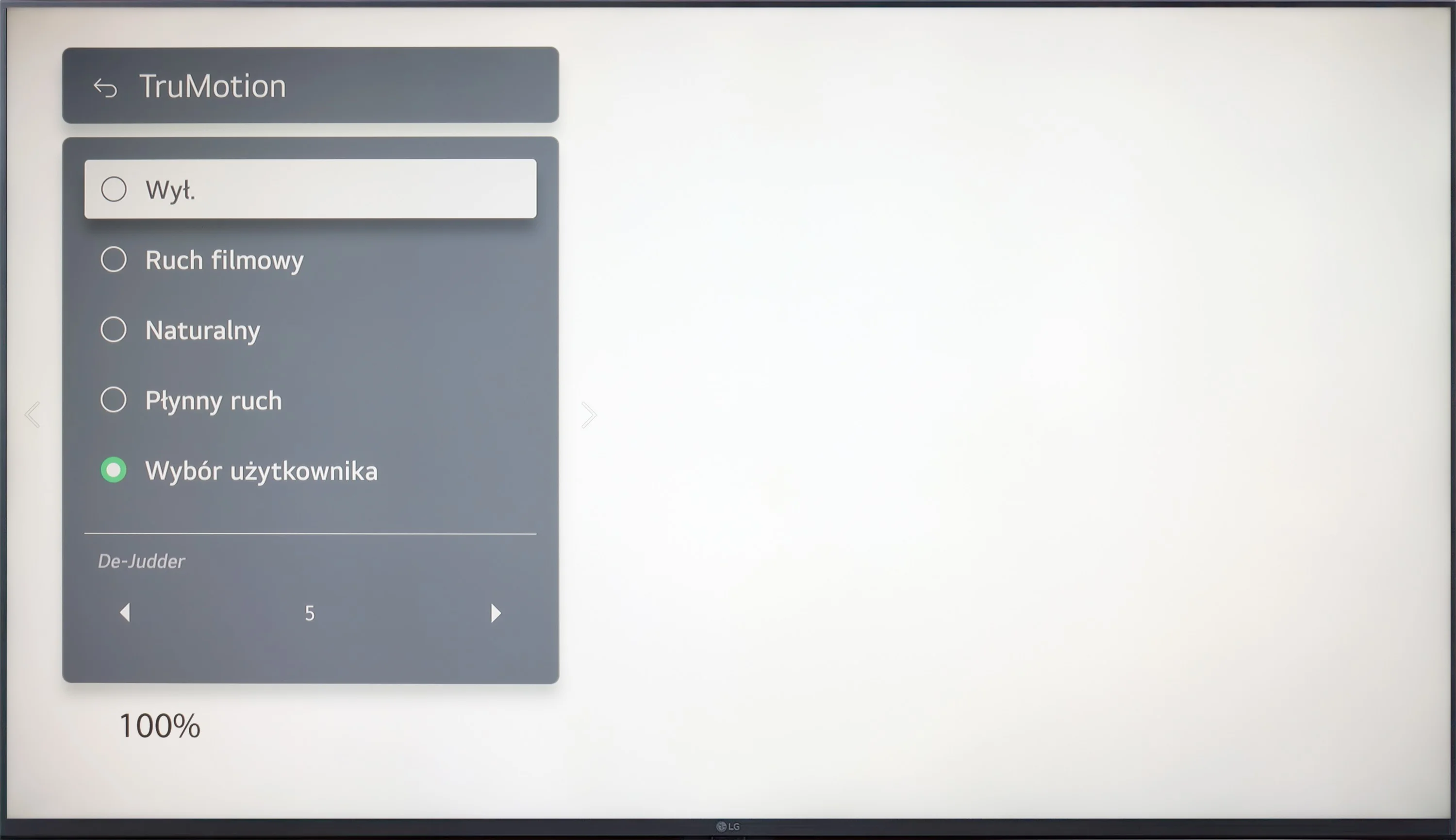
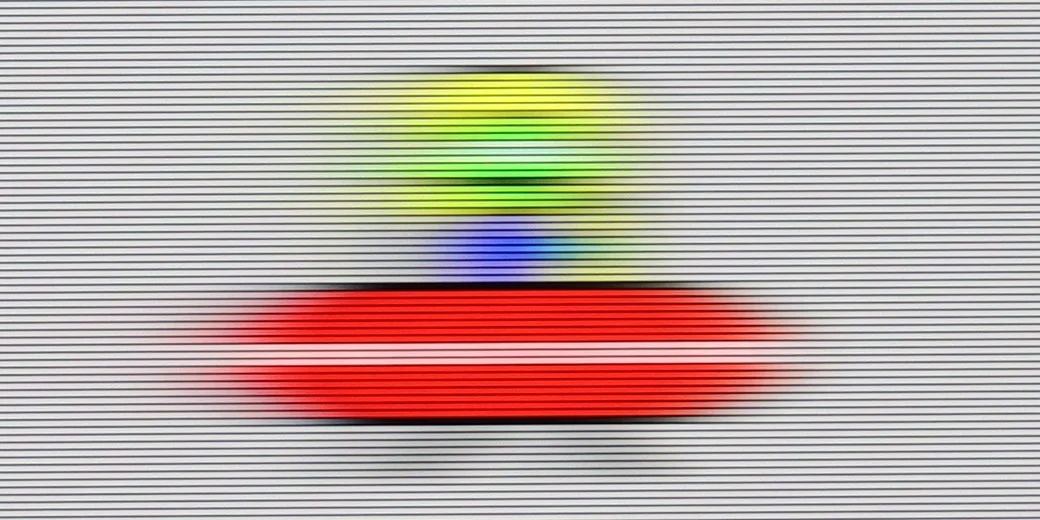
LG UT8100, equipped with a 60 Hz display, will be especially suitable for people watching movies. The television offers the TruMotion system with de-judder effect adjustment, allowing users to customize the fluidity of the image – from more choppy to exceptionally smooth, reminiscent of a soap opera effect, depending on user preferences.
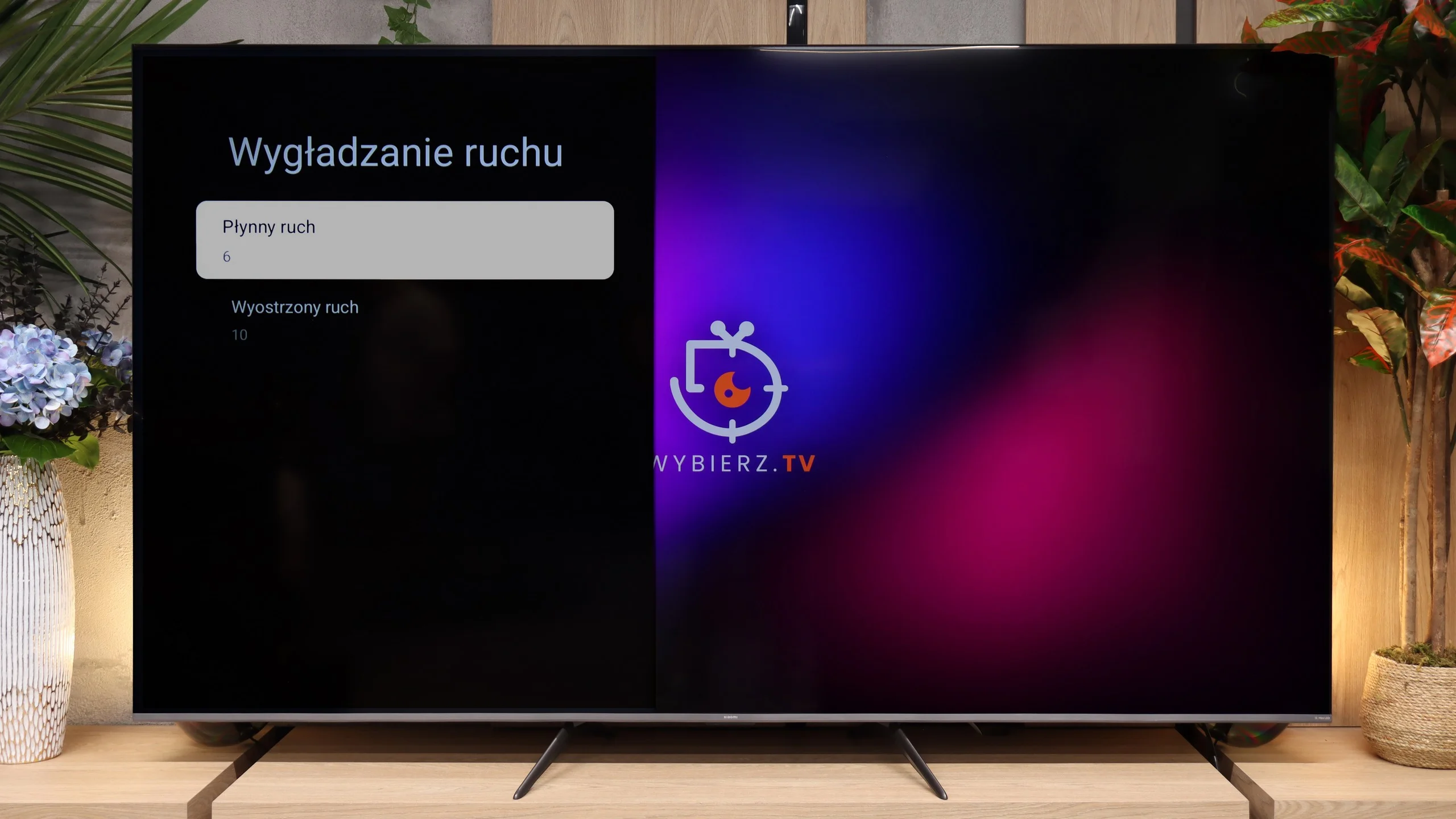
The biggest difference between the various sizes of the Xiaomi S Mini 2026 is the panel's refresh rate. The 55–75-inch models use a 60 Hz panel, which in practice means noticeably less motion smoothness than the larger versions. It's easiest to notice this when watching sports, fast-moving scenes, or playing games, where the picture isn't as smooth or clear in motion.
Console compatibility and gaming features
4.7/10
8.5/10
- ALLM
- VRR
- VRR range 48 - 288Hz
- Dolby Vision Game Mode
- Correct implementation of HGIG
- 1080p@120Hz
- 1440p@120Hz
- 4K@120Hz
- Game bar
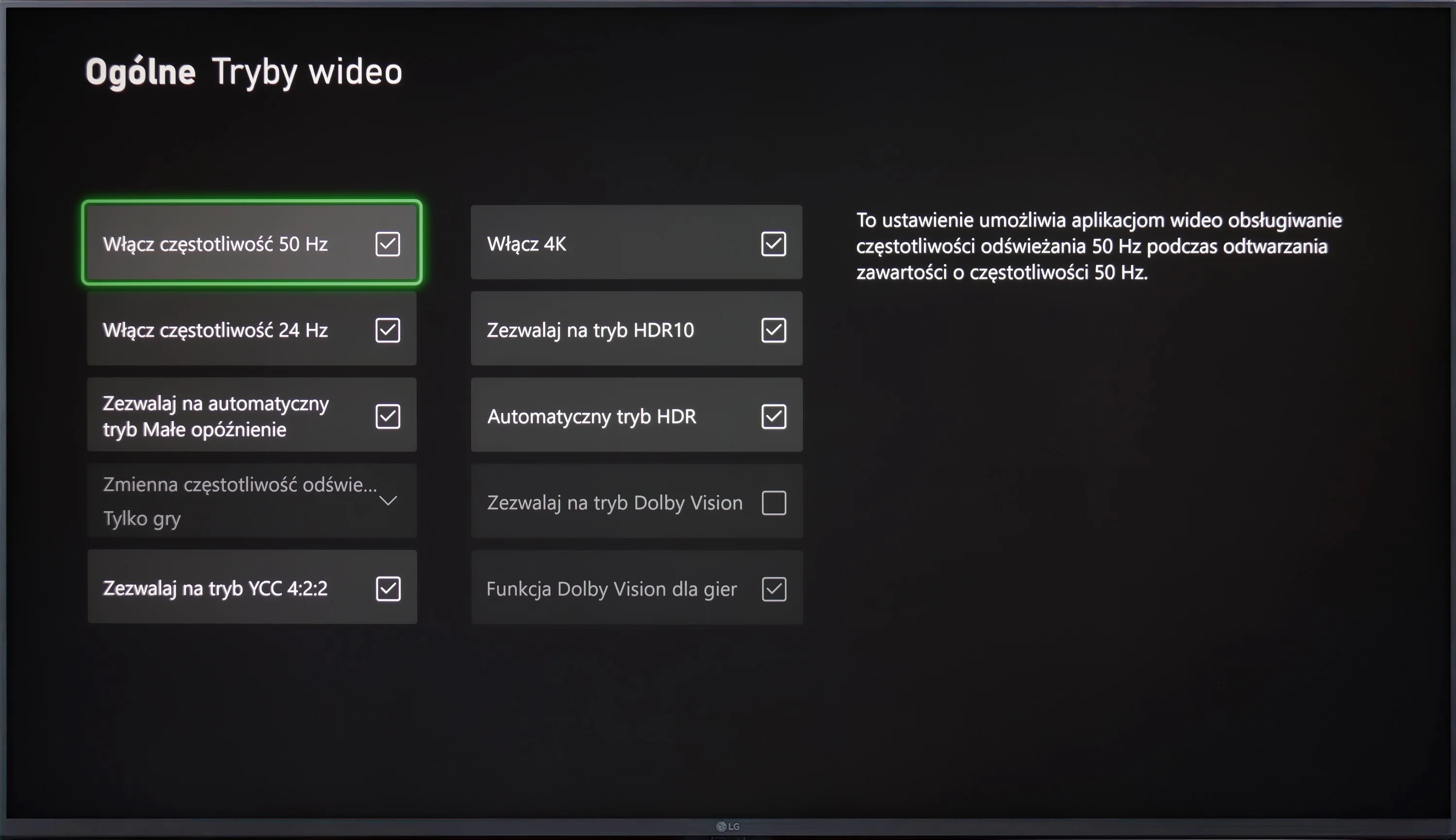
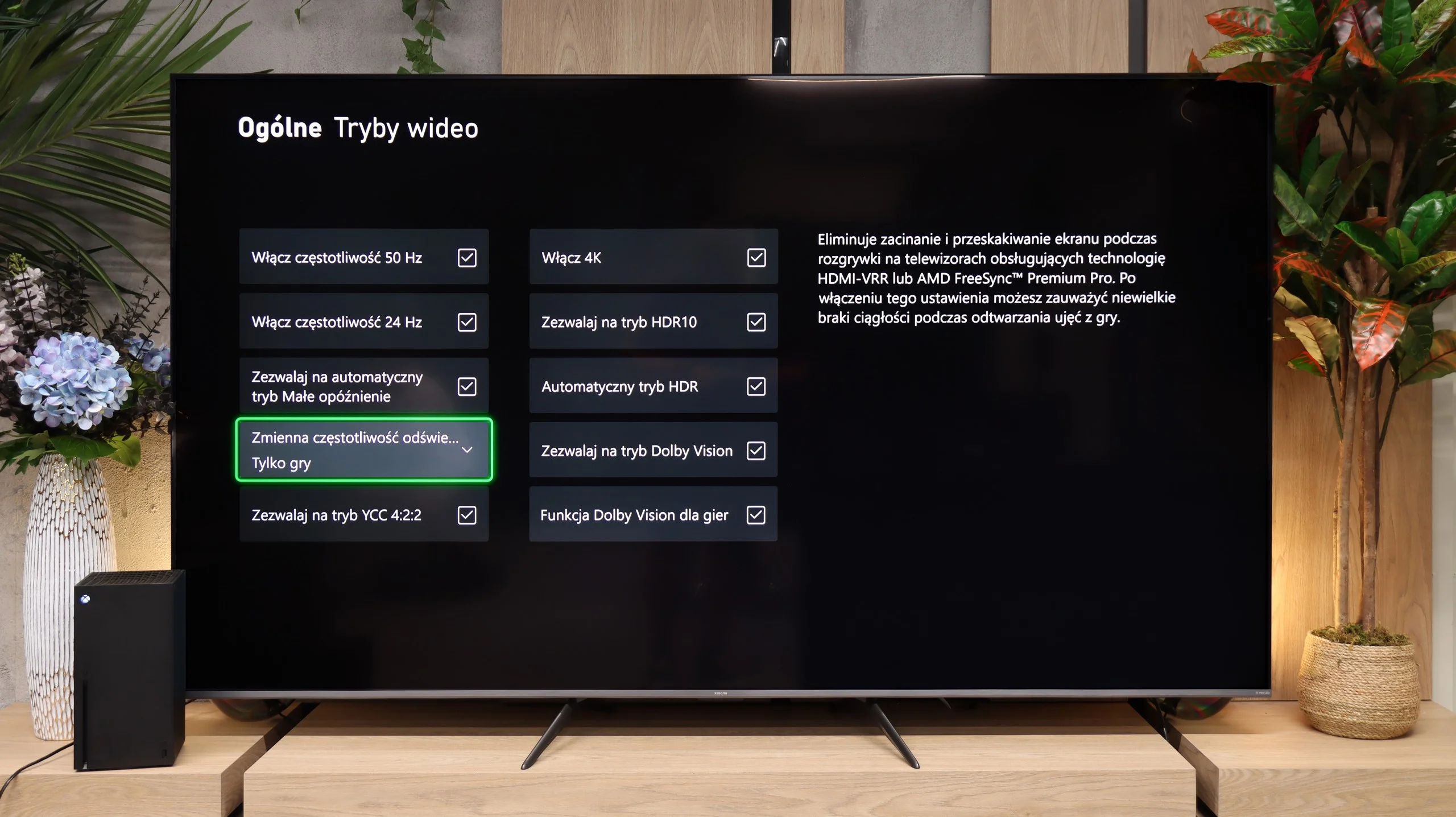
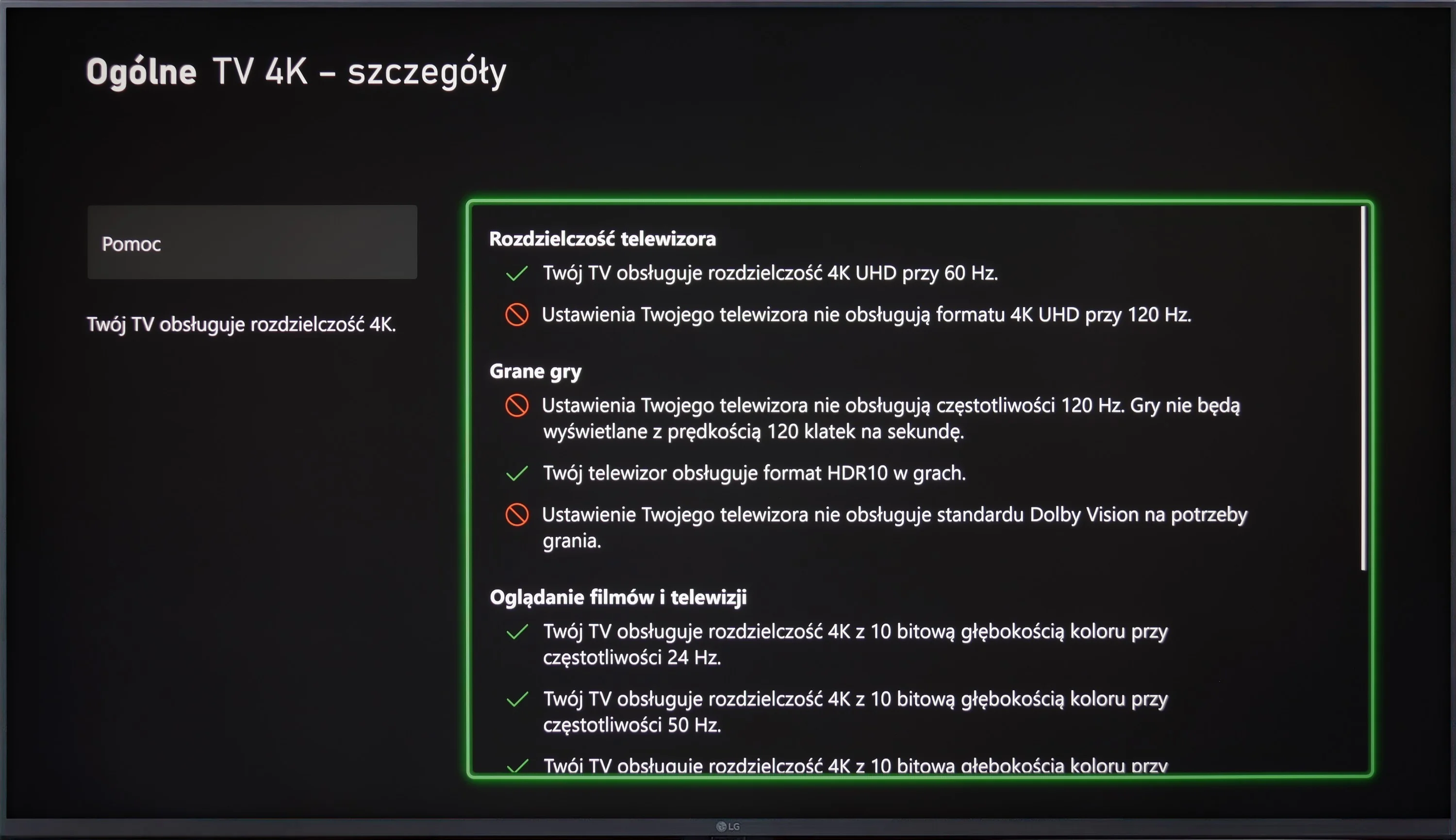
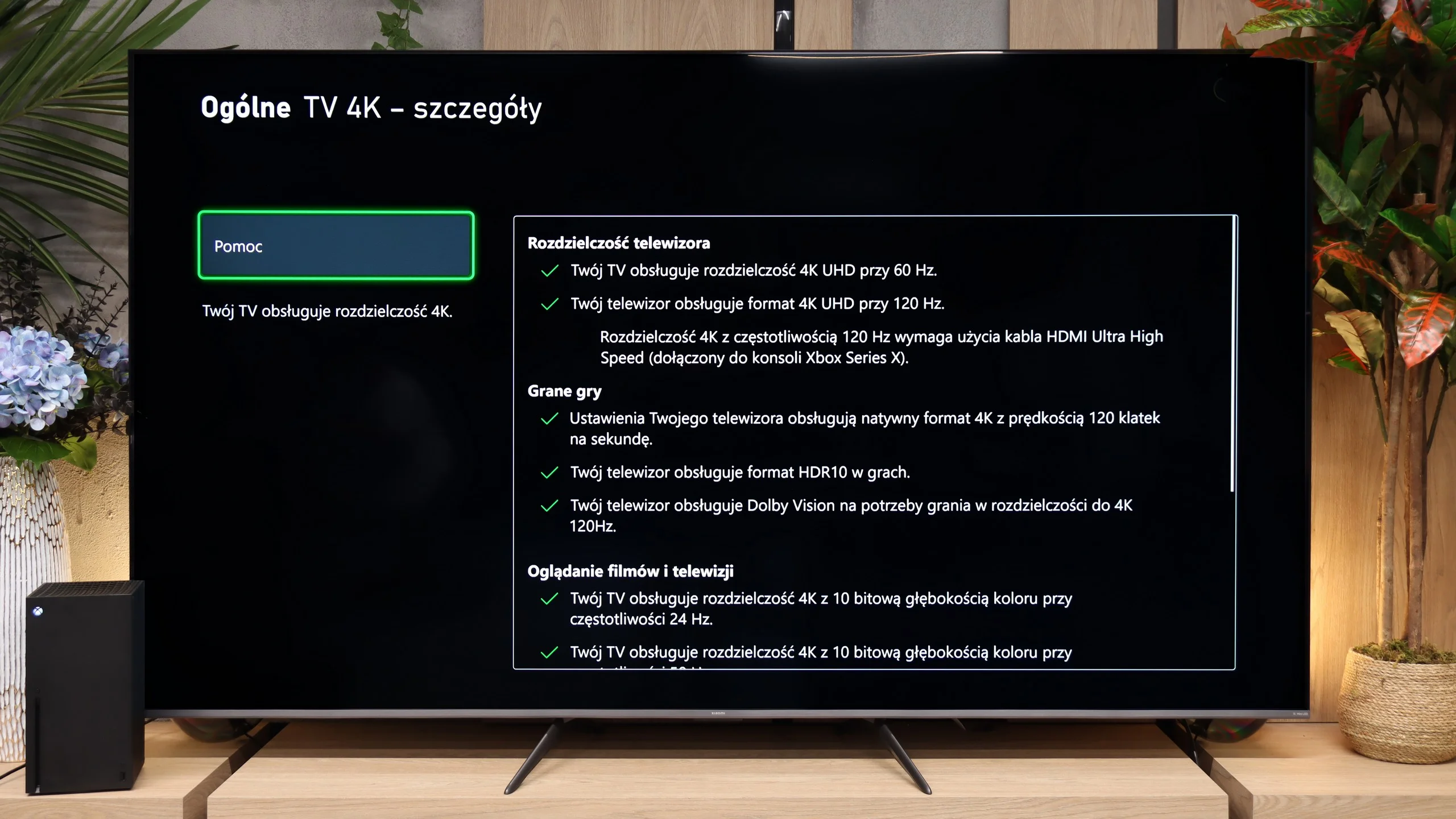
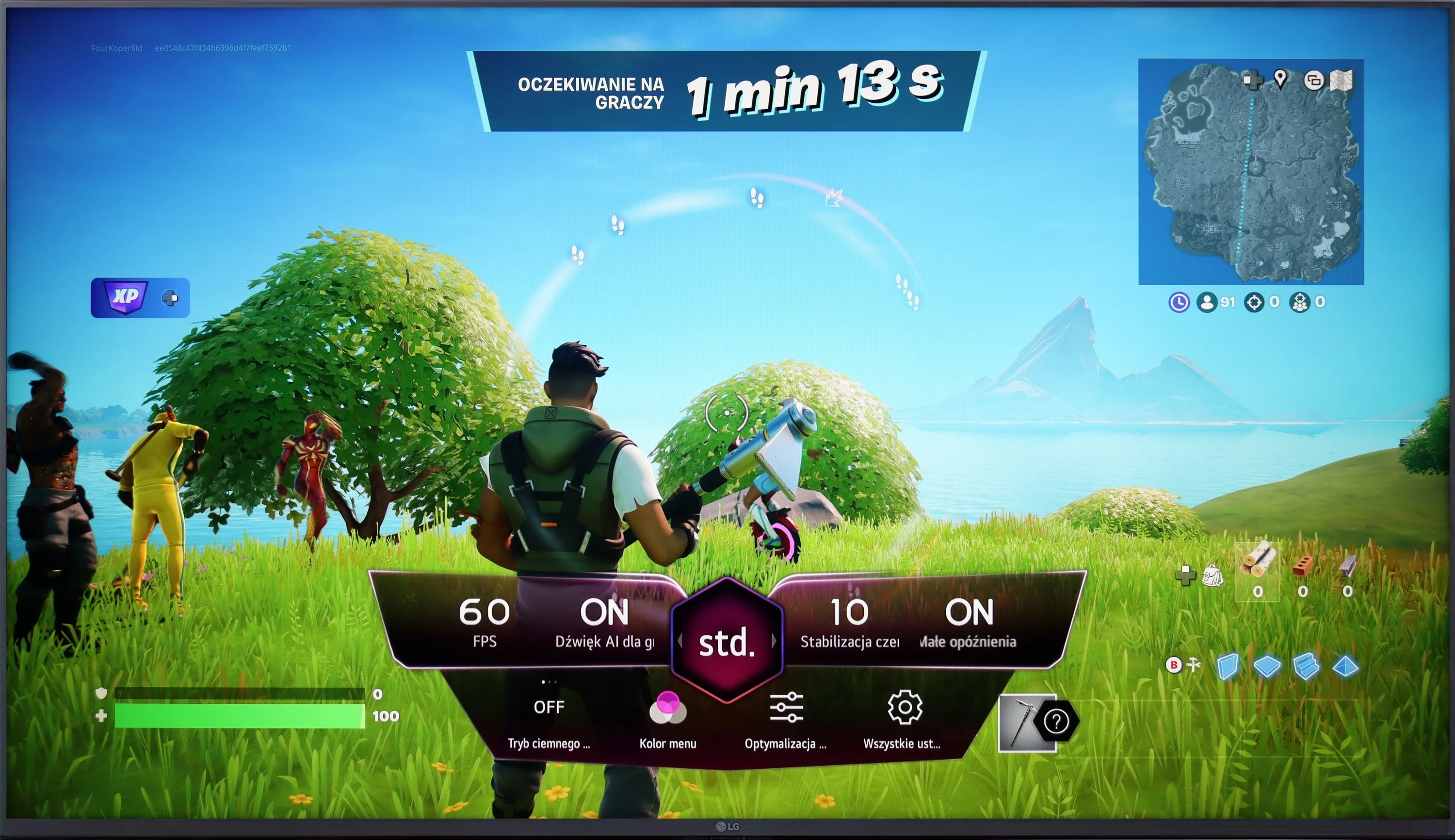
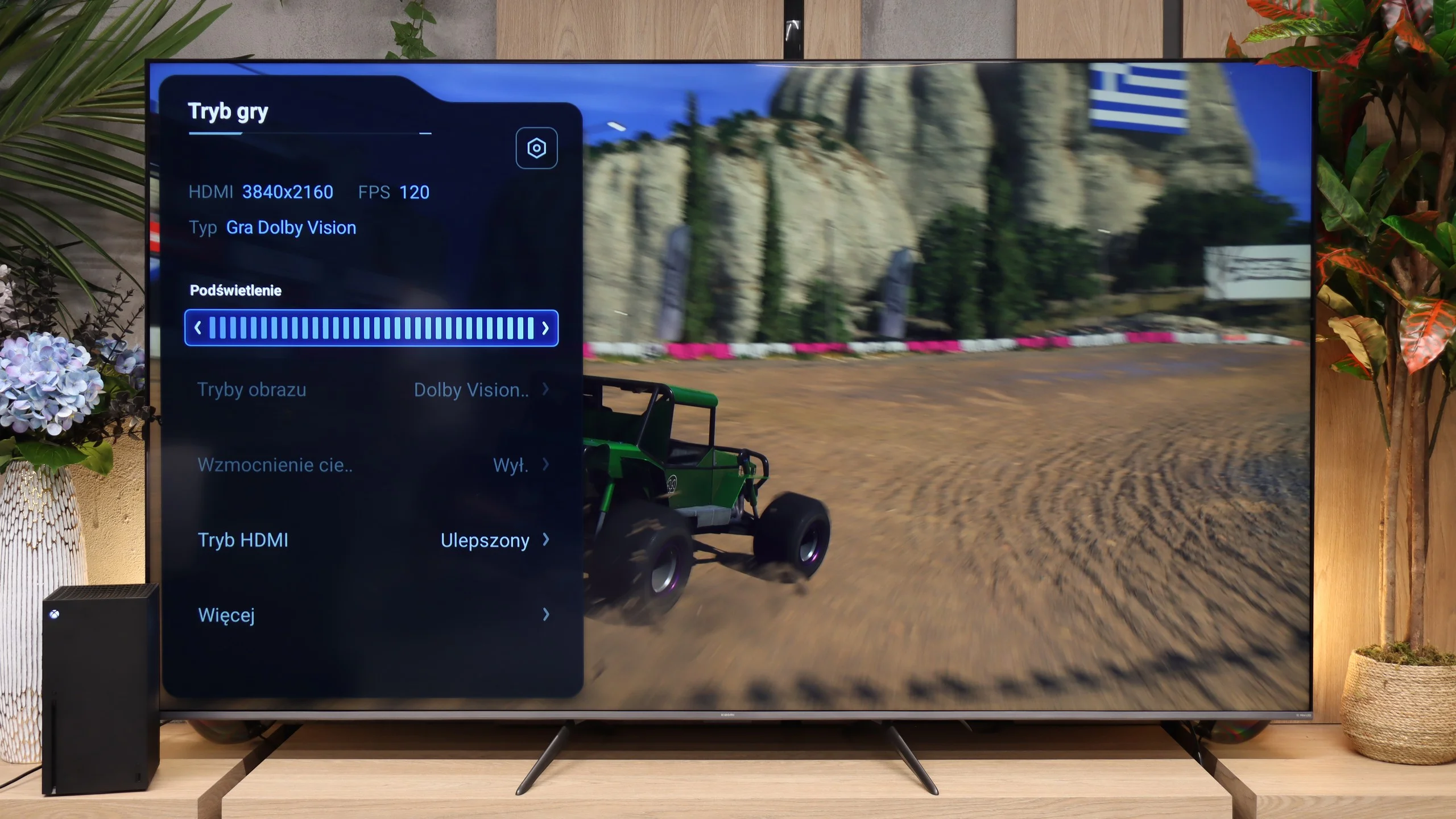
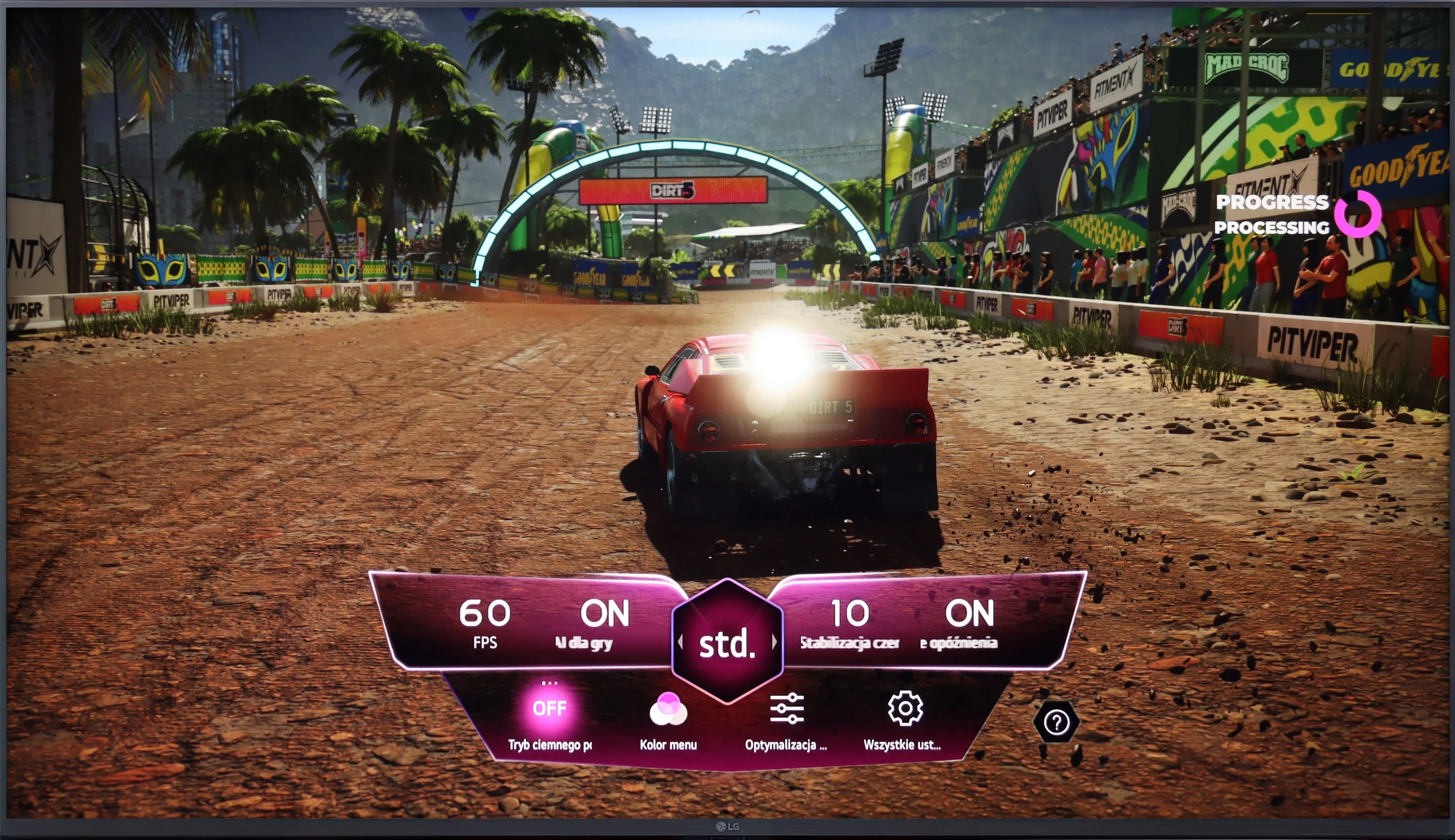
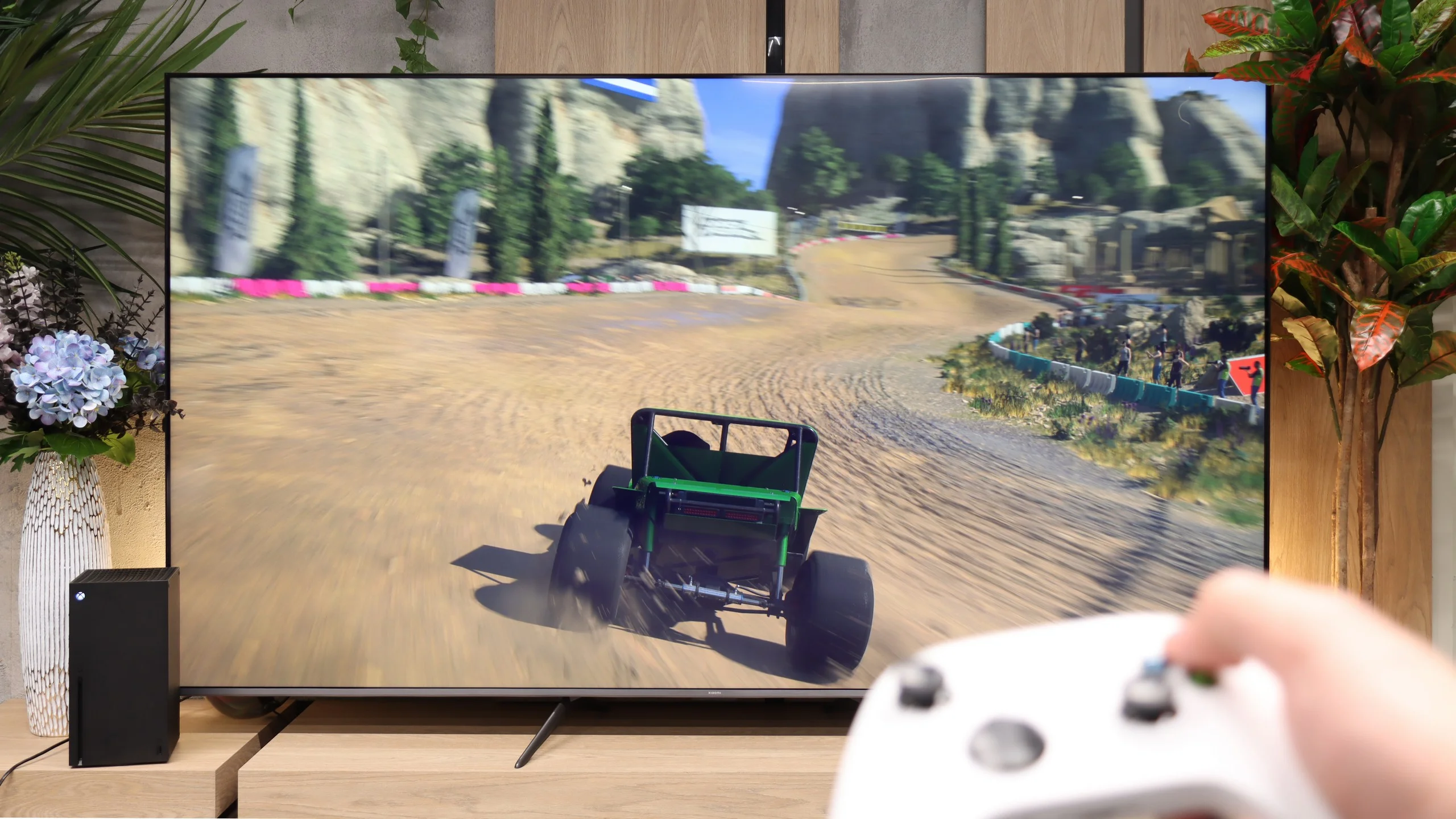
LG UT8100 offers basic features for gamers, such as ALLM and Game Bar, which makes access to settings easier. The TV also supports HGiG, which improves image quality in HDR games. Unfortunately, the lack of support for Dolby Vision and VRR limits the capabilities of the device, as does the 60 Hz panel, which excludes support for 120 Hz resolution. This model will be more suitable for less demanding gaming applications.
Unfortunately, the smaller versions of the Xiaomi S Mini 2026 have a significant limitation for gamers: a 60 Hz panel. In 4K we're therefore limited to 60 fps and can't fully take advantage of the PS5 or Xbox Series X. You can run 120 Hz, but only after dropping the resolution to 1080p or 1440p. Otherwise it's fairly reasonable. The TV supports ALLM and automatically switches to Game Mode when it detects a console. There's also a Game Bar that lets you quickly view the most important gaming settings. Our biggest issue is with HGiG. The HDR calibration screens on the PS5 and Xbox don't match the TV's actual capabilities. If you set HDR exactly according to them, some of the brightest highlights may simply be clipped.
Input lag
10/10
9.8/10
SDR
HDR
Dolby Vision
LG UT8100 achieves an impressively low input lag of 10 ms, which is a great result, especially for gamers. This television provides quick response and smooth experiences during gameplay, even in fast-paced games.
Input lag is low. At 120 Hz we measured about 10 ms, and at 60 Hz about 15 ms. In practice the TV responds quickly and you don't notice any significant delay while gaming.
Compatibility with PC
6/10
7/10
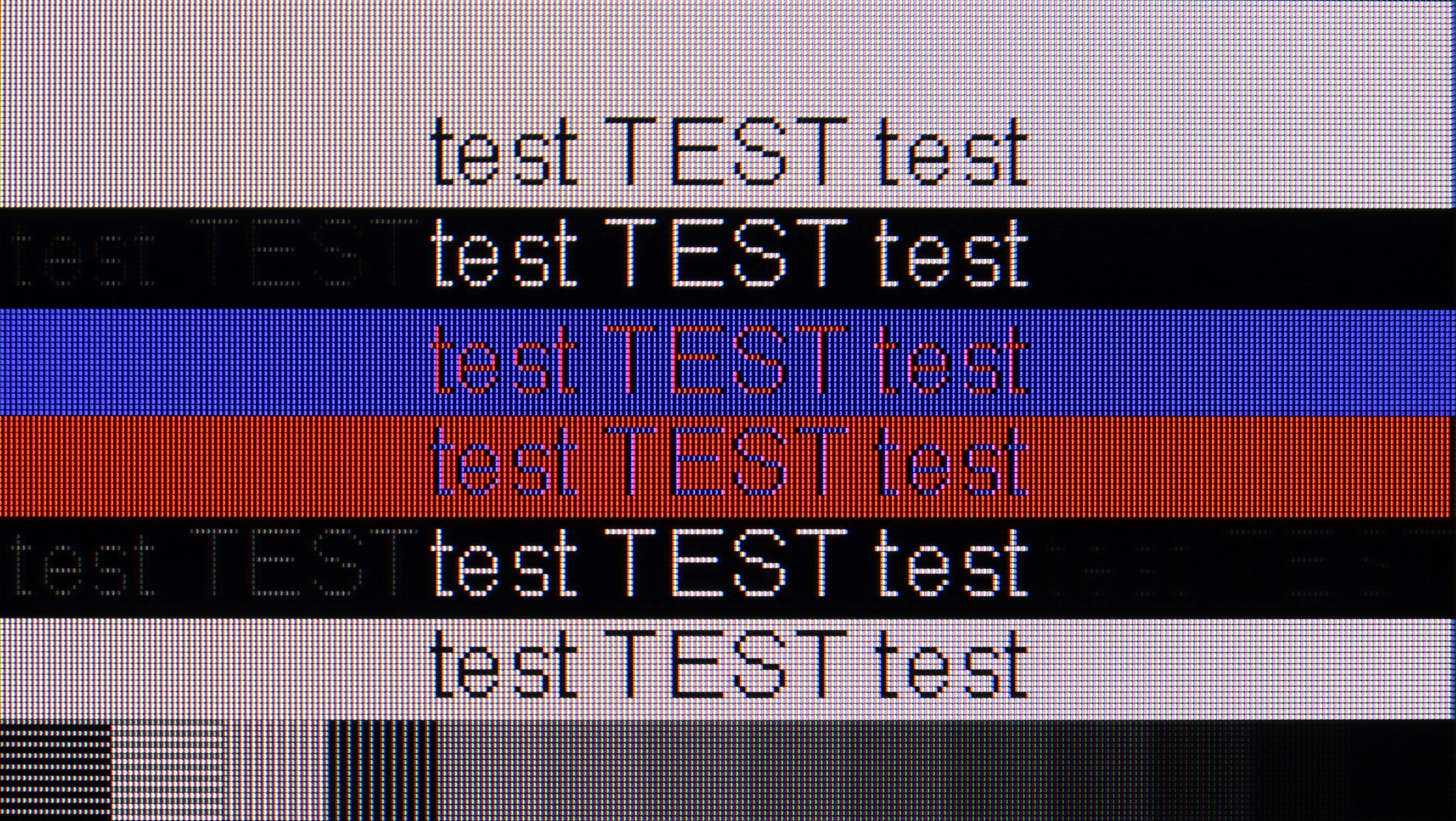
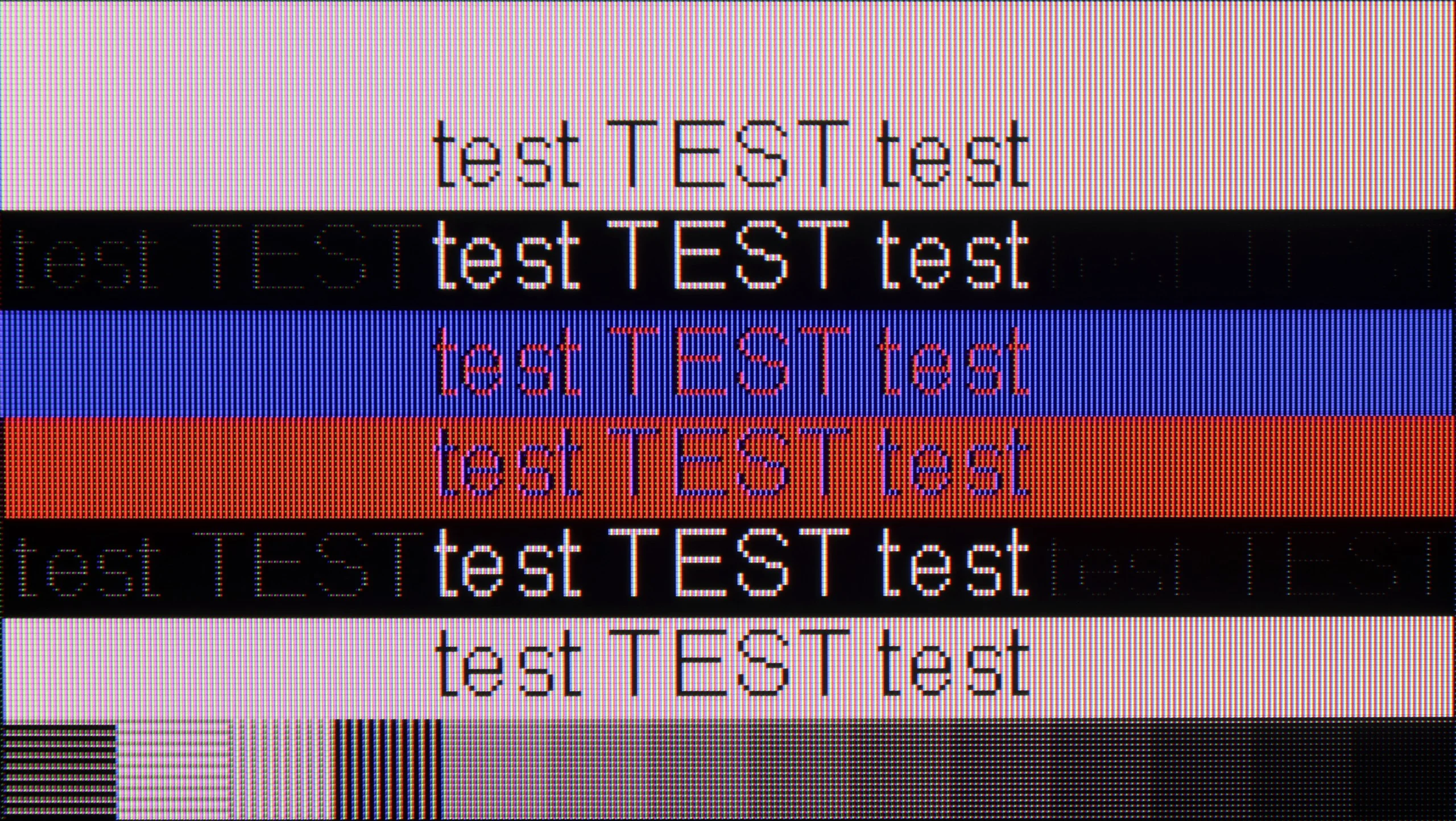
The photo shows the legibility of small fonts. Ideally, lines should be the same thickness on both light and dark text, with minimal pixel gaps.
LG UT8100 will perform well as a work monitor thanks to support for chroma 4:4:4, which ensures very good readability of fonts regardless of the background. In terms of gaming, the TV offers a 60 Hz panel and low input lag, making it suitable for less demanding applications. Unfortunately, the lack of support for features such as G-Sync limits its capabilities in more advanced gaming scenarios.
The larger versions of the Xiaomi S Mini 2026 are also not an ideal choice for use with a computer. The problem is the lack of proper 4:4:4 chroma reproduction. This is most noticeable with small, colorful text, icons, and other interface elements. Standard fonts remain mostly legible, but the image lacks the sharpness you'd expect from a TV meant to serve as a large monitor. The refresh-rate side looks much better: in 4K you can even use 144 Hz, and by lowering the resolution the TV allows you to go even higher. That makes the larger variants far more appealing for PC gaming than for plain text work.
Viewing angles
6.3/10
3.4/10
Thanks to the use of an IPS panel, LG UT8100 offers quite good viewing angles. The image remains clear and does not lose much quality, even when viewed from the side. Colors are well preserved, and brightness and contrast decrease in a noticeable but moderate way. This is particularly important in rooms where viewers sit at different angles to the screen. In this category, the television performs solidly, standing out compared to models with VA panels.
The larger S Mini 2026 variants also use a VA panel, but their viewing angles are noticeably better. As you move away from the center of the screen the colors still lose some saturation, but this happens more slowly than with the smaller versions. It's still not at the level of IPS/ADS panels, and certainly not OLEDs, but in everyday viewing it's no longer as bad as in the smaller variants.
Daytime performance
4.6/10
7.5/10
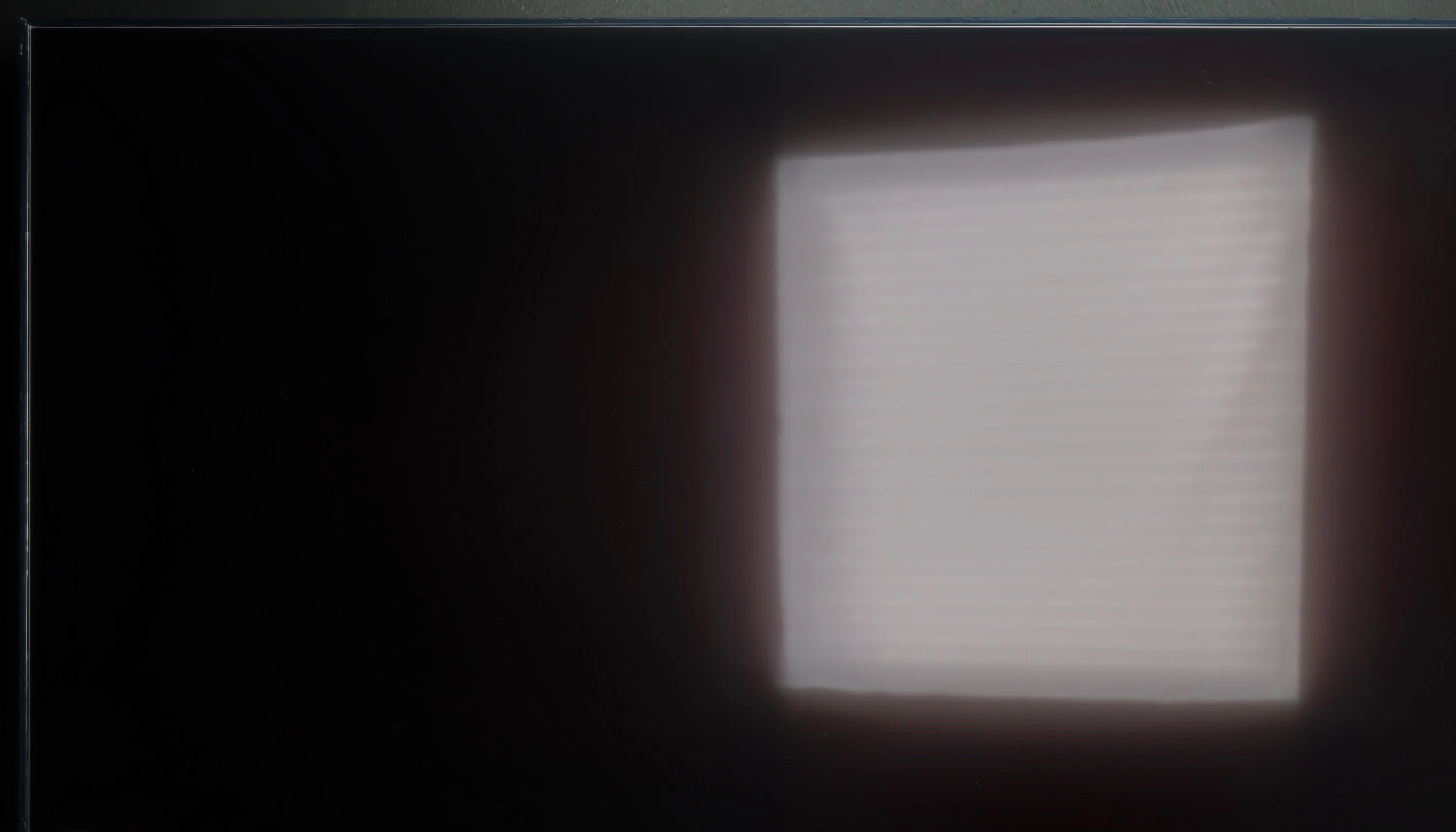
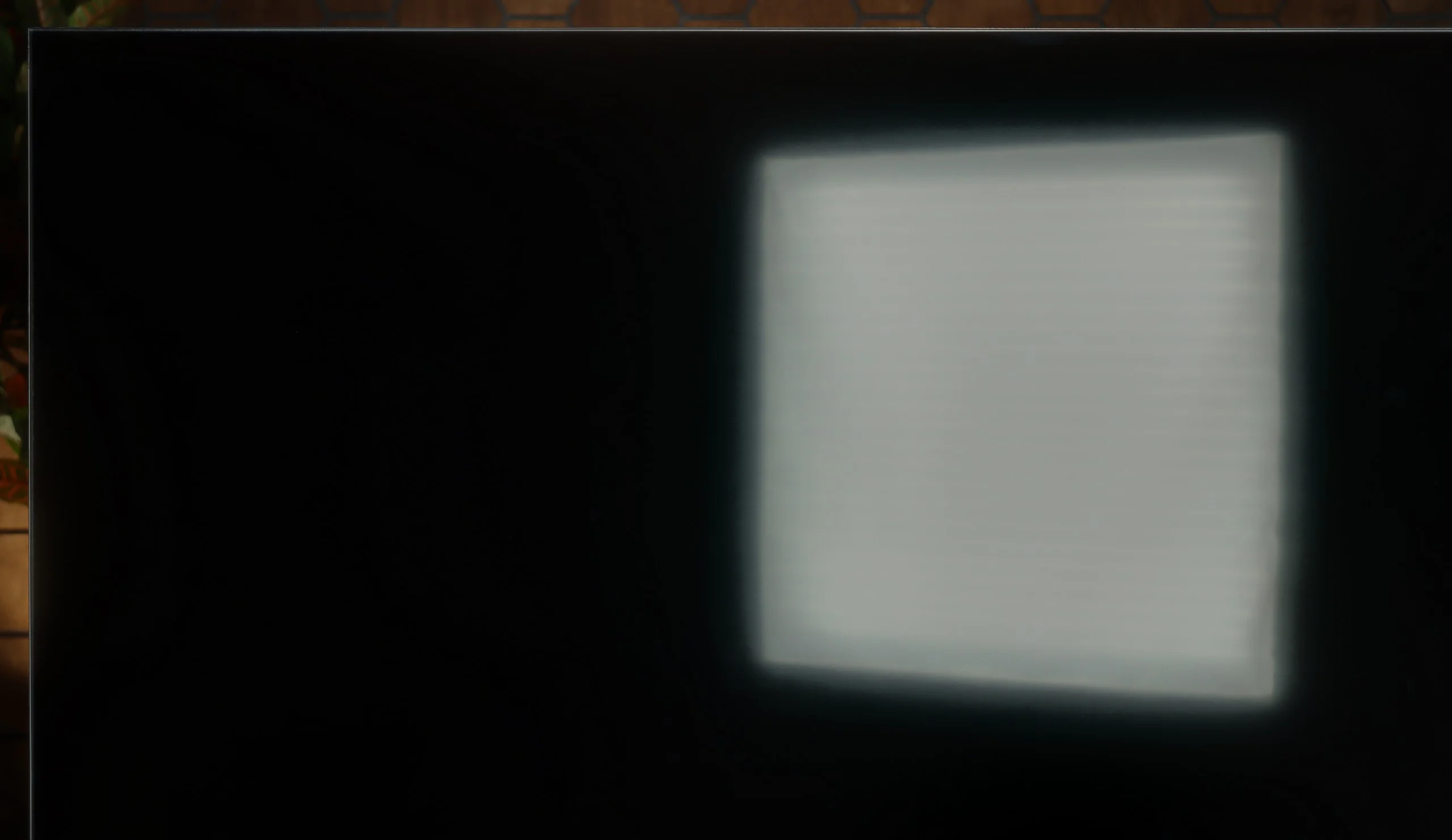
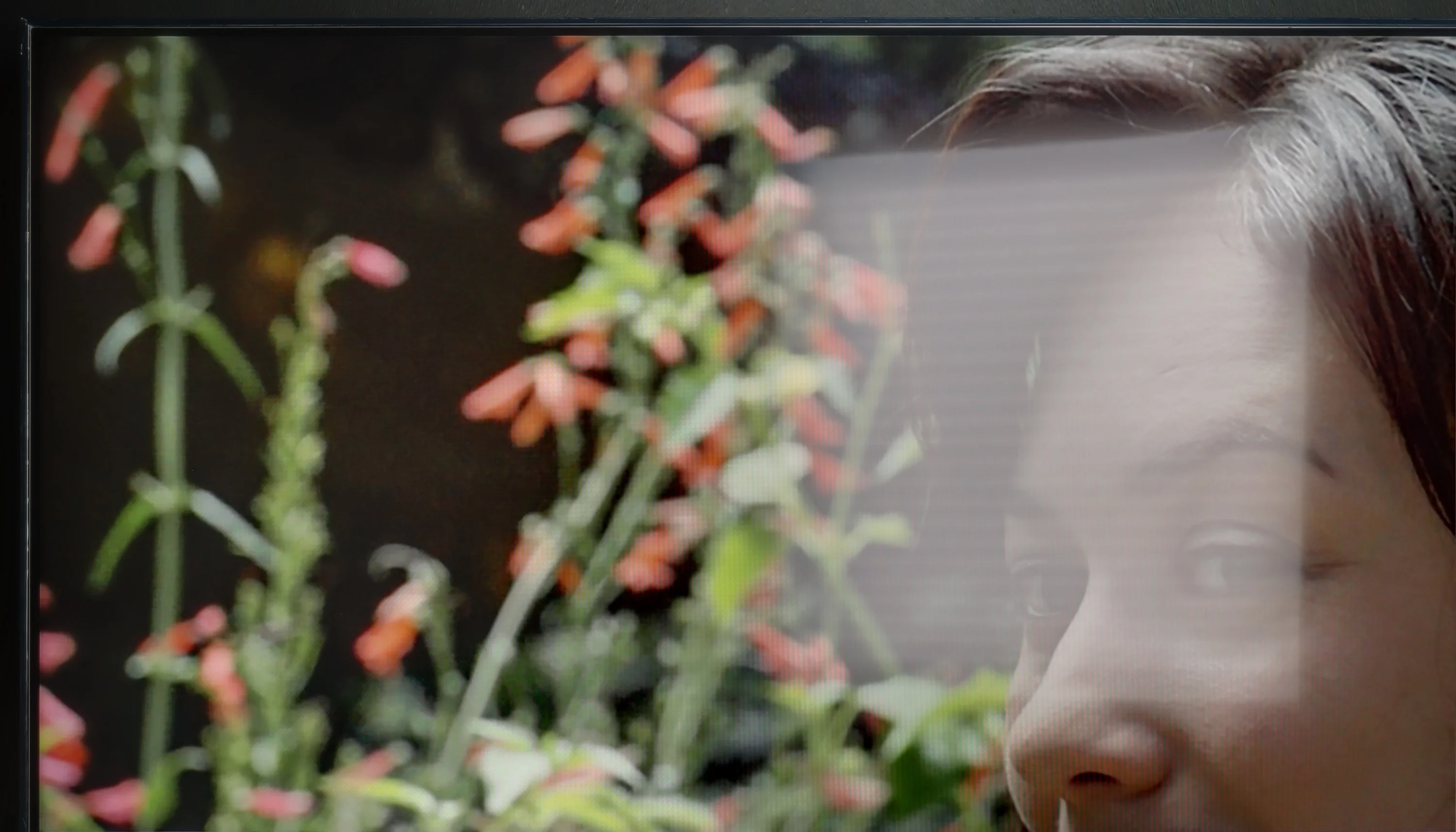
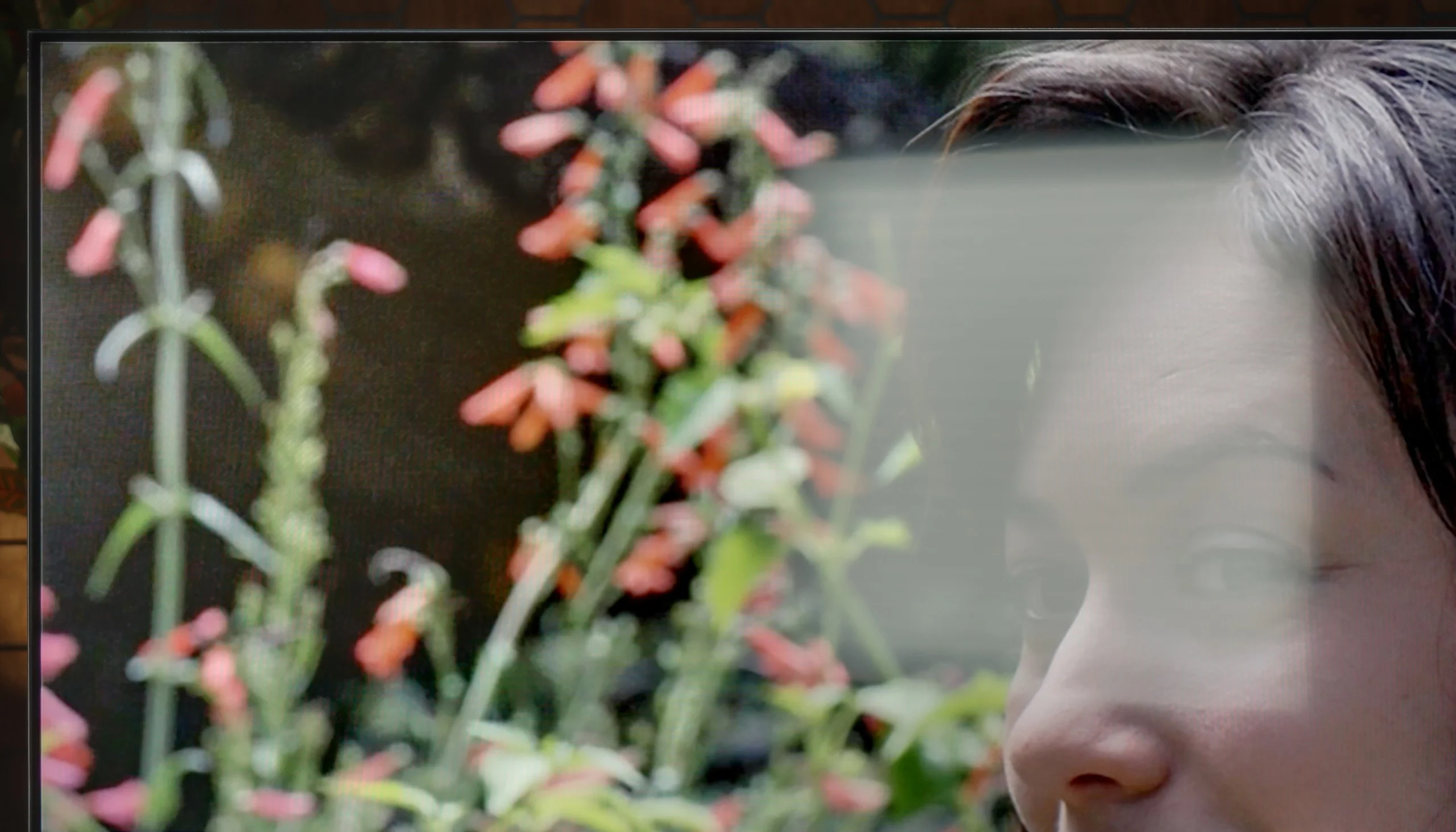
Panel brightness
XIAOMI S Mini 2026 (85"-98") 144Hz : 805 cd/m2
LG UT8100 (IPS): 345 cd/m2
LG UT8100 is equipped with a satin matrix coating, which averages out in terms of reflection suppression. A brightness level of 350 cd/m² is sufficient in moderate lighting conditions, such as a typical living room. However, in very bright rooms, the TV may struggle to maintain image readability, especially on sunny days. It will perform best in places where lighting can be partially controlled.
The larger versions of the Xiaomi S Mini 2026 perform even better in a bright room. Average SDR brightness reaches around 800 nits, which allows the TV to easily cut through the light entering the living room and maintain good image clarity during the day.
The weaker point remains the screen coating. The satin finish doesn't cope well with direct reflections, so near a window or a lamp placed opposite the screen reflections will still be visible. High brightness helps a lot here, but the effectiveness of reflection suppression itself is rather average.
Panel details
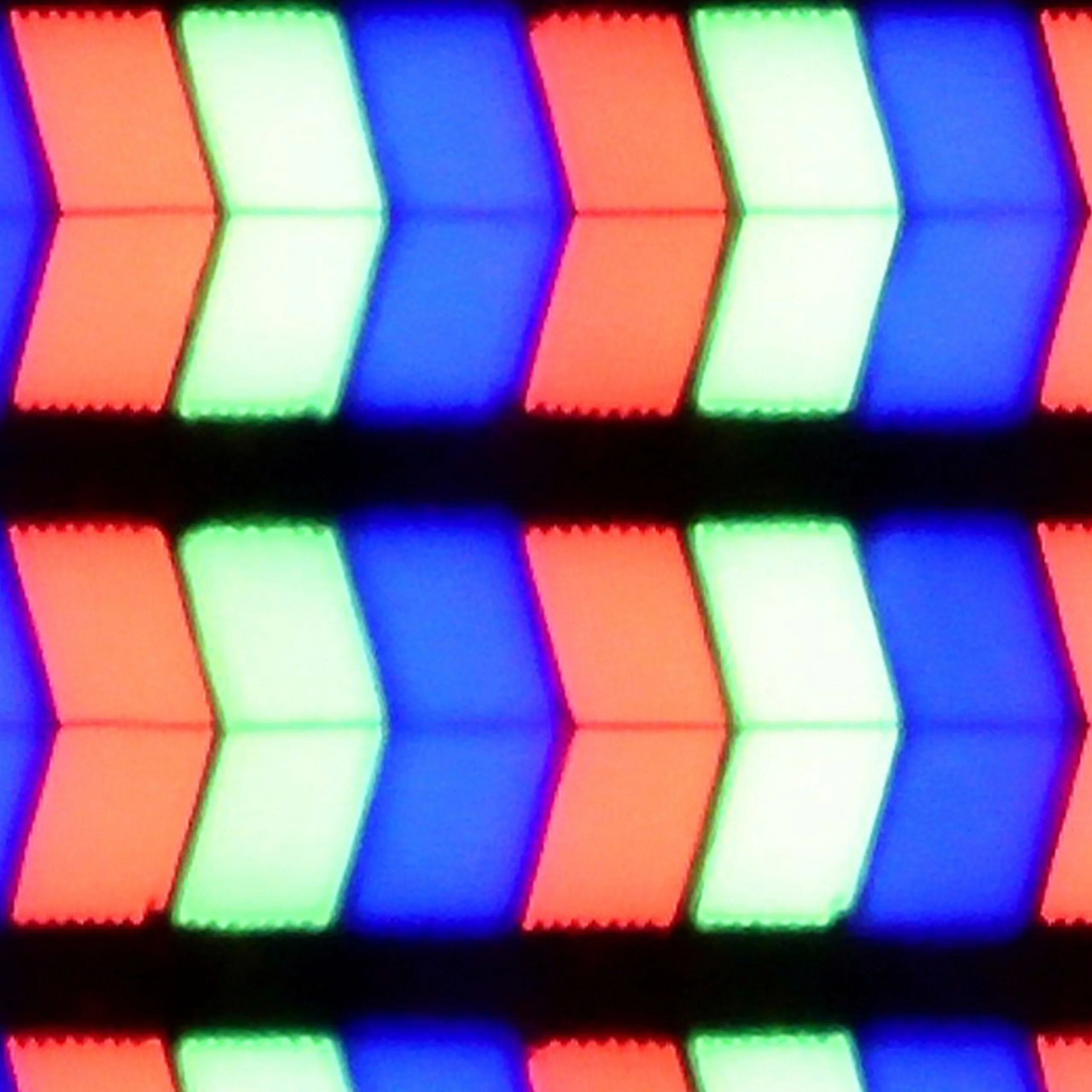
Subpixel Structure:
Panel uniformity and thermal imaging:
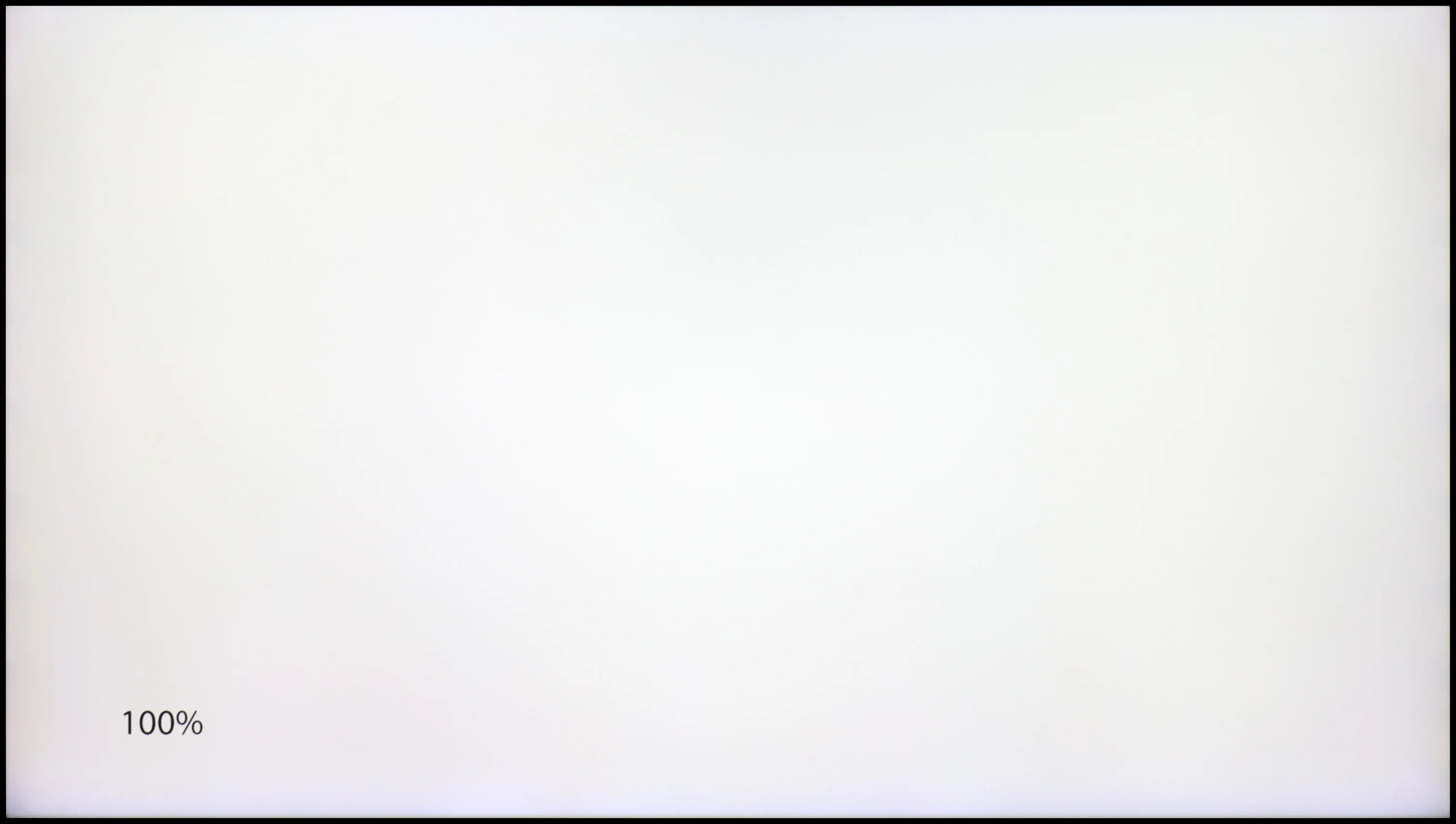

LG UT8100 (IPS)
XIAOMI S Mini 2026 (85"-98") 144Hz
TV features
7.7/10
7/10
- SystemWebOSGoogle TV
- System performanceDecentAverage
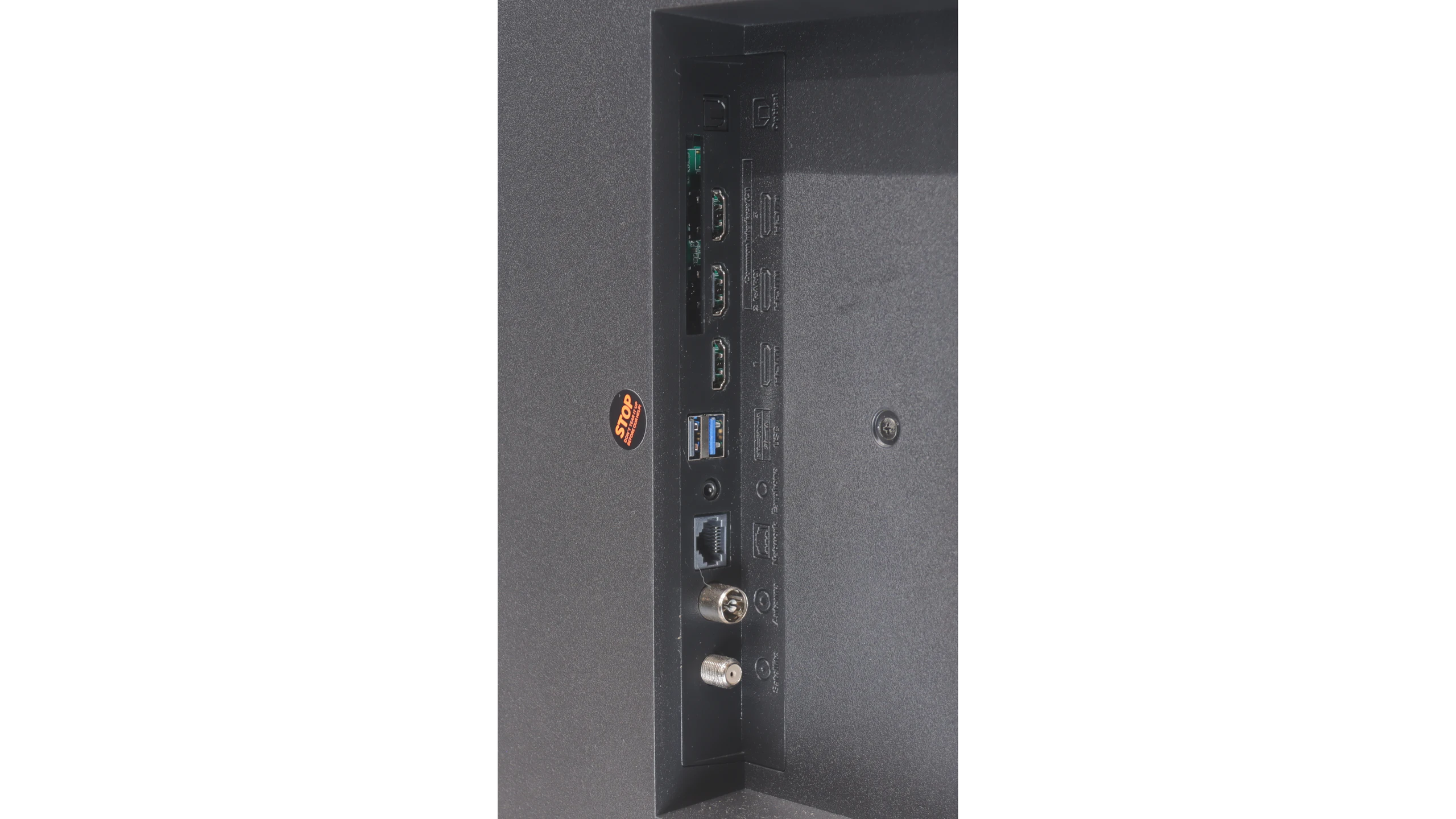
- HDMI inputs3 x HDMI 2.0, 0 x HDMI 2.11 x HDMI 2.0, 2 x HDMI 2.1 48Gbps
- OutputsToslink (Optical audio), eARC (HDMI), ARC (HDMI)Toslink (Optical audio), eARC (HDMI), ARC (HDMI), Mini-Jack (Headphones)
- Network InterfacesWi-Fi 2.4GHz, Wi-Fi 5GHz, Ethernet (LAN) 100MbpsWi-Fi 2.4GHz, Wi-Fi 5GHz, Ethernet (LAN) 100Mbps
- TV receptionDVB-T, DVB-T2, DVB-S, DVB-S2, DVB-CDVB-T, DVB-T2, DVB-S, DVB-S2, DVB-C
Classic features:
- Recording to USB (terrestrial TV)
- Recording programming
- Picture in Picture (PiP)
- RF remote control (no need to aim)
- Backlit remote control
- Teletext
- Audio only mode
- Bluetooth headphones support
- Simultaneous Bluetooth headphones & TV audio
Smart features:
- AirPlay
- Screen mirroring (Windows Miracast)
- Voice search
- Voice search in native language
- Ability to connect a keyboard and mouse
Sound connection options
- HDMI audioeARC (HDMI), ARC (HDMI)eARC (HDMI), ARC (HDMI)
- Other audio outputsToslink (Optical audio)Toslink (Optical audio), Mini-Jack (Headphones)
- Wireless audioBluetoothBluetooth
Supported audio formats (external HDMI eARC audio):
- Dolby Digital Plus 7.1
- Dolby True HD 7.1
- Dolby Atmos in Dolby Digital Plus (JOC)
- Dolby Atmos in Dolby True HD
- DTS:X in DTS-HD MA
- DTS-HD Master Audio
Senior accessibility
- Numeric keyboard on TV
- Font size adjustment
- Audio description
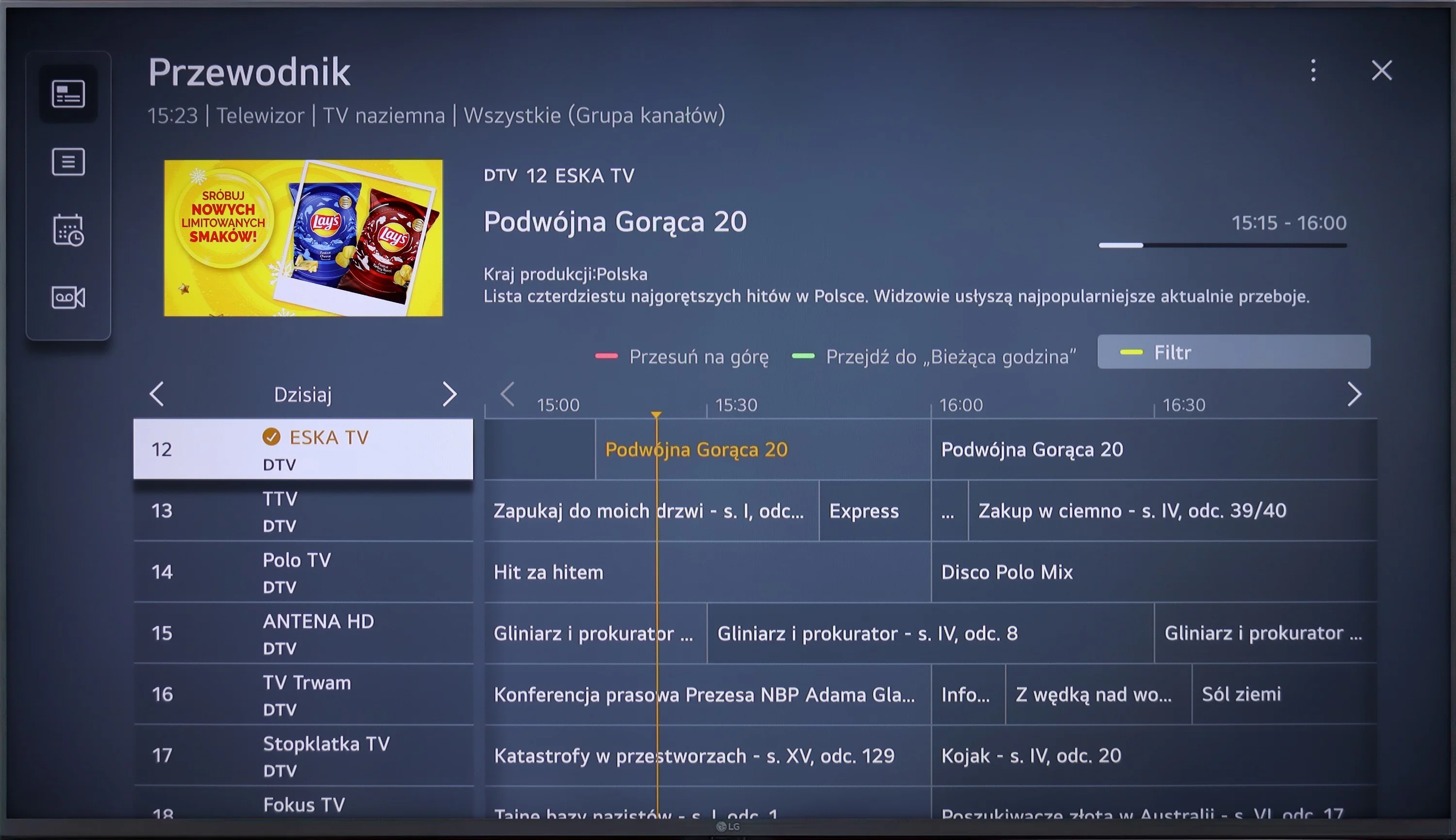
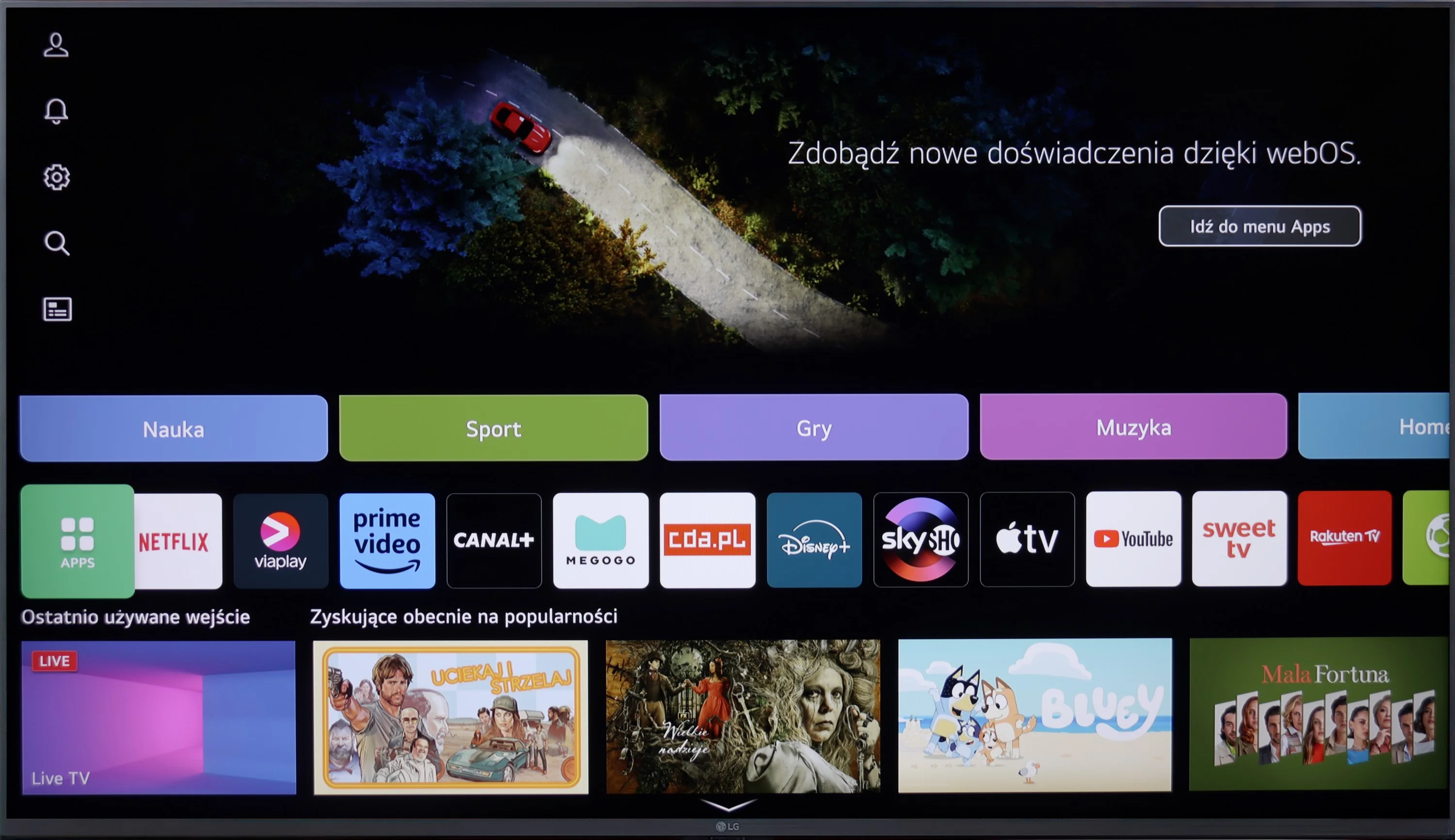
LG UT8100 operates on the WebOS system, which stands out for its intuitiveness and rich features. The Magic remote, with support for voice commands in Polish, further facilitates navigation. The television offers access to virtually all popular applications, such as Netflix, YouTube, Disney+, and Amazon Prime Video, making it a great multimedia hub.
In terms of user functionality, the television meets most expectations. We find all the necessary TV tuners and the ability to record to USB, which allows for saving favorite programs. It's easy to connect a keyboard, headphones, or other devices via Bluetooth. Unfortunately, the lack of PiP (picture in picture) functionality may be a minor disappointment, although it is not surprising at this price point.
Everyday use of LG UT8100 is pure pleasure – the simplicity of operation and versatility of features make it excellent both as a home television and as a multimedia device.
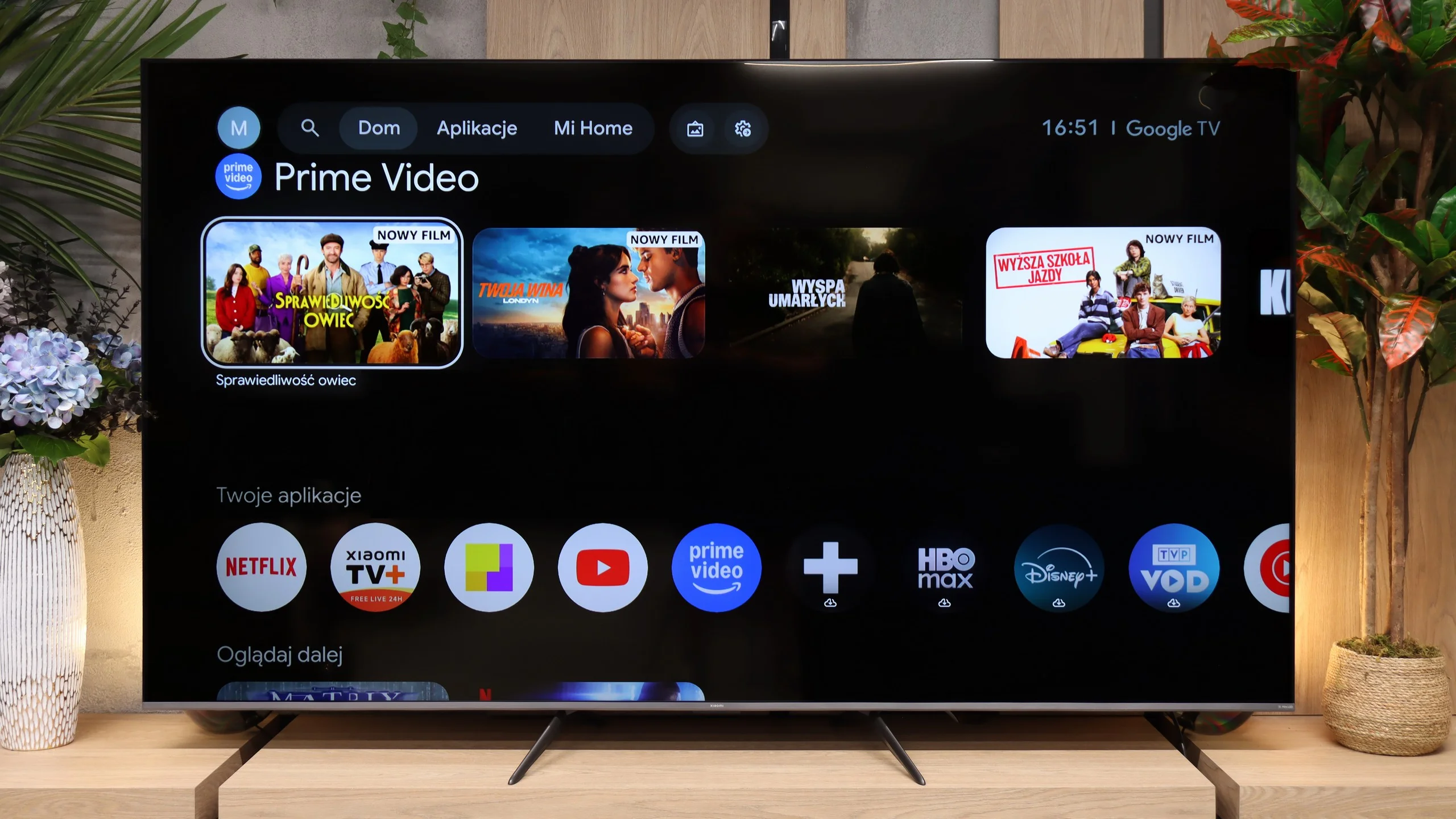
Google TV
In the larger variants of the Xiaomi S Mini 2026, the Google TV system runs quite smoothly. This TV has a bit more RAM than the smaller versions, and you can actually feel it during everyday use. Menus respond faster, apps launch more smoothly, and it's much less common to have to wait for the system to react. Google TV itself provides access to essentially everything you would expect from a Smart TV. You can easily find the most popular streaming apps, and you can also install additional apps from the Google Play store. It has Chromecast, voice control, and convenient content search across different services in one place. Function-wise, there's little to criticize about Xiaomi here.
Practical features
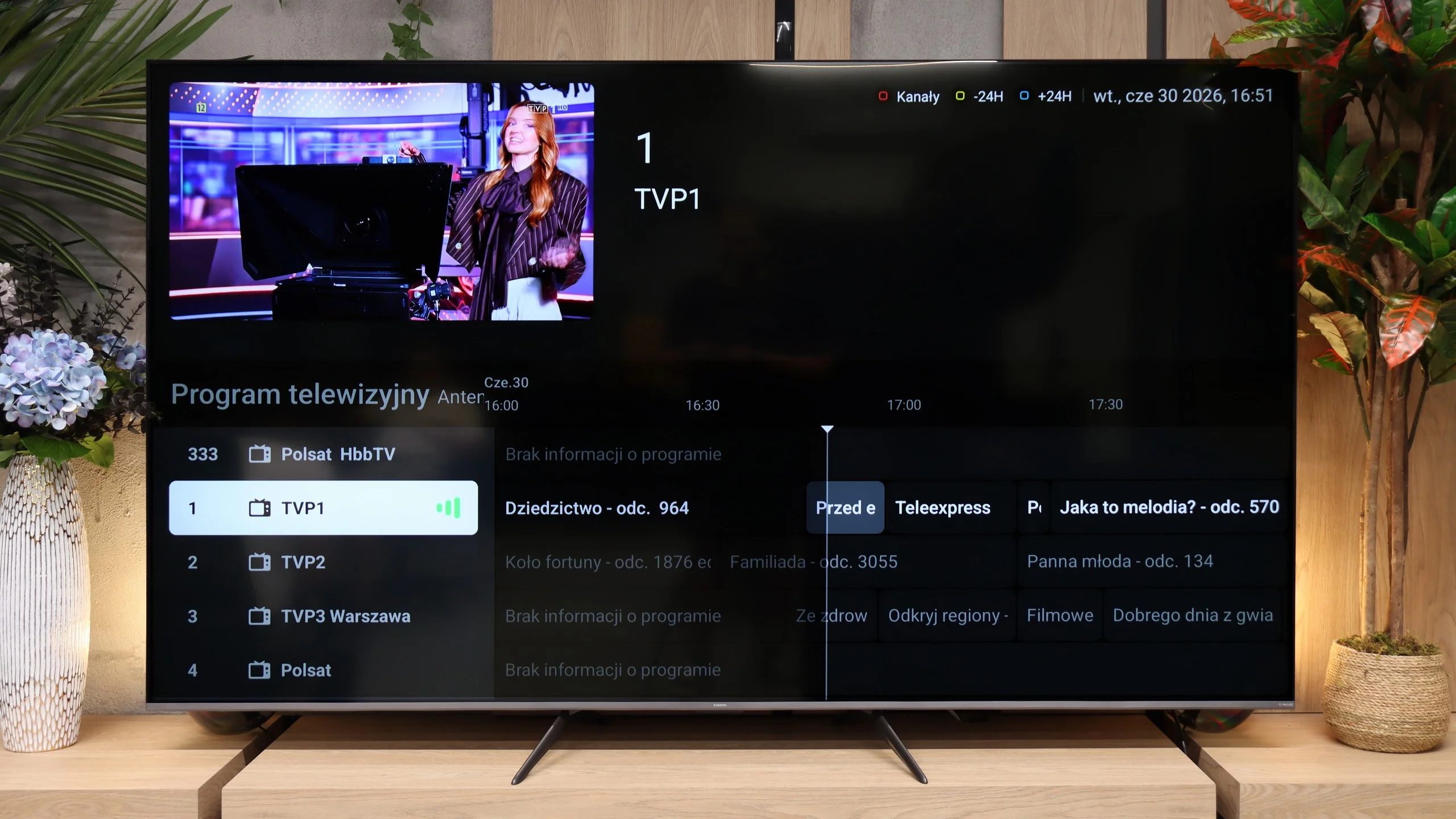
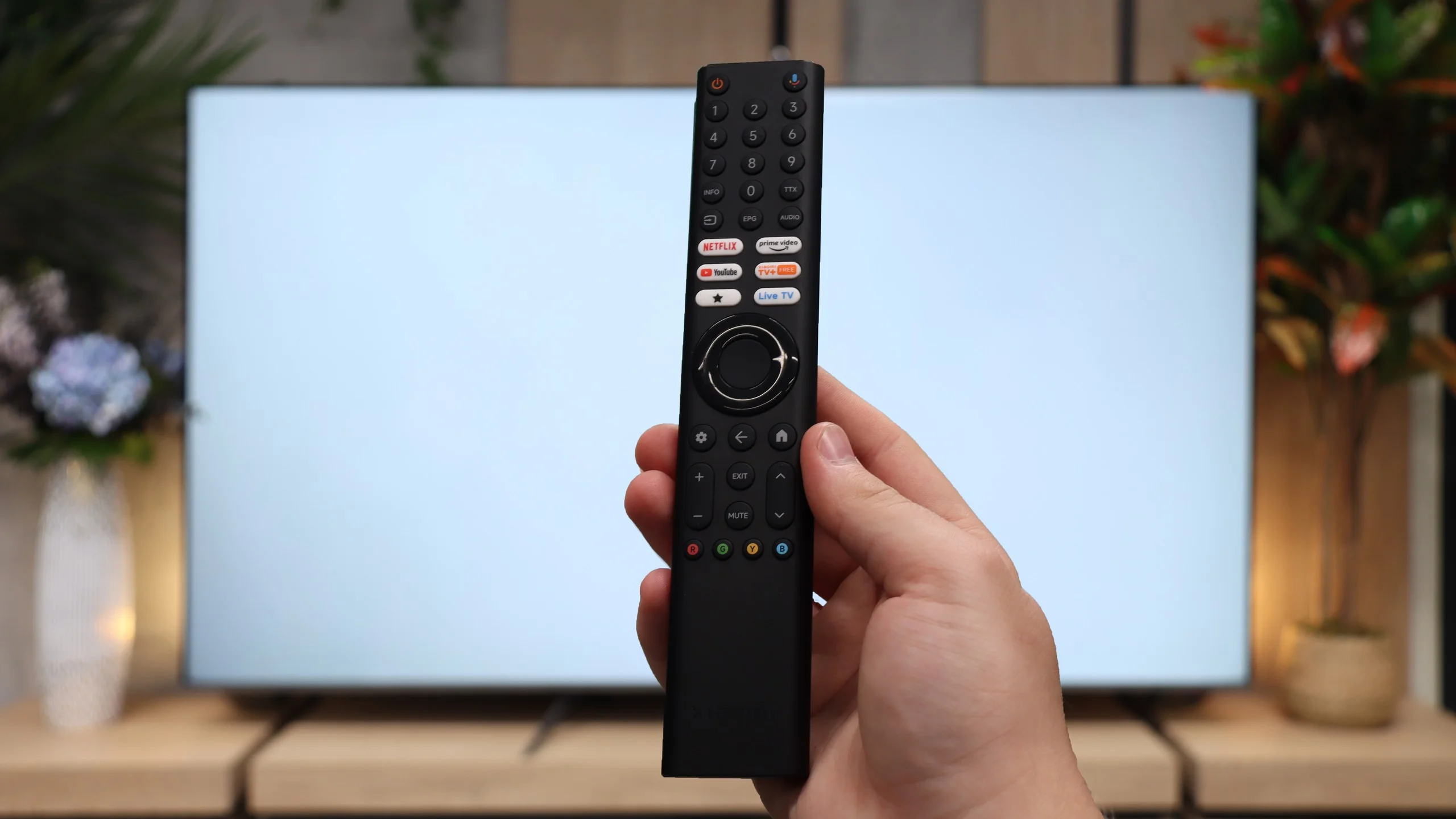
If you use traditional broadcast TV, the Xiaomi S Mini 2026 offers a rather basic set of features. There's an electronic program guide, teletext, and a classic remote with a numeric keypad. That last item is seen less and less these days, but for regular channel switching it can still be simply convenient. A slightly more unusual feature is the mini-jack headphone output. Newer TVs are increasingly dropping it, so its presence here may come in handy if someone still uses wired headphones or older audio equipment.
Apps
9.1/10
9.6/10






















Playing files from USB
8.2/10
6.8/10
Supported photo formats:
Maximum photo resolution:
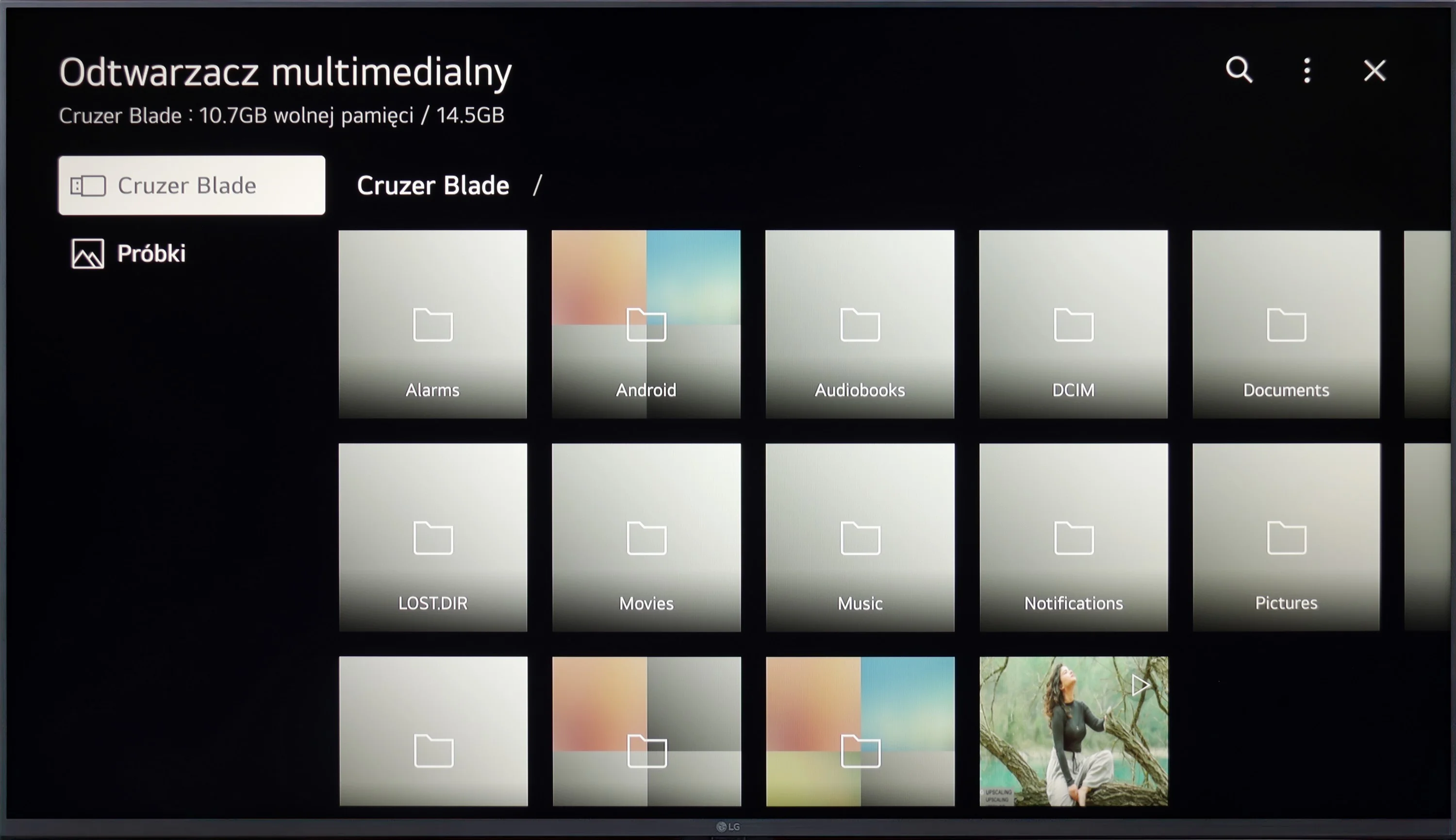
LG UT8100 handles playback of most popular video and audio formats, making it a versatile multimedia device. Although it lacks support for Apple's HEIC format for photos, it still provides satisfactory functionality. Special praise is due for the support of Polish characters in subtitles and the ability to change the font color, which allows users to customize the displayed texts to their preferences. In this category, the television performs really well.
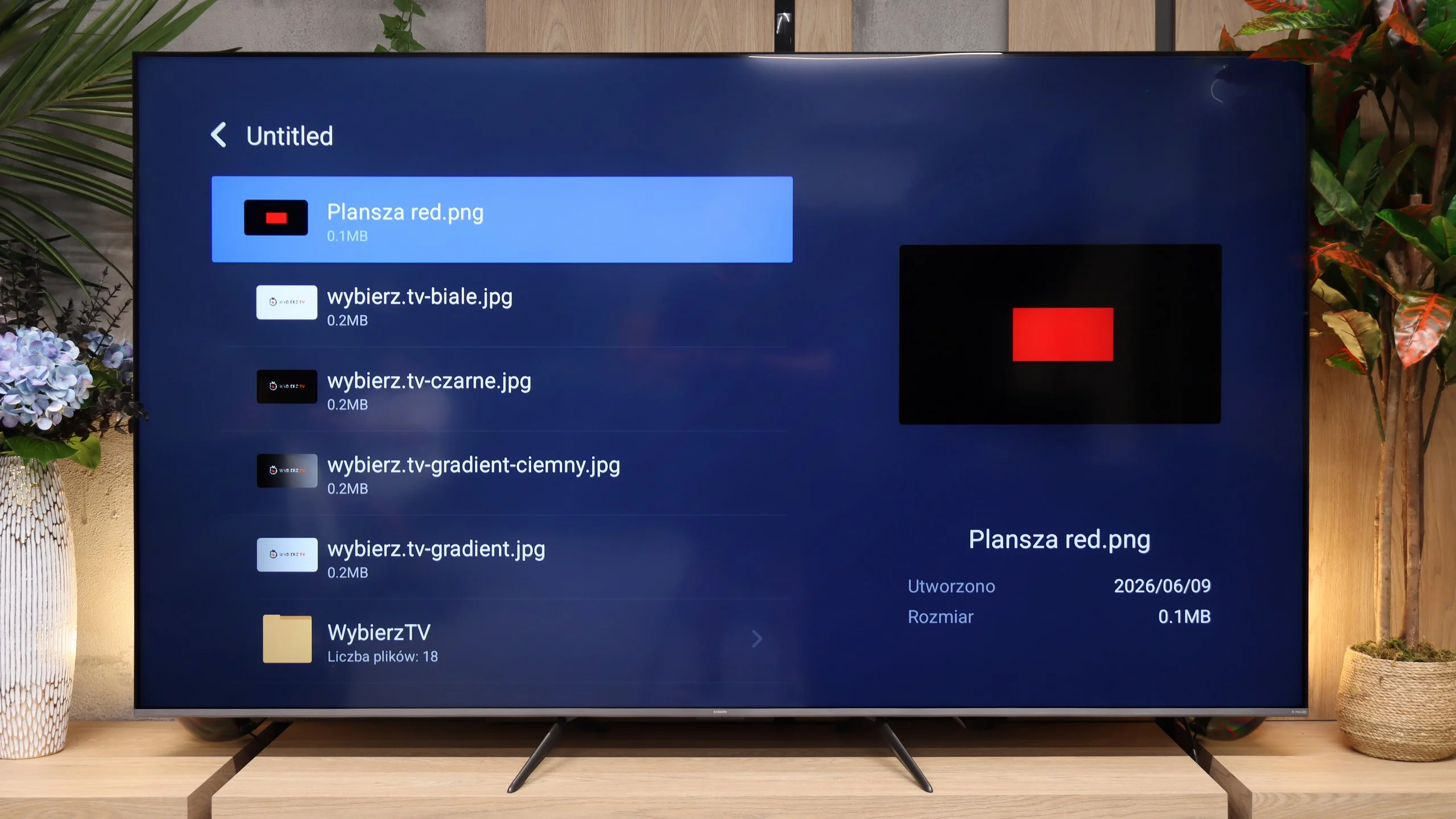
The built-in USB media player works pretty well and opens most common formats without any problems. However, if you encounter a file it doesn't support, Google TV makes it easy to install another player, e.g., VLC. Our biggest gripe is with subtitles. The stock app doesn't handle some characters outside the basic alphabet correctly, which can cause issues with, for example, Polish letters. If you often watch movies from USB, it's better to use a third-party app.
Sound
6/10
5/10
- Maximum volume-89dB
- Dolby Digital Plus 7.1
- Dolby True HD 7.1
- Dolby Atmos in Dolby Digital Plus (JOC)
- Dolby Atmos in Dolby True HD
- DTS:X in DTS-HD MA
- DTS-HD Master Audio
The sound in LG UT8100 is basic and does not stand out in any particular way. It suffices for everyday television watching, but with more demanding content, like movies or concerts, it may lack depth and dynamics. If we care about better sound quality, it will be necessary to connect an external audio system, such as a soundbar or home theater. The built-in speakers serve their purpose, but they will not impress more demanding users.
The built-in speakers sound adequate, but you can't expect much more from them. They're more than enough for everyday viewing of news, TV series, or other programs. However, they lack bass, so the sound is fairly flat and doesn't deliver much impact when watching movies.
Sound Quality Test
No sound test video
Reader comments
Comments are provided by the external service Disqus (Zeta Global). Once loaded, Disqus may set cookies and process data about your activity.
We will remember your choice on this device. Provider's privacy policy