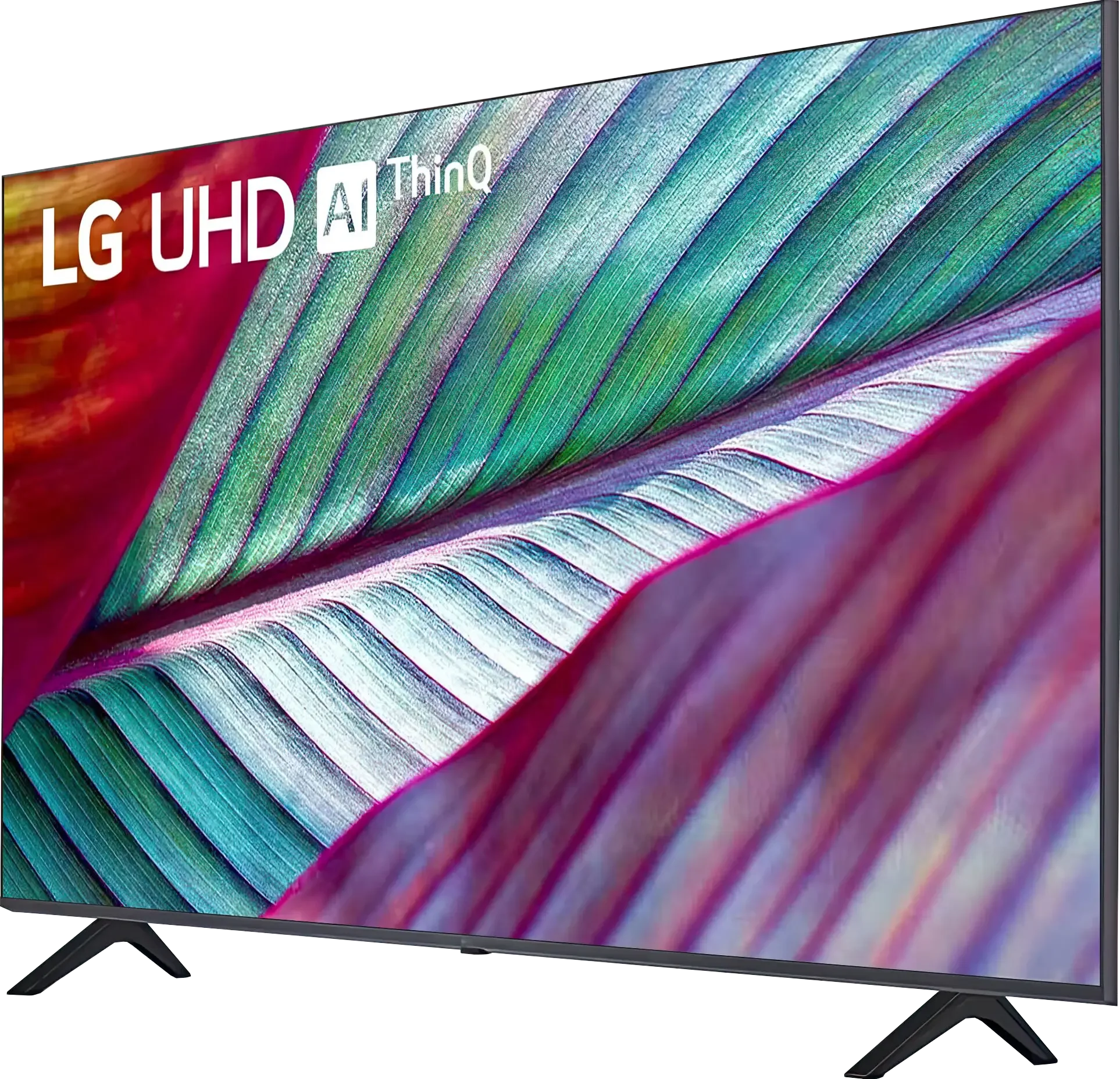
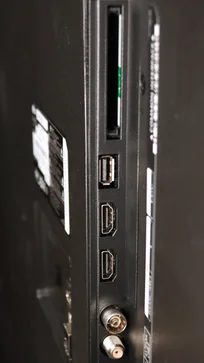
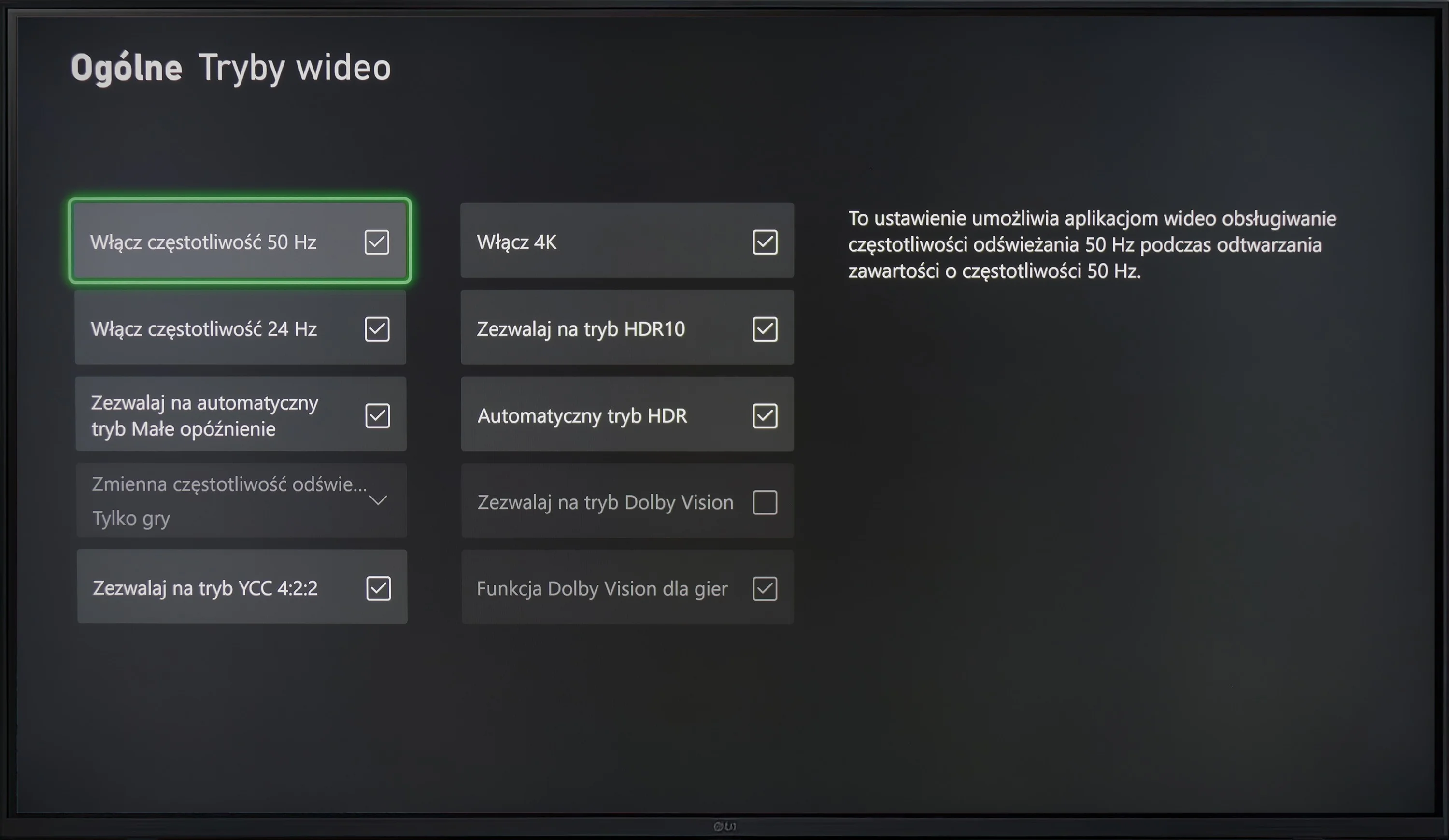
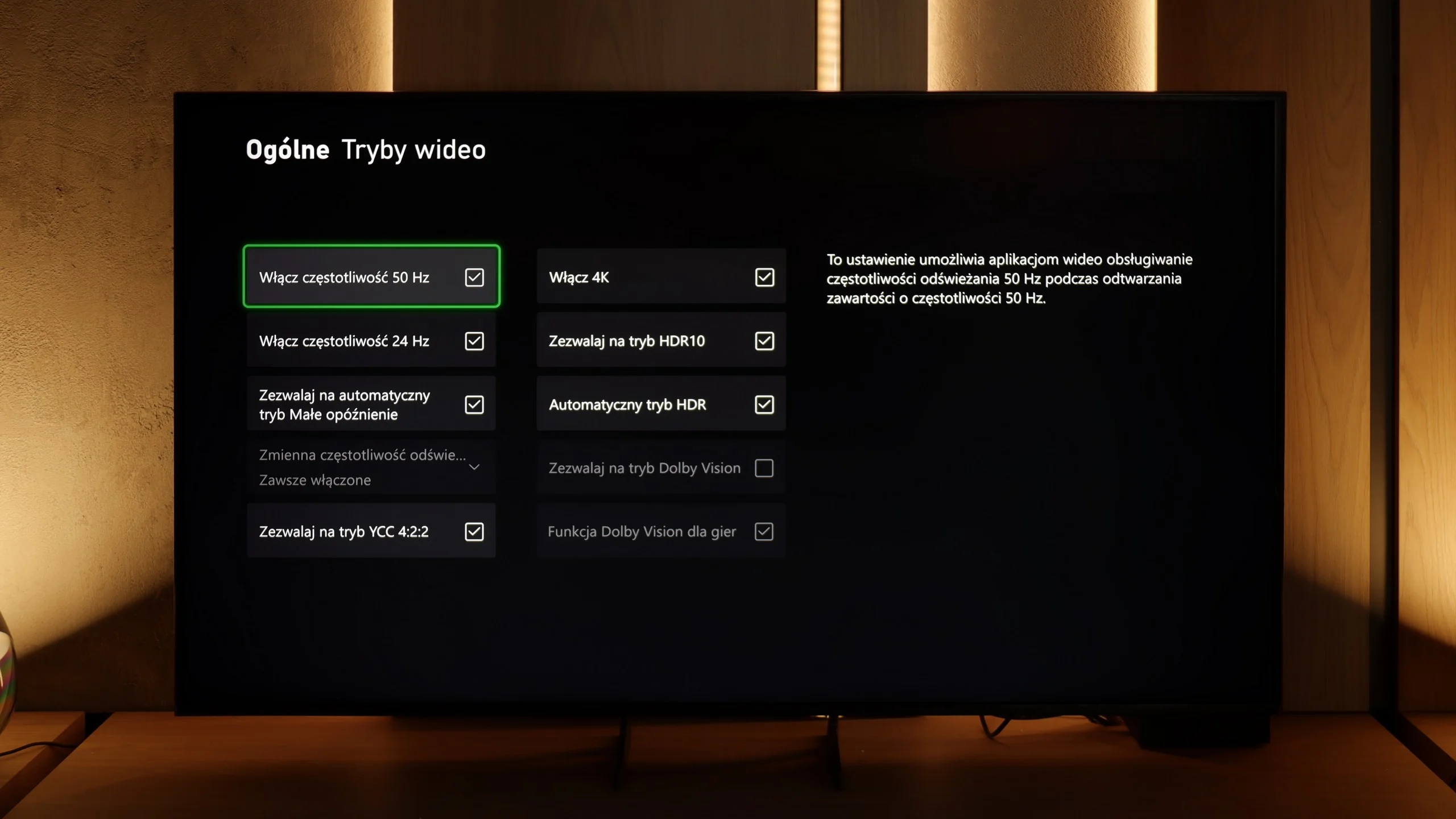
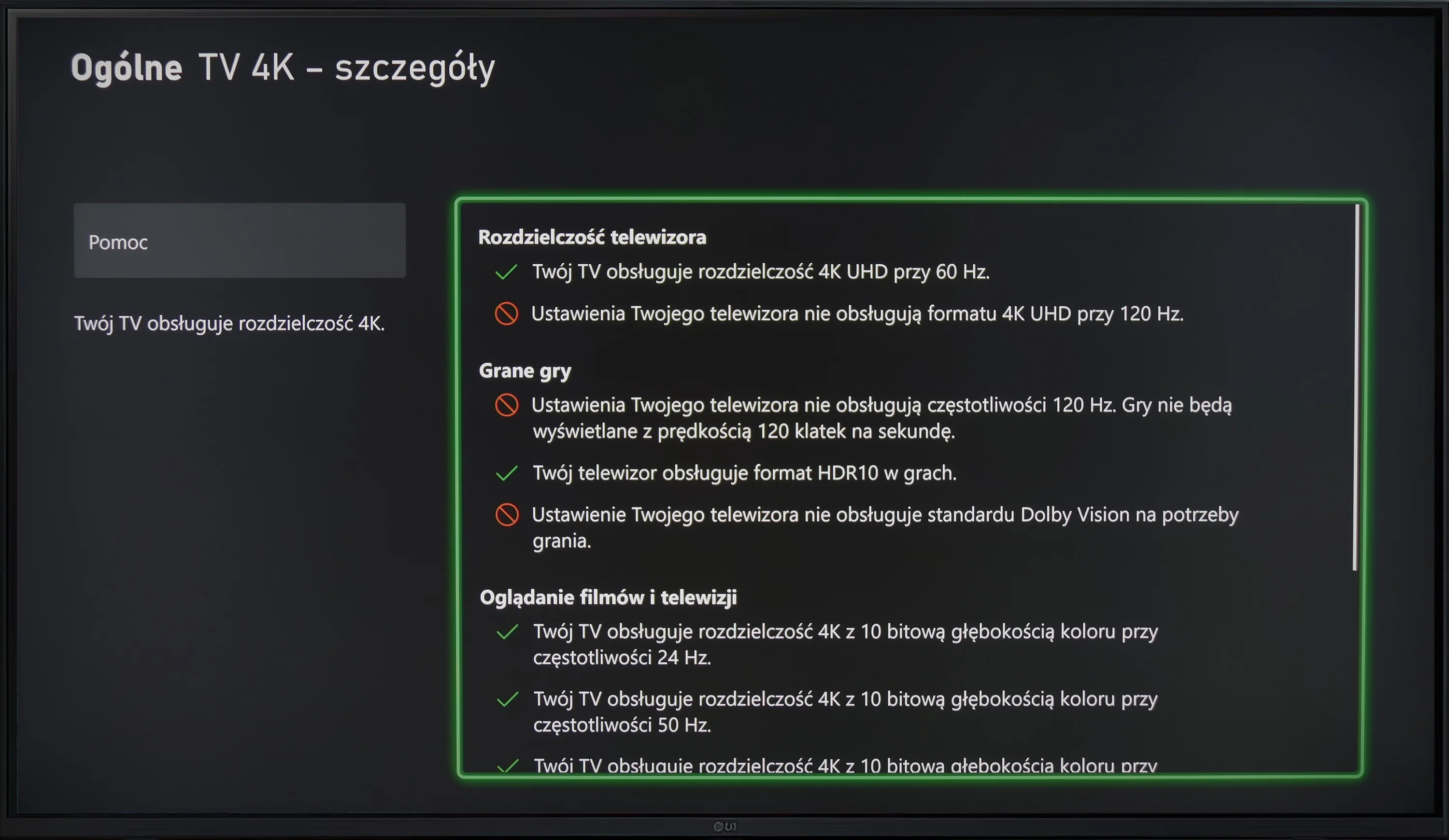
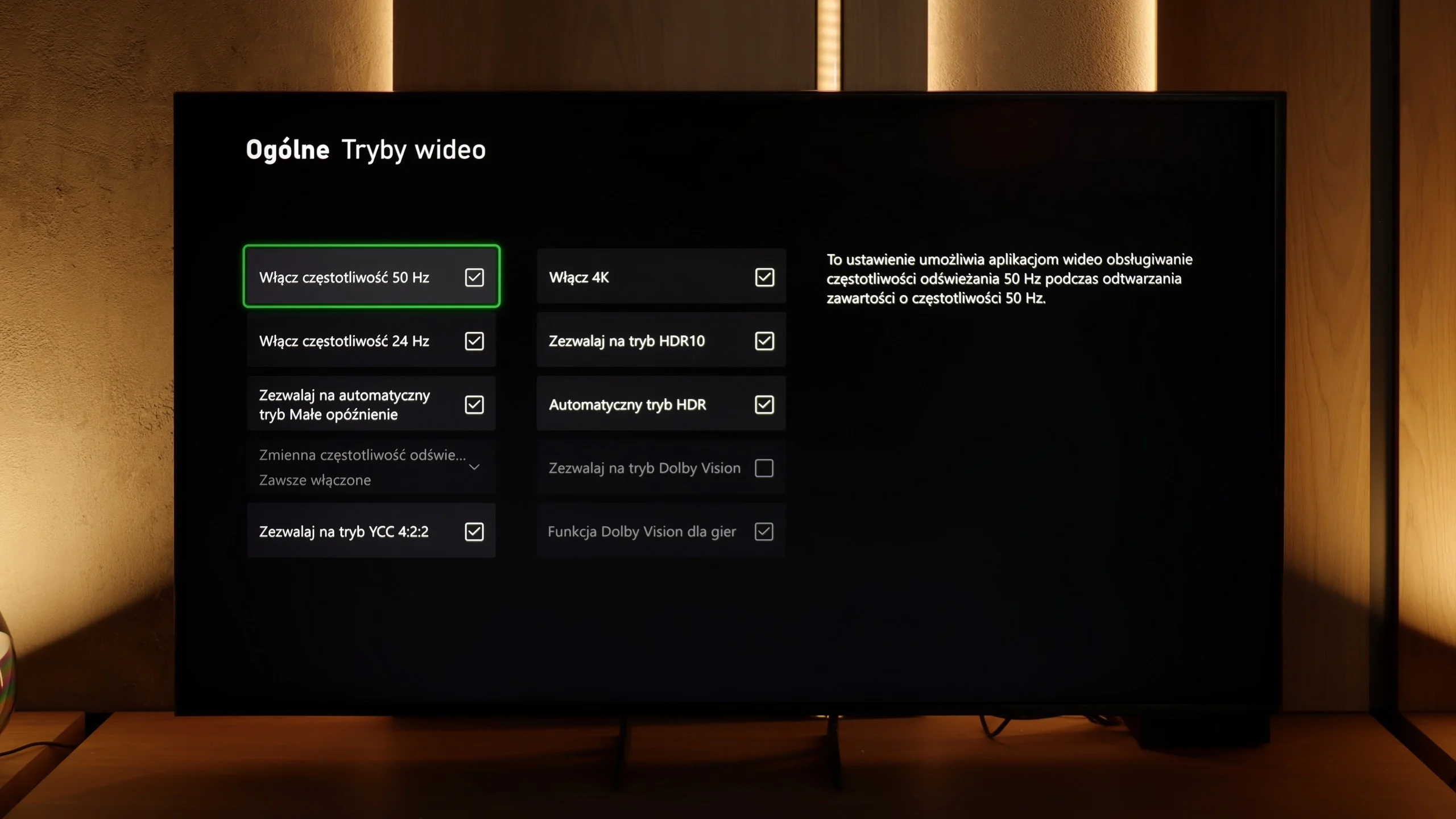
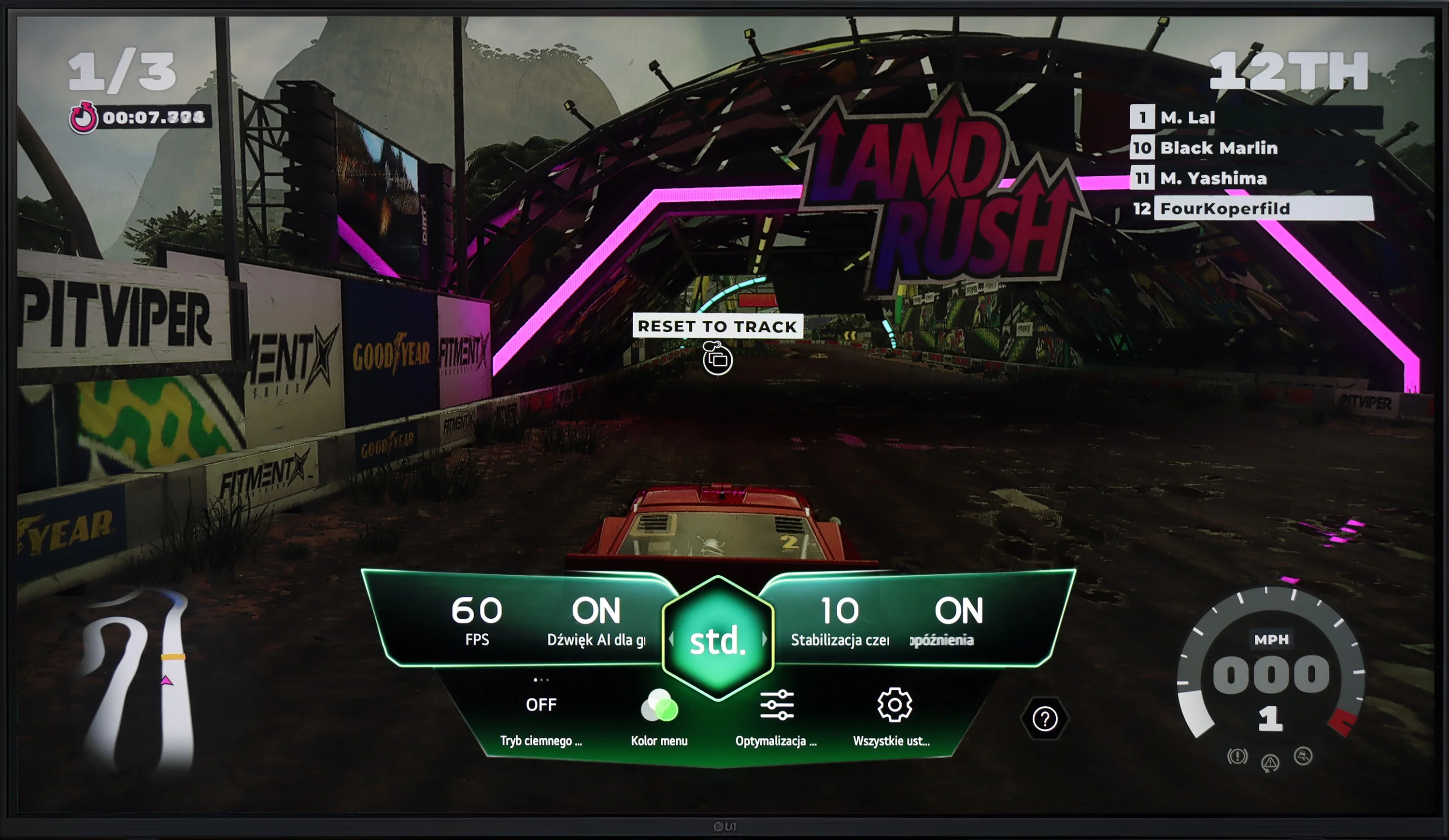
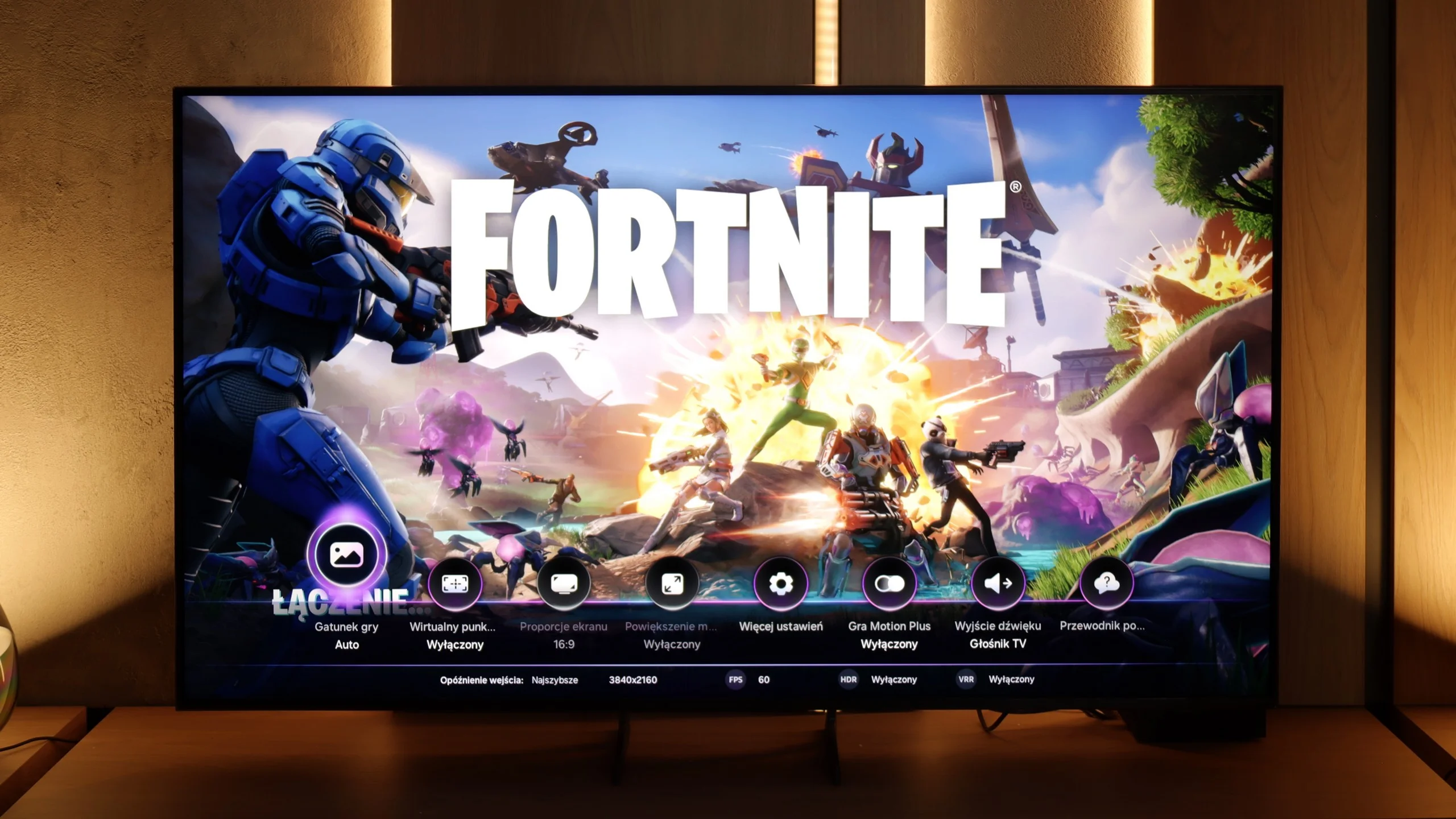
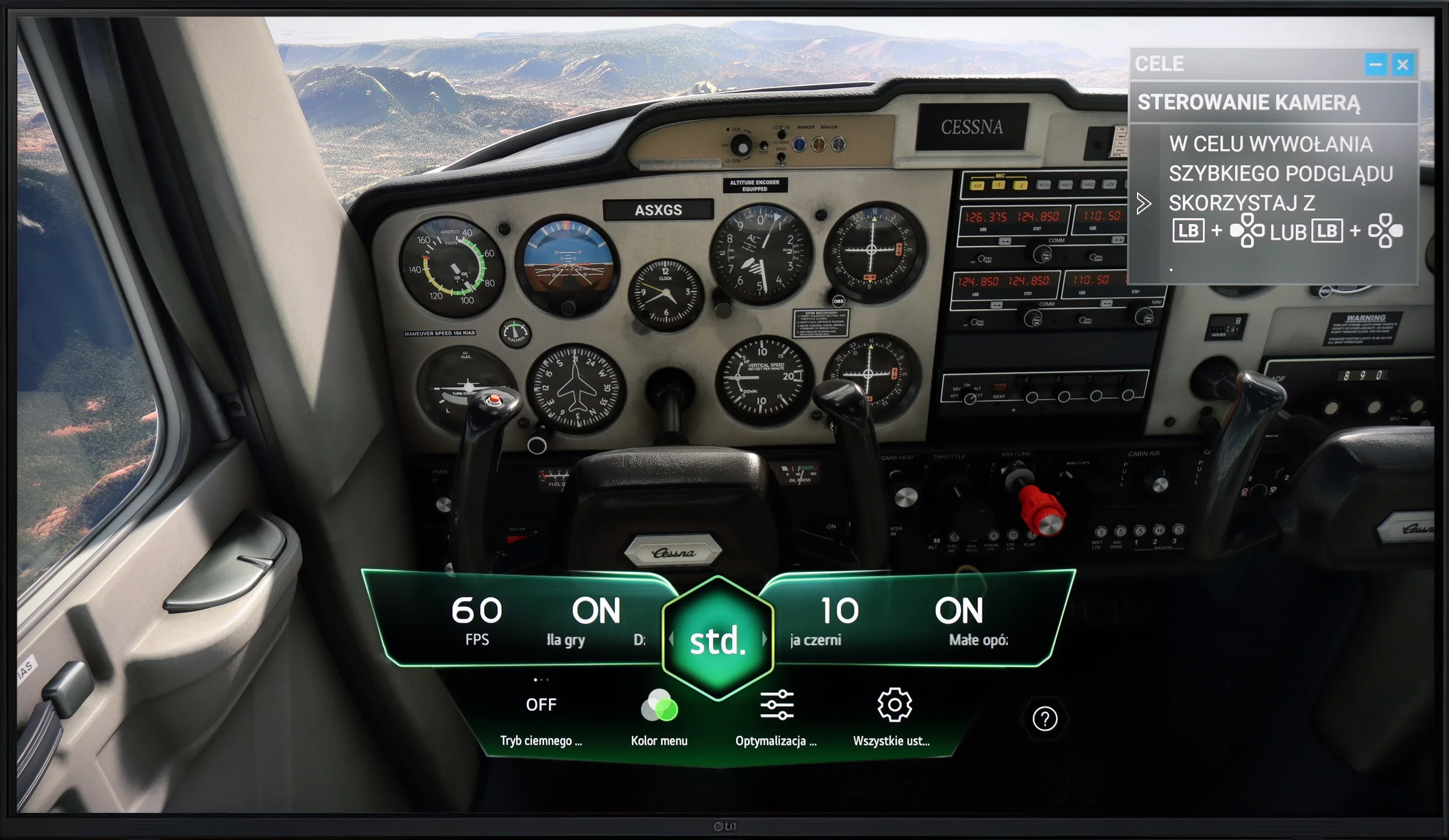
The LG UR781 provides several features designed to enhance console gaming experiences but comes with notable limitations. On the positive side, it includes the ALLM (Auto Low Latency Mode) feature, which automatically switches the TV to a low-latency mode, optimising response times for gaming and benefiting fast-paced titles. The television also supports HGiG, ensuring HDR games are displayed enhancing the overall gaming experience. Additionally, the Game Bar feature allows gamers to quickly access and adjust settings during gameplay, offering added convenience. However, there are significant drawbacks. The TV lacks VRR (Variable Refresh Rate), which may result in screen tearing or stuttering, particularly during dynamic scenes. It also does not support Dolby Vision for gaming, limiting HDR picture quality in titles that use this format. The 60Hz panel restricts gameplay to 60Hz, excluding smoother experiences available at higher refresh rates like 1080p@120Hz, 1440p@120Hz, or 4K@120Hz. The absence of G-Sync or FreeSync technology reduces compatibility with systems designed to synchronise the frame rate between the console and TV, potentially affecting gameplay fluidity. The LG UR781 is a functional choice for casual gamers who value affordability and features like ALLM and HGiG. However, it falls short for those seeking advanced gaming features such as high refresh rates, VRR, or Dolby Vision gaming.
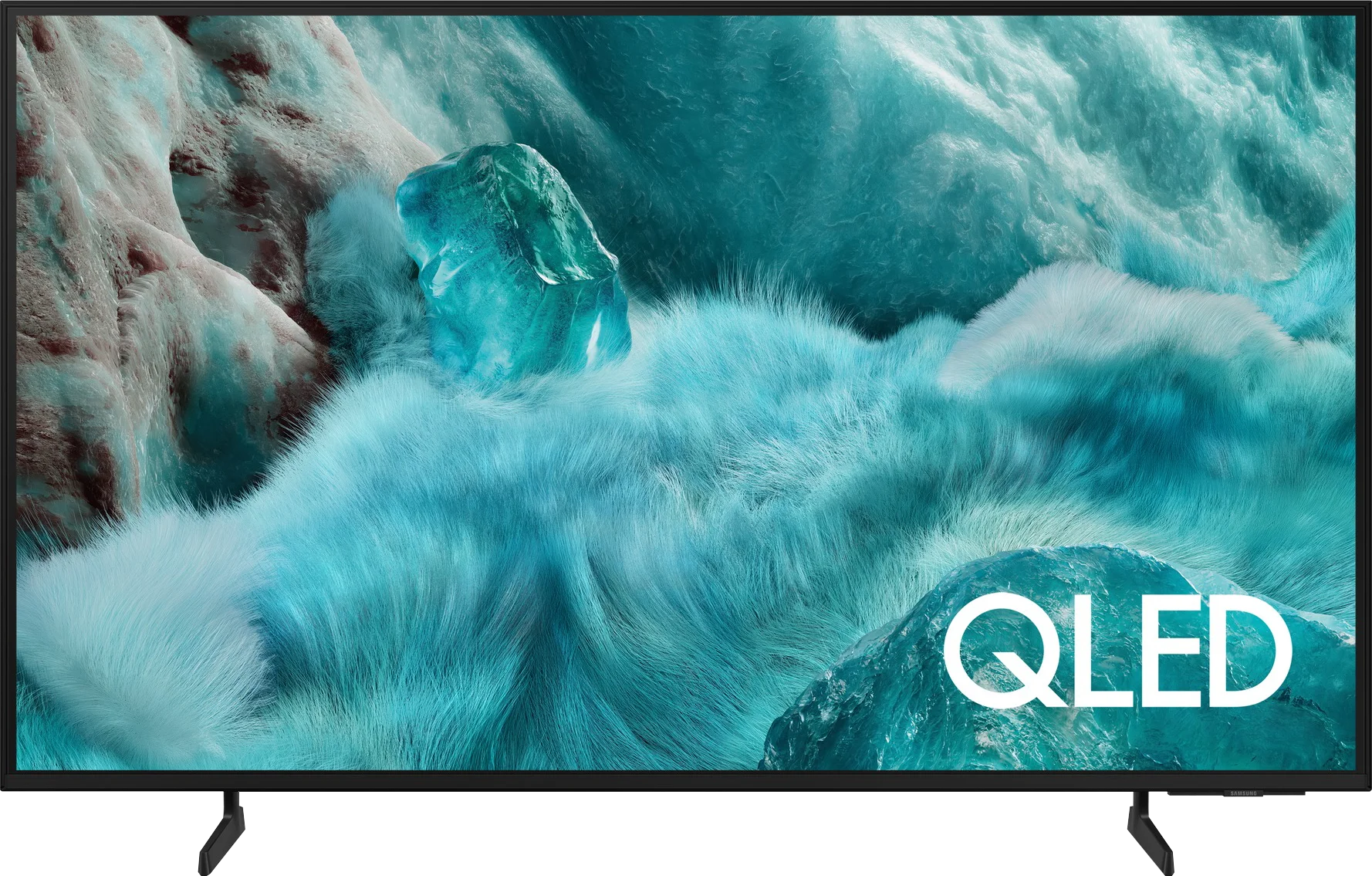
Features for gamers in the Samsung Q7F is a topic that evokes quite a mix of emotions. On one hand, no reasonable person expected miracles here, as this is a 60 Hz television, and it was clear from the start that it wouldn't be equipment for extracting the maximum from consoles or PCs. On the other hand, since the manufacturer promised specific solutions in promotional materials, it is natural that we wanted to see them in practice. At the outset, it’s quite decent. The automatic game mode (ALLM) works, so you don’t have to manually fiddle with the settings, the console itself switches the television to low-latency mode. In addition, we have Game Bar, which looks impressive and allows you to view some basic parameters without leaving the game. And this is where the good news ends.
[UPDATE] We have updated our tests of Samsung televisions from the 2025 model year due to the release of software version 1131, which restored the key feature for gamers, HGiG.
The biggest problem with the Q7F is VRR, or rather its absence. Indeed, a relevant icon appears in the menu, and you can even see it in the Game Bar, but throughout the entire test, the feature remained inactive and could not be activated in any way. It’s even more disappointing regarding HGiG; this option was actually available at the beginning, but after the software update, it completely disappeared, which is just unprofessional. Therefore, the Q7F is suitable only for absolute basics. Sure, you can turn on the console, play calmer titles, and enjoy low input lag, but if someone is counting on more advanced features that the manufacturer promised, they will be disappointed. This is not a television that you buy with gaming in mind, and it’s better to be aware of that before making a purchase.
 Direct comparison