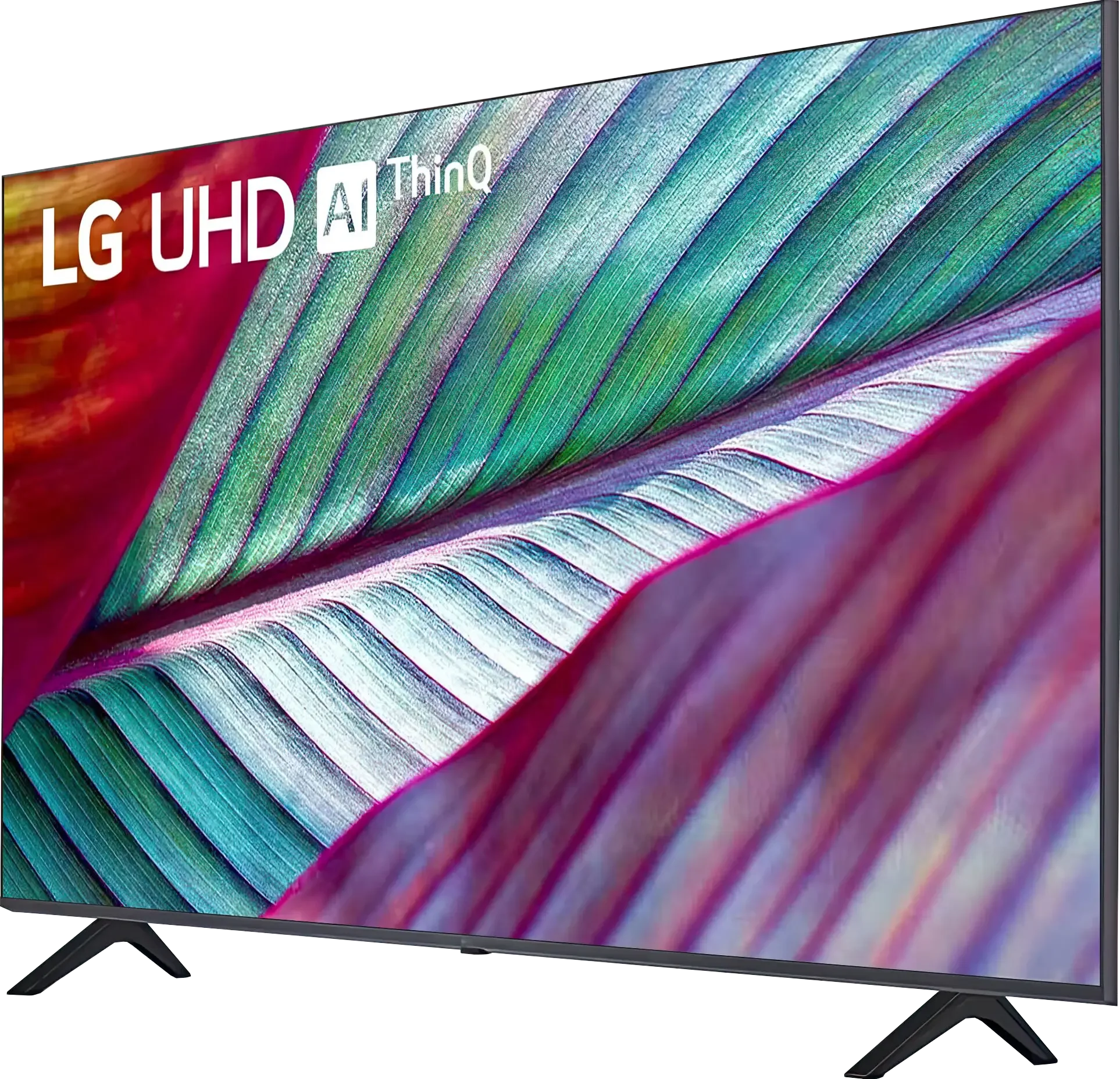
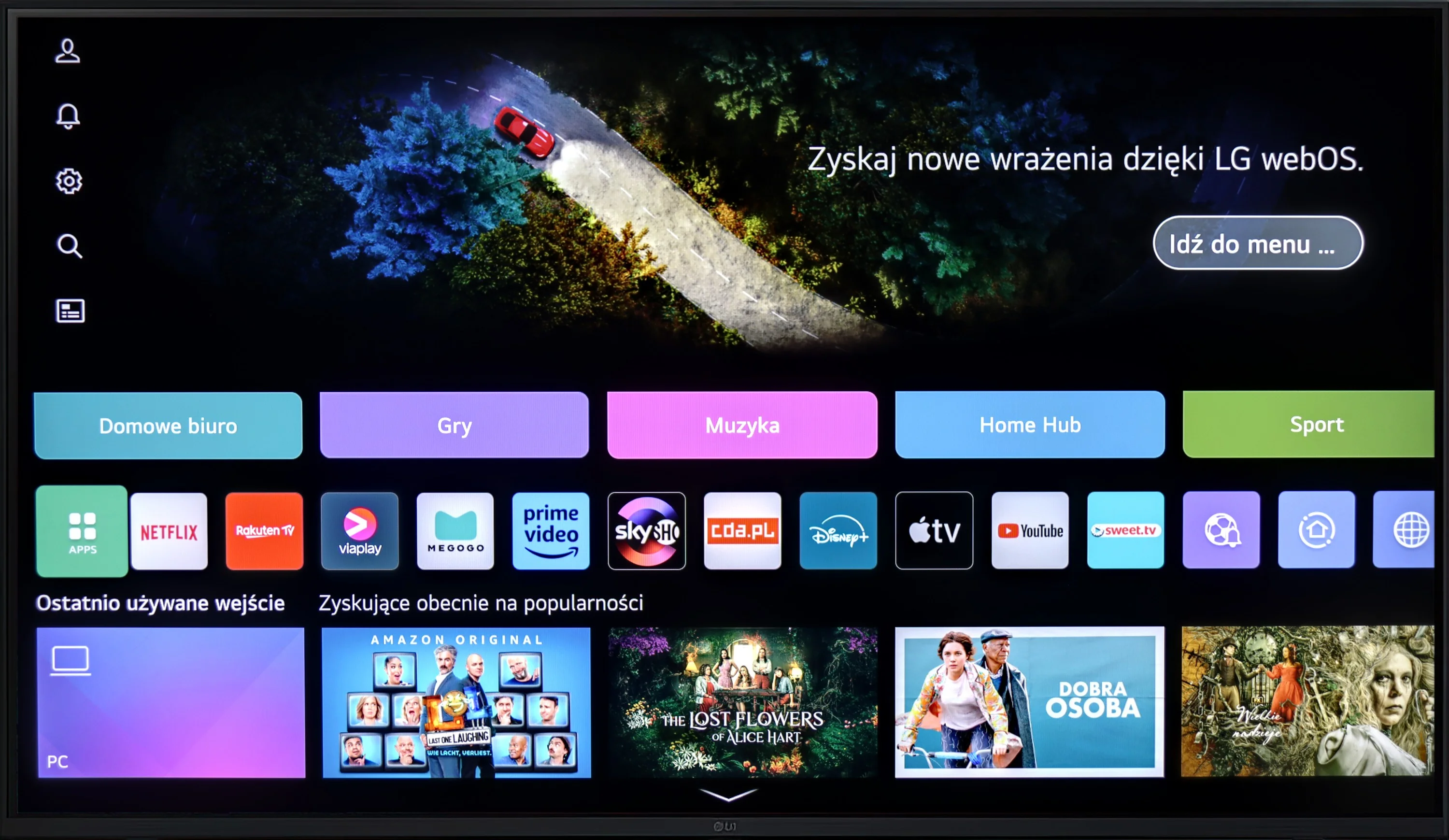
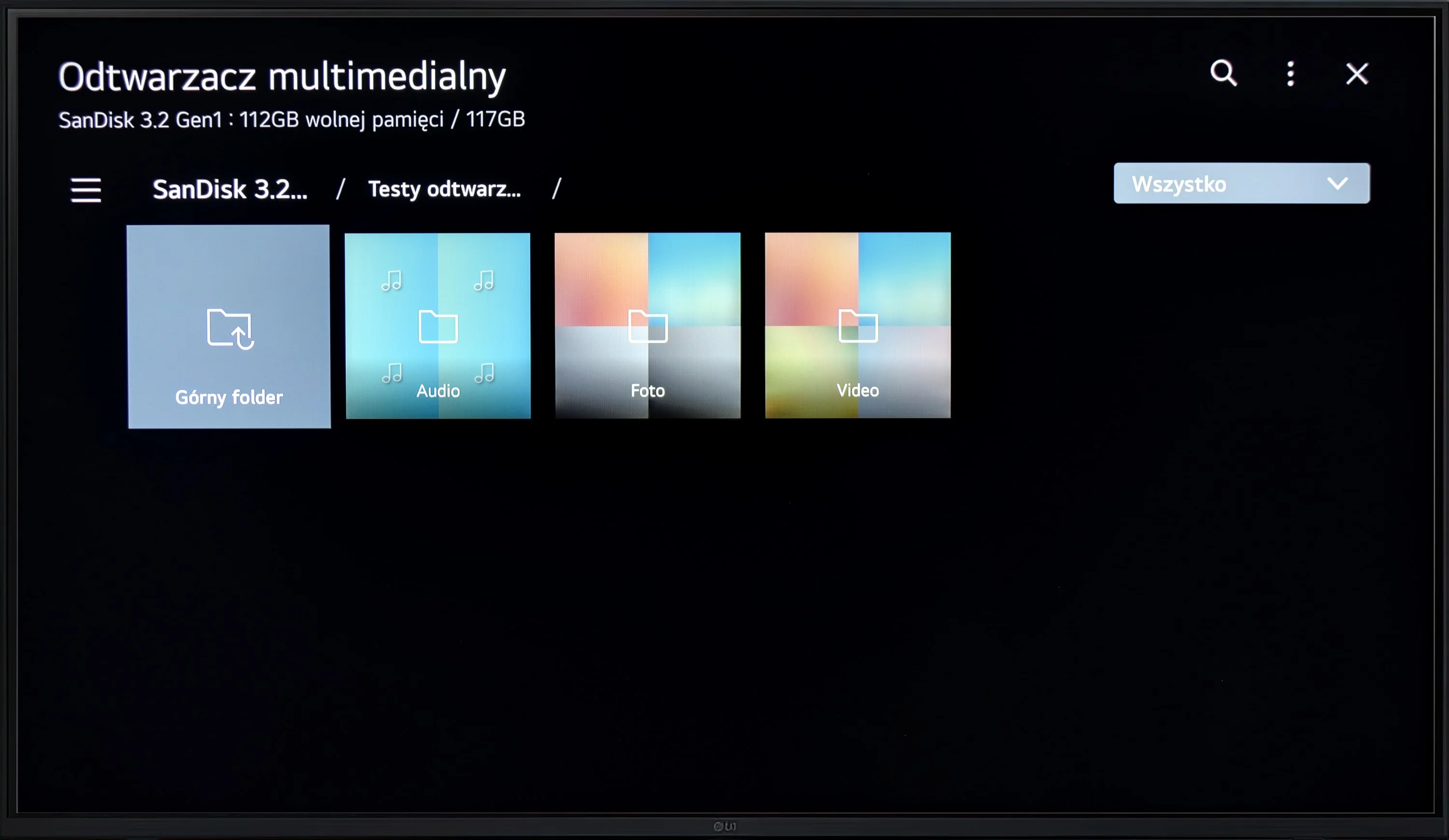
The LG UR781 is currently the most affordable model from the Korean manufacturer, offering excellent value for its price. Its standout feature is the WebOS system, which provides an intuitive interface and access to a wide range of streaming platforms, making it a significant advantage for everyday users. The TV delivers satisfactory picture quality for its price range, catering well to the needs of basic users.
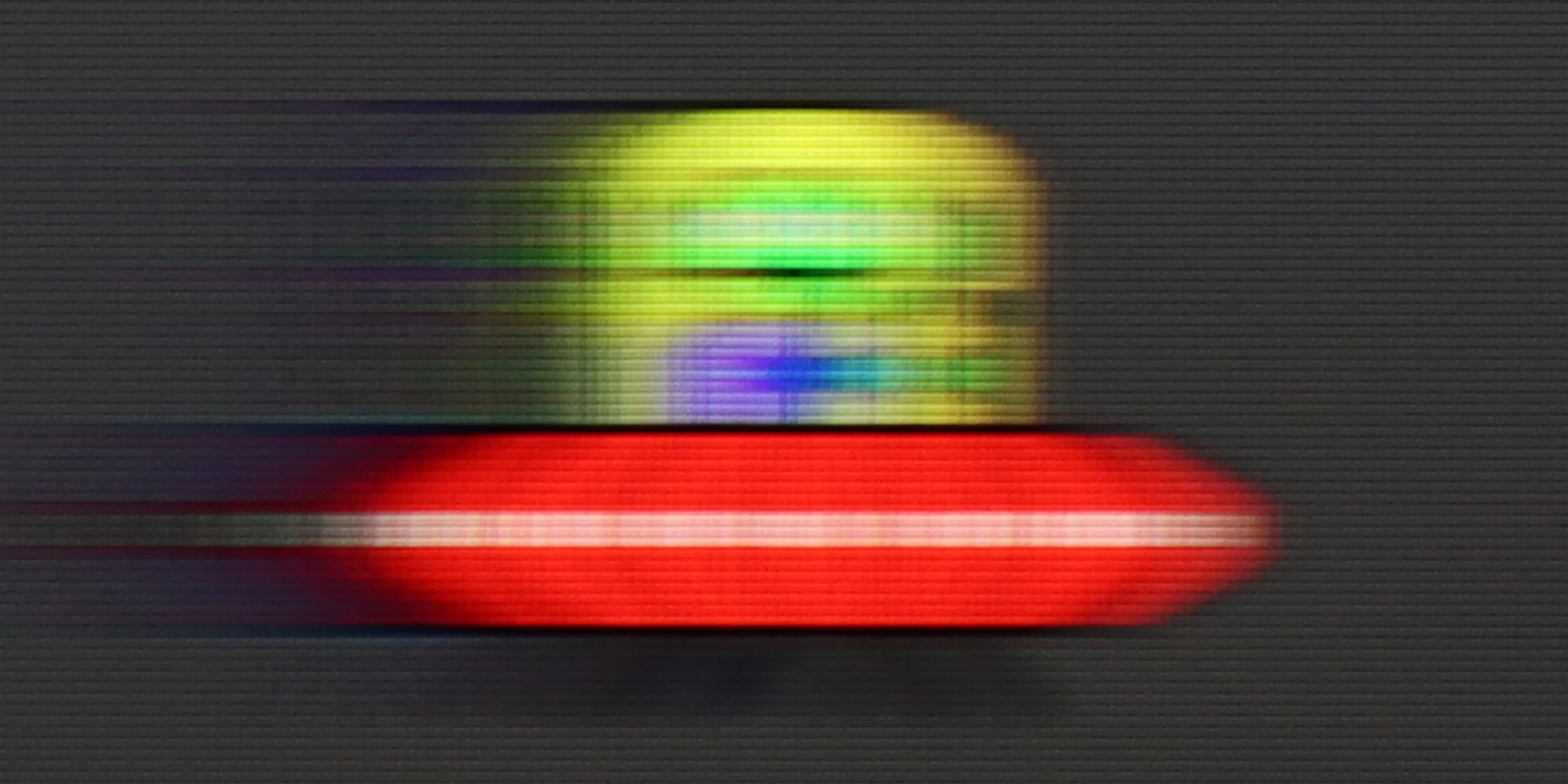
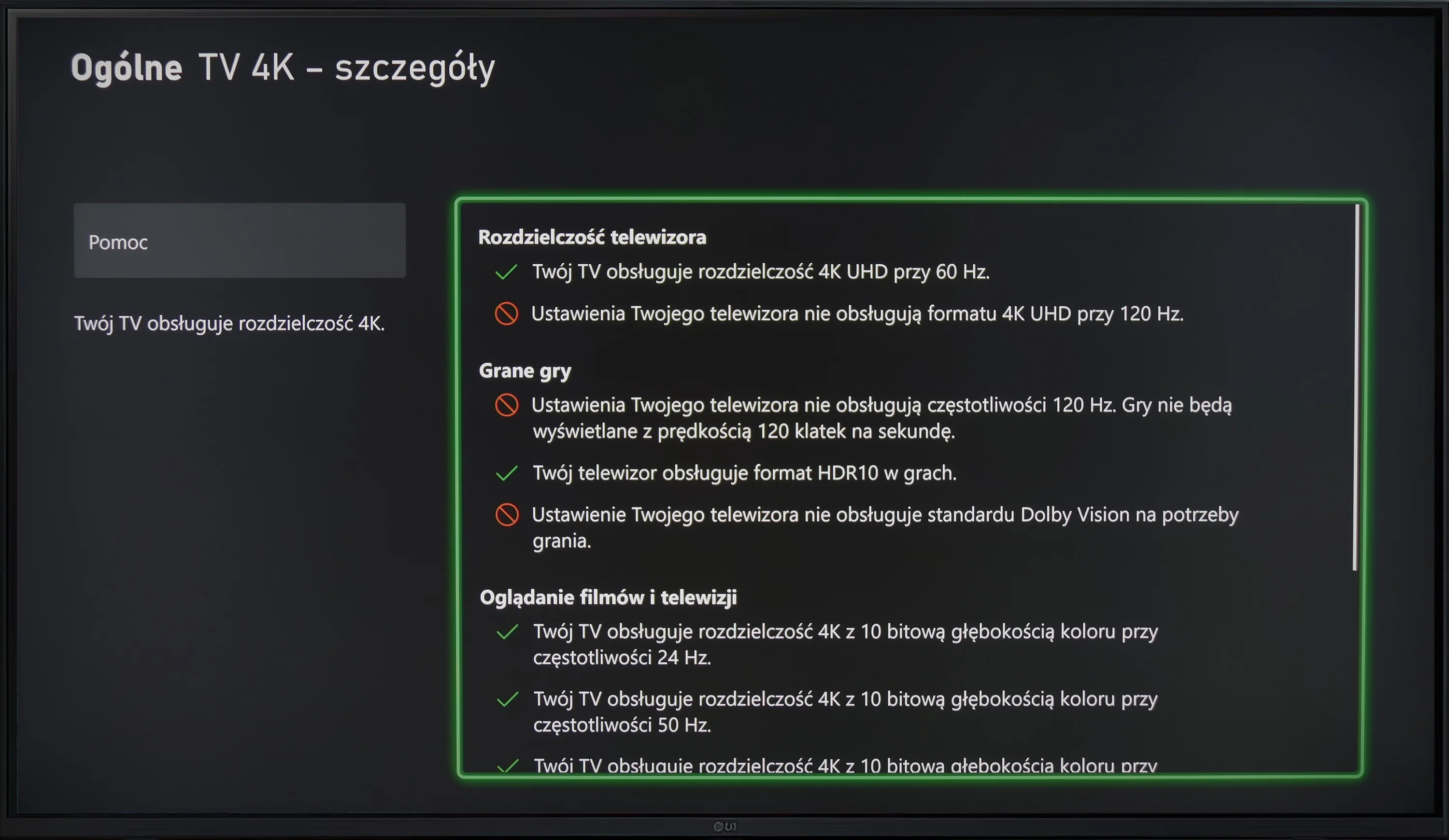
While its HDR capabilities are somewhat restricted due to the absence of Dolby Vision and HDR10+, it does support fundamental formats like HDR10 and HLG. The TV performs admirably with low-quality materials, aided by its smooth tone transition feature that ensures clear and seamless transitions, particularly useful for viewing content from lower-quality sources such as terrestrial television.
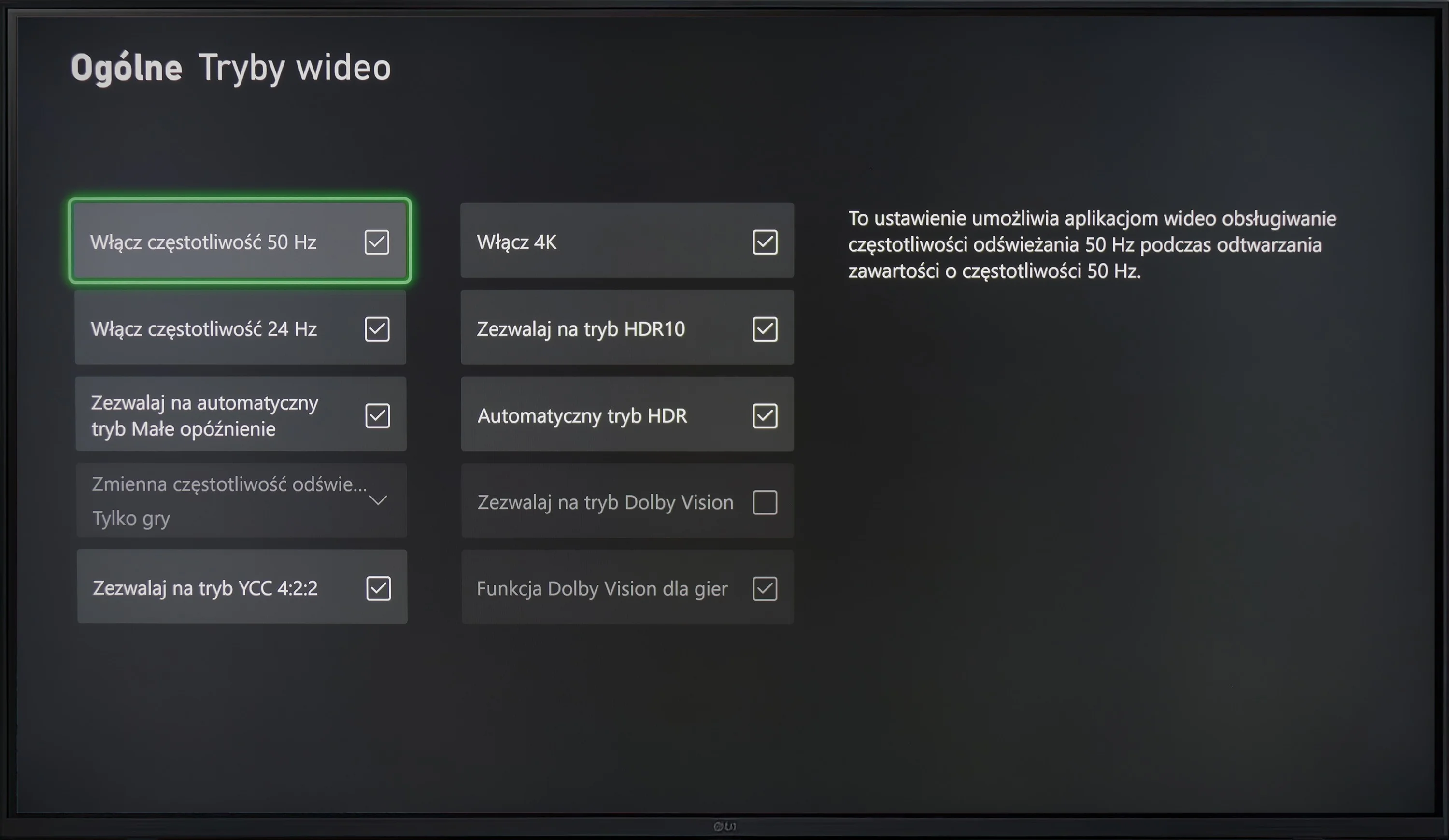
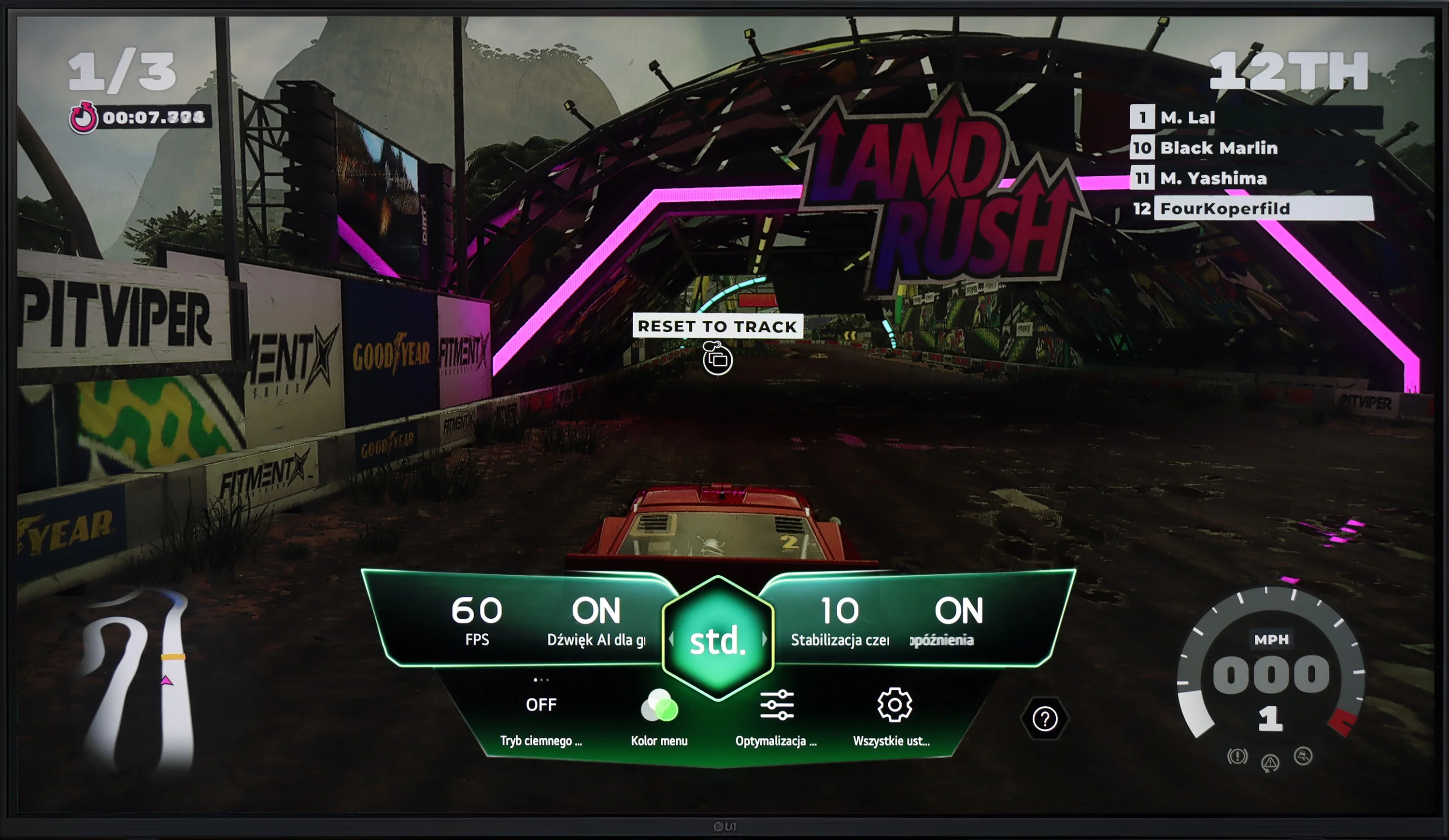
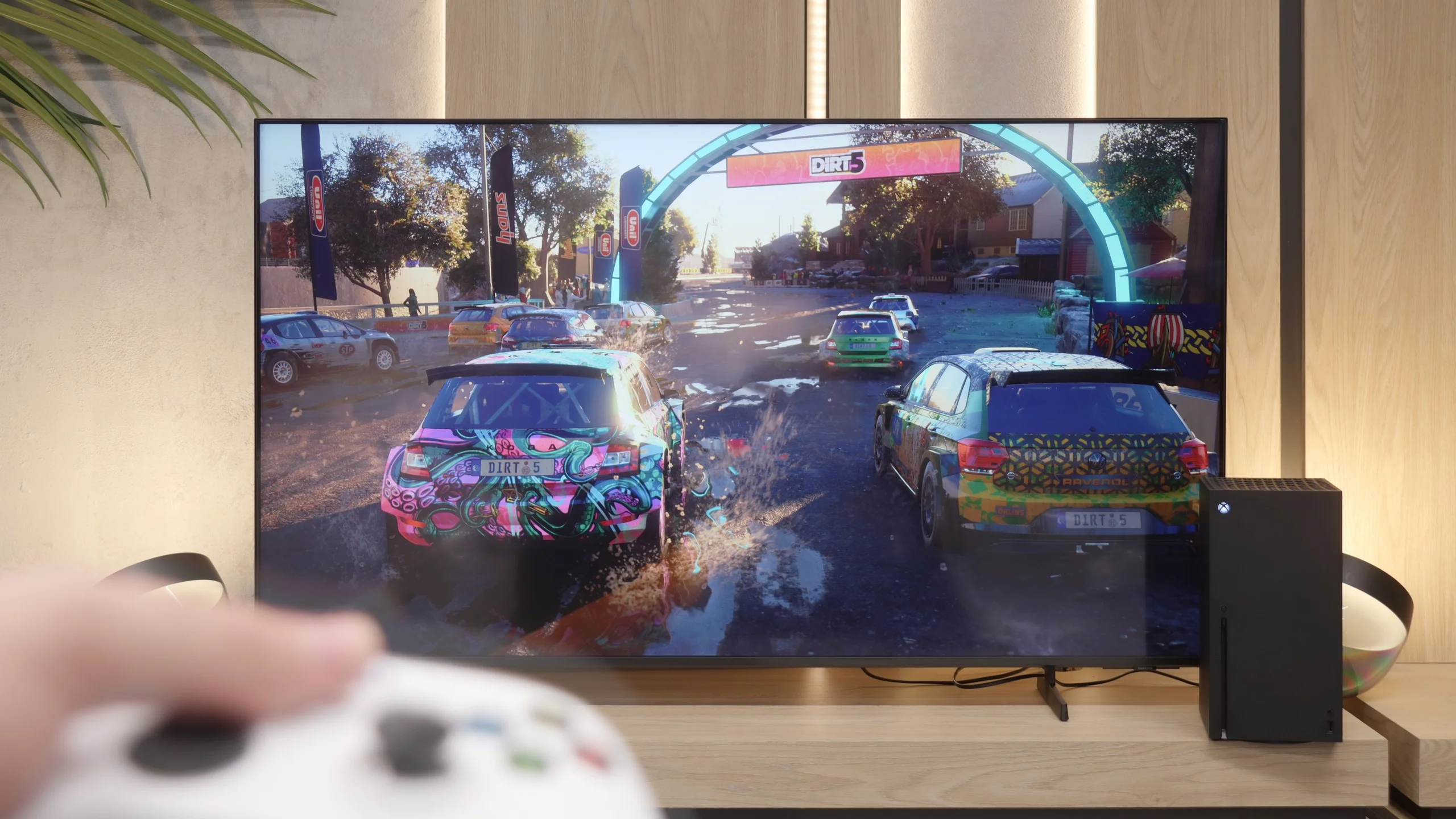
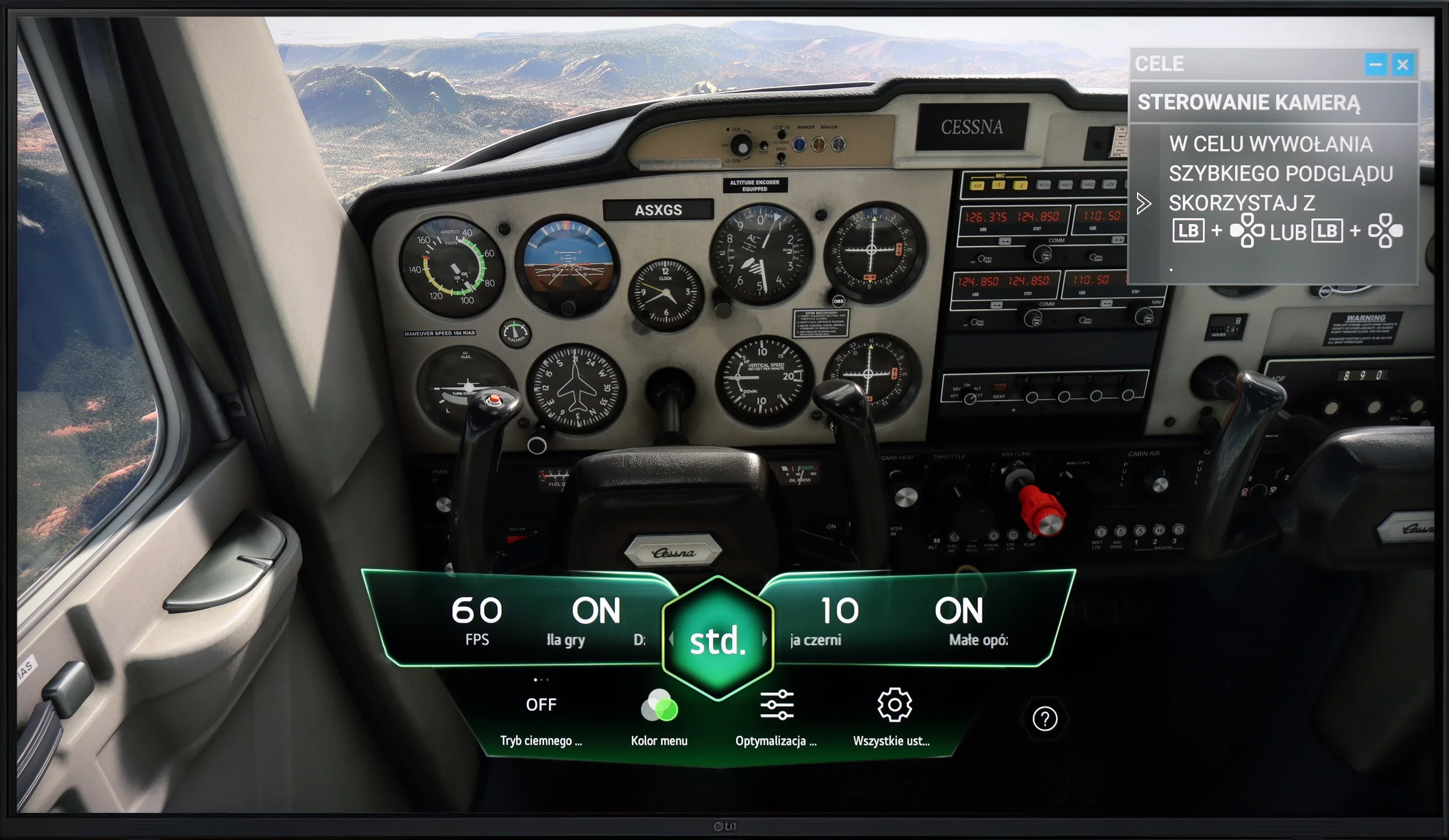
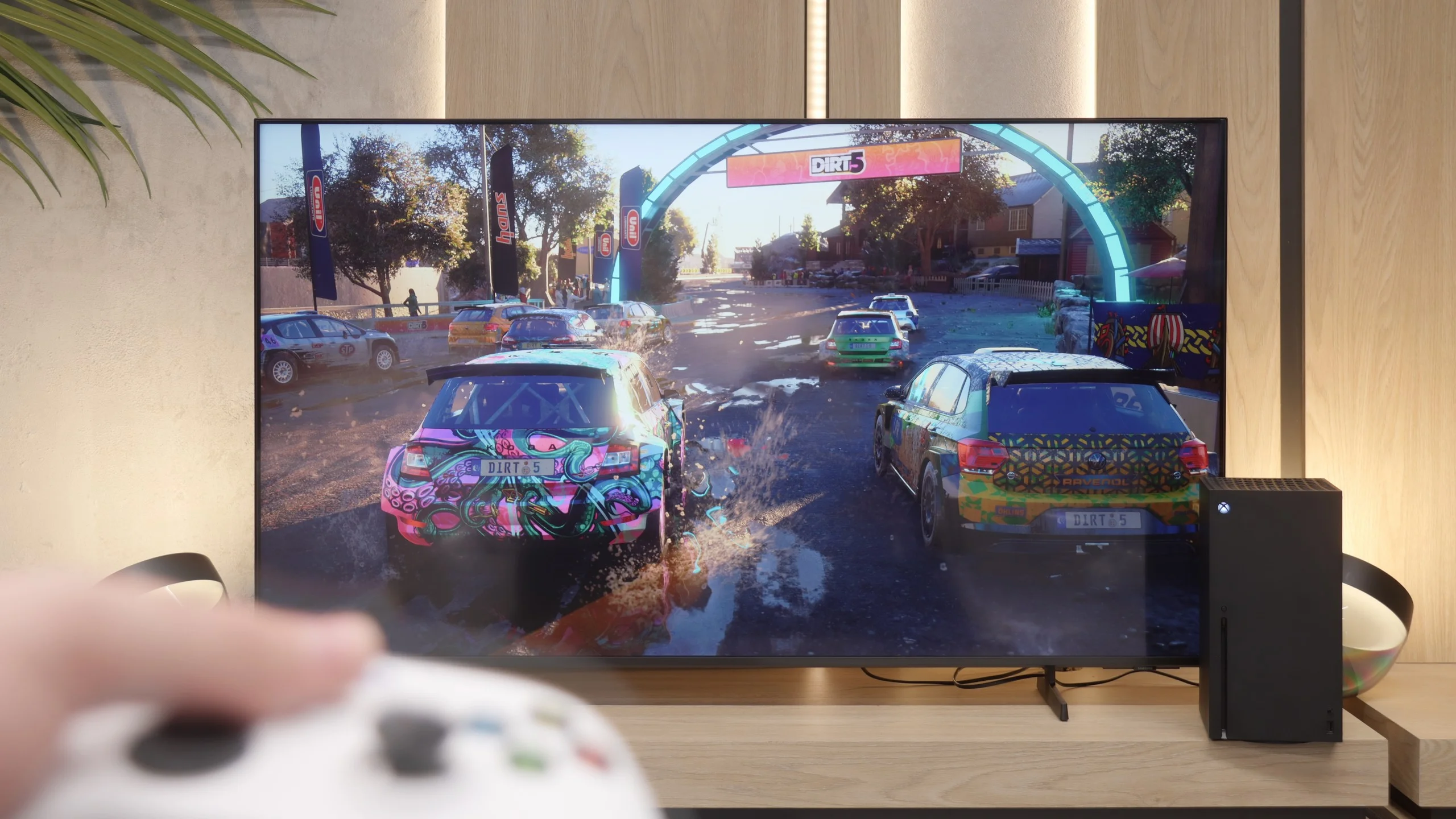
For gaming enthusiasts, the LG UR781 offers very low input lag, an essential criterion for enjoyable gaming. Though it lacks a 120Hz panel, which is a compromise for its budget-friendly pricing, it remains an appealing choice for gamers seeking affordability. Its brightness is slightly lower than competing models, and the colour gamut coverage is limited. However, thanks to dynamic tone mapping, HDR content still appears impressive.
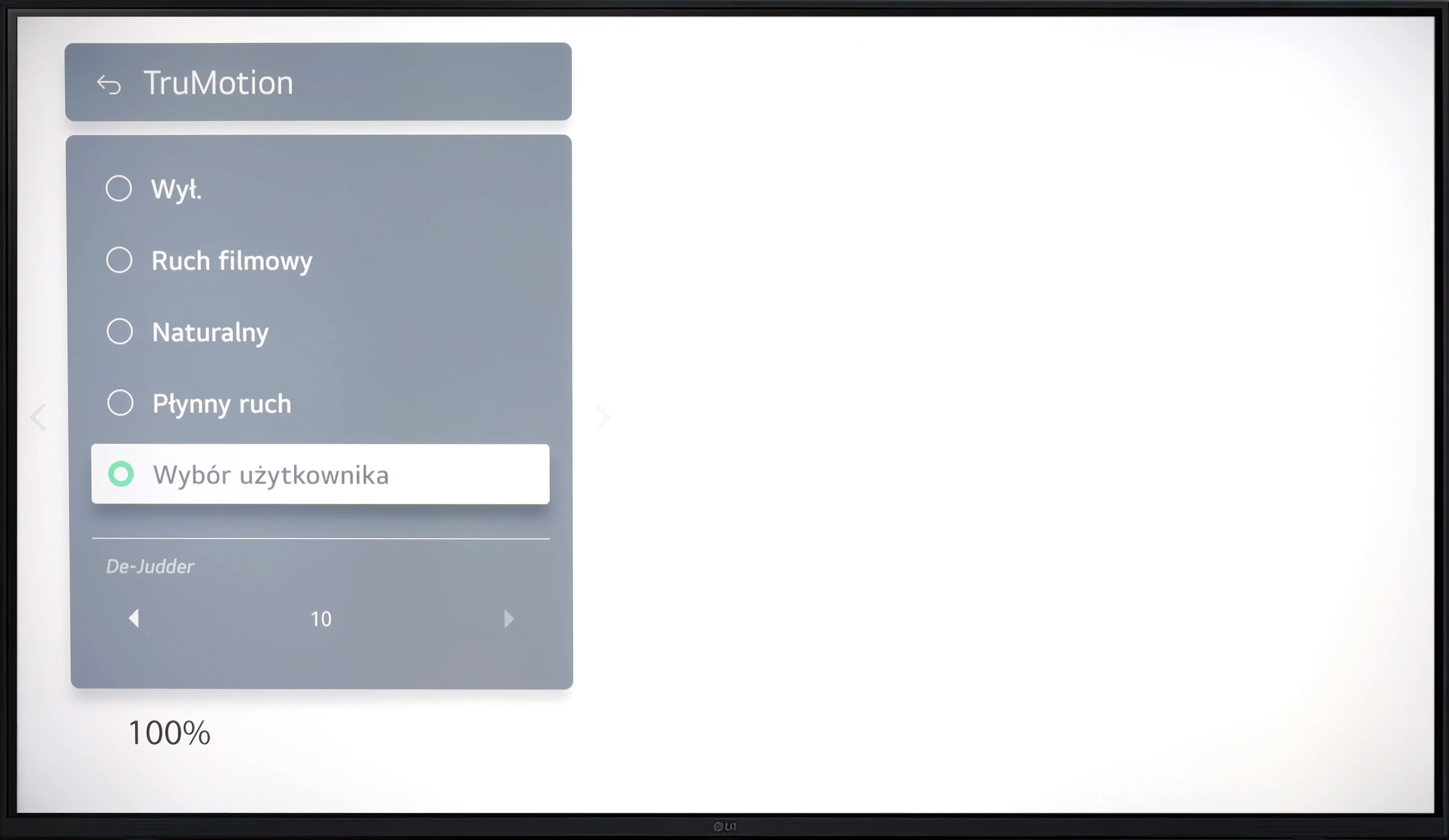
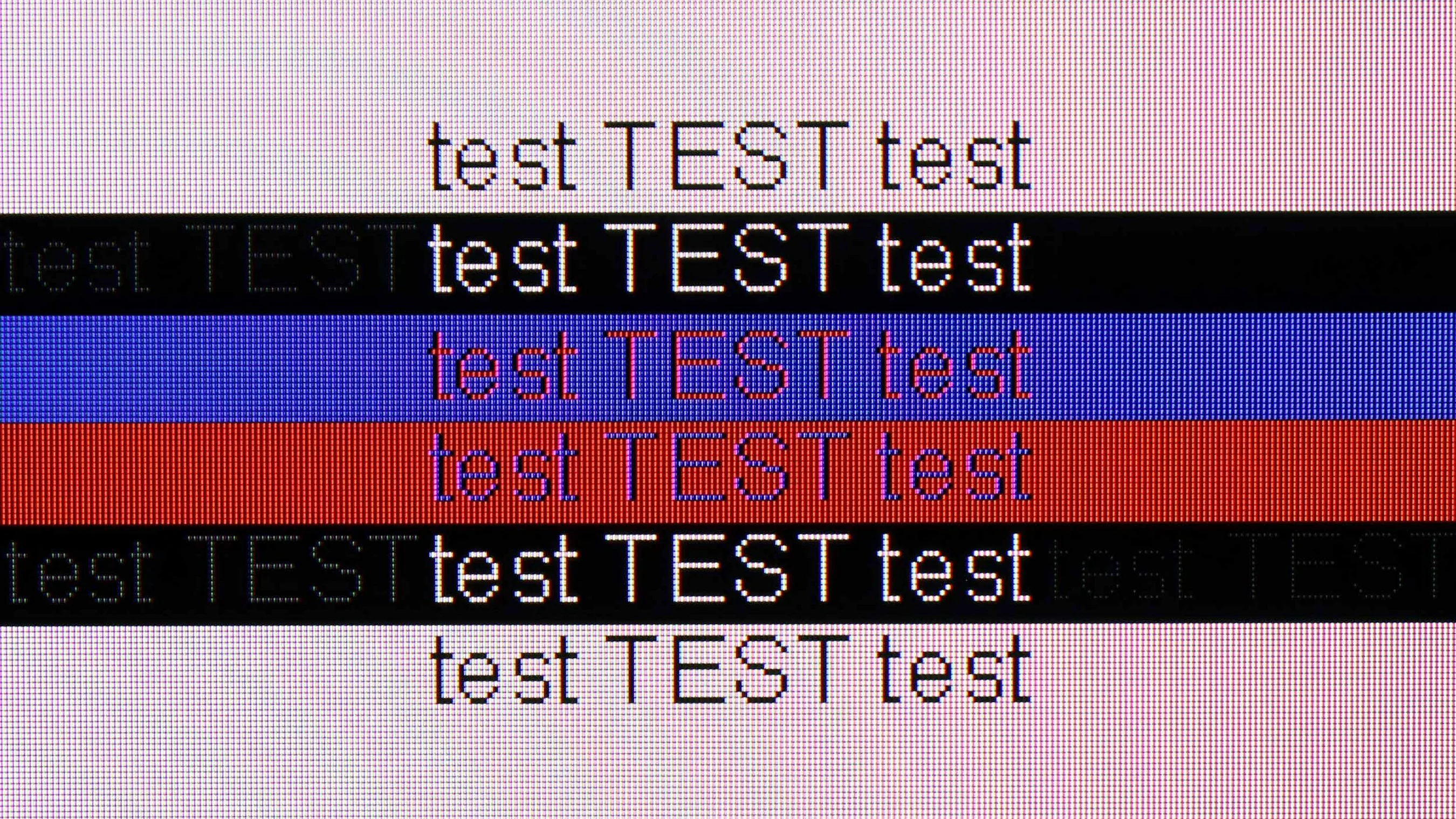
After proper calibration, the TV achieves improved colour accuracy and sharpness, significantly enhancing the viewing experience. For those seeking a budget-friendly option and willing to accept some trade-offs, the LG UR781 is a solid choice.
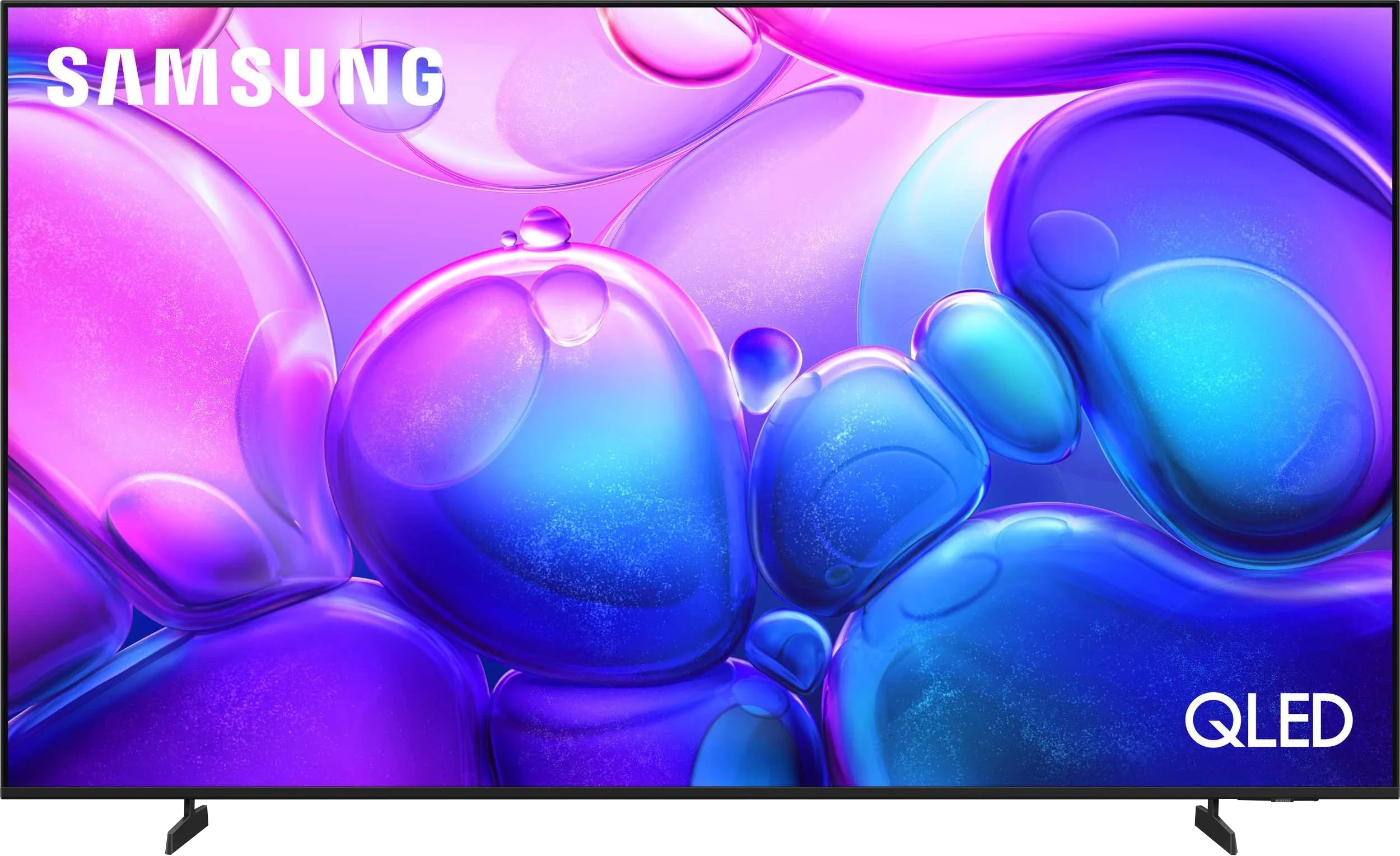
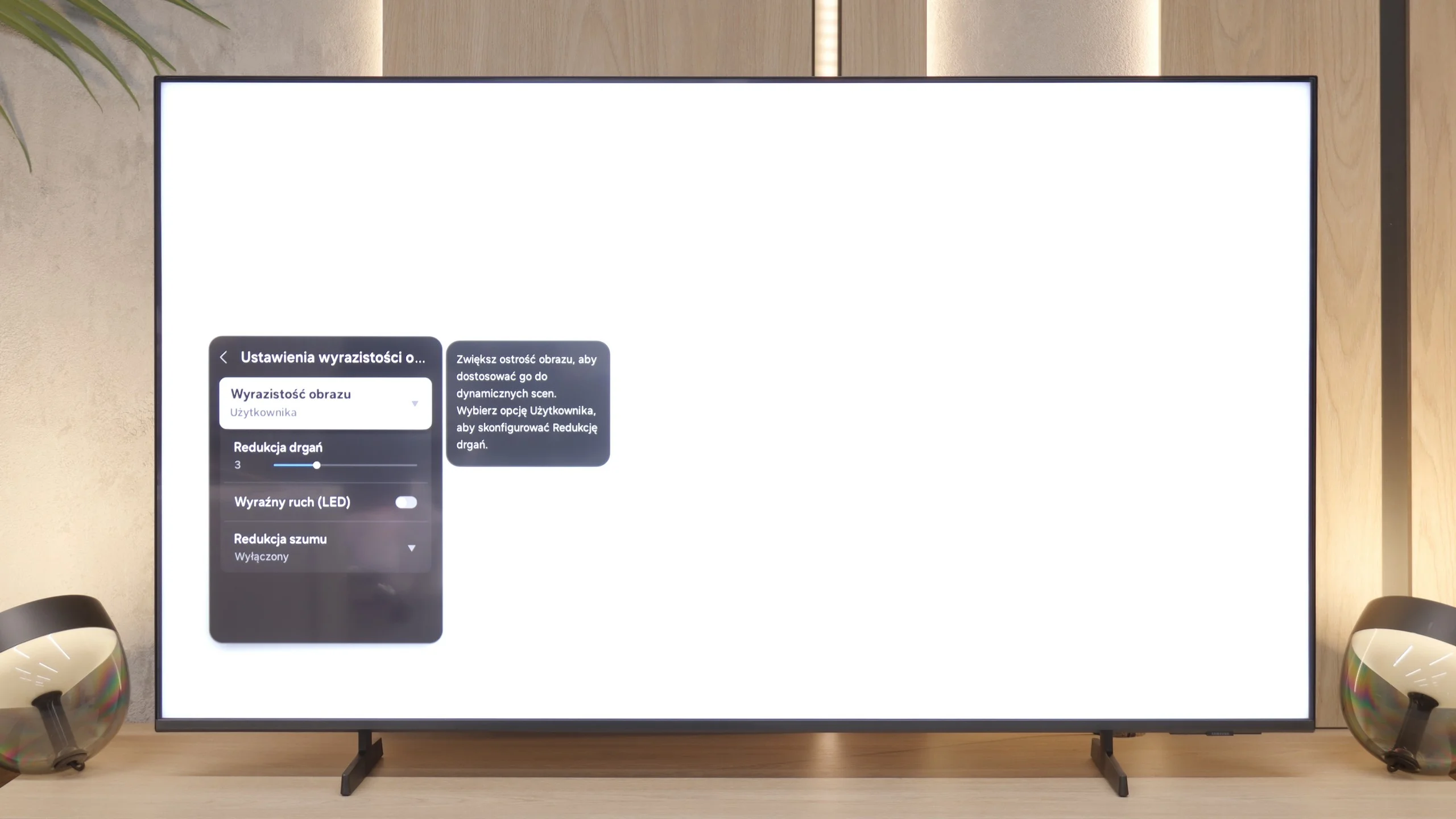
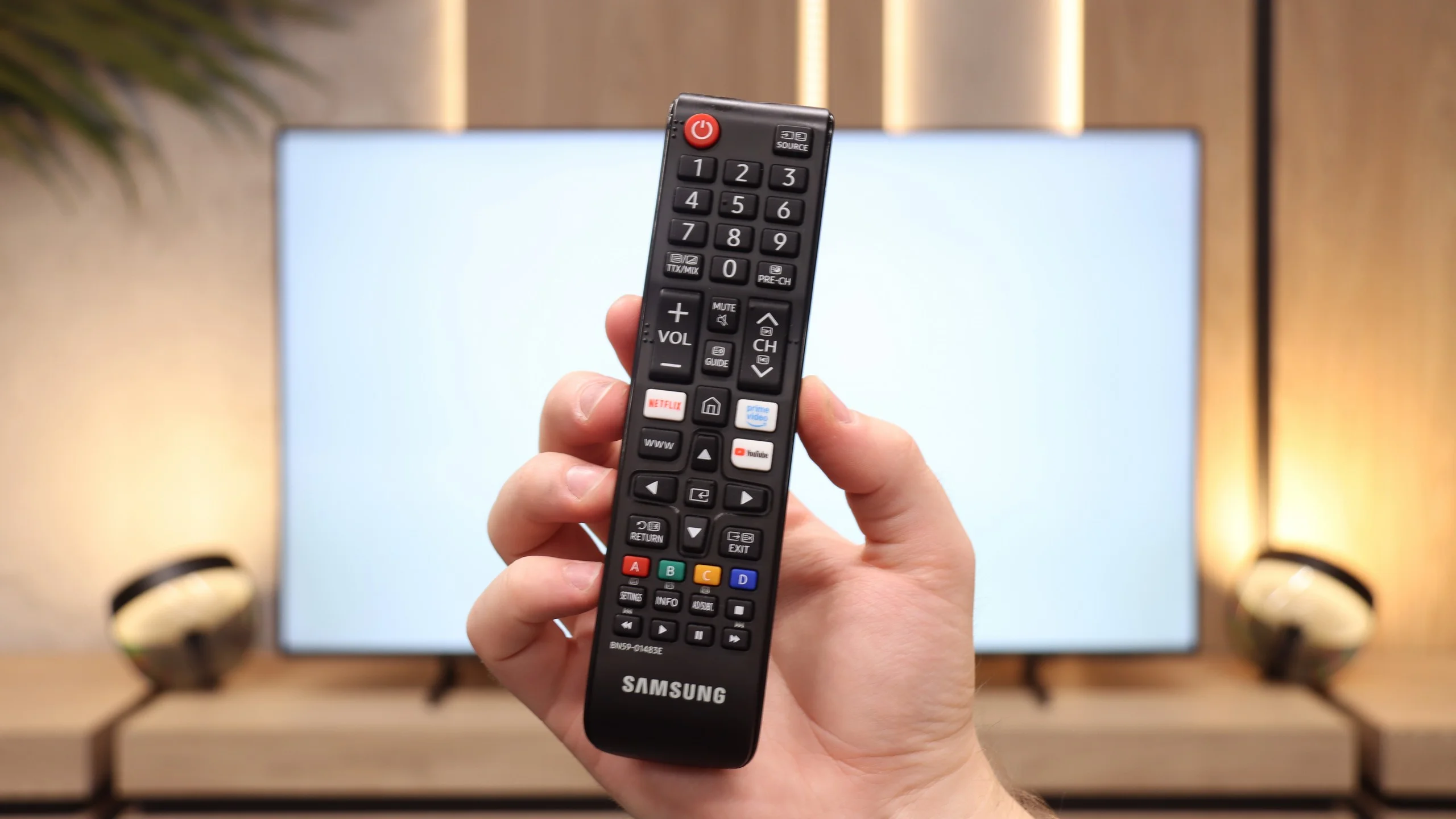
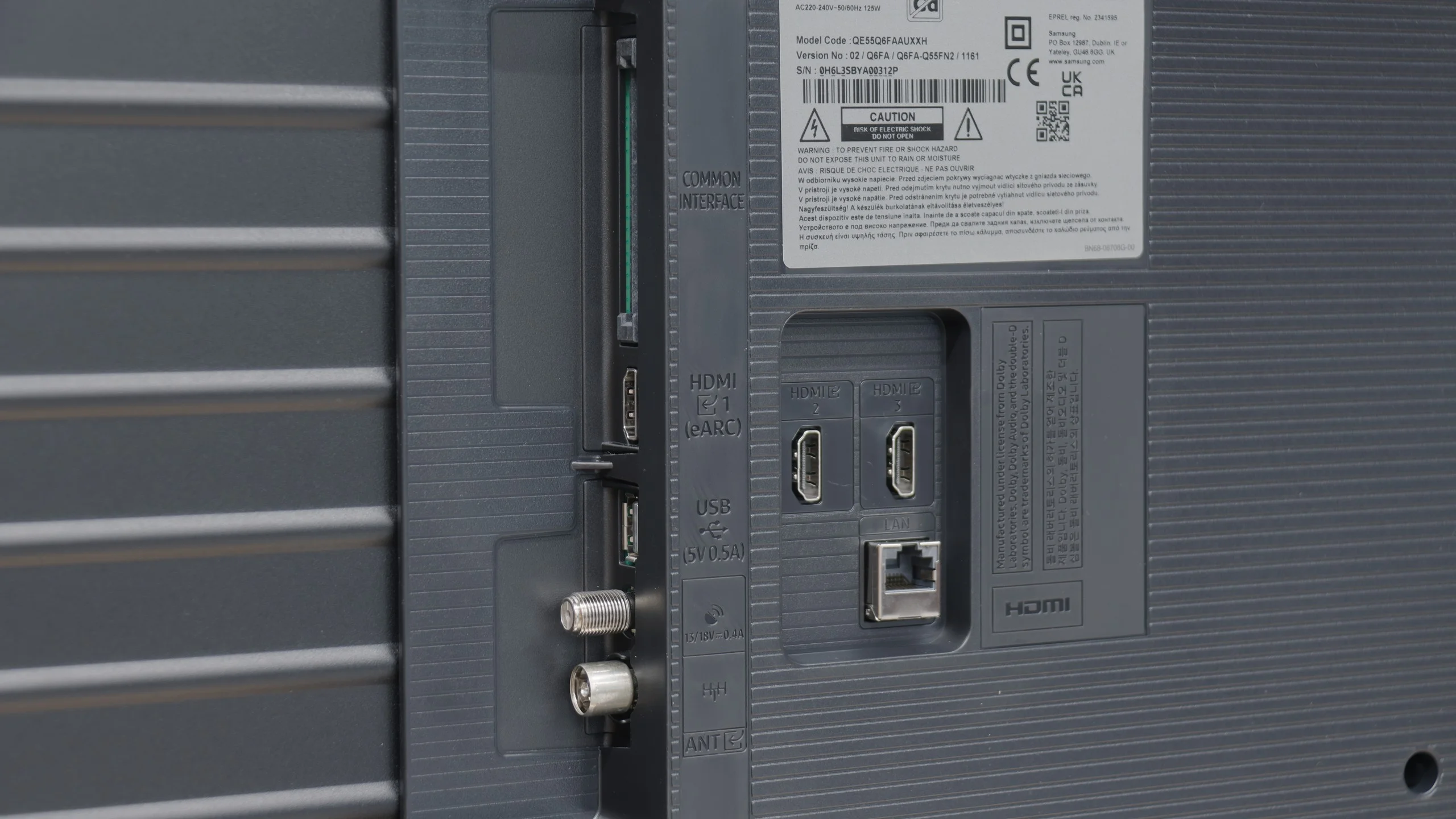
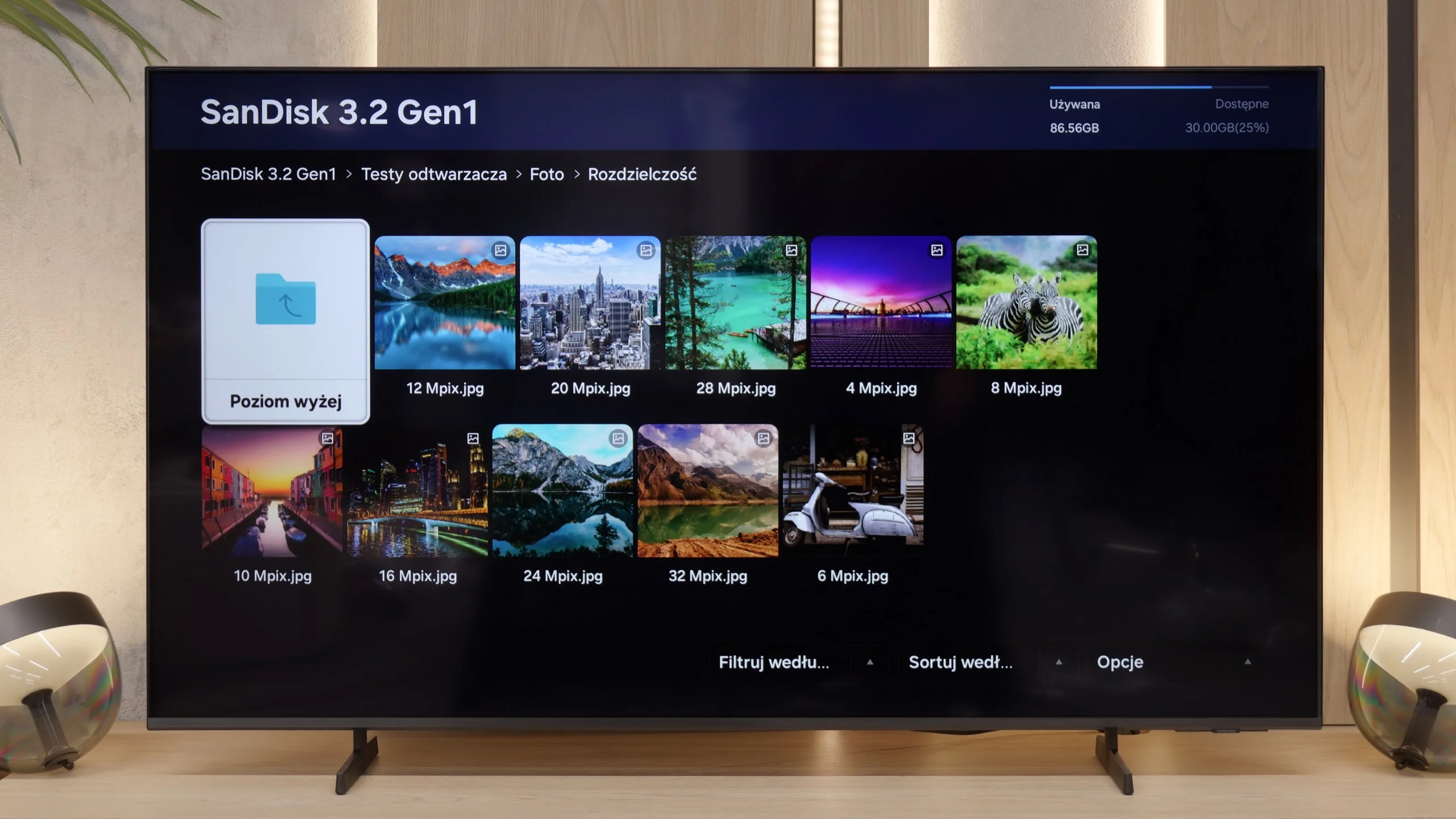
The Samsung Q6F is a television that is difficult to evaluate through the lens of typical QLED models. We must remember that we are dealing with a budget proposition aimed at a very specific audience. If you are looking for an inexpensive device with the logo of a well-known manufacturer that simply needs to work, display multimedia, and offer classic remote control operation with buttons – the Q6F might be an interesting option for you. It's a great choice for a senior or someone who needs a large screen "on the cheap" for daily television, where the IPS matrix and its good viewing angles really make a difference. However, we must be straightforward: the biggest drawback of this model is its very low brightness and poor black levels. These are two foundations on which image quality is built, and here they are simply very fragile. This is definitely not a television that we would recommend for watching HDR content – here, that format exists practically only in name. Although the Q6F has a QLED filter and belongs to the Quantum Dot family, utilizing the full potential of this technology is practically impossible, as the device is technically not suited for such content. We know that it tempts with its very low price and may appeal to many people with modest requirements. However, you should know that the label "QLED" suggesting a premium product is far from what Samsung has accustomed us to in recent years. It's a ticket to the world of Samsung, but in a very basic version.
 Direct comparison