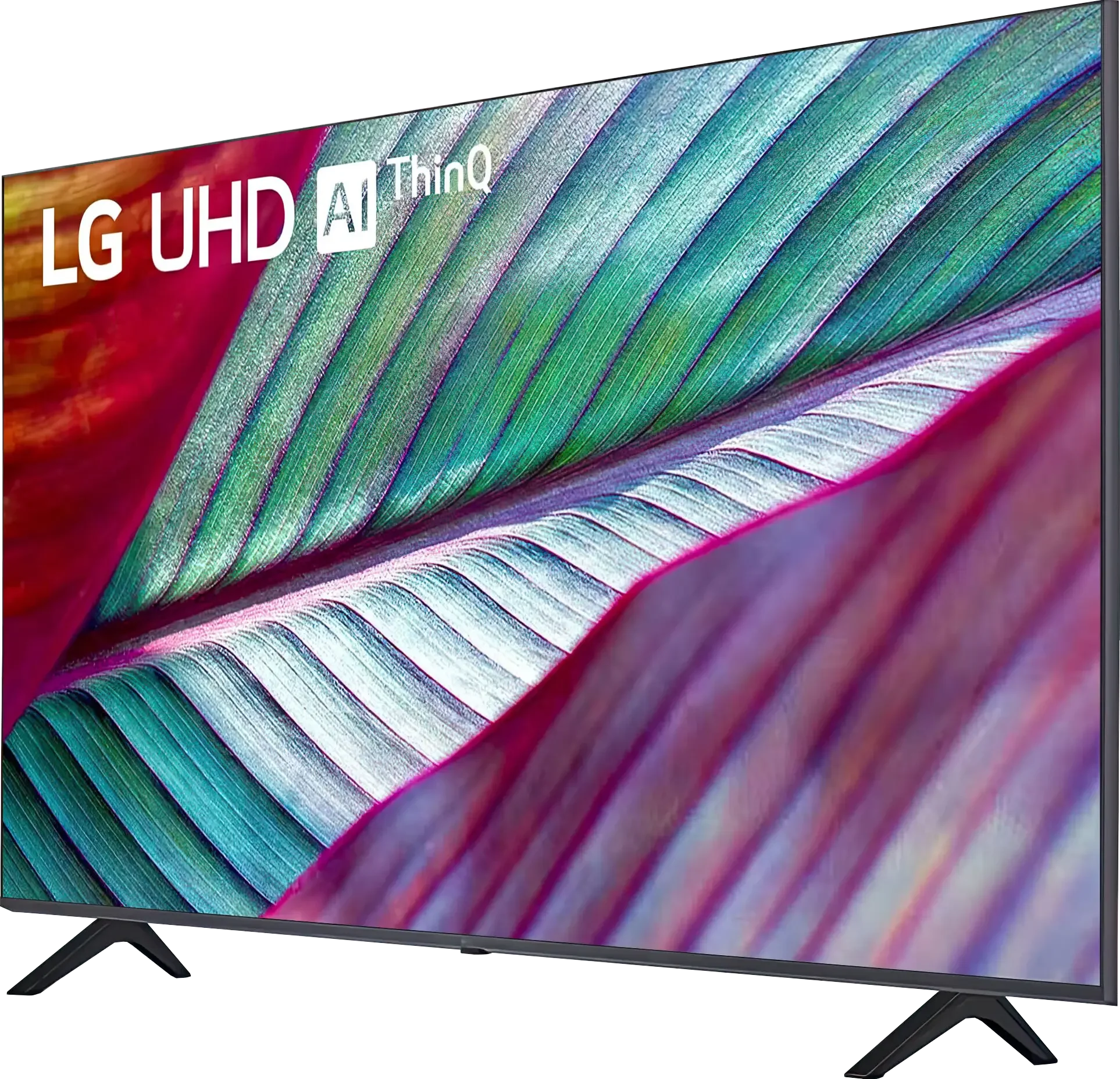
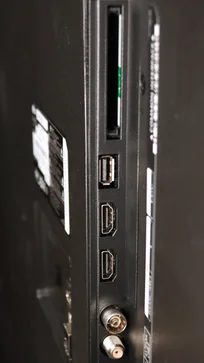
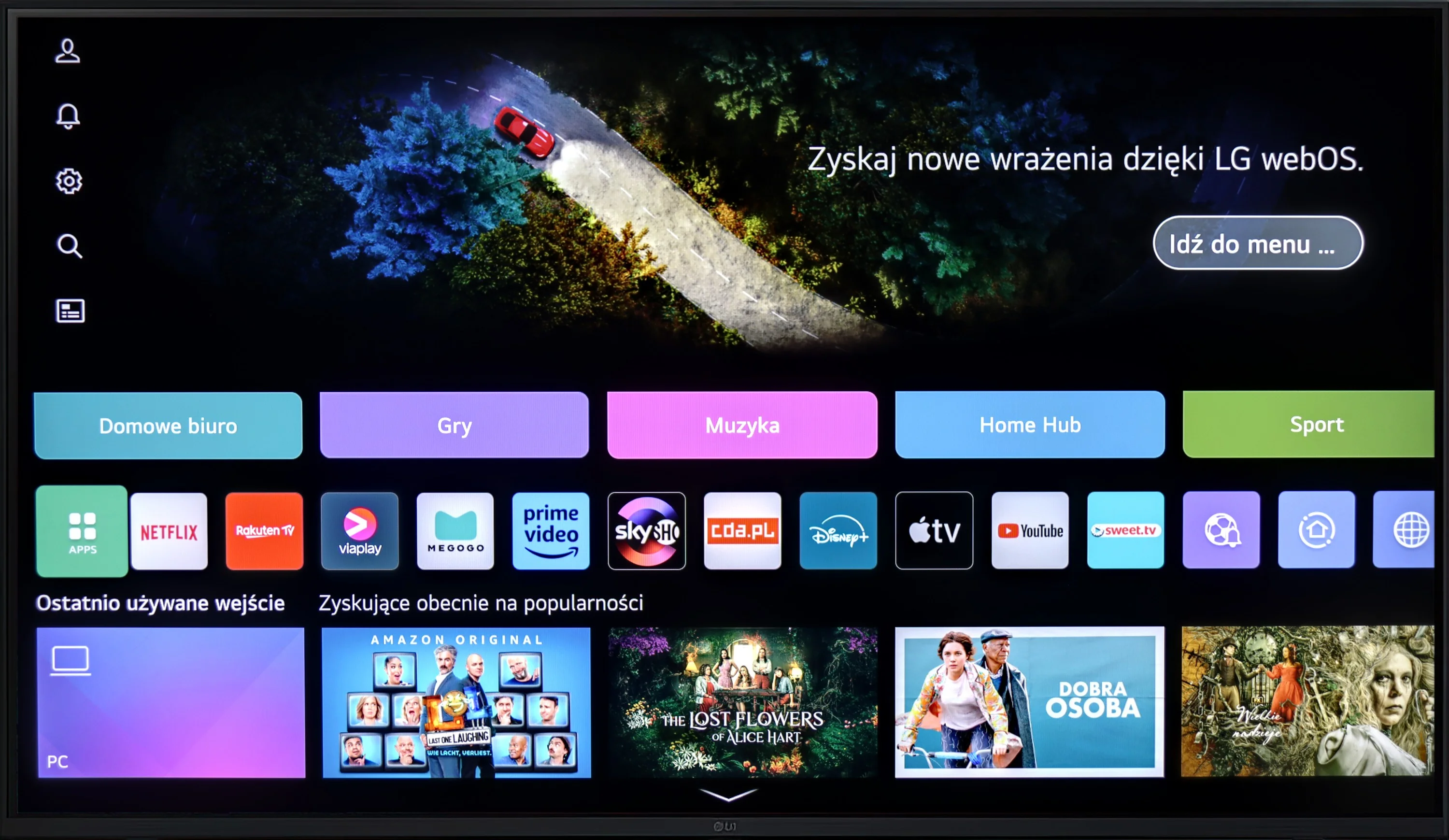
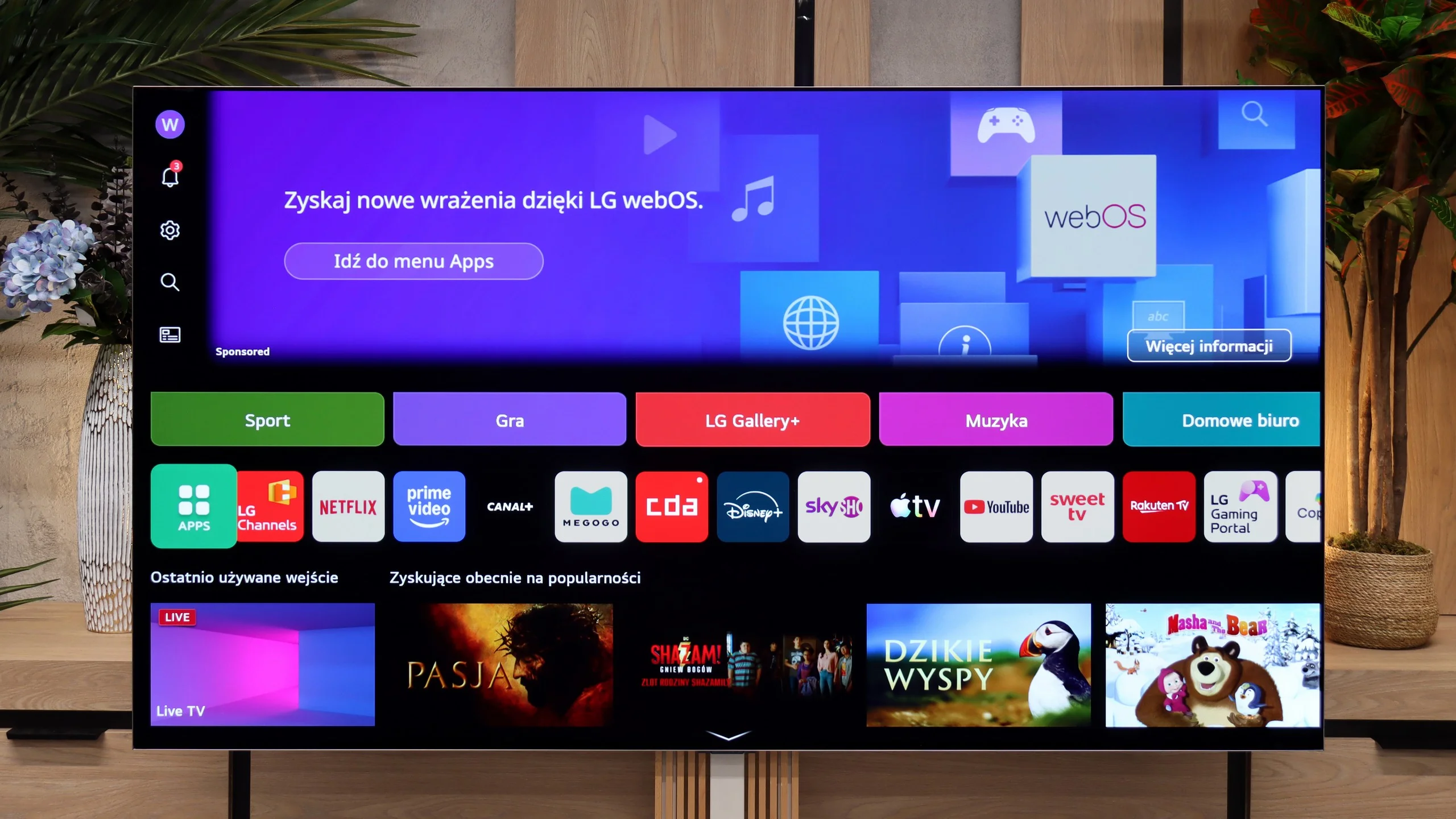
The LG UR781 is currently the most affordable model from the Korean manufacturer, offering excellent value for its price. Its standout feature is the WebOS system, which provides an intuitive interface and access to a wide range of streaming platforms, making it a significant advantage for everyday users. The TV delivers satisfactory picture quality for its price range, catering well to the needs of basic users.
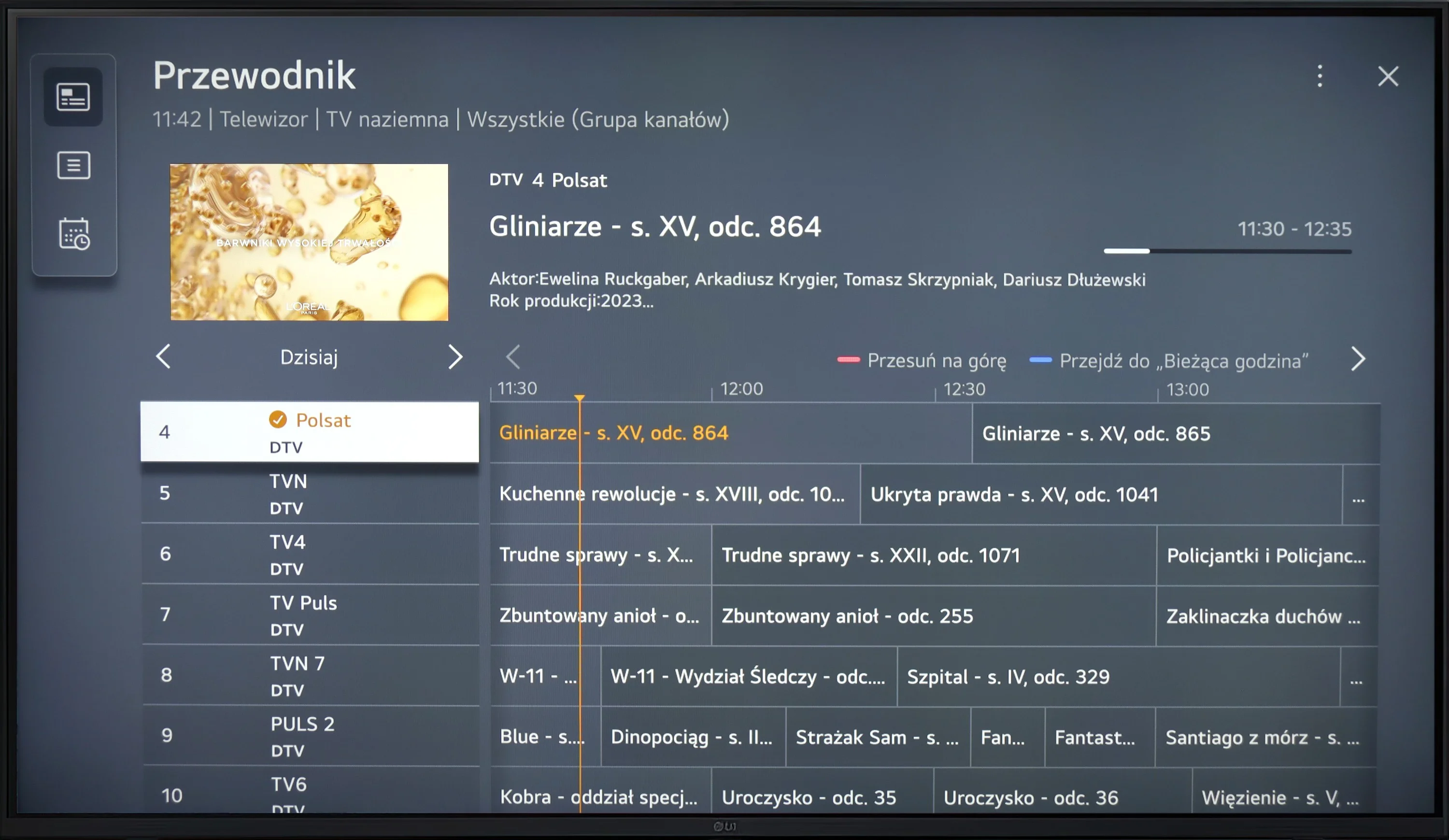
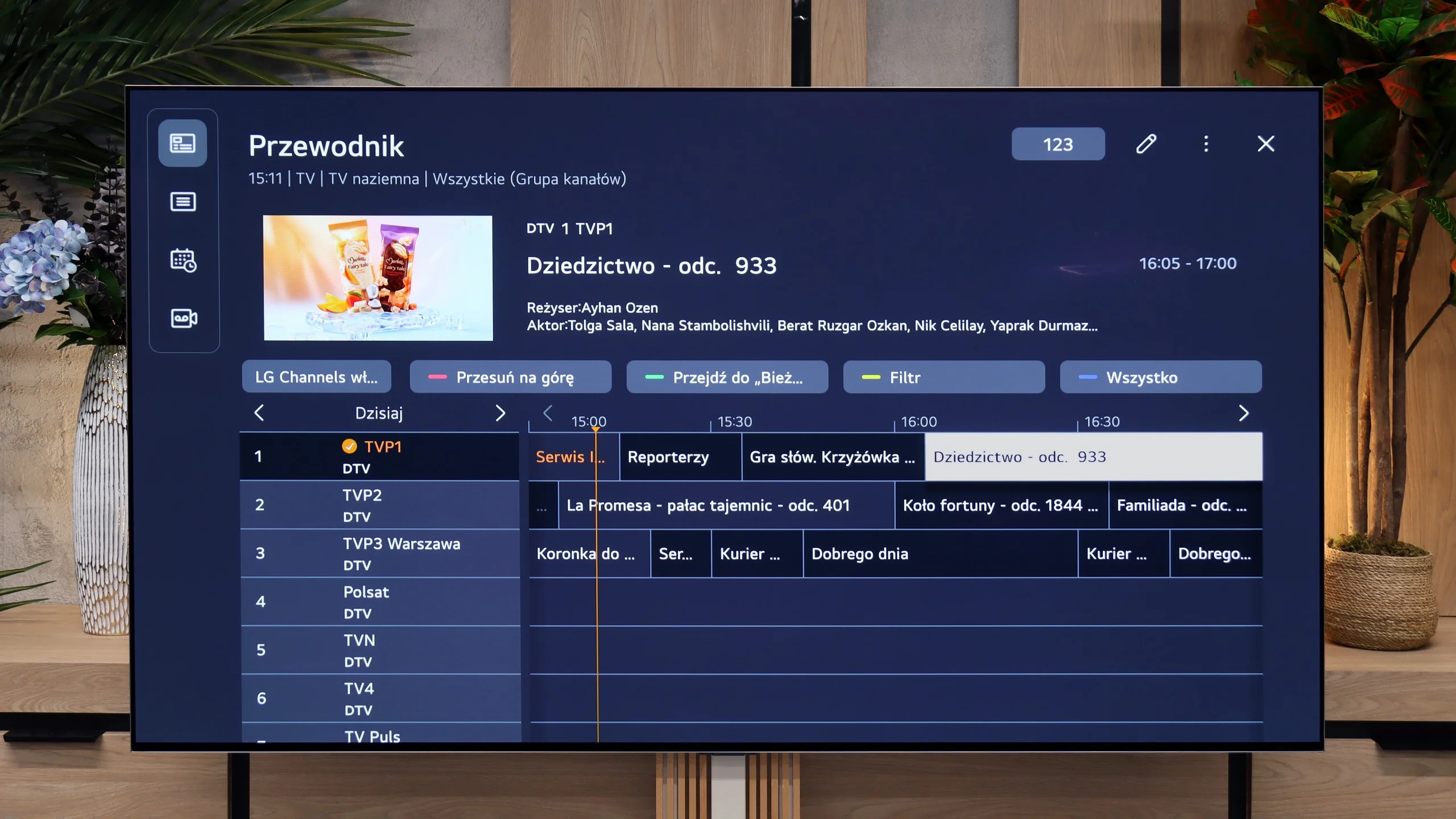
While its HDR capabilities are somewhat restricted due to the absence of Dolby Vision and HDR10+, it does support fundamental formats like HDR10 and HLG. The TV performs admirably with low-quality materials, aided by its smooth tone transition feature that ensures clear and seamless transitions, particularly useful for viewing content from lower-quality sources such as terrestrial television.
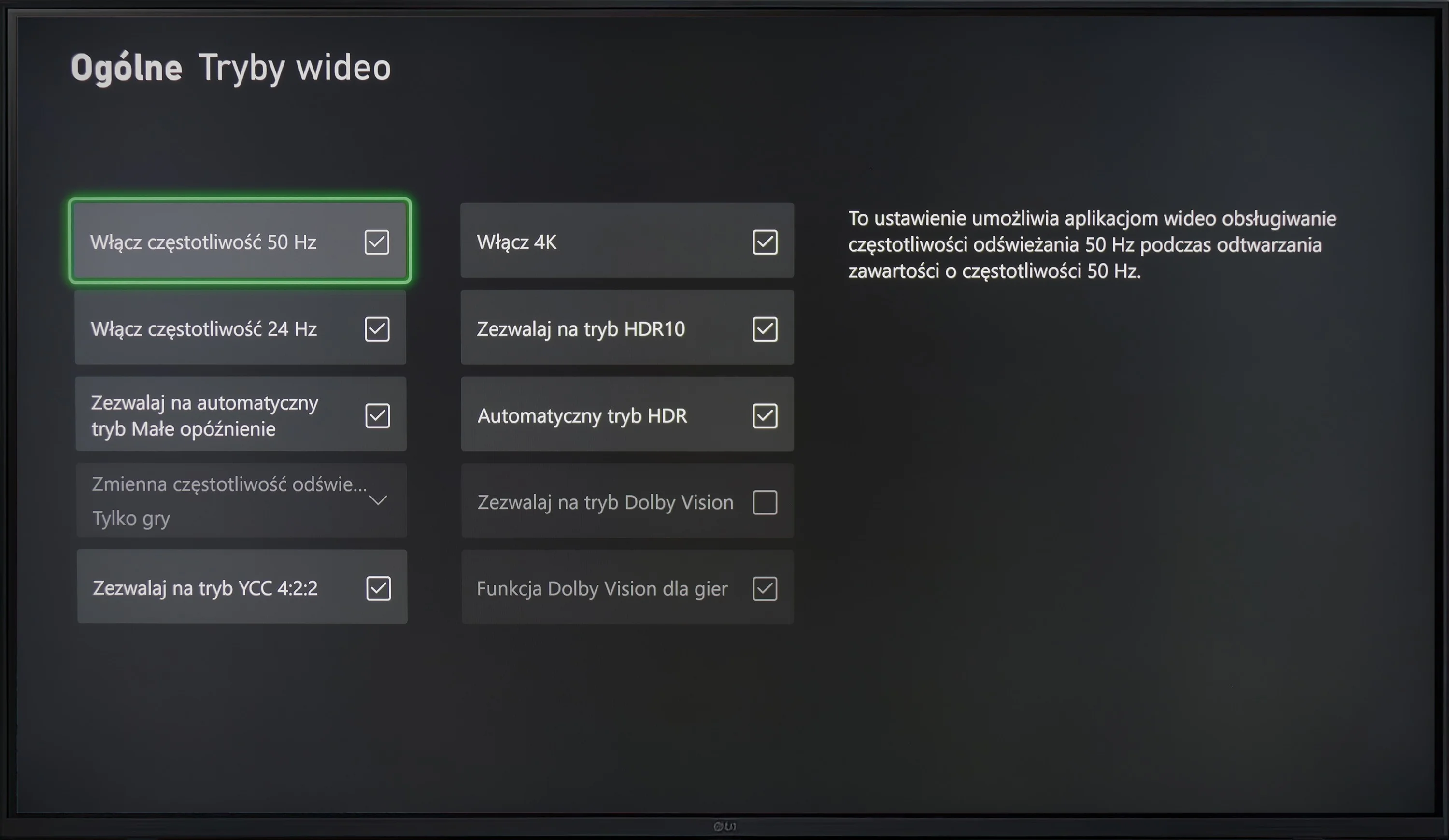
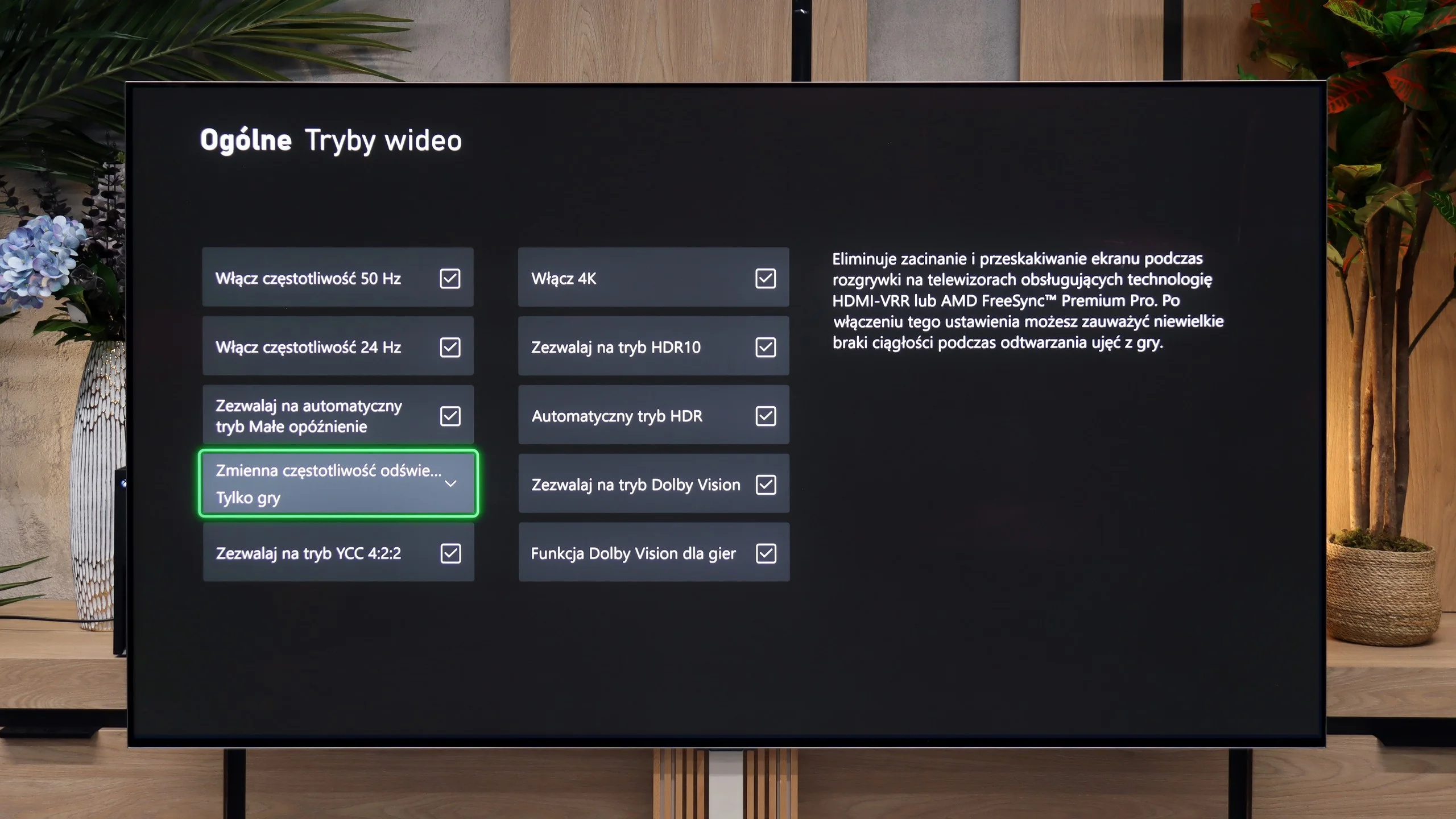
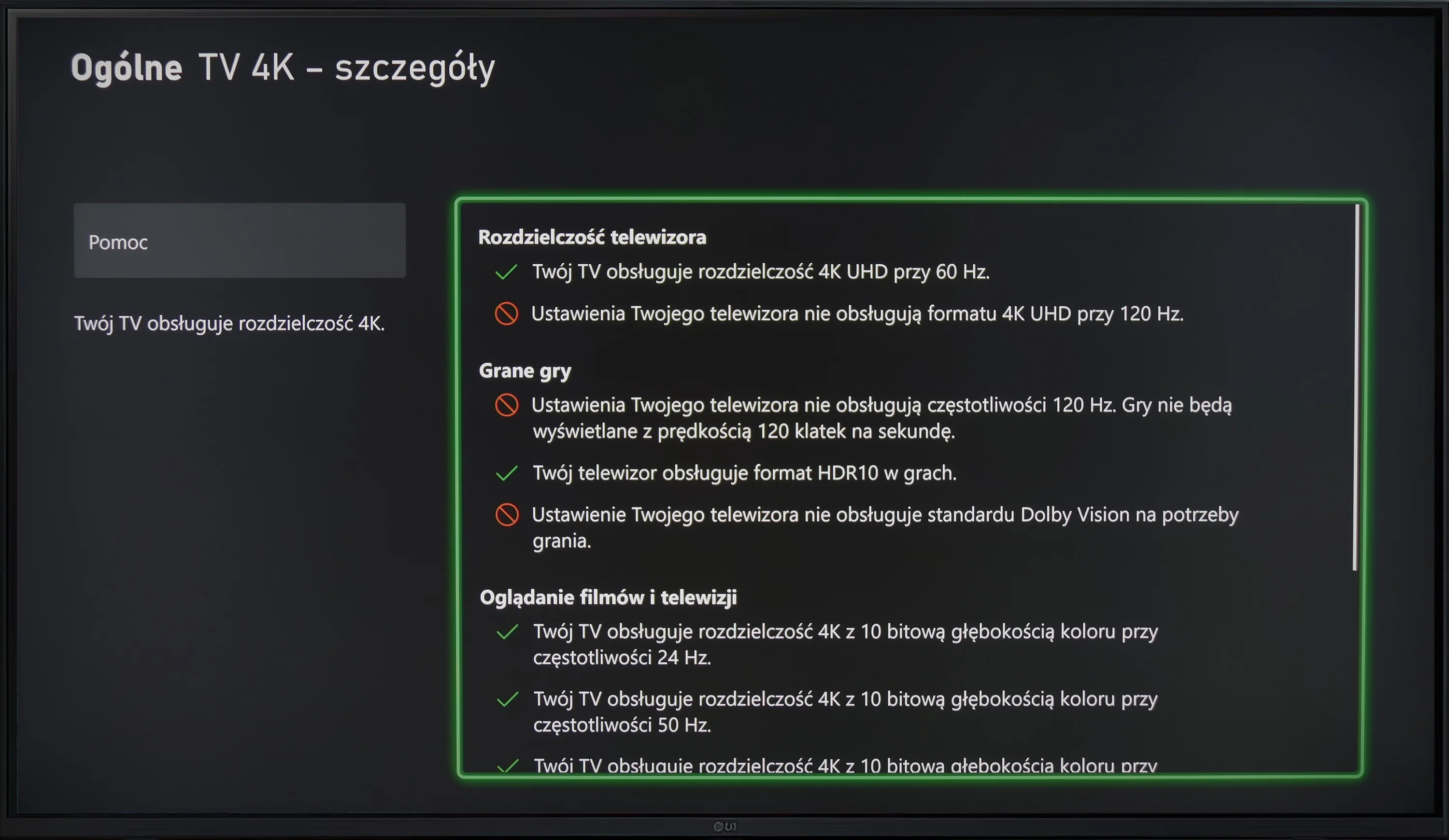
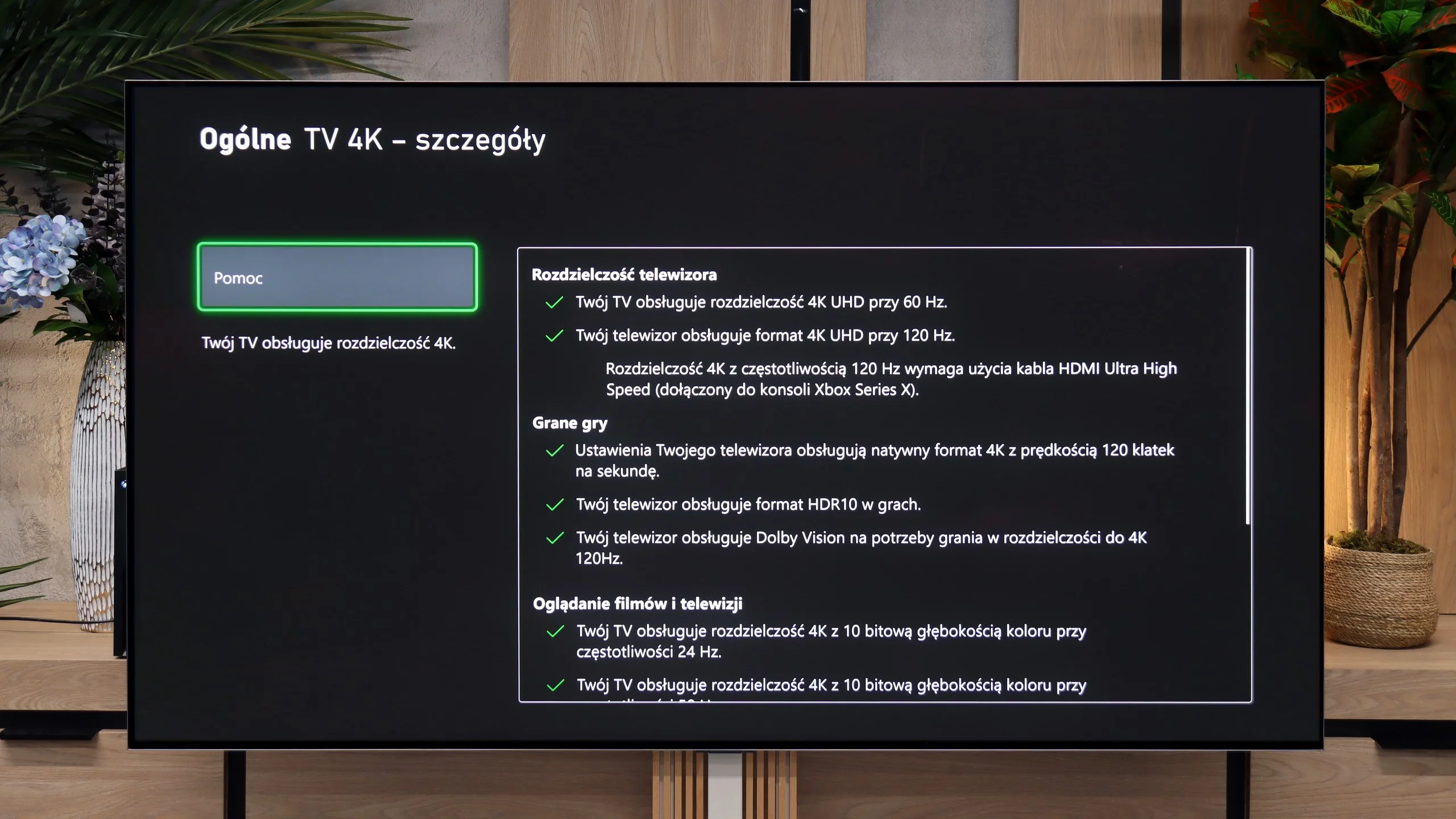
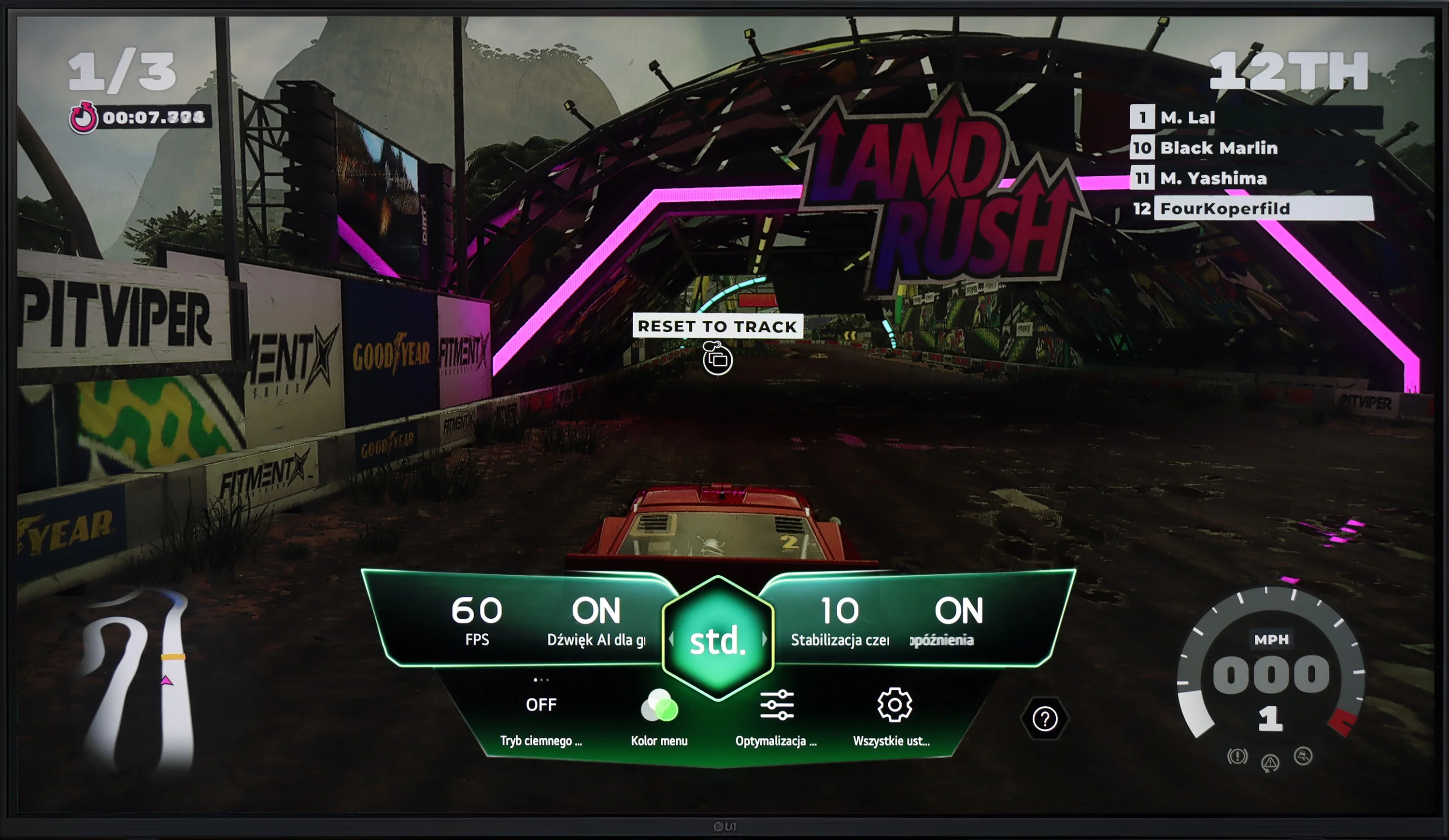
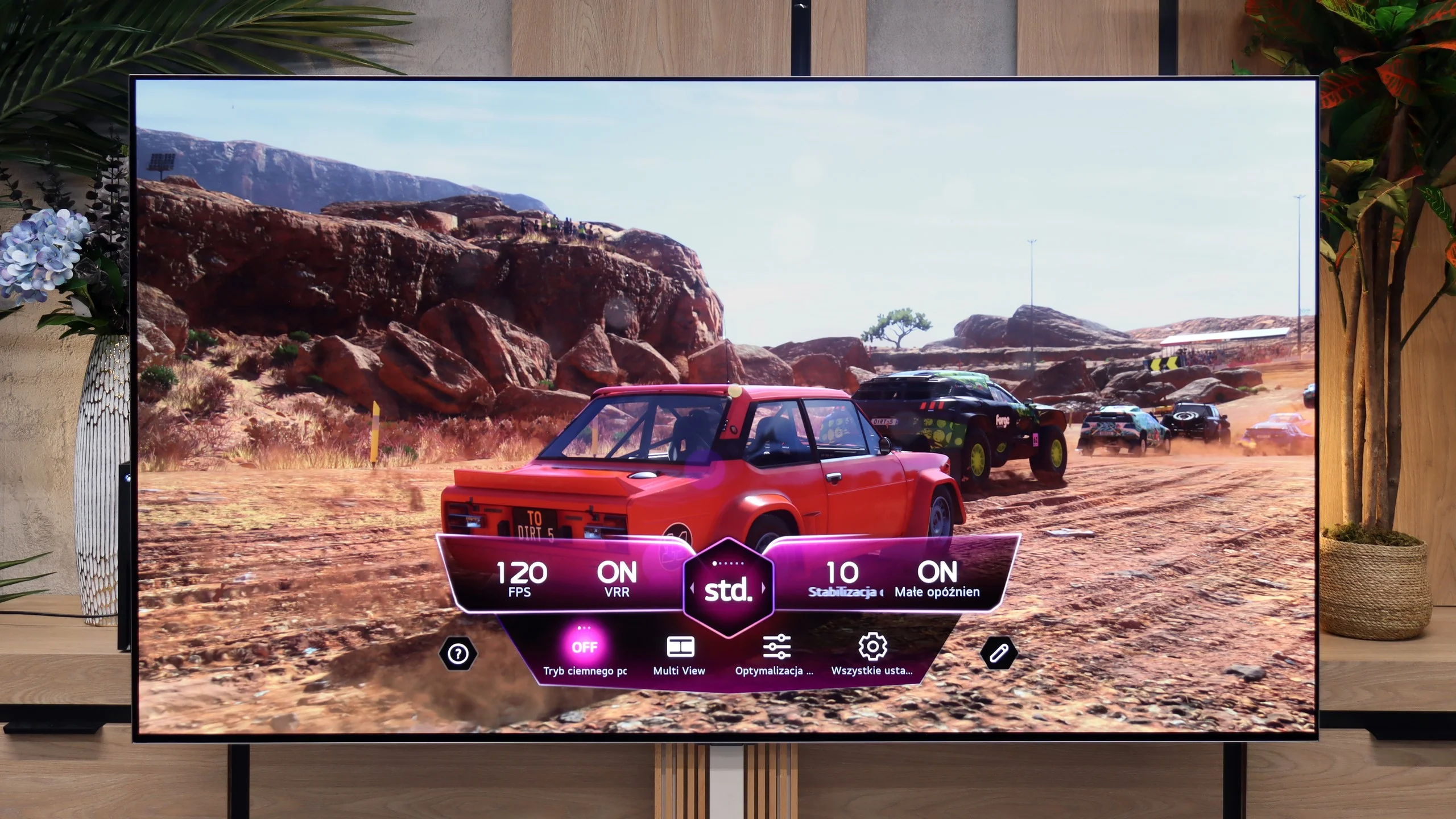
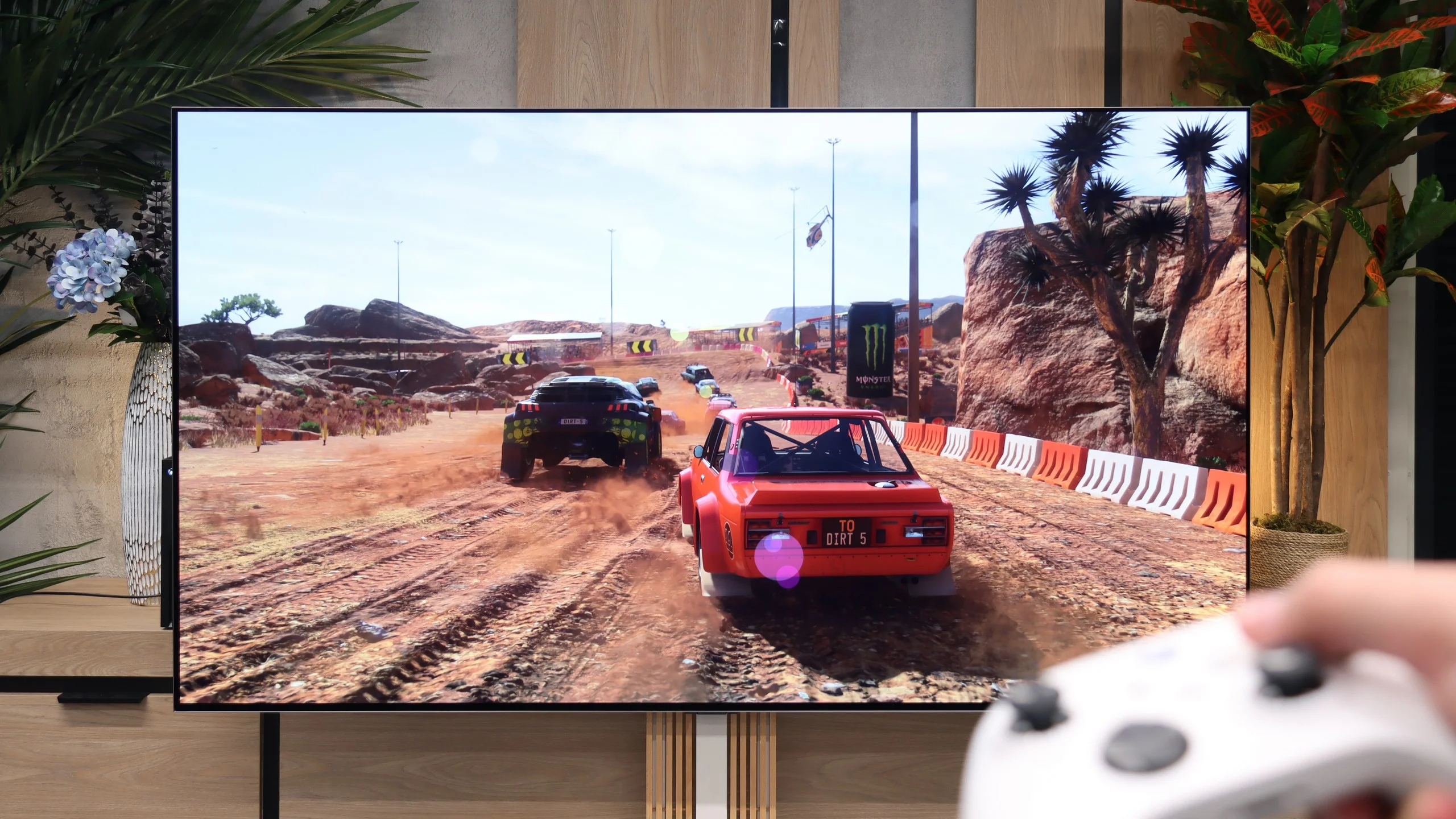
For gaming enthusiasts, the LG UR781 offers very low input lag, an essential criterion for enjoyable gaming. Though it lacks a 120Hz panel, which is a compromise for its budget-friendly pricing, it remains an appealing choice for gamers seeking affordability. Its brightness is slightly lower than competing models, and the colour gamut coverage is limited. However, thanks to dynamic tone mapping, HDR content still appears impressive.
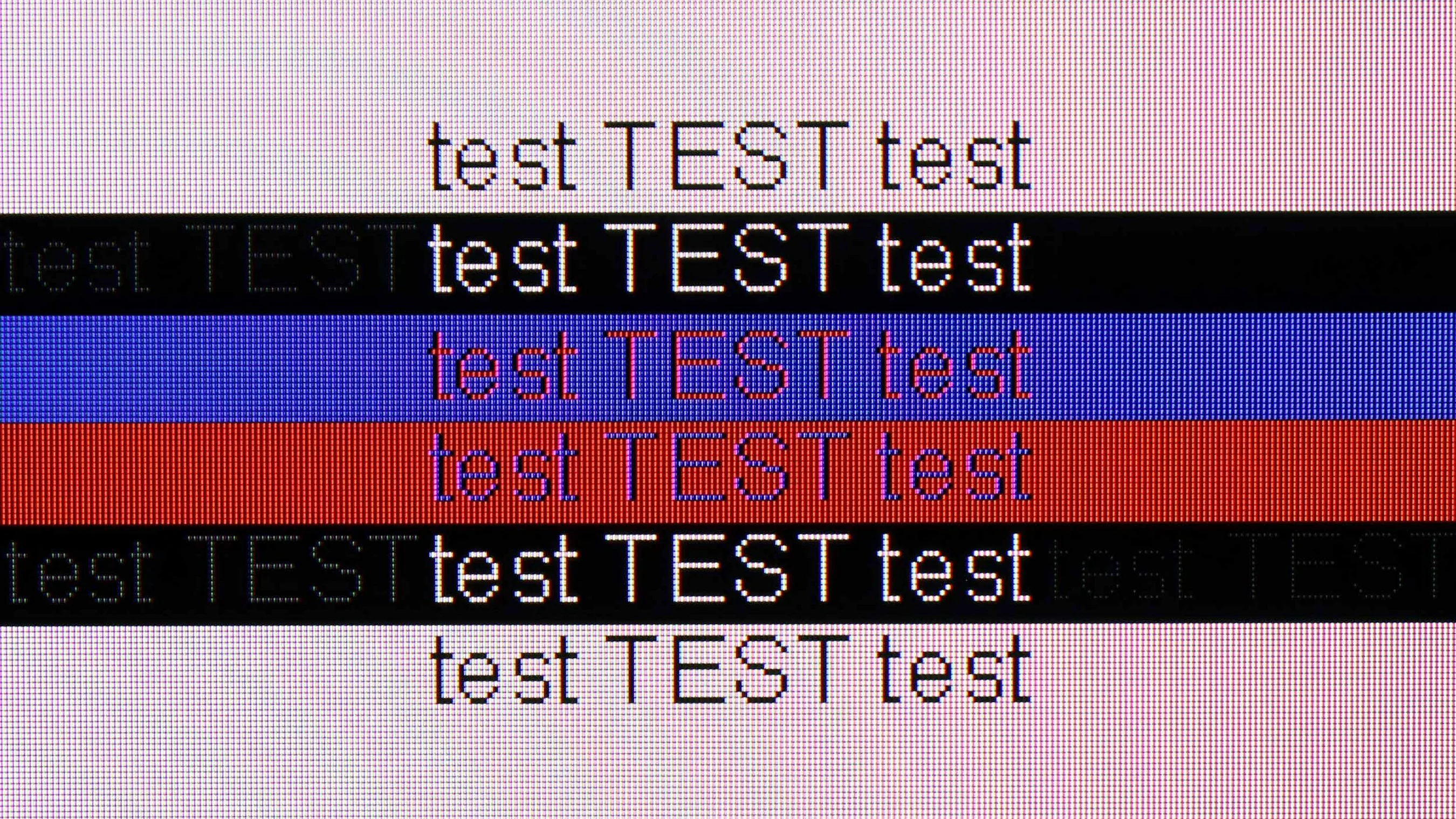
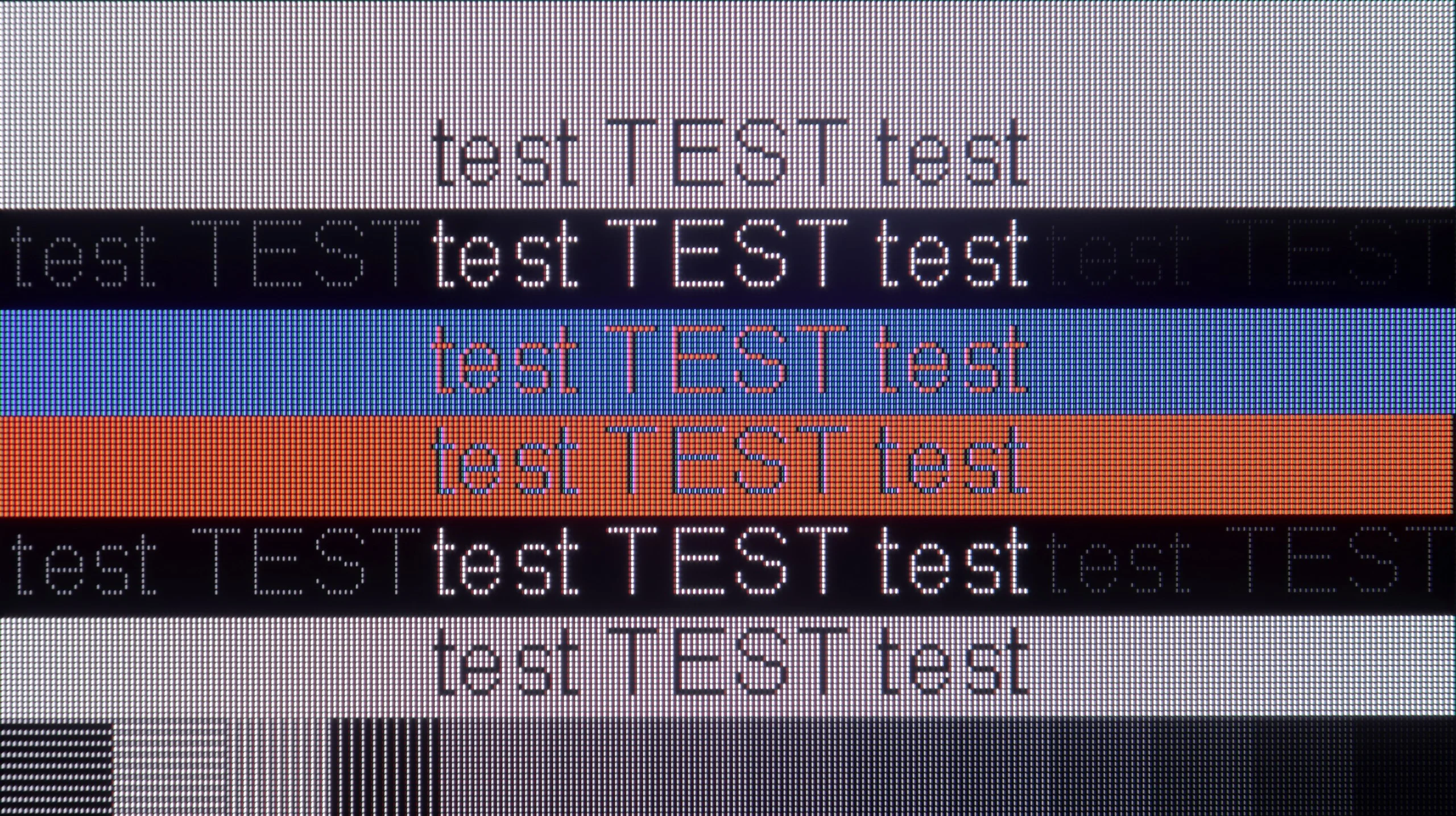
After proper calibration, the TV achieves improved colour accuracy and sharpness, significantly enhancing the viewing experience. For those seeking a budget-friendly option and willing to accept some trade-offs, the LG UR781 is a solid choice.
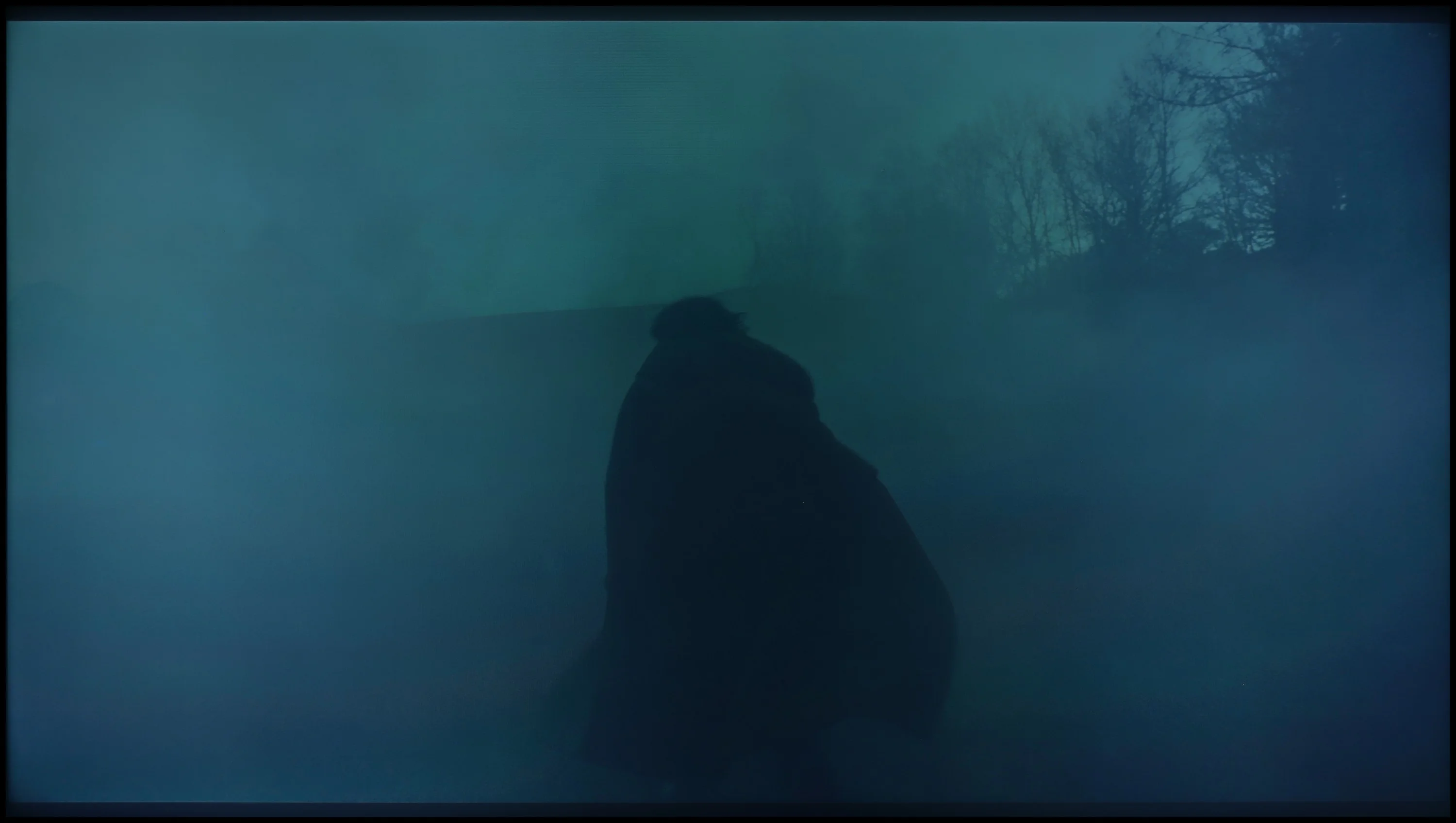
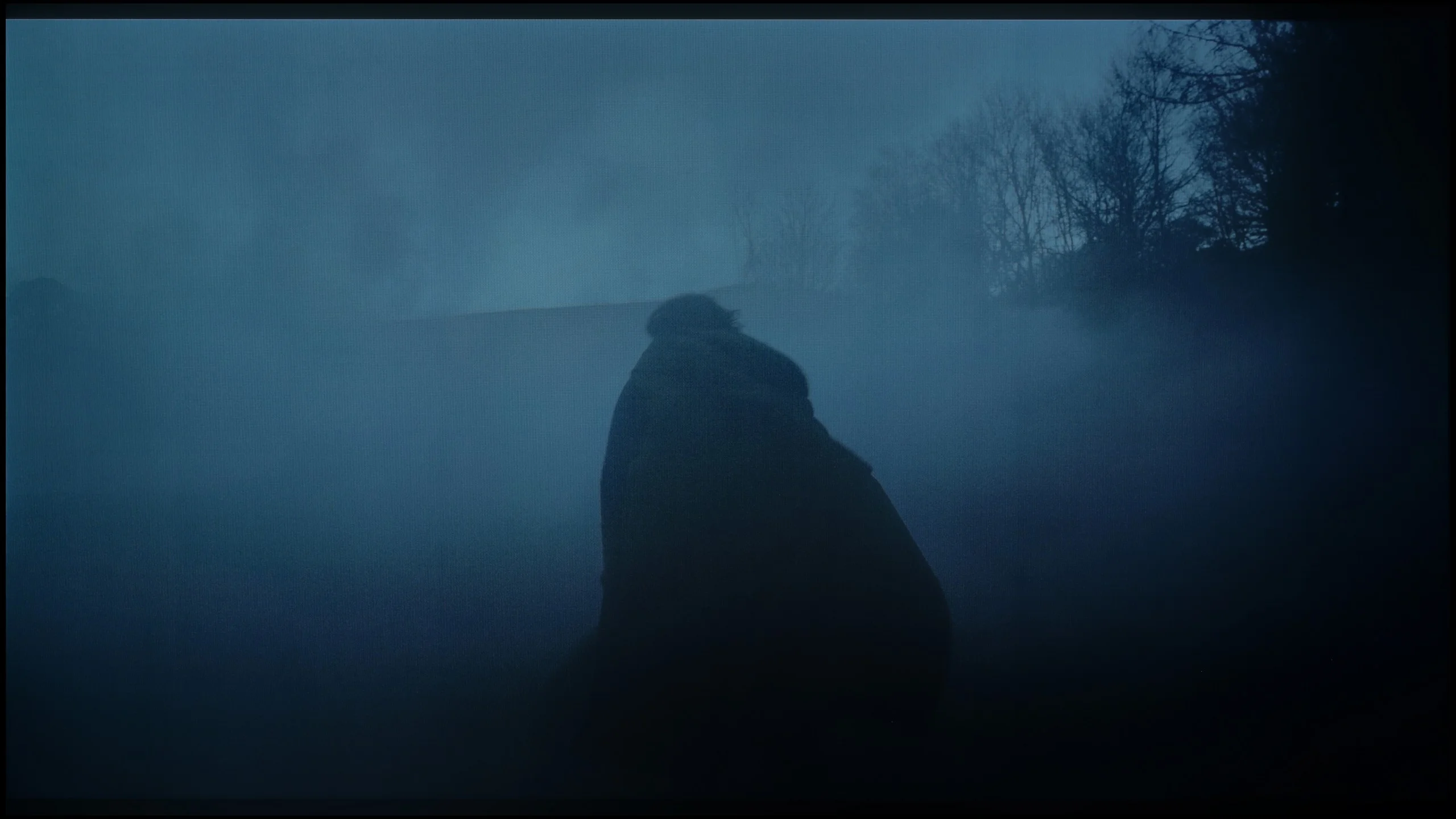
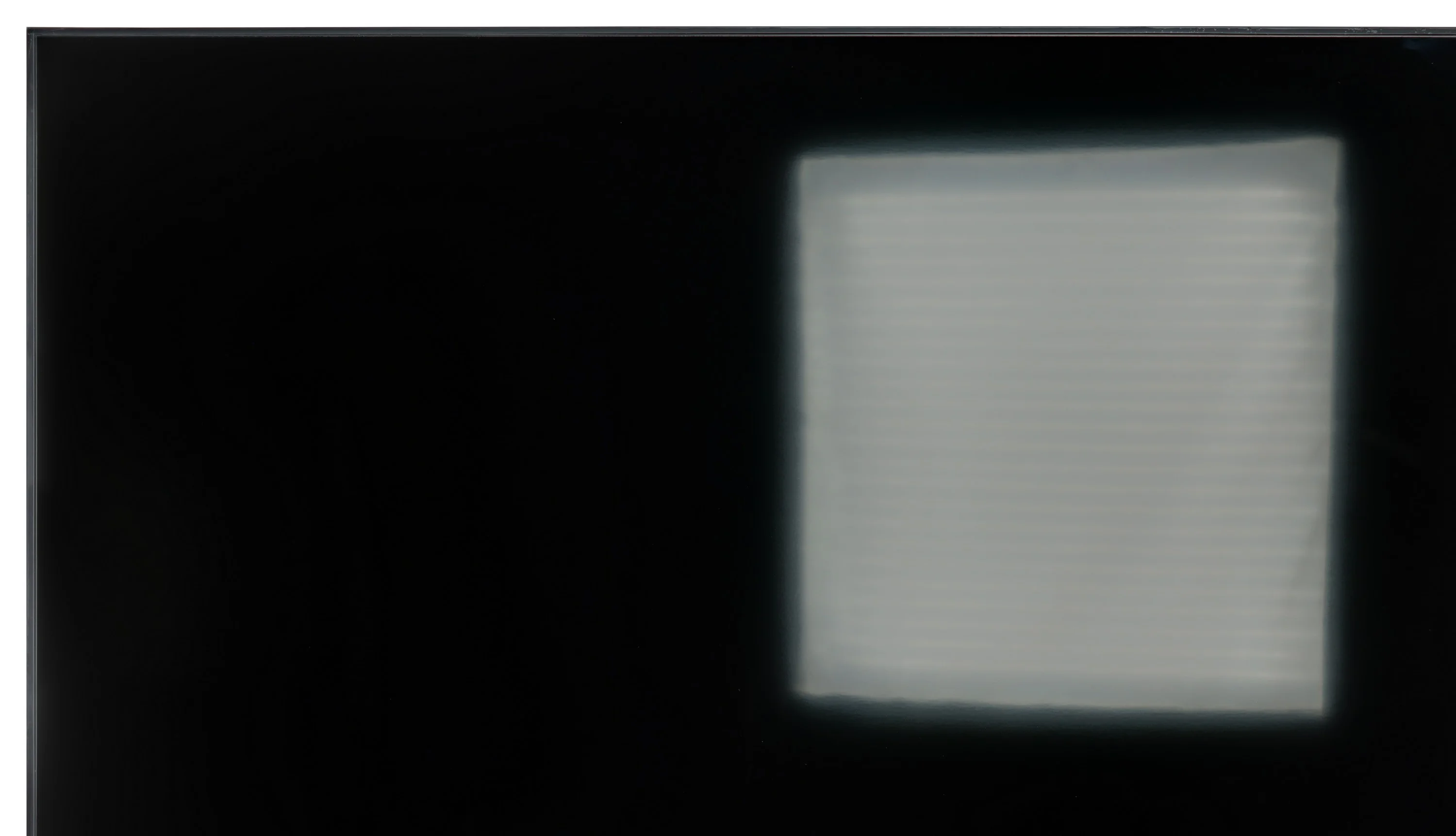
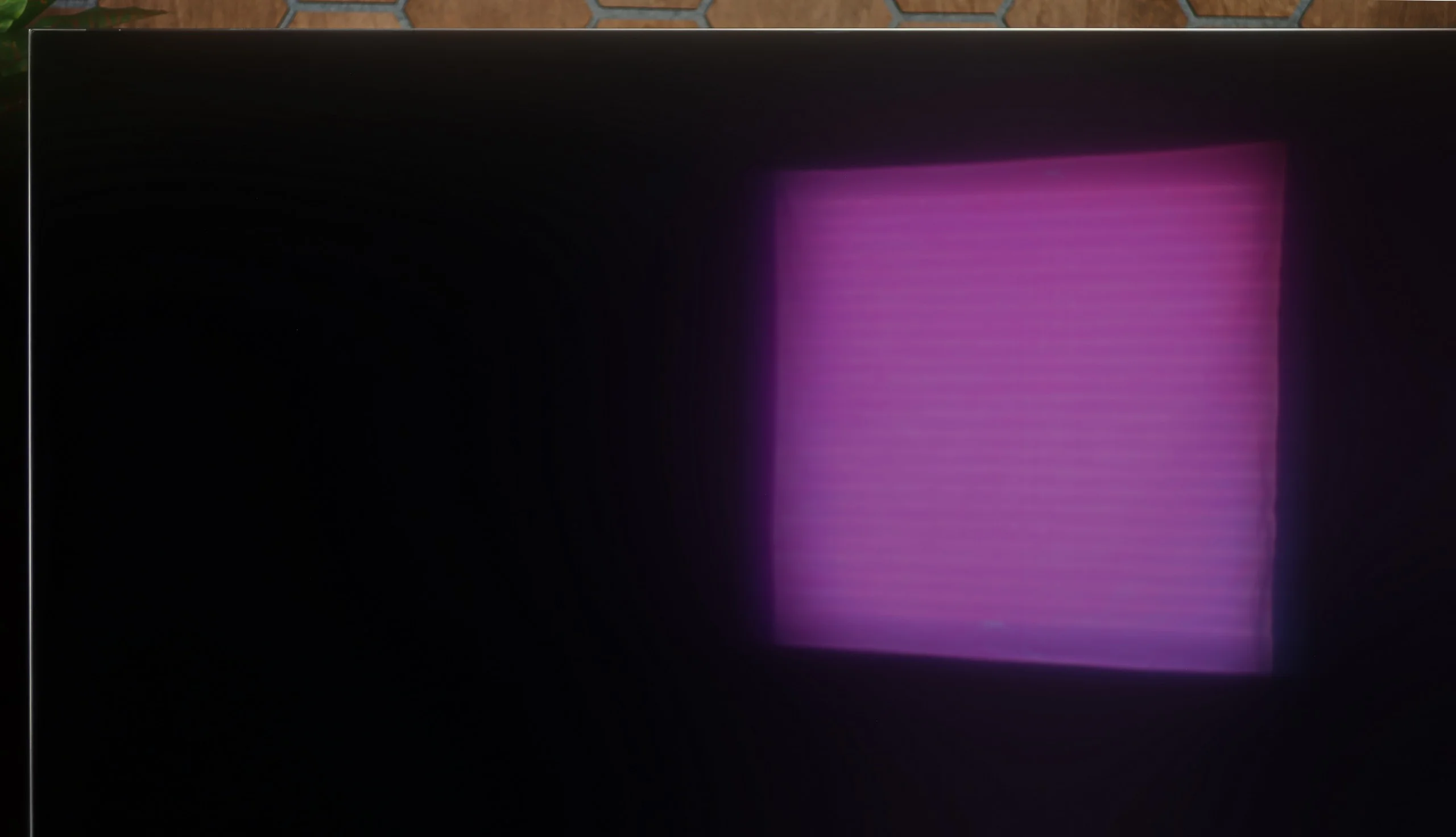
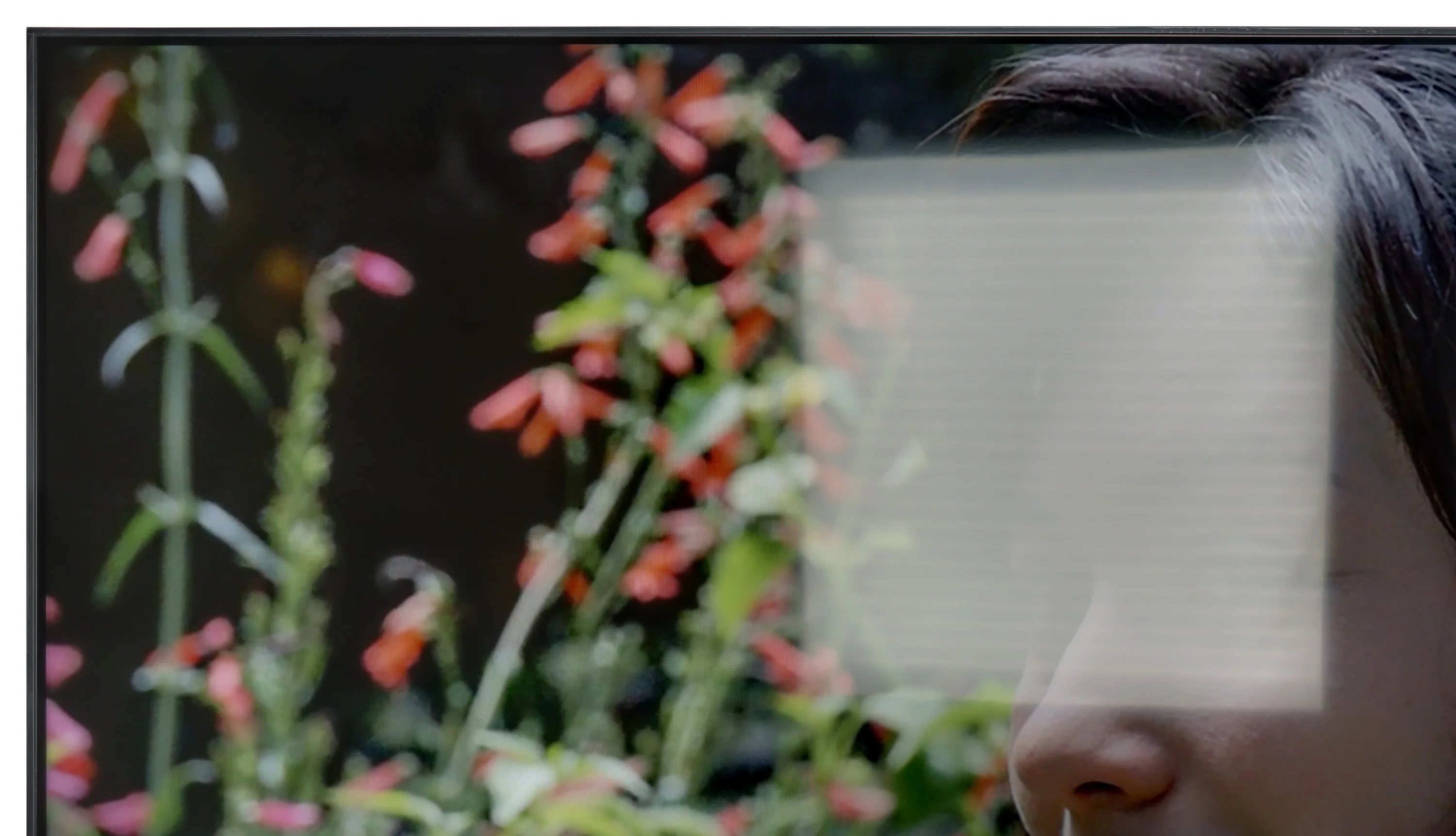
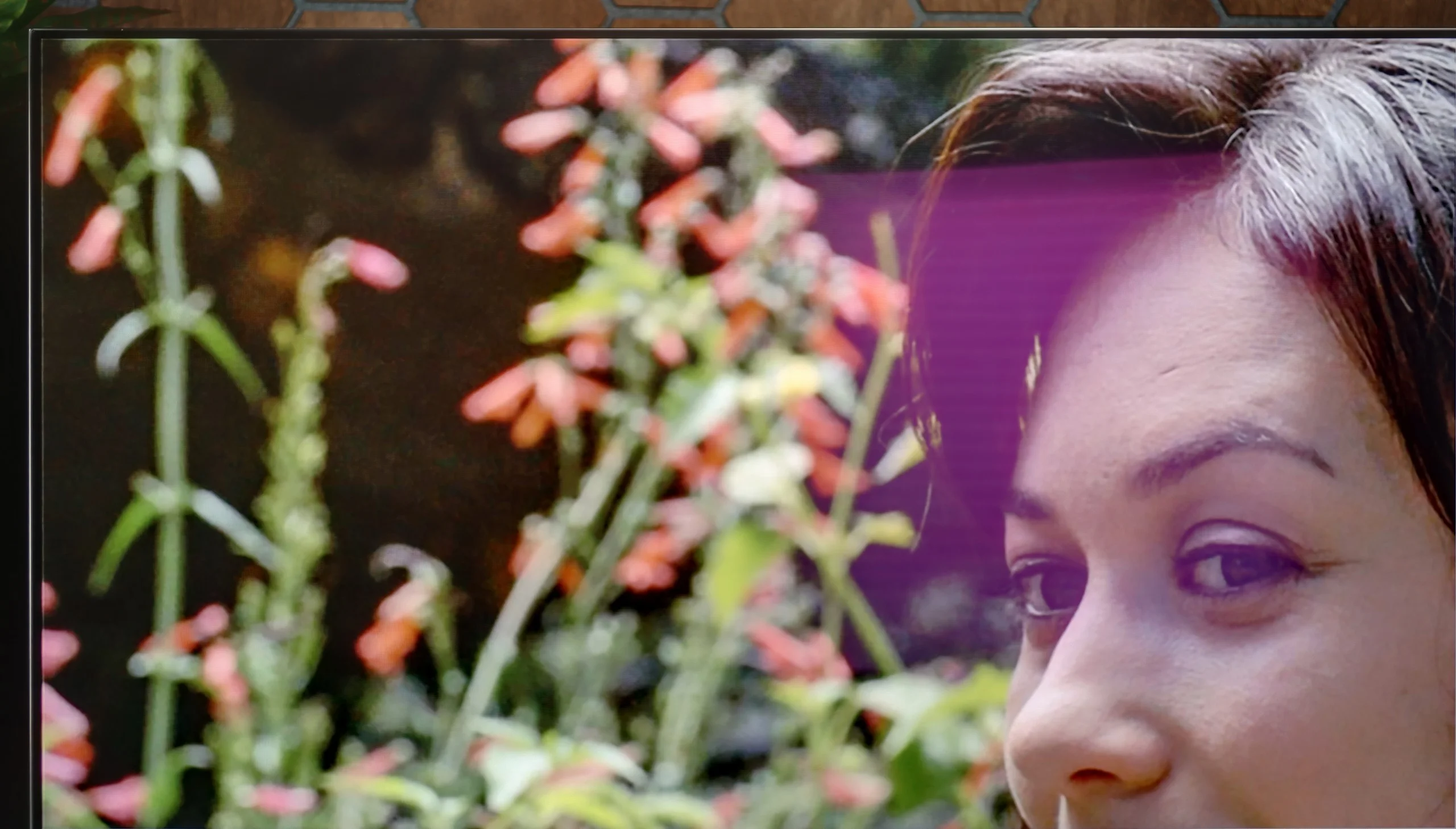
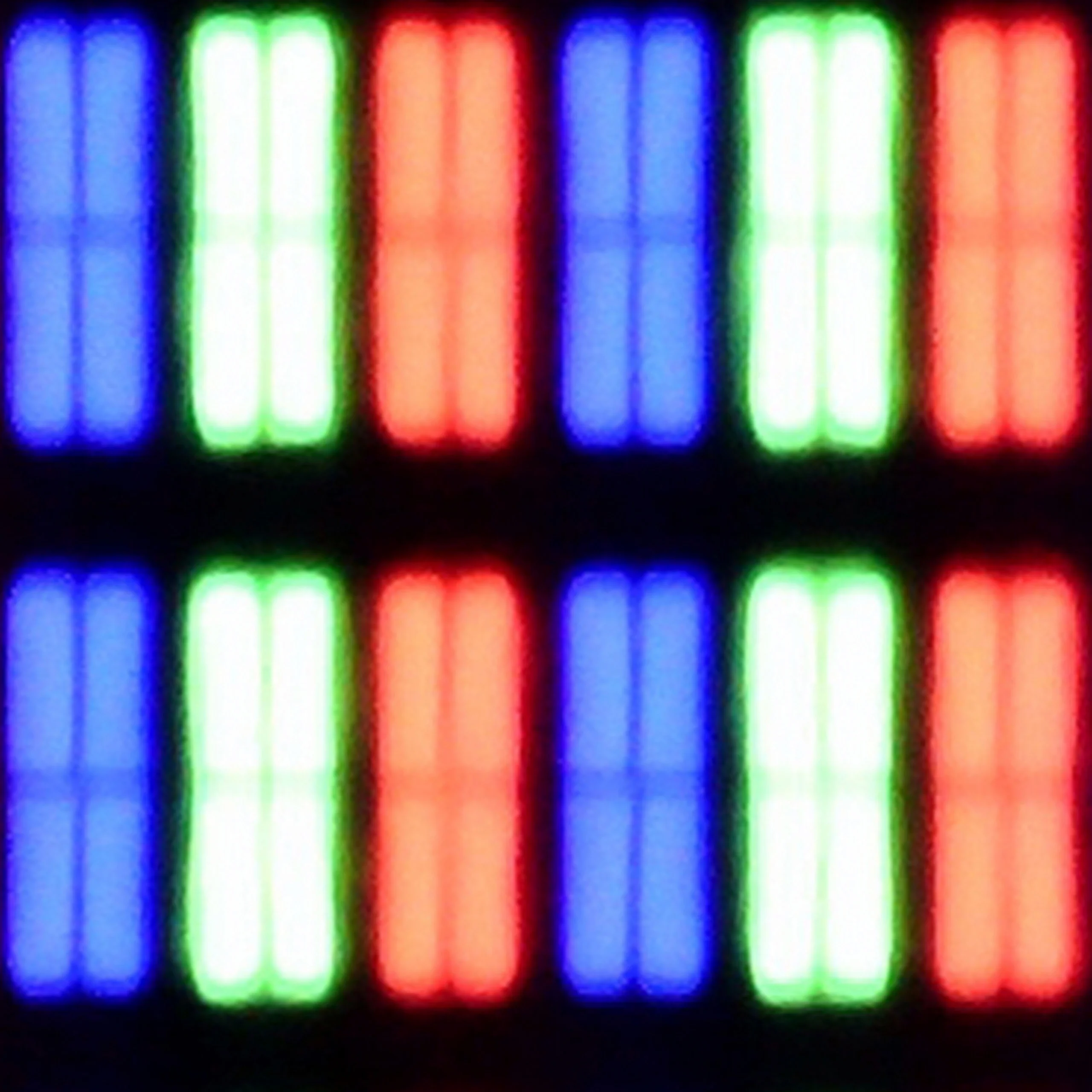
There’s no doubt the LG G6 is outstanding in places. Thanks to the new 2nd-generation Tandem OLED panel it does something no other glossy-screen display on the market has managed so far: it suppresses reflections brilliantly while keeping perfect, untouched picture quality. Add record brightness and the panel’s unique characteristics, and the G6 can produce images that at times literally knock you off your feet. The excellent webOS and gamer-oriented features only reinforce the impression that this is a worthy successor to the G5. But that’s only one side of the coin, since expectations for a device in this class are as high as they get. During detailed testing we ran into an issue with digital image processing in near-black scenes. We’re talking about overly aggressive grain (dithering) and slight flickering of details in dark sequences. While during normal couch viewing this flaw isn’t dramatically noticeable and doesn’t negate the overall wow factor of the contrast, a trained eye will readily see that LG’s engineers stumbled at the final stage of panel tuning. When you buy a fairly expensive flagship product right now, you simply expect perfection out of the box.
Despite this obvious slip-up, the LG G6 is still at the absolute forefront of the market and one of the most interesting TVs of the year. It has a solid foundation to become the ultimate display. We firmly believe the manufacturer will quickly diagnose the issue and release an appropriate software update. If that happens, the competition won’t stand a chance. We promise to monitor the situation closely, and as soon as a patch appears we will verify how well it performs.
 Direct comparison