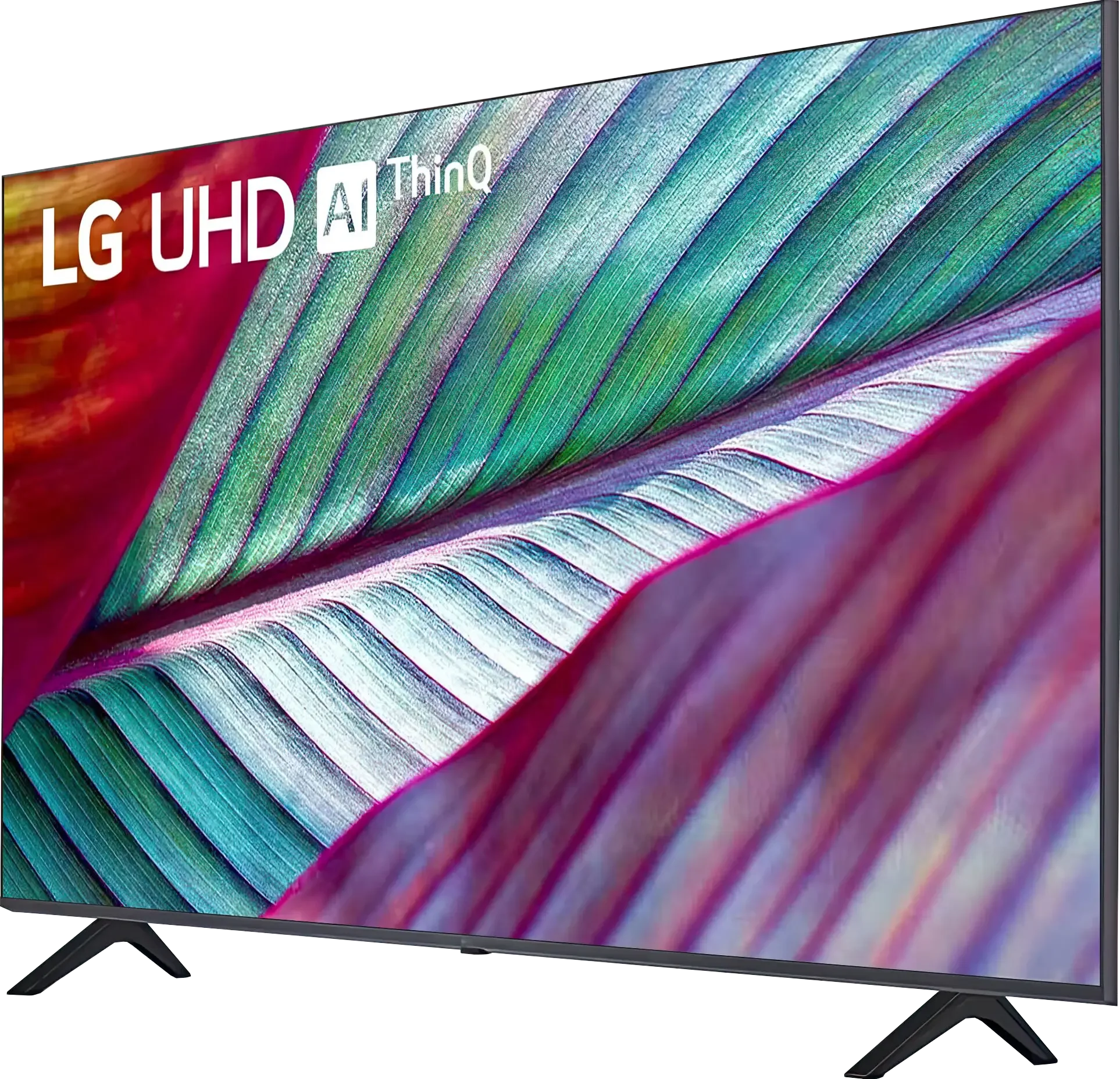
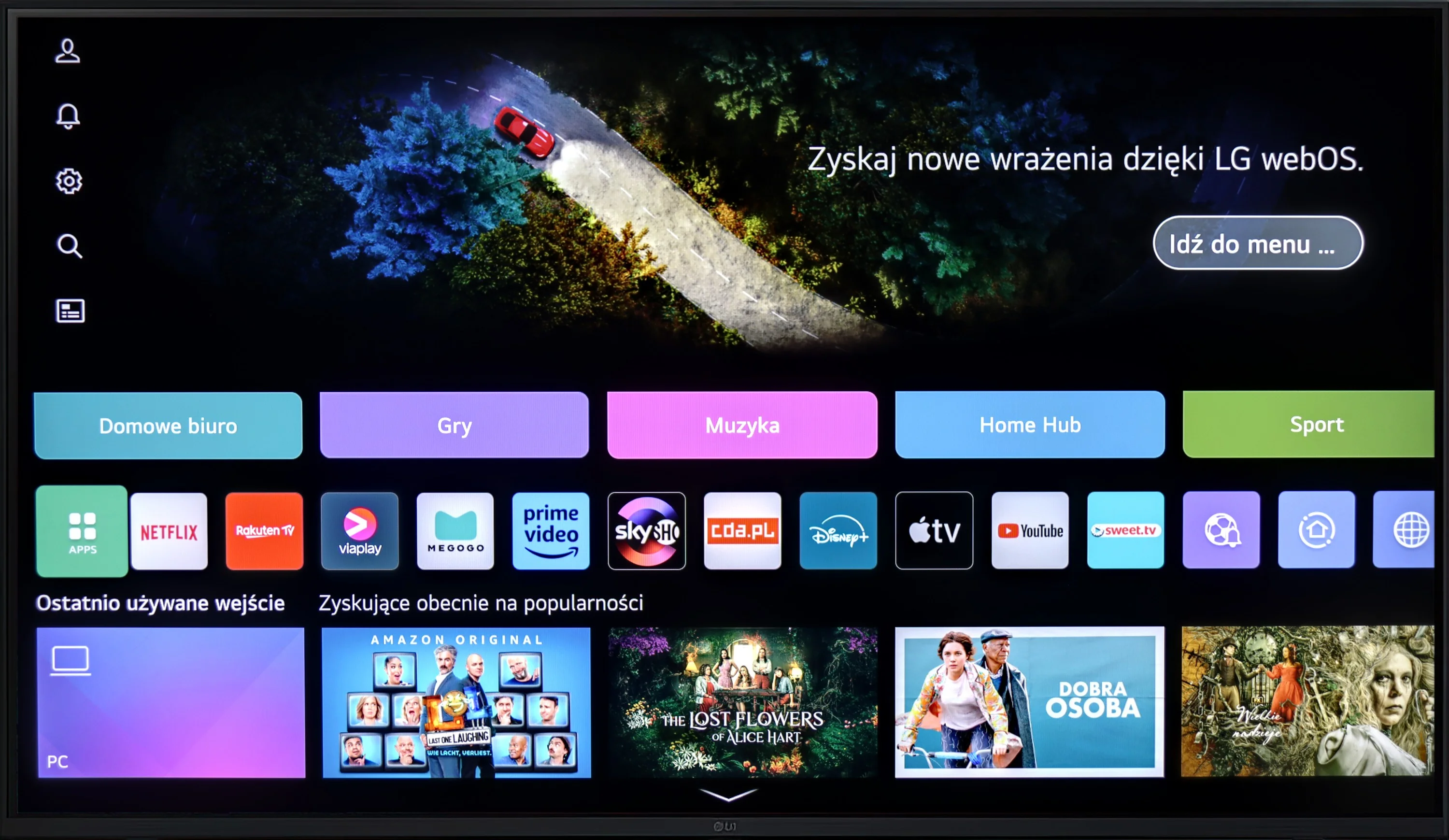
The LG UR781 is currently the most affordable model from the Korean manufacturer, offering excellent value for its price. Its standout feature is the WebOS system, which provides an intuitive interface and access to a wide range of streaming platforms, making it a significant advantage for everyday users. The TV delivers satisfactory picture quality for its price range, catering well to the needs of basic users.
While its HDR capabilities are somewhat restricted due to the absence of Dolby Vision and HDR10+, it does support fundamental formats like HDR10 and HLG. The TV performs admirably with low-quality materials, aided by its smooth tone transition feature that ensures clear and seamless transitions, particularly useful for viewing content from lower-quality sources such as terrestrial television.
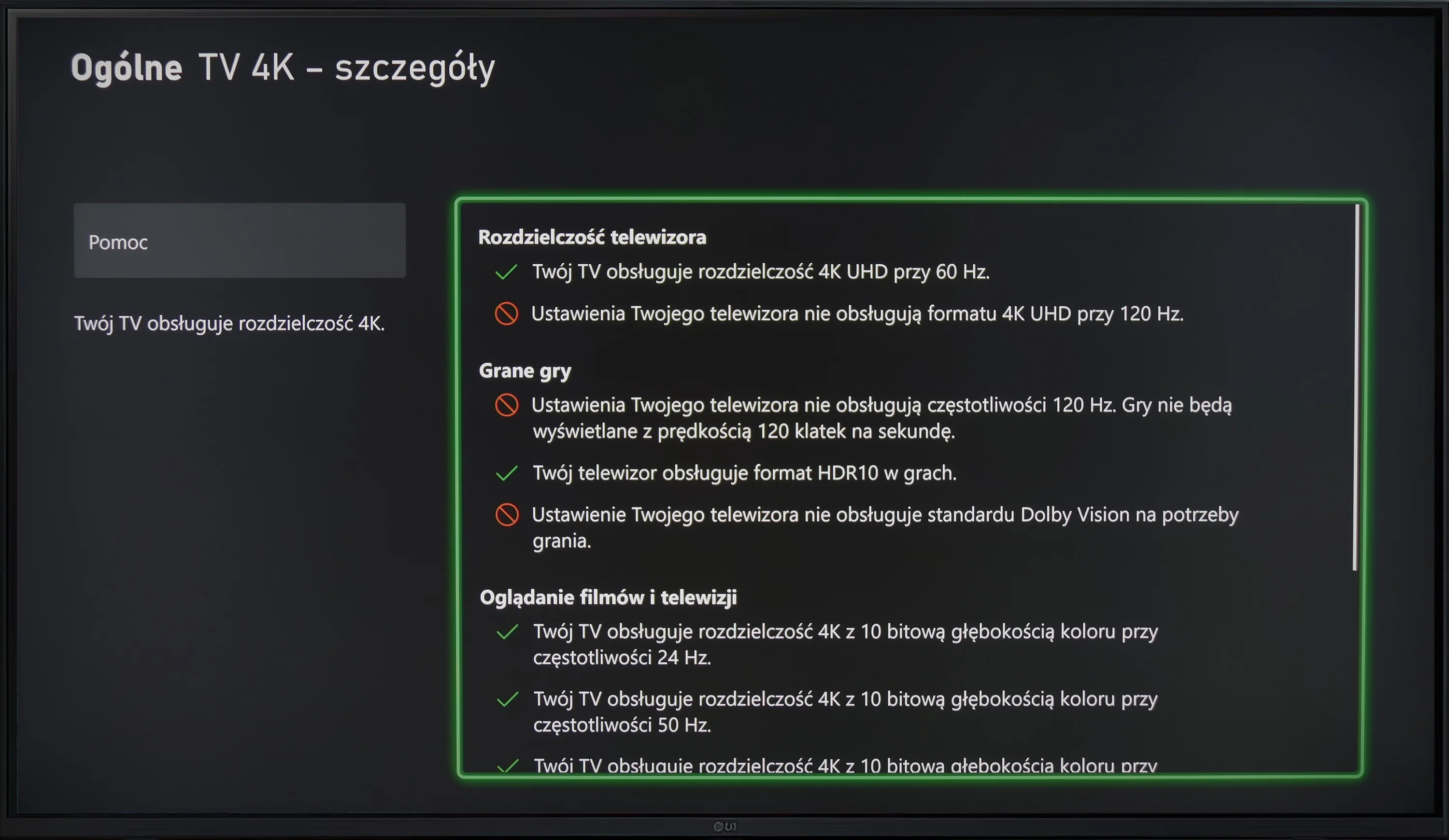
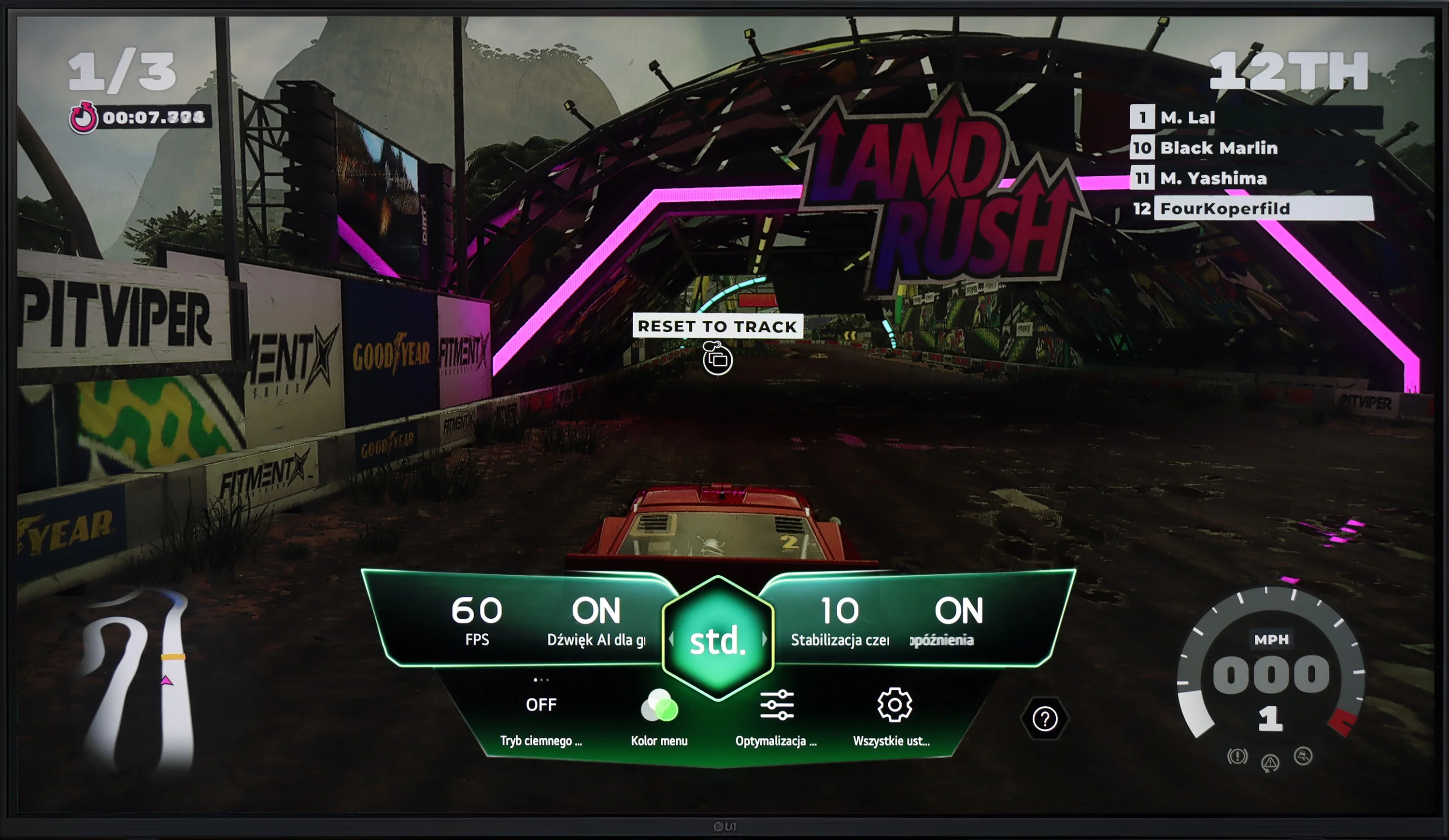
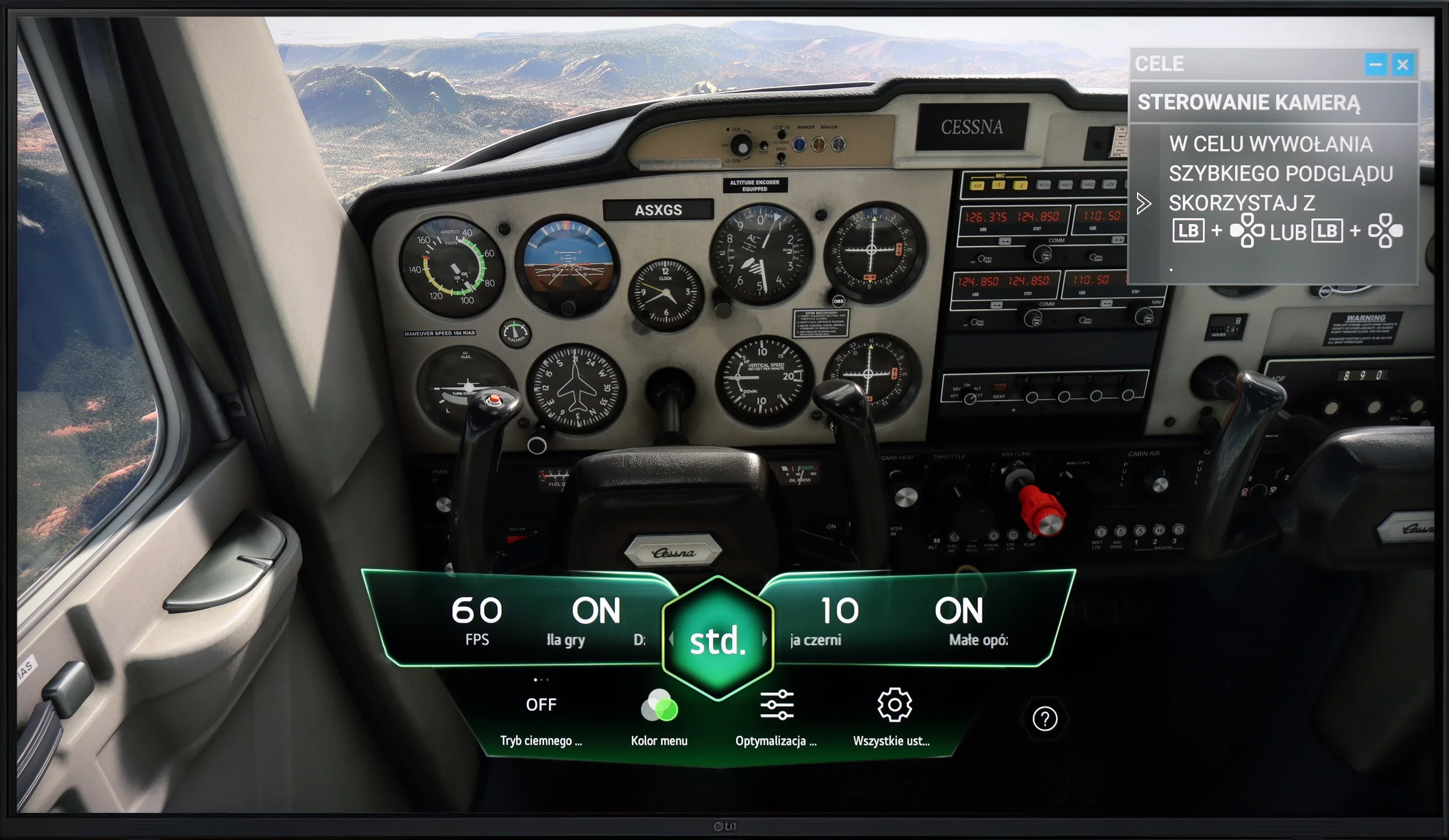
For gaming enthusiasts, the LG UR781 offers very low input lag, an essential criterion for enjoyable gaming. Though it lacks a 120Hz panel, which is a compromise for its budget-friendly pricing, it remains an appealing choice for gamers seeking affordability. Its brightness is slightly lower than competing models, and the colour gamut coverage is limited. However, thanks to dynamic tone mapping, HDR content still appears impressive.
After proper calibration, the TV achieves improved colour accuracy and sharpness, significantly enhancing the viewing experience. For those seeking a budget-friendly option and willing to accept some trade-offs, the LG UR781 is a solid choice.
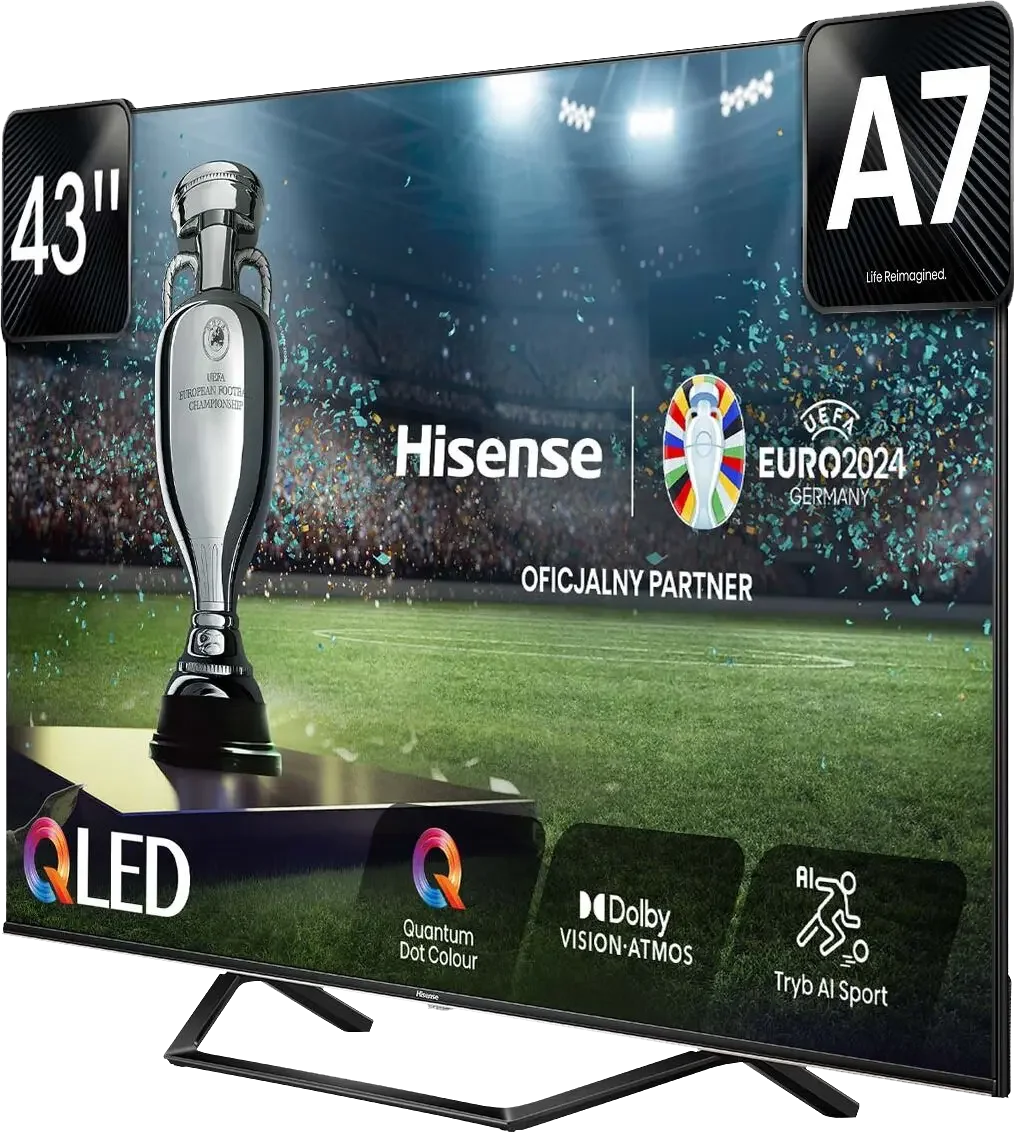
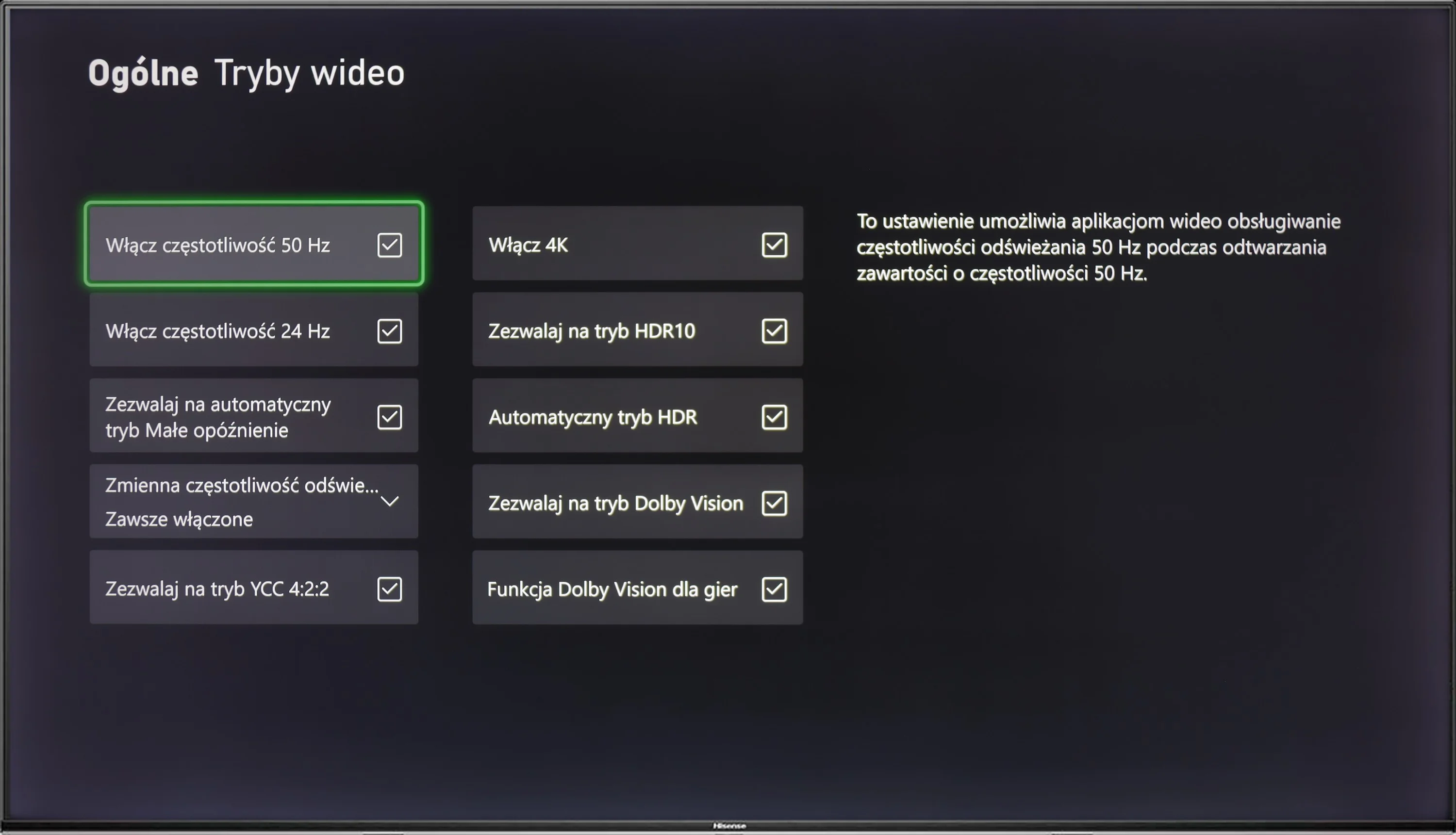
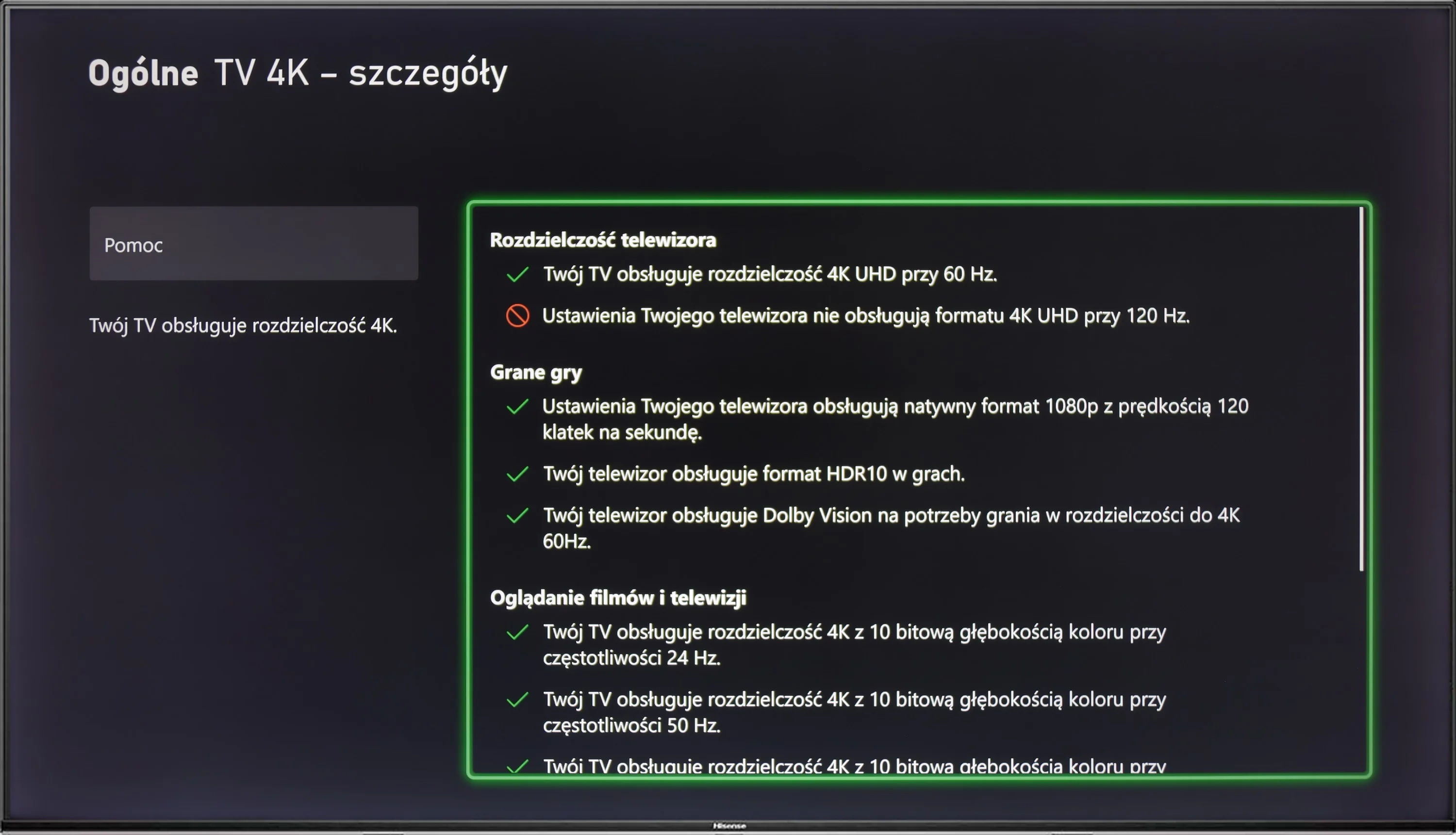
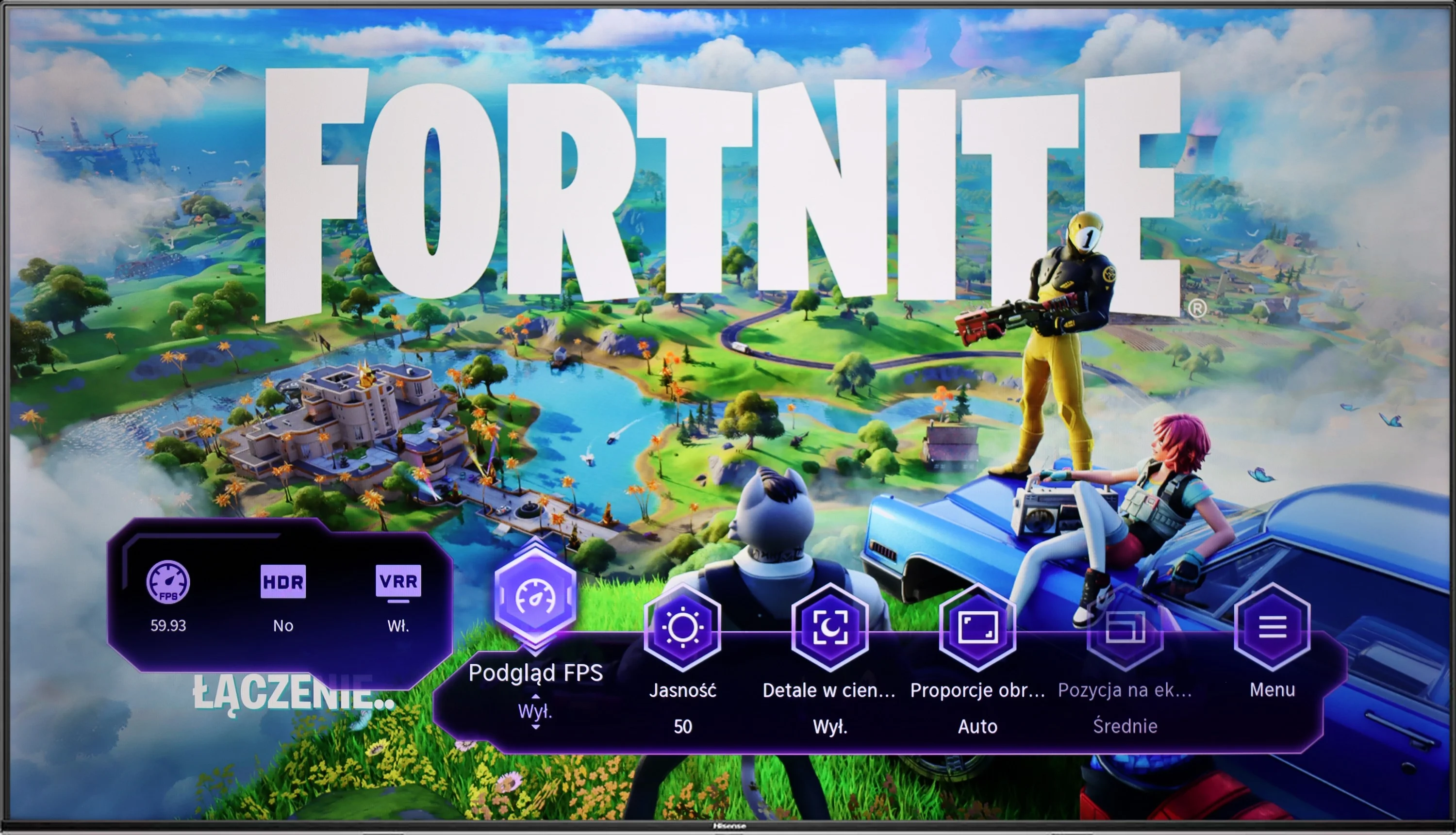
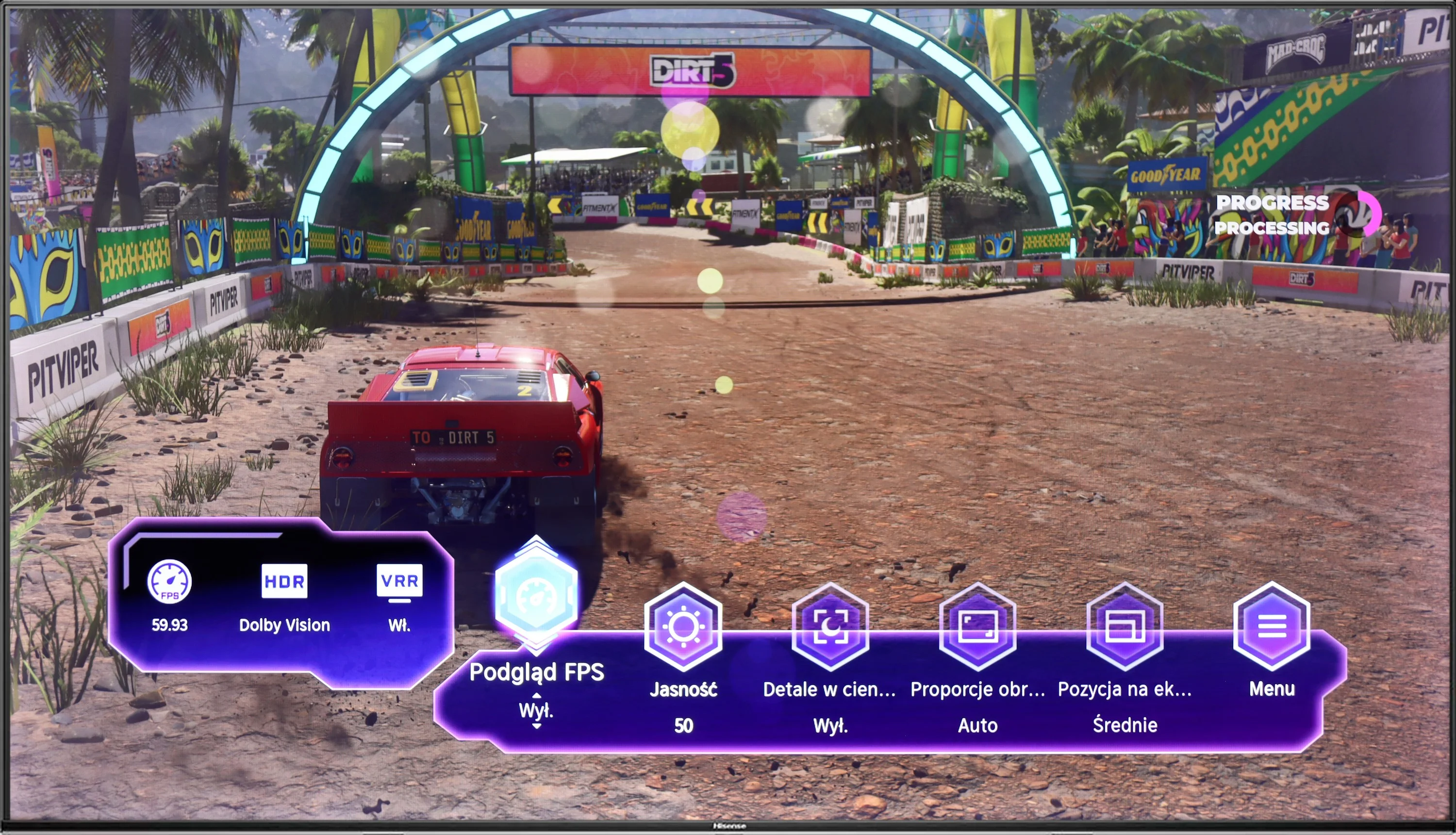
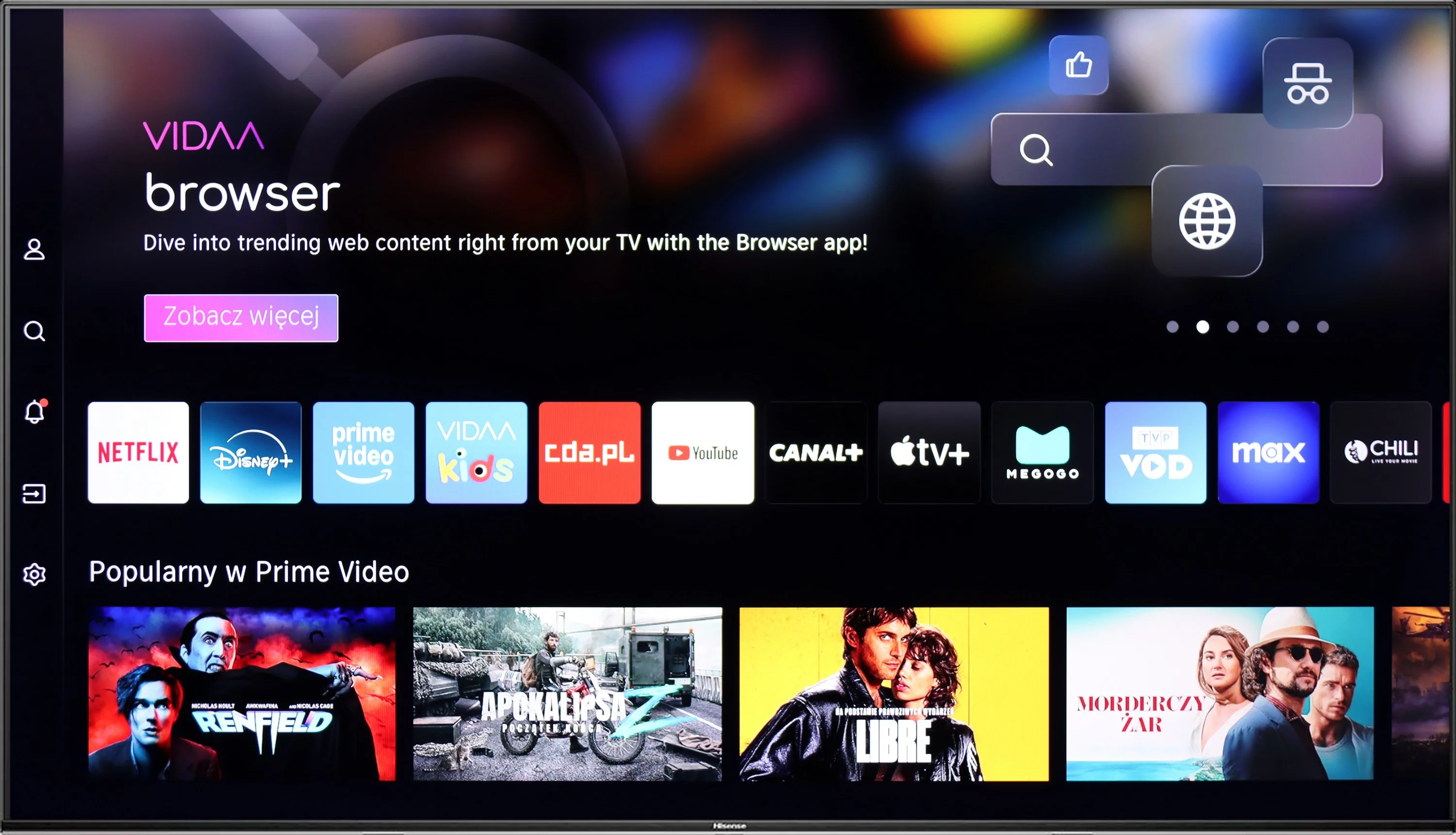
Hisense A7NQ is one of the simplest QLED TVs available on the market, which primarily attracts a very attractive price. Equipped with a VA panel, it offers solid native contrast, and the additional PFS coating (a different kind of QLED) allows you to enjoy vibrant colours, especially in older SDR content. This is a TV that is great for occasional viewers who are looking for a device with useful features. The Vidaa system, which has gradually strengthened its position in the Polish market, is another plus. It supports the most popular streaming apps available in Poland and offers features such as USB recording, which can be a rarity in this class of equipment. It is evident that the manufacturer listens to user feedback and strives to implement improvements, which is a nice touch. As for picture quality, it is... simply average. Brightness is limited, so the TV won't be the best choice for watching 4K HDR content. However, it performs better with older materials or regular TVs, where high brightness is not critical, and colours can look really good, especially after professional calibration. Is it a good screen for gamers? A7NQ is not a gaming monster – the 60 Hz panel and significant motion blur may deter more demanding players. However, the manufacturer has included a few features for gamers, such as VRR, ALLM, and even the ability to display 120 Hz in a lower resolution. Additionally, there is an intuitive and user-friendly Game Bar that makes it easier to adjust settings while gaming. In short, Hisense A7NQ is a solid mid-range option. It may not be the equipment that wins all tests or aspires to be the "Formula 1 of TVs," but it will certainly satisfy many people – especially those looking for something simple and affordable. It is a good choice for someone who wants to enjoy content on a large screen without spending a fortune.
 Direct comparison