 Direct comparison
LG QNED91T is the only MiniLED backlit television from LG for 2024, drawing attention due to its innovative use of a VA panel. This is a definite departure from the previous standards of the Korean manufacturer in its top LCD televisions, which usually installed IPS/ADS panels. However, the effect is positive – the panel combined with local dimming offers really good contrast. Blacks are deep and should satisfy most users. LG 65QNED91T6A is truly a bright television, so placing it in slightly challenging lighting conditions will not pose a challenge. In terms of motion smoothness, the QNED91T shows top performance. The TruMotion feature works great, allowing adjustment of the picture to personal preferences – from a classic film look to a more fluid effect. The 120Hz panel makes it ideal for sports or gaming. For the latter, LG has prepared something special – four full HDMI 2.1 ports with 48 Gbps bandwidth, allowing the enjoyment of features like VRR and ALLM (and more). This, combined with low input lag, makes this equipment an excellent choice for console or PC gaming. Daily use of QNED91T is pure pleasure, mainly thanks to the WebOS system. The interface is intuitive, there are plenty of apps, and the included Magic Remote significantly facilitates navigation through the menu. The operation is quick, and using the television is comfortable thanks to the voice assistant. Unfortunately, the television also has its weaknesses. Despite the advantages of the VA panel in terms of high contrast, the algorithms responsible for local dimming of the miniLED zones do not perform the best. In HDR content, there are situations where the image is either too bright or excessively dark, which particularly affects scenes requiring precision. Additionally, in practice, the differences between standard HDR10 and Dolby Vision are almost invisible. This is quite a disappointment, especially in this class of television. Nevertheless, LG QNED91T is an interesting choice for those who need a bright television with considerable gaming capabilities and value the convenience of the WebOS system. We recommend considering alternative models, such as the OLED B4 from the 2024 line, which can be purchased for a similar price if the priority is picture quality in HDR content, such as Netflix, Prime Video, or Max.
- Matching (Score) |
- Our verdict |
- TV appearance |
- Where to buy |
- Contrast and black detail |
- HDR effect quality |
- Factory color reproduction |
- Color reproduction after calibration |
- Smoothness of tonal transitions |
- Image scaling and smoothness of tonal transitions |
- Blur and motion smoothness |
- Console compatibility and gaming features |
- Input lag |
- Compatibility with PC |
- Viewing angles |
- Daytime performance |
- Panel details |
- TV features |
- Apps |
- Playing files from USB |
- Sound

Check the best price offer:
LG QNED91T6A(paid link)QNED91T / QNED90T
C6 / C64 / C6E / C6H / C61

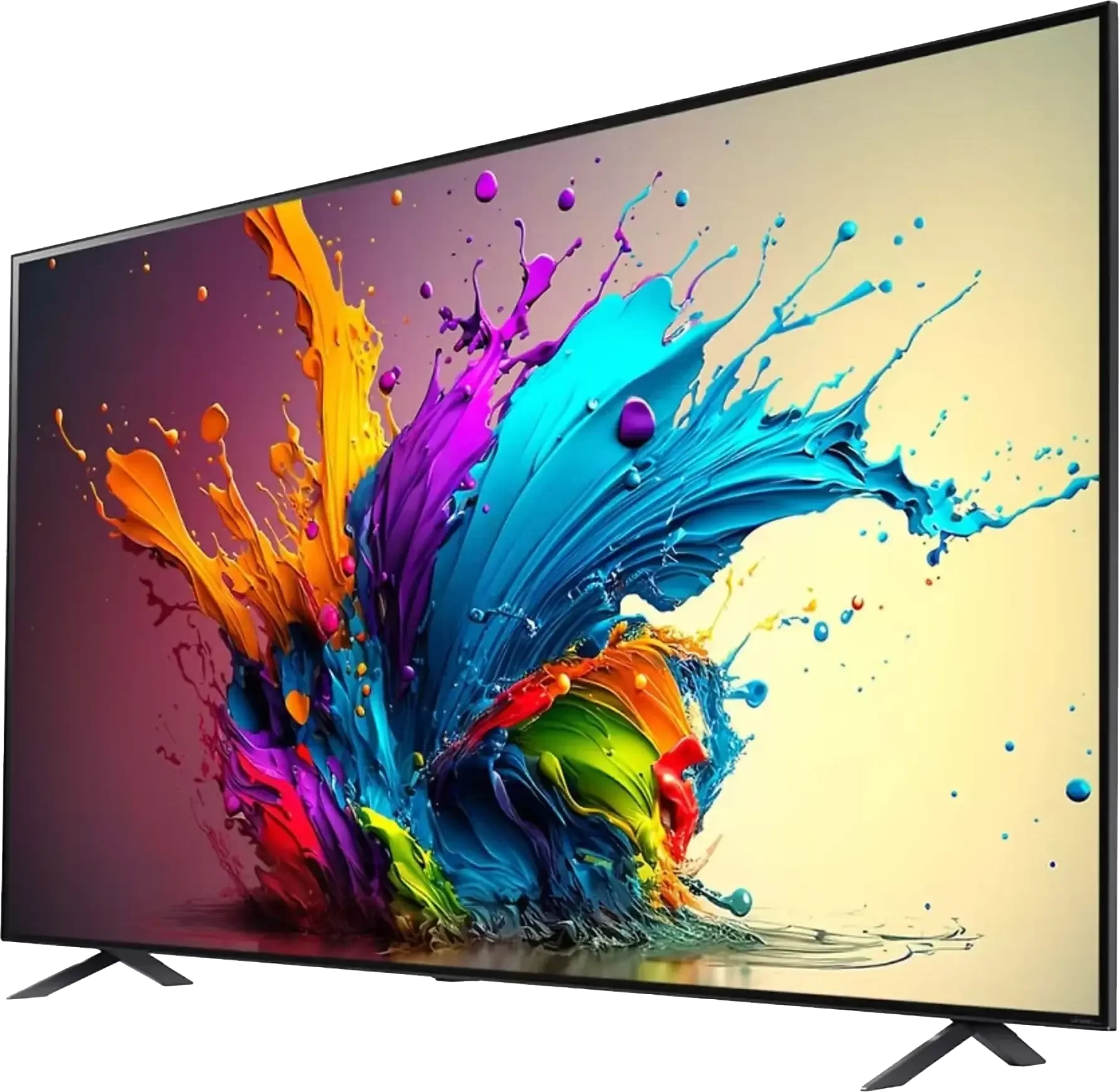
Panel type: LCD VA
Resolution: 3840x2160
System: WebOS
Model year: 2024
Complete the survey to find out the result
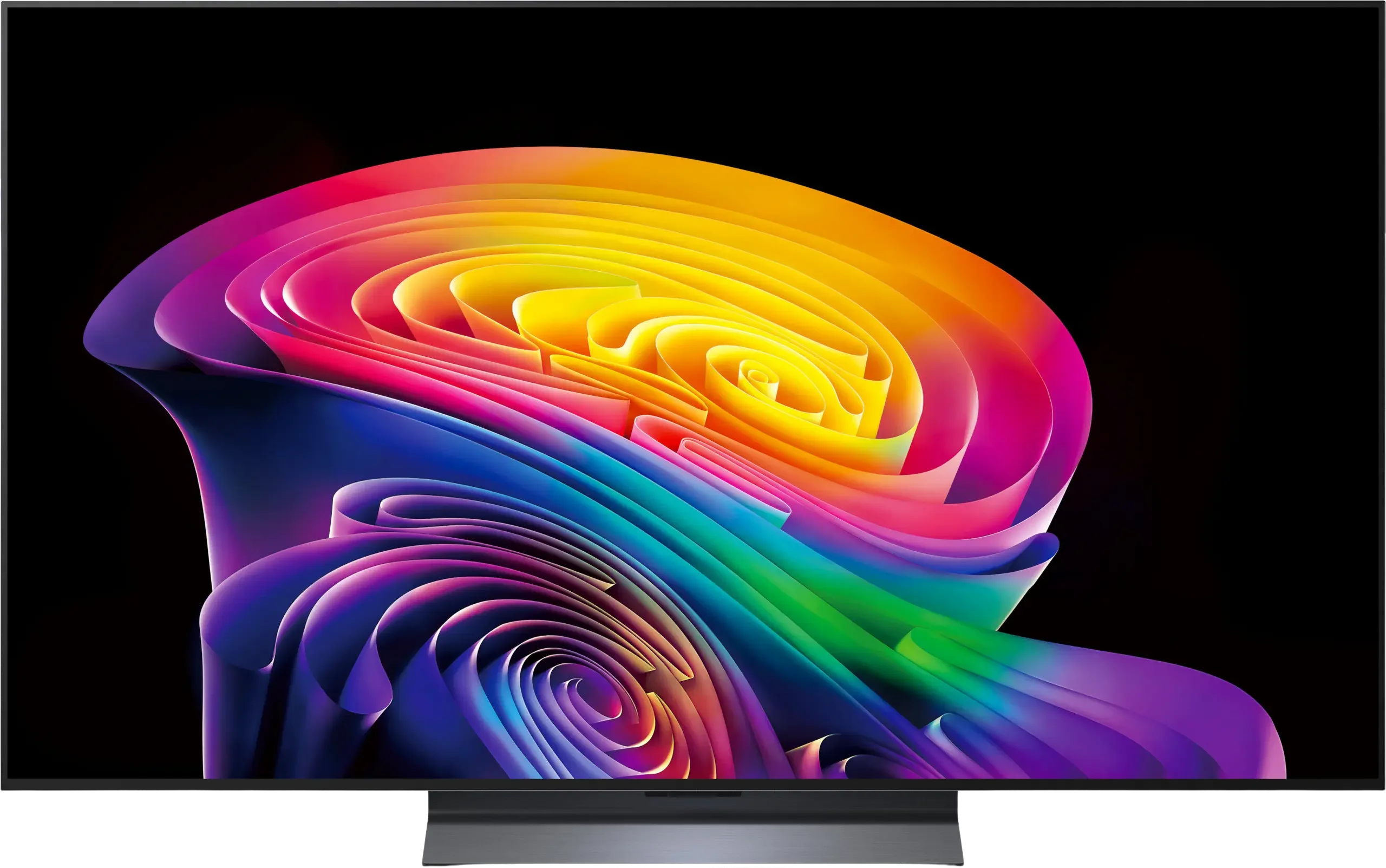
Panel type: WRGB OLED
Resolution: 3840x2160
System: WebOS
Model year: 2026
Complete the survey to find out the result
Overall rating
7.2
8.3
 Movies and series in UHD quality
6.7
8.4
 Classic TV, YouTube
6.9
8.8
 Sports broadcasts (TV and apps)
6.8
8.6
 Gaming on console
8.5
9.4
 TV as a computer monitor
7.6
8.6
 Watching in bright light
6.1
6.6
 Utility functions
8.4
8.4
 Apps
8.3
9.1
 Sound quality
6.9
7.0
Complete the survey to find out what fits your preferences
Advantages

Good contrast - VA panel
Suitable for gamers: HDMI 2.1, low input lag, 120Hz
Decent brightness - works well for daytime viewing
Great operating system WebOS - Magic Remote, voice functions
Recording from built-in tuners
Perfect black levels and OLED contrast
Very high HDR brightness, up to about 1,500 nits
Excellent picture quality for HDR movies and Dolby Vision
Very good image processing and upscaling
165 Hz panel and virtually no motion blur
Great gaming package: VRR, G-Sync, HGiG, Dolby Vision Gaming
Very low input lag, about 5 ms at 120 Hz
Wide viewing angles
Intuitive and modern WebOS system
Convenient control using the Magic Remote with a gyroscope
Disadvantages

Poor management of dimming zones
No adaptation in HDR - no difference between HDR10 and Dolby Vision
Poor viewing angles
Different remote versions depending on the C6 model; before buying, it's hard to know which Magic Remote will be included
Visible graininess (dithering) in dark areas; noticeable when viewed up close
Average reflection handling; in a very bright living room strong reflections may be visible
No DTS:X support; you'll need an external AV receiver or player for that format
Our verdict
The LG C6 is a very successful evolution of one of the most popular OLEDs on the market. The TV itself hasn't changed dramatically compared with last year's C5; the look is very similar, webOS offers comparable features, and gamers again get pretty much everything you'd expect from a modern TV. It's hard to fault that, since the C5 was already a very complete device in that regard. The most important change took place where there was actually room for improvement: the panel itself. The new WOLED panel is noticeably brighter, and roughly 1500 nits in HDR makes it increasingly hard to treat the C6 as just a "mid-range OLED." HDR movies look very impressive, black stays perfect, colors are very good, and the new processor (the same one found in the flagship G6) handles upscaling and lower-quality content very well. Add to that a seriously strong set of features for gamers. 165 Hz from a PC, VRR, G-Sync and very low input lag mean you can just as well hook up a console as a powerful PC. During the day the C6 also performs better than previous generations, though of course in a very bright living room you'll still find brighter TVs on the market. And that's probably exactly why we like the C series most: its versatility. The C6 doesn't try to be the best TV in every possible category, but it hardly performs poorly in any of them. It's suitable for movies, sports, gaming, regular TV and everyday streaming. If its price starts to fall after launch as it did with previous generations, it could be one of the most interesting OLEDs to buy in 2026.
TV appearance

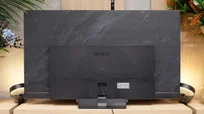

Contrast and black detail
7.2/10
10/10
Local dimming function: Yes, number of zones: 160 (16 x 10)
Contrast:


Result
126,250:1

Result
20,900:1

Result
19,200:1

Result
4,900:1

Result
4,550:1
Result
∞:1
Result
∞:1
Result
∞:1
Result
∞:1
Result
∞:1
Halo effect and black detail visibility:
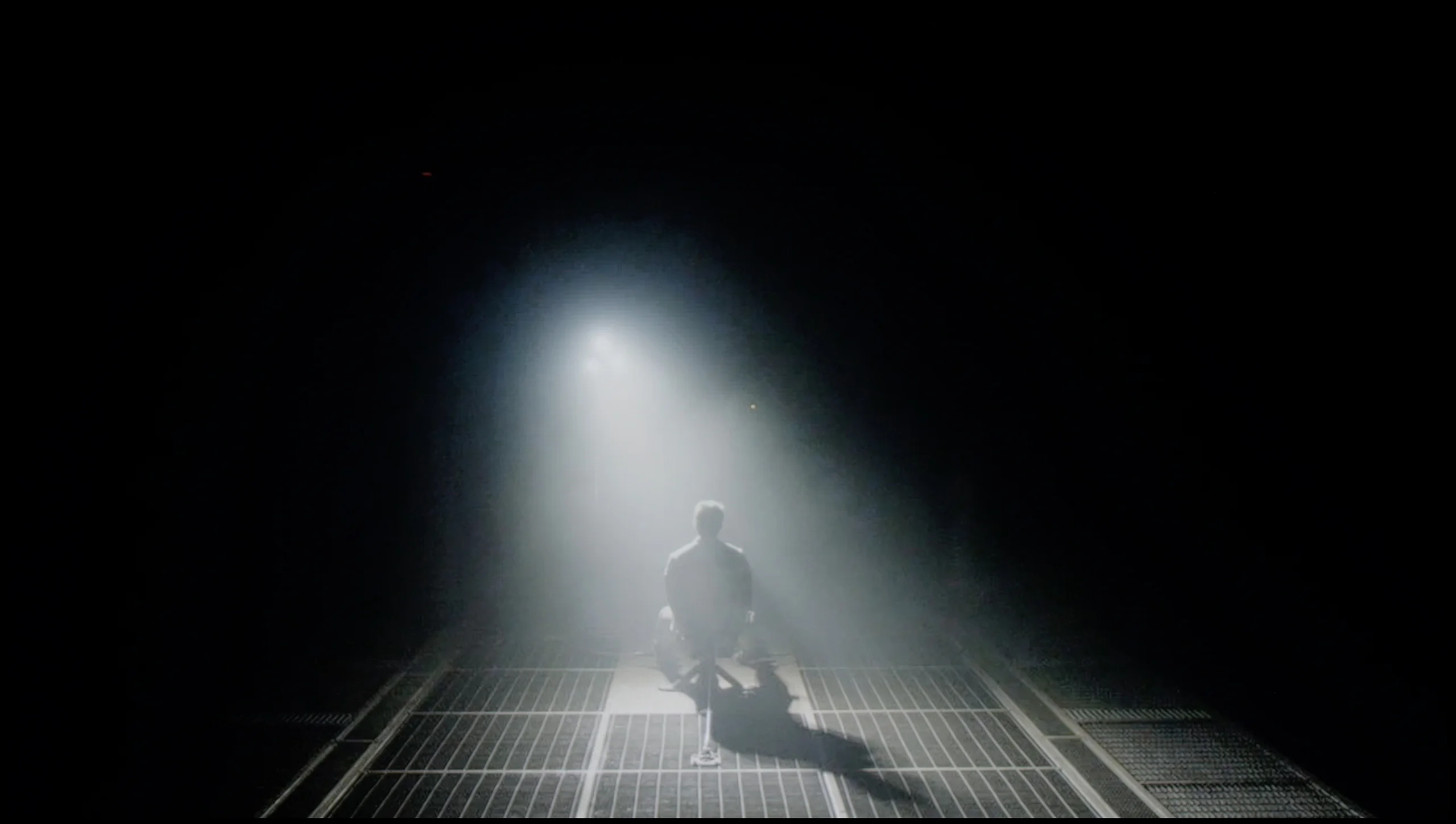
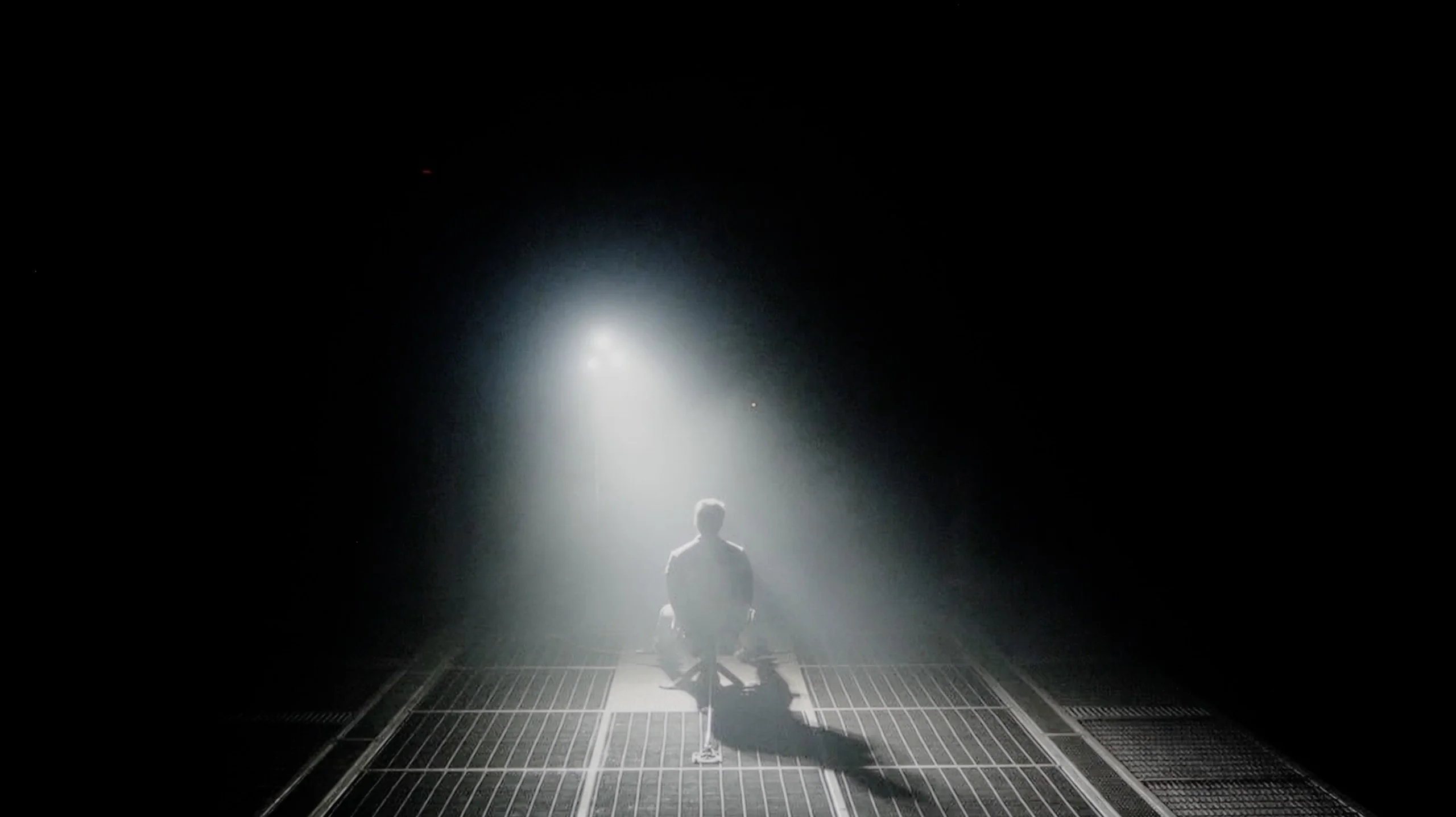
Check the visibility of bright lights on a dark background. Mini-LEDs often struggle with this. The photo does not compare black levels – that’s what the video below is for.
The video accurately shows differences in contrast and black levels between TVs, as well as potential issues: halo around bright objects or Mini-LED zone operation visible as brightness jumps.
QNED91T is a television with MiniLED backlighting, and in the tested size of 65", we counted 160 local dimming zones. The unit we tested, with a "1" at the end, is equipped with a VA panel, which offers significantly better contrast than IPS panels, which – note – can be found in the LG QNED90T. Therefore, it is worth being careful when choosing a version to avoid disappointment regarding contrast. The QNED90T model is hard to acquire in Poland, but distribution can vary. Returning to our contrast tests, it performed really well in less demanding scenes. For example, in one of the scenes from the film "Oblivion," we observed perfect separation of lights – it looked impressive. However, not everything is so straightforward. In a scene from "Sicario 2," we noticed that the screen is distinctly darker, deviating significantly from the reference image appearance. The television effectively eliminates the halo effect (i.e., glow around objects), but this comes at the cost of brightness – quite a considerable one. Despite these compromises, the contrast of the LG 65QNED91T6A is really solid. Of course, as with MiniLED TVs, one must reckon with certain limitations, but the overall impressions are positive.
If we talk about black levels, there isn't much to discuss. The LG C6 uses an OLED panel, so each pixel can be completely turned off. The result is exactly what we'd expect: perfect black, very high contrast, and no halo or glow around bright elements. You can see this clearly in night scenes, where single lamps, text, or other bright points appear against a very dark background. The C6 handles them without any problems and doesn't have the limitations typical of Mini LED TVs with local dimming. Interestingly, in this respect it doesn't matter whether we're talking about this version of the C6 or the more expensive variant with a Tandem OLED panel. In terms of black alone, both TVs perform practically identically. Differences between them need to be sought mainly in brightness and color.
NOTE: In the helicopter scene from the film Sicario 2 we noticed graininess and flickering in the darkest parts of the image. It looks like a software bug that LG should fix with an update. In the Tandem OLED version the effect is even more visible, and we observed similar behavior in the flagship LG G6 as well.
HDR effect quality
5.2/10
7.8/10
Luminance measurements in HDR:

Result
1069 nit

Result
180 nit

Result
577 nit

Result
96 nit

Result
674 nit
Result
1489 nit
Result
1288 nit
Result
1527 nit
Result
1345 nit
Result
649 nit
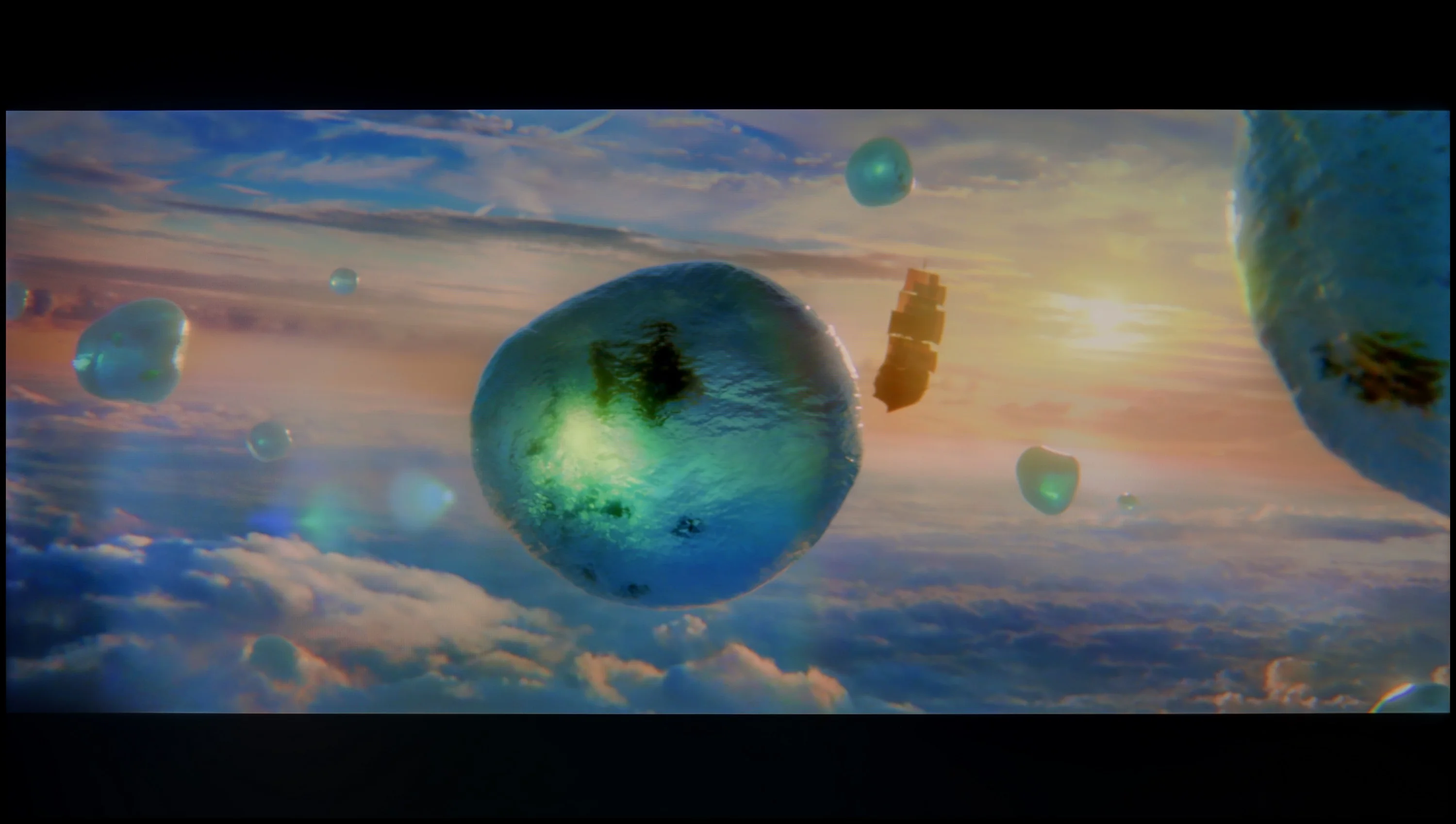
Scene from the movie “Pan” (about 2800 nits)

Scene from the movie “Billy Lynn” (about 1100 nits)
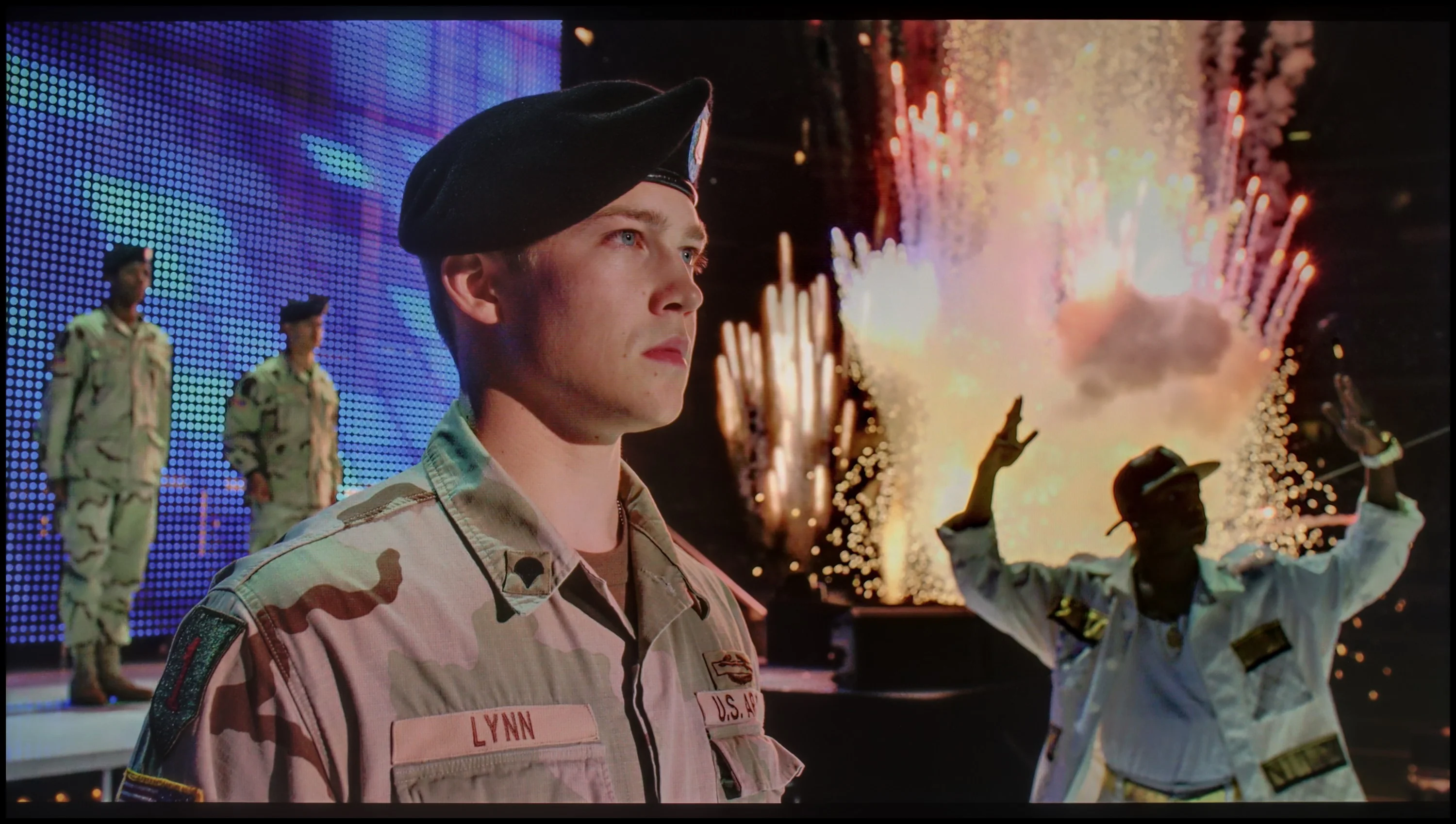
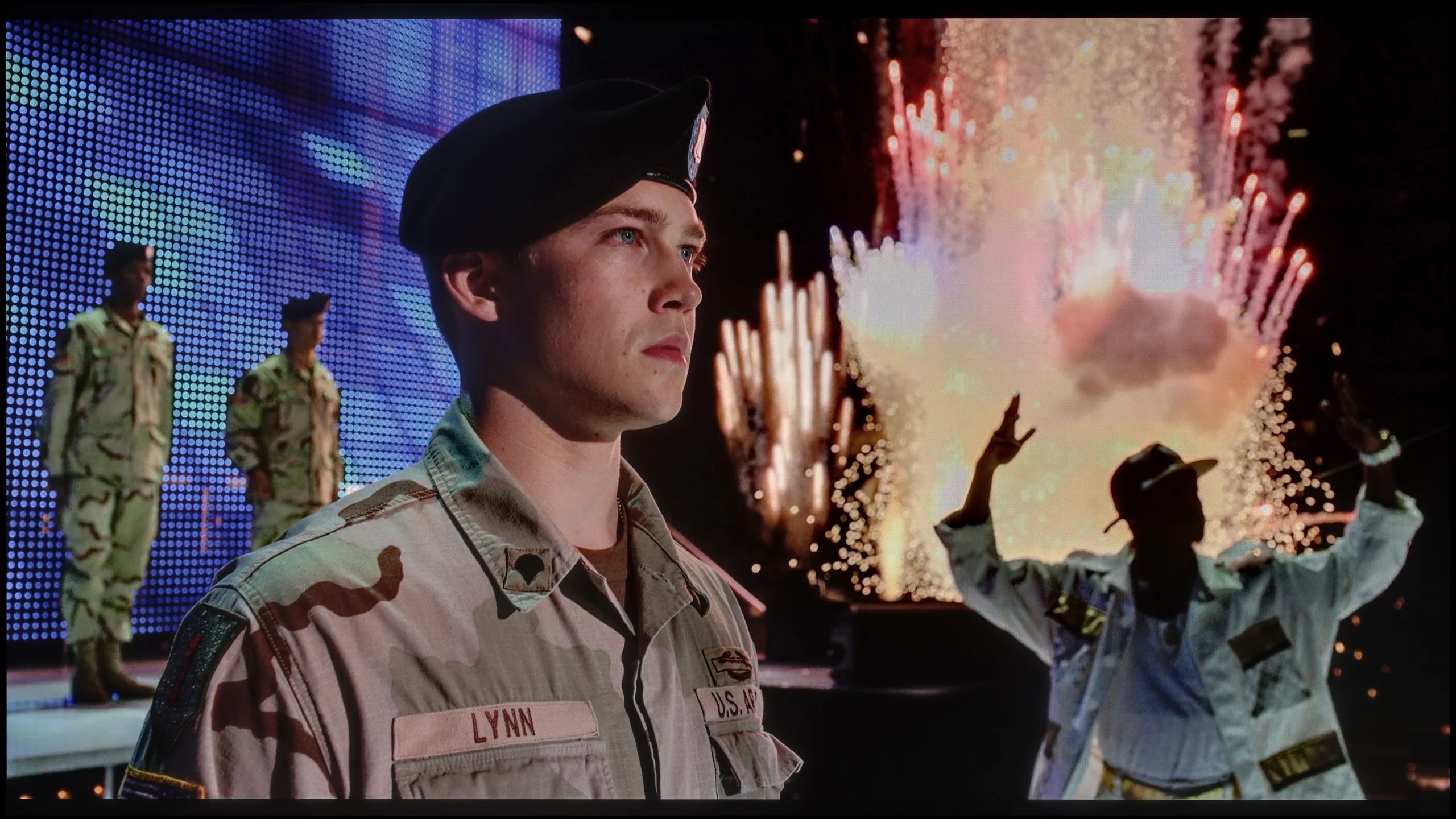
The photos show two HDR10 movies. 'Pan' is one of the brightest productions ever made, while 'Billy Lynn' (soldier) has brightness typical of streaming (Netflix, Prime, HBO MAX). Notice the intensity of effects and detail in whites.
Static HDR10


The photos present the visibility of white details in various HDR formats. They do not show brightness differences between TVs (these can be compared in the previous gallery).
Dynamic: Dolby Vision
Dynamic: Dolby Vision


The photos present the visibility of white details in various HDR formats. They do not show brightness differences between TVs (these can be compared in the previous gallery).
HDR luminance chart:
LG OLED C6 (WOLED)
LG QNED91T6A
Luminance of RGB colors
As befits a MiniLED television, QNED91T LG easily exceeds the magic barrier of 1000 nits on the luminance chart. In scenes where light played a key role, the effect was truly decent. For example, 1000 nits in the first scene of "Life of Pi" is really an impressive value, and the 600 nits achieved in scenes three and five allowed us to feel the true magic of HDR. However, problems arise with very small light elements on the screen, such as the moon, lanterns, or lamps. A value of around 100 nits - to put it bluntly - is disappointing, as these elements are so dark that they are barely visible. It is worth praising the television for covering the DCI-P3 colour gamut at 96% and BT.2020 at 75%. LG QNED91T leaves us with mixed feelings, mainly due to very aggressive dimming algorithms, which, while effectively eliminating the halo effect, do impact the brightness of smaller elements.
The HDR effect on the LG C6 is really very good. LG Display's new WOLED panel primarily brought a significant increase in brightness. In our unit we measured around 1,500 nits and, importantly, the TV can show similar values in many normal movie scenes. That gives HDR the proper impact. Bright highlights, lamps, or sunlight can be really strong, and most HDR movies simply look very impressive. Of course it's still an OLED, so brightness drops in scenes with a lot of white. The fifth scene of The Meg illustrates this well, where the C6 reached about 600-700 nits. That's still a very good result, but it also shows the new panel hasn't removed all the limitations typical of OLEDs.
Colors
When it comes to color, there is also little to complain about. The C6 covers about 99% of the DCI-P3 gamut and roughly 75% of BT.2020. In practice the colors are very saturated and, importantly, stable regardless of the scene. That's worth emphasizing, because not every TV behaves the same in this respect. In some RGB Mini LED models color saturation can depend more strongly on image brightness. Today a wider color gamut is mainly offered by QD-OLED TVs and new SQD models with a new generation of quantum dots. However, the C6 still performs very strongly here and is able to generate appropriately saturated colors in most movie scenes.
Factory color reproduction
6/10
7.8/10
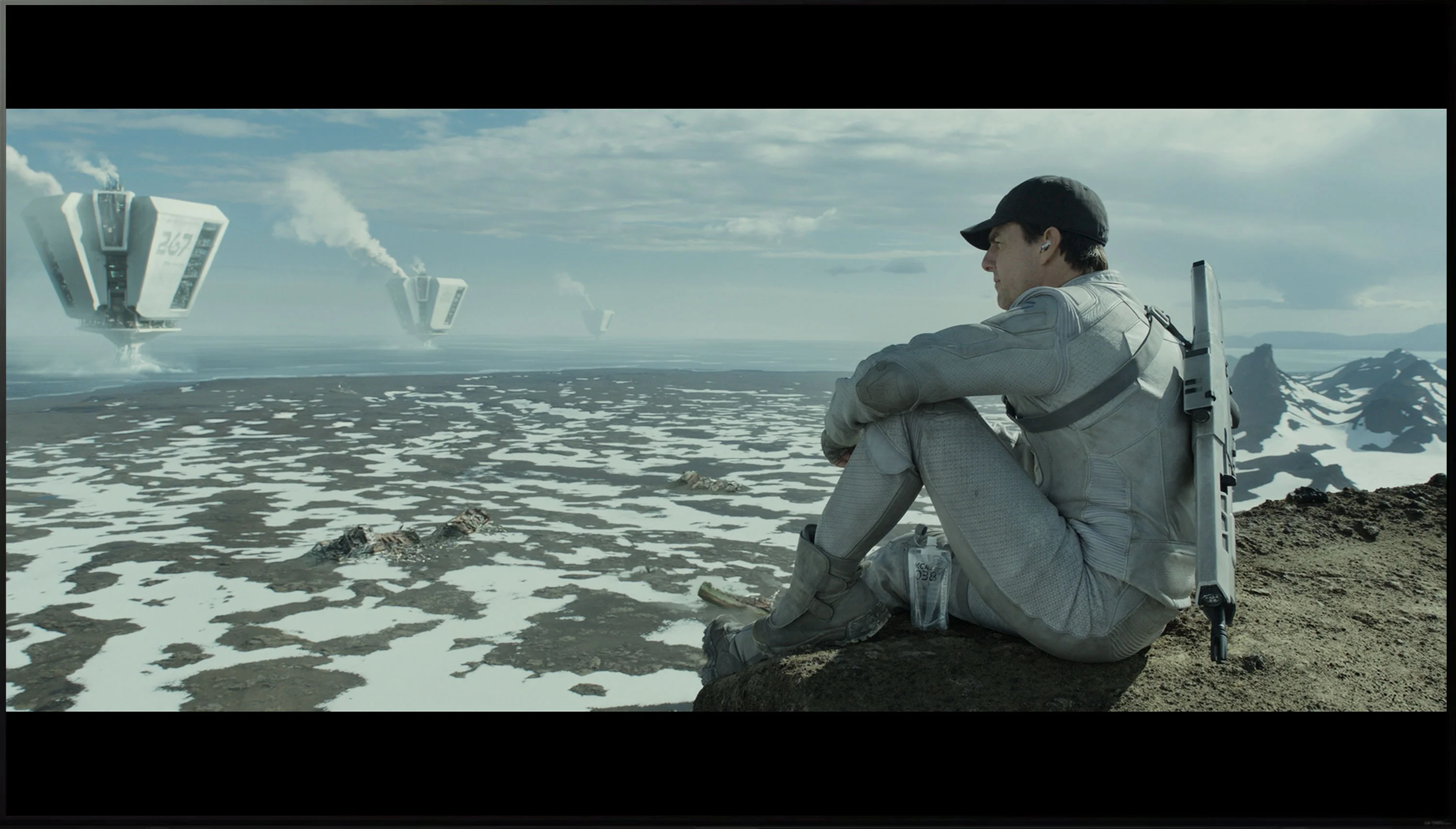
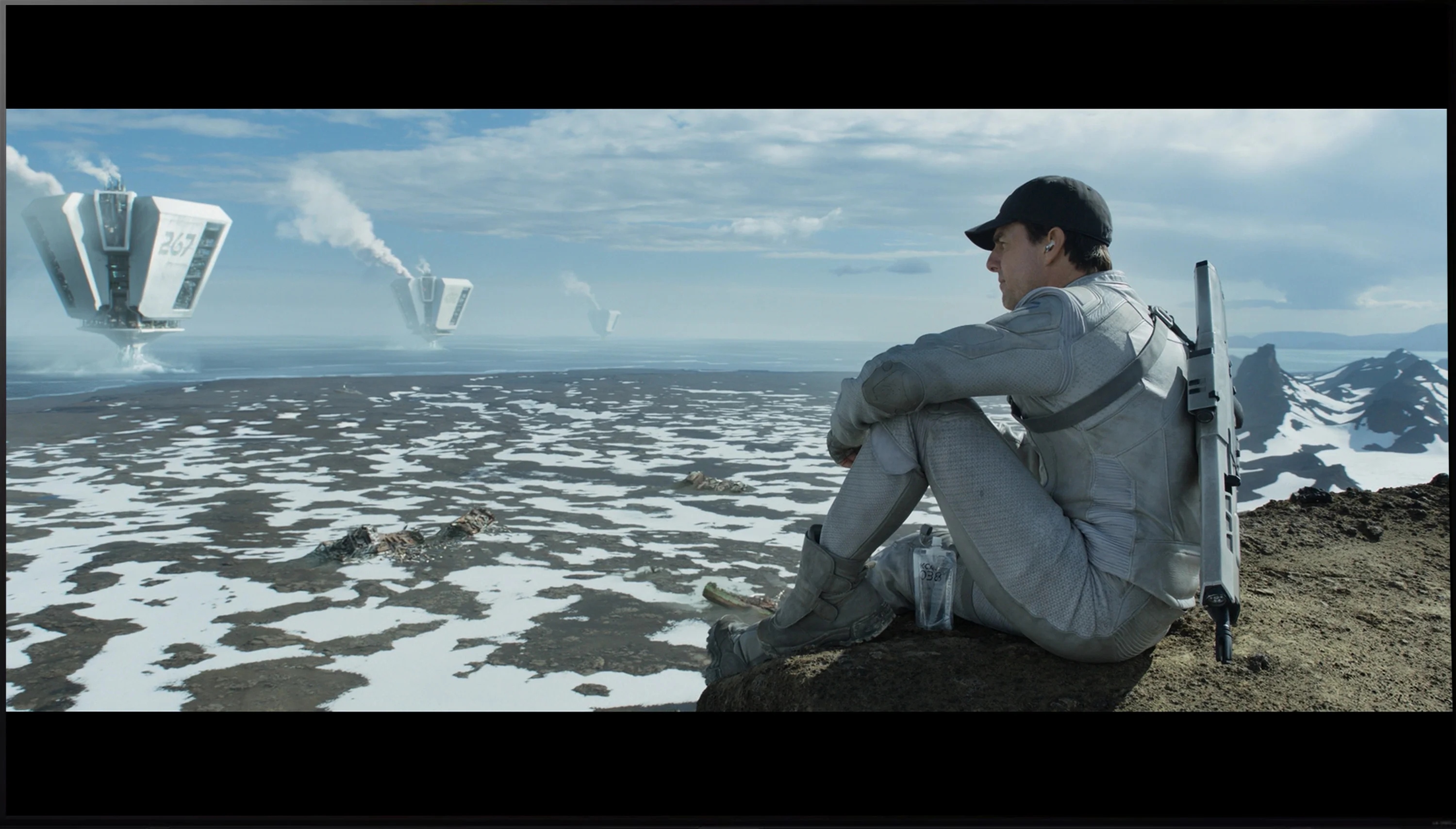
This gallery shows how colors change after professional TV calibration. If you notice the difference, we recommend ordering this service at SkalibrujTV.com.
Factory Mode
After calibration
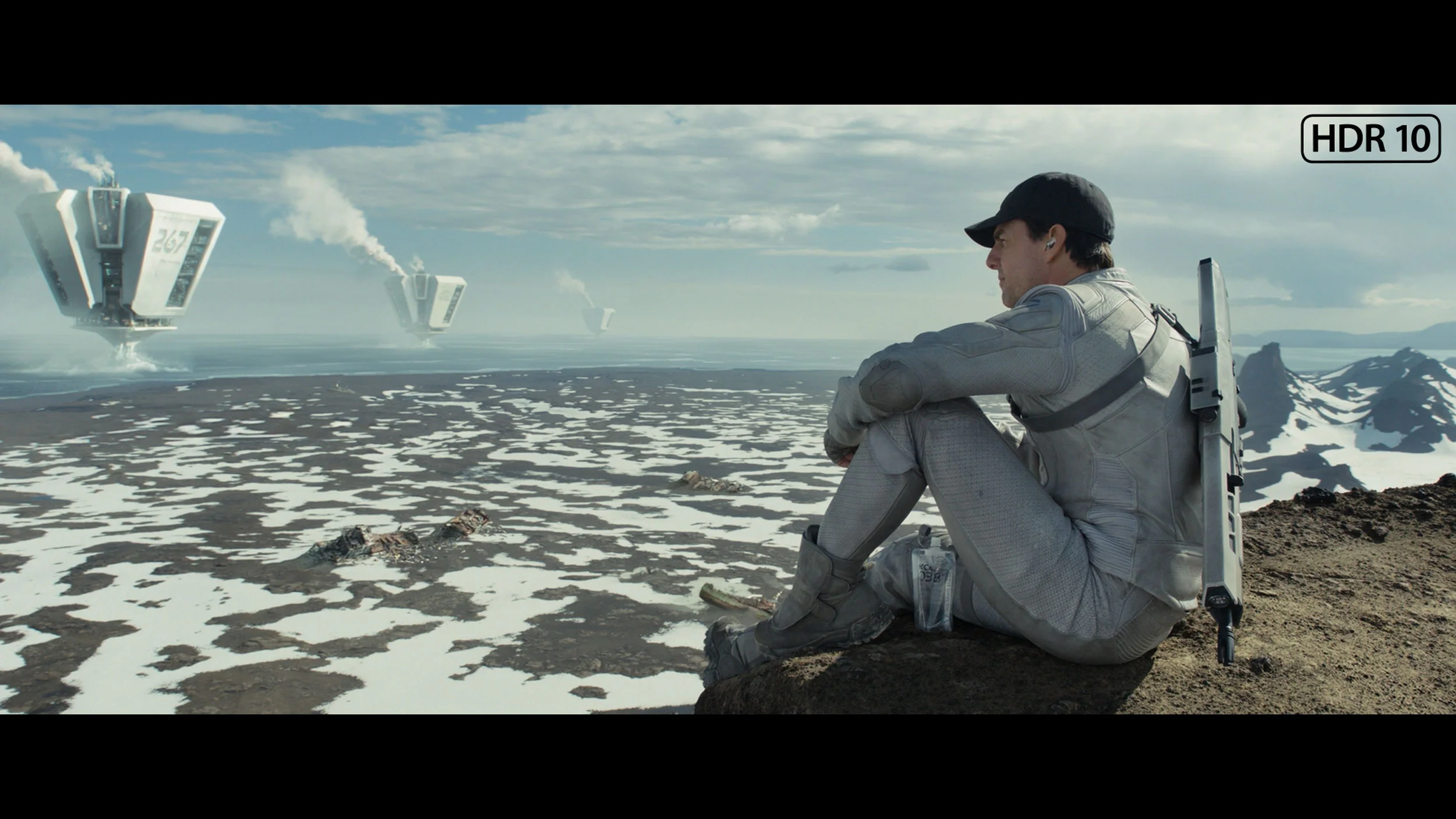
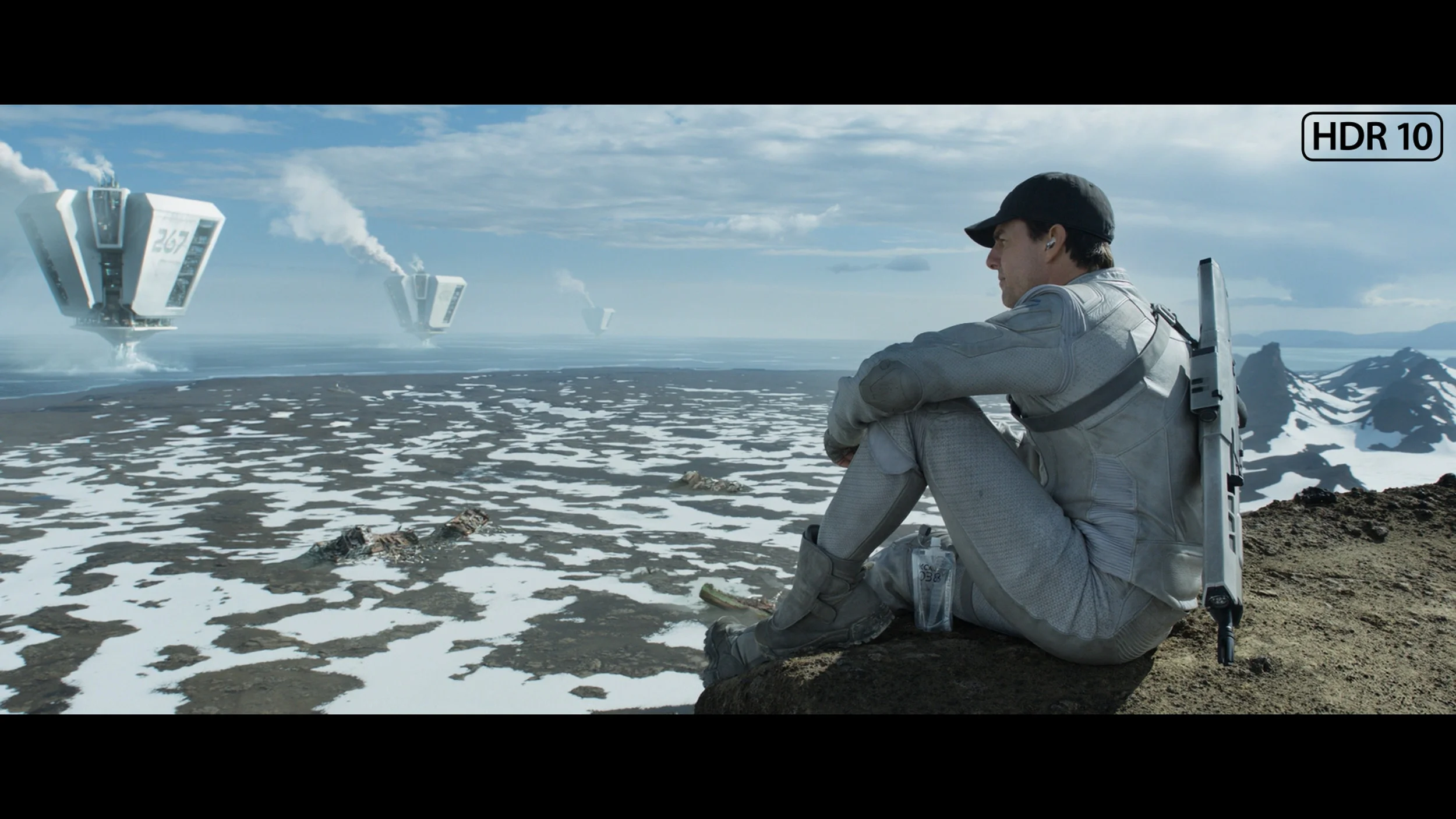
This gallery shows how colors change after professional TV calibration. If you notice the difference, we recommend ordering this service at SkalibrujTV.com.
Factory Mode
After calibration
We conduct all our tests in the best picture mode on each TV. In this case, as usual, it is the Filmmaker mode. The name of the mode suggests perfect colour reproduction; however, there were noticeable deviations from the correct image. Our unit, in terms of white balance, showed a significant drop in shades of blue - both in SDR and 4K HDR material - which caused a clear yellowing of the image, noticeable in comparison scenes from the film with Tom Cruise. As we described earlier, QNED91T has some tendencies to brighten the screen. This is confirmed by the gamma, which is significantly lower than the reference value of 2.4. On the other hand, the EOTF curve, responsible for brightness in 4K content, showed some issues with the TV dimming the image in the darkest areas, which we could observe in the paragraph describing HDR effect quality. Although the Filmmaker mode is quite a decent "out of the box" mode, it still requires some adjustments.
Right out of the box the LG C6 is pretty well set up, especially if you choose Filmmaker mode. In SDR material the white balance is decent, although as brightness increases it starts to lack a bit of red. The picture becomes a little cooler as a result, but it’s not such a big difference that it stands out during normal viewing. More happens in the brightness response itself. Gamma is a bit low and instead of holding at 2.4 it sits closer to 2.1–2.2 over much of the range. In practice the C6 slightly brightens midtones. Shadows are therefore more readable, but the image loses some depth compared with how it should look in a dark room. In HDR the situation is a bit more interesting. The start of the grayscale looks very good, but from about 20–30% brightness the white balance starts to drift more and more. As brightness rises there’s more red and a noticeable lack of blue. In the brightest highlights the difference is already significant and also affects reproduction of some colors. The EOTF curve itself is handled fairly well over most of the range. The C6 only has a tendency to slightly brighten the image, which we also saw during our film comparisons. The largest deviation appears around the brightest highlights, where the TV begins to adapt the signal to the panel’s capabilities. So the out-of-the-box Filmmaker mode in HDR isn’t perfect, but overall it performs well. The biggest room for improvement is the white balance, especially at high brightness.
Color reproduction after calibration
7.8/10
9.1/10
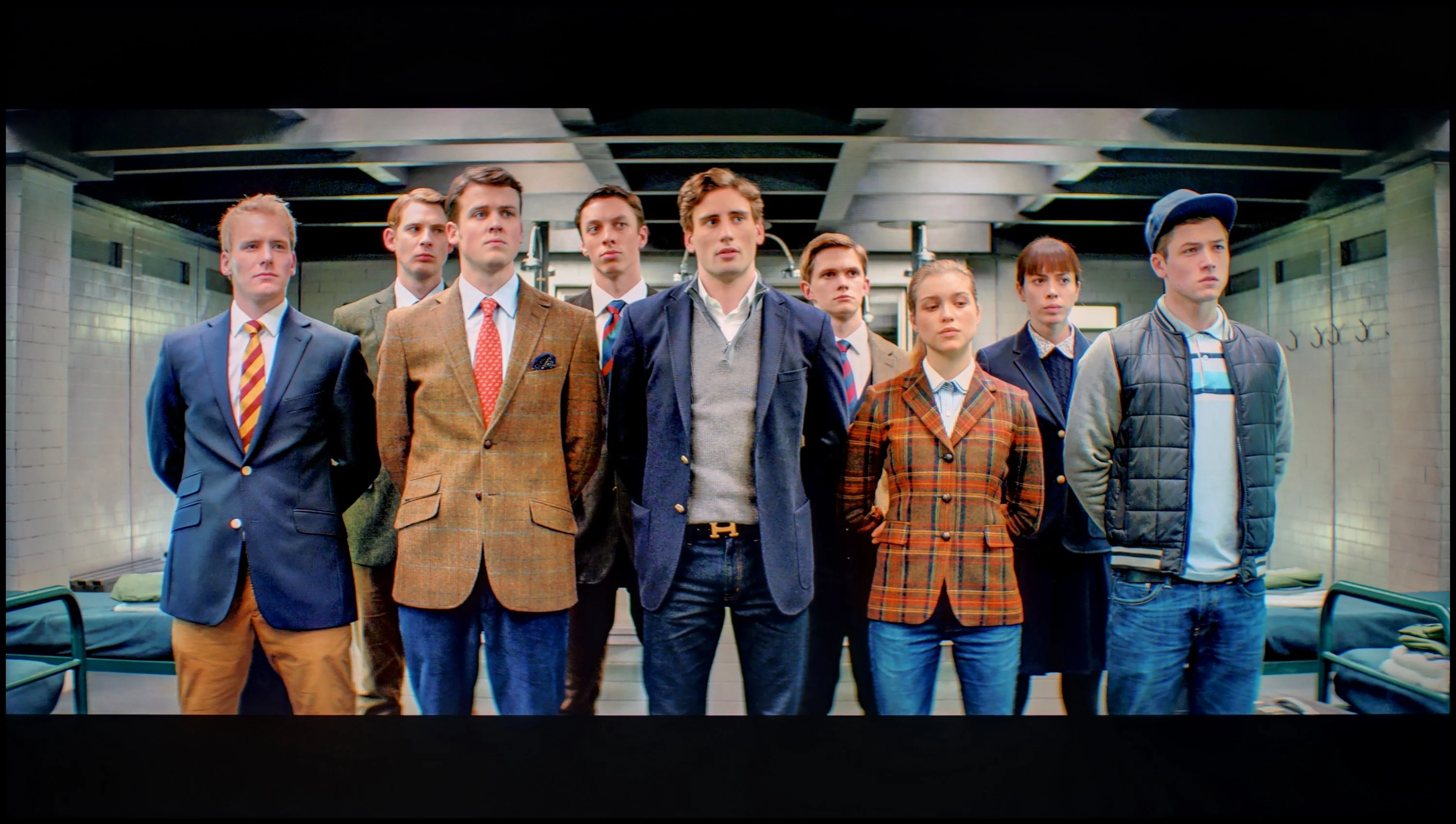
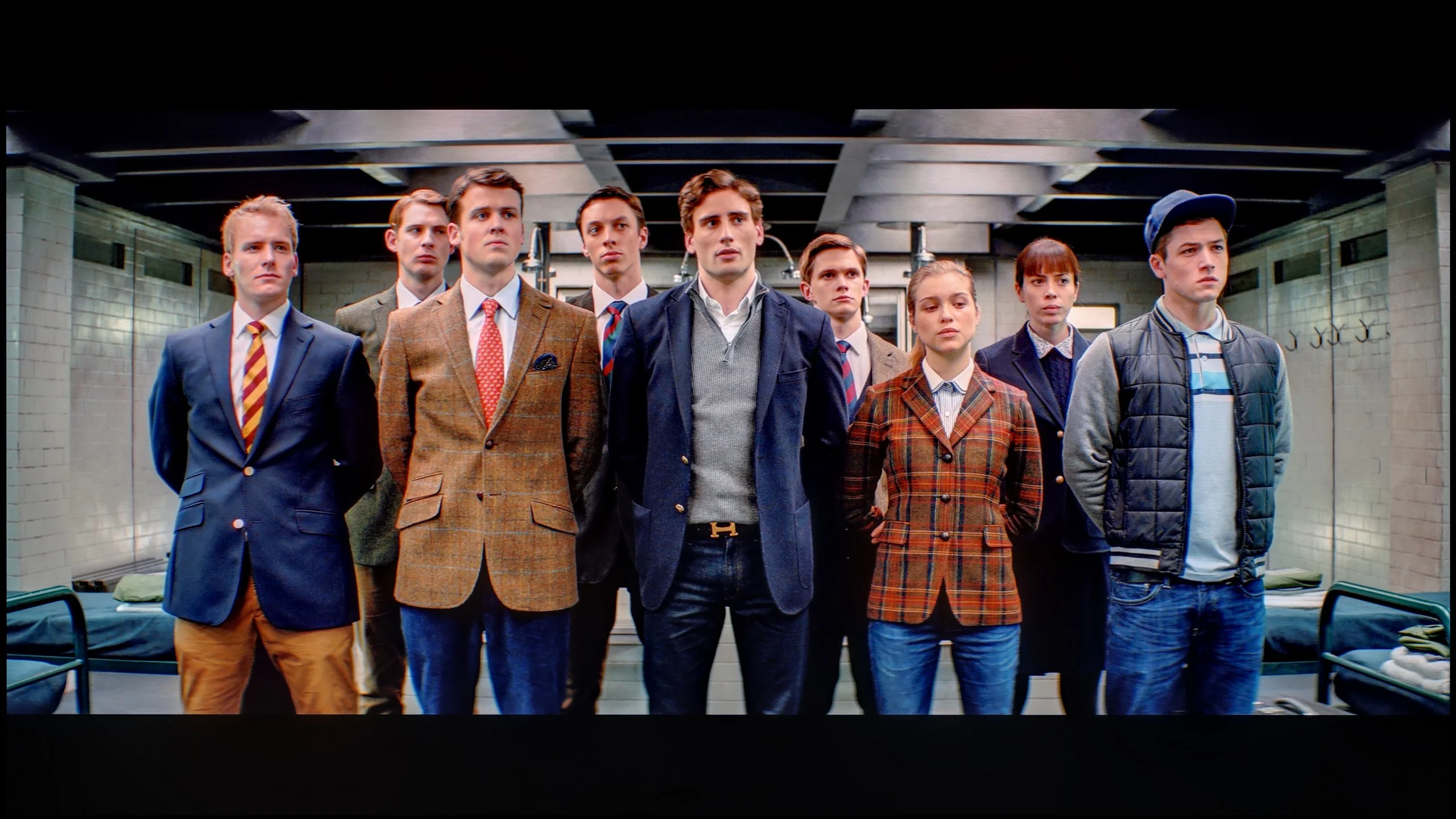
The photos show how movies look on the TV. Pay attention to black detail visibility, colors, and shadow tint.
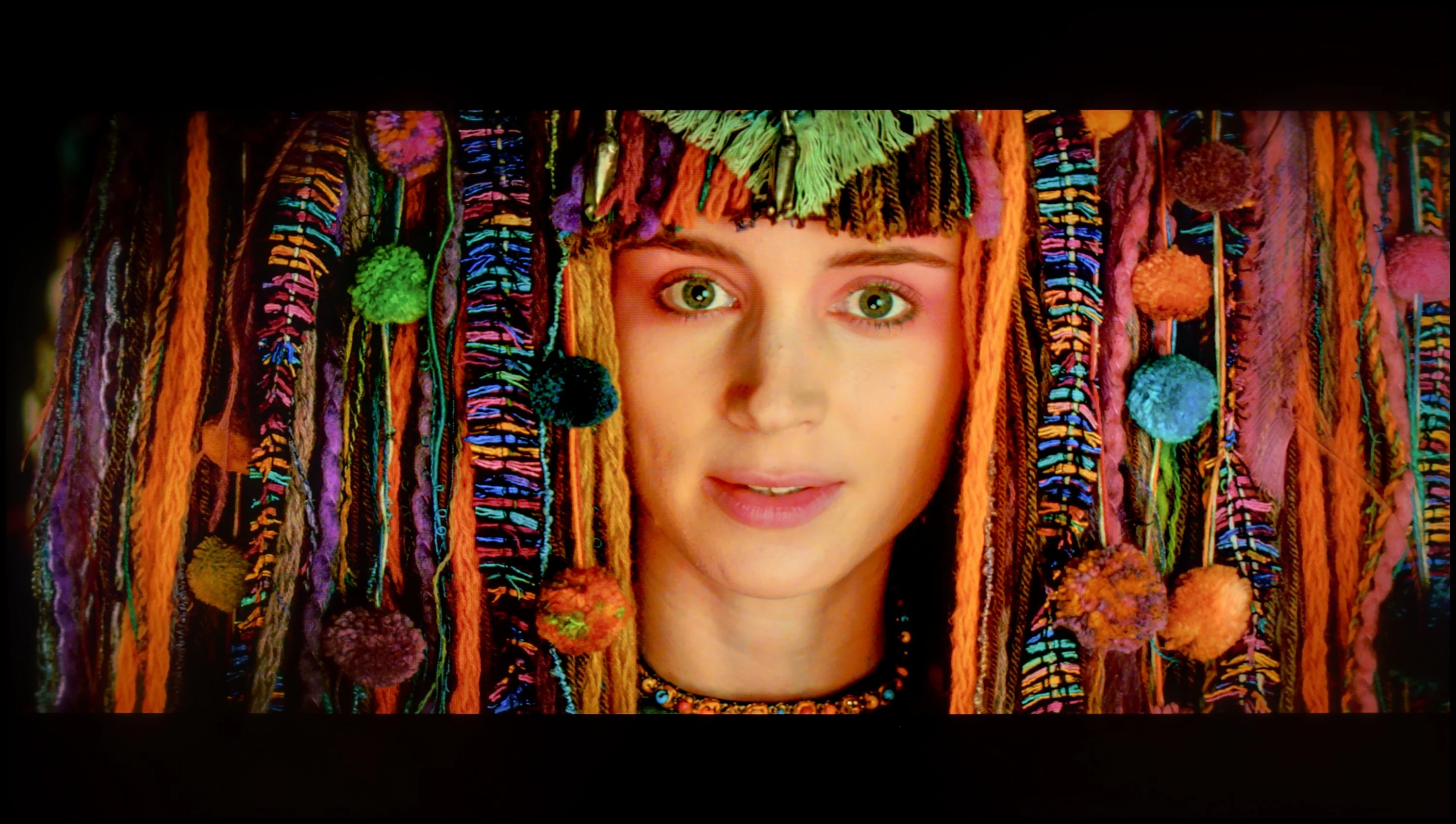
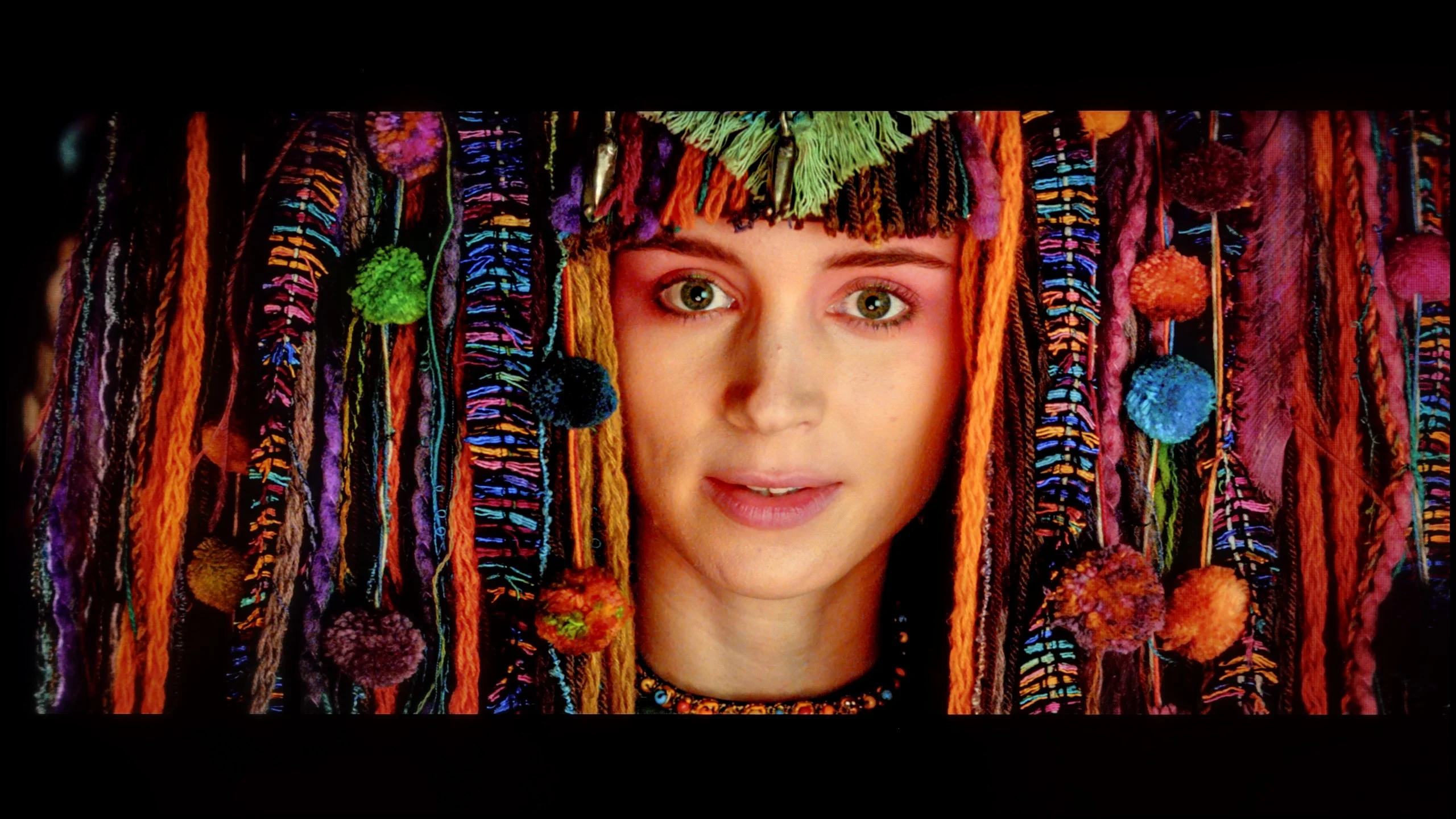
The photos show how movies look on the TV. Pay attention to black detail visibility, colors, and shadow tint.
LG offers advanced calibration tools in its televisions such as 65QNED91T6A, which we took advantage of. When it comes to white balance, we were able to significantly correct it in SDR content. The picture mode in 4K HDR quality posed greater challenges, which, although still not perfect, looks better than before calibration. The errors on the Color Checker palette and the colour palette are much smaller than in factory settings. Regarding brightness characteristics, gamma for HD content is practically ideal, with a slight exception at the end of the graph. However, the biggest issues the television had were with brightness in 4K HDR content. Analyzing the EOTF characteristics in films, we noticed that the television manipulates brightness quite significantly, which we observed in earlier tests. Brightness is considerably boosted compared to the graph in the static test, and the television brightens certain scenes to the extent that some smaller elements lose detail. Unfortunately, this is caused by an average local dimming algorithm in this model. Nevertheless, calibration yields decent results, especially in terms of precise colour reproduction.
LG TVs have been very receptive to calibration for years, and the C6 is no exception. After adjustment the white balance was set almost perfectly, and most color errors dropped to values below 3, often even around 2. In practice this means very accurate color reproduction in both SDR and HDR. An interesting detail appeared only with the HDR brightness characteristic. On a classic EOTF chart everything looks nearly ideal, and at first glance it would be hard to find fault. Only when we measured the TV’s behavior using filters based on actual movie scenes did it become clear that the C6 has a slight tendency to artificially boost image brightness.
It’s not a huge difference and many people may even see it as a positive, because HDR looks a bit more impressive this way. From the standpoint of fidelity to the source material this isn’t ideal — some scenes are simply a touch brighter than the filmmaker intended. Interestingly, this is somewhat unusual for LG. In previous generations, the brand’s TVs typically stuck very closely to the reference tone curve after calibration. With the C6 we’re still very close to the standard, but that subtle boost in brightness is indeed noticeable in films and series.
Smoothness of tonal transitions
8.5/10
7/10
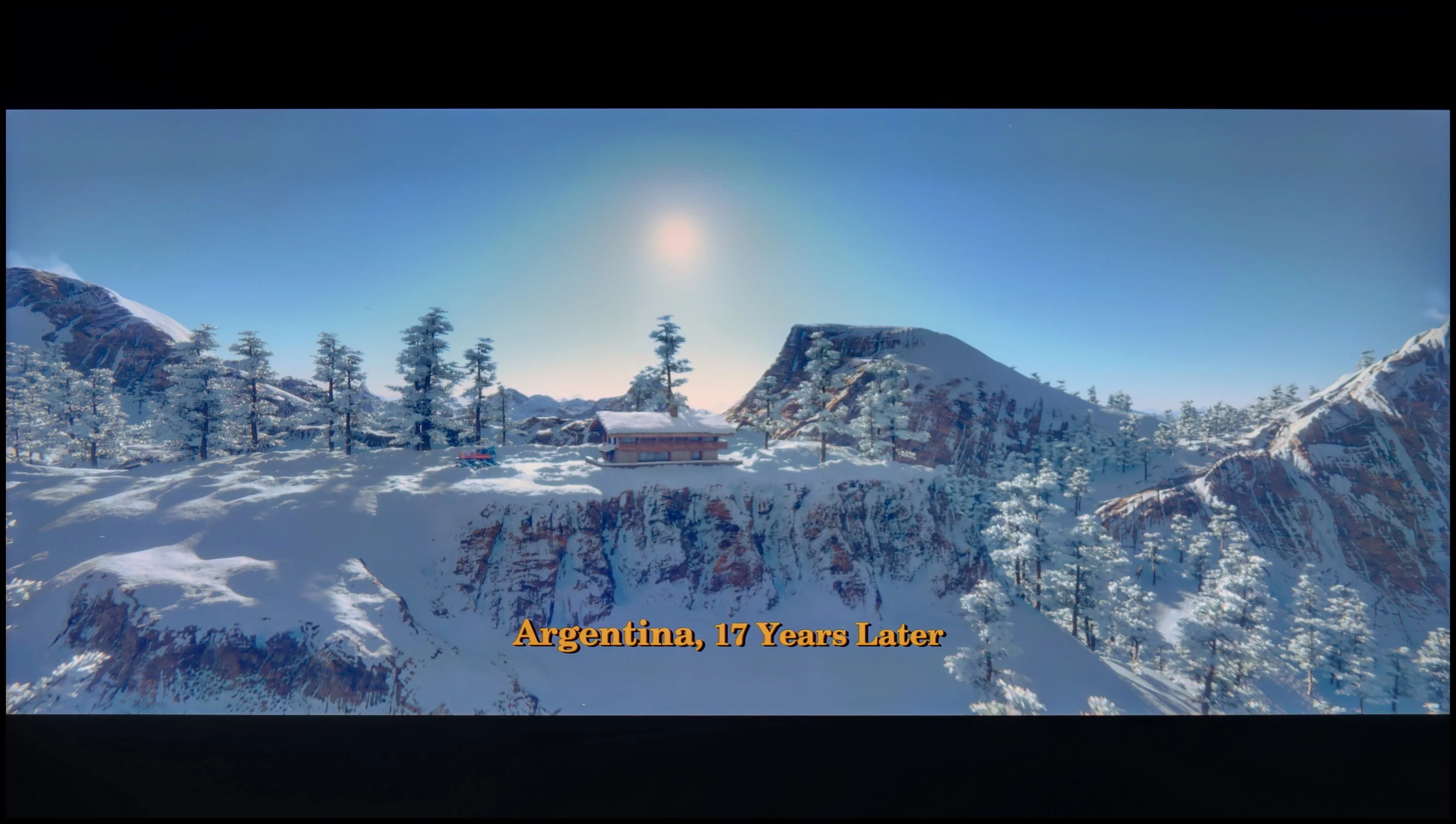

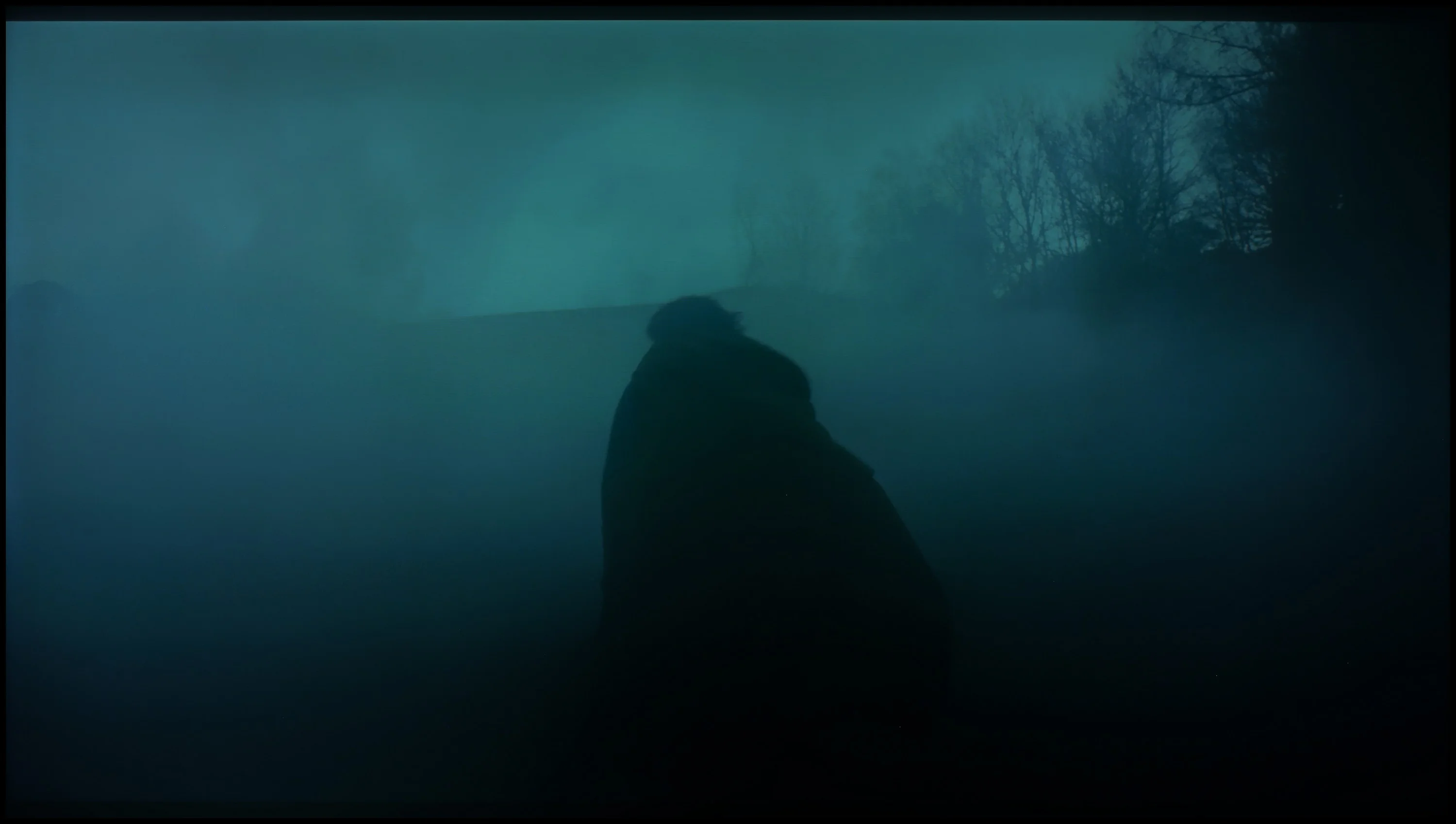
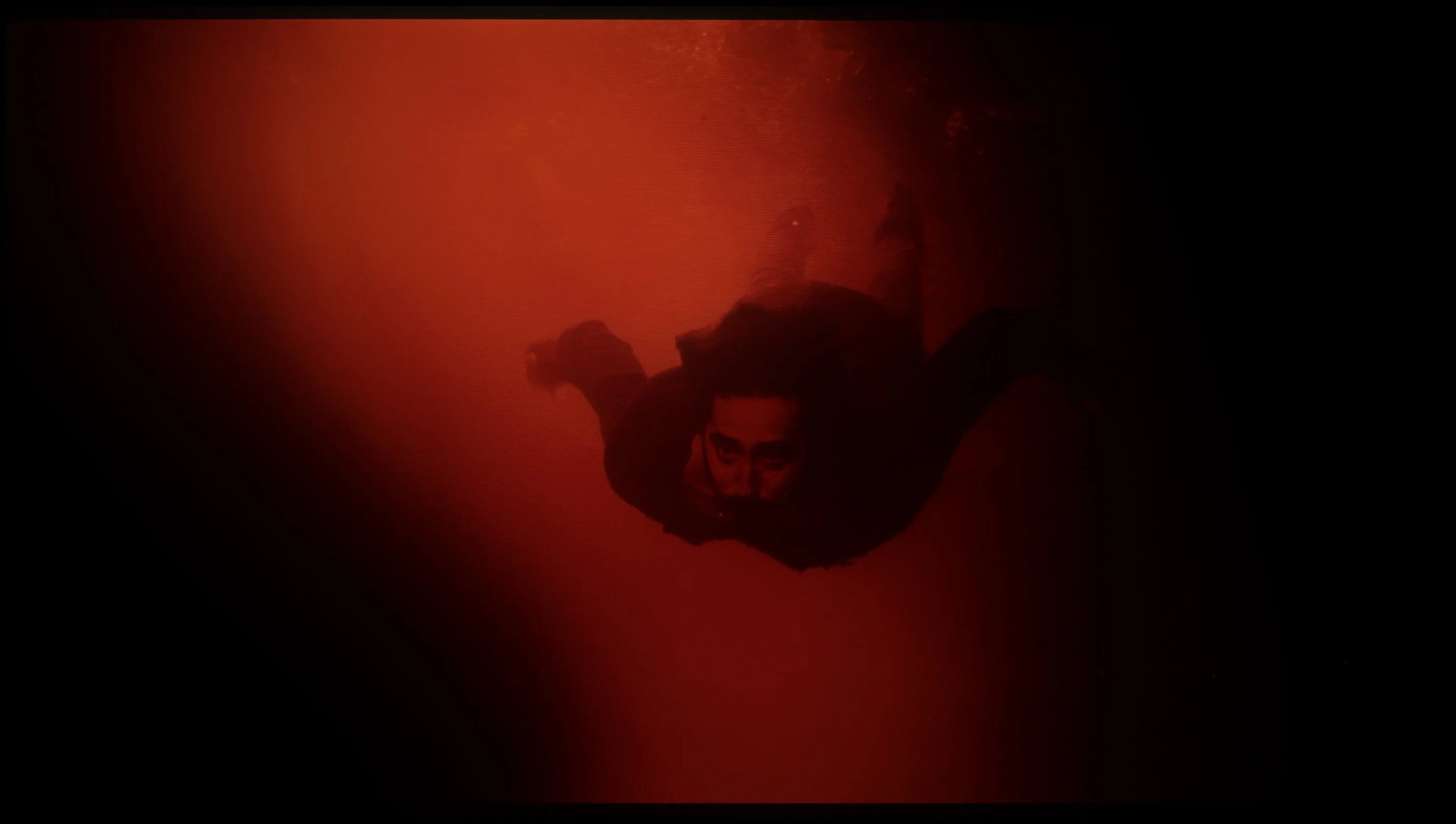
These are selected scenes that show smooth tonal transitions from one color to another. If you see distinct banding, it’s the TV panel’s fault.
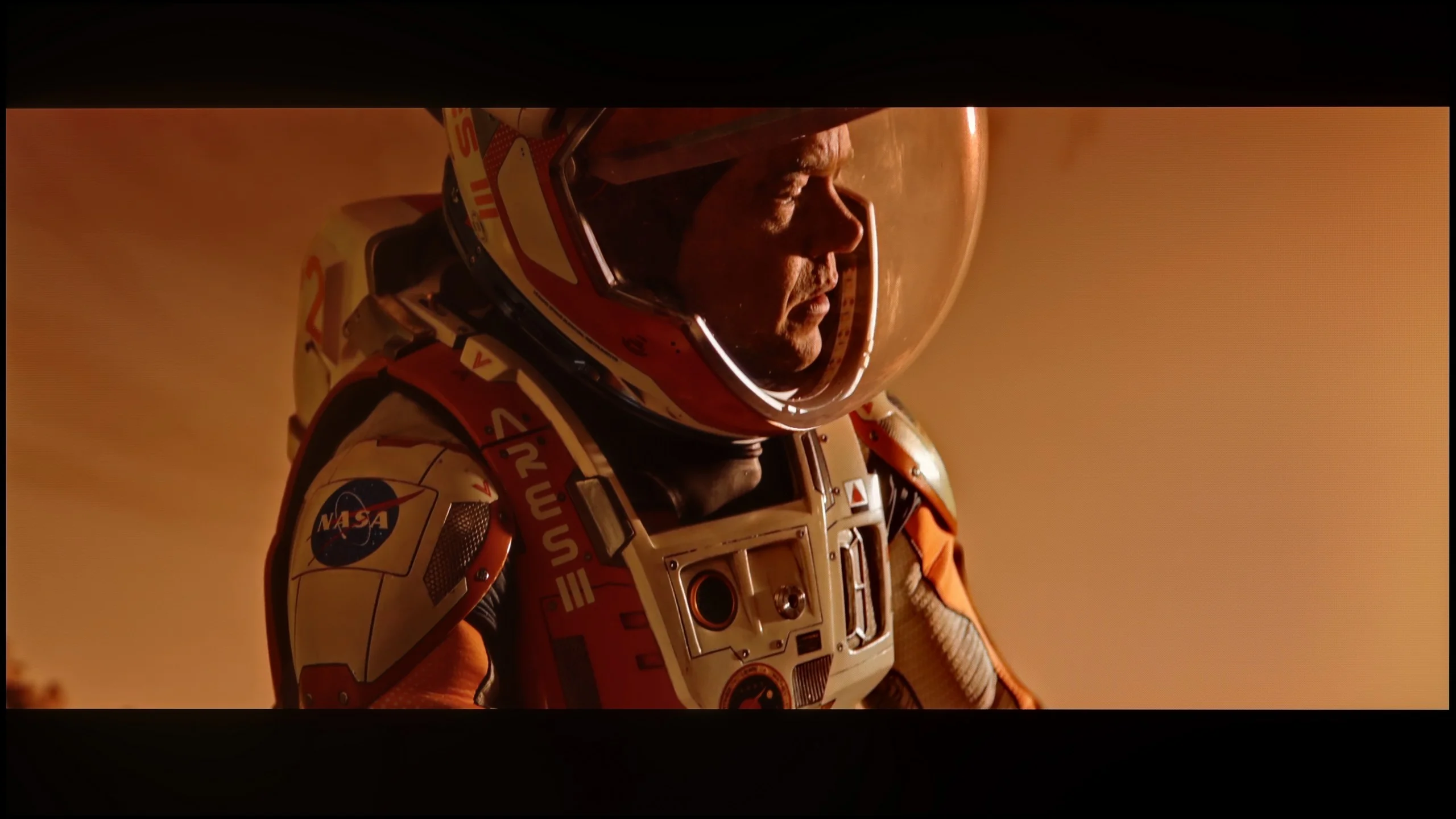
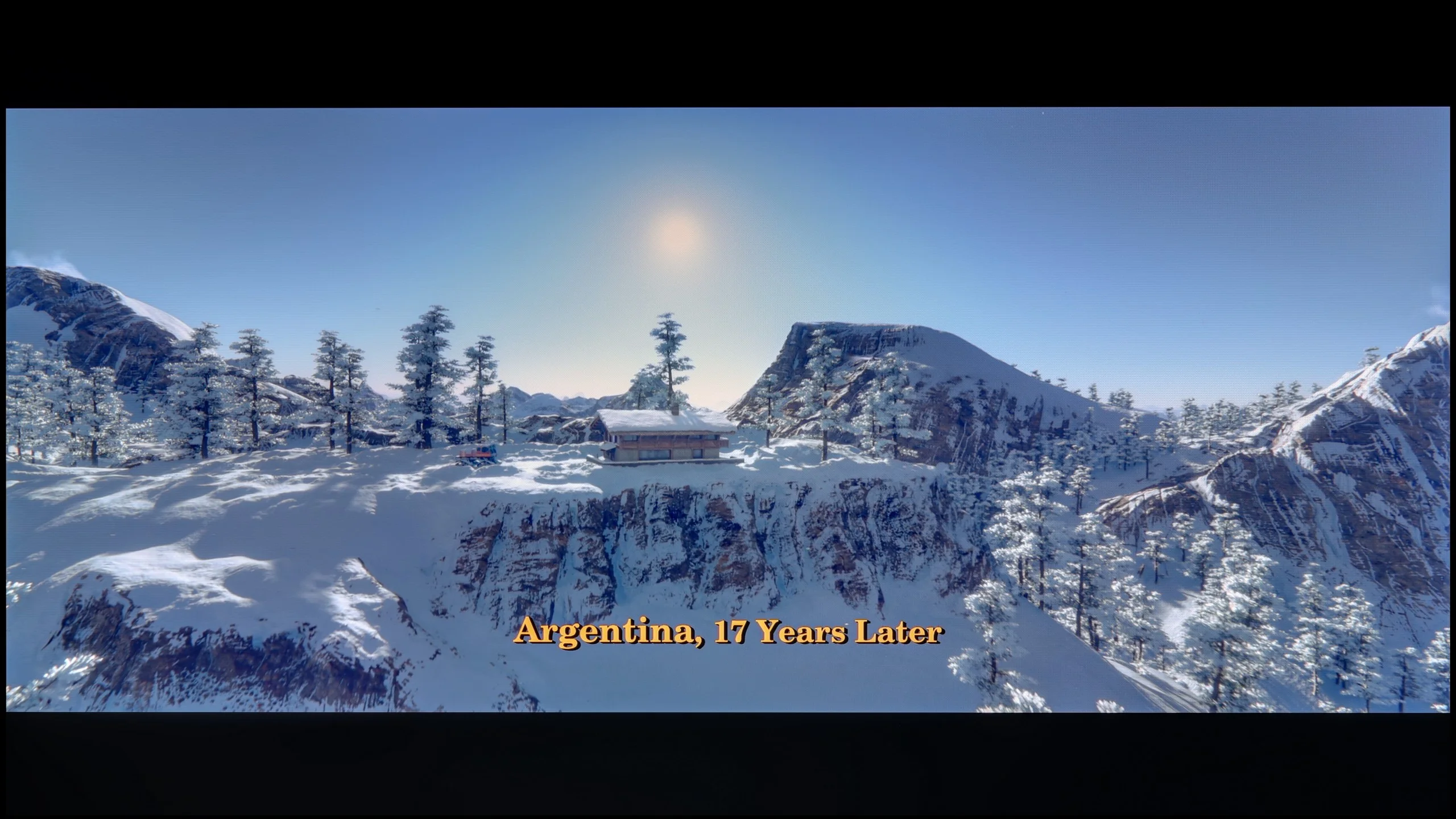
These are selected scenes that show smooth tonal transitions from one color to another. If you see distinct banding, it’s the TV panel’s fault.
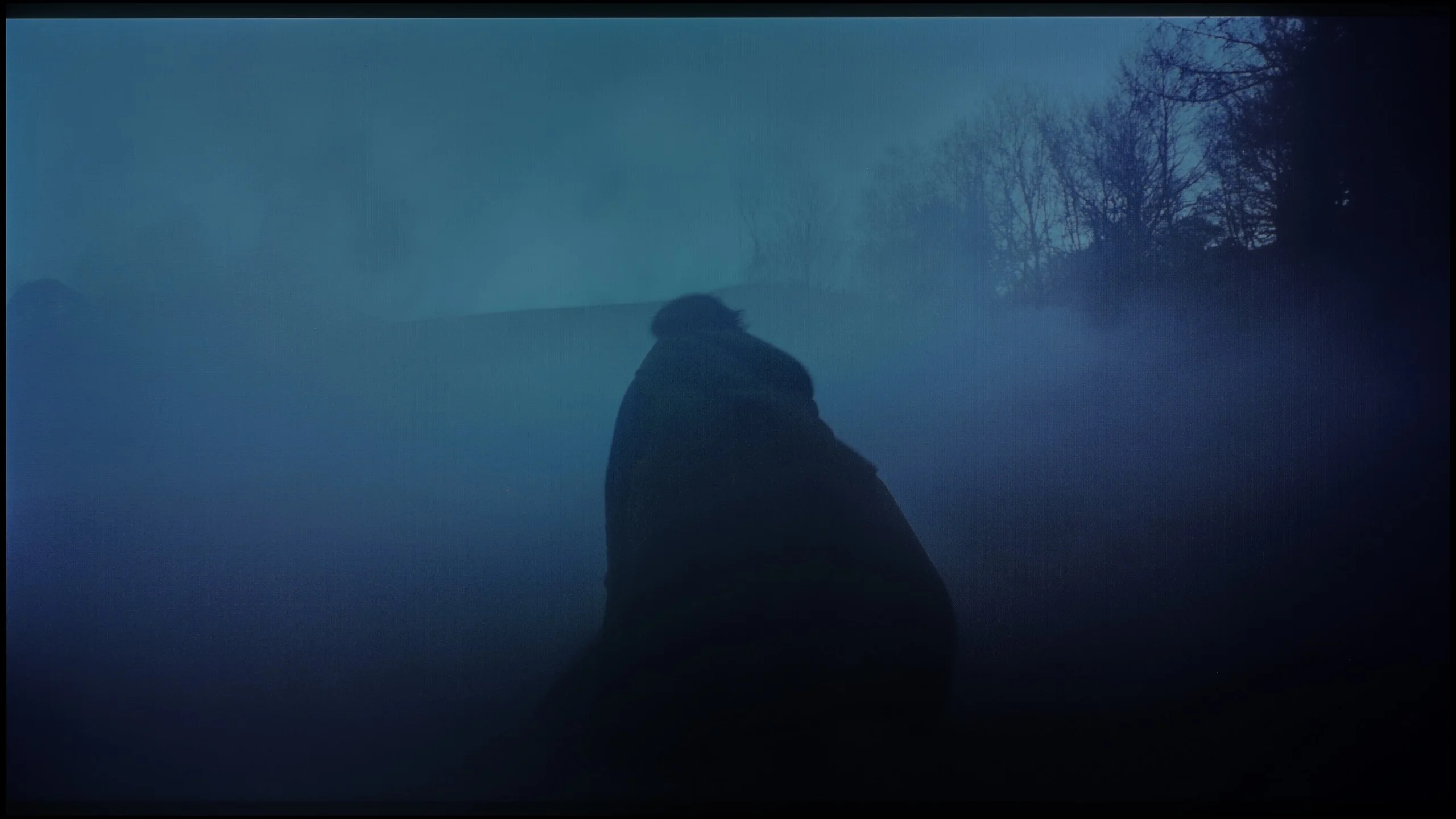
These are selected scenes that show smooth tonal transitions from one color to another. If you see distinct banding, it’s the TV panel’s fault.
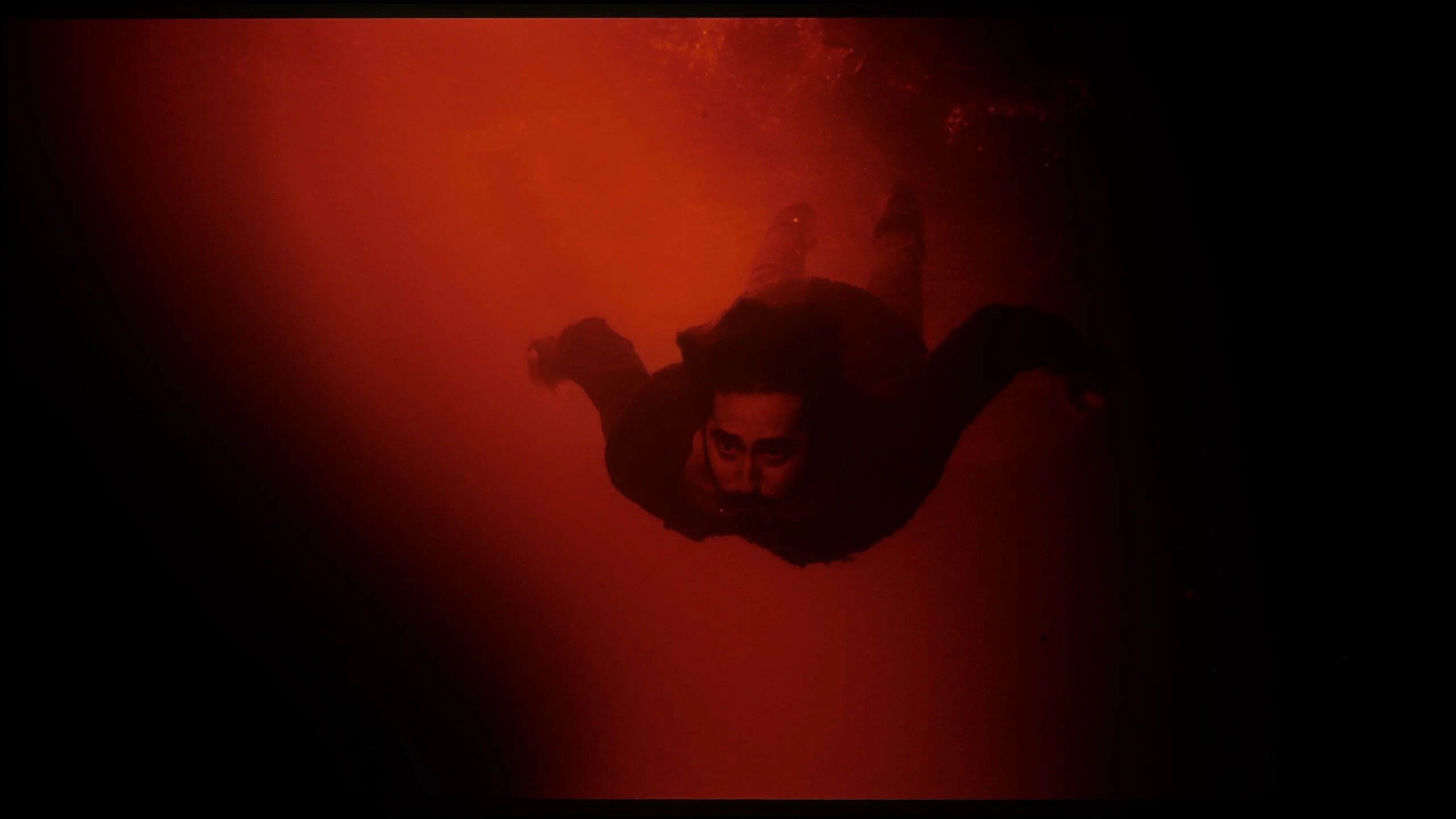
These are selected scenes that show smooth tonal transitions from one color to another. If you see distinct banding, it’s the TV panel’s fault.
The gradation on LG QNED91T looks very good. There are only slight cut-offs in the brightest scenes, but the television handles blacks very well, providing smooth tonal transitions. As a result, the image is natural and pleasant to the eye, with no noticeable issues.
The LG C6 handles tonal transitions very well. In most movie scenes it was hard to notice any obvious posterization issues. Both in the dark parts of the image and in bright gradients the colors remain relatively smooth and do not break up into visible bands. That's good news, because WOLED panels haven't always been perfect in this regard. With the C6 it's clearly better, and during normal viewing this aspect of the image shouldn't draw attention.
Note: One downside is the dithering visible in near-black areas. Up close you can notice subtle flicker and grain in the darkest parts of the image. It's not as pronounced as with the Tandem OLED panel, but it still occurs, so we decided to dock the C6 a few points in this category.
Image scaling and smoothness of tonal transitions
7.5/10
8.5/10

Smooth transition function
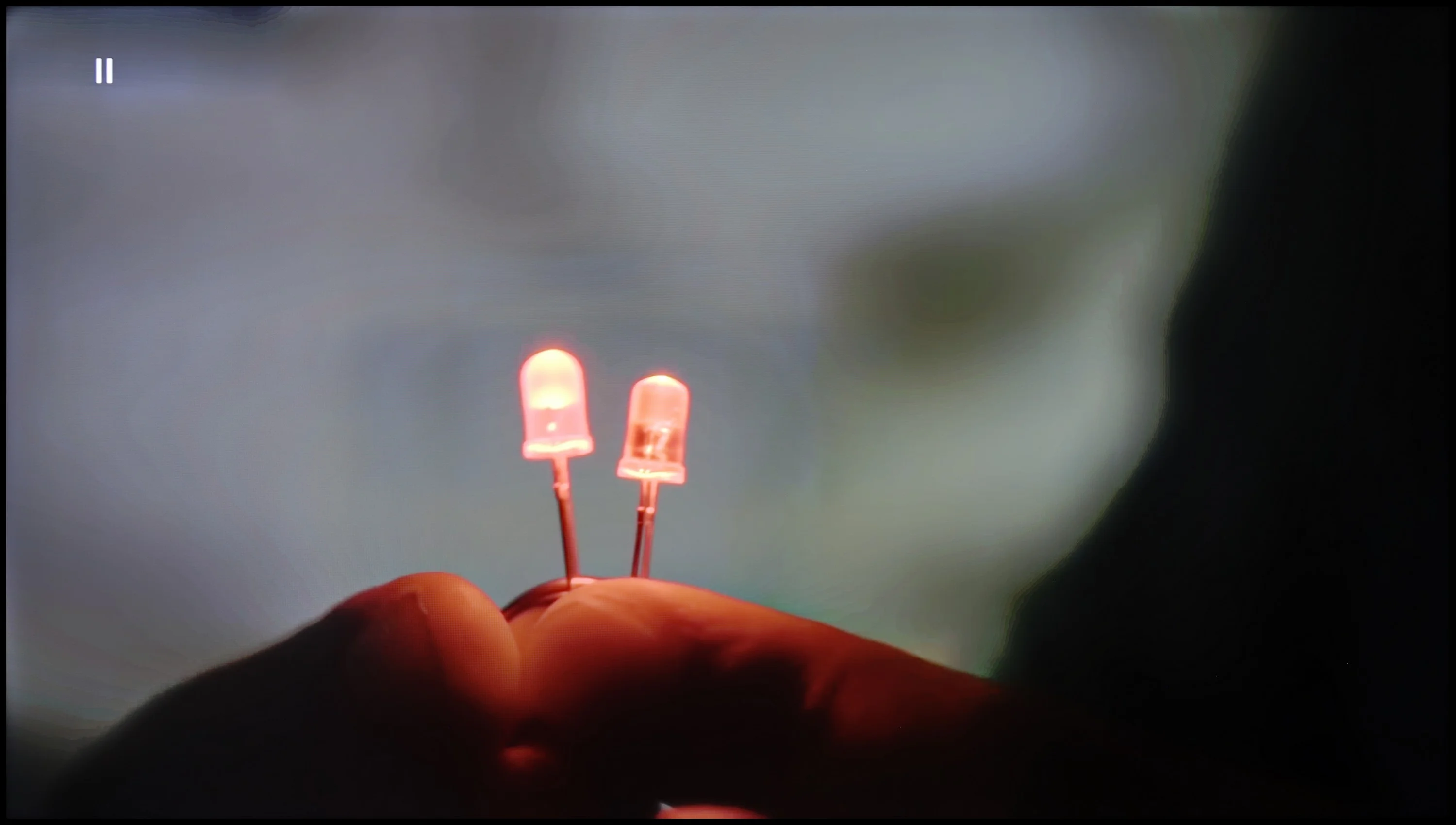
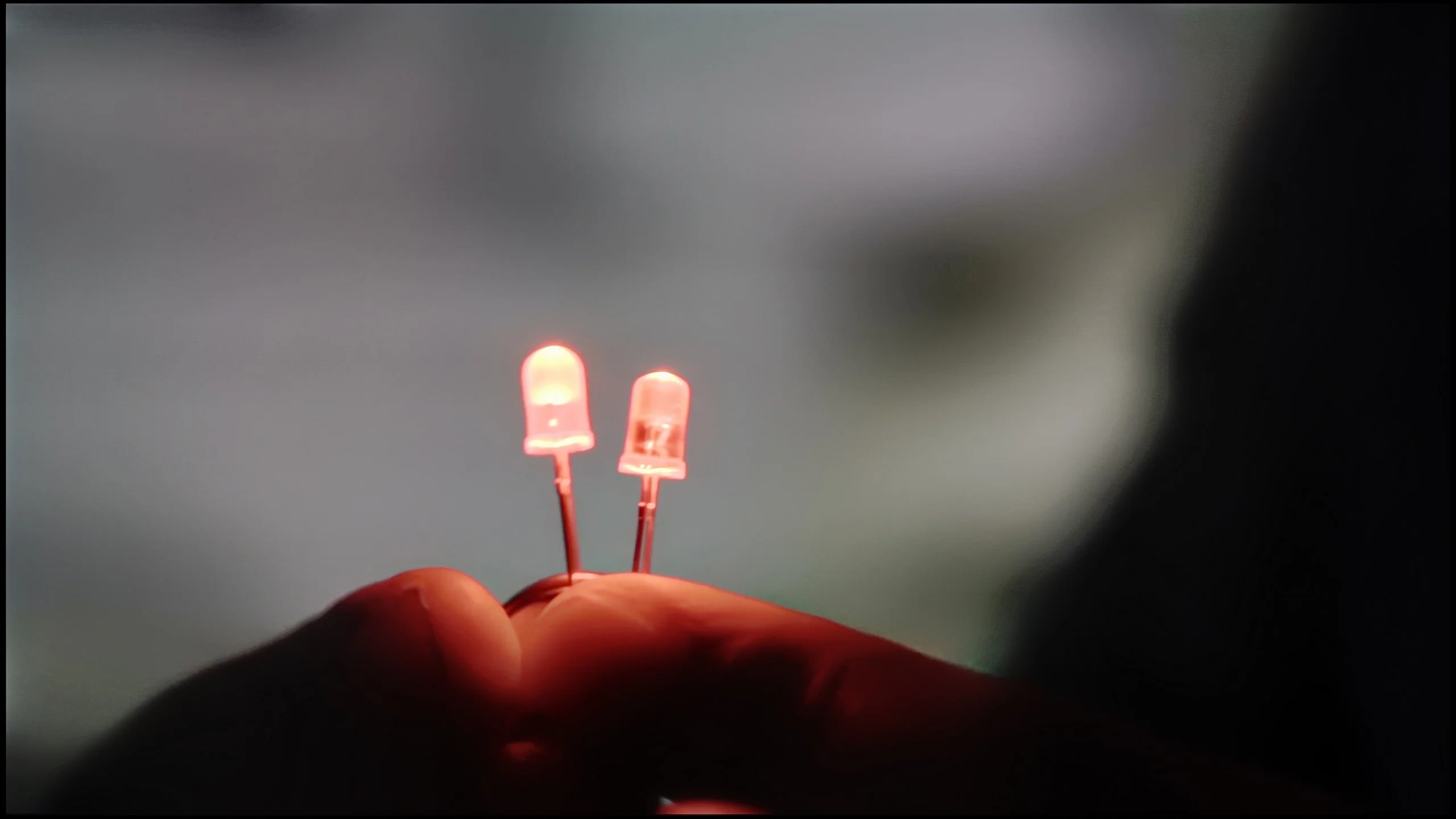
The match photo shows how the TV smooths weak tonal transitions in low-quality video.
Image scaling SD (576i)


The model photo shows how it handles upscaling of SD material.
When it comes to tonal transitions in lower quality materials, the TV offers the already-known feature from LG TVs - "Smooth Gradation." We can control it at three levels: low, medium, and high. We recommend using the medium option, as it effectively removes tonal transitions without causing noticeable issues with removing the structure of objects or other artefacts.
As for image scaling (upscaling), LG's Alpha processor handles this well. The image appears very plastic, with slight jaggedness in some elements, which does not significantly affect the quality. It looks really okay, and the overall effect is very satisfactory.
The LG C6 has taken a really big step forward here. The TV uses the same processor found in the flagship G6, and in terms of image processing the two models are very similar. That’s a big plus, because in this area LG’s processor this year performs excellently. The "Smooth Gradation" feature works especially well. With heavily compressed material it can effectively hide ugly tonal transitions and artifacts that often appear, for example, in lower-quality streaming. It’s best to leave it set to "Low." Then the improvement is clear, and the TV doesn’t yet start blurring fine details. Higher levels smooth the image more, but can already remove some of the natural texture of objects on the screen. The upscaling itself also performs very well. Lower-resolution content is sharpened properly, edges look clean, and the processor quite effectively rebuilds fine details. In this regard the C6 is already very close to LG’s best TVs, and the differences compared with the G6 are small.
Blur and motion smoothness
7.5/10
8.5/10
Blur (native resolution, maximum refresh rate):

Blur (BFI function enabled):

Image flickers in this mode

Blur ():
Blur (4K@165Hz):


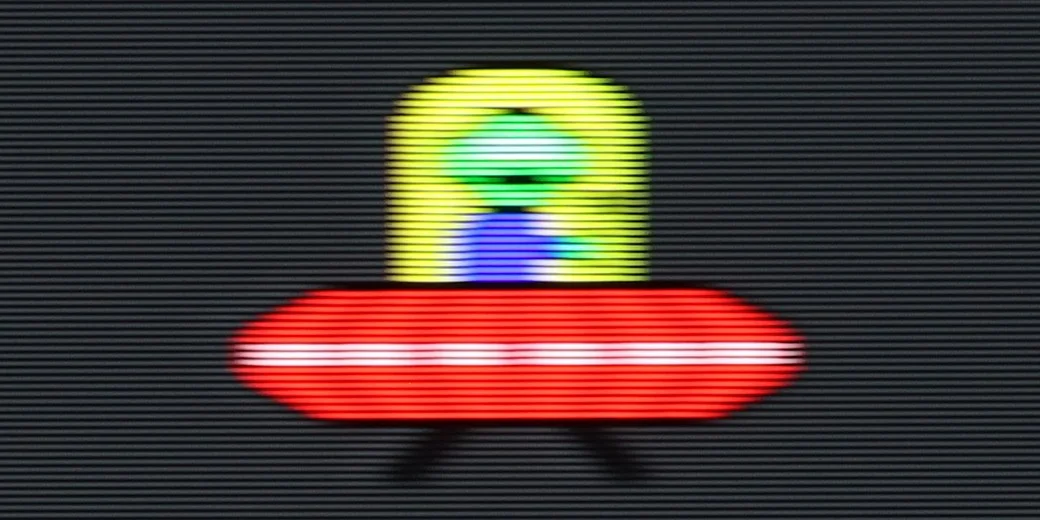
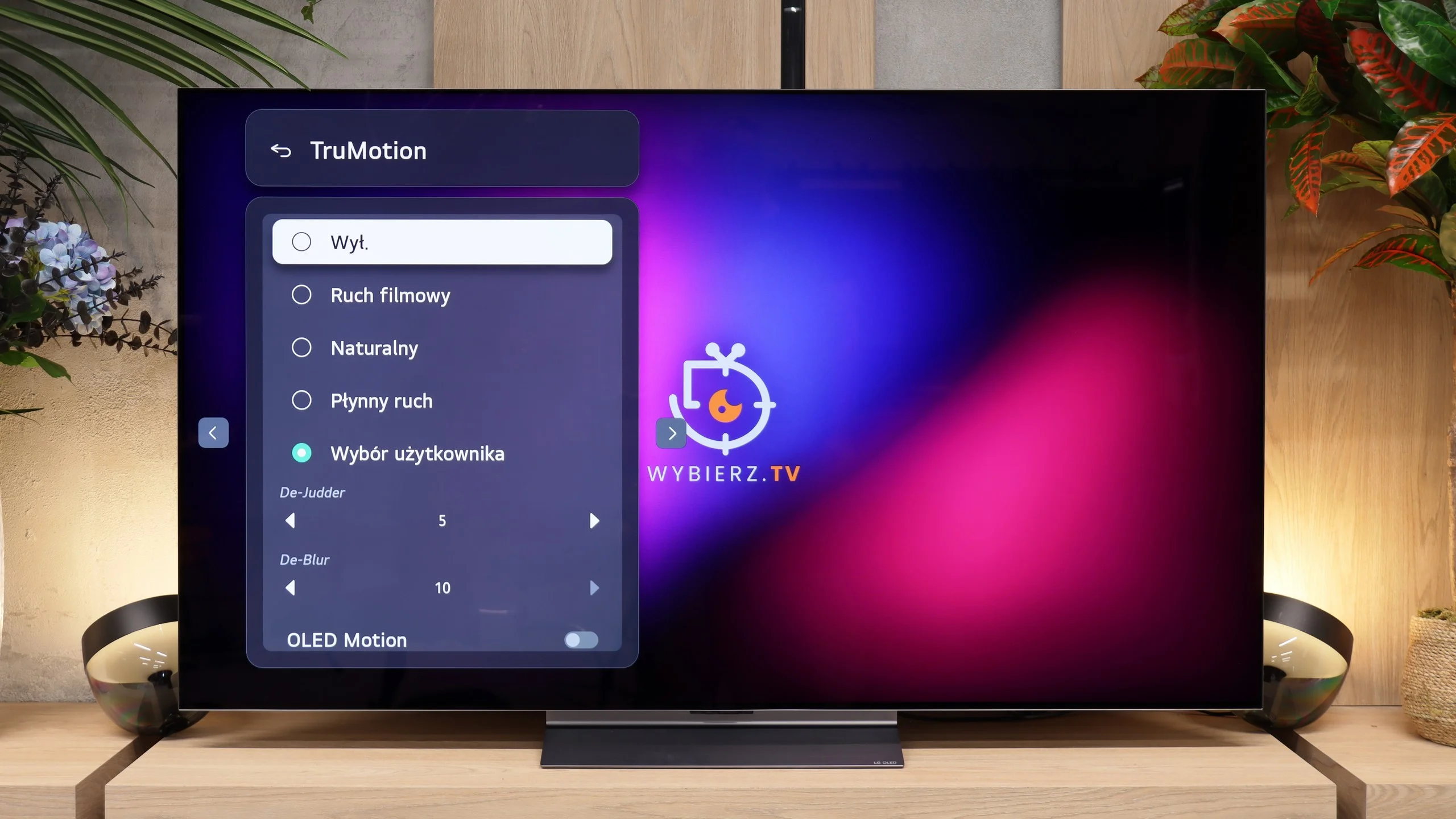
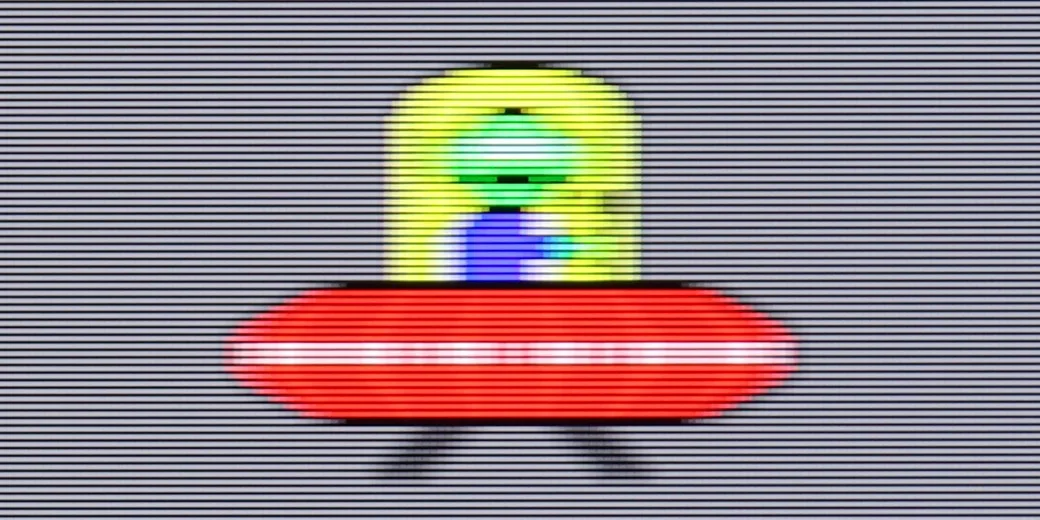
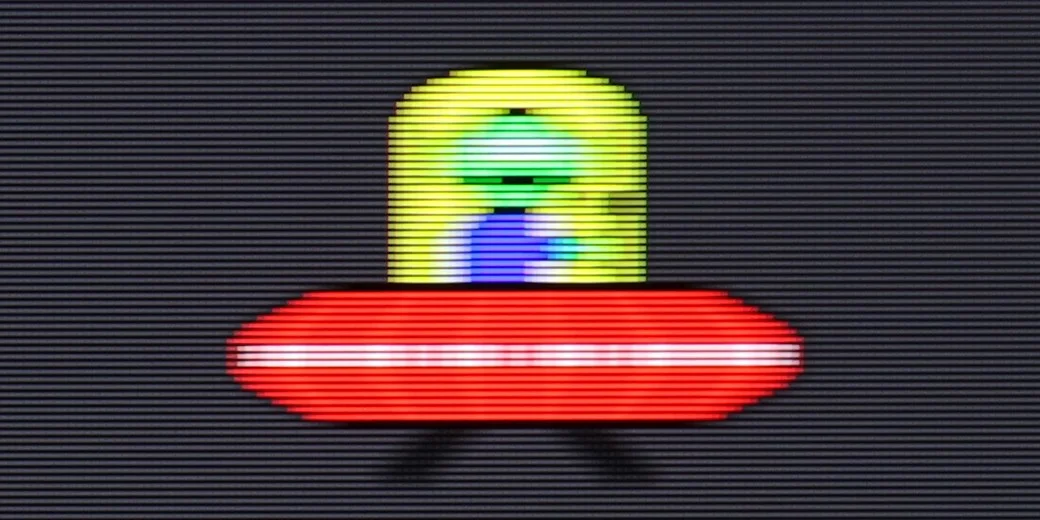
The television has a refresh rate of 120 Hz, which should satisfy most users in terms of motion smoothness. Additionally, QNED91T is equipped with the TruMotion feature, which allows for smoother image display in movies. As part of this feature, we can adjust the "De-Judder" and "De-Blur" sliders. The "De-Judder" slider is responsible for reducing jitter in movies, which is particularly useful when playing content with a lower frame rate, while "De-Blur" helps reduce blurriness in fast scenes, which is essential for sports or dynamic shots.
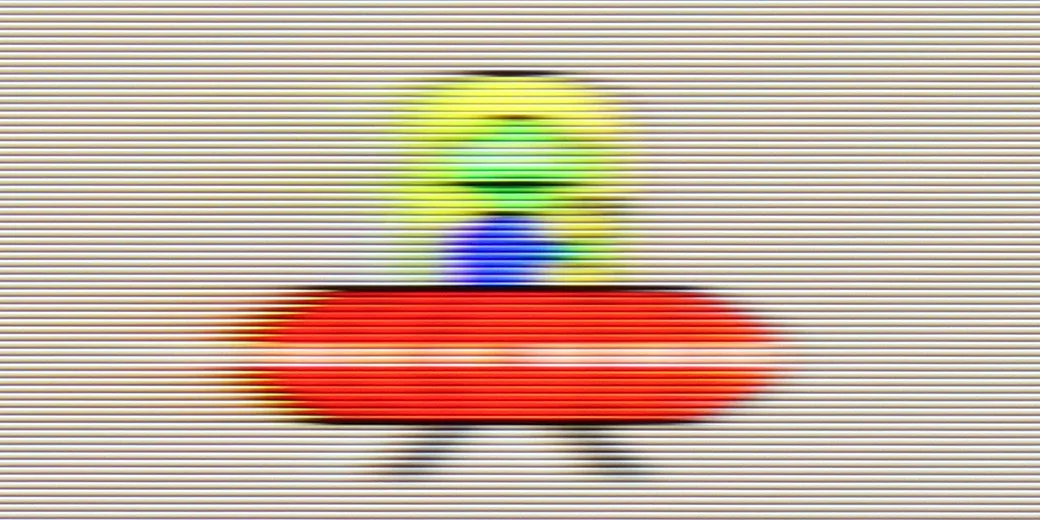
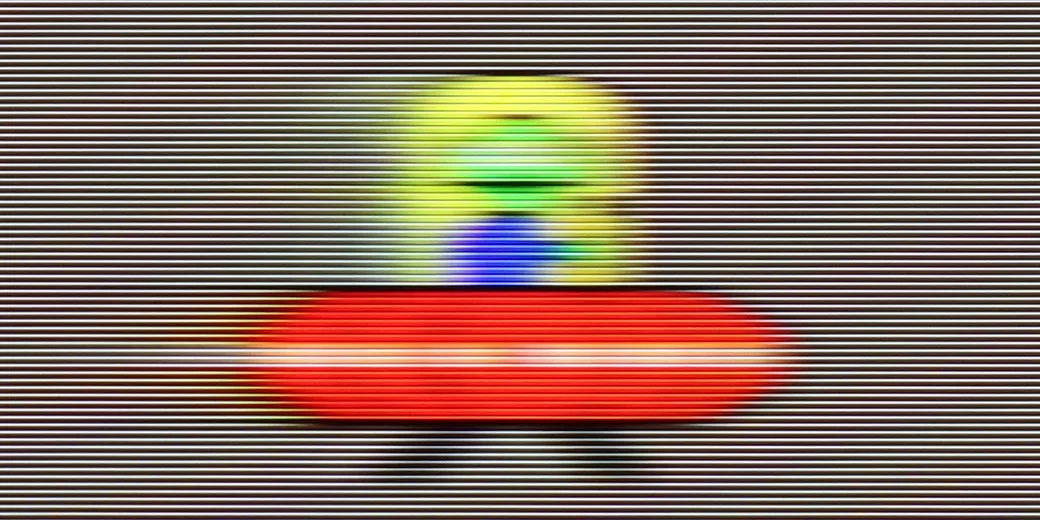
The LG C6 features a panel with a maximum refresh rate of 165 Hz, which is great news especially for gamers using a powerful PC. For movies, sports, or consoles we'll of course use up to 120 Hz, but even then it's hard to fault the motion clarity. As you'd expect from an OLED, the panel's response time is almost instantaneous. Moving objects therefore don't leave the characteristic smears you still see on LCD TVs. This is particularly noticeable in sports and fast-paced games, where the picture remains very clean even during dynamic motion.
For movies and TV, LG also provides the TruMotion motion-smoothing system. In the user settings you'll find two separate sliders. De-Judder is mainly for low-frame-rate content, that is primarily 24 fps films and series. It can slightly reduce the characteristic judder, or be set higher if you want a much smoother image. De-Blur is useful for higher-frame-rate material, mainly sports broadcasts and 50/60 fps television.
Console compatibility and gaming features
9.8/10
10/10
- ALLM
- VRR
- VRR range48 - 120Hz40 - 165Hz
- Dolby Vision Game Mode
- Correct implementation of HGIG
- 1080p@120Hz
- 1440p@120Hz
- 4K@120Hz
- Game bar
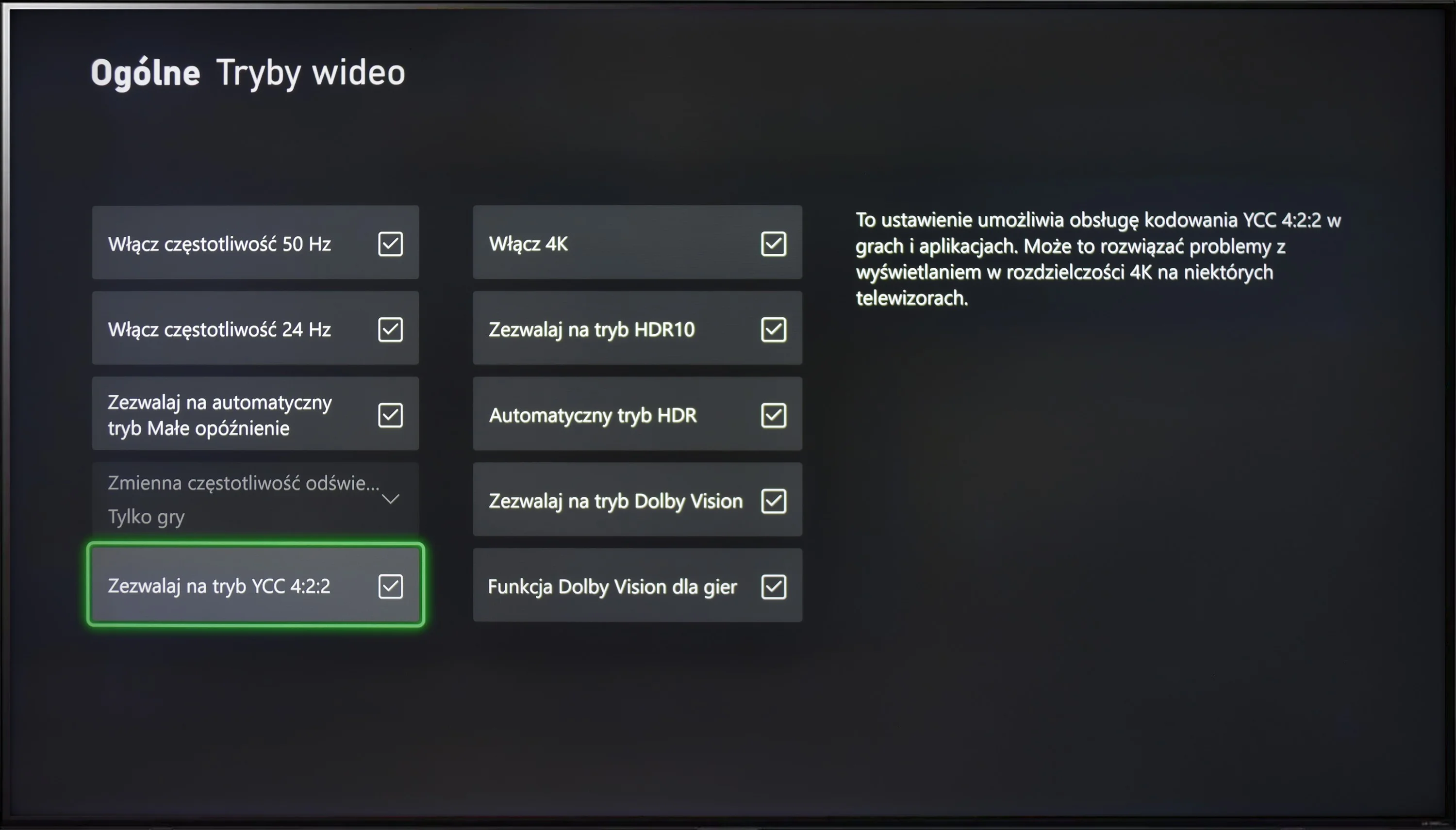
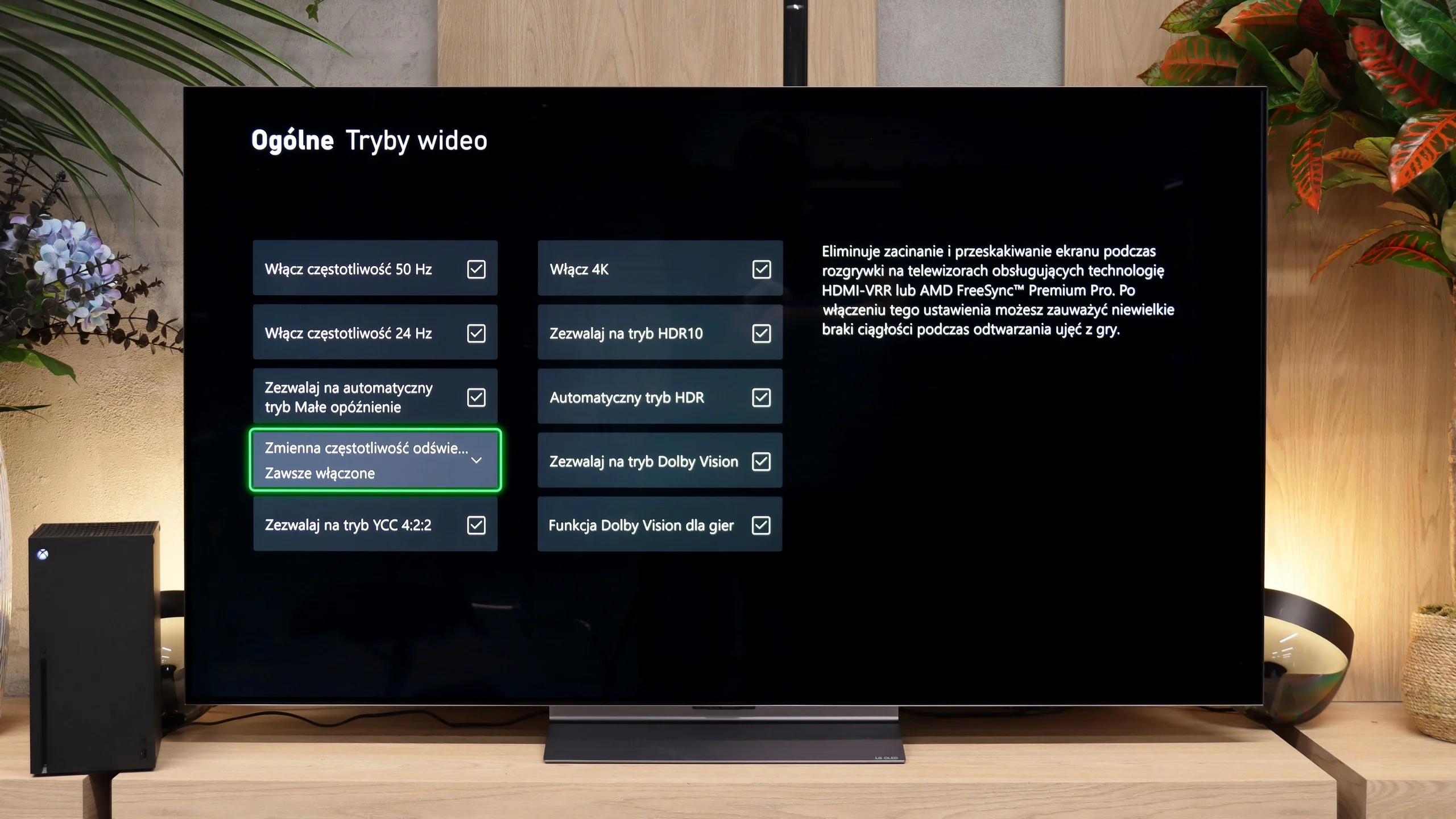
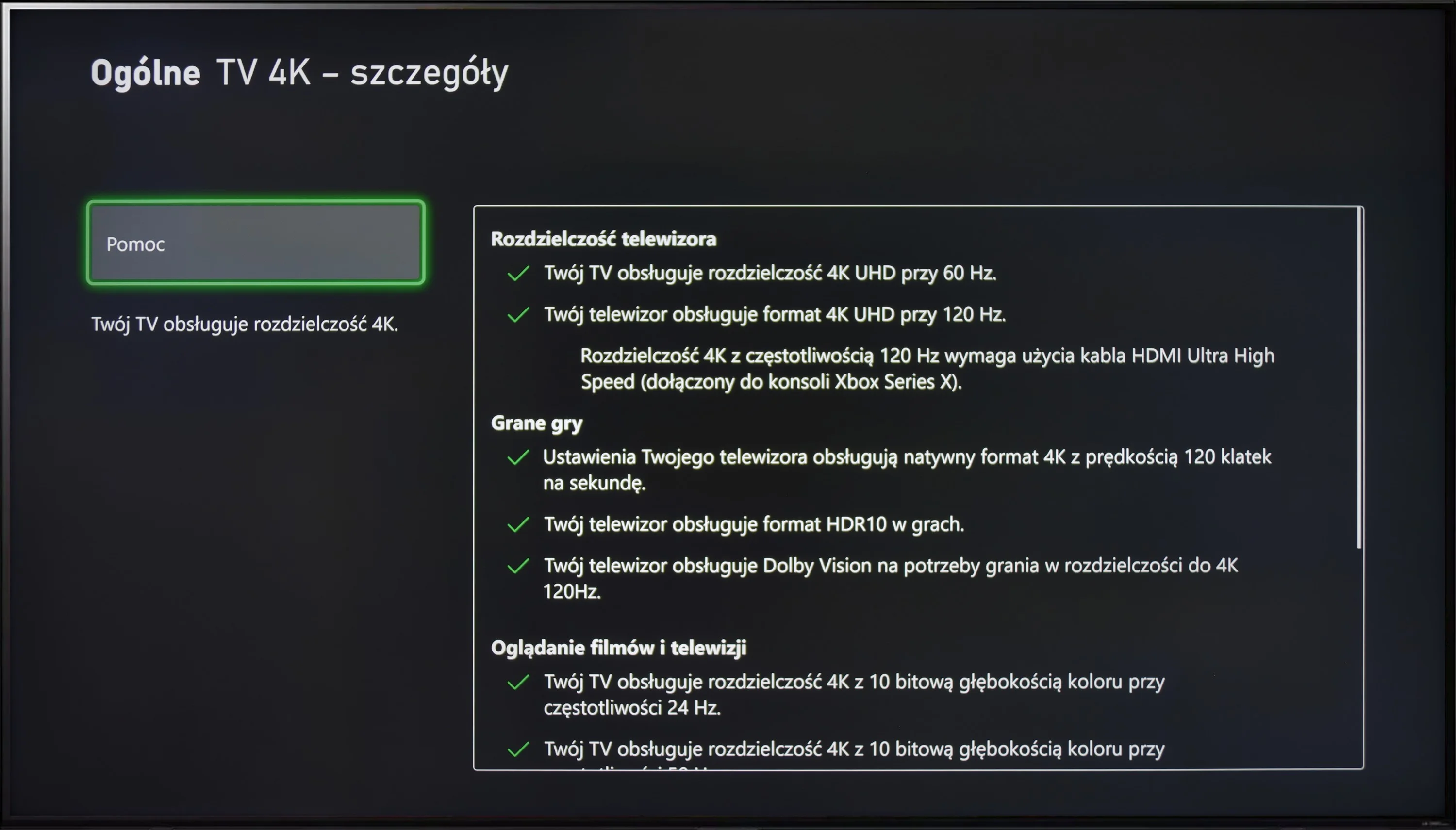
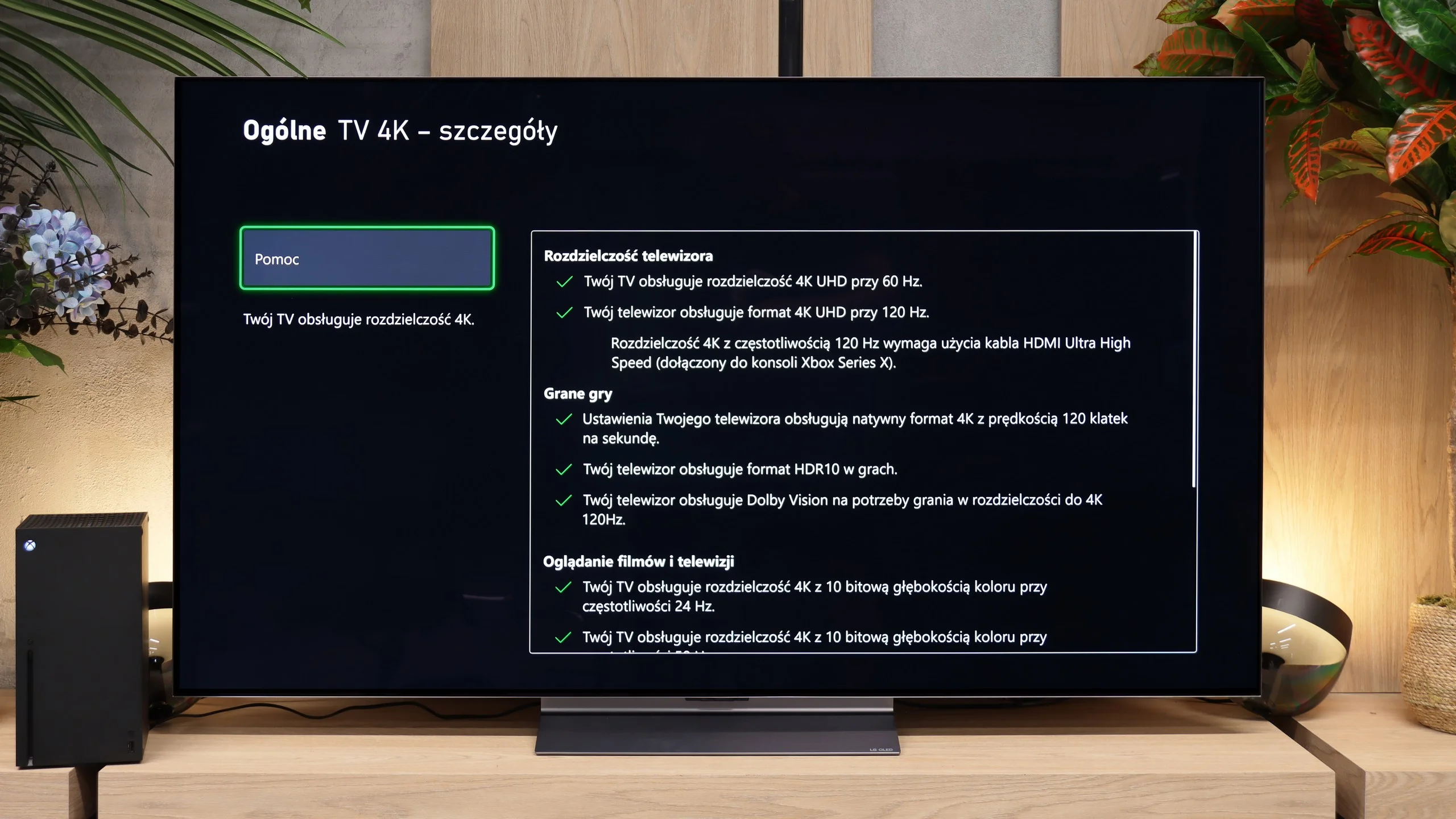
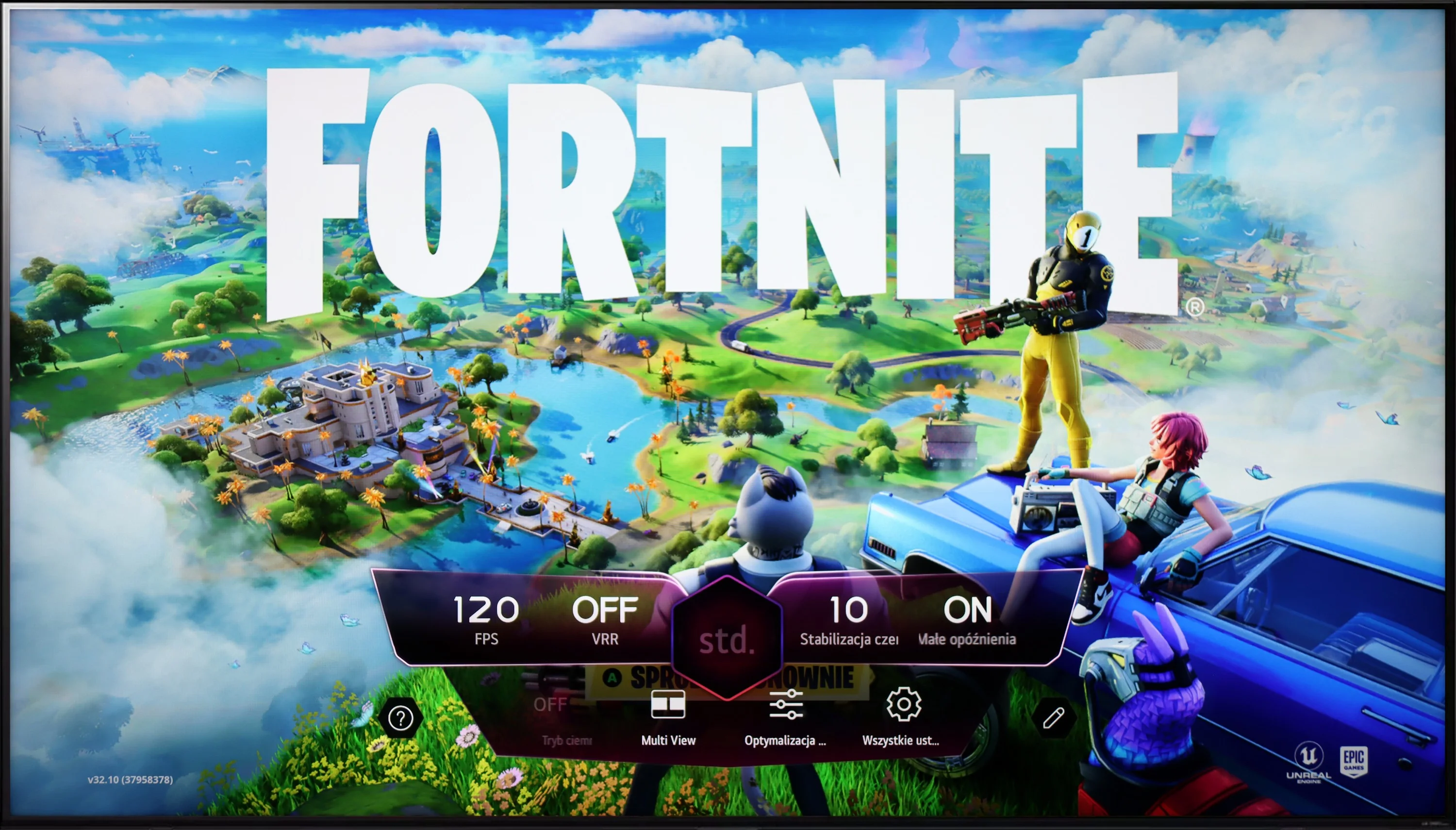
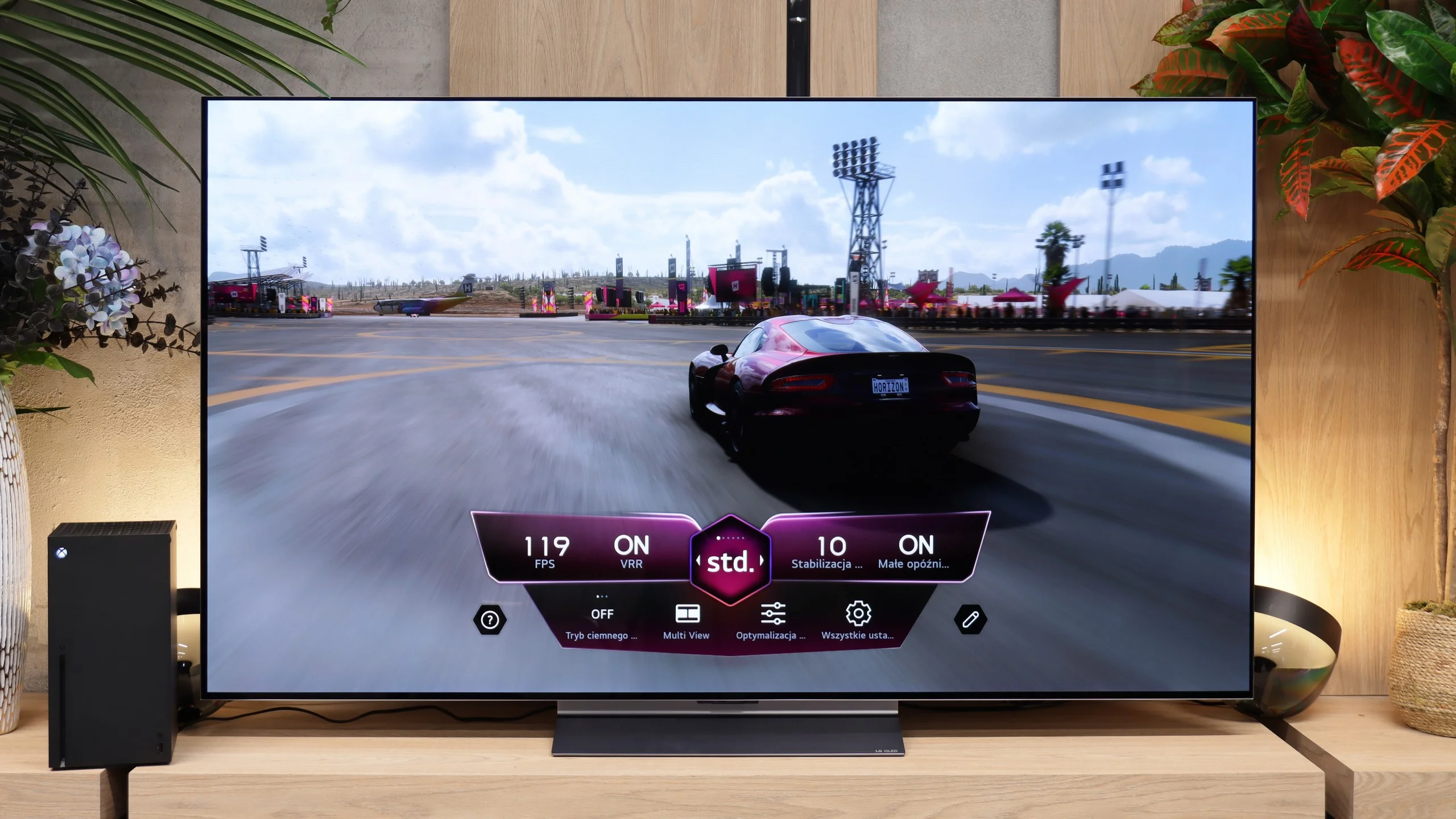
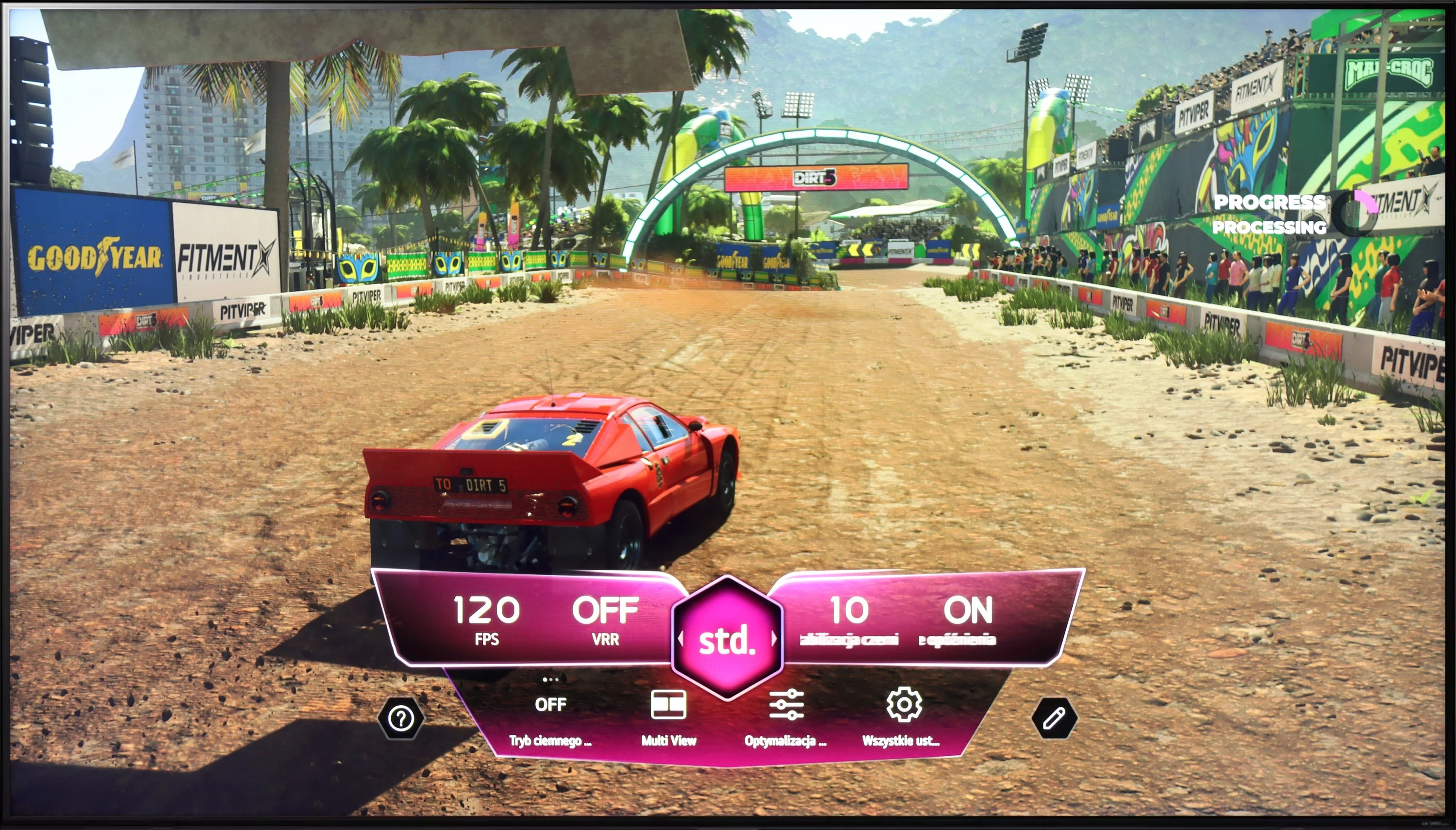
The LG 65QNED91T6A television is equipped with HDMI 2.1 ports with a full bandwidth of 48 Gb/s, providing full support for all standards needed for gaming on modern consoles. We can count on support for variable refresh rate (VRR) and auto low latency mode (ALLM). This ensures smooth gameplay without delays.
With support for all popular HDR standards in games, such as HGiG and Dolby Vision, we can fully harness the potential of the PS5 and XBOX One consoles. The television also easily handles lower resolutions than 4K, so even older consoles look good on it. The Game Bar makes it easy to access gaming-related settings, allowing us to quickly and intuitively adjust picture parameters and features for gamers. Additionally, the QNED91T offers NVIDIA GeForce Now functionality, enabling us to game in the cloud without needing a console. However, it should be noted that this solution is quite expensive and somewhat falls short compared to Xbox Game Pass, which is available only on Samsung TVs.
QNED91T LG is a great choice for less experienced and more advanced gamers looking for a versatile television for gaming.
LG has focused heavily on gamers for years, and the C6 really lacks nothing important. The TV supports 4K at 120 Hz from consoles, and when connected to a PC it can run up to 165 Hz. It also offers VRR from 40 to 165 Hz, ALLM, and properly working HGiG. A big plus is Dolby Vision support for games, so the Xbox Series X can use that format without sacrificing game mode. The package is rounded out by a Game Bar that lets you quickly check key signal parameters and change settings without leaving the game. In terms of features, the C6 is one of those TVs that’s really hard to find fault with. Whether you play on PlayStation, Xbox, or PC, practically everything you could expect from a modern gaming TV is available here.
Input lag
9.8/10
9.9/10
SDR
HDR
Dolby Vision
The input lag on QNED91T is really very low, even in Dolby Vision mode. This allows for a quick response time, which is very important in dynamic games where every millisecond counts. Regardless of whether we play in standard mode or HDR, the TV offers very good results that will satisfy even the most demanding gamers.
In terms of input lag, the C6 performs as a good gaming TV should. At 120 Hz we measured about 5 ms, so controller input is practically instantaneous. At 60 Hz it rises to around 14 ms, which is still good. Slightly higher input lag appears in Dolby Vision. At 120 Hz we get about 14 ms, and at 60 Hz about 22 ms. In practice, if you're playing normally on an Xbox, it's unlikely to be something that will really bother you.
Compatibility with PC
7.6/10
8.6/10
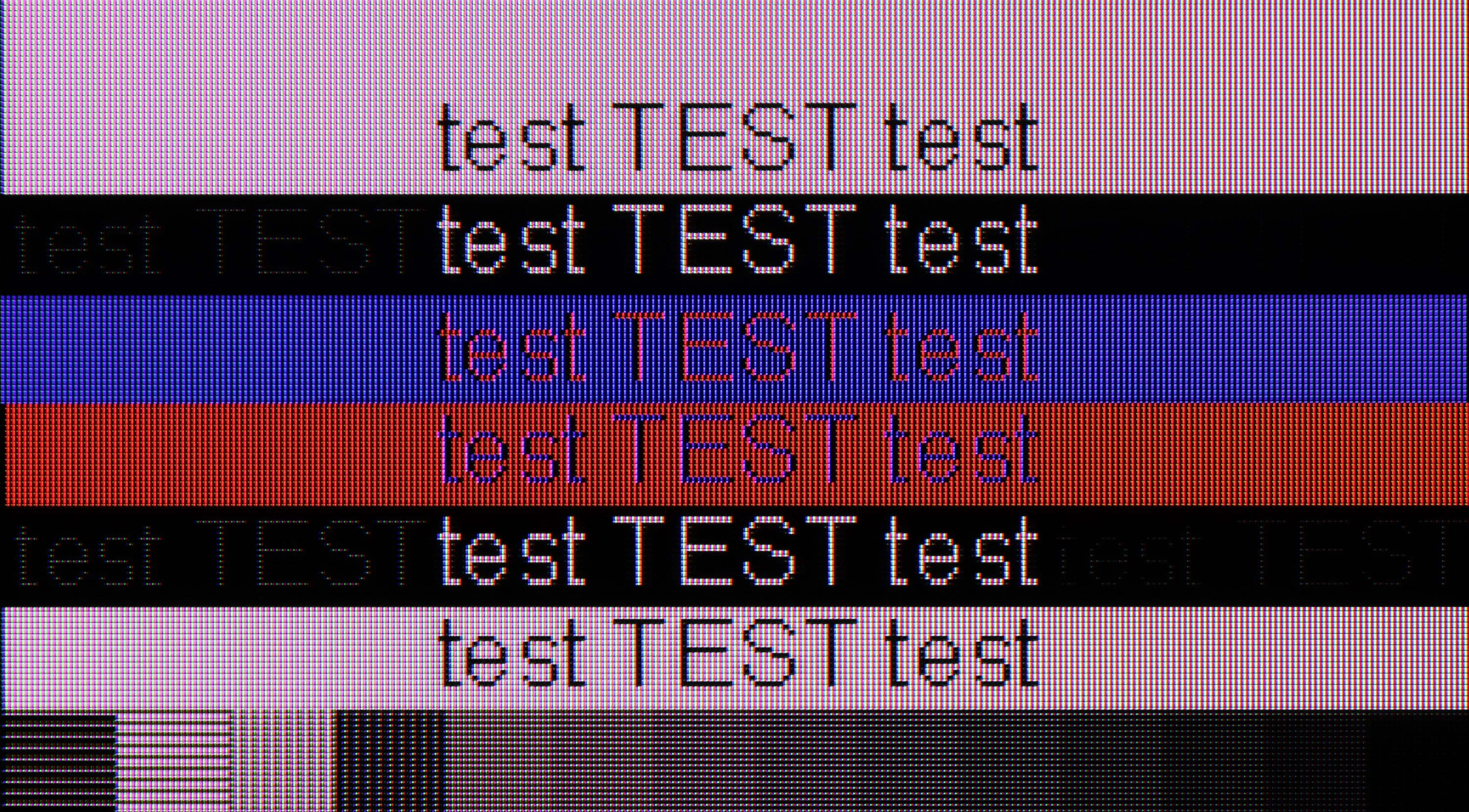
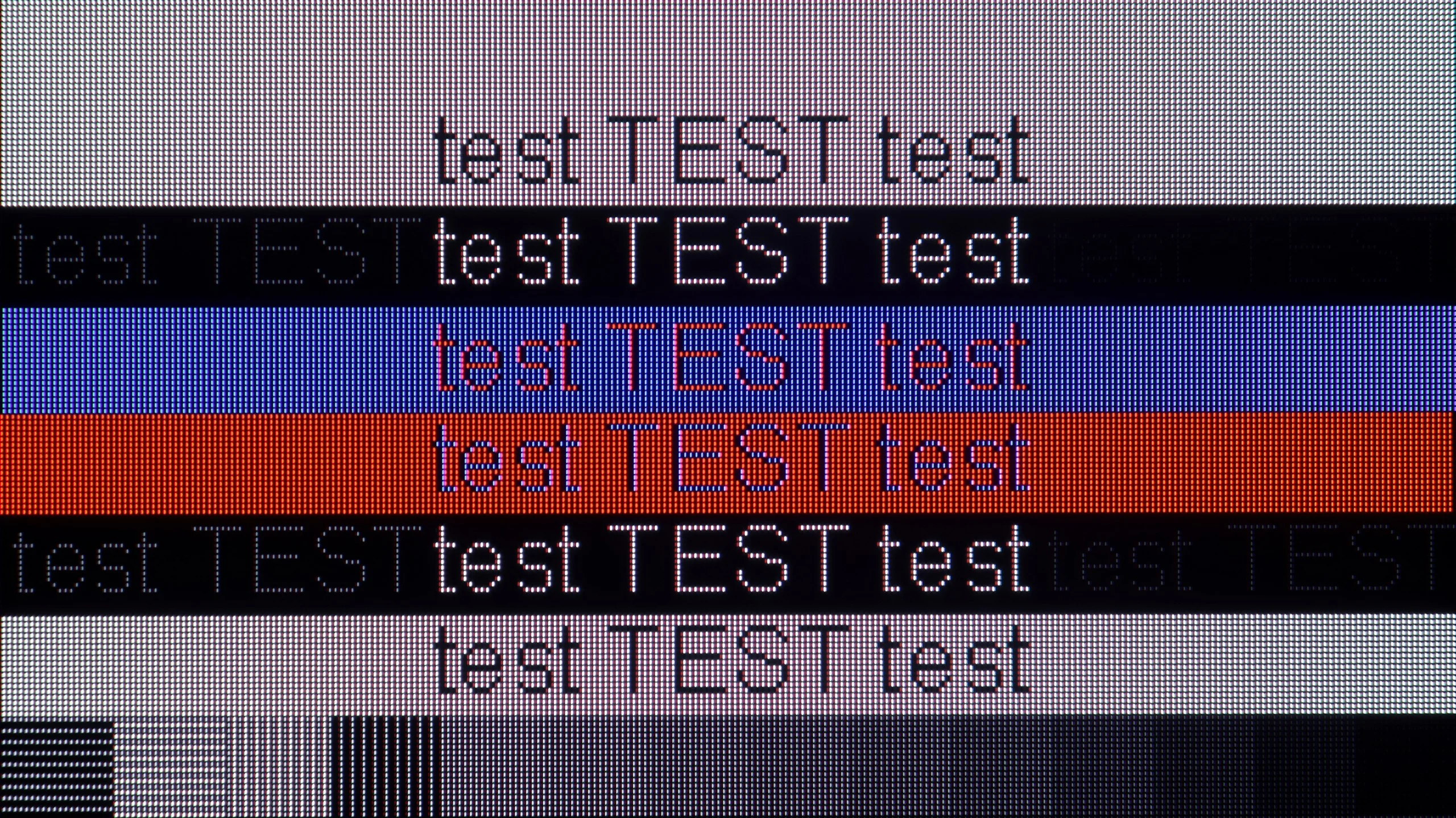
The photo shows the legibility of small fonts. Ideally, lines should be the same thickness on both light and dark text, with minimal pixel gaps.
When it comes to gaming on a computer, LG QNED91T easily synchronizes with NVIDIA graphics cards and supports G-Sync. The very low input lag makes gaming with a personal computer really enjoyable. The TV supports chroma 4:4:4, which provides excellent text readability. Although we noticed slight font blurring around the edges, overall the image looks great, and readability is acceptable.
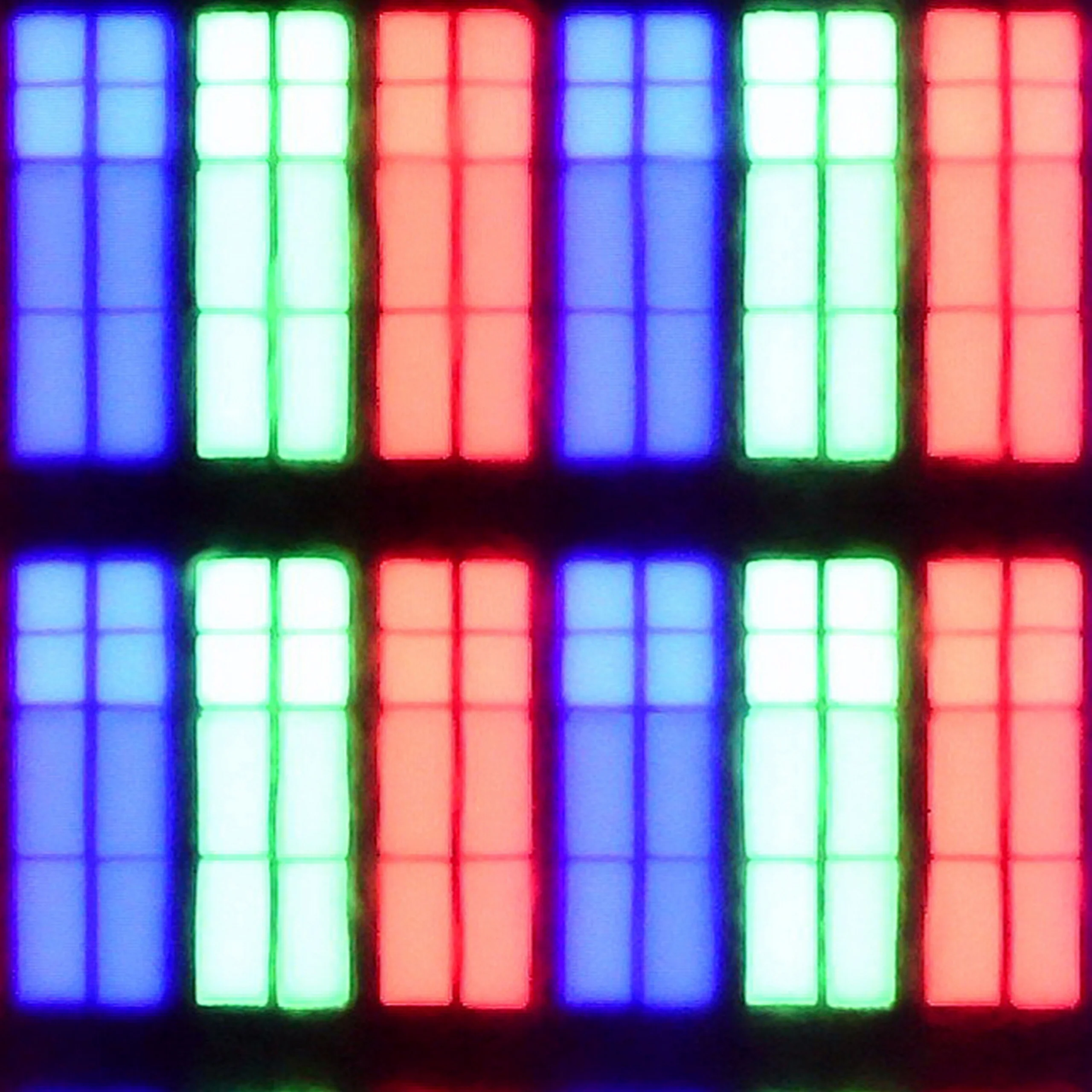
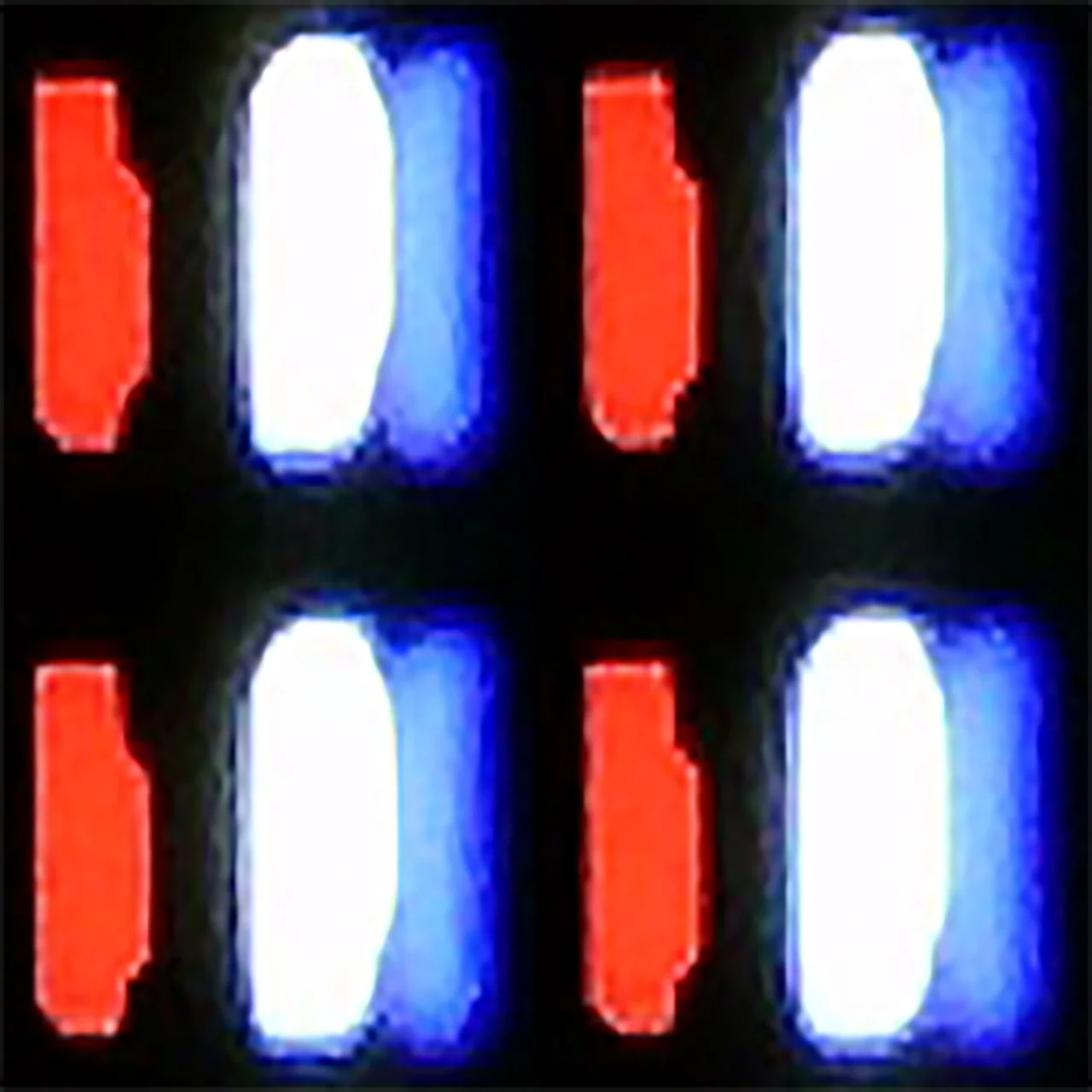
The C6 also performs very well when connected to a computer. The TV correctly supports 4:4:4 chroma, so text, icons and other small UI elements are displayed sharply. That means you can use it not only for gaming but also for regular work in Windows without major issues. One limitation is the four-subpixel matrix layout. If you sit very close to the screen, you may notice slight colored fringing along the edges of some fonts. However, this is not particularly bothersome and is practically invisible from a normal viewing distance. The C6 also has a lot to offer PC gamers. From a PC you can take full advantage of the 165 Hz refresh rate, plus there’s G-Sync, VRR and a very low input lag of around 5 ms at maximum refresh. Combined with the OLED’s ultra-fast response time, this delivers a very smooth, clean image with no visible smearing. So if someone plans to hook a powerful PC to the C6, the TV can easily serve as a large gaming monitor and also works quite well for everyday productivity.
Viewing angles
3.4/10
7.4/10
As we mentioned in the paragraph about contrast, the TV is equipped with a VA panel, which usually offers very good contrast compared to IPS panels. Unfortunately, VA panels have their weakness in the form of limited viewing angles, which is also visible in the case of QNED91T LG. The viewing angles are not the best here, and while the use of a coating to widen the angles could significantly improve the situation, unfortunately, we do not have that here. As a result, the image loses quality when viewed from a greater angle, which can be problematic when multiple people are watching simultaneously.
Viewing angles on the LG C6 are very good and are actually among the best you can find in TVs today. That’s largely thanks to the OLED panel itself. Even when you sit noticeably to the side, the picture still maintains good contrast and the colors don’t lose much of their saturation. Because of that, the C6 is very well suited to a larger living room where not everyone sits directly in front of the screen. Only at very extreme angles can you notice slight changes in color, but during normal viewing it’s hard to regard that as any kind of problem. In this respect, really only Samsung Display's QD-OLED panels perform better.
Daytime performance
6.1/10
6.6/10
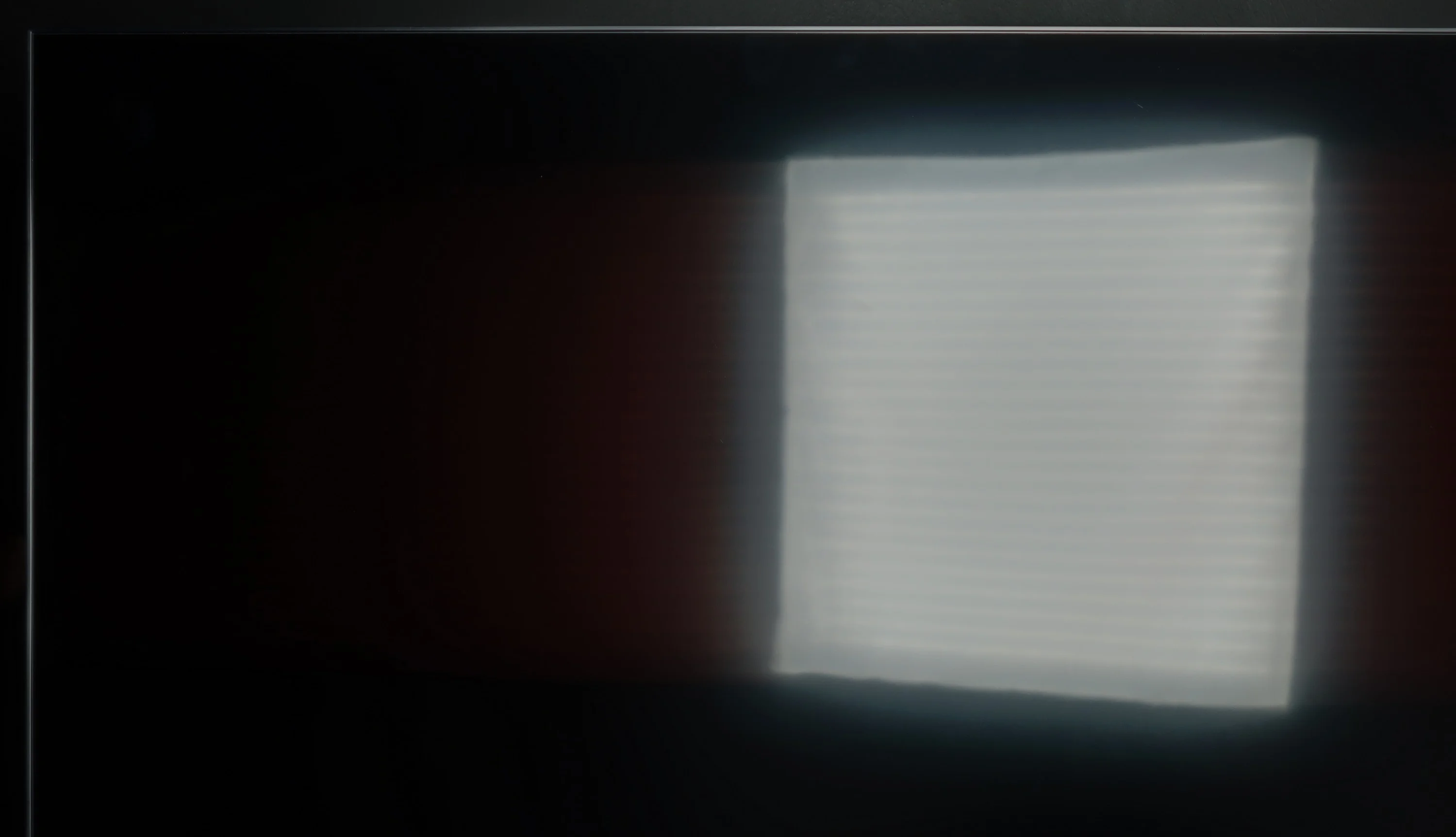
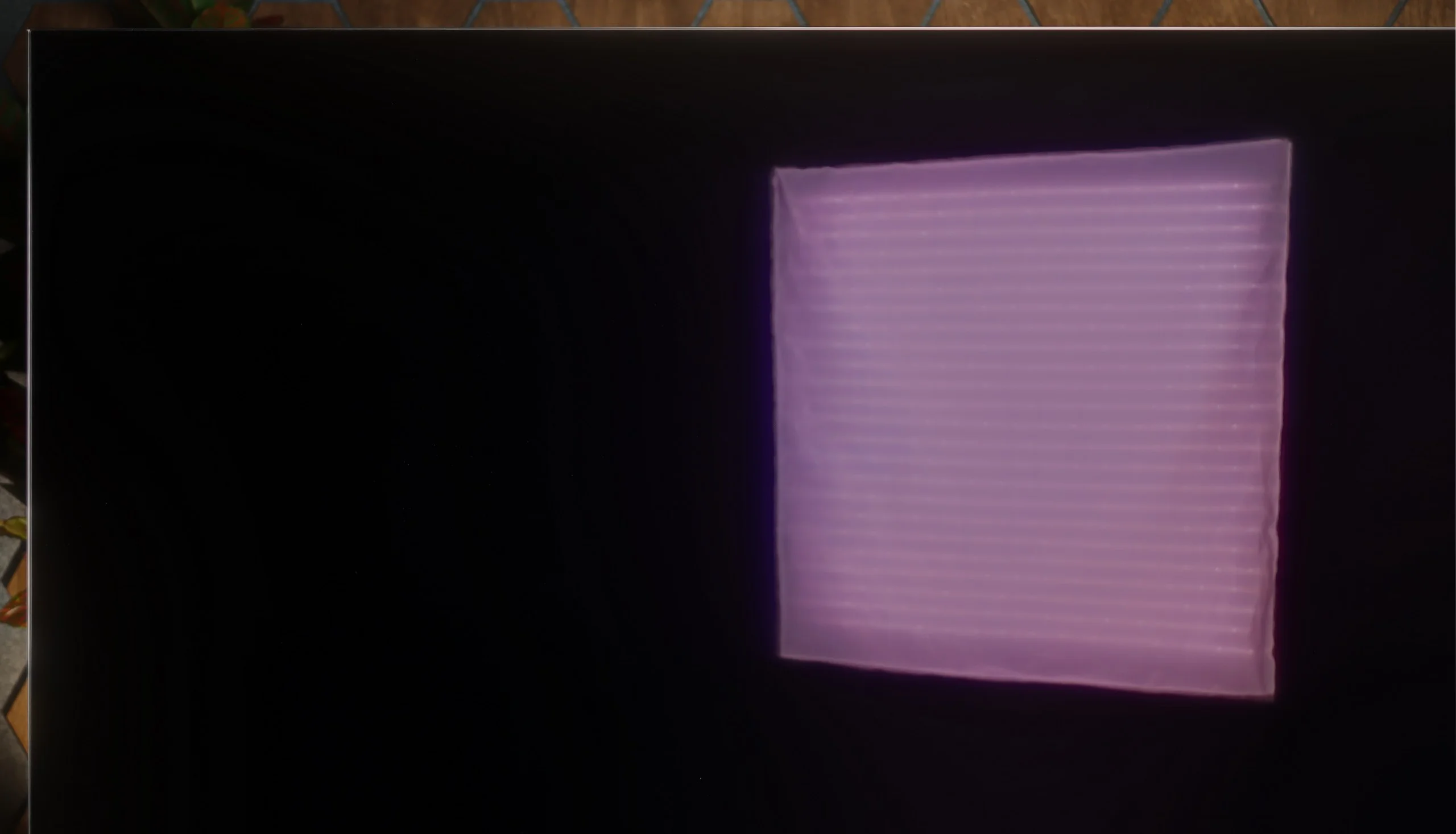
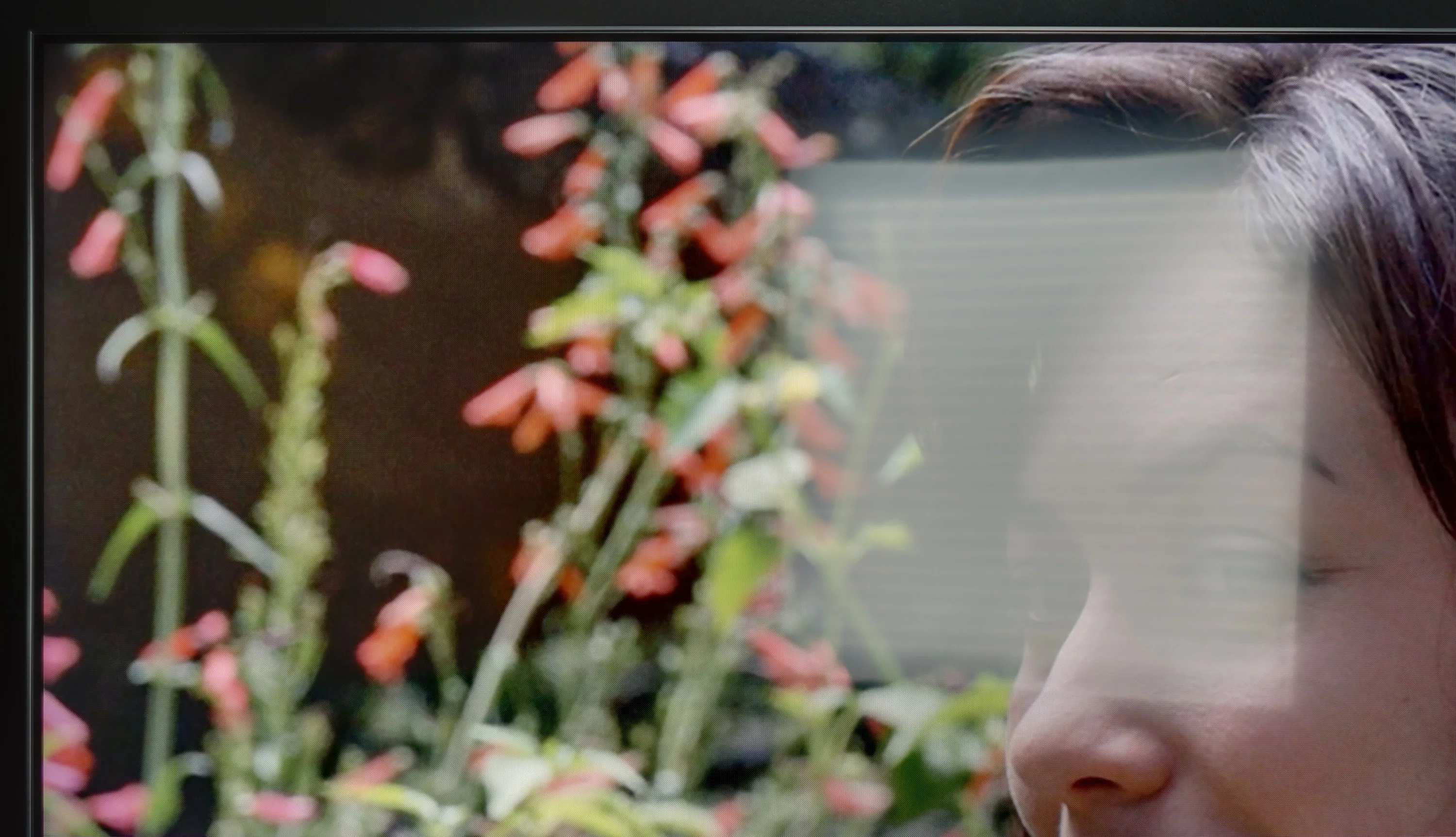
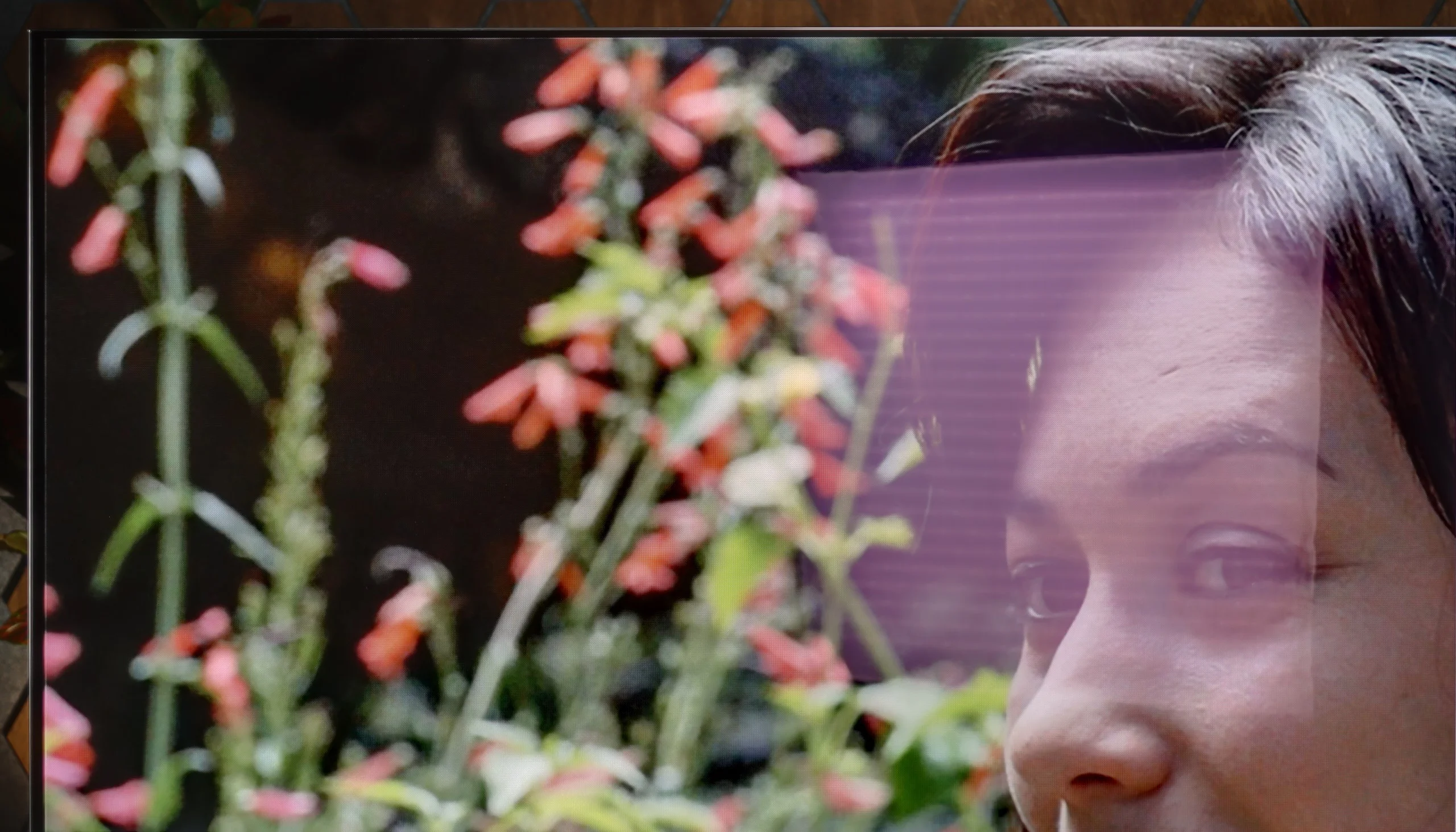
Panel brightness
LG OLED C6 (WOLED): 469 cd/m2
LG QNED91T6A: 573 cd/m2
The LG 65QNED91T6A television is equipped with a satin matrix, which performs average in handling direct light reflections, such as from lamps or wall sconces. In the first test photo with a large lamp, it is visible how the reflection "spreads across the screen." However, the QNED91T makes up for it in terms of brightness - the average SDR brightness of 580 cd/m² is sufficient for watching television even in more challenging lighting conditions. As a result, despite issues with reflections, the television performs well during the day.
The LG C6 has a glossy panel that handles direct reflections quite well, but it doesn't eliminate them completely. If there's a large window or a bright lamp opposite the TV, their reflections will still be visible. On the other hand, the screen preserves blacks well in a lit room, and even during the day the picture doesn't become gray or washed out. Additionally, the C6 is fairly bright in SDR. With typical content we measured about 470 nits, so in most living rooms it should handle daytime viewing without major issues. Brightness only starts to drop significantly when a large portion of the screen is occupied by white. This is still one of the typical characteristics of OLEDs, and you can notice it with very bright content, such as winter sports. Overall the C6 performs well in a normally lit living room. However, if the TV will sit opposite huge windows and have to battle strong sunlight for most of the day, a bright Mini LED will still be the better choice.
Panel details
Subpixel Structure:
Panel uniformity and thermal imaging:
LG QNED91T6A
LG OLED C6 (WOLED)
TV features
8.4/10
8.4/10
- SystemWebOSWebOS
- System performanceGoodVery good
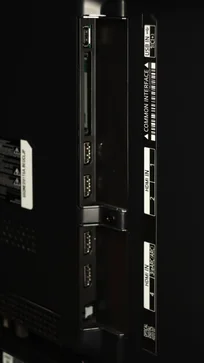
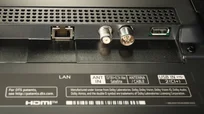
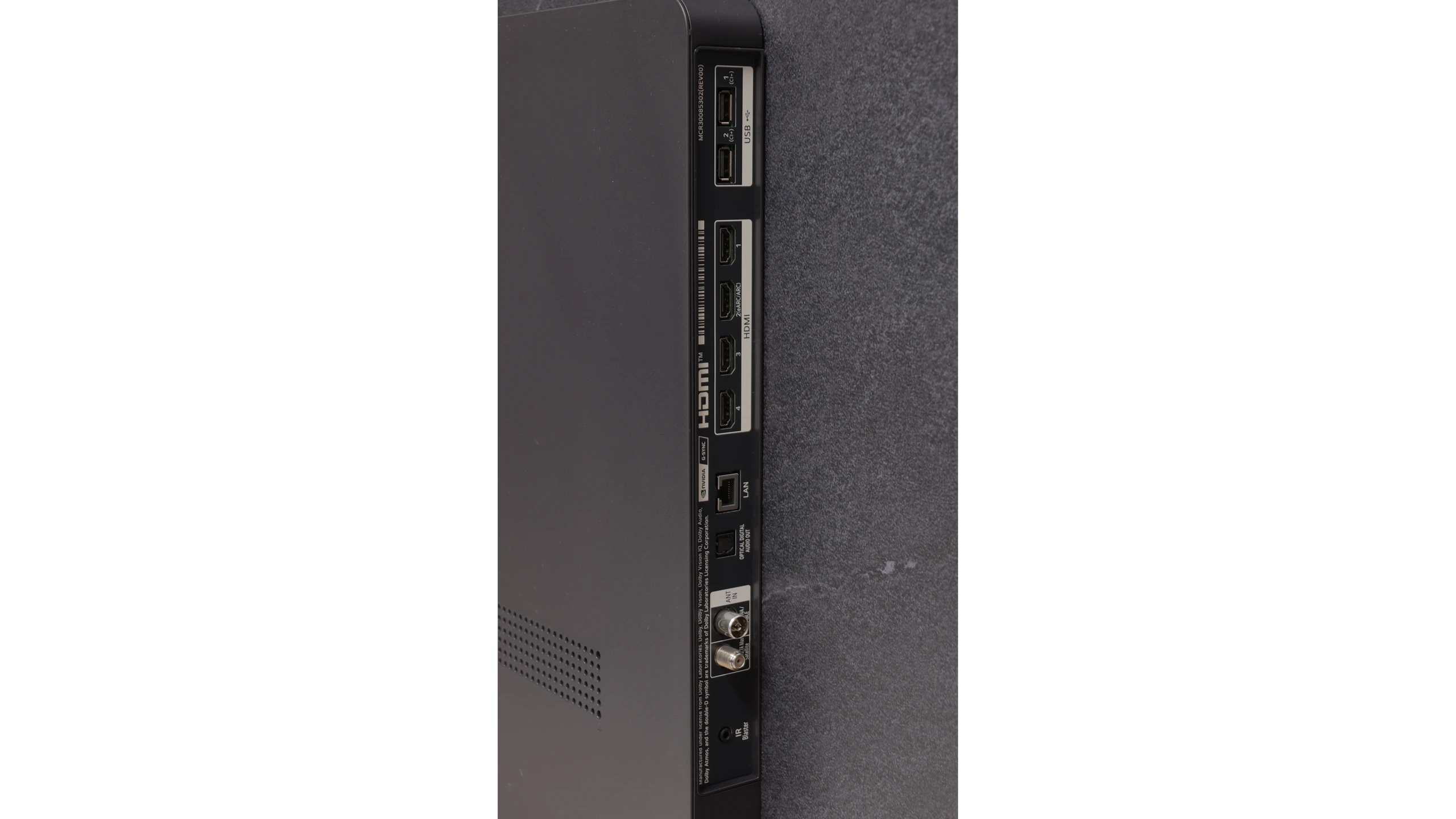
- HDMI inputs0 x HDMI 2.0, 4 x HDMI 2.1 48Gbps0 x HDMI 2.0, 4 x HDMI 2.1 48Gbps
- Other inputsIR (remote)
- OutputsToslink (Optical audio), eARC (HDMI), ARC (HDMI)Toslink (Optical audio), eARC (HDMI), ARC (HDMI)
- Network InterfacesWi-Fi 2.4GHz, Wi-Fi 5GHz, Ethernet (LAN) 100MbpsWi-Fi 2.4GHz, Wi-Fi 5GHz, Ethernet (LAN) 100Mbps
- TV receptionDVB-T, DVB-T2, DVB-S, DVB-S2, DVB-CDVB-T, DVB-T2, DVB-S, DVB-S2, DVB-C
Classic features:
- Recording to USB (terrestrial TV)
- Recording programming
- Picture in Picture (PiP)

- RF remote control (no need to aim)
- Backlit remote control
- Teletext
- Audio only mode
- Bluetooth headphones support
- Simultaneous Bluetooth headphones & TV audio
Smart features:
- AirPlay
- Screen mirroring (Windows Miracast)
- Voice search
- Voice search in native language
- Ability to connect a keyboard and mouse
Sound connection options
- HDMI audioeARC (HDMI), ARC (HDMI)eARC (HDMI), ARC (HDMI)
- Other audio outputsToslink (Optical audio)Toslink (Optical audio)
- Wireless audioBluetoothBluetooth
Supported audio formats (external HDMI eARC audio):
- Dolby Digital Plus 7.1
- Dolby True HD 7.1
- Dolby Atmos in Dolby Digital Plus (JOC)
- Dolby Atmos in Dolby True HD
- DTS:X in DTS-HD MA
- DTS-HD Master Audio
Senior accessibility
- Numeric keyboard on TV
- Font size adjustment
- Audio description
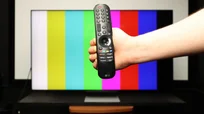
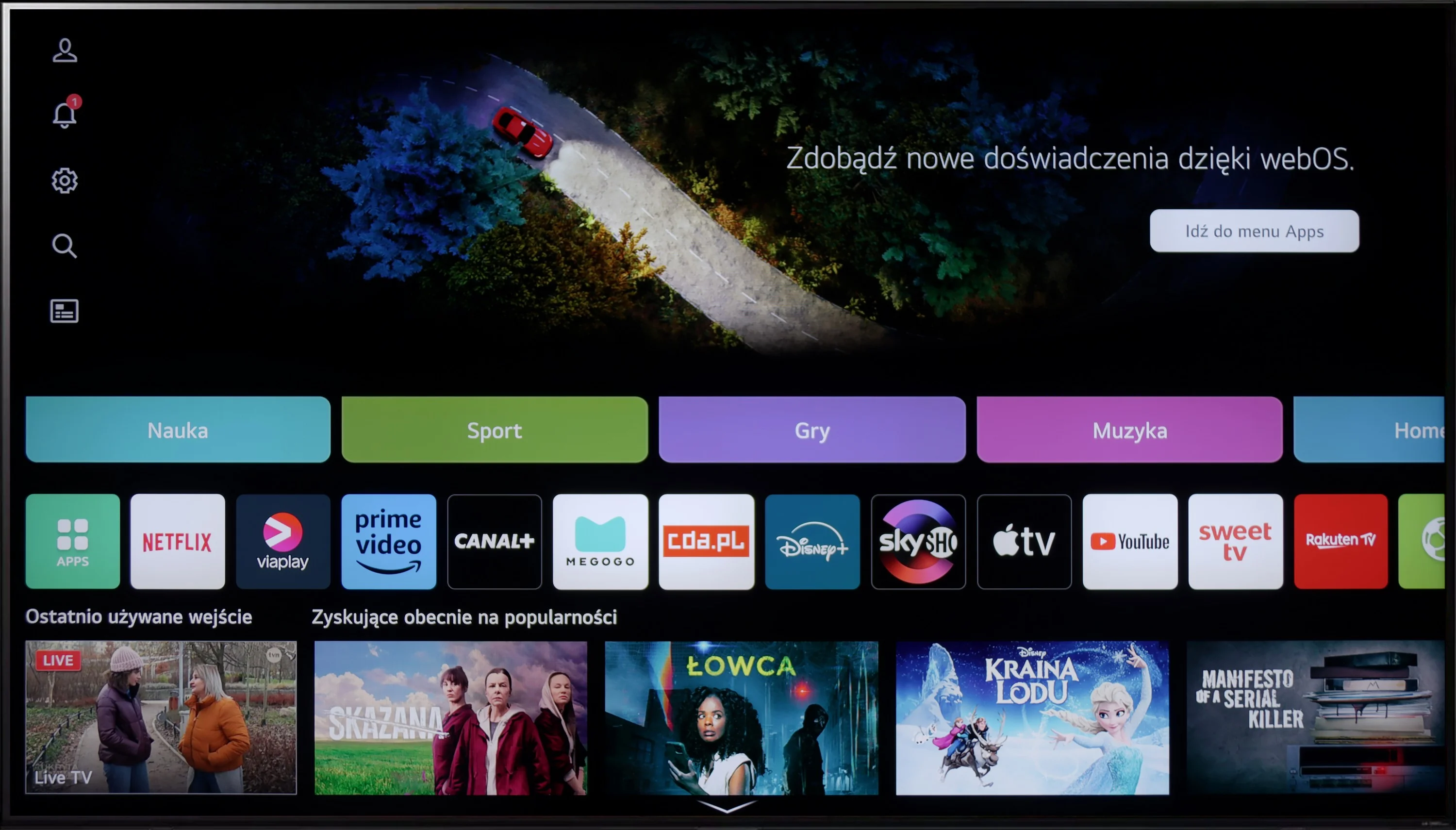
The most important thing in today's TVs, besides picture quality, is the operating system. The one available in LG models is really very good. Of course, we are talking about the WebOS system, which offers the most popular apps similar to GoogleTV. What sets this system apart is primarily the great remote control with an accelerometer - the Magic Remote, which resembles a magic wand. Controlling with this remote is extremely convenient.
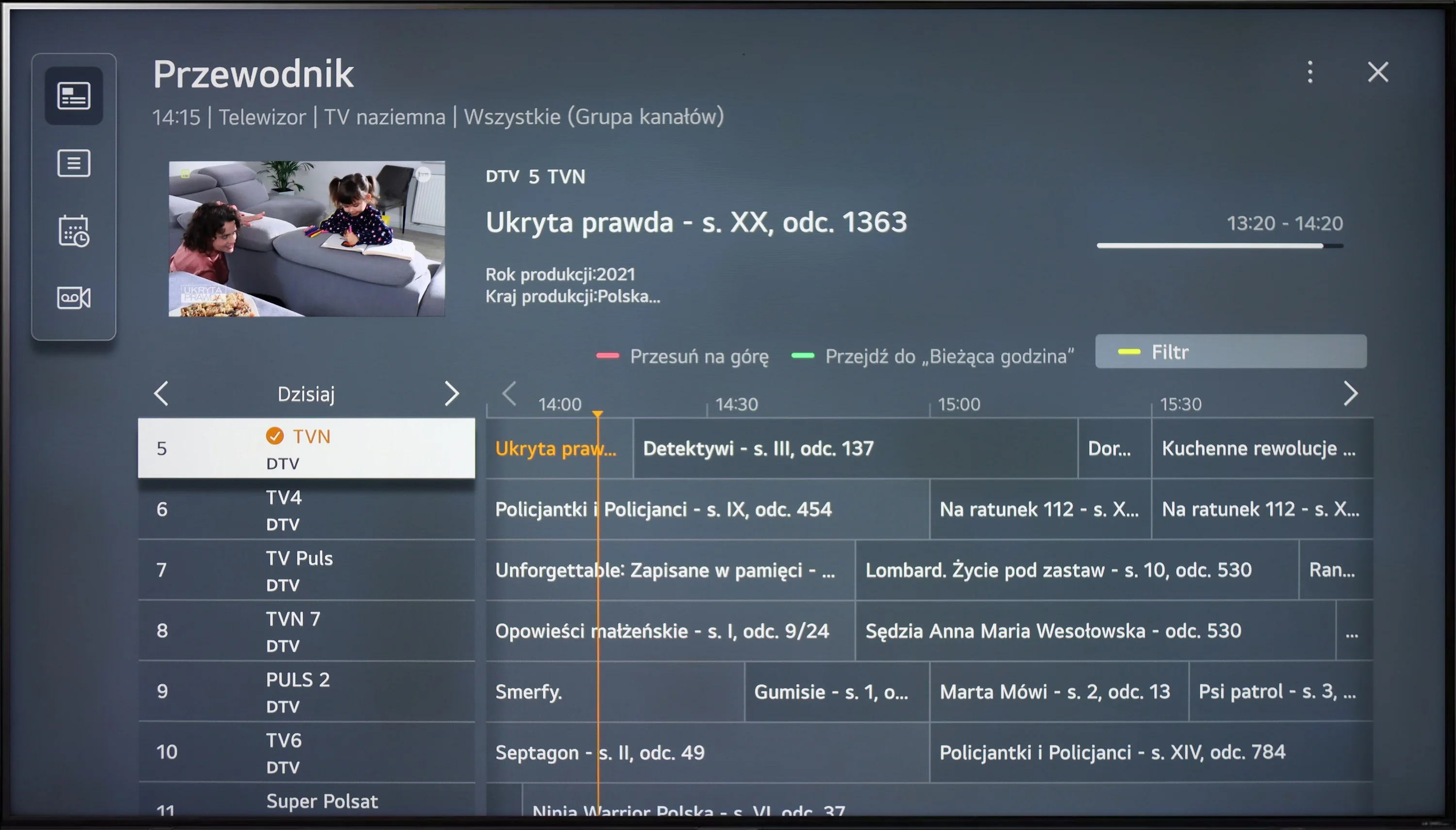
In terms of user functions, the TV offers practically everything one could wish for. Here we find the ability to record programs from built-in tuners, support for AirPlay to connect an iPhone, and a mirroring function. We can easily connect keyboards, mice, or headphones, although keyboards are not necessary thanks to the convenient Magic Remote. Unfortunately, there is no PiP (Picture-in-Picture) function, but this is such a specific feature that only those who actually need it will feel its absence. The QNED91T is a TV that does not disappoint when it comes to everyday enjoyment of its use.
Smart TV - webOS
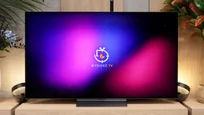
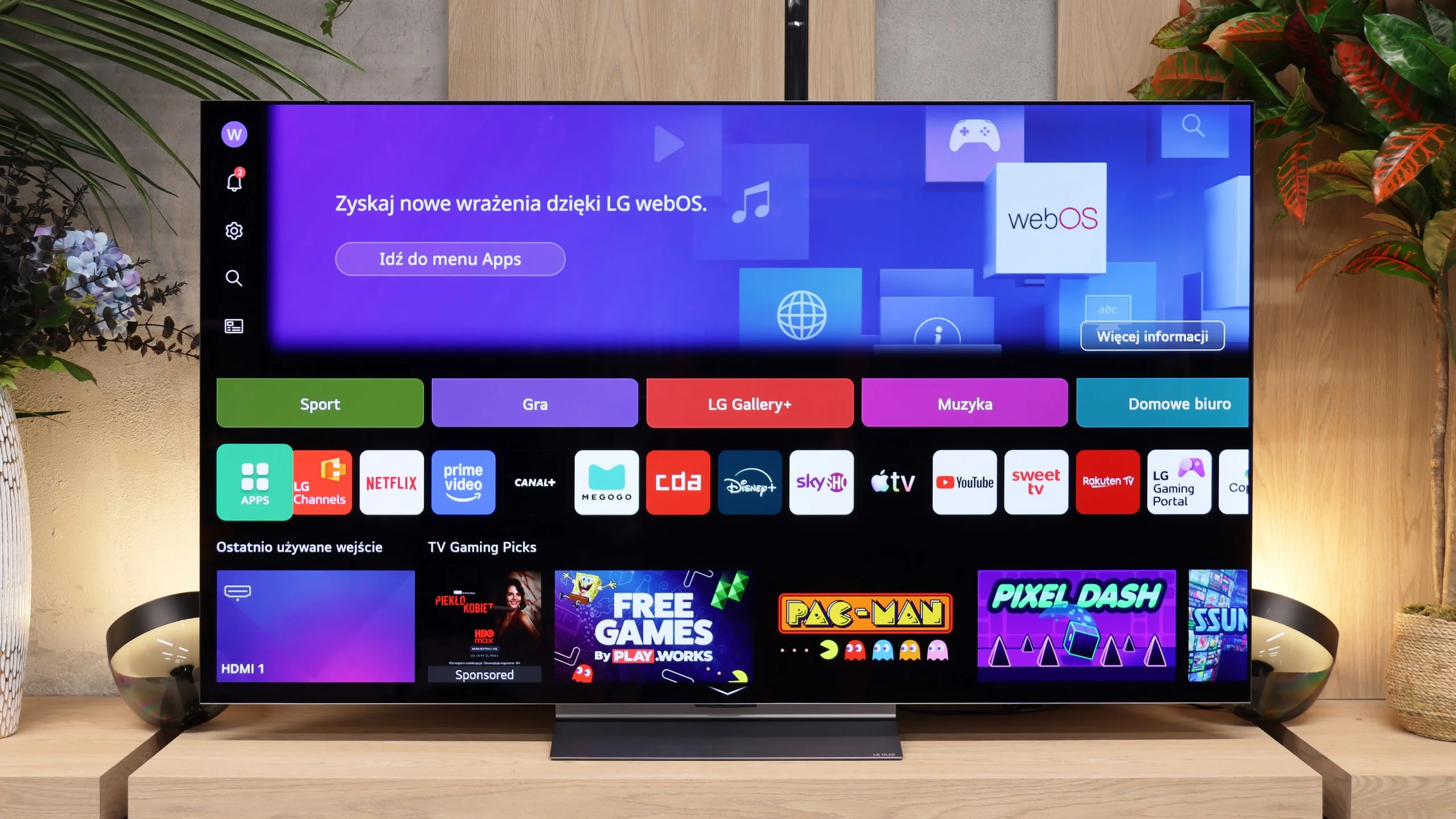
Regardless of which C6 variant you end up with, the feature set is the same. At the heart of the TV is, of course, webOS, the system LG has been developing for many years. It runs fast, is well optimized and, above all, provides access to practically all popular apps. Netflix, Disney+, Prime Video, YouTube, Max and other streaming services - in that respect there are few gaps. The system itself also offers plenty of extra features. There’s AirPlay, easy screen mirroring from your smartphone, control of smart home devices and the ability to personalize the home screen. LG has been expanding webOS for several generations and sometimes the number of tabs and recommendations can be a bit overwhelming, especially with background ads, but once you get used to it the system is convenient and, most importantly, works smoothly.
Classic TV features
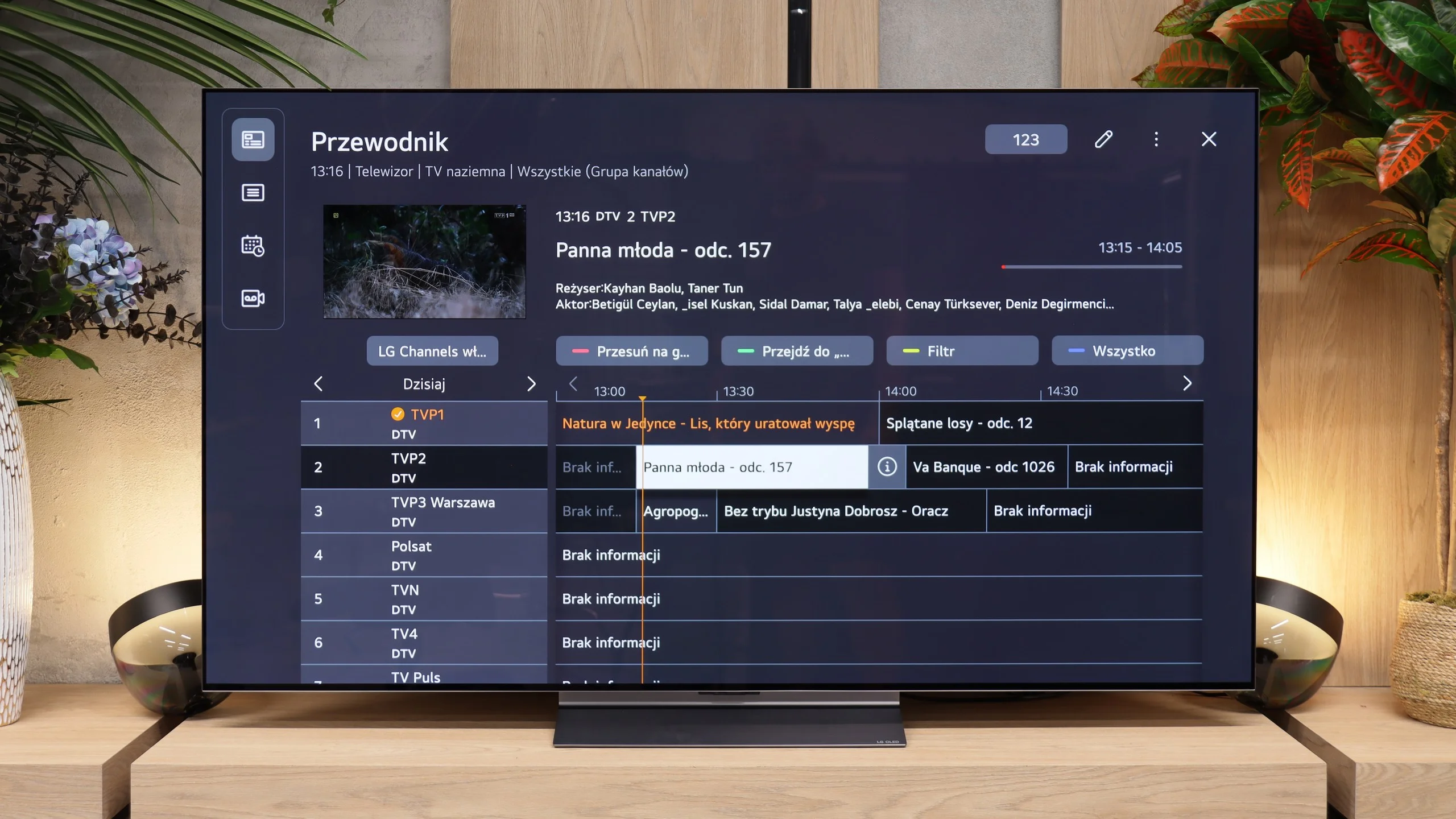
The C6 also handles being used like a regular TV very well, not just as a screen for Netflix. Over-the-air TV reception, the program guide and channel switching all work smoothly and there’s little to complain about. LG still offers the ability to record shows to USB, so in terms of classic features the set is really well equipped. There are basically only two things missing. The first is PiP, the ability to display two video sources at once. The second is a backlight on the remote, which would be useful for evening viewing. Other than that the C6 has pretty much everything you can expect from a modern TV.
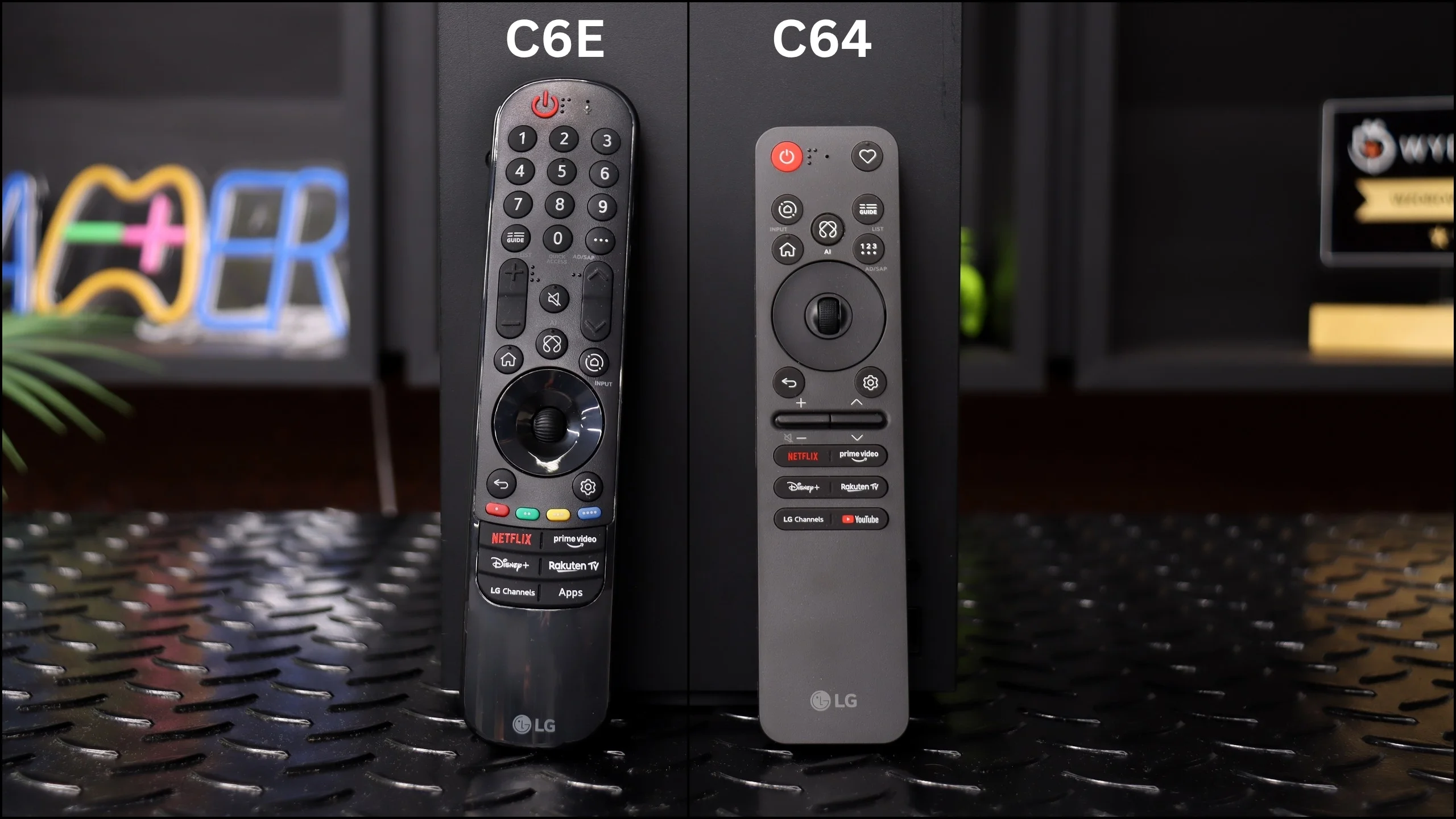
Magic Remote - DIFFERENT VERSIONS
When buying the C6 it’s worth paying attention to the remote, because LG has created a bit of a mix-up here. During our tests we had, among others, the C64 variant, found in large retail chains. That package included the new, much smaller Magic Remote Slim. It has fewer buttons and looks far more modern, but it still keeps two of LG’s most distinctive remote features - the scroll wheel and pointer control by moving the remote. The C6E we tested came with the older, larger Magic Remote. It works essentially the same, but has a classic numeric keypad and many more physical buttons. It looks less modern, but some people, especially those used to classic remotes, may find it more comfortable. So there’s no single answer to which remote is better. The new one is smaller, simpler and decidedly more contemporary, while the older one gives faster access to more functions without navigating through menus. It’s good to know that depending on the C6 model code the box may contain one or the other variant.
Apps
8.3/10
9.1/10






















Playing files from USB
8.5/10
9.1/10
Supported photo formats:
Maximum photo resolution:
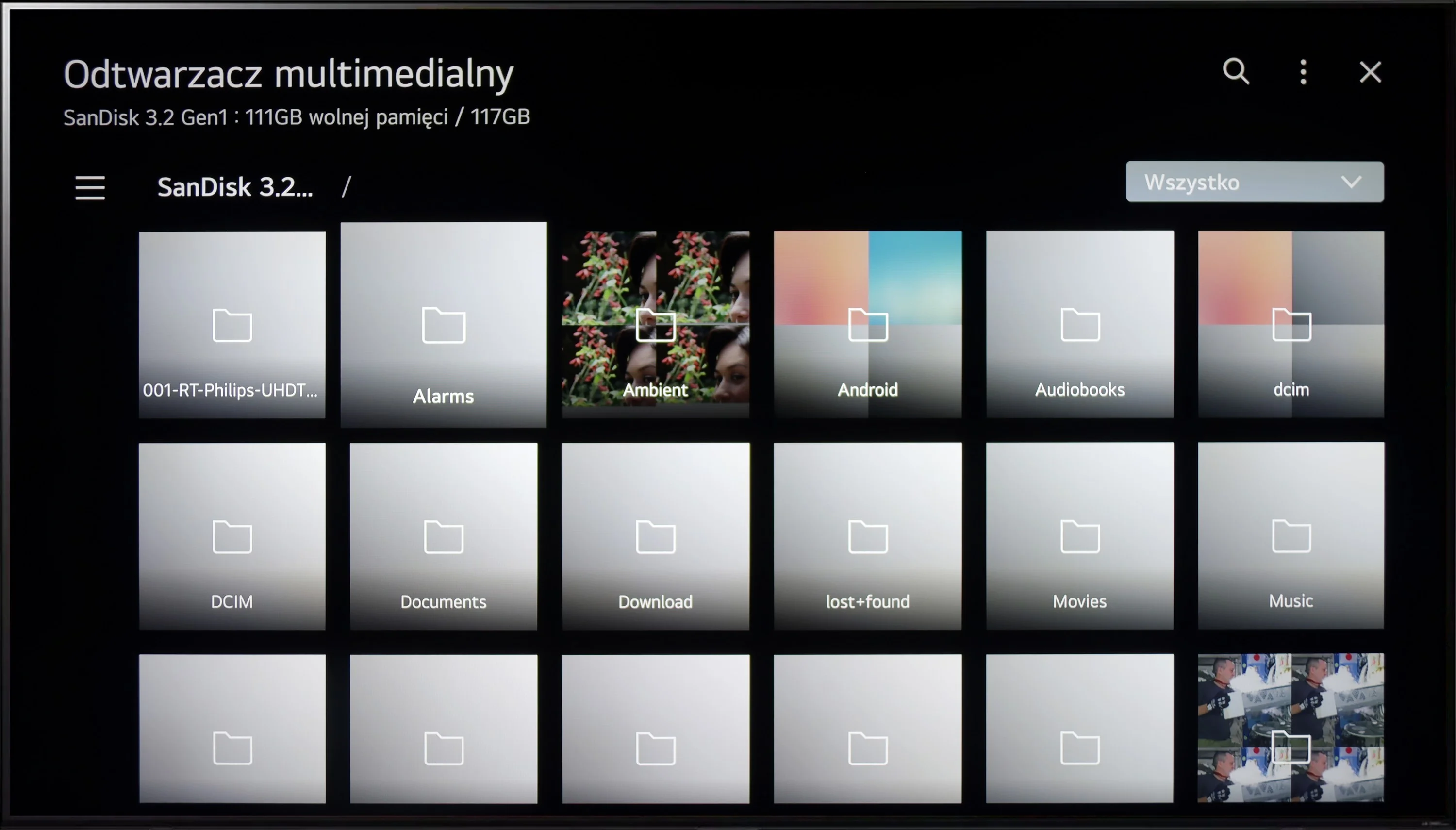
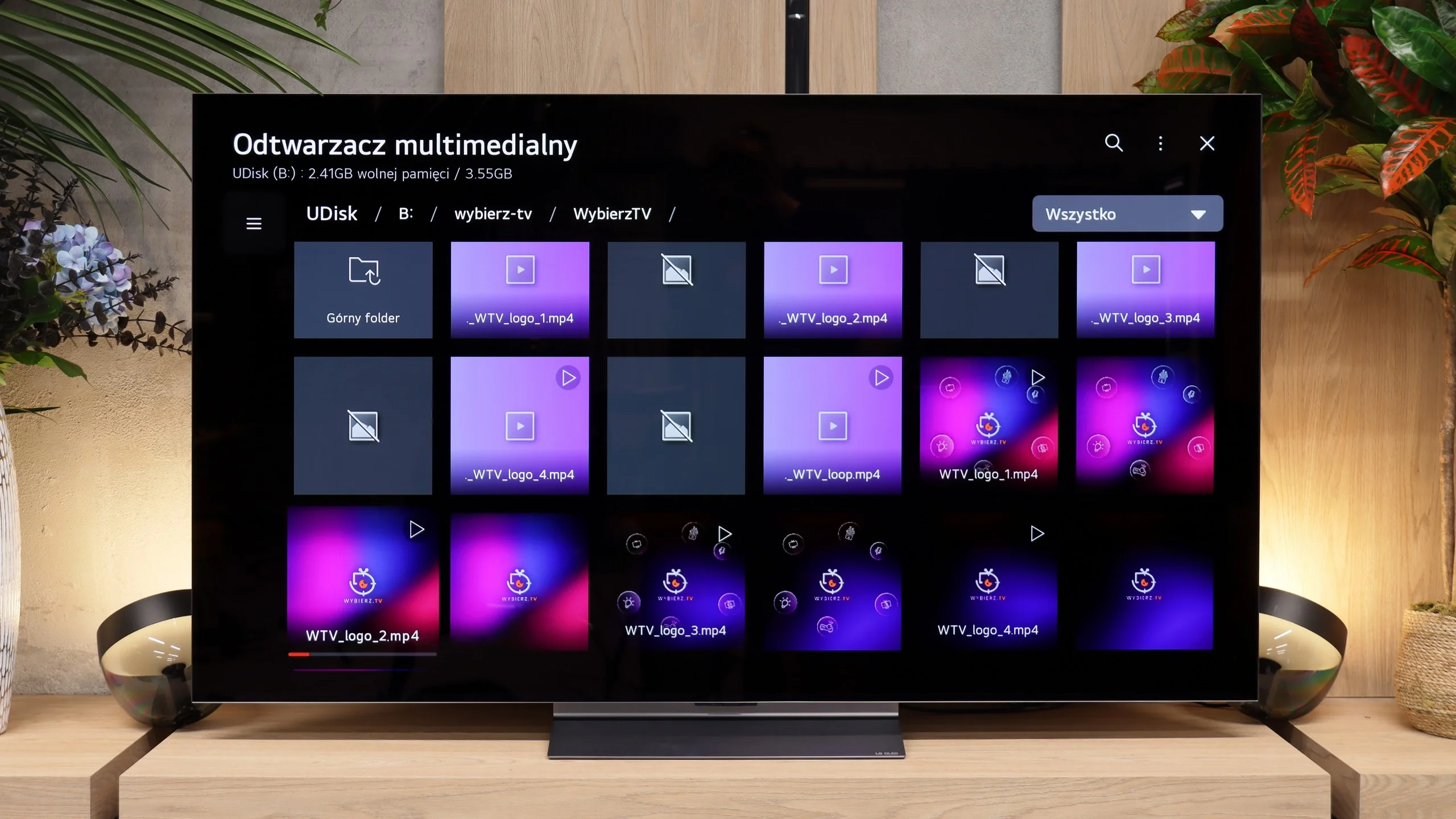
The built-in player in QNED91T should satisfy most users. It easily supports Polish characters and plays movies with subtitles from external drives. The player also handles most audio and photo formats, except for Apple HEIC files.
During our tests the TV handled practically all of the most popular video formats we put on a USB flash drive without any problems. There were no issues with high bitrates, subtitles, or more demanding files, so it's hard to find fault with it in that respect. The only exception was material with a DTS audio track. This is not surprising, since the TV simply does not support that codec. Besides, the TV’s media player is good enough that most users will be fine without installing third-party apps or hooking up an external player.
Sound
6.9/10
7/10
- Maximum volume-88dB
- Dolby Digital Plus 7.1
- Dolby True HD 7.1
- Dolby Atmos in Dolby Digital Plus (JOC)
- Dolby Atmos in Dolby True HD
- DTS:X in DTS-HD MA
- DTS-HD Master Audio
LG QNED91T is equipped with a set of 4 speakers in a 2.2 configuration with a total power of 40W. The television sounds quite pleasant, and the subtle bass is noticeable. Of course, it is not on the level of an external audio system, such as a soundbar or home theatre, but it is sufficient for everyday use. It is also worth praising the support for audio formats DTS:X and Dolby Atmos, which significantly improve the quality of the audio experience.
In terms of sound, the C6 has hardly changed compared with last year’s C5. We still get a 2.2 system with a total output of 40 W, which is a somewhat more solid foundation than the simple 2.0 20 W setups in many TVs. In practice the sound is quite good. Dialogues are clear, the sound isn’t overly flat, and the extra speakers provide a bit more bass than many basic TVs. Of course it still won’t replace a good soundbar, let alone a full home theater, but it’s more than enough for everyday TV viewing.
There is a small step back in the settings, though. LG removed some of the preset sound modes this year, which makes it a bit harder to tailor the sound to your preferences than with the previous generation. For that reason our rating is slightly lower, even though the speakers’ capabilities remain virtually unchanged. On the plus side, the TV supports Dolby Atmos, currently the most popular surround format for films and streaming. It still lacks DTS support, which may matter mainly to people using their own movie libraries on discs or files.
Sound Quality Test
No sound test video
Acoustic Measurements
No acoustic data
88dBC (Max)
75dBC
Reader comments
Comments are provided by the external service Disqus (Zeta Global). Once loaded, Disqus may set cookies and process data about your activity.
We will remember your choice on this device. Provider's privacy policy