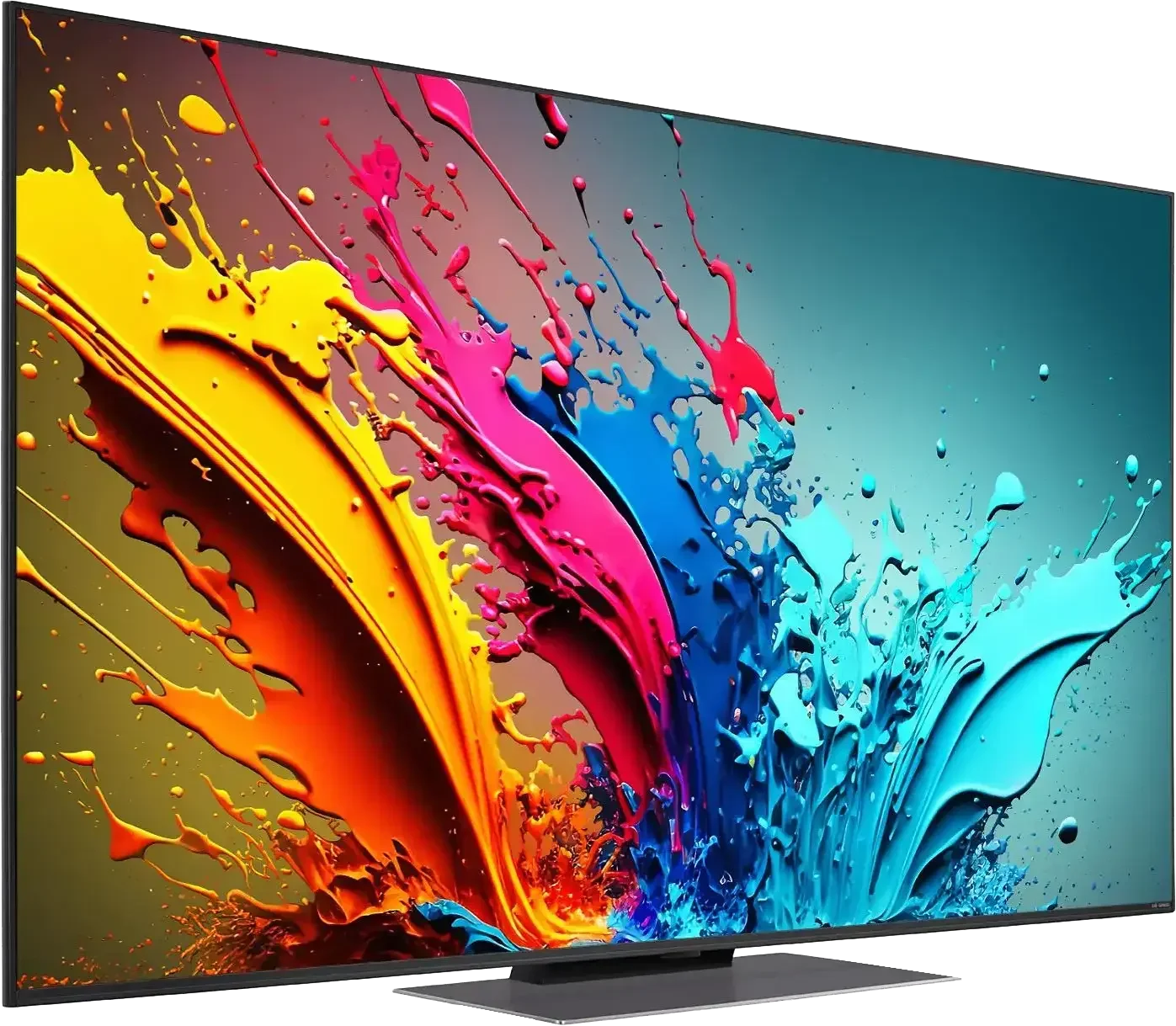
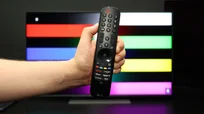
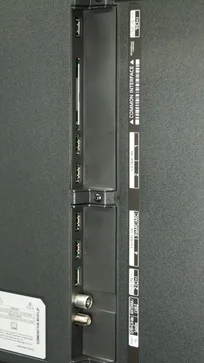
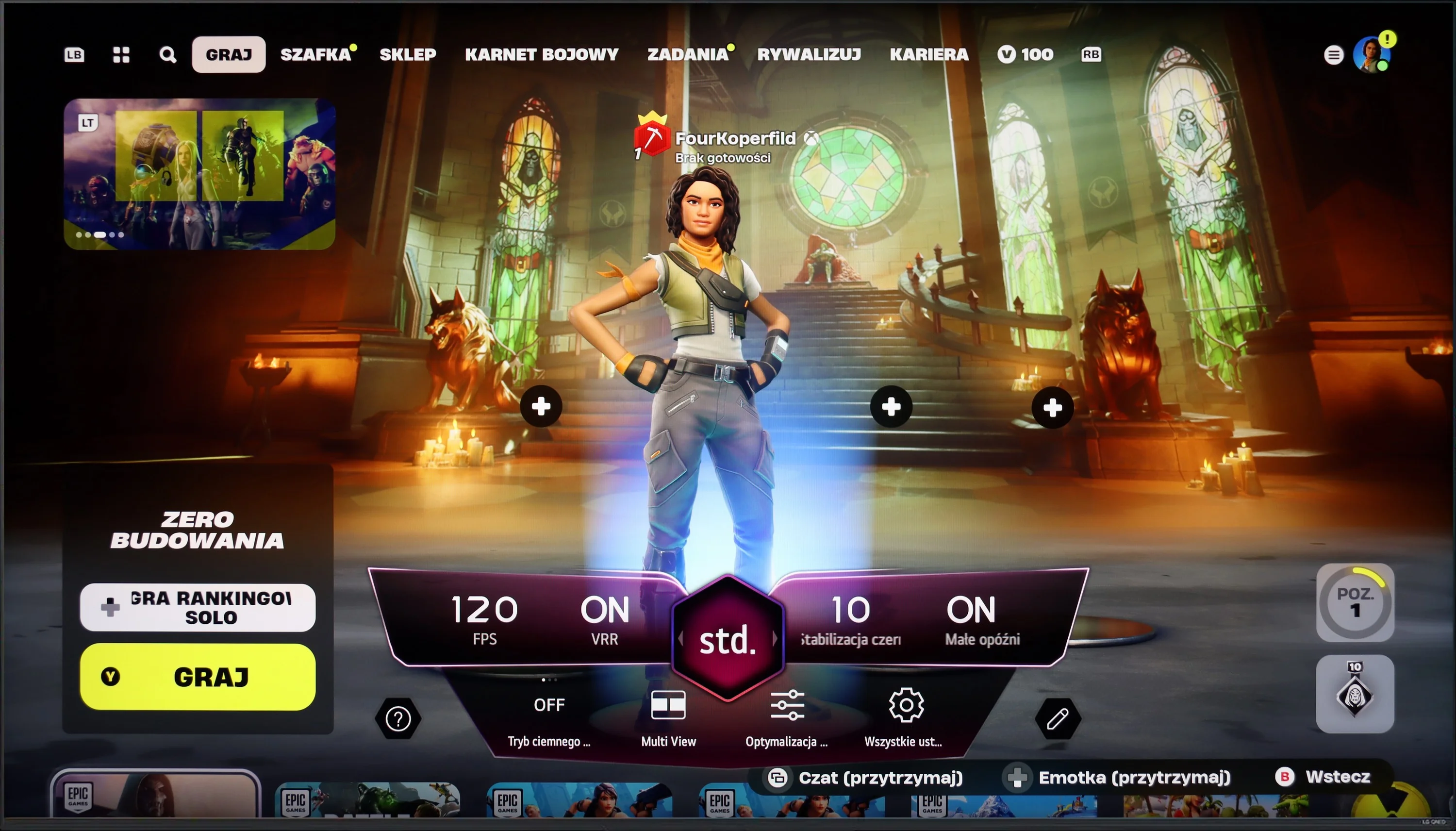
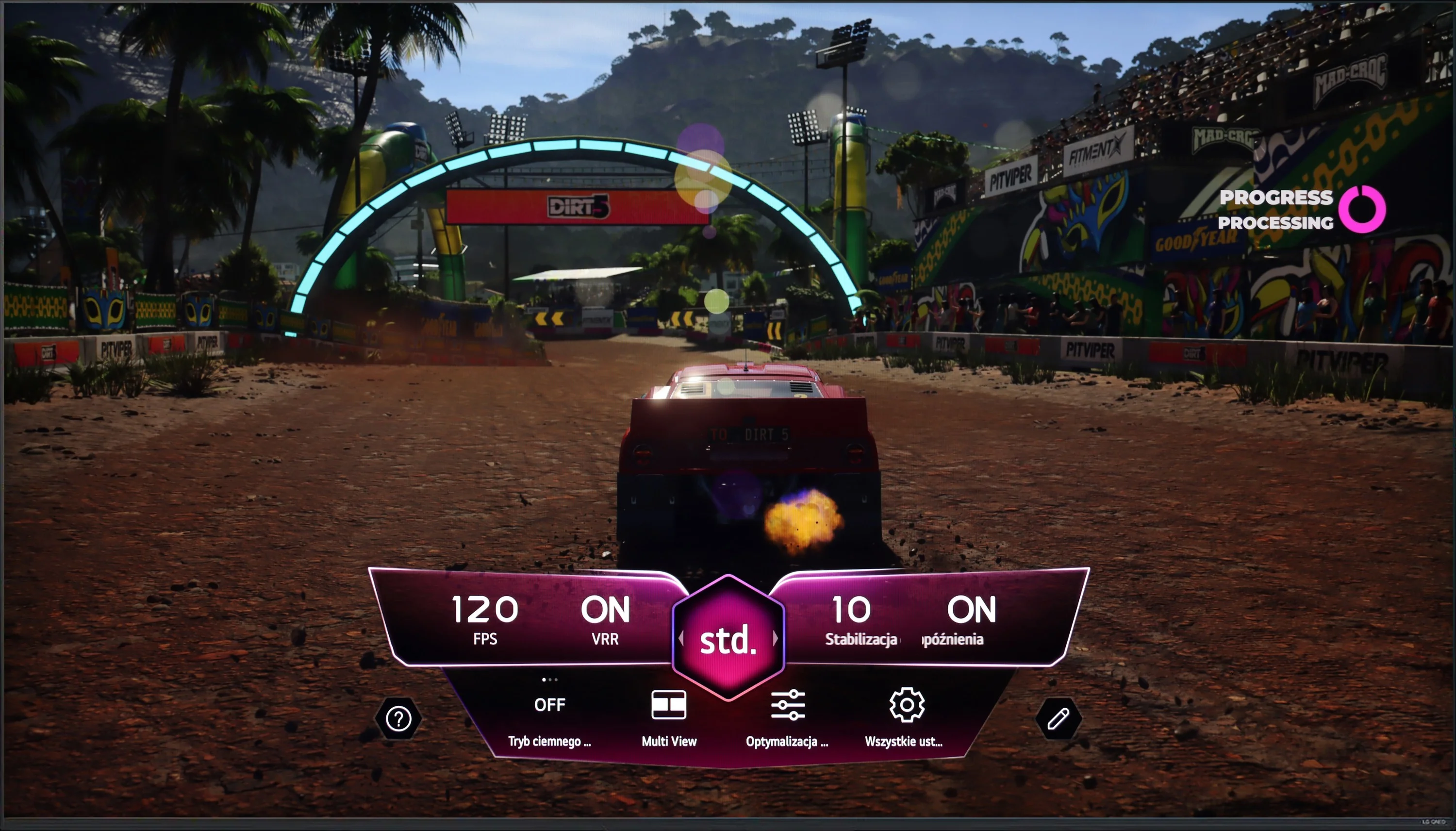
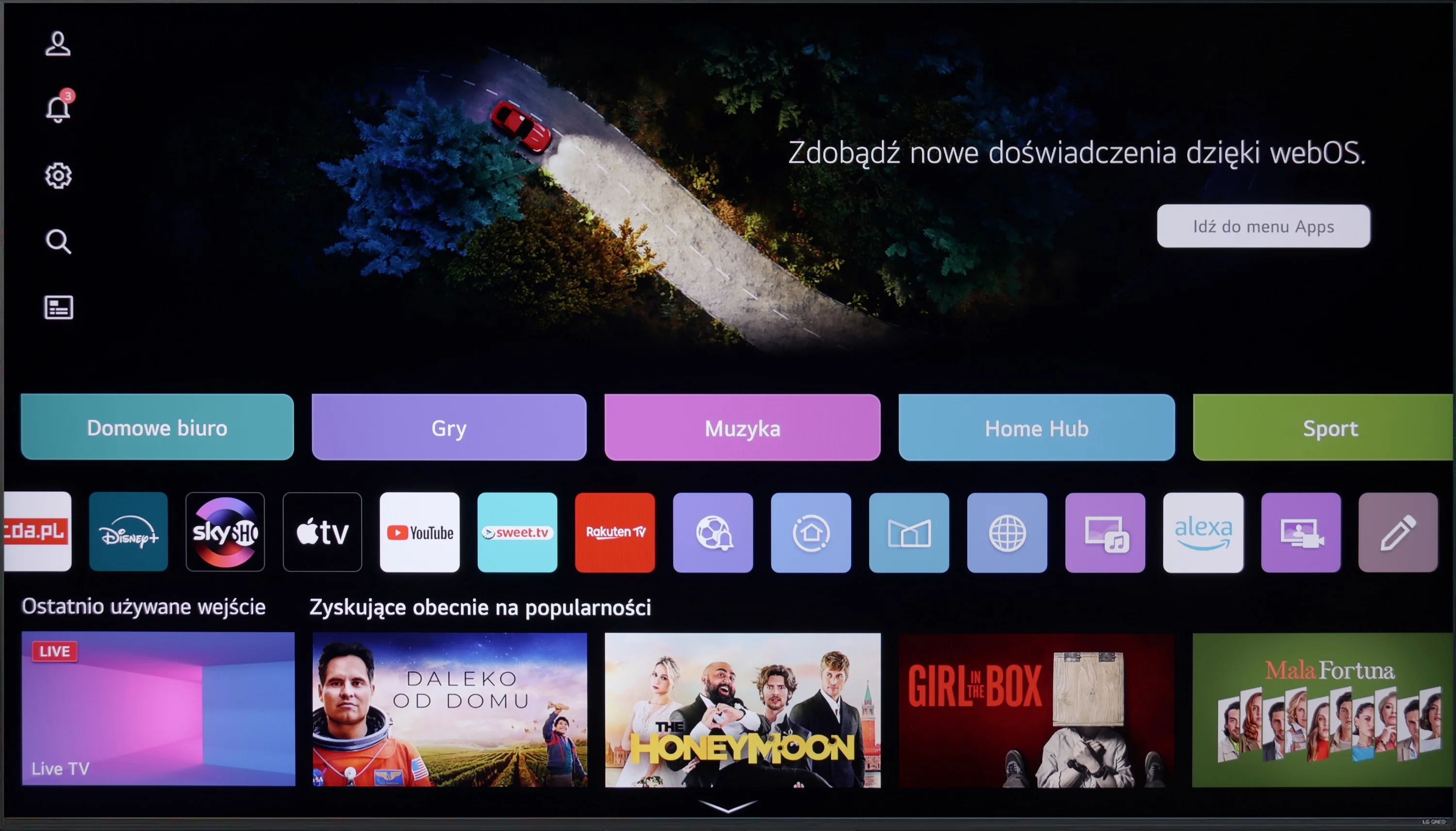
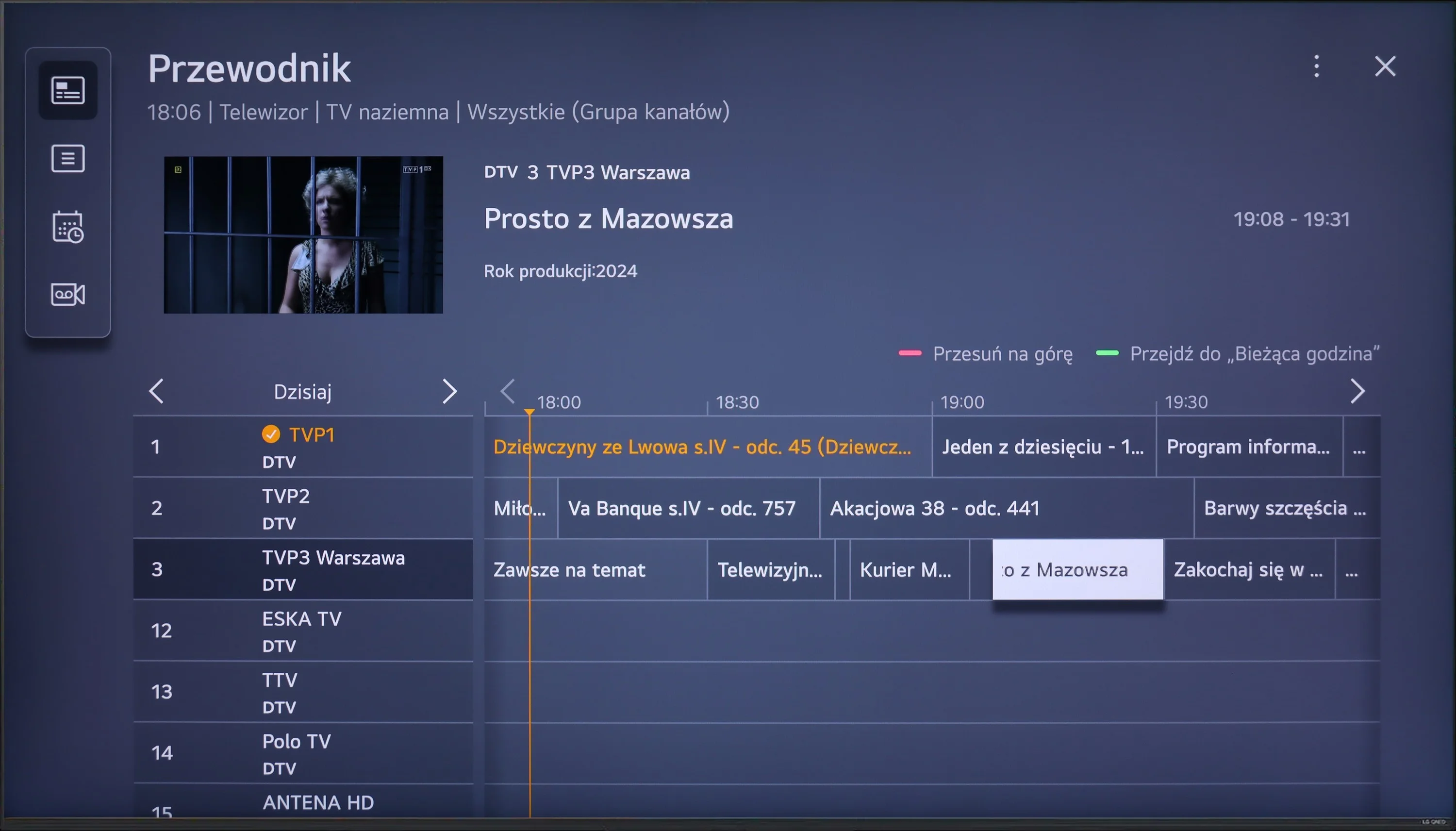
The LG QNED87T is a unique offering in the TV market, excelling in several key areas. Its excellent compatibility with consoles and PCs, along with impressive motion fluidity, makes it an appealing choice for gamers. The 120Hz panel, VRR, and ALLM ensure smooth and responsive gameplay, making it ideal for fast-paced games and sports viewing. The WebOS system, paired with the Magic Remote control, enhances daily convenience, providing an intuitive interface and access to a wide range of apps like Netflix, YouTube, and Amazon Prime Video.
The TV's IPS panel offers wide viewing angles, ensuring good image quality even from side seats, which is perfect for group viewing. Features like USB recording, PIP (Picture-in-Picture), and Bluetooth connectivity improve user experience and convenience.
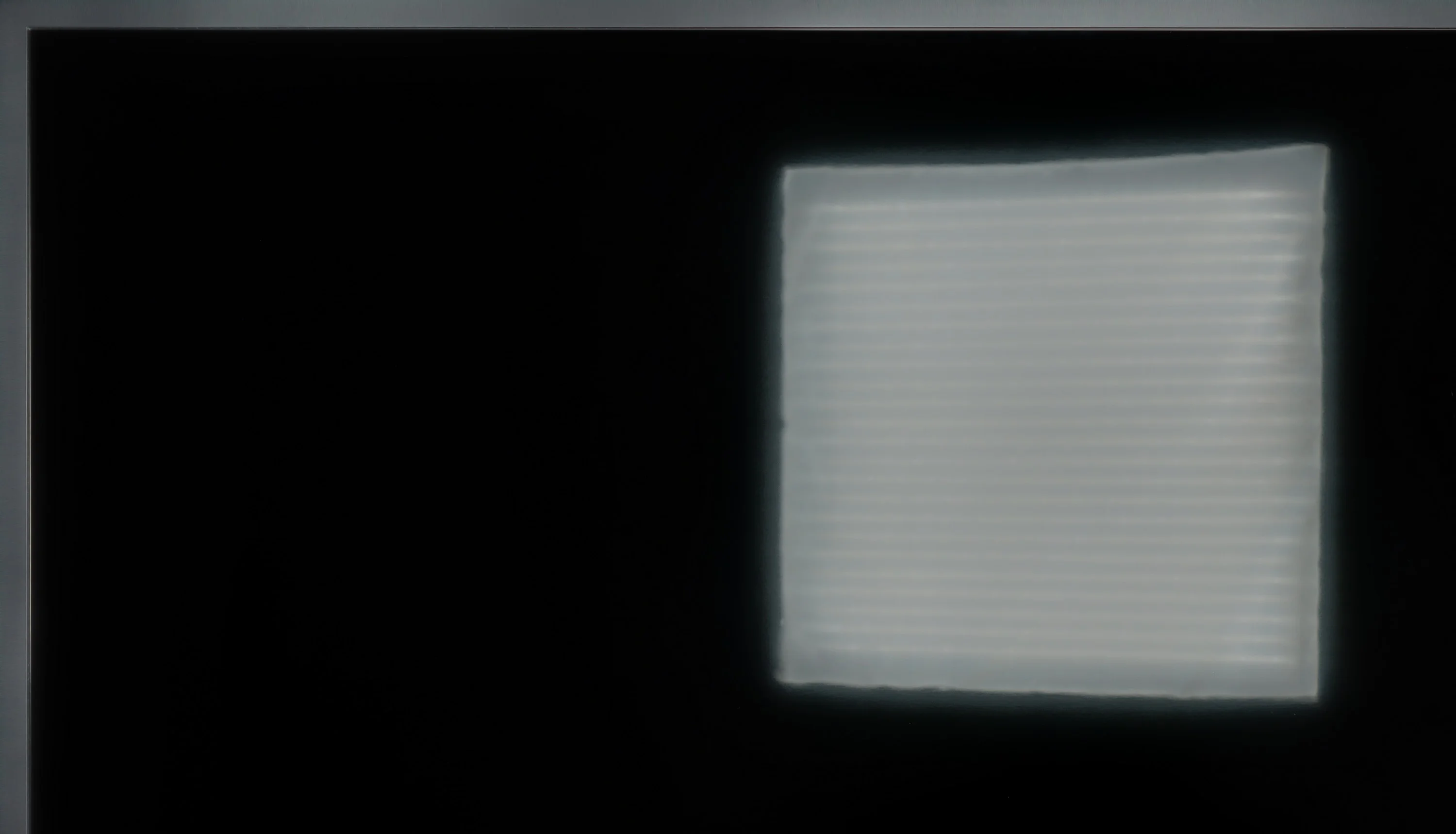
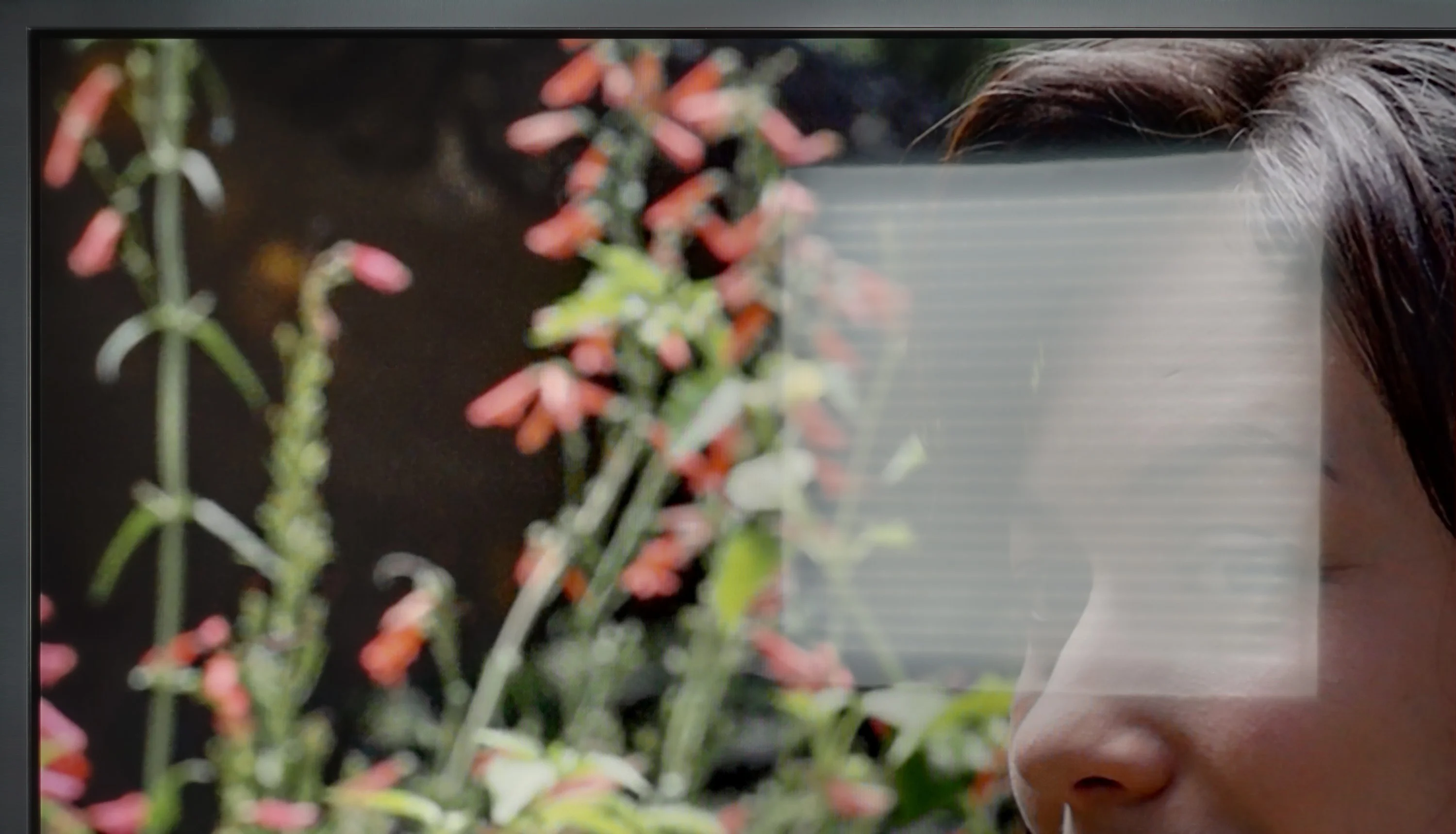
However, the LG QNED87T does have some limitations when it comes to high-quality content and home cinema use. Its contrast performance is weaker, and panel dimming issues can result in a lack of detail in dark scenes, particularly in low-light settings. While this may be less noticeable in bright or well-lit rooms, those seeking superior performance in dark environments may find these weaknesses more apparent.
Overall, the LG QNED87T is a versatile TV with modern features, making it a great option for everyday use and dynamic content, but it might not be the best choice for cinephiles or those seeking superior performance in dark rooms.
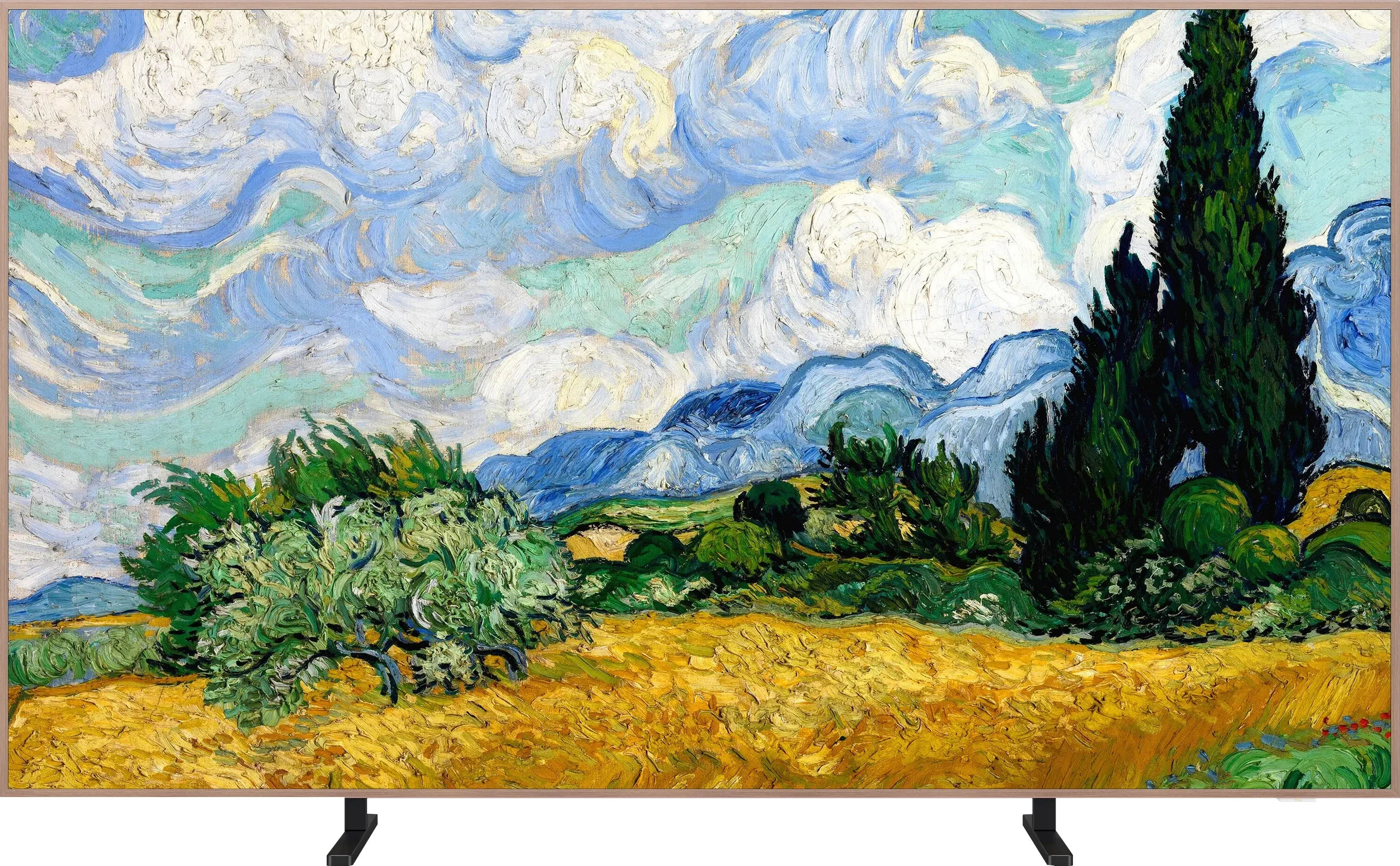
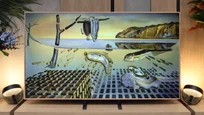
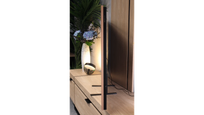
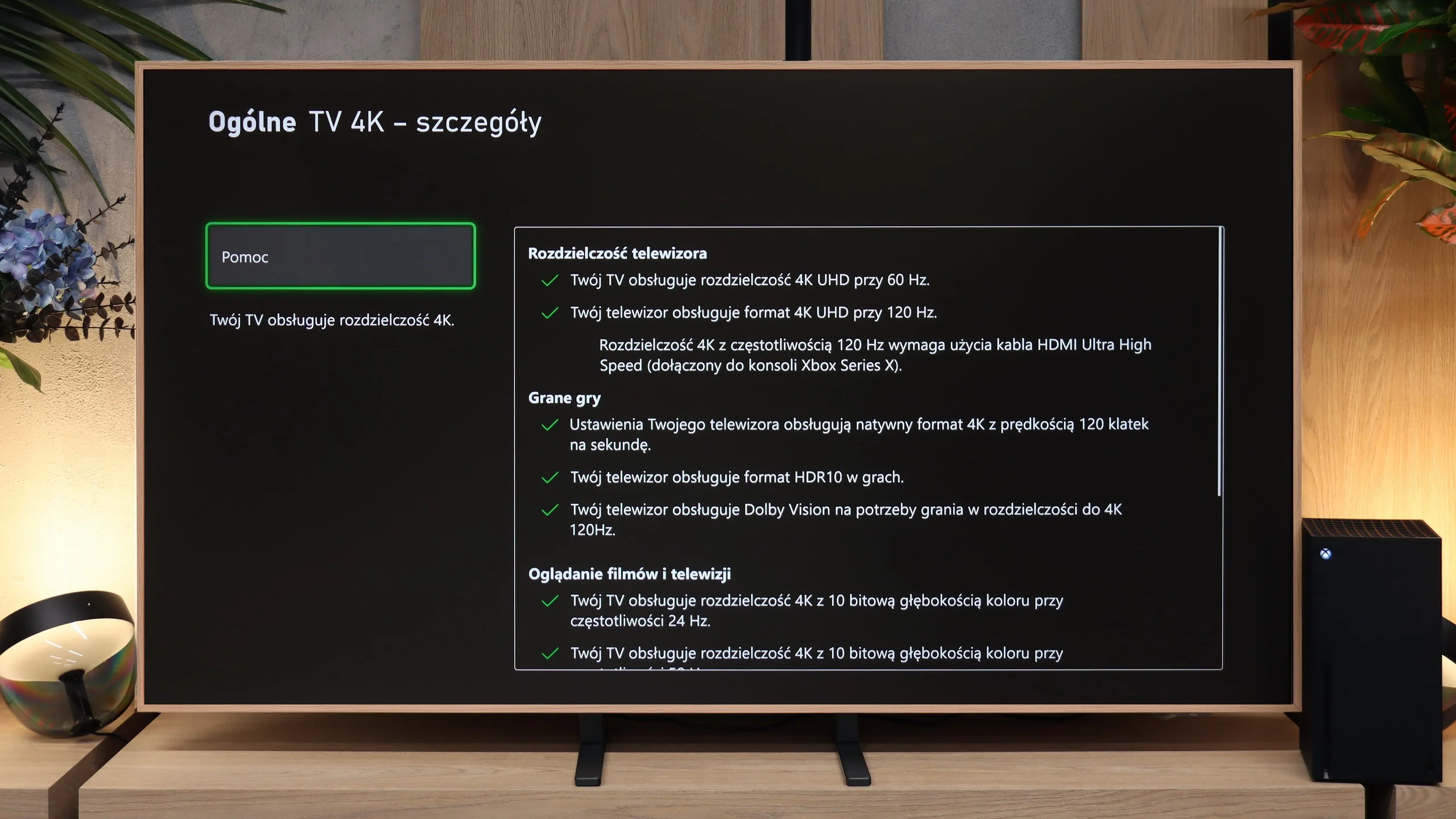
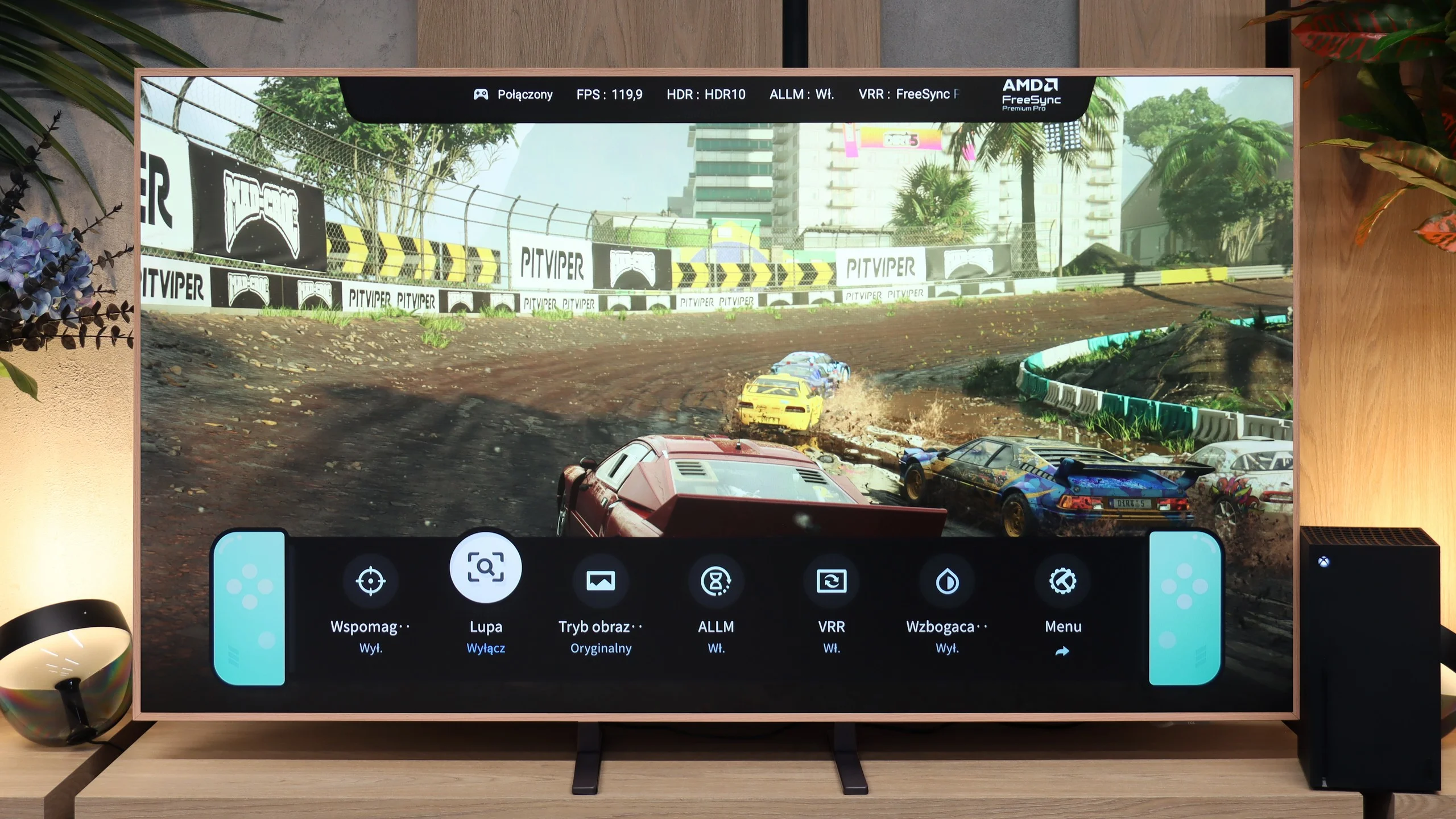
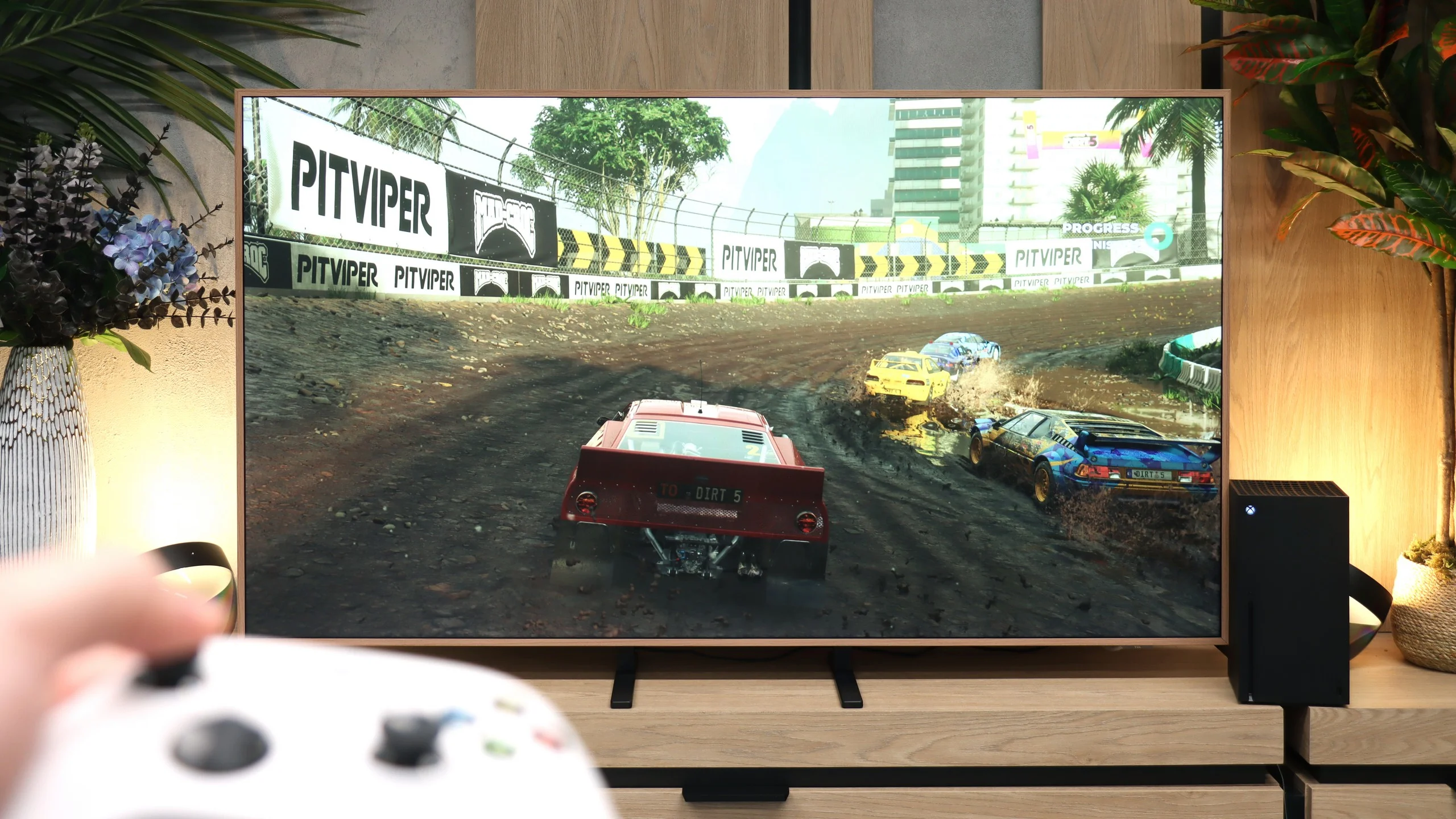
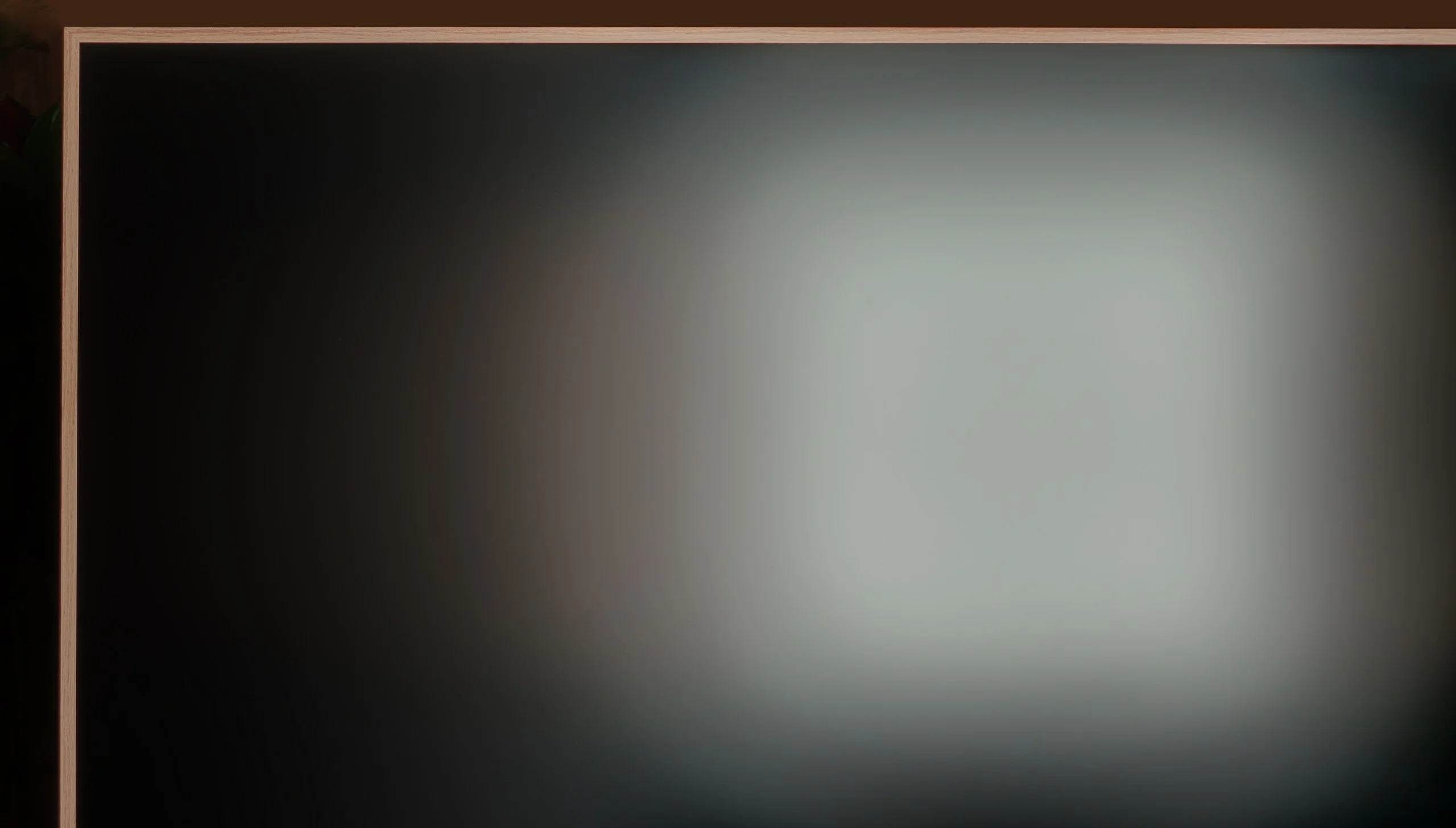
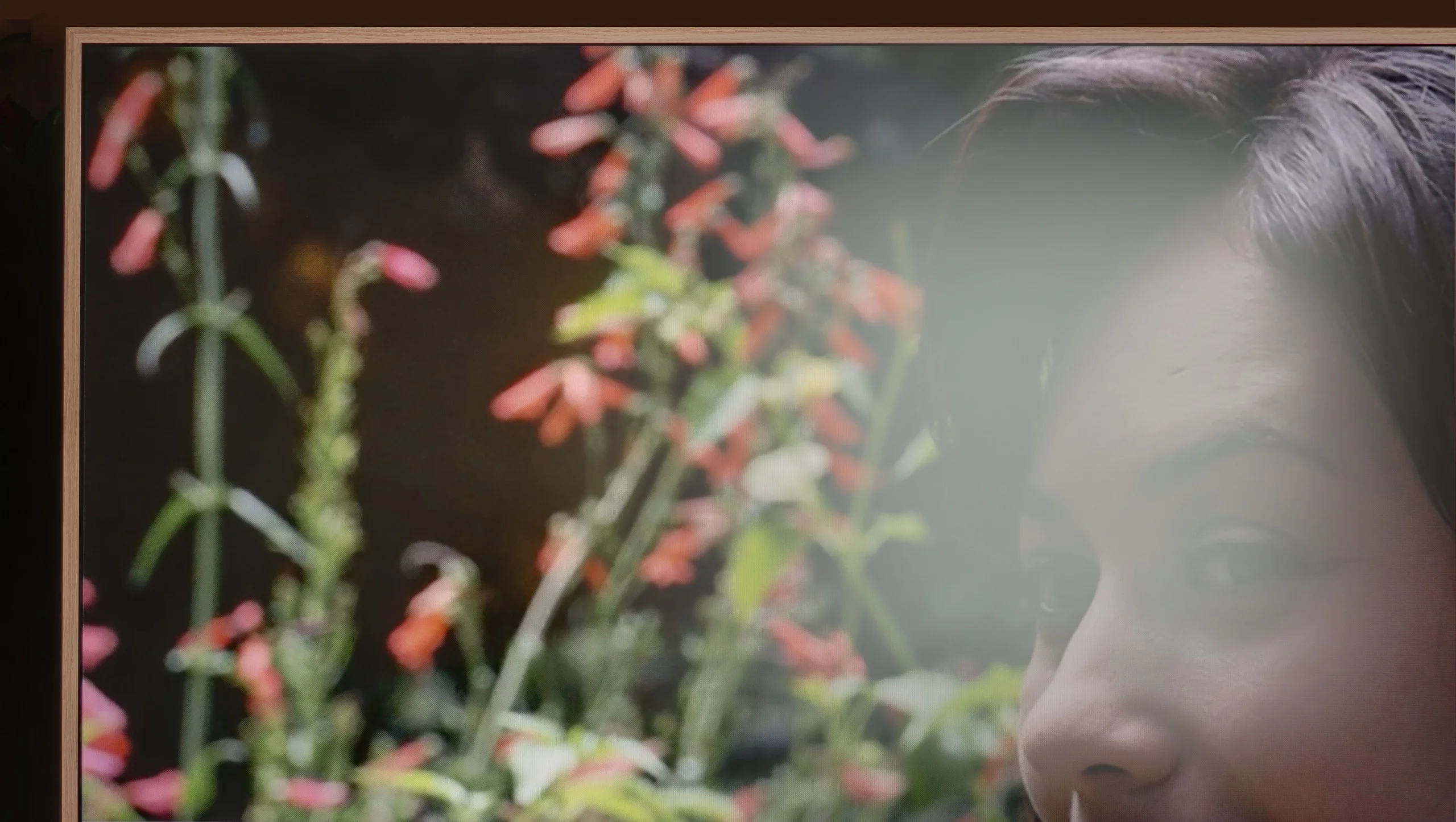
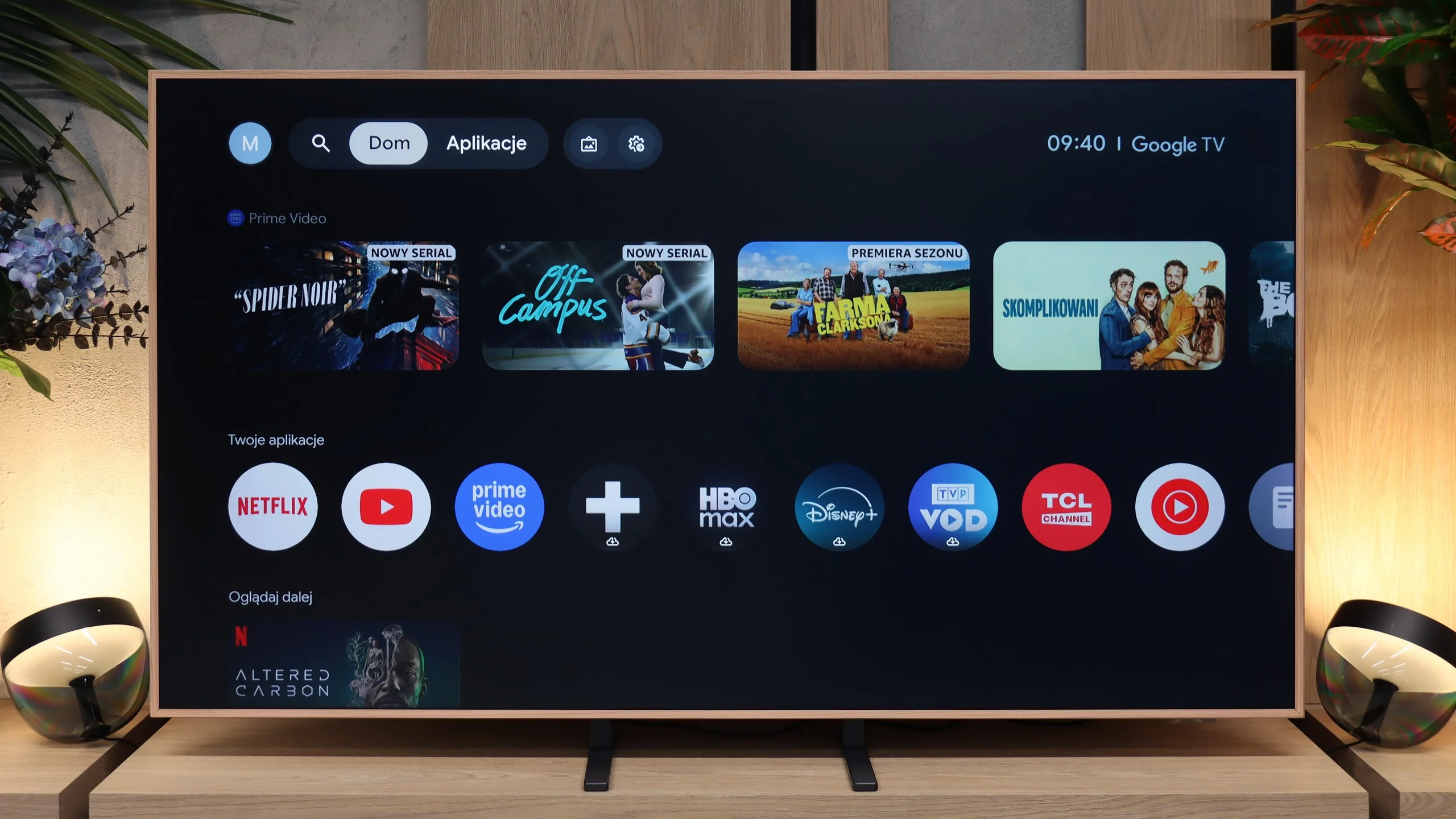
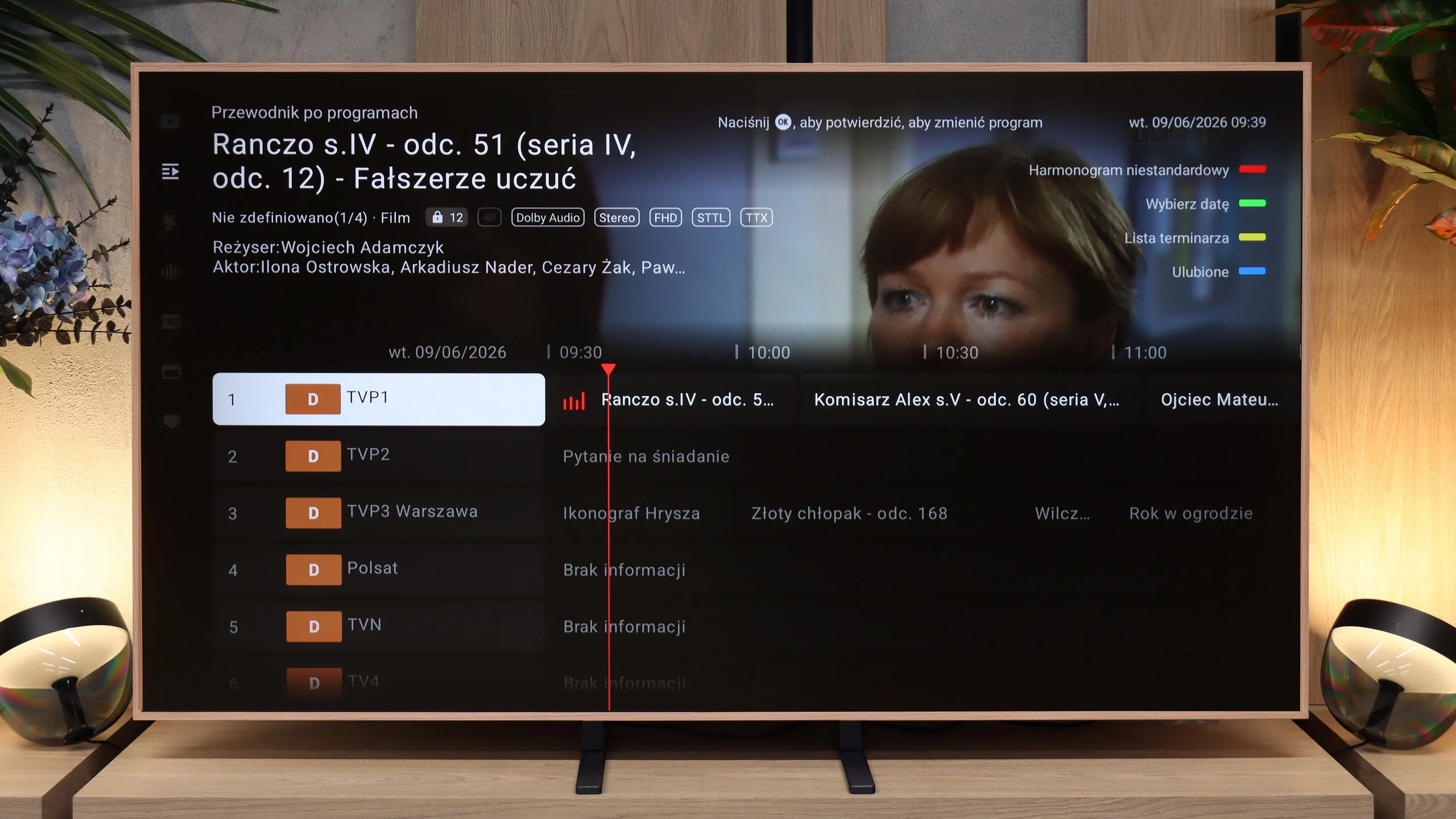
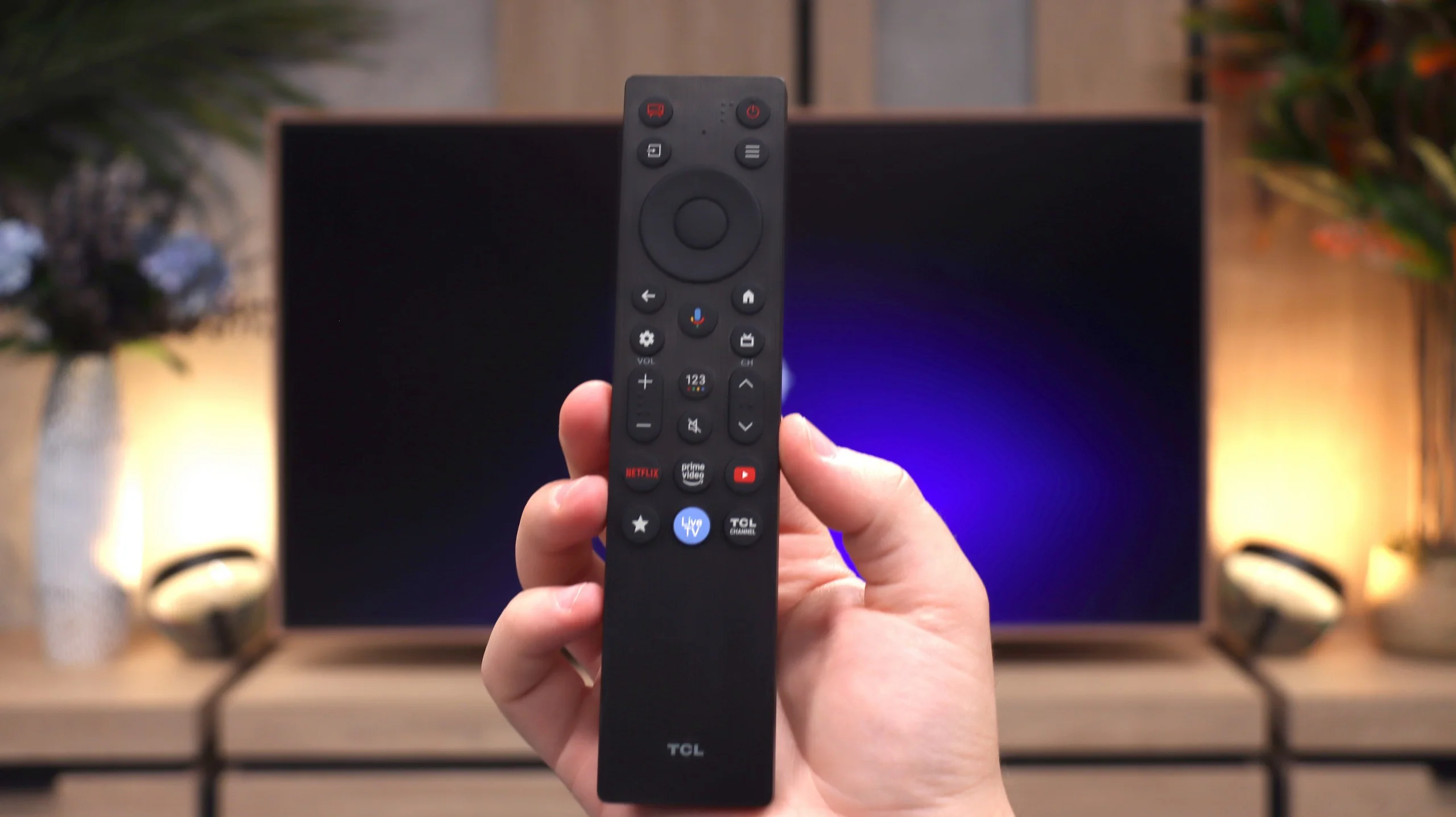
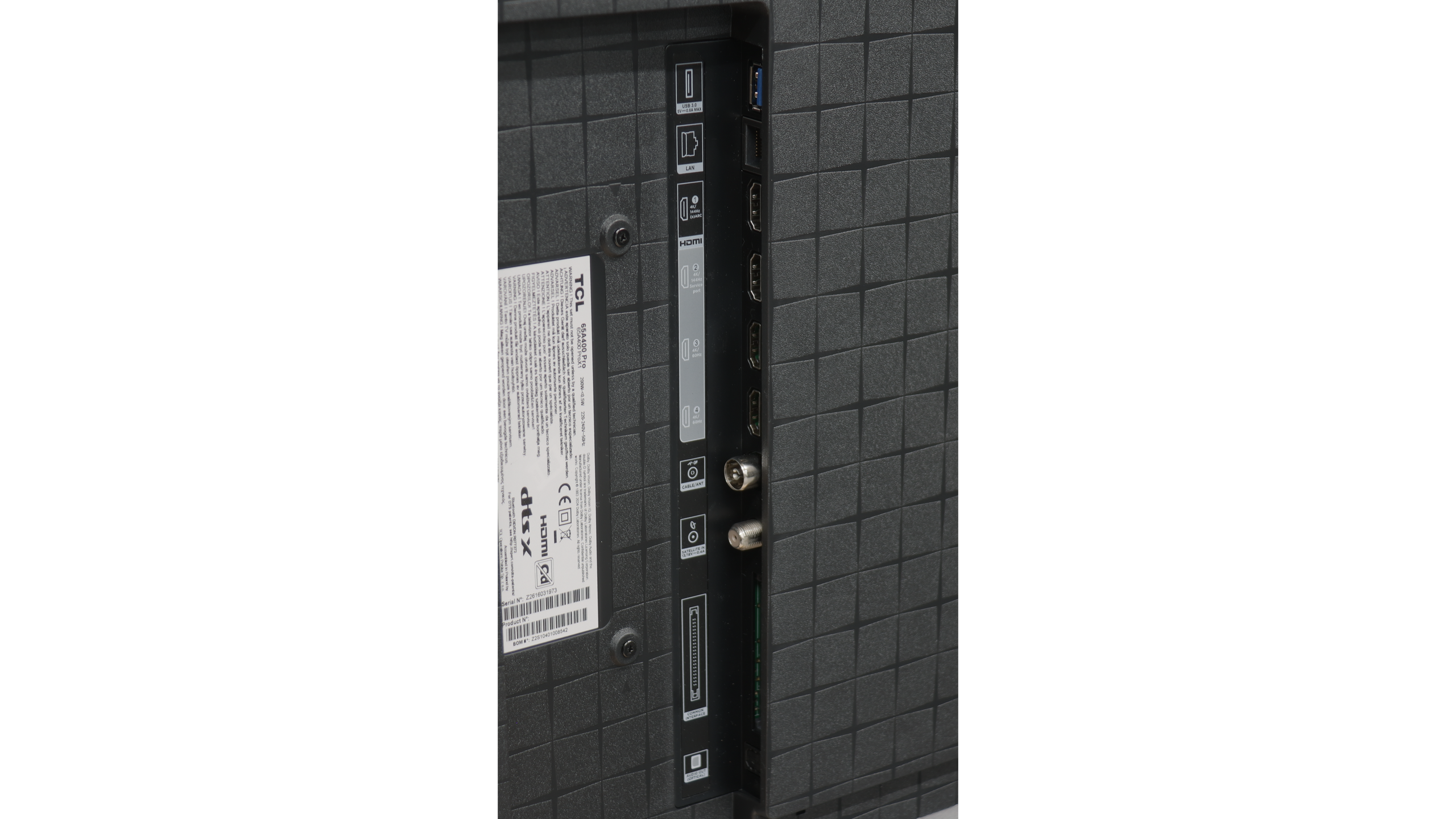
The TCL A400 Pro is one of the most interesting lifestyle TVs we've tested so far. And not because it turns the whole idea of the "TV as a picture" upside down. In that regard it does roughly what the competition does: it should look good, blend into the interior, and not be just another black slab in the living room. Its real strength lies elsewhere: in picture quality. It's the first TV of this type that actually delivers an image built on solid blacks and high contrast. A full Mini-LED backlight combined with a VA panel allows the A400 Pro to show a depth that has simply been missing from lifestyle TVs until now. Of course this is not Mini-LED that you would put side by side with the best LCDs on the market, but in its "picture" category the A400 Pro does something really important: it proves that an art TV doesn't have to mean a big compromise in picture quality. Crucially, it doesn't stop at blacks and contrast. The A400 Pro produces very good color, supports Dolby Vision and runs Google TV, so day to day it's simply a convenient, fully functional TV for movies, series and streaming. On top of that it has very strong gaming capabilities, so it works well with consoles and PCs too. And I think that universality is its biggest surprise. It looks like a lifestyle TV, but it doesn't force you to give up the functions you expect from a regular TV.
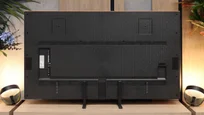
Paradoxically, the biggest reservations are not really about the picture itself. Sure, the number of local dimming zones could be higher and the upscaling is nothing beyond the norm. Given this model's character, though, we're more bothered by decisions tied to the very concept of a picture on the wall. The lack of a slim mount in the box is an odd choice, because that kind of installation should be the default here. On top of that, the wood-effect frames are permanently attached, so they don't offer the same freedom for personalization as other models of this type. And because the housing is thicker, the A400 Pro doesn't always achieve as flat and subtle an effect as one might expect from a TV in this category.
And that's the biggest paradox of the TCL A400 Pro. In terms of image it can be one of the strongest lifestyle TVs on the market, yet it loses a bit where this kind of product should charm the most. Still, the overall balance is very positive. If the design choices mentioned above don't bother you, the A400 Pro makes a lot of sense. It's a TV for people who want something prettier than a classic TV but don't want to pay for looks with a big compromise in picture quality. That's why the TCL A400 Pro is one of the most interesting models in its class.
 Direct comparison