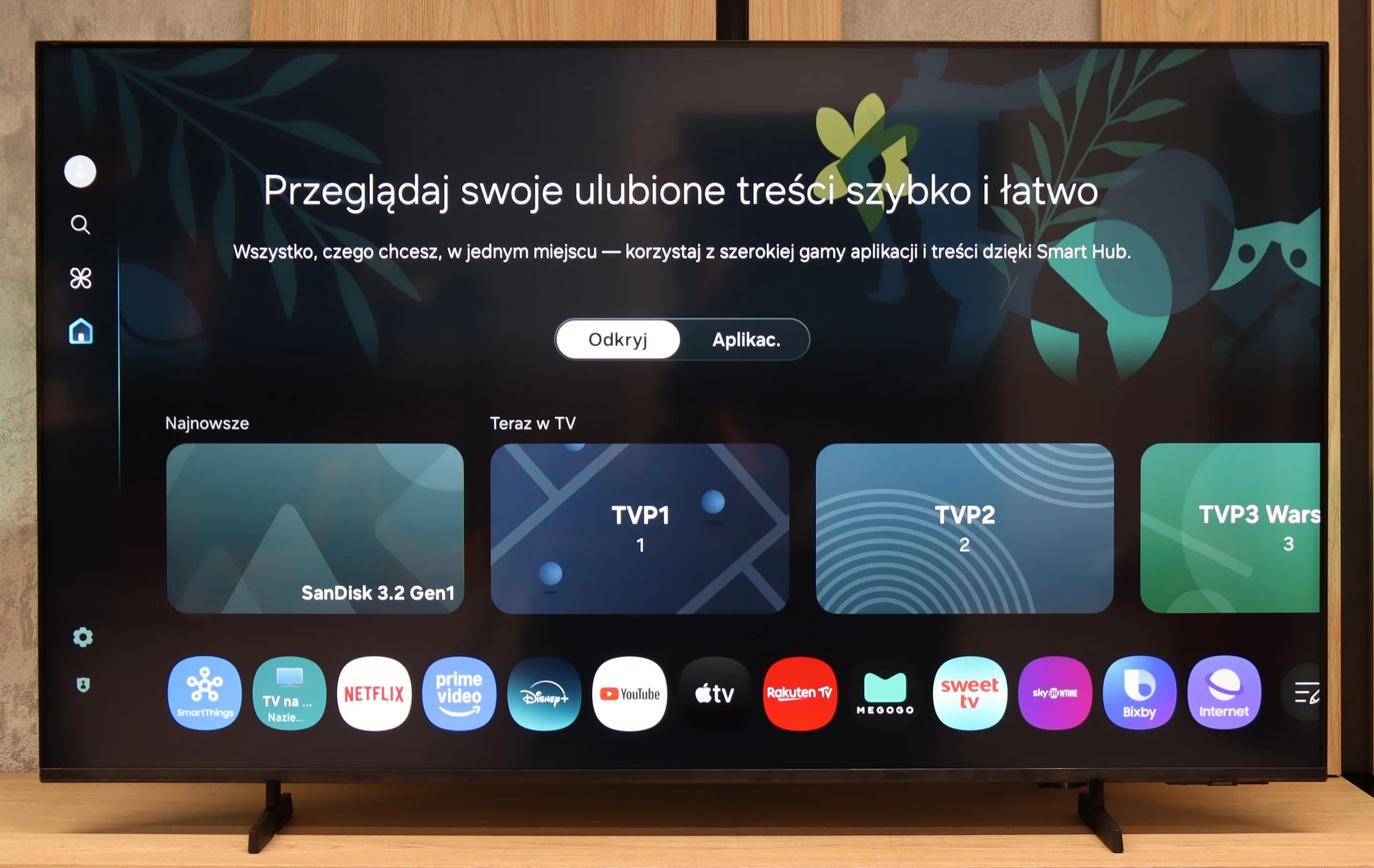
LG QNED87T6B vs Samsung U8000F (VA)

Direct comparison

Check the best price offer:

LG QNED87T6B
$946

Check the best price offer:

Samsung U8000F (VA)
$255

U8000F / U8092F

Info

Available screen sizes: 50”55”65”75”

Available screen sizes: 43”50”65”75”85”

Panel type: LCD IPS

Resolution: 3840x2160

System: WebOS

Model year: 2024

Complete the survey to find out the result

Panel type: LCD IPS

Resolution: 3840x2160

System: Tizen

Model year: 2025

Complete the survey to find out the result

Overall rating

6.8

5.6

  • Movies and series in UHD quality

    6.1

    5.7

  • Classic TV, YouTube

    6.1

    5.9

  • Sports broadcasts (TV and apps)

    7.2

    4.9

  • Gaming on console

    8.2

    6.6

  • TV as a computer monitor

    7.6

    6.0

  • Watching in bright light

    4.8

    3.8

  • Utility functions

    8.8

    5.3

  • Apps

    8.3

    8.7

  • Sound quality

    6.0

    5.7

Advantages

  • Great for gamers and sports - 120hz, HDMI 2.1

  • Wide viewing angles

  • Good choice for regular TV - excellent digital processing and extensive user features

  • One of the better choices as a PC monitor

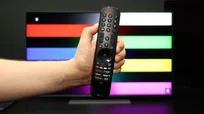
  • Remote with cursor - Magic

  • Nice black and contrast (VA panel version)

  • Advanced Smart system: Tizen

  • Great for working with text - displays fonts very well

  • Basic features for gamers - VRR and ALLM

  • Low input lag

Disadvantages

No like
  • Poor contrast

  • No Dolby Vision, HDR 10+

  • Low brightness

  • Worse viewing angles compared to the IPS matrix version (Obvious, isn't it? 😉)

  • Infrared remote control

  • Worse appearance than its predecessor

Our verdict

The LG QNED87T is a unique offering in the TV market, excelling in several key areas. Its excellent compatibility with consoles and PCs, along with impressive motion fluidity, makes it an appealing choice for gamers. The 120Hz panel, VRR, and ALLM ensure smooth and responsive gameplay, making it ideal for fast-paced games and sports viewing. The WebOS system, paired with the Magic Remote control, enhances daily convenience, providing an intuitive interface and access to a wide range of apps like Netflix, YouTube, and Amazon Prime Video.

The TV's IPS panel offers wide viewing angles, ensuring good image quality even from side seats, which is perfect for group viewing. Features like USB recording, PIP (Picture-in-Picture), and Bluetooth connectivity improve user experience and convenience.

However, the LG QNED87T does have some limitations when it comes to high-quality content and home cinema use. Its contrast performance is weaker, and panel dimming issues can result in a lack of detail in dark scenes, particularly in low-light settings. While this may be less noticeable in bright or well-lit rooms, those seeking superior performance in dark environments may find these weaknesses more apparent.

Overall, the LG QNED87T is a versatile TV with modern features, making it a great option for everyday use and dynamic content, but it might not be the best choice for cinephiles or those seeking superior performance in dark rooms.

Samsung U8000F with a VA panel is a television that can pleasantly surprise in its class – of course, if we know what to expect from it. Its biggest advantage is definitely the black quality. Compared to the version with an IPS panel, the difference is enormous – the picture gains depth, the contrast looks much better, and evening movie sessions no longer feel like watching content through a gray filter. For a budget segment device, this is truly a nice surprise. The proven Tizen system also deserves credit, which not only works smoothly but also offers access to a full range of applications, support for SmartThings, and a voice assistant (via an app). The PC mode and connection to a console work flawlessly – the fonts are clear and readable. Additionally, it has basic features for gamers, such as VRR and ALLM, which – although they won’t turn this TV into an e-sport machine – are more than sufficient for occasional gaming.

Of course, like any construction in this budget, the U8000F with a VA panel has its limitations. The viewing angles are not one of its strong points – watching the picture from the side easily reveals a drop in quality. Nevertheless, it's hard to consider this a serious drawback – because something has to give. Better black levels are always associated with slightly lesser flexibility in adjustment. When it comes to HDR, we have rather a symbolic approach – the brightness is too low to talk about a true “wow” effect, and the color palette is limited. But let’s face the facts – that’s not why you buy such a TV. So if you're planning to purchase the U8000F, we definitely recommend opting for the version with a VA panel. It's still a very basic model, but in this version, it offers more than one might expect – especially in terms of black quality. And in this price range, that’s quite a lot.

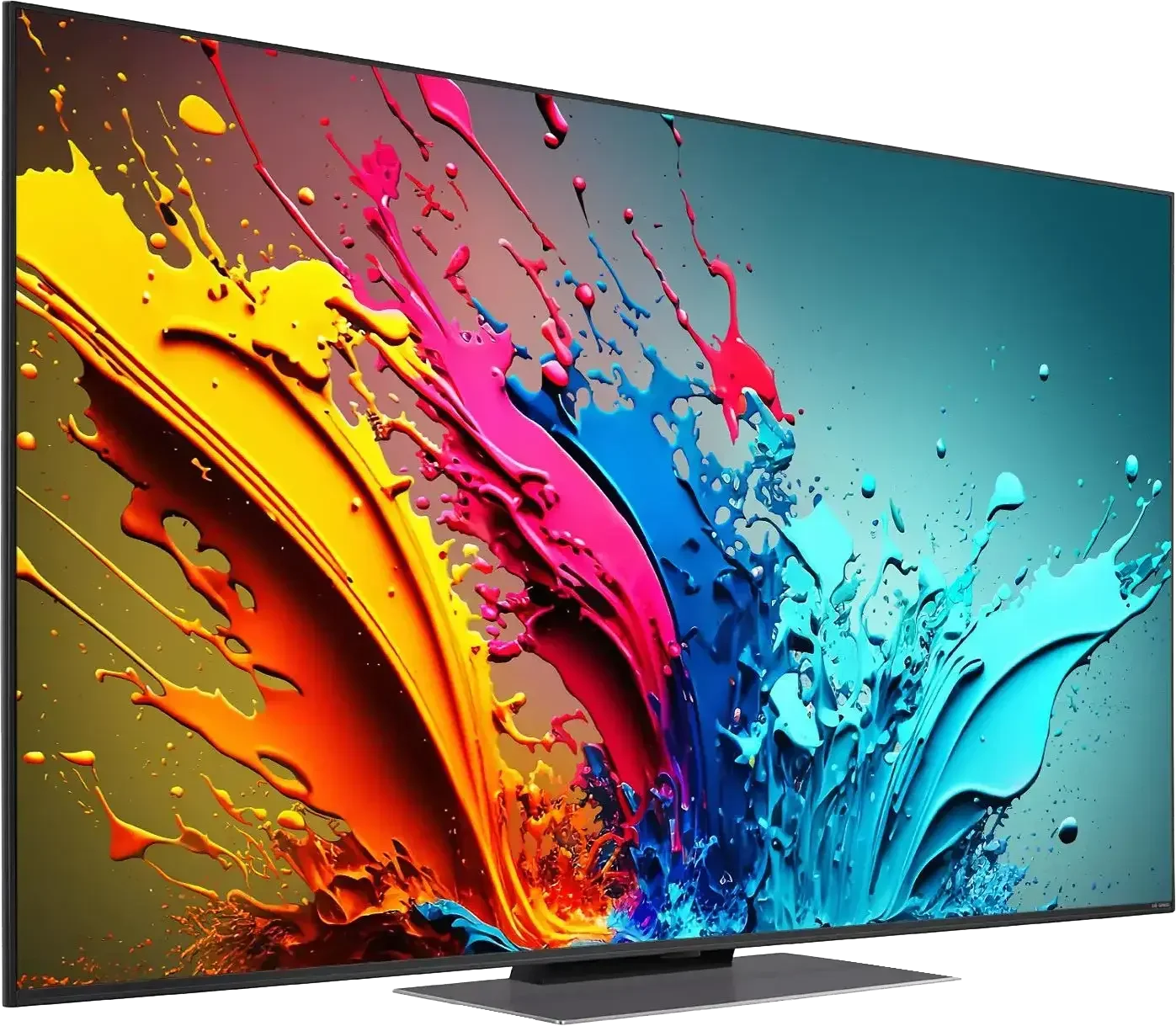
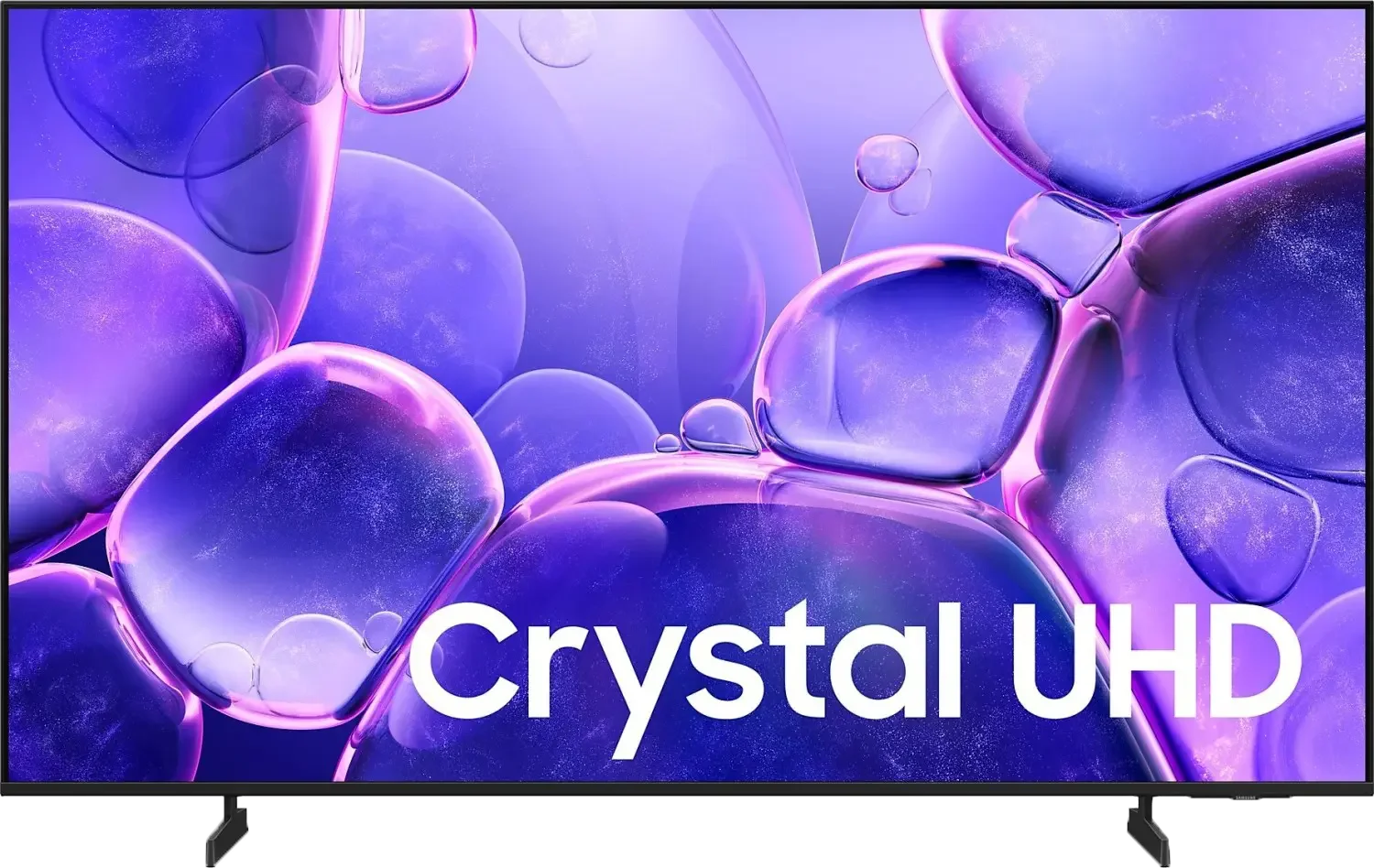
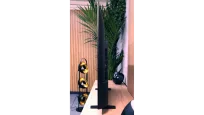
TV appearance

HDMI inputs
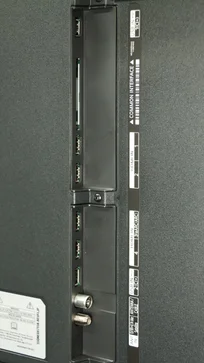
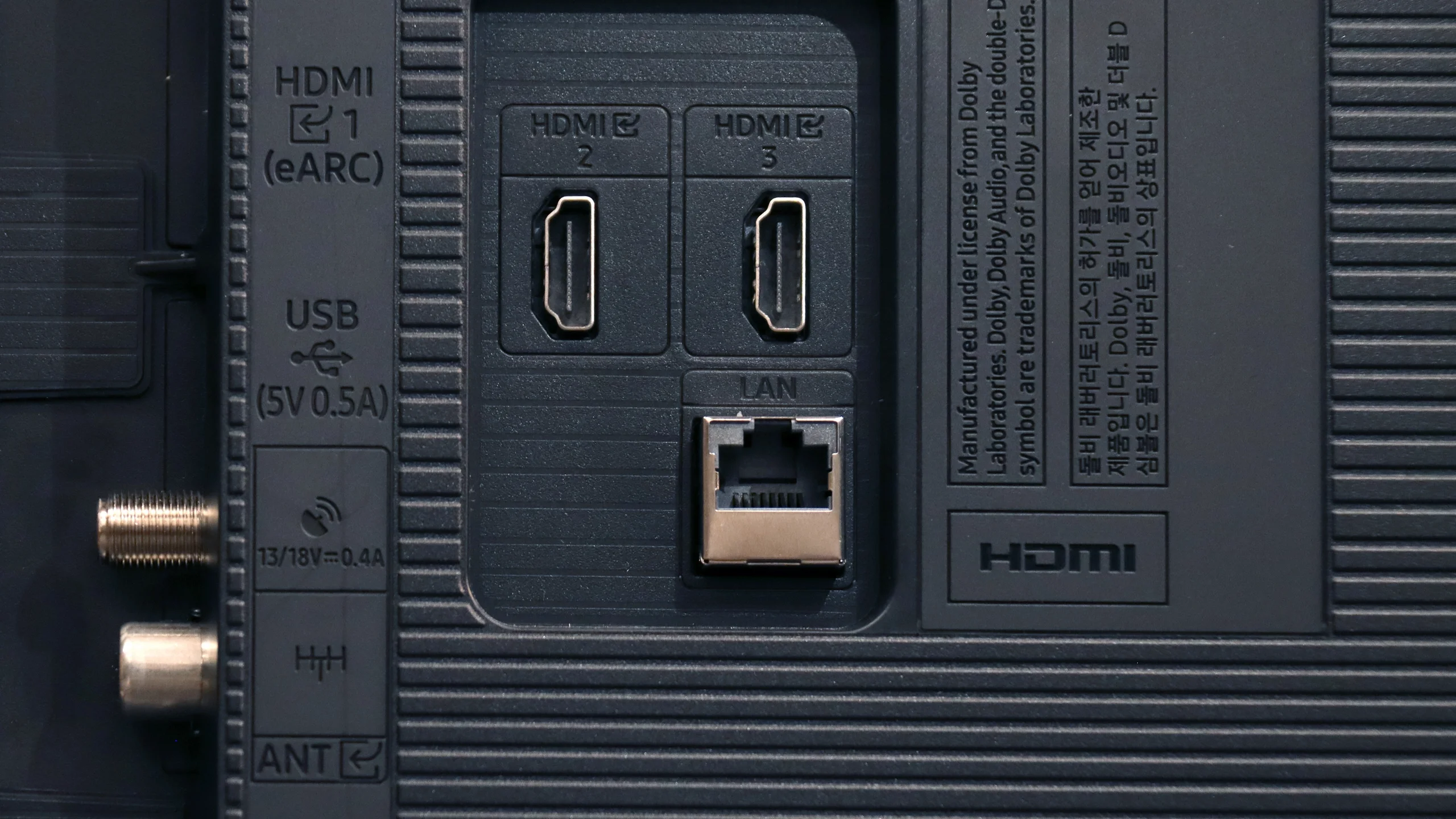
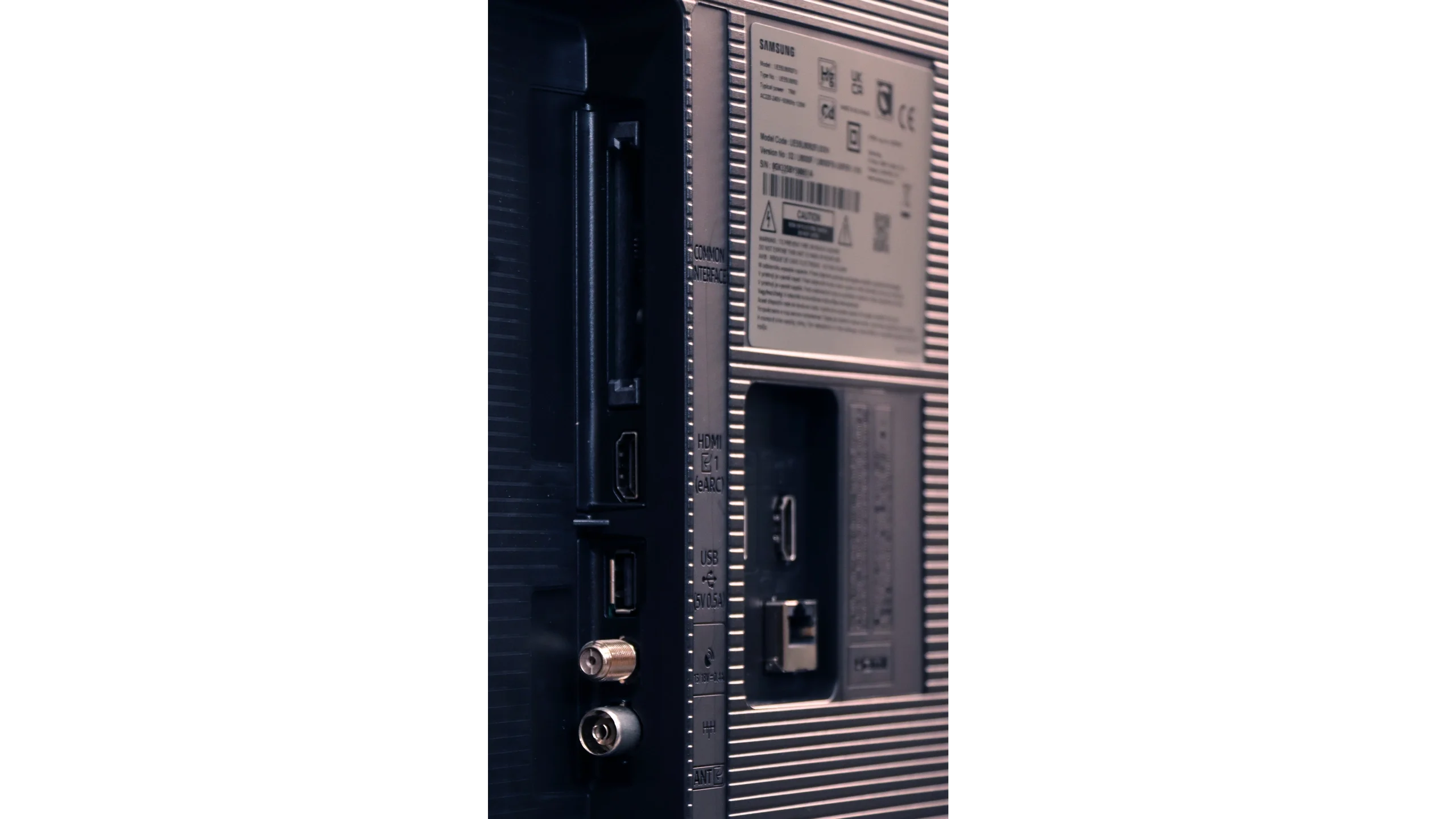
0 x HDMI 2.0, 4 x HDMI 2.1 (48Gbps)
3 x HDMI 2.0, 0 x HDMI 2.1
Other inputs
Outputs
Toslink (Optical audio), eARC (HDMI), ARC (HDMI)
eARC (HDMI), ARC (HDMI)
Network Interfaces
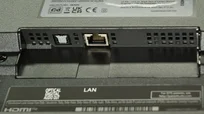
Wi-Fi 2.4GHz, Wi-Fi 5GHz, Ethernet (LAN) 100Mbps
Build quality
Good
Average
Stand type
Central
Legs
Bezel color
Graphite
Black
Stand
Fixed
Fixed
Flat design
Yes
No
Accessories
Stand
Stand

Contrast and black detail

3.3/10

5.3/10

Local dimming function: Yes, number of zones: 6 (6 x 1)

Local dimming function: No

Contrast:

Review LG QNED87T6B Contrast and black detail

Result

2,350:1

Review LG QNED87T6B Contrast and black detail

Result

1,250:1

Review LG QNED87T6B Contrast and black detail

Result

2,500:1

Review LG QNED87T6B Contrast and black detail

Result

1,450:1

Review LG QNED87T6B Contrast and black detail

Result

1,050:1

Review Samsung U8000F (VA) Contrast and black detail

Result

4,600:1

Review Samsung U8000F (VA) Contrast and black detail

Result

4,150:1

Review Samsung U8000F (VA) Contrast and black detail

Result

3,900:1

Review Samsung U8000F (VA) Contrast and black detail

Result

3,750:1

Review Samsung U8000F (VA) Contrast and black detail

Result

3,400:1

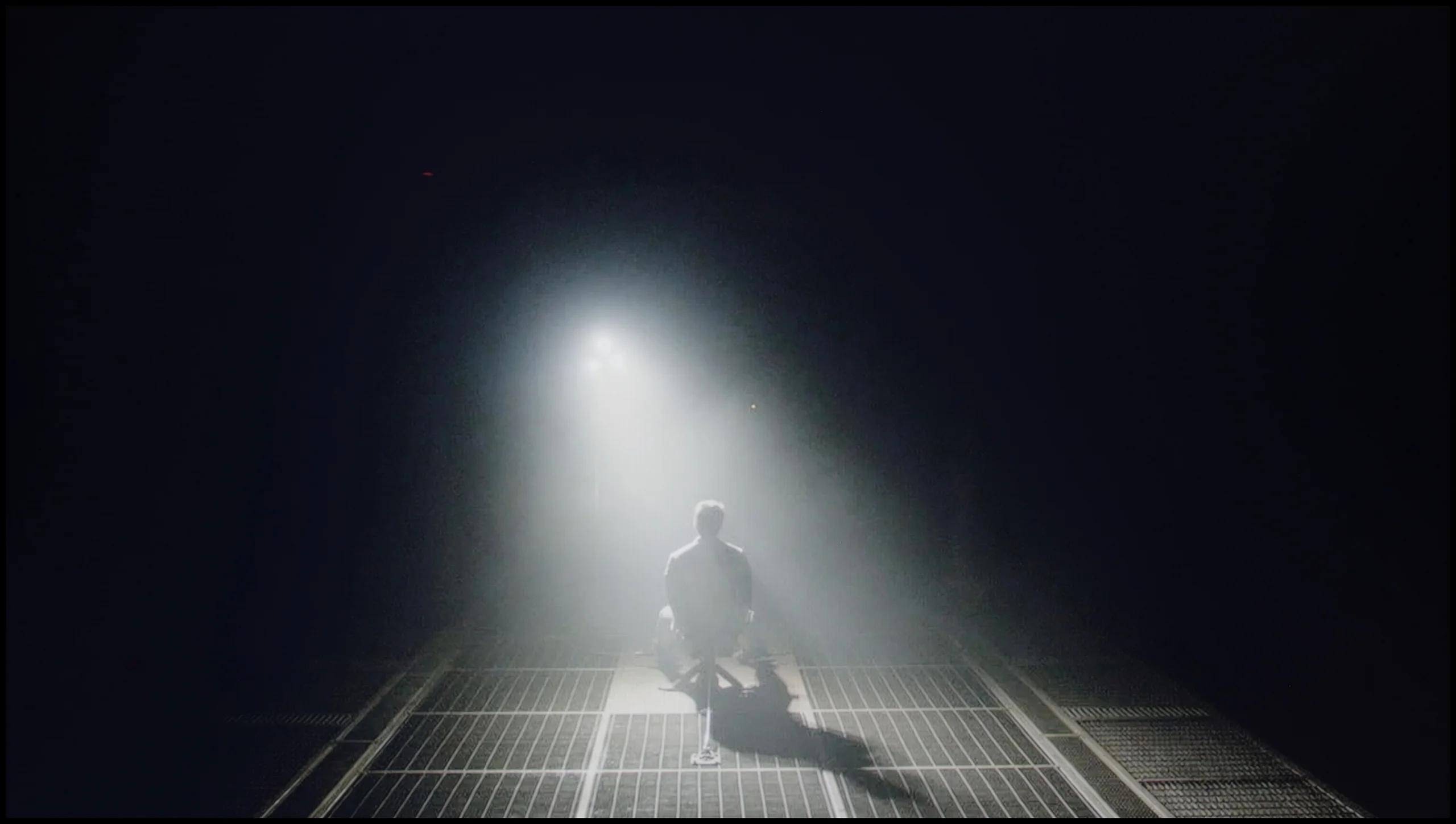
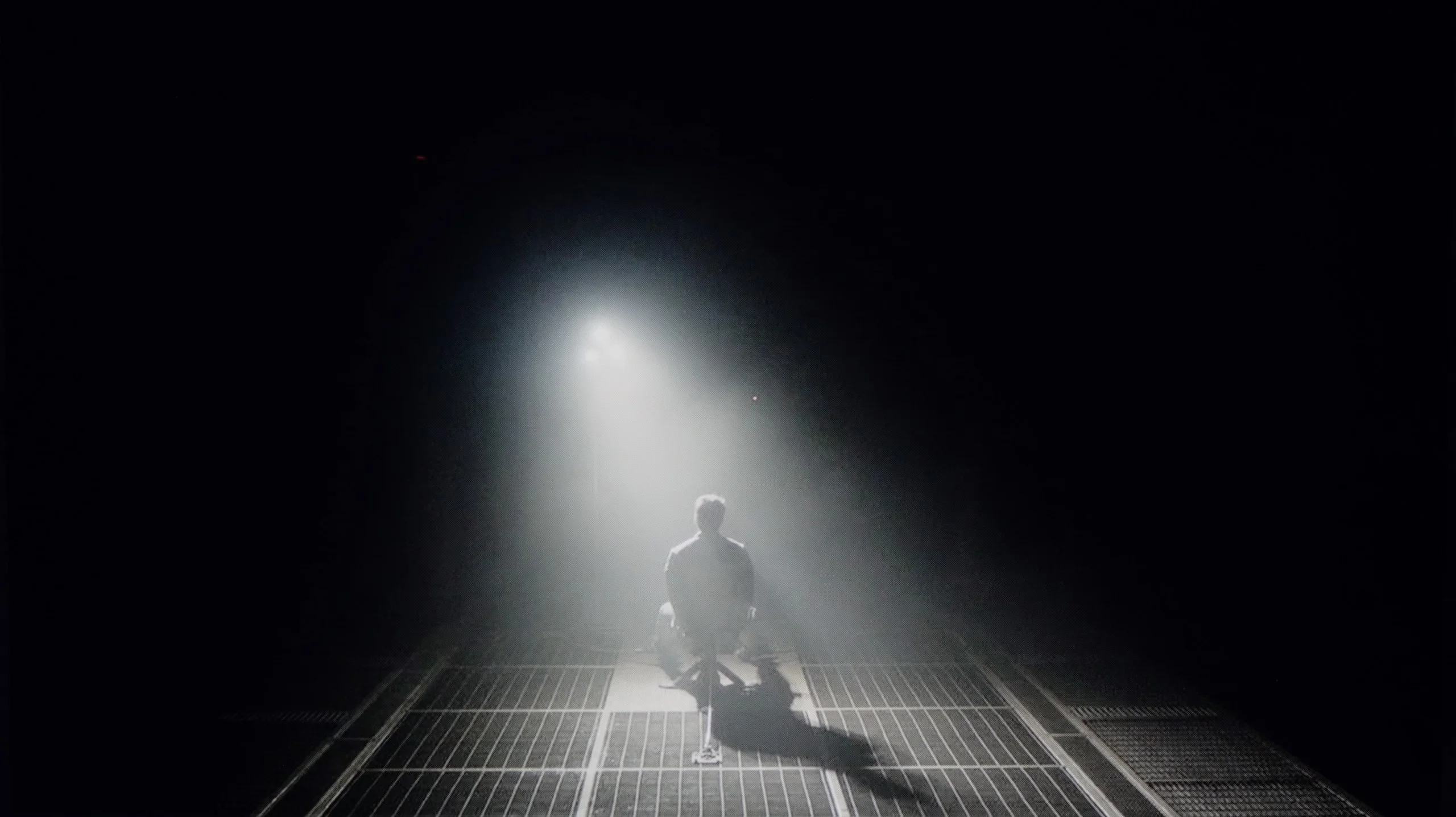
Halo effect and black detail visibility:

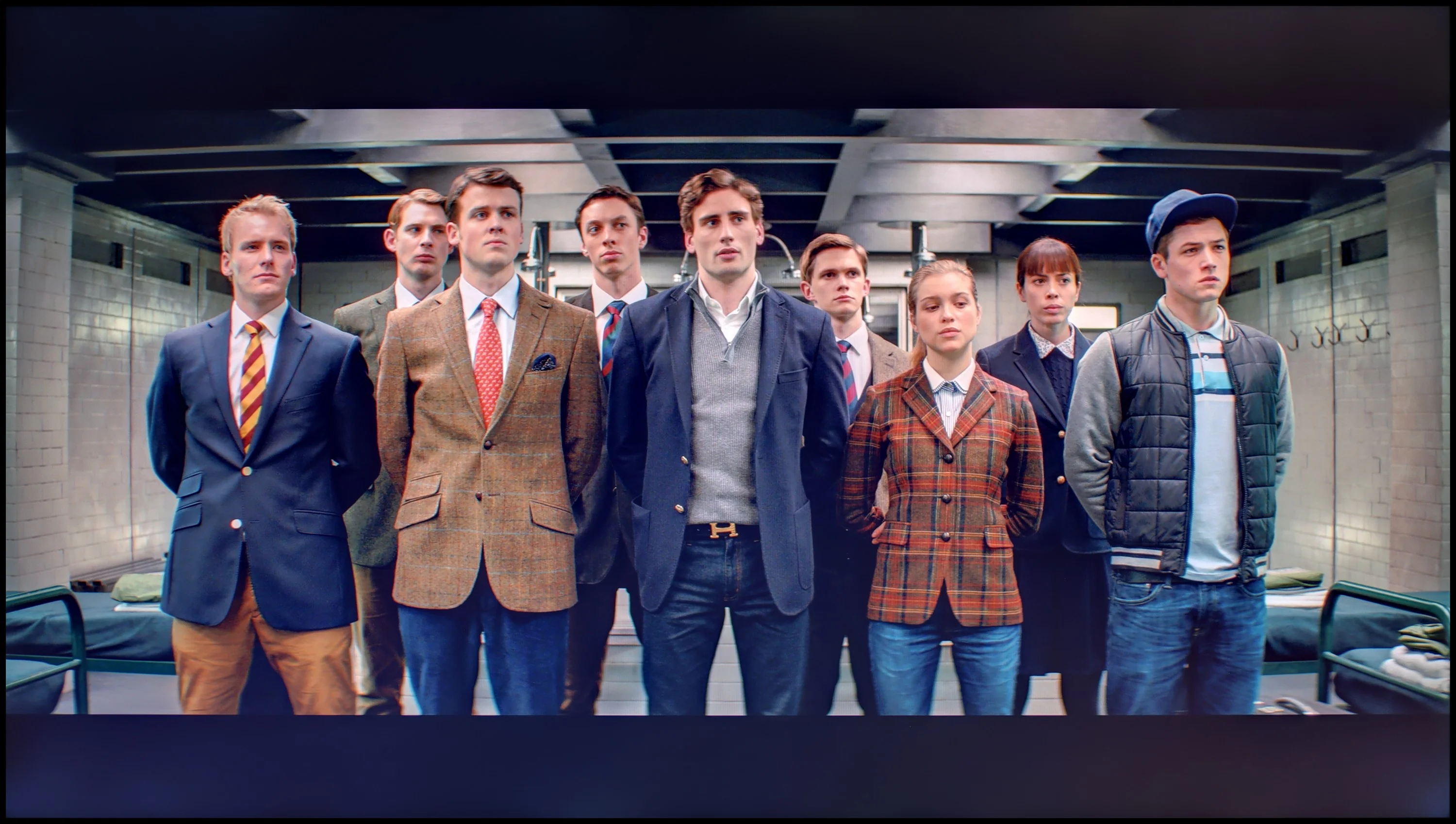
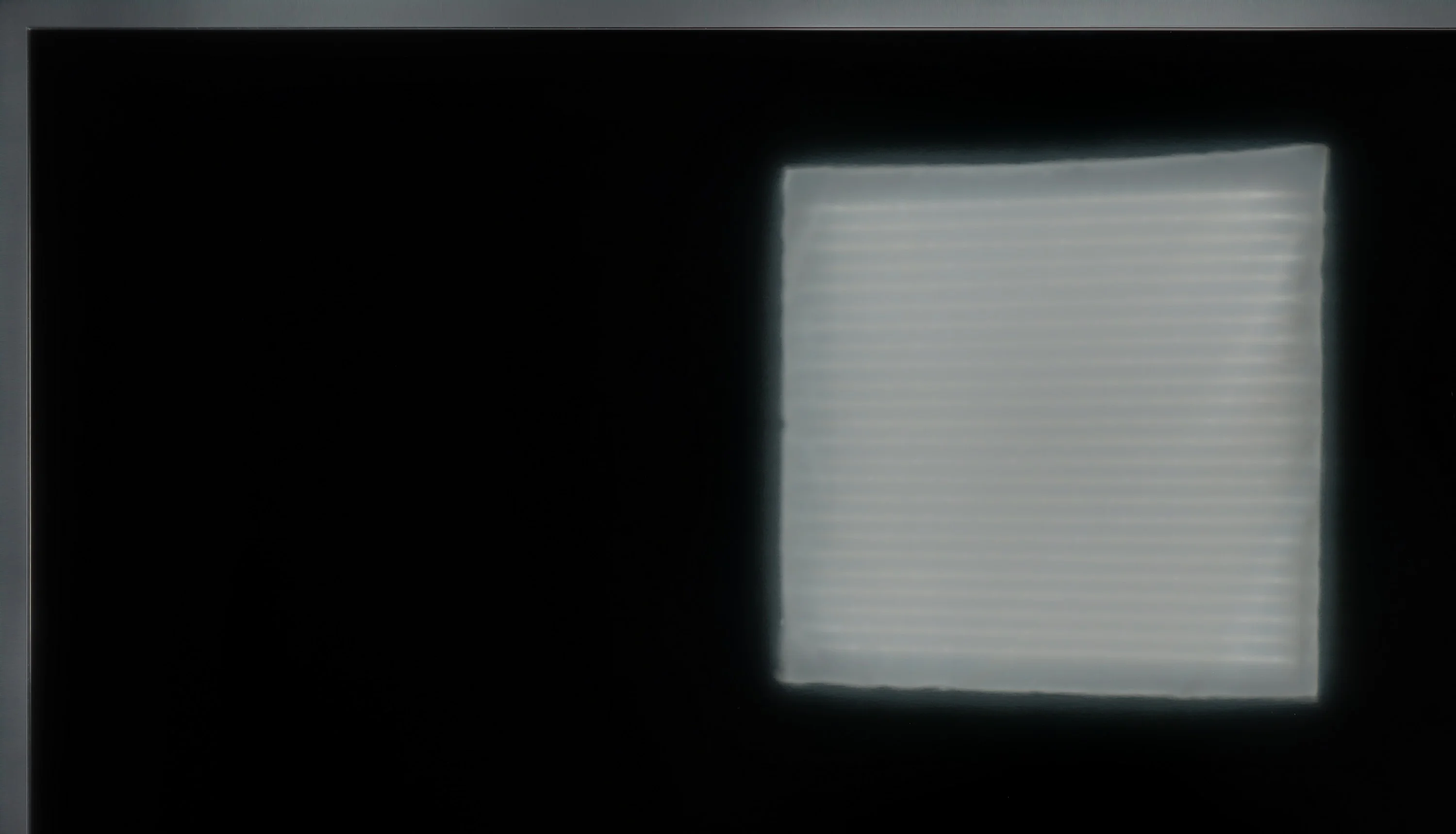
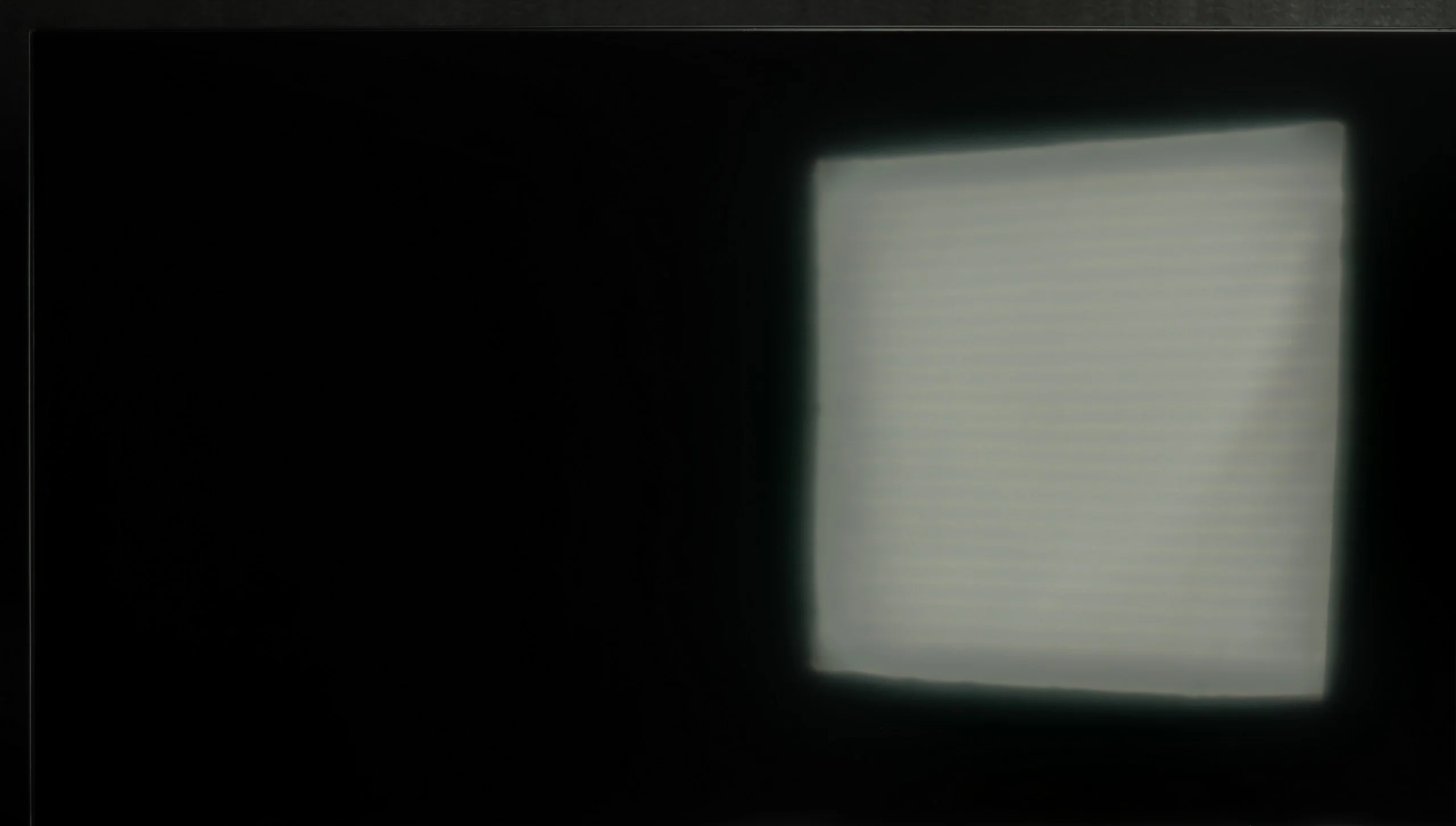
Check the visibility of bright lights on a dark background. Mini-LEDs often struggle with this. The photo does not compare black levels – that’s what the video below is for.
The video accurately shows differences in contrast and black levels between TVs, as well as potential issues: halo around bright objects or Mini-LED zone operation visible as brightness jumps.

The LG QNED87T6B struggles in the black and contrast categories, primarily due to its IPS panel. While IPS panels generally offer better viewing angles, they tend to fall short in contrast performance compared to VA panels, which excel in deep blacks and high contrast. Additionally, the TV’s edge dimming feature does little to improve this issue, as its effects are relatively weak.
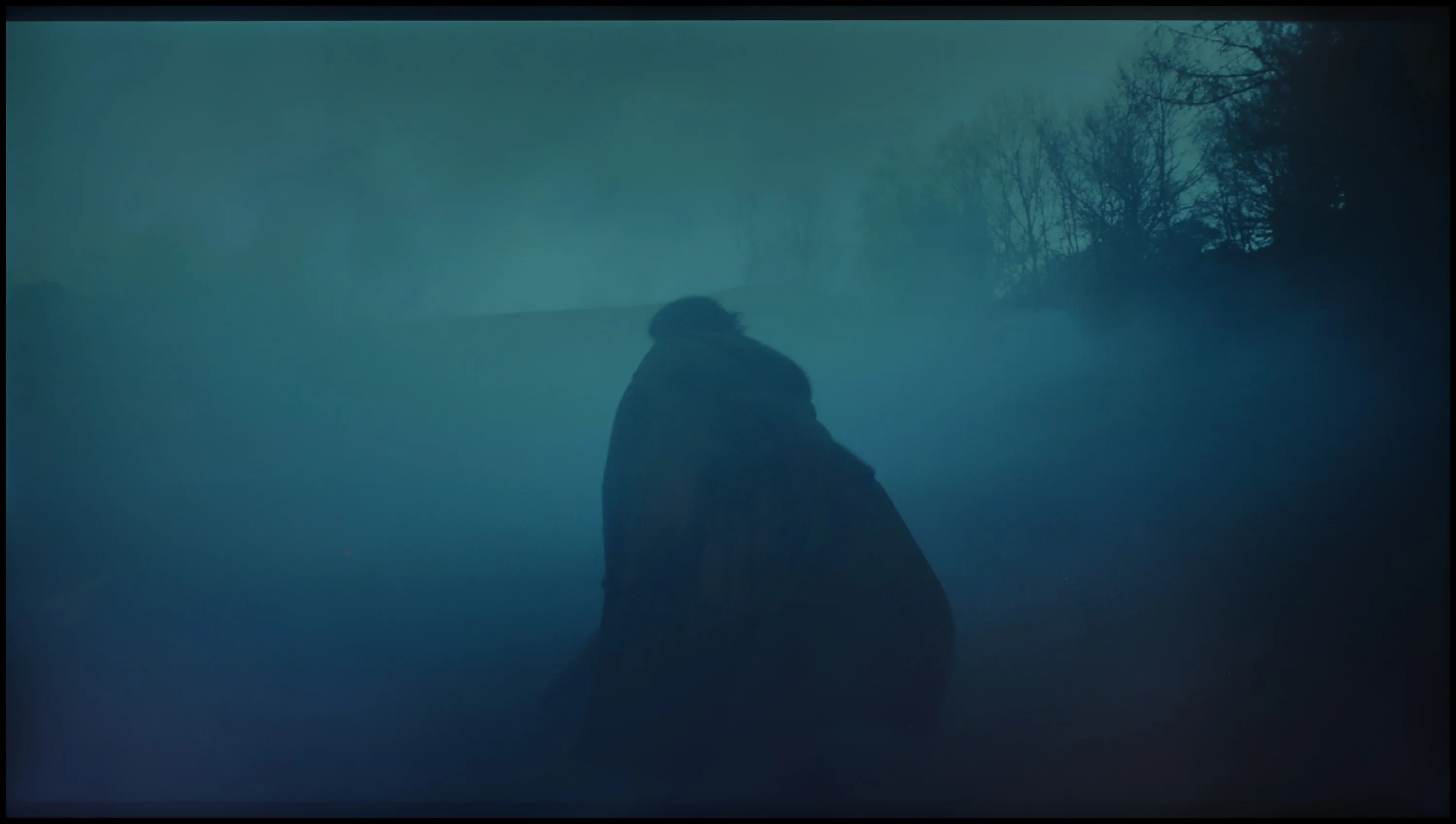
In the 50-inch variant, which uses a VA panel, these issues are less pronounced. However, for larger sizes, the contrast performance is a noticeable drawback. Test patterns reveal the TV’s difficulty with maintaining deep blacks, and in scenes like the movie clip from The Revenant, the backlight struggles to keep the dark areas consistent, leading to noticeable blooming and poor black levels. This undermines the overall viewing experience, particularly in darker scenes where contrast is most important.

It is worth noting that the test concerns the variants with a VA matrix, which perform significantly better in terms of black levels and contrast compared to the 55-inch version equipped with an IPS panel. Thanks to the higher native contrast (though it is not a top result among VA matrices), the tested scenes looked much better – without noticeable grayness or the typical washed-out shadow effect found in IPS matrices. The black levels in the U8092F model can be considered really good and satisfying, especially in this price range. Of course, this is not a design equipped with local dimming, so it is hard to expect spectacular results in very challenging scenes. On the other hand, we are talking about an exceptionally budget-friendly television that performs quite solidly within its range.

HDR effect quality

5.3/10

3.1/10

Supported formats
HDR10, HLG
HDR10, HDR10+, HLG
Color gamut coverage
DCI P3: 96.4%, Bt.2020: 71.7%
DCI P3: 79.1%, Bt.2020: 58.5%

Luminance measurements in HDR:

Review LG QNED87T6B Brightness measurement

Result

409 nit

Review LG QNED87T6B Brightness measurement

Result

486 nit

Review LG QNED87T6B Brightness measurement

Result

574 nit

Review LG QNED87T6B Brightness measurement

Result

464 nit

Review LG QNED87T6B Brightness measurement

Result

439 nit

Review Samsung U8000F (VA) Brightness measurement

Result

212 nit

Review Samsung U8000F (VA) Brightness measurement

Result

173 nit

Review Samsung U8000F (VA) Brightness measurement

Result

265 nit

Review Samsung U8000F (VA) Brightness measurement

Result

90 nit

Review Samsung U8000F (VA) Brightness measurement

Result

250 nit

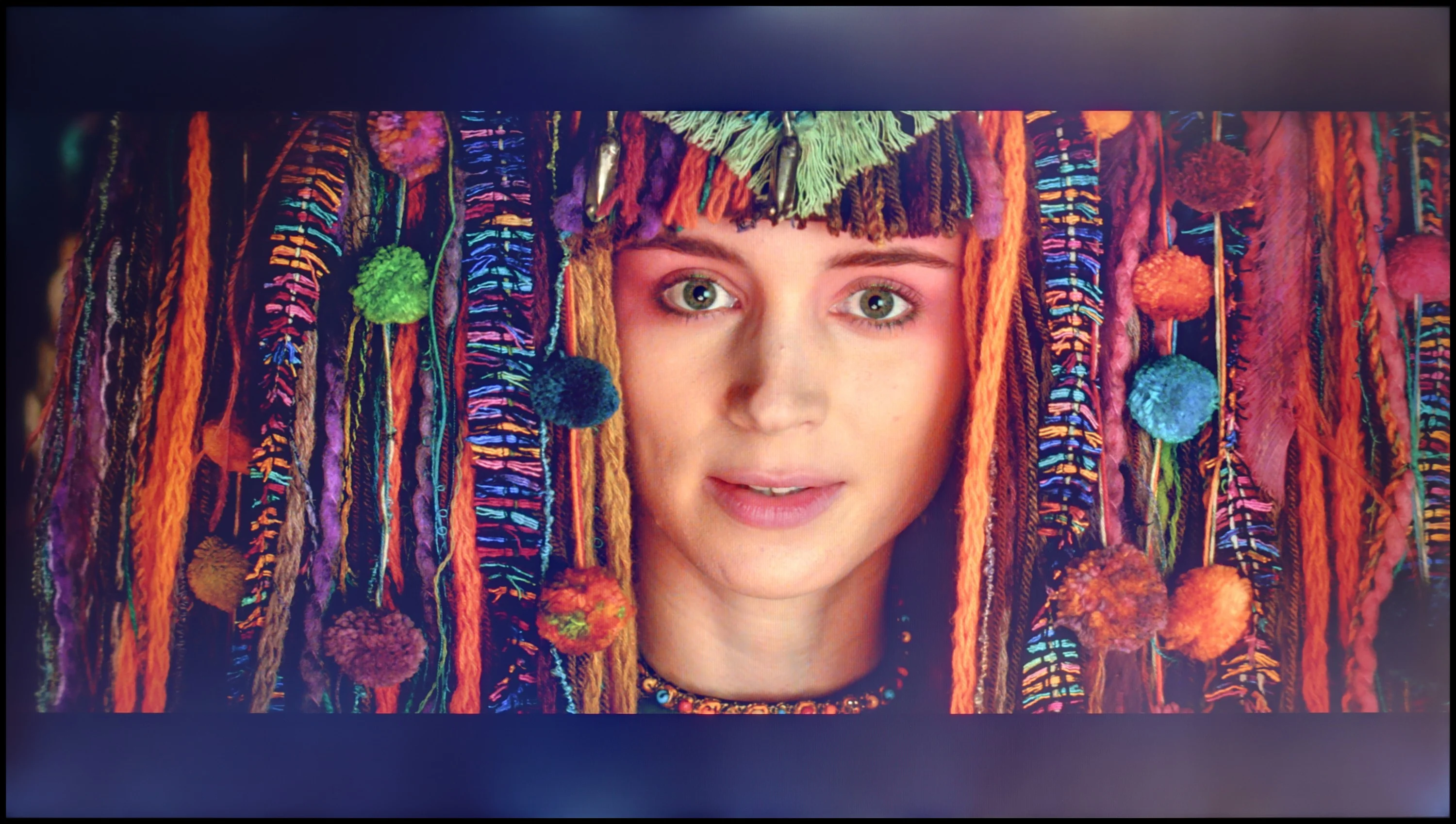
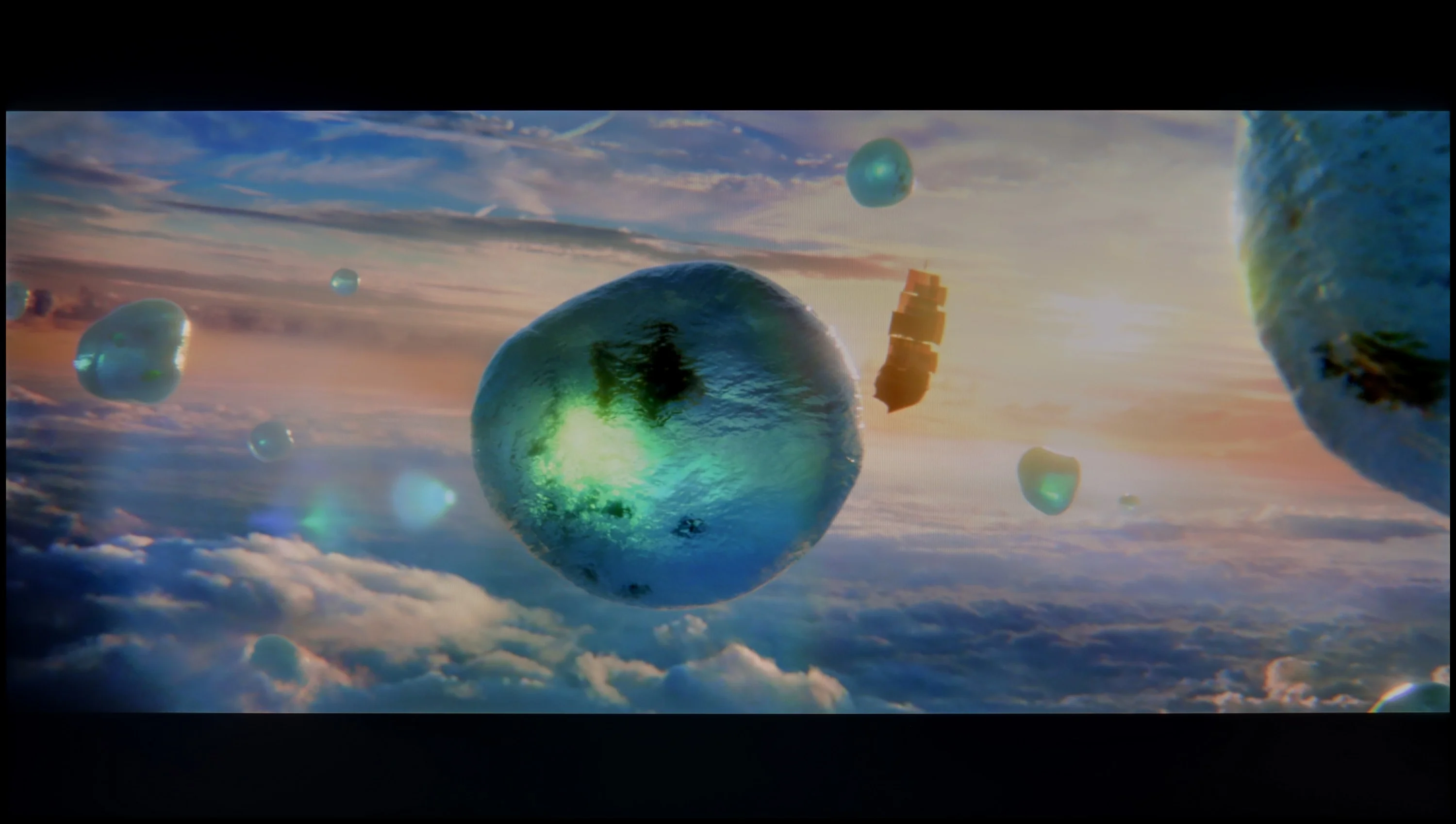
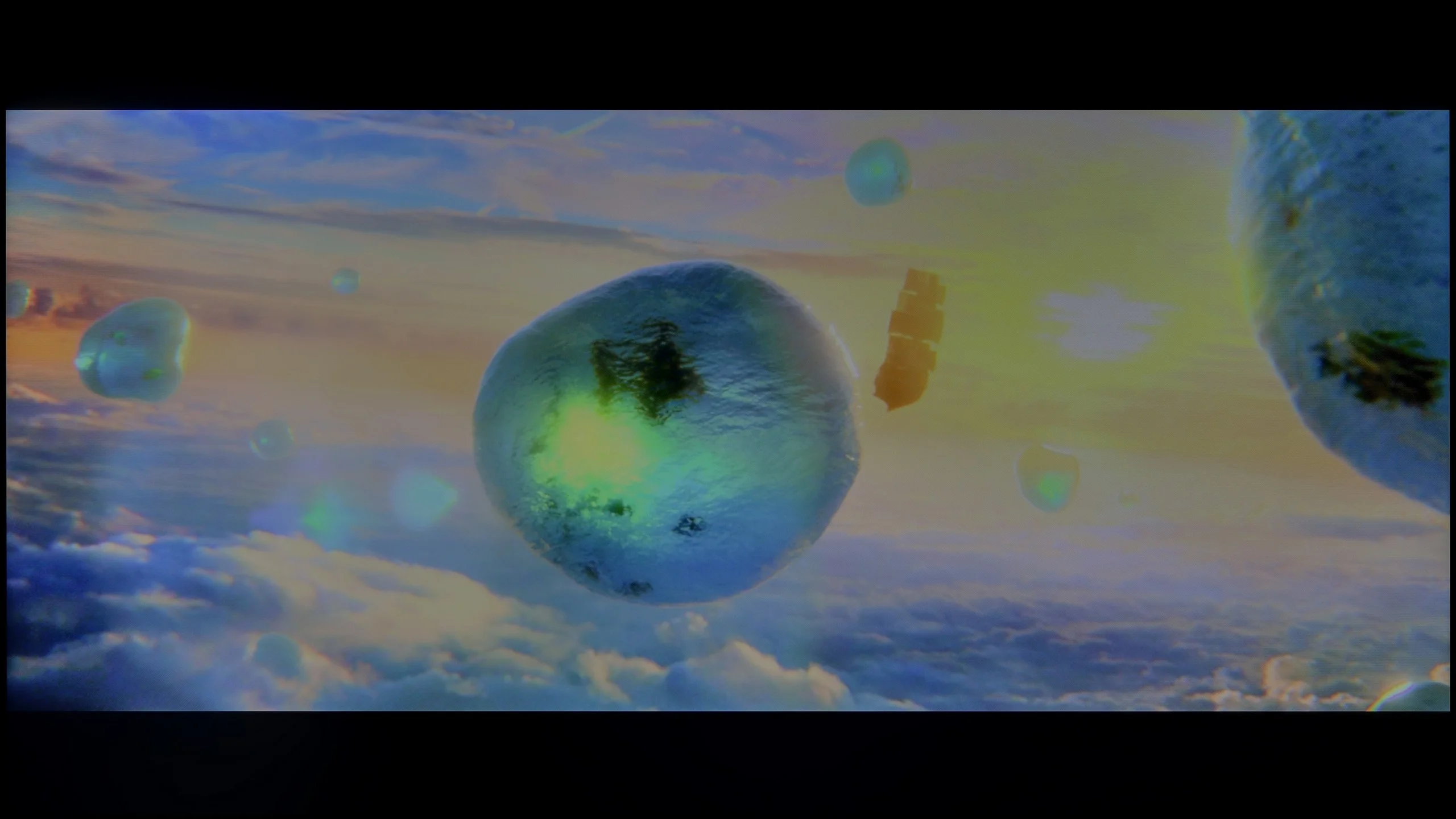
Scene from the movie “Pan” (about 2800 nits)

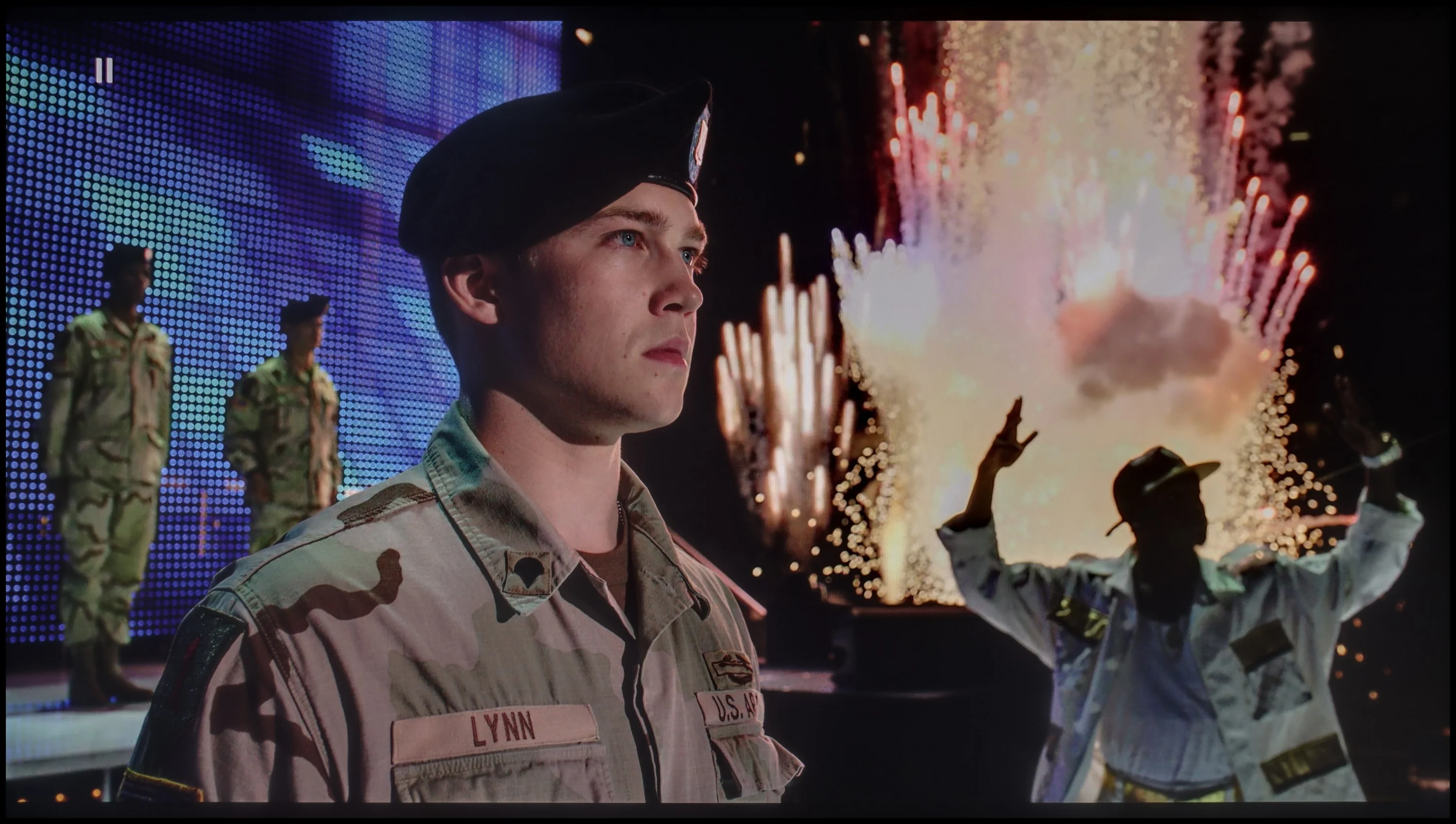
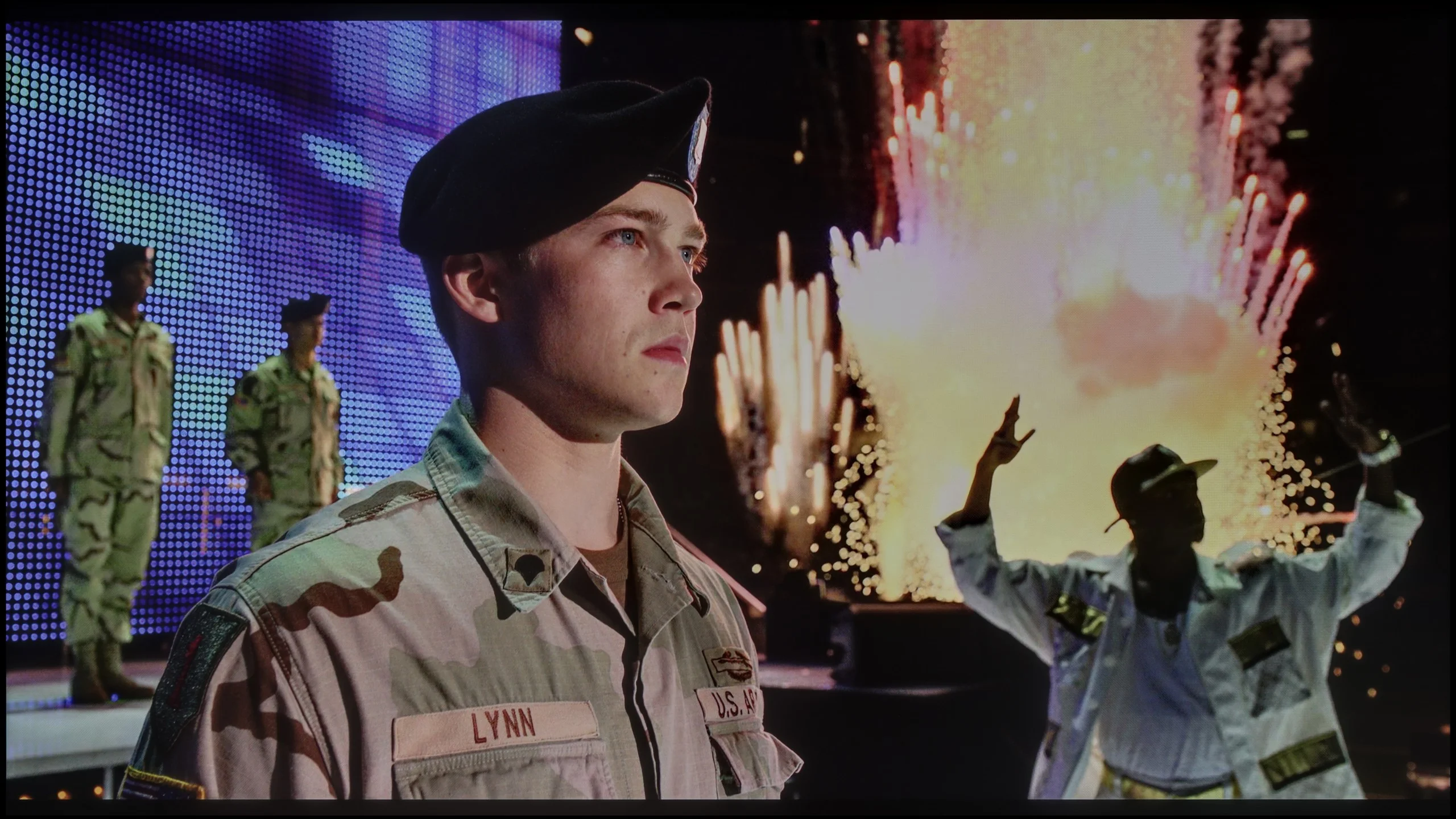
Scene from the movie “Billy Lynn” (about 1100 nits)

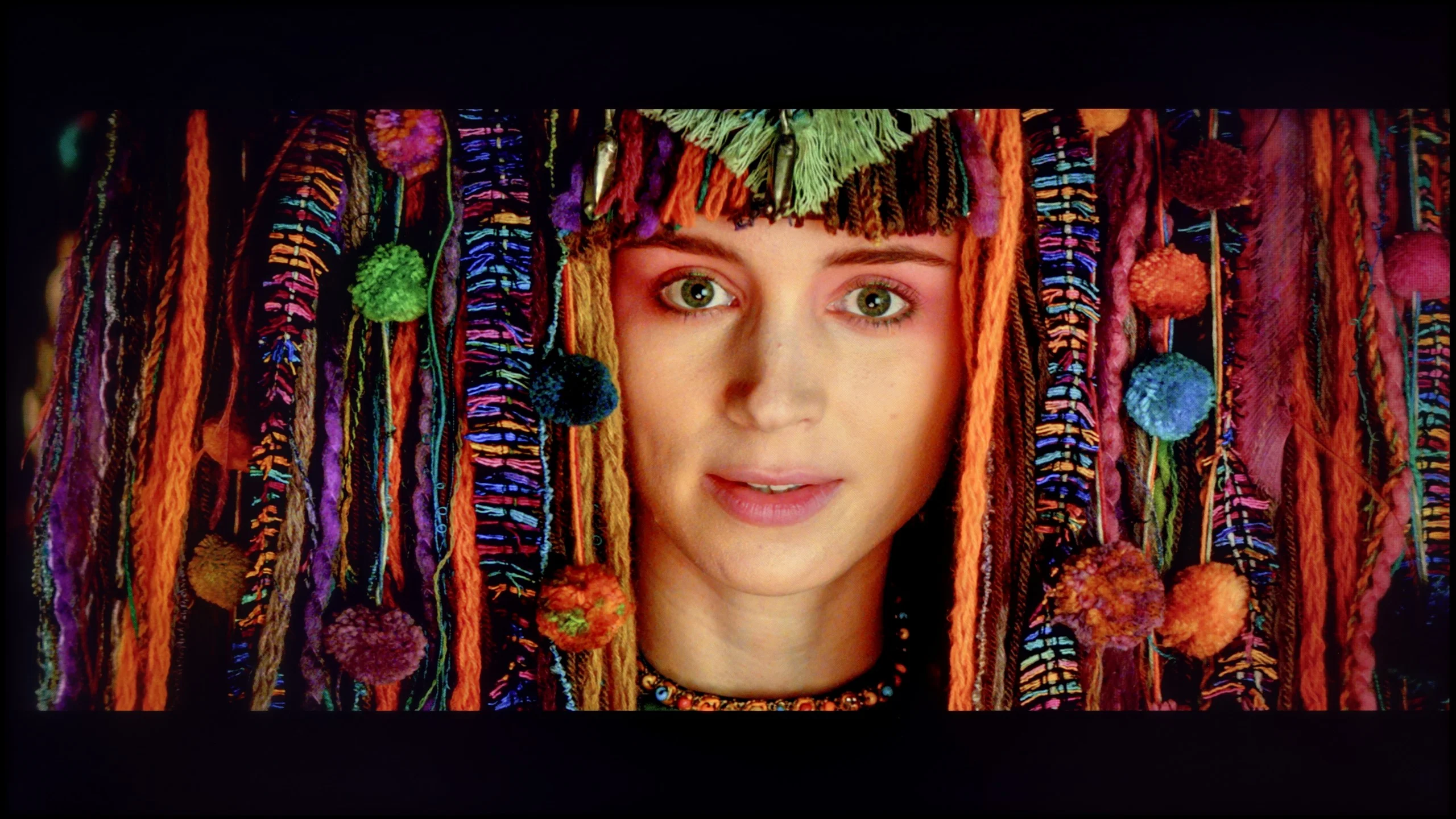
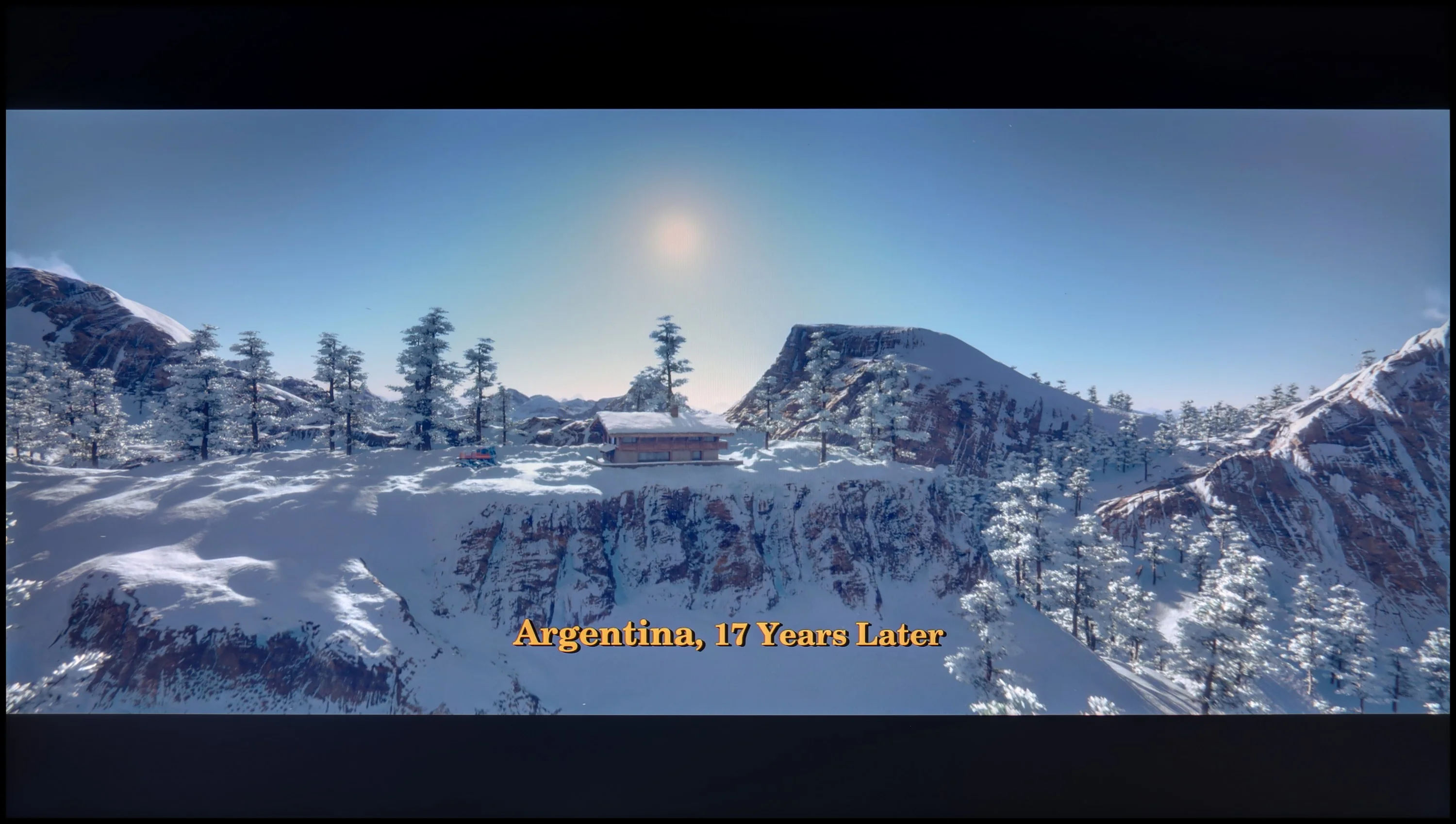
The photos show two HDR10 movies. 'Pan' is one of the brightest productions ever made, while 'Billy Lynn' (soldier) has brightness typical of streaming (Netflix, Prime, HBO MAX). Notice the intensity of effects and detail in whites.

Static HDR10

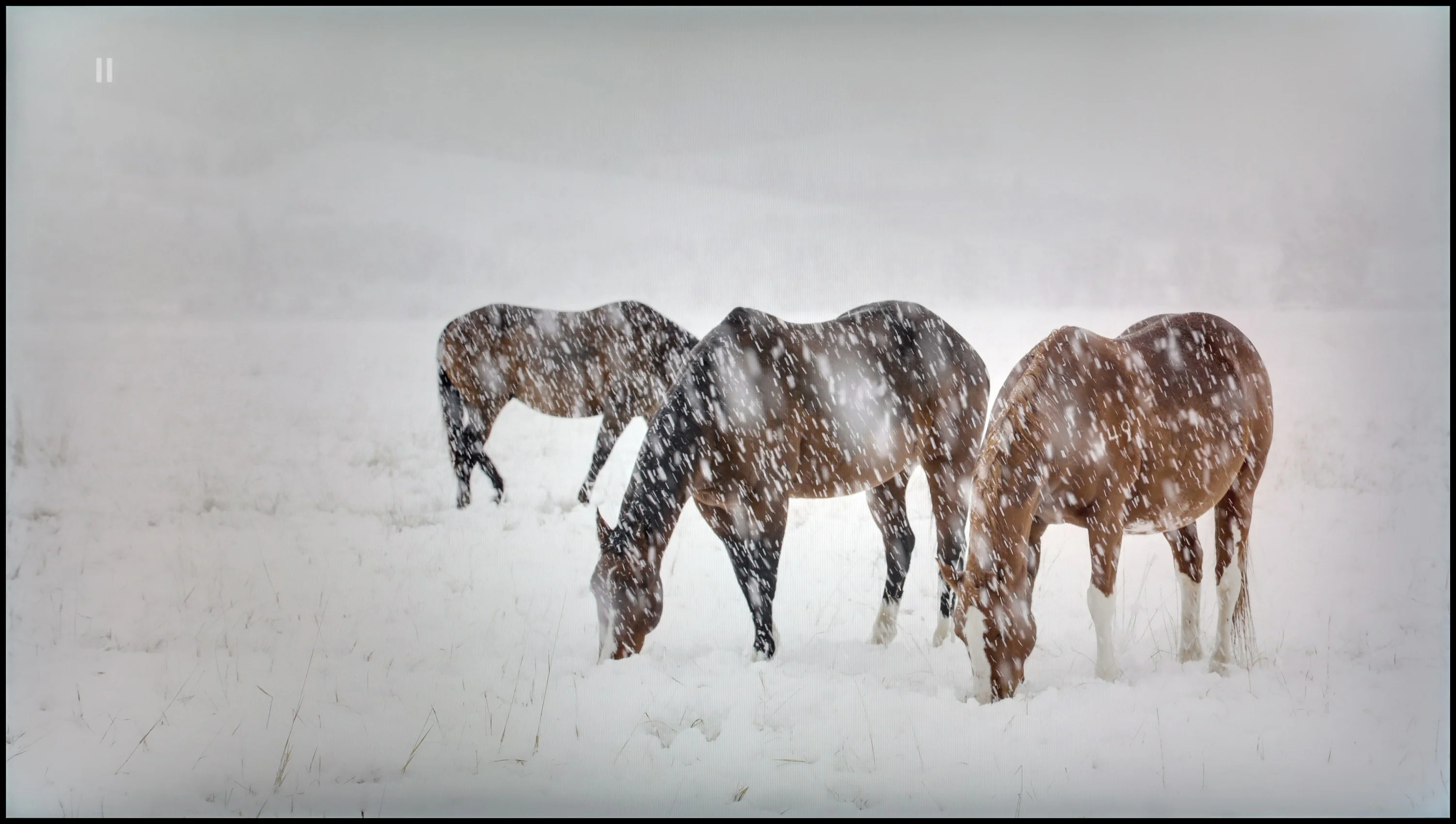
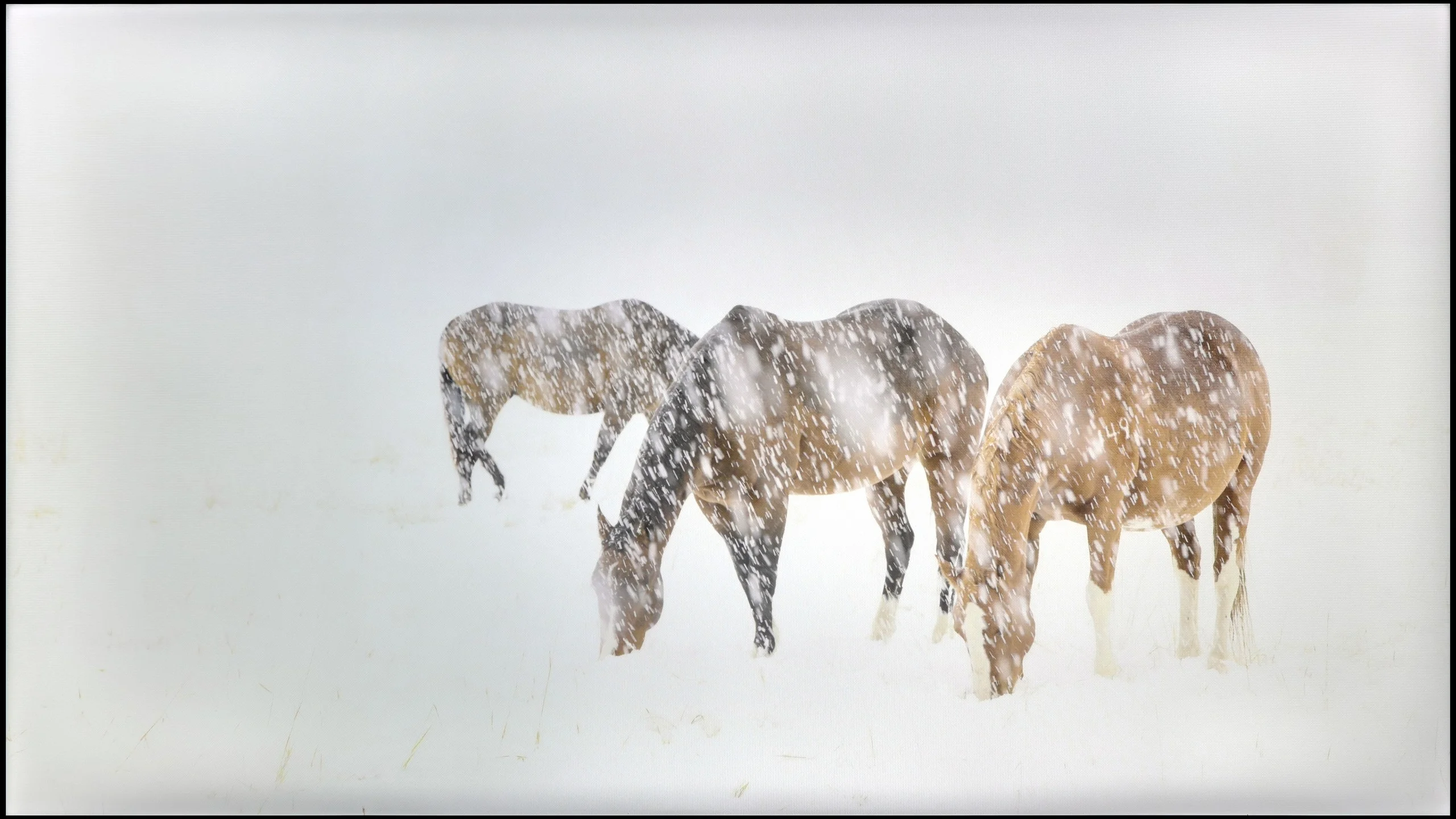
The photos present the visibility of white details in various HDR formats. They do not show brightness differences between TVs (these can be compared in the previous gallery).

HDR luminance chart:

Samsung U8000F (VA)

LG QNED87T6B

The QNED87T6B provides a solid HDR performance, delivering an impressive visual experience in many aspects. With a brightness approaching 500 nits, it offers good visibility of fine details in high-dynamic scenes. Support for HDR10 and HLG ensures the content appears well on the screen, though the absence of more advanced formats like Dolby Vision or HDR10+ limits the potential for optimal brightness and detail in certain scenes. Without dynamic metadata, the TV may struggle to reproduce fine details in very bright areas, where these advanced standards would typically make a difference. However, its excellent coverage of the DCI-P3 colour gamut (96.4%) provides vibrant, natural colours, enhancing the overall visual quality of 4K content.

While the U8000F with a VA panel can still be praised for decent blacks, there are no longer any reasons to be impressed regarding brightness – especially in HDR scenes. The television reaches a maximum of just under 250 nits, which is simply too little to talk about any impressive light effects. Bright elements come off as pale, and scenes that should shine look rather flat. An interesting situation was observed during the test of a scene from the movie Sicario 2 – the screen noticeably darkened, as if the television were trying to hide its limitations in displaying blacks. One might get the impression that the device artificially darkens the image to improve contrast, but in practice, the effect doesn't make much of a difference, other than that we see less on the screen. Additionally, there's the issue of colors – the U8000F does not support a wide color gamut, so don't expect vibrant, saturated shades known from better models. The HDR image here resembles slightly brightened SDR and… maybe that’s even a good thing. For this model, it's not worth setting expectations for cinematic experiences – it's better to treat HDR as a modest addition.

Factory color reproduction

5.4/10

6.5/10

This gallery shows how colors change after professional TV calibration. If you notice the difference, we recommend ordering this service at SkalibrujTV.com.

Factory Mode

After calibration

This gallery shows how colors change after professional TV calibration. If you notice the difference, we recommend ordering this service at SkalibrujTV.com.

Factory Mode

After calibration

The LG QNED87T6B, even in its best factory setting, Filmmaker Mode, exhibits issues with colour reproduction. A significant problem is the white balance, where the blue colour tends to drop on the graph, causing a shift towards yellow. This results in a warmer hue than intended, which affects the naturalness of color reproduction, especially in scenes with white or neutral backgrounds. The Colour Checker test confirmed that certain colours are distorted and do not accurately reflect reality, which can make movie scenes seem less lifelike and distort details.

In terms of contrast, there are notable issues with the gamma graph, showing significant drops where the optimal value should be around 2.4. This results in the TV displaying darker areas brighter in some scenes, which reduces depth and dynamic range. Additionally, the EOTF (Electro-Optical Transfer Function) curve, which corresponds to brightness reproduction, shows an unnatural drop at the start, leading to lower accuracy in dark scenes. This diminishes the TV's ability to convey full black depth, causing details in darker areas to be lost. As a result, more demanding scenes may appear less realistic, with a noticeable loss of detail in shadows and dark areas.

The Samsung U8000F has been tested by us in the best picture mode available out of the box – namely, Filmmaker Mode. This profile is supposed to provide a neutral, cinematic image, free of unnecessary enhancements and artificial beautifications. In the case of SDR content – mainly in HD or SD resolution – the television performed surprisingly well right out of the box. The only noticeable imperfection was brightness management. The gamma chart showed some deviations – slight brightening or dimming of certain tones – but in practice, it did not significantly affect the viewing experience. For a television in this segment, it performs quite well.

However, the situation is considerably weaker in HDR mode. Although white balance was still acceptable, color errors were very pronounced. In the Color Checker test, almost every sample was outside the target point, and the image itself looked unnatural – colors were shifted, sometimes too cool, at other times simply dull and lifeless. The main problem lies in the hardware limitations – the U8000F does not support the wide color gamut of DCI-P3, so it is physically unable to reproduce the colors anticipated by the HDR standard. And unfortunately, this is evident in almost every more demanding scene.

Color reproduction after calibration

7.8/10

7.5/10

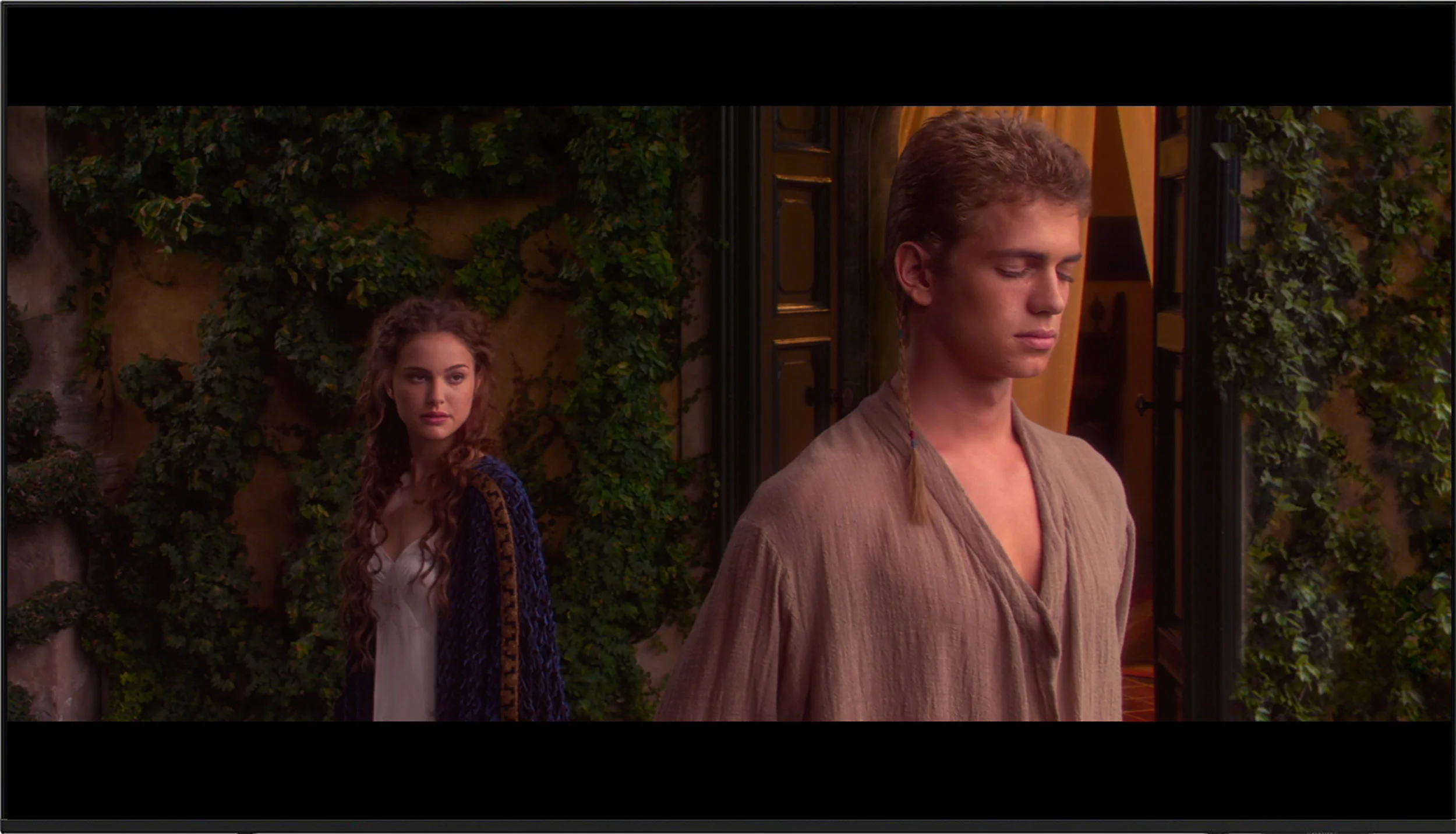
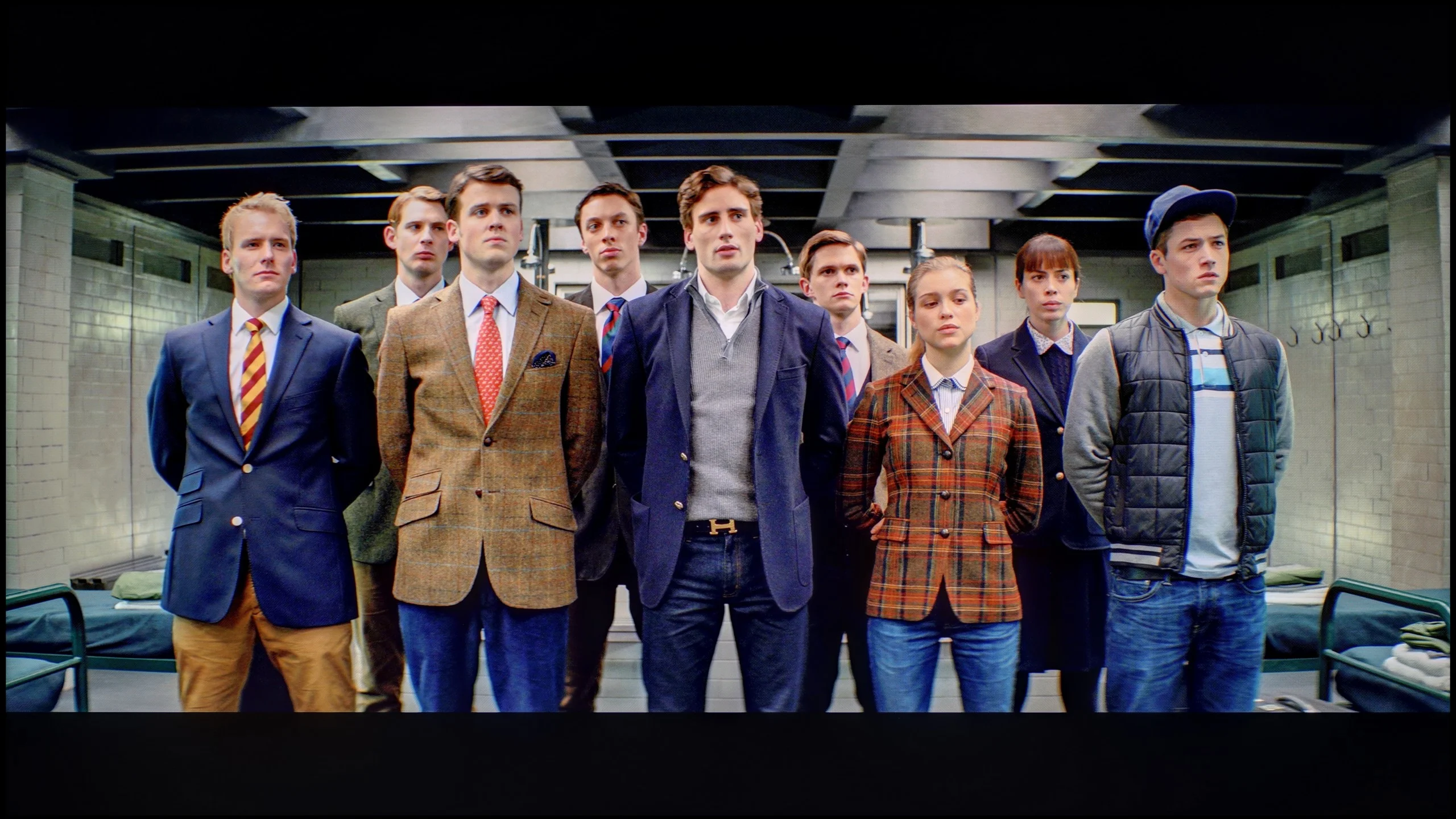
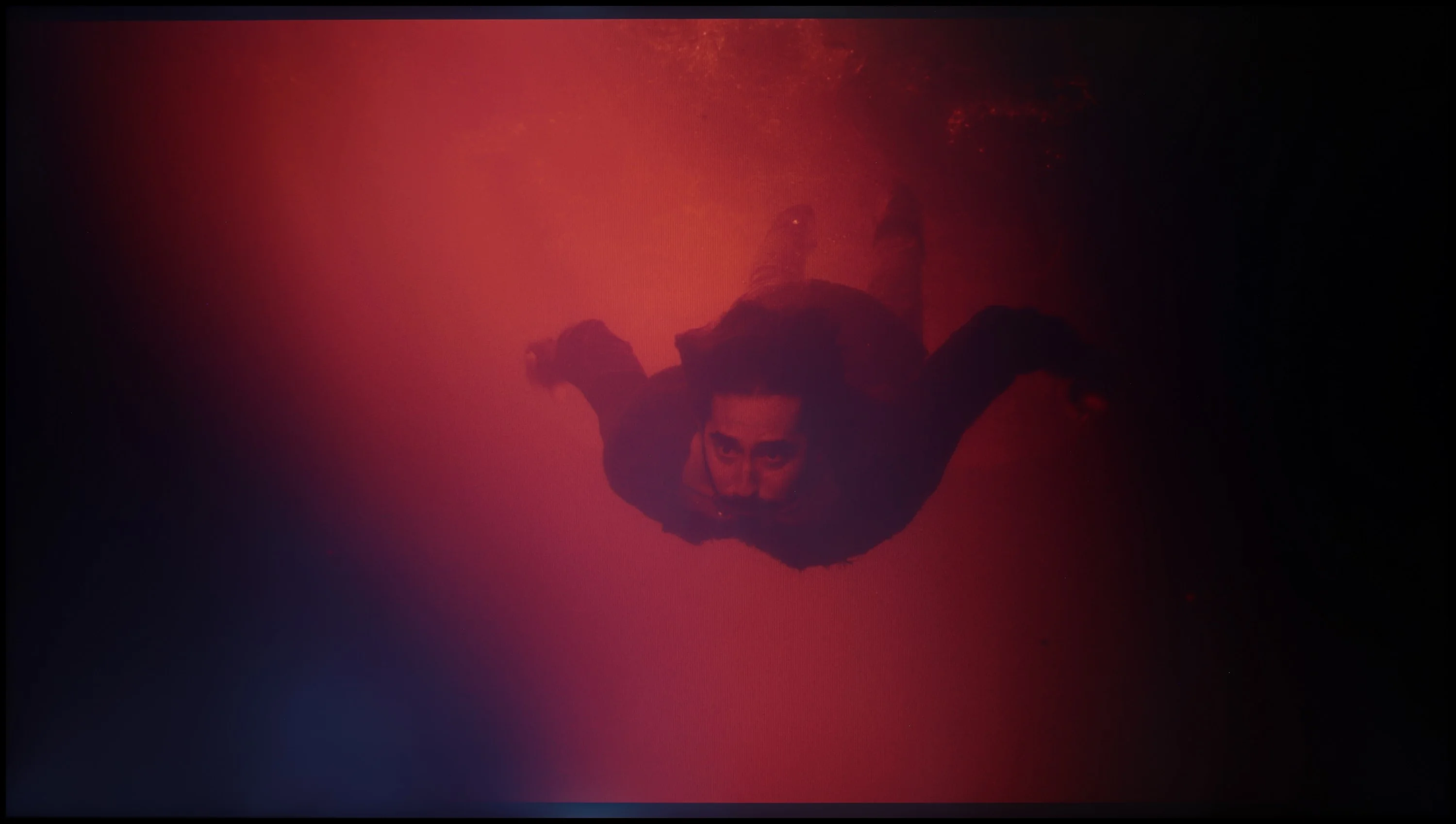
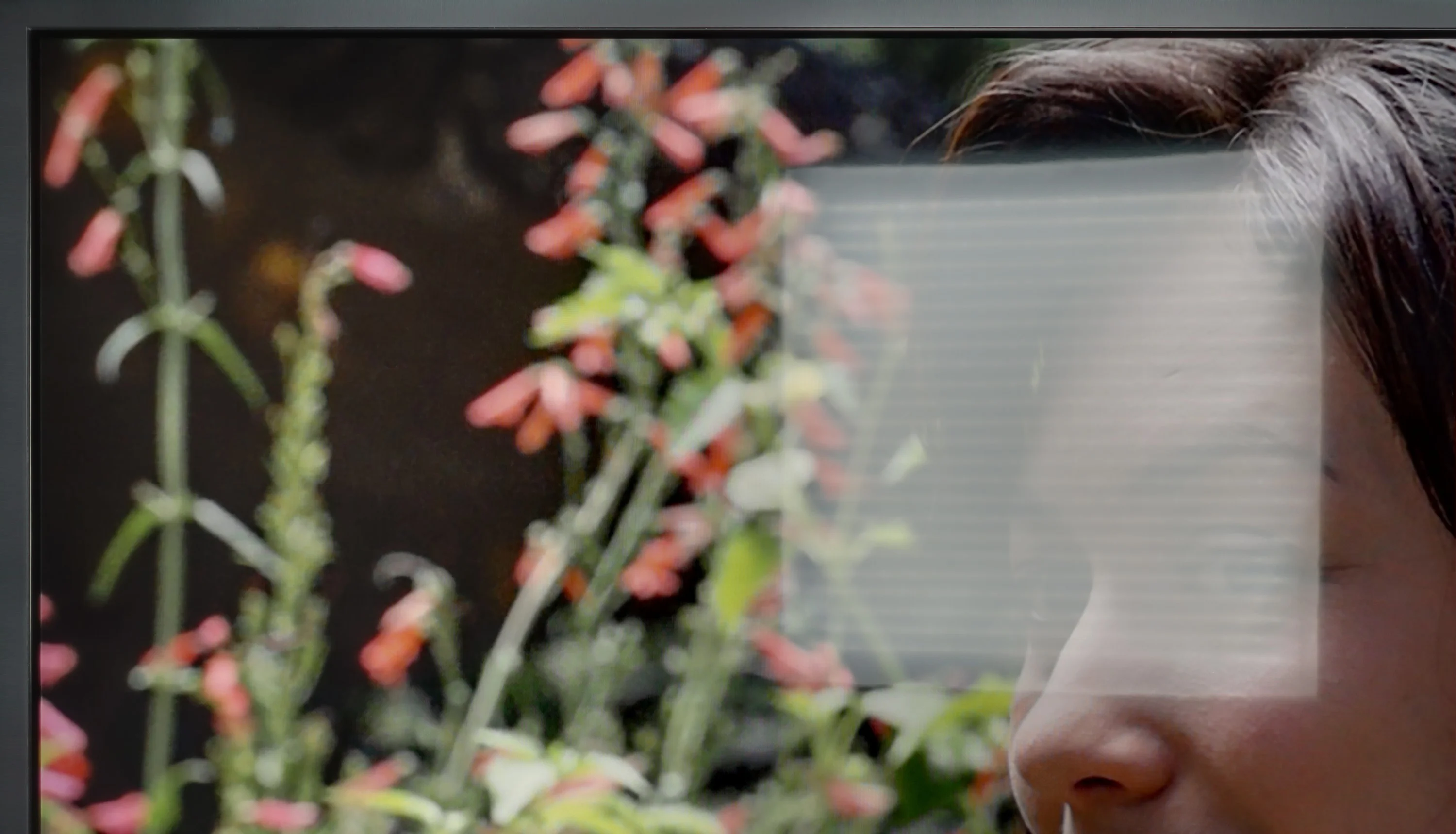
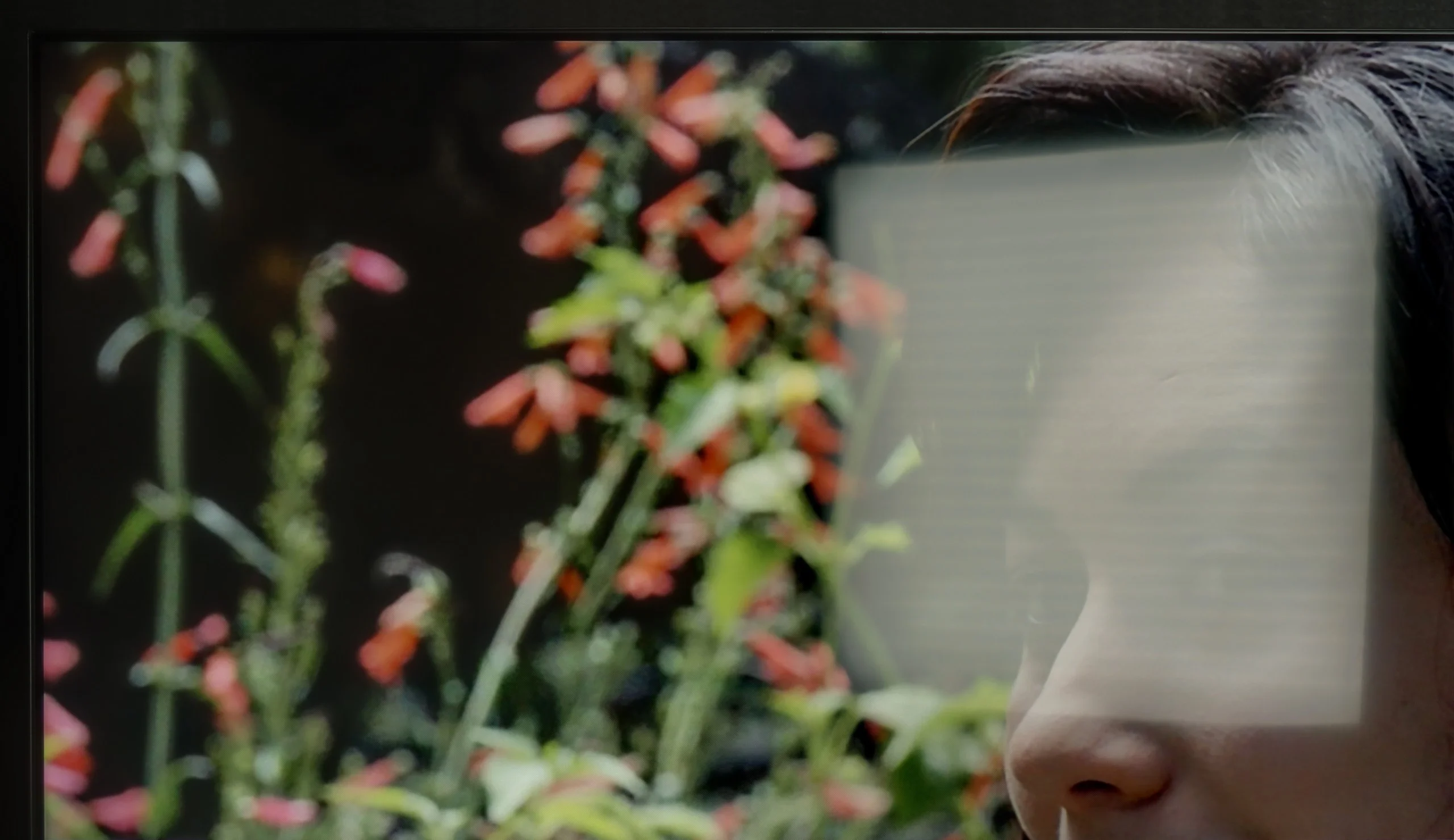
The photos show how movies look on the TV. Pay attention to black detail visibility, colors, and shadow tint.

The photos show how movies look on the TV. Pay attention to black detail visibility, colors, and shadow tint.

After calibration, the LG QNED87T6B delivers impressive results with SDR content. The white balance has been improved, resulting in natural, harmonious tones across various scenes. The precise gamma tuning allows for accurate reproduction of details in both dark and bright areas, making the TV perform excellently in everyday use. The overall image is vivid and well-balanced, with solid colour quality in HD. The contrast has also improved, with the gamma chart showing fewer significant errors, providing a more refined viewing experience.

In 4K HDR, the white balance continues to perform well, though some errors remain at the end of the chart. These might be linked to the TV's aggressive local dimming, which can affect colour accuracy in certain scenes. While the TV does not fully improve brightness as indicated by the EOTF curve, its inherent construction limitations prevent it from achieving perfection in this area. The Colour Checker test highlights an issue with colour saturation, as the TV, despite offering a wide colour gamut, cannot fully capture what the director intended.

Nevertheless, the overall picture quality after calibration is considerably better than before. The improvements in white balance and gamma tuning result in more vivid and realistic colours, enhancing the viewing experience despite the remaining shortcomings.

Right out of the box, the U8000F offered quite a decent picture in SDR for its price range. However, we managed to slightly enhance it – we reduced a subtle purple tint and improved the gamma characteristics, giving it a more natural curve. Despite these adjustments, the TV still tends to brighten the brightest details a bit too aggressively – the gamma graph shows a clear dip that cannot be fully corrected.

On the other hand, in HDR mode, it is noticeably weaker. It's hard to talk about any significant improvement here – despite attempts to tweak the settings, the picture still presents considerable color errors. A Delta E exceeding 7 means noticeable deviations that couldn't be effectively reduced. Unfortunately, this is a limitation of the design itself – the U8000F was simply not designed for serious HDR. In everyday SDR viewing, it performs quite well, but when it comes to HDR content... it's best not to have too high expectations.

Smoothness of tonal transitions

8.6/10

9.5/10

These are selected scenes that show smooth tonal transitions from one color to another. If you see distinct banding, it’s the TV panel’s fault.

These are selected scenes that show smooth tonal transitions from one color to another. If you see distinct banding, it’s the TV panel’s fault.

These are selected scenes that show smooth tonal transitions from one color to another. If you see distinct banding, it’s the TV panel’s fault.

These are selected scenes that show smooth tonal transitions from one color to another. If you see distinct banding, it’s the TV panel’s fault.

The gradation in the LG QNED is quite good, despite minor issues with the dark colourful sky. These small flaws do not prevent the gradation from being one of the positive aspects of this model. Overall, the television handles smooth colour transitions well.

One of the key elements influencing the perception of the image is the way the television handles tonal transitions – that is, the blending of colors and shades without clear boundaries. In the case of the Samsung U8092F model, it performed really well. On the test screens, we did not observe any visible banding or disruptions in the colored gradients. The image retains a natural quality, without excessive digital interference, which unfortunately tends to be the norm in this class of equipment. Minimal imperfections appeared in very bright sections, but they are practically imperceptible and do not affect daily use of the television.

Image scaling and smoothness of tonal transitions

8/10

5/10

Image without overscan on the SD signal
OK
No
Smooth transition function
OK
OK

Smooth transition function

The match photo shows how the TV smooths weak tonal transitions in low-quality video.

Image scaling SD (576i)

The model photo shows how it handles upscaling of SD material.

When it comes to lower-quality content, the LG QNED87T6B performs admirably, with smooth gradation effectively addressing problematic areas in the image without negatively impacting the film grain. For optimal results, setting the "Smooth Gradation" feature to a low level delivers the best effect, significantly enhancing the viewing experience of lower-resolution materials by making them smoother and more visually appealing.

The TV handles digital processing well, ensuring the image is displayed without overscan or clipping. While slight jaggedness may be noticeable on certain fine details, such as branches against a background, the overall presentation remains impressive. Users will be satisfied with the quality of the image when watching lower-quality content, such as standard television, as the TV does an excellent job of enhancing the visual experience.

When it comes to how the Samsung U8000F handles lower quality materials, we must admit that Samsung has made progress compared to its predecessor from last year – the DU7192 model, which theoretically occupies the same position in the lineup. This year's model is equipped with a feature for improving the fluidity of tonal transitions, which has been implemented much better than last year. Yes, the TV still uses quite strong algorithms that can distort details or remove film grain, but despite that – it can be confidently said that it works effectively. However, not everything went perfectly. The U8000F has noticeable issues with slight image stuttering when watching very old content in very low resolution. If someone plans to play their old VHS tape, they should be prepared for the image to appear slightly "choppy."

Blur and motion smoothness

7.8/10

4/10

Maximum refresh rate of the panel
120Hz
60Hz
Film motion smoothing option
OK
OK
Blur reduction option
OK
No
BFI function 60Hz
Yes, 60Hz (image flickers)
BFI function 120Hz
Yes, 120Hz
-
Brightness drop with BFI
62%
47%

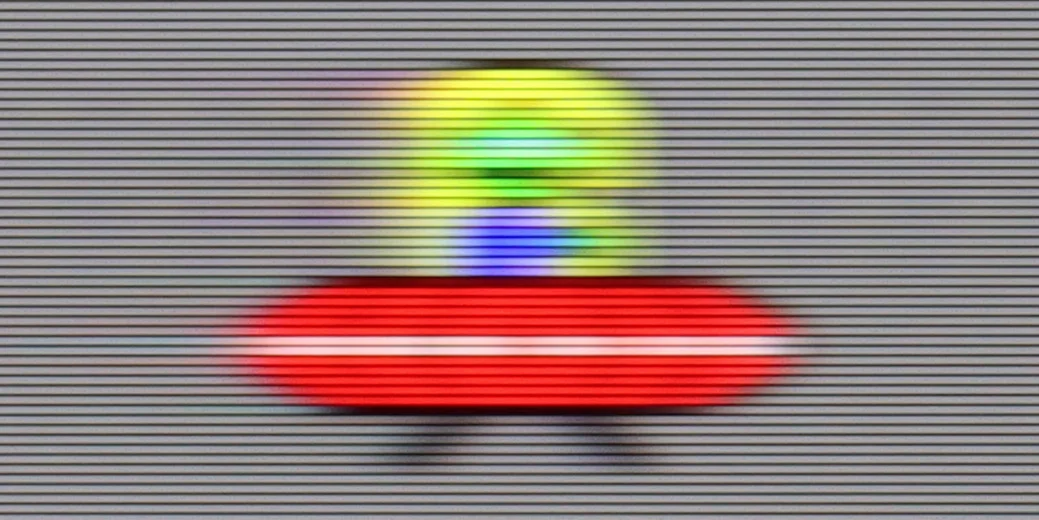
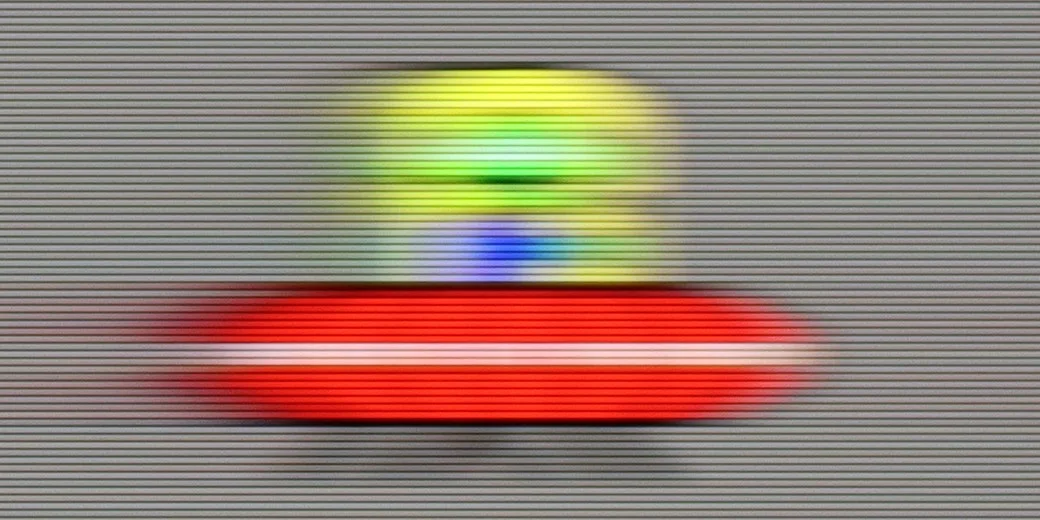
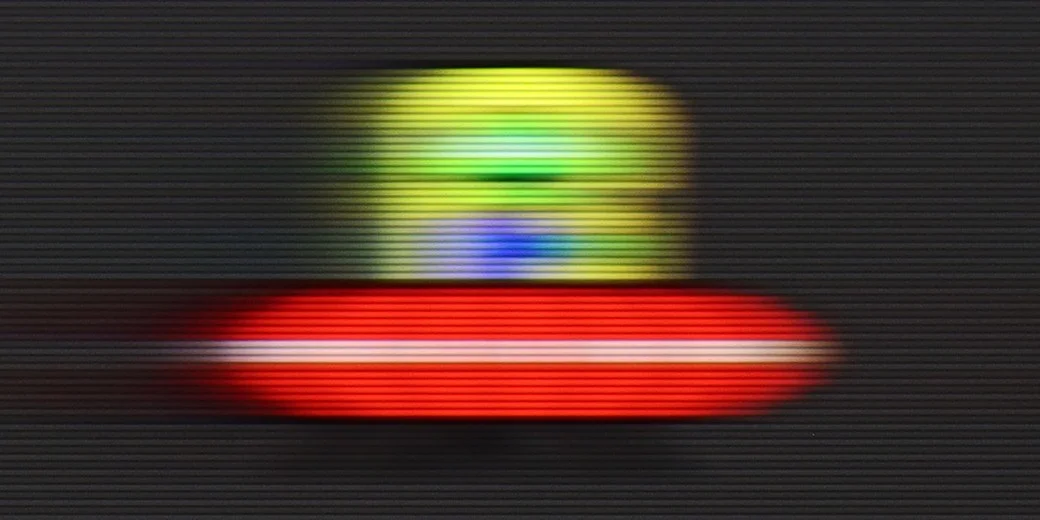
Blur (native resolution, maximum refresh rate):

Blur (BFI function enabled):

Image flickers in this mode

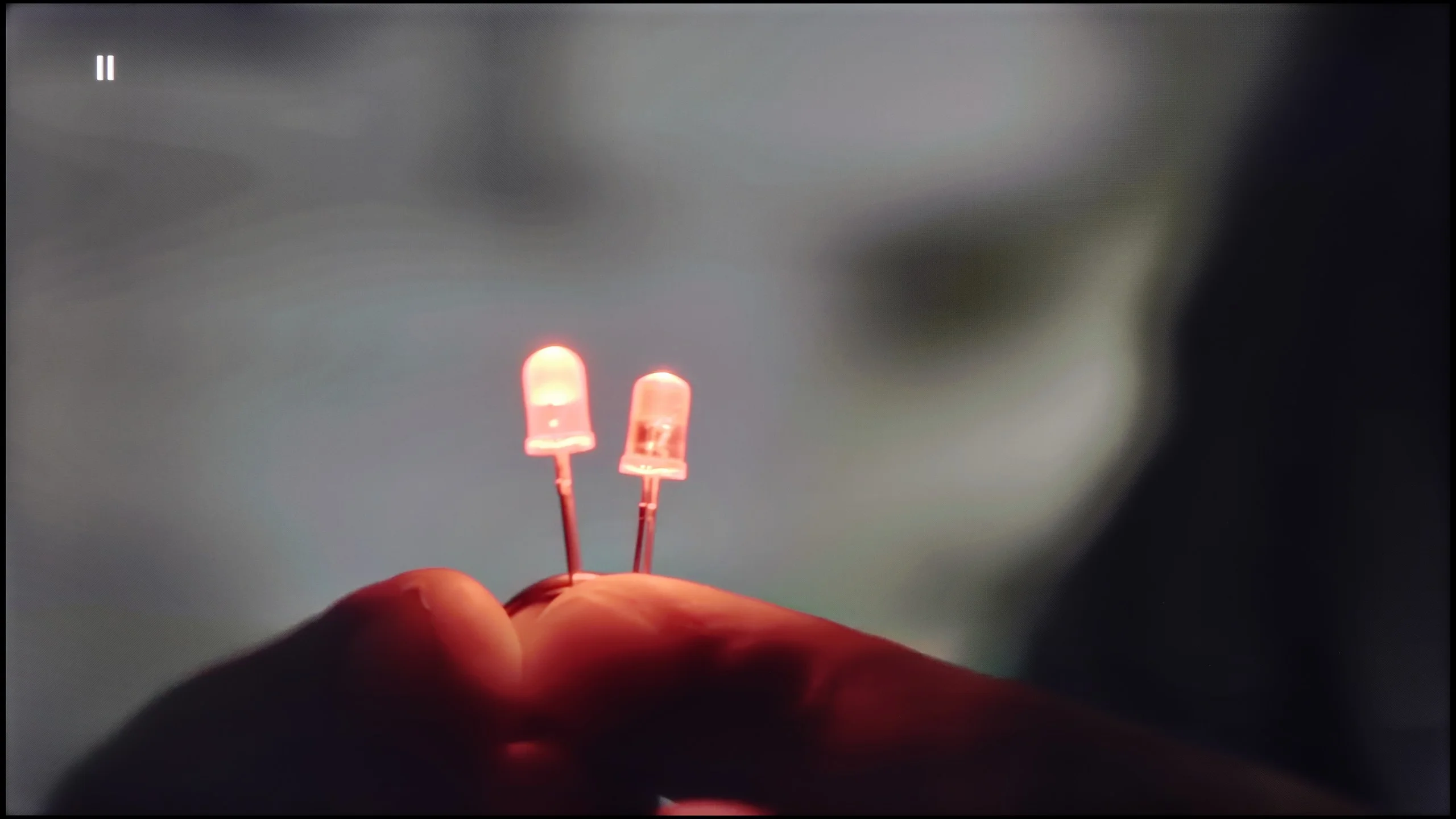
Blur ():

Blur (Upłynniacz ruchu 4K@60Hz):

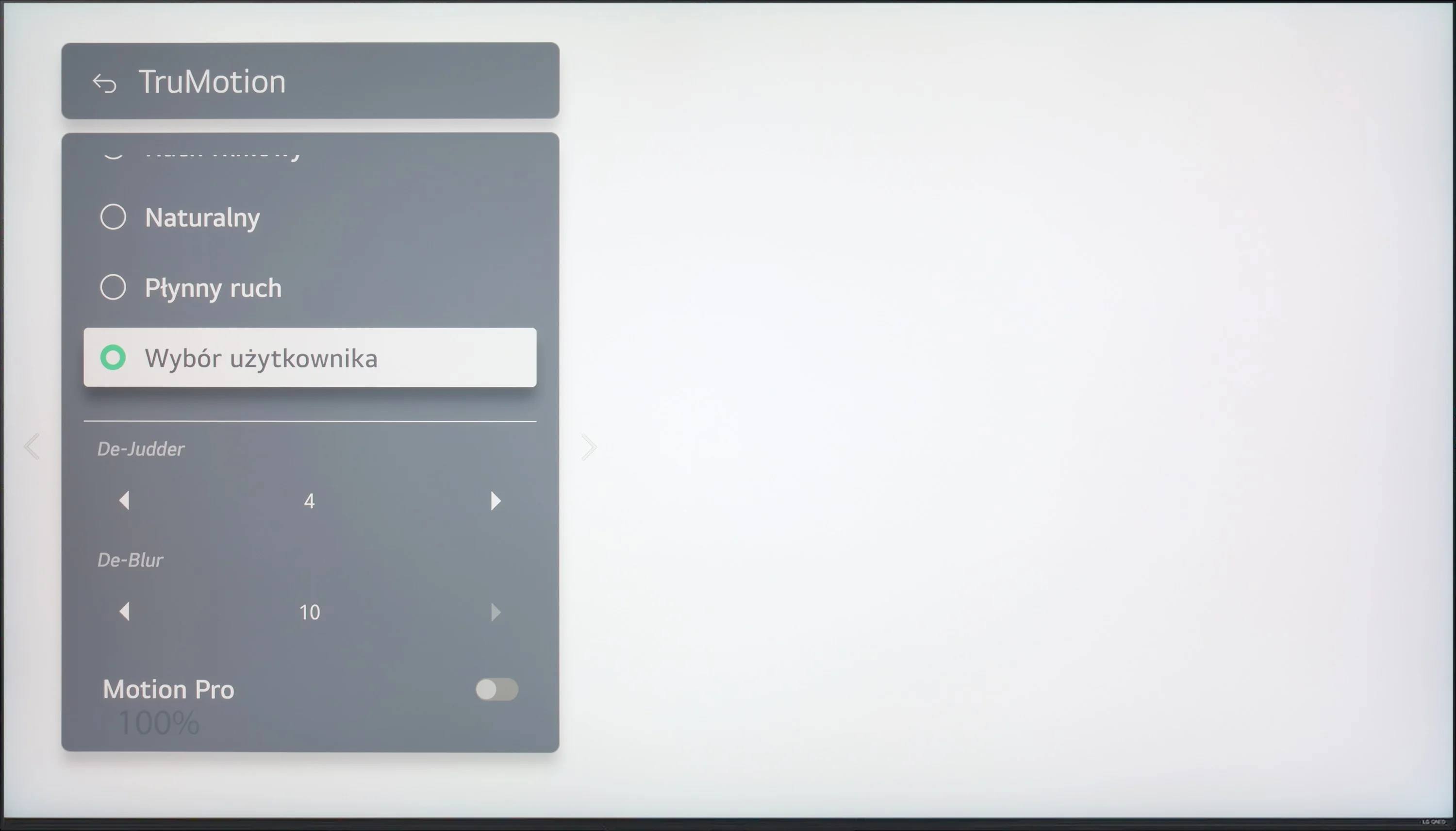
The LG QNED87T6B delivers decent motion smoothness, particularly with the "TruMotion" feature, which allows users to adjust motion smoothing on a scale from 0 to 10. The "De-Judder" setting helps regulate the smoothness of motion, while the "De-Blur" option enhances motion sharpness. This provides flexibility for users to choose between a more traditional cinematic effect with slight judder (lower settings) and a smoother, more theatrical image, which, while slightly deviating from the cinematic standard, can be appealing to many viewers.

For gamers and sports fans, the 120Hz panel ensures an immersive experience, while the IPS technology offers better response times compared to comparable VA panels at a similar price. This results in smoother gameplay and more dynamic viewing of fast-paced sports events, making the QNED87T6B an excellent choice for those seeking high-quality motion performance.

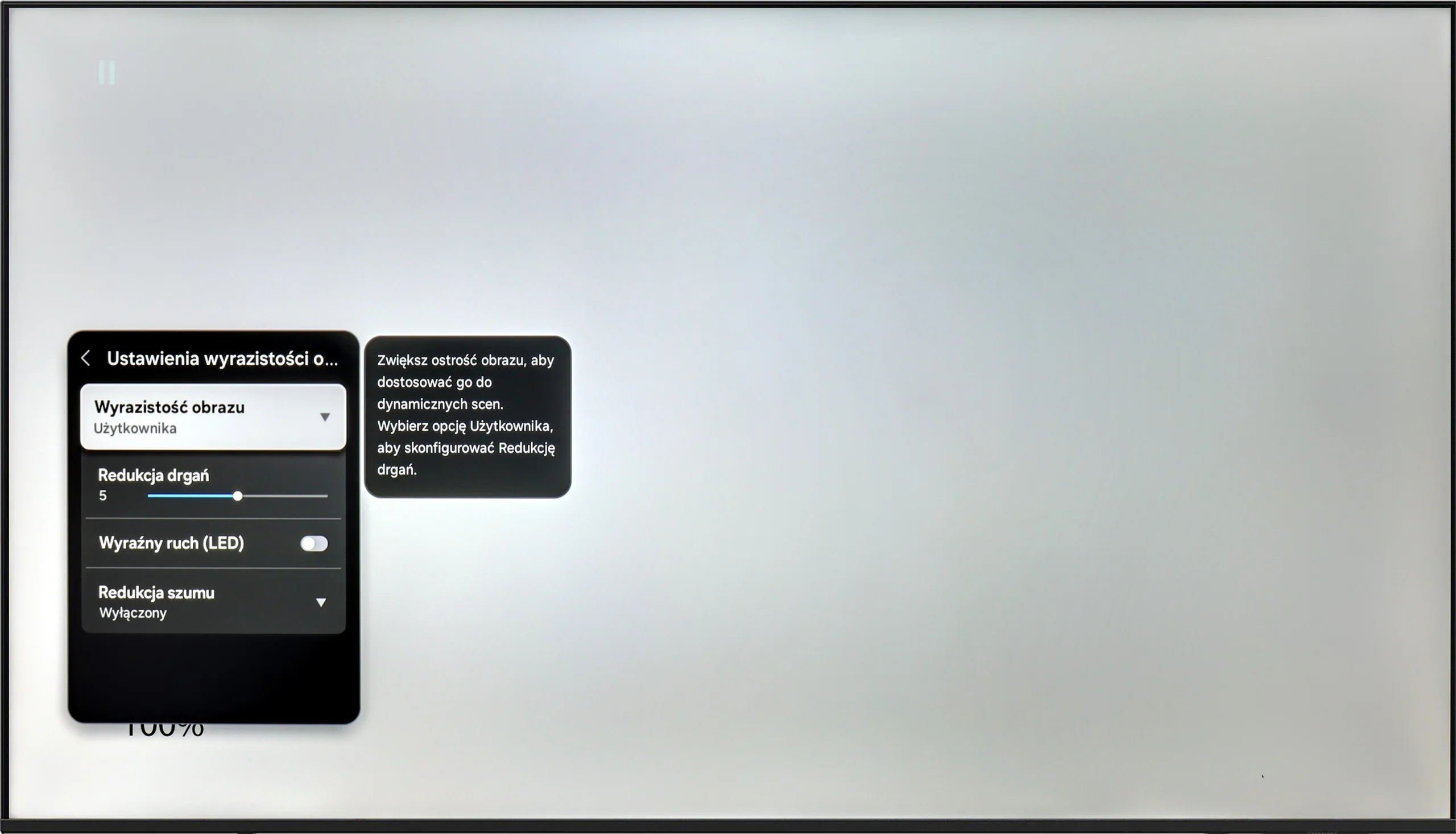
The Samsung U8000F is equipped with a 60 Hz panel, so right from the start, it's clear that we shouldn't expect miracles. This is simply standard in this class – sufficient for everyday viewing but without any frills. The TV offers one motion enhancement slider – a feature called "Motion Blur Reduction," which allows us to adjust the smoothness of the image in movies. Higher settings give a more "theatrical" and smoothed effect, while lower settings help maintain the original character of the film with a slight 24p effect. An interesting feature is "Clear Motion LED," which is a BFI mode – inserting black frames between image frames to improve motion sharpness. However, in practice, the screen flickers heavily when it's activated, and it should be treated more as an experiment than something that genuinely improves gaming comfort.

Console compatibility and gaming features

9.2/10

5.3/10

  • ALLM
    Yes
    Yes
  • VRR
    Yes
    Yes
  • VRR range
    48 - 120Hz
    48 - 60Hz
  • Dolby Vision Game Mode
    No
    No
  • Correct implementation of HGIG
    Yes
    Yes
  • 1080p@120Hz
    Yes
    No
  • 1440p@120Hz
    Yes
    No
  • 4K@120Hz
    Yes
    No
  • Game bar
    Yes
    No

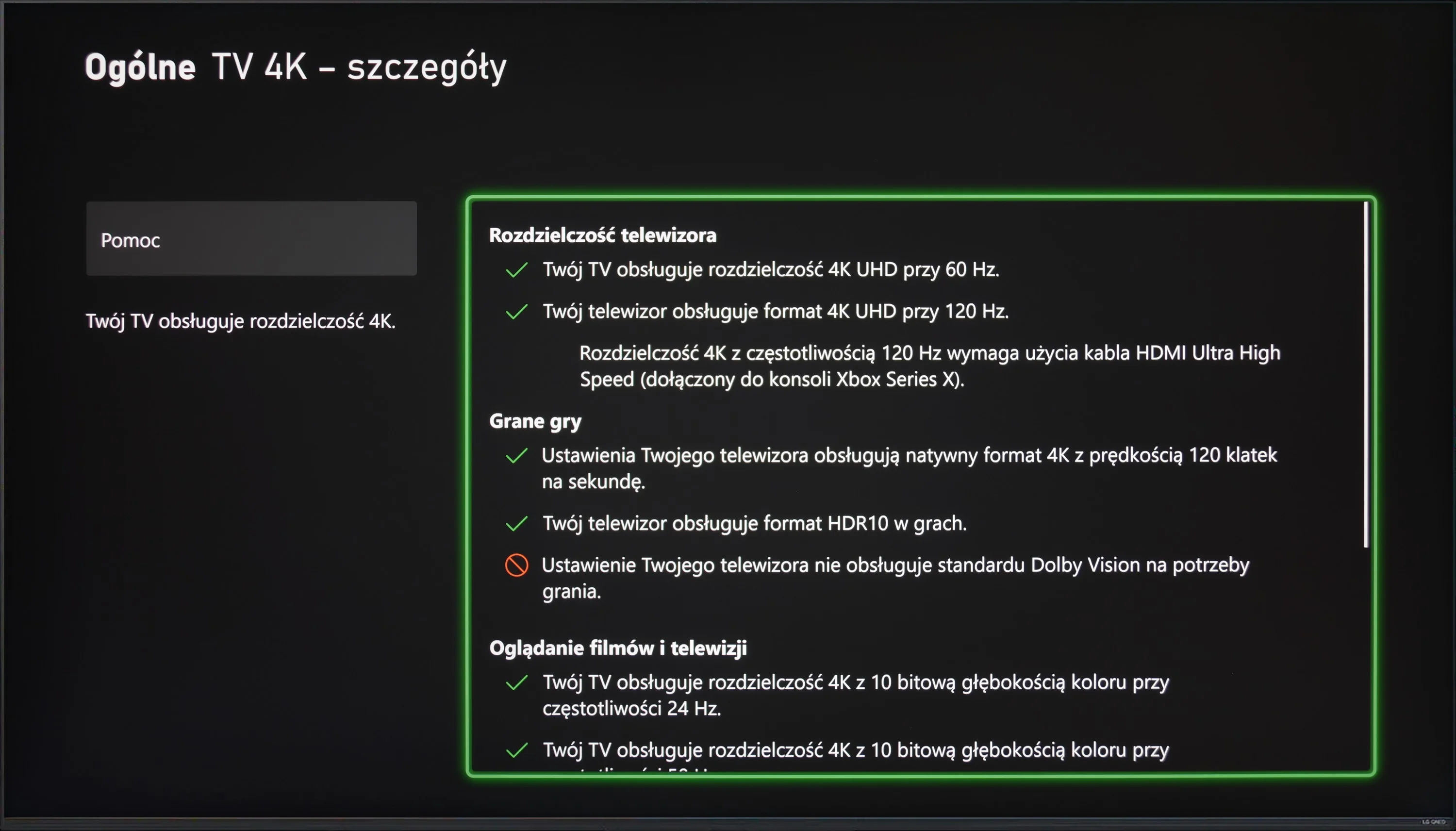
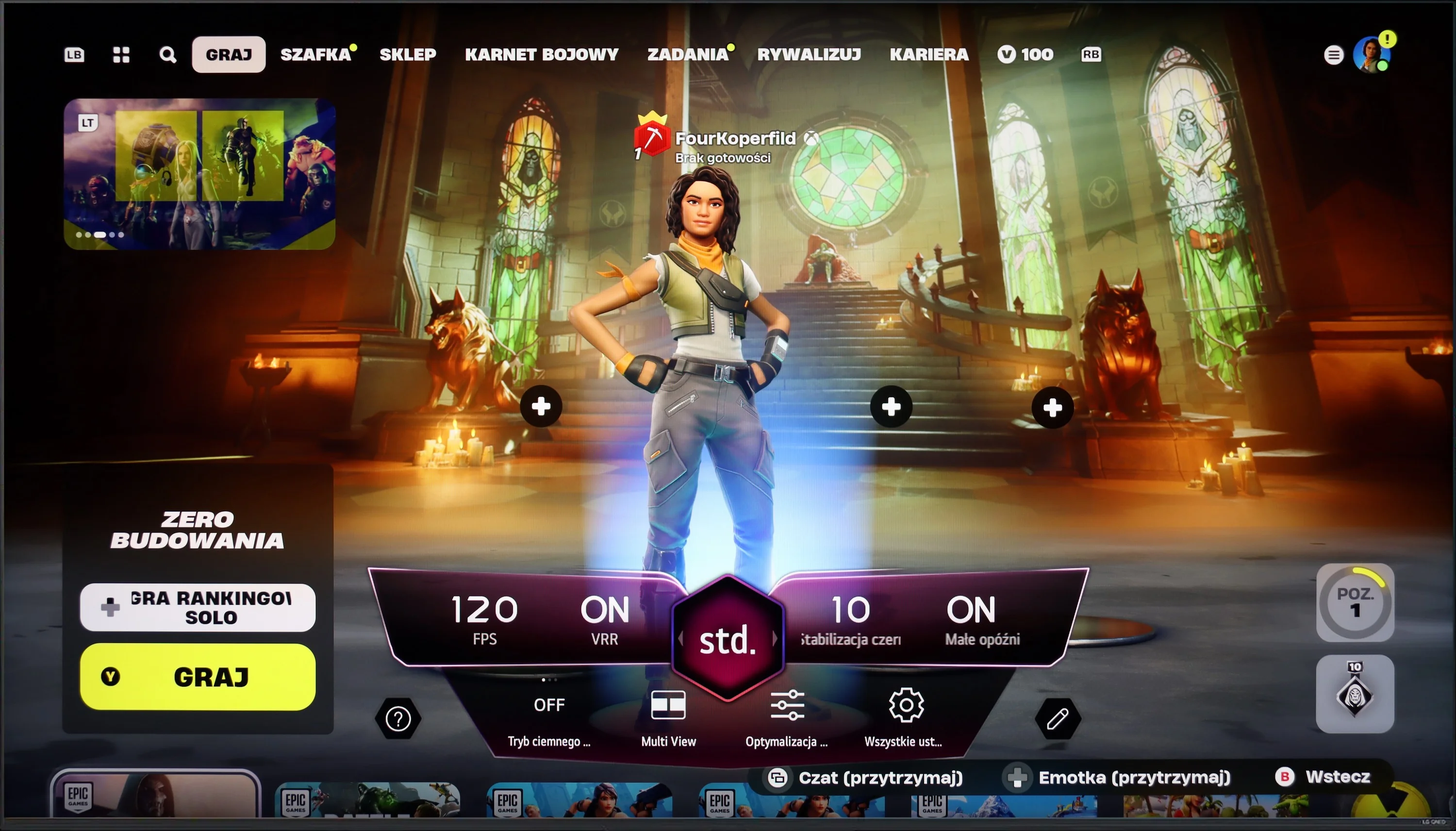
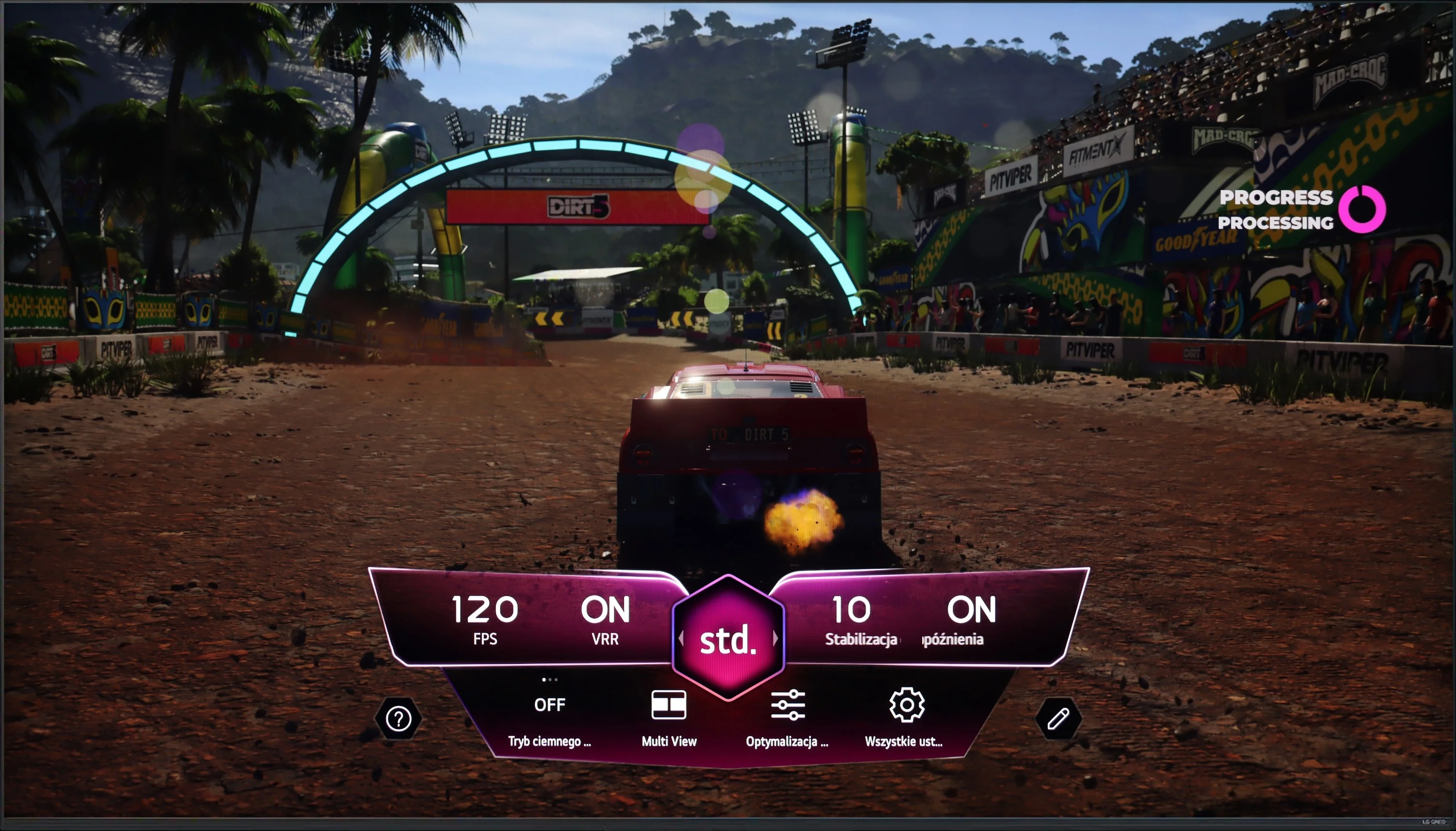
The LG QNED87T6B is a top-tier choice for gamers seeking high-performance features. It is equipped with four HDMI 2.1 ports, allowing seamless connection to the latest consoles like the PlayStation 5 and Xbox Series X. This ensures full functionality, including support for Variable Refresh Rate (VRR) and Auto Low Latency Mode (ALLM), which provide a smoother and more responsive gaming experience. The Game Bar feature enables easy management of gaming settings, allowing users to adjust VRR, ALLM, Multi View, and monitor the frame rate without navigating complex menus.

Additionally, the TV supports G-Sync and FreeSync, which are crucial for gamers using Nvidia and AMD graphics cards. These technologies synchronize the TV's refresh rate with the graphics card, reducing screen tearing and stuttering. With a 120Hz panel, the LG QNED87 delivers exceptional motion smoothness and image clarity, while the Black Frame Insertion (BFI) feature, available at 60Hz and 120Hz, further enhances visual fluidity. Overall, the LG QNED87T6B meets the demands of even the most discerning gamers, offering a comprehensive range of features that elevate the gaming experience.

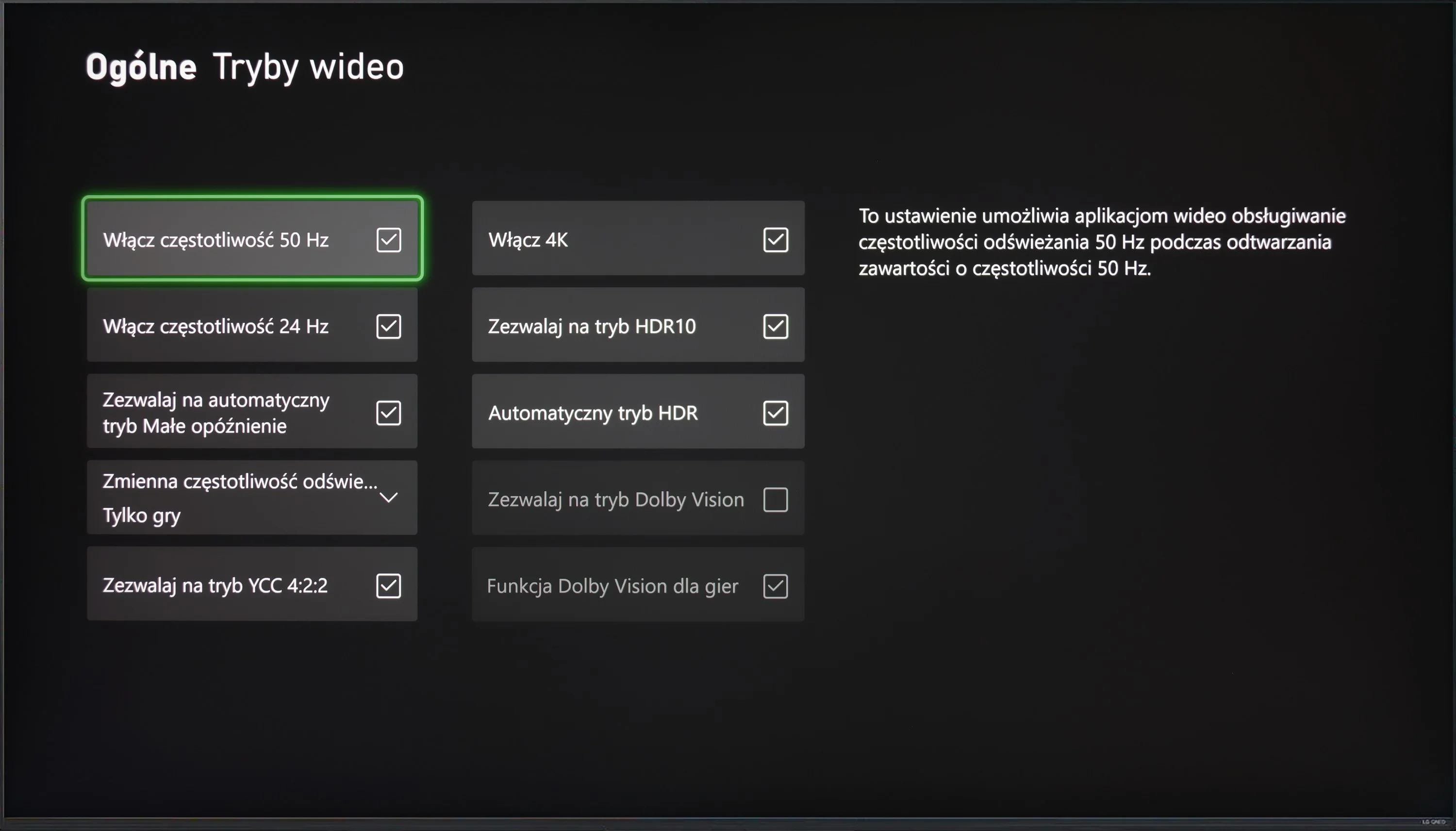
[UPDATE] We have updated our 2025 Samsung TV reviews following the release of firmware version 1131, which officially restores the essential HGiG (HDR Gaming Interest Group) support.

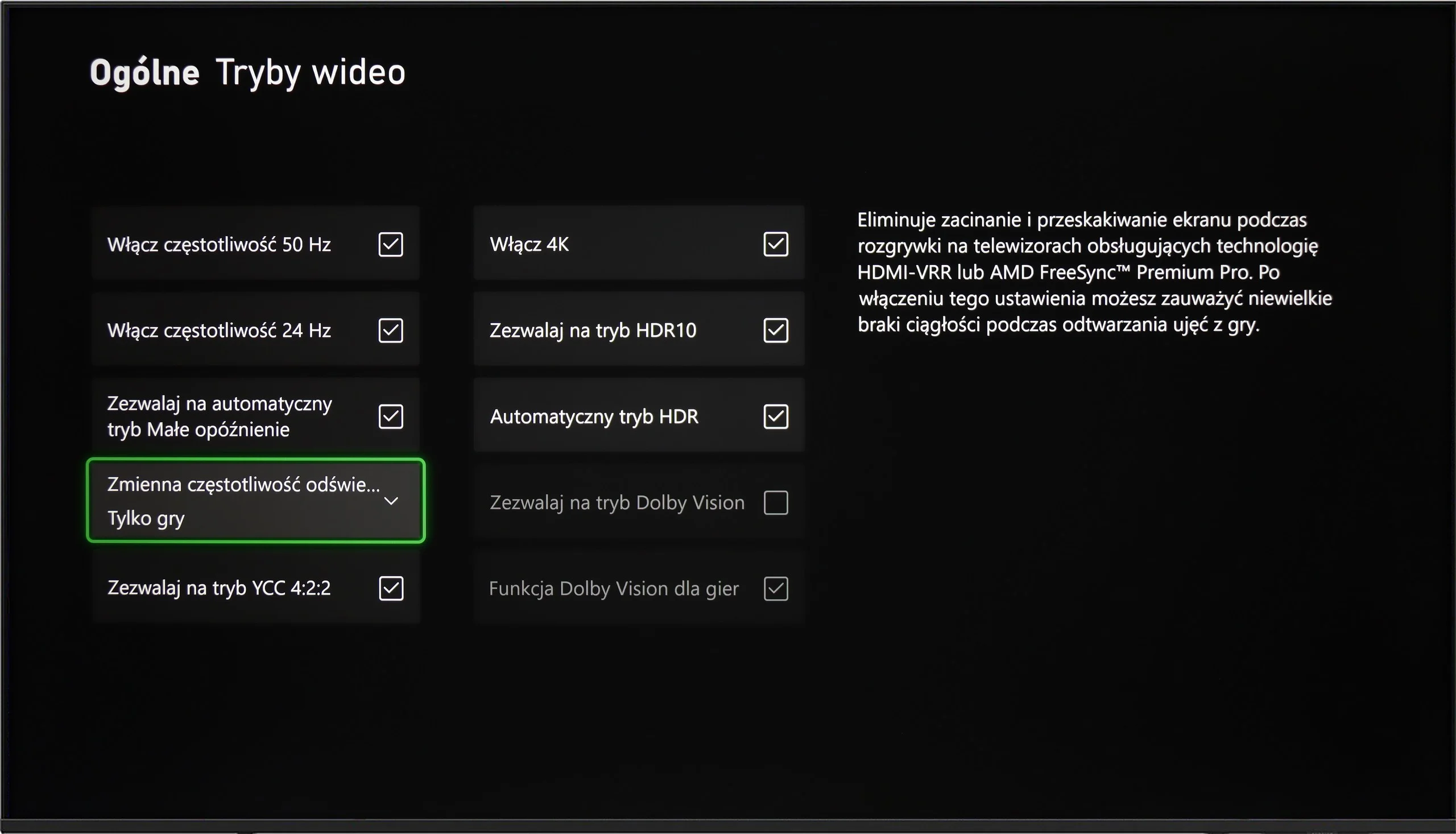
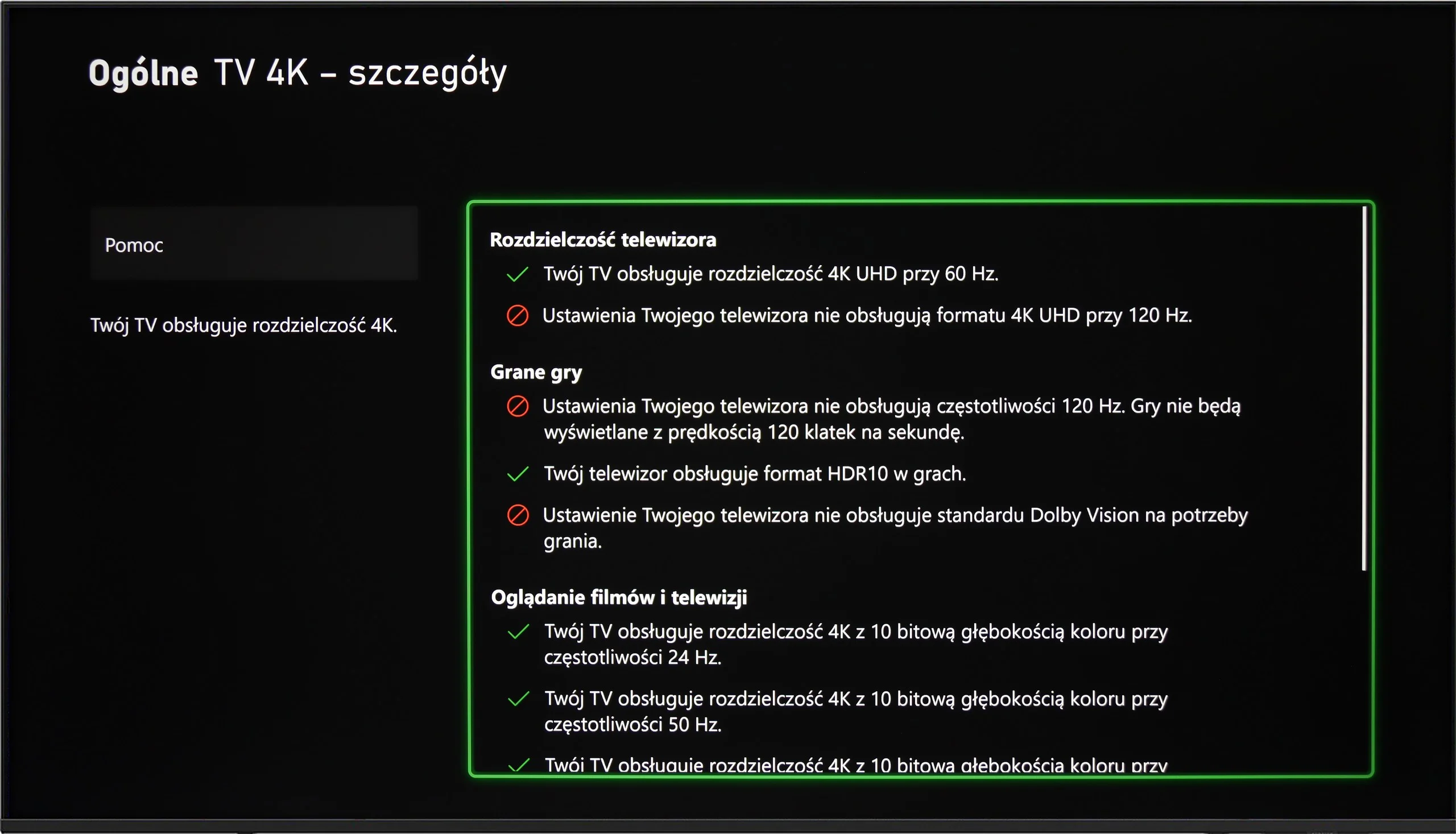
Samsung U8000F offers a basic set of features for gamers, which nonetheless may be sufficient for less demanding users. It has an automatic game mode – when a game is launched on the console, the TV automatically switches to low latency mode, significantly improving response time. It also includes a VRR feature, or variable refresh rate, which operates in the range of 48 to 60 Hz. This means that both Xbox and PS5 will not produce a "tearing" effect on the screen – as long as we stay within this range.

And unfortunately, that's about it when it comes to advantages. Additions like Game Bar or higher refresh rates are reserved for higher models of Samsung from the 2025 line. In theory, the TV also supports the HGiG function, which should adjust the HDR image to the intentions of game developers. Unfortunately – even though this feature appears in brochures and marketing materials – its configuration on the Xbox console turned out to be... impossible in practice.

Input lag

9.9/10

10/10

SDR

1080p60
15 ms
11 ms
1080p120
6 ms
2160p60
15 ms
11 ms
2160p120
6 ms

HDR

2160p60
14 ms
11 ms
2160p120
5 ms
4320p60

Dolby Vision

2160p60 DV
2160p120 DV

The LG QNED offers extremely low input lag, making it ideal for smooth and responsive gaming. At 120Hz, the input lag stays under 6 ms, while at 60Hz, it peaks at 15 ms. These results ensure that player reactions are almost immediately reflected on the screen, providing a seamless gaming experience with minimal delay. This makes the TV a strong choice for gamers who need precision and fluid motion, especially in fast-paced games.

In our tests, the Samsung U8092F performed phenomenally in terms of input lag. Regardless of the resolution, the results were very low, which is truly impressive for this price segment. Therefore, we can confidently say that gaming on this television will not cause irritation due to significant delays between what we do on the controller and what we see on the screen. For most gamers, even the more demanding ones, this result should be more than satisfactory.

Compatibility with PC

7.6/10

6/10

Chroma 444 (max. resolution and refresh rate)
Yes
Yes
Font clarity
Very Good
Very Good
Readability of dark text and shapes
Very Good
Very Good
Input lag in PC mode (4K, max. refresh rate)
6ms
11ms
Matrix subpixel arrangement
RGB
BGR
Max refresh rate
120Hz
60Hz
G-Sync
Yes
No

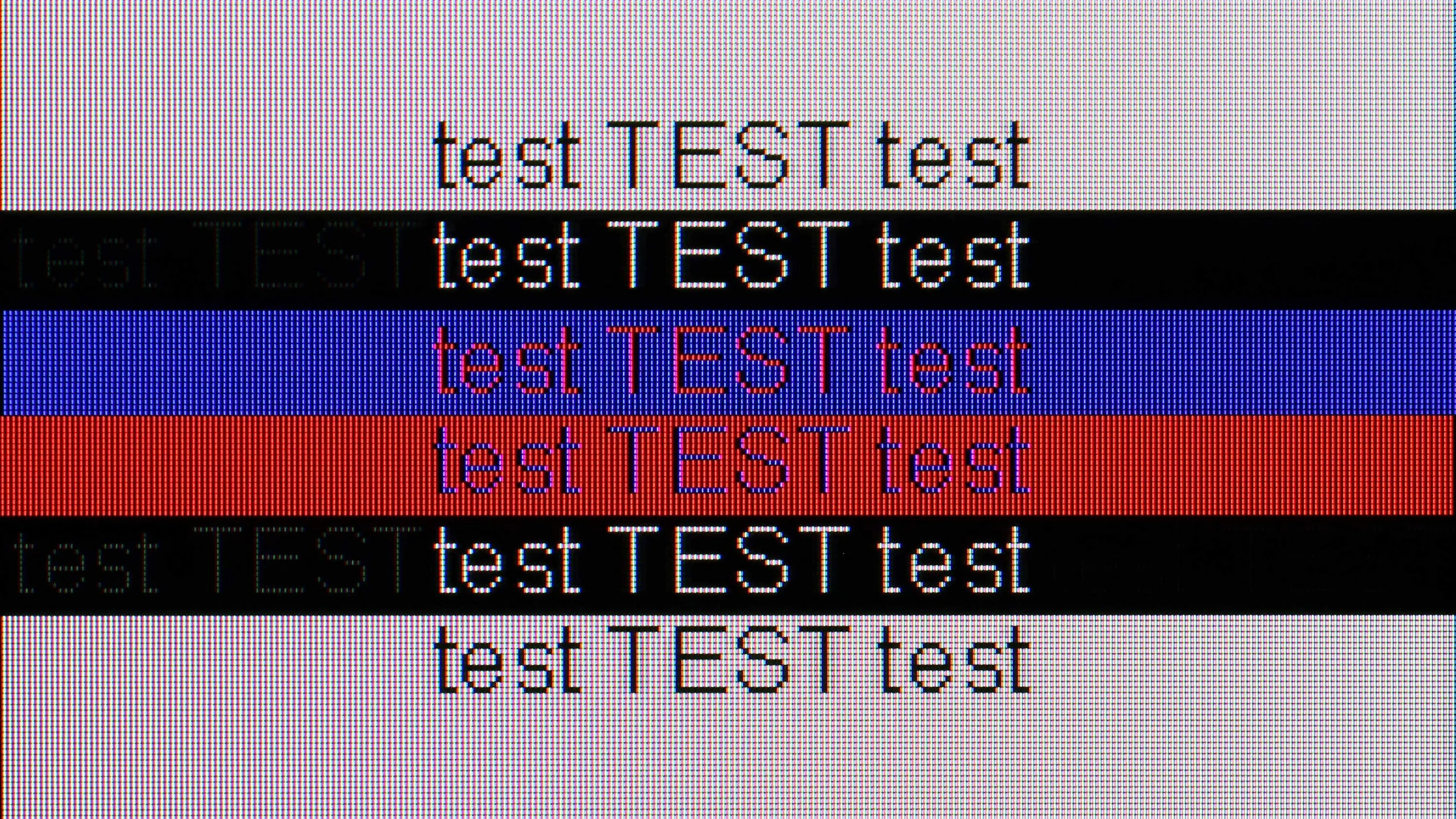
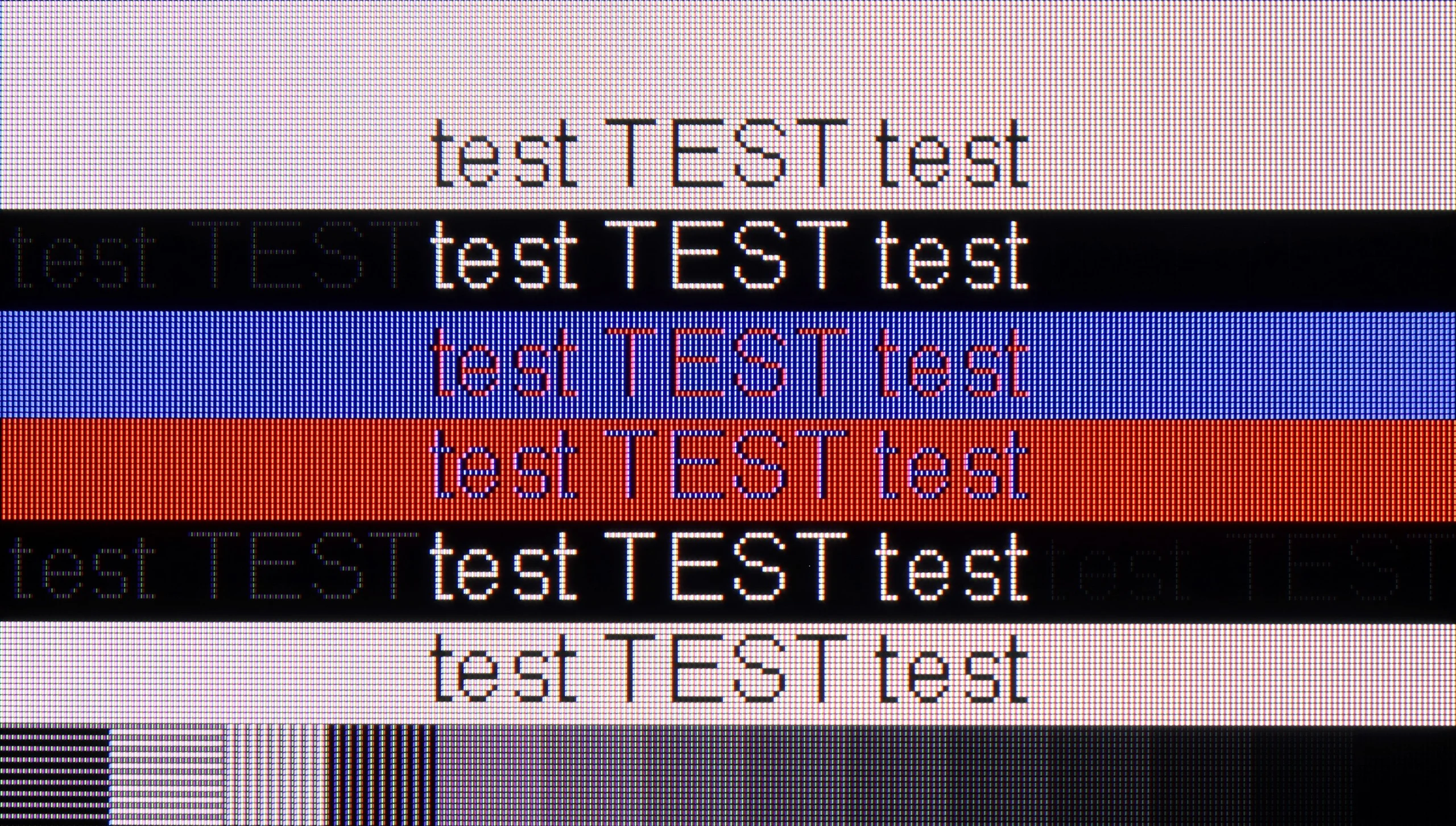
The photo shows the legibility of small fonts. Ideally, lines should be the same thickness on both light and dark text, with minimal pixel gaps.

The LG QNED TV excels when used with a computer, offering excellent font readability and a comfortable browsing experience, regardless of the background. The 120Hz refresh rate ensures a smooth and crisp image, making it an ideal choice for those seeking a large monitor with impressive fluidity. Combining a spacious display with high performance, it provides a truly enjoyable experience for work and content consumption.

Working on a computer using this television is a real pleasure. The Samsung U8092F supports chroma 4:4:4, and despite being a version with a VA panel, the readability of fonts is very, very good. The television is also suitable for occasional gaming on a PC, mainly due to its low input lag. However, one must take into account that the G-Sync feature does not work on this model, which is strange because VRR worked without problems when it came to the console.

Viewing angles

7.1/10

3.7/10

Brightness drop at an angle of 45 degrees
59%
67%

The LG QNED87 performs well in terms of viewing angles, thanks to its IPS panel, which provides wider angles compared to VA panels. The image remains clear without significant quality loss, even when viewed from an angle. While it may not match OLED TVs in maintaining colour and brightness at all angles, the QNED87 excels within the LCD category, making it an excellent choice for larger rooms with multiple viewing positions.

Daytime performance

4.8/10

3.8/10

Panel finish
Satin
Satin
Reflection suppression
Poor
Decent
Black levels during daytime
Good
Very Good

Panel brightness

Samsung U8000F (VA): 204 cd/m2

LG QNED87T6B: 428 cd/m2

The LG QNED performs adequately during the day, thanks to its satin panel and a brightness level of 430 nits. While the panel doesn't suppress reflections very well, which can be noticeable in bright rooms, the image remains readable and visible. Though reflections can be somewhat distracting, the overall brightness ensures a comfortable viewing experience in daylight.

Thanks to the satin coating on the Samsung U8092F matrix, it does quite well at reducing reflections. The screen doesn't act like a mirror, and the colors – given the capabilities of this class of device – remain fairly saturated, even in somewhat brighter conditions. Unfortunately, the coating alone won't work miracles. The television is simply too dark to effectively cut through very difficult lighting conditions. If we place it against a light source (e.g., a large window or a strong lamp) – unfortunately, we have to reckon with the fact that not everything will be visible on it.

Panel details

Backlight Type
QLED
White LED
Software version during testing
03.11.10
1064
Image processor

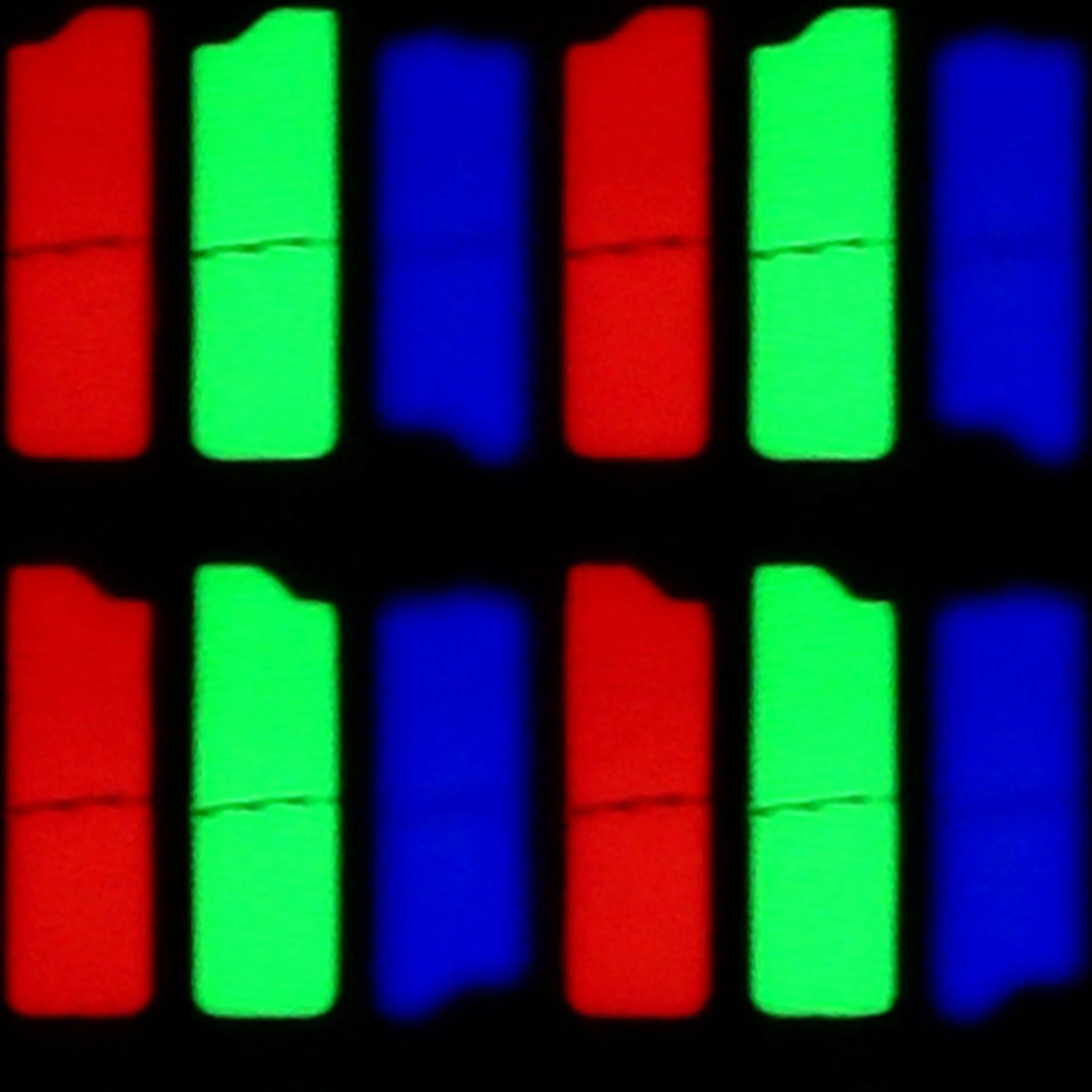
Subpixel Structure:

Panel uniformity and thermal imaging:

Review LG QNED87T6B TV Panel details
Review Samsung U8000F (VA) TV Panel details

TV features

8.8/10

5.3/10

  • System
    WebOS
    Tizen
  • System performance
    Good
    Decent
  • HDMI inputs
    0 x HDMI 2.0, 4 x HDMI 2.1 48Gbps
    3 x HDMI 2.0, 0 x HDMI 2.1
  • Outputs
    Toslink (Optical audio), eARC (HDMI), ARC (HDMI)
    eARC (HDMI), ARC (HDMI)
  • Network Interfaces
    Wi-Fi 2.4GHz, Wi-Fi 5GHz, Ethernet (LAN) 100Mbps
    Wi-Fi 2.4GHz, Wi-Fi 5GHz, Ethernet (LAN) 100Mbps
  • TV reception
    DVB-T, DVB-T2, DVB-S, DVB-S2, DVB-C
    DVB-T, DVB-T2, DVB-S, DVB-S2, DVB-C

Classic features:

  • Recording to USB (terrestrial TV)
    Yes
    No
  • Recording programming
    Yes
    No
  • Picture in Picture (PiP)
    Yes
    No
  • RF remote control (no need to aim)
    Yes
    No
  • Backlit remote control
    No
    No
  • Teletext
    Yes
    Yes
  • Audio only mode
    Yes
    Yes
  • Bluetooth headphones support
    Yes
    Yes
  • Simultaneous Bluetooth headphones & TV audio
    Yes
    Yes

Smart features:

  • AirPlay
    Yes
    Yes
  • Screen mirroring (Windows Miracast)
    Yes
    Yes
  • Voice search
    Yes
    No
  • Voice search in native language
    Yes
    No
  • Ability to connect a keyboard and mouse
    Yes
    Yes
Review LG QNED87T6B TV features
Review Samsung U8000F (VA) TV features

Sound connection options

  • HDMI audio
    eARC (HDMI), ARC (HDMI)
    eARC (HDMI), ARC (HDMI)
  • Other audio outputs
    Toslink (Optical audio)
  • Wireless audio
    Bluetooth
    Bluetooth

Supported audio formats (external HDMI eARC audio):

  • Dolby Digital Plus 7.1
    Yes
    Yes
  • Dolby True HD 7.1
    No
    No
  • Dolby Atmos in Dolby Digital Plus (JOC)
    Yes
    Yes
  • Dolby Atmos in Dolby True HD
    No
    No
  • DTS:X in DTS-HD MA
    Yes
    No
  • DTS-HD Master Audio
    Yes
    No

Senior accessibility

  • Numeric keyboard on TV
    Yes
    Yes
  • Font size adjustment
    Yes
    Yes
  • Audio description
    Yes
    Yes

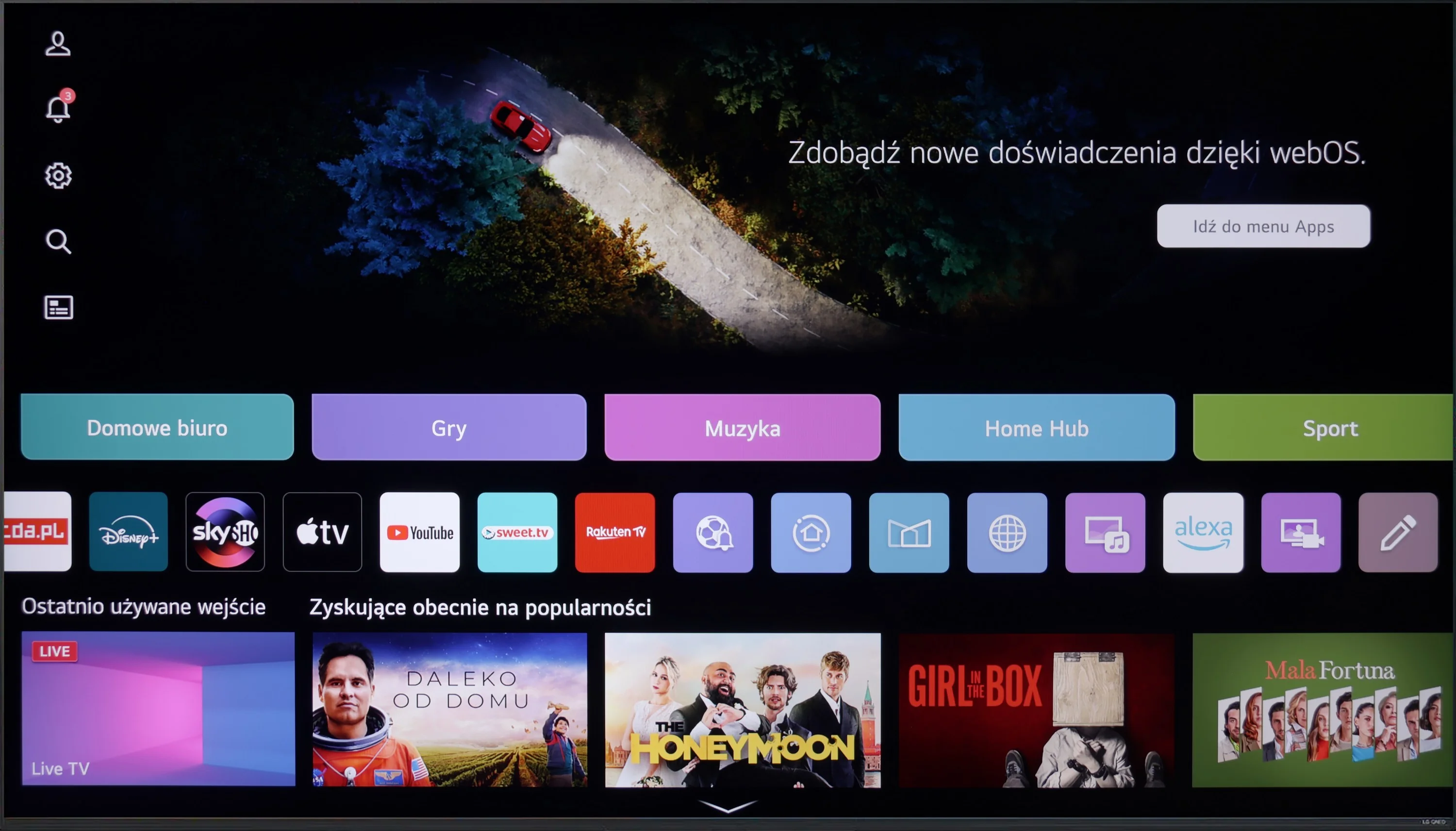
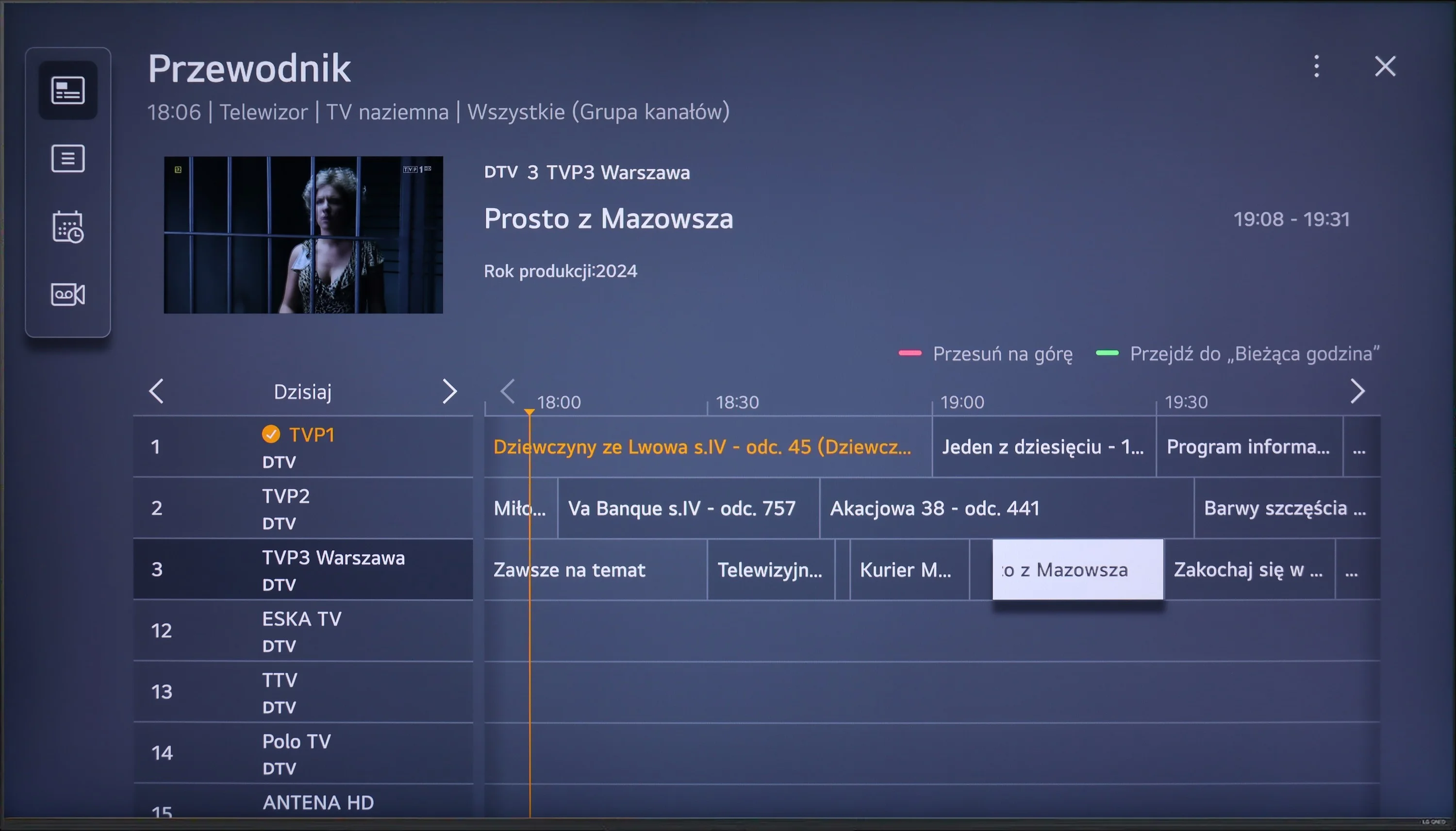
The LG QNED87 television offers a range of features that greatly enhance user comfort. The WebOS system stands out for its user-friendly interface, complemented by the Magic Remote with a built-in gyroscope, making navigation intuitive and quick. WebOS also supports smart features like AirPlay for easy content streaming from Apple devices and a variety of streaming apps such as Netflix, YouTube, and Amazon Prime Video. The TV also includes USB recording for saving favourite programs and a PIP (Picture-in-Picture) function for viewing two programs simultaneously. Additionally, Bluetooth connectivity allows for easy connection of devices like mice, keyboards, or headphones, offering greater versatility. With these features, the LG QNED87 is a versatile, convenient device that meets the needs of demanding users.

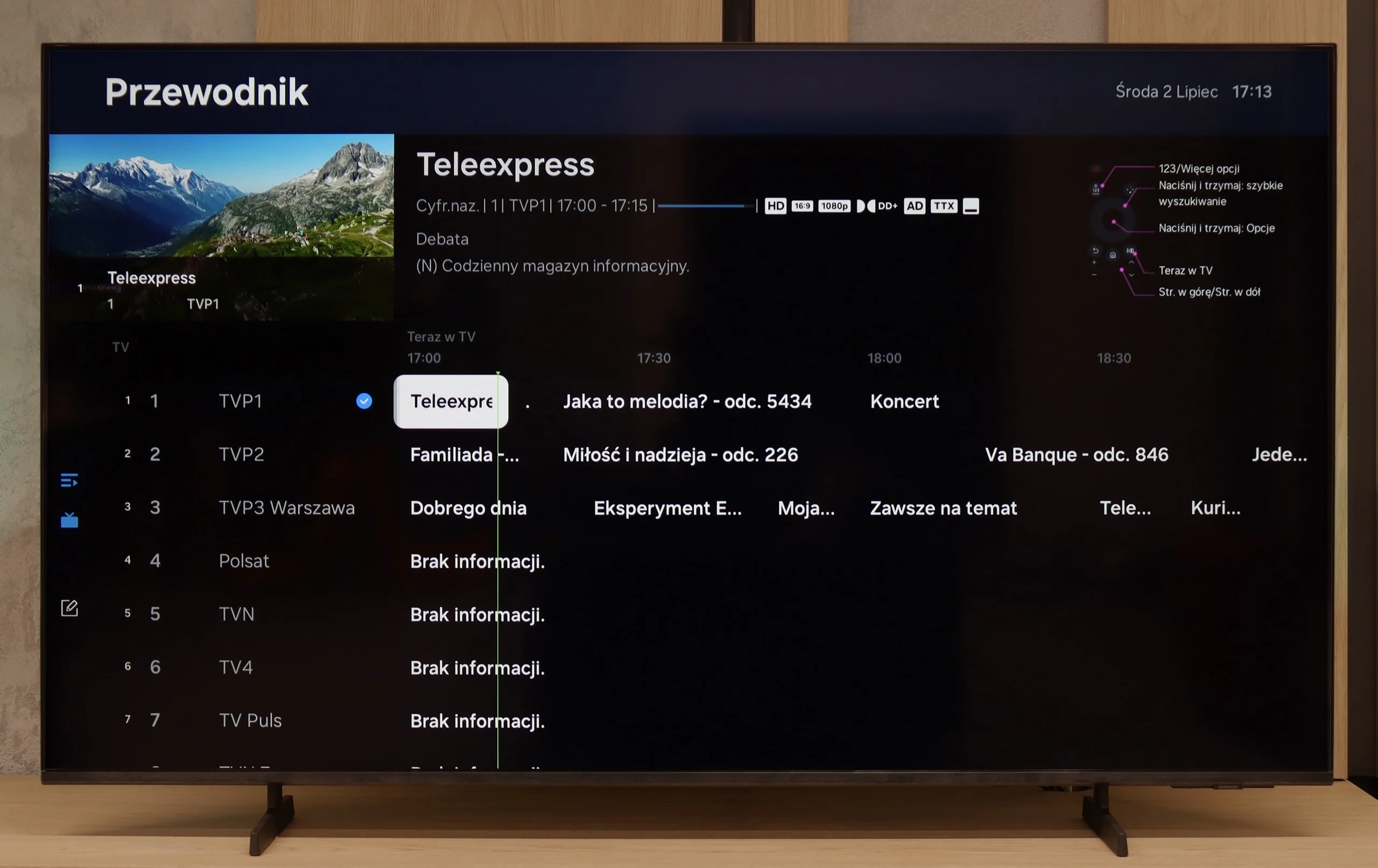
Samsung U8092F – like all this year's models from this brand – runs on the Tizen operating system. The system itself is really well-developed: we have access to many applications (though not all), a well-developed smart home integration, and various extras, including exclusive Samsung apps. It also includes features like AirPlay and Chromecast, which make it easy to connect your phone to the TV and share media.

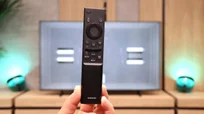
Unfortunately, as this is Samsung's cheapest series in 2025, the manufacturer did not include a solar remote control. In the package, we find a classic infrared remote control that visually resembles a newer version, but unfortunately lacks voice functions. Regarding typical "TV" extras – it lacks a recording feature and a PiP mode (picture in picture). On the plus side, however, is HDMI eARC, which allows for easy control with the included remote, for example, a decoder or soundbar – and it actually works seamlessly.

Apps

8.3/10

8.7/10

OK
Disney_Plus
OK
Amazon_Prime_Video
OK
Player_TVN
OK
Polsat_Box_Go
OK
Canal_Plus_Online
OK
TVP_VOD
OK
Apple_TV_Plus
OK
SkyShowtime
OK
Rakuten
OK
CDA_Premium_Browser
OK
Spotify
OK
Tidal
OK
Netflix
OK
YouTube
No
HBO_MAX
No
Kodi
OK
Apple_music
No
Eleven_sports
OK
Xbox Game Pass
OK
GeForce NOW
OK
Amazon Luna
OK
Boosteroid
No
Steam Link
OK
Disney_Plus
OK
Amazon_Prime_Video
OK
Player_TVN
OK
Polsat_Box_Go
OK
Canal_Plus_Online
OK
TVP_VOD
OK
Apple_TV_Plus
OK
SkyShowtime
OK
Rakuten
OK
CDA_Premium_Browser
OK
Spotify
No
Tidal
OK
Netflix
OK
YouTube
OK
HBO_MAX
No
Kodi
OK
Apple_music
No
Eleven_sports
OK
Xbox Game Pass
OK
GeForce NOW
OK
Amazon Luna
OK
Boosteroid
No
Steam Link

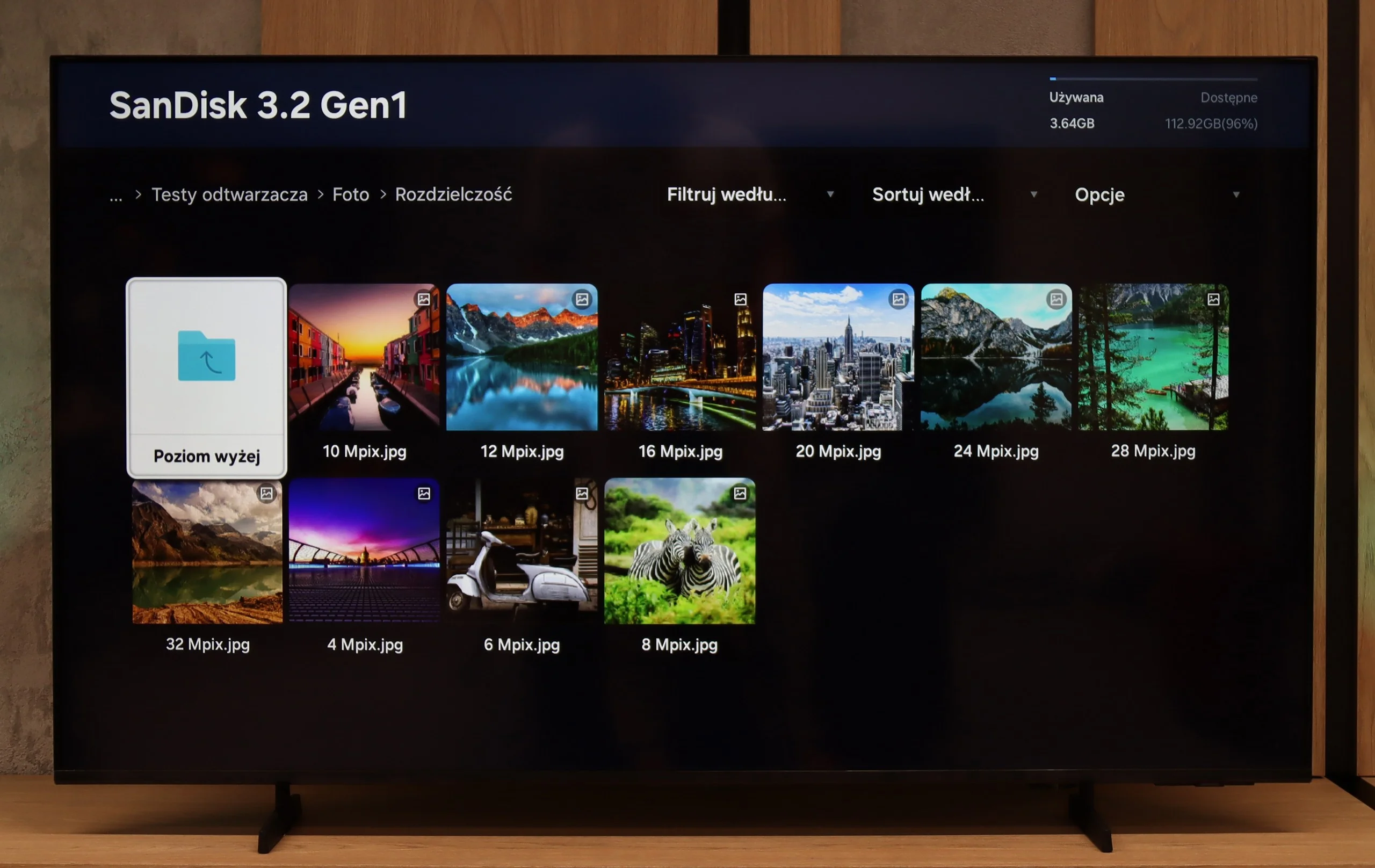
Playing files from USB

8.2/10

9.3/10

Supported photo formats:

JPEG
Yes
Yes
HEIC
No
Yes
PNG
Yes
Yes
GIF
No
No
WebP
No
No
TIFF
No
No
BMP
No
Yes
SVG
No
No

Maximum photo resolution:

4 Mpix
Yes
Yes
6 Mpix
Yes
Yes
8 Mpix
Yes
Yes
10 Mpix
Yes
Yes
12 Mpix
Yes
Yes
16 Mpix
Yes
Yes
20 Mpix
No
Yes
24 Mpix
No
Yes
28 Mpix
No
Yes
32 Mpix
Yes
Yes

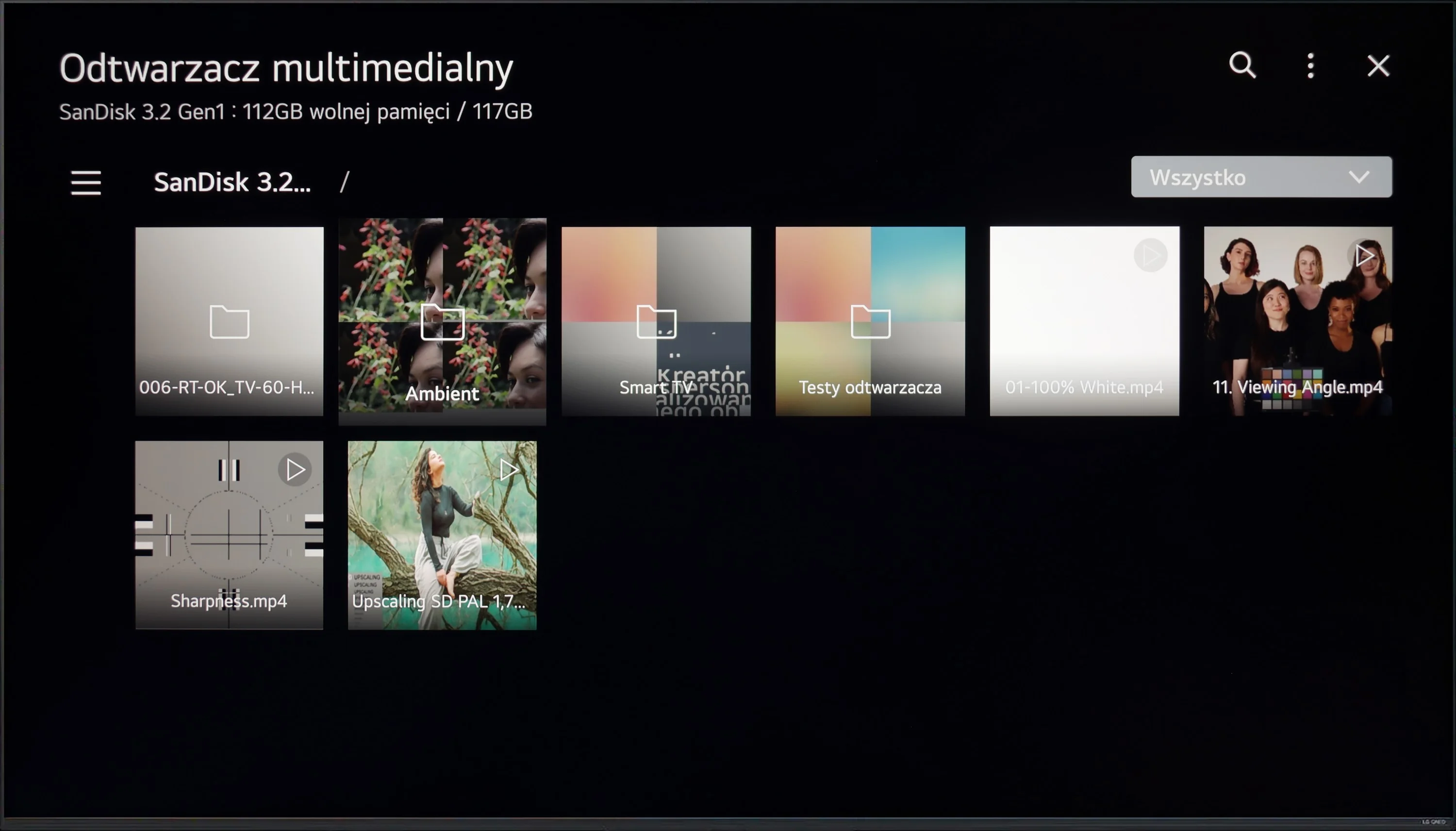
The built-in media player in the LG QNED87 television offers impressive capabilities for playing video and audio files. It supports a wide range of popular formats, ensuring versatility and ease of use. The main drawback is the limited support for certain less common photo formats, but this is unlikely to affect most users. For everyday use and typical multimedia formats, the player performs excellently, meeting the needs of most viewers.

Samsung U8092F handles playback of files rather smoothly – the television supports most popular audio and video formats. Of course, it does not support Dolby Vision, but we simply won’t find that in any Samsung model.

Some reservations can be made about the support for external text files – those that the user would like to add as subtitles to a movie. During our tests, the television only played TXT files, and other extensions, such as SRT or SUB, unfortunately did not work. This may not be a problem for everyone, but it is worth knowing. Perhaps this is an issue to be improved in the future with a system update for the television.

Sound

6/10

5.7/10

  • Maximum volume
    -
    81dB
  • Dolby Digital Plus 7.1
    Yes
    Yes
  • Dolby True HD 7.1
    No
    No
  • Dolby Atmos in Dolby Digital Plus (JOC)
    Yes
    Yes
  • Dolby Atmos in Dolby True HD
    No
    No
  • DTS:X in DTS-HD MA
    Yes
    No
  • DTS-HD Master Audio
    Yes
    No

U8092F doesn't pretend to have a home theater on board. We get a standard set of 2 x 10 W, which sounds fine but without much excitement, though with a slight bass. For everyday viewing, such an audio setup is more than sufficient. We were pleasantly surprised that it was able to play a movie with the built-in Dolby Atmos codec (JOC) – although of course, we are not talking about true surround sound.

Sound Quality Test

No sound test video

Acoustic Measurements

No acoustic data

81dBC (Max)

75dBC

Reader comments

Comments are provided by the external service Disqus (Zeta Global). Once loaded, Disqus may set cookies and process data about your activity.

We will remember your choice on this device. Provider's privacy policy