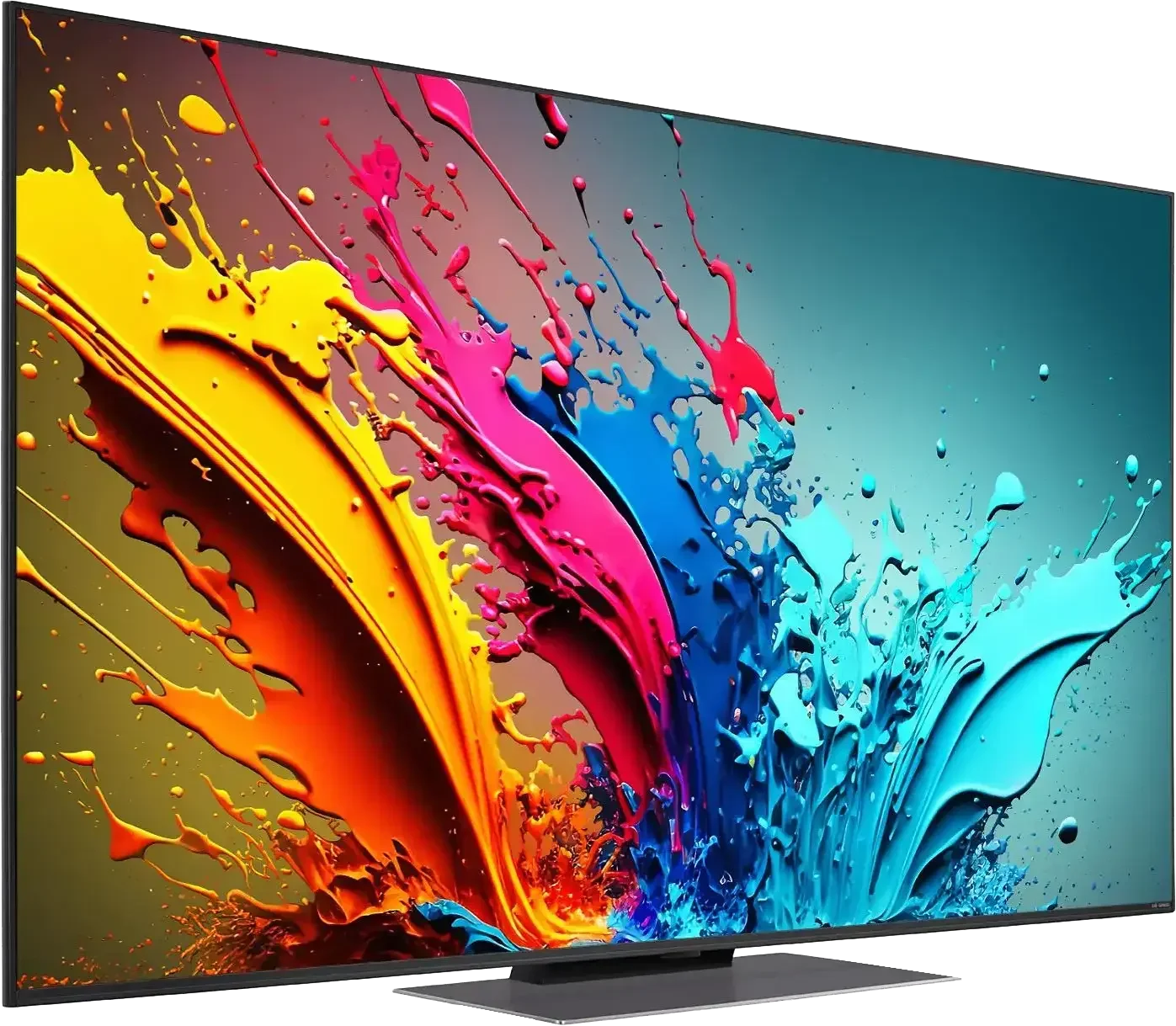
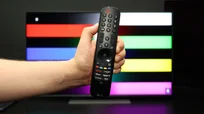
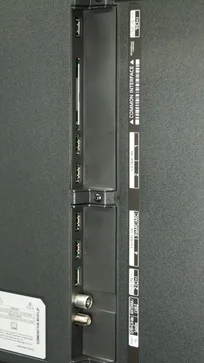
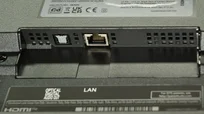
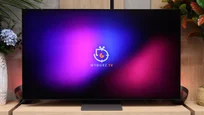
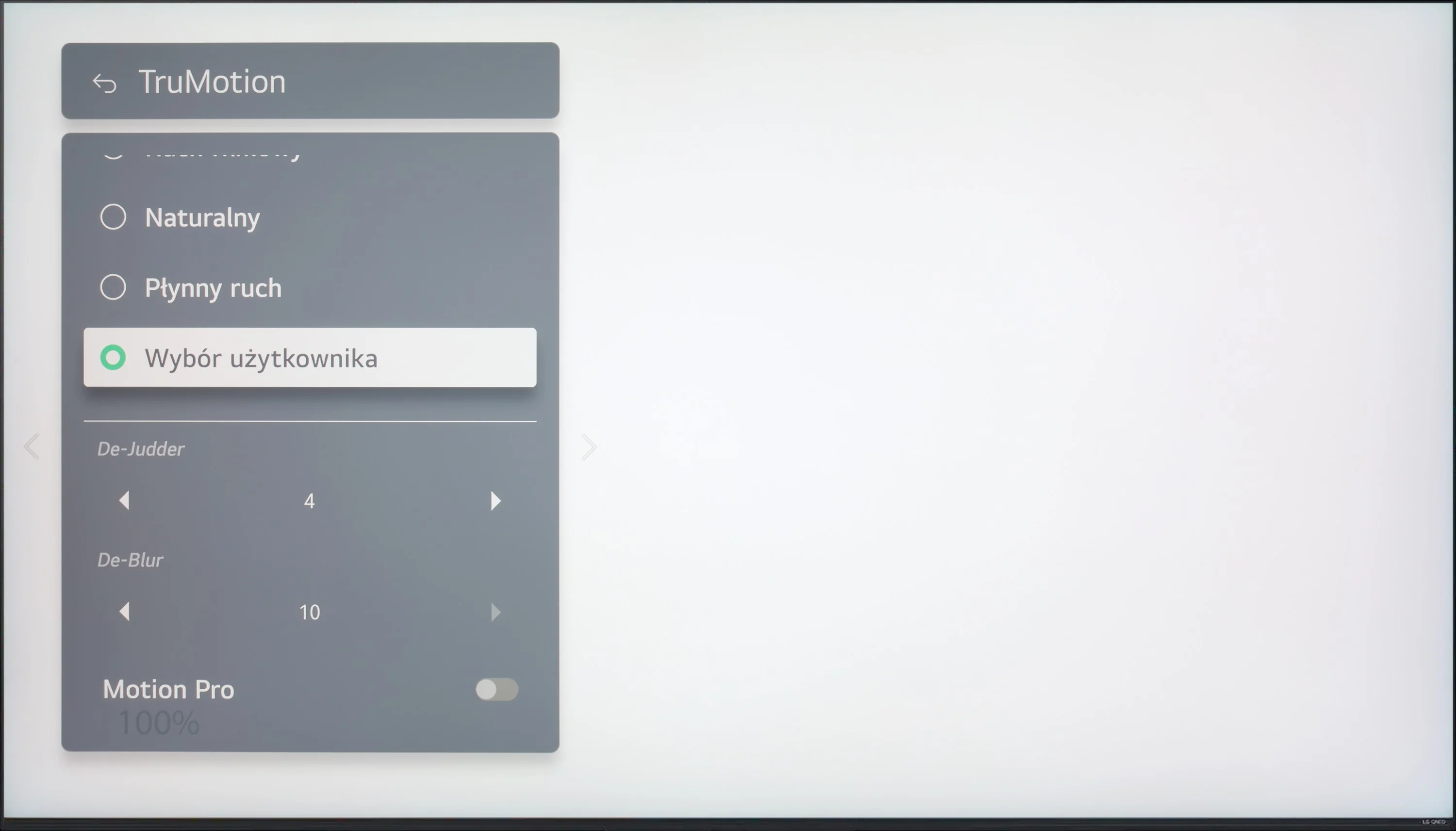
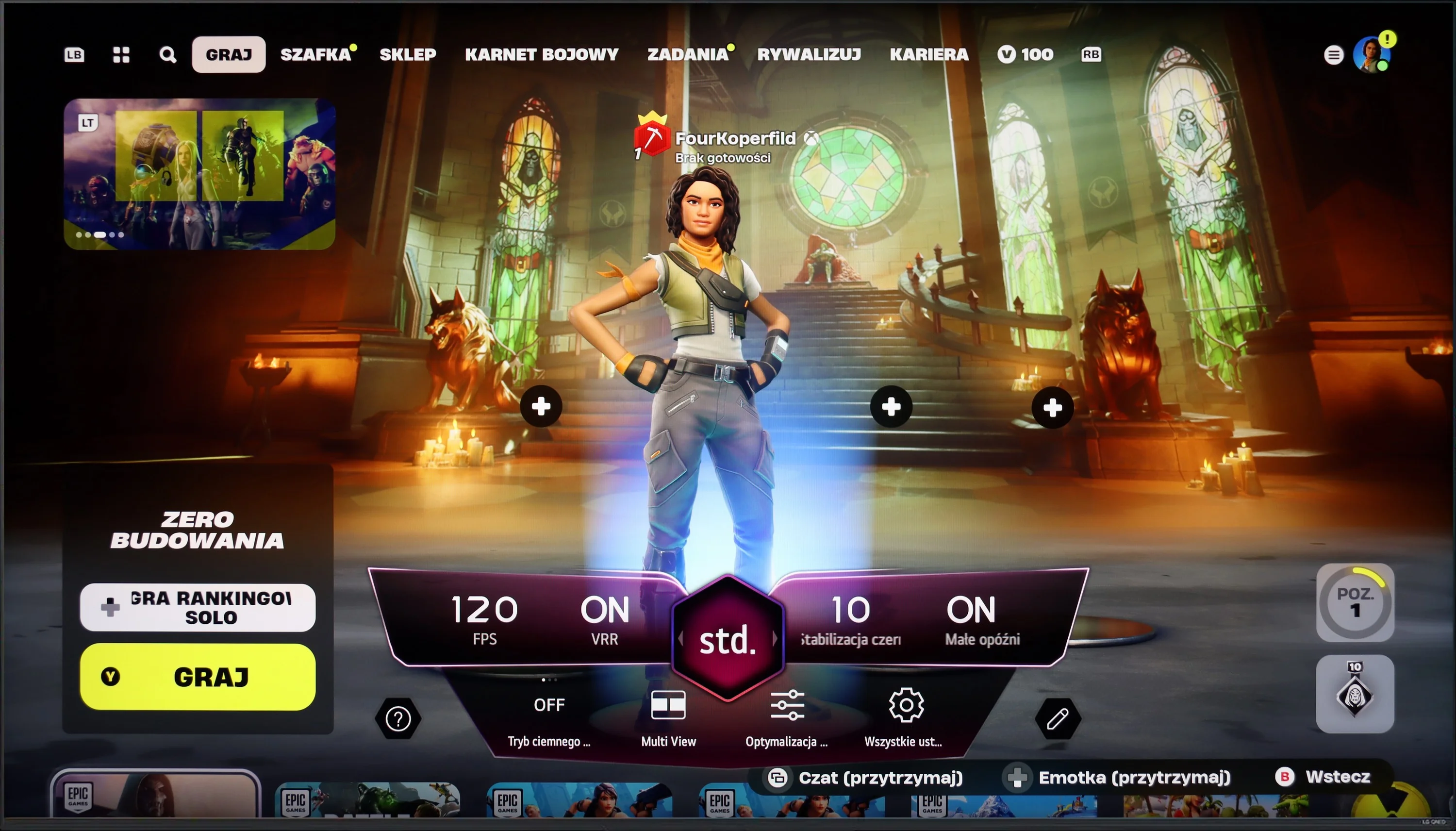
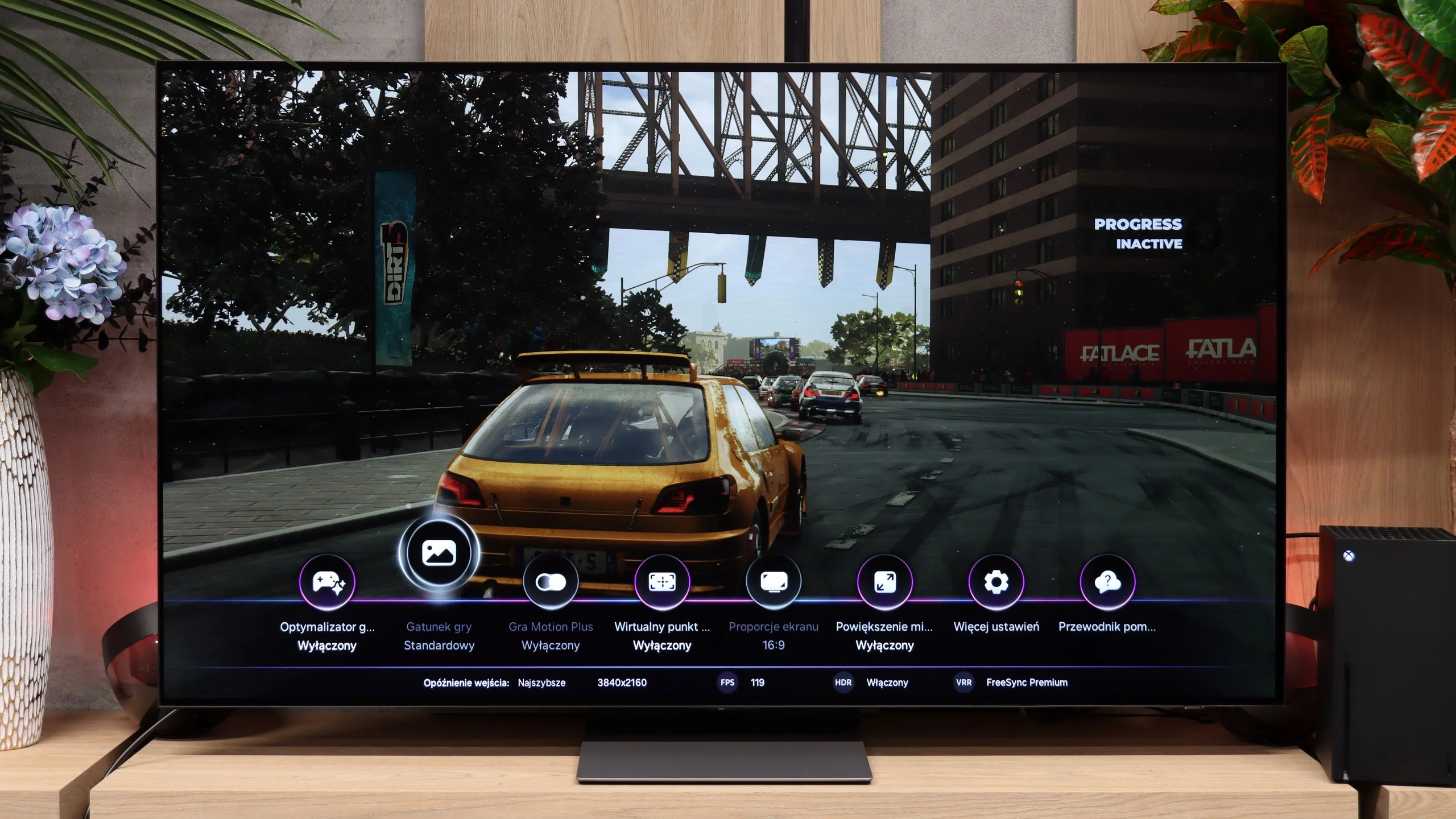
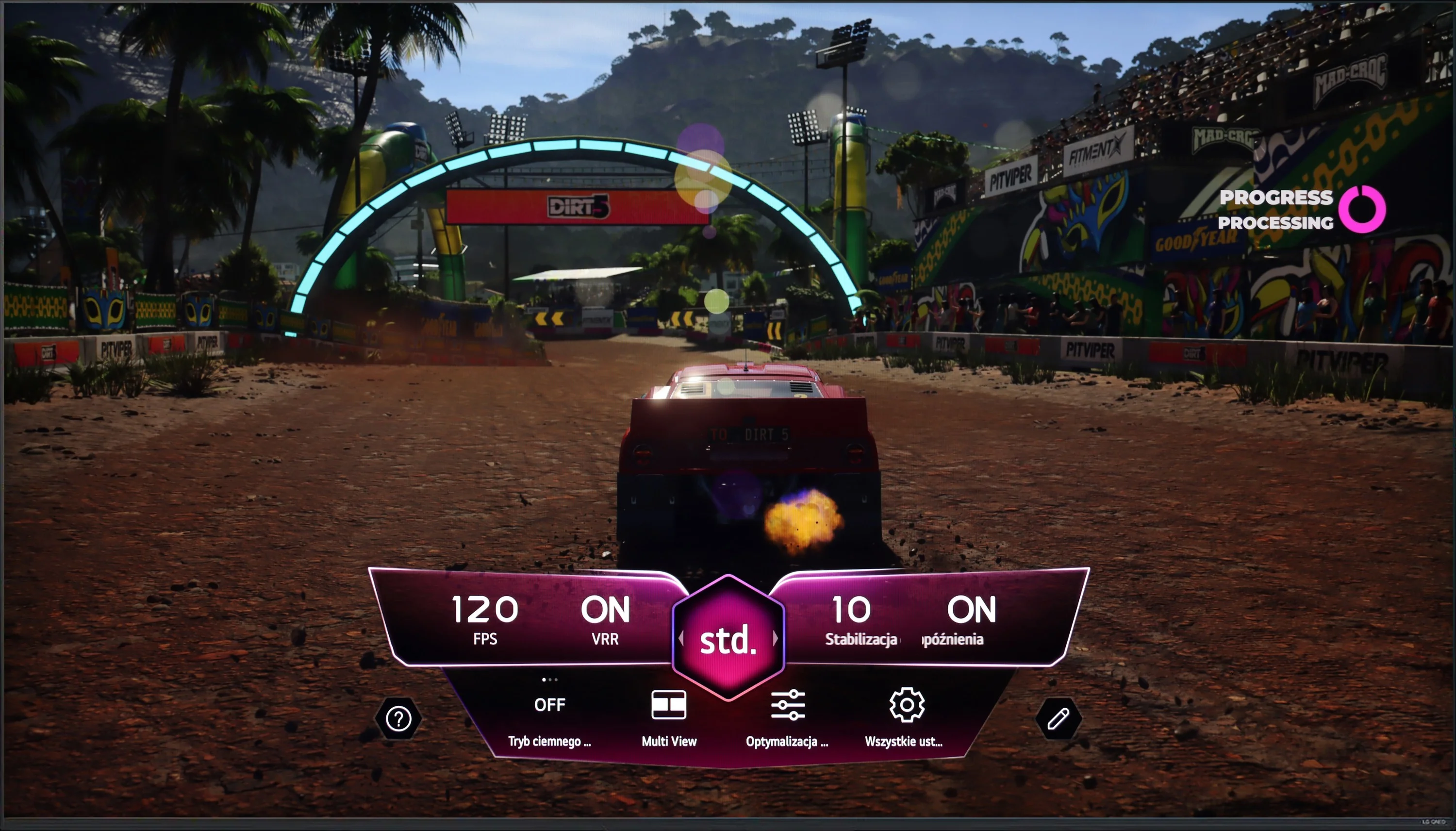
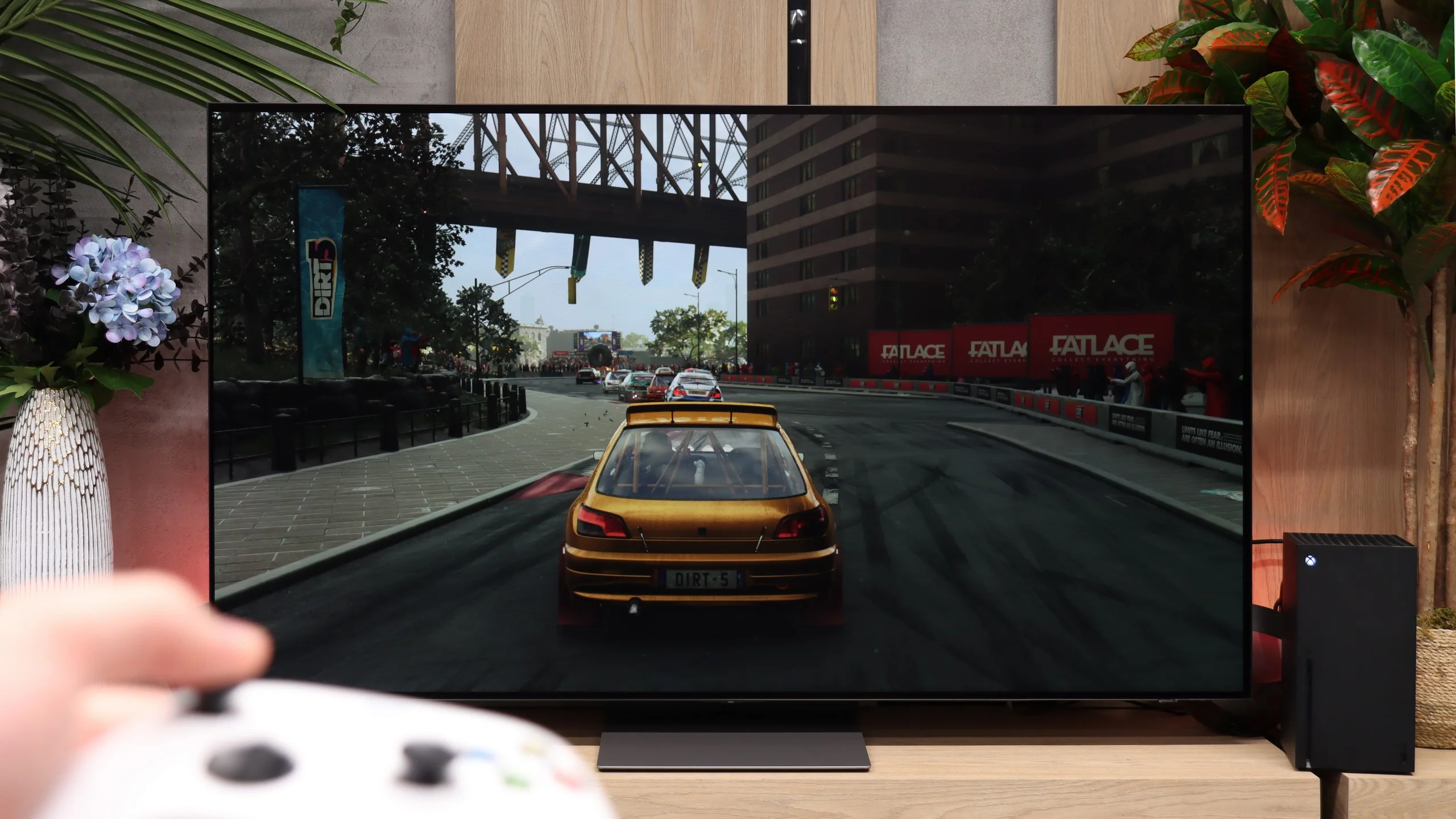
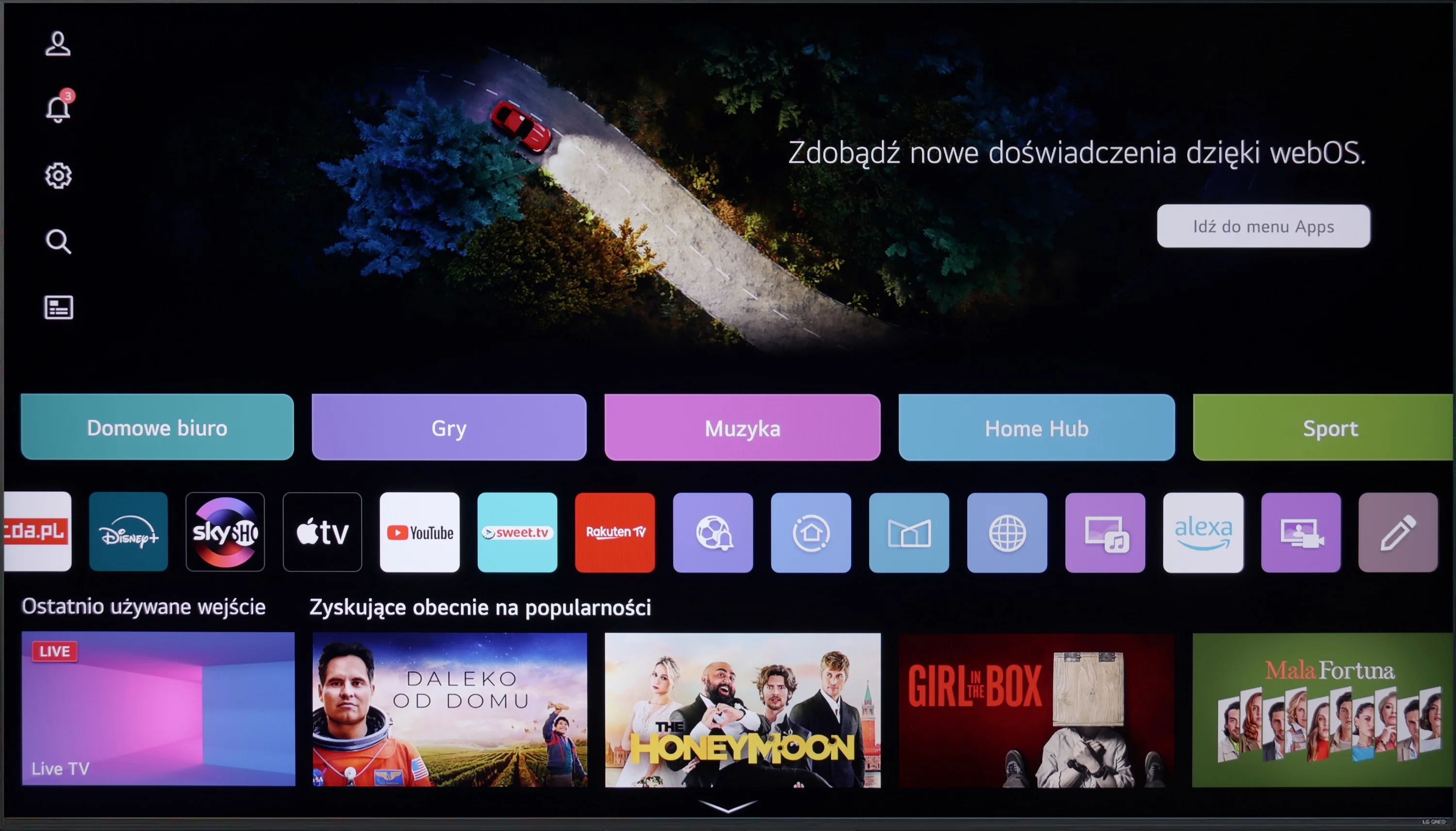
The LG QNED87T is a unique offering in the TV market, excelling in several key areas. Its excellent compatibility with consoles and PCs, along with impressive motion fluidity, makes it an appealing choice for gamers. The 120Hz panel, VRR, and ALLM ensure smooth and responsive gameplay, making it ideal for fast-paced games and sports viewing. The WebOS system, paired with the Magic Remote control, enhances daily convenience, providing an intuitive interface and access to a wide range of apps like Netflix, YouTube, and Amazon Prime Video.
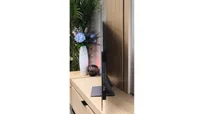
The TV's IPS panel offers wide viewing angles, ensuring good image quality even from side seats, which is perfect for group viewing. Features like USB recording, PIP (Picture-in-Picture), and Bluetooth connectivity improve user experience and convenience.
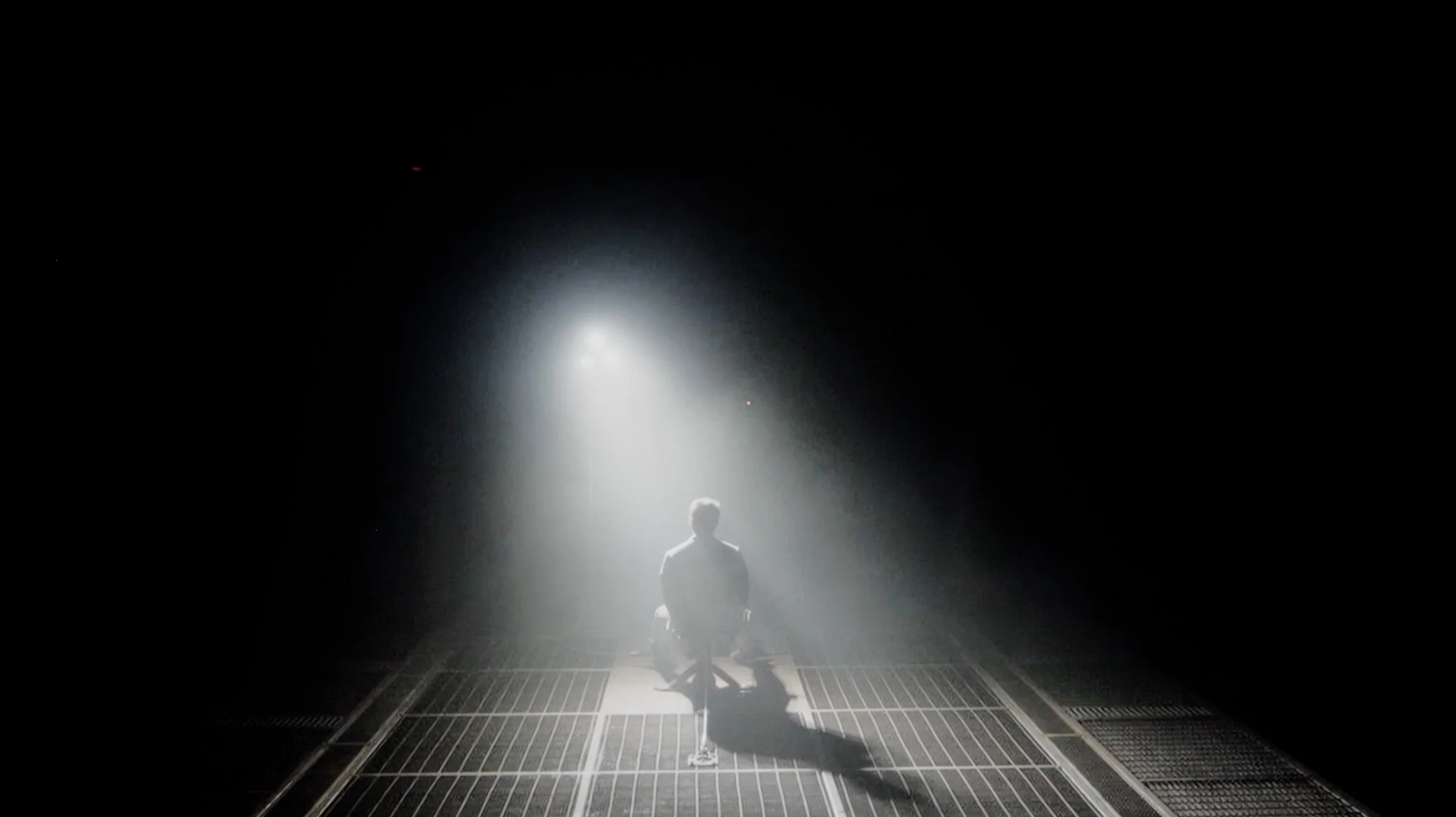
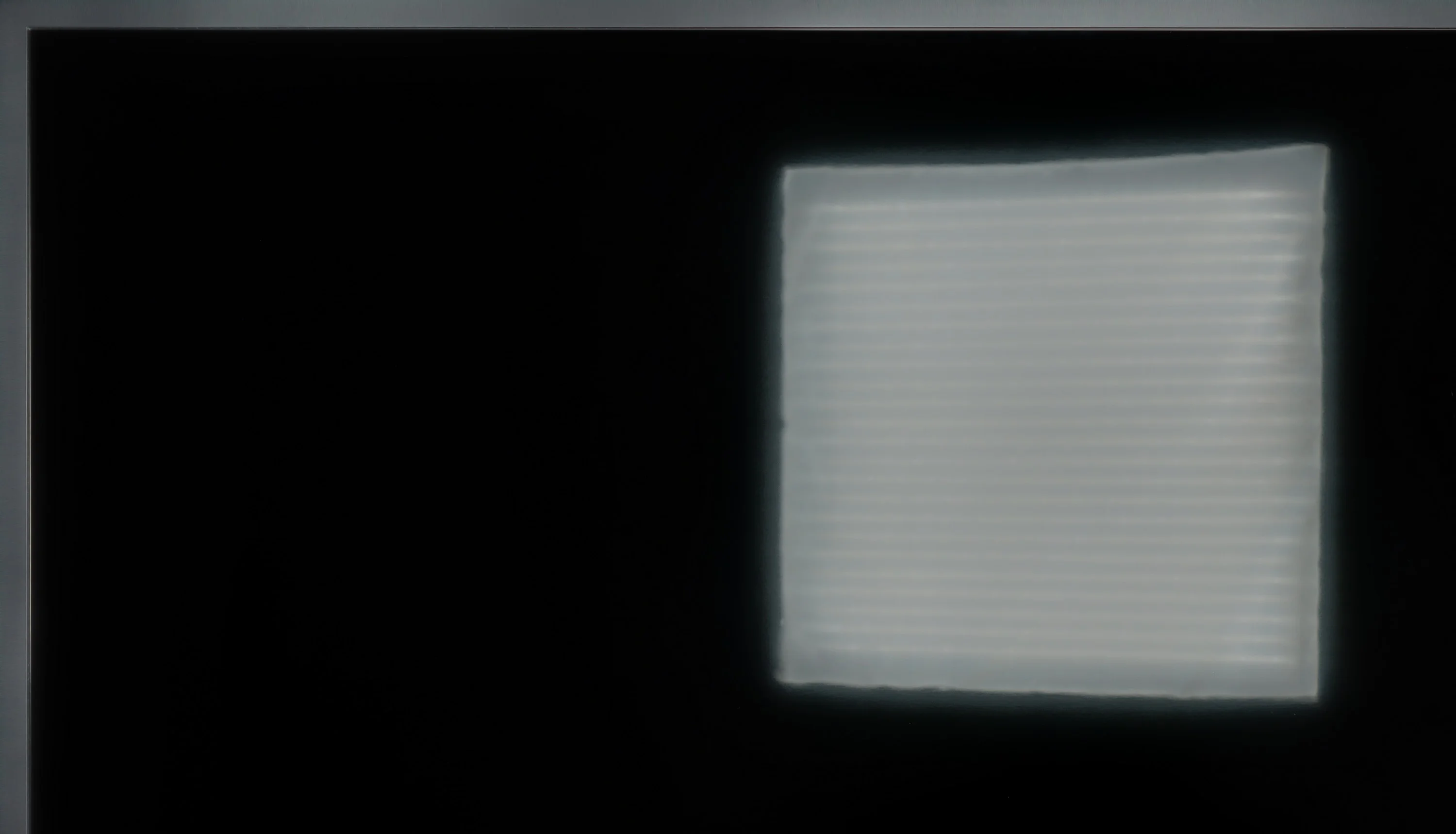
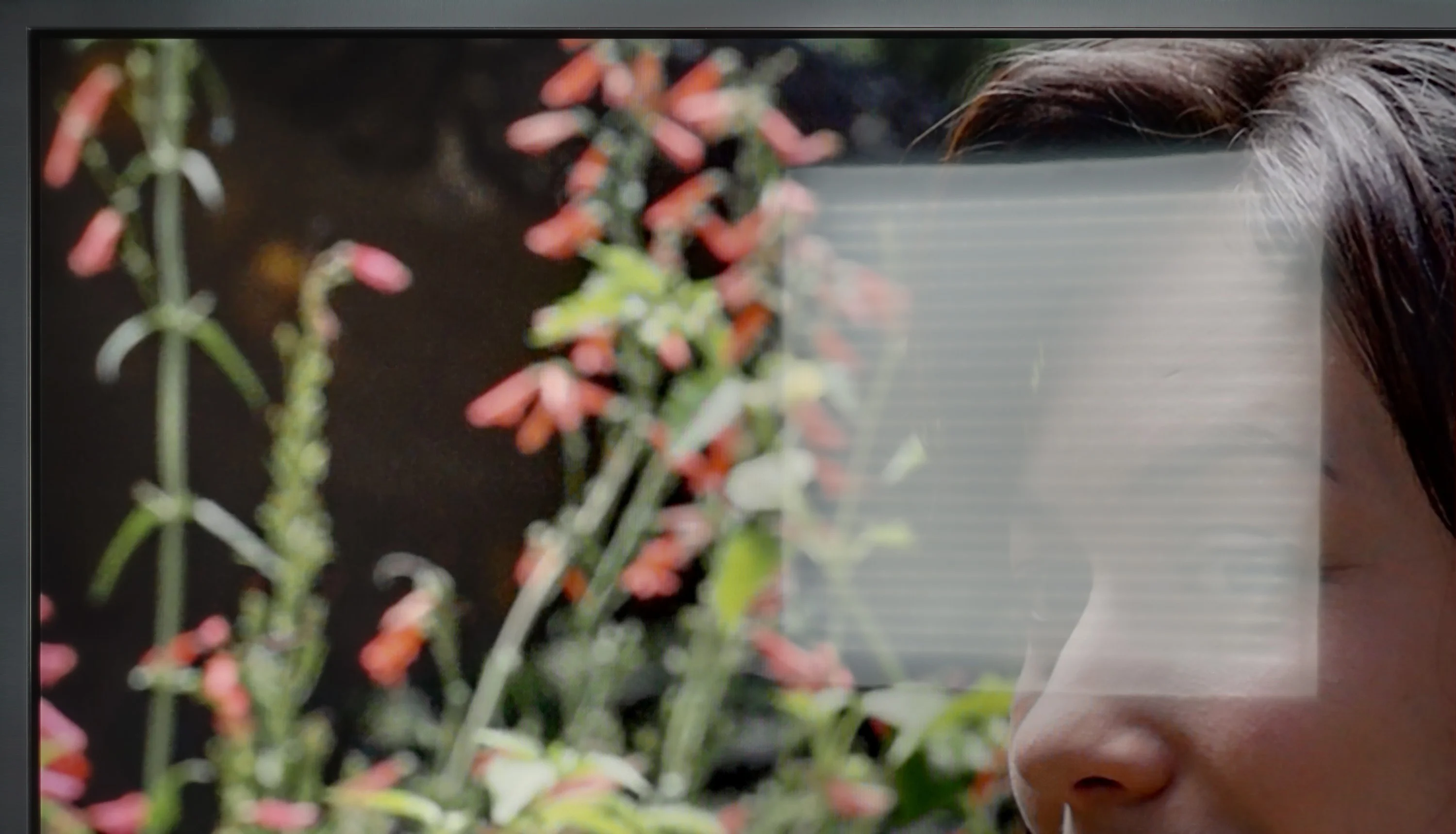
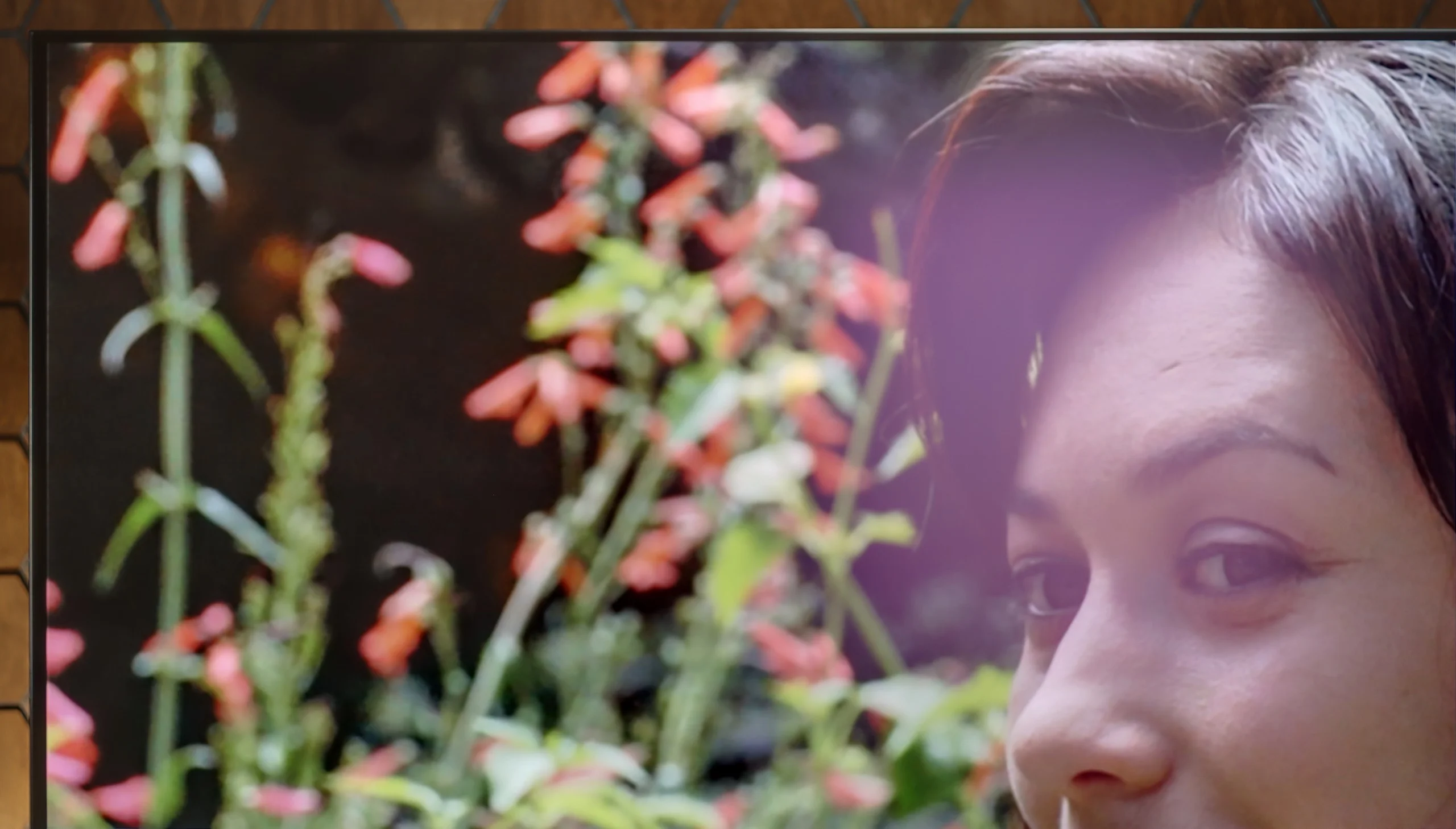
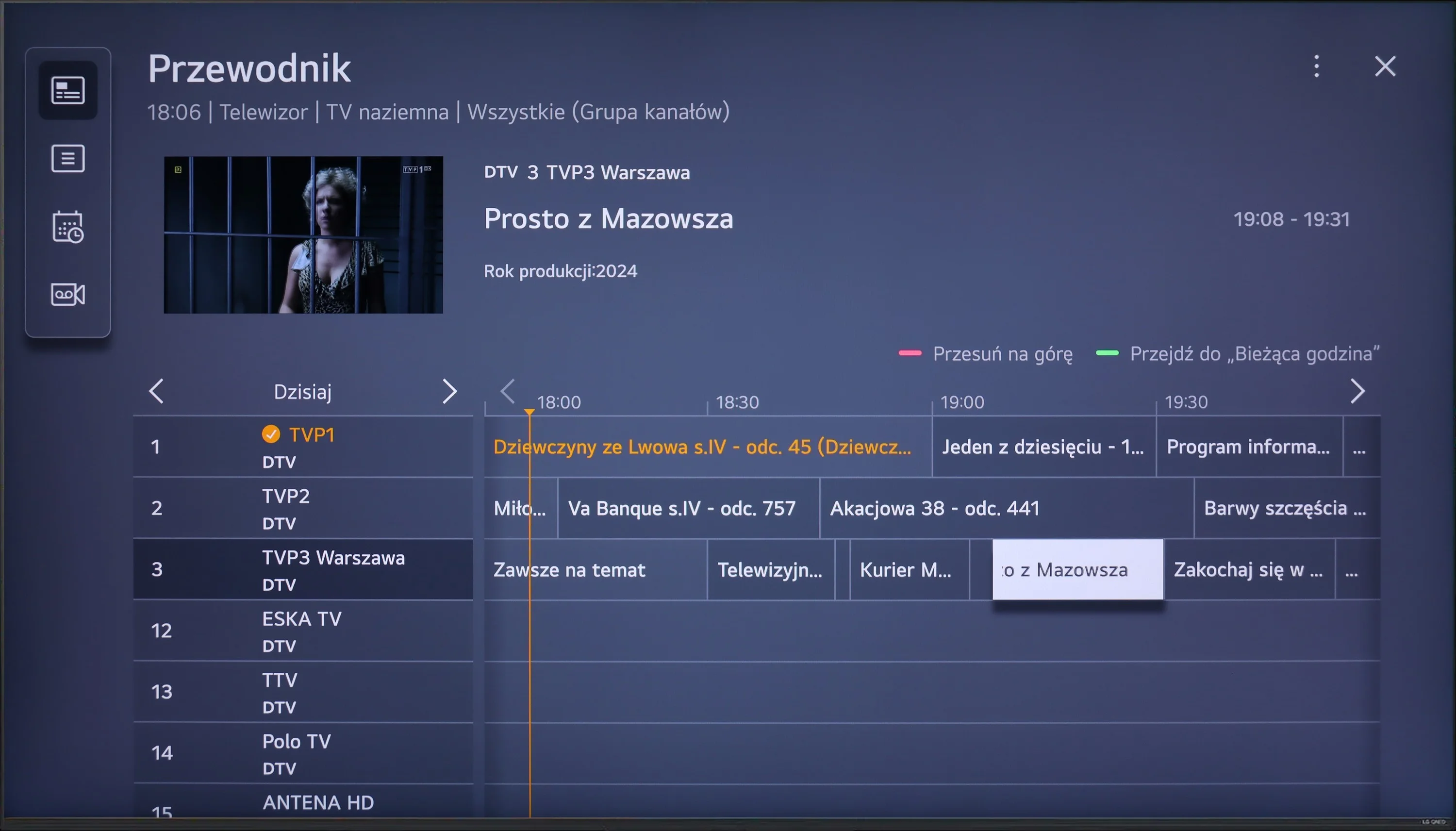
However, the LG QNED87T does have some limitations when it comes to high-quality content and home cinema use. Its contrast performance is weaker, and panel dimming issues can result in a lack of detail in dark scenes, particularly in low-light settings. While this may be less noticeable in bright or well-lit rooms, those seeking superior performance in dark environments may find these weaknesses more apparent.
Overall, the LG QNED87T is a versatile TV with modern features, making it a great option for everyday use and dynamic content, but it might not be the best choice for cinephiles or those seeking superior performance in dark rooms.
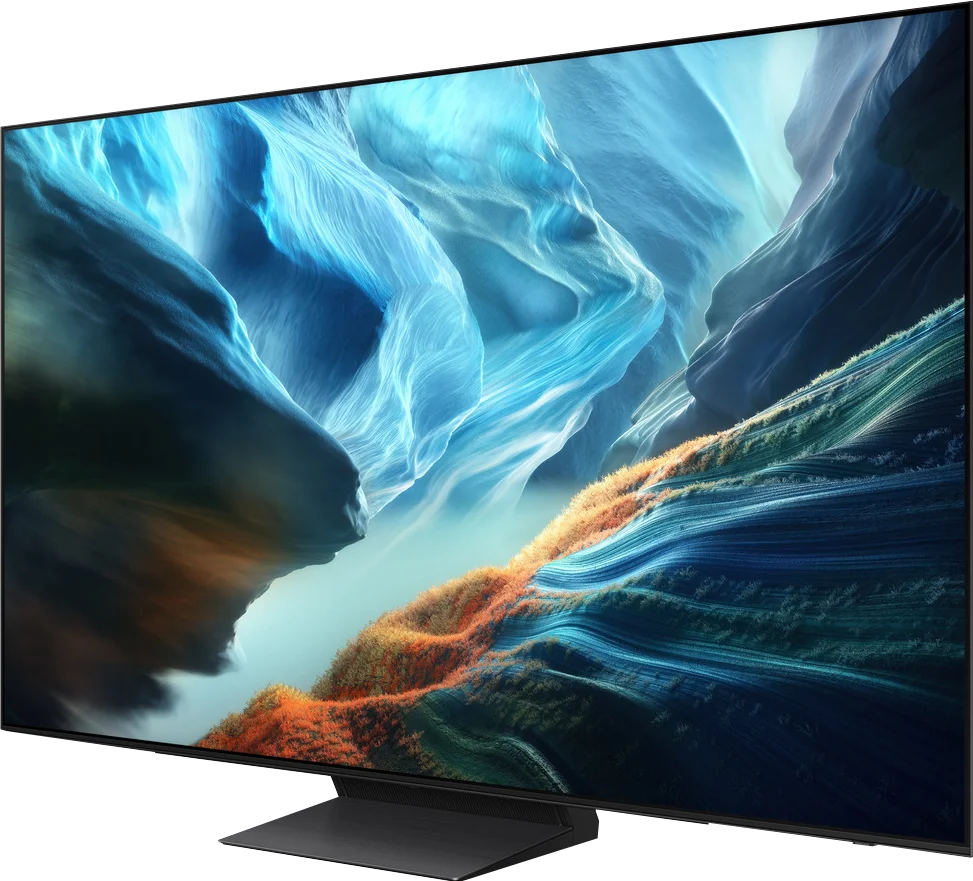
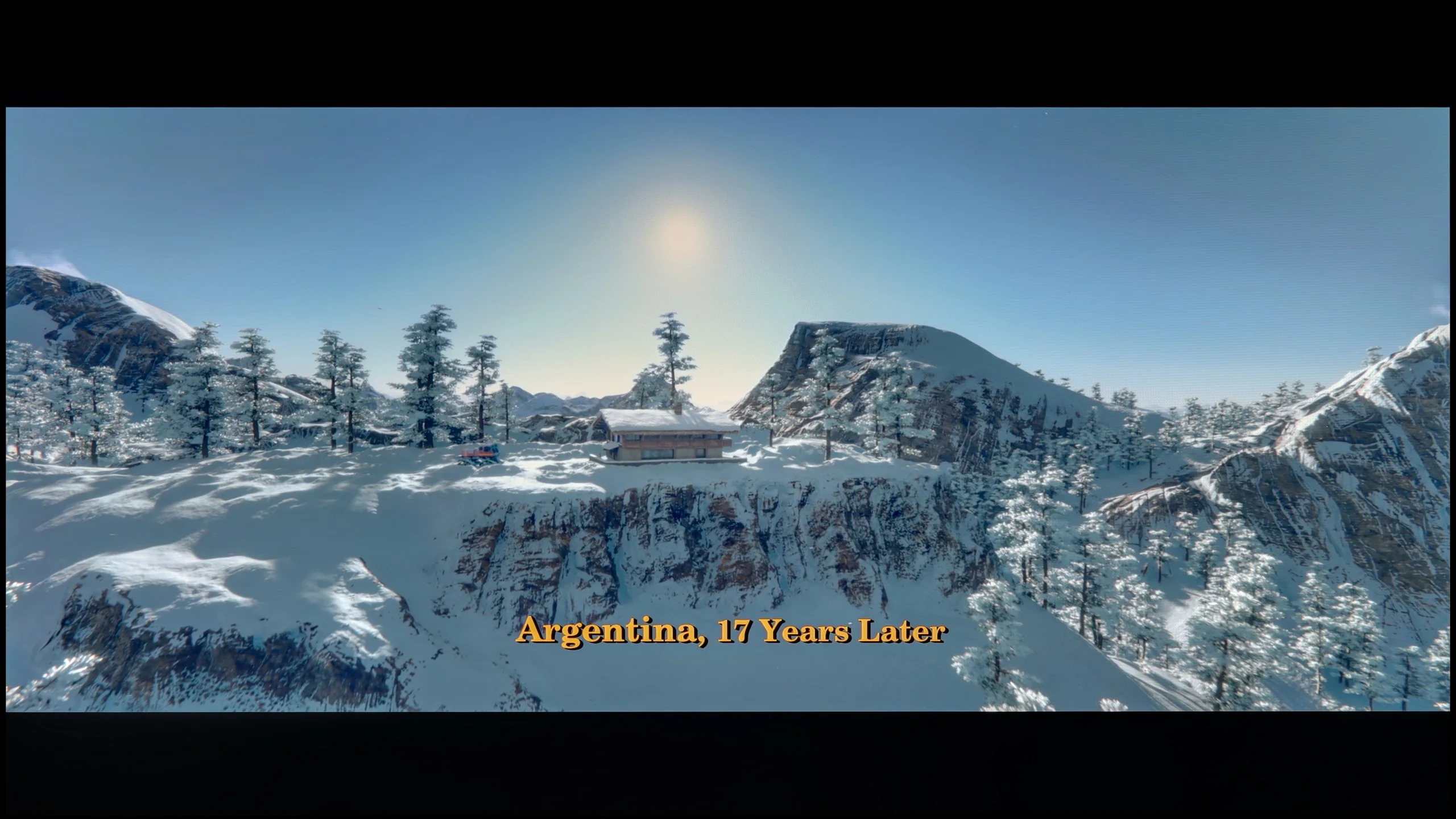
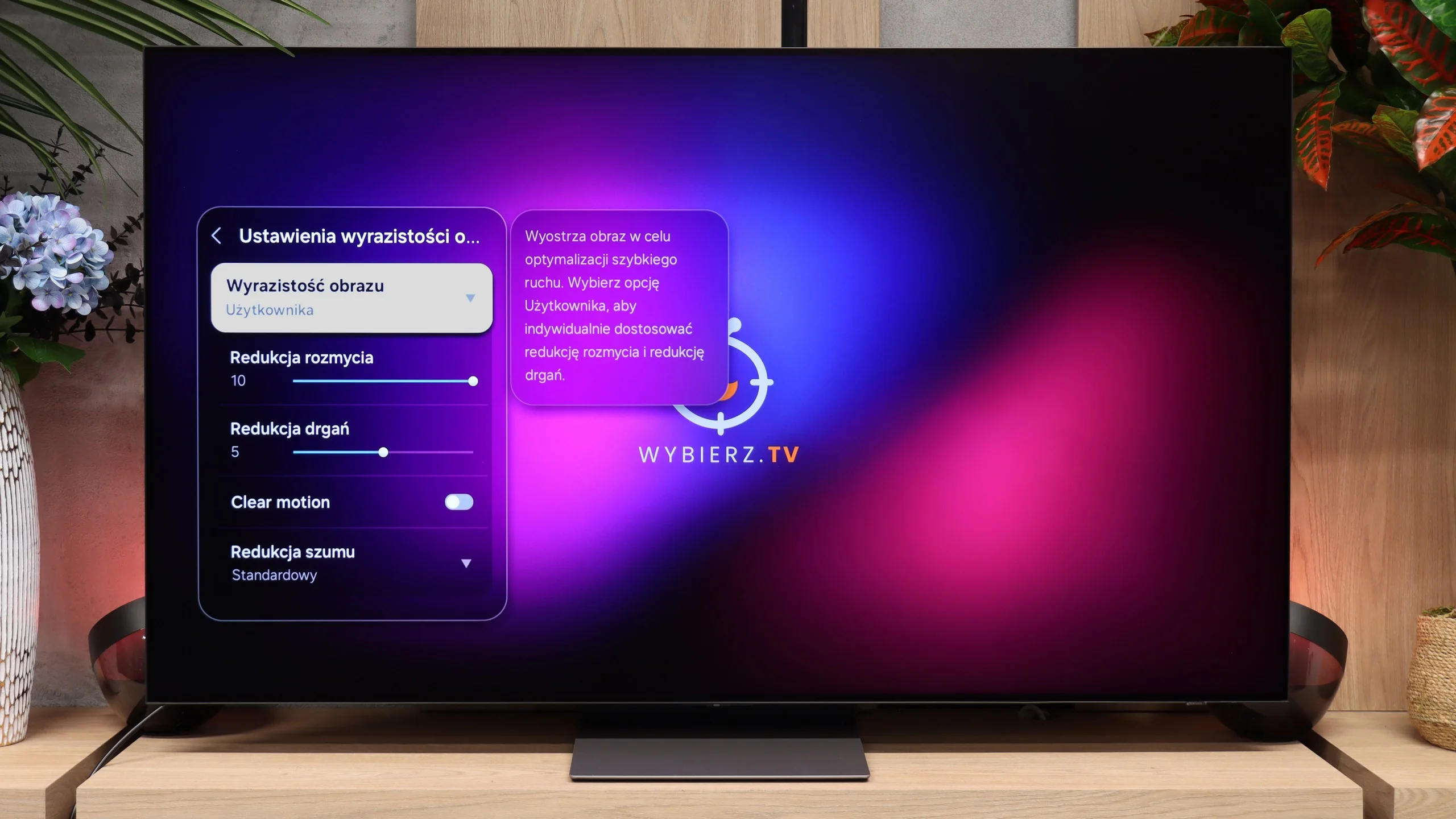
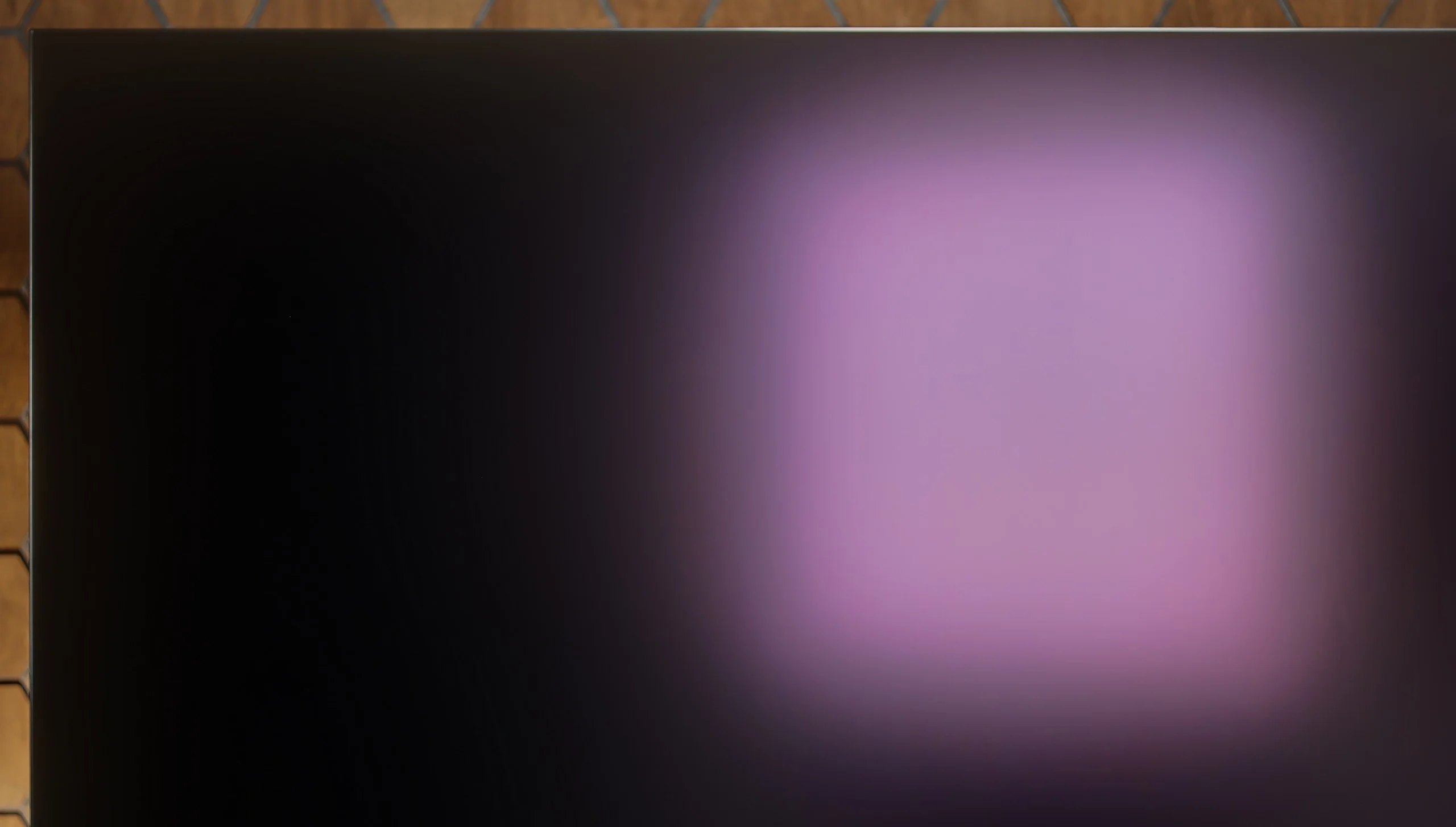
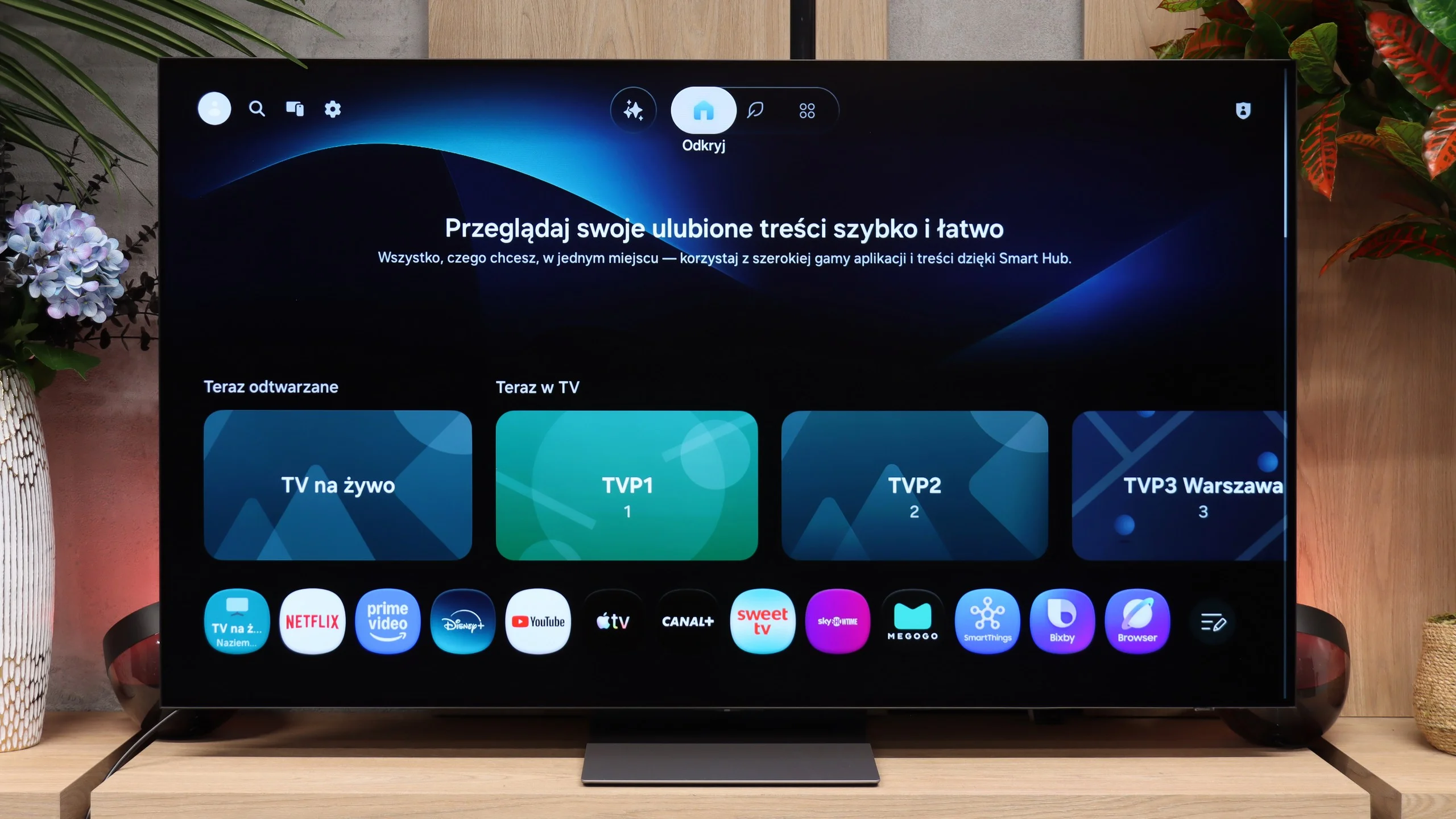
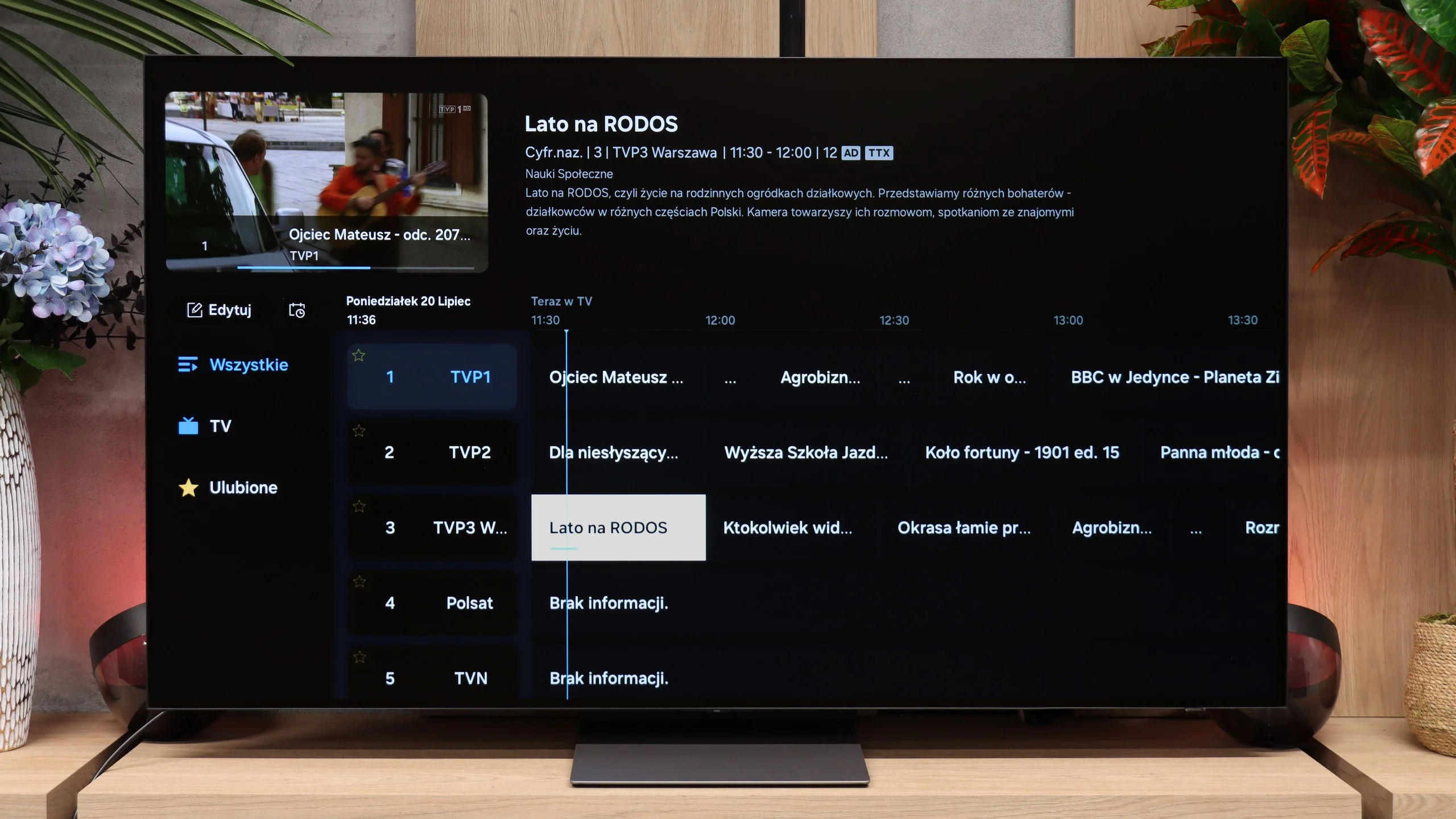
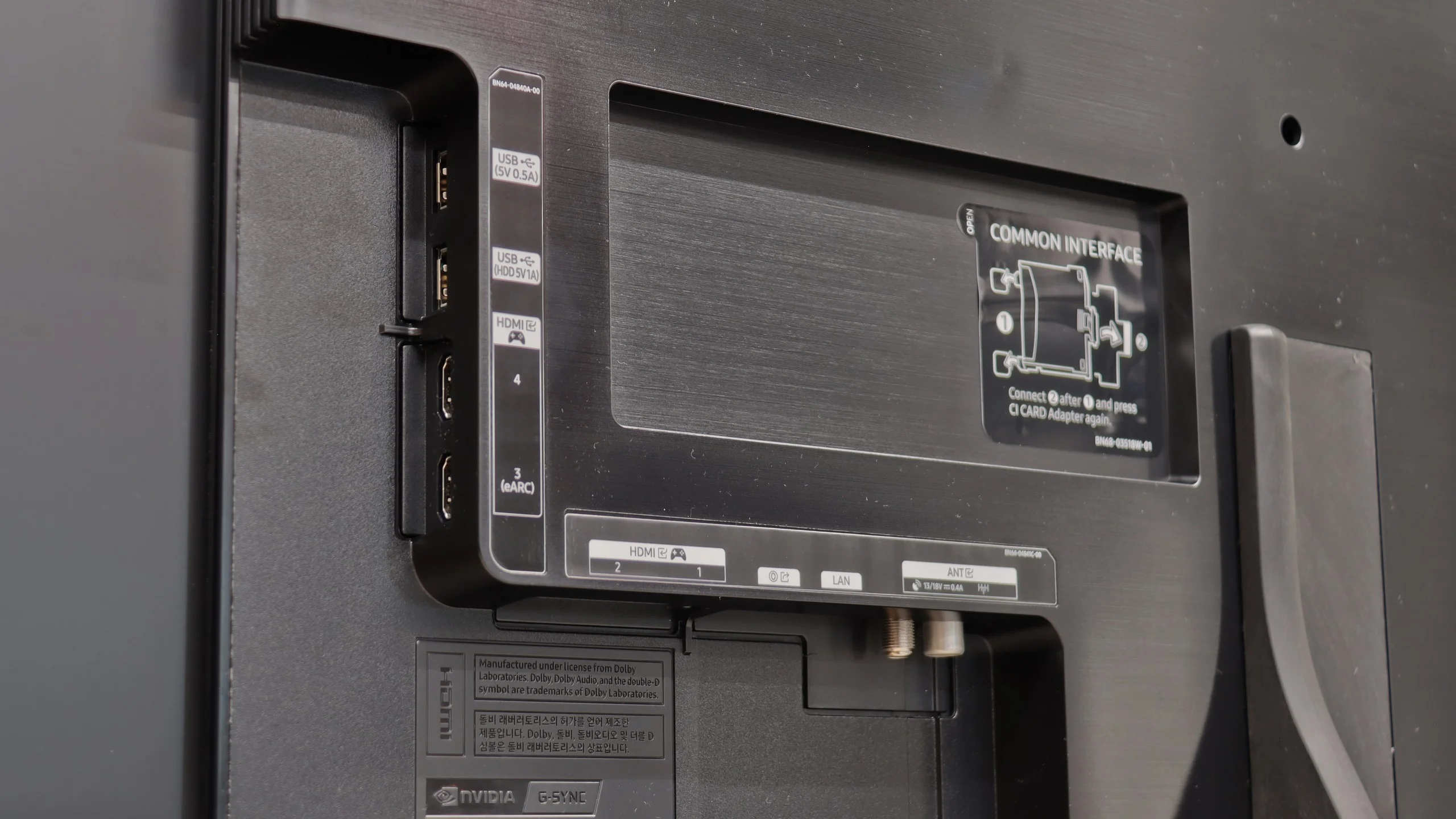
Samsung S90H is a TV that simply makes a spectacular impression. The combination of OLED's absolute blacks, high brightness, and excellent motion sharpness delivers a picture that's hard to look away from. And that's exactly what we expect from a good OLED TV. The matte anti-reflective coating also works very well. Reflections on a sunny day stop being a major problem, and thanks to the presence of a traditional polarizer black doesn't shift as much toward grayish-burgundy tones as with the QD-OLED variant. Add to that the blazing-fast Tizen, an excellent set of gaming features led by Game Motion Plus, and surprisingly good, full-bodied sound from the built-in speakers. Any weaknesses? Of course. Tone transitions aren't quite as perfect as on QD-OLED, and viewing angles remain slightly worse. In practice, though, these are mostly minor quibbles, especially since WOLED also has its own advantages, particularly in a bright room, where it preserves black levels and color saturation better. Overall, the QD-OLED variant still comes out slightly ahead, but this time the difference isn't as pronounced as it was a year ago. For most people that won't be the deciding factor when choosing a TV. So our advice is: rather than obsessing over the panel type, pick the size that best fits the room. Whether you buy the WOLED or QD-OLED version, you'll get a mature, versatile, and well-balanced TV. As every year, the S90H series has a guaranteed place among the most cost-effective OLEDs of 2026.
 Direct comparison