The LG QNED87T is a unique offering in the TV market, excelling in several key areas. Its excellent compatibility with consoles and PCs, along with impressive motion fluidity, makes it an appealing choice for gamers. The 120Hz panel, VRR, and ALLM ensure smooth and responsive gameplay, making it ideal for fast-paced games and sports viewing. The WebOS system, paired with the Magic Remote control, enhances daily convenience, providing an intuitive interface and access to a wide range of apps like Netflix, YouTube, and Amazon Prime Video.
The TV's IPS panel offers wide viewing angles, ensuring good image quality even from side seats, which is perfect for group viewing. Features like USB recording, PIP (Picture-in-Picture), and Bluetooth connectivity improve user experience and convenience.
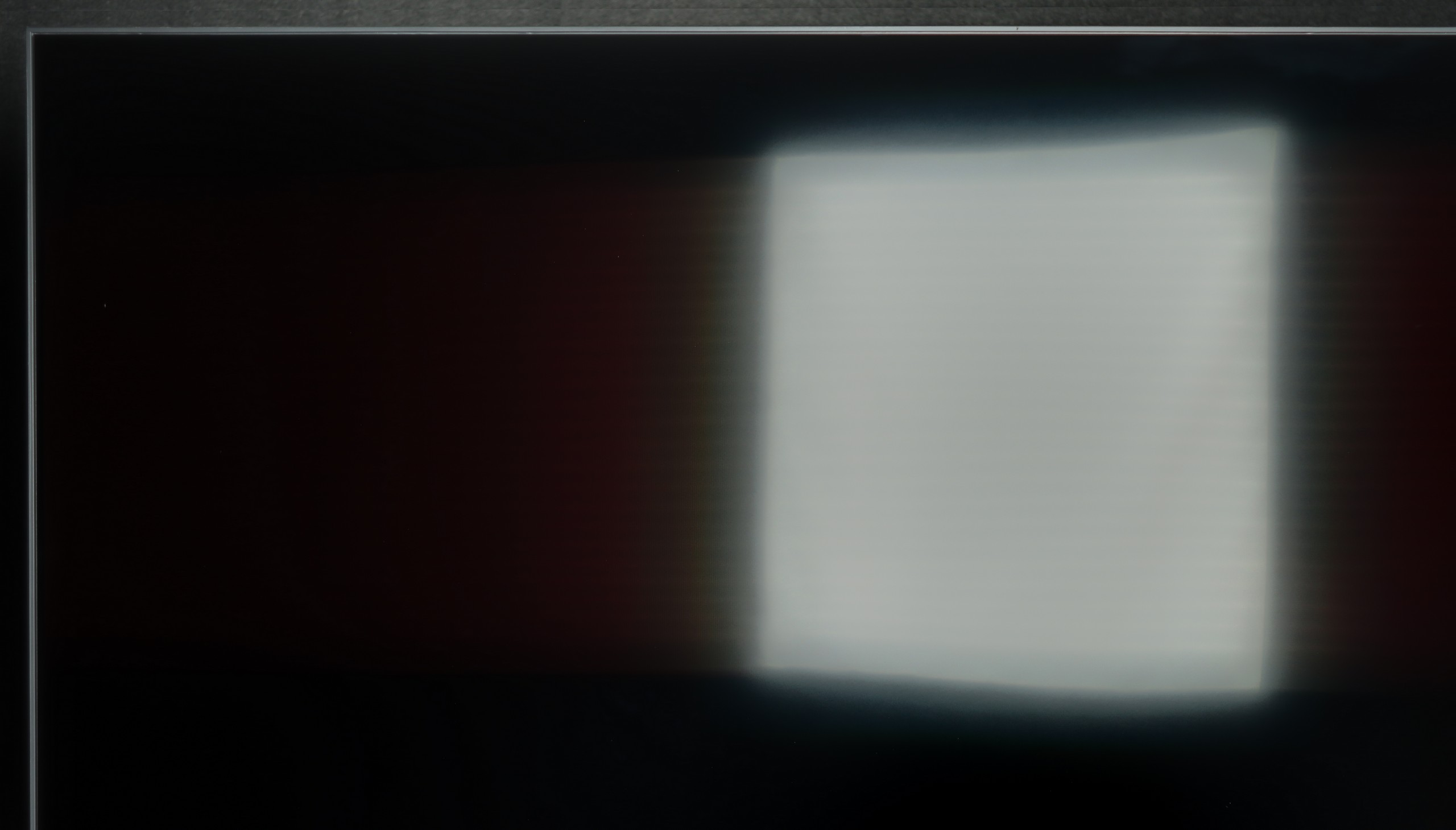
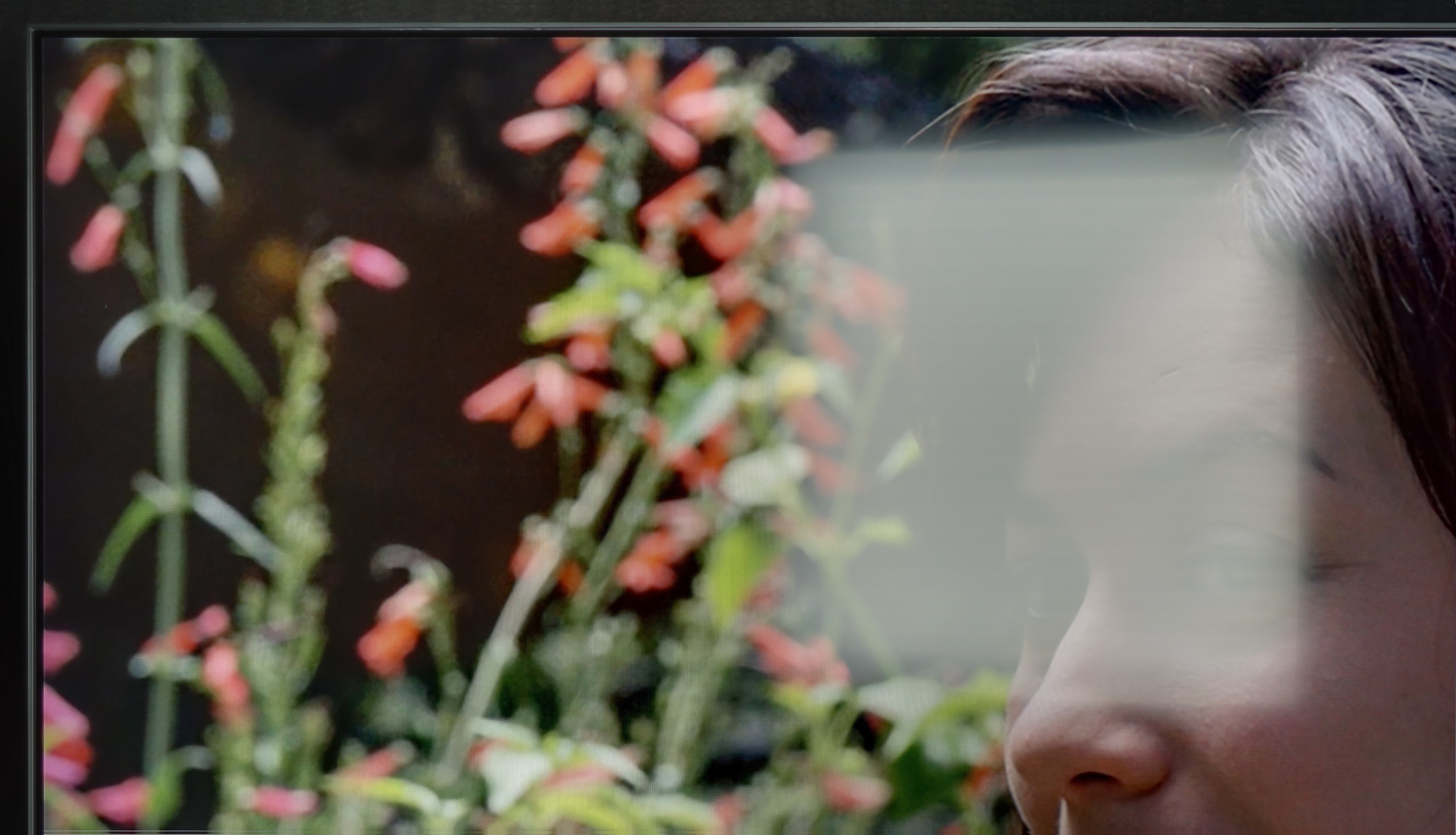
However, the LG QNED87T does have some limitations when it comes to high-quality content and home cinema use. Its contrast performance is weaker, and panel dimming issues can result in a lack of detail in dark scenes, particularly in low-light settings. While this may be less noticeable in bright or well-lit rooms, those seeking superior performance in dark environments may find these weaknesses more apparent.
Overall, the LG QNED87T is a versatile TV with modern features, making it a great option for everyday use and dynamic content, but it might not be the best choice for cinephiles or those seeking superior performance in dark rooms.
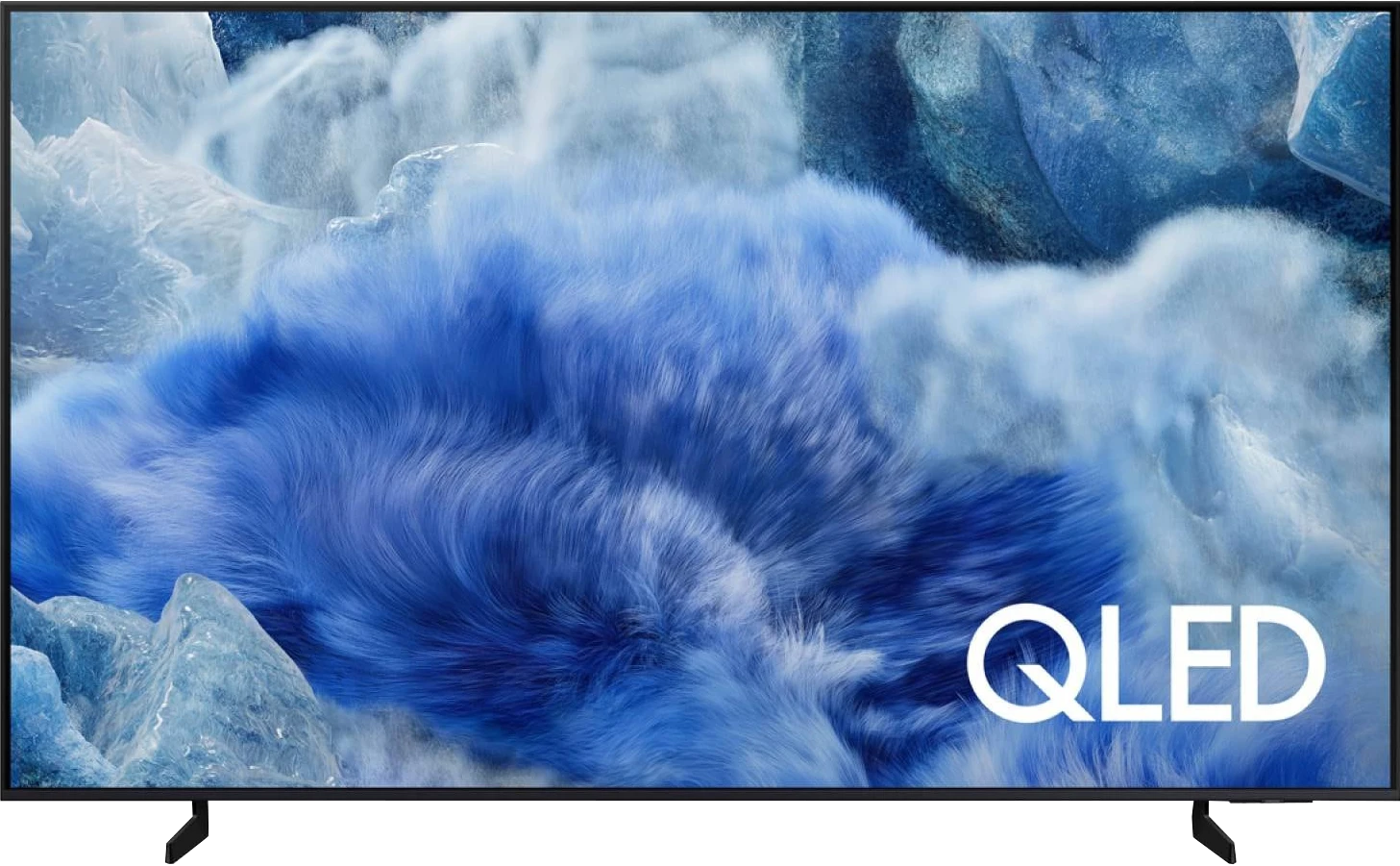
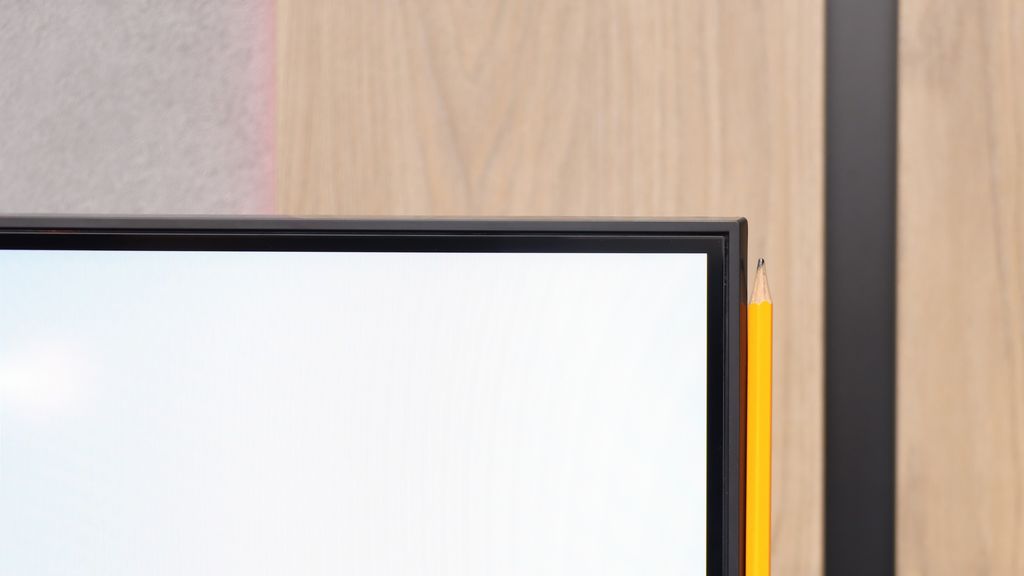
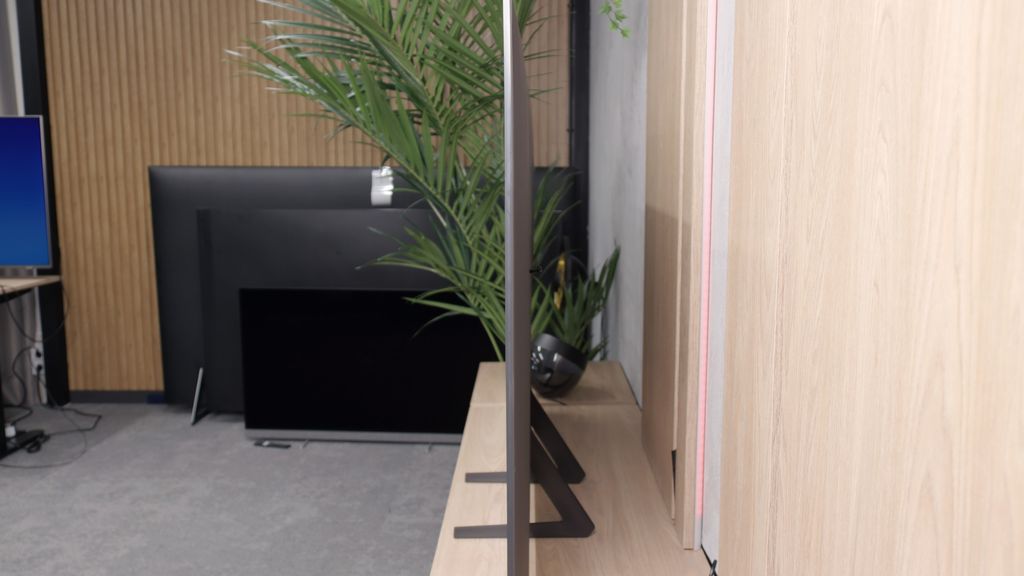
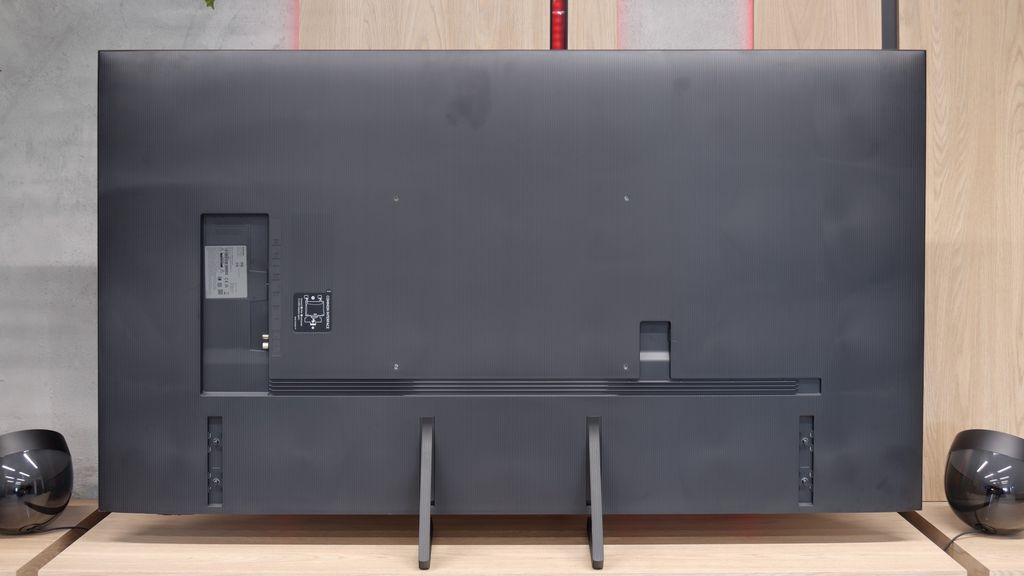
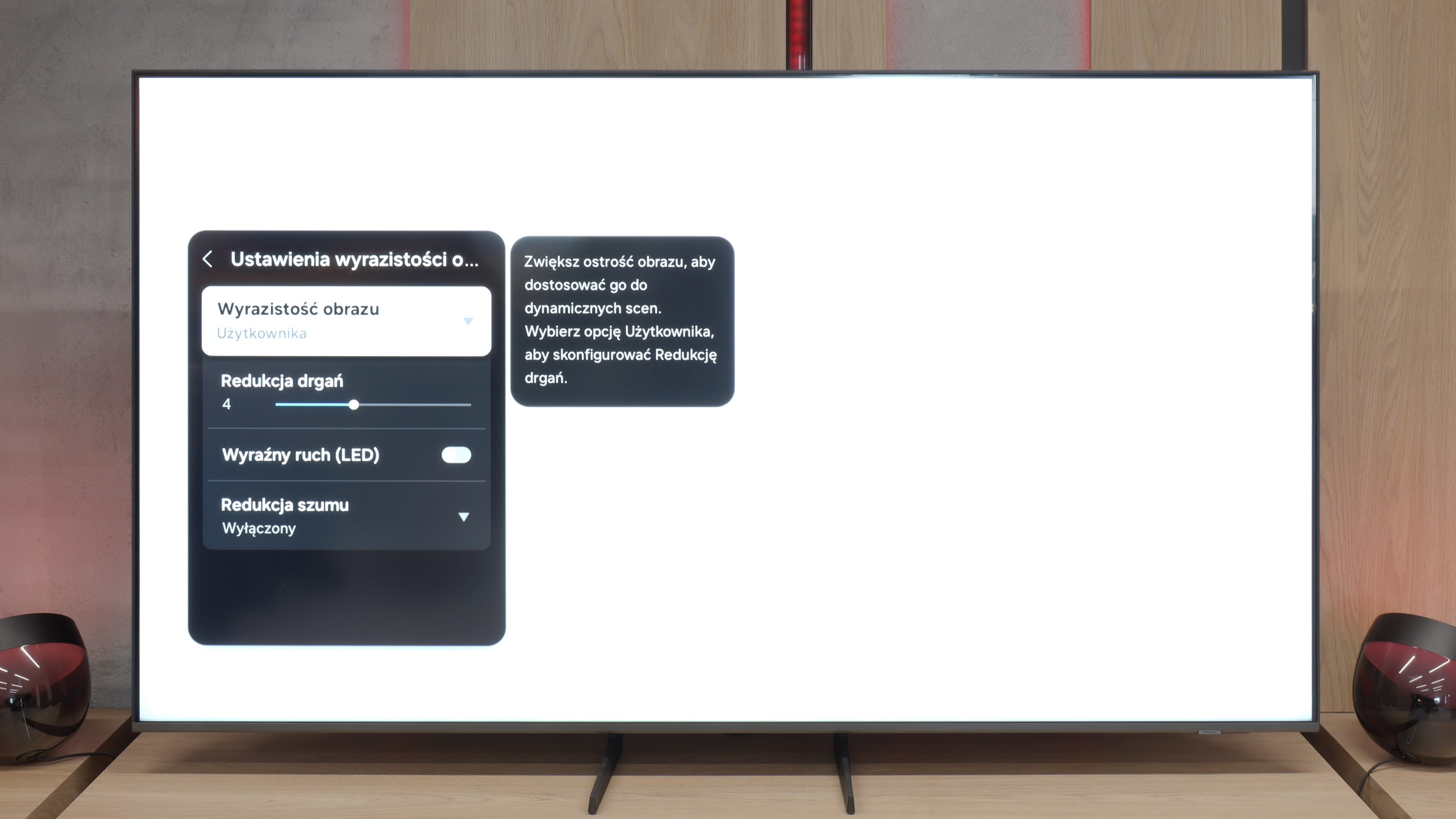
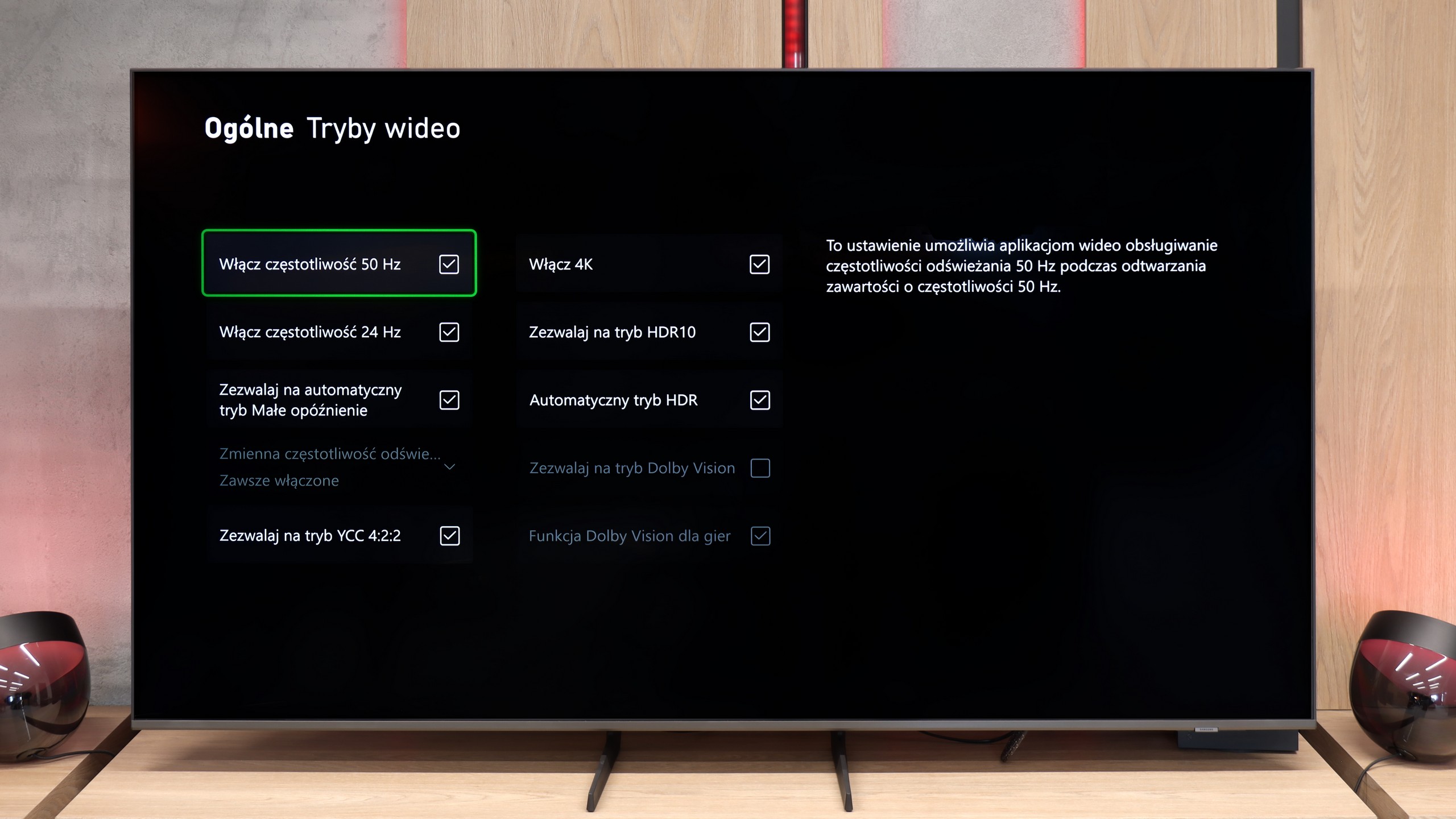
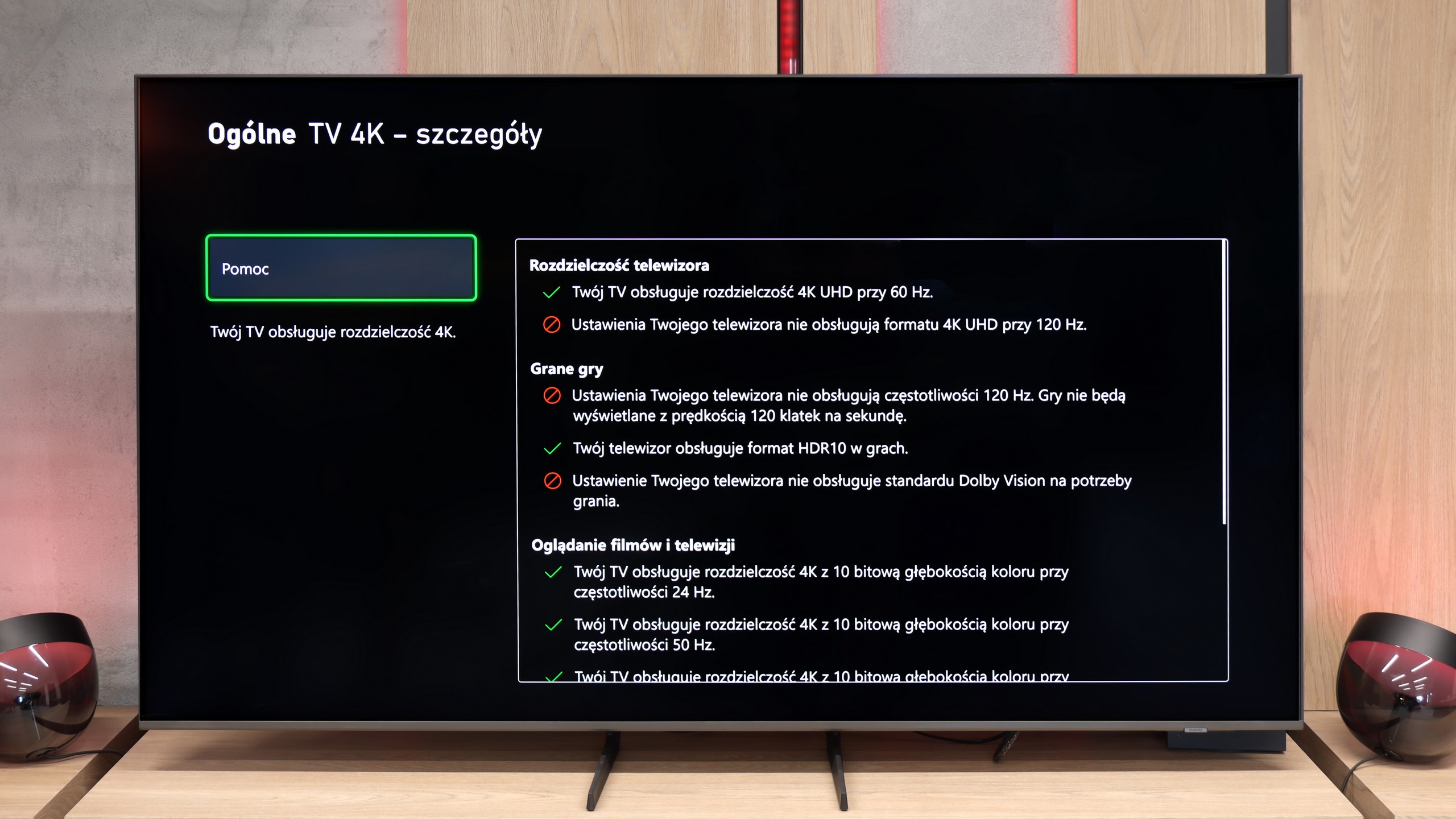
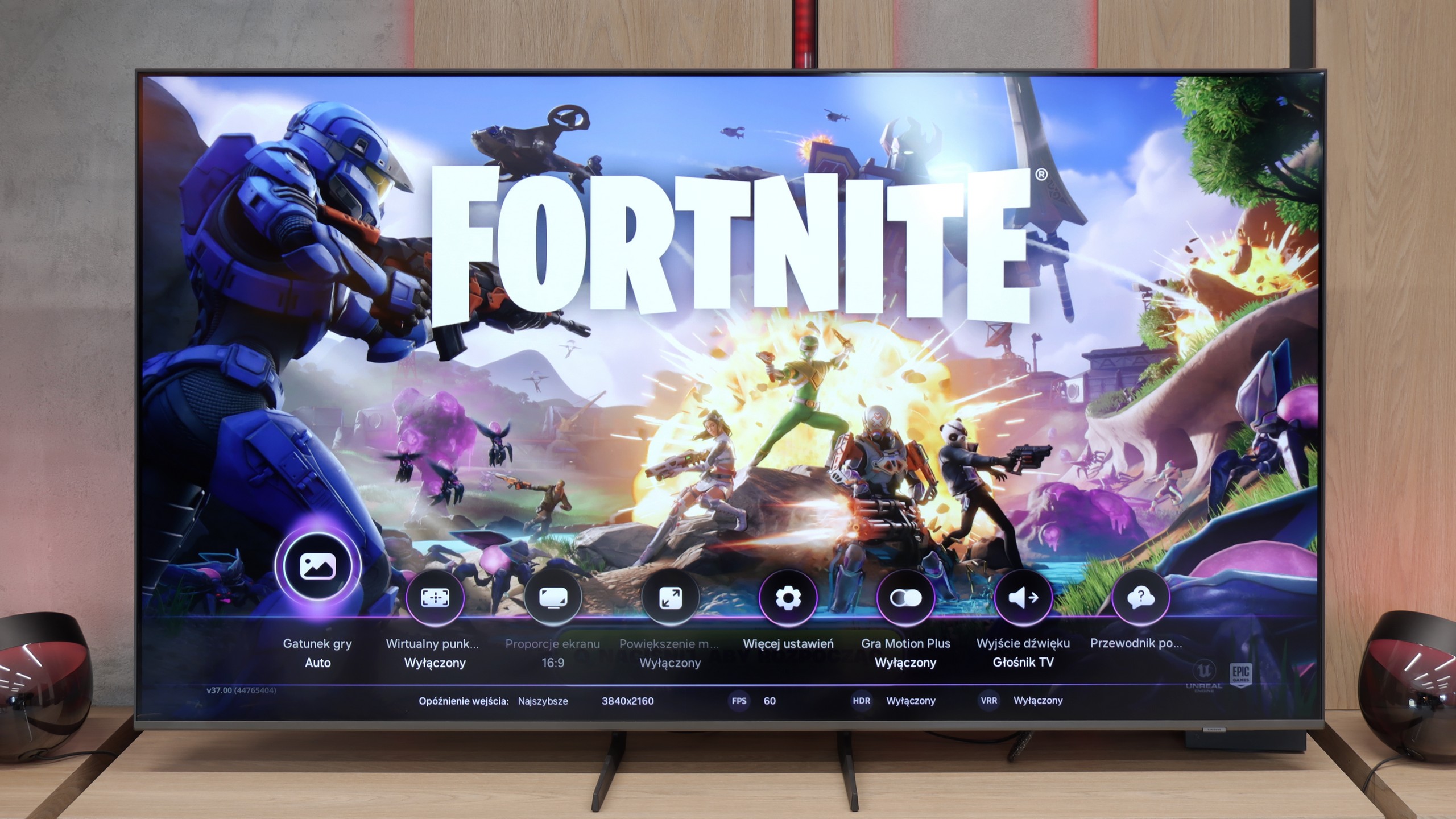
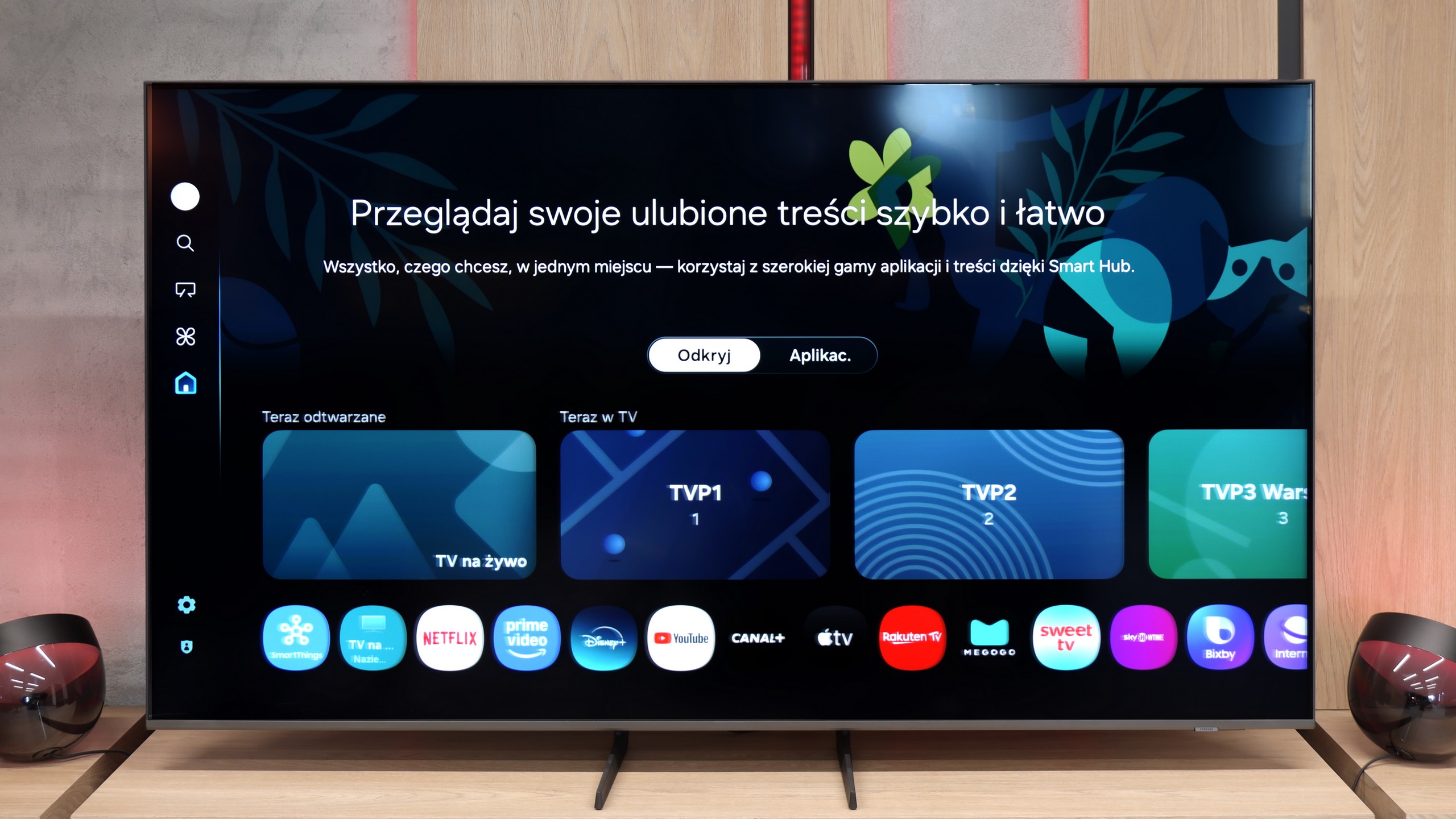
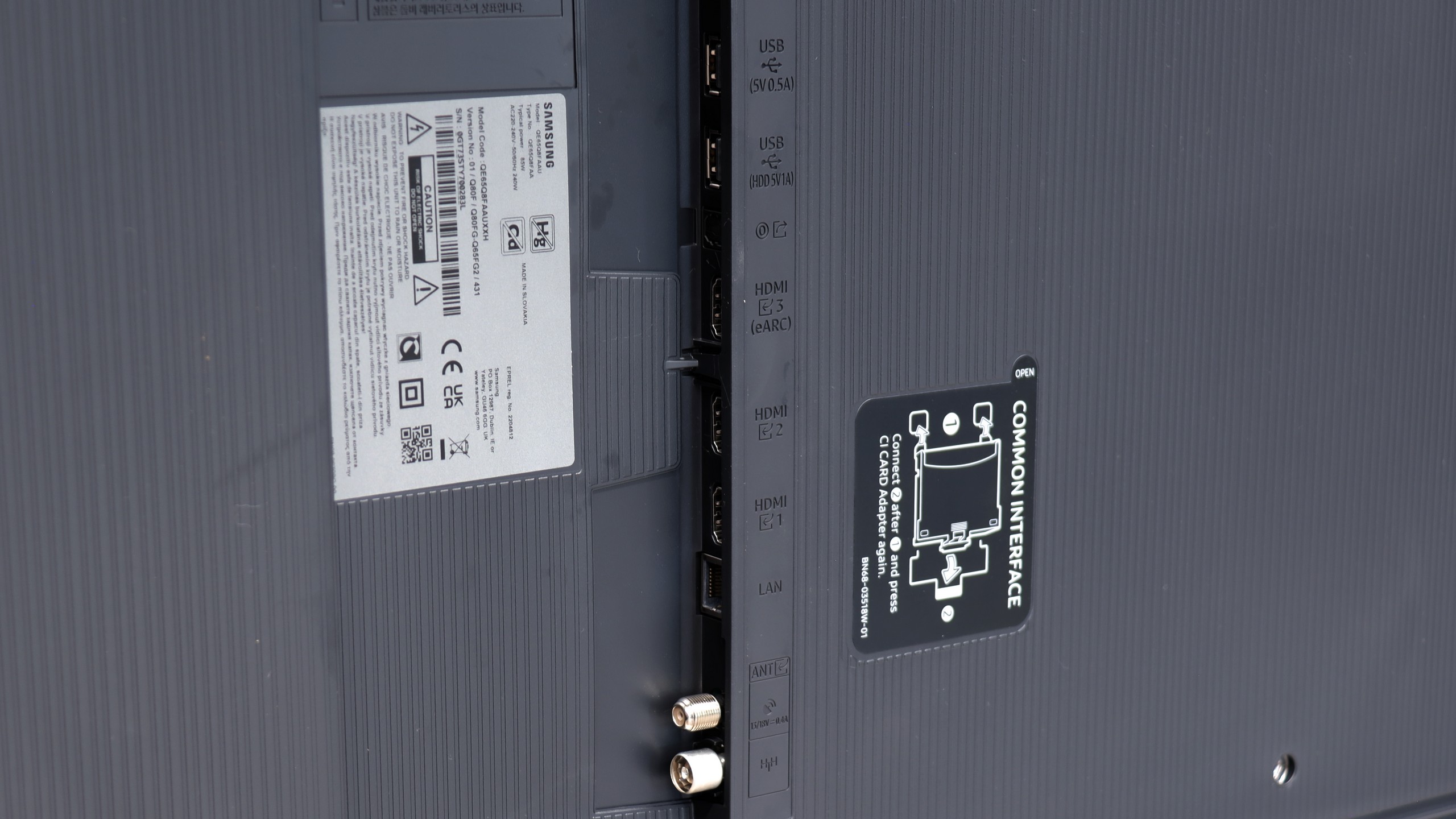
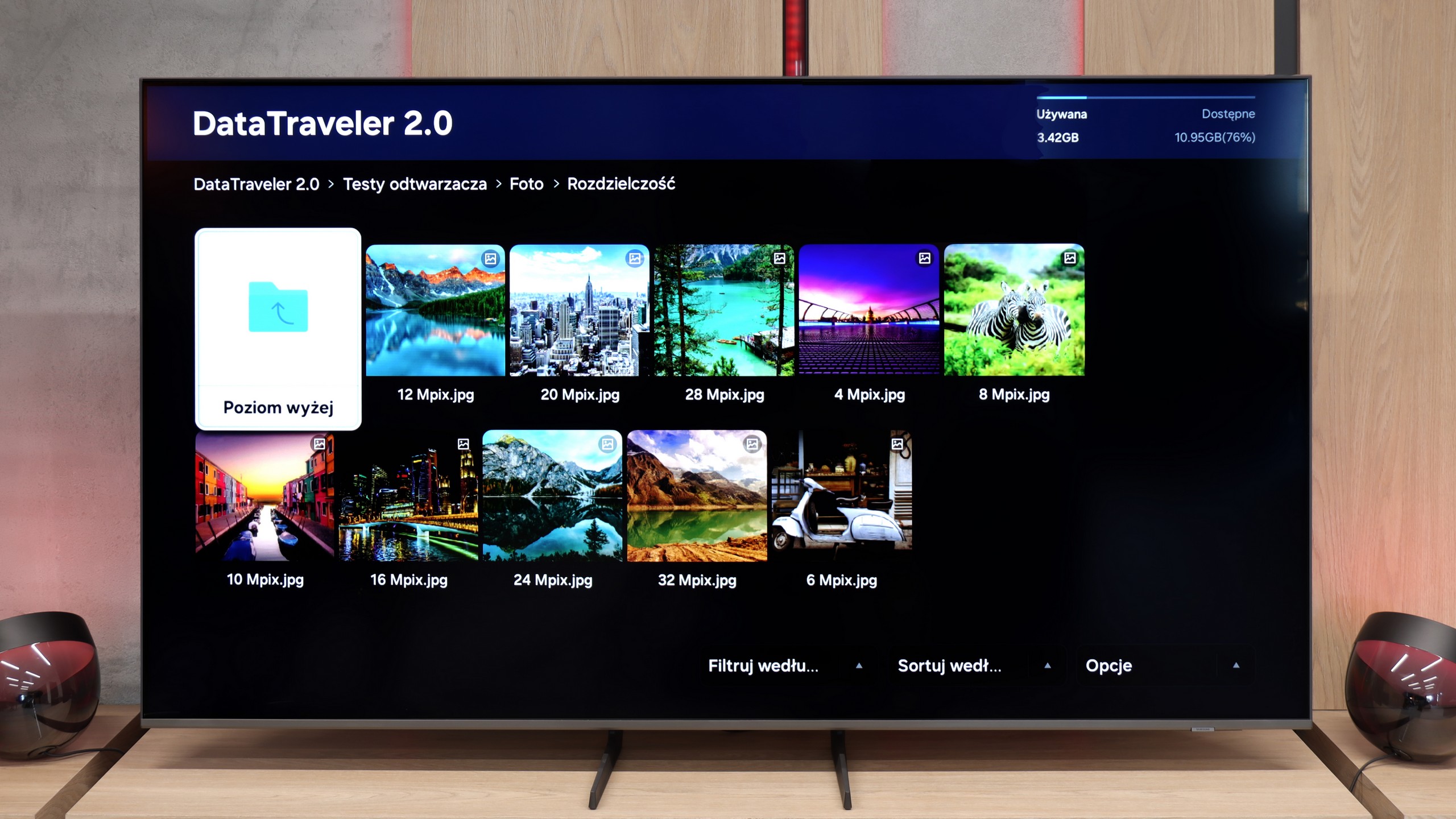
Samsung Q8F is quite a successful continuation of the Q67D model. It offers similar picture quality in HDR content, and with a brightness of around 500 nits, it can create an effect that is hard to call average. It is also aided by support for the HDR10+ format, which has been realistically competing with Dolby Vision for some time and provides comparable experiences in many productions. The contrast is also a plus—given its VA panel, it performs solidly and allows for pleasant blacks in movies and series. However, the biggest advantage of the Q8F remains the operating system. Tizen works quickly, provides access to many applications, and integrates well with the SmartThings ecosystem, making it easy to connect the television to a larger network of home devices. Interestingly, the Q8F also has some niche use—thanks to its very good font readability, it works great as a screen for text work. Additionally, the adjustable stand allows the TV to be positioned on practically any desk or narrower TV cabinet. The biggest drawback, in our opinion, is not the image quality itself—because in this price range it's hard to expect miracles—but rather what has happened to the features for gamers. In fact, the manufacturer even boasts about the availability of these features in its catalog. This makes it difficult to recommend the Q8F to anyone planning to hook up a console and expecting full support for new technologies. Thus, the Q8F is a TV that can please—primarily with its design, above-average picture quality, and efficient Tizen system. But at the same time, it shows a step back compared to its predecessor. Let’s hope that Samsung can quickly rectify these shortcomings, as otherwise, even such a successful “everyday” TV may leave some users feeling unsatisfied.
[UPDATE] We have updated our 2025 Samsung TV reviews following the release of firmware version 1131, which officially restores the essential HGiG (HDR Gaming Interest Group) support.
 Direct comparison