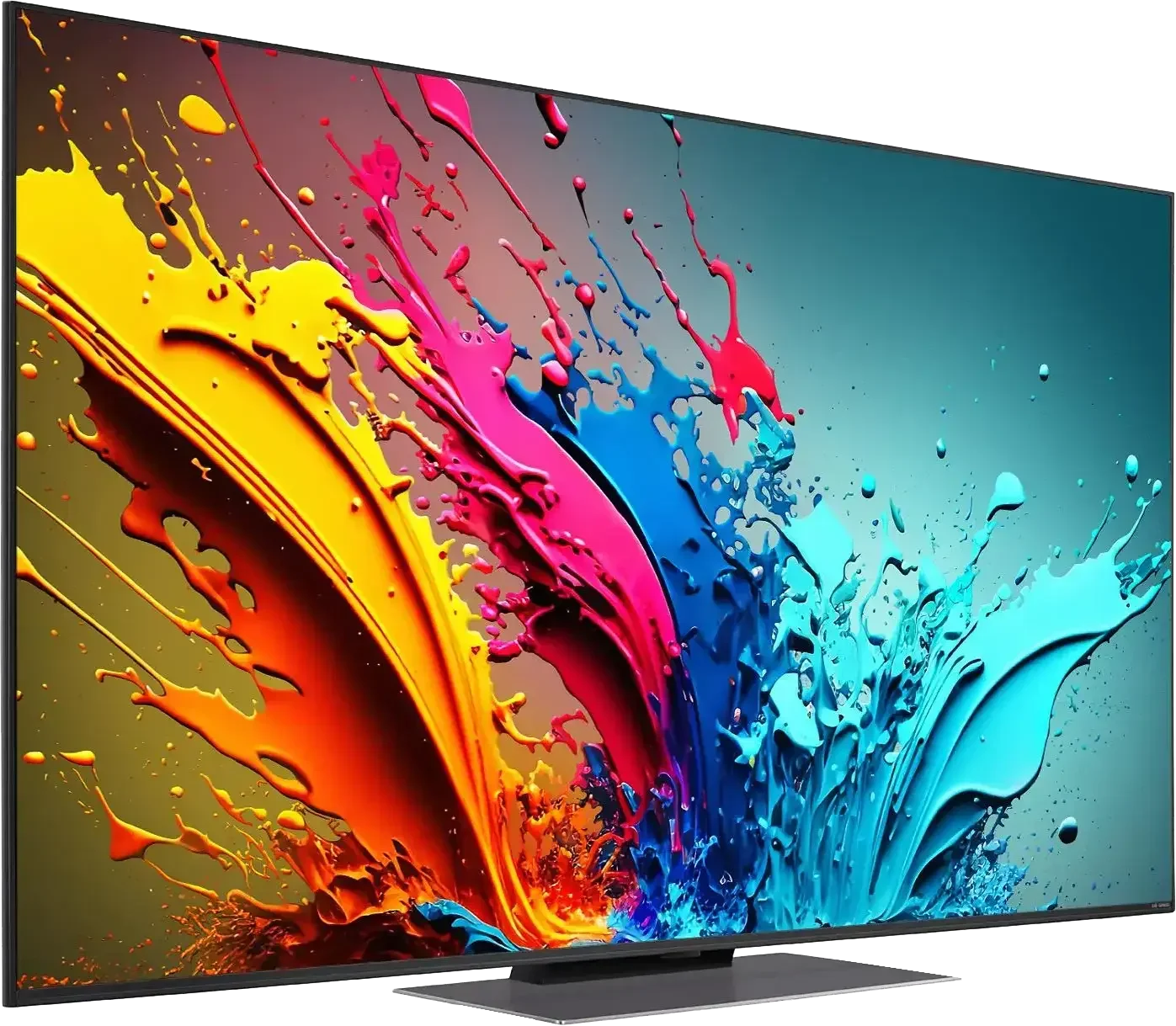
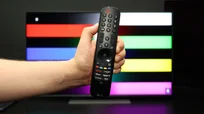
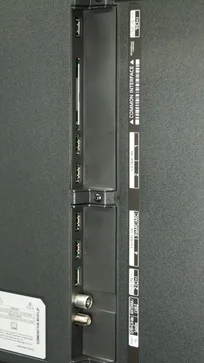
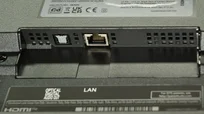
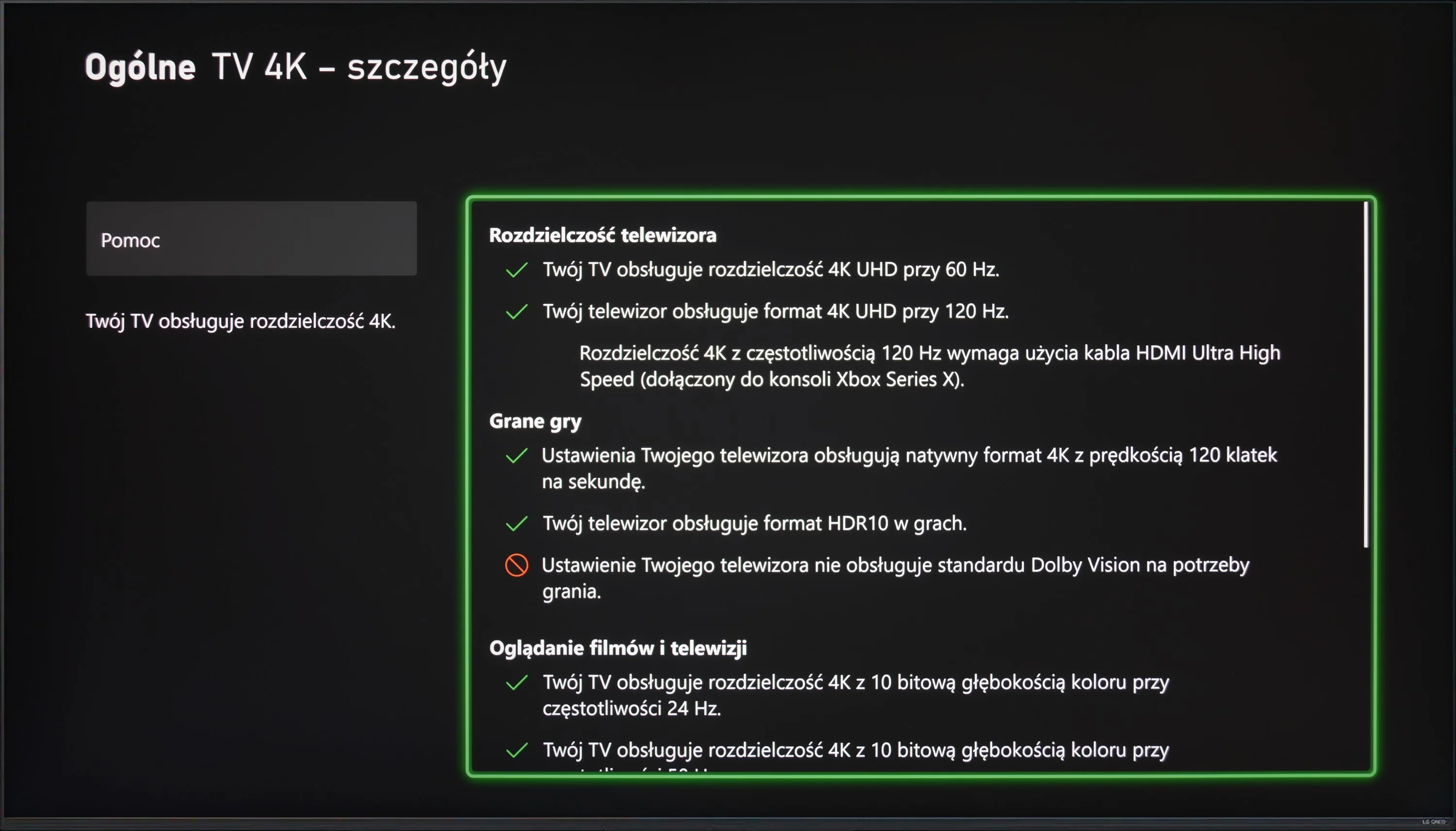
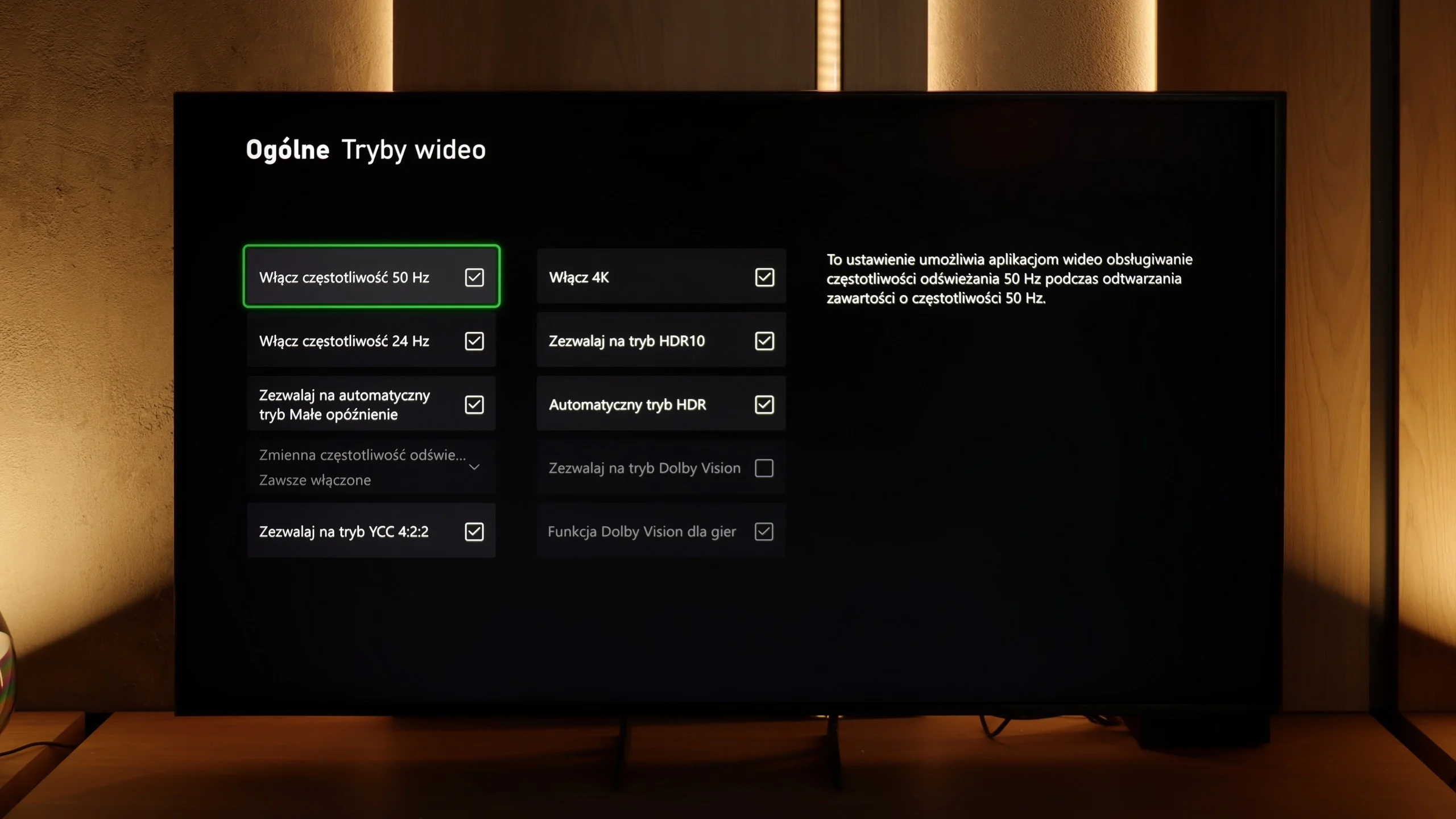
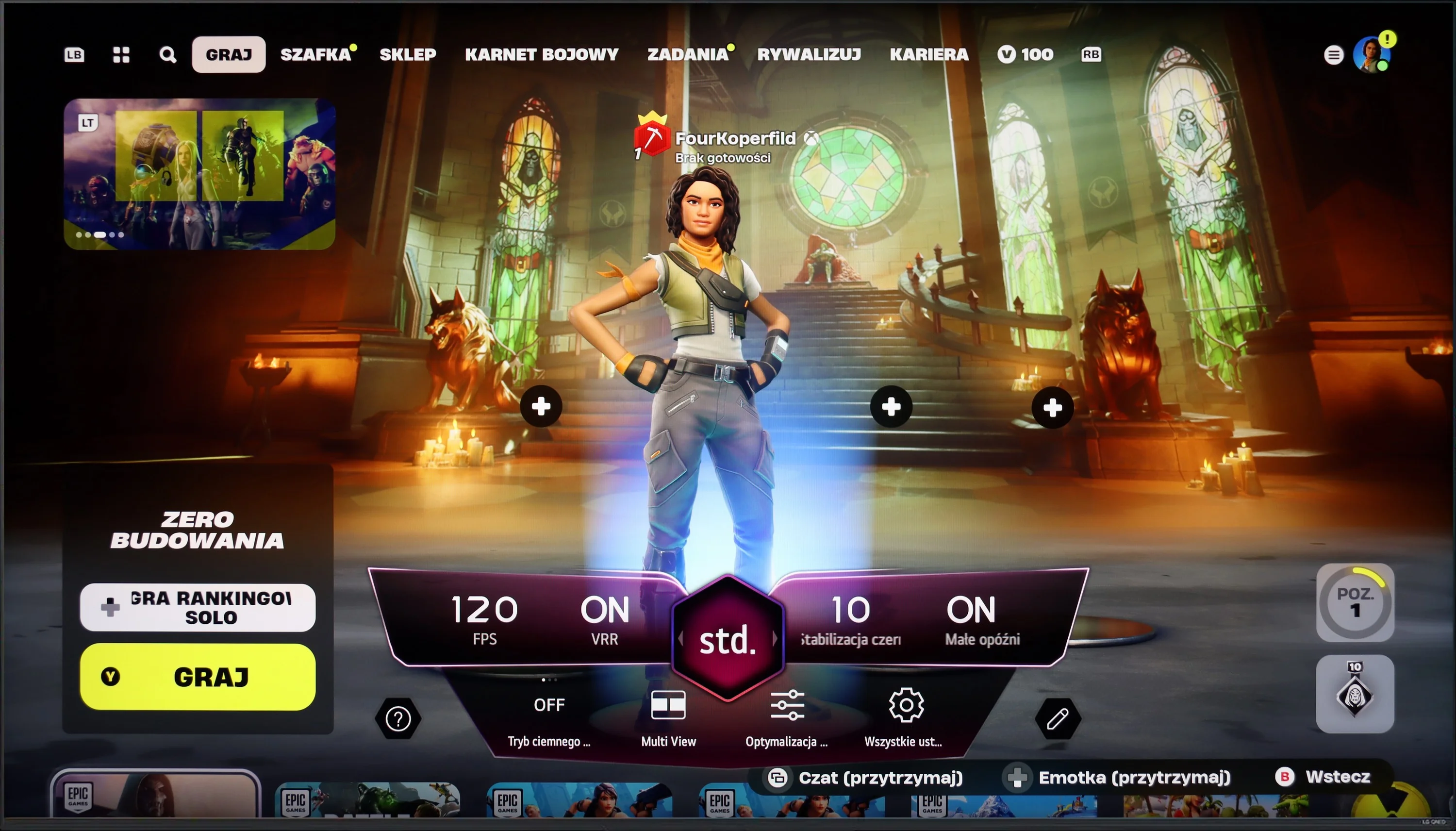
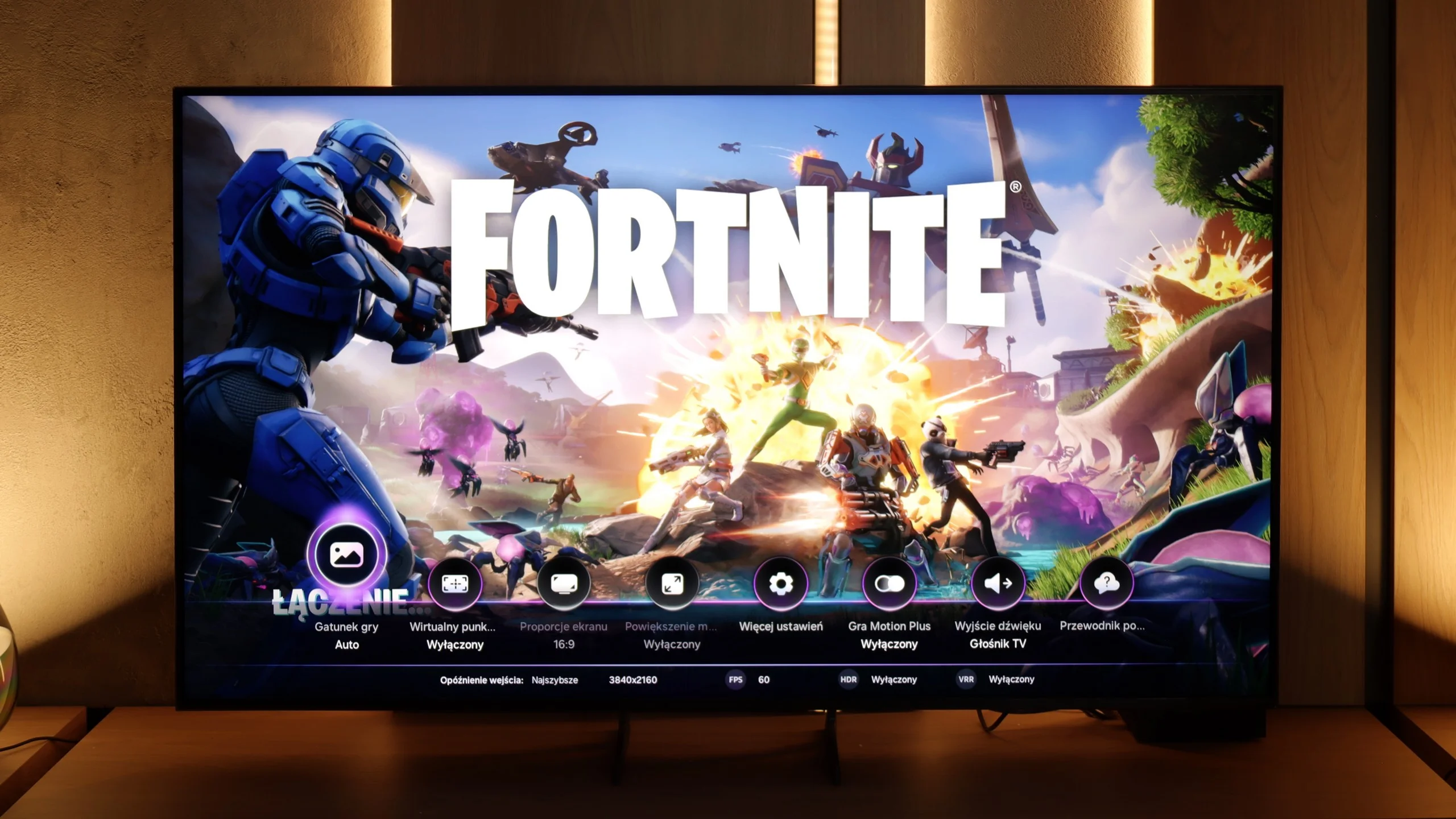
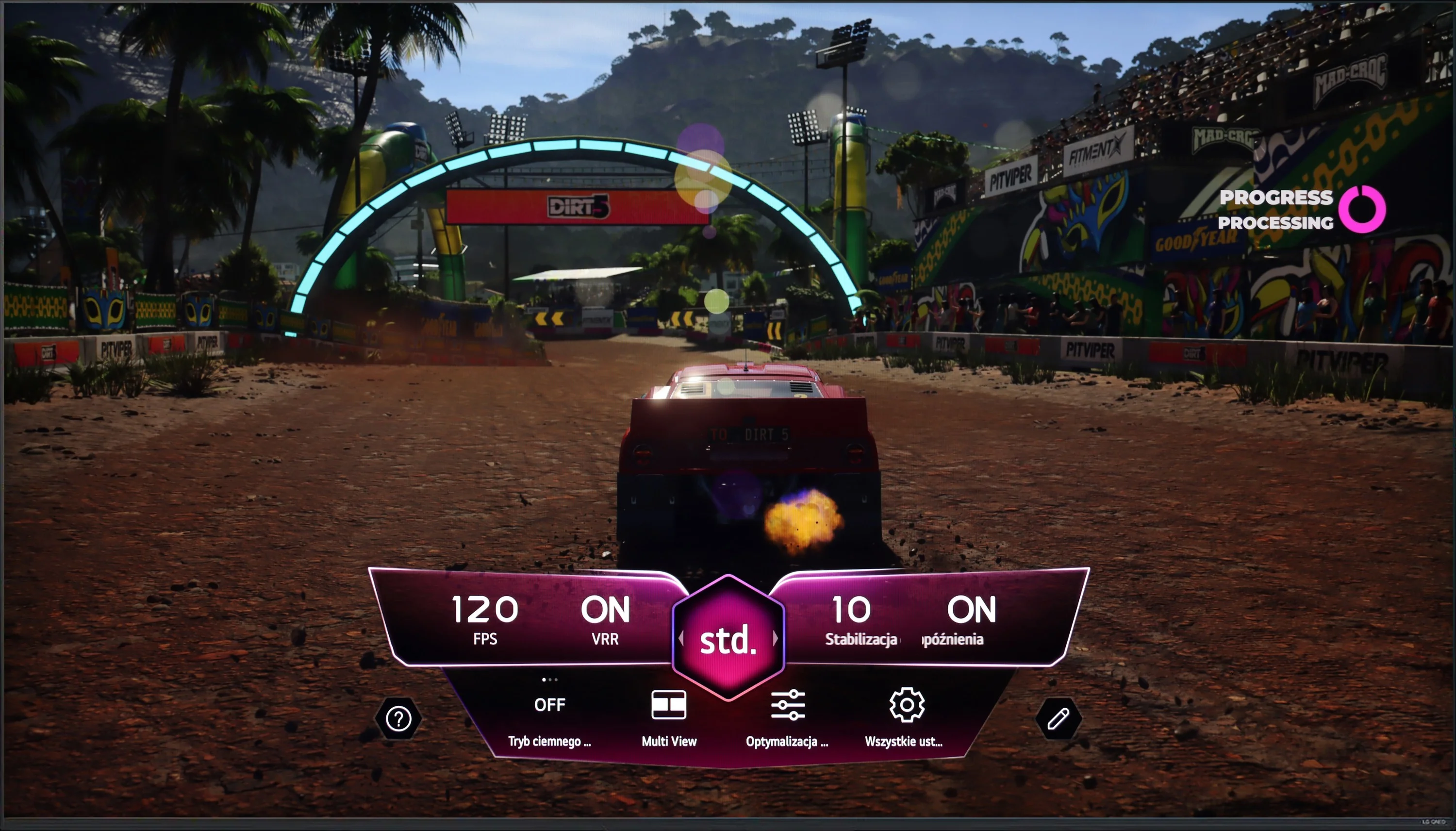
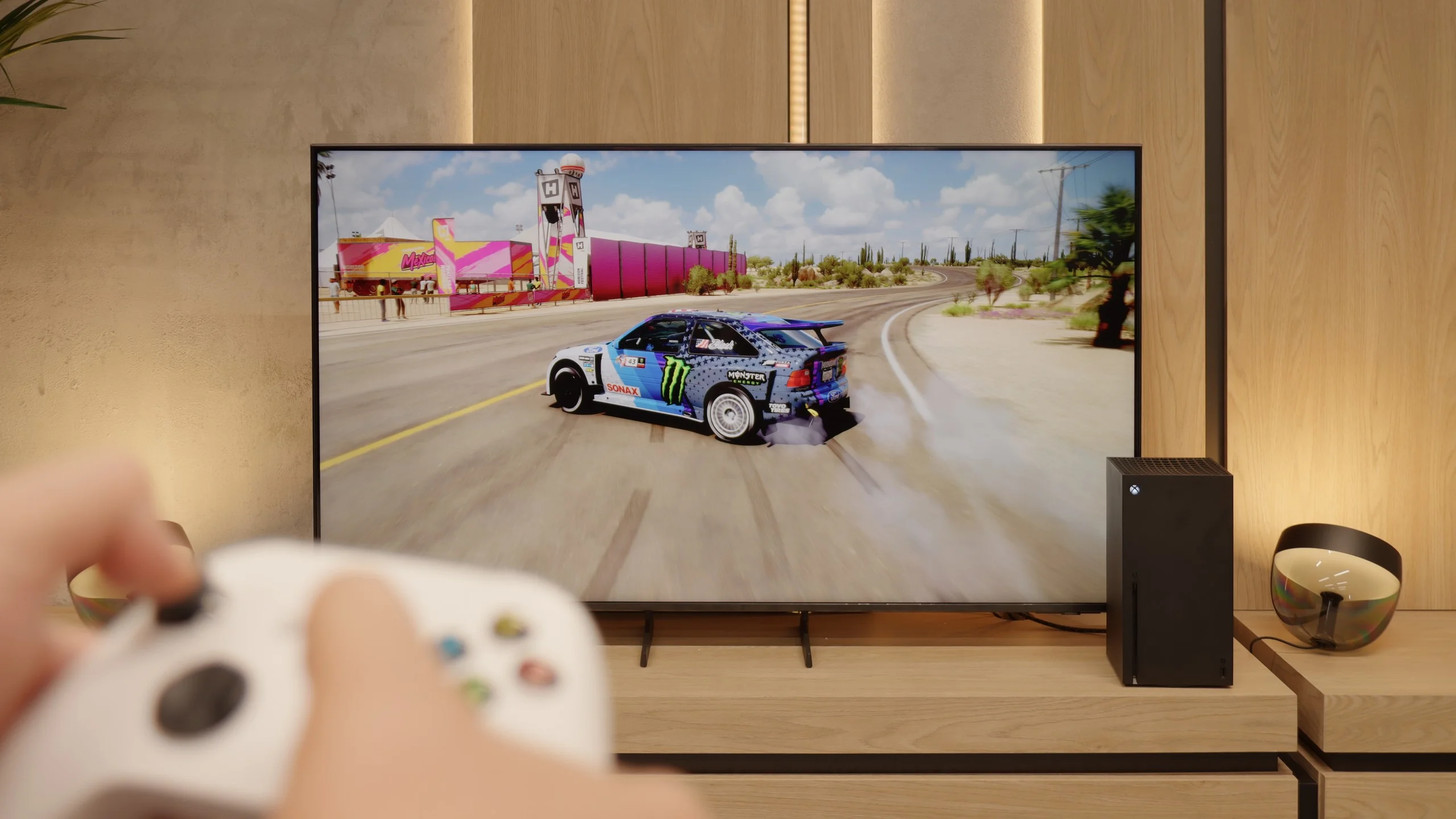
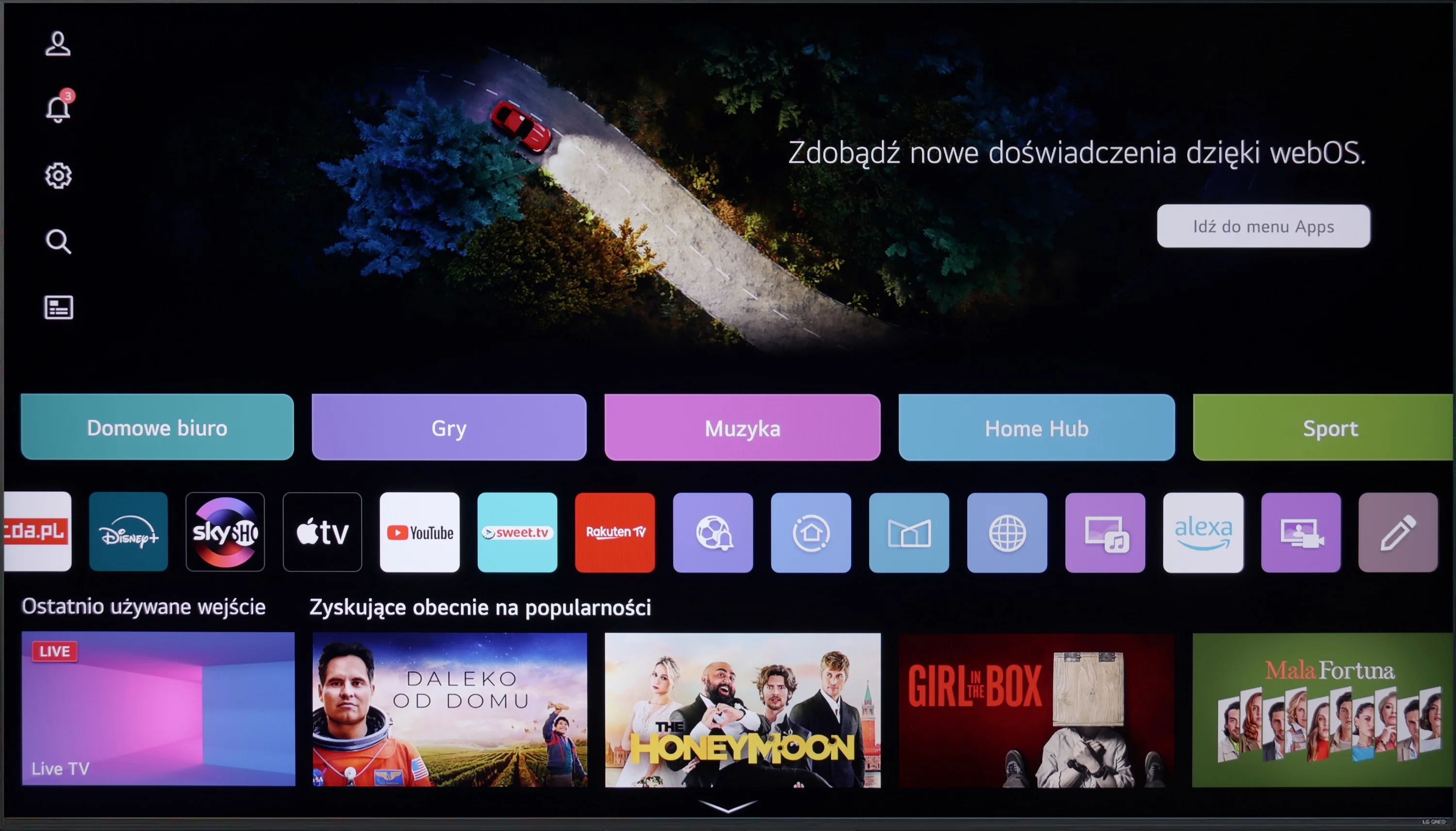
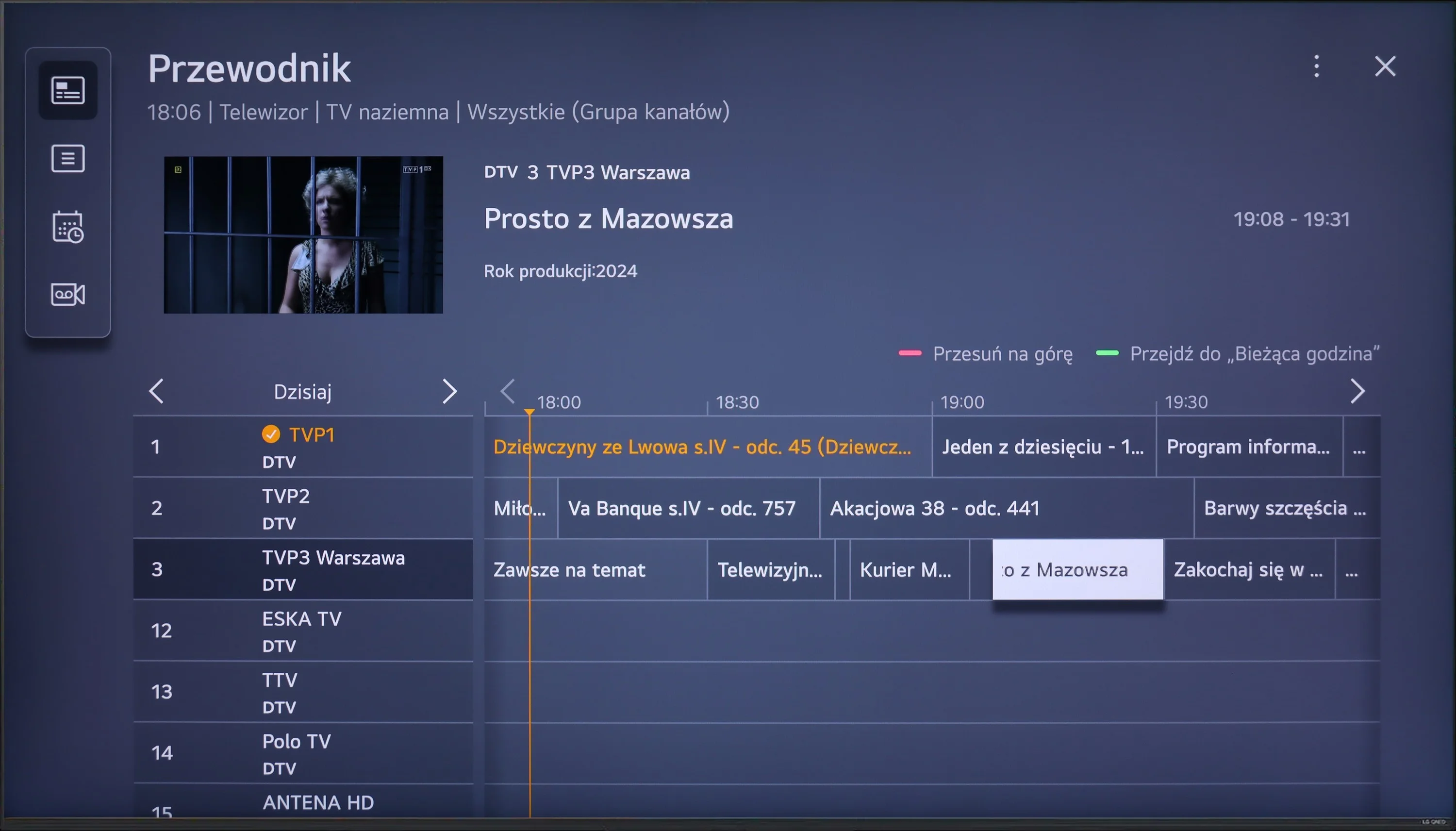
The LG QNED87T is a unique offering in the TV market, excelling in several key areas. Its excellent compatibility with consoles and PCs, along with impressive motion fluidity, makes it an appealing choice for gamers. The 120Hz panel, VRR, and ALLM ensure smooth and responsive gameplay, making it ideal for fast-paced games and sports viewing. The WebOS system, paired with the Magic Remote control, enhances daily convenience, providing an intuitive interface and access to a wide range of apps like Netflix, YouTube, and Amazon Prime Video.
The TV's IPS panel offers wide viewing angles, ensuring good image quality even from side seats, which is perfect for group viewing. Features like USB recording, PIP (Picture-in-Picture), and Bluetooth connectivity improve user experience and convenience.
However, the LG QNED87T does have some limitations when it comes to high-quality content and home cinema use. Its contrast performance is weaker, and panel dimming issues can result in a lack of detail in dark scenes, particularly in low-light settings. While this may be less noticeable in bright or well-lit rooms, those seeking superior performance in dark environments may find these weaknesses more apparent.
Overall, the LG QNED87T is a versatile TV with modern features, making it a great option for everyday use and dynamic content, but it might not be the best choice for cinephiles or those seeking superior performance in dark rooms.
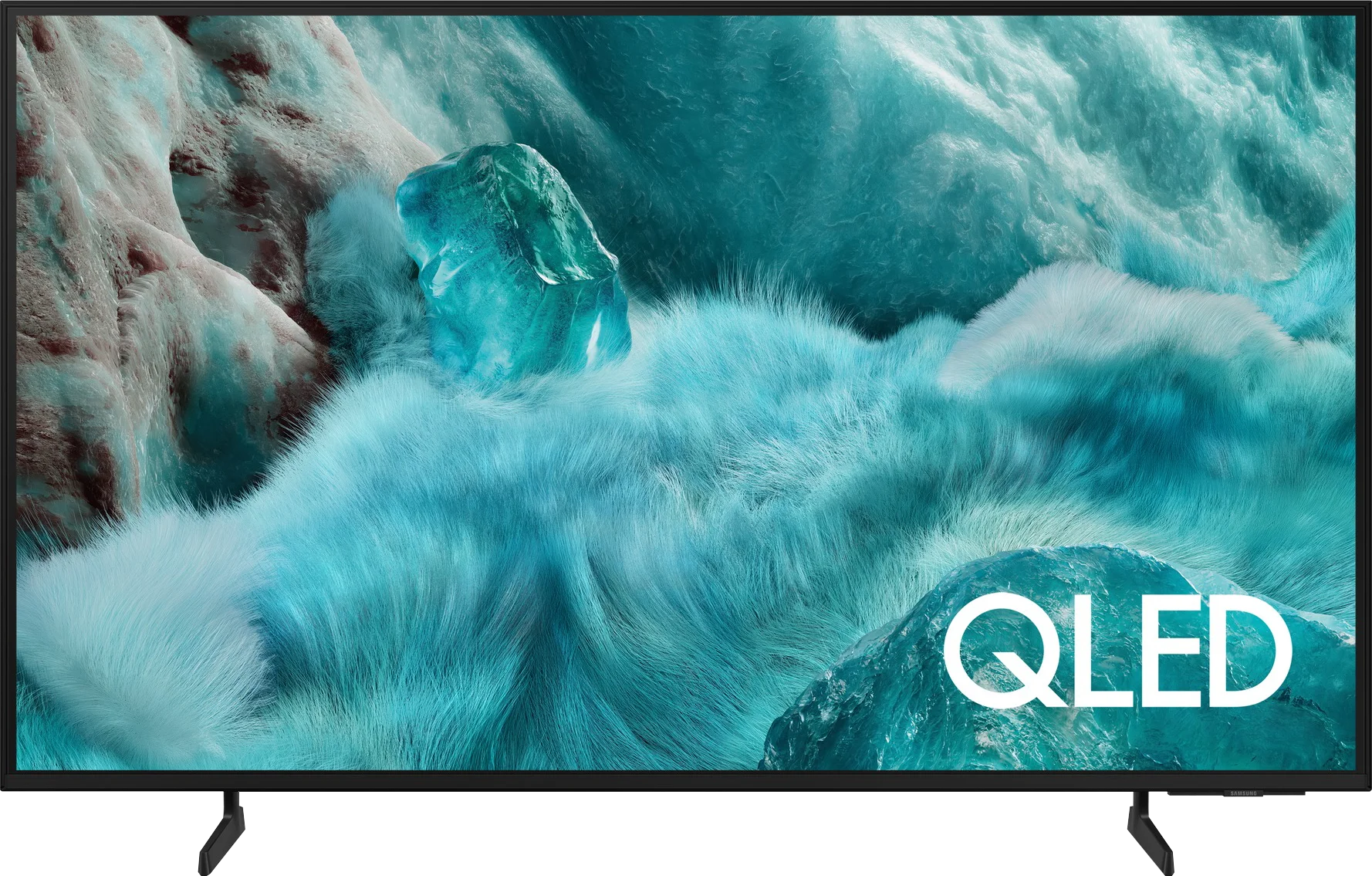
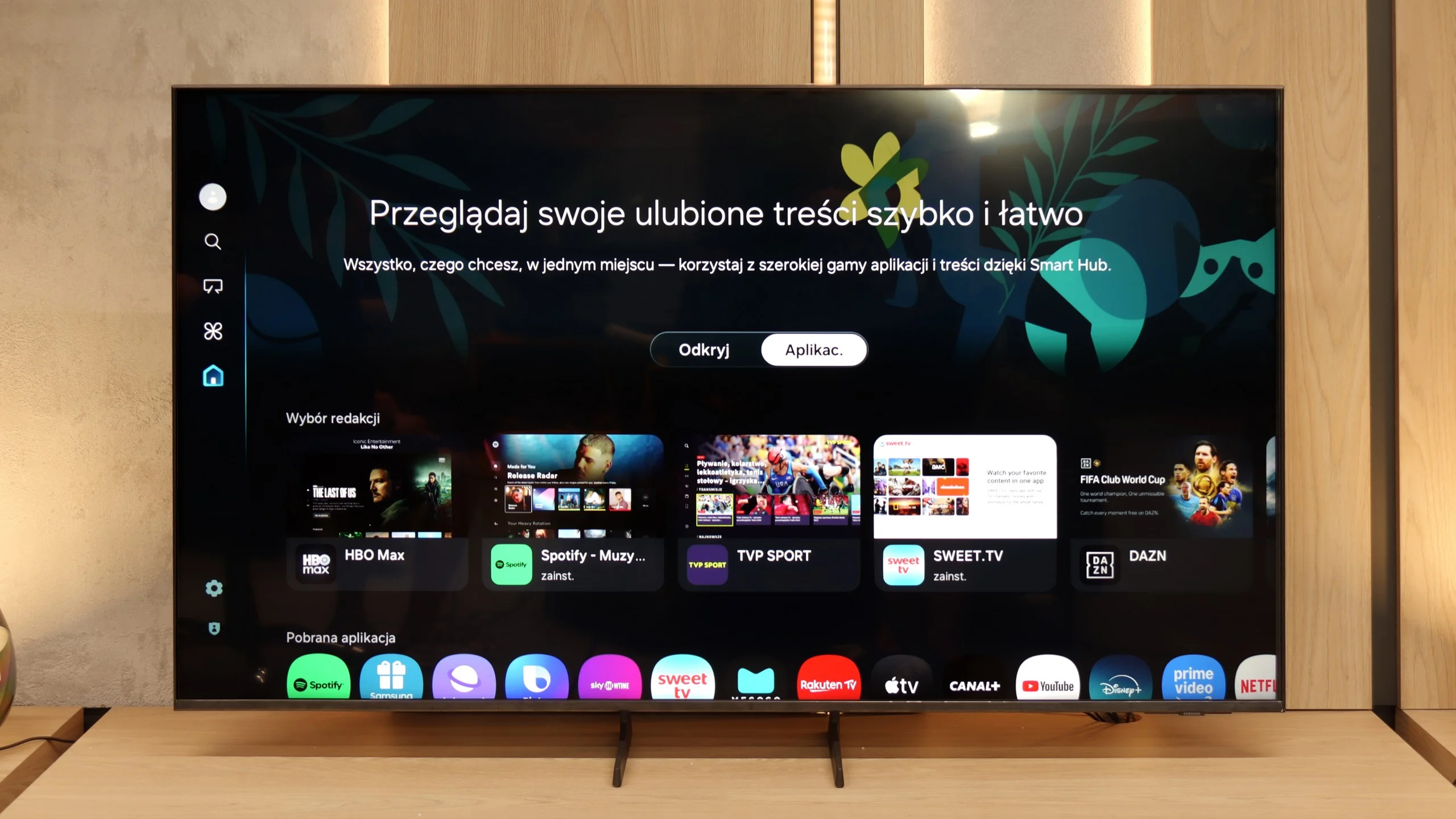
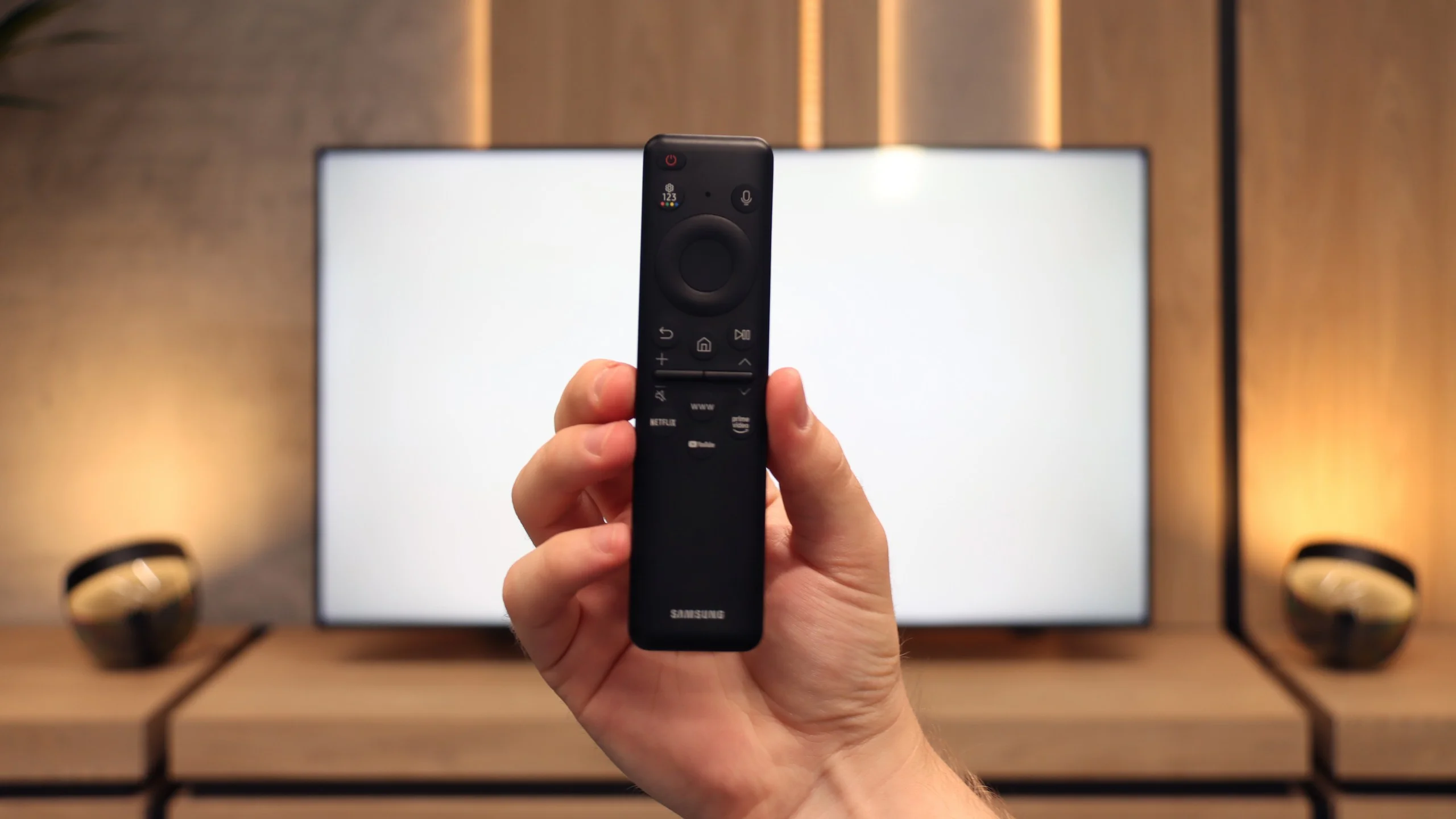
The Samsung Q7F is the cheapest model from the manufacturer’s QLED line, and it must be admitted that several advantages can be easily pointed out here. After calibration, the colors look really good, and the additional QLED filter makes the hues more saturated than in typical budget LCD TVs. In addition, it has a VA panel, which offers quite decent native contrast. It is definitely not on the level of top-tier models, but it holds up in everyday viewing. However, the biggest plus is the Tizen system, which is Samsung's flagship feature. It runs smoothly, is comprehensive, provides access to a plethora of applications and add-ons, and allows for easy connection of the TV to the SmartThings ecosystem to control other devices in the home. And essentially, this is where the list of advantages ends, because the longer you use the Q7F, the more it becomes apparent that this is a product that is significantly underdeveloped. It's not just about the panel itself with its low brightness and average picture quality in HDR films, but also the lack of features that usually worked flawlessly in Samsung models. The manufacturer claims to include VRR and HGiG, but in practice, there is no benefit from them, which makes the TV hard to recommend even to casual gamers. For regular television, it doesn't perform well either because the digital image processing is at best average, and the function to improve tonal transitions, which usually worked well in Samsung models, hardly functions here. The Q7F is equipment that can only be recommended to those looking for a TV with two phrases on the box: “QLED” and “good Smart TV”. The rest gets a rather bland product that lacks a lot to compete even with other more budget-friendly offerings. It’s a shame because usually, the word "QLED" in Samsung meant something more than just an ordinary TV.
[UPDATE] We have updated our Samsung TV tests for the 2025 model year due to the release of software version 1131, which has restored the crucial feature for gamers, HGiG.
 Direct comparison