The LG QNED87T is a unique offering in the TV market, excelling in several key areas. Its excellent compatibility with consoles and PCs, along with impressive motion fluidity, makes it an appealing choice for gamers. The 120Hz panel, VRR, and ALLM ensure smooth and responsive gameplay, making it ideal for fast-paced games and sports viewing. The WebOS system, paired with the Magic Remote control, enhances daily convenience, providing an intuitive interface and access to a wide range of apps like Netflix, YouTube, and Amazon Prime Video.
The TV's IPS panel offers wide viewing angles, ensuring good image quality even from side seats, which is perfect for group viewing. Features like USB recording, PIP (Picture-in-Picture), and Bluetooth connectivity improve user experience and convenience.
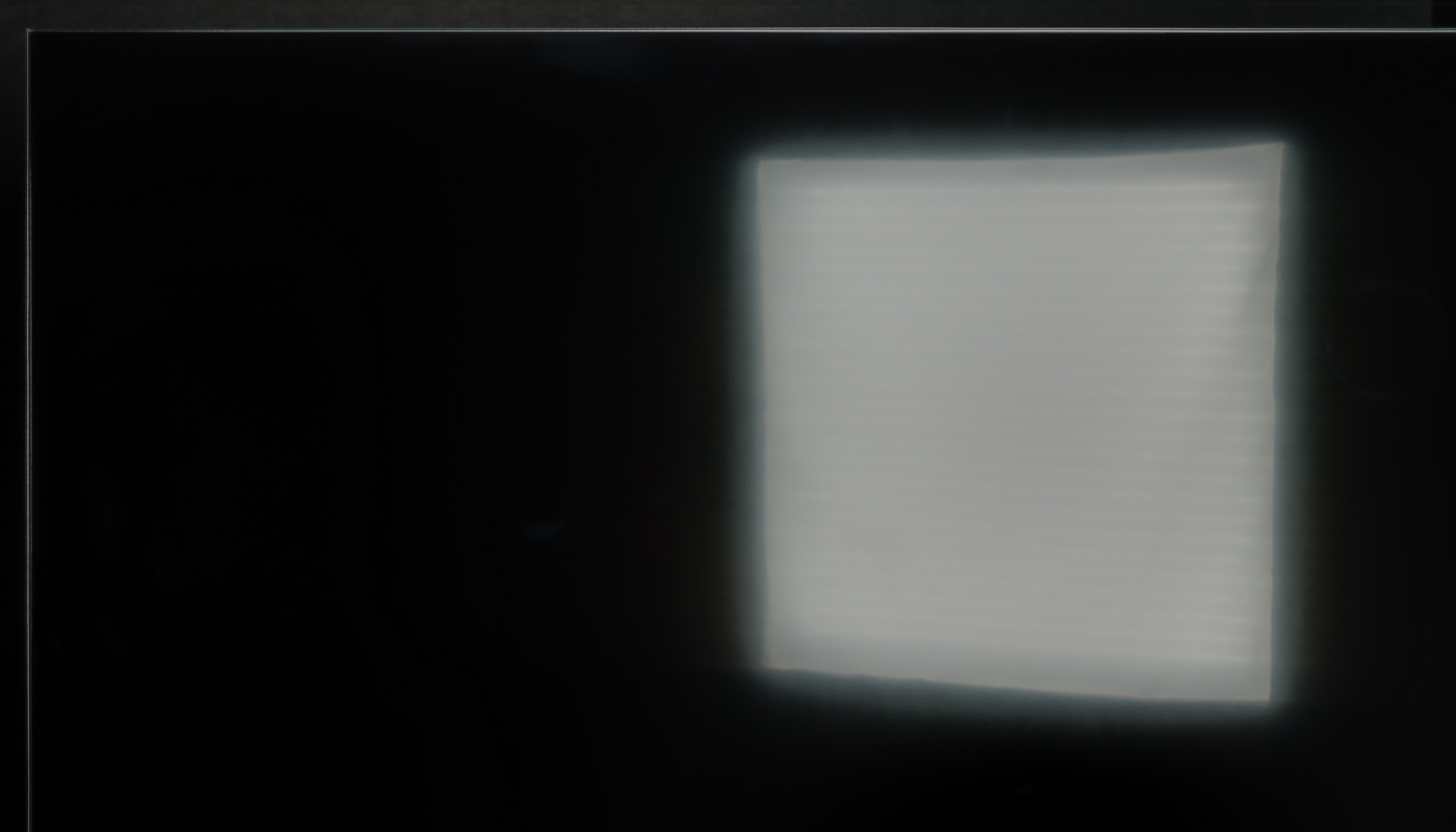
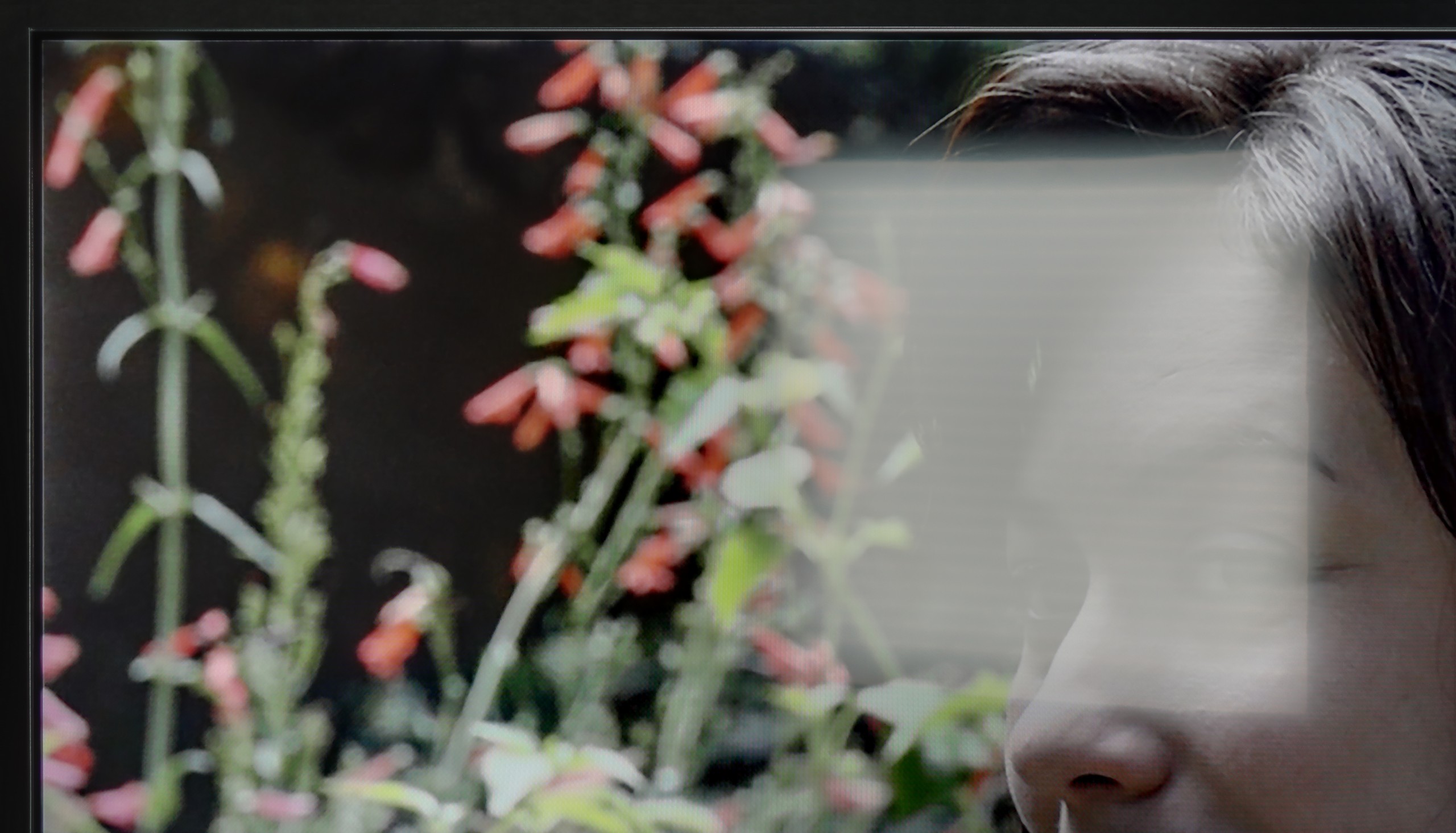
However, the LG QNED87T does have some limitations when it comes to high-quality content and home cinema use. Its contrast performance is weaker, and panel dimming issues can result in a lack of detail in dark scenes, particularly in low-light settings. While this may be less noticeable in bright or well-lit rooms, those seeking superior performance in dark environments may find these weaknesses more apparent.
Overall, the LG QNED87T is a versatile TV with modern features, making it a great option for everyday use and dynamic content, but it might not be the best choice for cinephiles or those seeking superior performance in dark rooms.
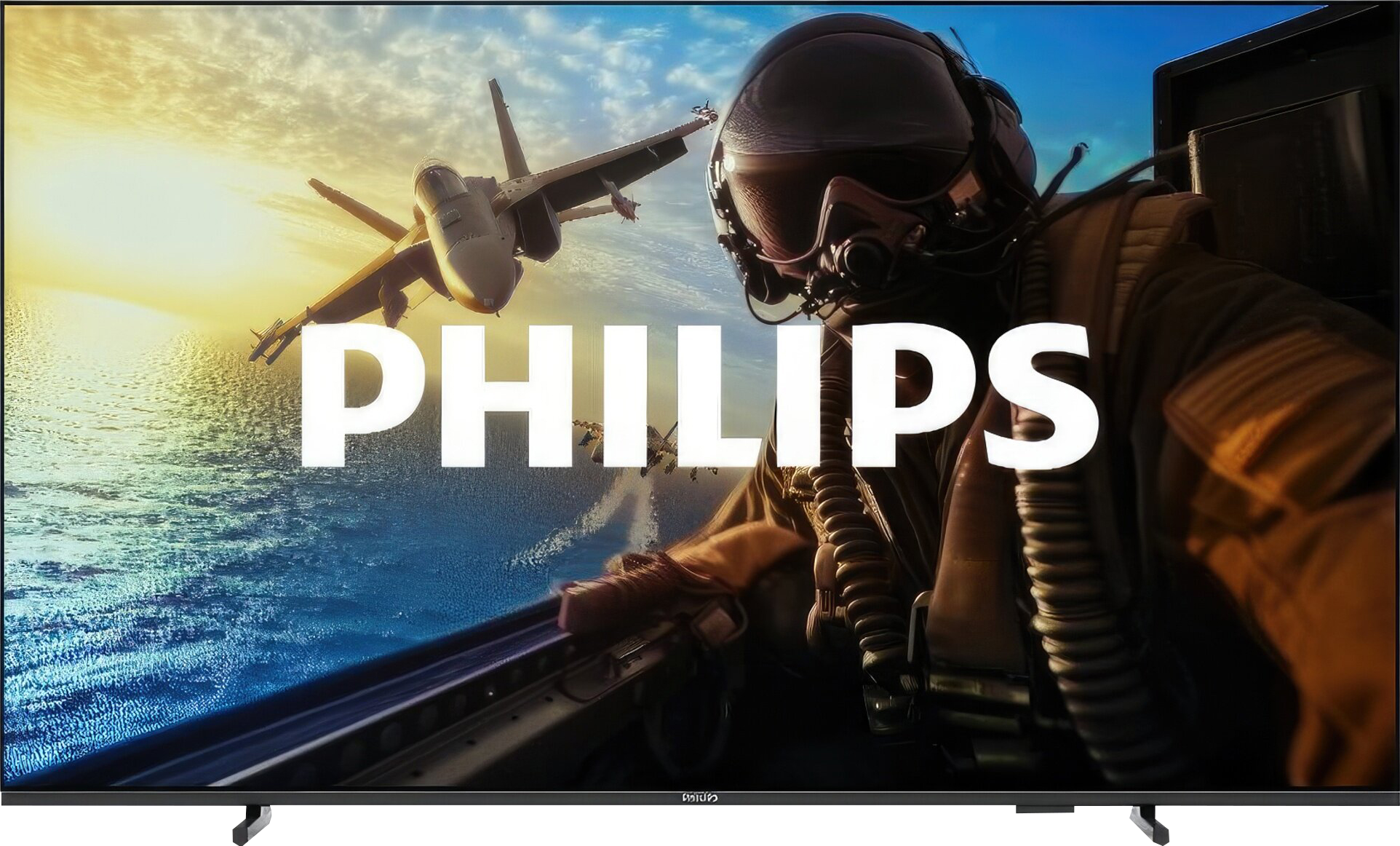
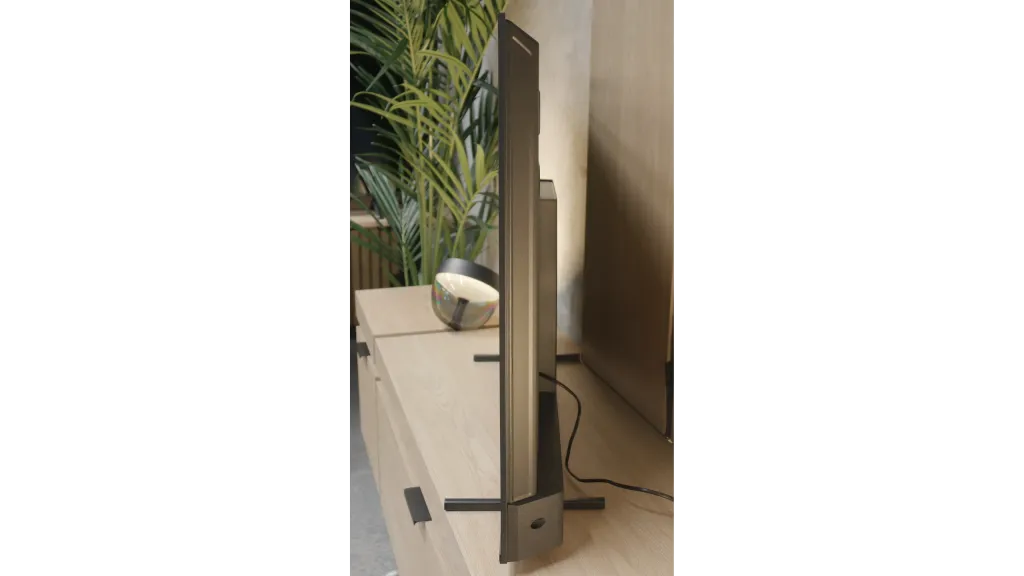
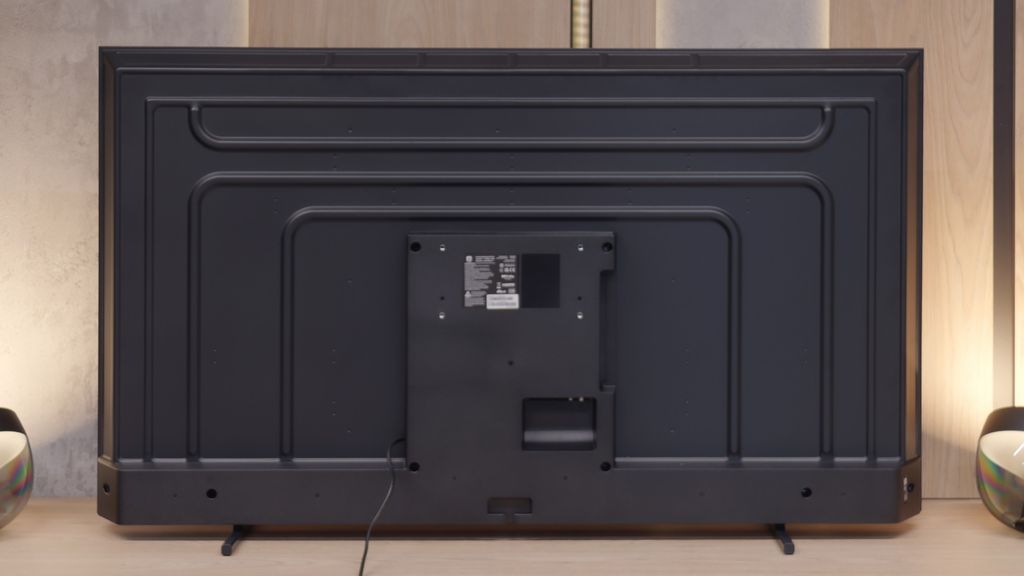
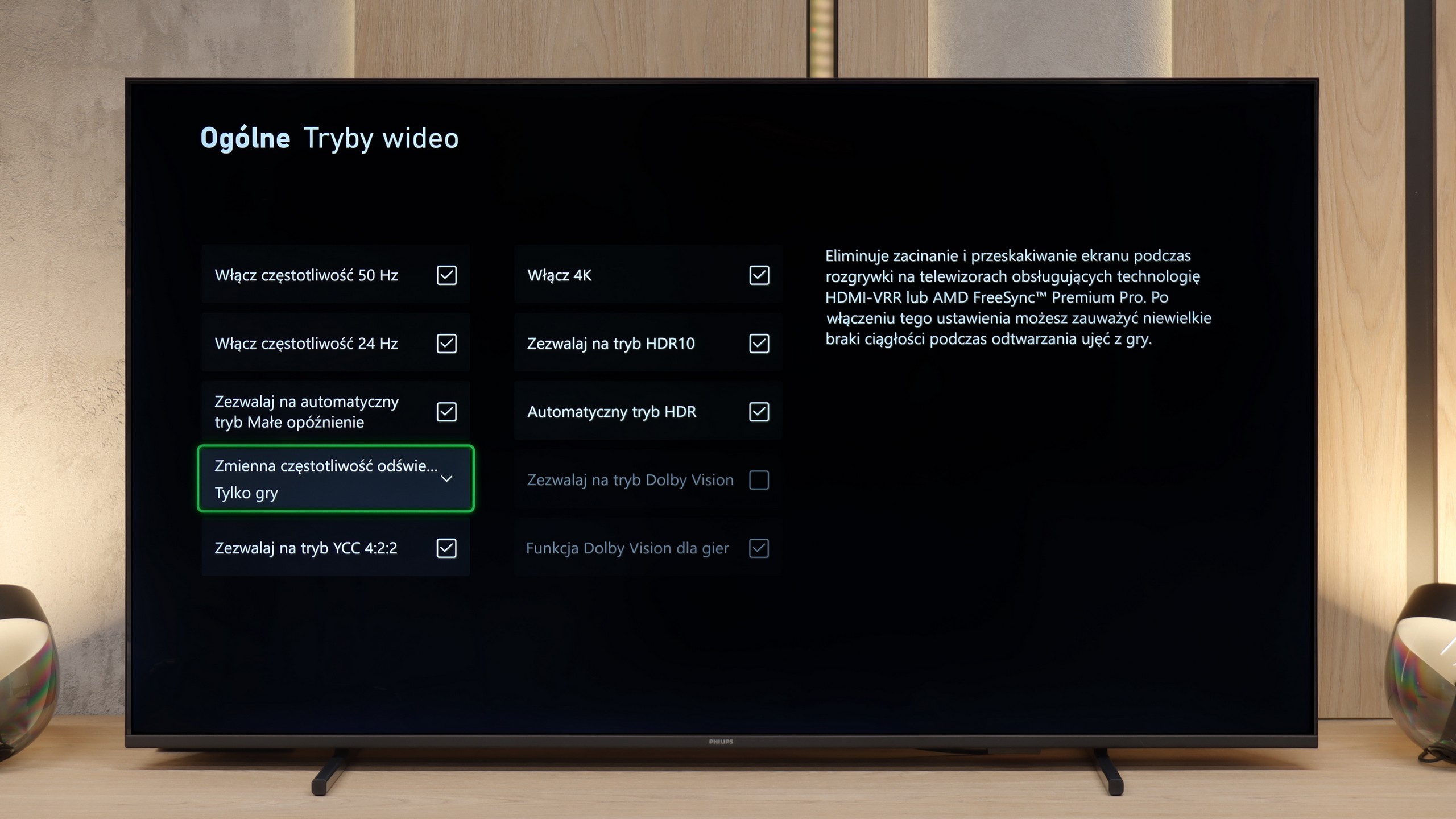
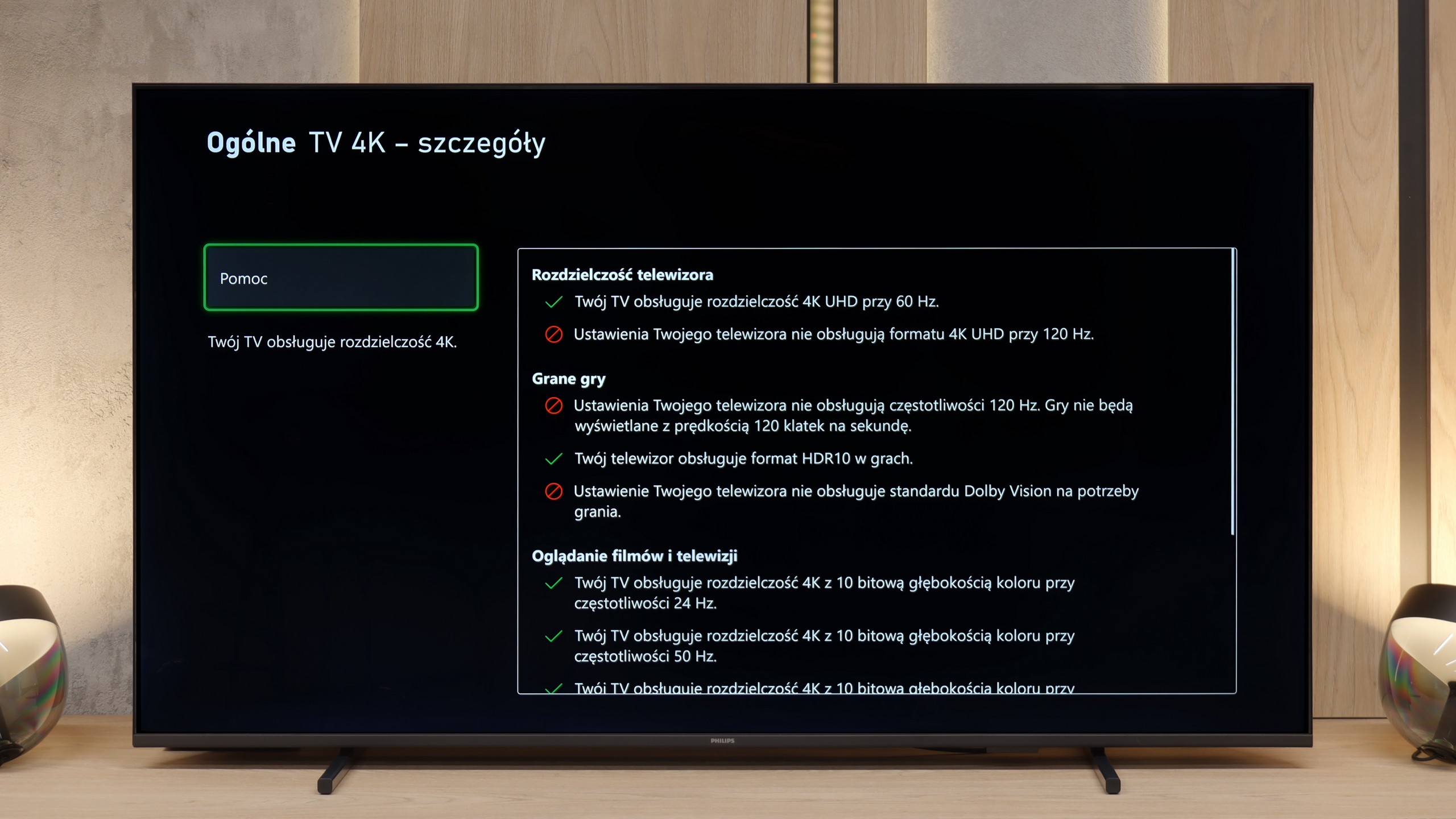
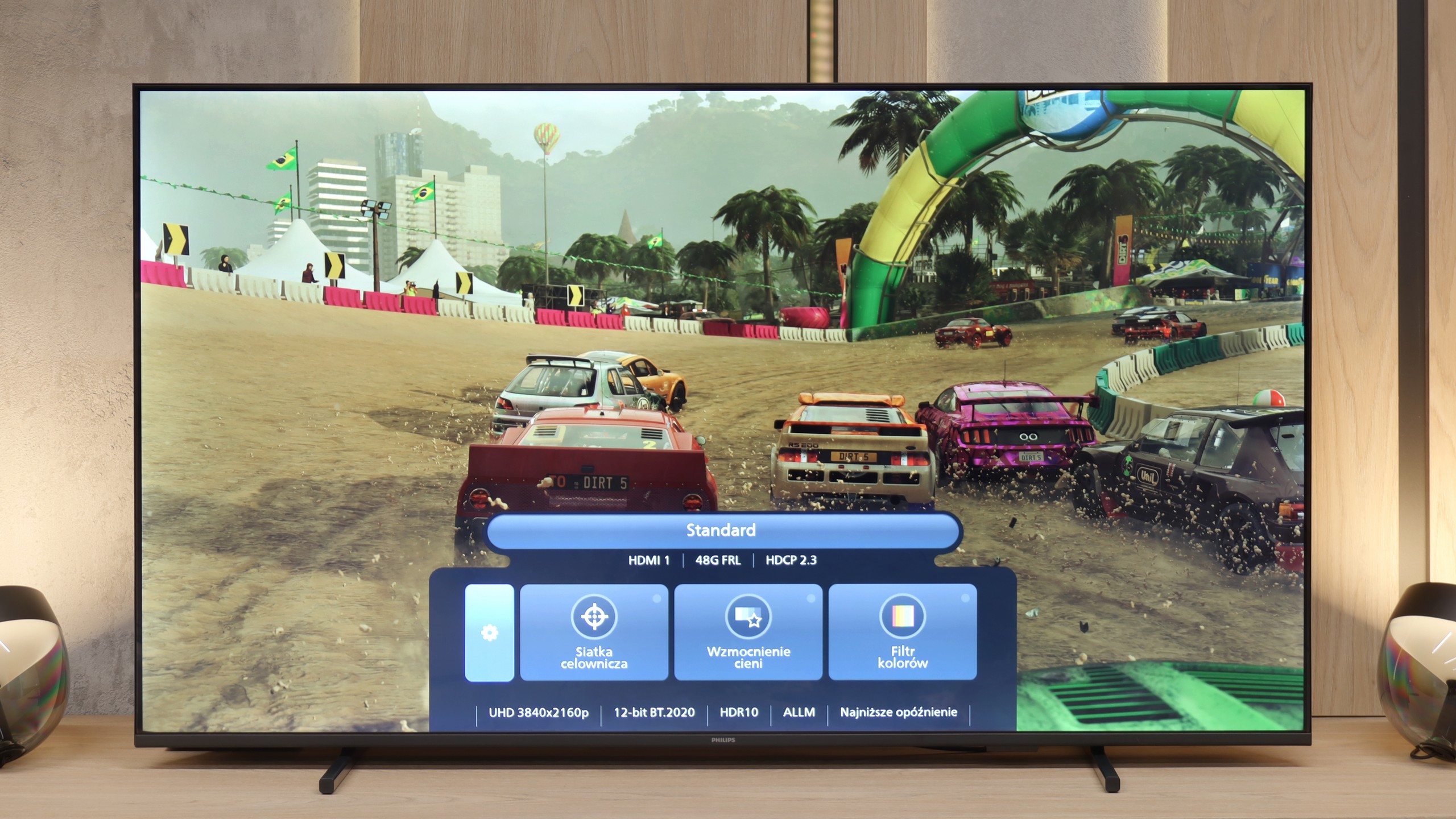
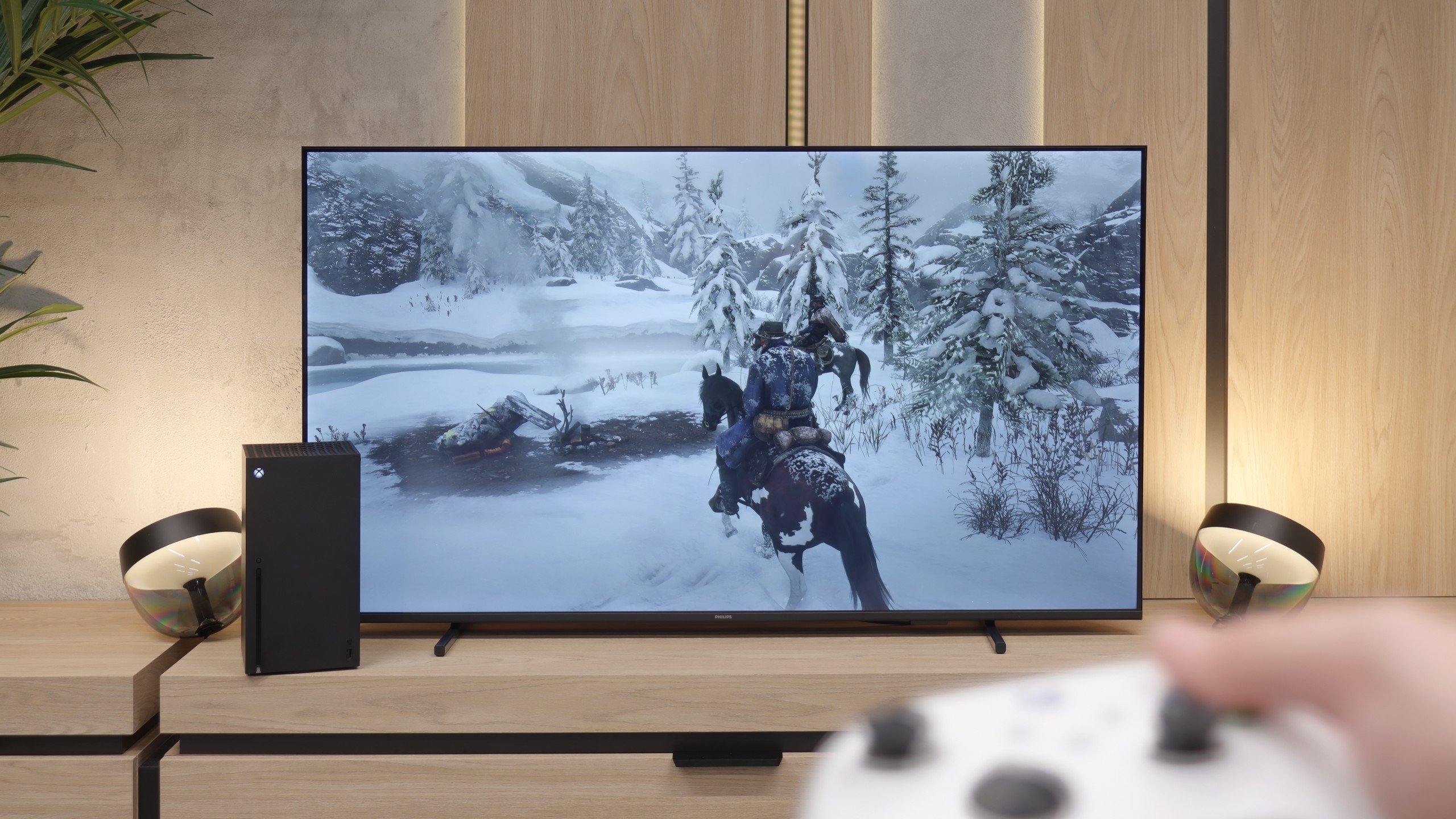
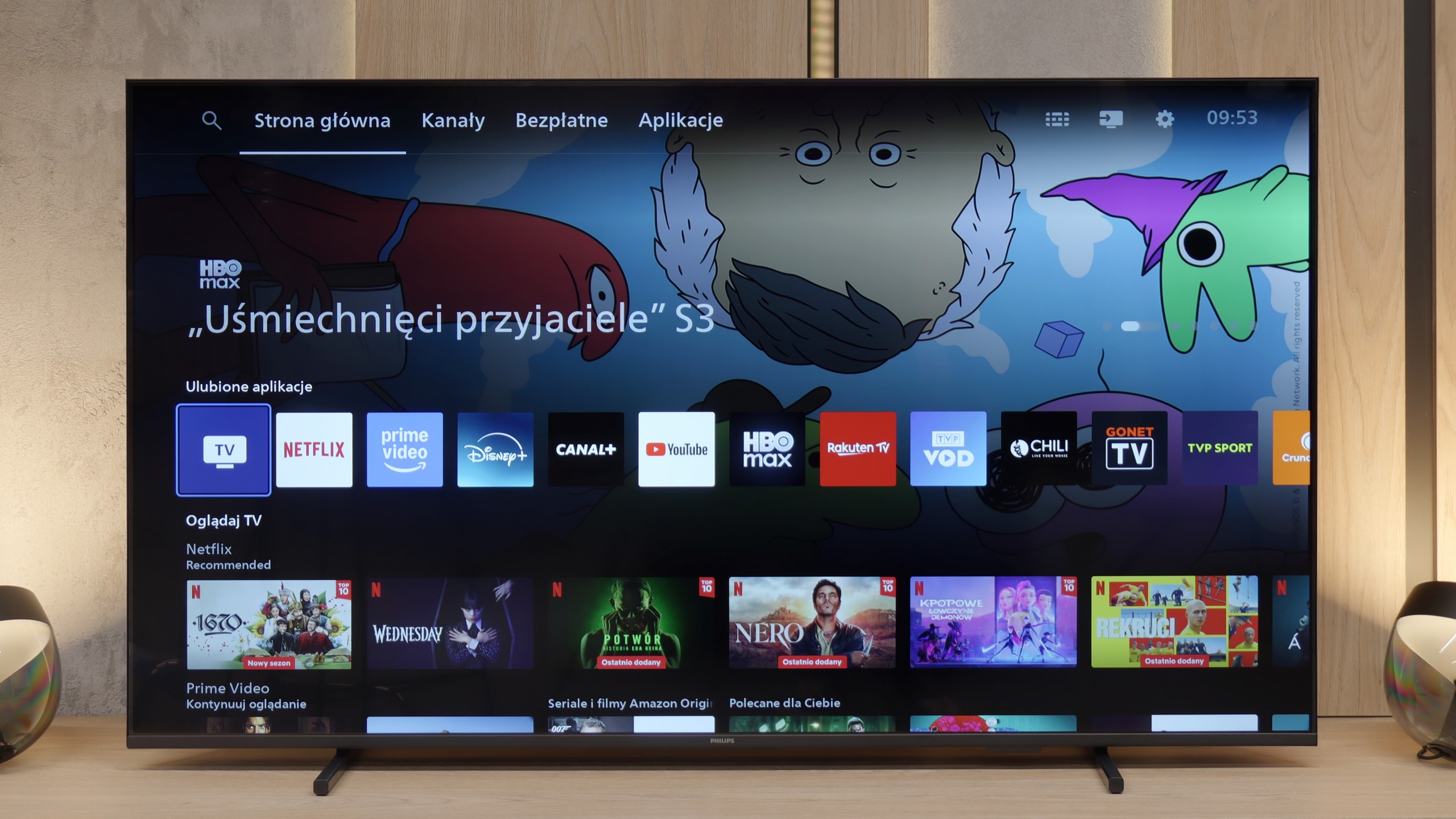
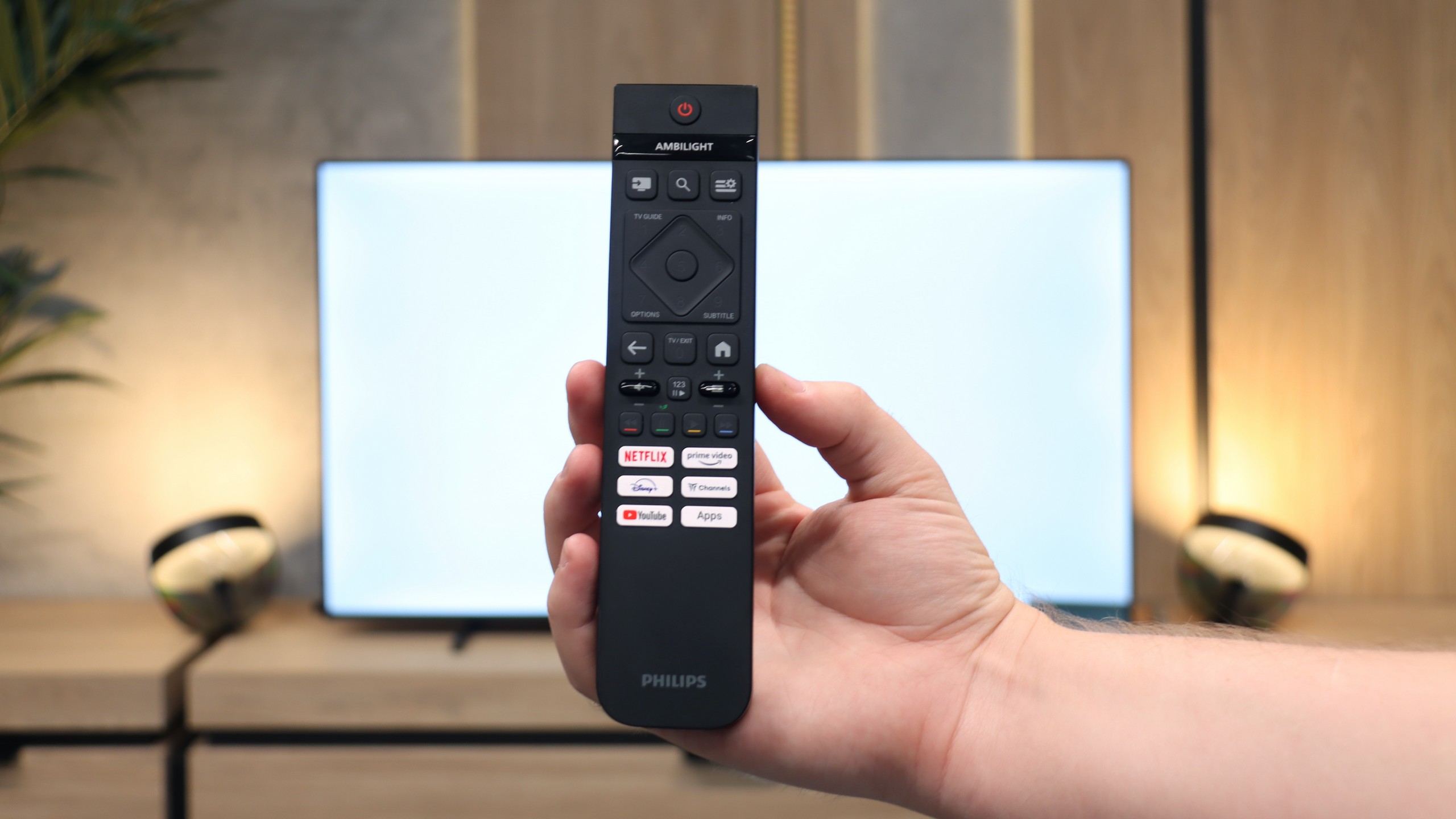
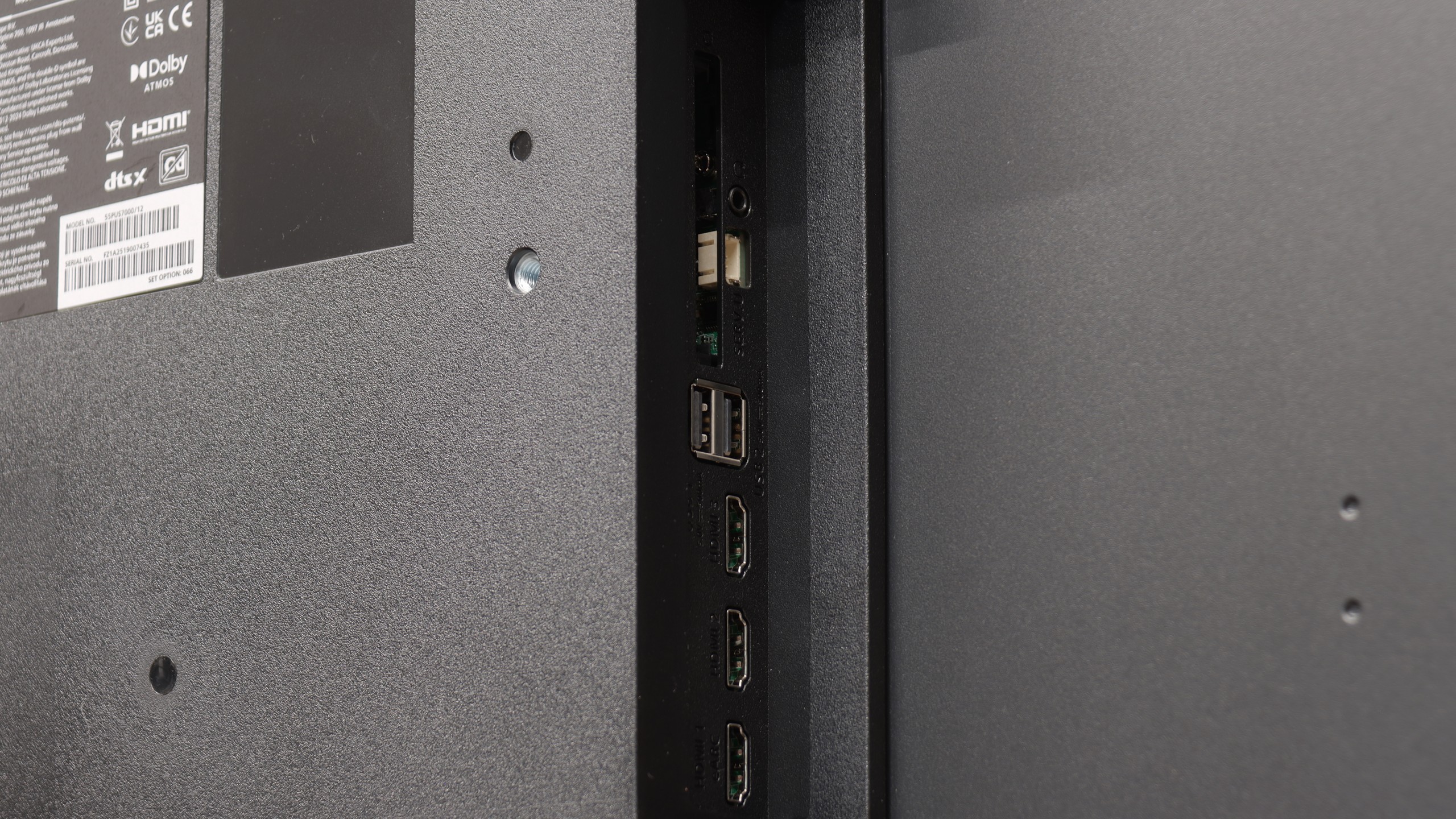
If you are looking for a specific reason to buy the Philips PUS7000, it is essentially just the price. This model is meant to be primarily inexpensive, and it fulfills that role perfectly. It could be a decent choice for someone who is still using an old Full HD screen and wants to finally switch to 4K without emptying their wallet. Interestingly, even though this is a "budget 60 Hz" model, Philips has not forgotten about gamers. We get VRR and ALLM, which significantly enhance the gaming experience when connected to a console, making everything quite responsive. But... well, the biggest problem with this TV is brightness, or rather, the lack of it. 200 nits is an output that makes the PUS7000 simply capitulate on a sunny day. The image will be pale and unclear even though it features a high-contrast VA panel. HDR here is basically just a label on the box. With such a dark panel, HDR content looks artificial and simply lacks the necessary intensity, so it’s better to forget about it and stick with regular SDR. Is it worth buying? At this price point, every manufacturer makes similar compromises, so the PUS7000 does not drastically fall behind the rest of the budget screens. The only question is whether you can get along with the Titan OS, which is still a bit raw and lacks many apps that are standard among competitors. With today’s prices, where Chinese brands like TCL and Hisense are flooding the market with QLEDs and Mini-LEDs, the Philips PUS7000 faces a really tough battle. If you care about a well-known brand logo and a low price: you can go for it. However, if you are looking for image quality… you’d better double-check your budget before purchasing.
 Direct comparison