The LG QNED87T is a unique offering in the TV market, excelling in several key areas. Its excellent compatibility with consoles and PCs, along with impressive motion fluidity, makes it an appealing choice for gamers. The 120Hz panel, VRR, and ALLM ensure smooth and responsive gameplay, making it ideal for fast-paced games and sports viewing. The WebOS system, paired with the Magic Remote control, enhances daily convenience, providing an intuitive interface and access to a wide range of apps like Netflix, YouTube, and Amazon Prime Video.
The TV's IPS panel offers wide viewing angles, ensuring good image quality even from side seats, which is perfect for group viewing. Features like USB recording, PIP (Picture-in-Picture), and Bluetooth connectivity improve user experience and convenience.
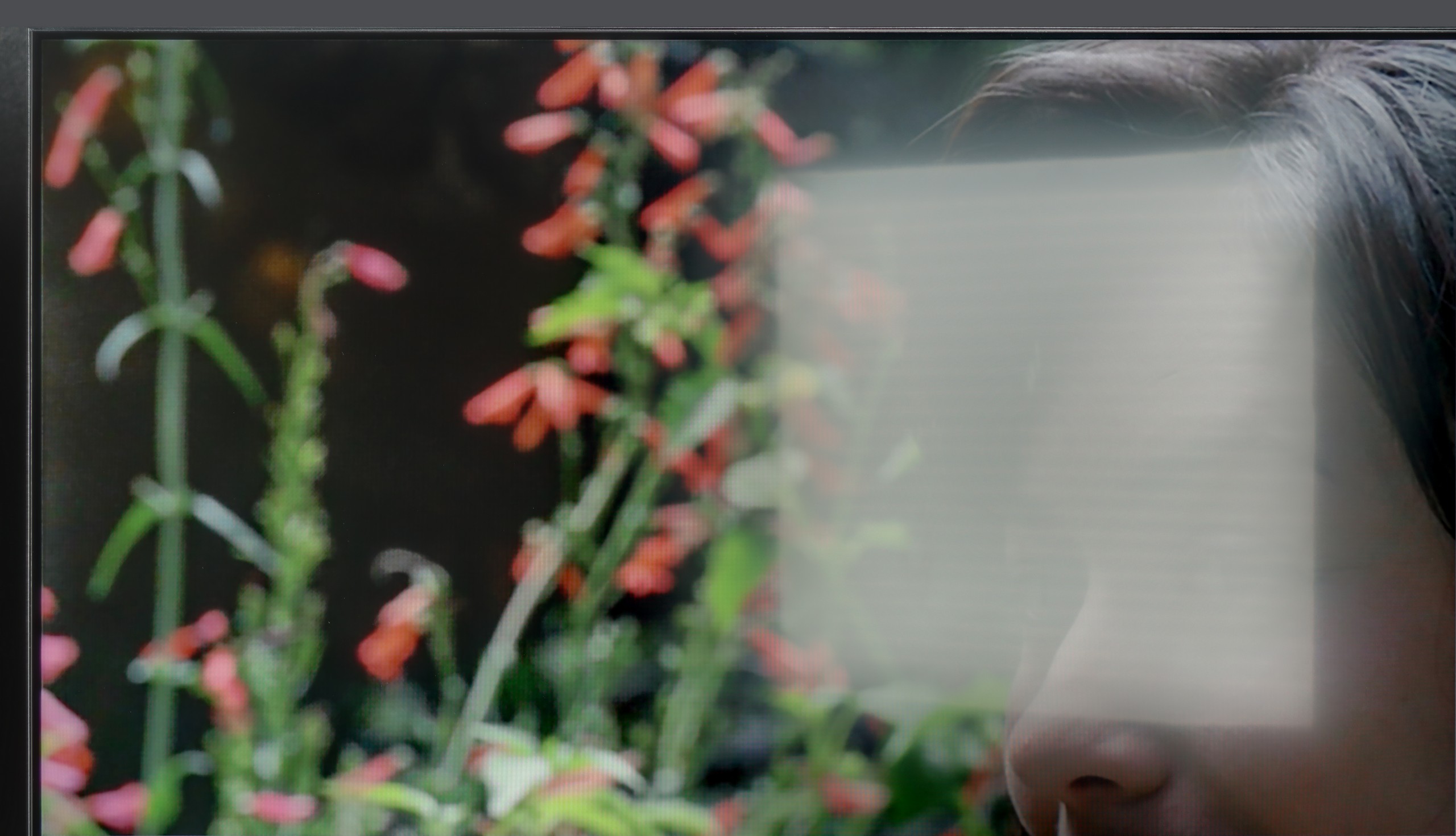
However, the LG QNED87T does have some limitations when it comes to high-quality content and home cinema use. Its contrast performance is weaker, and panel dimming issues can result in a lack of detail in dark scenes, particularly in low-light settings. While this may be less noticeable in bright or well-lit rooms, those seeking superior performance in dark environments may find these weaknesses more apparent.
Overall, the LG QNED87T is a versatile TV with modern features, making it a great option for everyday use and dynamic content, but it might not be the best choice for cinephiles or those seeking superior performance in dark rooms.
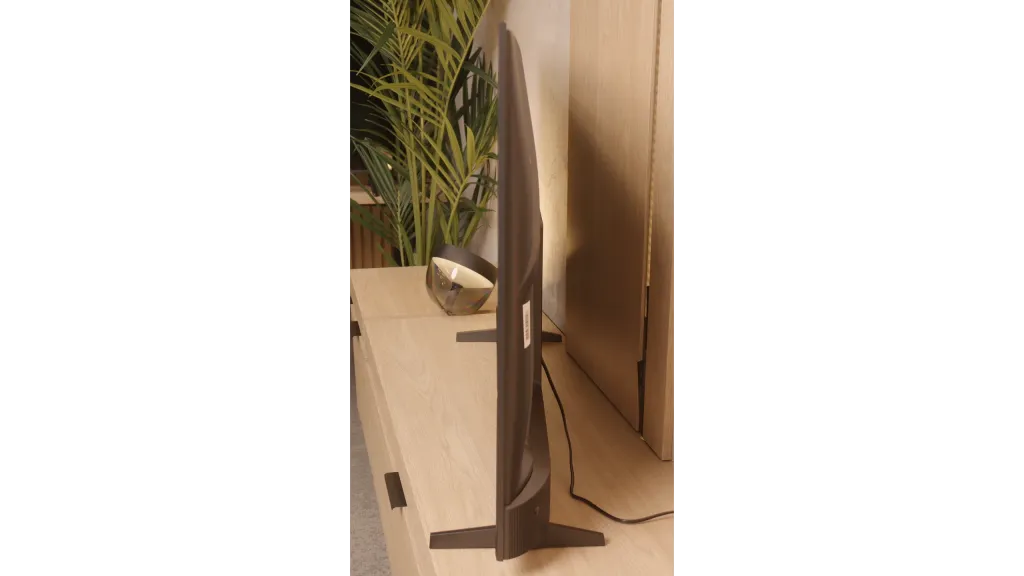
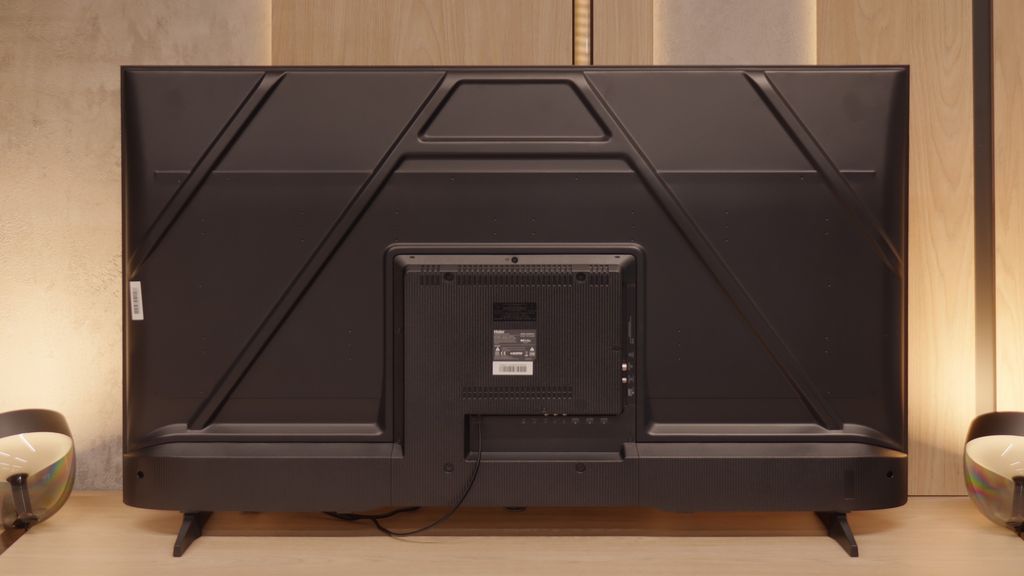
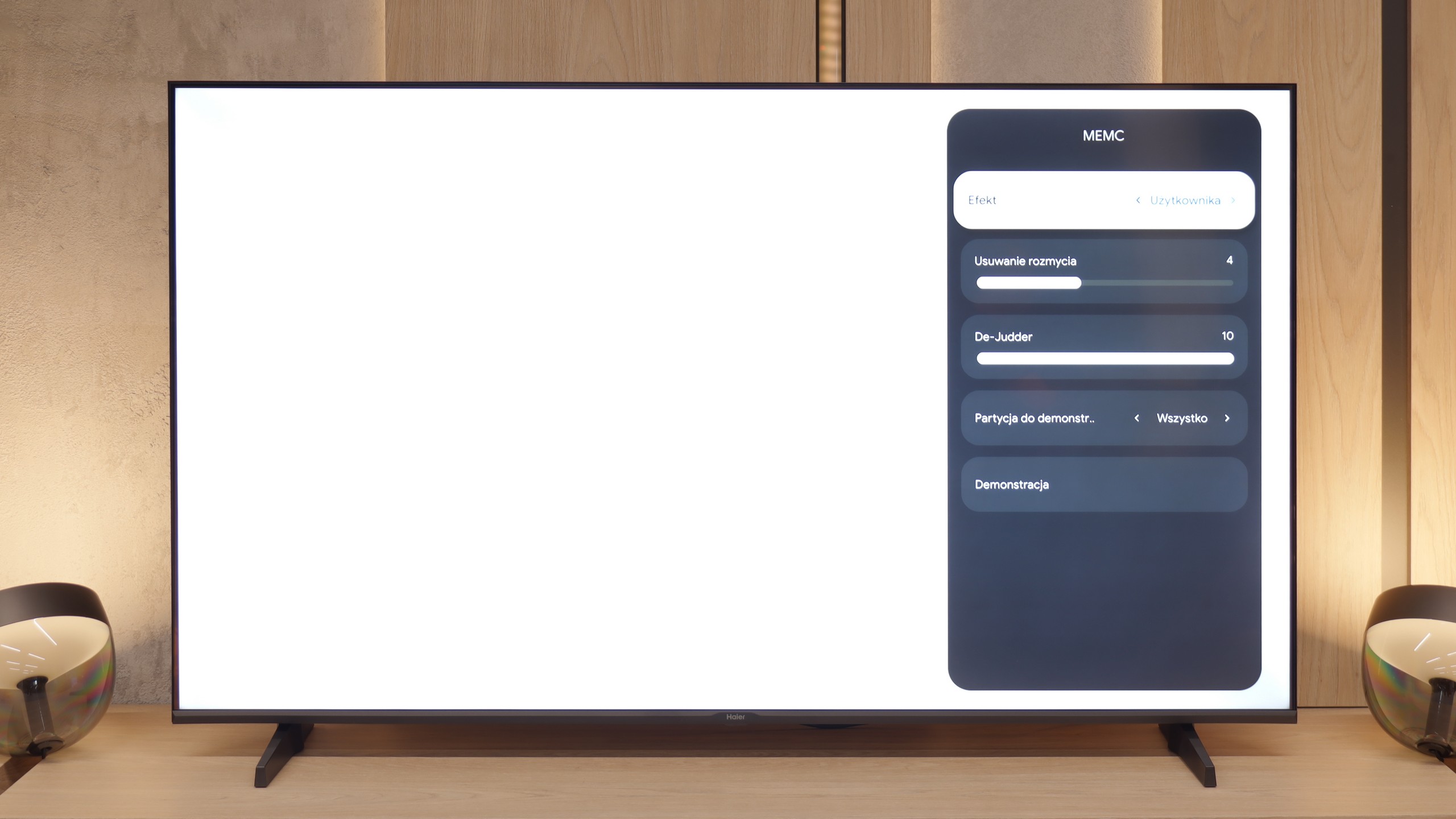
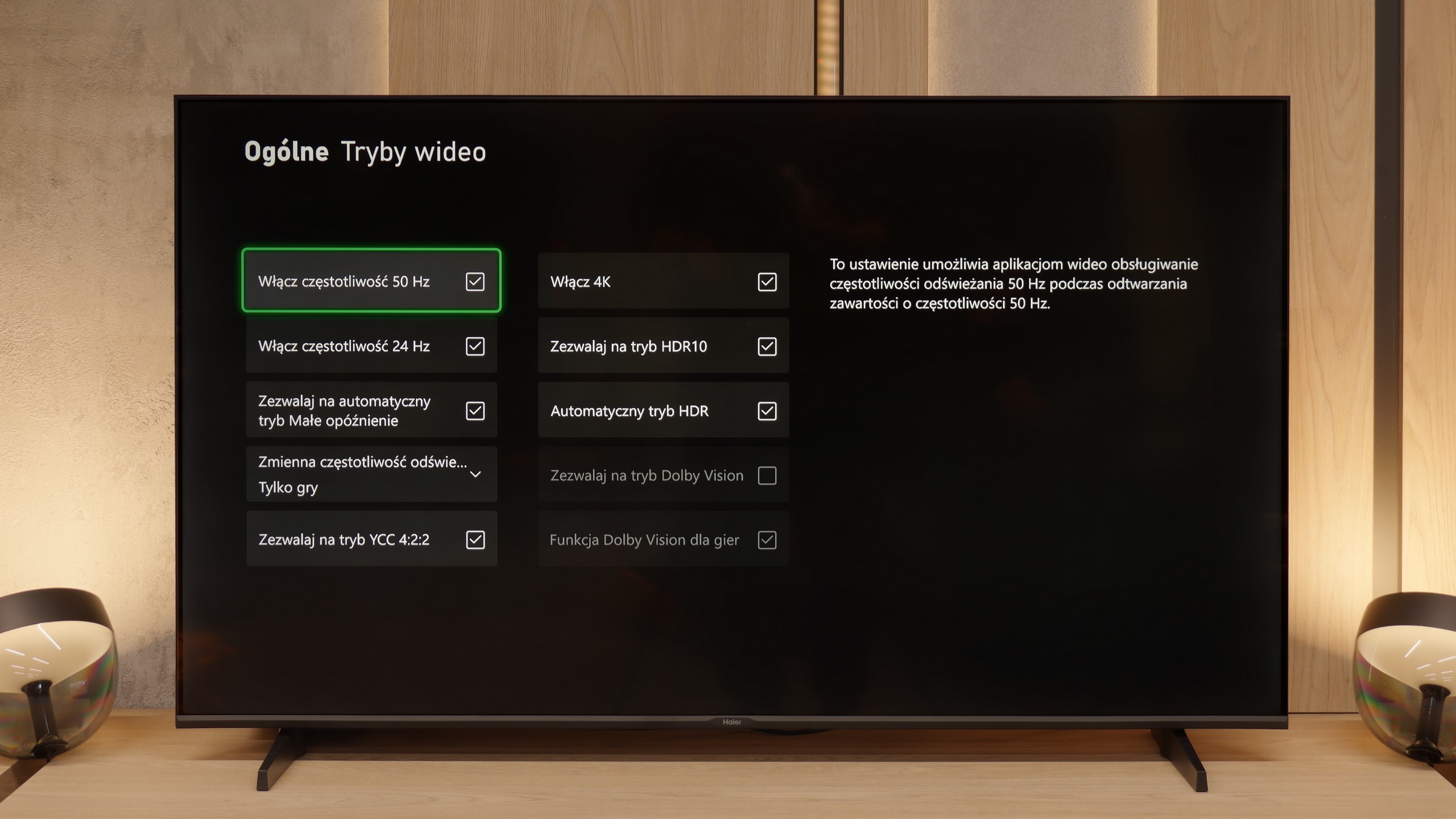
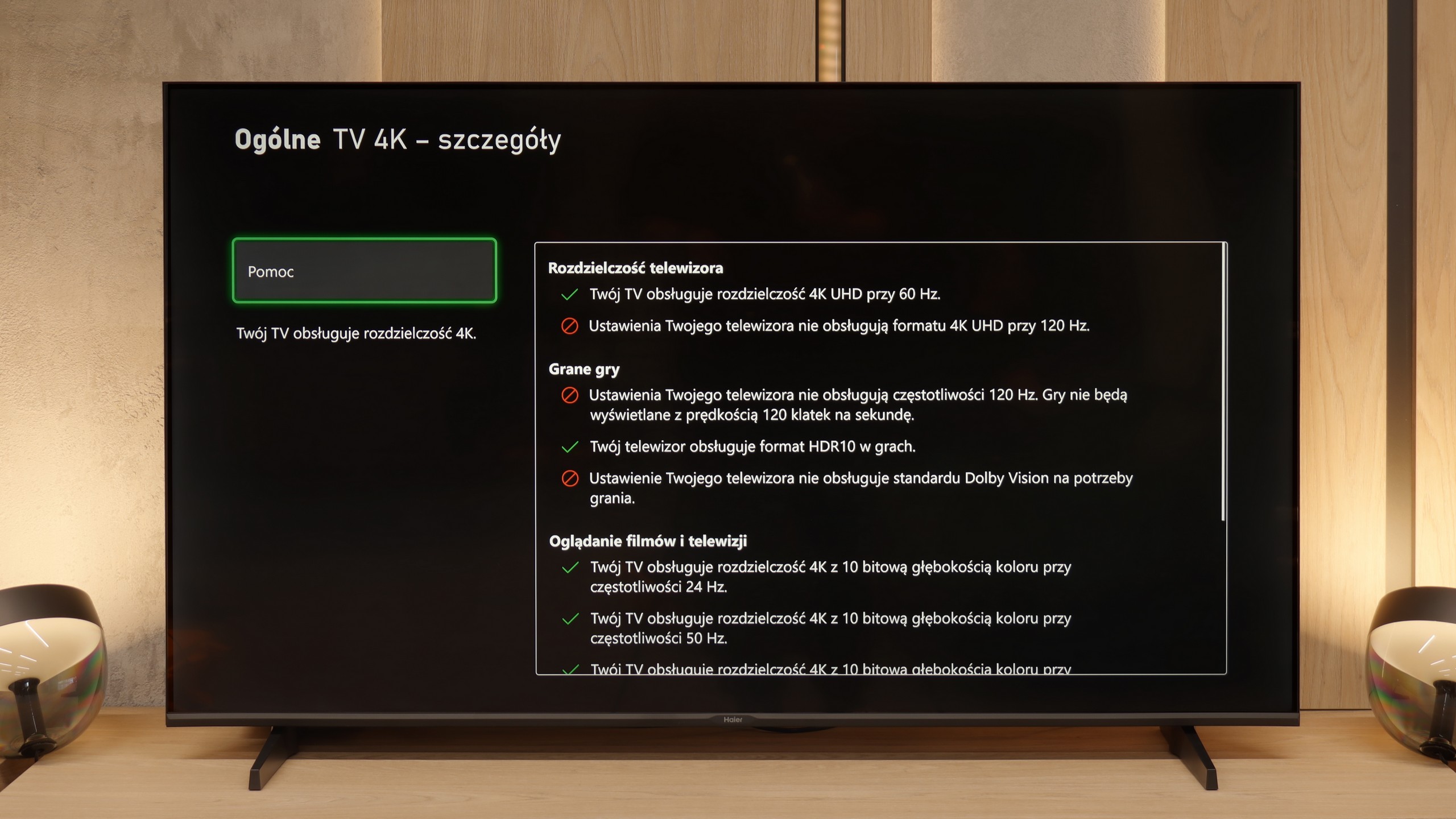
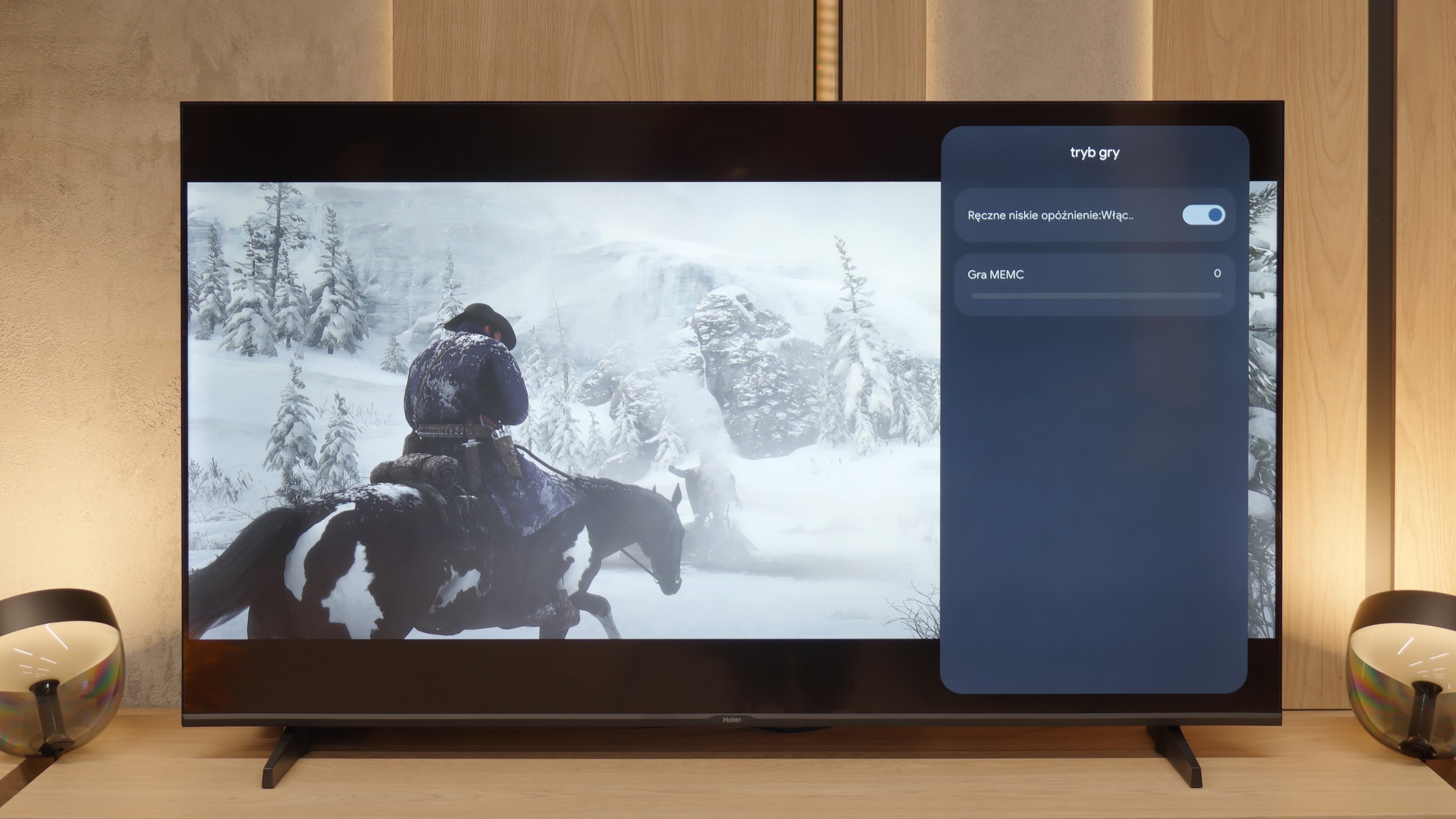
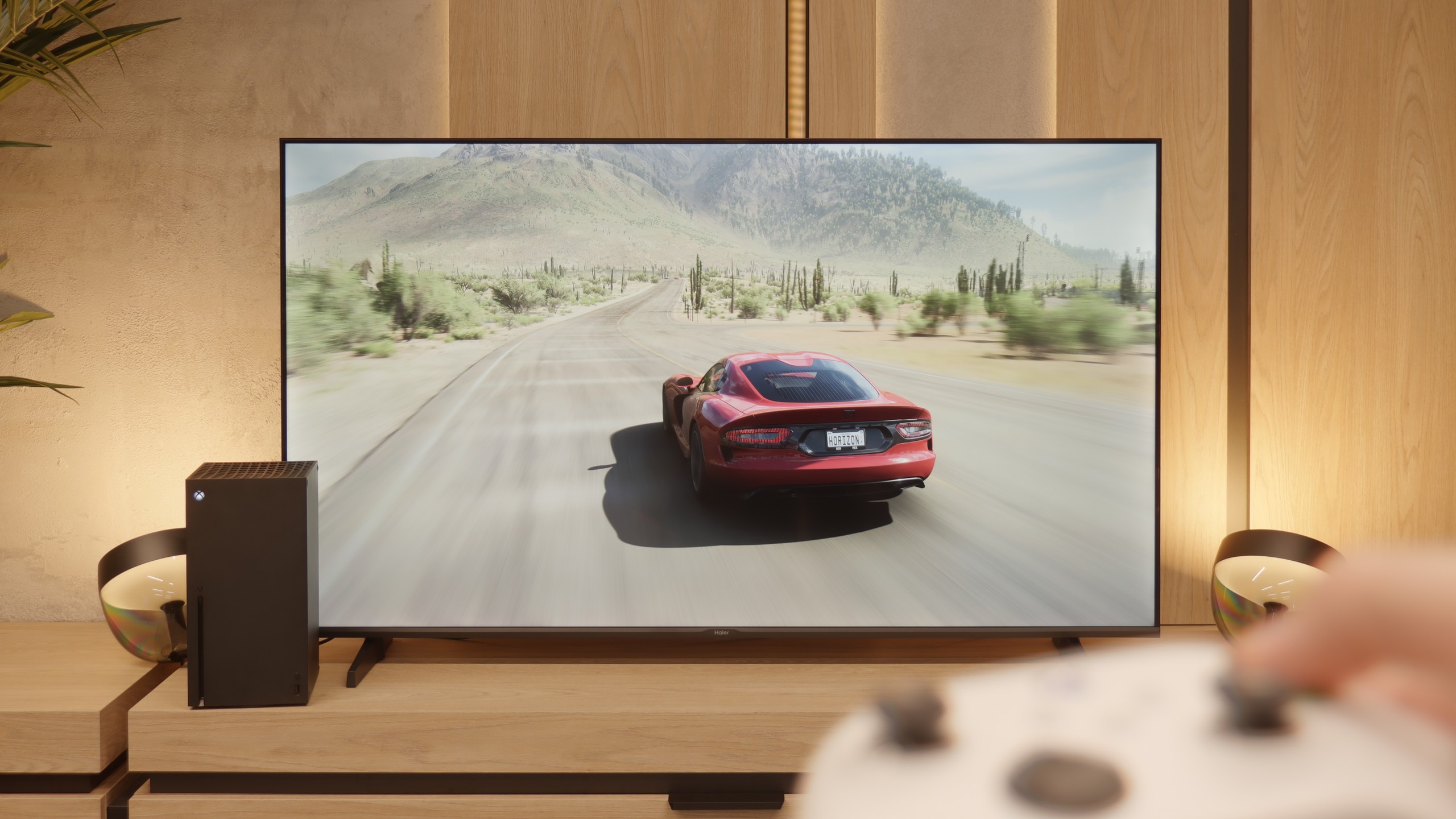
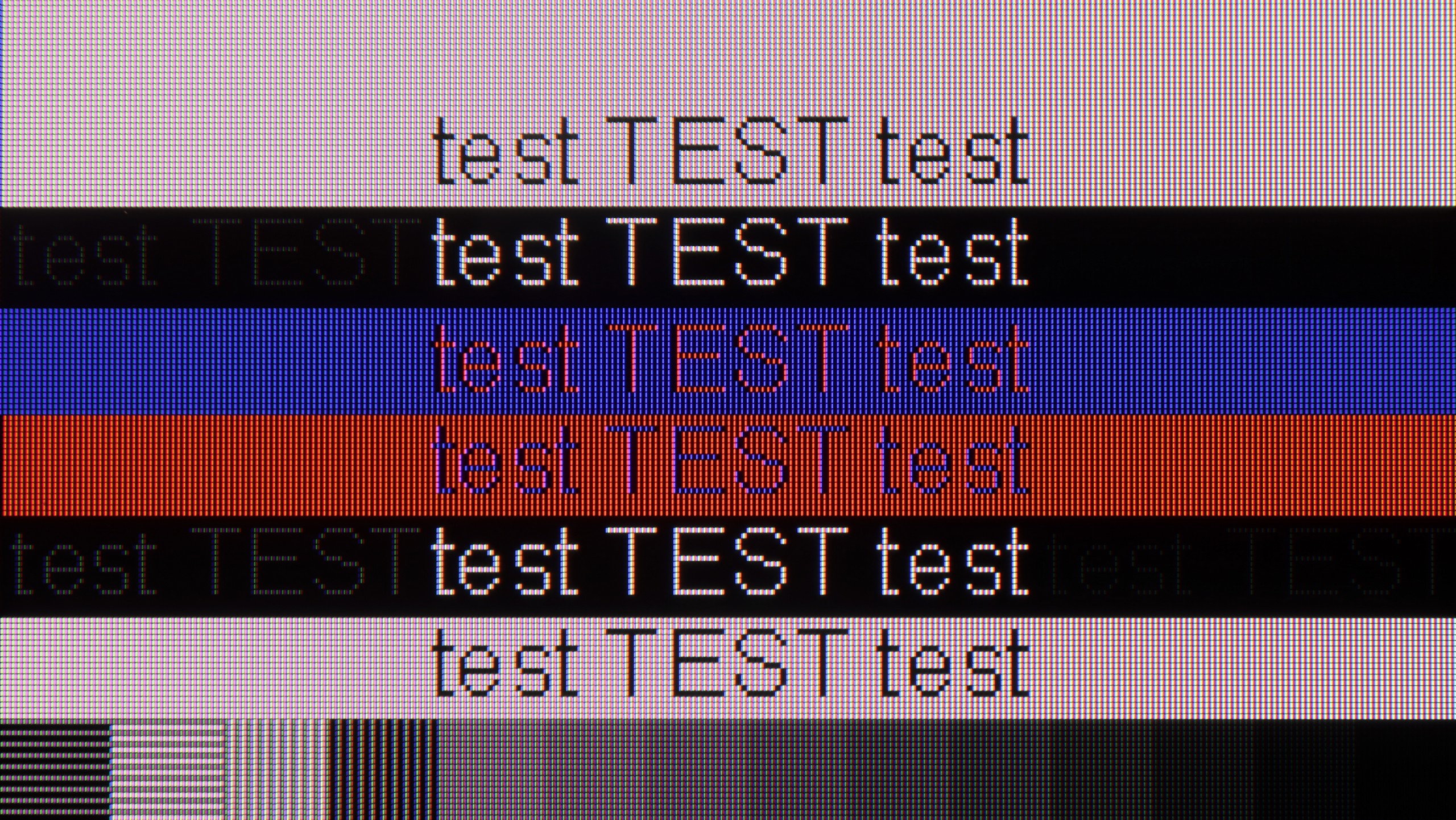
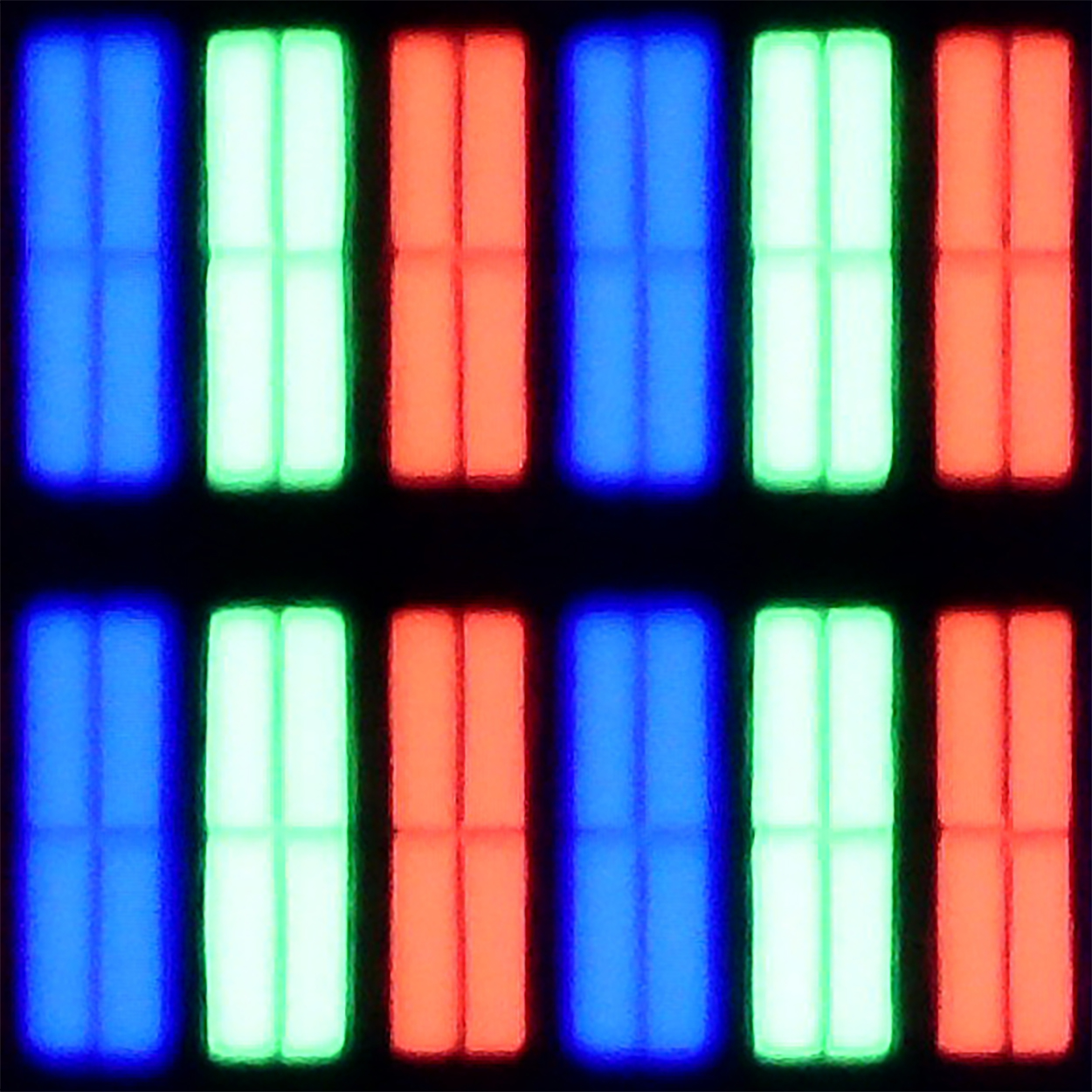
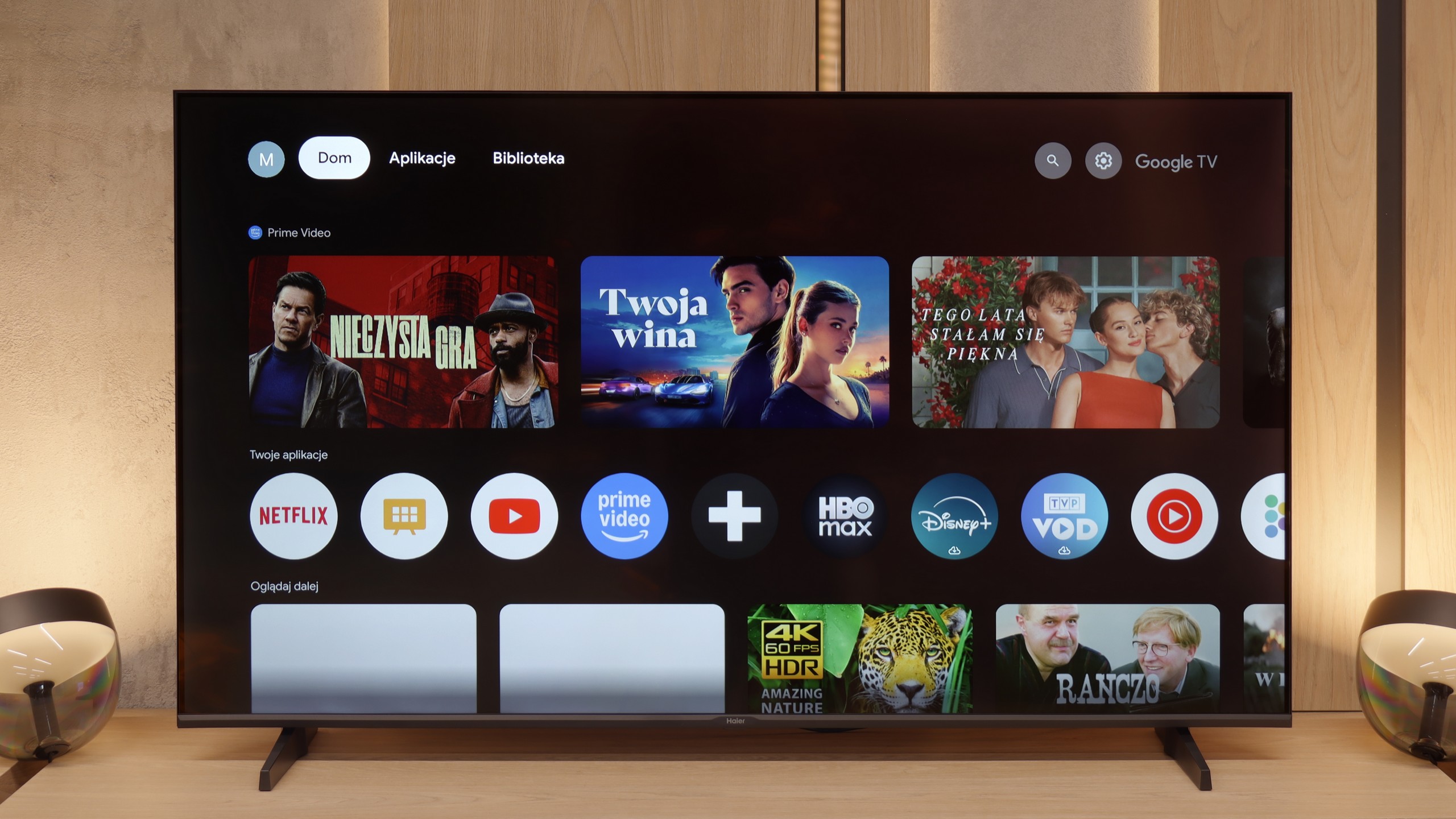
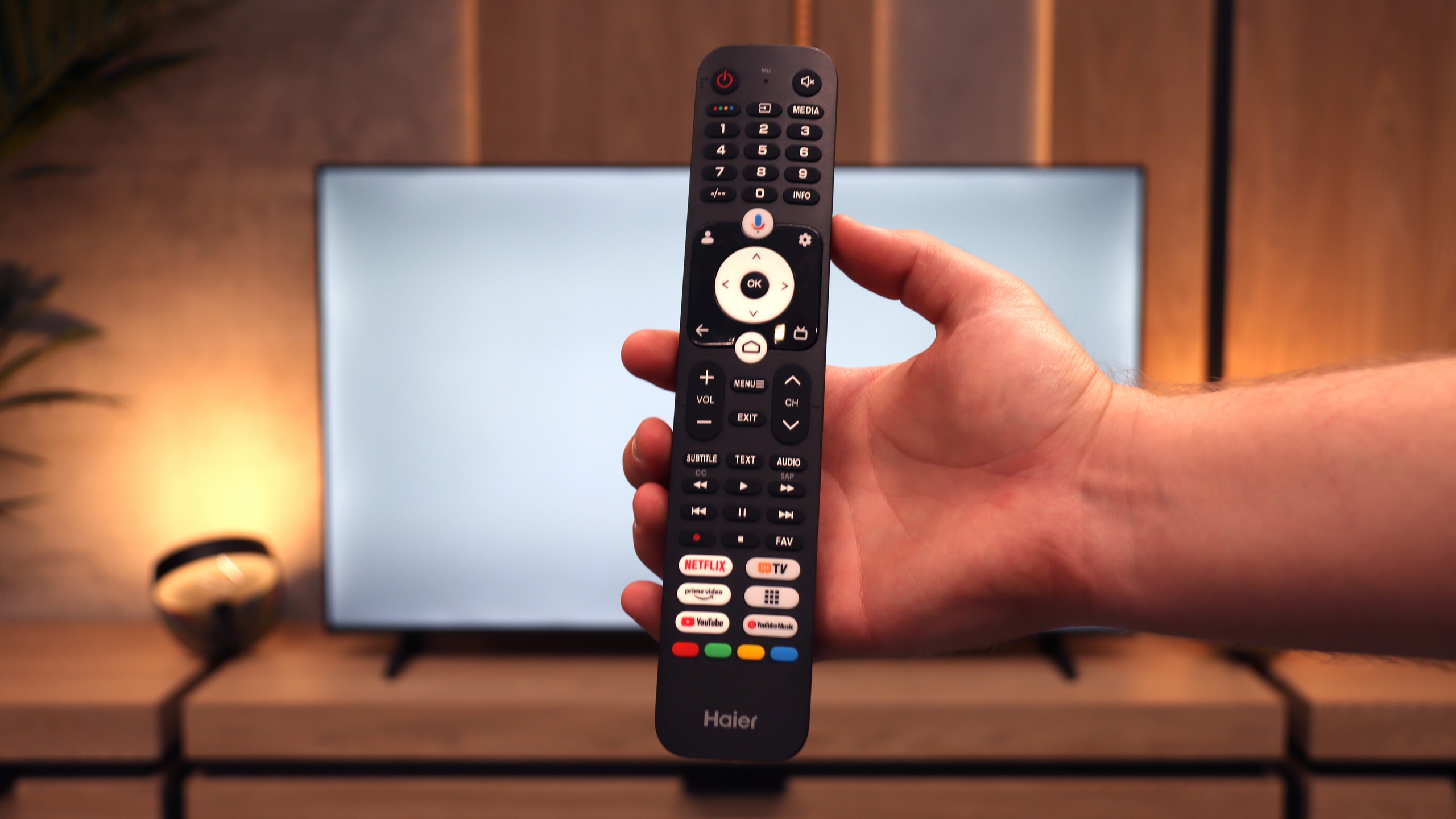
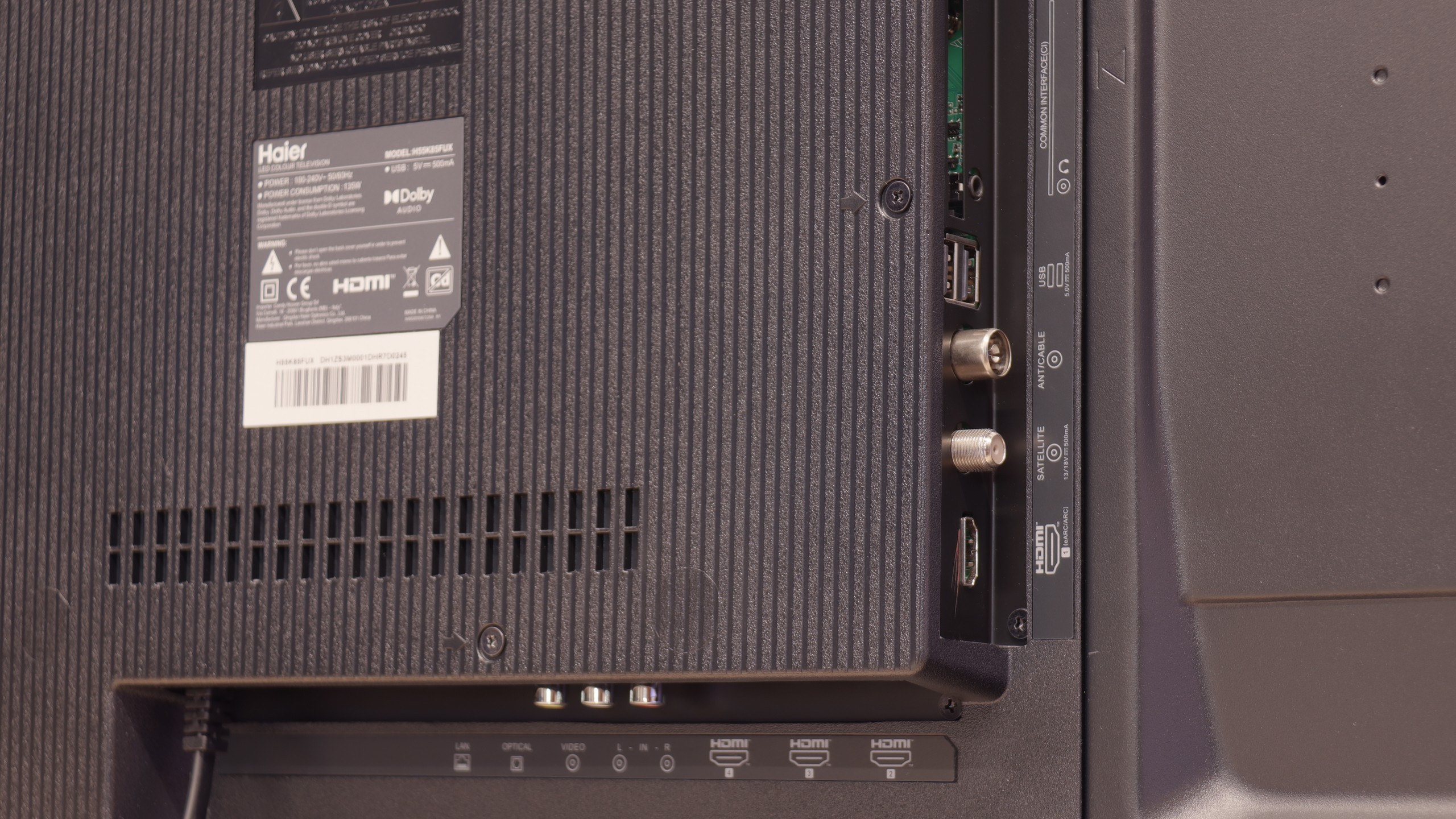
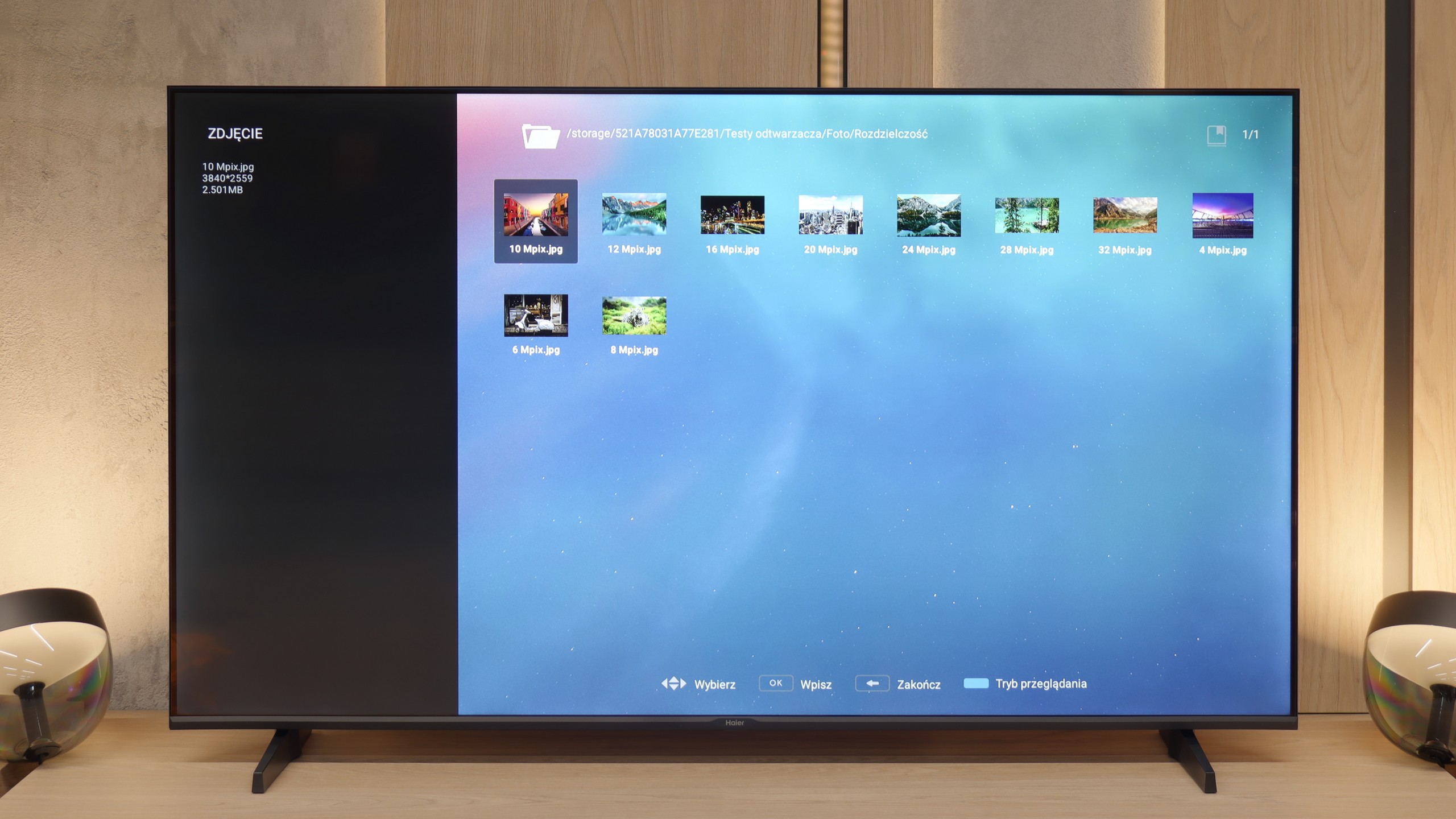
The debut of the Haier brand in the European TV market with the K85F model gives the impression of being rushed, and after thorough testing, it feels almost unfinished. Analyzing this product, we come to a fundamental conclusion: its biggest problem is not the quality of the panel used. Given its price segment, this is simply average, with the typical advantages of VA technology in the form of high contrast and equally typical disadvantages such as poor viewing angles. What actually disqualifies this model as a home entertainment center is the glaring lack of engineering and, above all, software refinement. The list of shortcomings is long and starts from the first contact with the device. Careless assembly, which could have been avoided at the quality control stage, a poorly optimized and poorly translated Google TV system, and annoying issues with such basic functions as pairing the remote—these all contribute to the picture of a product that seems to have been released to market without due diligence. The catastrophic picture quality in HDR mode, resulting not only from low brightness but also from a complete lack of intelligent adaptation to the signal, only adds to this disappointing image. However, it turns out that this model has its second, surprising face. It is enough to look at it not through the prism of a home TV, but rather as a large and cheap display for special tasks. Then its shortcomings take a backseat, and unexpected advantages come to the forefront: an exceptionally well-functioning media player with USB, outstanding font readability from a PC, and access to a huge database of applications. In such a role—as a screen in a conference room, hotel lobby, or simple advertising player—the Haier K85F performs surprisingly well. For the typical user seeking a reliable and simply well-functioning TV for the living room in 2025, however, the Haier K85F is a proposition that is extremely difficult to recommend with a clear conscience. It is a product full of contradictions that fails in its primary function intended by the manufacturer on too many fronts.
 Direct comparison