QNED86A6A is a television that really does a great job in its price class when it comes to sports, gaming, and everyday TV watching. The 120 Hz panel makes the picture smooth and the motion sharp, which will be appreciated by both fans and gamers. Additionally, it has low input lag along with a full set of gaming features such as HGiG, VRR, and ALLM. The TV works just as well with a computer as it does with a console, so in the office or on a desk in the 43” version, it will perform excellently as a work monitor. Another strong point is the webOS system. It is a fast, stable, and app-rich operating system that, paired with the Magic remote, provides very convenient control. The new version of the remote is slimmer and fits better in the hand, and the cursor on the screen is a solution that many competitors lack. It also includes classic features – USB recording, Bluetooth for headphones, and a full set of HDMI 2.1 with eARC and Dolby Atmos support. This makes the QNED85 series TVs some of the most "multimedia" televisions in their class. But let's not sugarcoat it; this model also has its significant drawbacks. Its biggest flaw is undoubtedly the contrast, or rather the lack of it. The IPS panel combined with edge "mini-LED" is simply a very bad idea. The screen is simply not suitable for watching movies in a dark living room. The blacks are grayish-blue, and local dimming can generate light stripes resembling lasers, which effectively ruins the viewing experience. For home theater, this is not a choice that can be recommended with full conviction. The second problem may not be directly related to the TV itself but to its sales. It concerns the chaos in naming and the differences in derivative versions. The same model, even with the same designation, can have a different frame color or stand depending on the store. This can really be frustrating for the buyer and create a sense of confusion. In summary: LG QNED86A6A is a great TV for sports, gaming, and everyday television, with a convenient system and great functionality. But if you are looking for a screen specifically for movies or series and require deep blacks, it is better to look towards TVs that can truly be called Mini-LEDs with full confidence.
- Matching (Score) |
- Our verdict |
- TV appearance |
- Where to buy |
- Contrast and black detail |
- HDR effect quality |
- Factory color reproduction |
- Color reproduction after calibration |
- Smoothness of tonal transitions |
- Image scaling and smoothness of tonal transitions |
- Blur and motion smoothness |
- Console compatibility and gaming features |
- Input lag |
- Compatibility with PC |
- Viewing angles |
- Daytime performance |
- Panel details |
- TV features |
- Apps |
- Playing files from USB |
- Sound
LG QNED86A / QNED85A / QNED87A vs Panasonic W85
 Direct comparison
QNED85A / QNED86A / QNED87A / A6A / A6B / A6C

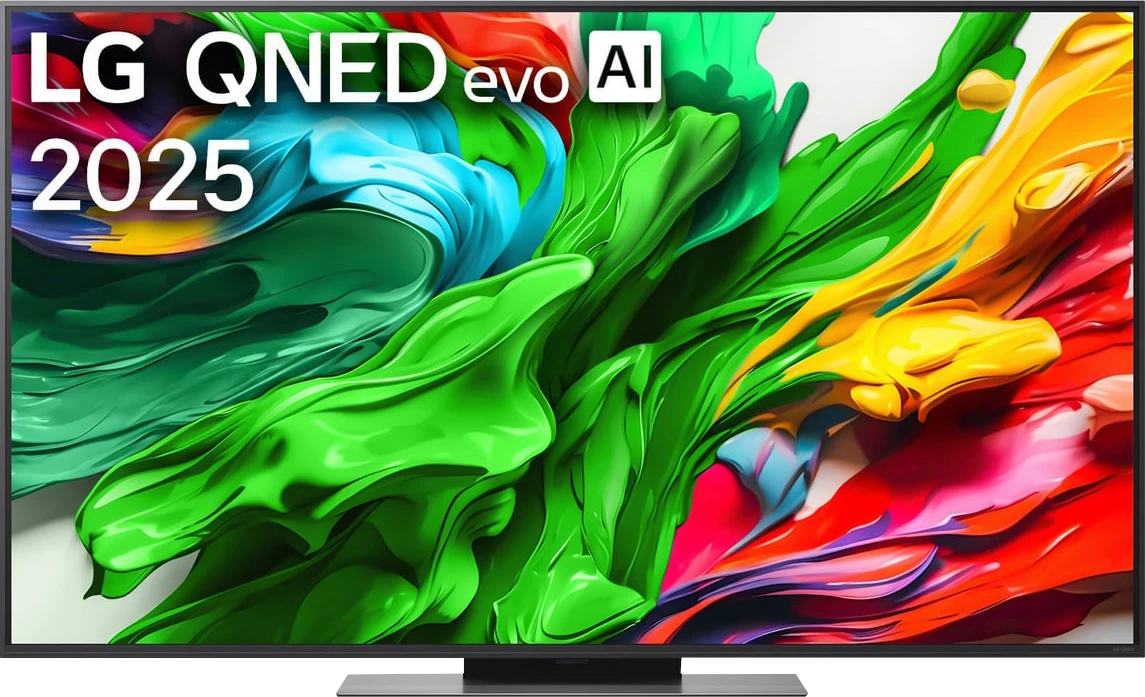
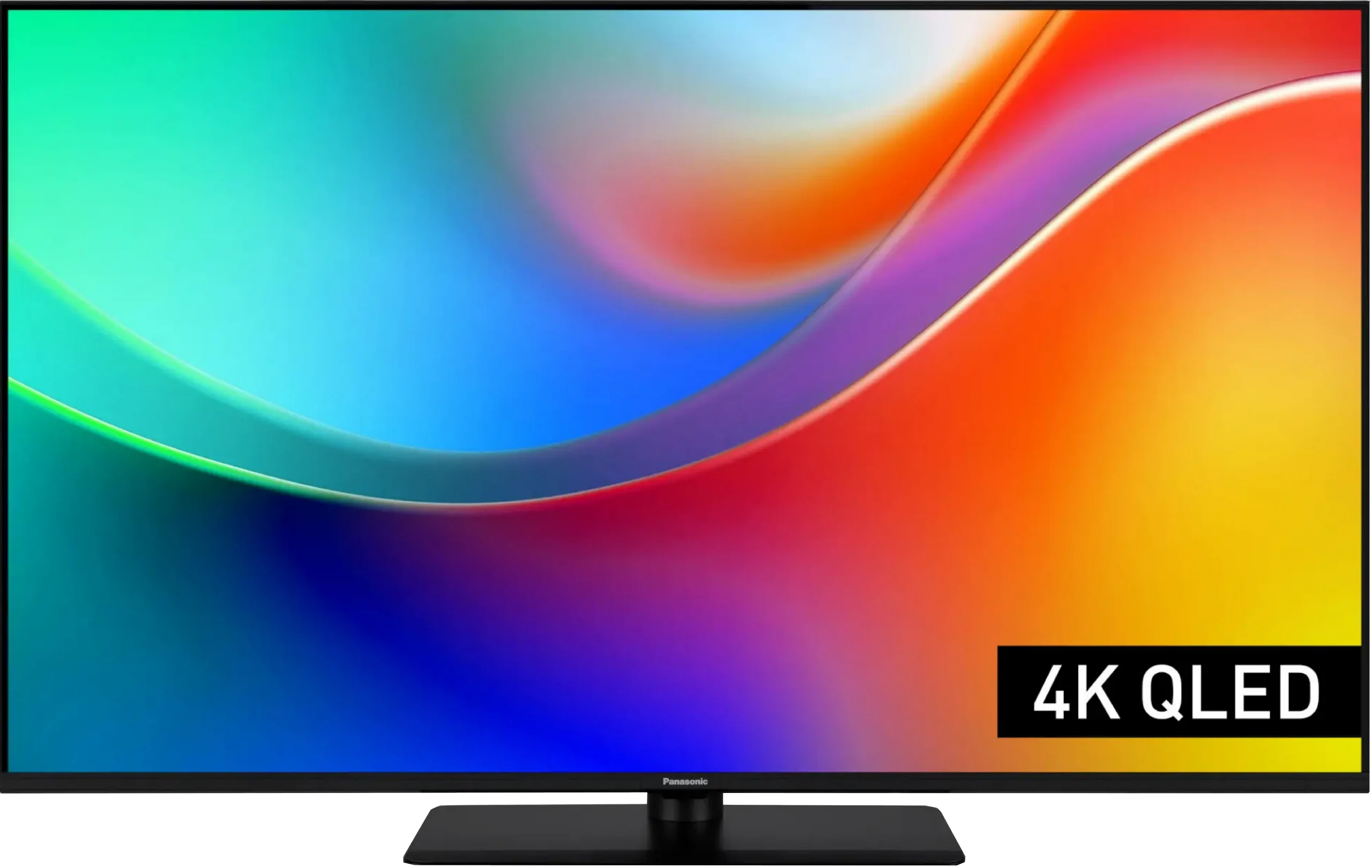
Panel type: LCD IPS
Resolution: 3840x2160
System: WebOS
Model year: 2025
Complete the survey to find out the result
Panel type: LCD VA
Resolution: 3840x2160
System: Amazon FireTV
Model year: 2025
Complete the survey to find out the result
Overall rating
7.0
6.1
 Movies and series in UHD quality
 6.4
5.5
 Classic TV, YouTube
 6.1
5.8
 Sports broadcasts (TV and apps)
 7.1
5.8
 Gaming on console
 8.3
7.7
 TV as a computer monitor
 8.0
8.6
 Watching in bright light
 5.8
4.2
 Utility functions
 8.4
6.8
 Apps
Apps 9.1
7.6
 Sound quality
 6.0
5.8
Complete the survey to find out what fits your preferences
Advantages

120 Hz panel, good for sports and gaming
Very low input lag
Great for gamers (VRR, ALLM, HGiG, etc.)
Full set of HDMI 2.1 ports
Good compatibility with PC (great font readability)
Bright picture (around 700 nits in HDR), works well in moderately bright rooms
Good viewing angles (IPS)
Supports Dolby Vision
User-friendly webOS operating system with Magic Remote and voice assistant
Ability to record programs to USB
VA matrix with high native contrast
High refresh rate 120/144 Hz
Two HDMI 2.1 ports supporting ALLM, VRR, and Dolby Vision in games
Very low input lag
Quite good color gamut coverage thanks to the QLED filter
Support for multiple HDR formats including Dolby Vision and HDR10+
Sturdy central base
Great compatibility with PC – full 4:4:4 chroma, readable fonts
Disadvantages

Very poor black and contrast due to the IPS panel
Lack of the declared 144 Hz in PC mode
Aggressive "light bars" when dimming is enabled (edge local dimming ruins evening movie screenings)
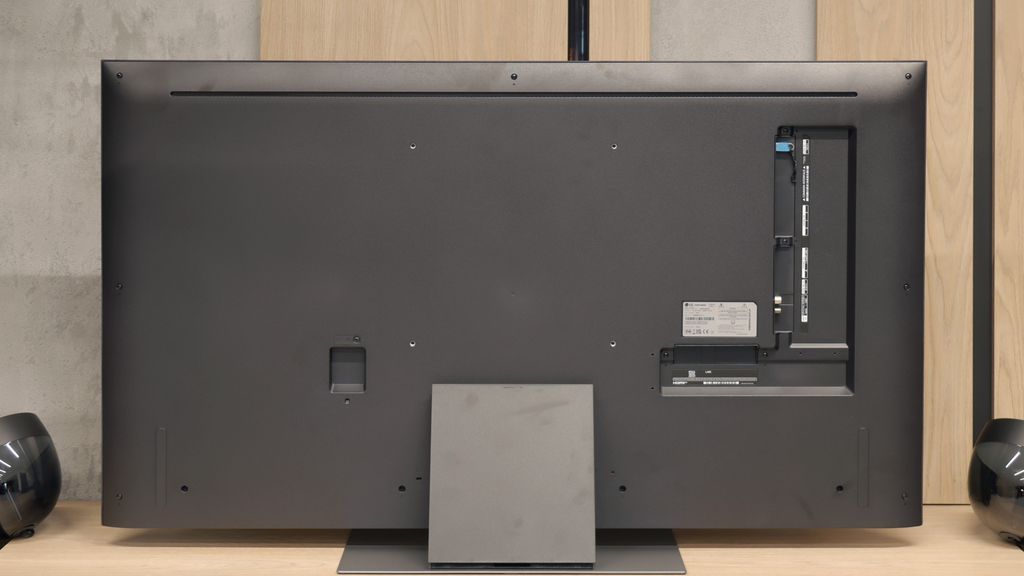
Confusion in markings and versions – even TVs with the same name in different stores can have different stands (central or two legs) or frame colors, which can be very misleading when purchasing.
Low brightness (below 270 nits) – no real HDR
HDR mode in games is poorly developed, with incorrect HGiG implementation
Weak media file player
The FireTV system in Europe is poorly developed: there are micro stutters and awkward translations, and many apps are missing
Average sound quality, lacking depth
Motion smoothing doesn't want to work
Our verdict
The Panasonic W85B is a TV that aims to prove that the Japanese brand can produce not only top-tier devices but also something more "for the people." And it really does look decent on paper: a VA panel with solid contrast, high refresh rates of 120/144 Hz, two full HDMI 2.1 ports, and low input lag. It sounds like a great setup for a gamer or someone just looking for an affordable TV with good fundamentals. However, the reality is a bit more complicated. The W85B performs well mainly with SDR content, especially after calibration, and will serve well for typical everyday use. But when we start expecting more from it—for example, counting on strong HDR performance or greater immersion in games with that mode activated—the TV quickly shows its limitations. Its brightness is low and the lack of local dimming becomes quite noticeable during evening viewing. Therefore, we view the W85B more as a "daily" TV—ideal for someone who watches terrestrial television, YouTube, or SDR streaming, and wants to connect a console or PC for 120/144 Hz (but without HDR). In that role, it performs very well. Is it a TV for everyone? Definitely not. But if we accept its limitations and approach it with reasonable expectations, the W85B can provide a lot of enjoyment for a relatively sensible price.
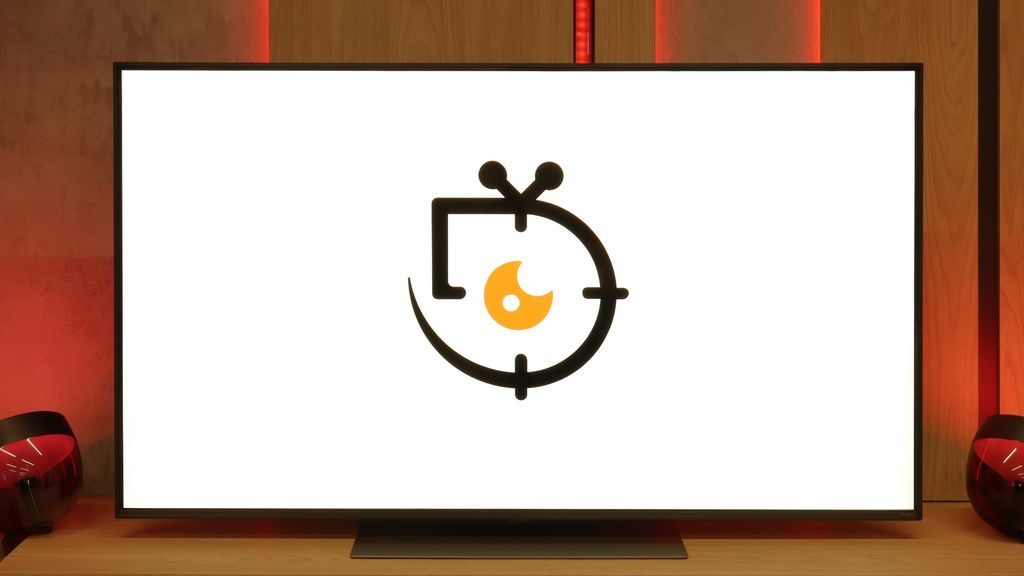
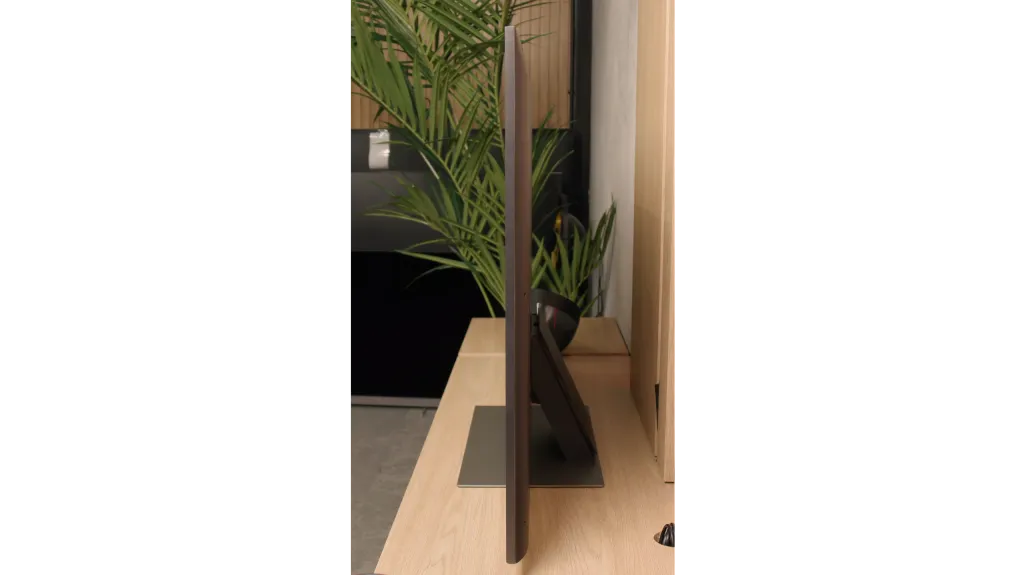
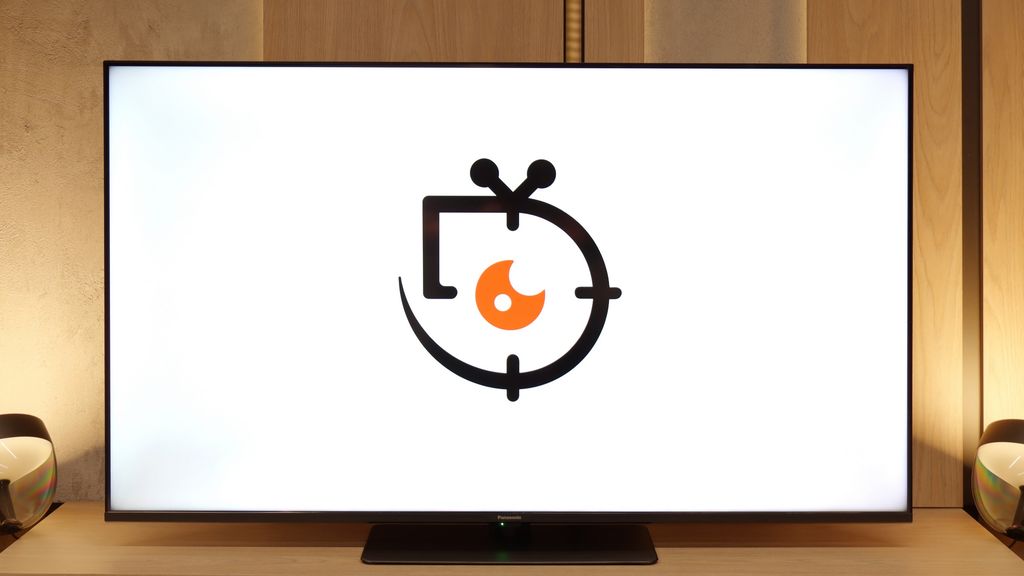
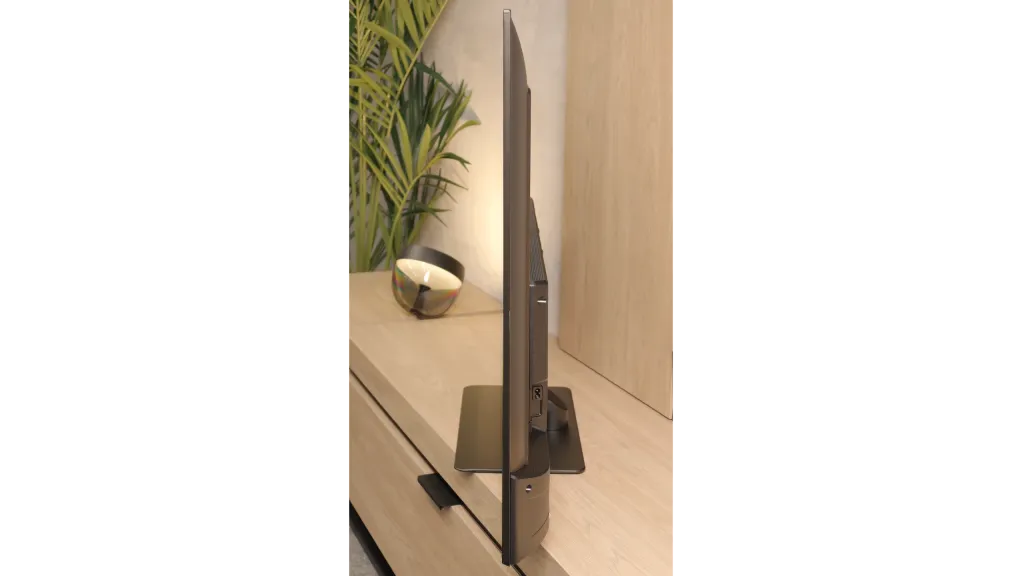
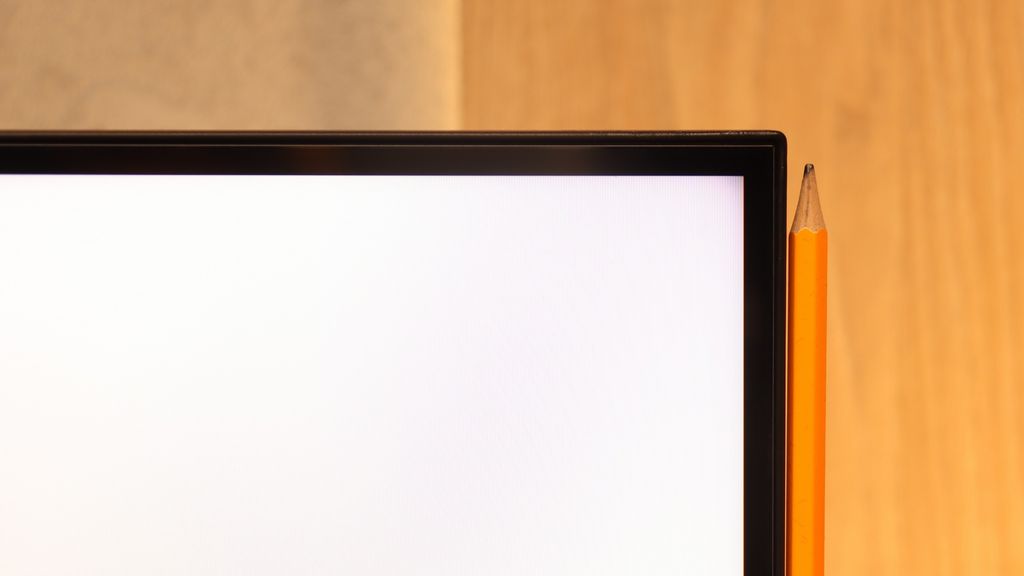
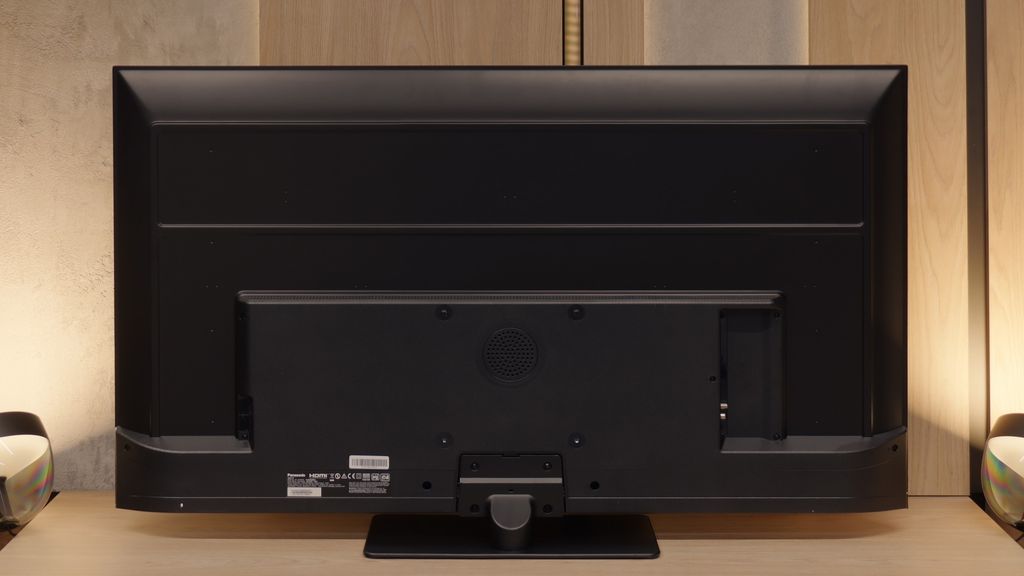
TV appearance

Contrast and black detail
3.5/10
5.3/10
Local dimming function: Yes, number of zones: 6 (1 x 6)
Local dimming function: No
Contrast:


Result
4,050:1

Result
1,750:1

Result
4,800:1

Result
1,850:1

Result
1,350:1
Result
4,300:1
Result
4,250:1
Result
4,200:1
Result
4,400:1
Result
3,150:1
Halo effect and black detail visibility:
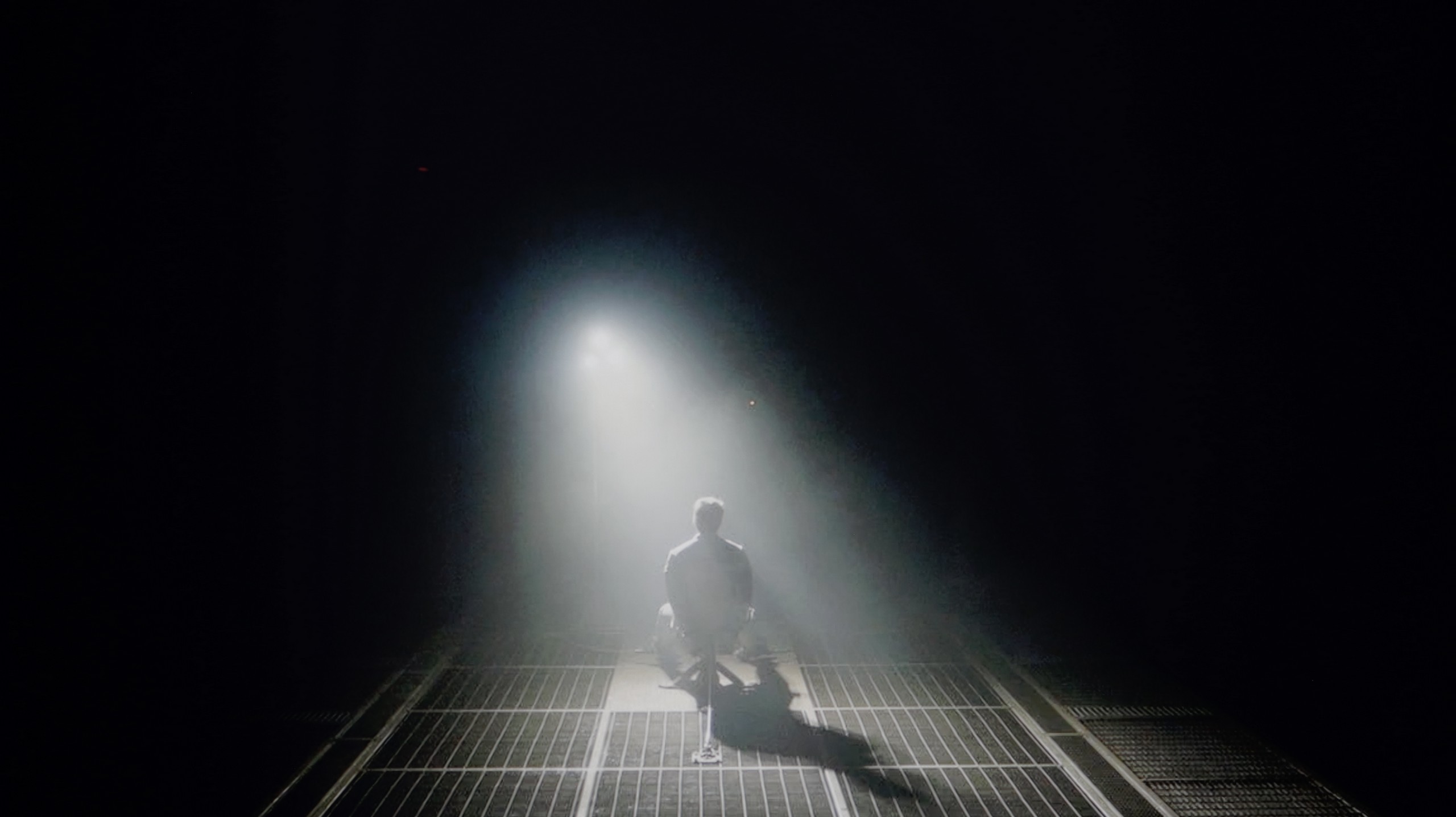
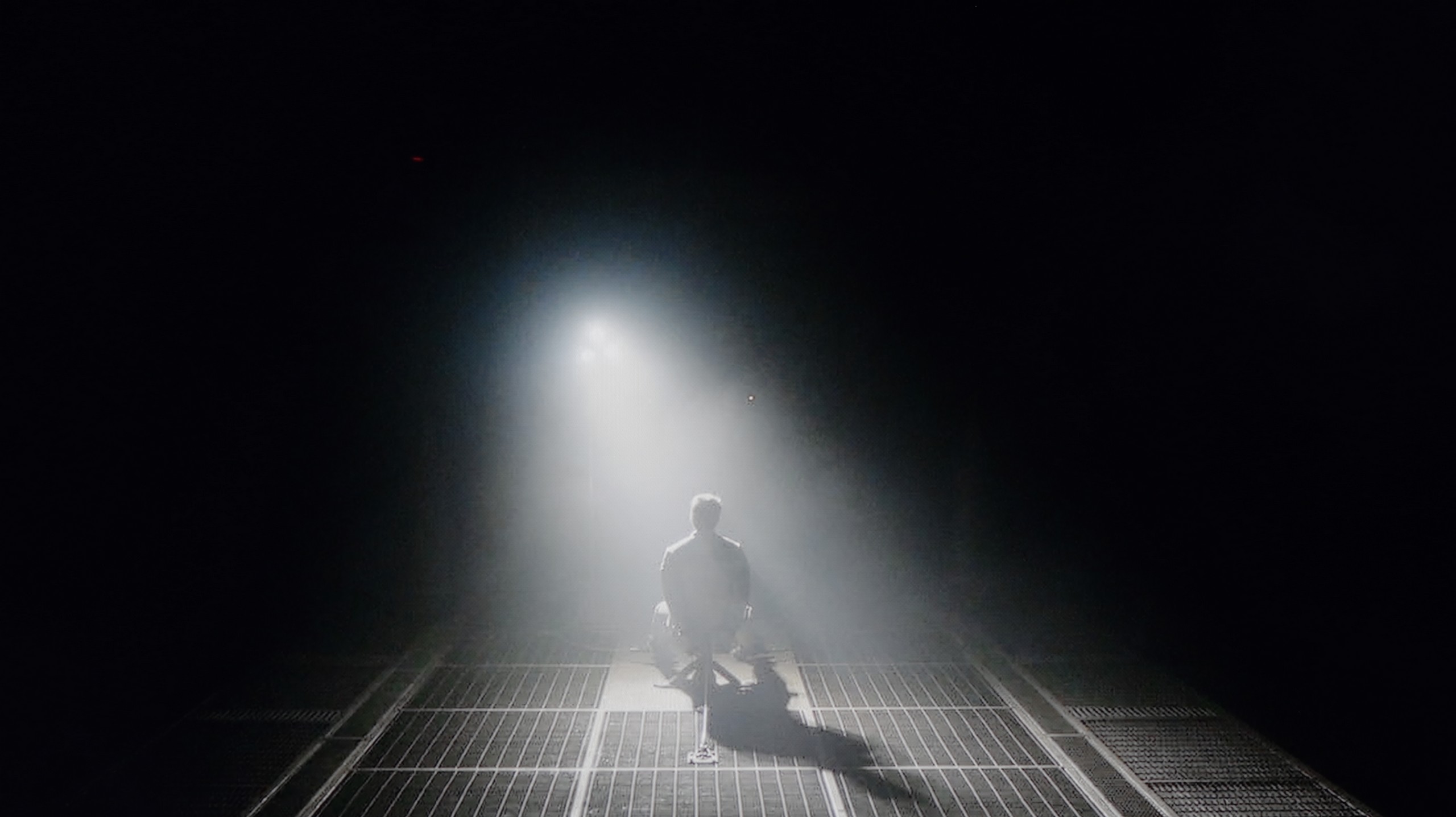
Check the visibility of bright lights on a dark background. Mini-LEDs often struggle with this. The photo does not compare black levels – that’s what the video below is for.
The video accurately shows differences in contrast and black levels between TVs, as well as potential issues: halo around bright objects or Mini-LED zone operation visible as brightness jumps.
Although the manufacturer describes the QNED86A as a Mini-LED television, one would be hard-pressed to find the multi-zone local dimming system known from more expensive models. In practice, we are dealing with classic edge lighting that only allows for dimming horizontal bands of the screen from top to bottom. Combined with the low-contrast IPS/ADS panel, the effect is simply poor. If we decide to keep local dimming enabled, a problem arises – the television can illuminate selected areas in such a way that it appears like “flying lasers” crossing the screen. This is very distracting, and it is difficult to claim a truly cinematic experience under such conditions. Therefore, in our opinion, it is better to disable this function. However, one has to reckon with the fact that the contrast then drops to around 1500:1, but at least the image does not irritate with artificial flashes.
The W85B is Panasonic's entry-level LCD, so one shouldn't expect miracles in this category, but... the VA panel really does a great job here. Its biggest advantage is simply better contrast than in popular IPS panels – blacks often look gray there, while here you can actually see deeper tones. In the scenes we tested, the contrast held around 4000:1, which translates to roughly four times better performance than in IPS panels. Of course, there's no local dimming, so in difficult conditions, when it gets really dark in the room, black can resemble navy more than absolute pitch black. This is the difference you can see compared to OLEDs or Mini-LEDs. But in everyday viewing – a series, a match, a movie in the evening in the living room – this contrast is more than sufficient. The image has the right depth, and the W85B doesn't give the feeling of a "washed-out" television.
HDR effect quality
6/10
4.2/10
Luminance measurements in HDR:

Result
602 nit

Result
524 nit

Result
690 nit

Result
512 nit

Result
500 nit
Result
228 nit
Result
249 nit
Result
283 nit
Result
282 nit
Result
297 nit
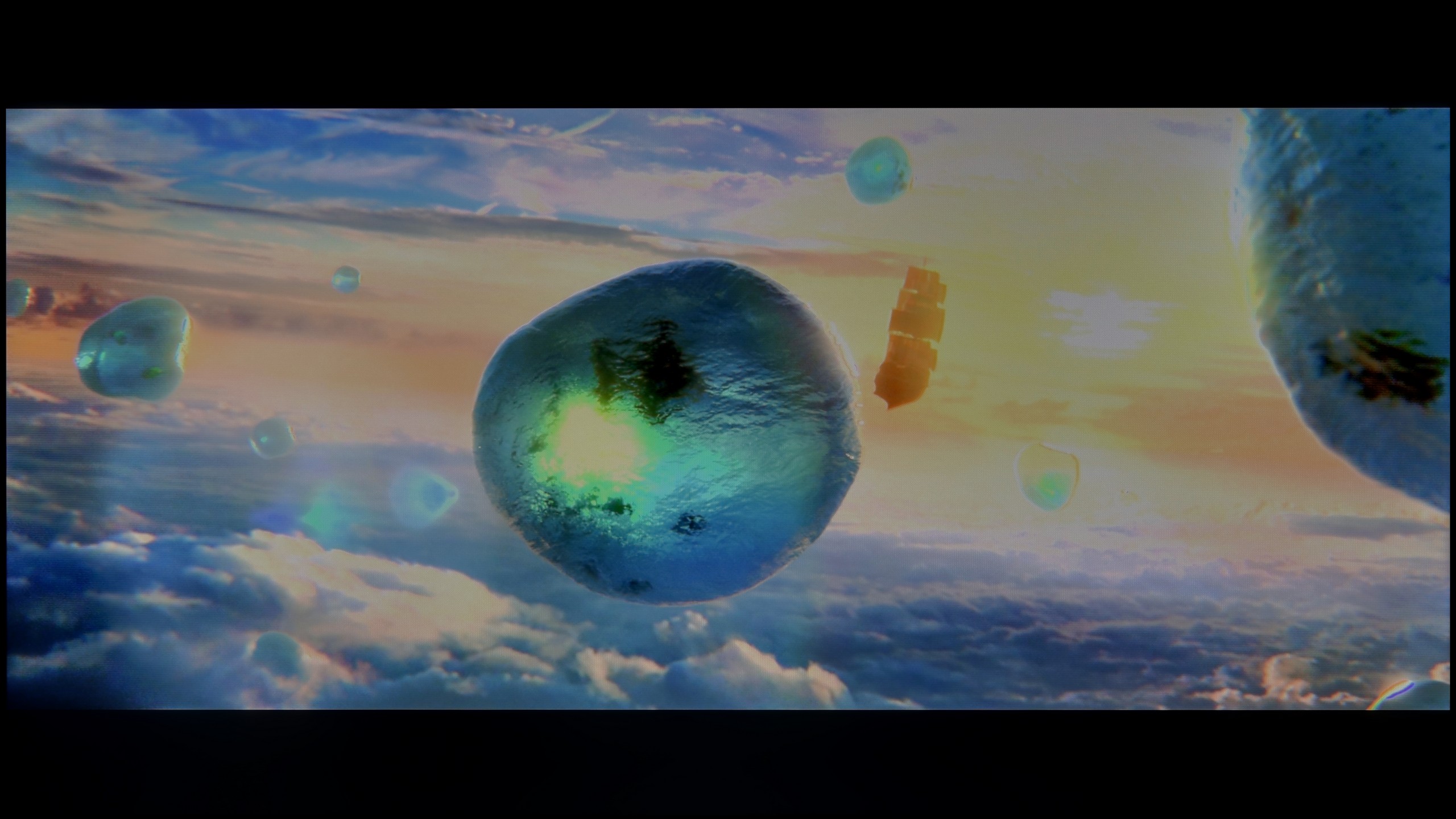
Scene from the movie “Pan” (about 2800 nits)
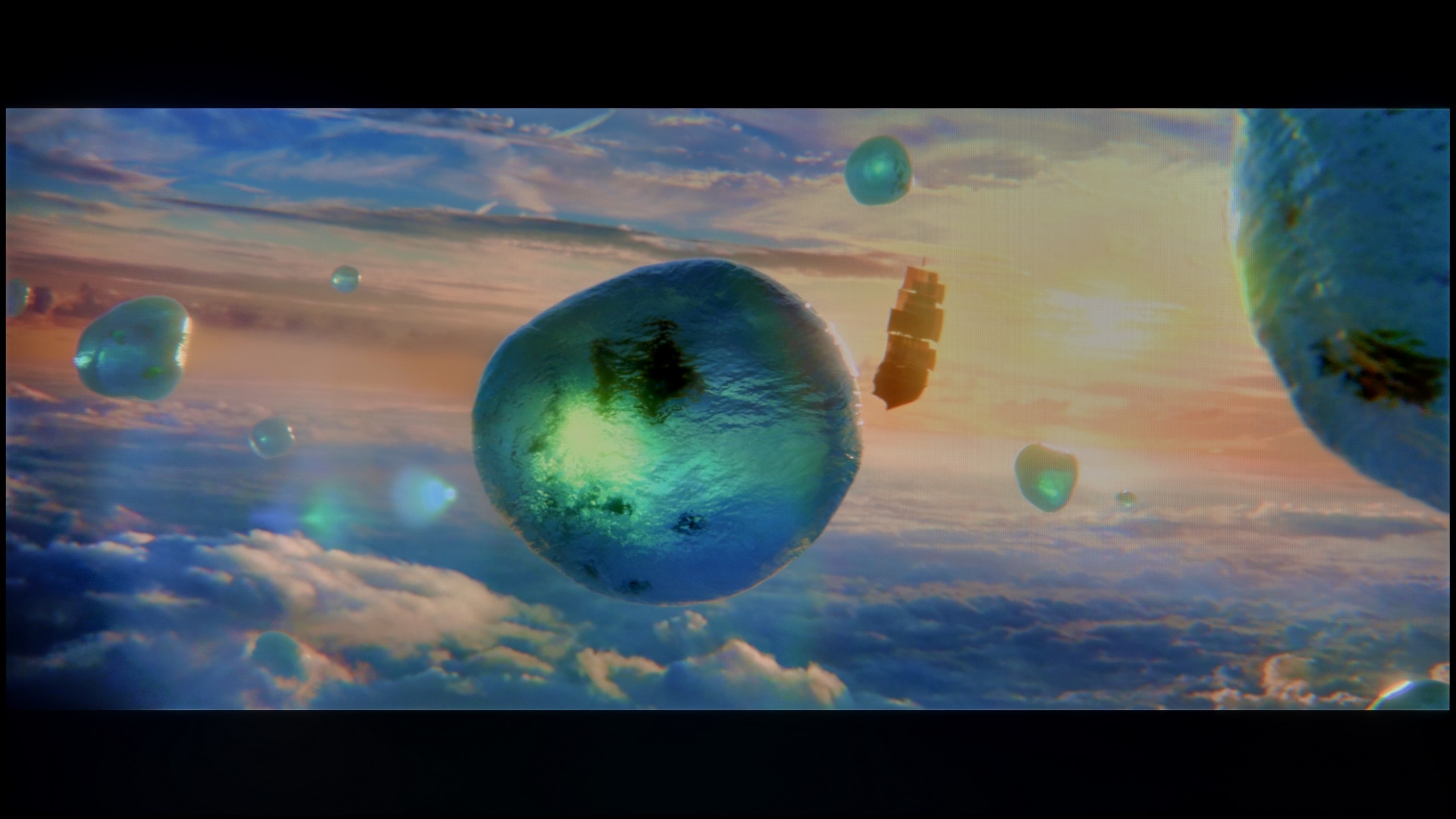
Scene from the movie “Billy Lynn” (about 1100 nits)
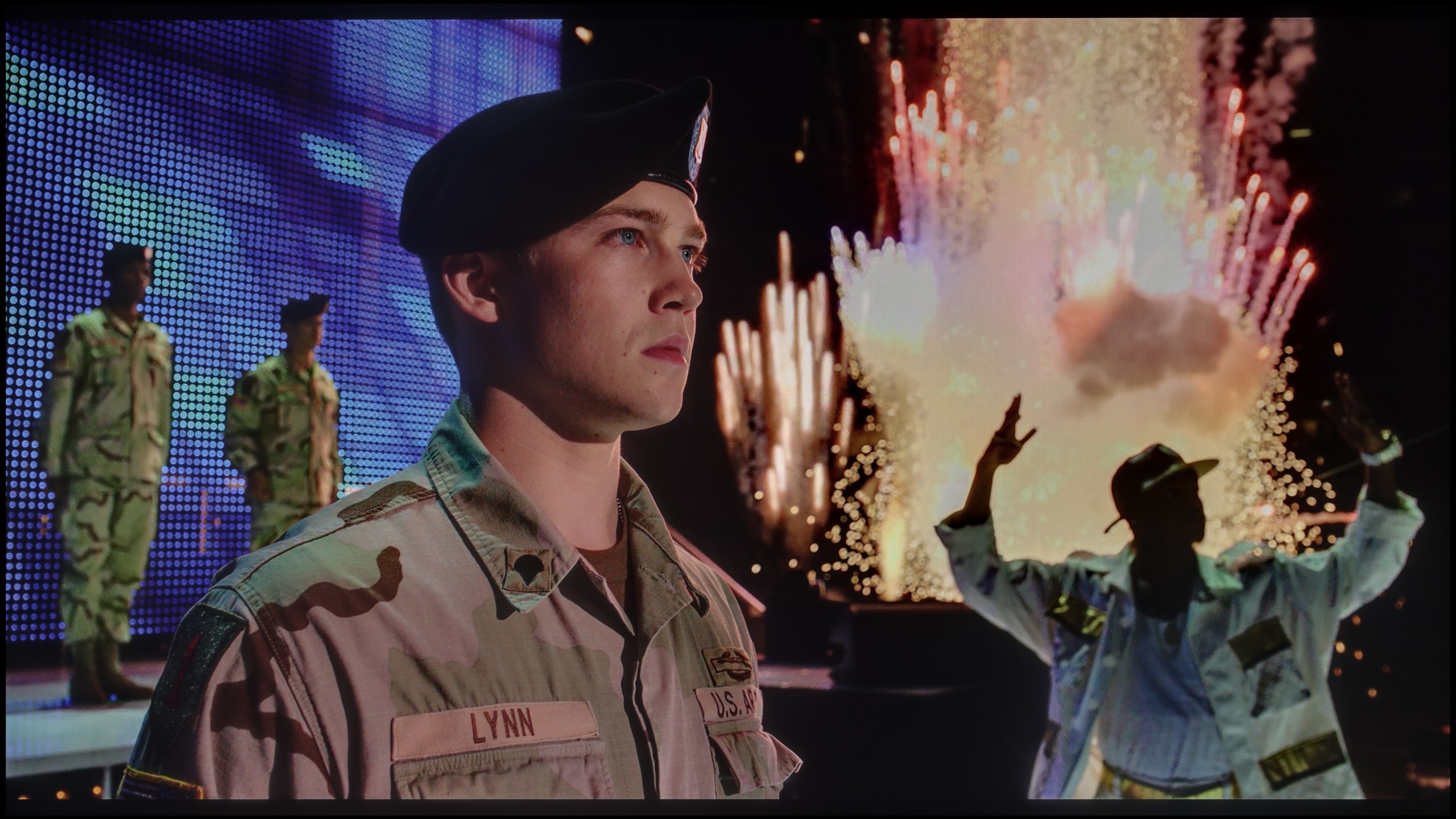
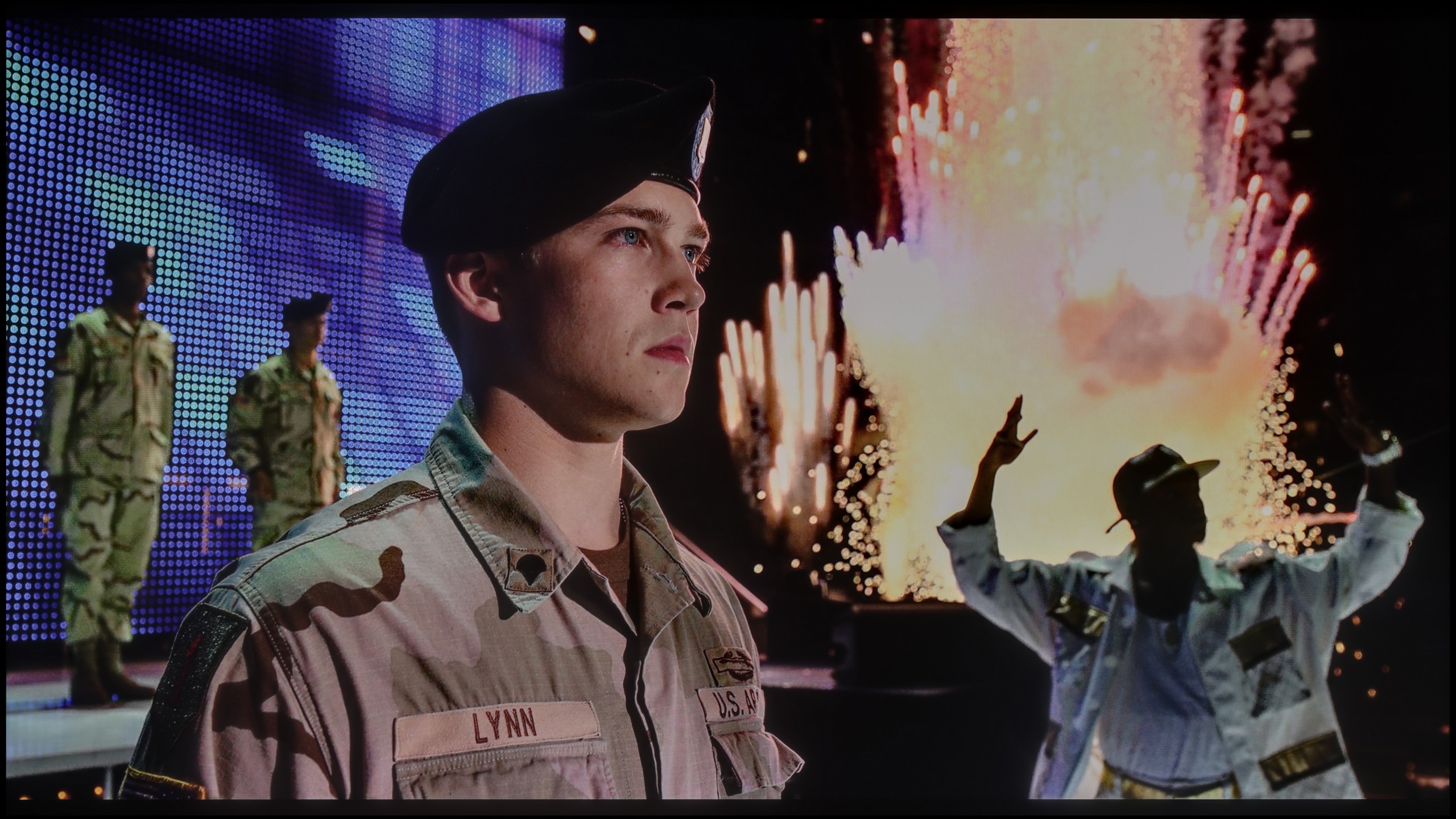
The photos show two HDR10 movies. 'Pan' is one of the brightest productions ever made, while 'Billy Lynn' (soldier) has brightness typical of streaming (Netflix, Prime, HBO MAX). Notice the intensity of effects and detail in whites.
Static HDR10

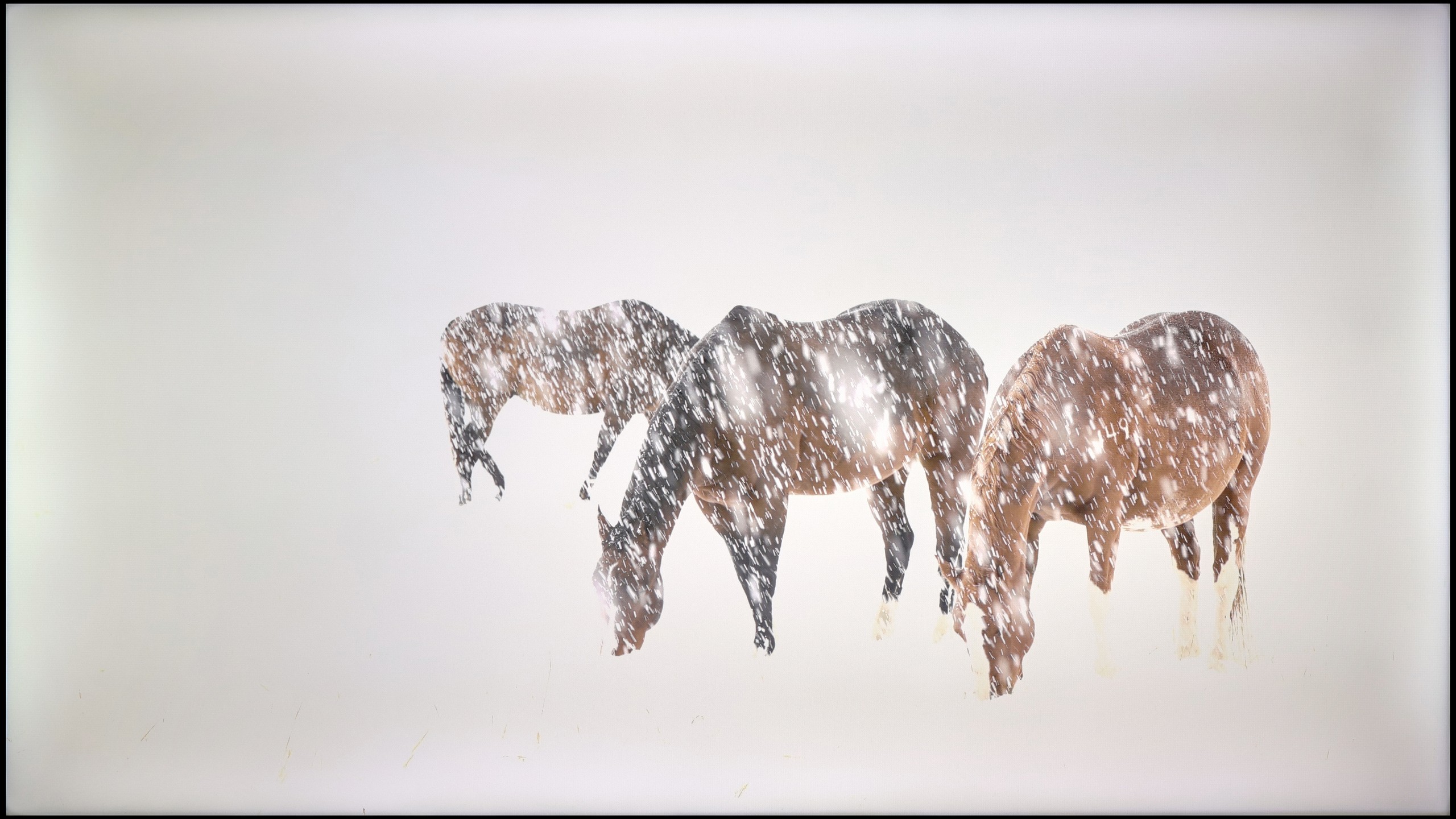
The photos present the visibility of white details in various HDR formats. They do not show brightness differences between TVs (these can be compared in the previous gallery).
Dynamic: Dolby Vision
Dynamic: Dolby Vision


The photos present the visibility of white details in various HDR formats. They do not show brightness differences between TVs (these can be compared in the previous gallery).
HDR luminance chart:
Panasonic W85
LG QNED86A / QNED85A / QNED87A
Against the backdrop of contrast and black, the brightness of the QNED86A and the overall HDR effect performs much better. This is a television that can reach around 700 nits in the best conditions, so in terms of brightness alone, there is nothing to be ashamed of. As a result, scenes with strong lights, explosions, flashes, or bright parts of the landscape look clear and can make an impression. Interestingly, even in more challenging moments with small, contrasting elements on the screen, the television handles their backlighting well, and the details are quite visible. The problem resurfaces when there are a lot of dark tones. The lack of effective local dimming causes black to virtually disappear, and instead, we get a gray glow spreading across the entire screen. This kills the sense of depth and makes the image look flat, as if it lacks a cinematic quality. In bright animations or colorful family films, this won't be an issue because colors and bright light dominate there. But in horrors or productions set in darkness, these limitations are very palpable. As a consolation, it’s worth mentioning that the QNED86A is actually a QLED television with a PFS LED filter, which gives it very good coverage of wide color gamuts. Both the DCI-P3 palette and the wider BT.2020 perform really solid here. This ensures that colors in HDR films are saturated, vibrant, and have the right depth – even if the black itself disappoints, the colors can save the viewing experience and make the image look attractive.
Unfortunately, we don't have good news here. The Panasonic W85B is rather dim – its peak brightness does not exceed 300 nits, so it's hard to talk about any true HDR effect. In practice, this means that scenes which on other screens can "shine" and make an impression, here look simply like regular SDR with a slight boost in colors. Our measurements and film tests confirmed this – regardless of the content, the W85B won't extract anything more from HDR. So if someone is looking for a TV specifically for HDR, it's better to look towards other models. As a consolation, the fact remains that in terms of colors, the W85B performs quite well. It's a QLED TV, so its color gamut coverage is wide, and most films and series look natural, without a distinct "washed out" effect. The colors are saturated, so during regular viewing, there is no sense that something is quite wrong.
Factory color reproduction
5.6/10
4.2/10


This gallery shows how colors change after professional TV calibration. If you notice the difference, we recommend ordering this service at SkalibrujTV.com.
Factory Mode
After calibration


This gallery shows how colors change after professional TV calibration. If you notice the difference, we recommend ordering this service at SkalibrujTV.com.
Factory Mode
After calibration
We primarily tested the QNED86A in Filmmaker mode, which is designed to provide the most accurate picture. Unfortunately, right out of the box, there were quite a few shortcomings. The most noticeable issue was the poorly adjusted white balance – there was a lack of blue, causing the overall image to lean slightly yellow, and at times, even orange. An even bigger problem turned out to be the way the television manages brightness. Due to its technical limitations – namely, local dimming that only works along the edges of the screen – the QNED86A tends to over-brighten entire scenes. This is where the flattening effect we mentioned earlier comes from. Instead of distinct depth and contrast, we get something akin to "boosted brightness," which can strain the eye over time.
While testing the Panasonic W85B, we of course started with the Filmmaker mode, as it is the gold standard today for watching content "as the director intended." The problem is that this TV is quite far from those intentions. The biggest issue turned out to be an excess of red – in both SDR and HDR. The picture often looked overly warm, and in some scenes, it appeared almost "blazing." Additionally, there’s the issue of brightness management. When we looked at the gamma and EOTF charts, it was clear as day that in most scenes, the TV brightens the image more than it should. The effect was easy to predict. Details can get lost, leading to flattening and clipping across the entire screen. Of course, we know how to improve this, but it must be said honestly that it requires quite a bit of work in calibration. Out of the box, the W85B does not provide a reference-level picture – it is rather a TV that will always interpret colors and brightness a bit "its own way" without professional adjustments. Unfortunately, this is to the detriment of the viewer.
Color reproduction after calibration
7.6/10
6.9/10


The photos show how movies look on the TV. Pay attention to black detail visibility, colors, and shadow tint.

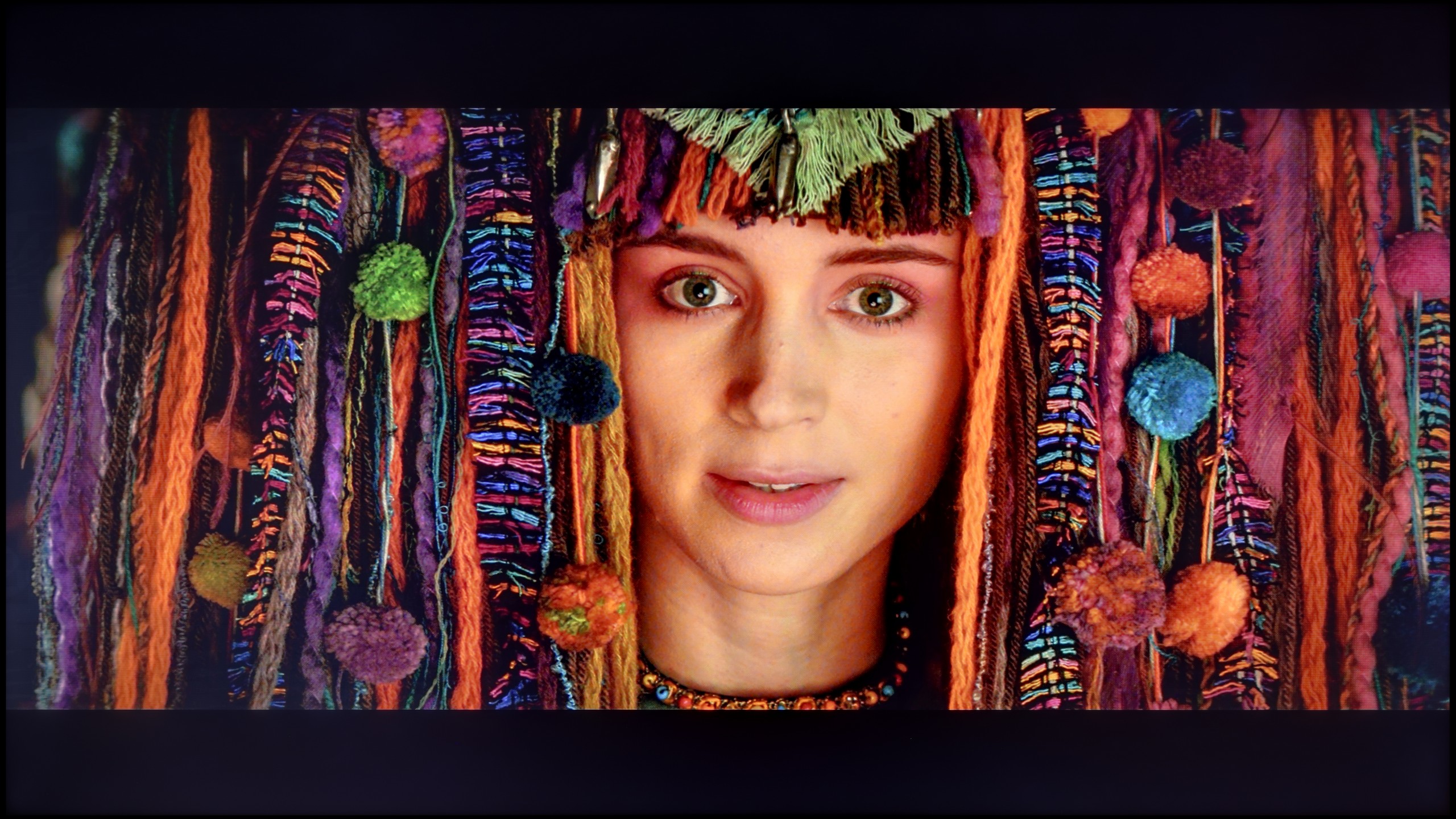
The photos show how movies look on the TV. Pay attention to black detail visibility, colors, and shadow tint.
What was saved in the QNED86A6A is undoubtedly the colors. After calibration, the white balance was set with great precision, resulting in deviations on the Colour Checker palette mostly not exceeding the threshold of visibility for the human eye. In other words – the colors finally looked natural, without strange yellow or orange tones that previously ruined the experience. Unfortunately, even the best calibration cannot bypass design limitations. The already mentioned very modest number of local dimming zones and their unfortunate placement made the analysis of the EOTF curve in films still show clear over-brightening of scenes. The image tended to flatten, lacking cinematic depth. Fortunately, this effect is not as noticeable in older productions or SDR content. There, calibration really does its job and allows taming the QNED in such a way that the image can be pleasing. However, the specifics of this design – especially the contrast issues – cannot be entirely overcome.
Fortunately, calibration made a significant difference for the Panasonic W85B, especially in SDR content. Here, the improvement was really noticeable – we managed to balance the white and reasonably tame the TV's tendency to excessively brighten the entire image. The picture became more coherent, and the colors gained a naturalness that was lacking in the factory settings. Admittedly, the results from the Color Checker are not perfect, as the W85B has visible issues with green saturation, but overall, we assess the post-calibration effect in SDR very positively. The situation with HDR is a bit different. Here, we were also able to limit the tendency to warm up the entire scene, so the image turned out much better than in the factory settings. However, the same problem we mentioned earlier is still evident – the TV interprets the image too "in its own way" and brightens the entire frame. The lack of local dimming only exacerbates this effect. In summary, briefly in SDR content, the W85B performs really well after calibration and is perfectly suitable for everyday viewing. However, in HDR, even after adjustments, it is still hard to unequivocally recommend it for serious viewing sessions.
Smoothness of tonal transitions
8.9/10
9.1/10
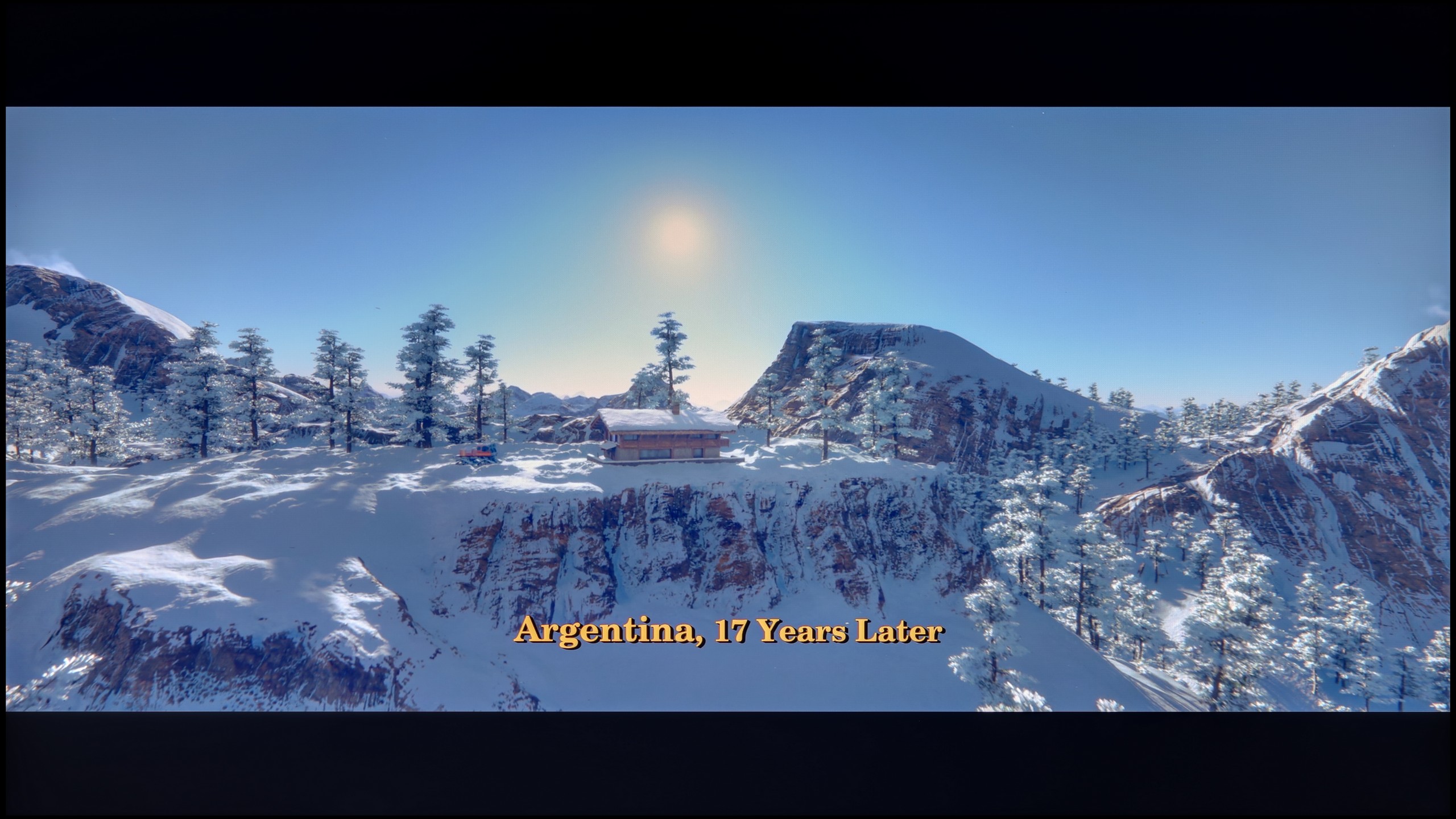
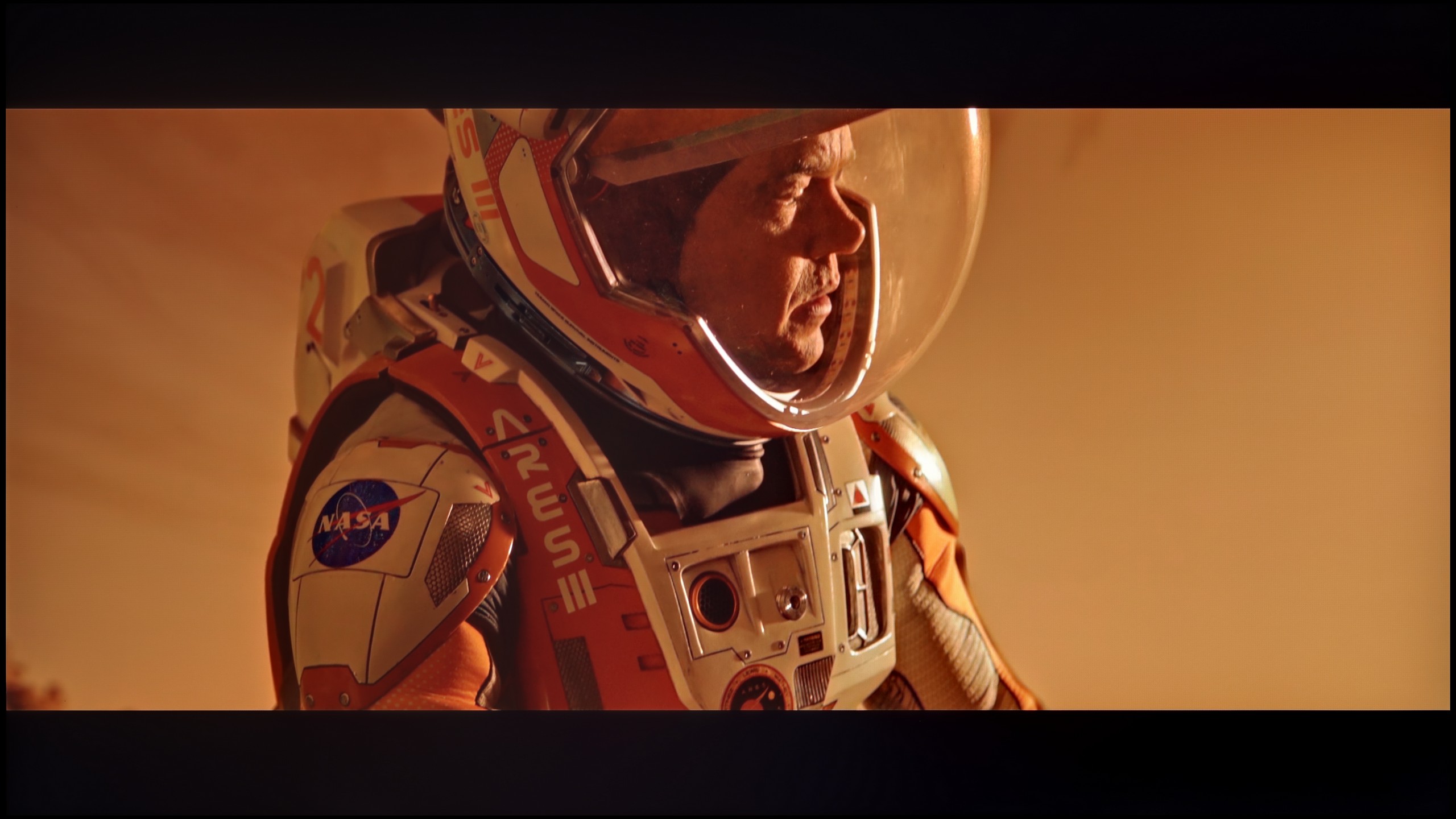
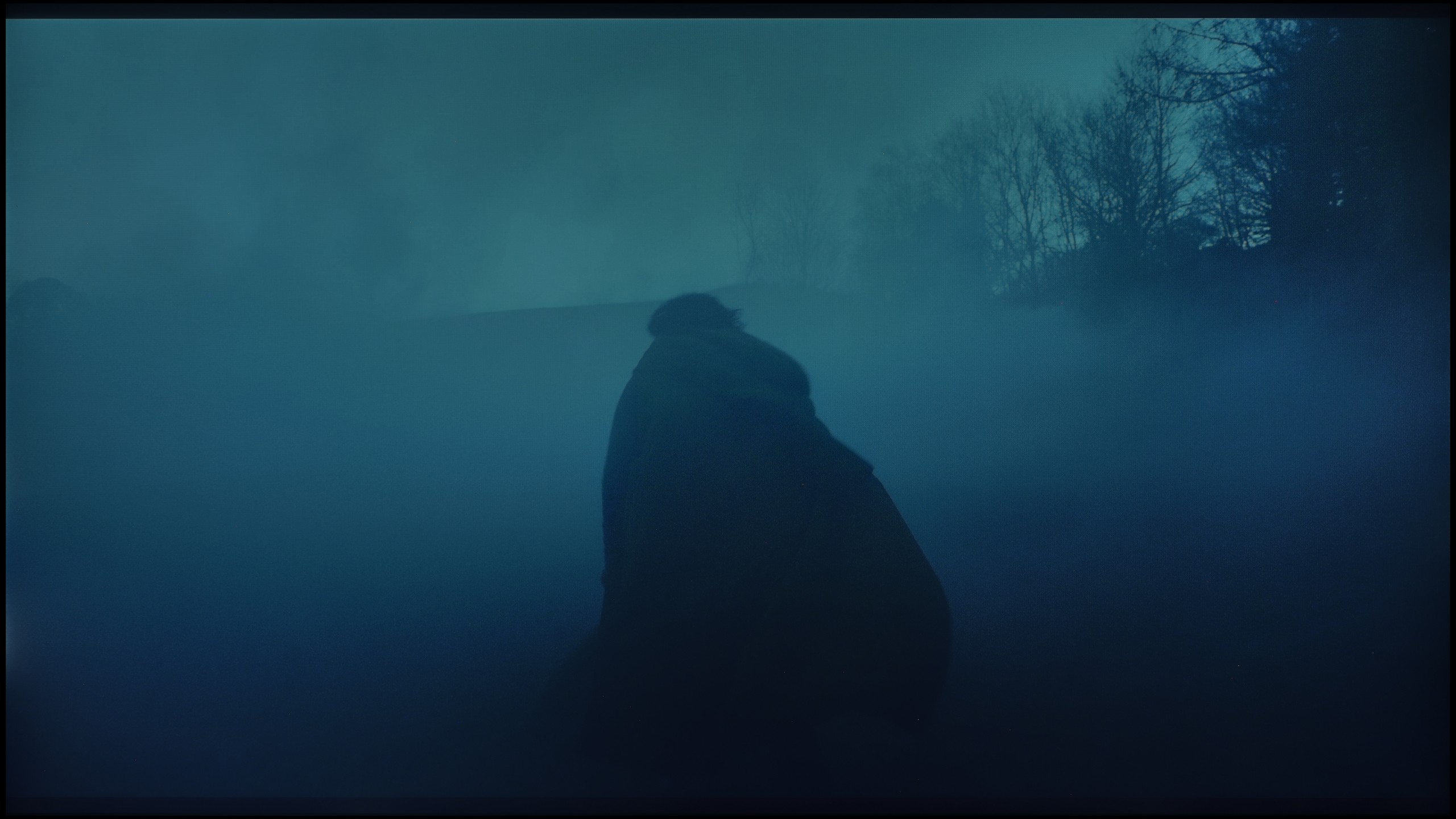
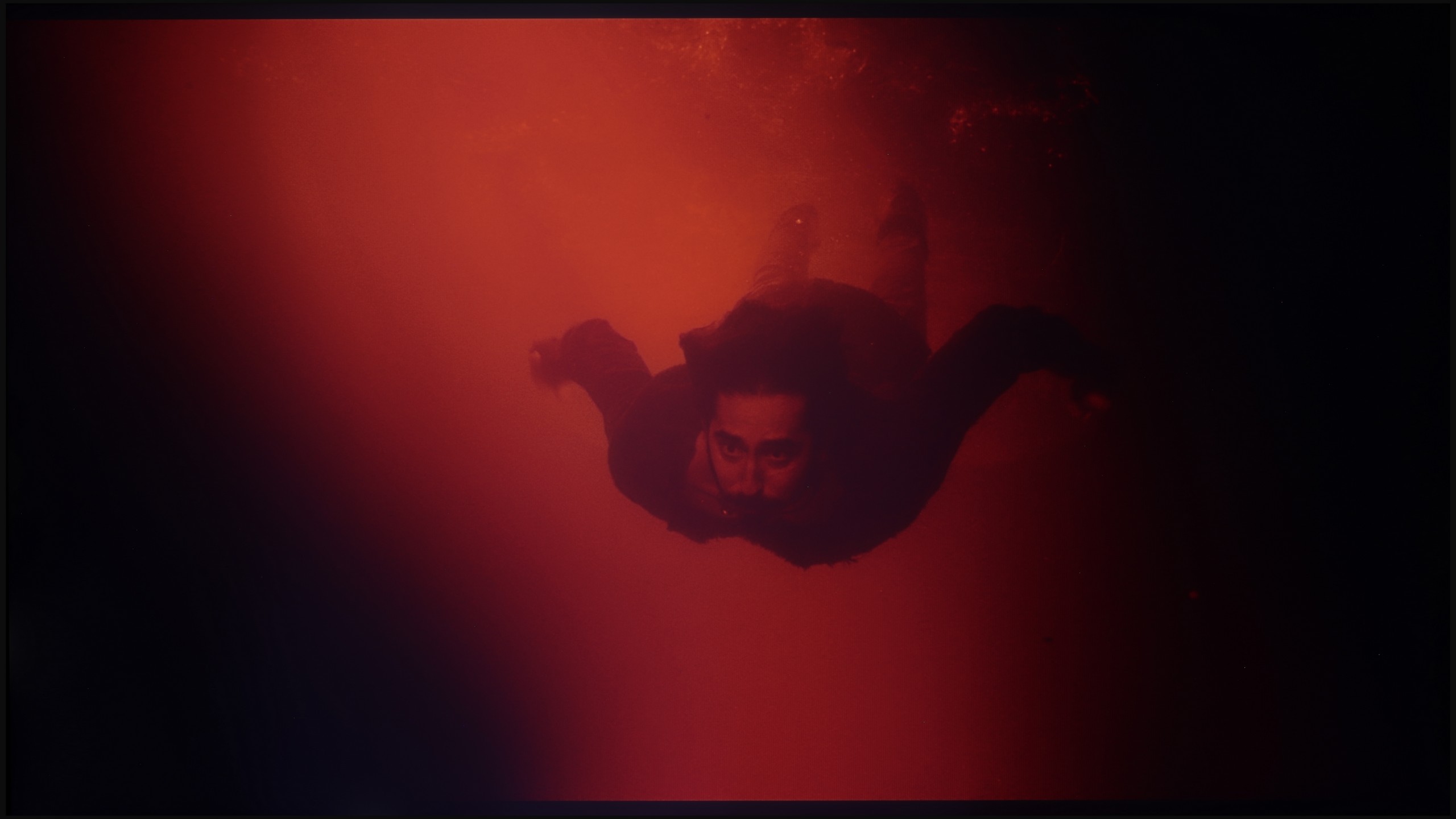
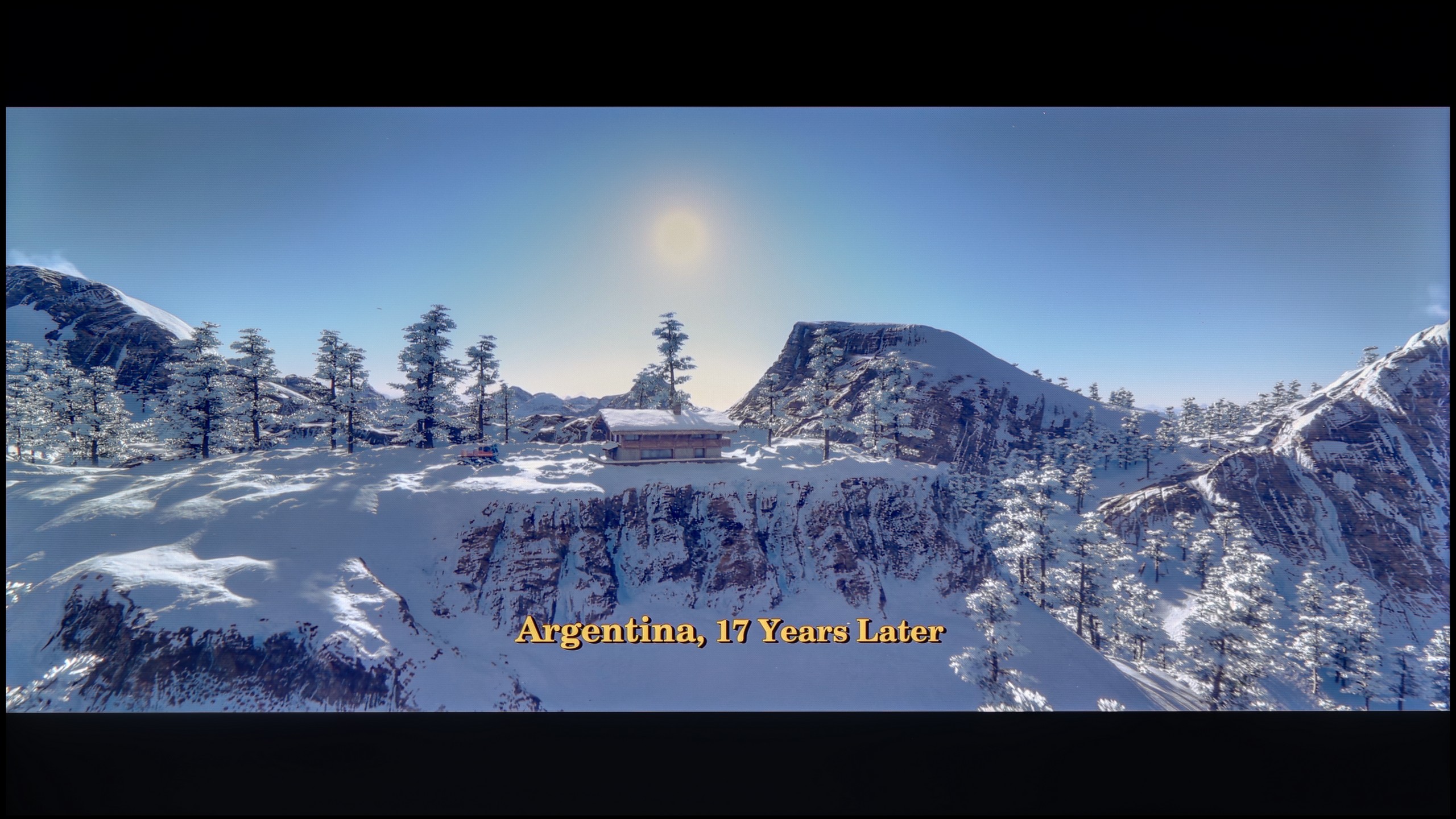
These are selected scenes that show smooth tonal transitions from one color to another. If you see distinct banding, it’s the TV panel’s fault.

These are selected scenes that show smooth tonal transitions from one color to another. If you see distinct banding, it’s the TV panel’s fault.
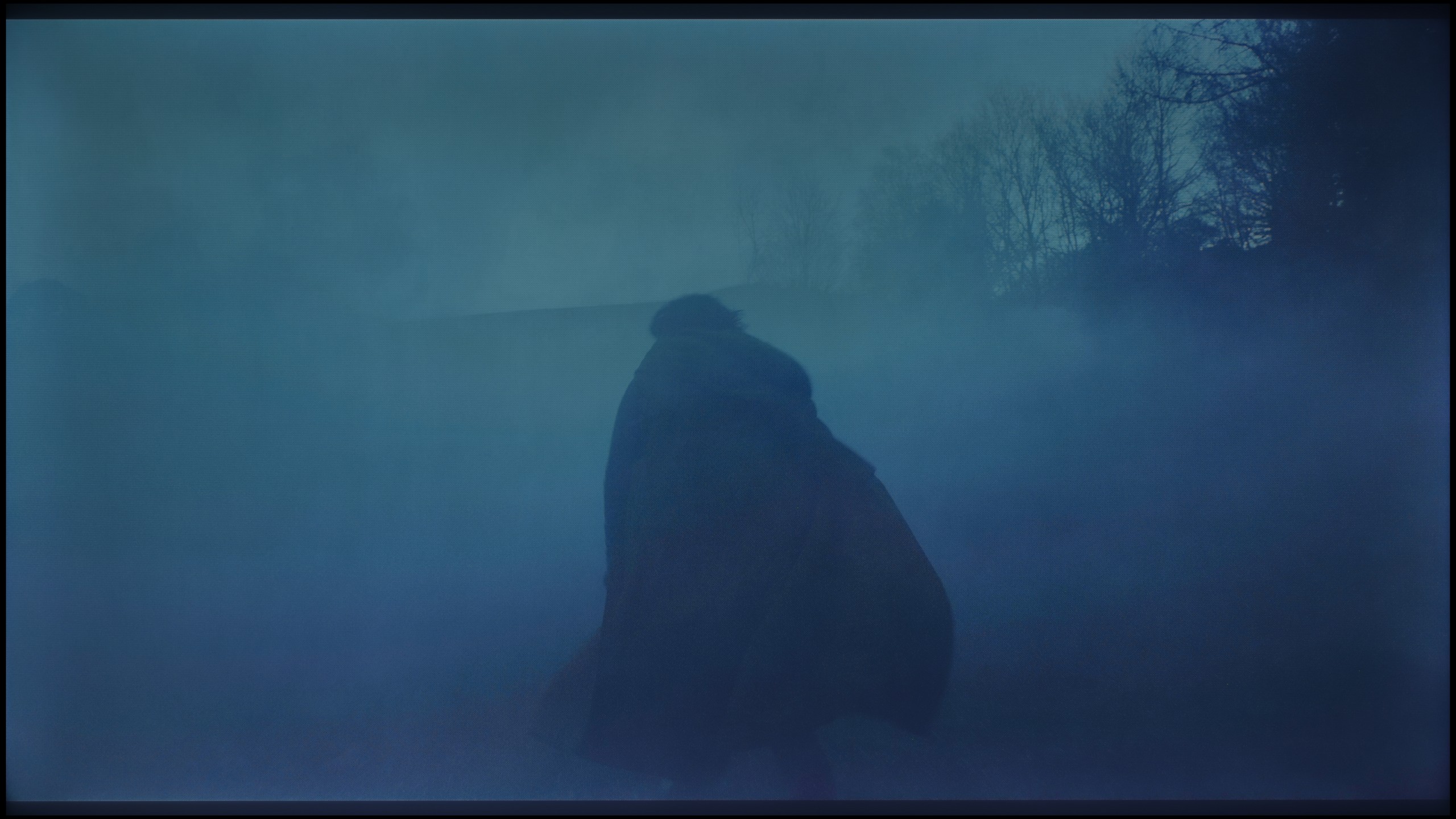
These are selected scenes that show smooth tonal transitions from one color to another. If you see distinct banding, it’s the TV panel’s fault.
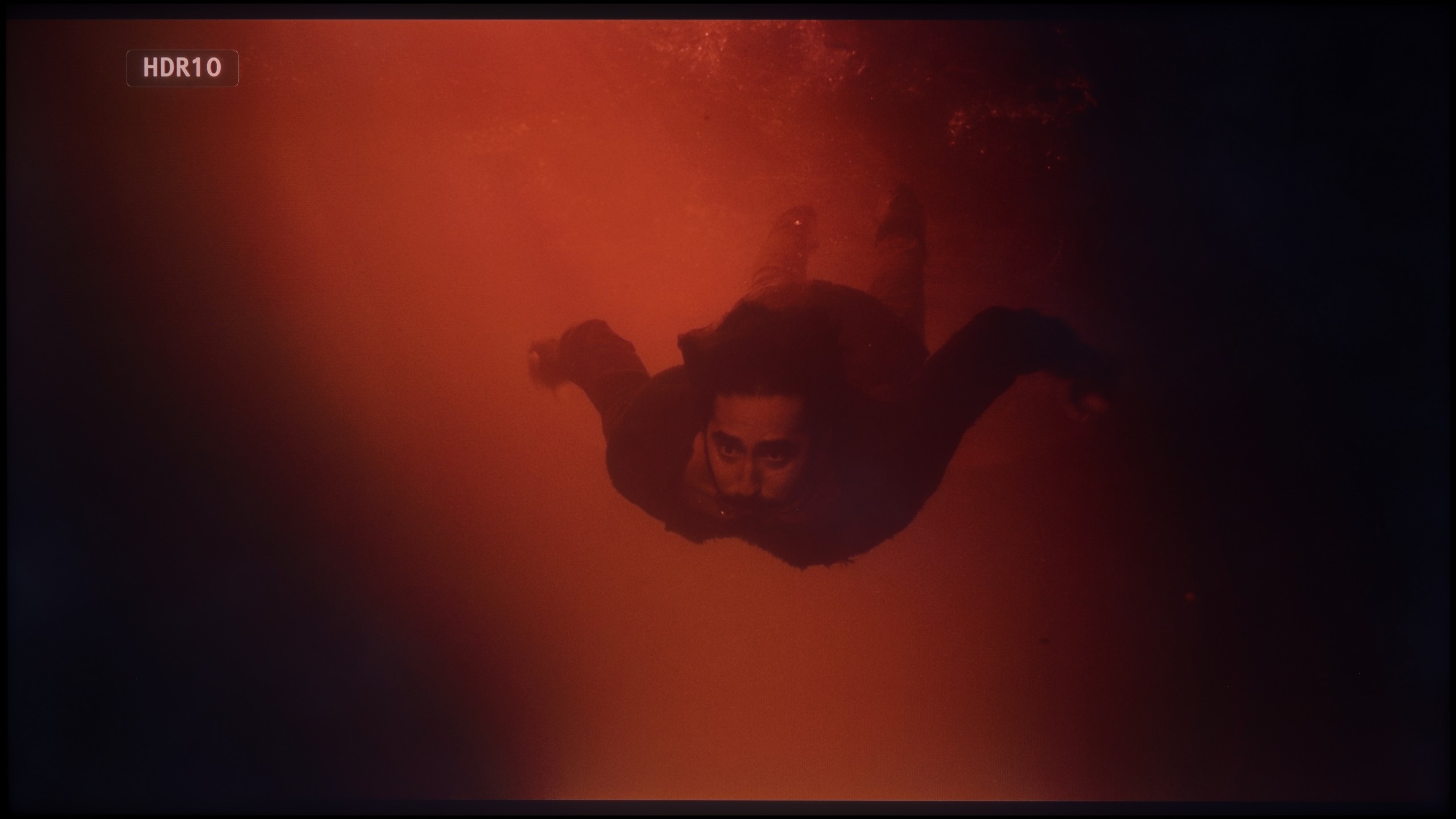
These are selected scenes that show smooth tonal transitions from one color to another. If you see distinct banding, it’s the TV panel’s fault.
The blending of colors is one of the stronger points of the QNED86A. In everyday viewing, the image appears really smooth, without noticeable "steps" or sudden transitions between colors. The television handles color blending quite naturally, so with most materials, it's hard to spot issues with gradation. Any imperfections only appear in extreme conditions – for example, in the darkest scenes of movies, where even much more expensive televisions can have problems. There, you might notice slight banding or characteristic stripes, but these are marginal situations that shouldn't interfere with normal usage. Overall, the QNED86A performs well in this category and has nothing to be ashamed of compared to the competition.
Here we can confidently praise the Panasonic W85B. The television handles color blending and tonal transitions really remarkably. Gradients look smooth, without visible bands or artificial outlines. As a result, the image gains a natural quality, and sequences with a lot of subtle shades – like the sky or blurred backgrounds – look exceptionally good for this class of equipment.
Image scaling and smoothness of tonal transitions
7.8/10
6/10


Smooth transition function
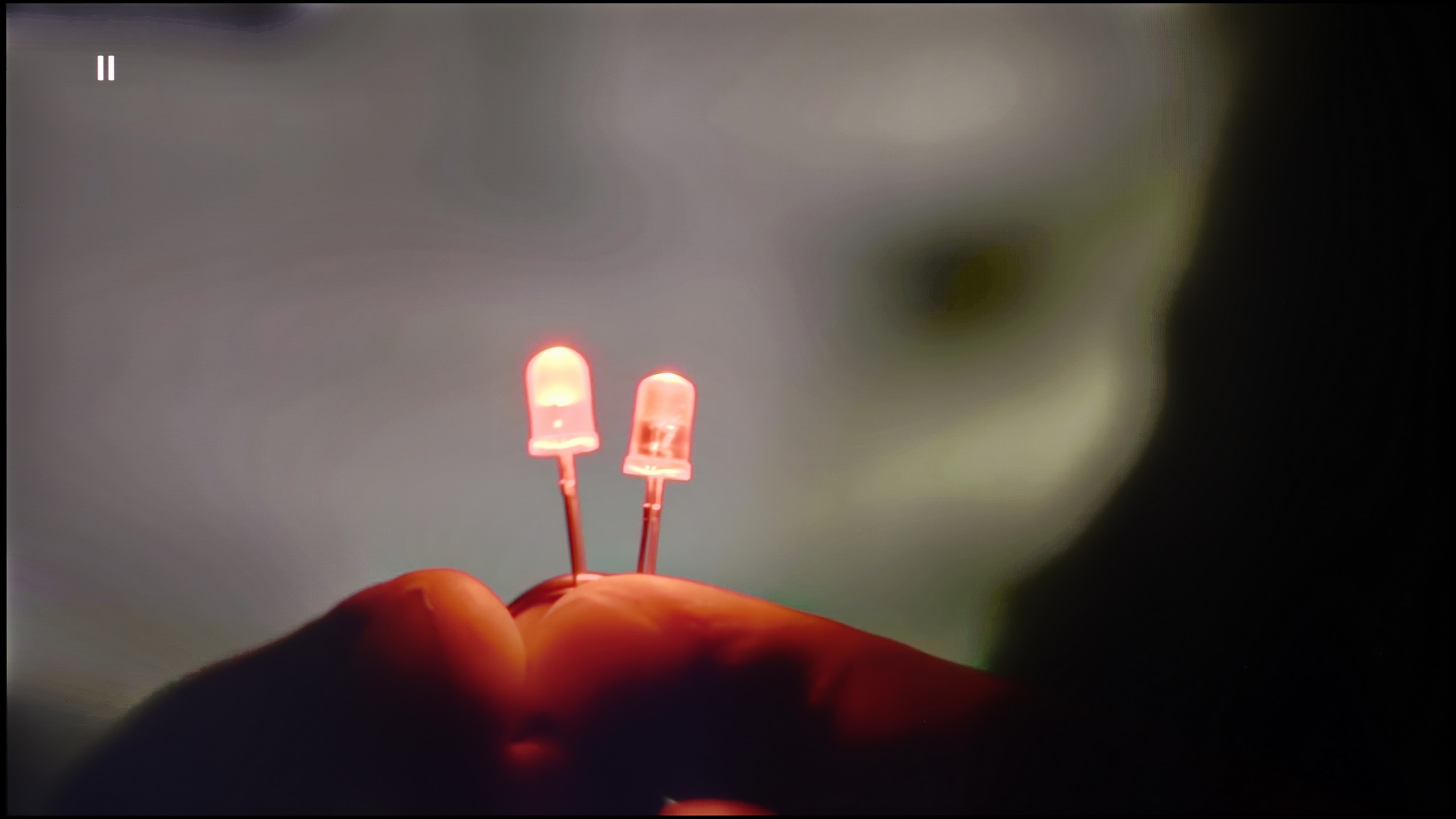
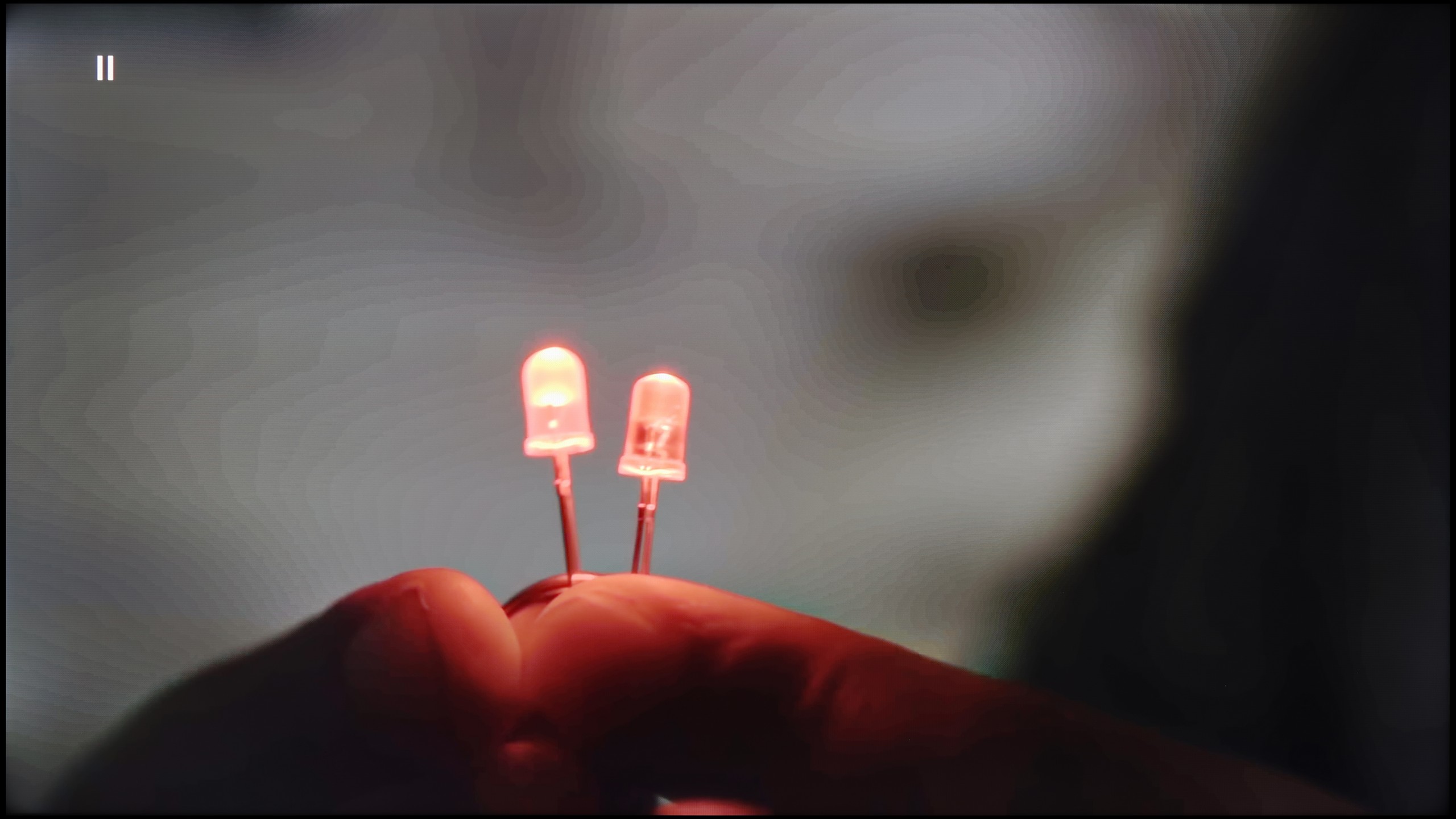
The match photo shows how the TV smooths weak tonal transitions in low-quality video.
Image scaling SD (576i)


The model photo shows how it handles upscaling of SD material.
If someone is worried about possible "steps" when connecting colors, there is a simple way in the QNED86A. Just turn on the feature called Smooth Gradation and set it to medium level. Then the TV really smooths out all those unwanted transitions – especially in older productions – and does it in such a way that the film grain doesn't disappear, nor do strange artifacts appear. In other words, you can use it without worry.
The upscaling itself also turns out quite well. Of course, there are no miracles here – with lower quality sources, you can observe characteristic jaggedness. Fortunately, there is a sharpness slider in the menu, and if someone prefers a more "softer" image, it can be quickly adjusted to their taste.
With native SDR content, the Panasonic W85B performs very well – tonal transitions are smooth and natural, without artificial bands or clear contours. However, the situation looks worse with lower resolution materials. This is where the television has the biggest problem with "beautifying" the image. The lack of any option in the menu that would allow for improving gradation means that with older films or materials from YouTube, one can sometimes notice slight issues with color blending.
Fortunately, upscaling, or increasing the quality of lower resolution content, performs much better. This is definitely a strong point of this model – the image is scaled cleanly and in detail, and the television handles this better than one might expect from such an affordable device. This is thanks to the HCX processor, which Panasonic has been developing for years, and it shows that even in the lower series, it can do a good job.
Blur and motion smoothness
7.8/10
6.5/10
Blur (native resolution, maximum refresh rate):




Blur (BFI function enabled):


Blur ():
Blur (4K@144Hz):

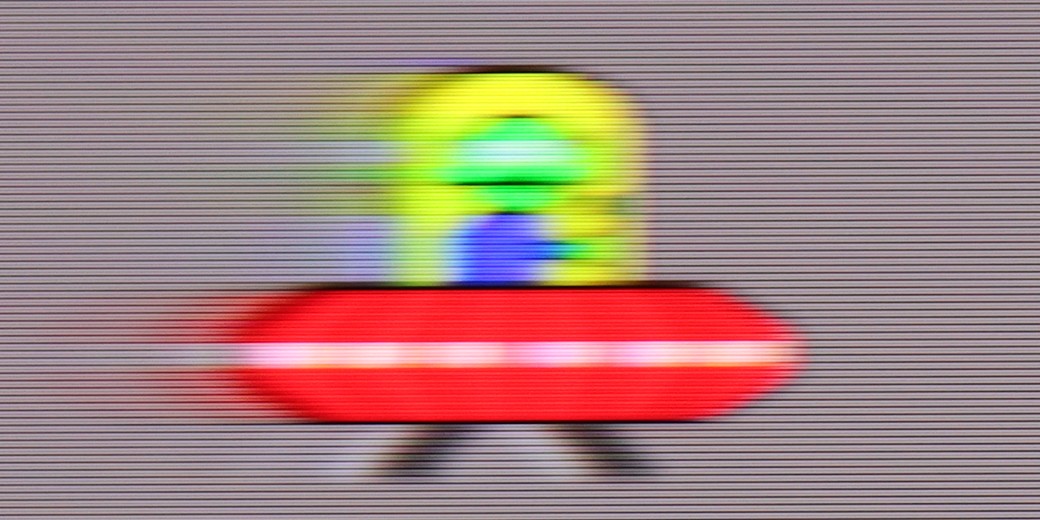
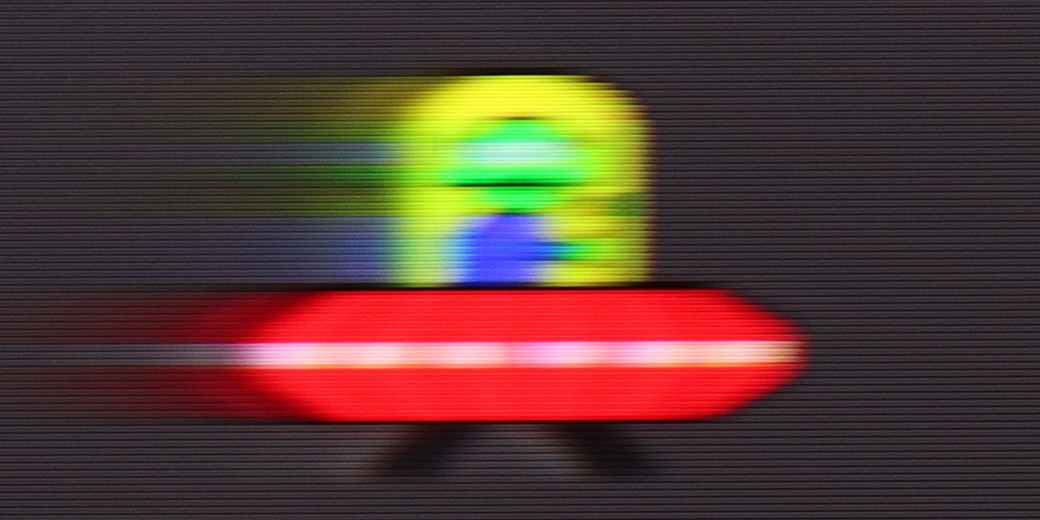
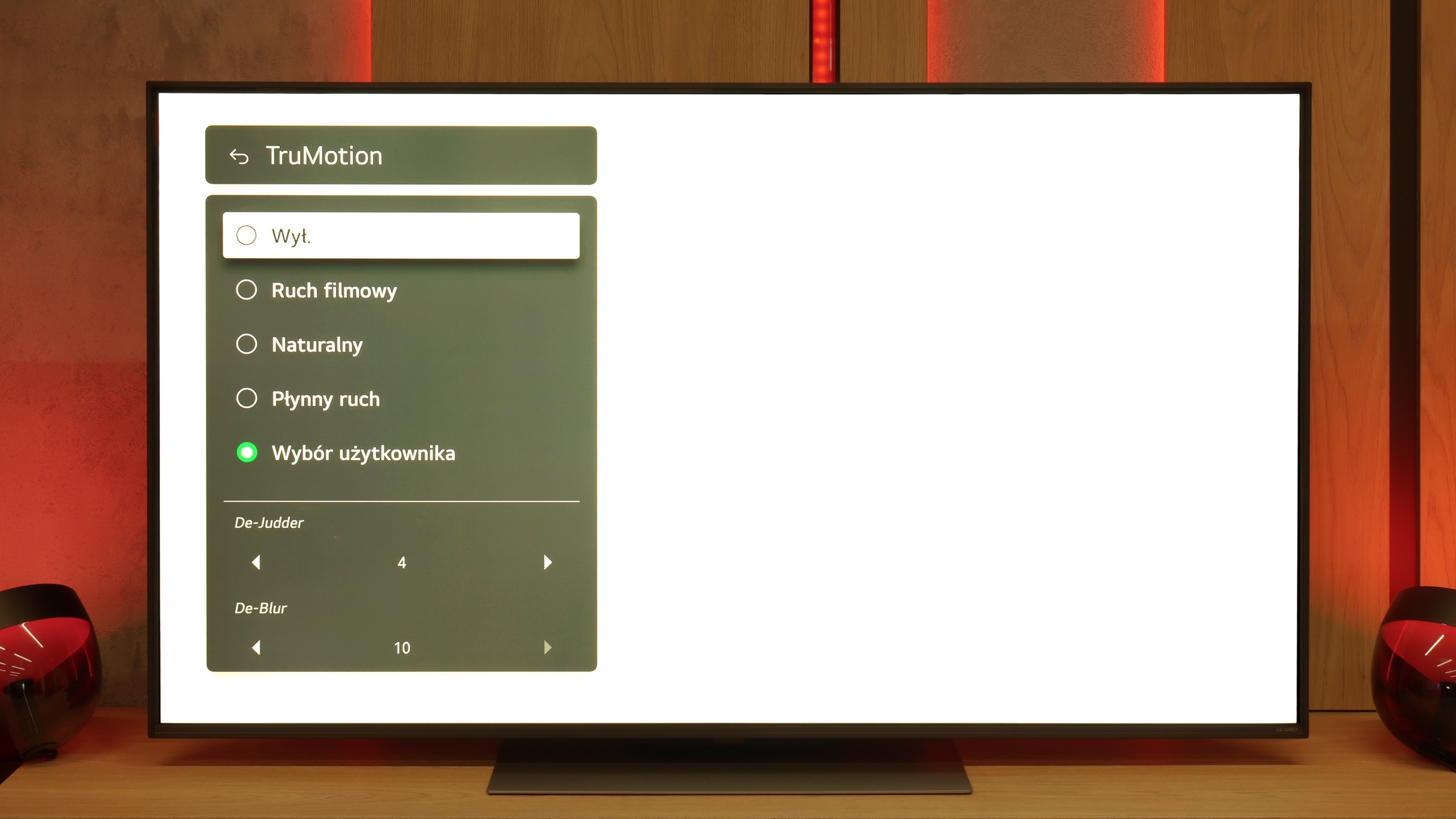
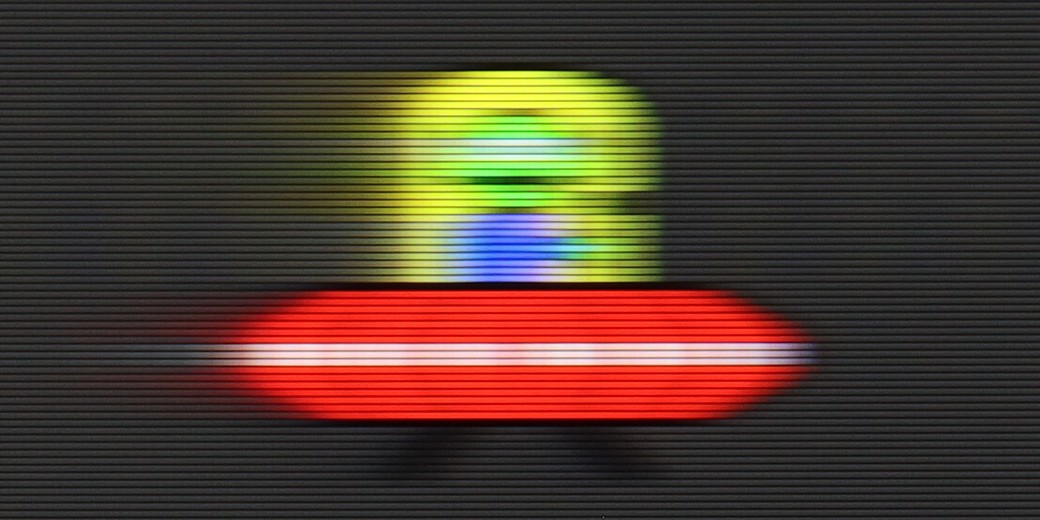
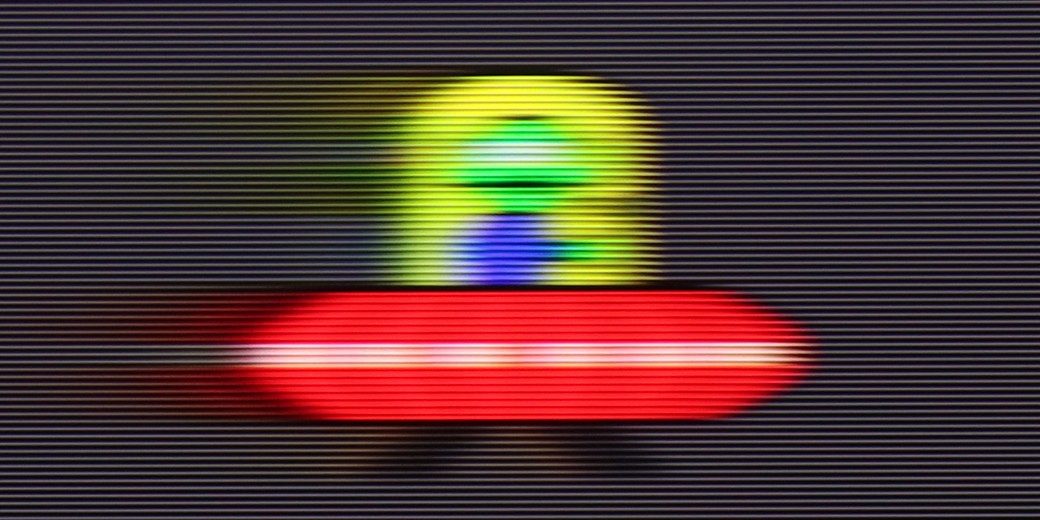
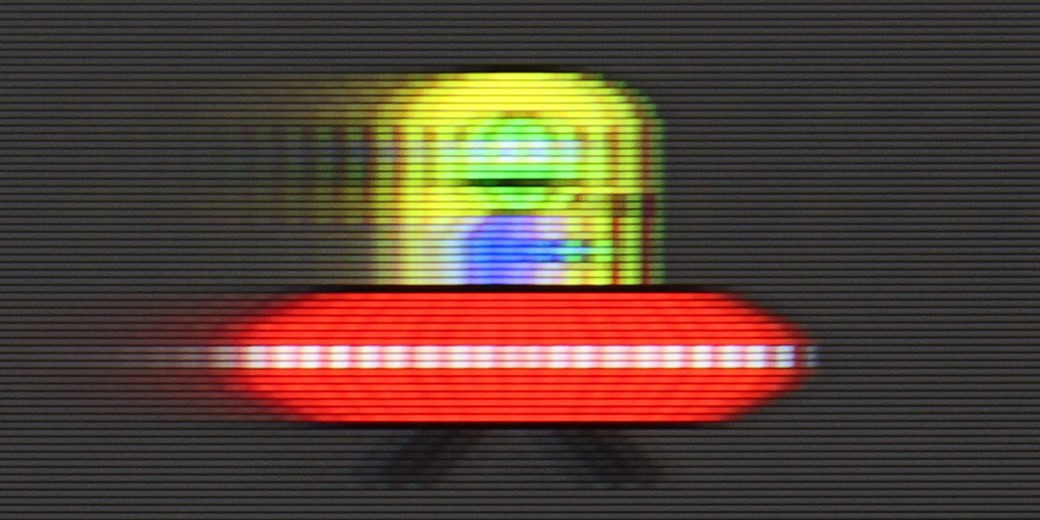
The QNED86A is equipped with a 120 Hz refresh rate panel, so right from the start, it's safe to say that it's suitable for both sports and gaming. And indeed, this is true – the image looks smooth, and motion blur is not very noticeable. IPS panels have always had some issues with this, and you can sometimes notice slight blurring here as well, especially in very dynamic scenes, but it's not something that ruins watching a match or a fast-paced game. For movie and sports fans, LG has added the traditional TruMotion smoother. In the menu, we have two sliders – one for movies (De-Judder), the other for sports (De-Blur). The first adds missing frames and allows you to adjust the character of motion – from raw, cinematic to more fluid, "theatrical." The second enhances sharpness during dynamic actions, so it's worth turning it up a bit if you're watching a lot of sports.
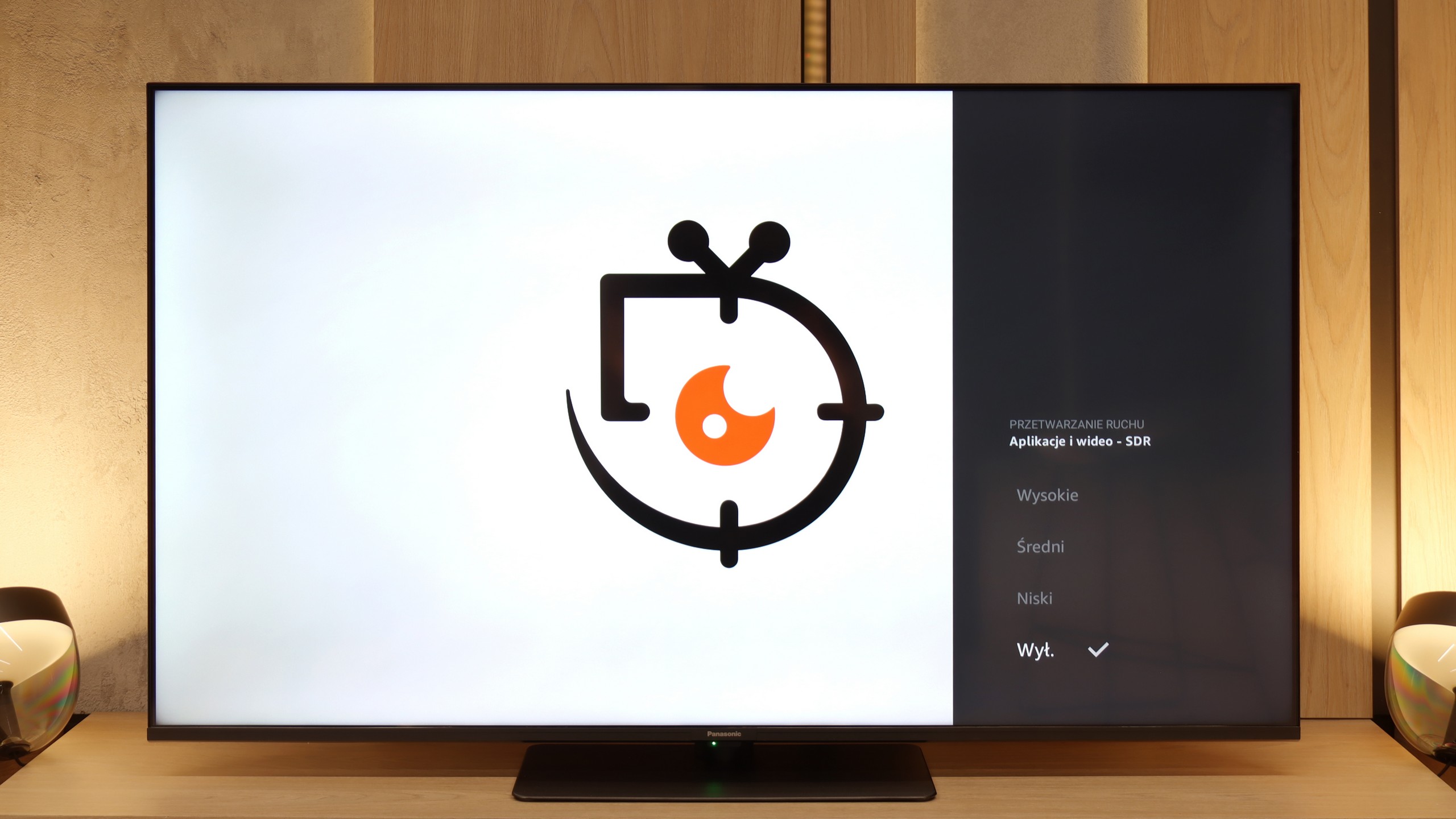
At first glance, everything looks good – the Panasonic W85B has a 120 Hz panel and even a 144 Hz mode, so it seems that it should handle smooth motion well. The problem begins when we look into the settings. The options for improving fluidity are supposedly present in the menu, but in practice… they change nothing. No matter what we choose, the image looks the same. On top of that, there's a lack of BFI, which is the black frame insertion mode that helps sharpen motion in many TVs. And suddenly, it turns out that despite having a strong panel, the W85B doesn't give us any real tools to adjust that motion to our needs. It only works well when the source itself operates at a higher frequency – for example, games at 120 Hz. But when it comes to movies or sports, we just have to take what the TV shows us, because there's nothing more we can do about it.
Console compatibility and gaming features
9.8/10
8.5/10
- ALLM
- VRR
- VRR range48 - 120Hz48 - 144Hz
- Dolby Vision Game Mode
- Correct implementation of HGIG
- 1080p@120Hz
- 1440p@120Hz
- 4K@120Hz
- Game bar
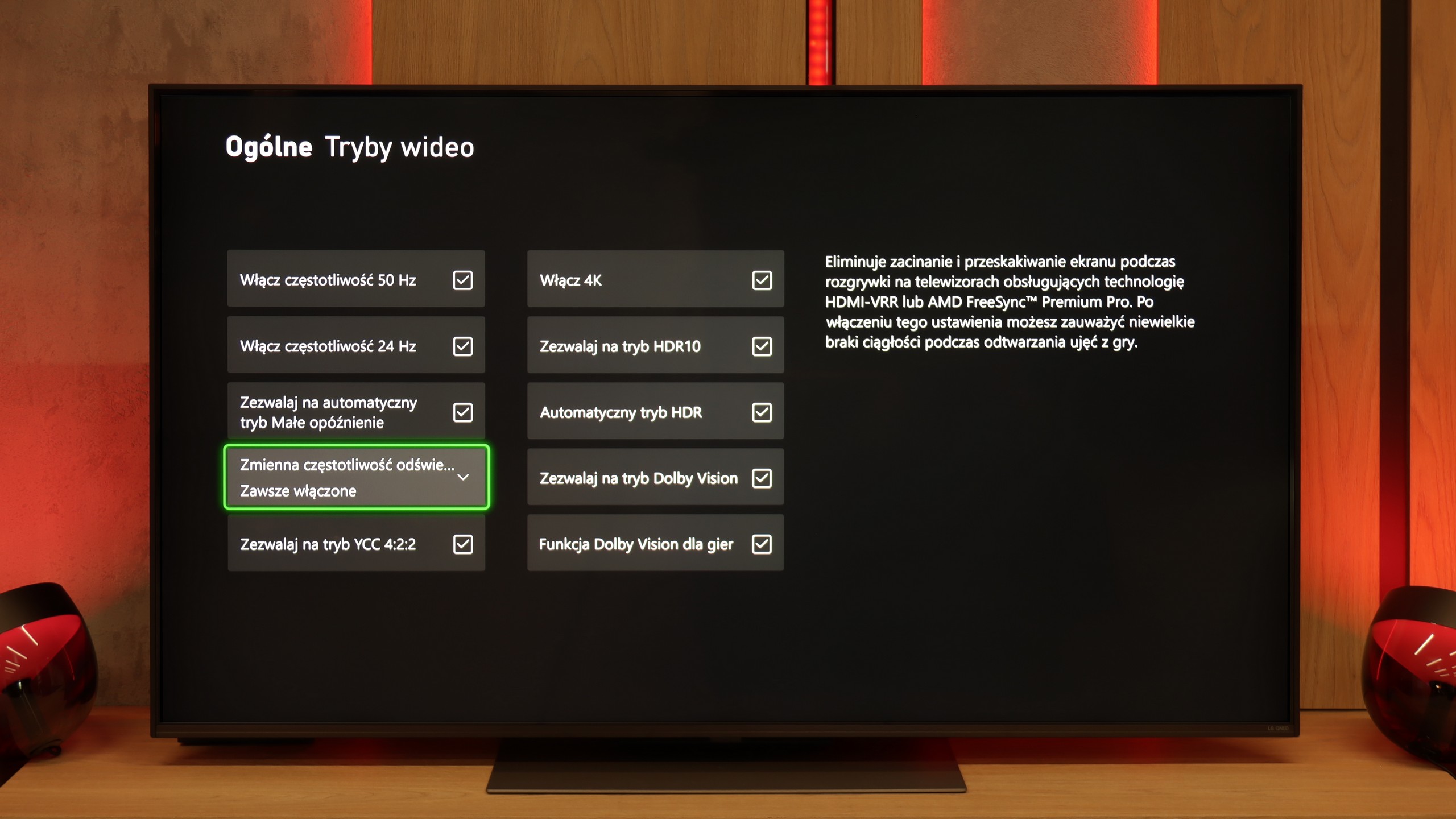
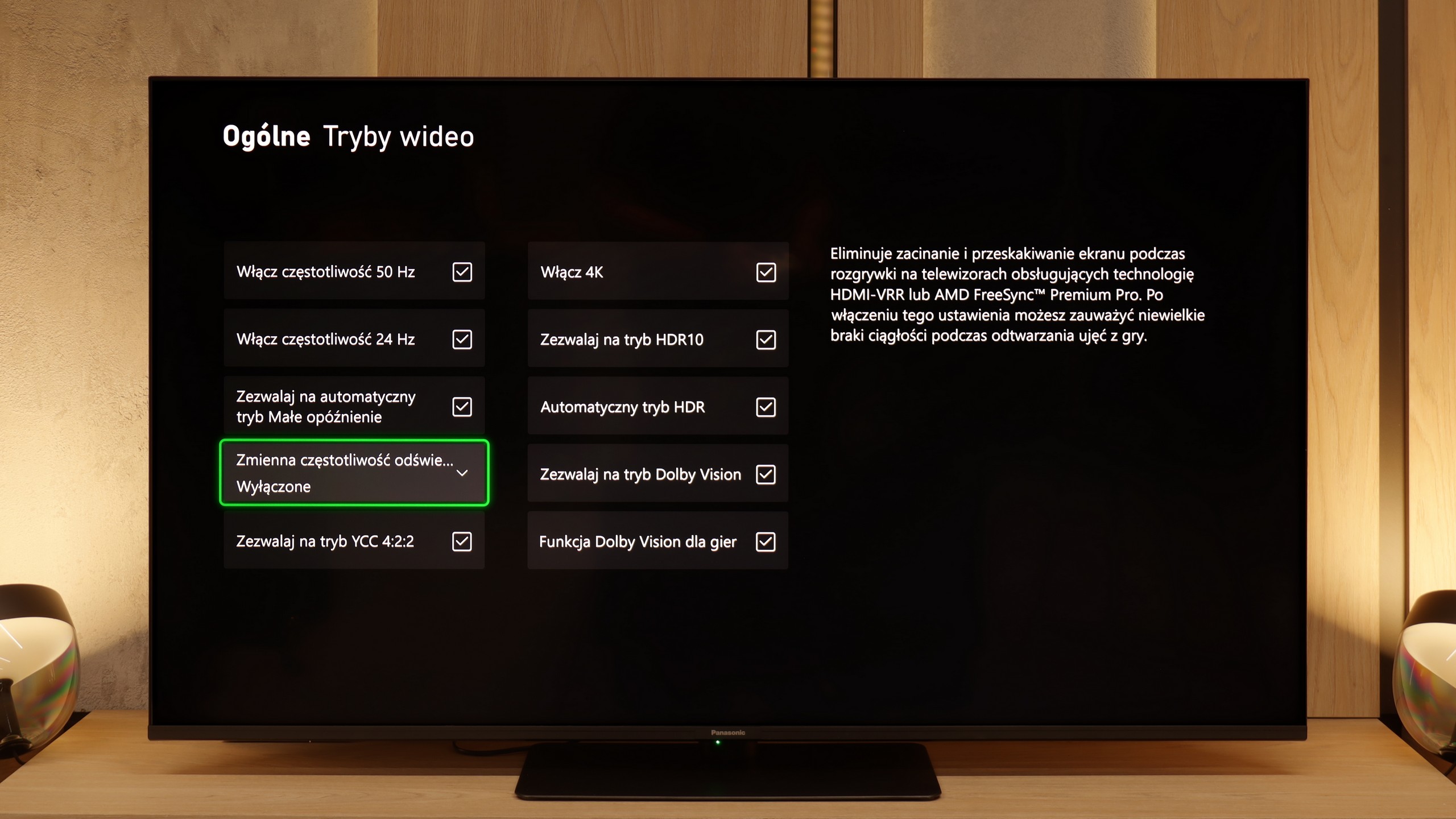
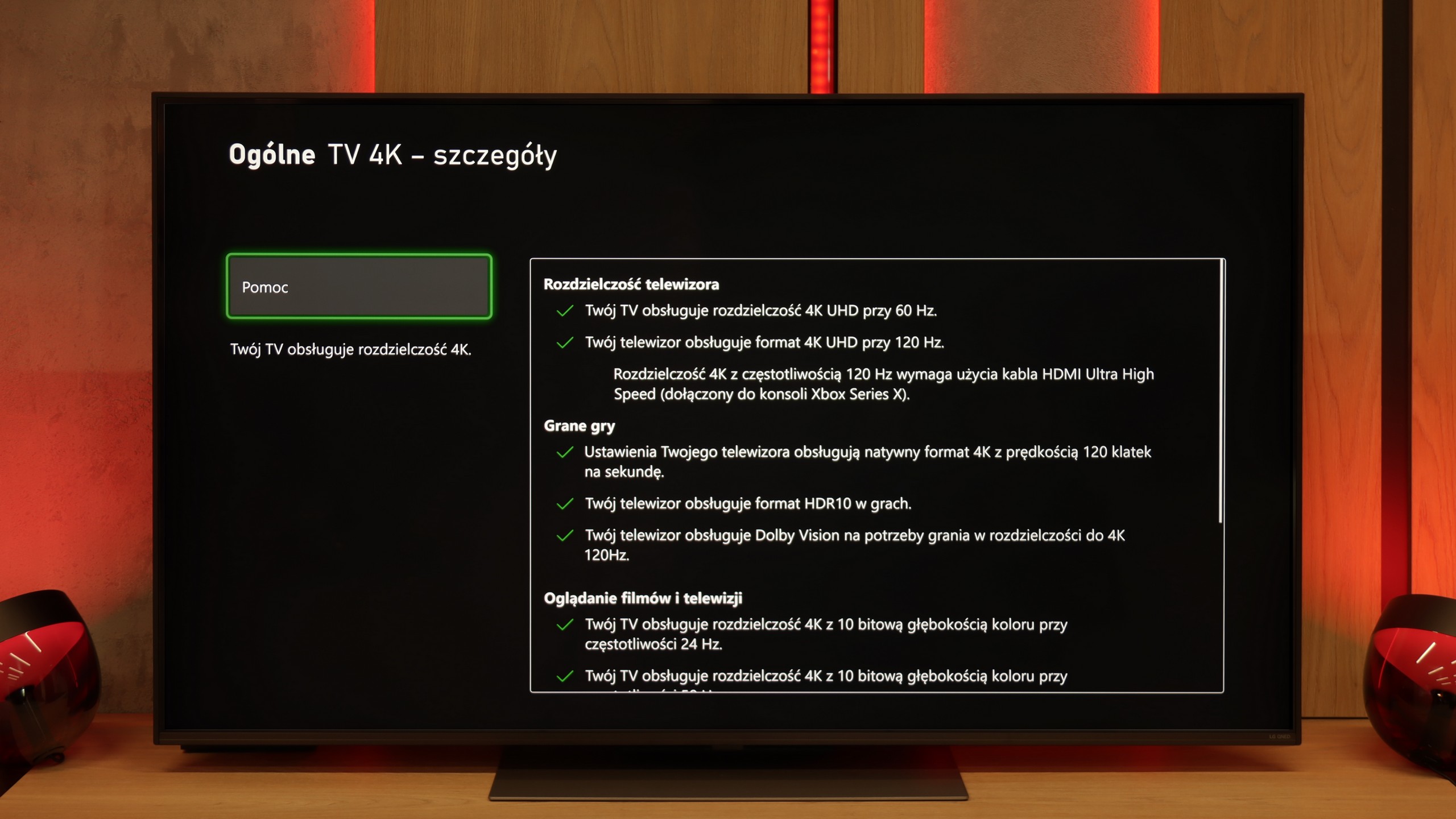
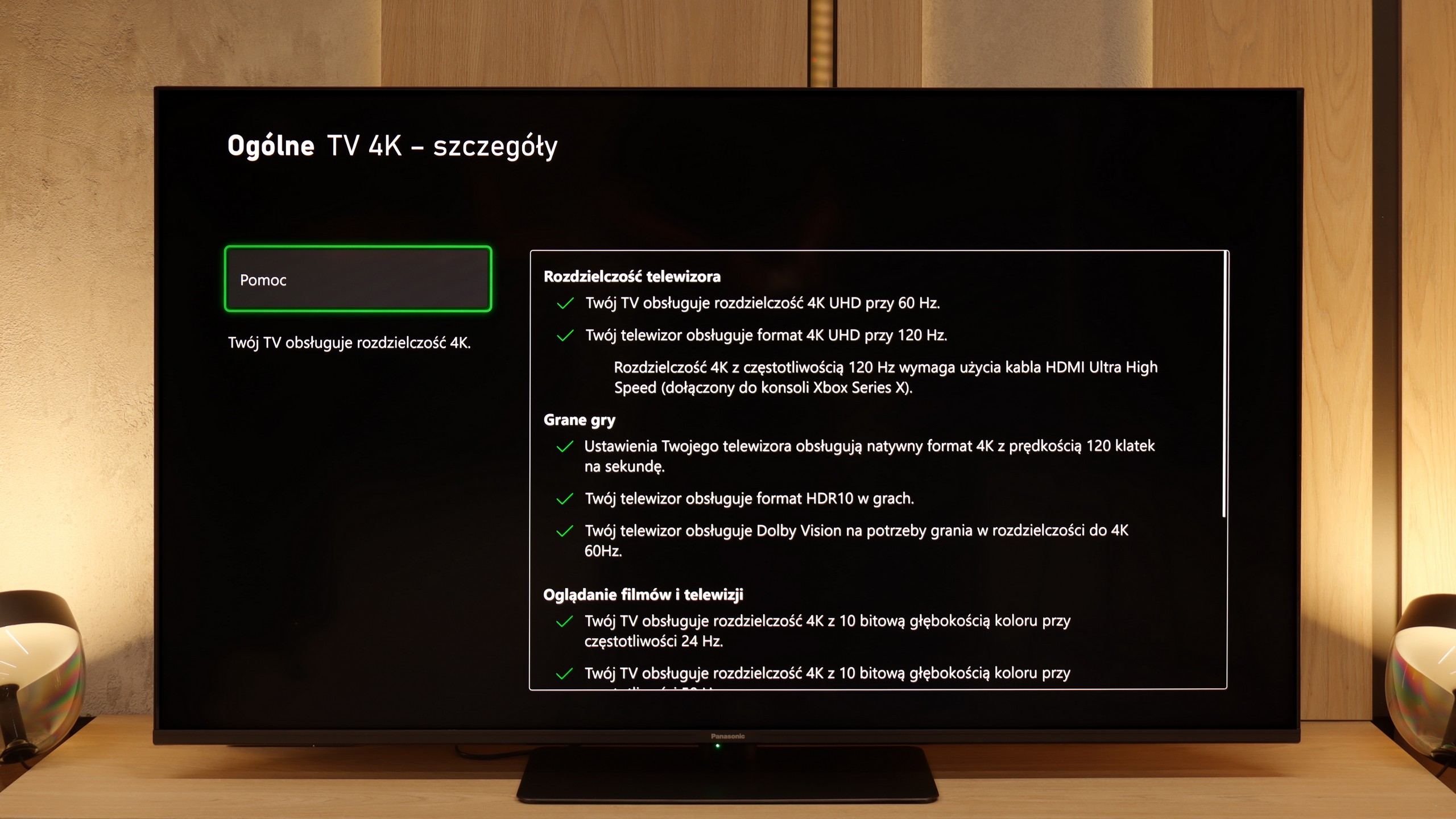
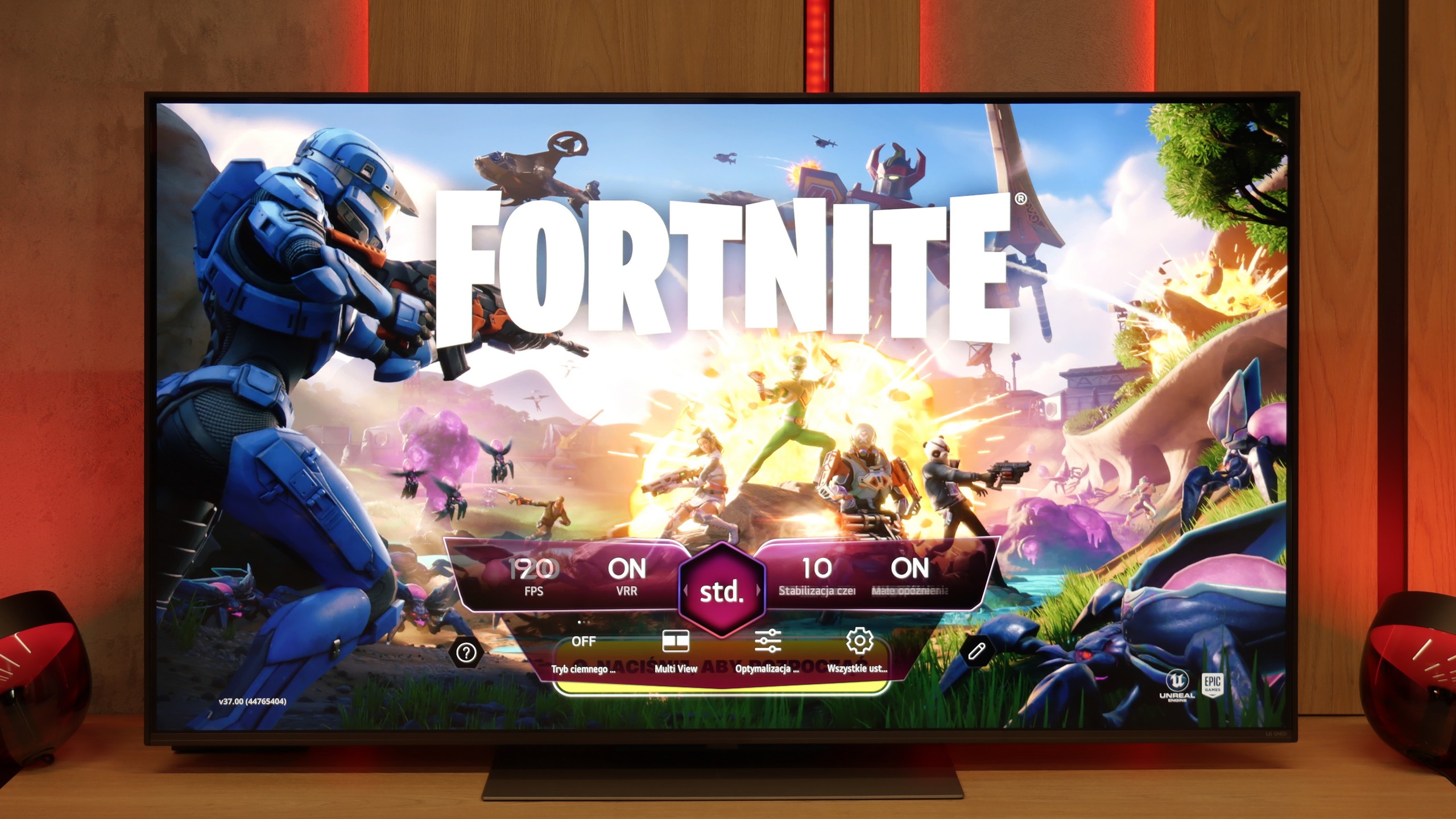
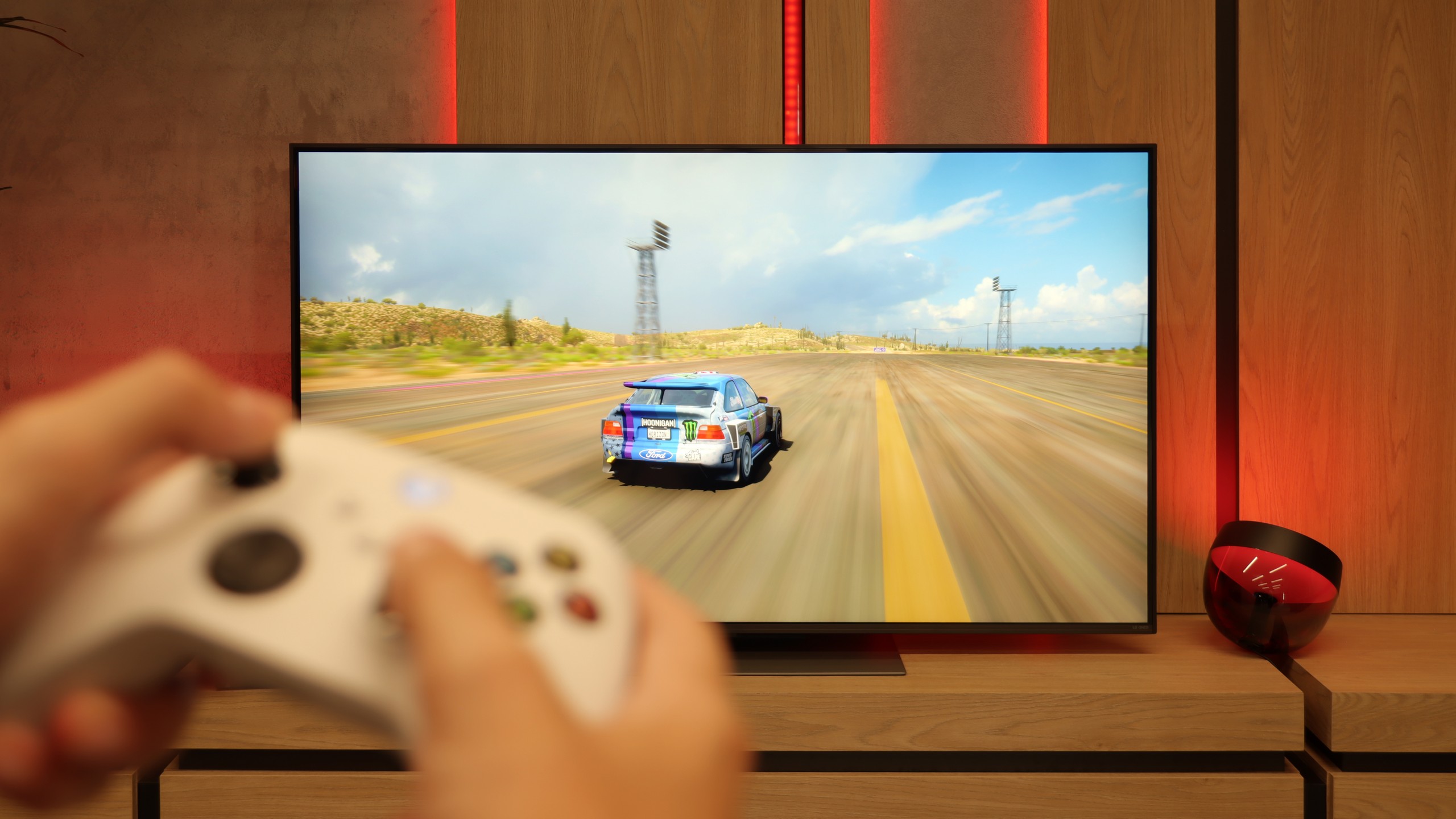
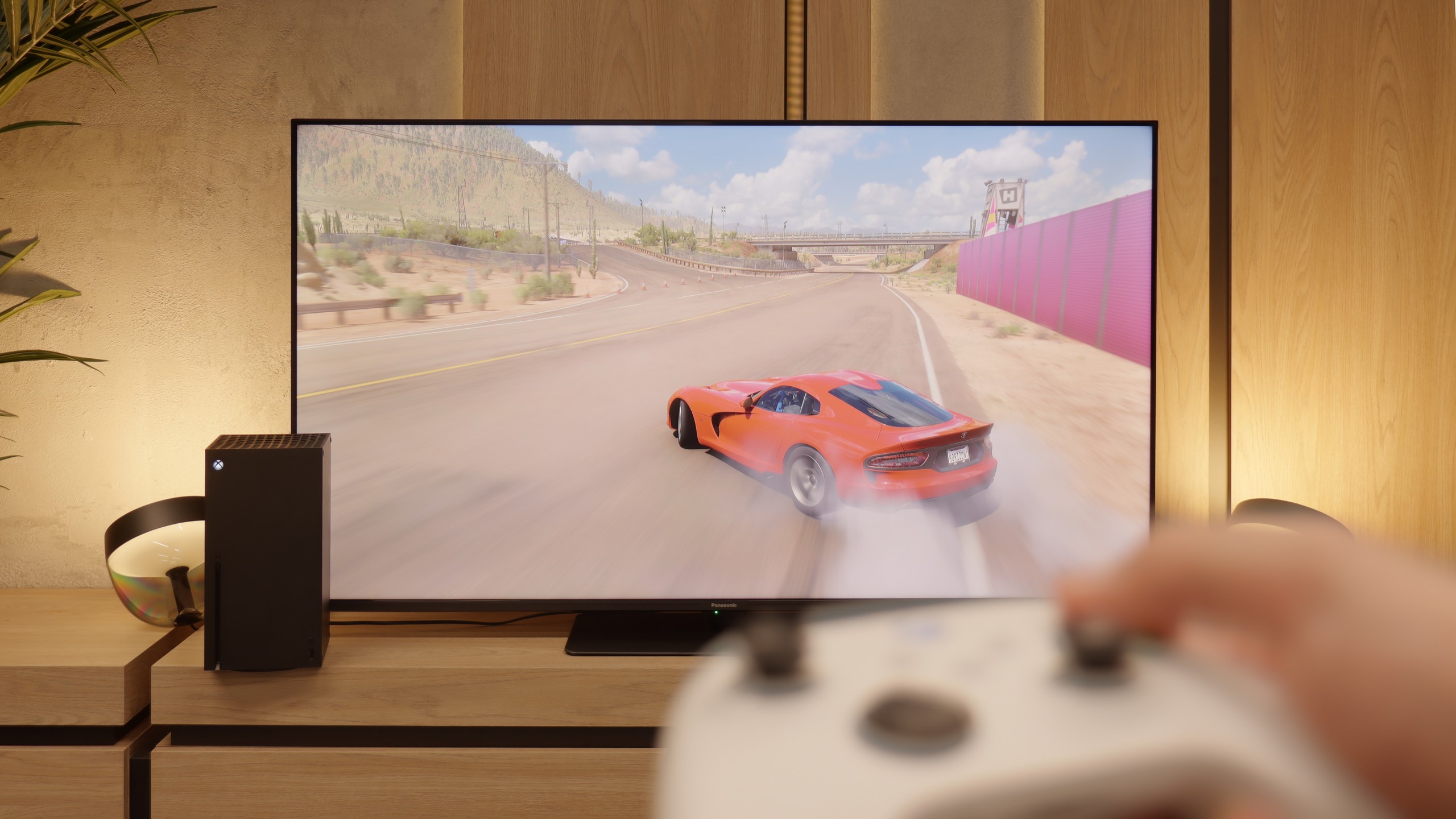
In terms of gaming, the LG QNED86A6A is a complete tool. It features four HDMI 2.1 ports with full bandwidth of 48 Gb/s, which means that whether you connect a PlayStation 5, Xbox Series X, or a powerful PC – everything will work at full 4K 120 Hz with support for all features. This is a big plus, as some competitors still have only two such ports, which can be problematic with a larger number of devices. It also has VRR, or variable refresh rate, which eliminates screen tearing, and ALLM, which automatically activates game mode when the console is turned on. There’s also Dolby Vision Gaming and a proper implementation of the HGiG format, so titles supporting these formats look more vivid and detailed. Added to all of this is the Game Optimizer – a kind of control center for the gamer. From this level, you can view image parameters in real-time, quickly change modes, activate additional features, or adjust image settings to your preferences. The LG QNED86A6A essentially has everything one can expect from a modern gaming television.
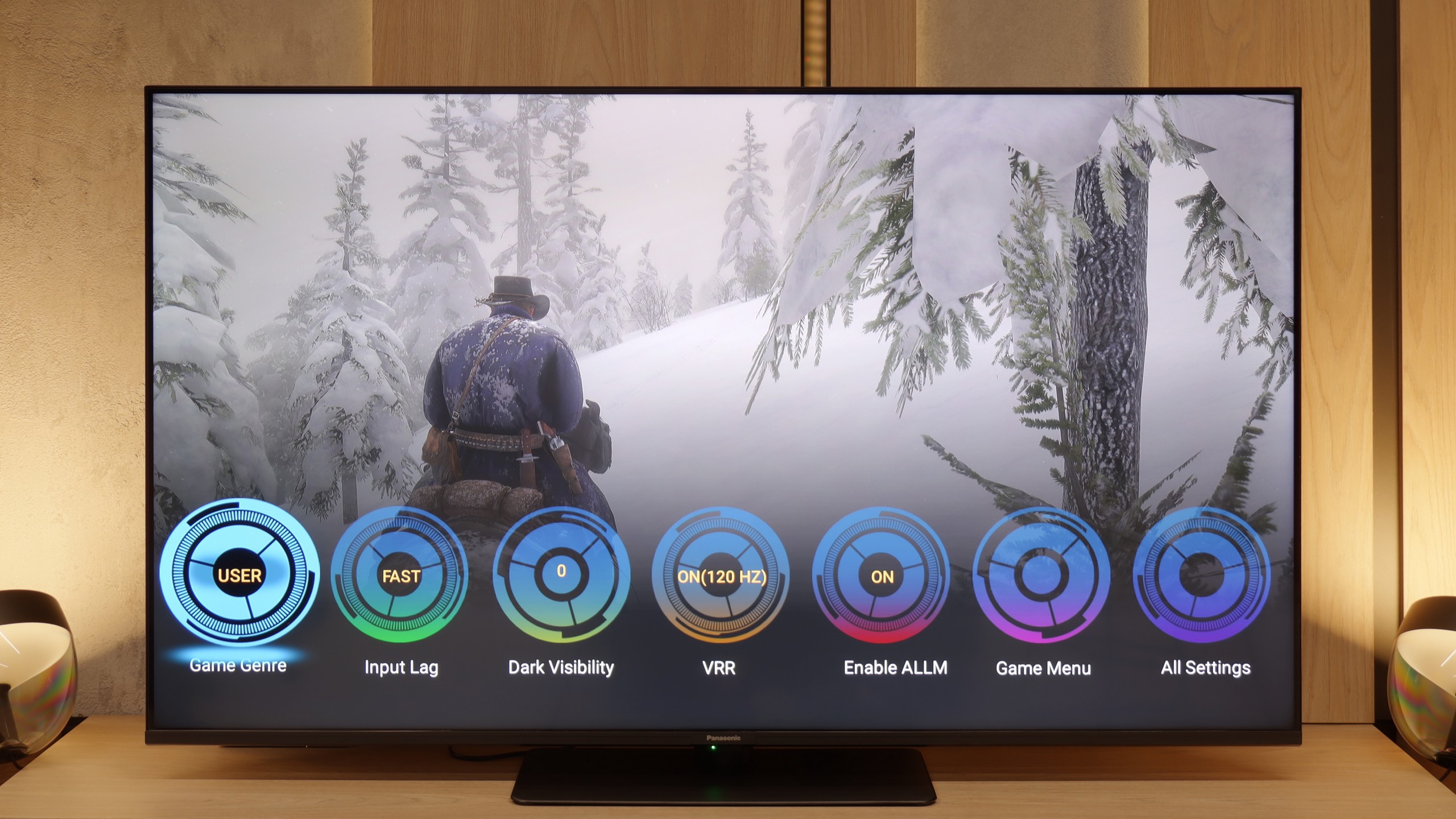
On paper, the Panasonic W85B looks really solid. Here we have two full HDMI 2.1 ports, support for ALLM, variable refresh rate, Dolby Vision in games, and of course, a high refresh rate for the panel itself. Additionally, there’s the characteristic Panasonic game bar that allows you to check key parameters with one click and quickly change them if necessary. Sounds great, but the problem arises when we activate HDR. Here, the W85B significantly falters because it lacks proper HGiG implementation – the TV manages brightness poorly, and instead of faithful image rendering, we get scenes that are too bright, sometimes even blown out. The solution? The simplest – turn off HDR in the console settings and leave everything in SDR. And here it gets really interesting, because in this scenario, the W85B shows its better side. Low input lag, high smoothness thanks to 120 Hz – all of this makes gaming look phenomenal. Yes, HDR can be sacrificed, but if responsiveness and smooth gameplay are priorities, the W85B provides a lot of fun.
Input lag
9.9/10
9.8/10
SDR
HDR
Dolby Vision
There's really nothing to complain about here. The QNED86A6A achieves excellent results – around 5 ms for 120 Hz content and about 15 ms for 60 Hz. These are values that will easily satisfy both console gamers and those who connect a PC to the TV. The response to movements is instantaneous, so you can forget about delays between the image and the action on the controller.
There is really nothing to be afraid of here. The Panasonic W85B reacts instantly to our movements, and the values measured in tests can easily compete with gaming monitors. With a 120 Hz signal, the input lag is around 8–10 ms, and at 60 Hz it hovers around 17–20 ms. In practice, this means one thing – no delays, no frustration! You press the button, and the action happens right away on the screen.
Compatibility with PC
8/10
8.6/10
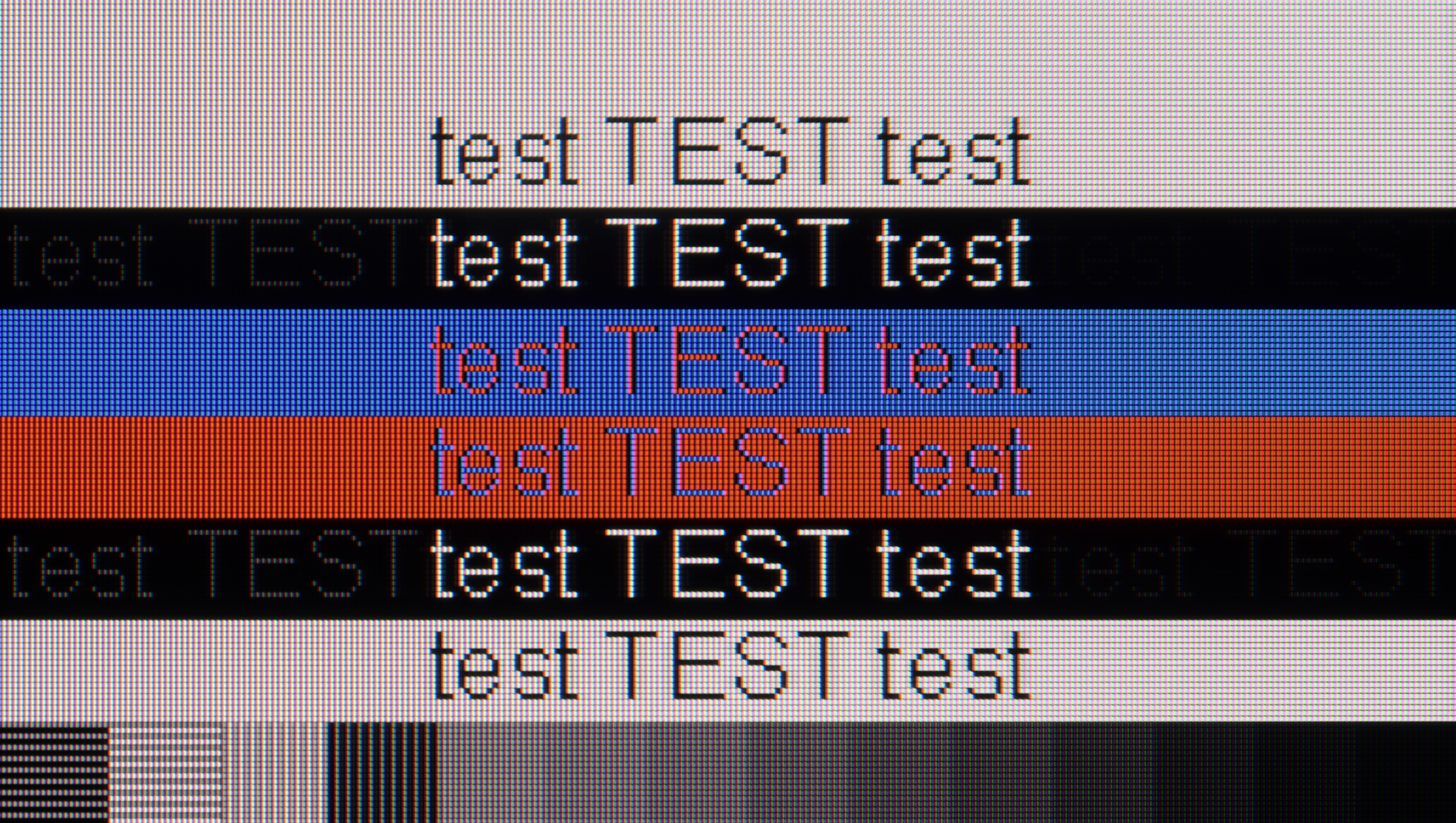
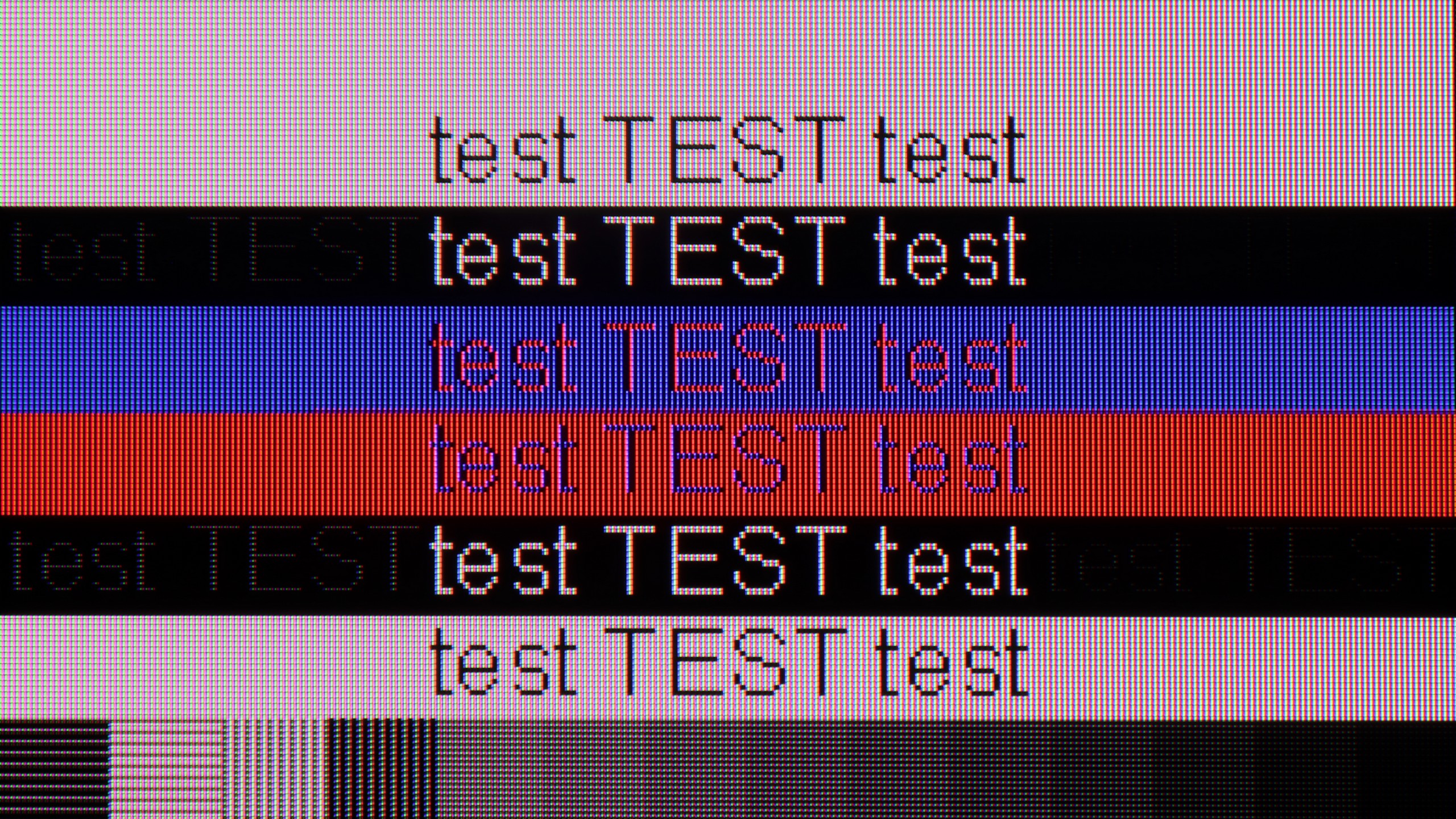
The photo shows the legibility of small fonts. Ideally, lines should be the same thickness on both light and dark text, with minimal pixel gaps.
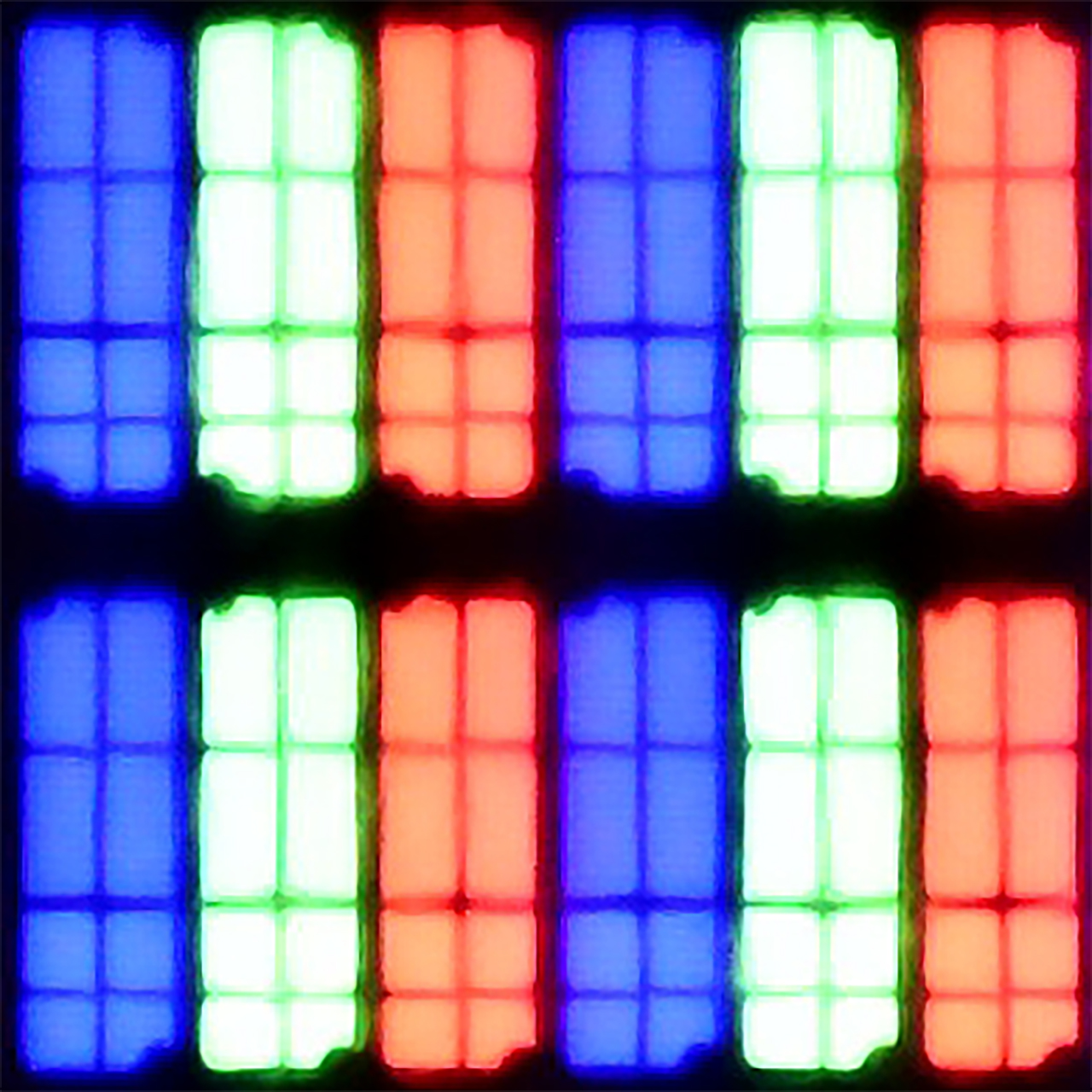
The LG QNED86A, thanks to its IPS matrix, full RGB subpixel layout, and correct implementation of chroma 4:4:4, makes fonts look stunning. Text is sharp, clear, and legible, making this TV great for office work. This is important because this year the model is also debuting in a 43" size, and such a variant can comfortably land on a desk and serve as a large monitor. Of course, some users who opt for the 43" will be gamers, and there are also no complaints here. The TV supports 4K at 120 Hz, so gameplay is smooth and enjoyable. It’s a bit of a shame that there's no higher refresh rate mode like the 144Hz declared by the manufacturer, as PC gamers would surely appreciate that. Nevertheless, the QNED86A6A performs really well as a monitor for gaming and work.
The Panasonic W85B performs surprisingly well as a computer monitor. It's practically perfect for office work – the fonts are sharp and very readable thanks to full chroma 4:4:4 support, so it's easy to type, browse the web, or work on spreadsheets. But the real "fun" starts with gaming. The TV easily handles refresh rates up to 144 Hz for PC, and it also supports popular image synchronization technologies like NVIDIA G-Sync and AMD FreeSync. Because of this, we don't have to worry about screen tearing or micro-stutters – the gameplay is smooth and simply looks great.
Viewing angles
6.9/10
3.2/10
QNED86A6A performs very well in this regard. The IPS panel used here ensures that the image retains its brightness and color saturation even when viewed at an angle. There is no fading effect that often appears in cheaper TVs with VA panels. Of course, there is no comparison to the level offered by organic panels, where colors and contrast hold up perfectly at almost any angle. But for an LCD TV, it is definitely one of the better results and is easily sufficient for watching movies or sports together on the couch with a larger group.
Here you can see the biggest price we pay for the high quality of the VA matrix contrast. The W85B, like most TVs with this type of panel, does not perform well when viewing from a greater angle. Colors lose intensity and the image begins to fade as soon as we move away from the screen's axis. This is not a flaw of Panasonic itself, but rather a feature of VA technology – great contrast in exchange for weaker viewing angles. So if you plan to watch movies with a larger group and often sit "to the side," keep this in mind.
Daytime performance
5.8/10
4.2/10
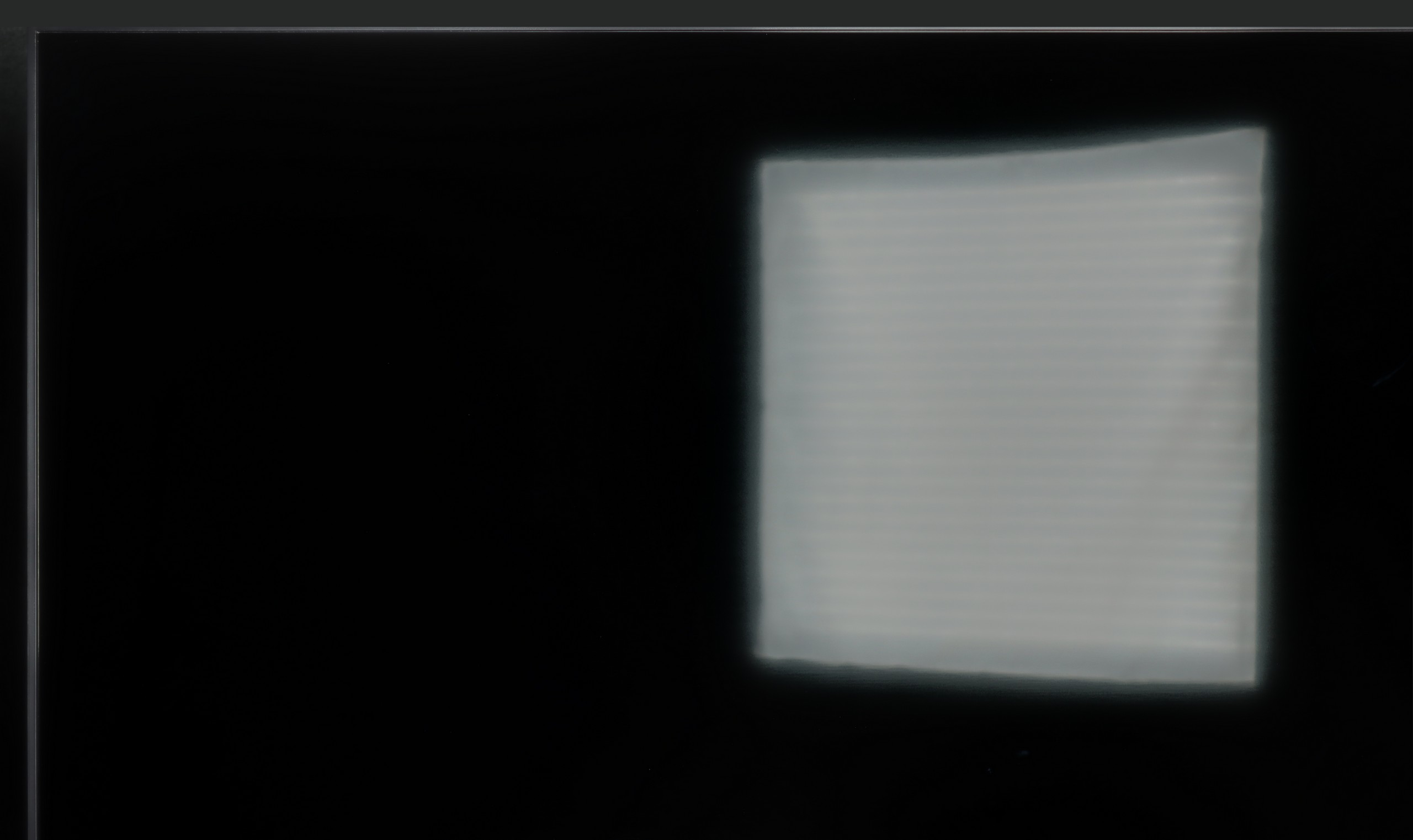
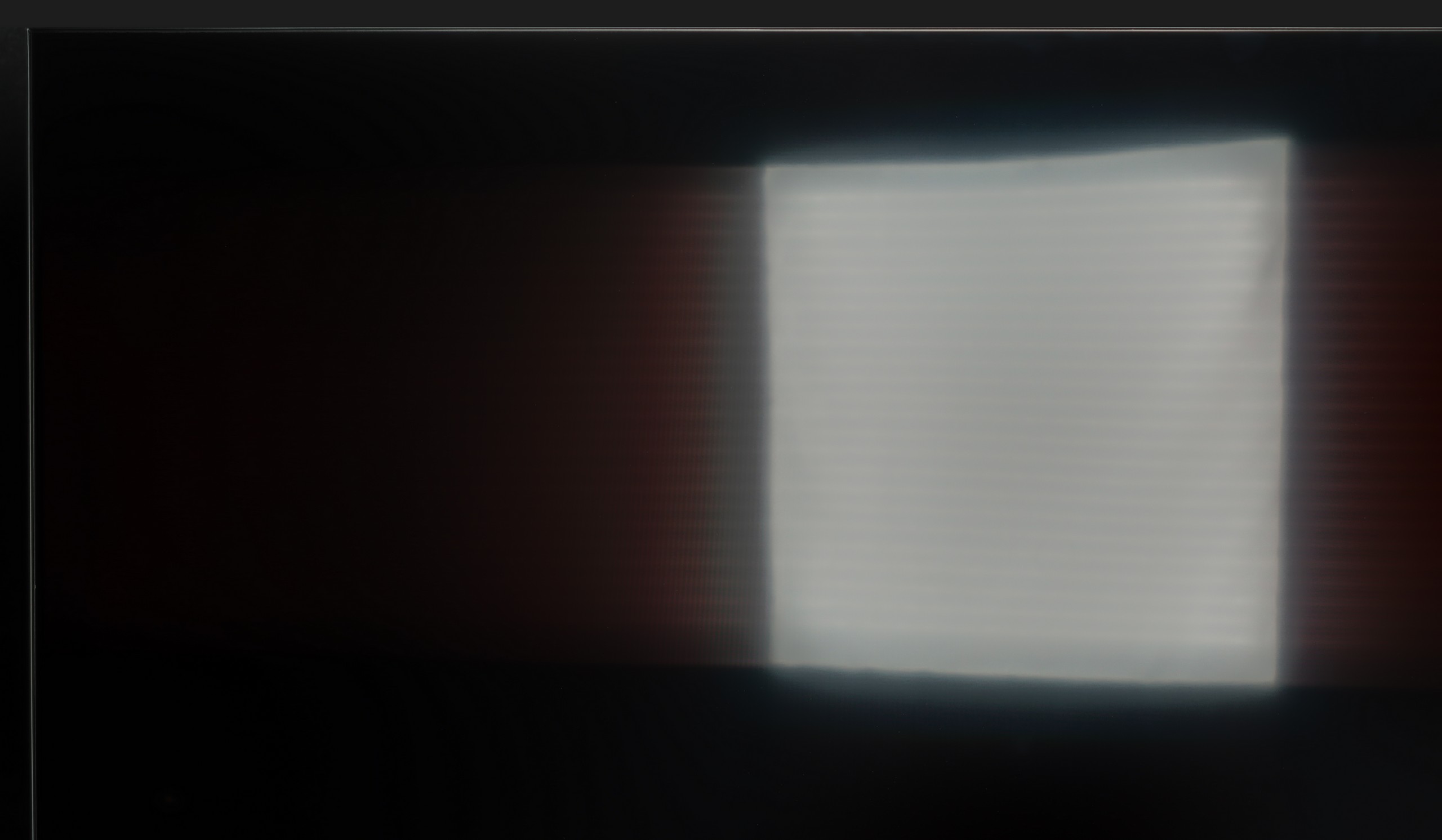
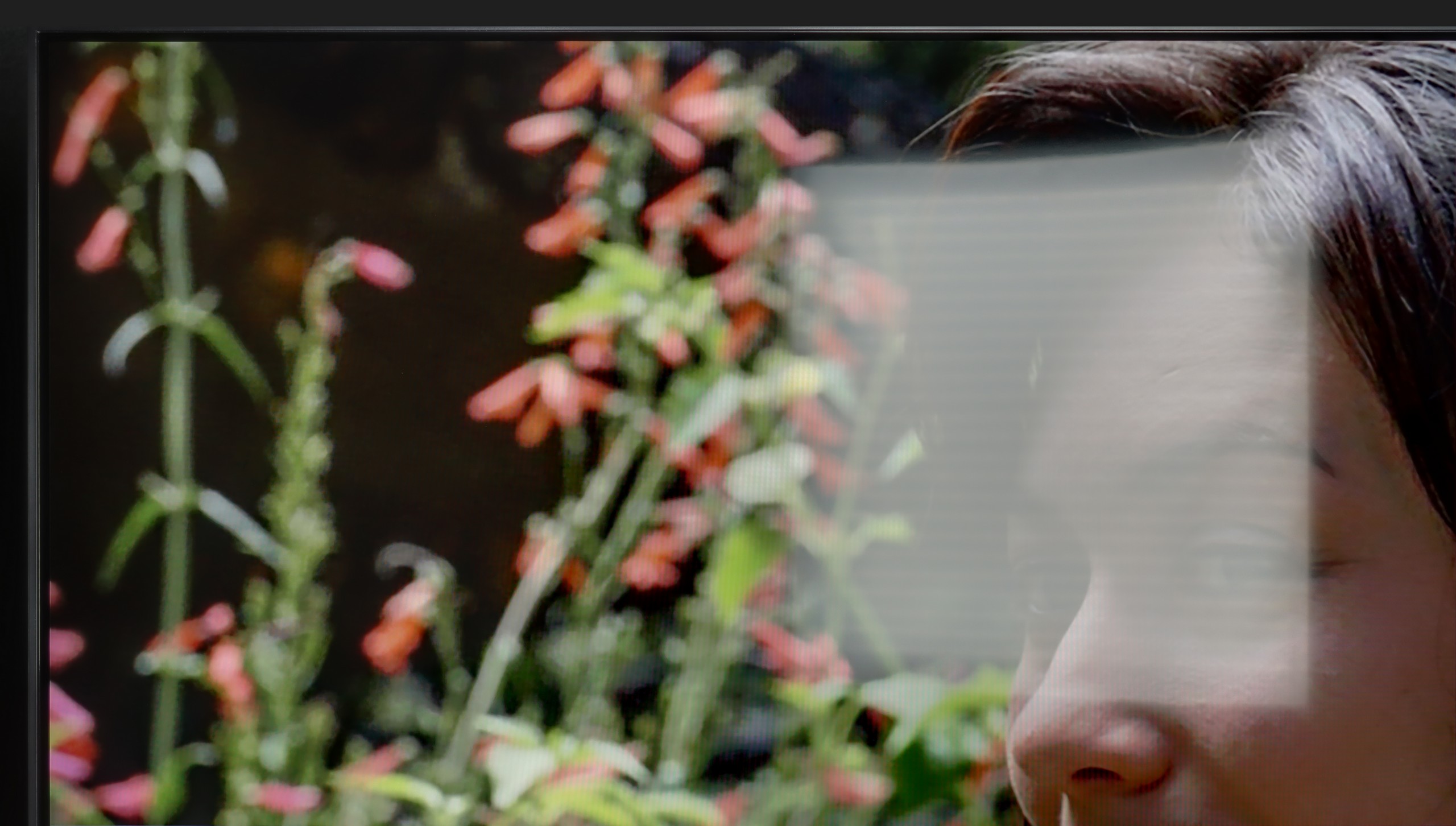
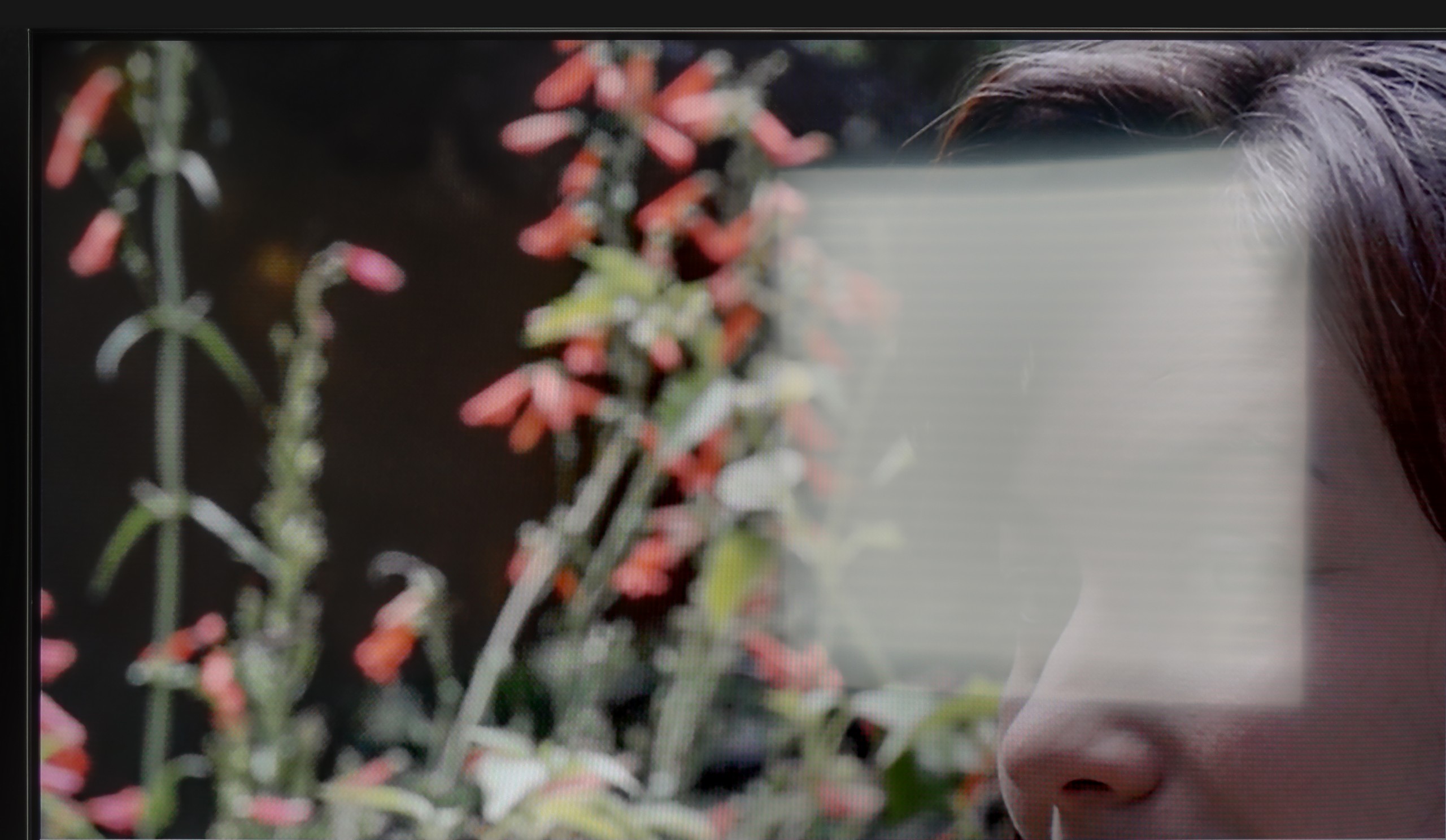
Panel brightness
Panasonic W85: 263 cd/m2
LG QNED86A / QNED85A / QNED87A: 462 cd/m2
QNED86A6A is not a brightness master, but it manages just fine. Thanks to the moderately high brightness of the panel and quite decent glare reduction, the television performs well in typical, moderately lit living rooms. The image remains clear, and colors do not lose their intensity in daylight. However, let’s not kid ourselves; this is not a screen that will handle extremely bright conditions, where sunlight pours in through huge windows and floods the room.
The Panasonic W85B has a satin finish panel that handles glare reduction and color retention quite well, even in bright light coming from windows or lamps. There is no "mirror" effect here, so watching television in a typical living room during the day is comfortable. However, the problem arises when we encounter really bright rooms – the TV does not have high brightness, so it won't cut through very strong sunlight. It's simply a screen that performs best in controlled conditions.
Panel details
Subpixel Structure:
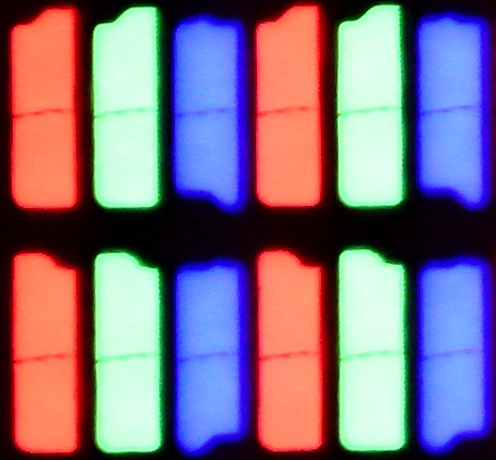
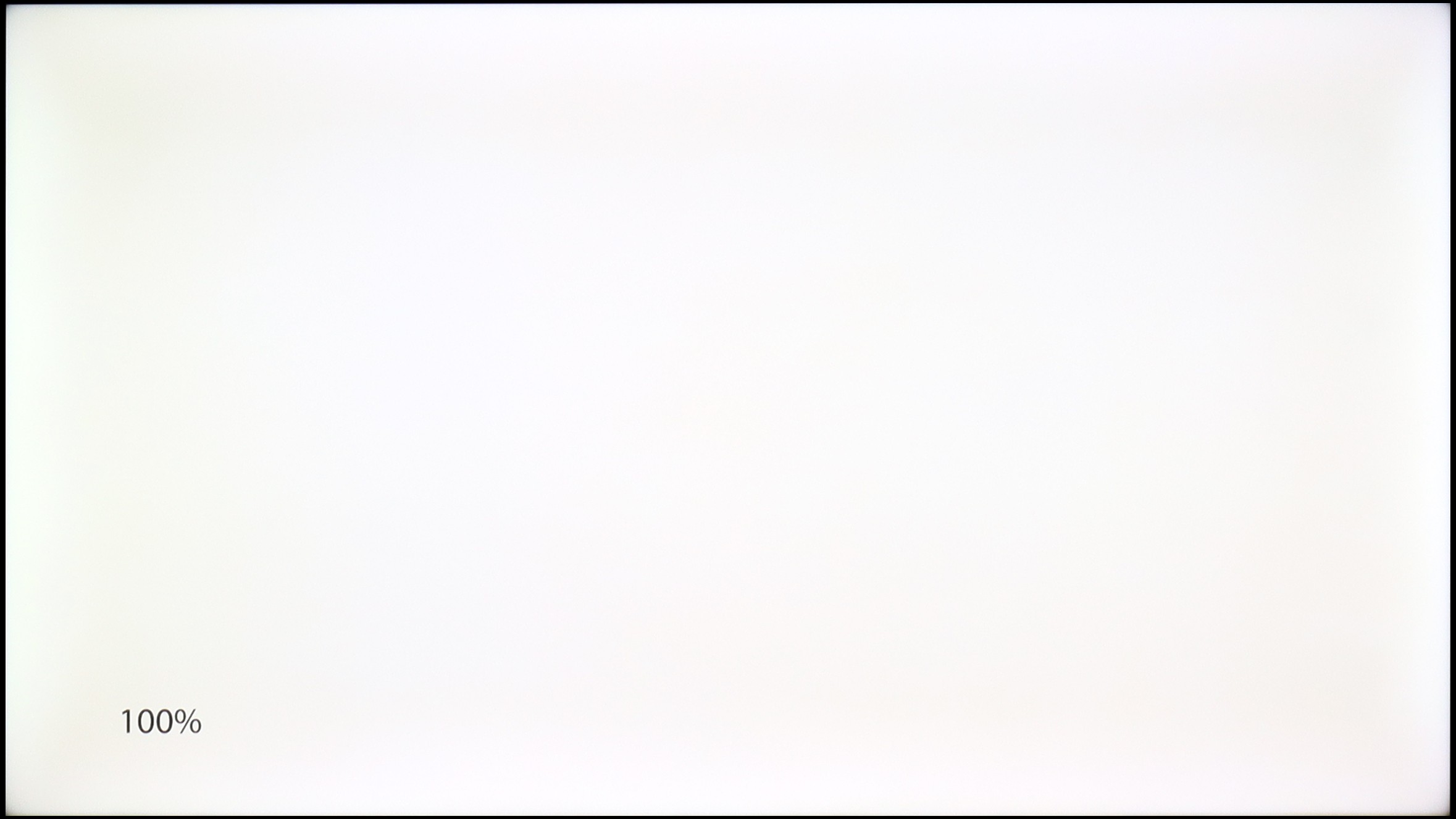
Panel uniformity and thermal imaging:

LG QNED86A / QNED85A / QNED87A
Panasonic W85
TV features
8.4/10
6.8/10
- SystemWebOSAmazon FireTV
- System performanceGoodAverage
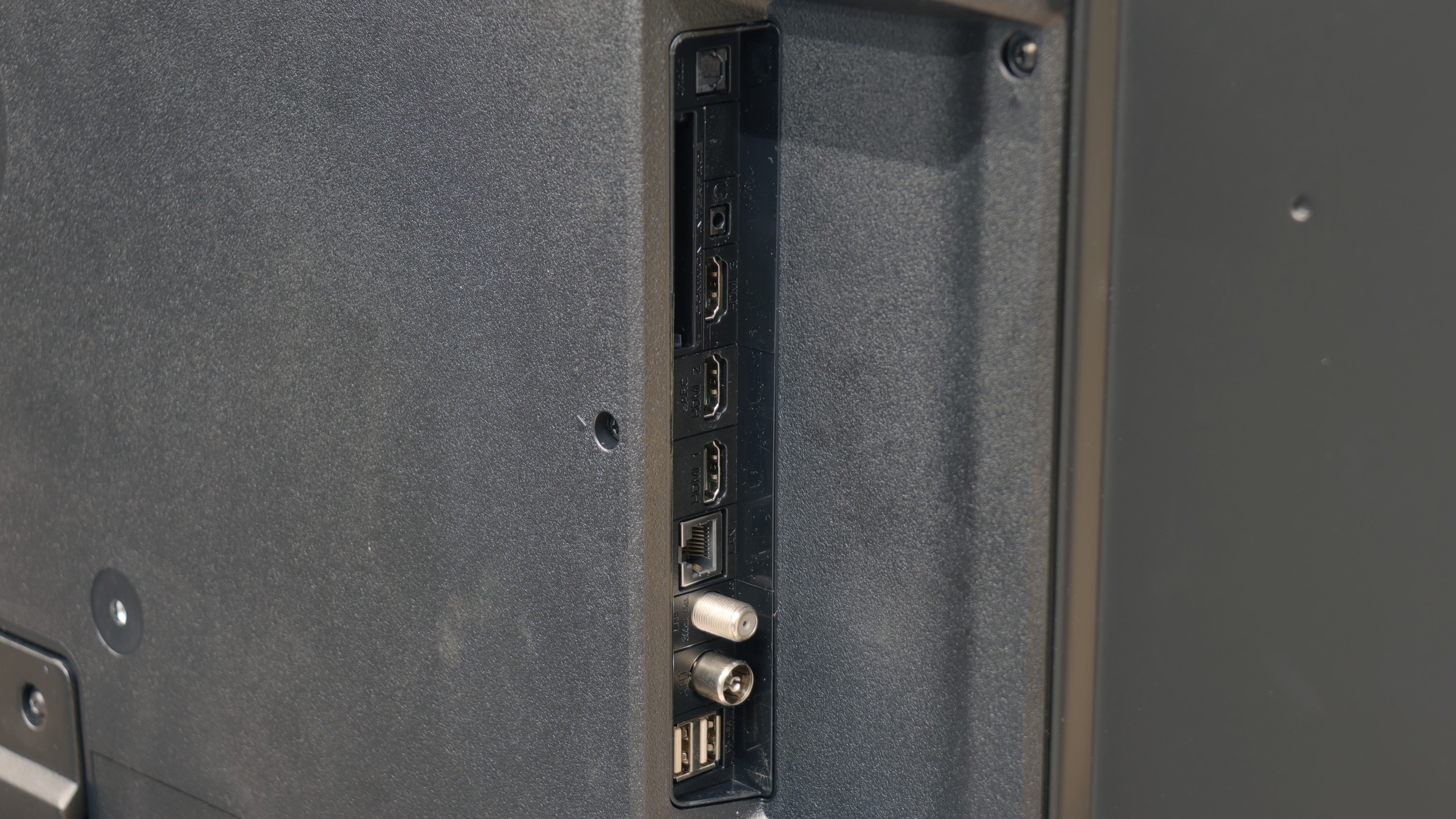
- HDMI inputs0 x HDMI 2.0, 4 x HDMI 2.1 48Gbps1 x HDMI 2.0, 2 x HDMI 2.1 48Gbps
- OutputsToslink (Optical audio), eARC (HDMI), ARC (HDMI)Toslink (Optical audio), eARC (HDMI), ARC (HDMI), Mini-Jack (Headphones)
- Network InterfacesWi-Fi 2.4GHz, Wi-Fi 5GHz, Ethernet (LAN) 100MbpsWi-Fi 2.4GHz, Wi-Fi 5GHz, Ethernet (LAN) 100Mbps
- TV receptionDVB-T, DVB-T2, DVB-S, DVB-S2, DVB-CDVB-T, DVB-T2, DVB-S, DVB-S2
Classic features:
- Recording to USB (terrestrial TV)
- Recording programming
- Picture in Picture (PiP)
- RF remote control (no need to aim)
- Backlit remote control
- Teletext
- Audio only mode
- Bluetooth headphones support
- Simultaneous Bluetooth headphones & TV audio
Smart features:
- AirPlay
- Screen mirroring (Windows Miracast)
- Voice search
- Voice search in native language
- Ability to connect a keyboard and mouse
Sound connection options
- HDMI audioeARC (HDMI), ARC (HDMI)eARC (HDMI), ARC (HDMI)
- Other audio outputsToslink (Optical audio)Toslink (Optical audio), Mini-Jack (Headphones)
- Wireless audioBluetooth, WiSABluetooth, WiSA
Supported audio formats (external HDMI eARC audio):
- Dolby Digital Plus 7.1
- Dolby True HD 7.1
- Dolby Atmos in Dolby Digital Plus (JOC)
- Dolby Atmos in Dolby True HD
- DTS:X in DTS-HD MA
- DTS-HD Master Audio
Senior accessibility
- Numeric keyboard on TV
- Font size adjustment
- Audio description
Smart Features: webOS
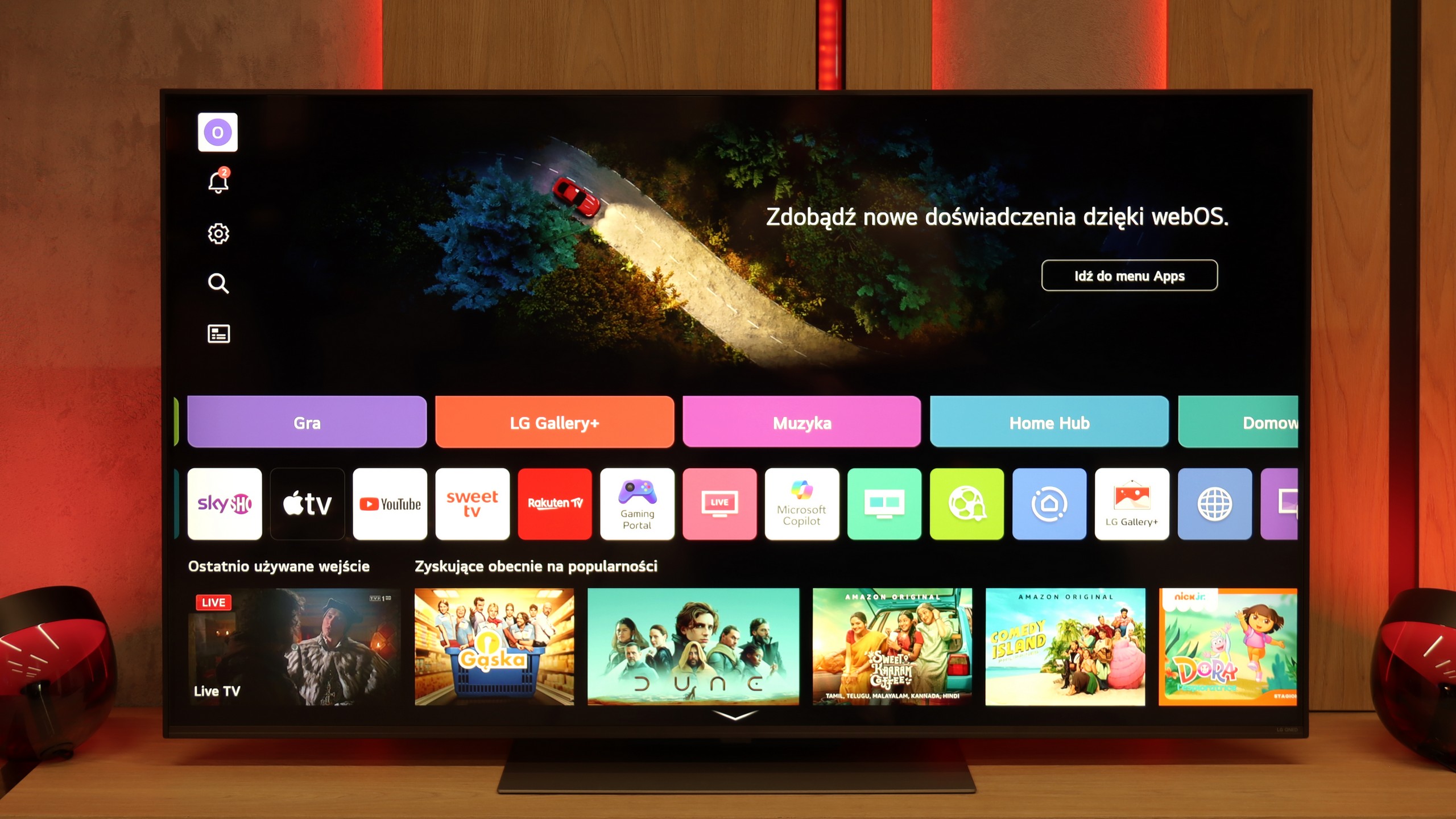
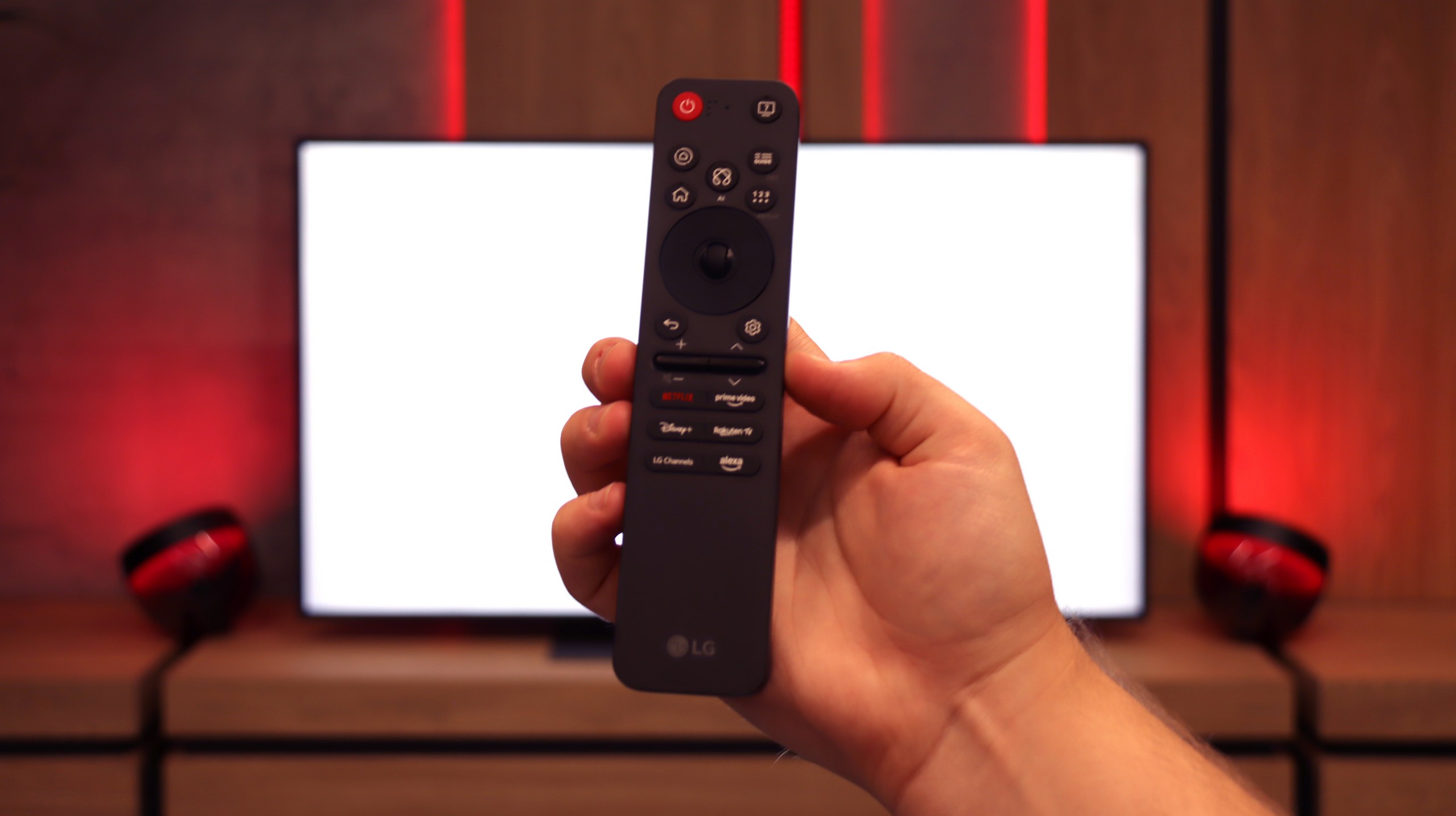
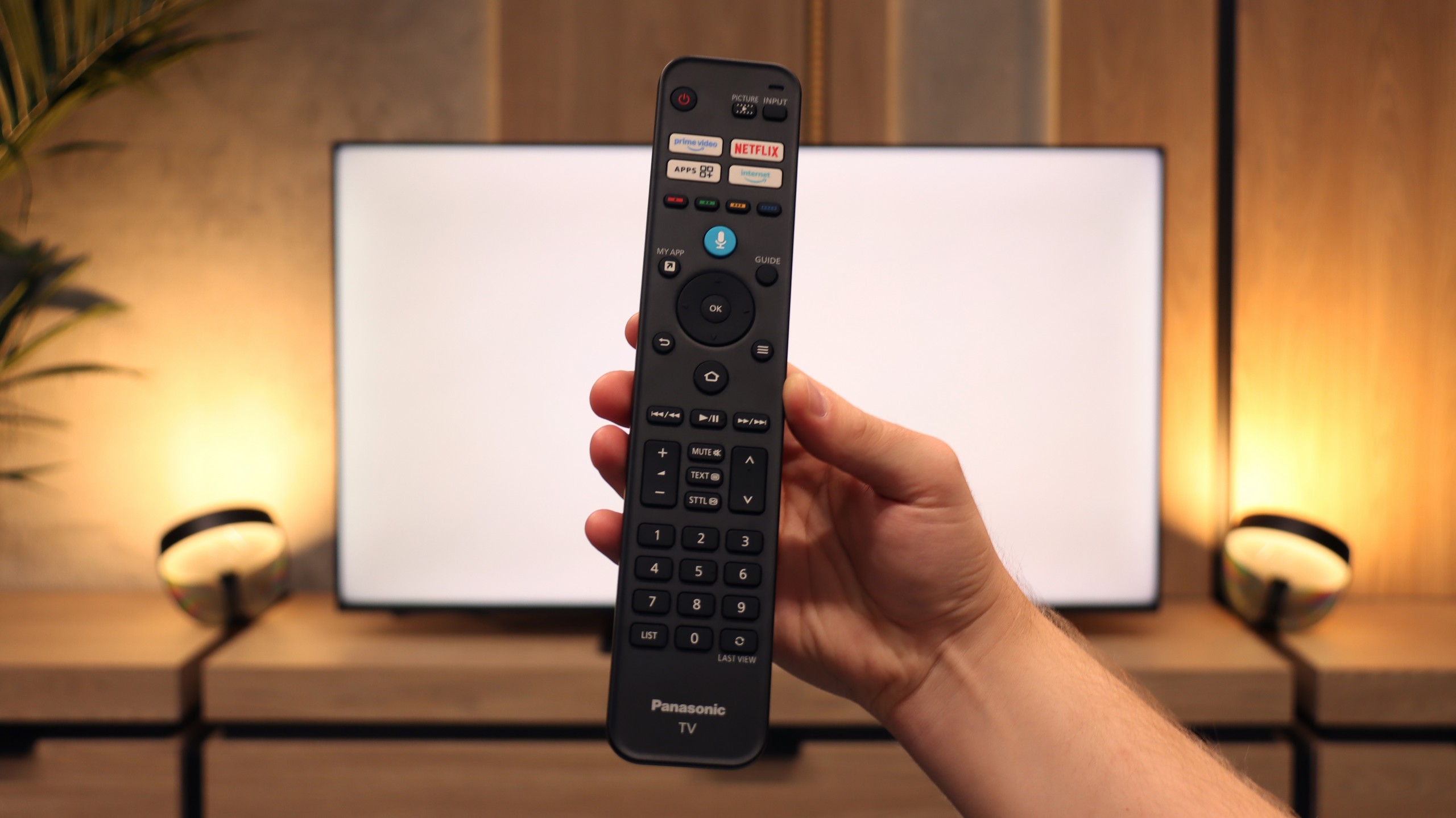
QNED86A6A runs on the well-known webOS – a system that has been a strong point of LG TVs for years. Everything operates quickly and stably, and apps launch without significant delays, though the interface can be somewhat overwhelmed by advertisements at times. Fortunately, the convenience is more noticeable in daily use than the shortcomings. A significant advantage is the Magic Remote, which allows you to control the cursor like a mouse – it's one of those features that you can easily get used to and later find hard to give up. The new version of the remote is slimmer as it has been stripped of the numeric keypad. Some will appreciate the simplicity, while others will miss the classic set of buttons; it's more a matter of habit.
Classic Features
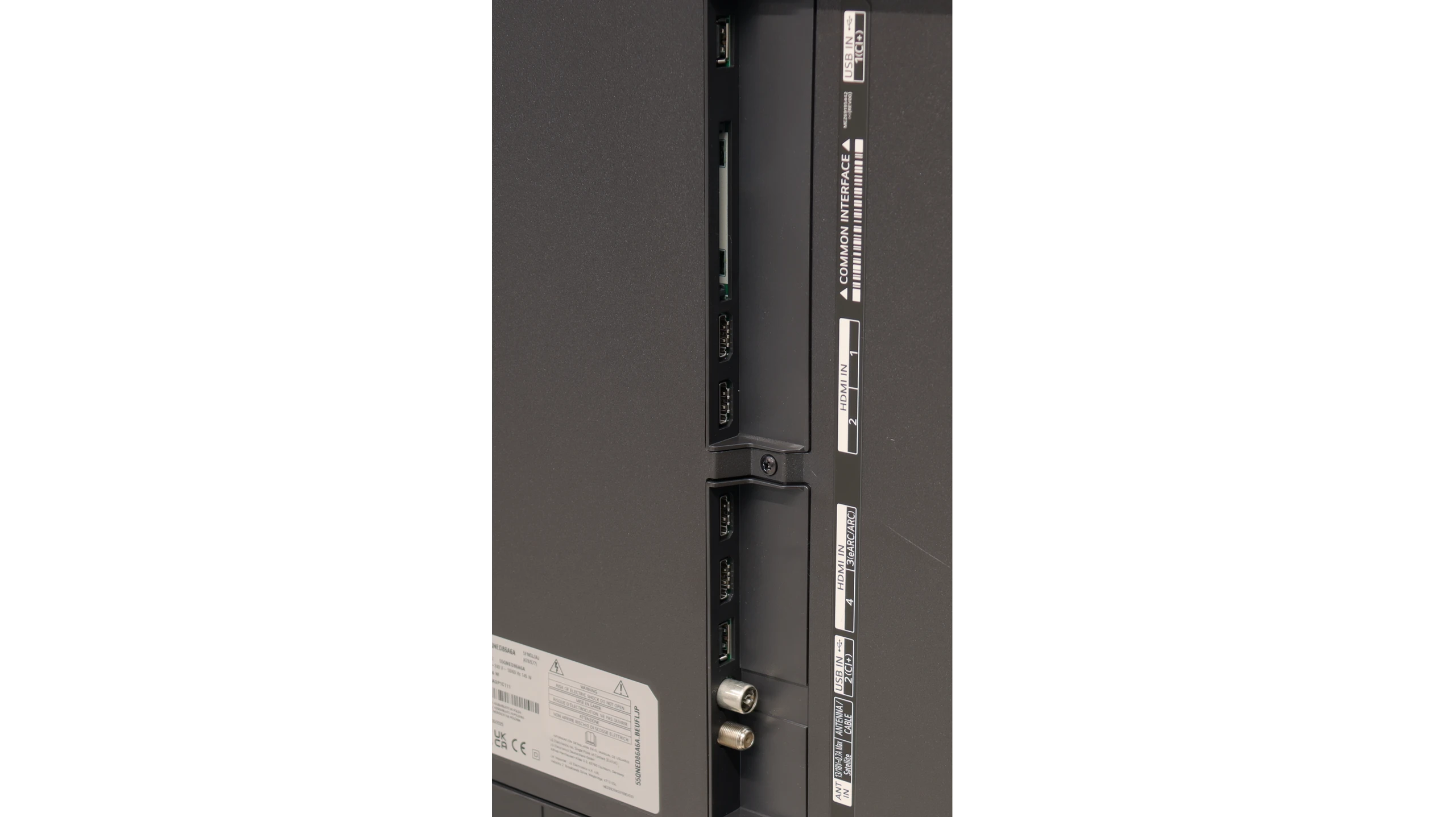
Onboard, there are also a few solutions that are not always obvious in 2025. There is the ability to record programs from built-in DVB-T2 tuners onto USB, so you can calmly return to a match or series at any moment. In the evening, Bluetooth headphone support will come in handy – especially if someone in the house falls asleep faster than we do. Additionally, there is a full set of HDMI 2.1 ports with eARC support and audio formats like Dolby Digital and Dolby Atmos.
SmartTV: FireTV
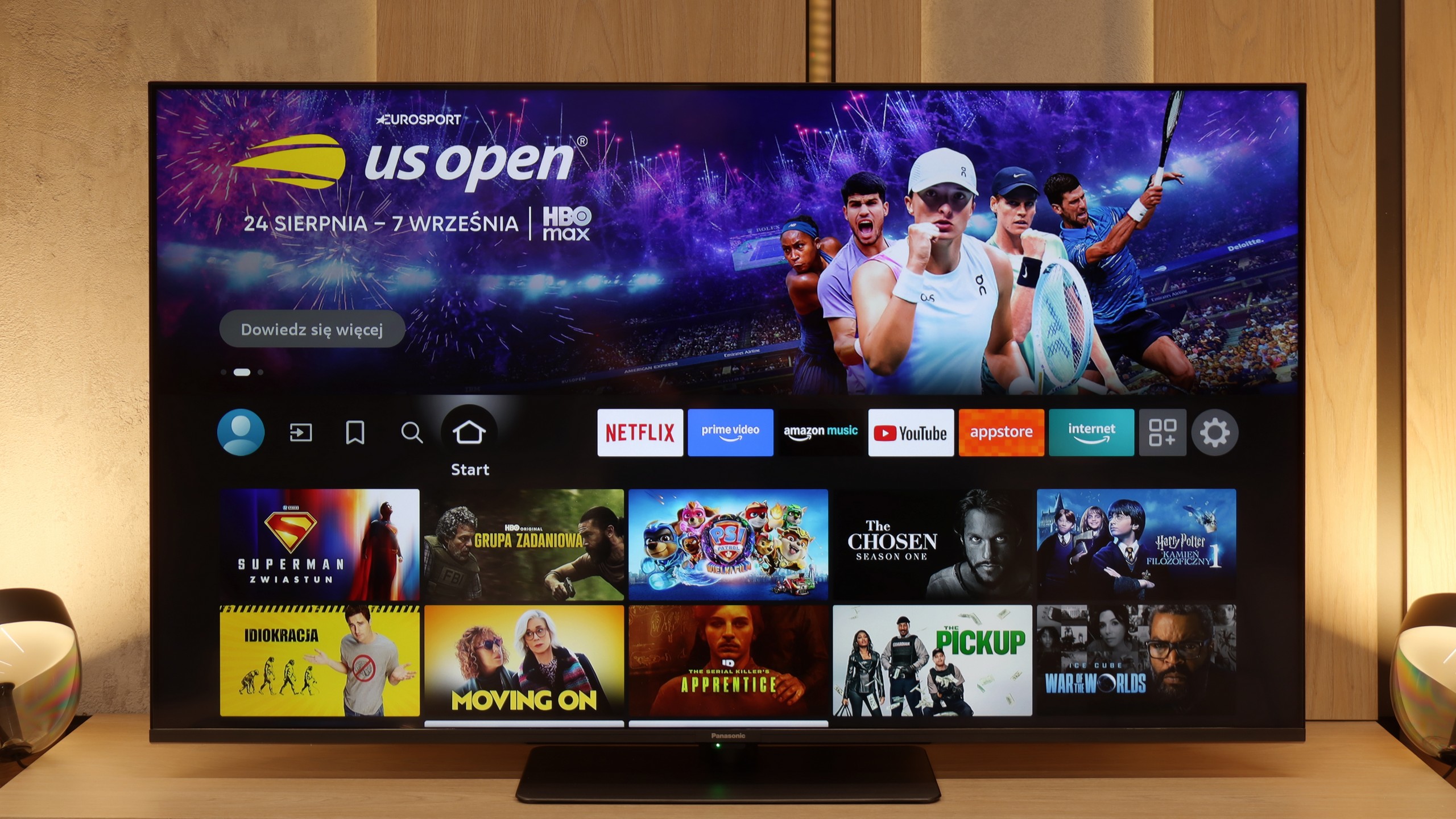
The W85B runs on the Fire TV system and it must be admitted – this is a significant step forward compared to Panasonic's previous proprietary solutions. Here we have support for AirPlay, screen mirroring, and even voice control through Alexa. It sounds modern and in practice it actually offers quite a few possibilities. The problem is that in Europe, Fire TV still looks a bit like a "guest with luggage." It works decently, but there are occasional micro-stutters, the interface doesn’t always respond as smoothly as we would like, and you may encounter awkward translations in the menu. It’s not yet on the level of the major players like Google TV or even Tizen, but it is still an improvement over what Panasonic had before. However, the worst part of it all is that the Fire TV app library is quite modest and that is its biggest drawback.
Classic TV Features
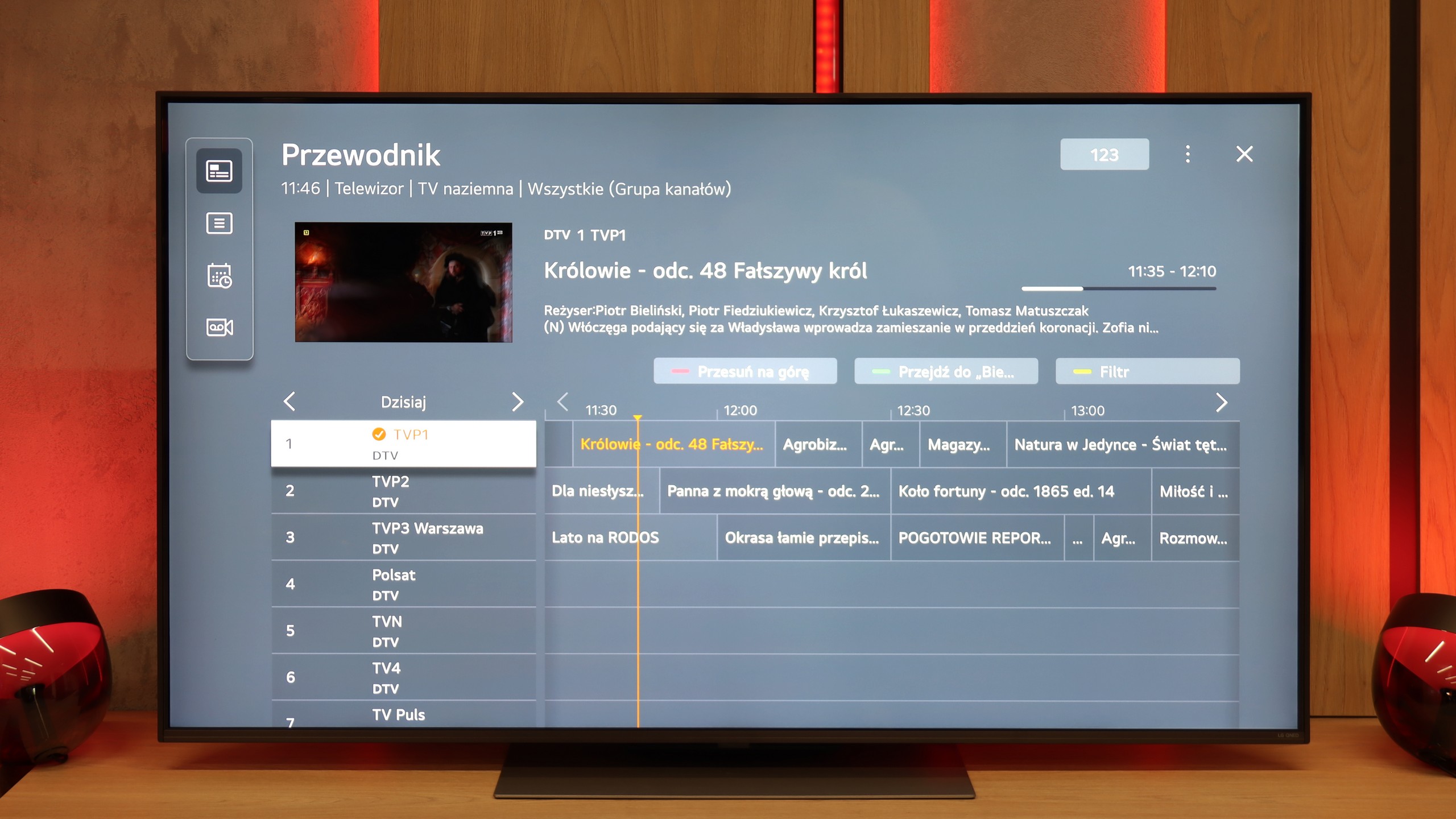
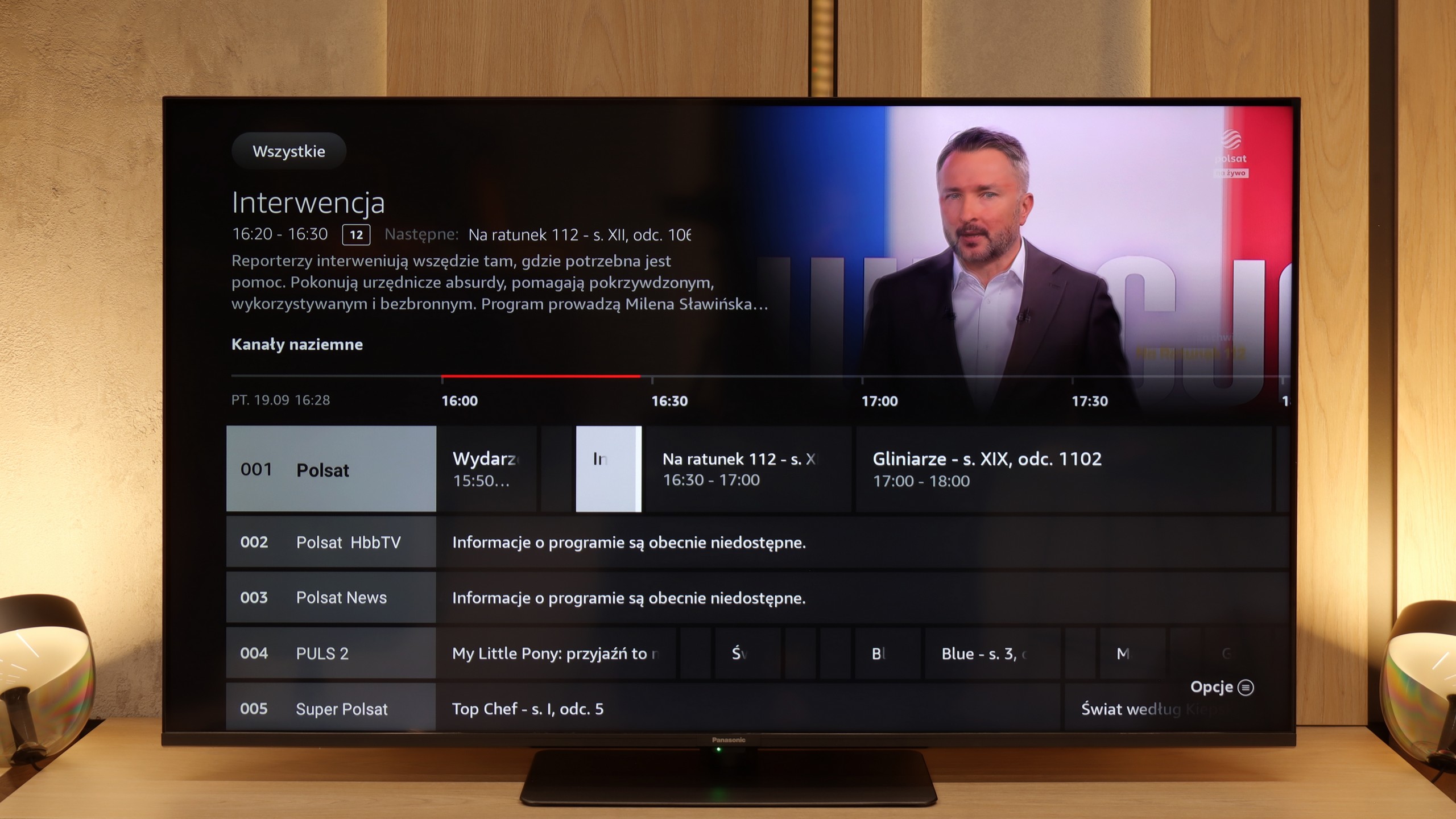
In terms of classic television functionalities, it's quite good – we have a classic remote control with a full numeric keypad, a clear EPG guide, and the ability to record programs from the built-in tuner to an external USB drive (e.g., a flash drive). A downside is the lack of options to schedule recordings in advance – you can record "here and now," but you can't set recordings for later.
Apps
9.1/10
7.6/10






















Playing files from USB
8.9/10
3.1/10
Supported photo formats:
Maximum photo resolution:
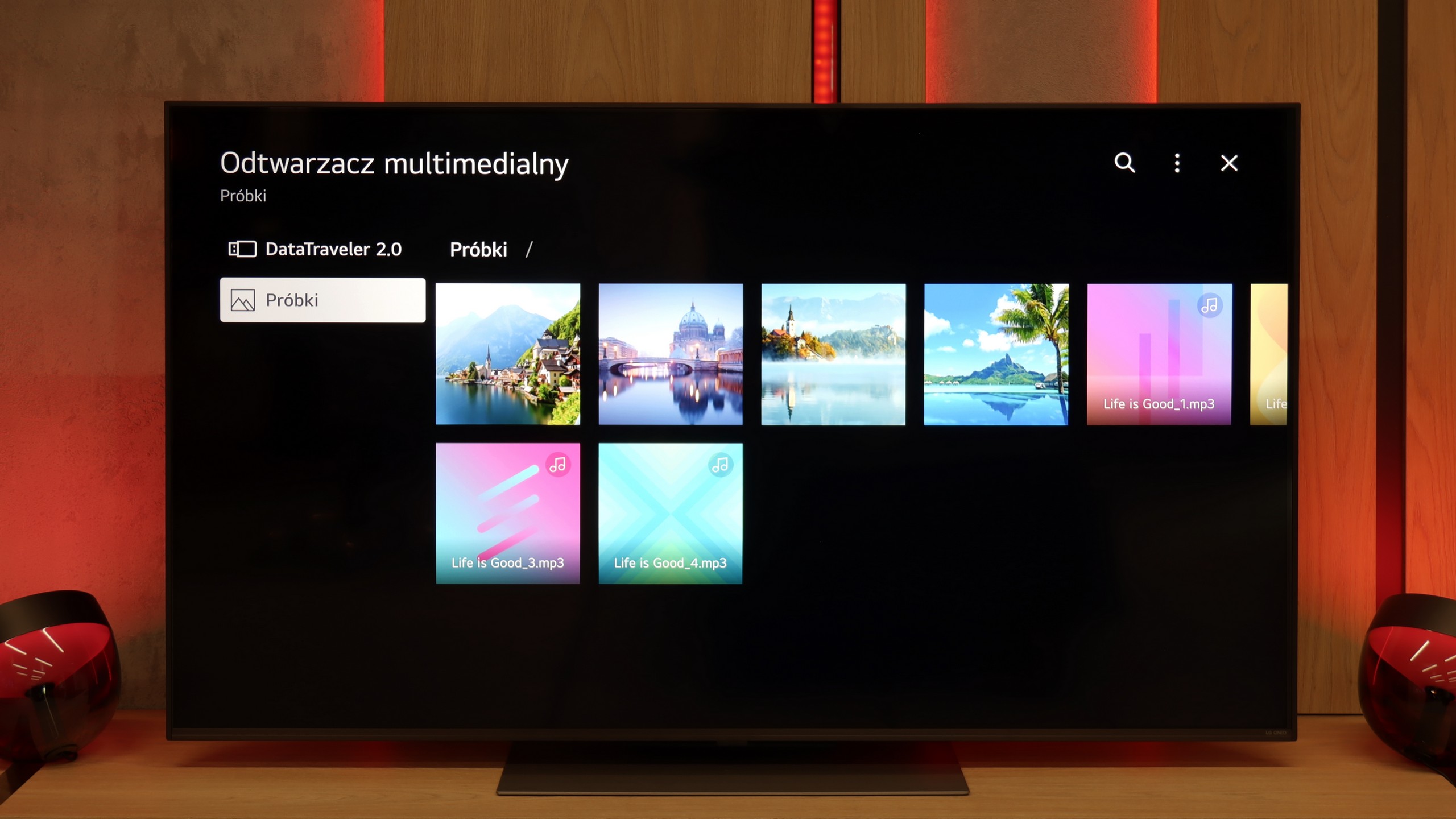
The built-in media player in the QNED86A6A performs quite well with the most popular audio and video formats. During testing, we had no trouble playing MP4, MKV, or MP3 files; everything played smoothly without glitches. The TV also handled most images, although here we encountered a typical barrier for many manufacturers – the lack of full support for the HEIC format from Apple. So, if you regularly use an iPhone and store photos in this standard, you'll need to convert them beforehand or, preferably, transfer them using AirPlay. Other than that, it's hard to find fault as the built-in solution is really decent.
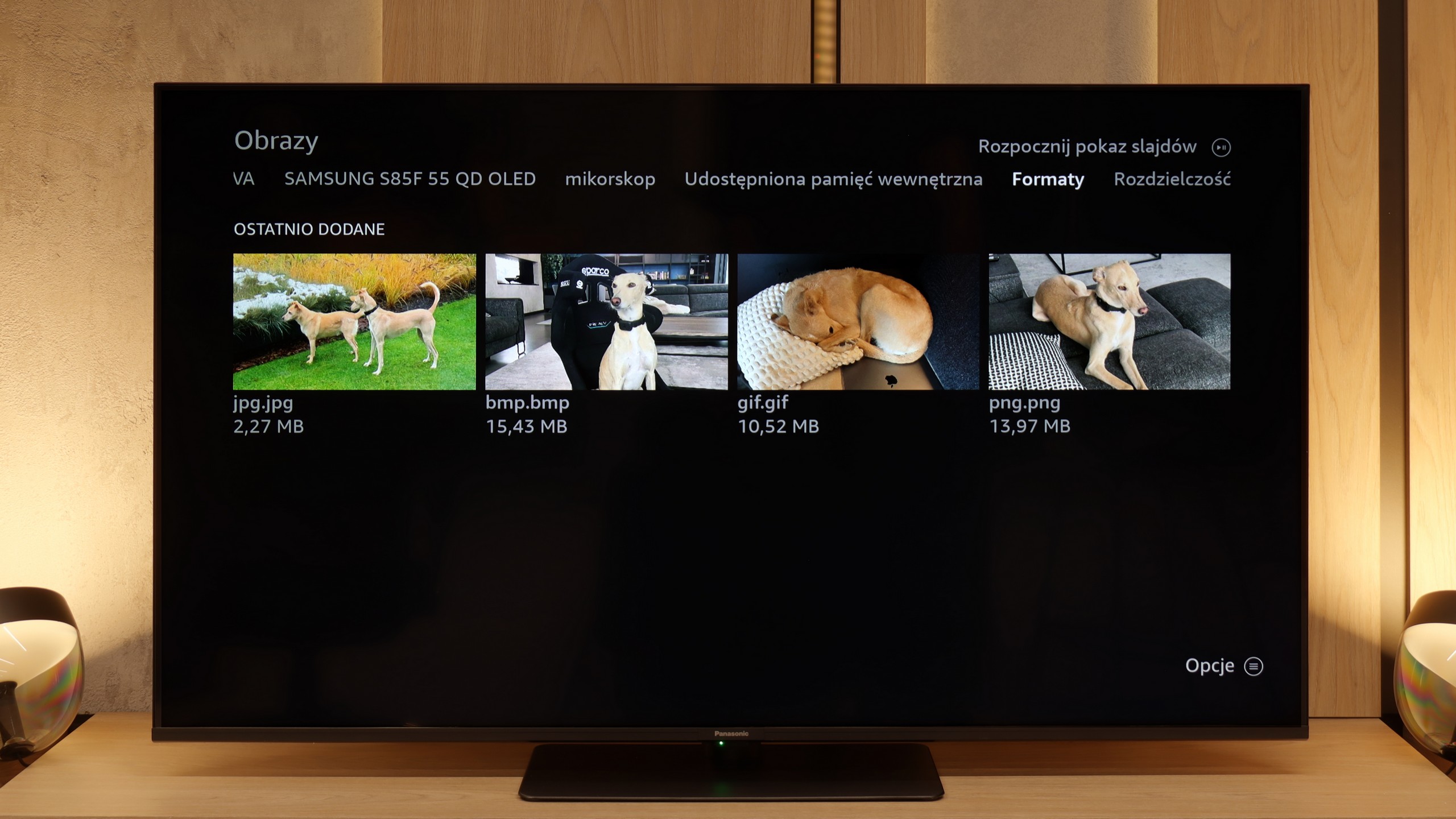
The biggest problem with the built-in player on Fire TV is the lack of support for external subtitle files. If you have your own movie library and use text files, you simply won't be able to display them on this TV. The player itself handles basic video formats, but if someone wanted to fully utilize files from USB, they would likely end up installing an additional app from the store (e.g., VLC).
Sound
6/10
5.8/10
- Maximum volume84dB87dB
- Dolby Digital Plus 7.1
- Dolby True HD 7.1
- Dolby Atmos in Dolby Digital Plus (JOC)
- Dolby Atmos in Dolby True HD
- DTS:X in DTS-HD MA
- DTS-HD Master Audio
In terms of sound, the QNED86A6A performs quite decently, but let's not hide it – this is not the level that will impress home cinema enthusiasts. The sound is clean and clear, dialogues are easily heard, but overall it sounds rather flat and there is definitely a lack of solid bass. For everyday watching of television, streaming services, or news, this is an acceptable level; however, if you plan to watch movies or play games more often, even a basic soundbar will make a significant difference.
Here, the Panasonic W85B unfortunately has nothing to brag about. The speakers sound flat and rather "plastic," so cinematic experiences are definitely not to be had here. There is no depth, no clear bass – just basic sound that merely "exists." It's a shame because we thought the external subwoofer used here would actually make a difference. Unfortunately, we were mistaken. The only advantage is that the television can play really loudly. This might appeal to older users who often need higher volume to comfortably watch programs or news. For everyday TV viewing, it’s enough, but if someone is thinking about movies and gaming – an additional soundbar or audio system is essentially a must.
Sound Quality Test
No sound test video
Acoustic Measurements
84dBC (Max)
75dBC
87dBC (Max)
75dBC