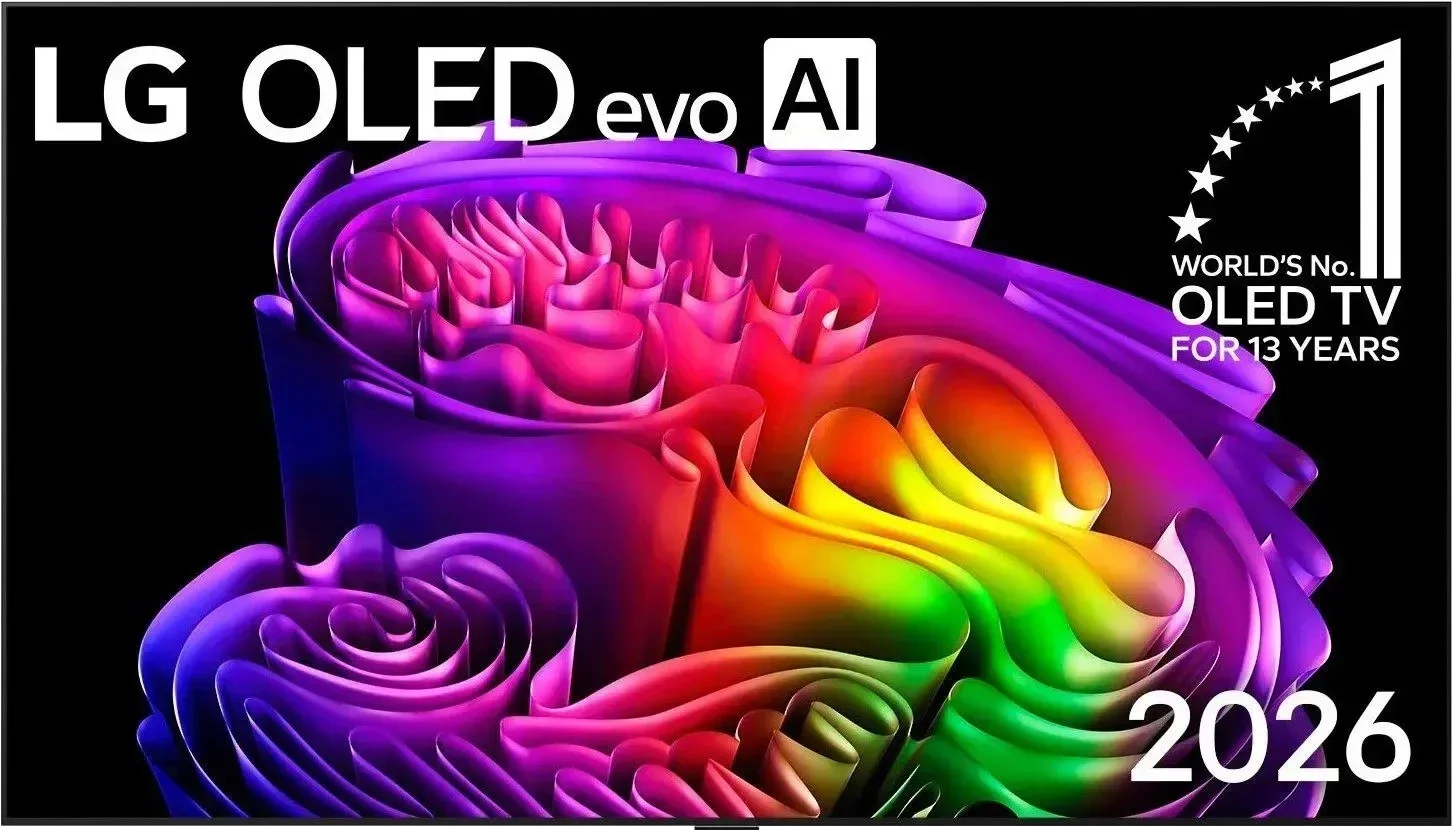
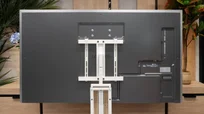
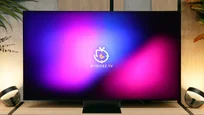
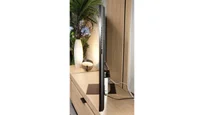
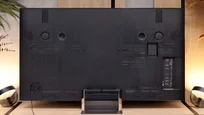
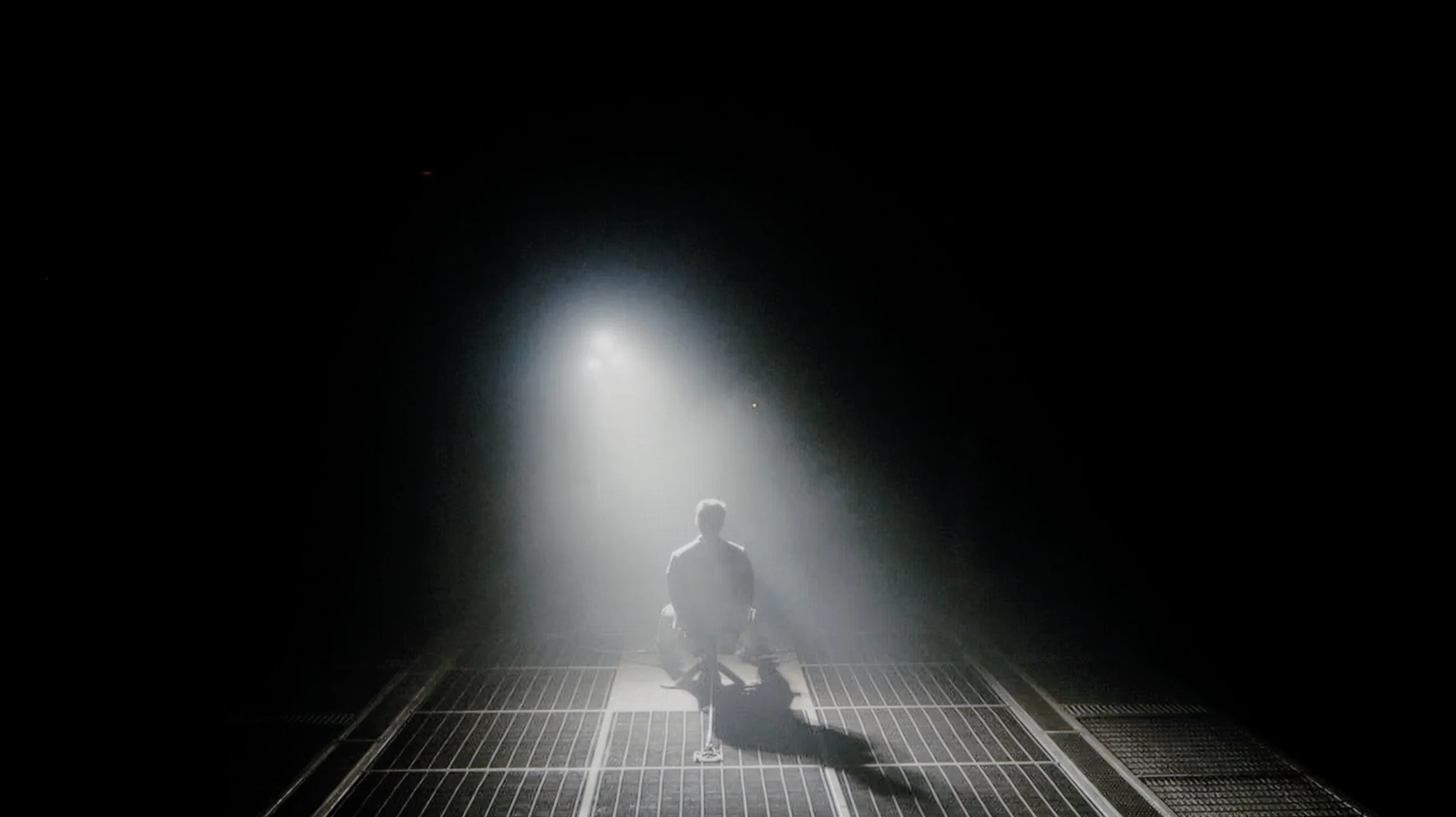
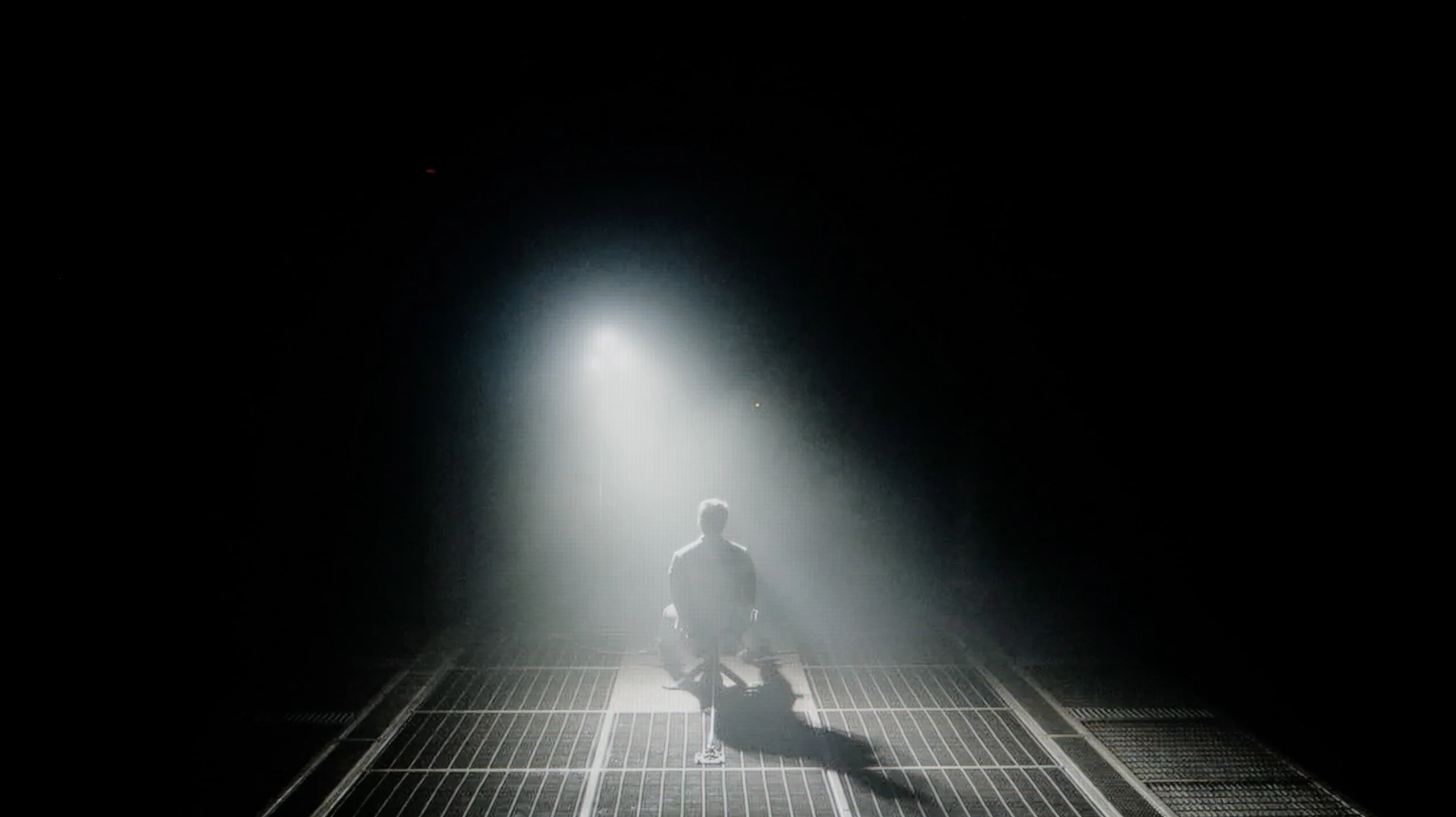
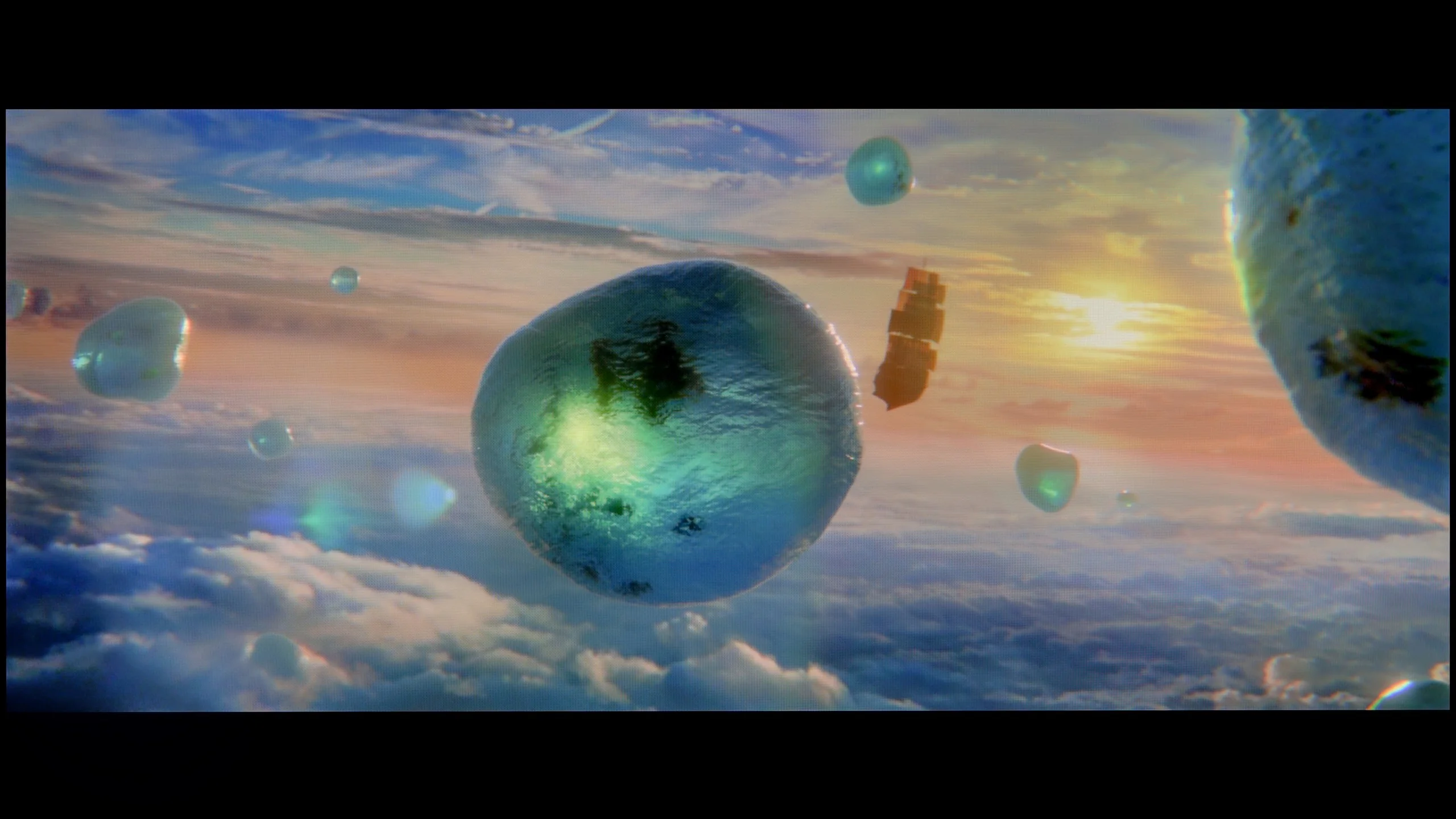
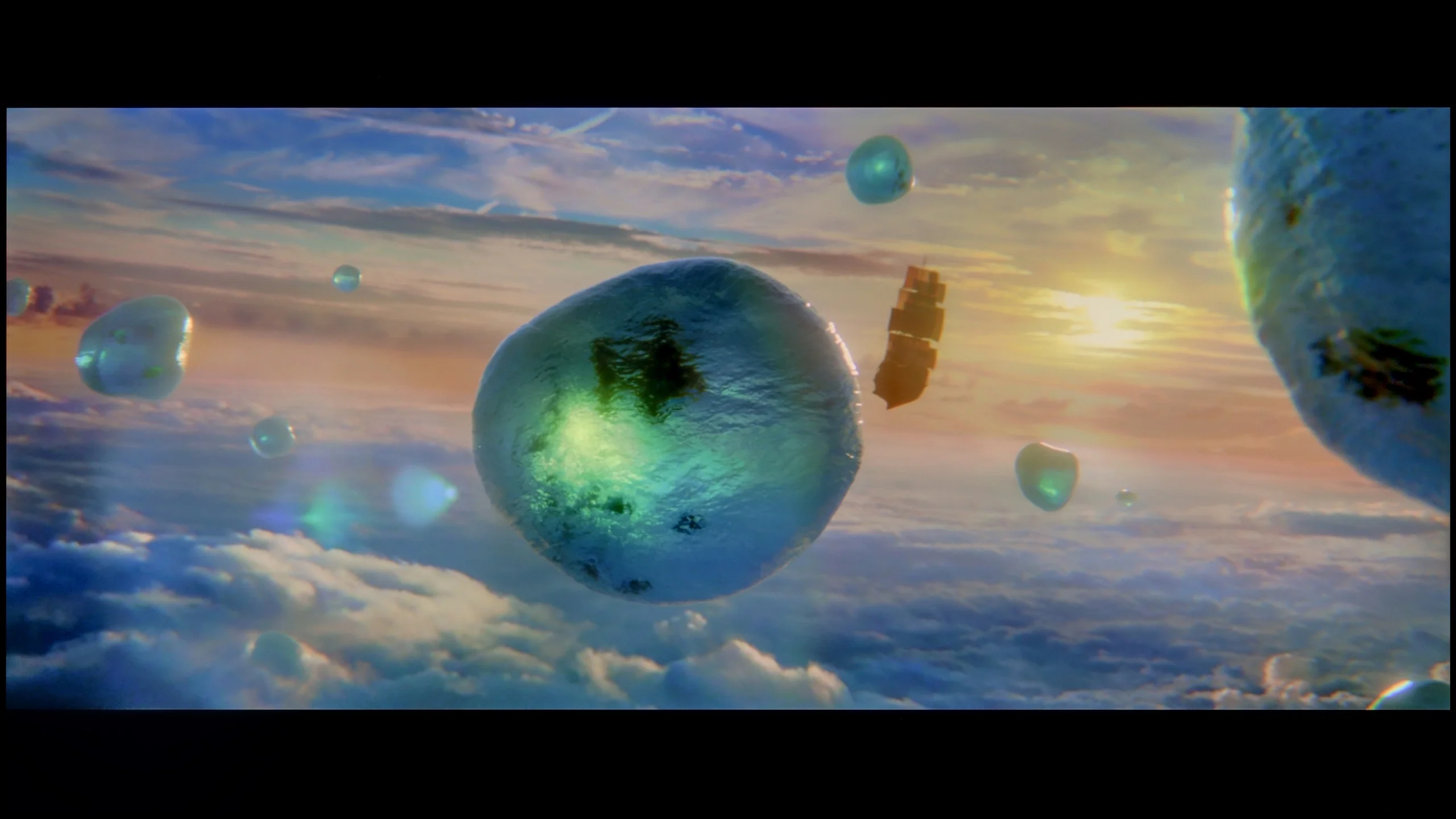
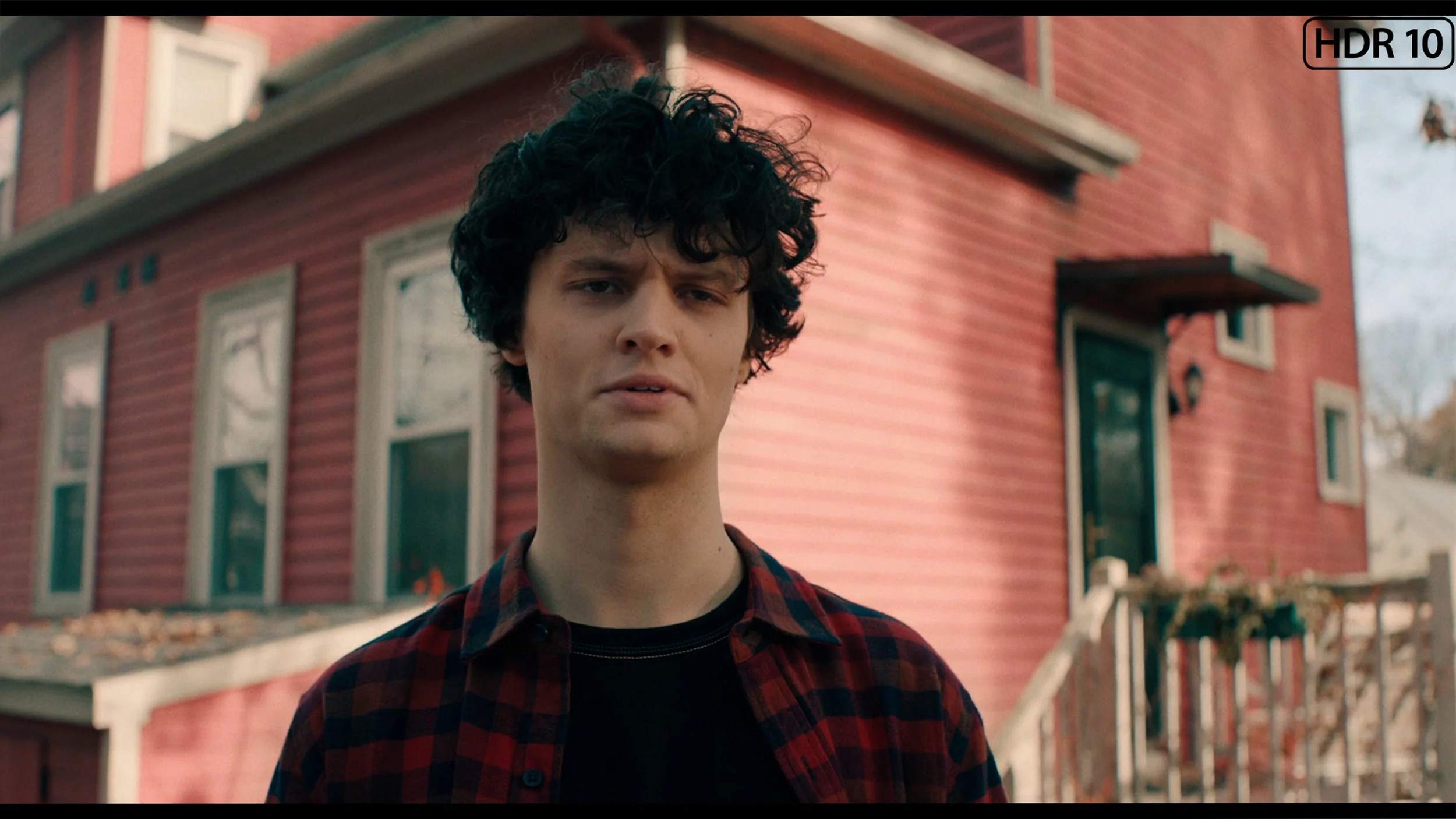
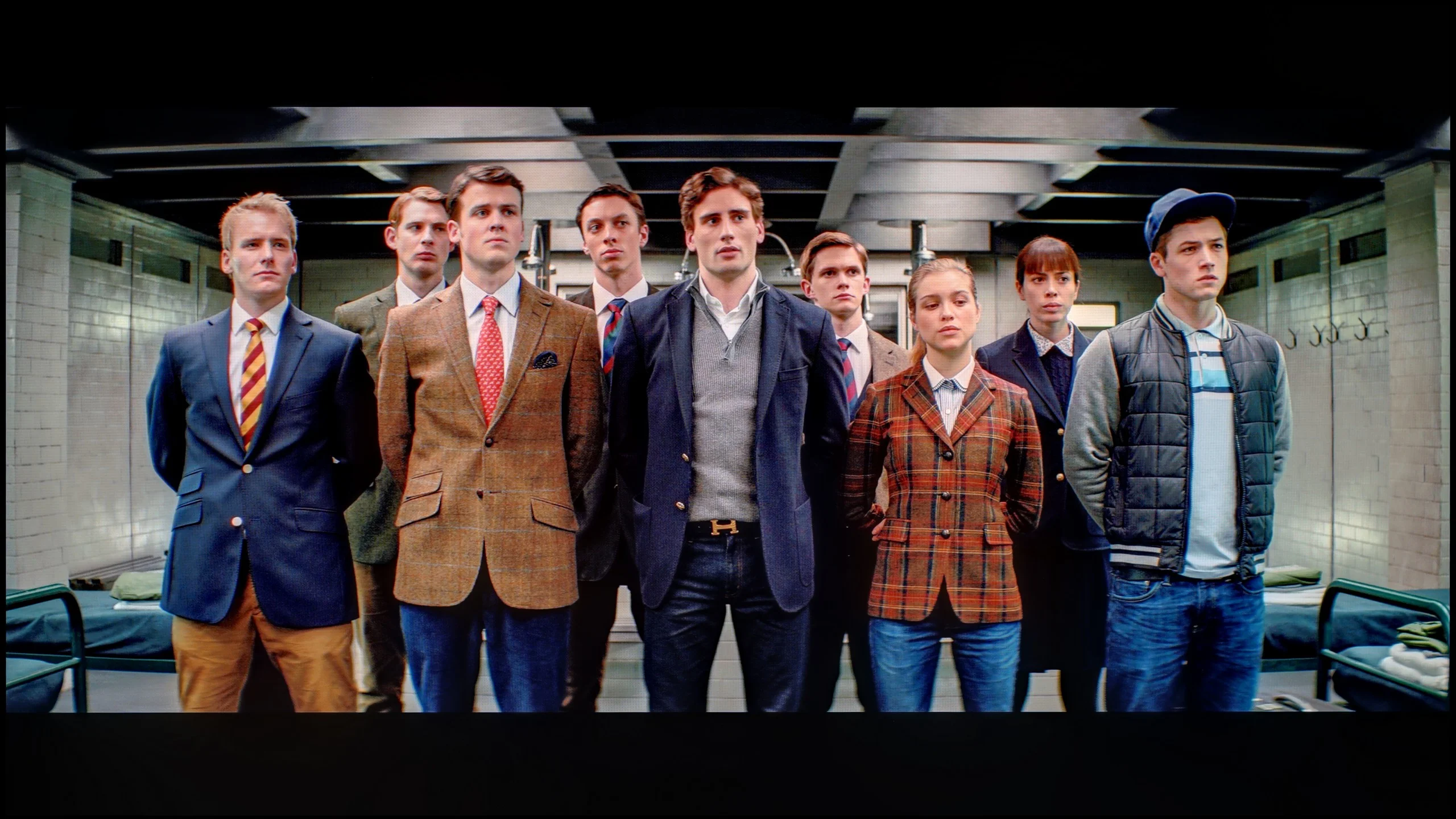
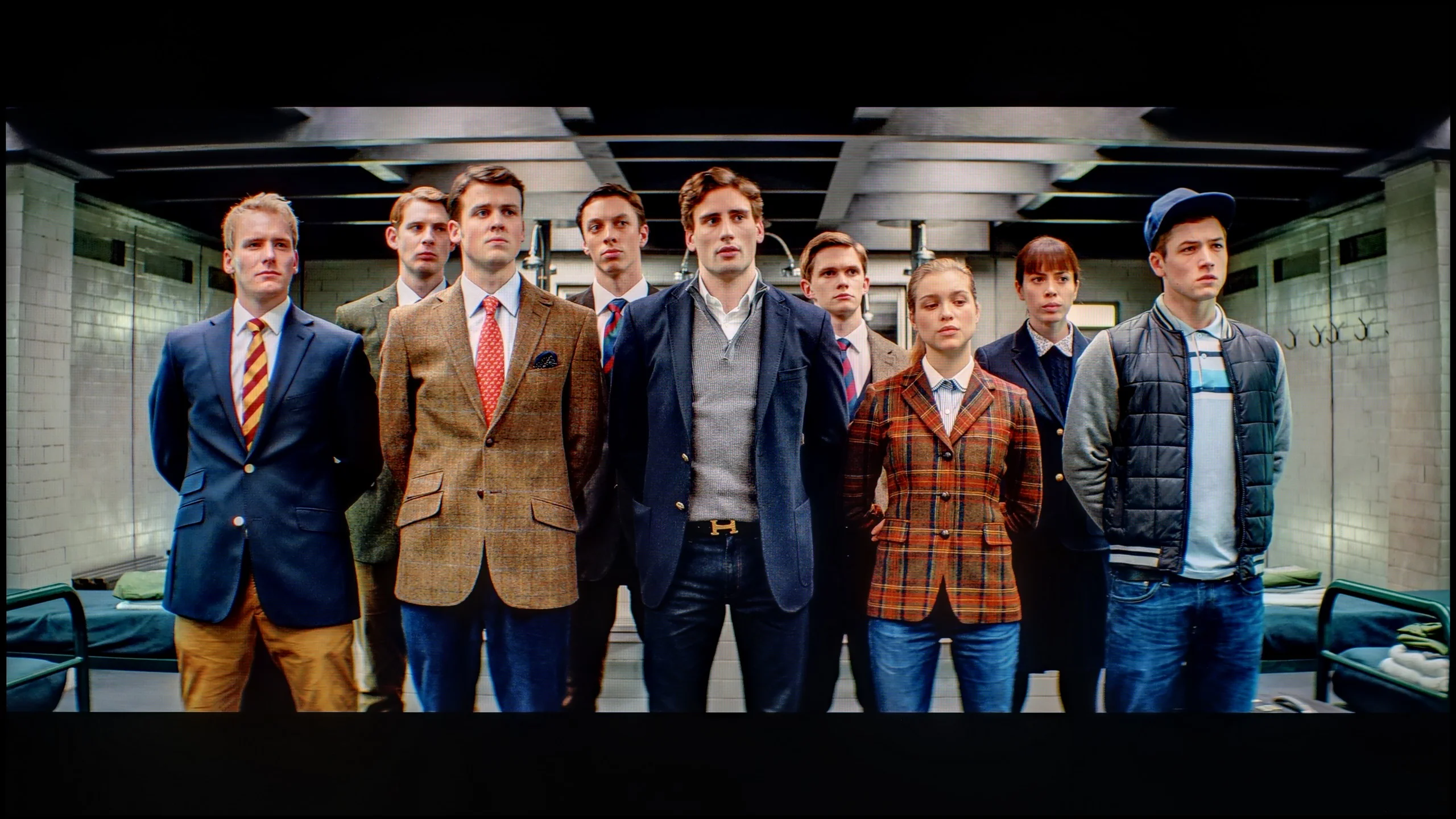
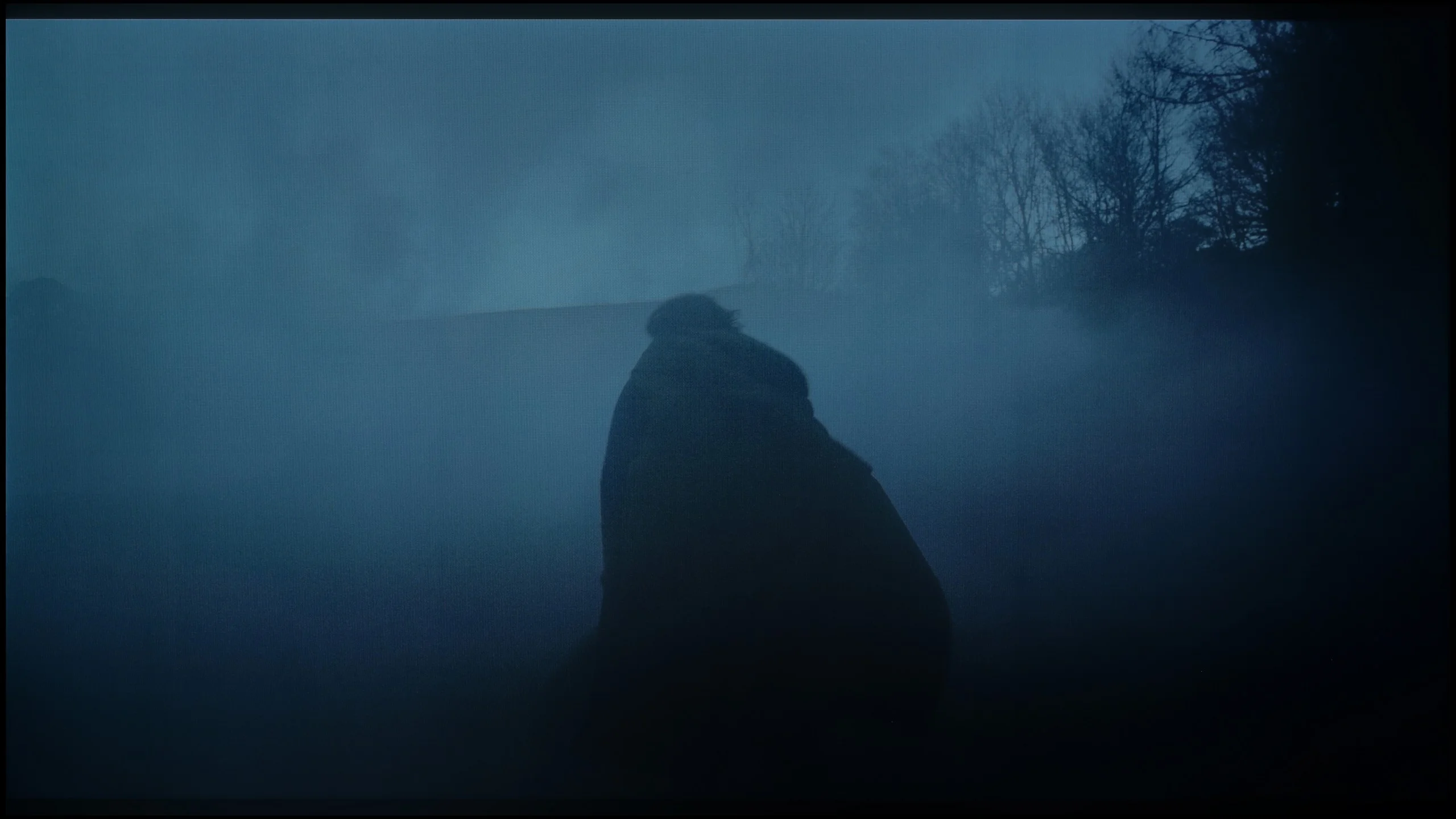
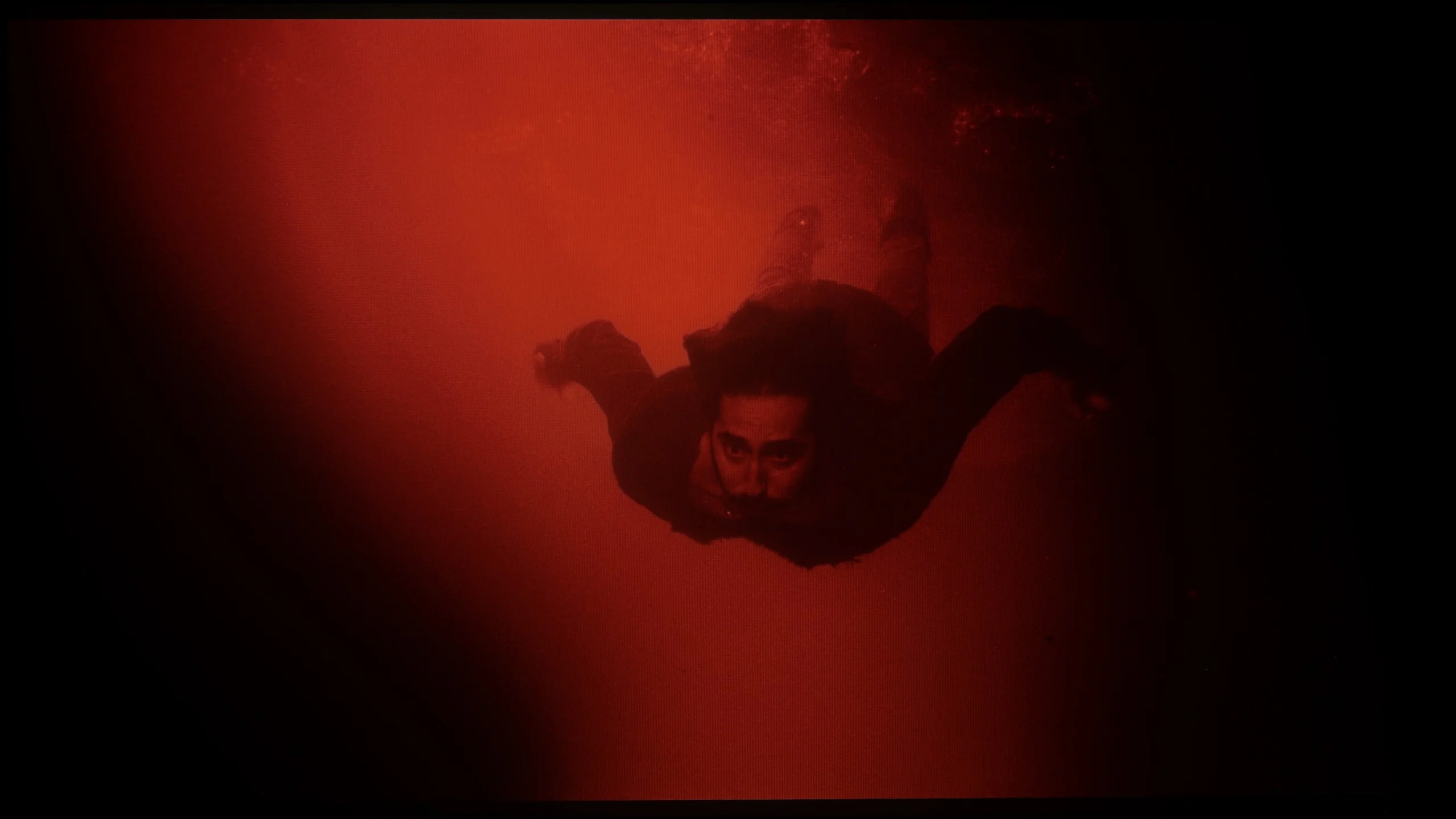
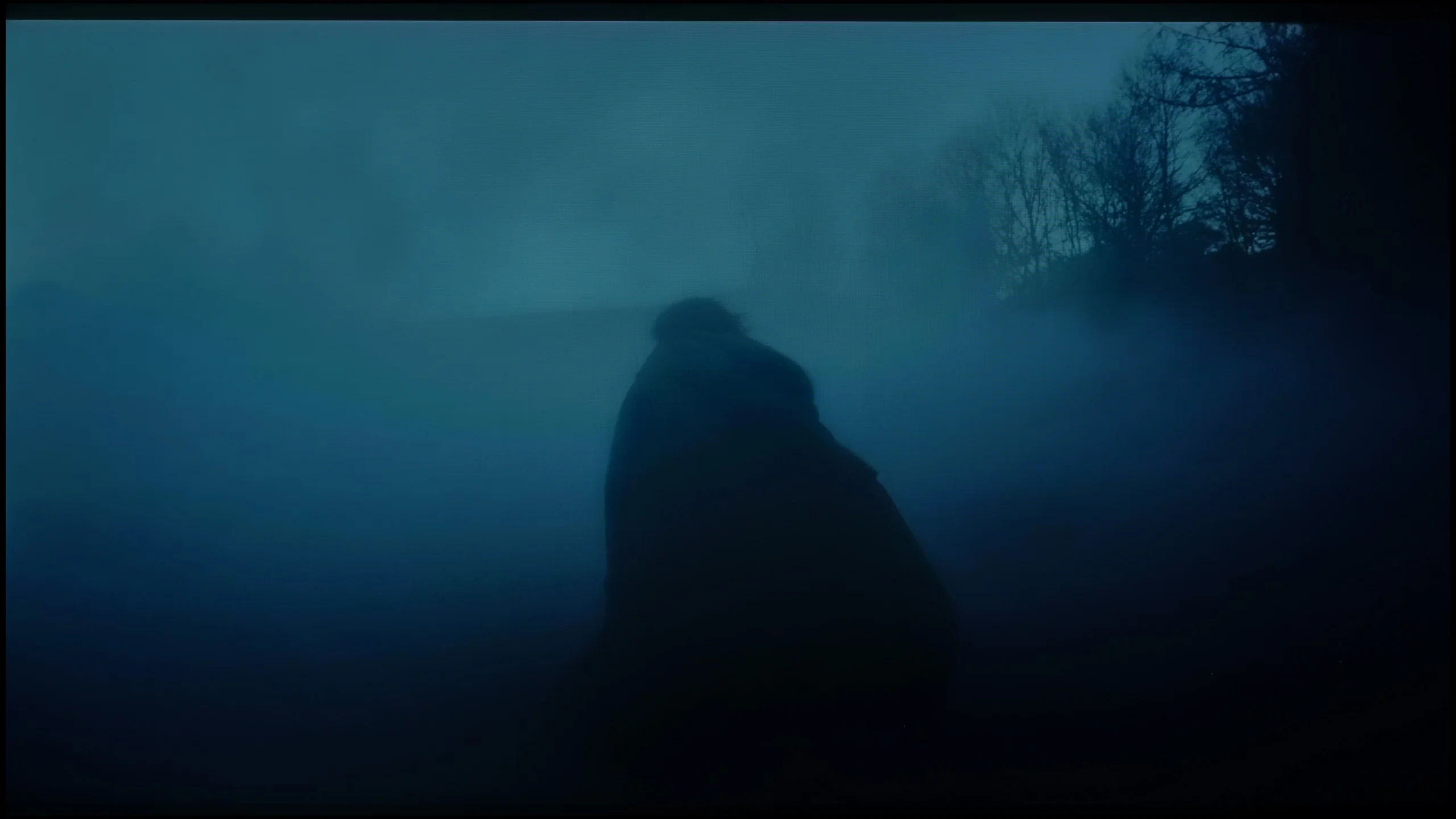
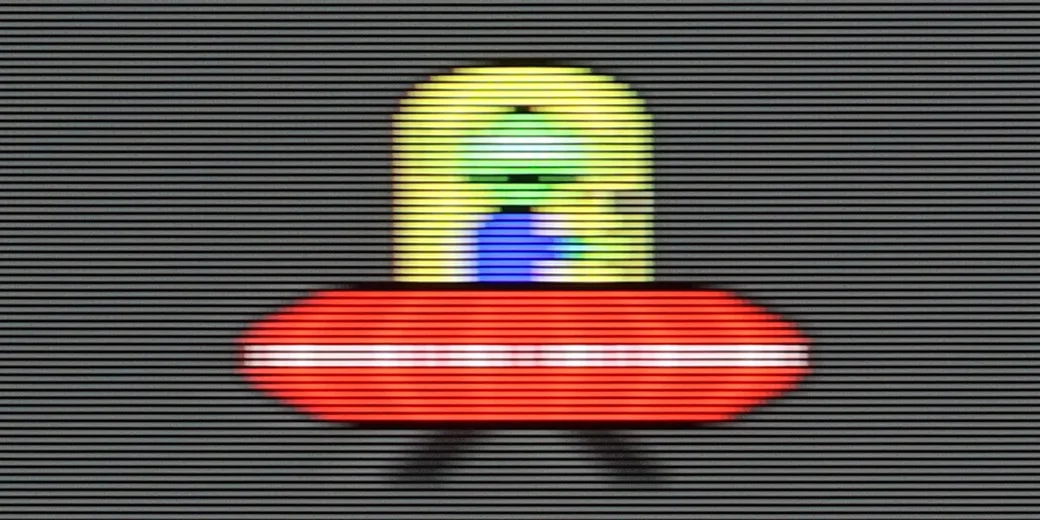
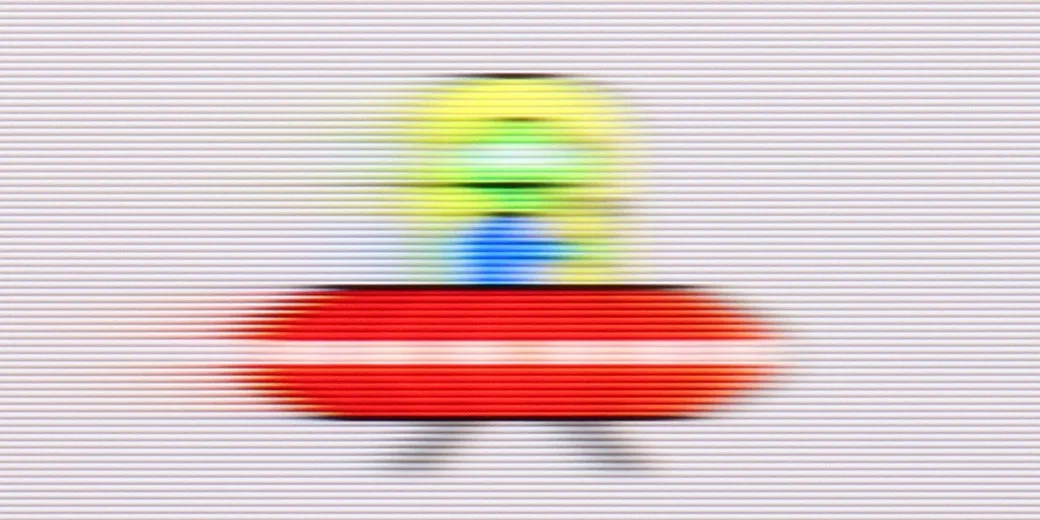
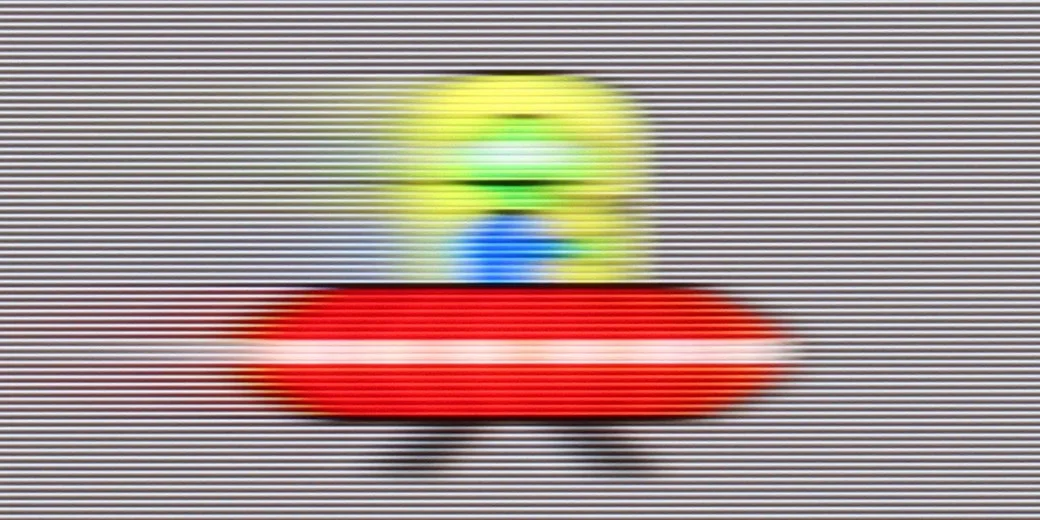
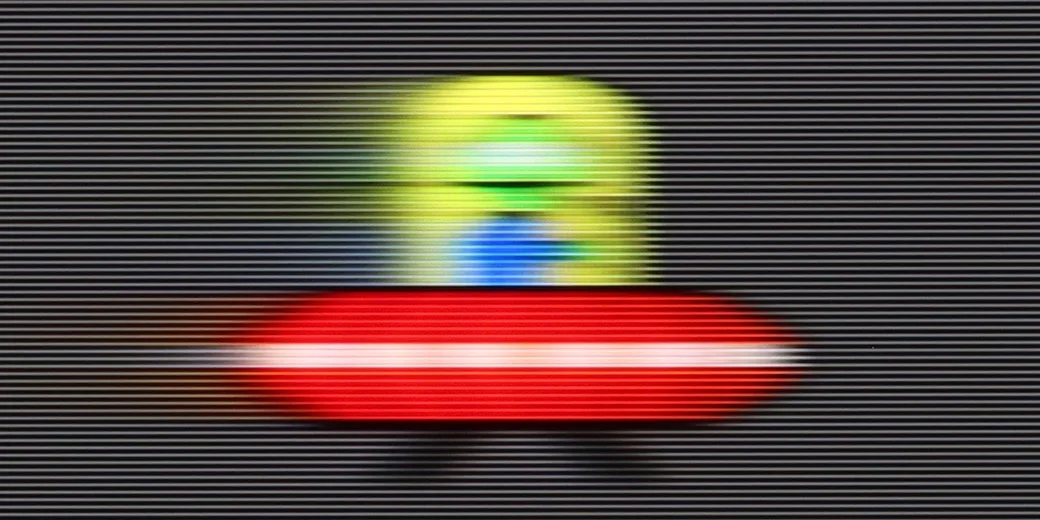
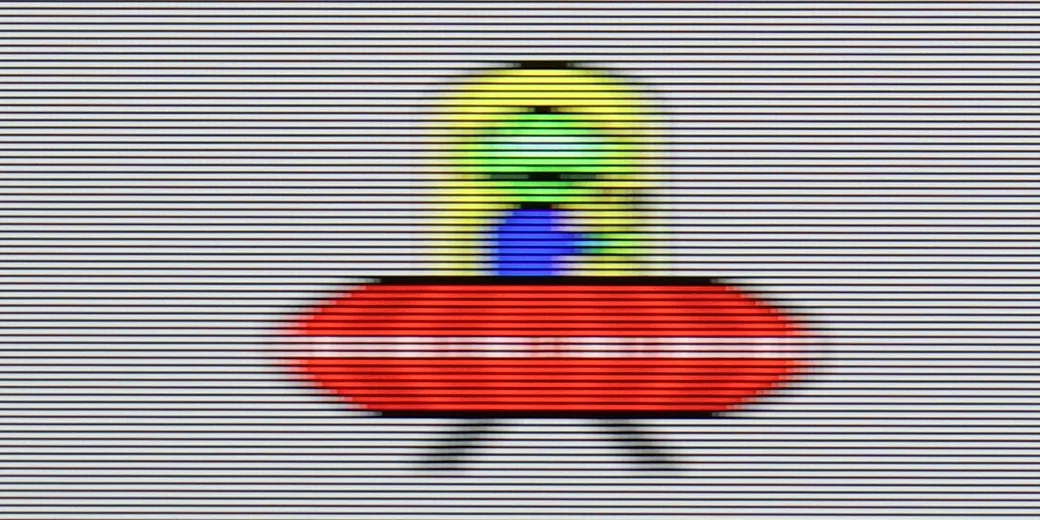
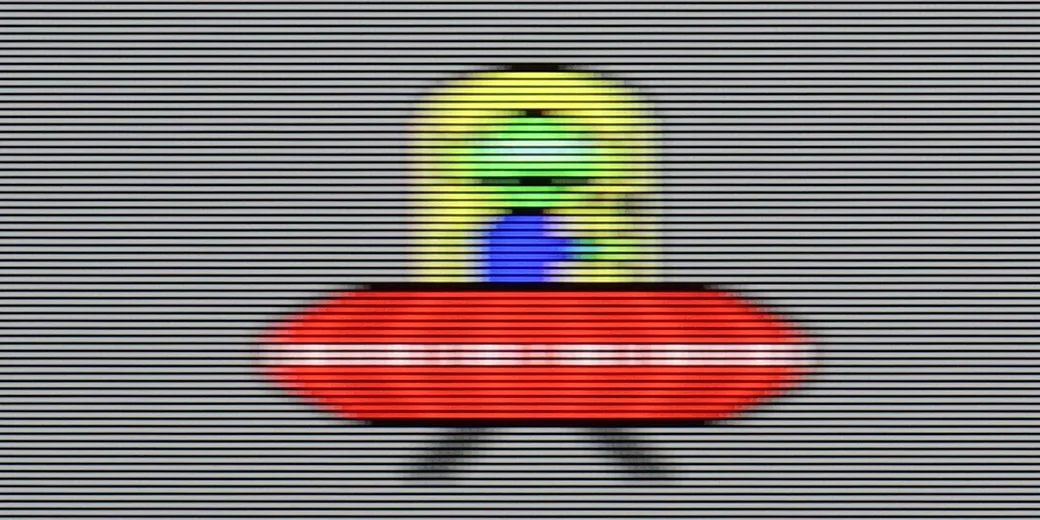
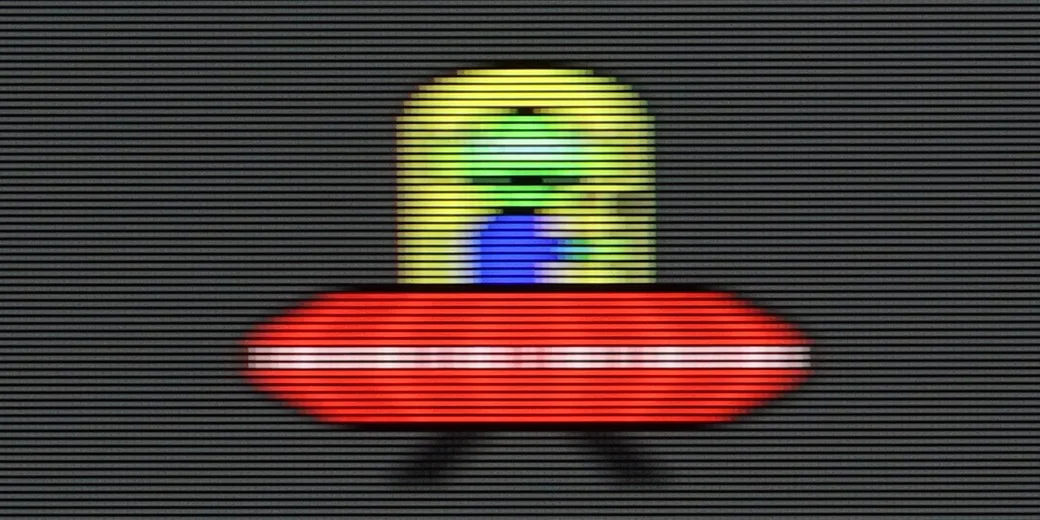
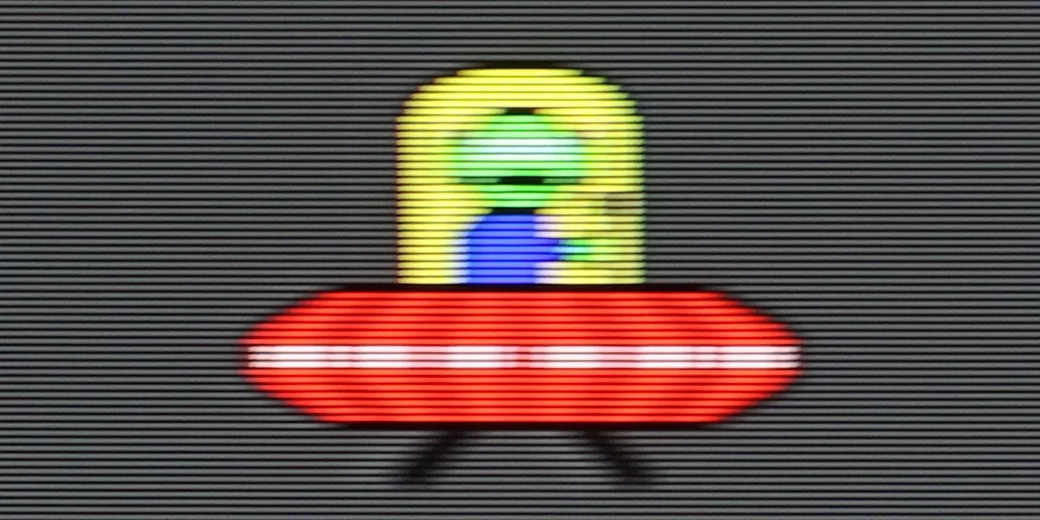
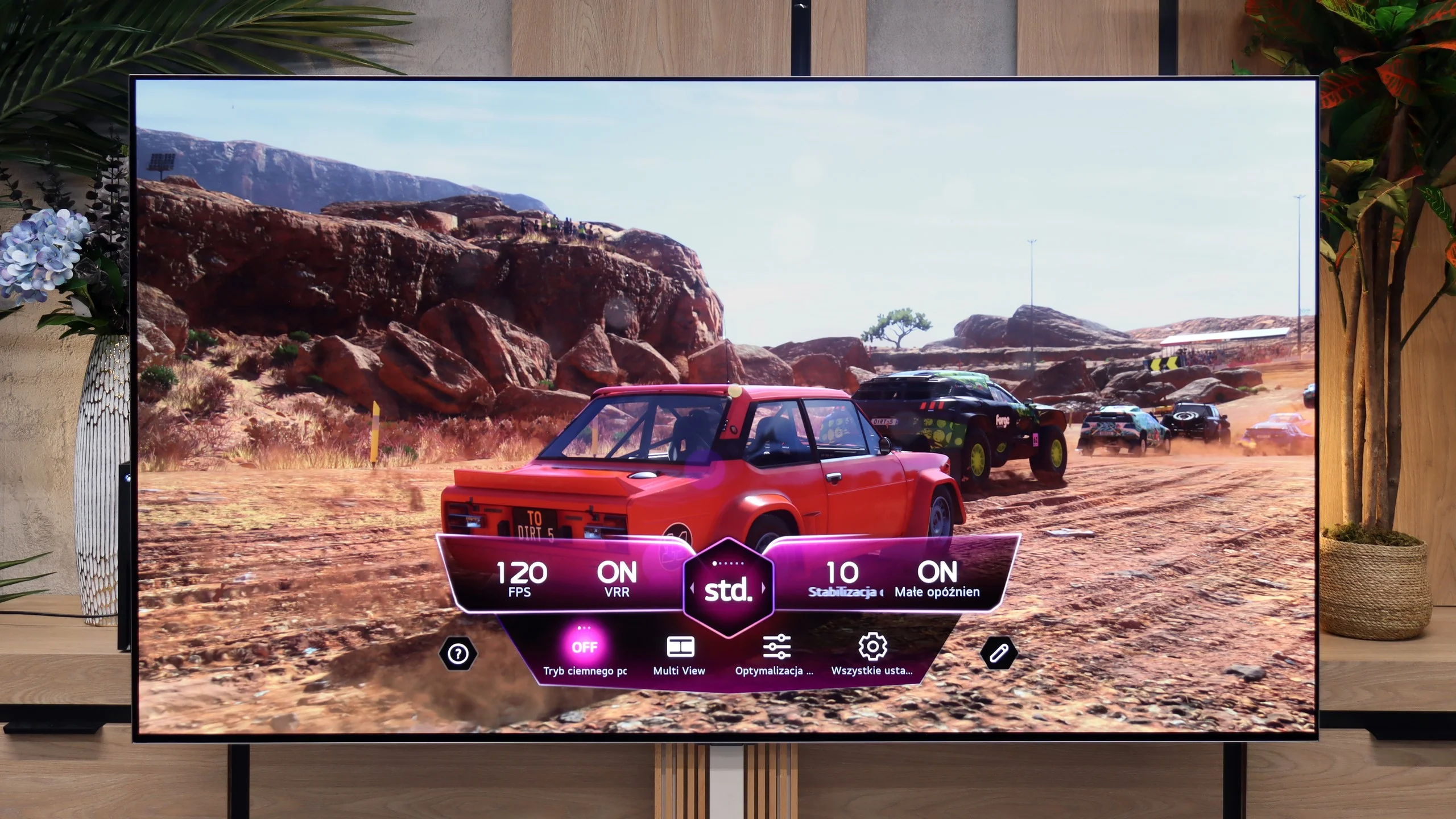
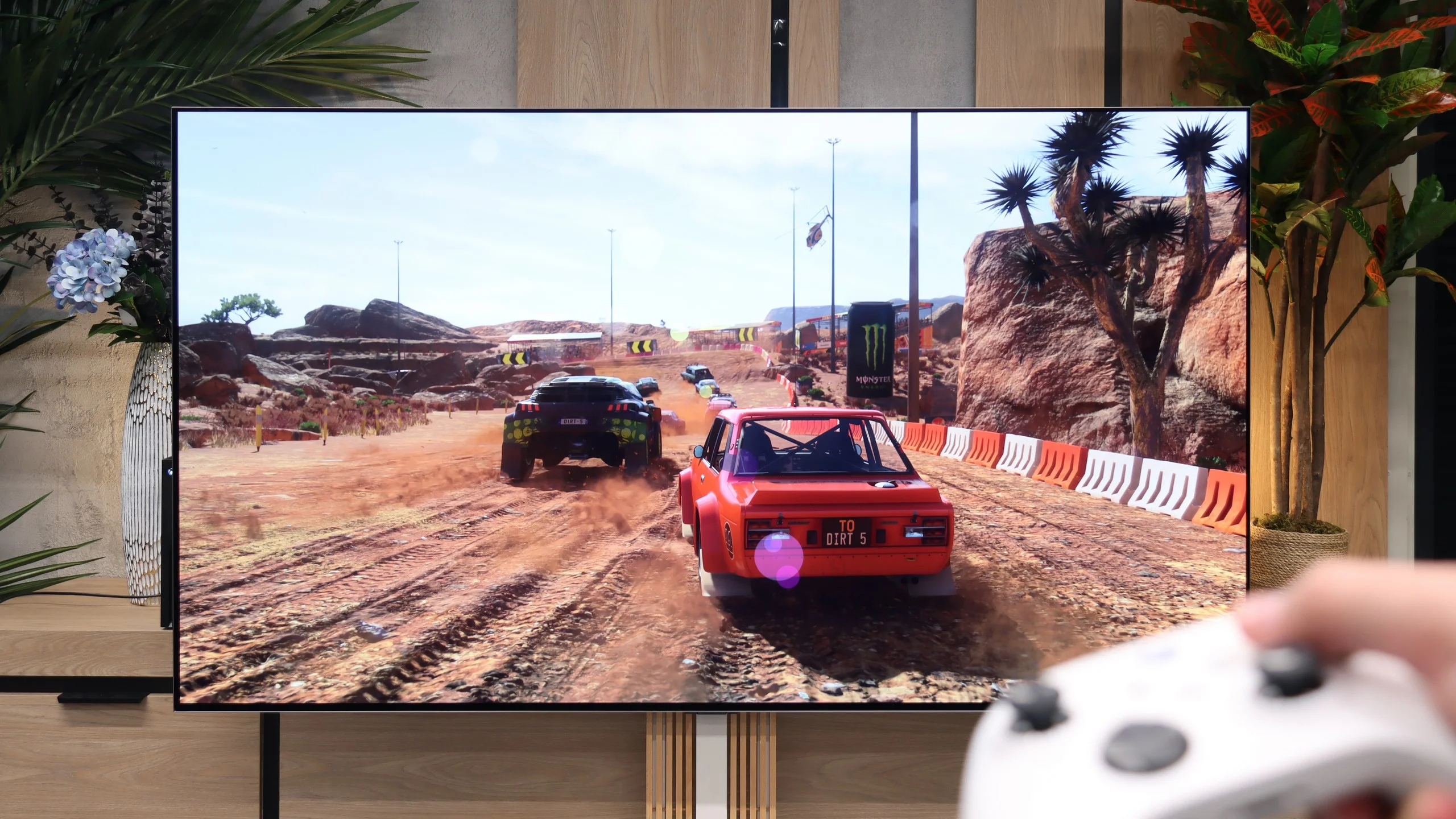
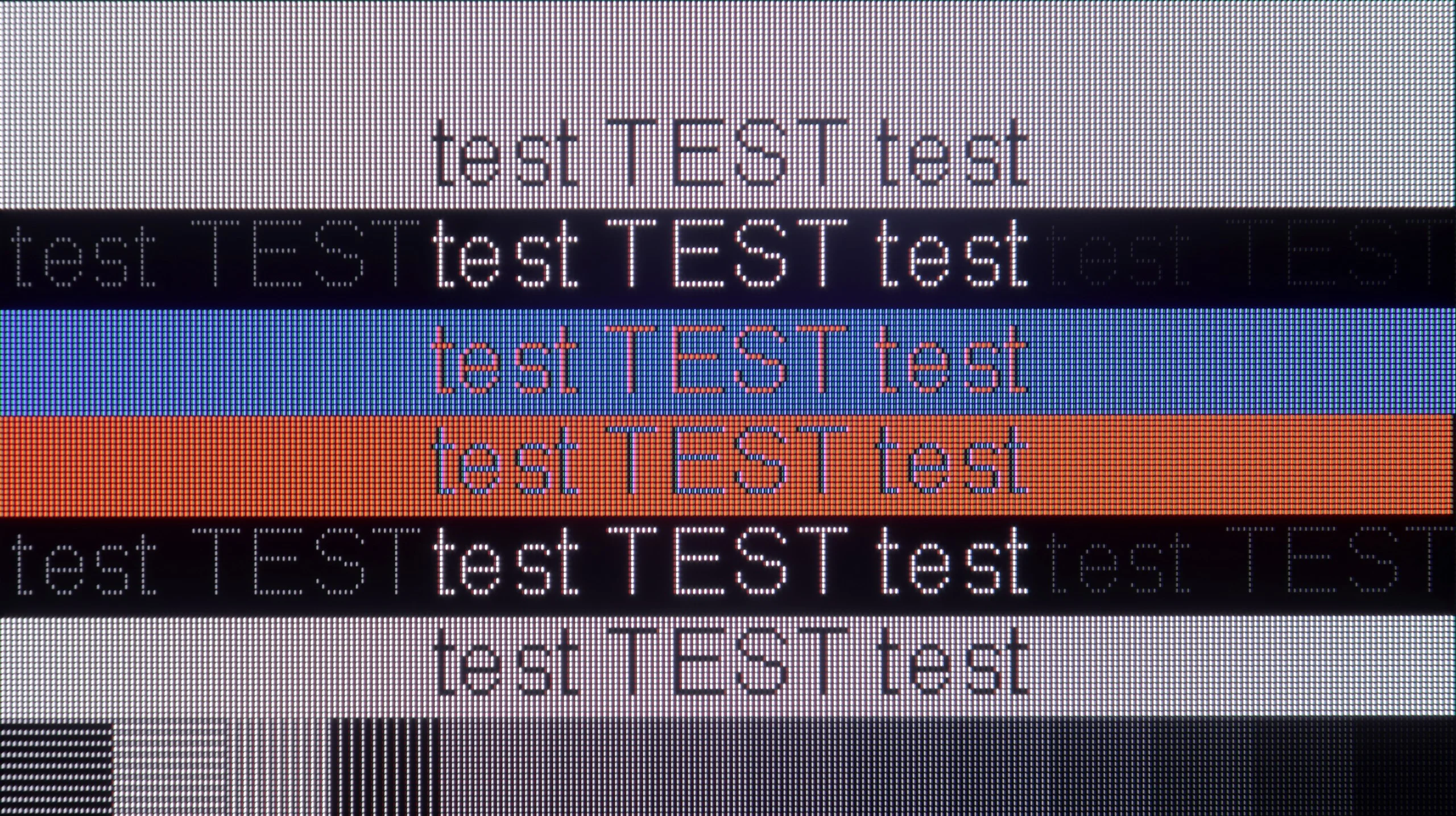
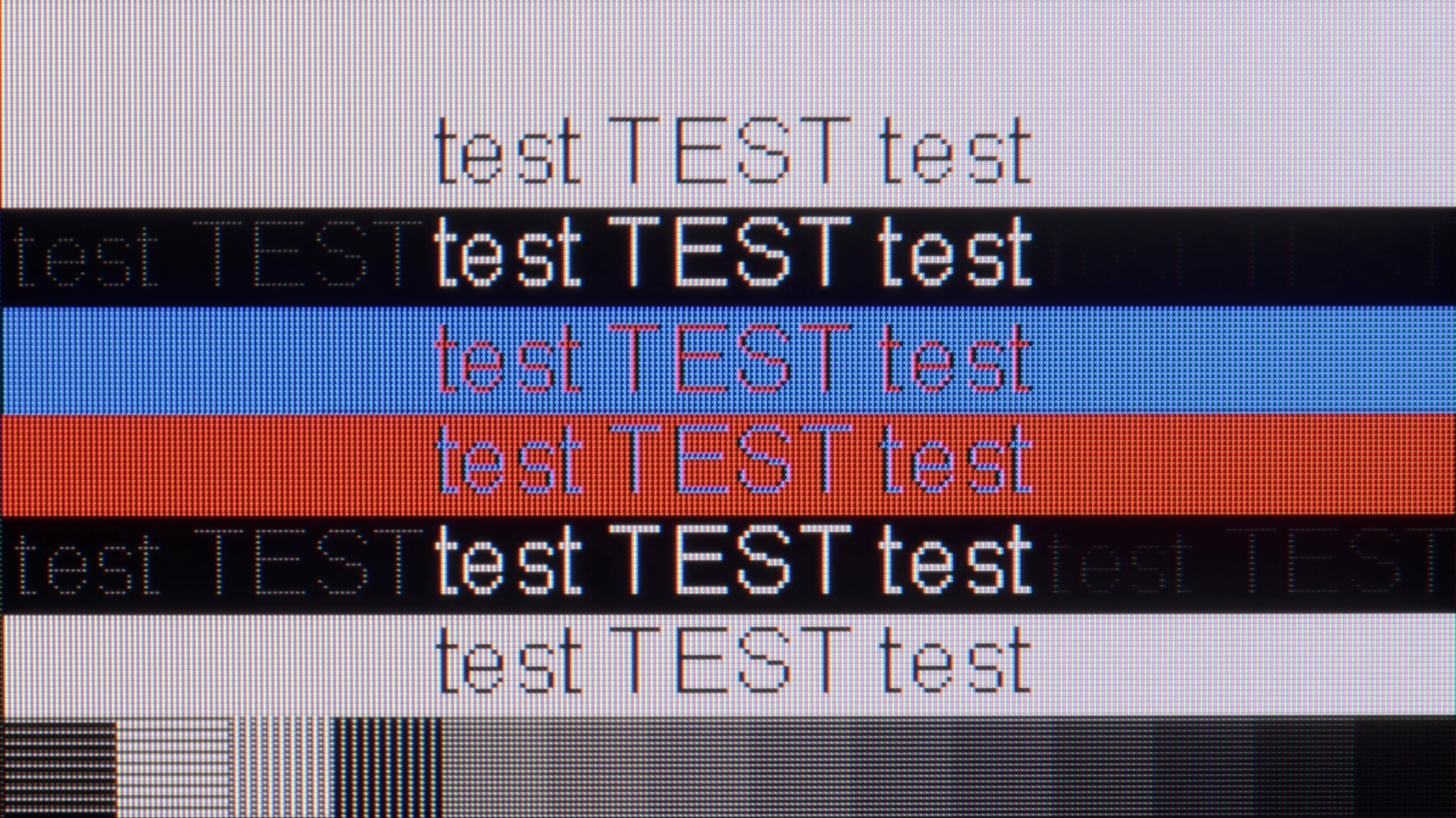
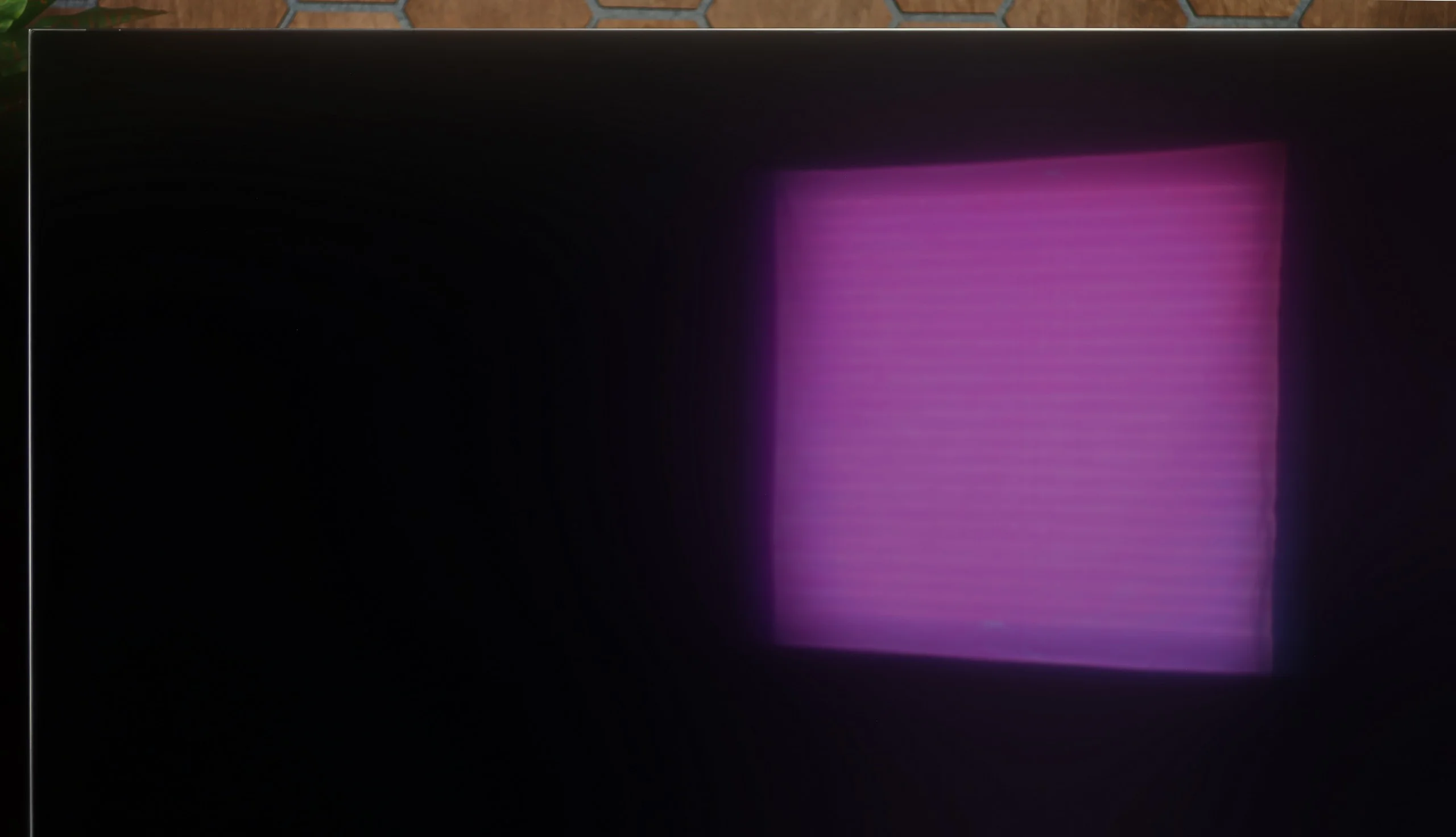
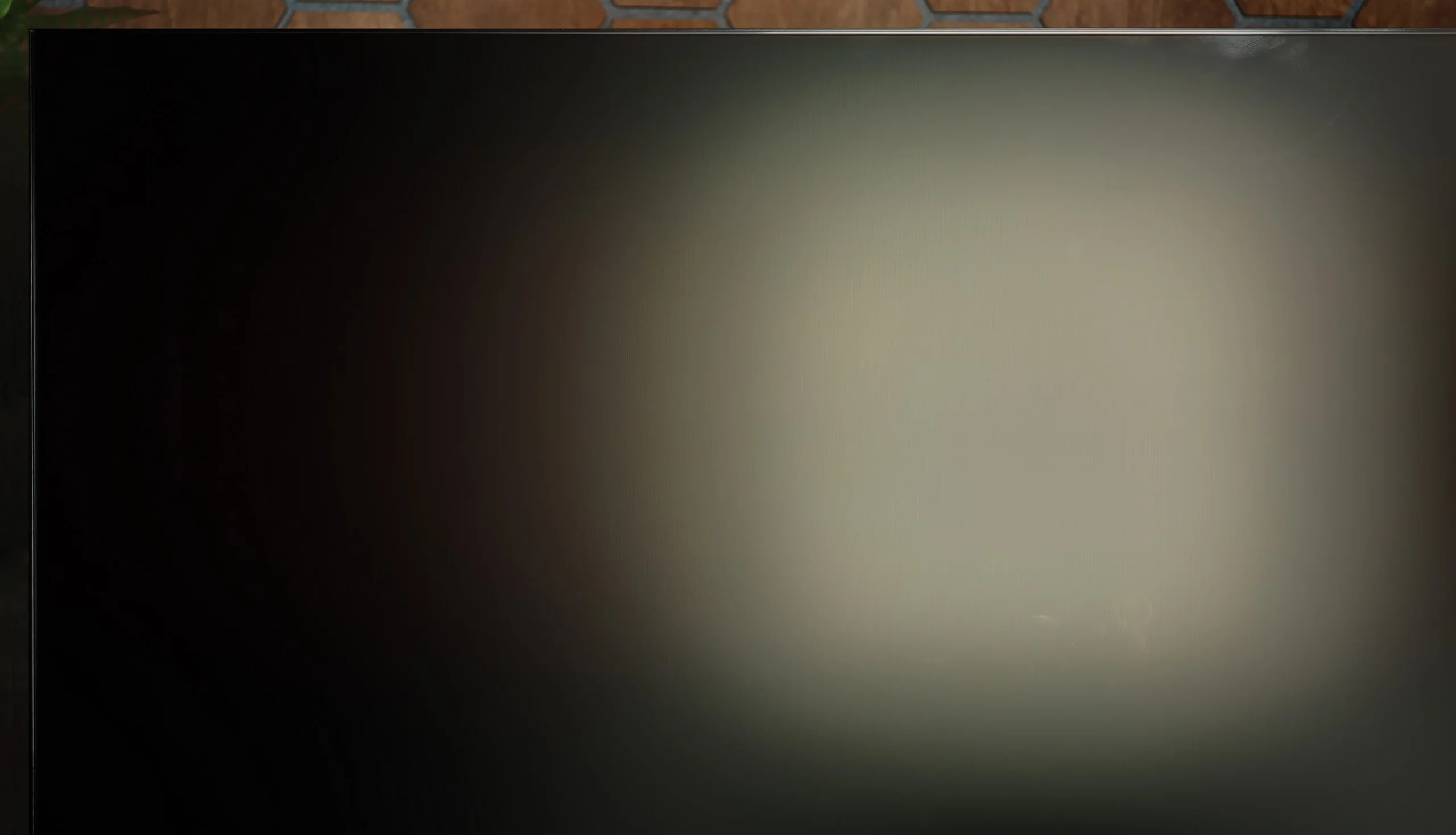
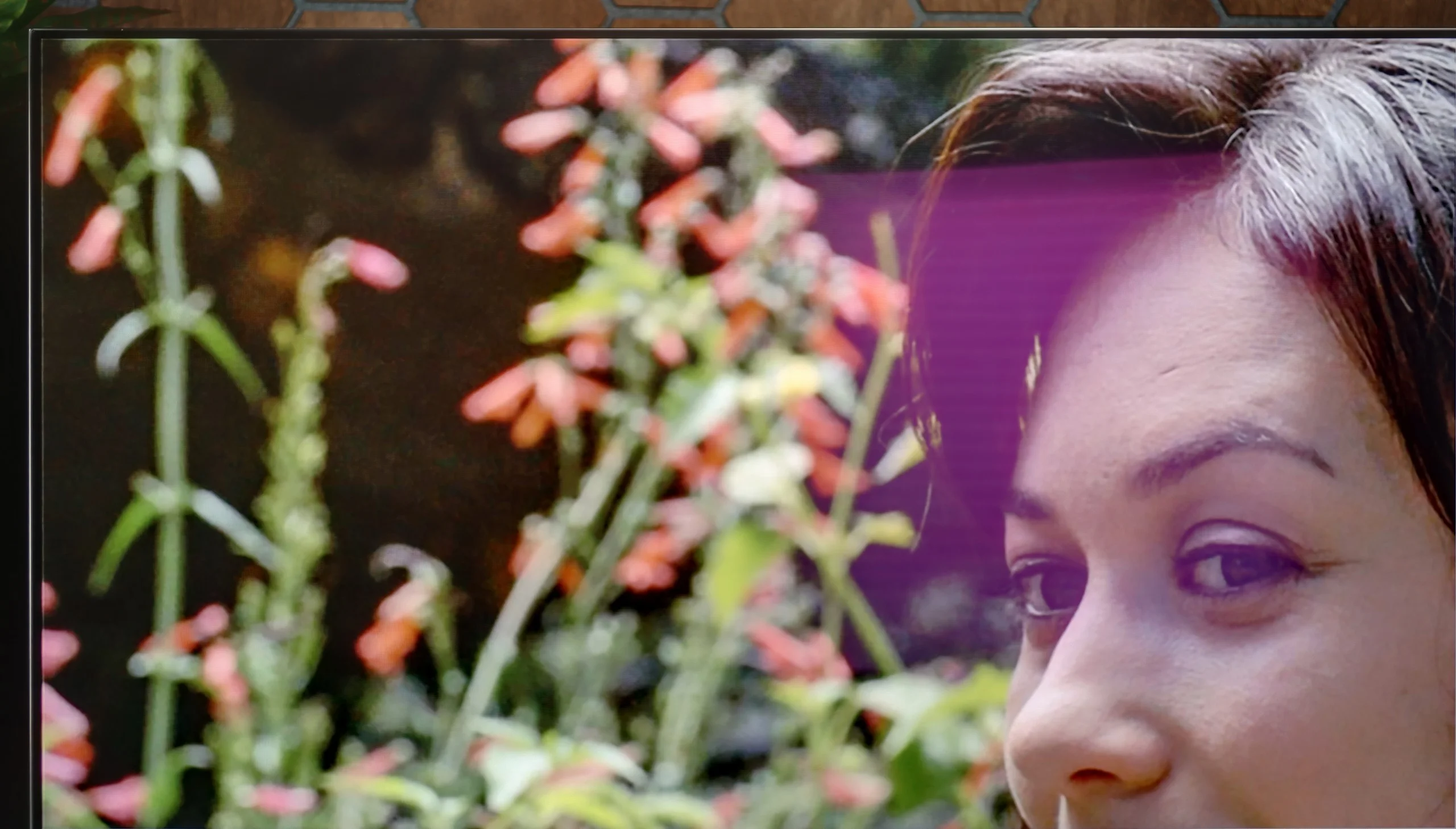
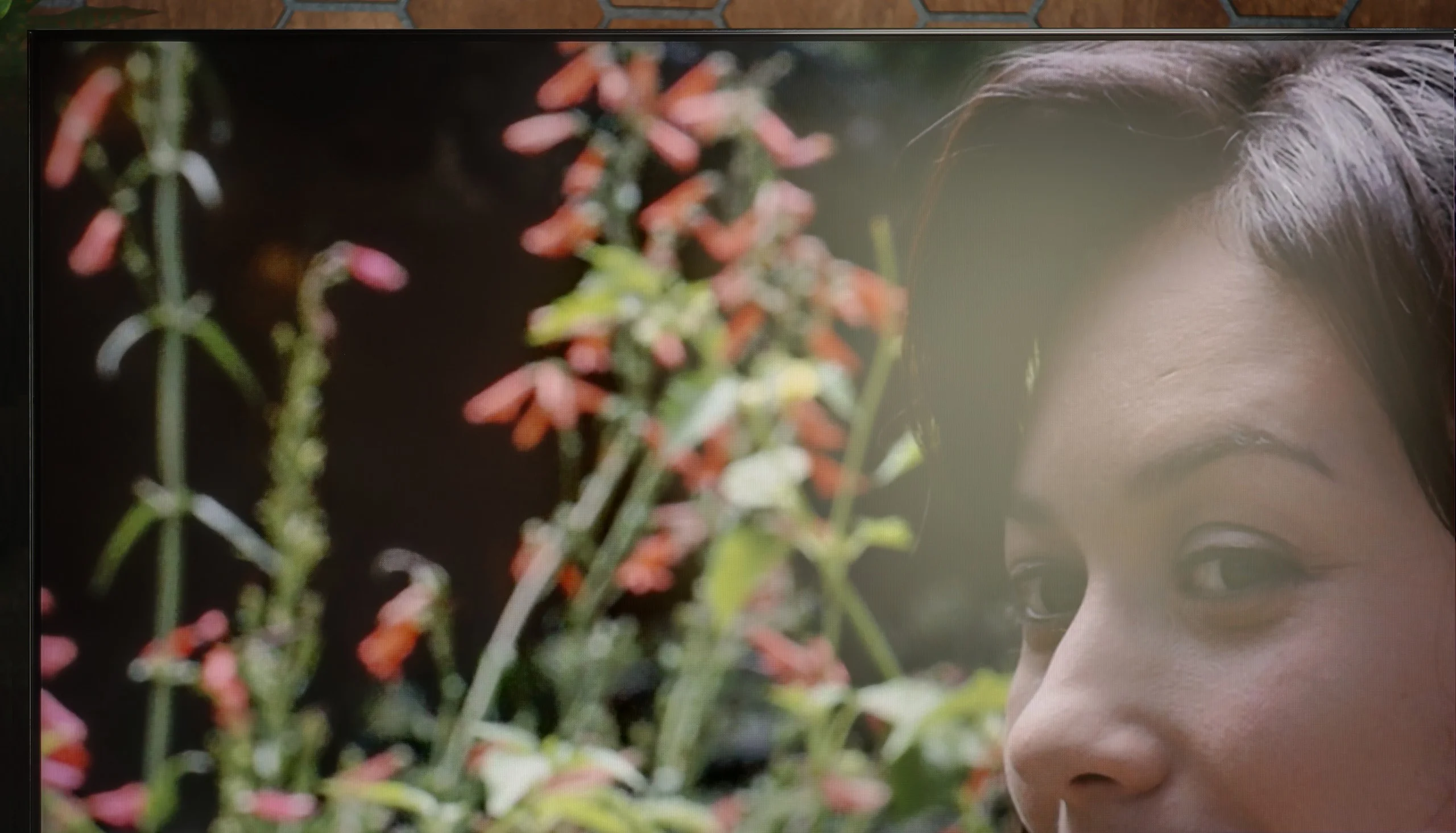
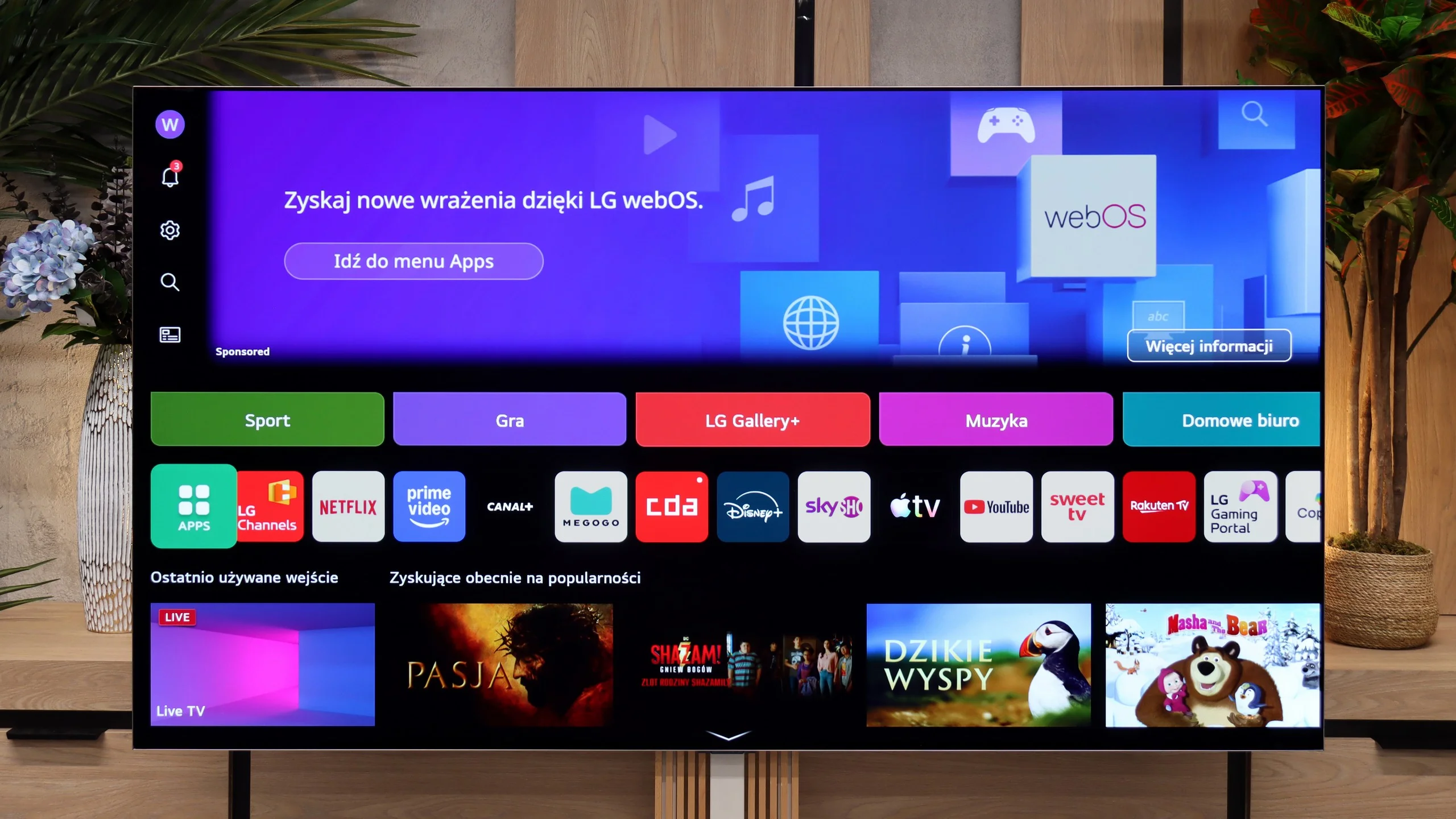
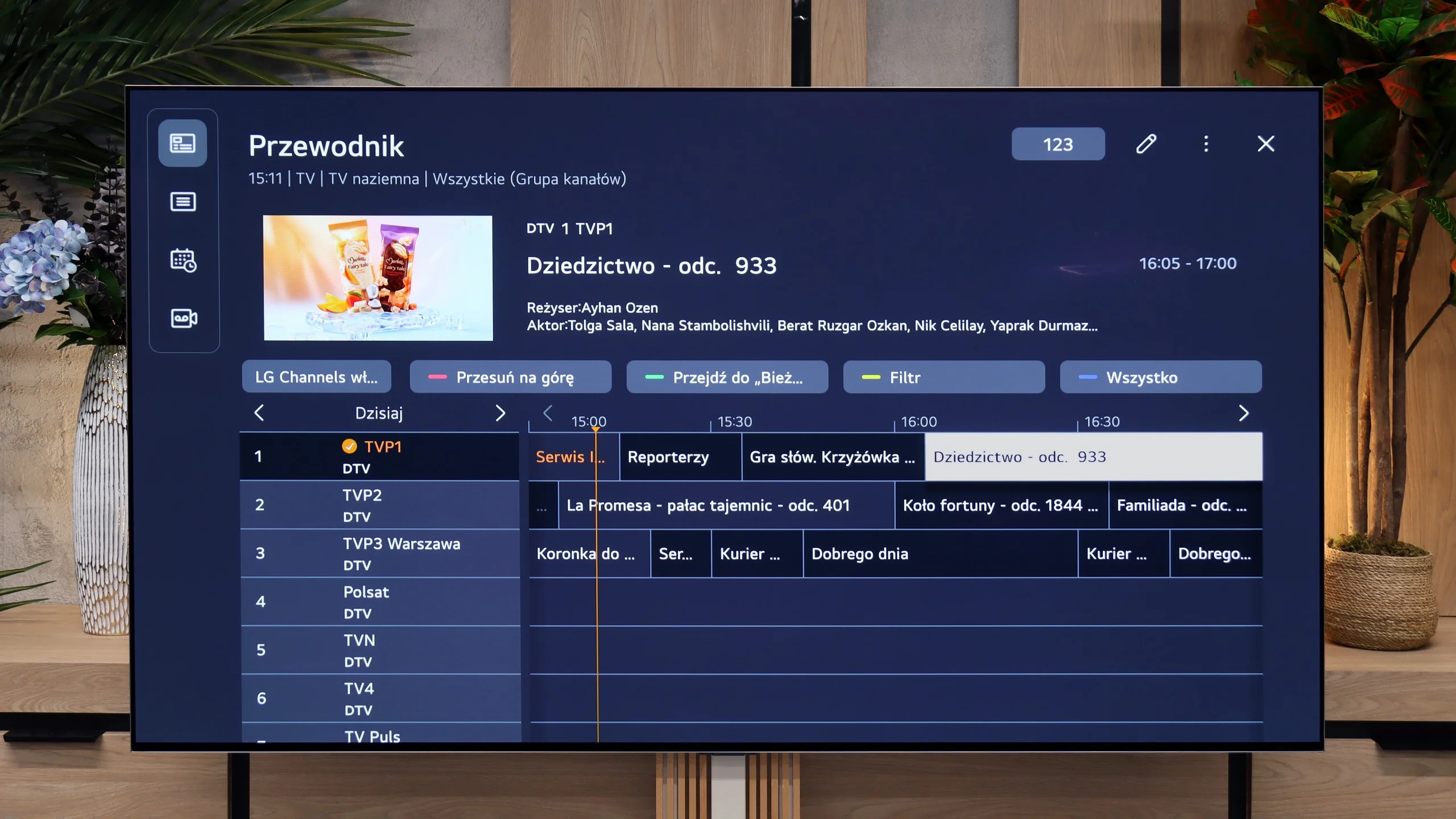
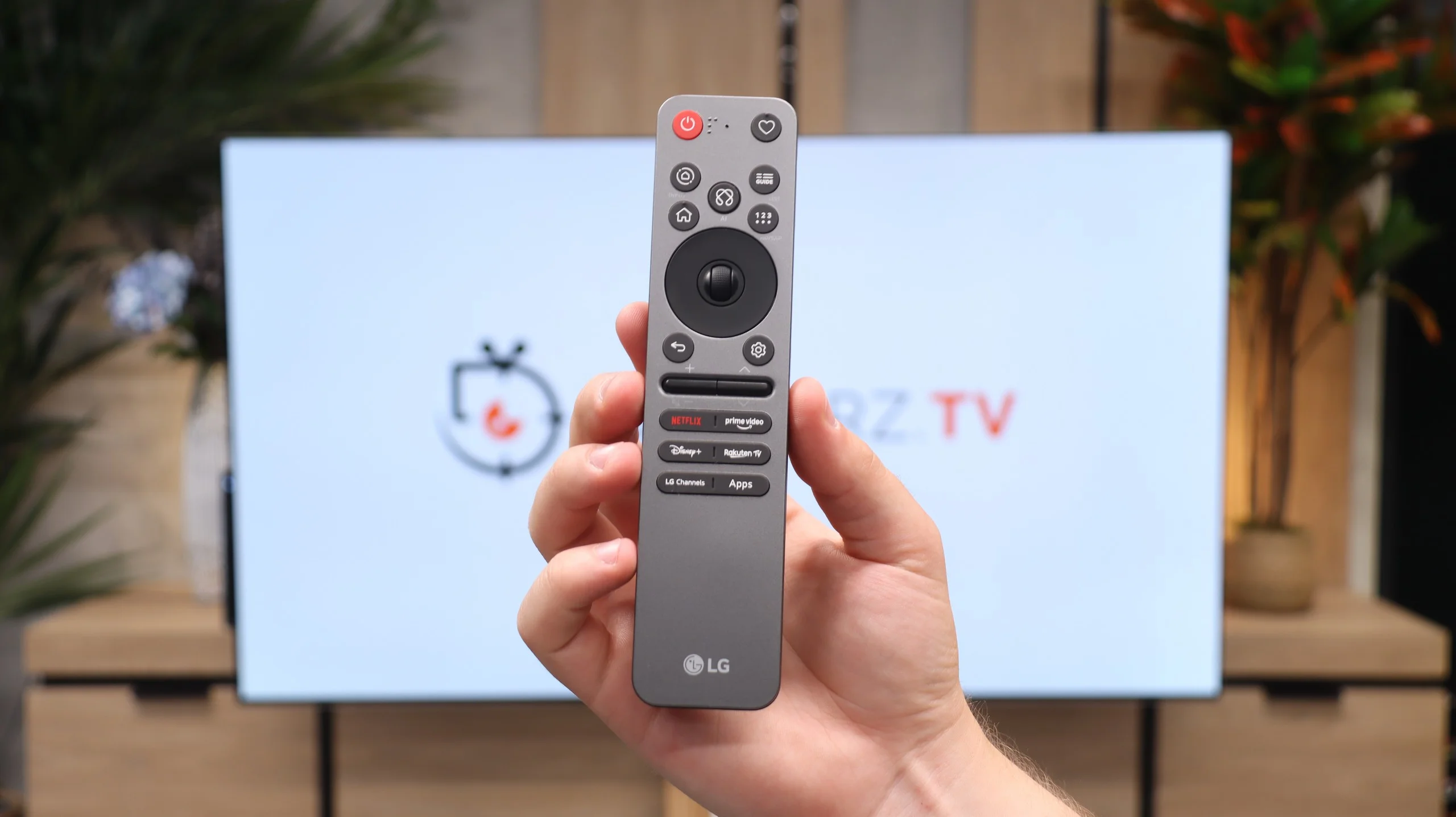
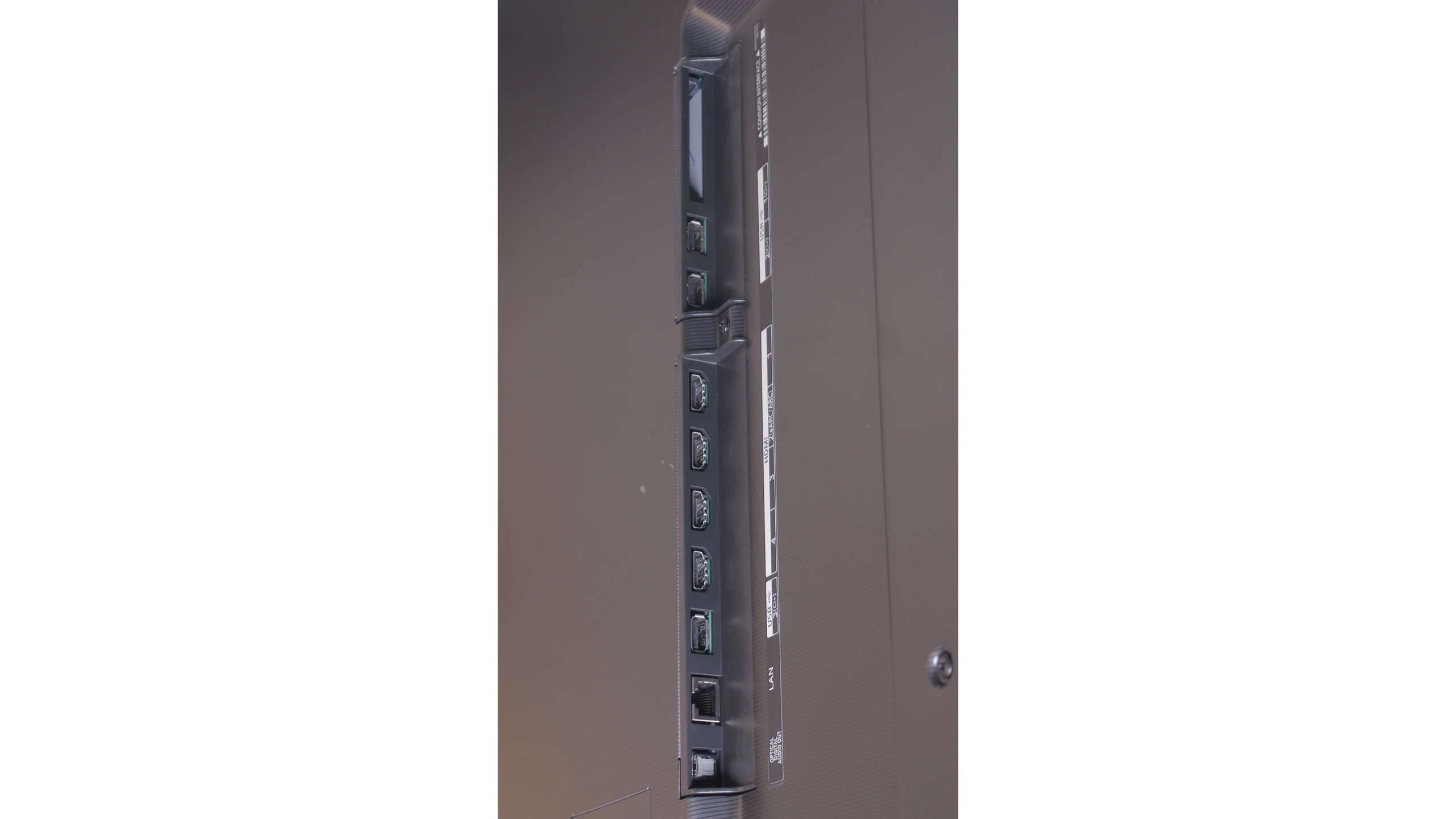
There’s no doubt the LG G6 is outstanding in places. Thanks to the new 2nd-generation Tandem OLED panel it does something no other glossy-screen display on the market has managed so far: it suppresses reflections brilliantly while keeping perfect, untouched picture quality. Add record brightness and the panel’s unique characteristics, and the G6 can produce images that at times literally knock you off your feet. The excellent webOS and gamer-oriented features only reinforce the impression that this is a worthy successor to the G5. But that’s only one side of the coin, since expectations for a device in this class are as high as they get. During detailed testing we ran into an issue with digital image processing in near-black scenes. We’re talking about overly aggressive grain (dithering) and slight flickering of details in dark sequences. While during normal couch viewing this flaw isn’t dramatically noticeable and doesn’t negate the overall wow factor of the contrast, a trained eye will readily see that LG’s engineers stumbled at the final stage of panel tuning. When you buy a fairly expensive flagship product right now, you simply expect perfection out of the box.
Despite this obvious slip-up, the LG G6 is still at the absolute forefront of the market and one of the most interesting TVs of the year. It has a solid foundation to become the ultimate display. We firmly believe the manufacturer will quickly diagnose the issue and release an appropriate software update. If that happens, the competition won’t stand a chance. We promise to monitor the situation closely, and as soon as a patch appears we will verify how well it performs.
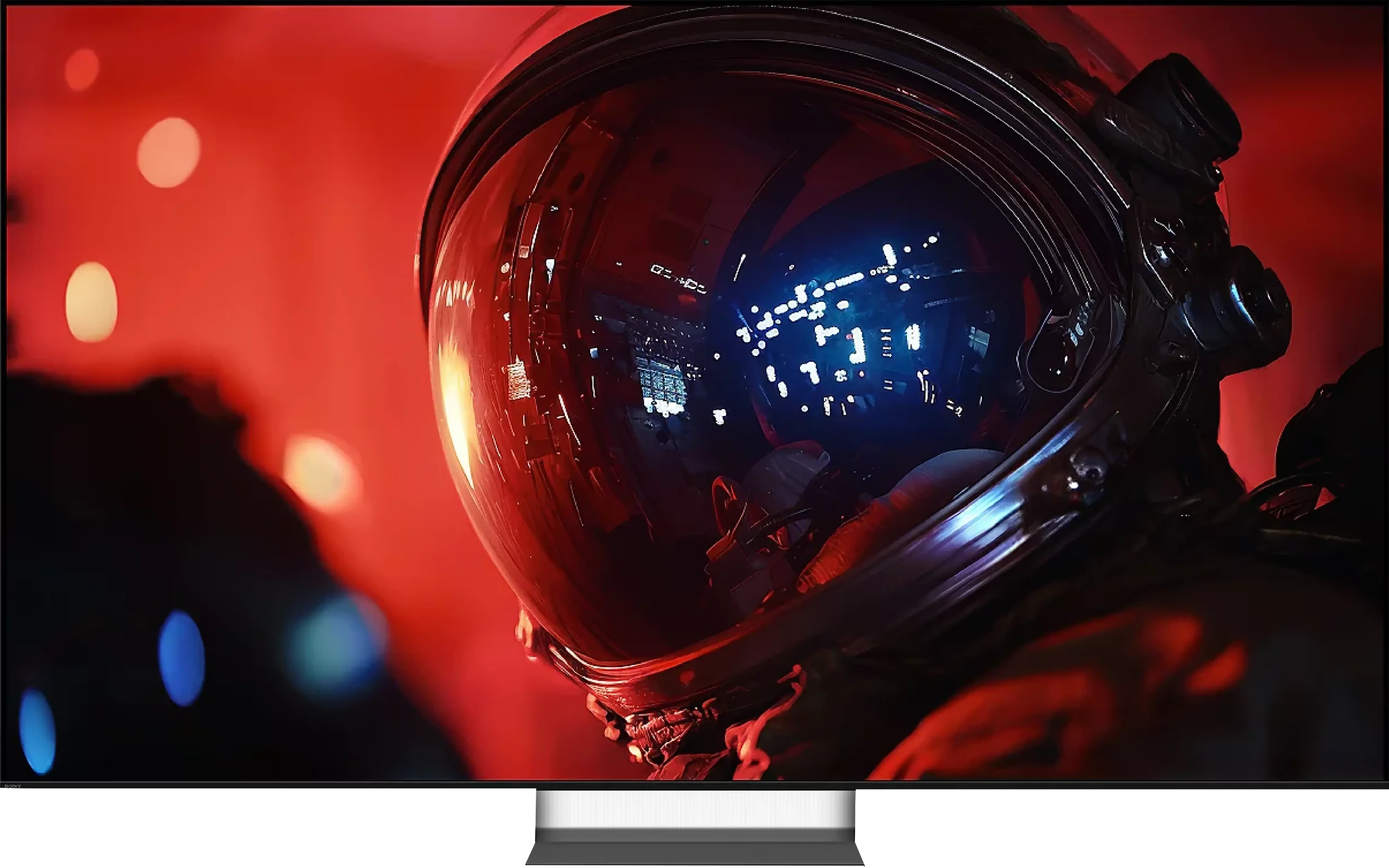
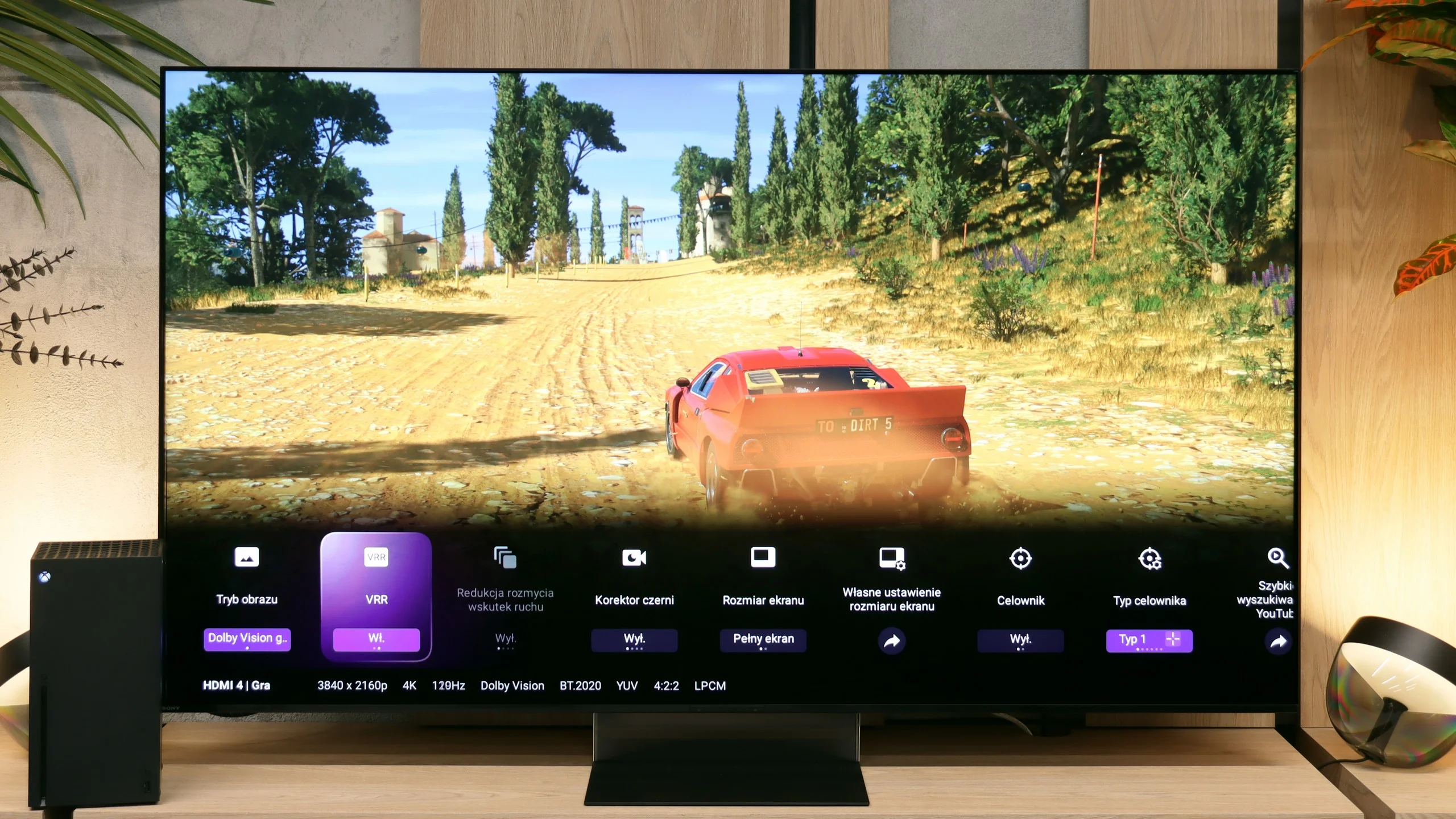
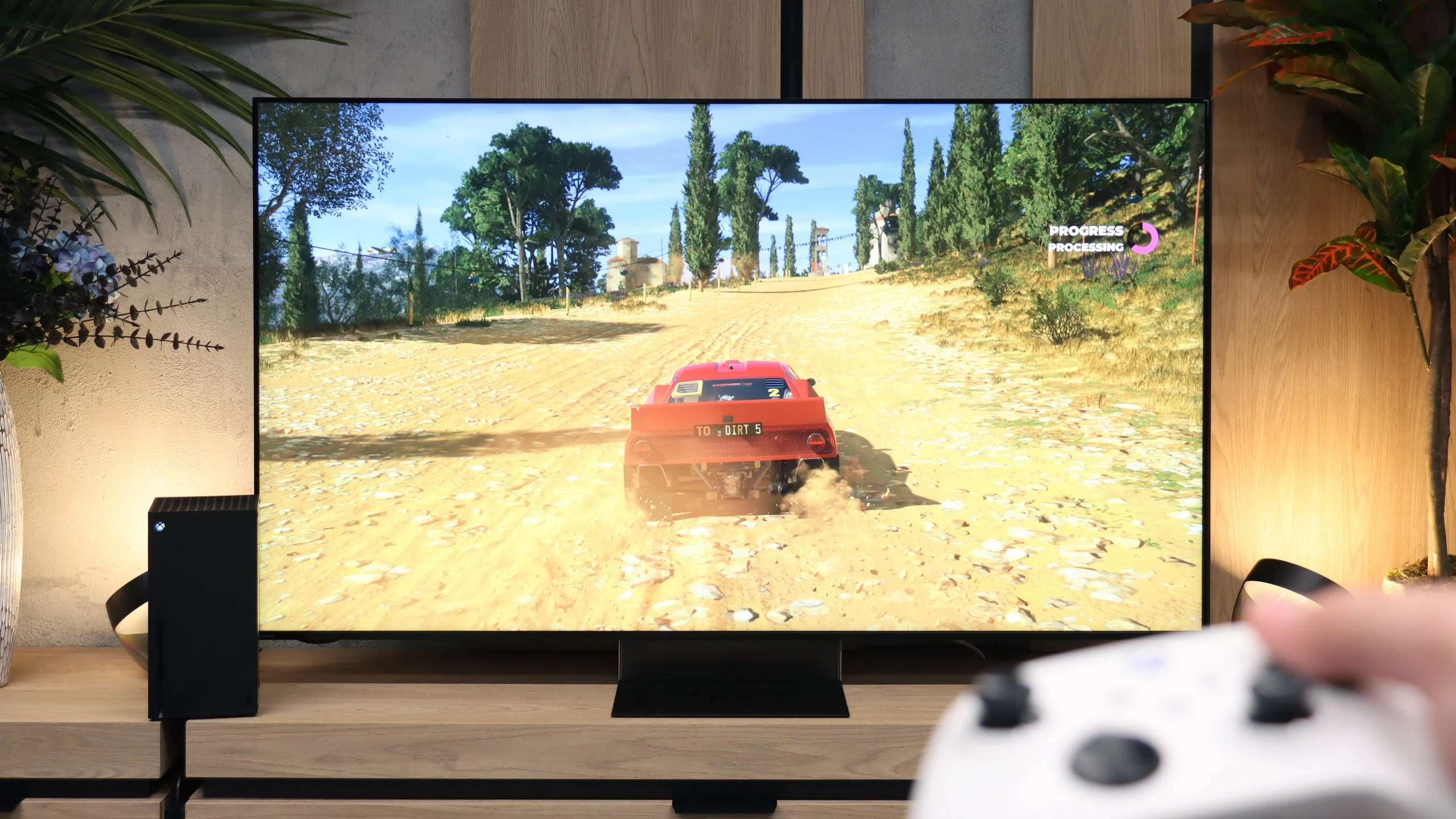
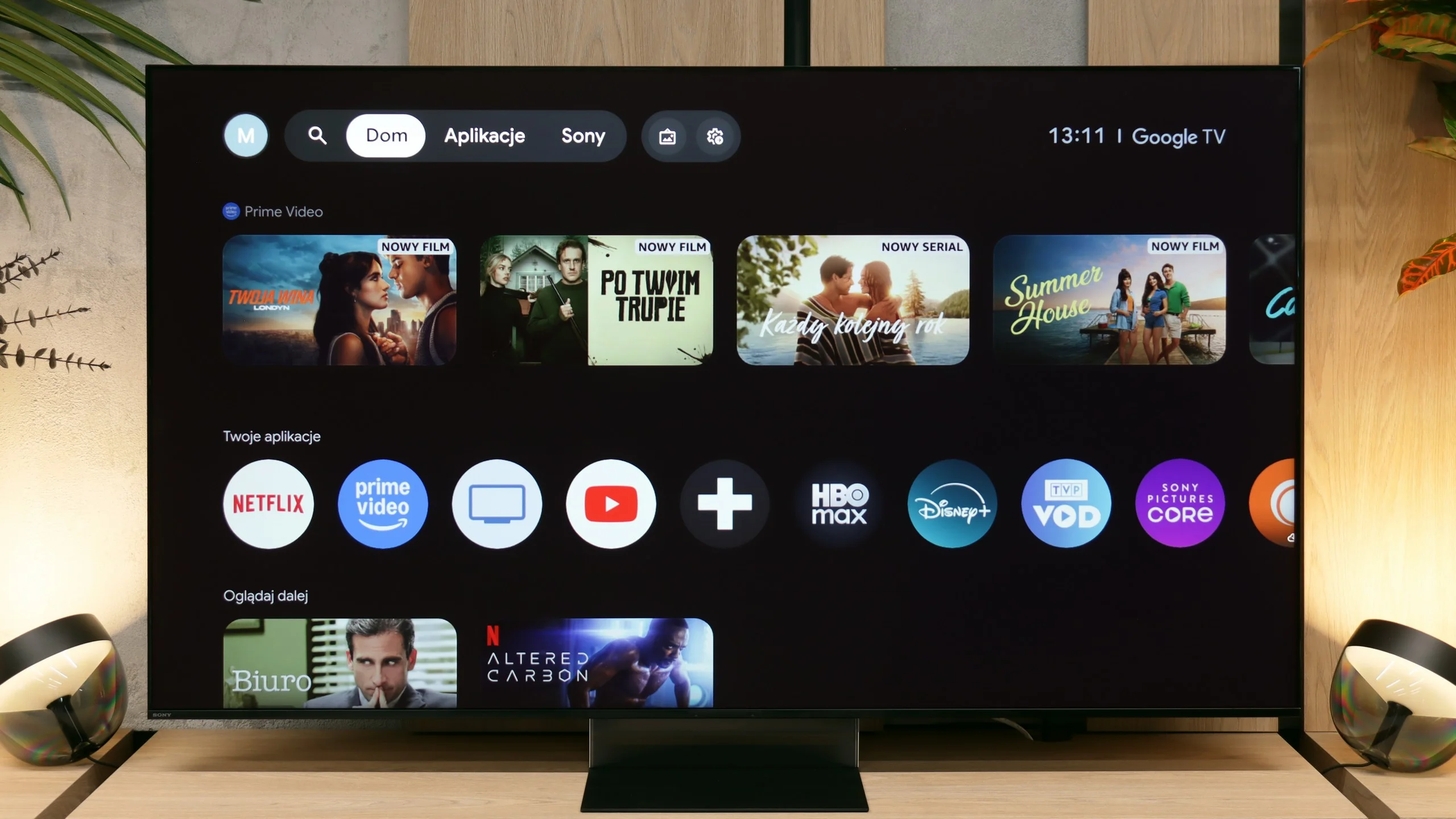
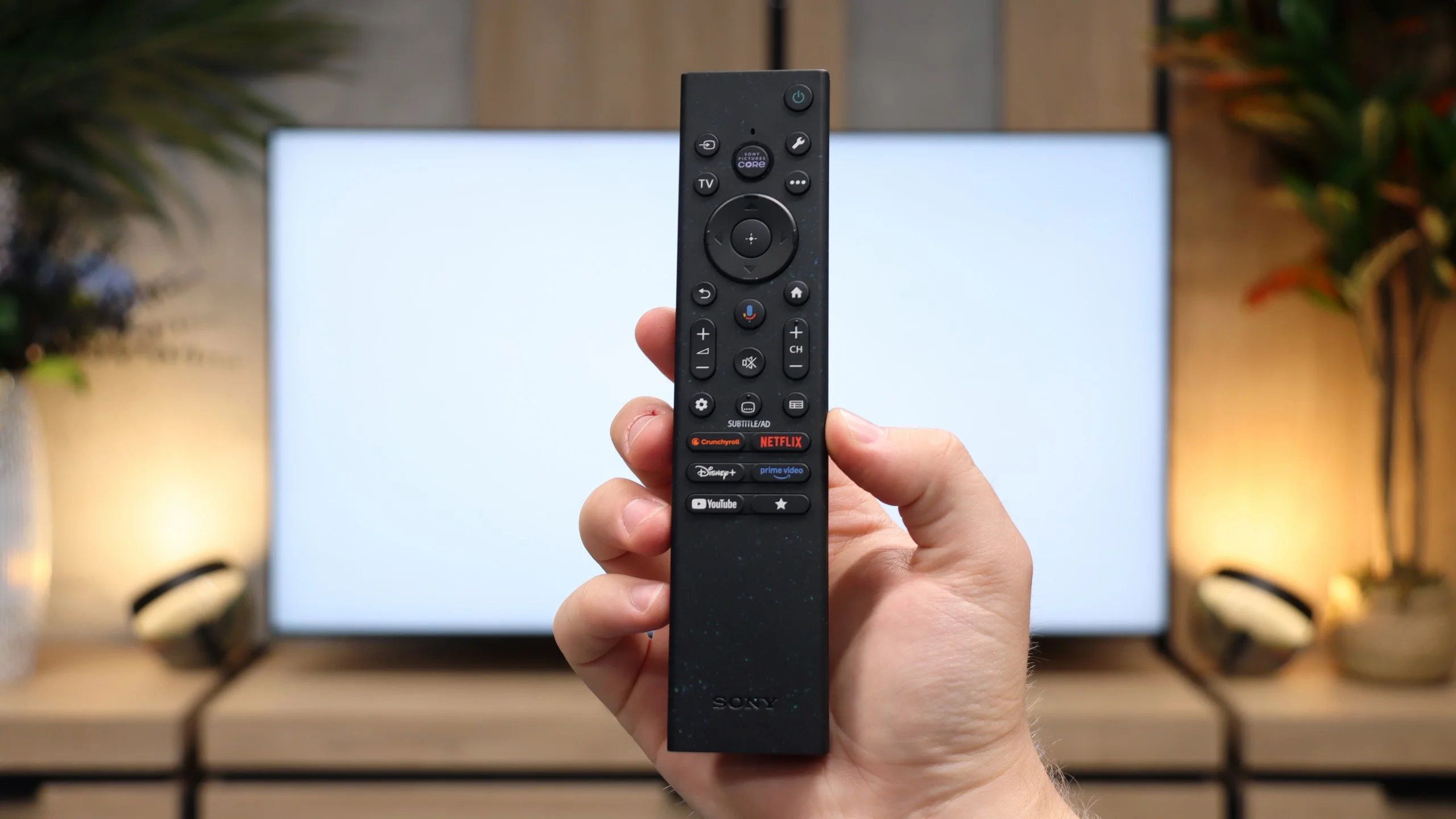
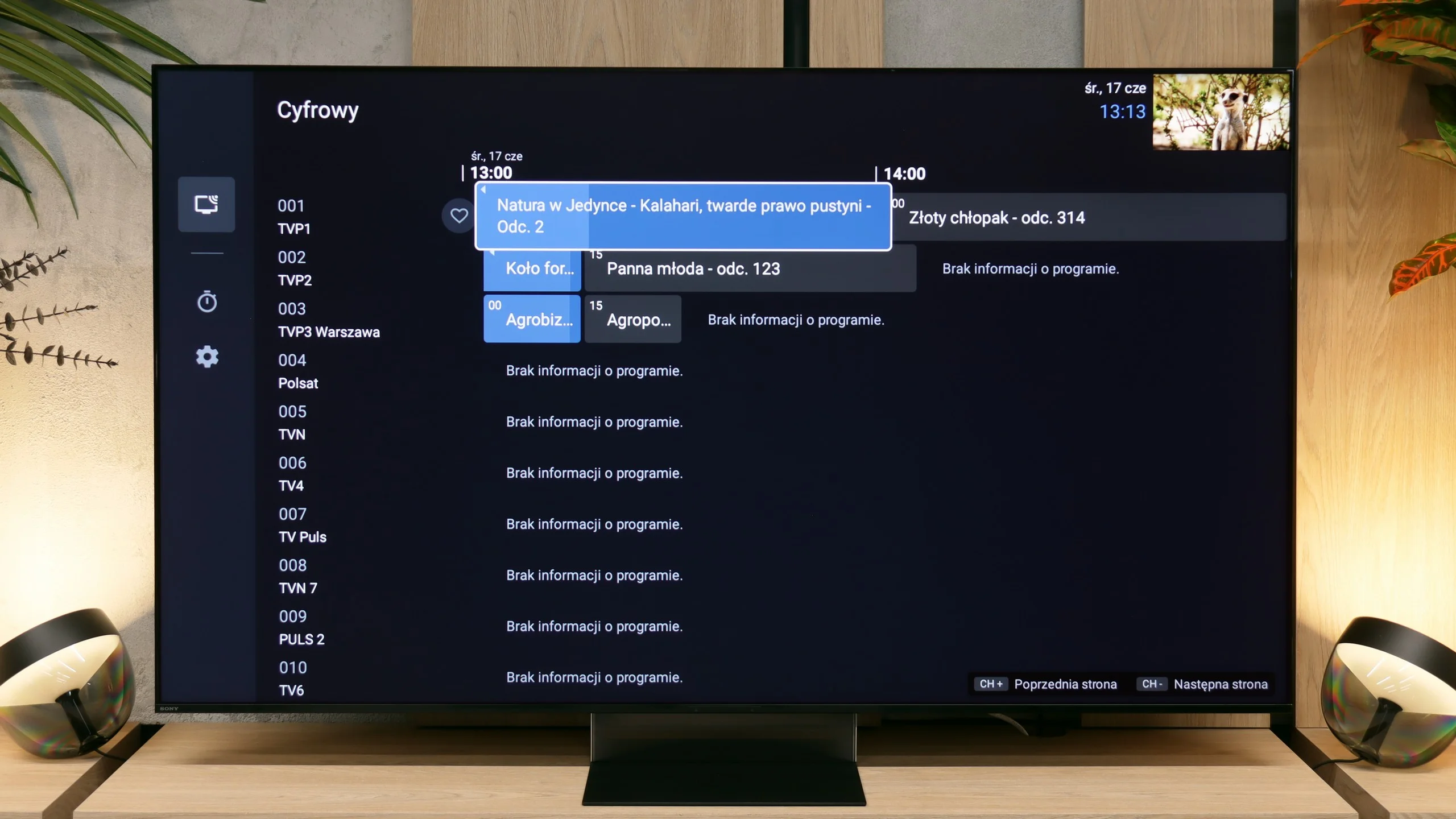
Sony Bravia 9 II is, without a doubt, one of the most advanced TVs that has ever passed through our editorial office. The Japanese have built a real beast, using a completely new RGB Mini-LED backlight design they call True RGB. But the technology alone is only half the success. Only combined with Sony’s years-refined image processing algorithms did a TV emerge that is closer to the director’s vision than any other screen we’ve tested so far. This is where you can see why Sony has enjoyed such a reputation in the world of imaging for years. HDR looks spectacular, brightness at times seems almost absurd, black levels for an LCD can be surprising, and colors are both incredibly vivid and natural. Most importantly, all these elements form a coherent whole. There’s no sense that the TV is trying to impress only with specification numbers — you simply enjoy watching it, whether it’s a movie, a series, or gaming. Beyond the excellent picture quality, it’s worth remembering that this is simply a complete TV. Google TV runs quickly and offers practically all the major apps, gamers get a full set of premium features, and support for audio and video formats makes it hard to complain about the equipment. These are exactly the qualities we expect from a device that aspires to be the TV of the Year 2026.
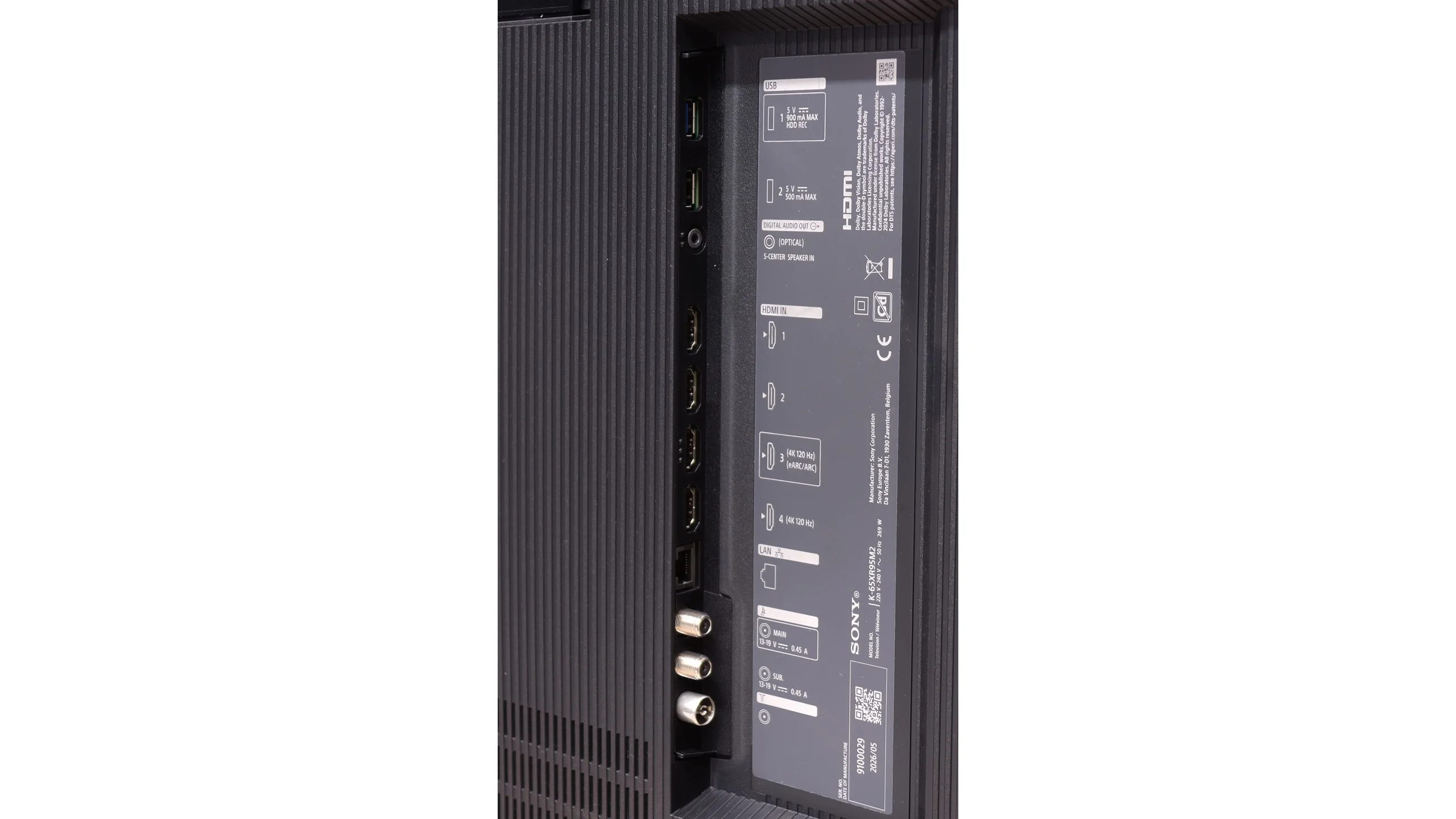
Are there any downsides? Of course there are. Even the Bravia 9 II is not a perfect design. Interestingly, our biggest reservations are not about picture quality, because that is at an absolutely phenomenal level. We are far more surprised by the manufacturer’s decisions. In the flagship model for 2026 we still get only two HDMI 2.1 ports, which with a console, PC, or audio gear can be simply annoying. The other issue is the lack of a 98-inch version. It’s really hard to understand why a TV of this class doesn’t come in a size that’s recently become so popular.
So is it worth buying the Bravia 9 II? Our answer is: YES, YES, and once again YES. If you’re looking for an absolute top-tier TV and you care above all about picture quality, it’s currently hard to find a better choice. Sony has not only proven that RGB Mini-LED has huge potential, but also shown how the technology should be used. The “True RGB” label didn’t appear here by accident. What’s more, looking at the current price of this model, you can safely say it has been set quite reasonably compared to the competition. The Bravia 9 II is not just one of the best TVs of 2026. It’s a TV that sets a new benchmark and shows the whole industry what an RGB Mini-LED TV’s image should look like.
 Direct comparison