LG OLED G6 (G64LW, G66LS) vs Samsung S90H / S92H (QD-OLED)

Direct comparison

G64LW / G66LS

Info

S90HAT / S90HAE / S92HAT

Info

Available screen sizes: 55”65”77”83”97”

Available screen sizes: 77”

Panel type: WRGB OLED

Resolution: 3840x2160

System: WebOS

Model year: 2026

Complete the survey to find out the result

Panel type: QD-OLED

Resolution: 3840x2160

System: Tizen

Model year: 2026

Complete the survey to find out the result

Overall rating

8.7

8.6

  • Movies and series in UHD quality

    8.6

    9.0

  • Classic TV, YouTube

    8.7

    9.3

  • Sports broadcasts (TV and apps)

    8.6

    9.0

  • Gaming on console

    9.5

    9.7

  • TV as a computer monitor

    8.7

    8.6

  • Watching in bright light

    8.2

    6.4

  • Utility functions

    8.5

    7.3

  • Apps

    9.1

    9.3

  • Sound quality

    8.4

    8.4

Advantages

  • High brightness in HDR and SDR

  • Excellent anti-reflective coating

  • Reference-grade colors (after calibration can match a reference monitor)

  • Full support for gamers (HDMI 2.1, 165 Hz, VRR, ALLM)

  • Low input lag (under 5 ms)

  • Smooth motion and sharpness

  • Full support for Dolby Vision

  • Functional webOS with Magic Remote support

  • 5-year panel warranty included

  • Perfect blacks and infinite contrast

  • Very high HDR brightness (up to 1700 nits)

  • Excellent color gamut coverage (QD-OLED)

  • Reference image accuracy after professional calibration

  • Excellent motion handling (no motion blur)

  • Outstanding for gamers (4x HDMI 2.1, VRR, ALLM, low input lag)

  • High refresh rate (up to 165Hz)

  • Perfect viewing angles

  • Effective anti-reflective coating (matte)

  • Responsive Tizen system

  • Surprisingly good sound

Disadvantages

No like
  • Very annoying dithering: graininess and flickering in near-black areas of the image

  • Worse viewing angles than its predecessor (though still good)

  • No support for the DTS:X audio codec (useful for Blu-ray owners)

  • In bright light, black can take on a cherry tint (a characteristic of QD-OLED panels)

  • The matte panel "mutes" colors during the day

  • No TV features such as USB recording or PIP

  • No support for DTS:X (a problem for Blu-ray disc fans)

  • Why can't this type of panel be found in every size?!

Our verdict

There’s no doubt the LG G6 is outstanding in places. Thanks to the new 2nd-generation Tandem OLED panel it does something no other glossy-screen display on the market has managed so far: it suppresses reflections brilliantly while keeping perfect, untouched picture quality. Add record brightness and the panel’s unique characteristics, and the G6 can produce images that at times literally knock you off your feet. The excellent webOS and gamer-oriented features only reinforce the impression that this is a worthy successor to the G5. But that’s only one side of the coin, since expectations for a device in this class are as high as they get. During detailed testing we ran into an issue with digital image processing in near-black scenes. We’re talking about overly aggressive grain (dithering) and slight flickering of details in dark sequences. While during normal couch viewing this flaw isn’t dramatically noticeable and doesn’t negate the overall wow factor of the contrast, a trained eye will readily see that LG’s engineers stumbled at the final stage of panel tuning. When you buy a fairly expensive flagship product right now, you simply expect perfection out of the box.

Despite this obvious slip-up, the LG G6 is still at the absolute forefront of the market and one of the most interesting TVs of the year. It has a solid foundation to become the ultimate display. We firmly believe the manufacturer will quickly diagnose the issue and release an appropriate software update. If that happens, the competition won’t stand a chance. We promise to monitor the situation closely, and as soon as a patch appears we will verify how well it performs.

Samsung, what have you actually done? The S90H is a TV that won us over practically from the first minutes. If you want a short answer to whether it's worth the money, we’ll be blunt: yes, absolutely. The combination of perfect, organic black with very high brightness and the vivid colors of the QD-OLED panel creates an effect that wows you from the first time you turn it on. Choosing a matte finish proved to be a perfect decision. No more constant battles with the blinds or seeing your own reflection on a sunny day. Sure, purists like us will notice that in a heavily sunlit room the blacks can slightly shift toward grayish-maroon tones, but daytime usability here is invaluable. Most importantly, in the evening and at night the picture still delivers everything we love about OLEDs: perfect black, excellent contrast, and amazing depth. Add to that a fast, refined Tizen system and an almost complete package of gaming features led by Game Motion Plus. The result is an exceptionally complete TV where minor software niggles don't change the overall, very positive impression. So does the S90H have any serious downside? As far as the TV itself is concerned, it's hard to point to anything that would really spoil its appeal. The biggest reservation is more about Samsung's policy. To this day it's hard for us to understand why such a great QD-OLED panel is available only in the 77-inch model we tested, with the HAT suffix in the name. Maybe that will change in the future, but for now that's how it stands. So if you're aiming exactly for this variant, there's no need to hesitate. The Samsung S90H in the 77-inch QD-OLED version is one of the most exciting TVs of the year. Once the early-adopter tax drops and stronger promotions arrive, it could become one of the most cost-effective OLEDs on the market, and quite possibly one of 2026's biggest bestsellers.

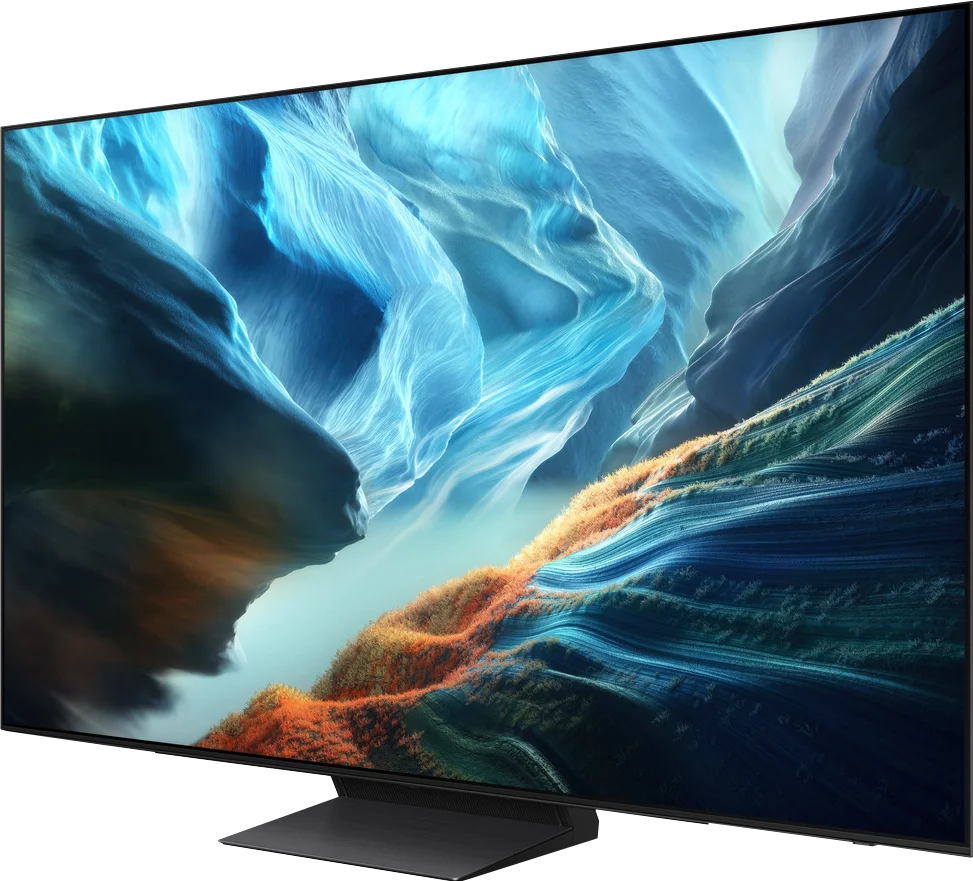
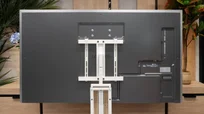
TV appearance

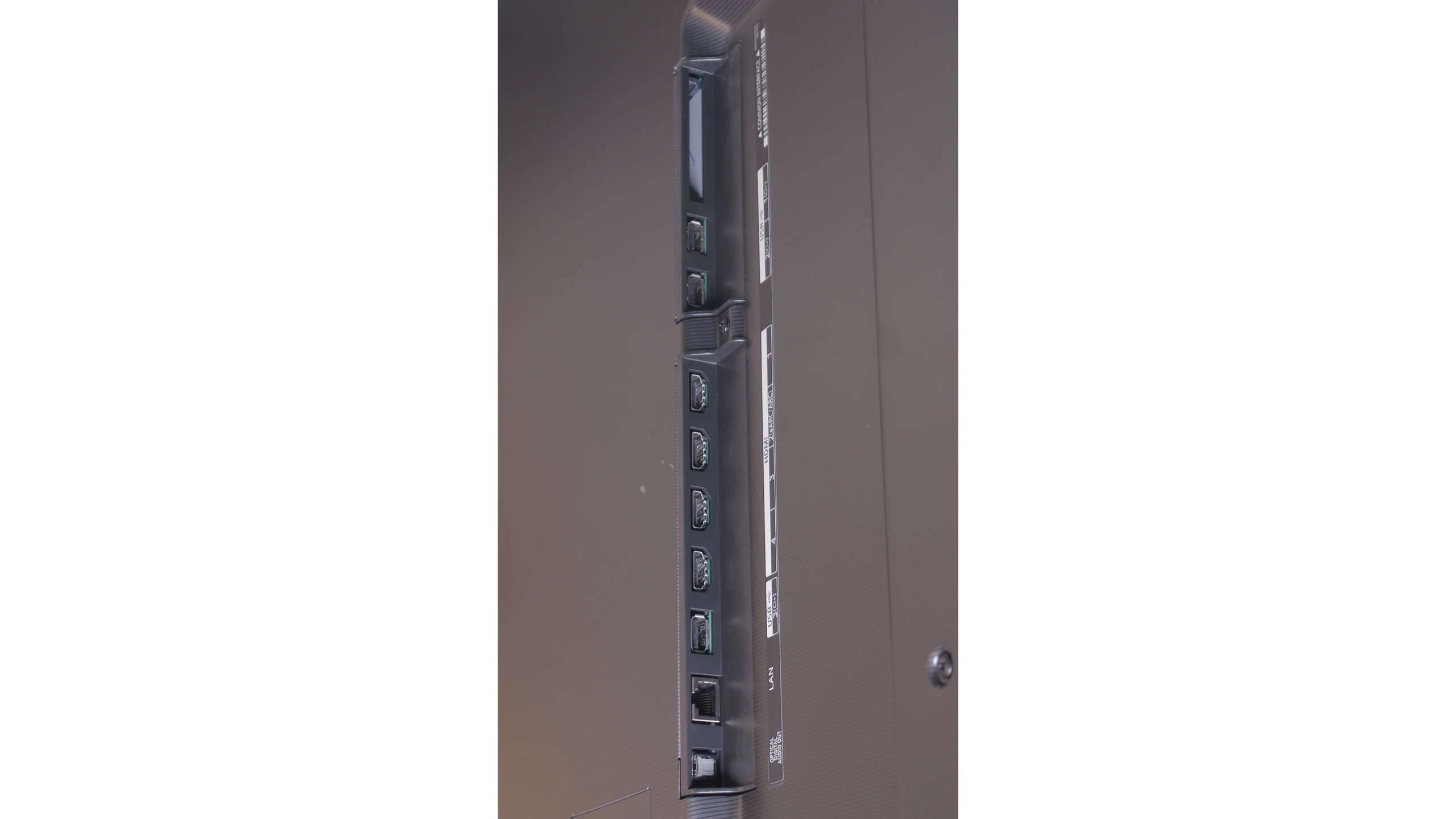
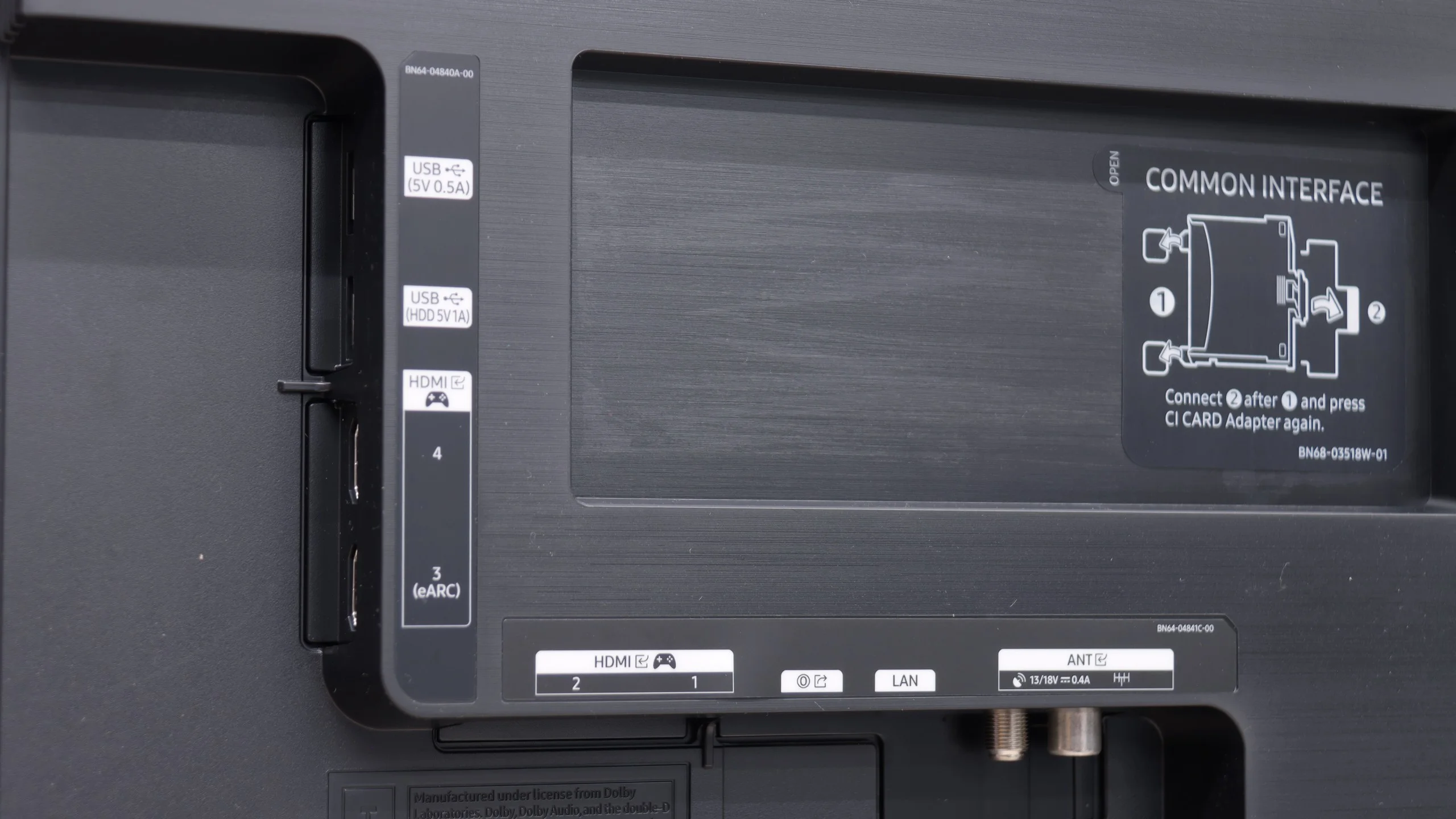
HDMI inputs
0 x HDMI 2.0, 4 x HDMI 2.1 (48Gbps)
Other inputs
IR (remote)
Outputs
Toslink (Optical audio), eARC (HDMI), ARC (HDMI)
Network Interfaces
Wi-Fi 2.4GHz, Wi-Fi 5GHz, Ethernet (LAN) 100Mbps
Wi-Fi 2.4GHz, Wi-Fi 5GHz, Ethernet (LAN) 100Mbps, Ethernet (LAN) 1Gbit
Build quality
Super Premium
Premium
Stand type
Central
Central
Bezel color
Silver
Graphite
Stand
Fixed
Fixed
Flat design
Yes
No
Accessories
Wall bracket
Stand

Contrast and black detail

10/10

10/10

Contrast:

Review LG OLED G6 (G64LW, G66LS) Contrast and black detail

Result

:1

Review LG OLED G6 (G64LW, G66LS) Contrast and black detail

Result

:1

Review LG OLED G6 (G64LW, G66LS) Contrast and black detail

Result

:1

Review LG OLED G6 (G64LW, G66LS) Contrast and black detail

Result

:1

Review LG OLED G6 (G64LW, G66LS) Contrast and black detail

Result

:1

Review Samsung S90H / S92H (QD-OLED) Contrast and black detail

Result

:1

Review Samsung S90H / S92H (QD-OLED) Contrast and black detail

Result

:1

Review Samsung S90H / S92H (QD-OLED) Contrast and black detail

Result

:1

Review Samsung S90H / S92H (QD-OLED) Contrast and black detail

Result

:1

Review Samsung S90H / S92H (QD-OLED) Contrast and black detail

Result

:1

Halo effect and black detail visibility:

Check the visibility of bright lights on a dark background. Mini-LEDs often struggle with this. The photo does not compare black levels – that’s what the video below is for.

The video accurately shows differences in contrast and black levels between TVs, as well as potential issues: halo around bright objects or Mini-LED zone operation visible as brightness jumps.

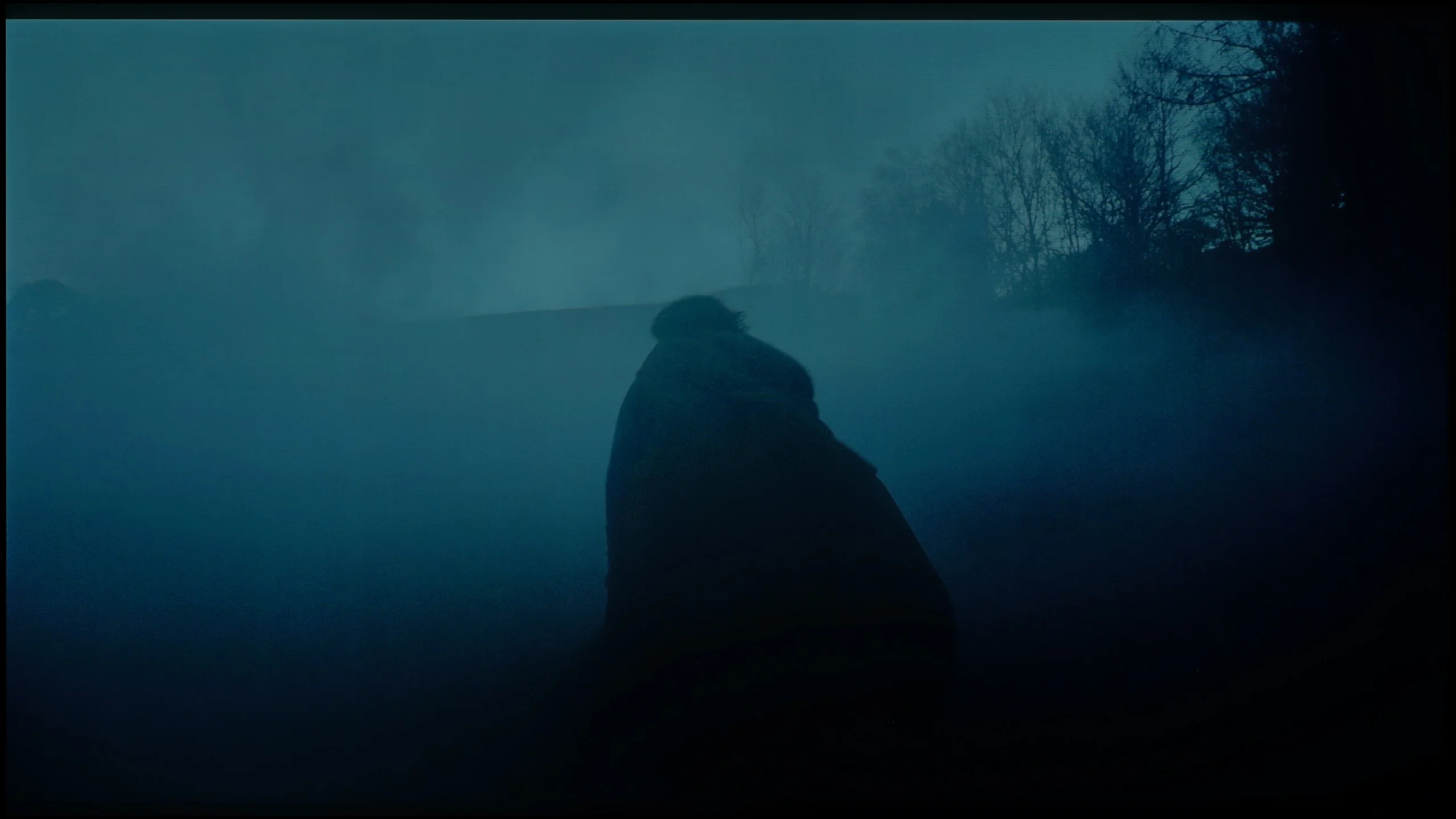
Since the LG G6 is based on OLED technology, specifically the 2nd generation WOLED TANDEM matrix, we are talking about perfection in terms of blacks and contrast, which is confirmed by our lab measurements – in every test scenario, the television achieved an absolute infinity mark. The ability to control each pixel independently gives it a powerful advantage over any LCD panel on the market. This translates to a brilliant, plastic depth of image that immediately draws you into every possible viewing experience. This is clearly visible in the example of a dark, demanding scene with a helicopter from the movie Sicario 2. While traditional screens with local dimming (including Mini-LEDs) can generate annoying "halo" effects in such moments, lighten black bars in films, or lose details in shadows, the LG G6 handles it flawlessly. Black where it should be black remains pitch-black and perfectly separated from bright points.

*A small note: during this test, a fairly strong grain and flickering of the image stands out. However, we do not take it into account when evaluating the contrast itself and this part of the review – we will describe this specific problem in further detail in the section: "Smoothness of tonal transitions".

Because the Samsung S90H uses an OLED panel, it deserves the highest rating for contrast and black levels. Importantly, this applies to both the WOLED panel version and the QD-OLED variant we tested. Each pixel emits light independently and can be turned off completely, so the TV delivers perfect blacks and virtually infinite contrast. This translates into excellent image depth and very clear separation of bright elements from a dark background, without the halo effect (blooming) that still appears even in the best LCD TVs. The effect is especially impressive when watching in a dark room, where dark scenes look incredibly realistic and the picture gains in three-dimensionality and detail.

HDR effect quality

9.1/10

7.8/10

Supported formats
HDR10, Dolby Vision, Dolby Vision IQ, HLG
HDR10, HDR10+, HLG
Color gamut coverage
DCI P3: 99.5%, Bt.2020: 83.9%
DCI P3: 99.8%, Bt.2020: 89.6%

Luminance measurements in HDR:

Review LG OLED G6 (G64LW, G66LS) Brightness measurement

Result

2387 nit

Review LG OLED G6 (G64LW, G66LS) Brightness measurement

Result

2345 nit

Review LG OLED G6 (G64LW, G66LS) Brightness measurement

Result

2418 nit

Review LG OLED G6 (G64LW, G66LS) Brightness measurement

Result

2439 nit

Review LG OLED G6 (G64LW, G66LS) Brightness measurement

Result

1844 nit

Review Samsung S90H / S92H (QD-OLED) Brightness measurement

Result

1464 nit

Review Samsung S90H / S92H (QD-OLED) Brightness measurement

Result

1470 nit

Review Samsung S90H / S92H (QD-OLED) Brightness measurement

Result

1269 nit

Review Samsung S90H / S92H (QD-OLED) Brightness measurement

Result

1505 nit

Review Samsung S90H / S92H (QD-OLED) Brightness measurement

Result

902 nit

Scene from the movie “Pan” (about 2800 nits)

Scene from the movie “Billy Lynn” (about 1100 nits)

The photos show two HDR10 movies. 'Pan' is one of the brightest productions ever made, while 'Billy Lynn' (soldier) has brightness typical of streaming (Netflix, Prime, HBO MAX). Notice the intensity of effects and detail in whites.

Static HDR10

The photos present the visibility of white details in various HDR formats. They do not show brightness differences between TVs (these can be compared in the previous gallery).

Dynamic: Dolby Vision

Dynamic: HDR10+

The photos present the visibility of white details in various HDR formats. They do not show brightness differences between TVs (these can be compared in the previous gallery).

HDR luminance chart:

Samsung S90H / S92H (QD-OLED)

LG OLED G6 (G64LW, G66LS)

Luminance of RGB colors

The LG G6 is currently one of the brightest OLEDs on the market. Its peak brightness reaches nearly 2500 nits, and best of all – this has a direct impact on real film scenes. The television flawlessly pulls out details in the bright parts of the image. And this is regardless of whether we are talking about very small points like stars in the sky or slightly larger elements on the screen. Naturally, with full-screen, uniformly white scenes, the brightness of the G6 decreases due to the panel's protection system (ABL). However, in real, varied film shots, this value still hovers around 2000 nits, which can be considered an outstanding result. The coverage of the color palette also deserves praise. The new 2nd generation Tandem OLED panel brought only a cosmetic change, but still an improvement. The DCI-P3 color gamut coverage reaches nearly 99.5%, while the ultra-wide BT.2020 is around 84%. These are very good results, although one must remember one thing: at extremely high brightness levels, the volume of colors will be lower than in QD-OLED panels from Samsung Display due to the use of a white sub-pixel (WOLED). However, in everyday content and most films, detecting this difference will be very difficult.

The Samsung S90H is a truly bright TV for the midrange among OLEDs. In synthetic measurements its peak brightness reached about 1650 nits. That's an outstanding result in this class, roughly 50% higher than what we’ve seen from previous models at this price point. Crucially, these tests translate directly to real video material. In 4 out of 5 film shots we tested the S90H’s brightness hovered around 1300–1500 nits. That headroom lets the TV reproduce most HDR movies with the same dynamics and expression the creators intended in post-production. Of course, on full-screen, very bright scenes the result is naturally lower and drops to around 900 nits. That’s a direct result of the protection systems that prevent the OLED panel from being overloaded. Even in that scenario there’s no reason to complain. Those 900 nits across the entire screen is still a very high level, ensuring excellent dynamics in HDR content.

A major advantage of QD-OLED TVs has always been color, and the S90H is no exception. The DCI-P3 gamut we measured reached a full 100% (exactly 99.9%), while coverage of the much wider BT.2020 gamut hit roughly 89%. That’s a great result, allowing you to enjoy extremely saturated, vivid colors in HDR content. It’s worth noting these figures are better than WOLED panels, which is especially noticeable in very demanding film scenes.

Factory color reproduction

7.4/10

8.3/10

This gallery shows how colors change after professional TV calibration. If you notice the difference, we recommend ordering this service at SkalibrujTV.com.

Factory Mode

After calibration

This gallery shows how colors change after professional TV calibration. If you notice the difference, we recommend ordering this service at SkalibrujTV.com.

Factory Mode

After calibration

We tested the LG G6 in the best factory mode for color fidelity, which is FILMMAKER MODE. For our test unit, this mode was fairly well-tuned right out of the box. In SDR content, the only thing we could nitpick was the white balance, which leaned towards warmer tones. As a result, the image could sometimes appear slightly yellowed; however, overall, it wasn't a bothersome issue. The G6 performed a bit worse with HDR content. There, we noticed too much blue component in the white balance. This caused the image to take on cooler shades, resulting in quite noticeable errors. As can be seen in our ColorChecker chart, colors were indeed shifting towards these cooler registers. Nevertheless, for factory settings, the television displayed a completely decent level. However, we know that OLED screens – especially those from LG – respond wonderfully to professional calibration, which is why we immediately proceeded with it.

The next stage of the test was to check how the S90H handles color reproduction without any calibration. As always, we took measurements in Filmmaker Mode, the best out-of-the-box picture setting. And here Samsung truly deserves praise. The factory tuning is at a very high level, and a few years ago that wasn't one of its strong points. The white balance was set correctly, as was the brightness response. The average color error (Delta E) hovered around 3, which is below the level at which most people can notice inaccuracies. Only in the brightest shades of gray did values slightly approach 4, but it's still hard to consider that a real viewing issue. For settings straight out of the box, the result is simply excellent.

Color reproduction after calibration

9.2/10

9.4/10

The photos show how movies look on the TV. Pay attention to black detail visibility, colors, and shadow tint.

The photos show how movies look on the TV. Pay attention to black detail visibility, colors, and shadow tint.

After conducting a professional calibration, we gained complete control over the panel, and we were able to adjust all parameters to nearly zero. We managed to perfectly tune the white balance, which made the factory-cool and warm tints disappear from the screen. The effects are clearly evident in the ColorChecker test – the average color reproduction errors dropped below the critical value of 1-2. And what does that mean? PERFECT colors, with no distortion whatsoever! However, from a reviewer's obligation, we must comment on how the LG G6 autonomously manipulates brightness, for which the EOTF curve is responsible. When we look at the standard synthetic graph, it may seem that the line is quite straight. The situation changes, however, when we turn on the measurement filter, which shows how the television interprets brightness in real, moving film scenes (EOTF in MOVIES). At that point, it becomes clear that some of the smallest fragments on the screen are slightly over-brightened by the algorithm. Of course, for the average viewer, such a deviation will be practically unnoticeable, but in the test of such an expensive screen, it is worth noting – especially since we are talking about a model that has huge aspirations to be the best television of the year.

Okay, but you know we wouldn’t be ourselves if we didn’t check how much more we could squeeze out of the S90H with professional calibration. And there was no big surprise here: since the out-of-the-box settings were already very good, there wasn’t a huge reserve. Even so, we managed to refine the picture almost to perfection. After calibration the average color reproduction errors fell below the threshold of perception, reaching Delta E values under 2 for both SDR and HDR material. We also improved the brightness response, so the image more faithfully reflects the creators’ intent and maintains proper tonality across the full brightness range. Not necessarily, because the factory settings already deliver a very high level. If you want the most accurate image and want to squeeze absolutely everything out of this panel, the S90H offers that potential. After professional calibration it’s simply an almost reference display.

Will the difference be spectacular for everyone? Not necessarily. It depends a lot on the individual unit. Our sample was very well tuned straight out of the box, but that doesn’t mean every S90H will perform at the same level. Even identical models can vary in their factory calibration. That’s exactly why professional calibration makes sense: it lets you bring a specific unit to the highest possible accuracy instead of hoping for a bit of luck when buying.

Smoothness of tonal transitions

5.5/10

9/10

These are selected scenes that show smooth tonal transitions from one color to another. If you see distinct banding, it’s the TV panel’s fault.

These are selected scenes that show smooth tonal transitions from one color to another. If you see distinct banding, it’s the TV panel’s fault.

These are selected scenes that show smooth tonal transitions from one color to another. If you see distinct banding, it’s the TV panel’s fault.

These are selected scenes that show smooth tonal transitions from one color to another. If you see distinct banding, it’s the TV panel’s fault.

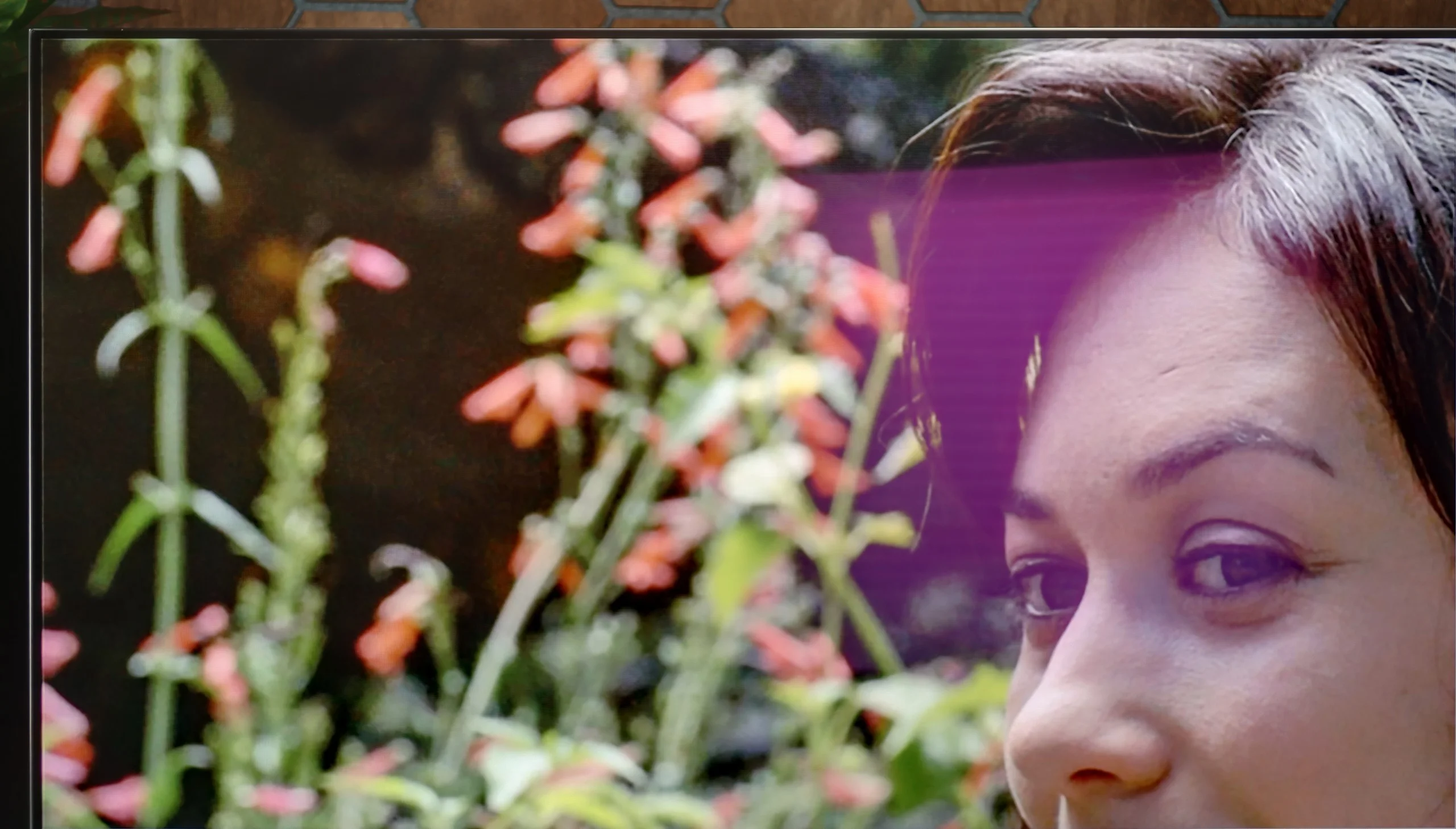
Unfortunately, this is where we come to the least cheerful part of this review. If we were to evaluate solely the smoothness of the tonal transitions, the G6 would score high marks. The color blending is at a very good level, and at times it resembles what we know from Samsung's QD-OLED panels. This is great news because up until now, ugly, banding artifacts in dark shades have been the bane of WOLED panels. In this category, we would easily give it a strong 8.5 out of 10.

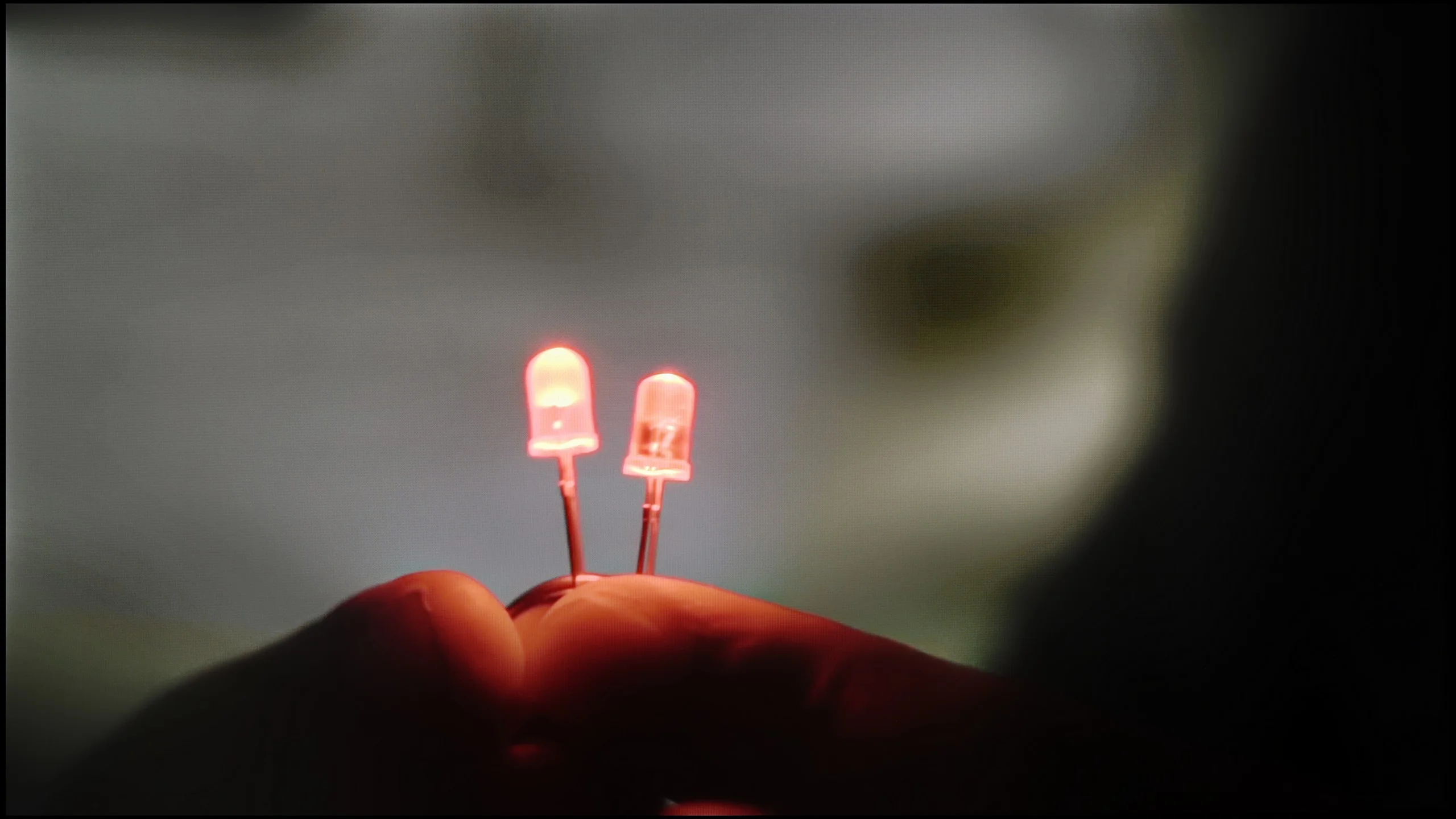
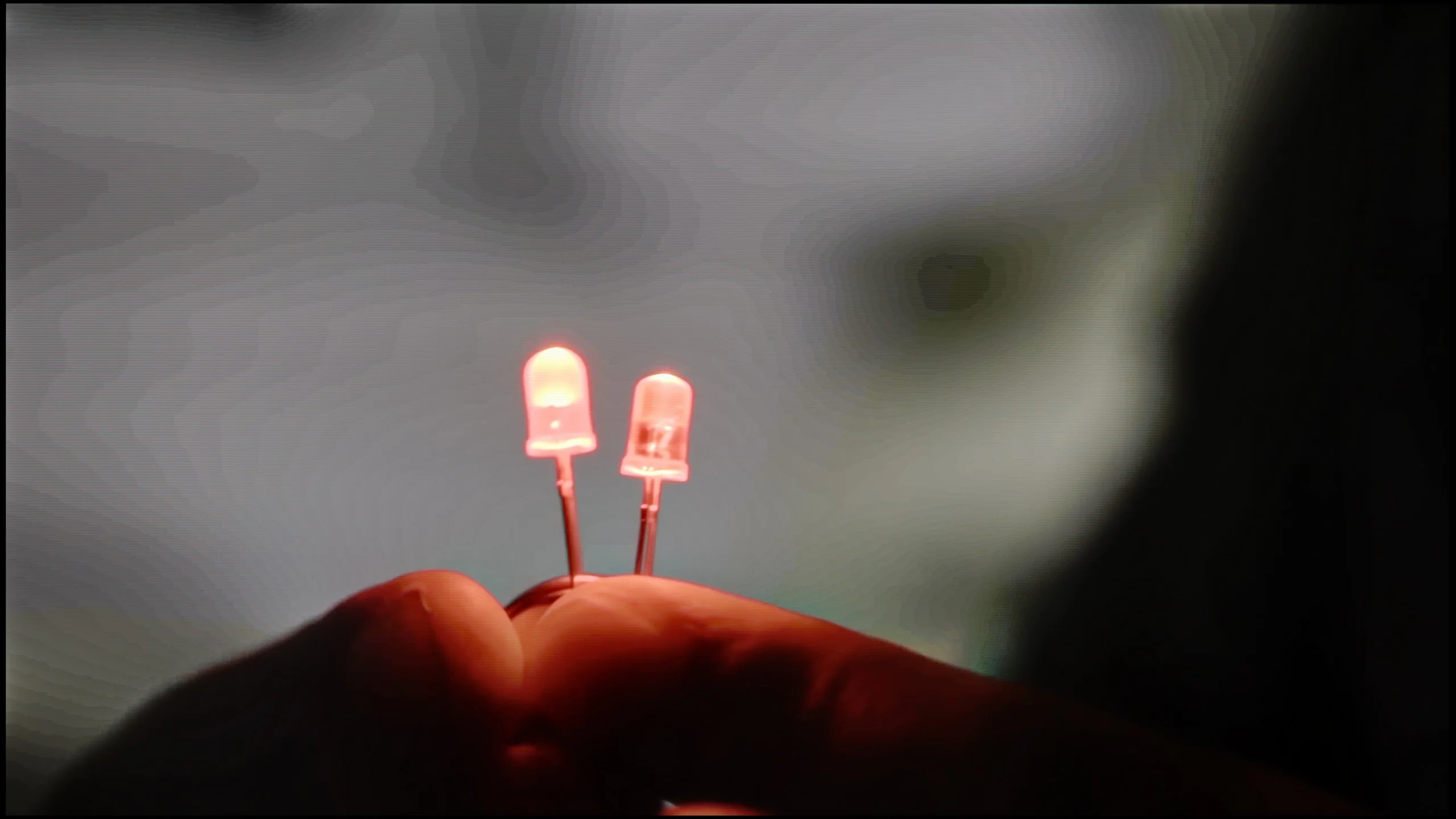
Note: Unfortunately, the final rating in this section drops significantly, and the culprit is very aggressive dithering. In dark scenes, the image literally “shivers,” and in areas close to black/dark gray, the television can be annoyingly flickering. We do not know exactly what this is due to, but looking at the tests from other reviewers around the world - everyone has encountered exactly the same problem. We hope that LG will fix this as soon as possible with an update. We know that LG can respond quickly to negative user feedback, which can already be read online. We will keep an eye on this issue and will inform you in case of improvement.

The smoothness of tonal transitions here is really high. In most content it's hard to spot any noticeable posterization, and if it does appear, it's only in the most demanding scenes. That's one of the advantages of the QD-OLED panel. These panels simply handle smooth transitions between shades better than traditional WOLEDs. So if you care about the smoothest possible gradients, the QD-OLED variant has a clear advantage here.

Image scaling and smoothness of tonal transitions

8.7/10

7.5/10

Image without overscan on the SD signal
OK
No
Smooth transition function
OK
OK

Smooth transition function

The match photo shows how the TV smooths weak tonal transitions in low-quality video.

Image scaling SD (576i)

The model photo shows how it handles upscaling of SD material.

No matter what one may say about the G6's problems with near-black signal, it must be fairly acknowledged that it handles highly compressed material and lower resolution content brilliantly. All unwanted, ugly tonal transitions are effectively reduced here by the “Smooth Gradation” feature. On the “Low” setting, the algorithm operates flawlessly – effectively masking the artifacts resulting from strong compression, without destroying the sharpness and details in the frame. Higher levels of this feature indeed smooth the image even more, but they start to blur the real texture elements of objects, which is why we recommend keeping this slider at a low level. As for the upscaling to 4K, the processor does an excellent job – edge sharpness and detail reconstruction are at the highest level, and in this respect, the G6 does not lag behind the world's best.

In this regard Samsung has practically changed nothing compared with last year’s model, which is actually pretty good news. The function responsible for smoothing tonal transitions still very effectively reduces posterization. You should remember, however, that it works quite aggressively, because besides removing artifacts it can also eliminate film grain and slightly soften fine image details. As always, it’s a matter of compromise and personal preference. If you want the most faithful reproduction of the source, we recommend leaving this function turned off.

There’s also no revolution when it comes to upscaling. The S90H uses the same proprietary NQ4 Gen3 image processor as its predecessor, so scaling quality has remained virtually unchanged. The TV handles lower-resolution content well, effectively improving sharpness. The overscan issue still hasn’t been solved, though. With some older material, especially archival footage, parts of the image at the edges may be cropped. It’s a minor flaw, but it’s a shame Samsung left this problem unchanged for another year running.

Blur and motion smoothness

8.5/10

8.5/10

Maximum refresh rate of the panel
165Hz
165Hz
Film motion smoothing option
OK
OK
Blur reduction option
OK
OK
BFI function 60Hz
Yes, 60Hz (image flickers)
BFI function 120Hz
No
No
Brightness drop with BFI
49%
50%

Blur (native resolution, maximum refresh rate):

Blur (BFI function enabled):

Image flickers in this mode

Image flickers in this mode

Blur (4K@165Hz):

Blur (4K@165HZ):

The LG G6 is an OLED television, so in the category of motion fluidity, it traditionally deserves the highest ratings. The television supports a very high refresh rate of up to 165 Hz in 4K resolution, but most importantly – you will not see any signs of blurring on the screen. The response time of the panel is incredibly fast, ensuring that dynamic images remain perfectly sharp.

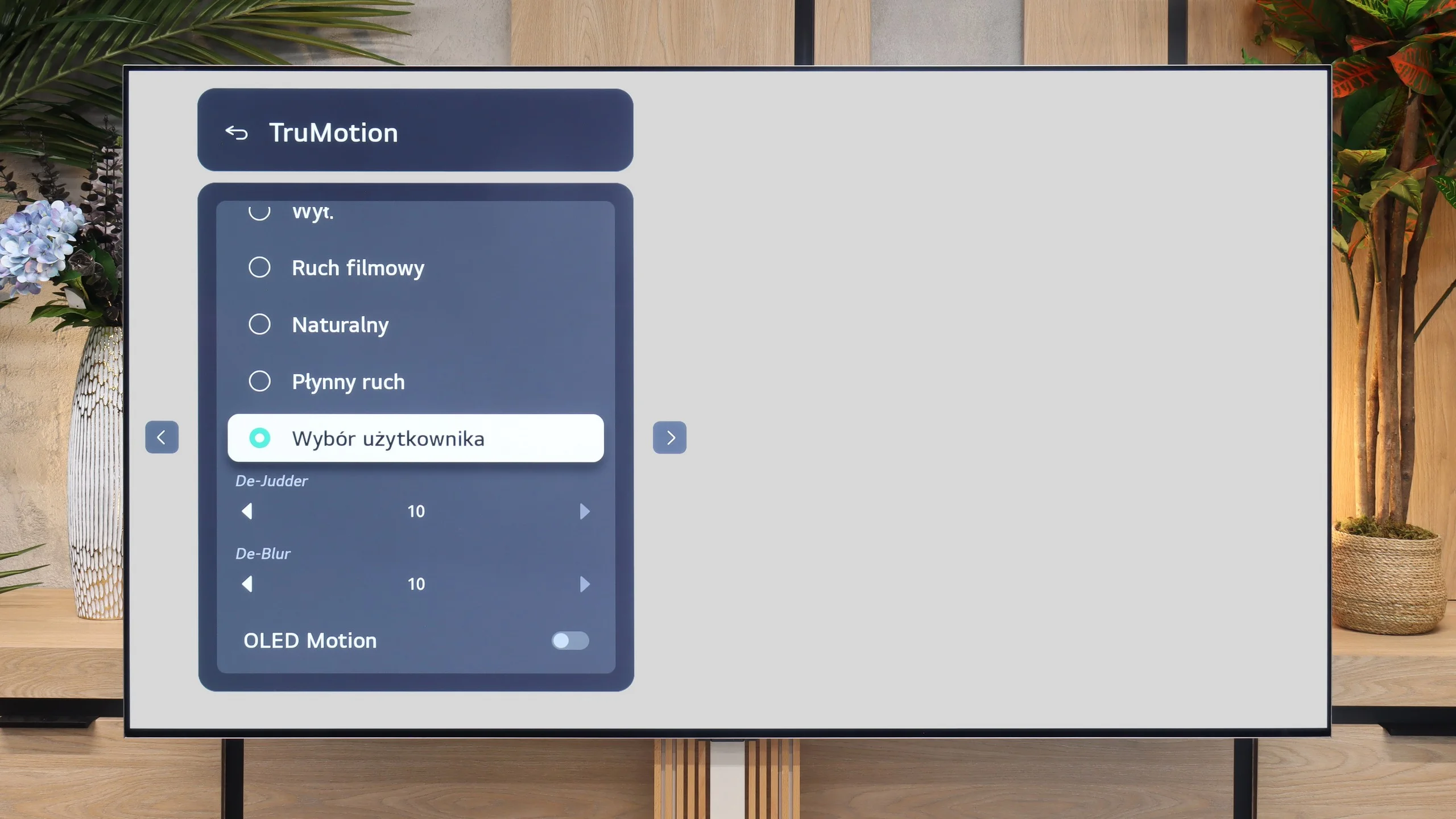
In terms of motion smoothness, the S90H delivers a very high level. New here is a panel with a 165 Hz refresh rate. In practice, when watching movies or sports broadcasts it's hard to notice any difference, because that kind of content doesn't use refresh rates higher than 120 Hz. The extra 165 Hz will be appreciated mainly by PC gamers who can generate that many frames per second. Samsung equipped the TV with advanced motion settings. You get two sliders (judder reduction and blur reduction) that make it easy to tailor the picture's character to your preferences. You can easily get very smooth motion for sports, but you can just as easily preserve a more cinematic feel with the typical 24 fps. It all depends on which effect you prefer.

Console compatibility and gaming features

10/10

9.5/10

  • ALLM
    Yes
    Yes
  • VRR
    Yes
    Yes
  • VRR range
    40 - 165Hz
    48 - 165Hz
  • Dolby Vision Game Mode
    Yes
    No
  • Correct implementation of HGIG
    Yes
    Yes
  • 1080p@120Hz
    Yes
    Yes
  • 1440p@120Hz
    Yes
    Yes
  • 4K@120Hz
    Yes
    Yes
  • Game bar
    Yes
    Yes

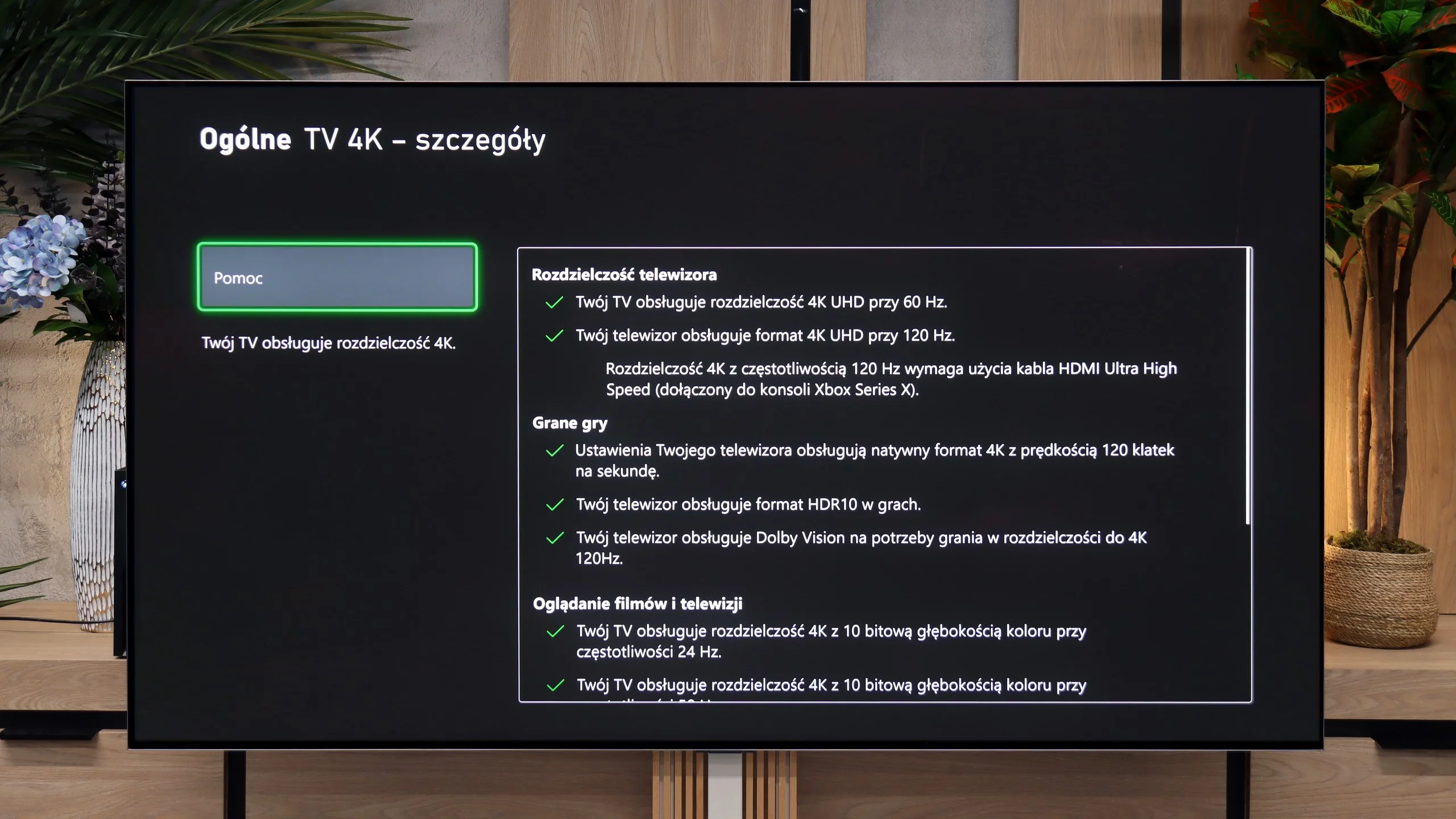
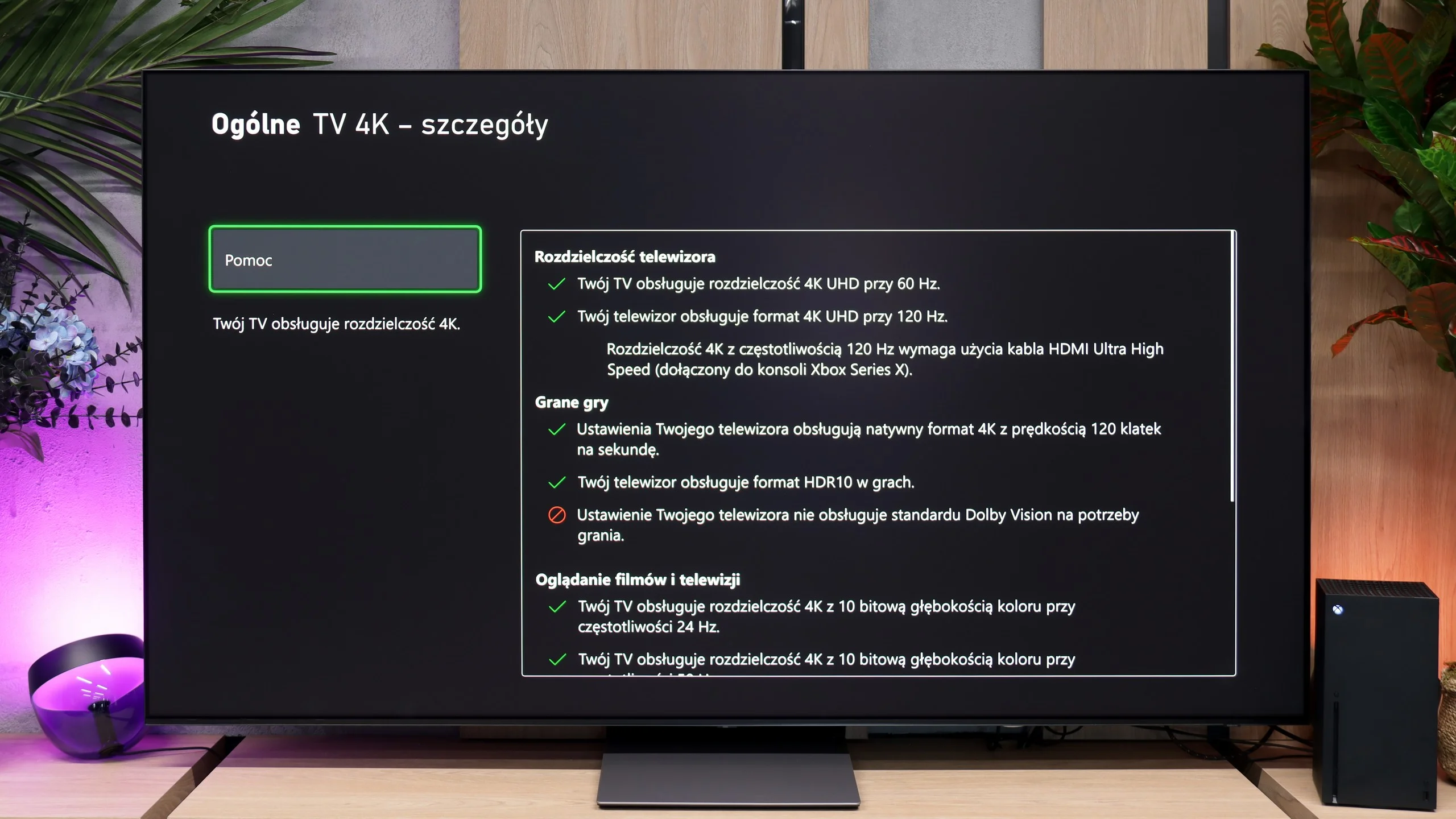
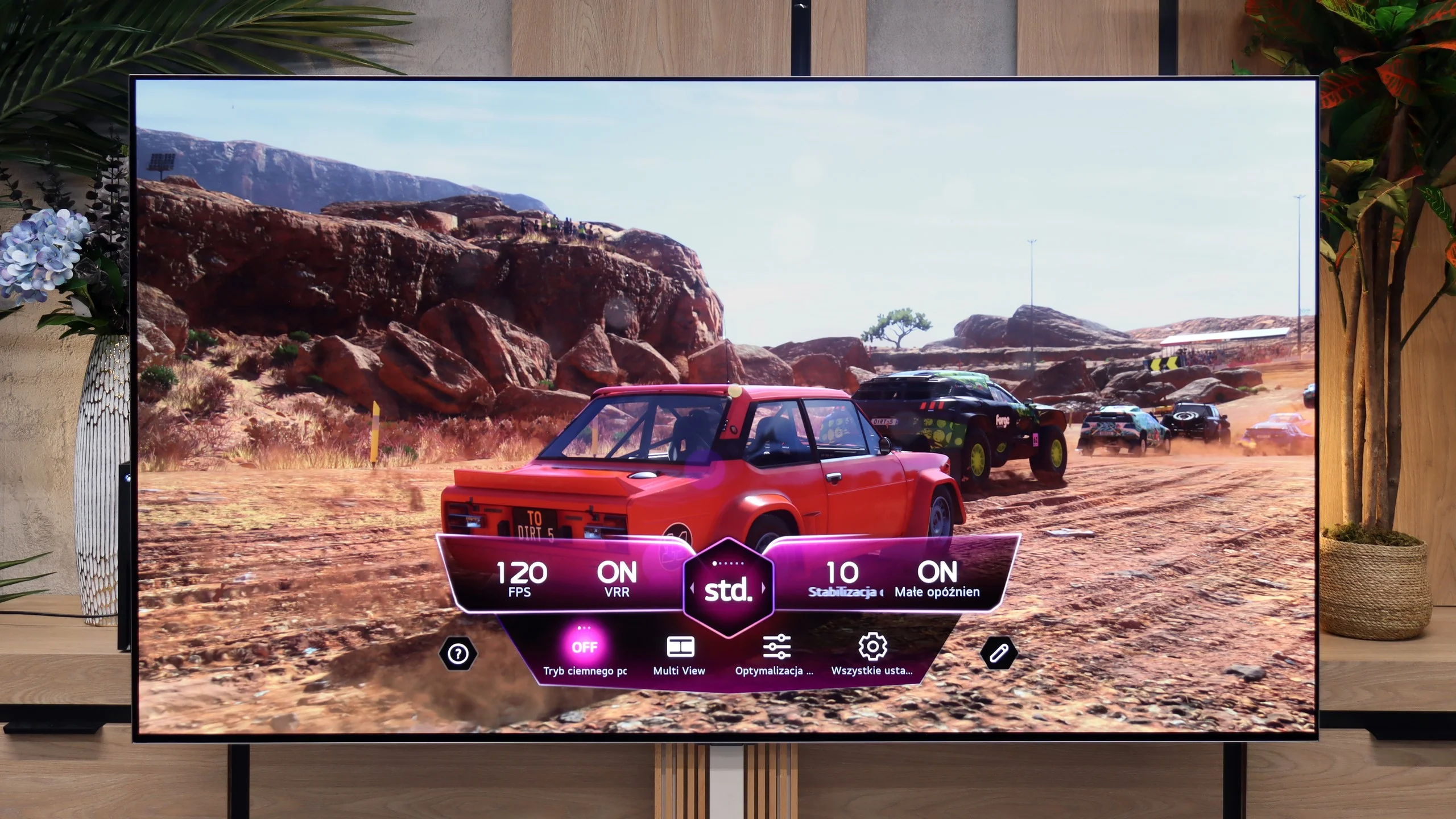
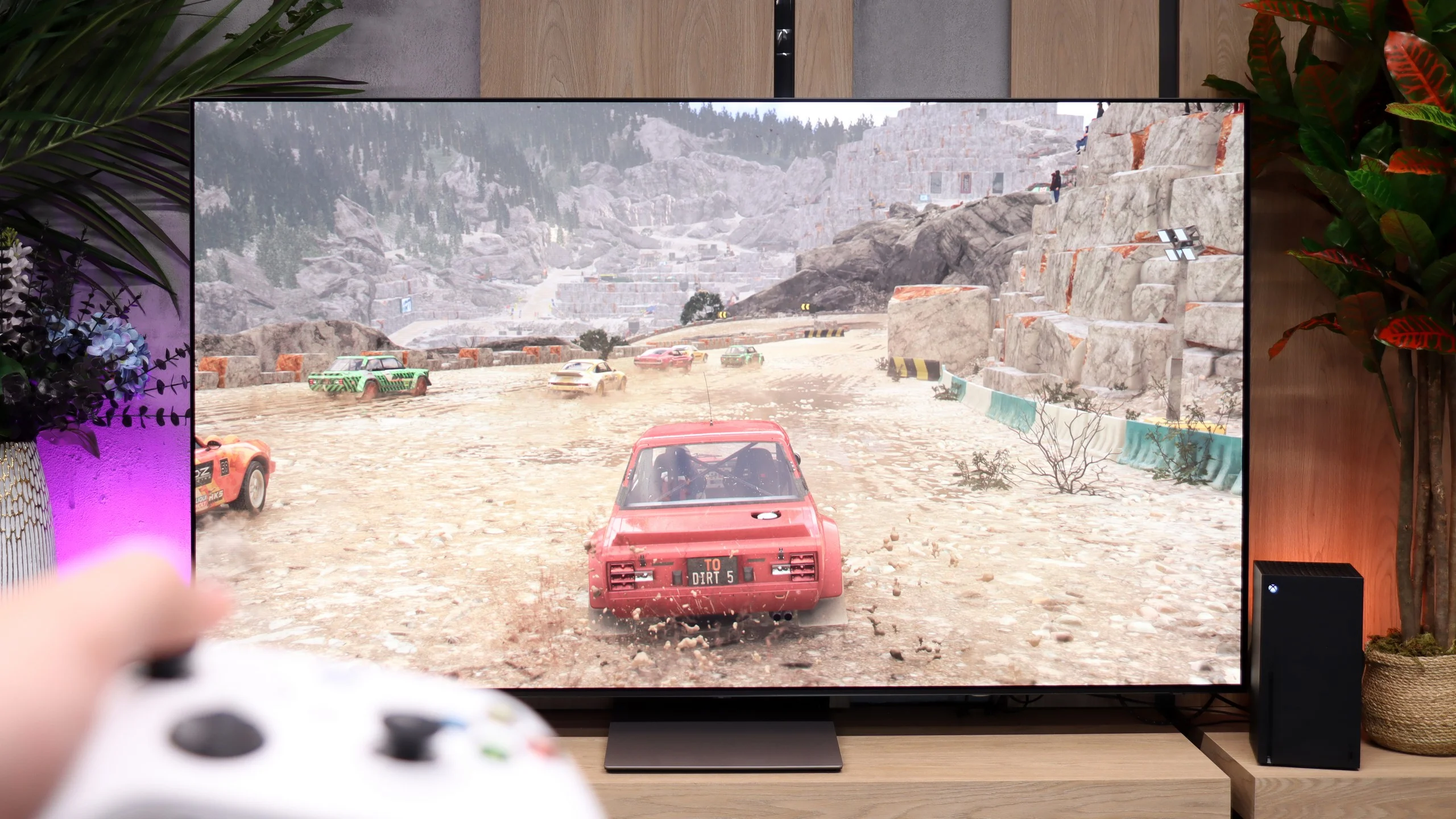
LG G6 is a true monster for gamers and one of the best-equipped TVs in this regard on the market. The manufacturer did not seek compromises and equipped this model with as many as four full HDMI 2.1 ports with a maximum bandwidth of 48 Gbps. This means that no matter which port you plug your PlayStation 5, Xbox Series X, or powerful PC into, you will extract the absolute maximum from them.

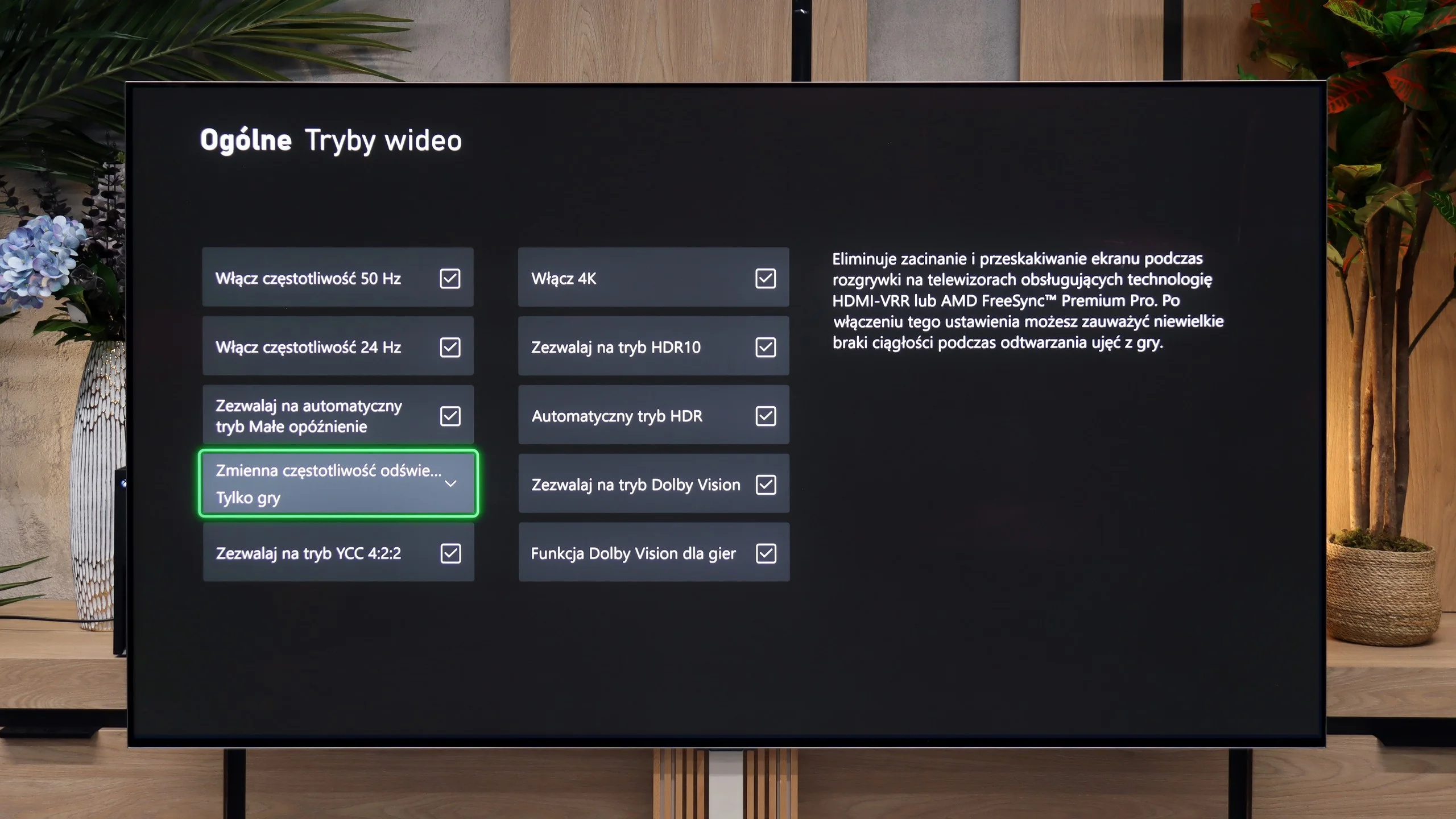
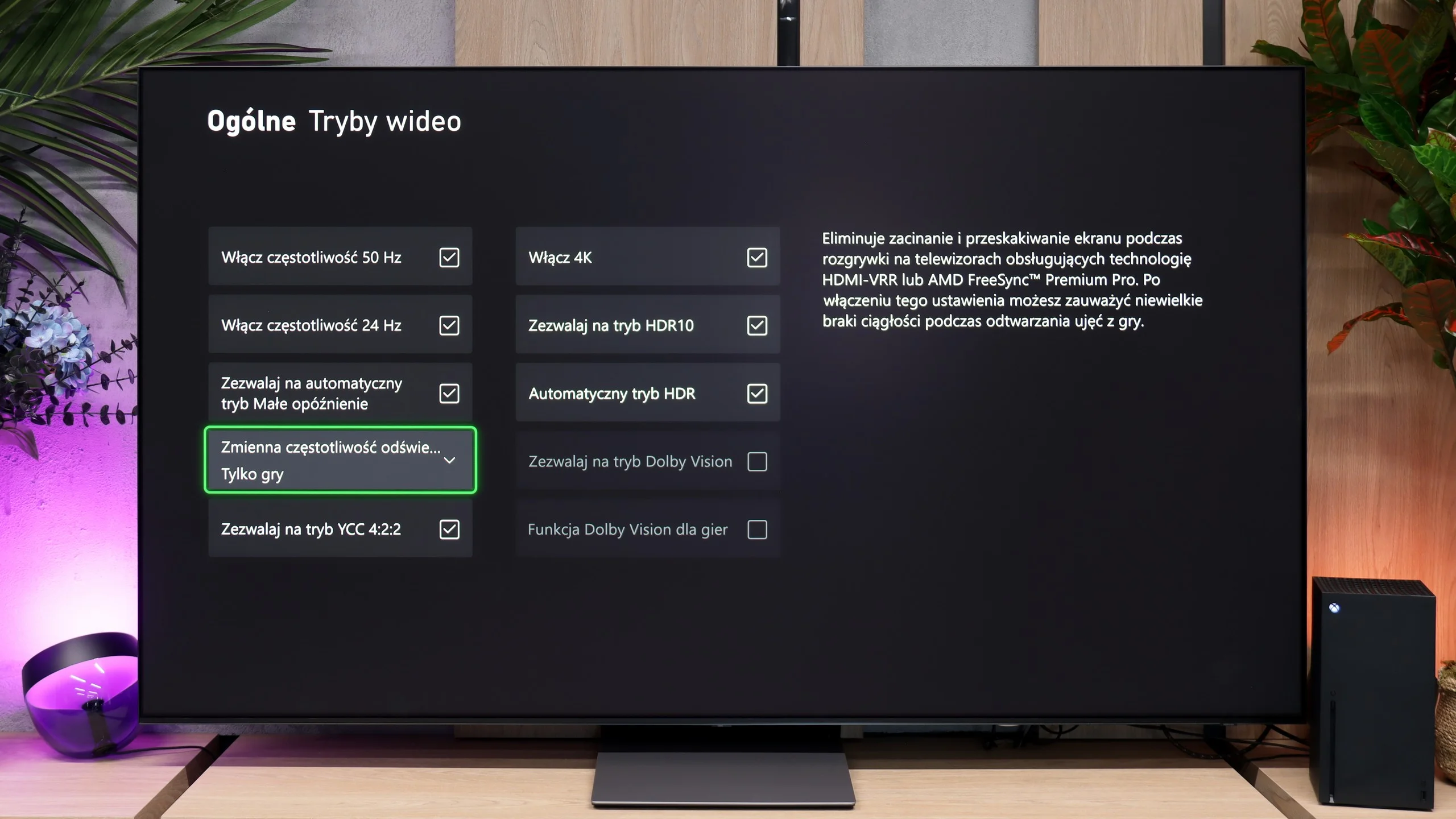
The TV supports a full suite of gaming technologies: from VRR (Variable Refresh Rate), through AMD FreeSync Premium Pro, to Nvidia G-Sync Compatible. Let's add to this the remarkably low, almost imperceptible input lag and a brilliantly functioning gamer panel (Game Optimizer), which allows you to continuously monitor the signal parameters. Gaming on this screen, with the perfect black of OLED and powerful refresh rates, is pure pleasure.

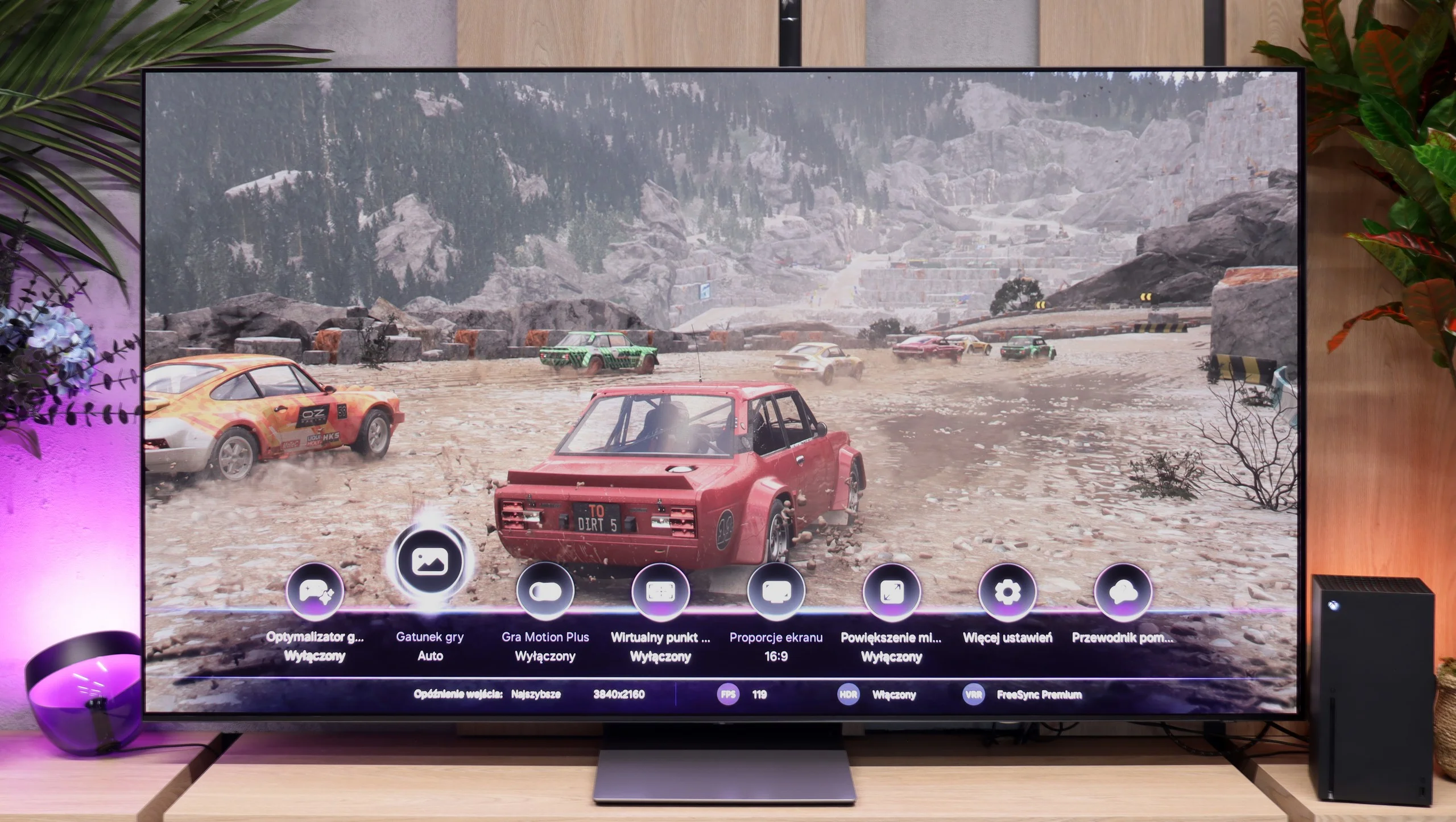
From the start the Samsung S90H feels like a TV designed with gamers in mind, and honestly... it's hard to blame them. The manufacturer equipped it with everything you’d expect from a gaming TV. You get four full-bandwidth HDMI 2.1 ports, support for ALLM and VRR, and very high refresh rates. There’s also a clear Game Bar that lets you quickly check key picture parameters or change settings without leaving the game. Another very welcome improvement is that HGiG now works properly. Last year it could cause a lot of issues, but on the S90H it behaves exactly as it should.

Samsung’s real ace, however, is its proprietary Game Motion Plus mode. The feature works similarly to the motion smoothing known from movies, improving animation smoothness in games while keeping input lag at a very reasonable level. For titles running at 30/60 fps, with the right settings, input lag did not exceed 40 ms in our tests. That’s a very good result, especially since enabling similar features from many manufacturers can end up increasing lag three to four times. It’s a feature that partly makes up for the lack of Dolby Vision Gaming. A smoother image often provides more noticeable benefits than the HDR format itself, so for many gamers this will be a far more valuable addition.

Input lag

9.9/10

10/10

SDR

1080p60
13 ms
10 ms
1080p120
5 ms
5 ms
2160p60
13 ms
10 ms
2160p120
5 ms
5 ms

HDR

2160p60
13 ms
10 ms
2160p120
5 ms
5 ms
4320p60

Dolby Vision

2160p60 DV
22 ms
2160p120 DV
13 ms

When it comes to signal delay, the results are remarkably low. For a standard 120 Hz signal, the Input Lag is just 5 ms. At 60 Hz, this value increases to 13 ms, which is still an excellent and completely imperceptible delay. The only thing we need to point out is the television's behavior after receiving the Dolby Vision Gaming signal. In this format, the Input Lag nearly doubles, reaching 13 ms for 120 Hz and 22 ms for 60 Hz. Despite this jump, we believe that these values in games are low enough that absolutely no one will feel any discomfort during gameplay.

Input lag is another area that's really hard to fault. With a 120 Hz signal we measured just around 5 ms, which is an exceptional result. When switched to even higher refresh rates the delay dropped to almost astronomically low levels, practically imperceptible during gameplay. The Samsung S90H delivers absolutely market-leading results here.

Compatibility with PC

8.7/10

8.6/10

Chroma 444 (max. resolution and refresh rate)
Yes
Yes
Font clarity
Good
Very Good
Readability of dark text and shapes
Very Good
Good
Input lag in PC mode (4K, max. refresh rate)
5ms
4ms
Matrix subpixel arrangement
RGWB
RBG (QD-OLED)
Max refresh rate
165Hz
165Hz
G-Sync
Yes
Yes

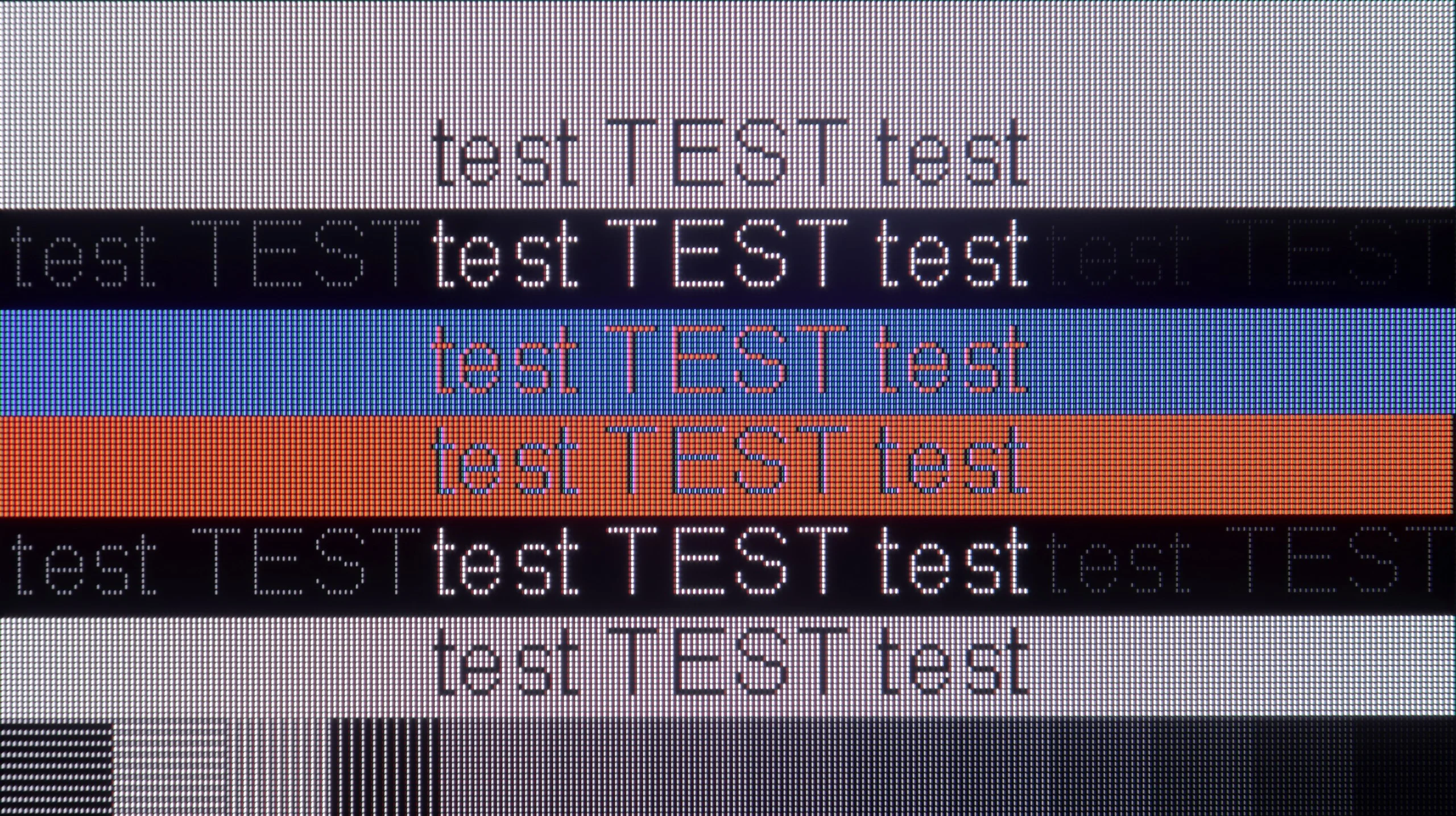
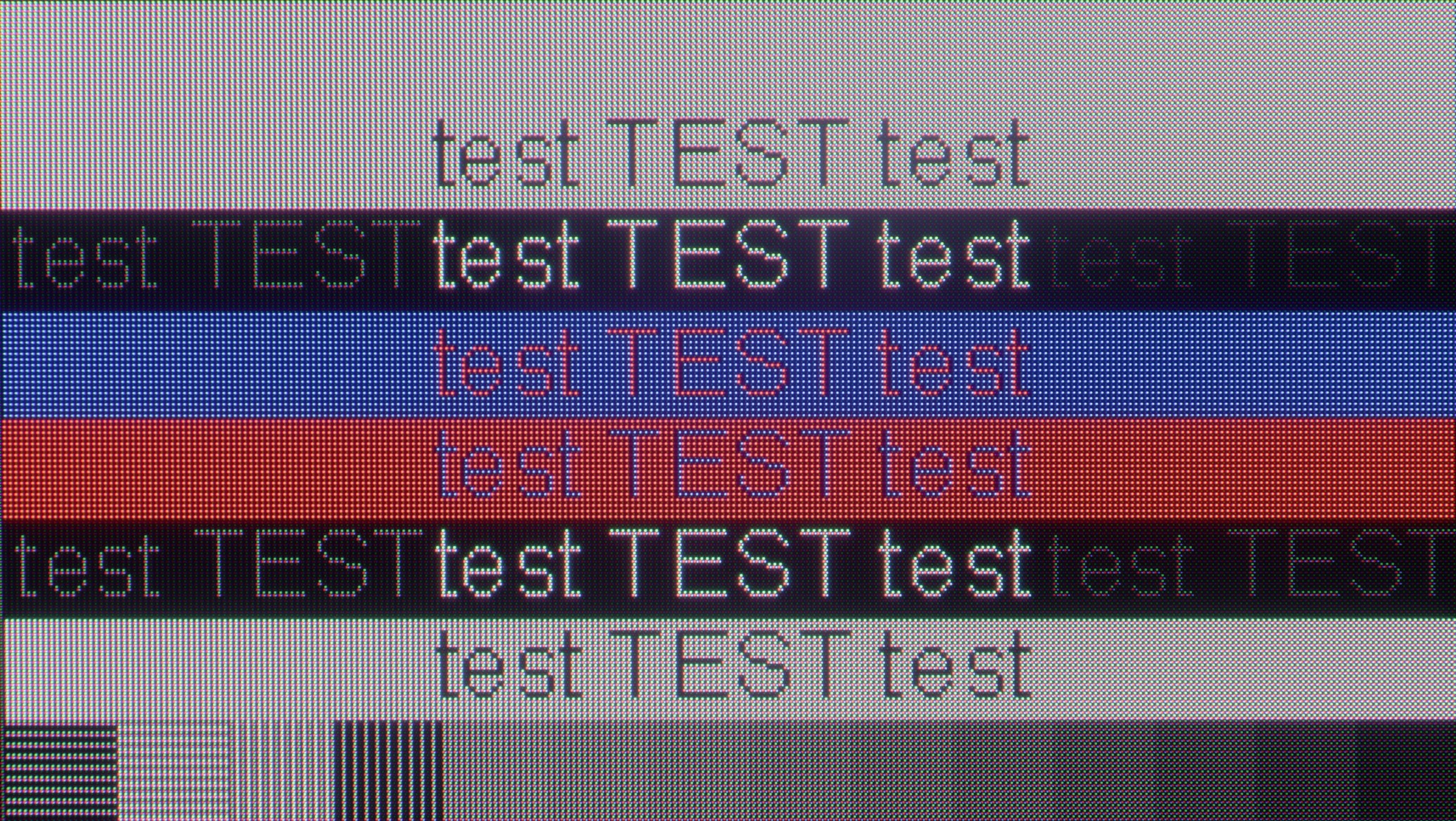
The photo shows the legibility of small fonts. Ideally, lines should be the same thickness on both light and dark text, with minimal pixel gaps.

As we mentioned earlier, the LG G6 is an amazing screen for gamers but also for those using computers. With full support for Nvidia G-Sync and AMD FreeSync technology, as well as a high refresh rate of up to 165 Hz, this TV will work brilliantly as a giant gaming monitor. On the other hand, everyday office work with text looks a bit worse (although in our opinion still very well), which is a typical feature of every WOLED screen. Due to the specific arrangement of four subpixels (with an additional white subpixel), rather than three as in traditional computer monitors, system fonts can sometimes have an additional, in this case red glow around black or white letters. This is directly due to the new structure of the 2nd generation Tandem OLED matrix, which now operates in an RGWB arrangement (last year's first generation Tandem OLED used a BWRG arrangement). In our opinion, the sharpness of font edges has slightly worsened because of this, but it is definitely not something that will immediately catch your eye when occasionally working with documents or browsing the web.

The Samsung S90H works great as a large PC display, and not just because of its gaming feature set. The panel supports refresh rates up to 165 Hz, has very low input lag, and the official NVIDIA G-Sync certification lets you get smooth gameplay without tearing when paired with GeForce cards. If you’re looking for a large screen that will handle demanding PC games well, the S90H is an excellent choice.

And how about everyday work with text or web browsing? That’s good too. Fonts are sharp and readable, though you should keep in mind the specifics of QD-OLED panels. Up close you can notice the characteristic triangular subpixel layout, which can make letter edges look slightly jagged or pick up faint colored fringing. Is that a problem? In practice, it’s minor. After all, we’re talking about a 77-inch screen, so few people will sit just a few dozen centimeters from the panel. At a normal viewing distance the effect becomes practically invisible.

Viewing angles

7.2/10

9.9/10

Brightness drop at an angle of 45 degrees
28%
9%

As befits an OLED panel, the viewing angles on the LG G6 are really good. When viewed from the side, the TV does not drastically lose brightness or color saturation. In this regard, the picture quality is infinitely better than in any LCD TV – and this applies to both IPS panels and even more so to VA panels without special wide-angle coatings. In this matter, the only better screens on the market remain QD-OLED panels from Samsung Display, where the angles are simply perfect, as well as older WOLED panels with MLA (microlens) technology, which LG abandoned in this series two years ago. Unfortunately, we assess the viewing angles in this year's model as slightly worse than last year's. We noticed that the 2nd generation Tandem OLED panel has a tendency to take on more greenish hues when viewed at a steep angle, while last year's model maintained greater neutrality in this regard.

As expected from an OLED, the viewing angles are excellent, but the QD-OLED panel used here goes a step further and in this regard outclasses anything else on the market. Even if you sit well off to the side of the screen, colors don't lose saturation and the drop in brightness is marginal. There's none of the greenish tint that can be annoying on TVs with panels from LG Display. The image retains its colors regardless of the viewing angle.

Daytime performance

8.2/10

6.4/10

Panel finish
Glare
Matte
Reflection suppression
Good
Very Good
Black levels during daytime
Very Good
Average

Panel brightness

Samsung S90H / S92H (QD-OLED): 486 cd/m2

LG OLED G6 (G64LW, G66LS): 857 cd/m2

The LG G6 will perform exceptionally well as a TV in a brightly lit room. Thanks to its powerful peak brightness, the television can easily cut through most external light sources. Best of all, the new generation of Tandem OLED panels has brought significant improvements in terms of reducing glare. Although the screen coating is still shiny (which helps maintain well-saturated colors even in difficult conditions), it effectively suppresses reflections. It does this significantly better than classic OLED screens with standard glossy coatings. We could confidently compare this level to that of shiny QD-OLED panels, but with one key advantage for LG. Unlike the competition's technology, the deep black in a bright living room remains intact in this model. There is no sign of grayness or purplish tints due to incoming light – the black in the G6 during the day is simply perfect, just like it is at night.

The biggest new feature in the S90 series is the matte screen coating. Samsung has taken this step for the first time and, in our opinion, it was a good move. In practice you can see the difference immediately. The coating very effectively suppresses light reflections, so even when there's a window opposite the TV or a bright lamp is shining, you won't see the typical mirror-like glare on the screen. Instead, only softly diffused light appears, which is much less distracting while watching. If the TV is going to sit in a bright living room, it's hard to overstate how valuable that is.

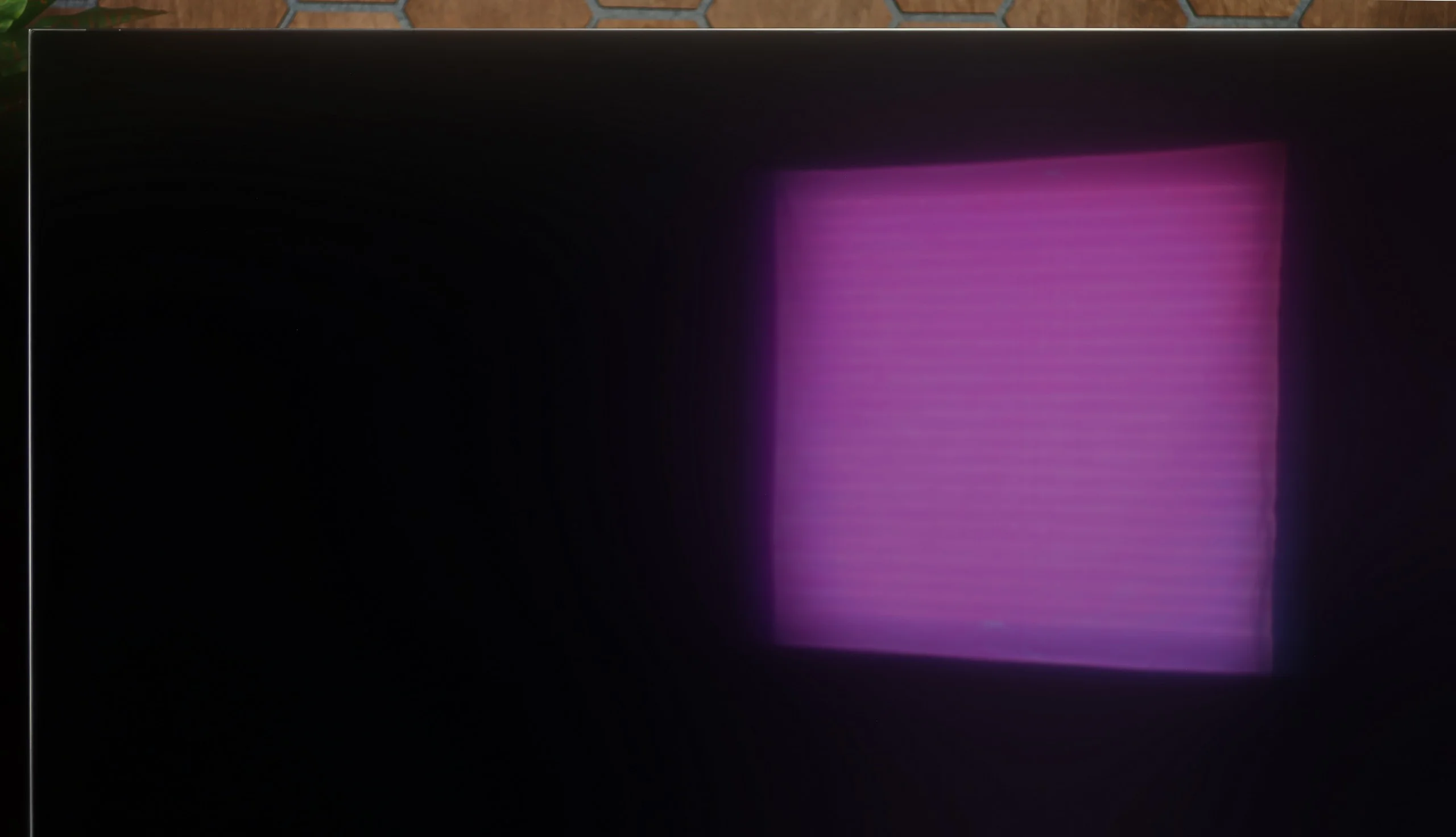
Of course, there's a trade-off. QD-OLED with a matte coating has its own characteristic quirk. When bright light hits the screen, black, instead of staying perfectly black, takes on a slightly cherry tint. You can also see that colors lose a bit of their depth. It's nothing you couldn't predict... that's just the nature of this panel. Fortunately, the TV itself is bright enough that there are no problems watching during the day. In SDR it reaches about 500 nits of average brightness, and combined with the matte coating that provides really comfortable viewing conditions.

Panel details

Backlight Type
QD-OLED
Software version during testing
43.10.69
1122
Image processor

Subpixel Structure:

Panel uniformity and thermal imaging:

Review LG OLED G6 (G64LW, G66LS) TV Panel details
Review Samsung S90H / S92H (QD-OLED) TV Panel details

LG OLED G6 (G64LW, G66LS)

Samsung S90H / S92H (QD-OLED)

TV features

8.5/10

7.3/10

  • System
    WebOS
    Tizen
  • System performance
    Very good
    Very good
  • HDMI inputs
    0 x HDMI 2.0, 4 x HDMI 2.1 48Gbps
    0 x HDMI 2.0, 4 x HDMI 2.1 48Gbps
  • Other inputs
    IR (remote)
  • Outputs
    Toslink (Optical audio), eARC (HDMI), ARC (HDMI)
    Toslink (Optical audio), eARC (HDMI), ARC (HDMI)
  • Network Interfaces
    Wi-Fi 2.4GHz, Wi-Fi 5GHz, Ethernet (LAN) 100Mbps
    Wi-Fi 2.4GHz, Wi-Fi 5GHz, Ethernet (LAN) 100Mbps, Ethernet (LAN) 1Gbit
  • TV reception
    DVB-T, DVB-T2, DVB-S, DVB-S2, DVB-C
    DVB-T, DVB-T2, DVB-S, DVB-S2, DVB-C

Classic features:

  • Recording to USB (terrestrial TV)
    Yes
    No
  • Recording programming
    Yes
    No
  • Picture in Picture (PiP)
    No
    No
  • RF remote control (no need to aim)
    Yes
    Yes
  • Backlit remote control
    No
    No
  • Teletext
    Yes
    Yes
  • Audio only mode
    Yes
    Yes
  • Bluetooth headphones support
    Yes
    Yes
  • Simultaneous Bluetooth headphones & TV audio
    Yes
    Yes

Smart features:

  • AirPlay
    Yes
    Yes
  • Screen mirroring (Windows Miracast)
    Yes
    Yes
  • Voice search
    Yes
    Yes
  • Voice search in native language
    Yes
    Yes
  • Ability to connect a keyboard and mouse
    Yes
    Yes
Review LG OLED G6 (G64LW, G66LS) TV features
Review Samsung S90H / S92H (QD-OLED) TV features

Sound connection options

  • HDMI audio
    eARC (HDMI), ARC (HDMI)
    eARC (HDMI), ARC (HDMI)
  • Other audio outputs
    Toslink (Optical audio)
    Toslink (Optical audio)
  • Wireless audio
    Bluetooth, Atmos Flex Connect
    Bluetooth, Atmos Flex Connect

Supported audio formats (external HDMI eARC audio):

  • Dolby Digital Plus 7.1
    Yes
    Yes
  • Dolby True HD 7.1
    Yes
    Yes
  • Dolby Atmos in Dolby Digital Plus (JOC)
    Yes
    Yes
  • Dolby Atmos in Dolby True HD
    Yes
    Yes
  • DTS:X in DTS-HD MA
    No
    No
  • DTS-HD Master Audio
    No
    No

Senior accessibility

  • Numeric keyboard on TV
    No
    No
  • Font size adjustment
    No
    Yes
  • Audio description
    Yes
    Yes

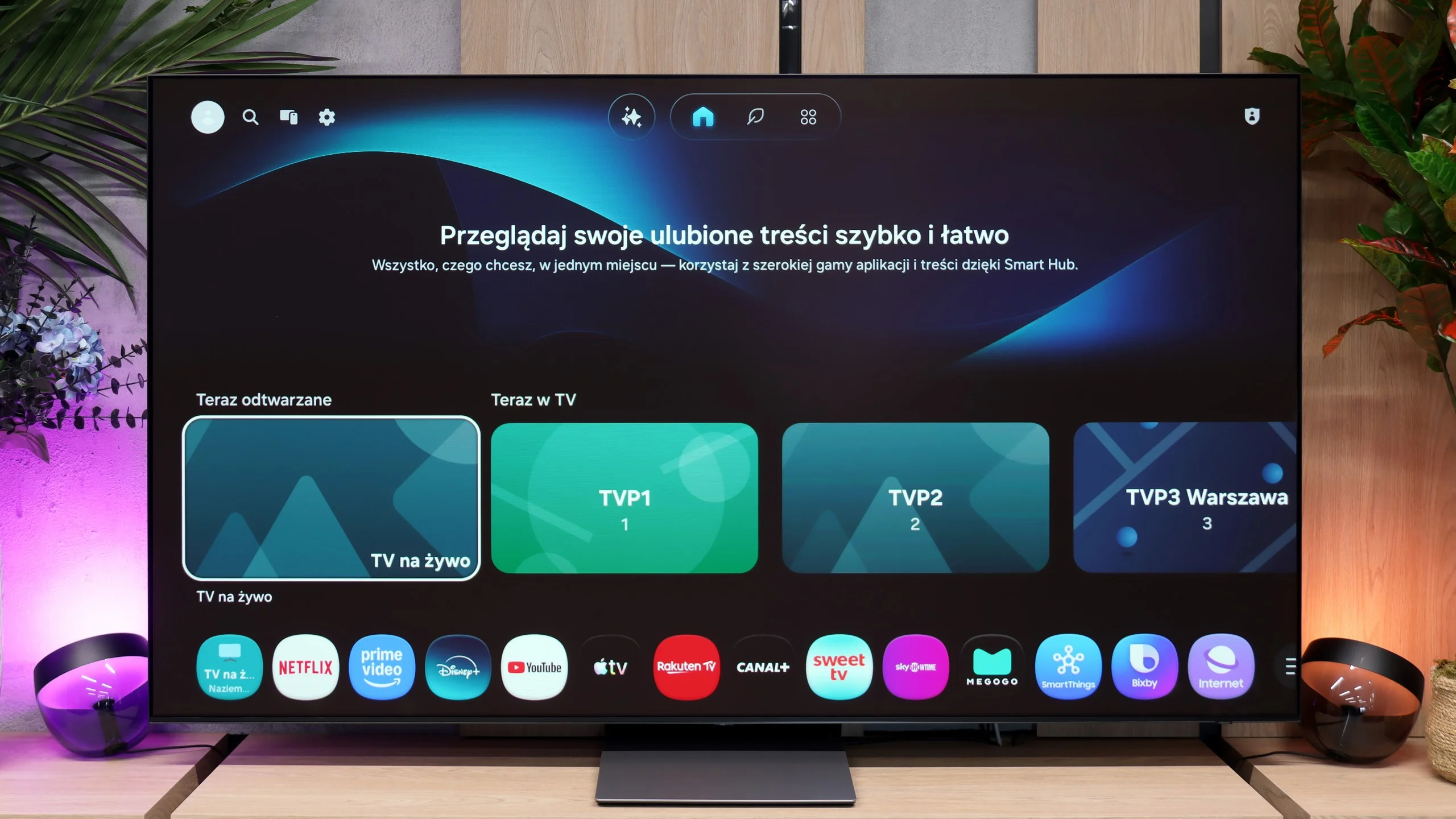
webOS System and Smart Features

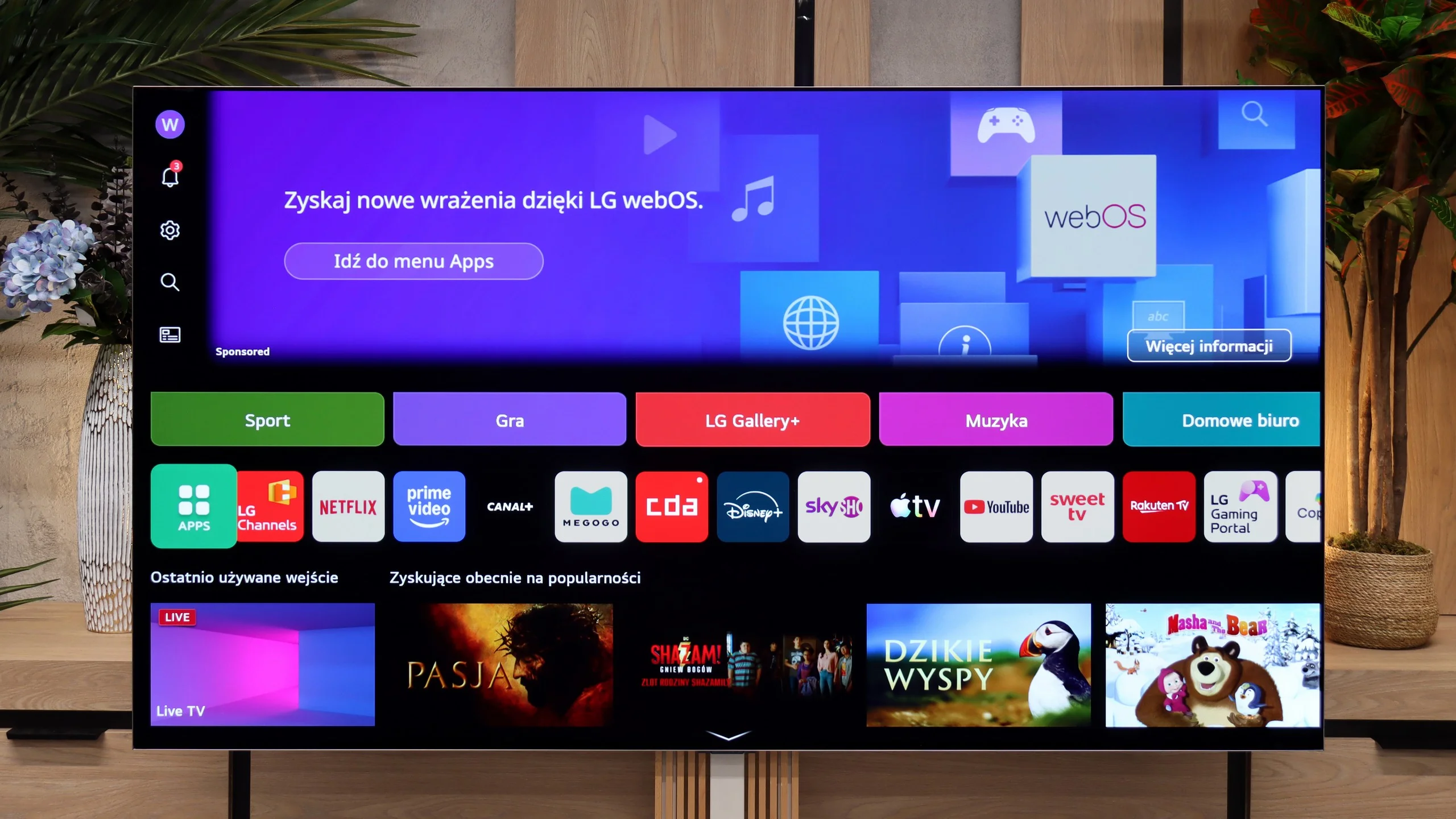
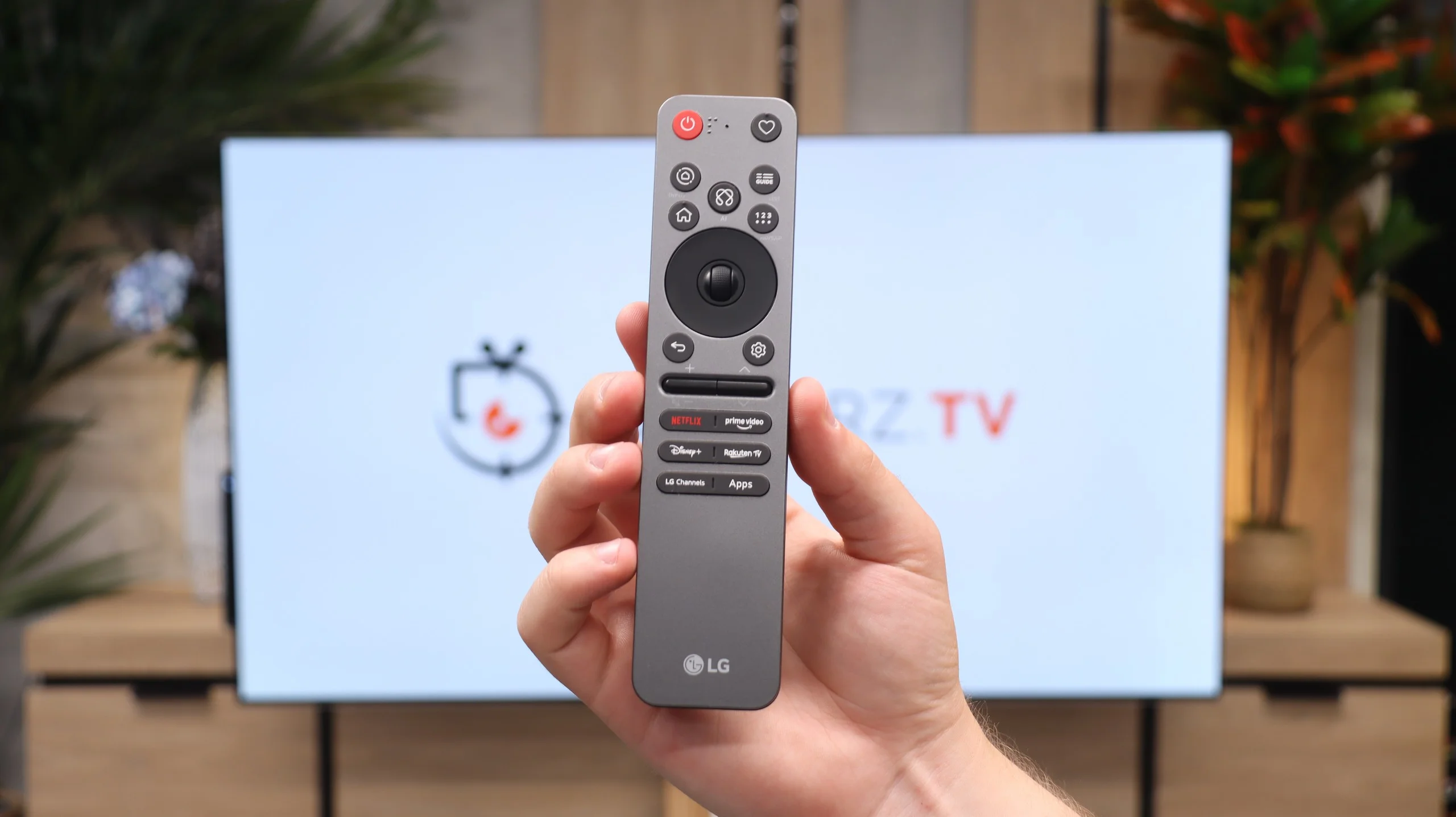
The TV runs on the latest version of the webOS system. Although it is a closed platform, it supports absolutely all the key streaming applications on the market. You can also easily access useful wireless connectivity features, such as built-in Chromecast, AirPlay, or classic screen mirroring. However, the biggest distinguishing feature of LG's platform remains the brilliant Magic remote. Although it is quite compact and lacks a physical numeric keypad, it does something that competitors still can't replicate – it works like a wireless mouse. It is equipped with a gyroscope, allowing us to move an intuitive cursor across the screen, which drastically speeds up password entry and navigation through the menu. Additionally, LG has one of the best voice assistants for device control, and this combination with the Magic remote offers great possibilities for smoothly navigating the system. The only thing that can be quite annoying here is the intrusive ads and sponsored tiles that LG increasingly clutters the main screen of the system with. Nevertheless, the absence of Google TV is no drawback for the G6 – given the smooth operation of webOS, it can even be considered an advantage.

Features for Traditionalists

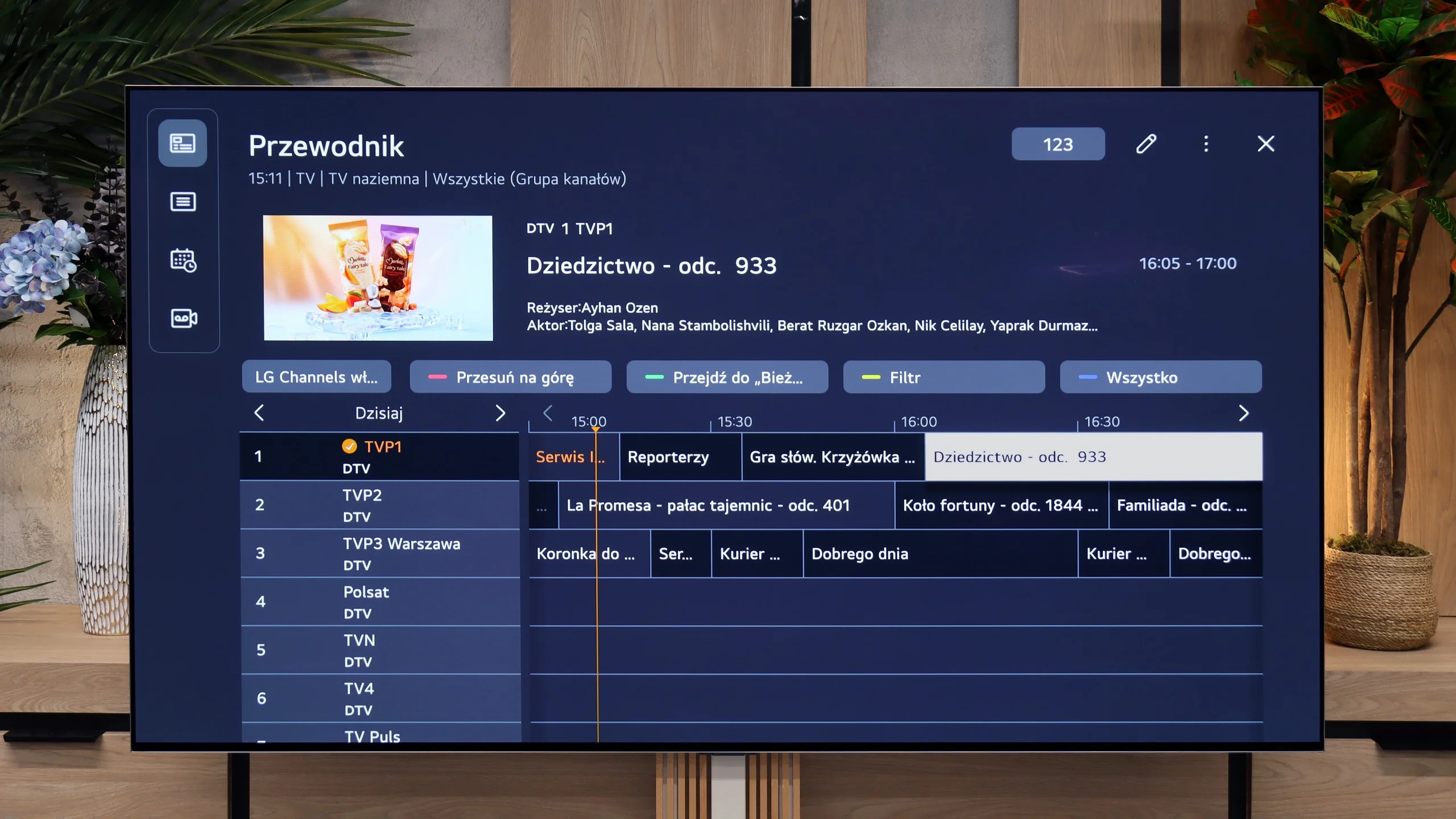
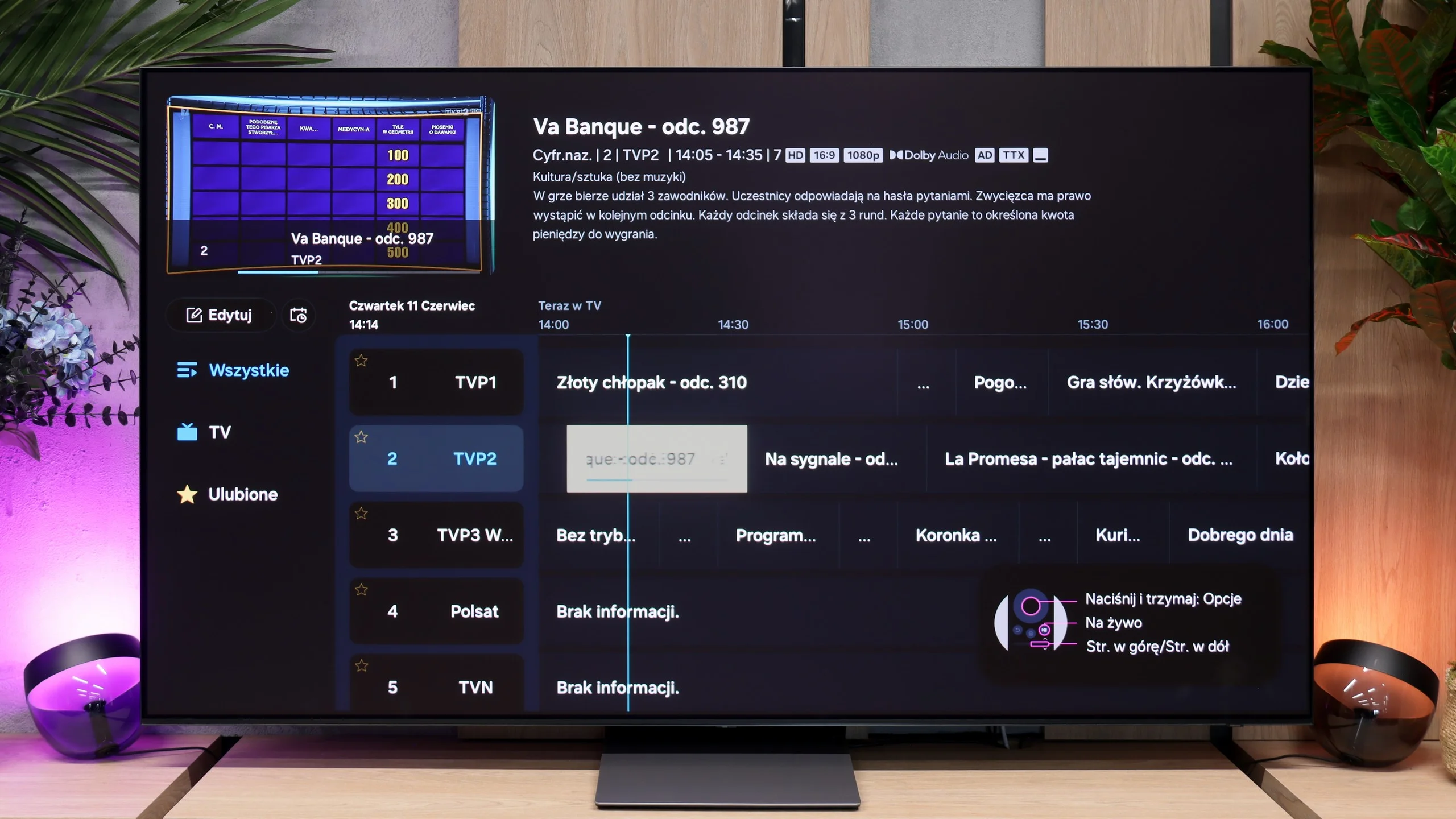
In terms of traditional television, the LG G6 also performs excellently and does not forget about traditional users. Despite the minimalist remote, there are plenty of useful solutions on board. The manufacturer has not given up on the PVR function, which allows for recording programs from built-in tuners directly to external USB storage or a hard drive. There is also an efficiently working TimeShift for pausing live television and the option to schedule recordings. These features may prove to be a perfect fit during the upcoming World Cup matches when games will be played late in the evening and we may not be able to watch them live. Of course, standard features are also included, such as the ability to connect wireless headphones via Bluetooth.

Traditional television

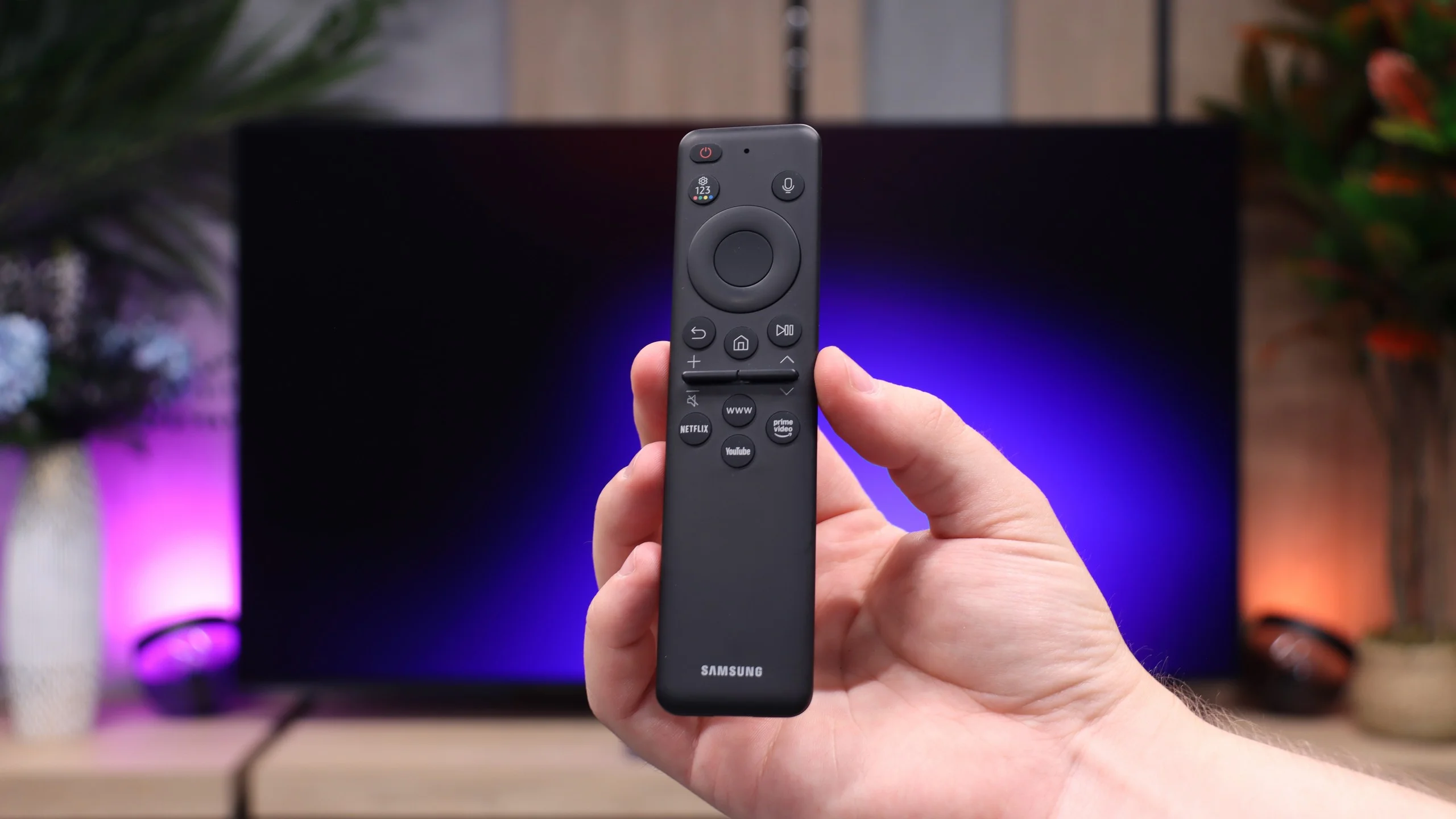
When it comes to ordinary cable or an over-the-air antenna, Samsung hasn't reinvented the wheel. Putting the whole AI layer aside, the user mostly gets the same thing as last year. The TV simply does its job: it switches channels smoothly, has a tuner and a CI module slot, so in many cases you can do without an external decoder. Teletext is still available. The compact remote is also worth praising; its biggest advantage is RF connectivity, meaning you don't have to point it directly at the TV to change something. The problem is that practically every competitor offers most of these things today, and the S90H doesn't bring anything particularly special to the table. What's more, the manufacturer took a small step back. The S90 series has lost the PiP function, picture-in-picture. If you were used to glancing at the news in the corner of the screen while watching another program, you can't do that here. A shame.

Smart TV: Tizen

While there's little excitement in traditional TV, the Tizen system for 2026 is absolutely top-tier. Again putting AI features to one side, the main point is this: the system is simply lightning-fast. Response to remote commands is instantaneous, and when navigating menus there are no slow animations or annoying stutters. Although it doesn't use Google TV, the app library is very broad. It includes virtually all the major VOD streaming platforms, so there's little real cause for complaint in that regard. Fans of gaming without a console will also be happy, because Samsung has significantly expanded the cloud gaming section, offering access to the main streaming services directly from the TV. As a Smart TV, the S90H is simply a very complete and exceptionally fast device.

Apps

9.1/10

9.3/10

OK
Disney_Plus
OK
Amazon_Prime_Video
OK
Player_TVN
OK
Polsat_Box_Go
OK
Canal_Plus_Online
OK
TVP_VOD
OK
Apple_TV_Plus
OK
SkyShowtime
OK
Rakuten
OK
CDA_Premium_Browser
OK
Spotify
OK
Tidal
OK
Netflix
OK
YouTube
OK
HBO_MAX
No
Kodi
OK
Apple_music
No
Eleven_sports
OK
Xbox Game Pass
OK
GeForce NOW
OK
Amazon Luna

OK
Boosteroid
No
Steam Link
OK
Disney_Plus
OK
Amazon_Prime_Video
OK
Player_TVN
OK
Polsat_Box_Go
OK
Canal_Plus_Online
OK
TVP_VOD
OK
Apple_TV_Plus
OK
SkyShowtime
OK
Rakuten

OK
CDA_Premium_Browser
OK
Spotify
No
Tidal
OK
Netflix
OK
YouTube
OK
HBO_MAX
No
Kodi
OK
Apple_music
OK
Eleven_sports
OK
Xbox Game Pass
OK
GeForce NOW
OK
Amazon Luna
OK
Boosteroid
No
Steam Link

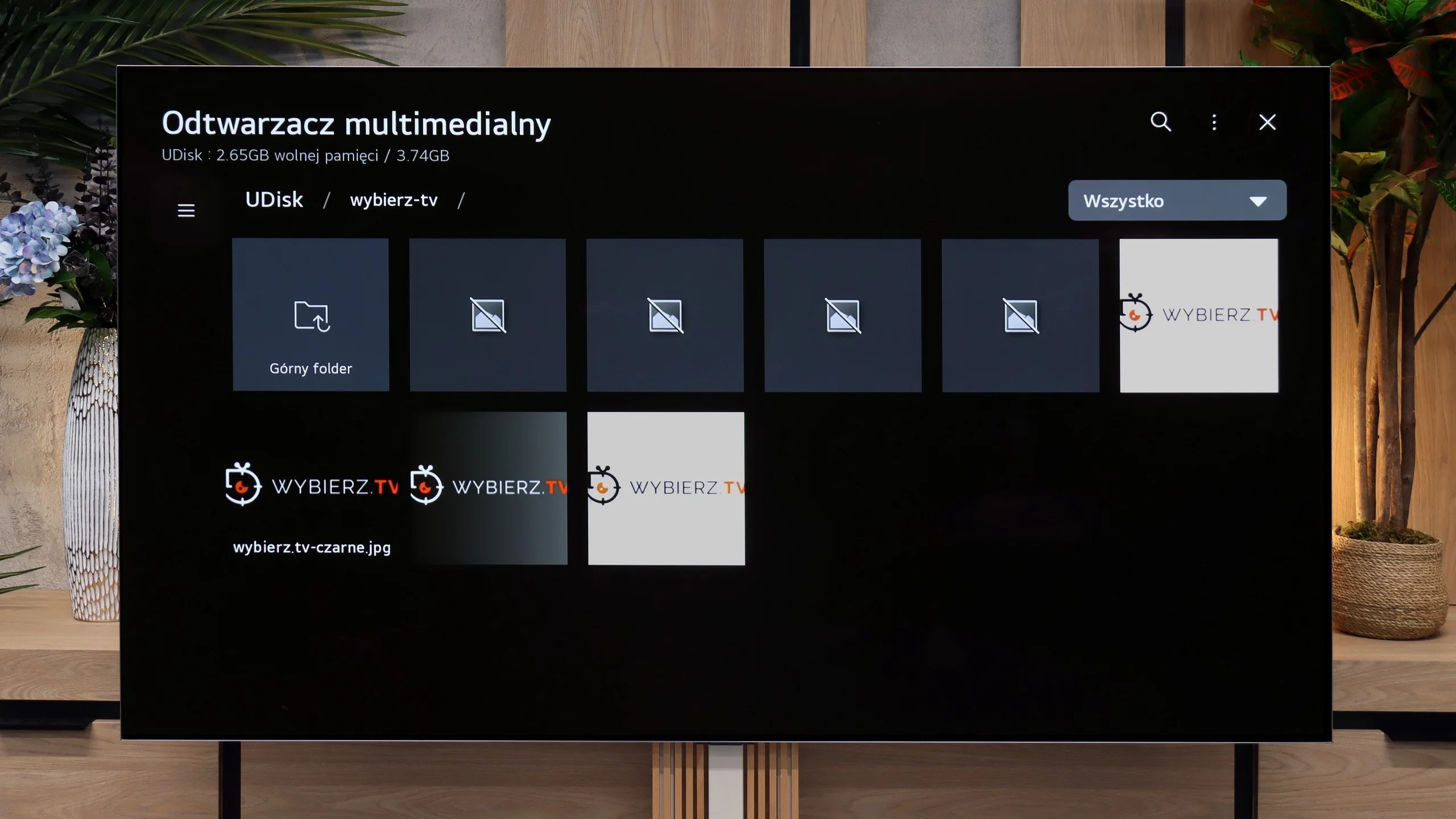
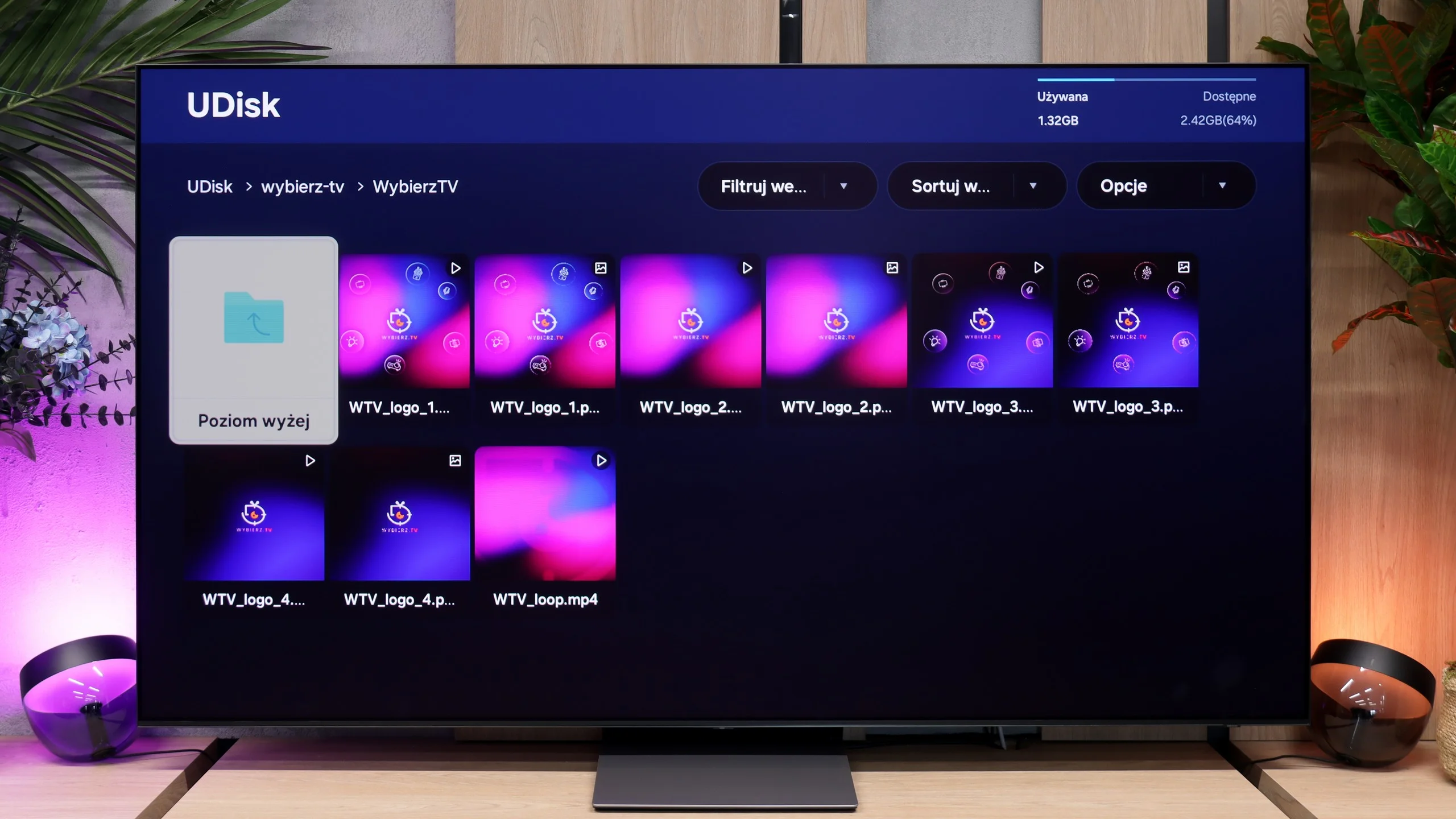
Playing files from USB

9.2/10

9.1/10

Supported photo formats:

JPEG
Yes
Yes
HEIC
Yes
No
PNG
Yes
Yes
GIF
No
No
WebP
No
No
TIFF
No
No
BMP
Yes
Yes
SVG
No
No

Maximum photo resolution:

4 Mpix
Yes
Yes
6 Mpix
Yes
Yes
8 Mpix
Yes
Yes
10 Mpix
Yes
Yes
12 Mpix
Yes
Yes
16 Mpix
Yes
Yes
20 Mpix
Yes
Yes
24 Mpix
Yes
Yes
28 Mpix
Yes
Yes
32 Mpix
Yes
Yes

The inability to install an external media player (as is the case in Android-based systems) is actually not a problem for the LG G6. The factory-installed media player works great and seamlessly supports most audio, video, or image formats that we provided from our flash drive. However, during testing, we encountered some shortcomings – specifically, a rather strange lack of support for subtitles in the popular .txt format. However, we believe that this option will quickly be added to the G6 with the next software update.
The built-in player handles most popular video, audio, and photo formats really well. Its playback capabilities are so complete that you definitely won't miss the option to install external players like VLC. However, we encountered a serious bug when trying to open HEIC photos from an iPhone. The S90H not only failed to display the files but caused the entire system to freeze. The receiver stopped responding to any of our commands, so we had to reset it (unplugging it helped). This appears to be a software flaw that needs an urgent fix in the next firmware release.

Sound

8.4/10

8.4/10

  • Maximum volume
    88dB
    89dB
  • Dolby Digital Plus 7.1
    Yes
    Yes
  • Dolby True HD 7.1
    No
    No
  • Dolby Atmos in Dolby Digital Plus (JOC)
    Yes
    Yes
  • Dolby Atmos in Dolby True HD
    No
    No
  • DTS:X in DTS-HD MA
    No
    No
  • DTS-HD Master Audio
    No
    No

Despite its very flat design, the LG G6 sounds surprisingly good. The manufacturer managed to squeeze quite nice speakers under the display, capable of producing a rather "spatial" sound – if you can even call the limited physical capabilities of the TV that 😉. The sound is clear, has decent dynamics, and is suitable for everyday viewing of news programs or series without any issues. The TV also easily supports the very popular Dolby Atmos surround sound codec.

Unfortunately, for the second year in a row, it lacks support for the DTS:X format. Regardless of what one might say, it has recently become quite unpopular in streaming services, but a top-of-the-line TV in terms of price and quality simply should not limit users in handling audio formats, in our opinion. Additionally, we have to criticize LG for somewhat downgrading the audio menu. We missed more advanced settings and predefined sound profiles, which were definitely more abundant in last year's model.

In theory the audio specification in the S90 series has stood still for years. Once again we get a 2.1 speaker system with a total power of 40 W. However, when we powered up the review unit, we were pleasantly surprised. The TV sounded noticeably better than dry specs or memories of previous models' tests would suggest. It's hard to say definitively whether that's thanks to optimizations in the sound-control software or simply the fact that the 77-inch cabinet allows slightly larger drivers and gives them a better enclosure. The facts are that the sound is fuller and more dynamic. That's a big plus for the manufacturer. Our only gripe is that it lacks support for DTS:X, which unfortunately is being offered less and less by manufacturers. Instead, there is support for the most popular format, Dolby Atmos; nevertheless, fans of physical Blu-ray releases may feel slightly let down by the absence of DTS.

Sound Quality Test

Acoustic Measurements

88dBC (Max)

75dBC

89dBC (Max)

75dBC