The LG G5 is a television that not only continues but also expands on what we loved about previous models in the G series. Instead of taking the beaten path, LG opted for a new Tandem OLED panel – and it was a stroke of genius. Picture brightness? Simply, F E N O M E N A L. HDR effect? Close to reference. Colors after calibration? Nearly perfect. Motion smoothness, low latency, and gaming features? At an absolutely top level. The G5 performs well in movies and games, day and night, whether with a decoder, console, PC, or just the remote. Of course – this is not a product without flaws. It's a pity that DTS support is lacking, the viewing angles have worsened compared to its predecessor, and the remote may vary depending on the version. But when we look at the overall picture, it's hard not to feel that this is one of the best OLED televisions available on the market, and perhaps even the best. Definitely, when it comes to its versatility and picture quality without having to reach for extremely expensive models from competitors. If you're looking for a television for everything – for cinema, gaming, a bright living room, streaming content, or connecting a computer – the LG G5 is a device that simply delivers on every front without compromise.
- Matching (Score) |
- Our verdict |
- TV appearance |
- Where to buy |
- Contrast and black detail |
- HDR effect quality |
- Factory color reproduction |
- Color reproduction after calibration |
- Smoothness of tonal transitions |
- Image scaling and smoothness of tonal transitions |
- Blur and motion smoothness |
- Console compatibility and gaming features |
- Input lag |
- Compatibility with PC |
- Viewing angles |
- Daytime performance |
- Panel details |
- TV features |
- Apps |
- Playing files from USB |
- Sound
LG OLED G5 vs TCL C8L / QM8L
 Direct comparison
G54 / G51 / G55 / LW / LS

C8L / QM8L
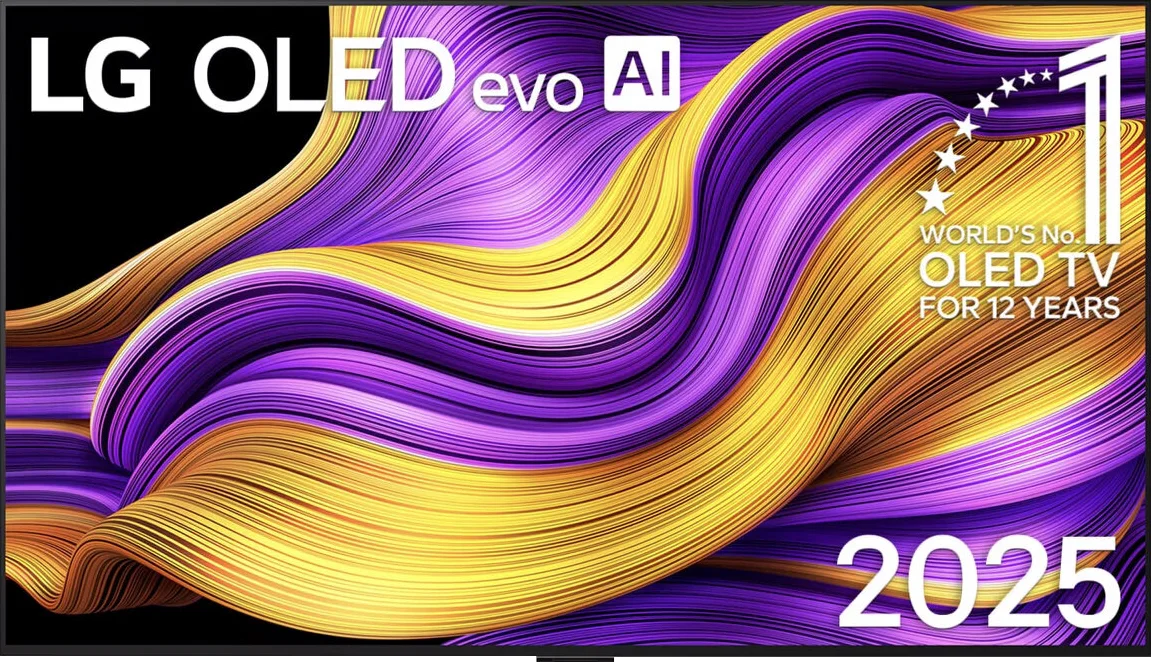
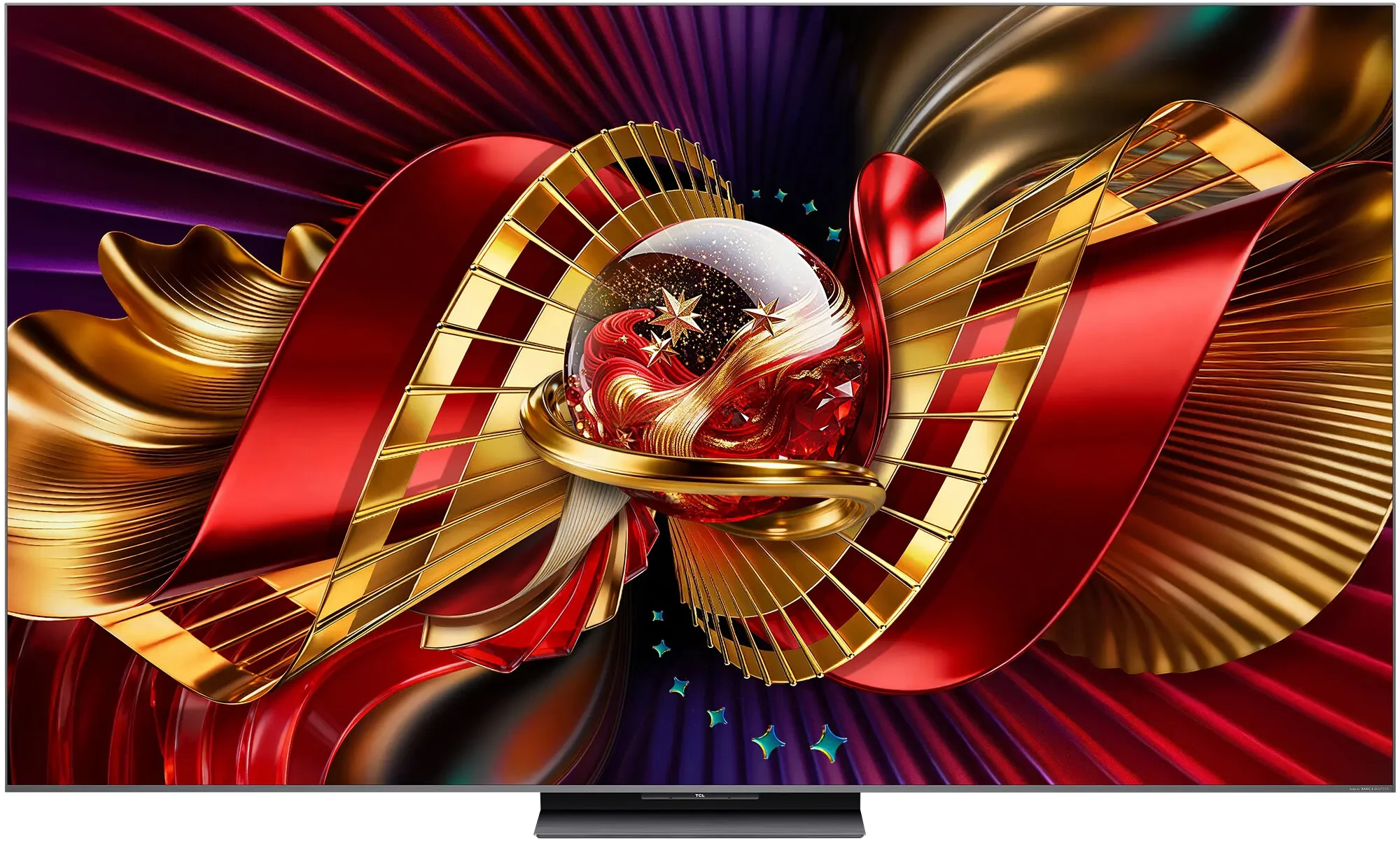
Panel type: WRGB OLED
Resolution: 3840x2160
System: WebOS
Model year: 2025
Complete the survey to find out the result
Panel type: LCD VA
Resolution: 3840x2160
System: Google TV
Model year: 2026
Complete the survey to find out the result
Overall rating
8.9
8.3
 Movies and series in UHD quality
 9.2
7.7
 Classic TV, YouTube
 9.2
7.5
 Sports broadcasts (TV and apps)
 8.8
7.2
 Gaming on console
 9.5
8.9
 TV as a computer monitor
 8.8
8.6
 Watching in bright light
 8.0
10.0
 Utility functions
 8.5
8.3
 Apps
Apps 9.1
9.6
 Sound quality
 8.7
8.1
Complete the survey to find out what fits your preferences
Advantages

Amazing black and contrast
Reference color reproduction after calibration
Very high brightness in HDR content
Outstanding cooperation with consoles and computers
Great motion fluidity - OLED panel 165Hz
Many features for gamers: VRR, ALLM, HGIG, low input lag
Excellent WebOS operating system with many applications
Superb handling thanks to the Magic remote with "cursor" function
Very deep blacks, Mini-LED backlighting
High peak brightness, results reaching nearly 5,000 nits
Excellent daytime performance, the powerful backlight easily cuts through reflections on the panel
Very good colors, new SQD quantum dots
Pentonic 800 processor, a noticeable quality jump in upscaling and the performance of digital features
Four full HDMI 2.1 ports
Great specs for gamers, extremely low input lag (below 10 ms), up to 288 Hz refresh with VRR, and support for HGiG and Dolby Vision Gaming
Google TV, the system runs fast and allows installation of a large number of apps
Good sound, audio branded by premium Bang & Olufsen
Disadvantages

No support for DTS audio format
Worse (though still good) viewing angles than the predecessor G4
Different versions of the remote in derivative models – hard to predict which version we will get
Lack of creative fidelity: the TV tends to boost brightness.
Slight ghosting
Our verdict
TCL C8L is undoubtedly one of the most intriguing Mini-LED TVs to come into our lab this year. This model stands out primarily due to its excellent price-to-capability ratio. TCL has accustomed us to aggressive pricing of its screens, but in the case of the C8 series, the manufacturer has managed to push the boundaries even further. For the amount that often allows just the purchase of mid-range models or two models like the C8K with market competitors, here we receive features and specifications equal to those of top models. A new image processor, four full HDMI 2.1 ports, support for extreme refresh rates, and impressive peak brightness thanks to a massive number of dimming zones are arguments that are hard to overlook.
However, analyzing the whole picture, we must honestly summarize the character of this TV. The C8L is a device created more for displaying "impressive" images rather than rigorously faithful ones. What do we mean by that? The software and algorithms managing the Mini-LED backlight zones have been tuned to prioritize spectacle – the image is meant to be bright, contrasty, and strikingly saturated. And what does this mean? The TV tends to interpret images autonomously rather than adhering to certain studio standards. For most users looking for "greater" emotions in movies or games, this effect will likely be an advantage. On the other hand, purists and fans of perfectly natural images (like us 😉) may consider this behavior too aggressive and not in line with the director's intent. Therefore, we leave the final assessment on this issue to you.
Overall, despite this specificity, the TCL C8L is a TV that we can, and indeed must, recommend wholeheartedly. It is primarily a premium-class product that does literally everything correctly... to the point of being painful. We would regard certain imperfections simply as characteristics of this device rather than flaws – mainly due to the technological limitations that all Mini-LED TVs from every manufacturer on the market have accustomed us to. Ultimately, the software refinement has given the new eight a great deal, making it a mature, confident, and nearly complete device.
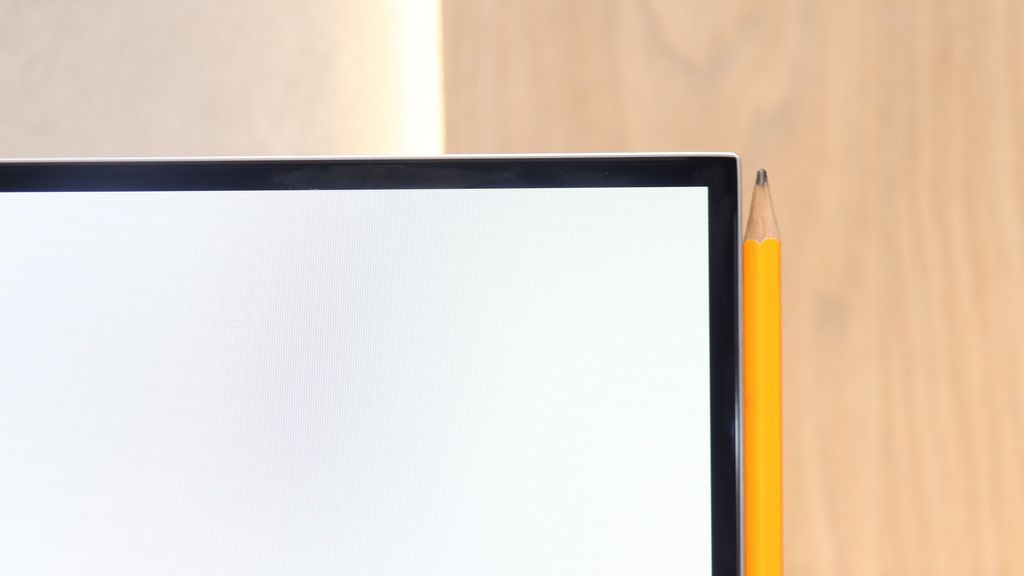
TV appearance
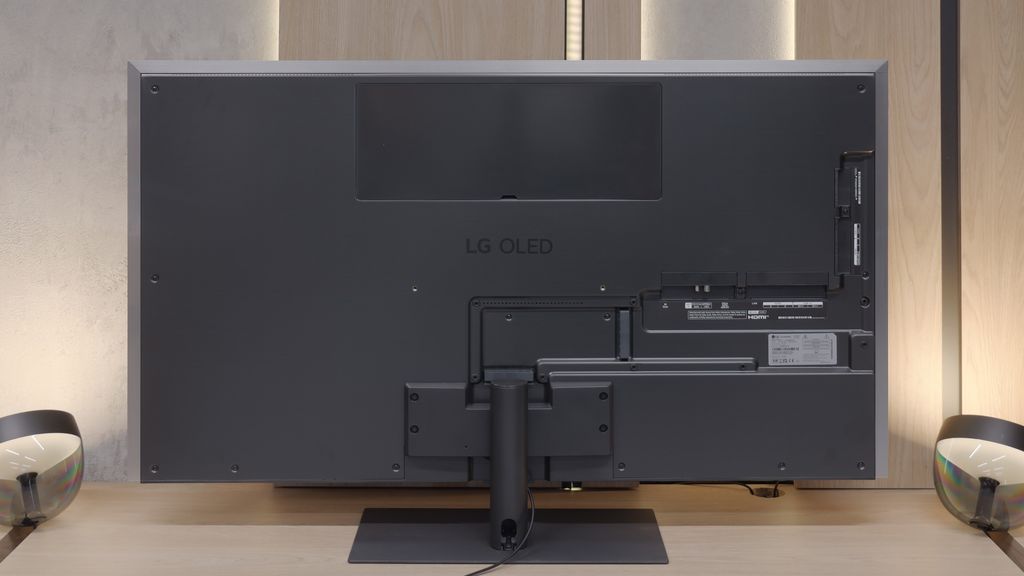
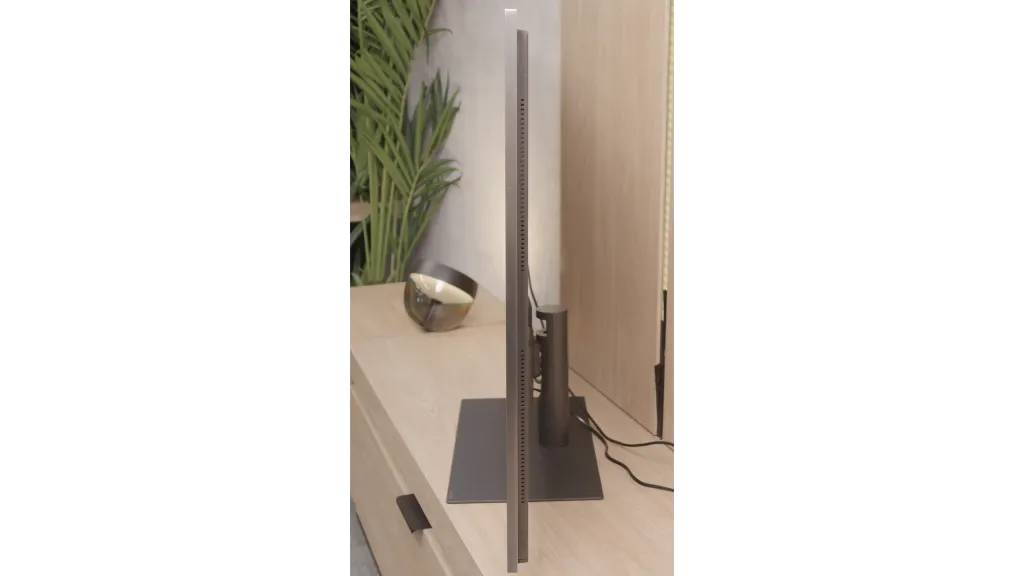
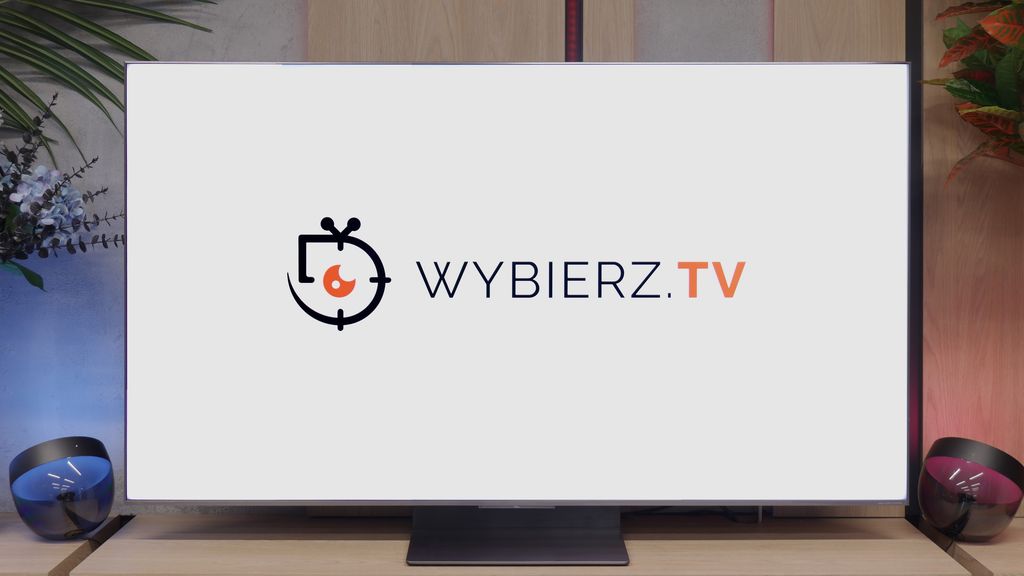
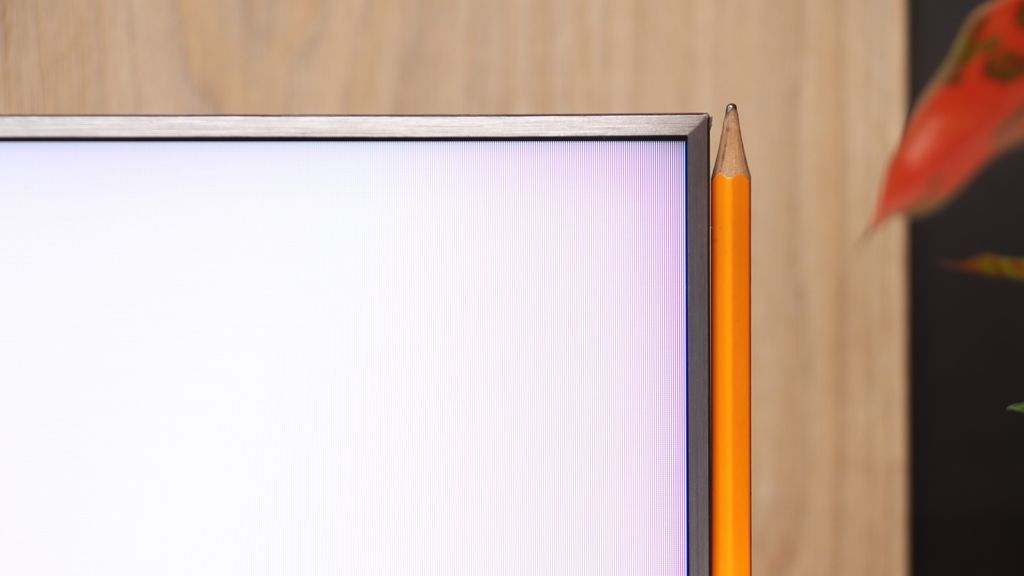
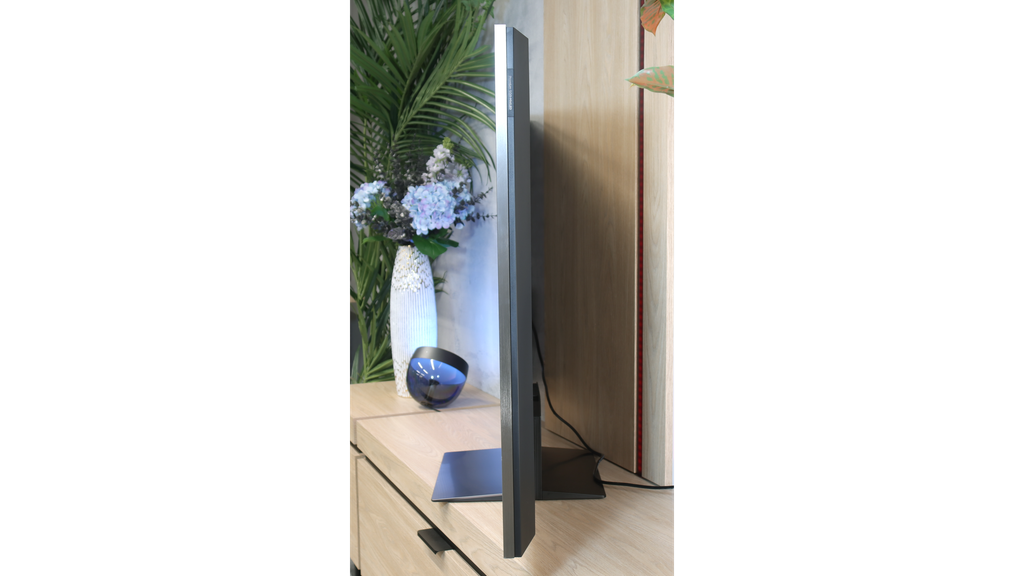
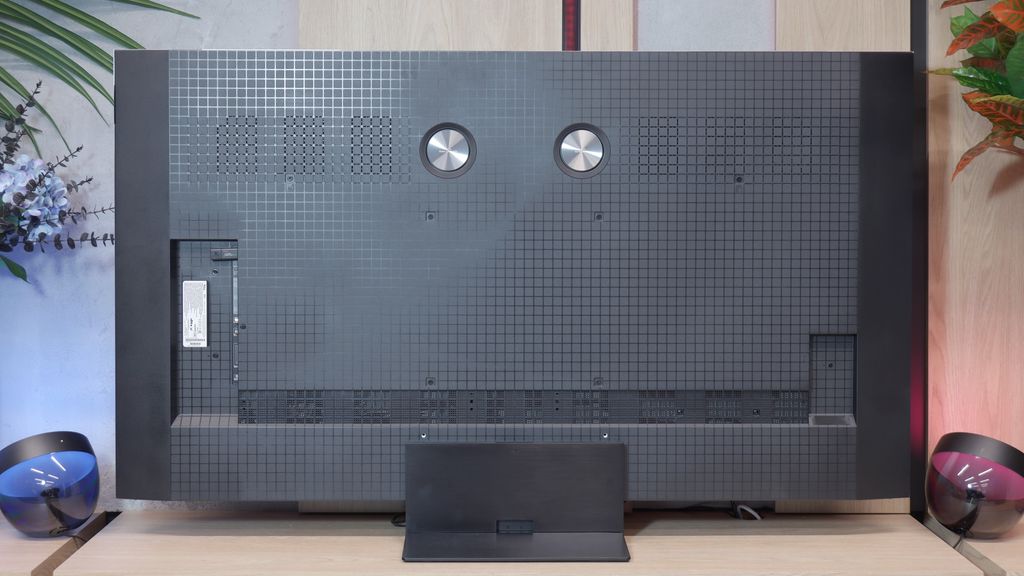

Contrast and black detail
10/10
8/10
Local dimming function: Yes, number of zones: 2040 (34 x 60)
Contrast:


Result
∞:1

Result
∞:1

Result
∞:1

Result
∞:1

Result
∞:1
Result
156,600:1
Result
59,250:1
Result
17,400:1
Result
23,650:1
Result
9,250:1
Halo effect and black detail visibility:
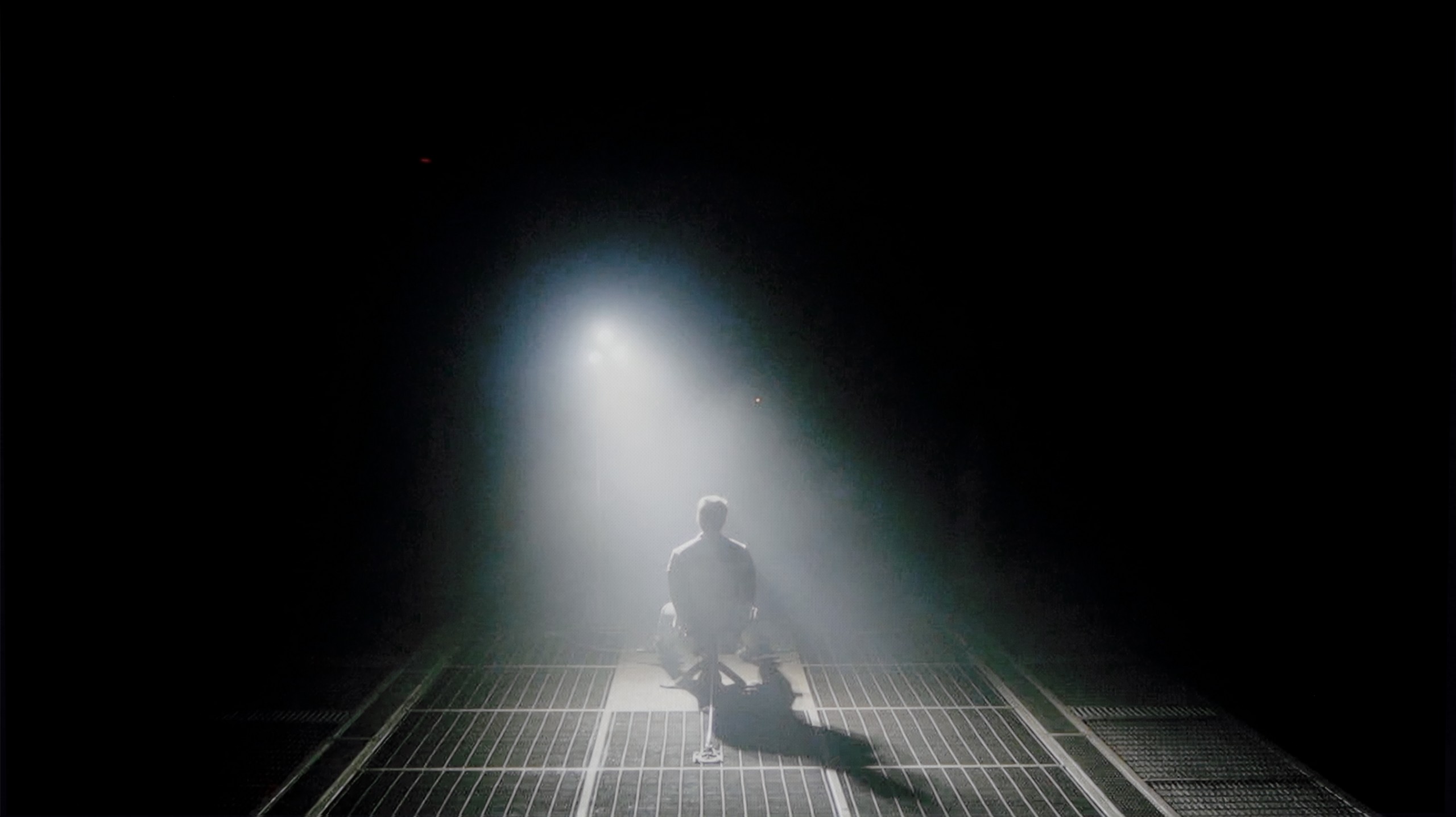
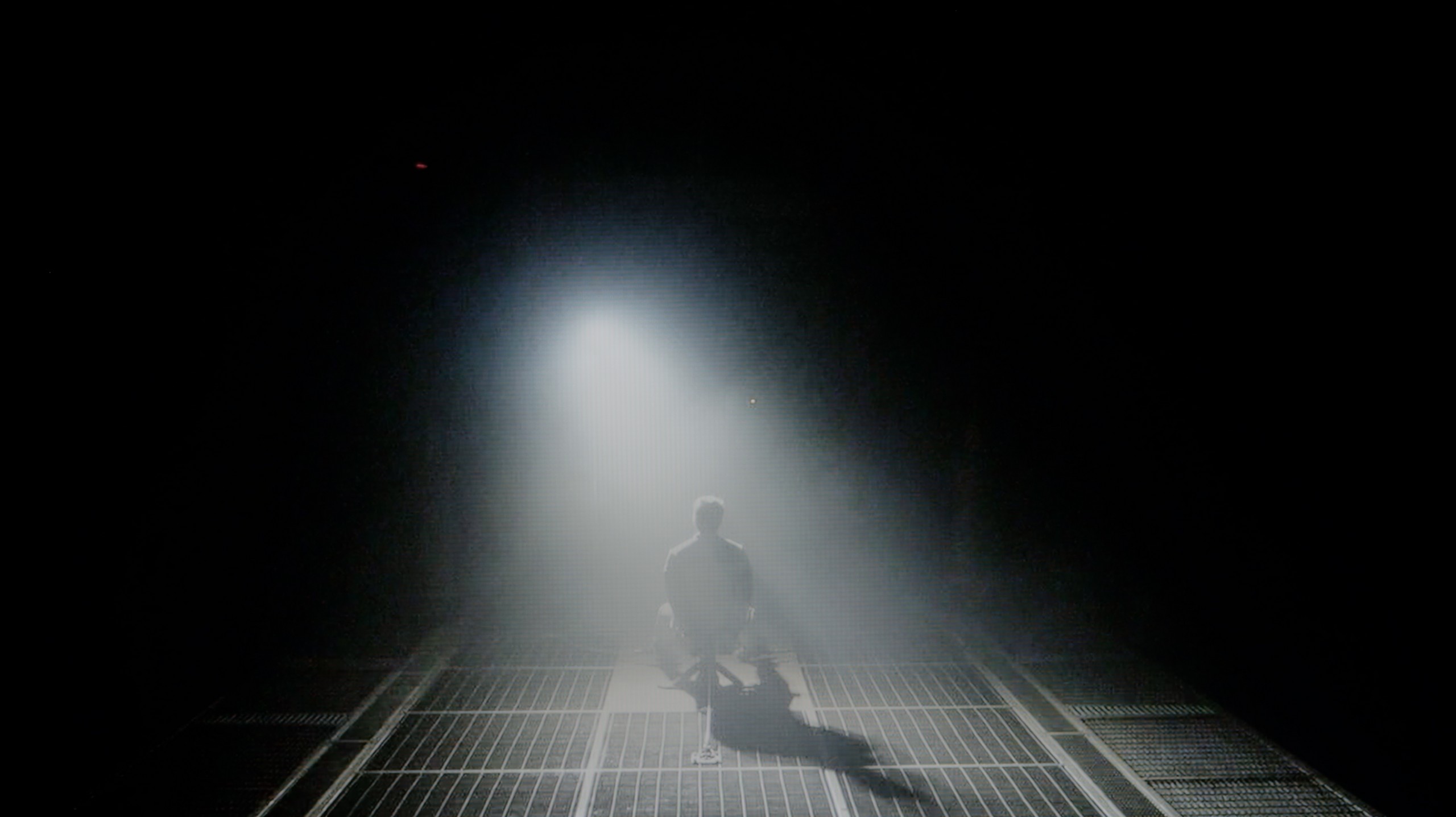
Check the visibility of bright lights on a dark background. Mini-LEDs often struggle with this. The photo does not compare black levels – that’s what the video below is for.
The video accurately shows differences in contrast and black levels between TVs, as well as potential issues: halo around bright objects or Mini-LED zone operation visible as brightness jumps.
LG G5, as befitting an OLED television, impresses with its contrast and black quality. In scenes with a lot of dark areas, the screen looks almost perfect, offering deep, absolute black and infinite contrast – an effect that still cannot be achieved on any LCD television. The new Tandem OLED panel does not introduce any negative changes compared to previous generations – blacks are perfect regardless of the content. Watching scenes from movies like The Revenant or Oblivion, you can clearly see the excellent separation of lights, without any blooming effect or brightening of dark parts. In this category, the LG G5 deserves the highest rating.
The C8L model cannot be denied one thing: impressive specifications. In the 65-inch variant we tested, the manufacturer packed in as many as 2040 independent local dimming zones (this number obviously increases or decreases with the screen size). Such a dense packing of light points has a direct impact on black depth. The contrast we measured in movie scenes reached impressive five- and six-digit values to one, which is a remarkable result in the LCD world. Is the algorithm perfect? Not entirely. On small, bright elements displayed on a dark background, the trained eye can still notice a slight halo effect and moments when zones come to life, which is a natural feature of Mini-LED technology. Interestingly, in our test scene with the helicopter, the background was noticeably brighter than on competing screens. Unfortunately, TCL has a specific way of manipulating the brightness curve, artificially boosting some scenes, which we do not have full control over from the device menu. This is an evident issue with this model that needs to be taken into account. That said, the black level on this model will be more than satisfactory for most viewers.
HDR effect quality
9.1/10
7.3/10
Luminance measurements in HDR:

Result
2346 nit

Result
2353 nit

Result
2399 nit

Result
2353 nit

Result
2012 nit
Result
1637 nit
Result
701 nit
Result
1428 nit
Result
405 nit
Result
1728 nit
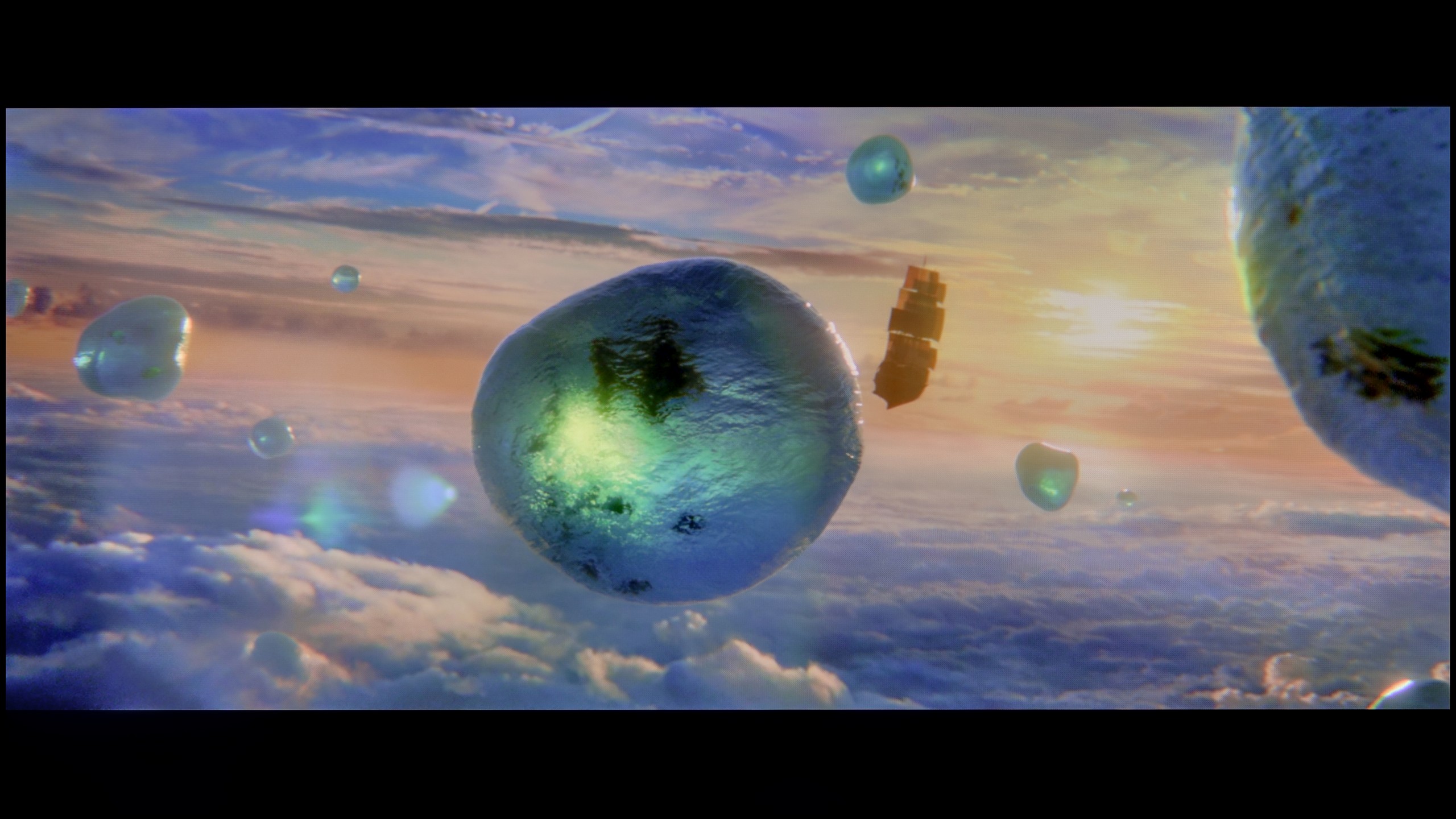
Scene from the movie “Pan” (about 2800 nits)

Scene from the movie “Billy Lynn” (about 1100 nits)
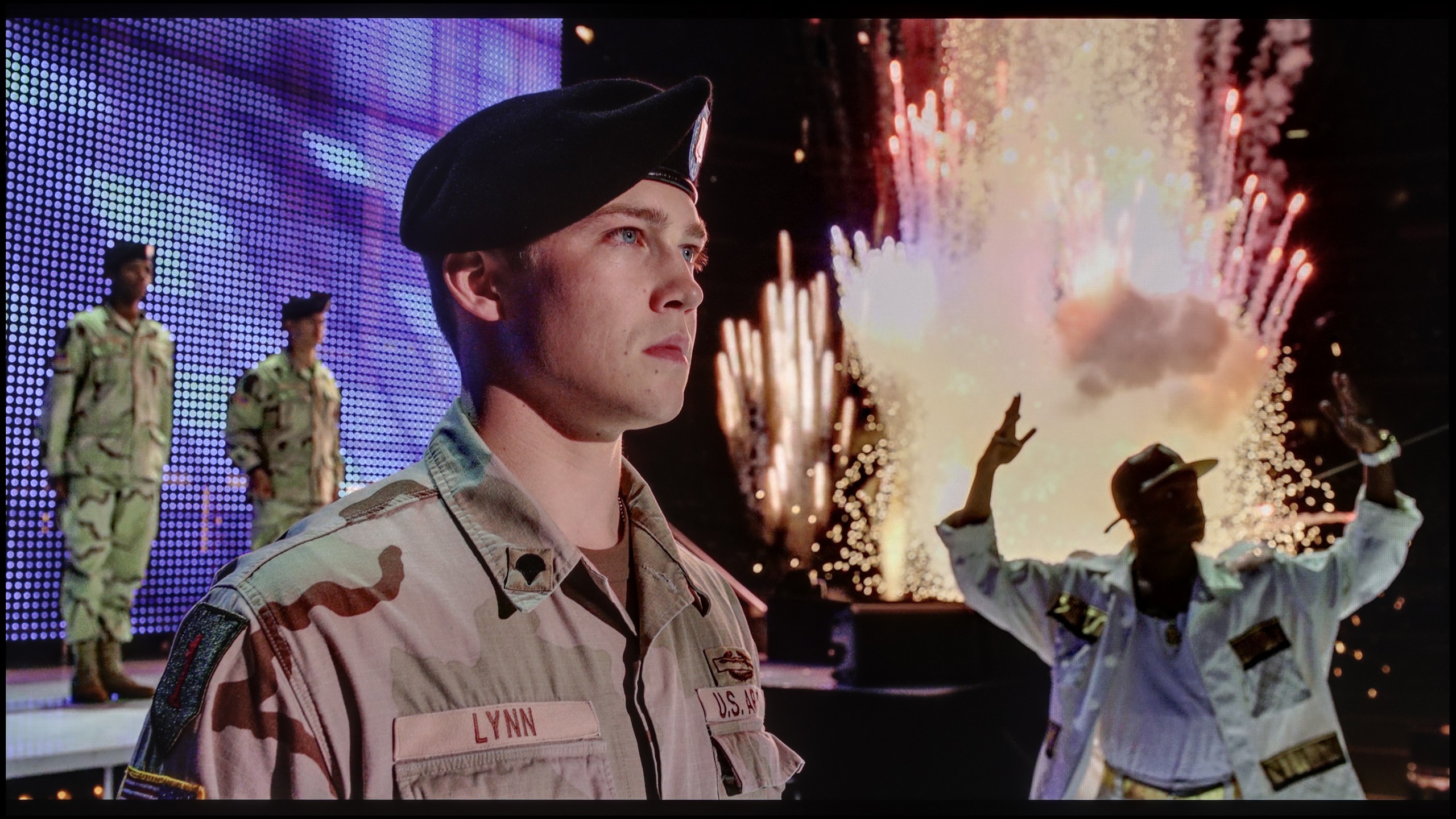
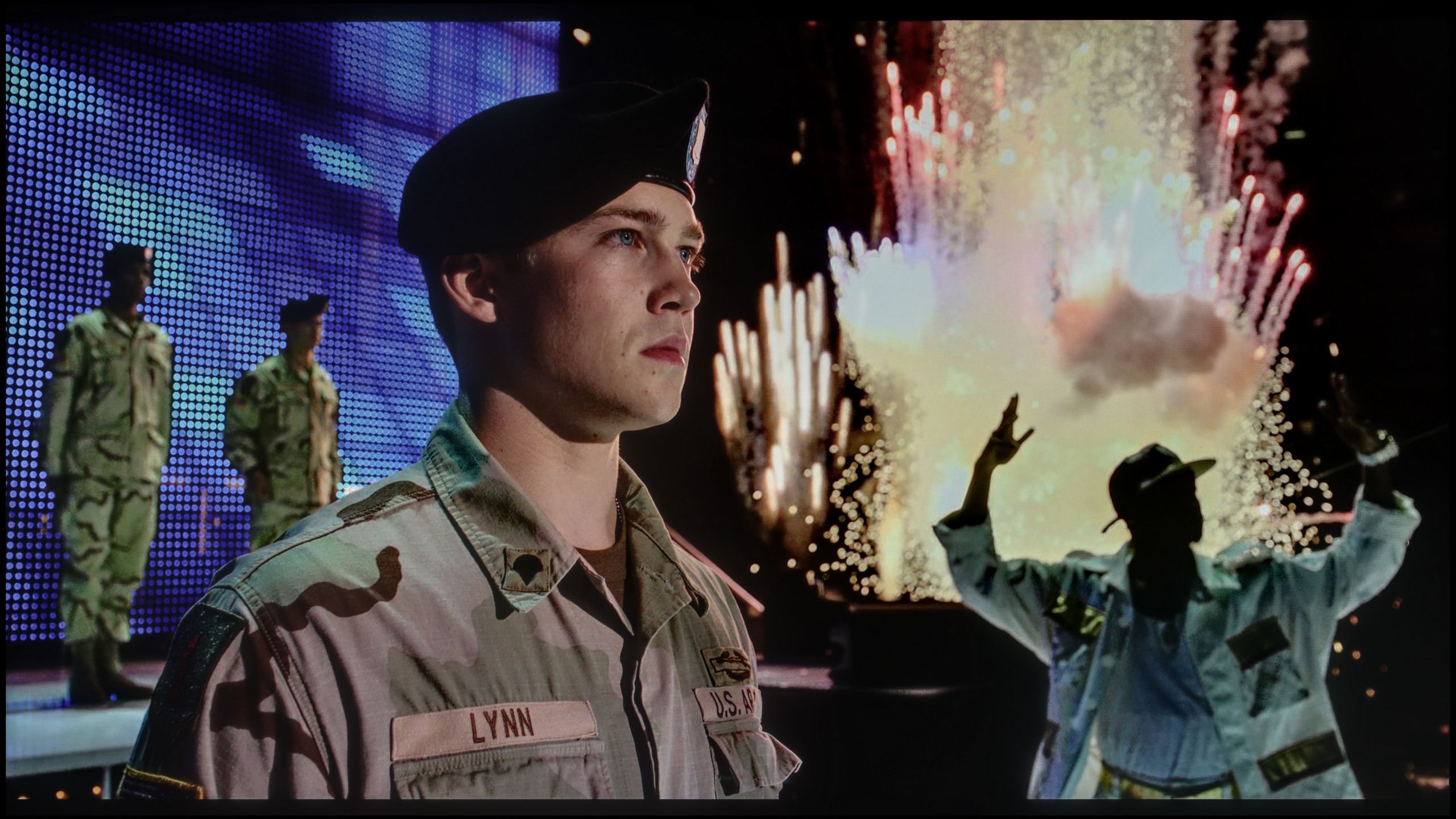
The photos show two HDR10 movies. 'Pan' is one of the brightest productions ever made, while 'Billy Lynn' (soldier) has brightness typical of streaming (Netflix, Prime, HBO MAX). Notice the intensity of effects and detail in whites.
Static HDR10


The photos present the visibility of white details in various HDR formats. They do not show brightness differences between TVs (these can be compared in the previous gallery).
Dynamic: Dolby Vision
Dynamic: Dolby Vision


The photos present the visibility of white details in various HDR formats. They do not show brightness differences between TVs (these can be compared in the previous gallery).
HDR luminance chart:
TCL C8L / QM8L
LG OLED G5
Luminance of RGB colors
LG G5 with the new Tandem OLED panel brings the biggest change specifically in terms of the brightness of the television. And it’s quite impressive. This is truly an astronomically bright OLED. In every tested scene – whether it’s point lights or full-screen whites from the movie The Meg – the brightness on the G5 exceeded 2000 nits. Just a year ago, such values on an OLED were simply unimaginable. And here we are – the G5 comes close, and at times even surpasses the best Mini-LEDs on the market. A new feature of the Tandem OLED panel is the expanded color gamut coverage – and here the LG G5 performs almost perfectly. DCI-P3 achieves a full 100%, while BT.2020 maintains around 83%. These are some of the highest values currently available on the market – it’s hard to find any other television that comes close to such results, unless we are talking about the best displays with QD-OLED panels. The G5 has nearly reference-quality HDR – both in terms of brightness and color saturation. This is an OLED that can truly shine – and not just figuratively.
In terms of HDR, the TCL C8L turns out to be a hellishly bright television – and I mean literally. On a synthetic chart of 5%, our measuring equipment indicated a result exceeding 4500 nits. This is a result that is downright cosmic, considering that reference director monitors, which we often refer to in our materials, typically operate around 4000 nits. Does this mean that the C8L breaks barriers and climbs to the technological peak of Mini-LED? Not exactly. Dry synthetic tests are one thing, and real movie images are another. In real, varied scenes, the C8L achieves a peak of around 1600 nits. This is still a very good result, ensuring a very high level of HDR dynamics, but also clearly lower than what the manufacturer boasts in the specifications. The trouble starts with very small flashes of light – then brightness can drastically drop to around 600 nits. The algorithm tries at all costs to maintain deep black and minimize halo effect, but it does so at the expense of HDR impact. This is perfect evidence that laboratory charts rarely correspond to what we ultimately see on the screen.
Huge applause is due for color reproduction, all thanks to the new generation of SQD (Super Quantum Dot) quantum dots. The coverage of the DCI-P3 palette reaches 97%, but the true jaw-dropper is the measurement of the extremely demanding BT.2020 space. The C8L achieves as much as 90% in it, placing it alongside today's top screens that boast RGB backlighting. Importantly, unlike some screens with Micro/Mini RGB backlighting, this effect is stable regardless of the scene displayed. Of course, one must remember that content mastered for such a wide gamut in films or series is still a rarity. However, the mere fact that the panel has such a "color reserve" deserves immense admiration.
Factory color reproduction
7.8/10
5.3/10
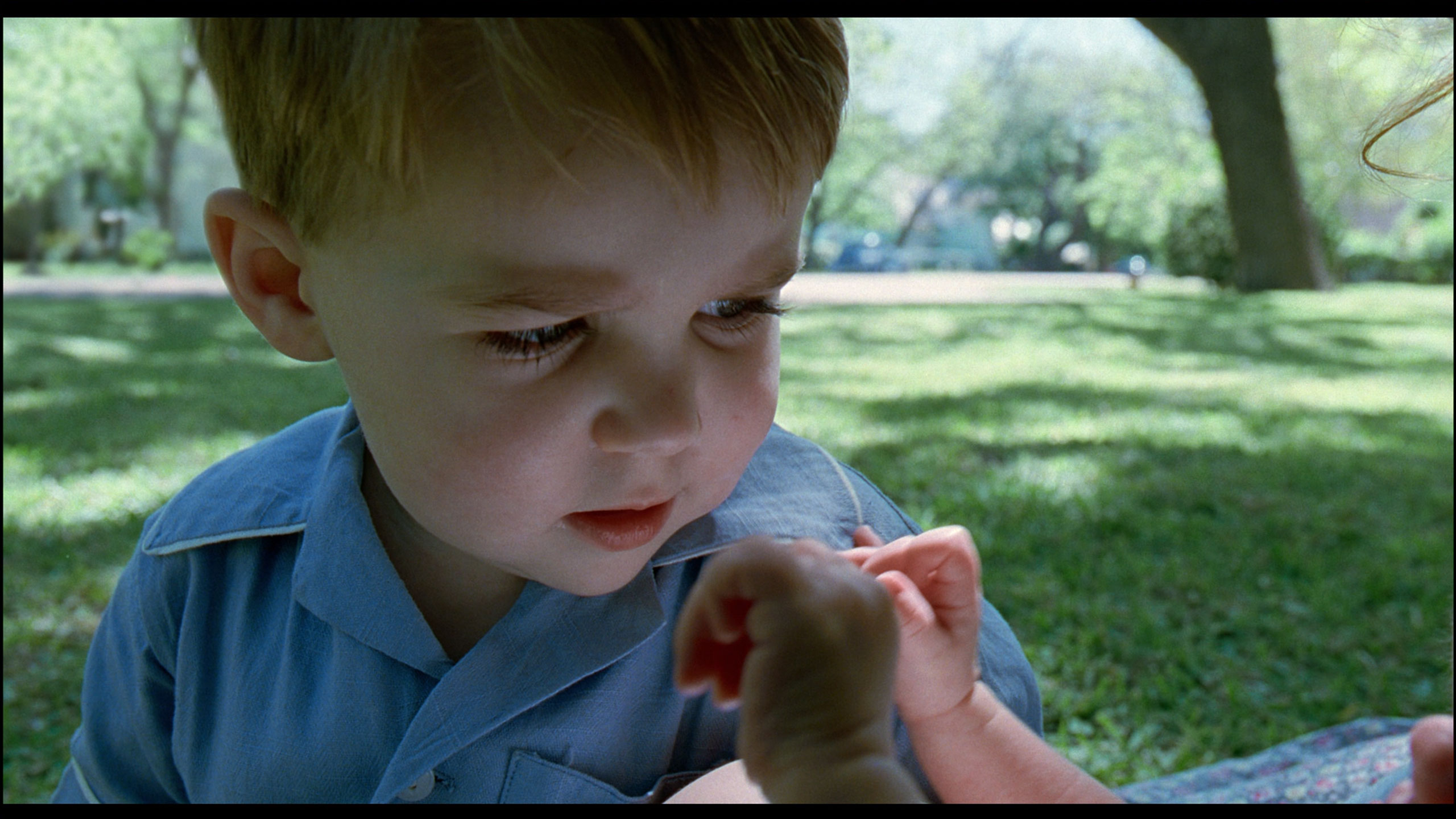
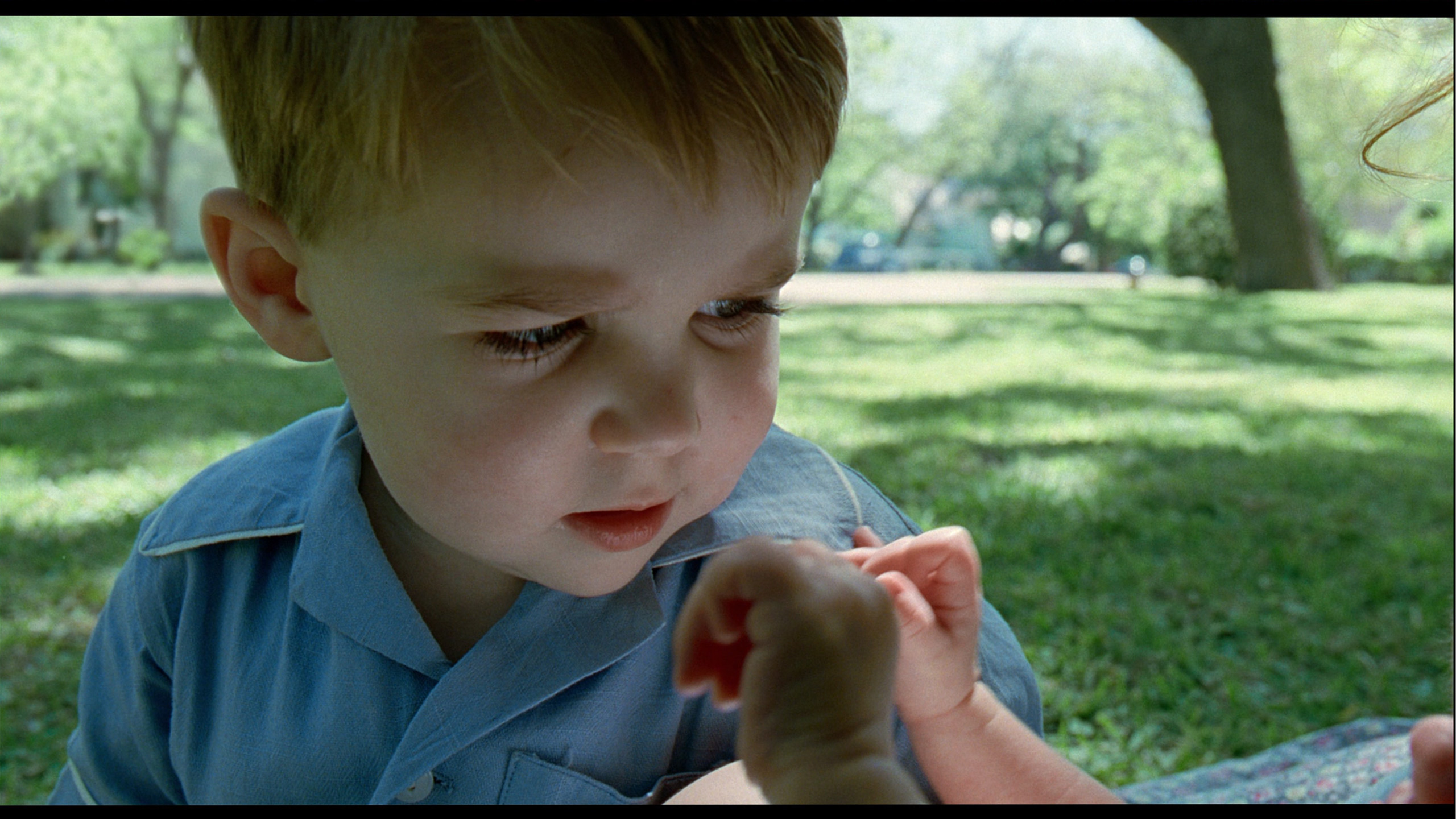
This gallery shows how colors change after professional TV calibration. If you notice the difference, we recommend ordering this service at SkalibrujTV.com.
Factory Mode
After calibration
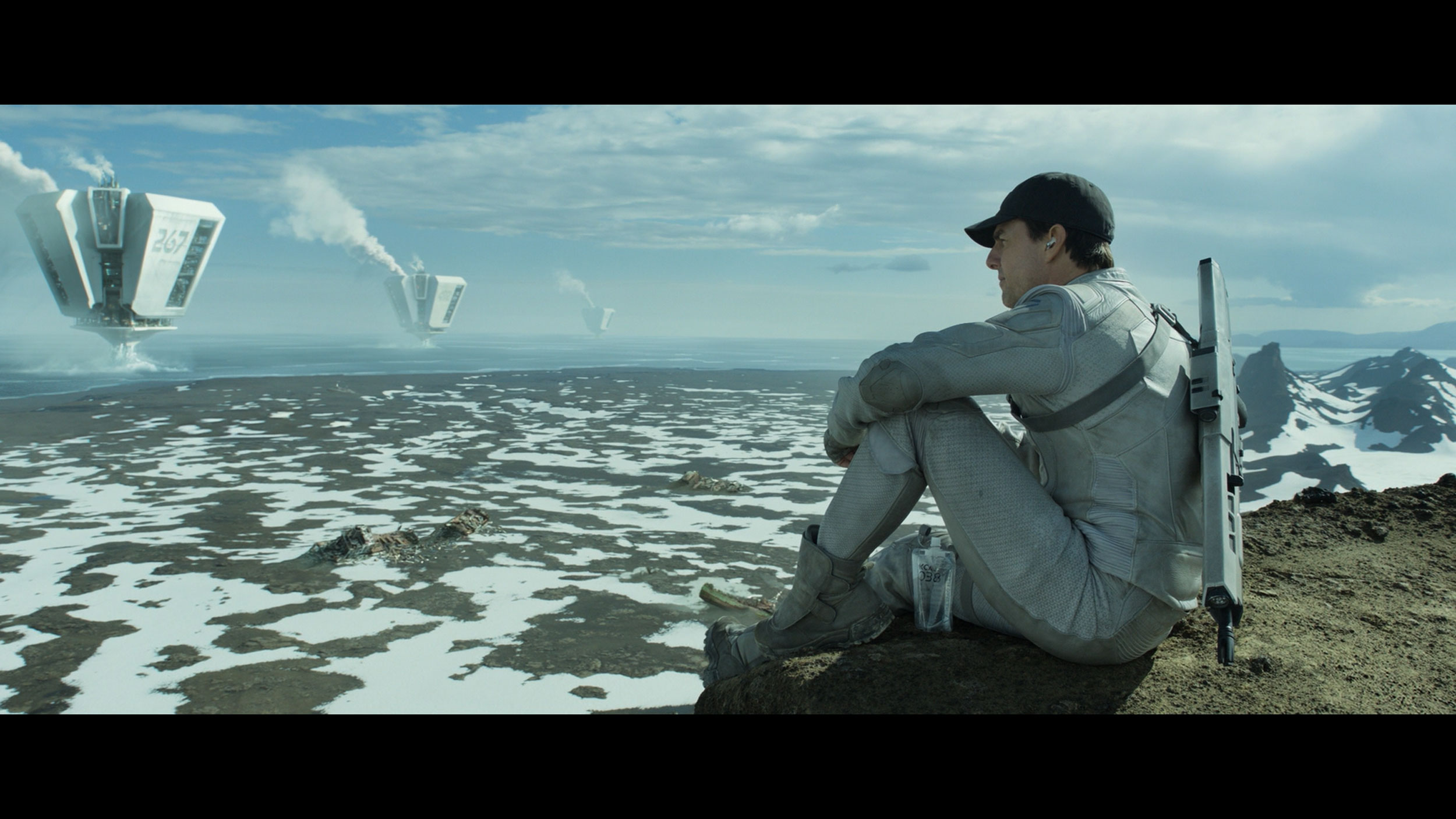
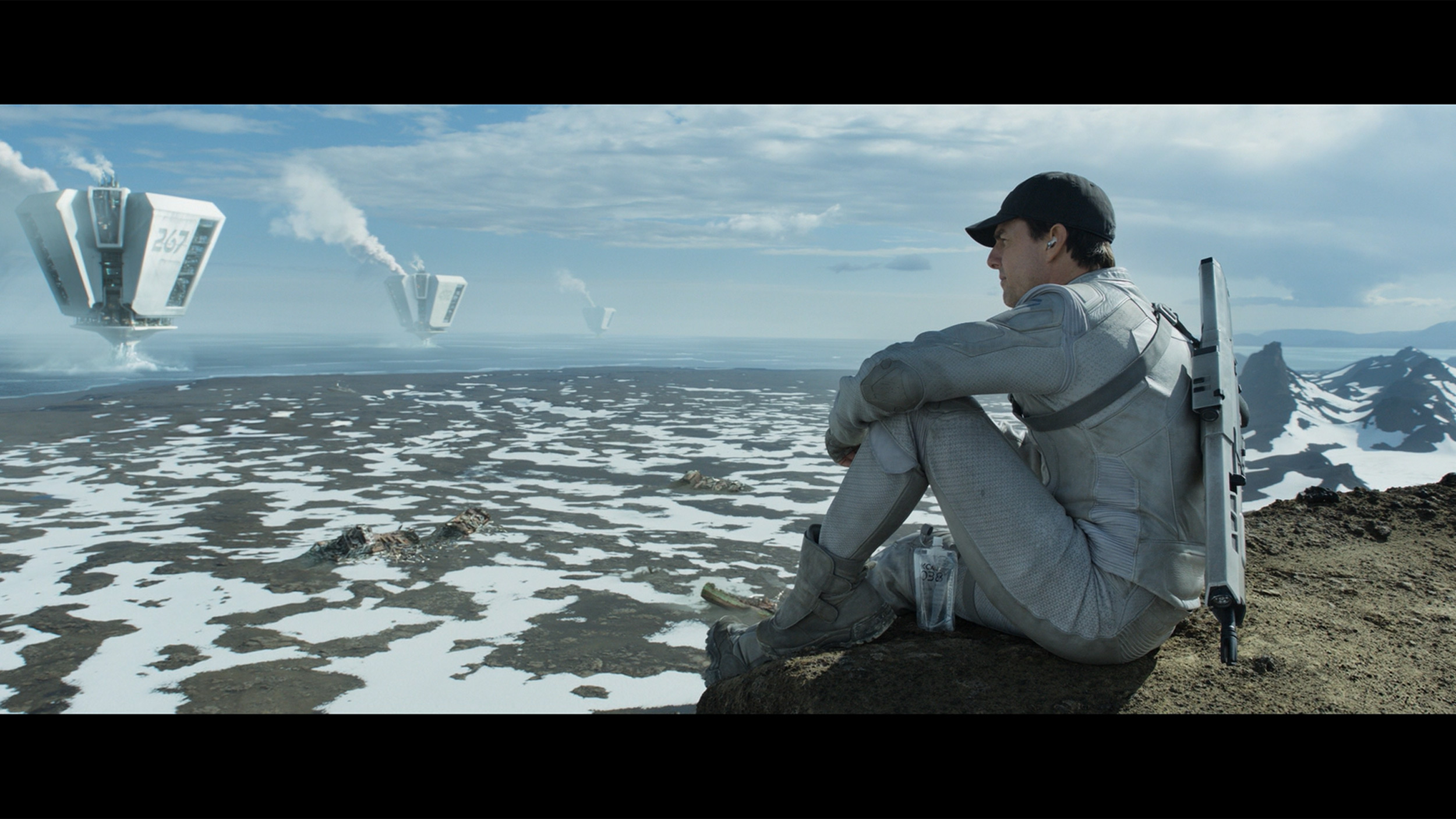
This gallery shows how colors change after professional TV calibration. If you notice the difference, we recommend ordering this service at SkalibrujTV.com.
Factory Mode
After calibration
Our test unit LG G5 struggled with some issues in the factory Filmmaker mode. And while the image might have seemed fine to most people, we knew that this TV was capable of much more. This mode had a clear excess blue tint in the white balance, resulting in a strong cooling of the image – particularly in HDR modes, where there was also a lack of red. The picture seemed cold, and its sharpness was artificially boosted and unnatural. Another significant issue was the brightness characteristic. In SDR content, the situation wasn't the worst, aside from a slight dimming of the entire image. However, it performed much worse in HDR materials – due to improper brightness management, the smallest details could completely disappear from the image, and larger, bright elements appeared overexposed and lacking gradation. Luckily, the G5 supports calibration using 3D LUT (a tool for professionals to calibrate colors), so we decided to take advantage of its professional background and see what it was really capable of. Because while it wasn't terrible even before calibration, the potential of this TV definitely deserved more.
We tested the TCL C8L in the best factory picture mode available in this TV’s menu for image fidelity. That, of course, is Filmmaker Mode, which appeared in this brand’s software relatively recently (a year ago in the "K" series). Thanks to it, an average user can get a pretty good color reproduction straight out of the box, although it is certainly not a perfectly tuned mode. Looking at the factory white balance of our unit, both in SDR and HDR material, the red component was clearly lacking, which made the image noticeably cooler and caused a slight shift toward bluish-green tints. The issue of brightness management is also ambiguous, as we mentioned earlier. While for SDR content the gamma linearity is actually correct and holds steadily at the reference value of 2.4, in HDR things look much worse. Tracking the EOTF curve clearly shows the TV has a significantly boosted brightness across the range, which can make the final image overly bright and inconsistent with the creators’ intent, and that in a mode that by definition should avoid that. Of course, like every sample in our lab, this one also underwent professional calibration, and its results are shown below.
Color reproduction after calibration
9.8/10
7.5/10
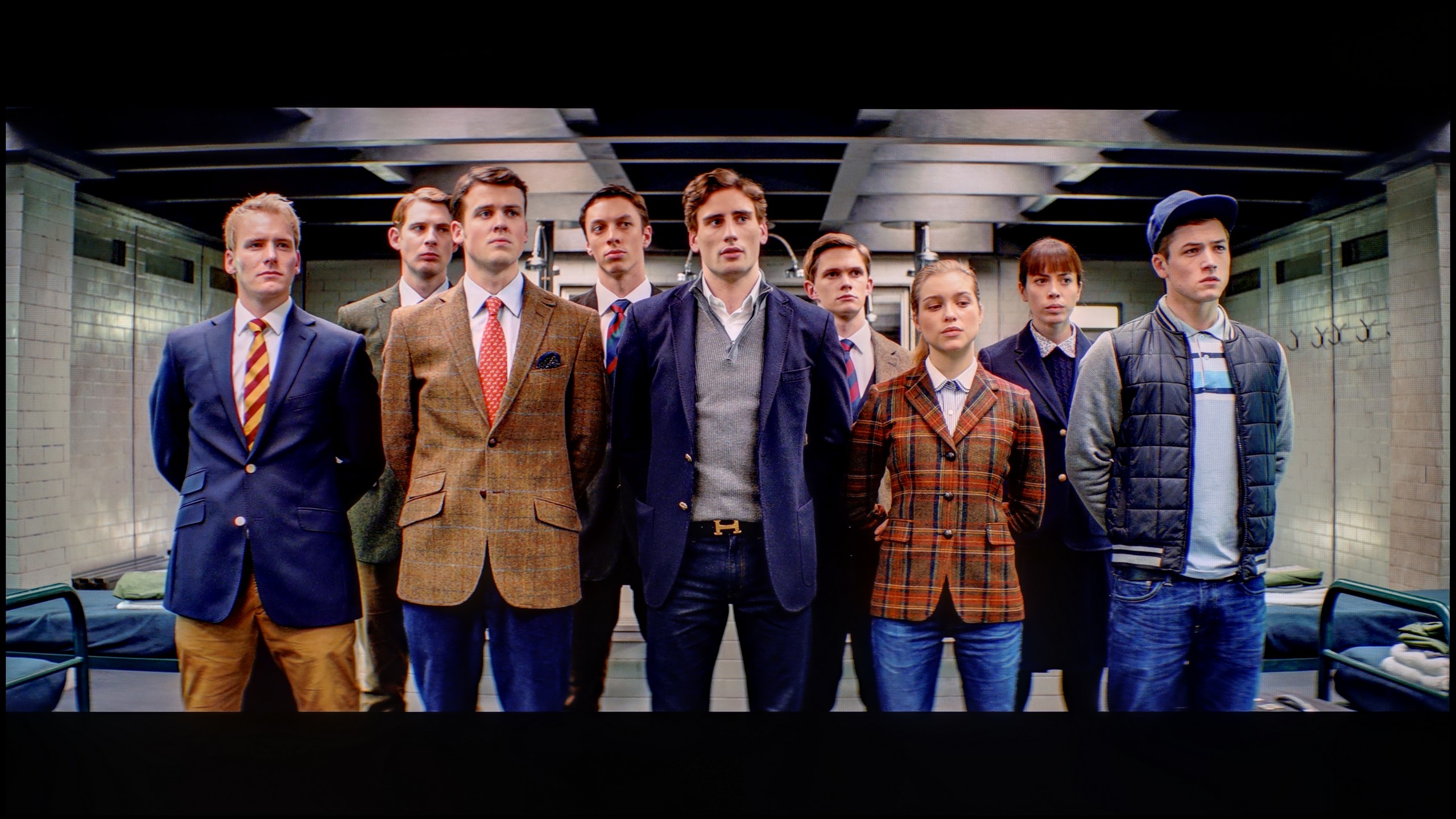
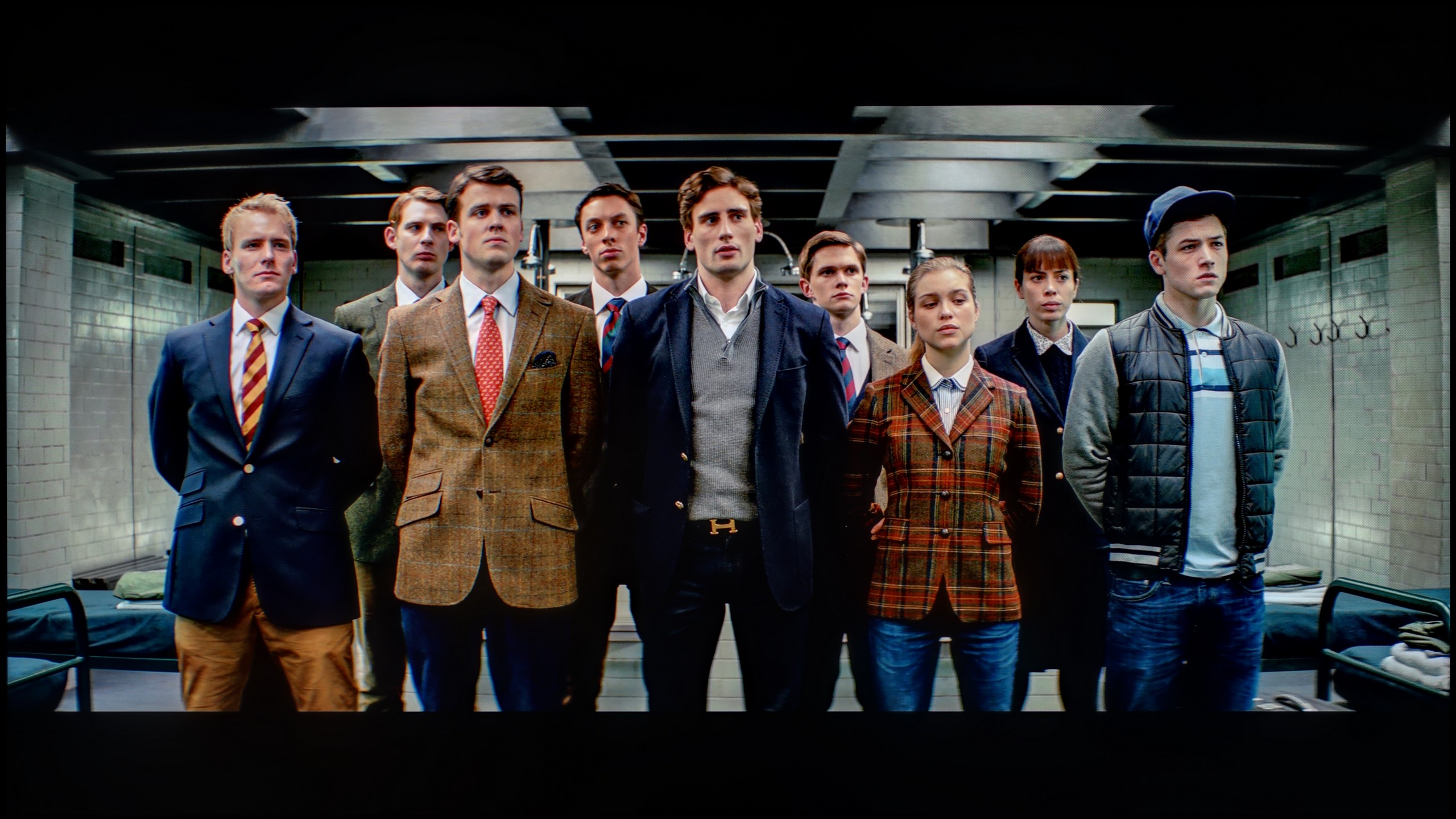
The photos show how movies look on the TV. Pay attention to black detail visibility, colors, and shadow tint.
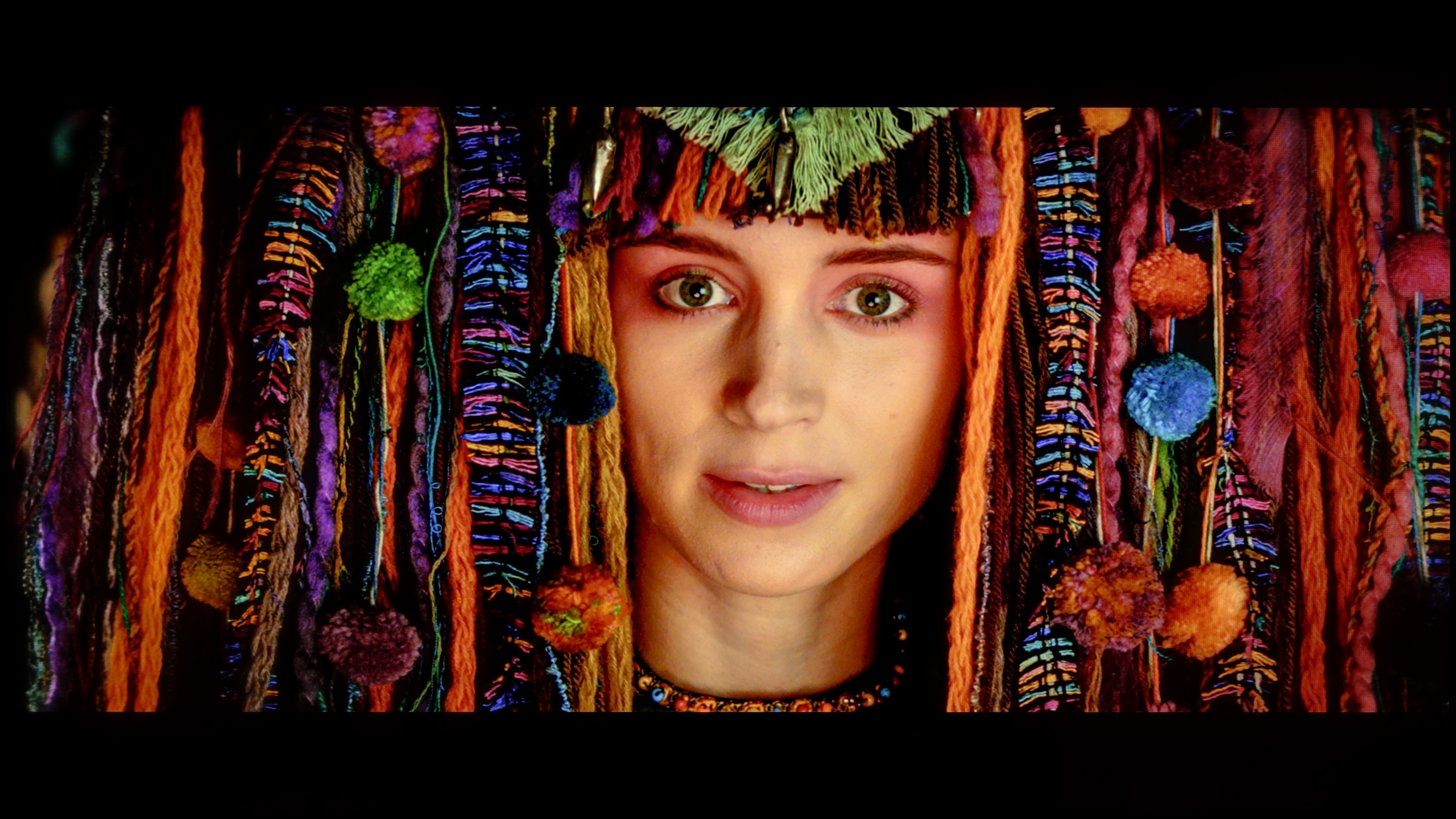

The photos show how movies look on the TV. Pay attention to black detail visibility, colors, and shadow tint.
After completing the calibration process using professional tools, we can confidently state that the LG G5 offers nearly reference-quality image. Most of the errors related to white balance and the ColorChecker test are below the value of 2, which is a phenomenal result, practically imperceptible to the human eye. And while one could still criticize that in HDR films the television tends to slightly dim the smallest elements of the image, in practice, this does not negatively affect the overall impression. Hats off to LG, because once again they provide the user with enormous possibilities for adjusting their display – and this, combined with very good parameters of the panel itself, results in an image that is truly hard to surpass.
As you can see, the results of a professional calibration of the TCL C8L are really promising, thanks to the extensive adjustment tools the manufacturer put at our disposal in the menu. Above all, we were able to completely correct the white balance — we eliminated the red deficiency, so the image finally stopped drifting toward unwanted cool tones. After that adjustment, errors in the ColorChecker test fell to near-reference levels, regularly landing below a Delta E of 2, which is below the threshold of human perception.
If the test patterns look this perfect, you might ask: why then the lower final score in this category? The answer lies in the brightness management discussed earlier. Although the menu includes sliders that let you precisely straighten the EOTF curve on synthetic signals, when confronted with actual movie material (I recommend enabling the EOTF filter when watching movies), you can see that in most scenarios the TV still reacts to HDR metadata its own way. As a result, the picture can be slightly over-brightened and not faithful to the creators' intent, and it was precisely this lack of consistency with real films that cost the C8L a few points.
Smoothness of tonal transitions
8.5/10
9/10
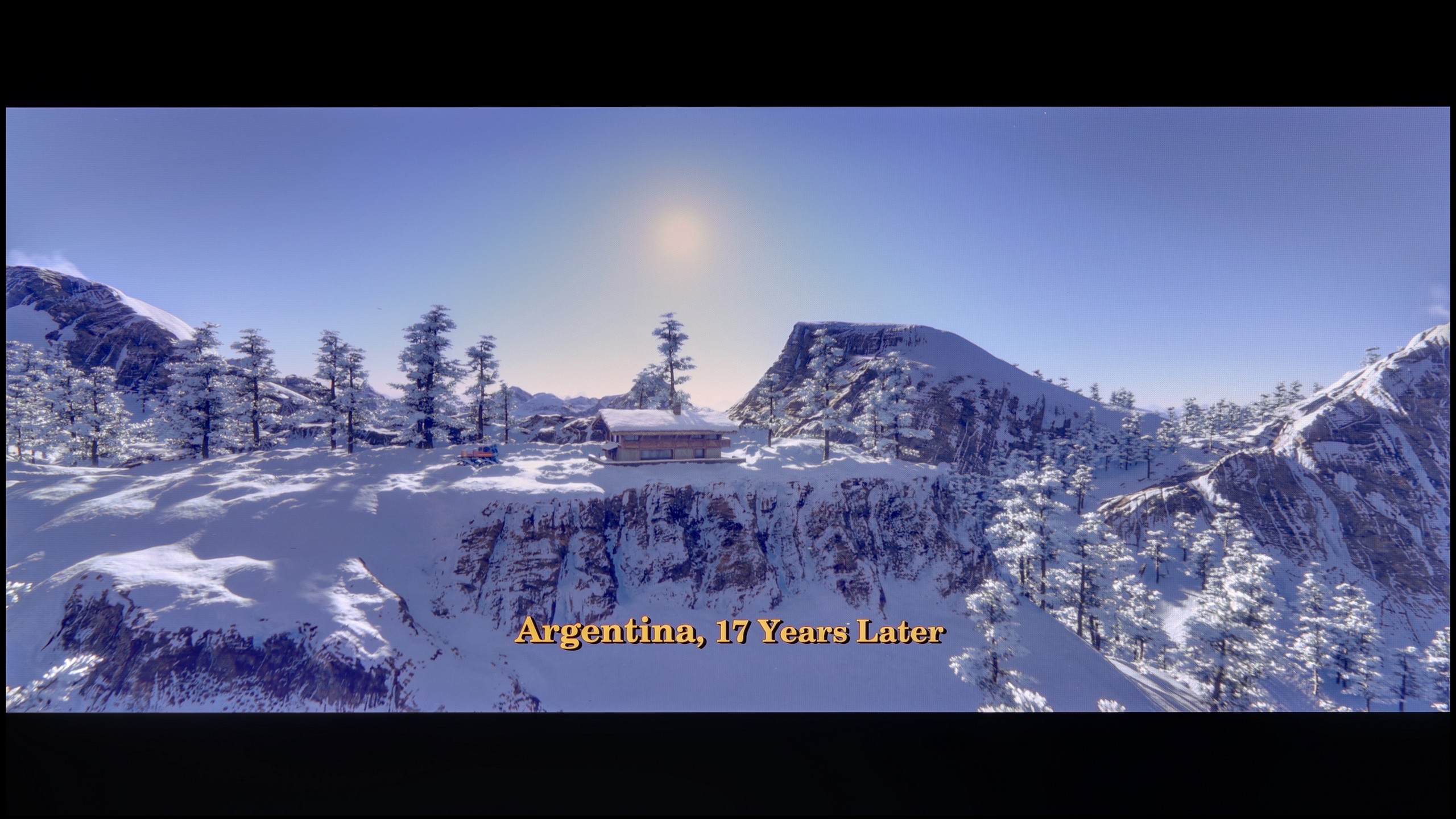

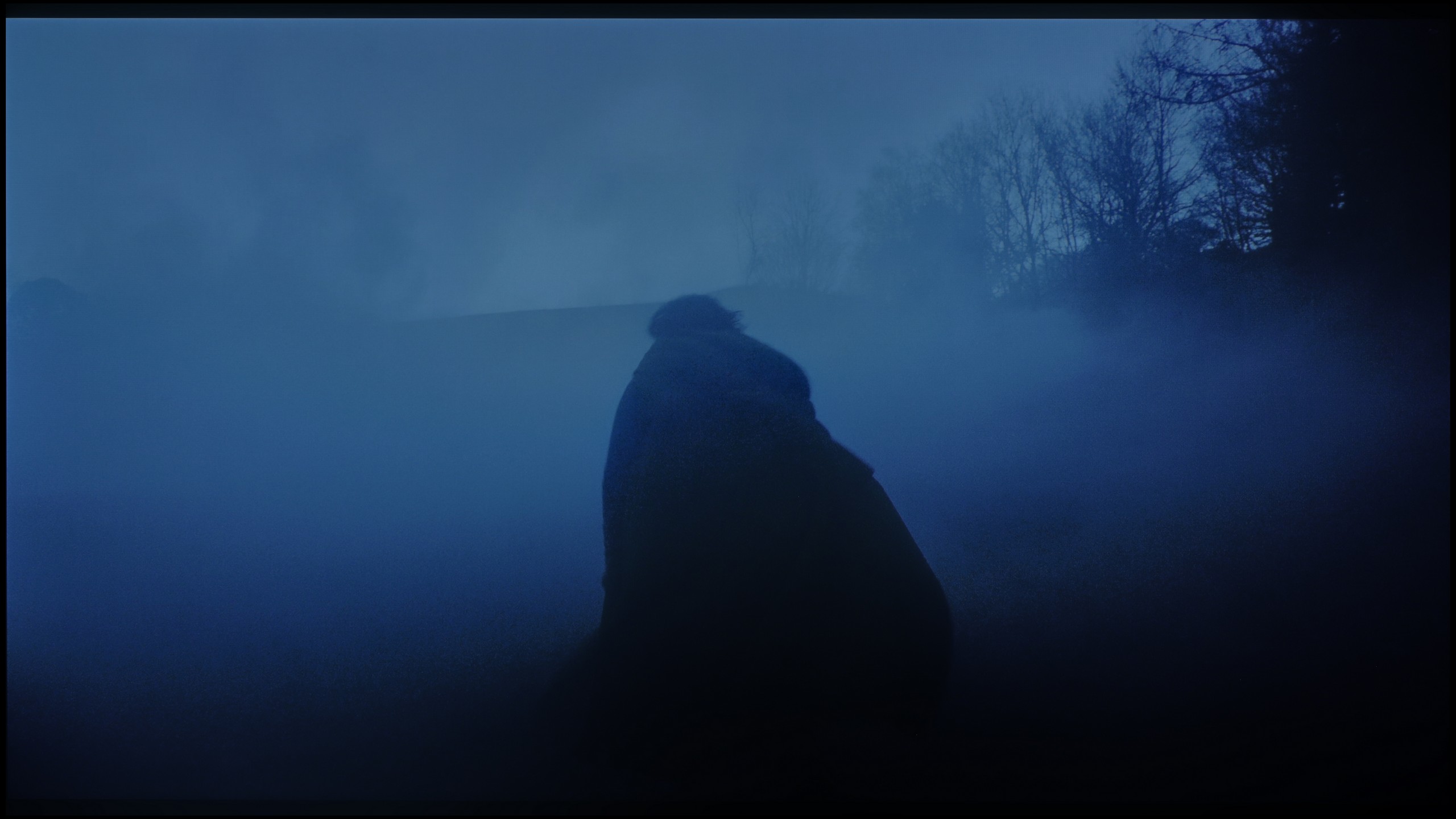
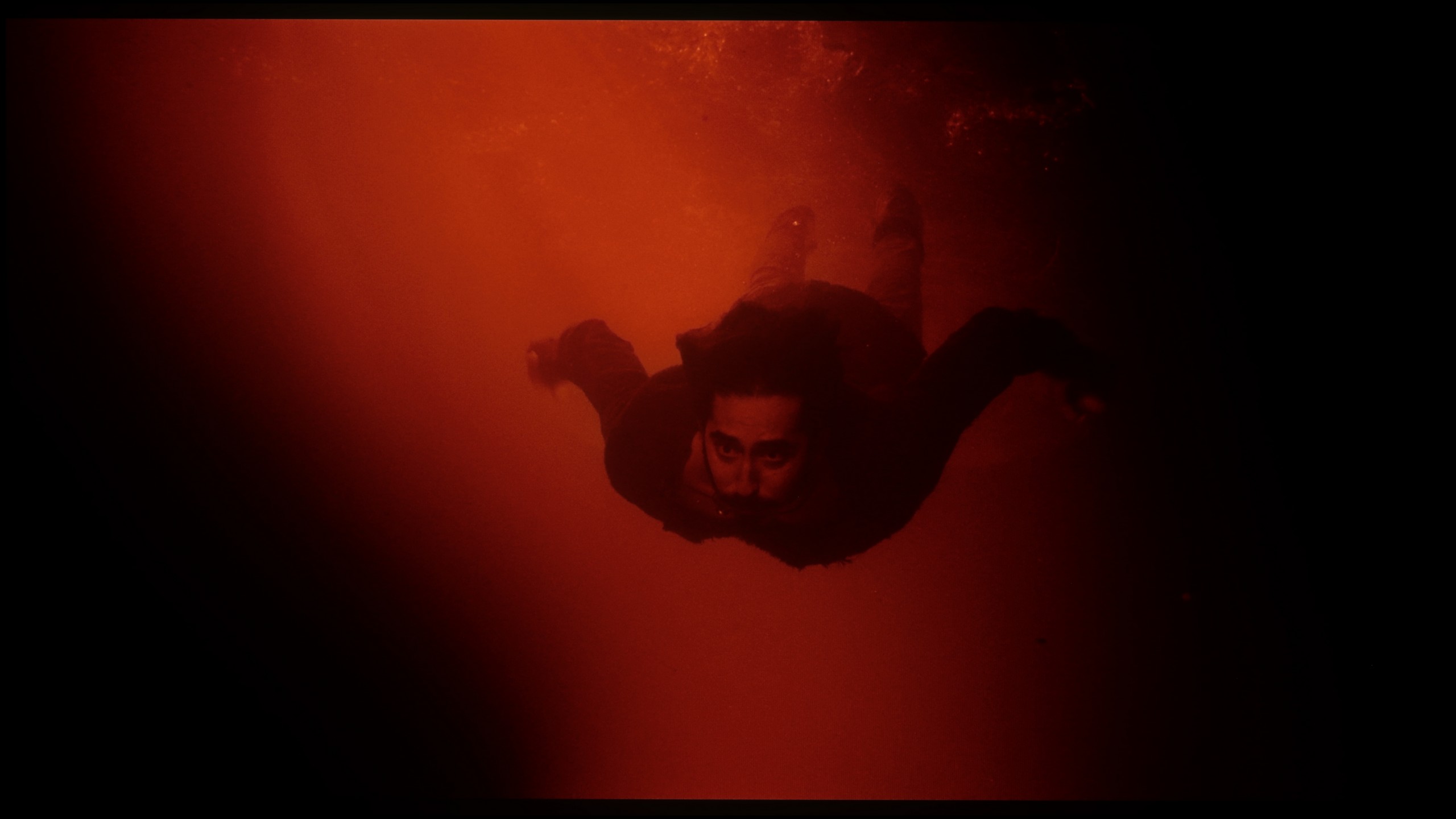
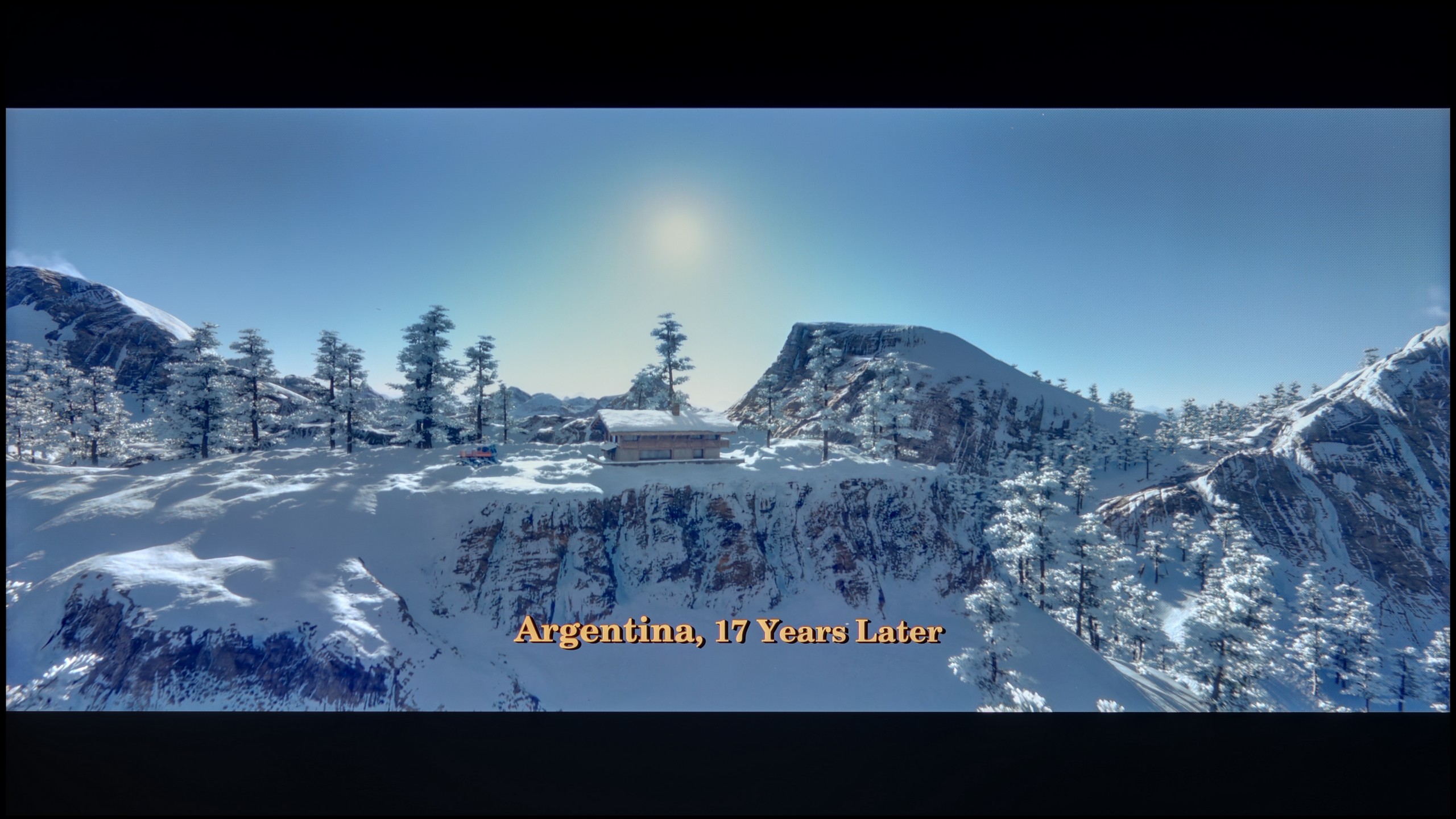
These are selected scenes that show smooth tonal transitions from one color to another. If you see distinct banding, it’s the TV panel’s fault.
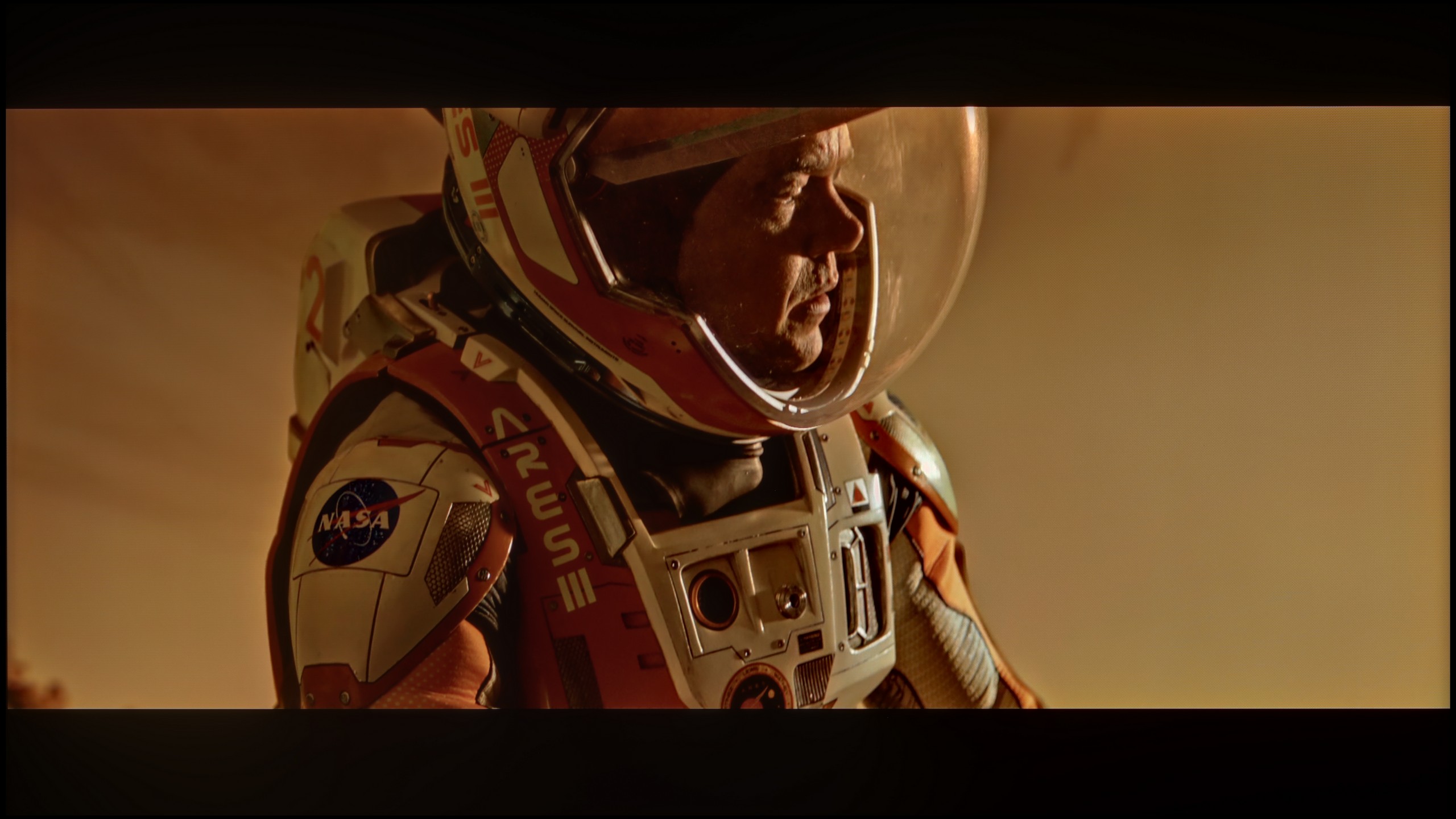
These are selected scenes that show smooth tonal transitions from one color to another. If you see distinct banding, it’s the TV panel’s fault.
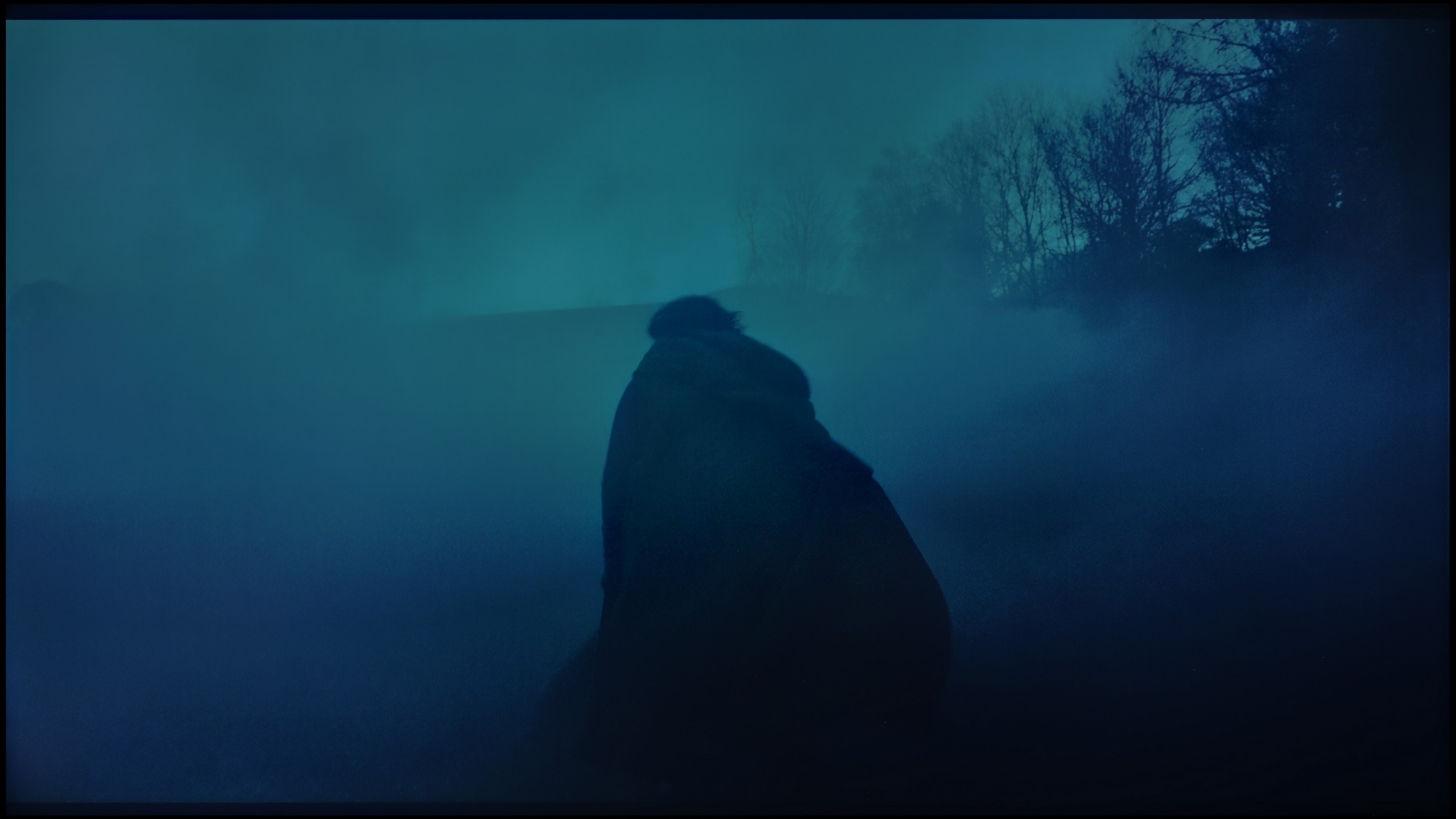
These are selected scenes that show smooth tonal transitions from one color to another. If you see distinct banding, it’s the TV panel’s fault.
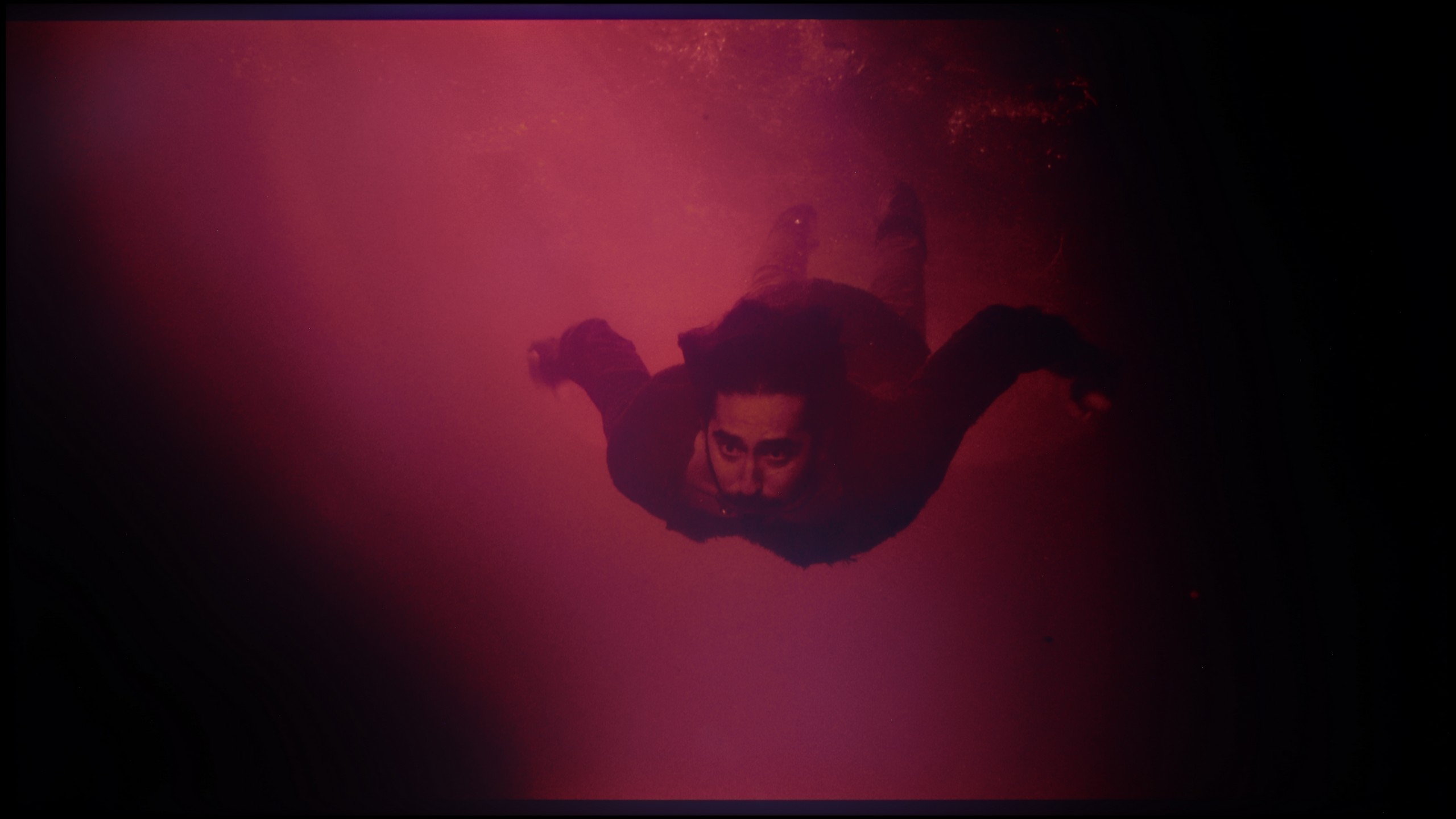
These are selected scenes that show smooth tonal transitions from one color to another. If you see distinct banding, it’s the TV panel’s fault.
The smoothness of tonal transitions in the LG G5 is a clear step forward compared to last year's model. Not only has the brightness improved, but also the way colors blend, which the G4 sometimes struggled with. In the vast majority of scenes, the G5 has no issues with tonal transitions – there is no typical banding associated with WOLED technology, nor ugly breaks between colors. Of course, in very dark areas of the image and with shades of gray, minor imperfections can still be noticed, but these are things that the average viewer wouldn't even register. In short – it's really good.
The smoothness of tonal transitions on the C8L is nearly exemplary. A well-tuned panel combined with the processing algorithms means the TV handles posterization, the ugly, layered banding where individual shades separate, very well. Subtle, minimal errors and slight imperfections in gradation are noticeable only in extremely dark, demanding scenes. However, overall, when watching high-quality content at native resolution, transitions between colors are extremely smooth and natural.
Image scaling and smoothness of tonal transitions
8.7/10
7.8/10

Smooth transition function
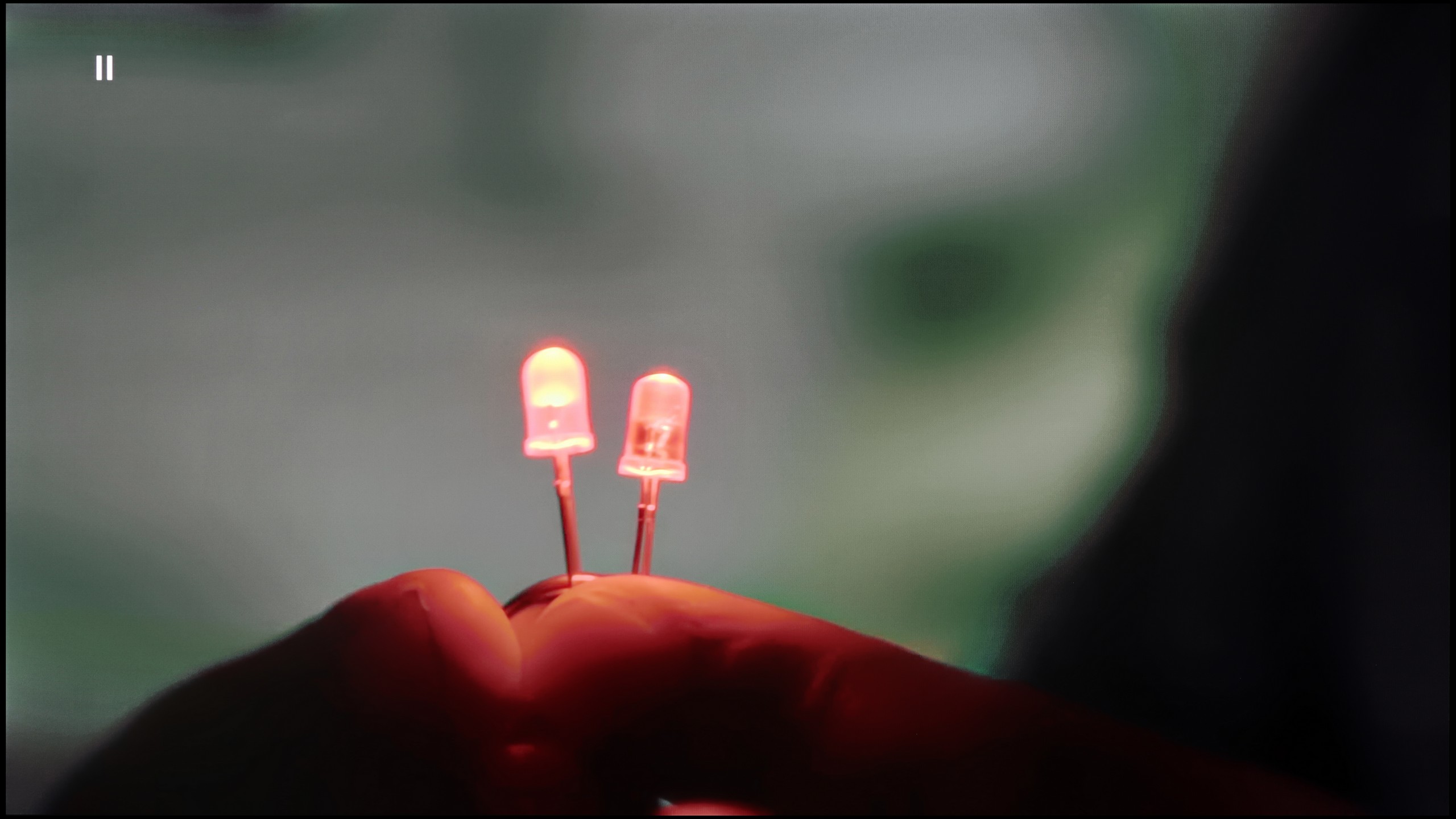
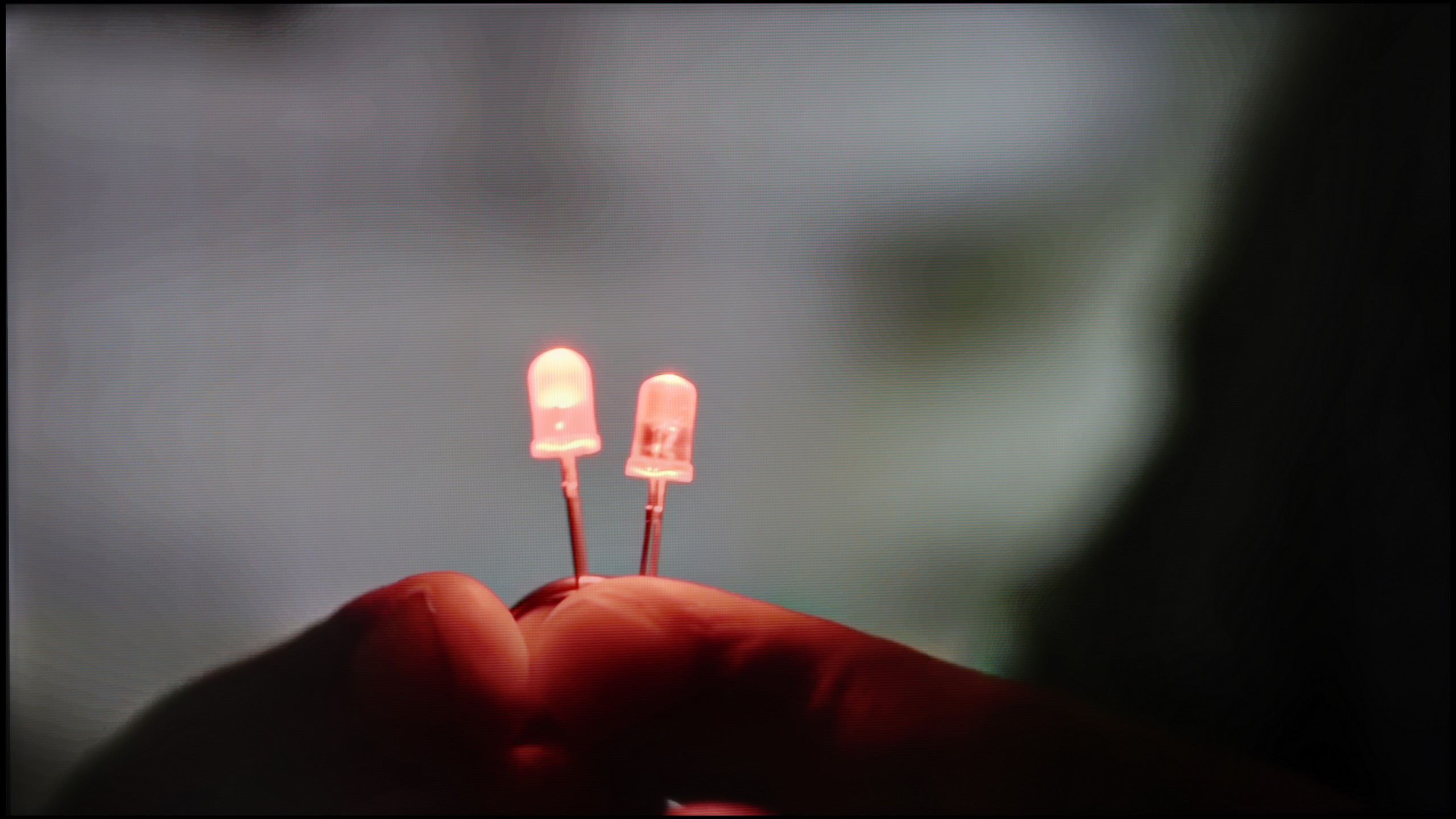
The match photo shows how the TV smooths weak tonal transitions in low-quality video.
Image scaling SD (576i)


The model photo shows how it handles upscaling of SD material.
Upscaling and digital image processing in the LG G5 perform very well. The television handles lower quality content exceptionally, especially when the "Smooth Gradation" feature is set to a low level. In this mode, it effectively removes unwanted artifacts and issues with visible tonal transitions. It may also slightly smooth out some desired details, such as the subtle texture of clothing or skin, but importantly – it does not remove film grain, so it’s hard to say there’s a serious compromise here. It’s one of those options that’s definitely worth enabling.
The G5 also does well with upscaling, which is improving the quality of older materials. The test image with the model looked really solid – slight edging was visible, but that’s an effect that can’t be completely avoided. Additionally, there were no issues with overscan, which – contrary to appearances – is not obvious, even in 2025.
This year the C8 series and higher models received probably the biggest and most anticipated upgrade in TCL’s history, and it specifically concerns digital image processing. The C8L is the lowest-end model in the manufacturer's lineup to be equipped with the latest flagship chip, the MediaTek Pentonic 800 (listed in the menu as MT9655). Thanks to its processing power, the feature called "Gradual Smoothing" finally works as it should. The algorithm effectively eliminates unwanted posterization (ugly tonal transitions/color banding), doing so intelligently enough that it does not degrade the sharpness of other details.
The processor also handles upscaling lower-resolution content to 4K very well. Although evaluating this element can be mostly academic, because the differences between today's TVs in this class are very subtle. The most important takeaway is that TCL finally has nothing to be ashamed of compared to the competition.
Blur and motion smoothness
8.5/10
7.7/10
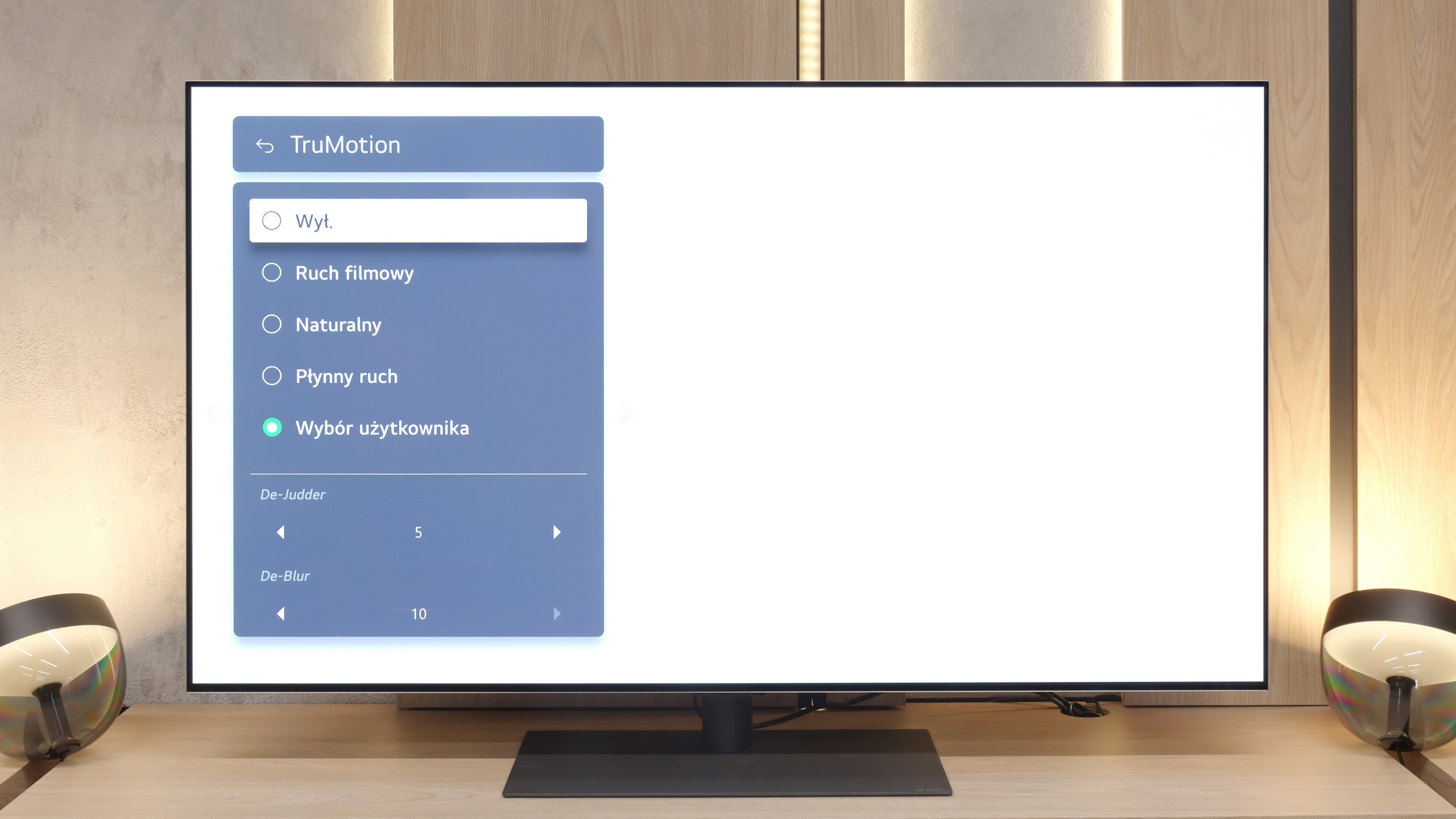
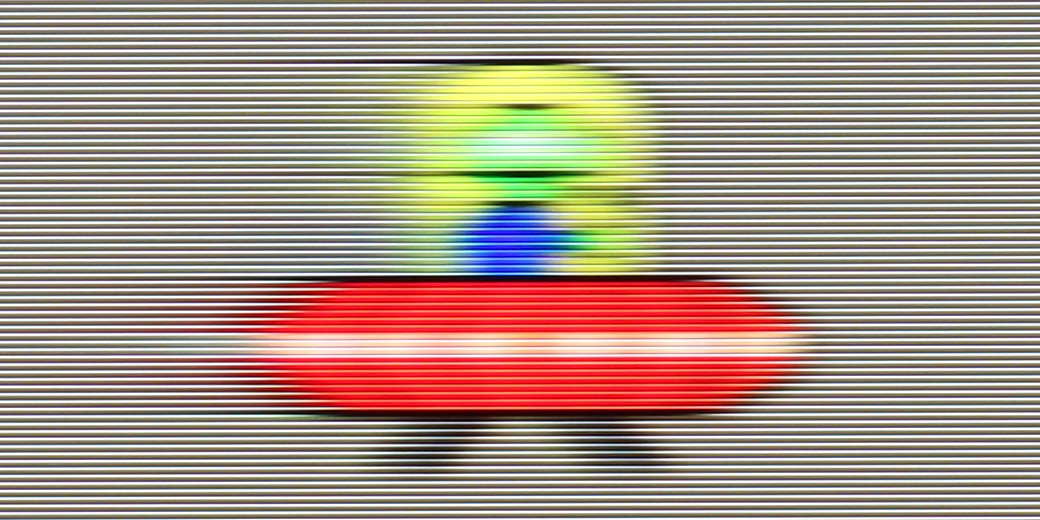
Blur (native resolution, maximum refresh rate):




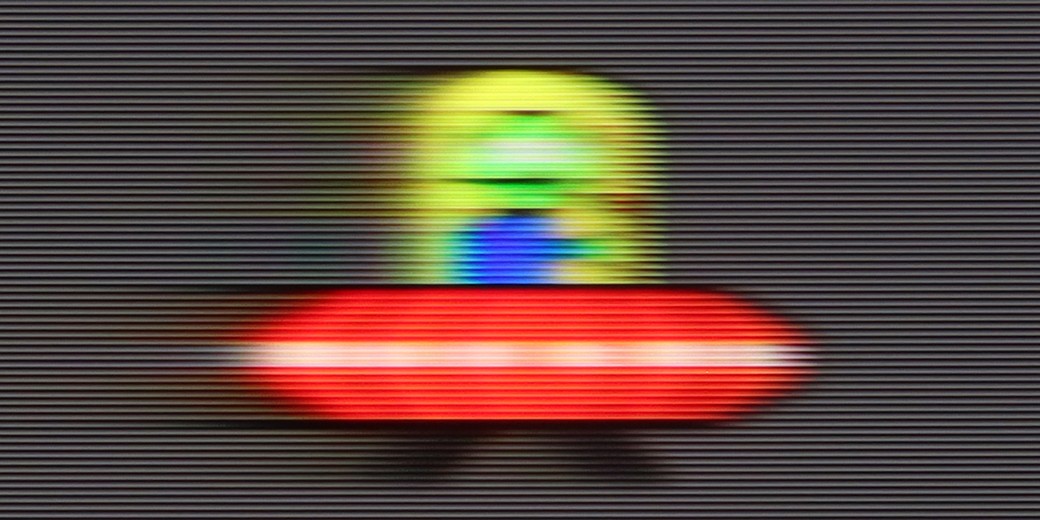
Blur (BFI function enabled):
Image flickers in this mode





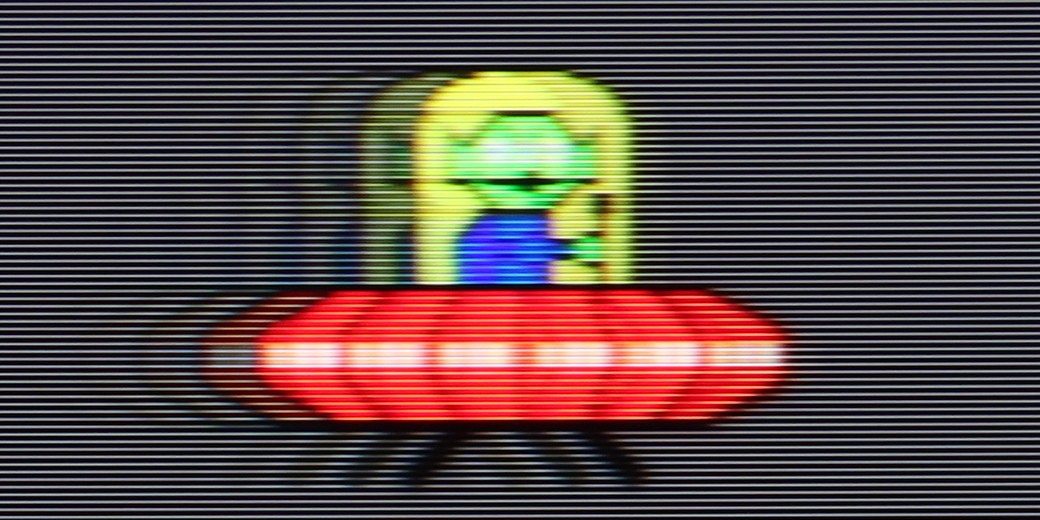
Blur (4K 165Hz):



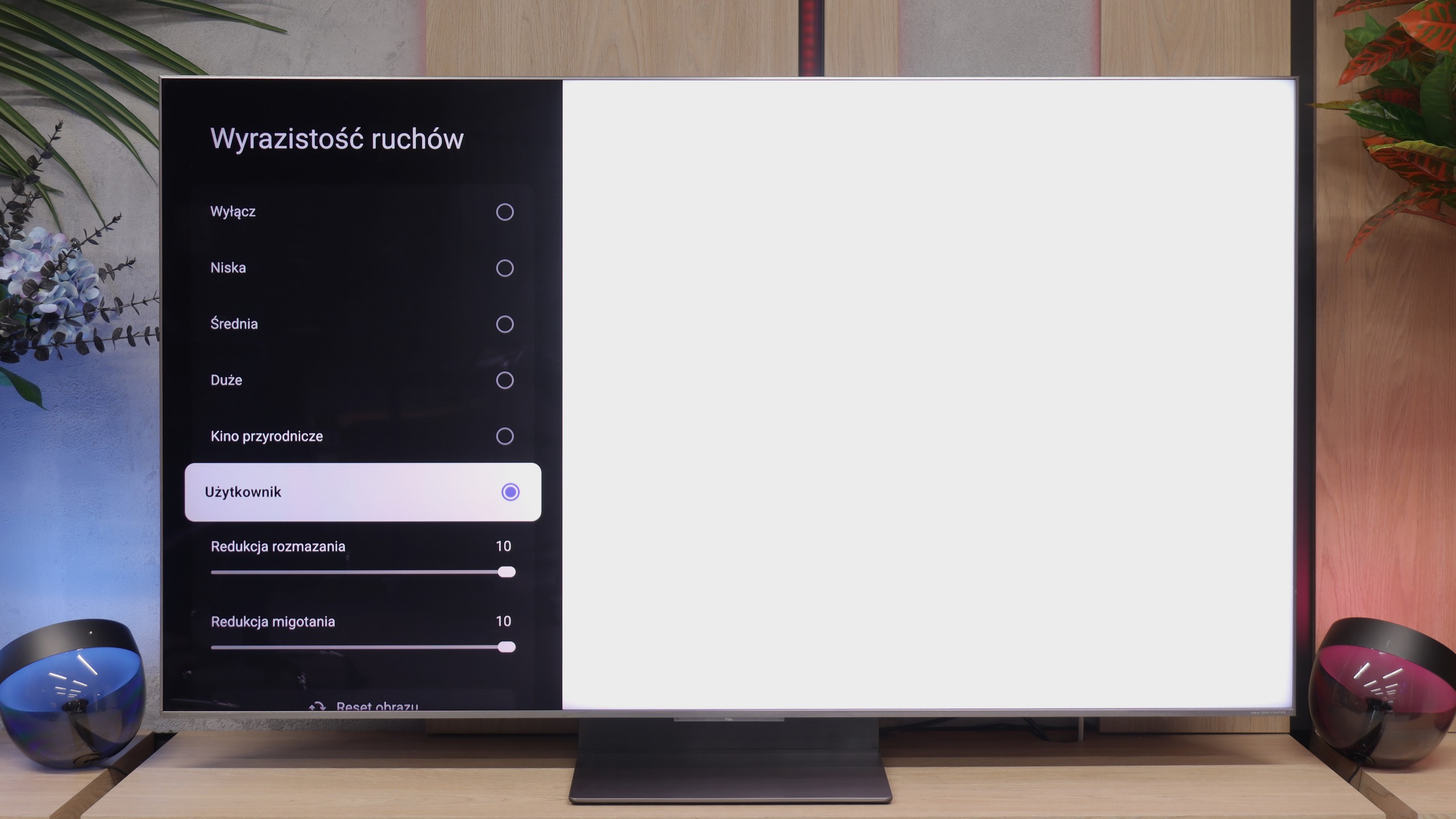
Blur (1080p@288Hz):



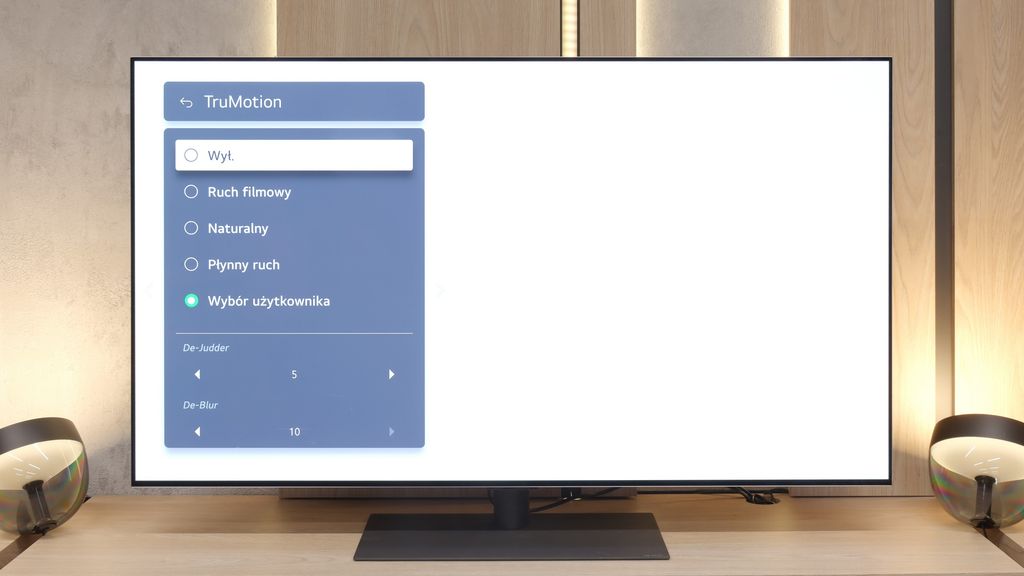
The motion fluidity on the LG G5 is simply phenomenal. The TV is equipped with a 165 Hz refresh rate panel, and this combined with the instantaneous response time of the OLED matrix delivers incredible results. The picture doesn’t stutter or smear like on classic LCD TVs. Like most LG models, the G5 features a motion smoother, which can be useful when watching movies – of course, we're talking about the TruMotion mode. With the “De-Blur” and “De-Judder” sliders, we can adjust the smoothness of older material according to our preferences, whether we want to preserve the characteristic film stutter or move towards a more fluid, television-like effect.
The TCL C8L is equipped with a fast panel that has a native 144 Hz refresh rate. That spec will be most appreciated by demanding PC gamers, while most users, who rely on consoles or TV broadcasts, will use a steady 120 Hz. It is at 120 Hz that motion processing algorithms handle image rendering for movies, series, and sports. In the TV’s menu you’ll find a "Motion Clarity" option that lets you adjust the motion smoothing to your preferences. The algorithms handle cinematic material at 24 or 30 frames per second (fps) as well as dynamic sports broadcasts at 50 or 60 fps, maintaining appropriate smoothness.
Console compatibility and gaming features
10/10
9.8/10
- ALLM
- VRR
- VRR range40 - 165Hz48 - 288Hz
- Dolby Vision Game Mode
- Correct implementation of HGIG
- 1080p@120Hz
- 1440p@120Hz
- 4K@120Hz
- Game bar
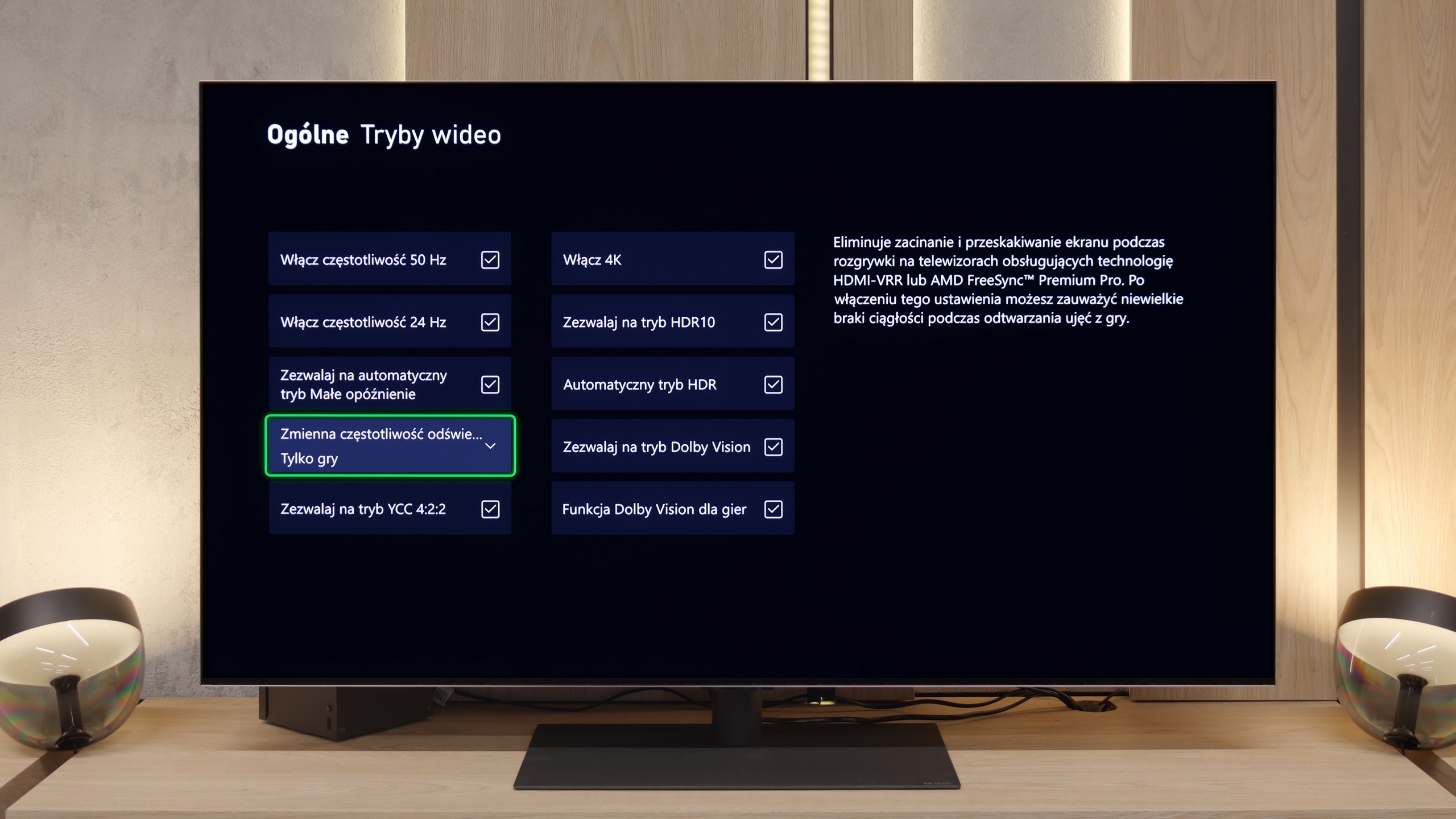
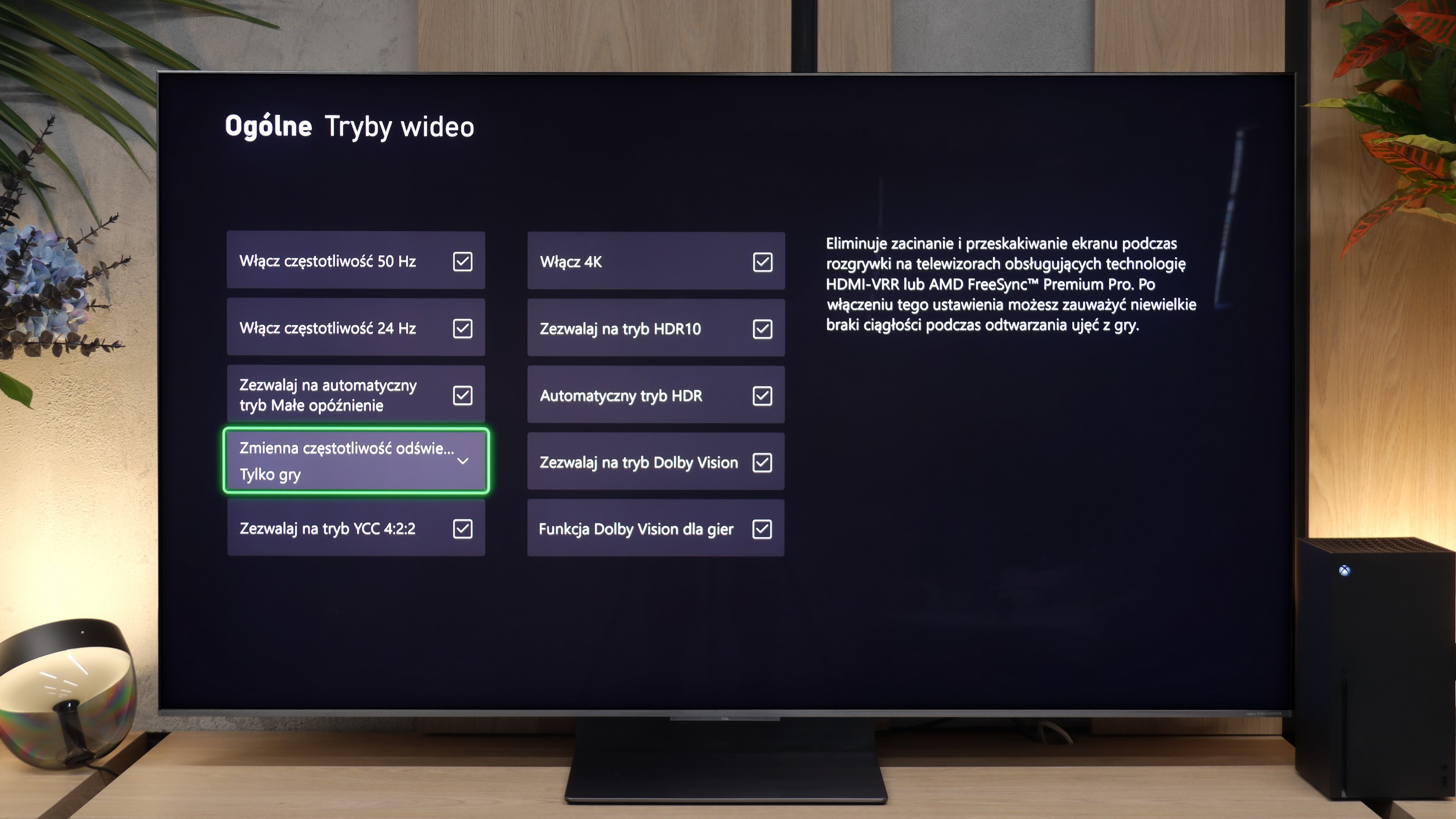
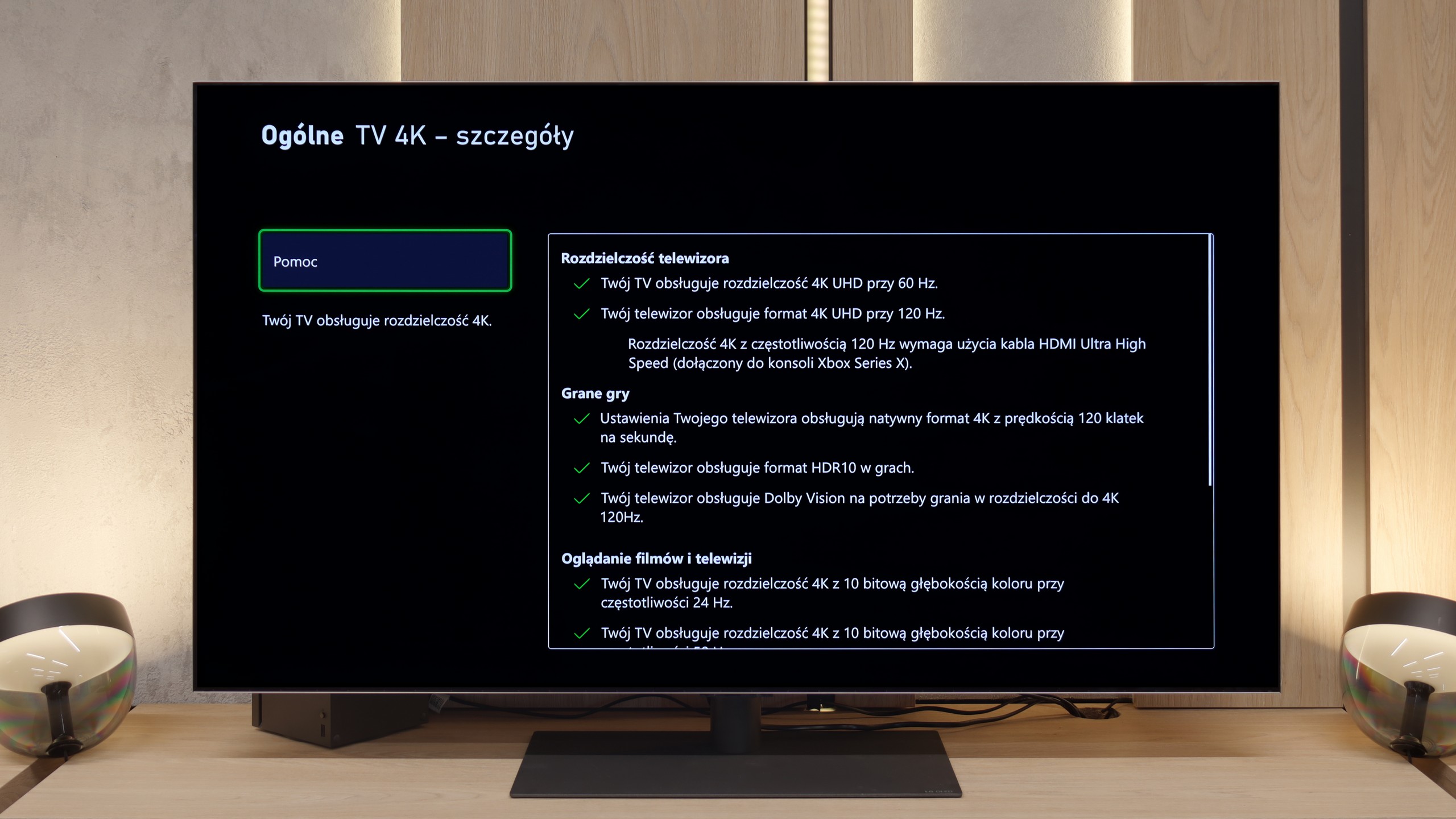
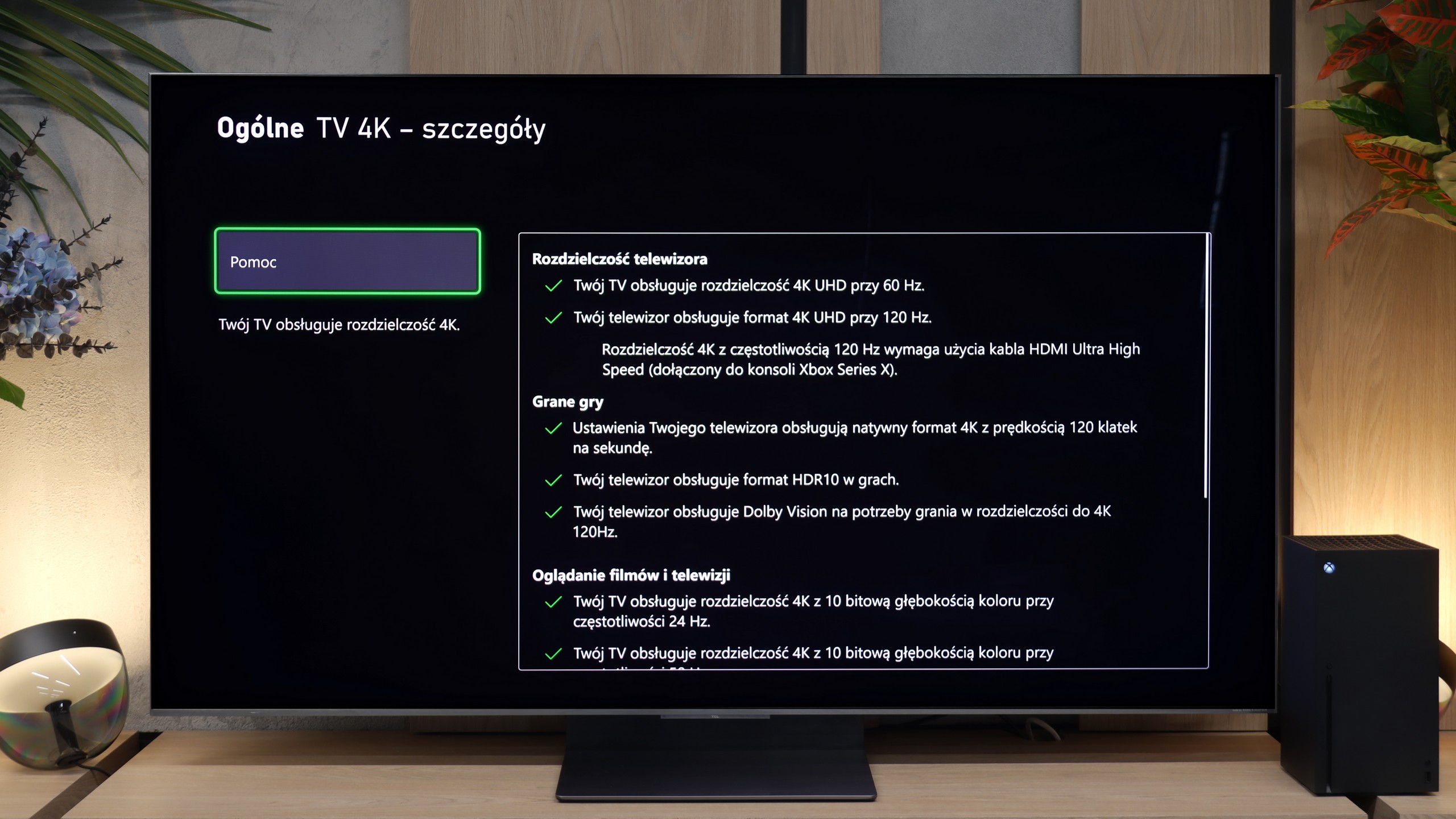
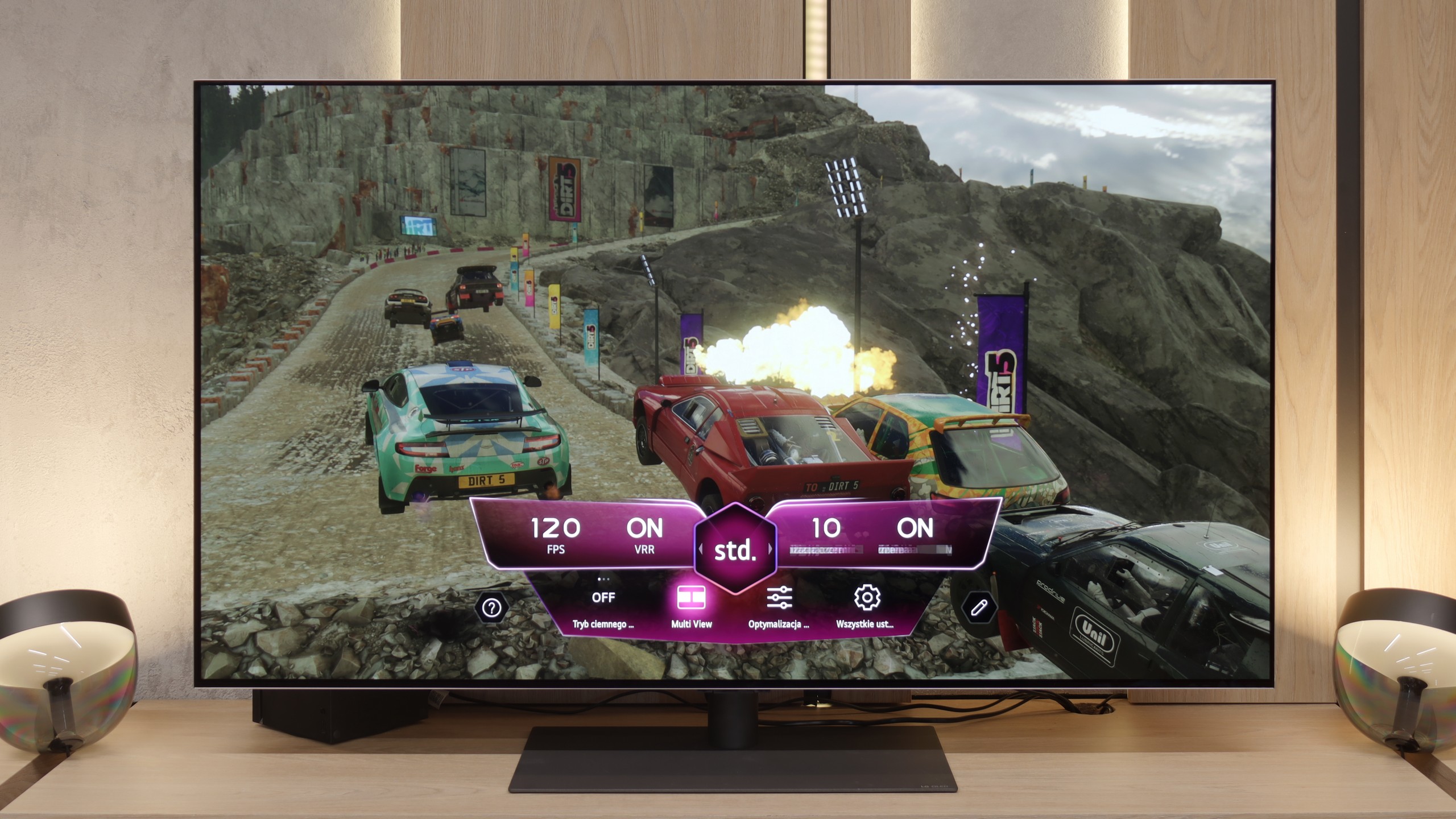
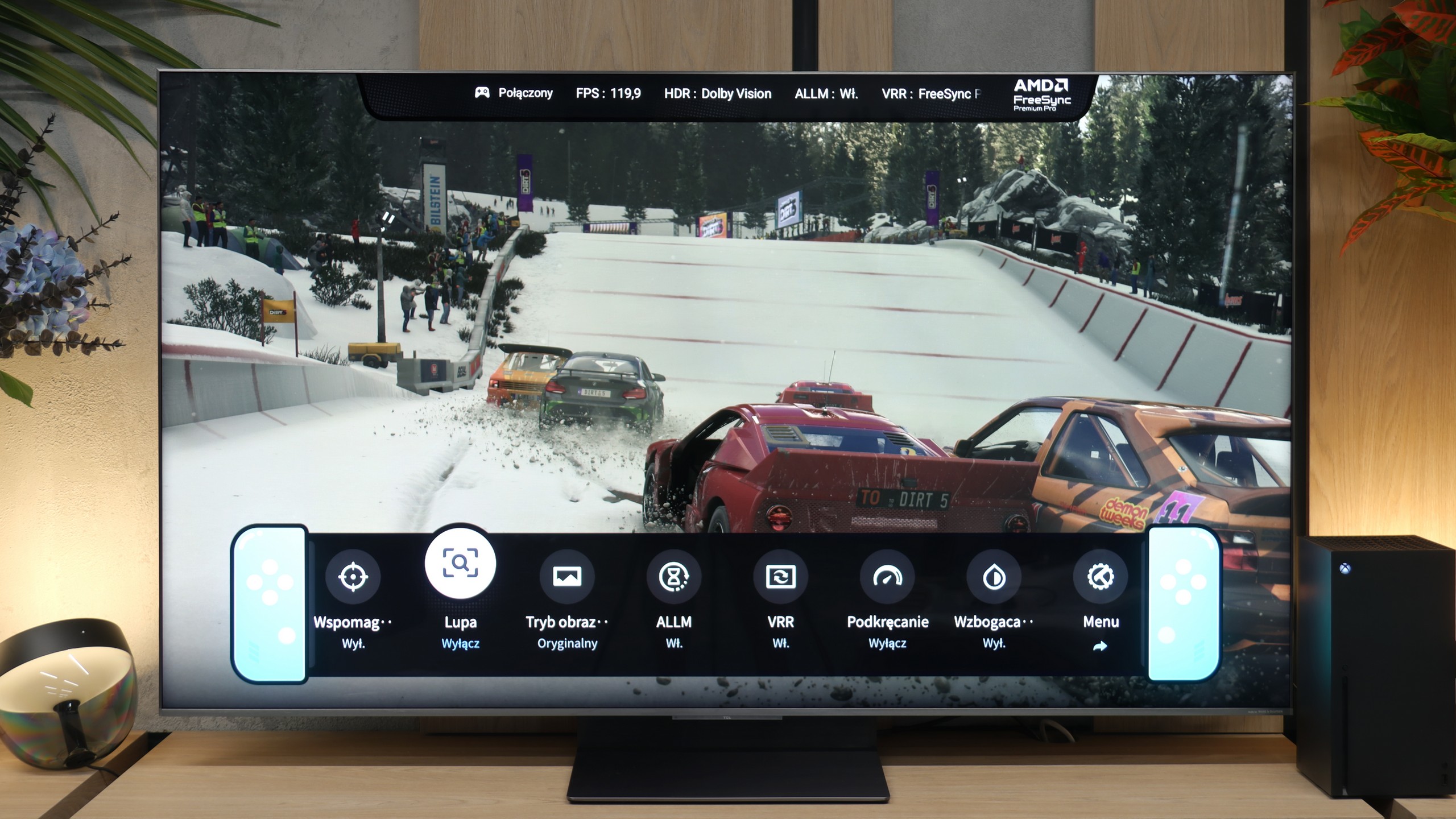
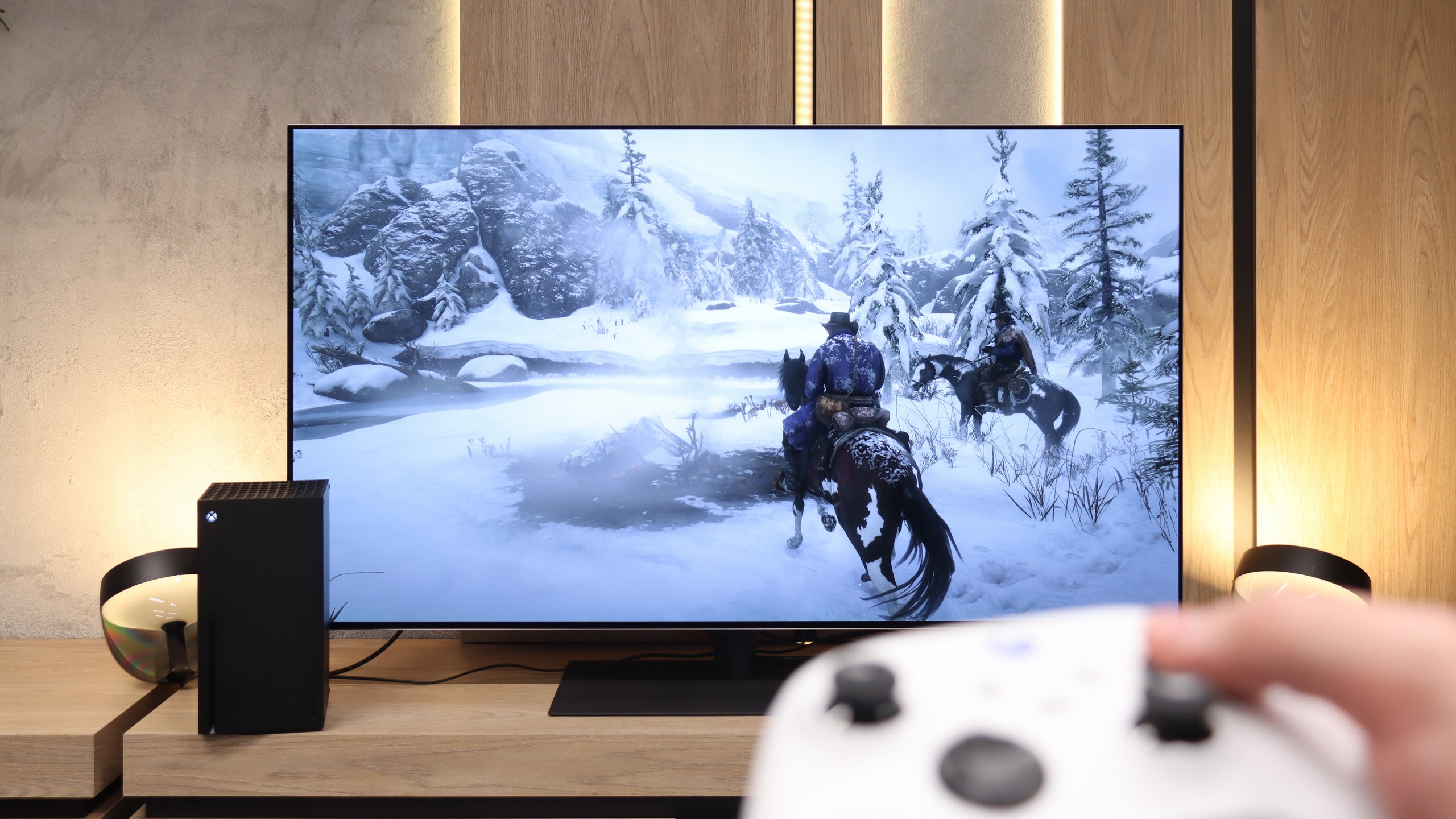
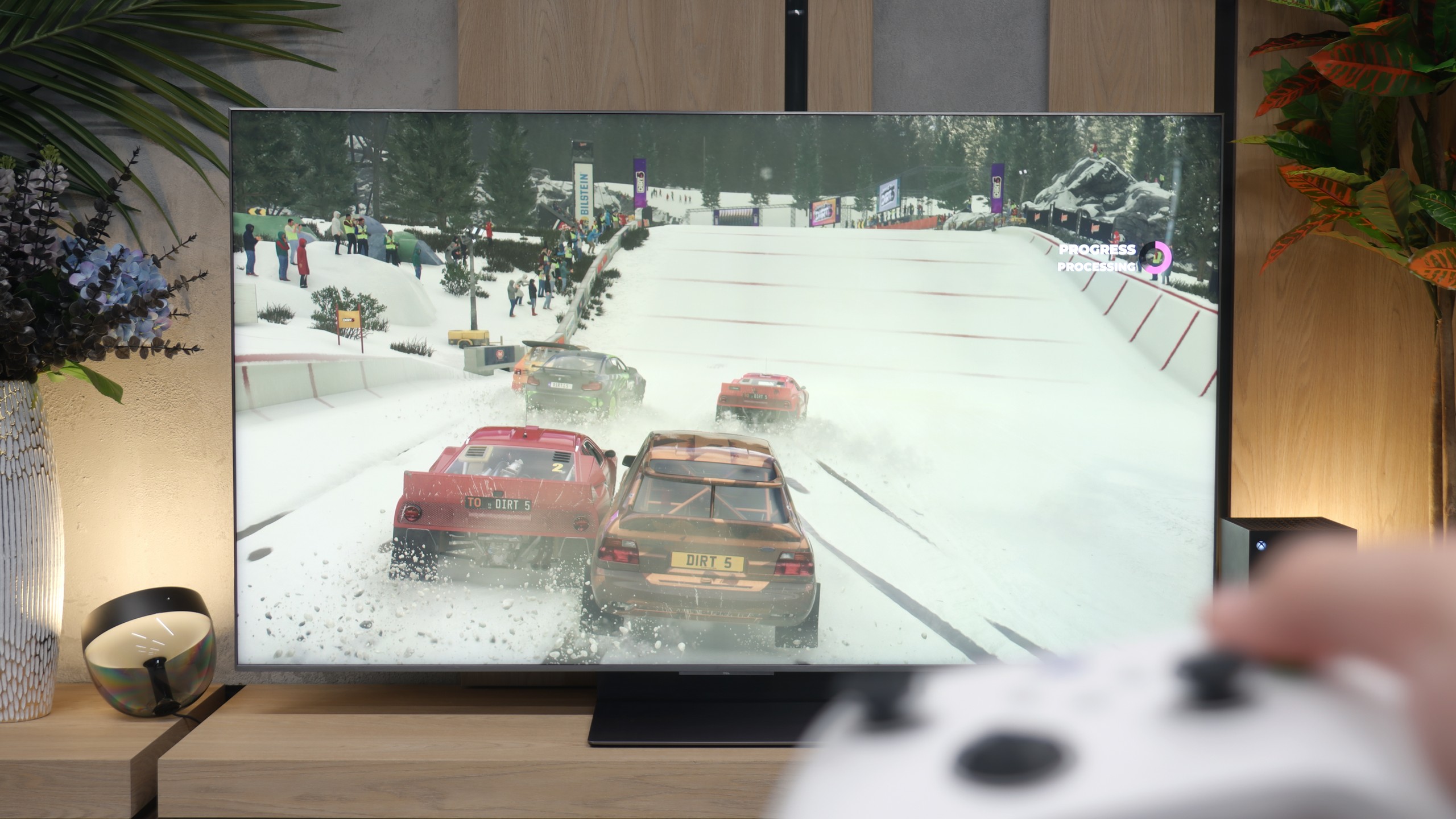
Features for gamers? Perfect. That should be enough for you to know what level we are dealing with here. G5 is a television designed with gamers in mind, so we find literally everything one can expect from a gaming screen. There is Game Bar, support for high resolutions with high refresh rates – that is, 4K at 120 Hz, and even more, because the panel has a refresh rate of 165 Hz (which PC gamers will benefit from). The television supports variable refresh rates (VRR), automatic low latency mode (ALLM), and correctly supports HDR in games thanks to HGiG. All of this adds up to one of the best sets of gaming features available on the market. Well done, LG.
For gamers – especially for those with powerful PCs and several consoles at the same time – the TCL C8L is a true beast. It’s the first model in the manufacturer’s lineup equipped with four full HDMI 2.1 ports with a maximum bandwidth of 48 Gbps. This is directly thanks to the new Pentonic 800 processor we wrote about earlier. Additionally, the TV seamlessly supports virtually every gaming feature. It has an automatic game mode (ALLM) that reduces latency to minimal levels and full frame synchronization (VRR) operating in an impressive range of up to 288 Hz. We’re also talking about standards like G-Sync or FreeSync from Nvidia and AMD. When it comes to image display standards, there are also no compromises: the C8L offers complete support for HDR formats in games, including gaming Dolby Vision and the HGiG profile. All of these features can be conveniently managed from a very readable game bar (Game Bar), which we can customize according to our preferences. From a purely gaming perspective, there really isn’t anything to complain about in the C8L – well, maybe aside from the previously mentioned slight ghosting. But other than that? It’s an unflawed machine for gamers.
Input lag
9.9/10
10/10
SDR
HDR
Dolby Vision
The input lag on the LG G5 is incredibly low. The response time to our actions – whether we're playing with a controller, keyboard, or mouse – is almost perfect. The controls are instant, and the game reacts exactly when we expect it to. The Dolby Vision Gaming mode does introduce slightly higher delays, but even then it's hard to complain about anything – in the worst case, the values hover around 20 ms, which for most players will be practically unnoticeable.
In laboratory tests we measured input lag at under 10 ms. For a gamer that means a completely imperceptible delay. Importantly, this result can be improved further by forcing the PC to use a refresh rate above 120 Hz. We also give high marks to Dolby Vision Game mode, where the lag is just as low as in standard SDR or HDR10 modes.
Compatibility with PC
8.8/10
8.6/10
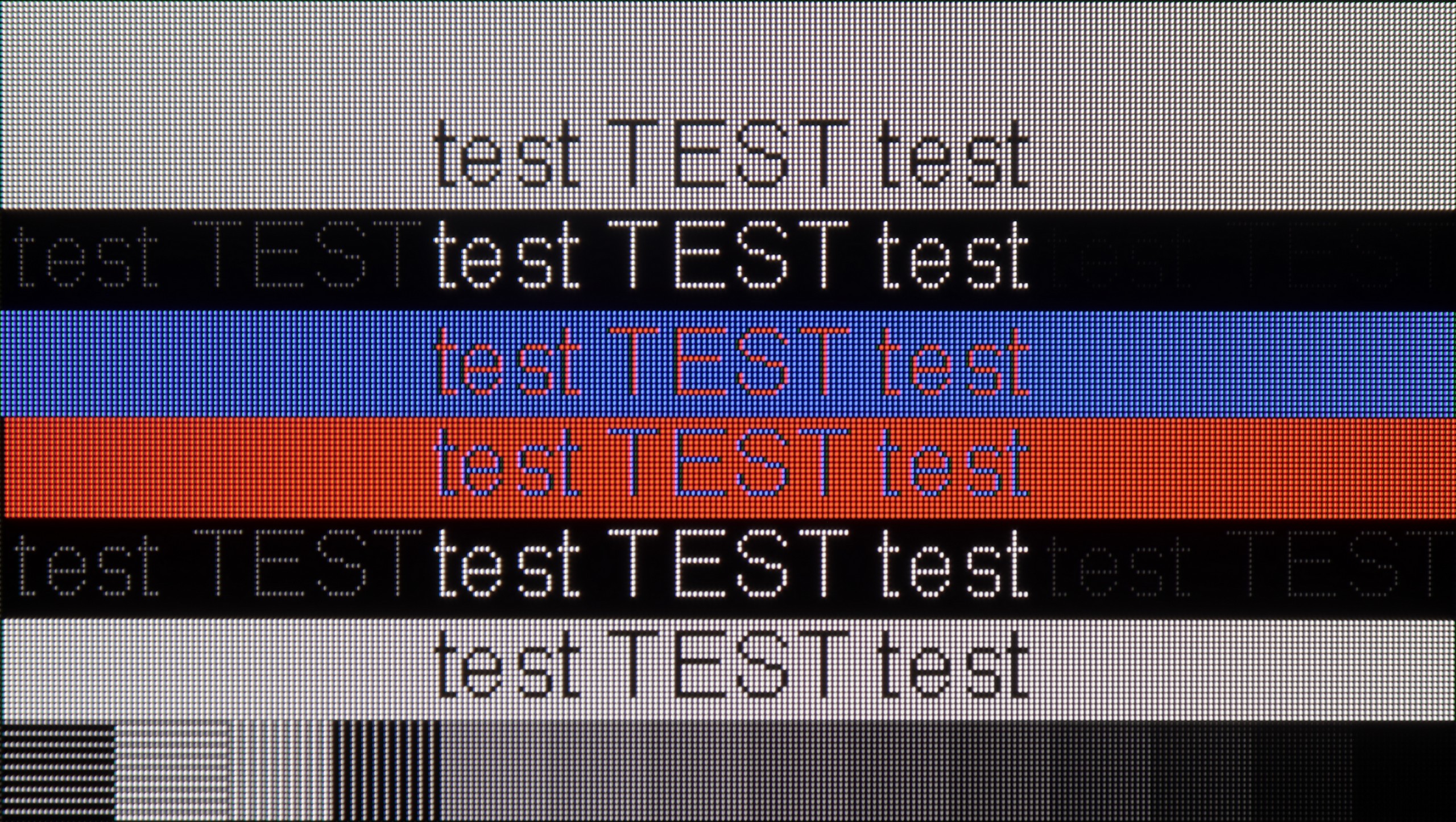
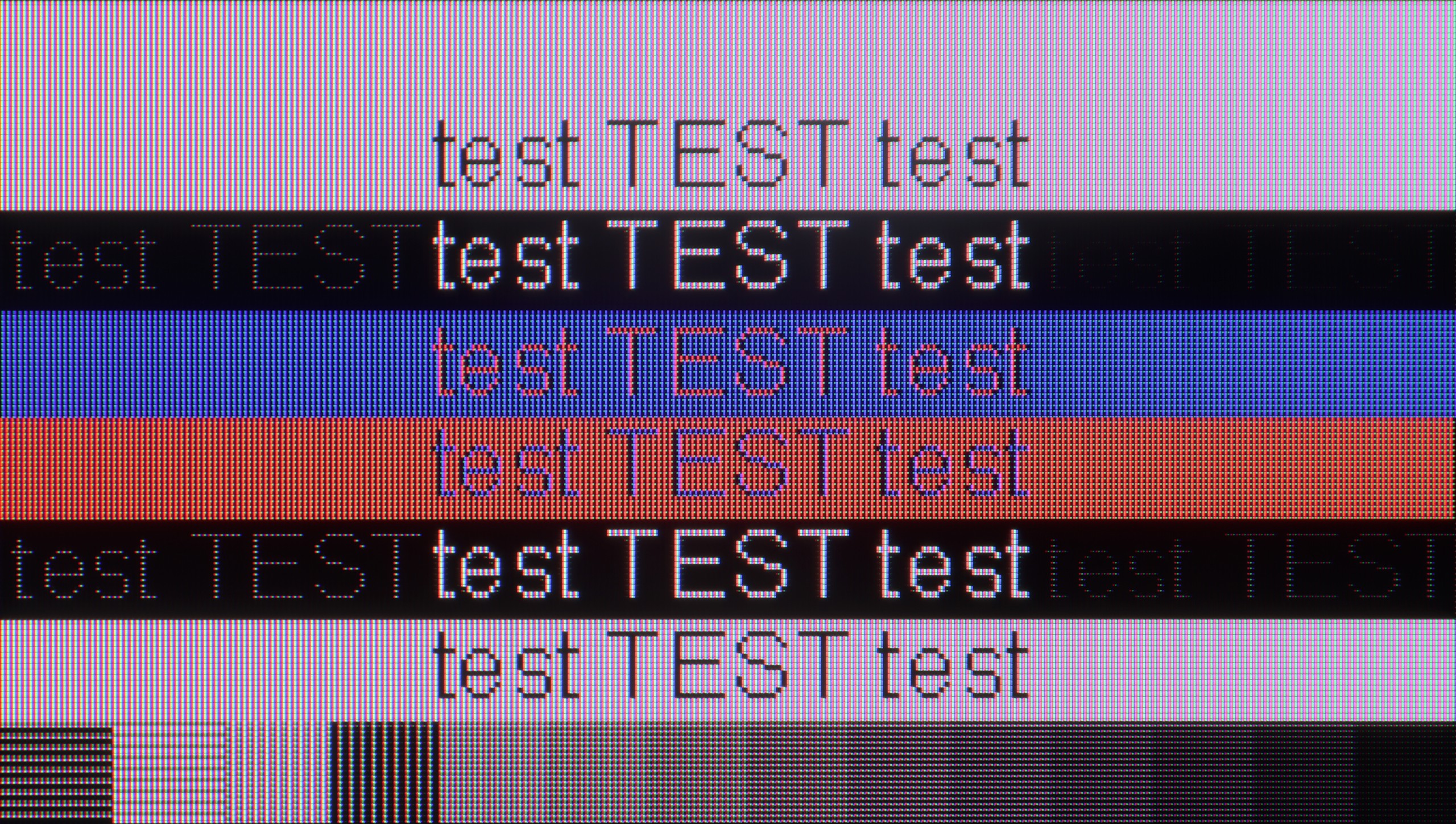
The photo shows the legibility of small fonts. Ideally, lines should be the same thickness on both light and dark text, with minimal pixel gaps.
Collaboration with a PC? Almost ideal. The television, as we mentioned earlier, has great features for gamers – including those using a PC. On board, we find full G-Sync certification, a 165 Hz panel, and a super-fast input lag of around 5 ms. Thanks to the correct implementation of chroma 4:4:4, fonts are very readable – both the smallest and the largest. Although due to the WRGB subpixel layout, there may be slight shadows around the characters, for most users this effect will be virtually unnoticeable. The G5 performs excellently as a screen for work, entertainment, and gaming – also from a computer.
The TCL C8L is very well suited as a large-format monitor. The TV supports refresh rates up to 288 Hz at Full HD resolution, which will be appreciated by fans of esports titles and owners of less powerful graphics cards in AAA games. The TV also works seamlessly with frame-synchronization technologies AMD FreeSync and NVIDIA G-Sync. Importantly for text work, the C8L renders most fonts correctly and legibly. At very close range you can notice minimal errors in the rendering of letter edges and a slight graininess around them, but the issue disappears entirely (or rather becomes much less noticeable) once you sit at a normal, recommended viewing distance.
Viewing angles
7.5/10
4.5/10
The viewing angles on the LG G5 are very good, mainly due to the use of the WOLED matrix. It's hard to find something to complain about here – the image does not significantly lose brightness or quality even when we look at the screen from the side. However, it must be fairly noted that there is some regression compared to the G4 model. The predecessor used an MLA matrix with micro-lenses, which offered slightly better light distribution. Also, compared to QD-OLED matrices, the angles are worse. Nevertheless, the overall viewing experience at an angle remains very good and should not be an issue in everyday use.
TCL C8L uses a VA-type panel, which by nature is not known for wide viewing angles. In this case, however, the manufacturer used TCL CSOT's proprietary WHVA 2.0 panel. As a result, viewing angles are significantly better than those of average VA panels, which is definitely a plus. Colors and contrast do not degrade as drastically when moving slightly off-axis as they do on most LCD screens. Overall, it's still a level below IPS panels, and even more so below OLED displays, but for a VA LCD panel the improvement is quite noticeable.
Daytime performance
8/10
10/10
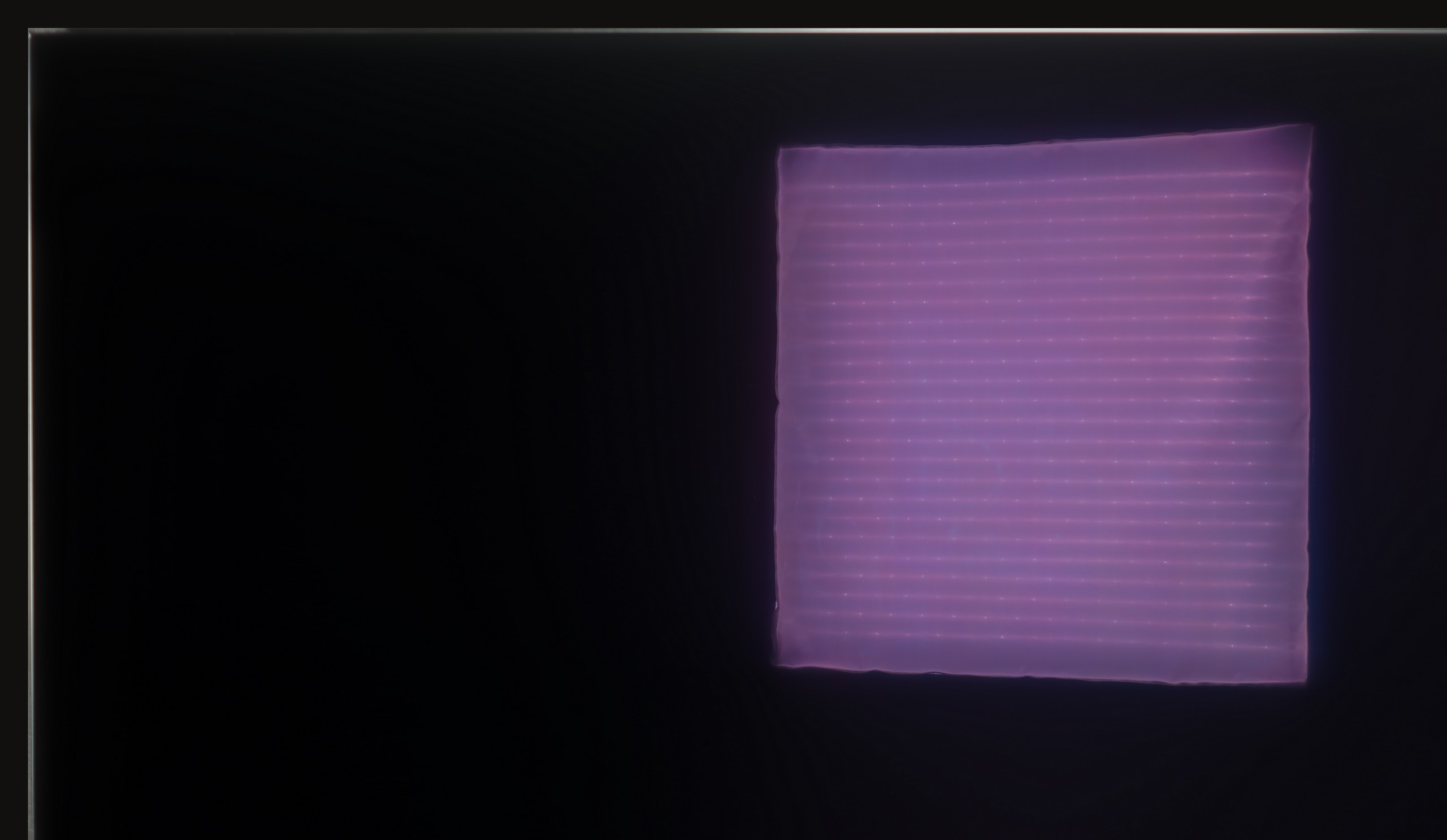
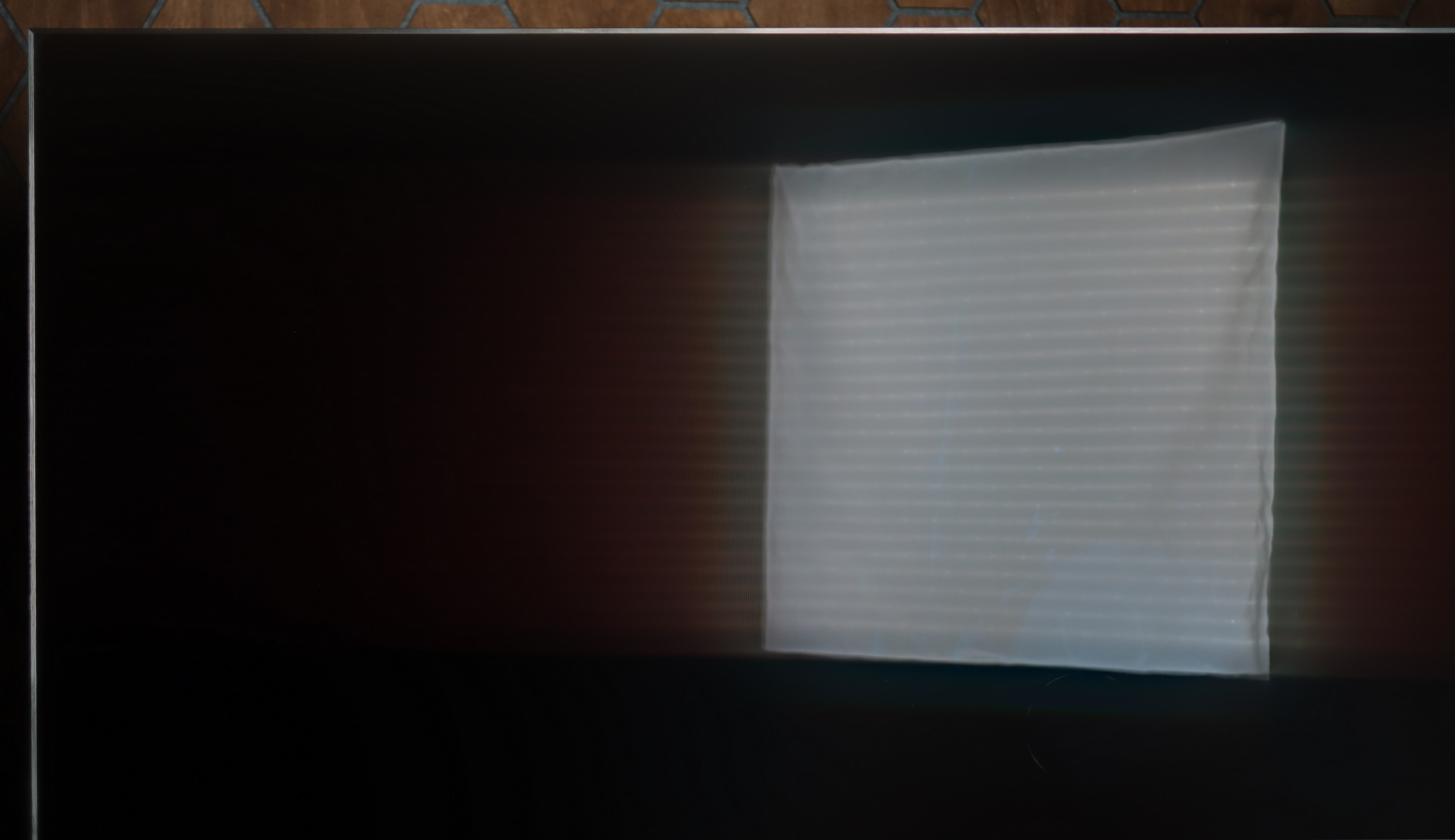
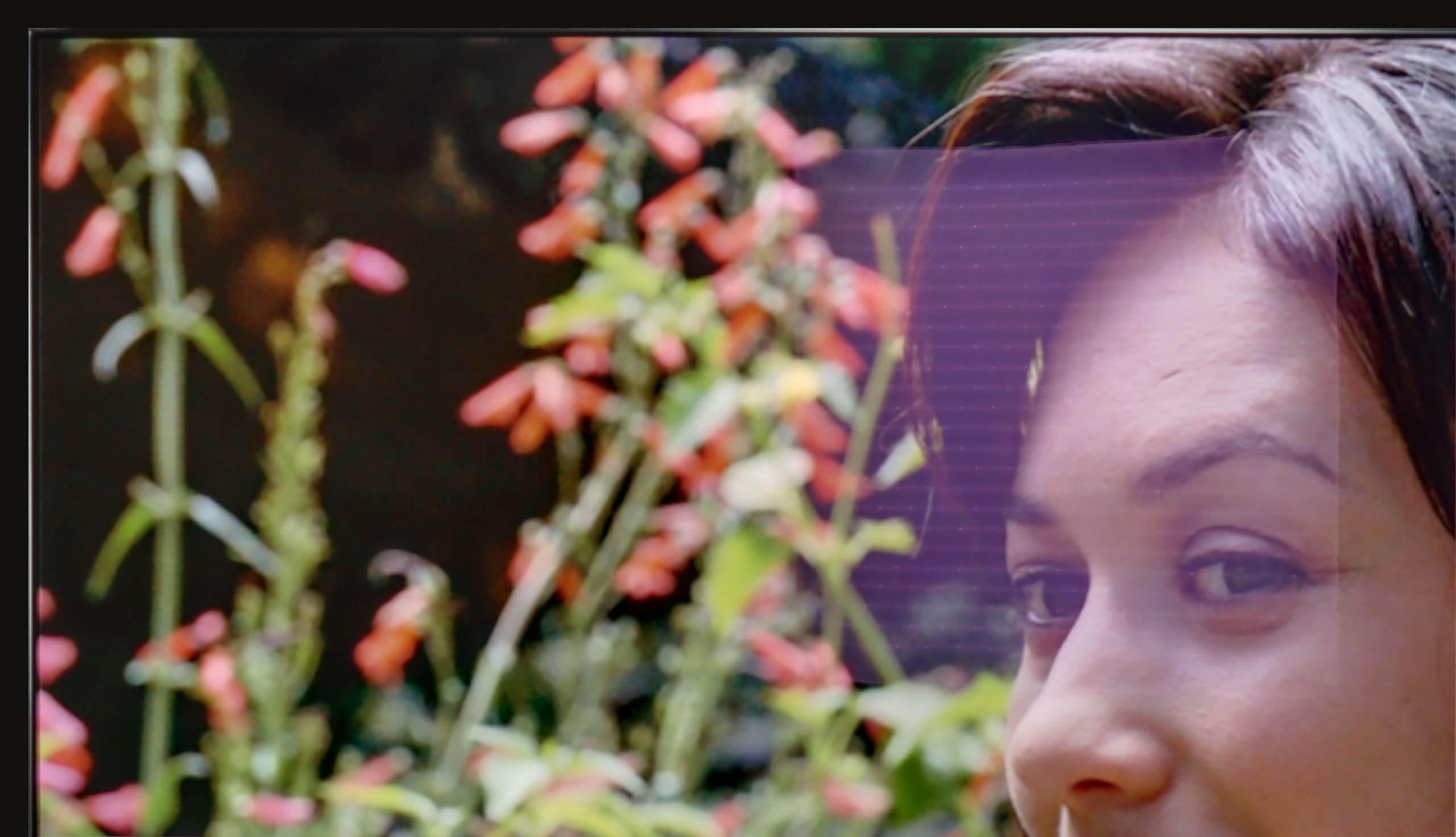
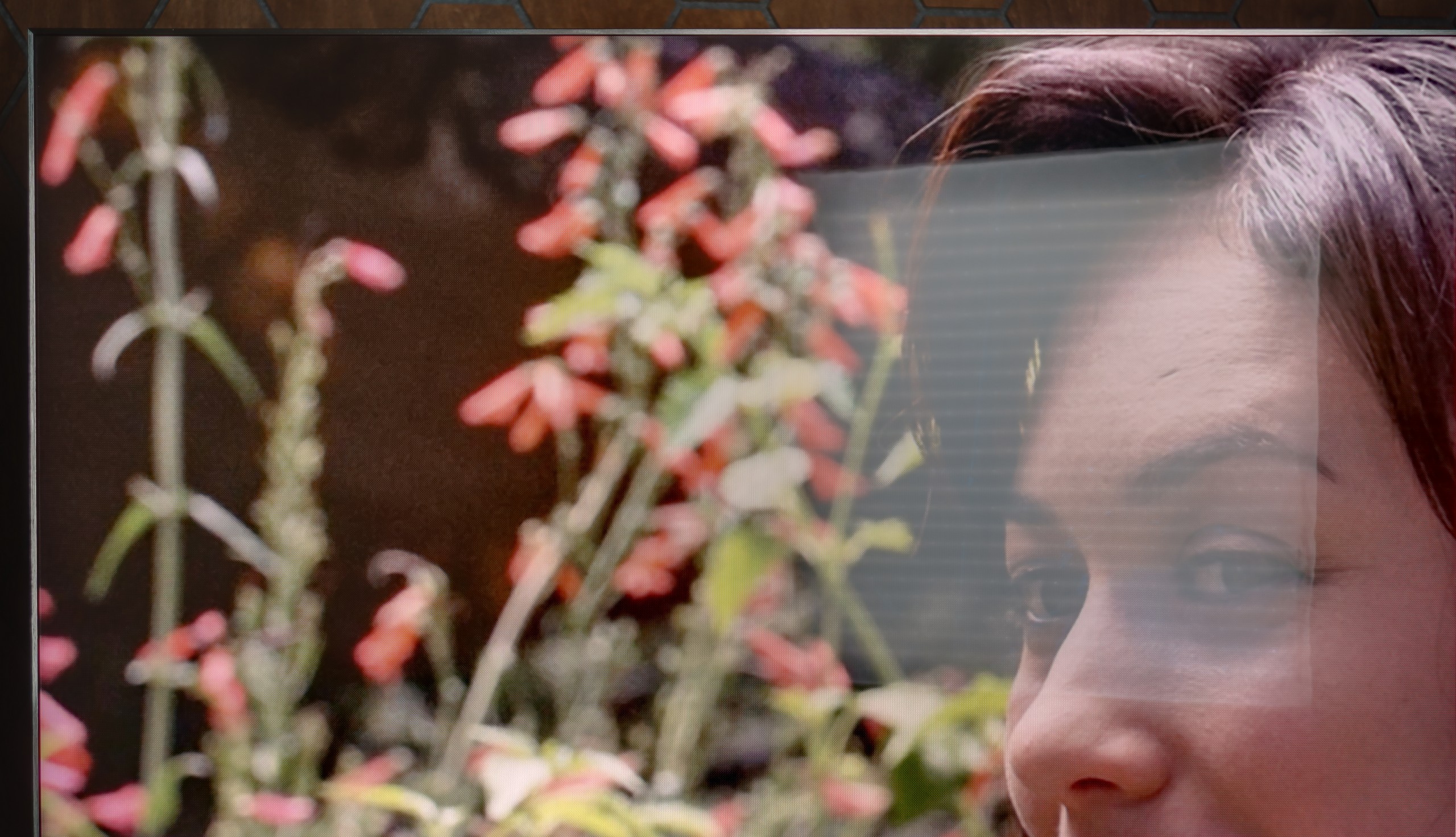
Panel brightness
TCL C8L / QM8L : 1651 cd/m2
LG OLED G5: 810 cd/m2
The LG G5, thanks to its very high brightness, performs excellently in bright rooms. Even with SDR content, the average brightness value is around 800 nits, which is significantly more than in standard televisions. It can easily handle a bright living room. Although the panel averages out reflections, it still maintains significantly better black levels and colors during the day than QD-OLED panels or matte-coated screens. The G5 will perform well in very sunny rooms—unless you really can't stand reflections on the screen. In that case, you will need to use blackout shades or consider buying a television with a matte screen.
The TCL C8L is one of the brightest TVs we've tested so far. As you can see from the brightness chart (or rather, you might not), its peak brightness reaches a cosmic 5,000 nits (exactly 4,862)! Although with a full-screen white image that value drops to around 600 nits, the TV's overall daytime performance lets us confidently say it's an almost perfect screen for very bright, sunlit living rooms. While the glossy panel used here doesn't suppress reflections as aggressively as matte screens, the display's enormous brightness can cut through most unwanted reflections from windows or other artificial light sources such as lamps.
Panel details
Subpixel Structure:
Panel uniformity and thermal imaging:

TV features
8.5/10
8.3/10
- SystemWebOSGoogle TV
- System performanceVery goodVery good
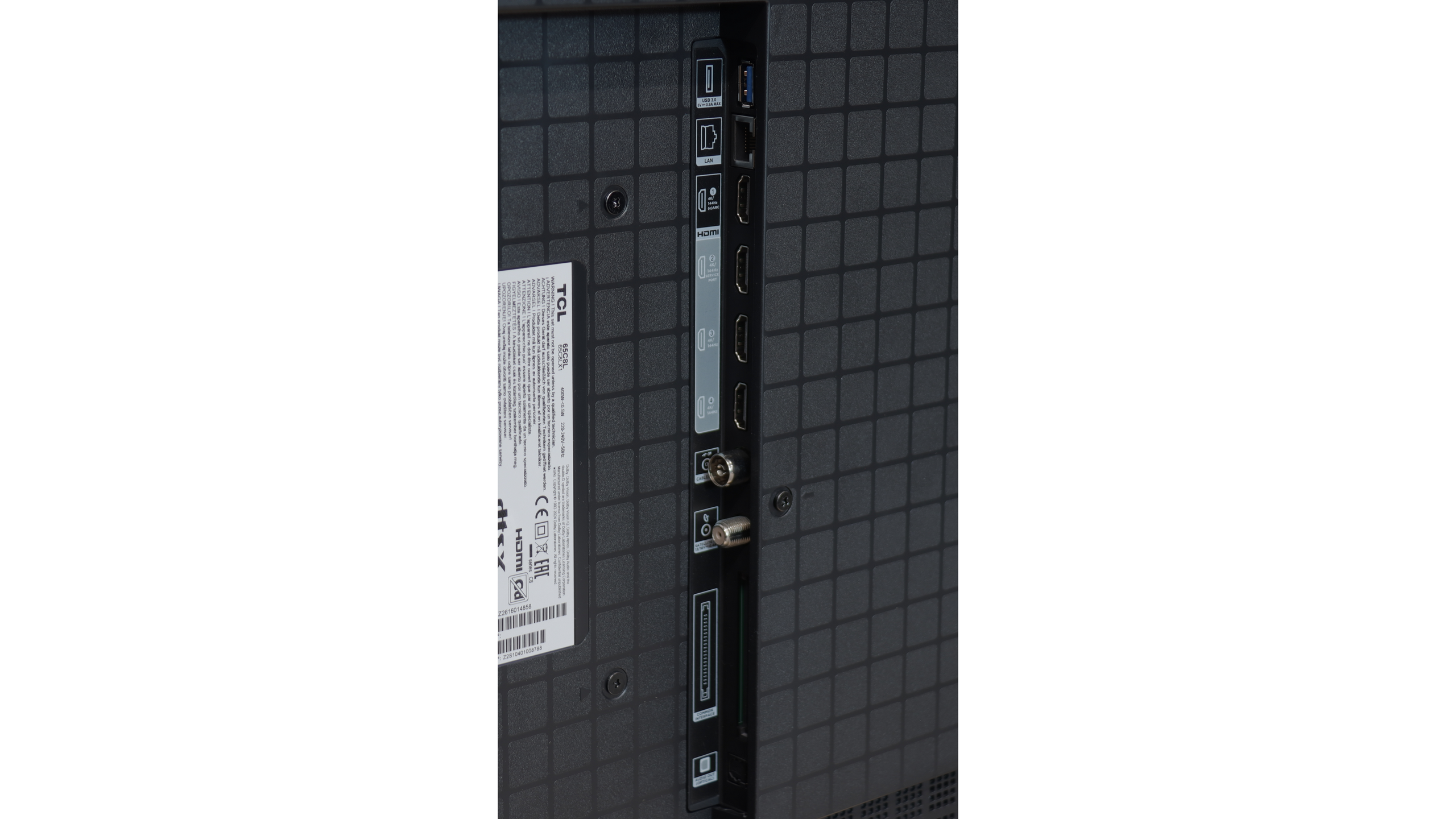
- HDMI inputs0 x HDMI 2.0, 4 x HDMI 2.1 48Gbps0 x HDMI 2.0, 4 x HDMI 2.1 48Gbps
- Other inputsIR (remote)
- OutputsToslink (Optical audio), eARC (HDMI), ARC (HDMI)Toslink (Optical audio), eARC (HDMI), ARC (HDMI)
- Network InterfacesWi-Fi 2.4GHz, Wi-Fi 5GHz, Ethernet (LAN) 100MbpsWi-Fi 2.4GHz, Wi-Fi 5GHz, Ethernet (LAN) 100Mbps
- TV receptionDVB-T, DVB-T2, DVB-S, DVB-S2, DVB-CDVB-T, DVB-T2, DVB-S, DVB-S2, DVB-C
Classic features:
- Recording to USB (terrestrial TV)

- Recording programming
- Picture in Picture (PiP)
- RF remote control (no need to aim)
- Backlit remote control
- Teletext
- Audio only mode
- Bluetooth headphones support
- Simultaneous Bluetooth headphones & TV audio
Smart features:
- AirPlay
- Screen mirroring (Windows Miracast)
- Voice search
- Voice search in native language
- Ability to connect a keyboard and mouse
Sound connection options
- HDMI audioeARC (HDMI), ARC (HDMI)eARC (HDMI), ARC (HDMI)
- Other audio outputsToslink (Optical audio)Toslink (Optical audio)
- Wireless audioBluetoothBluetooth
Supported audio formats (external HDMI eARC audio):
- Dolby Digital Plus 7.1
- Dolby True HD 7.1
- Dolby Atmos in Dolby Digital Plus (JOC)
- Dolby Atmos in Dolby True HD
- DTS:X in DTS-HD MA
- DTS-HD Master Audio
Senior accessibility
- Numeric keyboard on TV
- Font size adjustment
- Audio description
Classic Features
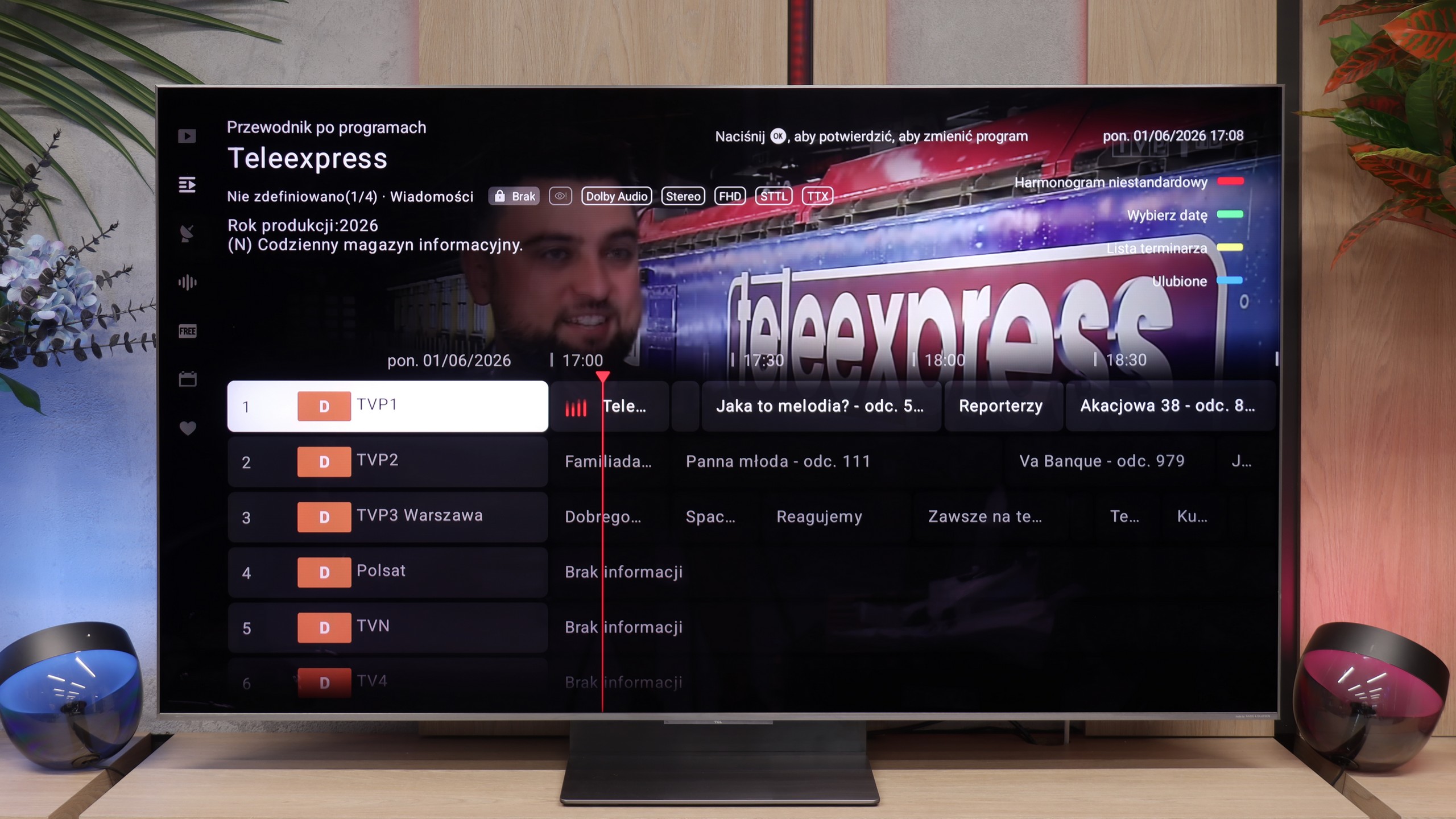
LG G5 has a lot to offer when it comes to classic TV features. Aside from the lack of the ability to watch two sources (PIP), the television performs well for everyday use. There are no issues with connecting external Bluetooth devices, such as headphones, and the EPG interface is very clear and understandable – even for those who are not particularly tech-savvy.
Smart TV Features
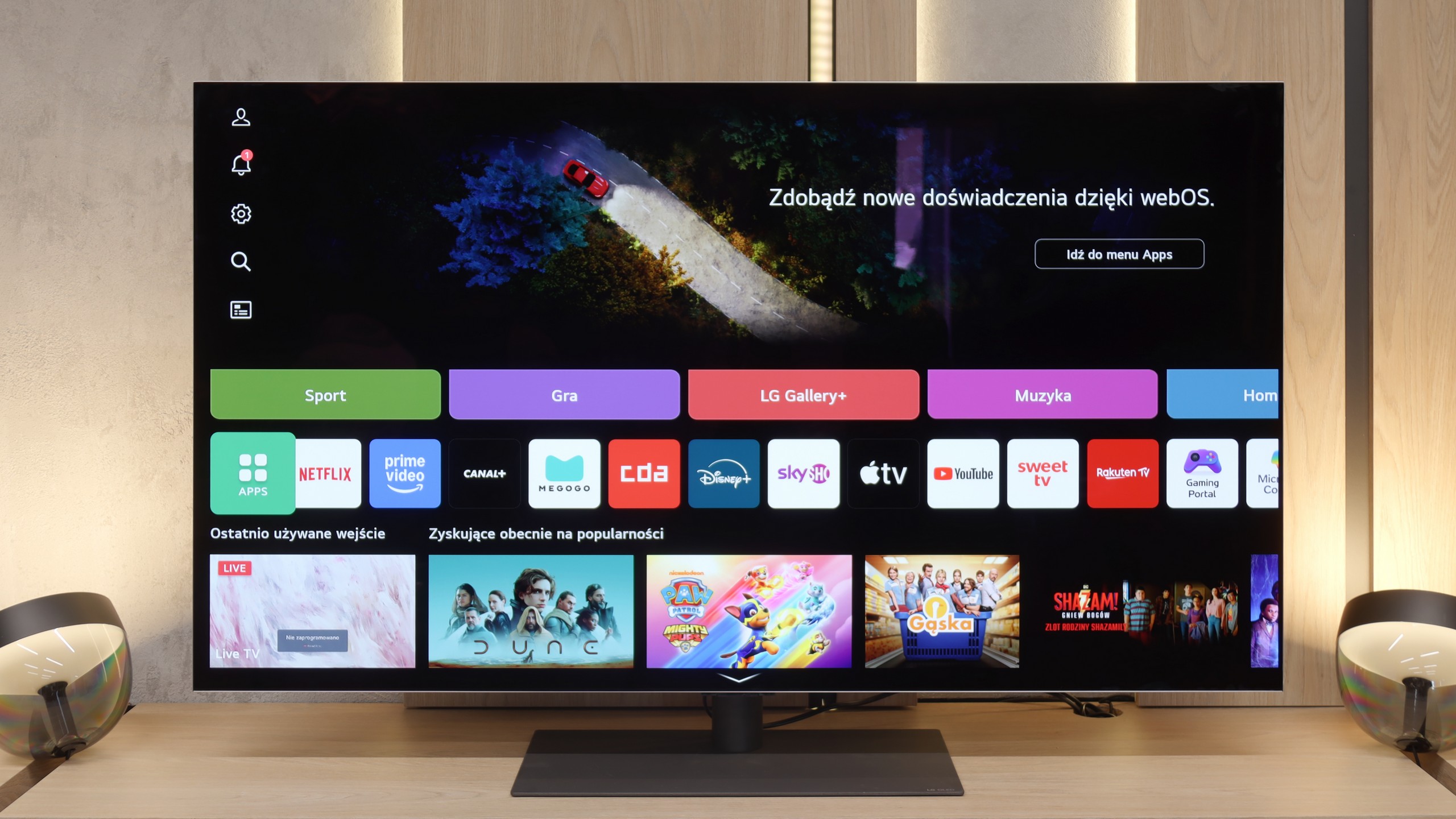
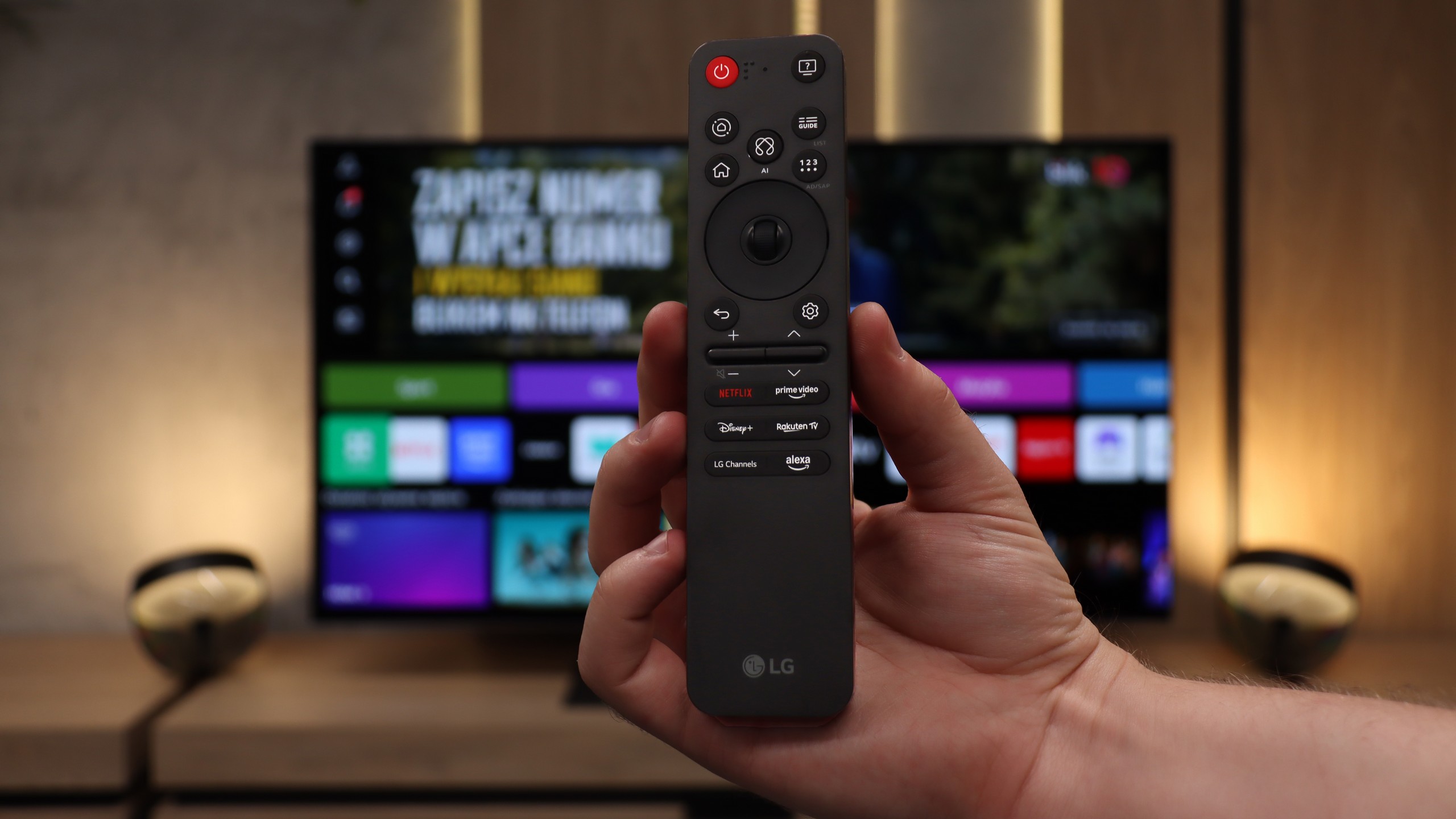
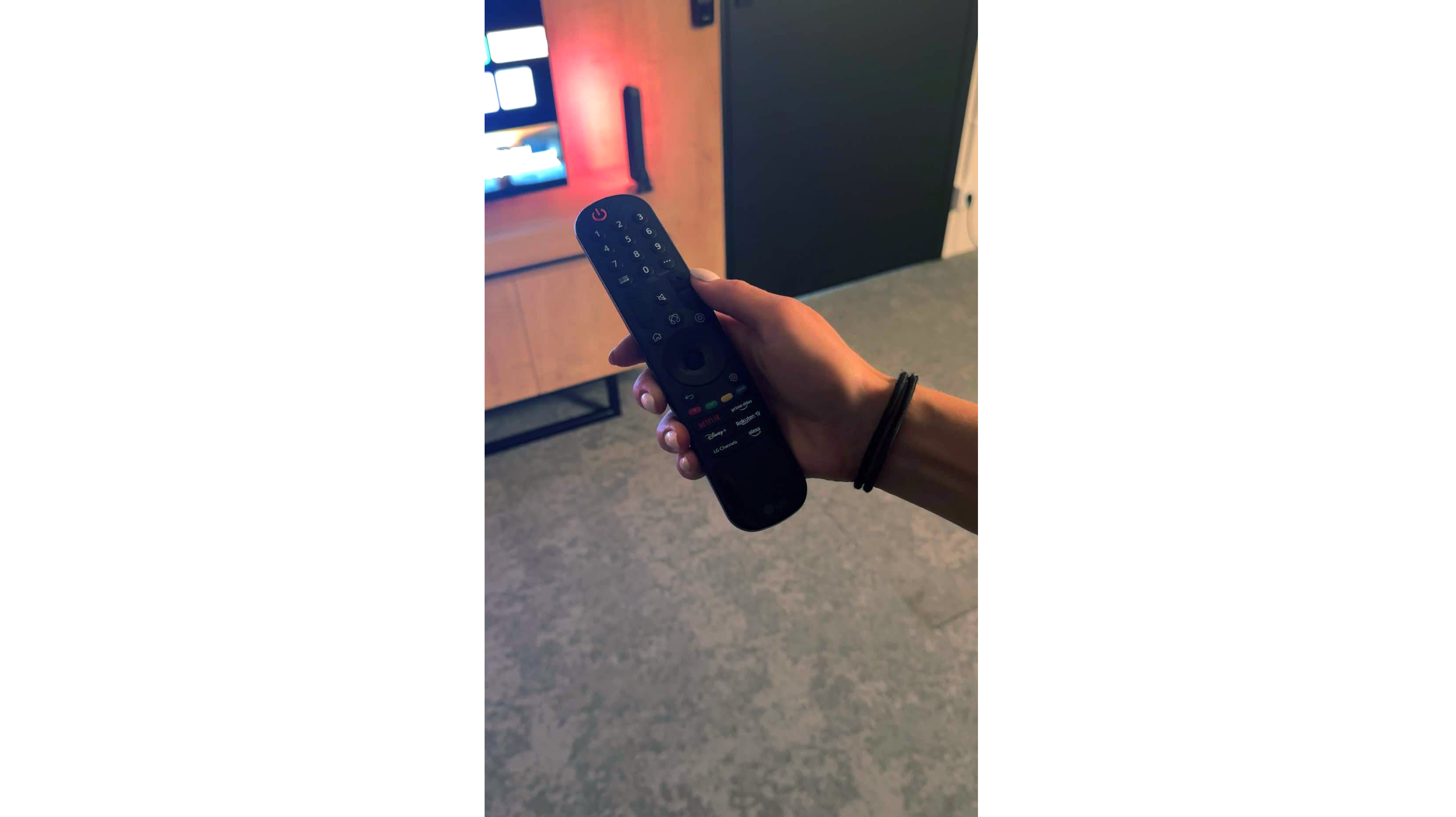
The Smart TV in the G5 operates on the WebOS system – it is the heart and brain of the entire television. Thanks to the Magic remote, using the G5 is truly enjoyable. We control the cursor on the screen with wrist movements, which is somewhat reminiscent of using a mouse in the air. The system itself is very comprehensive and offers everything one could expect: AirPlay, screen mirroring, voice search, and voice commands – all of these work smoothly and without delays. Without a doubt, this is one of the best operating systems in televisions on the market.
Note:
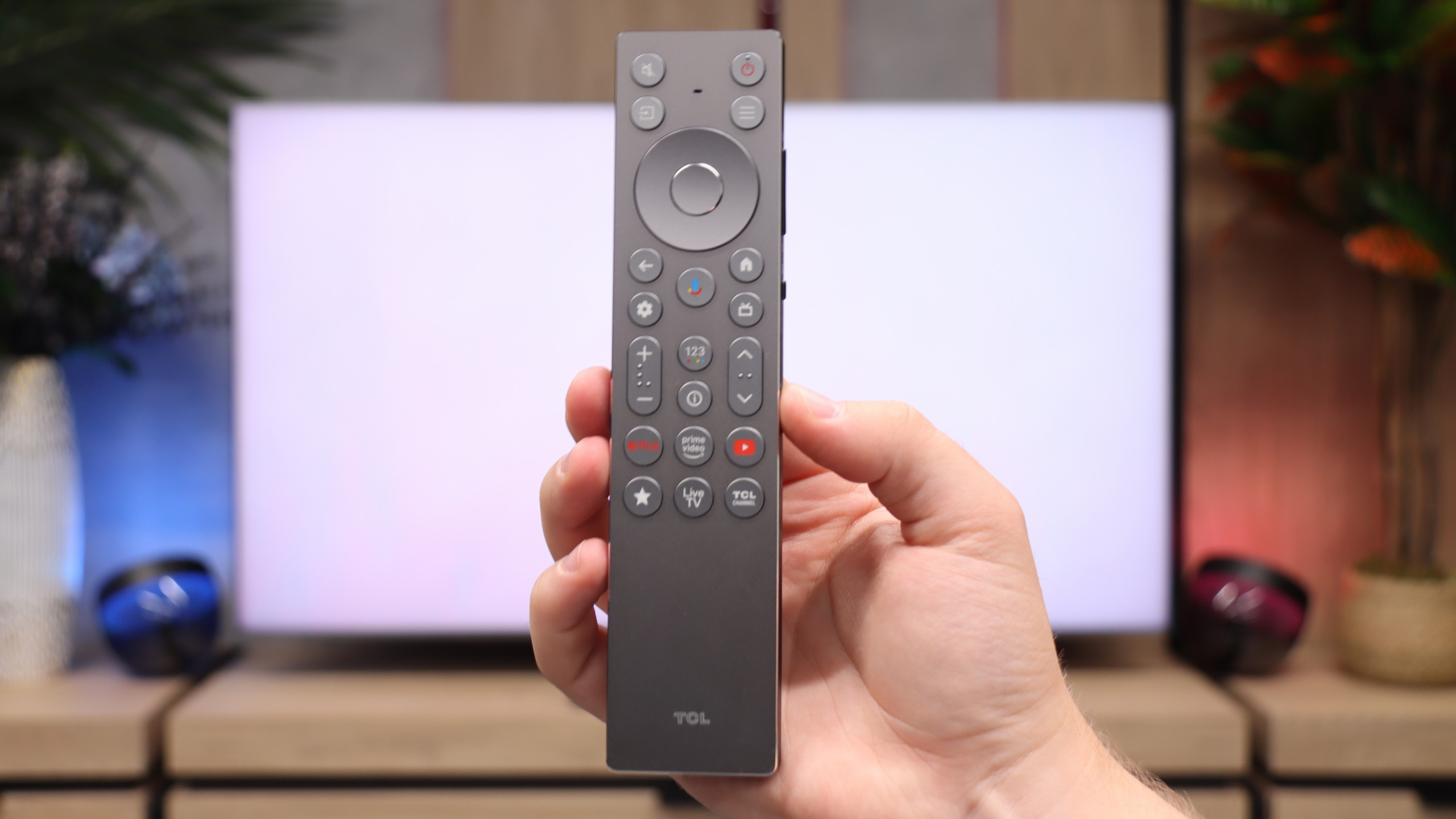
During our testing, we had practically nothing to complain about – except for one exception: the confusion surrounding the remote. Depending on the market and the specific version of the model, you may come across the new, minimalist Magic remote (without a numeric keypad), or the older version with a full set of buttons. We tested the G54LW model, which had the new Magic remote, but it is hard to say how the situation looks in other variants. Perhaps it is a similar situation to the LG C5 series, where the addition of the remote also depends on the specific market.
SmartTV: Google TV
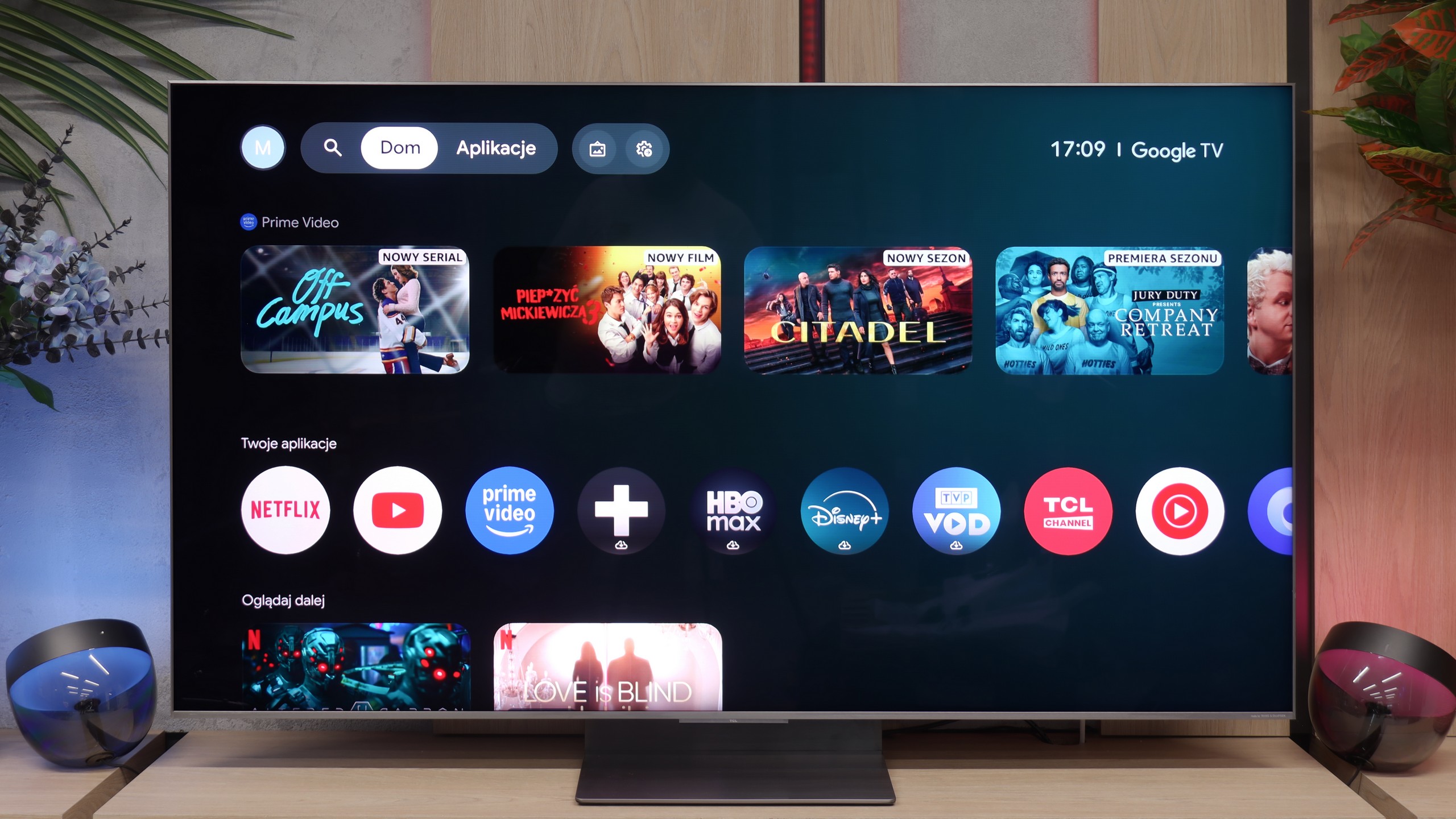
Online you can still come across older opinions about TCL where users complained about slow performance or occasional freezes of the Google TV interface. With the C8L model, however, there's a big step forward. Thanks to a new processor and some fixes, Google TV's stability and speed are at a very high level. We can easily compare the system's operation to closed systems like Tizen or webOS found in competing flagship models. On board it comes with a full package of features, led by the updated Gemini voice system.
TV features
For typical TV-related matters the C8L simply reliably fulfills its role as a television 😉. You'll find classic, standard solutions here, such as a Bluetooth module for smooth pairing of wireless headphones and the still-present teletext for the built-in tuners. However, it's clearly a model designed primarily for modern streaming platforms. One sign of this is the minimalist, modern remote, which, unlike the cheaper C7L, lacks a traditional numeric keypad entirely.
Apps
9.1/10
9.6/10






















Playing files from USB
9/10
9.4/10
Supported photo formats:
Maximum photo resolution:
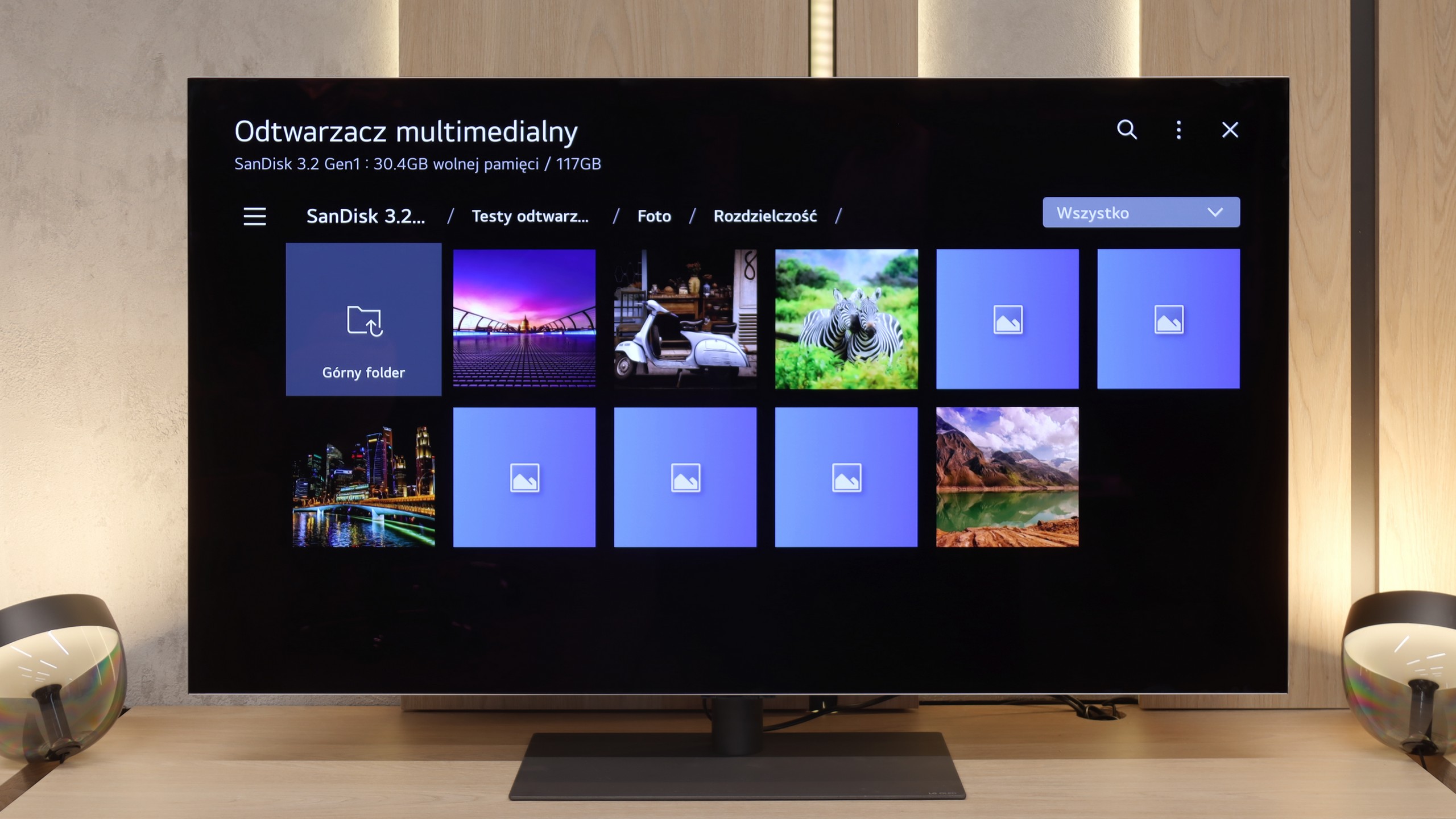
The built-in media player in the LG G5 is really very good. It supports virtually everything you would expect from a modern television – most popular formats work without issue, and the application performs quickly. Our only disappointment was the lack of support for very high bitrate HEVC files at 85 Mbit/s – similar to the C5 and B5 models. Interestingly, the same file worked flawlessly on last year's LG OLEDs, so it's hard to say what is behind this change. Nevertheless, in everyday use, the G5 will handle the vast majority of content, and there will be no need to connect any external devices for media playback.
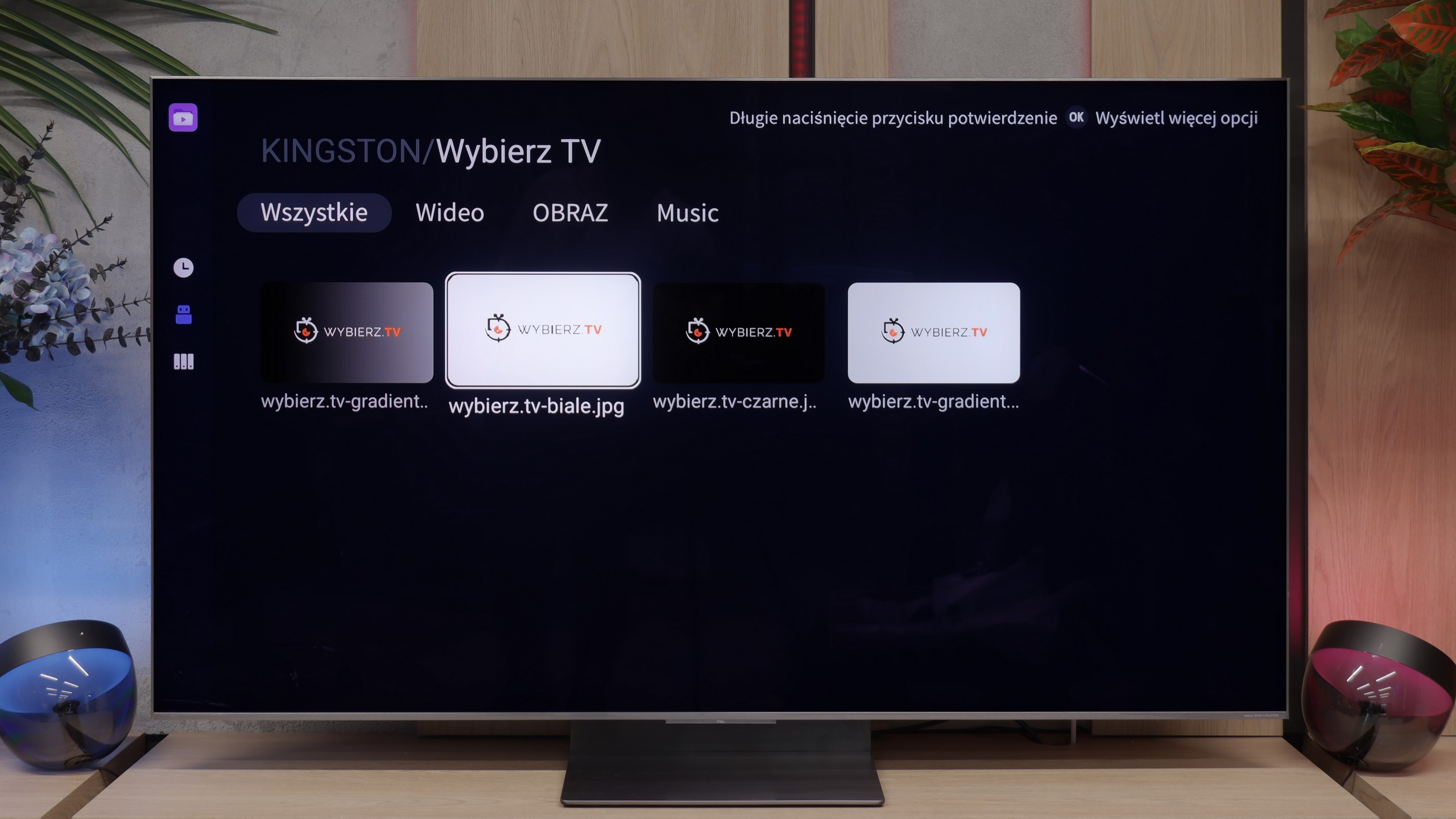
The built-in USB media player handles everyday tests without the slightest problems. It's good to see that the TV natively and smoothly opens even less common image formats, such as Apple's HEIC. We did encounter a few formats that the factory app couldn't handle, but with Google TV that's no barrier. A huge advantage of this system is the ability to install any third-party player (e.g., VLC) directly from Google Play, which often completely resolves file compatibility issues.
Sound
8.7/10
8.1/10
- Maximum volume84dB78dB
- Dolby Digital Plus 7.1
- Dolby True HD 7.1
- Dolby Atmos in Dolby Digital Plus (JOC)
- Dolby Atmos in Dolby True HD
- DTS:X in DTS-HD MA
- DTS-HD Master Audio
The sound on the LG G5, given its slim body, is truly phenomenal. When listening to music, a light, pleasant bass can be felt, and in movies, the dialogues are clear and easily heard – they do not get lost even in dynamic scenes. Unfortunately, a certain disappointment is the lack of support for the DTS format, which LG used in its older models. It's a shame, because many people with home theaters may see this as a step backward.
It might seem that in terms of sound the TCL C8L would perform exactly the same as last year’s C8K. After all, the Bang & Olufsen-branded 6.2.2 audio system is on board again, with the same power and the same system features, namely Beosonic technology. Nothing could be further from the truth. The new generation performed noticeably better in our listening tests. Why is that? To be honest, from a purely hardware standpoint we don't know, but it's clear on the graphs from our measurements. Maybe TCL simply managed to improve the speakers' behavior with a new software update and better speaker tuning and drive. But as we always say, they're still TV speakers. We believe anyone who wants to fully enjoy this TV's potential will still need to buy a good soundbar or a home theater system. The C8L offers full support for audio codecs like Dolby Atmos and the niche DTS. Only by connecting an external audio setup will you be able to get true, immersive spatial sound from movies or games and complement what you see on this TV.
Sound Quality Test
Acoustic Measurements
84dBC (Max)
75dBC
78dBC (Max)
75dBC