The LG G4 TV supports all the features encompassed by the HDMI 2.1 standard, making it a gaming powerhouse. During testing, every feature activated seamlessly, ensuring a smooth experience for both console gamers and PC users. Notably, the HGIG mode (HDR Gaming Interest Group) is implemented correctly, allowing games mastered to brightness levels higher than the TV’s maximum luminance to map tones accurately, preserving the game’s original visual integrity.
A notable highlight is the dedicated GameBar, which can be accessed at any time to quickly check or adjust game settings. More importantly, enabling VRR (Variable Refresh Rate) does not compromise contrast—a common issue in TVs with local dimming or Mini LED backlighting. This is thanks to the OLED panel’s self-emissive pixels, which maintain consistent contrast. However, a slight grey flicker may appear when VRR is enabled, though this is standard across OLEDs.
In summary, the LG G4, like most OLED TVs, is ideal for gaming and online competitions. Its HDMI 2.1 ports offer a full 48 Gbps bandwidth, supporting features such as VRR, ALLM (Auto Low Latency Mode), G-Sync, FreeSync, and HDR Dolby Vision gameplay, ensuring an exceptional gaming experience.
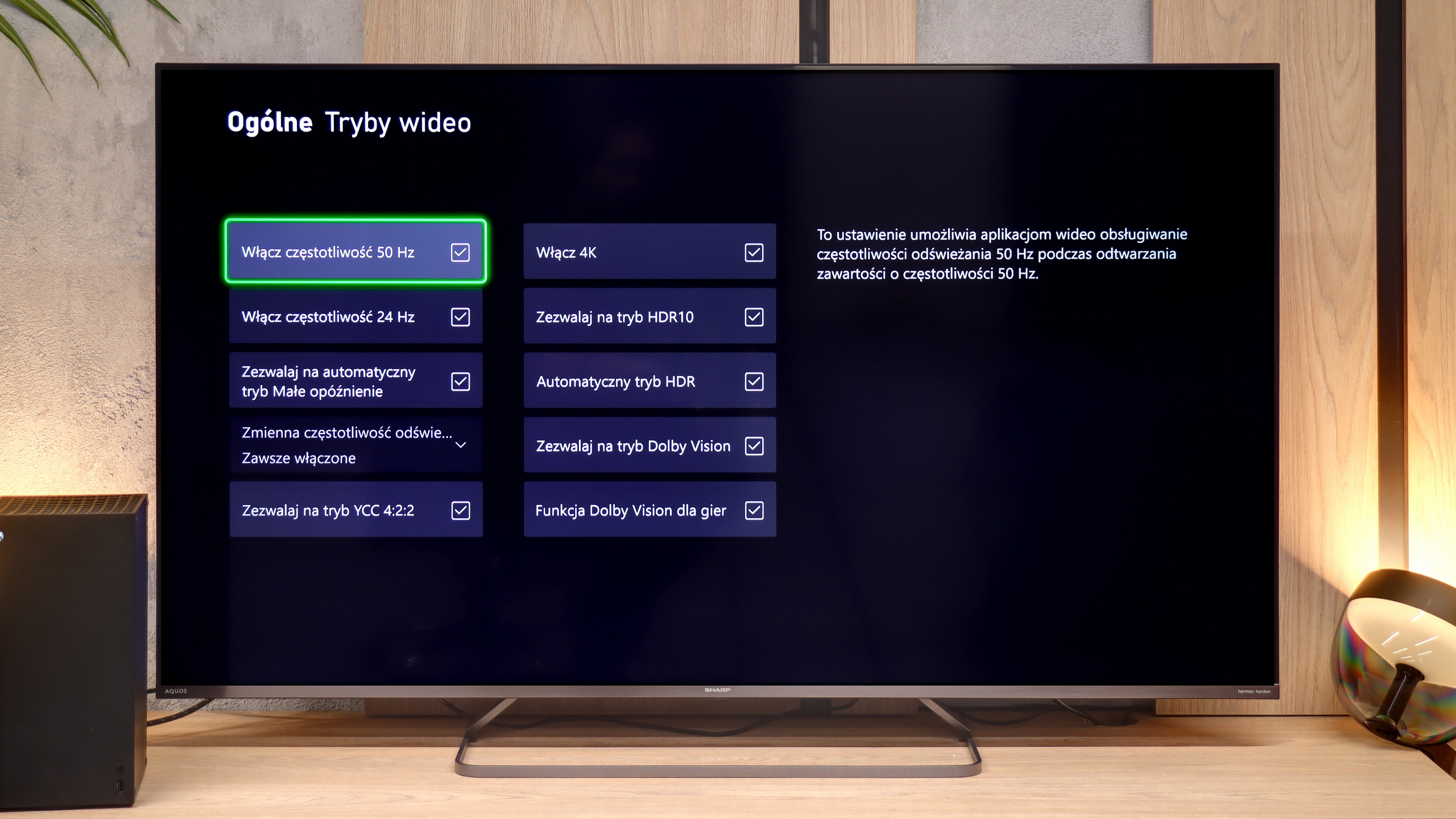
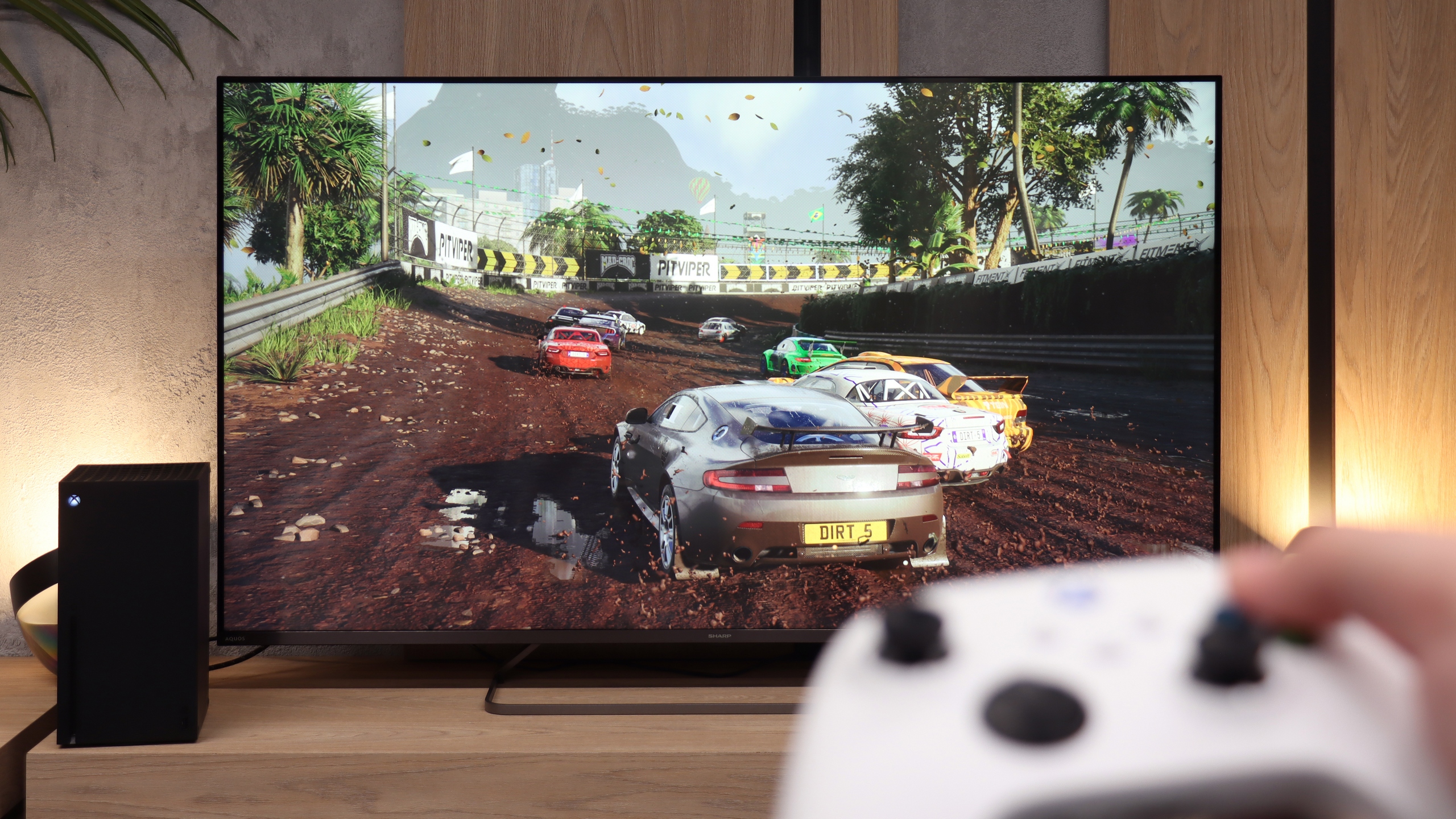
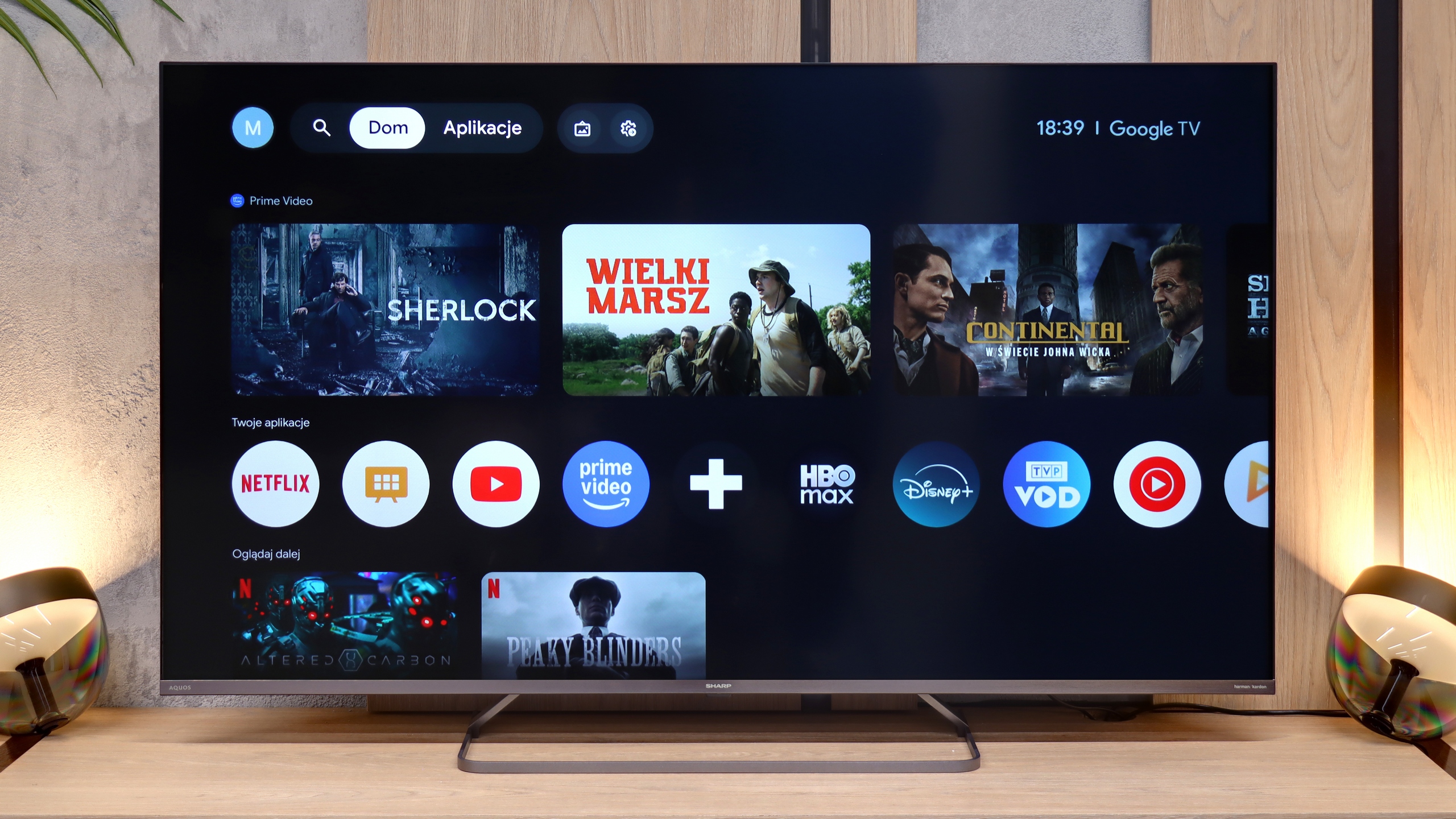
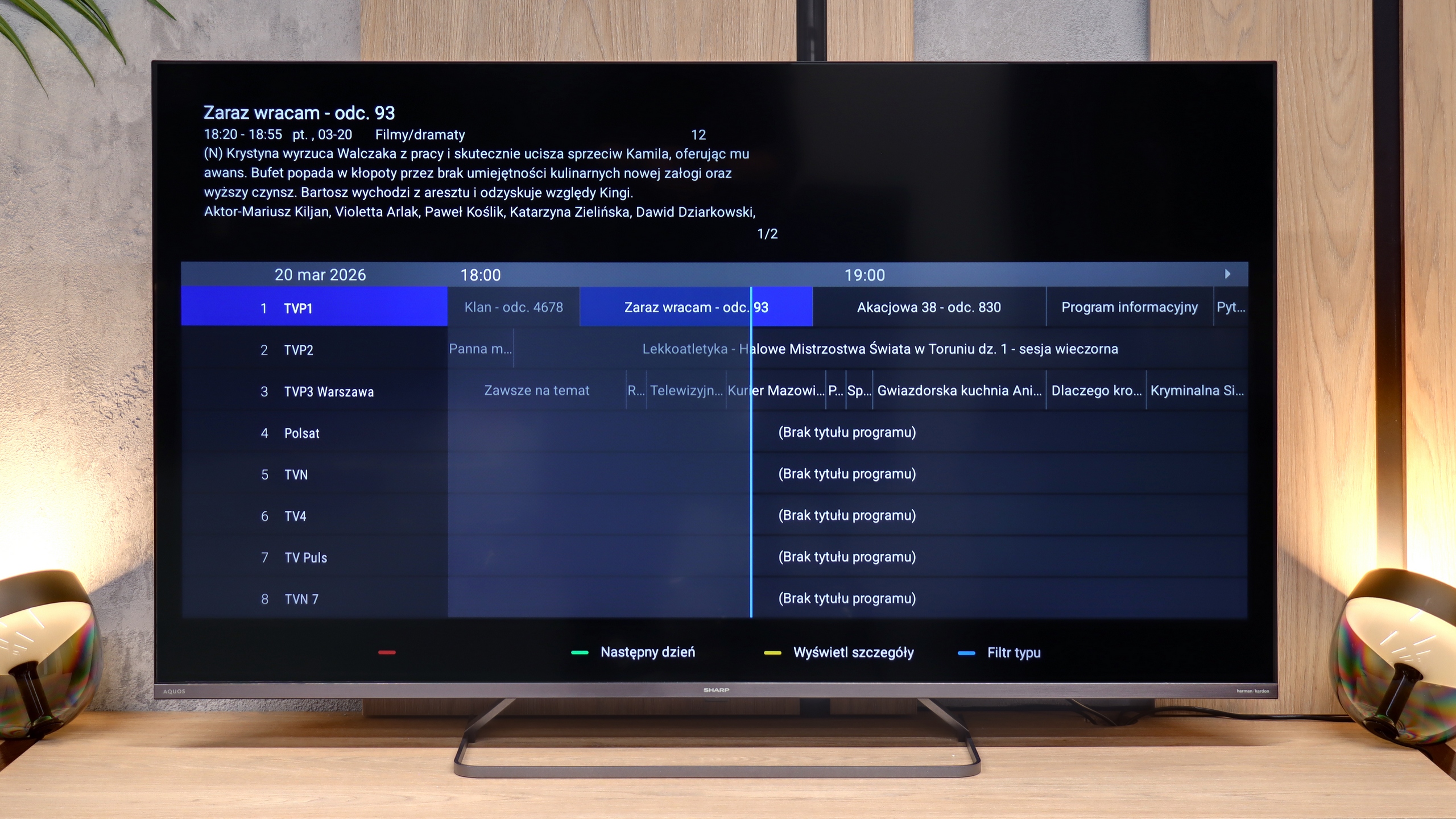
As we mentioned earlier, the 60Hz panel is not a feature that will attract gamers to the Sharp JP7. Perhaps for the casual gamer, whose console generates most titles at 60 frames per second, there might be something interesting? When it comes to specific additions, we find:
ALLM Mode: Automatically switches the TV to low latency game mode (input lag).
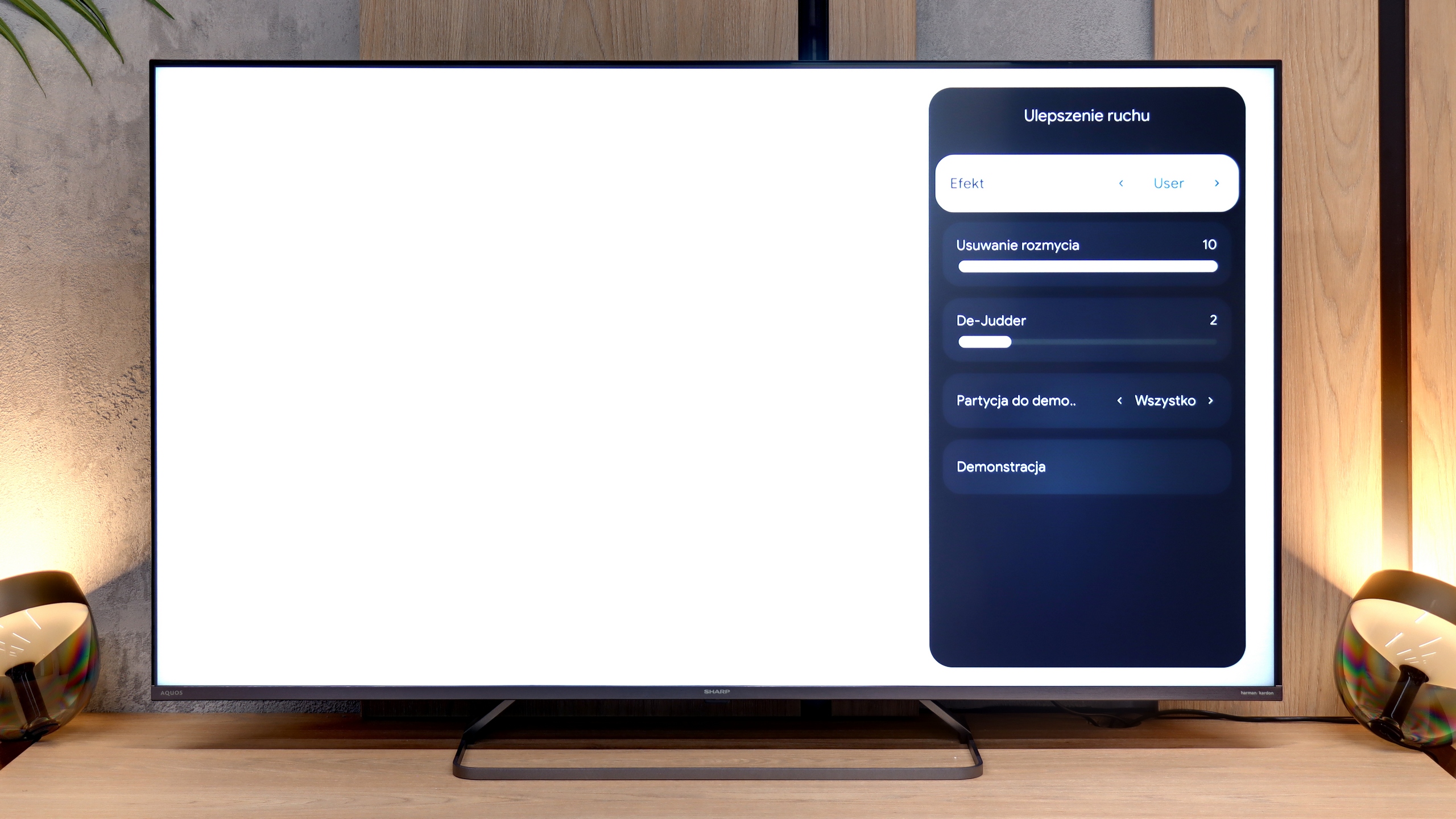
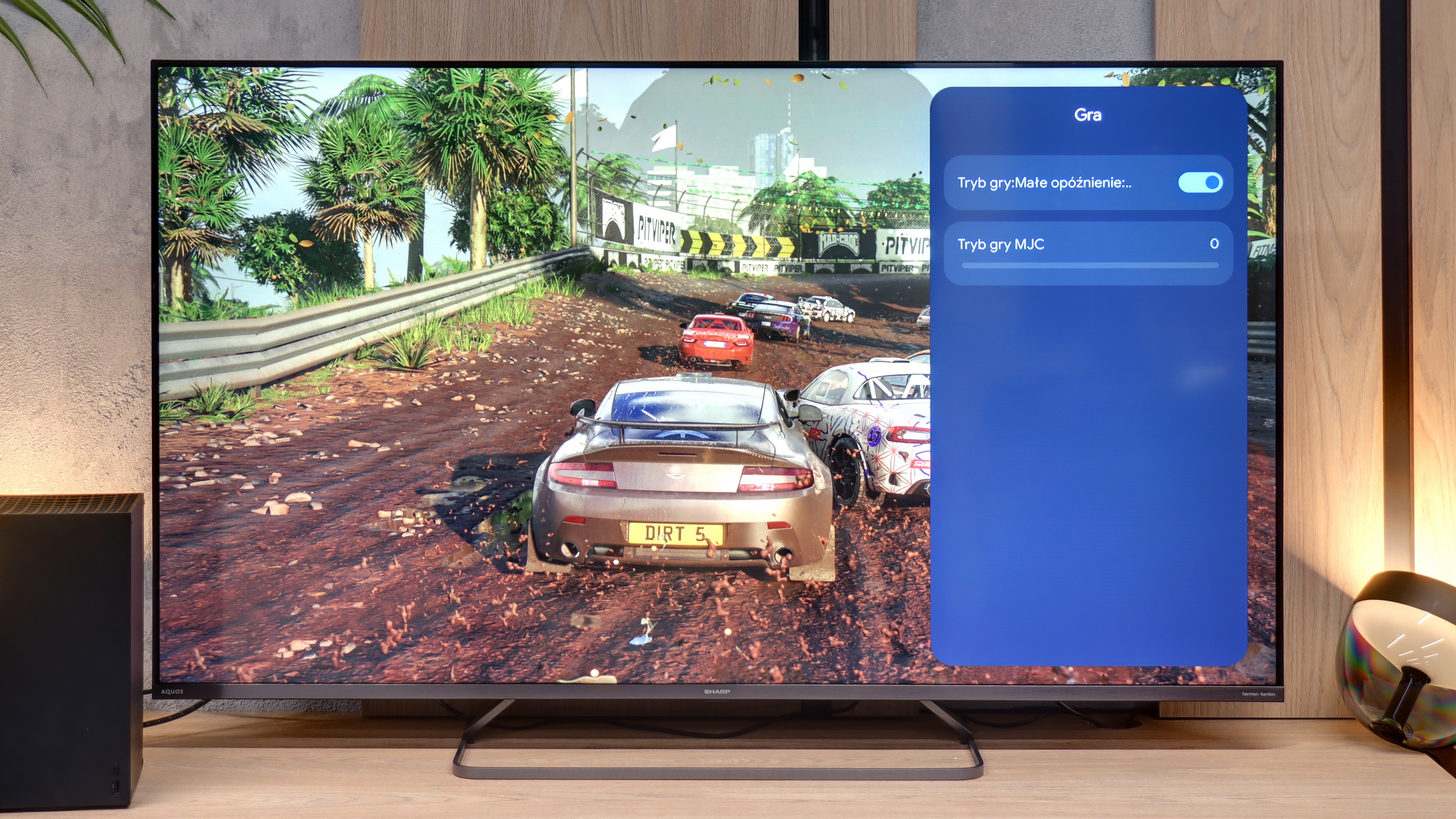
Game Menu: Which is hard to call a full-fledged “Game Bar,” as its functionality is minimal. Besides enabling ALLM, there is only a smoothness enhancer dedicated to games, which we recommend against because it introduces very noticeable artifacts and spoils the responsiveness.
Dolby Vision Gaming: For Microsoft's consoles.
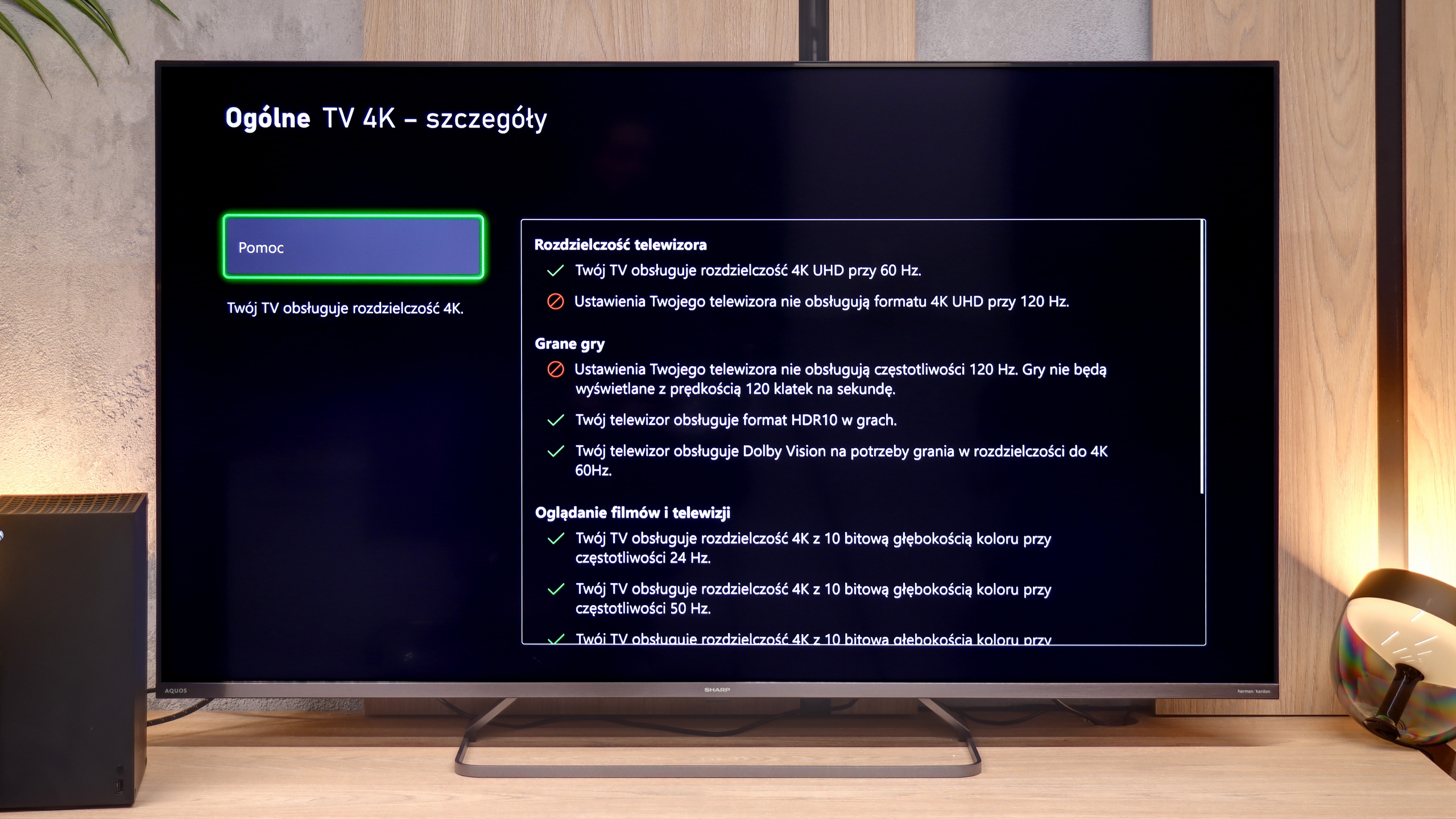
Unfortunately, the list of shortcomings is much longer and more painful than the positives. The biggest disappointment is the lack of support for 120Hz, even when lowering the resolution to Full HD. The presence of 120Hz would allow for performance modes to be activated in many games on PS5 or Xbox Series X. Another absence is VRR, which means that during frame drops, we are susceptible to image tearing. The lack of proper implementation of the HGiG standard is also very problematic. This results in the fact that during HDR calibration in the console menu, it is very easy to “overshoot” the brightness settings. As a result, instead of clear details in highlights, we end up with an unnaturally over-brightened image with cut-off details. The Sharp JP7 is a proposal only for very casual gamers.
 Direct comparison