The LG G4 TV supports all the features encompassed by the HDMI 2.1 standard, making it a gaming powerhouse. During testing, every feature activated seamlessly, ensuring a smooth experience for both console gamers and PC users. Notably, the HGIG mode (HDR Gaming Interest Group) is implemented correctly, allowing games mastered to brightness levels higher than the TV’s maximum luminance to map tones accurately, preserving the game’s original visual integrity.
A notable highlight is the dedicated GameBar, which can be accessed at any time to quickly check or adjust game settings. More importantly, enabling VRR (Variable Refresh Rate) does not compromise contrast—a common issue in TVs with local dimming or Mini LED backlighting. This is thanks to the OLED panel’s self-emissive pixels, which maintain consistent contrast. However, a slight grey flicker may appear when VRR is enabled, though this is standard across OLEDs.
In summary, the LG G4, like most OLED TVs, is ideal for gaming and online competitions. Its HDMI 2.1 ports offer a full 48 Gbps bandwidth, supporting features such as VRR, ALLM (Auto Low Latency Mode), G-Sync, FreeSync, and HDR Dolby Vision gameplay, ensuring an exceptional gaming experience.
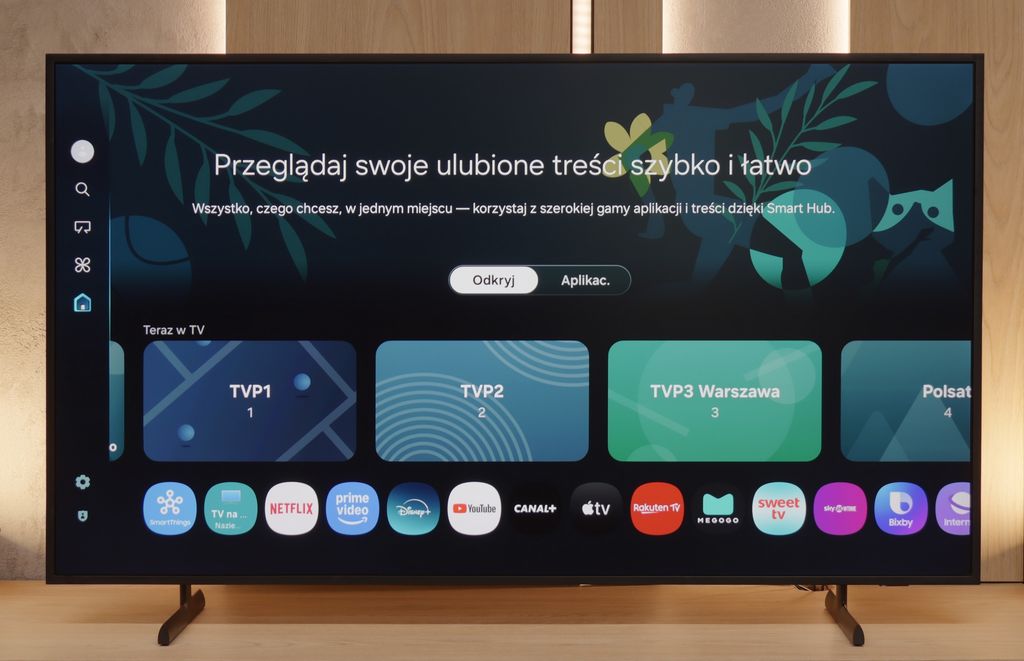
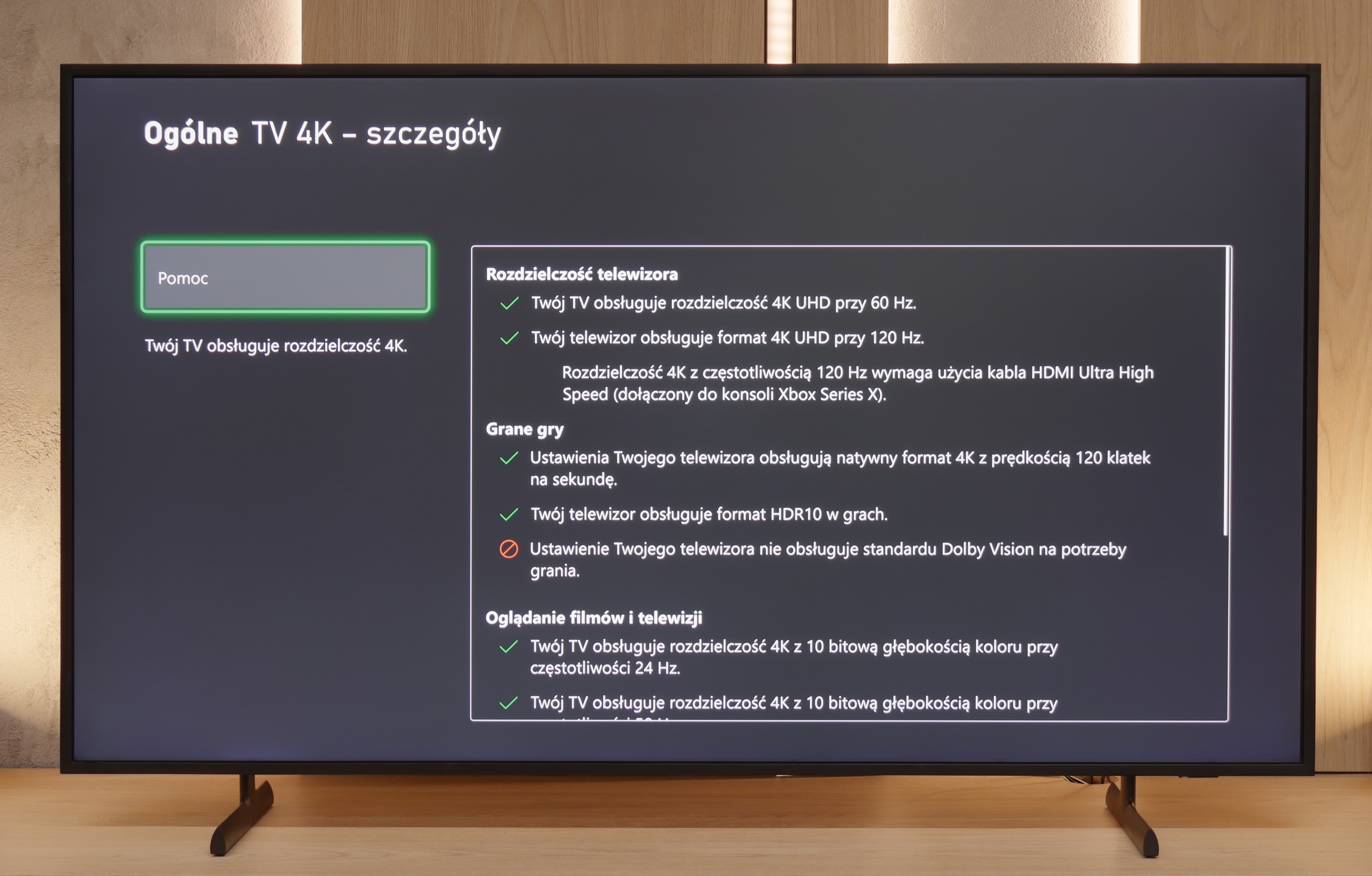
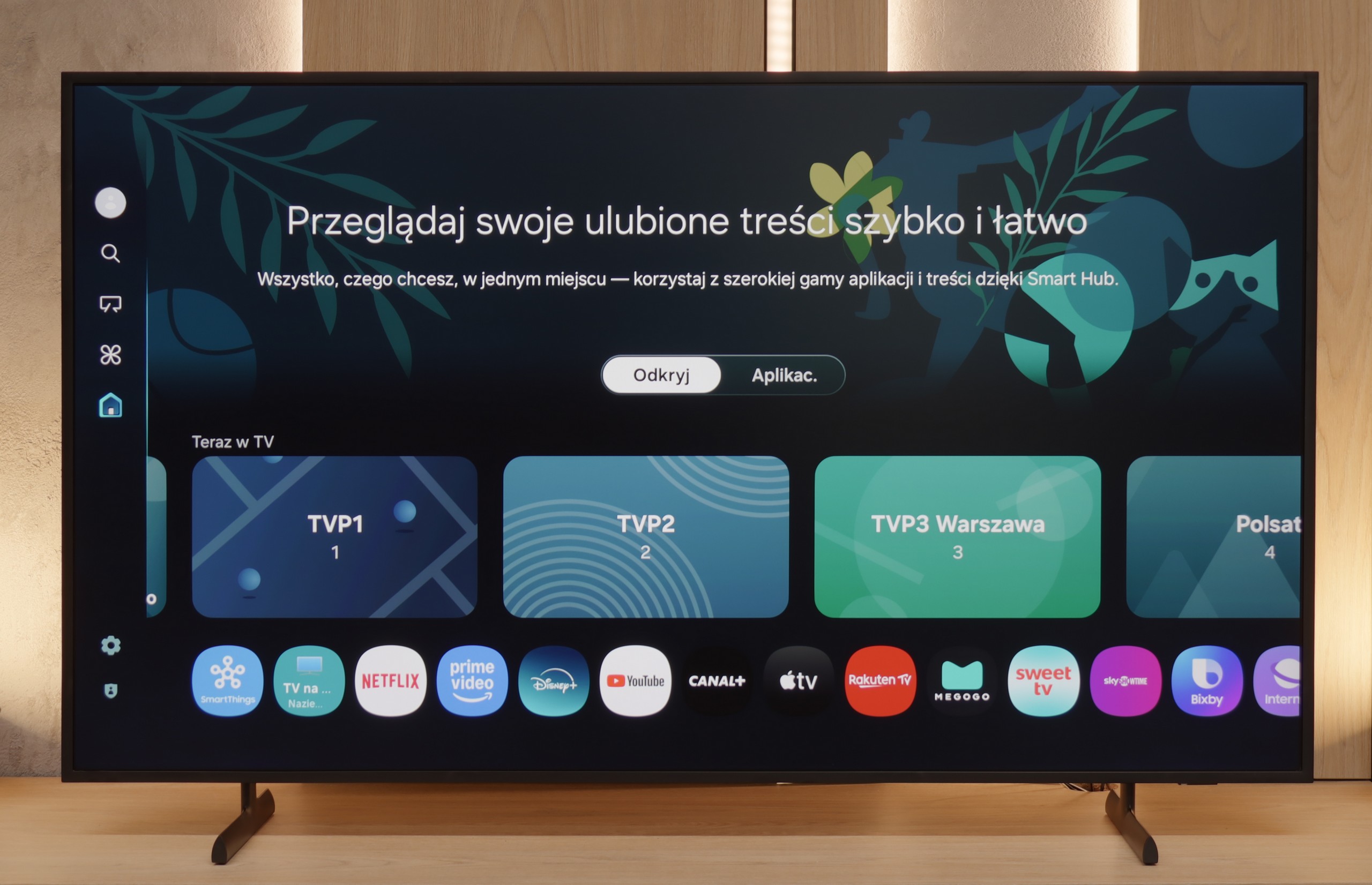
As we mentioned earlier – although The Frame is likely displaying images and artwork most of the time, Samsung recognized that a Van Gogh enthusiast could just as well be an avid gamer. And it must be admitted that The Frame 2025 has almost everything it needs to become a full-fledged gaming TV.
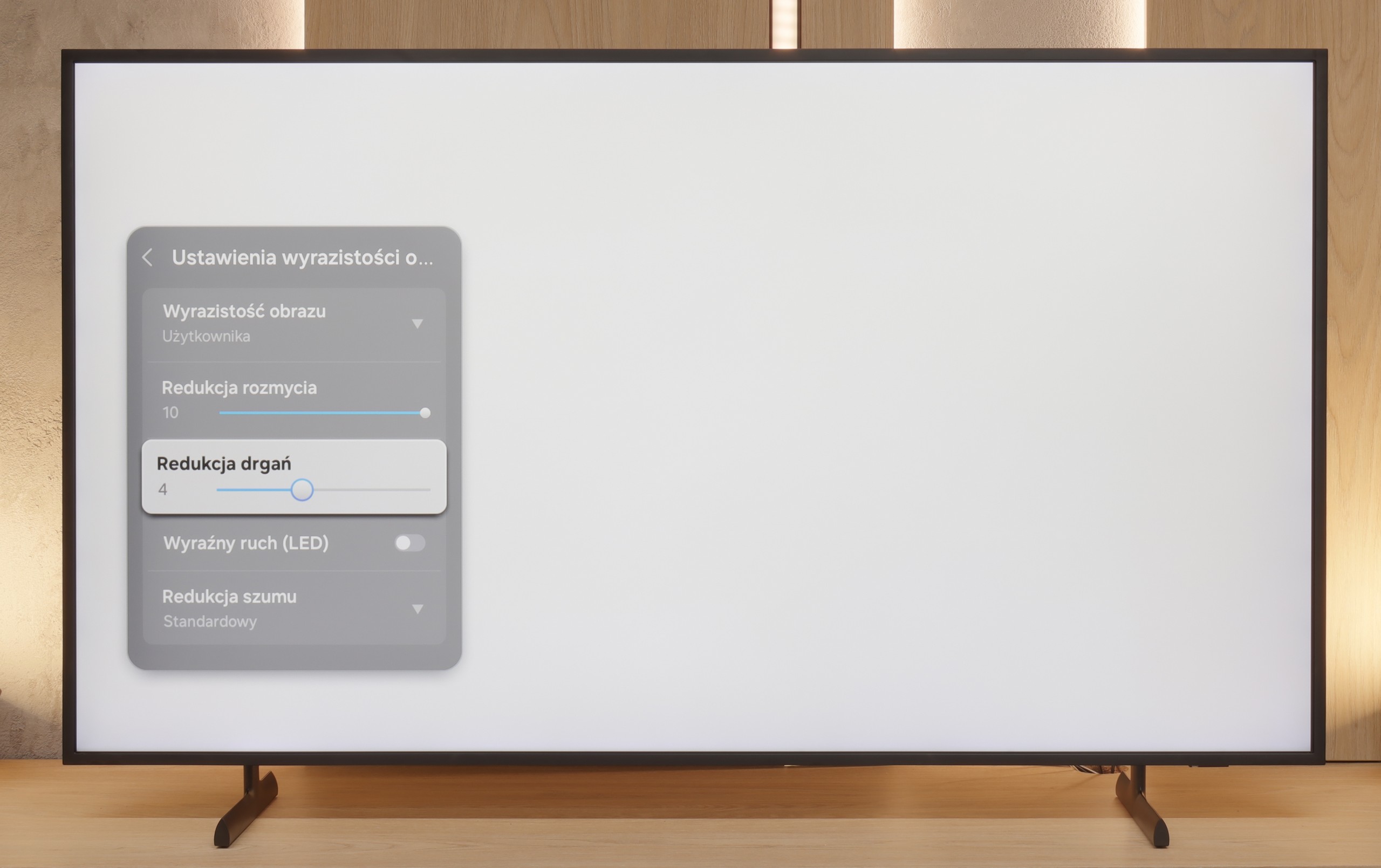
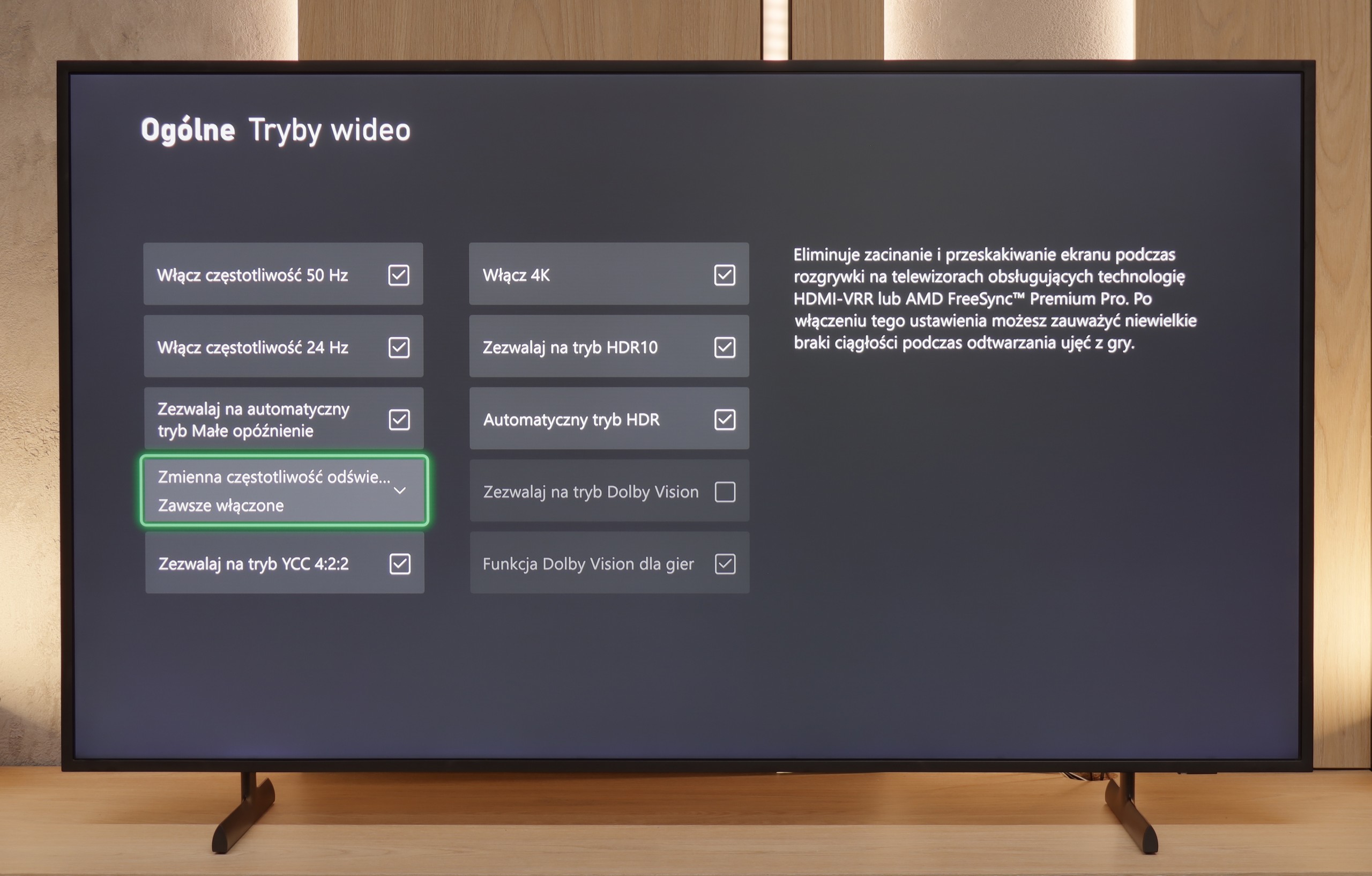
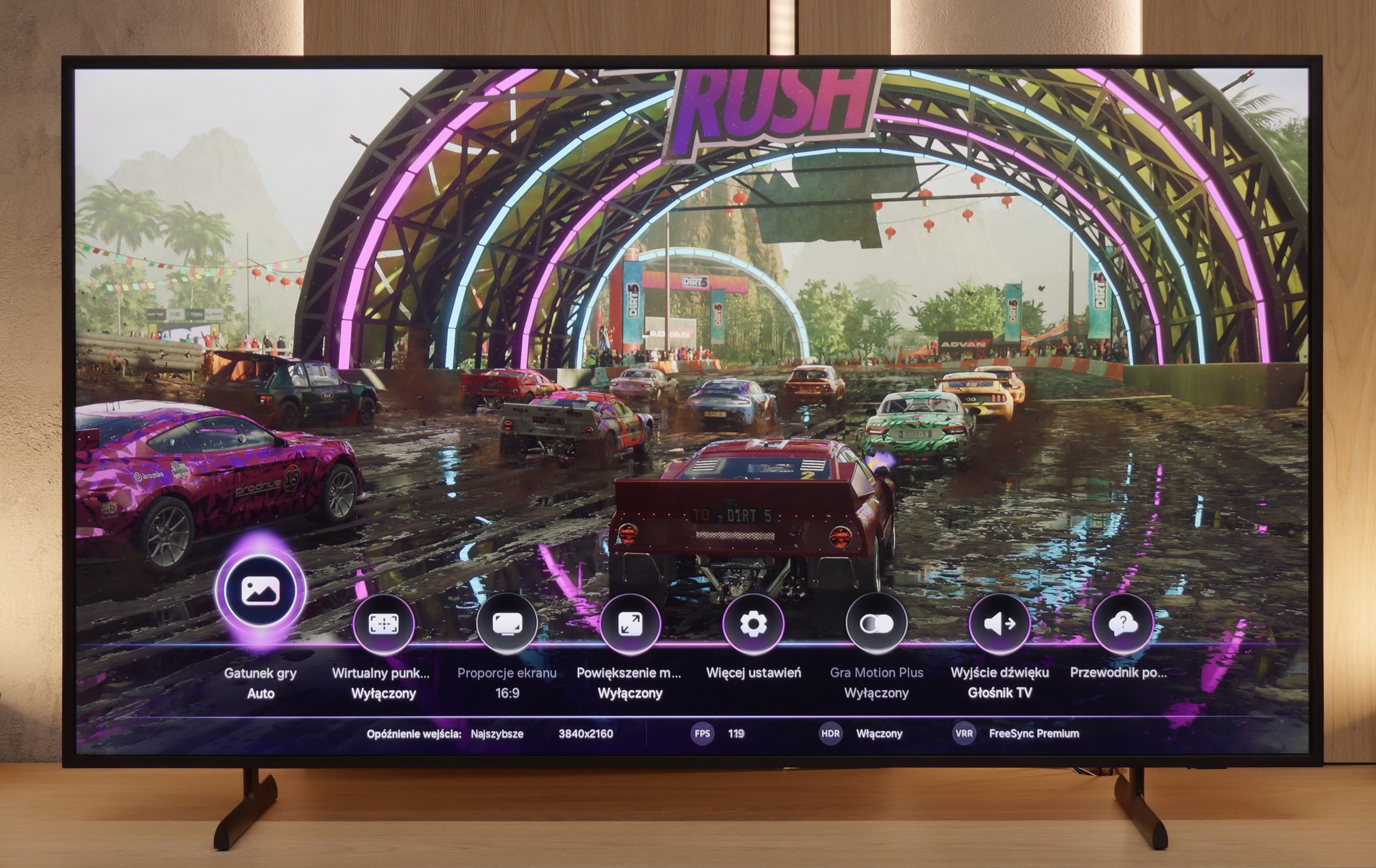
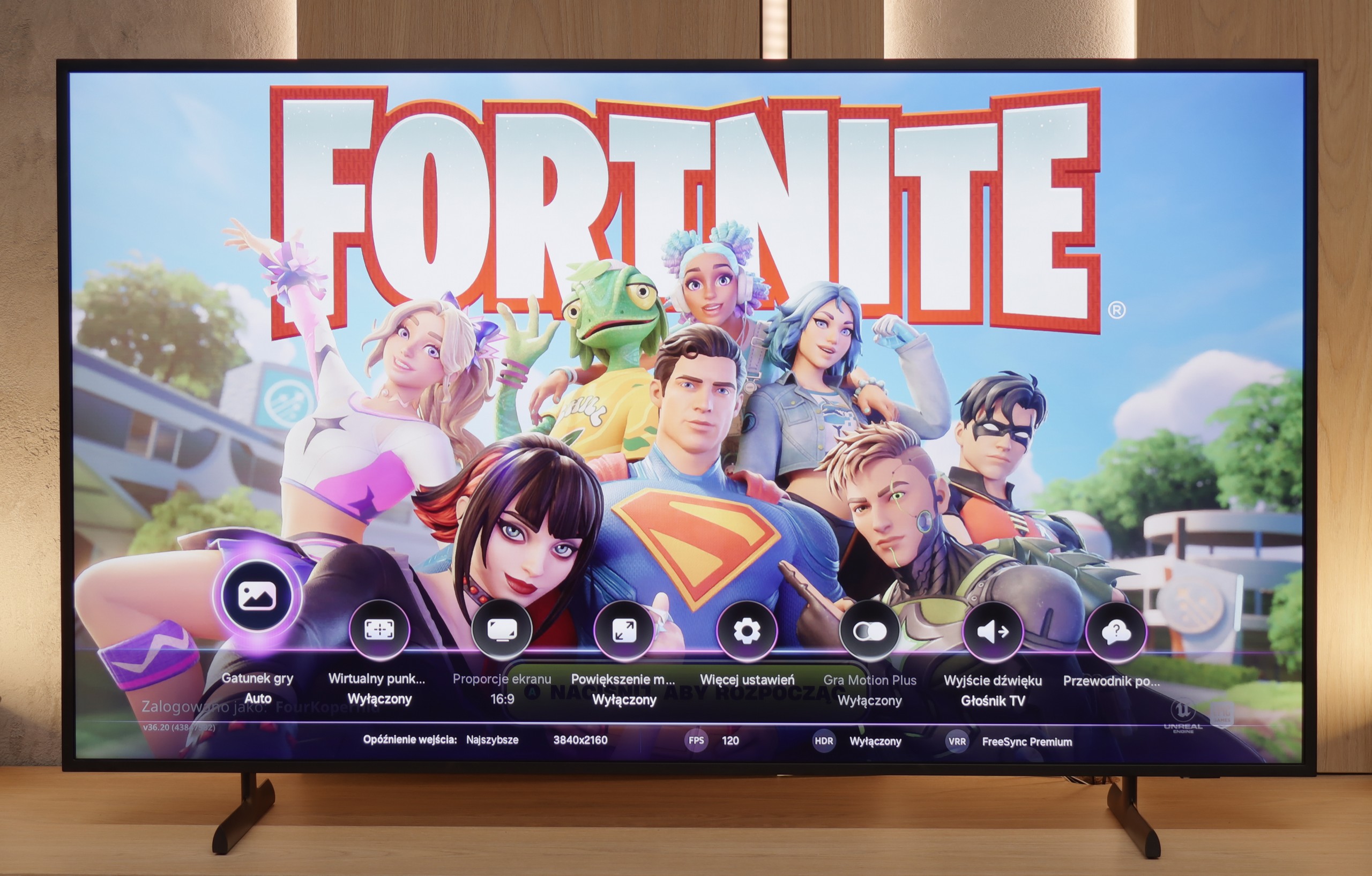
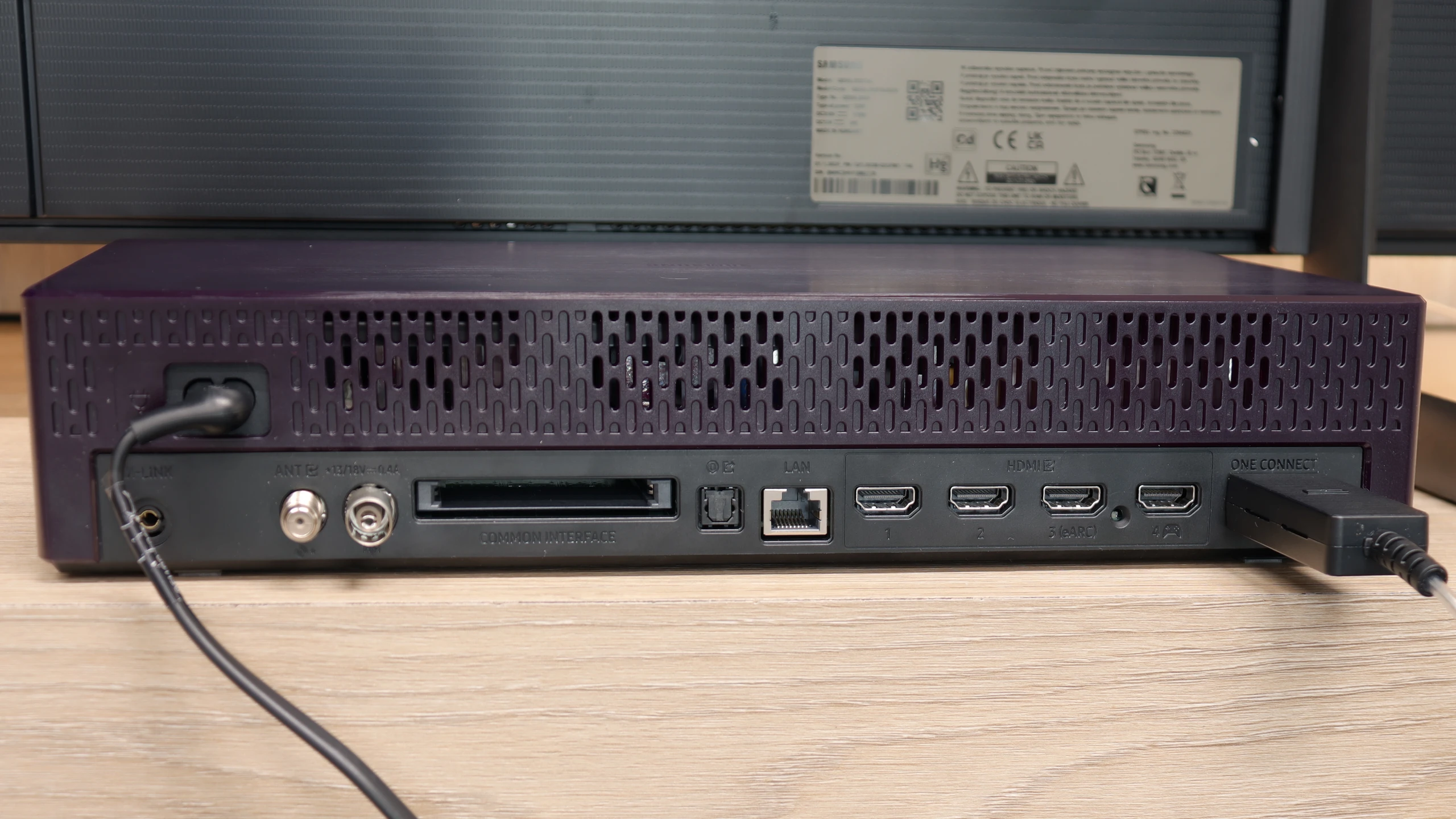
On board, we find support for ALLM (Auto Low Latency Mode) and variable refresh rate (VRR) thanks to the implementation of one HDMI 2.1 port. The TV handles lower resolutions at higher refresh rates with ease and features an advanced Game Bar – already known from other Samsung models – which allows for a quick overview and change of the most important gaming-related settings. And for that, it earns extra points from us. The proprietary motion smoothing feature, Auto Motion Plus Game, also deserves a mention, which – and it’s worth emphasizing – works without boosting input lag. Samsung remains the only manufacturer that has managed to implement this feature in a practically unnoticeable way in terms of delays. The result? Much better fluidity in games, especially those that struggle to maintain a steady 60 frames. This solution can genuinely improve gameplay comfort in more demanding titles – especially on consoles that don’t always manage full fluidity, particularly in AAA games.
As for the downsides – the absence of Dolby Vision we already treat as a standard in Samsung TVs, so there’s not much to complain about here. The problem, however, is something completely different. In the latest version of the Tizen system, the HGiG option has disappeared. Literally – it’s gone. This is a significant hindrance when configuring the console for proper HDR content display in games. It’s hard to understand why such a decision was made, but one thing is for sure – it should be fixed as soon as possible. We are talking about a brand that has set standards in gaming on TVs for years. If HGiG returns – and we hope that it will – The Frame LS03F can confidently aspire to the title of a true gaming TV. Not only as a wall decoration but as a device that really provides enjoyment in gaming.
[UPDATE] We have updated our tests of Samsung TVs from the 2025 lineup due to the release of software version 1131, which has restored the critical gaming feature HGiG.
 Direct comparison