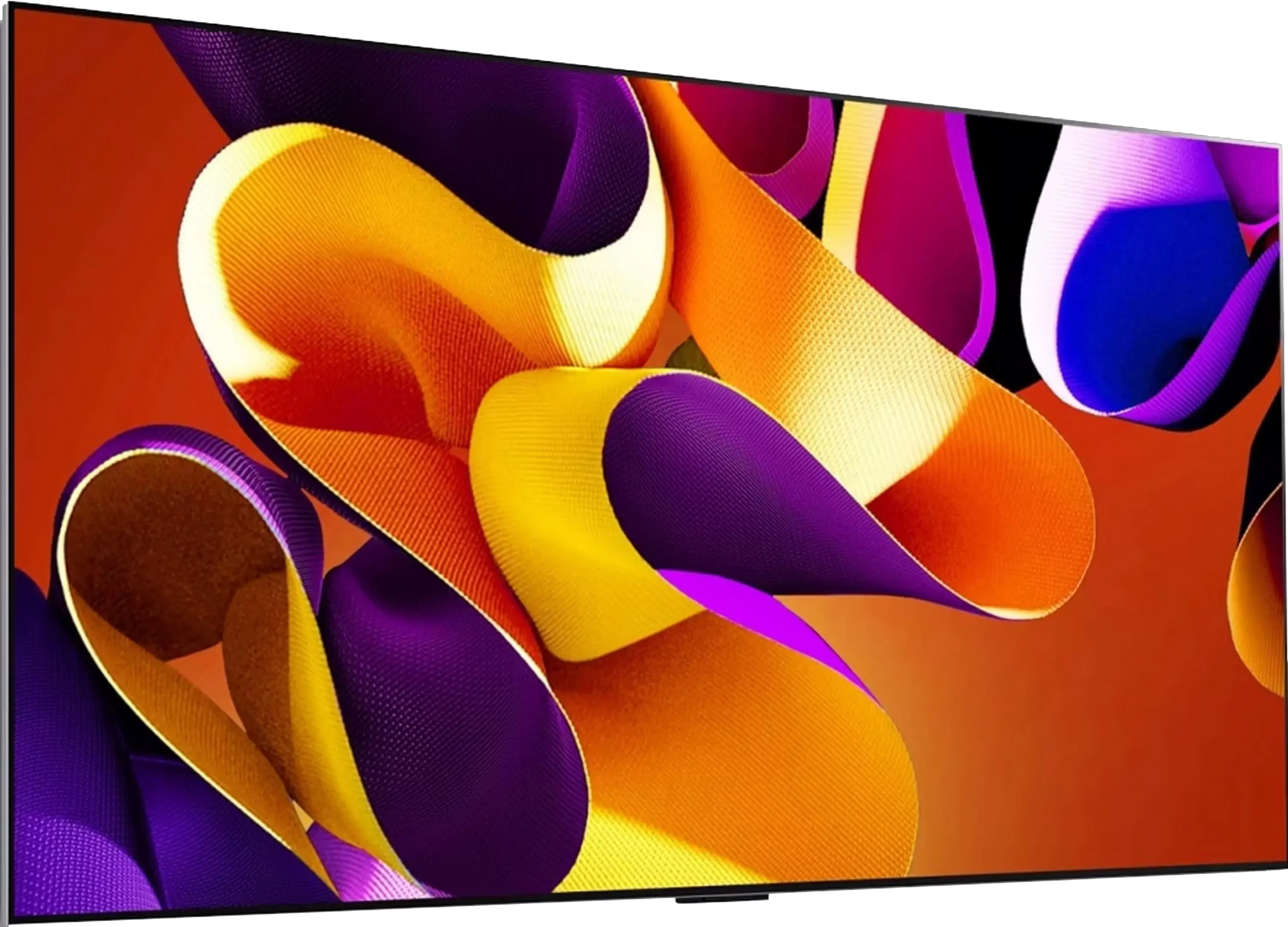
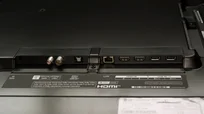
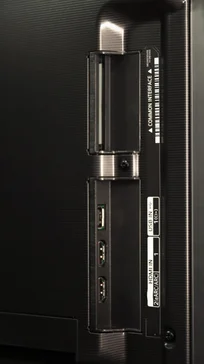
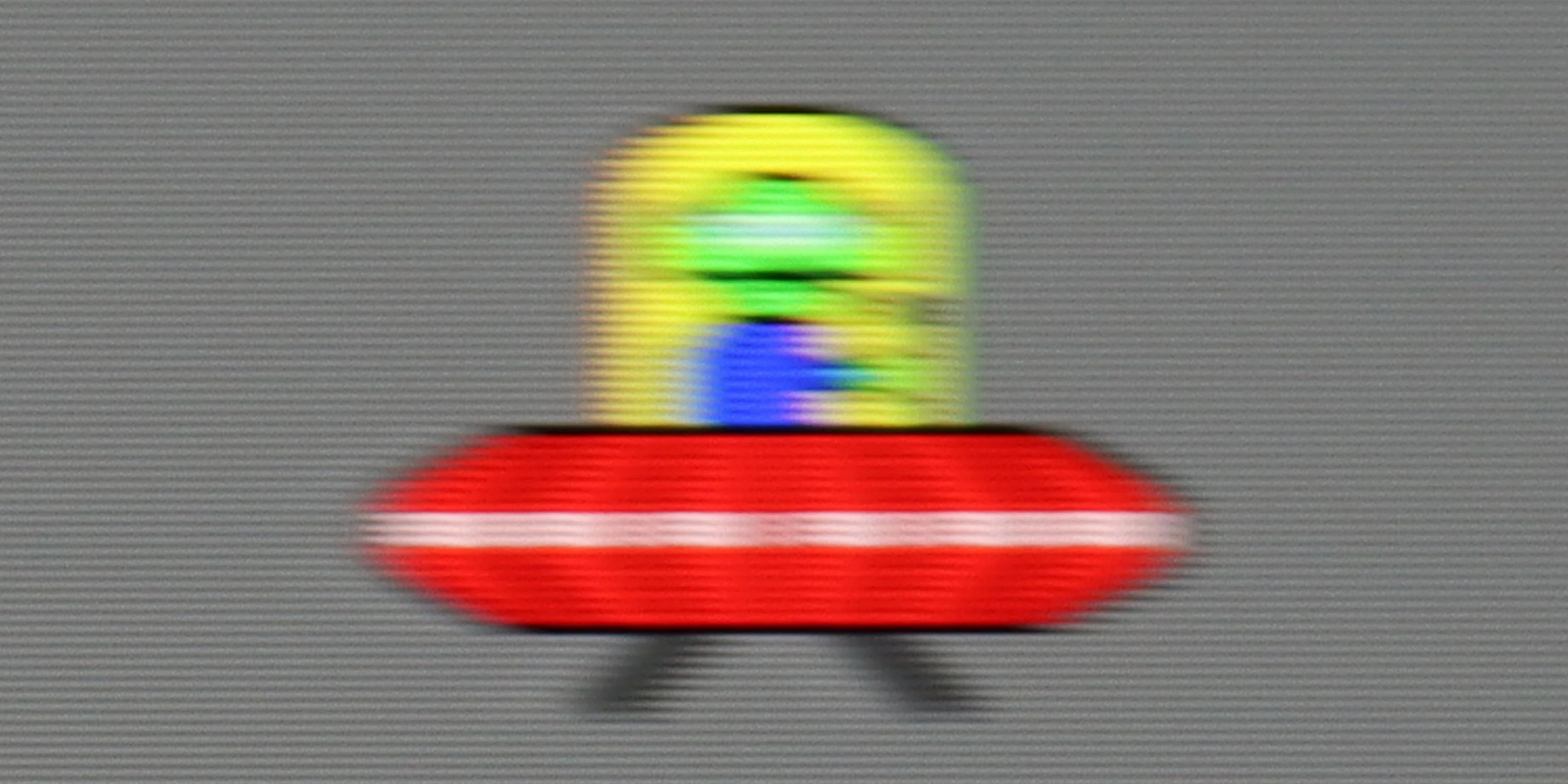
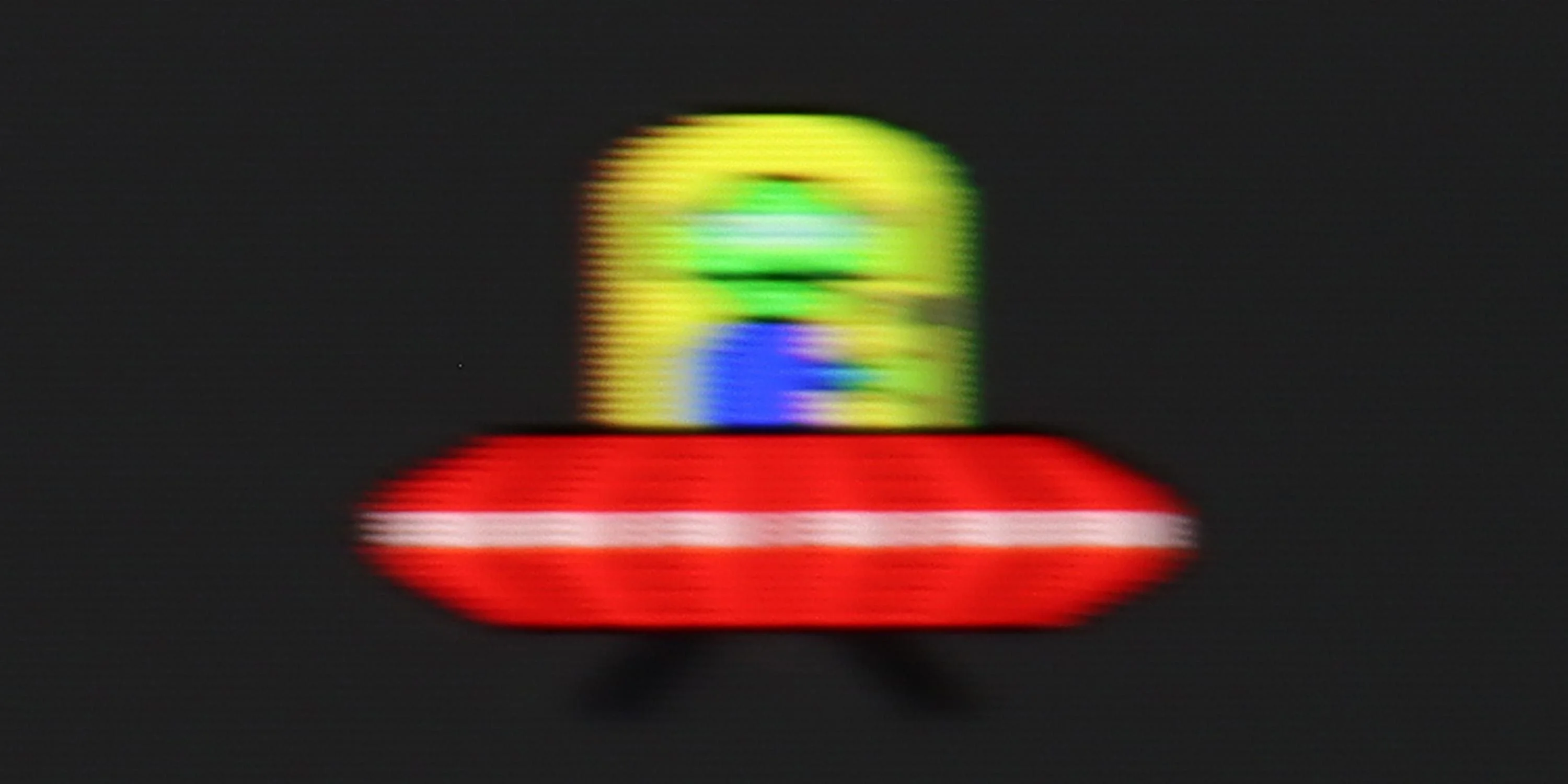
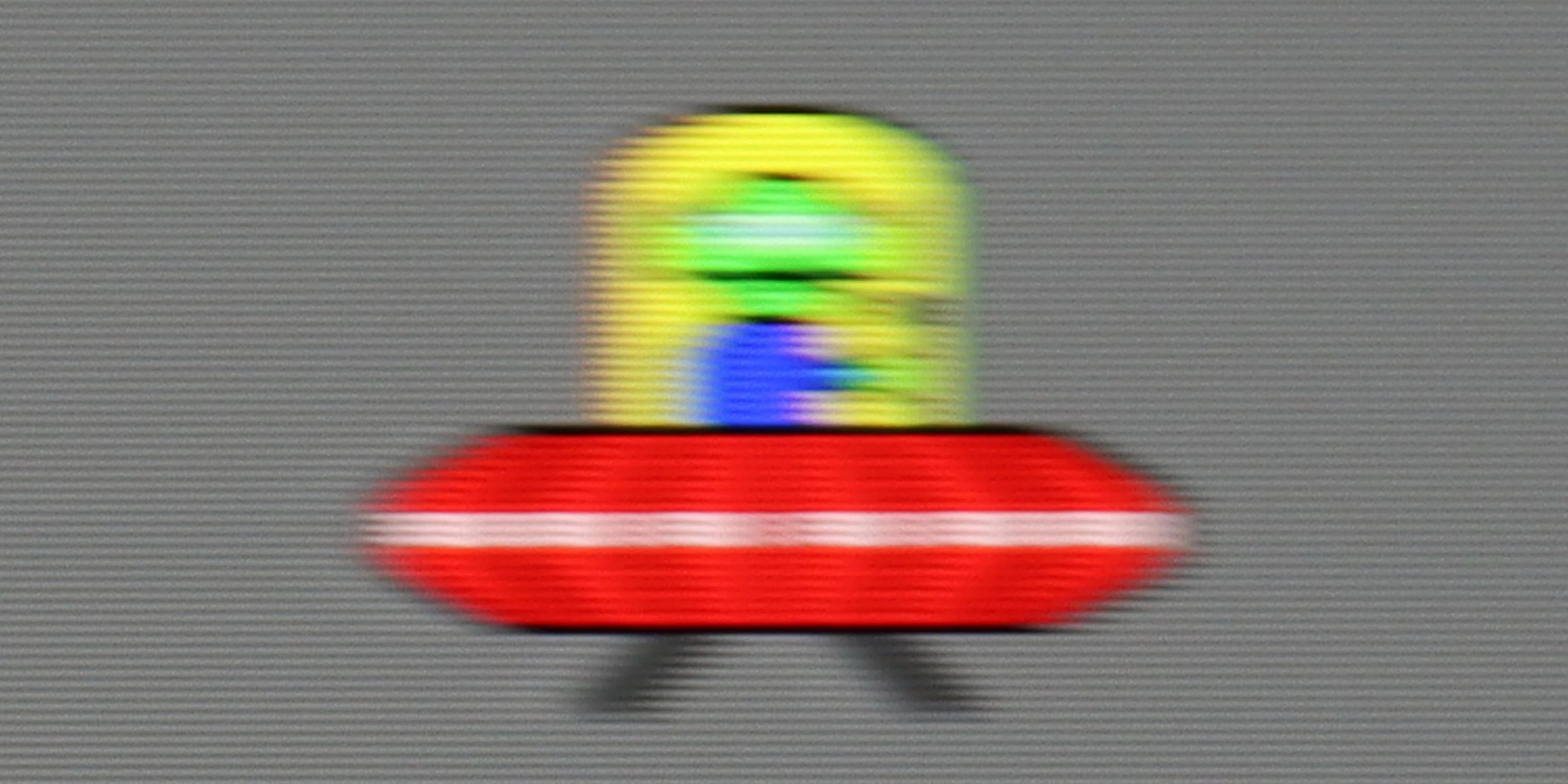
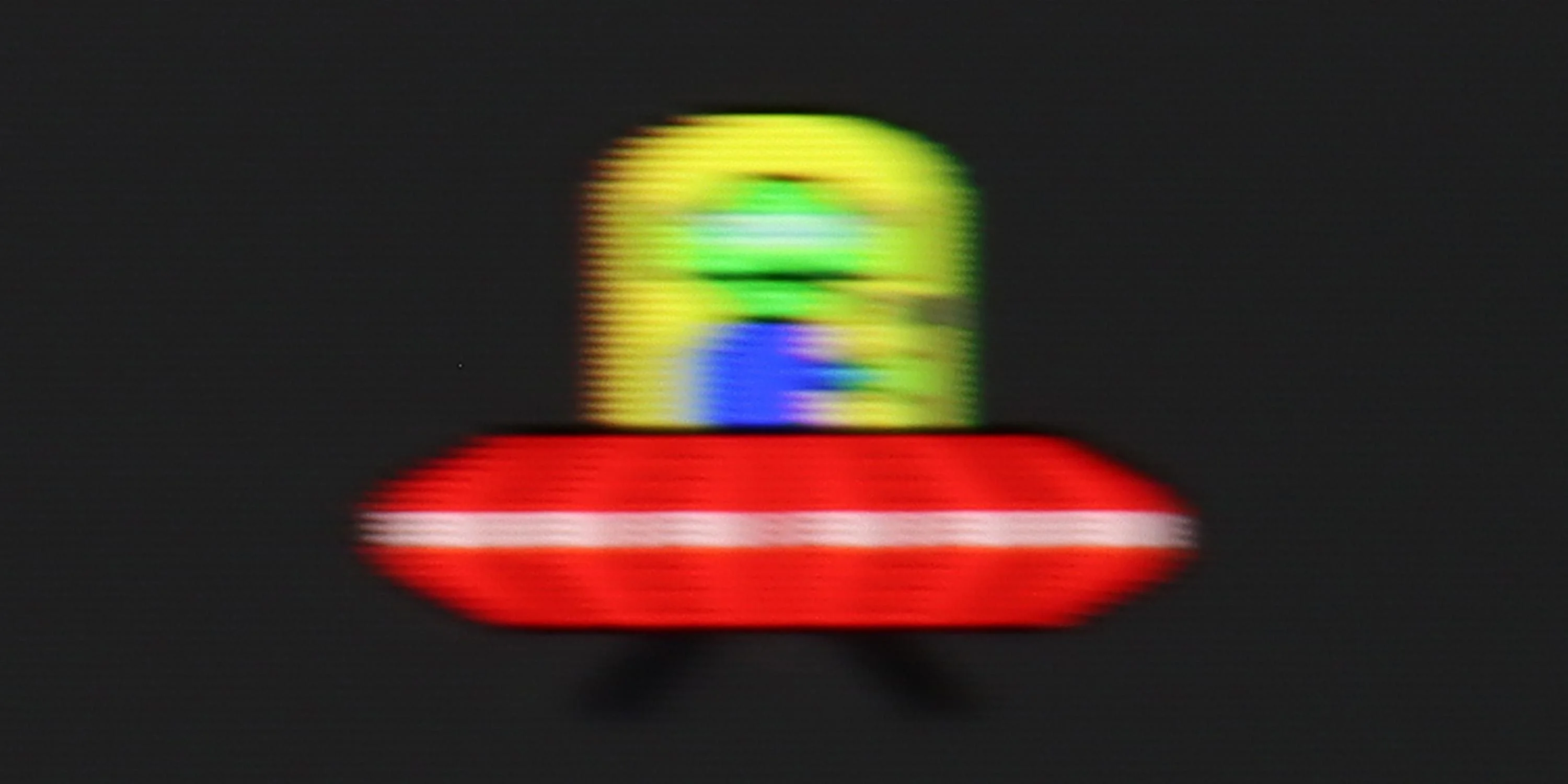
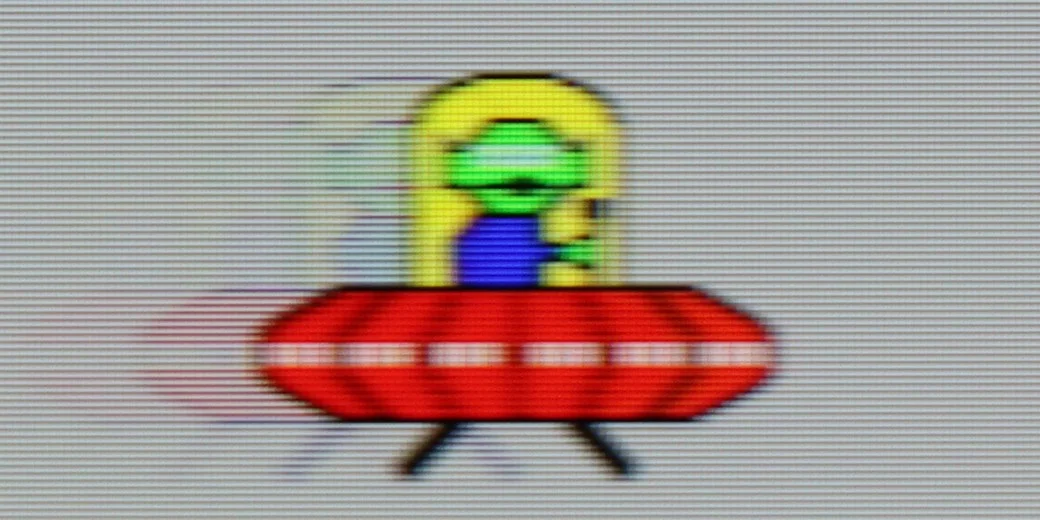
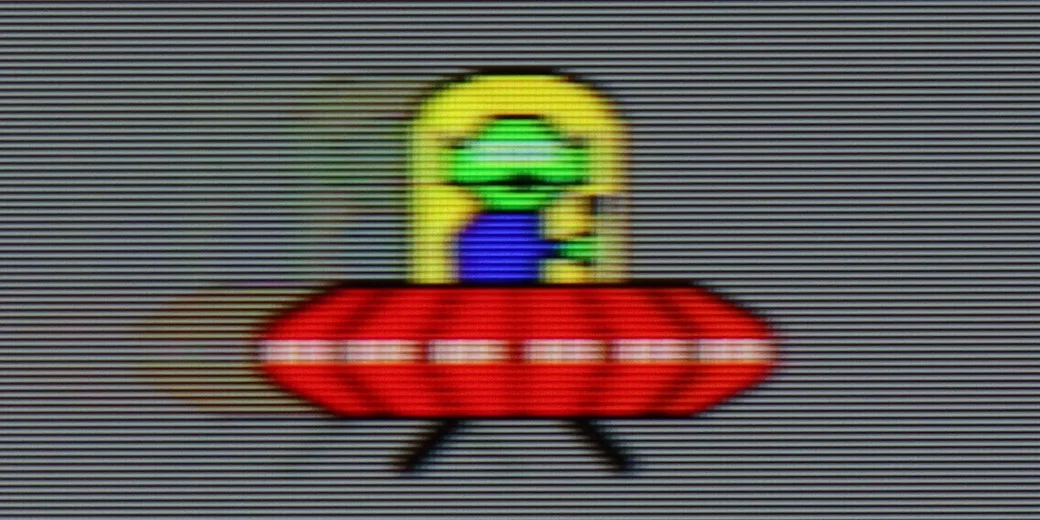
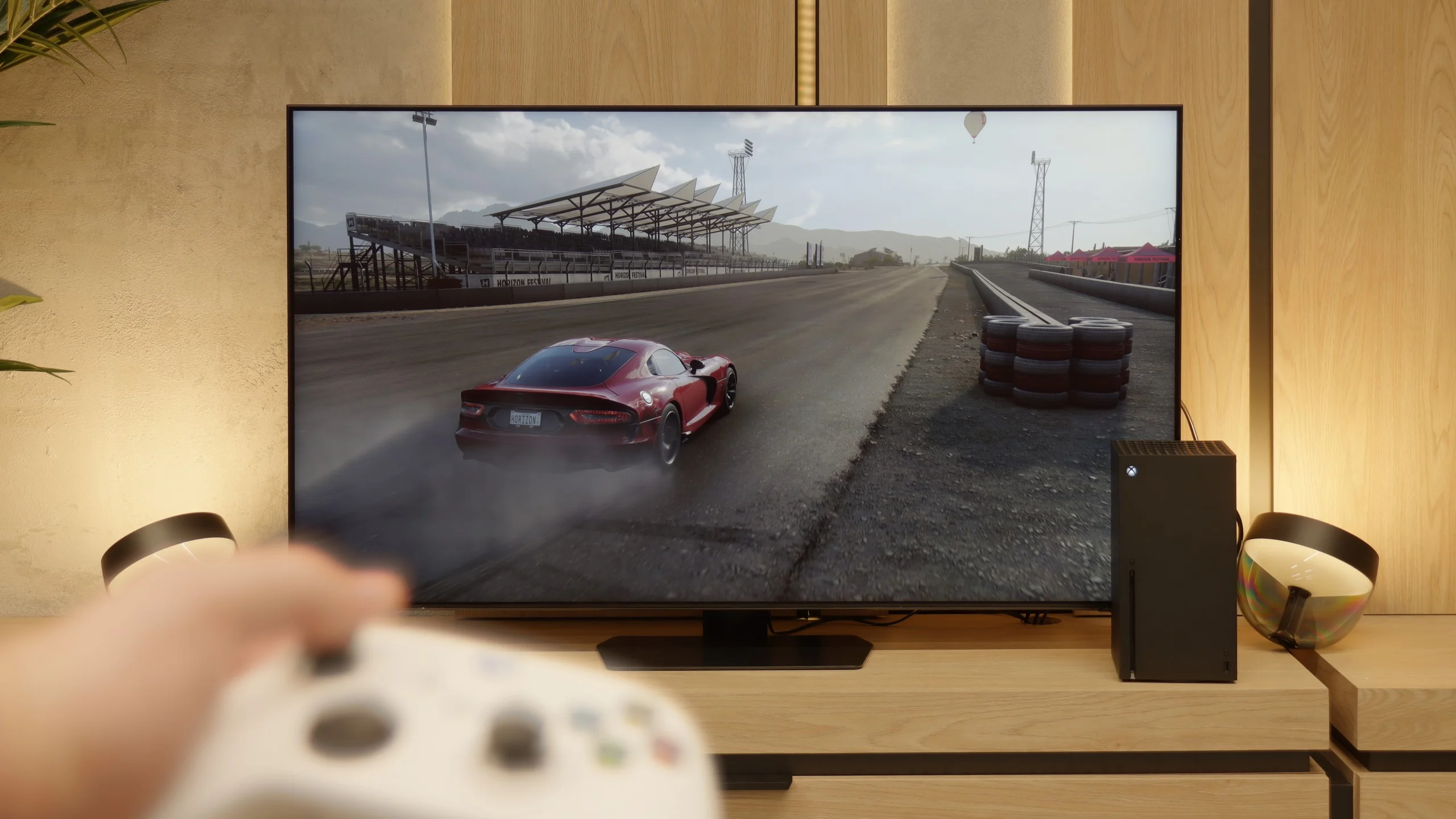
The LG G4 TV supports all the features encompassed by the HDMI 2.1 standard, making it a gaming powerhouse. During testing, every feature activated seamlessly, ensuring a smooth experience for both console gamers and PC users. Notably, the HGIG mode (HDR Gaming Interest Group) is implemented correctly, allowing games mastered to brightness levels higher than the TV’s maximum luminance to map tones accurately, preserving the game’s original visual integrity.
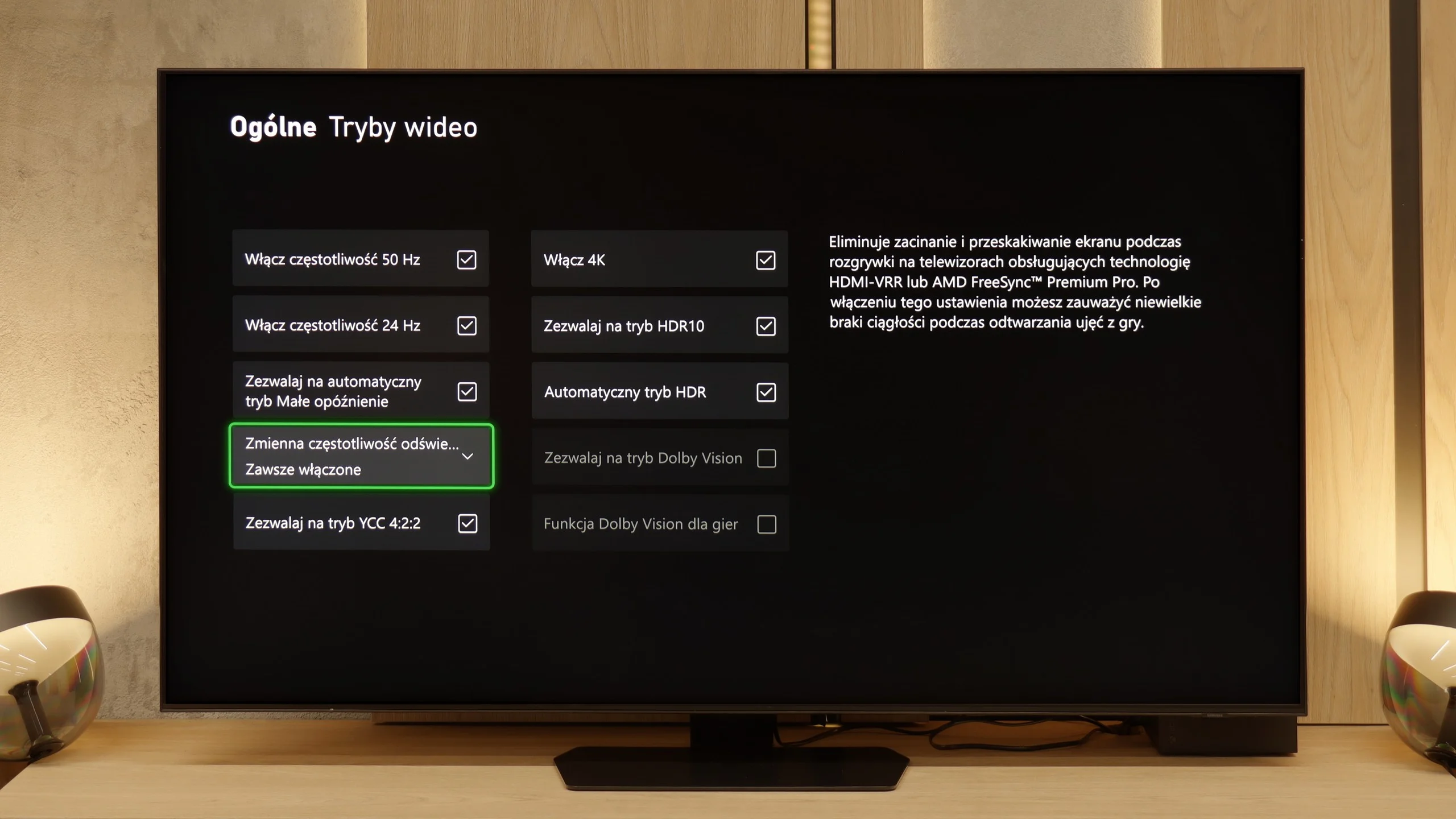
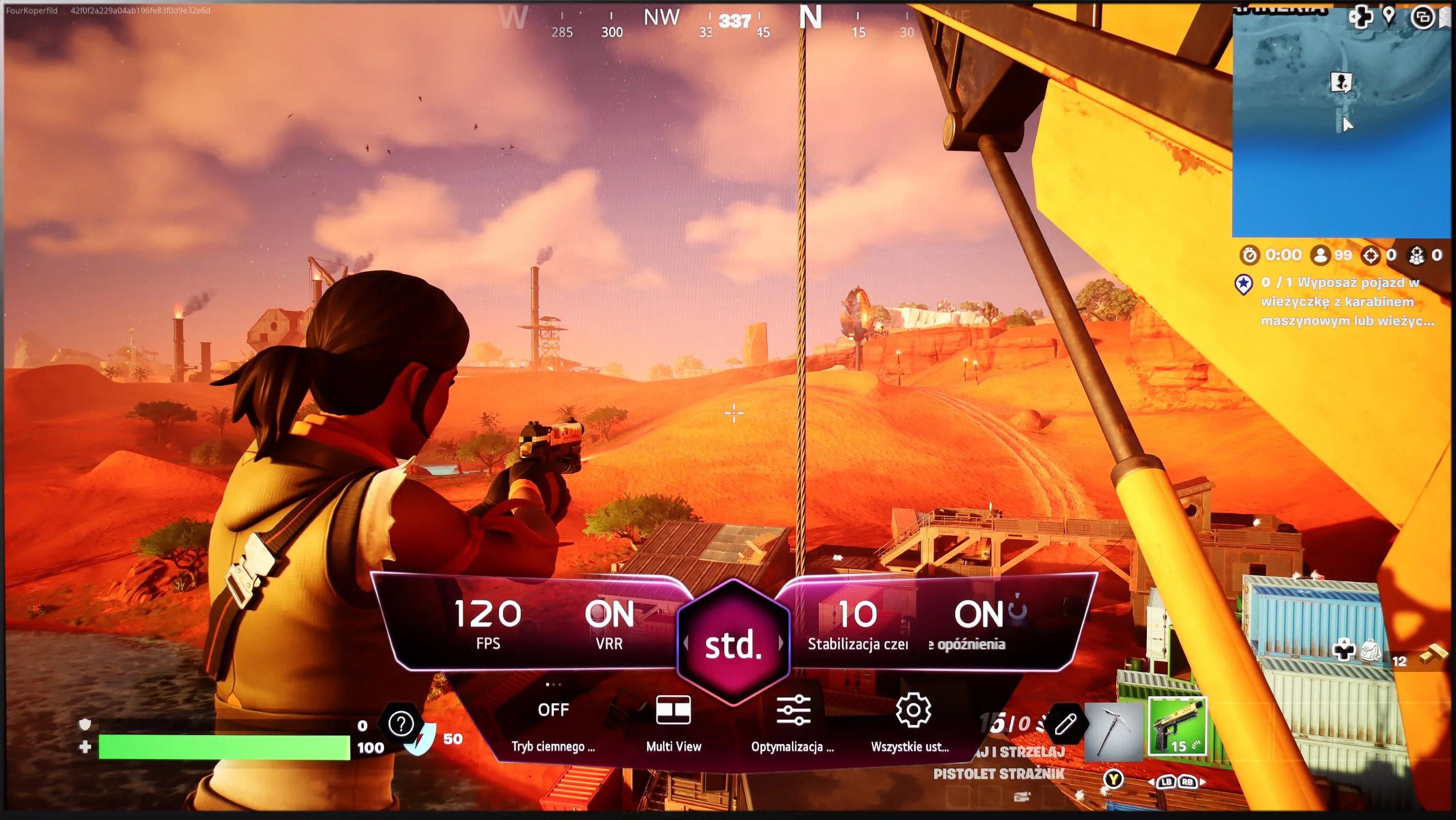
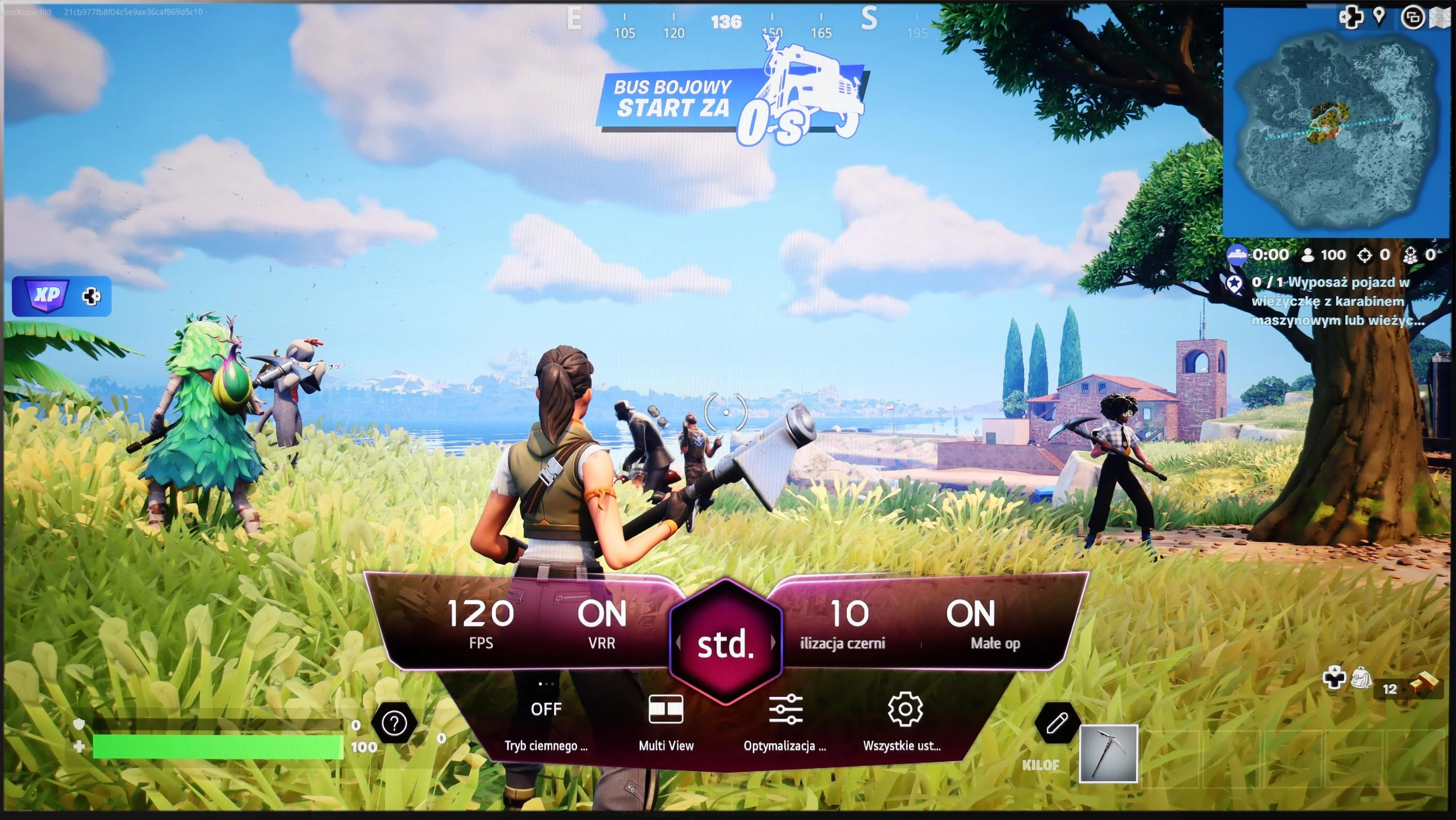
A notable highlight is the dedicated GameBar, which can be accessed at any time to quickly check or adjust game settings. More importantly, enabling VRR (Variable Refresh Rate) does not compromise contrast—a common issue in TVs with local dimming or Mini LED backlighting. This is thanks to the OLED panel’s self-emissive pixels, which maintain consistent contrast. However, a slight grey flicker may appear when VRR is enabled, though this is standard across OLEDs.
In summary, the LG G4, like most OLED TVs, is ideal for gaming and online competitions. Its HDMI 2.1 ports offer a full 48 Gbps bandwidth, supporting features such as VRR, ALLM (Auto Low Latency Mode), G-Sync, FreeSync, and HDR Dolby Vision gameplay, ensuring an exceptional gaming experience.
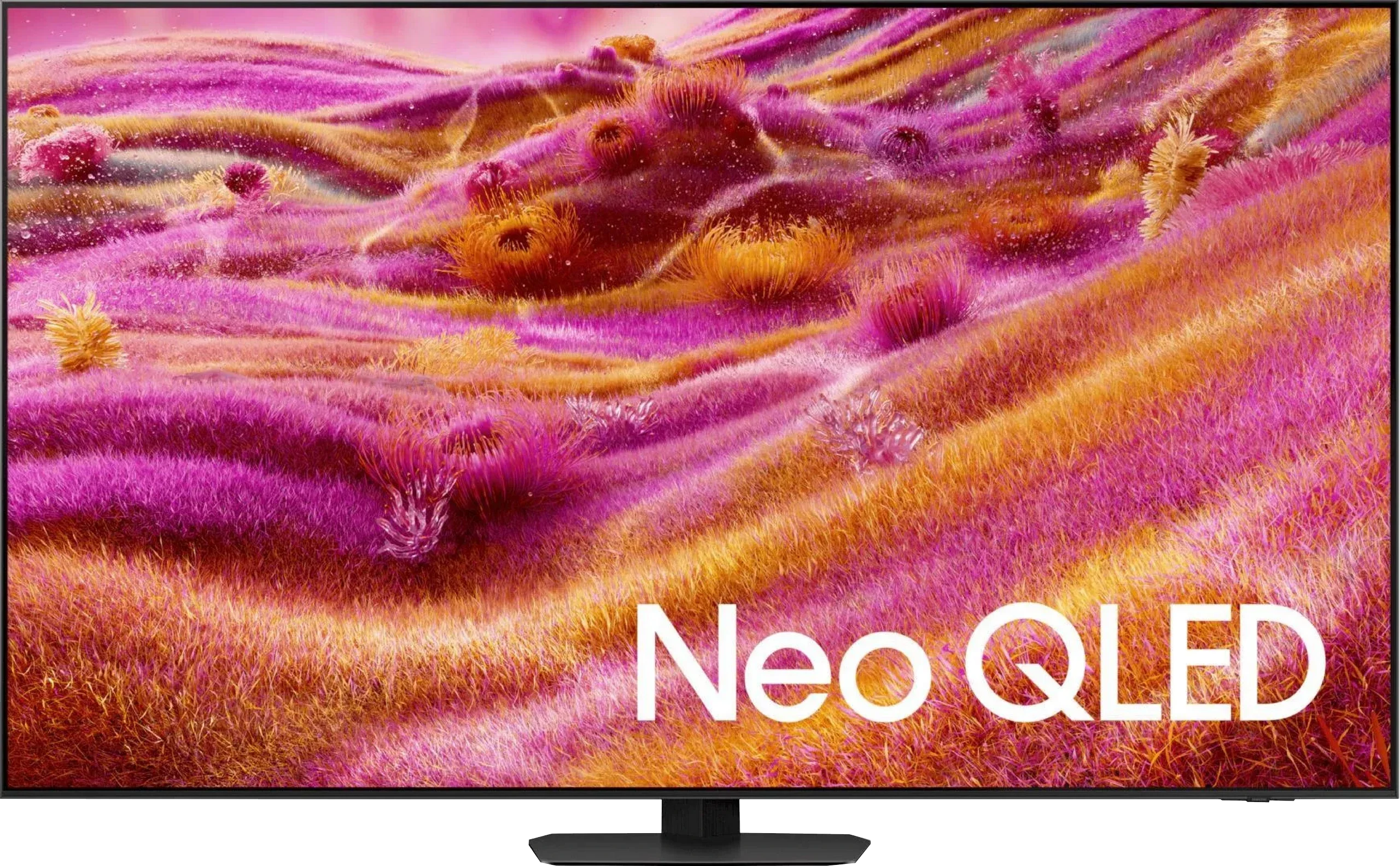
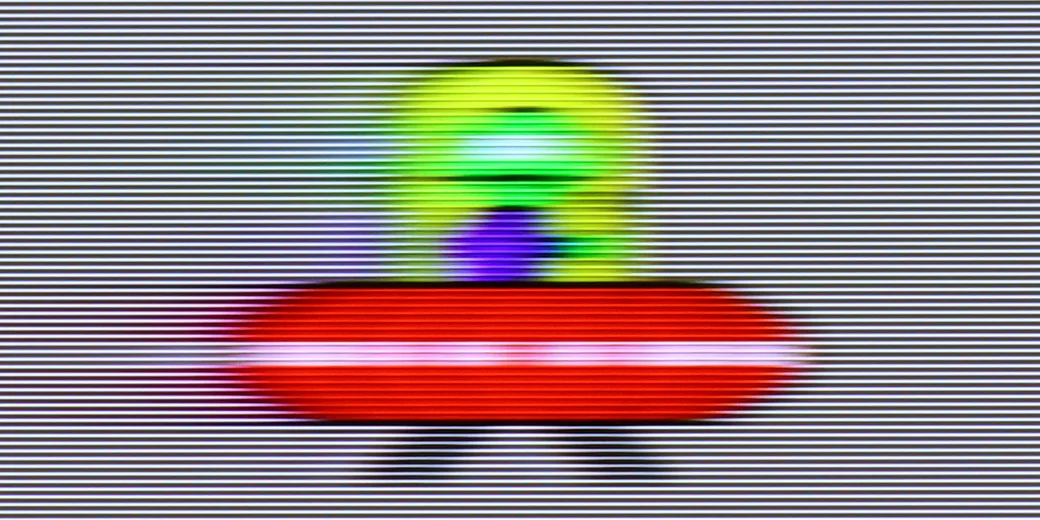
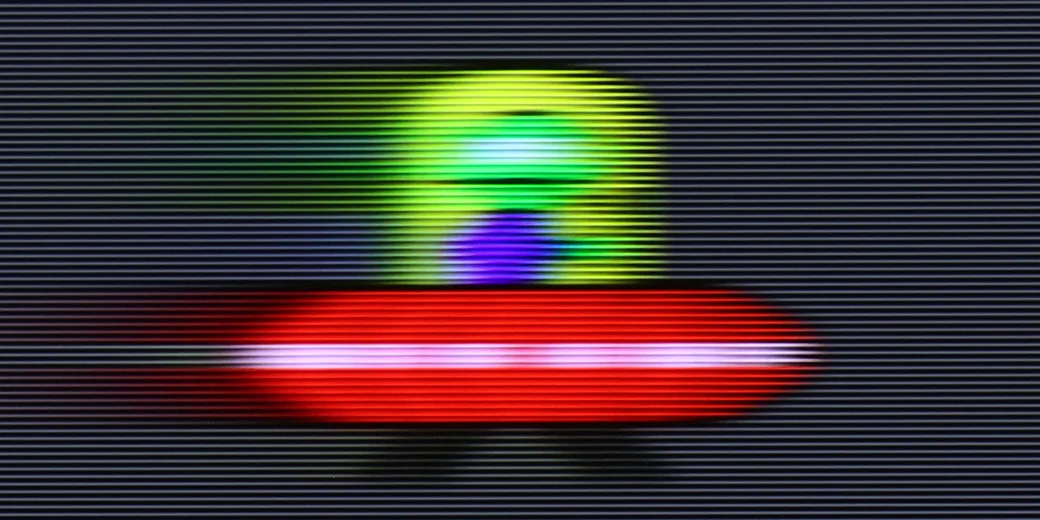
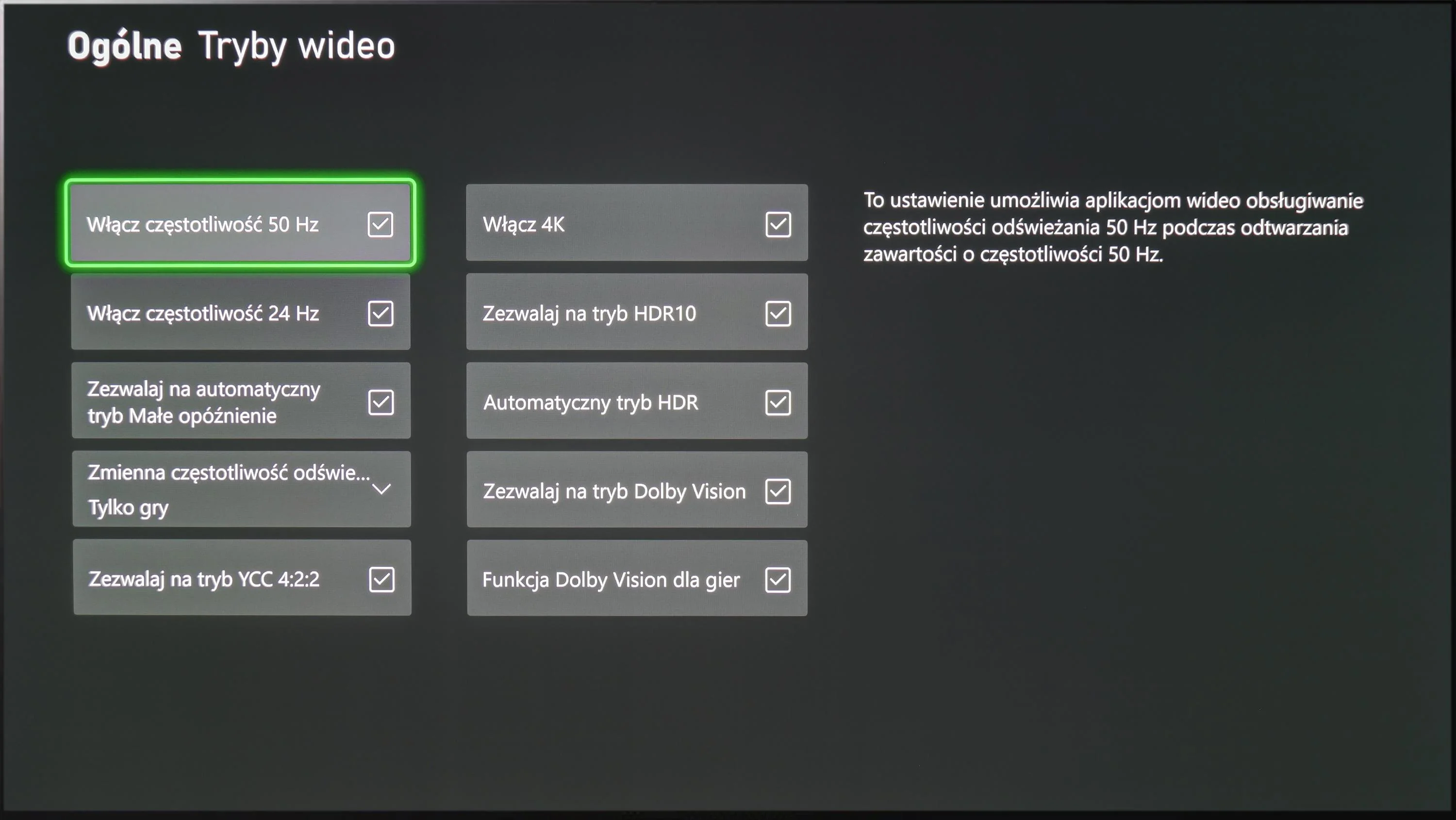
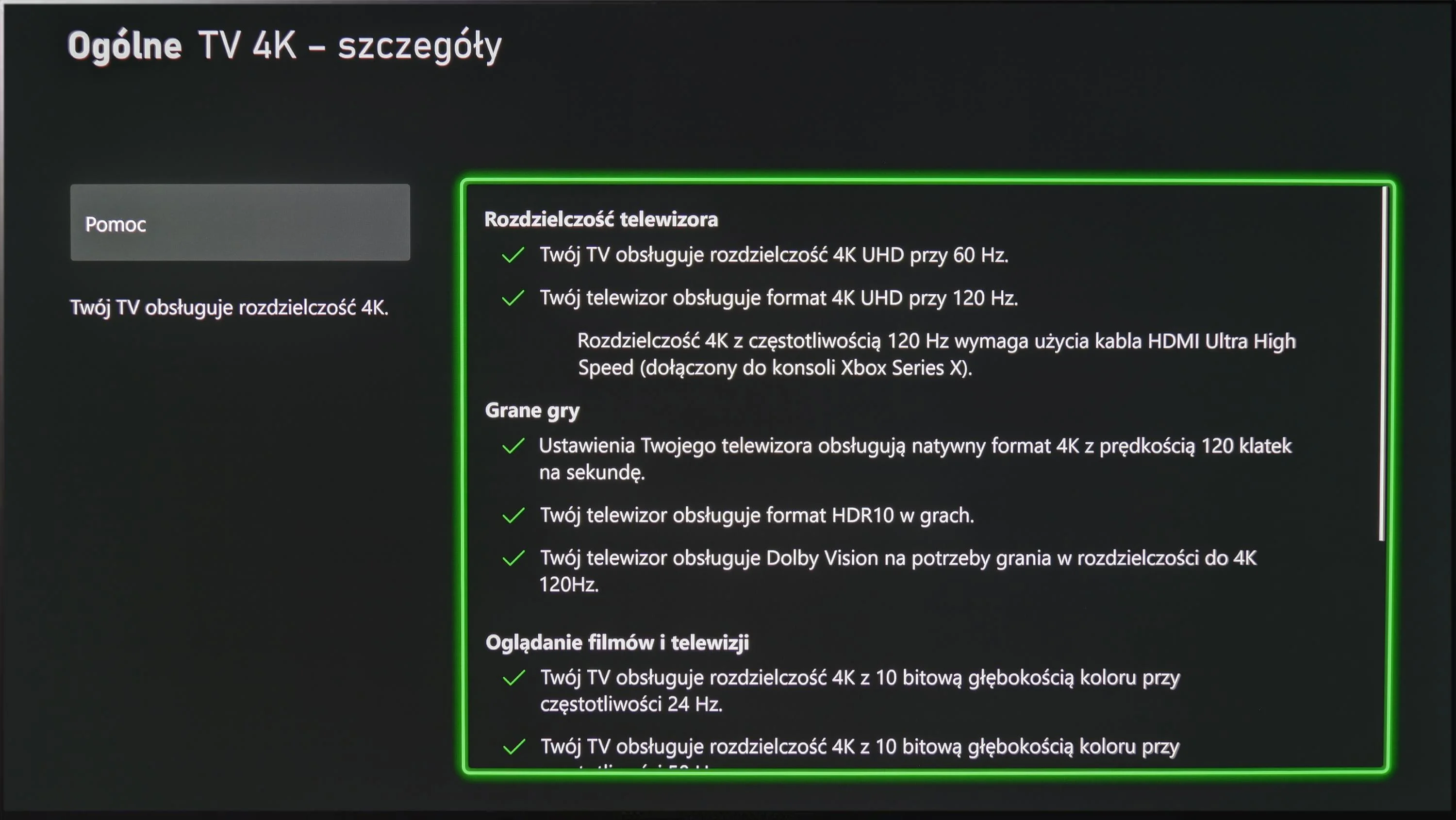
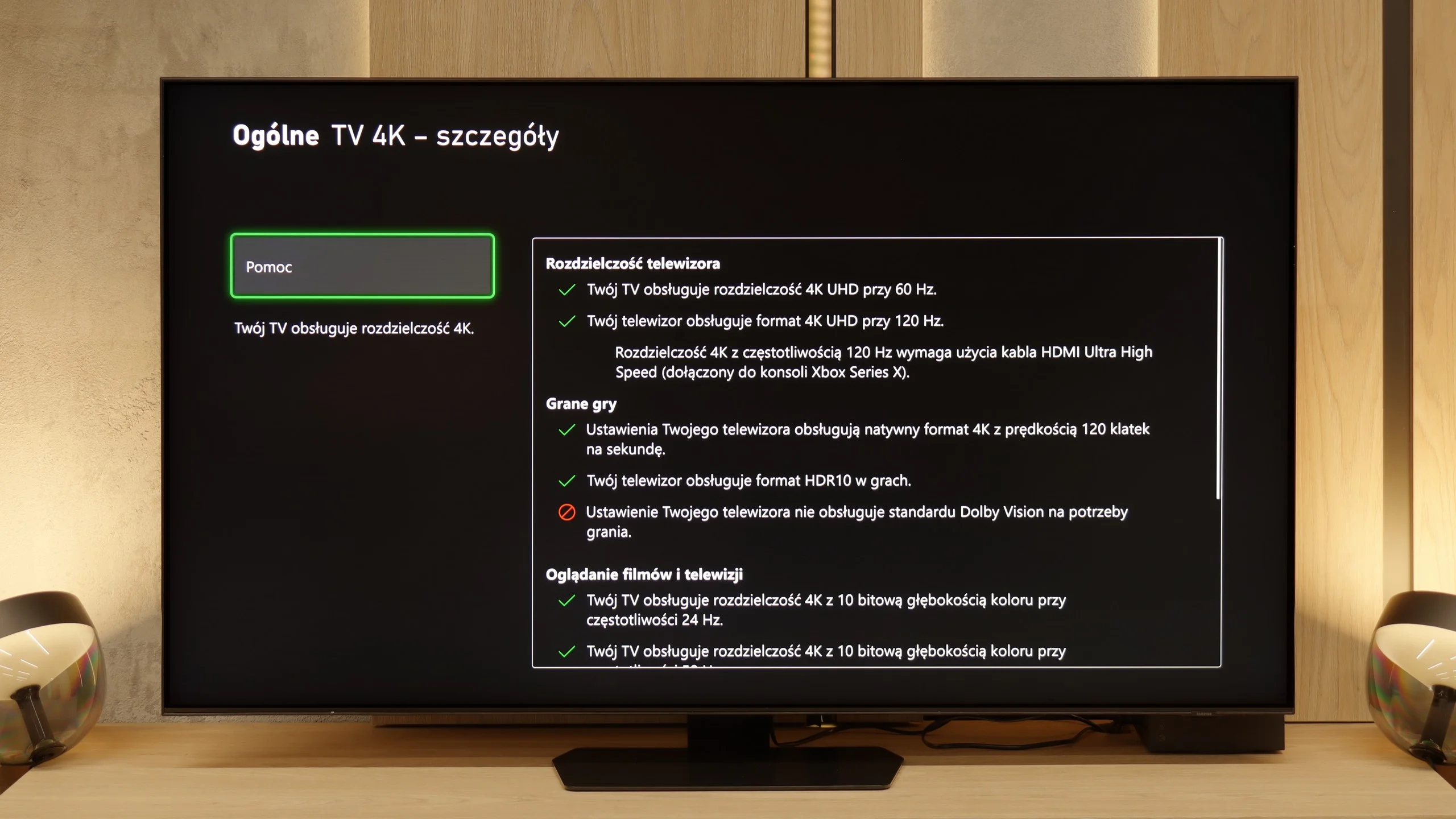
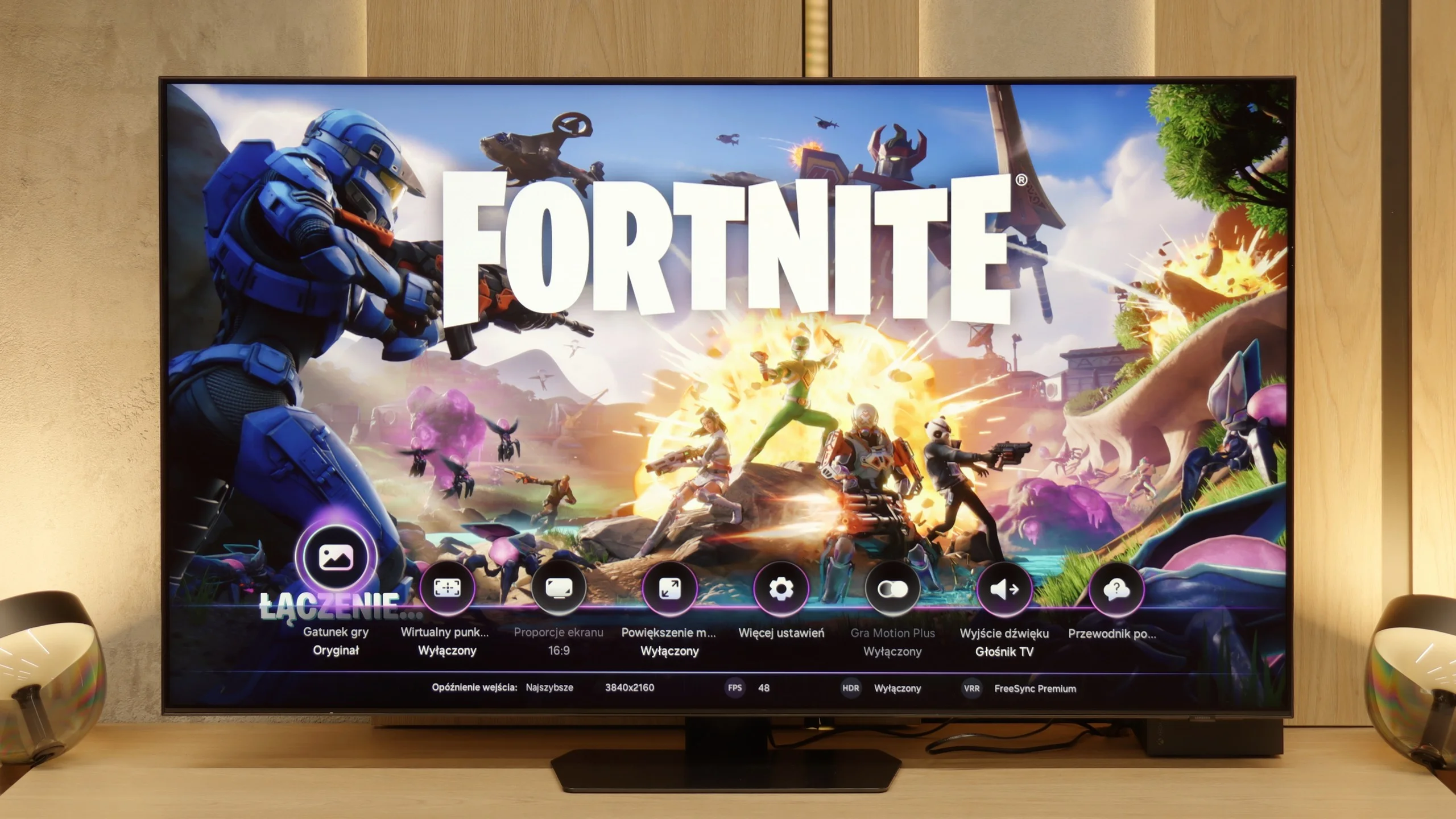
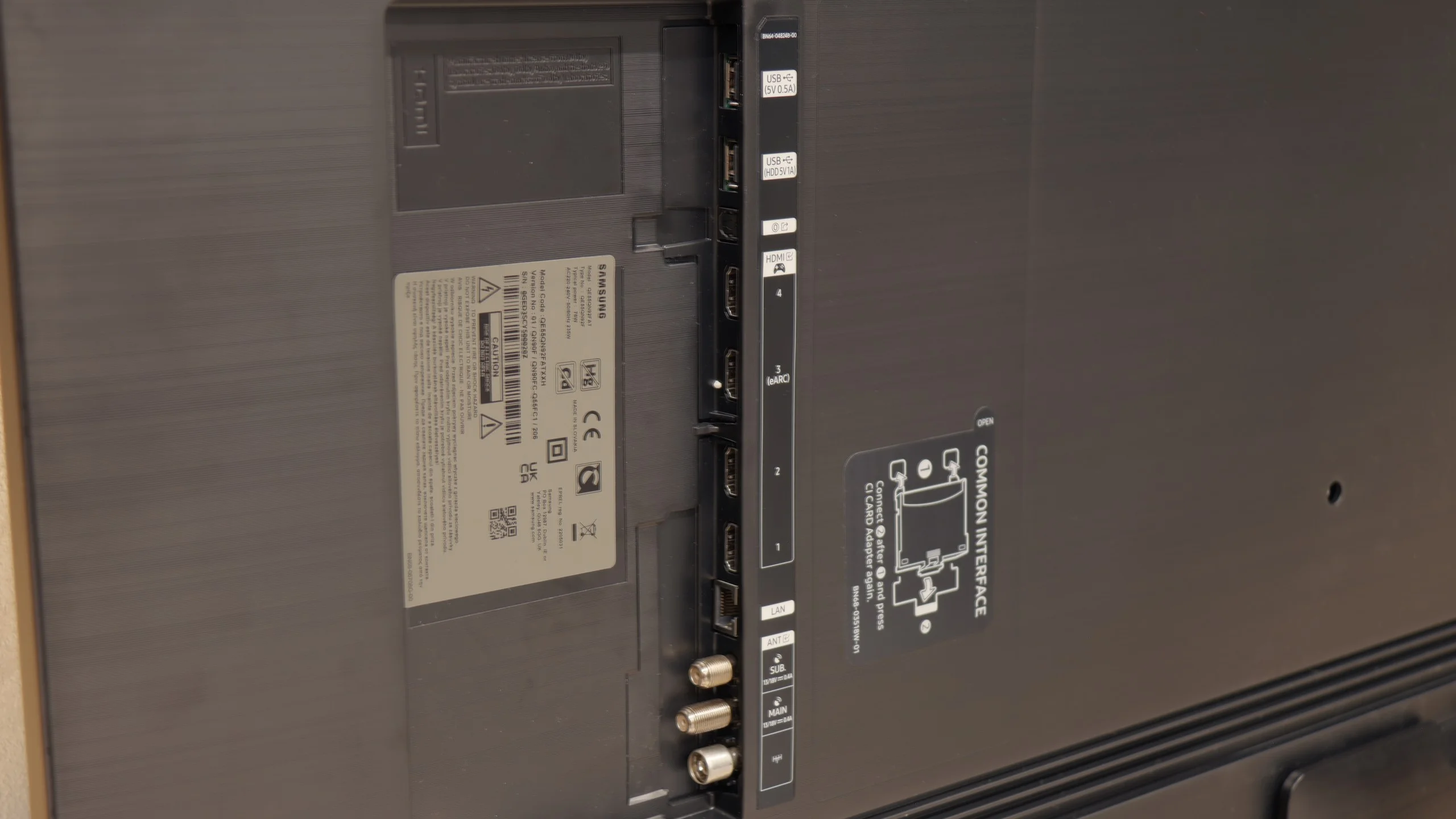
QN90F has nearly everything to become the perfect television for gamers. Things like four HDMI ports, VRR, ALLM, and refresh rates reaching up to 165 Hz are probably well-known. It deserves high praise for the Game Motion Plus mode, which is a proprietary motion smoothing technology for games. Thanks to this, it can add a few “artificial” frames and make the image generated from the console look smoother than it should. This is a very unique solution in the world of televisions – competitive systems usually do not offer this – which is why Samsung has had a strong bargaining chip among gamers for years, even despite the lack of support for the still niche Dolby Vision in games.
[UPDATE] We have updated our tests of Samsung televisions from the 2025 model year due to the release of software version 1131, which restored the crucial gaming feature HGiG.
So why are we writing about a “nearly” perfect screen? Unfortunately, similar to recent Samsung models, we noticed an issue with the lack of the HGiG feature. This solution allows the television to leave control over tone mapping to the console, so that games look exactly as the creators intended. Worse still, this feature was previously present, and it disappeared after software updates. Instead of minor tweaks, we received a step back. It’s a shame because if it weren't for this absence, the QN90F could truly be the perfect choice for gamers in the miniLED category.
 Direct comparison