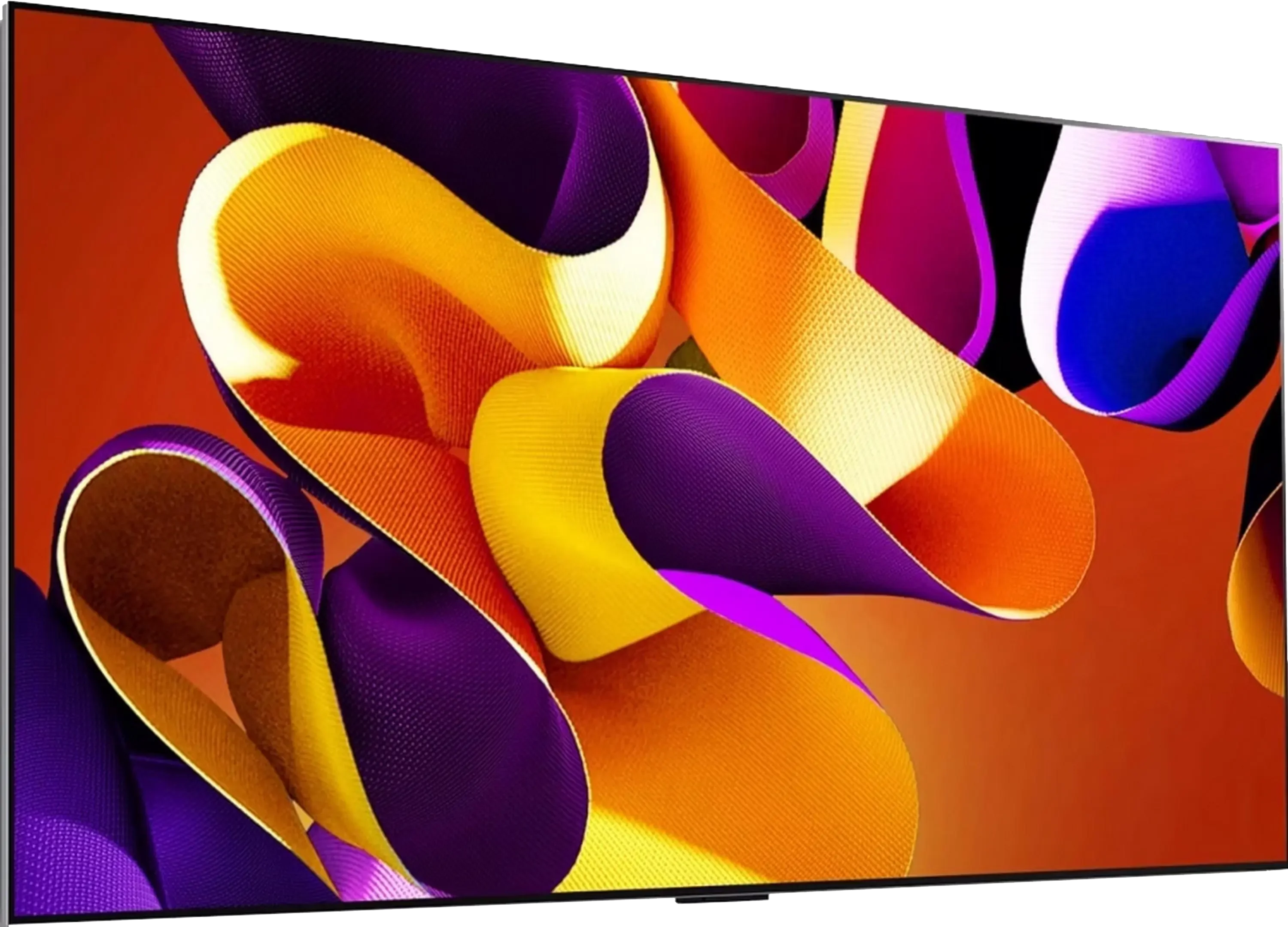
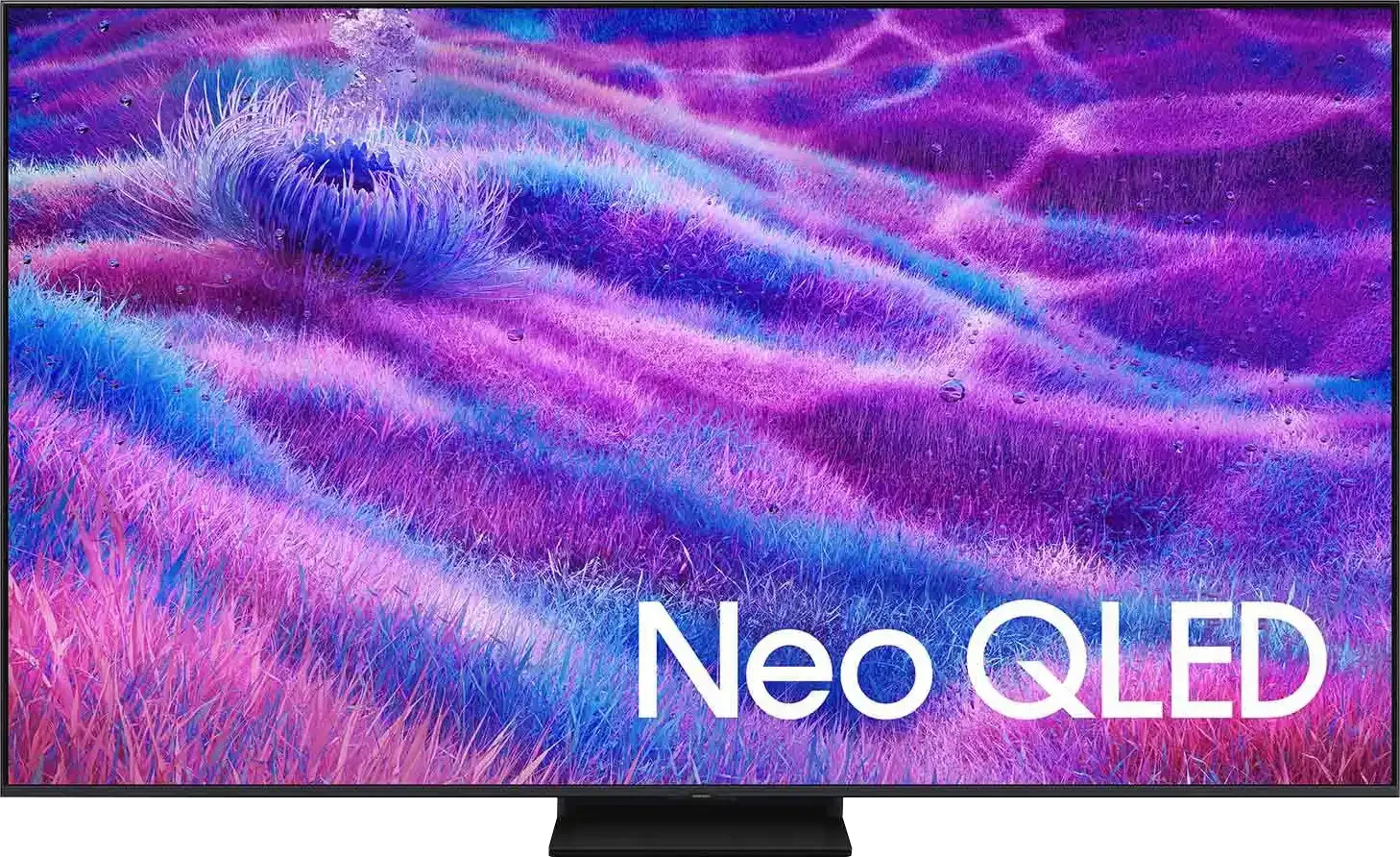
LG OLED G4 vs SAMSUNG QN80F

Direct comparison

Check the best price offer:

LG OLED G4(paid link)
$2 996

Check the best price offer:

SAMSUNG QN80F(paid link)
$3 499

G45 / G42

Info

QN80F

Available screen sizes: 55”65”77”83”97”

Available screen sizes: 55”65”75”85”

Review LG OLED G4 Main photo
Review SAMSUNG QN80F Main photo

Panel type: WRGB OLED

Resolution: 3840x2160

System: WebOS

Model year: 2024

Complete the survey to find out the result

Panel type: LCD VA

Resolution: 3840x2160

System: Tizen

Model year: 2025

Complete the survey to find out the result

Overall rating

8.5

7.4

  • Movies and series in UHD quality

    8.6

    6.9

  • Classic TV, YouTube

    9.1

    6.8

  • Sports broadcasts (TV and apps)

    9.0

    6.7

  • Gaming on console

    9.5

    8.9

  • TV as a computer monitor

    8.6

    8.8

  • Watching in bright light

    5.8

    6.6

  • Utility functions

    9.0

    7.7

  • Apps

    9.1

    9.3

  • Sound quality

    8.6

    6.7

Advantages

  • Phenomenal image fidelity to the director's intent

  • Reference color reproduction after calibration

  • Very high brightness in HDR materials

  • Remarkable compatibility with console and computer

  • The panel suppresses reflections very well

  • Perfect viewing angles

  • Nice black and contrast - VA matrix combined with MINI-LED backlighting.

  • Great brightness - up to 1000 nits in HDR

  • Fast and responsive matrix - 144 Hz

  • Rich support for gamers - 4xHDMI 2.1, VRR, ALLM, GameBar, Game Motion Plus

  • Very good usability in daylight

  • Advanced Tizen operating system

  • Simple operation

  • PiP function

Disadvantages

No like
  • Visible tonal transitions

  • Sound of the built-in audio system - could be better in this class of television

  • No support for DTS format – limitation when connecting home theater

  • No USB recording function

  • Relatively small number of dimming zones

Our verdict

The LG G4 is a top contender for the best television of 2024, offering an exceptional viewing experience. Combining OLED black with MLA technology, it delivers a dynamic and detailed image, making it ideal even for sunny rooms. The operating system, while not as open as some competitors, offers a lot of functionality, with the standout feature being the intuitive remote control with a cursor, ensuring ease of use. Out of the box, colour reproduction is solid, but after calibration, it reaches almost reference quality, providing a truly cinematic image. Post-production studios favour this brand for its deep calibration capabilities, including 3D LUT adjustment.

The TV does have some issues with tonal transitions, but these can be largely remedied by enabling the "Smooth Gradation" feature, improving the viewing experience. The motion smoother is highly advanced, catering to sports and dynamic content with adjustable fluidity. With HDMI 2.1 ports supporting full functionality, including low input lag, the TV is perfect for gamers. Overall, the LG G4 is a versatile and high-quality television, offering superb performance both day and night.

QN80F is the first in the history of Samsung's "eighty" series to feature Mini LED backlighting. And it does this really well. Although the number of dimming zones is not overwhelming, the black level is solid, and combined with high brightness, it allows for a very decent picture in HDR content. Additionally, there's a 144 Hz panel that provides excellent motion smoothness, and the set of features for gamers – VRR, ALLM, Game Motion Plus – makes the QN80F a model practically designed for those playing on console or PC. The television operates quickly and responsively, and the Tizen system runs like lightning – whether you're searching for apps or switching sources. Is there anything to criticize? Of course, as always – there are shortcomings in the system (like recording to USB), there’s no DTS support, and Mini LED is not without its limitations. But the QN80F is a great everyday television – versatile, well-thought-out, and... with significant price potential. Looking at the history of this series, we can expect this "eighty" to shake things up once it hits the first reasonable promotions. And it could be virtually unbeatable at its price – especially if Samsung improves the minor teething issues.

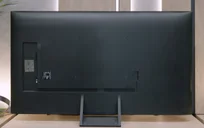
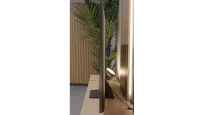
TV appearance

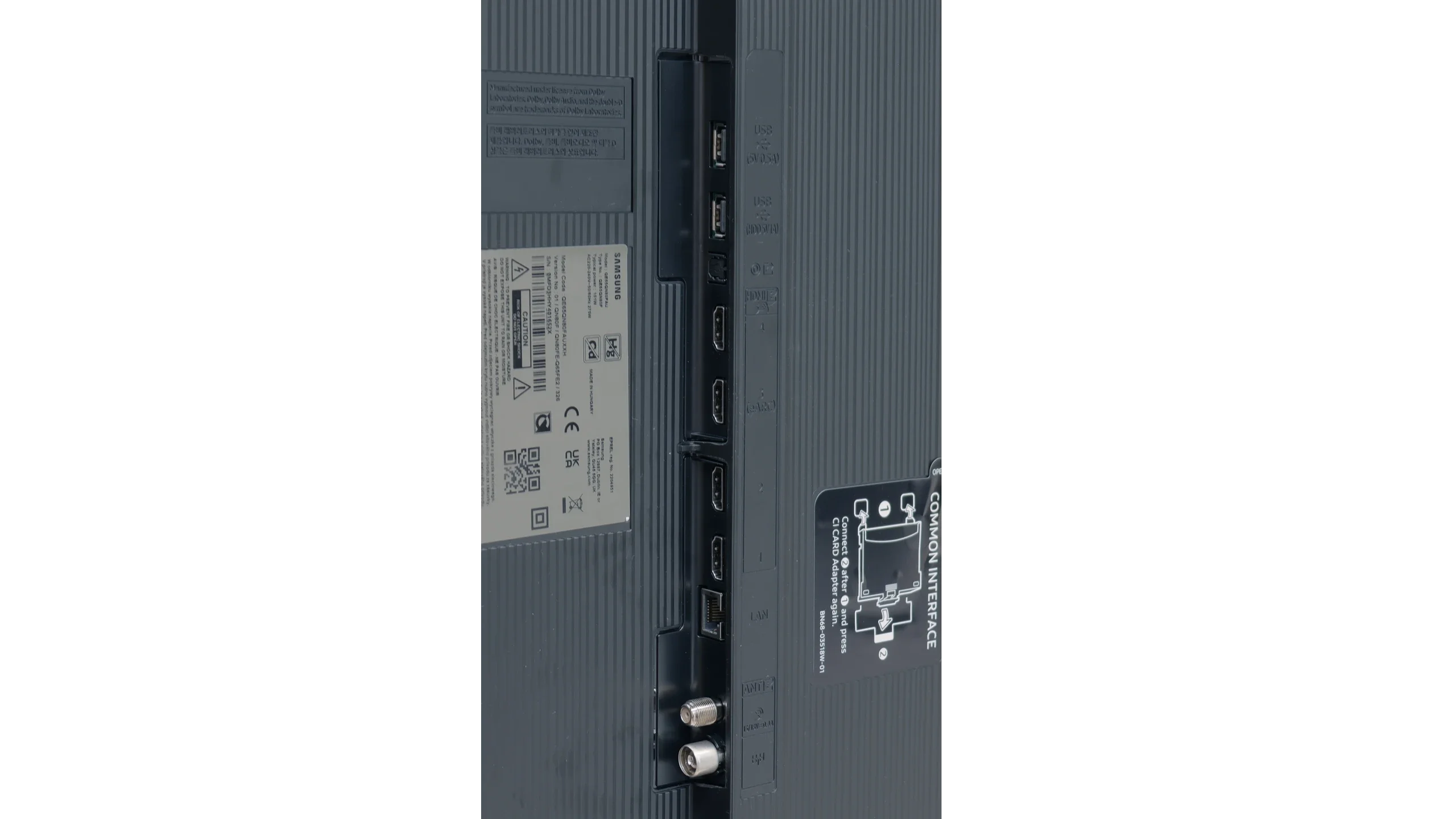
HDMI inputs
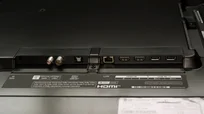
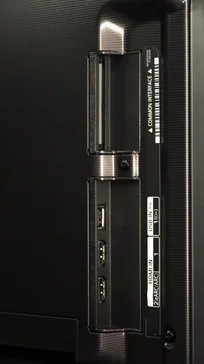
0 x HDMI 2.0, 4 x HDMI 2.1 (48Gbps)
Other inputs
Outputs
Toslink (Optical audio), eARC (HDMI), ARC (HDMI)
Network Interfaces
Wi-Fi 2.4GHz, Wi-Fi 5GHz, Ethernet (LAN) 100Mbps
Build quality
Super Premium
Good
Stand type
stand-type-
Central
Bezel color
Silver
Graphite
Stand
Fixed
Flat design
Yes
Yes
Accessories
Stand, Wall bracket
Stand

Contrast and black detail

10/10

6.8/10

Local dimming function: Yes, number of zones: 88 (8 x 11)

Contrast:

Review LG OLED G4 Contrast and black detail

Result

∞:1

Review LG OLED G4 Contrast and black detail

Result

∞:1

Review LG OLED G4 Contrast and black detail

Result

∞:1

Review LG OLED G4 Contrast and black detail

Result

∞:1

Review LG OLED G4 Contrast and black detail

Result

∞:1

Review SAMSUNG QN80F Contrast and black detail

Result

34,100:1

Review SAMSUNG QN80F Contrast and black detail

Result

8,200:1

Review SAMSUNG QN80F Contrast and black detail

Result

32,500:1

Review SAMSUNG QN80F Contrast and black detail

Result

4,550:1

Review SAMSUNG QN80F Contrast and black detail

Result

3,800:1

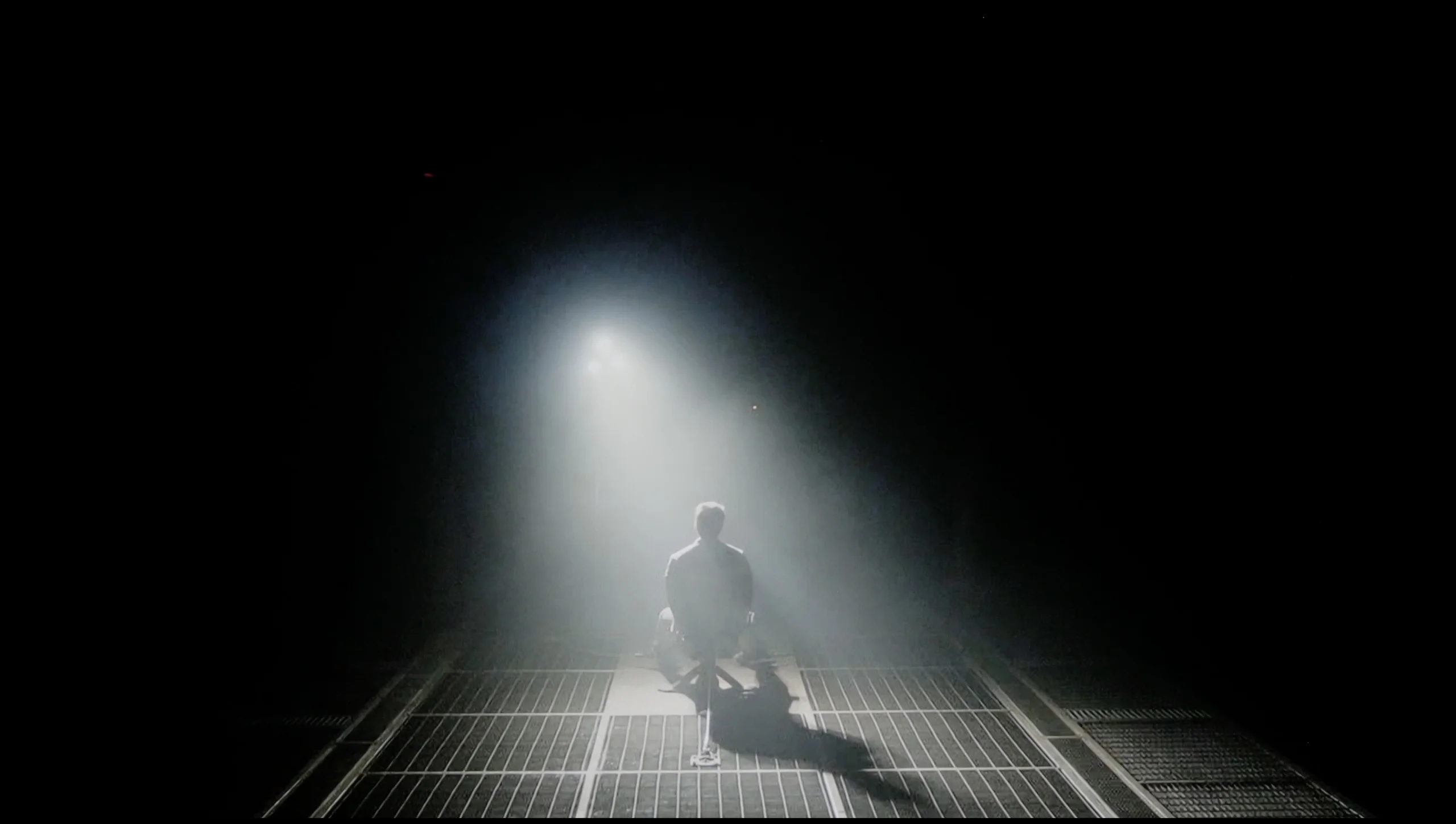
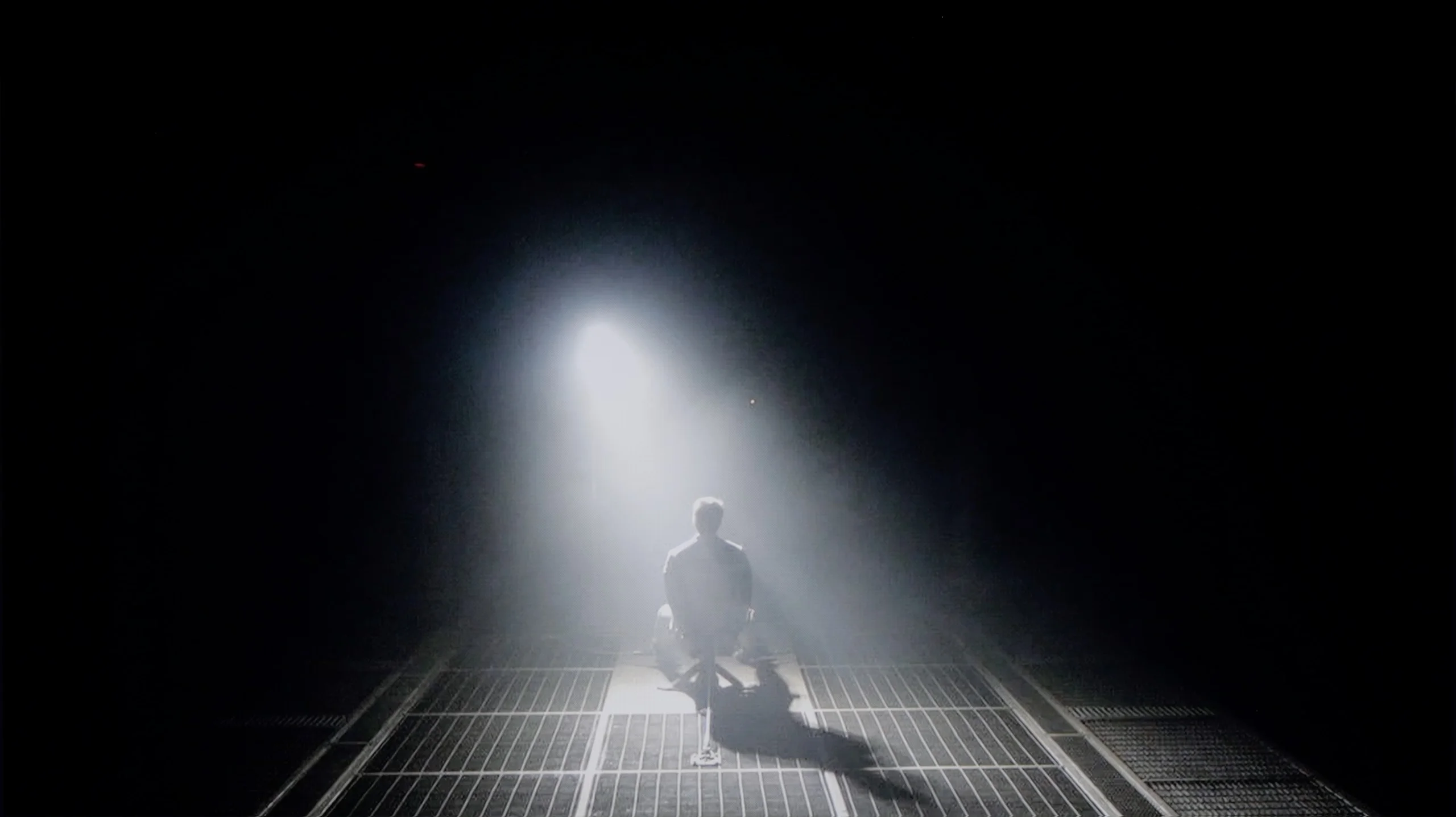
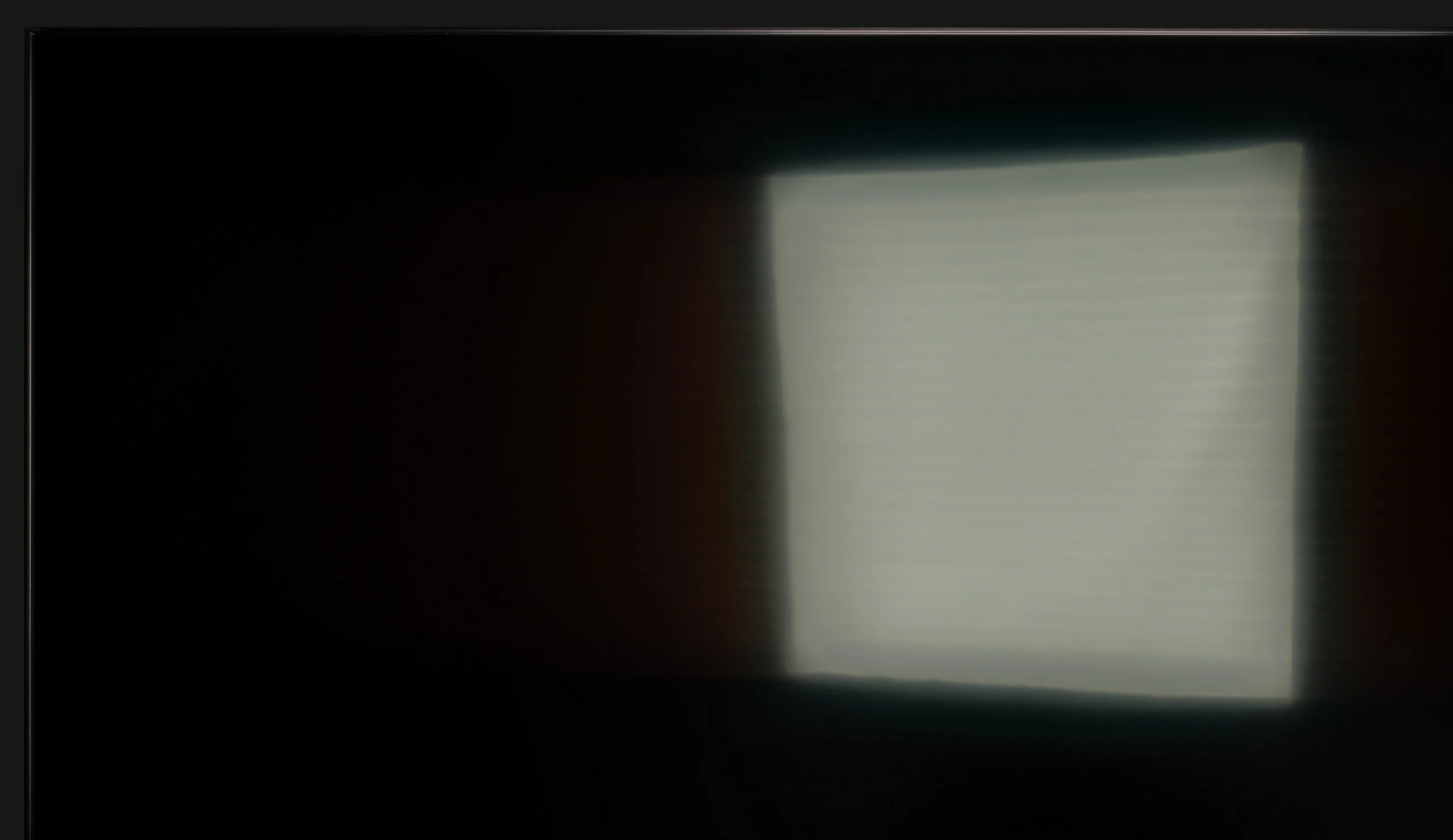
Halo effect and black detail visibility:

Check the visibility of bright lights on a dark background. Mini-LEDs often struggle with this. The photo does not compare black levels – that’s what the video below is for.

The video accurately shows differences in contrast and black levels between TVs, as well as potential issues: halo around bright objects or Mini-LED zone operation visible as brightness jumps.

The LG G4, benefiting from over a decade of OLED panel development, excels in contrast, black levels, and detail reproduction, especially in the darkest scenes. Incorporating MLA (Micro Lens Array) technology further enhances this, improving brightness and handling light reflections effectively, making the TV a strong performer in sunlit rooms. OLED technology offers perfect blacks by turning off individual pixels, which results in exceptional immersion and a three-dimensional effect, surpassing even some of the best Mini LED models. This is particularly evident in challenging scenes from films like The Revenant, where even the finest details are captured with remarkable clarity.

The black levels in the LG OLED G4 are nearly flawless, amplifying the depth and realism of high-contrast scenes. The TV’s high contrast, combined with deep blacks, delivers an immersive viewing experience, making it stand out in a crowded market of competing models.

QN80F is a representative of the Neo QLED series, which means it's a television with Mini LED backlighting. Unlike its cheaper cousin, the QN70F model, here the diodes are placed directly behind the panel (rather than at the edges), which gives a solid advantage in contrast control right from the start. In the 65-inch variant we tested, we counted 88 local dimming zones – a result that may not be particularly impressive, but as it turned out, sufficient to achieve quite decent results.

In tests based on scenes from movies like Oblivion and The Meg, the QN80F performed well – blacks were deep, and the overall image consistency was eye-catching. However, in more demanding moments (e.g., scenes with a lot of bright details on a dark background), a halo effect appeared. This is where the limitation of the number of zones shows – bright elements could bleed into each other, and some details in dark areas lost sharpness and contrast. In one of the helicopter scenes (The Meg), we even noticed a slight flicker in brightness, as if the television was trying its best to maintain visibility of details at the expense of black depth.

However, these are not problems exclusive to this model – the halo effect or contrast drops in very complex scenes are something most Mini LED televisions struggle with, even the more expensive ones. In its class, the QN80F still performs positively and offers clearly better contrast than the QN70F model with edge lighting. For most users, this will be a level more than sufficient – though not ideal.

HDR effect quality

7.9/10

5.8/10

Supported formats
HDR10, Dolby Vision, HLG
HDR10, HDR10+, HLG
Color gamut coverage
DCI P3: 98.3%, BT.2020: 74.7%
DCI P3: 93.1%, BT.2020: 72.3%

Luminance measurements in HDR:

Review LG OLED G4 Brightness measurement

Result

1474 nit

Review LG OLED G4 Brightness measurement

Result

1467 nit

Review LG OLED G4 Brightness measurement

Result

1403 nit

Review LG OLED G4 Brightness measurement

Result

1441 nit

Review LG OLED G4 Brightness measurement

Result

850 nit

Review SAMSUNG QN80F Brightness measurement

Result

799 nit

Review SAMSUNG QN80F Brightness measurement

Result

533 nit

Review SAMSUNG QN80F Brightness measurement

Result

717 nit

Review SAMSUNG QN80F Brightness measurement

Result

245 nit

Review SAMSUNG QN80F Brightness measurement

Result

656 nit

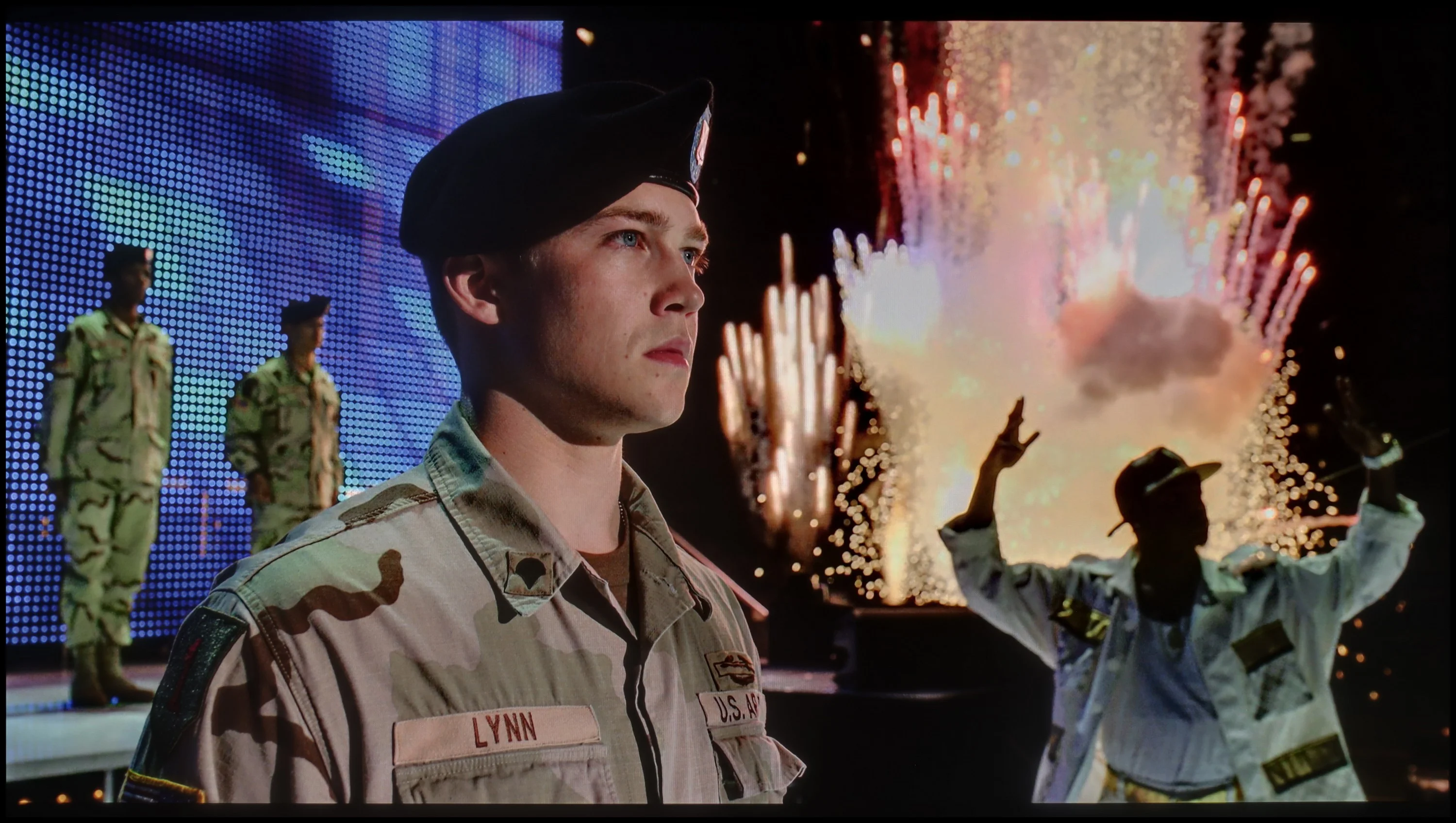
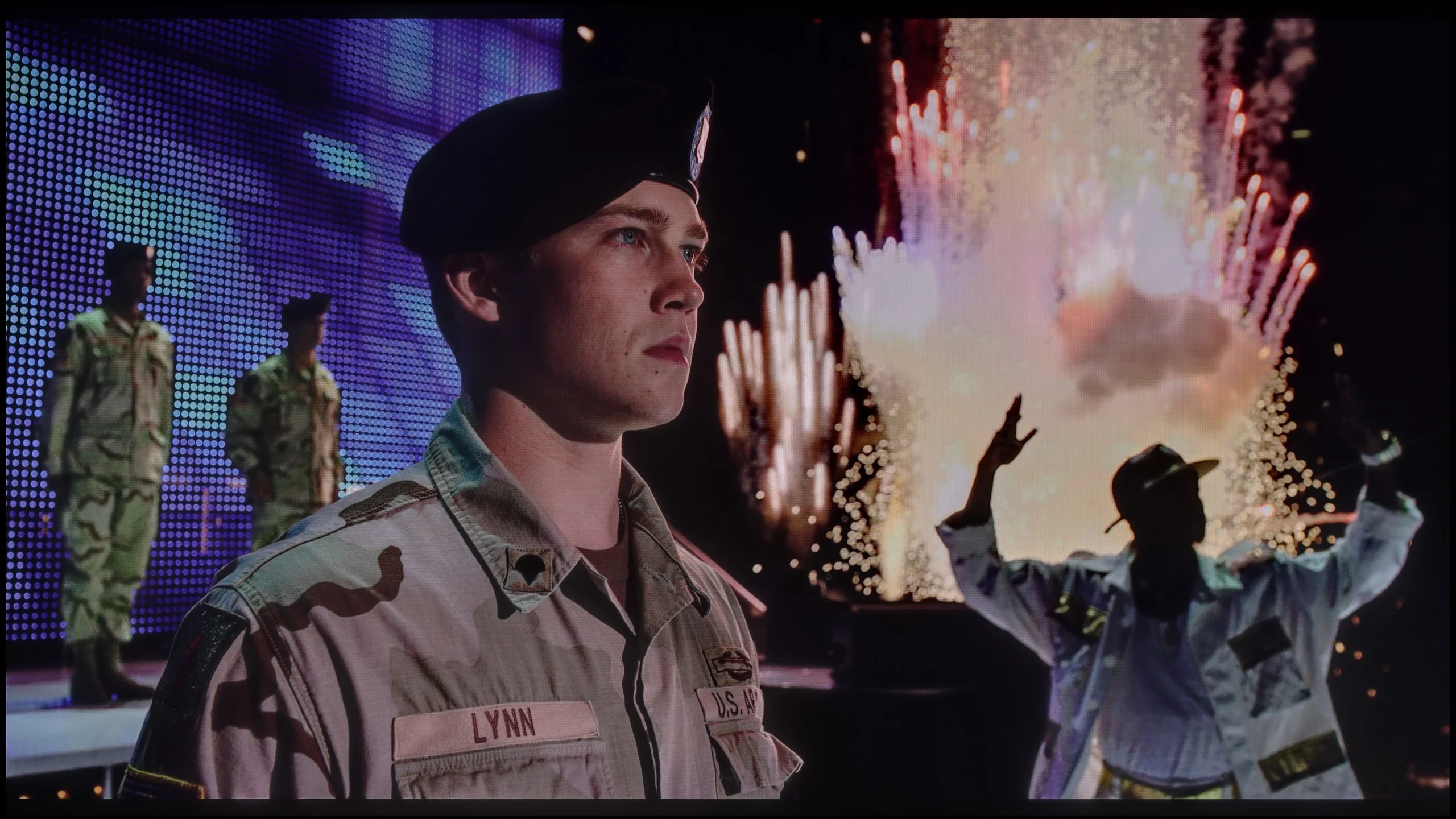
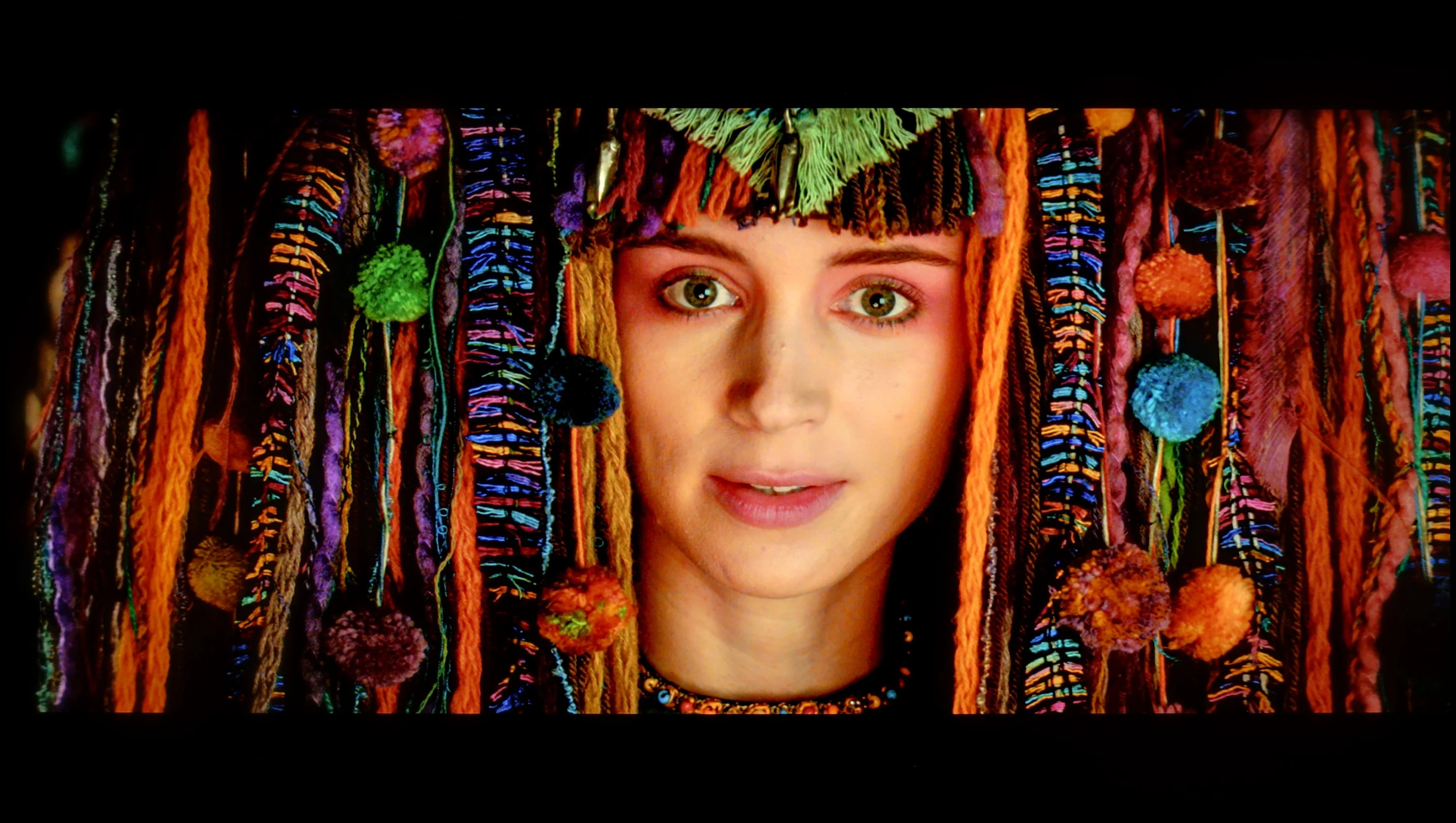
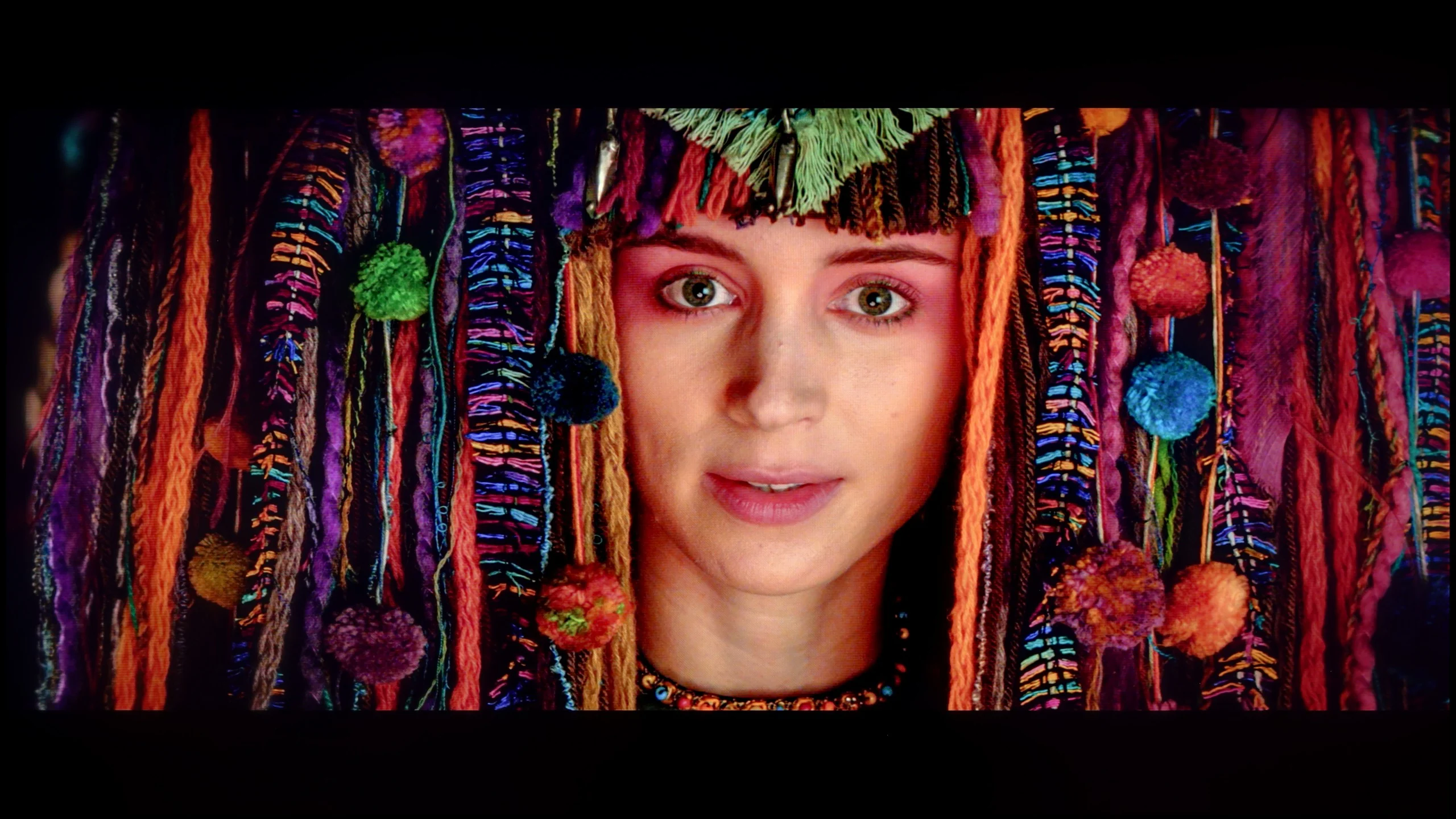
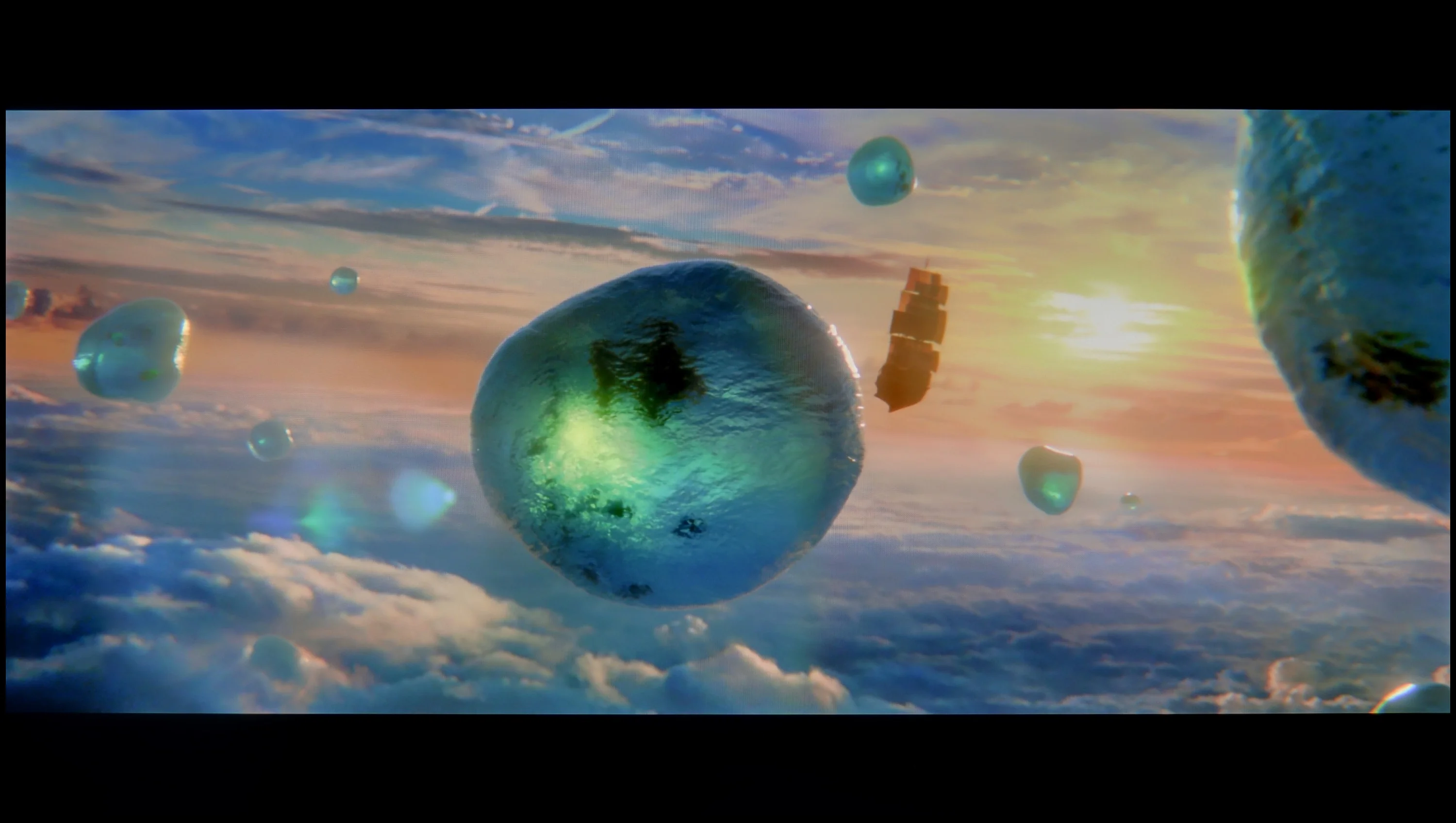
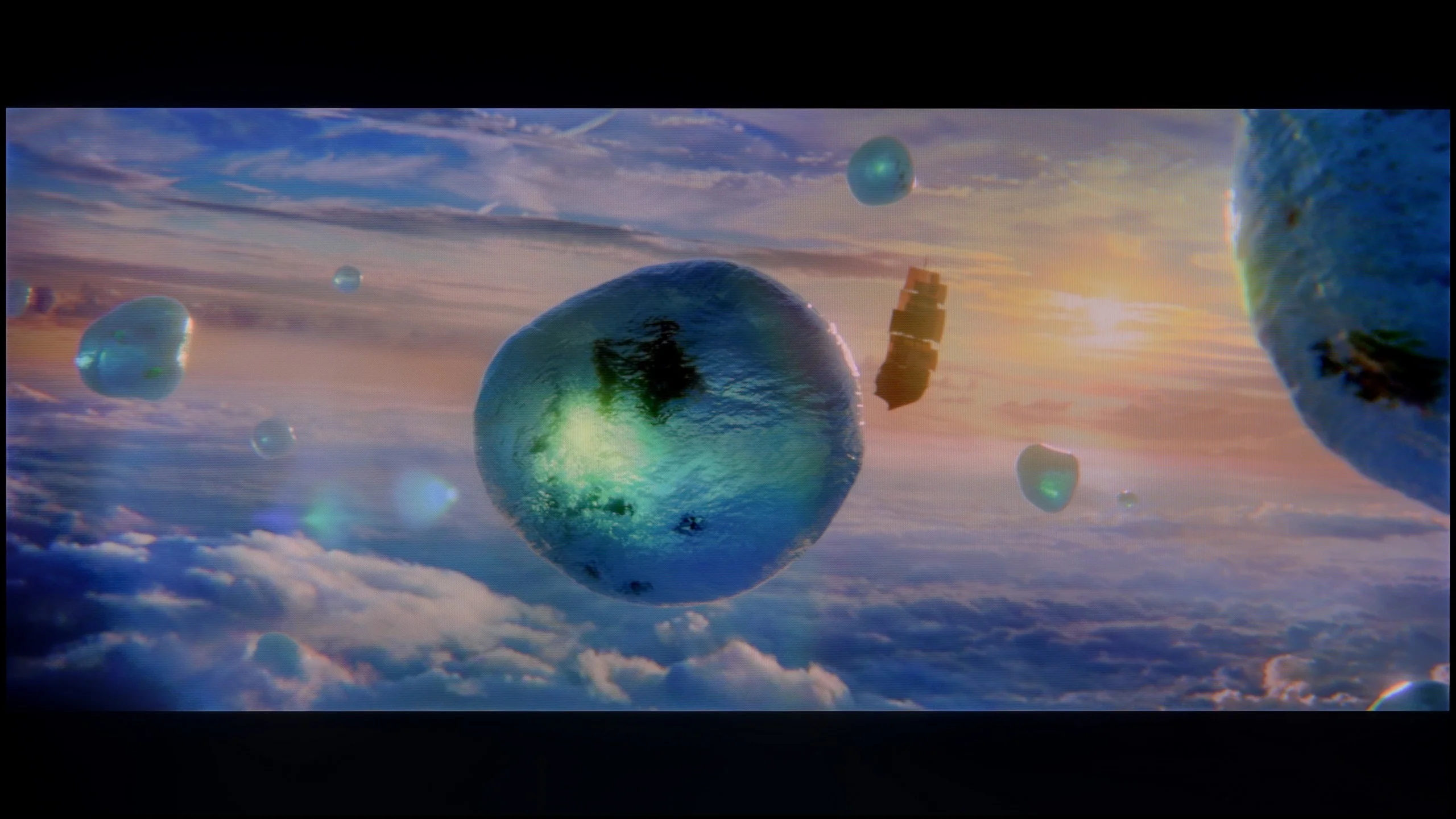
Scene from the movie “Pan” (about 2800 nits)

Scene from the movie “Billy Lynn” (about 1100 nits)

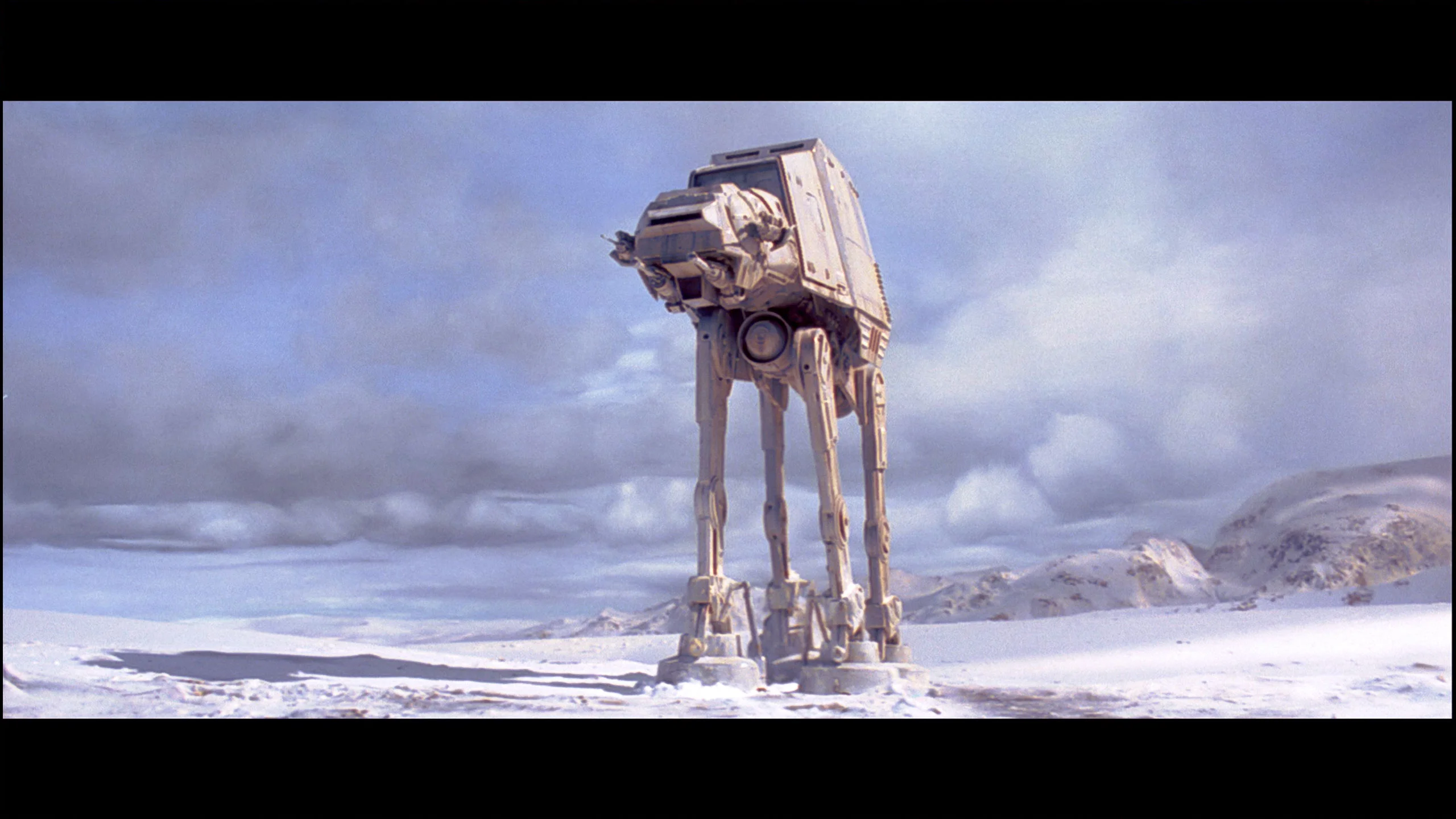
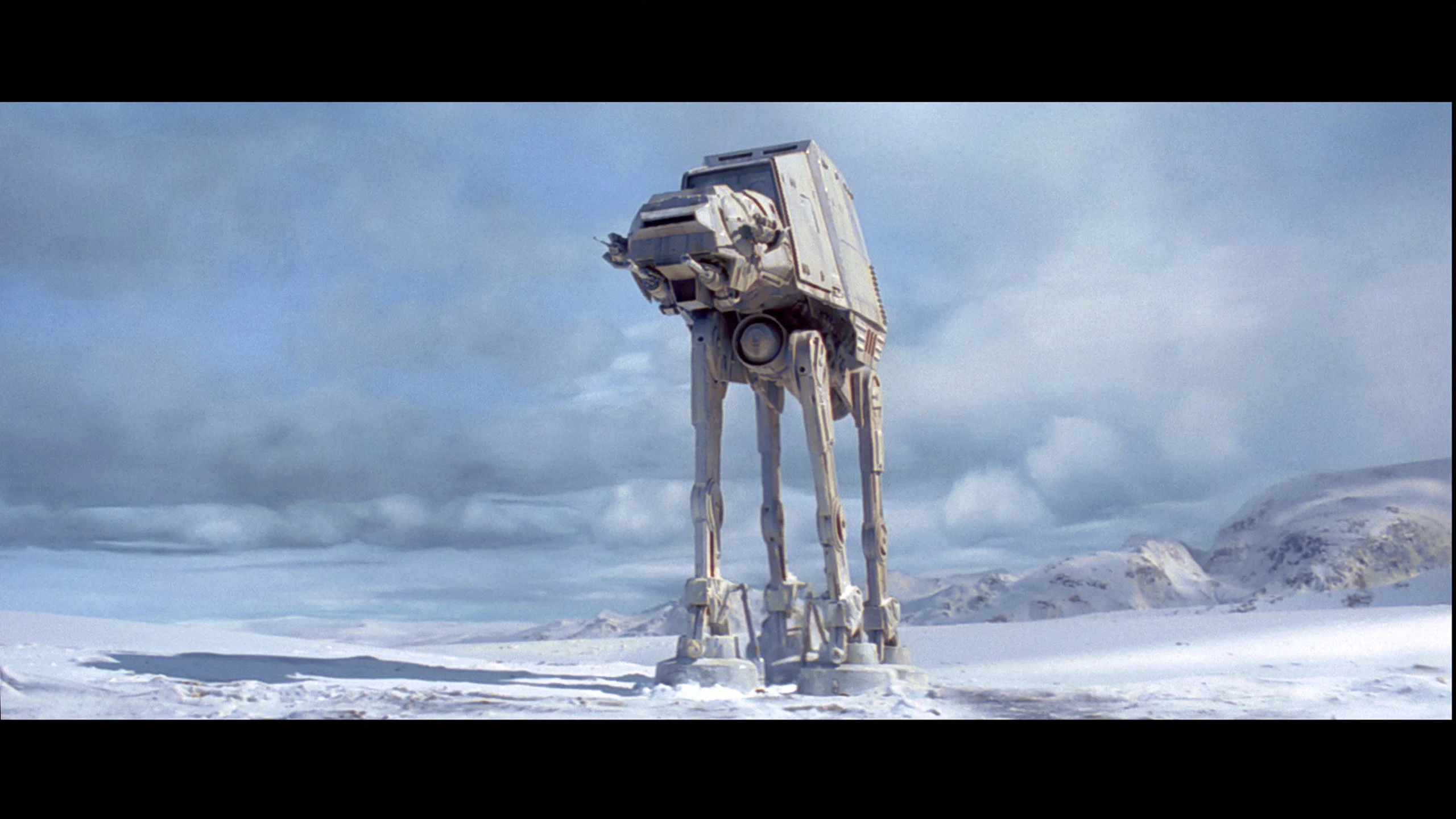
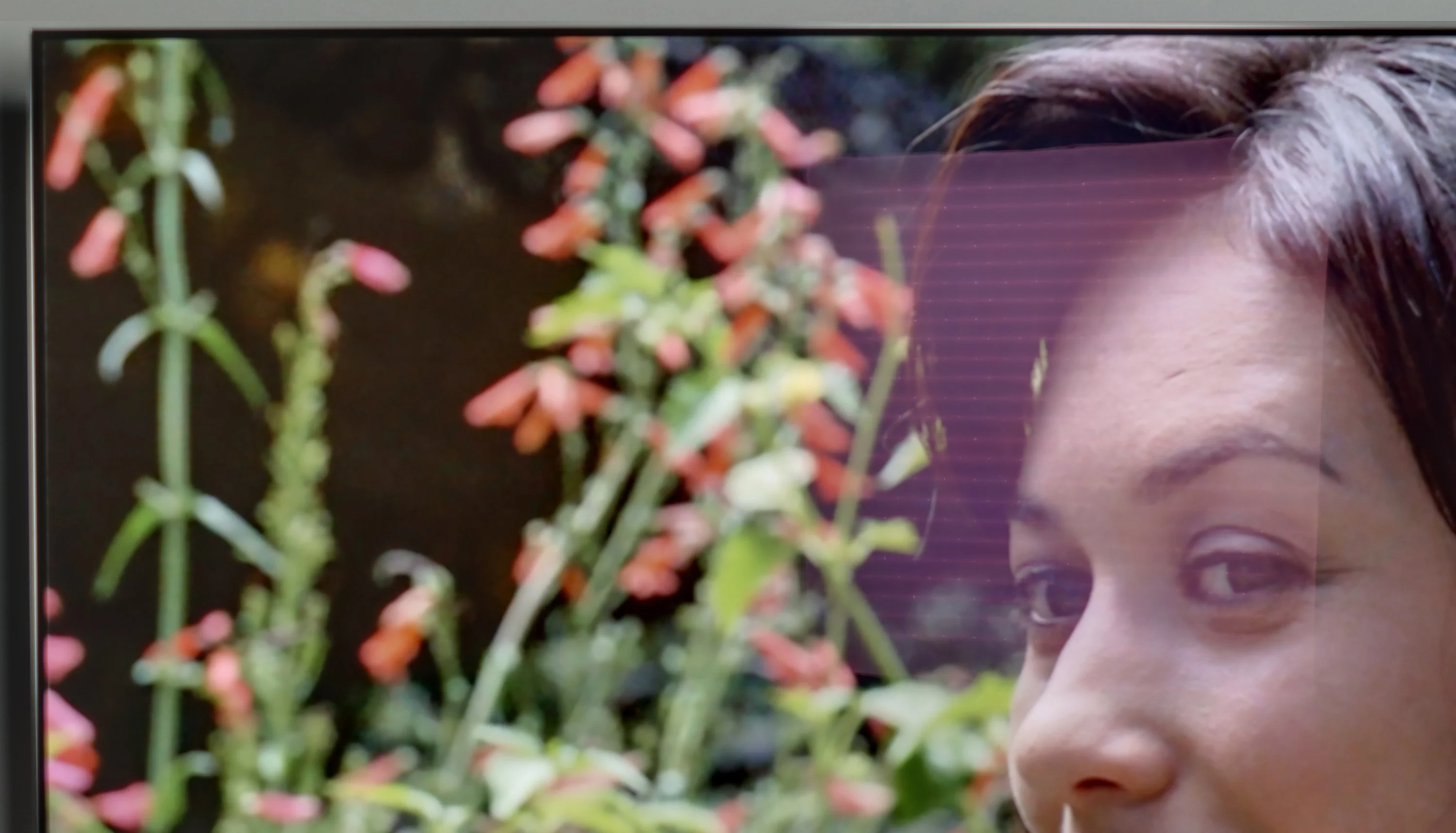
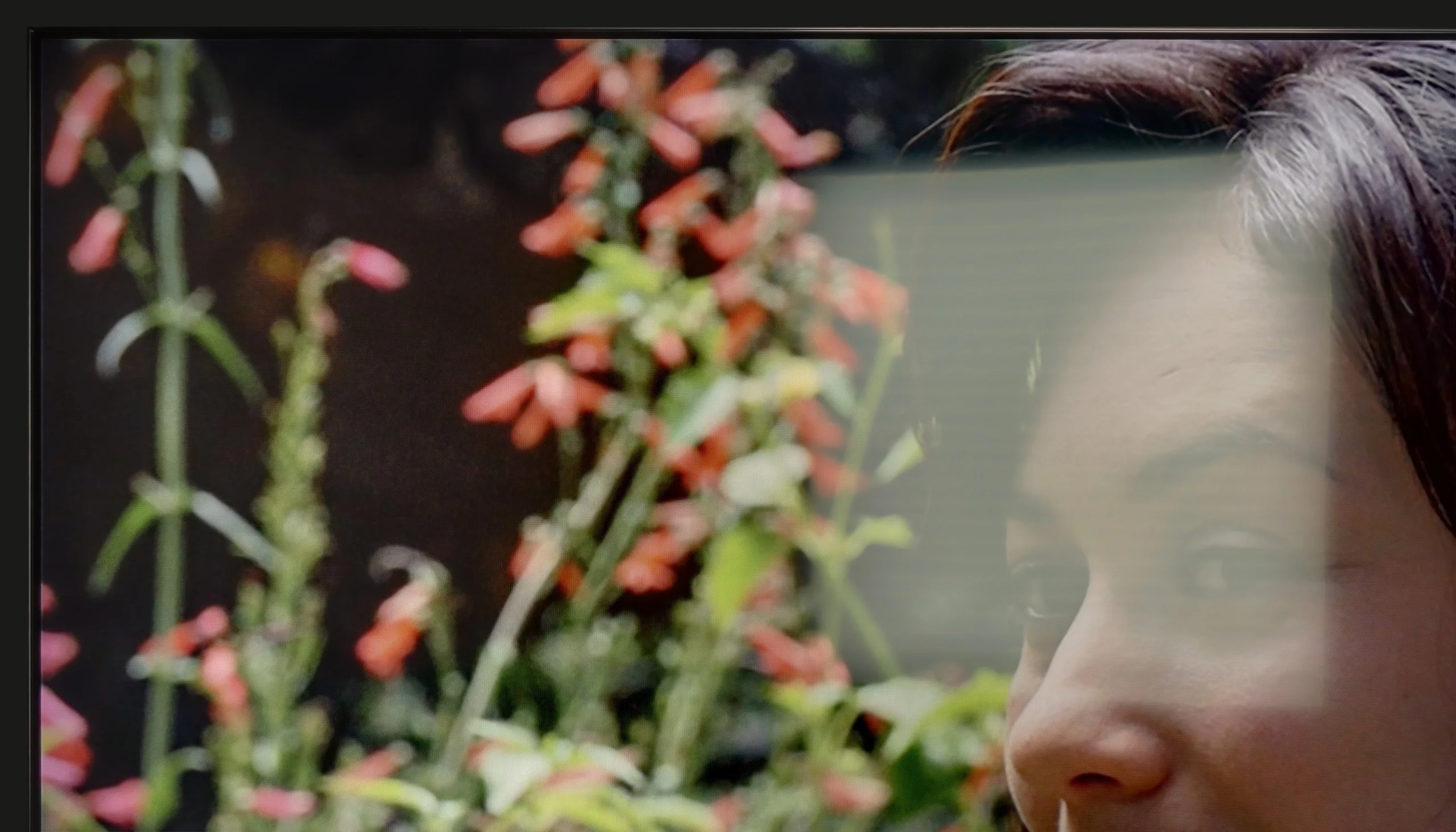
The photos show two HDR10 movies. 'Pan' is one of the brightest productions ever made, while 'Billy Lynn' (soldier) has brightness typical of streaming (Netflix, Prime, HBO MAX). Notice the intensity of effects and detail in whites.

Static HDR10

The photos present the visibility of white details in various HDR formats. They do not show brightness differences between TVs (these can be compared in the previous gallery).

Dynamic: Dolby Vision

Dynamic: HDR10+

The photos present the visibility of white details in various HDR formats. They do not show brightness differences between TVs (these can be compared in the previous gallery).

HDR luminance chart:

SAMSUNG QN80F

LG OLED G4

Luminance of RGB colors

The LG G4 excels in delivering an incredibly vivid HDR experience, positioning it as one of the best models in its class. Equipped with second-generation Micro Lens Array (MLA) technology, it achieves a remarkable peak brightness of 1474 nits in real-world scenes. While it may not match Mini LED-backlit LCD TVs in full-screen white scenes, the overall performance is outstanding. The fine details in HDR content shine brightly, a distinct advantage of OLED technology over non-OLED displays. With this impressive brightness and wide DCI-P3 colour gamut coverage, HDR content is brought to life with unmatched engagement and immersion.

QN80F is quite a bright screen – in synthetic tests, it achieved nearly 1000 nits, which allows for reasonable expectations with HDR content. And indeed, in many scenes, the television truly shines. Sequences with a lot of light – such as shots from the movie Life of Pi or wide, bright surfaces in The Meg – look spectacular. Brightness maintains around 700 nits, which provides a solid effect, sufficient to feel the true "HDR magic." Unfortunately, not every scene looks that good. In materials with small, bright details on a dark background, like in Sicario 2, the television has problems – it can dim certain elements significantly, sometimes to the point where they disappear from the image. This is the result of a limited number of dimming zones, which forces the device to make compromises: either stick to inky blacks or sacrifice some details. QN80F usually chooses the former. As a consolation, it has quite decent coverage of a wide color gamut – DCI-P3 at 93%. This is not the highest score on the market, but it is more than enough for most content on streaming platforms.

Factory color reproduction

8.4/10

6/10

This gallery shows how colors change after professional TV calibration. If you notice the difference, we recommend ordering this service at SkalibrujTV.com.

Factory Mode

After calibration

This gallery shows how colors change after professional TV calibration. If you notice the difference, we recommend ordering this service at SkalibrujTV.com.

Factory Mode

After calibration

Before calibration, the "Filmmaker" mode on the TV had a noticeable red and green colour dominance, resulting in a warm-yellow hue across both SDR and HDR content. This warm tone, typical of modes like "Cinema" and "Filmmaker," led to a yellowish cast that was evident when switching from the "Standard" mode.

Looking at the brightness characteristics, the Gamma chart showed decent performance for mid-tones and bright whites, but it struggled with the darkest details, which tended to merge into a black blob. HDR content, as represented by the EOTF curve chart, displayed a drop in contrast due to excessive brightness, which overshadowed fine details and negatively affected the overall image quality. Additionally, the "ColourChecker" chart revealed that colours were under-saturated, contributing to a less accurate and vibrant visual experience.

This provided a good foundation to build on, but calibration was needed to bring out the full potential of the "Filmmaker" mode and address these issues.

We always test televisions in the best available factory mode – for the Samsung QN80F, this is the Filmmaker mode, and indeed, it offers the settings closest to the creators' intentions. However, this doesn't mean that everything looks perfect. In SDR content, the biggest issue turned out to be an unbalanced white balance – slight deficiencies in green and a noticeable excess of red led to noticeable color errors, and one could almost say there was a pinkish tint to the screen. This was clearly visible in the color checker test, where colors would "escape" their target fields – to the extent that a sensitive viewer's eye could catch it even without the help of a meter.

In HDR content, the white balance was much better, but another problem emerged – brightness management. The EOTF curve caused an overly bright image most of the time, which could affect the perception of contrast and made the screen slightly "flicker" during dynamic light changes. We have already discussed this in the paragraphs about black and HDR. Fortunately, Samsung leaves the user with plenty of options. The QN80F offers a rich set of calibration options, including a 20-point white balance – that's why we decided to check what this television is really capable of after proper calibration.

Color reproduction after calibration

9.5/10

8.3/10

The photos show how movies look on the TV. Pay attention to black detail visibility, colors, and shadow tint.

The photos show how movies look on the TV. Pay attention to black detail visibility, colors, and shadow tint.

The manufacturer has been offering extensive support for the calibration process in its LG televisions for many years. Therefore, we used 2- and 20-point grayscale adjustments along with an advanced CMS (Colour Management System) to optimise the display. As shown, the calibration procedure greatly improved each parameter. The results included studio-quality colour reproduction, enhanced detail in dark areas, corrected brightness characteristics, and accurate colour saturation. This led to a near-perfect match with the reference image—the one the film director saw on the preview monitor. It’s also worth mentioning that LG G4 televisions are unique in offering even deeper image adjustments through 3D LUT matrices, a feature primarily suited for post-production or graphics studios.

After conducting a thorough calibration, it was possible to bring most image parameters to a really good level. The white balance in both SDR and HDR appears nearly perfect – the image is natural, neutral, and free of the previously noticeable reddening. The colors have gained depth, and the overall visual reception has become more pleasant and cohesive. It was also possible to partially master brightness management, which in the factory version could be problematic. The EOTF chart shows that the television performs significantly better with brightness after calibration – there's no longer excessive dimming of certain elements. In films, it can still be observed that the QN80F has a tendency to slightly brighten the smallest, bright details – this is already a result of the device's construction and the limited number of dimming zones. In short: not everything can be overcome, but what could be improved has been addressed. After calibration, the QN80F makes a really good impression; it simply looks more mature and professional.

Smoothness of tonal transitions

6.2/10

9/10

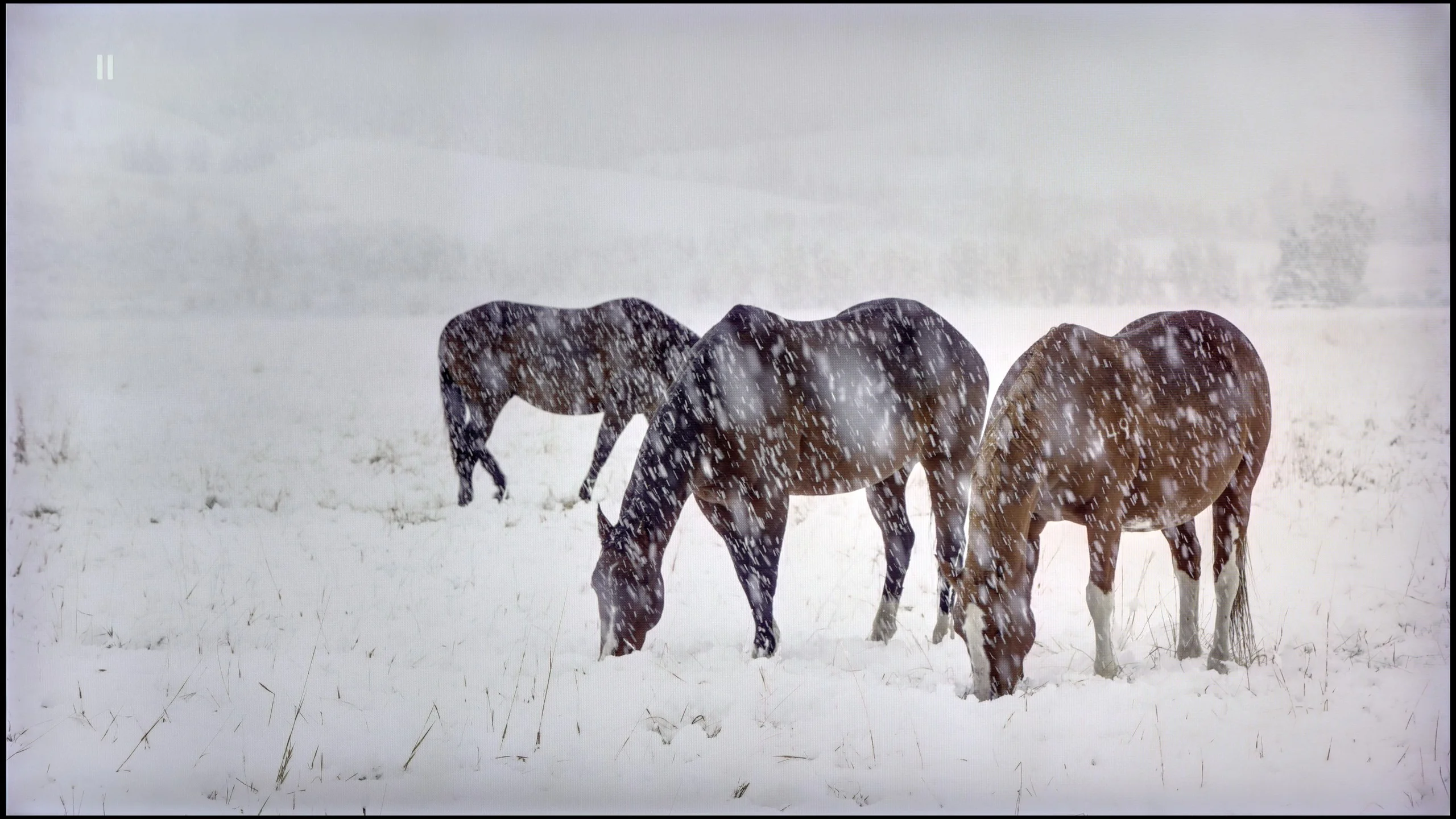
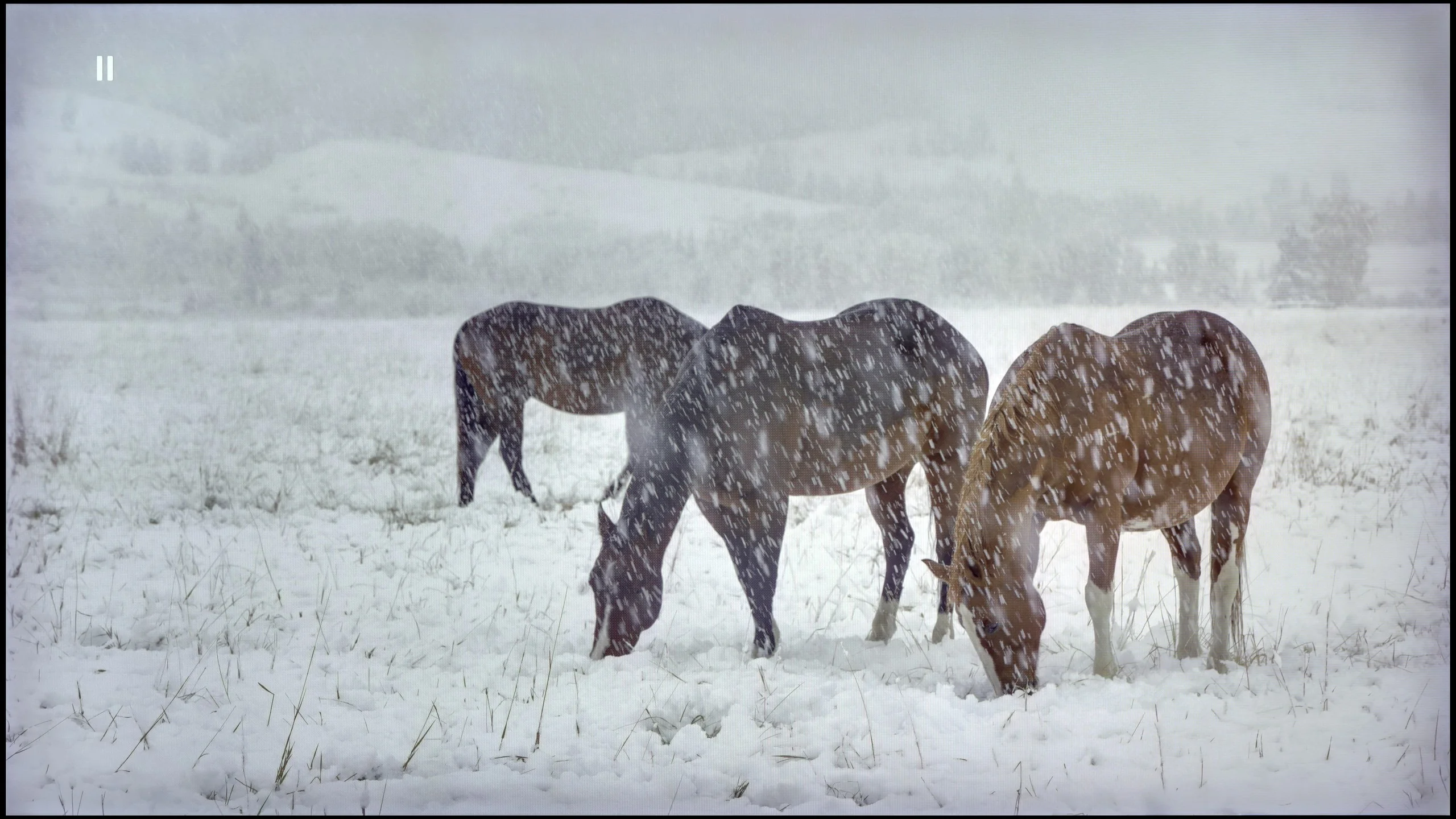
These are selected scenes that show smooth tonal transitions from one color to another. If you see distinct banding, it’s the TV panel’s fault.

These are selected scenes that show smooth tonal transitions from one color to another. If you see distinct banding, it’s the TV panel’s fault.

These are selected scenes that show smooth tonal transitions from one color to another. If you see distinct banding, it’s the TV panel’s fault.

These are selected scenes that show smooth tonal transitions from one color to another. If you see distinct banding, it’s the TV panel’s fault.

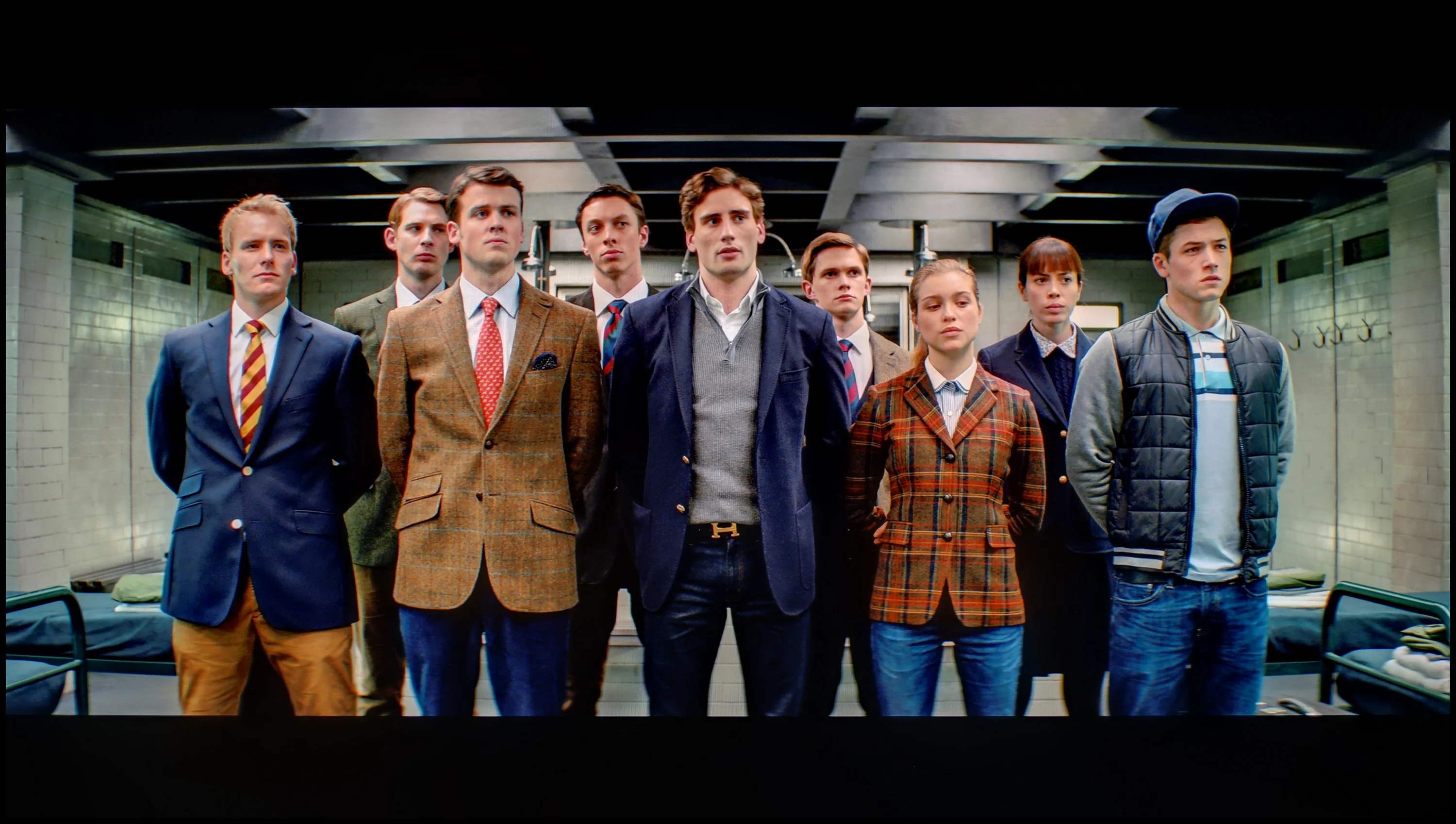
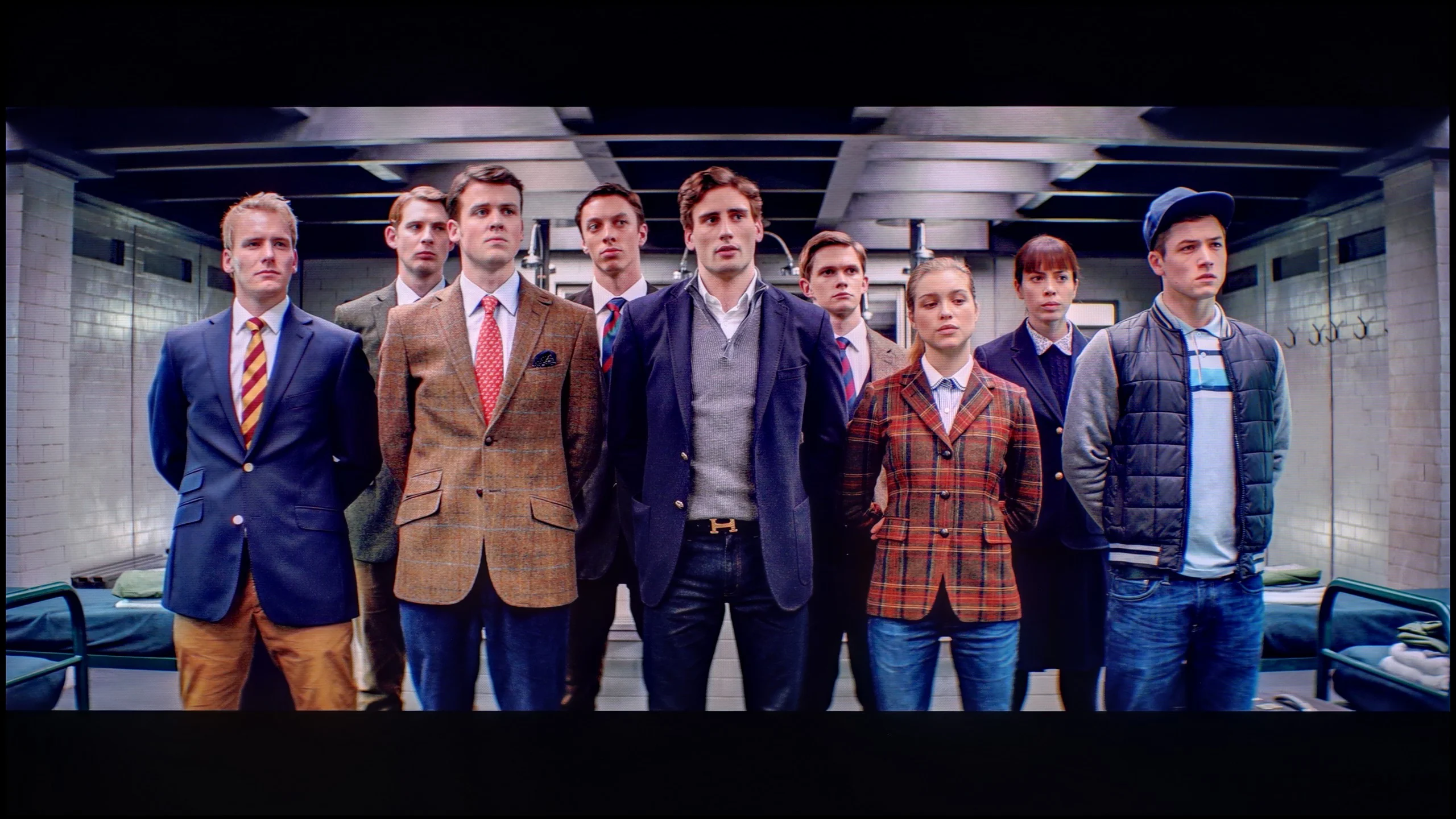
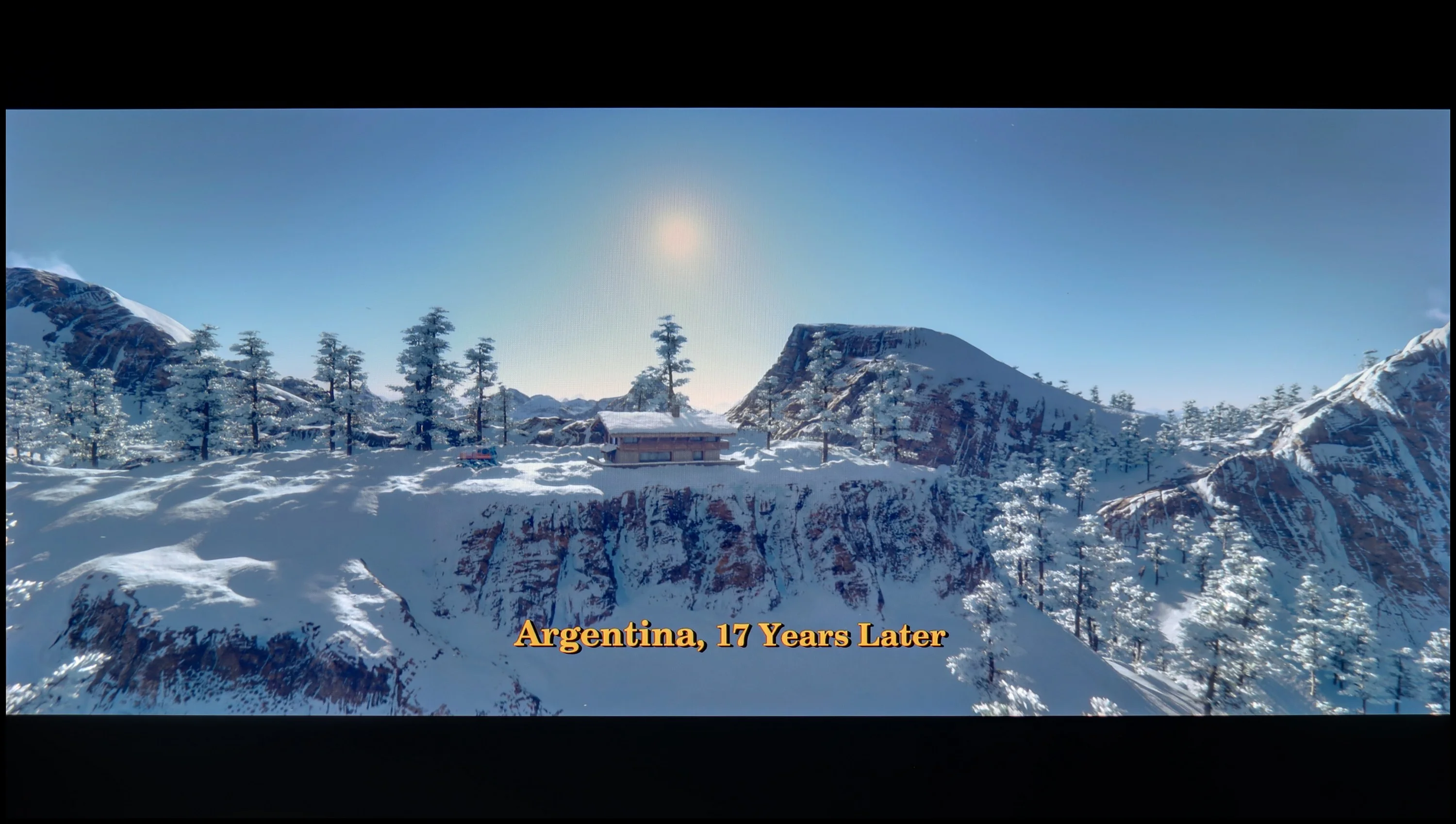
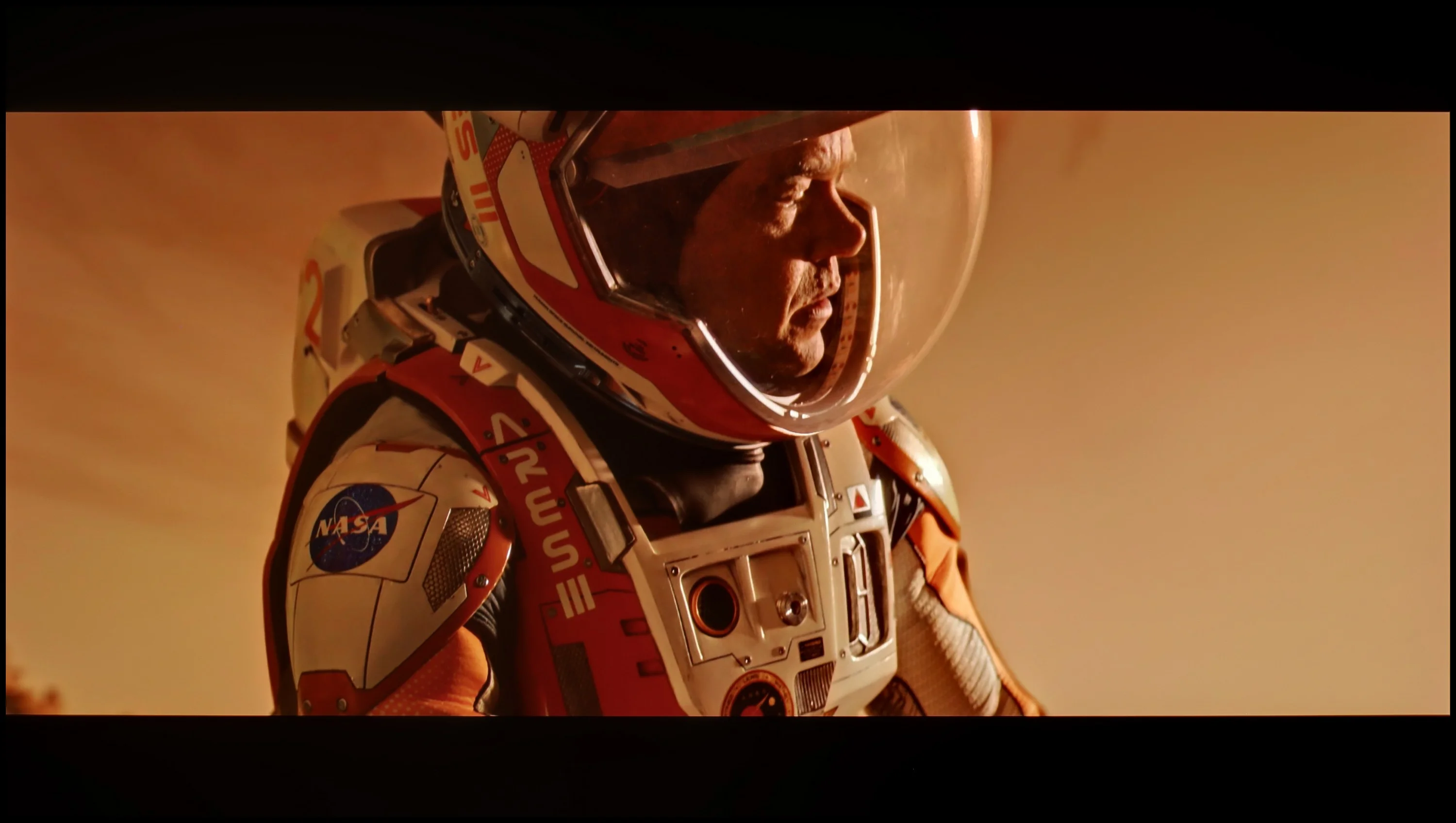
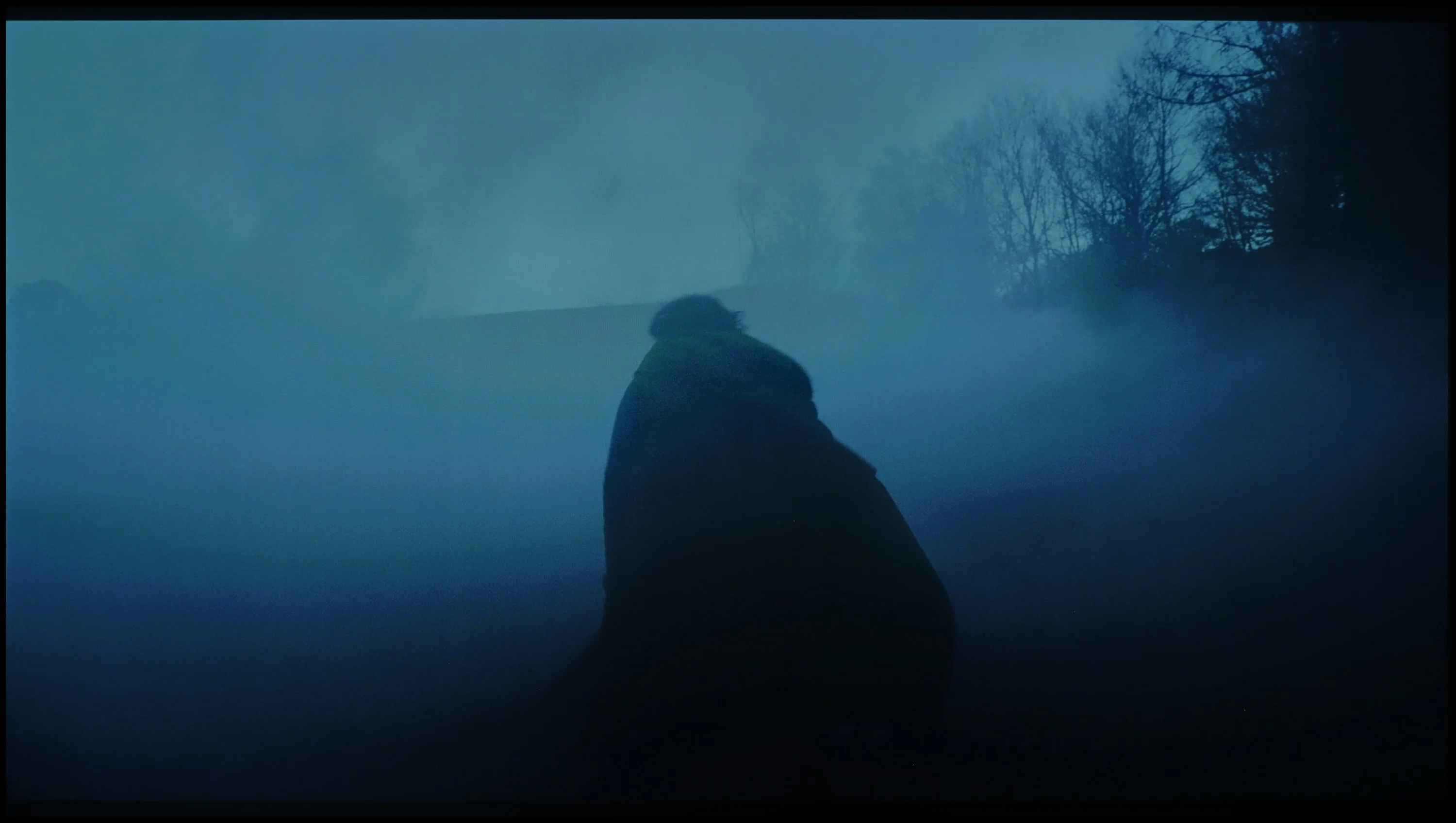
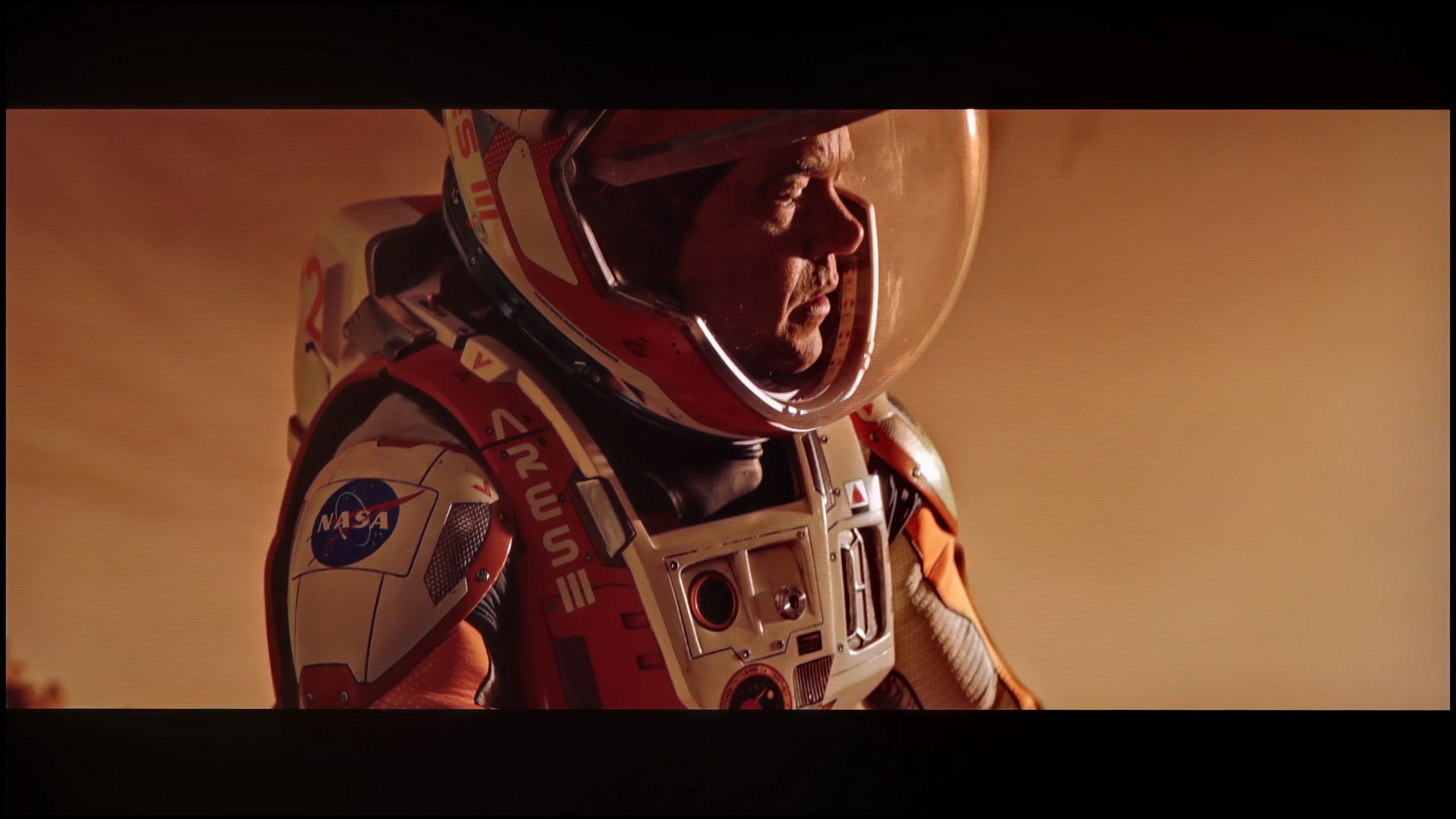
The tonal transitions on the LG G4 are not among the best in class. Every scene played from a Blu-ray disc with 10-bit HDR showed noticeable inconsistencies in colour transitions. This was particularly evident in "The Green Knight," where posterization issues were especially noticeable. Similar problems were observed in films with moderate to high brightness, such as "The Martian" or "Kingsman," which is unusual for televisions of this calibre and was quite surprising. These results suggest that in scenes with low luminance and a lot of black, this issue may become bothersome, even for casual viewers.

In this regard, the QN80F really delivers. The transitions between colors are smooth, nothing is choppy, and there are no annoying bands in the sky or strange blotches in the shadows. Movie scenes in darker tones performed particularly well – and that's where most televisions start to struggle. If one really looks for it, slight banding can be seen in the brightest areas, but that's really just nitpicking. In everyday viewing, no one should have a problem with this. To put it simply: the tonal transitions are so good that you can forget about them – and just enjoy the movie.

Image scaling and smoothness of tonal transitions

8.2/10

7/10

Image without overscan on the SD signal
OK
No
Smooth transition function
OK
OK

Smooth transition function

The match photo shows how the TV smooths weak tonal transitions in low-quality video.

Image scaling SD (576i)

The model photo shows how it handles upscaling of SD material.

The LG G4 does not perform well with materials rich in tonal transitions, leading to a pronounced posterization effect. However, the manufacturer has included a smoothing system called "Gentle Gradation," with three levels: Low, Medium, and High. These settings are effective at smoothing bright colours, though less so for darker tones. It is recommended to use the Low setting, as the higher levels can distort the director's intentions by removing film grain.

When it comes to upscaling lower-quality material, the television's performance is quite good, delivering a sharp and clear image. However, attention should be paid to the jagged edges of fine details and the occasional halo effect around figures. This occurs due to the sharpening imposed by the LG G4, even when the lowest setting is selected (0). This is a noticeable change from the LG G3, which did not apply such strong sharpening, even at setting 0.

If, while watching lower-quality materials – for example from YouTube – we notice strange color transitions or unwanted artifacts, it’s worth checking the settings and enabling the noise reduction function. In our opinion, the best setting is at the "medium" level – it effectively smooths out problematic color transitions while not excessively blurring the entire image. However, one must know this: this option tends to remove film grain. If someone cares about preserving this effect (e.g., in older films), it’s better to just turn it off – regardless of the level, the grain always disappears.

When it comes to scaling resolution (i.e., the so-called upscaling), Samsung – as always – performs very well in this area. The QN80F may not compare to the top models worth several thousand, but for its price class, it really performs impressively. Very low-quality materials (e.g., from SD television or older video files) are noticeably improved and look surprisingly decent. The only noticeable drawback is the typical Samsung issue with overscan – that is, slightly cropping the edges of the image at very low resolutions, e.g., 576p.

Blur and motion smoothness

8.5/10

7.5/10

Maximum refresh rate of the panel
144Hz
144Hz
Film motion smoothing option
OK
OK
Blur reduction option
OK
OK
BFI function 60Hz
Yes, 60Hz (image flickers)
BFI function 120Hz
No
No
Brightness drop with BFI
50%
69%

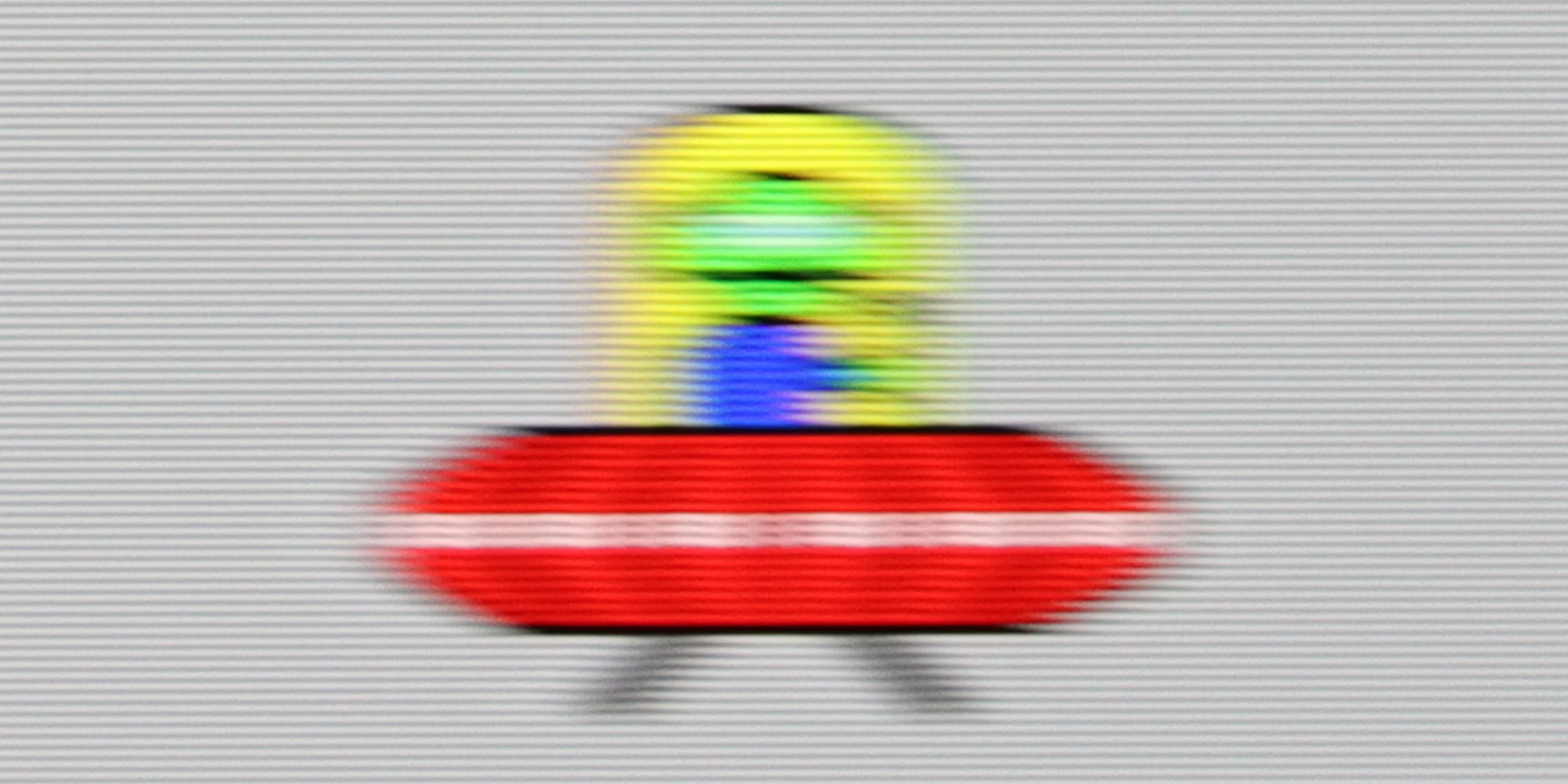
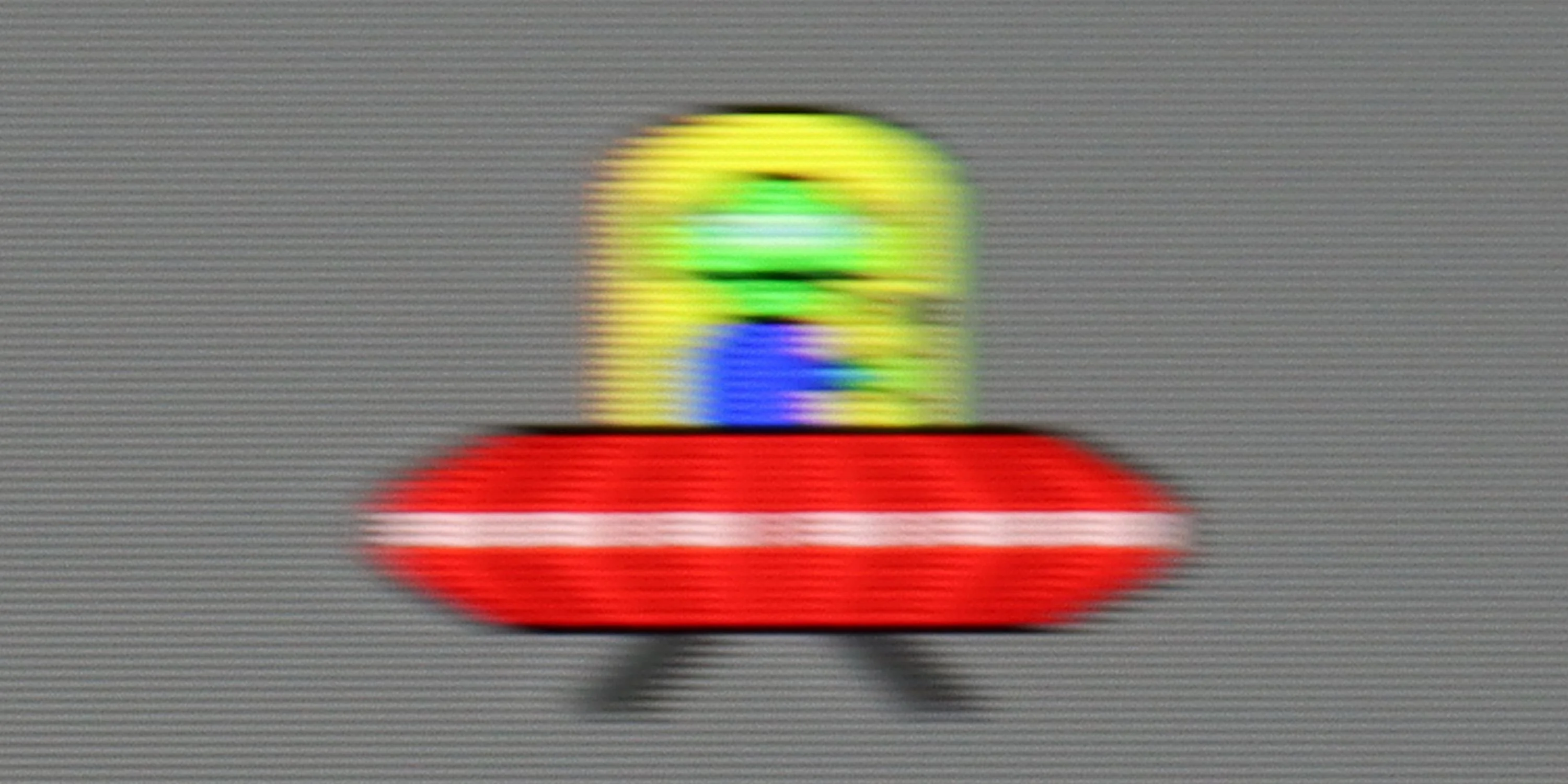
Blur (native resolution, maximum refresh rate):

Blur (BFI function enabled):

Image flickers in this mode

Image flickers in this mode

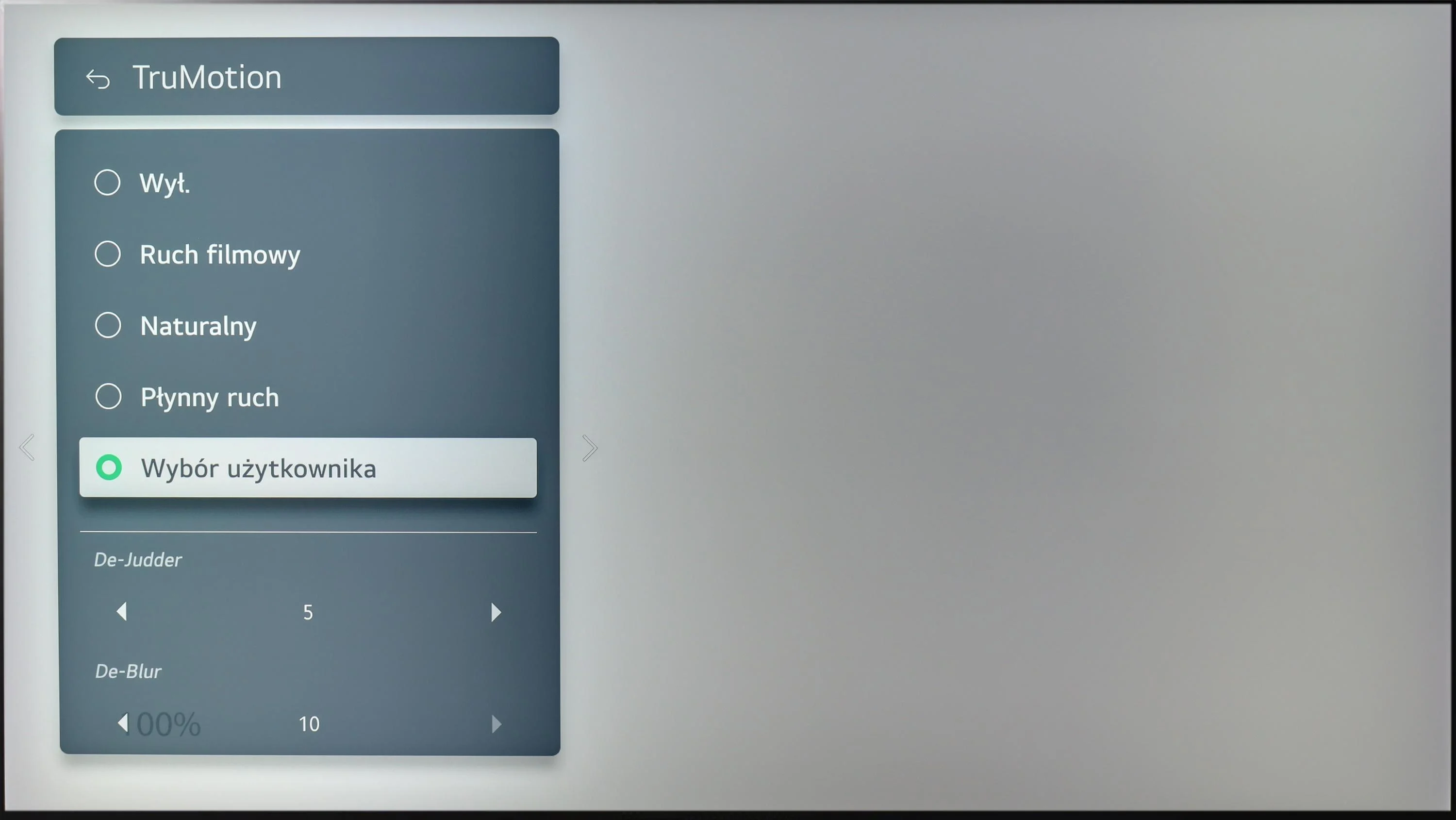
The LG G4 offers a maximum refresh rate of 144 Hz, achievable when connected to a powerful PC. For most users, however, the TV operates at a maximum of 120 Hz, ideal for watching sports or other content with fast motion. To improve image fluidity, the television includes the "TrueMotion" motion smoothing system, which features two separate sliders: De-Blur (for the sharpness of moving images) and De-Judder (for judder reduction). These sliders allow users to adjust the level of smoothing between 0 and 10, ensuring everyone can find the ideal setting.

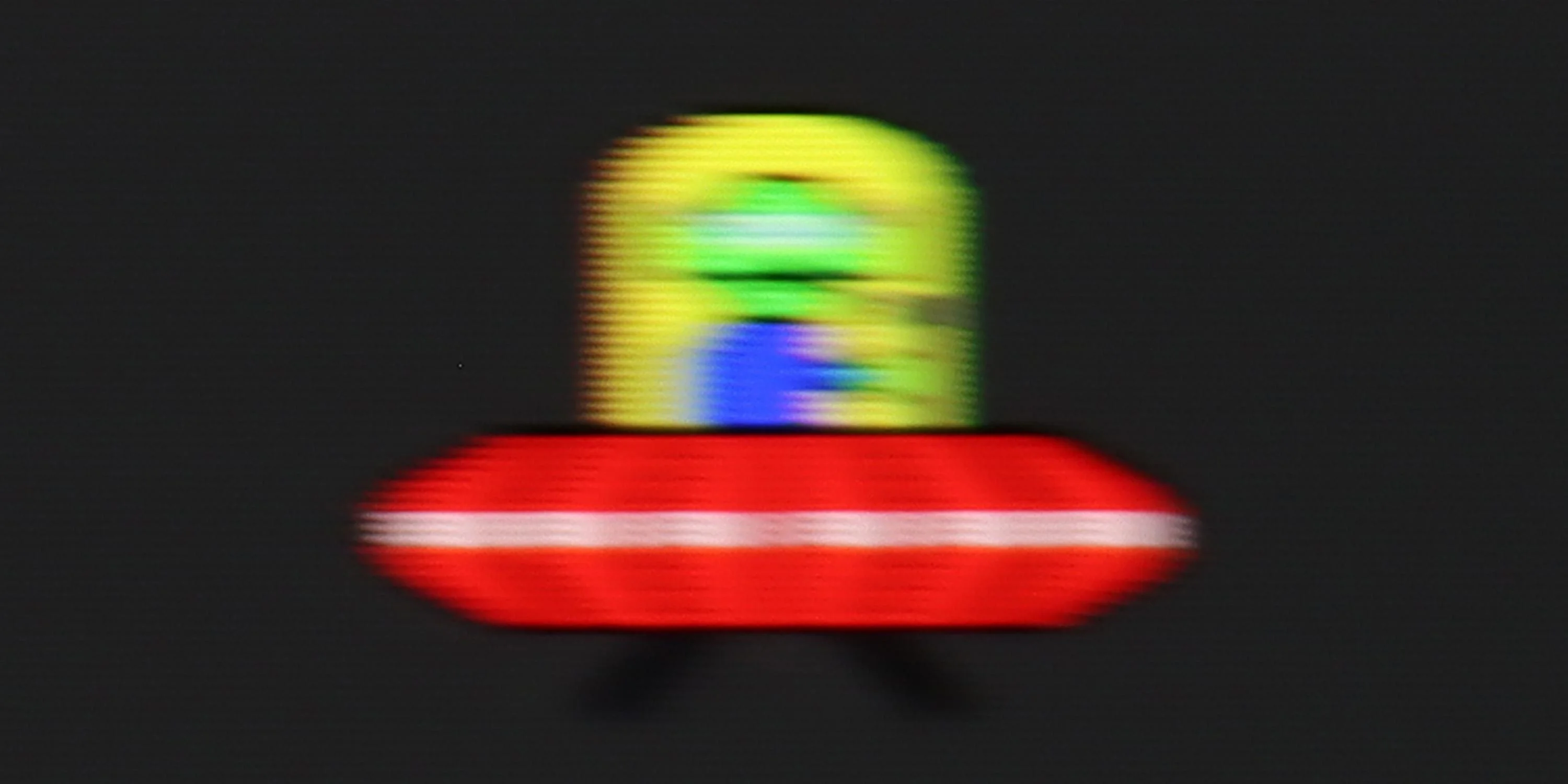
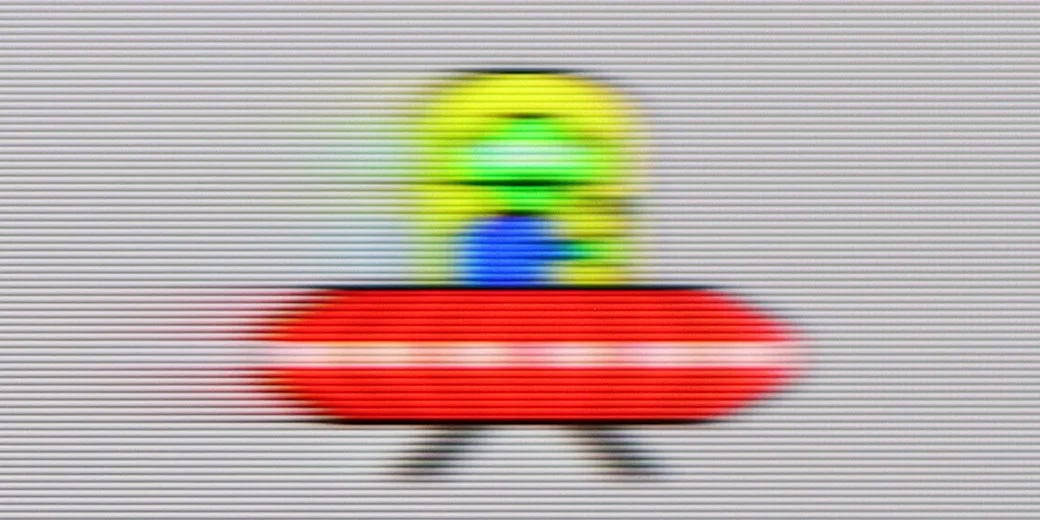
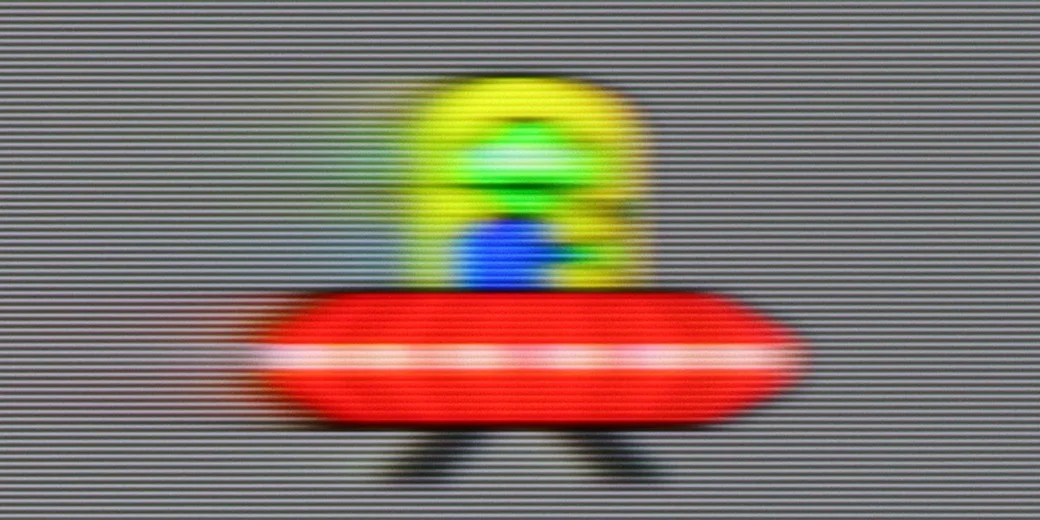
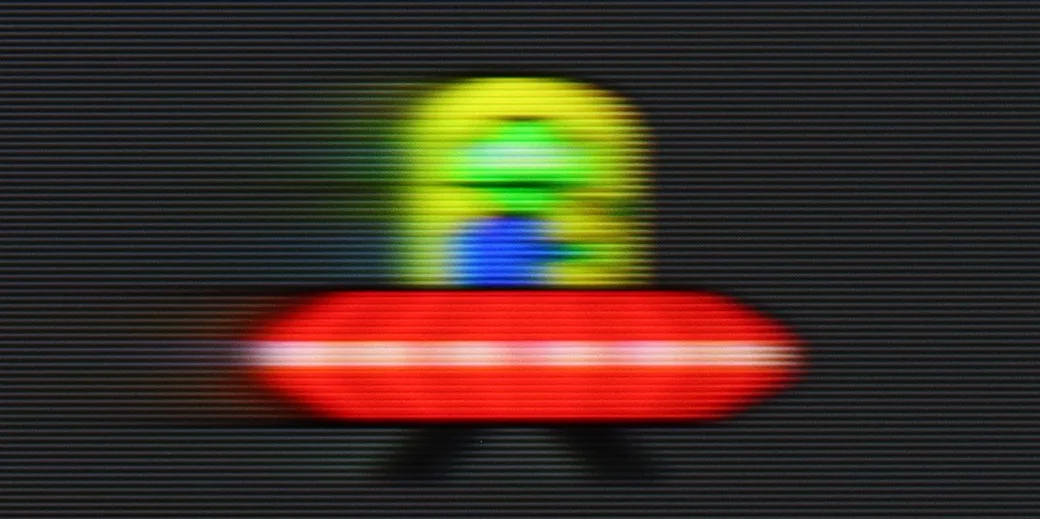
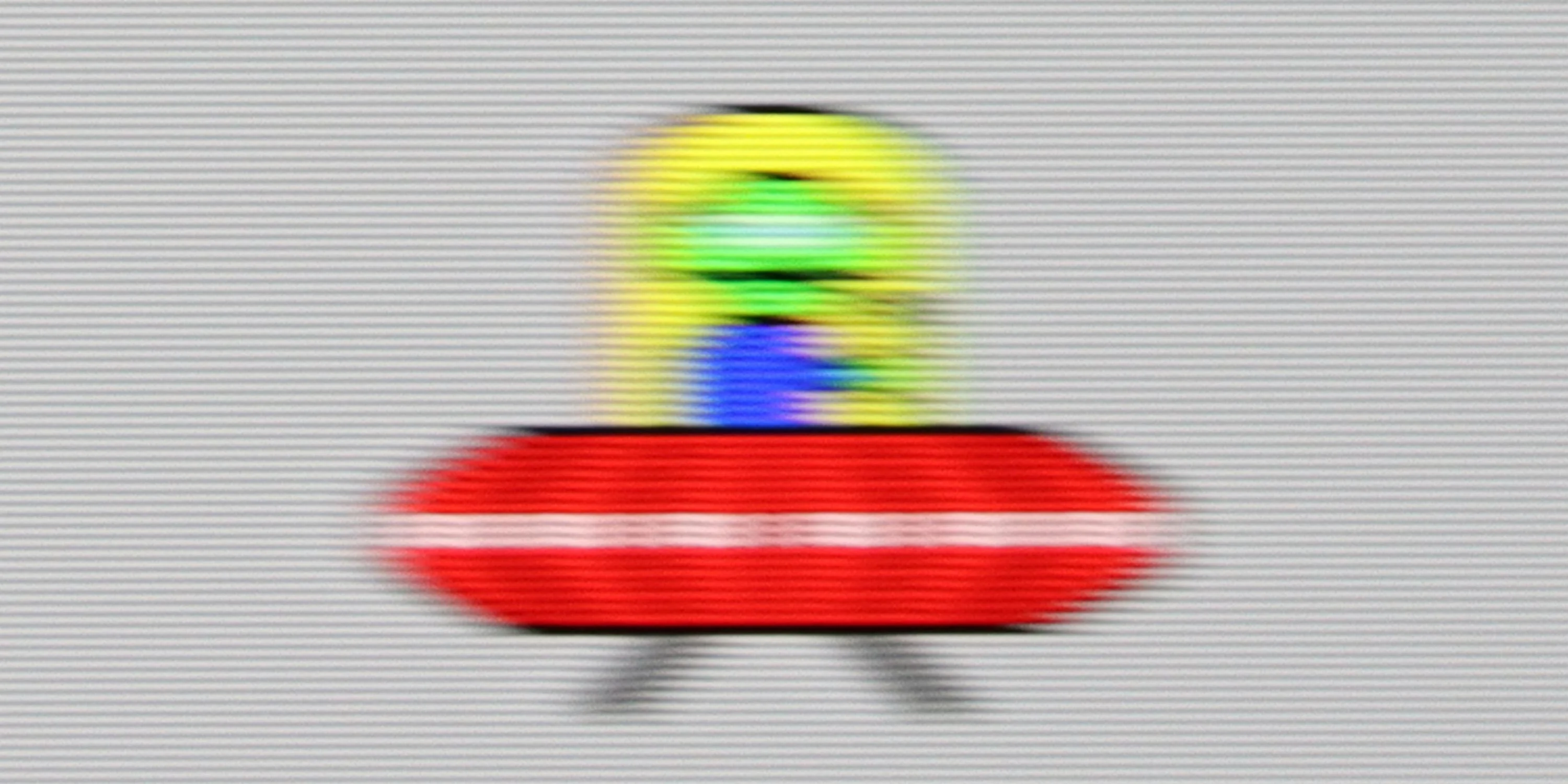
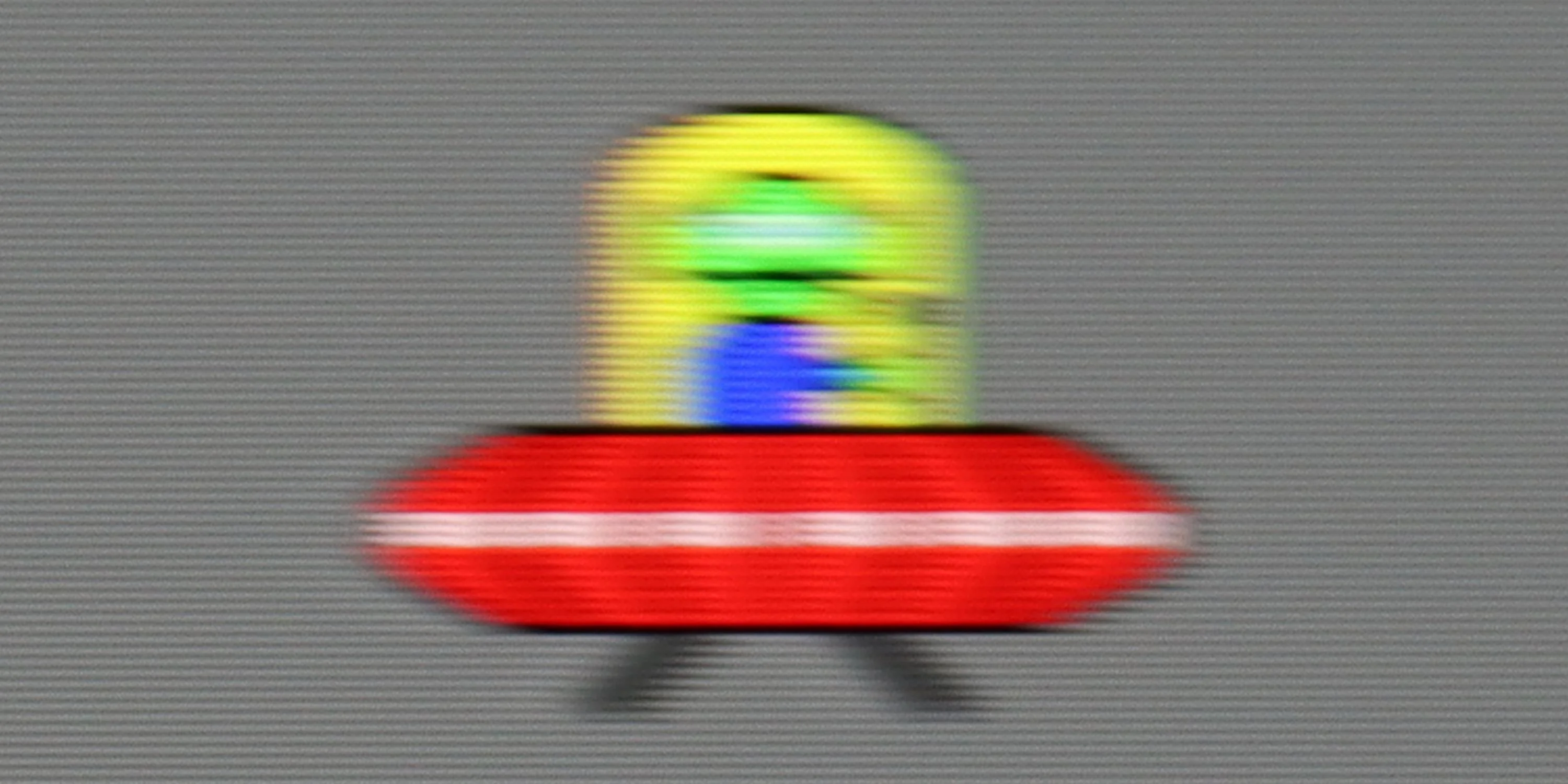
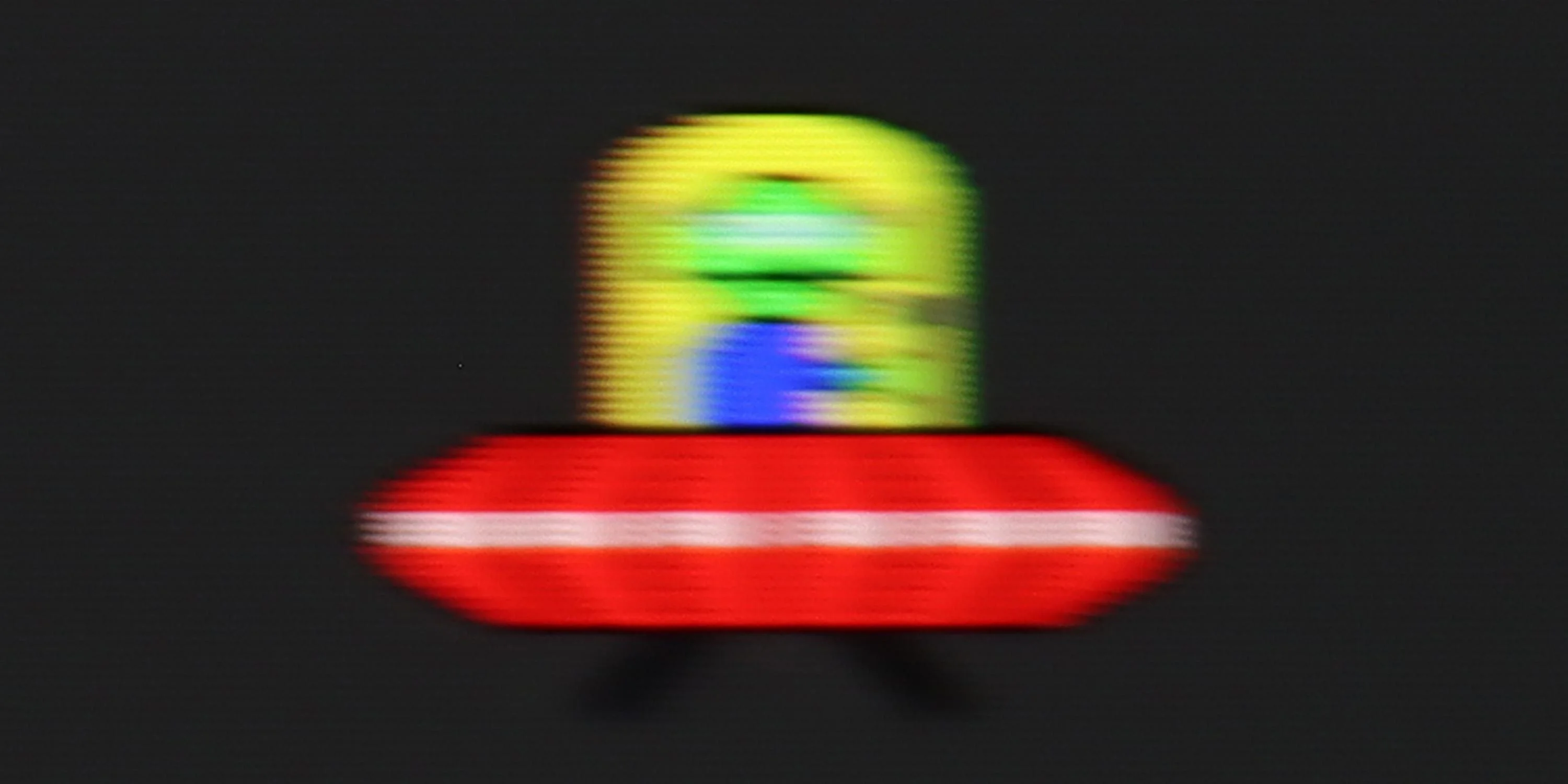
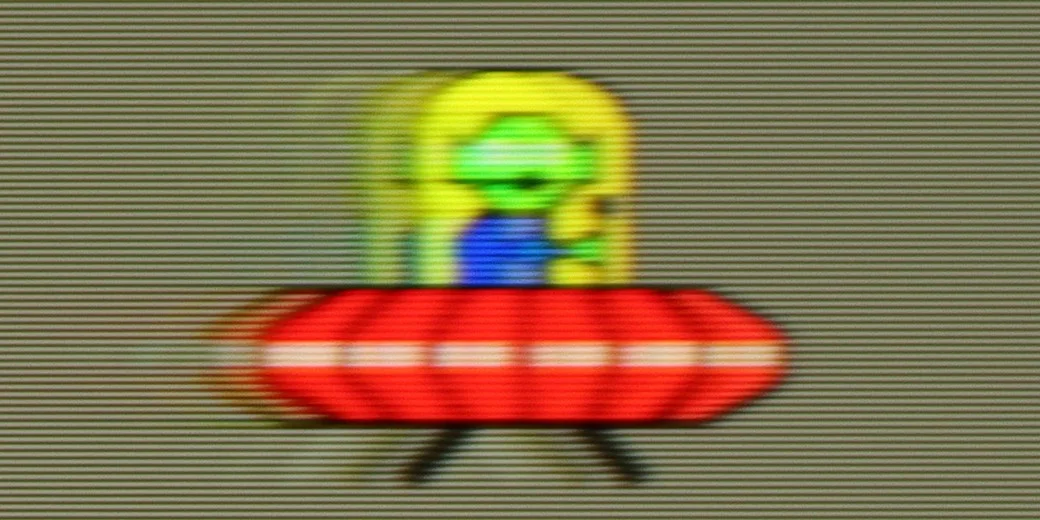
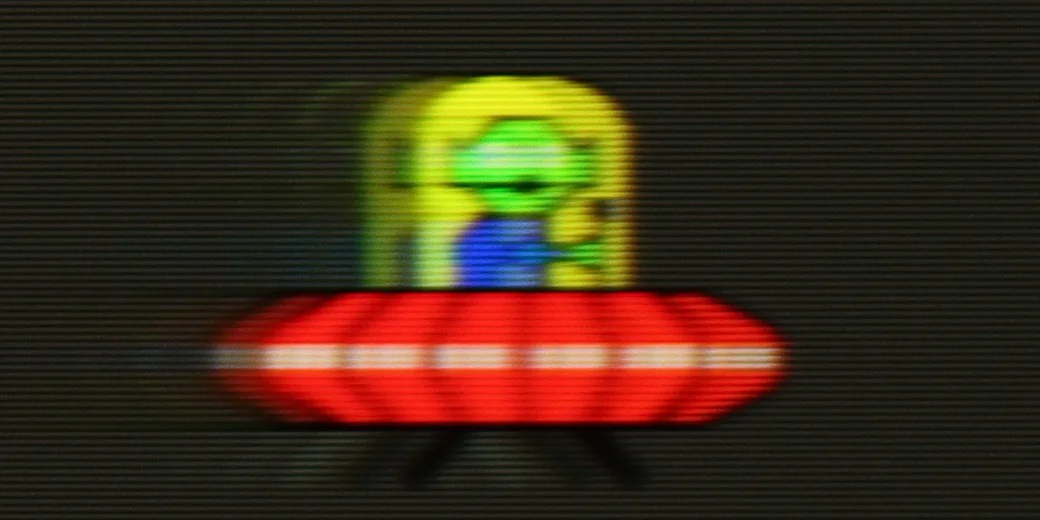
With a response time of 0.78 ms, the LG G4 delivers exceptionally clear images, outperforming LCD televisions, which can have much slower response times. This results in no trailing blur behind moving objects, as shown in the "UFO Test." The TV also provides precise control over motion smoothing, which is especially beneficial during fast-paced video game sequences. Thanks to OLED technology, the G4 eliminates ghosting, ensuring a crisp and clear image even during the most dynamic sports or action scenes.

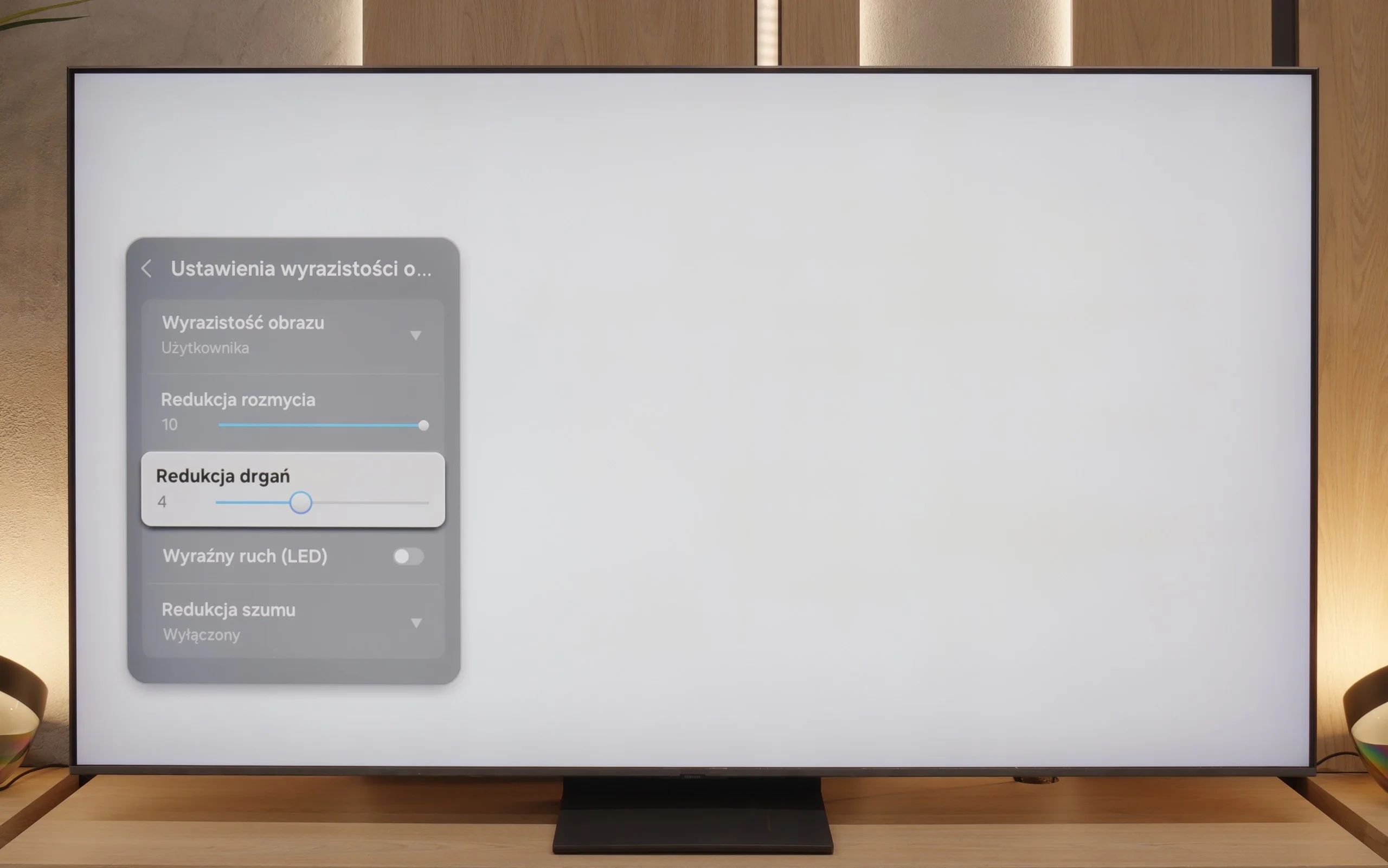
QN80F is truly a "fast" television. The applied panel offers a refresh rate of up to 144 Hz, which in practice means that the screen keeps up with the action – whether we're watching a movie, playing games, or browsing dynamic content on the internet. The image doesn't tear, it doesn't excessively blur, and everything simply looks smooth and pleasant to the eye. Of course, the manufacturer hasn't forgotten about movie fans – in the settings, we find an option for motion smoothness adjustment, allowing us to tailor the effect to our personal preferences. You can leave a more "cinematic" look (for those who enjoy a classic film vibe) or crank up the smoothness to a higher level for a theatrical smoothing effect. Importantly, the choice is ours. Watching movies and playing on the QN80F is simply a joy.

Console compatibility and gaming features

10/10

9.6/10

  • ALLM
    Yes
    Yes
  • VRR
    Yes
    Yes
  • VRR range
    40 - 144Hz
    48 - 144Hz
  • Dolby Vision Game Mode
    Yes
    No
  • Correct implementation of HGIG
    Yes
    Yes
  • 1080p@120Hz
    Yes
    Yes
  • 1440p@120Hz
    Yes
    Yes
  • 4K@120Hz
    Yes
    Yes
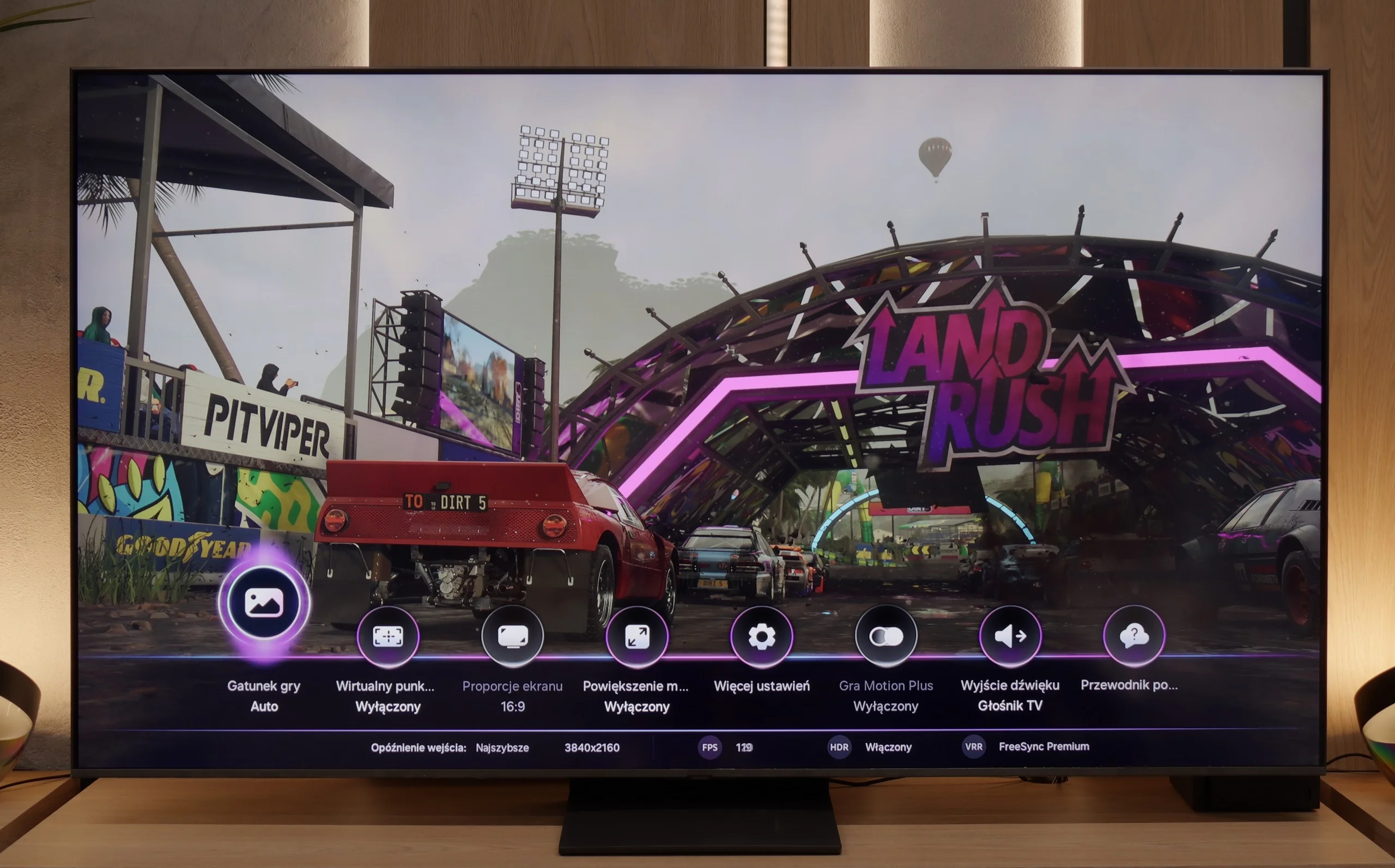
  • Game bar
    Yes
    Yes

The LG G4 TV supports all the features encompassed by the HDMI 2.1 standard, making it a gaming powerhouse. During testing, every feature activated seamlessly, ensuring a smooth experience for both console gamers and PC users. Notably, the HGIG mode (HDR Gaming Interest Group) is implemented correctly, allowing games mastered to brightness levels higher than the TV’s maximum luminance to map tones accurately, preserving the game’s original visual integrity.

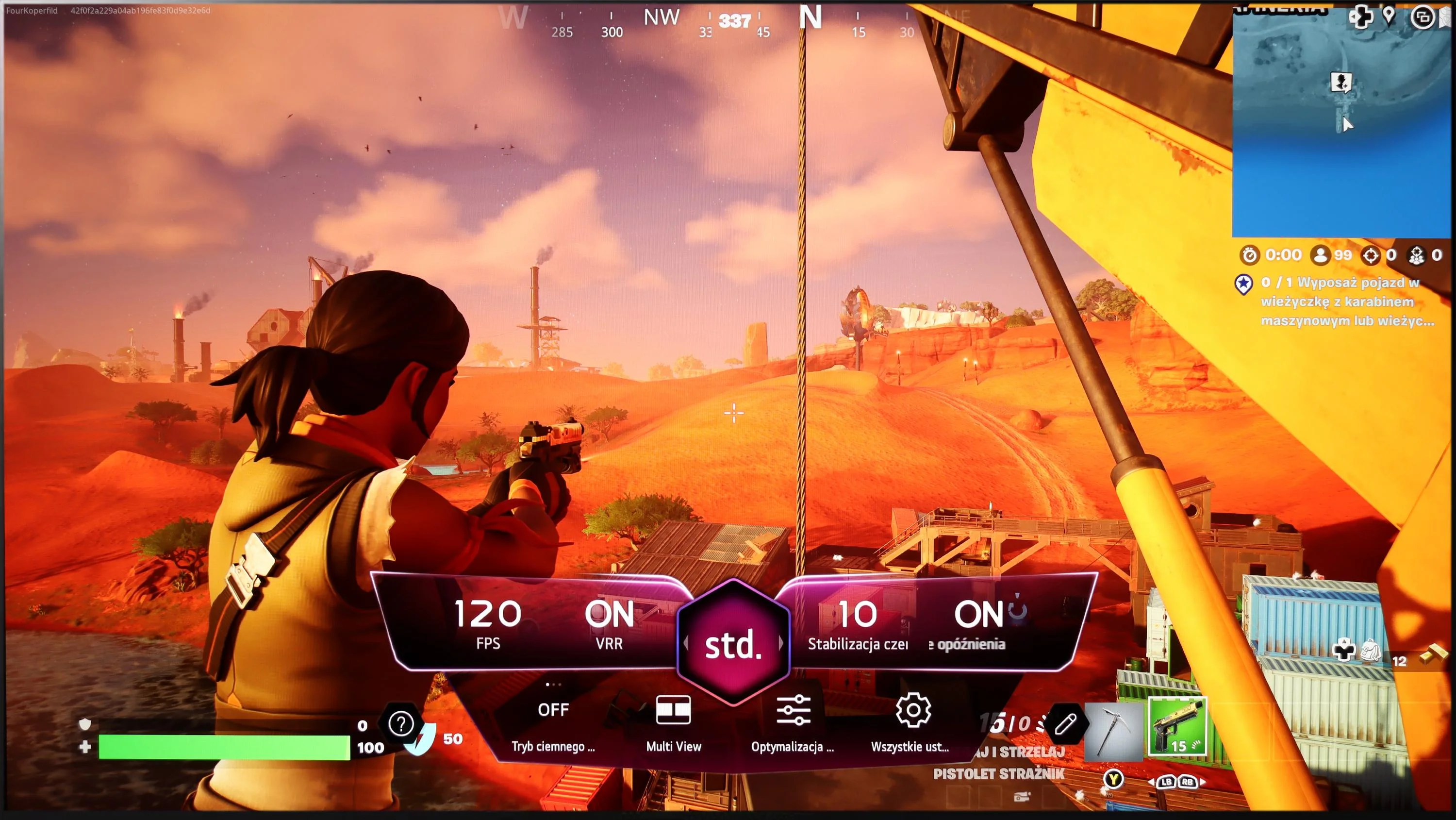
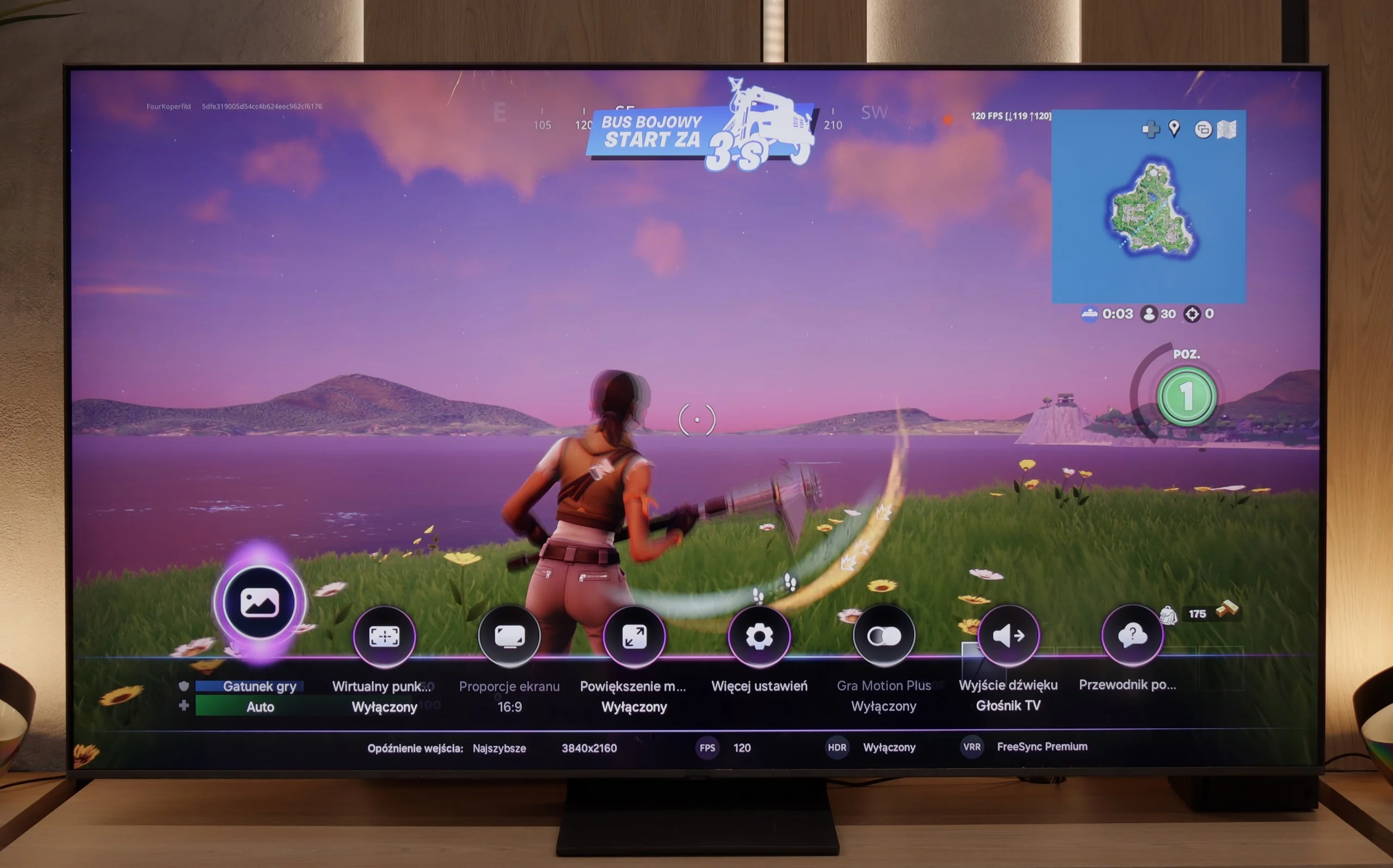
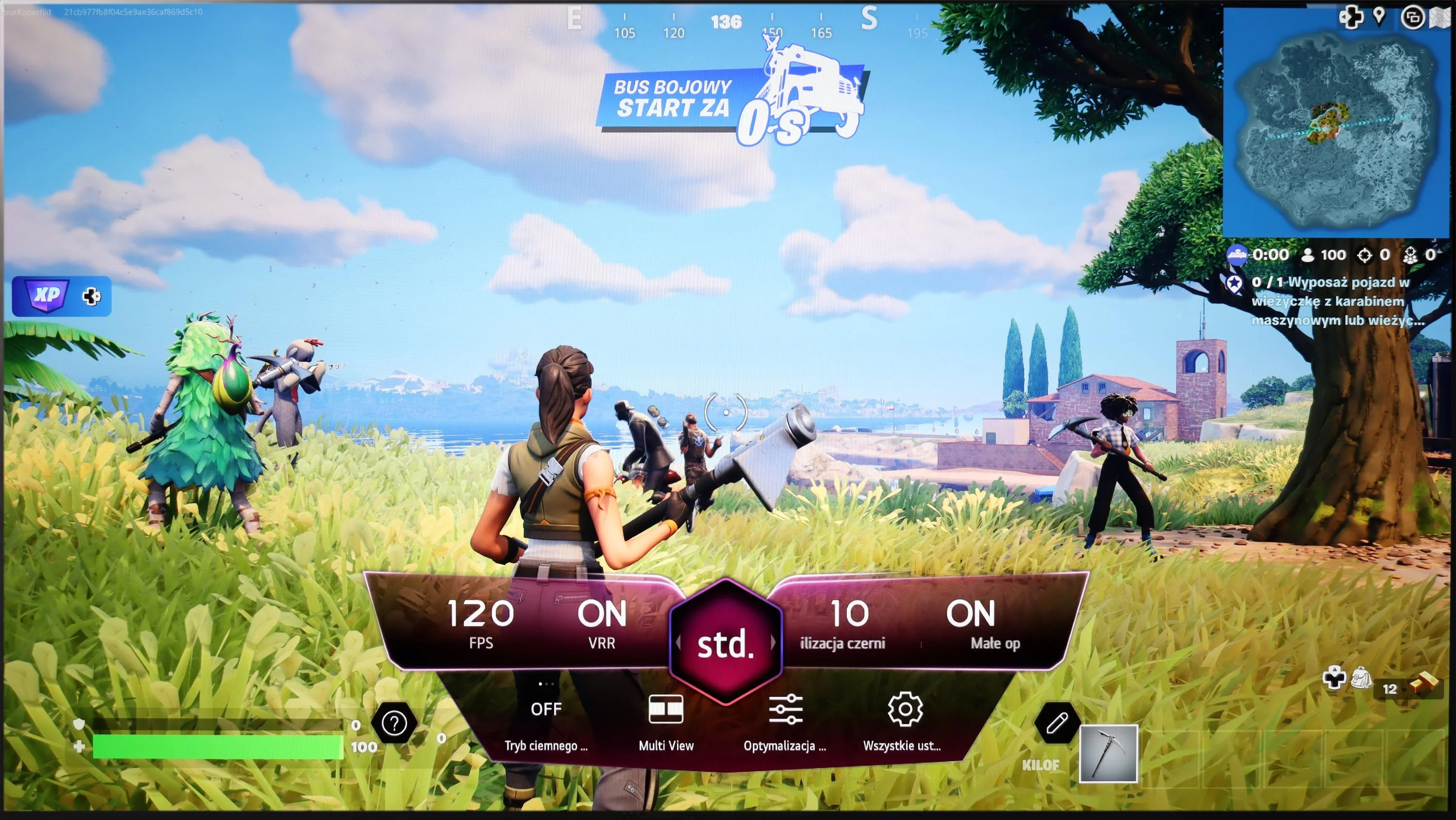
A notable highlight is the dedicated GameBar, which can be accessed at any time to quickly check or adjust game settings. More importantly, enabling VRR (Variable Refresh Rate) does not compromise contrast—a common issue in TVs with local dimming or Mini LED backlighting. This is thanks to the OLED panel’s self-emissive pixels, which maintain consistent contrast. However, a slight grey flicker may appear when VRR is enabled, though this is standard across OLEDs.

In summary, the LG G4, like most OLED TVs, is ideal for gaming and online competitions. Its HDMI 2.1 ports offer a full 48 Gbps bandwidth, supporting features such as VRR, ALLM (Auto Low Latency Mode), G-Sync, FreeSync, and HDR Dolby Vision gameplay, ensuring an exceptional gaming experience.

The Samsung QN80F is a television that delivers on almost every front when it comes to gaming. It features a 144 Hz panel, four full-fledged HDMI 2.1 ports, support for gamers in the form of variable refresh rate (VRR), automatic low latency mode (ALLM), and even one of the best-designed game bars on the market. The cherry on top is the motion smoother, which – uniquely in the world – works in games without significantly increasing input lag. Sounds like an almost perfect TV for gamers? And indeed, it is almost that way.

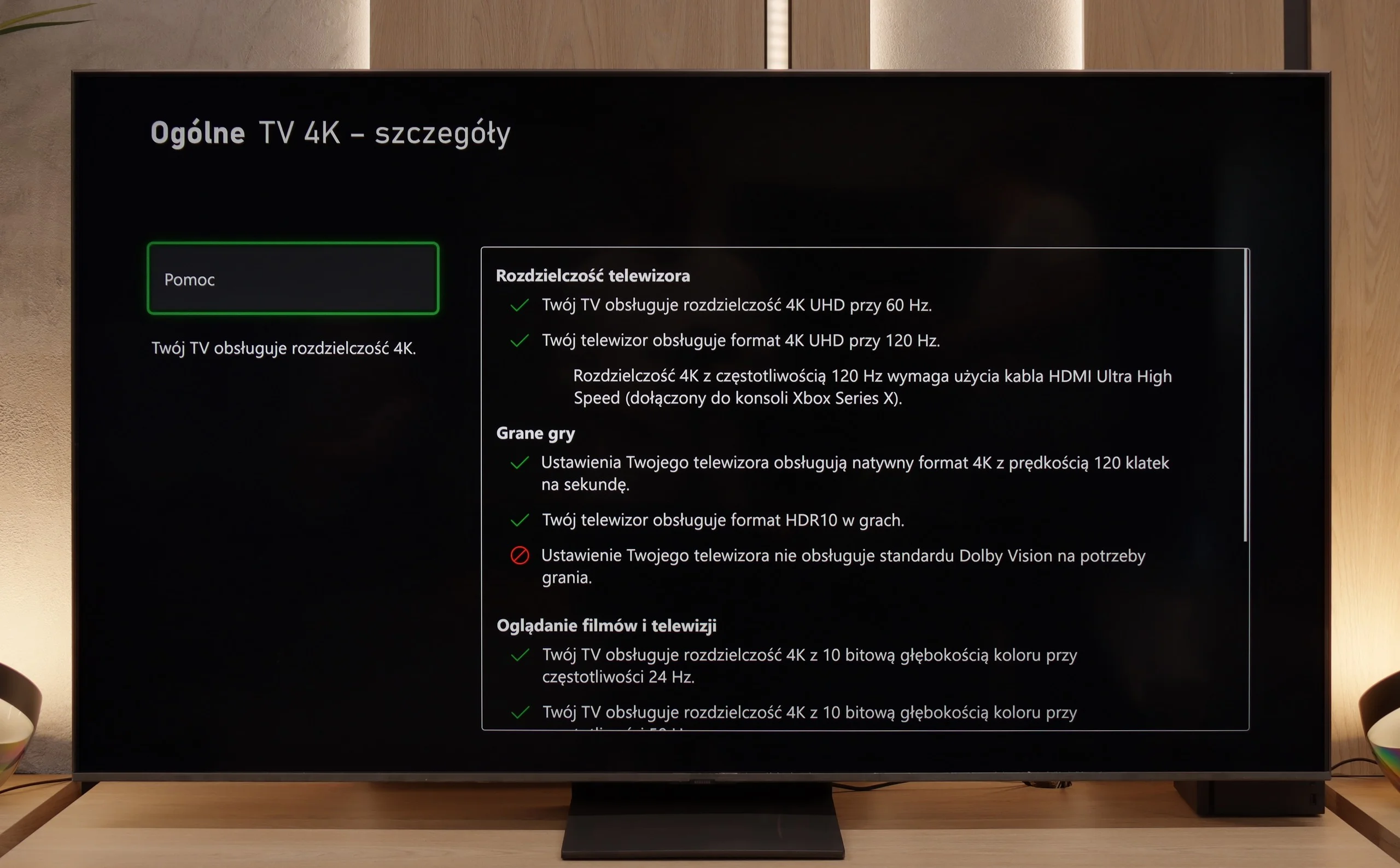
[UPDATE] We have updated our reviews of Samsung TVs from 2025 due to the release of software version 1131, which restored the crucial gaming feature HGiG.

As usual, Samsung does not support Dolby Vision in games, but that no longer surprises anyone. However, what is much more surprising is that... the HGIG feature has disappeared – that is, the system that allows a console (e.g., PlayStation 5 or Xbox Series X) to precisely match HDR tone mapping to the capabilities of the TV. In the latest firmware update for the 2025 models, this option simply vanished. It seems more like a bug than a deliberate move, but it must be honestly noted that as of the day of writing the review, the HGIG feature is simply not present.

And it is precisely because of this one absence that the QN80F turns from an almost perfect gaming TV into a "nearly" perfect device. It's a shame – because everything else indicated that Samsung could set the bar very high again in this generation.

Input lag

10/10

9.8/10

SDR

1080p60
14 ms
19 ms
1080p120
5 ms
9 ms
2160p60
14 ms
19 ms
2160p120
5 ms
9 ms

HDR

2160p60
13 ms
17 ms
2160p120
5 ms
9 ms
4320p60

Dolby Vision
2160p60 DV
13 ms
2160p120 DV
5 ms

The LG G4 excels in lag time performance, maintaining impressively low input lag across all scenarios. Even the most demanding gamers will appreciate its remarkably low input lag of just 5 ms at 4K 120 Hz with HDR enabled. This remains consistent even with Dolby Vision HDR activated—something that many competitors struggle to achieve. Such outstanding performance earns the LG G4 top marks and a strong recommendation for gamers seeking a responsive, lag-free experience.
QN80F does not disappoint when it comes to response time. The input lag for 120 Hz content drops below 10 ms, which can be considered an almost ideal result – it’s hard to expect more in this class of TVs. Gaming is smooth, responsive, and free from delays that could irritate even the most sensitive players. For 60 Hz materials, the lag is higher, around 19 ms, but this is a completely natural phenomenon and still falls within comfortable limits.

Compatibility with PC

8.6/10

8.8/10

Chroma 444 (max. resolution and refresh rate)
Yes
Yes
Font clarity
Good
Very Good
Readability of dark text and shapes
Very Good
Good
Input lag in PC mode (4K, max. refresh rate)
5ms
9ms
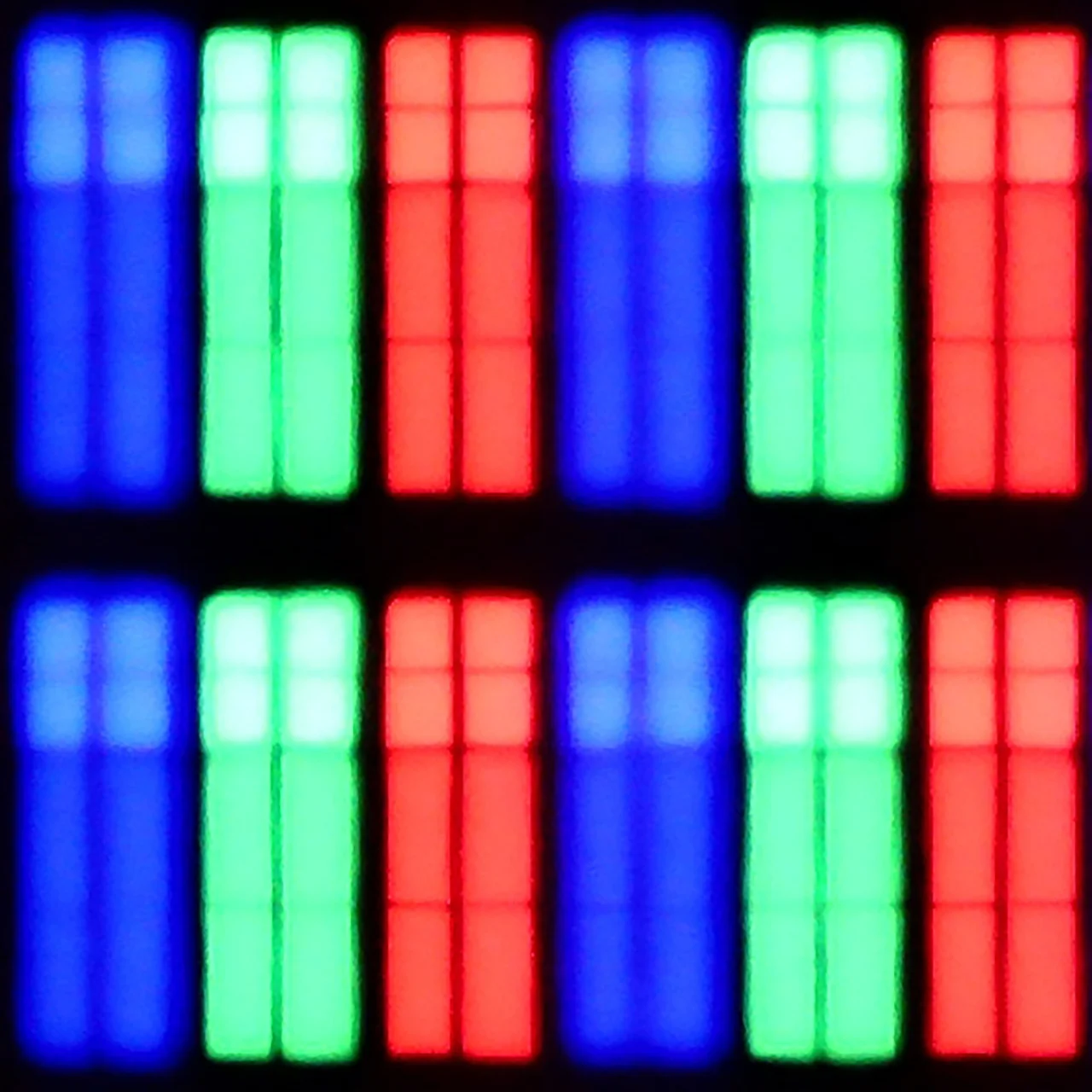
Matrix subpixel arrangement
RWBG
BGR
Max refresh rate
144Hz
144Hz
G-Sync
Yes
Yes

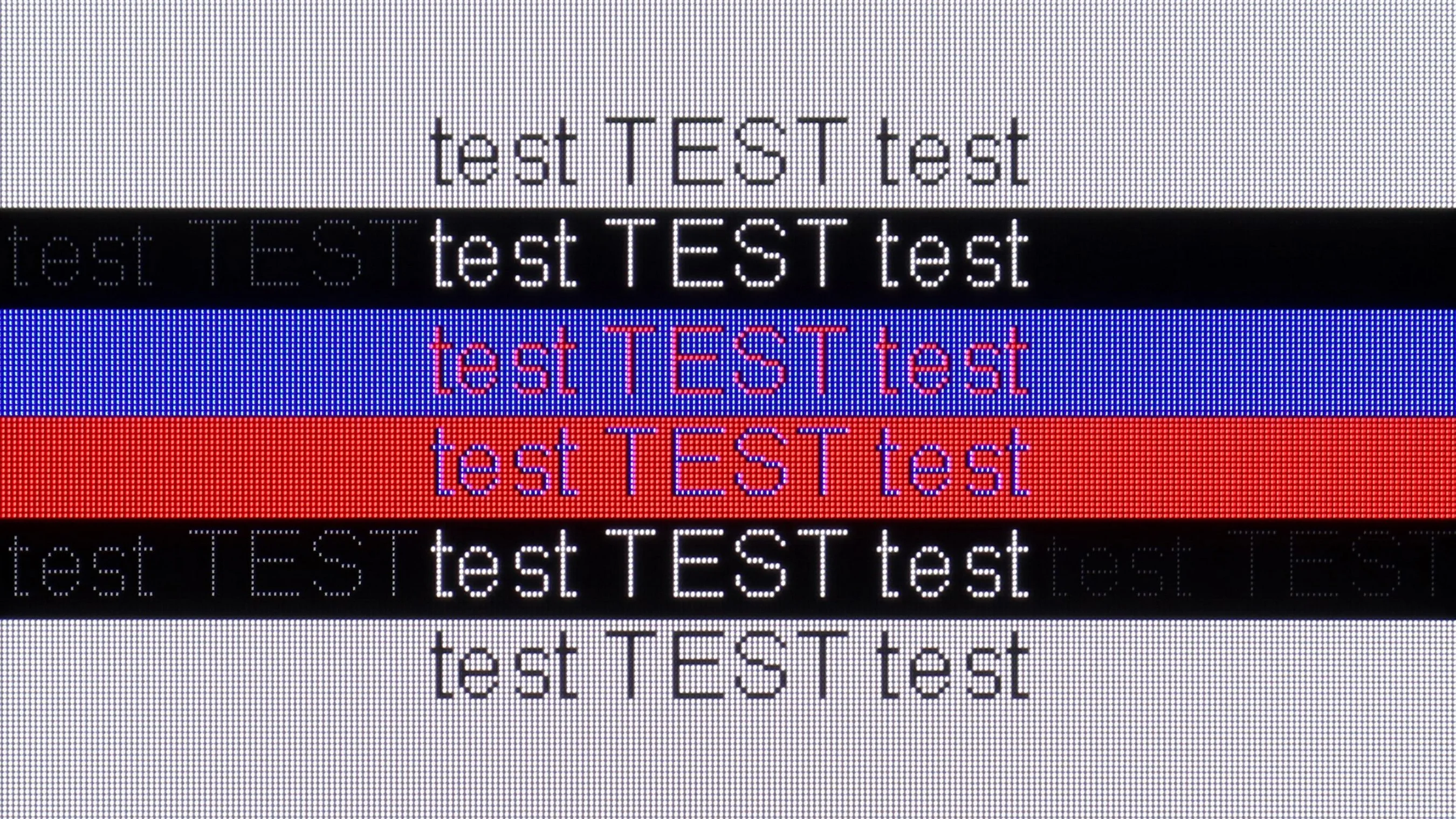
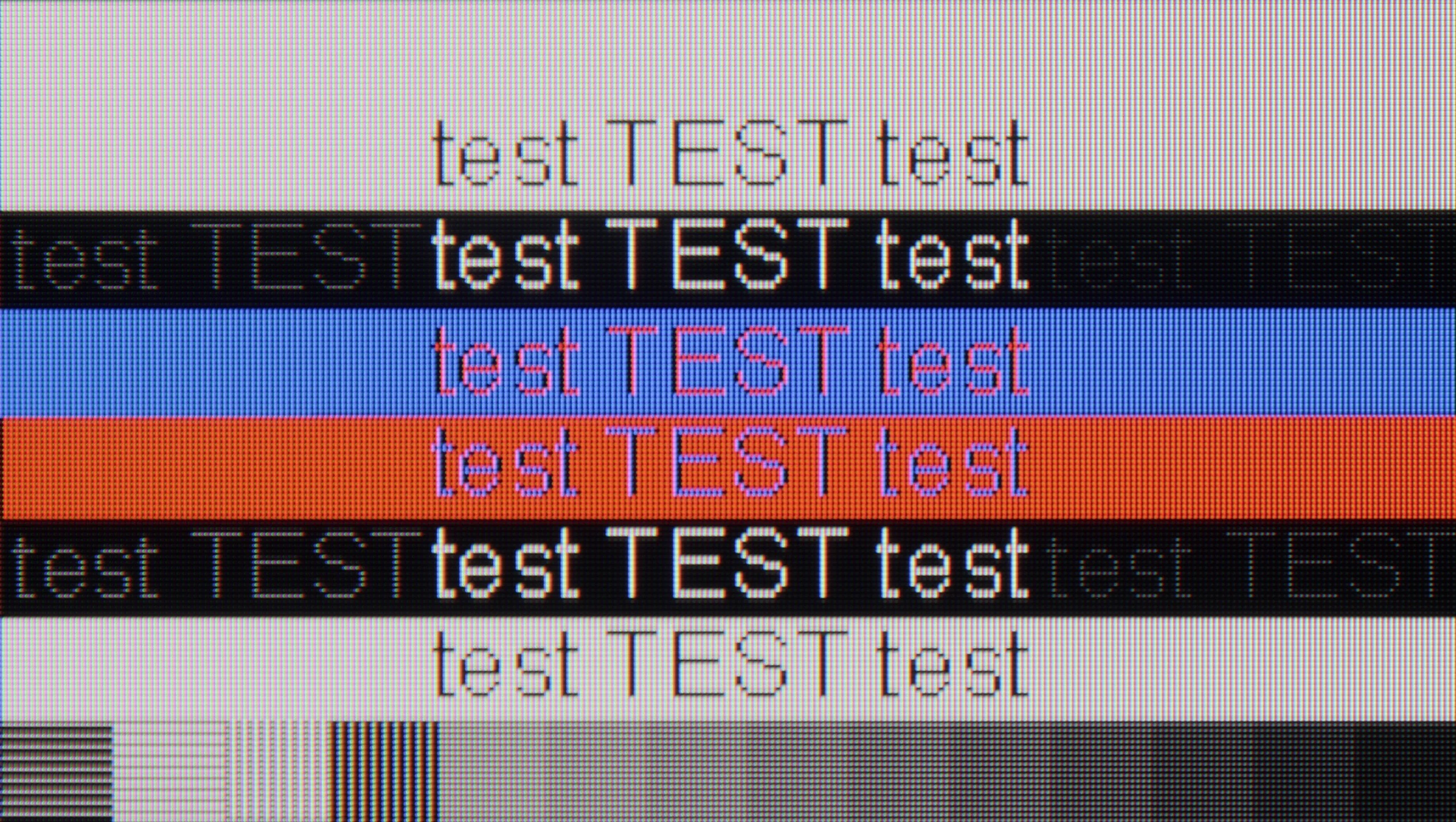
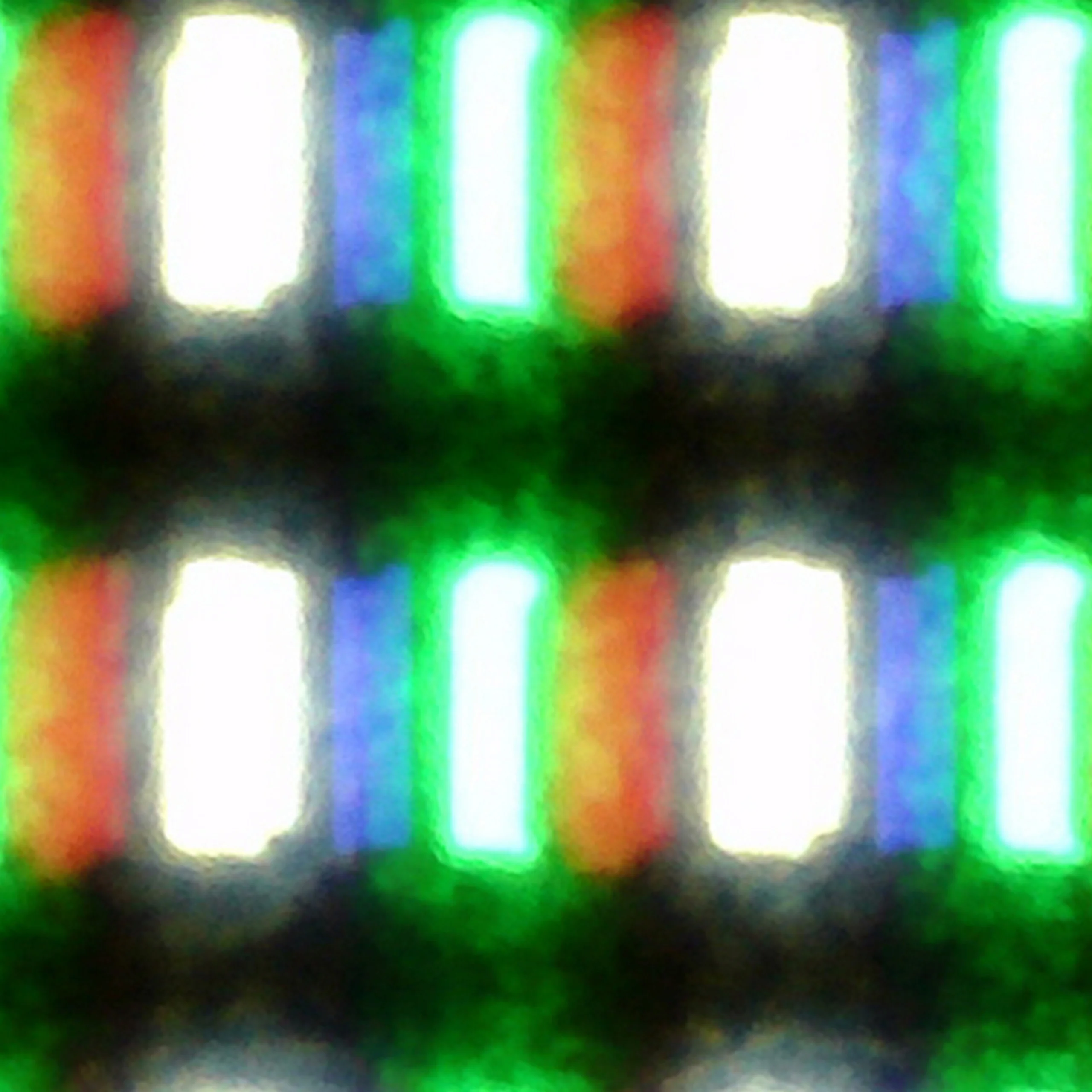
The photo shows the legibility of small fonts. Ideally, lines should be the same thickness on both light and dark text, with minimal pixel gaps.

The LG G4 performs exceptionally well when connected to a PC, thanks to its ultra-low 5 ms latency, ensuring near-instantaneous responsiveness between mouse input, visual perception, and on-screen action. This makes it ideal for both gaming and productivity tasks.

A standout feature is the excellent text readability, a crucial aspect for extended screen use. The RWBG pixel arrangement does not negatively impact the display of fonts or characters, a clear advantage over Samsung’s QD-OLED matrices, which can sometimes struggle with text clarity. Users of both Windows and macOS will find the LG G4’s screen performance highly satisfying, making it a versatile choice for various computing needs.

Playing on the QN80F with a connected computer is pure pleasure. The TV works seamlessly with NVIDIA graphics cards (thanks to G-Sync support) and AMD (thanks to FreeSync Premium), and the 144 Hz refresh rate only enhances comfort during dynamic gameplay. Everything works right away, without unnecessary fiddling with settings – exactly as it should.

When it comes to work, it is also very good. The readability of fonts is high, and the texts appear sharp and clear. With very thin horizontal lines, one can notice slight imperfections, but really – you have to look closely. Unless, like us, you sometimes enjoy examining the screen with a magnifying glass… then you might spot something 😉.

Viewing angles

9.7/10

3.1/10

Brightness drop at an angle of 45 degrees
9%
81%

The LG G4 OLED's MLA technology ensures consistent brightness, colour saturation, and white balance from all viewing angles, a clear advantage over standard LCD and non-MLA OLED panels. This uniformity remains intact regardless of where you're seated, offering an excellent viewing experience. Comparable performance is seen only in Samsung’s QD-OLED panels, which use quantum dot technology.

QN80F, like most TVs with VA panels, does not impress in terms of viewing angles. It is enough to lean slightly to the side to notice a significant drop in brightness and lost color saturation. The image loses its "depth" and "vividness," and darker scenes may appear slightly washed out. However, this is a typical characteristic of VA panels, which in return offer significantly better native contrast than IPS panels. In short: something for something. If you are sitting directly in front of the screen – there will be no problem. But when watching together in a larger group, it is worth keeping this in mind.

Daytime performance

5.8/10

6.6/10

Panel finish
Glare
Satin
Reflection suppression
Good
Good
Black levels during daytime
Average
Very Good

Panel brightness

SAMSUNG QN80F: 543 cd/m2

LG OLED G4: 482 cd/m2

The LG G4’s glossy display coating, contrary to expectations, is a major strength. It enhances the TV’s efficiency by suppressing reflections at their source, ensuring a clear, distraction-free viewing experience. Notably, the black levels remain impressive even in daylight, a hallmark of LG Display’s WRGB panels. While OLED MLA panels are slightly less effective in this regard, they still outperform Samsung’s QD-OLED panels, which tend to appear grey in bright conditions. With a brightness of around 500 nits and a glossy coating, the TV is ideal for daytime use, except in rooms with extensive glazing.

QN80F is really a bright TV. The average brightness in SDR materials is around 550 nits, regardless of the scene, which practically means that you can comfortably watch content even in a well-lit room – and you don’t have to close the curtains every time we turn on a movie. The new satin coating of the panel is also a plus, as it handles reflections much better compared to last year's QN80D. Glare is less bothersome, and the screen maintains readability in various lighting conditions. It's hard to find fault with anything here – the QN80F simply performs great during the day.

Panel details

Backlight Type
Mini-LED QLED
Software version during testing
03.10.85
T-PTMFDEUC-0090-1110.8, E2500007, BT-S
Image processor

Subpixel Structure:

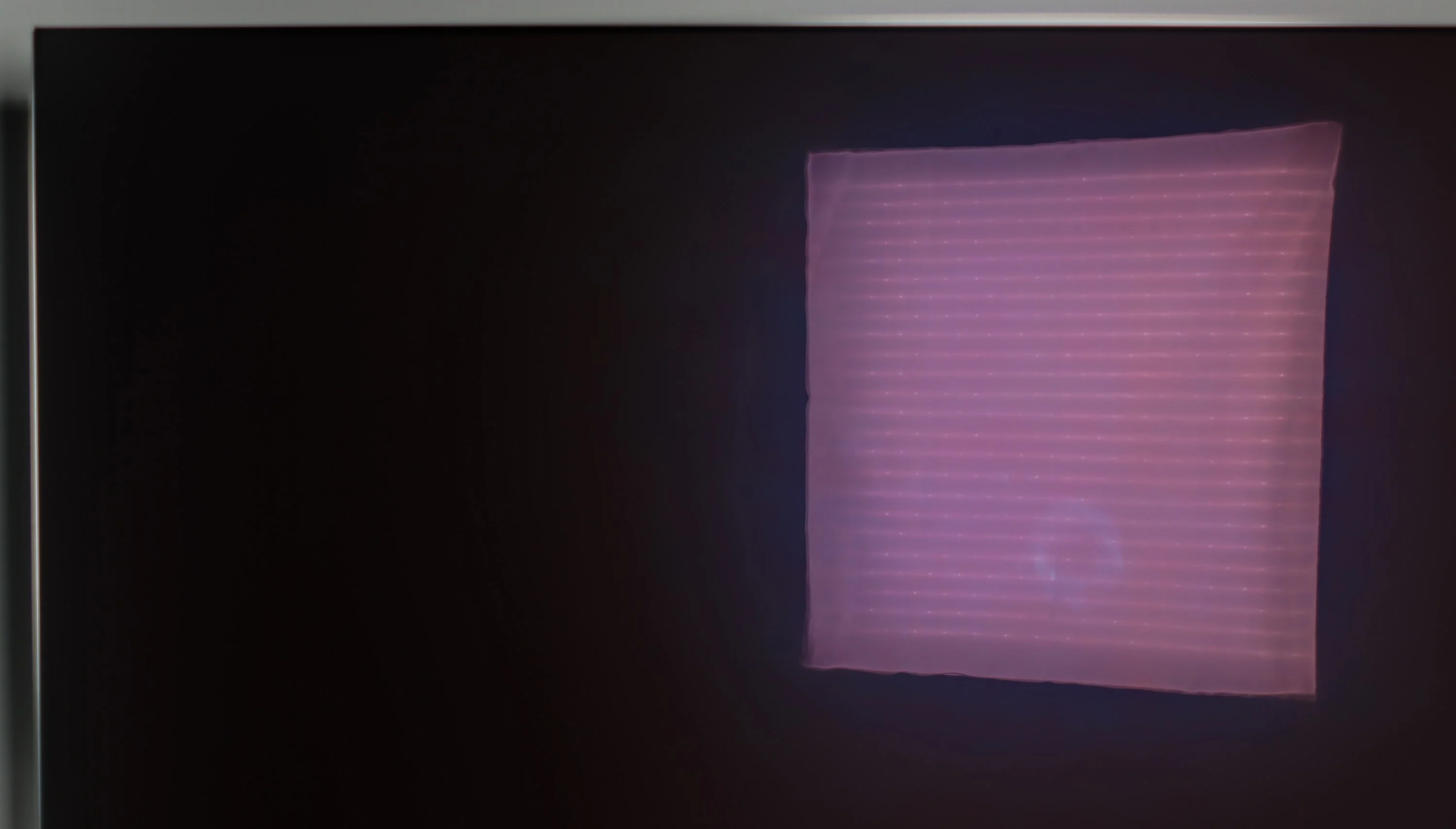
Panel uniformity and thermal imaging:

Review LG OLED G4 TV Panel details
Review SAMSUNG QN80F TV Panel details

LG OLED G4

SAMSUNG QN80F

TV features

9/10

7.7/10

  • System
    WebOS
    Tizen
  • System performance
    Very good
    Very good
  • HDMI inputs
    0 x HDMI 2.0, 4 x HDMI 2.1 48Gbps
    0 x HDMI 2.0, 4 x HDMI 2.1 48Gbps
  • Outputs
    Toslink (Optical audio), eARC (HDMI), ARC (HDMI)
    Toslink (Optical audio), eARC (HDMI), ARC (HDMI)
  • Network Interfaces
    Wi-Fi 2.4GHz, Wi-Fi 5GHz, Ethernet (LAN) 100Mbps
    Wi-Fi 2.4GHz, Wi-Fi 5GHz, Ethernet (LAN) 100Mbps
  • TV reception
    DVB-T, DVB-T2, DVB-S, DVB-S2, DVB-C
    DVB-T, DVB-T2, DVB-S, DVB-S2, DVB-C

Classic features:

  • Recording to USB (terrestrial TV)
    Yes
    No
  • Recording programming
    Yes
    No
  • Picture in Picture (PiP)
    No
    Yes
  • RF remote control (no need to aim)
    Yes
    Yes
  • Backlit remote control
    No
    No
  • Teletext
    Yes
    Yes
  • Audio only mode
    Yes
    Yes
  • Bluetooth headphones support
    Yes
    Yes
  • Simultaneous Bluetooth headphones & TV audio
    Yes
    Yes

Smart features:

  • AirPlay
    Yes
    Yes
  • Screen mirroring (Windows Miracast)
    Yes
    Yes
  • Voice search
    Yes
    Yes
  • Voice search in native language
    Yes
    Yes
  • Ability to connect a keyboard and mouse
    Yes
    Yes
Review LG OLED G4 TV features
Review SAMSUNG QN80F TV features

Sound connection options

  • HDMI audio
    eARC (HDMI), ARC (HDMI)
    eARC (HDMI), ARC (HDMI)
  • Other audio outputs
    Toslink (Optical audio)
    Toslink (Optical audio)
  • Wireless audio
    Bluetooth
    Bluetooth

Supported audio formats (external HDMI eARC audio):

  • Dolby Digital Plus 7.1
    Yes
    Yes
  • Dolby True HD 7.1
    Yes
    Yes
  • Dolby Atmos in Dolby Digital Plus (JOC)
    Yes
    Yes
  • Dolby Atmos in Dolby True HD
    Yes
    Yes
  • DTS:X in DTS-HD MA
    Yes
    No
  • DTS-HD Master Audio
    Yes
    No

Senior accessibility

  • Numeric keyboard on TV
    Yes
    No
  • Font size adjustment
    No
    Yes
  • Audio description
    Yes
    Yes

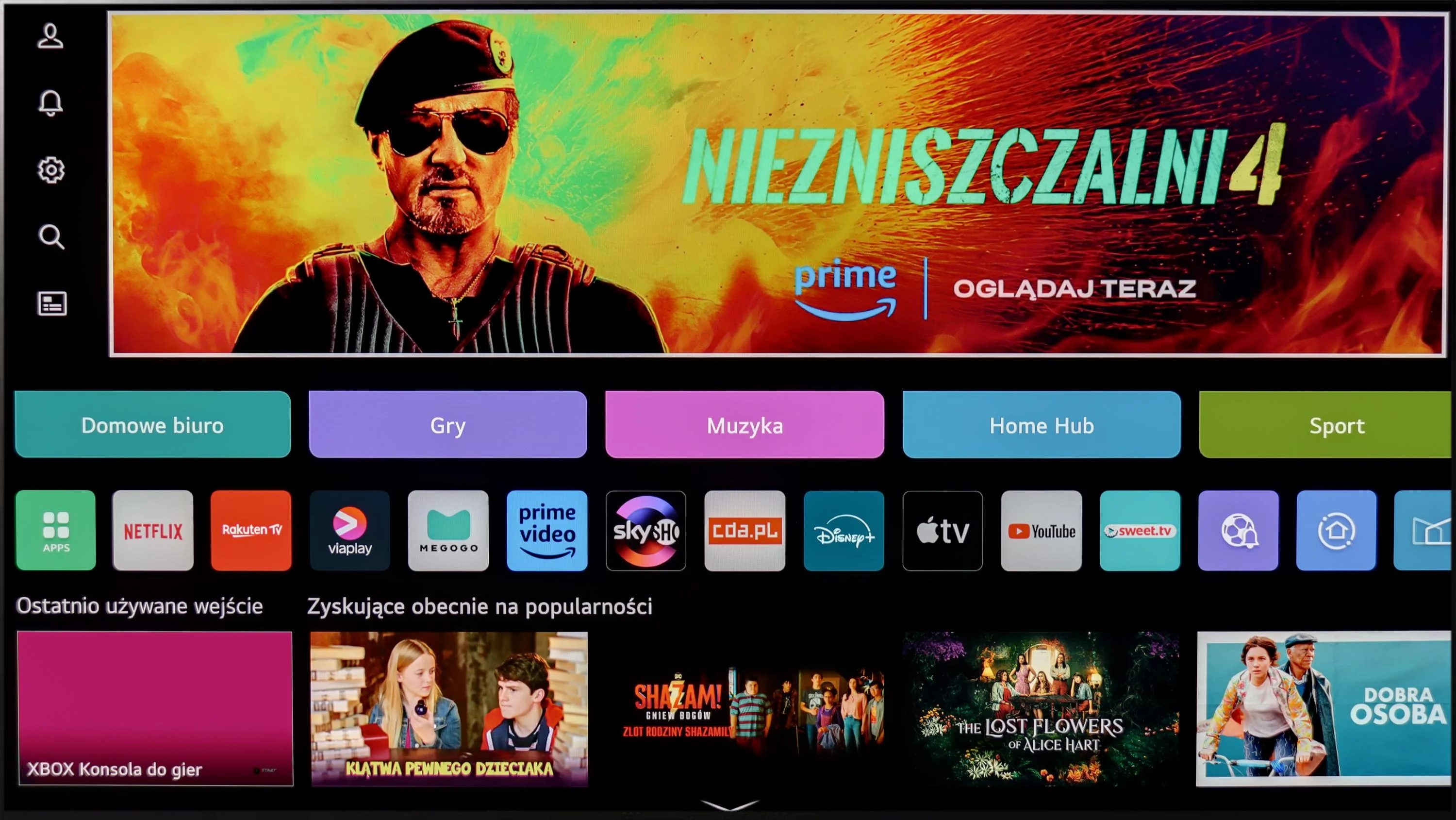
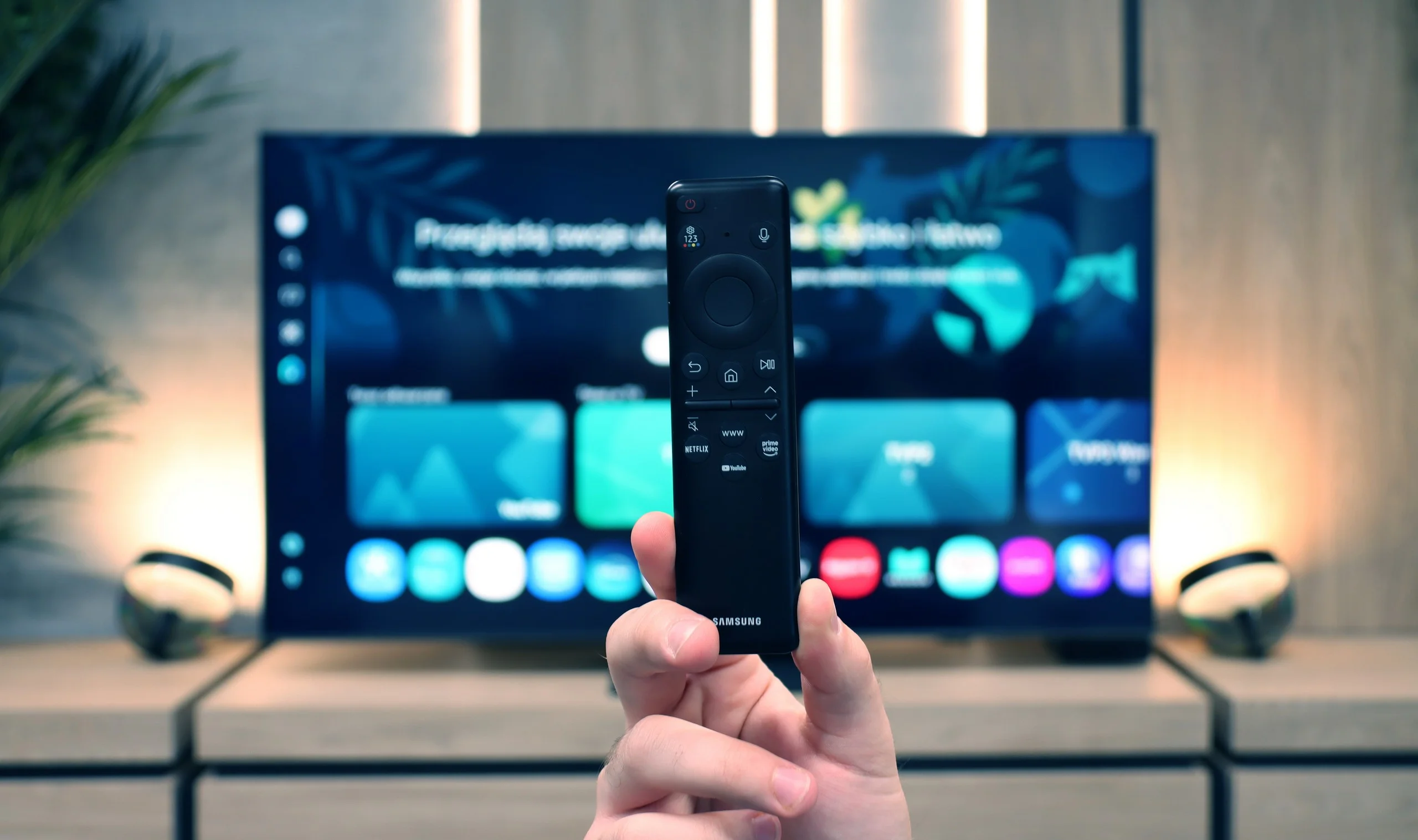
LG’s long-standing proprietary WebOS system offers nearly all key applications, with only a few notable omissions like CDA and KODI. A standout feature is the motion-sensitive cursor, which appears when moving the remote, making tasks such as entering queries or passwords much easier. WebOS also supports screen mirroring, AirPlay, Polish voice search, and Bluetooth headphone connections. Uniquely, it allows simultaneous use of headphones and the TV speaker, a valuable feature for those with hearing impairments.

Sports enthusiasts will appreciate the match alert function, ensuring they never miss a game, while the home panel enables control of smart devices within the network—such as receiving laundry cycle completion notifications.

Overall, though WebOS may not be as widely recognised or versatile as Android TV, it delivers fast, stable performance and covers most essential functions, making it a reliable choice for users seeking a straightforward, effective TV operating system.

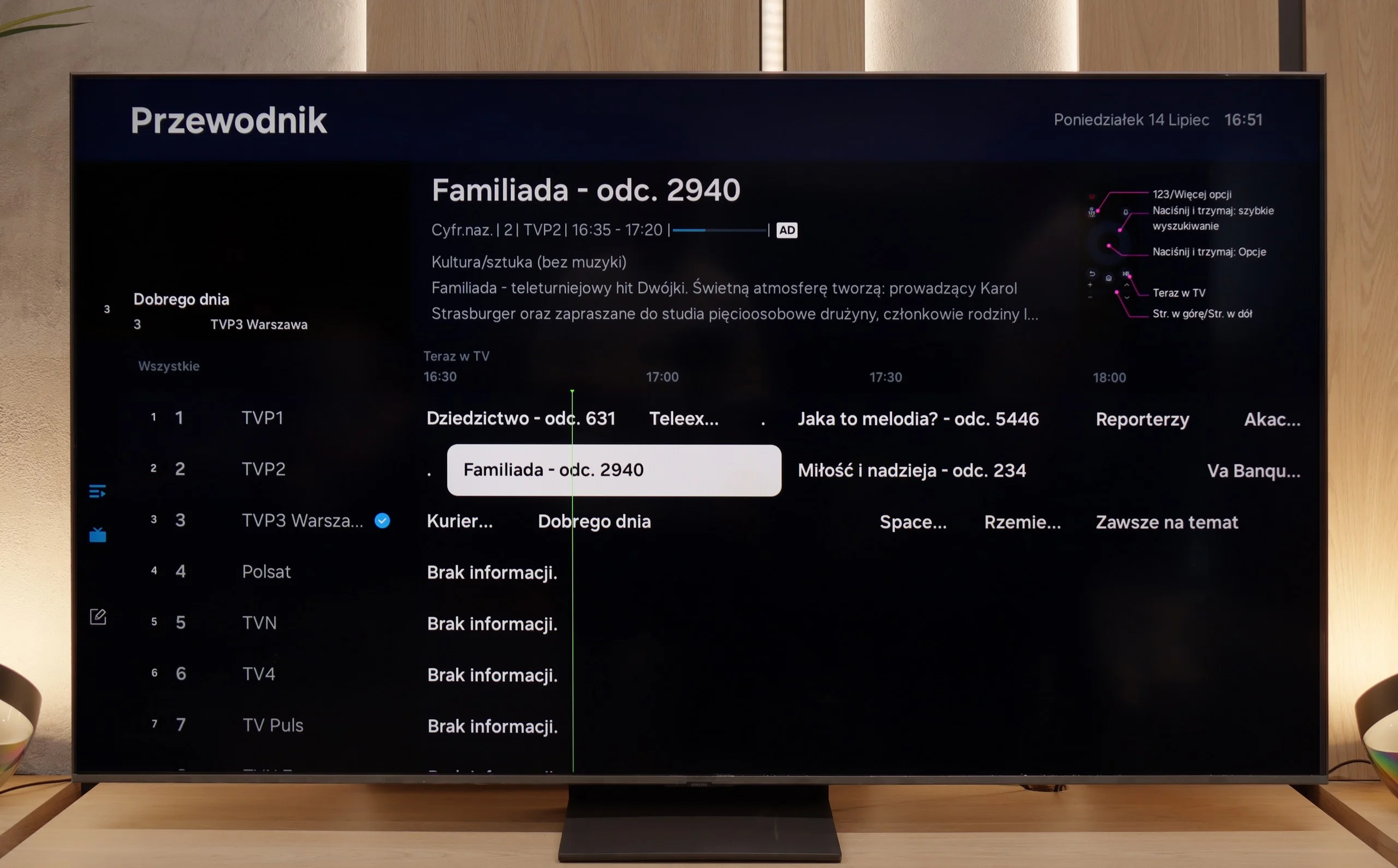
SmartTV QN80F: Tizen

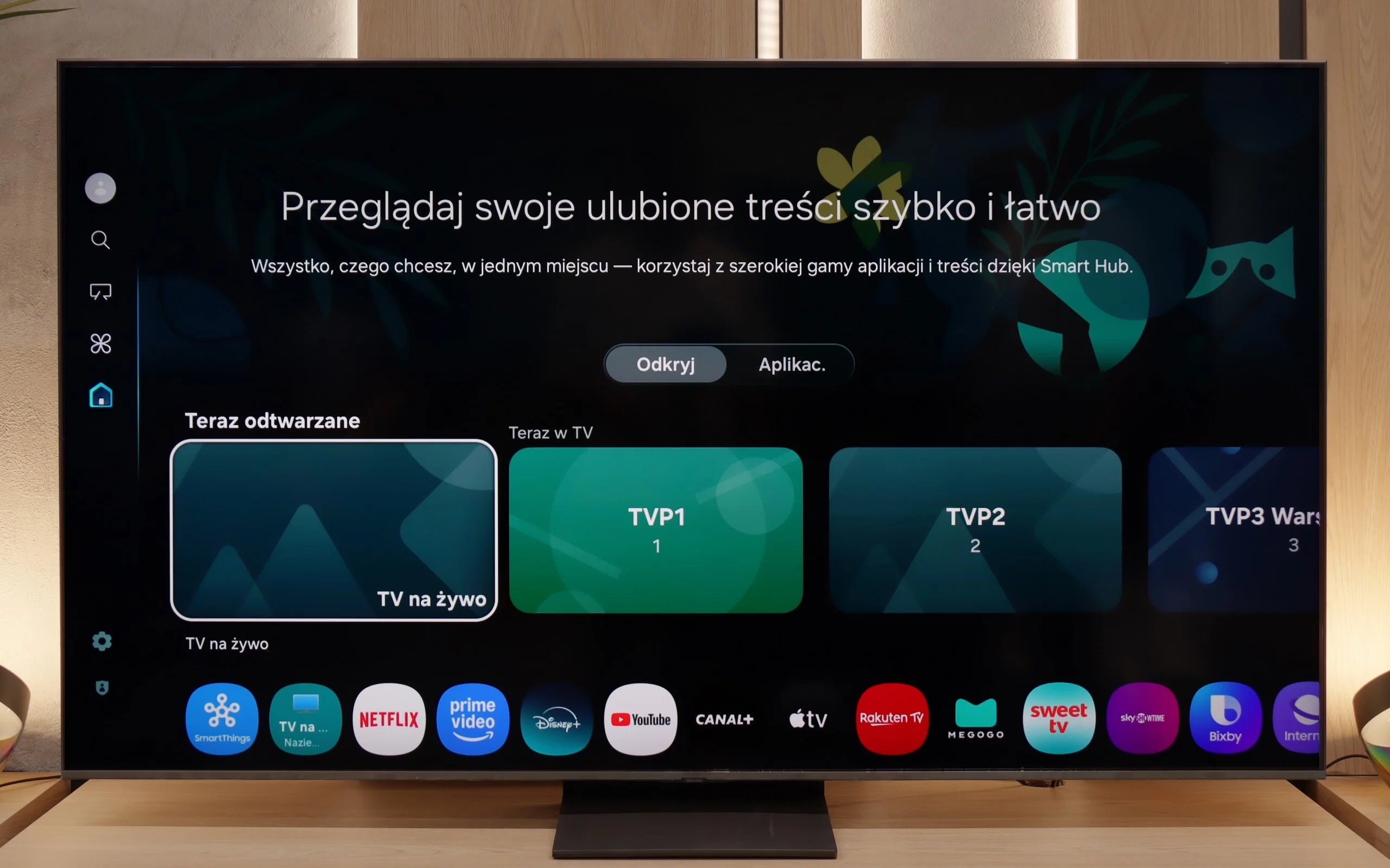
When it comes to smart features, the QN80F has nothing to be ashamed of. On the contrary – Tizen is one of the richest operating systems in terms of functionality. We have voice search, support for AirPlay, Miracast, and all the major streaming platforms at our fingertips. But Samsung's true advantage reveals itself in the smart home – SmartThings. Here, you can not only synchronize light bulbs and vacuum robots but also integrate devices from other manufacturers, thanks to support for the Matter standard. Suddenly, it turns out that the QN80F can serve as a home command center. There is just one "but" – Tizen is a closed system, so we might not find a few lesser-known apps. However, in practice, it still has everything that 99% of users need.

Classic TV features:

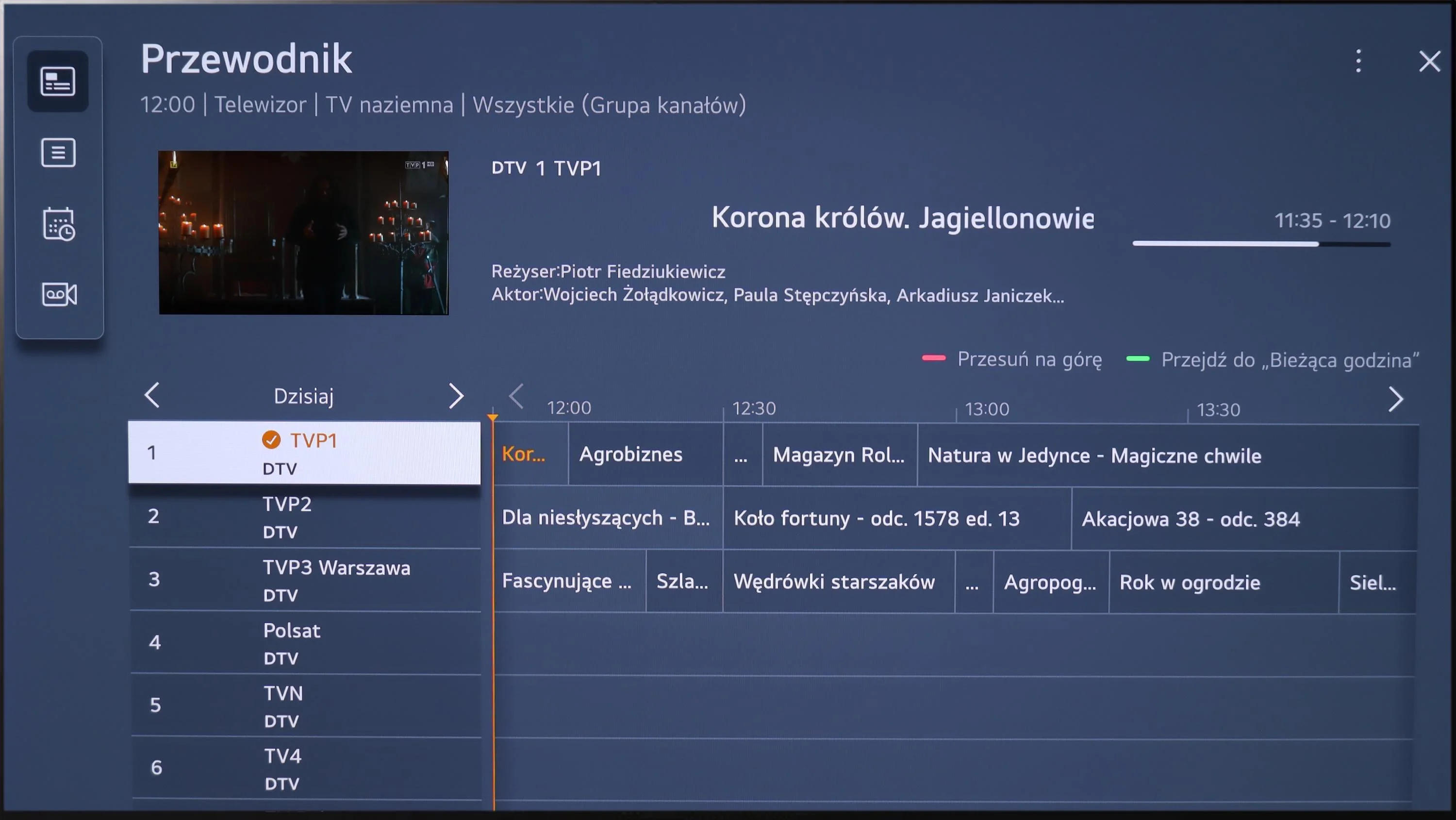
When it comes to classic features, it's just as good – well, almost. The QN80F supports picture-in-picture, a rarely seen but still useful PiP feature. We can easily find EPG, the old good teletext (yes, it works!), and the ability to connect external devices via Bluetooth – whether it's headphones or a soundbar. Unfortunately, there is no option to record to USB from the built-in tuners. That's a minor drawback, especially since the competition at a similar price point is increasingly offering this feature. It may not be a must-have function, but since everything else works so well, it's a pity that it missed that final touch.

Apps

9.1/10

9.3/10

OK
Disney_Plus
OK
Amazon_Prime_Video
OK
Player_TVN
OK
Polsat_Box_Go
OK
Canal_Plus_Online
OK
TVP_VOD
OK
Apple_TV_Plus
OK
SkyShowtime
OK
Rakuten
OK
CDA_Premium_Browser
OK
Spotify
OK
Tidal
OK
Netflix
OK
YouTube
OK
HBO_MAX
No
Kodi
OK
Apple_music
No
Eleven_sports
OK
Xbox Game Pass
OK
GeForce NOW
OK
Amazon Luna
OK
Boosteroid
No
Steam Link
OK
Disney_Plus
OK
Amazon_Prime_Video
OK
Player_TVN
OK
Polsat_Box_Go
OK
Canal_Plus_Online
OK
TVP_VOD
OK
Apple_TV_Plus
OK
SkyShowtime
OK
Rakuten
OK
CDA_Premium_Browser
OK
Spotify
No
Tidal
OK
Netflix
OK
YouTube
OK
HBO_MAX
No
Kodi
OK
Apple_music
OK
Eleven_sports
OK
Xbox Game Pass
OK
GeForce NOW
OK
Amazon Luna
OK
Boosteroid
No
Steam Link

Playing files from USB

8.5/10

9/10

Supported photo formats:

JPEG
Yes
Yes
HEIC
No
No
PNG
Yes
No
GIF
No
No
WebP
No
No
TIFF
No
No
BMP
No
Yes
SVG
No
No

Maximum photo resolution:

4 Mpix
Yes
Yes
6 Mpix
Yes
Yes
8 Mpix
Yes
Yes
10 Mpix
Yes
Yes
12 Mpix
Yes
Yes
16 Mpix
Yes
Yes
20 Mpix
No
Yes
24 Mpix
No
Yes
28 Mpix
No
Yes
32 Mpix
Yes
Yes

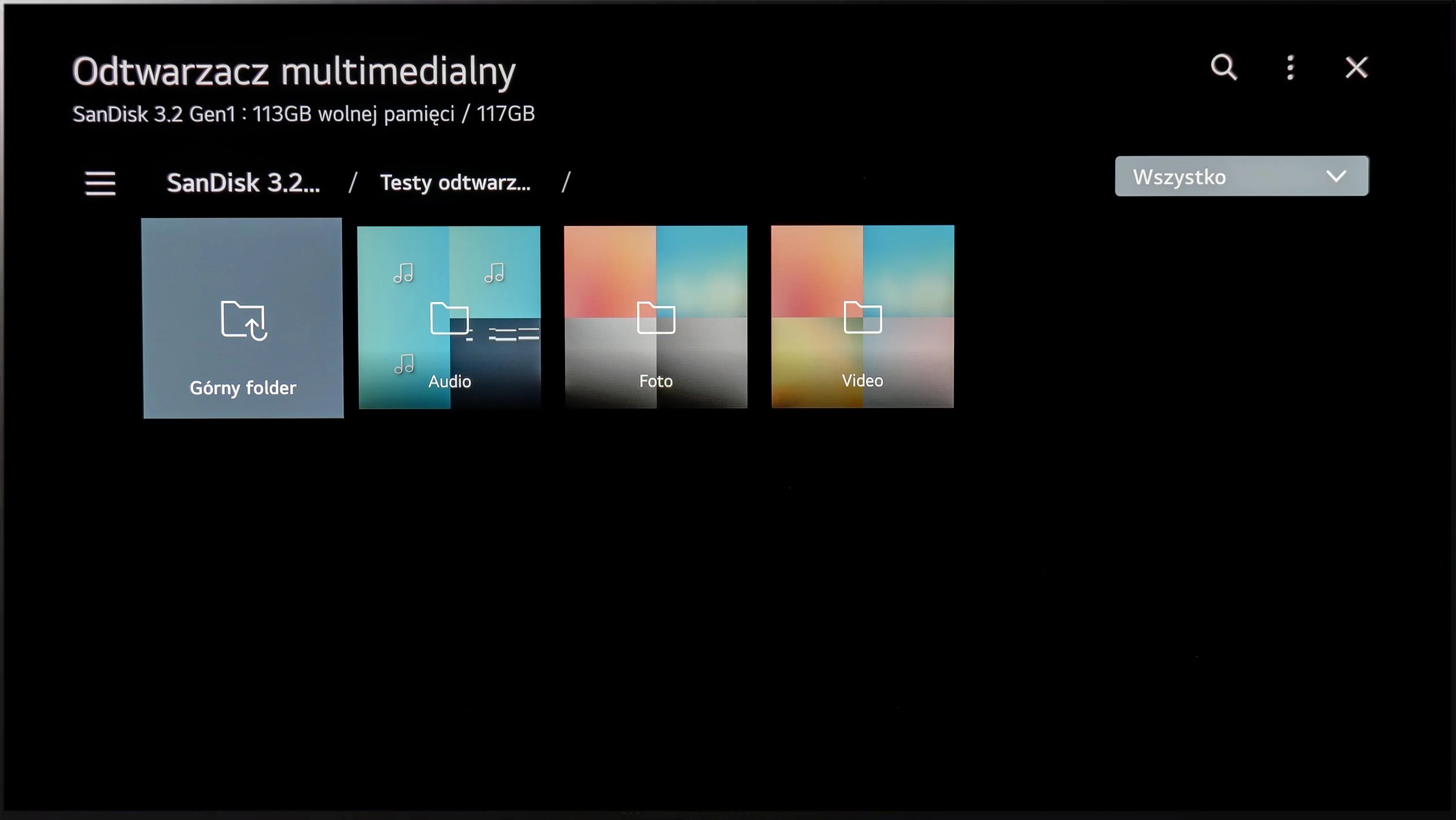
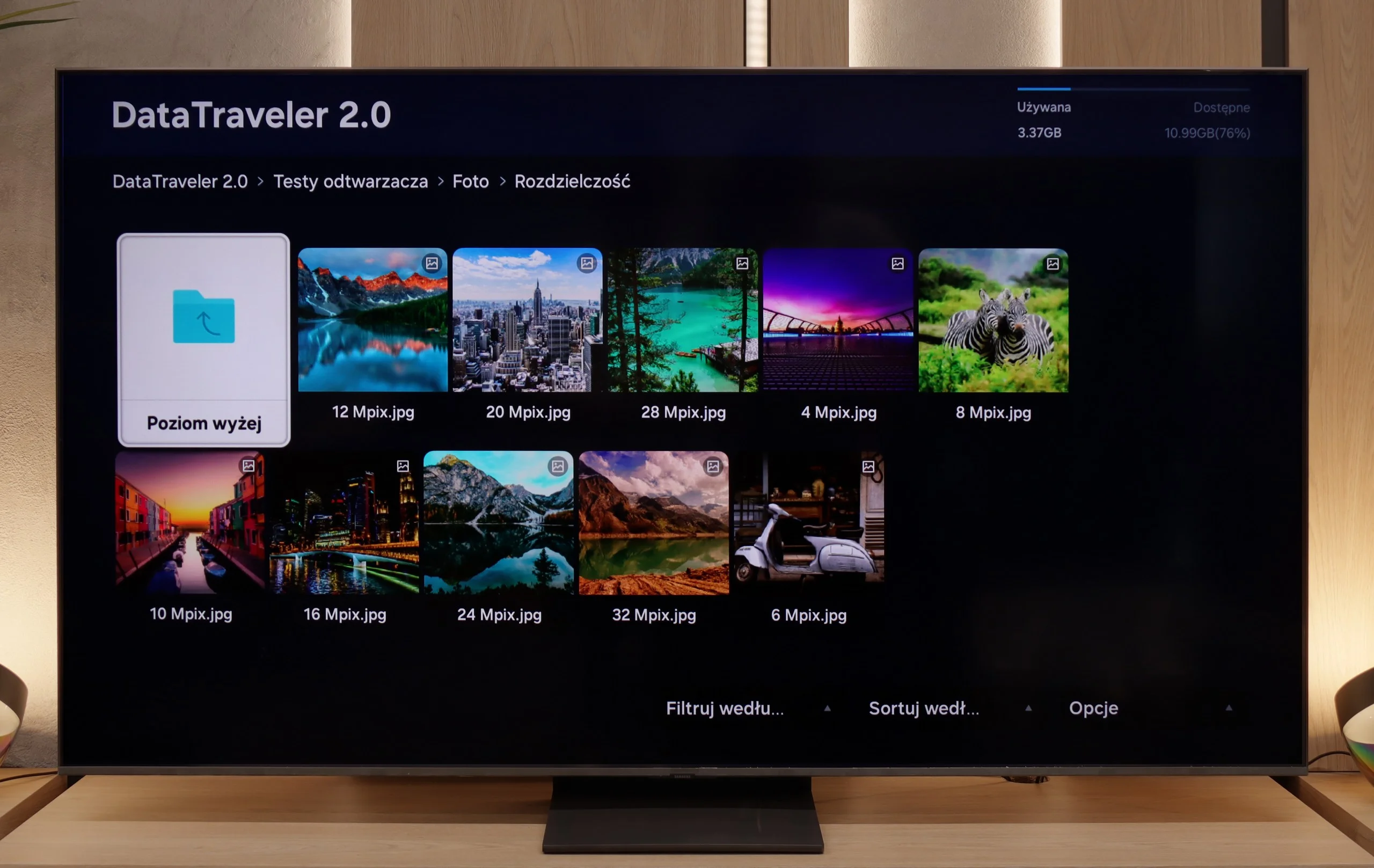
The default file player on the LG G4 handles most photo formats well, though it's surprising that a few popular ones are missing. Video playback is excellent, supporting nearly all common formats, including Dolby Vision, with the only exception being the H.266 VVC codec—currently rarely used. However, photo format support is limited to just JPEG and PNG, which may disappoint Apple users due to the lack of HEIC compatibility, the default format for iPhone photos. Fortunately, this can be bypassed using the built-in AirPlay feature. It's also worth noting that the player does not support TXT subtitles, which could be an inconvenience for some users.

The built-in media player in the QN80F handles most popular video formats – from classic MP4 to somewhat more demanding containers. It's not a powerhouse like VLC, but it's sufficient for home use. The situation is worse when it comes to photos – here, unfortunately, it's rather modest. The support is mainly limited to the JPG format, but hey, at least that's the most important one 👌. During our tests, there was also a minor issue with subtitles. The QN80F could only handle the simple text format .txt – other, more advanced formats (like .srt or .sub) were unfortunately not recognized.

Sound

8.6/10

6.7/10

  • Maximum volume
    -
    87dB
  • Dolby Digital Plus 7.1
    Yes
    Yes
  • Dolby True HD 7.1
    Yes
    No
  • Dolby Atmos in Dolby Digital Plus (JOC)
    Yes
    Yes
  • Dolby Atmos in Dolby True HD
    Yes
    No
  • DTS:X in DTS-HD MA
    Yes
    No
  • DTS-HD Master Audio
    Yes
    No

Audio quality is always subjective, but the LG G4 deserves recognition for its sound clarity. The primary drawback is its limited bass range, though this is less of an issue for those who plan to pair the TV with a home theatre system. Crucially, the LG G4 offers extensive support for audio codecs, including DTS-HD Master Audio and Dolby Atmos, ensuring compatibility with a wide range of high-quality audio setups.

For a TV of this class, the QN80F sounds surprisingly good. It supports Dolby Atmos format, which is worth noting, as this is still not a given in many models in this range. Unlike the thinner QN70F, you can even feel a slight bass here – all thanks to the thicker casing, which simply gives more room for the sound to "breathe." For everyday viewing and series, it's more than enough, and with the right settings, you can even consider listening to music without the need to connect external equipment. However – as is often the case with Samsung, there is unfortunately a lack of support for DTS:X format, so if we are using audio devices that support this format, we will first have to connect them to the receiver and only then to the TV.

Sound Quality Test

No sound test video

Acoustic Measurements

No acoustic data

87dBC (Max)

75dBC

Reader comments

Comments are provided by the external service Disqus (Zeta Global). Once loaded, Disqus may set cookies and process data about your activity.

We will remember your choice on this device. Provider's privacy policy