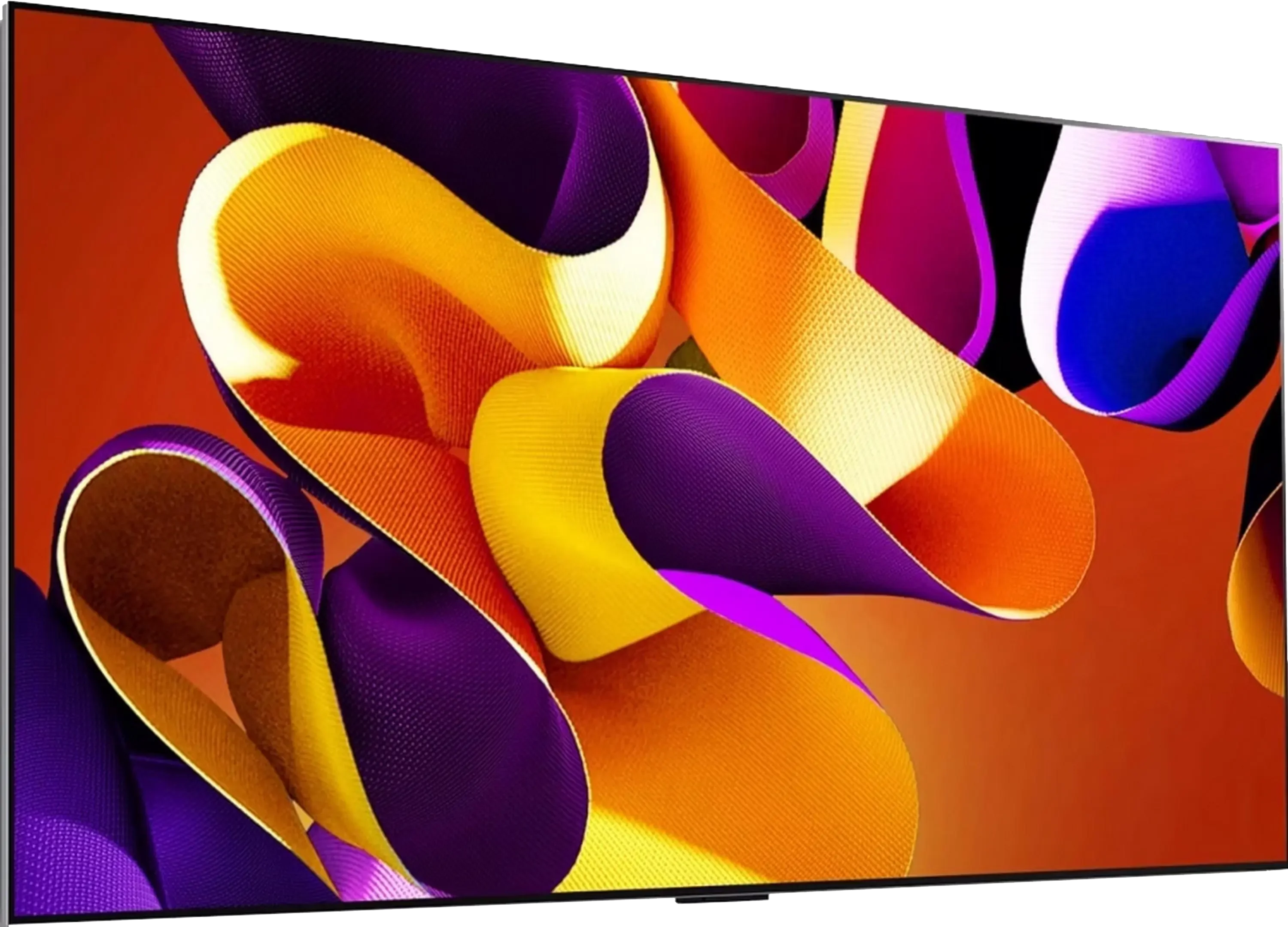
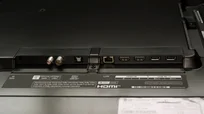
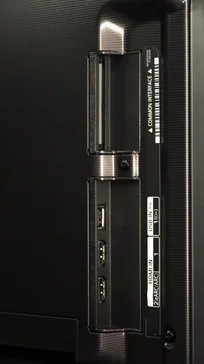
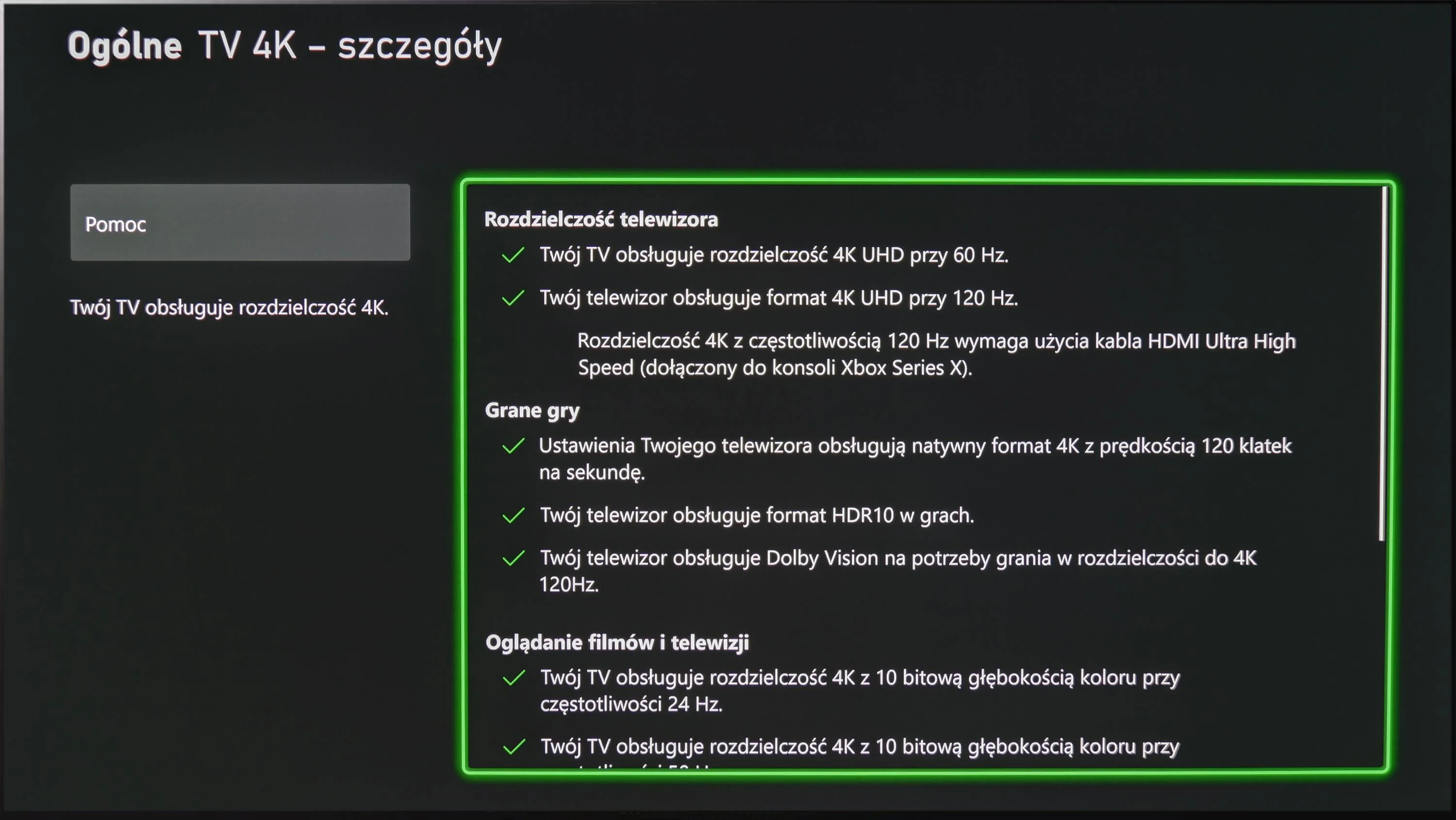
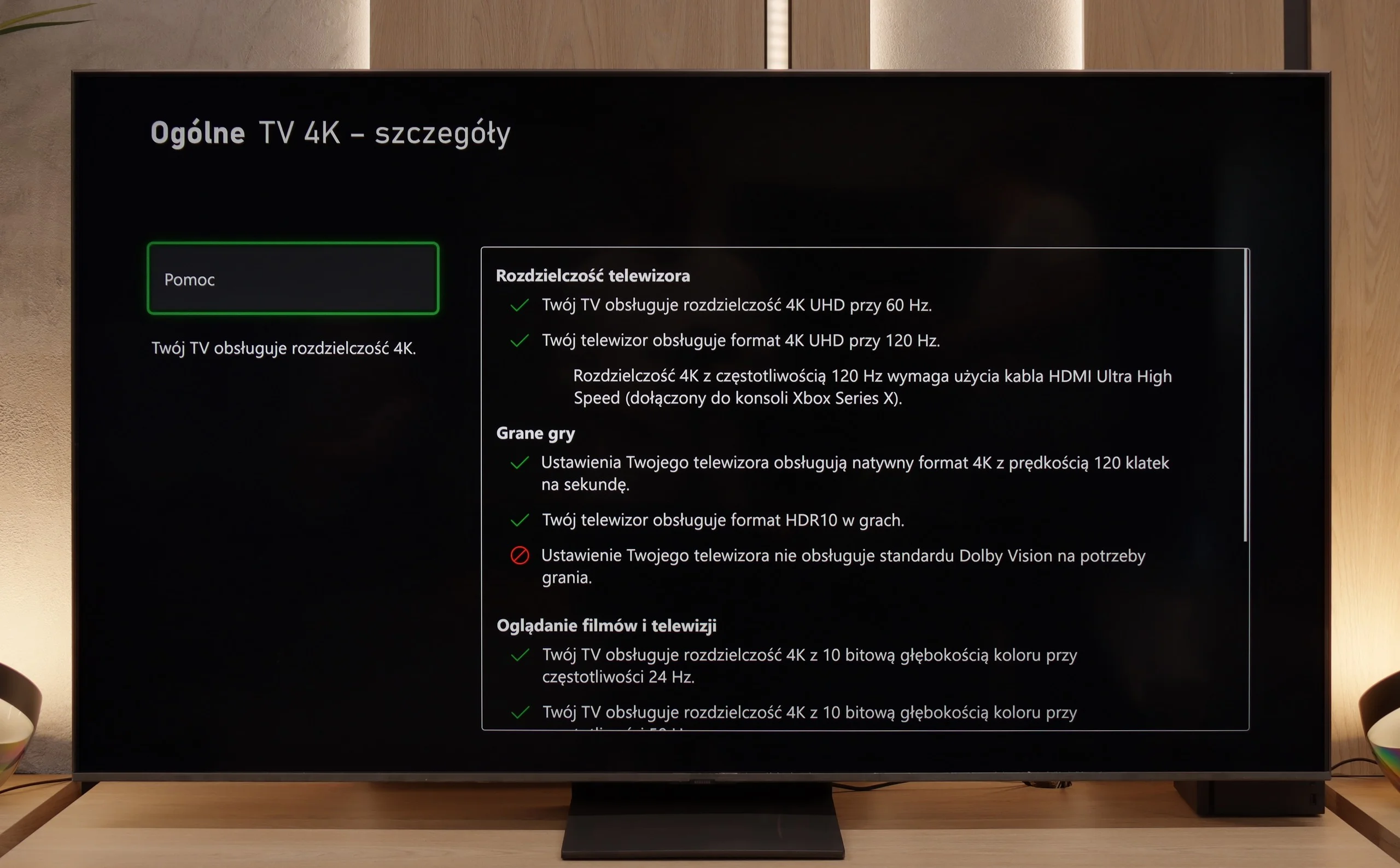
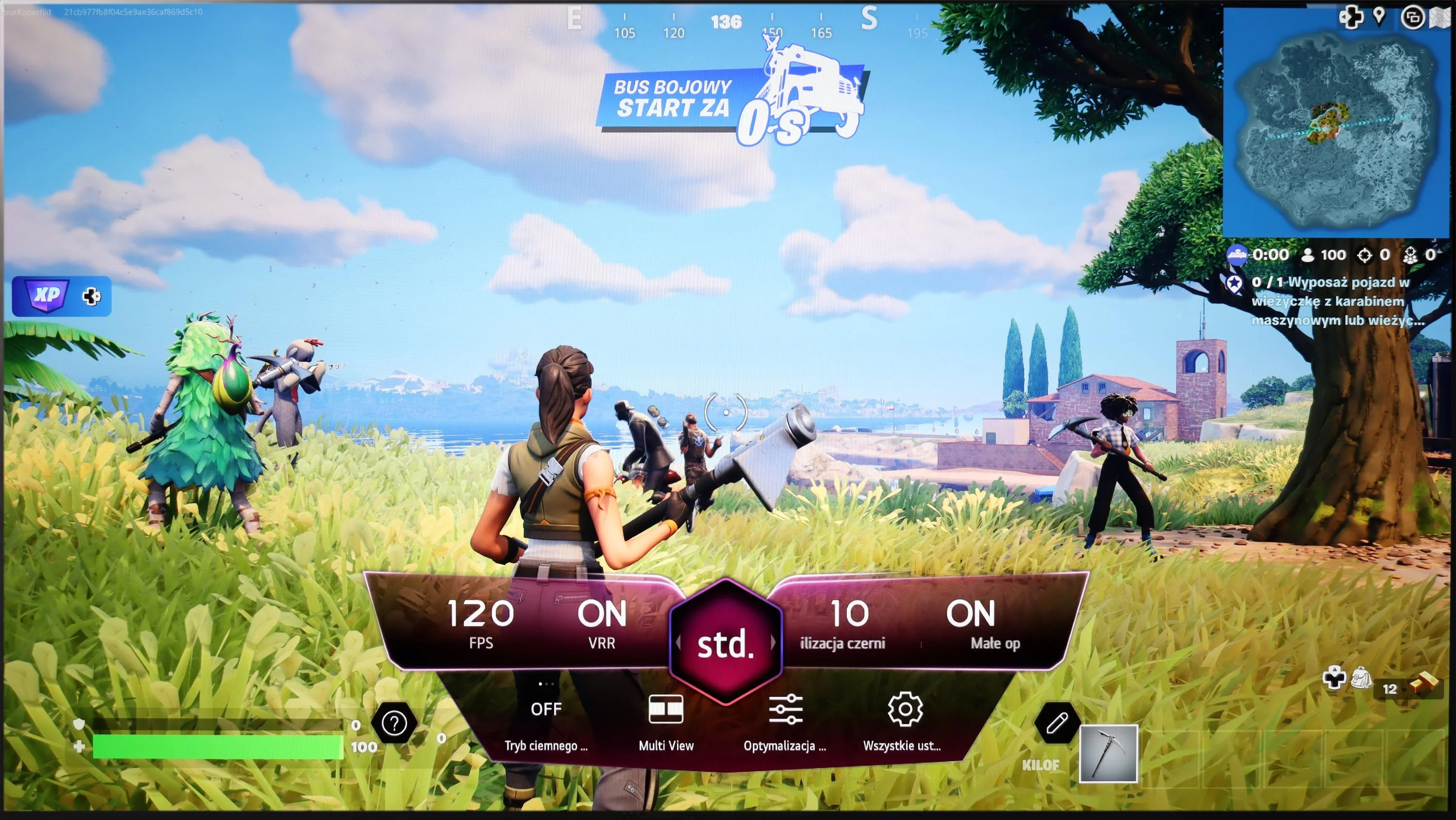
The LG G4 TV supports all the features encompassed by the HDMI 2.1 standard, making it a gaming powerhouse. During testing, every feature activated seamlessly, ensuring a smooth experience for both console gamers and PC users. Notably, the HGIG mode (HDR Gaming Interest Group) is implemented correctly, allowing games mastered to brightness levels higher than the TV’s maximum luminance to map tones accurately, preserving the game’s original visual integrity.
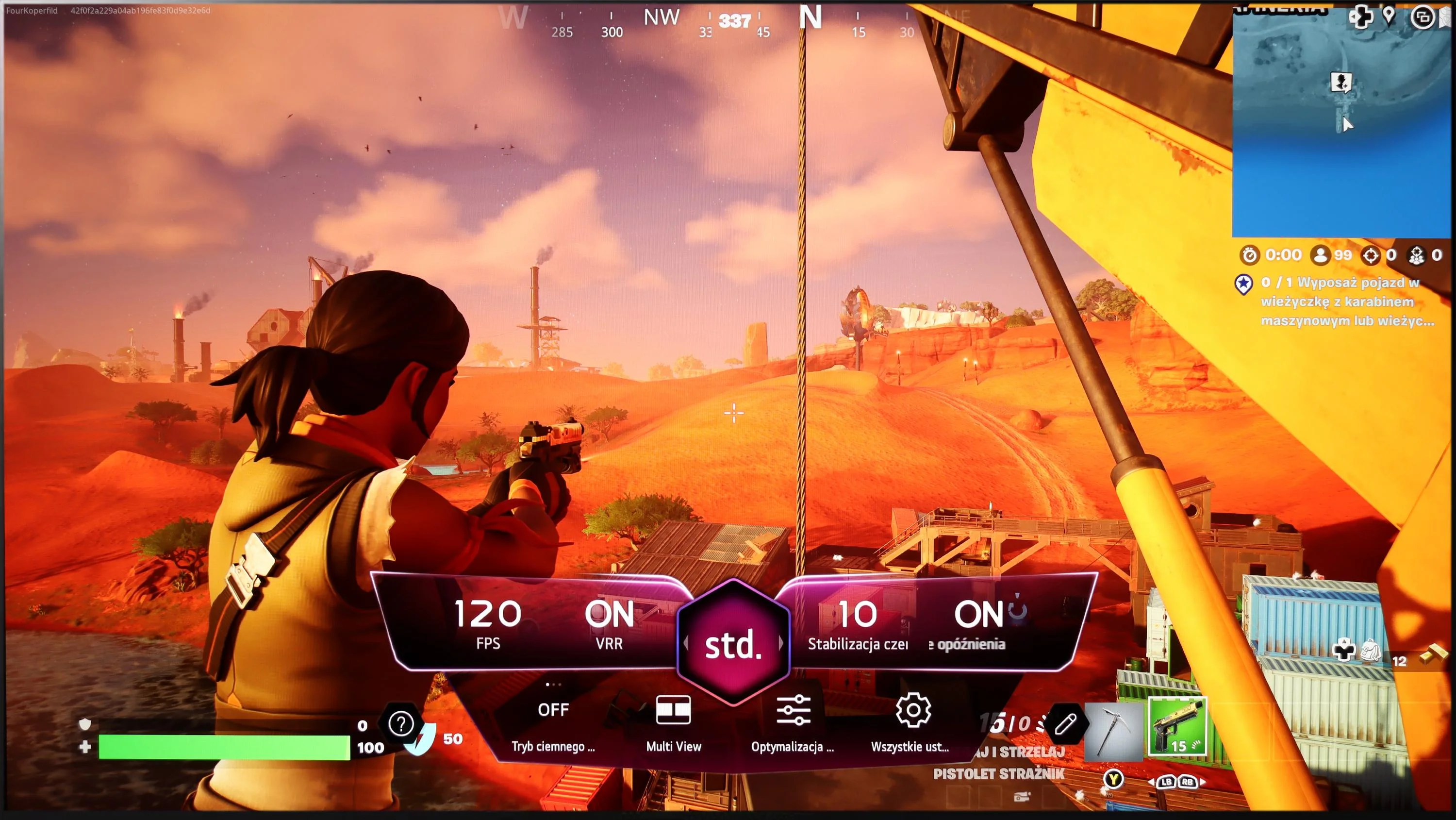
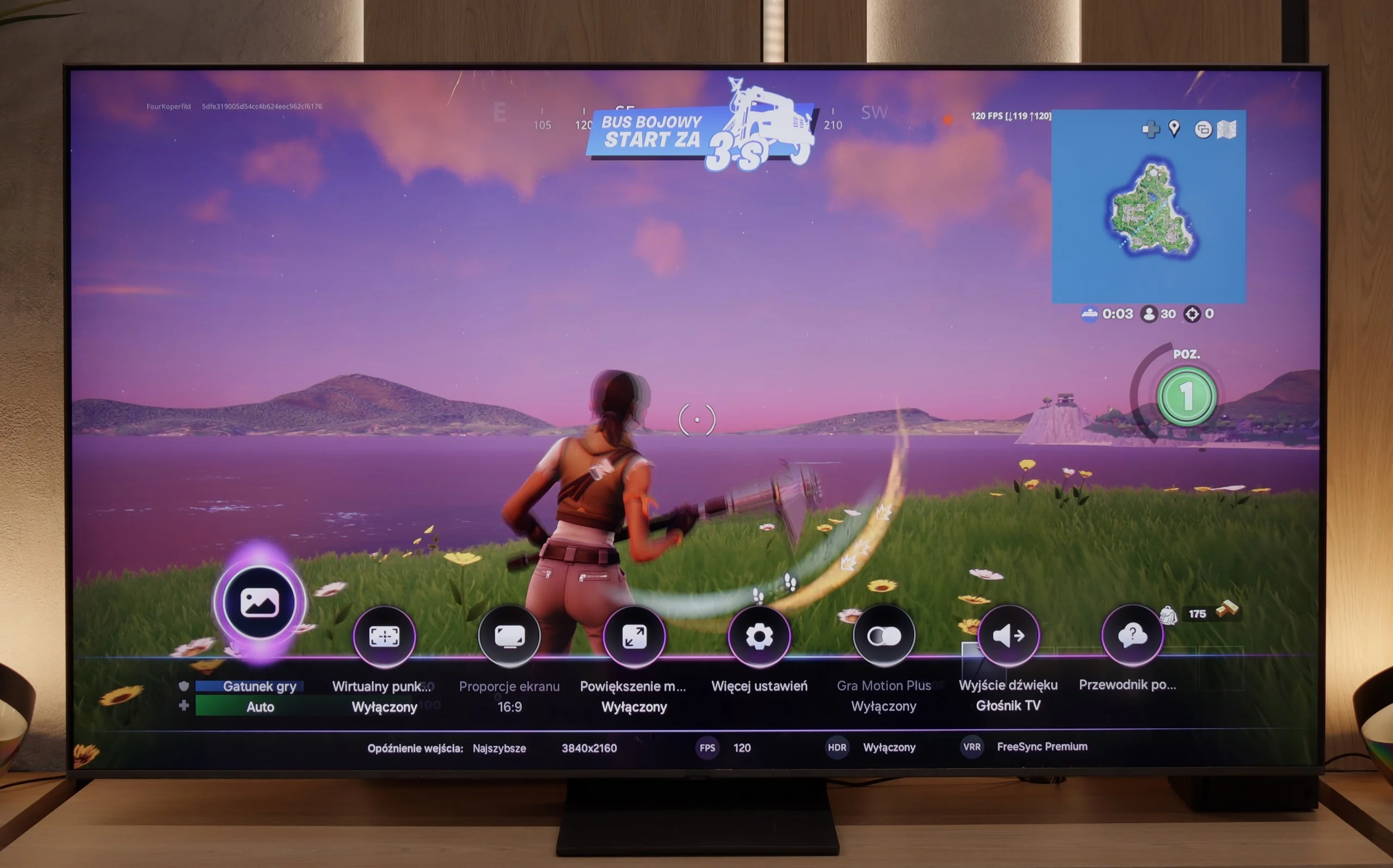
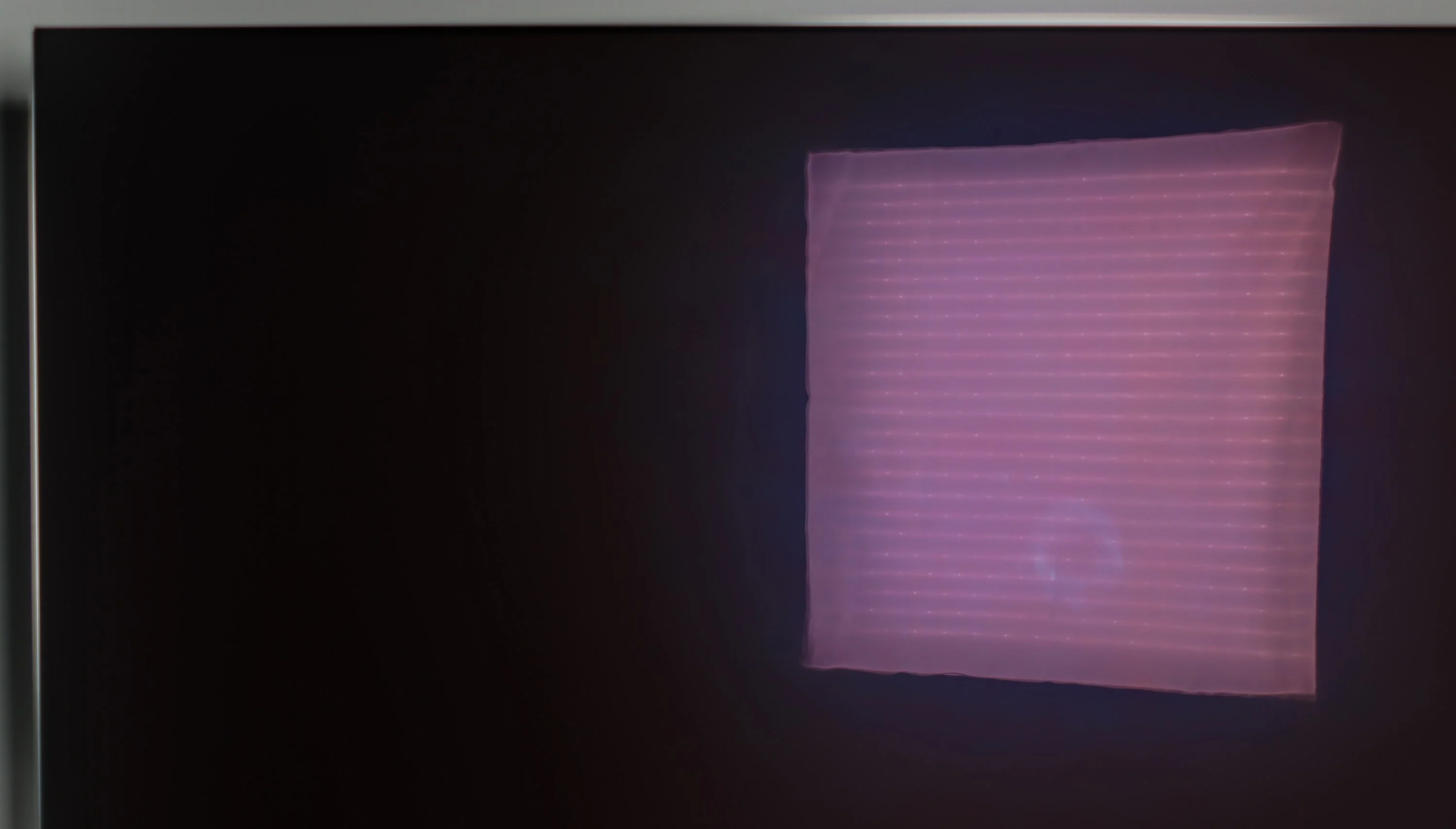
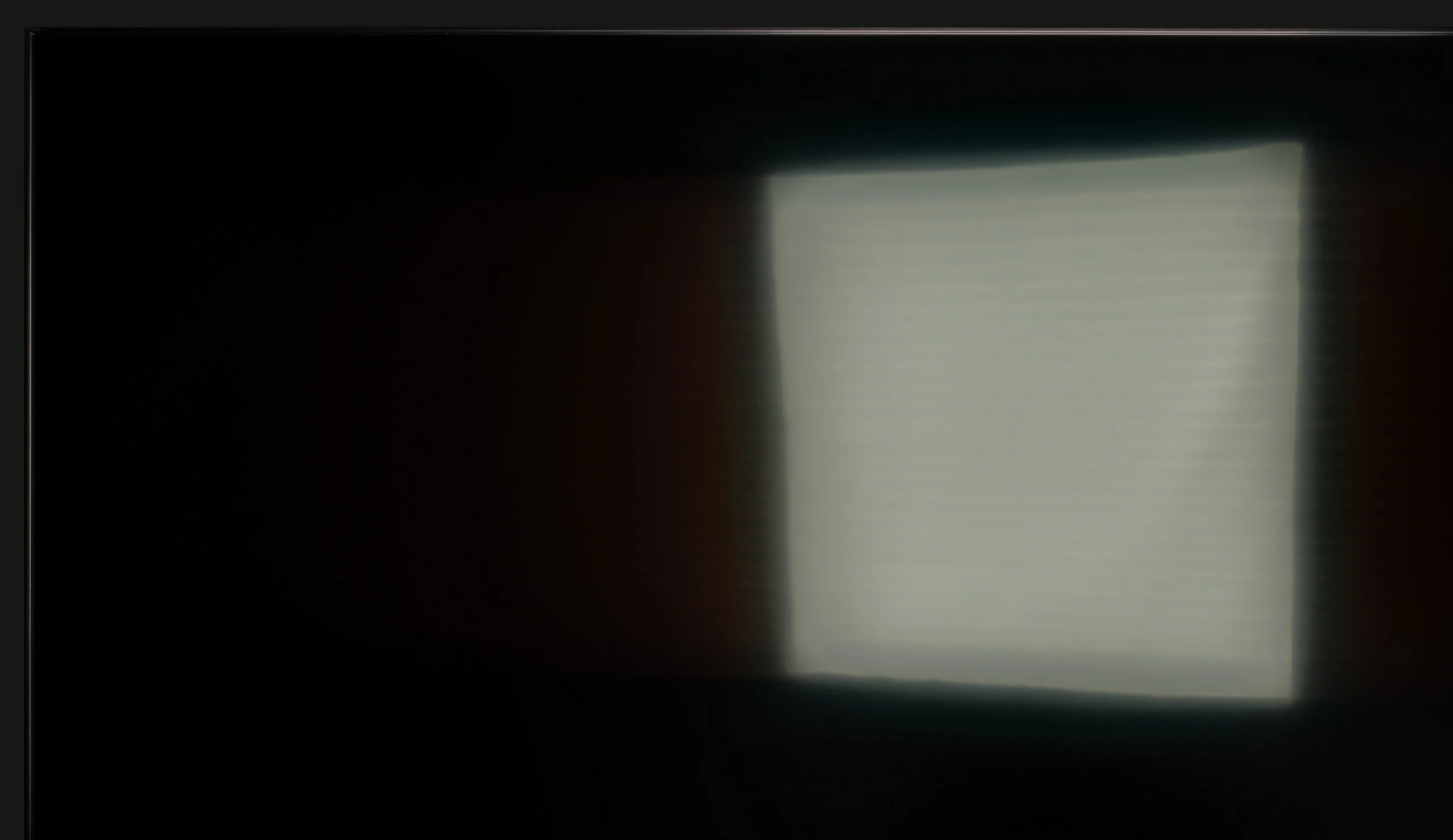
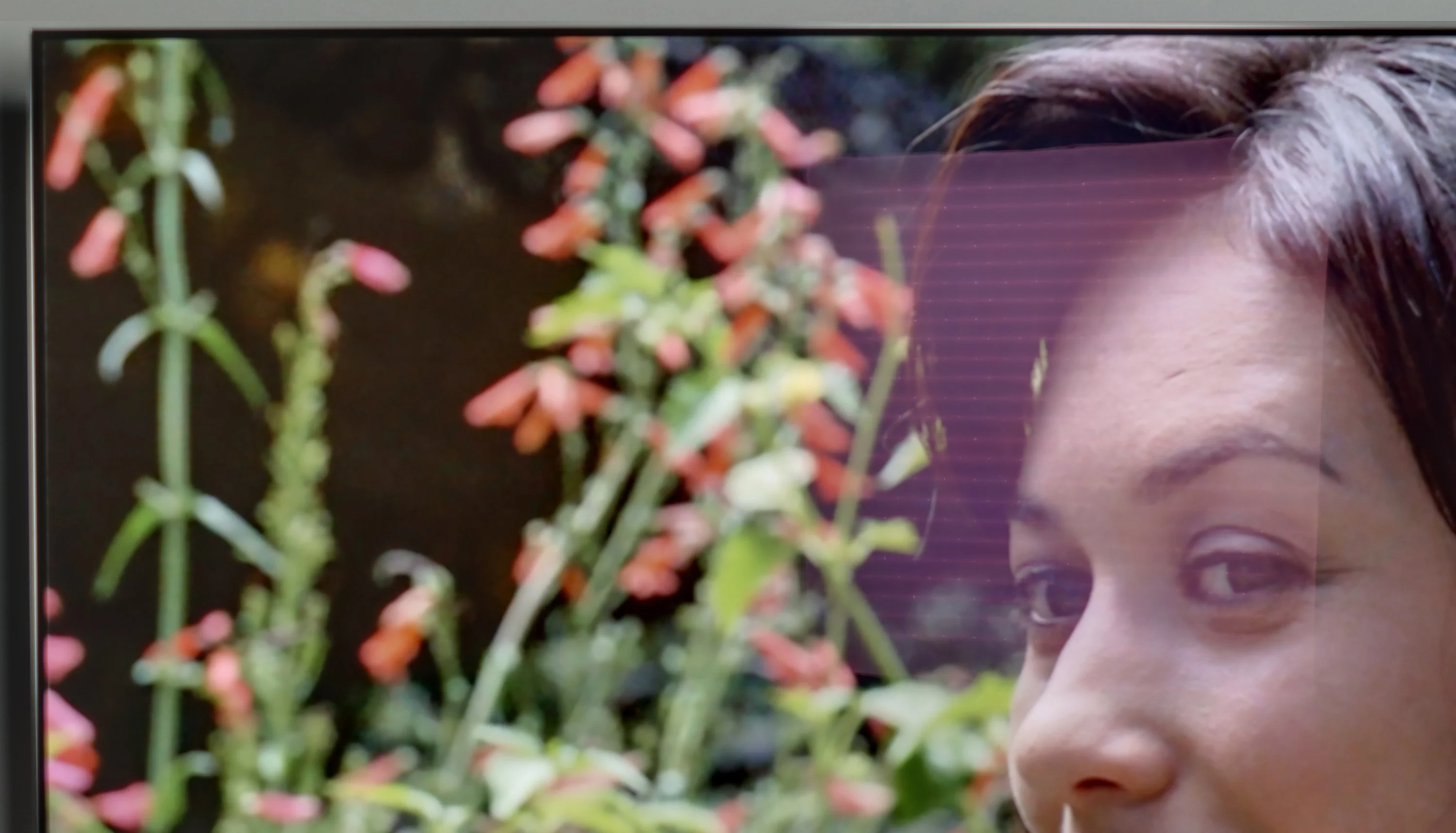
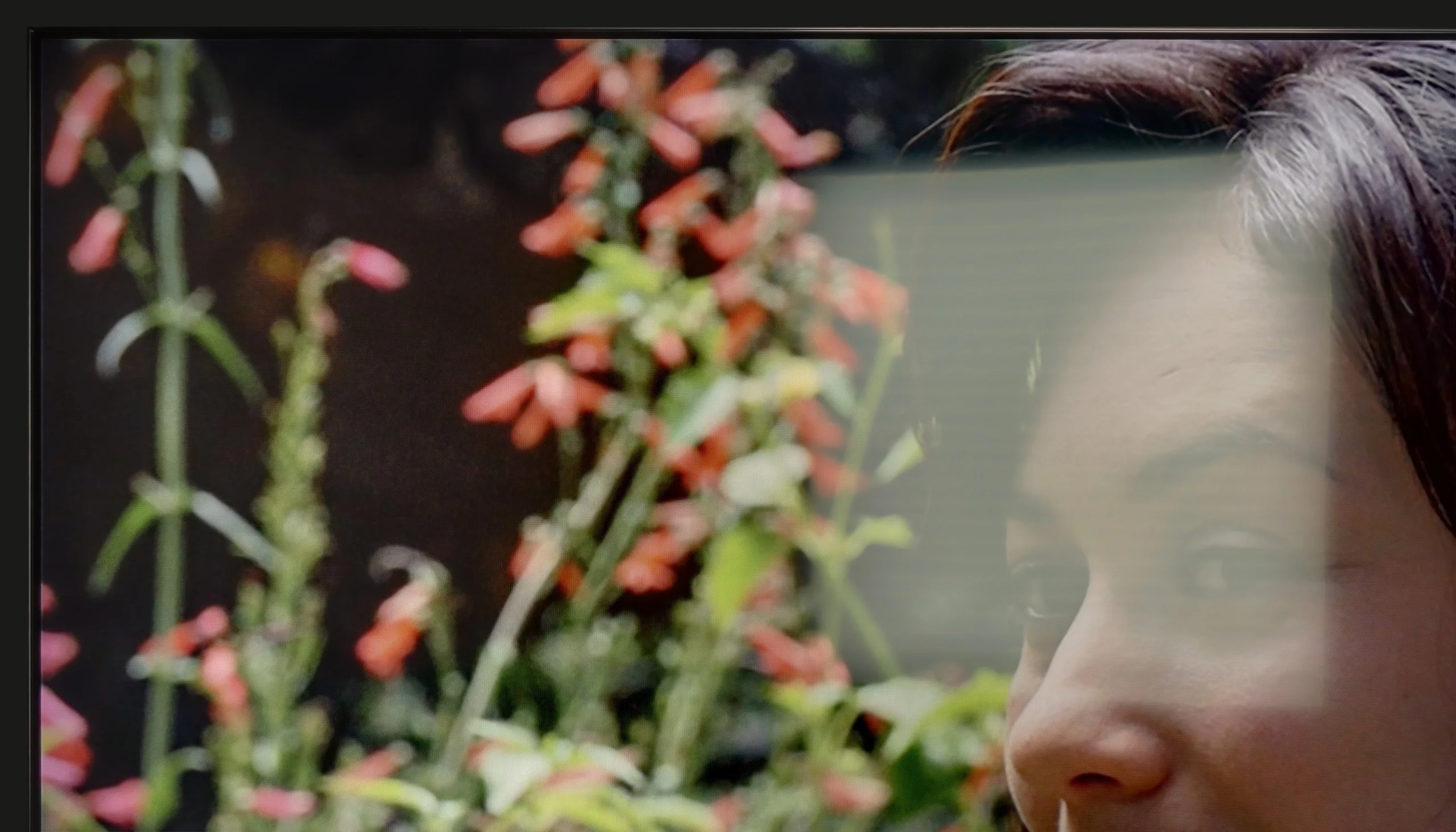
A notable highlight is the dedicated GameBar, which can be accessed at any time to quickly check or adjust game settings. More importantly, enabling VRR (Variable Refresh Rate) does not compromise contrast—a common issue in TVs with local dimming or Mini LED backlighting. This is thanks to the OLED panel’s self-emissive pixels, which maintain consistent contrast. However, a slight grey flicker may appear when VRR is enabled, though this is standard across OLEDs.
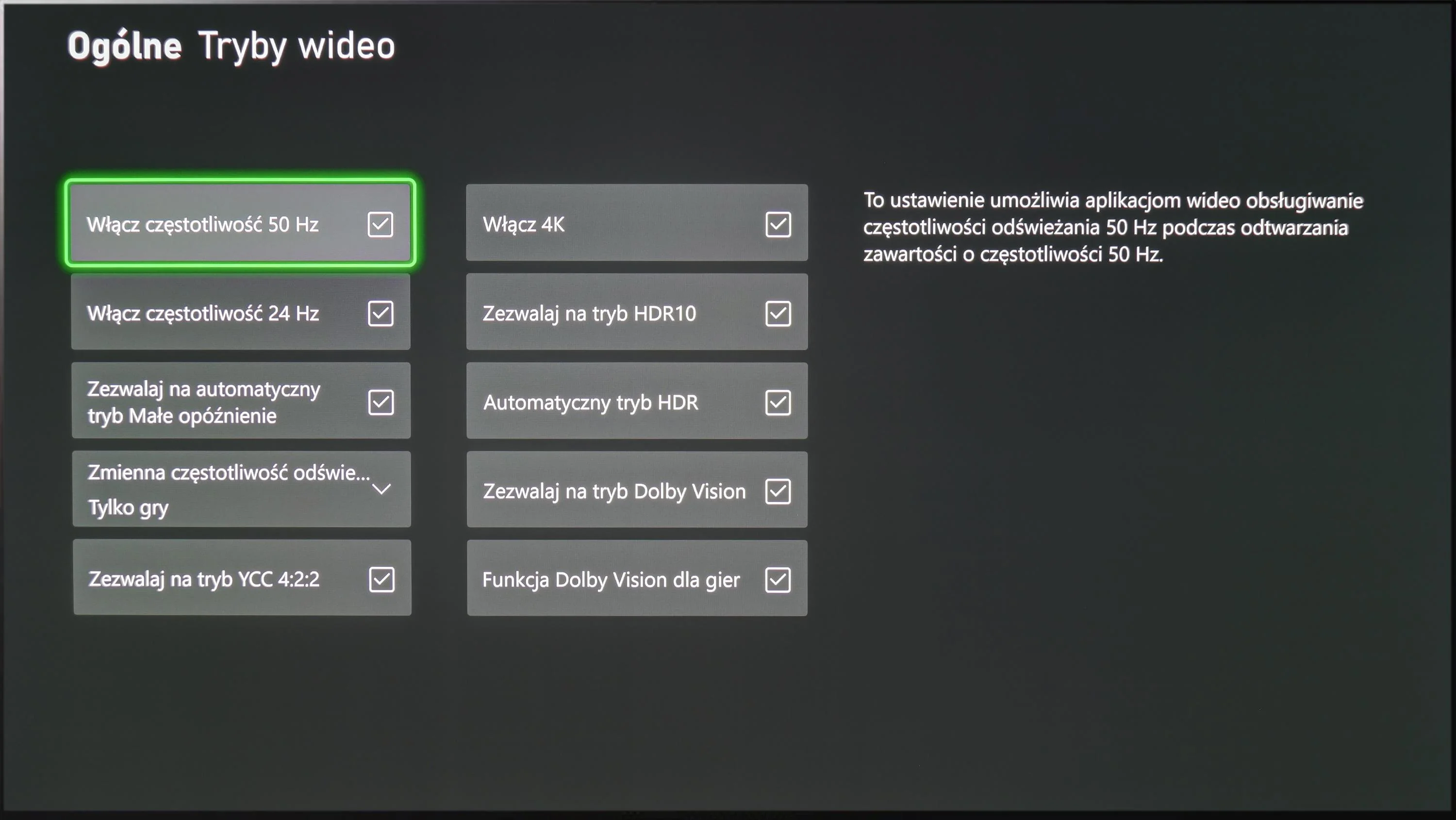
In summary, the LG G4, like most OLED TVs, is ideal for gaming and online competitions. Its HDMI 2.1 ports offer a full 48 Gbps bandwidth, supporting features such as VRR, ALLM (Auto Low Latency Mode), G-Sync, FreeSync, and HDR Dolby Vision gameplay, ensuring an exceptional gaming experience.
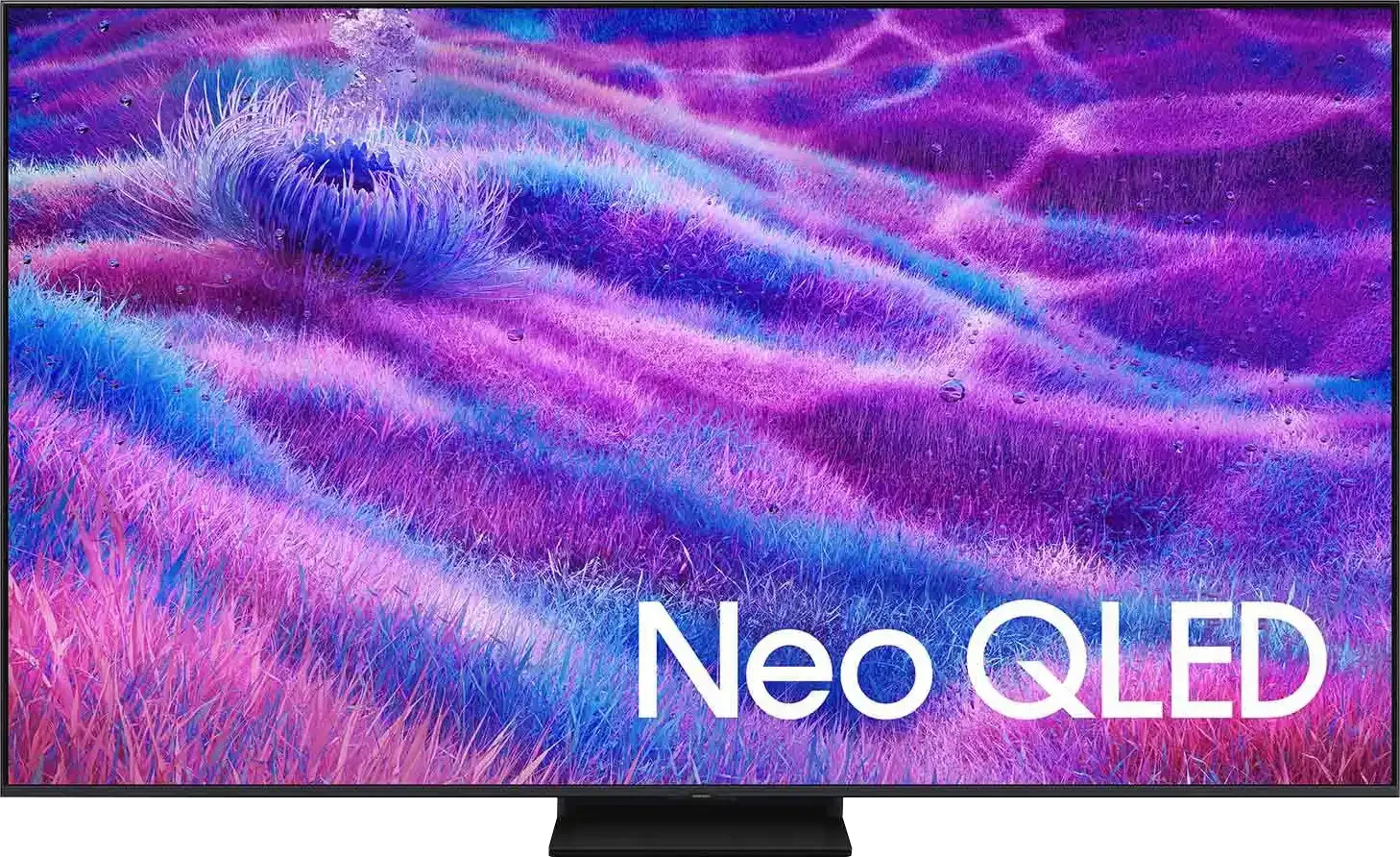
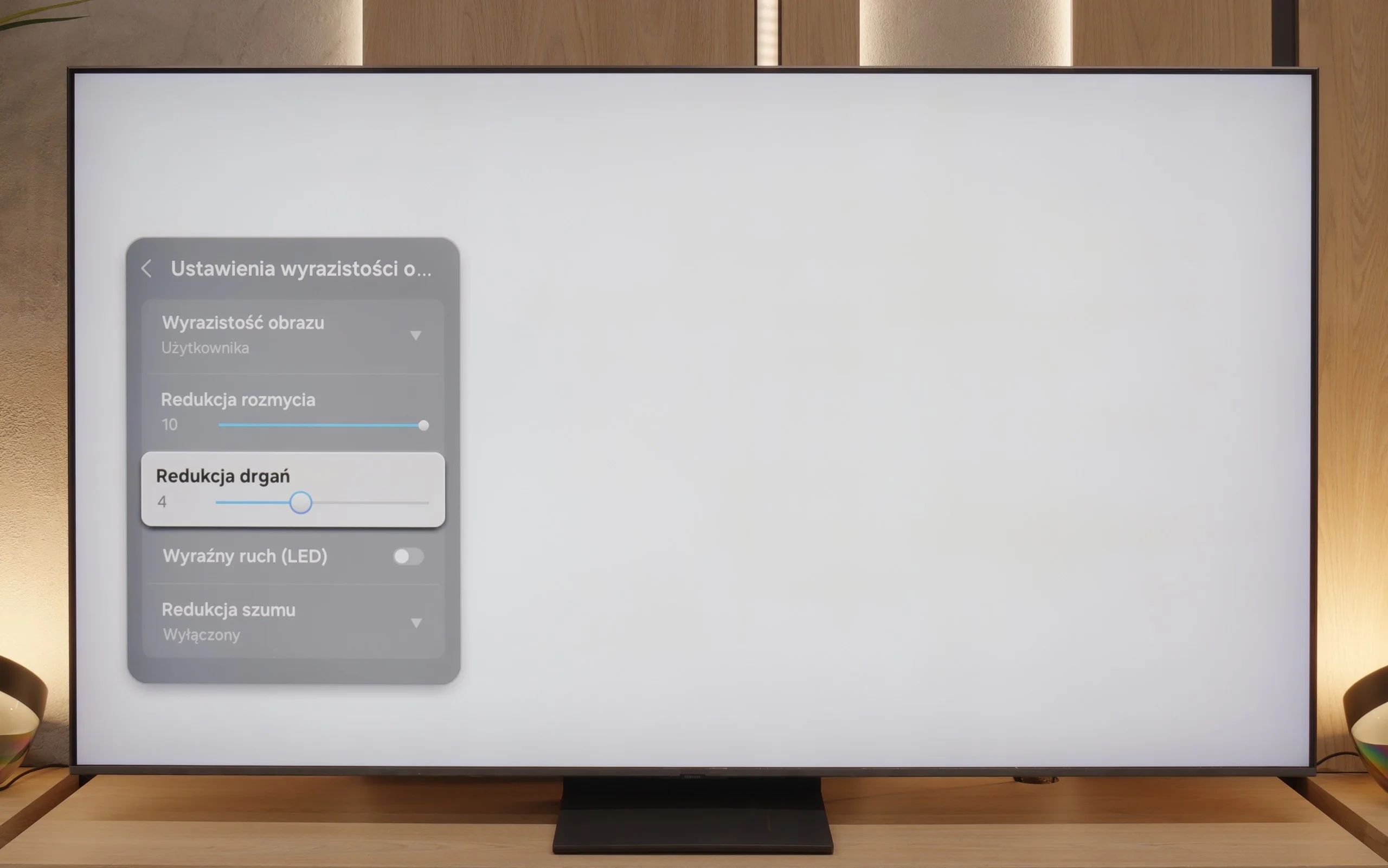
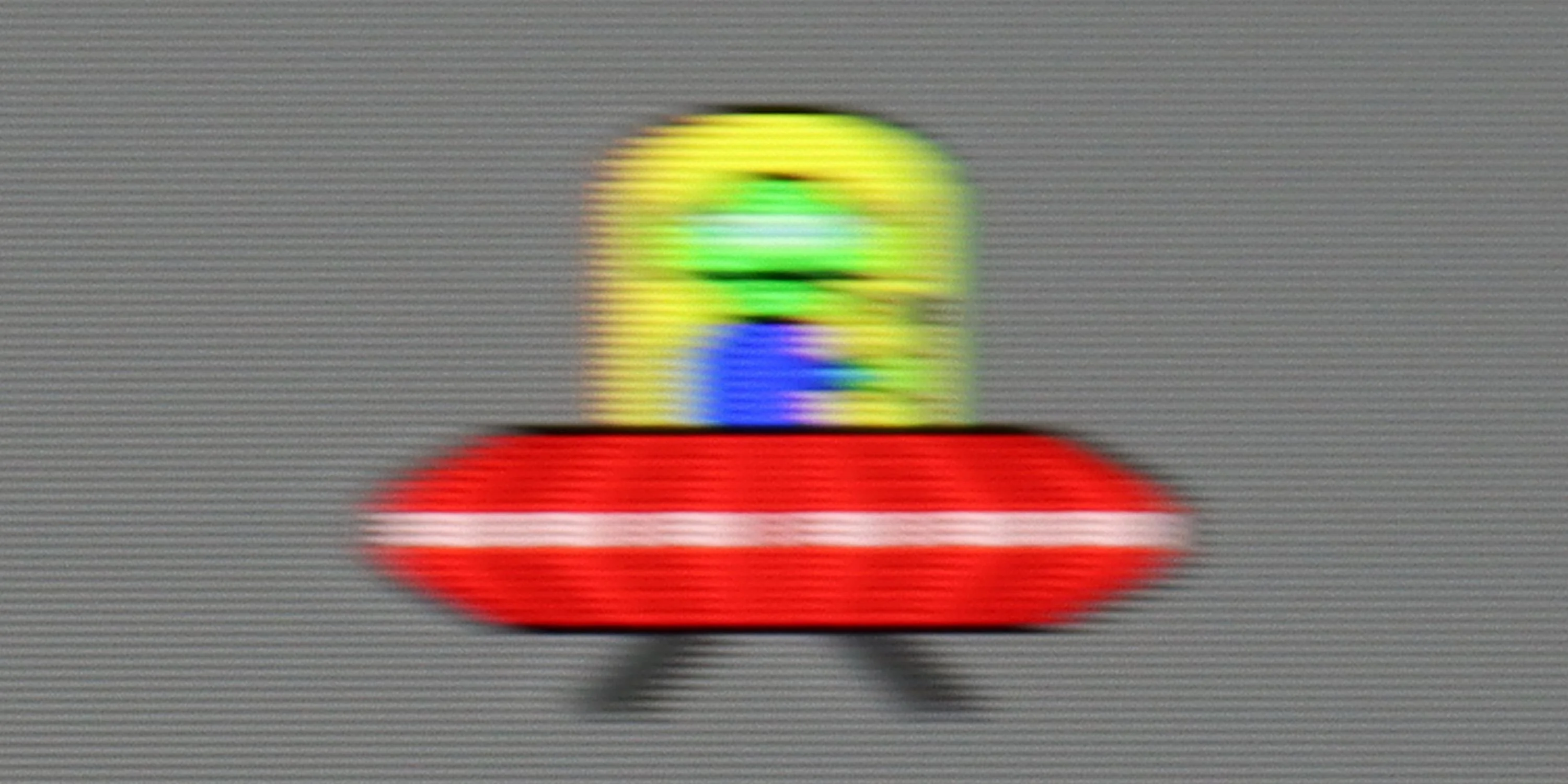
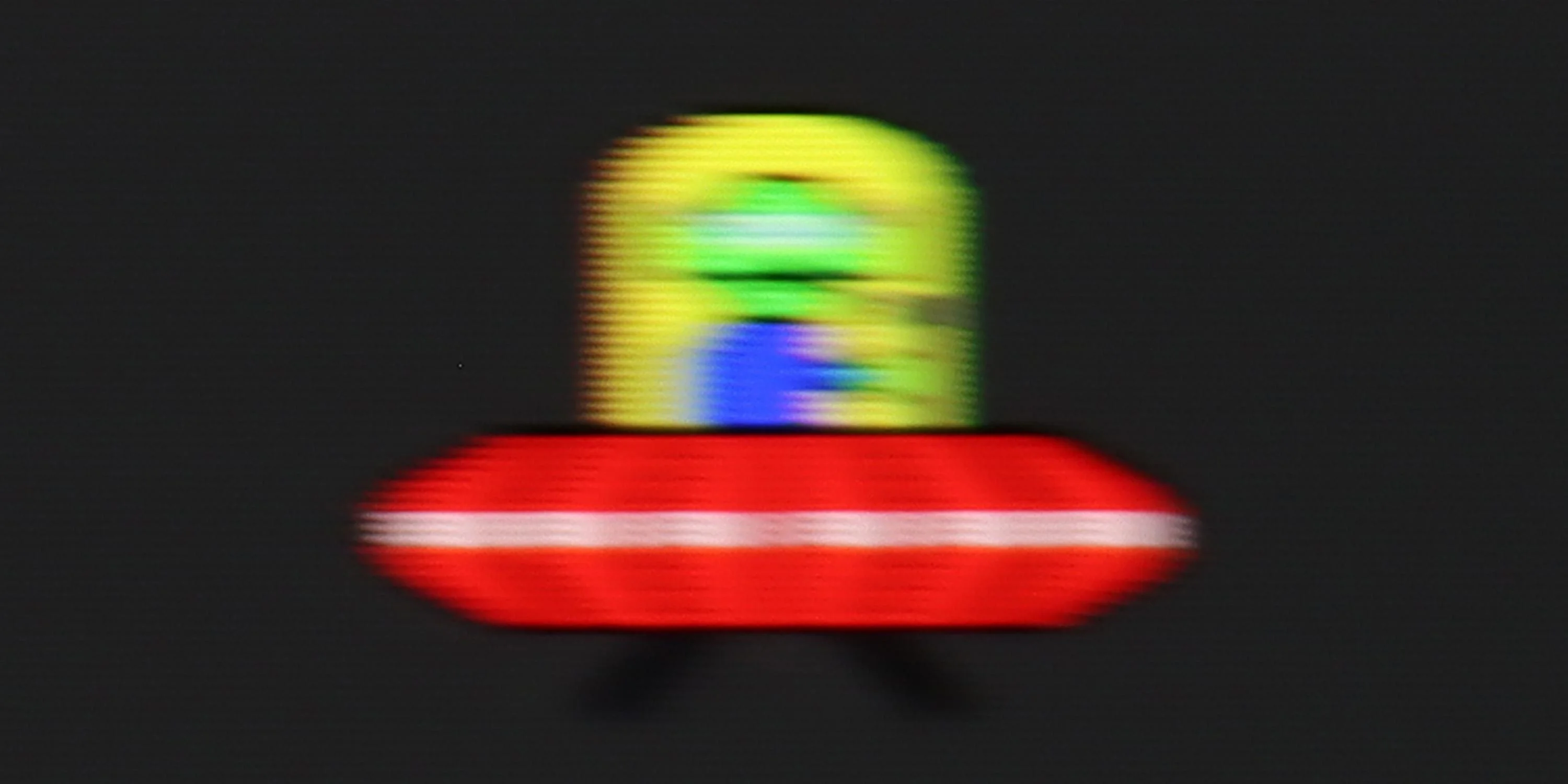
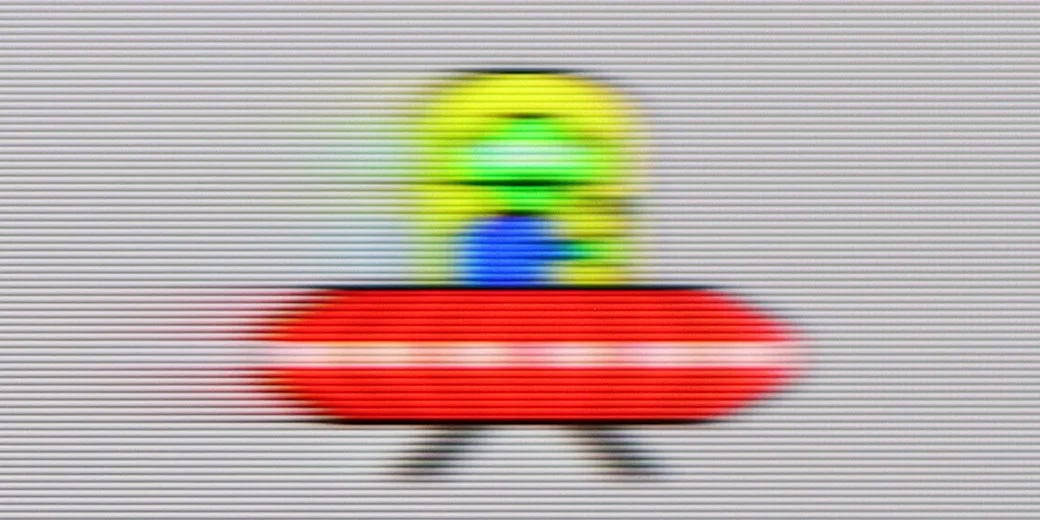
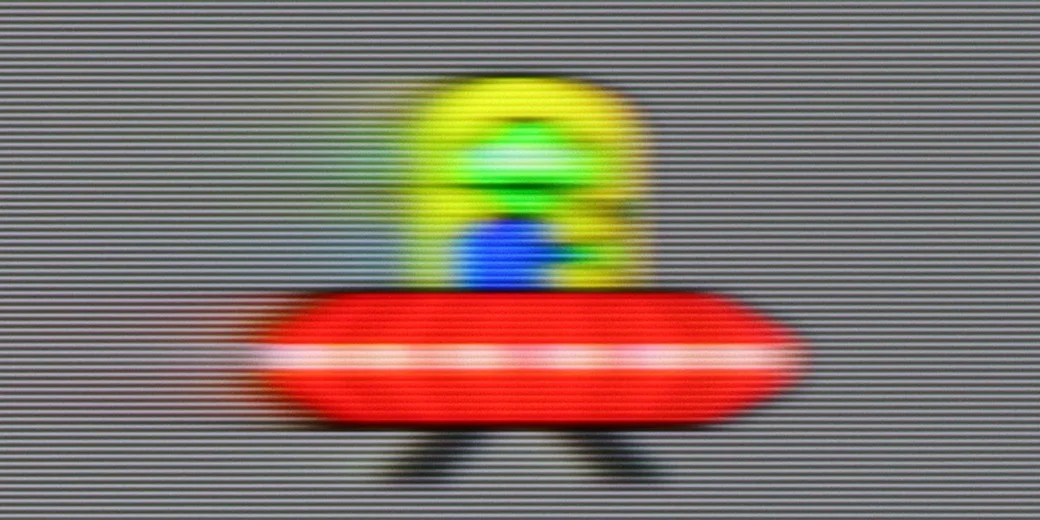
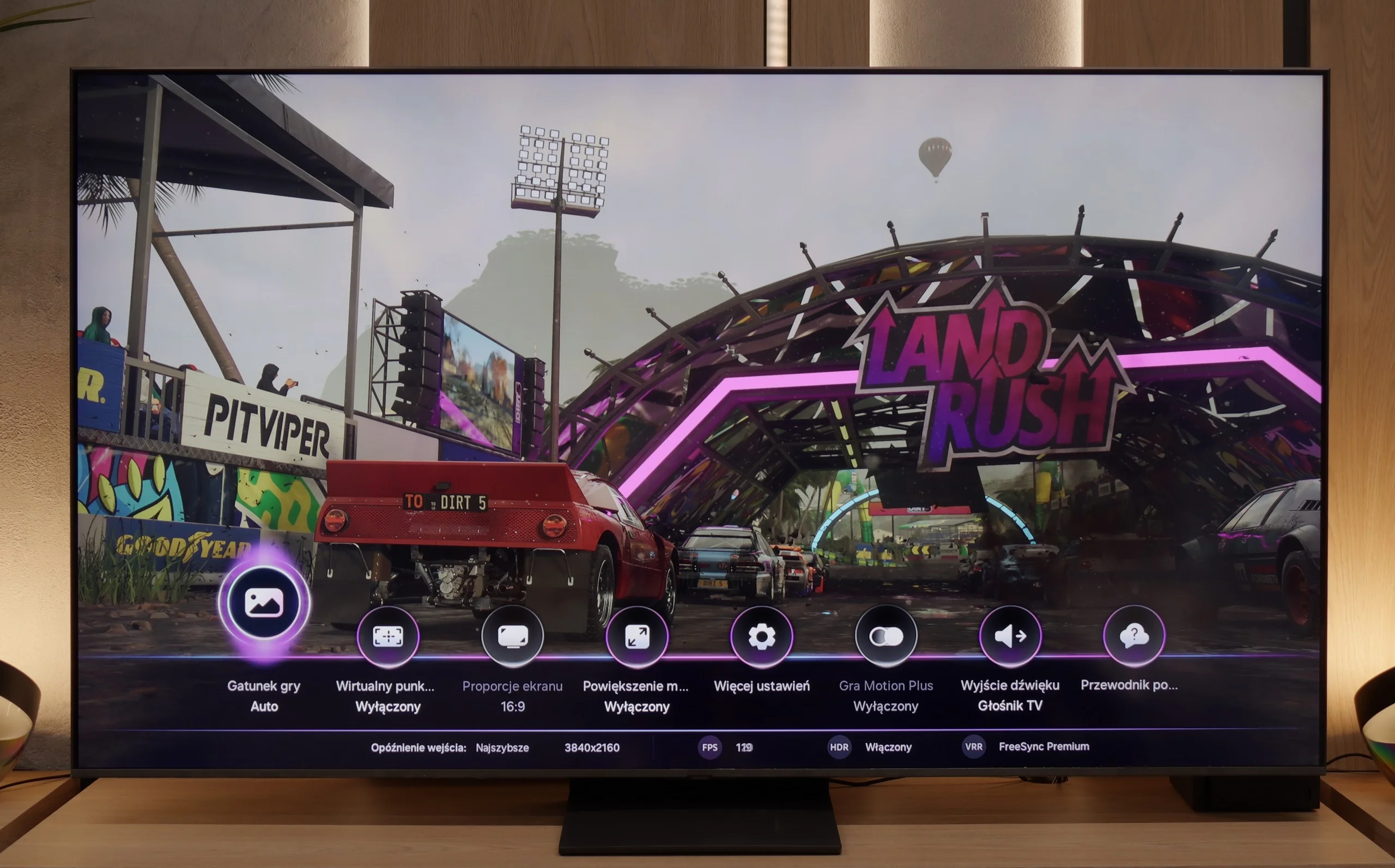
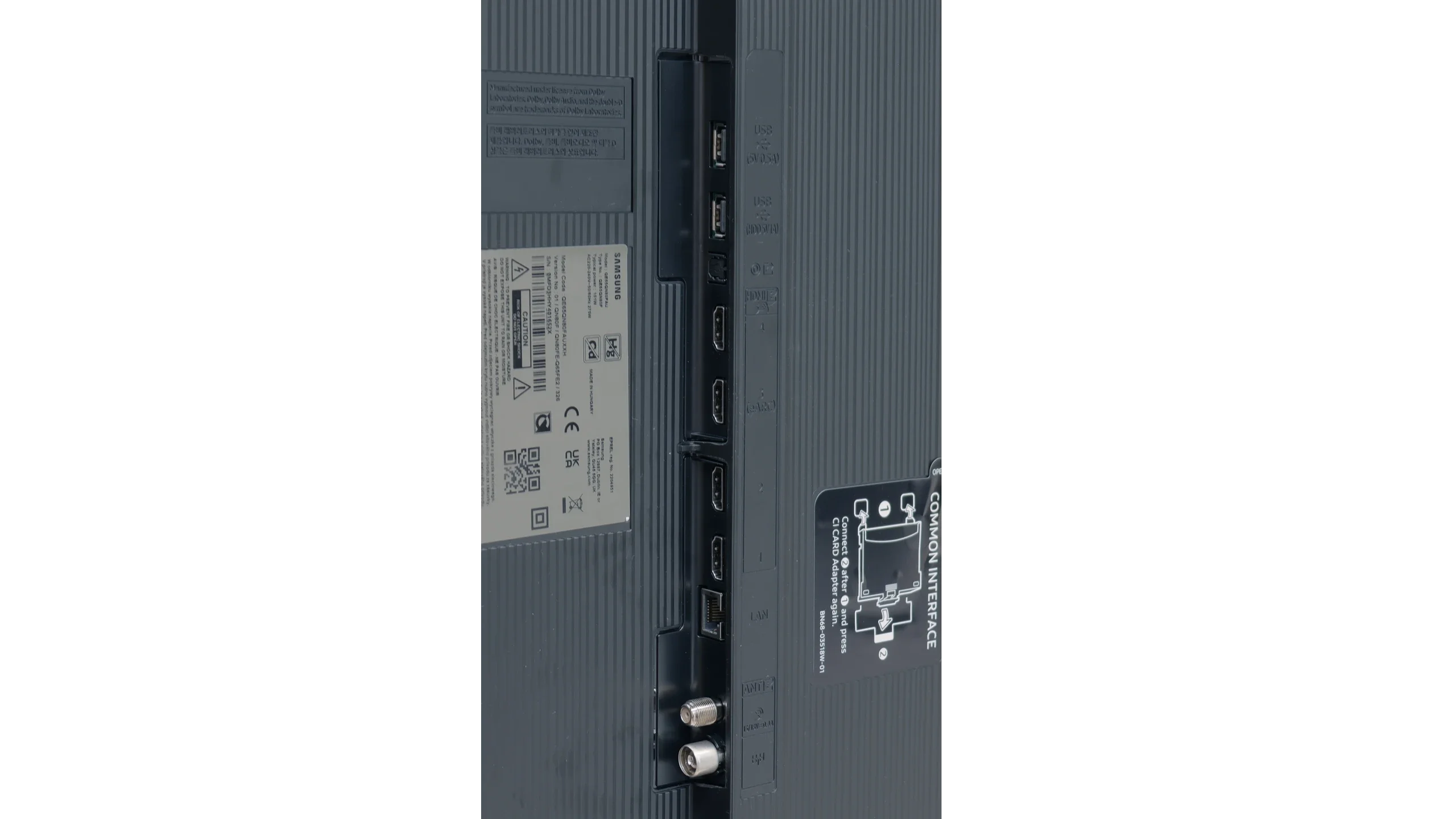
The Samsung QN80F is a television that delivers on almost every front when it comes to gaming. It features a 144 Hz panel, four full-fledged HDMI 2.1 ports, support for gamers in the form of variable refresh rate (VRR), automatic low latency mode (ALLM), and even one of the best-designed game bars on the market. The cherry on top is the motion smoother, which – uniquely in the world – works in games without significantly increasing input lag. Sounds like an almost perfect TV for gamers? And indeed, it is almost that way.
[UPDATE] We have updated our reviews of Samsung TVs from 2025 due to the release of software version 1131, which restored the crucial gaming feature HGiG.
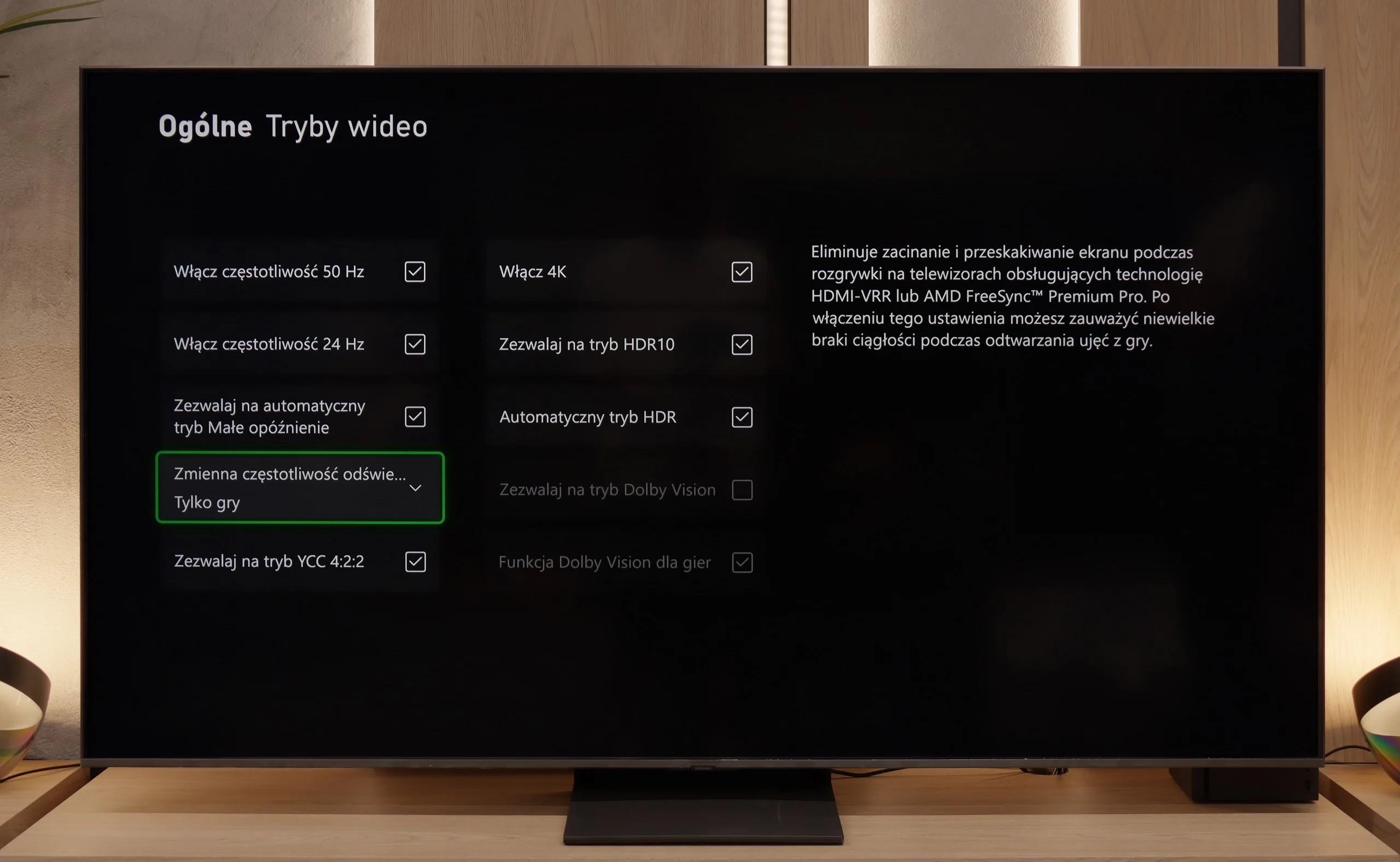
As usual, Samsung does not support Dolby Vision in games, but that no longer surprises anyone. However, what is much more surprising is that... the HGIG feature has disappeared – that is, the system that allows a console (e.g., PlayStation 5 or Xbox Series X) to precisely match HDR tone mapping to the capabilities of the TV. In the latest firmware update for the 2025 models, this option simply vanished. It seems more like a bug than a deliberate move, but it must be honestly noted that as of the day of writing the review, the HGIG feature is simply not present.
And it is precisely because of this one absence that the QN80F turns from an almost perfect gaming TV into a "nearly" perfect device. It's a shame – because everything else indicated that Samsung could set the bar very high again in this generation.
 Direct comparison