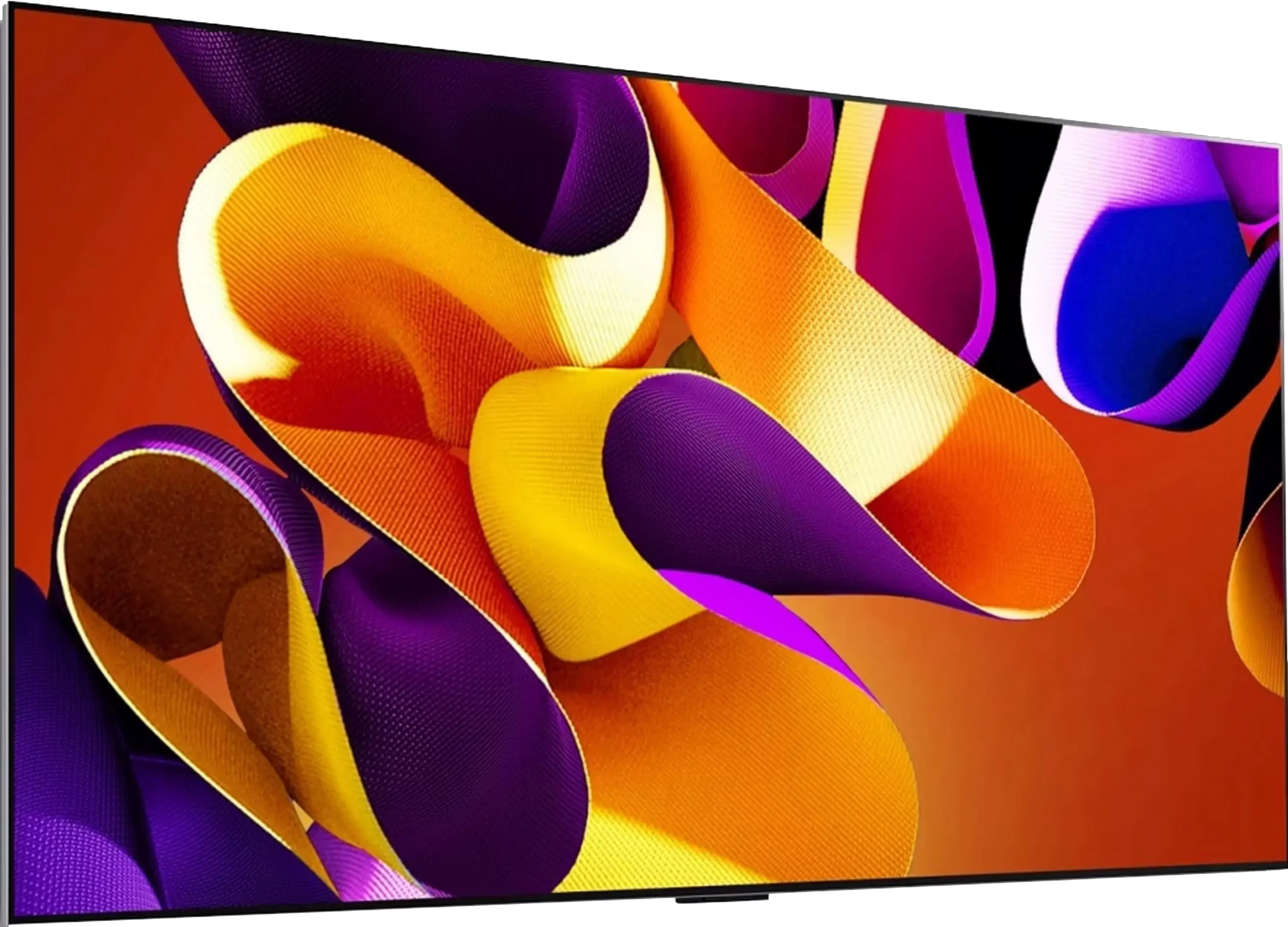
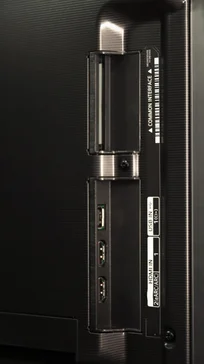
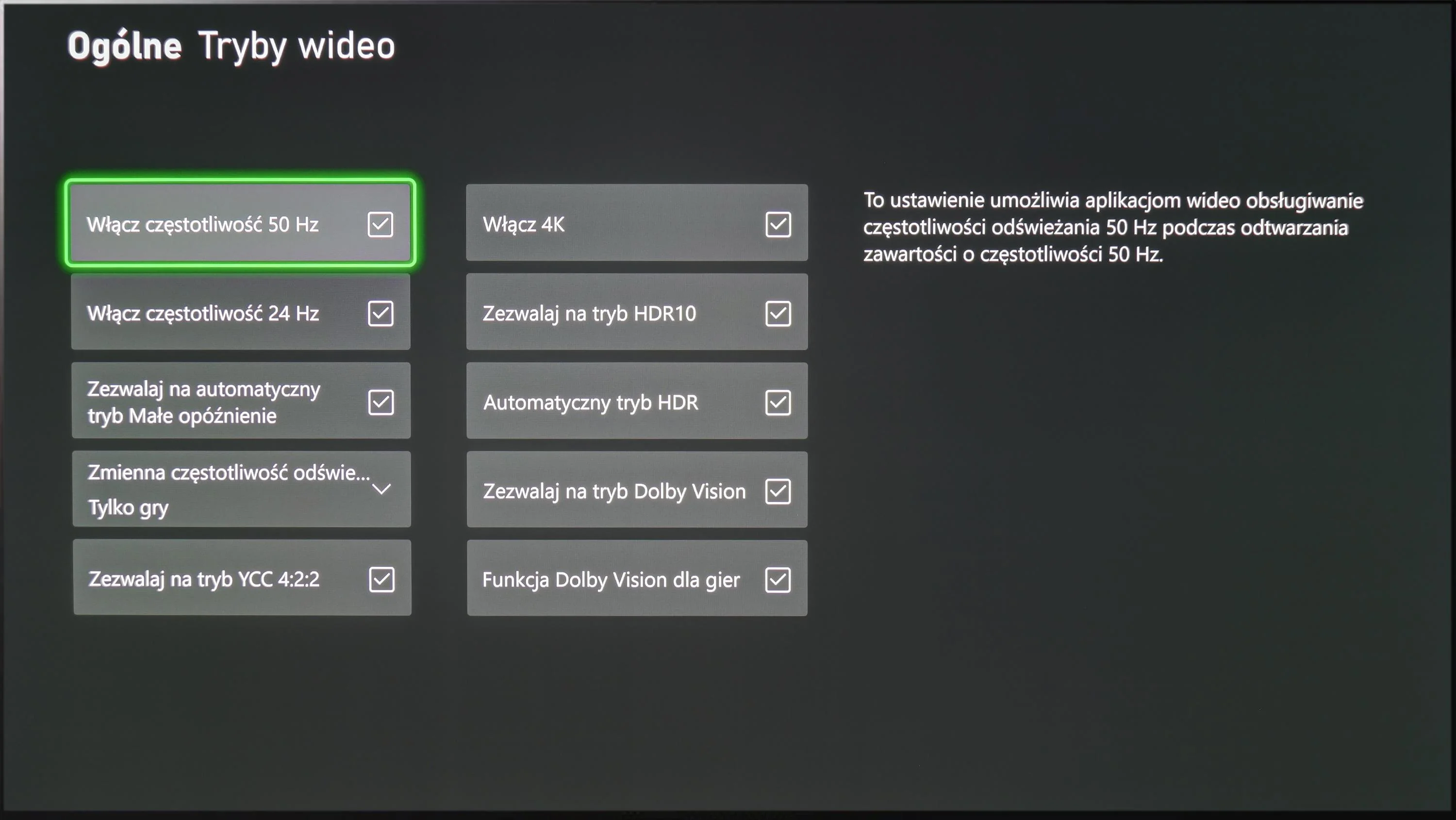
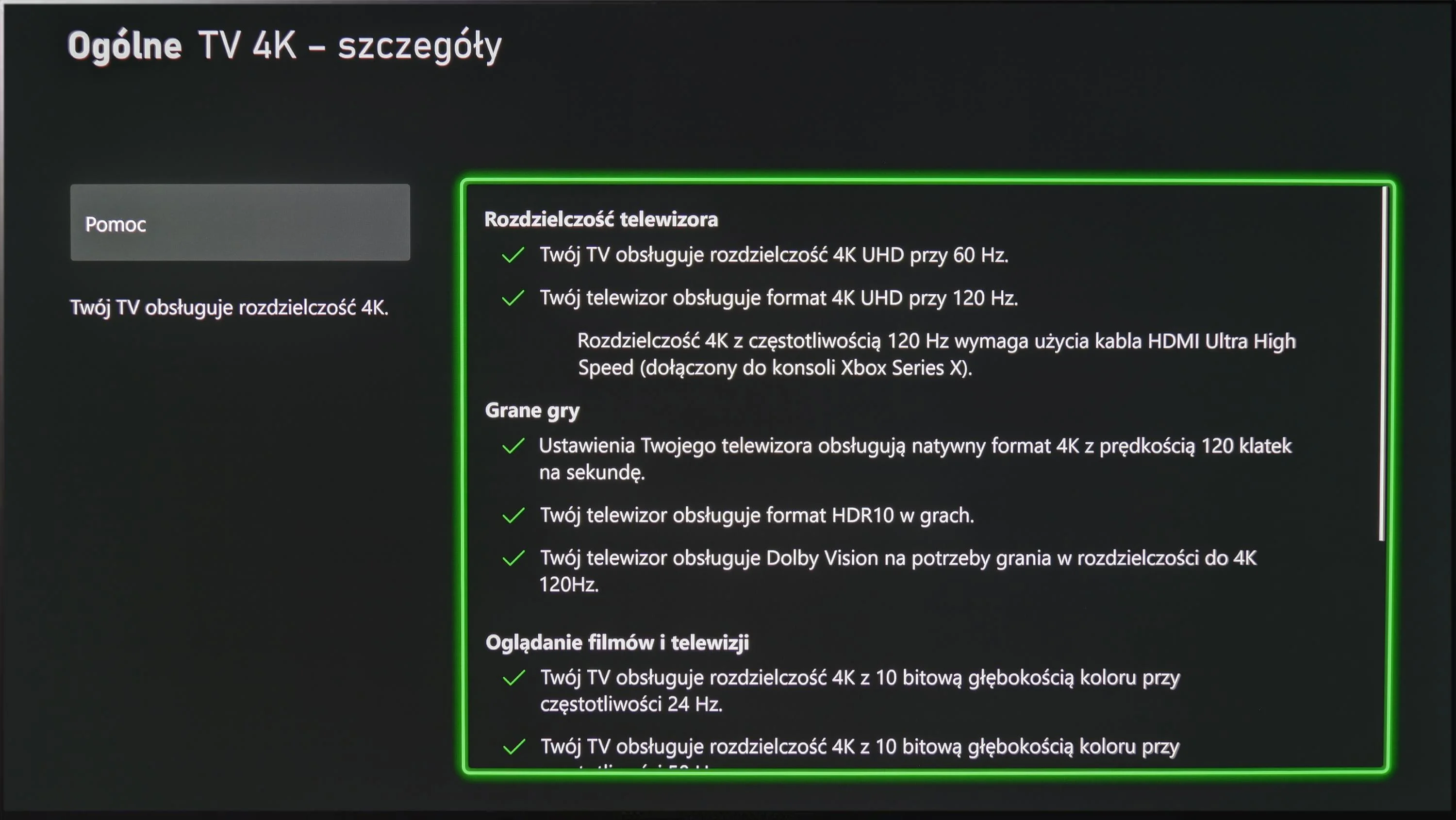
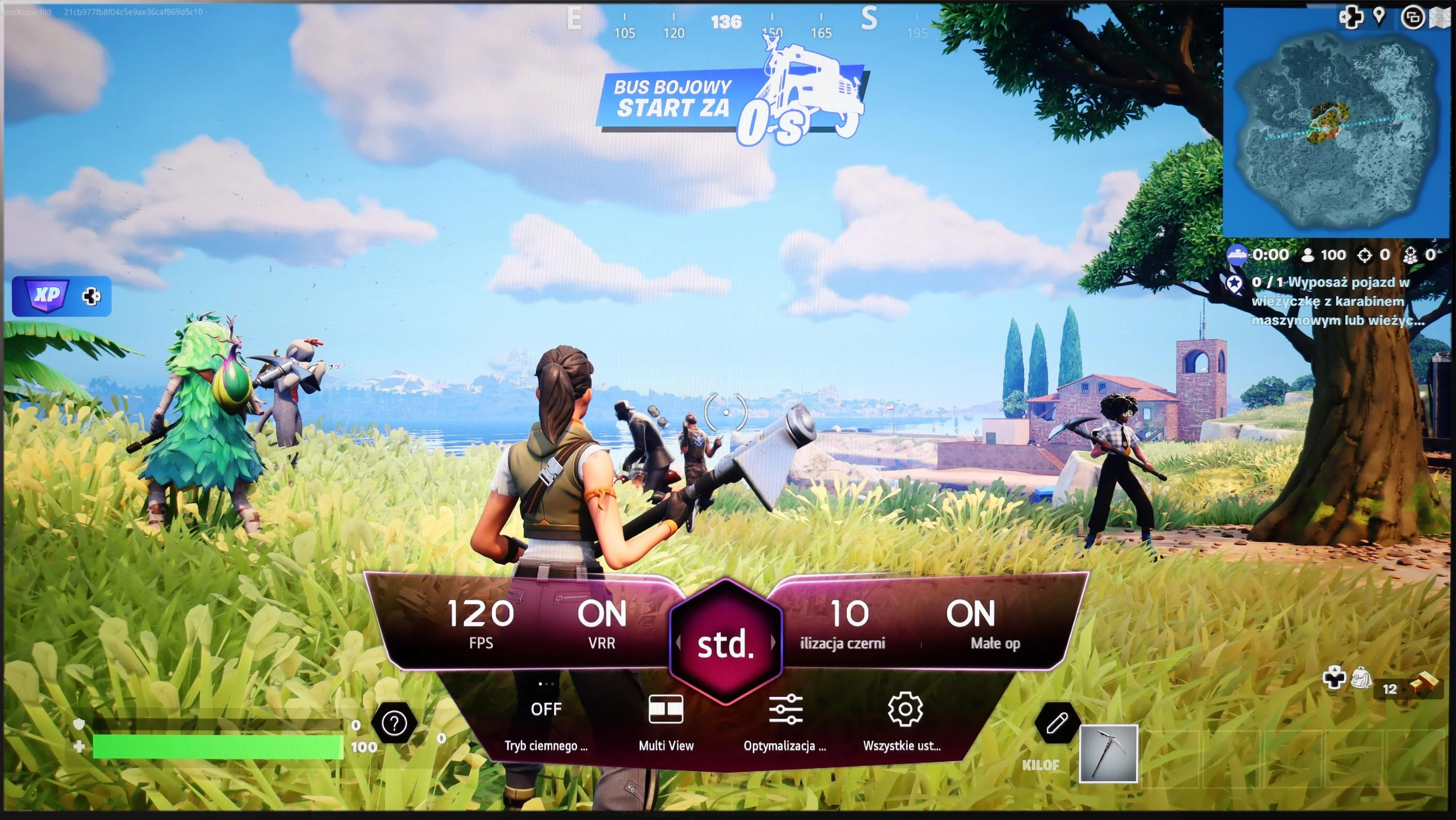
The LG G4 TV supports all the features encompassed by the HDMI 2.1 standard, making it a gaming powerhouse. During testing, every feature activated seamlessly, ensuring a smooth experience for both console gamers and PC users. Notably, the HGIG mode (HDR Gaming Interest Group) is implemented correctly, allowing games mastered to brightness levels higher than the TV’s maximum luminance to map tones accurately, preserving the game’s original visual integrity.
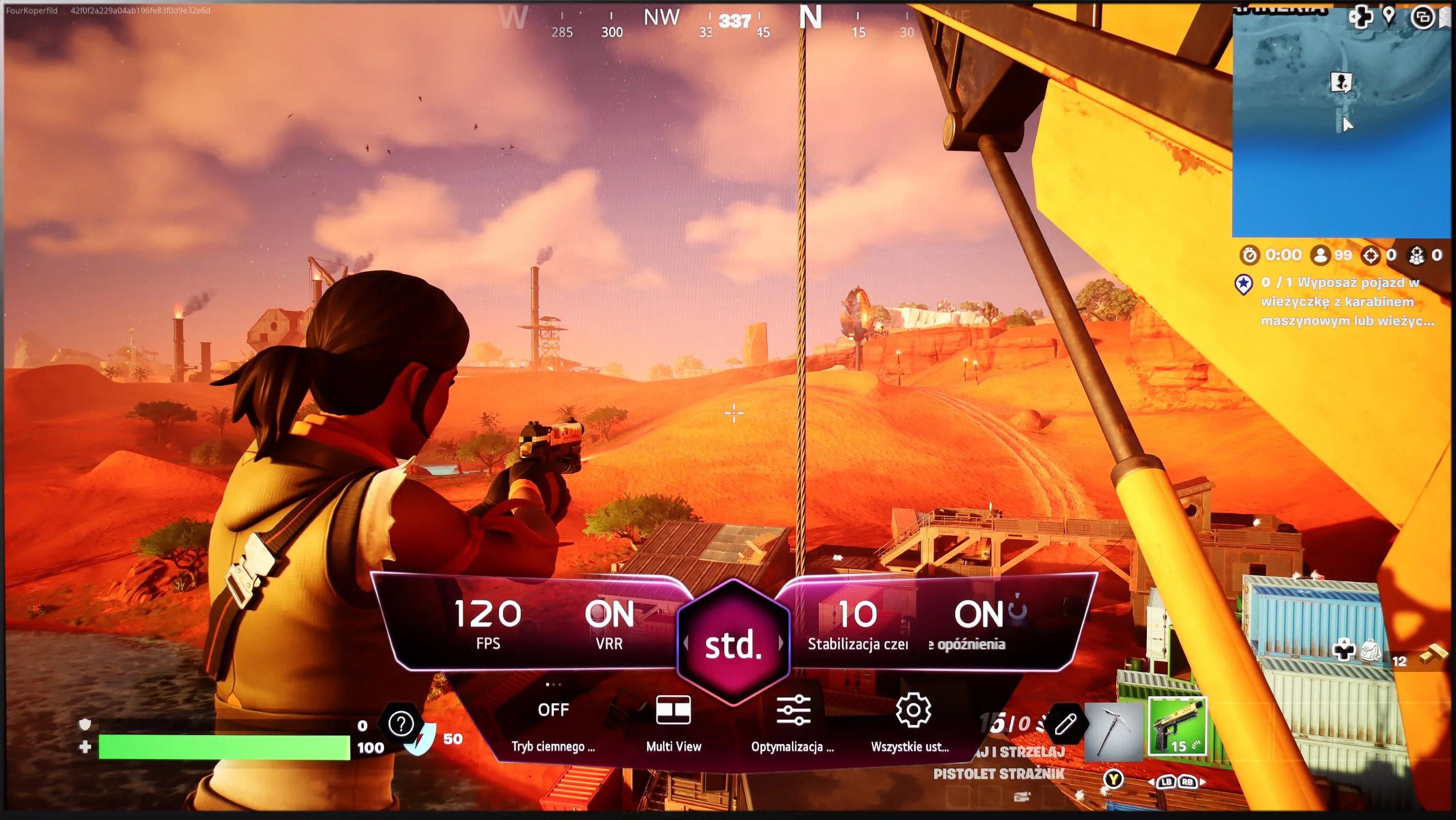
A notable highlight is the dedicated GameBar, which can be accessed at any time to quickly check or adjust game settings. More importantly, enabling VRR (Variable Refresh Rate) does not compromise contrast—a common issue in TVs with local dimming or Mini LED backlighting. This is thanks to the OLED panel’s self-emissive pixels, which maintain consistent contrast. However, a slight grey flicker may appear when VRR is enabled, though this is standard across OLEDs.
In summary, the LG G4, like most OLED TVs, is ideal for gaming and online competitions. Its HDMI 2.1 ports offer a full 48 Gbps bandwidth, supporting features such as VRR, ALLM (Auto Low Latency Mode), G-Sync, FreeSync, and HDR Dolby Vision gameplay, ensuring an exceptional gaming experience.
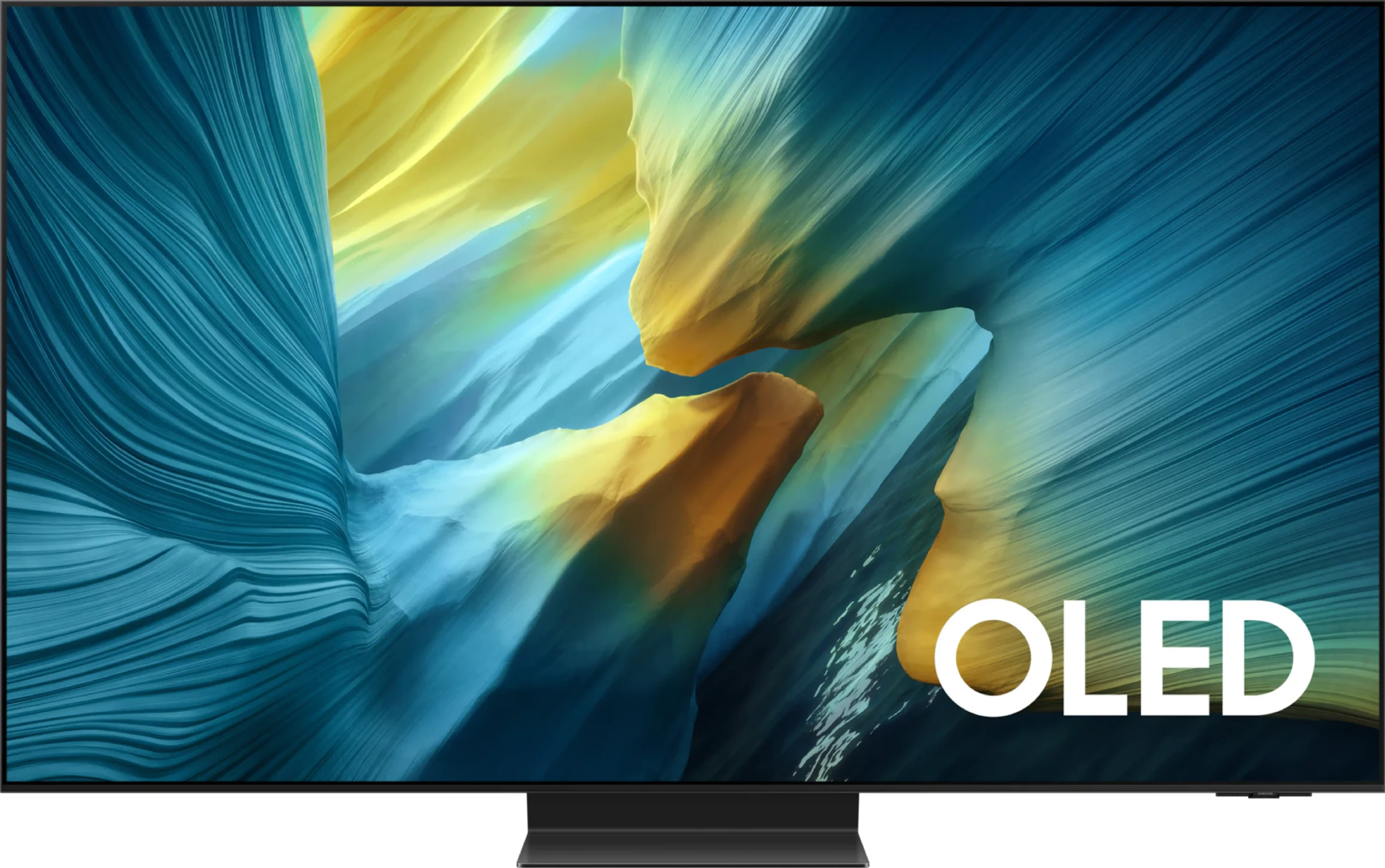
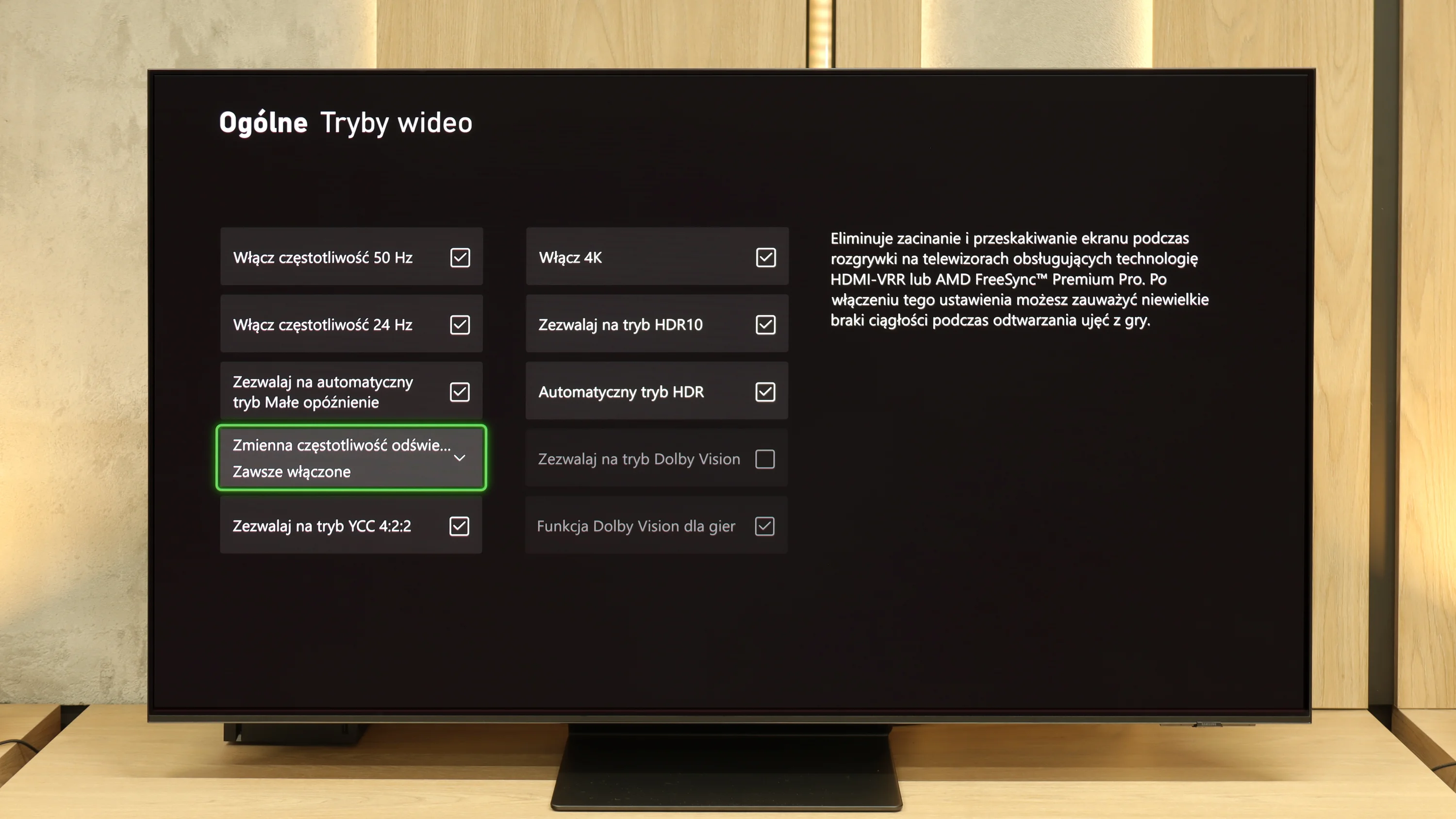
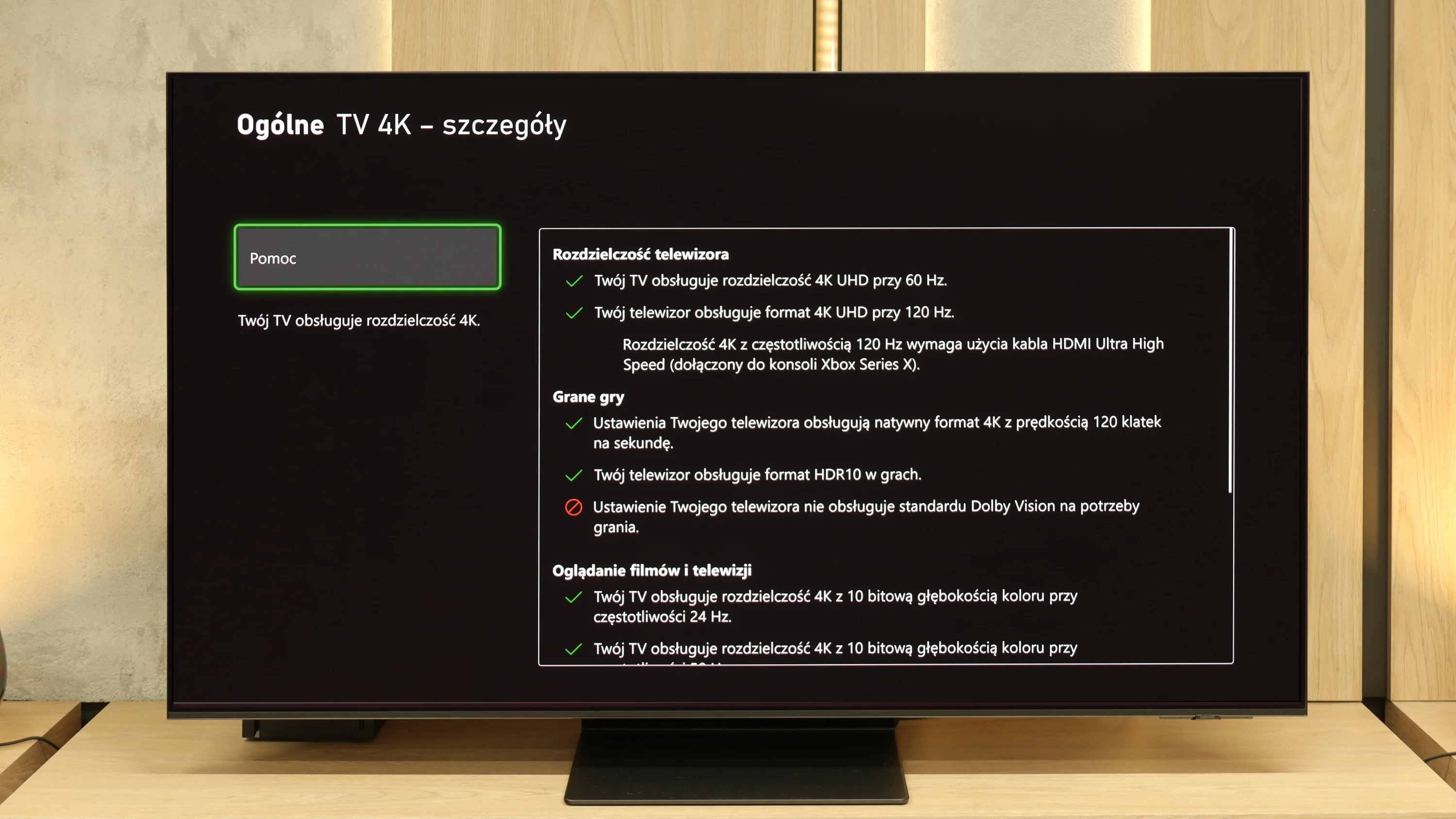
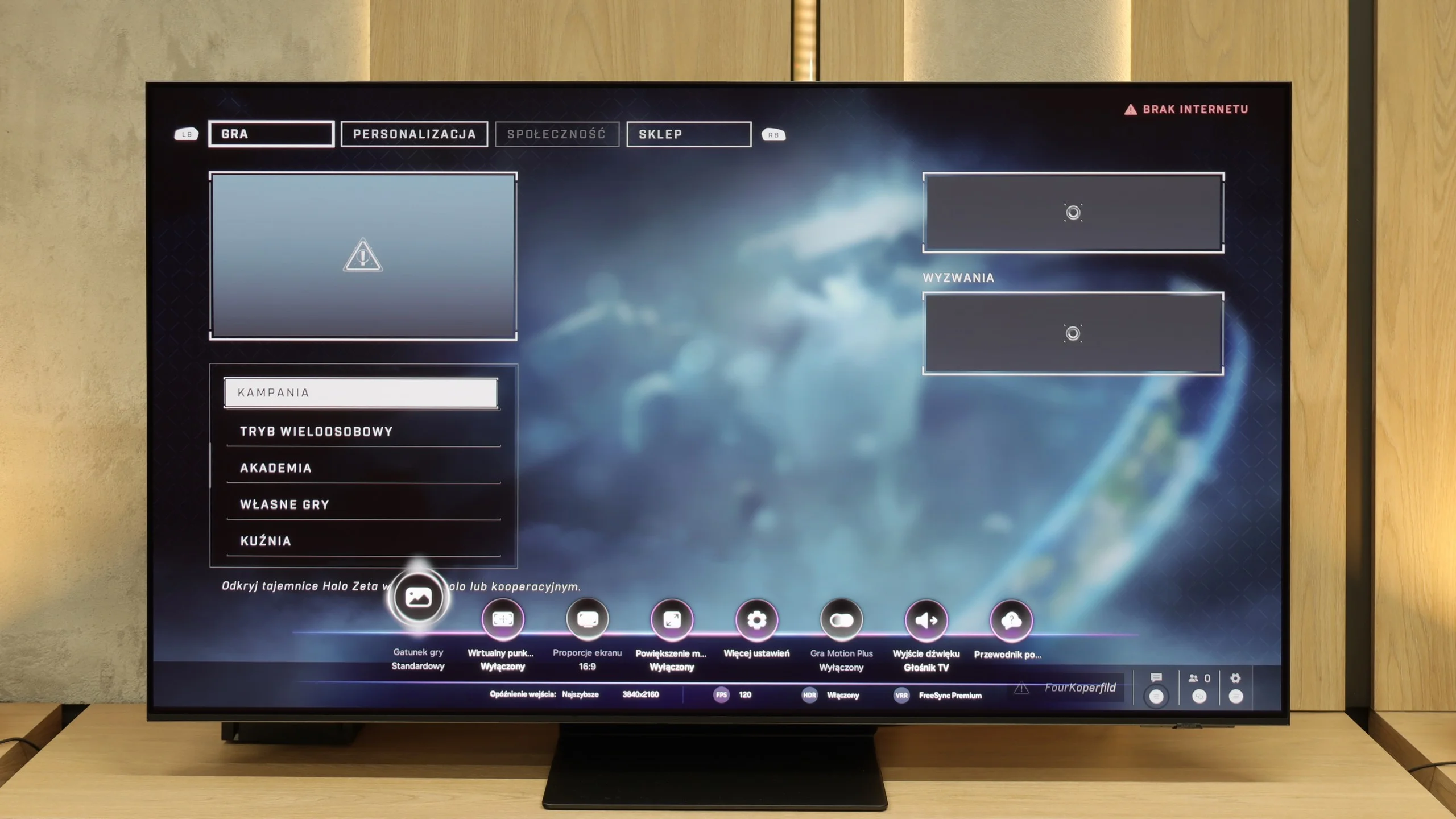
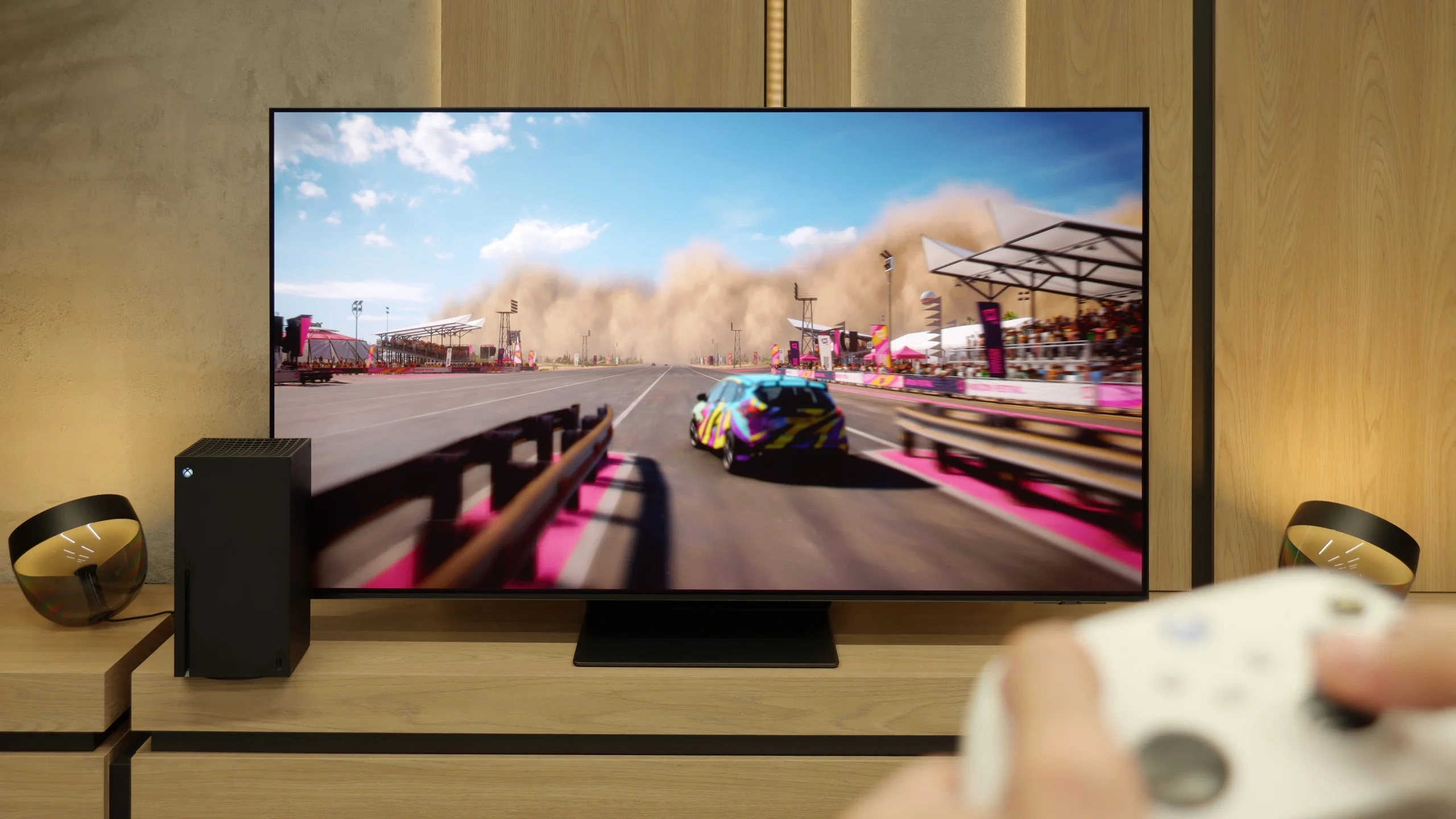
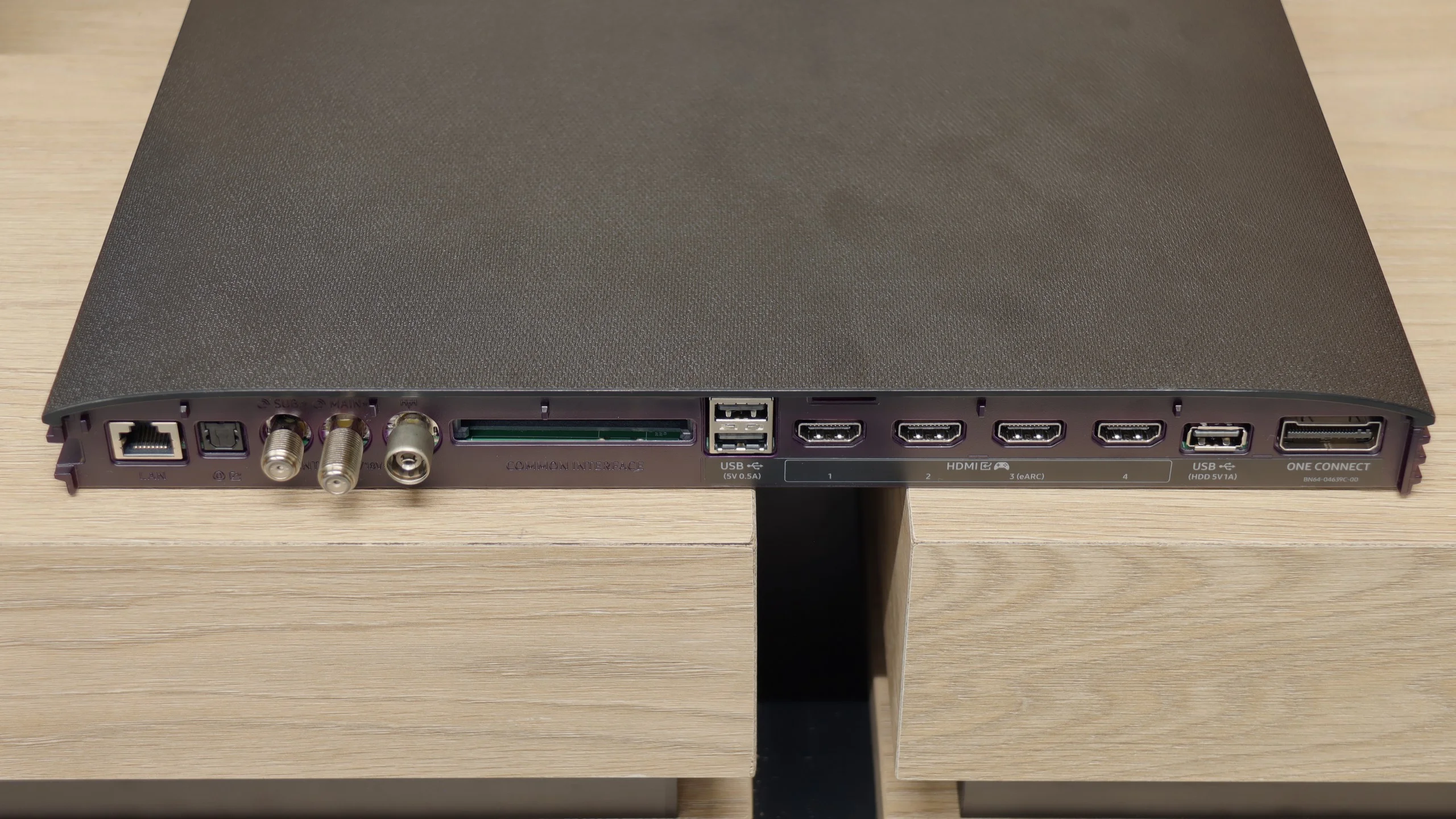
The same advantages of low motion blur and excellent motion fluidity characteristic of OLED panels are just the beginning, as the Samsung S95F was designed with gamers in mind. The manufacturer has equipped it with four HDMI 2.1 ports – although limited to a bandwidth of 40 Gb/s, in practice, this has no impact on compatibility with consoles or PCs. We get a complete set of gaming features: variable refresh rate (VRR), automatic game mode (ALLM), as well as a very well-implemented HGiG standard, which allows HDR titles to appear as their creators intended. The whole thing is complemented by the Game Bar – a clear settings hub where we can preview and change all key picture parameters with one movement. The proprietary motion smoother Game Motion Plus also deserves praise, as it can smooth out animation, which is particularly useful in productions running at 60 frames, where stability is not always exemplary. Although support for Dolby Vision in games is lacking, it is hard to consider this a serious drawback – Samsung compensates for it with other solutions. This is one of the best, if not the best, gaming TVs available today on the market.
 Direct comparison