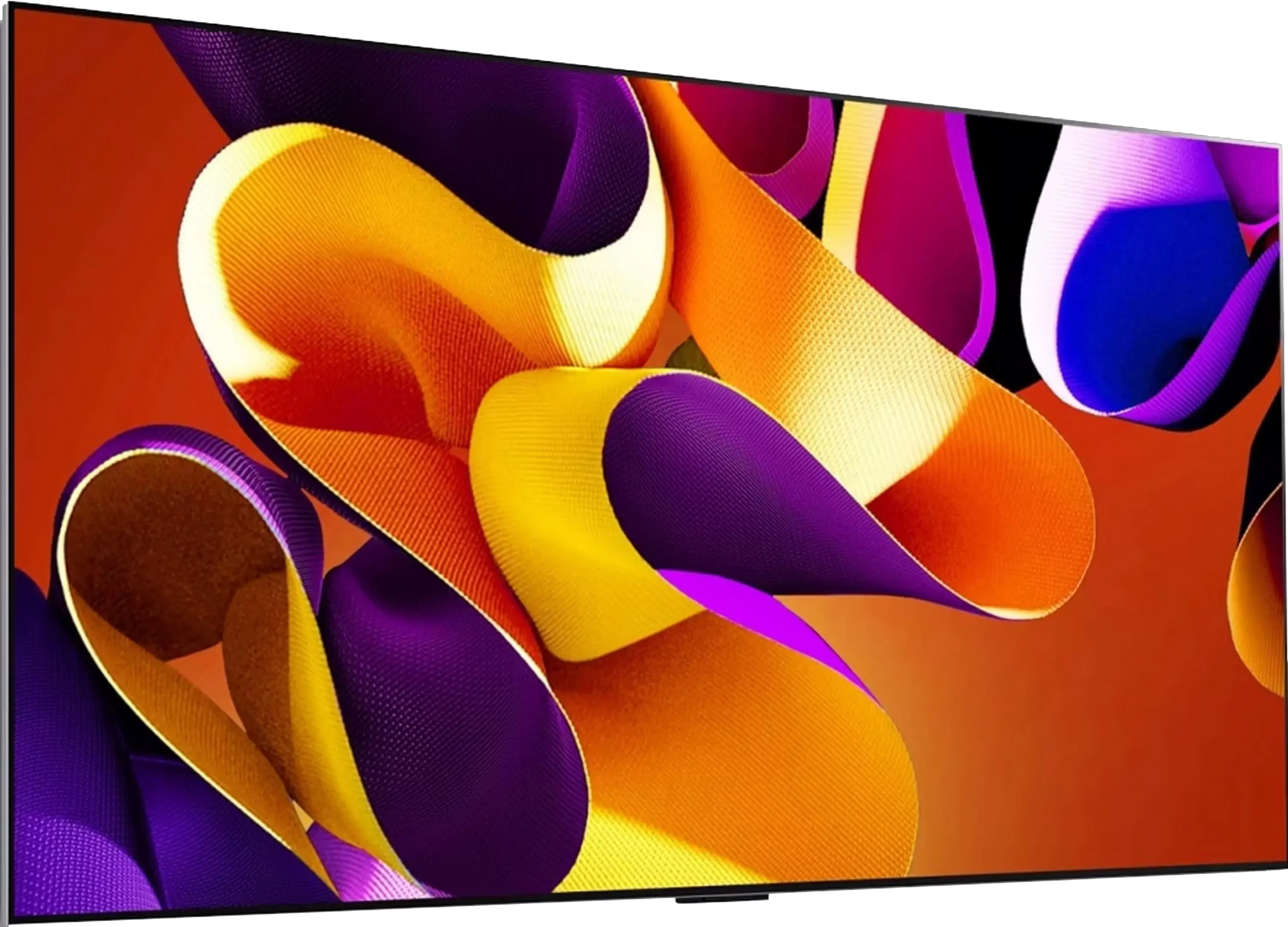
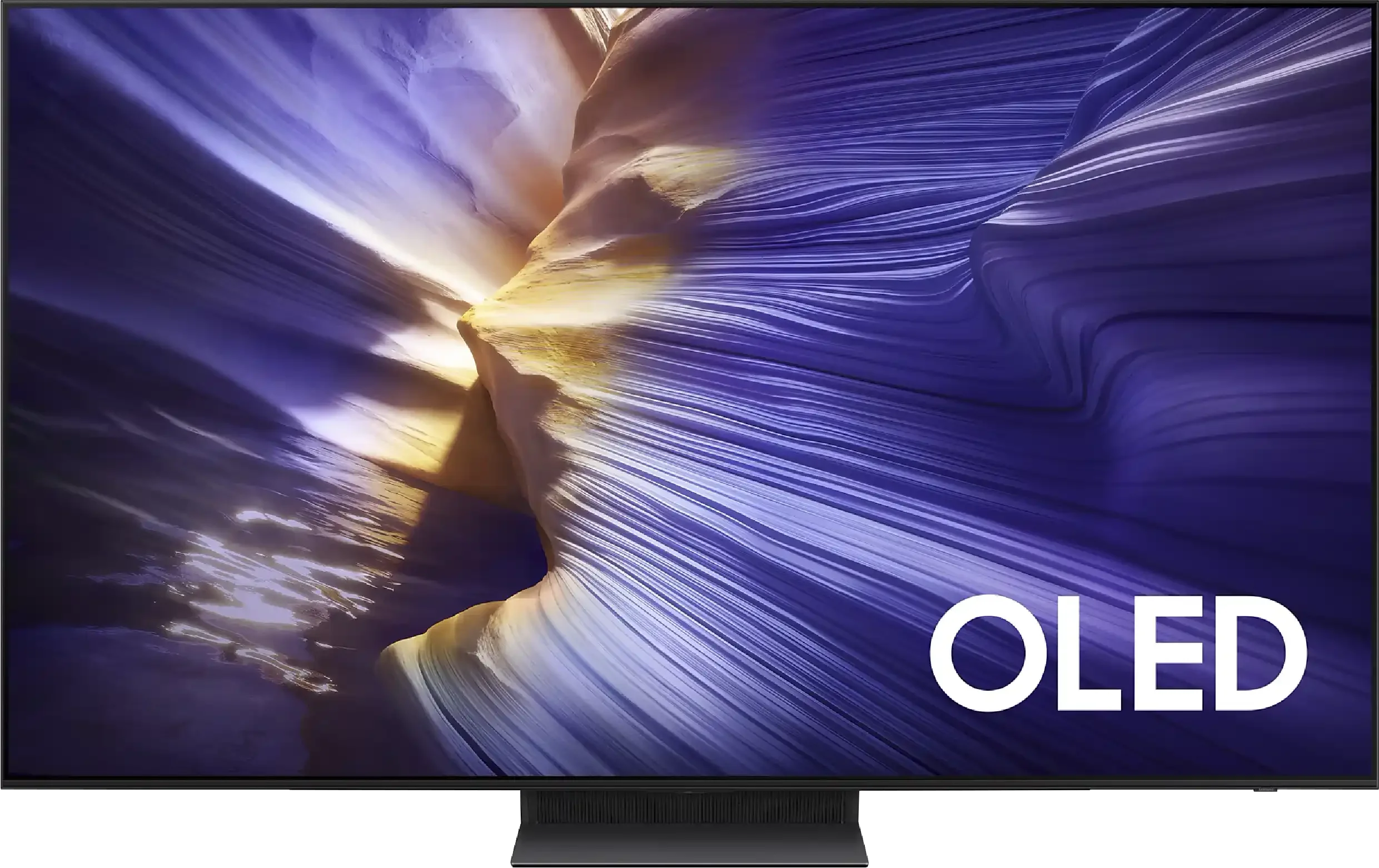
LG OLED G4 vs SAMSUNG OLED S90F (WOLED)

Direct comparison

Check the best price offer:

LG OLED G4
$2 996

Check the best price offer:

SAMSUNG OLED S90F (WOLED)
$1 297

G45 / G42

Info

S90F / FAE / FAT

Info

Available screen sizes: 55”65”77”83”97”

Available screen sizes: 42”48”55”77”83”

Panel type: WRGB OLED

Resolution: 3840x2160

System: WebOS

Model year: 2024

Complete the survey to find out the result

Panel type: WRGB OLED

Resolution: 3840x2160

System: Tizen

Model year: 2025

Complete the survey to find out the result

Overall rating

8.5

8.2

  • Movies and series in UHD quality

    8.6

    8.3

  • Classic TV, YouTube

    9.1

    8.7

  • Sports broadcasts (TV and apps)

    9.0

    8.5

  • Gaming on console

    9.5

    9.6

  • TV as a computer monitor

    8.6

    8.6

  • Watching in bright light

    5.8

    6.1

  • Utility functions

    9.0

    7.7

  • Apps

    9.1

    8.7

  • Sound quality

    8.6

    7.4

Advantages

  • Phenomenal image fidelity to the director's intent

  • Reference color reproduction after calibration

  • Very high brightness in HDR materials

  • Remarkable compatibility with console and computer

  • The panel suppresses reflections very well

  • Perfect viewing angles

  • Exceptional black and contrast

  • High brightness for an OLED TV - 1200 nits peak brightness

  • Very good motion fluidity - OLED panel 144Hz

  • Low latency - input lag 5ms

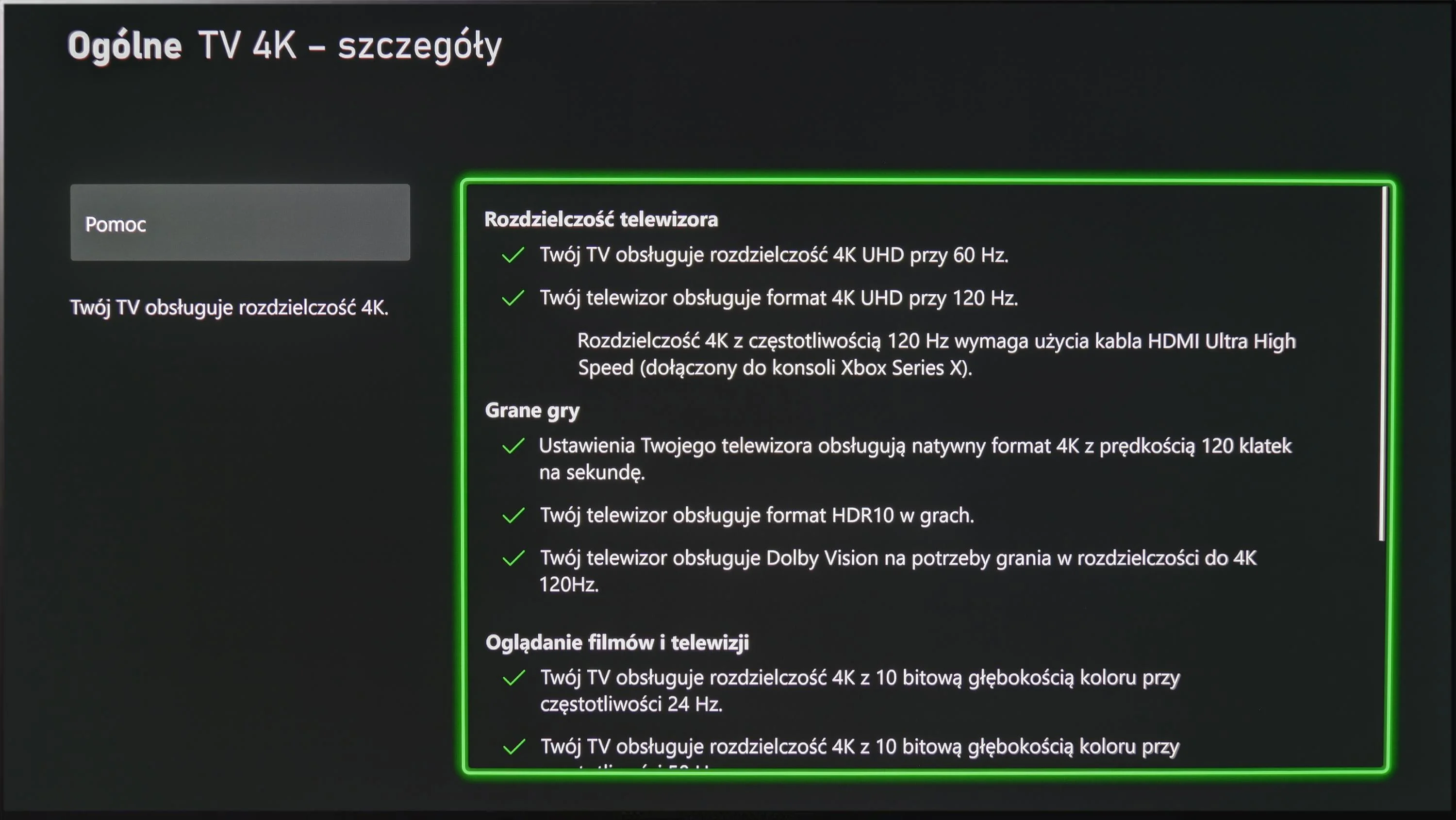
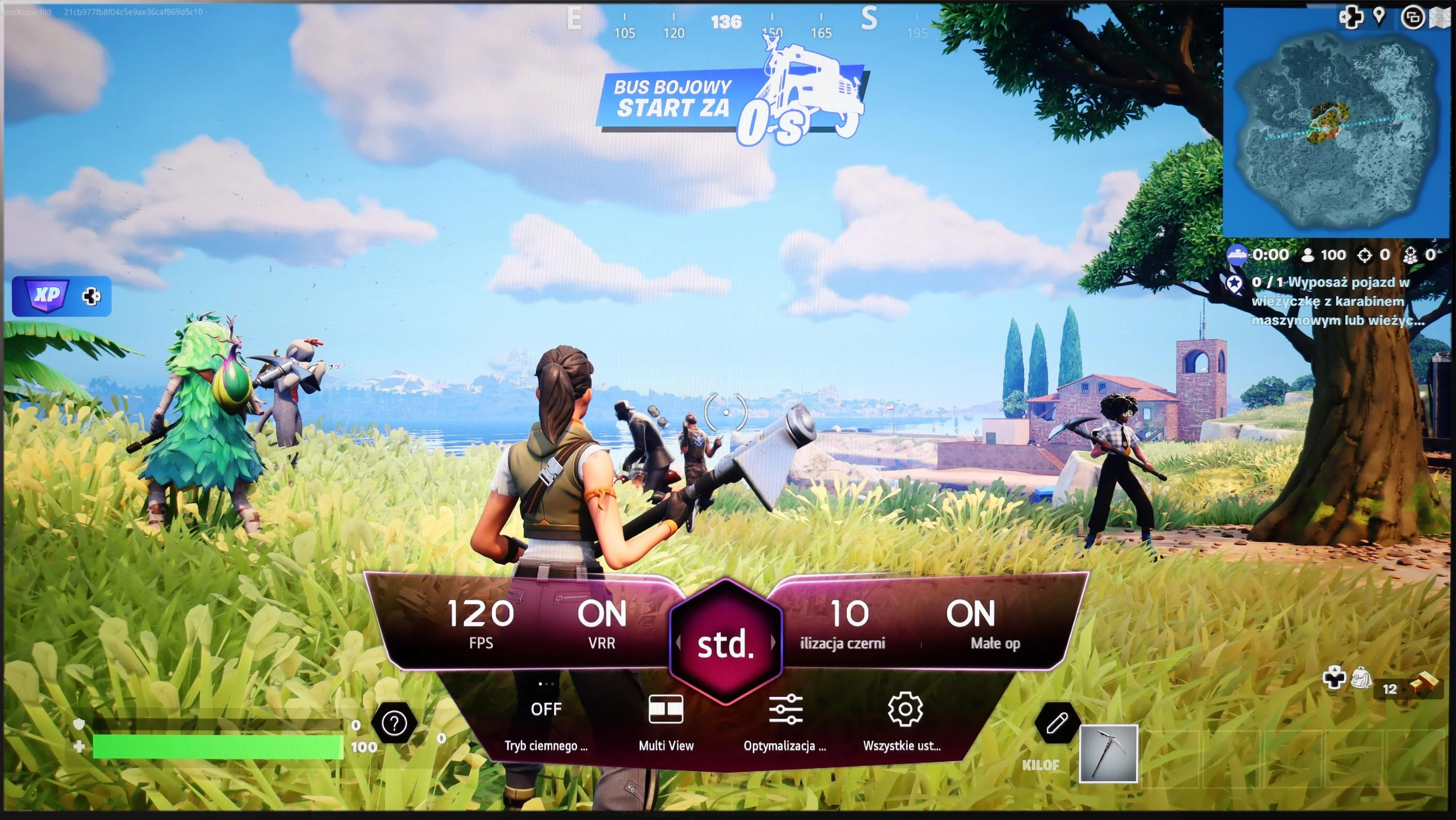
  • Gaming features: 4x HDMI 2.1, VRR, ALLM, Game Motion Plus, etc.

  • PiP function and excellent support for external devices with a solar remote

  • Advanced operating system: Tizen

  • Pleasant sound with a slightly noticeable bass

Disadvantages

No like
  • Visible tonal transitions

  • Sound of the built-in audio system - could be better in this class of television

  • Playback issues with some formats from USB.

  • Subtle degradation of tonal transitions (worse than the previous S90D)

  • No support for DTS:X – an external amplifier is required for full support of this format

Our verdict

The LG G4 is a top contender for the best television of 2024, offering an exceptional viewing experience. Combining OLED black with MLA technology, it delivers a dynamic and detailed image, making it ideal even for sunny rooms. The operating system, while not as open as some competitors, offers a lot of functionality, with the standout feature being the intuitive remote control with a cursor, ensuring ease of use. Out of the box, colour reproduction is solid, but after calibration, it reaches almost reference quality, providing a truly cinematic image. Post-production studios favour this brand for its deep calibration capabilities, including 3D LUT adjustment.

The TV does have some issues with tonal transitions, but these can be largely remedied by enabling the "Smooth Gradation" feature, improving the viewing experience. The motion smoother is highly advanced, catering to sports and dynamic content with adjustable fluidity. With HDMI 2.1 ports supporting full functionality, including low input lag, the TV is perfect for gamers. Overall, the LG G4 is a versatile and high-quality television, offering superb performance both day and night.

The Samsung S90F is an excellent representative of the premium mid-range in the world of OLED televisions. Here we have an organic matrix that guarantees perfect contrast – and no matter how hard LCD manufacturers try with local dimming in Mini LEDs, this black simply cannot be replicated. The S90F displays its class here without any compromises. Compared to last year's model, we get a slightly brighter WOLED panel that can achieve up to 1200 nits in favorable conditions. This is a result sufficient for comfortable viewing of HDR content in most scenes at reference quality – especially on streaming platforms like Netflix. The picture quality is at a very high level, regardless of whether we are watching a movie, playing on a console, or streaming a sports event. In fact – versatility is one of the greatest advantages of this model. With a 144 Hz refresh rate, very low input lag, and a full set of gaming features (including functioning HGiG and the unique Game Motion Plus motion smoother), it's hard to find anything to complain about. The Tizen system worked really well on the S90F. It has its limitations – primarily a closed ecosystem and fewer app options than Google TV – but if you mainly use the most popular services, this shouldn't be a problem. A big plus is also the remote control, which can operate most connected devices – even without a numeric keypad. There are also downsides. The built-in media player has issues with some formats, and the anti-reflective coating typical for WOLEDs doesn't cope very well with strong light – reflections can be noticeable. We also don't have support for DTS and Dolby Vision, but that's a standard at Samsung that has been to be expected for years. So is the S90F with a WOLED panel the perfect television? No – but it really is just a few things short. It's one of the most refined and complete OLEDs in this price range, capable of handling any content, from a series on Netflix to gaming on a console, to a Sunday match.

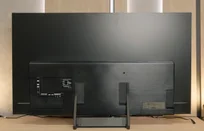
TV appearance

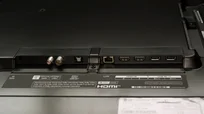
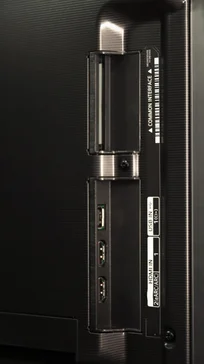
HDMI inputs
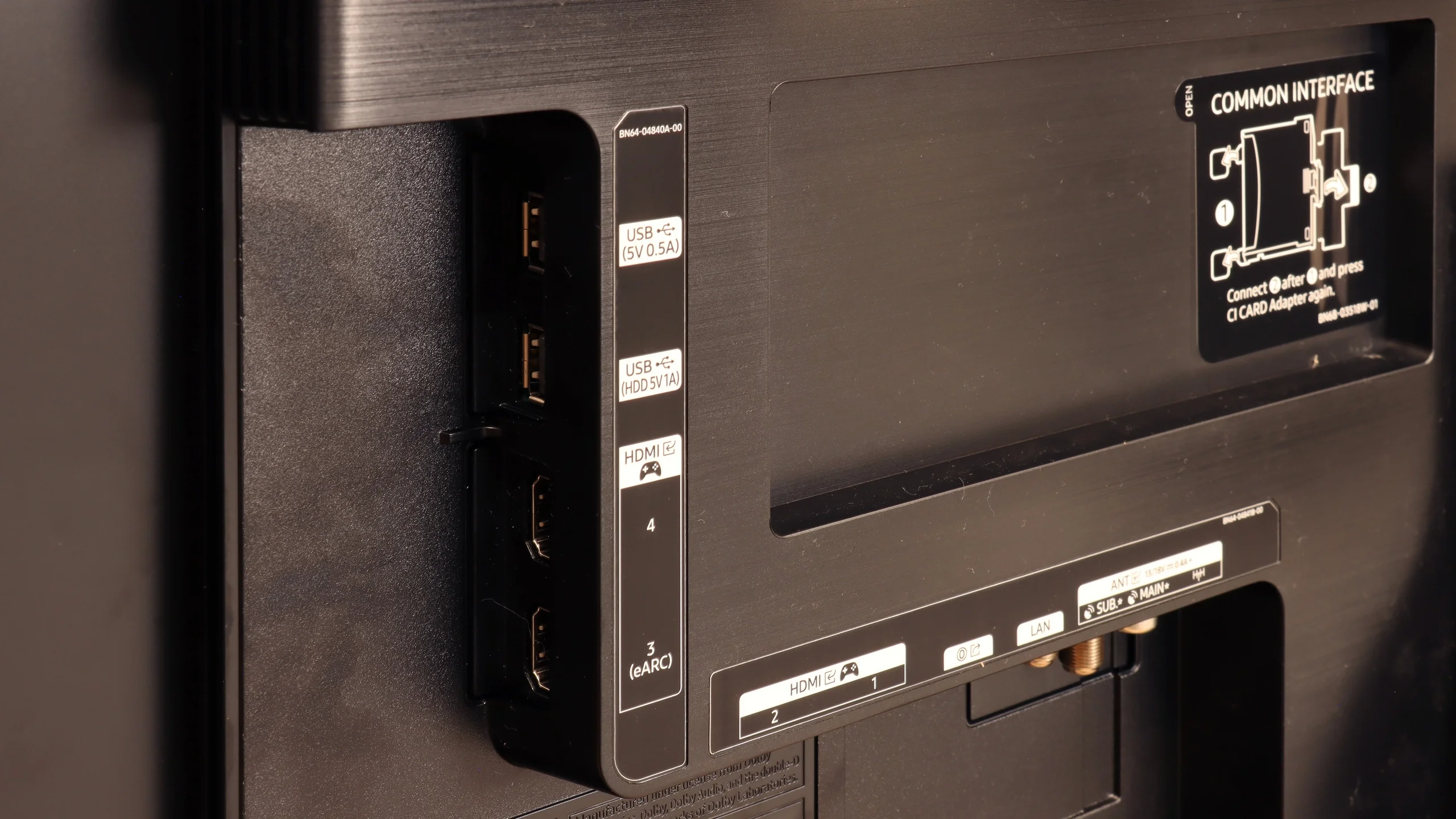
0 x HDMI 2.0, 4 x HDMI 2.1 (48Gbps)
Other inputs
Toslink (Optical audio), IR (remote)
Outputs
Toslink (Optical audio), eARC (HDMI), ARC (HDMI)
Network Interfaces
Wi-Fi 2.4GHz, Wi-Fi 5GHz, Ethernet (LAN) 100Mbps
Build quality
Super Premium
Premium
Stand type
stand-type-
Central
Bezel color
Silver
Graphite
Stand
Fixed
Flat design
Yes
No
Accessories
Stand, Wall bracket
Stand

Contrast and black detail

10/10

10/10

Contrast:

Review LG OLED G4 Contrast and black detail

Result

:1

Review LG OLED G4 Contrast and black detail

Result

:1

Review LG OLED G4 Contrast and black detail

Result

:1

Review LG OLED G4 Contrast and black detail

Result

:1

Review LG OLED G4 Contrast and black detail

Result

:1

Review SAMSUNG OLED S90F (WOLED) Contrast and black detail

Result

:1

Review SAMSUNG OLED S90F (WOLED) Contrast and black detail

Result

:1

Review SAMSUNG OLED S90F (WOLED) Contrast and black detail

Result

:1

Review SAMSUNG OLED S90F (WOLED) Contrast and black detail

Result

:1

Review SAMSUNG OLED S90F (WOLED) Contrast and black detail

Result

:1

Halo effect and black detail visibility:

Review LG OLED G4 Contrast and black detail
Review SAMSUNG OLED S90F (WOLED) Contrast and black detail
Review LG OLED G4 Contrast and black detail
Review SAMSUNG OLED S90F (WOLED) Contrast and black detail

The LG G4, benefiting from over a decade of OLED panel development, excels in contrast, black levels, and detail reproduction, especially in the darkest scenes. Incorporating MLA (Micro Lens Array) technology further enhances this, improving brightness and handling light reflections effectively, making the TV a strong performer in sunlit rooms. OLED technology offers perfect blacks by turning off individual pixels, which results in exceptional immersion and a three-dimensional effect, surpassing even some of the best Mini LED models. This is particularly evident in challenging scenes from films like The Revenant, where even the finest details are captured with remarkable clarity.

The black levels in the LG OLED G4 are nearly flawless, amplifying the depth and realism of high-contrast scenes. The TV’s high contrast, combined with deep blacks, delivers an immersive viewing experience, making it stand out in a crowded market of competing models.

In the case of the Samsung S90F, we have an interesting situation: almost all size variants are equipped with WOLED panels, except for the 65-inch version, which received a QD-OLED panel. In this test, we analyze the version with the WOLED panel produced by LG Display, but the question is: does this affect the quality of black and contrast in this part of the test? In practice – it does not. Regardless of the technology used, both panels can generate perfect black and infinite contrast. This is exactly what we expect from any high-end television. Watching a series in the evening, in a completely dark room, is pure pleasure. The TV easily separates bright elements – like reflections or background lights – from deep, dark parts of the image, creating no halos or brightening, which still plague the highest-class LCD televisions. This is where OLED technology shows its strength – and the S90F is no exception. In terms of black and contrast, we can find absolutely nothing to criticize.

HDR effect quality

7.9/10

7.2/10

Supported formats
HDR10, Dolby Vision, HLG
HDR10, HDR10+, HLG
Color gamut coverage
DCI P3: 98.3%, Bt.2020: 74.7%
DCI P3: 95.2%, Bt.2020: 70.1%

Luminance measurements in HDR:

Review LG OLED G4 Brightness measurement

Result

1474 nit

Review LG OLED G4 Brightness measurement

Result

1467 nit

Review LG OLED G4 Brightness measurement

Result

1403 nit

Review LG OLED G4 Brightness measurement

Result

1441 nit

Review LG OLED G4 Brightness measurement

Result

850 nit

Review SAMSUNG OLED S90F (WOLED) Brightness measurement

Result

1099 nit

Review SAMSUNG OLED S90F (WOLED) Brightness measurement

Result

1177 nit

Review SAMSUNG OLED S90F (WOLED) Brightness measurement

Result

1252 nit

Review SAMSUNG OLED S90F (WOLED) Brightness measurement

Result

1183 nit

Review SAMSUNG OLED S90F (WOLED) Brightness measurement

Result

577 nit

Scene from the movie “Pan” (about 2800 nits)

Review LG OLED G4 HDR effect quality
Review SAMSUNG OLED S90F (WOLED) HDR effect quality

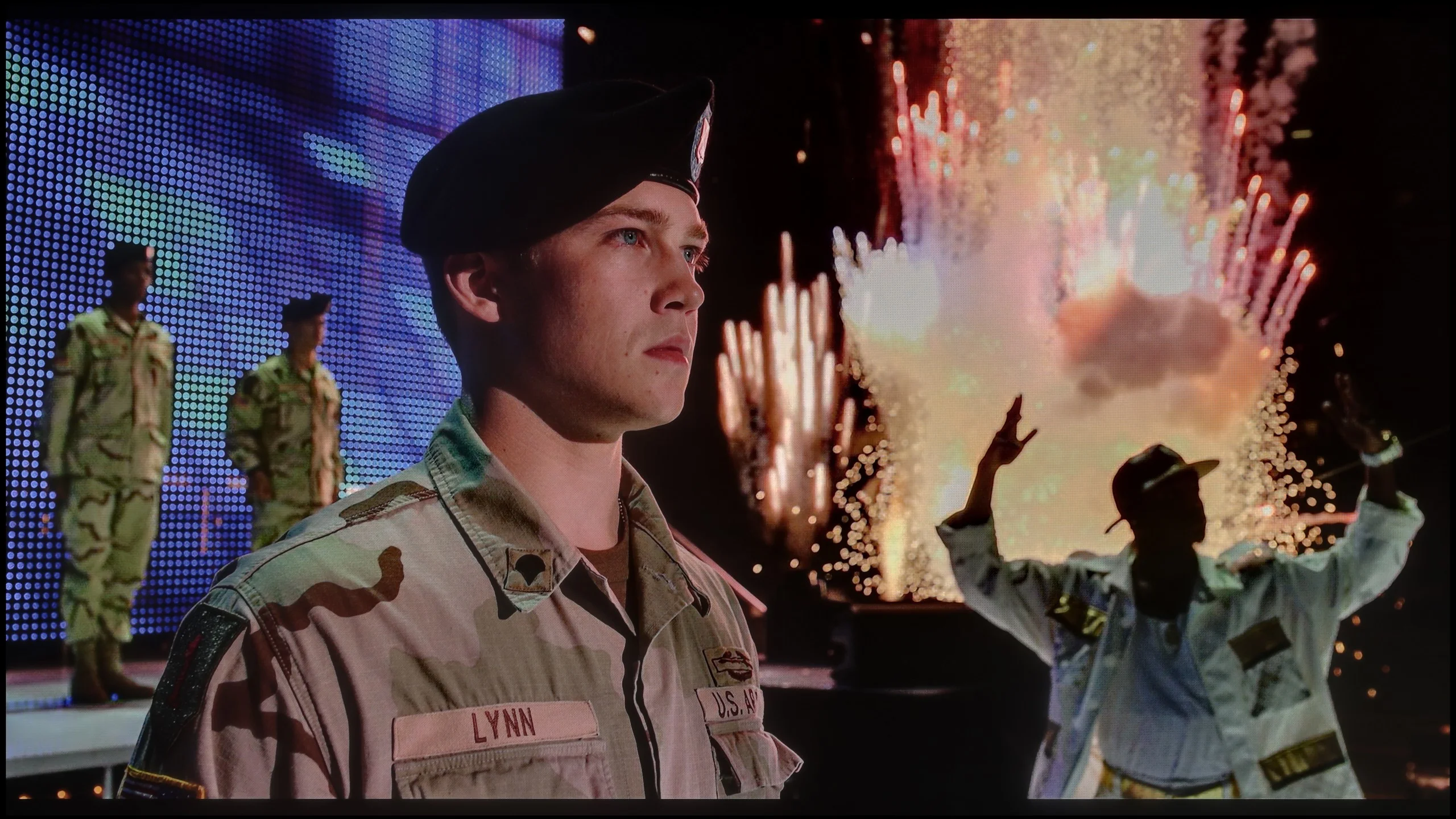
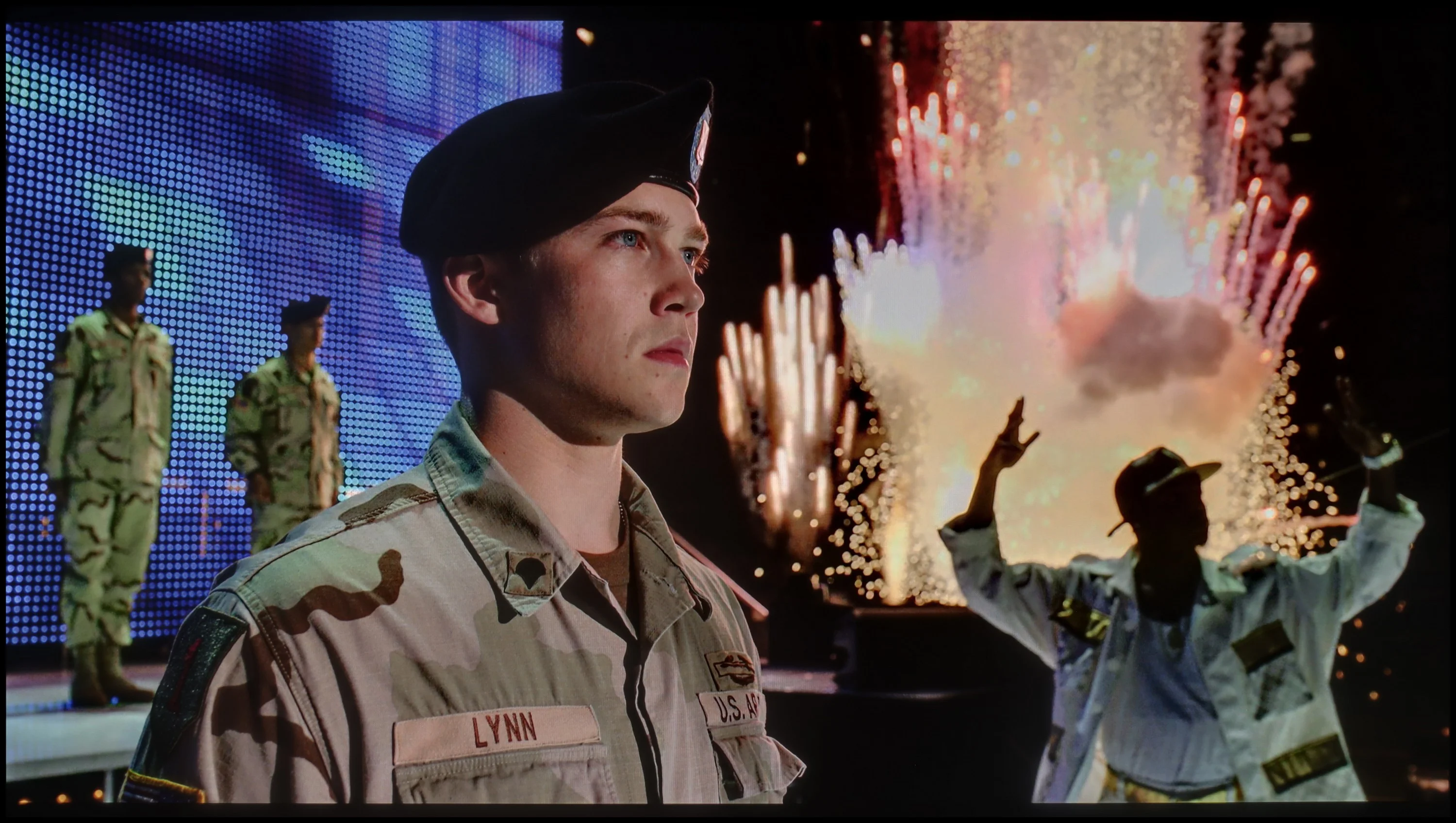
Scene from the movie “Billy Lynn” (about 1100 nits)

Review LG OLED G4 HDR effect quality
Review SAMSUNG OLED S90F (WOLED) HDR effect quality

Static HDR10

Review LG OLED G4 HDR effect quality
Review SAMSUNG OLED S90F (WOLED) HDR effect quality

Dynamic: Dolby Vision

Dynamic: HDR10+

Review LG OLED G4 HDR effect quality
Review SAMSUNG OLED S90F (WOLED) HDR effect quality

HDR luminance chart:

SAMSUNG OLED S90F (WOLED)

HDR luminance

Luminance of RGB colors

LG OLED G4

HDR luminance

Luminance of RGB colors

The LG G4 excels in delivering an incredibly vivid HDR experience, positioning it as one of the best models in its class. Equipped with second-generation Micro Lens Array (MLA) technology, it achieves a remarkable peak brightness of 1474 nits in real-world scenes. While it may not match Mini LED-backlit LCD TVs in full-screen white scenes, the overall performance is outstanding. The fine details in HDR content shine brightly, a distinct advantage of OLED technology over non-OLED displays. With this impressive brightness and wide DCI-P3 colour gamut coverage, HDR content is brought to life with unmatched engagement and immersion.

Does the S90F handle not only dark scenes but also bright parts of the image? Definitely yes. Stories about OLEDs as "dark screens" can slowly be regarded as a myth. The Samsung S90F, similar to the LG C5 based on a very similar panel, achieves brightness exceeding 1000 nits. This is a value entirely sufficient to enjoy impressive and dynamic HDR images – both in movies and series. Most of the scenes we tested look stunning, with well-defined lights and high contrast. Of course, OLED technology still has its limitations – with very bright, full-screen sequences, such as the test card from the movie The Meg (5th image), the TV can noticeably dim the image. However, it's worth noting that such scenes are quite rare. One can say that the HDR effect is good enough that even mid-range OLED models, like the S90F, can provide a cinematic experience in the home living room.

Factory color reproduction

8.4/10

7/10

Review LG OLED G4 Factory color reproduction
Review SAMSUNG OLED S90F (WOLED) Factory color reproduction

Factory Mode

After calibration

Review LG OLED G4 Factory color reproduction
Review SAMSUNG OLED S90F (WOLED) Factory color reproduction

Factory Mode

After calibration

Before calibration, the "Filmmaker" mode on the TV had a noticeable red and green colour dominance, resulting in a warm-yellow hue across both SDR and HDR content. This warm tone, typical of modes like "Cinema" and "Filmmaker," led to a yellowish cast that was evident when switching from the "Standard" mode.

Looking at the brightness characteristics, the Gamma chart showed decent performance for mid-tones and bright whites, but it struggled with the darkest details, which tended to merge into a black blob. HDR content, as represented by the EOTF curve chart, displayed a drop in contrast due to excessive brightness, which overshadowed fine details and negatively affected the overall image quality. Additionally, the "ColourChecker" chart revealed that colours were under-saturated, contributing to a less accurate and vibrant visual experience.

This provided a good foundation to build on, but calibration was needed to bring out the full potential of the "Filmmaker" mode and address these issues.

Samsung S90F, like most modern TVs, offers many picture modes, but – in line with our testing tradition – we checked it in its best one, which is the Filmmaker mode. As a result, the image looks much more natural than in the default, often oversaturated settings. It was neither overly saturated nor artificially subdued – just closer to what you should see. Of course, "more correct" doesn’t mean "perfect." Our S90F sample unfortunately had significant issues with white balance, particularly in the blue color range, resulting in a slightly yellowish filter applied to most scenes. Someone might say that it looks more "cinematic" – because it's warmer – but let's be honest, George Lucas didn't film Star Wars in sepia 😉 (you'll find the comparison with the scene as always below).

Additionally, in HDR materials, there was a noticeable issue with brightness management. The EOTF curve showed a distinct "spike" in brightness – the TV brightened the image more than it should have, making some effects look too intense and diverging from the reference. Thankfully, some of these issues can be eliminated with professional calibration – you can read about its effects later in the review.

Color reproduction after calibration

9.5/10

9.2/10

Review LG OLED G4 Color reproduction after calibration
Review SAMSUNG OLED S90F (WOLED) Color reproduction after calibration
Review LG OLED G4 Color reproduction after calibration
Review SAMSUNG OLED S90F (WOLED) Color reproduction after calibration

The manufacturer has been offering extensive support for the calibration process in its LG televisions for many years. Therefore, we used 2- and 20-point grayscale adjustments along with an advanced CMS (Colour Management System) to optimise the display. As shown, the calibration procedure greatly improved each parameter. The results included studio-quality colour reproduction, enhanced detail in dark areas, corrected brightness characteristics, and accurate colour saturation. This led to a near-perfect match with the reference image—the one the film director saw on the preview monitor. It’s also worth mentioning that LG G4 televisions are unique in offering even deeper image adjustments through 3D LUT matrices, a feature primarily suited for post-production or graphics studios.

After calibration, we managed to eliminate almost all the aforementioned errors. Older movies in SDR quality finally look as they should – without the sepia effect or artificial aging of the image. The atmosphere of the classics is returning to its rightful place (you're welcome, Star Wars fans), and the colors no longer resemble an Instagram filter.

One of the key changes was also the improvement of brightness characteristics in HDR content. We managed to control the EOTF curve in an almost reference way. Yes, the most demanding users may notice minimal deviations in brightness, but to be honest – most viewers won't even notice that. And it’s no wonder, because the vast majority of errors are below the ΔE 3 threshold, which is below the visibility threshold. After calibration, the S90F (WOLED) becomes a truly excellent display – one that you can enjoy nearly perfect image quality on.

Smoothness of tonal transitions

6.2/10

7.3/10

Review LG OLED G4 Smoothness of tonal transitions
Review SAMSUNG OLED S90F (WOLED) Smoothness of tonal transitions
Review LG OLED G4 Smoothness of tonal transitions
Review SAMSUNG OLED S90F (WOLED) Smoothness of tonal transitions
Review LG OLED G4 Smoothness of tonal transitions
Review SAMSUNG OLED S90F (WOLED) Smoothness of tonal transitions
Review LG OLED G4 Smoothness of tonal transitions
Review SAMSUNG OLED S90F (WOLED) Smoothness of tonal transitions

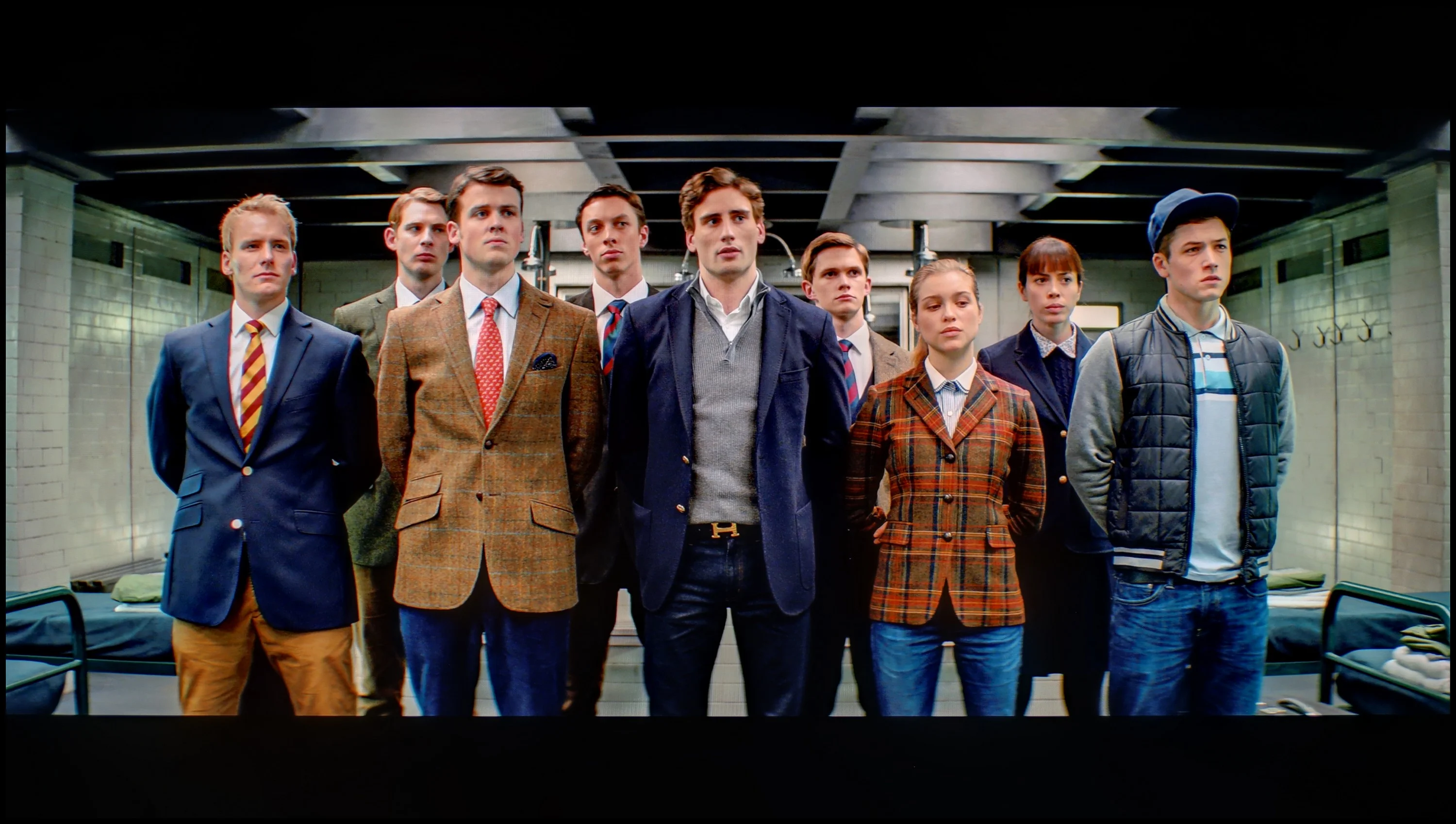
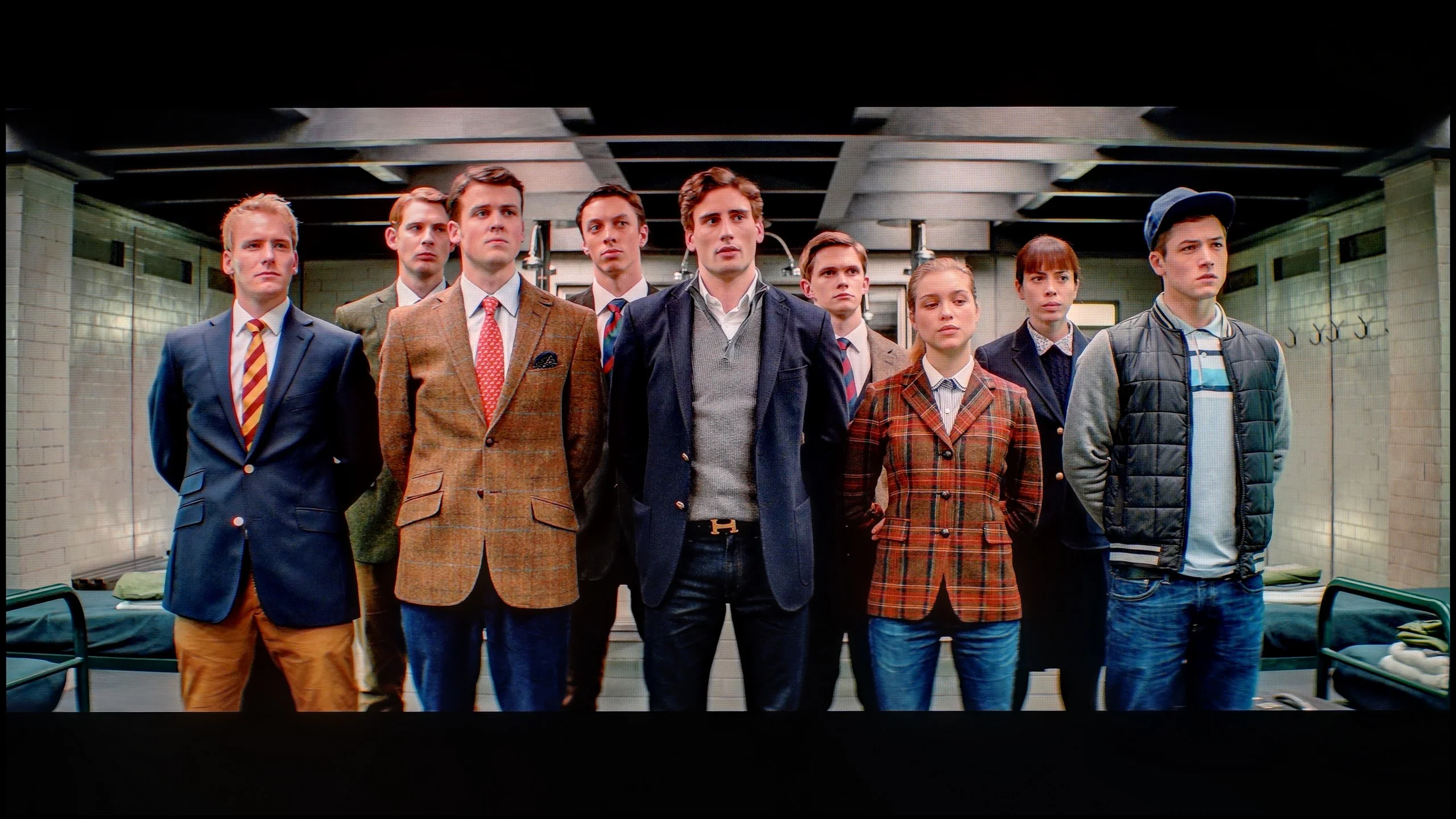
The tonal transitions on the LG G4 are not among the best in class. Every scene played from a Blu-ray disc with 10-bit HDR showed noticeable inconsistencies in colour transitions. This was particularly evident in "The Green Knight," where posterization issues were especially noticeable. Similar problems were observed in films with moderate to high brightness, such as "The Martian" or "Kingsman," which is unusual for televisions of this calibre and was quite surprising. These results suggest that in scenes with low luminance and a lot of black, this issue may become bothersome, even for casual viewers.

Well, here we have to honestly admit – the S90F has let us down a bit. Compared to last year's S90D model with a WOLED panel (very similar to the one used this year), this year's Samsung has performed worse. And not only in comparison to its main competitor, the LG C5, but even when set against its older brother. The biggest problems arise in dark scenes, where difficulties in smoothly blending colors are visible – the screen slightly struggles with tonal transitions, causing some parts to lose their naturalness. We don't know exactly what went wrong – maybe it's a matter of software or a different processing algorithm. It's a shame because we were hoping that last year's level would be at least maintained. Unfortunately, it’s a step back.

Image scaling and smoothness of tonal transitions

8.2/10

7.5/10

Image without overscan on the SD signal
OK
No
Smooth transition function
OK
OK

Smooth transition function

Review LG OLED G4 Image scaling and smoothness of tonal transitions
Review SAMSUNG OLED S90F (WOLED) Image scaling and smoothness of tonal transitions

Image without overscan on the SD signal

Review LG OLED G4 Image scaling and smoothness of tonal transitions
Review SAMSUNG OLED S90F (WOLED) Image scaling and smoothness of tonal transitions

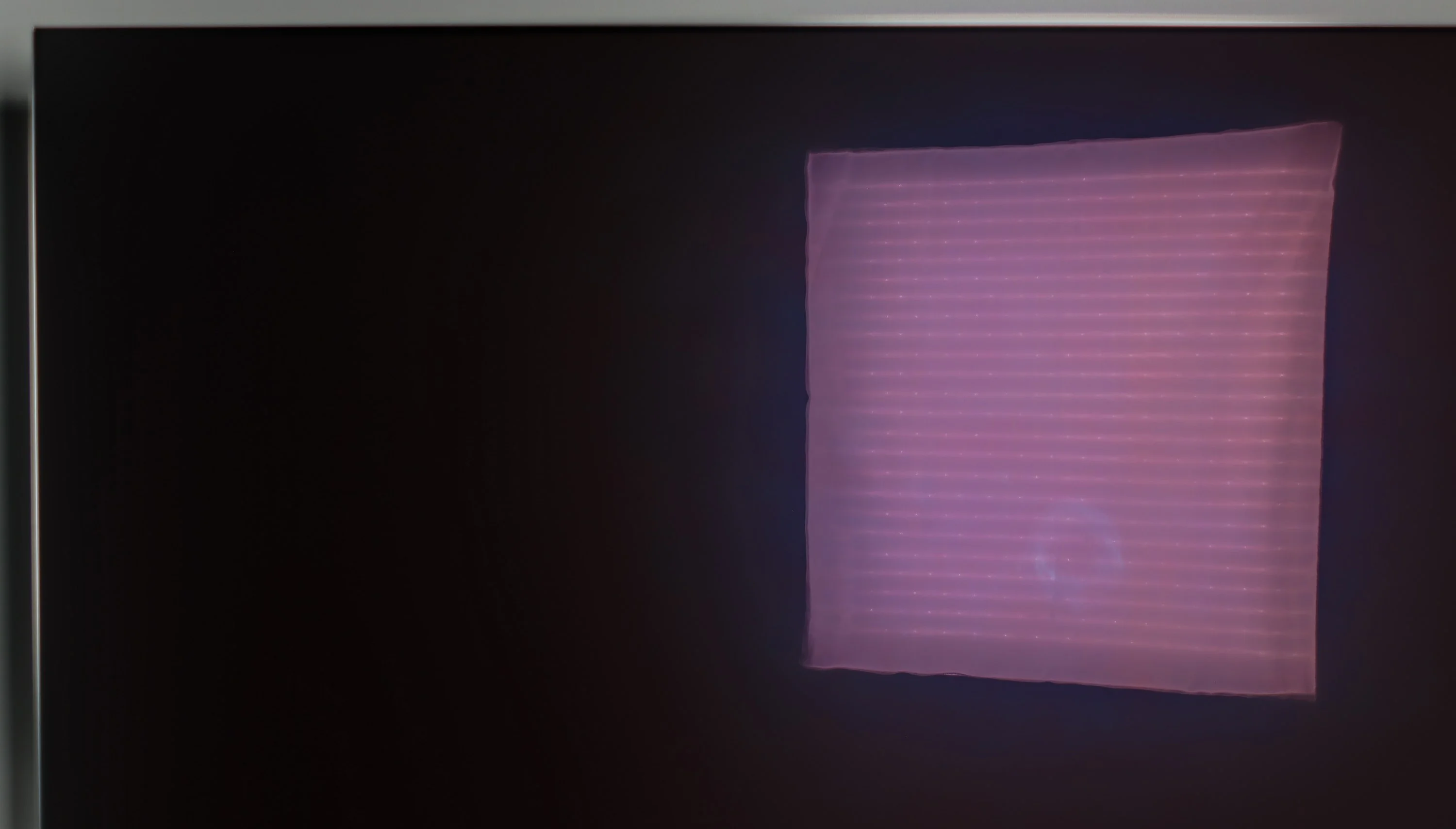
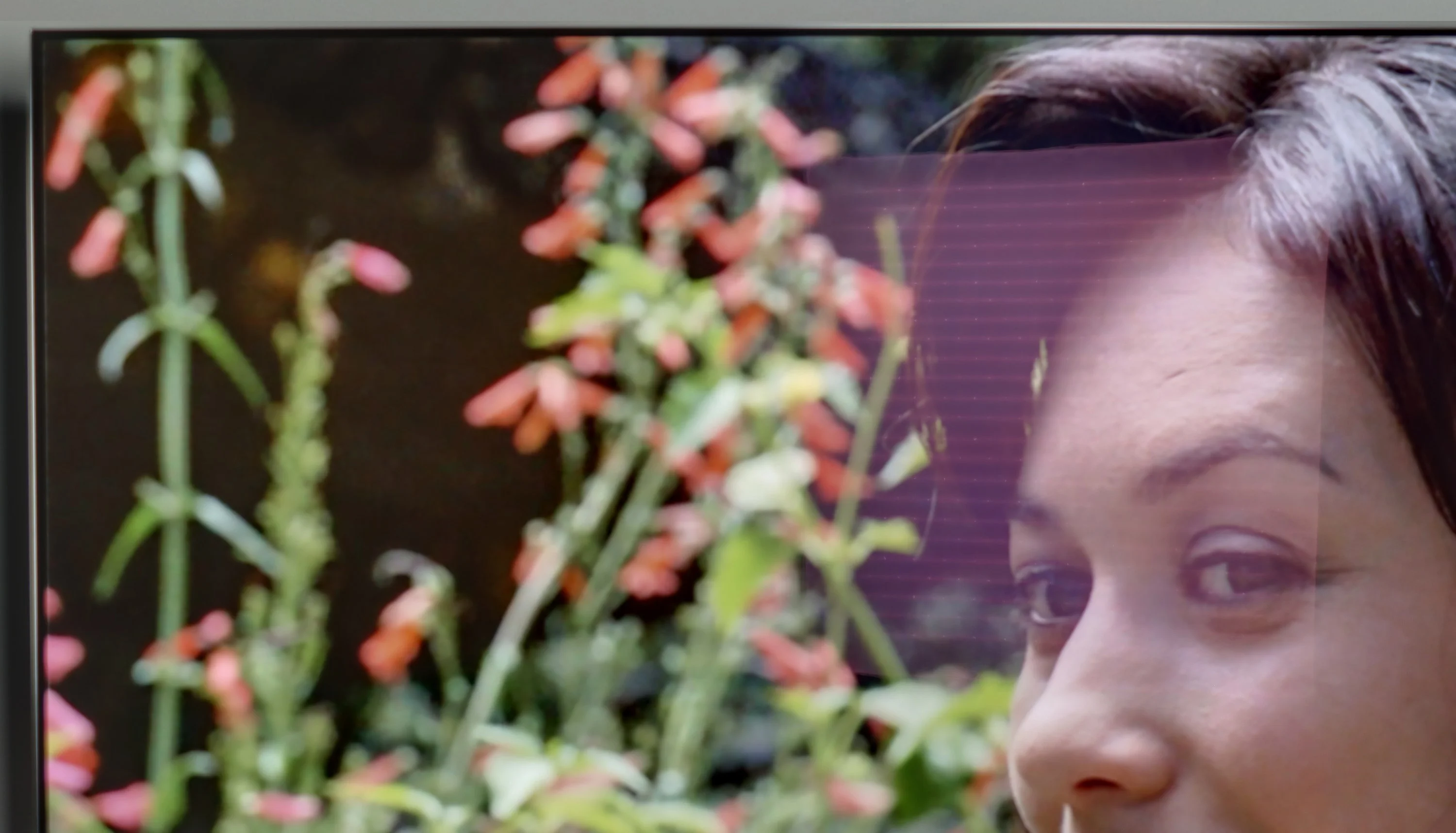
The LG G4 does not perform well with materials rich in tonal transitions, leading to a pronounced posterization effect. However, the manufacturer has included a smoothing system called "Gentle Gradation," with three levels: Low, Medium, and High. These settings are effective at smoothing bright colours, though less so for darker tones. It is recommended to use the Low setting, as the higher levels can distort the director's intentions by removing film grain.

When it comes to upscaling lower-quality material, the television's performance is quite good, delivering a sharp and clear image. However, attention should be paid to the jagged edges of fine details and the occasional halo effect around figures. This occurs due to the sharpening imposed by the LG G4, even when the lowest setting is selected (0). This is a noticeable change from the LG G3, which did not apply such strong sharpening, even at setting 0.

Digital image processing in the S90F:

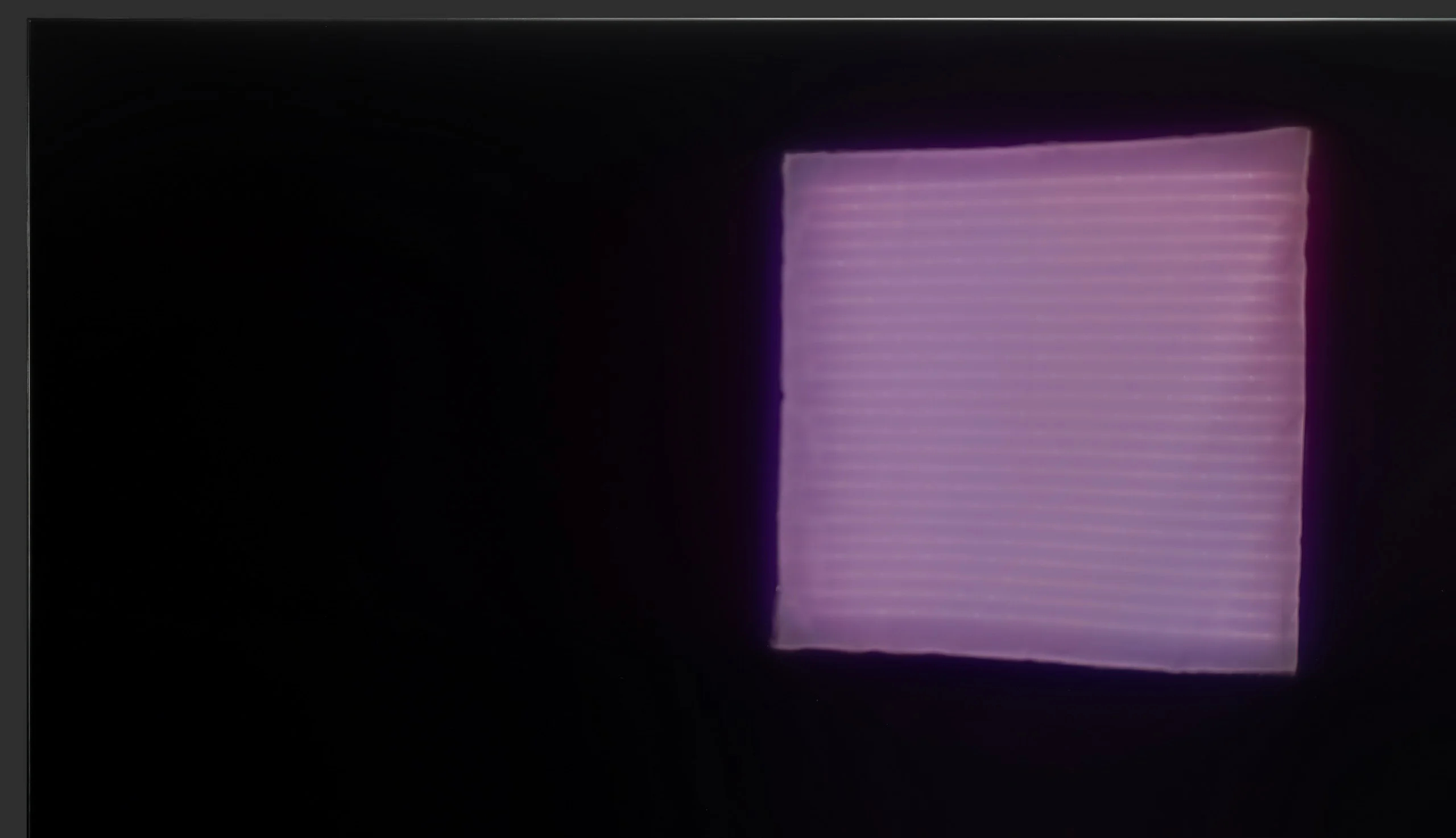
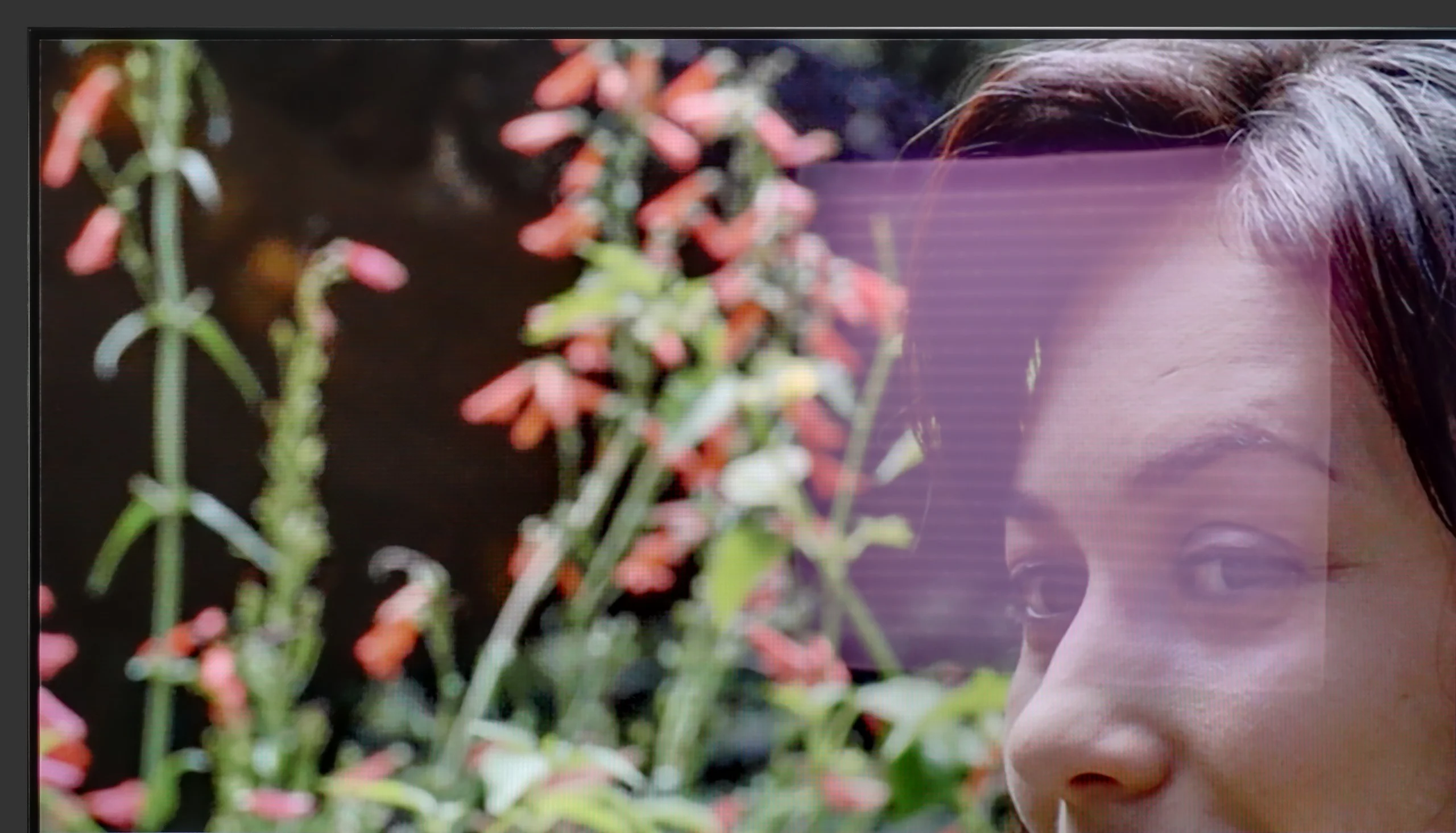
Fortunately, Samsung, as in most of its models, can effectively deal with the unwanted posterization effect in the S90F. The function responsible for this element is noise reduction, which quite nicely smooths out tonal transitions and eliminates unnatural color joins – of course, within its capabilities. Unfortunately, it works quite aggressively, so using it comes with compromises. In addition to improving gradation, it may also remove film grain or gently soften facial features. In this case, the choice is yours – do you prefer a more "clean" image, or do you care about preserving the original texture of the material.

Image scaling in the S90F:

In this year's model, Samsung has implemented its own AI processor – NQ4 Gen3, which really manages quite well with upscaling. In our test scenes, the television effectively "pulled up" lower-quality content towards artificial 4K – the image was more pleasant to view, and the differences in sharpness between native and scaled content were minimal. Unfortunately, behind this entire AI marketing façade lies a certain shortcoming. The S90F does not handle overscan well. If you reach for truly archival materials – like a VHS tape of your parents' wedding – you must reckon with the fact that the lower part of the image may be cut off. The image adaptation function to the resolution simply does not work here as it should.

Blur and motion smoothness

8.5/10

8.5/10

Maximum refresh rate of the panel
144Hz
144Hz
Film motion smoothing option
OK
OK
Blur reduction option
OK
OK
BFI function 60Hz
Yes, 60Hz (image flickers)
BFI function 120Hz
No
No
Brightness drop with BFI
50%
49%

Blur (native resolution, maximum refresh rate):

Blur (BFI function enabled):

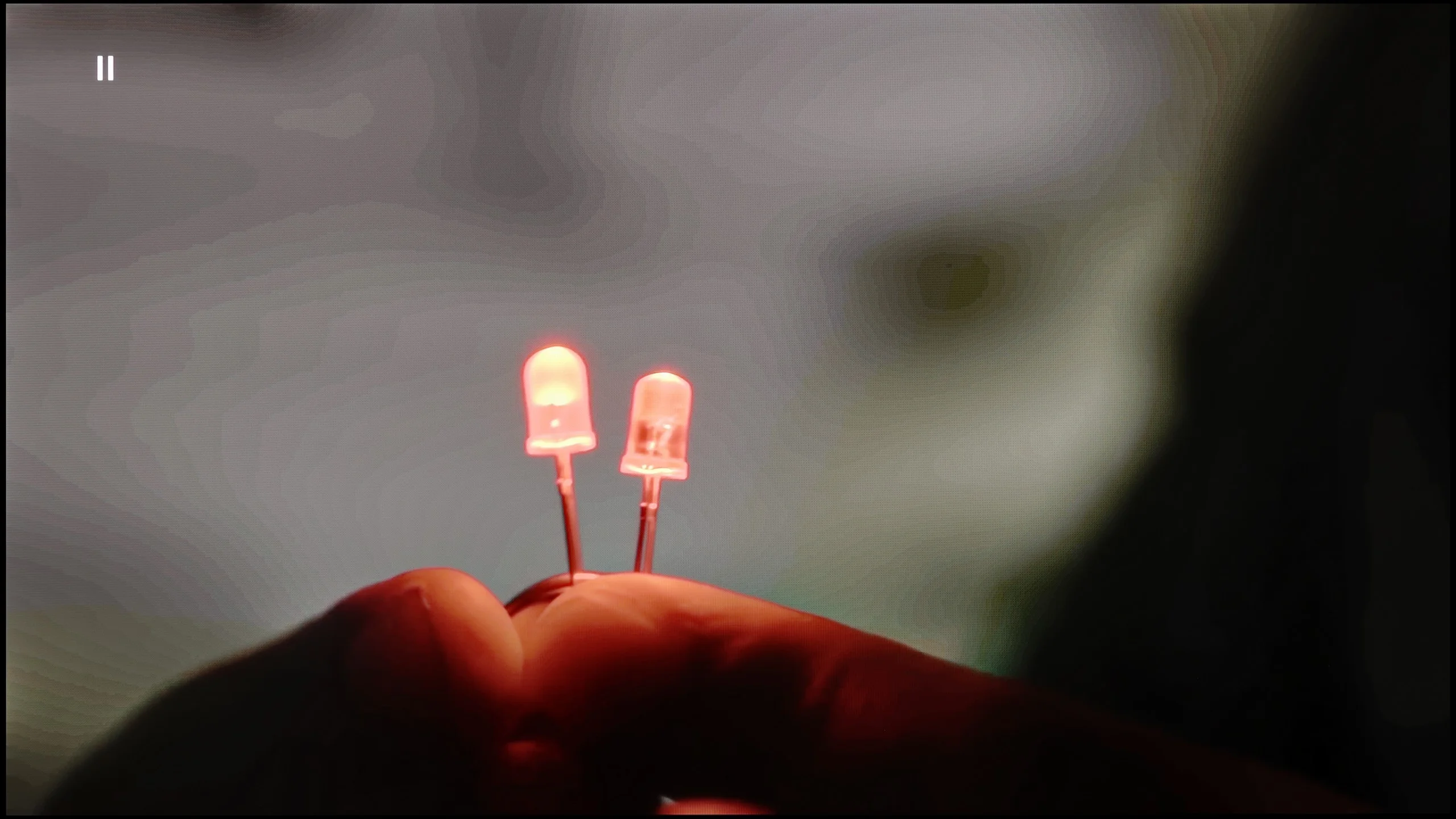
Image flickers in this mode

Image flickers in this mode

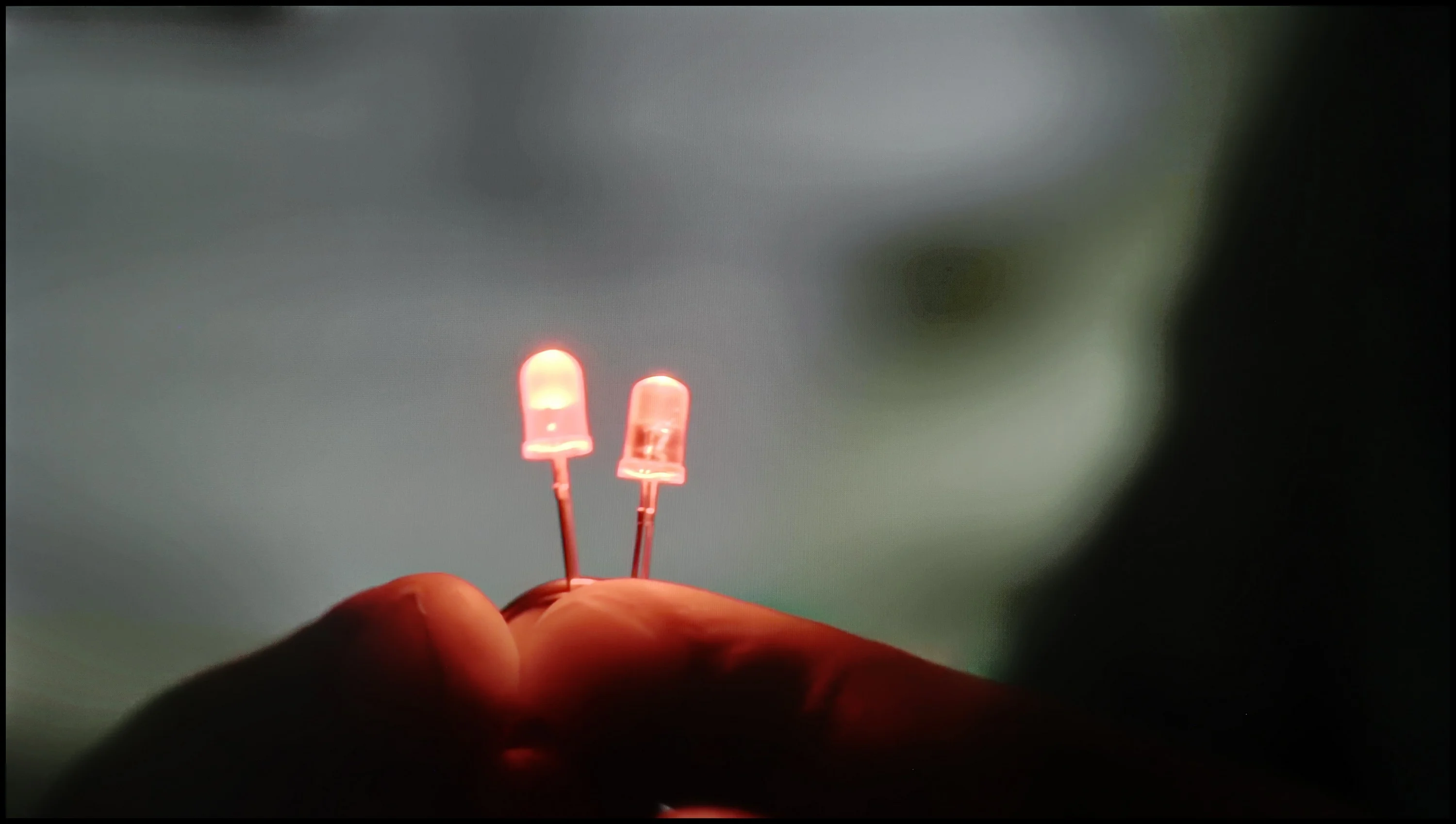
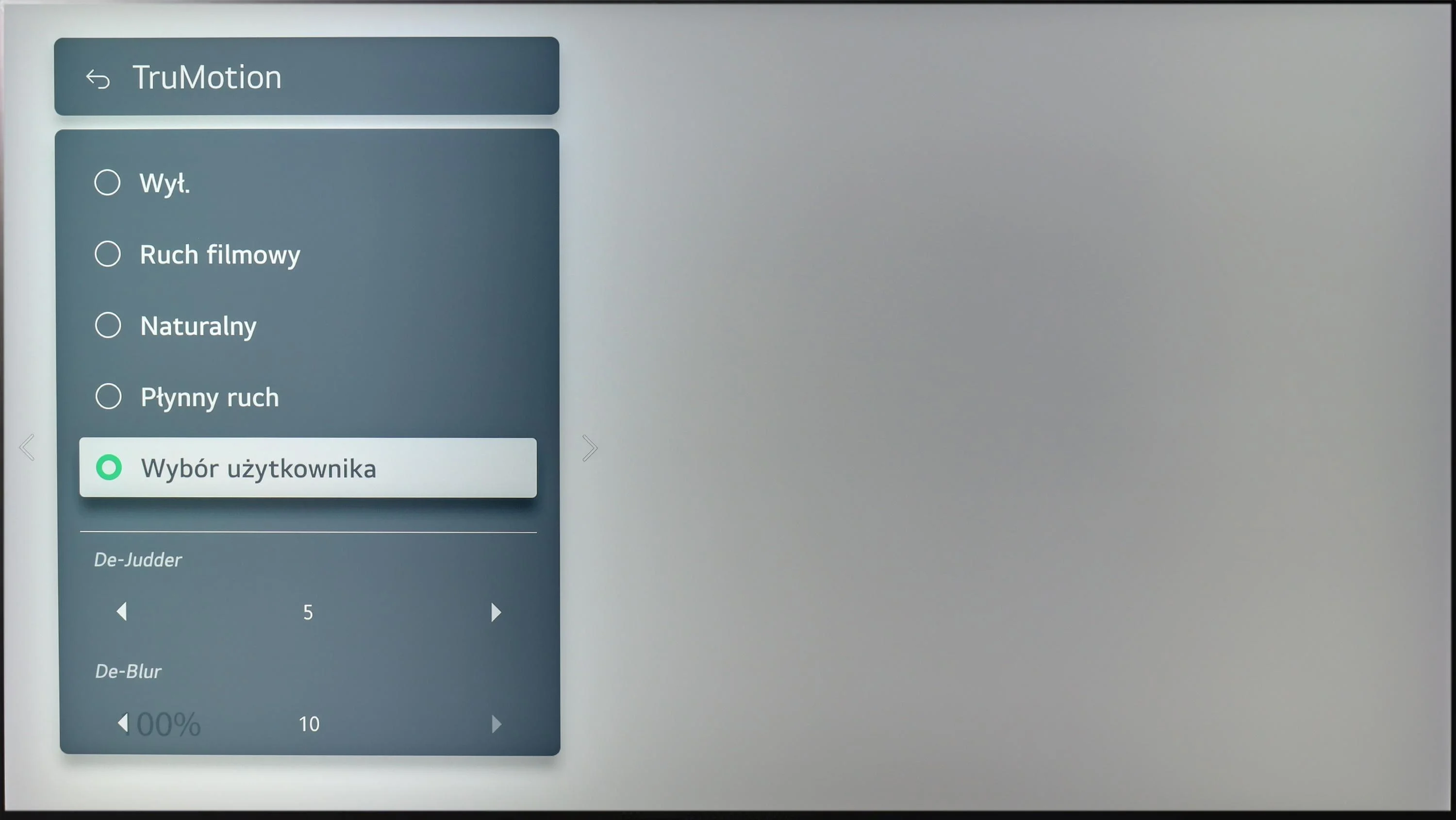
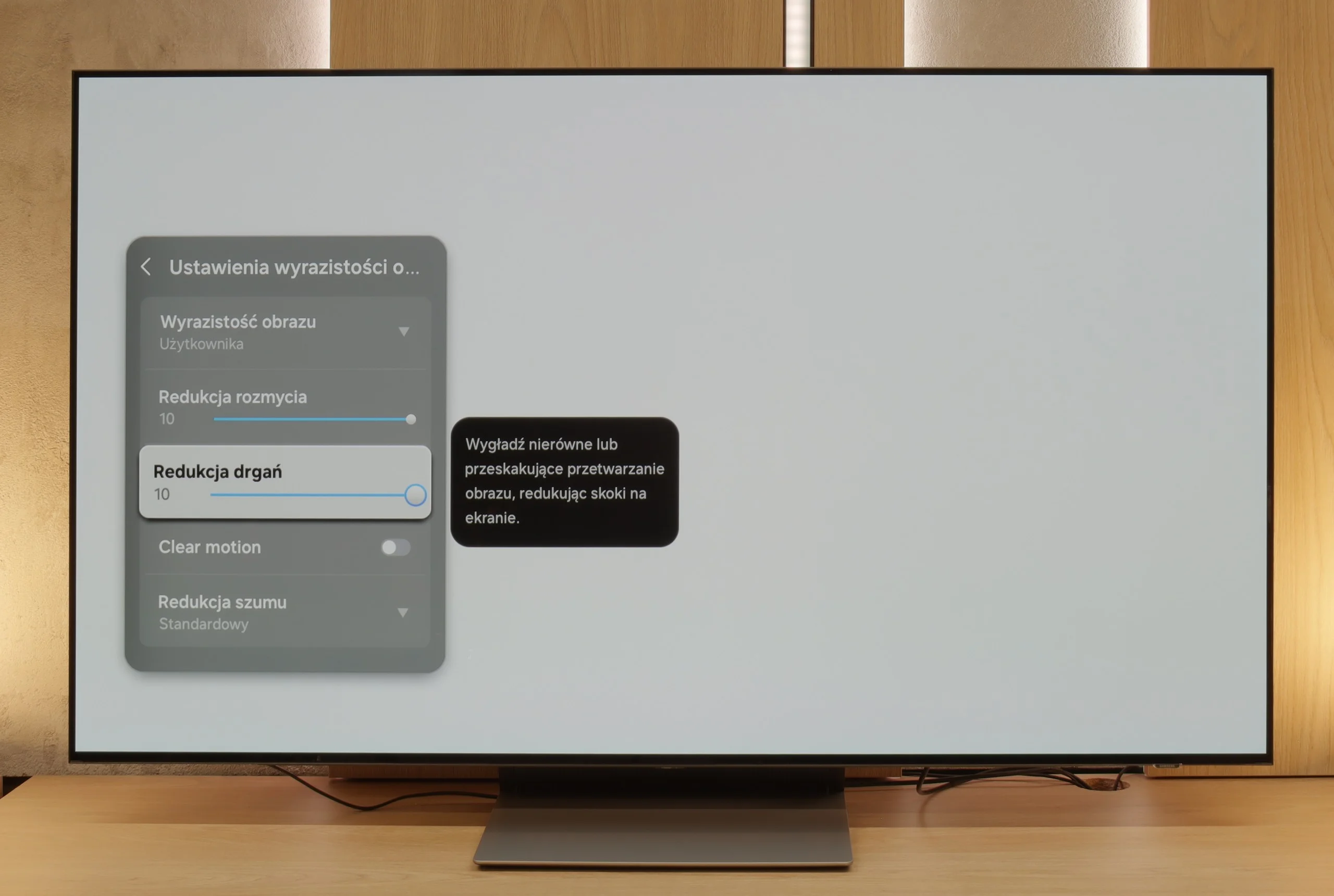
The LG G4 offers a maximum refresh rate of 144 Hz, achievable when connected to a powerful PC. For most users, however, the TV operates at a maximum of 120 Hz, ideal for watching sports or other content with fast motion. To improve image fluidity, the television includes the "TrueMotion" motion smoothing system, which features two separate sliders: De-Blur (for the sharpness of moving images) and De-Judder (for judder reduction). These sliders allow users to adjust the level of smoothing between 0 and 10, ensuring everyone can find the ideal setting.

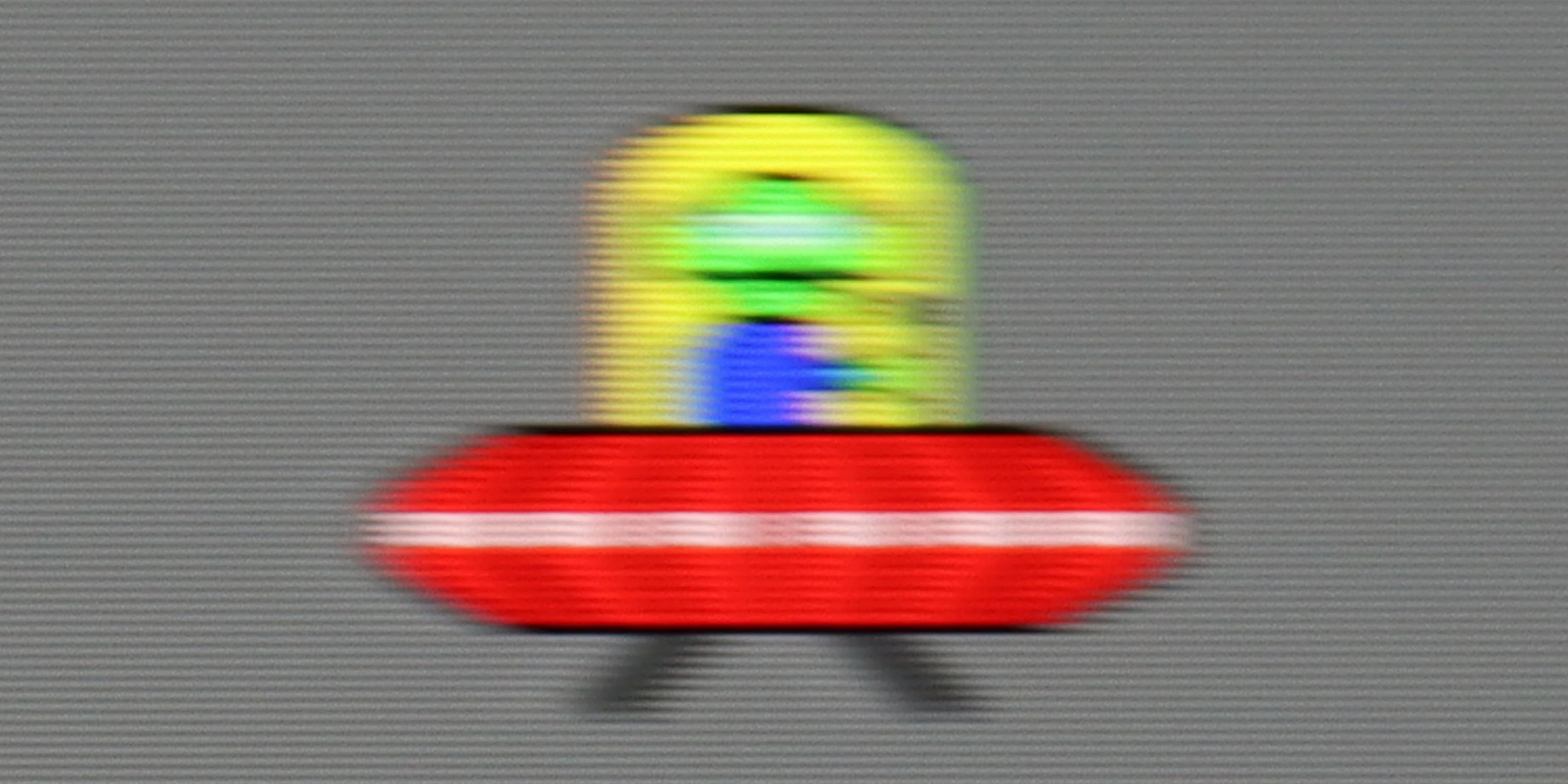
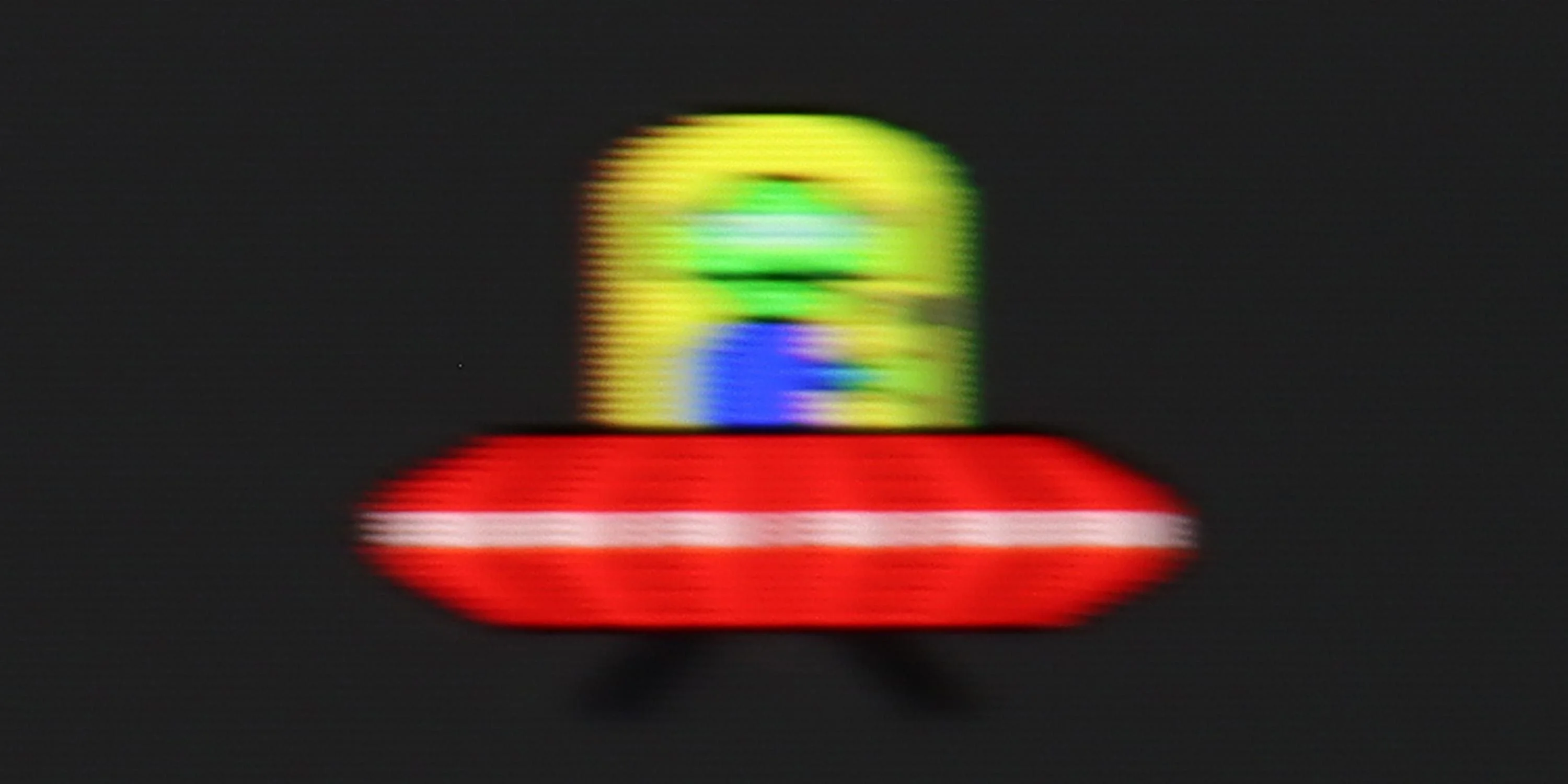
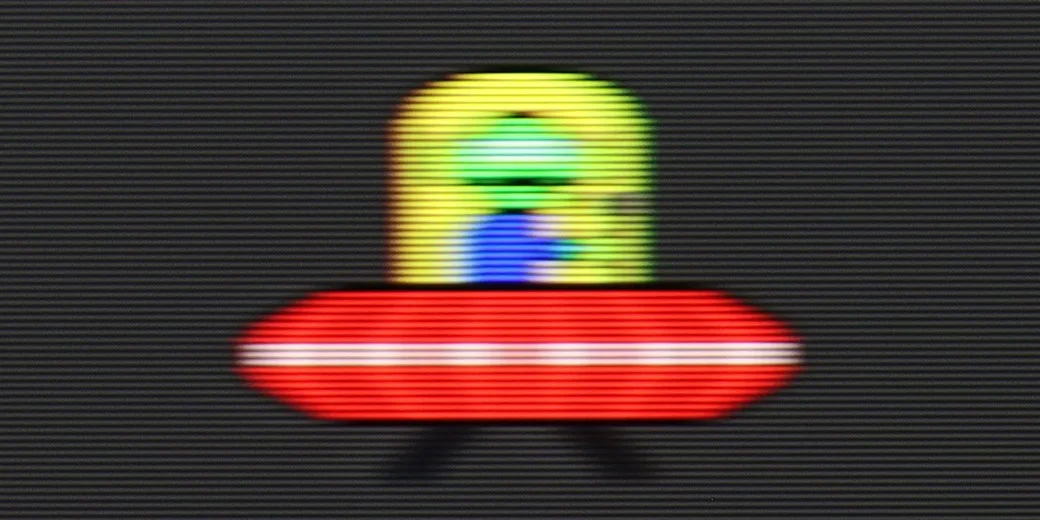
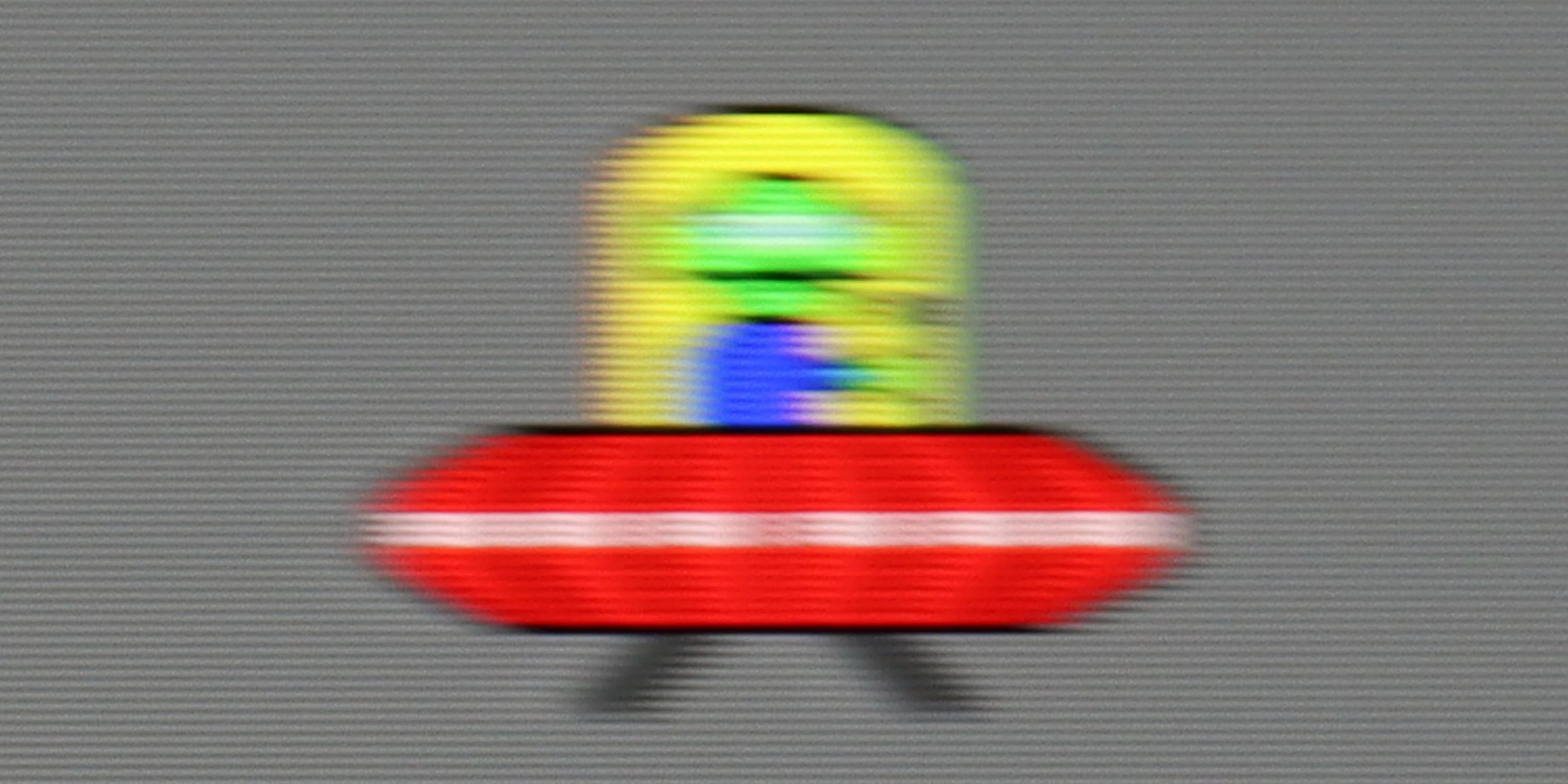
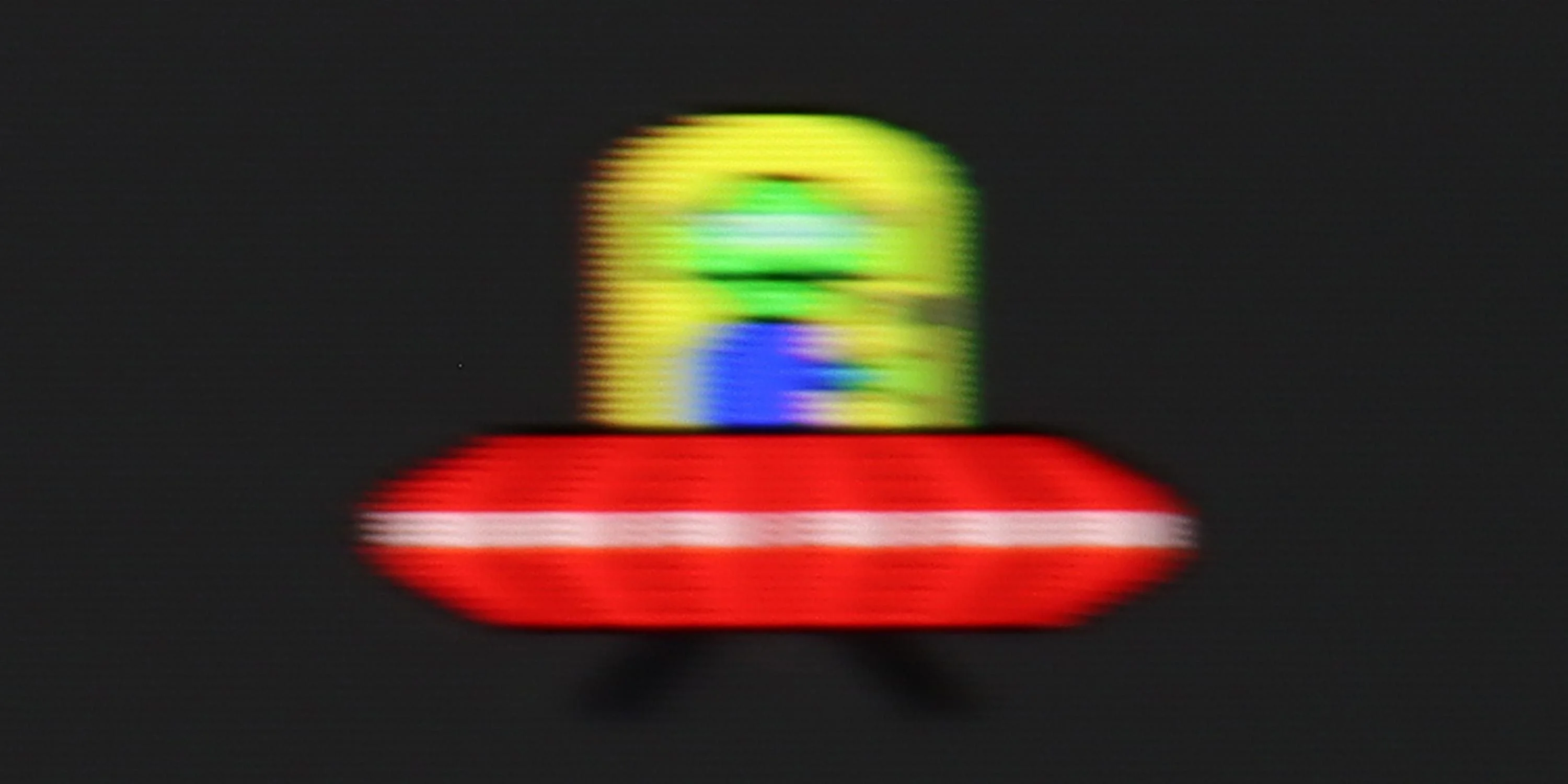
With a response time of 0.78 ms, the LG G4 delivers exceptionally clear images, outperforming LCD televisions, which can have much slower response times. This results in no trailing blur behind moving objects, as shown in the "UFO Test." The TV also provides precise control over motion smoothing, which is especially beneficial during fast-paced video game sequences. Thanks to OLED technology, the G4 eliminates ghosting, ensuring a crisp and clear image even during the most dynamic sports or action scenes.

S90F really handles motion great – after all, it's an OLED with a 144 Hz panel, so sports and games look simply amazing on it. The picture is smooth, clear, and there's no room for ghosting or blurring that sometimes plagues cheaper LCDs.

The TV is also equipped with motion smoothing settings that allow you to tailor everything to your liking. We have motion blur reduction and judder reduction – you can set it up to make the picture super smooth (even to that soap opera effect), or more cinematic, with the classic "choppiness" of 24 frames. The choice is yours; Samsung doesn't impose anything.

Console compatibility and gaming features

10/10

9.5/10

  • ALLM
    Yes
    Yes
  • VRR
    Yes
    Yes
  • VRR range
    40 - 144Hz
    48 - 144Hz
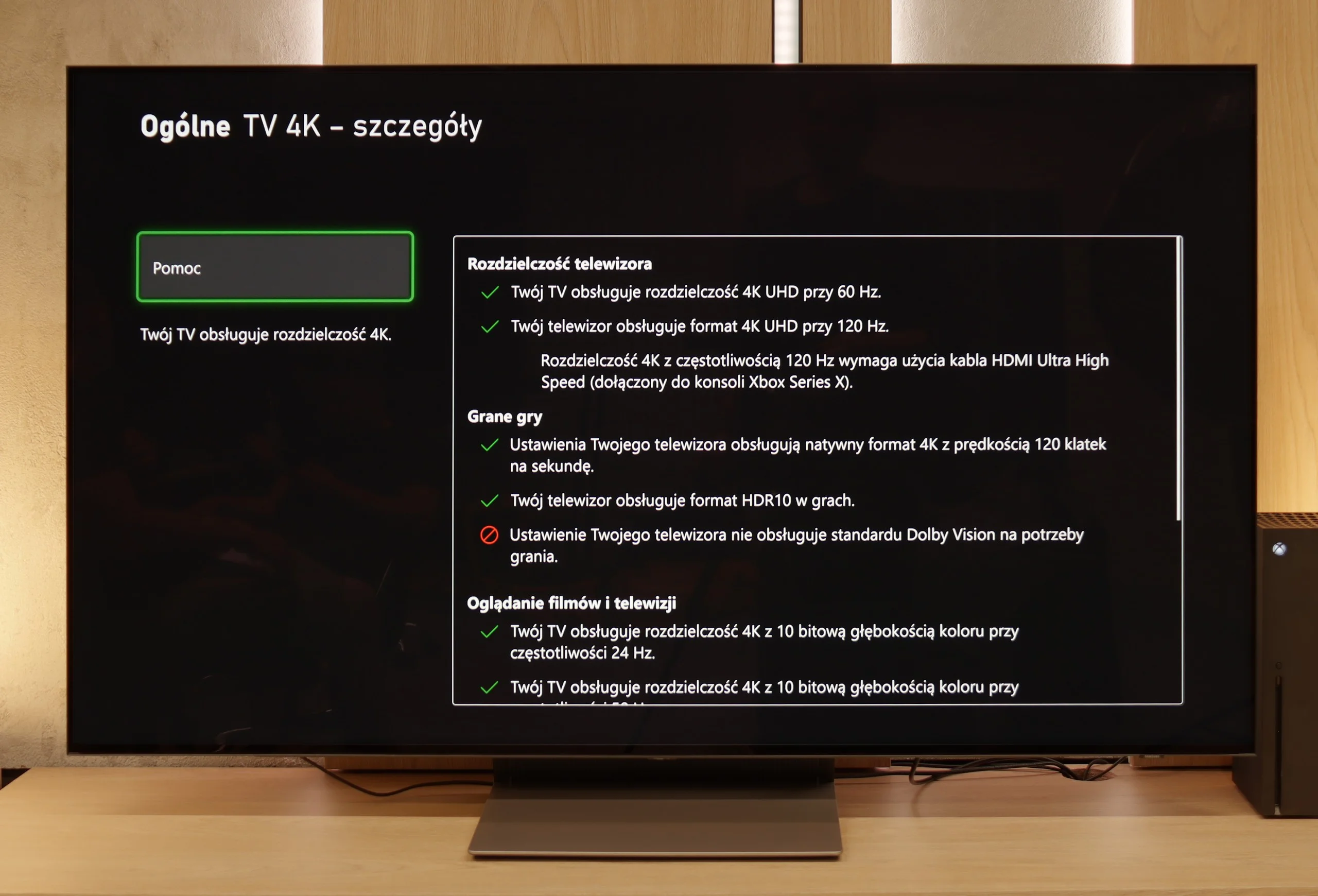
  • Dolby Vision Game Mode
    Yes
    No
  • Correct implementation of HGIG
    Yes
    Yes
  • 1080p@120Hz
    Yes
    Yes
  • 1440p@120Hz
    Yes
    Yes
  • 4K@120Hz
    Yes
    Yes
  • Game bar
    Yes
    Yes

The LG G4 TV supports all the features encompassed by the HDMI 2.1 standard, making it a gaming powerhouse. During testing, every feature activated seamlessly, ensuring a smooth experience for both console gamers and PC users. Notably, the HGIG mode (HDR Gaming Interest Group) is implemented correctly, allowing games mastered to brightness levels higher than the TV’s maximum luminance to map tones accurately, preserving the game’s original visual integrity.

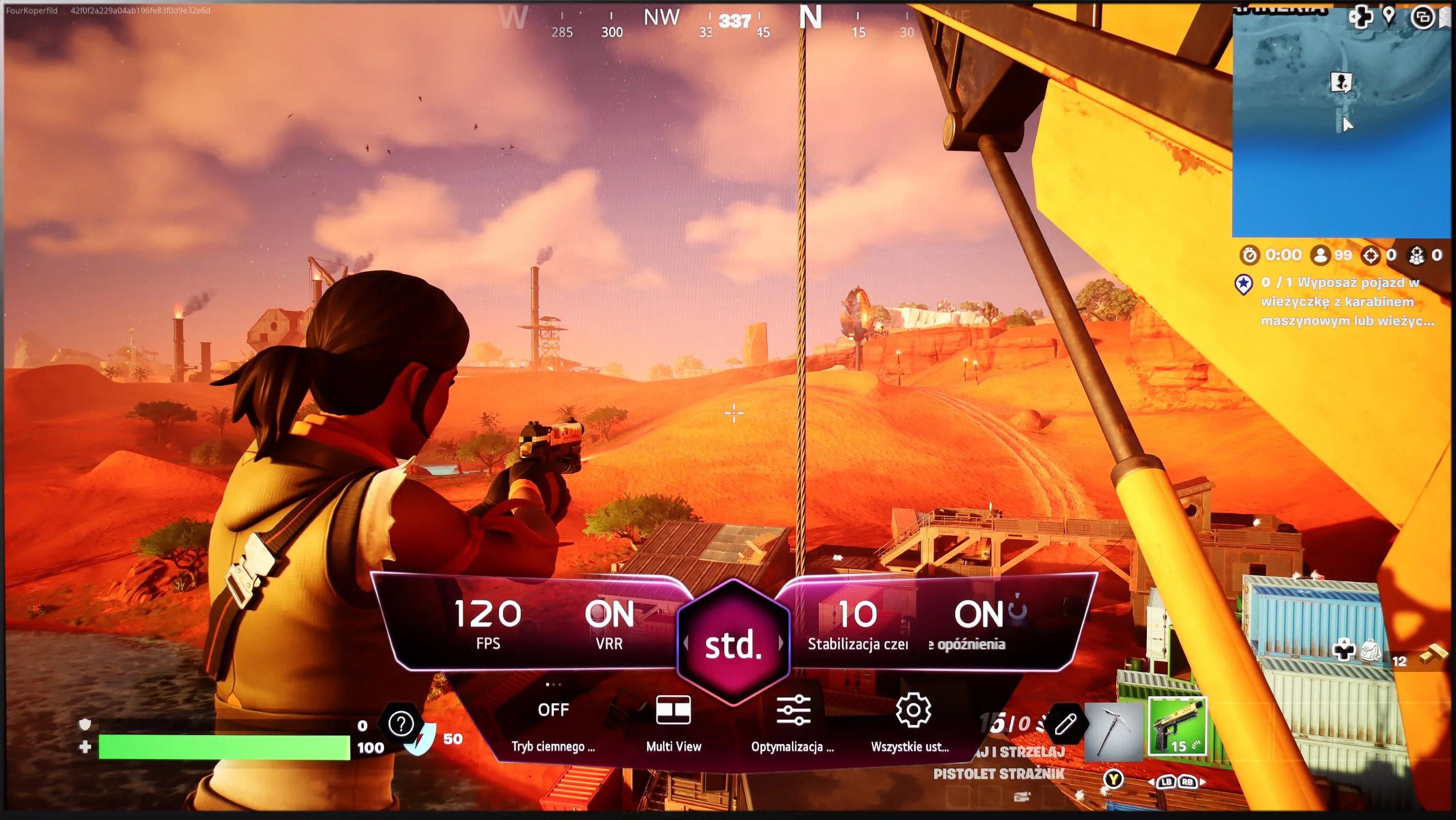
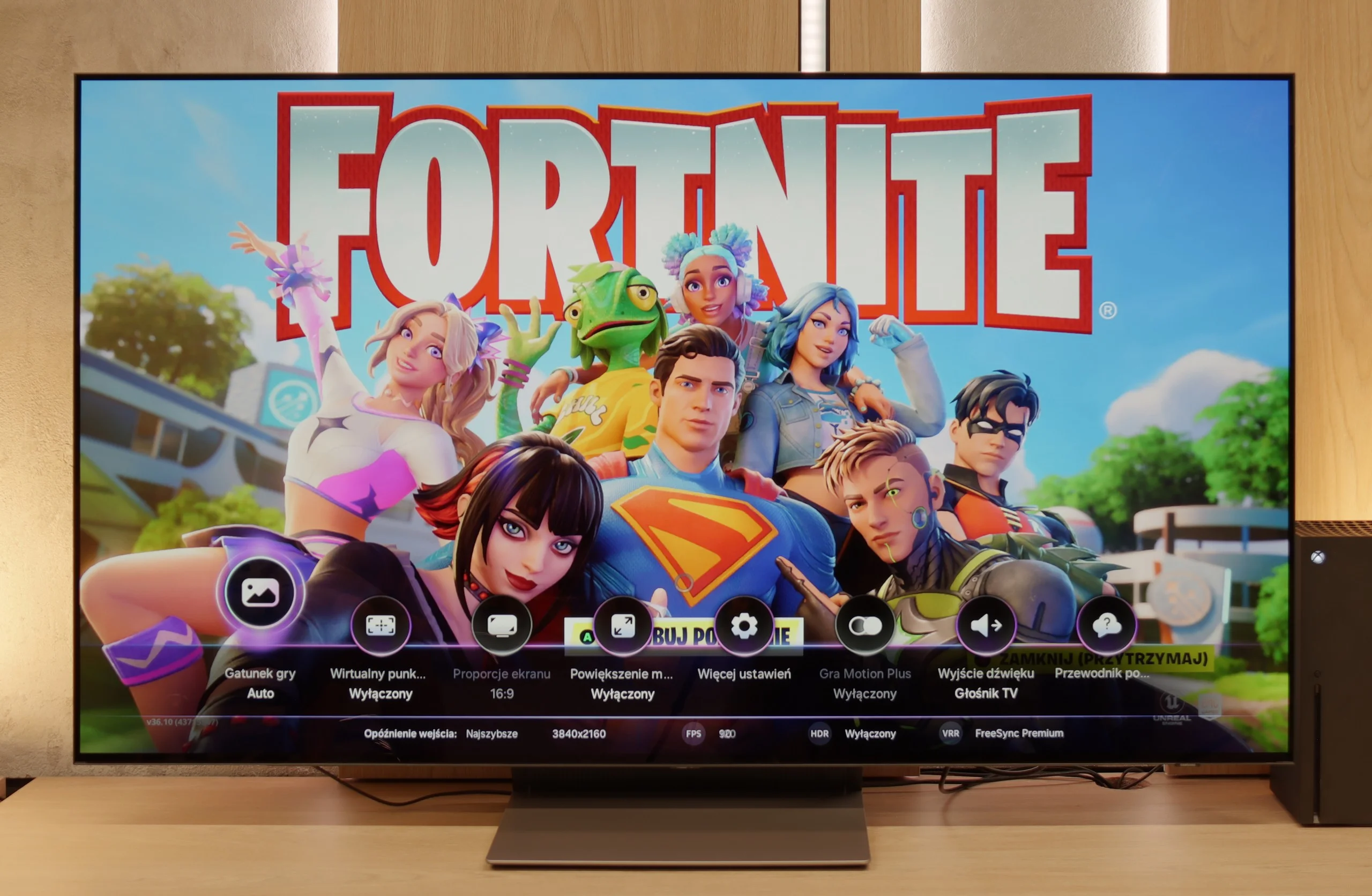
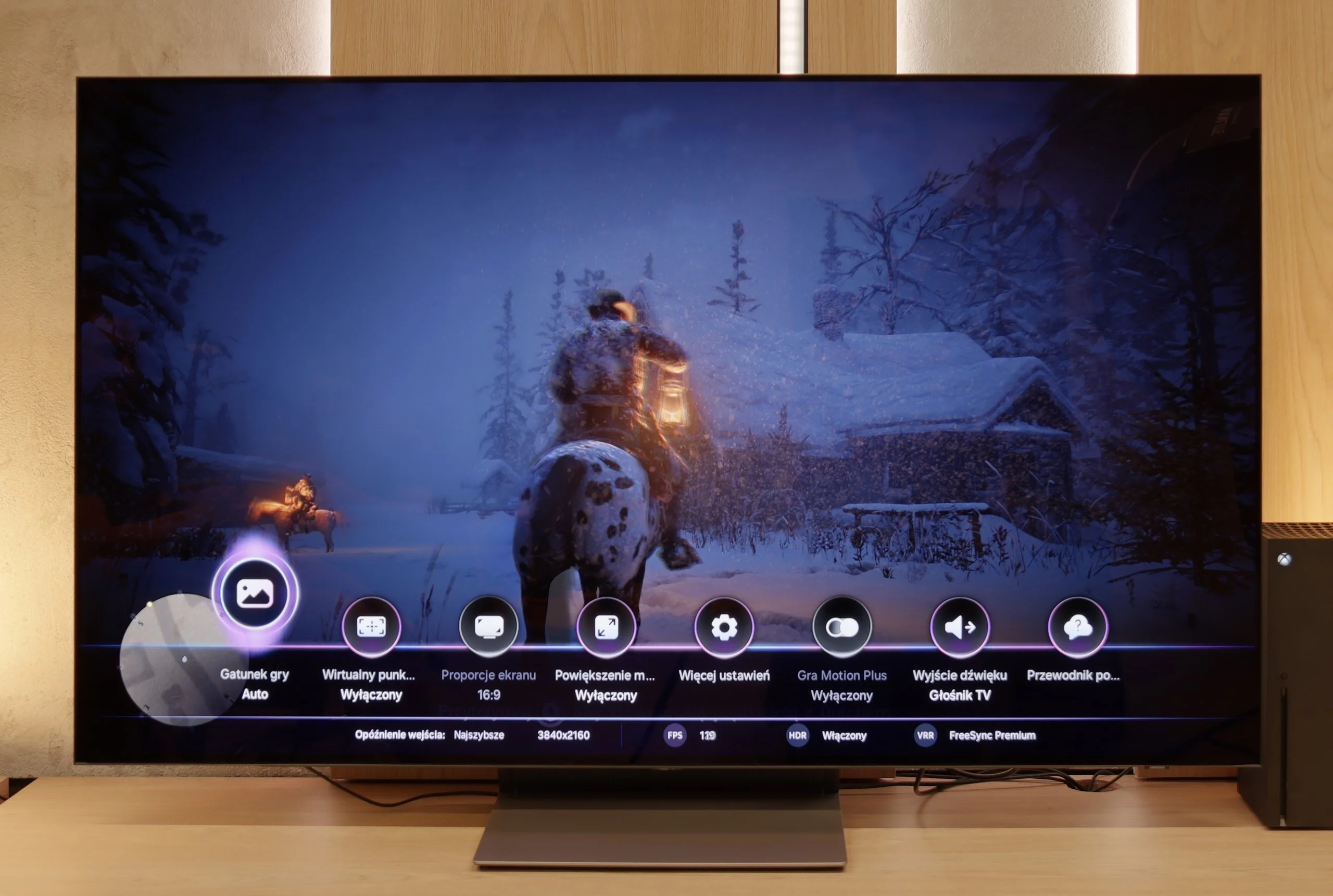
A notable highlight is the dedicated GameBar, which can be accessed at any time to quickly check or adjust game settings. More importantly, enabling VRR (Variable Refresh Rate) does not compromise contrast—a common issue in TVs with local dimming or Mini LED backlighting. This is thanks to the OLED panel’s self-emissive pixels, which maintain consistent contrast. However, a slight grey flicker may appear when VRR is enabled, though this is standard across OLEDs.

In summary, the LG G4, like most OLED TVs, is ideal for gaming and online competitions. Its HDMI 2.1 ports offer a full 48 Gbps bandwidth, supporting features such as VRR, ALLM (Auto Low Latency Mode), G-Sync, FreeSync, and HDR Dolby Vision gameplay, ensuring an exceptional gaming experience.

When it comes to gaming features – we have absolutely no complaints about the S90F. Aside from the lack of Dolby Vision, which is already the norm for Samsung. The TV operates at 144 Hz, has four HDMI 2.1 ports, so you can easily connect more than one console or PC. It also includes Game Bar – a practical tool that allows you to quickly preview picture settings, VRR status, ALLM mode, and other useful options. Game Motion Plus is also noteworthy – Samsung’s proprietary motion smoother, which uniquely works well in games. The image feels smoother without any artificial effects or slowdowns.

It’s also worth mentioning the HGiG feature, which – surprisingly – works correctly. We mention this because Samsung clearly broke something in one of its recent updates, and in some models, the option responsible for HGiG simply... disappears from the menu. Setting it becomes virtually impossible. Fortunately, our S90F unit did not have this issue, but the situation is dynamic, so it’s worth keeping this in mind and regularly checking for new software versions and information from the manufacturer.

Input lag

10/10

10/10

SDR

1080p60
14 ms
11 ms
1080p120
5 ms
6 ms
2160p60
14 ms
11 ms
2160p120
5 ms
6 ms

HDR

2160p60
13 ms
10 ms
2160p120
5 ms
5 ms
4320p60

Dolby Vision

2160p60 DV
13 ms
2160p120 DV
5 ms

The LG G4 excels in lag time performance, maintaining impressively low input lag across all scenarios. Even the most demanding gamers will appreciate its remarkably low input lag of just 5 ms at 4K 120 Hz with HDR enabled. This remains consistent even with Dolby Vision HDR activated—something that many competitors struggle to achieve. Such outstanding performance earns the LG G4 top marks and a strong recommendation for gamers seeking a responsive, lag-free experience.
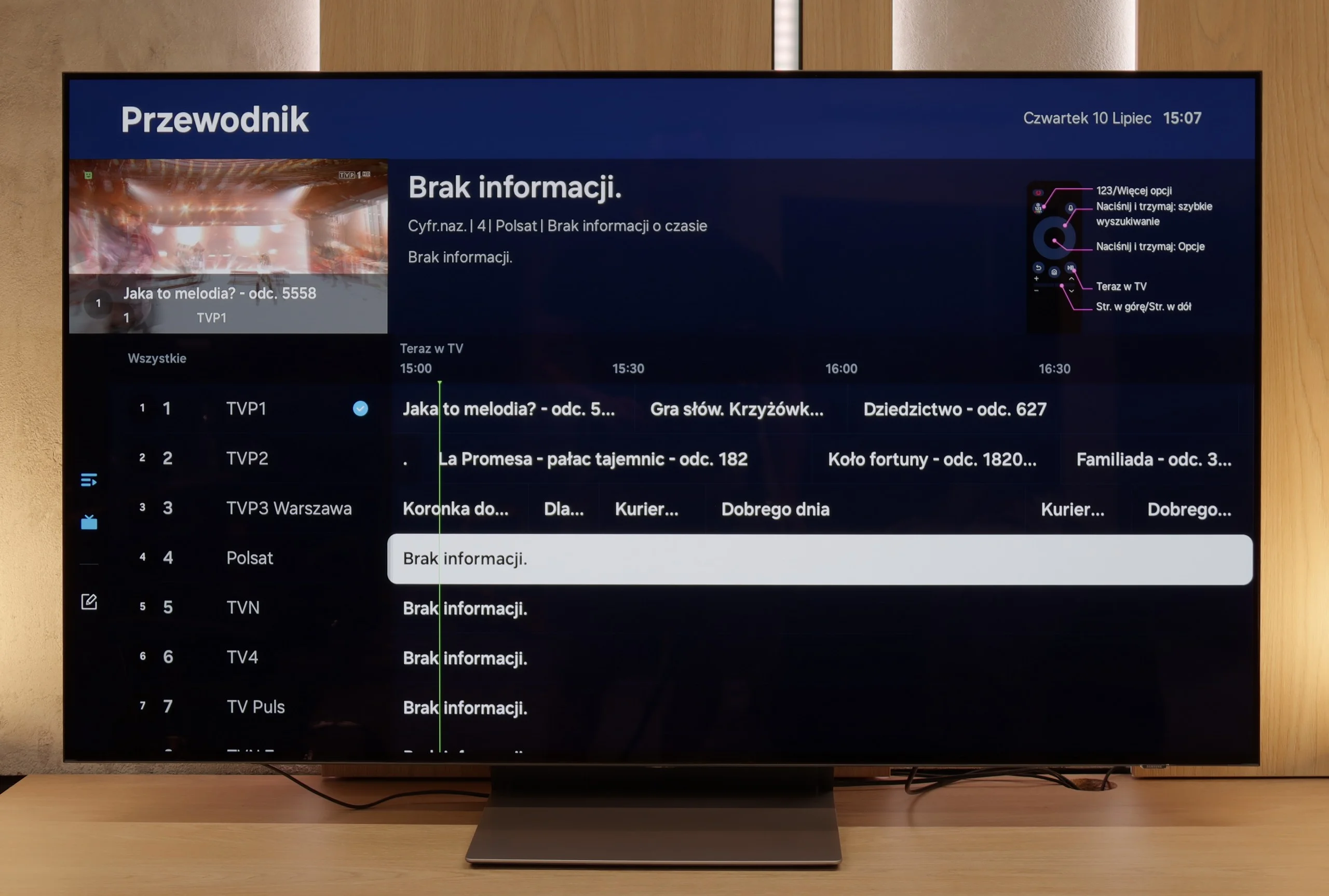
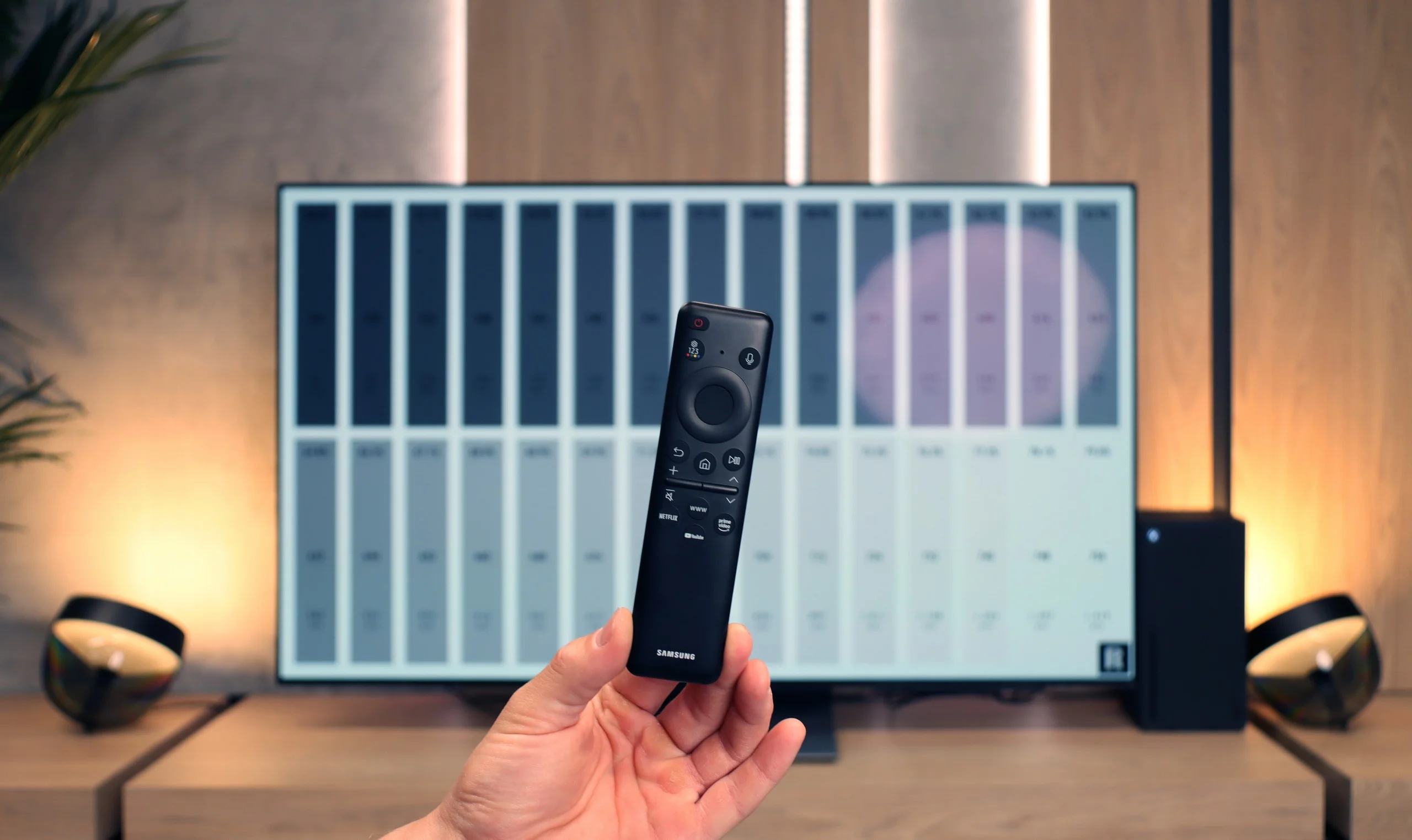
The input lag on the S90F is at a truly monitor-level. In the best conditions, a result of 5 ms was achieved, which is absolutely outstanding – even a reference for the most demanding gamers. Whether you are playing fast-paced shooters, fighting games, or simply need instantaneous response – the S90F does not disappoint in this aspect at all.

Compatibility with PC

8.6/10

8.6/10

Chroma 444 (maximum resolution and refresh rate)
Yes
Yes
Font clarity
Good
Good
Readability of dark text and shapes
Very Good
Very Good
Input lag in PC mode (4K, maximum refresh rate)
5ms
5ms
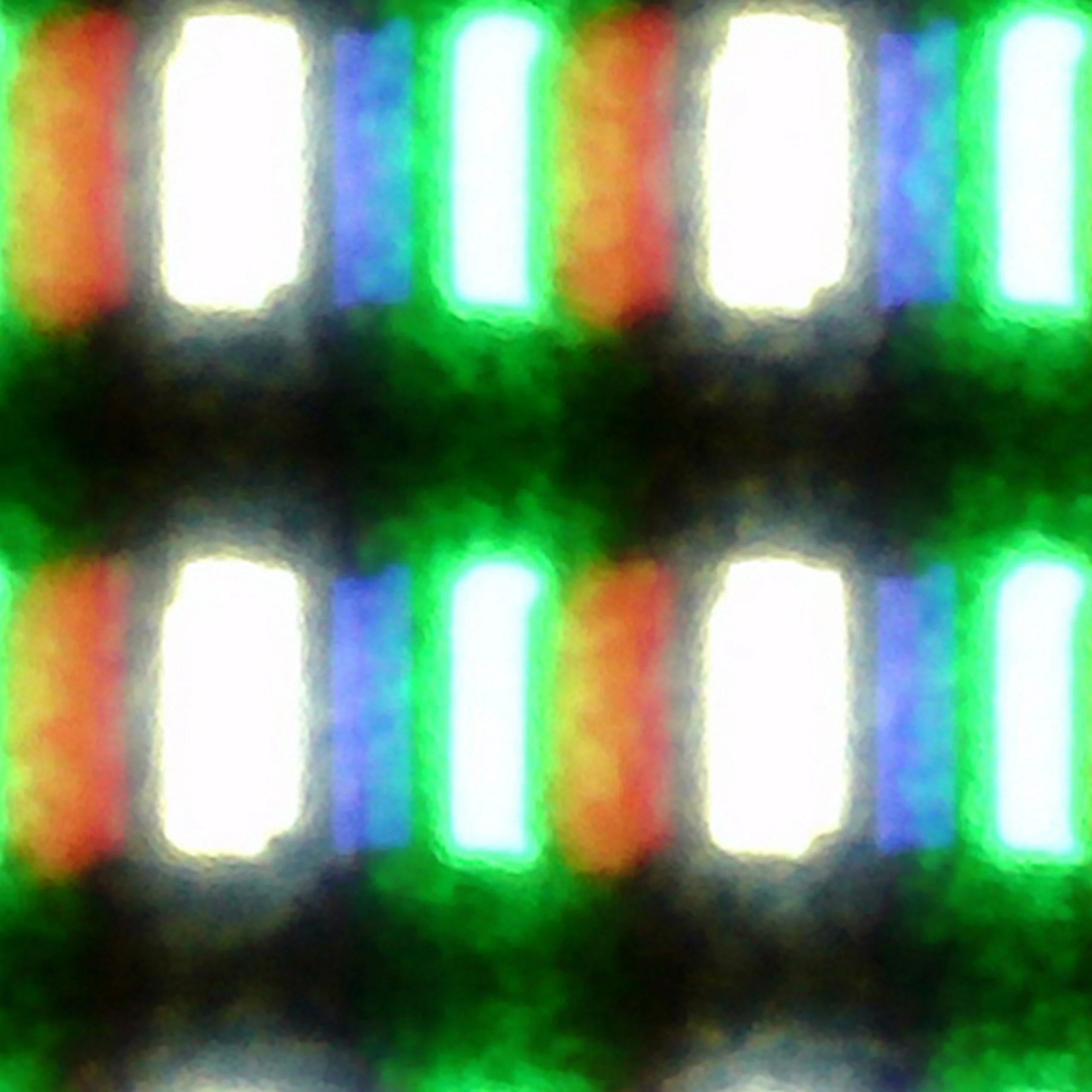
Matrix subpixel arrangement
RWBG
RWBG
Max refresh rate
144Hz
144Hz
G-Sync
Yes
Yes
Review LG OLED G4 Compatibility with PC
Review SAMSUNG OLED S90F (WOLED) Compatibility with PC

The LG G4 performs exceptionally well when connected to a PC, thanks to its ultra-low 5 ms latency, ensuring near-instantaneous responsiveness between mouse input, visual perception, and on-screen action. This makes it ideal for both gaming and productivity tasks.

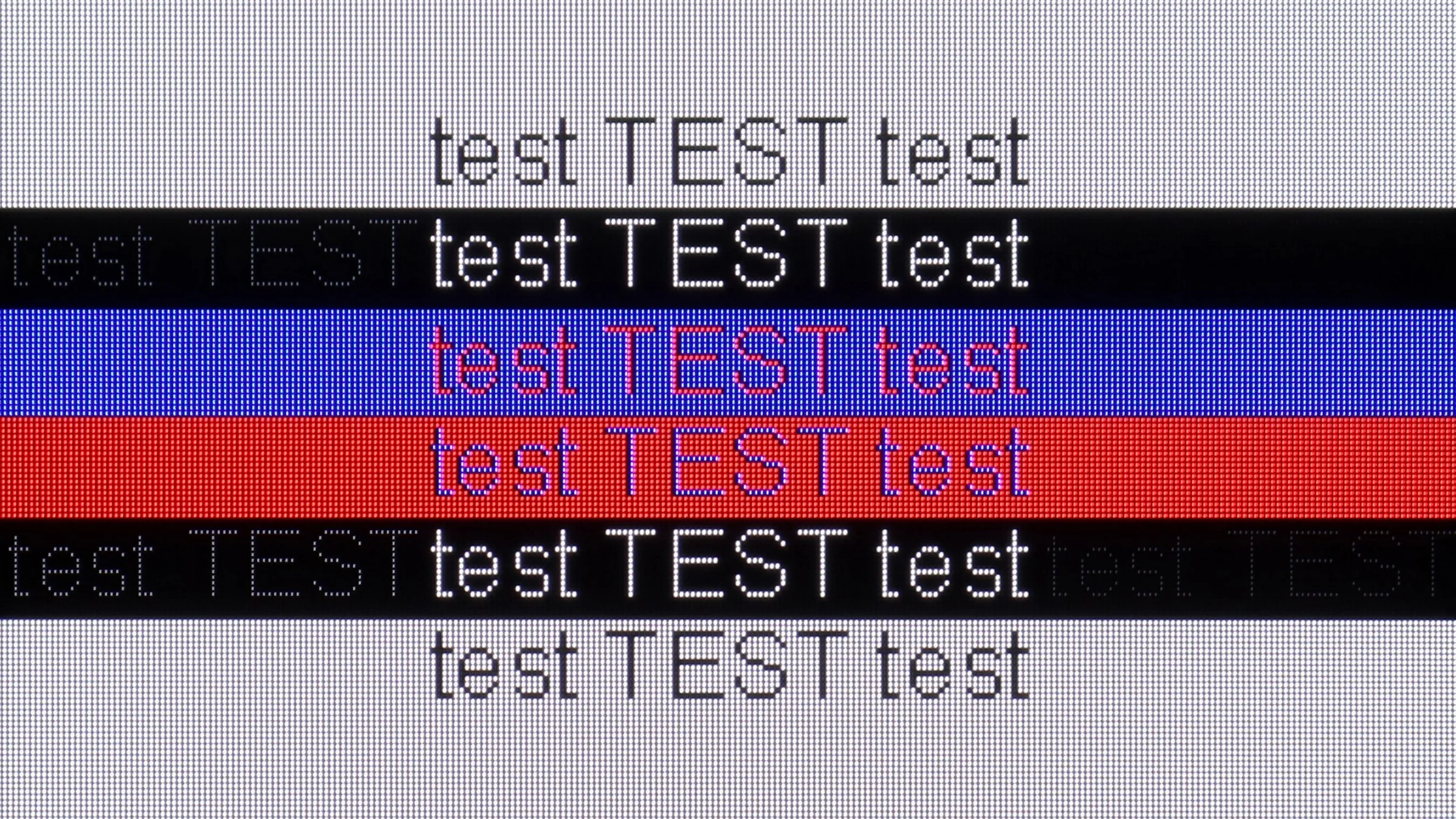
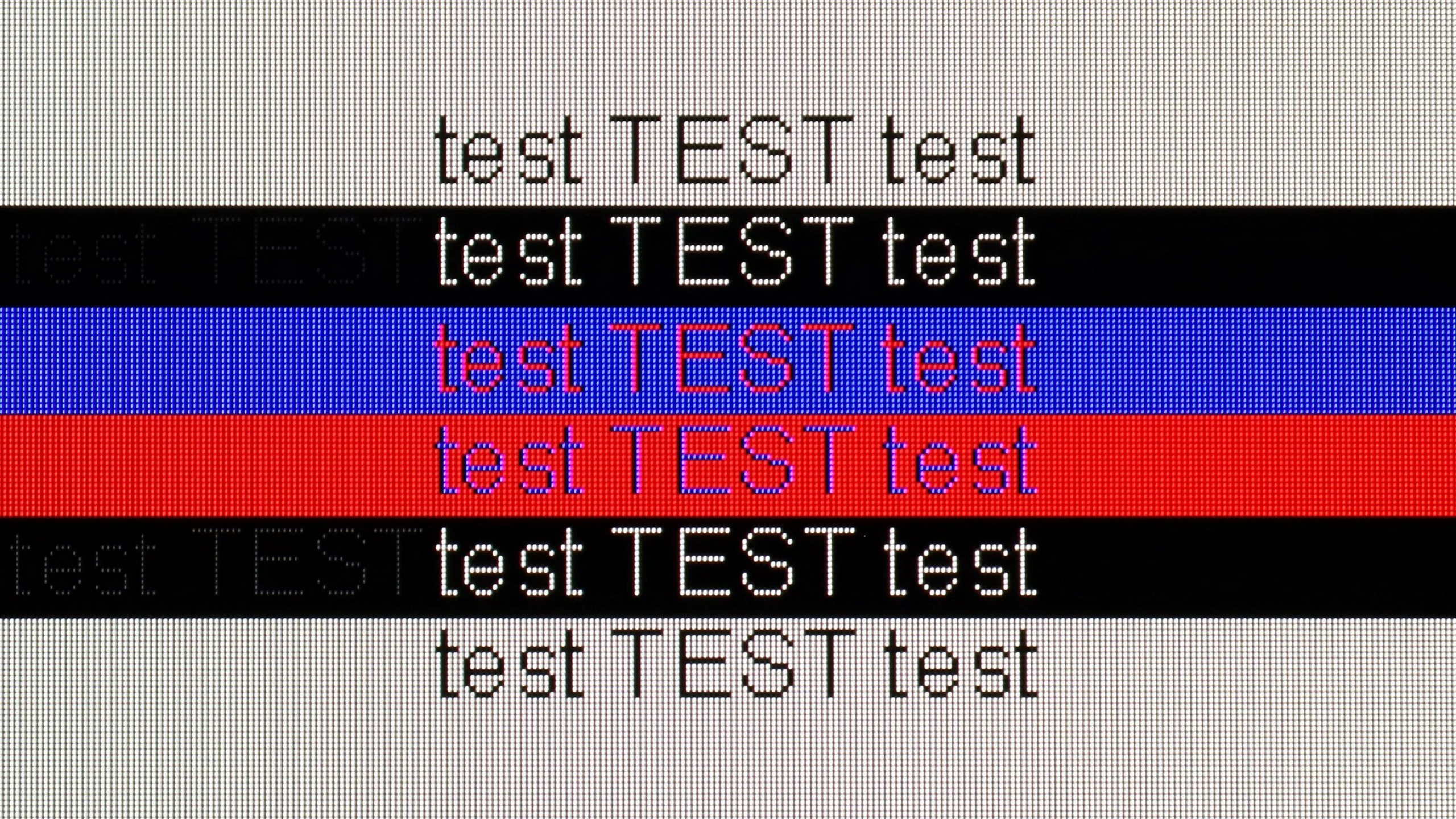
A standout feature is the excellent text readability, a crucial aspect for extended screen use. The RWBG pixel arrangement does not negatively impact the display of fonts or characters, a clear advantage over Samsung’s QD-OLED matrices, which can sometimes struggle with text clarity. Users of both Windows and macOS will find the LG G4’s screen performance highly satisfying, making it a versatile choice for various computing needs.

The S90F is a great tool for both PC gaming and everyday work. Gamers can sleep easy – the television easily supports image synchronization with NVIDIA graphics cards thanks to G-Sync, and the 144 Hz refresh rate combined with very low input lag just confirms this. The S90F also works well as a monitor for text work. Of course, the readability of fonts may be slightly affected by the characteristic pixel structure in the RWGB layout, but this is a topic well known mainly to those who work with large amounts of text, code, or spreadsheets in Excel. For most users, this will be completely acceptable.

Viewing angles

9.7/10

7.4/10

Brightness drop at an angle of 45 degrees
9%
31%

The LG G4 OLED's MLA technology ensures consistent brightness, colour saturation, and white balance from all viewing angles, a clear advantage over standard LCD and non-MLA OLED panels. This uniformity remains intact regardless of where you're seated, offering an excellent viewing experience. Comparable performance is seen only in Samsung’s QD-OLED panels, which use quantum dot technology.

The viewing angles on the S90F are very good, although it's fair to admit that they slightly lag behind the 65" version with the QD-OLED panel. Nevertheless, the picture quality at a wide angle is very good – colors remain vivid, and brightness does not drop drastically when viewed from the side. There is no need to shift the TV toward you to see a clear image. For most users, this level is completely sufficient.

Daytime performance

5.8/10

6.1/10

Panel finish
Glare
Glare
Reflection suppression
Good
Decent
Black levels during daytime
Average
Very Good
Review LG OLED G4 Daytime performance
Review SAMSUNG OLED S90F (WOLED) Daytime performance
Review LG OLED G4 Daytime performance
Review SAMSUNG OLED S90F (WOLED) Daytime performance

Panel brightness

Average luminance SDR

SAMSUNG OLED S90F (WOLED): 405 cd/m2

LG OLED G4: 482 cd/m2

The LG G4’s glossy display coating, contrary to expectations, is a major strength. It enhances the TV’s efficiency by suppressing reflections at their source, ensuring a clear, distraction-free viewing experience. Notably, the black levels remain impressive even in daylight, a hallmark of LG Display’s WRGB panels. While OLED MLA panels are slightly less effective in this regard, they still outperform Samsung’s QD-OLED panels, which tend to appear grey in bright conditions. With a brightness of around 500 nits and a glossy coating, the TV is ideal for daytime use, except in rooms with extensive glazing.

S90F is really bright for an OLED TV. Of course, it can't be compared to Mini-LED TVs or the brightest high-end OLEDs, but under normal lighting conditions, it's easy to watch something during the day. The brightness is high enough that you don't need to close the curtains every time you watch a movie or a series. However, it's important to remember that the anti-reflective coating on WOLED panels is not the best. Reflections can be visible, especially with bright light coming in from the window. In such cases, it's best to reach for curtains.

Panel details

Backlight Type
Software version during testing
03.10.85
T-RSMFDEUC-0090-103 2.5, E2500007, BT-S
Image processor

Subpixel Structure:

Panel uniformity and thermal imaging:

Review LG OLED G4 TV Panel details
Review SAMSUNG OLED S90F (WOLED) TV Panel details

TV features

9/10

7.7/10

  • HDMI inputs
    0 x HDMI 2.0, 4 x HDMI 2.1 48Gbps
    0 x HDMI 2.0, 4 x HDMI 2.1 48Gbps
  • Other inputs
    Toslink (Optical audio), IR (remote)
  • Outputs
    Toslink (Optical audio), eARC (HDMI), ARC (HDMI)
    Toslink (Optical audio), eARC (HDMI), ARC (HDMI)
  • Network Interfaces
    Wi-Fi 2.4GHz, Wi-Fi 5GHz, Ethernet (LAN) 100Mbps
    Wi-Fi 2.4GHz, Wi-Fi 5GHz, Ethernet (LAN) 100Mbps
  • TV reception
    DVB-T, DVB-T2, DVB-S, DVB-S2, DVB-C
    DVB-T, DVB-T2, DVB-S, DVB-S2, DVB-C

Classic features:

  • Recording to USB (terrestrial TV)
    Yes
    No
  • Recording programming
    Yes
    No
  • Picture in Picture (PiP)
    No
    Yes
  • RF remote control (no need to aim at the screen)
    Yes
    Yes
  • Backlit remote control
    No
    No
  • Teletext
    Yes
    Yes
  • Audio only mode
    Yes
    Yes
  • Bluetooth headphones support
    Yes
    Yes
  • Simultaneous Bluetooth headphones & TV audio
    Yes
    Yes

Smart features:

  • AirPlay
    Yes
    Yes
  • Screen mirroring (Windows Miracast)
    Yes
    Yes
  • Voice search
    Yes
    Yes
  • Voice search in native language
    Yes
    Yes
  • Ability to connect a keyboard and mouse
    Yes
    Yes
Review LG OLED G4 TV features
Review SAMSUNG OLED S90F (WOLED) TV features

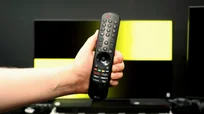
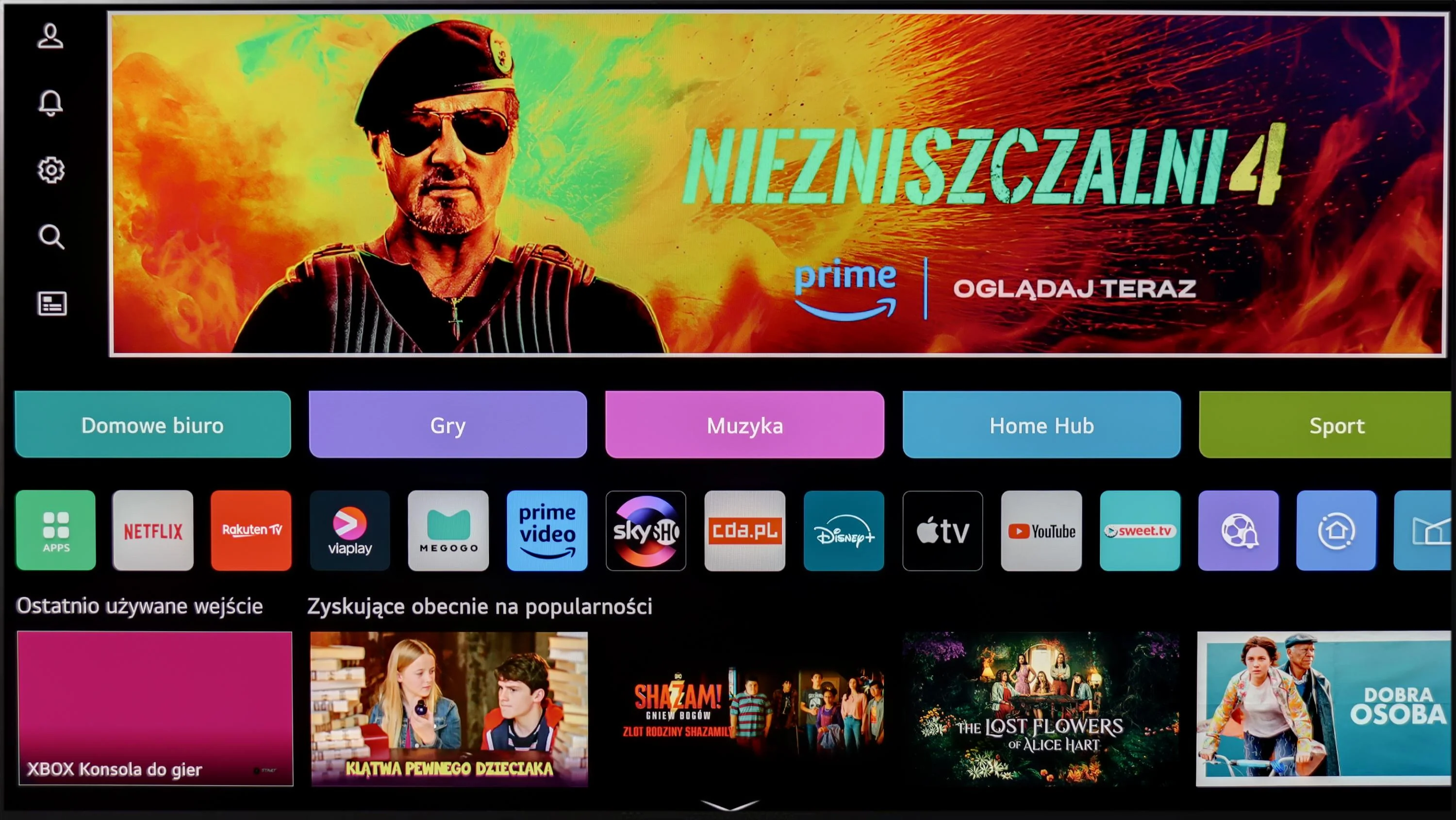
LG’s long-standing proprietary WebOS system offers nearly all key applications, with only a few notable omissions like CDA and KODI. A standout feature is the motion-sensitive cursor, which appears when moving the remote, making tasks such as entering queries or passwords much easier. WebOS also supports screen mirroring, AirPlay, Polish voice search, and Bluetooth headphone connections. Uniquely, it allows simultaneous use of headphones and the TV speaker, a valuable feature for those with hearing impairments.

Sports enthusiasts will appreciate the match alert function, ensuring they never miss a game, while the home panel enables control of smart devices within the network—such as receiving laundry cycle completion notifications.

Overall, though WebOS may not be as widely recognised or versatile as Android TV, it delivers fast, stable performance and covers most essential functions, making it a reliable choice for users seeking a straightforward, effective TV operating system.

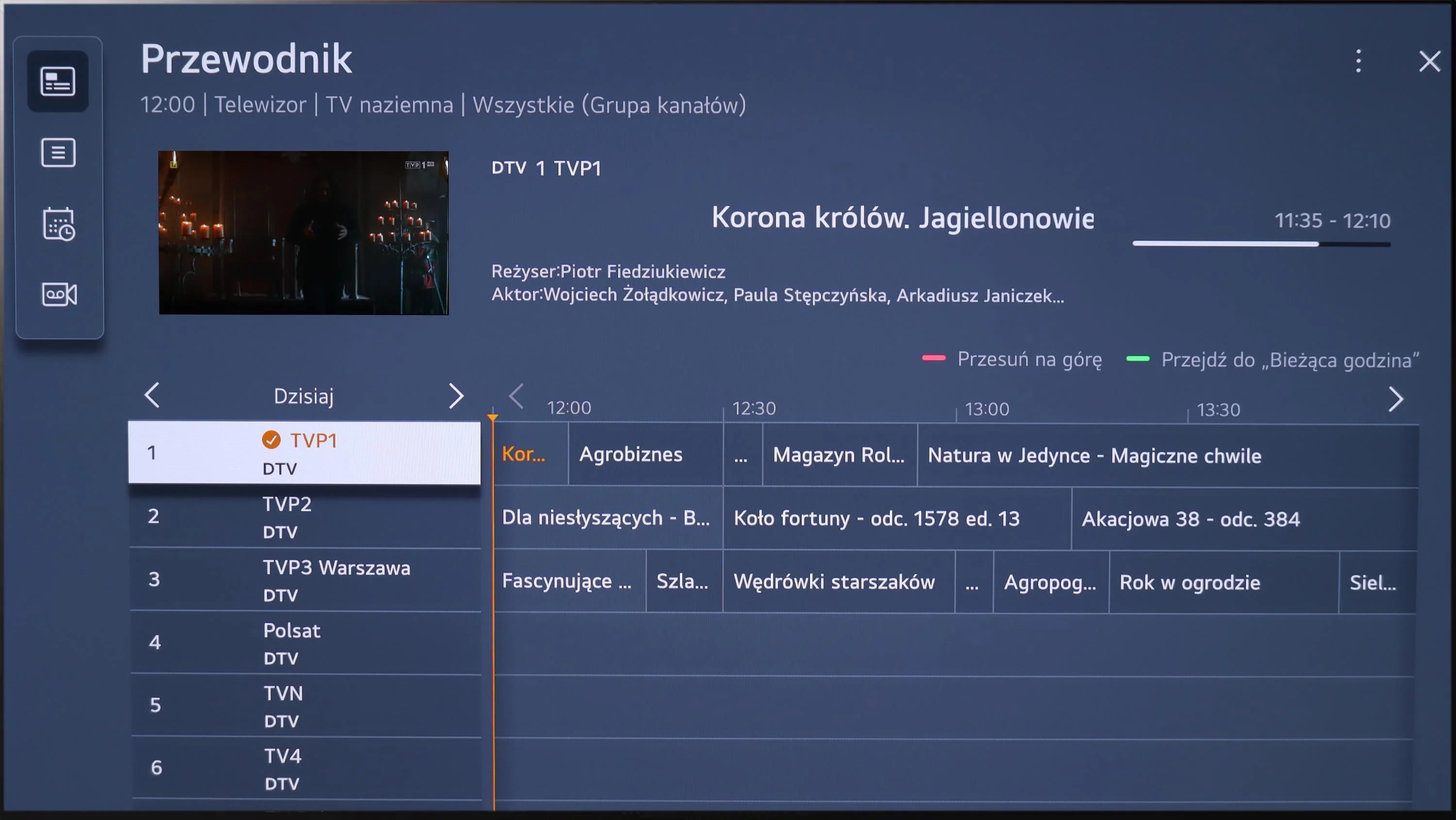
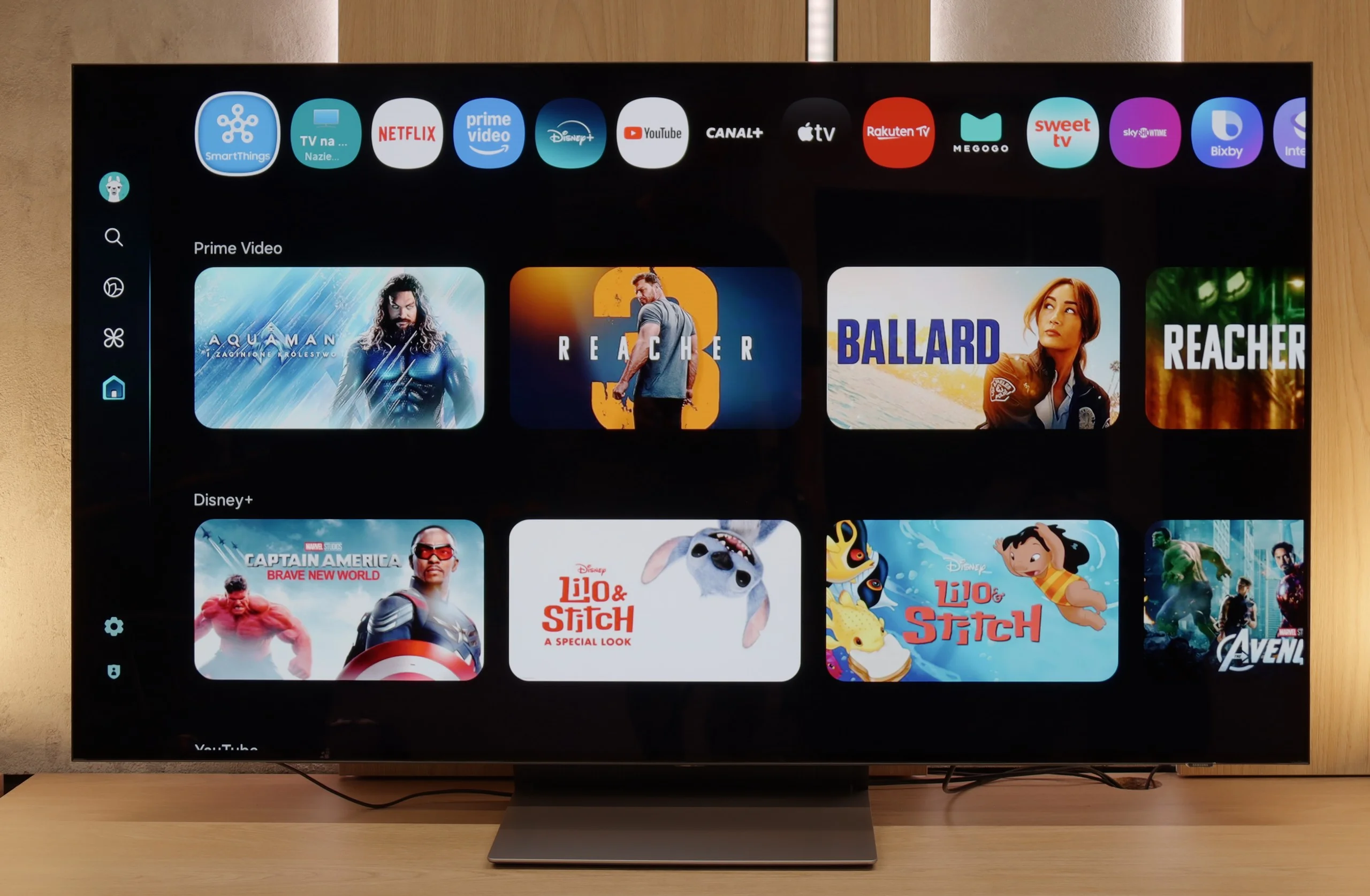
The Samsung S90F is equipped with many classic TV features such as EPG, CI module, and headphone support, but there's also something more here. Thanks to the presence of several tuners, the television offers a picture-in-picture (PiP) function – very useful, for example, when we're watching one match but want to glance at the score of another one happening simultaneously. It's a shame that Samsung has completely abandoned USB recording for some time now, but it somewhat compensates for this with good integration with decoders and other devices. The remote – although small and lacking a numeric keypad – allows control of many devices connected to the television. We can easily operate a decoder, amplifier, console, or other equipment with it, and this can be done without the need to reach for multiple remotes.

As for the Smart TV system – Tizen on the S90F works very smoothly, which is not always the case with cheaper models featuring this system. The system itself is extensive and offers plenty of features – we have screen mirroring, AirPlay, Bluetooth device support, and many options related to smart home control, such as managing light bulbs or other smart devices directly from the television. However, it's important to remember that Tizen is a closed system, so when it comes to apps – we are limited to what we find in the Samsung store. While this store is quite extensive, it does not match the flexibility of the Google TV platform. It's worth keeping this in mind if you have specific needs for niche applications.

Playing files from USB

8.5/10

9.1/10

Supported photo formats:

JPEG
Yes
Yes
HEIC
No
No
PNG
Yes
Yes
GIF
No
No
WebP
No
No
TIFF
No
No
BMP
No
Yes
SVG
No
No

Maximum photo resolution:

4 Mpix
Yes
Yes
6 Mpix
Yes
Yes
8 Mpix
Yes
Yes
10 Mpix
Yes
Yes
12 Mpix
Yes
Yes
16 Mpix
Yes
Yes
20 Mpix
No
Yes
24 Mpix
No
Yes
28 Mpix
No
Yes
32 Mpix
Yes
Yes

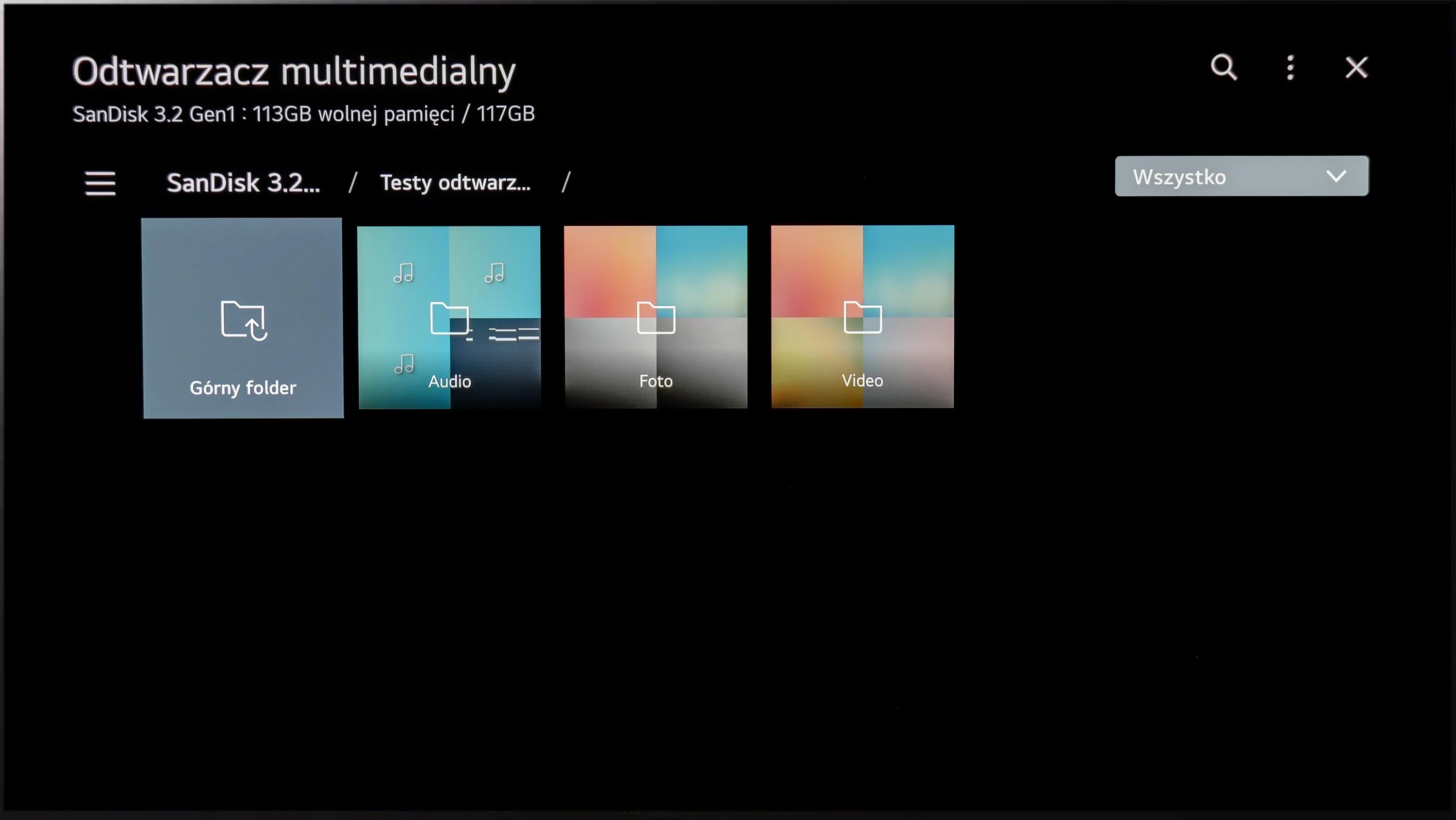
The default file player on the LG G4 handles most photo formats well, though it's surprising that a few popular ones are missing. Video playback is excellent, supporting nearly all common formats, including Dolby Vision, with the only exception being the H.266 VVC codec—currently rarely used. However, photo format support is limited to just JPEG and PNG, which may disappoint Apple users due to the lack of HEIC compatibility, the default format for iPhone photos. Fortunately, this can be bypassed using the built-in AirPlay feature. It's also worth noting that the player does not support TXT subtitles, which could be an inconvenience for some users.

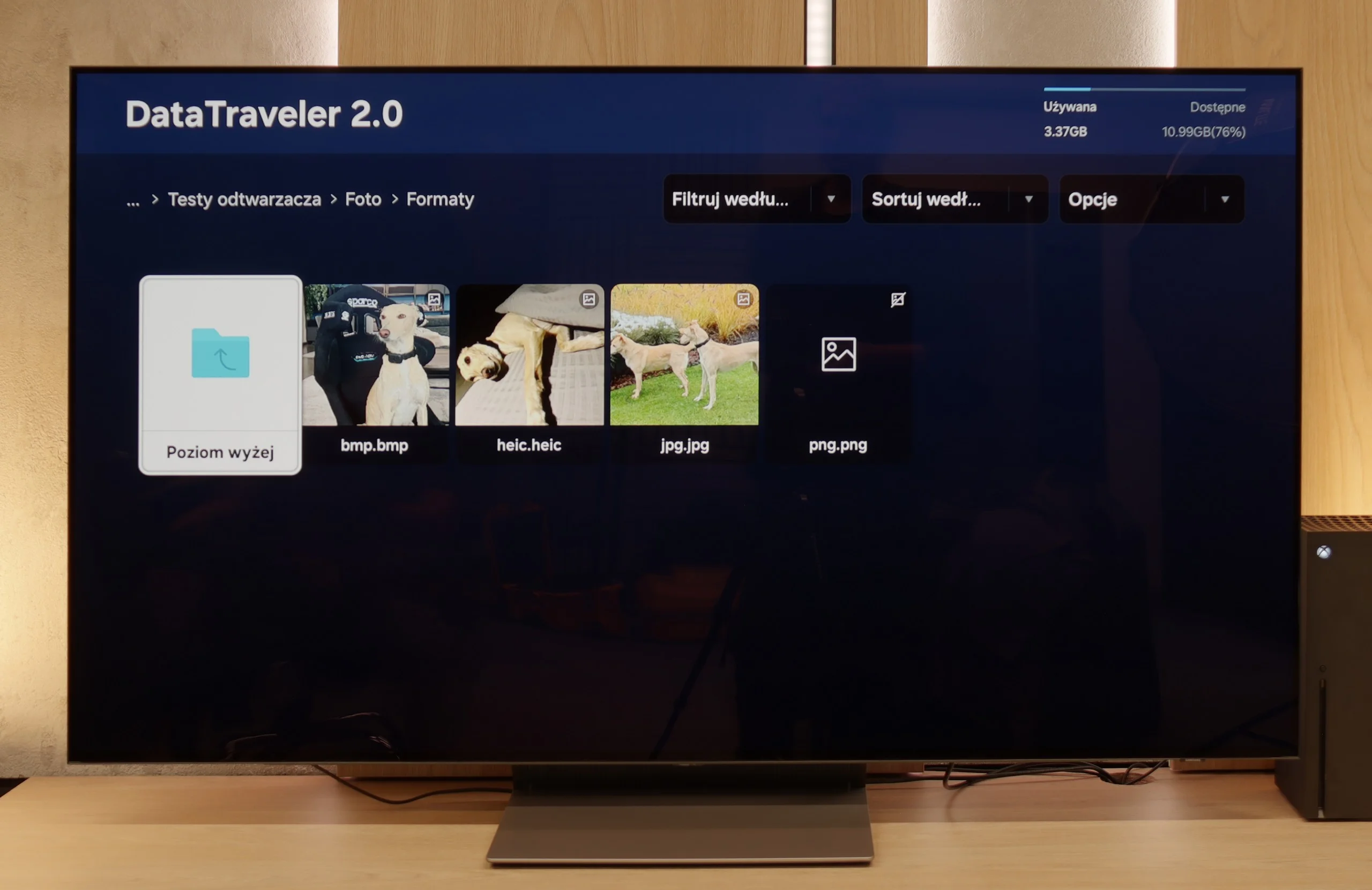
The built-in media player in the S90F is fine and supports a good number of popular formats. Unfortunately, during testing – once again – we encountered issues despite the manufacturer's claims. The TV did not play some formats that are supposedly supported, such as HEIC photo format (Apple's version) or SRT and SUB text subtitles. In the daily use of most people, such a player is probably sufficient to run a movie from a USB drive, but it's worth keeping in mind that surprises can happen. Perhaps the situation will improve in future updates, but at the time of writing this review – it works as it works.

Apps

9.1/10

8.7/10

OK
Disney_Plus
OK
Amazon_Prime_Video
OK
Player_TVN
OK
Polsat_Box_Go
OK
Canal_Plus_Online
OK
TVP_VOD
OK
Apple_TV_Plus
OK
SkyShowtime
OK
Rakuten
OK
CDA_Premium_Browser
OK
Spotify
OK
Tidal
OK
Netflix
OK
YouTube
OK
HBO_MAX
No
Kodi
OK
Apple_music
No
Eleven_sports
OK
Xbox Game Pass
OK
GeForce Now!
OK
Amazon Luna
OK
Boosteroid
No
Steam Link
OK
Disney_Plus
OK
Amazon_Prime_Video
OK
Player_TVN
OK
Polsat_Box_Go
OK
Canal_Plus_Online
OK
TVP_VOD
OK
Apple_TV_Plus
OK
SkyShowtime
OK
Rakuten
OK
CDA_Premium_Browser
OK
Spotify
No
Tidal
OK
Netflix
OK
YouTube
OK
HBO_MAX
No
Kodi
OK
Apple_music
No
Eleven_sports
OK
Xbox Game Pass
OK
GeForce Now!
OK
Amazon Luna
OK
Boosteroid
No
Steam Link

Sound

8.6/10

7.4/10

  • Maximum volume
    -
    84dB
  • Dolby Digital Plus 7.1
    Yes
    Yes
  • Dolby True HD 7.1
    Yes
    No
  • Dolby Atmos in Dolby Digital Plus (JOC)
    Yes
    Yes
  • Dolby Atmos in Dolby True HD
    Yes
    No
  • DTS:X in DTS-HD MA
    Yes
    No
  • DTS-HD Master Audio
    Yes
    No

Audio quality is always subjective, but the LG G4 deserves recognition for its sound clarity. The primary drawback is its limited bass range, though this is less of an issue for those who plan to pair the TV with a home theatre system. Crucially, the LG G4 offers extensive support for audio codecs, including DTS-HD Master Audio and Dolby Atmos, ensuring compatibility with a wide range of high-quality audio setups.

The S90F sounds really pleasant, with noticeable bass and quite good dynamics. A definite plus is the support for Dolby Atmos, which allows the television to sound a bit more "spatially" – of course, as much as the built-in 2.1 system allows 😉. Unfortunately, as with Samsung, there is no support for the DTS:X format. So if you want to take advantage of its capabilities, you need to connect the audio equipment directly to the receiver, not to the television itself – otherwise, it simply won’t work.

Sound Quality Test

No sound test video

Acoustic Measurements

No acoustic data

84dBC (Max)

75dBC