LG OLED G4 vs LG QNED93A / QNED90A

Direct comparison

Check the best price offer:

LG OLED G4
$2 396

G45 / G42

Info

QNED93A / QNED90A

Info

Available screen sizes: 55”65”77”83”97”

Available screen sizes: 55”65”75”85”

Panel type: WRGB OLED

Resolution: 3840x2160

System: WebOS

Model year: 2024

Complete the survey to find out the result

Panel type: LCD VA

Resolution: 3840x2160

System: WebOS

Model year: 2025

Complete the survey to find out the result

Overall rating

8.5

7.3

  • Movies and series in UHD quality

    8.6

    6.8

  • Classic TV, YouTube

    9.1

    6.9

  • Sports broadcasts (TV and apps)

    9.0

    6.8

  • Gaming on console

    9.5

    8.5

  • TV as a computer monitor

    8.6

    8.6

  • Watching in bright light

    5.8

    6.2

  • Utility functions

    9.0

    8.2

  • Apps

    9.1

    9.1

  • Sound quality

    8.6

    6.9

Advantages

  • Phenomenal image fidelity to the director's intent

  • Reference color reproduction after calibration

  • Very high brightness in HDR materials

  • Remarkable compatibility with console and computer

  • The panel suppresses reflections very well

  • Perfect viewing angles

  • Quite good contrast

  • High number of dimming zones

  • Good HDR brightness (about 1400 nits)

  • Wide color gamut coverage (about 96% DCI-P3)

  • 144 Hz mode and a full set of gaming features (HDMI 2.1, VRR, ALLM, G-Sync, FreeSync, HGiG, Game Bar)

  • Low input lag (7 ms at 120 Hz)

  • Good compatibility with PC, including 144 Hz and readable fonts

  • WebOS with a rich selection of apps and voice control

  • Magic Remote

  • Quite effective upscaling and image processing tools - great for older content like antenna TV or YouTube

Disadvantages

No like
  • Visible tonal transitions

  • Sound of the built-in audio system - could be better in this class of television

  • Local dimming algorithms need refinement

  • Very average viewing angles

  • Dolby Vision does not bring a noticeable improvement over HDR10

Our verdict

The LG G4 is a top contender for the best television of 2024, offering an exceptional viewing experience. Combining OLED black with MLA technology, it delivers a dynamic and detailed image, making it ideal even for sunny rooms. The operating system, while not as open as some competitors, offers a lot of functionality, with the standout feature being the intuitive remote control with a cursor, ensuring ease of use. Out of the box, colour reproduction is solid, but after calibration, it reaches almost reference quality, providing a truly cinematic image. Post-production studios favour this brand for its deep calibration capabilities, including 3D LUT adjustment.

The TV does have some issues with tonal transitions, but these can be largely remedied by enabling the "Smooth Gradation" feature, improving the viewing experience. The motion smoother is highly advanced, catering to sports and dynamic content with adjustable fluidity. With HDMI 2.1 ports supporting full functionality, including low input lag, the TV is perfect for gamers. Overall, the LG G4 is a versatile and high-quality television, offering superb performance both day and night.

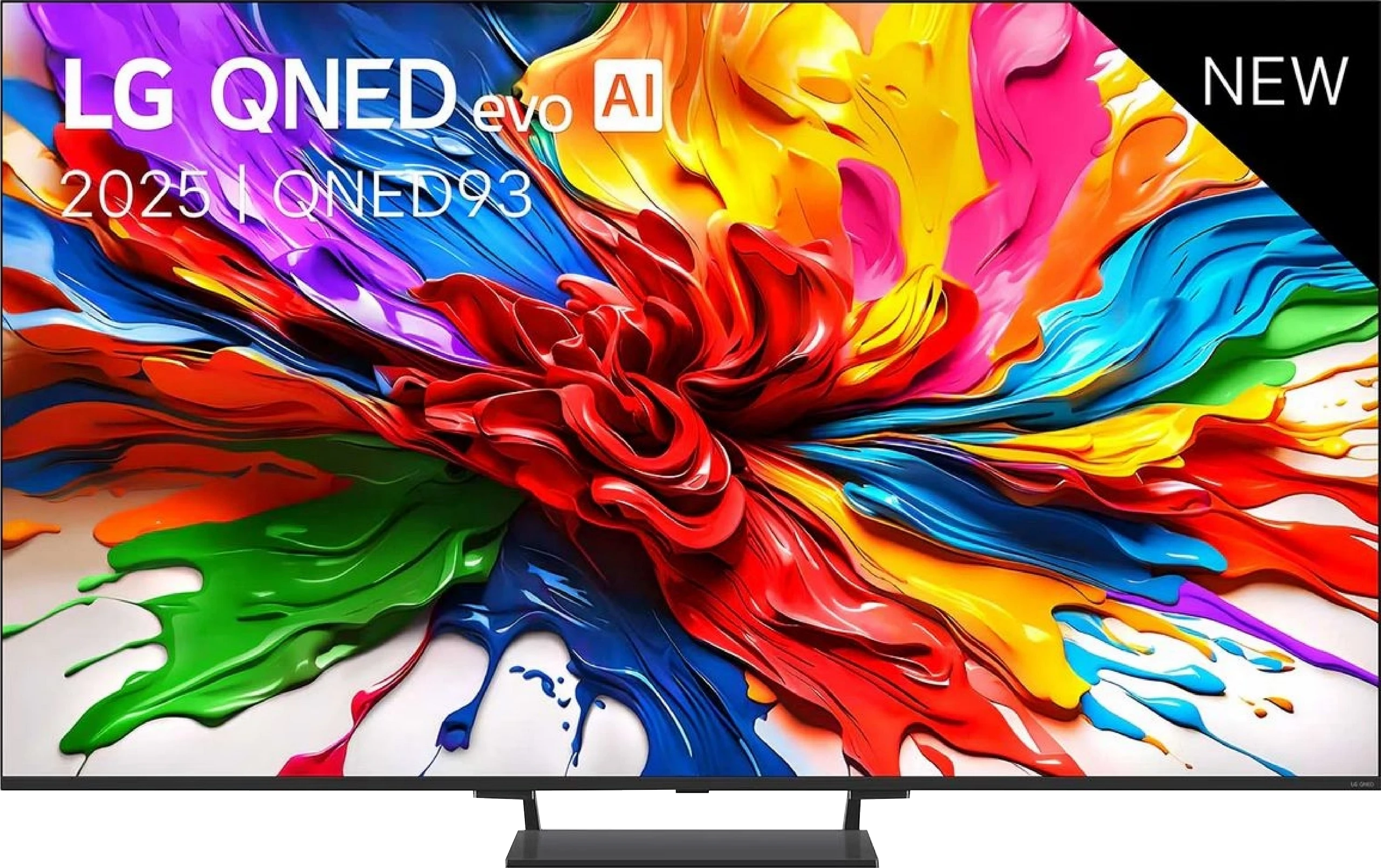
LG QNED93A is a television that, at first glance, appears to be a solid step forward compared to previous LCD models from this brand. On paper, we get a lot: a significantly larger number of dimming zones, a 144 Hz refresh rate for gamers, support for all HDR formats, including Dolby Vision, and WebOS with a new Magic remote, which still ranks among the most user-friendly operating systems. The QNED93A shines the most in gaming applications. Four fully functional HDMI 2.1 ports allow you to connect consoles and computers without any limitations, and the low input lag is maintained at both 120 and 60 Hz. For PC gamers, an additional advantage is the 144 Hz mode and full compatibility with G-Sync and FreeSync. So, it can be confidently said that in terms of gaming features, the QNED93A does not have any complexes compared to the competition. Another strong point is WebOS. LG's system has long been regarded as one of the most convenient for everyday use, and this is confirmed here. Everything is clear, and the Magic remote allows you to control the television like a mouse pointer – quickly and intuitively. Brightness can also be considered a plus. At its peak, it manages to achieve results close to 1400 nits. This is enough to ensure the picture doesn't fade in brighter rooms and that special effects in movies or games look convincing. The image processor does a good job of upscaling older content – television or films in lower resolutions appear clearer and sharper than on many competing screens.

However, it cannot be denied that the biggest problem with the QNED93A is the local dimming algorithms. In scenes full of black, the screen can darken significantly, causing many details to simply disappear. The effect is such that contrast looks better at first glance but comes at the expense of information that should be visible. An additional problem is the Dolby Vision mode, which typically enhances certain aspects of screens, but in this case, changes very little. The differences between dynamic and static metadata must literally be searched for with a magnifying glass. This is simply disappointing because the hardware, with its number of dimming zones and stronger backlighting, has the foundation for a better effect. So who is the LG QNED93A for? It is a television that works brilliantly as a home entertainment center, especially if you're thinking about gaming on a console or PC. In everyday television viewing and movie watching in well-lit conditions, it also provides a lot of satisfaction thanks to its high brightness and solid image processor. However, one must accept that in scenes with a lot of black and when fully utilizing HDR, this model does not match its competitors. LG has shown that it can create a very solid LCD screen, but it is also evident that not everything has been polished as it has in their OLED televisions.

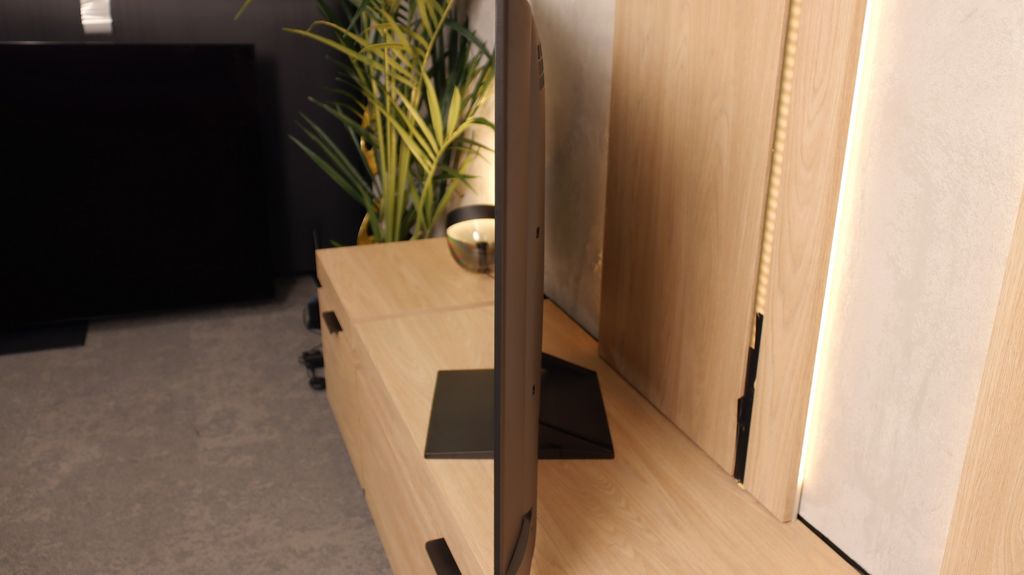
TV appearance

HDMI inputs
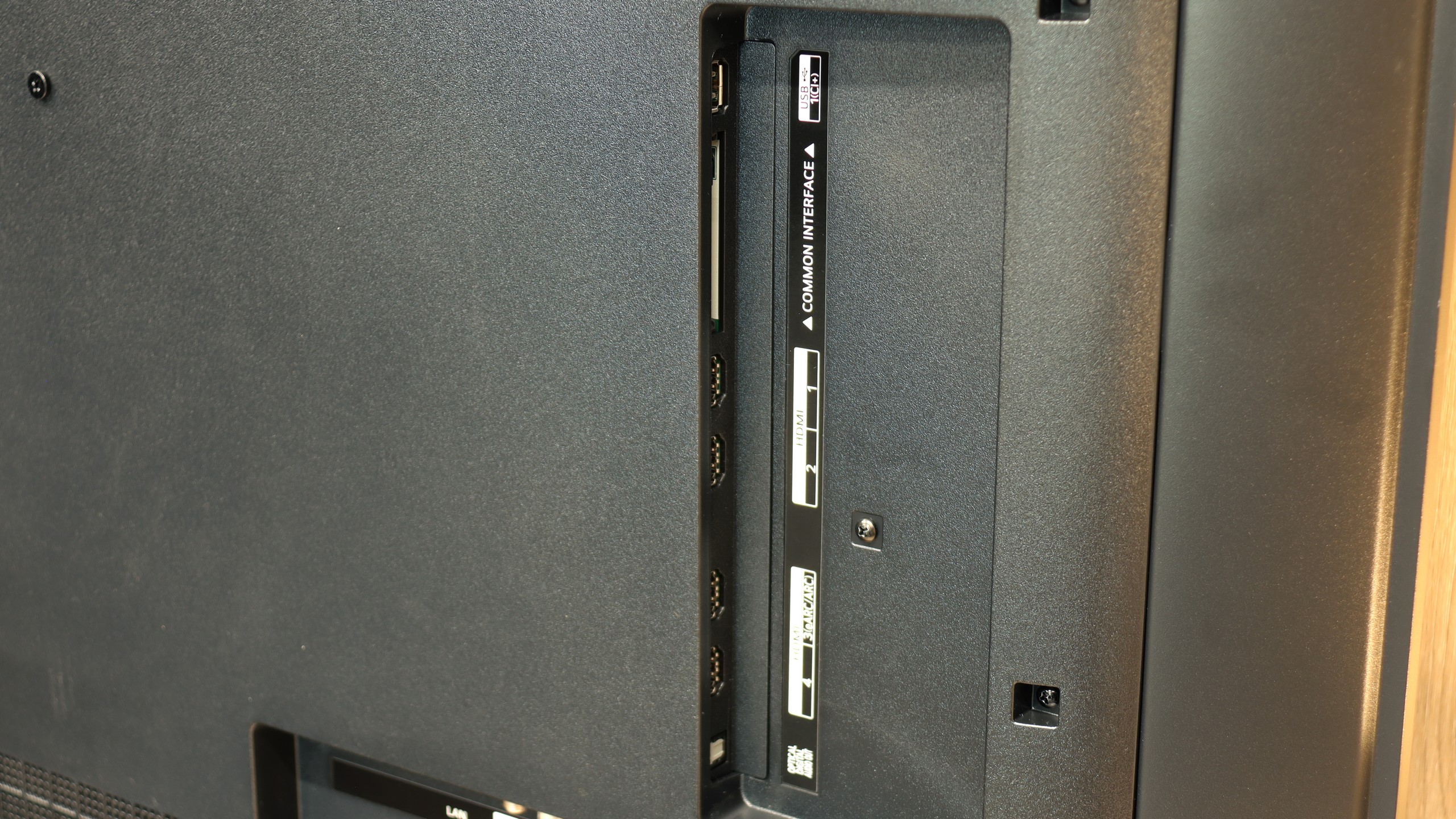
0 x HDMI 2.0, 4 x HDMI 2.1 (48Gbps)
Other inputs
Outputs
Toslink (Optical audio), eARC (HDMI), ARC (HDMI)
Network Interfaces
Wi-Fi 2.4GHz, Wi-Fi 5GHz, Ethernet (LAN) 100Mbps
Build quality
Super Premium
BuildQuality-Good
Stand type
stand-type-
Central
Bezel color
Silver
Graphite
Stand
Fixed
Flat design
Yes
No
Accessories
Stand, Wall bracket
Stand

Contrast and black detail

10/10

7.3/10

Local dimming function: Yes, number of zones: 308 (14 x 22)

Contrast:

Review LG OLED G4 Contrast and black detail

Result

:1

Review LG OLED G4 Contrast and black detail

Result

:1

Review LG OLED G4 Contrast and black detail

Result

:1

Review LG OLED G4 Contrast and black detail

Result

:1

Review LG OLED G4 Contrast and black detail

Result

:1

Review LG QNED93A / QNED90A Contrast and black detail

Result

130,500:1

Review LG QNED93A / QNED90A Contrast and black detail

Result

30,950:1

Review LG QNED93A / QNED90A Contrast and black detail

Result

15,250:1

Review LG QNED93A / QNED90A Contrast and black detail

Result

6,750:1

Review LG QNED93A / QNED90A Contrast and black detail

Result

4,600:1

Halo effect and black detail visibility:

Review LG OLED G4 Contrast and black detail
Review LG QNED93A / QNED90A Contrast and black detail

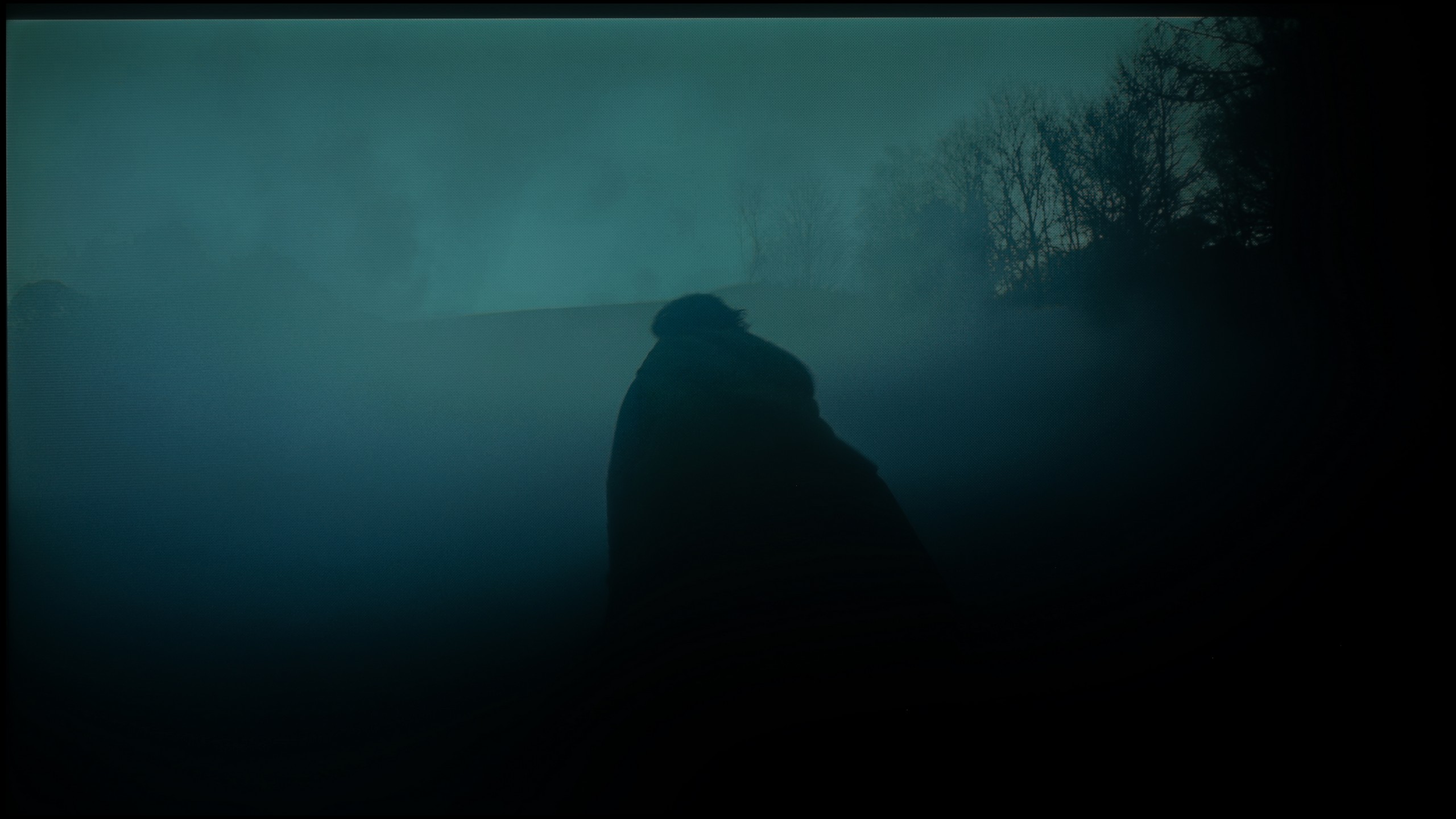
The LG G4, benefiting from over a decade of OLED panel development, excels in contrast, black levels, and detail reproduction, especially in the darkest scenes. Incorporating MLA (Micro Lens Array) technology further enhances this, improving brightness and handling light reflections effectively, making the TV a strong performer in sunlit rooms. OLED technology offers perfect blacks by turning off individual pixels, which results in exceptional immersion and a three-dimensional effect, surpassing even some of the best Mini LED models. This is particularly evident in challenging scenes from films like The Revenant, where even the finest details are captured with remarkable clarity.

The black levels in the LG OLED G4 are nearly flawless, amplifying the depth and realism of high-contrast scenes. The TV’s high contrast, combined with deep blacks, delivers an immersive viewing experience, making it stand out in a crowded market of competing models.

We took a close look at the 55-inch version of the LG QNED93A, equipped with a high-contrast VA panel. However, in the case of Mini-LED TVs, it's not just the panel itself, but primarily the number and operation of local dimming zones that determine the final effect. In this model, we counted as many as 308 zones, which already looks impressive from the start. For comparison – last year's QNED91T in the 65-inch variant had only around 160. The difference is enormous and shows that LG has made a significant step forward in this technology. On paper, it looks great, but practice quickly dampens the enthusiasm. The contrast in the QNED93A can indeed impress – bright elements are clearly separated from black, and in many scenes, the depth effect truly pleases the eye. The problem is that despite such a significant improvement in backlight construction, the results are not much better than in last year's model. The algorithms controlling dimming can be too aggressive. This is especially noticeable in darker sequences, where the screen dims to such an extent that subtle details disappear from view. Many viewers will appreciate the stronger black, but it is hard to ignore that this comes at the expense of the director's intentions. The most problematic are scenes with many small, bright elements. It is during these moments that typical halo effects, or glowing outlines, associated with LCDs featuring local dimming zones appear around them. This phenomenon does not completely ruin the experience, but it serves as a reminder that even with an increased number of zones, local dimming still has its limitations. Ultimately, the contrast in the QNED93A can be considered good, but we have the impression that the manufacturer did not pay enough attention to optimizing the new model when it comes to black and contrast.

HDR effect quality

7.9/10

5.8/10

Supported formats
HDR10, Dolby Vision, HLG
Color gamut coverage
DCI P3: 98.3%, Bt.2020: 74.7%
DCI P3: 95.1%, Bt.2020: 77.1%

Luminance measurements in HDR:

Review LG OLED G4 Brightness measurement

Result

1474 nit

Review LG OLED G4 Brightness measurement

Result

1467 nit

Review LG OLED G4 Brightness measurement

Result

1403 nit

Review LG OLED G4 Brightness measurement

Result

1441 nit

Review LG OLED G4 Brightness measurement

Result

850 nit

Review LG QNED93A / QNED90A Brightness measurement

Result

1330 nit

Review LG QNED93A / QNED90A Brightness measurement

Result

219 nit

Review LG QNED93A / QNED90A Brightness measurement

Result

678 nit

Review LG QNED93A / QNED90A Brightness measurement

Result

160 nit

Review LG QNED93A / QNED90A Brightness measurement

Result

1016 nit

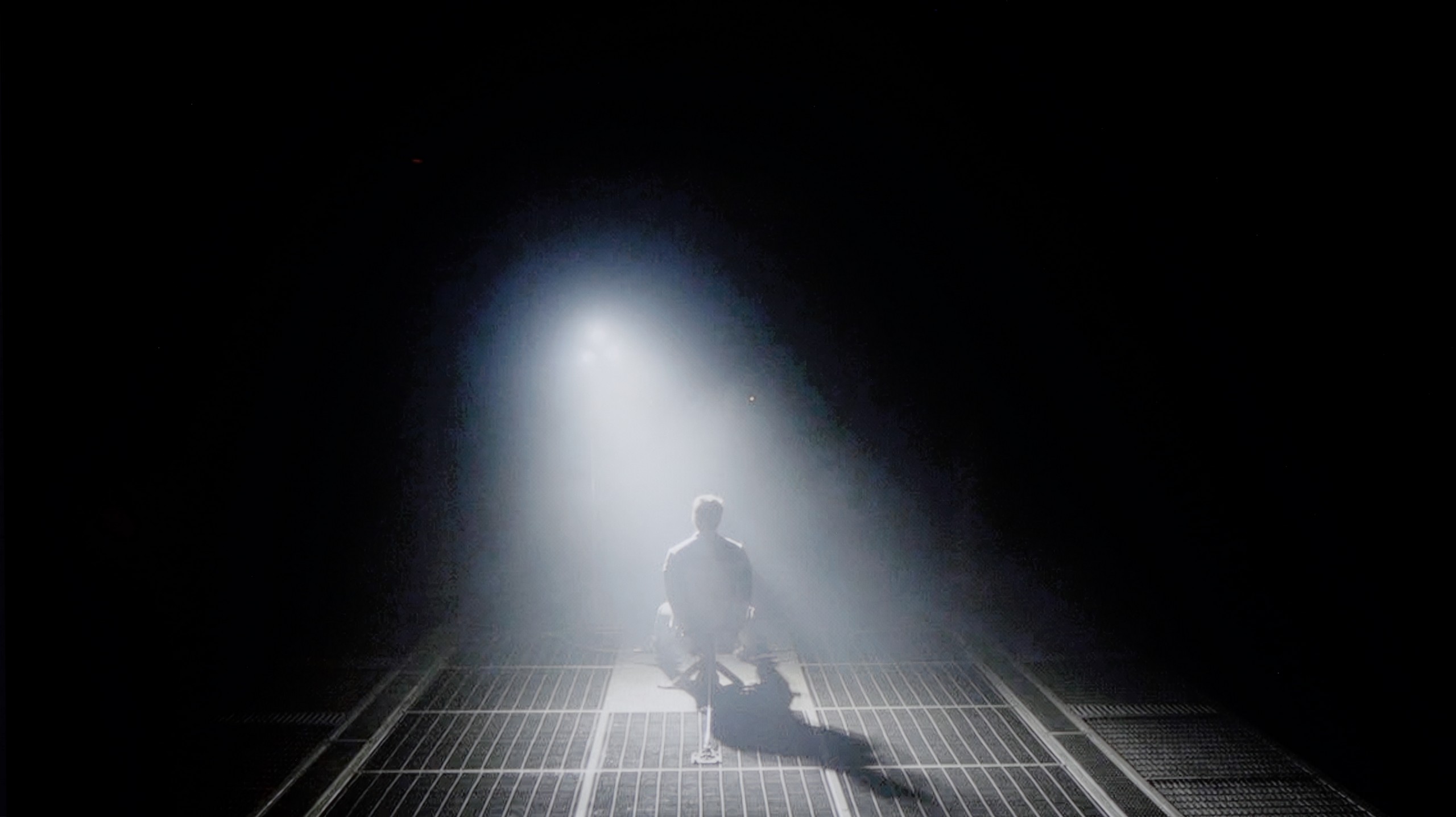
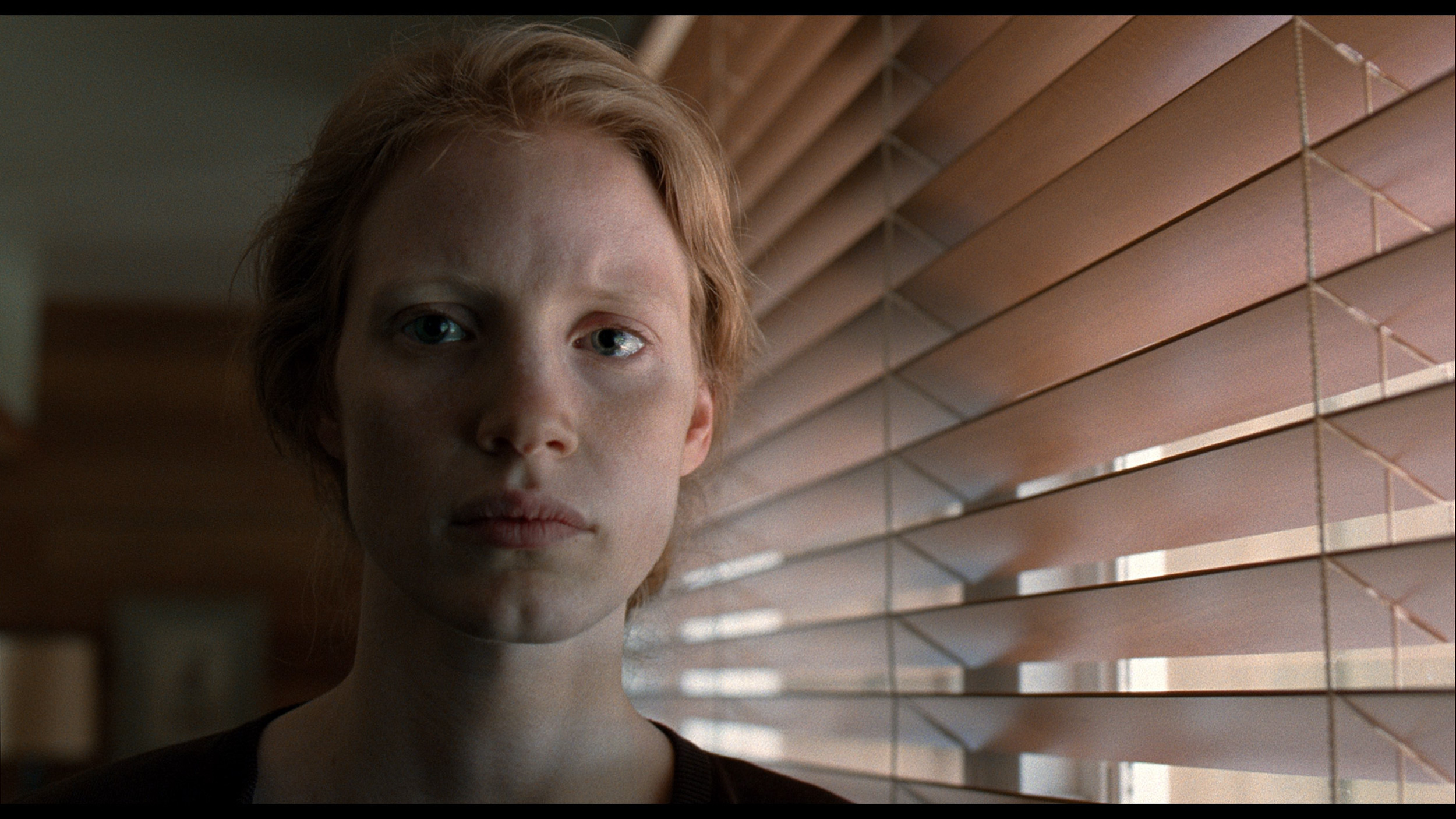
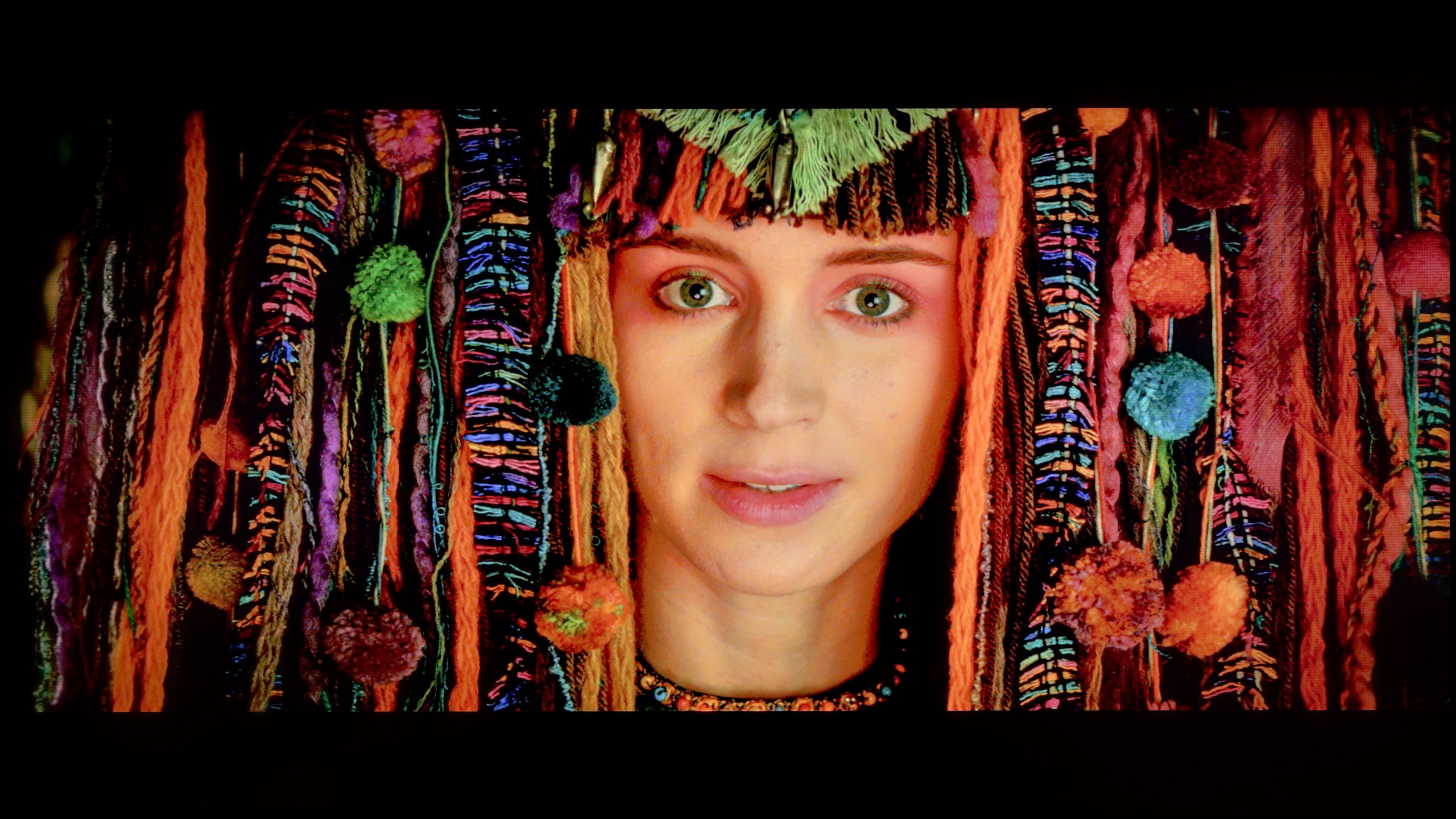
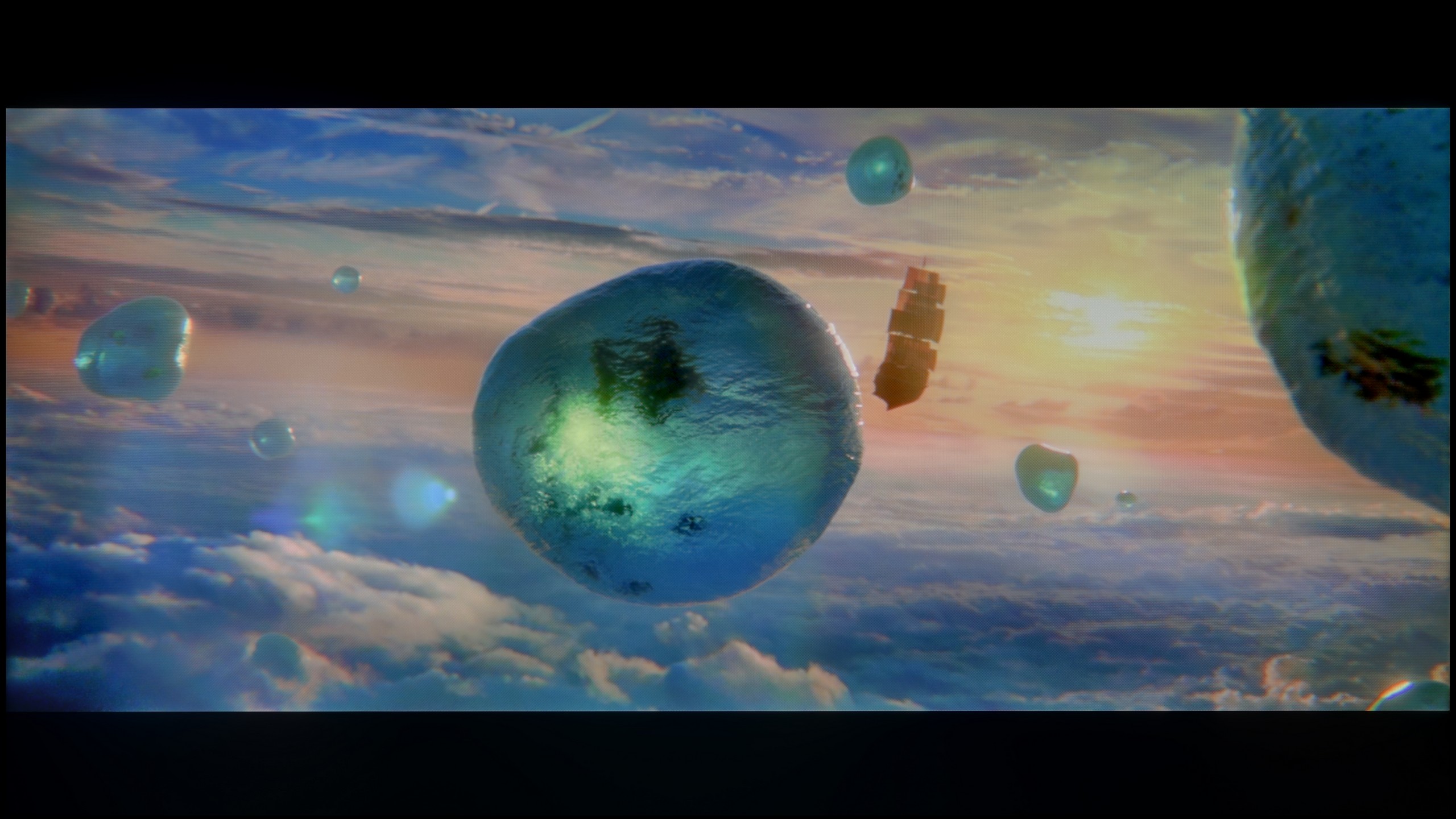
Scene from the movie “Pan” (about 2800 nits)

Review LG OLED G4 HDR effect quality
Review LG QNED93A / QNED90A HDR effect quality

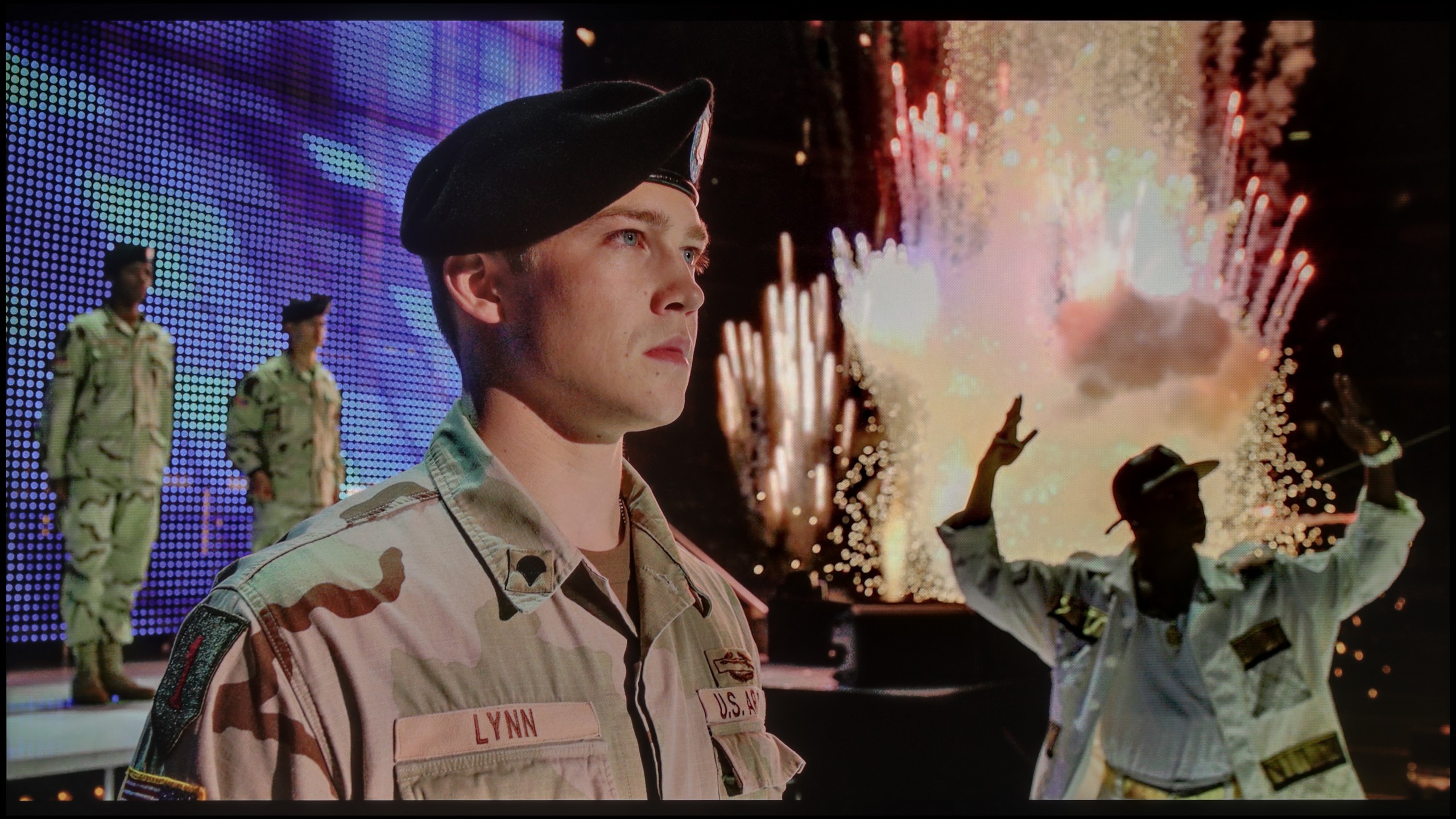
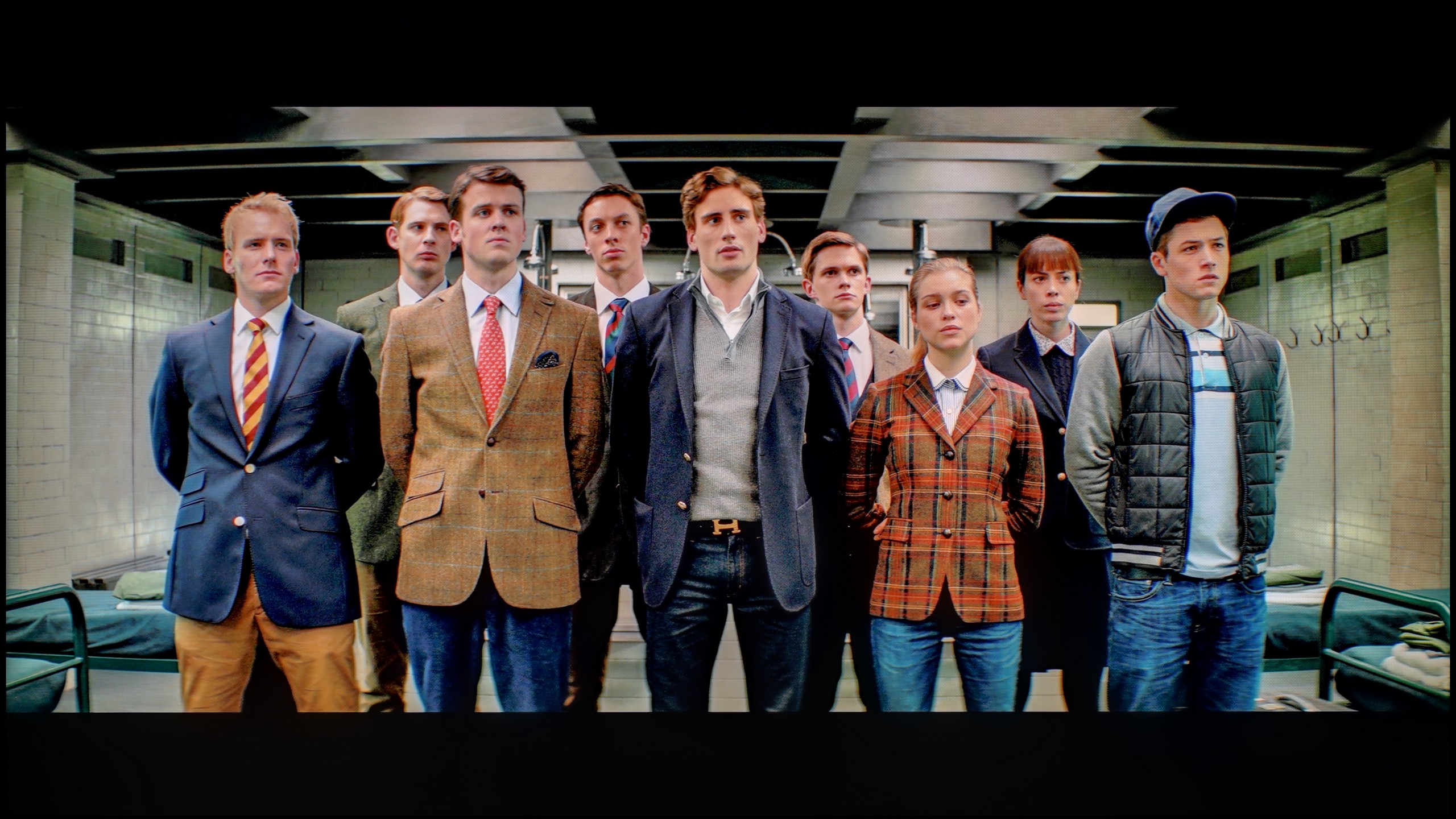
Scene from the movie “Billy Lynn” (about 1100 nits)

Review LG OLED G4 HDR effect quality
Review LG QNED93A / QNED90A HDR effect quality

Static HDR10

Review LG OLED G4 HDR effect quality
Review LG QNED93A / QNED90A HDR effect quality

Dynamic: Dolby Vision

Dynamic: Dolby Vision

Review LG OLED G4 HDR effect quality
Review LG QNED93A / QNED90A HDR effect quality

HDR luminance chart:

LG QNED93A / QNED90A

HDR luminance

LG OLED G4

HDR luminance

Luminance of RGB colors

The LG G4 excels in delivering an incredibly vivid HDR experience, positioning it as one of the best models in its class. Equipped with second-generation Micro Lens Array (MLA) technology, it achieves a remarkable peak brightness of 1474 nits in real-world scenes. While it may not match Mini LED-backlit LCD TVs in full-screen white scenes, the overall performance is outstanding. The fine details in HDR content shine brightly, a distinct advantage of OLED technology over non-OLED displays. With this impressive brightness and wide DCI-P3 colour gamut coverage, HDR content is brought to life with unmatched engagement and immersion.

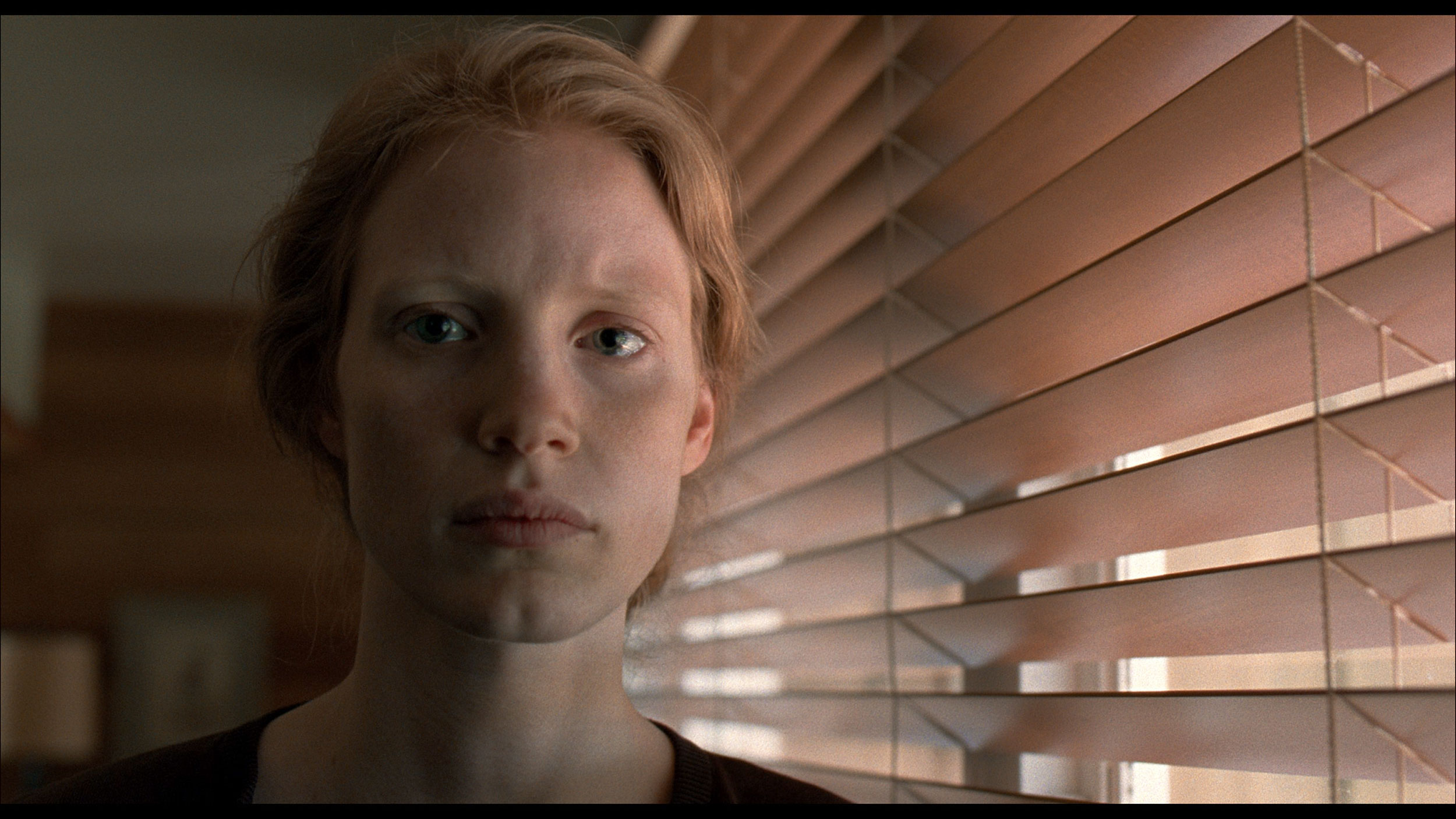
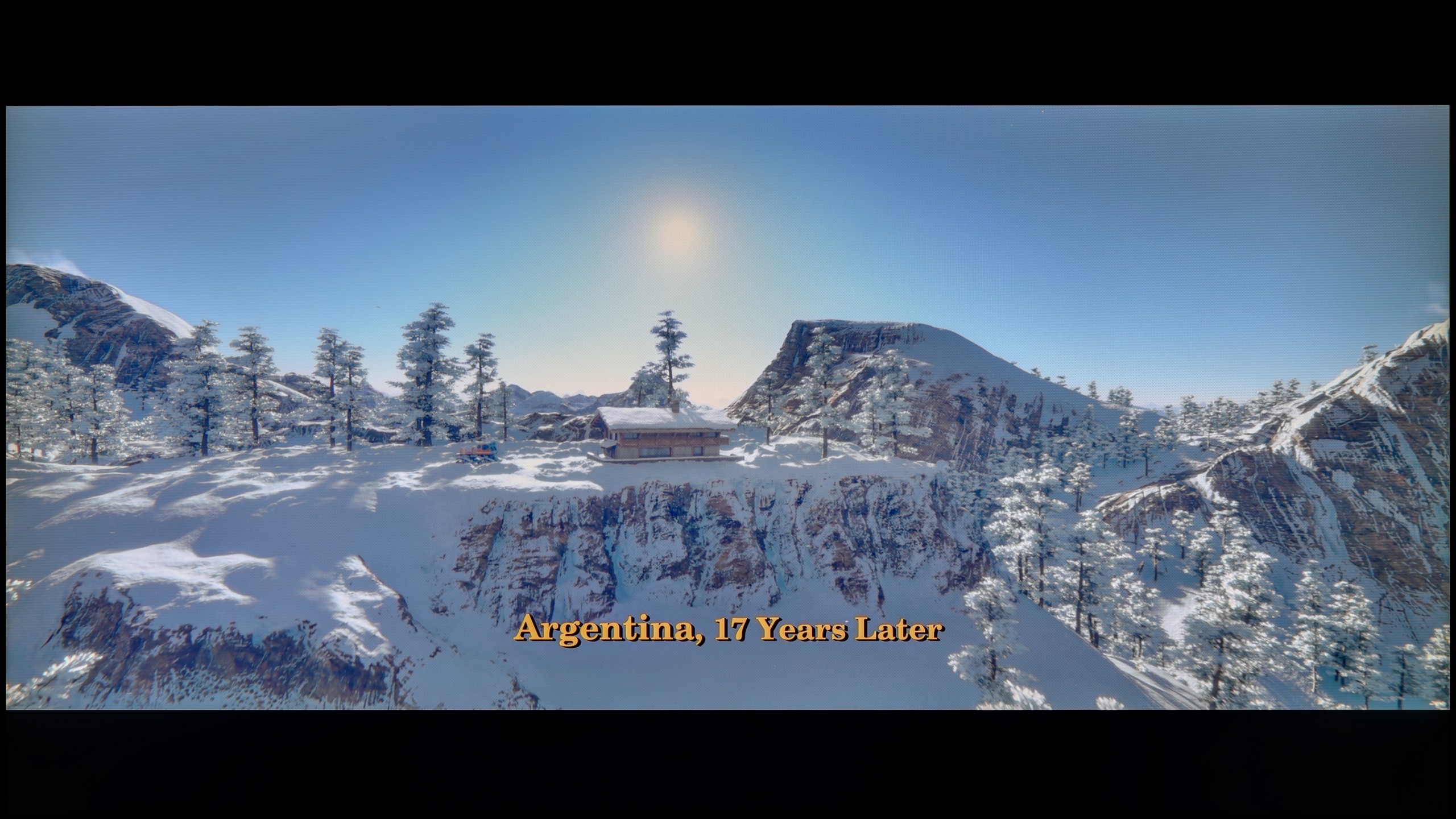
Although the number of local dimming zones in the LG QNED93A did not directly translate to a noticeably better contrast, one cannot deny that this model is brighter than its predecessor. In synthetic tests, we recorded values around 1400-1500 nits, and more importantly, these results are reflected in real movie scenes. In full-screen sequences flooded with white or bright lights, the screen was able to maintain high luminance, which produced a truly decent incredible HDR effect. Unfortunately, where the television could show its true class, namely in scenes that require precision, all the magic evaporates. The dimming algorithms we mentioned earlier are aggressive enough that small bright objects—such as distant lights, stars, or the moon—can almost completely disappear. Just look at the test scenes from the movie Pan or Sicario 2 (screens 2 and 4) to see how subtle details are dimmed to the brink of visibility. It's a shame, because a greater number of zones could theoretically lead to significantly better results. Fortunately, there are also stronger points. The QNED93A performs well in terms of color gamut coverage, achieving around 96% of the DCI-P3 standard. As a result, colors in movies look vivid and full, and the picture does not lose intensity even in more demanding scenes. So it can be said that the HDR in this model is solid, although the unfinished local dimming algorithms hinder its full potential.

Factory color reproduction

8.4/10

6/10

Review LG OLED G4 Factory color reproduction
Review LG QNED93A / QNED90A Factory color reproduction

Factory Mode

After calibration

Review LG OLED G4 Factory color reproduction
Review LG QNED93A / QNED90A Factory color reproduction

Factory Mode

After calibration

Before calibration, the "Filmmaker" mode on the TV had a noticeable red and green colour dominance, resulting in a warm-yellow hue across both SDR and HDR content. This warm tone, typical of modes like "Cinema" and "Filmmaker," led to a yellowish cast that was evident when switching from the "Standard" mode.

Looking at the brightness characteristics, the Gamma chart showed decent performance for mid-tones and bright whites, but it struggled with the darkest details, which tended to merge into a black blob. HDR content, as represented by the EOTF curve chart, displayed a drop in contrast due to excessive brightness, which overshadowed fine details and negatively affected the overall image quality. Additionally, the "ColourChecker" chart revealed that colours were under-saturated, contributing to a less accurate and vibrant visual experience.

This provided a good foundation to build on, but calibration was needed to bring out the full potential of the "Filmmaker" mode and address these issues.

In movie mode (specifically Filmmaker), color reproduction on the QNED93A was relatively accurate, although it wasn't without critiques. In SDR content, white balance leaned towards warmer tones, resulting in a slight yellowing across the entire screen. Gamma, on the other hand, led to a slight brightening of the image, making it look a bit less natural, especially in scenes requiring precise shading (this is evident in the comparison picture). This isn't a problem that immediately stands out to every viewer, but more discerning individuals may feel that the picture deviates from the aesthetic intended by the filmmakers. In HDR materials, the situation looked somewhat different. The white balance presented itself quite well here, ensuring that whites didn't lean towards pink or unwanted shades of green. However, brightness management proved to be an issue. Analysis of the EOTF curve revealed that at certain moments the television can be noticeably too dark where it shouldn't be, losing some detail and reducing the realism of scenes. This detracted from the experience of HDR effects, which were theoretically supposed to be the most impressive. For this reason, we decided to carry out calibration.
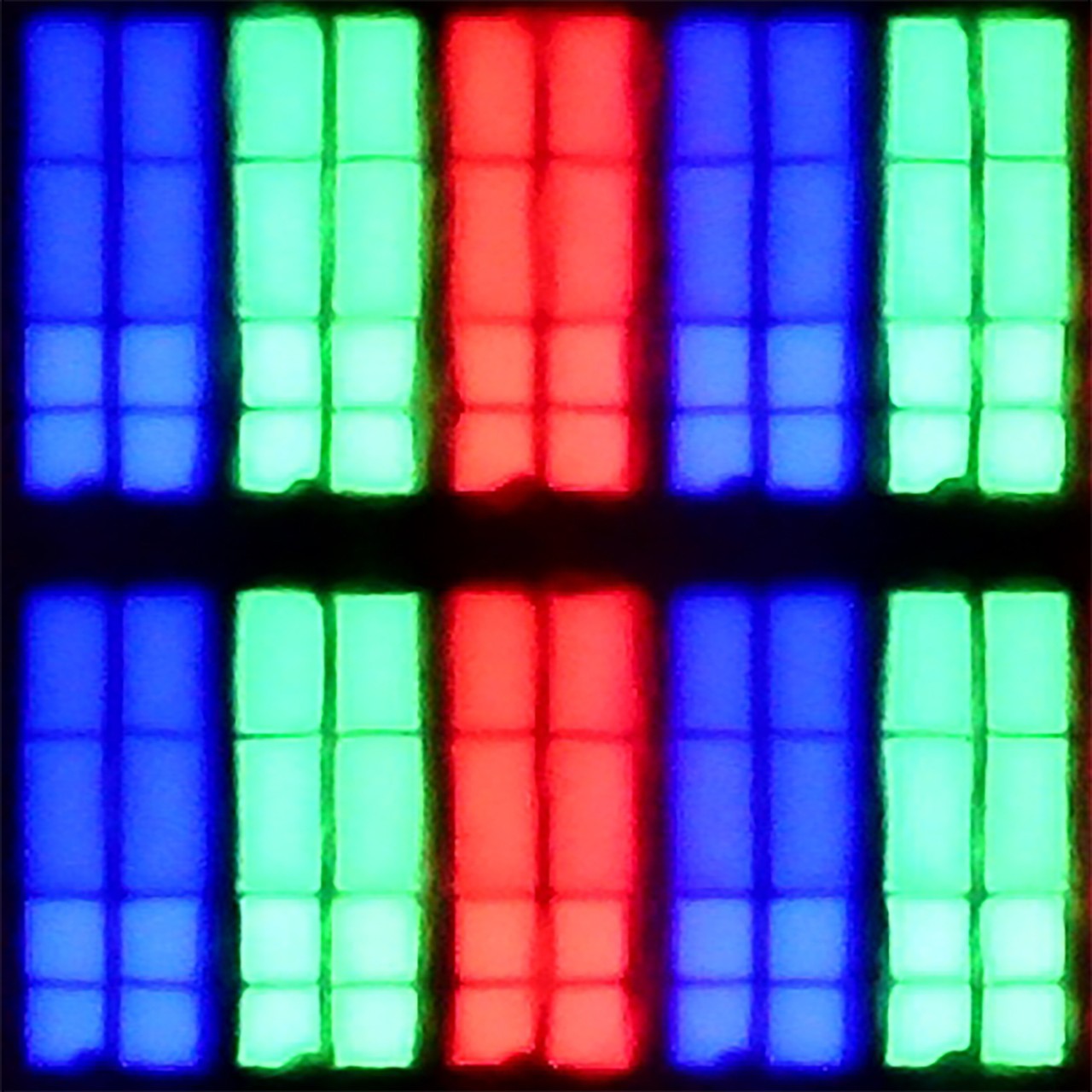
Color reproduction after calibration

9.5/10

7.8/10

Review LG OLED G4 Color reproduction after calibration
Review LG QNED93A / QNED90A Color reproduction after calibration
Review LG OLED G4 Color reproduction after calibration
Review LG QNED93A / QNED90A Color reproduction after calibration

The manufacturer has been offering extensive support for the calibration process in its LG televisions for many years. Therefore, we used 2- and 20-point grayscale adjustments along with an advanced CMS (Colour Management System) to optimise the display. As shown, the calibration procedure greatly improved each parameter. The results included studio-quality colour reproduction, enhanced detail in dark areas, corrected brightness characteristics, and accurate colour saturation. This led to a near-perfect match with the reference image—the one the film director saw on the preview monitor. It’s also worth mentioning that LG G4 televisions are unique in offering even deeper image adjustments through 3D LUT matrices, a feature primarily suited for post-production or graphics studios.

After professional calibration, the Filmmaker mode on the QNED93A gained the most where it matters most in everyday use. It was possible to adjust the white balance and eliminate the yellowish tint in SDR content, which we watch most often – television, streaming services, or standard quality films. This makes colors look natural and pleasant, and the overall experience is much more comfortable. In HDR mode, we also made adjustments, but the biggest problem here turned out to be the EOTF curve. Although LG provides some leeway in the settings, the television still manages brightness on its own terms. It is evident that the local dimming algorithms are not entirely refined and can spoil the viewing experience by dimming parts of the image at inappropriate moments. Nonetheless, it is worth opting for calibration of this model, especially the mode intended for daily viewing.

Smoothness of tonal transitions

6.2/10

8/10

Review LG OLED G4 Smoothness of tonal transitions
Review LG QNED93A / QNED90A Smoothness of tonal transitions
Review LG OLED G4 Smoothness of tonal transitions
Review LG QNED93A / QNED90A Smoothness of tonal transitions
Review LG OLED G4 Smoothness of tonal transitions
Review LG QNED93A / QNED90A Smoothness of tonal transitions
Review LG OLED G4 Smoothness of tonal transitions
Review LG QNED93A / QNED90A Smoothness of tonal transitions

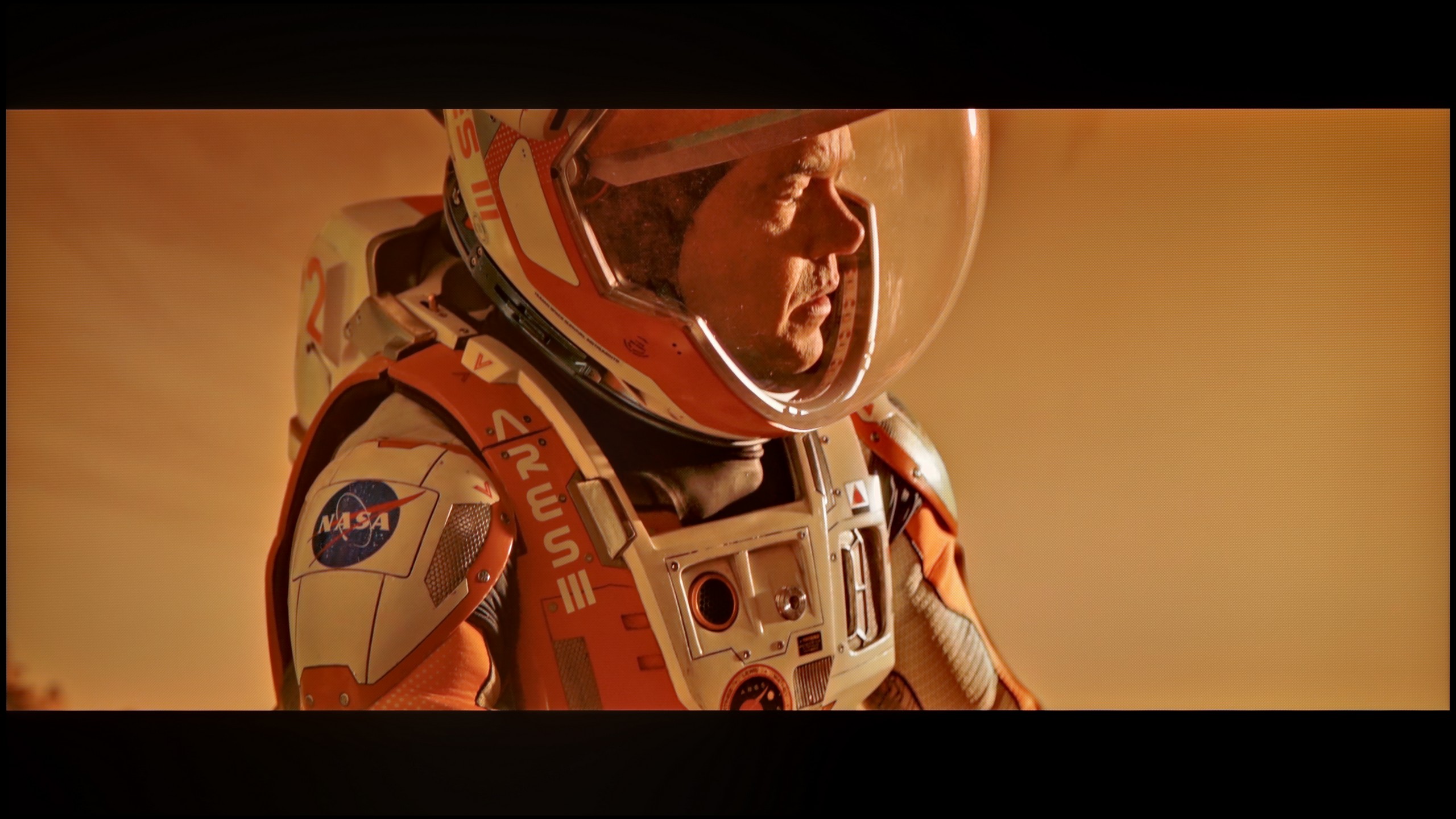
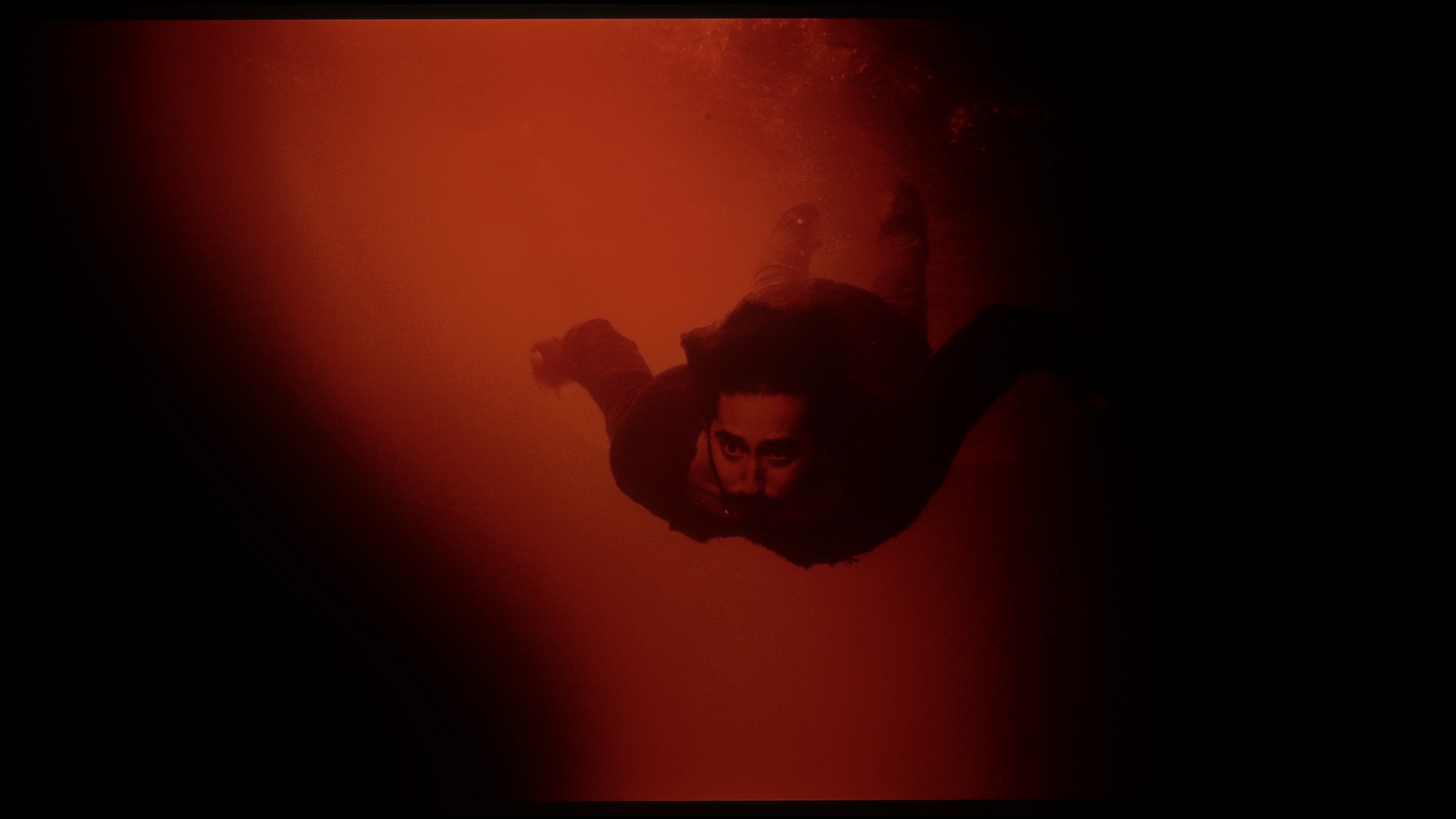
The tonal transitions on the LG G4 are not among the best in class. Every scene played from a Blu-ray disc with 10-bit HDR showed noticeable inconsistencies in colour transitions. This was particularly evident in "The Green Knight," where posterization issues were especially noticeable. Similar problems were observed in films with moderate to high brightness, such as "The Martian" or "Kingsman," which is unusual for televisions of this calibre and was quite surprising. These results suggest that in scenes with low luminance and a lot of black, this issue may become bothersome, even for casual viewers.

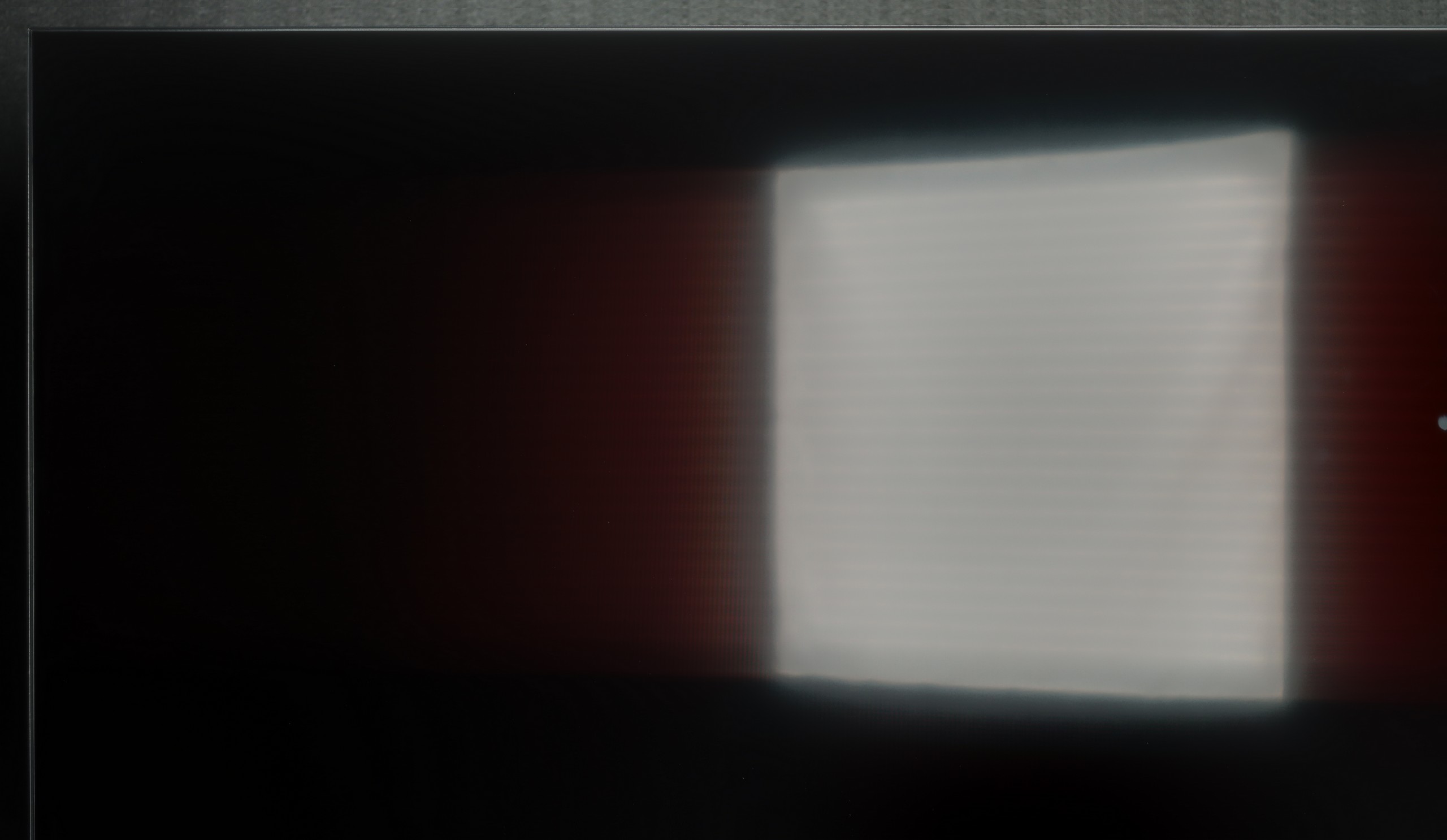
The fluidity of tonal transitions in the LG QNED93A is really good. In most scenes, there are no artificial color divisions or banding effects. Dark shots are particularly surprising – this is where many TVs struggle, but here the image remains smooth and cohesive. In brighter sections, subtle color transitions can be observed, but they are not pronounced enough to draw significant attention. During testing, we encountered a clear issue with the DSE effect, also known as the "dirty screen" effect. On our unit, the phenomenon was strong enough that in bright scenes, the corners noticeably darkened, giving the image a vignetted appearance. This could be a flaw of the test unit, but during intense viewing, it was hard to ignore.

Image scaling and smoothness of tonal transitions

8.2/10

7.8/10

Image without overscan on the SD signal
OK
OK
Smooth transition function
OK
OK

Smooth transition function

Review LG OLED G4 Image scaling and smoothness of tonal transitions
Review LG QNED93A / QNED90A Image scaling and smoothness of tonal transitions

Image without overscan on the SD signal

Review LG OLED G4 Image scaling and smoothness of tonal transitions
Review LG QNED93A / QNED90A Image scaling and smoothness of tonal transitions

The LG G4 does not perform well with materials rich in tonal transitions, leading to a pronounced posterization effect. However, the manufacturer has included a smoothing system called "Gentle Gradation," with three levels: Low, Medium, and High. These settings are effective at smoothing bright colours, though less so for darker tones. It is recommended to use the Low setting, as the higher levels can distort the director's intentions by removing film grain.

When it comes to upscaling lower-quality material, the television's performance is quite good, delivering a sharp and clear image. However, attention should be paid to the jagged edges of fine details and the occasional halo effect around figures. This occurs due to the sharpening imposed by the LG G4, even when the lowest setting is selected (0). This is a noticeable change from the LG G3, which did not apply such strong sharpening, even at setting 0.

LG QNED93A proves to be a very solid television for everyday use. Its image processor handles scaling excellently, ensuring that even older movies or terrestrial television gain sharpness and detail. During the screening of "The Godfather," it's clearly visible how upscaling pulls extra details from the image – the characters' faces and the texture of the clothing appear much clearer than in the original material.

The digital image processing also deserves praise. The television is equipped with a function for reducing unwanted color banding and screen irregularities. It works best in the "Medium" setting – subtly smoothing tonal transitions without over-interfering with the image. This way, the natural film grain is preserved, and the screen doesn't appear unnaturally smoothed. Perhaps in some scenes, you can still notice slight color banding, but in practice, the effect is more favorable than with a stronger intervention from the algorithm.

Blur and motion smoothness

8.5/10

7.6/10

Maximum refresh rate of the panel
144Hz
144Hz
Film motion smoothing option
OK
OK
Blur reduction option
OK
OK
BFI function 60Hz
Yes, 60Hz (image flickers)
BFI function 120Hz
No
-
Brightness drop with BFI
50%
56%

Blur (native resolution, maximum refresh rate):

Blur (BFI function enabled):

Image flickers in this mode

Image flickers in this mode

Blur ():

Blur (4K@144Hz):

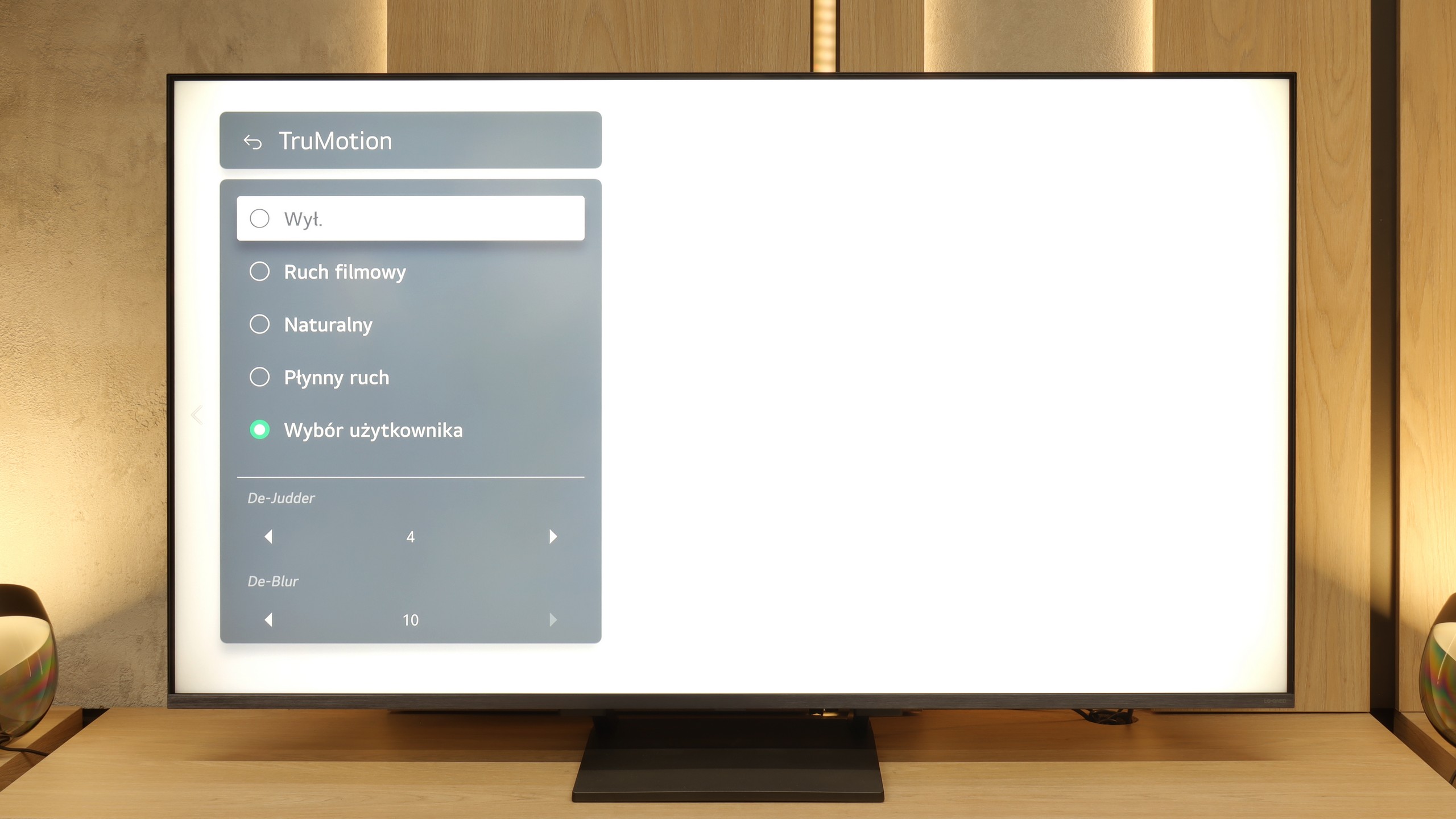
The LG G4 offers a maximum refresh rate of 144 Hz, achievable when connected to a powerful PC. For most users, however, the TV operates at a maximum of 120 Hz, ideal for watching sports or other content with fast motion. To improve image fluidity, the television includes the "TrueMotion" motion smoothing system, which features two separate sliders: De-Blur (for the sharpness of moving images) and De-Judder (for judder reduction). These sliders allow users to adjust the level of smoothing between 0 and 10, ensuring everyone can find the ideal setting.

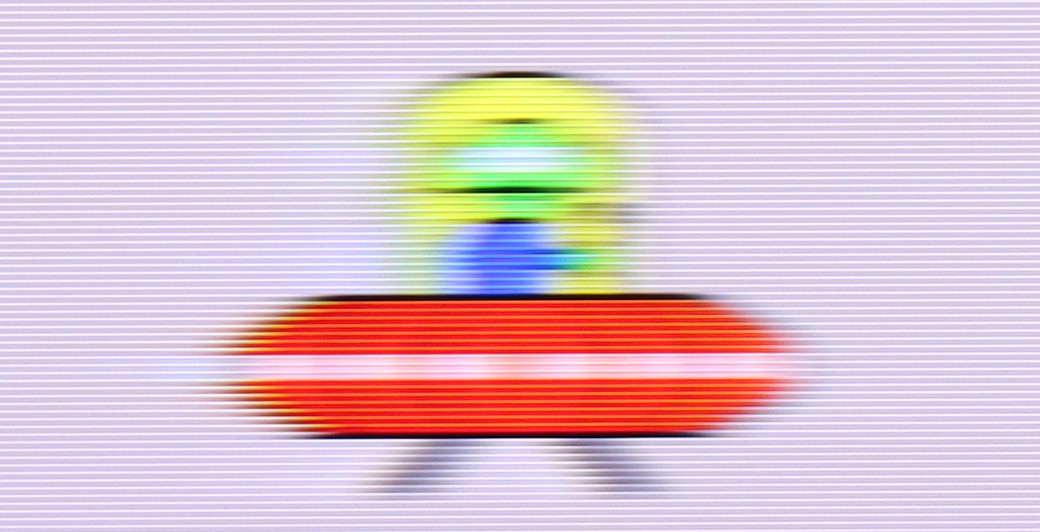
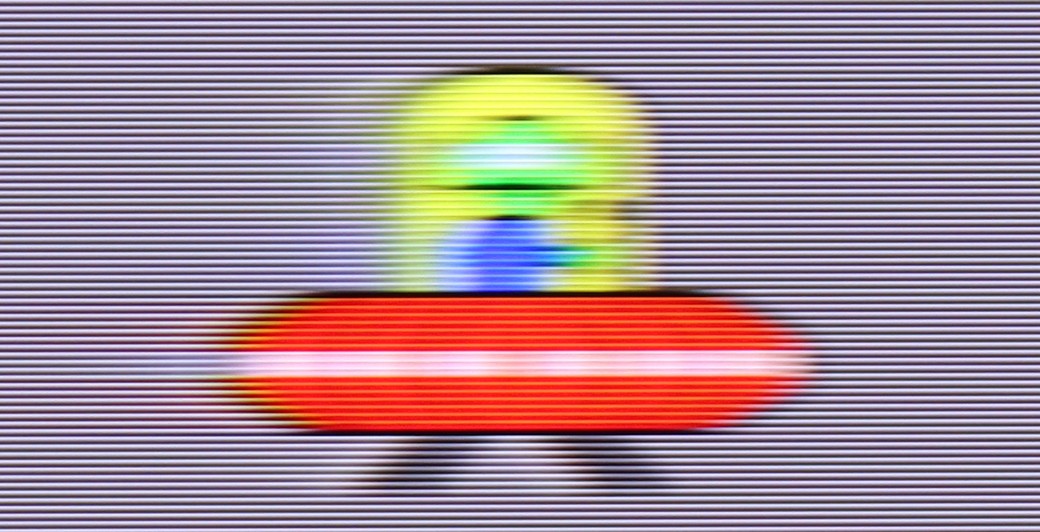
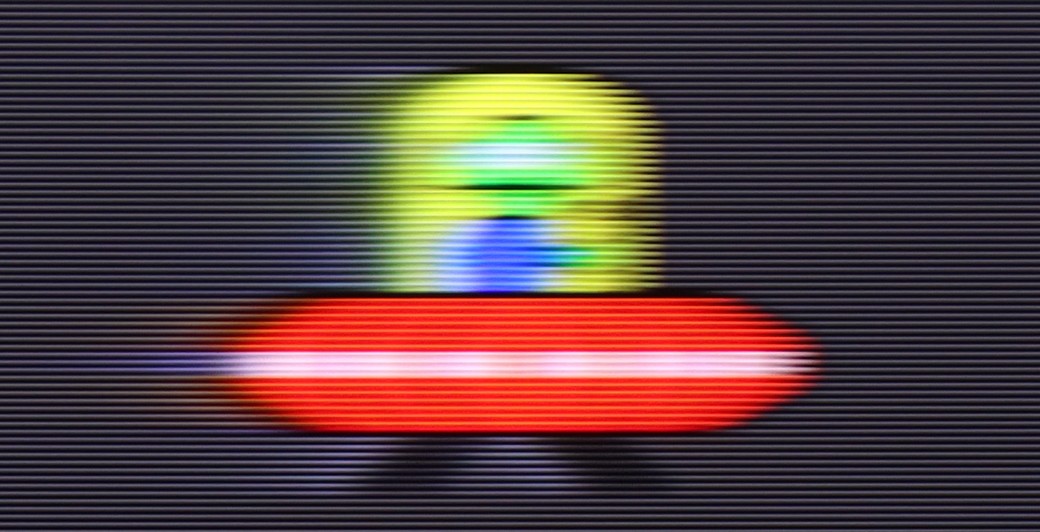
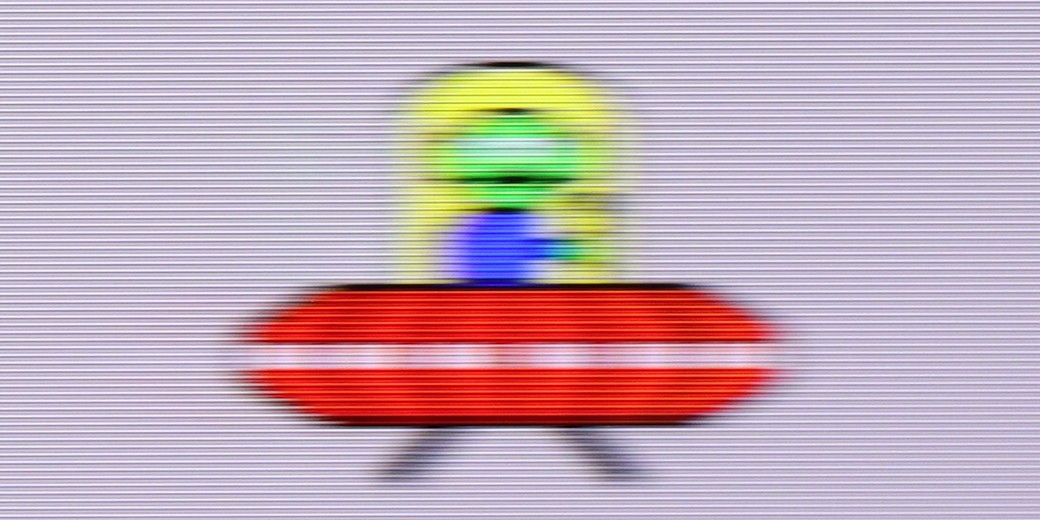
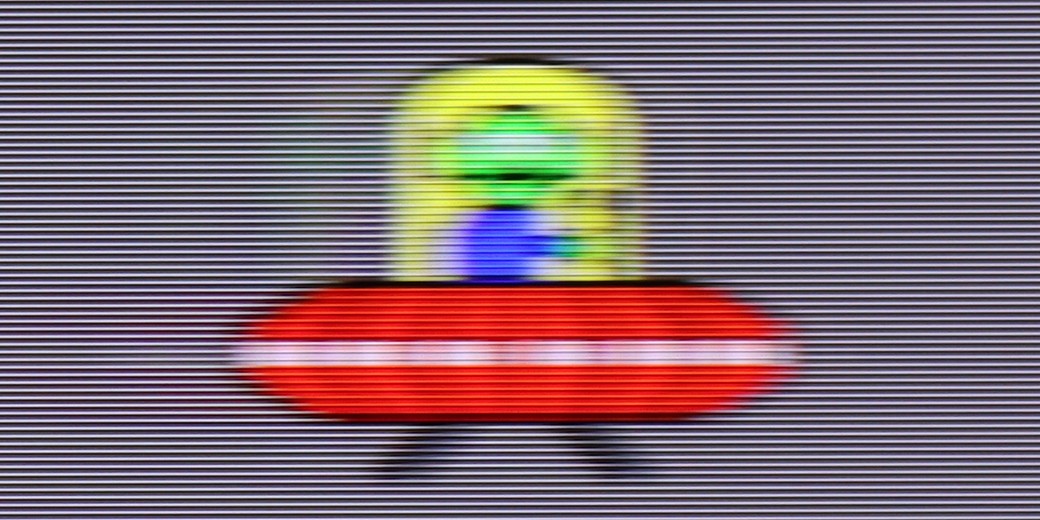
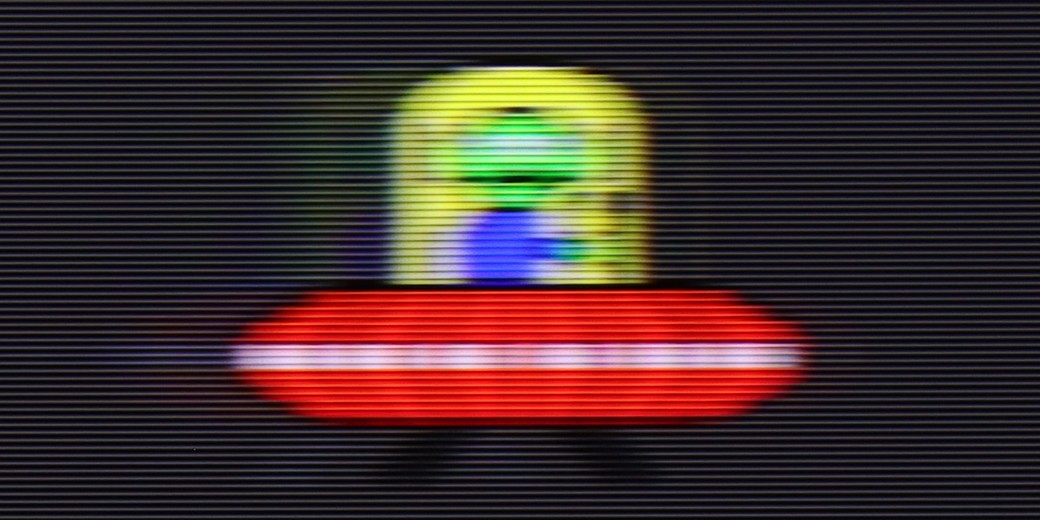
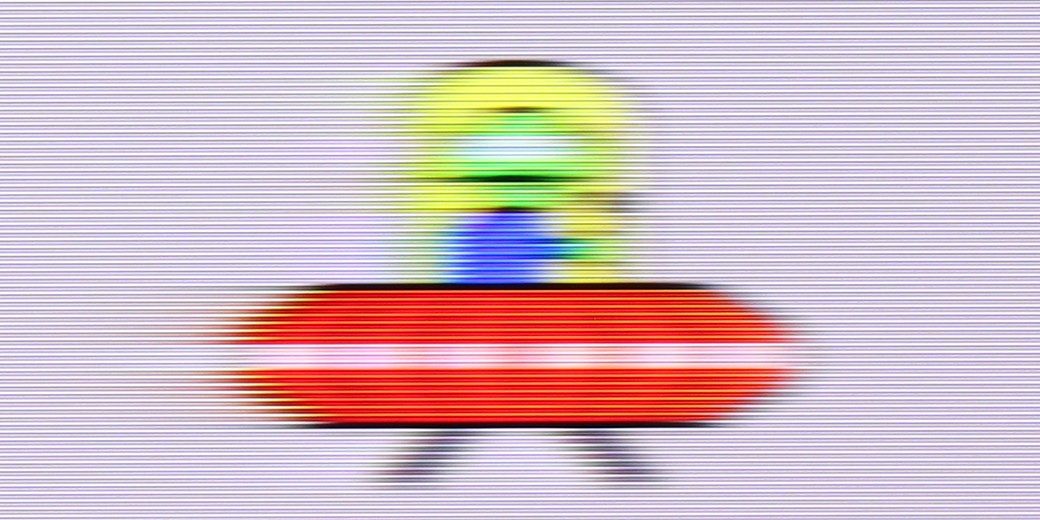
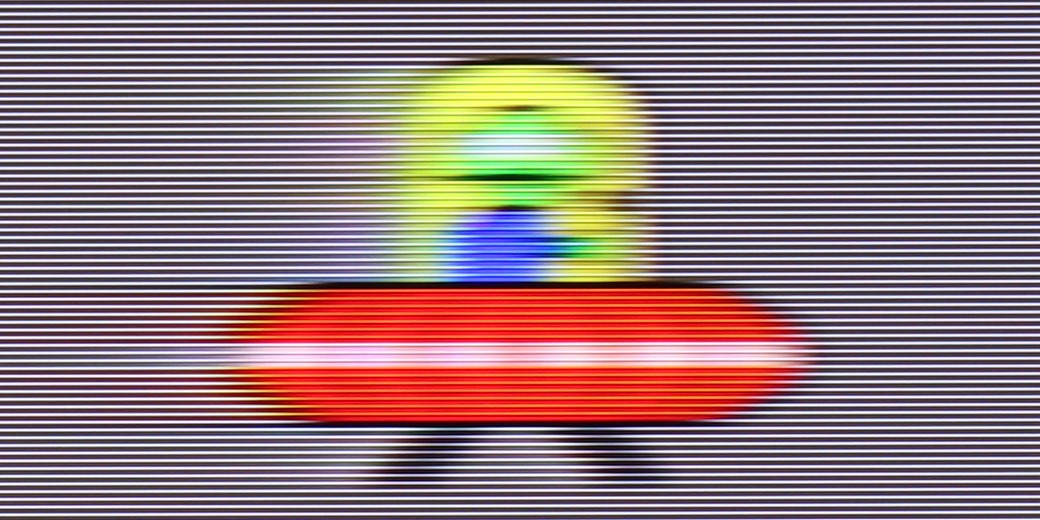
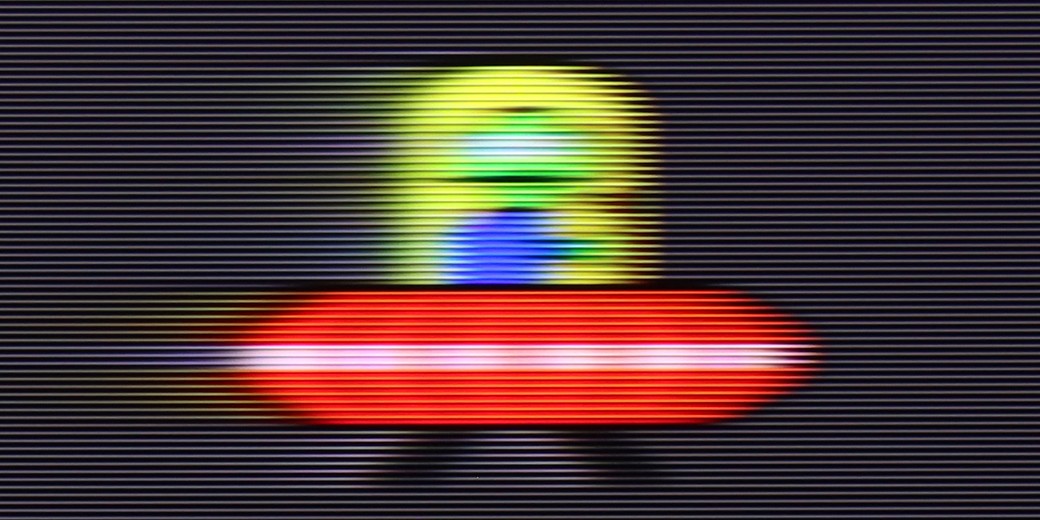
With a response time of 0.78 ms, the LG G4 delivers exceptionally clear images, outperforming LCD televisions, which can have much slower response times. This results in no trailing blur behind moving objects, as shown in the "UFO Test." The TV also provides precise control over motion smoothing, which is especially beneficial during fast-paced video game sequences. Thanks to OLED technology, the G4 eliminates ghosting, ensuring a crisp and clear image even during the most dynamic sports or action scenes.

LG QNED93A is equipped with a 144 Hz panel. This is primarily a nod to gamers, but the fact that higher refresh rates are increasingly making their way into televisions can be seen as a positive development. In everyday viewing, 120 Hz remains key, and in this regard, the QNED93A performs well. The manufacturer also provides the option to adjust the image through the TruMotion system – the De-Judder and De-Blur sliders allow you to choose between a cinematic motion character with visible frames and a fully smoothed theatrical motion.

Console compatibility and gaming features

10/10

9.8/10

  • ALLM
    Yes
    Yes
  • VRR
    Yes
    Yes
  • VRR range
    40 - 144Hz
    48 - 144Hz
  • Dolby Vision Game Mode
    Yes
    Yes
  • Correct implementation of HGIG
    Yes
    Yes
  • 1080p@120Hz
    Yes
    Yes
  • 1440p@120Hz
    Yes
    Yes
  • 4K@120Hz
    Yes
    Yes
  • Game bar
    Yes
    Yes

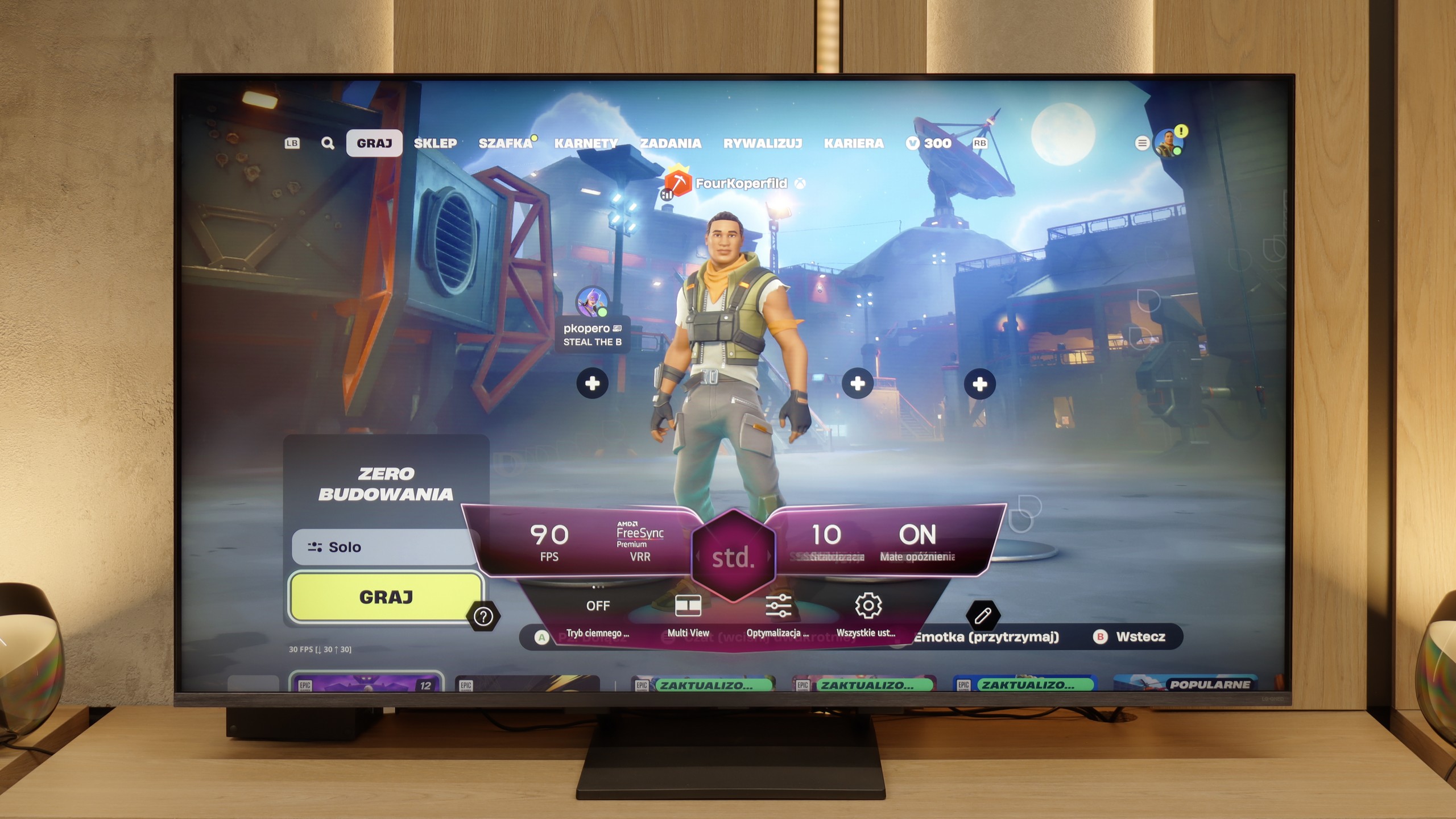
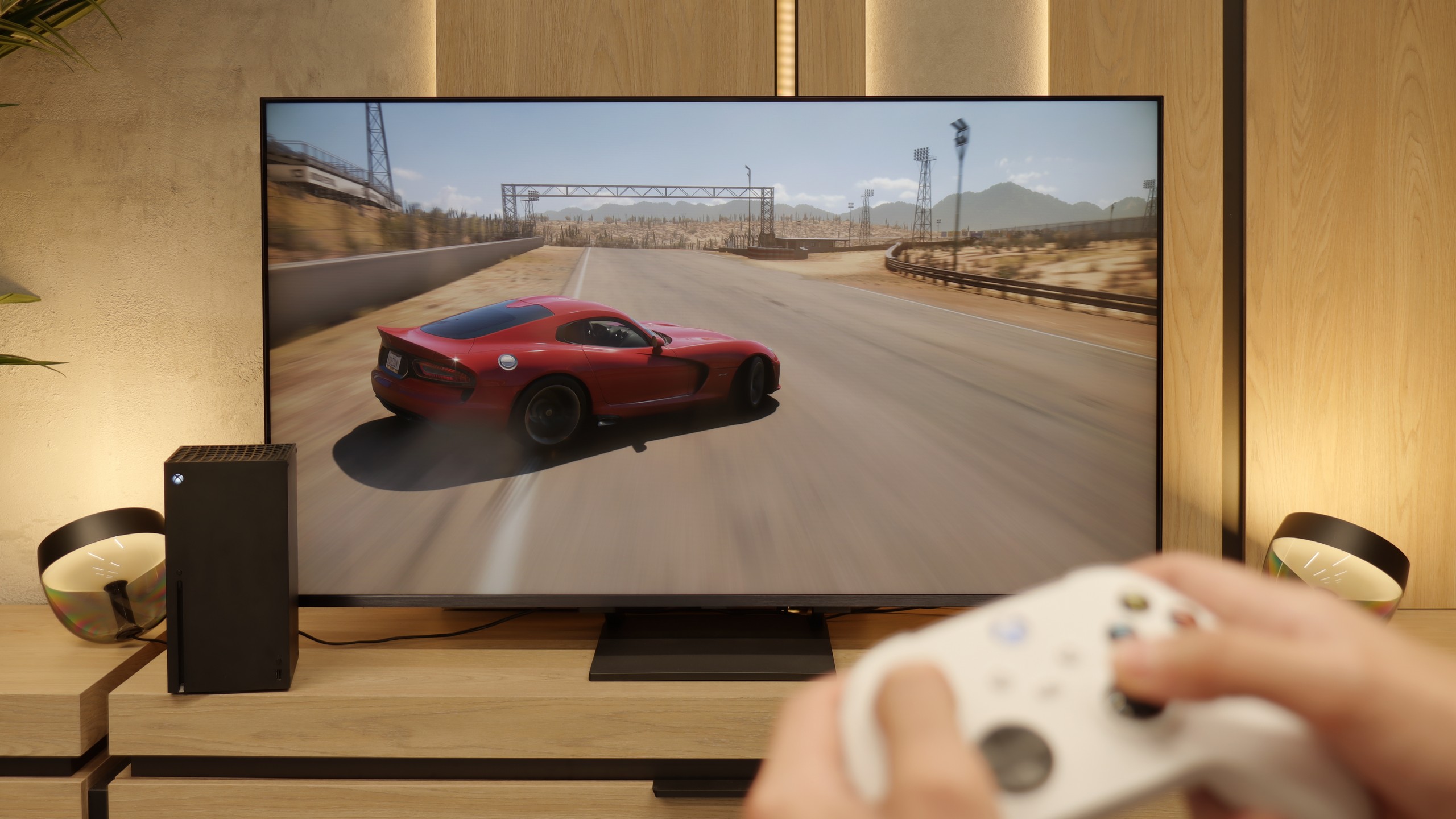
The LG G4 TV supports all the features encompassed by the HDMI 2.1 standard, making it a gaming powerhouse. During testing, every feature activated seamlessly, ensuring a smooth experience for both console gamers and PC users. Notably, the HGIG mode (HDR Gaming Interest Group) is implemented correctly, allowing games mastered to brightness levels higher than the TV’s maximum luminance to map tones accurately, preserving the game’s original visual integrity.

A notable highlight is the dedicated GameBar, which can be accessed at any time to quickly check or adjust game settings. More importantly, enabling VRR (Variable Refresh Rate) does not compromise contrast—a common issue in TVs with local dimming or Mini LED backlighting. This is thanks to the OLED panel’s self-emissive pixels, which maintain consistent contrast. However, a slight grey flicker may appear when VRR is enabled, though this is standard across OLEDs.

In summary, the LG G4, like most OLED TVs, is ideal for gaming and online competitions. Its HDMI 2.1 ports offer a full 48 Gbps bandwidth, supporting features such as VRR, ALLM (Auto Low Latency Mode), G-Sync, FreeSync, and HDR Dolby Vision gameplay, ensuring an exceptional gaming experience.

LG QNED93A is a television that has undoubtedly been designed with gamers in mind. Right from the start, we get a complete package – all four HDMI ports operate at standard 2.1, so whether we connect a console, PC, or receiver, we can be sure of full compatibility. This is important because many manufacturers still limit themselves to two ports, and here nothing prevents all equipment from having maximum capabilities. There’s also an automatic game mode (ALLM), which switches the television to the appropriate settings when the console starts up, as well as variable refresh rate (VRR). This ensures that the image does not stutter or tear, even when the frame rate drops – whether in dynamic shooters or during races.

The 144 Hz panel gives an additional advantage in computer games. While 120 Hz is sufficient for consoles, in the case of PCs, the QNED93A allows for even more – every movement, every glance to the side is refreshed faster, which makes a difference especially in e-sports. The manufacturer also considered HDR in games – the television supports the HGiG mode, which provides guidelines to ensure that the lighting effects are exactly as intended by the game developers. For dessert, we get Game Bar – a special informational strip invoked on the screen that shows parameters in real-time. You can check the frame rate, active VRR functions, or input lag levels. This solution is useful not only for settings enthusiasts, but for anyone who wants to quickly verify what mode the television is operating in and whether everything is working as it should.

Input lag

10/10

9.8/10

SDR

1080p60
14 ms
16 ms
1080p120
5 ms
7 ms
2160p60
14 ms
16 ms
2160p120
5 ms
7 ms

HDR

2160p60
13 ms
15 ms
2160p120
5 ms
7 ms
4320p60

Dolby Vision

2160p60 DV
13 ms
21 ms
2160p120 DV
5 ms
7 ms

The LG G4 excels in lag time performance, maintaining impressively low input lag across all scenarios. Even the most demanding gamers will appreciate its remarkably low input lag of just 5 ms at 4K 120 Hz with HDR enabled. This remains consistent even with Dolby Vision HDR activated—something that many competitors struggle to achieve. Such outstanding performance earns the LG G4 top marks and a strong recommendation for gamers seeking a responsive, lag-free experience.

In the latency field, the LG QNED93A has nothing to be ashamed of. The TV responds instantly to our actions, which is evident from the first tests with the controller in hand. In 120 Hz mode, the input lag drops to around 7 ms, meaning nearly instant response – shots, passes, and precise movements of the stick immediately translate to the screen. For 60 Hz content, the result slightly increases to just under 15 ms, but it still remains within the full comfort zone. An interesting feature is the Dolby Vision mode for games, which works with the Xbox Series X on the QNED93A. Here, the lag increases to about 20 ms. In theory, this could be considered a deterioration, but in practice, it’s still a very good result. Even with such a demanding picture standard, gameplay remains dynamic, and the differences in control are practically imperceptible.

Compatibility with PC

8.6/10

8.6/10

Chroma 444 (maximum resolution and refresh rate)
Yes
Yes
Font clarity
Good
Good
Readability of dark text and shapes
Very Good
Good
Input lag in PC mode (4K, maximum refresh rate)
5ms
7ms
Matrix subpixel arrangement
RWBG
BGR
Max refresh rate
144Hz
144Hz
G-Sync
Yes
Yes
Review LG OLED G4 Compatibility with PC
Review LG QNED93A / QNED90A Compatibility with PC

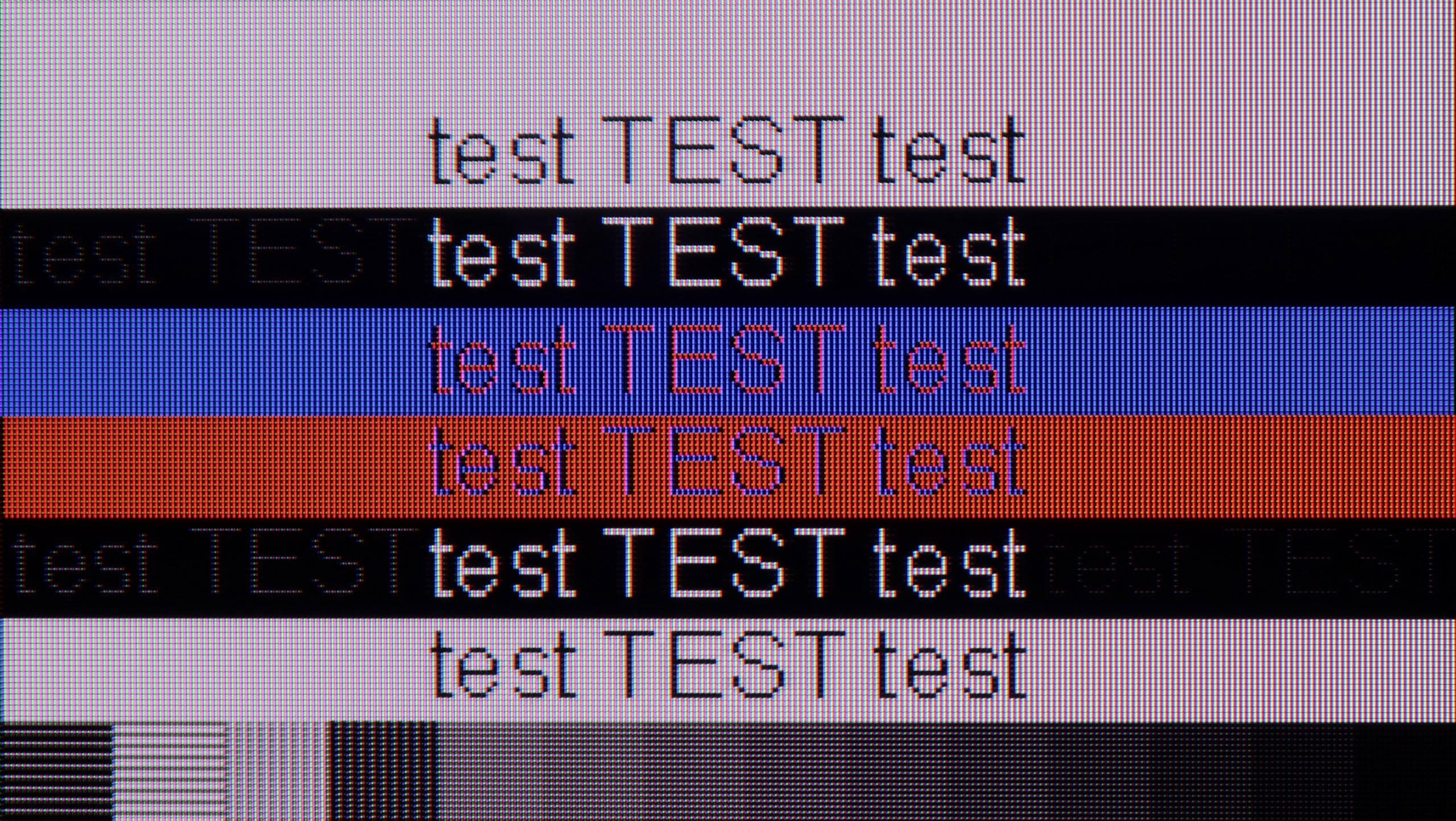
The LG G4 performs exceptionally well when connected to a PC, thanks to its ultra-low 5 ms latency, ensuring near-instantaneous responsiveness between mouse input, visual perception, and on-screen action. This makes it ideal for both gaming and productivity tasks.

A standout feature is the excellent text readability, a crucial aspect for extended screen use. The RWBG pixel arrangement does not negatively impact the display of fonts or characters, a clear advantage over Samsung’s QD-OLED matrices, which can sometimes struggle with text clarity. Users of both Windows and macOS will find the LG G4’s screen performance highly satisfying, making it a versatile choice for various computing needs.

A new feature in this year's model is full support for 144 Hz refresh rate, which PC gamers will appreciate. The QNED93A works with both Nvidia graphics cards, offering compatibility with G-Sync, and with AMD products, where it supports FreeSync Premium Pro. This ensures smooth gameplay without screen tearing or stuttering, and the panel itself performs very well in dynamic esports titles and demanding AAA productions.

Equally important is the clarity of the image in everyday work. The television supports chroma 4:4:4, so fonts in Windows and applications are sharp and clear. However, we noticed a small detail - with a dark background and bright letters, subtle horizontal lines may appear due to the arrangement of subpixels. This is a minor detail that does not affect the comfort of using the television on a daily basis, but perfectionists may notice it after spending more time with text. But we don't think anyone would want to work on a 55-inch screen with text sitting less than 1 meter away from it 😉.

Viewing angles

9.7/10

2.9/10

Brightness drop at an angle of 45 degrees
9%
78%

The LG G4 OLED's MLA technology ensures consistent brightness, colour saturation, and white balance from all viewing angles, a clear advantage over standard LCD and non-MLA OLED panels. This uniformity remains intact regardless of where you're seated, offering an excellent viewing experience. Comparable performance is seen only in Samsung’s QD-OLED panels, which use quantum dot technology.

QNED93A uses a VA matrix, and that means one thing: the category of viewing angles becomes its Achilles' heel. Already at an angle of about 45 degrees, brightness drops by as much as 80%, and colors begin to noticeably fade. This is the natural price for the high contrast that VA panels offer. There is no additional coating to improve angles, as found in some more expensive models, so the QNED93A looks best when viewed directly. If you are planning a large family viewing, where some viewers will sit more to the side, you should expect that the image will not be as attractive as it is at the center of the screen.

Daytime performance

5.8/10

6.2/10

Panel finish
Glare
Satin
Reflection suppression
Good
Decent
Black levels during daytime
Average
Good
Review LG OLED G4 Daytime performance
Review LG QNED93A / QNED90A Daytime performance
Review LG OLED G4 Daytime performance
Review LG QNED93A / QNED90A Daytime performance

Panel brightness

Average luminance SDR

LG QNED93A / QNED90A: 546 cd/m2

LG OLED G4: 482 cd/m2

The LG G4’s glossy display coating, contrary to expectations, is a major strength. It enhances the TV’s efficiency by suppressing reflections at their source, ensuring a clear, distraction-free viewing experience. Notably, the black levels remain impressive even in daylight, a hallmark of LG Display’s WRGB panels. While OLED MLA panels are slightly less effective in this regard, they still outperform Samsung’s QD-OLED panels, which tend to appear grey in bright conditions. With a brightness of around 500 nits and a glossy coating, the TV is ideal for daytime use, except in rooms with extensive glazing.

LG QNED93A uses a satin matrix that handles reflections moderately well. It is certainly not at the level of matte screens, but it doesn't have the mirror-like effect seen in models with a glossy surface. As a result, reflections are not too bothersome, and colors maintain their intensity even when light from the window hits the screen. Brightness is also a plus. The average level in HDR mode stays within 550-600 nits. This means that the television performs well in well-lit rooms, and you can enjoy a viewing experience even during the day when the blinds are only partially closed. In the role of a large screen in the living room, the QNED93A really performs well.

Panel details

Backlight Type
Mini-LED QLED
Software version during testing
03.10.85
33.20.74
Image processor

Subpixel Structure:

Panel uniformity and thermal imaging:

Review LG OLED G4 TV Panel details
Review LG QNED93A / QNED90A TV Panel details

LG OLED G4

LG QNED93A / QNED90A

TV features

9/10

8.2/10

  • HDMI inputs
    0 x HDMI 2.0, 4 x HDMI 2.1 48Gbps
    0 x HDMI 2.0, 4 x HDMI 2.1 48Gbps
  • Outputs
    Toslink (Optical audio), eARC (HDMI), ARC (HDMI)
    Toslink (Optical audio), eARC (HDMI), ARC (HDMI)
  • Network Interfaces
    Wi-Fi 2.4GHz, Wi-Fi 5GHz, Ethernet (LAN) 100Mbps
    Wi-Fi 2.4GHz, Wi-Fi 5GHz, Ethernet (LAN) 100Mbps
  • TV reception
    DVB-T, DVB-T2, DVB-S, DVB-S2, DVB-C
    DVB-T, DVB-T2, DVB-S, DVB-S2, DVB-C

Classic features:

  • Recording to USB (terrestrial TV)
    Yes
    Yes
  • Recording programming
    Yes
    Yes
  • Picture in Picture (PiP)
    No
    No
  • RF remote control (no need to aim at the screen)
    Yes
    Yes
  • Backlit remote control
    No
    No
  • Teletext
    Yes
    Yes
  • Audio only mode
    Yes
    Yes
  • Bluetooth headphones support
    Yes
    Yes
  • Simultaneous Bluetooth headphones & TV audio
    Yes
    Yes

Smart features:

  • AirPlay
    Yes
    Yes
  • Screen mirroring (Windows Miracast)
    Yes
    Yes
  • Voice search
    Yes
    Yes
  • Voice search in native language
    Yes
    Yes
  • Ability to connect a keyboard and mouse
    Yes
    Yes
Review LG OLED G4 TV features
Review LG QNED93A / QNED90A TV features

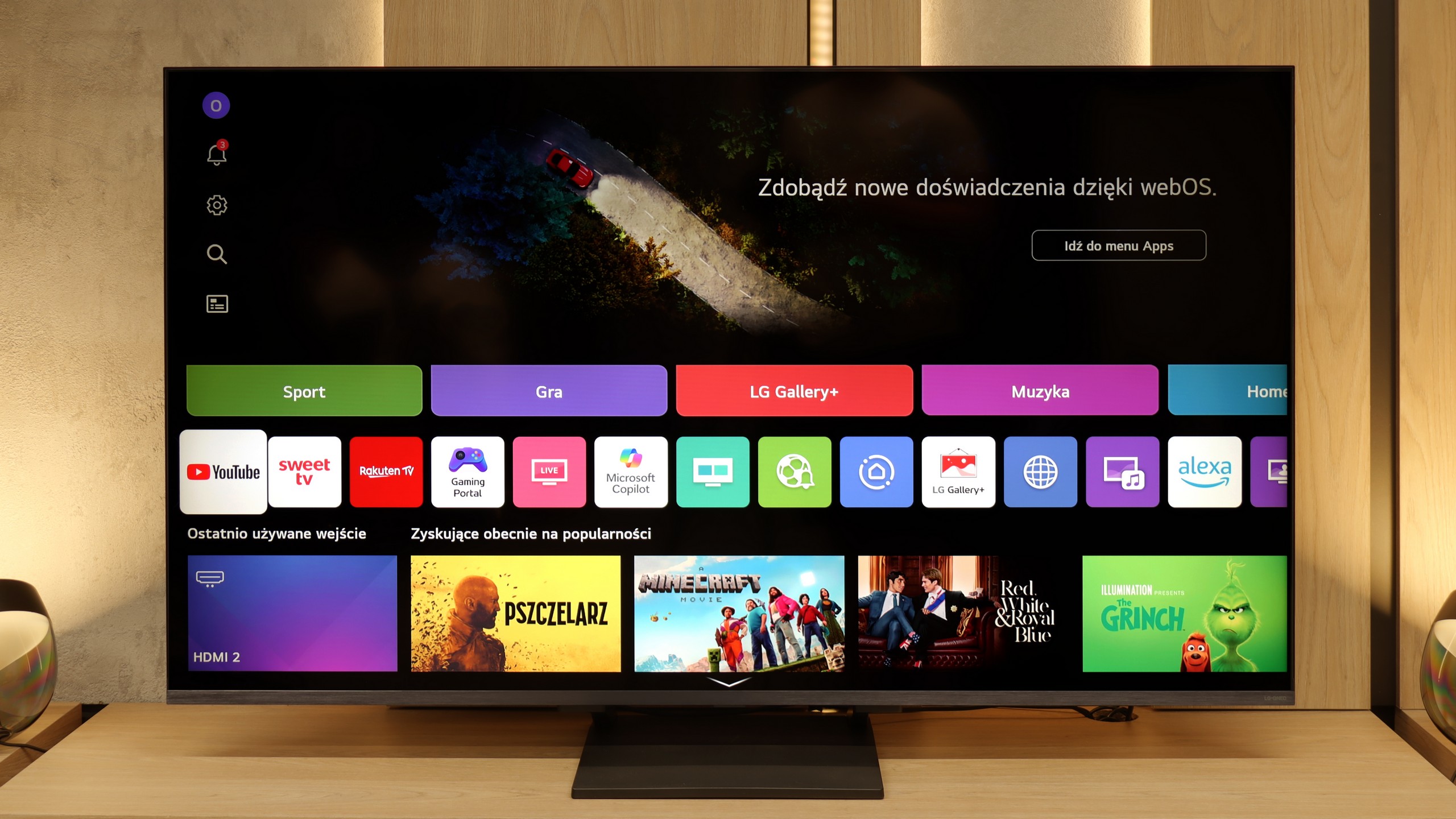
LG’s long-standing proprietary WebOS system offers nearly all key applications, with only a few notable omissions like CDA and KODI. A standout feature is the motion-sensitive cursor, which appears when moving the remote, making tasks such as entering queries or passwords much easier. WebOS also supports screen mirroring, AirPlay, Polish voice search, and Bluetooth headphone connections. Uniquely, it allows simultaneous use of headphones and the TV speaker, a valuable feature for those with hearing impairments.

Sports enthusiasts will appreciate the match alert function, ensuring they never miss a game, while the home panel enables control of smart devices within the network—such as receiving laundry cycle completion notifications.

Overall, though WebOS may not be as widely recognised or versatile as Android TV, it delivers fast, stable performance and covers most essential functions, making it a reliable choice for users seeking a straightforward, effective TV operating system.

Smart Features

QNED93A operates under webOS, one of the most enjoyable Smart TV systems. It includes AirPlay, Screen Mirroring, Chromecast, and convenient voice control. The platform is reasonably clear and mostly fast, although in the tested unit, there were instances where the response to pressing the remote required a moment of "thought." However, it is hard to consider this a serious issue – webOS remains a refined system and will likely receive further updates to improve it even more.

Classic Features

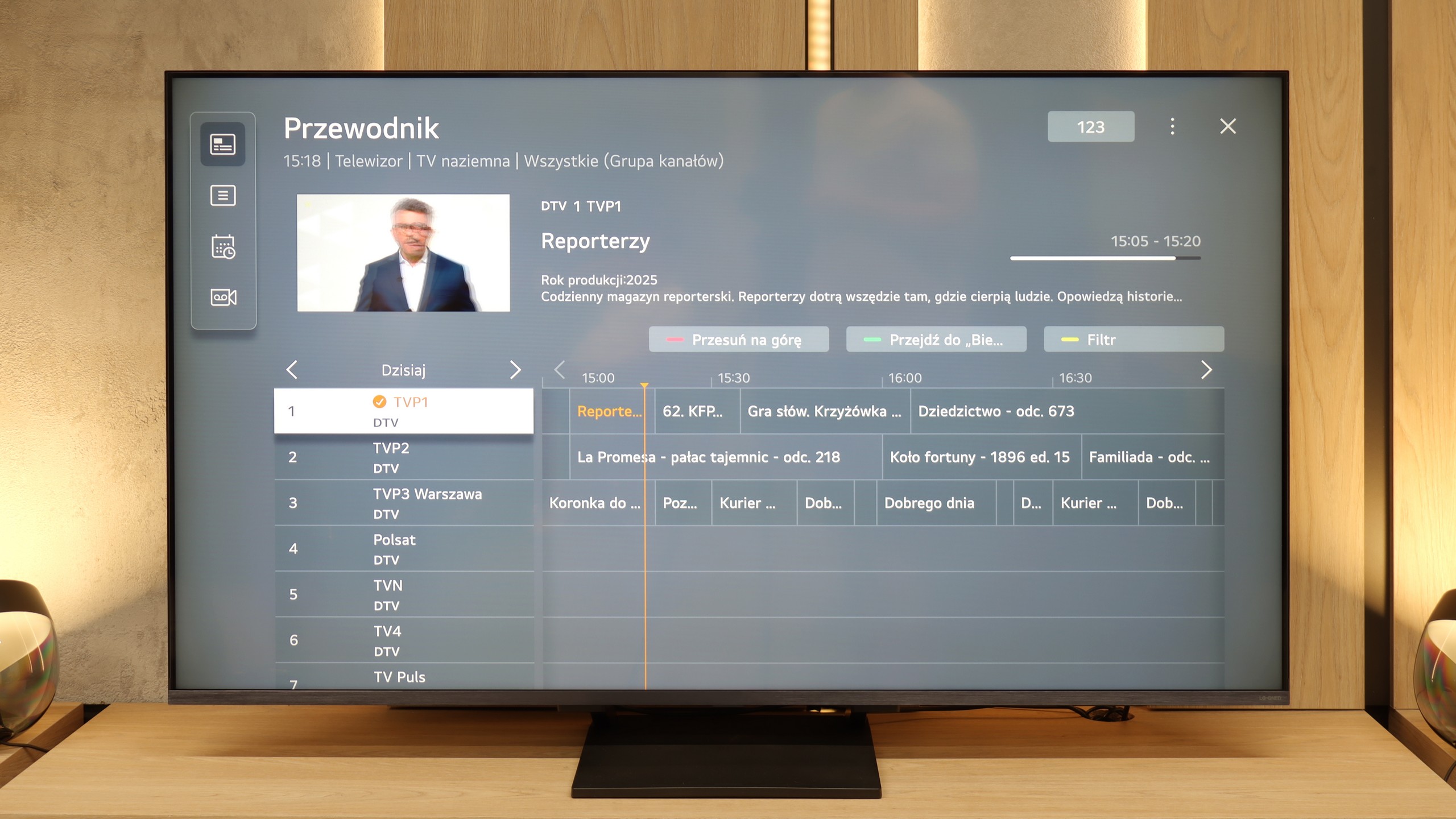
In this model, LG did not include the old Magic remote with a numeric keypad, but the TV itself performs excellently as a screen for everyday viewing of antenna channels. The EPG interface is clear, the TV offers a television guide, and we have the ability to record programs from the built-in tuners directly onto a USB drive. Everything works correctly and intuitively. We only missed the PiP function, which in 2025 is offered by just two manufacturers.

Magic Remote

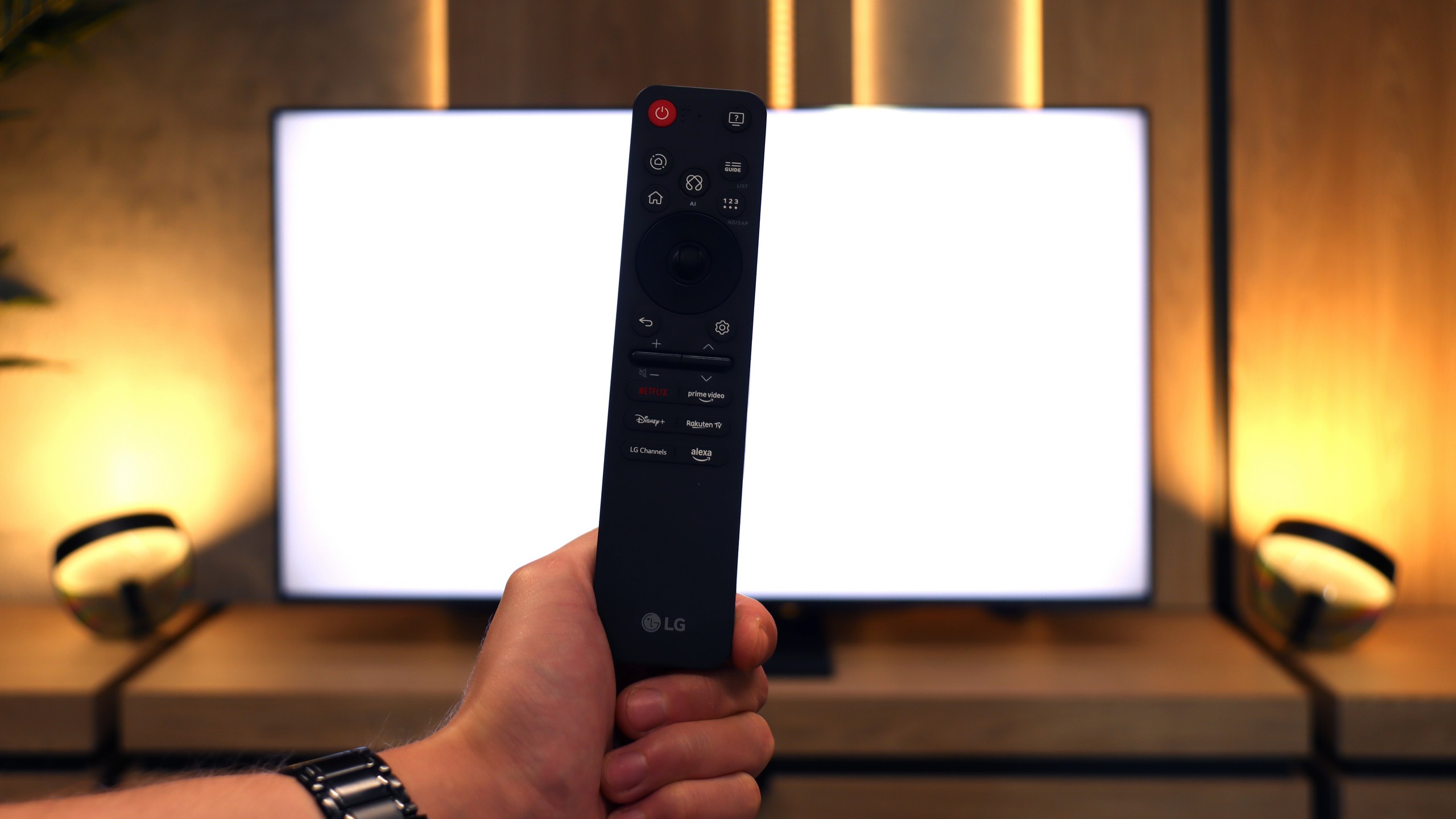
The Magic remote is still the biggest difference compared to the competition. In 2025, it underwent a slight facelift – it has fewer buttons and resembles the minimalist remotes from Samsung a bit. However, the cursor remained key, functioning like a magic wand. Just move your hand, and the pointer on the screen follows your movement. It’s incredibly simple yet very convenient. Navigation in the menu or entering passwords is much faster, and it’s hard to switch back to classic buttons afterwards.

Playing files from USB

8.5/10

8.8/10

Supported photo formats:

JPEG
Yes
Yes
HEIC
No
No
PNG
Yes
Yes
GIF
No
No
WebP
No
No
TIFF
No
No
BMP
No
Yes
SVG
No
No

Maximum photo resolution:

4 Mpix
Yes
Yes
6 Mpix
Yes
Yes
8 Mpix
Yes
Yes
10 Mpix
Yes
Yes
12 Mpix
Yes
Yes
16 Mpix
Yes
Yes
20 Mpix
No
Yes
24 Mpix
No
Yes
28 Mpix
No
Yes
32 Mpix
Yes
Yes

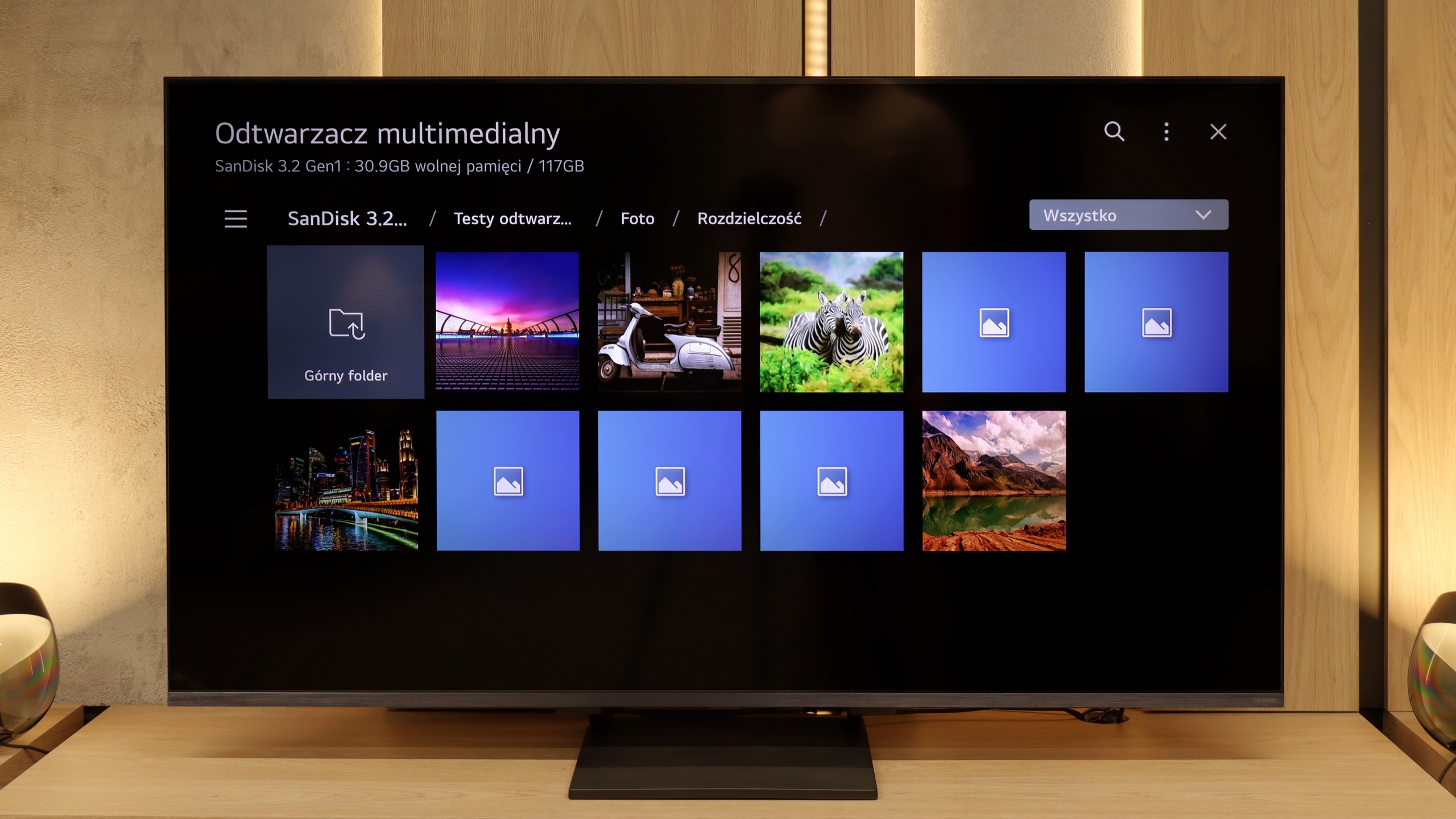
The default file player on the LG G4 handles most photo formats well, though it's surprising that a few popular ones are missing. Video playback is excellent, supporting nearly all common formats, including Dolby Vision, with the only exception being the H.266 VVC codec—currently rarely used. However, photo format support is limited to just JPEG and PNG, which may disappoint Apple users due to the lack of HEIC compatibility, the default format for iPhone photos. Fortunately, this can be bypassed using the built-in AirPlay feature. It's also worth noting that the player does not support TXT subtitles, which could be an inconvenience for some users.

The built-in media player in the LG QNED93A handles most popular video and audio formats without any issues, so it’s perfectly sufficient for basic use. However, during testing, we noticed two minor hiccups. The first is the lack of support for HEIC files, which is Apple’s photo format. The manufacturer claims that the television should open them, but in practice, we were unable to confirm that. The second issue involved text files with subtitles in TXT format. Fortunately, other, more common subtitle formats worked without any problems, so it's hard to consider this a real limitation in everyday use.

Apps

9.1/10

9.1/10

OK
Disney_Plus
OK
Amazon_Prime_Video
OK
Player_TVN
OK
Polsat_Box_Go
OK
Canal_Plus_Online
OK
TVP_VOD
OK
Apple_TV_Plus
OK
SkyShowtime
OK
Rakuten
OK
CDA_Premium_Browser
OK
Spotify
OK
Tidal
OK
Netflix
OK
YouTube
OK
HBO_MAX
No
Kodi
OK
Apple_music
No
Eleven_sports
OK
Xbox Game Pass
OK
GeForce Now!
OK
Amazon Luna
OK
Boosteroid
No
Steam Link
OK
Disney_Plus
OK
Amazon_Prime_Video
OK
Player_TVN
OK
Polsat_Box_Go
OK
Canal_Plus_Online
OK
TVP_VOD
OK
Apple_TV_Plus
OK
SkyShowtime
OK
Rakuten
OK
CDA_Premium_Browser
OK
Spotify
OK
Tidal
OK
Netflix
OK
YouTube
OK
HBO_MAX
No
Kodi
OK
Apple_music
No
Eleven_sports
OK
Xbox Game Pass
OK
GeForce Now!
No
Amazon Luna
OK
Boosteroid
OK
Steam Link

Sound

8.6/10

6.9/10

  • Maximum volume
    -
    81dB
  • Dolby Digital Plus 7.1
    Yes
    Yes
  • Dolby True HD 7.1
    Yes
    No
  • Dolby Atmos in Dolby Digital Plus (JOC)
    Yes
    Yes
  • Dolby Atmos in Dolby True HD
    Yes
    No
  • DTS:X in DTS-HD MA
    Yes
    No
  • DTS-HD Master Audio
    Yes
    No

Audio quality is always subjective, but the LG G4 deserves recognition for its sound clarity. The primary drawback is its limited bass range, though this is less of an issue for those who plan to pair the TV with a home theatre system. Crucially, the LG G4 offers extensive support for audio codecs, including DTS-HD Master Audio and Dolby Atmos, ensuring compatibility with a wide range of high-quality audio setups.

LG QNED93A sounds quite pleasant for the built-in speakers in the television. The sound is fairly clear, and at moderate volume levels, vocals and dialogues come across distinctly. The bass, as is usually the case in relatively slim constructions, is not the strongest, but its presence can be felt and is completely sufficient for everyday viewing of series. The maximum volume reaches around 81 dB and does not lead to strong distortions, although in more demanding cinematic scenes, it's noticeable that the system has its limitations. Overall, the sound can be described as acceptable and not off-putting. It definitely won't compete with a soundbar, but it also won't ruin your movie experience.

Acoustic Measurements

No acoustic data

81dBC (Max)

75dBC