The LG G4 TV supports all the features encompassed by the HDMI 2.1 standard, making it a gaming powerhouse. During testing, every feature activated seamlessly, ensuring a smooth experience for both console gamers and PC users. Notably, the HGIG mode (HDR Gaming Interest Group) is implemented correctly, allowing games mastered to brightness levels higher than the TV’s maximum luminance to map tones accurately, preserving the game’s original visual integrity.
A notable highlight is the dedicated GameBar, which can be accessed at any time to quickly check or adjust game settings. More importantly, enabling VRR (Variable Refresh Rate) does not compromise contrast—a common issue in TVs with local dimming or Mini LED backlighting. This is thanks to the OLED panel’s self-emissive pixels, which maintain consistent contrast. However, a slight grey flicker may appear when VRR is enabled, though this is standard across OLEDs.
In summary, the LG G4, like most OLED TVs, is ideal for gaming and online competitions. Its HDMI 2.1 ports offer a full 48 Gbps bandwidth, supporting features such as VRR, ALLM (Auto Low Latency Mode), G-Sync, FreeSync, and HDR Dolby Vision gameplay, ensuring an exceptional gaming experience.
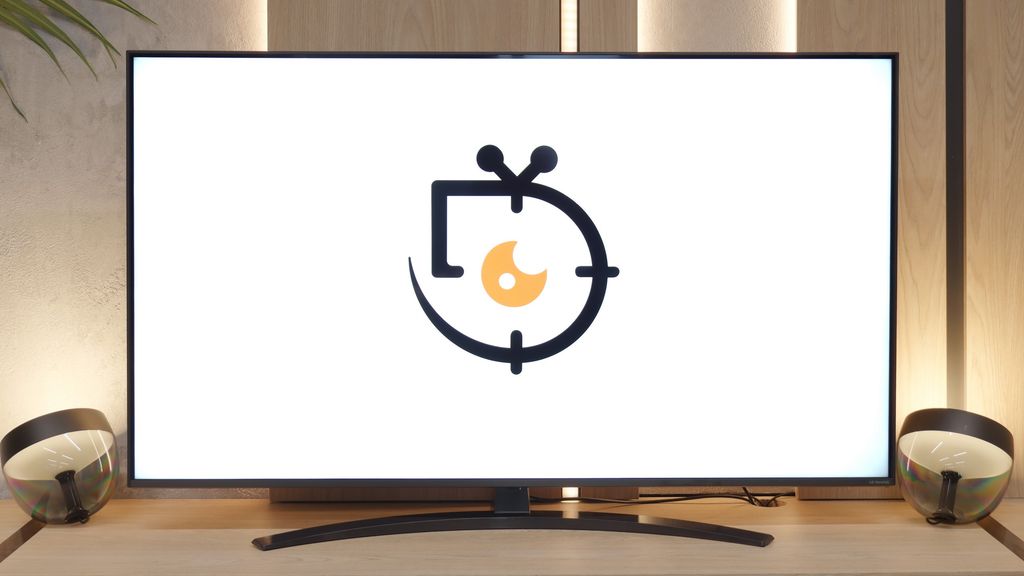
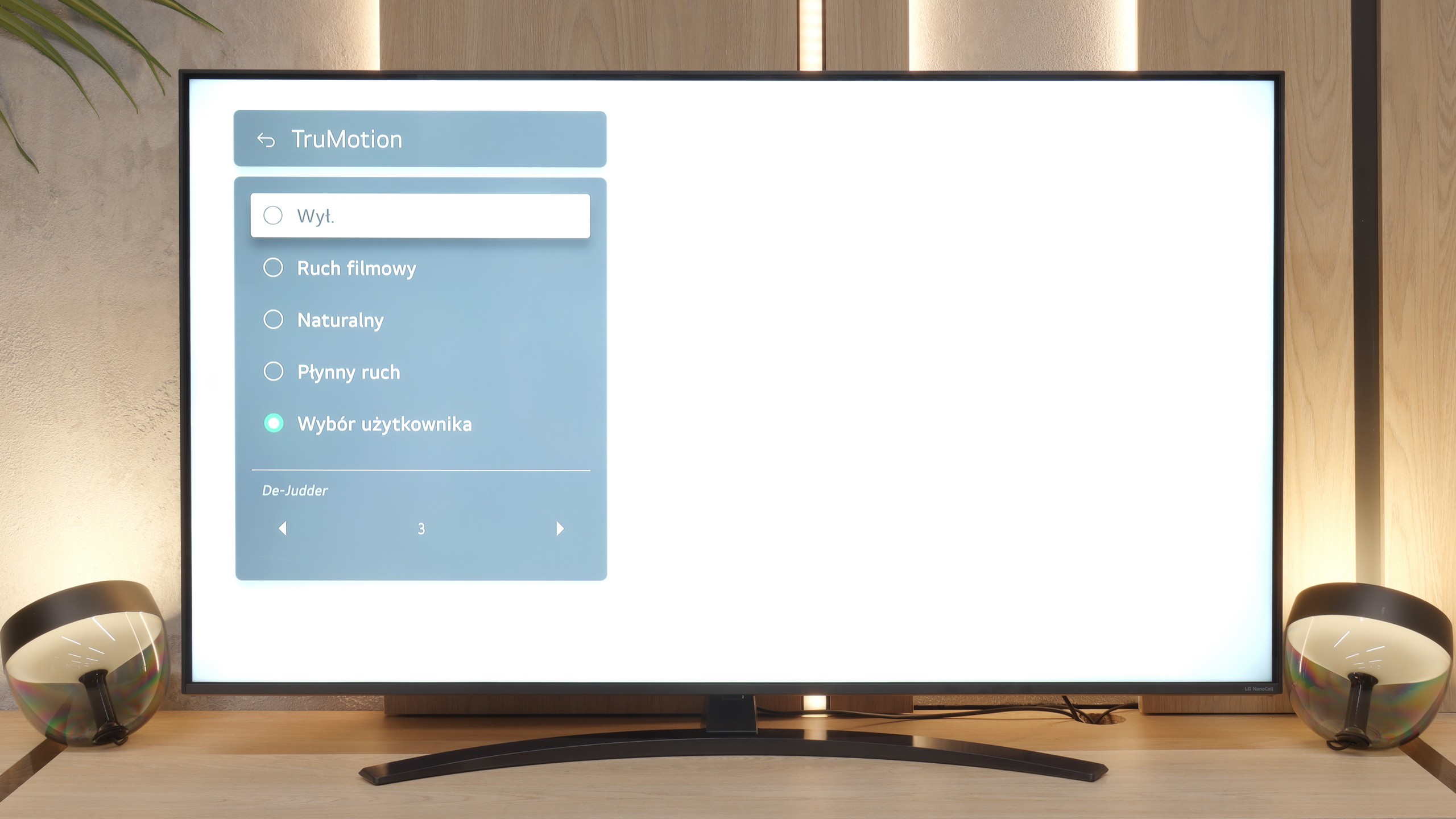
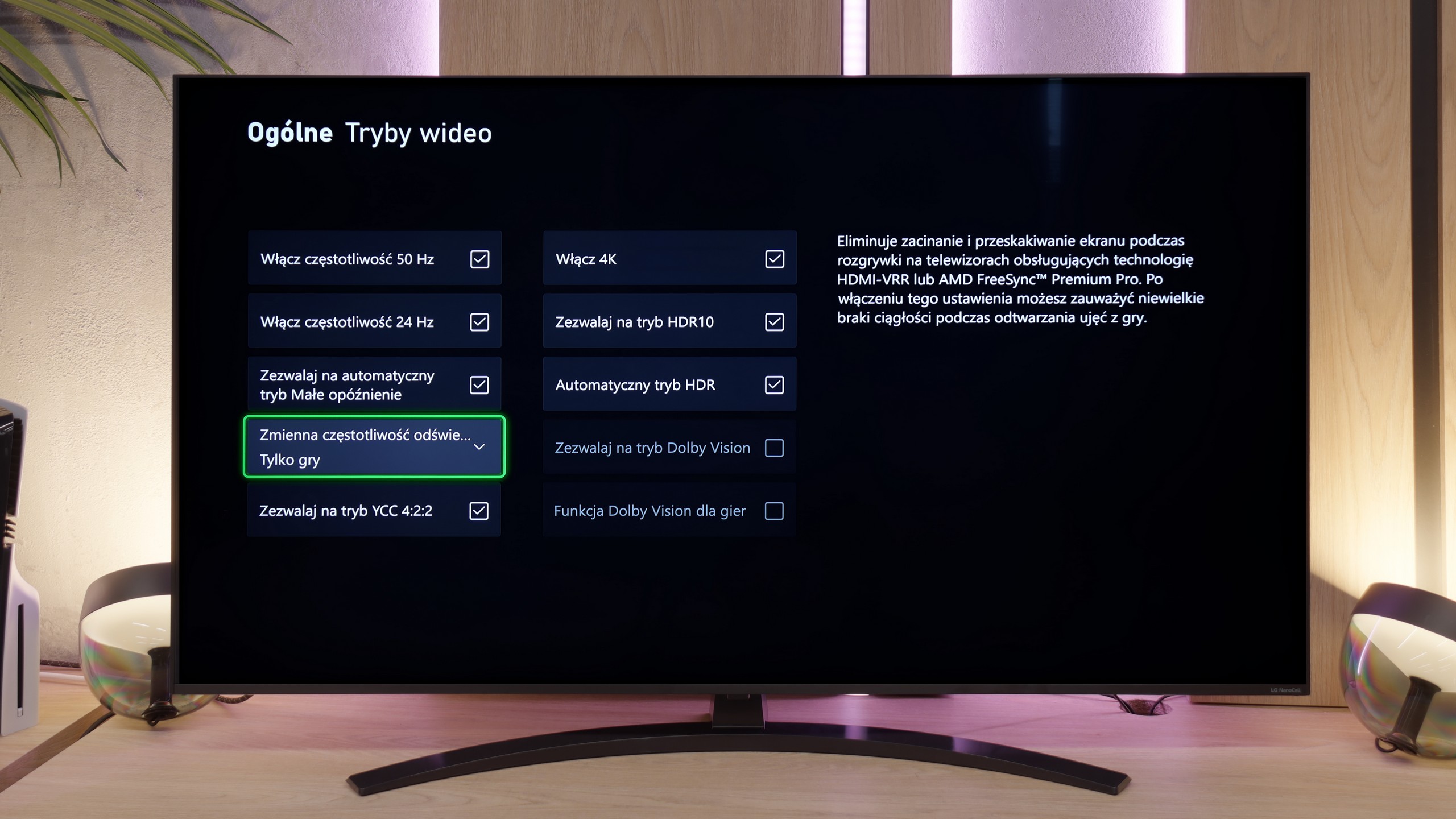
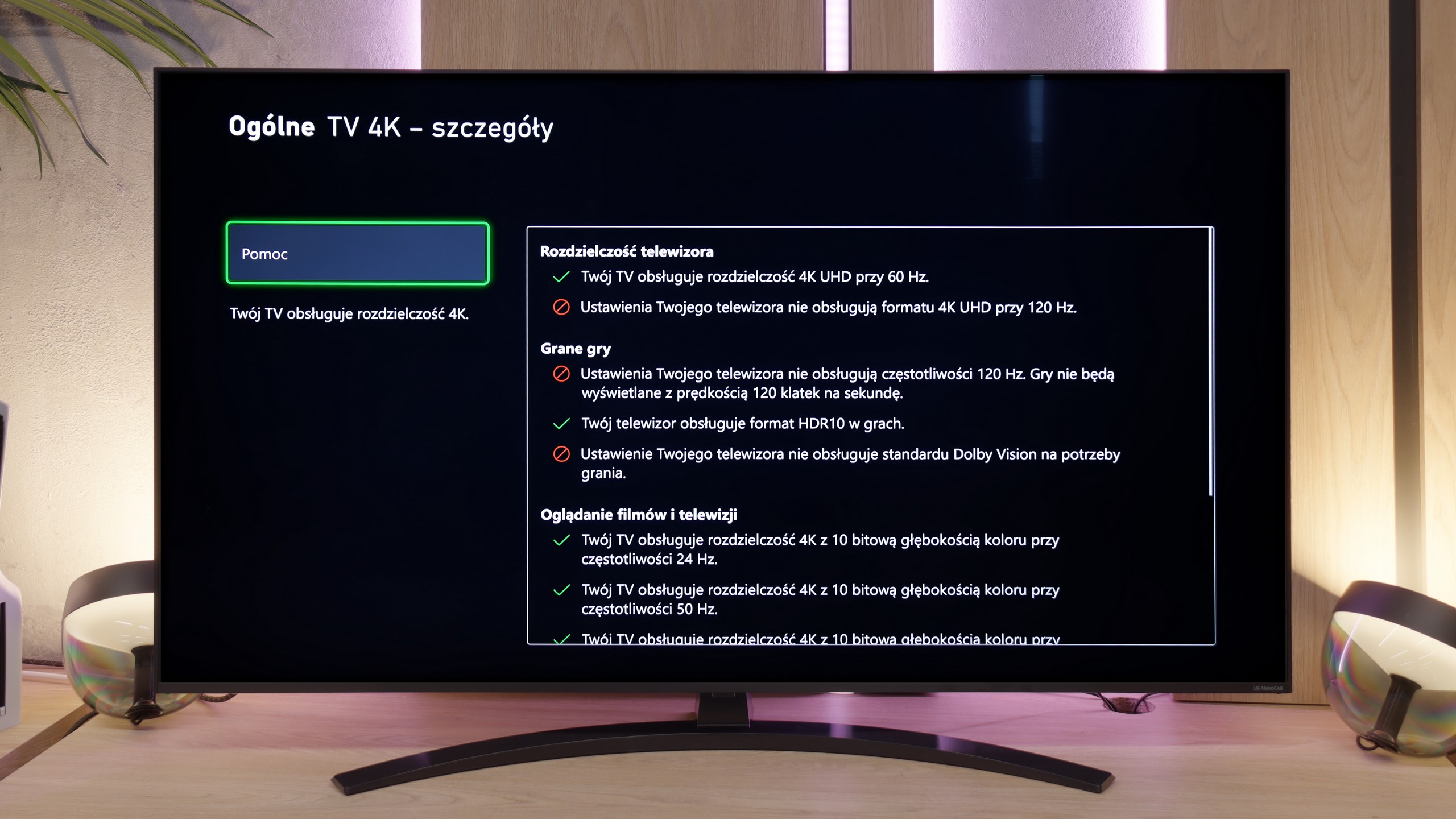
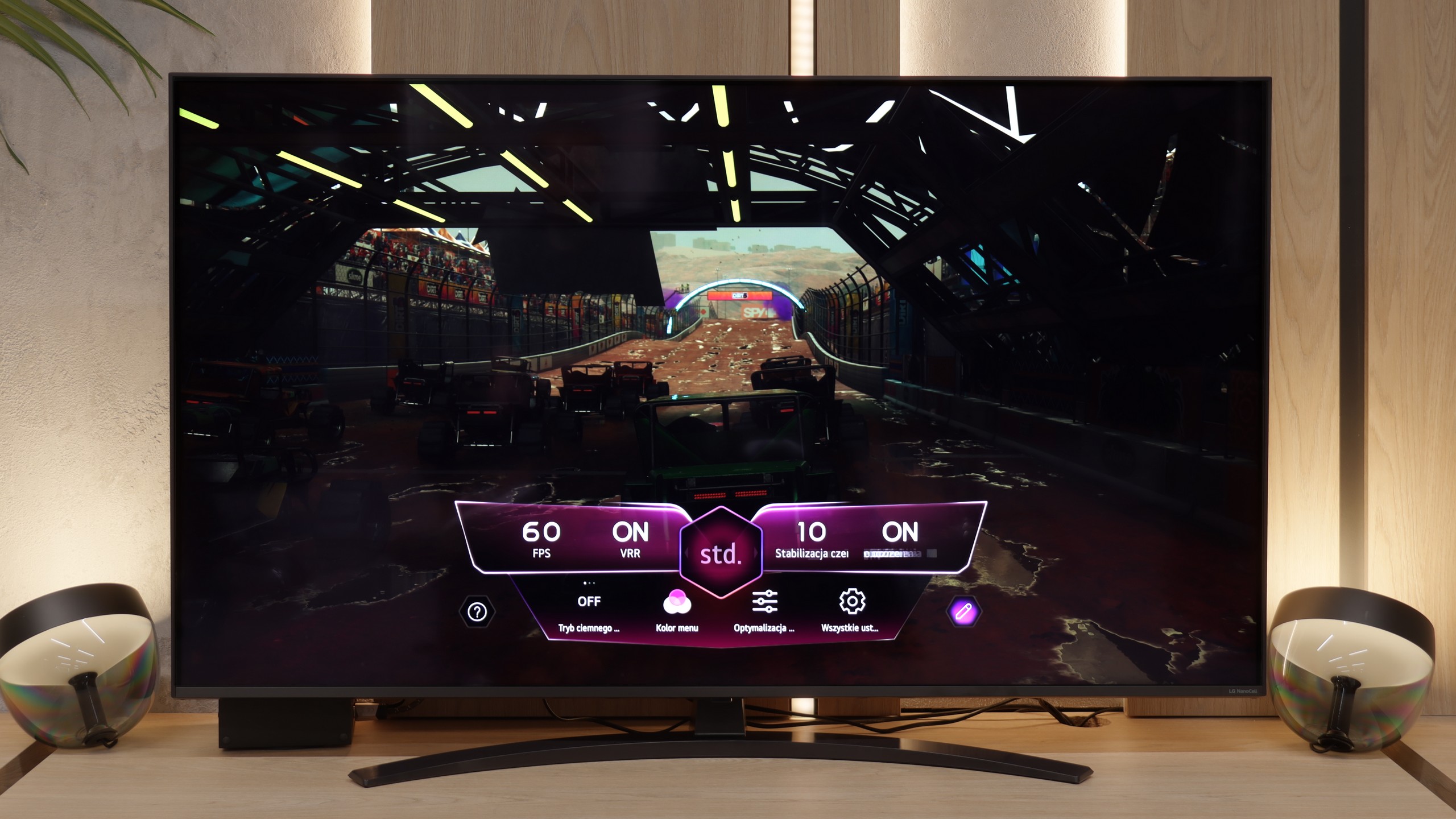
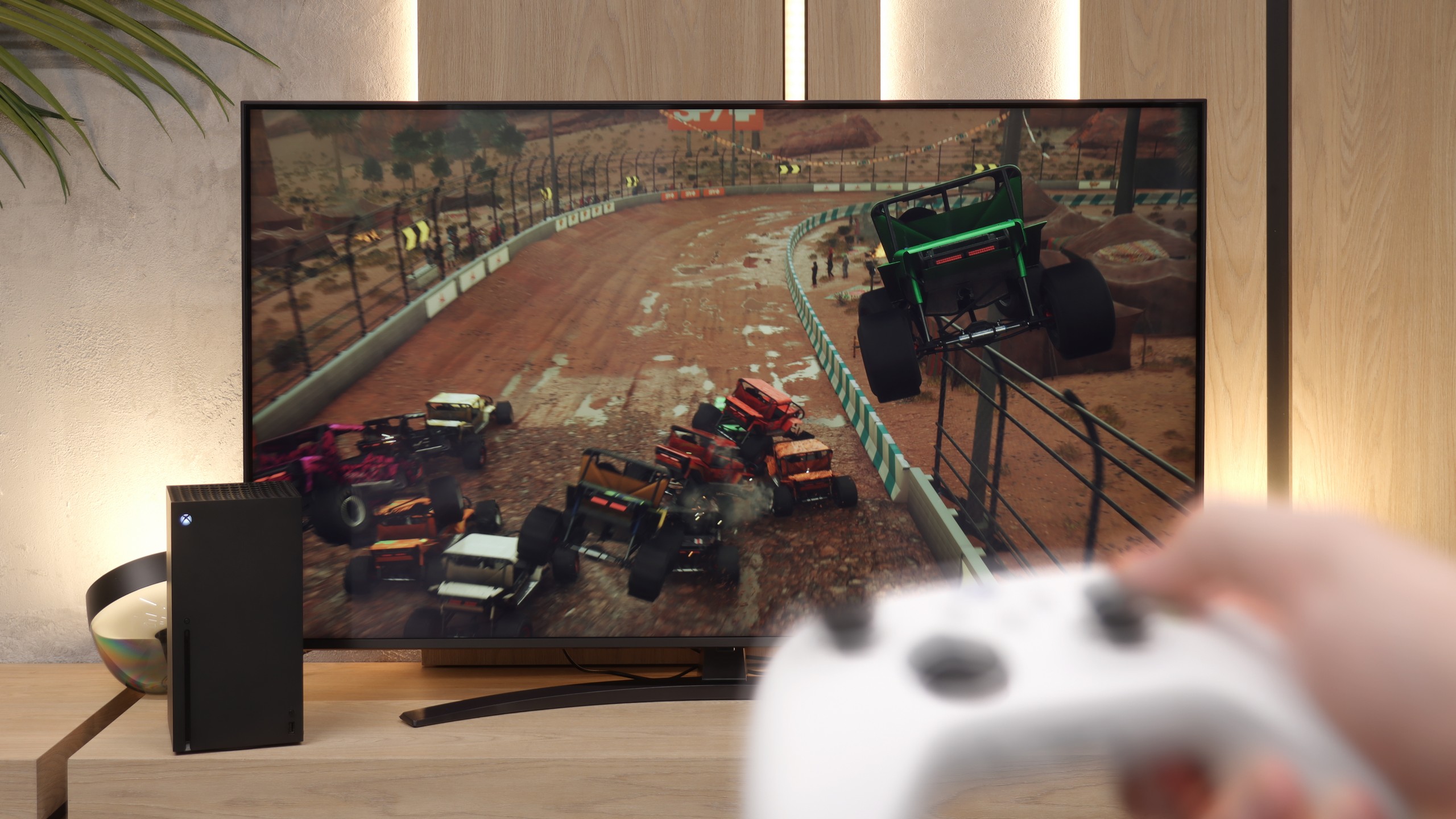
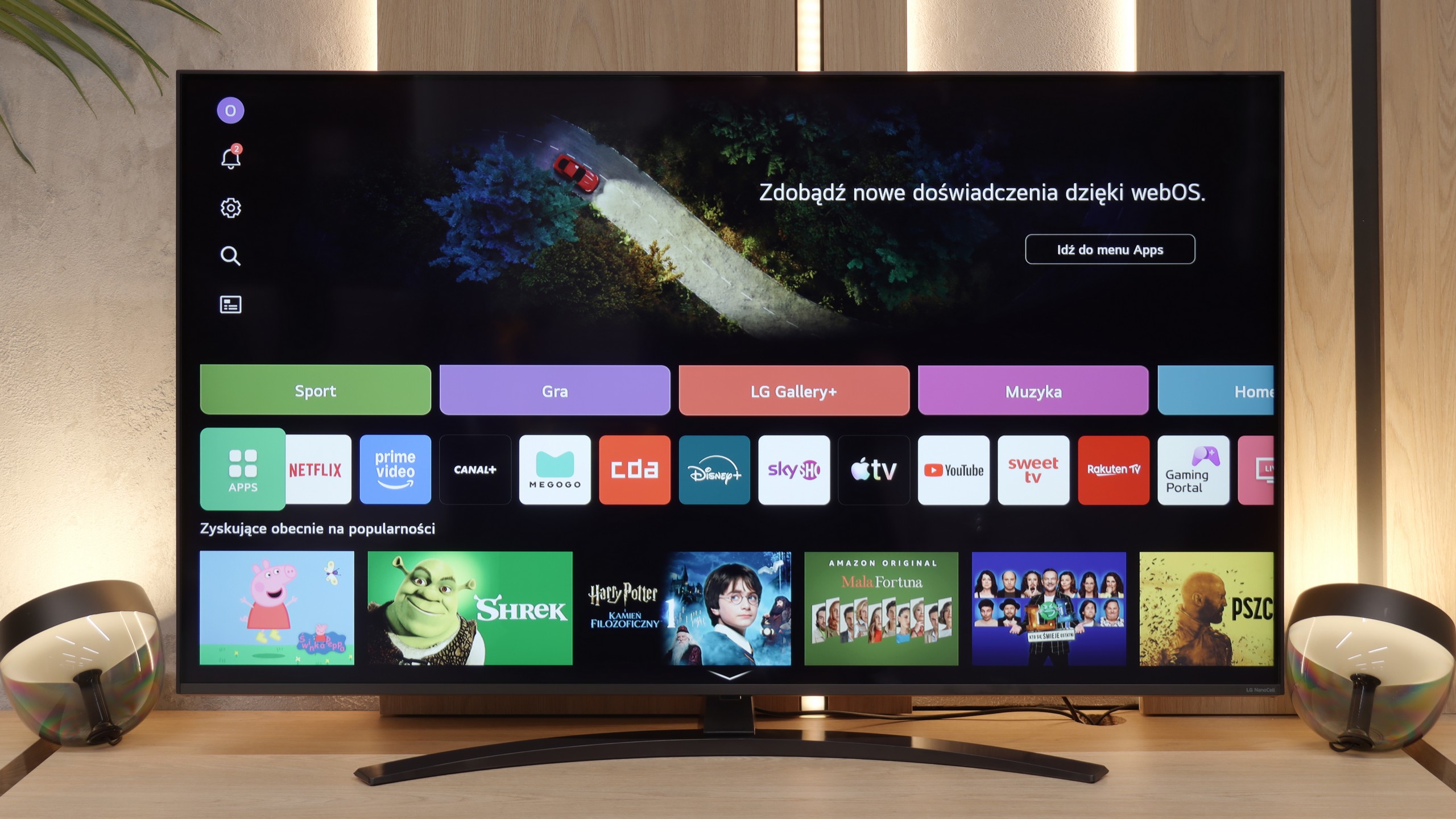
NANO81A is unfortunately not a device designed for e-sports. The lack of support for a 120 Hz signal is a fact that users planning to purchase this model must simply come to terms with. Nevertheless, LG engineers have worked hard to squeeze the maximum capabilities out of this 60 Hz panel, offering a set of features that genuinely enhance the gaming experience. Above all, the television supports VRR technology (in the range of 48–60 Hz) and ALLM. As a result, the image remains stable and does not "tear," and the device automatically switches to low-latency mode as soon as it detects a signal from the console. Managing these settings is incredibly simple thanks to a dedicated system overlay that allows for a quick overview of parameters without leaving the game. A significant advantage is the support for the HGiG format. This solution is crucial for owners of modern consoles, as it enables the TV to correctly "understand" the intentions of game developers regarding HDR tone mapping. In practice, this helps avoid the effect of "blown out" bright spots, such as clouds or light sources, which unfortunately is a common issue in budget LCD televisions.
 Direct comparison