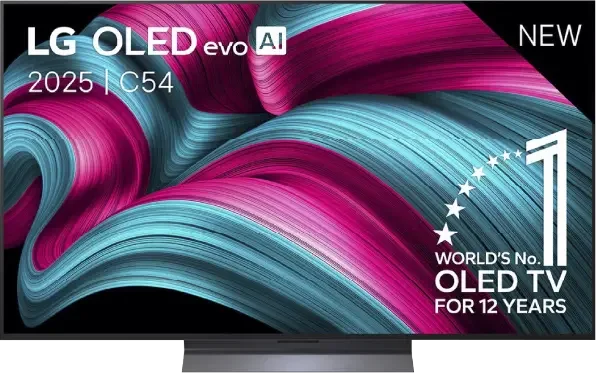
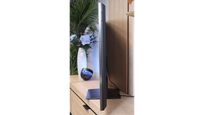
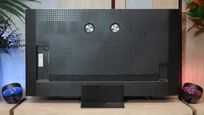
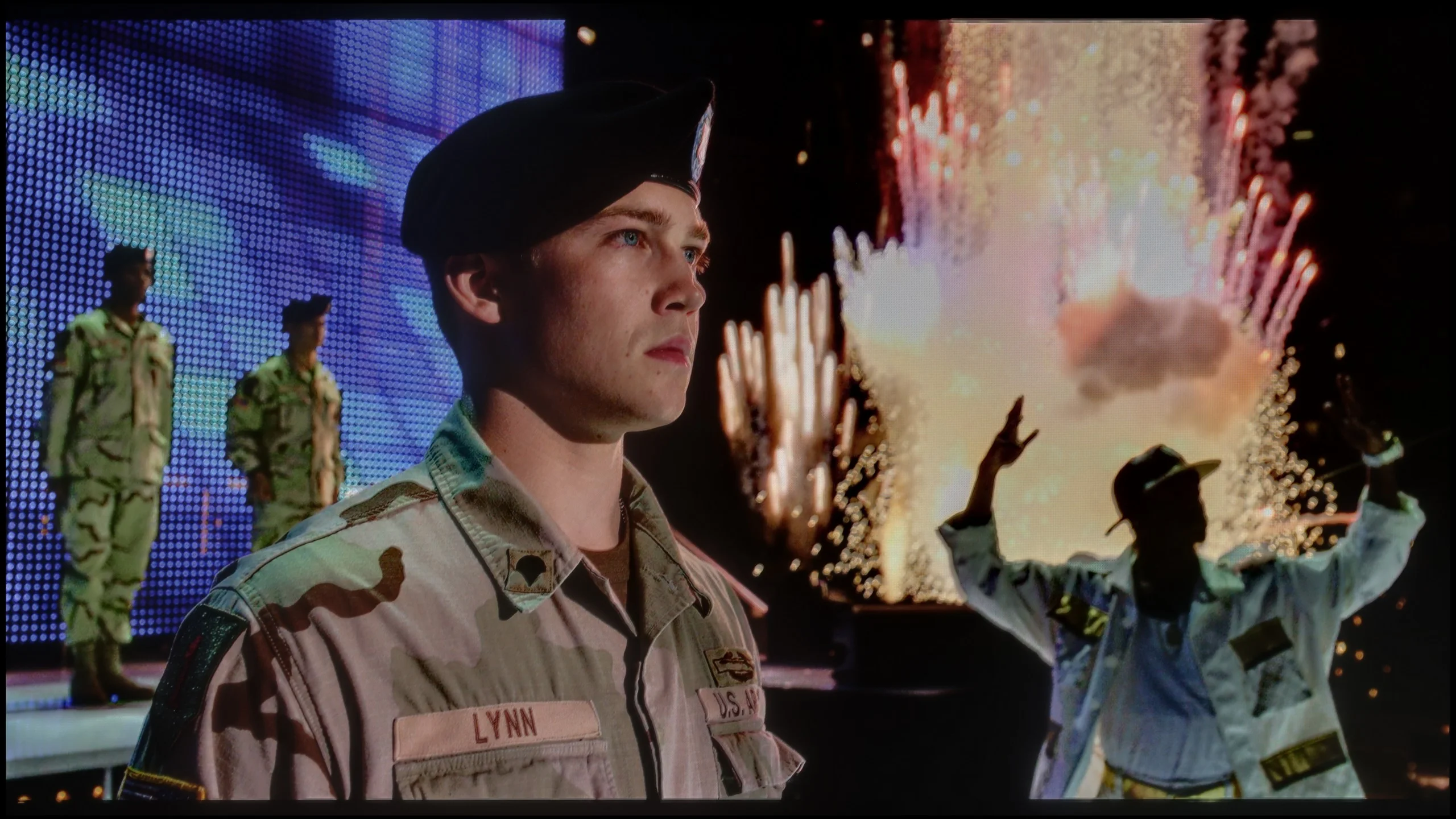
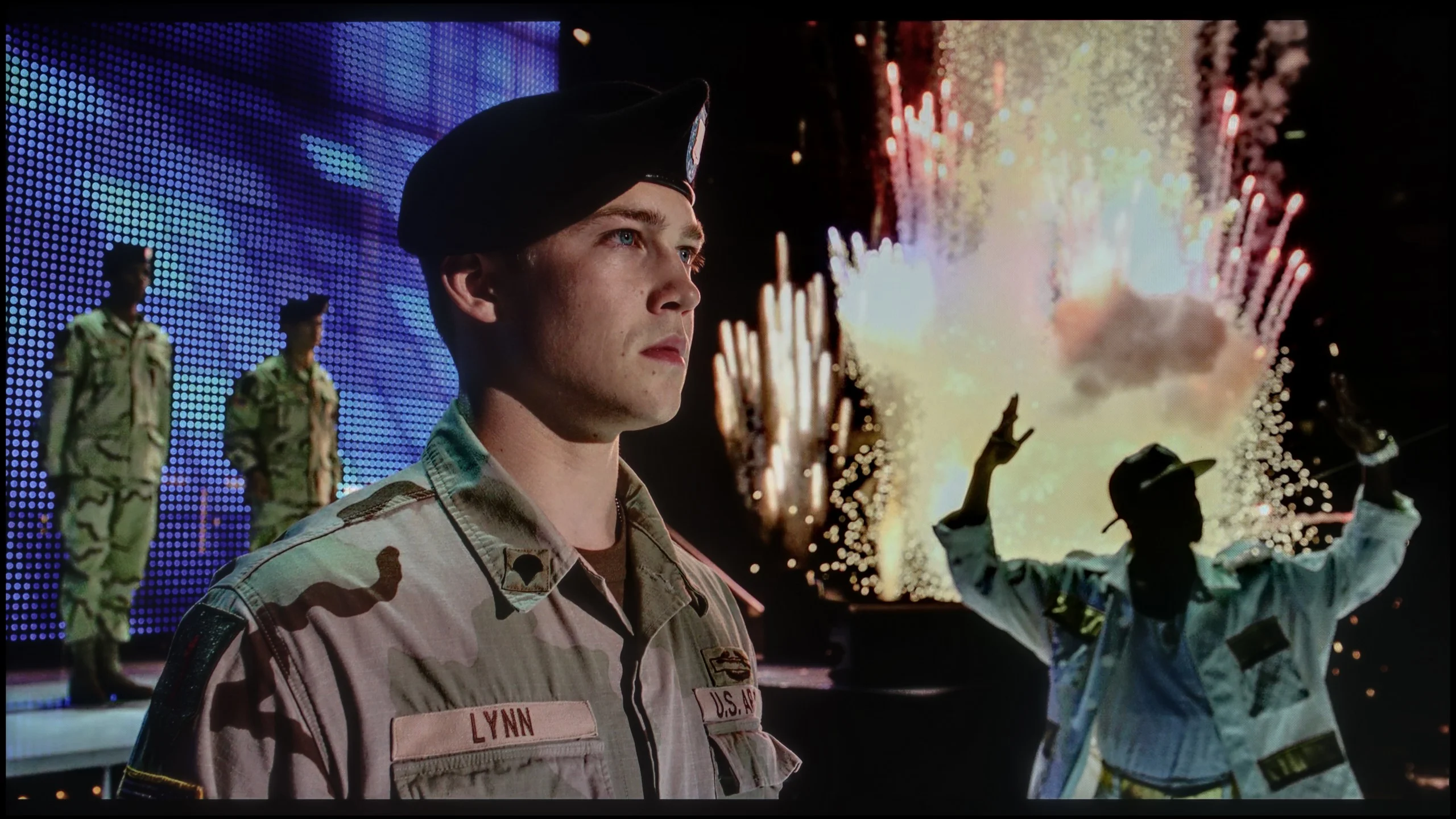
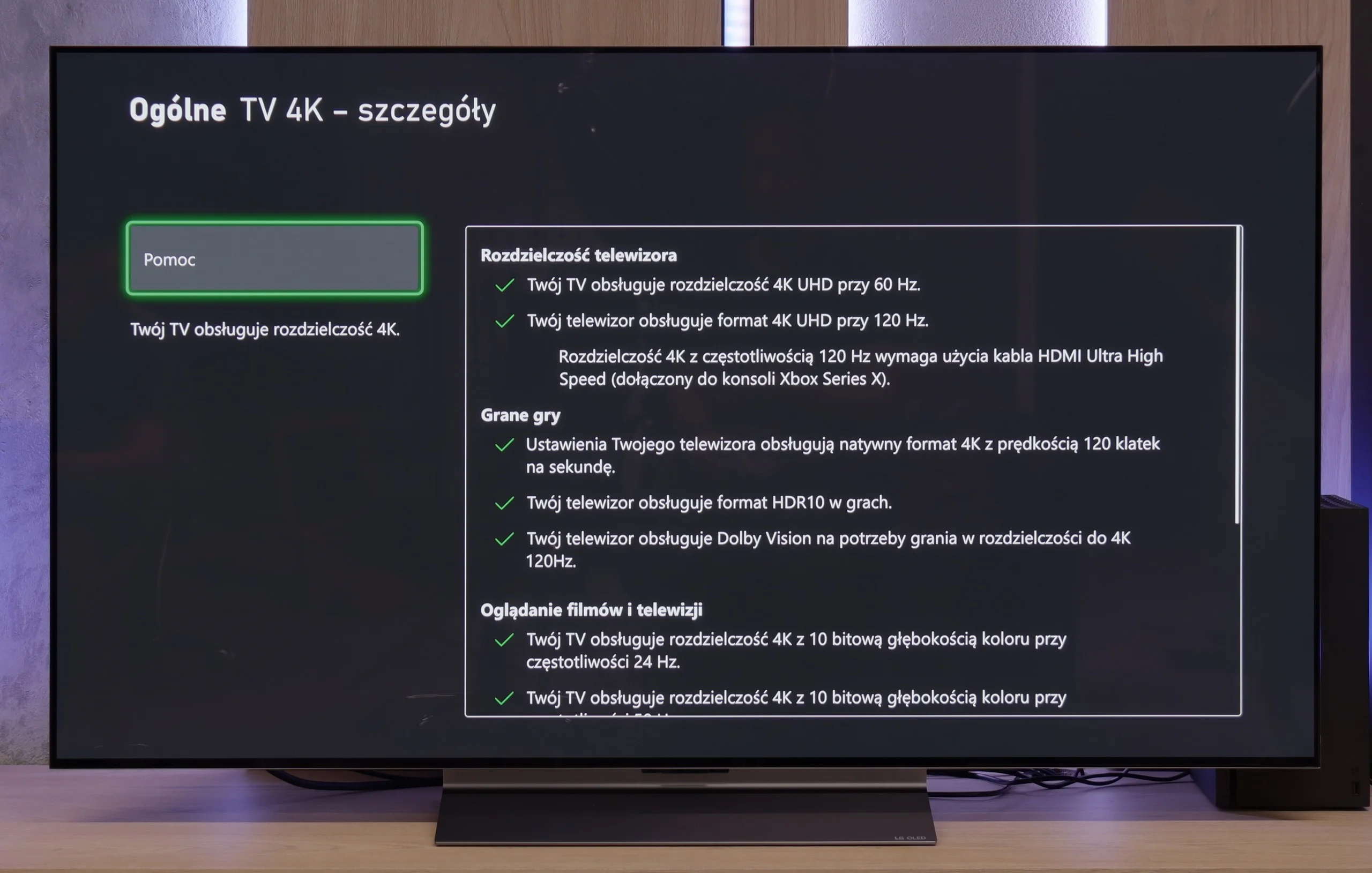
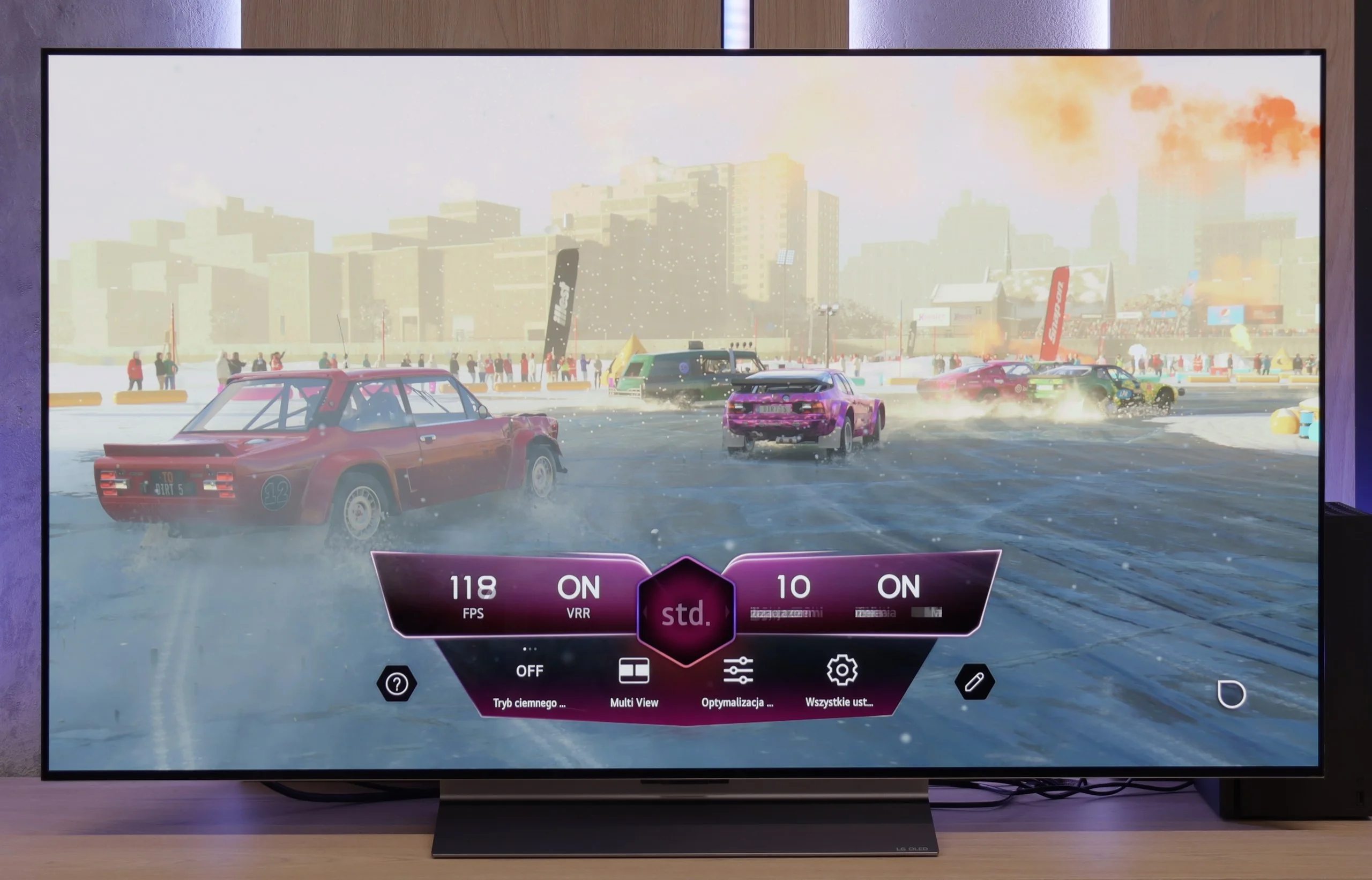
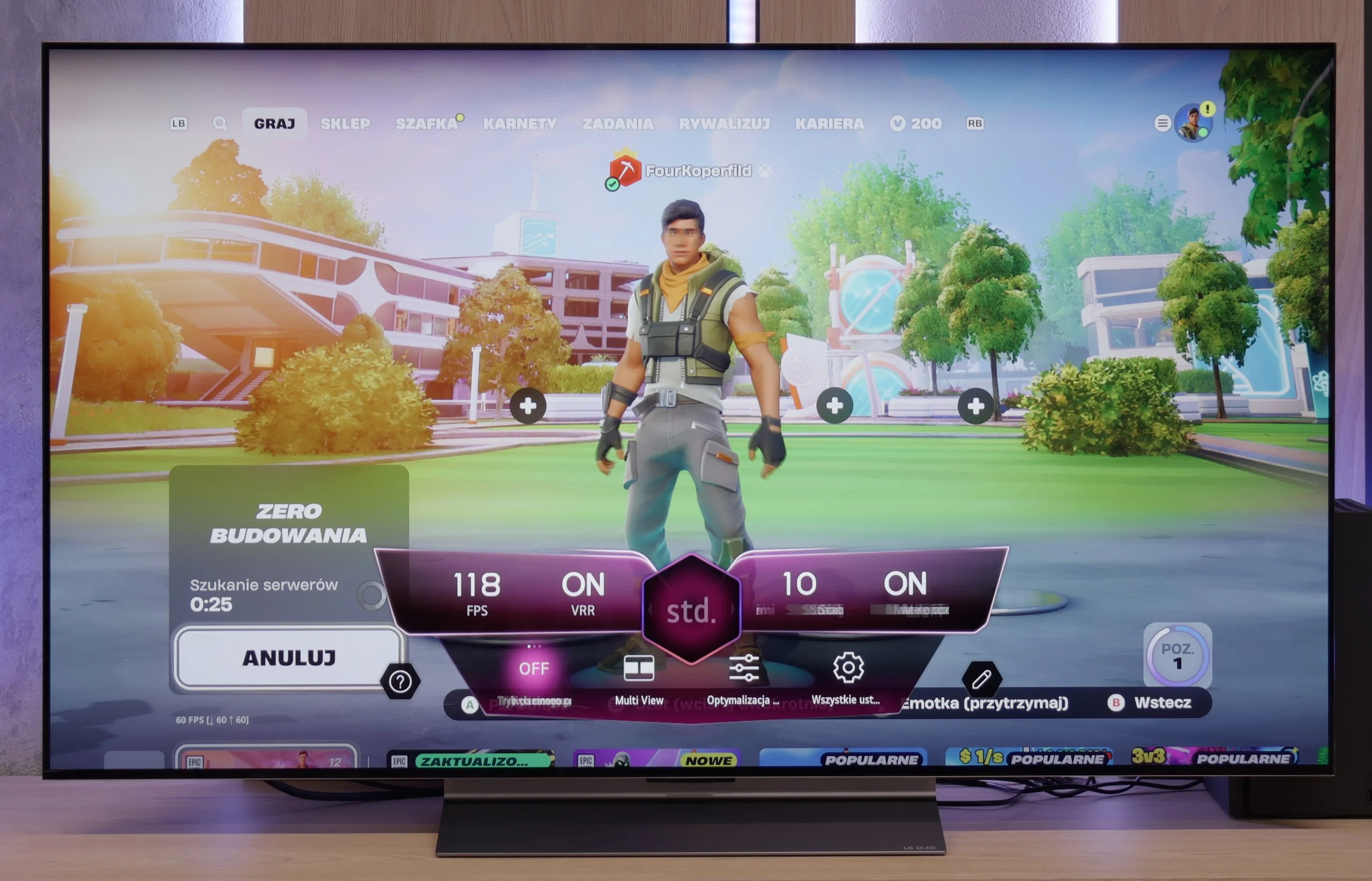
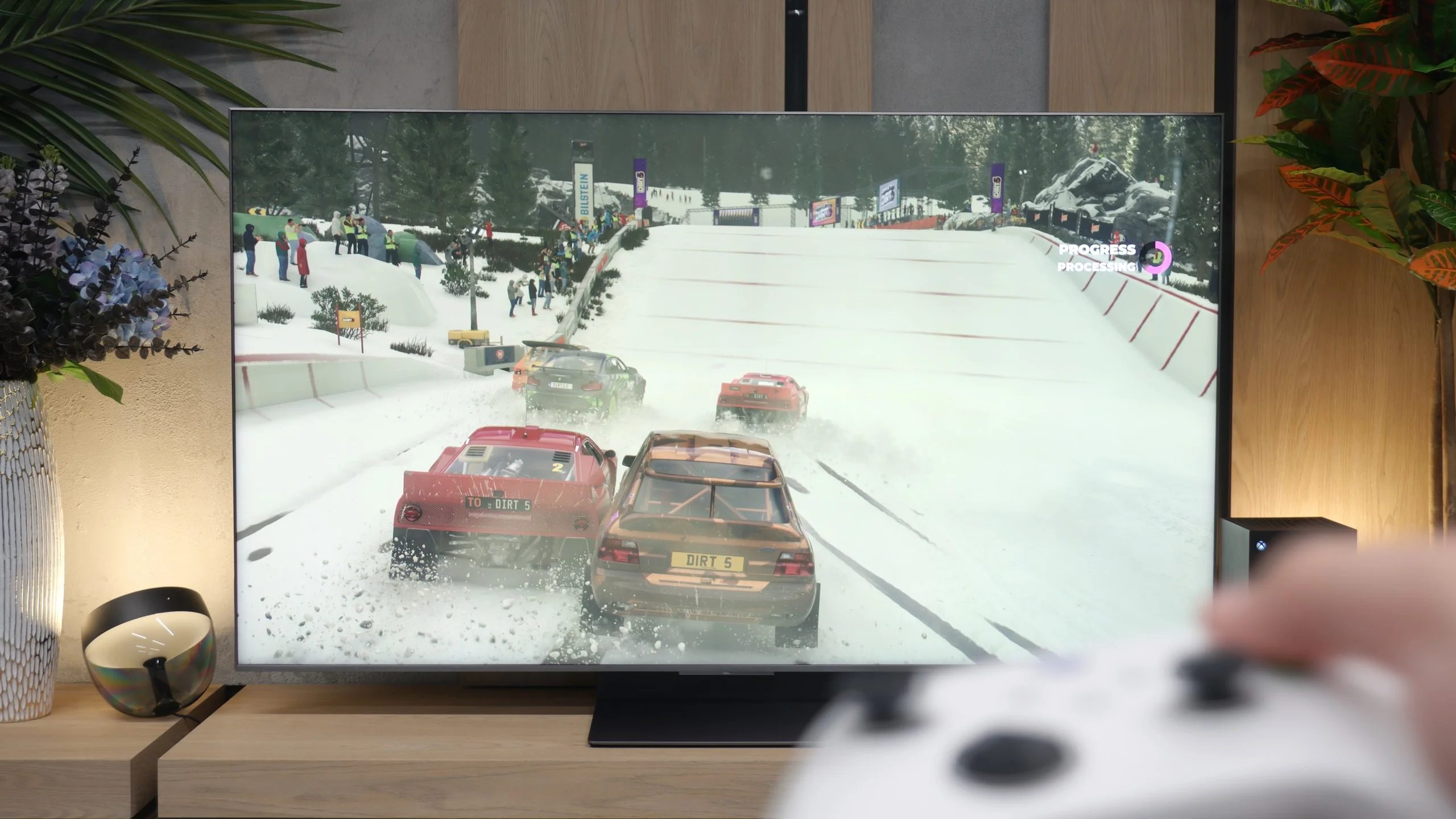
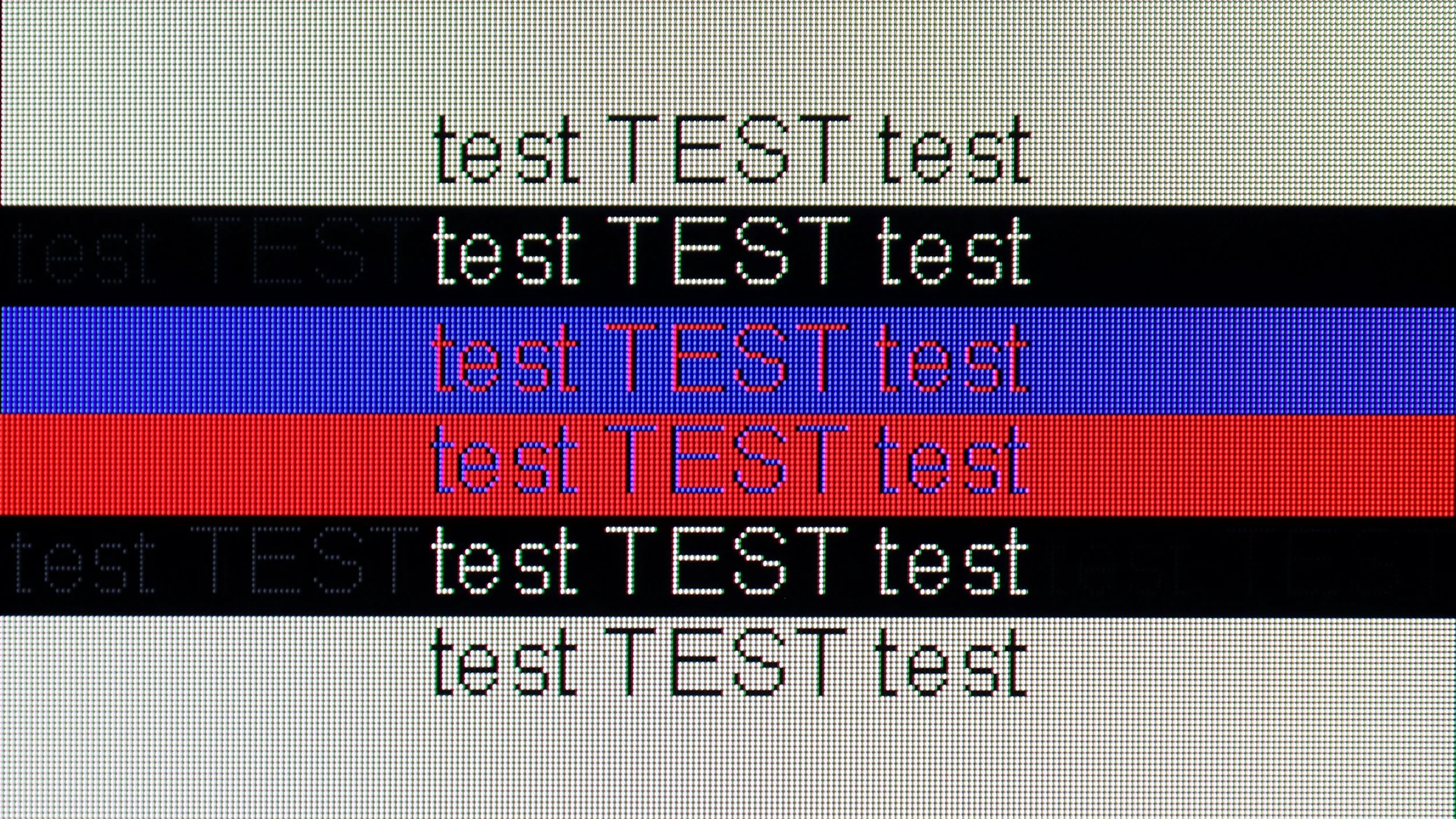
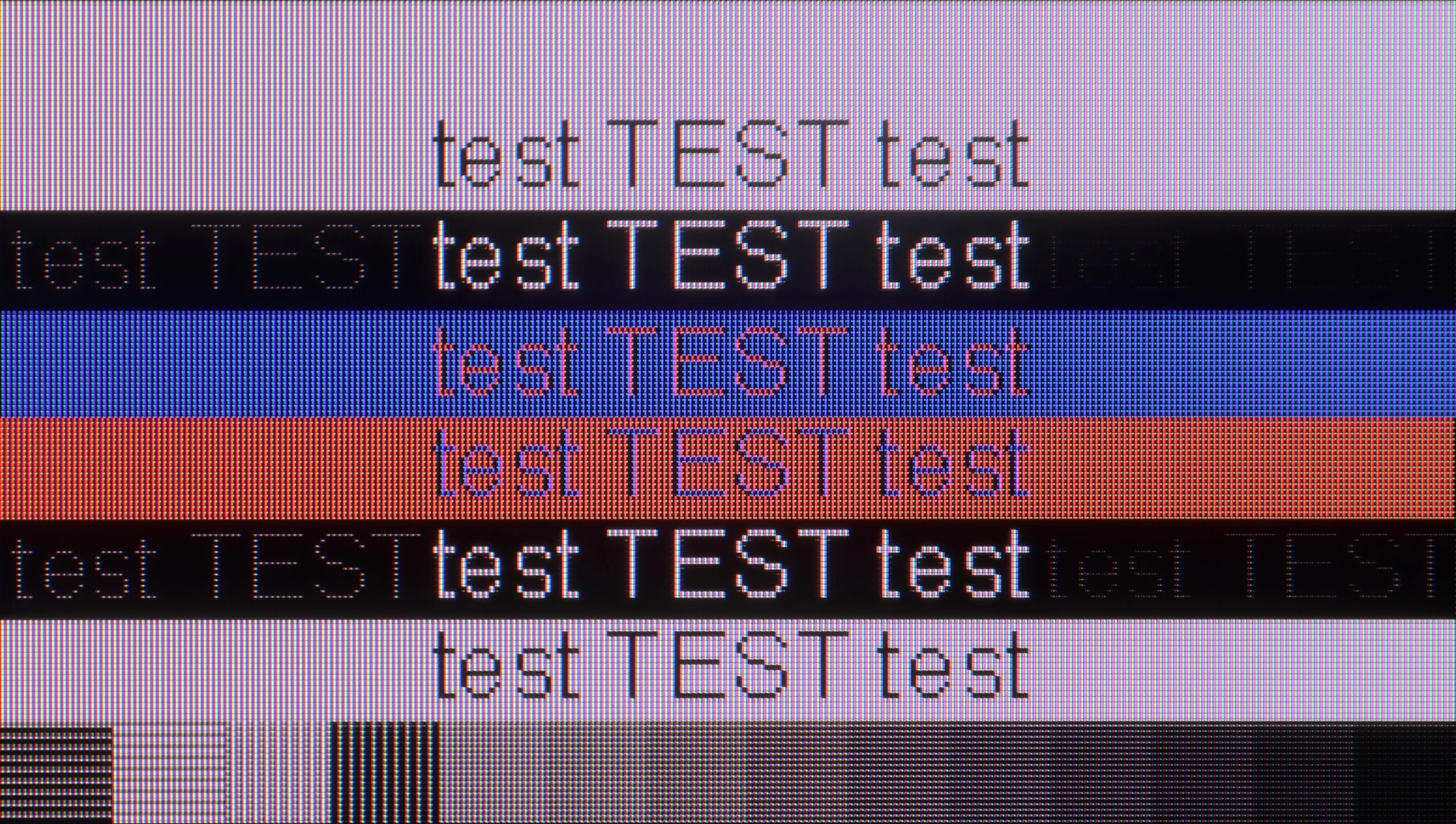
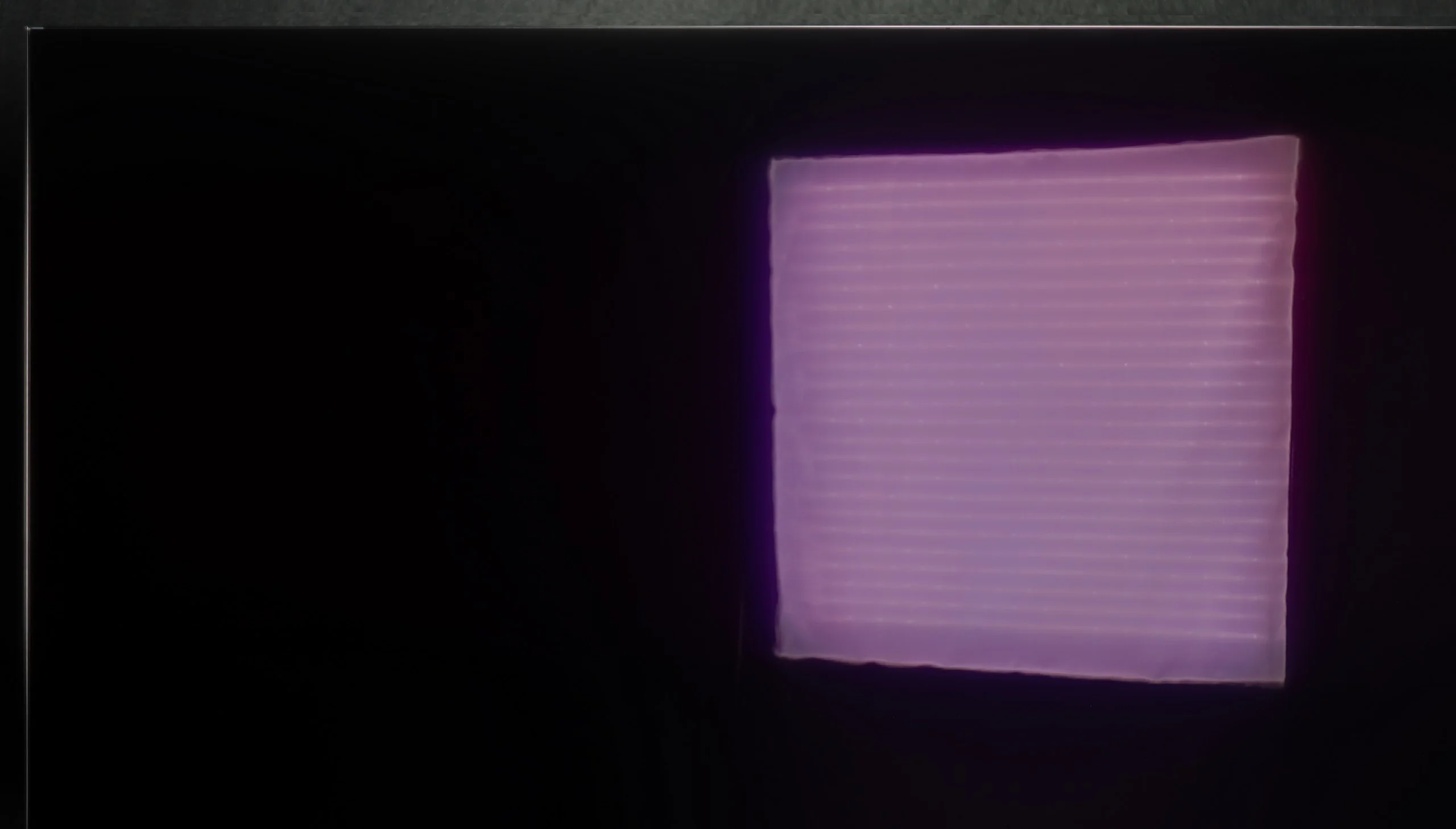
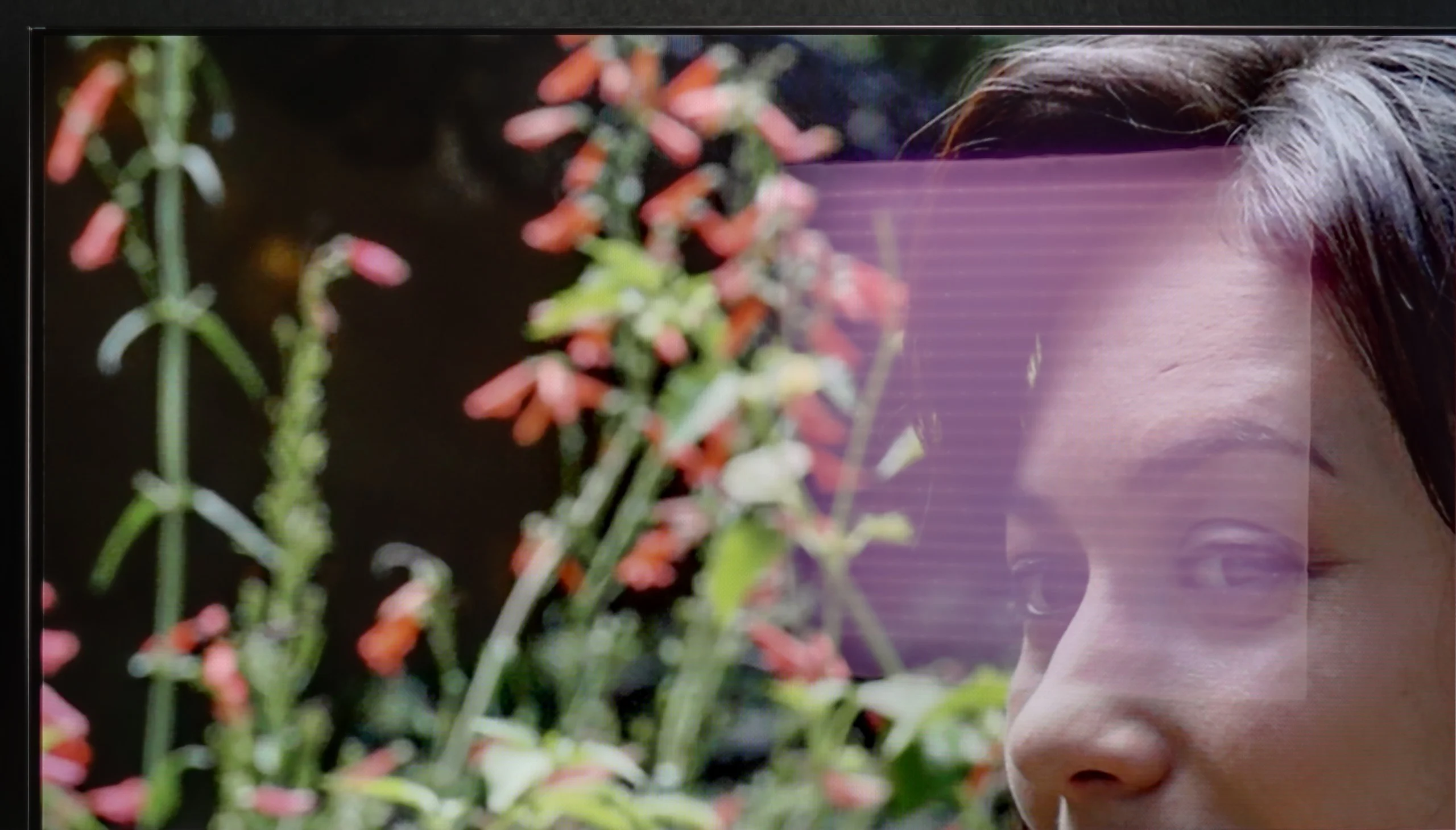
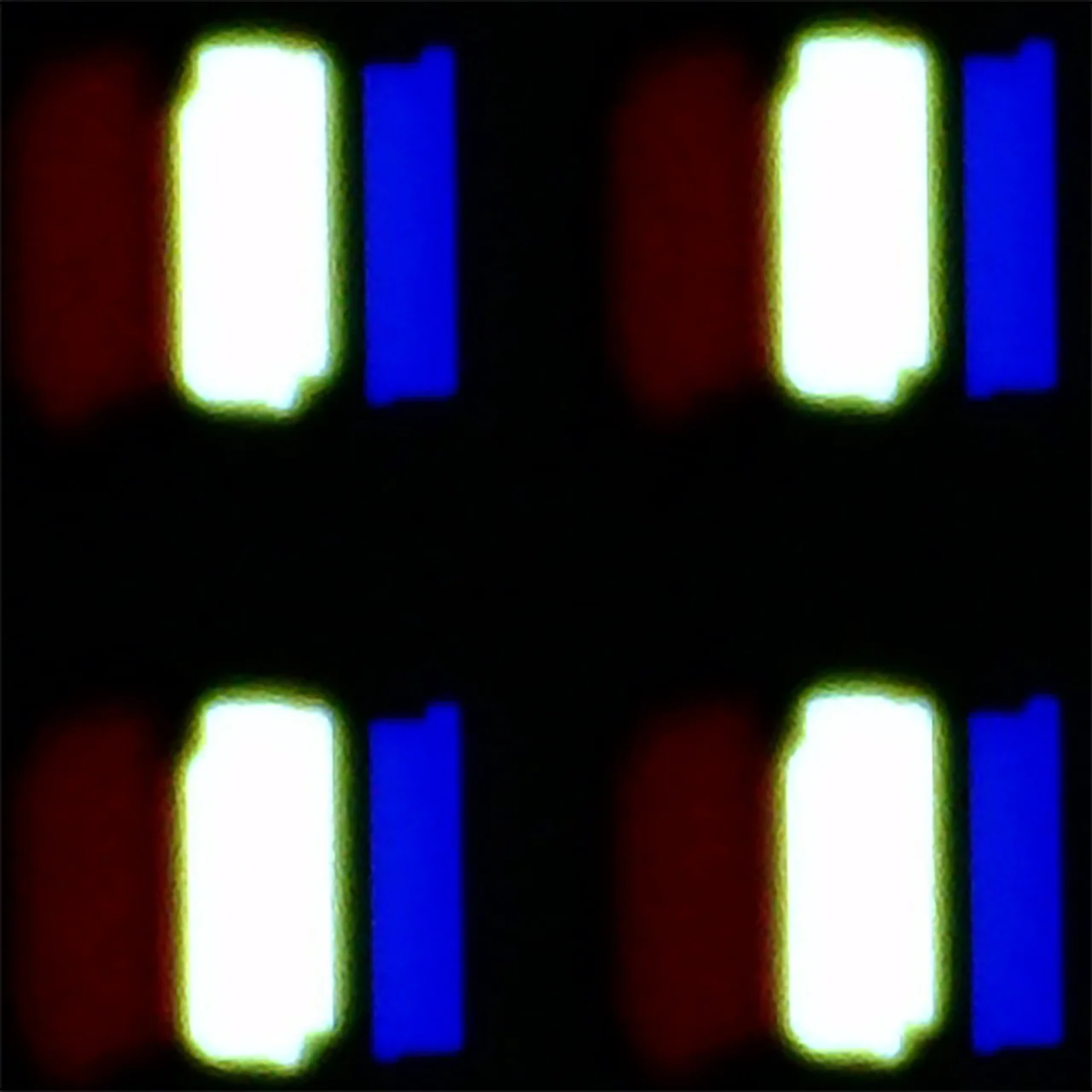
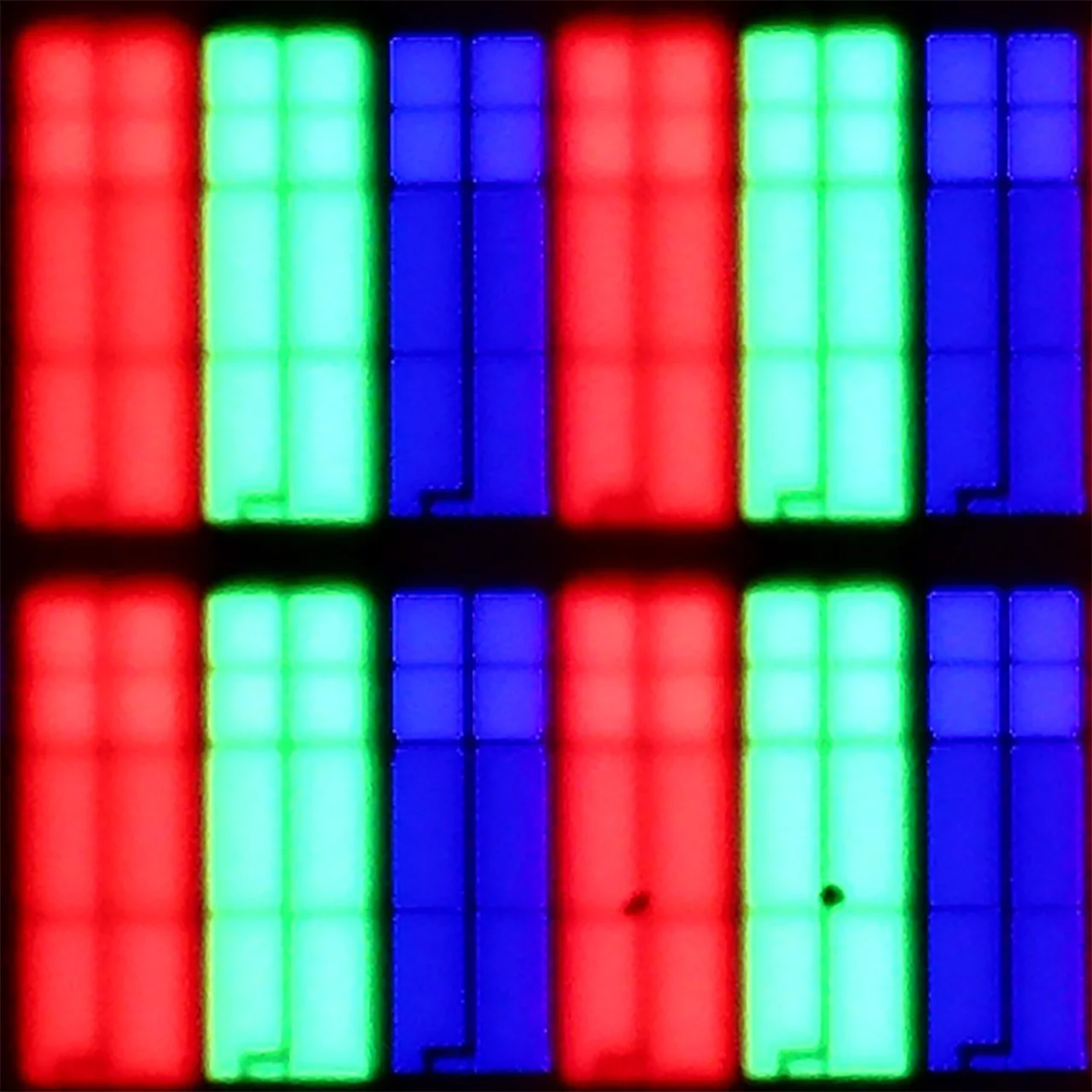
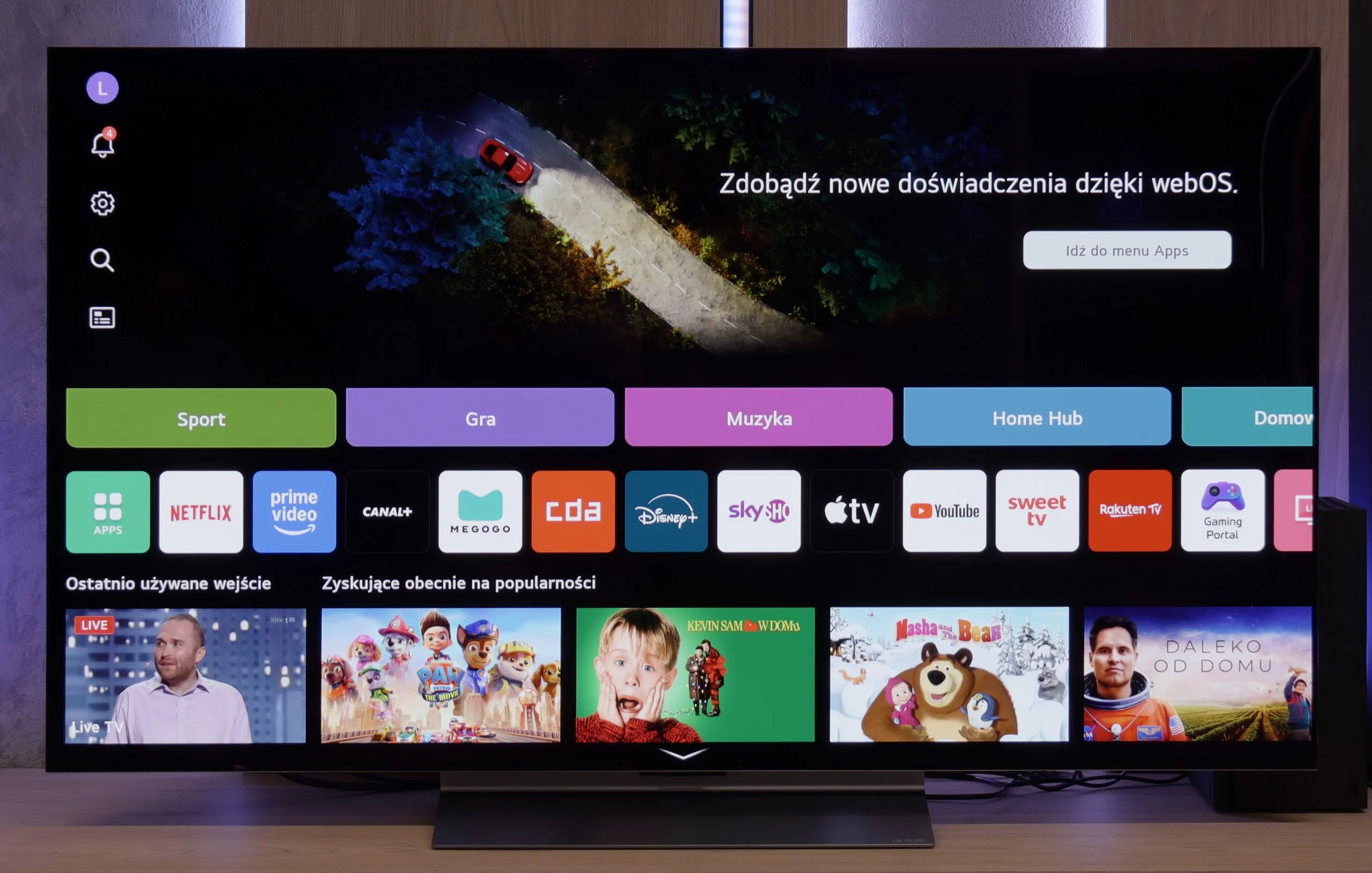
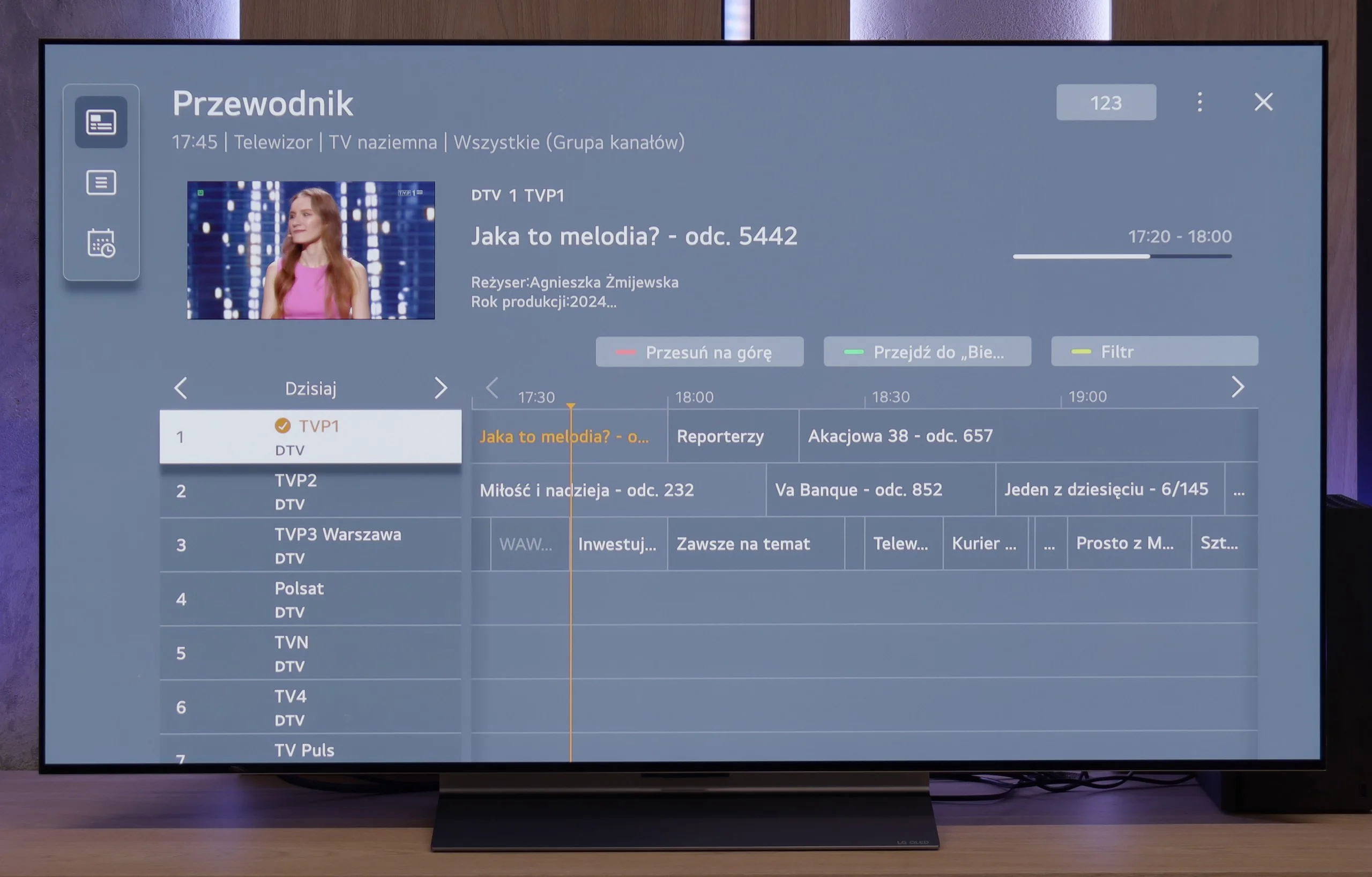
LG C5 is a very successful continuation, and in several aspects, even a step forward compared to last year's model C4. The biggest change is the noticeably higher brightness – for the first time in the history of the C series, the barrier of 1000 nits has been surpassed, which significantly improves the quality of the HDR effect. Both movies and shows look more dynamic because of this, and bright scenes finally have the appropriate “shine.” After calibration, the image quality is almost reference-level, and one might feel like we are dealing with equipment much more expensive than its price suggests. C5 is also one of the best choices for gamers – four full HDMI 2.1 ports, low input lag, support for VRR, G-Sync, and properly implemented HGiG. Additionally, the 144 Hz panel makes not only gaming but also watching sports a pure pleasure. The convenient WebOS system and Magic remote with cursor control function deserve praise as well – everything works smoothly and intuitively. This is a TV that you simply want to use.
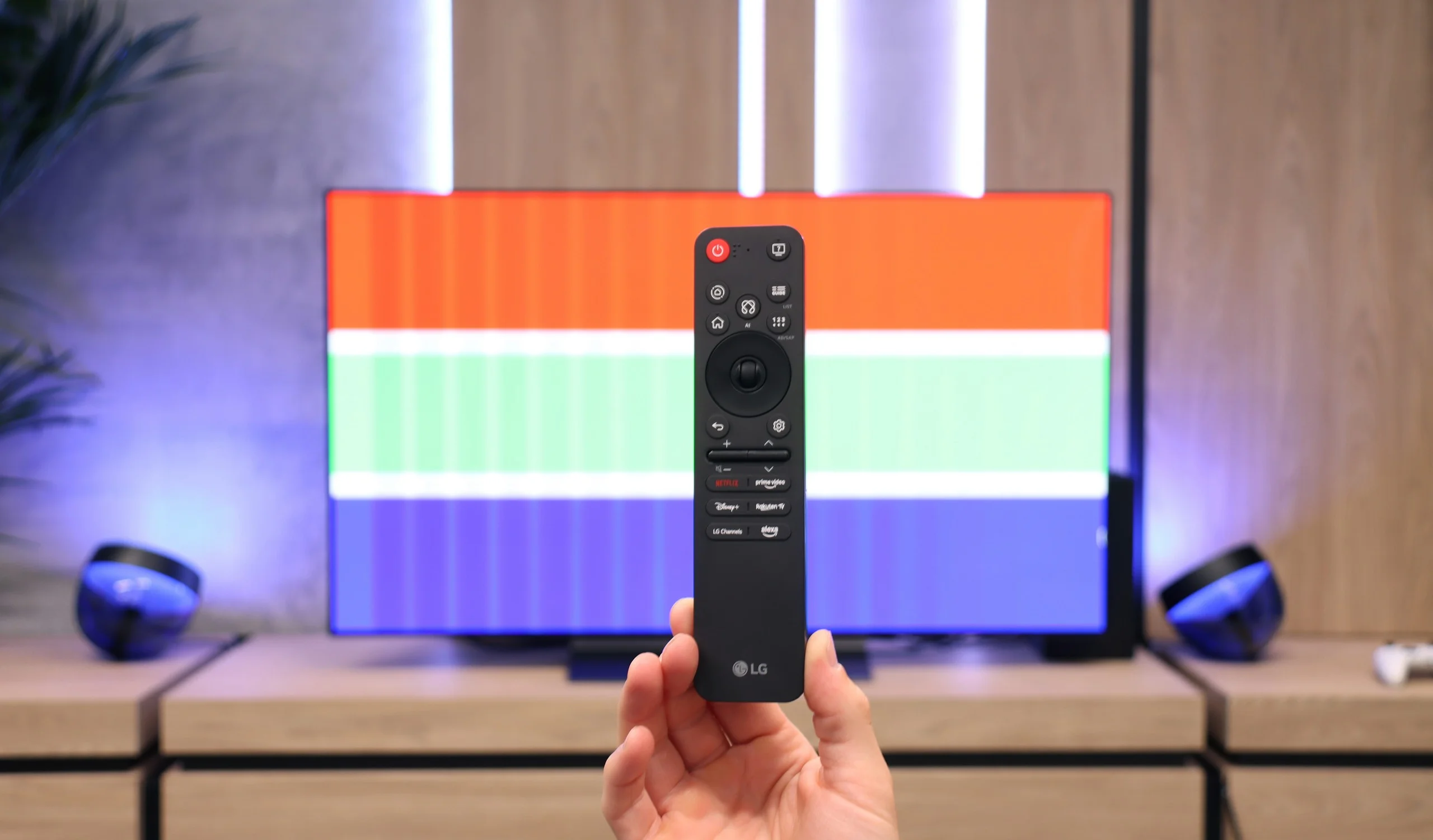
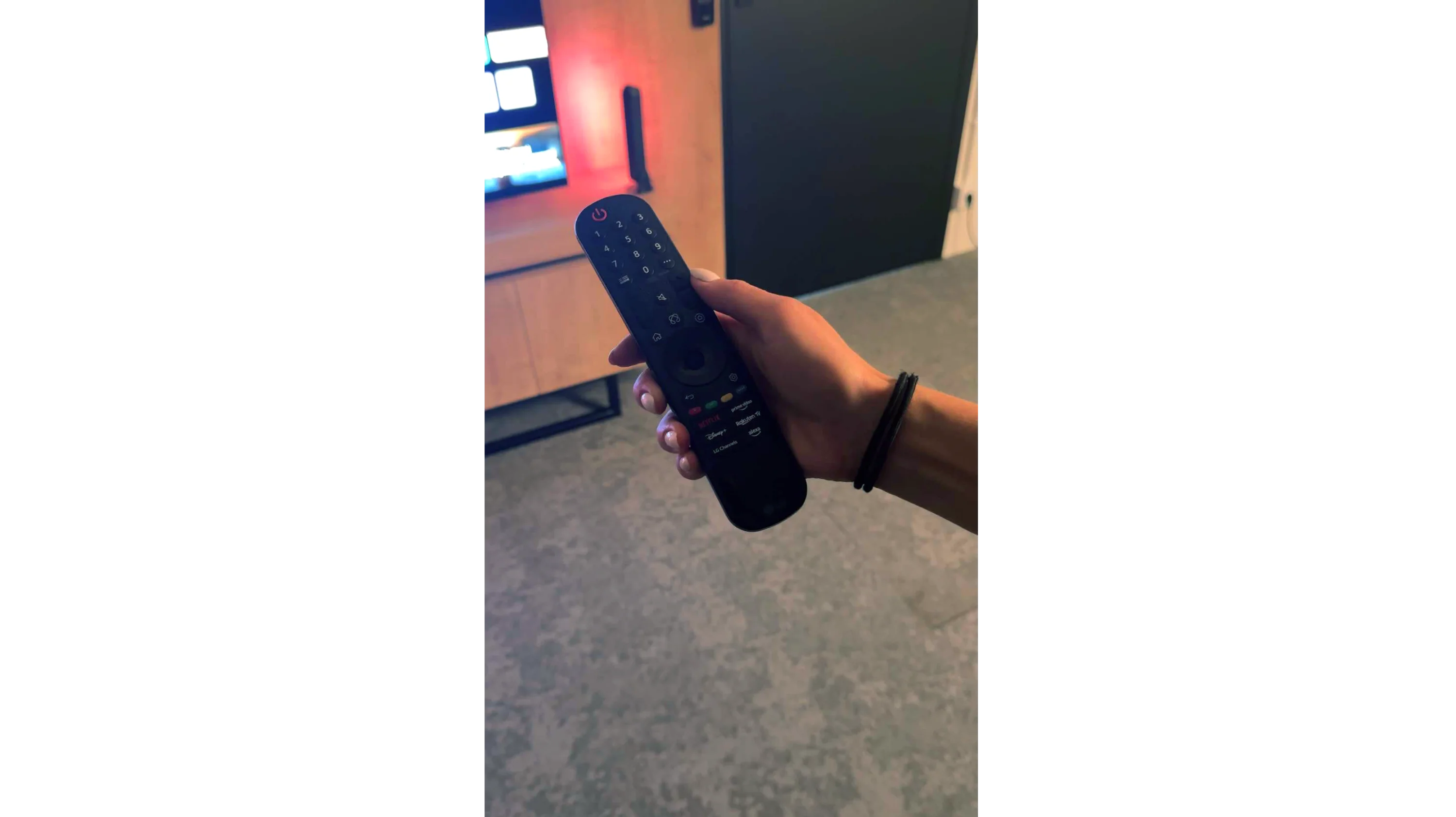
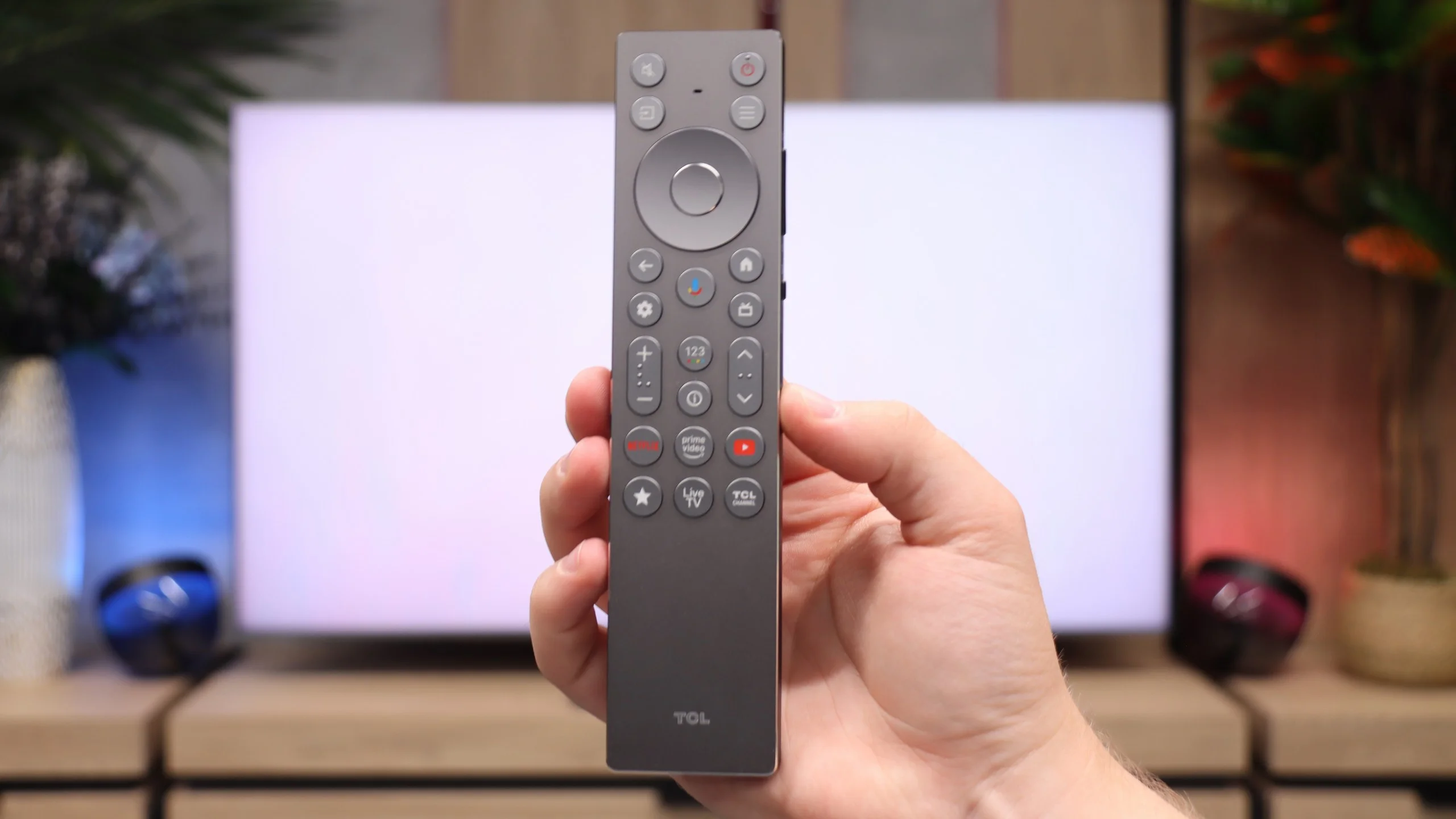
However, there are a few minor reservations. This year, LG decided to drop support for DTS codecs, which may be problematic for those using physical media and Blu-ray movie collections. It's also worth noting the confusion surrounding different versions of the remote – depending on the model designation, we may receive a completely different remote than the one we held during our tests. Despite these few remarks, LG C5 is a TV that impresses in almost every aspect. Brightness, colors, gaming features, image fluidity, and overall build quality make it one of the best OLEDs in its class.
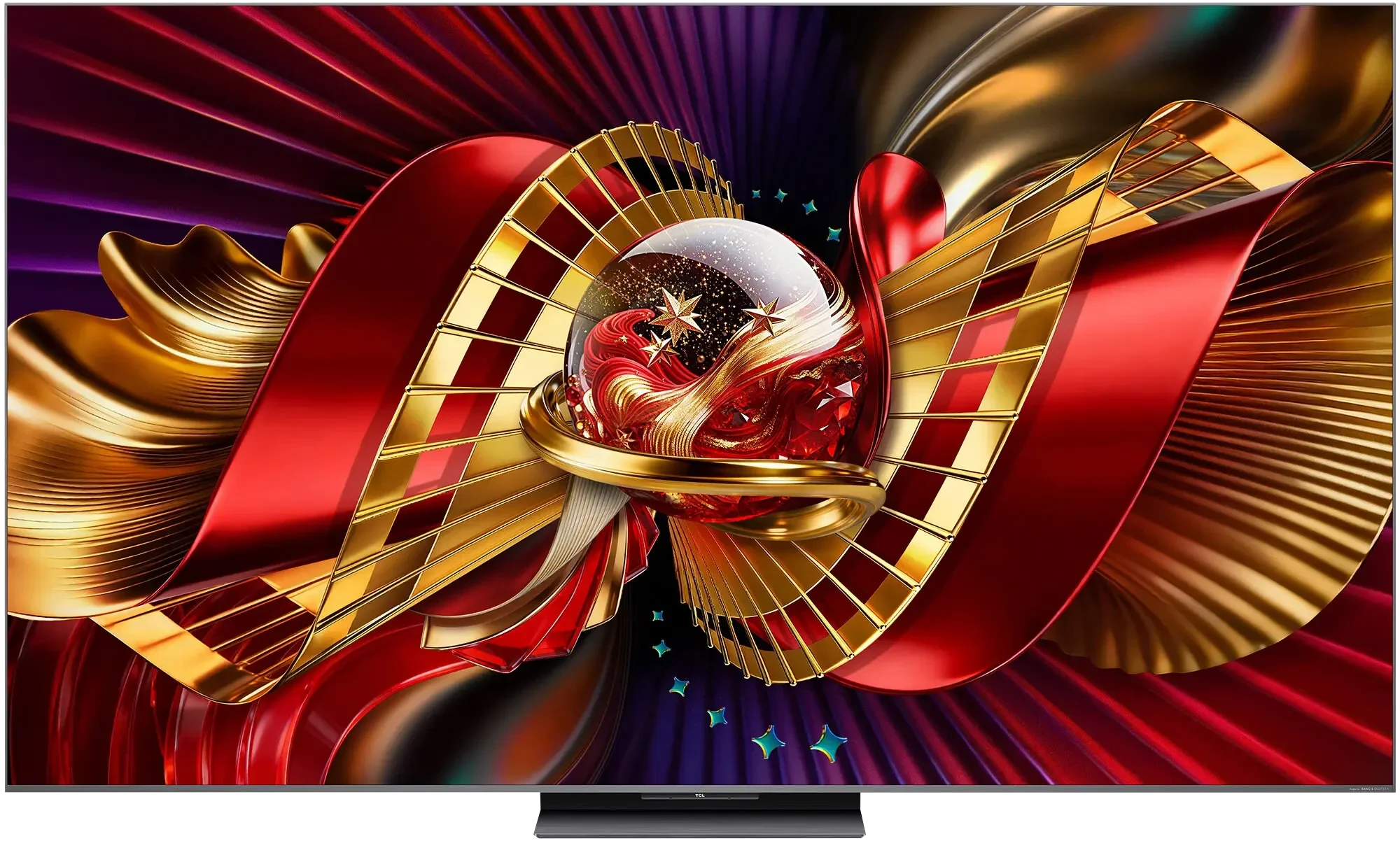
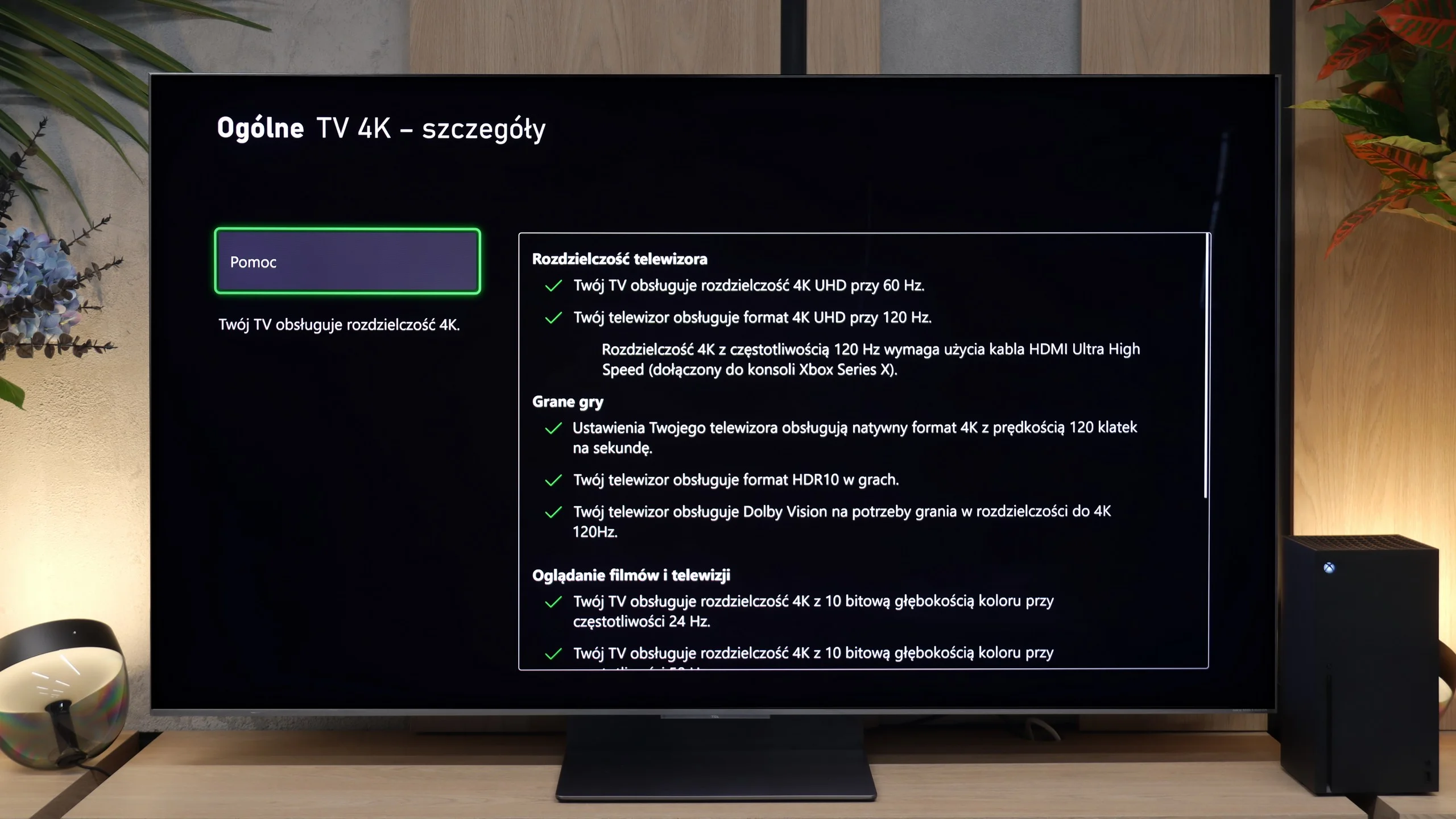
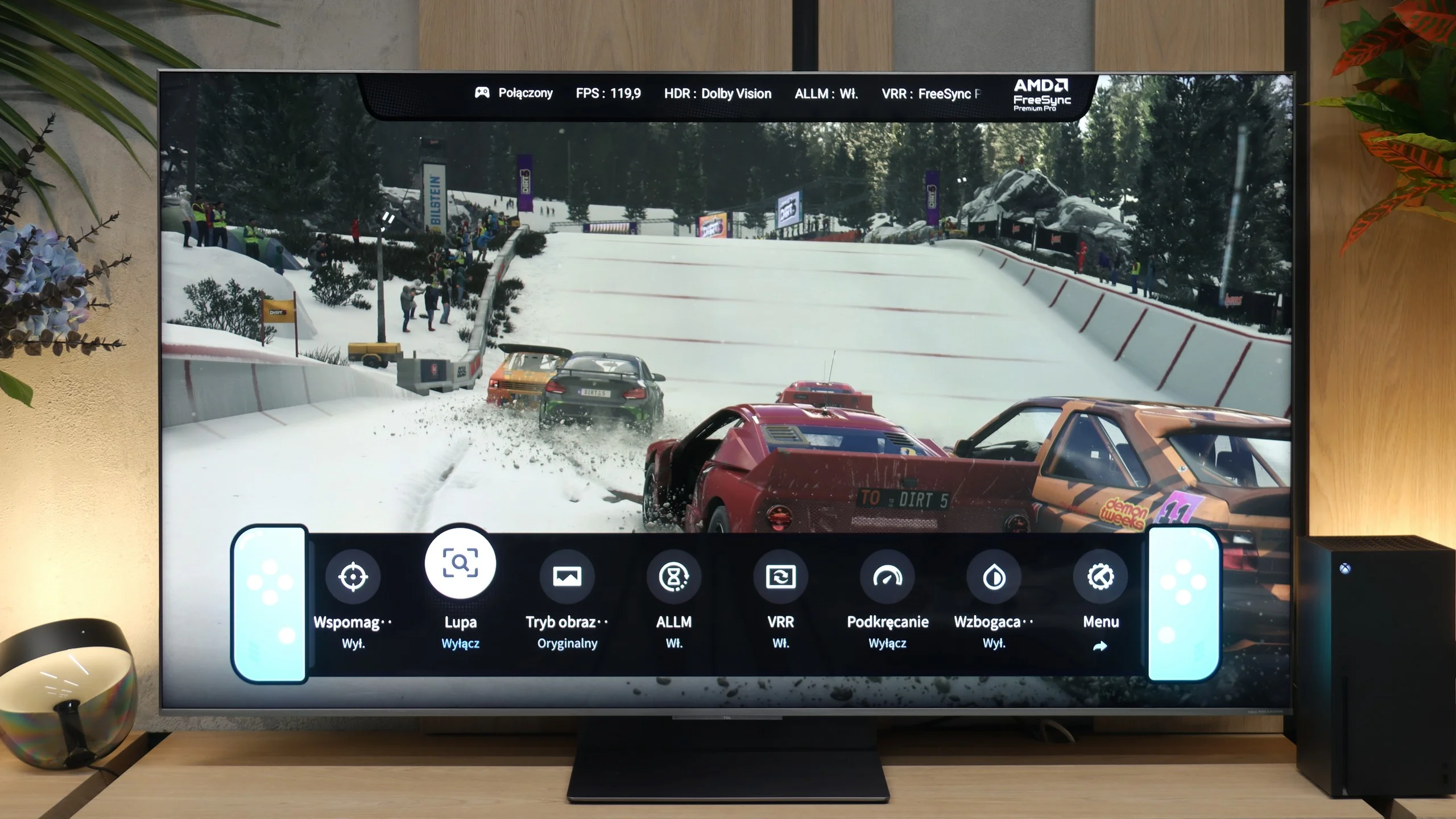
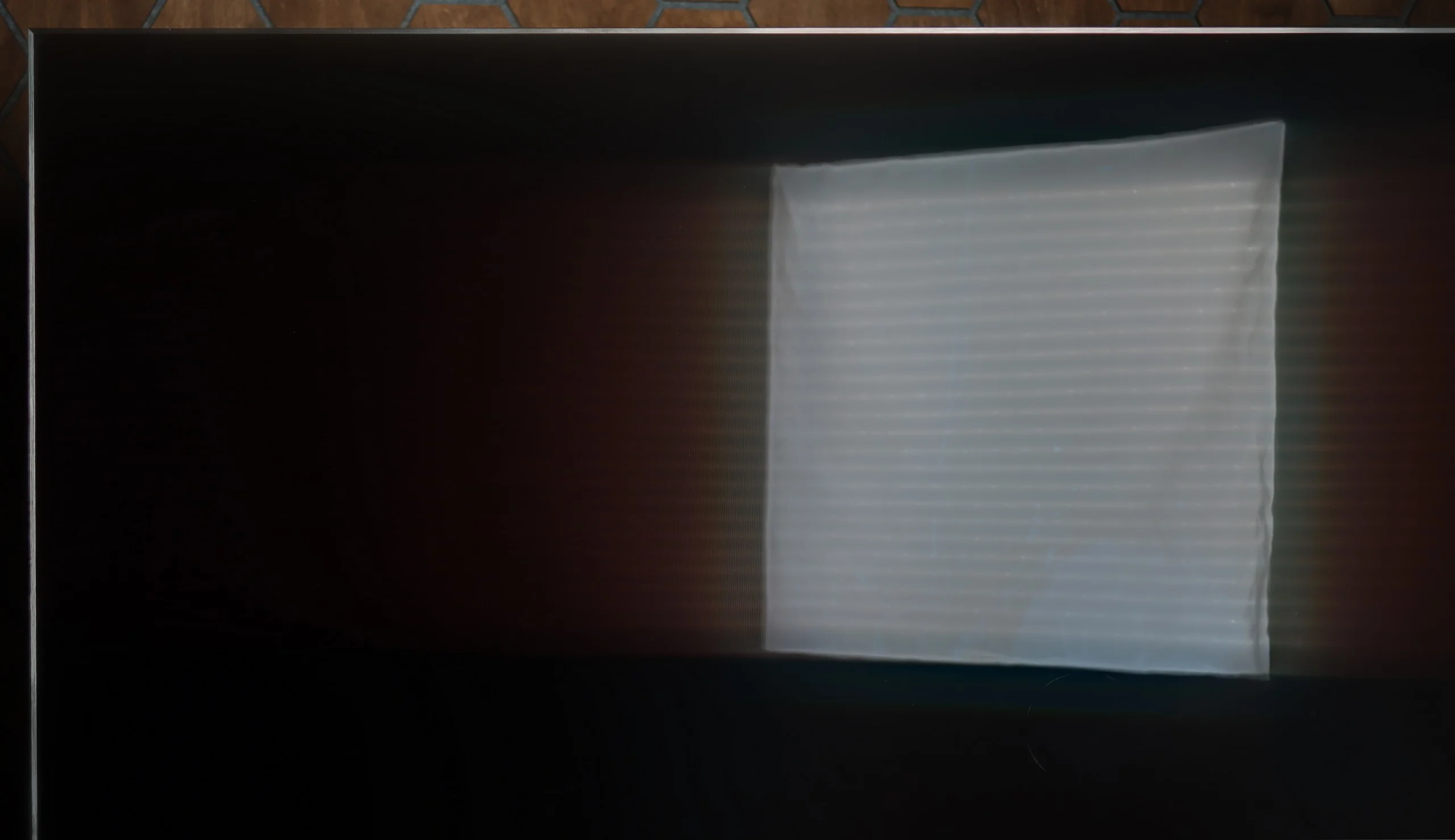
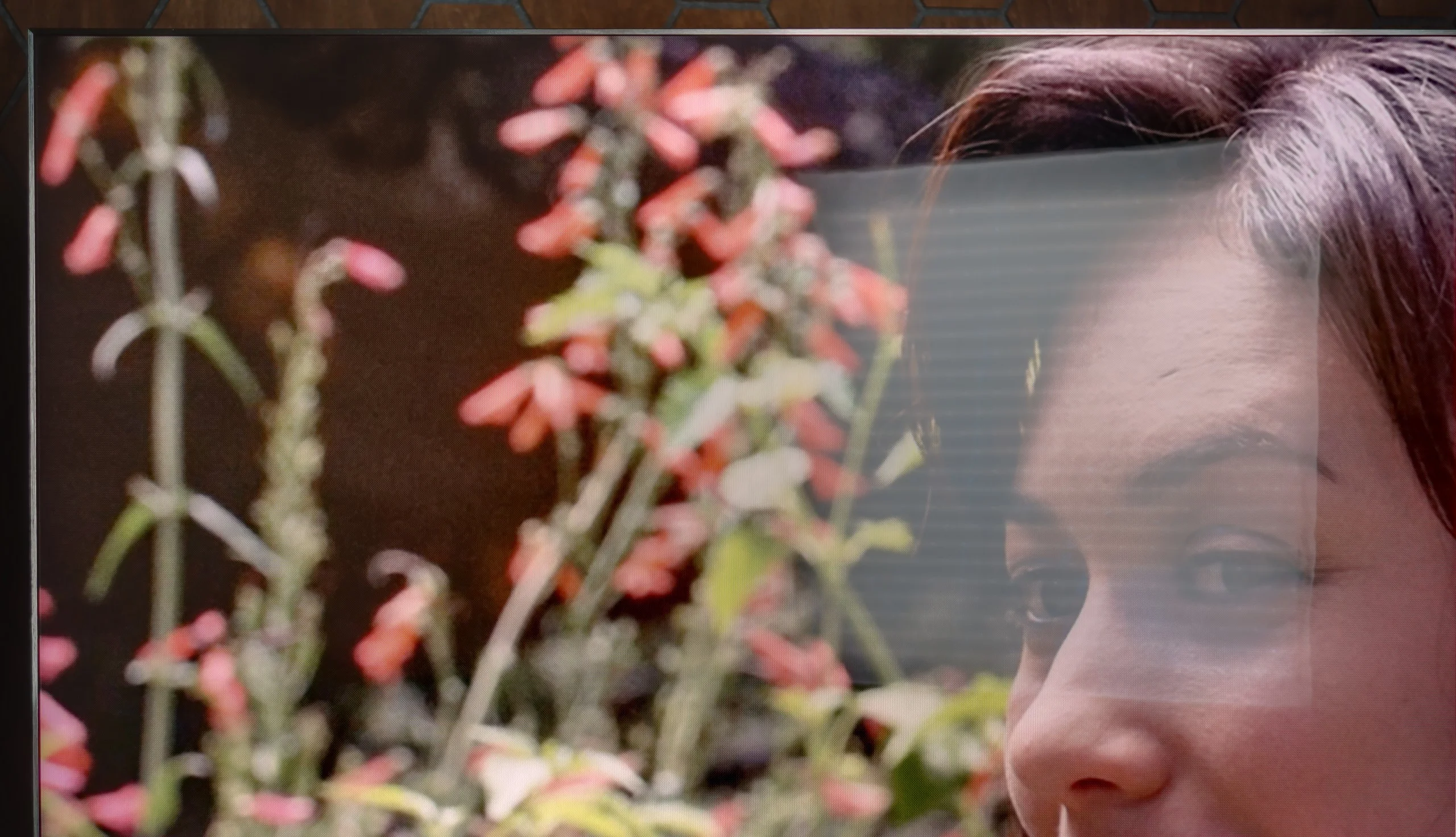
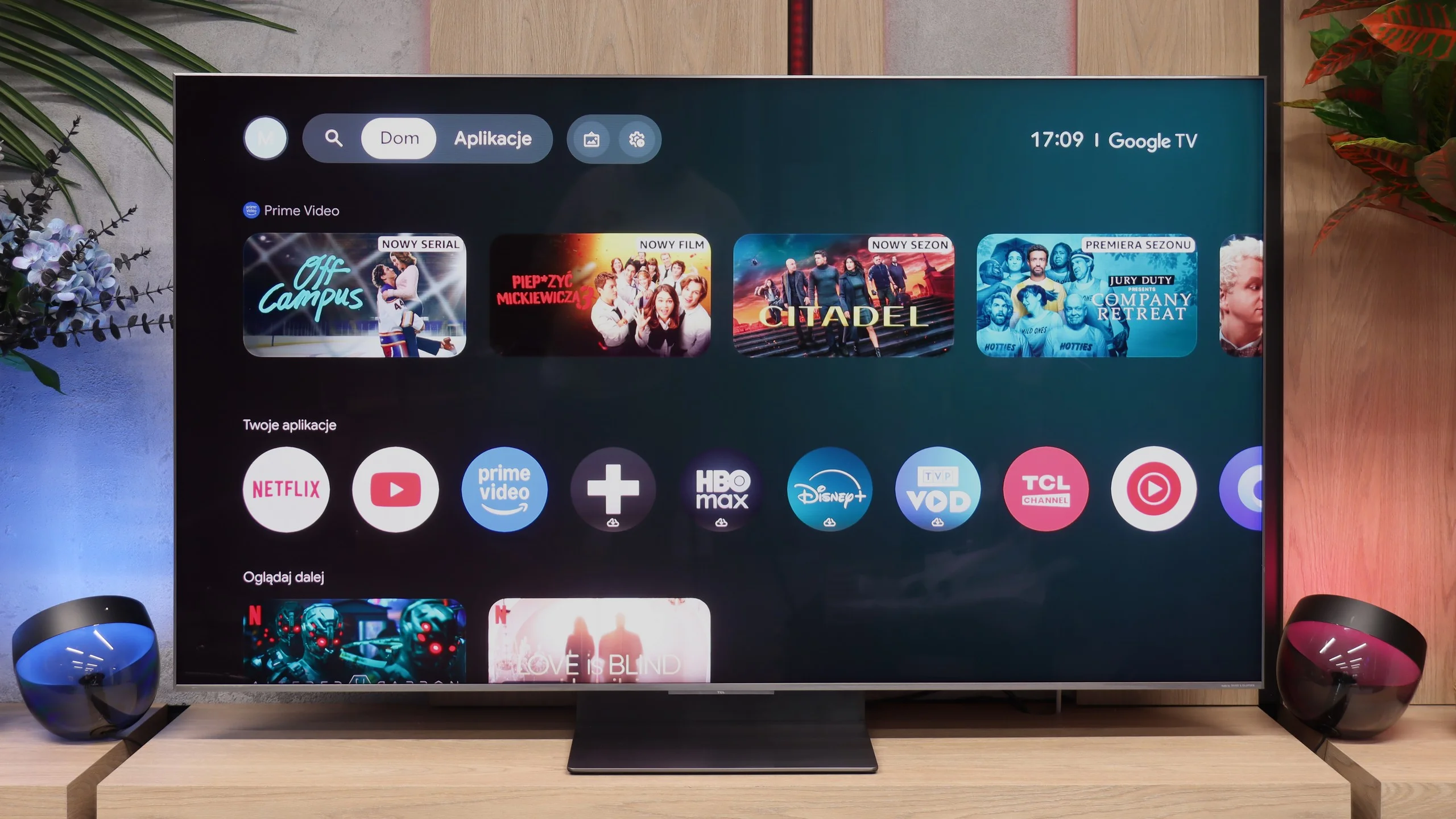
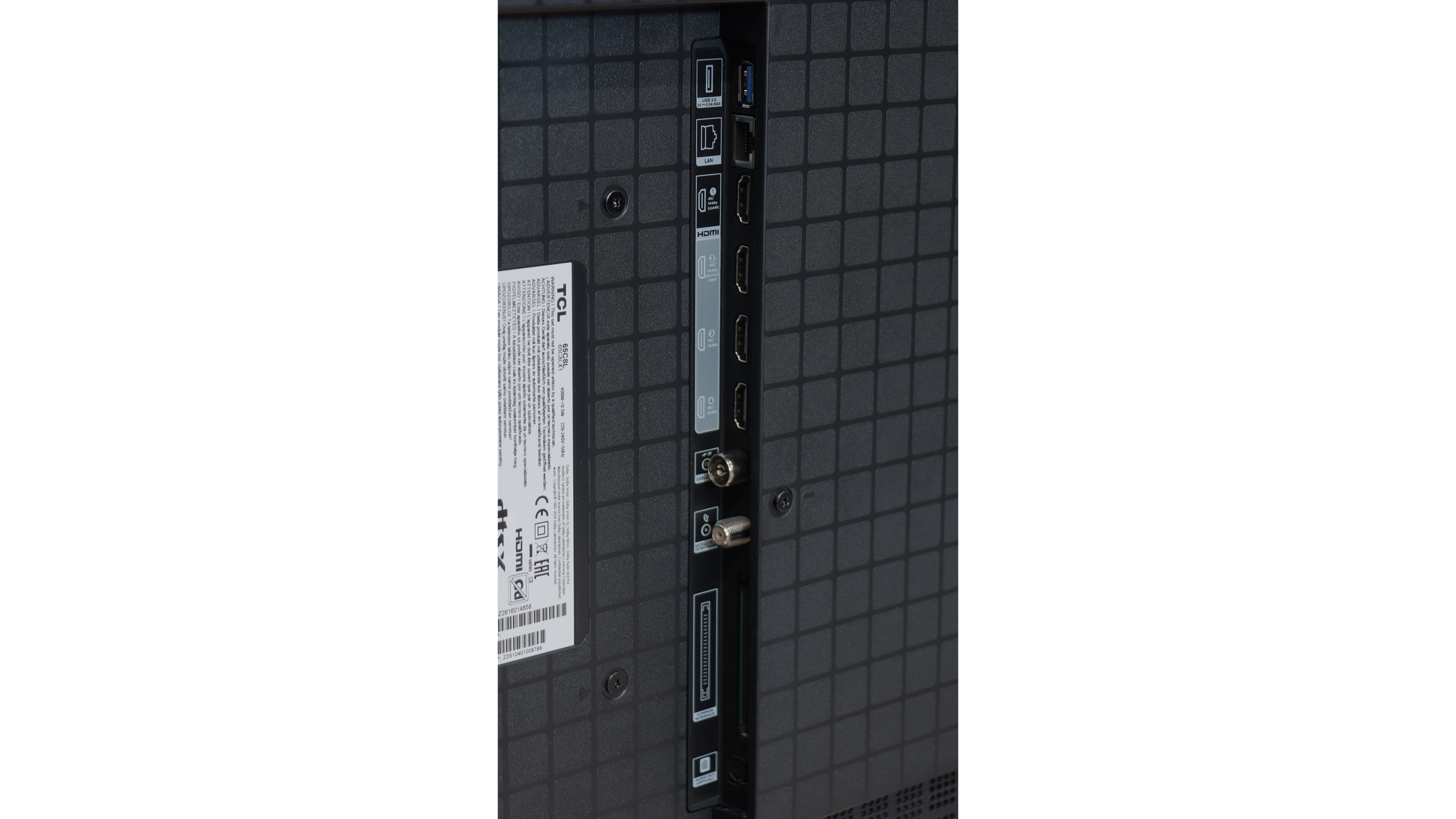
TCL C8L is undoubtedly one of the most intriguing Mini-LED TVs to come into our lab this year. This model stands out primarily due to its excellent price-to-capability ratio. TCL has accustomed us to aggressive pricing of its screens, but in the case of the C8 series, the manufacturer has managed to push the boundaries even further. For the amount that often allows just the purchase of mid-range models or two models like the C8K with market competitors, here we receive features and specifications equal to those of top models. A new image processor, four full HDMI 2.1 ports, support for extreme refresh rates, and impressive peak brightness thanks to a massive number of dimming zones are arguments that are hard to overlook.
However, analyzing the whole picture, we must honestly summarize the character of this TV. The C8L is a device created more for displaying "impressive" images rather than rigorously faithful ones. What do we mean by that? The software and algorithms managing the Mini-LED backlight zones have been tuned to prioritize spectacle – the image is meant to be bright, contrasty, and strikingly saturated. And what does this mean? The TV tends to interpret images autonomously rather than adhering to certain studio standards. For most users looking for "greater" emotions in movies or games, this effect will likely be an advantage. On the other hand, purists and fans of perfectly natural images (like us 😉) may consider this behavior too aggressive and not in line with the director's intent. Therefore, we leave the final assessment on this issue to you.
Overall, despite this specificity, the TCL C8L is a TV that we can, and indeed must, recommend wholeheartedly. It is primarily a premium-class product that does literally everything correctly... to the point of being painful. We would regard certain imperfections simply as characteristics of this device rather than flaws – mainly due to the technological limitations that all Mini-LED TVs from every manufacturer on the market have accustomed us to. Ultimately, the software refinement has given the new eight a great deal, making it a mature, confident, and nearly complete device.
 Direct comparison