LG OLED C4 vs Samsung Q6F (IPS)

Direct comparison

Check the best price offer:

LG OLED C4
$1 197

C45 / C41

Info

Q6F

Available screen sizes: 42”48”55”65”77”83”

Available screen sizes: 55”

Panel type: WRGB OLED

Resolution: 3840x2160

System: WebOS

Model year: 2024

Complete the survey to find out the result

Panel type: LCD IPS

Resolution: 3840x2160

System: Tizen

Model year: 2025

Complete the survey to find out the result

Overall rating

8.2

5.1

  • Movies and series in UHD quality

    8.2

    4.8

  • Classic TV, YouTube

    8.8

    4.7

  • Sports broadcasts (TV and apps)

    8.6

    4.9

  • Gaming on console

    9.3

    6.4

  • TV as a computer monitor

    8.6

    6.0

  • Watching in bright light

    5.7

    1.8

  • Utility functions

    8.9

    5.9

  • Apps

    9.1

    9.3

  • Sound quality

    7.5

    5.8

Advantages

  • High efficiency in HDR materials

  • Very good color representation after calibration

  • Image fidelity with directorial vision

  • Excellent compatibility with consoles and PCs - low input lag, a multitude of conveniences

  • Advanced motion smoothing system

  • Tizen System: Works quickly, doesn't lag and

  • Large application library (Netflix, YouTube, HBO, Disney)

  • IPS matrix provides good image quality even when you are not sitting directly in front

  • Great font readability – good as a large monitor for text work

  • Basic gaming features: VRR and ALLM

  • Very low input lag

  • Senior-friendly remote: Classic layout with numeric buttons

  • Very attractive price

Disadvantages

No like
  • Sometimes visible tonal transitions

  • A brightness level of 250 nits is not enough to feel any difference in HDR mode

  • Low contrast of the IPS panel ruins movie nights

  • An average brightness level of 150 nits during the day means you can hardly see anything in a sunny room

  • Lack of optical output

  • Infrared remote control (requires aiming at the screen)

Our verdict

The LG C4 stands out in its price range, likely offering little competition for many users. With its versatile features, it is perfect for movie and series enthusiasts, as well as gamers. The advanced WebOS system, paired with a remote that functions like a mouse, ensures an excellent user experience, making it a compelling choice for long-term brand loyalty. The OLED panel, built on over a decade of expertise, continues to impress with its ability to deliver a dynamic and immersive viewing experience. The brightness performance on HDR content is exceptional, with a deep and vibrant image. The dynamic tone mapping function is particularly noteworthy, making HDR10 content nearly as stunning as Dolby Vision.

Additionally, LG's televisions are well-suited for calibration, offering flexibility for home users with basic settings and professionals using 3D LUTs. For gaming enthusiasts, the LG C4 is a top choice, like most of the manufacturer’s OLED models. Thanks to HDMI 2.1 support and features like VRR, ALLM, FreeSync, and G-Sync, the gaming experience is incredibly smooth. The panel’s 144Hz refresh rate and advanced motion smoothing make it ideal for high-performance sports broadcasts. Overall, it’s hard to fault the LG OLED C4, as it offers exceptional features at a competitive price.

The Samsung Q6F is a television that is difficult to evaluate through the lens of typical QLED models. We must remember that we are dealing with a budget proposition aimed at a very specific audience. If you are looking for an inexpensive device with the logo of a well-known manufacturer that simply needs to work, display multimedia, and offer classic remote control operation with buttons – the Q6F might be an interesting option for you. It's a great choice for a senior or someone who needs a large screen "on the cheap" for daily television, where the IPS matrix and its good viewing angles really make a difference. However, we must be straightforward: the biggest drawback of this model is its very low brightness and poor black levels. These are two foundations on which image quality is built, and here they are simply very fragile. This is definitely not a television that we would recommend for watching HDR content – here, that format exists practically only in name. Although the Q6F has a QLED filter and belongs to the Quantum Dot family, utilizing the full potential of this technology is practically impossible, as the device is technically not suited for such content. We know that it tempts with its very low price and may appeal to many people with modest requirements. However, you should know that the label "QLED" suggesting a premium product is far from what Samsung has accustomed us to in recent years. It's a ticket to the world of Samsung, but in a very basic version.

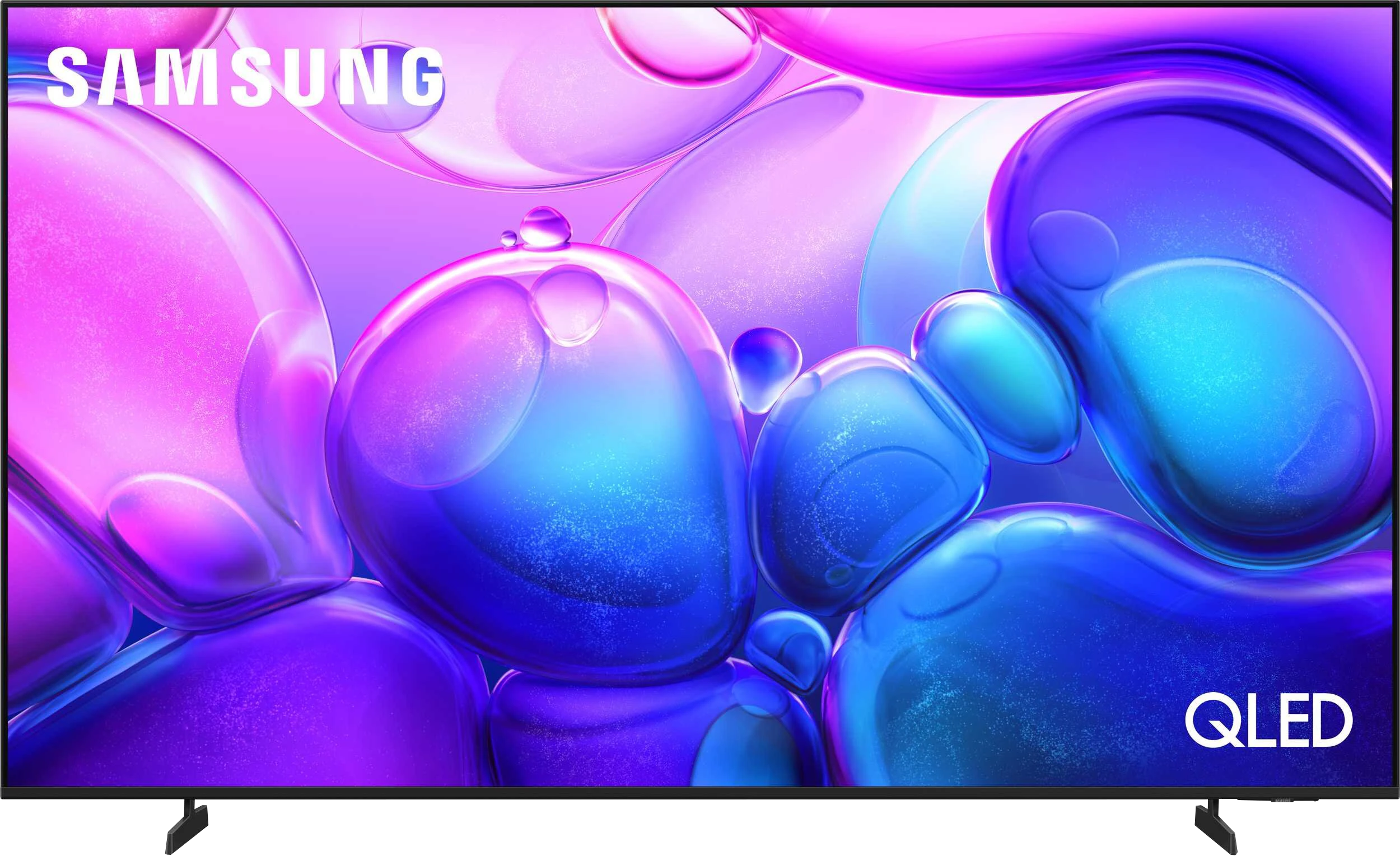
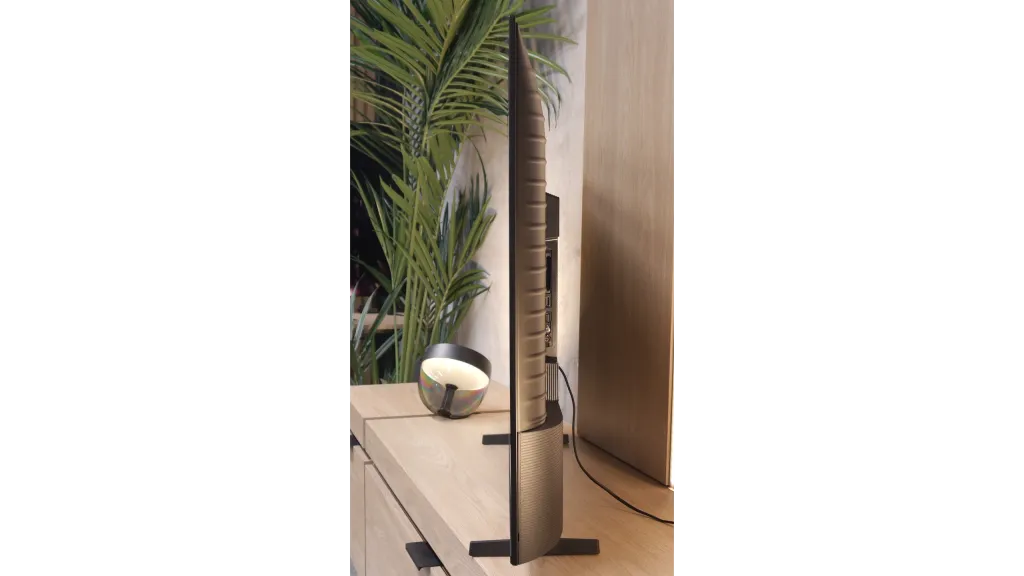
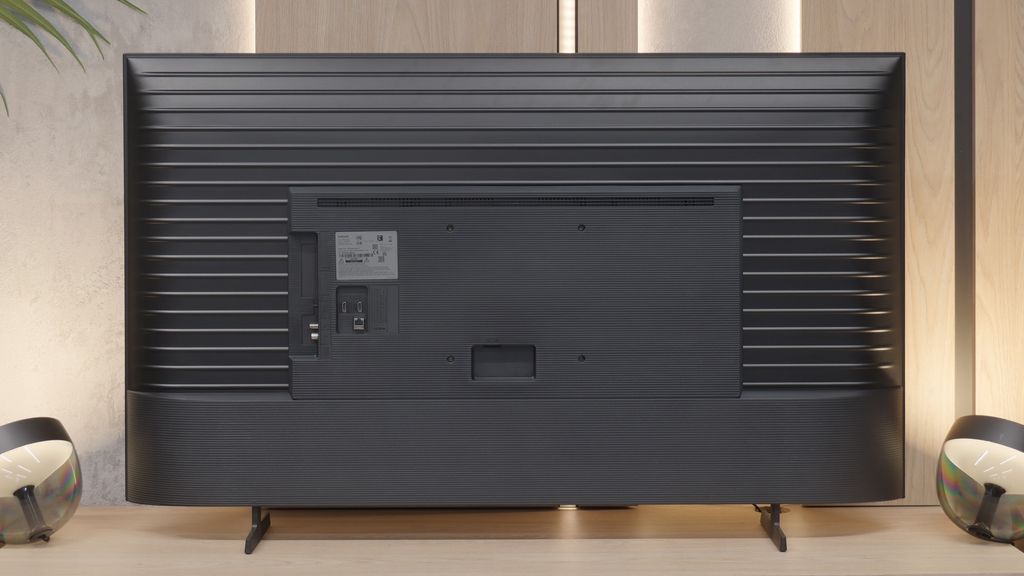
TV appearance

HDMI inputs
0 x HDMI 2.0, 4 x HDMI 2.1 (48Gbps)
3 x HDMI 2.0, 0 x HDMI 2.1
Other inputs
Outputs
Toslink (Optical audio), eARC (HDMI), ARC (HDMI)
eARC (HDMI), ARC (HDMI)
Network Interfaces
Wi-Fi 2.4GHz, Wi-Fi 5GHz, Ethernet (LAN) 100Mbps
Build quality
Premium
Average
Stand type
Central
Legs
Bezel color
Silver
Graphite
Stand
Fixed
Fixed
Accessories
Stand
Stand

Contrast and black detail

10/10

1.9/10

Local dimming function: No

Contrast:

Review LG OLED C4 Contrast and black detail

Result

:1

Review LG OLED C4 Contrast and black detail

Result

:1

Review LG OLED C4 Contrast and black detail

Result

:1

Review LG OLED C4 Contrast and black detail

Result

:1

Review LG OLED C4 Contrast and black detail

Result

:1

Review Samsung Q6F (IPS) Contrast and black detail

Result

900:1

Review Samsung Q6F (IPS) Contrast and black detail

Result

1,000:1

Review Samsung Q6F (IPS) Contrast and black detail

Result

1,050:1

Review Samsung Q6F (IPS) Contrast and black detail

Result

1,050:1

Review Samsung Q6F (IPS) Contrast and black detail

Result

900:1

Halo effect and black detail visibility:

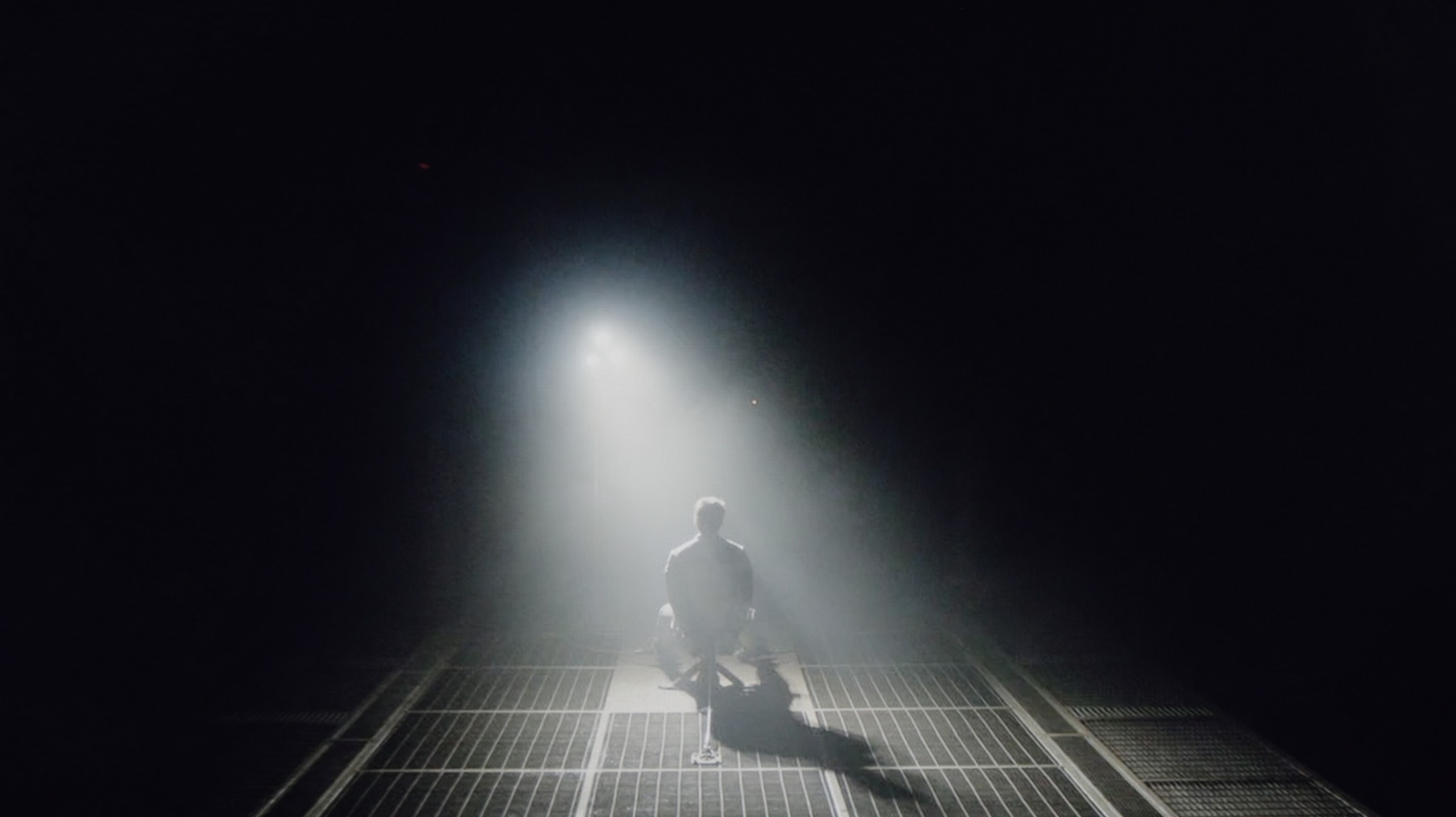
Check the visibility of bright lights on a dark background. Mini-LEDs often struggle with this. The photo does not compare black levels – that’s what the video below is for.

The video accurately shows differences in contrast and black levels between TVs, as well as potential issues: halo around bright objects or Mini-LED zone operation visible as brightness jumps.

The LG OLED C4, as the name implies, utilises an organic matrix developed in-house, making it one of the most recognisable series on the market. With over 10 years of experience producing self-emissive panels, LG has continually refined its designs, and the 2024 models are the pinnacle of this progress. An OLED screen ensures flawless contrast and black levels, immersing viewers in the director’s vision. OLED technology stands out for its lack of traditional backlighting, instead relying on current flowing through organic pixels. This design allows for precise image control, eliminating issues like dimming of fine details or halo/blooming effects.

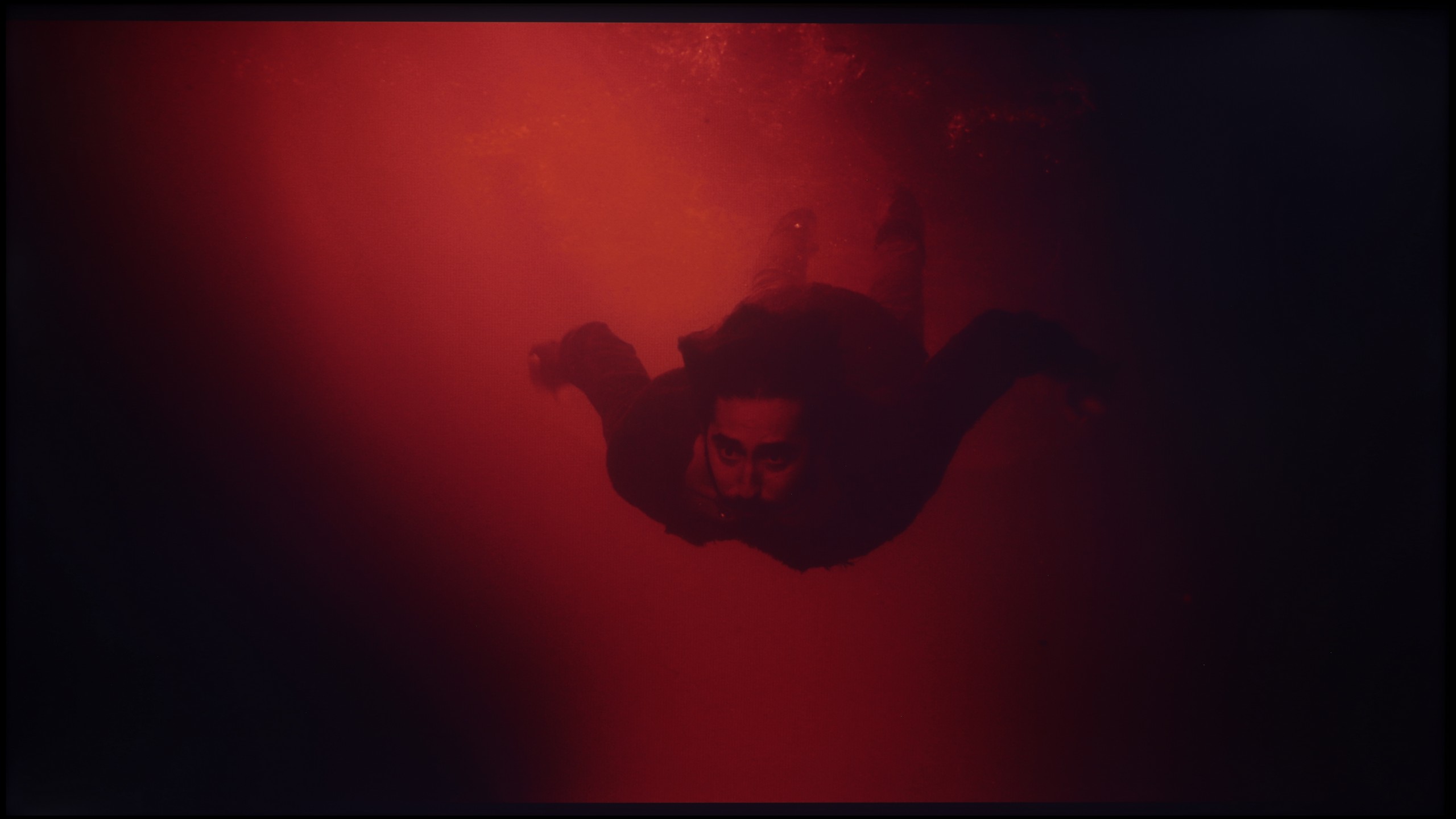
In our test scenes, two standout features were immediately apparent: perfect light separation and an abundance of detail in "The Revenant." Crucially, the C4 displayed the distinct green tint some televisions attempt to correct, without issues. The LG OLED C4 excels in delivering exceptional contrast, resulting in incredible depth and richness. Test results confirm that the black levels are flawless, particularly in high-contrast scenes. Ultimately, the LG C4 offers an unmatched contrast ratio, delivering a visually stunning experience whether watching movies or gaming.

Here it is clearly visible where the manufacturer decided to save money. The IPS panel used, despite the support of QLED technology, highlights problems with the lack of image depth. Results at the level of 1000:1 speak for themselves – the black in this model unfortunately resembles gray. You can try to save the situation by turning on the light in the room, and it's best to place it directly behind the television, which allows you to somewhat trick our eyes. However, regardless of what one might say, the contrast in the Q6F with the IPS panel is simply weak and this will be noticeable in dark scenes.

HDR effect quality

6.8/10

3/10

Supported formats
HDR10, Dolby Vision, HLG
HDR10, HDR10+
Color gamut coverage
DCI P3: 99.0%, Bt.2020: 75.0%
DCI P3: 87.7%, Bt.2020: 65.7%

Luminance measurements in HDR:

Review LG OLED C4 Brightness measurement

Result

796 nit

Review LG OLED C4 Brightness measurement

Result

772 nit

Review LG OLED C4 Brightness measurement

Result

869 nit

Review LG OLED C4 Brightness measurement

Result

837 nit

Review LG OLED C4 Brightness measurement

Result

604 nit

Review Samsung Q6F (IPS) Brightness measurement

Result

202 nit

Review Samsung Q6F (IPS) Brightness measurement

Result

152 nit

Review Samsung Q6F (IPS) Brightness measurement

Result

247 nit

Review Samsung Q6F (IPS) Brightness measurement

Result

93 nit

Review Samsung Q6F (IPS) Brightness measurement

Result

256 nit

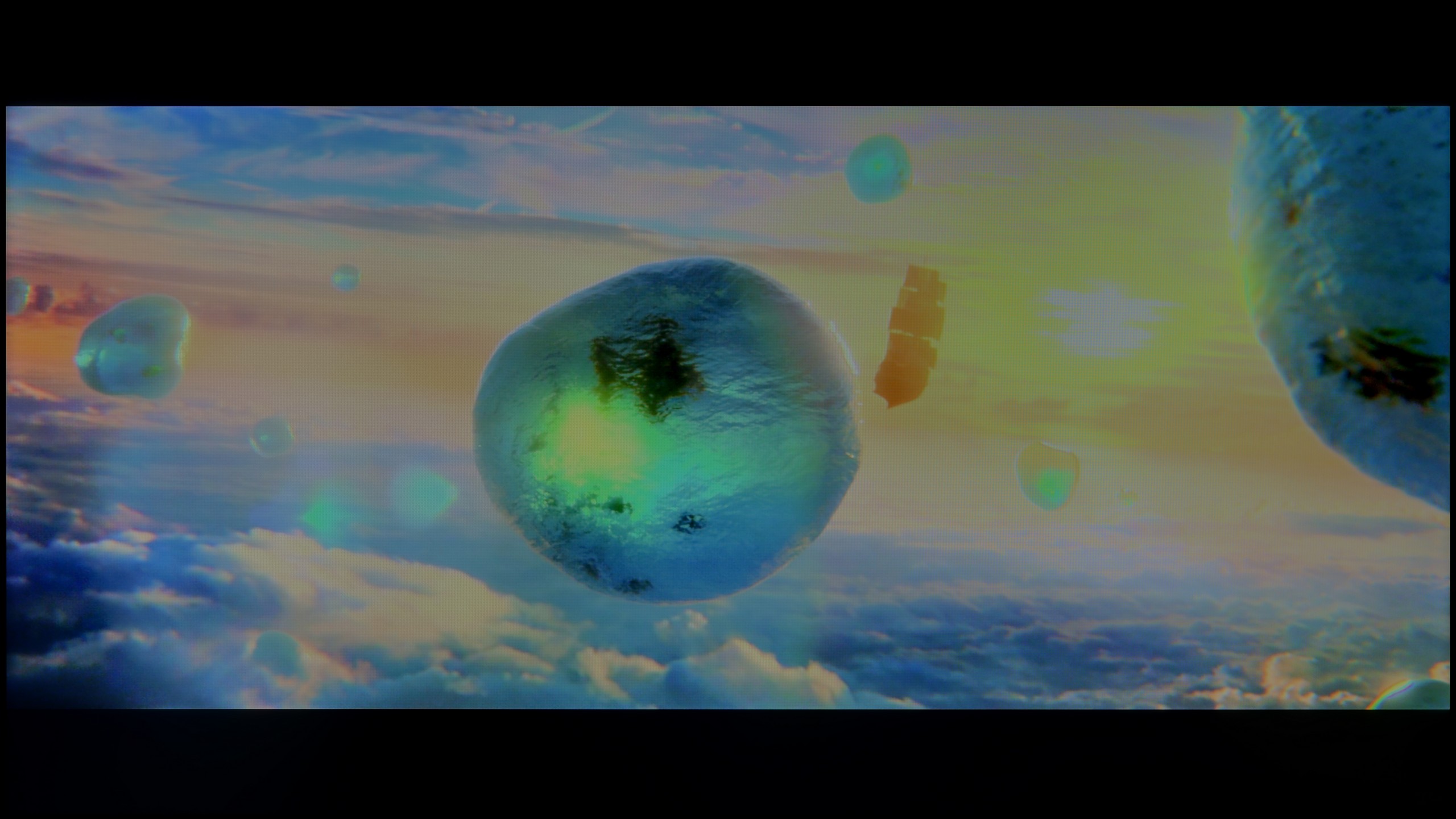
Scene from the movie “Pan” (about 2800 nits)

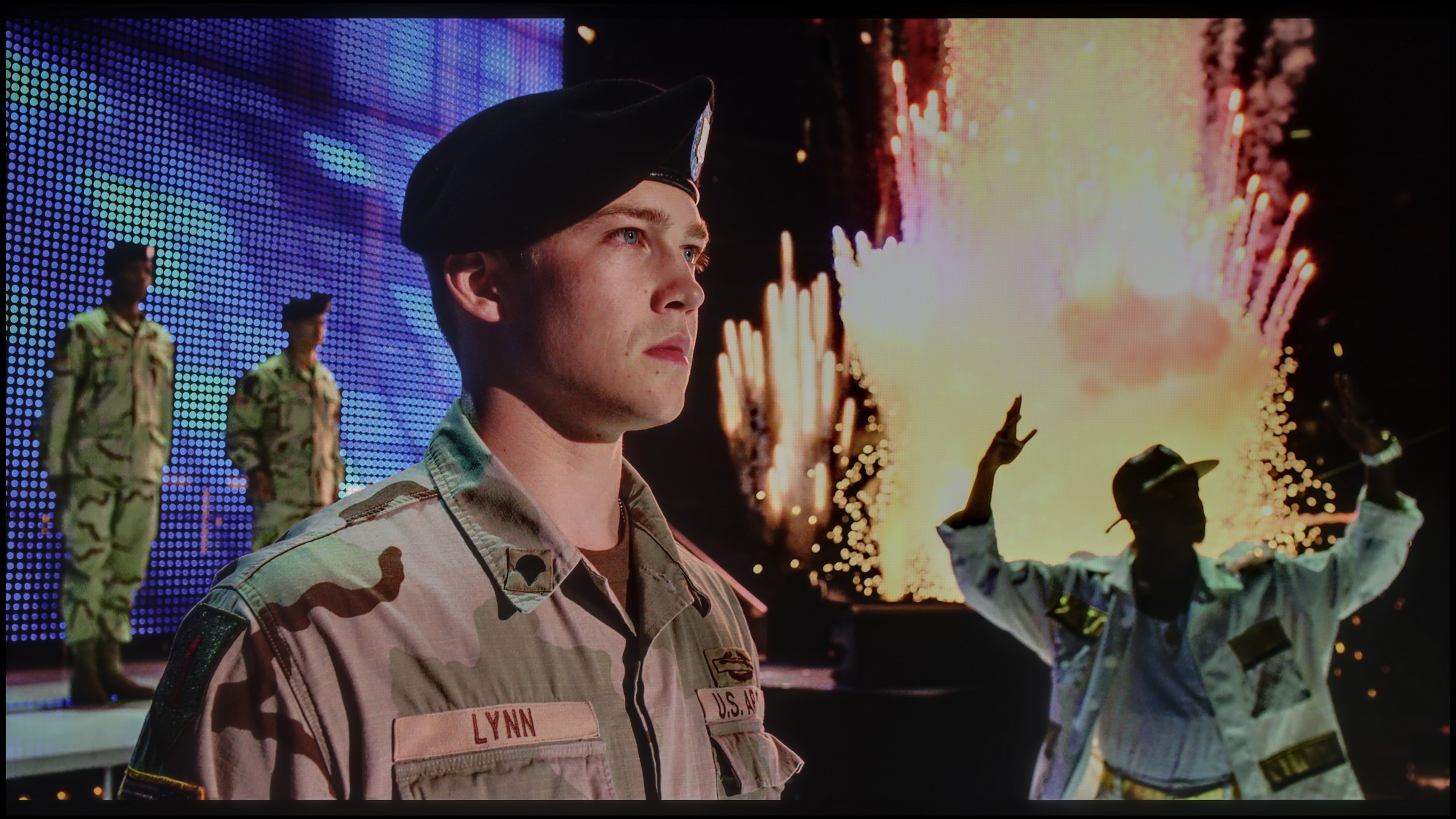
Scene from the movie “Billy Lynn” (about 1100 nits)

The photos show two HDR10 movies. 'Pan' is one of the brightest productions ever made, while 'Billy Lynn' (soldier) has brightness typical of streaming (Netflix, Prime, HBO MAX). Notice the intensity of effects and detail in whites.

Static HDR10

The photos present the visibility of white details in various HDR formats. They do not show brightness differences between TVs (these can be compared in the previous gallery).

Dynamic: Dolby Vision

Dynamic: HDR10+

The photos present the visibility of white details in various HDR formats. They do not show brightness differences between TVs (these can be compared in the previous gallery).

HDR luminance chart:

Samsung Q6F (IPS)

LG OLED C4

Luminance of RGB colors

The HDR performance of the LG OLED C4 is impressive, firmly placing it in the higher tier. Most films exceed 700 nits, delivering a highly realistic image. While none surpass the 1,000-nit mark, the combination of these results with the TV’s infinite contrast and perfect blacks significantly enhances the visual experience. The final scene, with a full-screen flash of sunlight, is slightly less bright than the others but still maintains a solid level of brightness. Another highlight is the excellent DCI-P3 colour gamut coverage, which ensures incredibly vibrant colours. The HDR technology in the LG OLED C4 delivers exceptional colour and detail reproduction. The dynamic tone mapping feature optimises brightness levels, ensuring ideal light reproduction in every scene, even in the most demanding high-dynamic films.

Unfortunately, the Samsung Q6F is a very dark model. Its peak brightness in HDR does not exceed 250 nits, which is definitely too low to even speak of any "high dynamic range" effect, or HDR. In practice, it's better to stick to content in SDR format, which simply looks more predictable on this TV. Another problem is the global dimming technique – in scenes with a lot of black, the TV drastically dims the entire panel to artificially improve the black levels. This causes the image to become even darker, and brightness can drop below 100 nits. The only consolation is the QLED technology, but even here it's average. The applied quantum dot layer is not top-notch, as the coverage of the DCI-P3 color gamut does not exceed 90%. As a result, colors in HDR content may just seem under-saturated.

Factory color reproduction

8.1/10

5.1/10

This gallery shows how colors change after professional TV calibration. If you notice the difference, we recommend ordering this service at SkalibrujTV.com.

Factory Mode

After calibration

This gallery shows how colors change after professional TV calibration. If you notice the difference, we recommend ordering this service at SkalibrujTV.com.

Factory Mode

After calibration

The best factory mode on the tested television was "Filmmaker," which served as the basis for all evaluations. In terms of colour reproduction, this mode performed reasonably well; however, certain flaws significantly detracted from the overall viewing experience. The most fundamental issue was the white balance, which exhibited a noticeable dominance of red, skewing the image characteristics. This resulted in a pronounced yellow tint to whites and a general shift of all colours towards warmer tones.

The gamma, an equally crucial—if not more important—aspect, was notably lowered, leading to a marked reduction in contrast. Additionally, the television frequently lost detail at the start of the gamma curve. These issues were most apparent in SDR content.

When examining HDR materials, the same yellowing effect in the white balance was observed, as seen with SDR content. However, the EOTF curve, which replaces the gamma curve for HDR, was near perfect and left little room for criticism.

We tested the television in Filmmaker mode, which showed us two completely different faces of this model. Looking at SDR content, we were honestly shocked at how good this TV looks straight out of the box. It was really hard to nitpick anything here. Despite a slight “haze” in the white balance or somewhat brightened details in the blacks (which directly results from the IPS panel's design), color errors hovered around the “2” level. This is surprisingly good, even outstanding, considering the price of this device.

On the other hand, what the Q6F displayed in terms of colors after switching to HDR mode was a very unpleasant surprise. The errors in color reproduction and palette were so huge that our charts literally ran out of scale. Of course, since Samsung even in such an inexpensive model offers very advanced calibration possibilities, we decided to approach the subject professionally and check what could be done about it during calibration.

Color reproduction after calibration

9.5/10

6.5/10

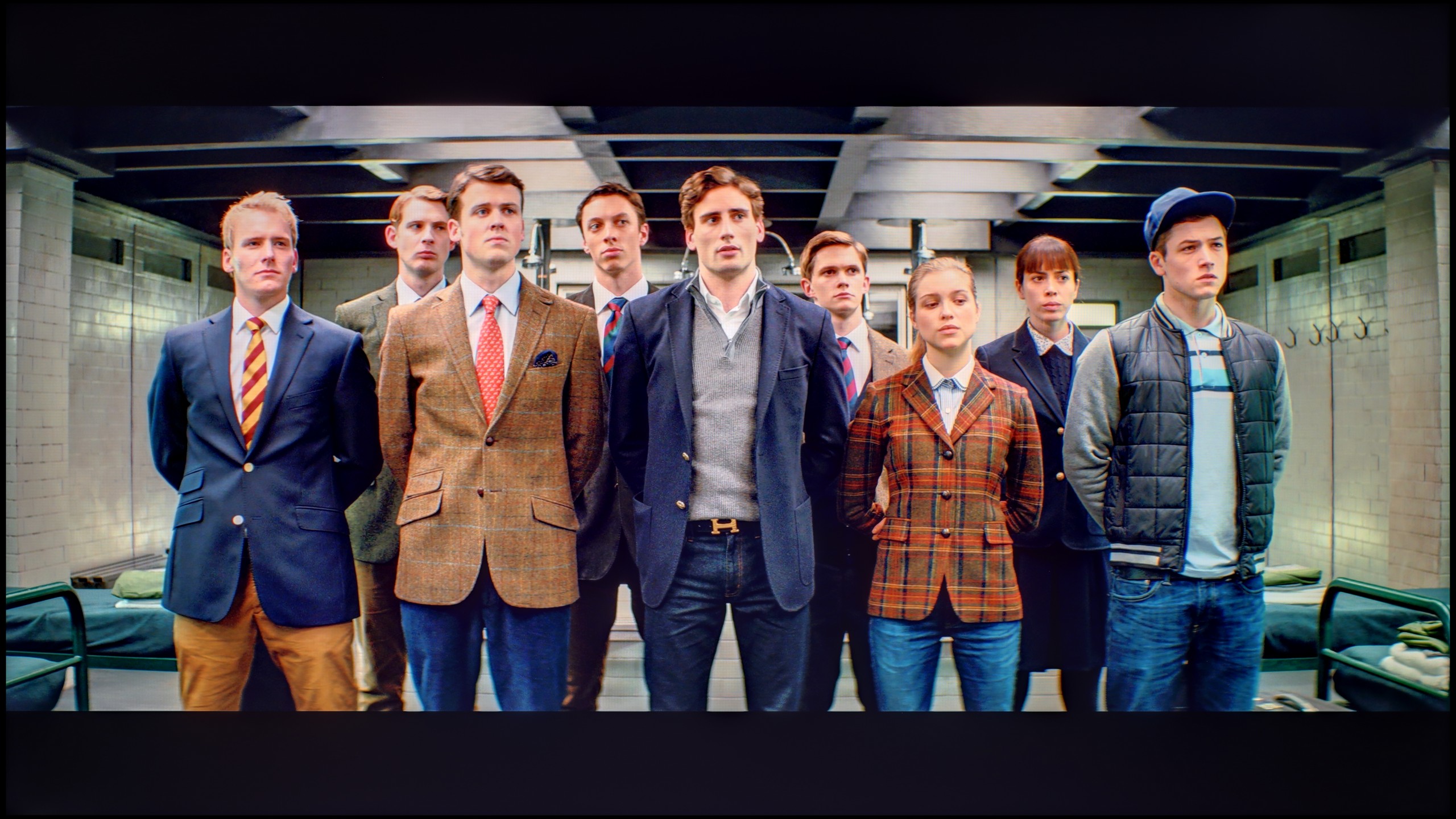
The photos show how movies look on the TV. Pay attention to black detail visibility, colors, and shadow tint.

The photos show how movies look on the TV. Pay attention to black detail visibility, colors, and shadow tint.

As mentioned, LG televisions come with advanced tools to facilitate an accurate calibration process. By utilising these tools, we meticulously adjusted the image to align with the director’s original vision. Without overstating, the results were outstanding. Both SDR and HDR content now achieve a level of visual fidelity that reflects how films are intended to be seen.

Examining the colour accuracy on the "ColourChecker" palette reveals impressive results, with almost all colour errors falling below a delta of "1," aside from two minor exceptions. Post-calibration, the LG OLED C4 demonstrated a marked improvement in colour reproduction, particularly in SDR and HDR modes. Testing the TV after calibration highlighted its capacity for delivering exceptionally accurate colours, underlining the high calibre of this model. The LG C41LA offers a stunningly precise colour palette, sure to satisfy even the most discerning viewers.

After our calibration, the colors in SDR mode looked even better – the result is quite surprising, as color errors at level "1" are something usually seen in devices costing several thousand dollars. In this regard, the Q6F is really a great screen for everyday television, less demanding series, or movies. Unfortunately, our interference in HDR mode did not bring about a noticeable improvement. The television, due to its poor black levels and low coverage of a wide color gamut, still has significant problems with proper color saturation, especially red. This is an example of a device where HDR mainly exists as a label on the box – for everyday use, we definitely recommend watching content in SDR format.

Smoothness of tonal transitions

7.1/10

9/10

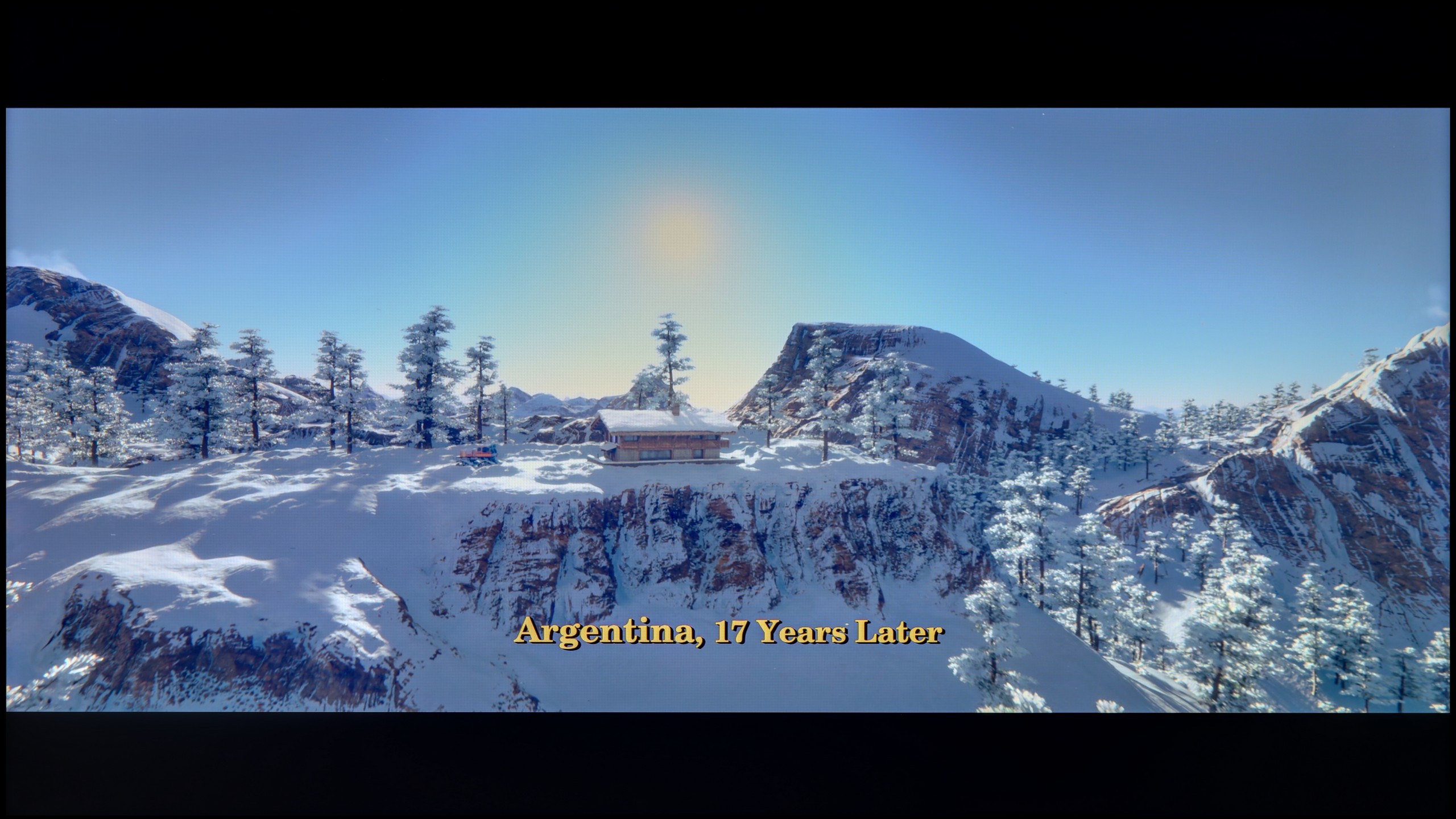
These are selected scenes that show smooth tonal transitions from one color to another. If you see distinct banding, it’s the TV panel’s fault.

These are selected scenes that show smooth tonal transitions from one color to another. If you see distinct banding, it’s the TV panel’s fault.

These are selected scenes that show smooth tonal transitions from one color to another. If you see distinct banding, it’s the TV panel’s fault.

These are selected scenes that show smooth tonal transitions from one color to another. If you see distinct banding, it’s the TV panel’s fault.

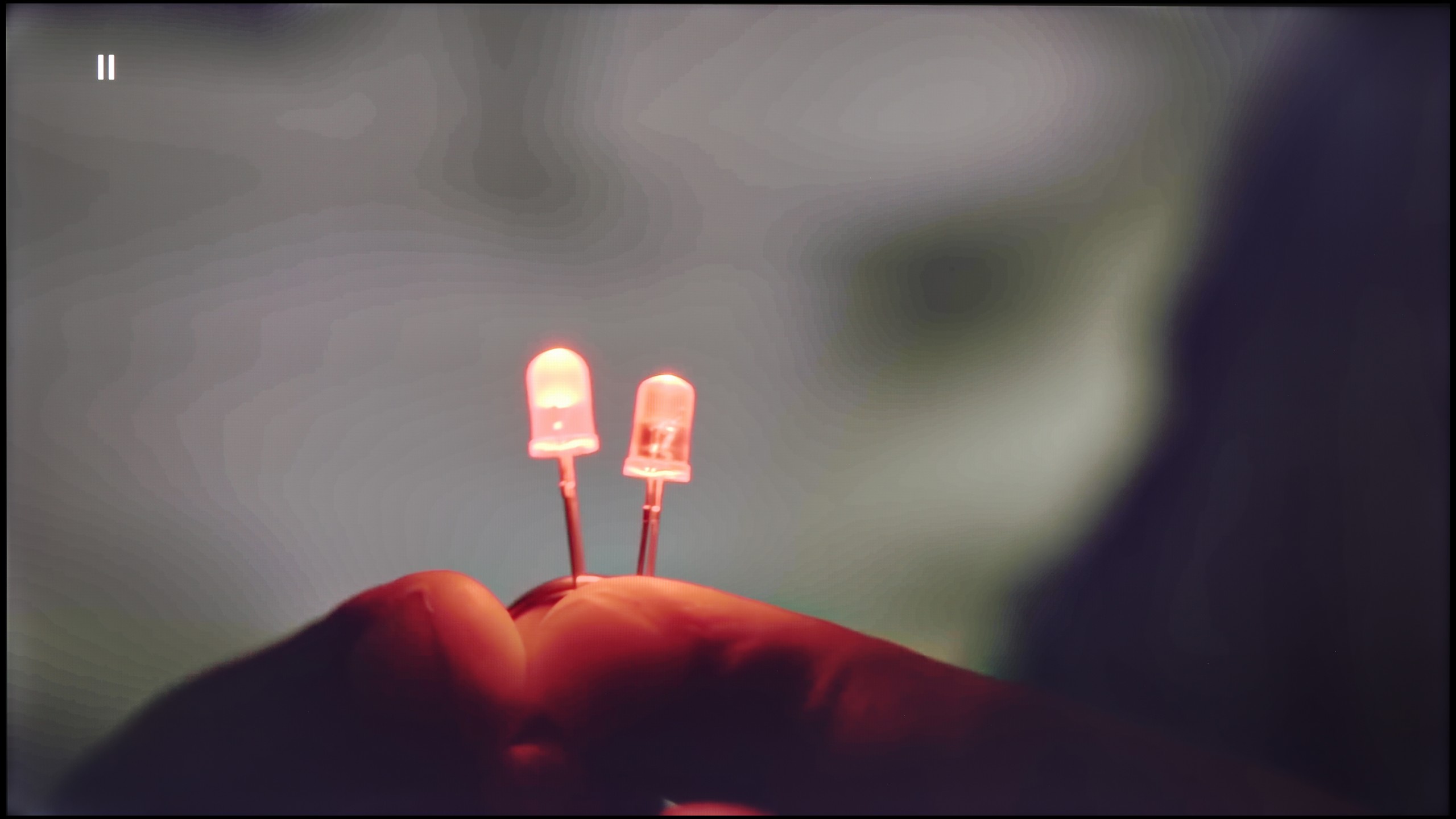
The fluidity of tonal transitions in LG TVs has long been a delicate issue, as the manufacturer, despite excelling in many areas, has consistently faced challenges in this aspect. However, the tested TV performed notably well in this regard. Issues were primarily confined to darker scenes, particularly the final two, where imperfections were more apparent. Interestingly, this model delivered better results in tonal transitions than LG's flagship model, the G4, showcasing a commendable improvement in this area.

Samsung Q6F handles the phenomenon of posterization very well. In most scenes, the color transitions are smooth and there are no problematic "steppings" when blending colors. Only in very extreme moments, especially in scenes with brightness close to pure gray, can slight banding be noticed. Although, to be honest, we personally found the issue of slight clouding (uneven backlighting) and the poor contrast of the IPS panel to be much more bothersome than the tonal transitions themselves.

Image scaling and smoothness of tonal transitions

8/10

5/10

Image without overscan on the SD signal
OK
No
Smooth transition function
OK
OK

Smooth transition function

The match photo shows how the TV smooths weak tonal transitions in low-quality video.

Image scaling SD (576i)

The model photo shows how it handles upscaling of SD material.

Let us revisit the function responsible for smooth gradation and consider its role in improving lower-quality materials. The default smoothing of tonal transitions, while decent, can be further enhanced. The feature includes a slider for adjusting its strength, and we recommend selecting the first option. This setting strikes a balance, offering excellent results without compromising important details through unnecessary blurring.

The image scaling on the LG C4 is commendable, though not entirely without flaws. By default, the image appears slightly sharper, though not to an intrusive degree. While jagged edges on elements like trees are occasionally visible, this issue is relatively minor compared to similar offerings from other manufacturers.

The Q6F handles upscaling lower resolution content to native 4K very well. The scaling is surprisingly good here, even for such a budget TV from the QLED series. The only downside is when we watch very low-resolution material, like 576p (typical for old DVD players) – then the image may be slightly cropped. This is because the TV does not allow for the Overscan feature to be turned off, which is a common issue with Samsung devices.

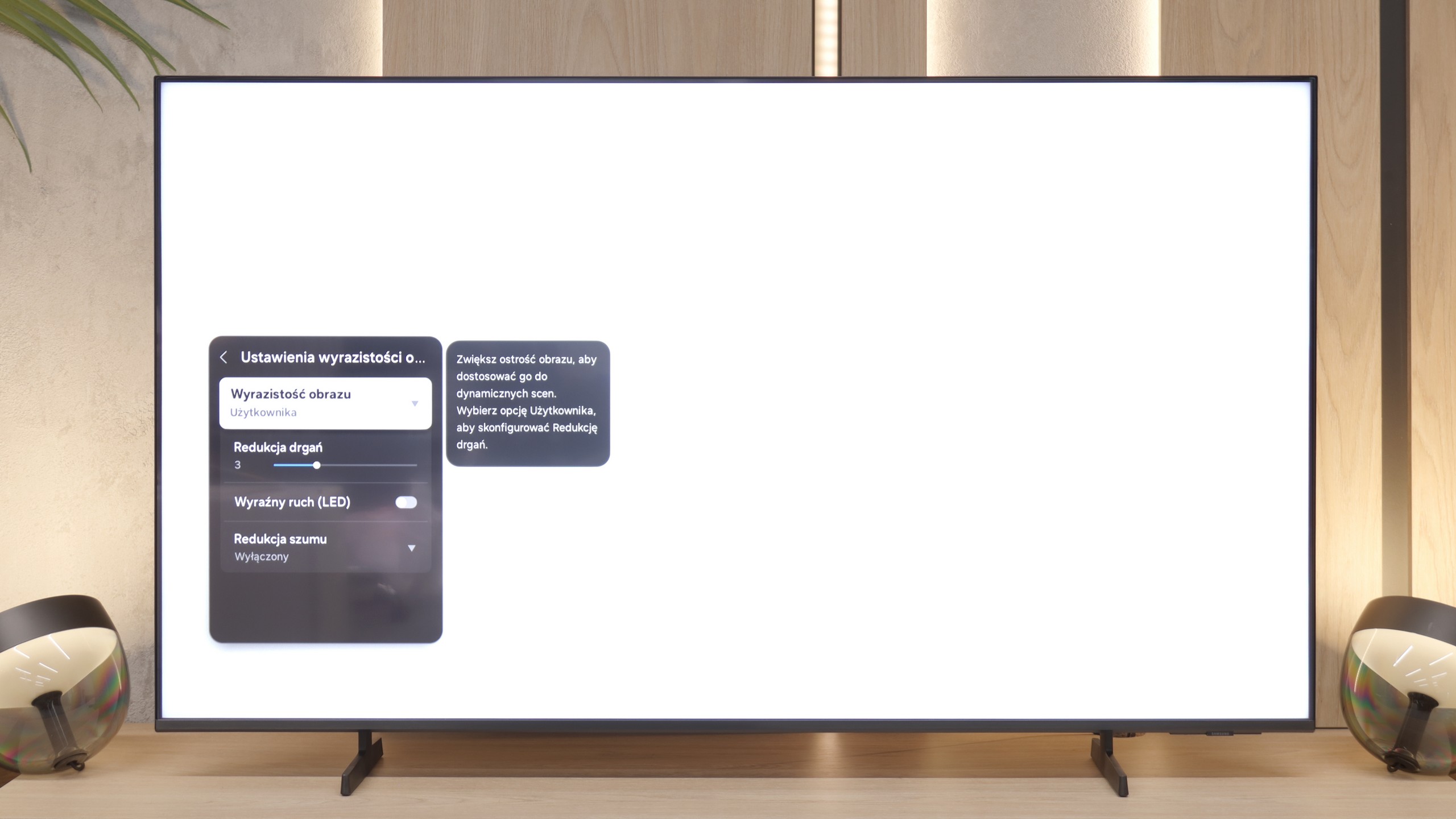
The situation is completely different when it comes to digital processing, which is the attempt to smooth the image from unwanted artifacts. Here, the TV completely fails. Although we find a function in the menu called "Noise Reduction", it yields no visible results regardless of the slider setting. The only thing it seems to do is introduce unwanted errors into the image. Despite its presence in the system, we definitely do not recommend using it.

Blur and motion smoothness

8.5/10

4.6/10

Maximum refresh rate of the panel
144Hz
60Hz
Film motion smoothing option
OK
OK
Blur reduction option
OK
No
BFI function 60Hz
Yes, 60Hz (image flickers)
BFI function 120Hz
No
-
Brightness drop with BFI
49%
49%

Blur (native resolution, maximum refresh rate):

Blur (BFI function enabled):

Image flickers in this mode

Image flickers in this mode

The LG G4 supports a maximum refresh rate of 144 Hz, achievable only when connected to a high-performance PC. Otherwise, the television operates at a maximum of 120 Hz, the recommended setting for viewing sports or content with fast-paced motion. For those prioritising smooth image quality, LG has included a versatile motion smoothing feature called "TrueMotion." This function is split into two adjustable sliders: De-Blur, which sharpens moving images, and De-Judder, which reduces jitter. Both sliders offer a range of settings from 0 to 10, enabling users to fine-tune the motion smoothness to their preference.

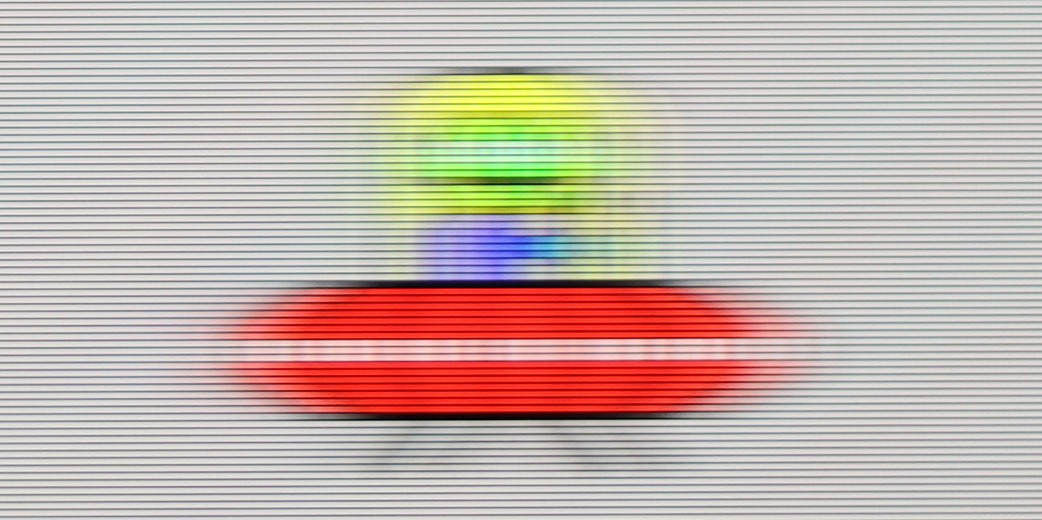
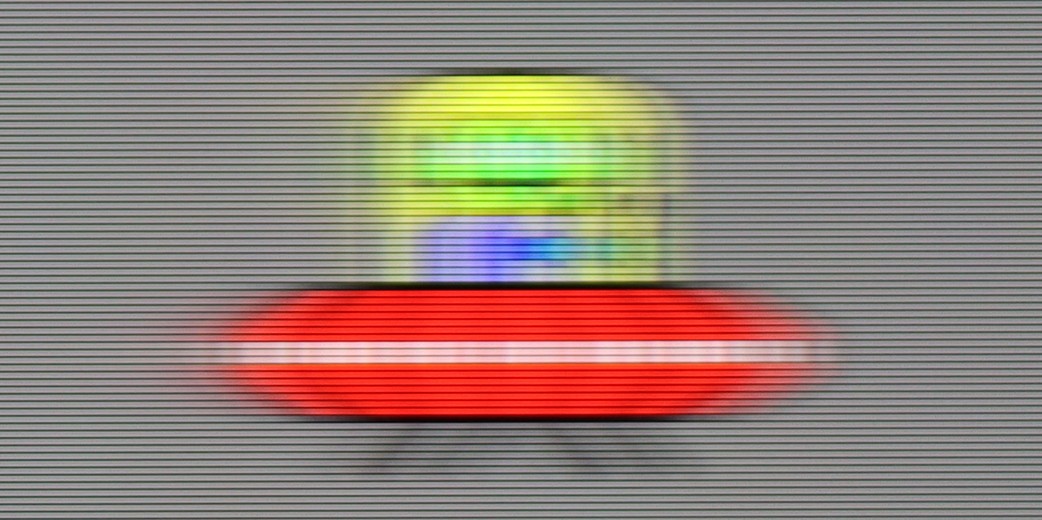
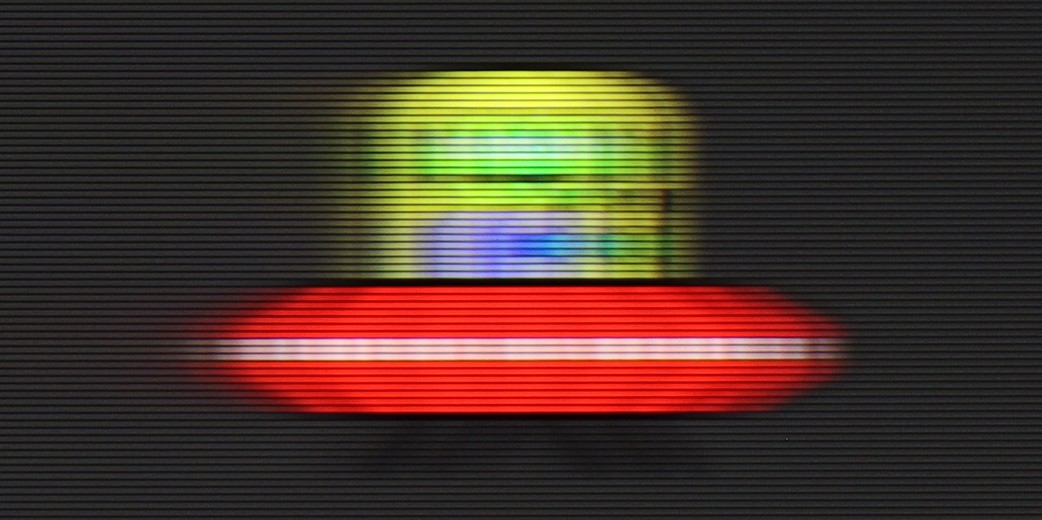
The LG OLED C4 boasts an impressive average response time of less than 1 millisecond, as confirmed by our measurements. This results in exceptional image clarity, far surpassing LCD televisions, which often have response times of several milliseconds. This clarity is evident in tests like the "UFO Test," where no trailing blur is visible behind moving objects.

The 60 Hz panel in the Samsung Q6F is the standard in this price range, which makes it a rather average model for dynamic sports or gaming. However, in the case of movies, the TV performs quite well thanks to the smoothing feature. The "Motion Smoothing" option allows you to adjust the fluidity of motion to your own preferences – from maintaining a cinematic feel to full fluidity.

Console compatibility and gaming features

10/10

5.3/10

  • ALLM
    Yes
    Yes
  • VRR
    Yes
    Yes
  • VRR range
    40 - 144Hz
    48 - 60Hz
  • Dolby Vision Game Mode
    Yes
    No
  • Correct implementation of HGIG
    Yes
    Yes
  • 1080p@120Hz
    Yes
    No
  • 1440p@120Hz
    Yes
    No
  • 4K@120Hz
    Yes
    No
  • Game bar
    Yes
    No

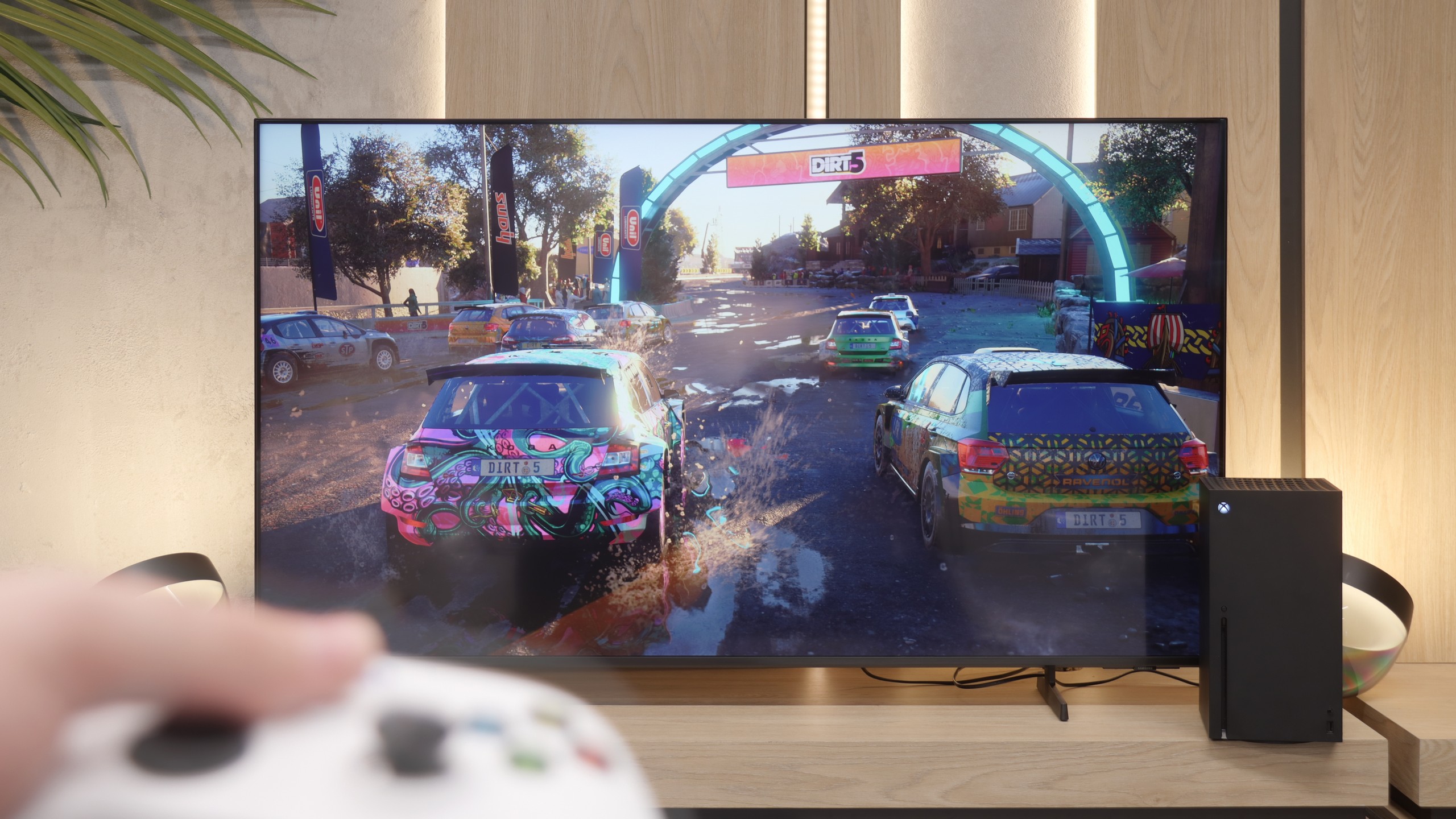
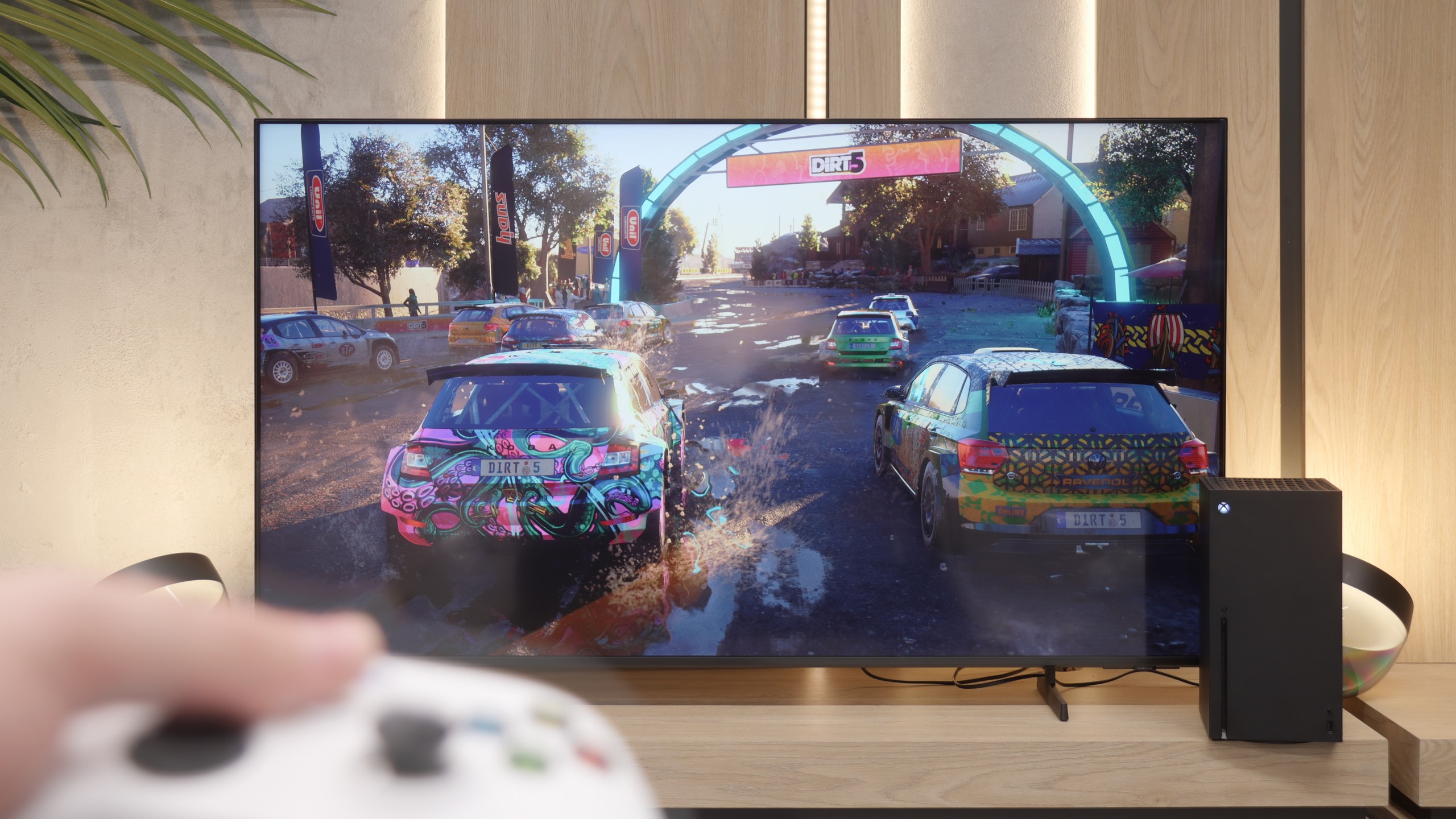
The LG C4, like nearly all OLED televisions from the manufacturer, excels in its compatibility with consoles and PCs. With the inclusion of four full-bandwidth HDMI 2.1 ports supporting 48 Gbps, the TV incorporates a range of features to enhance the gaming experience. Notably, it offers simultaneous support for FreeSync and G-Sync, making it an ideal choice for gamers using AMD or Nvidia graphics cards. For those seeking the best possible gaming quality, the integration of HDR Dolby Vision and HGIG mode is particularly impressive. HDR Dolby Vision operates with remarkably low input lag across all settings, ensuring smooth and responsive gameplay.

A standout feature in LG's televisions is the GameBar, which allows users to adjust settings in real-time without leaving the game. This includes options for customising the image for viewers with visual impairments, a thoughtful addition. Additionally, enabling VRR (Variable Refresh Rate) does not result in a loss of contrast—a benefit of the OLED panel's self-emissive technology, eliminating the need for conventional backlighting. While some slight flickering of grey tones may occur, this is a characteristic of VRR technology across all manufacturers.

In summary: The LG C4, like the brand's other OLED models equipped with high-refresh-rate panels and HDMI 2.1, provides a seamless and immersive gaming experience. For gamers demanding top-tier performance, this TV is an outstanding choice.

We won’t beat around the bush – the Q6F is not a television designed with gamers in mind. While it does have features like ALLM (Auto Low Latency Mode) and VRR frame synchronization for consoles, the list of benefits pretty much ends there. Besides these basics, the TV offers nothing more that might satisfy those who spend a lot of time in front of a console. It’s a real shame that such a useful tool as Game Bar is missing here, which in Samsung’s higher models allows for quick control of game parameters. In terms of gaming, this is an absolutely basic model and is only suitable for "casual" gamers.

Input lag

10/10

10/10

SDR

1080p60
13 ms
11 ms
1080p120
5 ms
2160p60
13 ms
11 ms
2160p120
5 ms

HDR

2160p60
13 ms
11 ms
2160p120
5 ms
4320p60

Dolby Vision

2160p60 DV
13 ms
2160p120 DV
5 ms

The latency time of the LG C4 is exceptionally low across all scenarios, making it a standout choice for even the most dedicated gamers. At demanding settings of 4K 120 Hz with HDR, the input lag is an astonishingly low 5 ms, ensuring an incredibly responsive gaming experience. Notably, this low latency remains consistent even when Dolby Vision HDR is enabled—a feature that competitors often struggle to maintain without increasing delay.

This consistency and performance firmly position the LG C4 as a top-tier option for gamers seeking high-quality visuals and minimal lag. It undoubtedly earns the highest rating and strong recommendation for gaming enthusiasts.

As a consolation for the modest list of features for gamers, it's worth adding that the Q6F has absolutely no issues with input lag. The response to controller movements is instantaneous, and the television does not introduce any additional delays regardless of the resolution we are currently playing in. In this respect, the controls are very precise and comfortable, which is a significant advantage in this class of equipment.

Compatibility with PC

8.6/10

6/10

Chroma 444 (max. resolution and refresh rate)
Yes
Yes
Font clarity
Good
Very Good
Readability of dark text and shapes
Very Good
Very Good
Input lag in PC mode (4K, max. refresh rate)
5ms
11ms
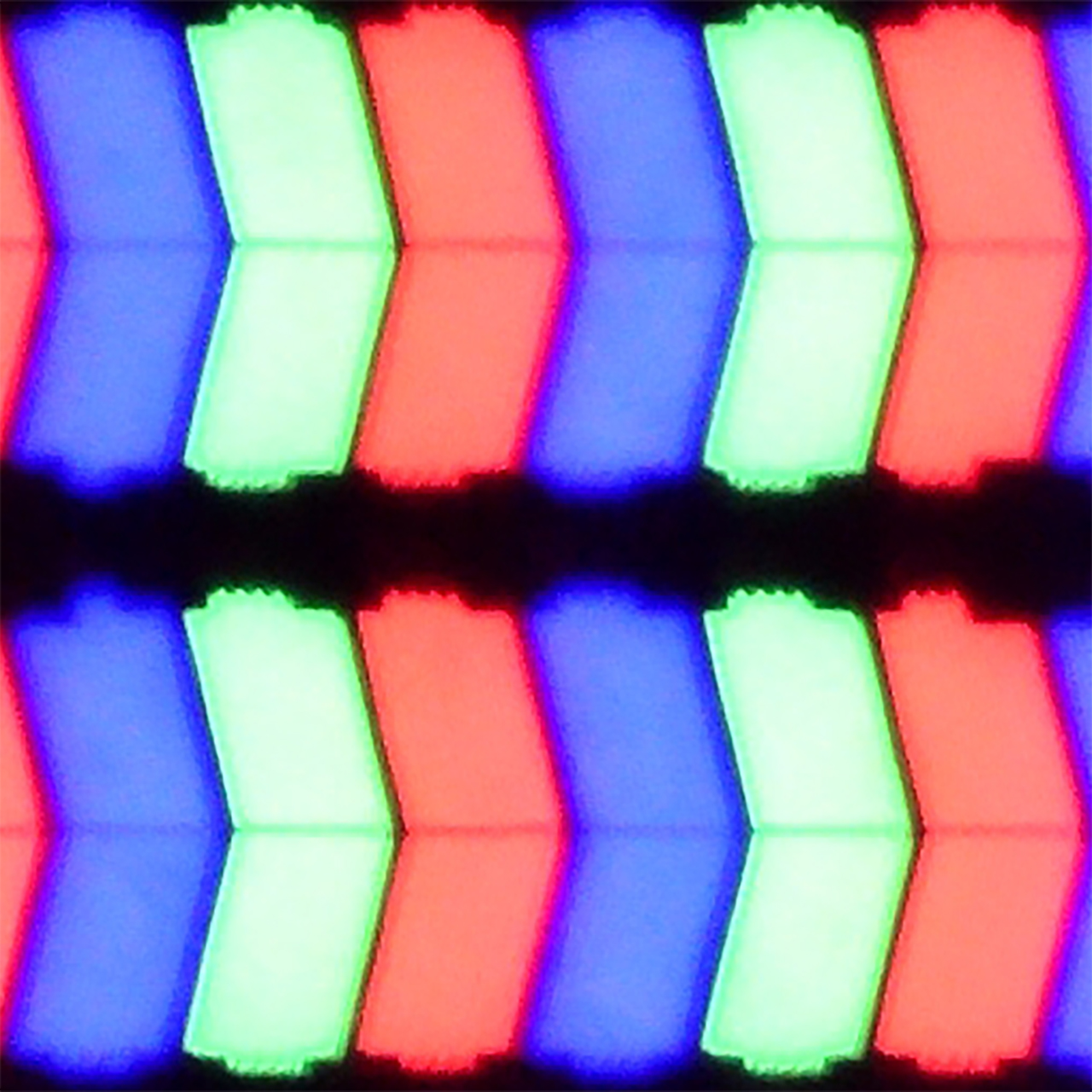
Matrix subpixel arrangement
RWGB
BGR
Max refresh rate
144Hz
60Hz
G-Sync
Yes
No

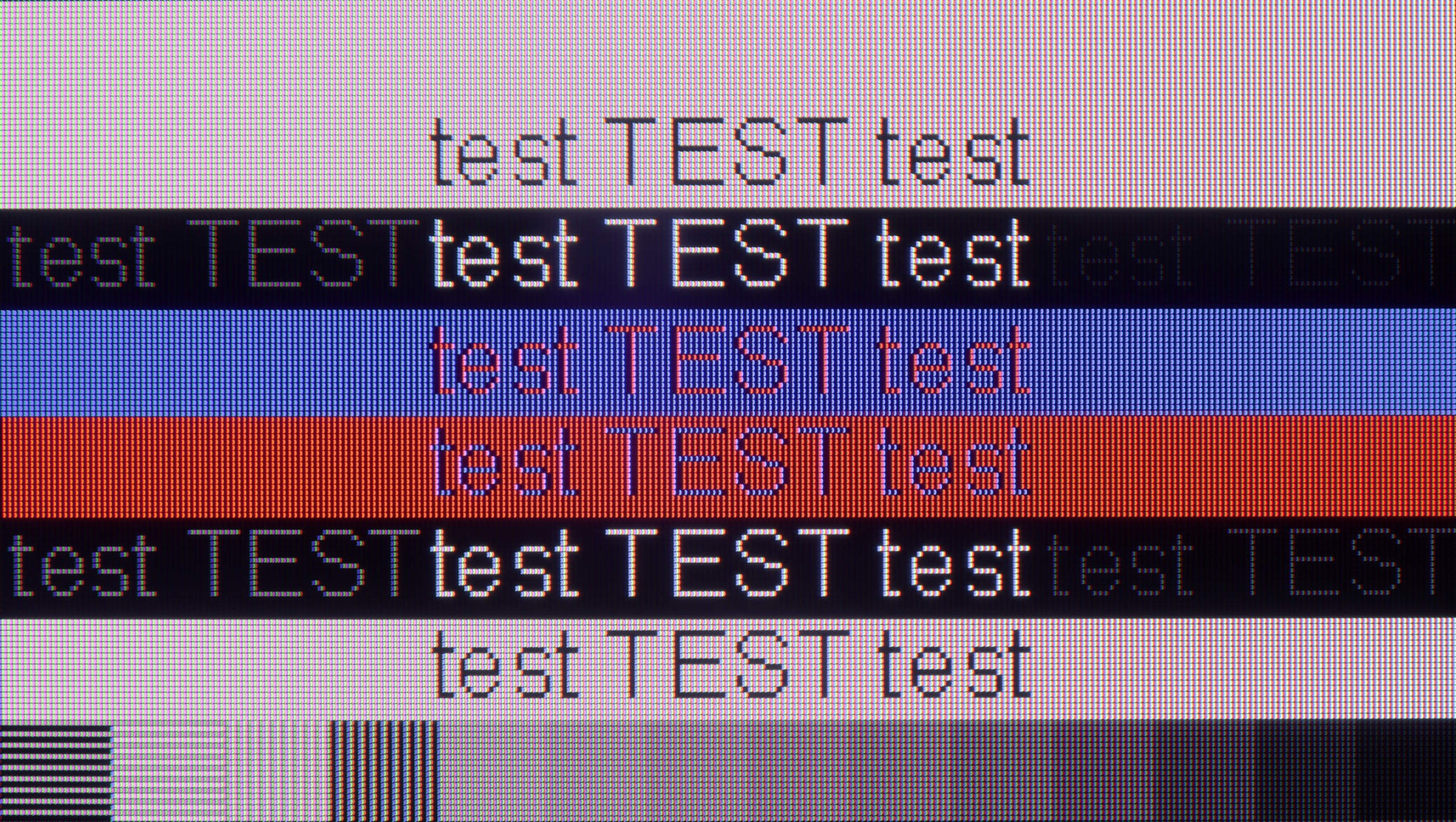
The photo shows the legibility of small fonts. Ideally, lines should be the same thickness on both light and dark text, with minimal pixel gaps.

When paired with a PC, the LG C4 delivers excellent performance, largely due to its impressively low latency of 13.5 ms, ensuring a near-instantaneous response between the mouse, eye, and screen. This makes it an ideal choice for tasks requiring precision and speed.

One of the most crucial aspects of using a TV as a monitor is text readability, and in this regard, the LG C4 excels. The text appears sharp and clear, although enabling the passthrough option in the settings is necessary to optimise font sharpness.

The RWBG pixel layout is another advantage, as it does not significantly affect the clarity of fonts or letters—a notable improvement compared to Samsung's QD-OLED panels. Whether using Windows or macOS, the LG C4 ensures a smooth and satisfying user experience for work or general PC use.

Although the Q6F is not a screen specifically designed for PC gaming, it deserves praise for how it handles displaying fonts. As a monitor for text work, browsing websites, or daily news reading, the television performs exceptionally well. The readability of text is at a very high level, thanks to the proper implementation of the Chroma 4:4:4 signal and the use of an IPS panel. If you are looking for a budget-friendly, large screen for office work, the Q6F holds up quite well in this regard. Especially since Samsung offers very good integration with the Windows system and built-in Microsoft Office tools.

Viewing angles

7.5/10

5.6/10

Brightness drop at an angle of 45 degrees
25%
78%

One of the undeniable strengths of OLED panels is their exceptional performance for group viewing, allowing for consistent image quality from a range of viewing angles. The LG C4 upholds excellent contrast, colour saturation, and fidelity, ensuring a satisfying experience for viewers in different seating positions.

While it lacks the enhancements provided by MLA (Micro-Lens Array) technology, the C4 still delivers impressive results that most owners are likely to find highly satisfactory. However, at sharper angles, a slight greenish tint can sometimes be observed. This is a known characteristic of LG’s WRGB panels without micro-lens technology and, unfortunately, is an inherent limitation that cannot be mitigated.

Viewing angles are one of the better aspects of the Q6F model, which is directly attributed to the use of an IPS panel. They are much better than those found in televisions based on VA panels. As a result, the image viewed at an angle remains clear and does not become "washed out" or faded. However, it is worth noting that although the colors look really good, the brightness drop at a larger angle is quite noticeable. Nevertheless, this is a solid performance for those who do not always sit directly in front of the screen.

Daytime performance

5.7/10

1.8/10

Panel finish
Glare
Satin
Reflection suppression
Decent
Average
Black levels during daytime
Very Good
Good

Panel brightness

Samsung Q6F (IPS): 125 cd/m2

LG OLED C4: 367 cd/m2

The maximum brightness of the LG C4 in SDR content reaches 367 nits, which is an impressive result for an OLED television and ensures comfortable viewing, even during the day. Two notable aspects enhance the experience. First, the glossy coating on the panel effectively contains light reflections, preventing them from spreading across the screen and disrupting the image.

Secondly, the brightness of the screen at 100% white fill measures approximately 220 nits, a significant improvement over earlier OLED models, which often struggled to achieve even half this level. This enhancement provides an excellent viewing experience, particularly for bright and vibrant content such as winter sports broadcasts.

There’s not much to say – aside from the satin coating of the panel, which dampens reflections only moderately, the Q6F is such a dark device that it’s not suitable even for moderately lit rooms. A brightness level of around 150 nits is simply astronomically low by today’s standards. With such a result, any larger light source in the room will make the picture hard to read. This is definitely not a model for a sunlit living room.

Panel details

Backlight Type
QLED
Software version during testing
03.11.05
T-KSU2EFDEUC-0090-1110.7
Image processor

Subpixel Structure:

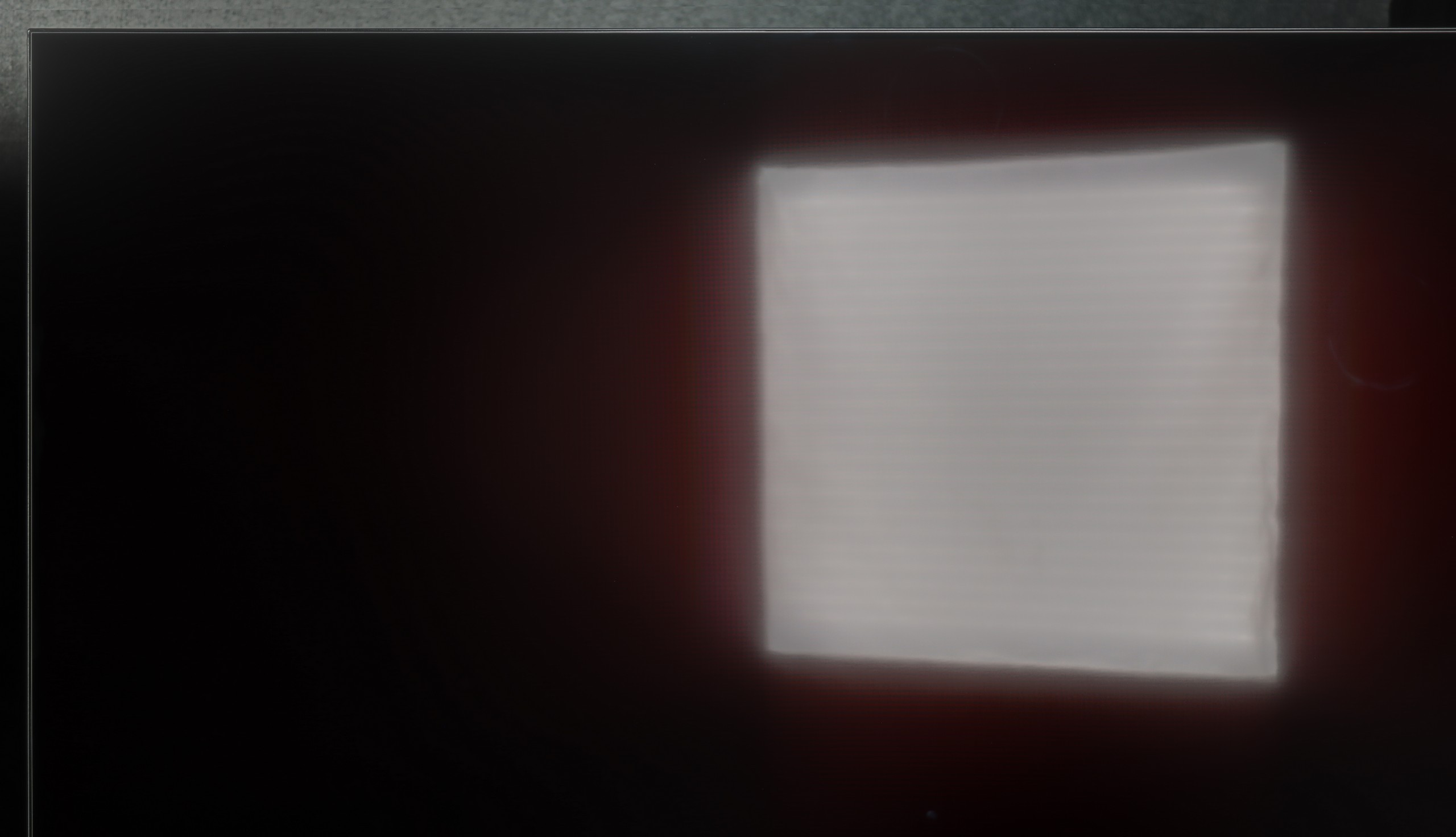
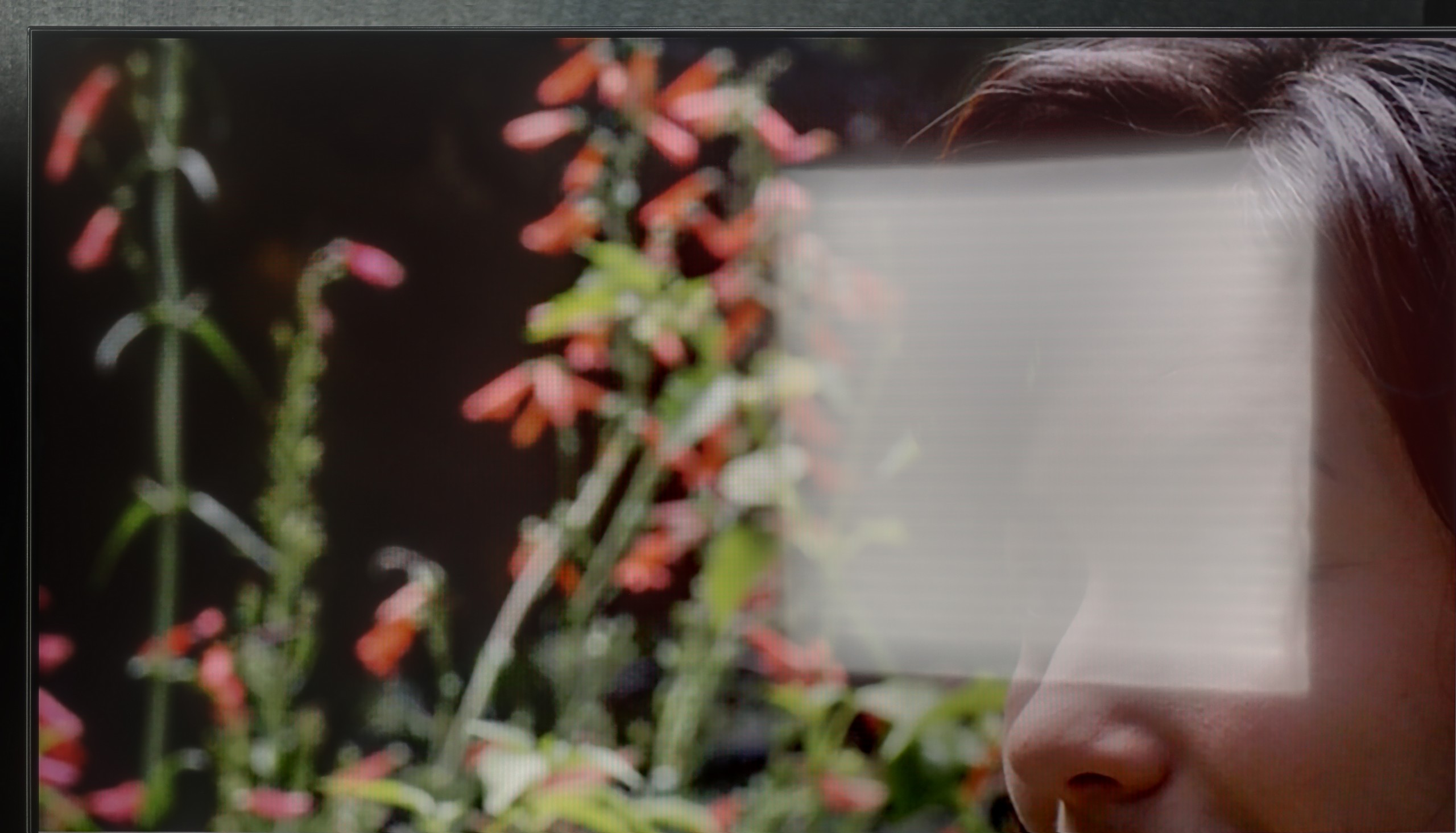
Panel uniformity and thermal imaging:

Review LG OLED C4 TV Panel details
Review Samsung Q6F (IPS) TV Panel details

LG OLED C4

Samsung Q6F (IPS)

TV features

8.9/10

5.9/10

  • HDMI inputs
    0 x HDMI 2.0, 4 x HDMI 2.1 48Gbps
    3 x HDMI 2.0, 0 x HDMI 2.1
  • Outputs
    Toslink (Optical audio), eARC (HDMI), ARC (HDMI)
    eARC (HDMI), ARC (HDMI)
  • Network Interfaces
    Wi-Fi 2.4GHz, Wi-Fi 5GHz, Ethernet (LAN) 100Mbps
    Wi-Fi 2.4GHz, Wi-Fi 5GHz, Ethernet (LAN) 100Mbps
  • TV reception
    DVB-T, DVB-T2, DVB-S, DVB-S2, DVB-C
    DVB-T, DVB-T2, DVB-S, DVB-S2, DVB-C

Classic features:

  • Recording to USB (terrestrial TV)
    Yes
    No
  • Recording programming
    Yes
    No
  • Picture in Picture (PiP)
    No
    No
  • RF remote control (no need to aim)
    Yes
    No
  • Backlit remote control
    No
    No
  • Teletext
    Yes
    Yes
  • Audio only mode
    Yes
    Yes
  • Bluetooth headphones support
    Yes
    Yes
  • Simultaneous Bluetooth headphones & TV audio
    Yes
    Yes

Smart features:

  • AirPlay
    Yes
    Yes
  • Screen mirroring (Windows Miracast)
    Yes
    Yes
  • Voice search
    Yes
    No
  • Voice search in native language
    Yes
    No
  • Ability to connect a keyboard and mouse
    Yes
    Yes
Review LG OLED C4 TV features
Review Samsung Q6F (IPS) TV features

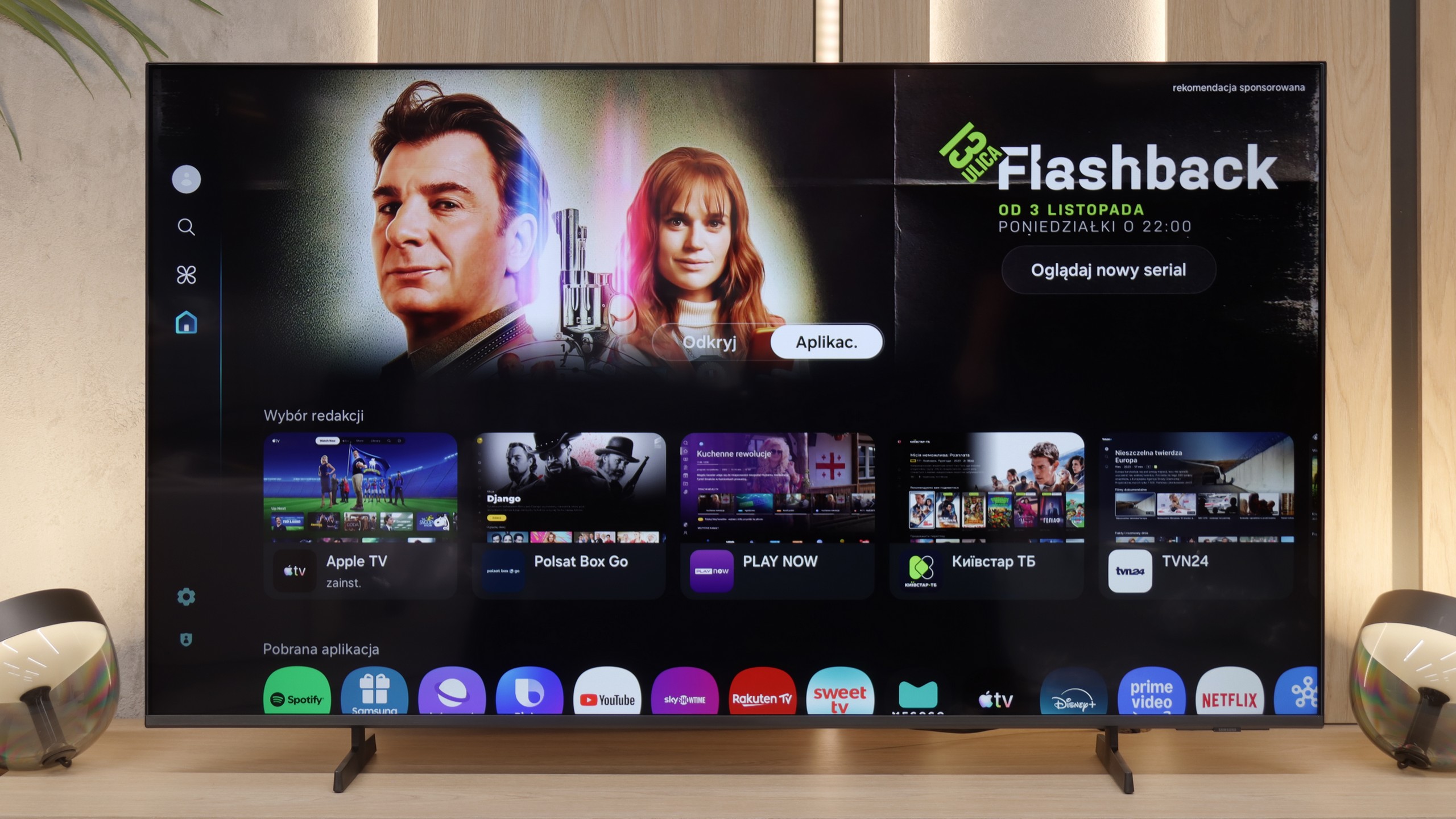
LG has used its well-established proprietary WebOS system, a staple in its televisions for many years. This system provides access to virtually all major applications, with only a few notable exceptions, such as CDA or KODI. Additionally, the modern web browser and the remote control with a built-in mouse make streaming services easily accessible, even when specific apps are unavailable. One of WebOS's standout features is its ability to operate using a cursor that appears when the remote control is moved, offering great convenience when entering queries or passwords.

WebOS also includes screen mirroring, AirPlay, and Bluetooth headphone connectivity. For users with hearing impairments, it’s worth noting that WebOS allows the simultaneous use of headphones and the TV speaker, providing added flexibility. For sports fans, the system has a handy alert feature that notifies users of an upcoming match, ensuring they never miss a game.

Another highlight is the home panel, which enables users to control all smart devices connected to their home network. For example, a completed washing cycle will trigger a notification in the upper right corner of the screen.

In conclusion, while WebOS may not be as widely known or feature-rich as Android TV, it offers stable, fast performance and supports the majority of functions that users need. It is a solid and reliable option for those seeking a simple, effective, and user-friendly operating system for their television.

It's really cool that in Samsung TVs – even the most budget-friendly ones – the Tizen system just "doesn't slow down." The speed of operation, while not on par with the most expensive models, is definitely better than in the case of Google TV at a similar price. Thanks to Tizen, we have access to a truly vast library of applications, AirPlay, and other Smart TV features.

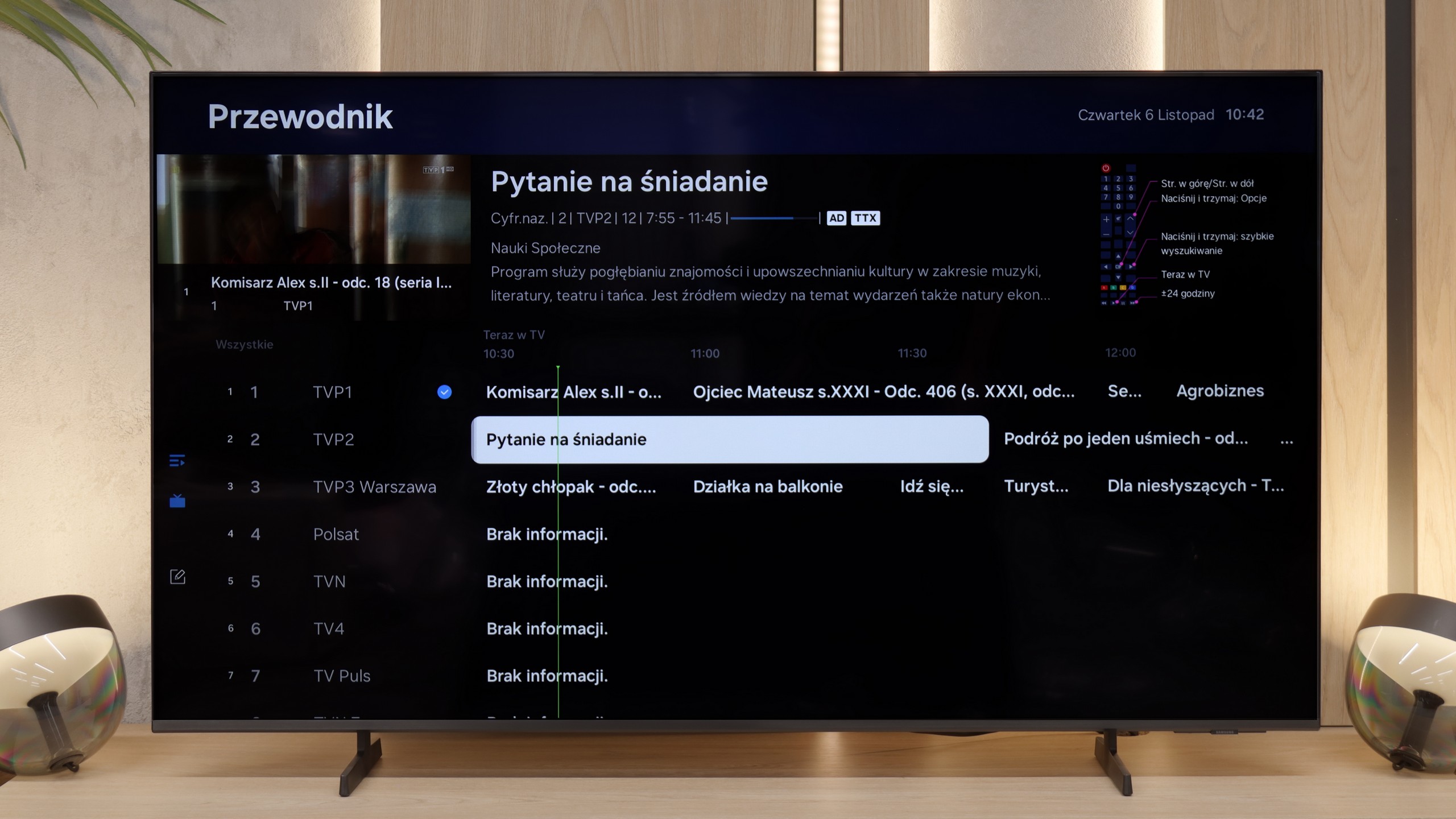
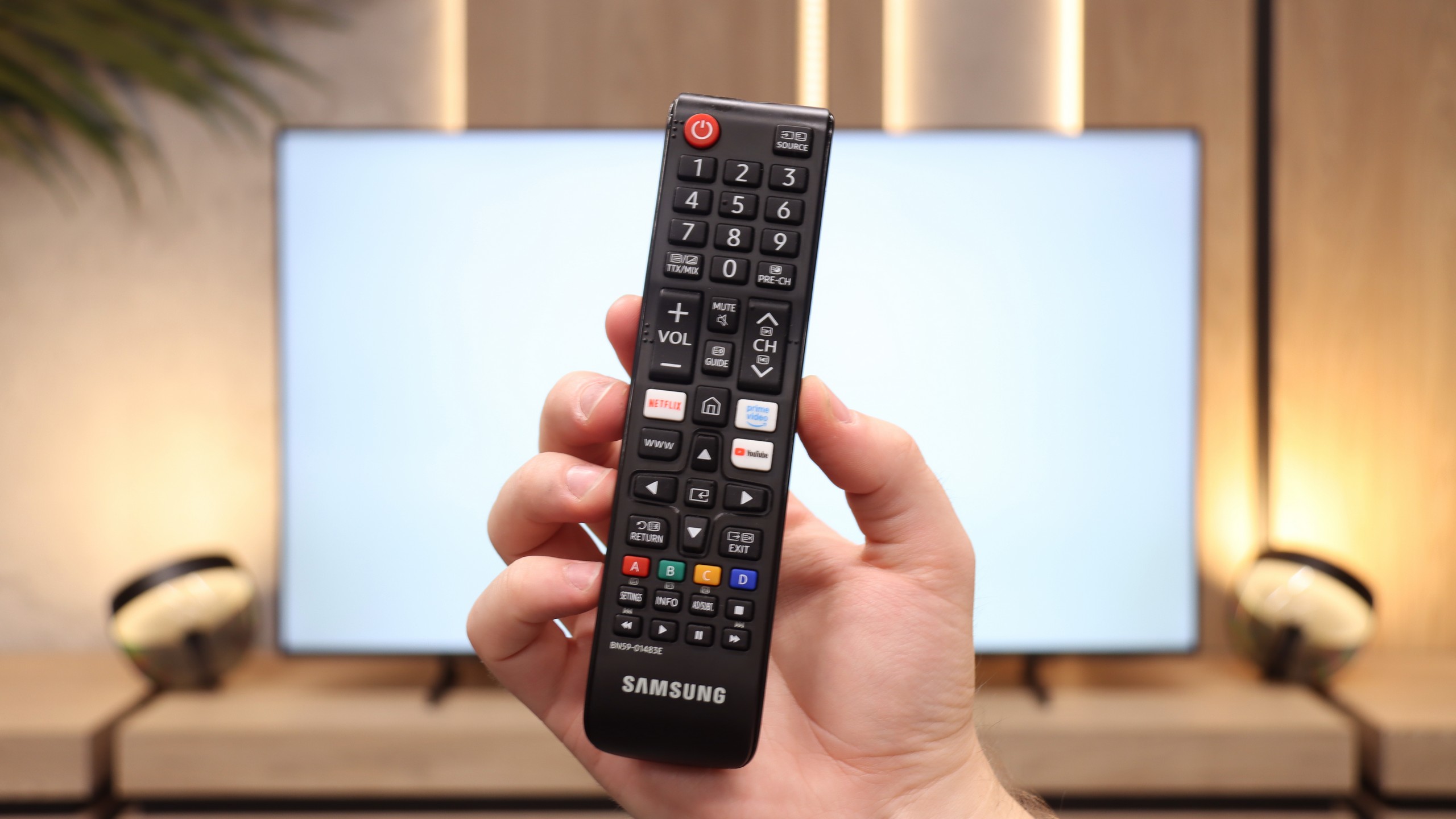
It's worth mentioning that the remote that comes with the Q6F is an older, yet somewhat modernized version of the classic Samsung infrared controller, equipped with a full numeric keypad. Even though it operates on infrared, it has a lot of buttons, which may appeal to older users watching traditional television – it simply makes channel switching easier. We will also find a clear EPG interface, teletext, and support for Bluetooth headphones. It sounds a bit like a senior's dream come true, and there really is something to it.

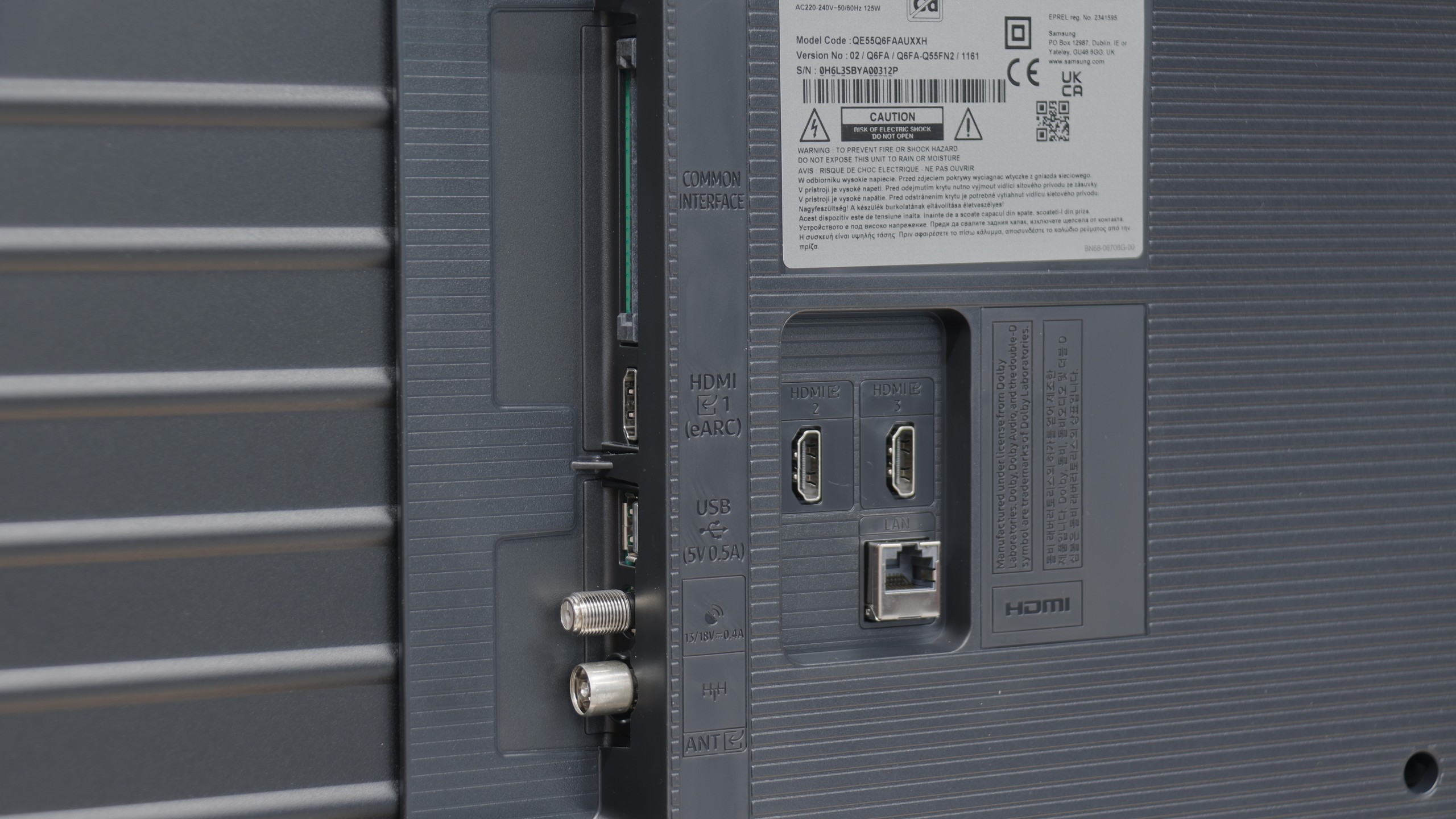
However, we must note a serious lack in terms of connections: this model does not have an optical output for audio devices. Only the HDMI eARC port is available, which can be quite a hindrance if we have an external audio system.

Apps

9.1/10

9.3/10

OK
Disney_Plus
OK
Amazon_Prime_Video
OK
Player_TVN
OK
Polsat_Box_Go
OK
Canal_Plus_Online
OK
TVP_VOD
OK
Apple_TV_Plus
OK
SkyShowtime
OK
Rakuten
OK
CDA_Premium_Browser
OK
Spotify
OK
Tidal
OK
Netflix
OK
YouTube
OK
HBO_MAX
No
Kodi
OK
Apple_music
No
Eleven_sports
OK
Xbox Game Pass
OK
GeForce Now!
OK
Amazon Luna
OK
Boosteroid
No
Steam Link
OK
Disney_Plus
OK
Amazon_Prime_Video
OK
Player_TVN
OK
Polsat_Box_Go
OK
Canal_Plus_Online
OK
TVP_VOD
OK
Apple_TV_Plus
OK
SkyShowtime
OK
Rakuten
OK
CDA_Premium_Browser
OK
Spotify
No
Tidal
OK
Netflix
OK
YouTube
OK
HBO_MAX
No
Kodi
OK
Apple_music
OK
Eleven_sports
OK
Xbox Game Pass
OK
GeForce Now!
OK
Amazon Luna
OK
Boosteroid
No
Steam Link

Playing files from USB

9.3/10

9.3/10

Supported photo formats:

JPEG
Yes
Yes
HEIC
Yes
Yes
PNG
Yes
Yes
GIF
No
No
WebP
No
No
TIFF
No
No
BMP
No
Yes
SVG
No
No

Maximum photo resolution:

4 Mpix
Yes
Yes
6 Mpix
Yes
Yes
8 Mpix
Yes
Yes
10 Mpix
Yes
Yes
12 Mpix
Yes
Yes
16 Mpix
Yes
Yes
20 Mpix
Yes
Yes
24 Mpix
Yes
Yes
28 Mpix
Yes
Yes
32 Mpix
Yes
Yes

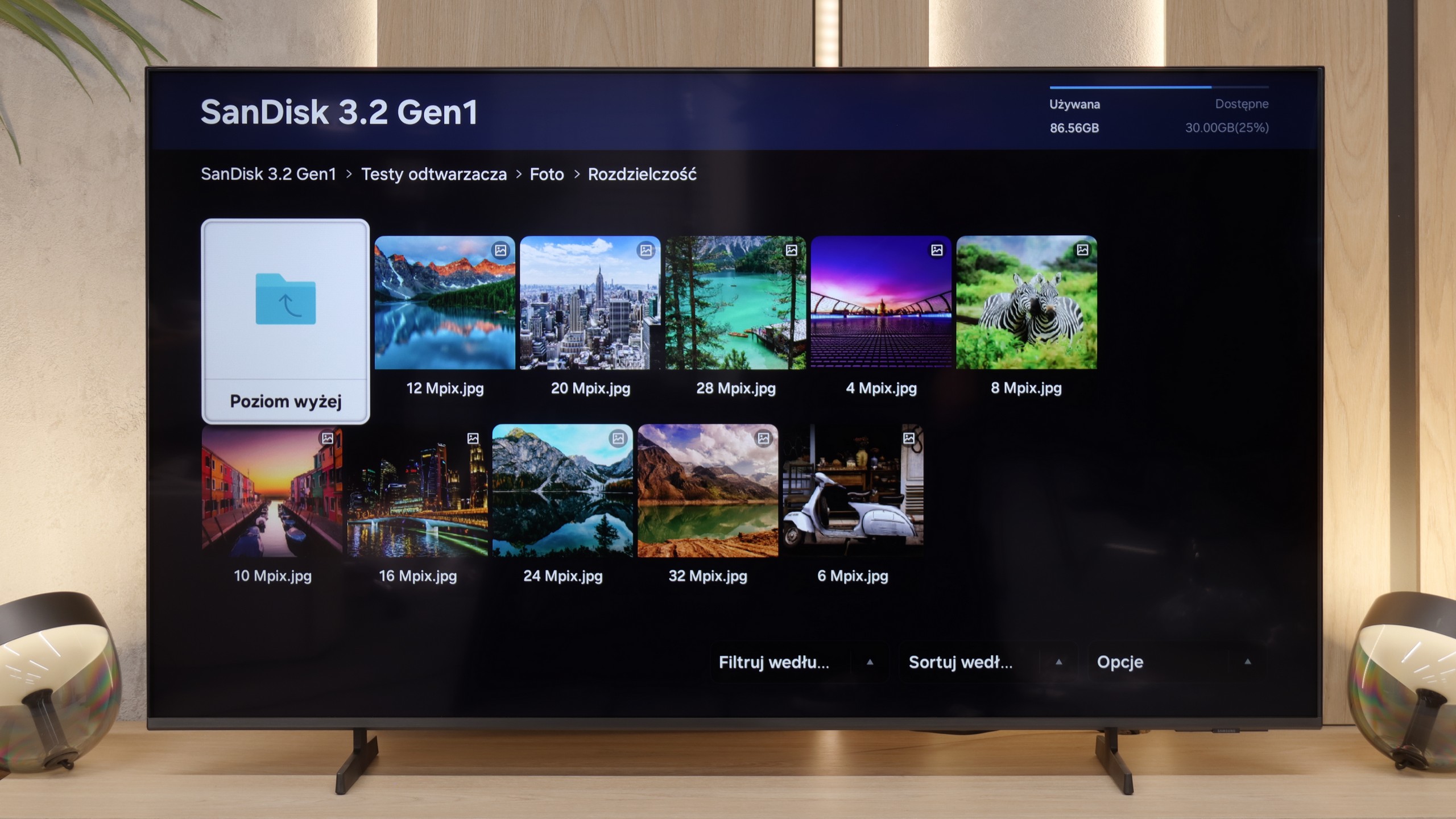
The default file player on the LG C4 handles various photo resolutions without issue, making it a reliable option for viewing images. It supports nearly all popular video formats, including Dolby Vision, ensuring compatibility with high-quality content. However, the television does not support H.266 VVC codec, which is relatively rare at this stage, so this limitation is not a significant drawback.
A notable omission is the lack of support for subtitles in the .txt format, which could be inconvenient for users who prefer using text-based subtitle files. In terms of photo formats, the C4 supports only three: JPEG, PNG, and HEIC (the latter being particularly useful for Apple phone users). While this is somewhat limited, it covers the most common formats for everyday use.

The TV excels in audio file compatibility, with no issues playing a wide range of audio formats, ensuring seamless music and sound playback without any compatibility warnings.

When it comes to multimedia support from external sources, the Samsung Q6F performs exceptionally well, especially considering that we are dealing with a closed system. The television has no issues with most popular video, audio, or image formats (EVEN HEIC!). The media player operates stably and quickly loads content from USB drives or network servers. It is a solid device for browsing your own movie archives or home photo galleries.

Sound

7.5/10

5.8/10

  • Maximum volume
    -
    -
  • Dolby Digital Plus 7.1
    Yes
    Yes
  • Dolby True HD 7.1
    Yes
    No
  • Dolby Atmos in Dolby Digital Plus (JOC)
    Yes
    Yes
  • Dolby Atmos in Dolby True HD
    Yes
    No
  • DTS:X in DTS-HD MA
    Yes
    No
  • DTS-HD Master Audio
    Yes
    No

The LG C4 audio system is well-tuned, providing strong bass and balanced mid and high tones. It stands out as one of the better-sounding televisions in its price range. However, most buyers will likely already have a dedicated audio setup. The presence of DTS-HD Master Audio and Dolby Atmos codecs enhances the overall experience, offering high-quality sound for those who rely on the TV's built-in speakers.

When it comes to sound, the Samsung Q6F plays... well, flat. At the same time, however, the sound is clear and loud enough that it is perfectly suitable for listening to the news or regular television. The voices of the narrators are understandable and don’t fade into the background. However, if someone cares about at least decent experiences while watching movies, we definitely recommend purchasing a soundbar. Even the cheapest model from the Korean manufacturer's offering will make a huge difference here and save the situation.

Sound Quality Test

No sound test video

Acoustic Measurements

No acoustic data

0dBC (Max)

75dBC