LG has used its well-established proprietary WebOS system, a staple in its televisions for many years. This system provides access to virtually all major applications, with only a few notable exceptions, such as CDA or KODI. Additionally, the modern web browser and the remote control with a built-in mouse make streaming services easily accessible, even when specific apps are unavailable. One of WebOS's standout features is its ability to operate using a cursor that appears when the remote control is moved, offering great convenience when entering queries or passwords.
WebOS also includes screen mirroring, AirPlay, and Bluetooth headphone connectivity. For users with hearing impairments, it’s worth noting that WebOS allows the simultaneous use of headphones and the TV speaker, providing added flexibility. For sports fans, the system has a handy alert feature that notifies users of an upcoming match, ensuring they never miss a game.
Another highlight is the home panel, which enables users to control all smart devices connected to their home network. For example, a completed washing cycle will trigger a notification in the upper right corner of the screen.
In conclusion, while WebOS may not be as widely known or feature-rich as Android TV, it offers stable, fast performance and supports the majority of functions that users need. It is a solid and reliable option for those seeking a simple, effective, and user-friendly operating system for their television.
Smart TV – Titan OS
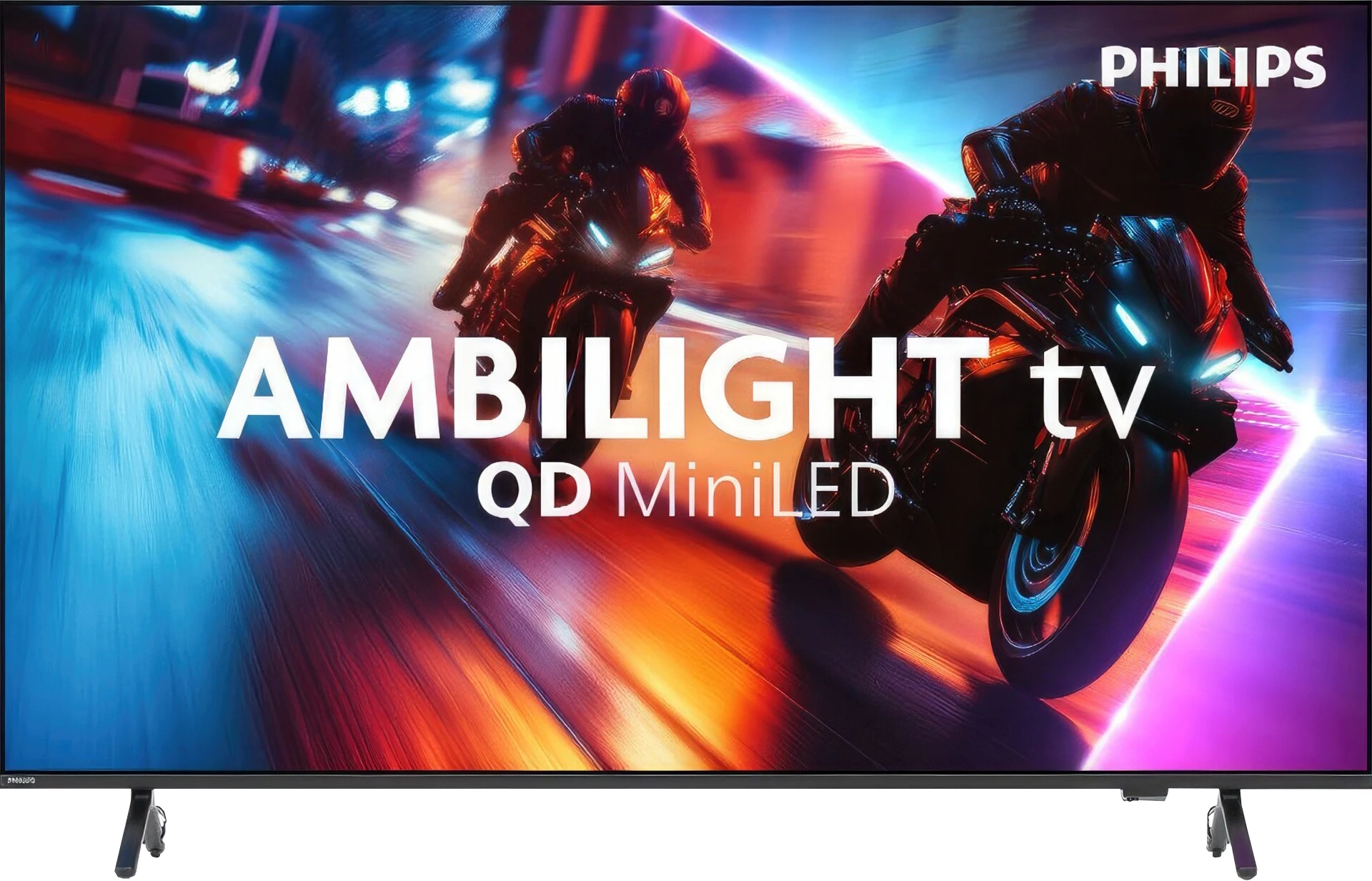
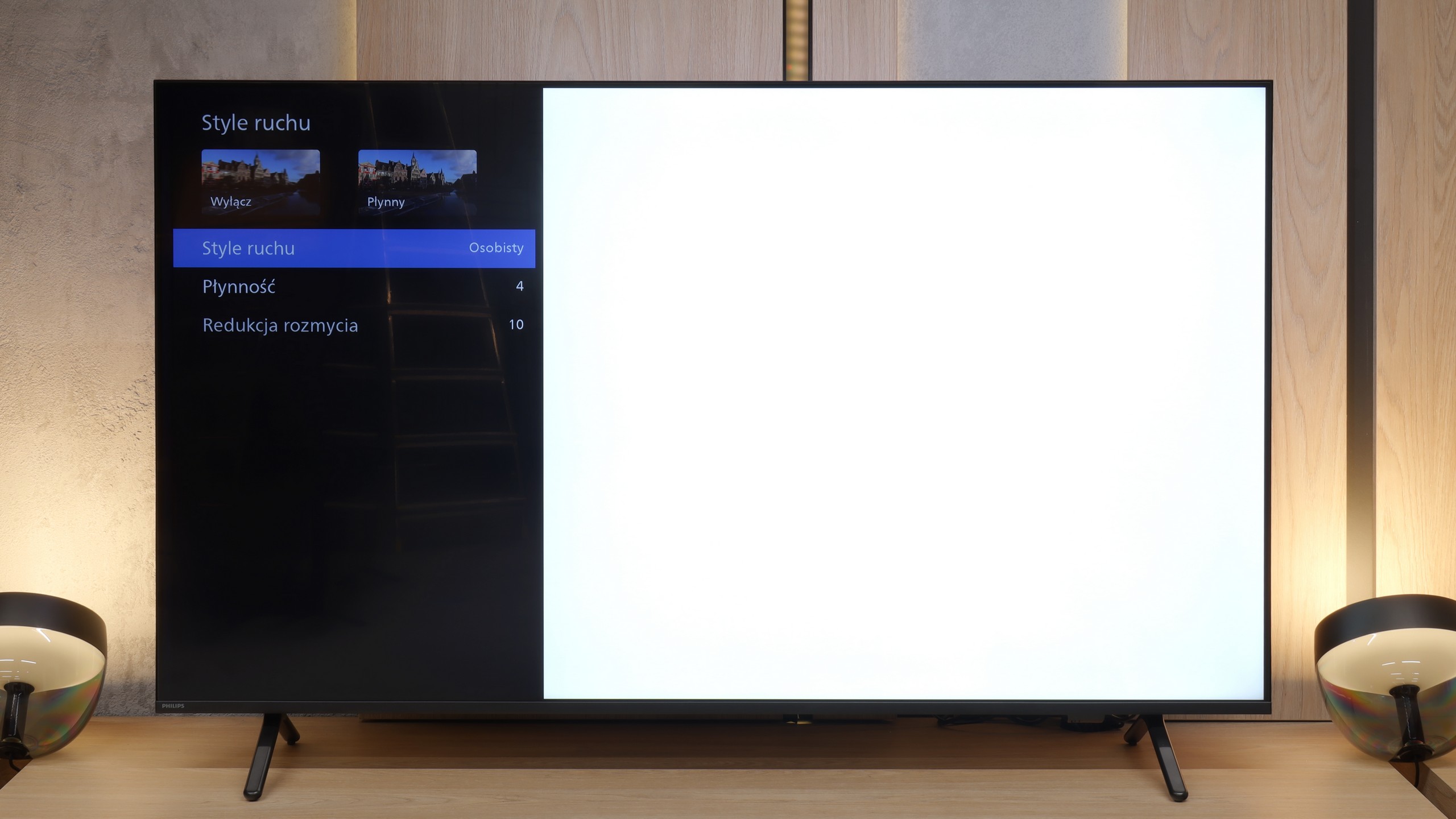
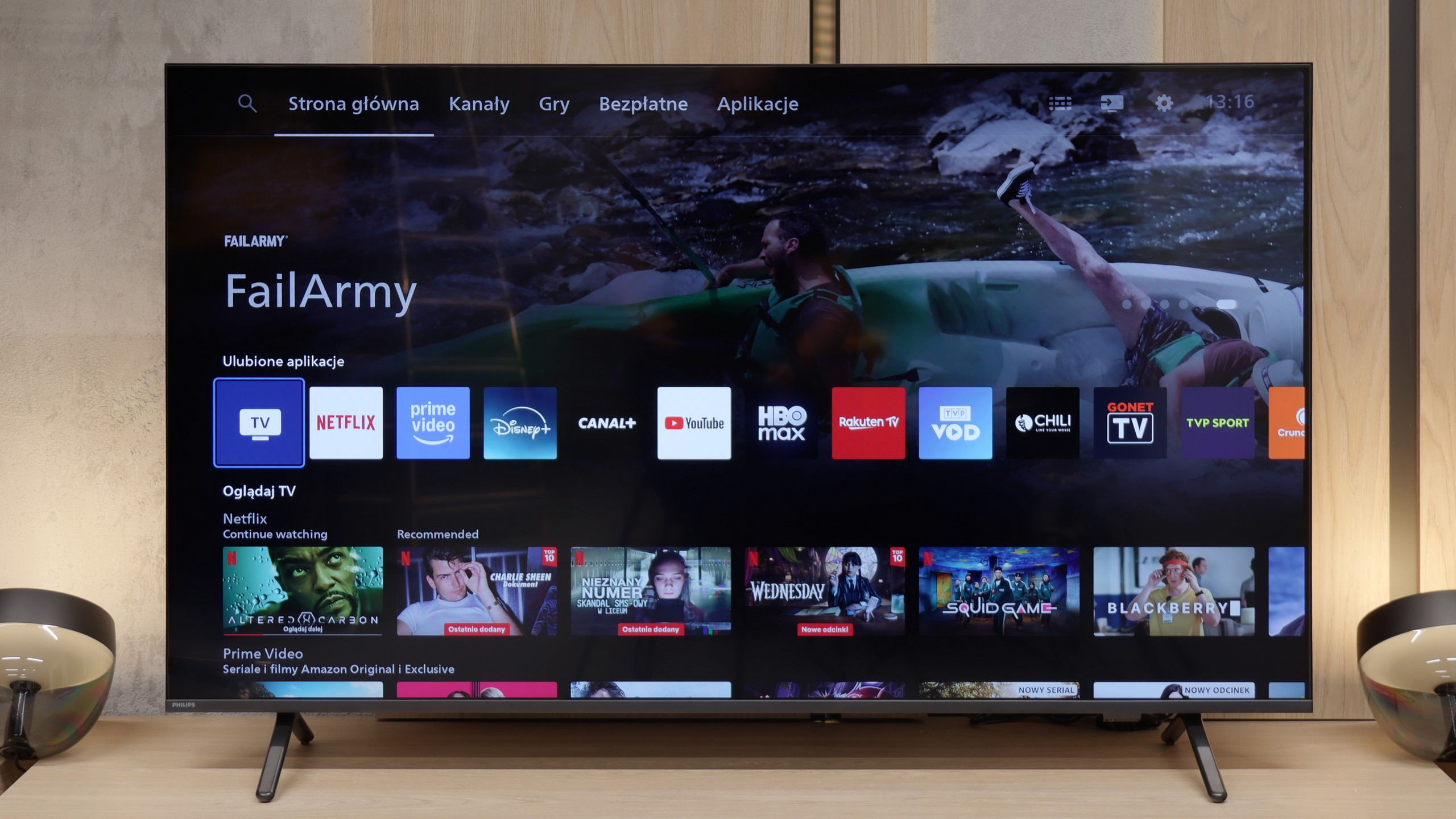
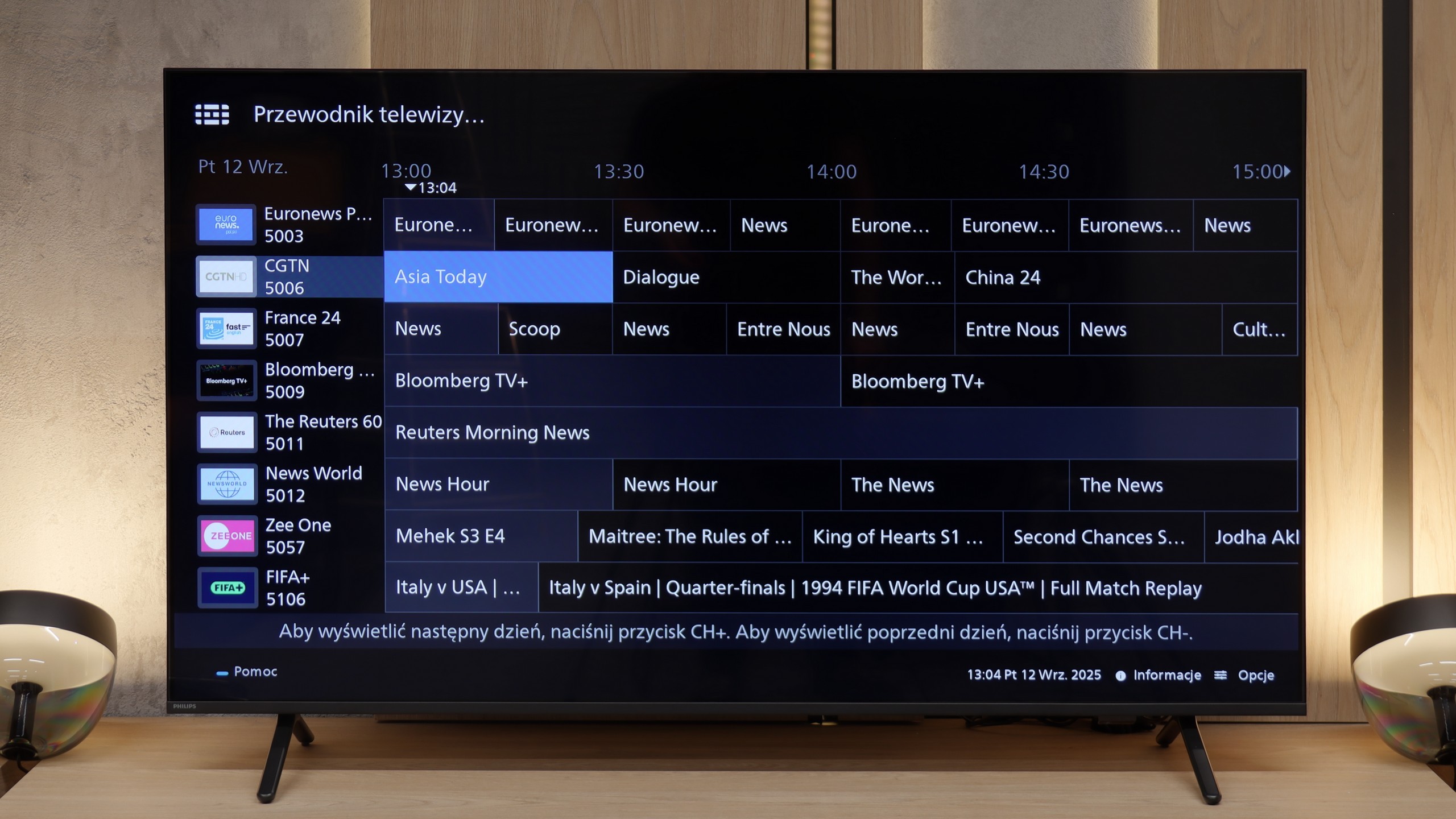
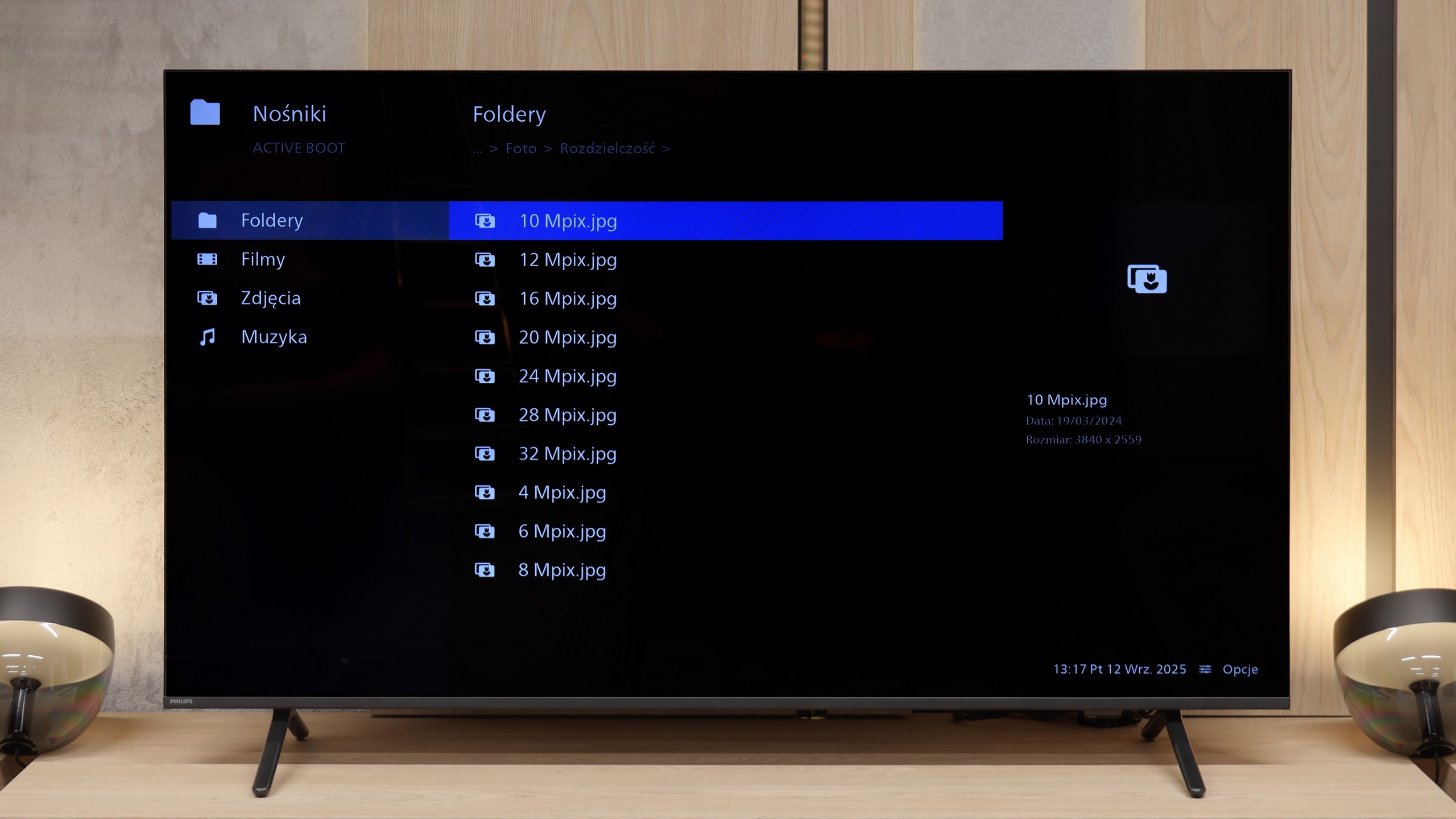
Philips MLED920 uses the proprietary Titan OS, which is just beginning its journey in the TV market, and unfortunately, this is evident at every turn. On one hand, we have basic features – such as support for AirPlay or the ability to mirror the screen from a smartphone, but on the other hand, its limitations quickly become apparent. Screen mirroring works only with a phone, but not with a laptop. Voice search? Yes, but it is only supported by Amazon Alexa and in languages supported by this assistant. The system runs fairly quickly, but every now and then it can "fail" and gives the impression of something unfinished, still developing.
Classic TV Functions
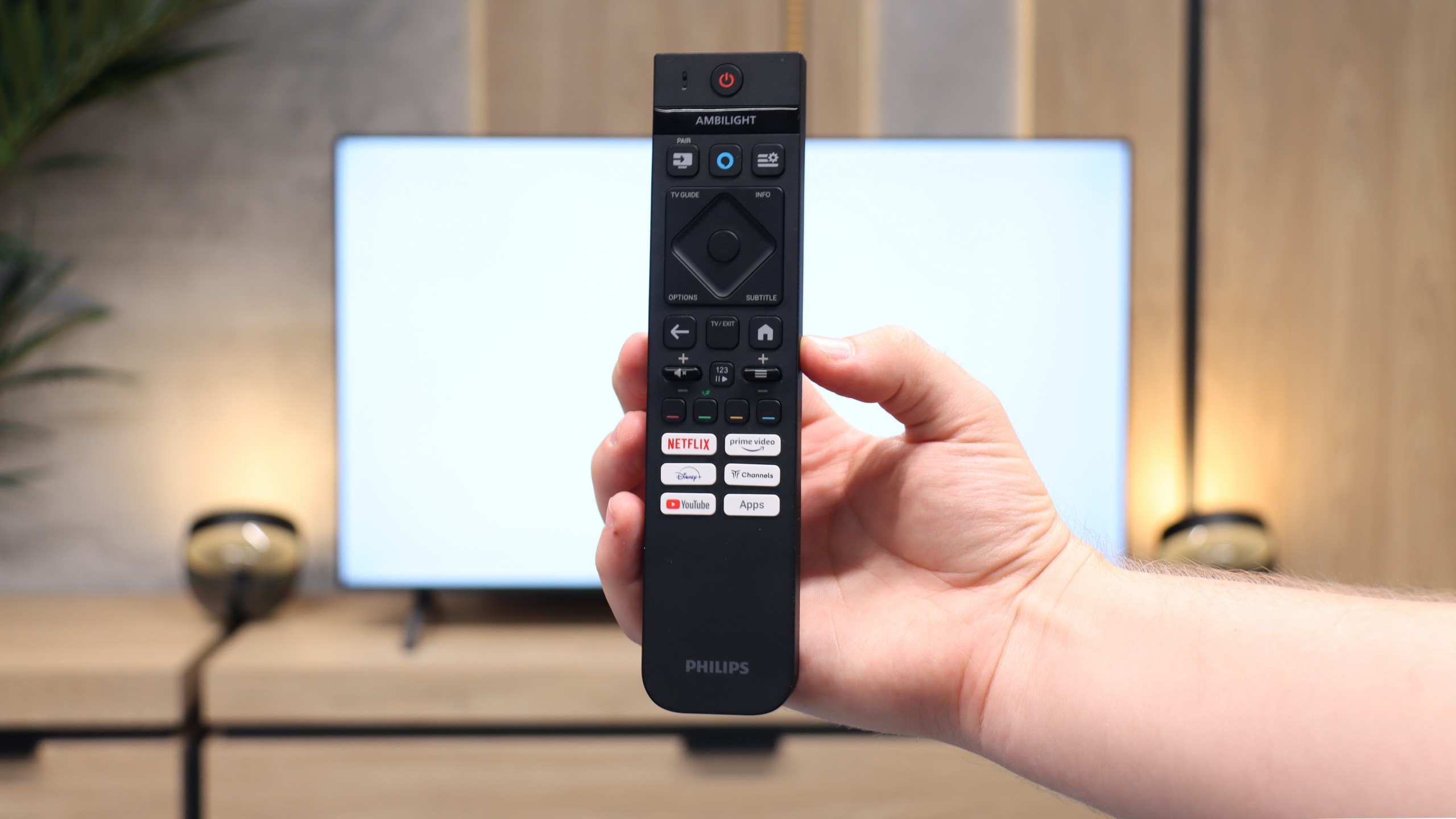
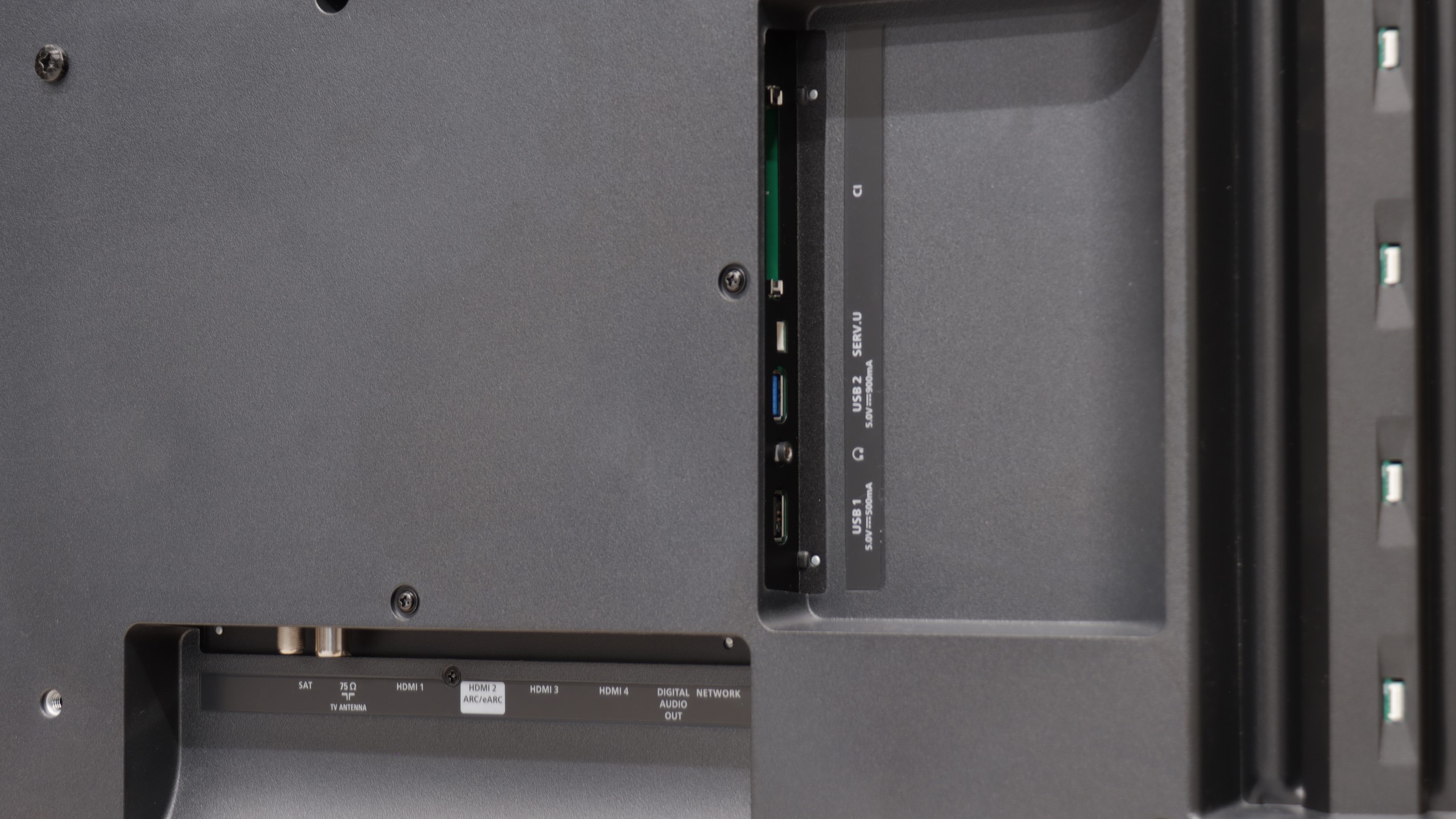
Titan OS does not pamper in terms of classic TV functions either. Besides the hybrid remote with a numeric keypad – which, although illuminated and cleverly designed in two modes, unfortunately works via infrared – we won't find anything that could truly distinguish the MLED920 from the competition. There is no USB recording or PiP function, and such solutions could be useful in this class. From unusual additions, we have an analog output in the form of a jack, which allows connecting headphones or older speakers. It’s a small nod to users who still use older equipment.
Ambilight TV
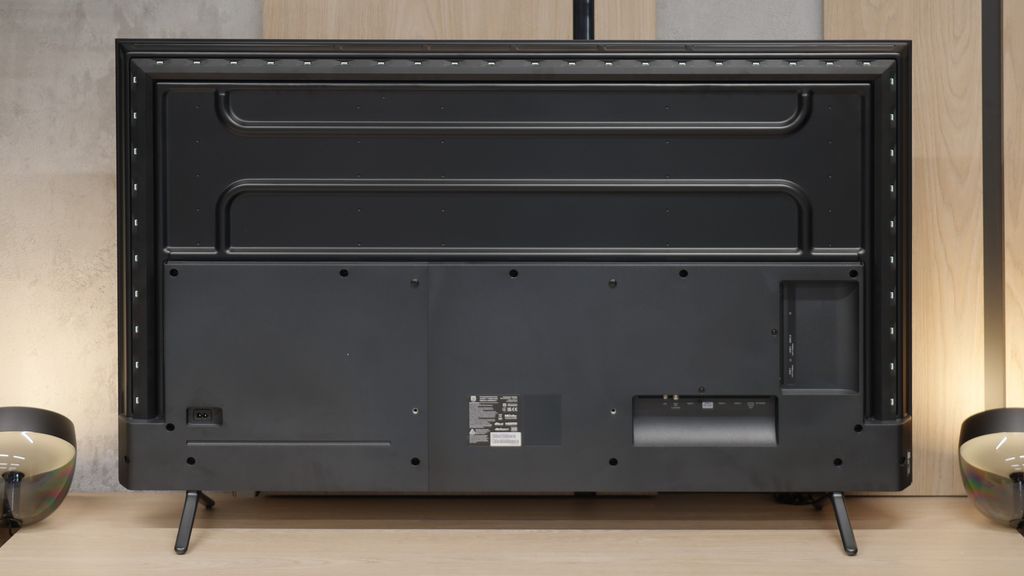
What definitely diverts attention from the shortcomings of Titan OS is the unique, three-sided Ambilight system. Here, Philips still plays in its own league and can amaze those who have not encountered this addition. The colorful lighting that responds to screen content gives screenings a unique atmosphere and is something that the competition does not offer in a similar form. It is Ambilight that is meant to ensure that other issues – both system and functional – take a back seat.
 Direct comparison