LG has used its well-established proprietary WebOS system, a staple in its televisions for many years. This system provides access to virtually all major applications, with only a few notable exceptions, such as CDA or KODI. Additionally, the modern web browser and the remote control with a built-in mouse make streaming services easily accessible, even when specific apps are unavailable. One of WebOS's standout features is its ability to operate using a cursor that appears when the remote control is moved, offering great convenience when entering queries or passwords.
WebOS also includes screen mirroring, AirPlay, and Bluetooth headphone connectivity. For users with hearing impairments, it’s worth noting that WebOS allows the simultaneous use of headphones and the TV speaker, providing added flexibility. For sports fans, the system has a handy alert feature that notifies users of an upcoming match, ensuring they never miss a game.
Another highlight is the home panel, which enables users to control all smart devices connected to their home network. For example, a completed washing cycle will trigger a notification in the upper right corner of the screen.
In conclusion, while WebOS may not be as widely known or feature-rich as Android TV, it offers stable, fast performance and supports the majority of functions that users need. It is a solid and reliable option for those seeking a simple, effective, and user-friendly operating system for their television.
GoogleTV on Haier K85F
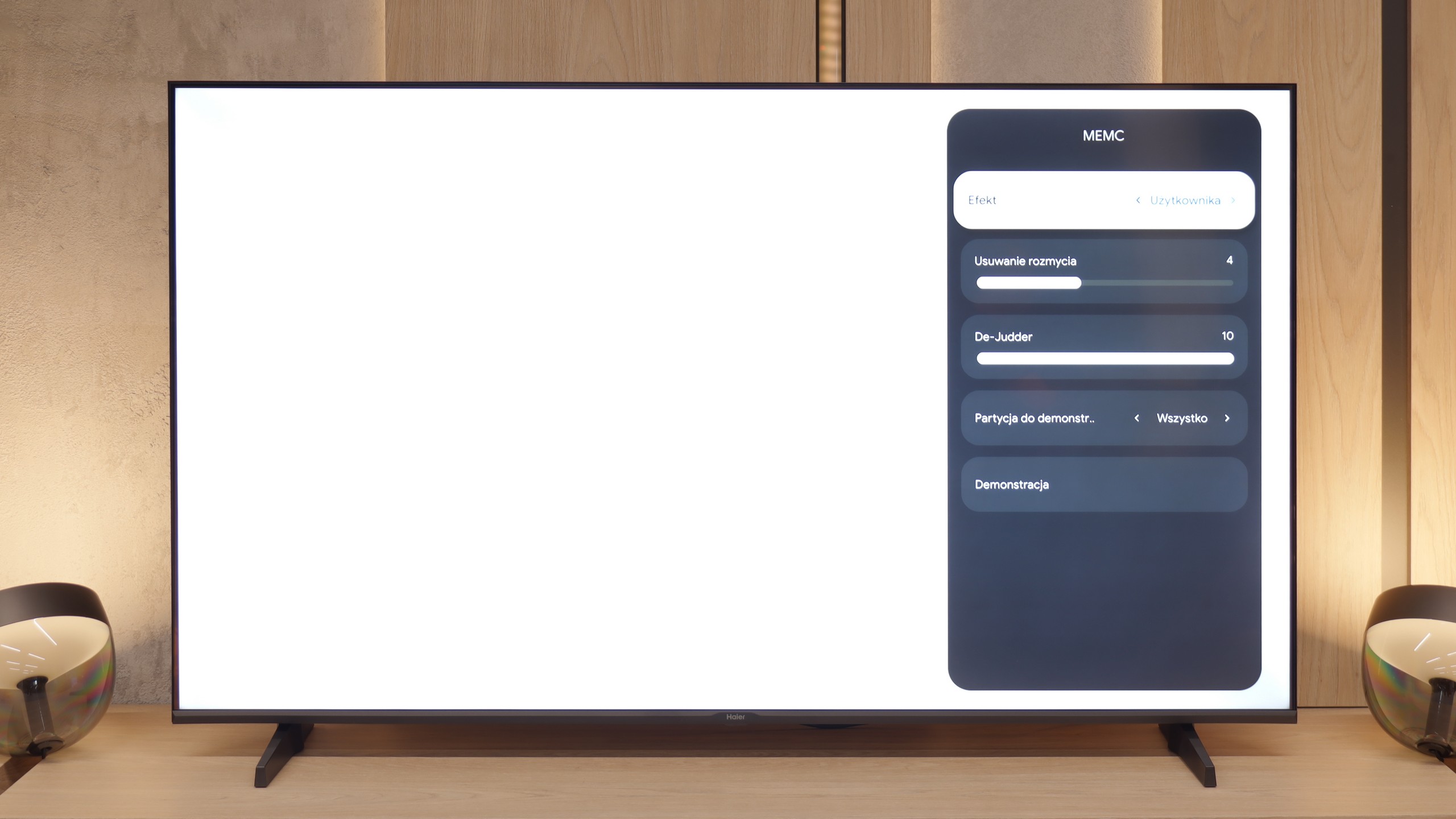
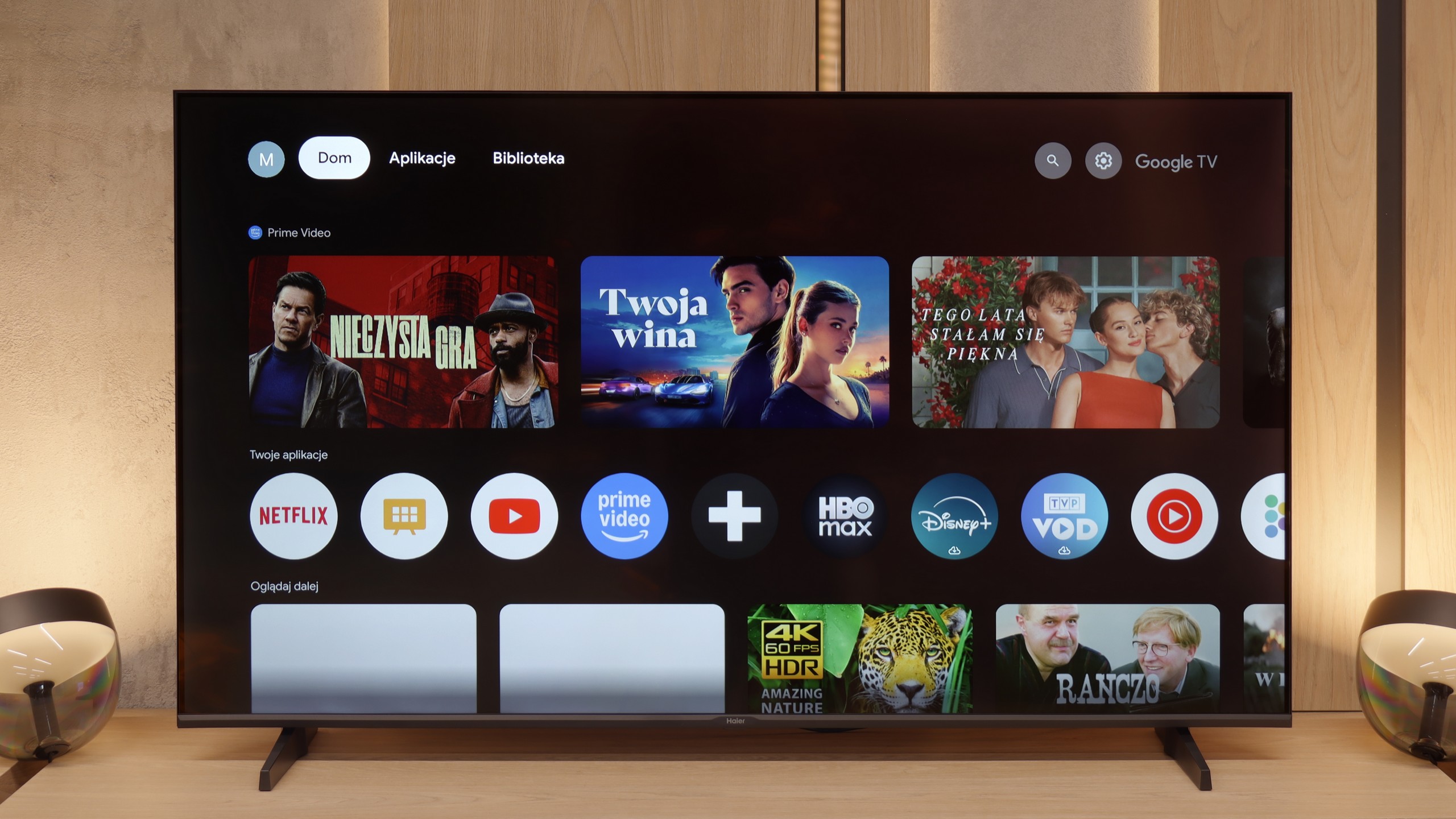
The heart of the television is the Google TV system, which in theory should be its huge advantage. Access to thousands of applications and a wealth of features are promises we are familiar with. Unfortunately, in Haier's execution, this is one of the worst implementations of this software we have encountered. The system operates painfully slowly, and the interface notoriously freezes. However, the real nightmare is the incorrect and often downright comical translations of some menu options, making it at times difficult to figure out what is being referred to. To make matters worse, during our tests, we were unable to launch the AirPlay function, which simply did not work.
Classic features on Haier K85F
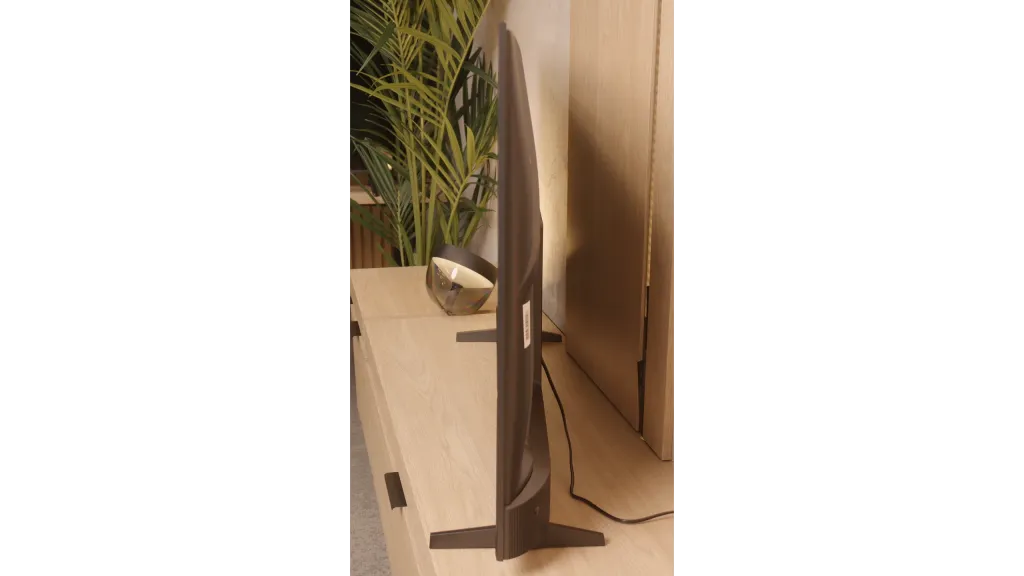
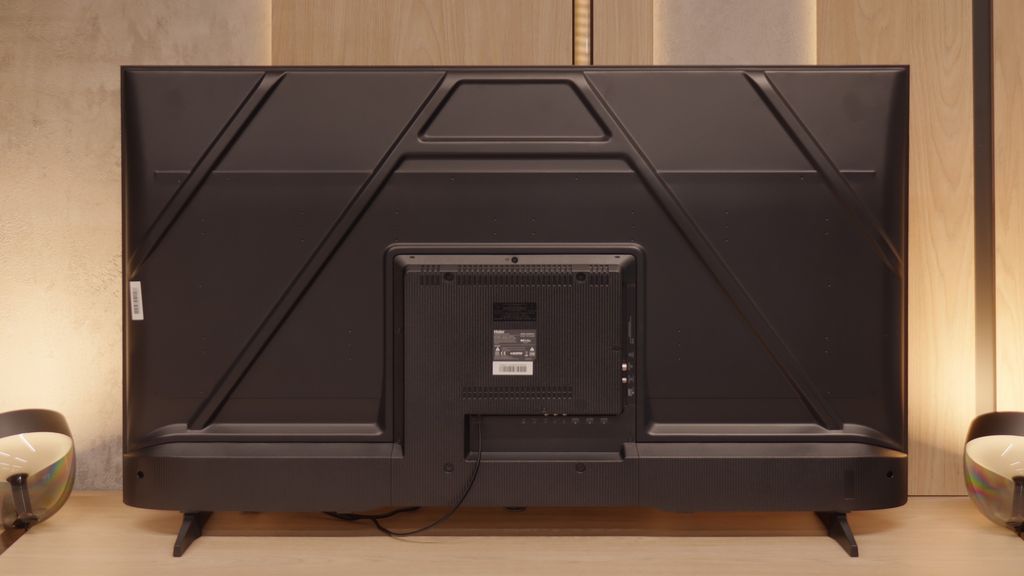
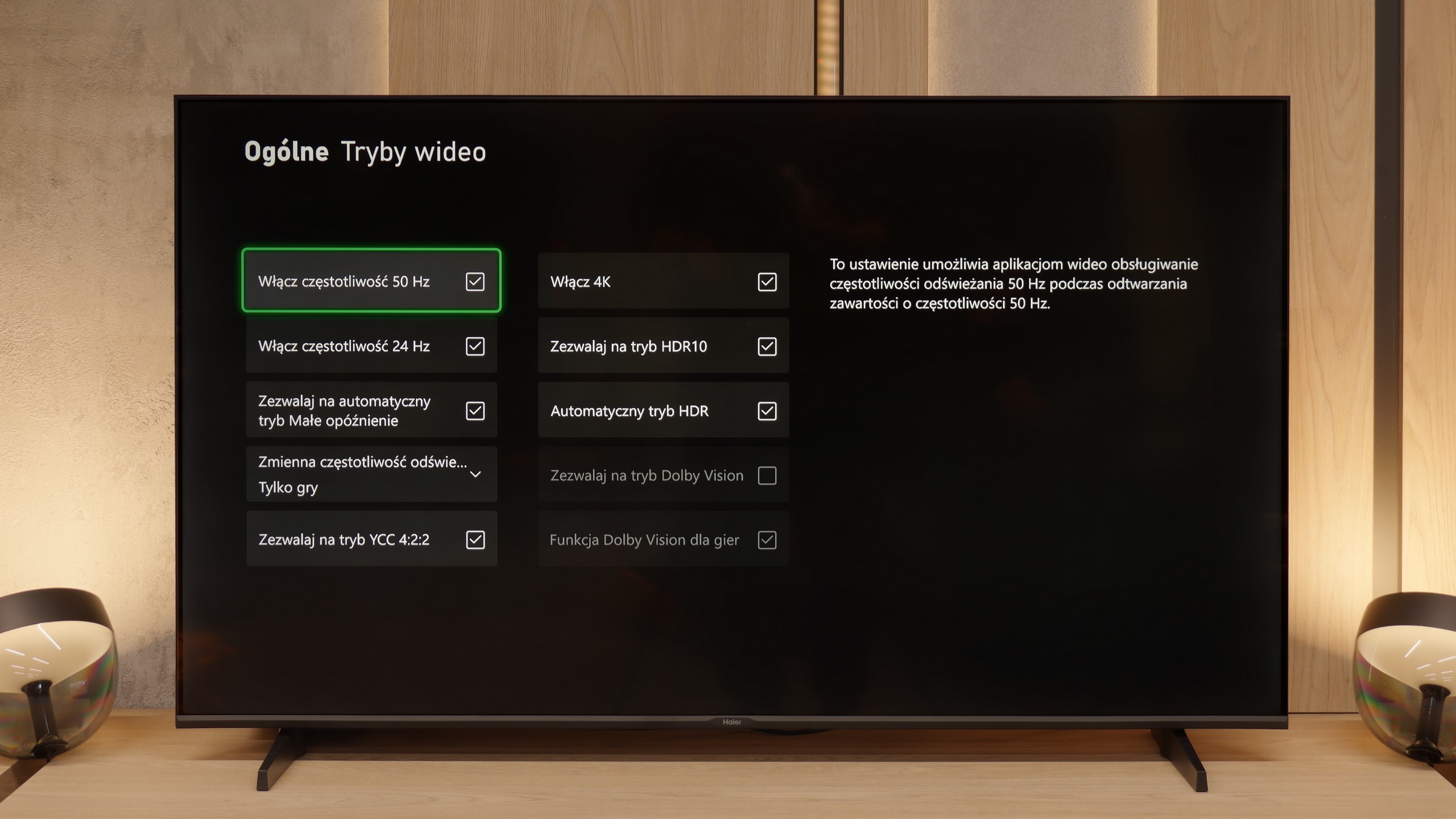
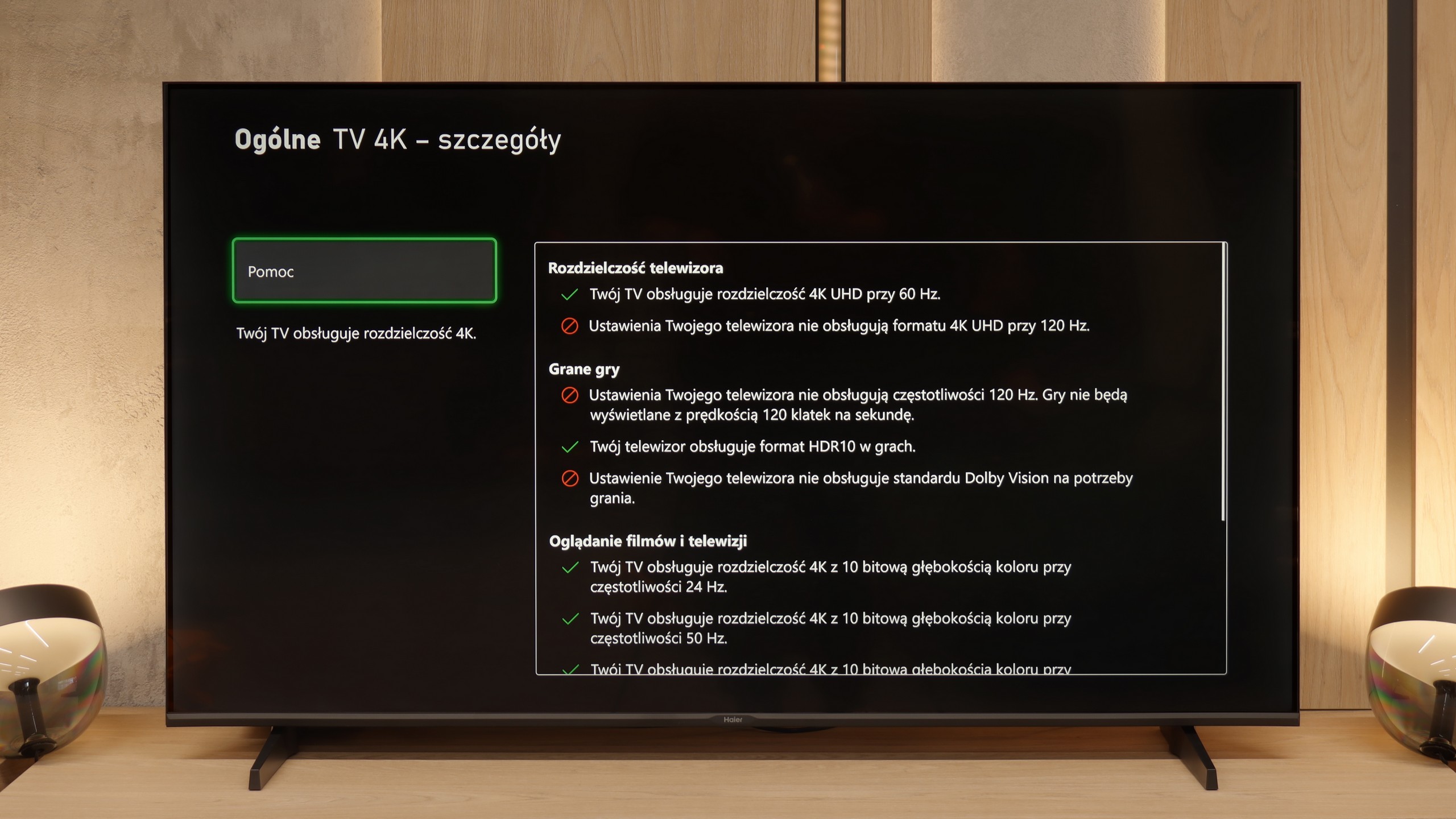
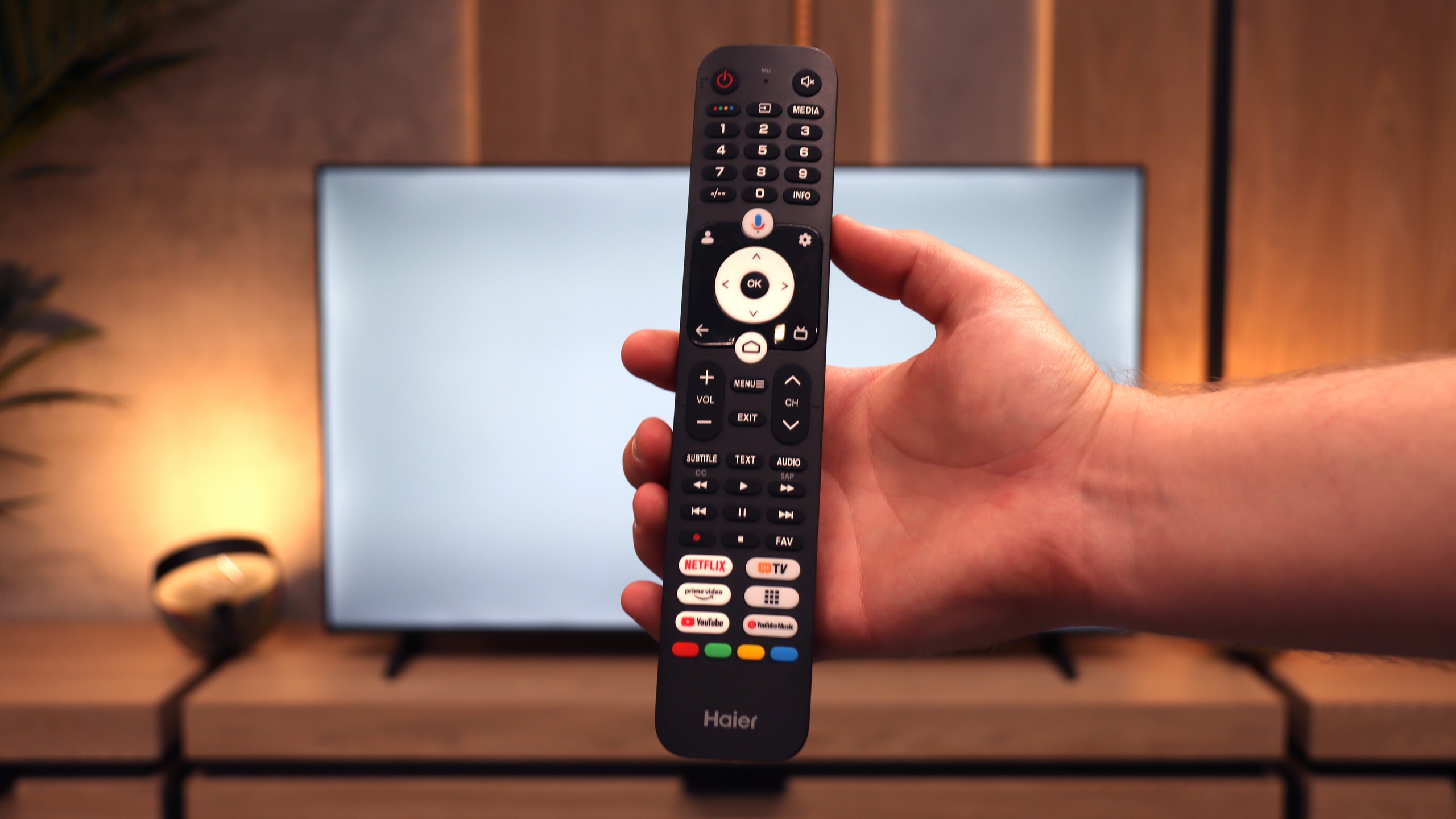
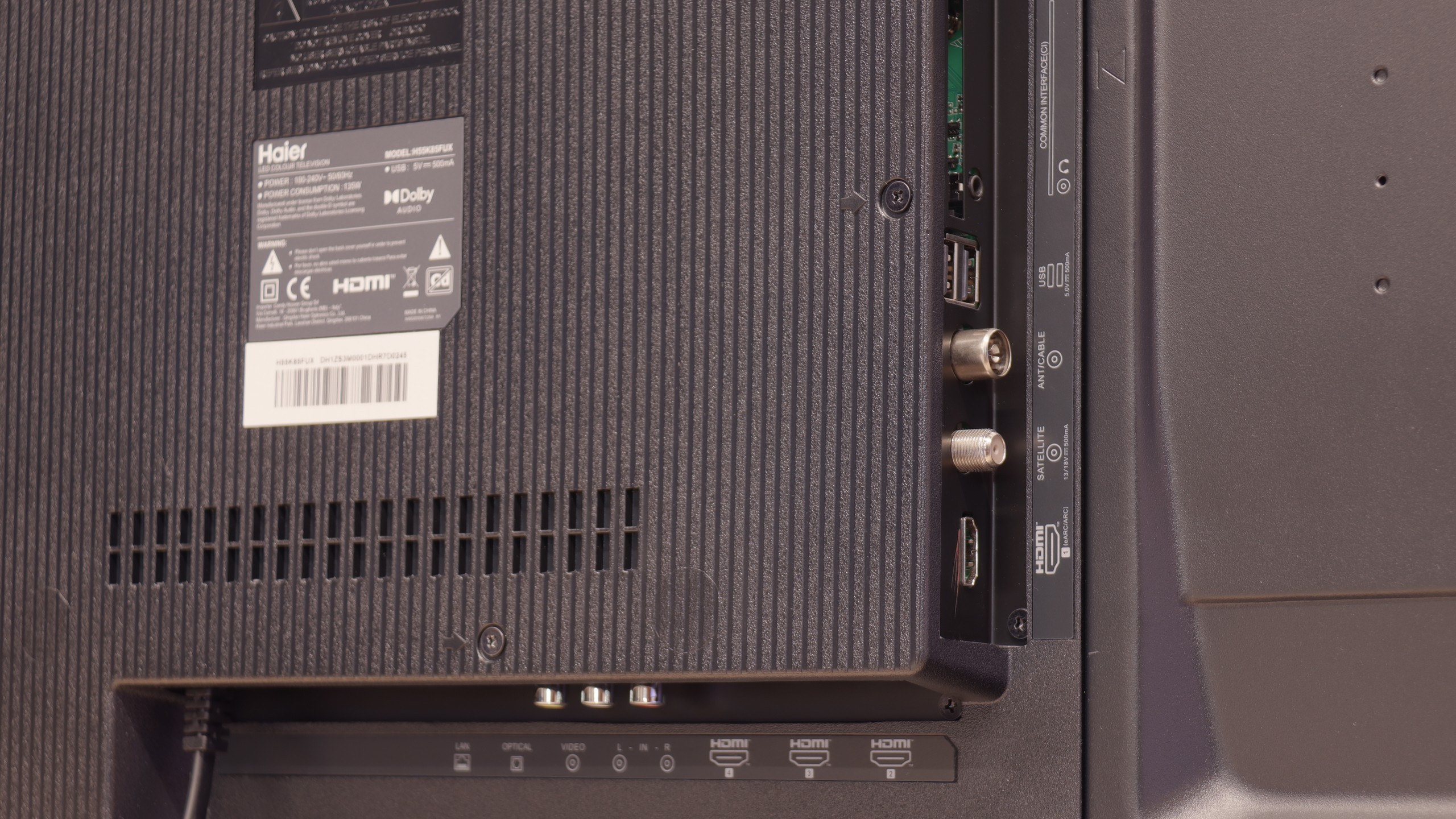
Let's move on to the classic features and ports, because this story is even more interesting. A plus is certainly the rich set of ports, including four HDMI inputs and a rarely found mini-jack headphone output. Unfortunately, the television does not offer either USB recording or PiP mode. However, the real ordeal begins with the remote. Our first attempts to pair it via Bluetooth to activate radio frequency (RF) control and voice functions ended in total failure. After several dozen attempts, we were sure it was simply a manufacturing defect. And here's the surprise: after a long struggle, we discovered that the remote can be paired, but it needs to be done from the native Google TV settings, completely bypassing Haier's non-functioning system overlay. This is a perfect example of how terrible software can ruin basic functionality. Oh, and one more thing. In the box... there weren’t even any batteries for the remote.
 Direct comparison