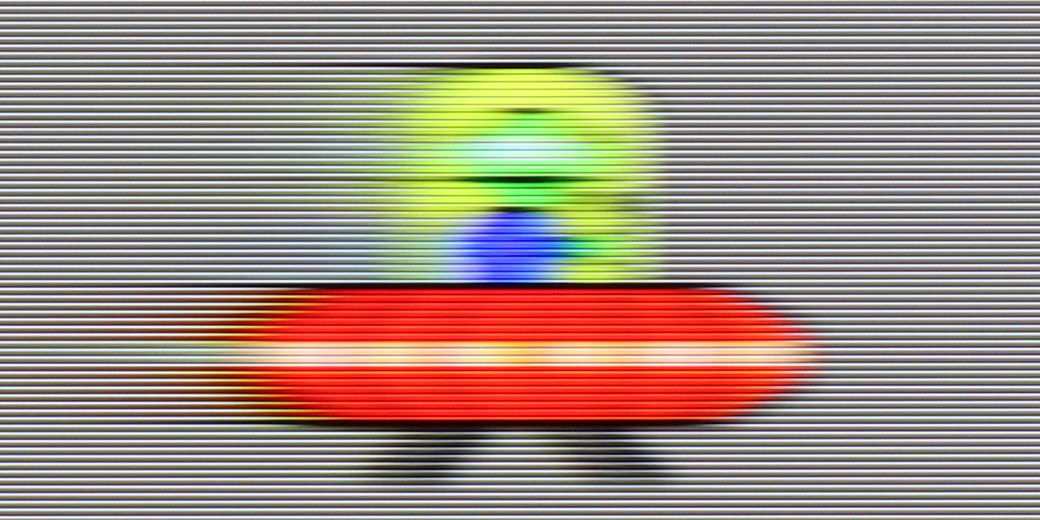
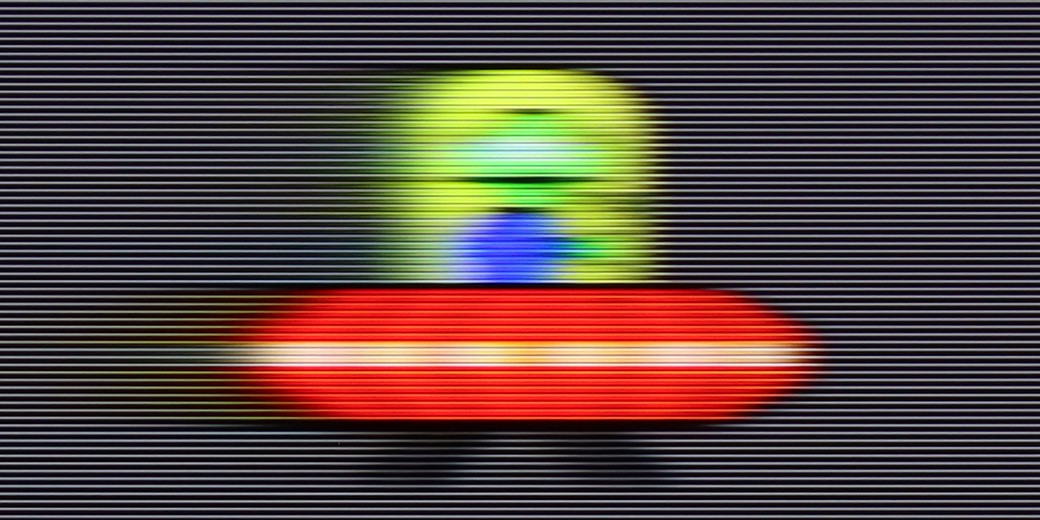
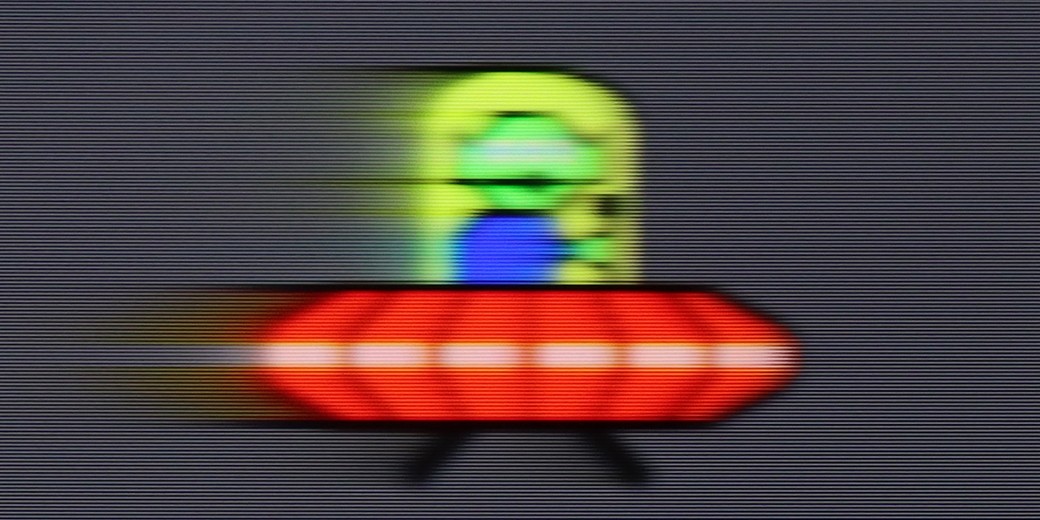
When playing on the console, the LG NANO82T offers several features that can enhance the gaming experience, though it also has some limitations. Notably, the ALLM (Auto Low Latency Mode) feature stands out, automatically adjusting picture settings to switch the television to low latency mode, which is especially beneficial for gamers requiring quick reactions. Another advantage is the support for HGiG (HDR Gaming Interest Group), ensuring HDR games are displayed as intended by the creators and providing vibrant and realistic visuals. These features contribute to a solid gaming experience, but there are some drawbacks, particularly in fast-paced scenes.
The LG NANO82T has limitations when it comes to advanced gaming features. It lacks support for variable refresh rate (VRR), which affects gameplay smoothness, especially in more dynamic games. The TV's 60Hz panel restricts the ability to use higher refresh rates, a significant downside for gamers seeking smoother gameplay at higher resolutions. Additionally, the absence of G-Sync technology limits image synchronisation, potentially leading to tearing and stuttering during gameplay.
These limitations mean that while the LG NANO82T offers a good gaming experience for casual gamers, it may not meet the expectations of more demanding players seeking advanced features and maximum image fluidity.
These shortcomings may mean that the LG NANO82T does not meet the expectations of the most demanding gamers looking for advanced features and the highest image fluidity.
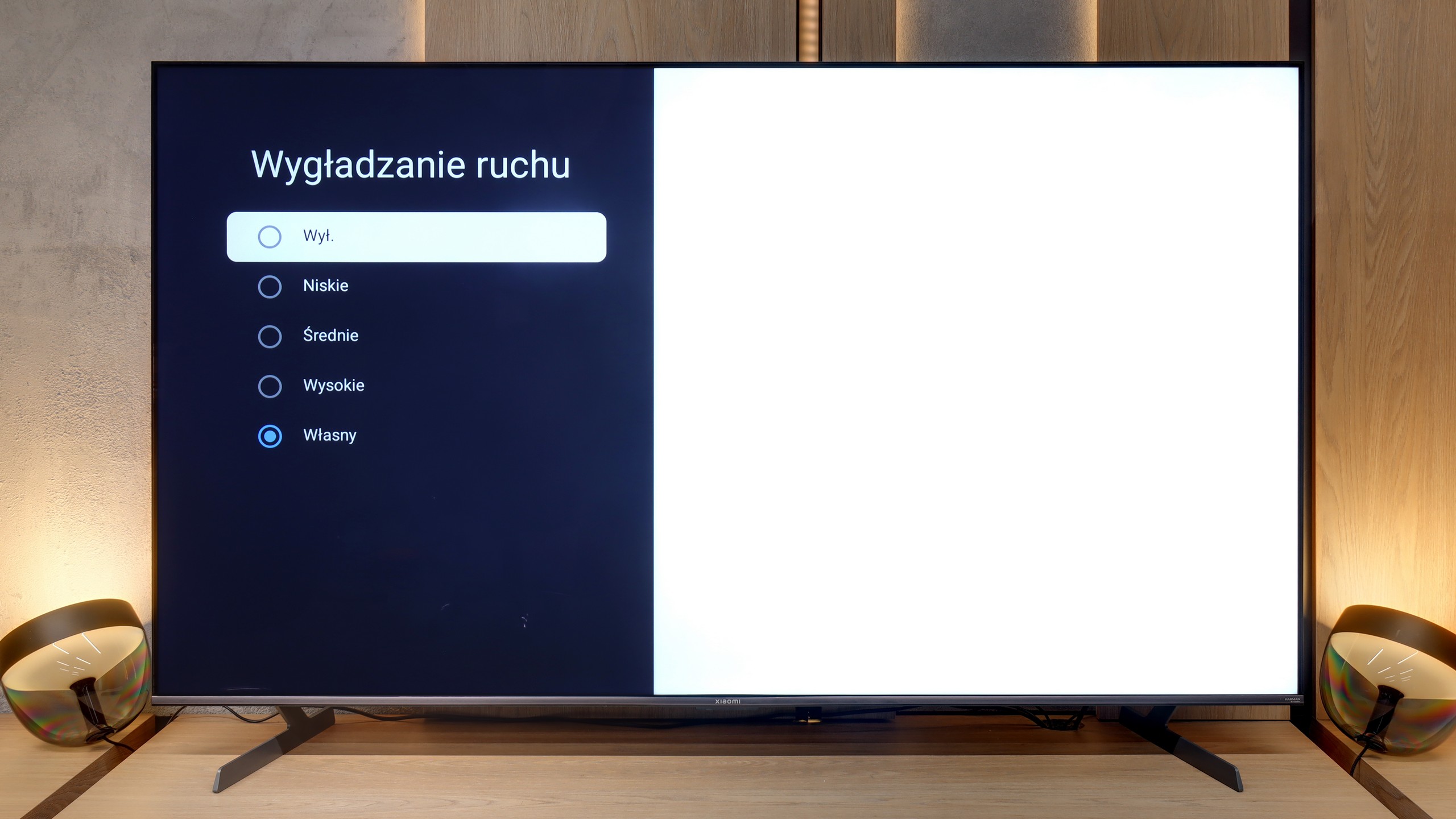
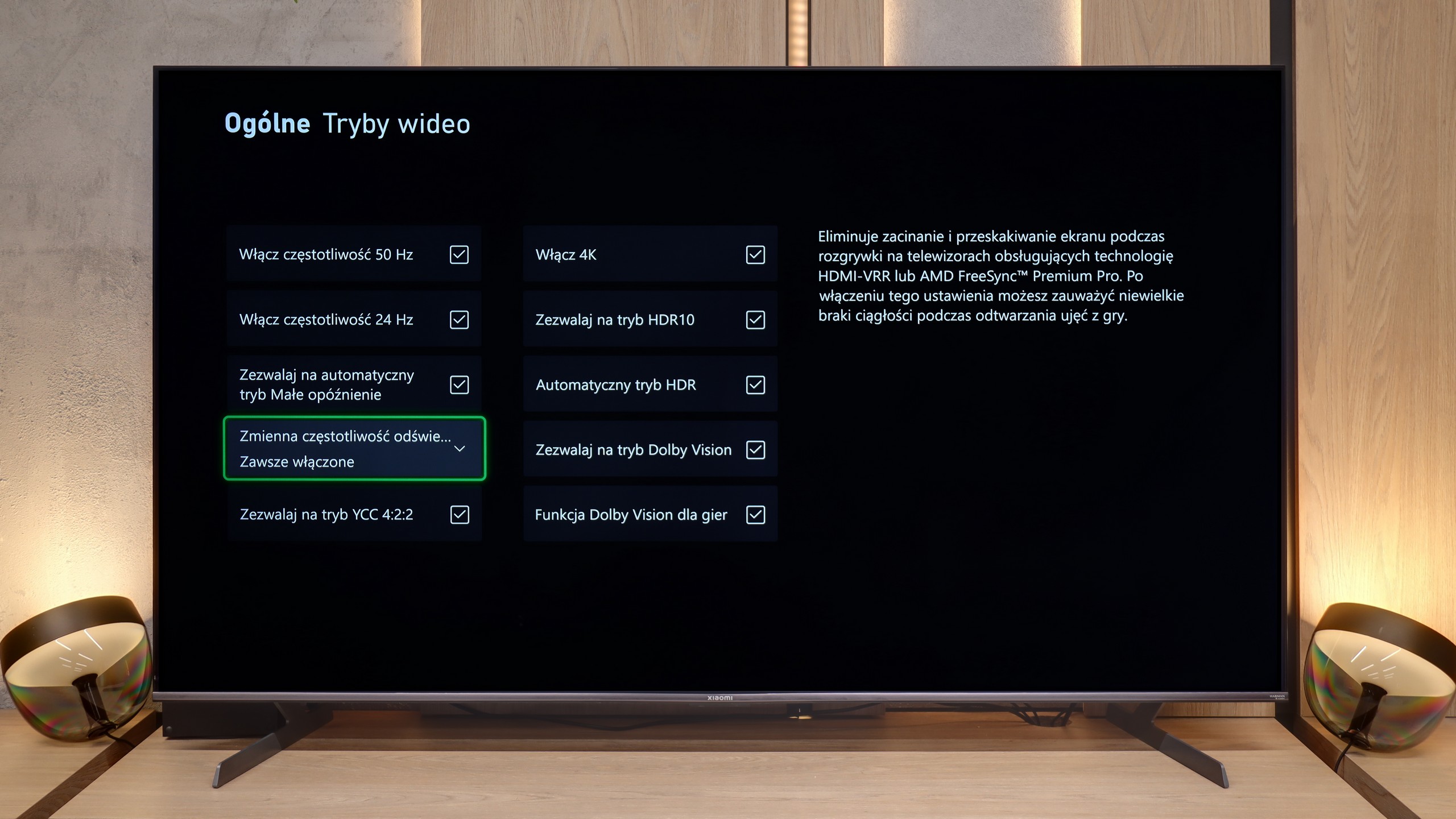
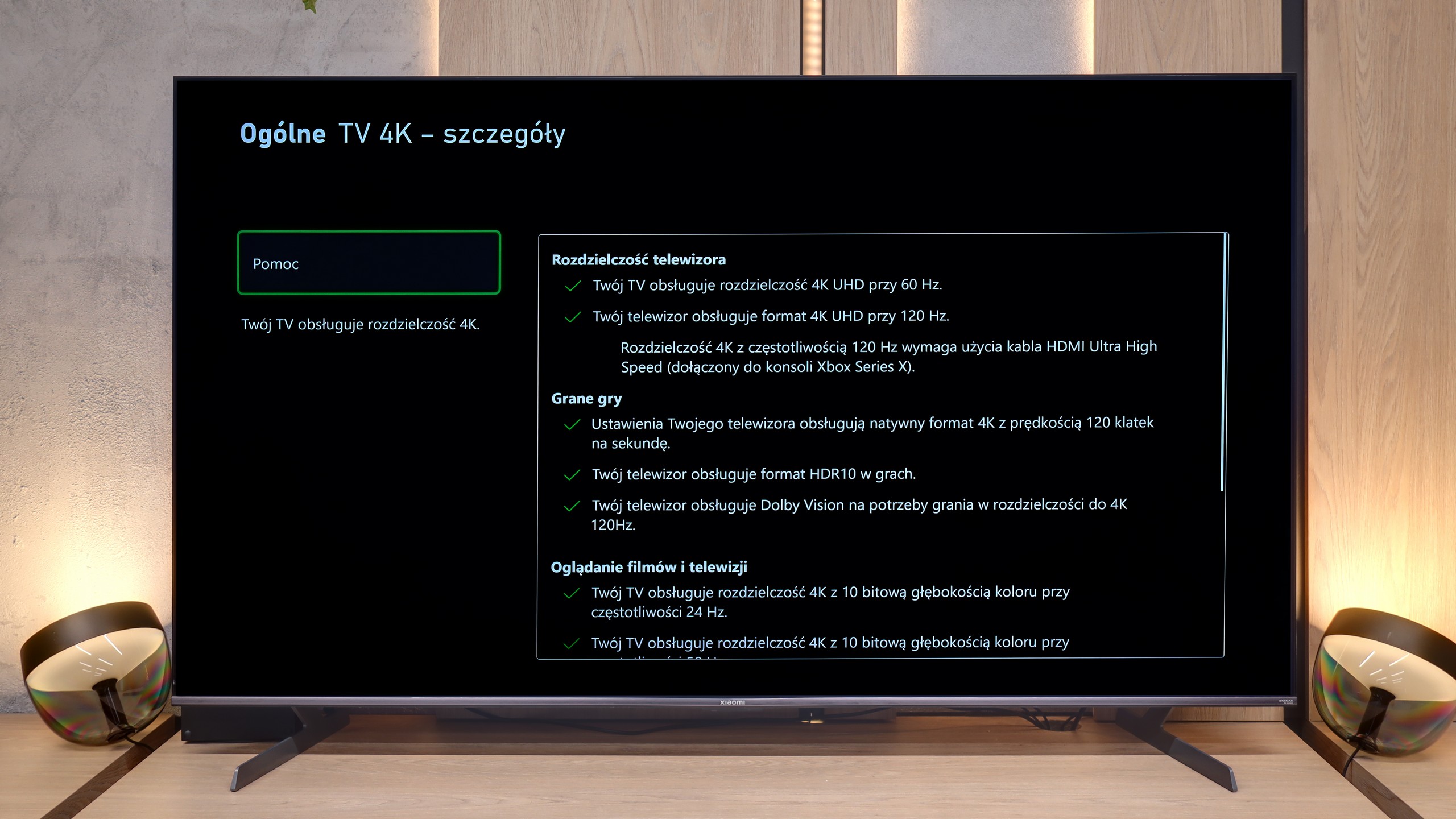
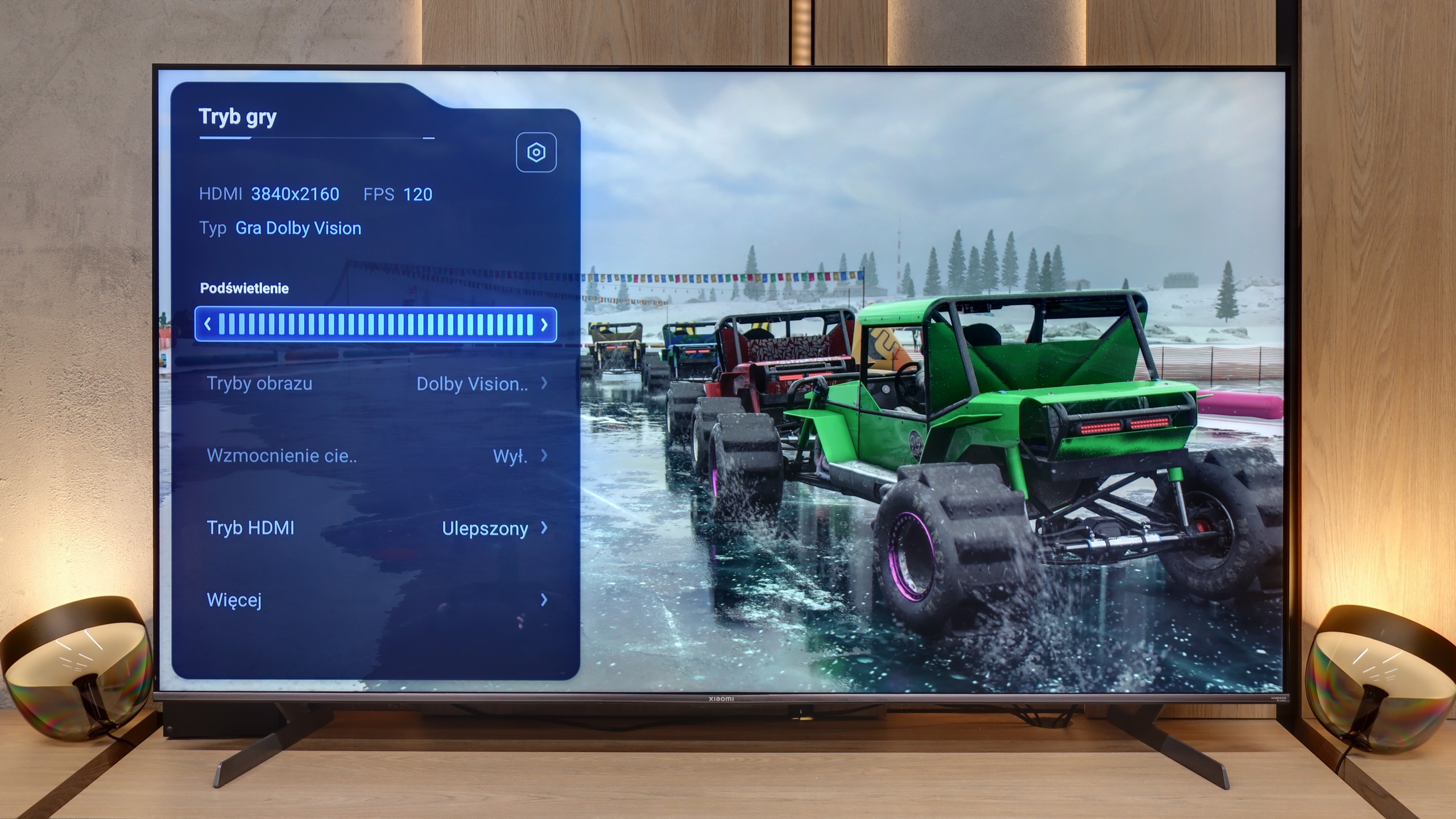
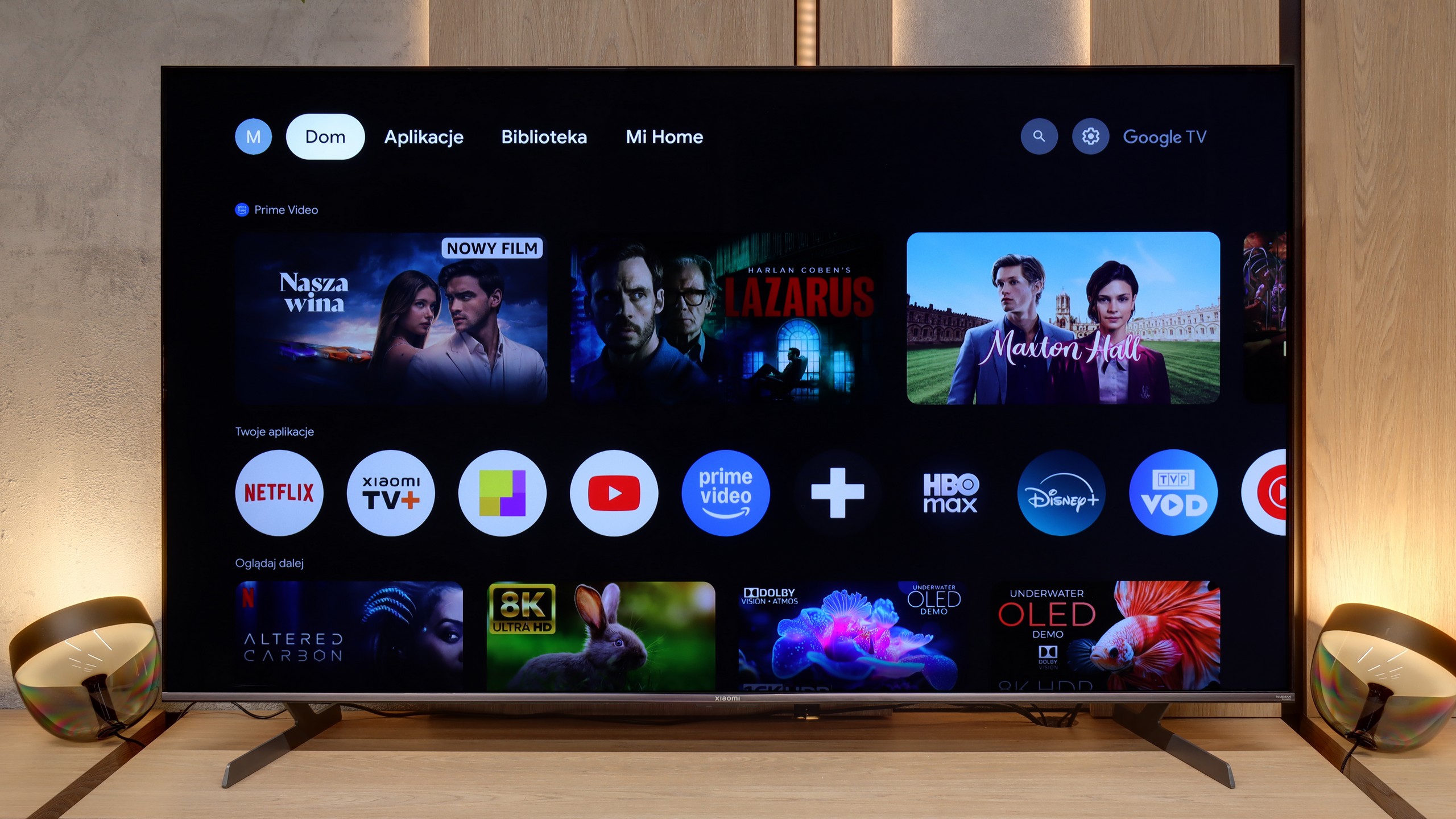
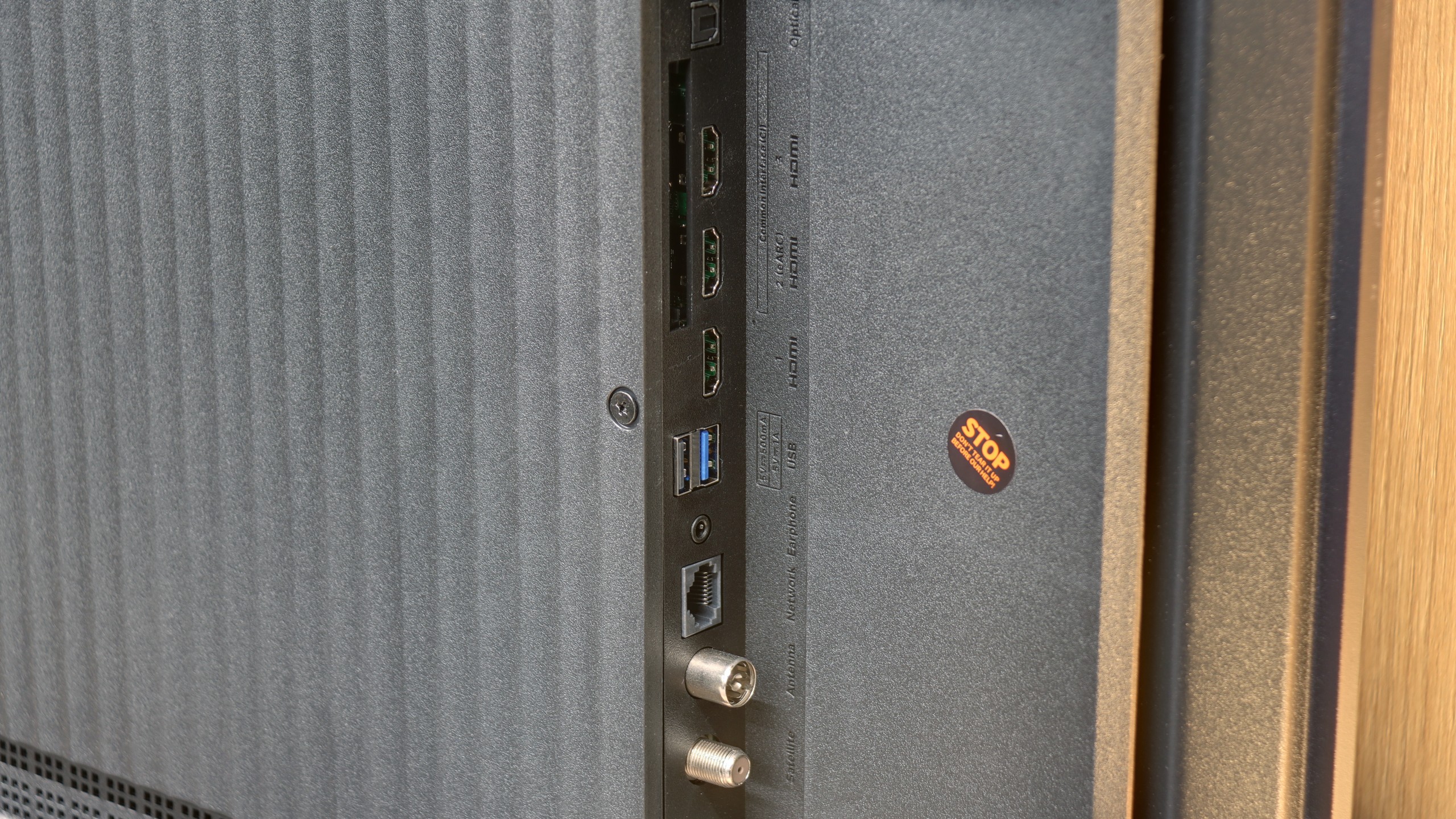
For gamers, the Xiaomi S Pro 2026 is, on paper, an almost ideal proposition. It is equipped with two HDMI 2.1 ports, allowing us to unlock (although these options are somewhat hidden in the menu) the full suite of features: ALLM, VRR, and, crucially, the ability to work in 4K at 144 Hz. This last feature should particularly please owners of powerful PCs. The TV also has something akin to a gaming panel – and while it’s hard to call it a full-fledged "Game Bar," it does its job by displaying key information. It’s just a shame that in its default form, it covers a relatively large part of the screen.
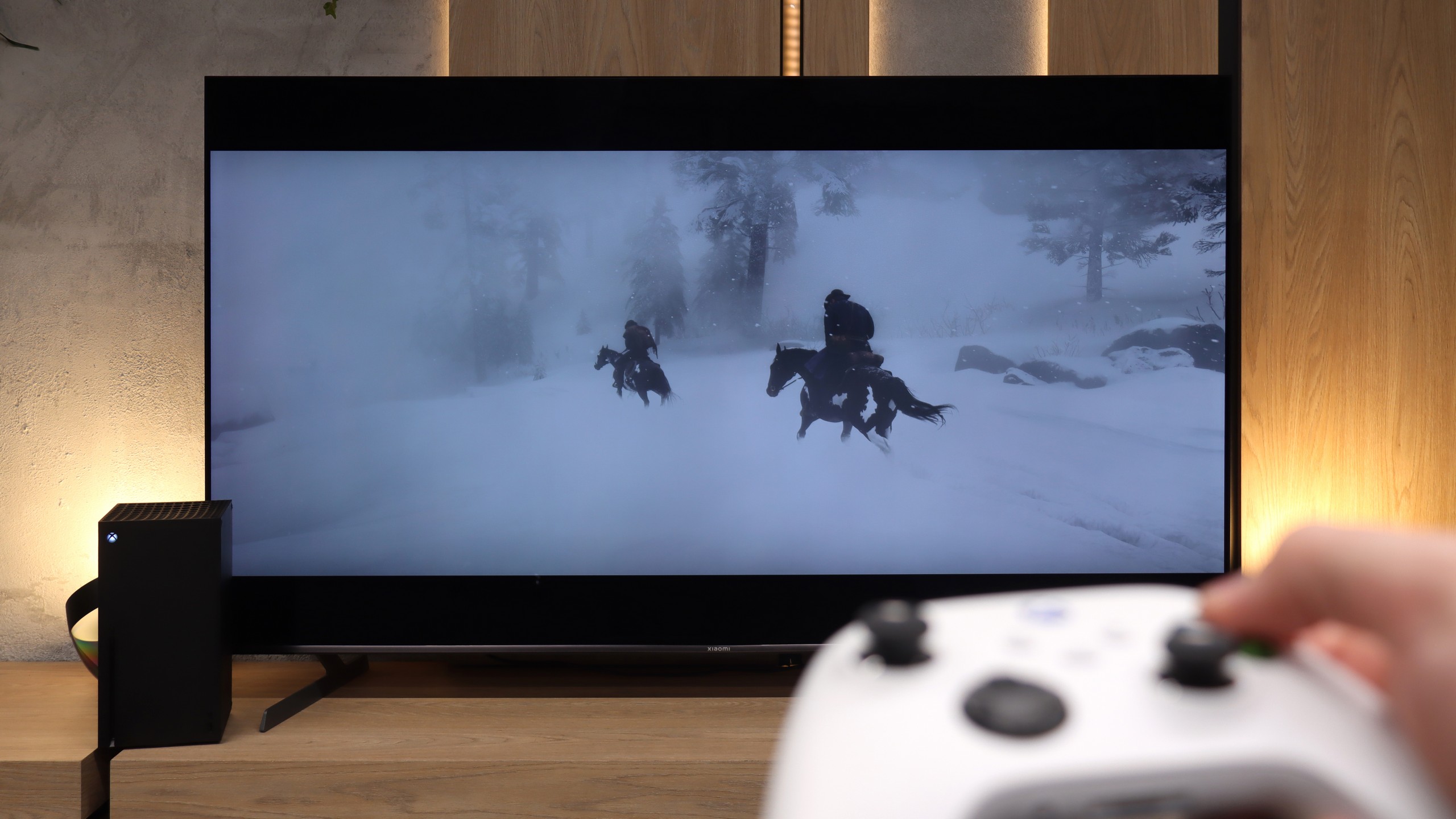
However, our biggest issue with this model concerns how the S Pro 2026 handles gaming in HDR mode. To put it bluntly: it doesn’t handle it well. Due to the poorly implemented HGiG function (the HDR tone mapping standard for games), during the initial HDR calibration on the console, it’s very easy to "blow out" the image. If someone is unaware of this software flaw and follows the on-screen instructions, they will simply set the image incorrectly, with burnt-out details in bright areas. Another major problem is the Dolby Vision mode for gaming. While it does work, it generates such a high input lag that it becomes noticeable in dynamic titles. (All our latency measurements can be checked in the paragraph below). In summary: generally, it’s a really good screen for gamers, but with one small caveat. We would rather avoid HDR mode on it – unless we decide to manually adjust the brightness bar on the console "by eye," completely ignoring the instructions from the console's pictogram.
 Direct comparison