LG NANO82T6B vs XIAOMI S Mini 2026 (55"-75") 60Hz

Direct comparison

S Mini 2026

Available screen sizes: 43”50”55”65”75”

Available screen sizes: 55”65”75”

Review LG NANO82T6B Main photo
Review XIAOMI S Mini 2026 (55"-75") 60Hz  Main photo

Panel type: LCD VA

Resolution: 3840x2160

System: WebOS

Model year: 2024

Complete the survey to find out the result

Panel type: LCD VA

Resolution: 3840x2160

System: Google TV

Model year: 2026

Complete the survey to find out the result

Overall rating

5.9

6.2

  • Movies and series in UHD quality

    5.8

    6.2

  • Classic TV, YouTube

    5.9

    6.0

  • Sports broadcasts (TV and apps)

    5.2

    5.0

  • Gaming on console

    6.6

    6.9

  • TV as a computer monitor

    5.6

    5.6

  • Watching in bright light

    3.9

    6.3

  • Utility functions

    7.7

    6.7

  • Apps

    9.1

    9.6

  • Sound quality

    6.1

    5.0

Advantages

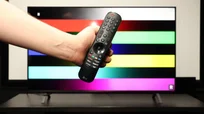
  • WebOS System and Magic Remote

  • High native contrast

  • USB recording

  • Low input lag values

  • Good for PC

  • Very good contrast: MiniLED + VA

  • High brightness

  • Wide color gamut

  • Low input lag

  • 120 Hz mode at 1080p/1440p

  • Google TV with a wide selection of apps

  • Good image quality after calibration

Disadvantages

No like
  • Very low brightness

  • No Dolby Vision/HDR 10+

  • Does not support DTS audio format

  • Only a 60 Hz panel

  • Poor viewing angles

  • Poor image processing

  • Visible posterization

  • Flat sound, little bass

Our verdict

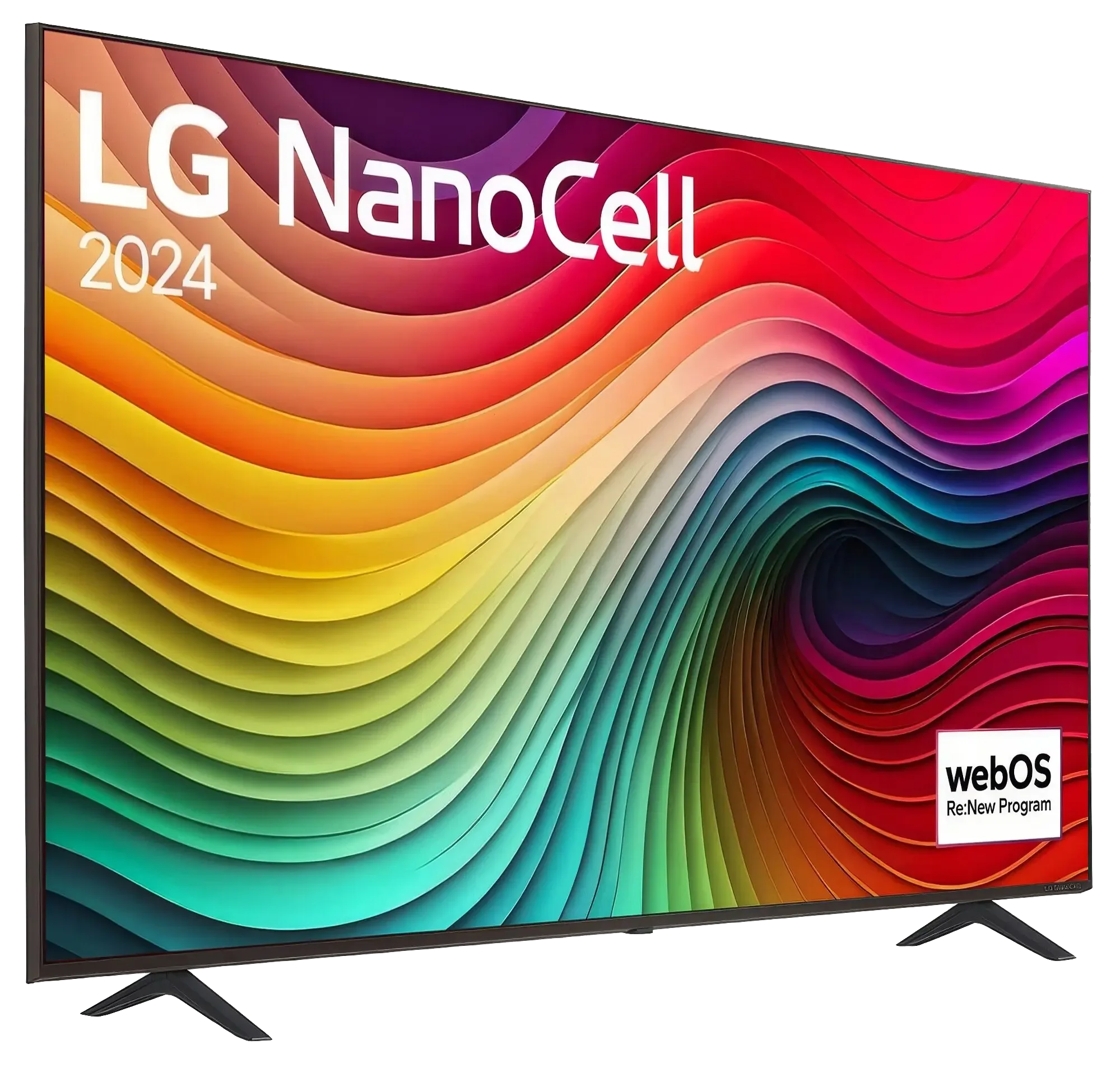
The LG NANO82T is the introductory model in LG's 2024 television lineup featuring NanoCell technology. It targets a broad audience seeking a TV with an appealing and user-friendly operating system. WebOS stands out for its intuitive and swift performance, offering a wide range of apps and seamless operation. The Magic remote, functioning like a computer mouse, ensures convenient navigation. For everyday purposes, the LG NANO82T delivers reliably. It supports programme recording, enabling users to save their favourite shows, and features effective upscaling for lower-resolution content. The TV also includes AirPlay and straightforward device pairing through built-in Bluetooth.

In terms of picture quality, the LG NANO82T may not achieve top-tier brightness levels, but it offers a respectable contrast. Its VA panel ensures deep blacks and sharp details, making it well-suited for films and TV shows. Additionally, it serves as a solid choice for casual gamers and PC users. The TV boasts low input lag and essential features for PS5 and Xbox consoles, while font clarity is exceptional for PC use. Overall, the LG NANO82T is an excellent option for those seeking a versatile television with a modern operating system and innovative features that will satisfy most users.
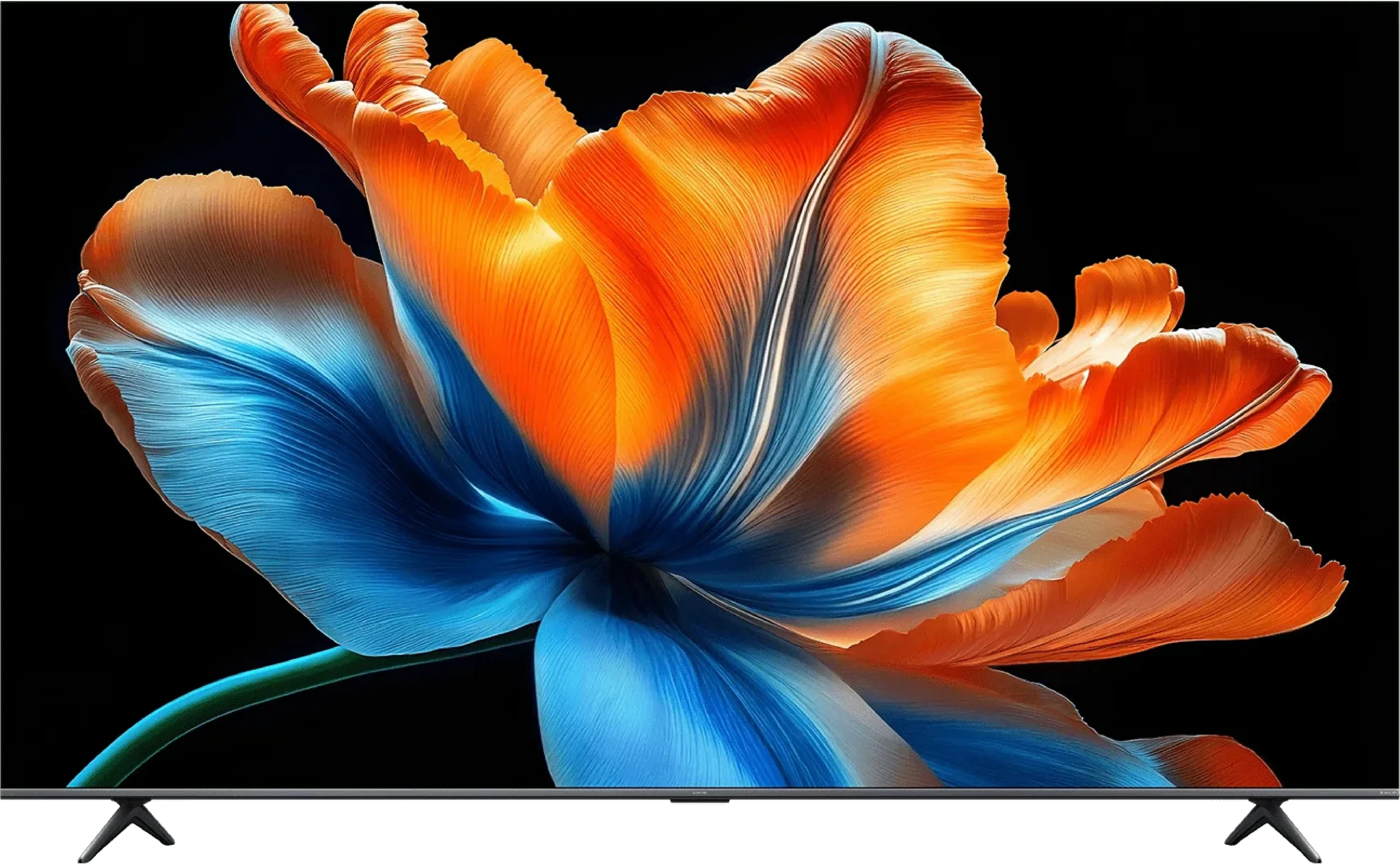
In the smaller sizes (55 to 75 inches) the Xiaomi S Mini 2026 leaves a really good impression, provided you judge it from the start based on what it costs. Mini LED technology here does exactly what we expect: it builds strong contrast and produces HDR brightness high enough that movie sessions gain a completely different dynamic than on conventional TVs in this price range. Add Google TV to that and you simply get an easy-to-use device for everyday entertainment. The catch is that the evaluation of this model depends heavily on how you plan to use it. The 55-, 65- and 75-inch versions use a 60 Hz panel, which automatically puts them in a completely different position than the larger variants. If you’re looking for a screen specifically for sports or want to squeeze the most out of a new console at 4K and 120 frames per second, this TV will simply fall short of expectations.

A separate issue is Xiaomi’s own policy, because the naming confusion can be seriously misleading. The 85- and 98-inch variants are actually completely different TVs in terms of construction and capabilities. Buyers are perfectly entitled to assume that by choosing a smaller size they’re only giving up inches and maybe the number of dimming zones, while in practice they get a device from a completely different technological tier. That said, looking at the 55 to 75-inch model itself: if your reference point is finding the best possible picture quality on a very tight budget, the S Mini 2026 can easily hold its own.

TV appearance

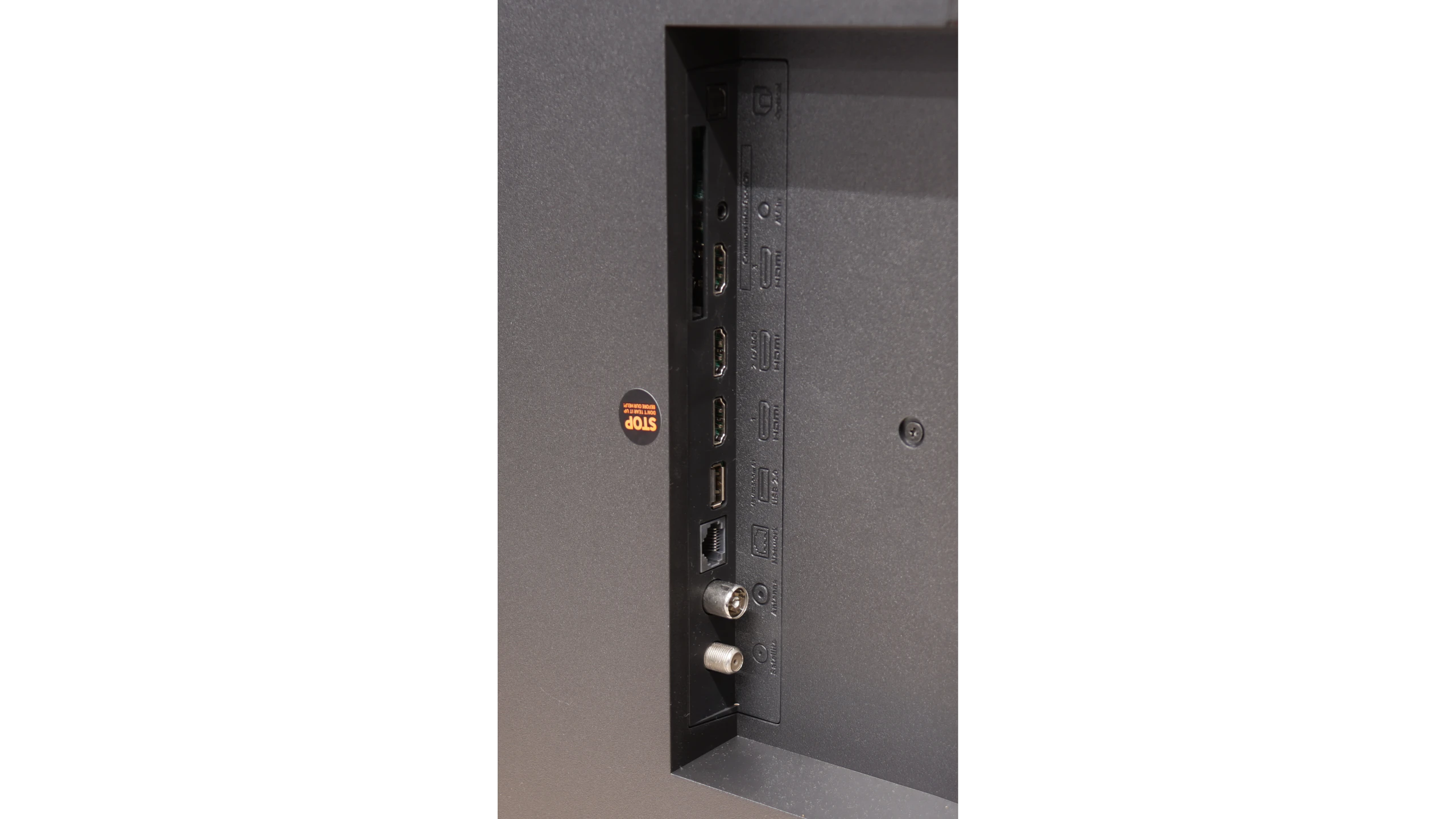
HDMI inputs
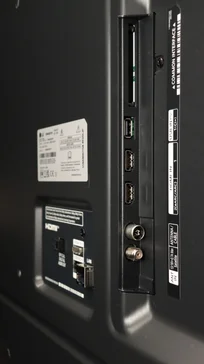
3 x HDMI 2.0, 0 x HDMI 2.1
Other inputs
Outputs
Toslink (Optical audio), eARC (HDMI), ARC (HDMI)
Toslink (Optical audio), eARC (HDMI), ARC (HDMI), Mini-Jack (Headphones)
Network Interfaces
Wi-Fi 2.4GHz, Wi-Fi 5GHz, Ethernet (LAN) 100Mbps
Build quality
Average
Average
Stand type
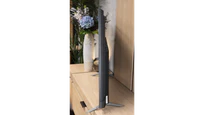
Legs
Legs
Bezel color
Graphite
Graphite
Stand
Fixed
Fixed
Accessories
Stand
Stand

Contrast and black detail

5.3/10

7.8/10

Local dimming function: No

Local dimming function: Yes, number of zones: 308 (22 x 14)

Contrast:

Review LG NANO82T6B Contrast and black detail

Result

4,150:1

Review LG NANO82T6B Contrast and black detail

Result

4,250:1

Review LG NANO82T6B Contrast and black detail

Result

3,800:1

Review LG NANO82T6B Contrast and black detail

Result

3,700:1

Review LG NANO82T6B Contrast and black detail

Result

3,800:1

Review XIAOMI S Mini 2026 (55"-75") 60Hz  Contrast and black detail

Result

458,550:1

Review XIAOMI S Mini 2026 (55"-75") 60Hz  Contrast and black detail

Result

27,450:1

Review XIAOMI S Mini 2026 (55"-75") 60Hz  Contrast and black detail

Result

25,200:1

Review XIAOMI S Mini 2026 (55"-75") 60Hz  Contrast and black detail

Result

10,950:1

Review XIAOMI S Mini 2026 (55"-75") 60Hz  Contrast and black detail

Result

6,650:1

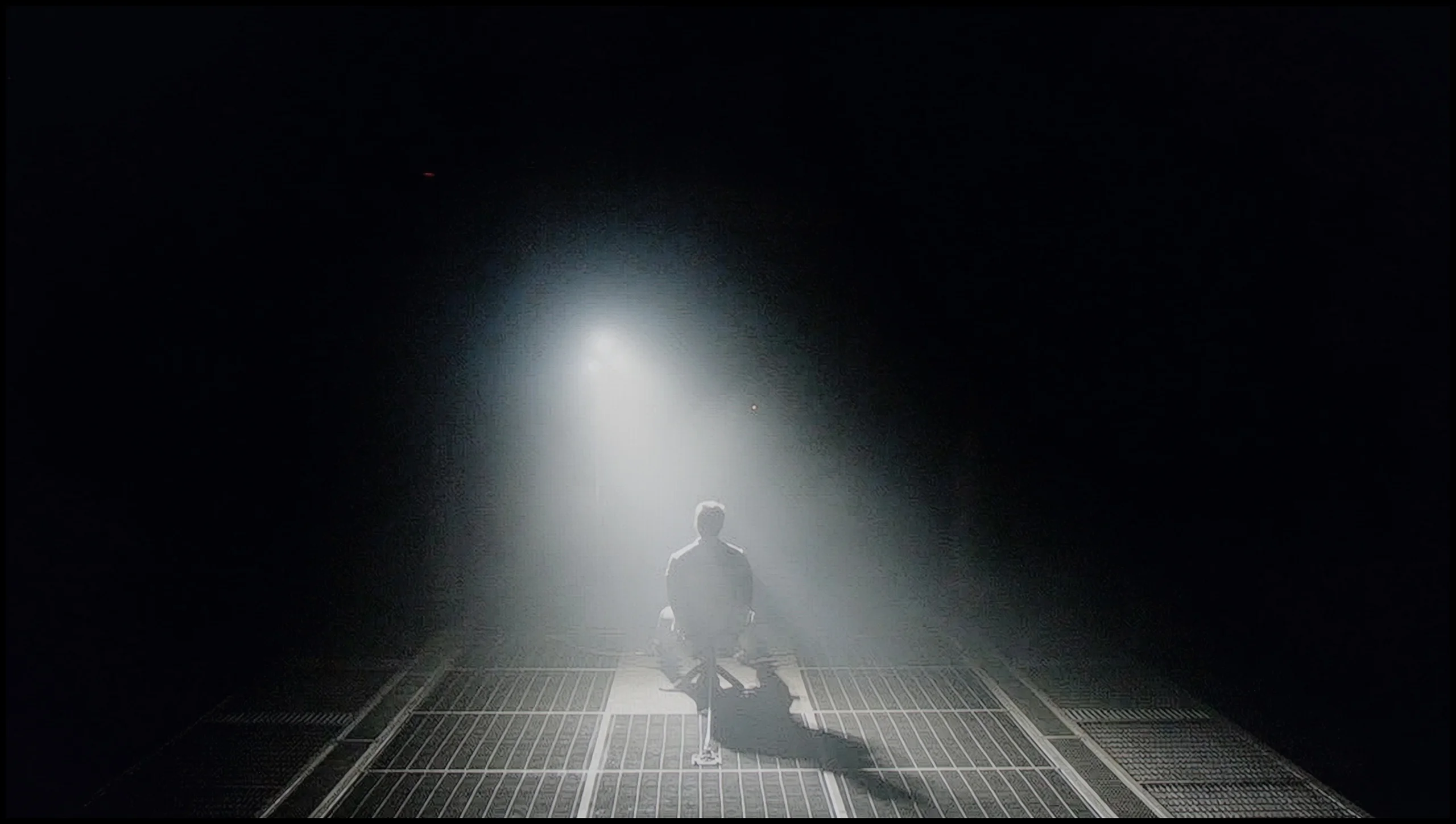
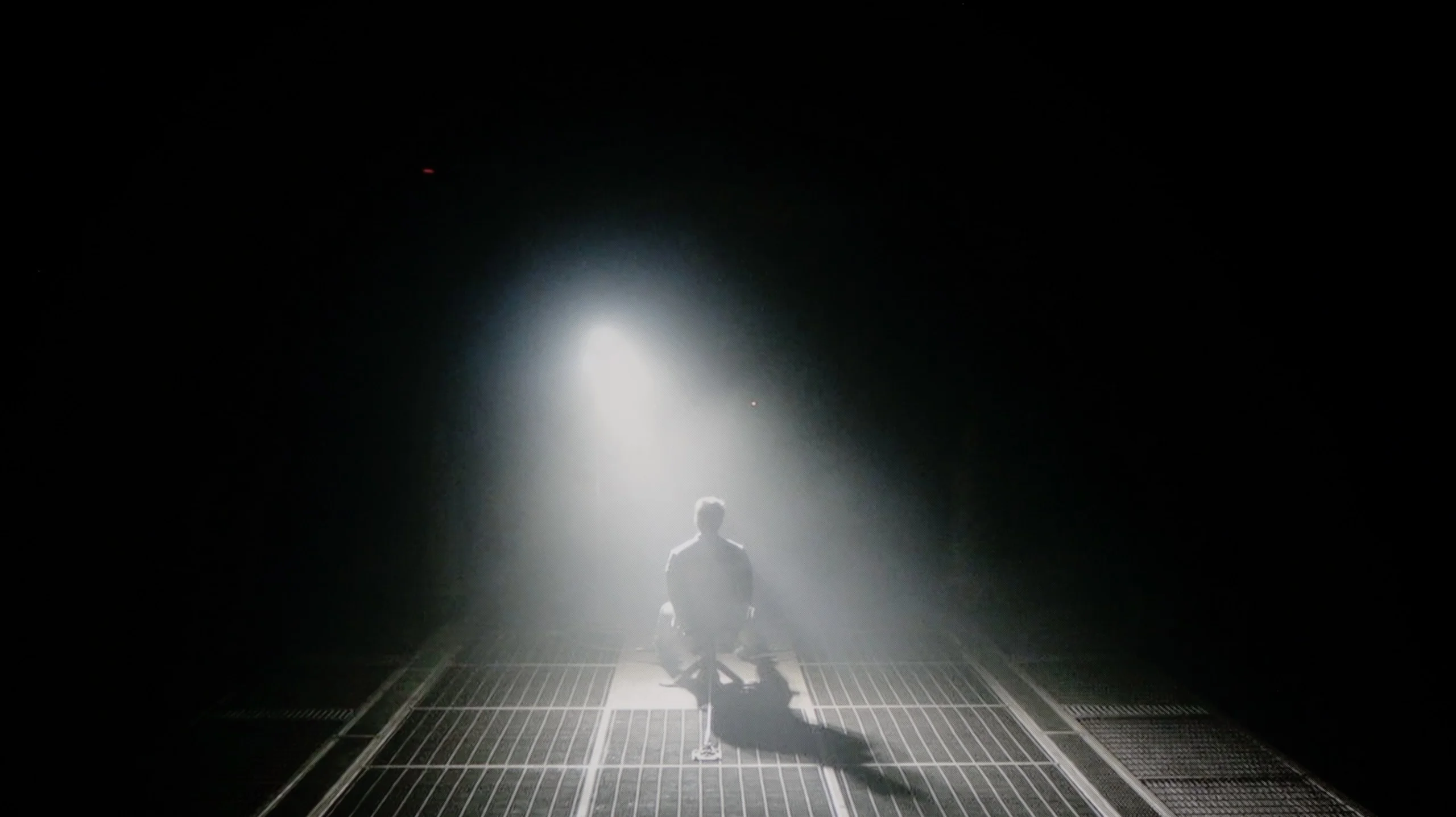
Halo effect and black detail visibility:

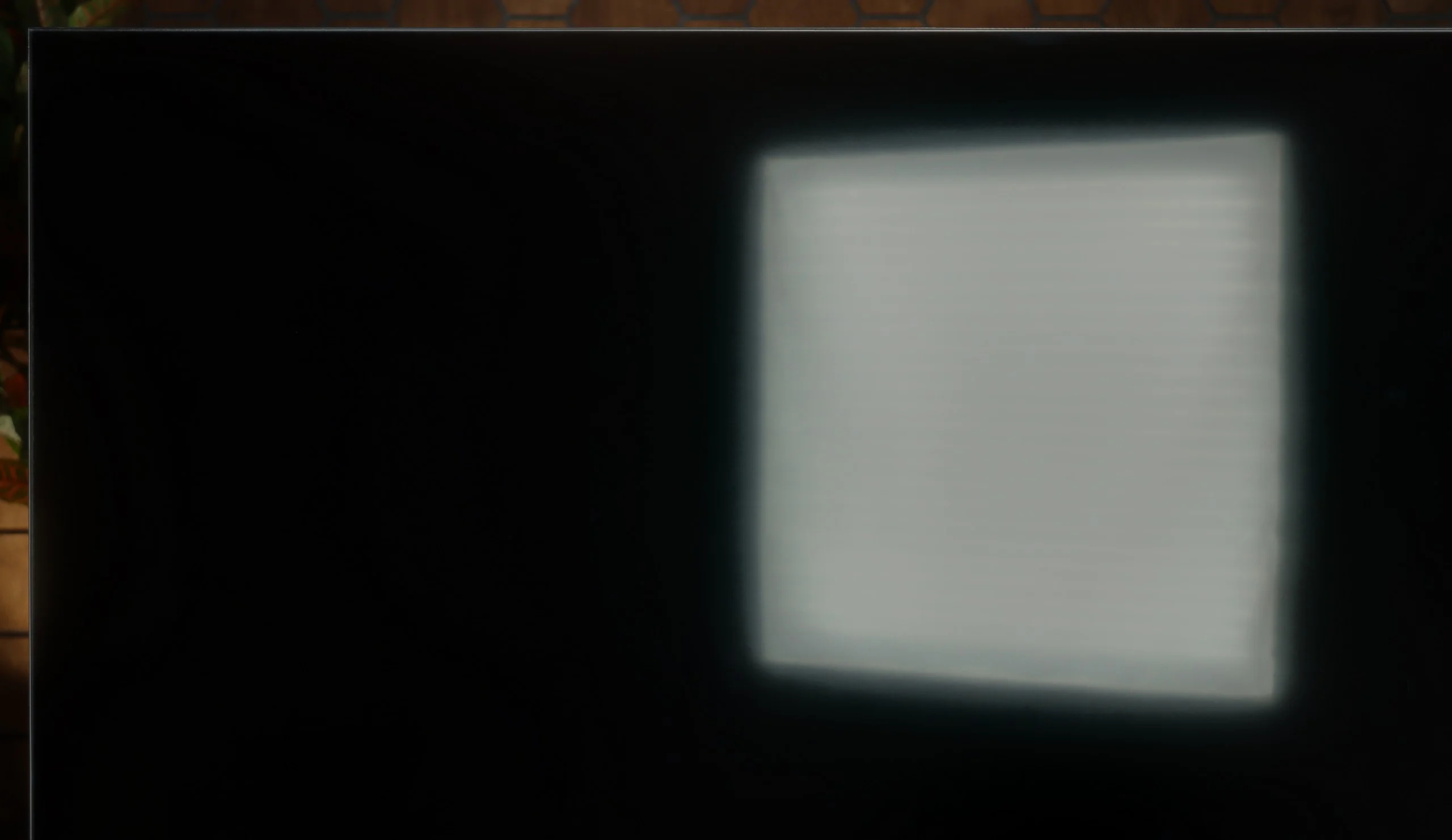
Check the visibility of bright lights on a dark background. Mini-LEDs often struggle with this. The photo does not compare black levels – that’s what the video below is for.

The video accurately shows differences in contrast and black levels between TVs, as well as potential issues: halo around bright objects or Mini-LED zone operation visible as brightness jumps.

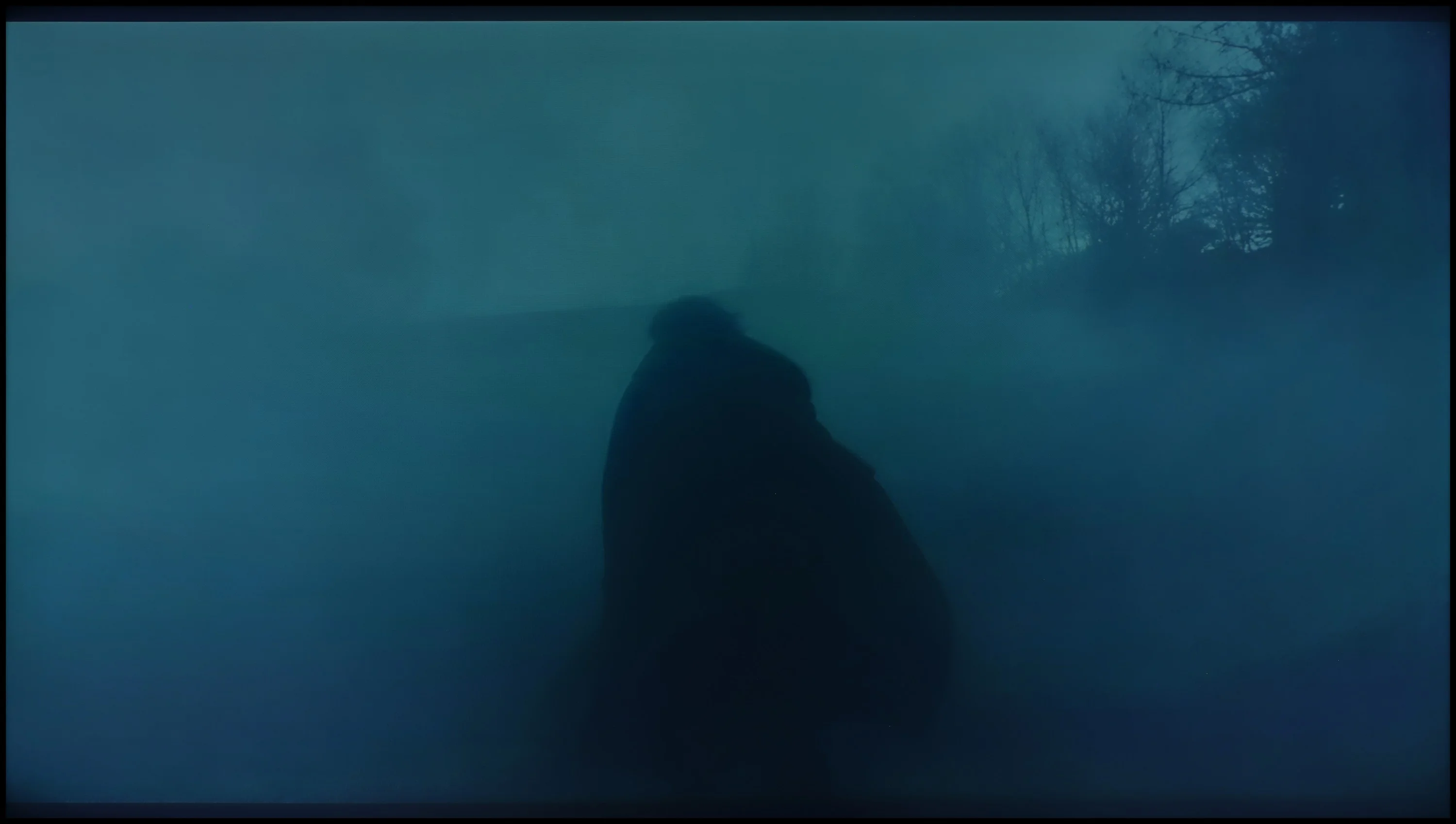
The LG NANO82T features a VA panel that delivers commendable native contrast. Compared to IPS panels, VA technology provides better black depth and higher contrast, resulting in more vivid and realistic images. However, the absence of local dimming—common in this price range—reveals some of the TV's limitations. Without the ability to selectively dim specific screen areas, darker sections lack the necessary precision and often appear as dark navy rather than true black. This issue is noticeable in tested scenes, such as those from The Revenant, where the overall picture quality is affected. In particular, darker scenes may lose detail, diminishing the viewing experience in low-light settings.

In terms of contrast, the Xiaomi S Mini 2026 performs really well. The TV uses a VA panel and a Mini LED backlight with 308 local dimming zones in the 55-inch model. Although on paper the number of zones doesn't make as strong an impression as in pricier models, in practice the TV handles dark scenes very well. In shots where small bright objects appear on a black background, it can effectively dim the rest of the image. As a result, blacks are deep and contrast in many movies can resemble what we’re used to from OLED TVs. Of course, not every scene is equally easy for a local dimming system. When there are more bright elements or they’re located close to each other, you can notice a slight halo around them. That's a typical limitation of Mini LED TVs, and Xiaomi is no different from the competition here. What deserves praise, however, is the backlight control algorithm itself. Compared with the previous generation it works much more stably, so you won't see annoying flicker or sudden changes in brightness between consecutive shots.

HDR effect quality

4/10

5/10

Supported formats
HDR10, HLG
HDR10, HDR10+, HLG
Color gamut coverage
DCI P3: 88.5%, BT.2020: 67.0%
DCI P3: 93.3%, BT.2020: 72.0%

Luminance measurements in HDR:

Review LG NANO82T6B Brightness measurement

Result

247 nit

Review LG NANO82T6B Brightness measurement

Result

224 nit

Review LG NANO82T6B Brightness measurement

Result

282 nit

Review LG NANO82T6B Brightness measurement

Result

185 nit

Review LG NANO82T6B Brightness measurement

Result

286 nit

Review XIAOMI S Mini 2026 (55"-75") 60Hz  Brightness measurement

Result

993 nit

Review XIAOMI S Mini 2026 (55"-75") 60Hz  Brightness measurement

Result

166 nit

Review XIAOMI S Mini 2026 (55"-75") 60Hz  Brightness measurement

Result

641 nit

Review XIAOMI S Mini 2026 (55"-75") 60Hz  Brightness measurement

Result

157 nit

Review XIAOMI S Mini 2026 (55"-75") 60Hz  Brightness measurement

Result

898 nit

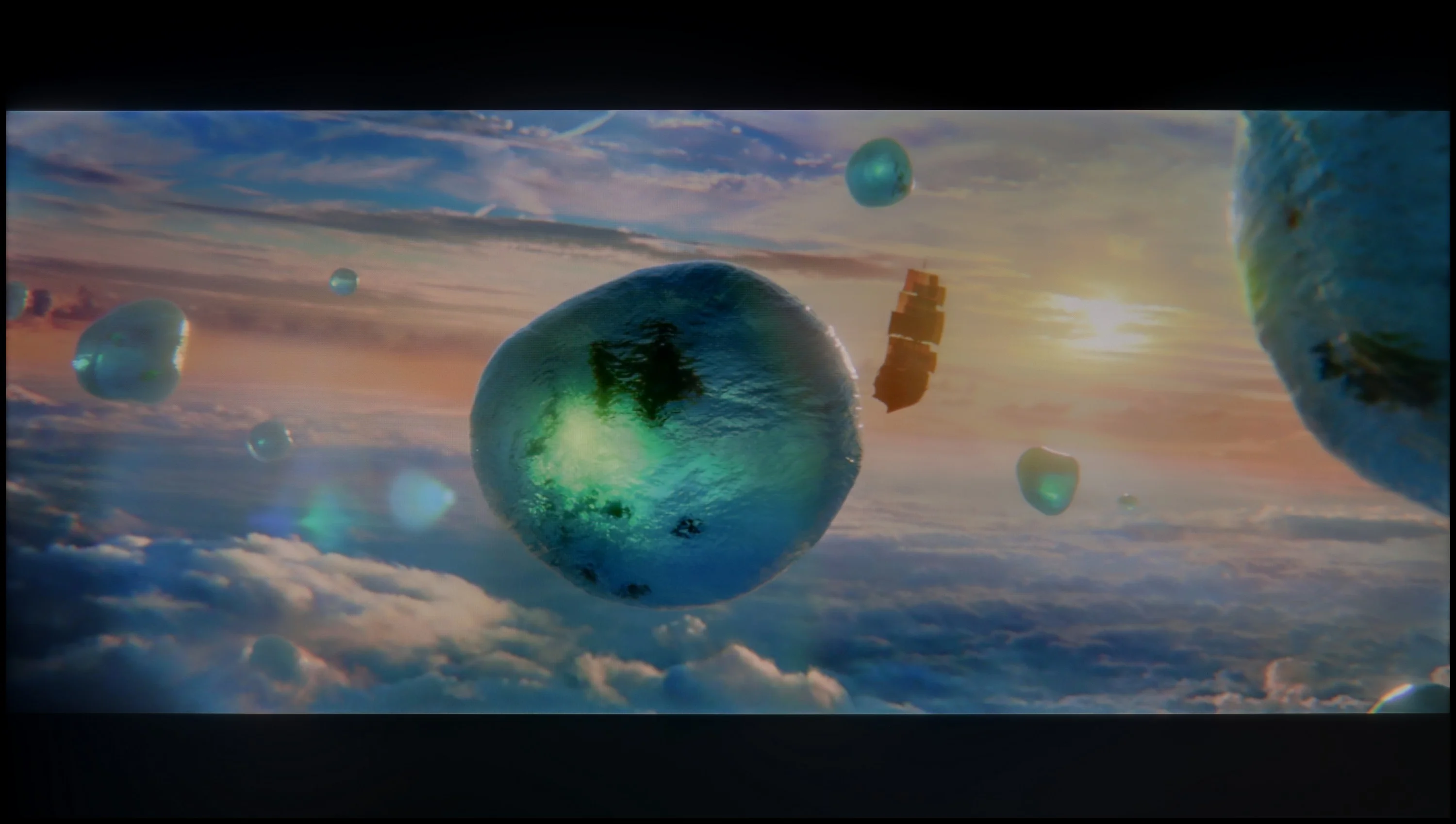
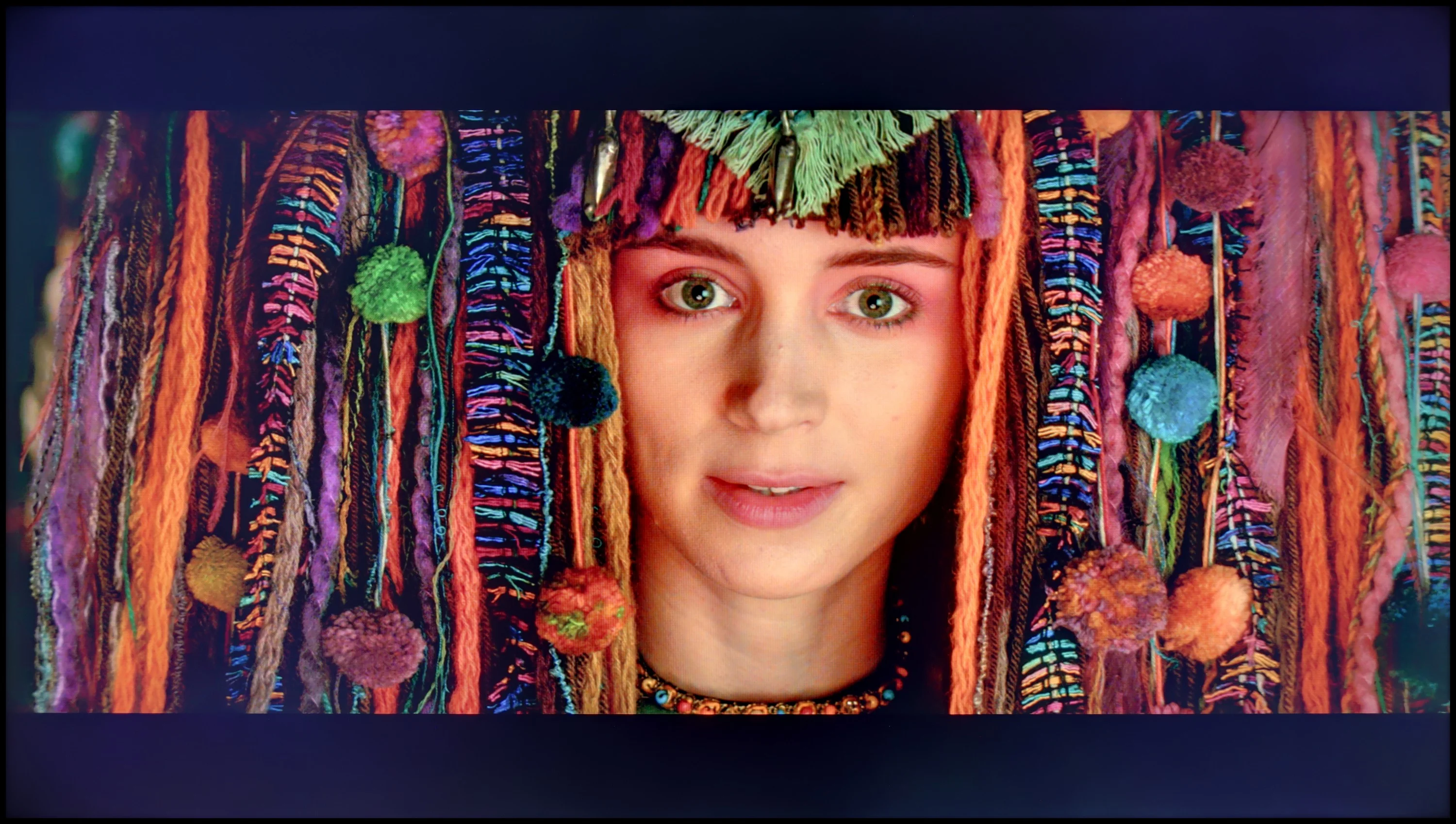
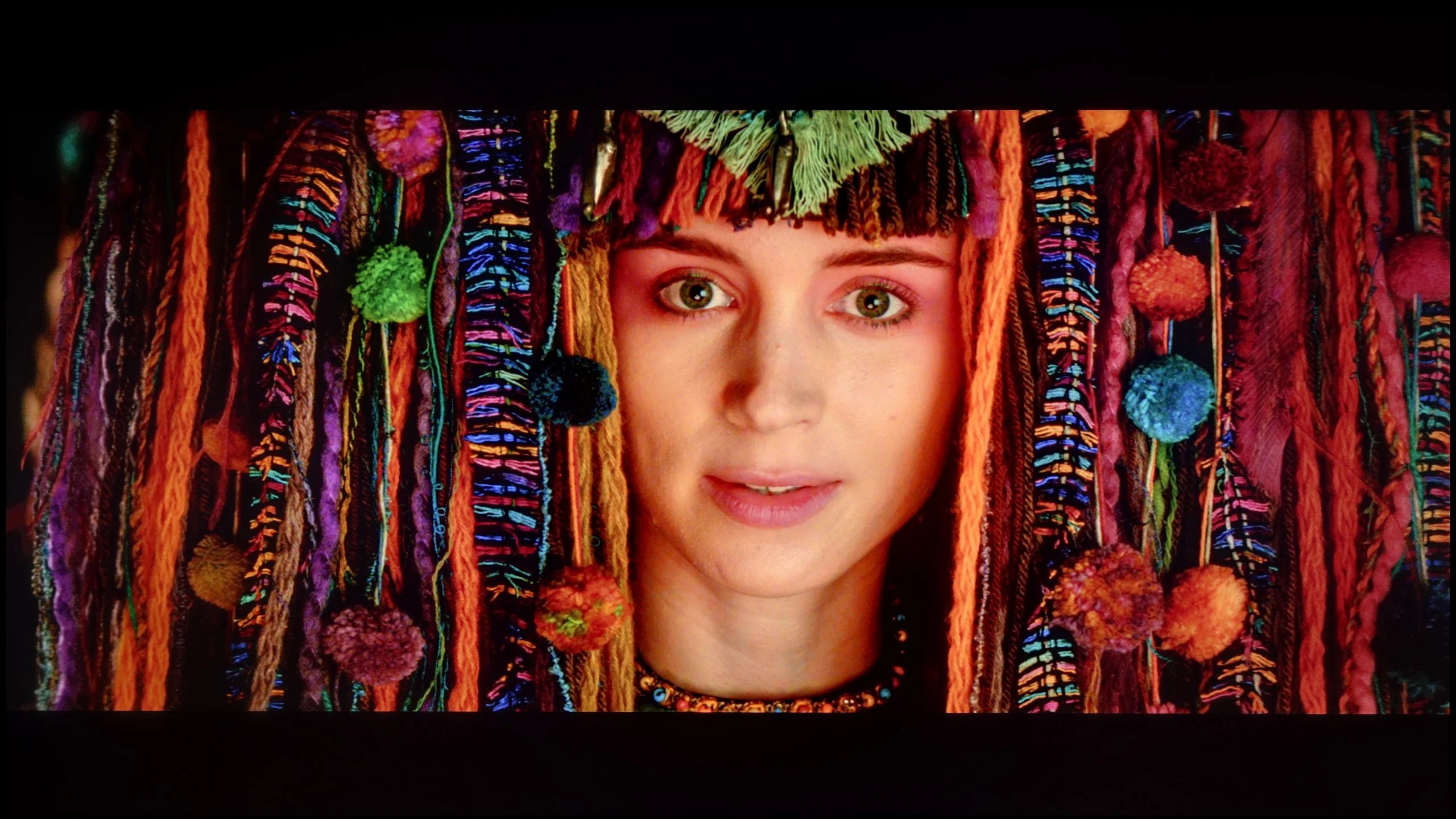
Scene from the movie “Pan” (about 2800 nits)

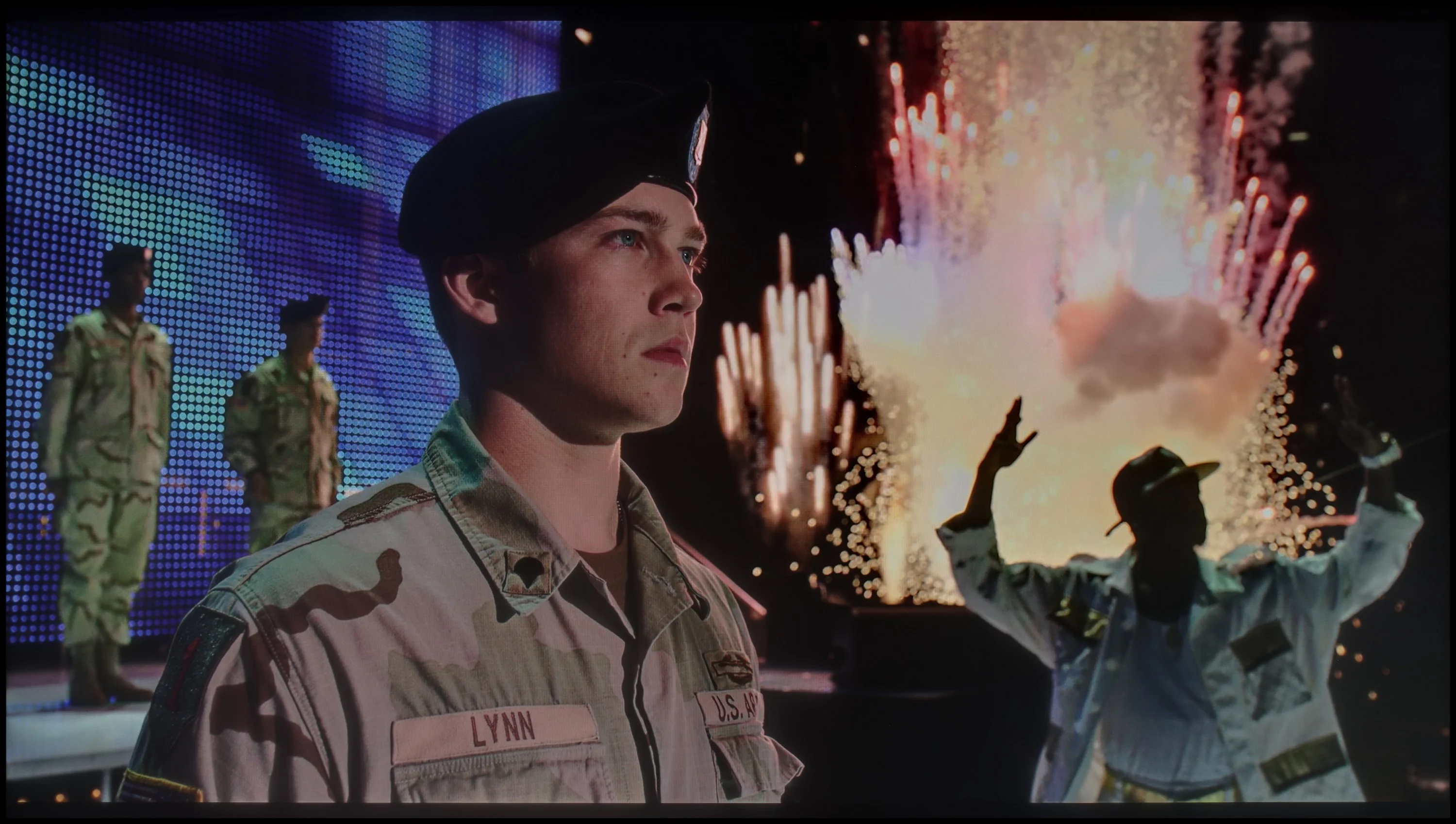
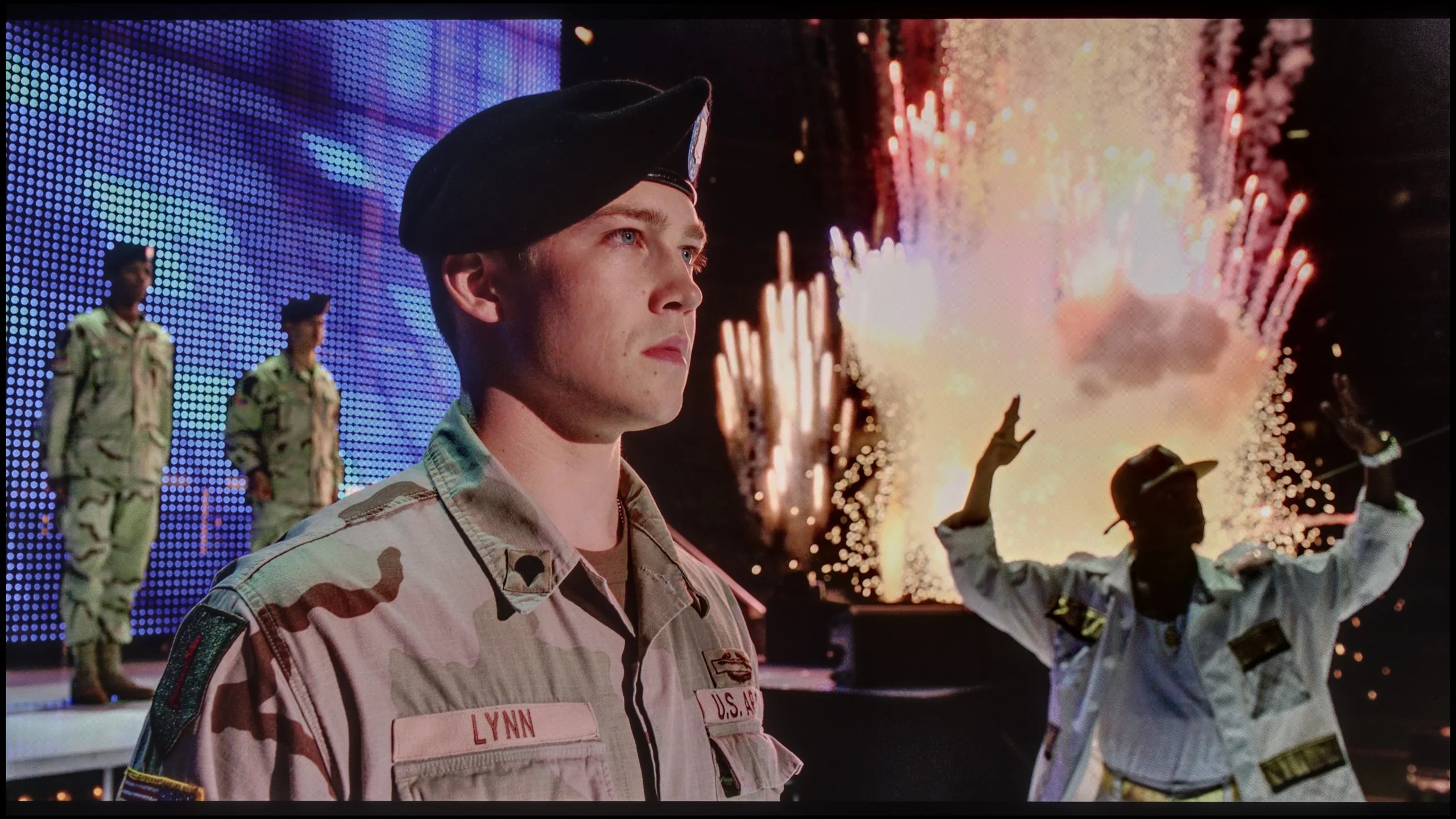
Scene from the movie “Billy Lynn” (about 1100 nits)

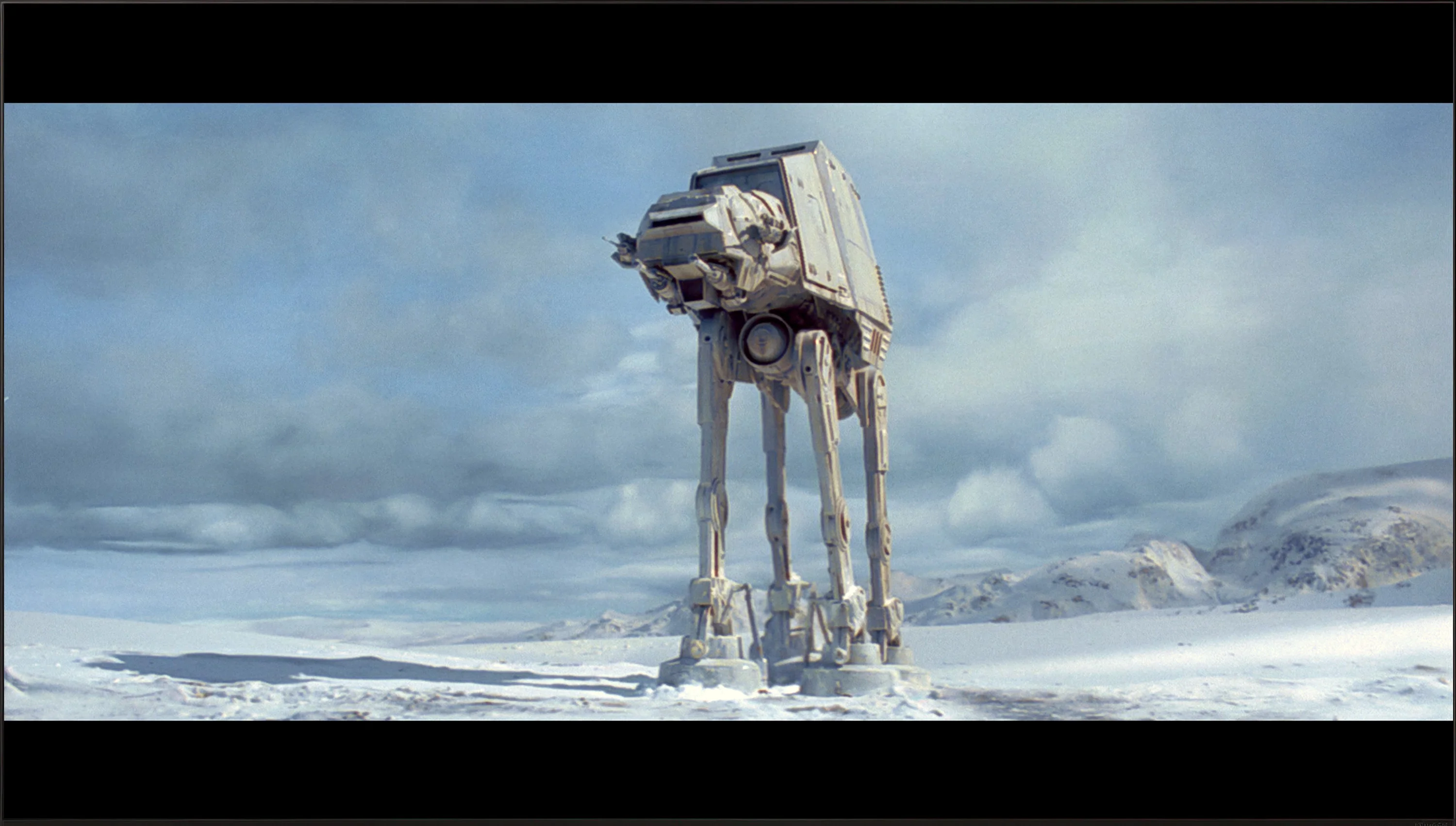
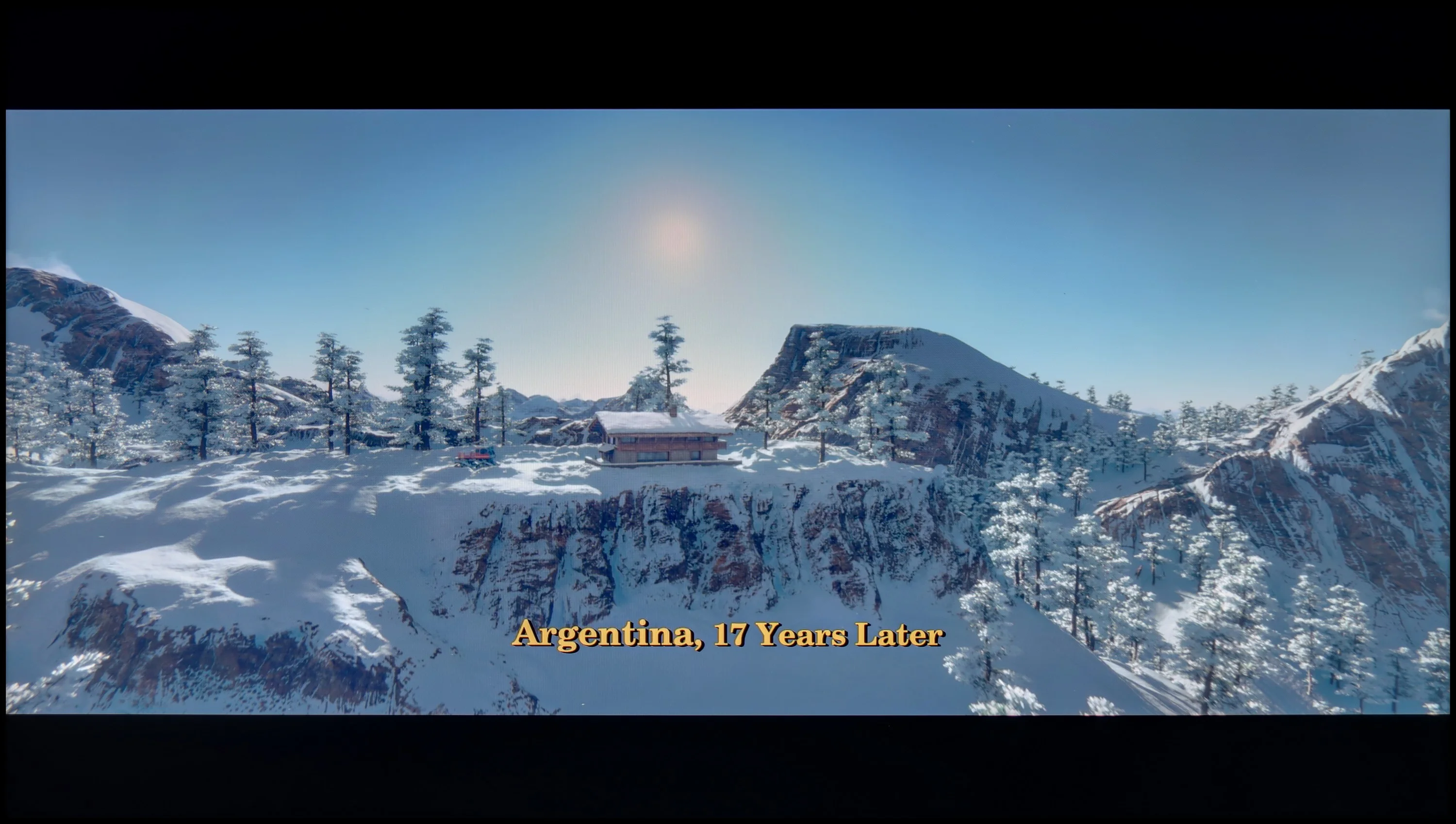
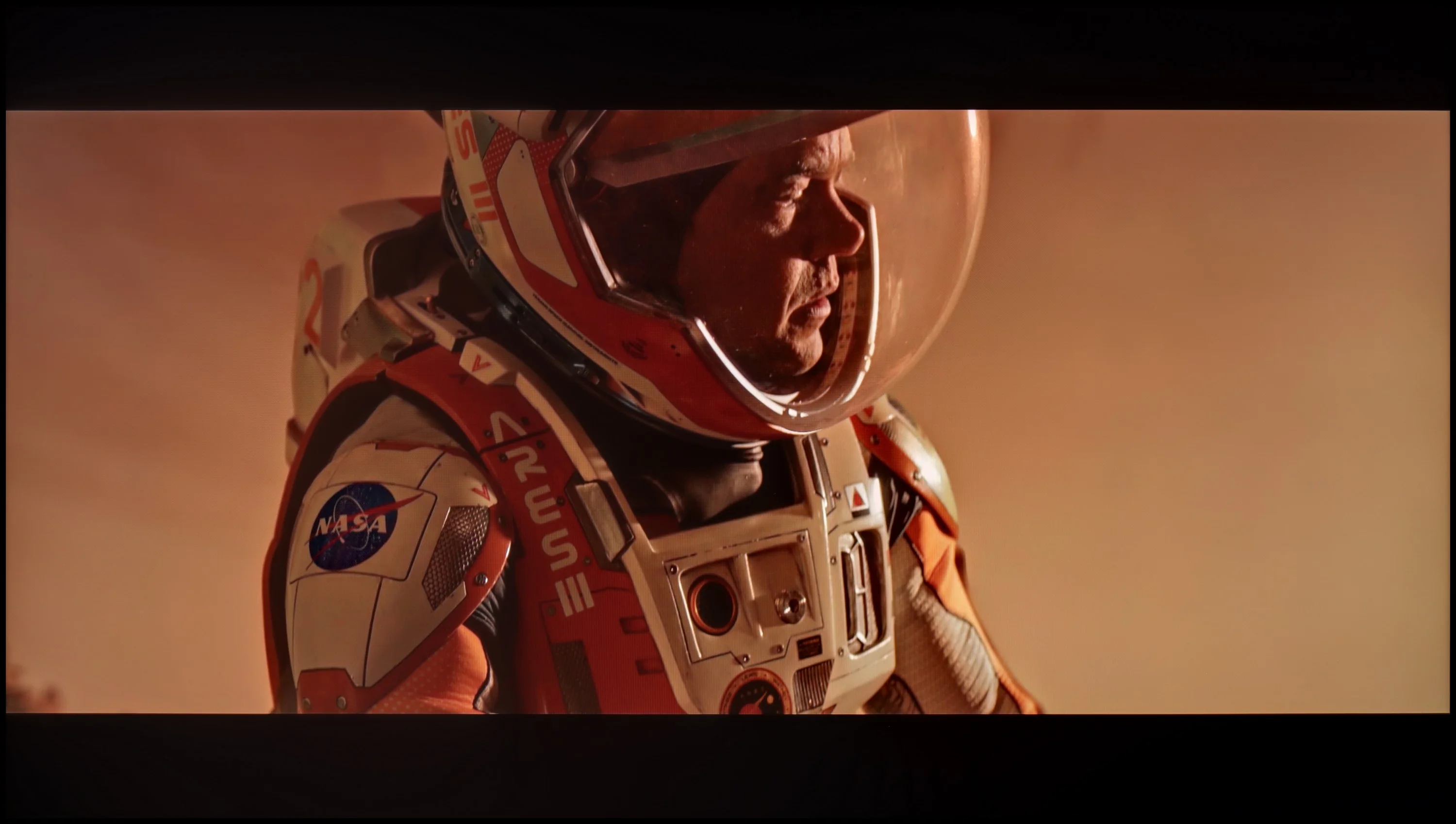
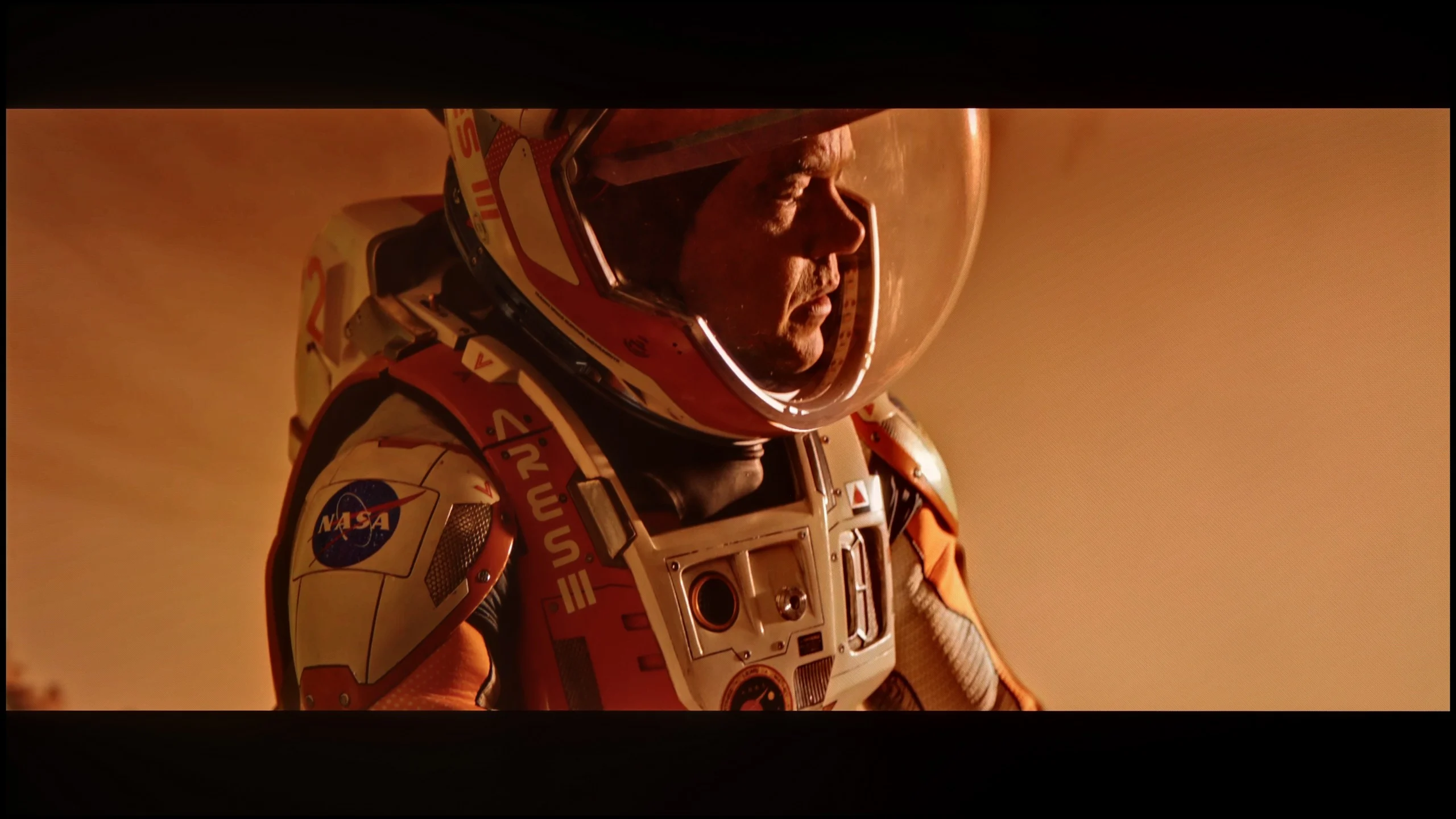
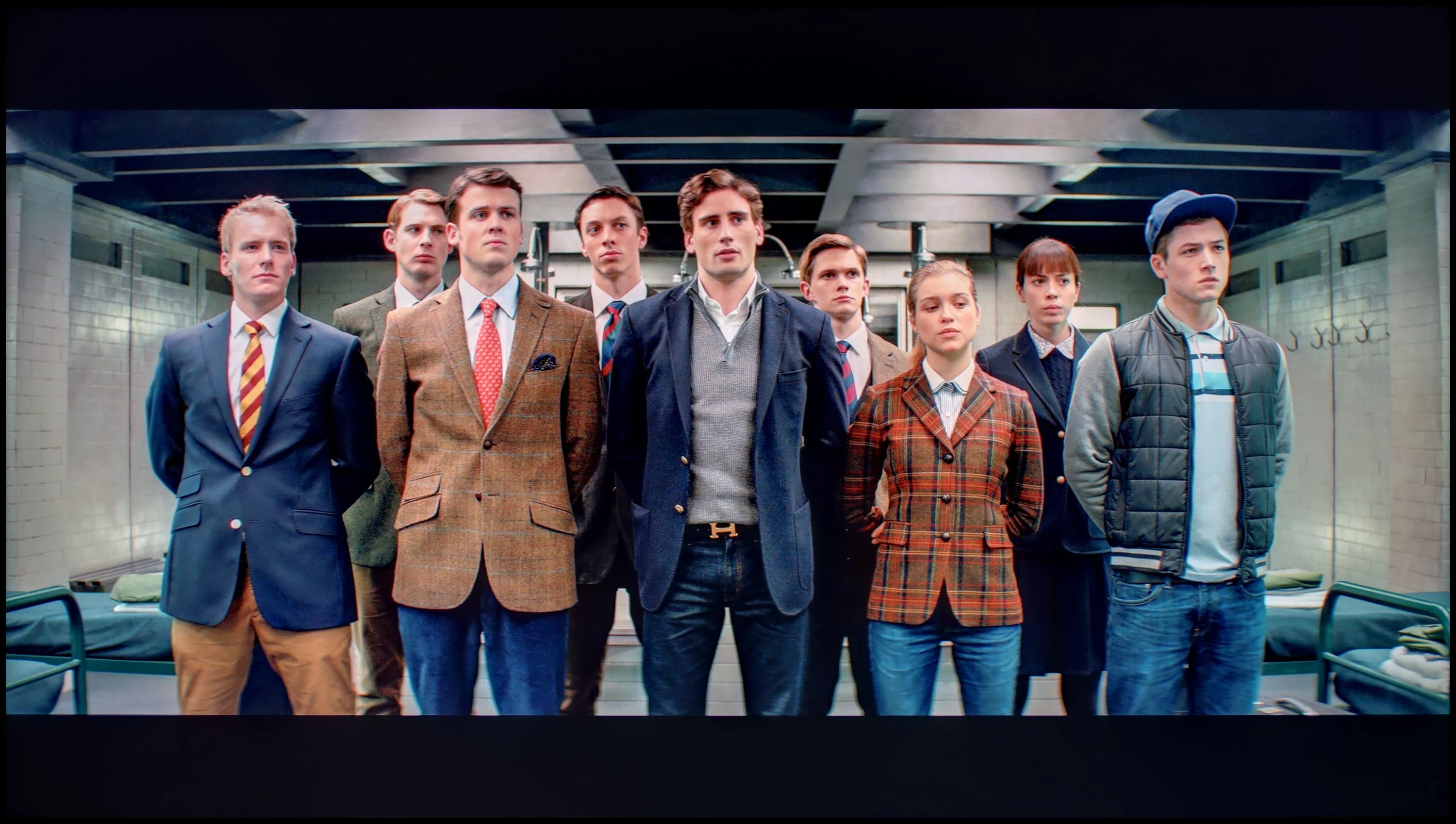
The photos show two HDR10 movies. 'Pan' is one of the brightest productions ever made, while 'Billy Lynn' (soldier) has brightness typical of streaming (Netflix, Prime, HBO MAX). Notice the intensity of effects and detail in whites.

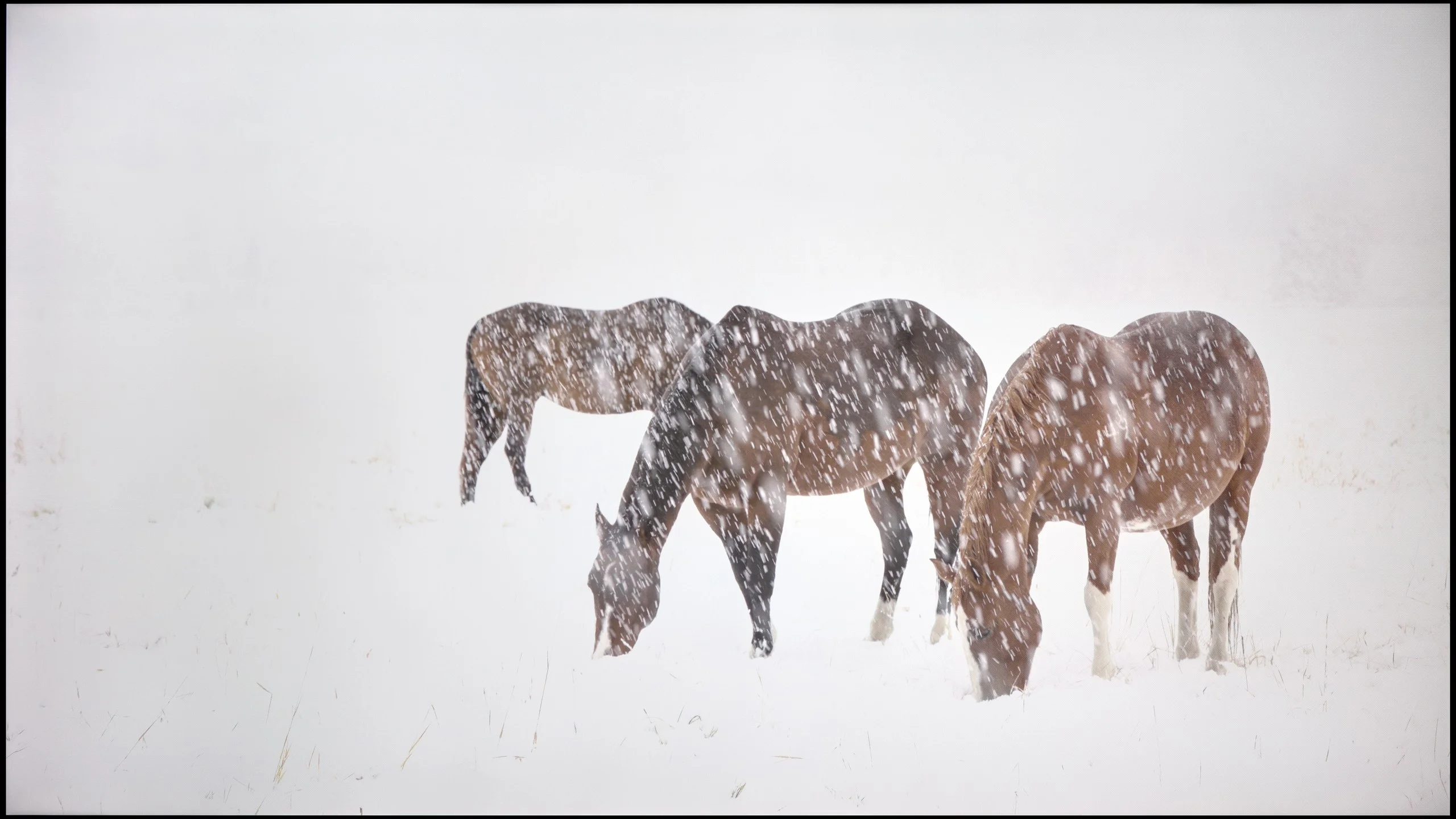
Static HDR10

The photos present the visibility of white details in various HDR formats. They do not show brightness differences between TVs (these can be compared in the previous gallery).

HDR luminance chart:

XIAOMI S Mini 2026 (55"-75") 60Hz

LG NANO82T6B

The brightness of the LG NANO82T is rather average, especially compared to other TVs in a similar price range. With a peak brightness of approximately 280 nits, it falls short of many competitors offering levels exceeding 400-500 nits. This limitation impacts the viewing experience, particularly for HDR content. Bright areas of the image may lack definition, and the HDR effect fails to deliver the dramatic impact expected from higher-end displays, making the overall image less striking in well-lit scenes.

When it comes to HDR, the capabilities of the Xiaomi S Mini 2026 are really good, especially given the segment this model belongs to. The set reaches roughly 1,000 nits of brightness without much trouble, allowing it to deliver a very pronounced HDR effect in bright scenes. Sun highlights, reflections, and brightly lit parts of the image can be very intense and at times almost blindingly bright. It’s a little different in dark scenes, though. Very small light sources surrounded by black are shown at significantly lower brightness, so they lack the point-like intensity seen in the best TVs. This is not unusual for a Mini LED. The local dimming algorithm limits the backlight to keep blacks as deep as possible, which in those scenes matters more than a few extra nits.

HDR Colors

Color reproduction also performs well. Xiaomi markets the S Mini 2026 as a QLED TV, although the solution used here is practically based on a PFS phosphor. What matters most is the result, and it’s quite good. Our measurements showed about 94% coverage of the DCI-P3 gamut, while in the much wider BT.2020 space it was around 74%. That means the TV can reproduce most of the colors used in HDR films with suitably high saturation. Its limitations are most visible only with very saturated shades of green, where the color range starts to fall short.

Factory color reproduction

5.2/10

5/10

This gallery shows how colors change after professional TV calibration. If you notice the difference, we recommend ordering this service at SkalibrujTV.com.

Factory Mode

After calibration

This gallery shows how colors change after professional TV calibration. If you notice the difference, we recommend ordering this service at SkalibrujTV.com.

Factory Mode

After calibration

The colour reproduction in the LG NANO82T in Filmmaker mode, while the best factory setting available, does have flaws. The primary issue lies in white balance, where measurements reveal a drop in the level of blue. This shifts towards yellow hues, making the image warmer than intended. Such deviations prevent natural colour reproduction, especially in scenes with white or neutral backgrounds. For instance, in Star Wars, where numerous elements should appear white, the colours deviate noticeably. The Color Checker test corroborates this, showing some shades "escaping" into others, further highlighting the lack of accurate colour rendering.

In terms of contrast, the gamma graph analysis showed a drop to 2.1, falling short of the optimal 2.4. This leads to darker parts of the image appearing brighter, reducing depth and dynamism. Additionally, the EOTF curve, which governs brightness reproduction, shows a slight spike at the start. This can result in an excessive brightness boost in the brightest areas, causing a loss of detail in very bright scenes.

We tested the Xiaomi S Mini 2026 in 55–75-inch sizes in Film mode, which offered the most accurate colors compared with the other presets. That said, the picture wasn't perfectly set up out of the box. In our unit the white balance was clearly shifted toward warmer tones. There was too little blue and too much red, so whites and grays had a slightly warm tint. The TV also tended to brighten darker parts of the image too much. This came from the gamma, which instead of staying around 2.4 sometimes dropped to about 2.0. That made more shadow detail visible, but the picture lost some depth. The factory settings weren't bad, but they still needed tweaking to reproduce the image correctly.

Color reproduction after calibration

7.6/10

7.5/10

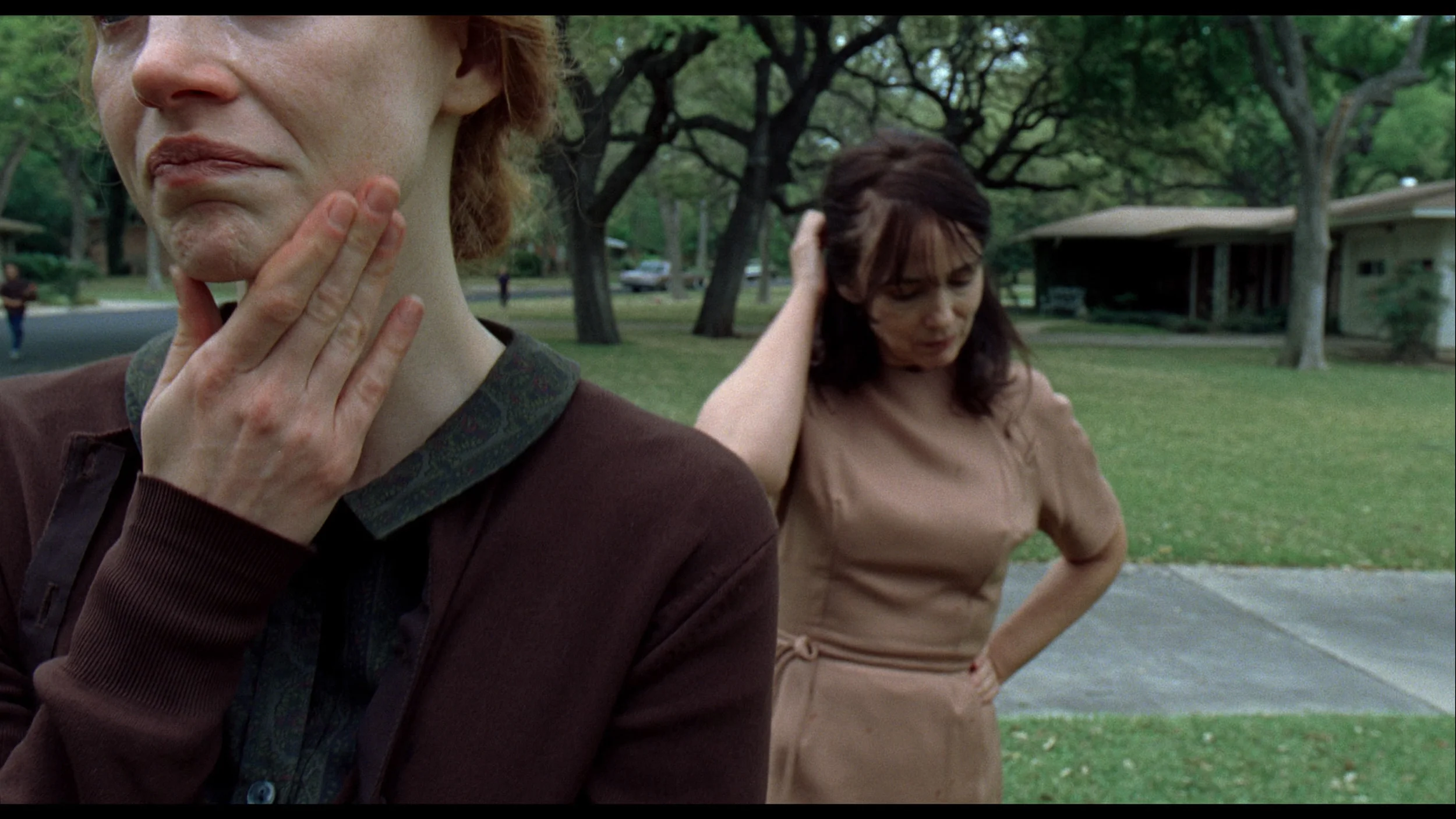
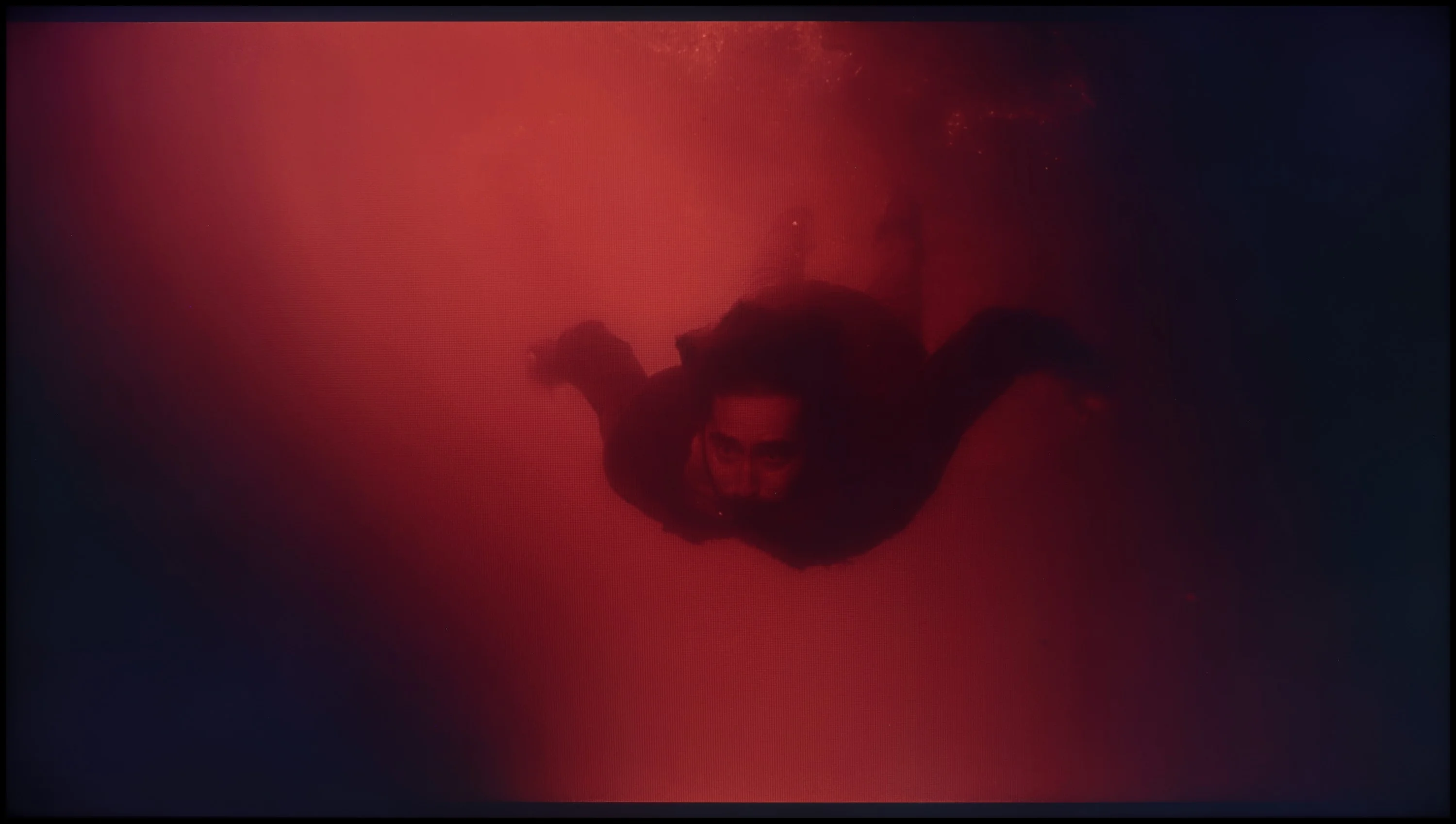
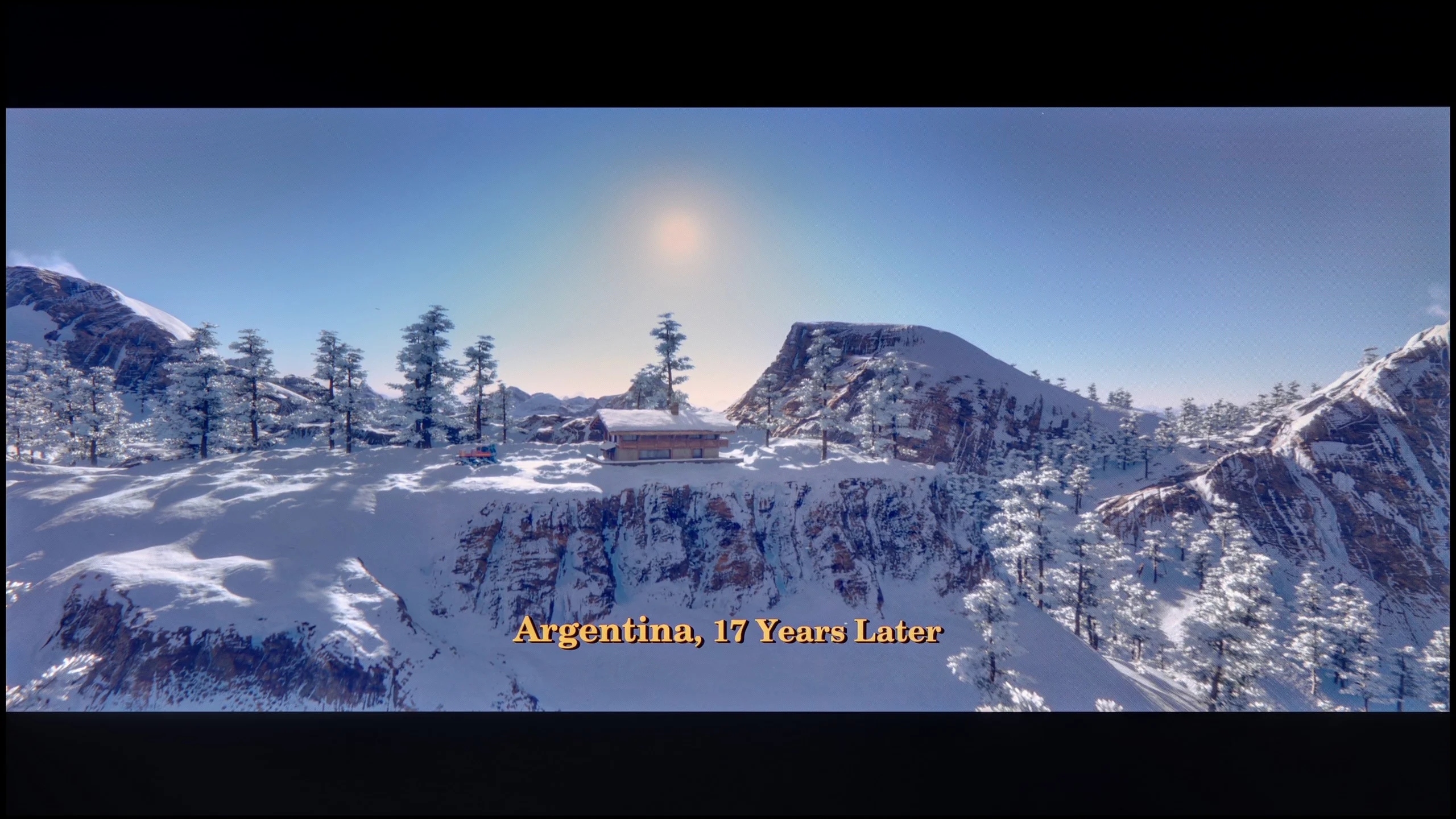
The photos show how movies look on the TV. Pay attention to black detail visibility, colors, and shadow tint.

The photos show how movies look on the TV. Pay attention to black detail visibility, colors, and shadow tint.

After calibration, the colour reproduction in SDR content on the LG NANO82T is impressive. The white balance has been effectively corrected, resulting in natural, balanced tones across various scenes. Gamma adjustments ensure more precise rendering of details in shadows and bright areas, enhancing the viewing experience. These improvements allow the television to perform well in everyday use, delivering solid colour accuracy and well-balanced images in SDR mode.

Unfortunately, the situation with HDR content is less satisfactory. The TV lacks support for a wide colour gamut, limiting the depth and richness that HDR can achieve. The EOTF curve deviates from the ideal, leading to overemphasis on details in brighter areas. This causes noticeable colour reproduction errors, as confirmed by Colour Checker tests. Additionally, the panel's low brightness further hampers HDR image quality, diminishing dynamic range effects and causing colours to appear washed out.

Overall, the TV significantly improves after calibration, particularly in SDR mode. The enhancements to white balance and gamma elevate image quality, offering more natural and cohesive colour reproduction. Compared to its pre-calibration state, the difference is evident, and the television now performs noticeably better in standard dynamic range scenarios.

Contrary to appearances, the Xiaomi S Mini 2026 responds quite well to calibration. After our adjustments we were able to noticeably improve the white balance, and the picture stopped leaning too warm. With SDR content the result is really good, the TV can display such images very accurately, and it's hard to find major faults in its color reproduction. We applied similar corrections in HDR as well, though not everything could be fixed. Colors look better than at factory settings, but the TV still tends to render the image slightly brighter than it should. You can see this in the EOTF curve, which sits above the reference value. In practice this means some HDR scenes are brighter than the creators intended. This is a quirk of this TV and we can't do anything about it.

Smoothness of tonal transitions

8.9/10

5.5/10

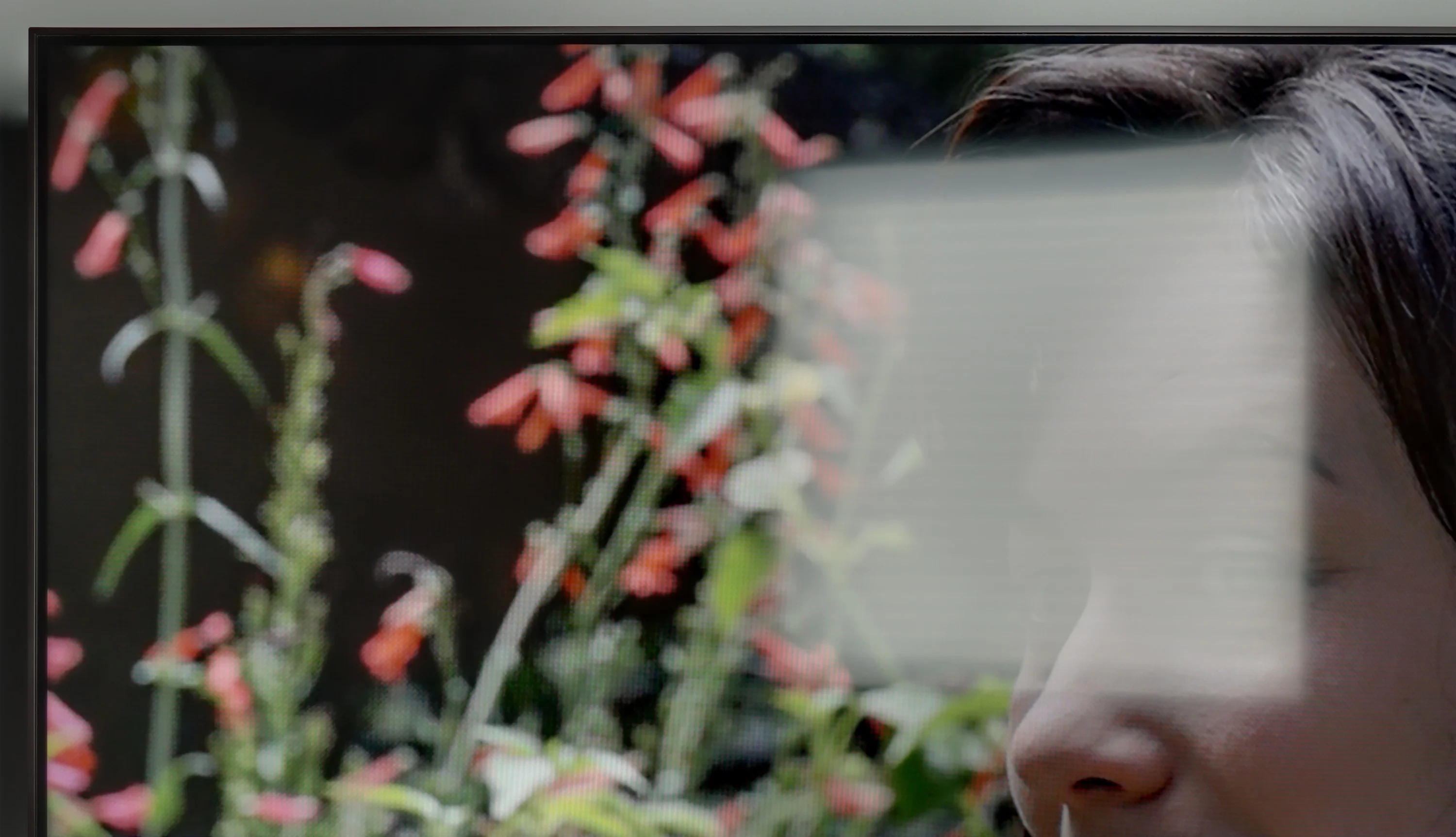
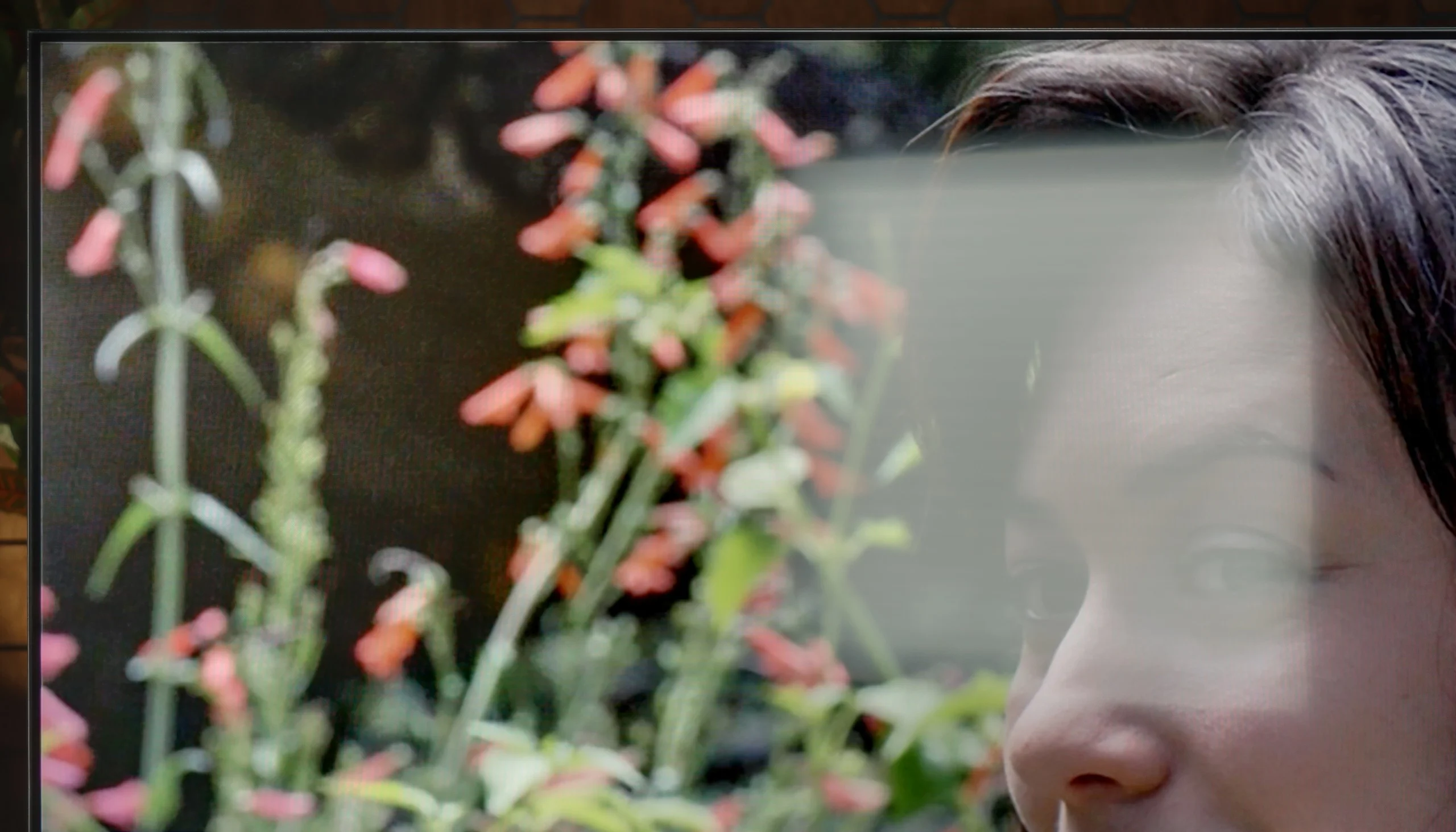
These are selected scenes that show smooth tonal transitions from one color to another. If you see distinct banding, it’s the TV panel’s fault.

These are selected scenes that show smooth tonal transitions from one color to another. If you see distinct banding, it’s the TV panel’s fault.

These are selected scenes that show smooth tonal transitions from one color to another. If you see distinct banding, it’s the TV panel’s fault.

These are selected scenes that show smooth tonal transitions from one color to another. If you see distinct banding, it’s the TV panel’s fault.

The TV handles tonal transitions smoothly, offering high-quality images in every scene. Problems with gradation occur occasionally, mainly in darker shades, but these are subtle enough that most viewers won't notice them. Only those with particularly sensitive vision may perceive these minor imperfections.

The smoothness of tonal transitions in the smaller variants of the Xiaomi S Mini 2026 is noticeably worse than in the larger versions. This is most apparent in dark scenes, where posterization often occurs, which is visible banding between similar shades. In some shots it can be quite distracting. Fortunately the problem mainly affects the darker parts of the image. In bright scenes color transitions are usually smooth and there is little to complain about here.

Image scaling and smoothness of tonal transitions

6.4/10

3/10

Image without overscan on the SD signal
OK
No
Smooth transition function
OK
No

Smooth transition function

The match photo shows how the TV smooths weak tonal transitions in low-quality video.

Image scaling SD (576i)

The model photo shows how it handles upscaling of SD material.

The LG NANO82T features a "Smooth Gradation" option for handling tonal transitions in low-quality materials. The "Low" setting improves the most problematic transitions, providing a noticeable and helpful enhancement. However, the "High" setting, while further smoothing tonal transitions, sacrifices some detail in the process. This can be a compromise that not all viewers will appreciate.

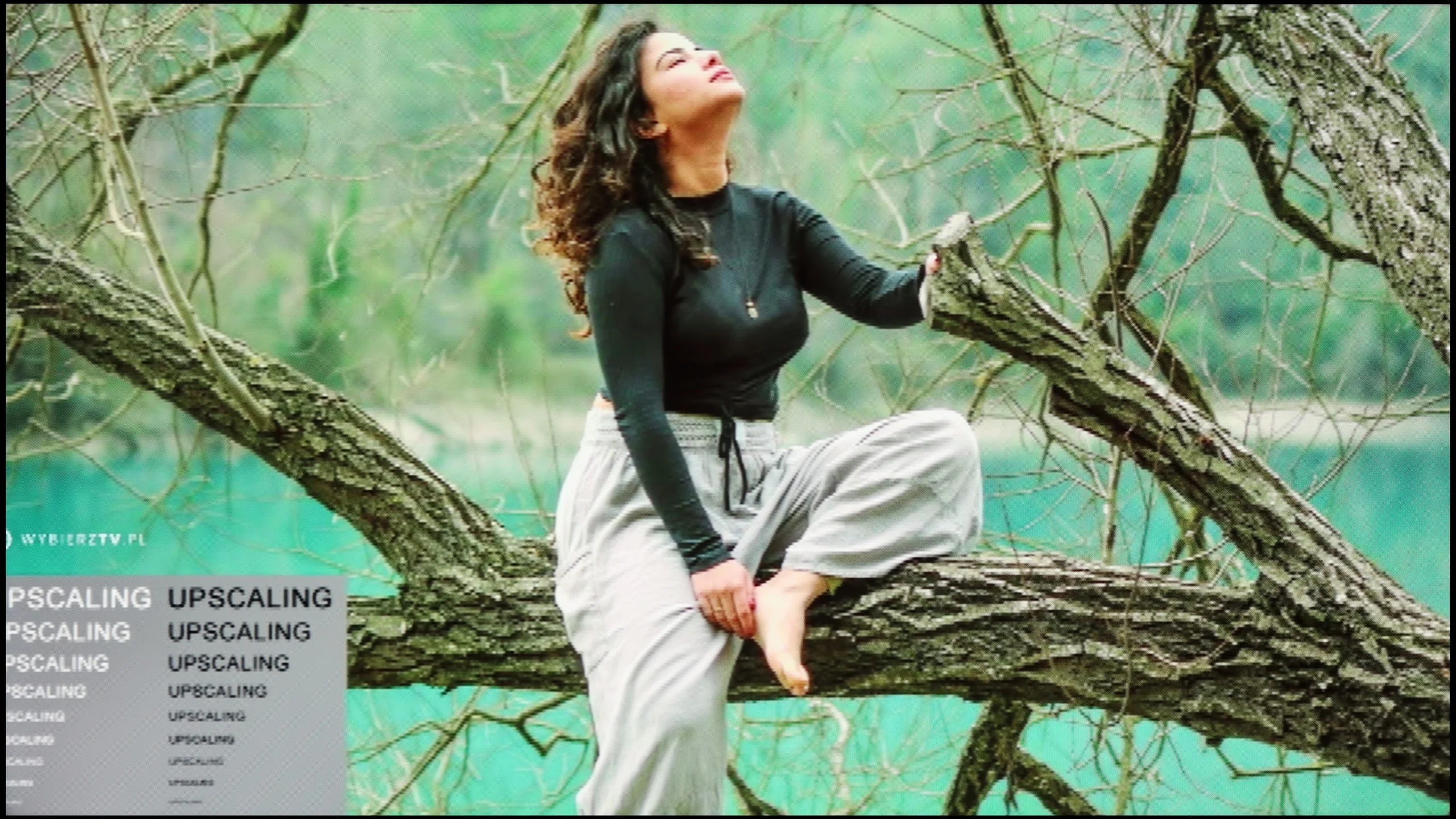
The image scaling on the LG NANO82T has some limitations, particularly when displaying lower-resolution content. The TV applies a subtle artificial sharpening, which makes the image appear sharper, but this effect is mainly due to artificial contours. Some users may find this beneficial, as it highlights details more prominently, but for others who prefer a more natural image, it may appear overly processed and artificial. This is a subjective preference that varies from viewer to viewer.

Digital image processing in the Xiaomi S Mini 2026 is handled by the MT5896 processor. Unfortunately, in this respect the TV performs rather average. Low-resolution content is not upscaled very well, and its limitations become quickly apparent on a large screen. The image looks quite digital, and the TV can't extract many additional details from it. Additionally, you cannot disable overscan for low-resolution material. Things are even worse when it comes to smoothing posterization. On the smaller models there isn't even a dedicated feature to reduce the visible banding between similar shades. So if such imperfections are already present in the source material, Xiaomi effectively does not mask them.

Blur and motion smoothness

4.8/10

4.6/10

Maximum refresh rate of the panel
60Hz
60Hz
Film motion smoothing option
OK
OK
Blur reduction option
No
No
BFI function 60Hz
No
No
BFI function 120Hz
No
No
Brightness drop with BFI
0%
-%

Blur (native resolution, maximum refresh rate):

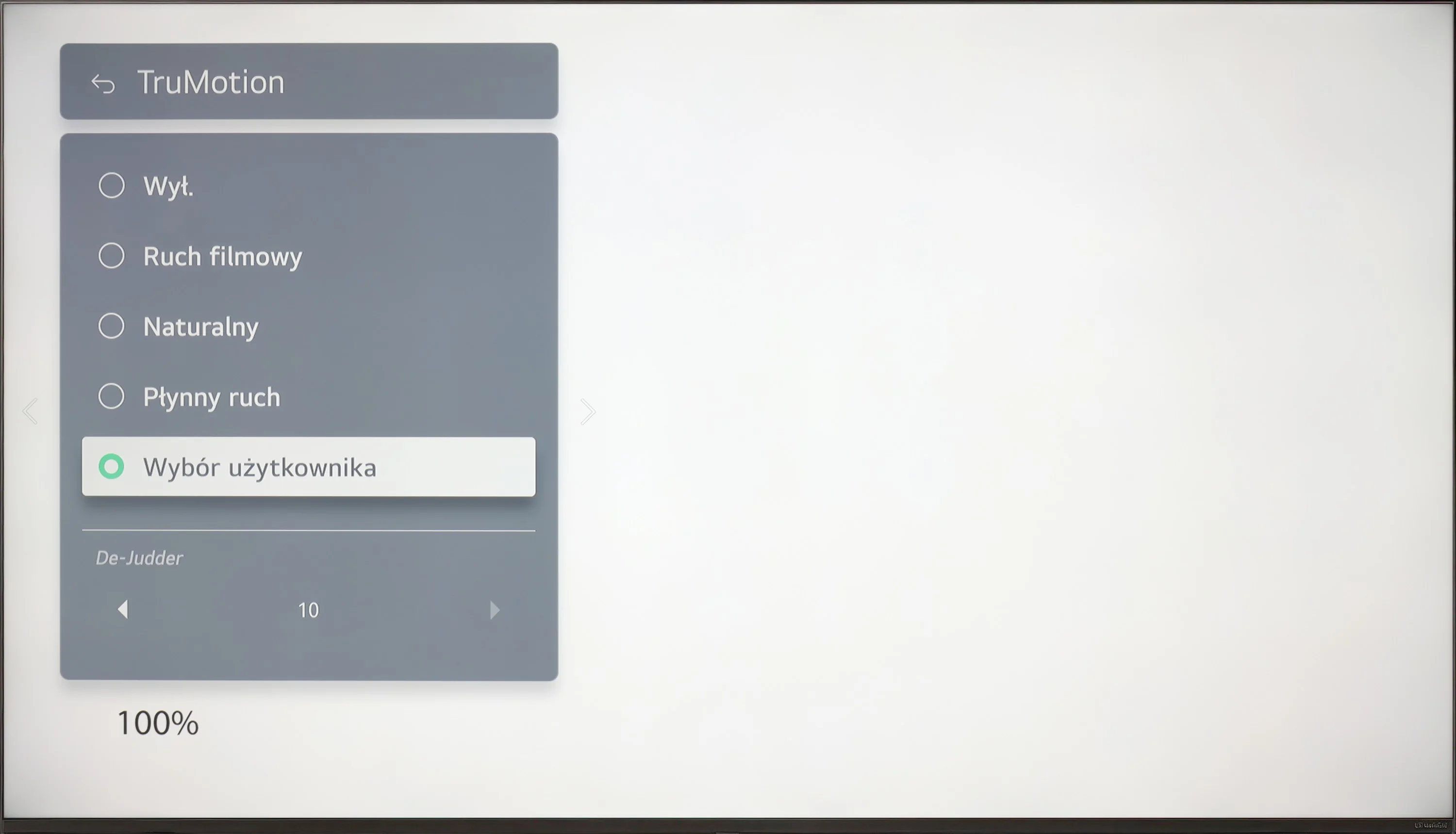
LG televisions, including the NANO82T, come with an interesting motion smoother called TruMotion providing users with control over the quality of films they watch. The TruMotion feature allows adjustment of the motion fluidity on a 10-point scale, offering a personalised visual experience.

However, when it comes to more dynamic content, such as games or action films, the performance falls short. With its 60Hz panel and relatively slow pixel response, motion fluidity is less than ideal. This results in noticeable trailing and less smooth playback during fast-paced scenes.

Overall, the LG NANO82T is a good option for those who primarily watch movies and prefer more subdued content. Viewers who prioritise fast, dynamic motion, may prefer an alternative model.

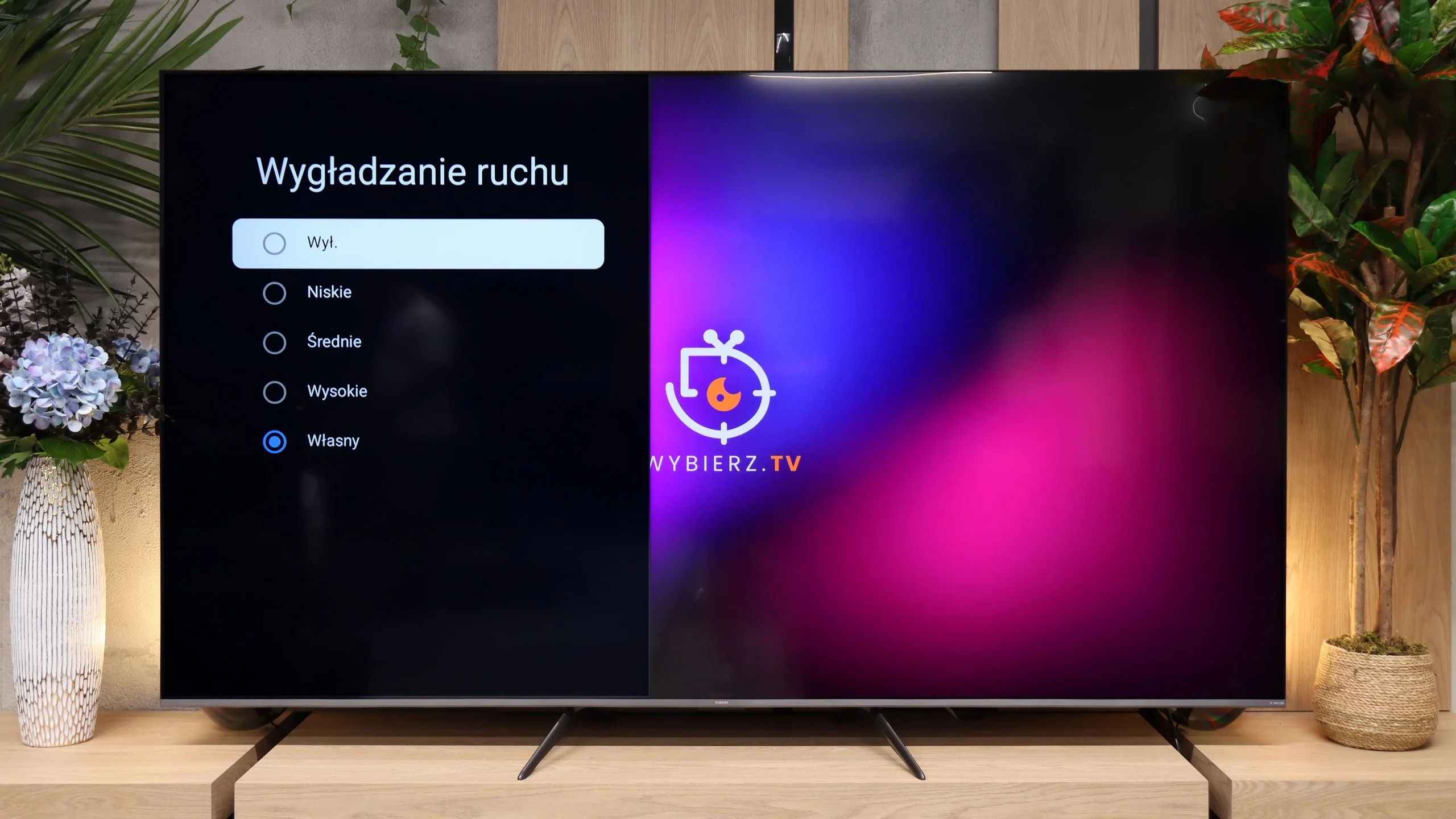
The smaller variants of the Xiaomi S Mini 2026 use a 60 Hz panel, and that's their biggest limitation when it comes to motion. For movies and TV series this isn't yet a major issue, because the TV has a classic motion smoothing for 24/30 fps content. So we can reduce the characteristic judder and adjust motion to our own preferences. Sports and other 50/60 Hz content fare worse, because there is no additional feature to improve smoothness. With that kind of material we are therefore limited by the panel itself.

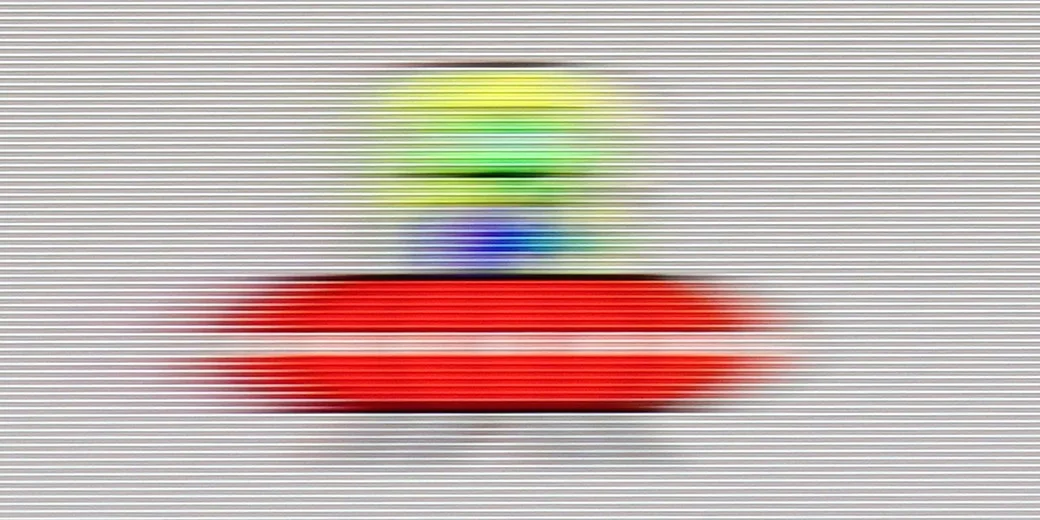
In terms of motion blur the TV performs quite typically for a VA panel. Most trailing is visible behind objects moving on a dark background, while in brighter scenes the effect is noticeably smaller. It's not at a level that completely ruins motion perception, but in dynamic scenes you can tell the panel isn't among the fastest.

Console compatibility and gaming features

4.7/10

4.6/10

  • ALLM
    Yes
    Yes
  • VRR
    No
    No
  • VRR range
    No
    No
  • Dolby Vision Game Mode
    No
    No
  • Correct implementation of HGIG
    Yes
    No
  • 1080p@120Hz
    No
    Yes
  • 1440p@120Hz
    No
    Yes
  • 4K@120Hz
    No
    No
  • Game bar
    Yes
    Yes

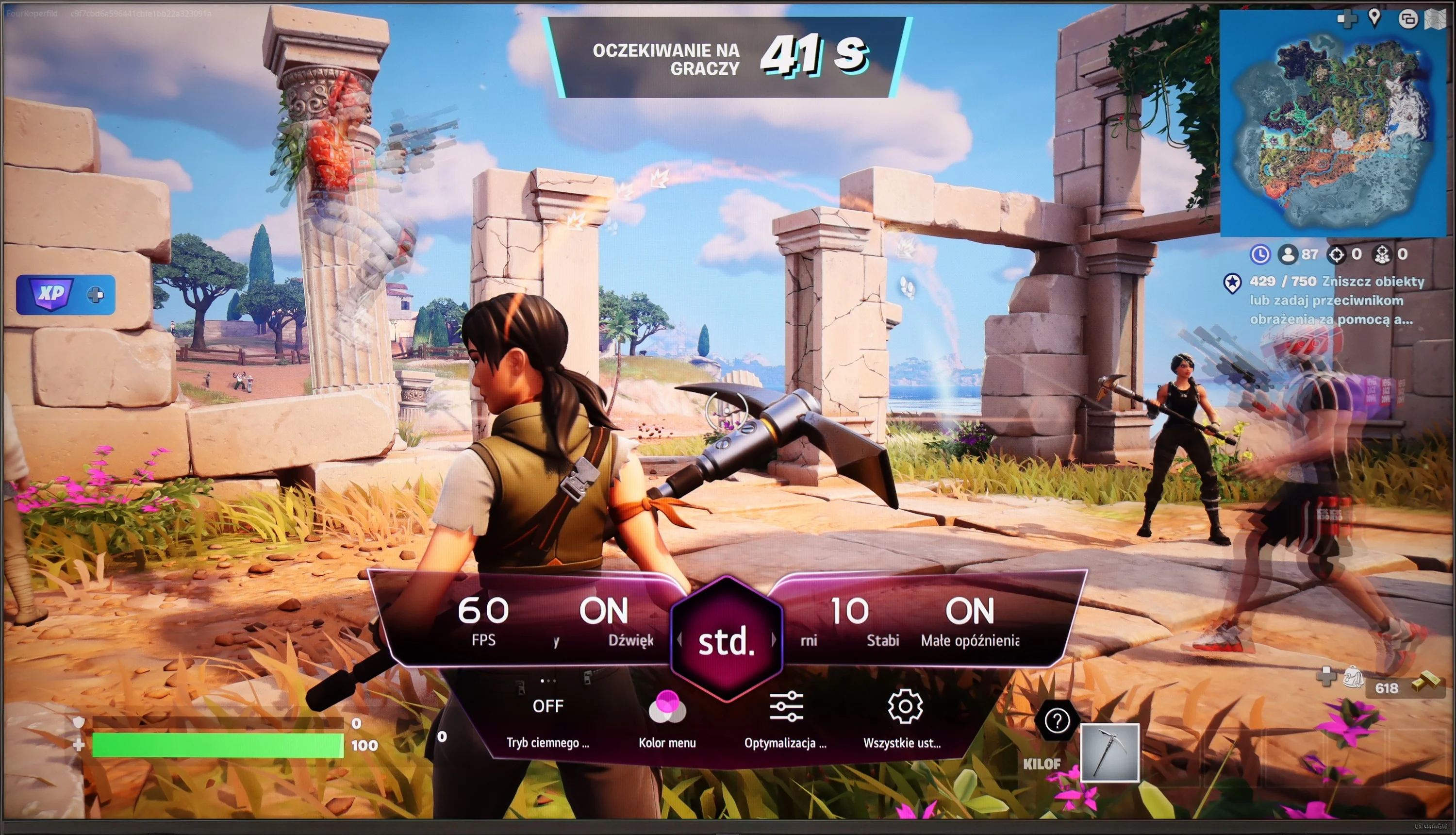
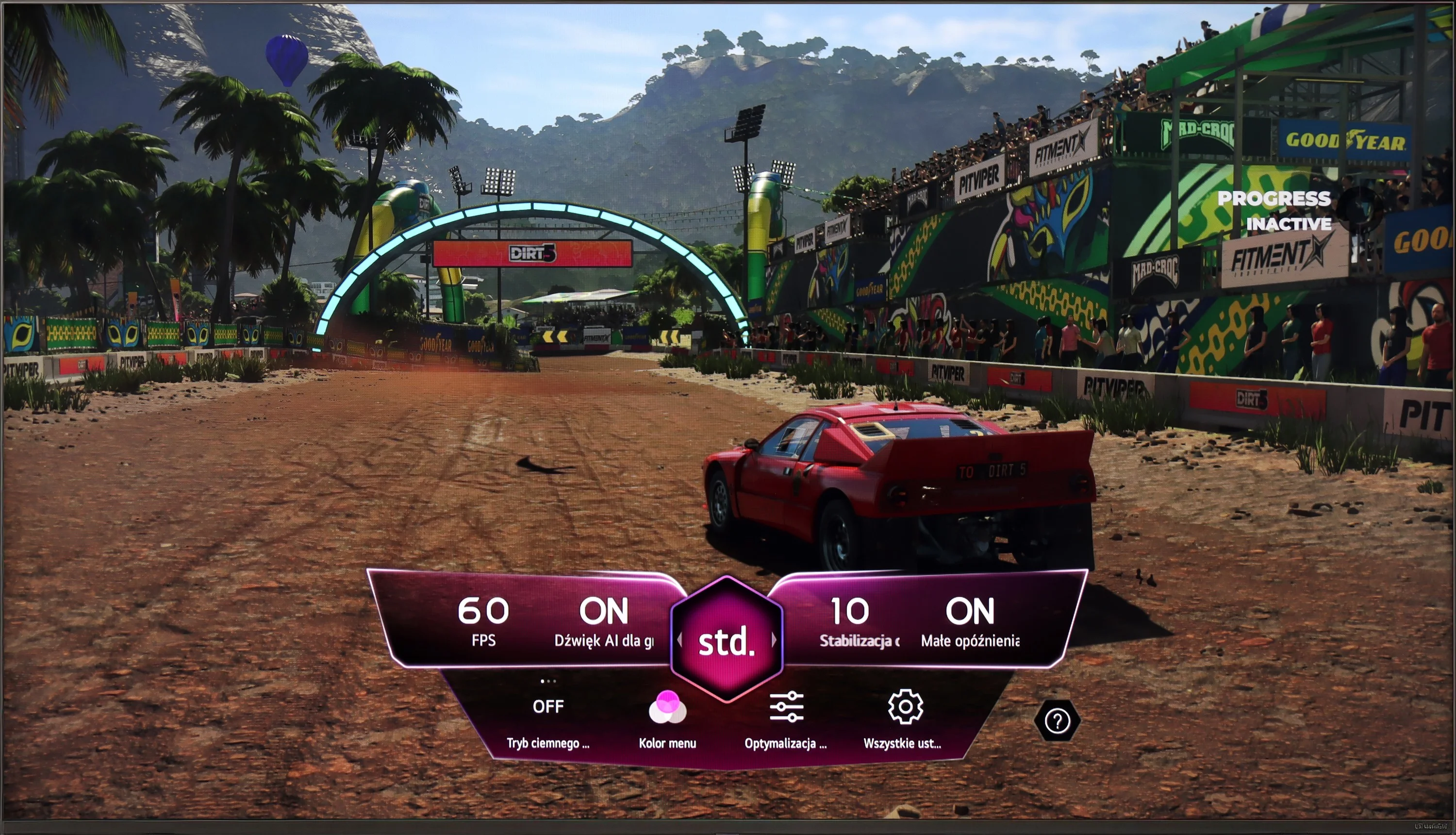
When playing on the console, the LG NANO82T offers several features that can enhance the gaming experience, though it also has some limitations. Notably, the ALLM (Auto Low Latency Mode) feature stands out, automatically adjusting picture settings to switch the television to low latency mode, which is especially beneficial for gamers requiring quick reactions. Another advantage is the support for HGiG (HDR Gaming Interest Group), ensuring HDR games are displayed as intended by the creators and providing vibrant and realistic visuals. These features contribute to a solid gaming experience, but there are some drawbacks, particularly in fast-paced scenes.

The LG NANO82T has limitations when it comes to advanced gaming features. It lacks support for variable refresh rate (VRR), which affects gameplay smoothness, especially in more dynamic games. The TV's 60Hz panel restricts the ability to use higher refresh rates, a significant downside for gamers seeking smoother gameplay at higher resolutions. Additionally, the absence of G-Sync technology limits image synchronisation, potentially leading to tearing and stuttering during gameplay.

These limitations mean that while the LG NANO82T offers a good gaming experience for casual gamers, it may not meet the expectations of more demanding players seeking advanced features and maximum image fluidity.


These shortcomings may mean that the LG NANO82T does not meet the expectations of the most demanding gamers looking for advanced features and the highest image fluidity.

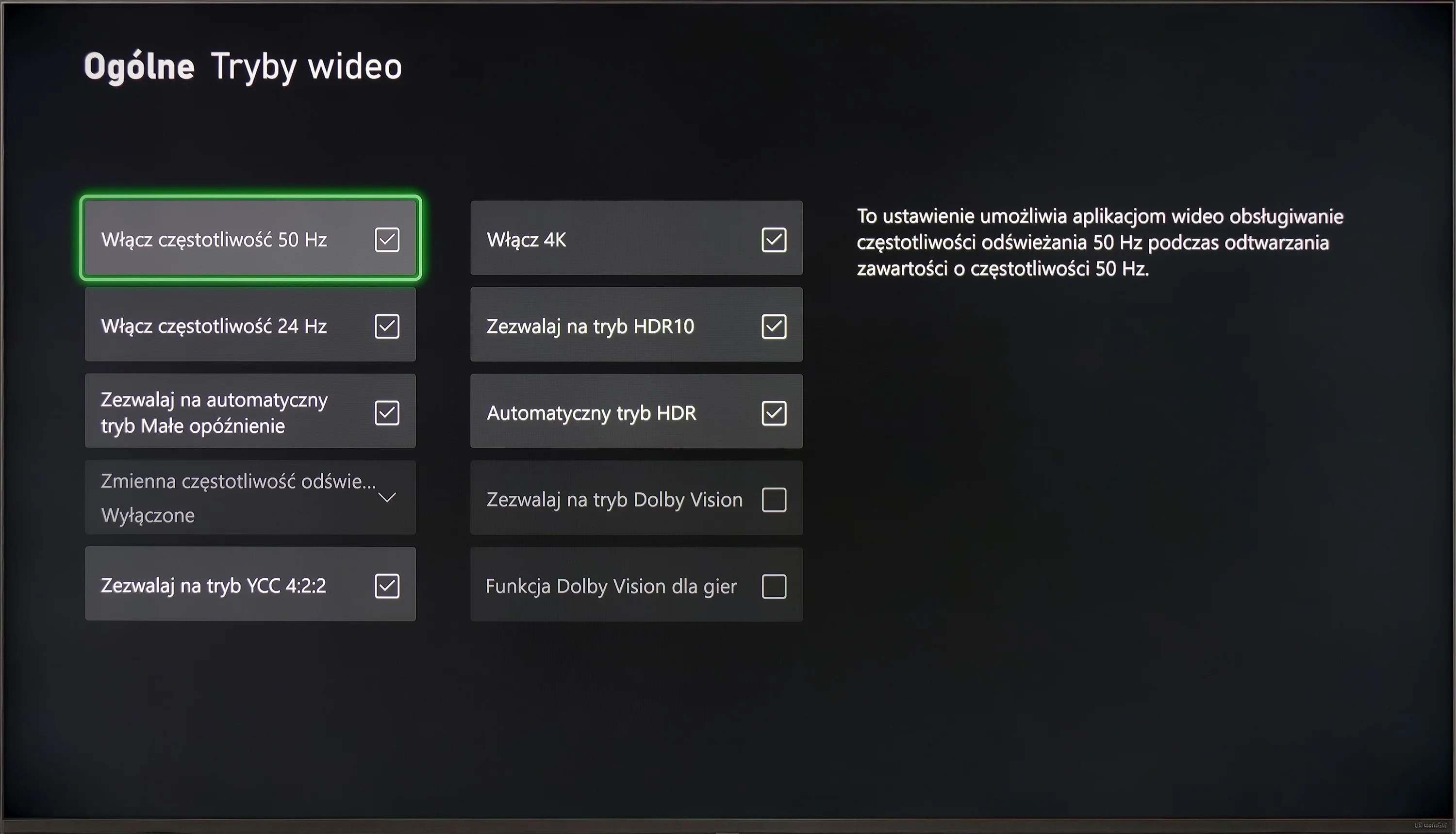
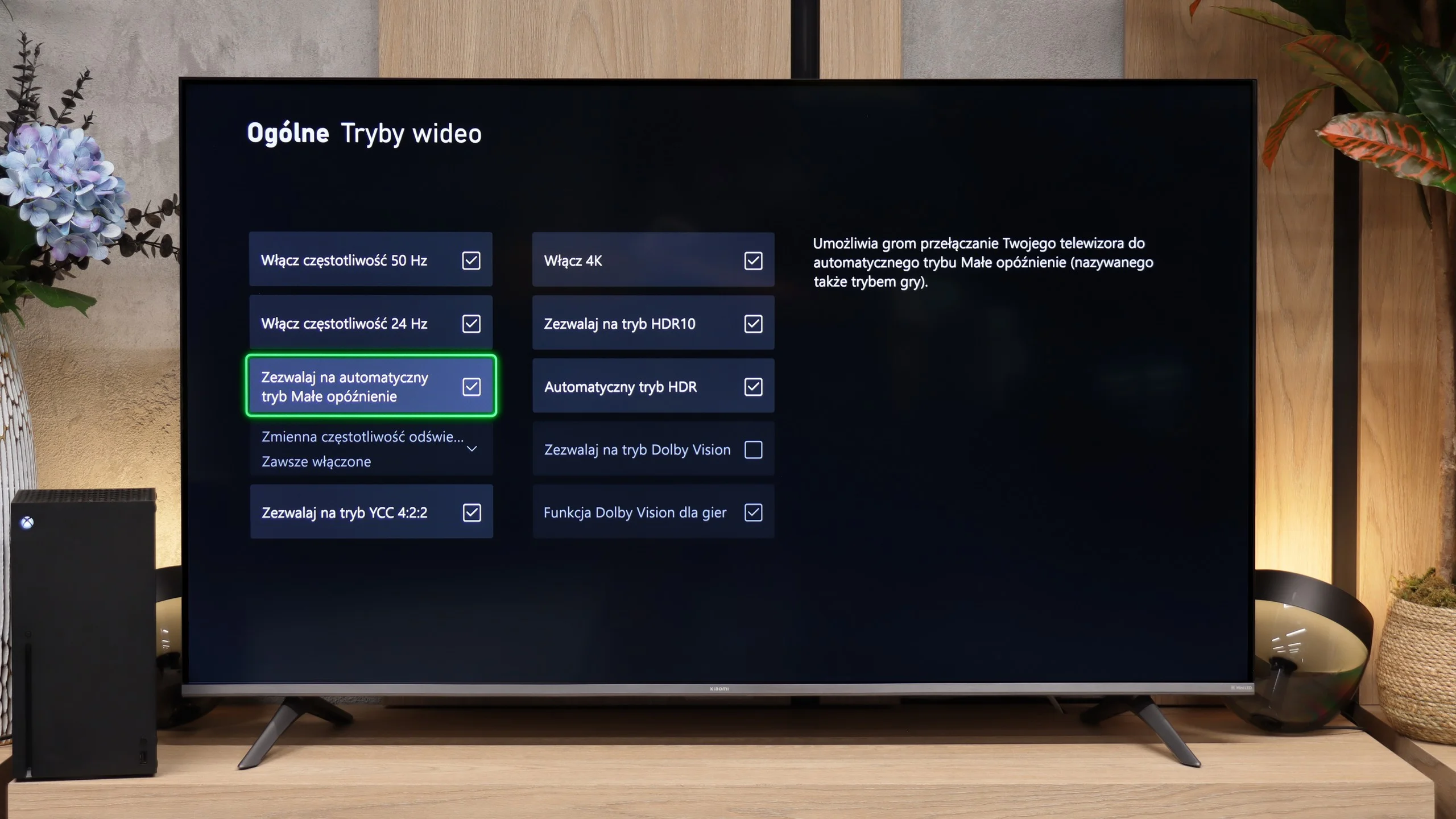
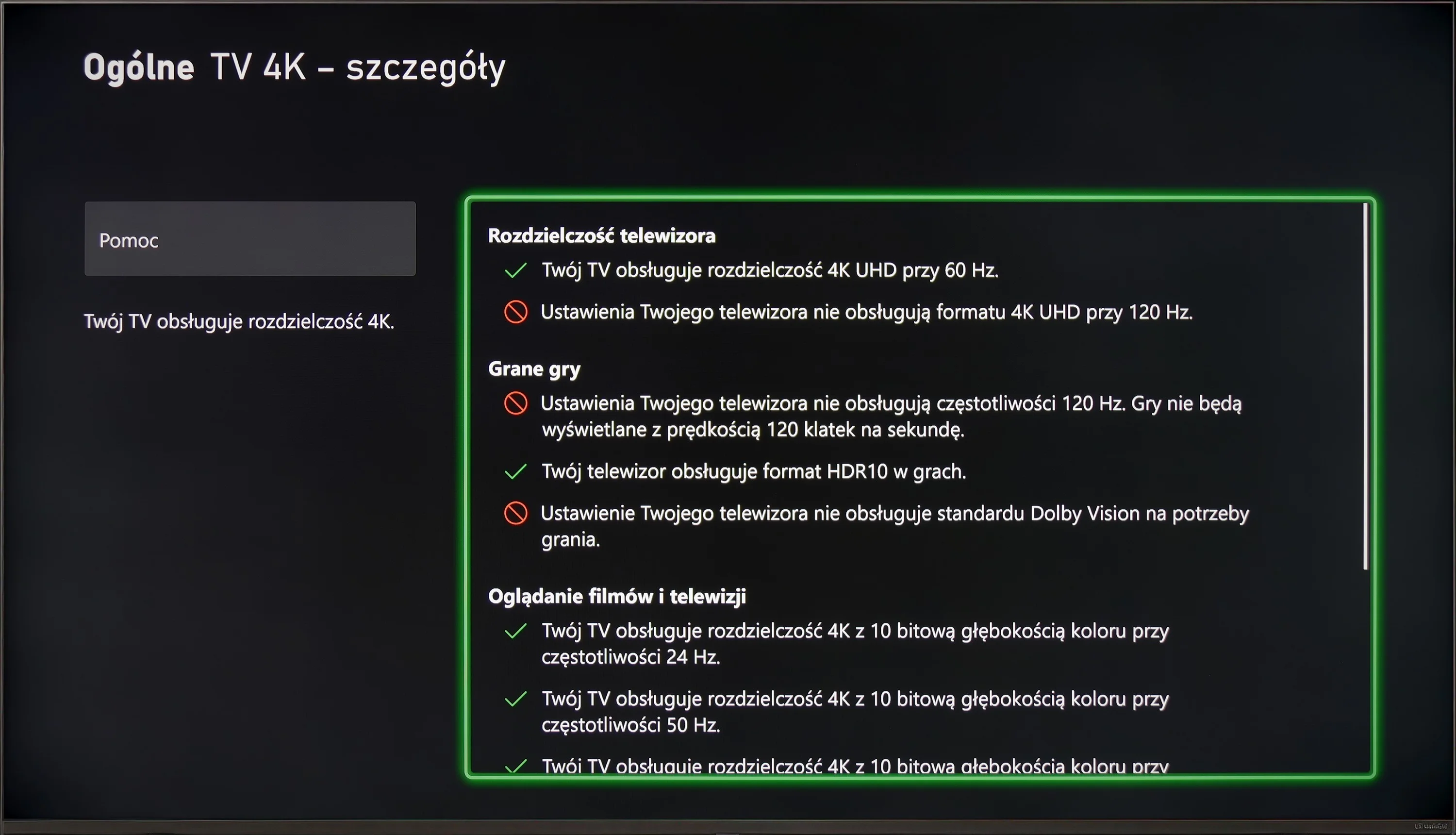
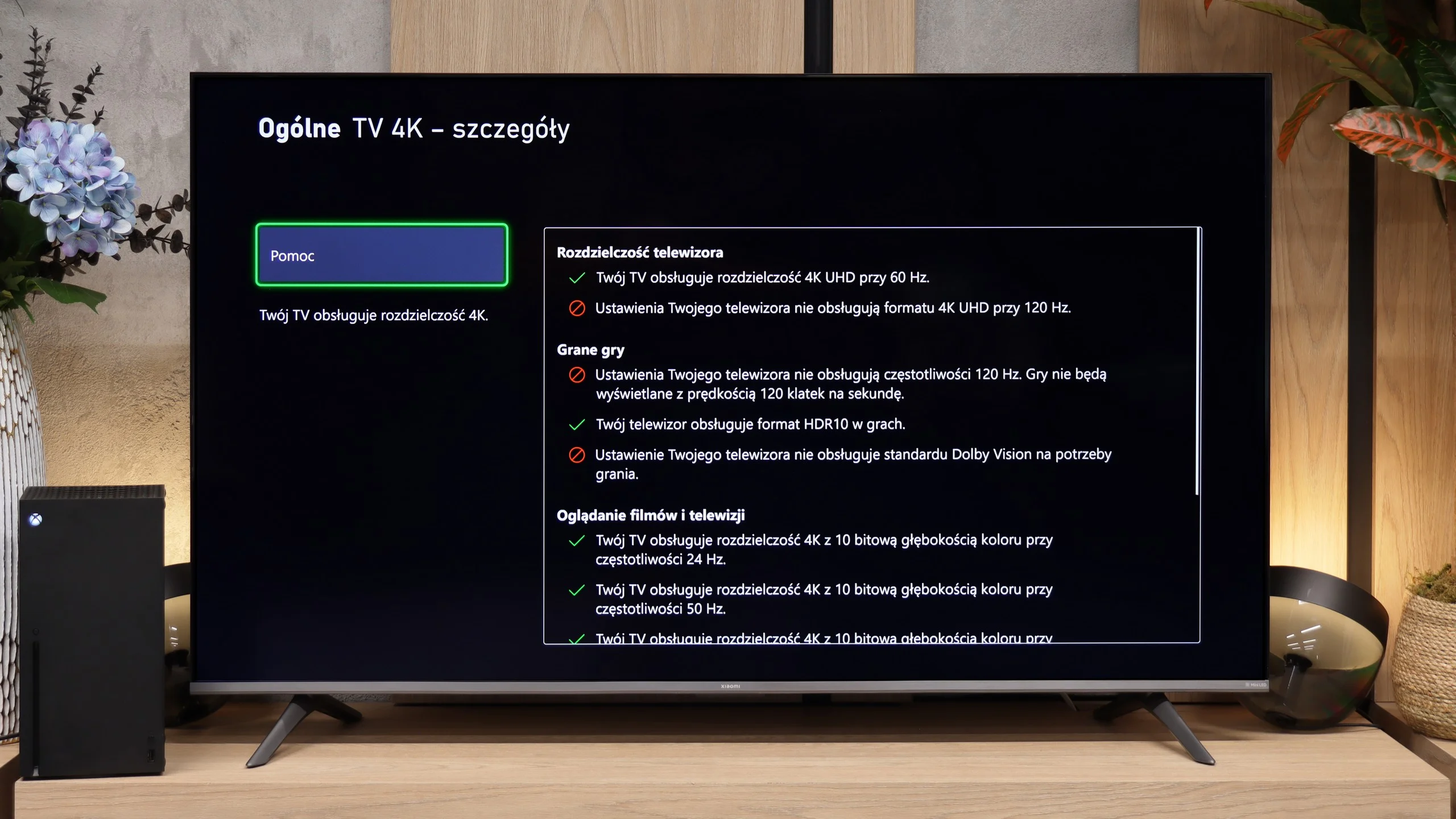
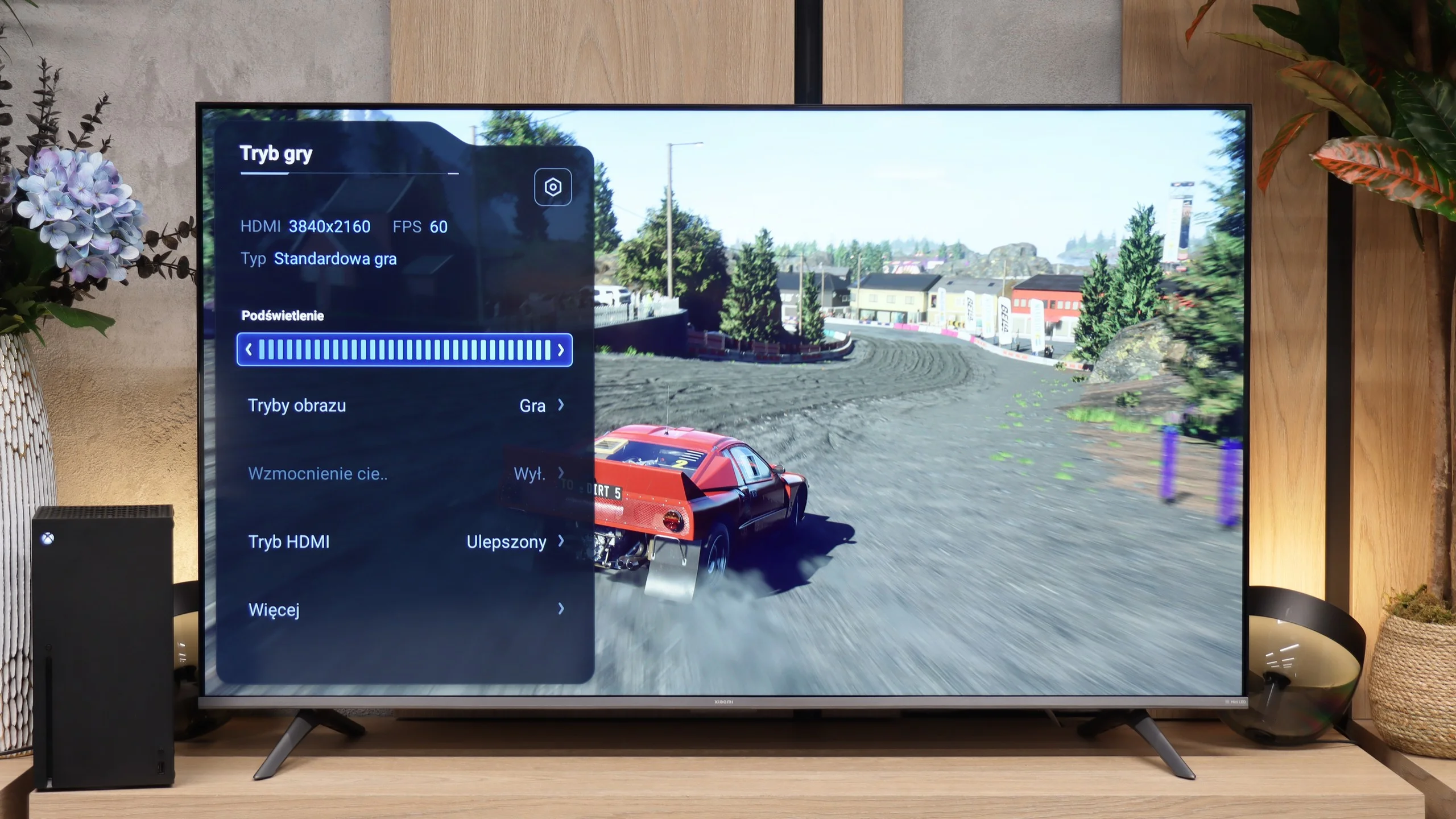
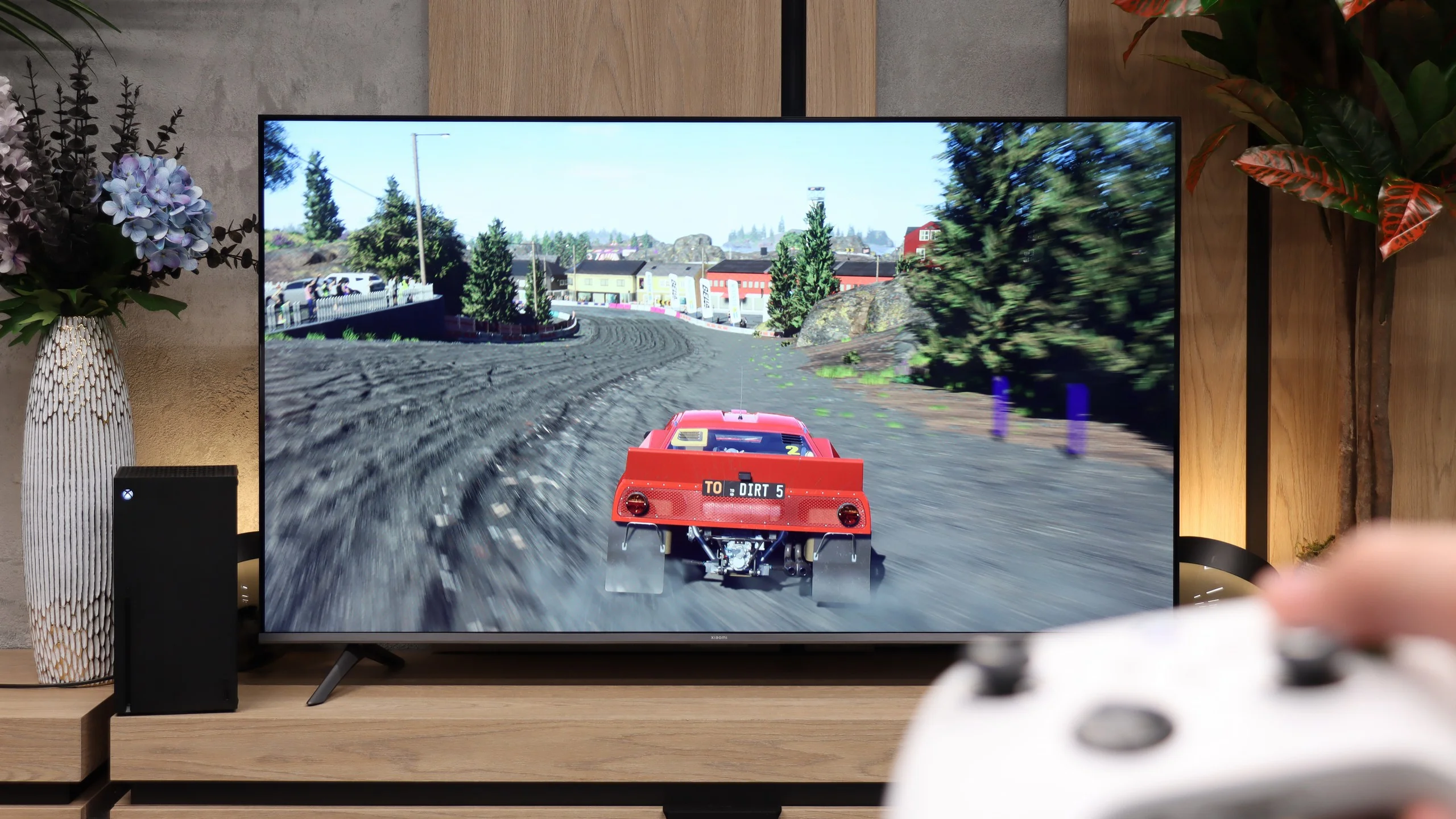
In larger sizes the Xiaomi S Mini 2026 becomes a far more interesting option for gamers. The panel natively runs at up to 144 Hz, so when connected to a PC we can take advantage of the high refresh rate even in 4K. At lower resolutions the TV can go even further and reach up to 288 Hz. There’s also ALLM, automatic switching to game mode, and a Game Bar with the key settings at hand. Of course, the TV is equipped with two full-bandwidth HDMI 2.1 ports. In terms of smoothness, the difference compared to the 55 to 75 inch versions is therefore substantial and especially noticeable when using a PC or console. Not everything works perfectly, though. As with the smaller variants, we have reservations about the HGiG implementation. The HDR setup screens on the PS5 and Xbox don’t exactly match the TV’s real capabilities, so if you configure the consoles according to those prompts the brightest parts of the image can be blown out and lose some detail.

Input lag

9.9/10

9.9/10

SDR

1080p60
15 ms
14 ms
1080p120
8 ms
2160p60
14 ms
14 ms
2160p120

HDR

2160p60
13 ms
14 ms
2160p120
4320p60

Dolby Vision

2160p60 DV
2160p120 DV

Input lag in the LG NANO82T is exceptional, with a maximum value of just 15 ms. This impressive result ensures an immediate response to the player's movements, delivering smooth and responsive gameplay. Such low latency is crucial for players relying on quick and precise actions. Whether playing action-packed games or slower-paced ones, the TV offers an outstanding gaming experience, minimising lag and enhancing overall immersion in the gaming world.

There's no major problem with latency here. About 10 ms at 120 Hz and 15 ms at 60 Hz are more than enough for console or PC gaming.

Compatibility with PC

5.6/10

5.6/10

Chroma 444 (max. resolution and refresh rate)
Yes
Yes
Font clarity
Good
Good
Readability of dark text and shapes
Good
Average
Input lag in PC mode (4K, max. refresh rate)
14ms
14ms
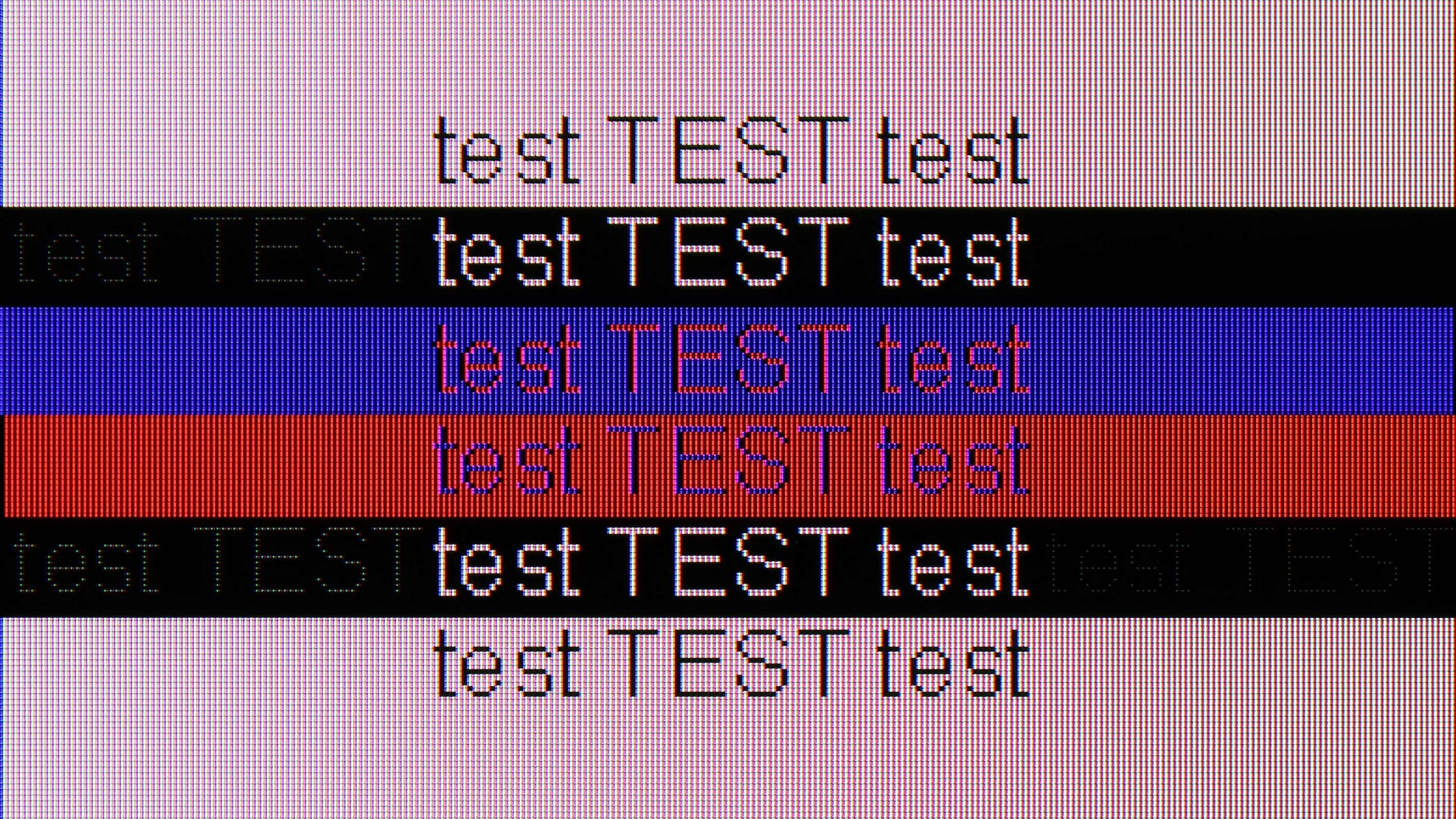
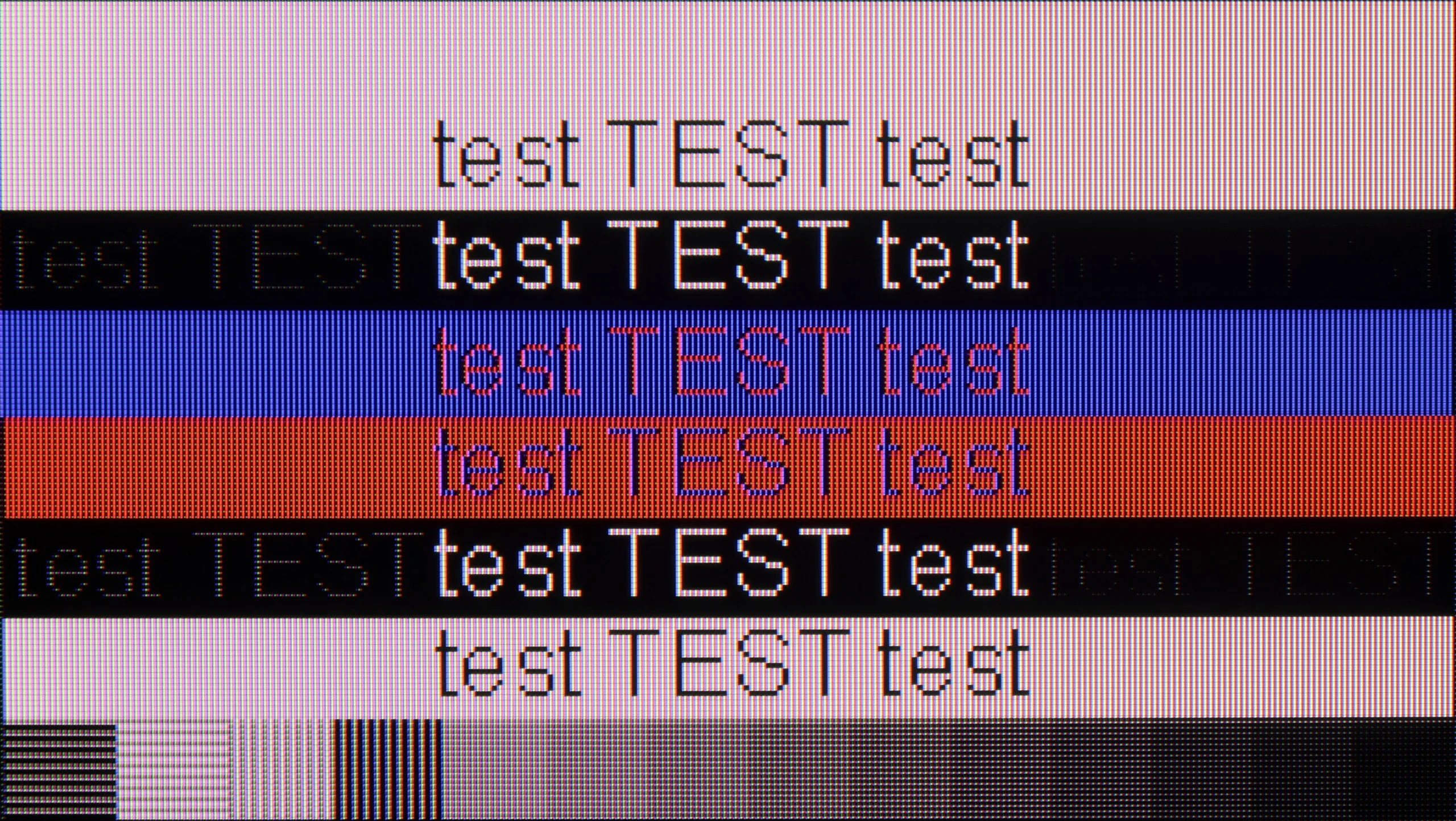
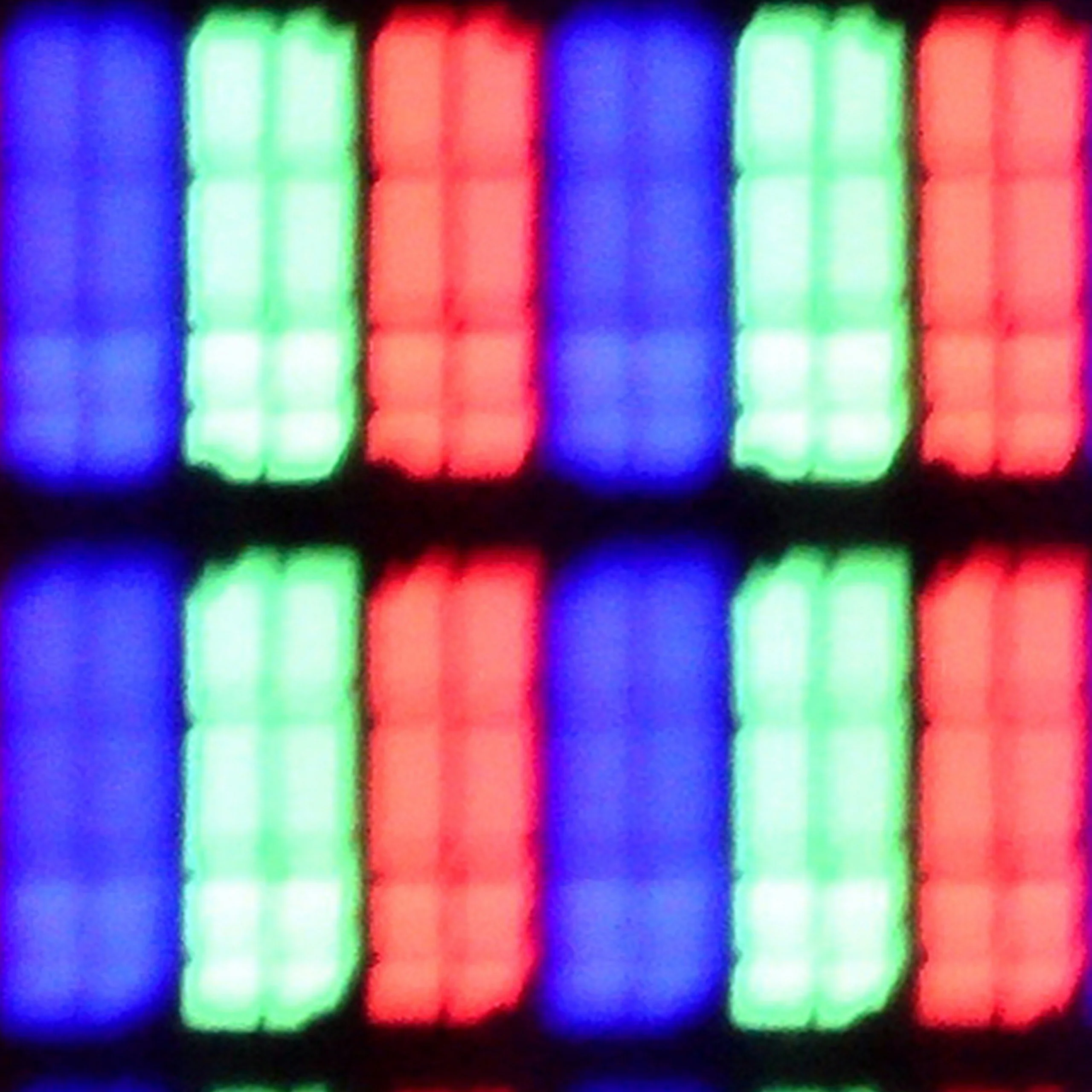
Matrix subpixel arrangement
BGR
BGR
Max refresh rate
60Hz
60Hz
G-Sync
No
No

The photo shows the legibility of small fonts. Ideally, lines should be the same thickness on both light and dark text, with minimal pixel gaps.

The collaboration between the LG NANO82T and a computer works very well. The high readability of fonts makes text-based tasks more comfortable. Additionally, the TV supports chroma 4:4:4, ensuring sharp and clear details. On-screen actions are smooth and responsive, with a low input lag of just 14 ms. However, displaying fonts on a dark green background can sometimes be distracting, which is a minor flaw. Despite this, the NANO82T offers a solid computer usage experience, combining excellent readability with responsive performance.

Computer use isn't the strong suit of the smaller variants of the Xiaomi S Mini 2026. The TV doesn't display chroma 4:4:4 correctly, so some small UI elements, icons, and colored text may look worse than they should. Plain black text on a light background is still fairly readable, but it's hard to consider this model a particularly good monitor for typical computer work. A plus is the ability to get a higher refresh rate by lowering the resolution. Instead of 4K at 60 Hz, you can switch to 1080p or 1440p and use 120 Hz, which for PC gaming can be far more useful than full resolution.

Viewing angles

2.7/10

3/10

Brightness drop at an angle of 45 degrees
72%
65%


The viewing angles on the LG NANO82T are limited, which is typical for budget VA panels. When viewed from the side, colours lose their vibrancy, and contrast deteriorates. Blacks become washed out, and details become harder to discern. This can affect the viewing experience in larger rooms where people are seated at various angles. While VA panels offer better contrast and deeper blacks than IPS panels, their narrow viewing angles are a significant downside. If you often watch TV from different spots in the room, this could impact the overall visual experience.

The viewing angles on the smaller variants of the Xiaomi S Mini 2026 are unfortunately poor. This is a typical trait of VA panels, but here the effect is fairly pronounced. You only need to move slightly off-center for the picture to start noticeably fading and losing color saturation. Brightness itself doesn't drop as much, but colors very quickly look washed out. If multiple people will be watching the TV from wide angles, keep that in mind.

Daytime performance

3.9/10

6.3/10

Panel finish
Satin
Satin
Reflection suppression
Average
Decent
Black levels during daytime
Good
Good

Panel brightness

XIAOMI S Mini 2026 (55"-75") 60Hz : 569 cd/m2

LG NANO82T6B: 259 cd/m2

In terms of daytime performance, the LG NANO82T falls short. The satin panel offers only average reflection suppression, which can be an issue in bright rooms. The low screen brightness of just 250 nits is the main limitation, as it struggles to deliver adequate picture quality in well-lit environments. This significantly hampers its performance in such conditions, making it less suitable for bright spaces.

The smaller variants of the Xiaomi S Mini 2026 perform well for daytime viewing. In SDR the TV averages around 570 nits, so it has enough brightness that the picture doesn't look washed out even in a fairly brightly lit living room.

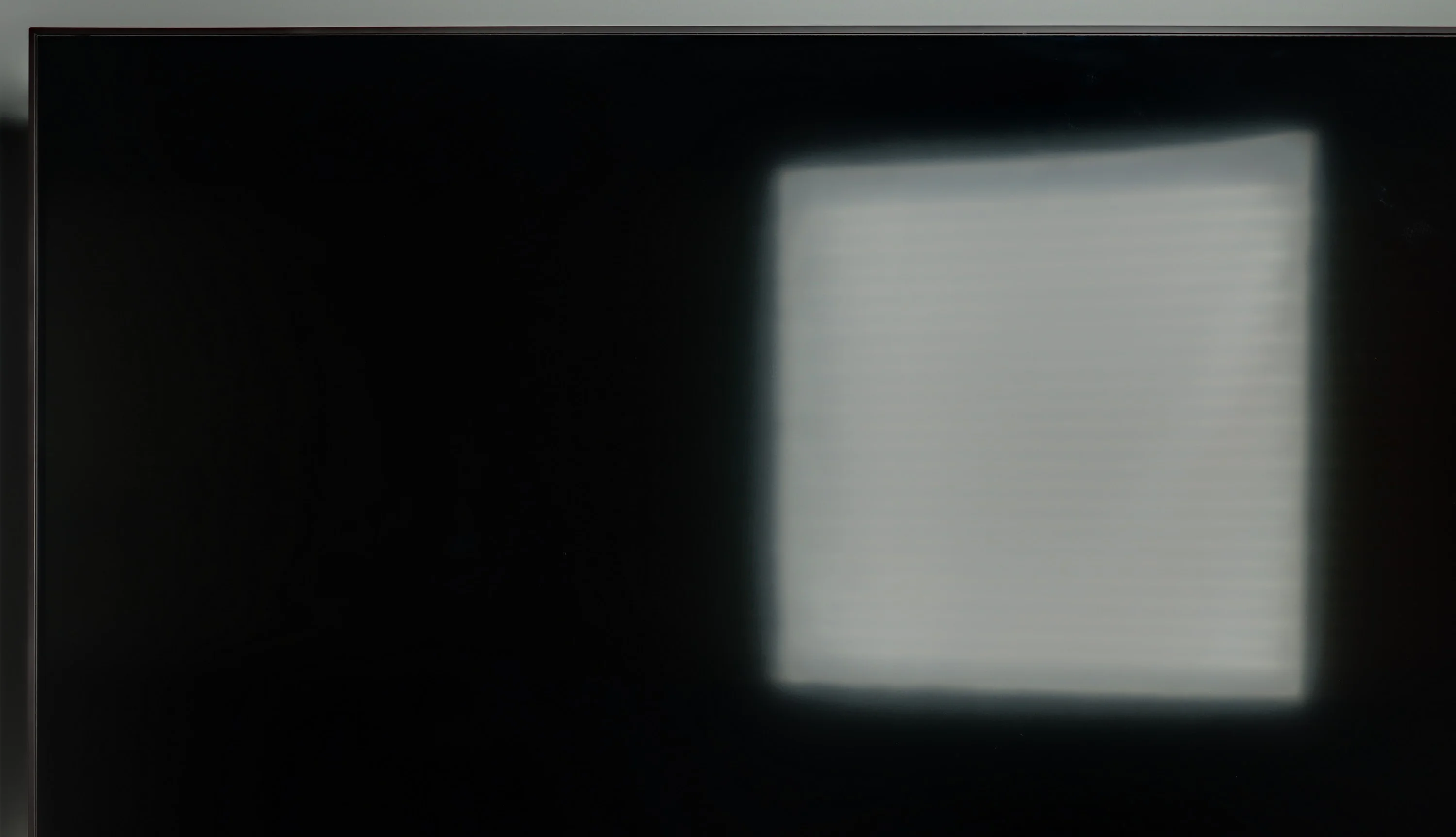
The screen coating is a weaker point. It's satin, but it doesn't suppress direct reflections particularly effectively. If there's a large window or a strong lamp opposite the TV, reflections will be clearly visible. Brightness helps mitigate this partly, but in terms of reflection suppression this isn't one of the model's strong suits.

Panel details

Backlight Type
White LED
Mini-LED PFS LED
Software version during testing
03.11.05
UKN1.240806.017.V816.0.25.10.15.2.URTMIXM
Image processor
mt5896 2GB

Subpixel Structure:

Panel uniformity and thermal imaging:

Review LG NANO82T6B TV Panel details
Review XIAOMI S Mini 2026 (55"-75") 60Hz TV Panel details

LG NANO82T6B

XIAOMI S Mini 2026 (55"-75") 60Hz

TV features

7.7/10

6.7/10

  • System
    WebOS
    Google TV
  • System performance
    Decent
    Poor
  • HDMI inputs
    3 x HDMI 2.0, 0 x HDMI 2.1
    3 x HDMI 2.0, 0 x HDMI 2.1
  • Outputs
    Toslink (Optical audio), eARC (HDMI), ARC (HDMI)
    Toslink (Optical audio), eARC (HDMI), ARC (HDMI), Mini-Jack (Headphones)
  • Network Interfaces
    Wi-Fi 2.4GHz, Wi-Fi 5GHz, Ethernet (LAN) 100Mbps
    Wi-Fi 2.4GHz, Wi-Fi 5GHz, Ethernet (LAN) 100Mbps
  • TV reception
    DVB-T, DVB-T2, DVB-S, DVB-S2, DVB-C
    DVB-T, DVB-T2, DVB-S, DVB-S2, DVB-C

Classic features:

  • Recording to USB (terrestrial TV)
    Yes
    No
  • Recording programming
    Yes
    No
  • Picture in Picture (PiP)
    No
    No
  • RF remote control (no need to aim)
    Yes
    Yes
  • Backlit remote control
    No
    No
  • Teletext
    Yes
    Yes
  • Audio only mode
    Yes
    Yes
  • Bluetooth headphones support
    Yes
    Yes
  • Simultaneous Bluetooth headphones & TV audio
    Yes
    No

Smart features:

  • AirPlay
    Yes
    Yes
  • Screen mirroring (Windows Miracast)
    Yes
    Yes
  • Voice search
    Yes
    Yes
  • Voice search in native language
    Yes
    Yes
  • Ability to connect a keyboard and mouse
    Yes
    Yes
Review LG NANO82T6B TV features
Review XIAOMI S Mini 2026 (55"-75") 60Hz  TV features

Sound connection options

  • HDMI audio
    eARC (HDMI), ARC (HDMI)
    eARC (HDMI), ARC (HDMI)
  • Other audio outputs
    Toslink (Optical audio)
    Toslink (Optical audio), Mini-Jack (Headphones)
  • Wireless audio
    Bluetooth
    Bluetooth

Supported audio formats (external HDMI eARC audio):

  • Dolby Digital Plus 7.1
    Yes
    Yes
  • Dolby True HD 7.1
    No
    Yes
  • Dolby Atmos in Dolby Digital Plus (JOC)
    Yes
    Yes
  • Dolby Atmos in Dolby True HD
    No
    Yes
  • DTS:X in DTS-HD MA
    No
    Yes
  • DTS-HD Master Audio
    No
    Yes

Senior accessibility

  • Numeric keyboard on TV
    Yes
    Yes
  • Font size adjustment
    No
    Yes
  • Audio description
    Yes
    Yes

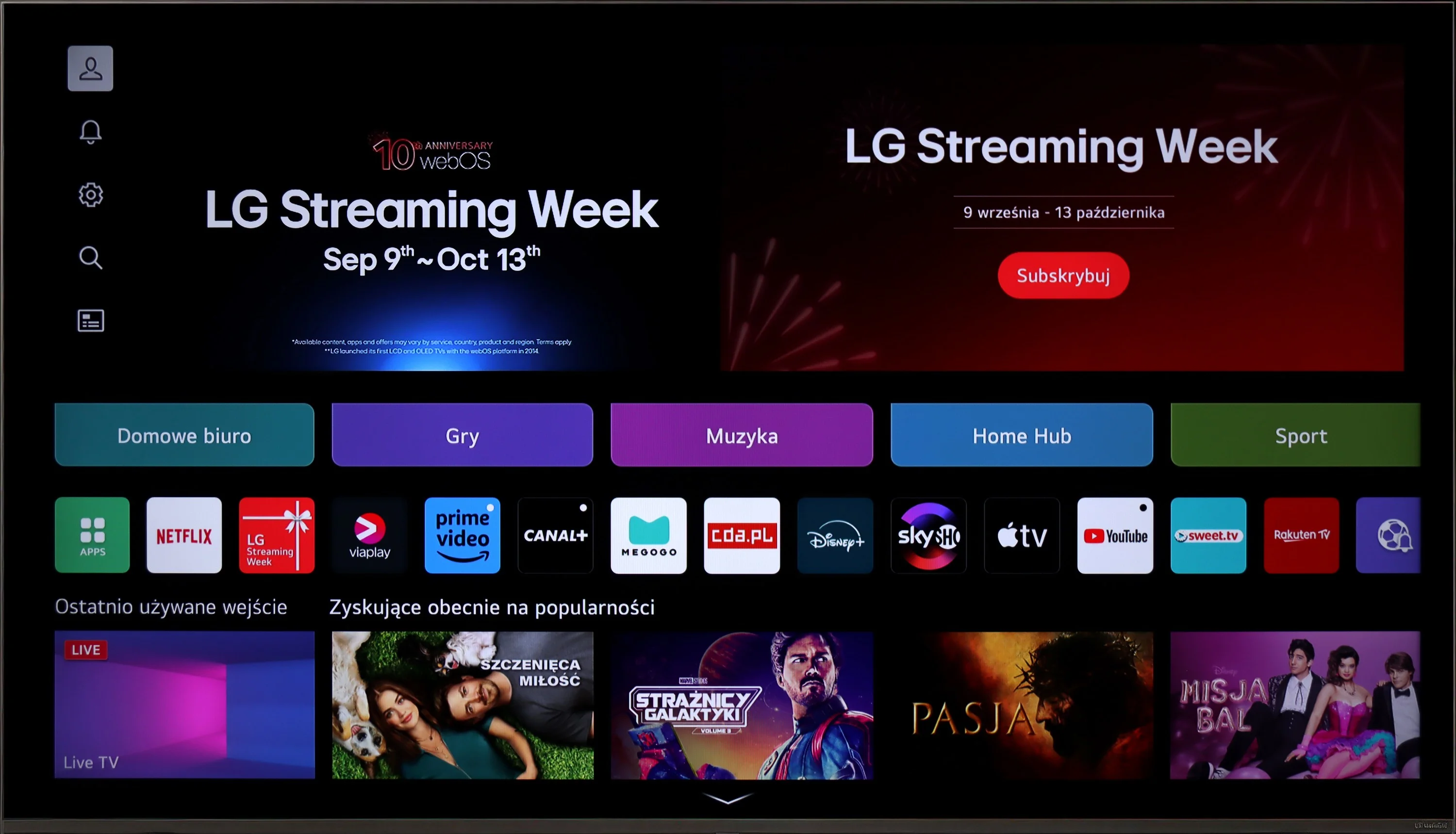
The LG NANO82T offers a range of features that greatly enhance user comfort. Its webOS operating system is intuitive, fast, and provides a wide selection of applications that are easy to install and operate. The Magic Remote is another highlight, functioning like a computer mouse for quick and efficient menu navigation. WebOS also includes AirPlay, allowing seamless streaming from Apple devices like iPhones and iPads.

In everyday use, the television excels. It features a recording function, enabling you to save your favourite programs for later viewing. Pairing with other devices is straightforward, thanks to built-in Bluetooth. You can easily connect headphones, speakers, or even keyboards and mice, enhancing its versatility. However, the lack of a Picture-in-Picture (PIP) function is a downside, as it would allow for simultaneous viewing of two programs. Despite this, the LG NANO82T remains an excellent choice for everyday use, offering many modern and convenient features.

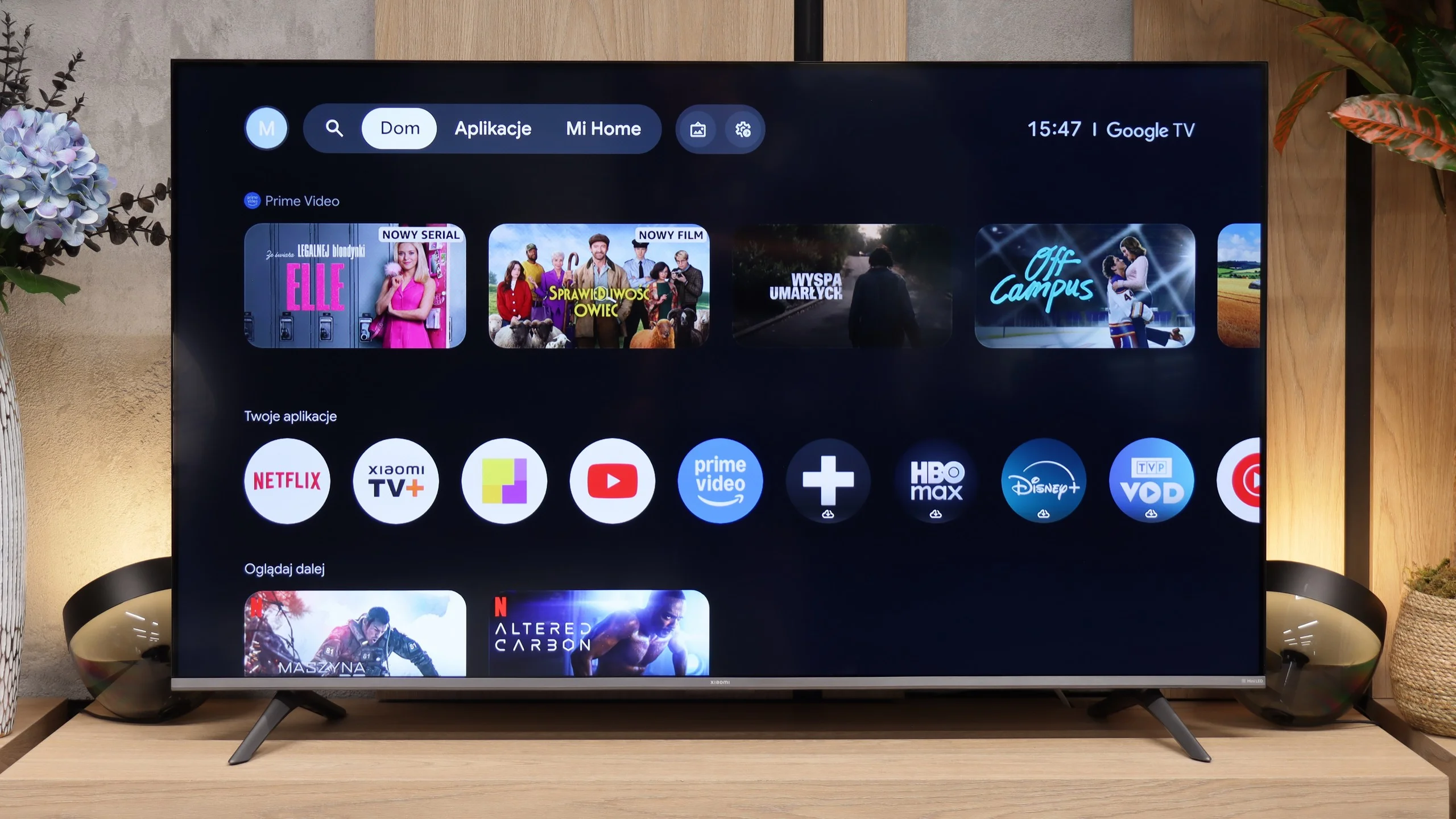
Google TV

The Xiaomi S Mini 2026 runs on Google TV, which remains one of the most feature-rich Smart TV platforms. You’ll find practically all the most popular apps here, such as Netflix, YouTube, Prime Video, Disney+, HBO Max and Canal+, and thanks to the Google Play Store you can install many other apps as well. It also supports Google Assistant, Chromecast and the ability to control the TV from your smartphone.

Unfortunately, on the smaller models the system doesn’t run as smoothly as we’d expect. Switching between apps or navigating the menu can take a moment, and the interface sometimes responds with a slight delay. It’s not at a level that makes the TV unusable, but compared with the competition it’s clear this isn’t the fastest version of Google TV on the market.

Classic features

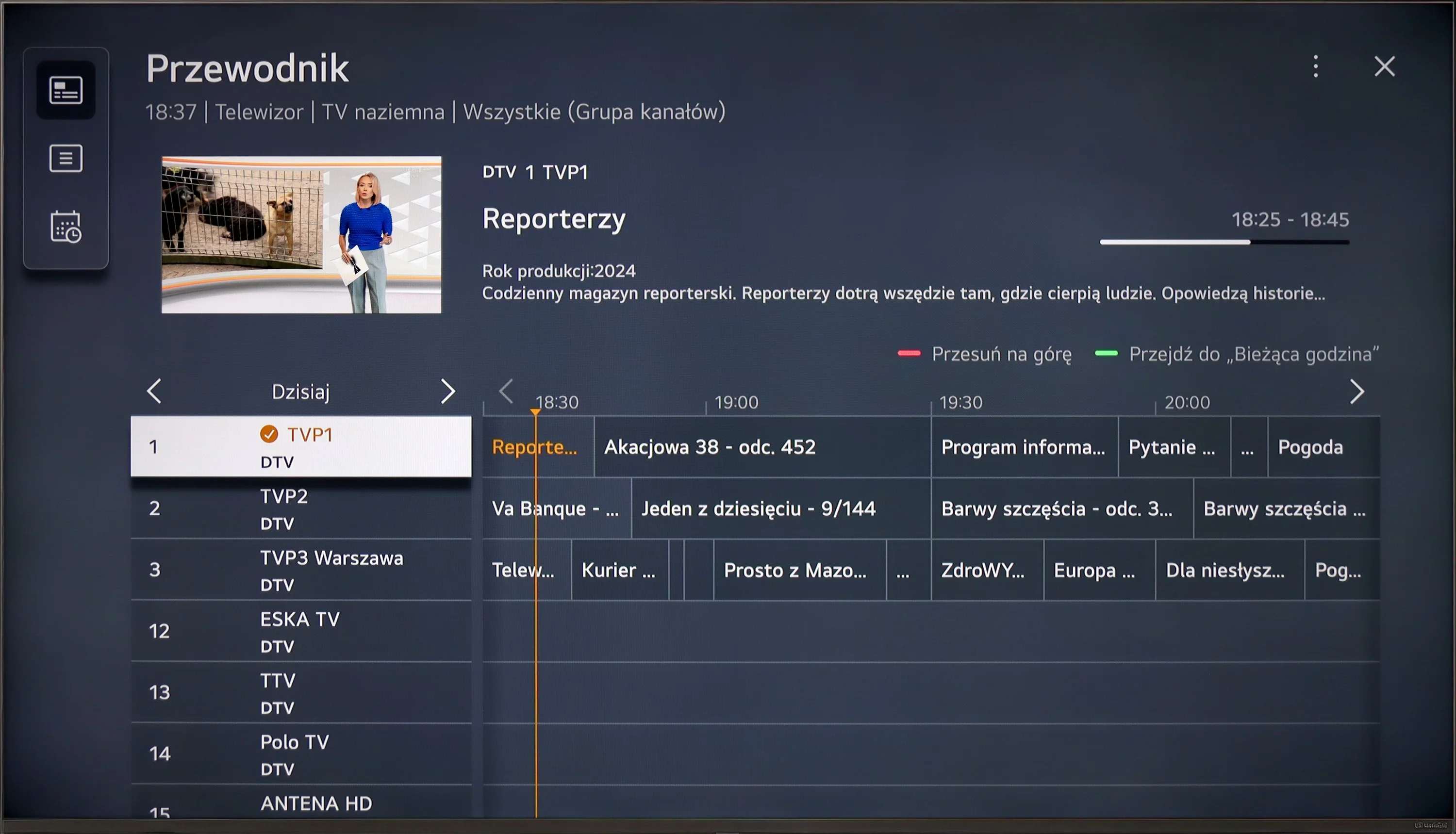
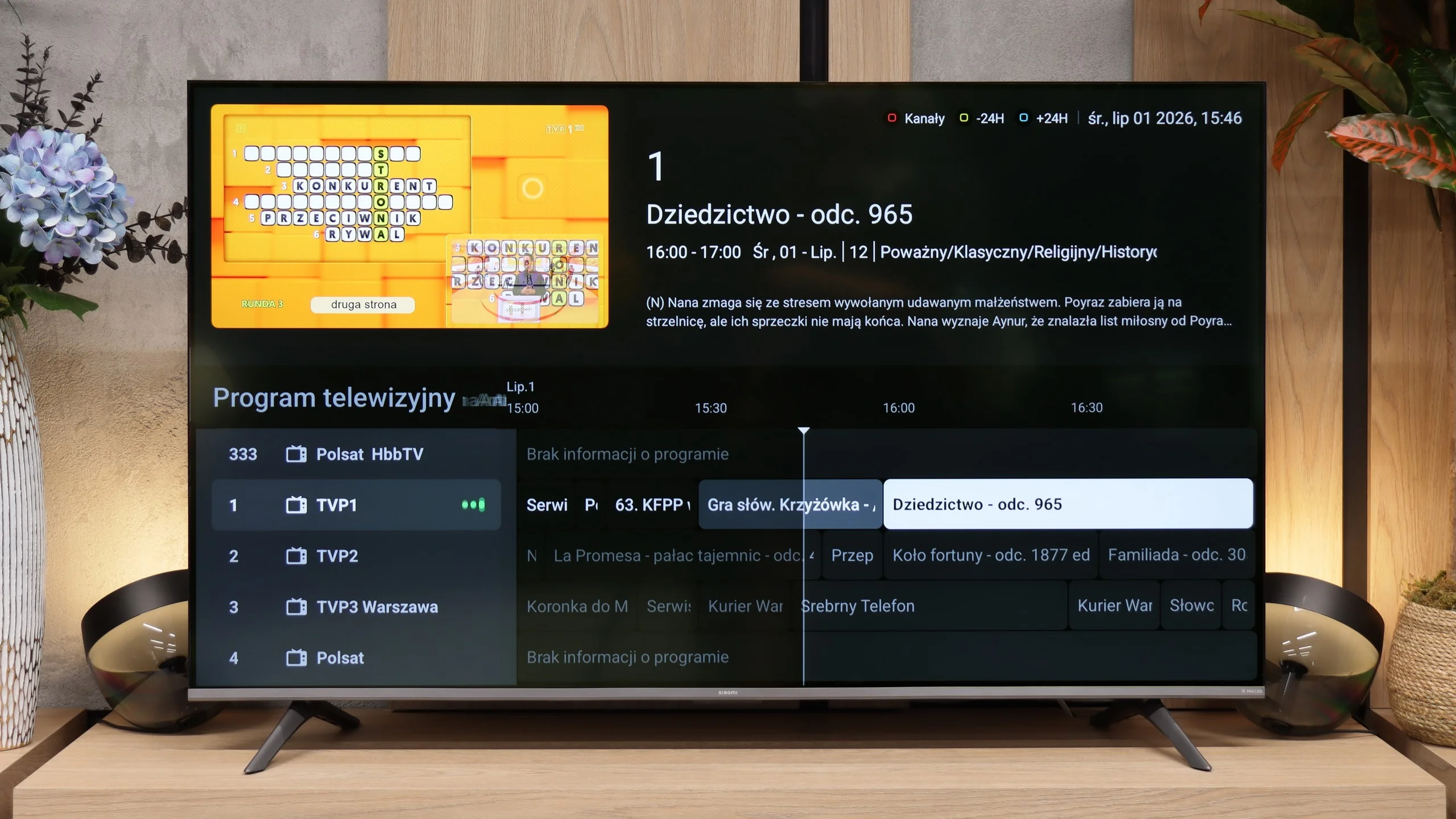
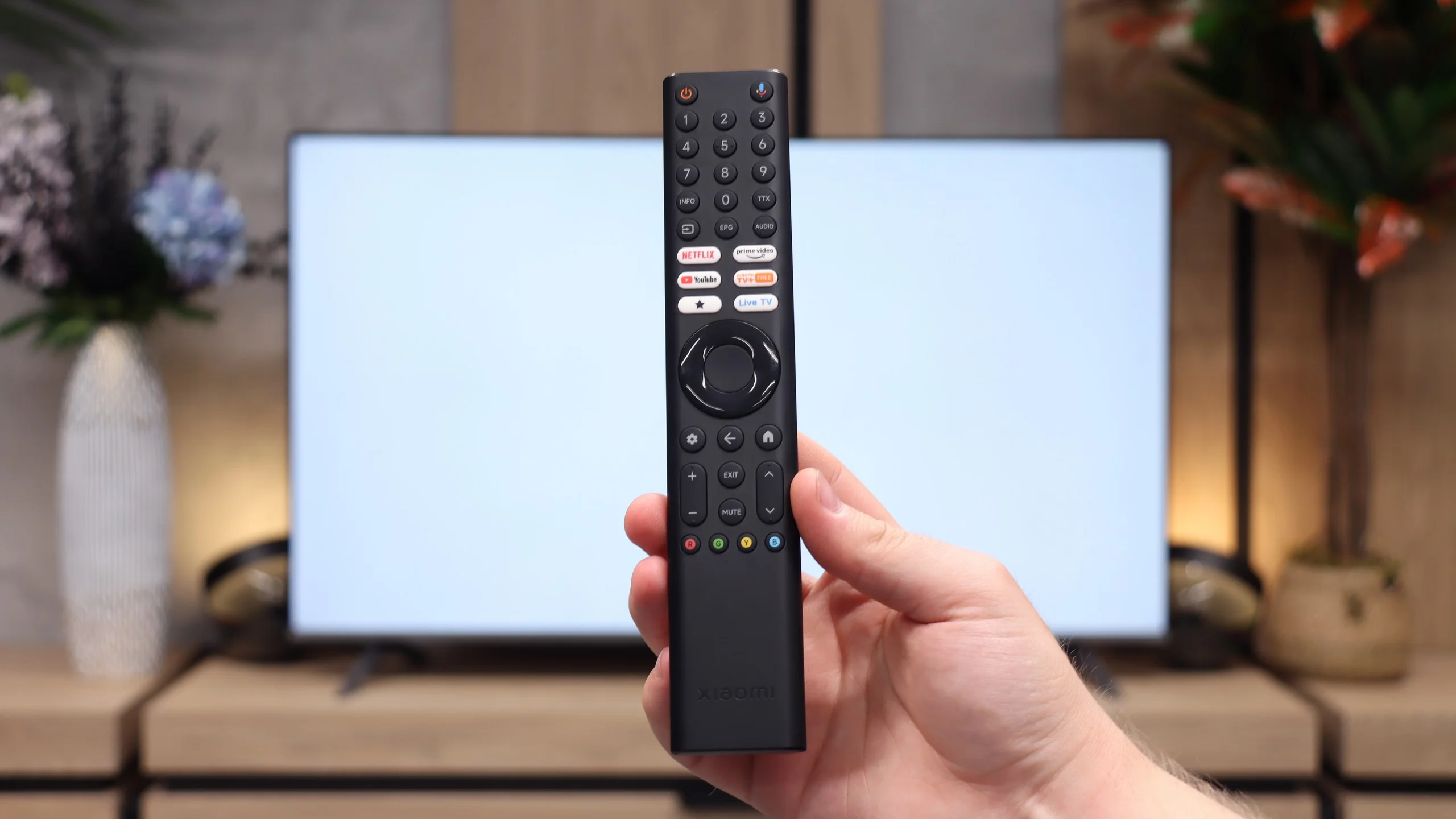
If you mainly use linear TV, Xiaomi doesn’t offer anything beyond what you’d expect from a modern TV. You get an electronic program guide (EPG) and teletext. The manufacturer also includes a remote with a traditional numeric keypad, which is becoming rarer these days but will still be a convenient solution for many people when changing channels.

Noteworthy is the presence of an analog 3.5 mm headphone jack. This is a feature that is disappearing from TVs year by year in favor of only digital audio outputs. Because of it, you can easily connect older wired headphones or speakers without needing additional adapters.

Apps

9.1/10

9.6/10

OK
Disney_Plus
OK
Amazon_Prime_Video
OK
Player_TVN
OK
Polsat_Box_Go
OK
Canal_Plus_Online
OK
TVP_VOD
OK
Apple_TV_Plus
OK
SkyShowtime
OK
Rakuten
OK
CDA_Premium_Browser
OK
Spotify
OK
Tidal
OK
Netflix
OK
YouTube
OK
HBO_MAX
No
Kodi
OK
Apple_music
No
Eleven_sports
OK
Xbox Game Pass
OK
GeForce NOW
OK
Amazon Luna
OK
Boosteroid
No
Steam Link
OK
Disney_Plus
OK
Amazon_Prime_Video
OK
Player_TVN
OK
Polsat_Box_Go
OK
Canal_Plus_Online
OK
TVP_VOD
OK
Apple_TV_Plus
OK
SkyShowtime
OK
Rakuten
OK
CDA_Premium_Browser
OK
Spotify
OK
Tidal
OK
Netflix
OK
YouTube
OK
HBO_MAX
OK
Kodi
No
Apple_music
OK
Eleven_sports
No
Xbox Game Pass
OK
GeForce NOW
No
Amazon Luna
OK
Boosteroid
OK
Steam Link

Playing files from USB

8.2/10

6.5/10

Supported photo formats:

JPEG
Yes
Yes
HEIC
No
No
PNG
Yes
Yes
GIF
No
Yes
WebP
No
No
TIFF
No
No
BMP
No
Yes
SVG
No
No

Maximum photo resolution:

4 Mpix
Yes
Yes
6 Mpix
Yes
Yes
8 Mpix
Yes
Yes
10 Mpix
Yes
Yes
12 Mpix
Yes
Yes
16 Mpix
Yes
Yes
20 Mpix
No
Yes
24 Mpix
No
Yes
28 Mpix
No
Yes
32 Mpix
Yes
Yes

The file player in the LG NANO82T is similar to those found in other LG models and will meet the needs of most users, providing convenient and efficient playback of various video and audio files. However, more demanding users who require support for unconventional image formats may encounter some limitations. In such cases, using a computer would be recommended to achieve full compatibility with different file formats. Overall, the file player in the LG NANO82T performs its basic function well, though it may not offer the flexibility required by more advanced users.
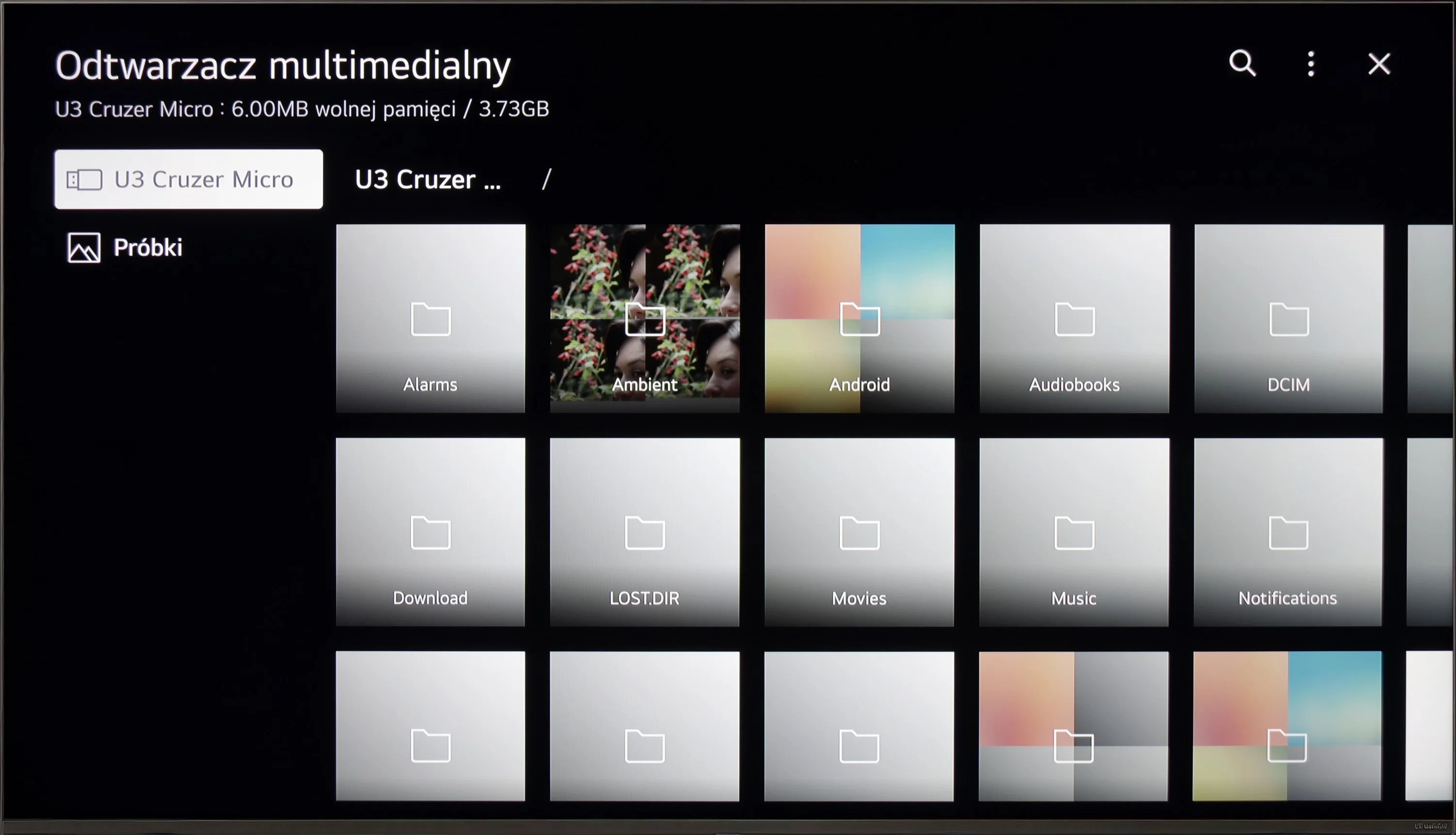
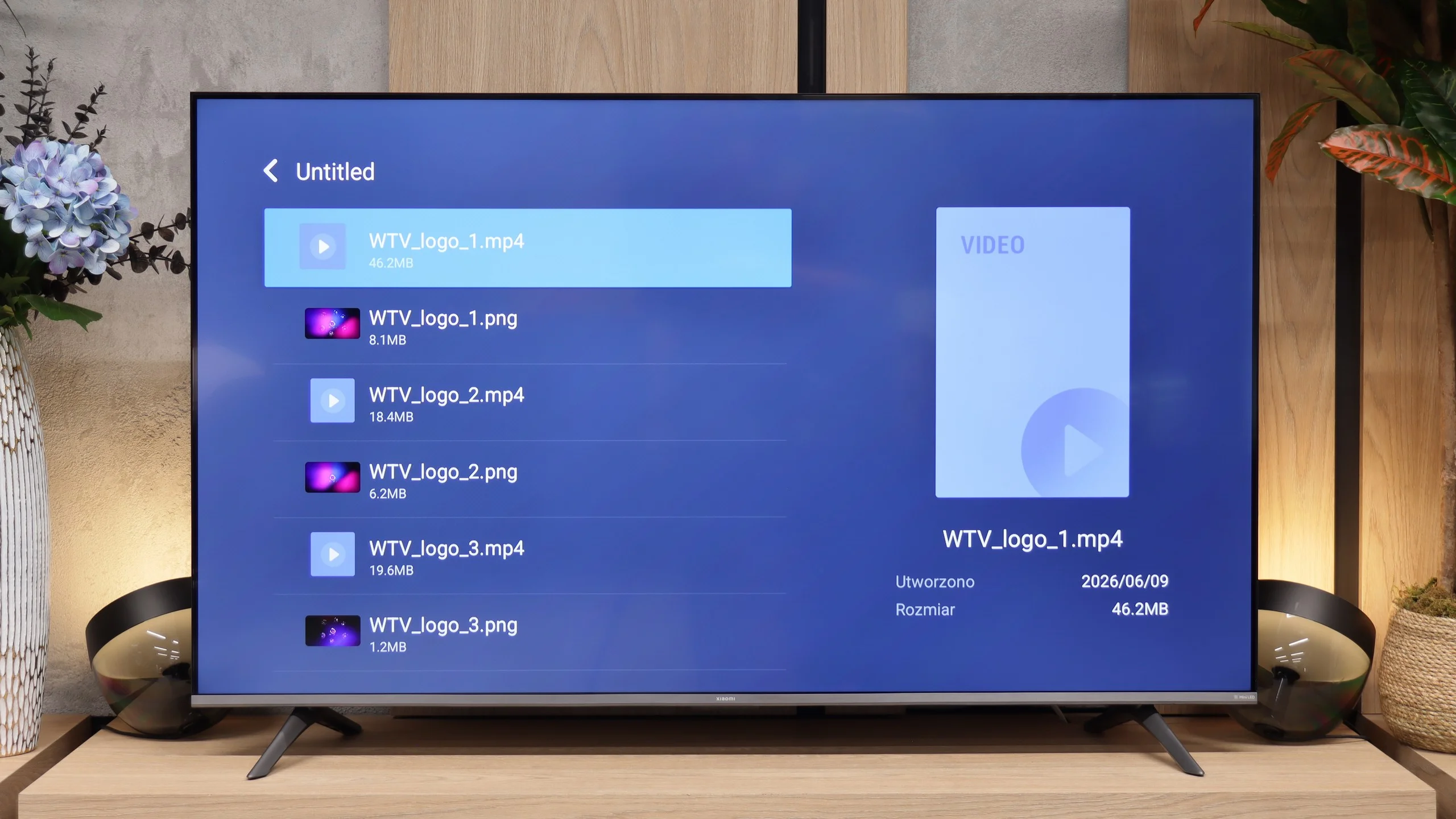
The built-in USB media player performs quite well and plays most popular formats without any issues. However, if you come across a file it doesn't support, Google TV makes it easy to install another player, such as VLC. Our biggest reservation is the subtitles. The built-in app doesn't handle some characters outside the basic alphabet correctly, so you can run into problems with, for example, Polish letters. If you frequently watch movies from USB, it's better to use a third-party app.
Sound

6.1/10

5/10

  • Maximum volume
    -
    89dB
  • Dolby Digital Plus 7.1
    Yes
    Yes
  • Dolby True HD 7.1
    No
    Yes
  • Dolby Atmos in Dolby Digital Plus (JOC)
    Yes
    Yes
  • Dolby Atmos in Dolby True HD
    No
    Yes
  • DTS:X in DTS-HD MA
    No
    Yes
  • DTS-HD Master Audio
    No
    Yes

The sound quality of the LG NANO82T is decent, though not exceptional. It is equipped with two 10W speakers located at the bottom, offering adequate audio for everyday use. However, the absence of DTS format support may be a drawback for Blu-ray users who expect higher-quality sound. While the audio is sufficient for regular viewing, those seeking a more immersive experience or superior sound performance might find it lacking.

In terms of sound, the Xiaomi S Mini 2026 doesn't stand out. The speakers are fine for regular TV viewing, but with movies or concerts their limitations quickly become apparent. The biggest issue is the lack of bass, which makes the overall sound fairly flat. If you want better audio, it's worth considering getting a soundbar.

Sound Quality Test

No sound test video

Acoustic Measurements

No acoustic data

89dBC (Max)

75dBC

Reader comments

Comments are provided by the external service Disqus (Zeta Global). Once loaded, Disqus may set cookies and process data about your activity.

We will remember your choice on this device. Provider's privacy policy