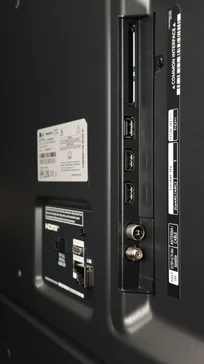
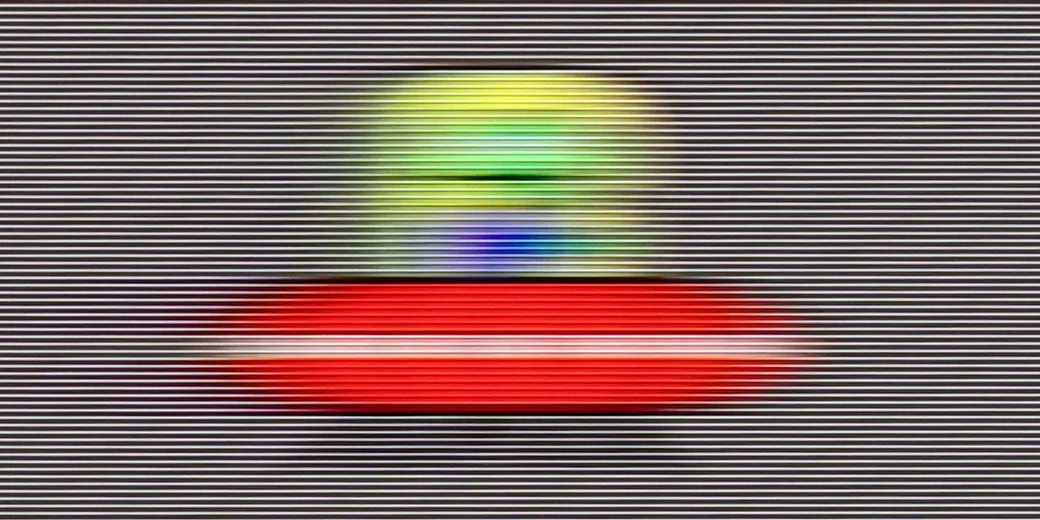
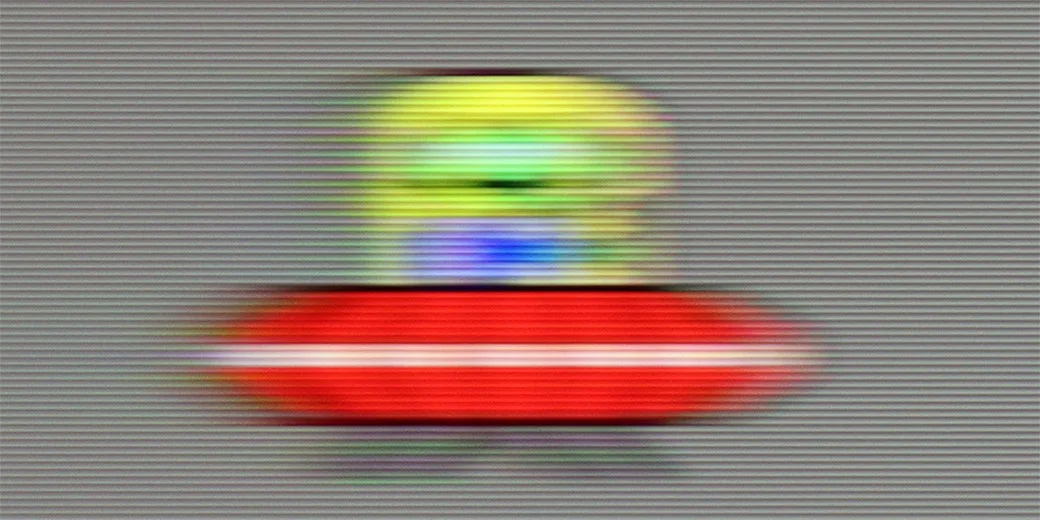
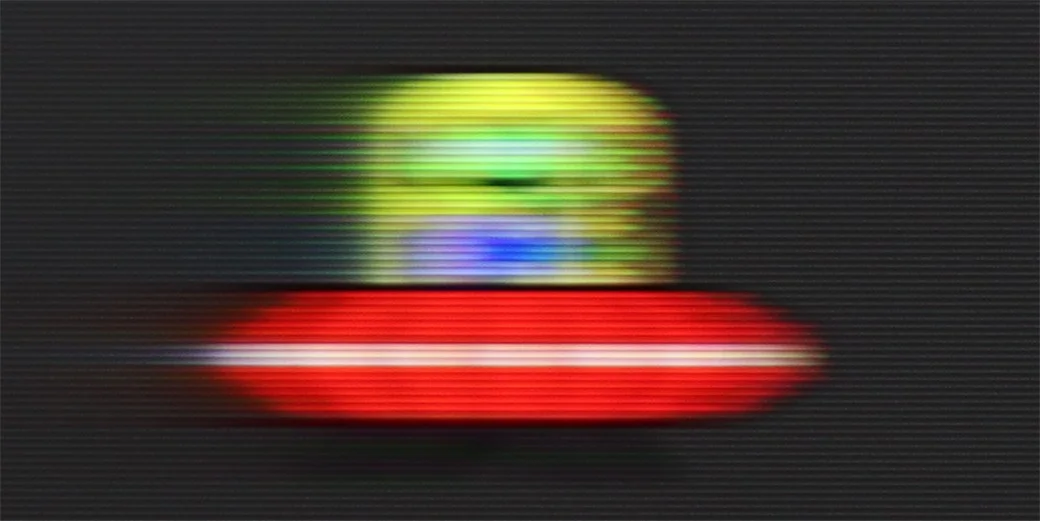
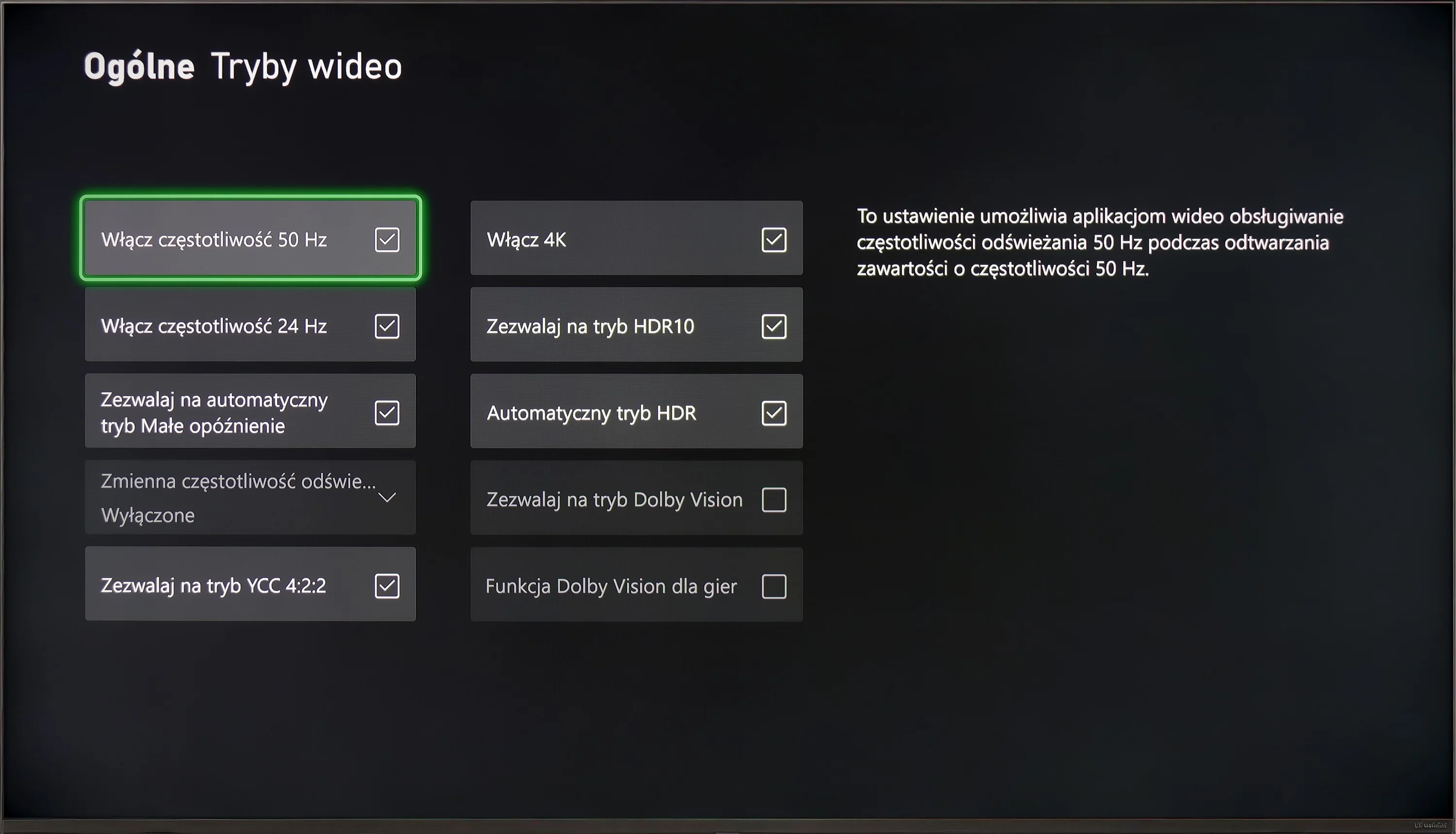
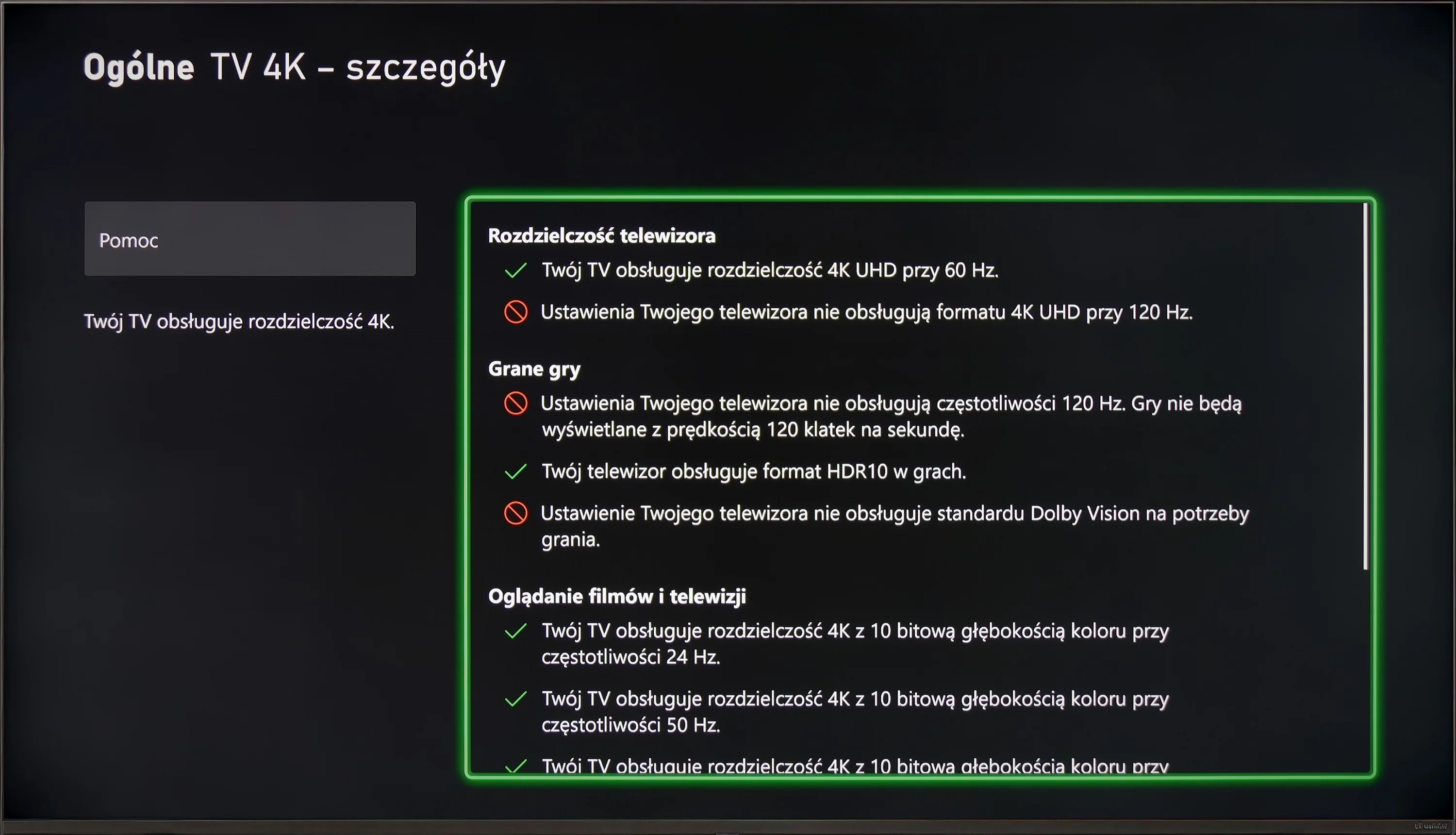
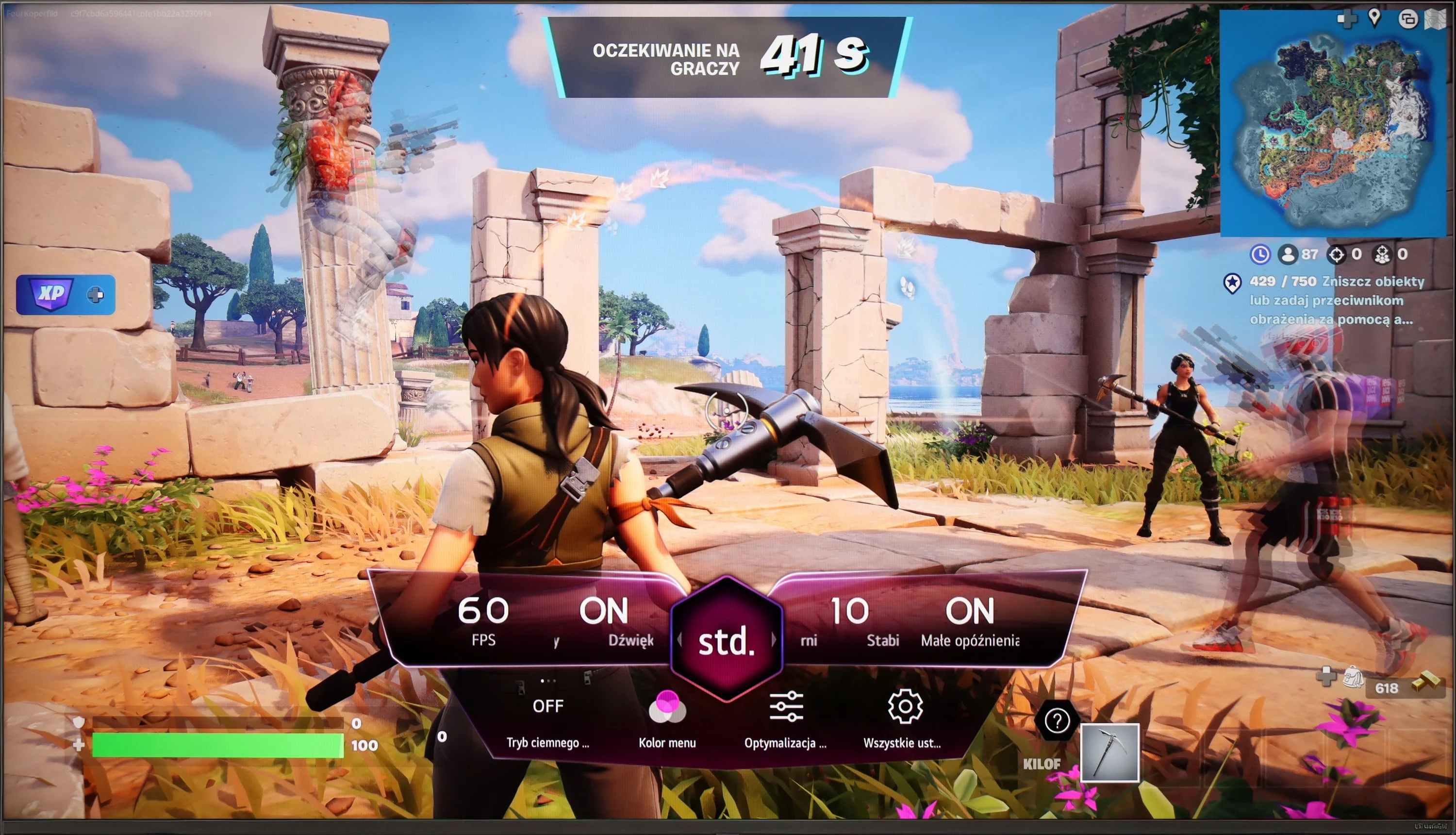
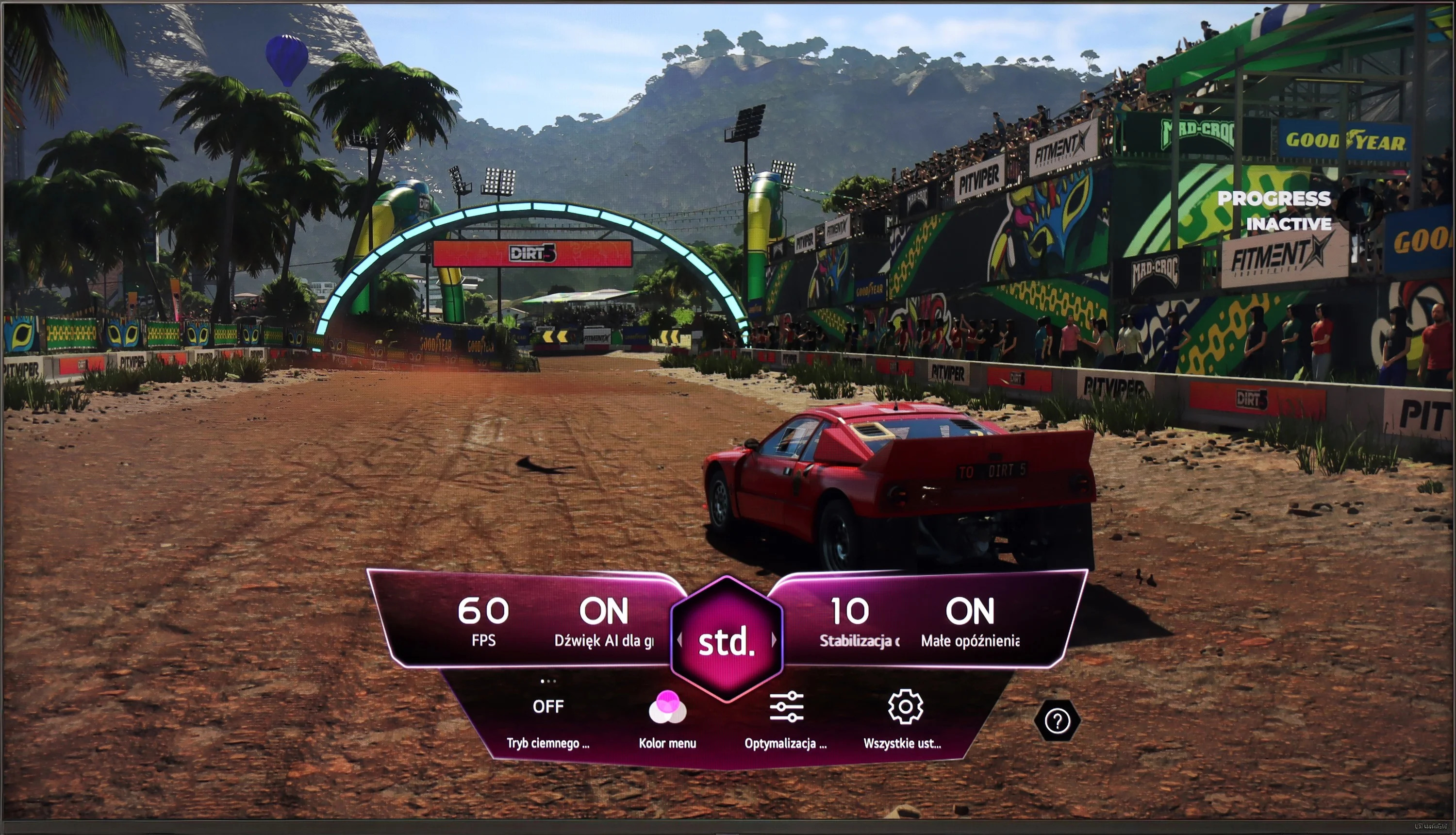
When playing on the console, the LG NANO82T offers several features that can enhance the gaming experience, though it also has some limitations. Notably, the ALLM (Auto Low Latency Mode) feature stands out, automatically adjusting picture settings to switch the television to low latency mode, which is especially beneficial for gamers requiring quick reactions. Another advantage is the support for HGiG (HDR Gaming Interest Group), ensuring HDR games are displayed as intended by the creators and providing vibrant and realistic visuals. These features contribute to a solid gaming experience, but there are some drawbacks, particularly in fast-paced scenes.
The LG NANO82T has limitations when it comes to advanced gaming features. It lacks support for variable refresh rate (VRR), which affects gameplay smoothness, especially in more dynamic games. The TV's 60Hz panel restricts the ability to use higher refresh rates, a significant downside for gamers seeking smoother gameplay at higher resolutions. Additionally, the absence of G-Sync technology limits image synchronisation, potentially leading to tearing and stuttering during gameplay.
These limitations mean that while the LG NANO82T offers a good gaming experience for casual gamers, it may not meet the expectations of more demanding players seeking advanced features and maximum image fluidity.
These shortcomings may mean that the LG NANO82T does not meet the expectations of the most demanding gamers looking for advanced features and the highest image fluidity.
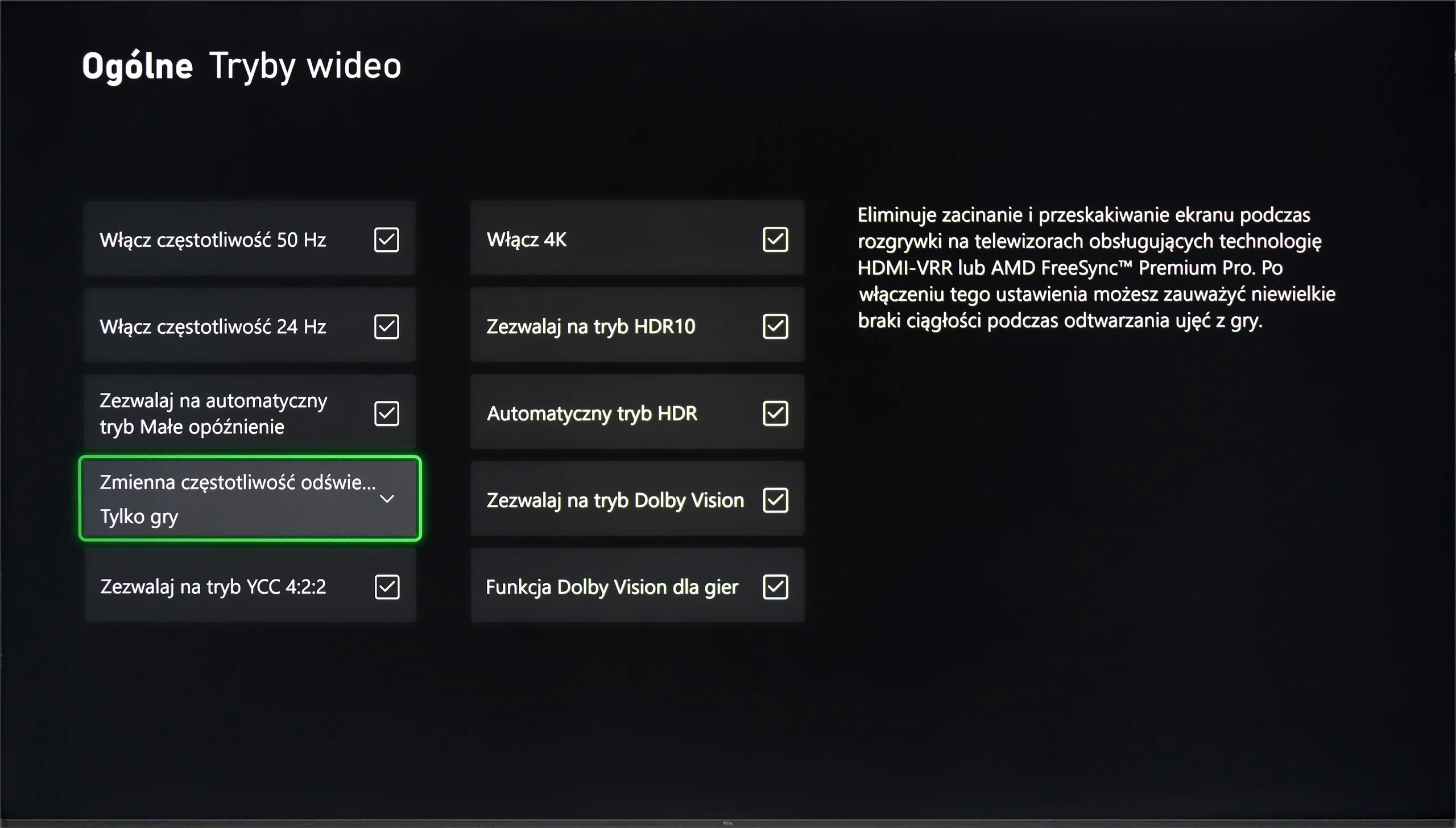
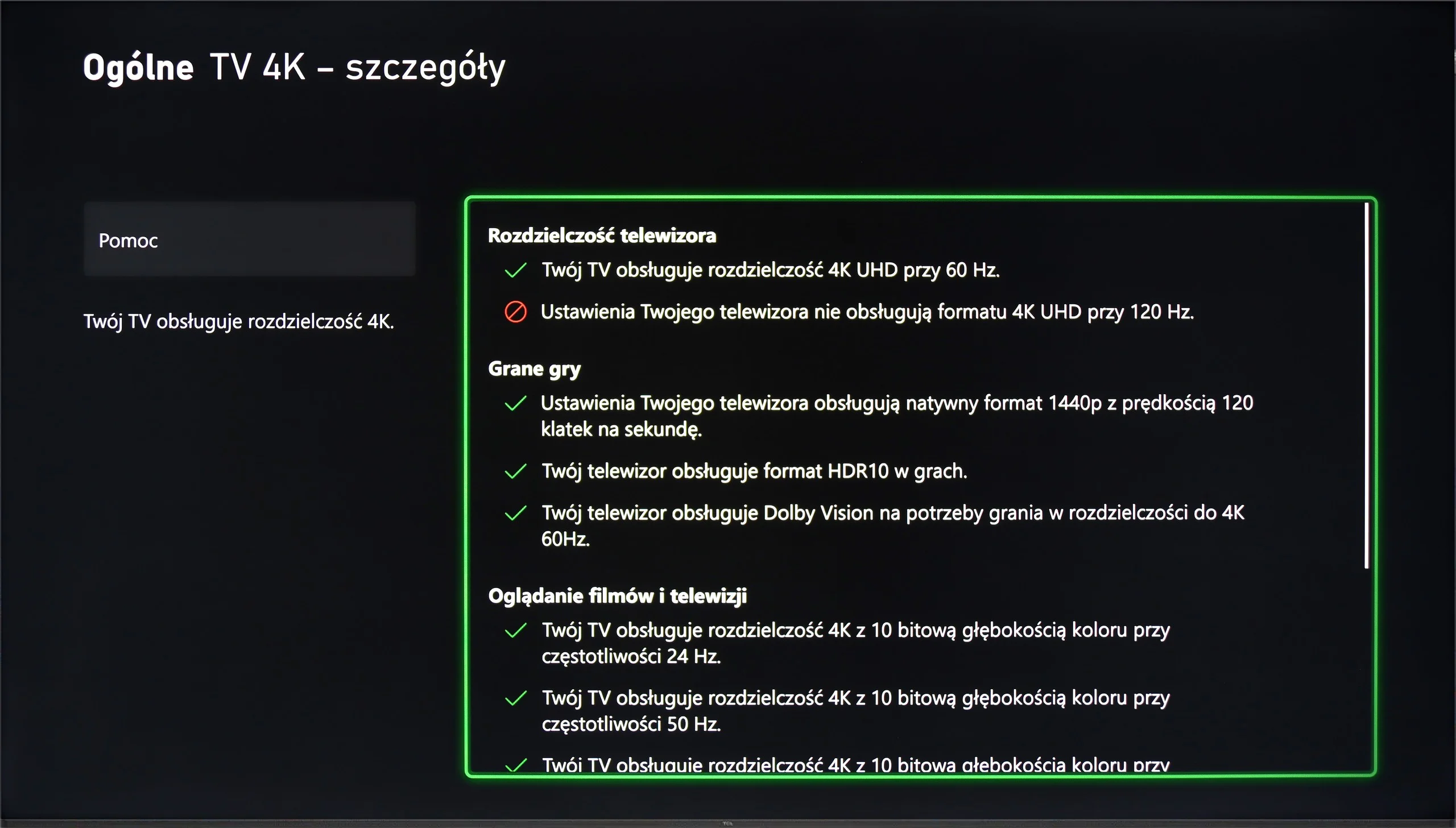
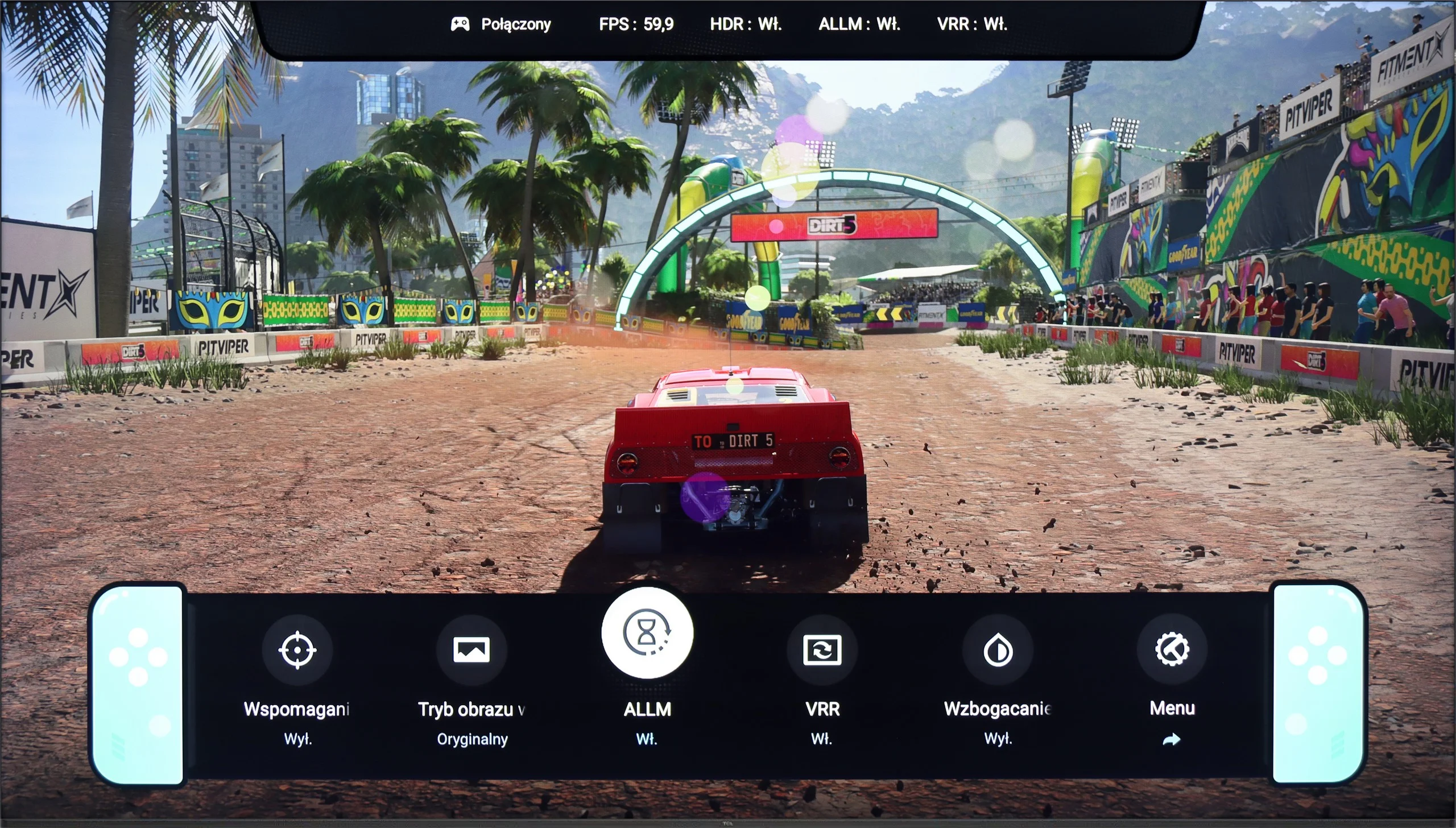
Although on paper the native 4K@60Hz matrix might suggest that the TCL P7K/P79K is not a TV tailored for gamers, the reality turns out to be surprisingly different. On the contrary, the manufacturer has ensured a rich package of features that make it a very friendly companion for next-generation consoles. Onboard, we find key technologies such as ALLM, which provides automatic switching to low-latency mode, and VRR, or variable refresh rate, which eliminates screen tearing. The list is completed by support for Dolby Vision Gaming and a simple yet functional Game Bar. However, the real and extremely pleasant surprise is something else. It turns out that the TV easily supports high refresh rate signals of 120 Hz, but at lower resolutions – 1080p and 1440p. This is fantastic news for console owners who know full well how rarely games run in native 4K at a full 120 frames per second. The ability to choose between higher resolution and doubled smoothness is therefore an extremely sensible compromise.
In summary, although the P7K/P79K may not be the target screen for the most avid tournament gamers, it offers a package of options for the casual or occasional console user that is hard to find among many competitors at this price point.
 Direct comparison