When playing on the console, the LG NANO82T offers several features that can enhance the gaming experience, though it also has some limitations. Notably, the ALLM (Auto Low Latency Mode) feature stands out, automatically adjusting picture settings to switch the television to low latency mode, which is especially beneficial for gamers requiring quick reactions. Another advantage is the support for HGiG (HDR Gaming Interest Group), ensuring HDR games are displayed as intended by the creators and providing vibrant and realistic visuals. These features contribute to a solid gaming experience, but there are some drawbacks, particularly in fast-paced scenes.
The LG NANO82T has limitations when it comes to advanced gaming features. It lacks support for variable refresh rate (VRR), which affects gameplay smoothness, especially in more dynamic games. The TV's 60Hz panel restricts the ability to use higher refresh rates, a significant downside for gamers seeking smoother gameplay at higher resolutions. Additionally, the absence of G-Sync technology limits image synchronisation, potentially leading to tearing and stuttering during gameplay.
These limitations mean that while the LG NANO82T offers a good gaming experience for casual gamers, it may not meet the expectations of more demanding players seeking advanced features and maximum image fluidity.
These shortcomings may mean that the LG NANO82T does not meet the expectations of the most demanding gamers looking for advanced features and the highest image fluidity.
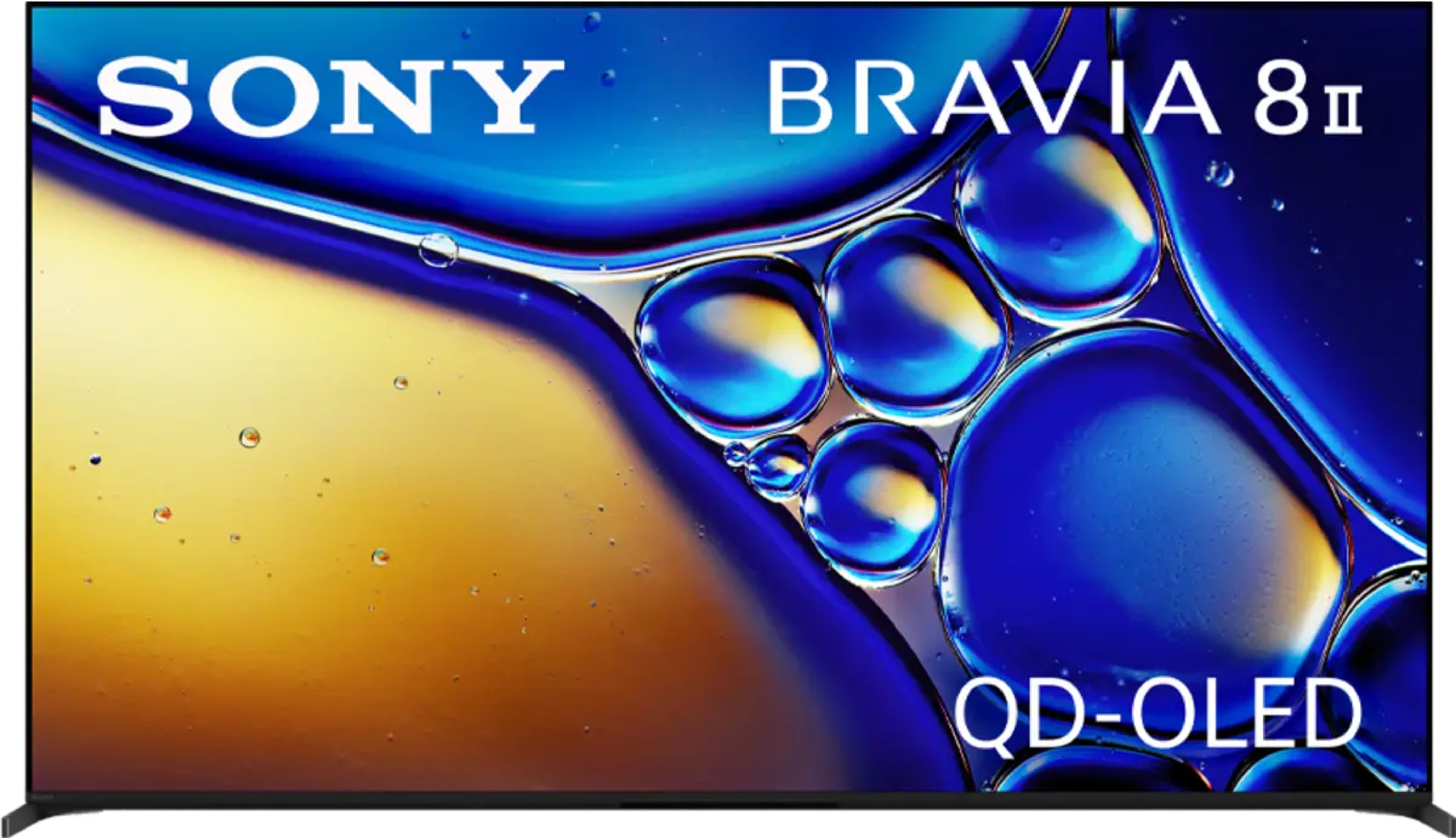
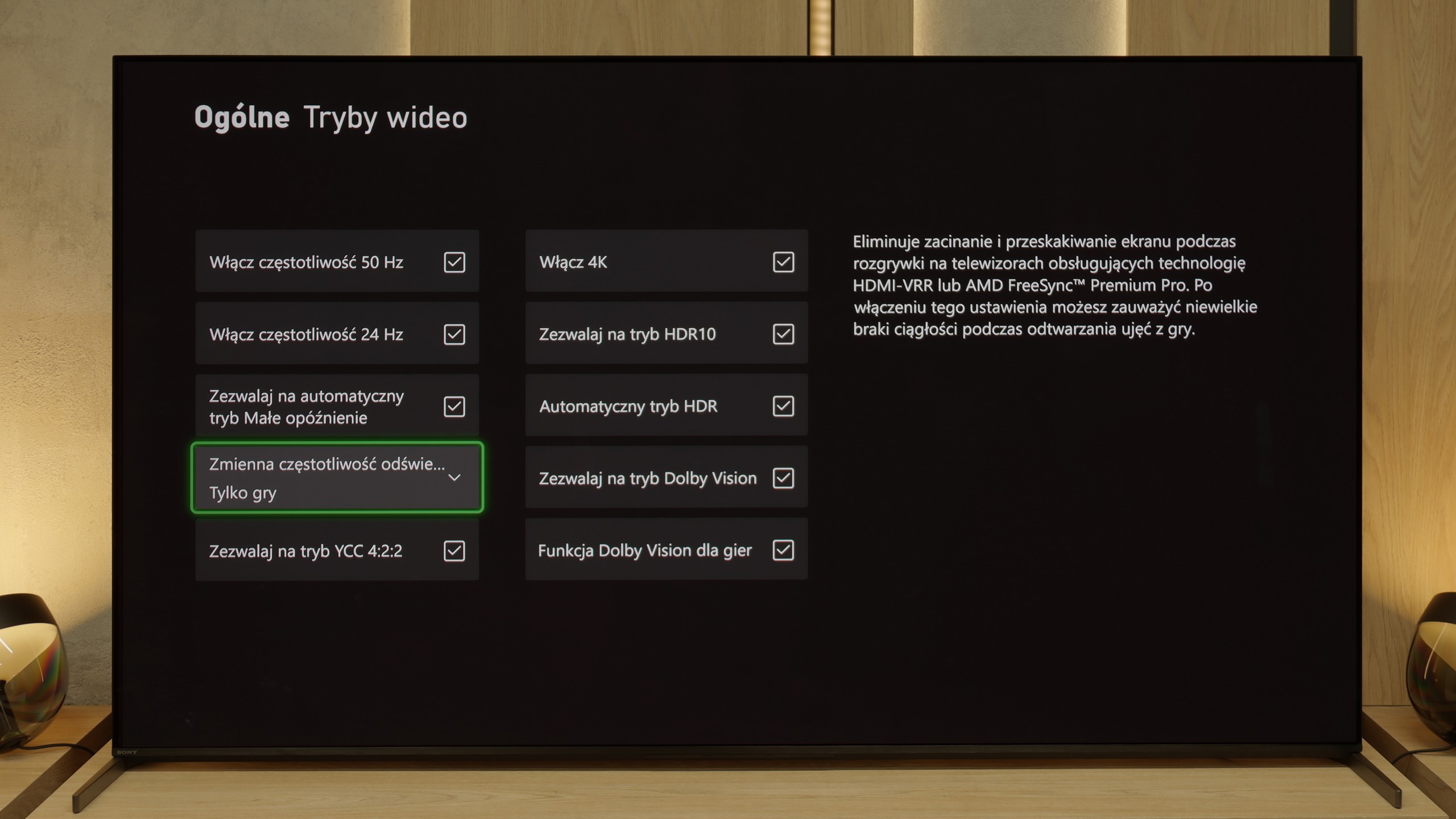
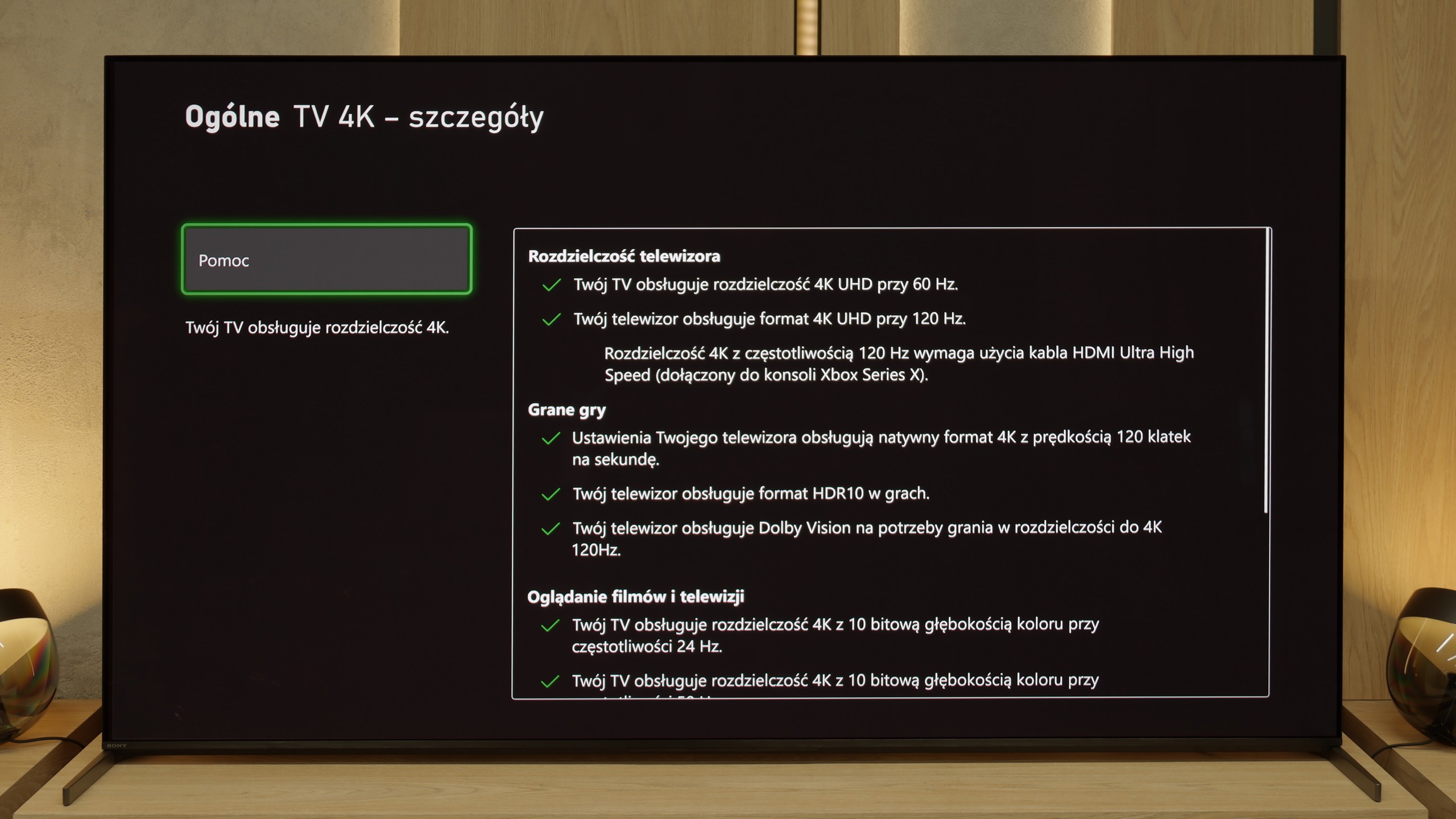
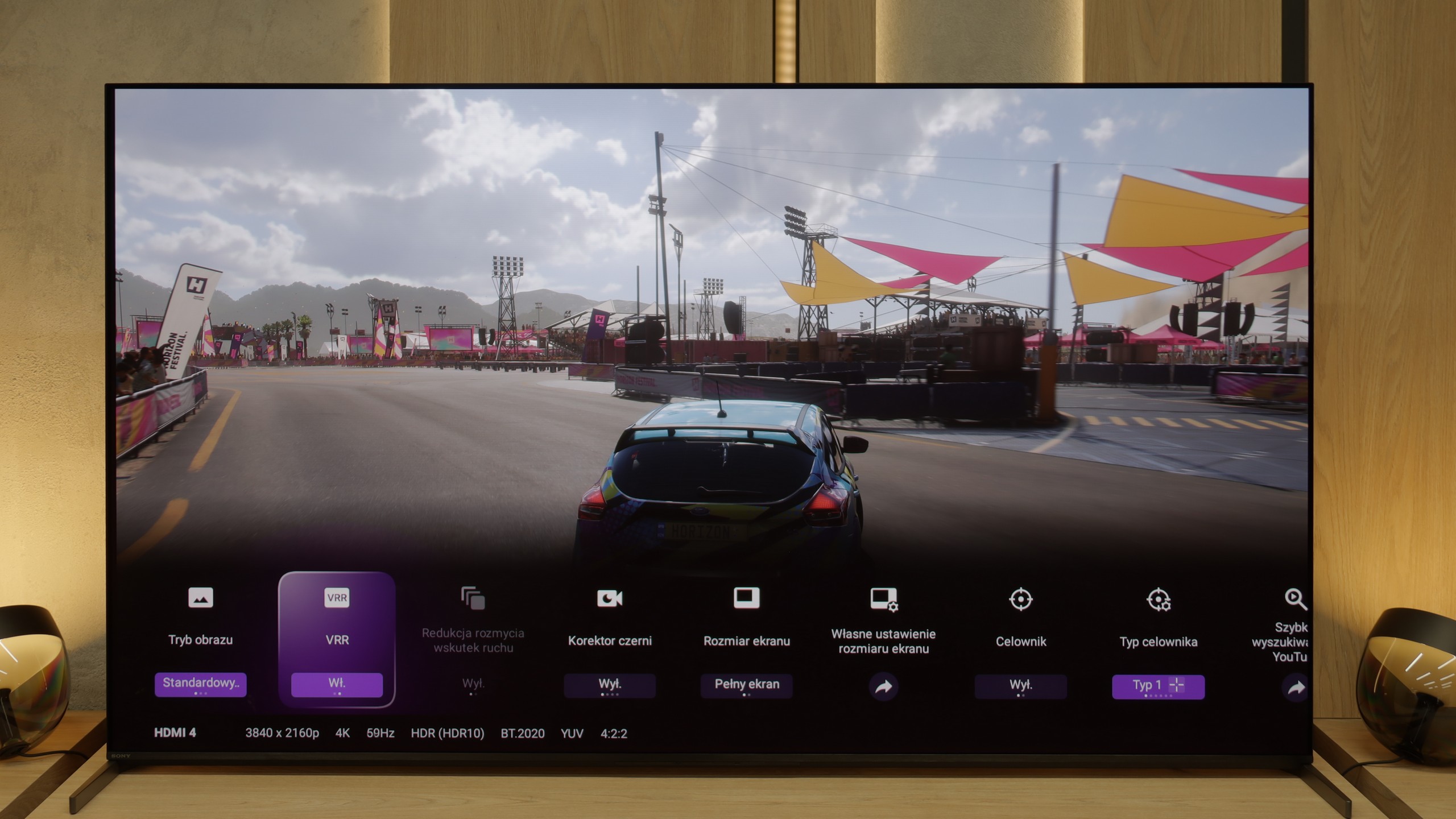
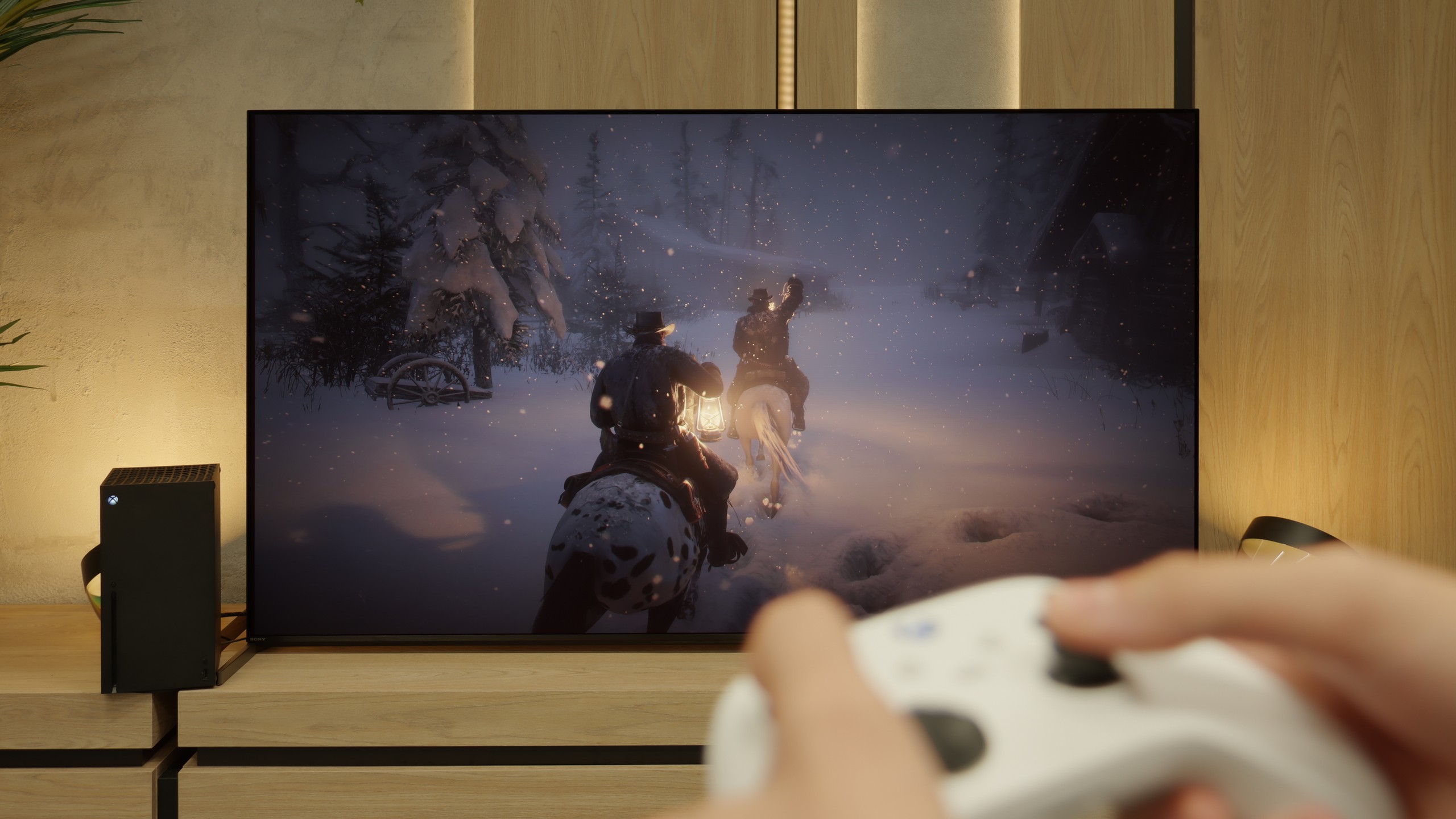
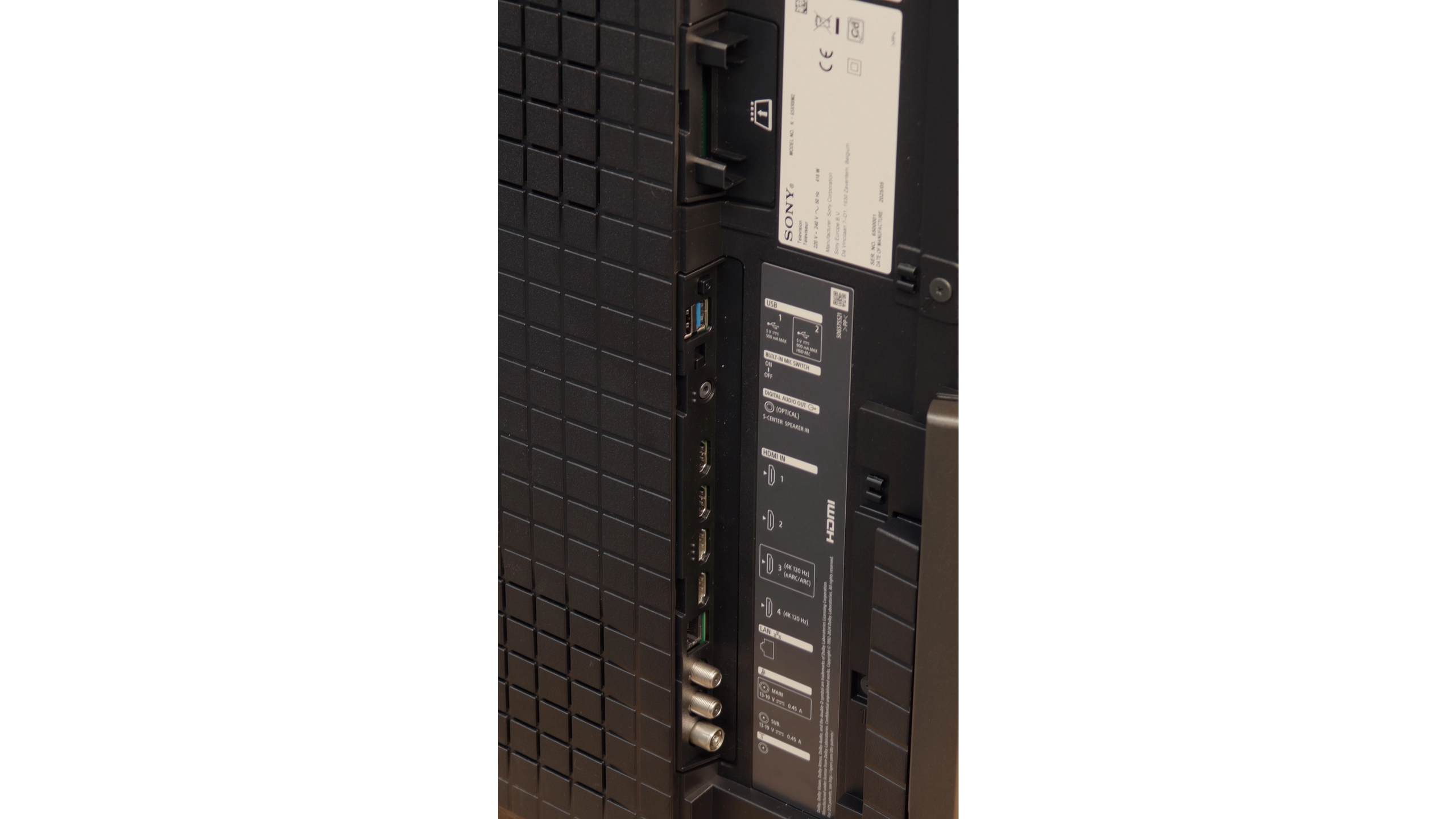
Sony really learned its lesson from previous years and in the Bravia 8 II prepared a package of features for gamers that is difficult to describe as anything other than "almost perfect." We have everything expected in equipment of this class – VRR, ALLM, Dolby Vision Gaming mode, HGiG, and even a convenient Game Bar that allows you to quickly preview parameters and change settings without leaving the game. Additionally, it's worth noting how smoothly and flawlessly these features work – no delays, no strange stutters. You simply turn on the game and everything looks as it should. Unfortunately, there are a few "buts." The manufacturer still gives us only two full-bandwidth HDMI ports, so if someone has a console, a PC, and another device like a Soundbar connected via eARC, it starts a game of cable swapping. It's also surprising that there is no support for 1440p resolution at 120 Hz – particularly important for Xbox gamers. Overall, however – this is one of those TVs that can comfortably be placed in the center of a gaming lounge, allowing you to enjoy gameplay without significant compromises.
 Direct comparison