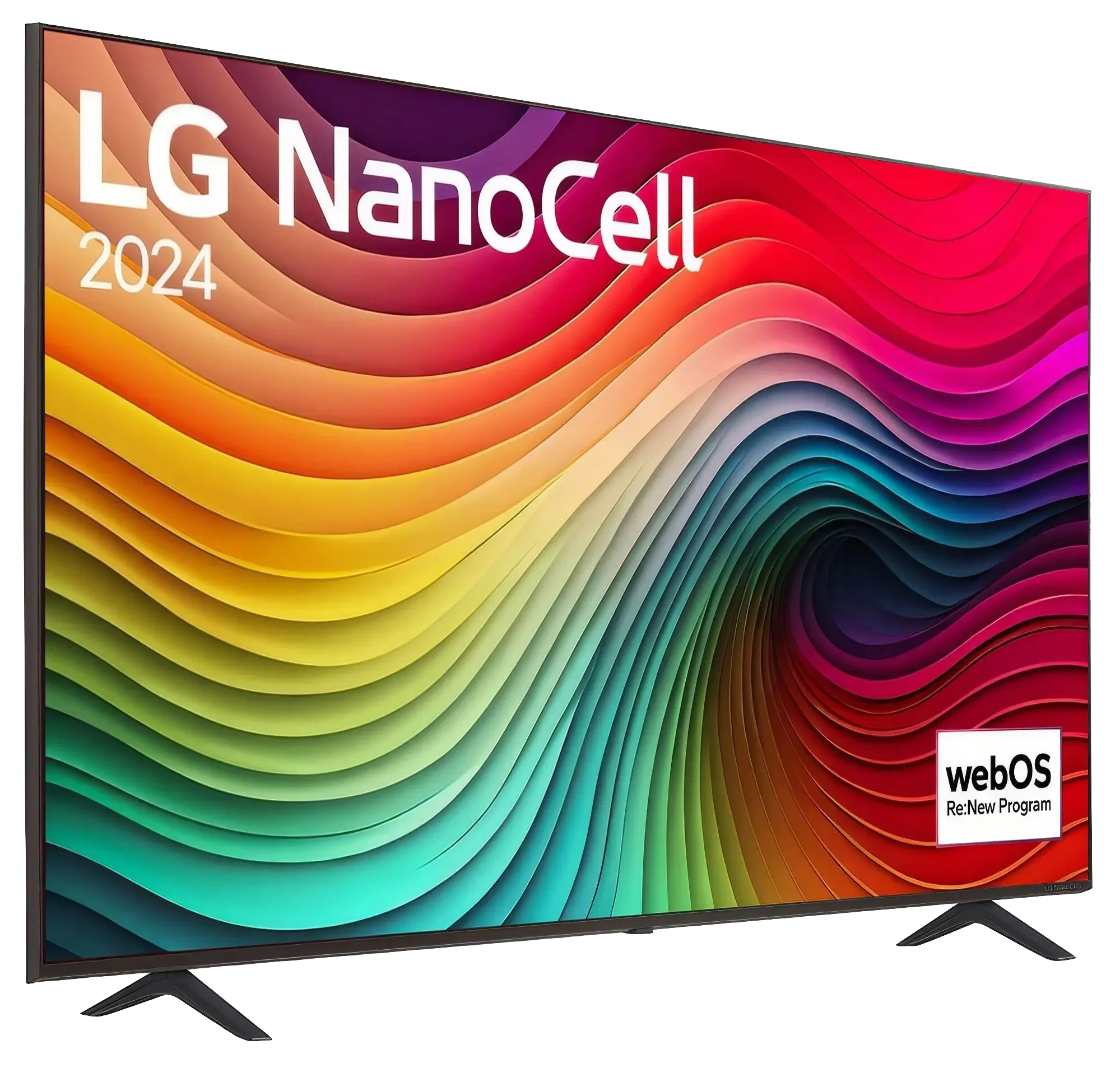
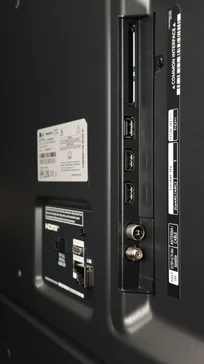
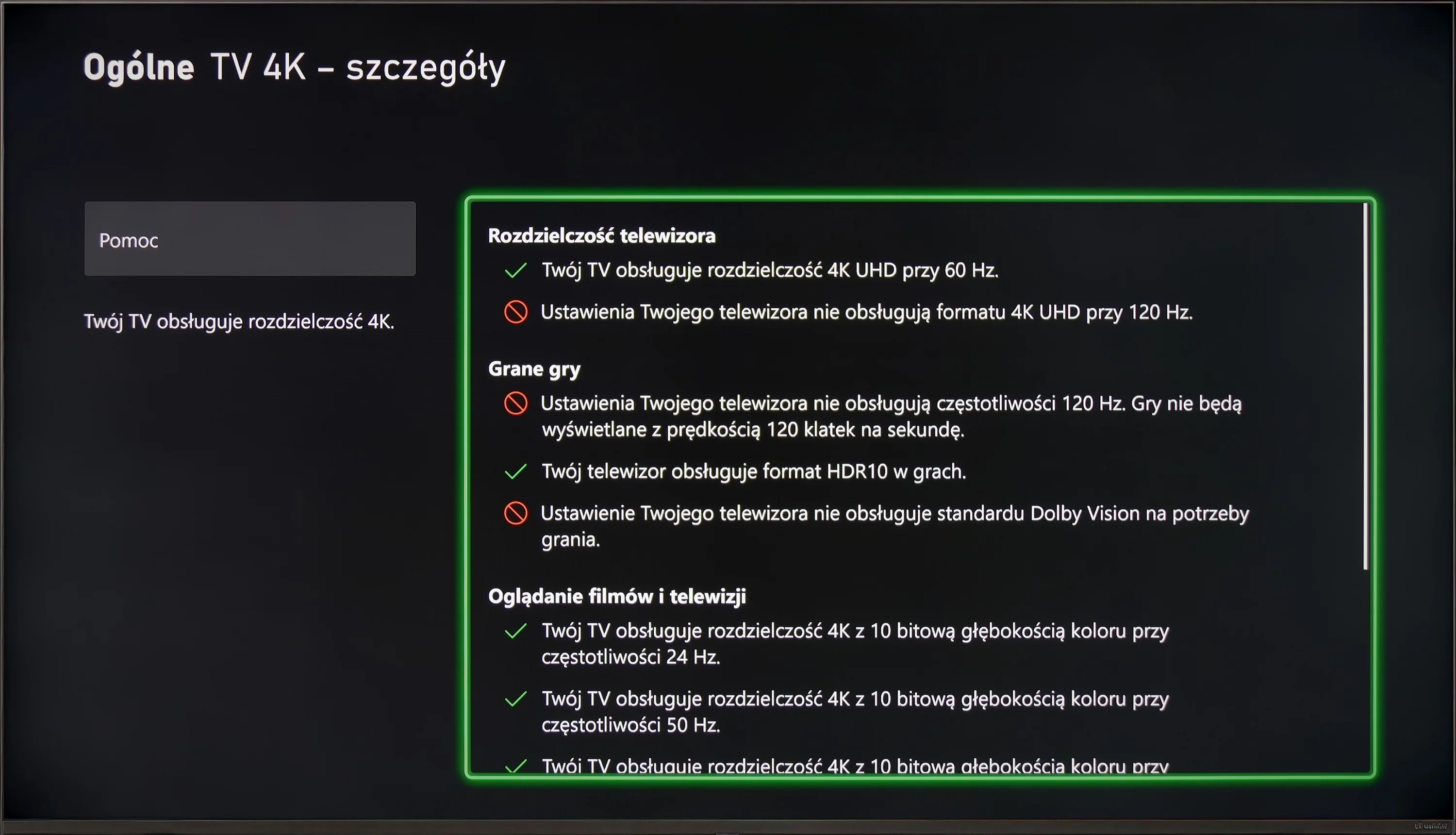
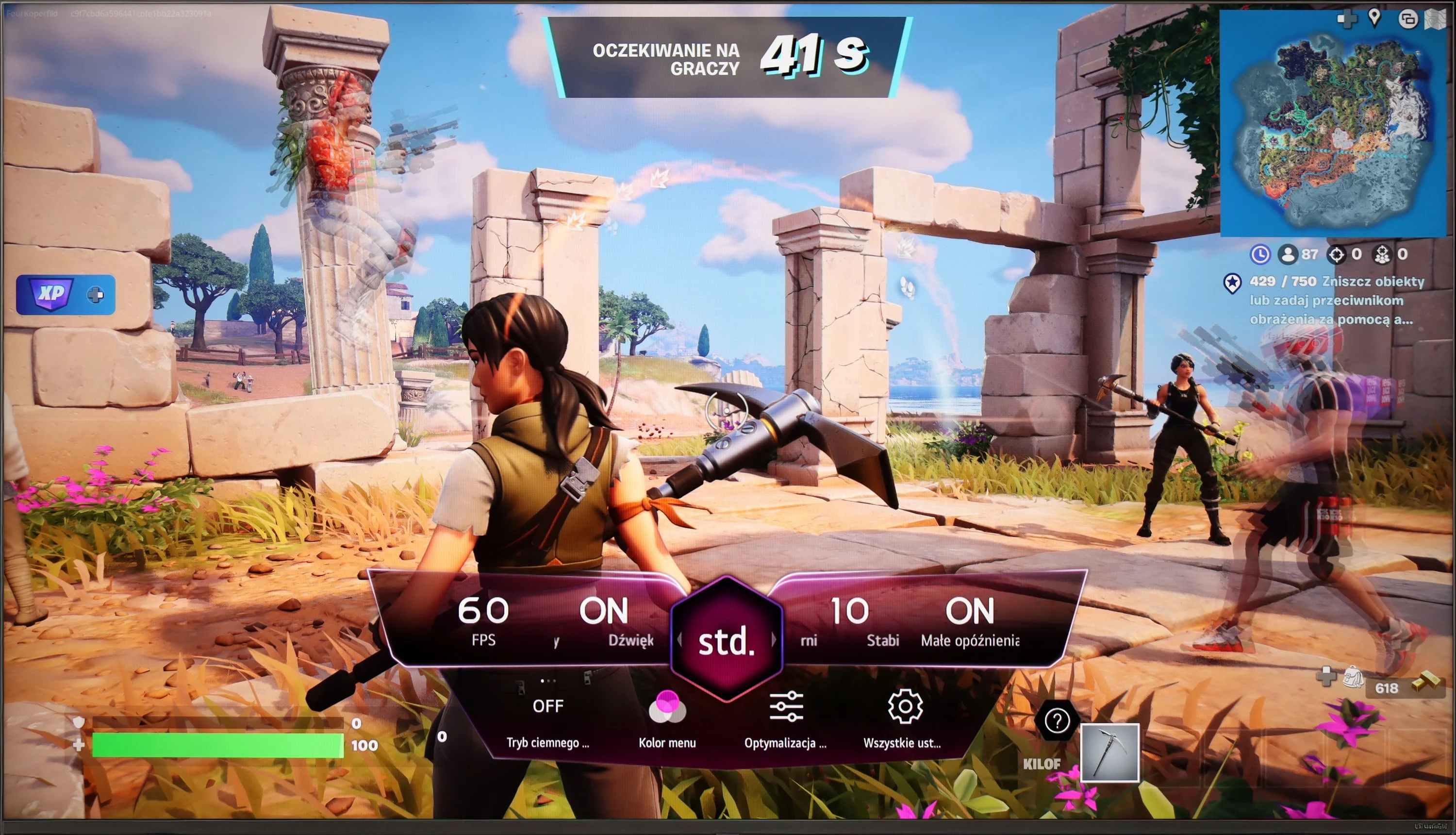
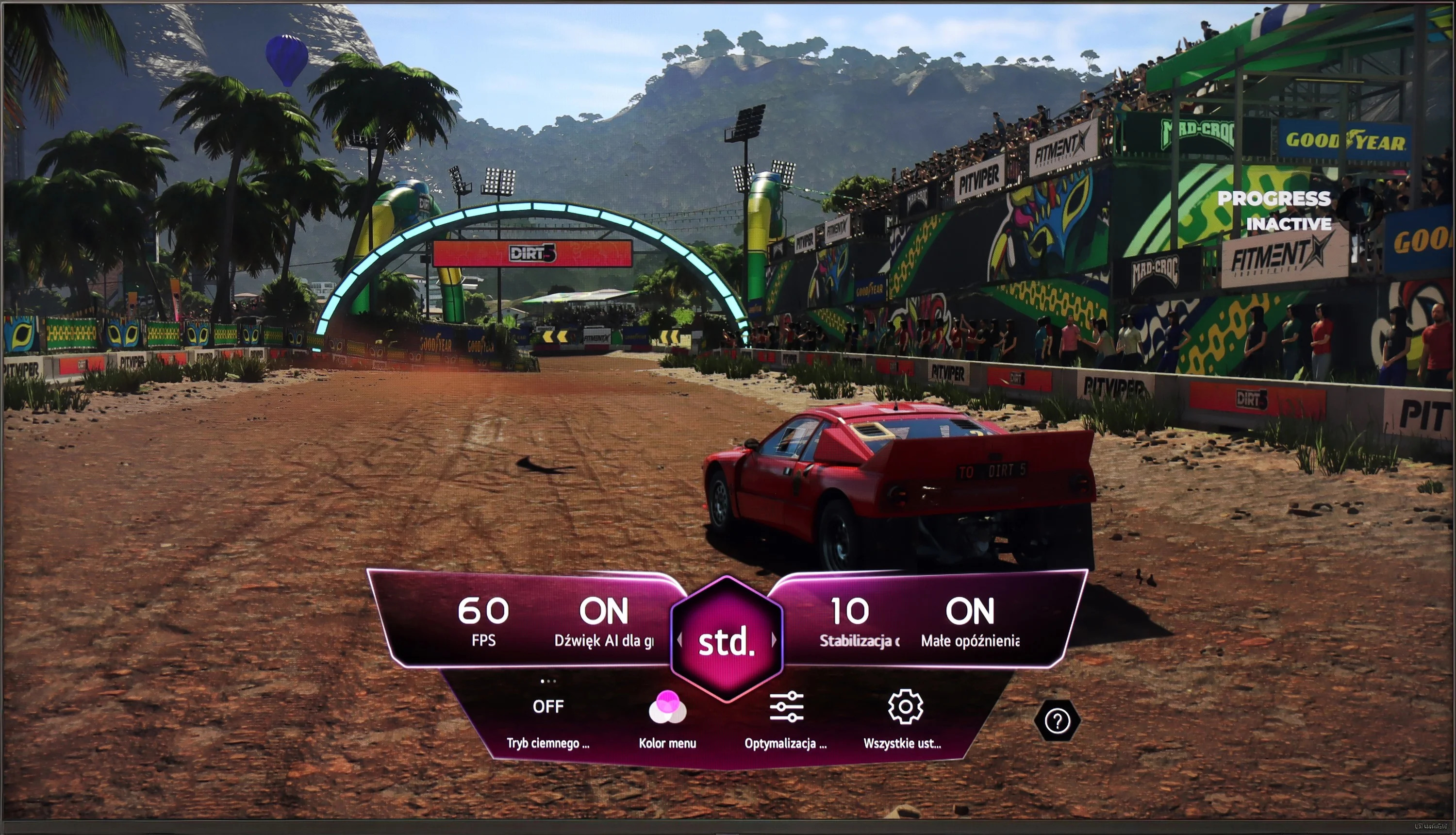
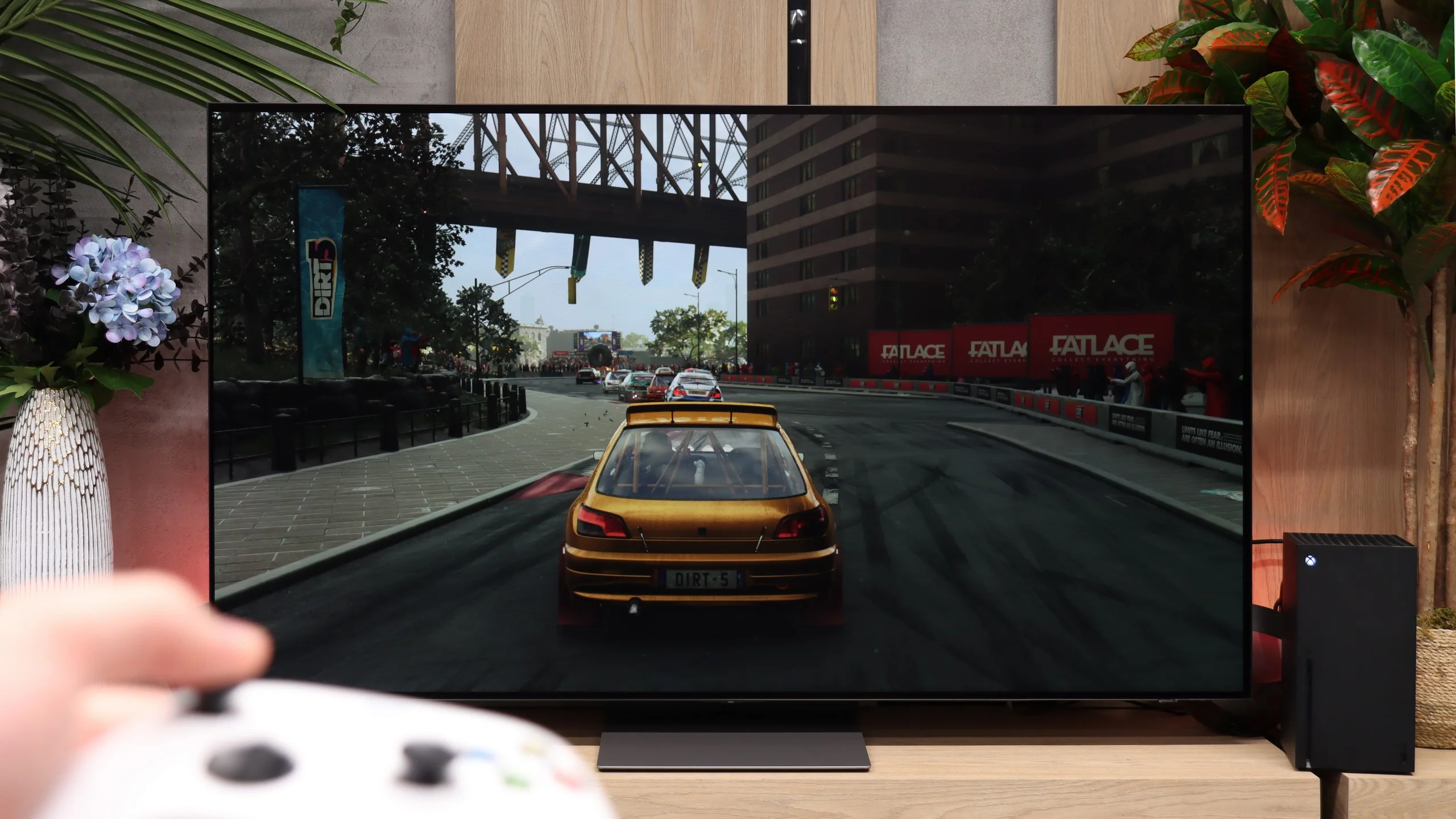
When playing on the console, the LG NANO82T offers several features that can enhance the gaming experience, though it also has some limitations. Notably, the ALLM (Auto Low Latency Mode) feature stands out, automatically adjusting picture settings to switch the television to low latency mode, which is especially beneficial for gamers requiring quick reactions. Another advantage is the support for HGiG (HDR Gaming Interest Group), ensuring HDR games are displayed as intended by the creators and providing vibrant and realistic visuals. These features contribute to a solid gaming experience, but there are some drawbacks, particularly in fast-paced scenes.
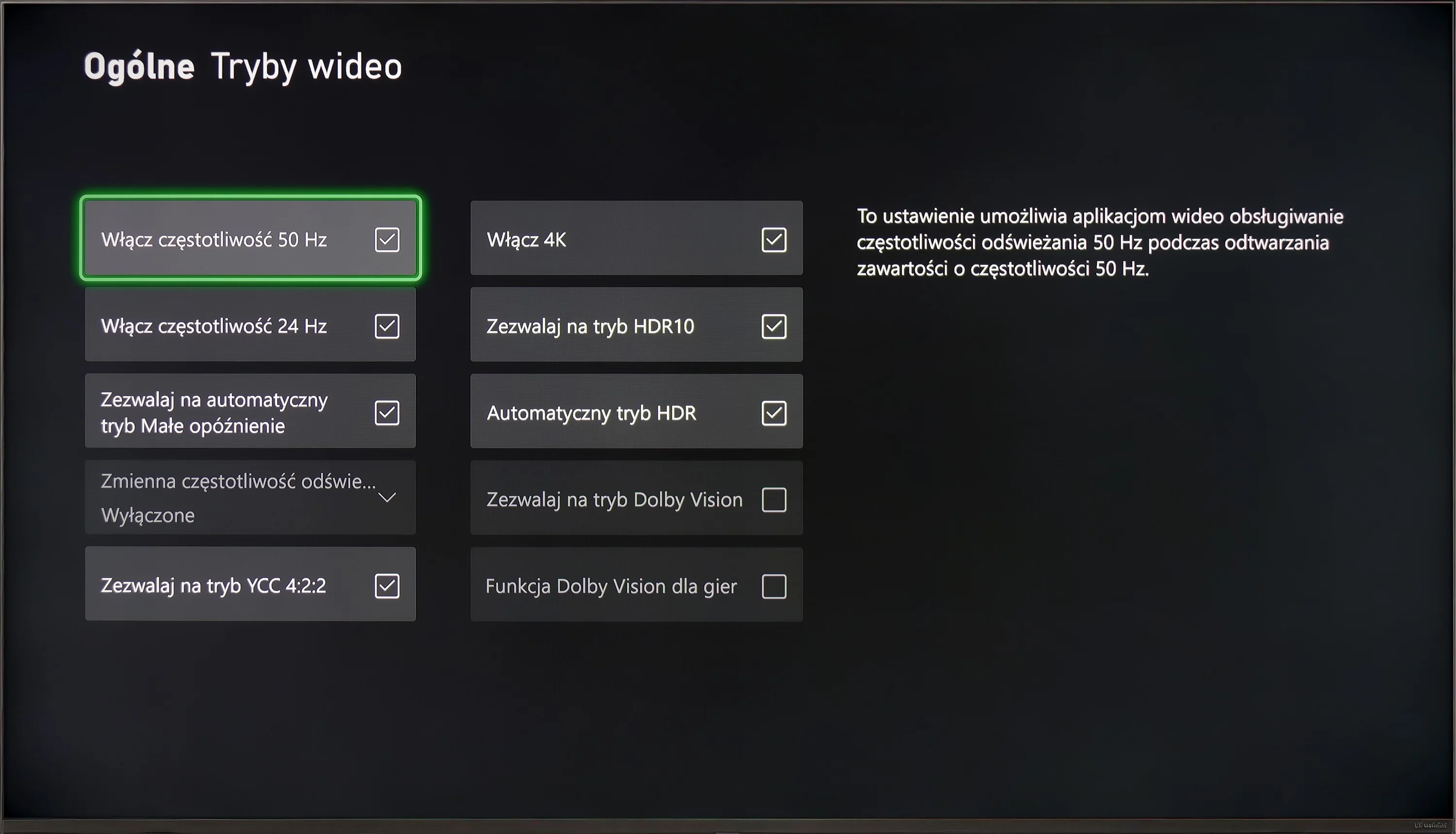
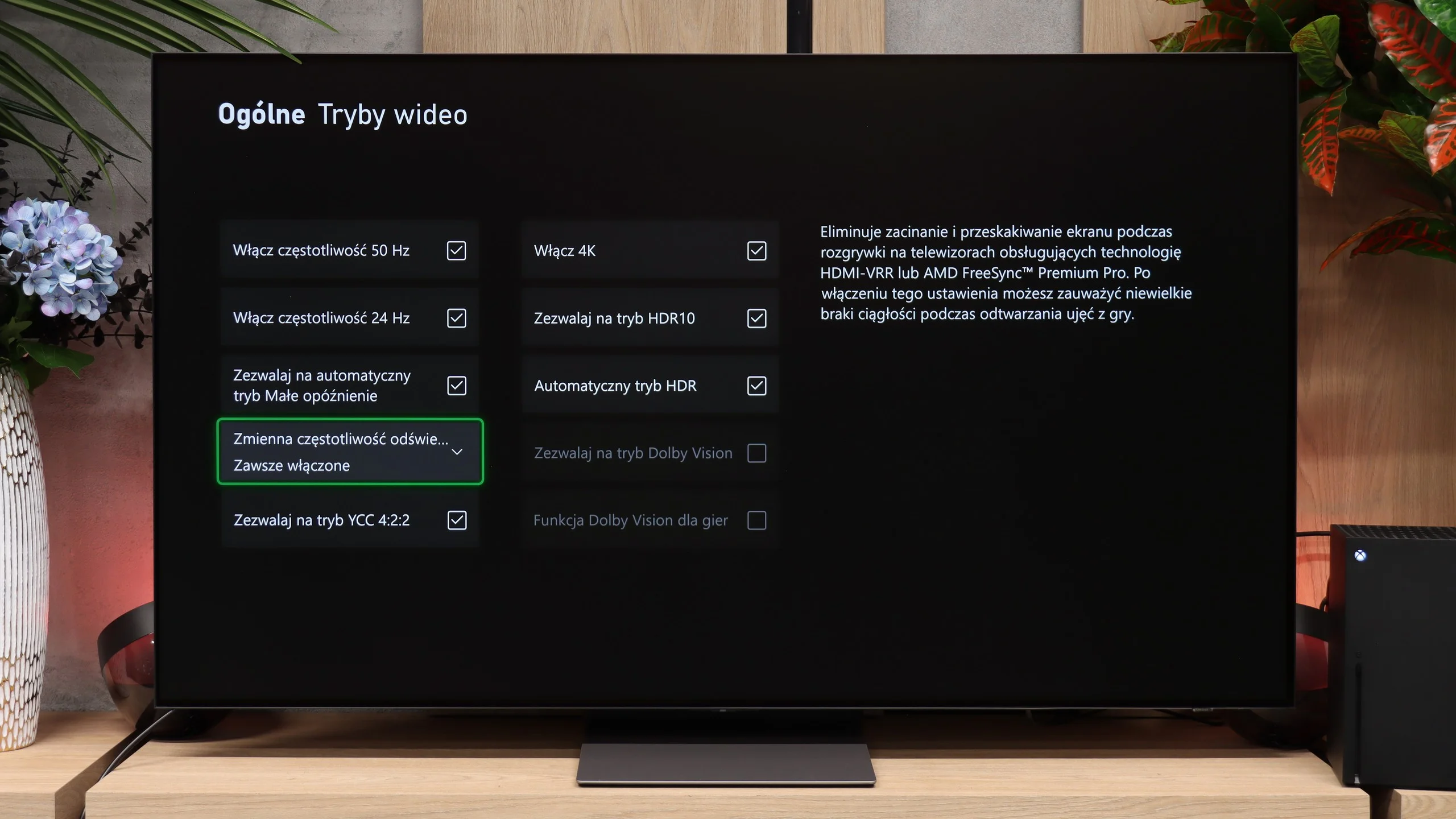
The LG NANO82T has limitations when it comes to advanced gaming features. It lacks support for variable refresh rate (VRR), which affects gameplay smoothness, especially in more dynamic games. The TV's 60Hz panel restricts the ability to use higher refresh rates, a significant downside for gamers seeking smoother gameplay at higher resolutions. Additionally, the absence of G-Sync technology limits image synchronisation, potentially leading to tearing and stuttering during gameplay.
These limitations mean that while the LG NANO82T offers a good gaming experience for casual gamers, it may not meet the expectations of more demanding players seeking advanced features and maximum image fluidity.
These shortcomings may mean that the LG NANO82T does not meet the expectations of the most demanding gamers looking for advanced features and the highest image fluidity.
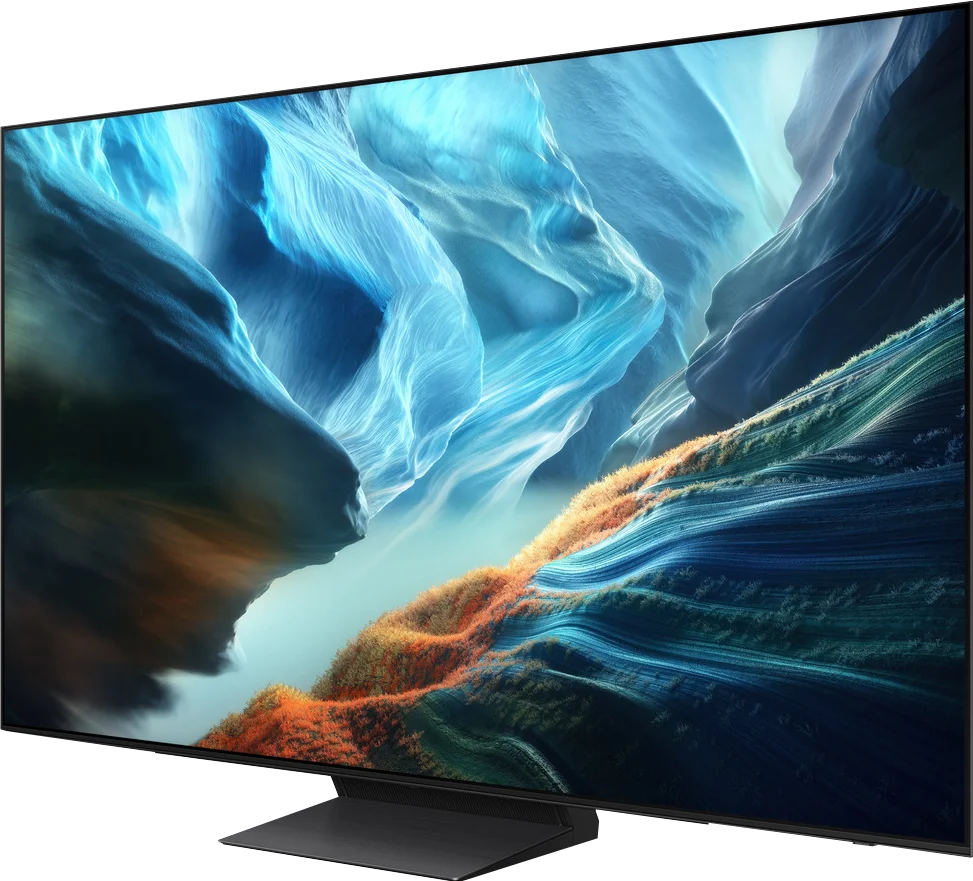
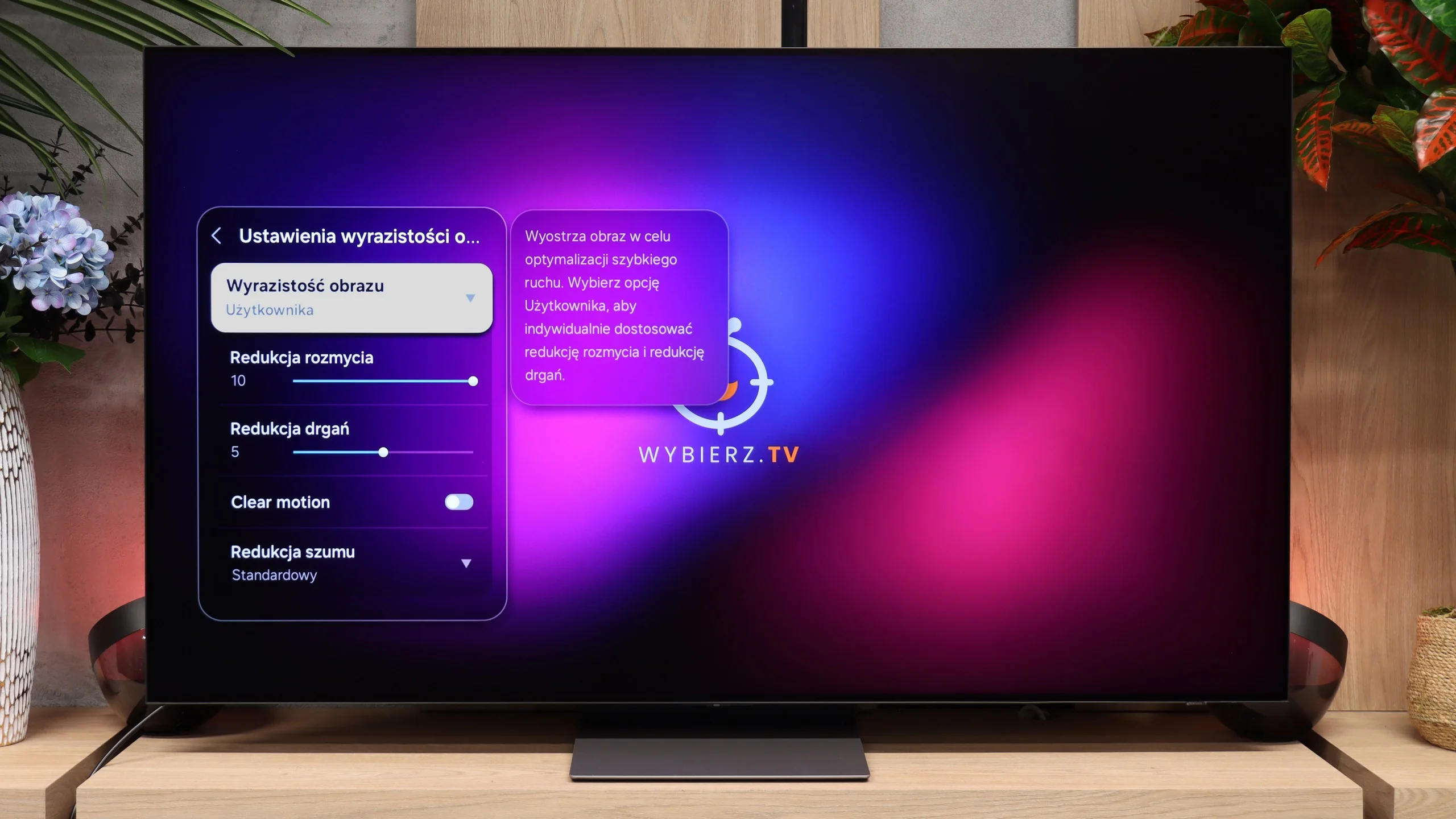
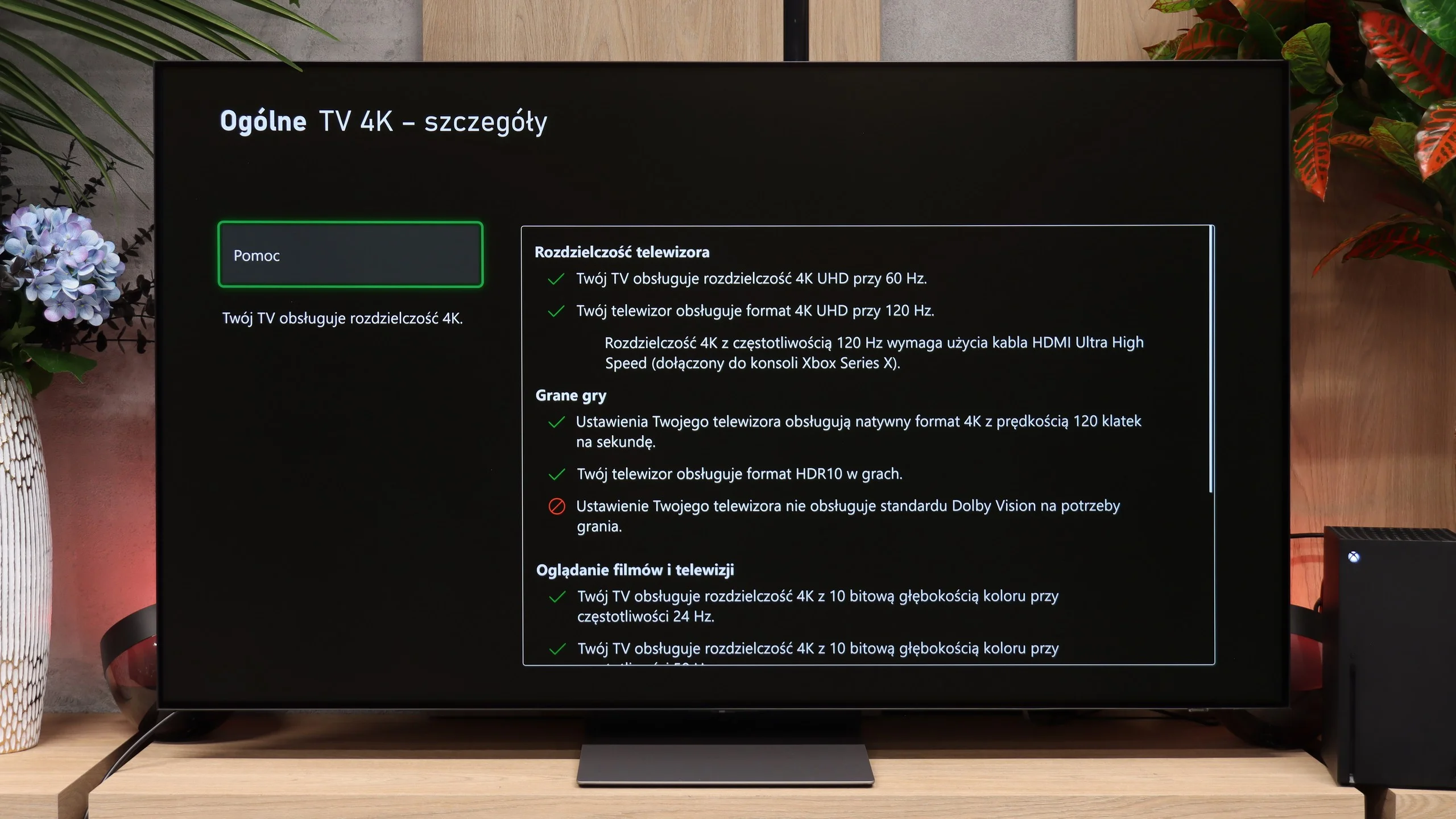
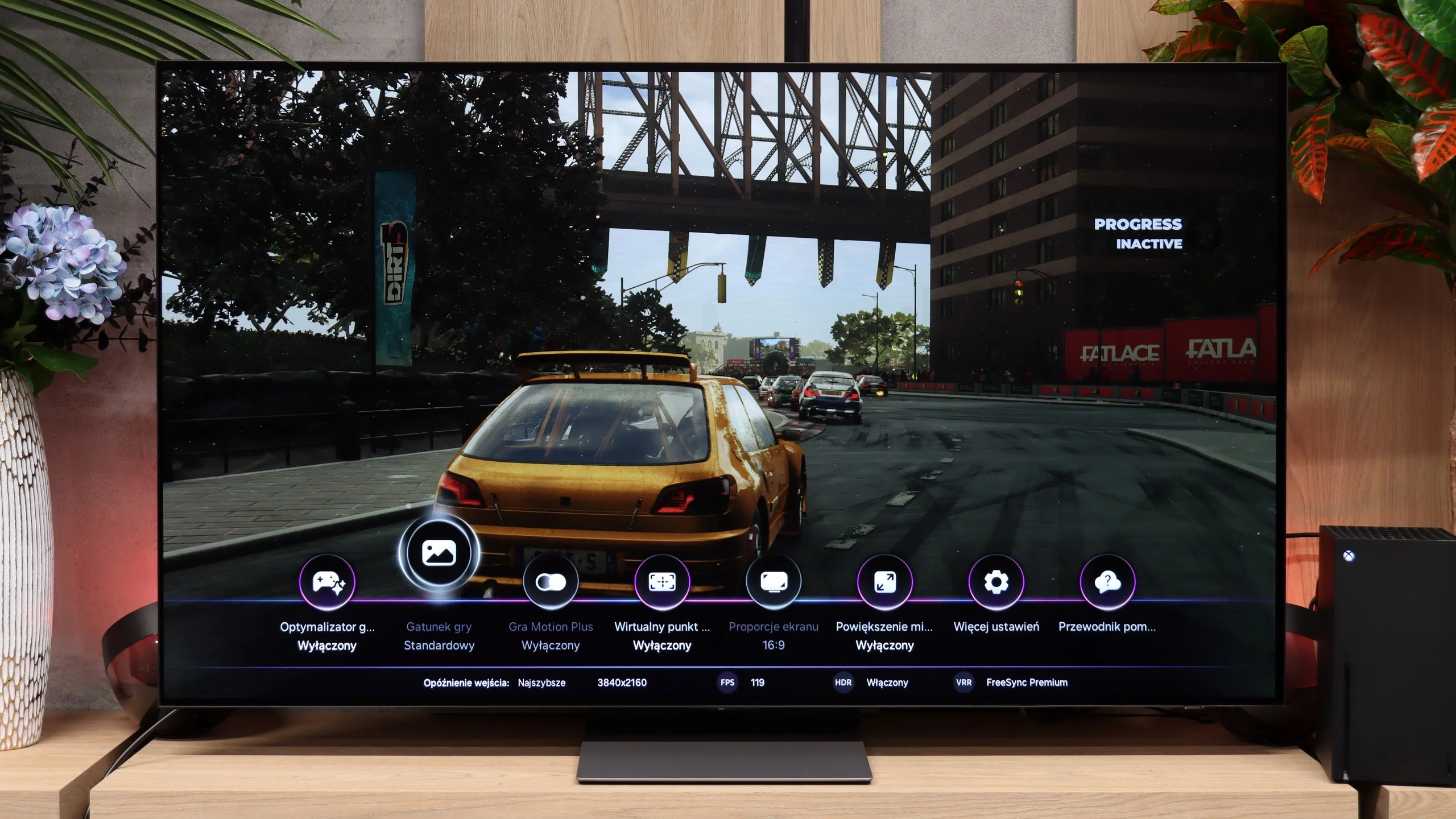
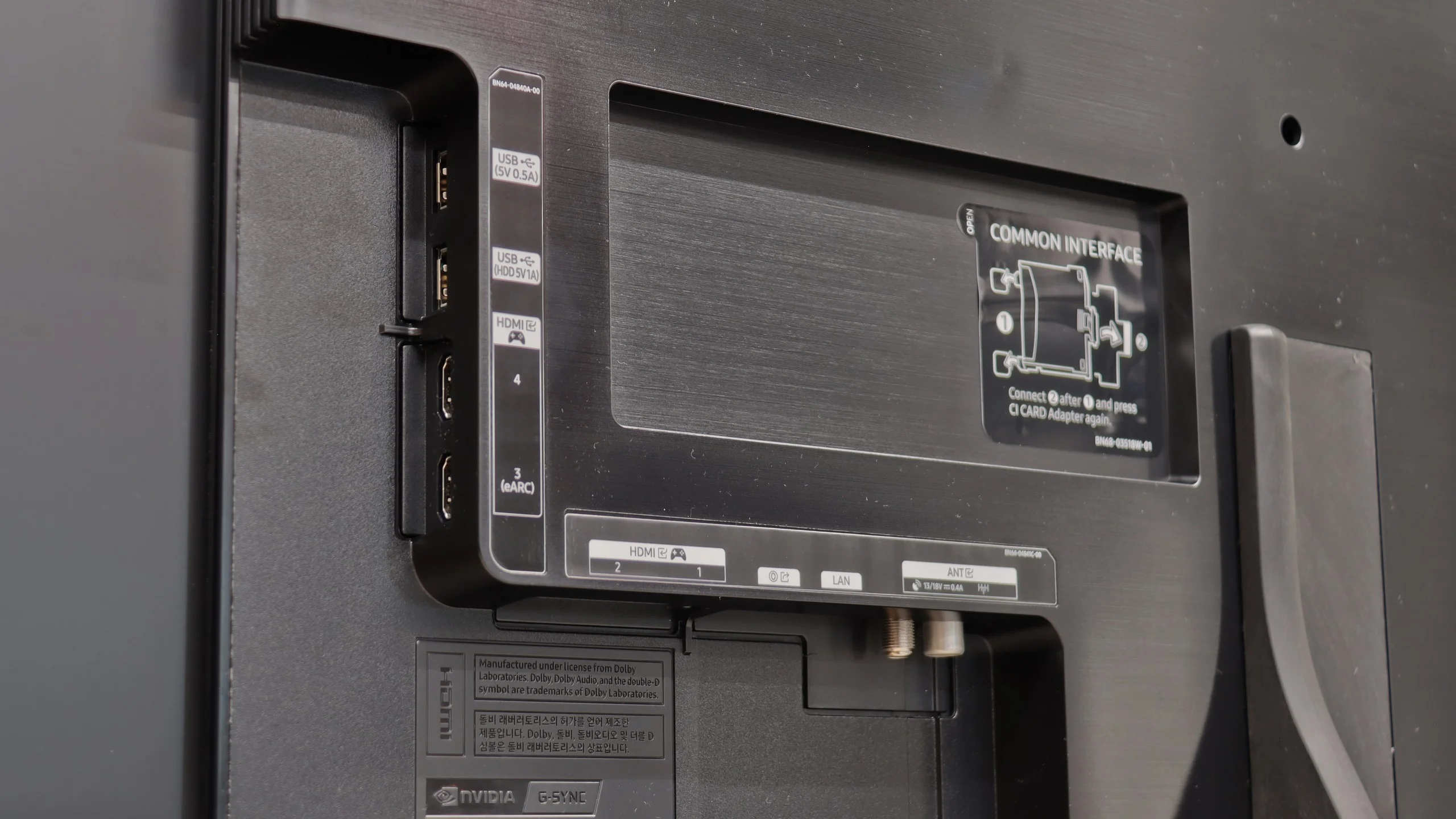
Players should feel at home with the S90H, because in that respect Samsung left few reasons to complain. The TV has four HDMI 2.1 ports, each of which supports VRR, ALLM, and high refresh rates. There's also the Game Bar, a handy menu that lets you quickly check key parameters and change settings without leaving the game. Importantly, Samsung has also improved HGiG. In last year's models it could cause issues when used with a console, but in the S90H it now works as it should. What sets it apart from the competition is primarily Game Motion Plus. It's a special motion-smoothing mode designed for games, which works best with titles running at 30 or 60 frames per second. Motion becomes noticeably smoother, while latency remains at a reasonable level. In our measurements it was under 50 ms, so you can still play comfortably. That's important, because on many TVs turning on a similar smoothing mode causes such a large increase in input lag that controls start to feel noticeably sluggish. Samsung has managed to find a good compromise here. There's still no Dolby Vision Gaming, but in practice Game Motion Plus may prove to be a far more useful feature.
 Direct comparison