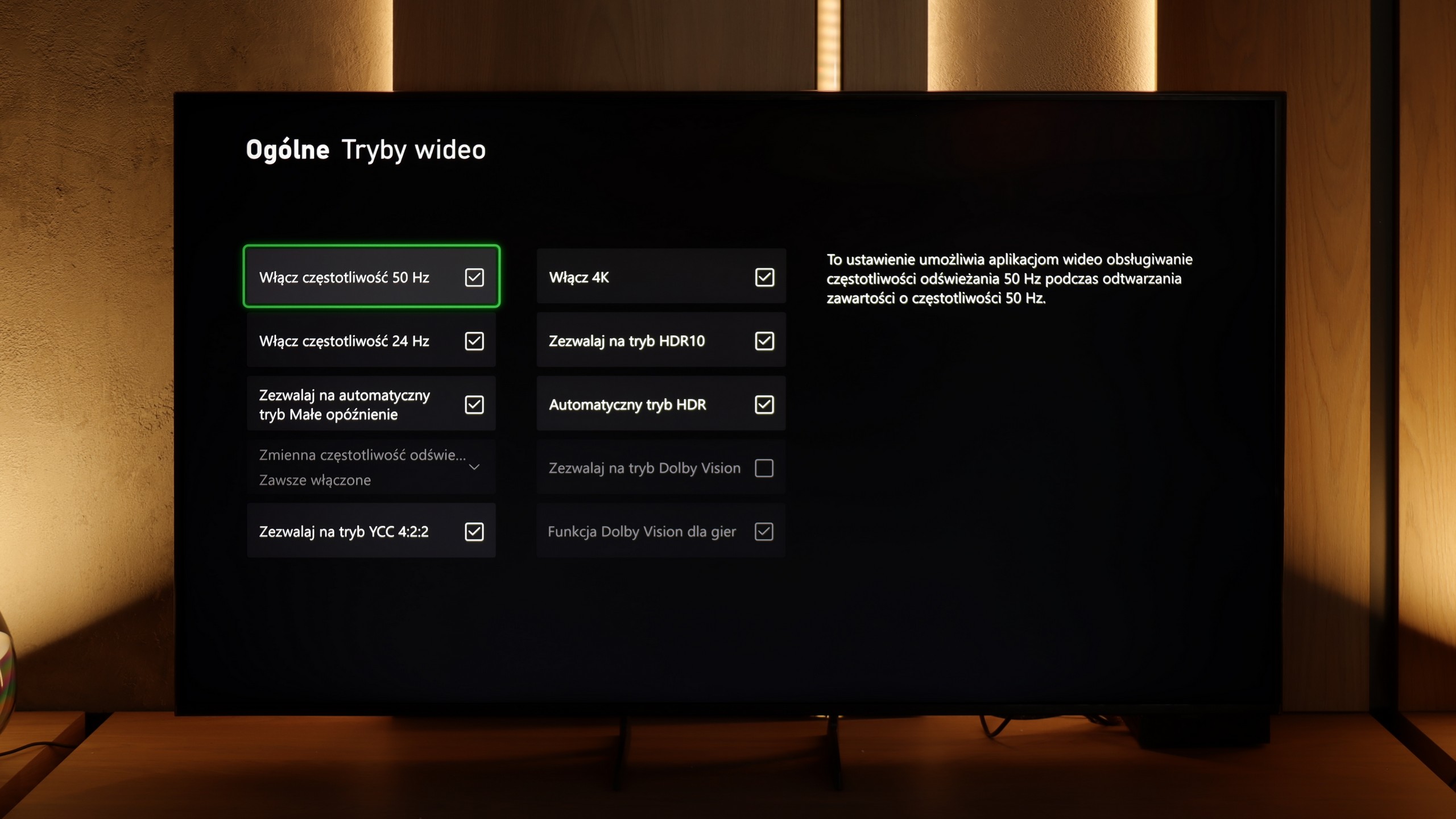
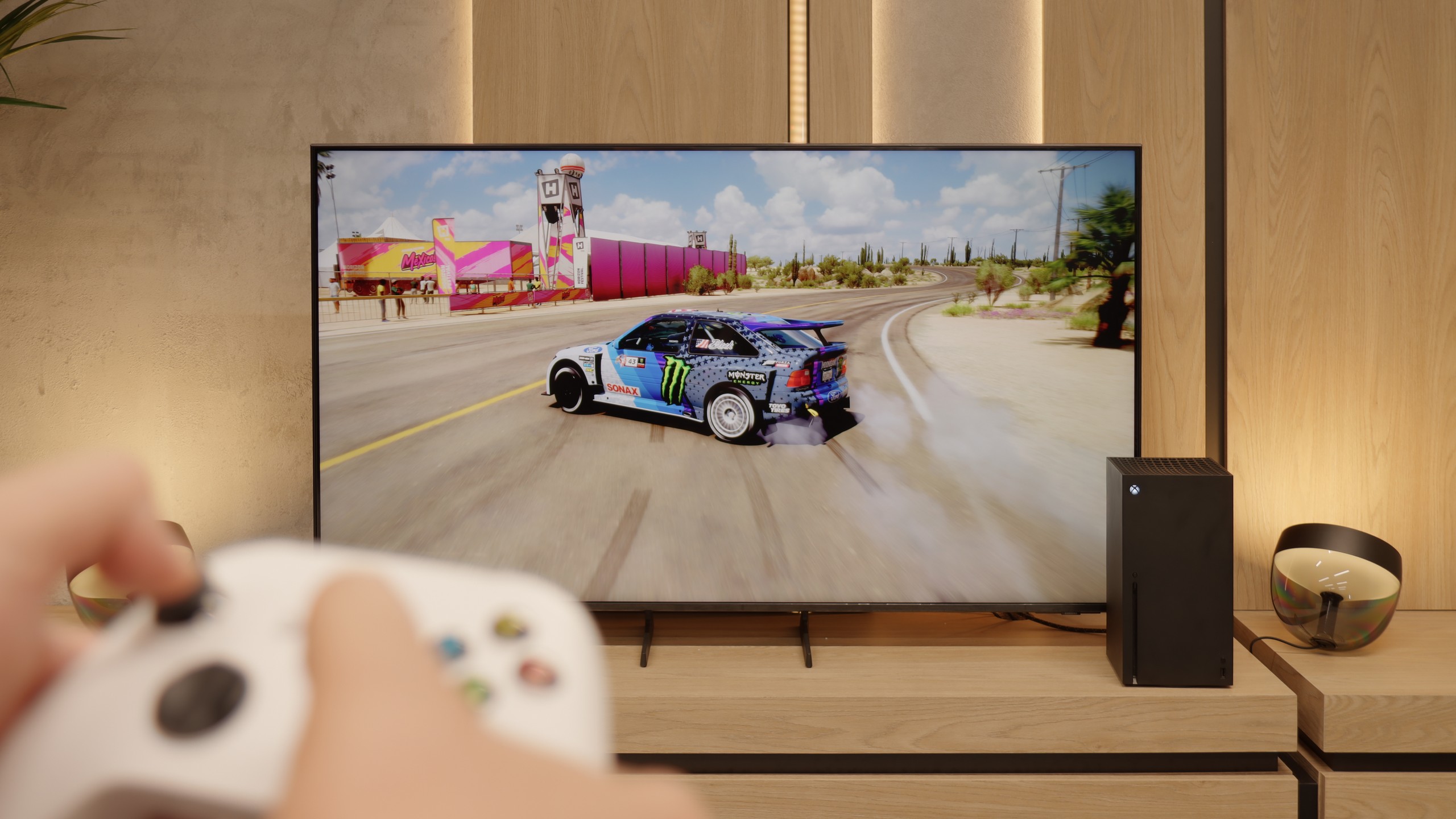
When playing on the console, the LG NANO82T offers several features that can enhance the gaming experience, though it also has some limitations. Notably, the ALLM (Auto Low Latency Mode) feature stands out, automatically adjusting picture settings to switch the television to low latency mode, which is especially beneficial for gamers requiring quick reactions. Another advantage is the support for HGiG (HDR Gaming Interest Group), ensuring HDR games are displayed as intended by the creators and providing vibrant and realistic visuals. These features contribute to a solid gaming experience, but there are some drawbacks, particularly in fast-paced scenes.
The LG NANO82T has limitations when it comes to advanced gaming features. It lacks support for variable refresh rate (VRR), which affects gameplay smoothness, especially in more dynamic games. The TV's 60Hz panel restricts the ability to use higher refresh rates, a significant downside for gamers seeking smoother gameplay at higher resolutions. Additionally, the absence of G-Sync technology limits image synchronisation, potentially leading to tearing and stuttering during gameplay.
These limitations mean that while the LG NANO82T offers a good gaming experience for casual gamers, it may not meet the expectations of more demanding players seeking advanced features and maximum image fluidity.
These shortcomings may mean that the LG NANO82T does not meet the expectations of the most demanding gamers looking for advanced features and the highest image fluidity.
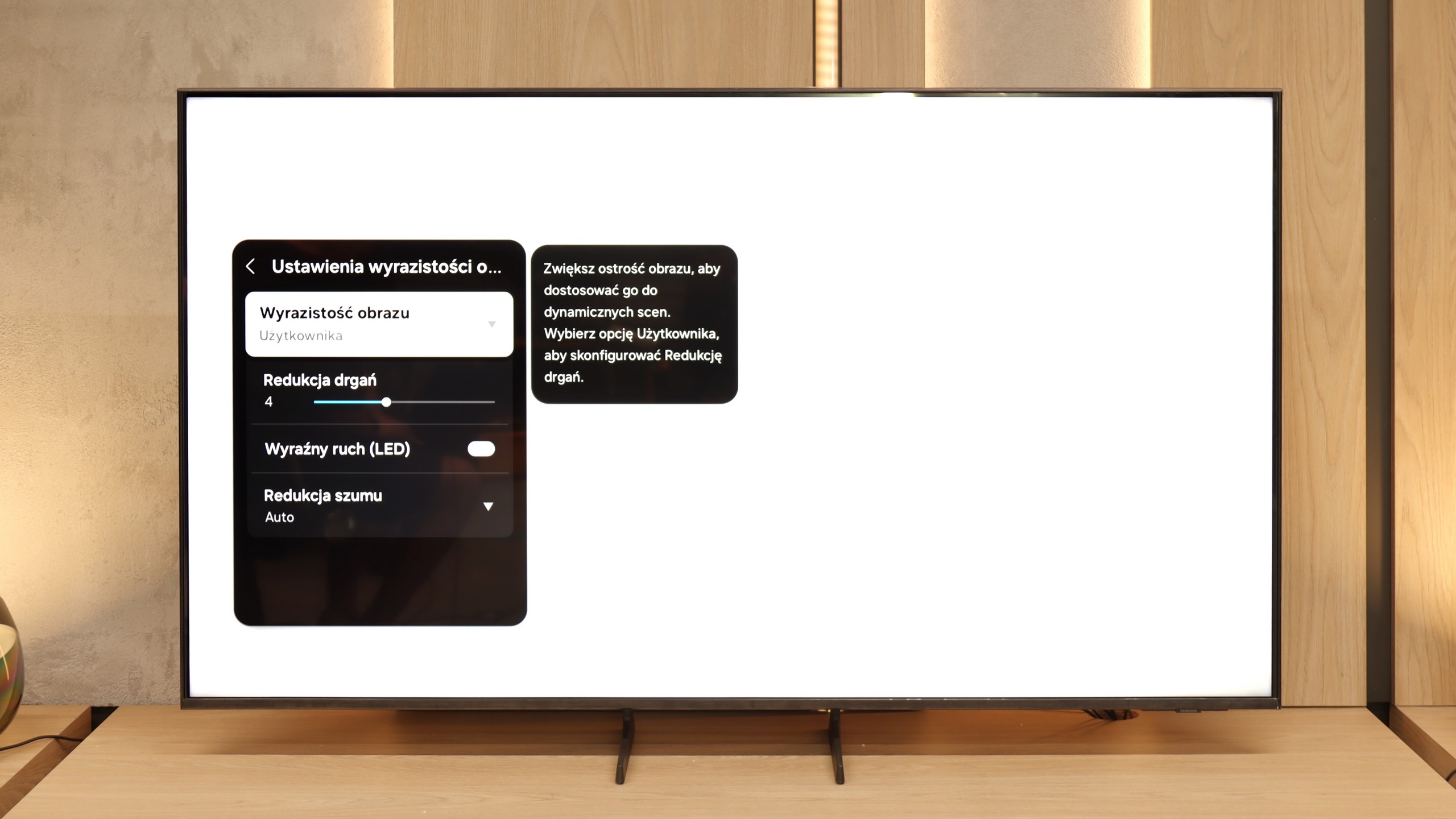
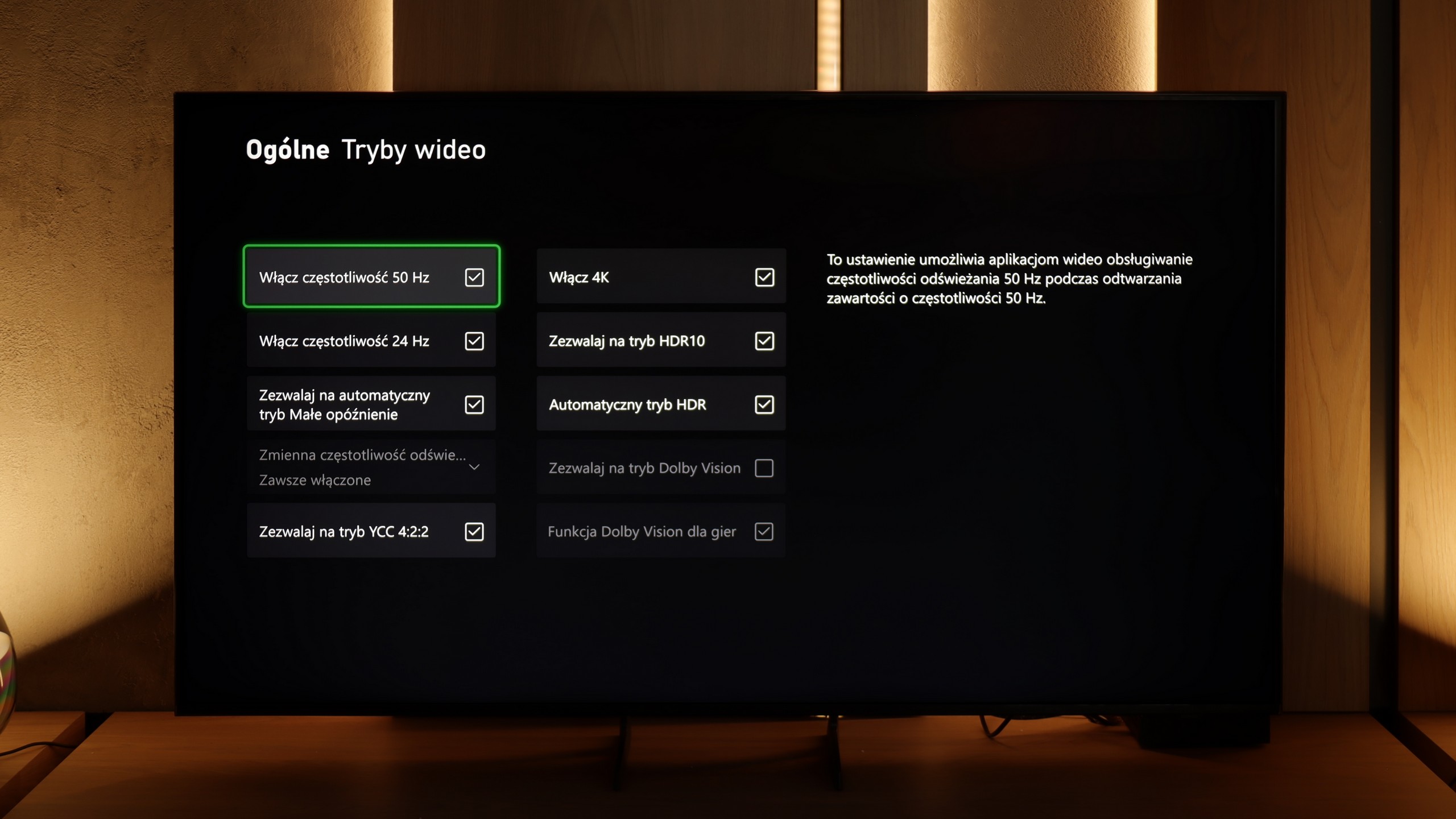
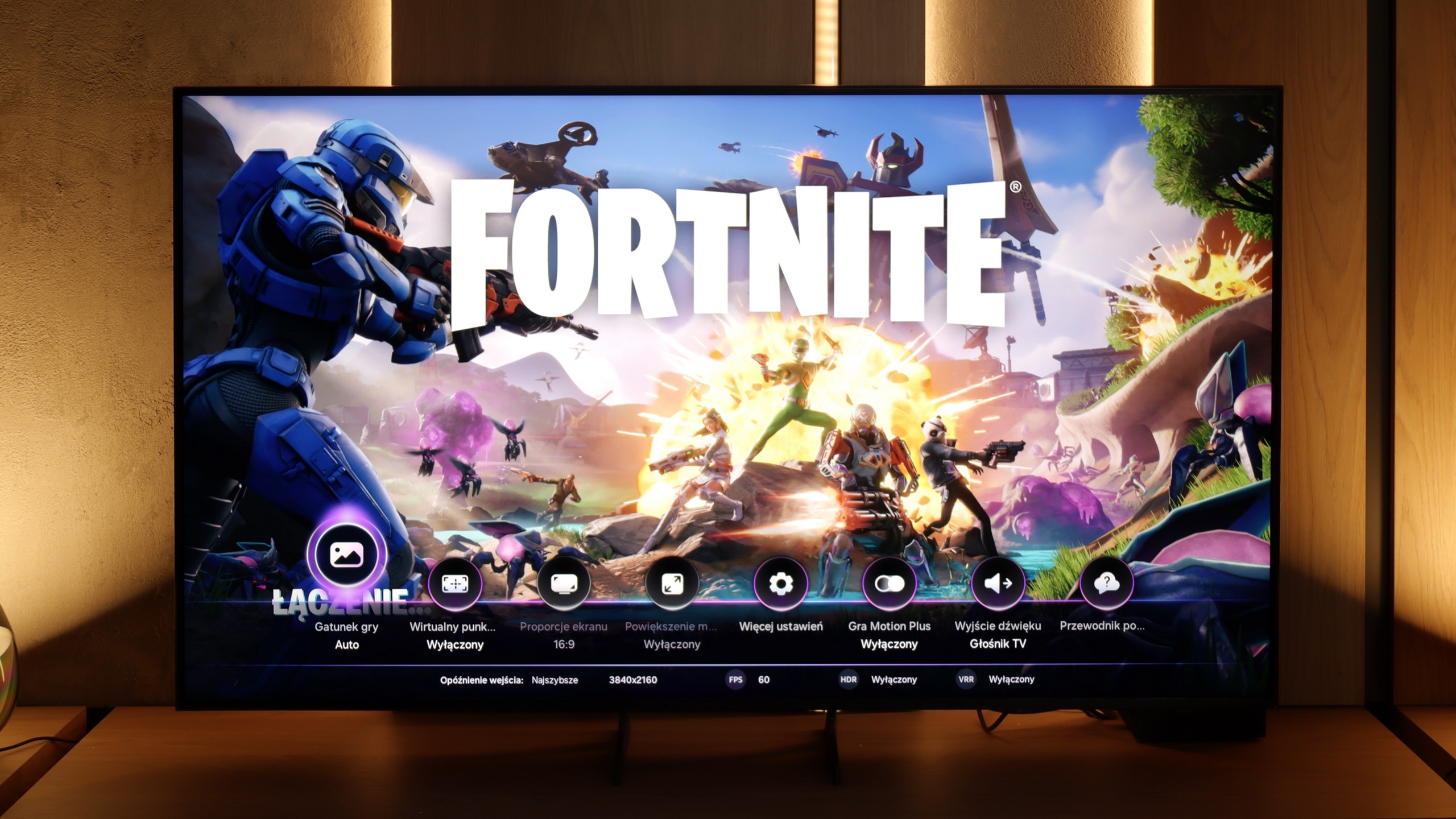
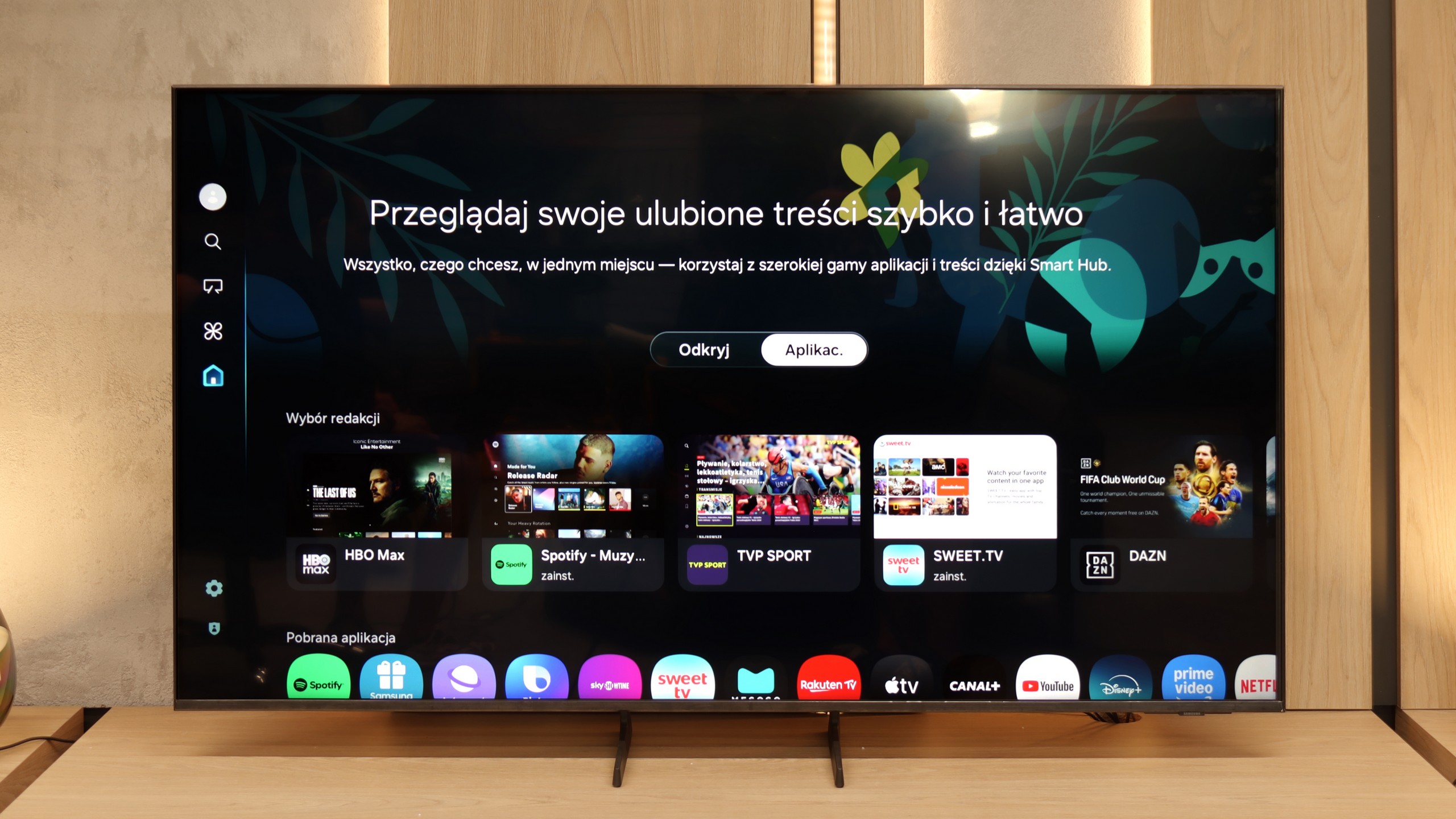
Features for gamers in the Samsung Q7F is a topic that evokes quite a mix of emotions. On one hand, no reasonable person expected miracles here, as this is a 60 Hz television, and it was clear from the start that it wouldn't be equipment for extracting the maximum from consoles or PCs. On the other hand, since the manufacturer promised specific solutions in promotional materials, it is natural that we wanted to see them in practice. At the outset, it’s quite decent. The automatic game mode (ALLM) works, so you don’t have to manually fiddle with the settings, the console itself switches the television to low-latency mode. In addition, we have Game Bar, which looks impressive and allows you to view some basic parameters without leaving the game. And this is where the good news ends.
[UPDATE] We have updated our tests of Samsung televisions from the 2025 model year due to the release of software version 1131, which restored the key feature for gamers, HGiG.
The biggest problem with the Q7F is VRR, or rather its absence. Indeed, a relevant icon appears in the menu, and you can even see it in the Game Bar, but throughout the entire test, the feature remained inactive and could not be activated in any way. It’s even more disappointing regarding HGiG; this option was actually available at the beginning, but after the software update, it completely disappeared, which is just unprofessional. Therefore, the Q7F is suitable only for absolute basics. Sure, you can turn on the console, play calmer titles, and enjoy low input lag, but if someone is counting on more advanced features that the manufacturer promised, they will be disappointed. This is not a television that you buy with gaming in mind, and it’s better to be aware of that before making a purchase.
 Direct comparison