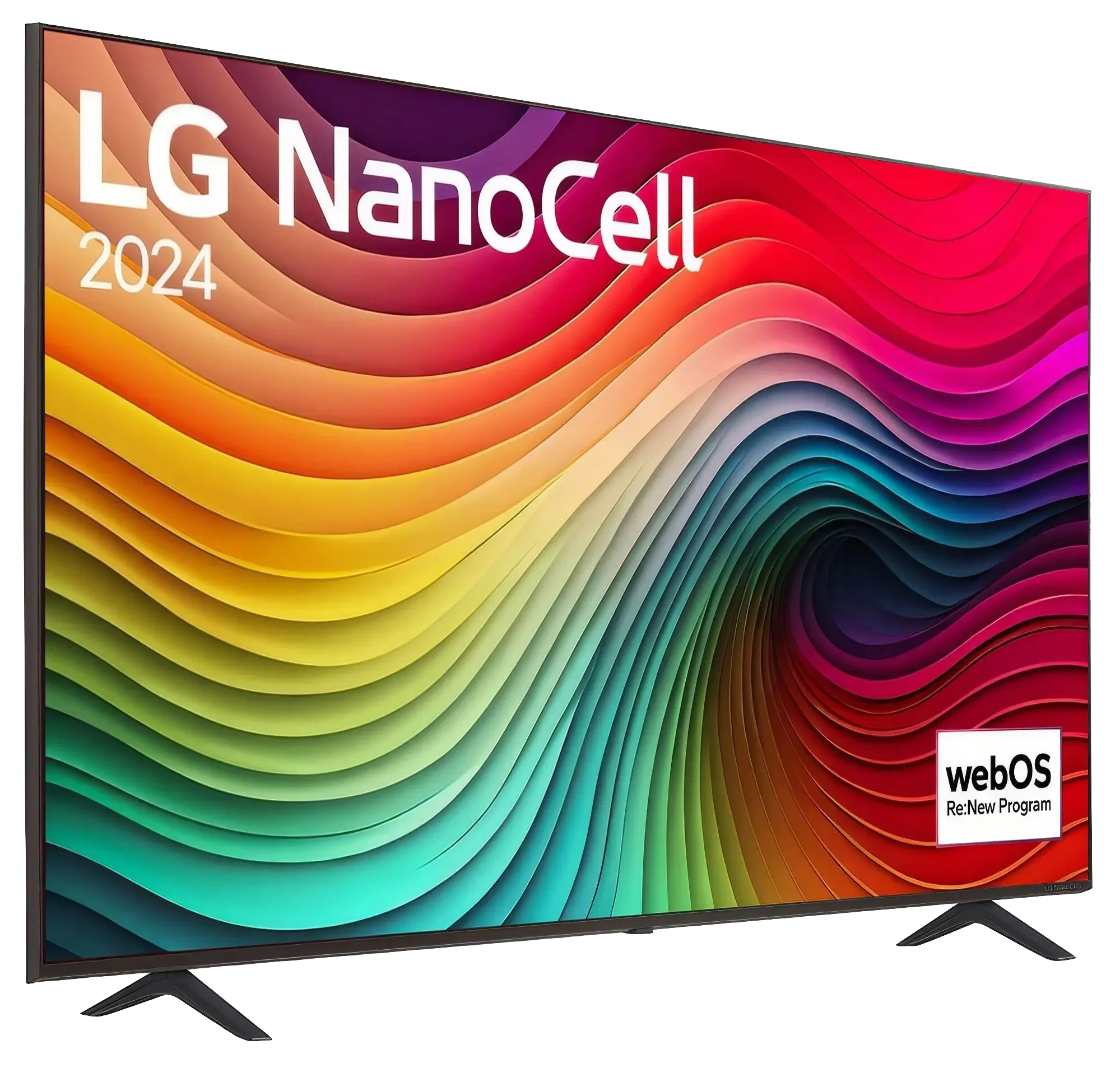
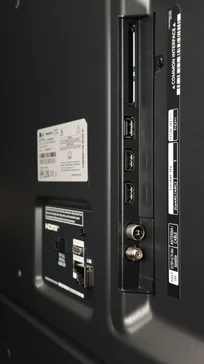
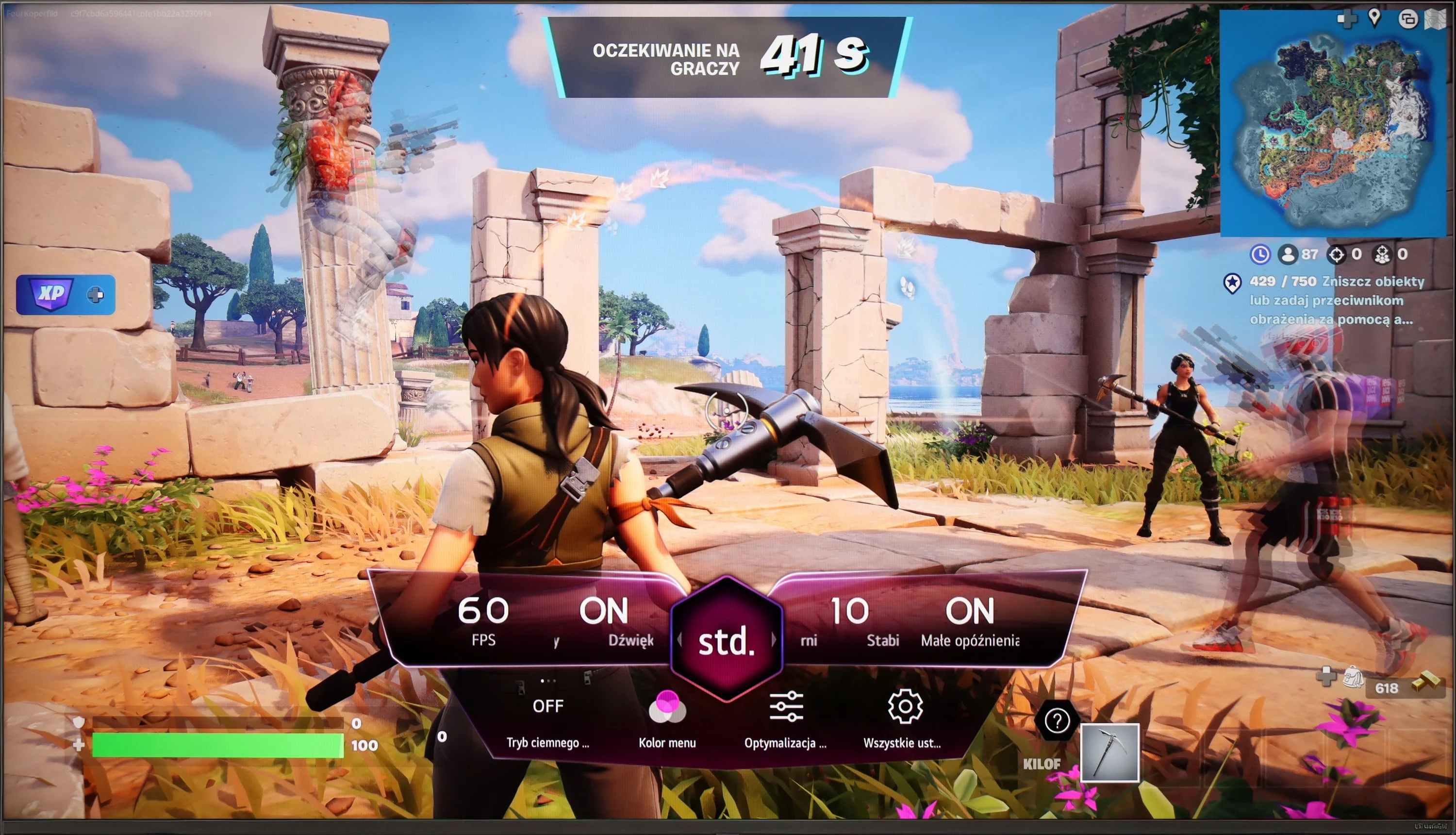
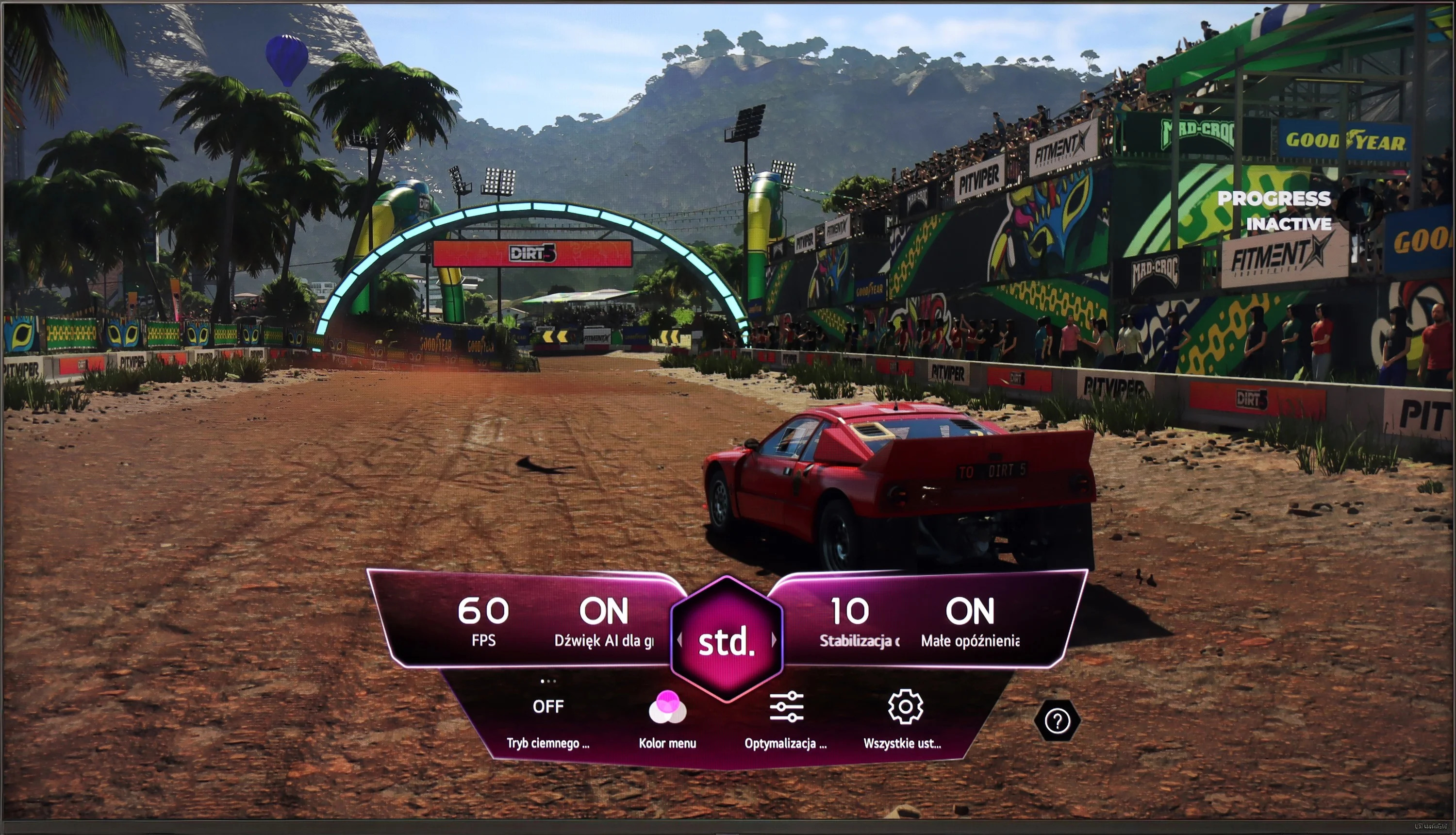
When playing on the console, the LG NANO82T offers several features that can enhance the gaming experience, though it also has some limitations. Notably, the ALLM (Auto Low Latency Mode) feature stands out, automatically adjusting picture settings to switch the television to low latency mode, which is especially beneficial for gamers requiring quick reactions. Another advantage is the support for HGiG (HDR Gaming Interest Group), ensuring HDR games are displayed as intended by the creators and providing vibrant and realistic visuals. These features contribute to a solid gaming experience, but there are some drawbacks, particularly in fast-paced scenes.
The LG NANO82T has limitations when it comes to advanced gaming features. It lacks support for variable refresh rate (VRR), which affects gameplay smoothness, especially in more dynamic games. The TV's 60Hz panel restricts the ability to use higher refresh rates, a significant downside for gamers seeking smoother gameplay at higher resolutions. Additionally, the absence of G-Sync technology limits image synchronisation, potentially leading to tearing and stuttering during gameplay.
These limitations mean that while the LG NANO82T offers a good gaming experience for casual gamers, it may not meet the expectations of more demanding players seeking advanced features and maximum image fluidity.
These shortcomings may mean that the LG NANO82T does not meet the expectations of the most demanding gamers looking for advanced features and the highest image fluidity.
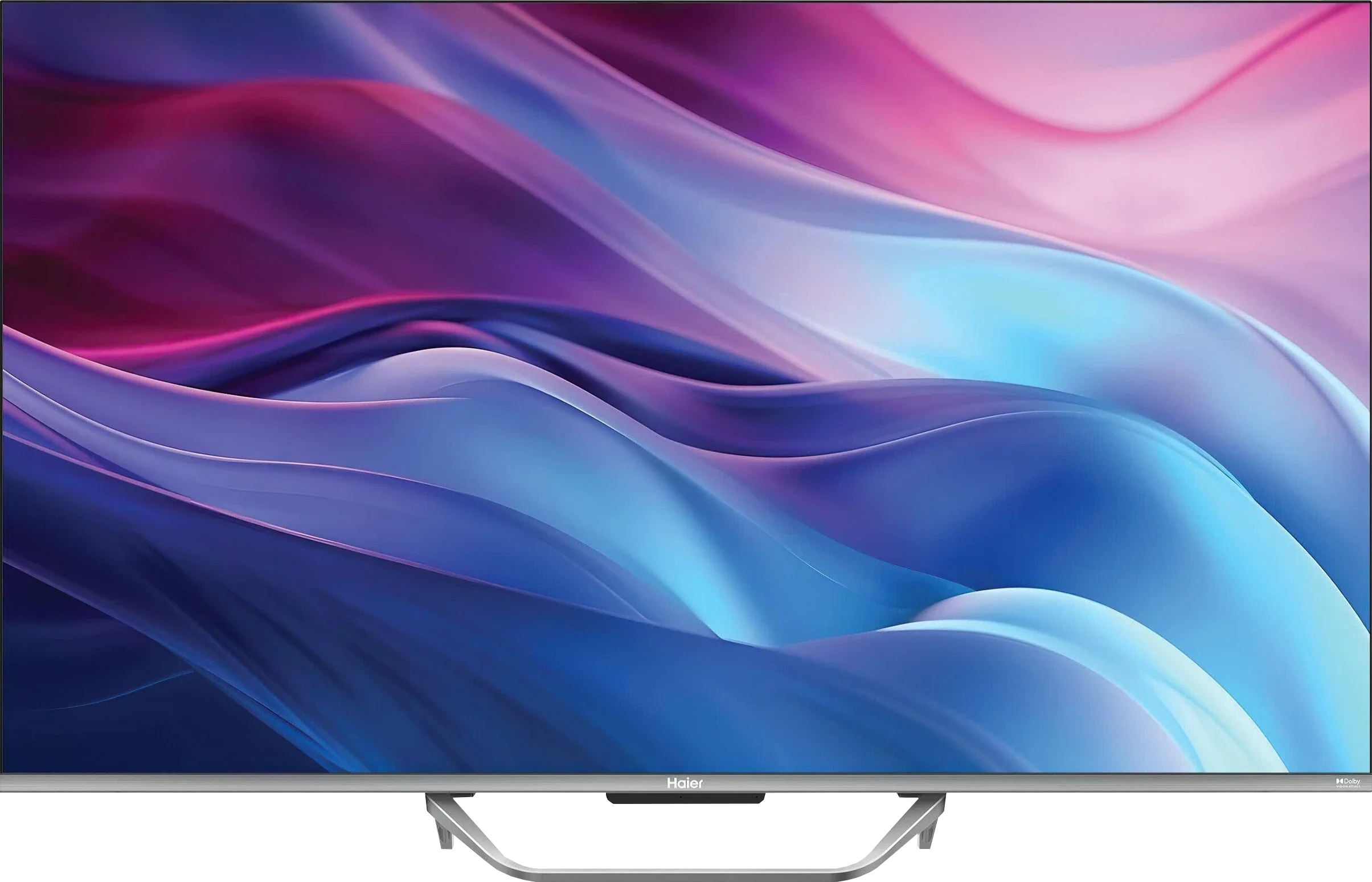
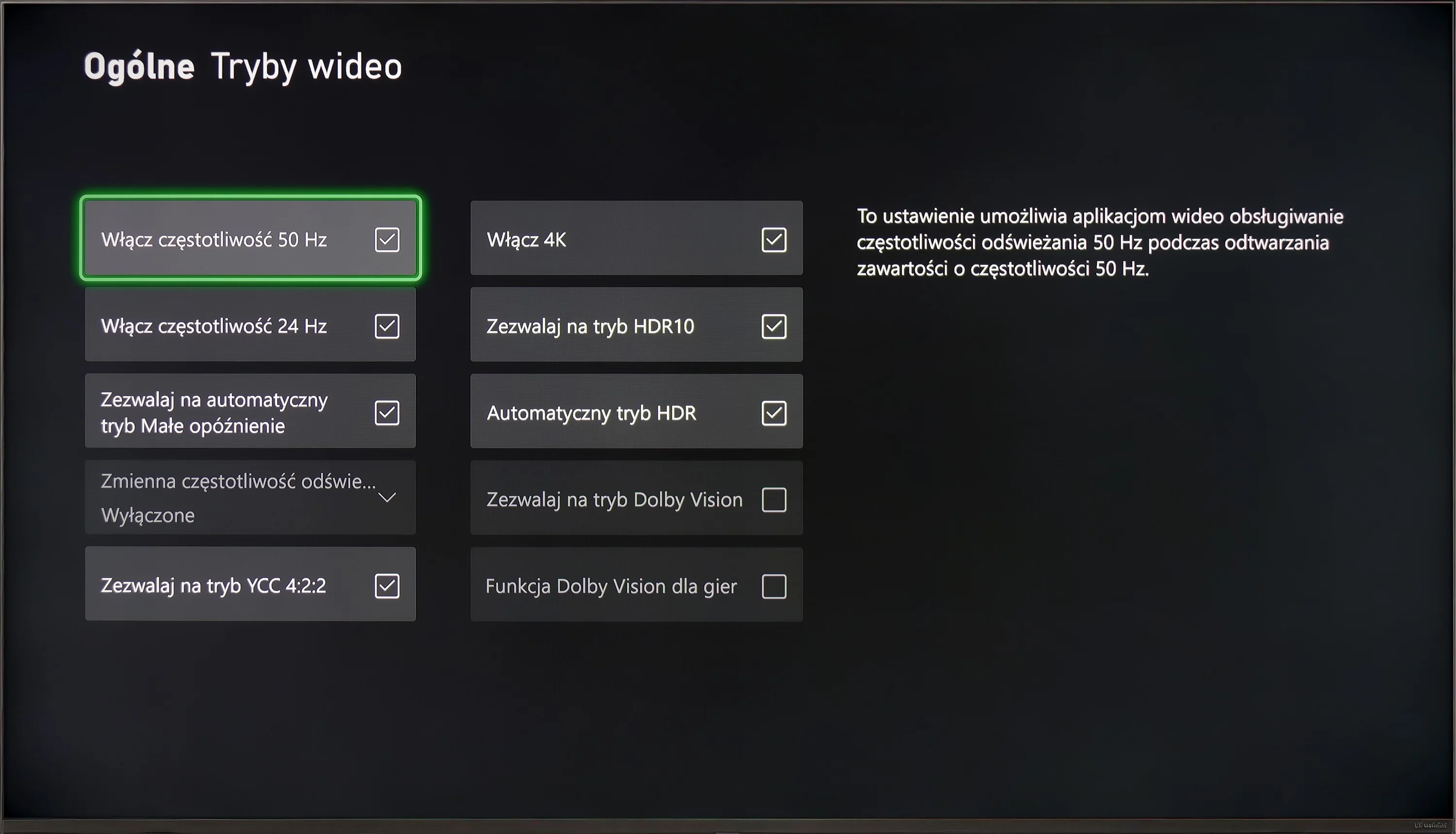
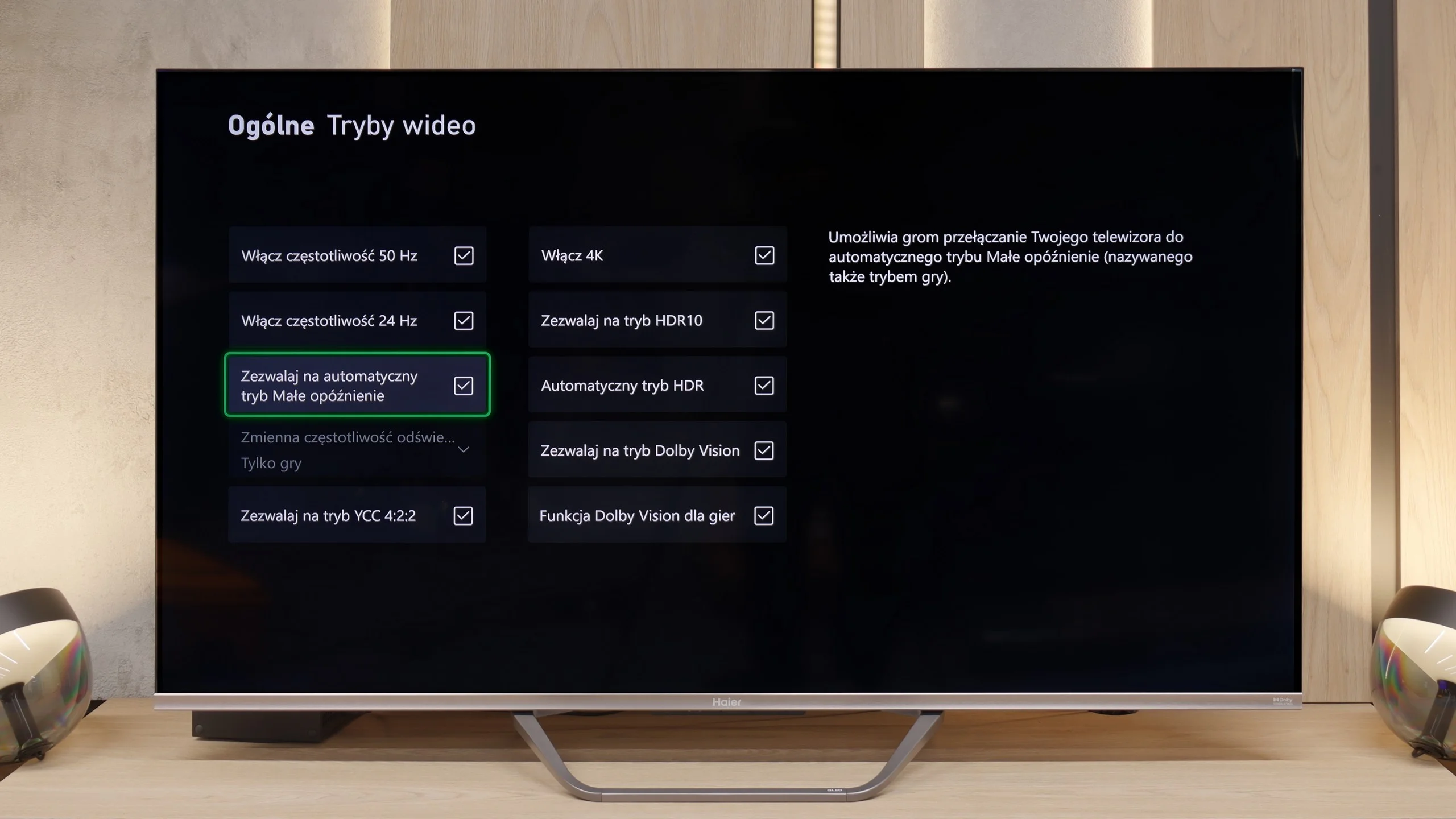
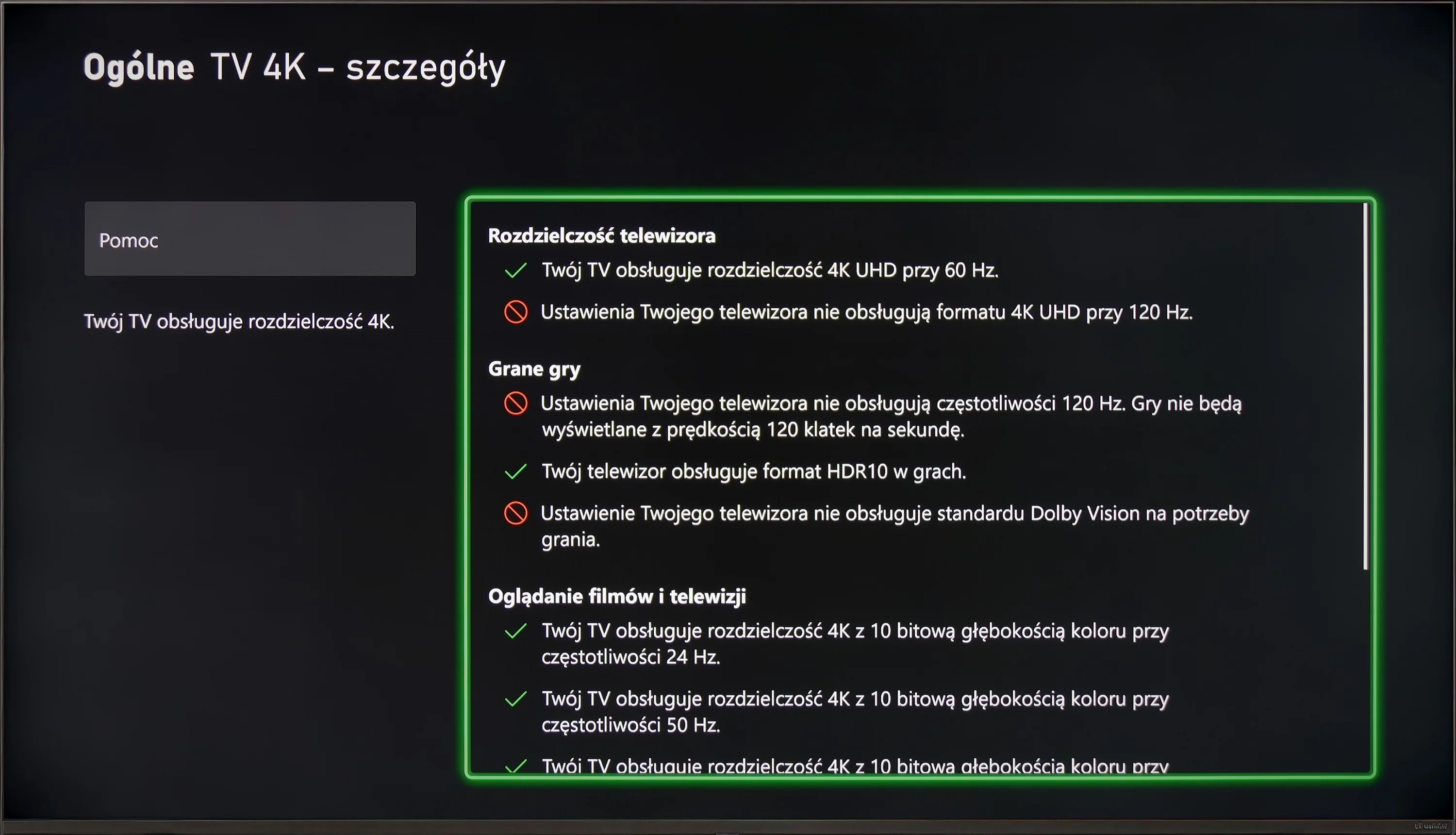
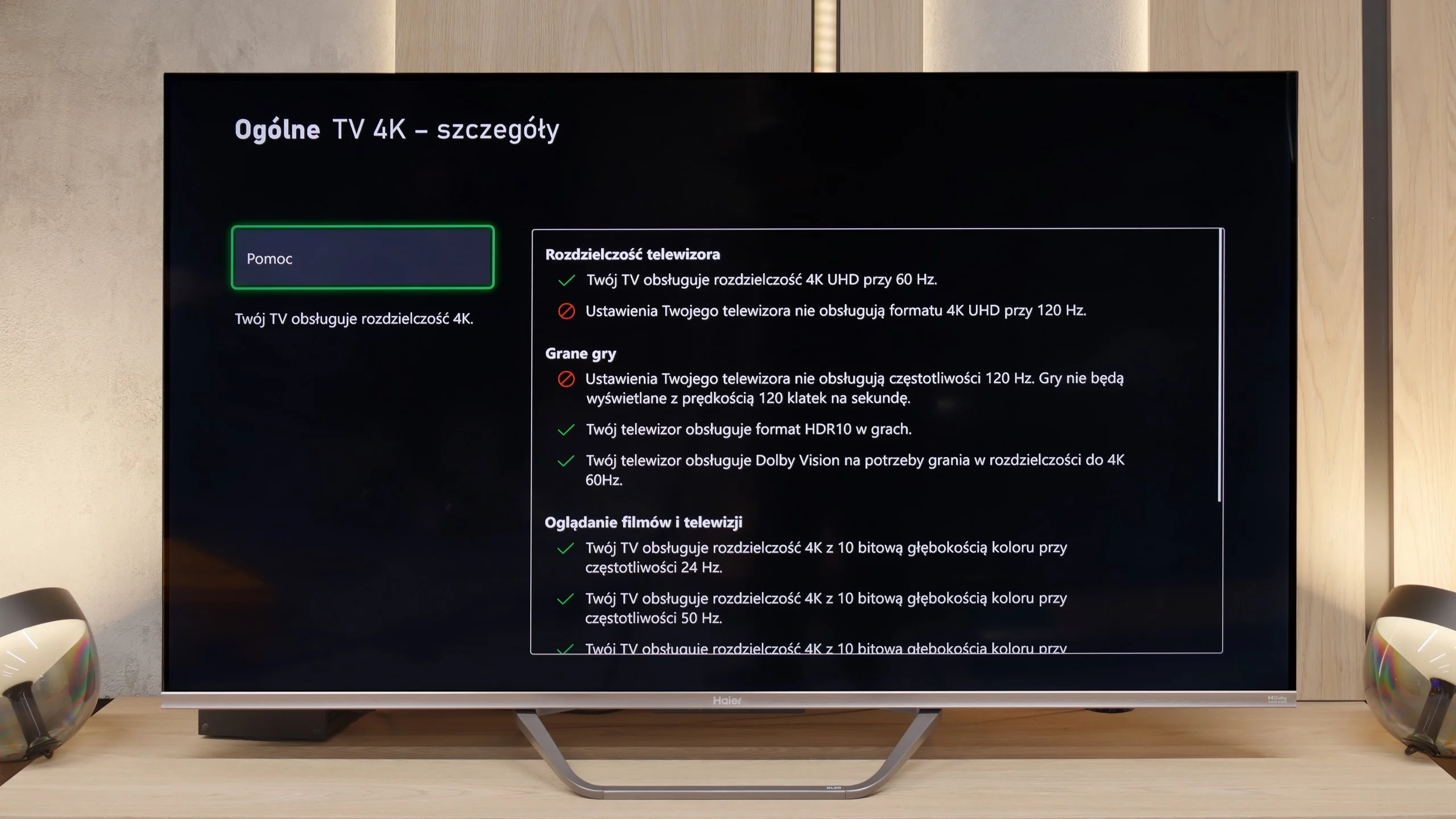
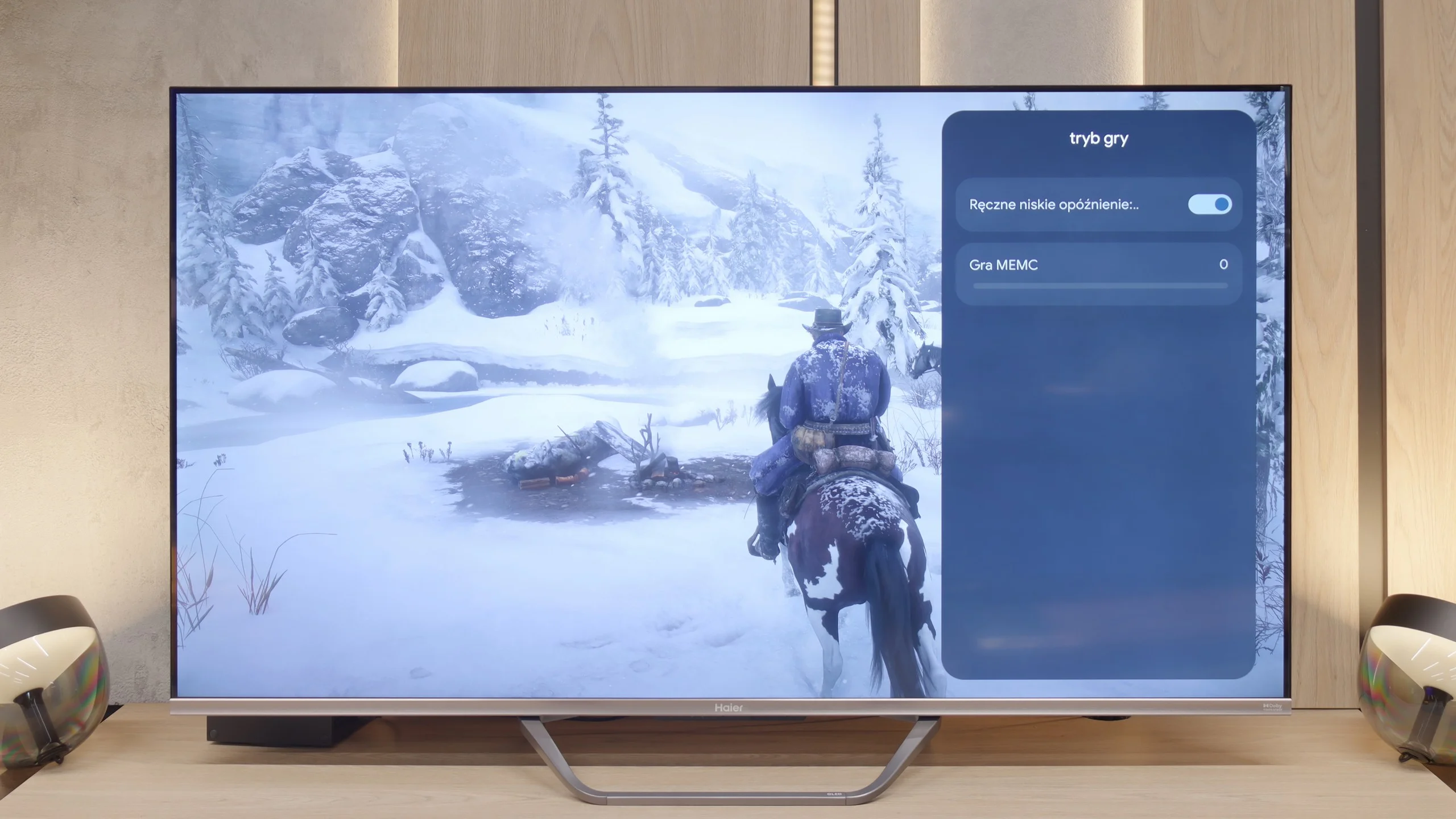
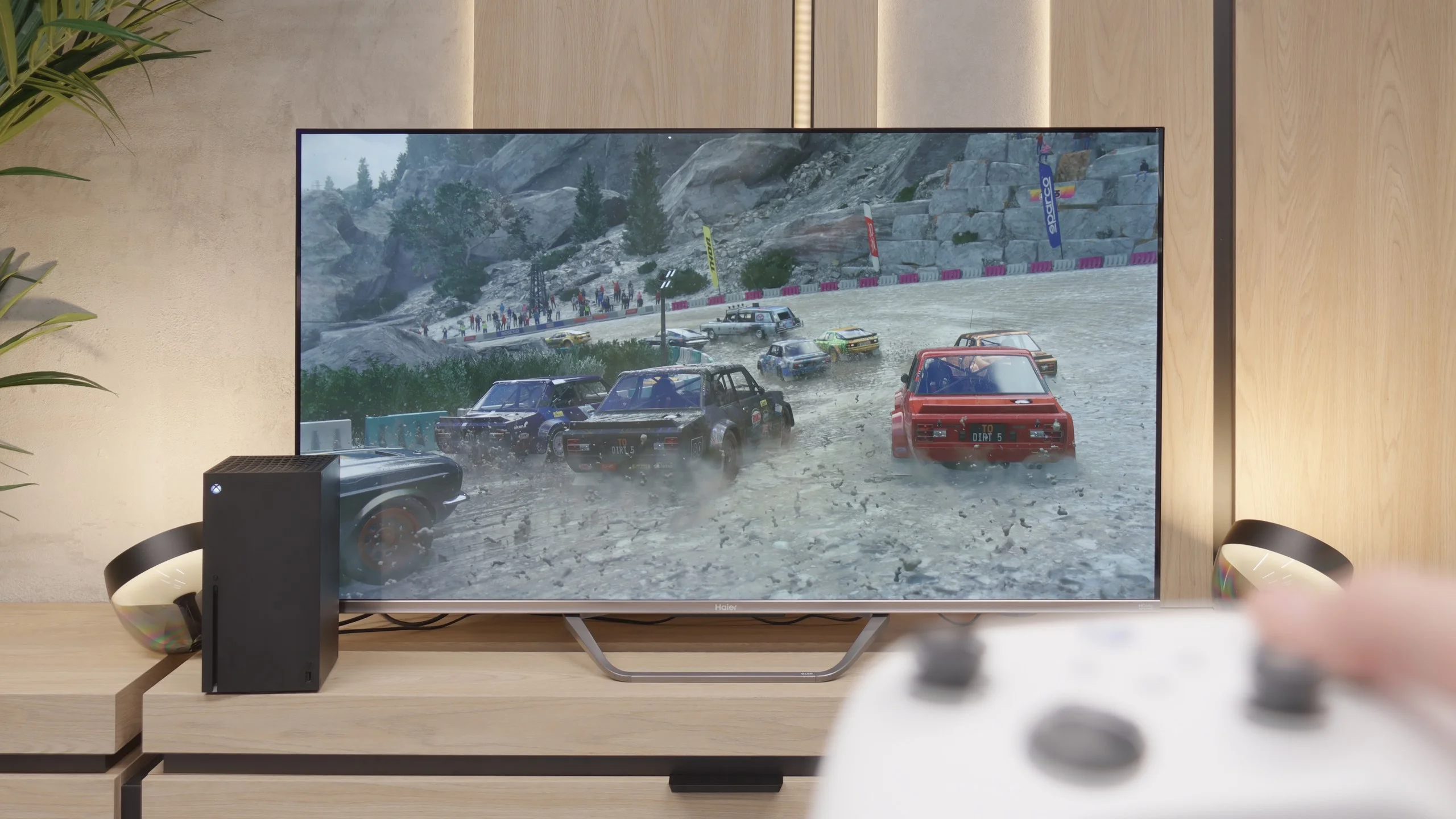
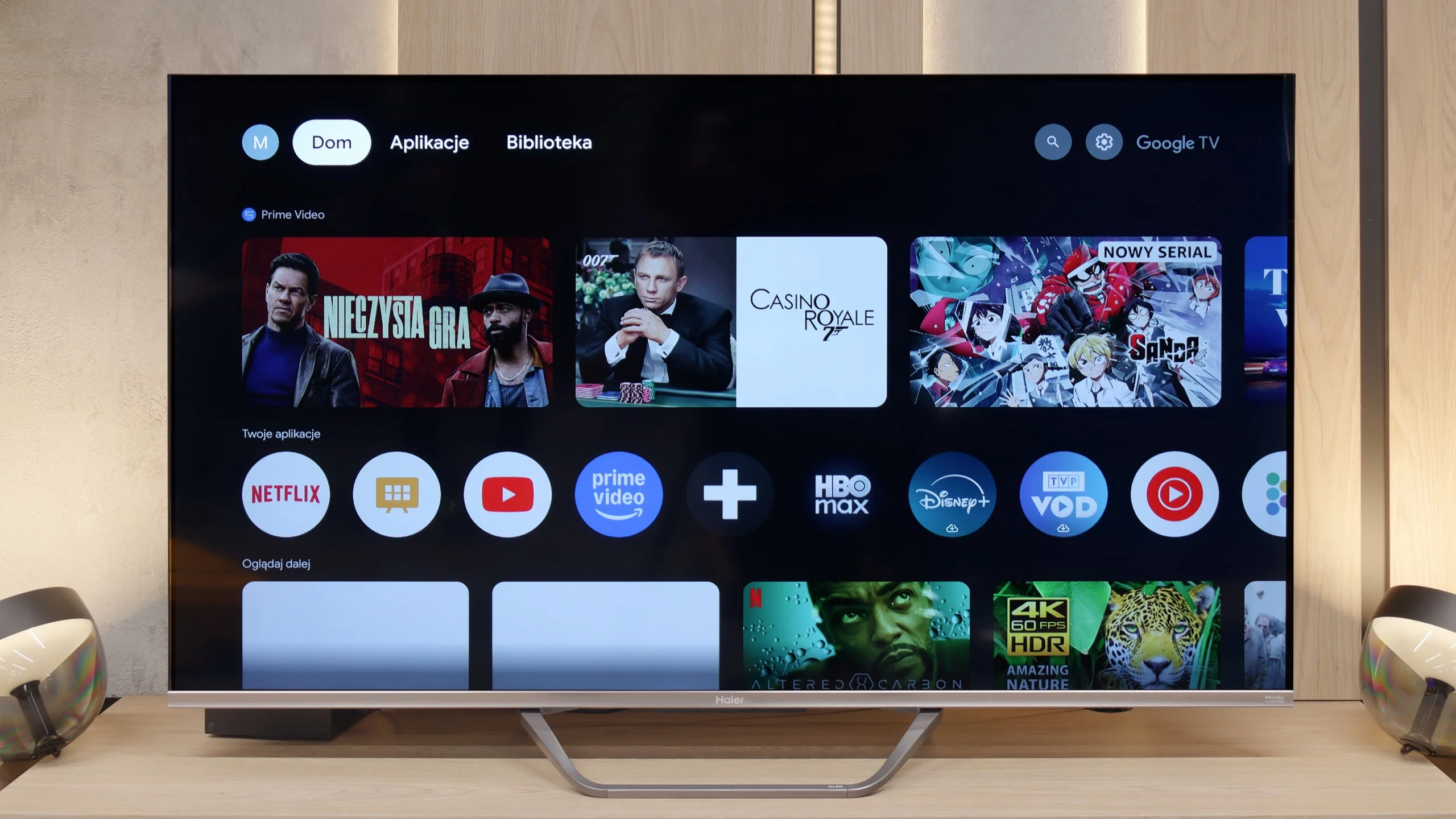
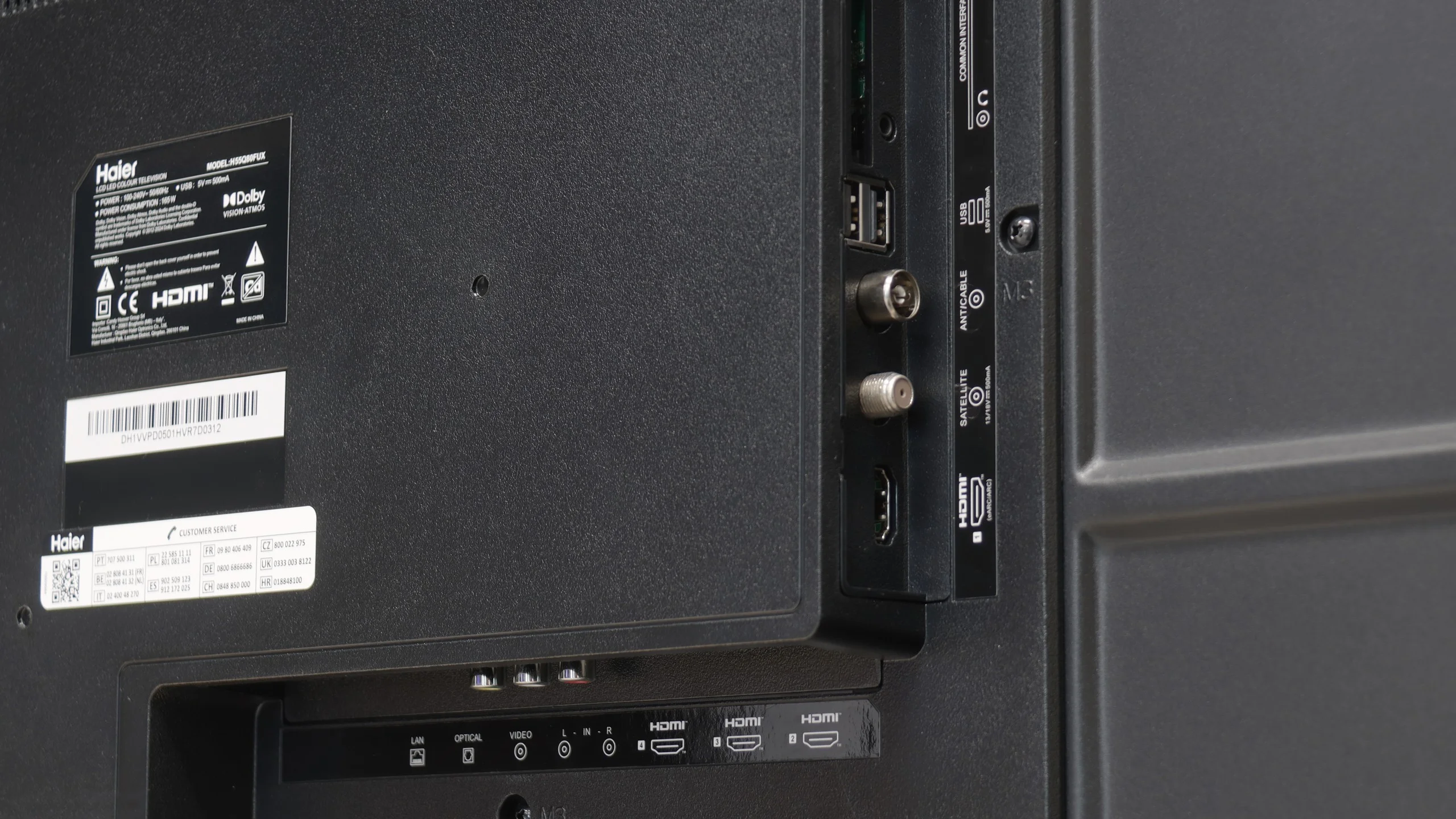
Stepping into the gaming territory, the Haier Q80FUX proves to be quite a decent companion for the "casual gamer." On board, we find today’s highly desired features like VRR (variable refresh rate) and ALLM (automatic low latency mode). However, the biggest surprise is something else. Although we are not dealing with a 4K@120Hz panel, the TV can accept and display a 120Hz signal at a lower resolution (Full HD). This is a very useful feature, allowing the conscious switch of the console to a lower resolution mode in exchange for significantly higher fluidity, which is a perfectly acceptable compromise in the gaming world.
We won’t particularly complain about the lack of extras like the "Game Bar," as it’s just a nice addition. The most concerning issues arise when we enter the world of HDR in games. Due to the fact that the TV constantly adapts the signal "in its own way," setting the brightness on the console according to the HGIG standard is nearly impossible to accomplish as per the instructions. Worse still, in the Dolby Vision mode for games, the input lag rises to about 50 ms, which is a high enough value that essentially makes this mode unusable. However, generally, we wouldn’t recommend gaming on this TV in HDR mode, so these aren’t such serious shortcomings. The most pleasing aspect is the presence of 120Hz in Full HD, which makes the Q80FUX quite a nice TV for the occasional gamer.
 Direct comparison